
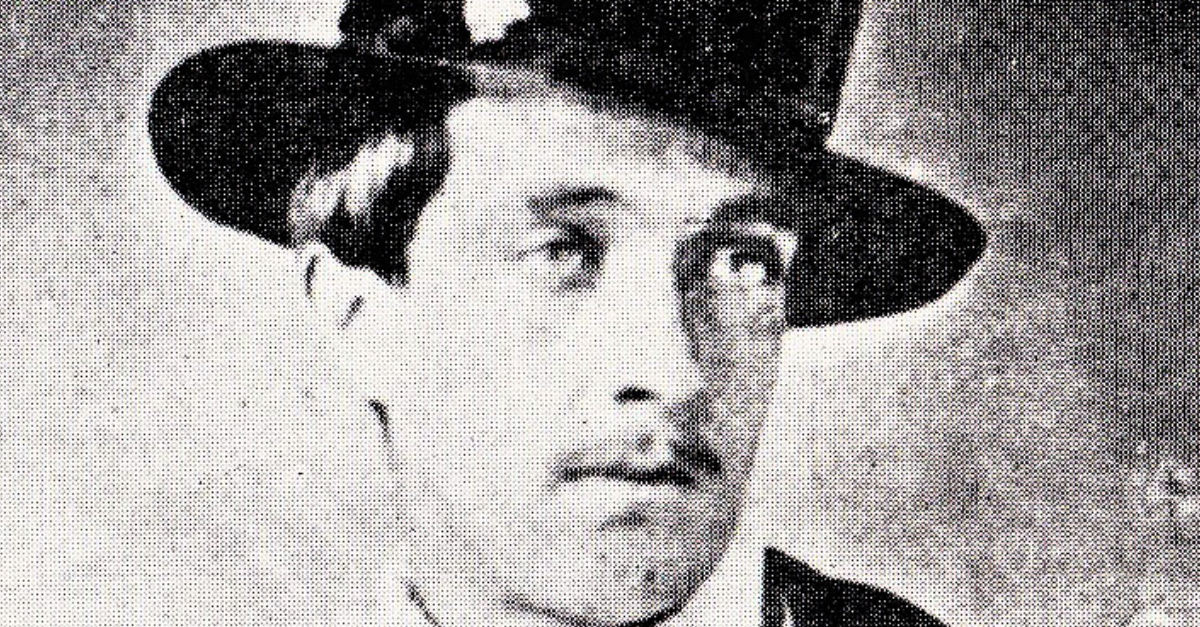
Some Stories Would Not Disappear.
Long before radio, television, or social media, newspapers learned that deaths, scandals, and bizarre crimes could be stretched across weeks of headlines. Many of these sensations have faded from popular memory, even though their coverage helped create the template for the modern media frenzy.
Alfred Packer Returned From The Mountains Alone
In 1874, guide Alfred Packer emerged from the Colorado wilderness without the five prospectors who had entered the mountains with him. He eventually admitted that he had survived partly by eating human flesh, although his explanations of how the other men died changed over time. Newspapers quickly transformed him into the notorious “Colorado Cannibal.” What had begun as a disastrous winter expedition became a national story about murder, starvation, and the limits of human survival.
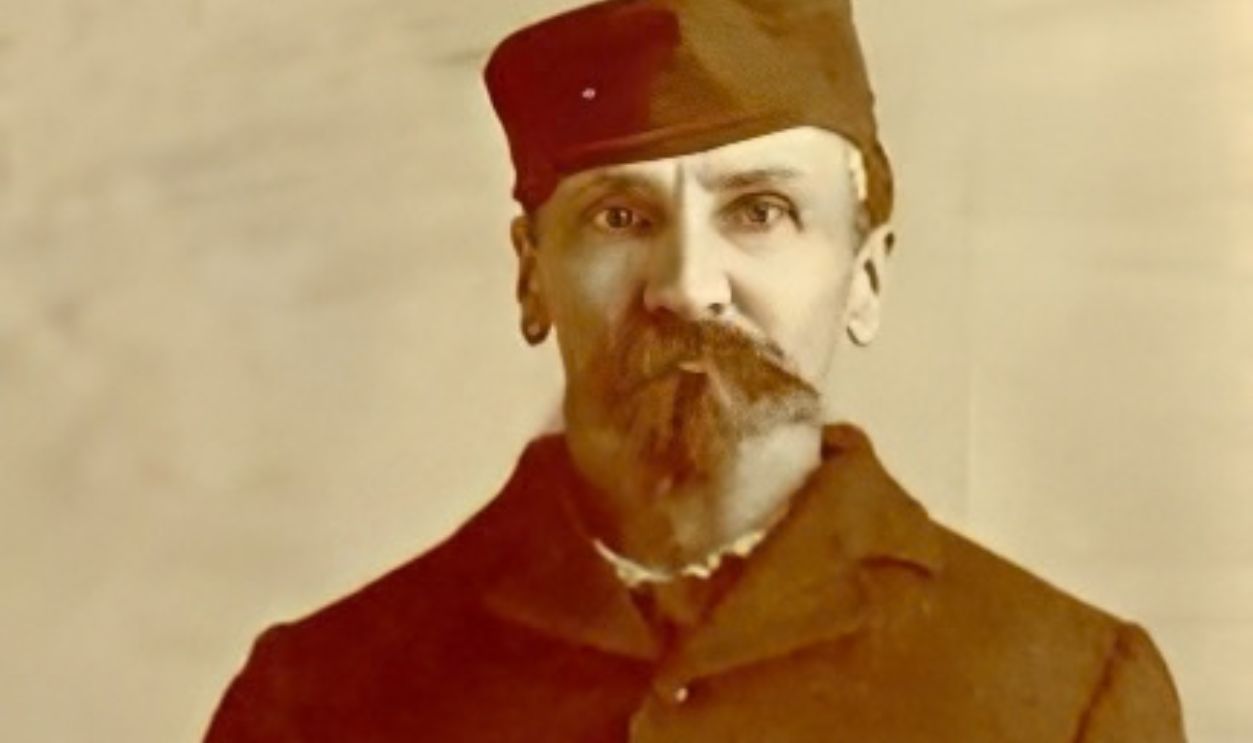 See page for author, Wikimedia Commons, Enhanced
His Story Changed Every Time He Told It
Packer initially claimed that the other men had killed one another before he reached the camp and killed the final survivor in self-defense. Later versions changed important details, creating enormous uncertainty about what actually happened. When Packer was finally arrested after years away, newspapers enthusiastically reopened the old mystery. His contradictions ensured that nearly every courtroom development could generate another headline.
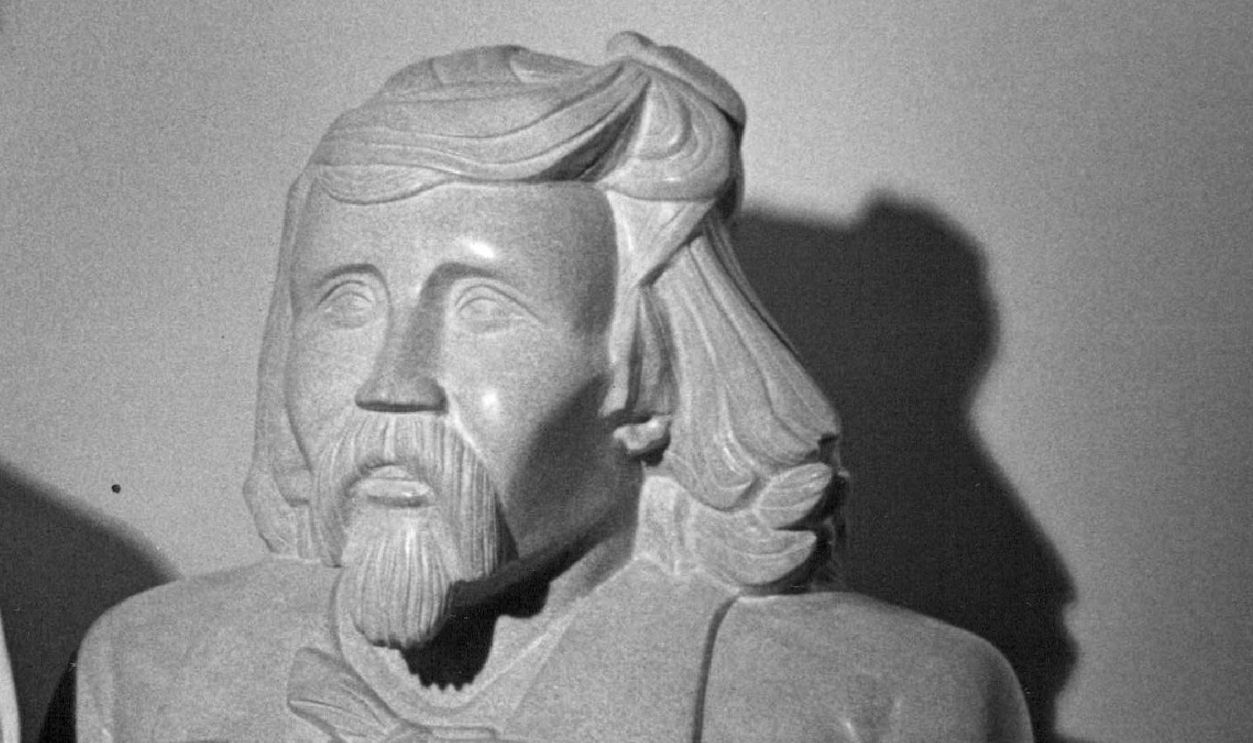
The “Man Eater” Stayed Famous For Decades
Packer was convicted in 1883 and sentenced to death, but Colorado's Supreme Court overturned that sentence. A second proceeding resulted in a 40-year prison term, and he remained a recurring newspaper subject until his parole in 1901. Papers were still recounting the cannibal story when he died in 1907, more than three decades after the original expedition. The man had served his sentence, but the nickname newspapers gave him never really went away.
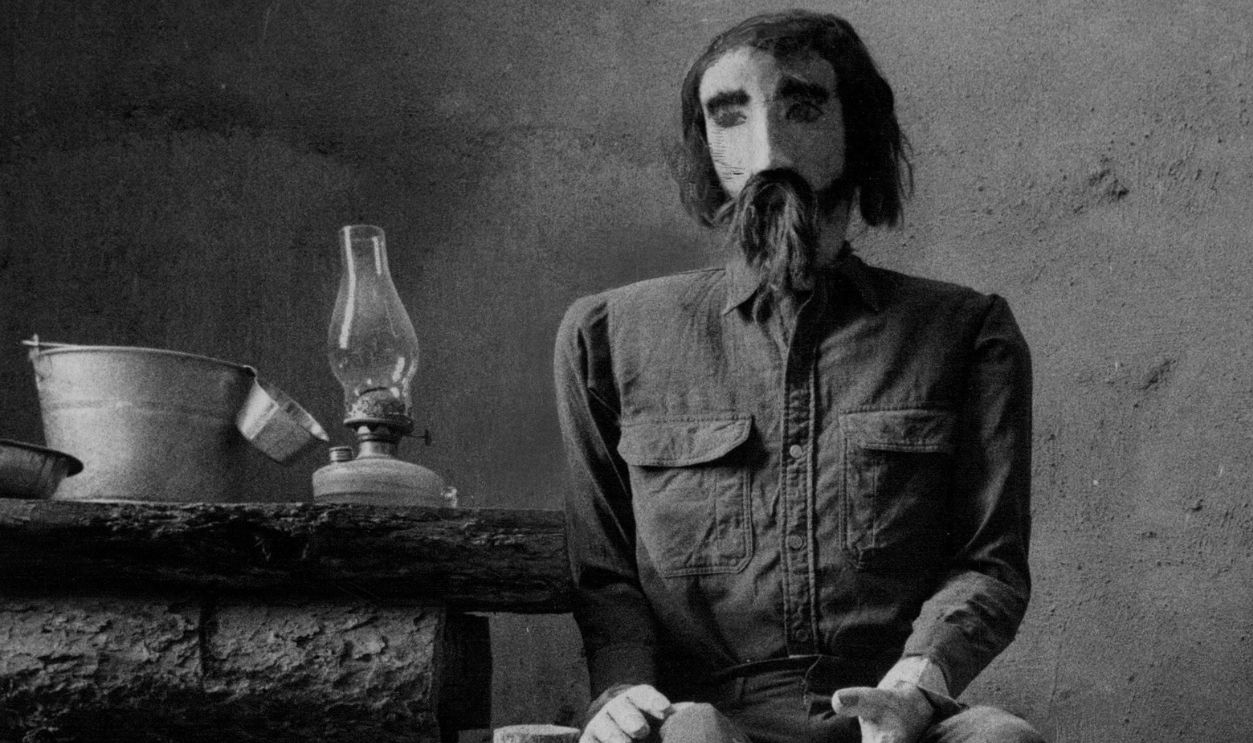
A Bomb Exploded In Russell Sage's Office
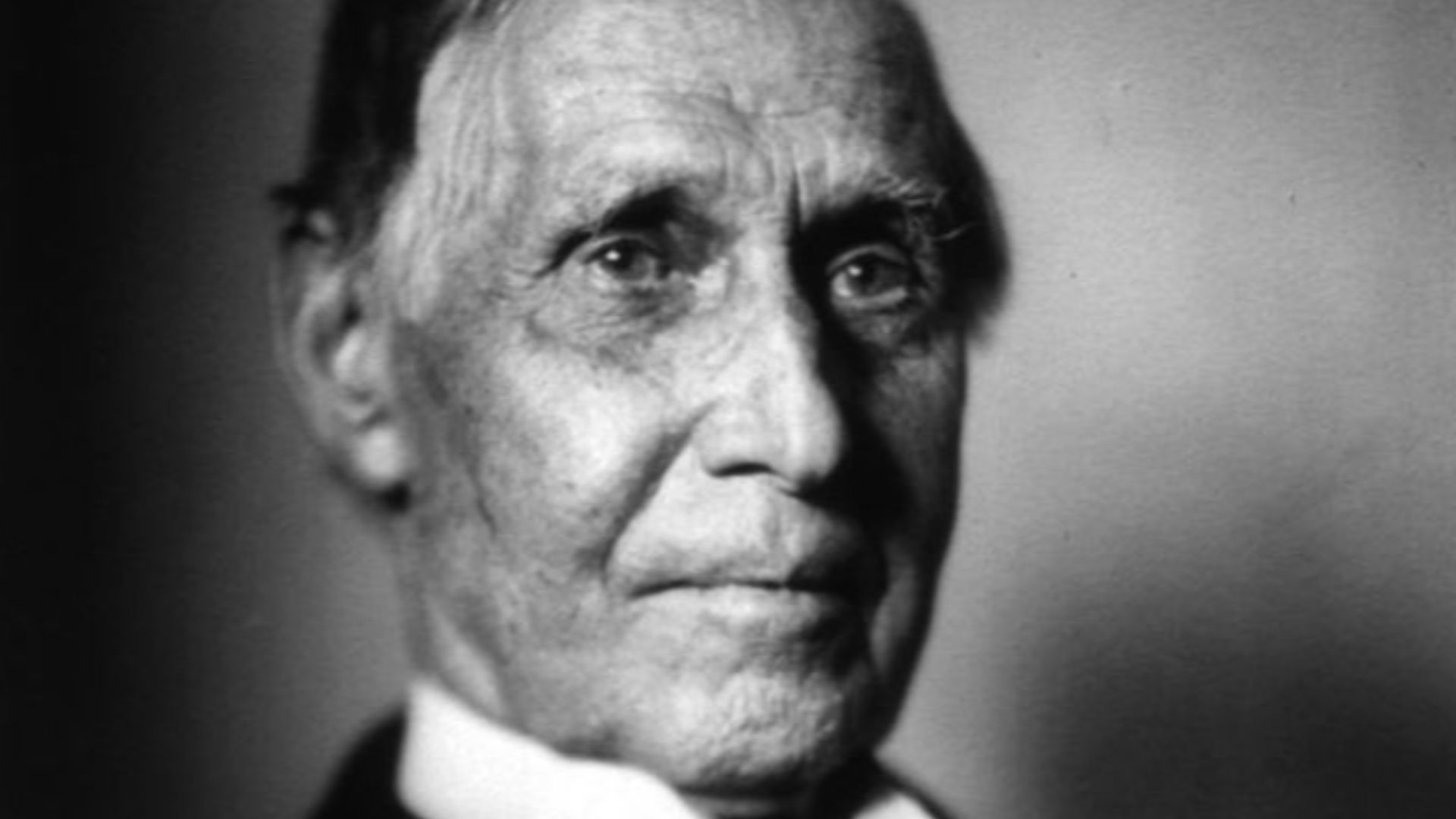
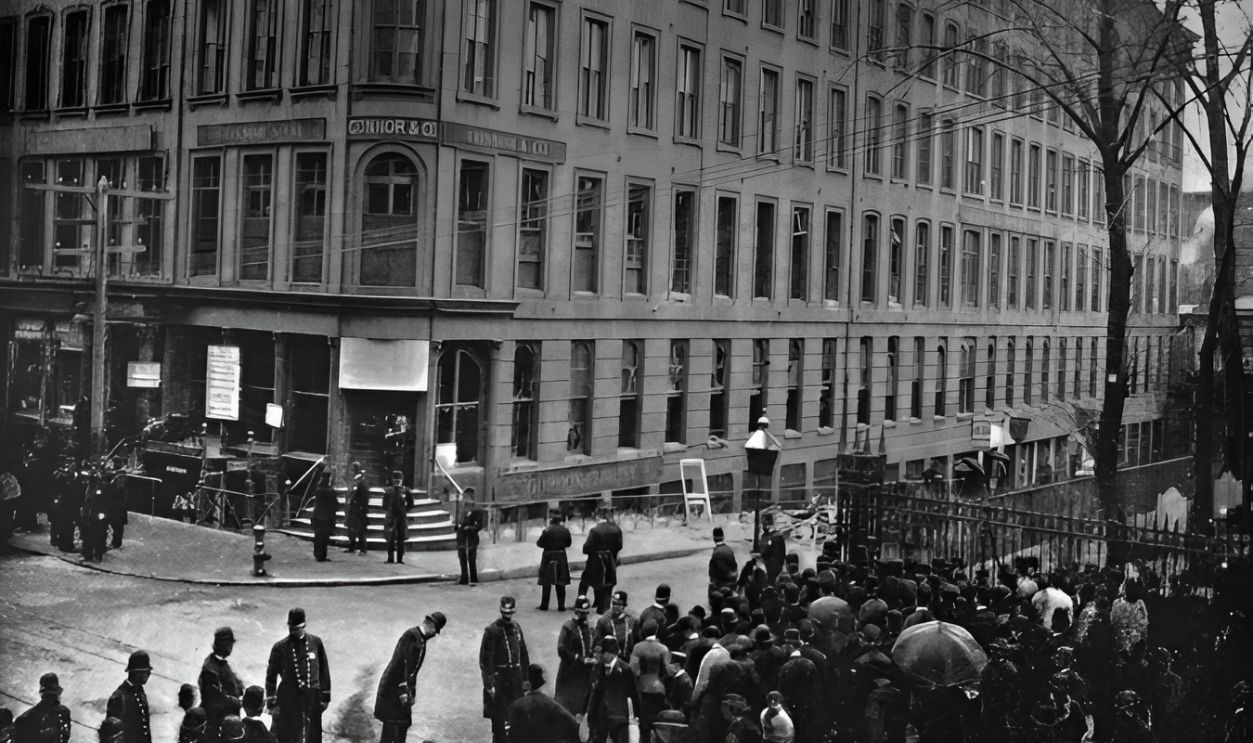
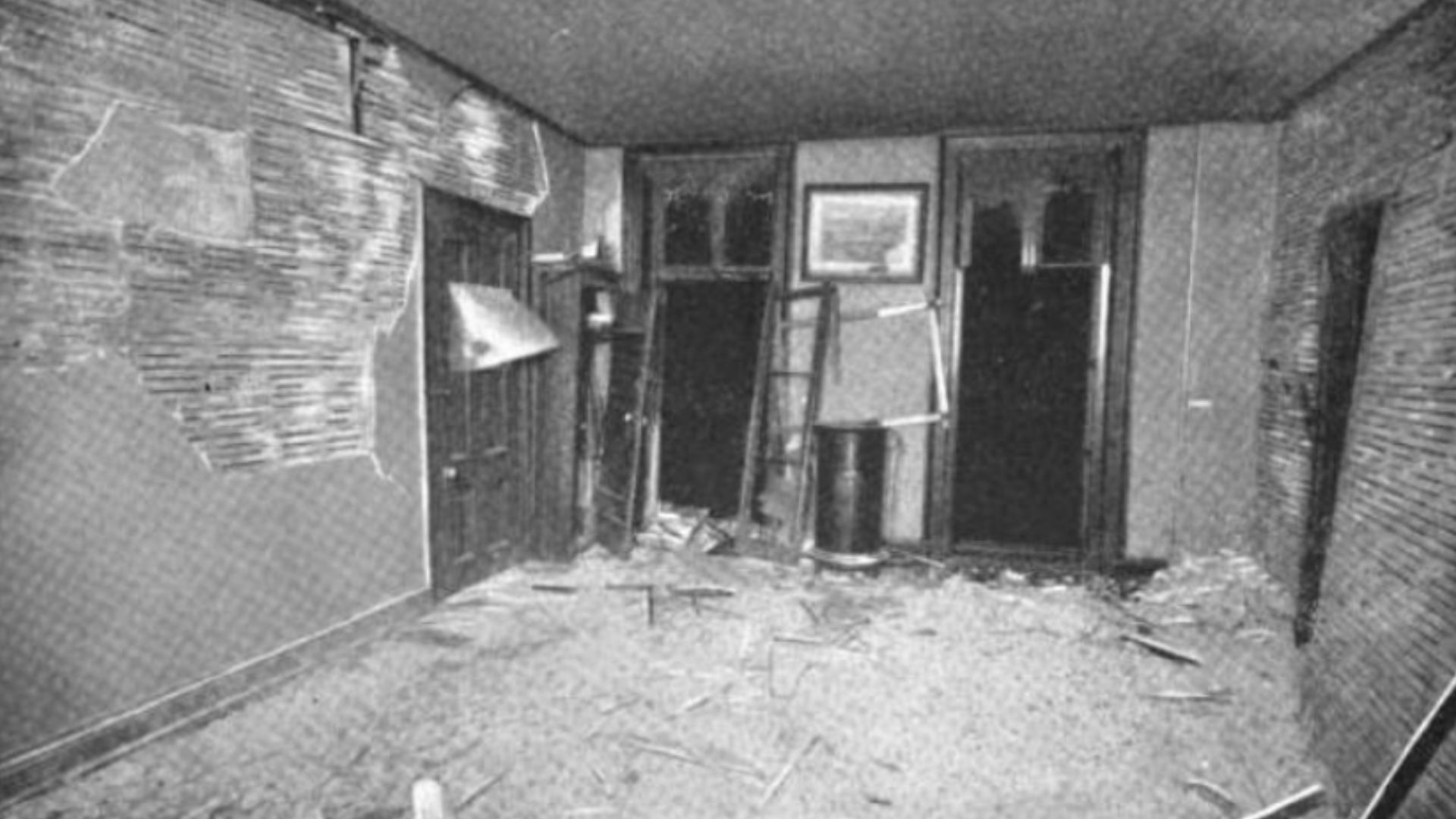
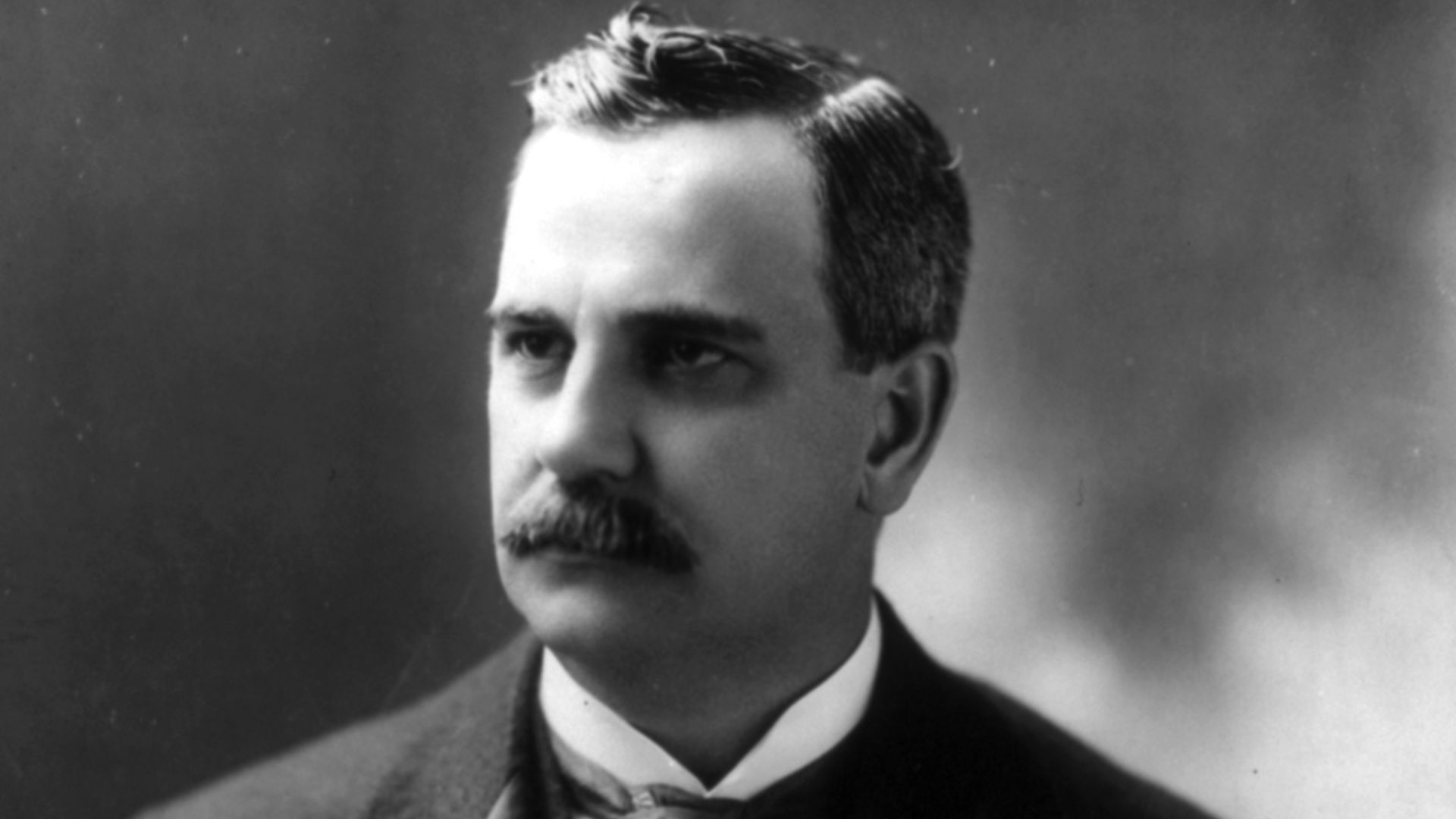
On December 4, 1891, a stranger entered financier Russell Sage's Manhattan office carrying a satchel and demanding an enormous payment. When Sage refused, the visitor detonated a dynamite bomb that devastated the office, killed the attacker, and injured several people. The explosion was heard across lower Manhattan and immediately became front-page news. Newspapers soon had something even more sensational than the blast itself: the bomber's identity was unknown.
 Pirie MacDonald, Wikimedia Commons
Newspapers Printed The Bomber's Severed Head
The blast badly damaged the attacker's body, but his head remained sufficiently intact for police to use it in identification efforts. Newspapers printed drawings and descriptions while investigators tried to determine who he was. Within days, the attacker was identified as Henry L. Norcross, a Boston office worker. The grisly identification process allowed papers to keep expanding a crime that had initially lasted only seconds.
 The Illustrated American, Wikimedia Commons, Enhanced
Then Sage's Human Shield Became The Story
Clerk William Laidlaw, who survived the explosion with lasting injuries, claimed Sage had grabbed him and used him as a shield when the bomb appeared. Laidlaw sued the millionaire, creating years of additional courtroom coverage over exactly what Sage had done in the seconds before the explosion. The litigation continued through repeated trials and appeals, while newspapers revived the bombing whenever another judgment appeared. A single dynamite attack remained newsworthy for more than a decade.
 The Illustrated American, Wikimedia Commons
“Old Shakespeare” Became Famous Only After Her Death
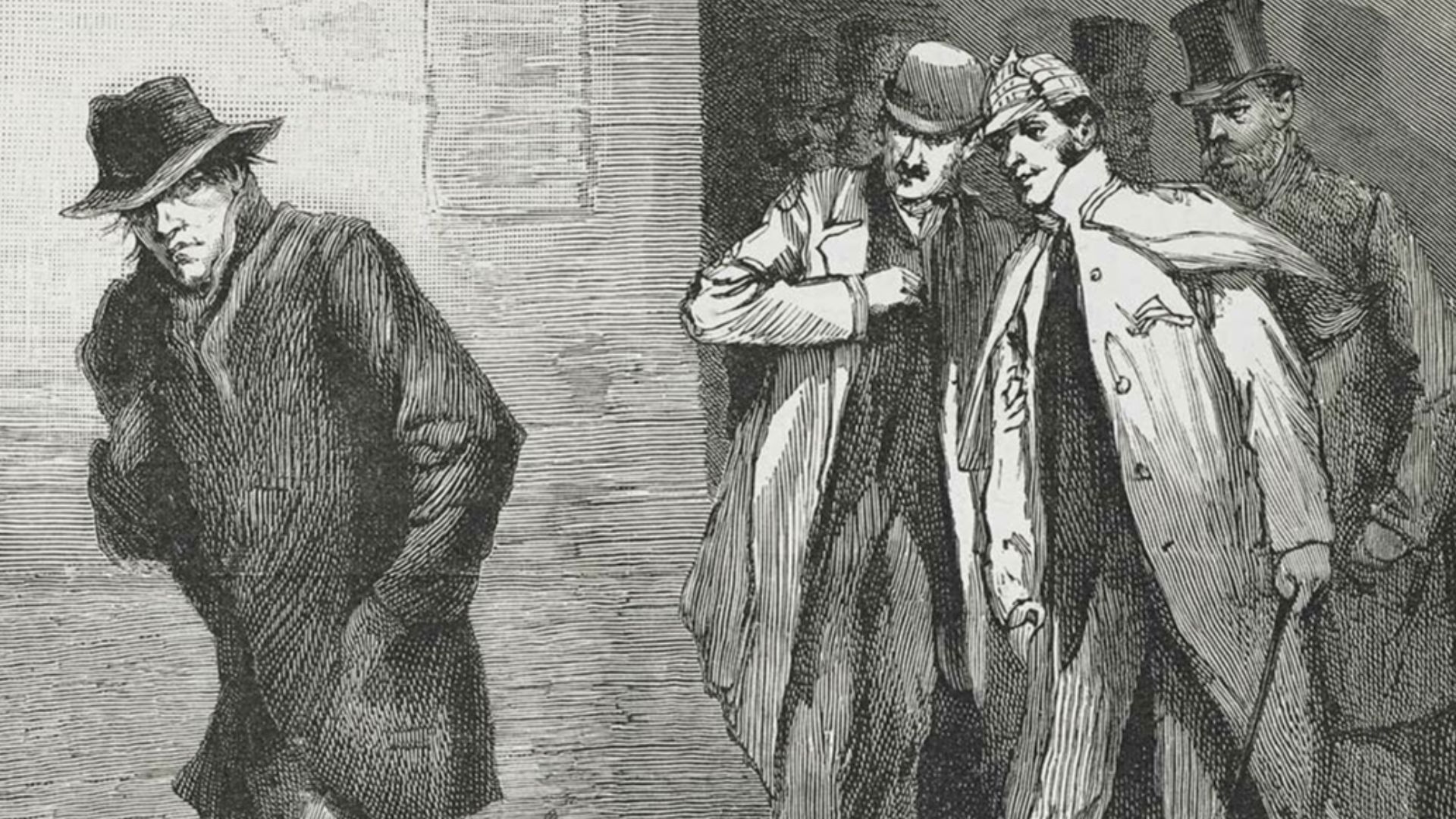
In April 1891, the body of Carrie Brown was discovered in a cheap Manhattan lodging house. Brown was around 60 and had reportedly entertained people by quoting Shakespeare, producing the newspaper nickname “Old Shakespeare.” Her brutal death immediately invited comparisons with London's Jack the Ripper murders. A woman who had attracted little lasting attention during her life suddenly became the center of one of New York's loudest murder sensations.
 R. Taylor (R. & E. Taylor (Firm)), Wikimedia Commons
Police Found Their “Frenchy”
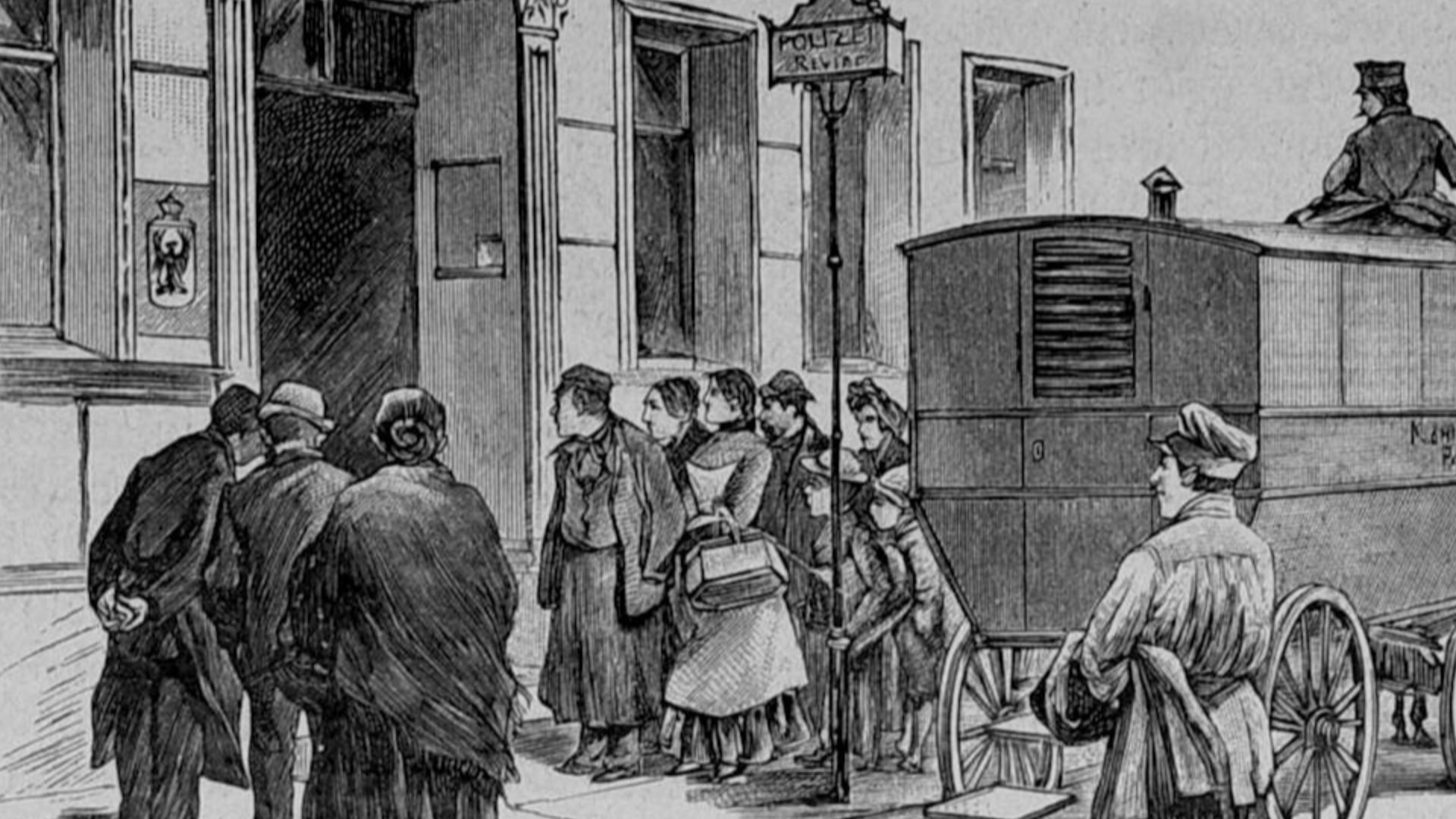
Authorities arrested Algerian immigrant Ameer Ben Ali, whom newspapers commonly called “Frenchy.” The case against him relied heavily on disputed physical evidence and assumptions about his movements, yet he was convicted in 1891. Newspapers covered his foreign background, appearance, courtroom behavior, and supposed motives with the same intensity they devoted to the victim. The desire for a dramatic solution helped transform Ben Ali into the villain of an extraordinarily shaky story.

History's most fascinating stories and darkest secrets, delivered to your inbox daily.
Years Later The Sensation Started Falling Apart
Journalist and reformer Jacob Riis became convinced that Ben Ali had been wrongly convicted. Riis investigated the case, argued that important evidence had been misunderstood, and helped generate pressure for a pardon. New York Governor Benjamin Odell eventually pardoned Ben Ali in 1902 after he had spent more than a decade imprisoned. The sensational conviction had taken hours for newspapers to announce, while correcting the story required years.
 George Prince, Wikimedia Commons
Alice Mitchell Killed The Woman She Loved
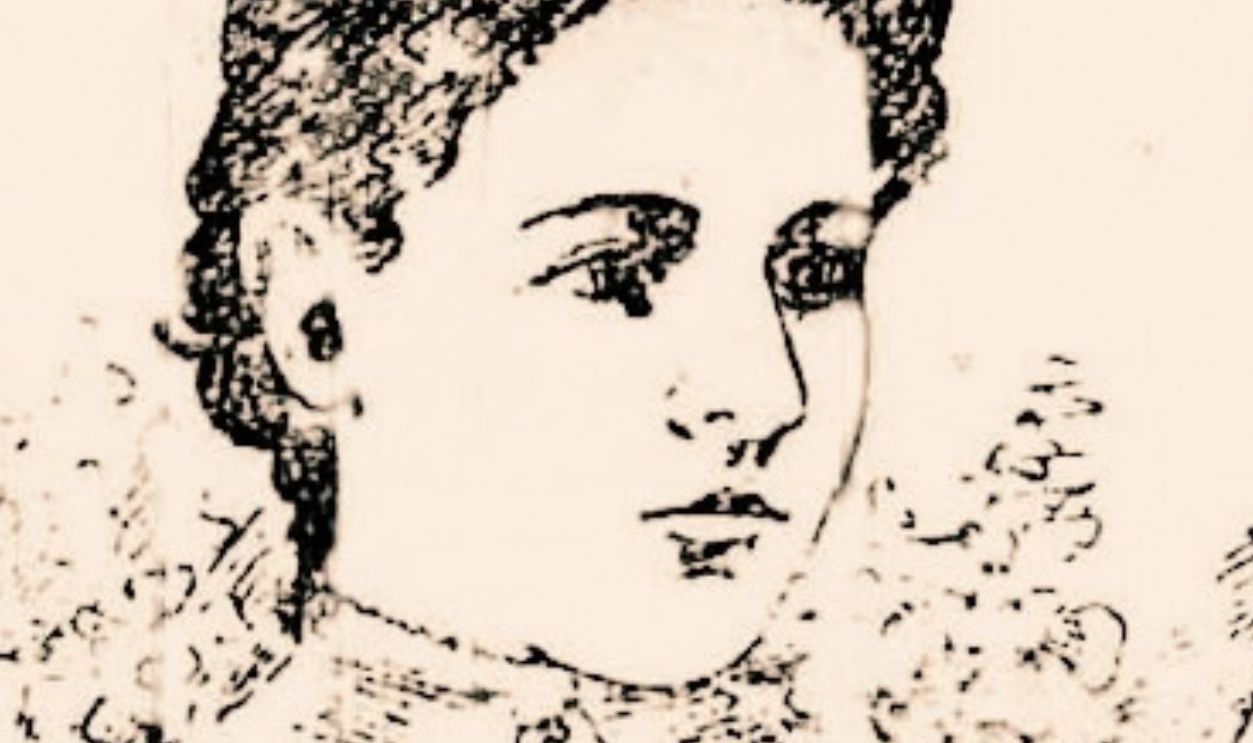
In January 1892, 19-year-old Alice Mitchell killed 17-year-old Freda Ward on a Memphis street. The two young women had been emotionally involved and had discussed a plan in which Mitchell would live as a man so they could marry. Ward's family intervened, separating them before the killing. The crime gave newspapers a story involving murder, gender expectations, romance, and behavior that many readers had rarely seen discussed publicly.
 1892 portrait of Alice Mitchell, Wikimedia Commons, Enhanced
The Newspapers Turned Their Relationship Into A Spectacle
Press coverage spread far beyond Tennessee and eventually reached audiences overseas. Scholars examining the coverage have found that newspapers repeatedly emphasized the women's appearance, social class, gender roles, and intimate relationship. Papers even began comparing unrelated cases to Mitchell and Ward, publishing stories under headlines suggesting similar women were appearing everywhere. The murder became a framework through which journalists discussed broader anxieties about women who did not fit conventional expectations.
 See page for author, Wikimedia Commons
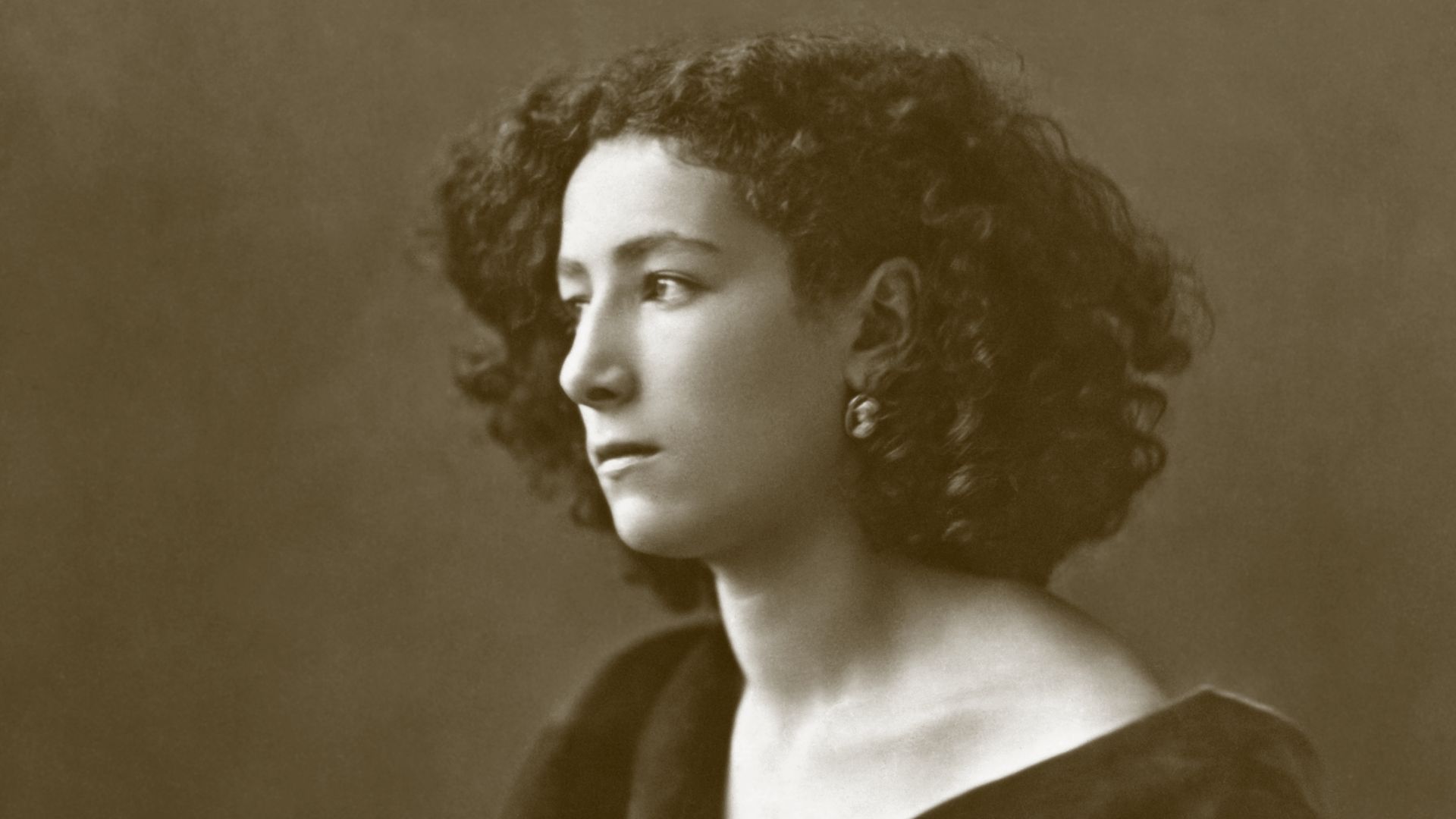
Even Sarah Bernhardt Wanted To See Alice
The fascination became so intense that contemporary reporting recorded actress Sarah Bernhardt attempting to visit Mitchell in jail. Mitchell's case ultimately centered on whether she was legally sane, and she was committed to an institution rather than tried in an ordinary murder proceeding. Yet newspapers had already made her private relationship into a national conversation. Long after Ward's death, the press continued using the pair as symbols in stories about gender and intimacy.
Madeline Pollard Took A Congressman To Court
In 1893, Madeline Pollard sued Kentucky Congressman William C. P. Breckinridge for breaking a promise to marry her. Pollard alleged a long relationship with the prominent married politician and sought $50,000 in damages. Breckinridge was a celebrated orator from a famous political family, while Pollard had far less social power. The imbalance made her lawsuit explosive news before the trial had even begun.
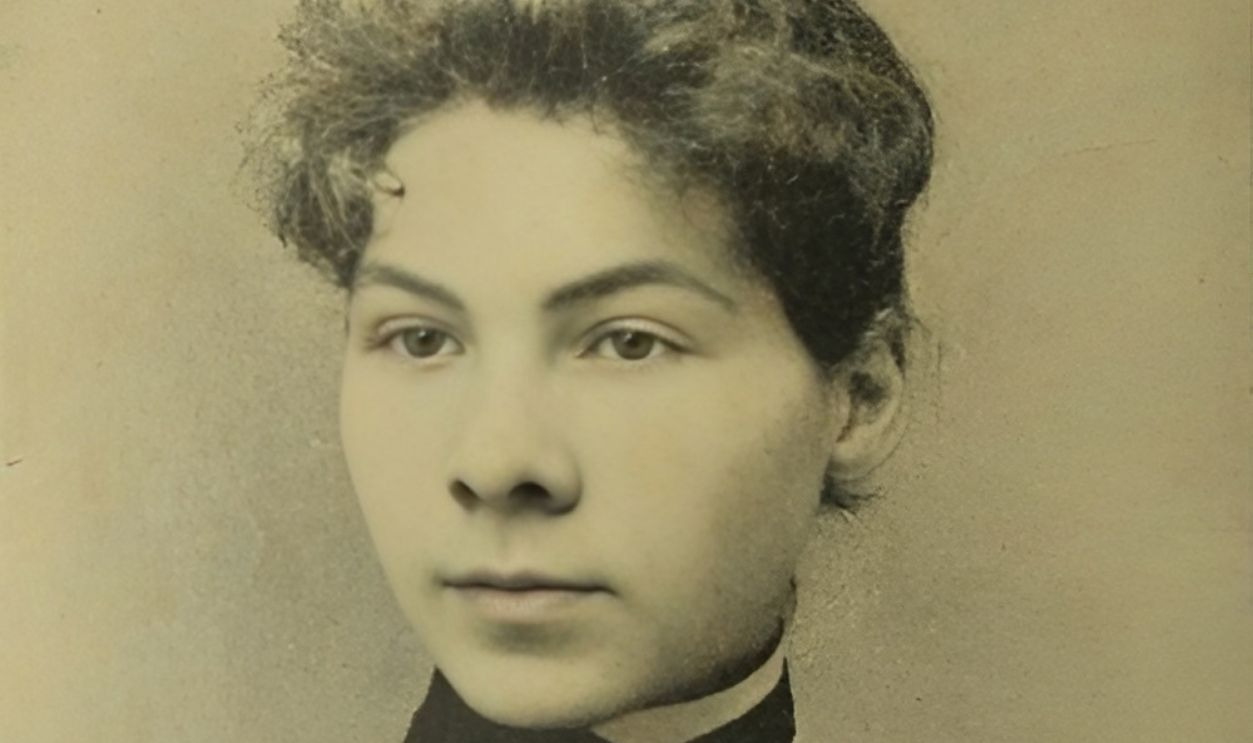 Pollard, Madeline, 1863-1945, Wikimedia Commons, Enhanced
Washington Turned The Trial Into Entertainment
For five weeks in 1894, spectators crowded the courthouse while newspapers across the country printed testimony about Pollard and Breckinridge's relationship. Pollard was forced to describe intensely private experiences before a courtroom dominated by male spectators. Contemporary papers treated every contradiction, letter, witness, and emotional moment as material for another installment. Smithsonian describes the case as a national sensation that forced Americans to confront a glaring double standard in respectable society.
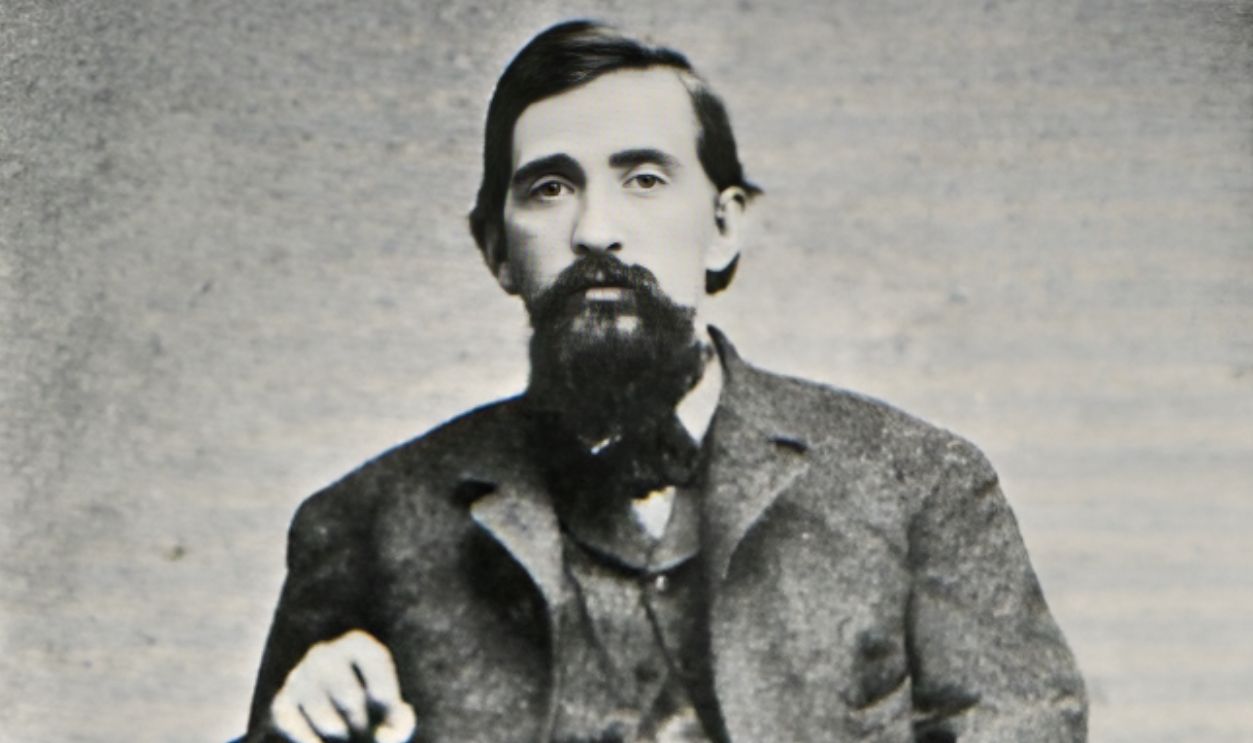 See page for author, Wikimedia Commons, Enhanced
Pollard Won And The Headlines Kept Coming
The jury awarded Pollard $15,000 in damages. Breckinridge nevertheless sought reelection, turning the scandal into a political battle that newspapers continued following through the campaign. He lost the Democratic primary later that year, while Pollard herself became the subject of rumors about speaking tours and theatrical offers. Winning the case did not restore her privacy because the press had already transformed her into a national character.
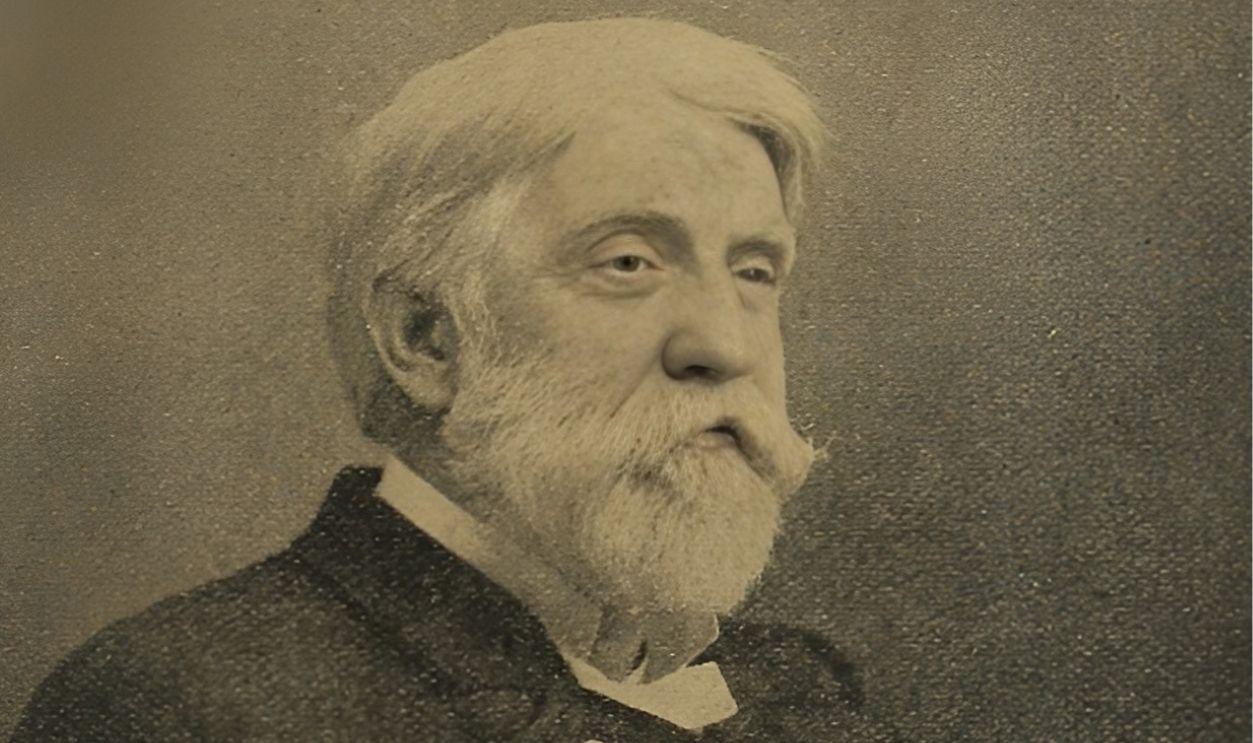 Pollard, Madeline, 1863-1945, Wikimedia Commons, Enhanced
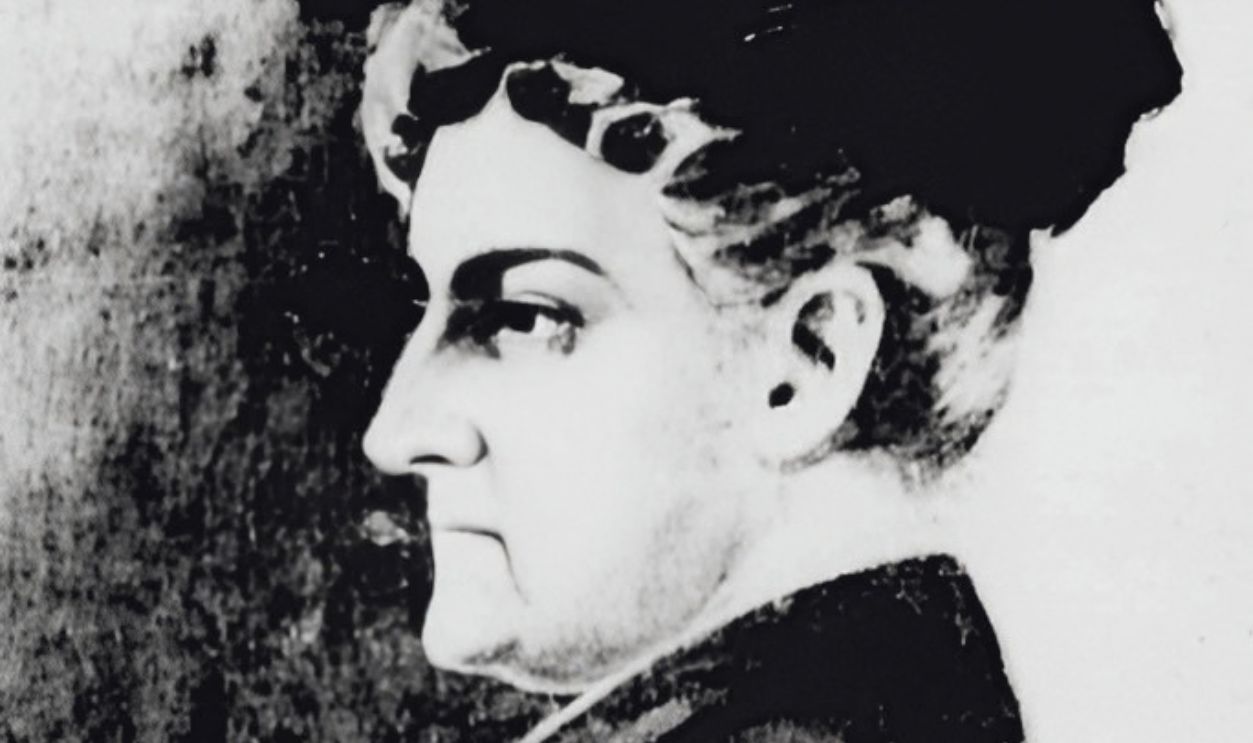
Maria Barbella Faced The Electric Chair
Italian immigrant Maria Barbella was convicted in New York in 1895 of killing Domenico Cataldo. Her first trial attracted enormous attention, particularly after she became the first woman in the United States sentenced to die in the electric chair. Barbella spoke little English and had entered a legal system in which she struggled to understand the proceedings surrounding her. Her death sentence immediately transformed a local killing into a national cause.
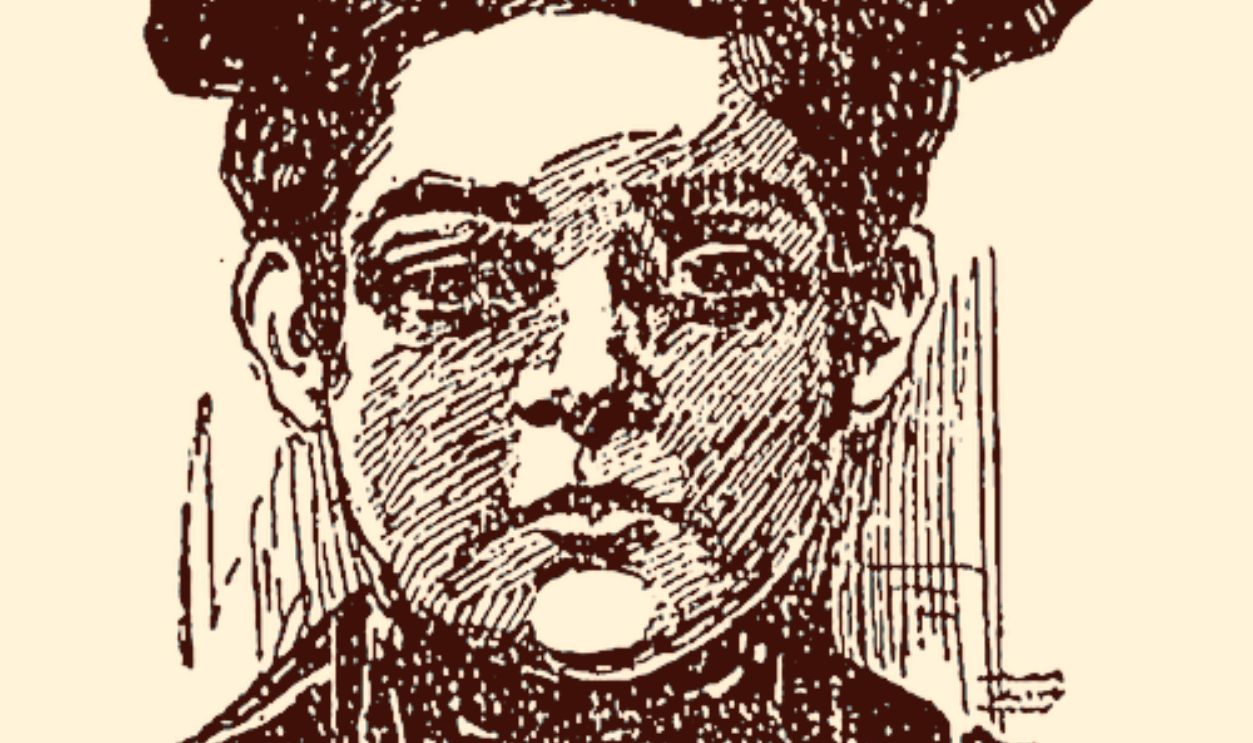 Chicago Tribune, December 11, 1896, page 5, Wikimedia Commons
Her Case Became Bigger Than The Crime
Supporters argued that Barbella had suffered mistreatment from Cataldo and had received an unfair trial. New York philanthropist Rebecca Salome Foster helped her, while Countess Cora Slocomb di Brazza joined a campaign seeking clemency and a new hearing. Thousands of people reportedly signed petitions challenging the sentence. Newspapers could now cover not just the crime, but immigration, women's treatment in court, capital punishment, and ethnic prejudice.
 The evening world. (New York) February 25, 1902, Wikimedia Commons, Enhanced
A Second Jury Changed Everything
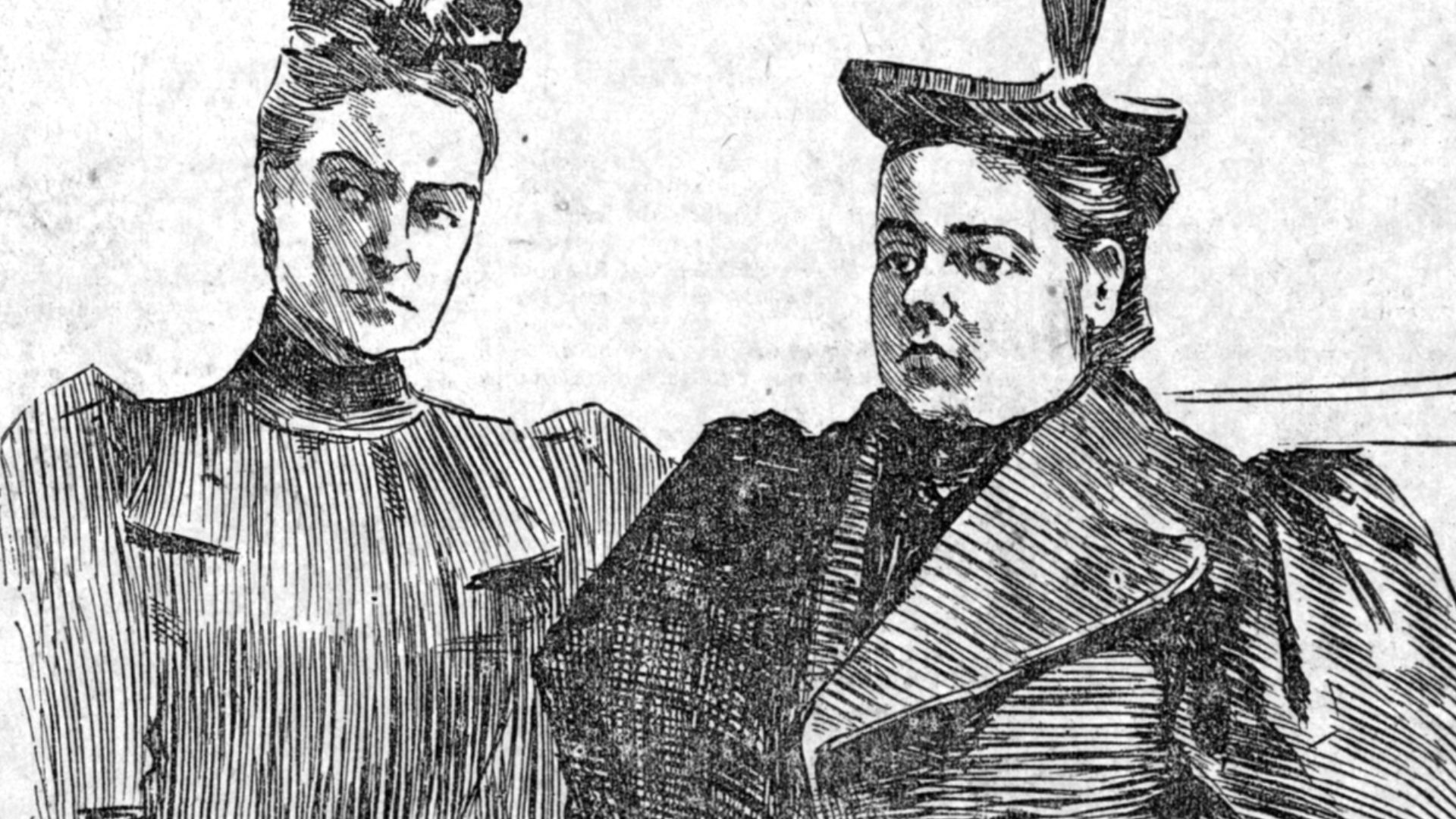
New lawyers appealed Barbella's conviction, arguing that serious errors had occurred during her first trial. New York's Court of Appeals granted another proceeding, and a second jury acquitted her in December 1896. After more than a year of sensational coverage, the woman once expected to die in the electric chair walked free. The reversal made the case even more memorable because newspapers now had a dramatic ending completely different from the one they had originally announced.
 Haydon Jones, Wikimedia Commons
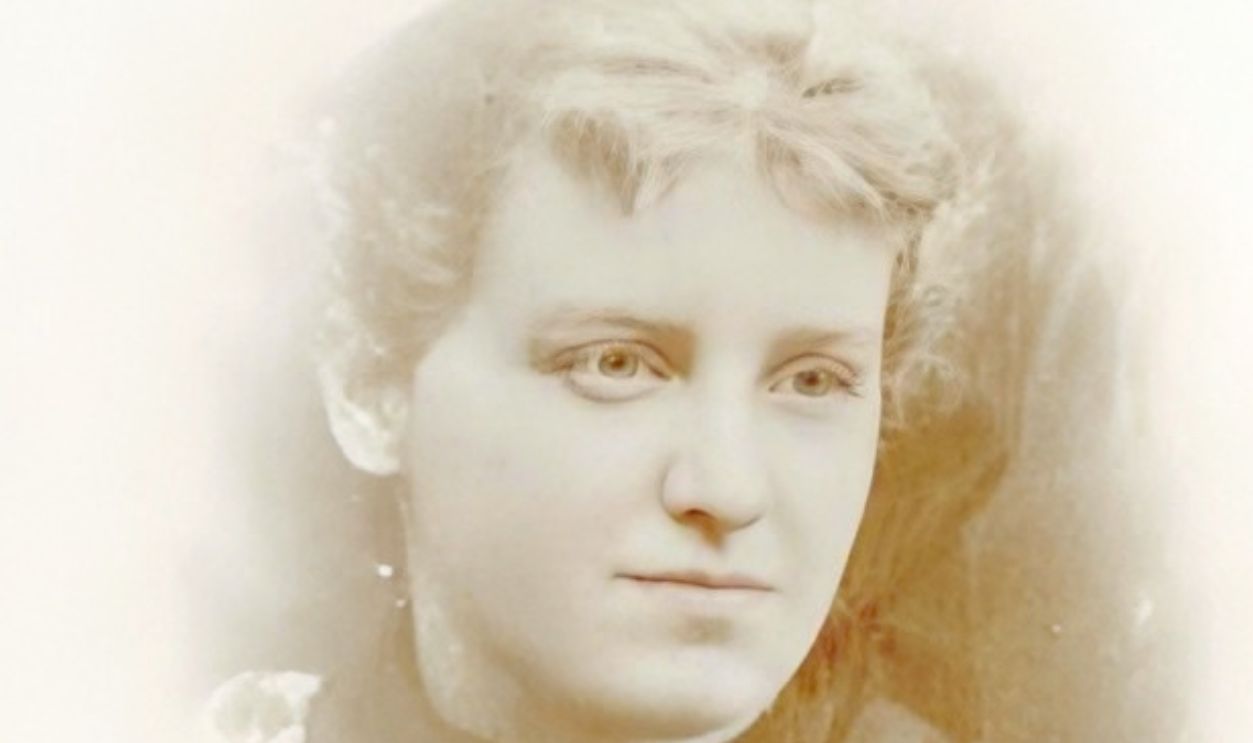
Pearl Bryan's Body Was Found Without A Head
In February 1896, the headless body of 22-year-old Pearl Bryan was discovered near Fort Thomas, Kentucky. Investigators soon traced her to Indiana and focused on dentistry student Scott Jackson and his friend Alonzo Walling. The missing head became the gruesome mystery at the center of the story. Newspapers from across the country followed the investigation almost immediately.
 Hunton, Greencastle, IN, photographer, 1896 or earlier, Wikimedia Commons, Enhanced
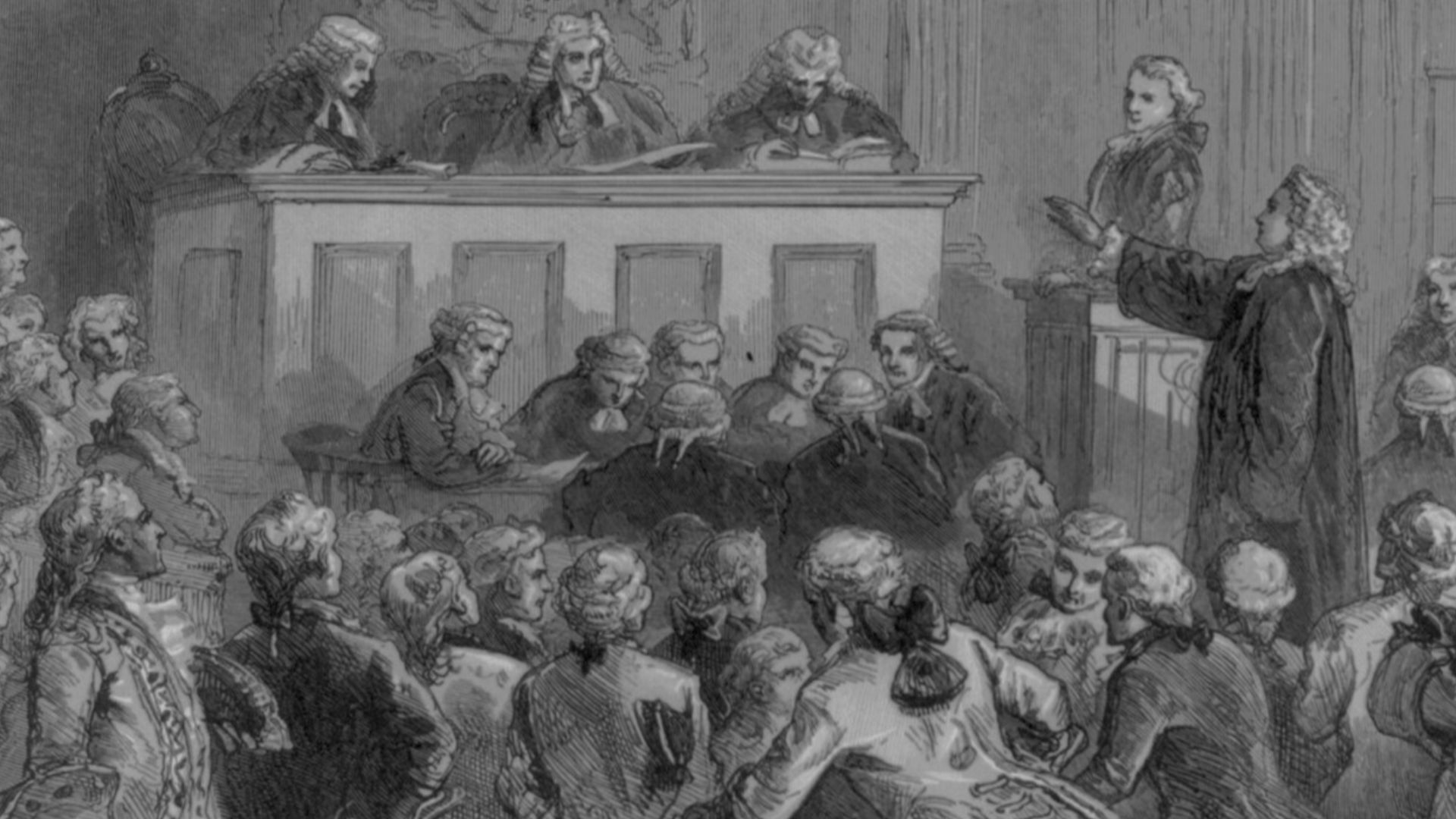
Crowds Wanted A Conviction
Public anger around the Bryan case became intense enough that officials worried about mob violence if Jackson escaped punishment. Contemporary reporting described packed courtrooms, crowds gathering outside, and extraordinary tension around the verdict. Newspapers printed testimony in extensive detail while speculation about the missing head continued. The trial became a public event rather than merely a criminal proceeding.
 Miscellaneous Items in High Demand, PPOC, Library of Congress, Wikimedia Commons
The Story Continued Long After The Verdict
Jackson was convicted and sentenced to death, while Walling was convicted separately. Even after the legal proceedings, newspapers continued printing new claims, alleged evidence, and theories concerning Bryan's death. Her missing head was never recovered, leaving a mystery that could always generate another story. The unresolved detail helped the case survive in newspapers long after the courtroom drama had ended.

William Guldensuppe Became A Headless Mystery Too
In June 1897, children discovered a wrapped section of a human torso while gathering berries near New York City. Additional remains soon appeared elsewhere, but the victim's head was missing. Police eventually identified the dead man as Turkish bath attendant William Guldensuppe. Newspapers immediately recognized another sensational body-parts mystery and competed aggressively for details.
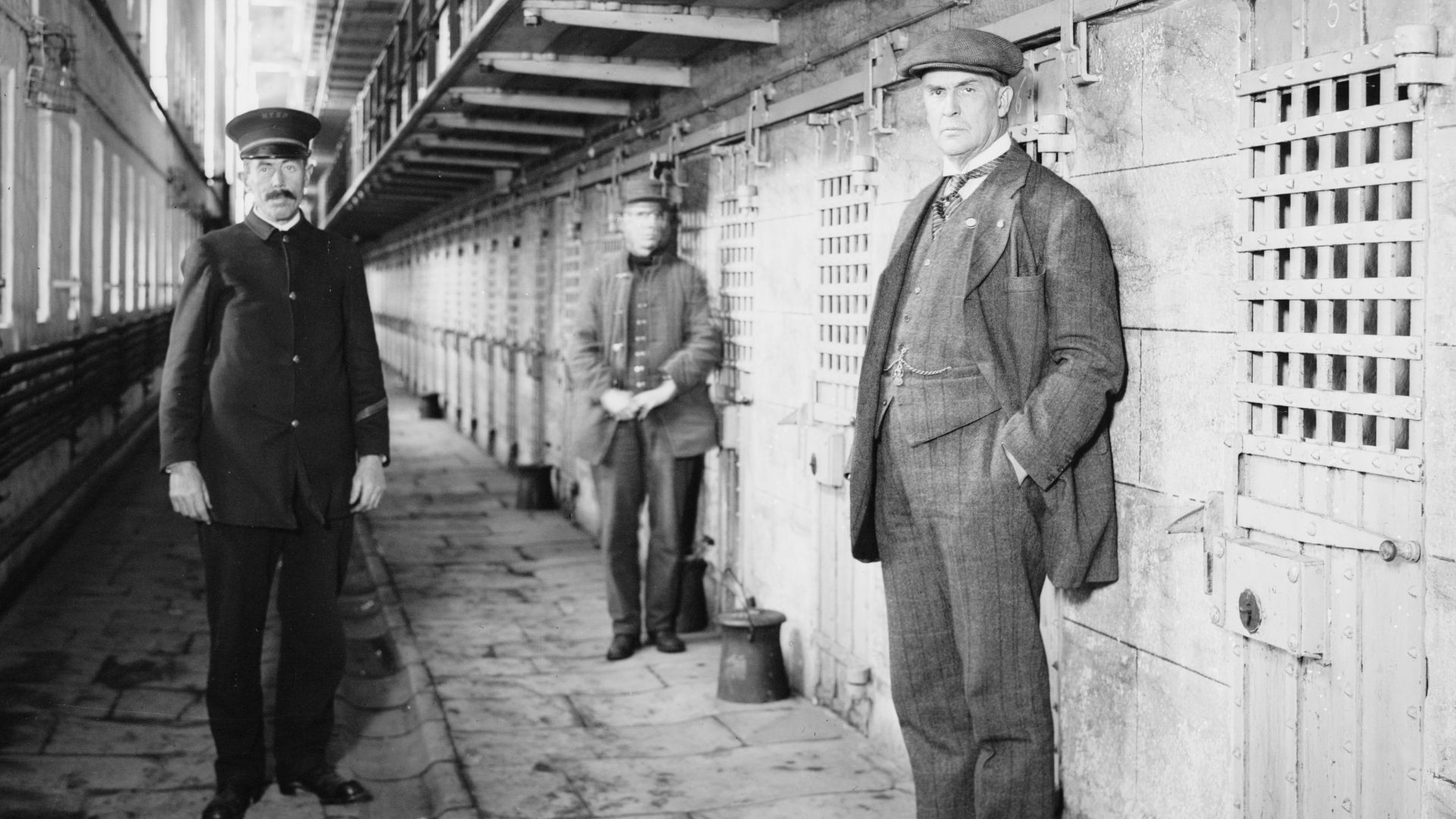 Bain News Service, publisher, Wikimedia Commons
Reporters Started Doing The Police Work
The case unfolded during the height of New York's yellow-journalism rivalry. The Library of Congress notes that zealous reporters helped produce preliminary clues as newspapers pursued Guldensuppe's former partner Augusta Nack and her lover Martin Thorn. Journalists were no longer merely describing the investigation because they were actively pushing it forward. Every discovery gave competing papers another opportunity to claim that their reporting had solved the mystery first.
 The Climate Reality Project, Unsplash
Trials Kept The Story Alive For Another Year
Thorn was convicted of first-degree murder in December 1897, while Nack received a 15-year prison sentence after admitting involvement. Thorn's appeals and eventual execution at Sing Sing in August 1898 kept the crime in newspapers for more than a year after the remains were discovered. Headlines repeatedly returned to the love triangle, the missing head, and the disposal of the body. Guldensuppe himself became almost secondary to the story built around his death.
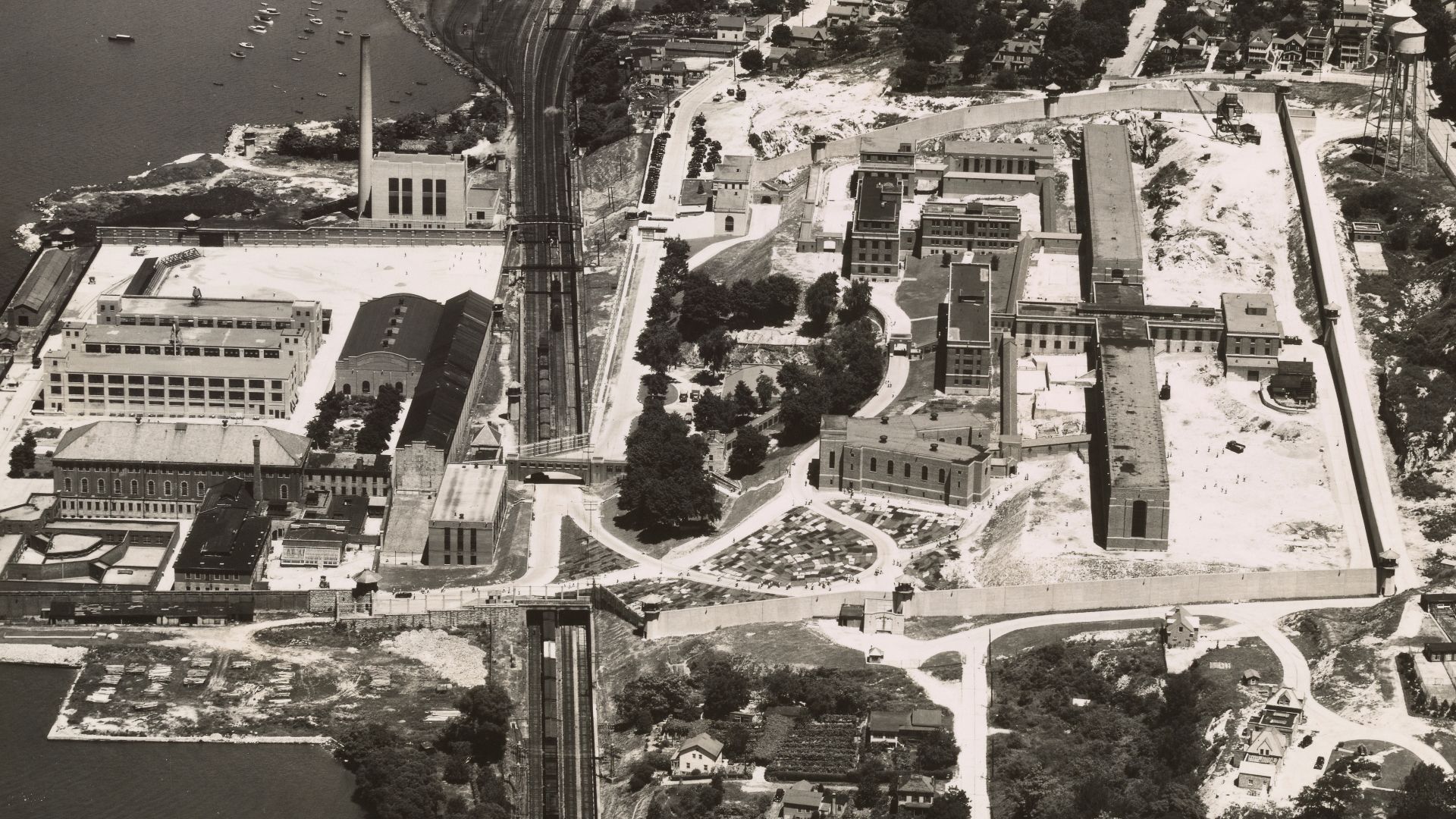 Unknown authorUnknown author or not provided, Wikimedia Commons
Chicago's Sausage King Lost His Wife
In May 1897, Louisa Luetgert disappeared from the Chicago home she shared with her husband Adolph, a prosperous sausage manufacturer. Investigators focused on Adolph after finding evidence in a large factory vat containing caustic potash. Two rings associated with Louisa and fragments alleged to be human were recovered. A disappearance inside a sausage factory was irresistible material for the press.

Newspapers Added A Horrifying Sausage Rumor
A grotesque rumor soon spread that Luetgert had turned his wife's body into sausage and sold it to unsuspecting customers. Police reportedly rejected that story, but it proved far too memorable to disappear. Newspapers repeated it so widely that it became inseparable from the case despite lacking evidence. The scandal demonstrated how easily a sensational embellishment could survive after the authorities themselves had dismissed it.
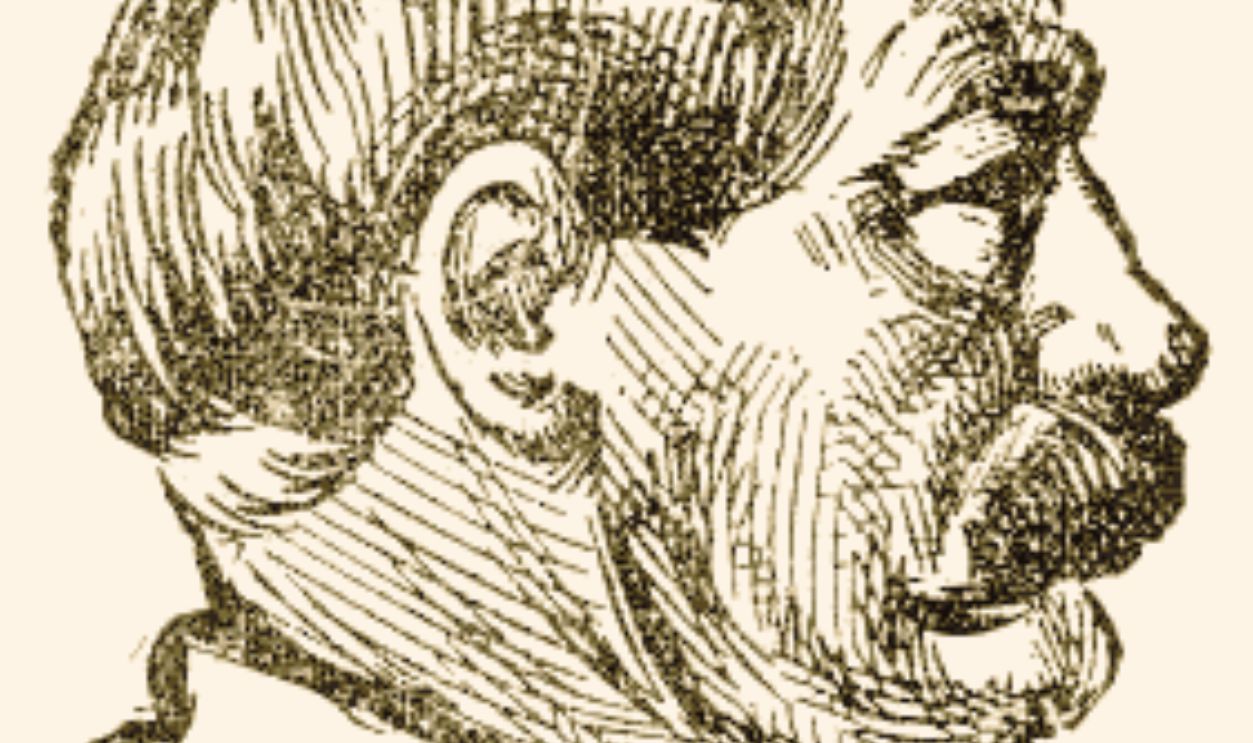 See page for author, CC0, Wikimedia Commons
Even The Verdict Did Not End The Mystery
Luetgert's first trial ended with a deadlocked jury in October 1897. He was convicted at a second trial in February 1898 and sentenced to life imprisonment, but continued declaring himself innocent until his death the following year. Newspapers then printed claims that he had confessed, while his family and lawyers denied those reports. The case refused to settle into a single final version, which made it perfect for continued sensational coverage.
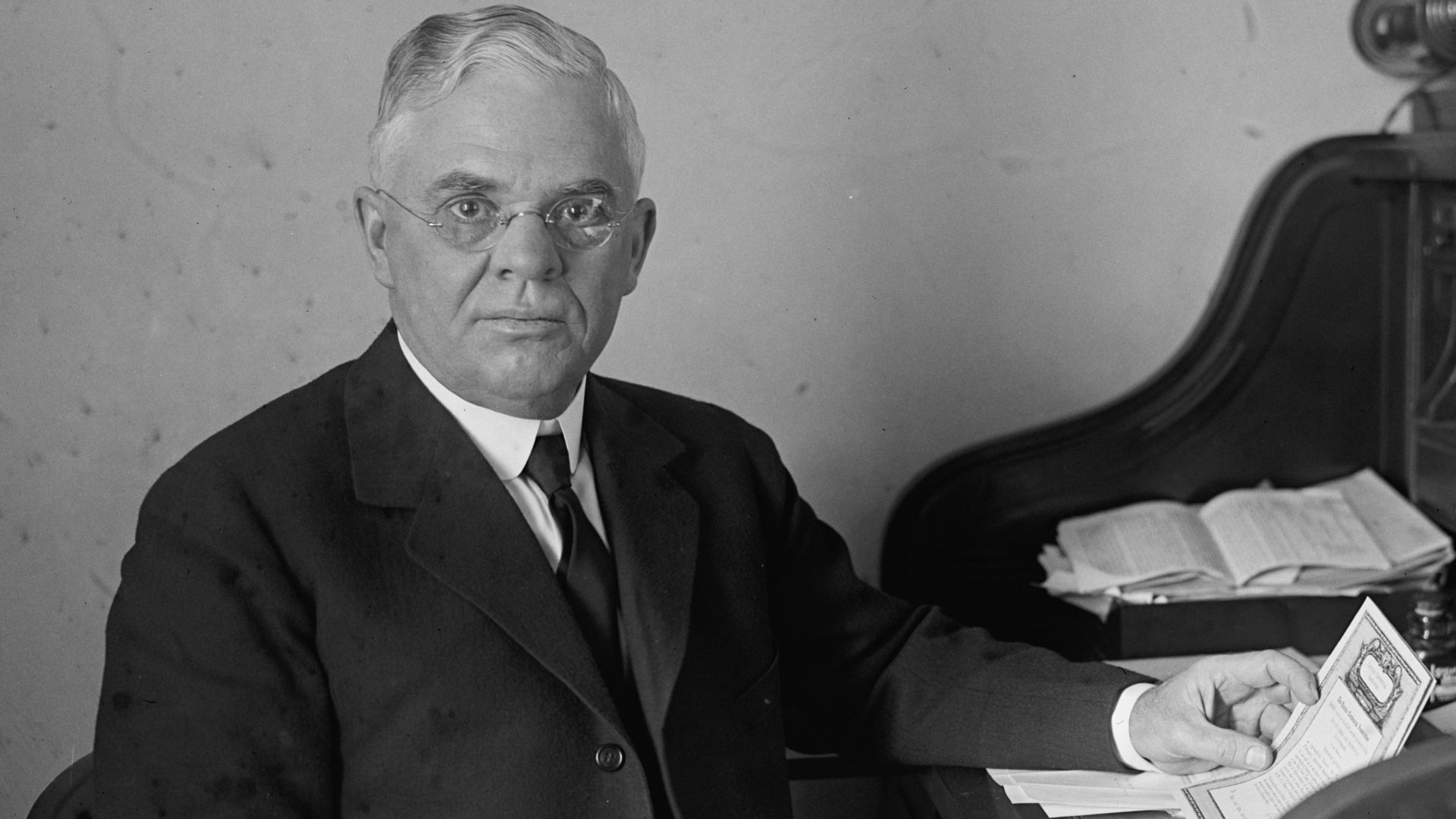 National Photo Company Collection, Wikimedia Commons
A Butcher From Australia Claimed To Be An English Heir
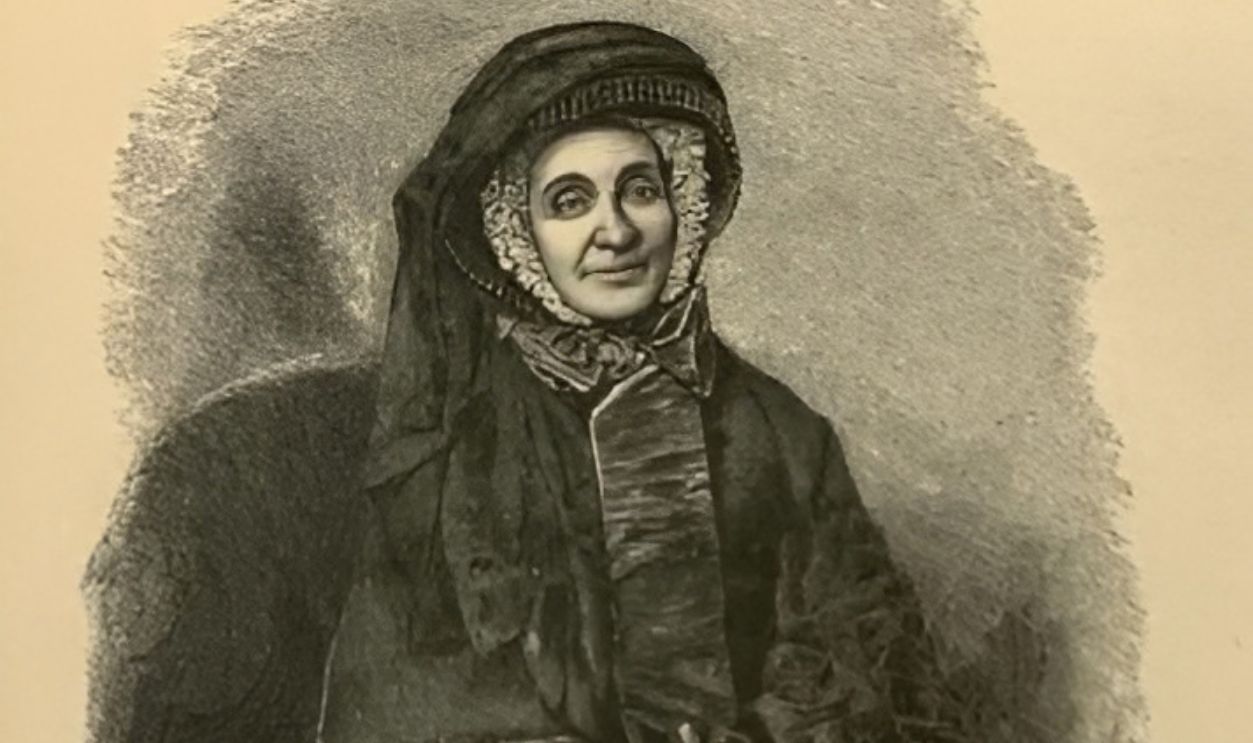
In the 1860s, a man living in Australia claimed to be Roger Tichborne, the missing heir to a wealthy English family. Roger had disappeared at sea years earlier, and his mother desperately wanted to believe he was alive. She accepted the claimant, even though he looked very different and struggled with details of Roger's upbringing. When he returned to Britain to claim the estate, the identity dispute became a national obsession.
 See page for author, Wikimedia Commons, Enhanced
Britain Could Not Stop Arguing About Him
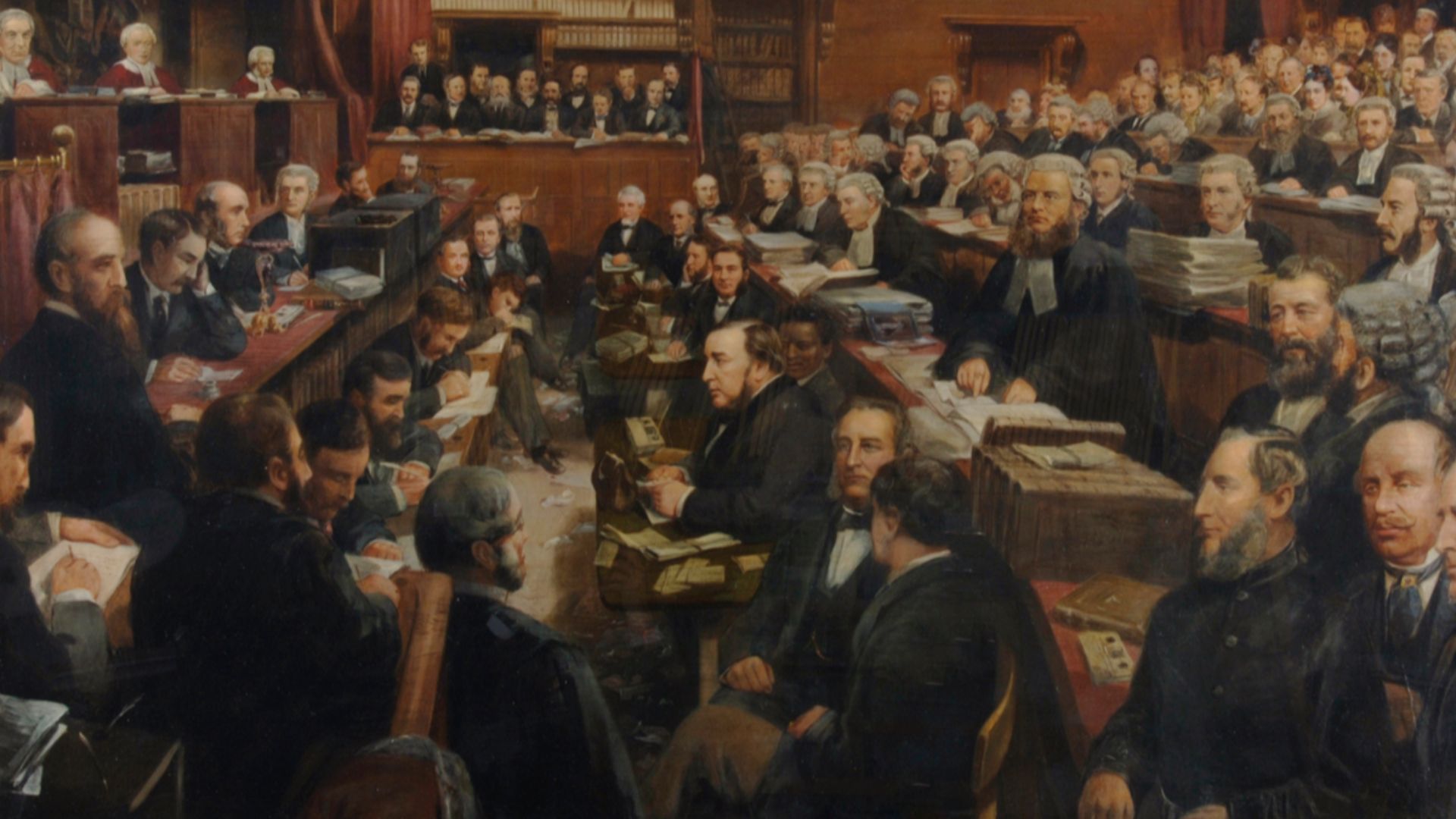
The civil trial over the Tichborne inheritance lasted from 1871 into 1872 and attracted enormous public attention. Evidence that the claimant could not speak the French Roger had known since childhood and lacked a remembered tattoo badly damaged his case. After losing, he was arrested and prosecuted for perjury in another marathon trial. Newspapers, pamphlets, cartoons, souvenirs, public meetings, and even publications devoted specifically to his cause kept the controversy alive.
 Frederick Sargent, Wikimedia Commons
The Tichborne Story Became Its Own Industry
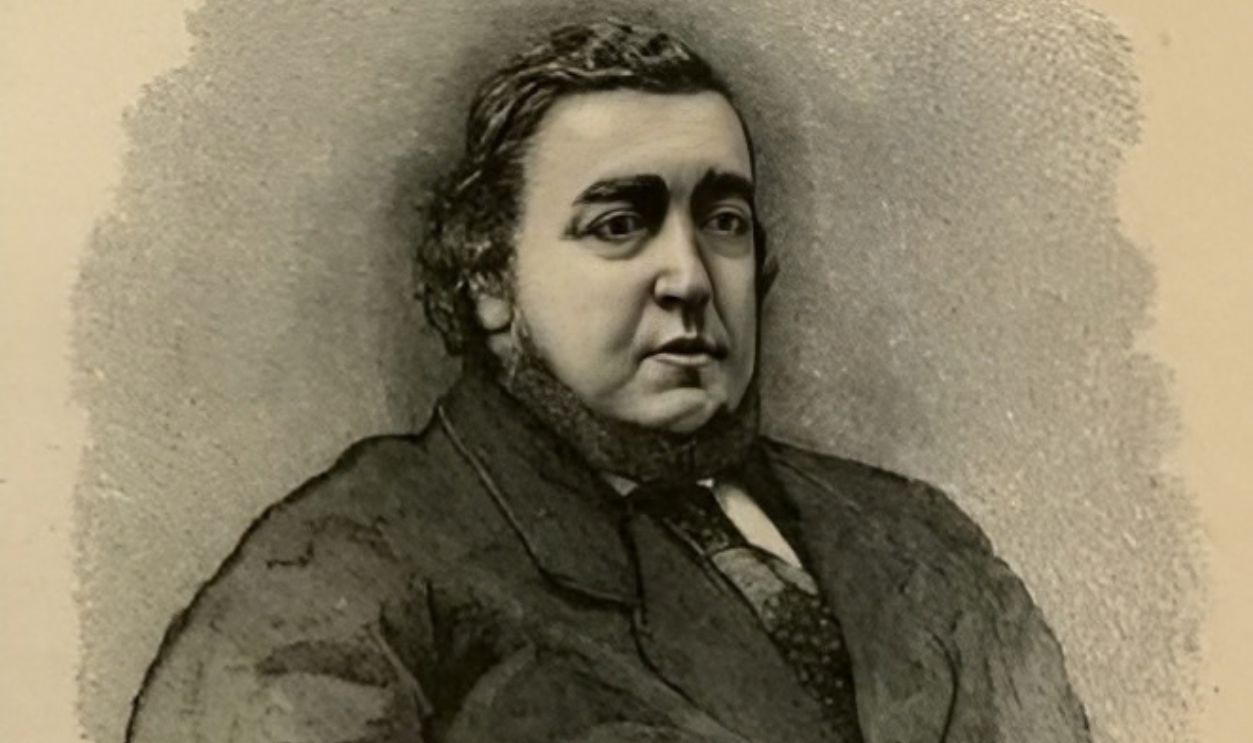
A jury concluded in 1874 that the claimant was Arthur Orton, the son of a London butcher, and he received a 14-year prison sentence. Yet supporters continued insisting that an establishment conspiracy had denied the rightful heir justice, turning his case into a political cause. He later sold a confession identifying himself as Orton, then retracted it, giving newspapers one last extraordinary reversal. By the time he died in poverty in 1898, the claimant had spent decades inside a media story that had become far bigger than the inheritance dispute that created it.
 See page for author, Wikimedia Commons, Enhanced
You May Also Like:
Accidental Inventions That Changed Our Lives Forever
Page-Turning Facts About The Literary World's Wildest Scandals
Historical Geniuses Who Were Complete Disasters Outside Their Field
Sources: 1, 2, 3, 4, 5, 6, 7, 8, 9, 10, 11, 12, 13, 14, 15, 16, 17, 18, 19, 20, 21, 22, 23, 24, 25, 26, 27, 28











.jpg)

.jpg)


