A Movement Remembered
Today, the word "Luddite" is often used to describe someone who dislikes new technology. The original Luddites were something quite different. They were skilled English textile workers who believed new machinery threatened their livelihoods and communities during a period of severe economic hardship and war.
England's Textile Boom
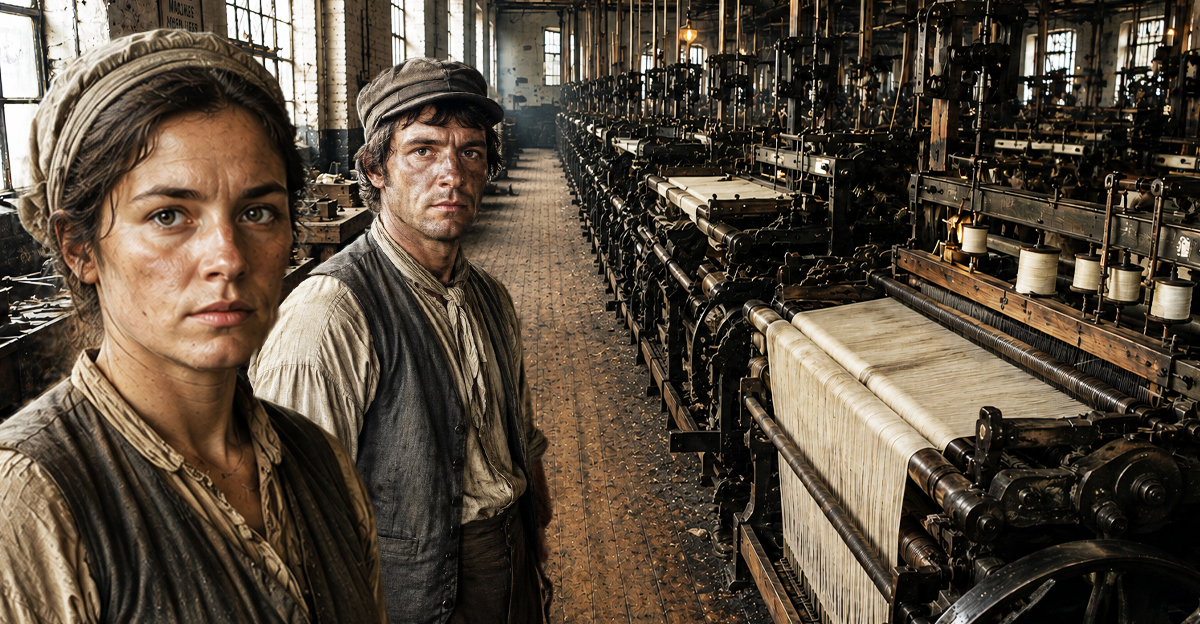
By the late eighteenth century, Britain's textile industry had become one of the country's most important industries. The production of wool, cotton, and other fabrics expanded rapidly, creating demand for new manufacturing methods and encouraging the adoption of increasingly efficient machinery.
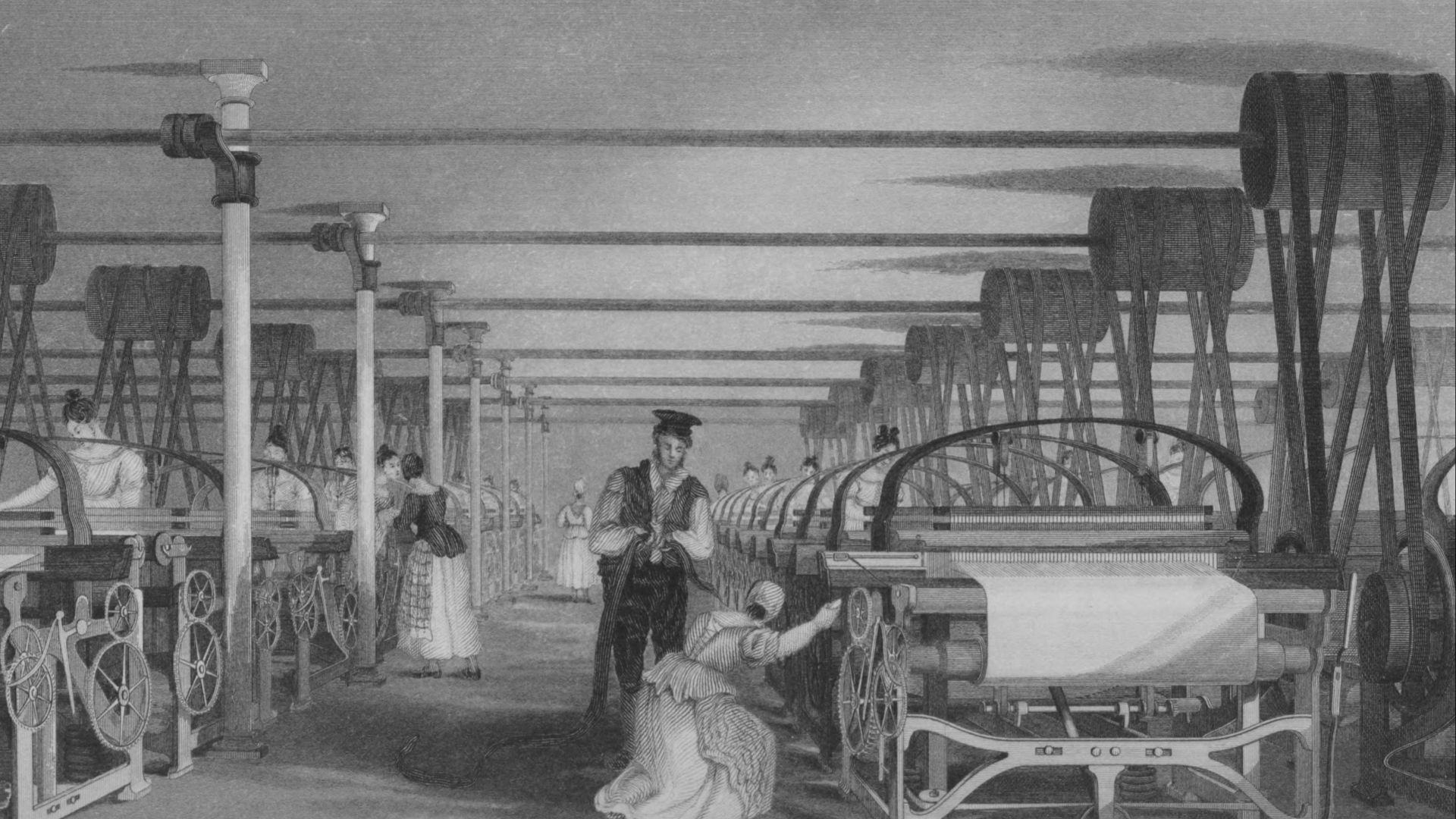 Illustrator T. Allom, Engraver J. Tingle, Wikimedia Commons
Skilled Textile Workers
Many textile workers possessed specialized skills acquired through years of training and experience. Framework knitters, croppers, weavers, and other craftsmen often depended on traditional methods for their income. Their economic security rested on skills that mechanization increasingly threatened to replace or devalue.
 George P. Lewis, Wikimedia Commons
Machines Arrive
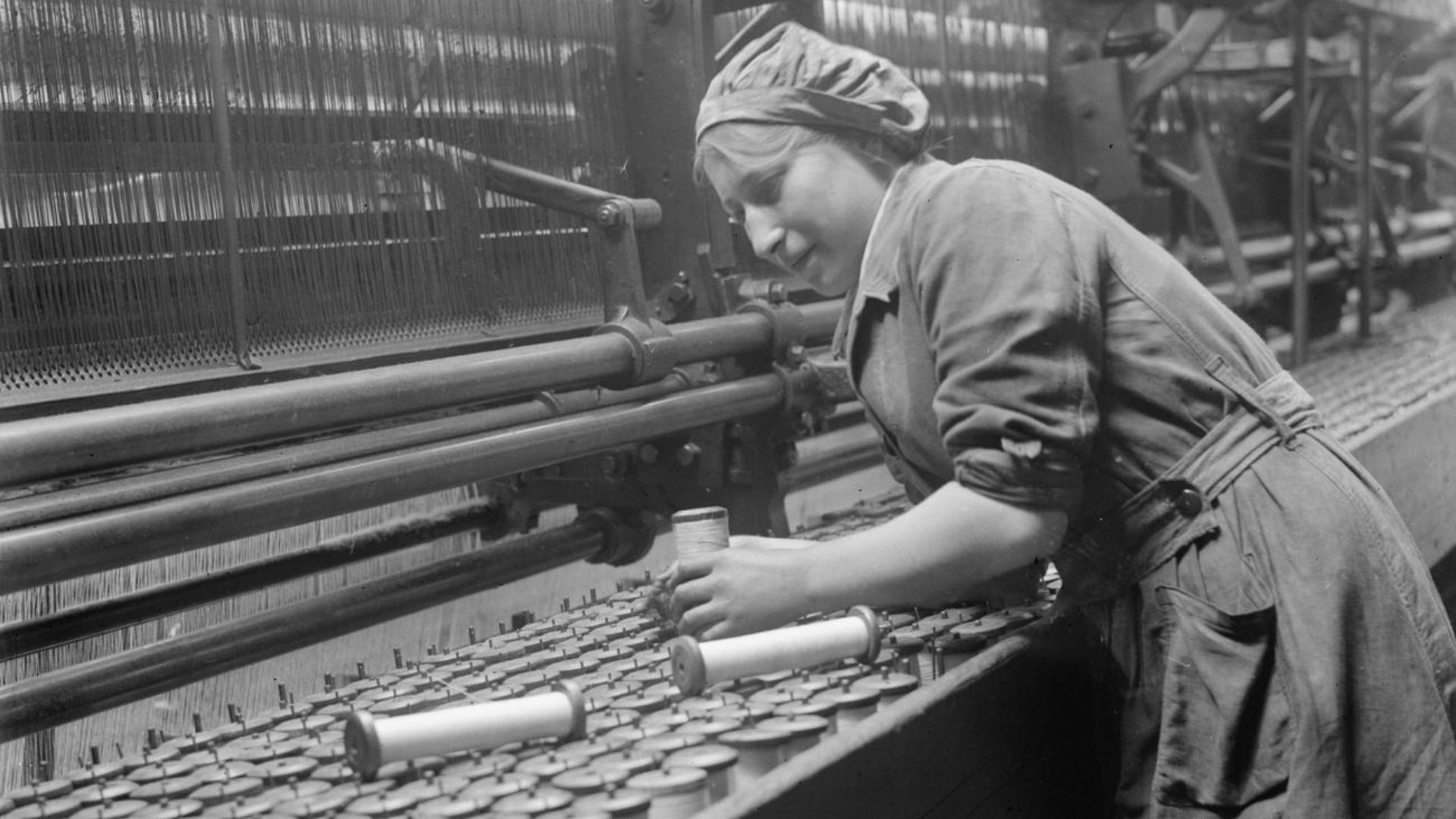
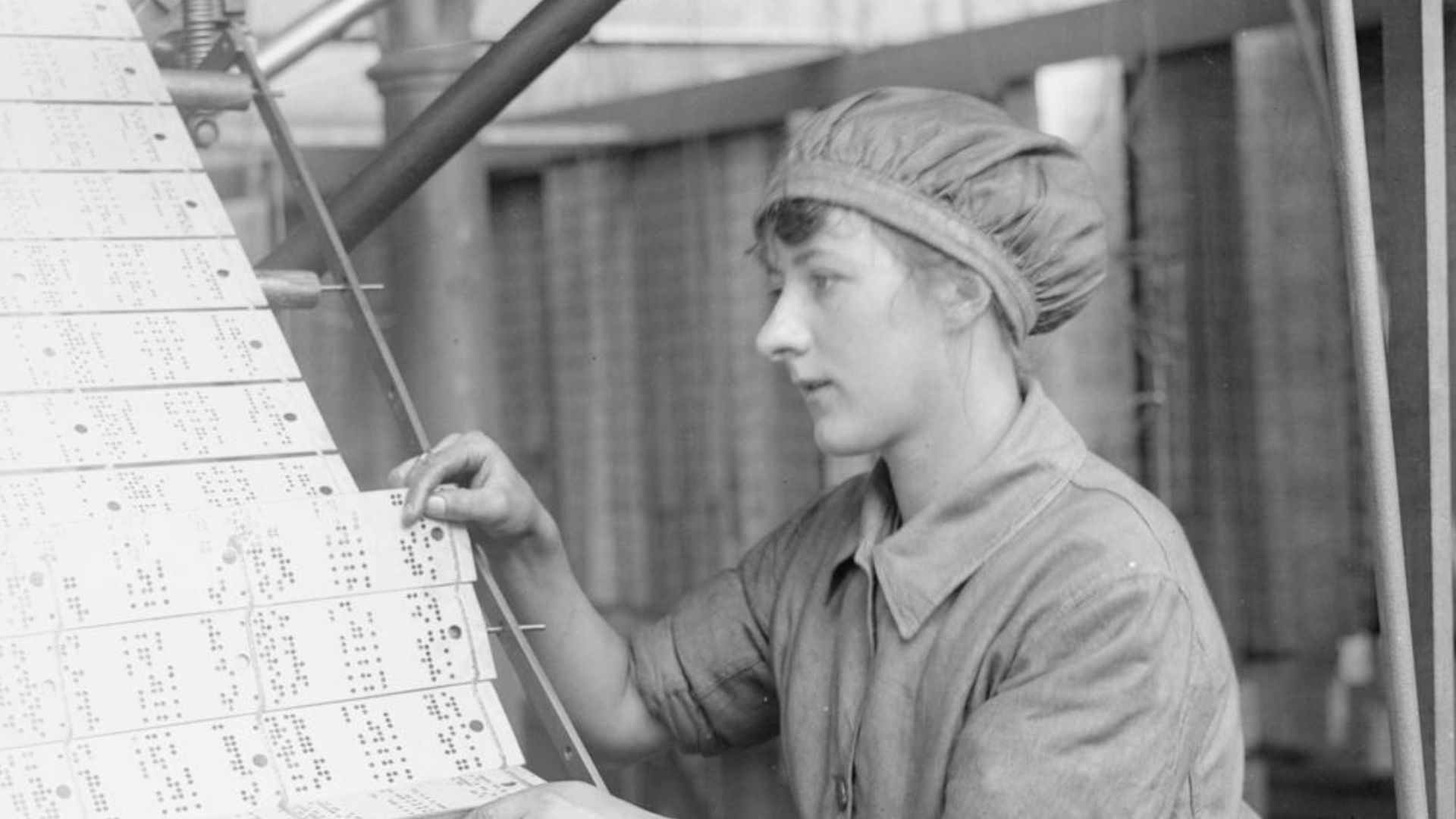
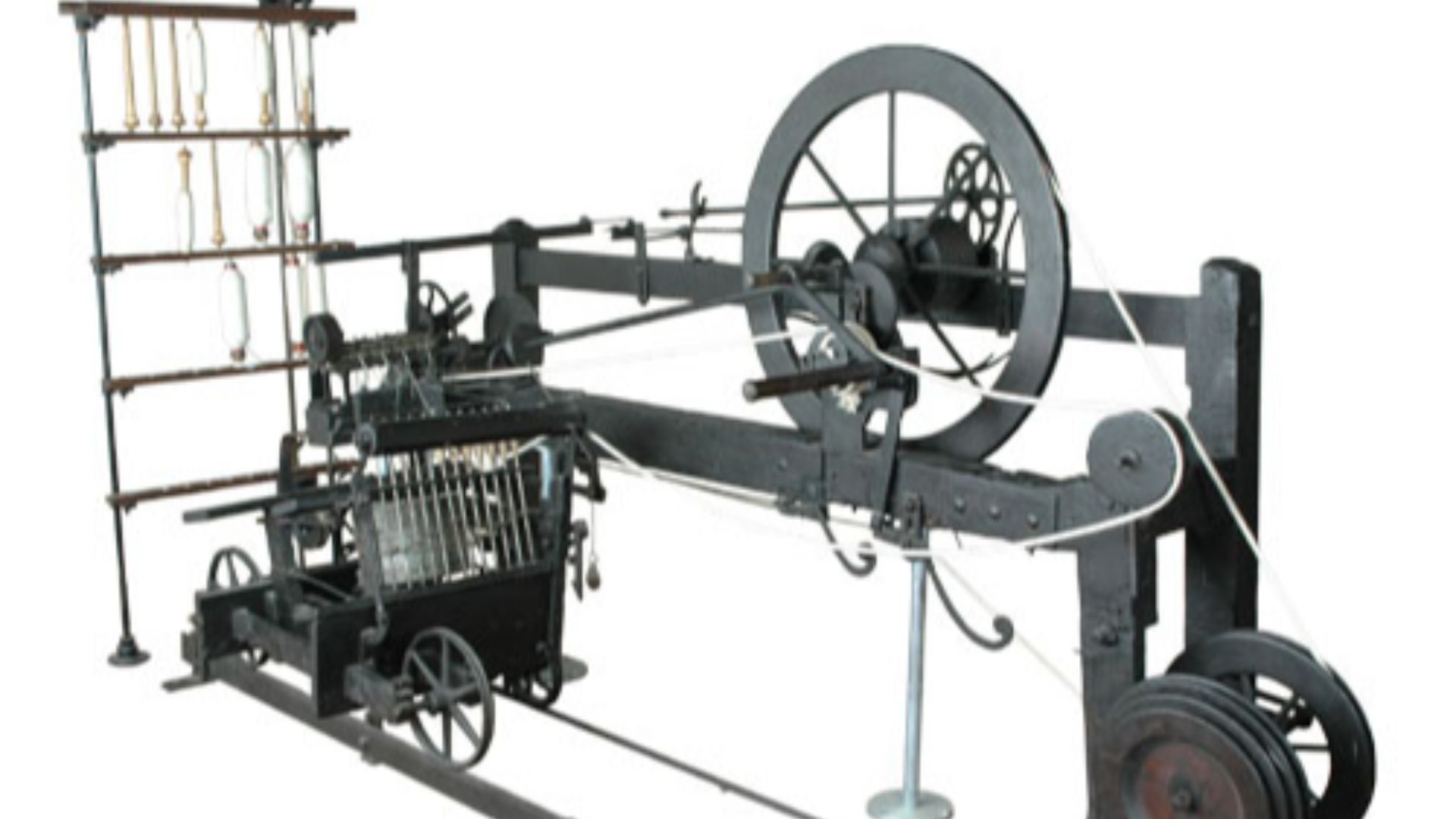
New textile machines allowed manufacturers to produce goods more quickly and cheaply than before. Factory owners could often hire less-skilled workers to operate machinery. Many experienced craftsmen feared these changes would reduce wages, undermine traditional trades, and weaken their bargaining power.
 George P. Lewis, Wikimedia Commons

History's most fascinating stories and darkest secrets, delivered to your inbox daily.
Hard Economic Times
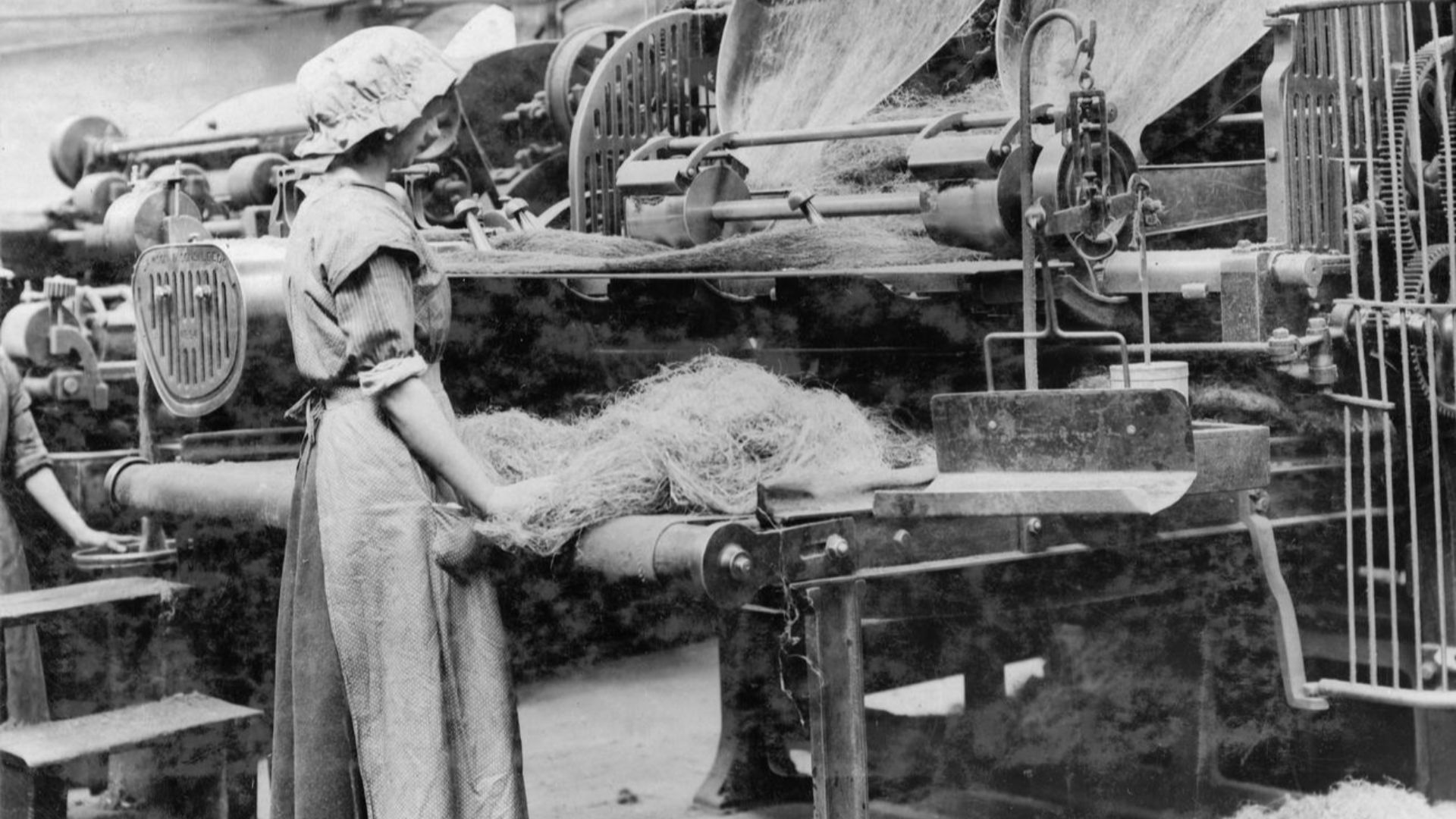
The rise of industrial machinery occurred during a period of severe economic difficulty. Workers faced unemployment, falling wages, and rising living costs. Economic uncertainty made many laborers particularly sensitive to technological changes that appeared to threaten already precarious livelihoods.
 Unknown authorUnknown author, Wikimedia Commons
The Napoleonic Burden
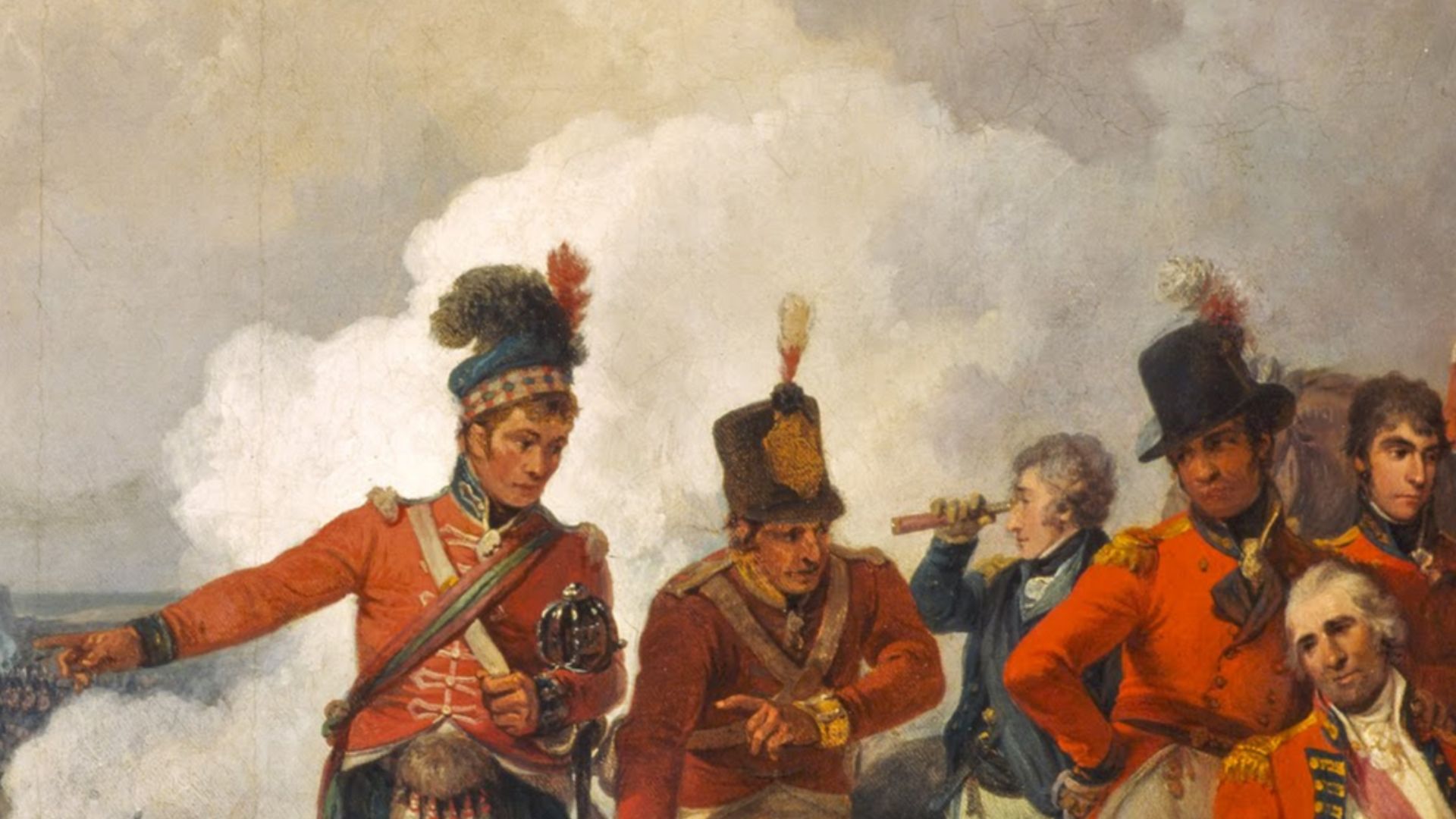
The Napoleonic Wars placed additional strain on Britain's economy. According to contemporary accounts and later histories, wartime disruptions caused economic hardship, creating conditions in which resentment toward manufacturers and new machinery began to spread among textile workers.
 Philip James de Loutherbourg, Wikimedia Commons
The Legend Of Ludd
The movement drew inspiration from the legendary figure Ned Ludd. Stories claimed that Ludd had destroyed textile machinery in an earlier act of protest. Although historians generally regard him as mythical, he became a symbolic hero for workers resisting industrial change.
 Unknown. 195 years since publication, copyright extinguished, Wikimedia Commons
King Ludd Emerges
Luddites frequently referred to Ned Ludd as "King Ludd" or "General Ludd." Letters, proclamations, and threats were sometimes issued in his name. This fictional leader gave the movement a unifying symbol and helped create a sense of shared identity among participants.

First Outbreaks
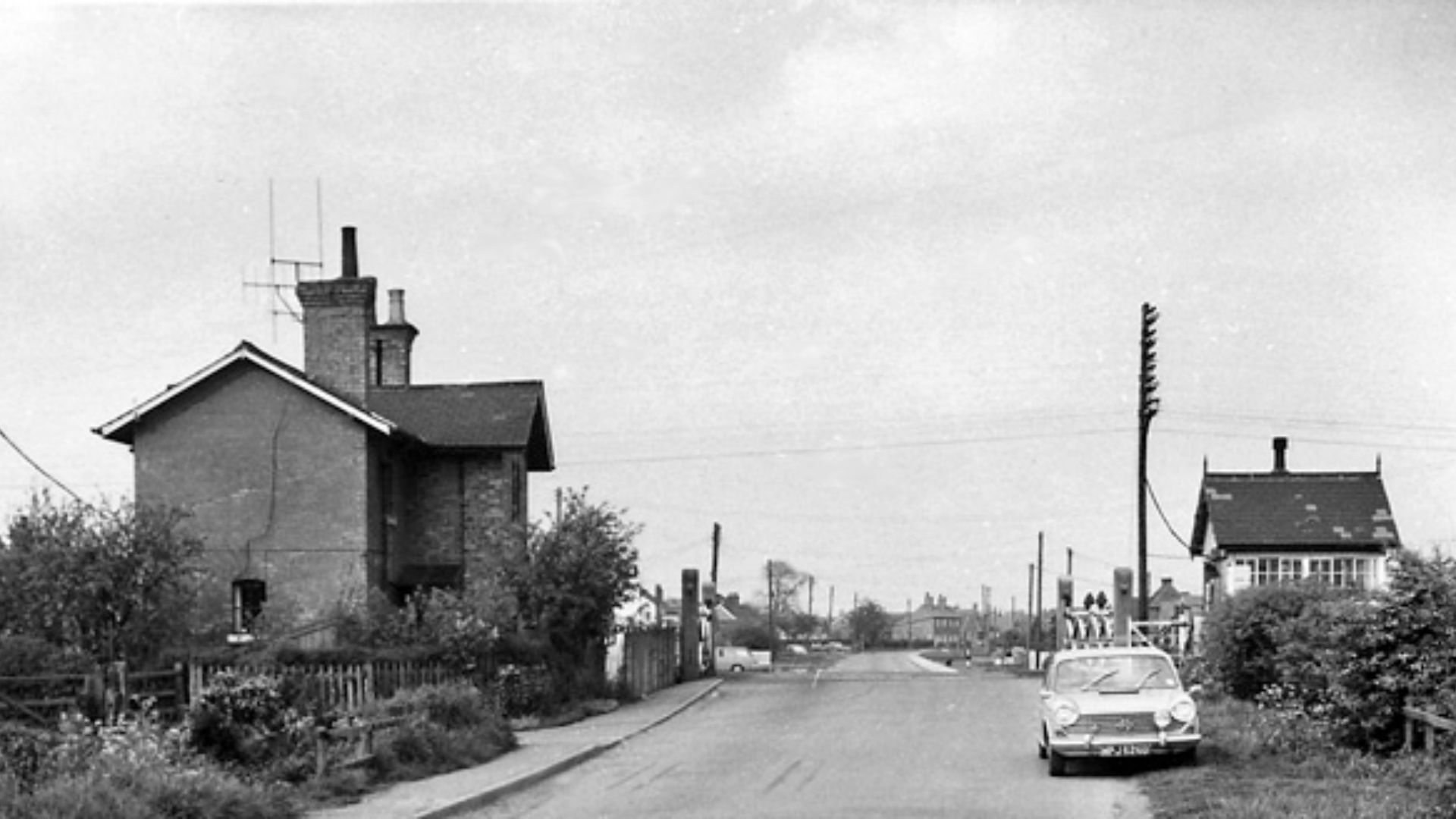
The movement started in Nottinghamshire around 1811. Framework knitters there objected to machinery they believed was being used to produce inferior goods while reducing employment opportunities. Their protests soon escalated into organized machine-breaking campaigns.
 Ben Brooksbank, Wikimedia Commons
Machine Breaking
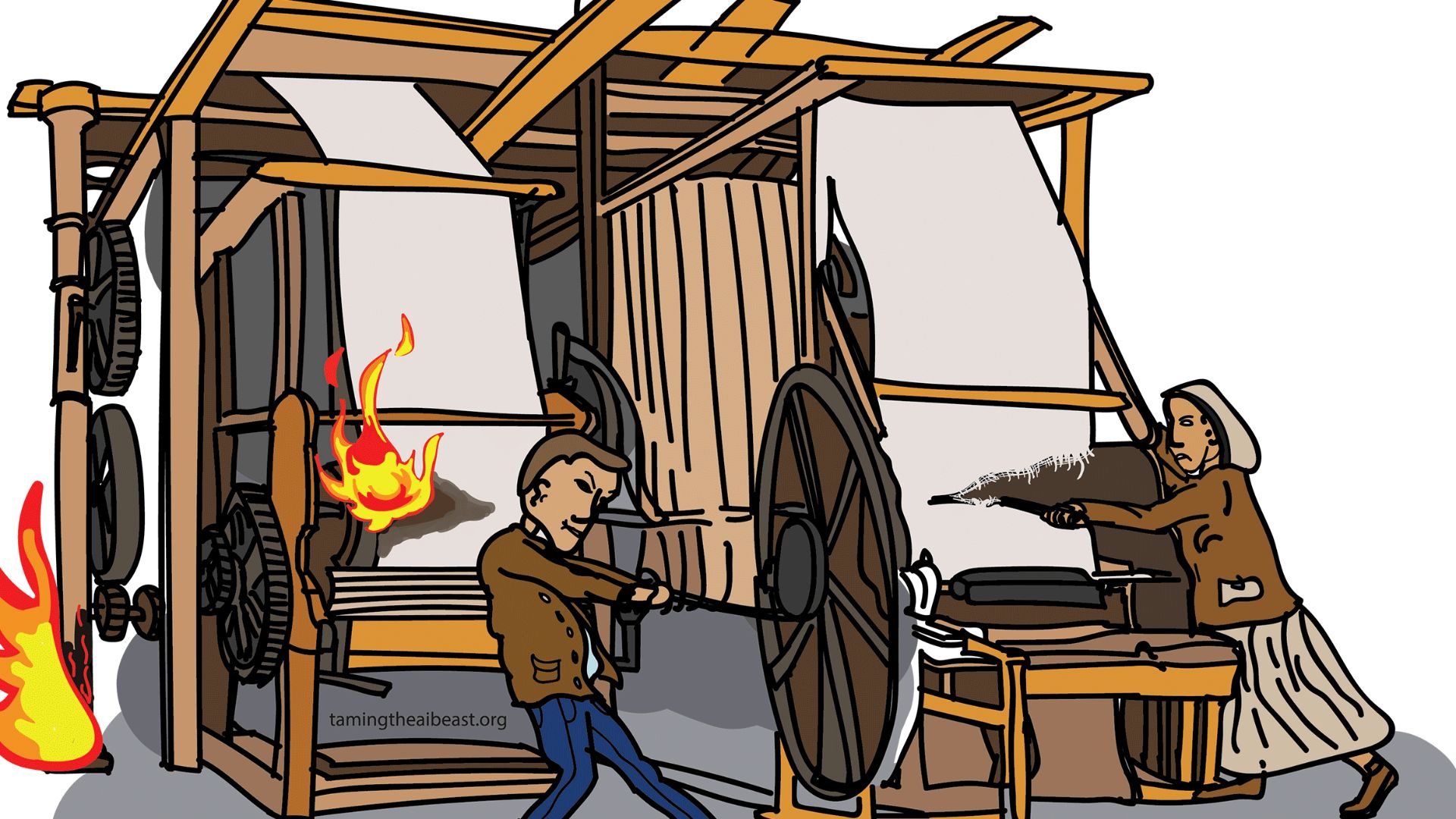
The hallmark tactic of the Luddites was the deliberate destruction of machinery. Participants targeted specific textile machines associated with wage reductions or poor labor practices. These attacks were often organized, coordinated, and intended to send a clear economic and political message.
 tamingtheaibeast.org, Wikimedia Commons
History's most fascinating stories and darkest secrets, delivered to your inbox daily.
Movement Spreads
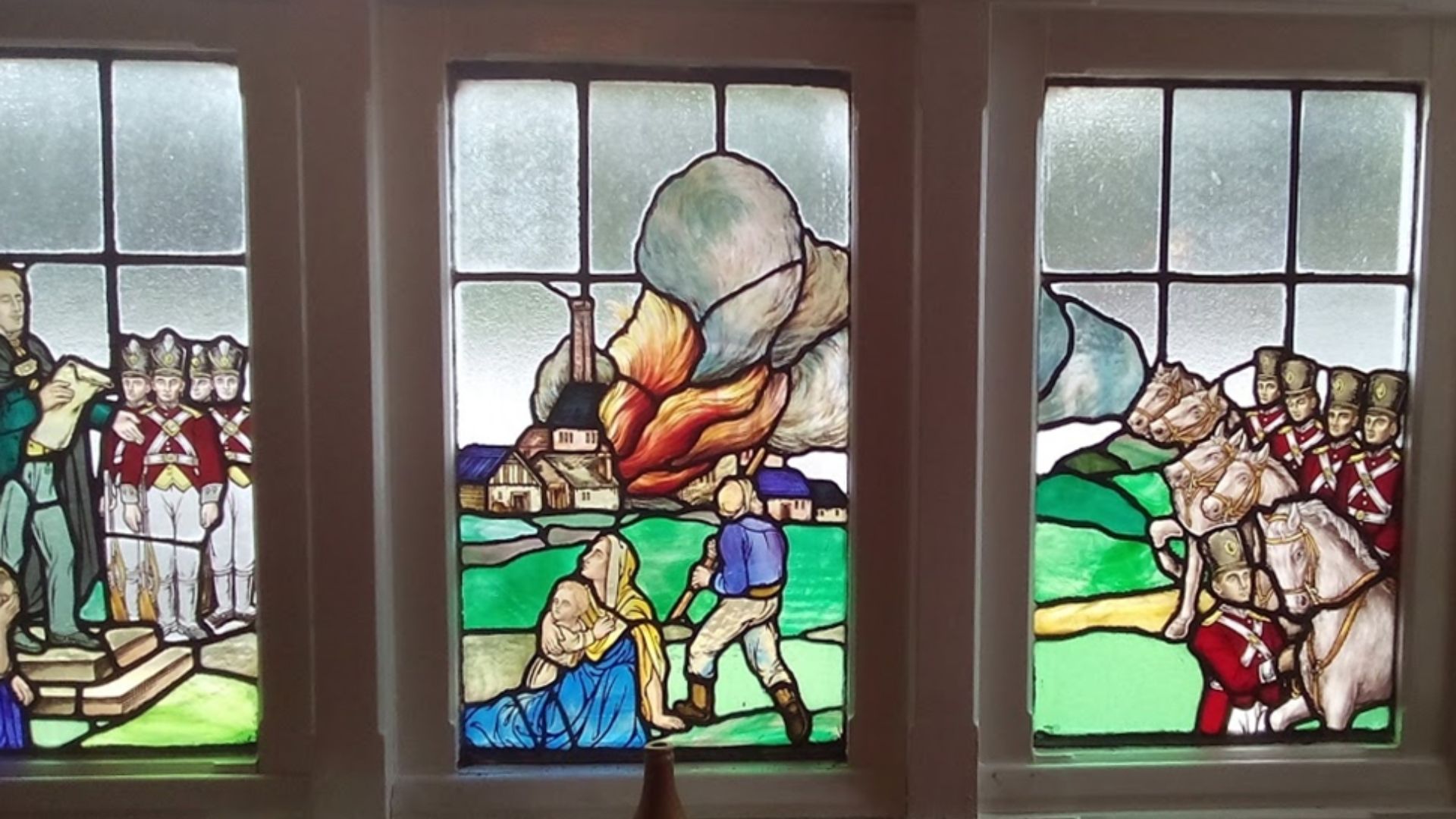
From Nottinghamshire, Luddism spread into Yorkshire, Lancashire, and other textile-producing regions. Different groups targeted machinery associated with their particular trades. What began as a local protest evolved into a broader movement affecting multiple areas of industrial England.
Yorkshire Resistance
In Yorkshire, many Luddites were croppers, skilled workers who finished woolen cloth. Cropping frames threatened their occupation by reducing the need for specialized labor. Resistance in the region became particularly intense as workers sought to protect their traditional trade.
Lancashire Unrest
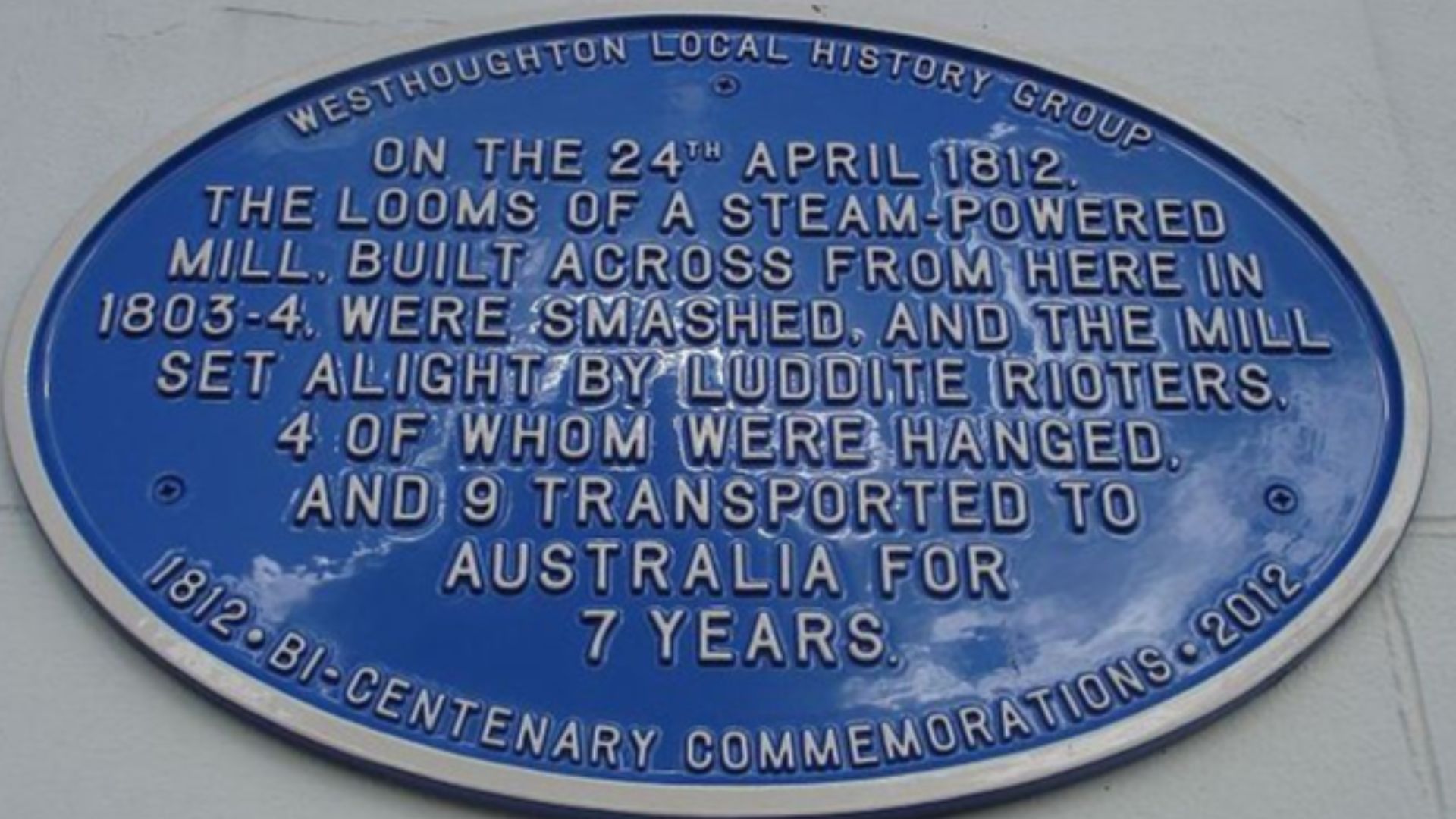
Lancashire also experienced significant Luddite activity. Textile workers there attacked machinery connected to cotton manufacturing. The spread of protests demonstrated that concerns about mechanization extended across multiple branches of the textile industry rather than remaining confined to one trade.
 David Lally , Wikimedia Commons
Secret Organization
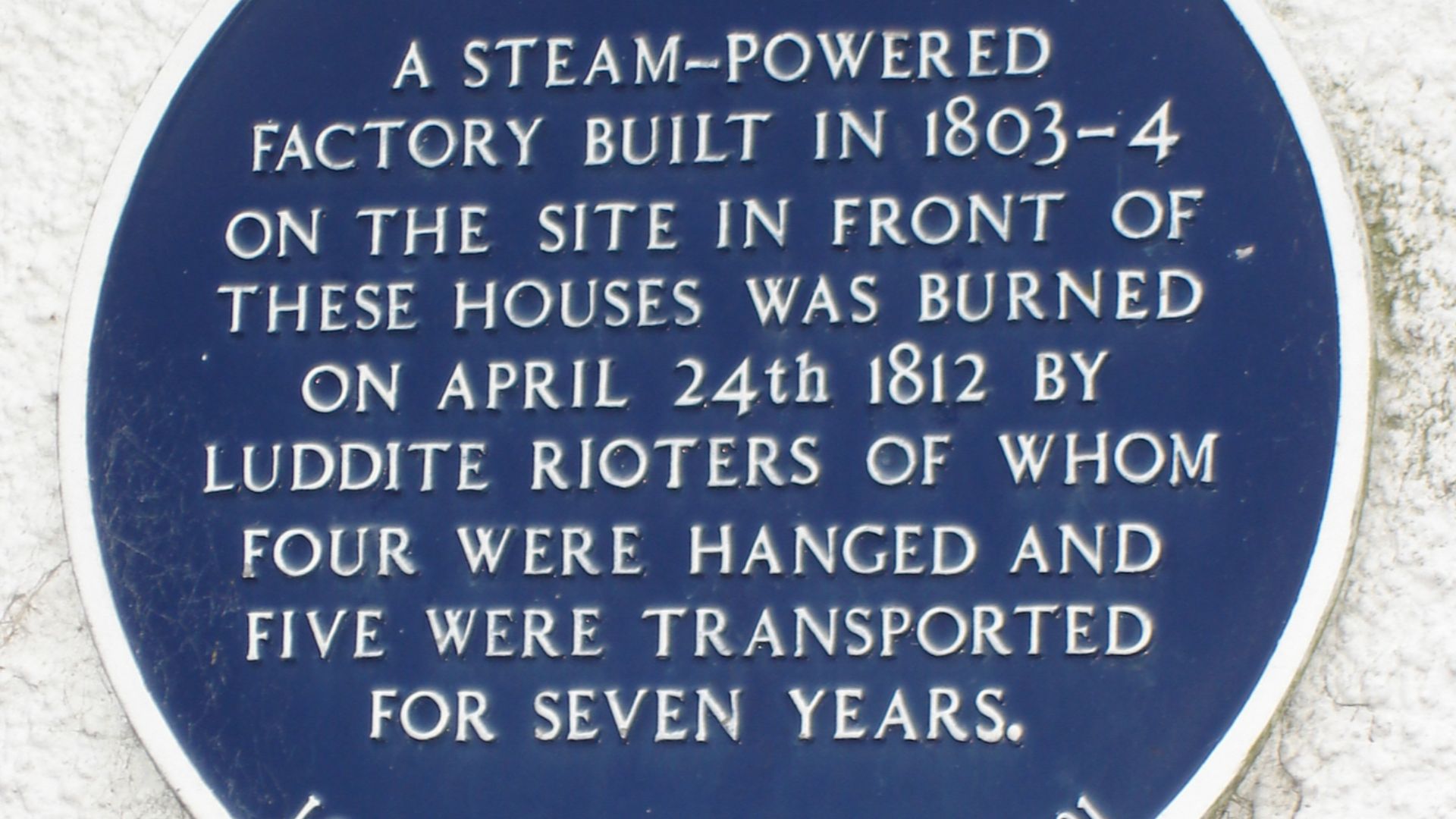
Luddite groups often operated secretly. Members sometimes met at night, communicated through coded messages, and organized coordinated attacks. Secrecy helped protect participants from authorities while making the movement appear larger and more difficult to suppress than officials anticipated.
Public Support
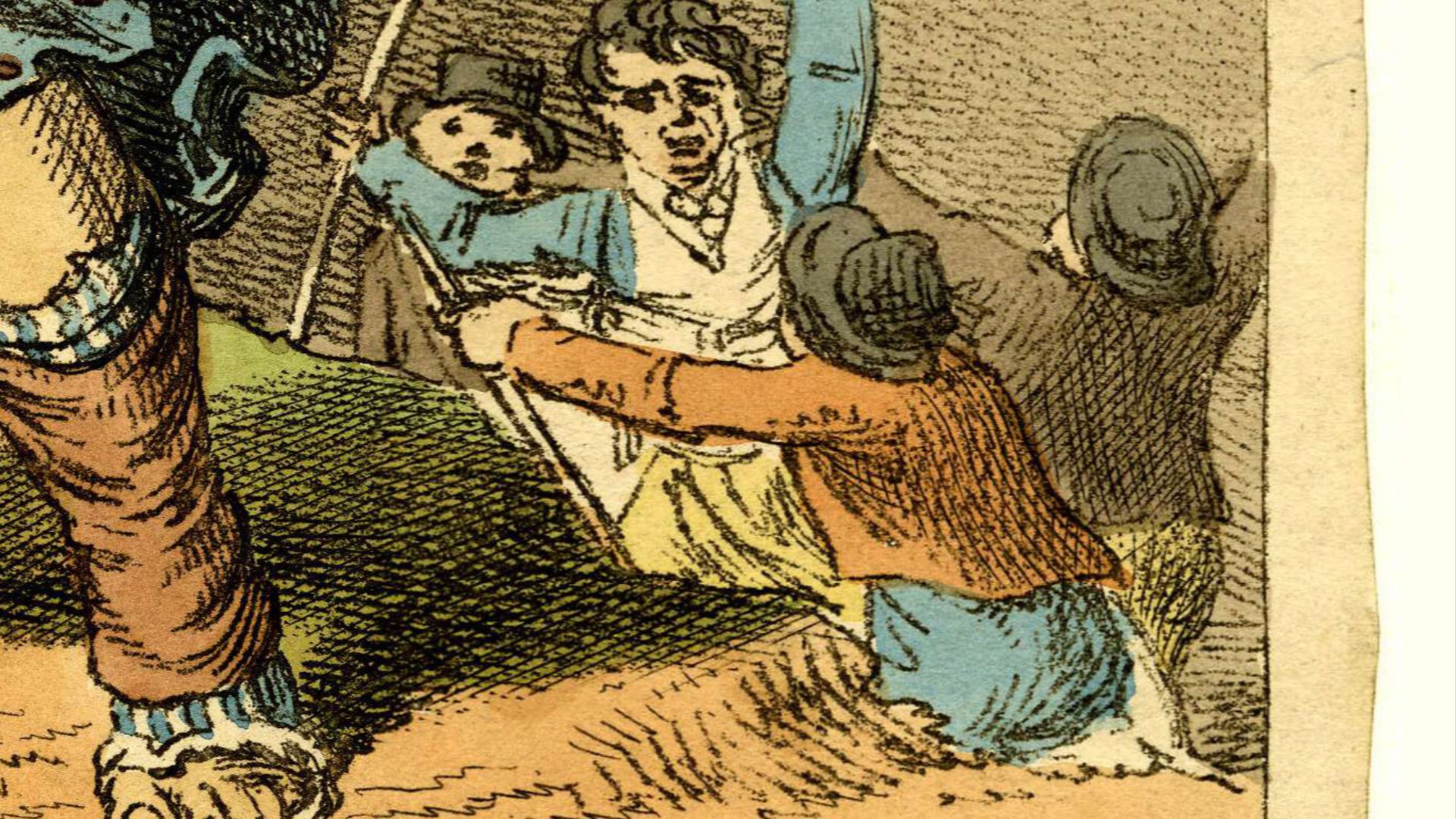
Although not everyone approved of machine breaking, many workers sympathized with Luddite grievances. Economic distress and widespread fears about unemployment created an environment in which opposition to certain industrial practices found support among sections of the working population.
 Unknown. 195 years since publication, copyright extinguished, Wikimedia Commons
Press Attention
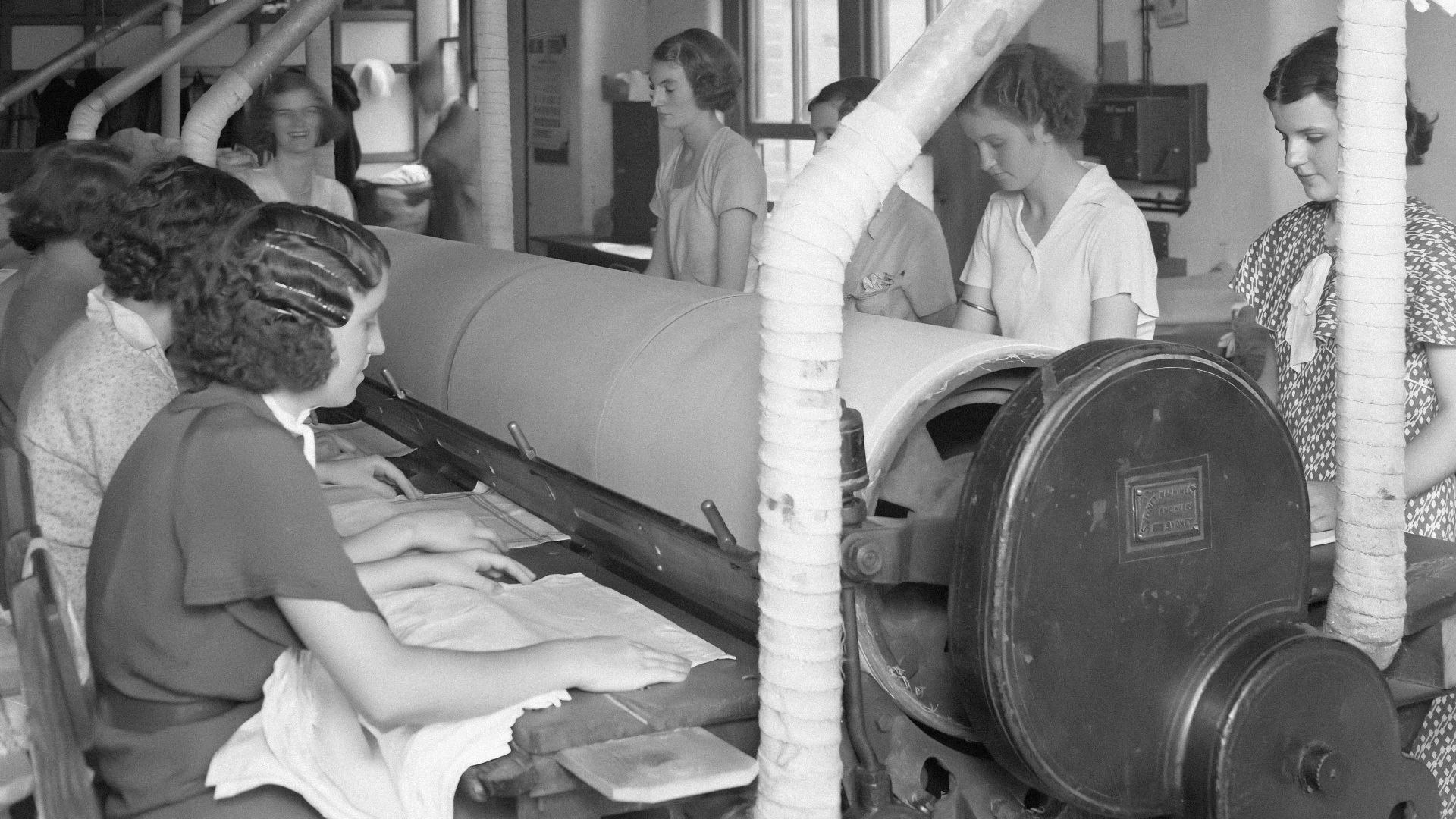
Newspapers reported widely on Luddite disturbances. Coverage helped spread awareness of attacks and government responses throughout Britain. Reports often portrayed the movement as a serious threat to public order, increasing national attention on events occurring in textile-producing regions.
 Museums of History New South Wales, Unsplash
History's most fascinating stories and darkest secrets, delivered to your inbox daily.
Manufacturers Alarmed
Factory owners and manufacturers viewed the attacks as dangerous assaults on property and economic progress. Repeated machine-breaking incidents caused anxiety among industrialists, who demanded stronger government action to protect businesses and restore order.
 Gregory Deryckère, Wikimedia Commons
Government Crackdown
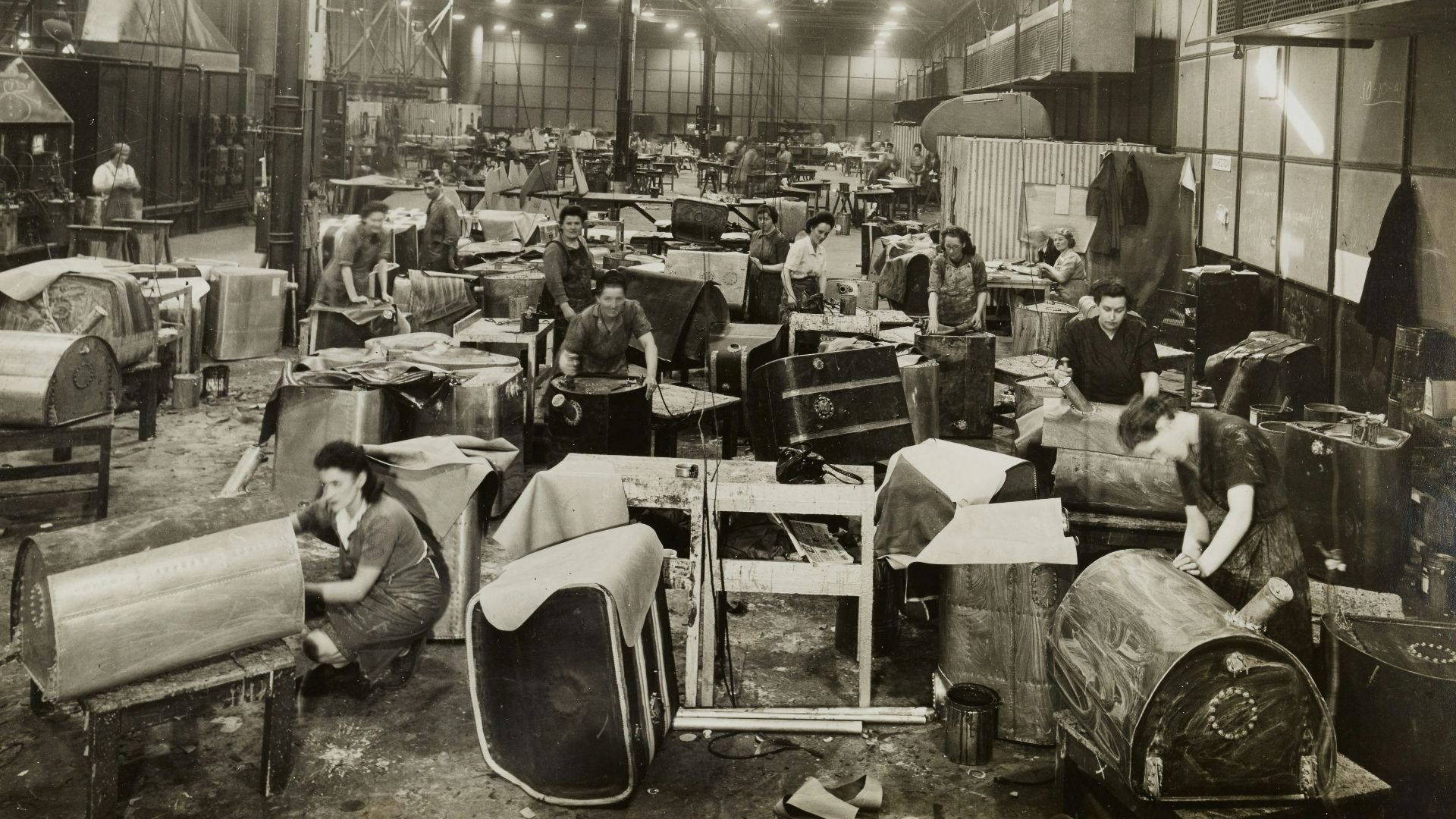
The British government responded forcefully. Authorities deployed troops to affected regions and increased efforts to identify participants. Officials regarded the movement as a significant threat, especially during wartime when fears about domestic instability were already heightened.
 Birmingham Museums Trust, Unsplash
Frame Breaking Act
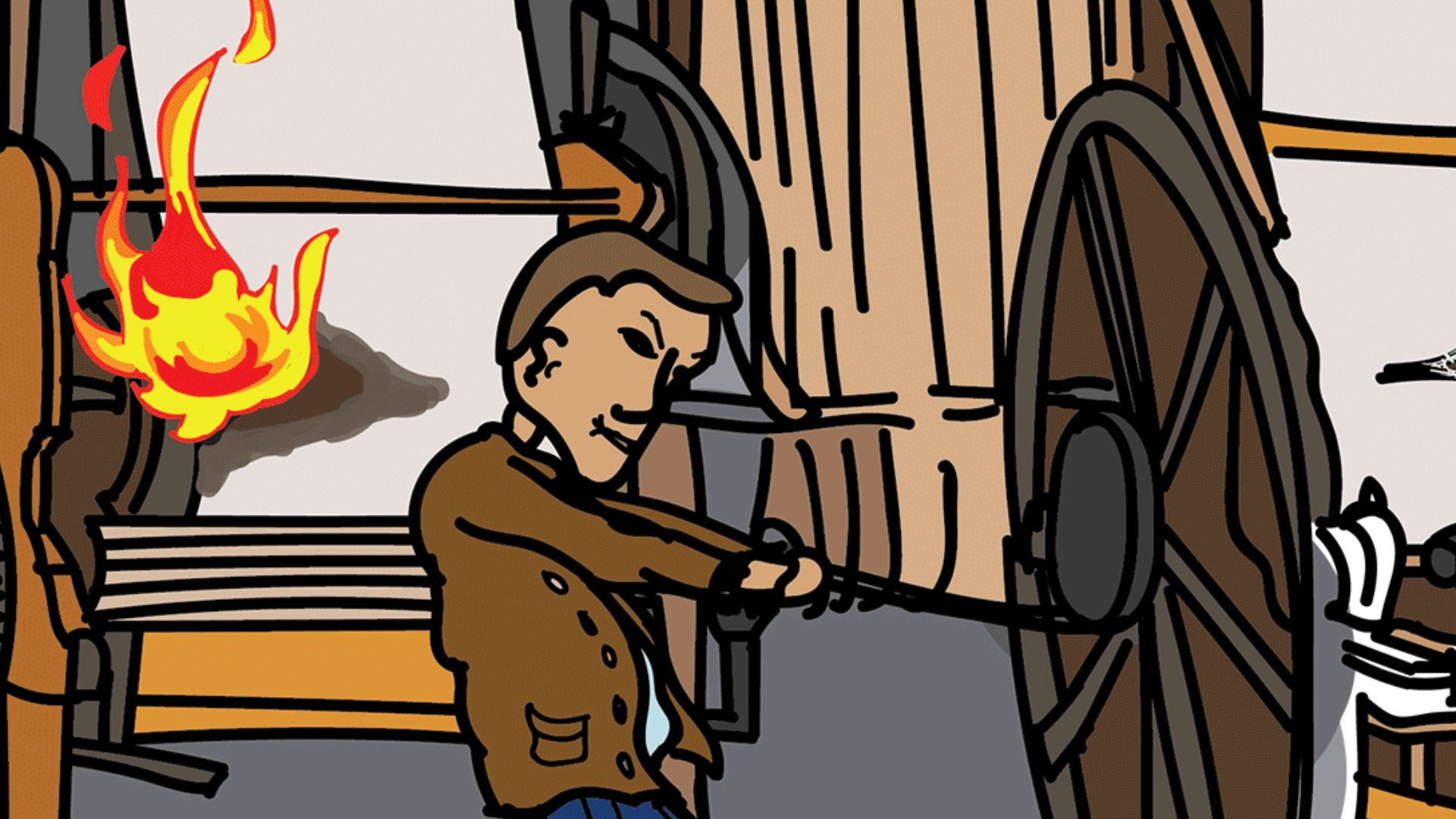
In 1812, Parliament passed legislation making machine breaking a capital offense. The Frame Breaking Act reflected the seriousness with which authorities viewed Luddite activity. The law dramatically increased the potential consequences faced by those involved in attacks.
 tamingtheaibeast.org, Wikimedia Commons
Rawfolds Attack
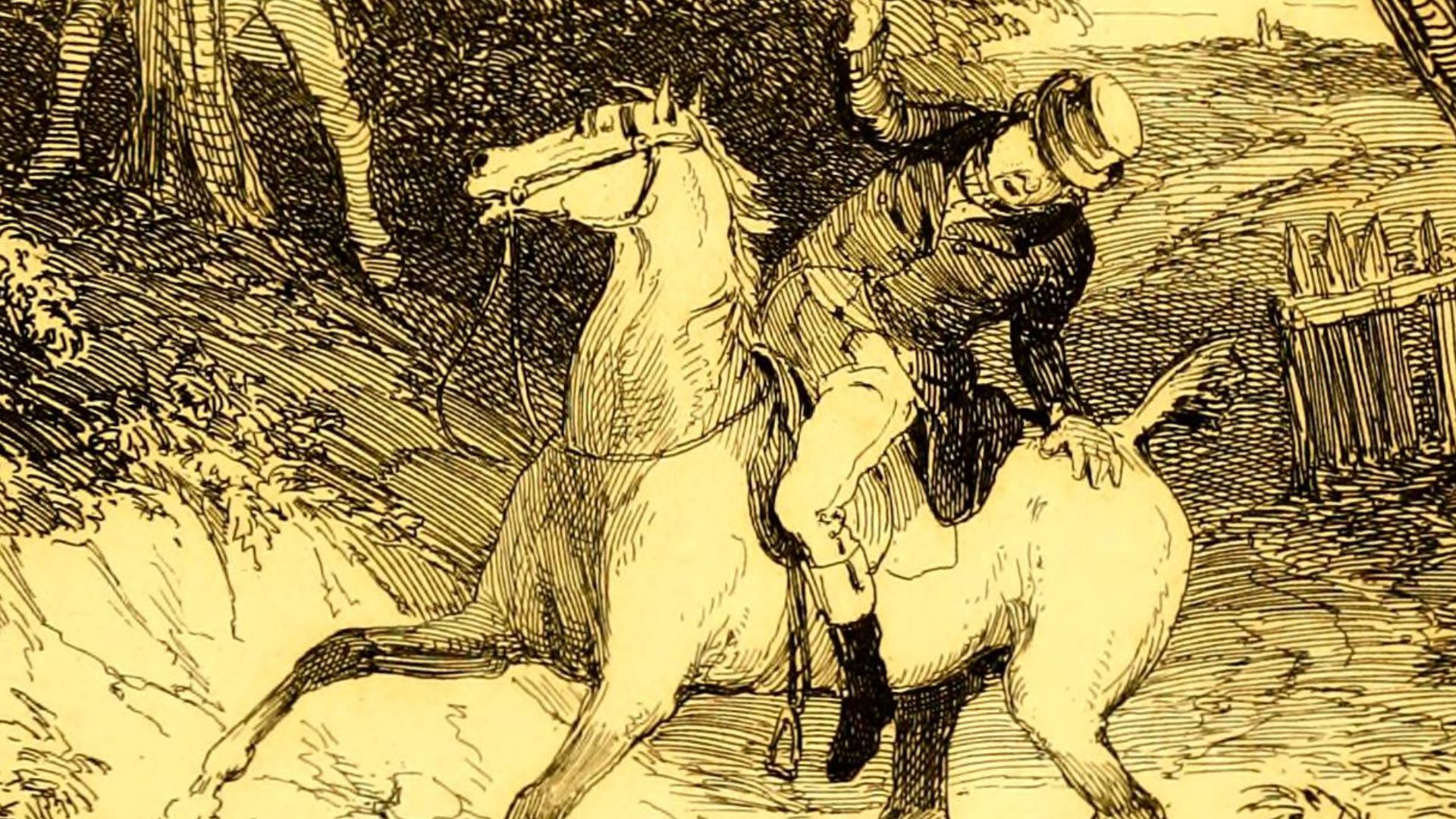
One of the most famous incidents occurred at Rawfolds Mill in Yorkshire. Luddites attacked the heavily defended mill but failed to destroy it. The confrontation became one of the best-known episodes of the movement and intensified official efforts at suppression.
 Internet Archive Book Images, Wikimedia Commons
Women In The Movement
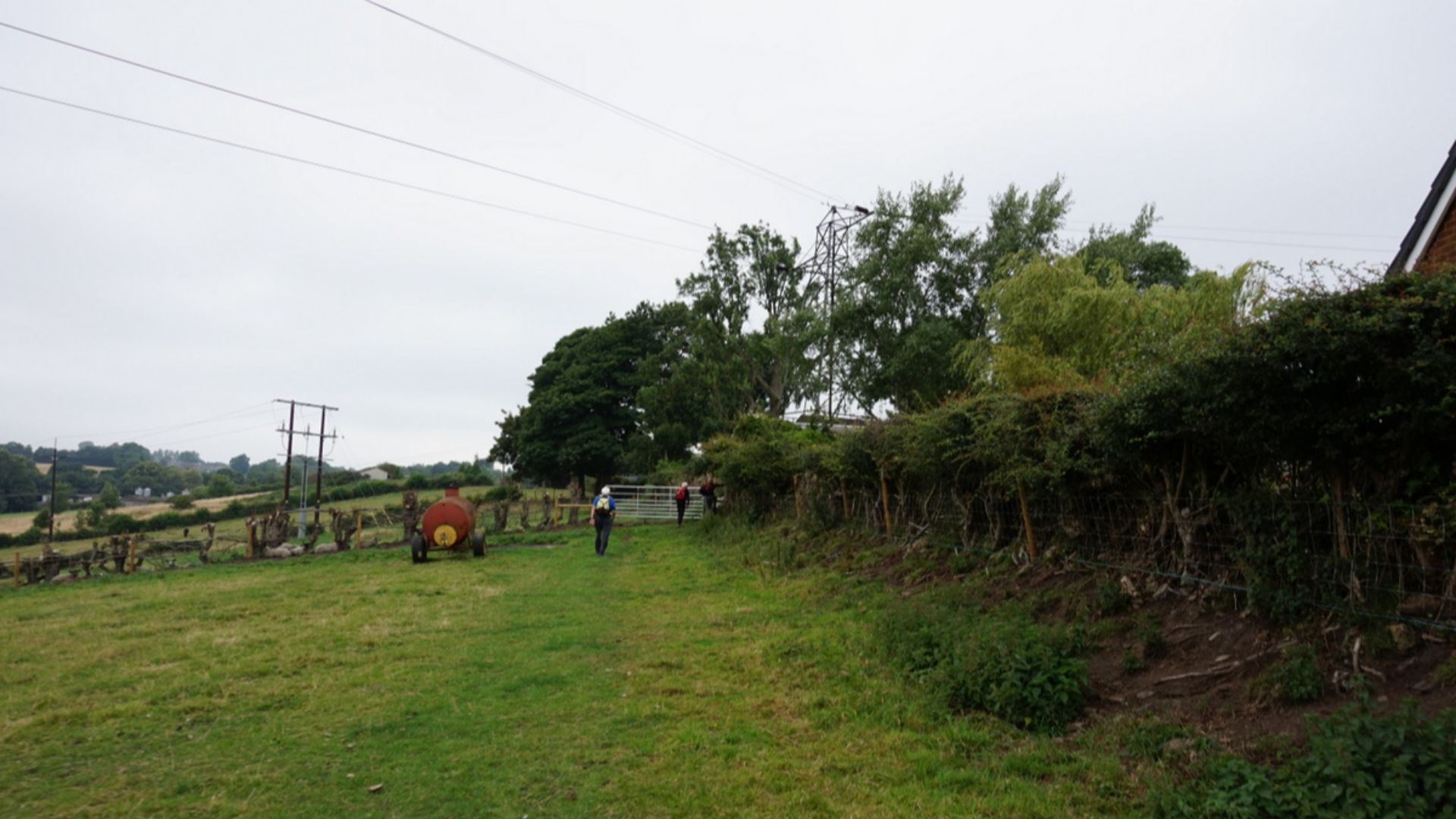
Although the Luddite movement is often associated with male workers, women were also deeply affected by changes in the textile industry. Many depended on textile employment and faced the same economic hardships that fueled resistance to mechanization. While men carried out most of the famous attacks, women were part of the communities whose livelihoods were threatened by industrial change.
Arrests And Trials
Authorities eventually captured many suspected Luddites. Trials resulted in convictions, executions, and transportation. These punishments weakened the movement's organizational structure and demonstrated the government's determination to eliminate organized machine-breaking activities.

History's most fascinating stories and darkest secrets, delivered to your inbox daily.
Why They Failed
Several factors contributed to the movement's decline. Strong government repression, military deployments, arrests, executions, and legal penalties made continued resistance more and more difficult. The state possessed far greater resources than the workers challenging industrial change.

Movement Fades
By the mid-1810s, organized Luddite activity had largely disappeared. Although economic grievances remained, the movement lost momentum under sustained pressure. Industrialization continued, and machinery became an increasingly central feature of Britain's manufacturing economy.

Meaning Of Luddite
Modern usage often describes a Luddite as someone opposed to technology itself. Historically, the original Luddites were not necessarily against innovation in general. Their protests focused on specific technologies they believed threatened jobs, wages, and established livelihoods.

Lasting Legacy
The Luddites remain an important symbol in debates about technology, labor, and economic change. Their story continues to be discussed whenever new innovations raise concerns about employment and social disruption. The movement's name survives long after the original protests ended.
You May Also Like:
24 Steely Facts About the Industrial Revolution
Rebellious Facts About Revolutions