The Georgia Peach: A Complex Legacy
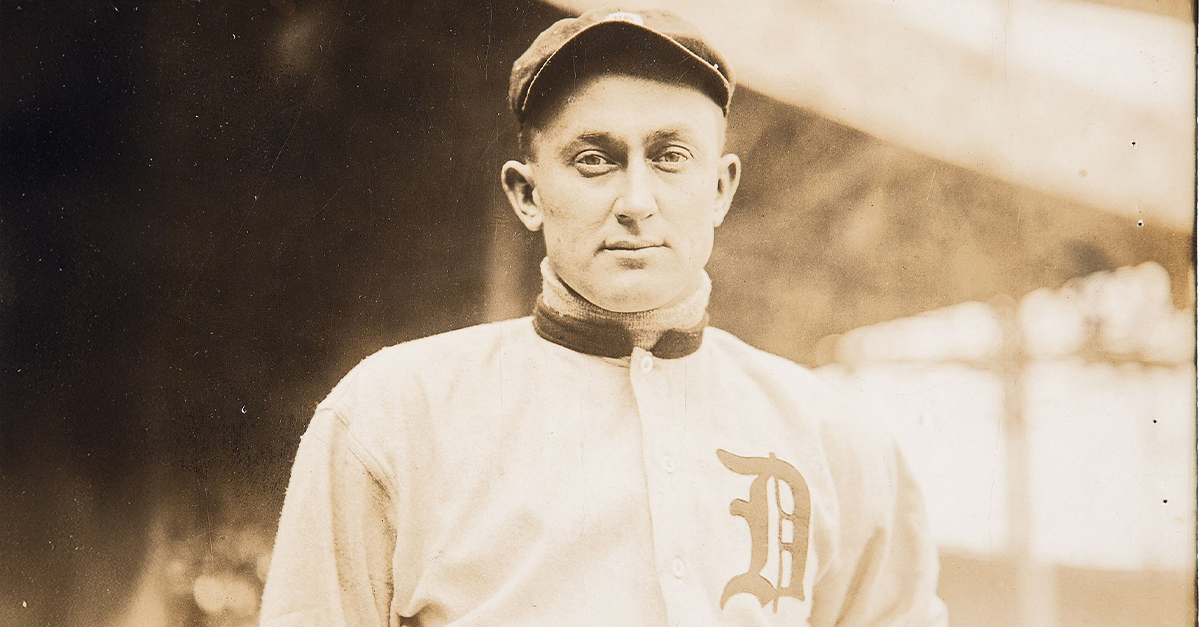
Ty Cobb is one of baseball’s greatest players. With a career batting average of .366 and 4,191 hits, he was admired and feared as a ferocious competitor. But decades after his retirement, his reputation was sullied by allegations of outrageous racism and violence. These stories were later traced to sensationalized and unreliable sources. The story begins in Georgia back in 1886.
Early Life And The Road To Detroit
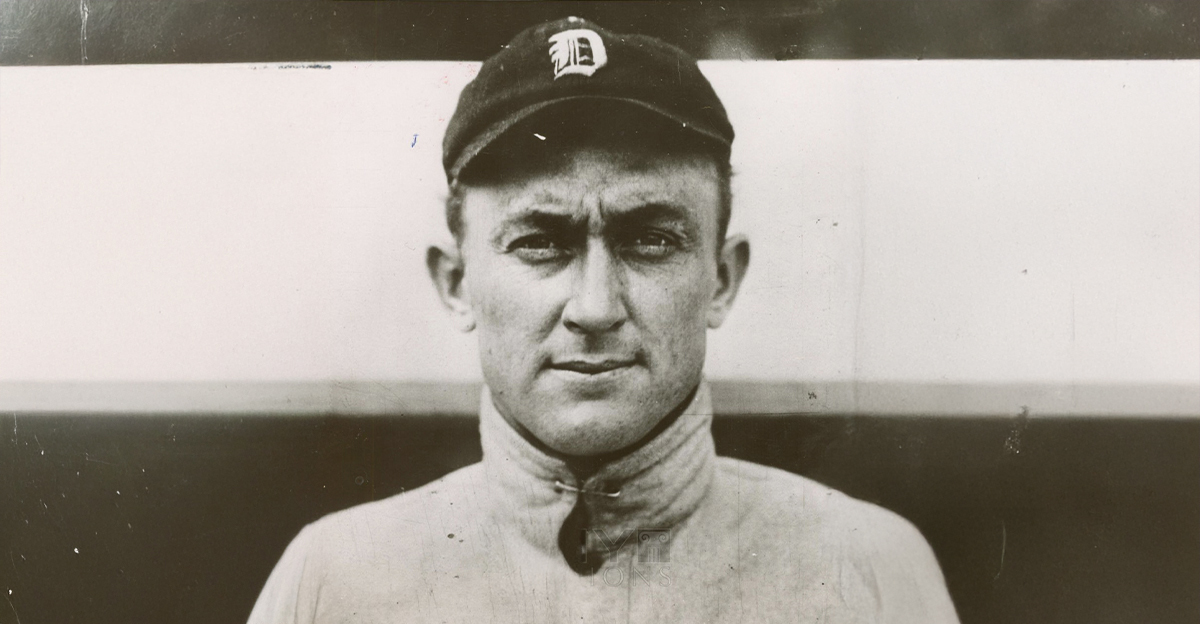
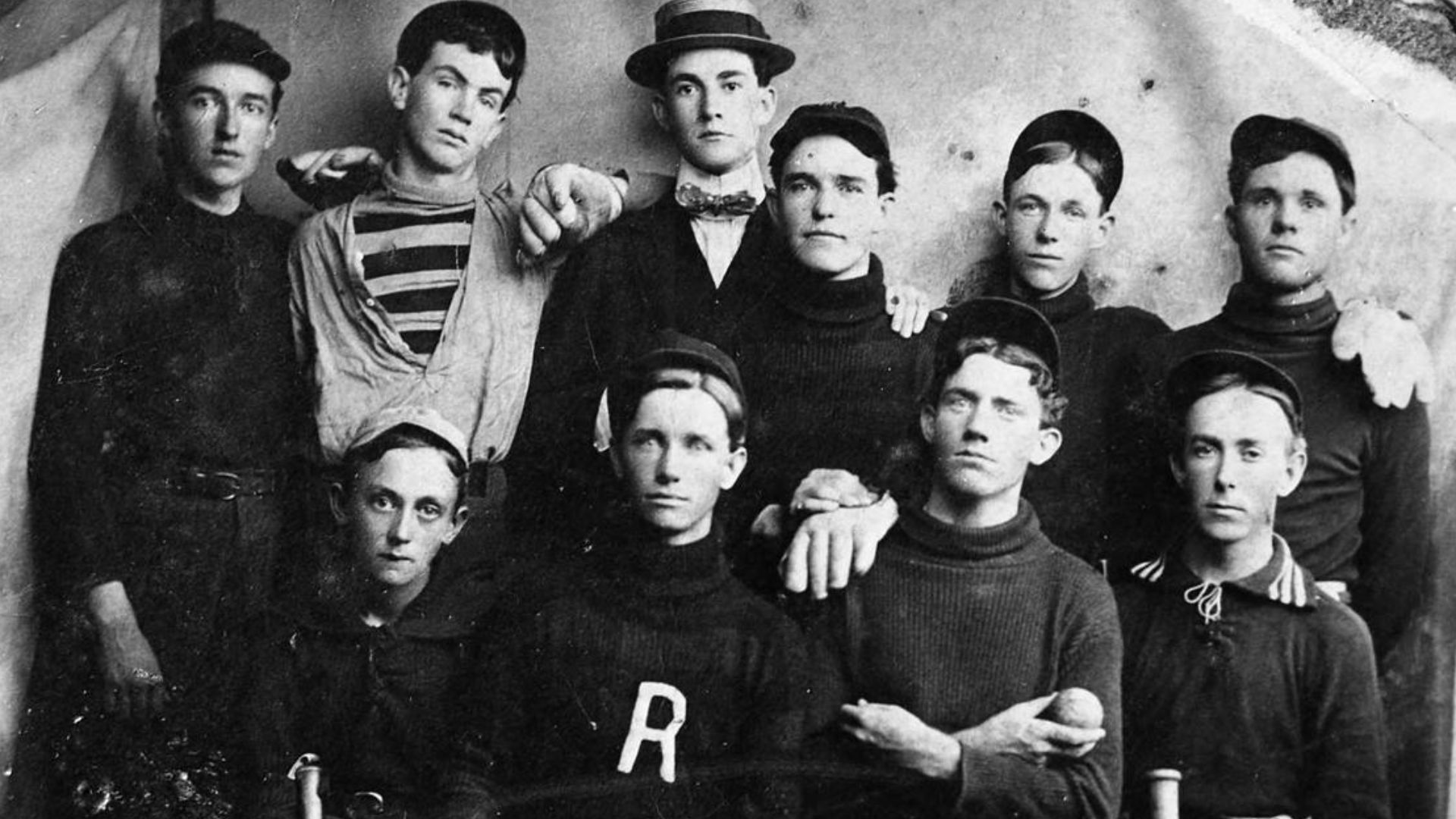
Born on December 18, 1886, to a father who was a state senator and a mother from a banking-family background, Cobb was raised amid rolling farmland and modest privilege. While his father wanted the young Cobb to pursue academics and a career, all the youngster wanted to do was play baseball. The lad excelled at the game with an intensity that took him to the doorstep of the big leagues. That was when the unthinkable happened.
 unattributed, Wikimedia Commons
Defining Tragedy
The defining event of Ty Cobb’s early life was the death of his father, who was accidentally shot and killed by Cobb’s mother, Amanda, in 1905. One night he returned unannounced to catch Amanda in what he thought might be infidelity. Mistaking her husband for an intruder, Amanda fired through the bedroom door and killed him instantly.
 unattributed, Wikimedia Commons
Breaking Into The Big Leagues
Not long after his father’s tragic death, Cobb debuted with the Detroit Tigers in 1905 at the age of only 18. His fierce work ethic and fiery demeanor were partly a product of grief and his own consuming ambition. This set the mold for a career that quickly defined him as one of baseball’s fiercest competitors.
 unattributed, Wikimedia Commons
Rise To Stardom
By 1907, Cobb led the American League in hits and batting average, while helping the Tigers to three consecutive pennants (first-place finishes). His aggressive base-running, precision hitting, and tactical intelligence made him different from any player that fans had ever seen before. To many he was the ultimate example of the rough, daring energy that marked early twentieth-century baseball.
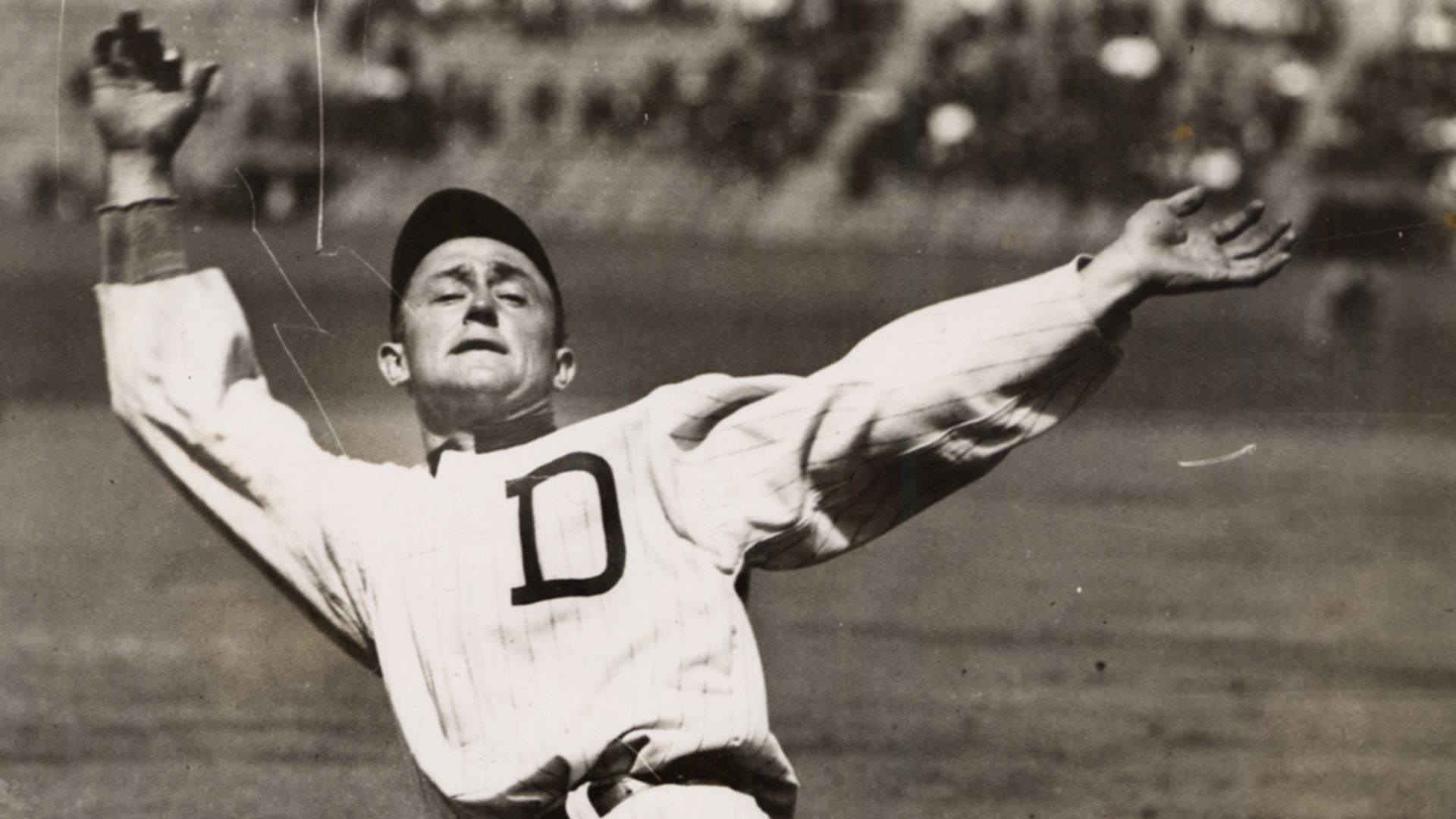 Kuenzel, William A., Wikimedia Commons
Unmatched Records And Milestones
Ty Cobb retired in 1928 as the holder of more than ninety all-time baseball records. His lifetime batting average of .366 is still the highest in history. Over twenty-three seasons, he accumulated 4,191 hits and nearly 900 stolen bases. These accomplishments solidified him as one of the greatest natural hitters to ever step onto the diamond.
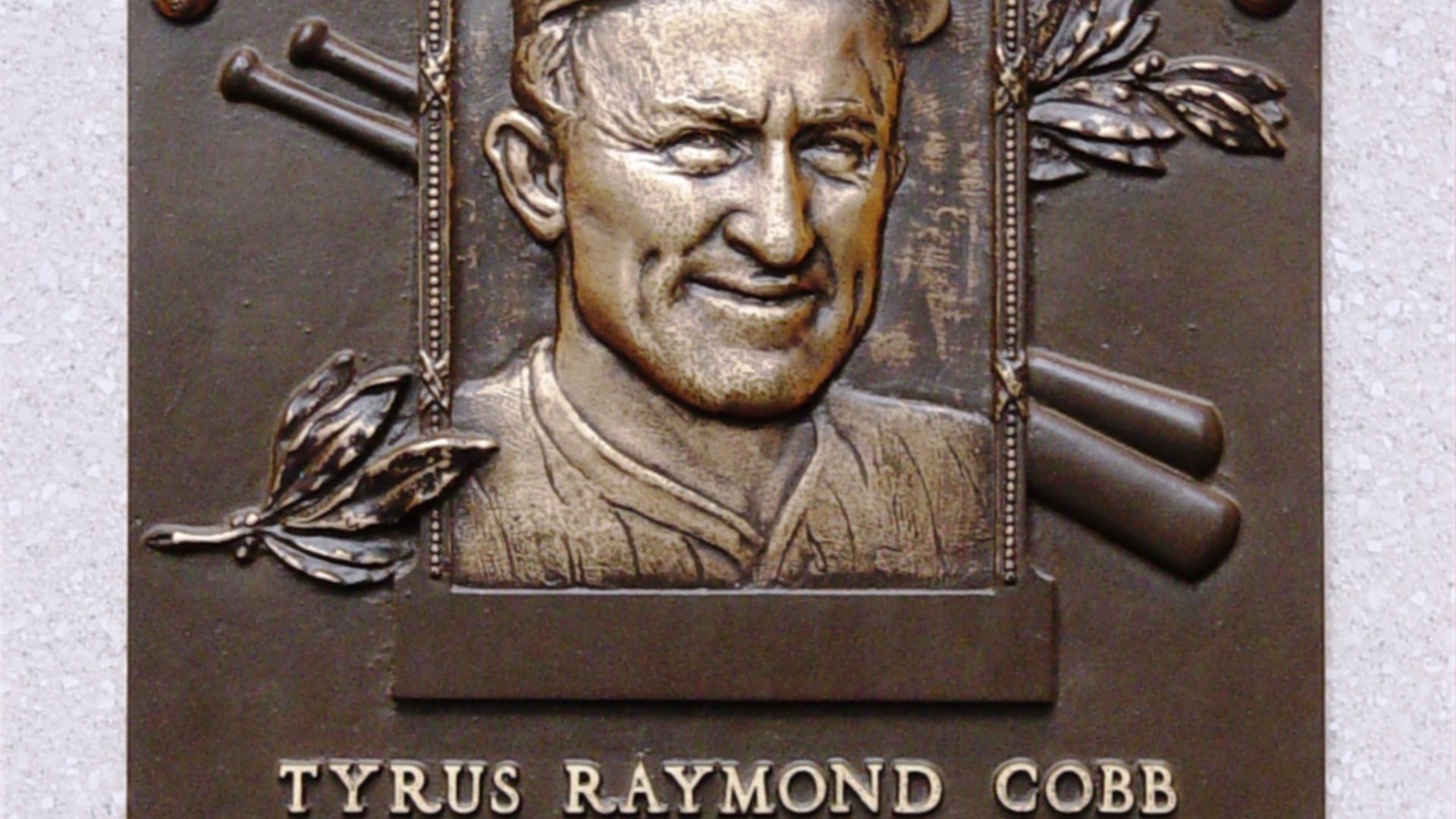 en:User:RasputinAXP, Wikimedia Commons
Player-Manager And Late Career
Cobb managed the Detroit Tigers from 1921 to 1926 while he continued on as a player; he continued to maintain a remarkable level of performance even into his forties. In his final years, he joined the Philadelphia Athletics, where he surpassed the 4,000-hit plateau. Even late in his career his competitive fire burned with an intensity unsurpassed by anyone else in the big leagues.
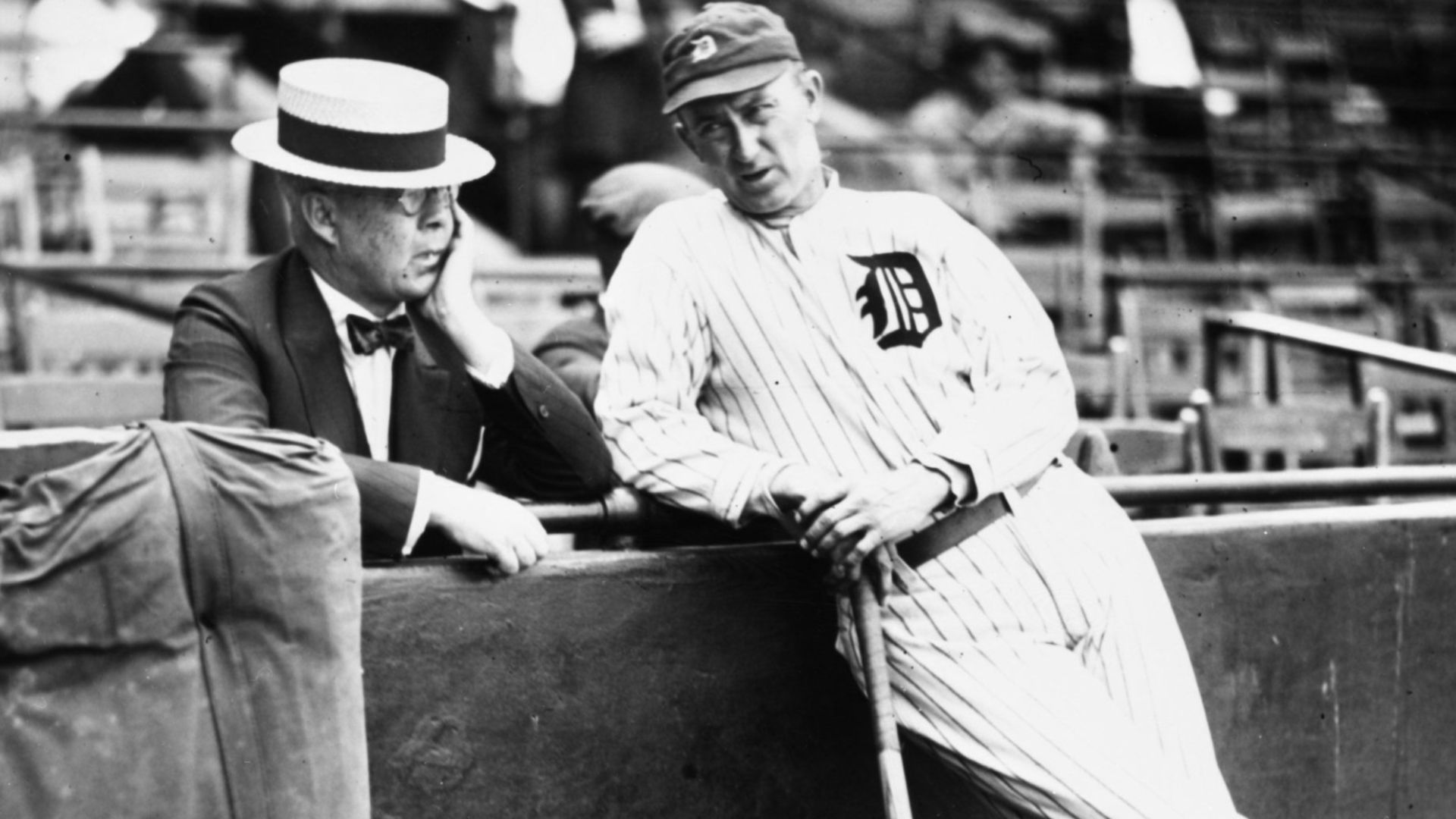 Unknown author, Wikimedia Commons
Life After Baseball
After all his incomparable success, Cobb made his first career mis-step after he retired. Instead of becoming a manager, coach, or scout with a big-league team, he pursued stock-market investing, travel, golf, and fishing. Cobb was no longer in the public eye, and as the years went by he fell further into the role of the crusty old curmudgeon complaining about how today’s baseball didn’t hold a candle to the game in his day.
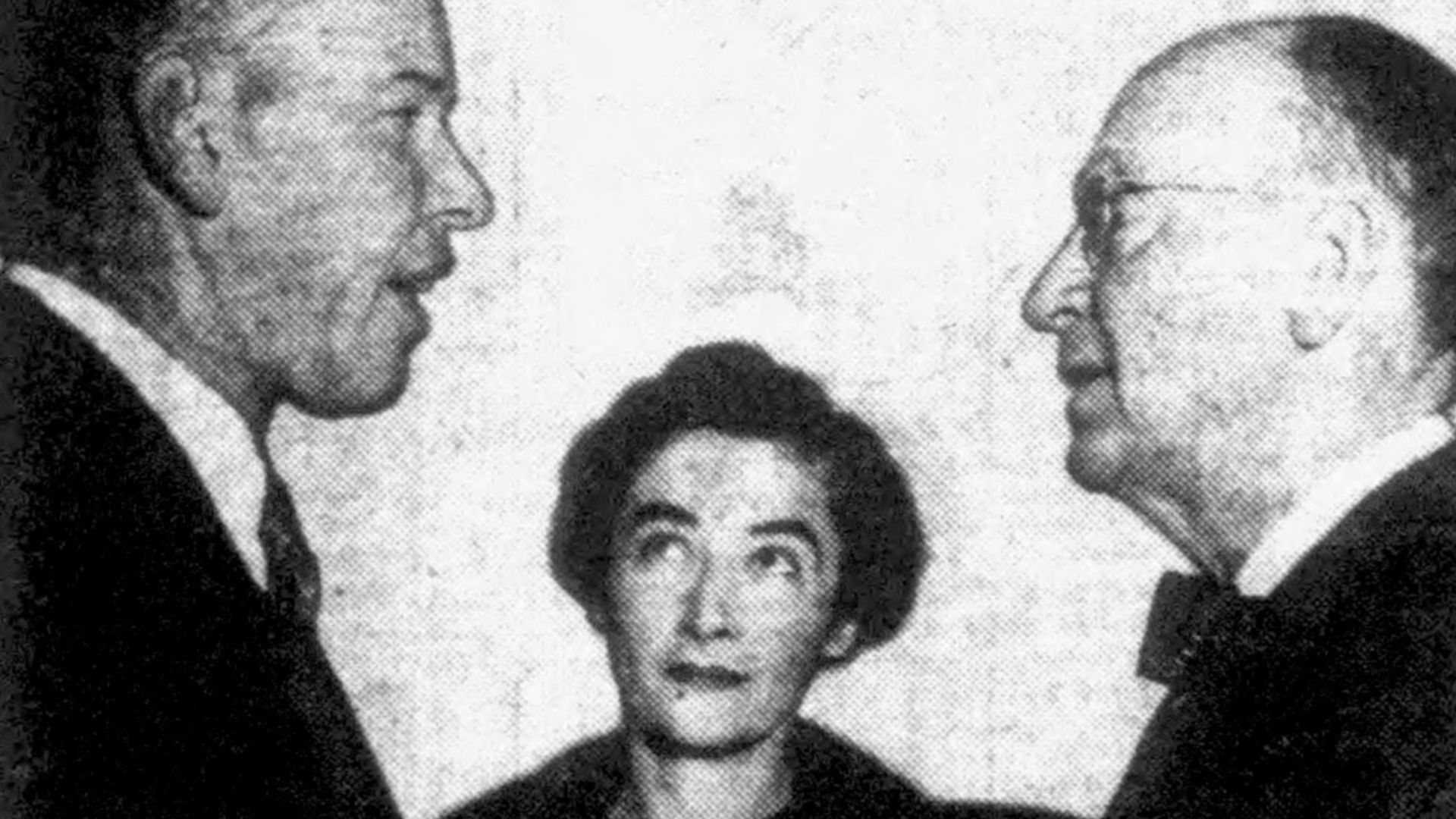 Unknown author, Wikimedia Commons
Twilight Years
By 1959, Cobb had been diagnosed with prostate cancer, and also suffered from diabetes, high blood pressure, and Bright’s disease. Knowing his days were numbered, Cobb commissioned sportswriter Al Stump to write a biography that would help him tell his life story to future generations. But Cobb passed away on June 17, 1961, before Stump had completed the biography.
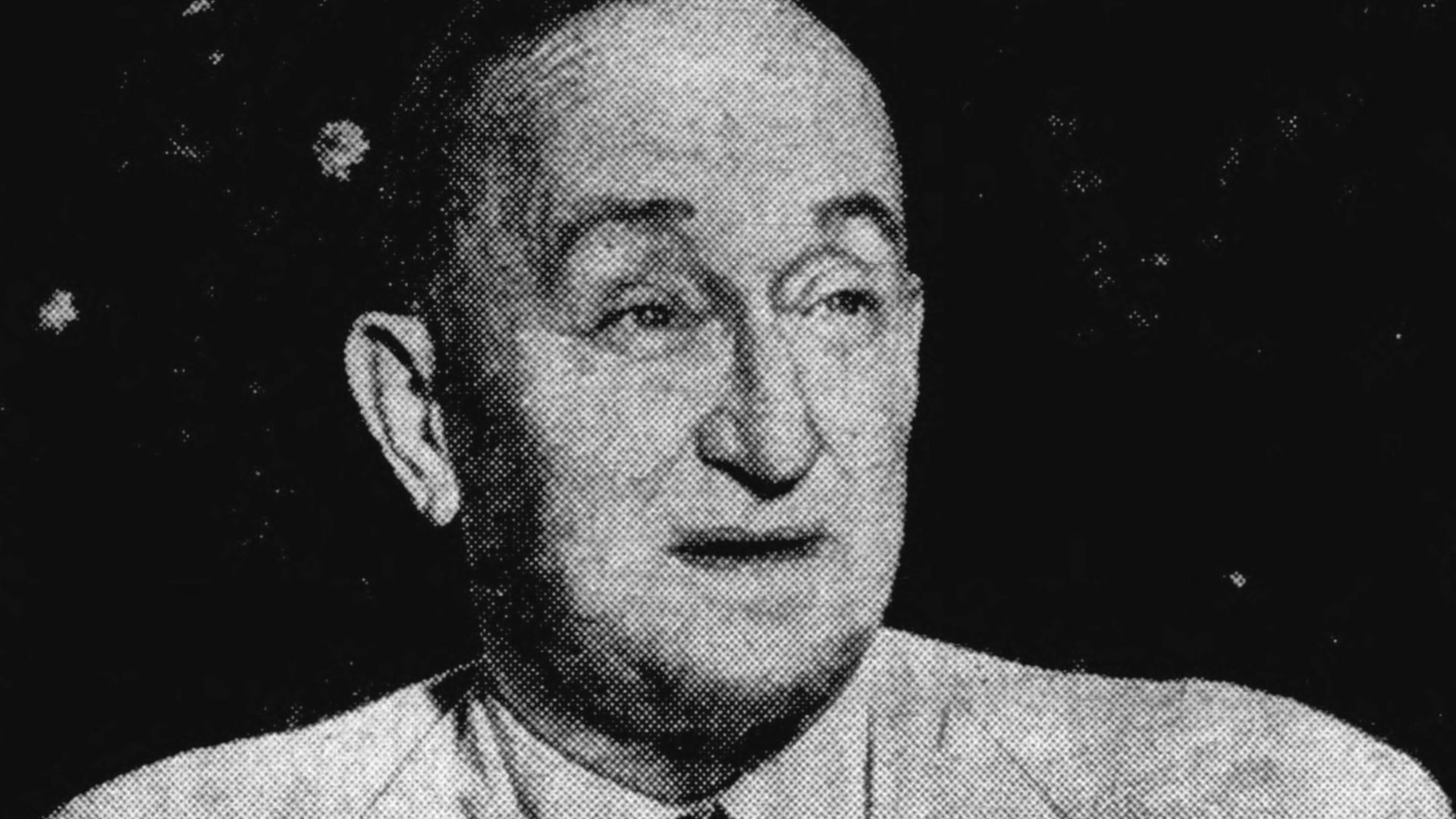
Al Stump And The Biography That Changed Everything
Al Stump’s 1961 True magazine article and later books portrayed Cobb as “the meanest man in baseball.” The books wove a story of a bitter, violent, and hateful man who was unrelentingly abusive toward others. Stump’s writings claimed that Cobb had deliberately sharpened the spikes of his shoes so he could slice open opposing players when he slid into a base. Cobb was no longer alive to give his side of the story, and the image of the "evil Cobb" grew.
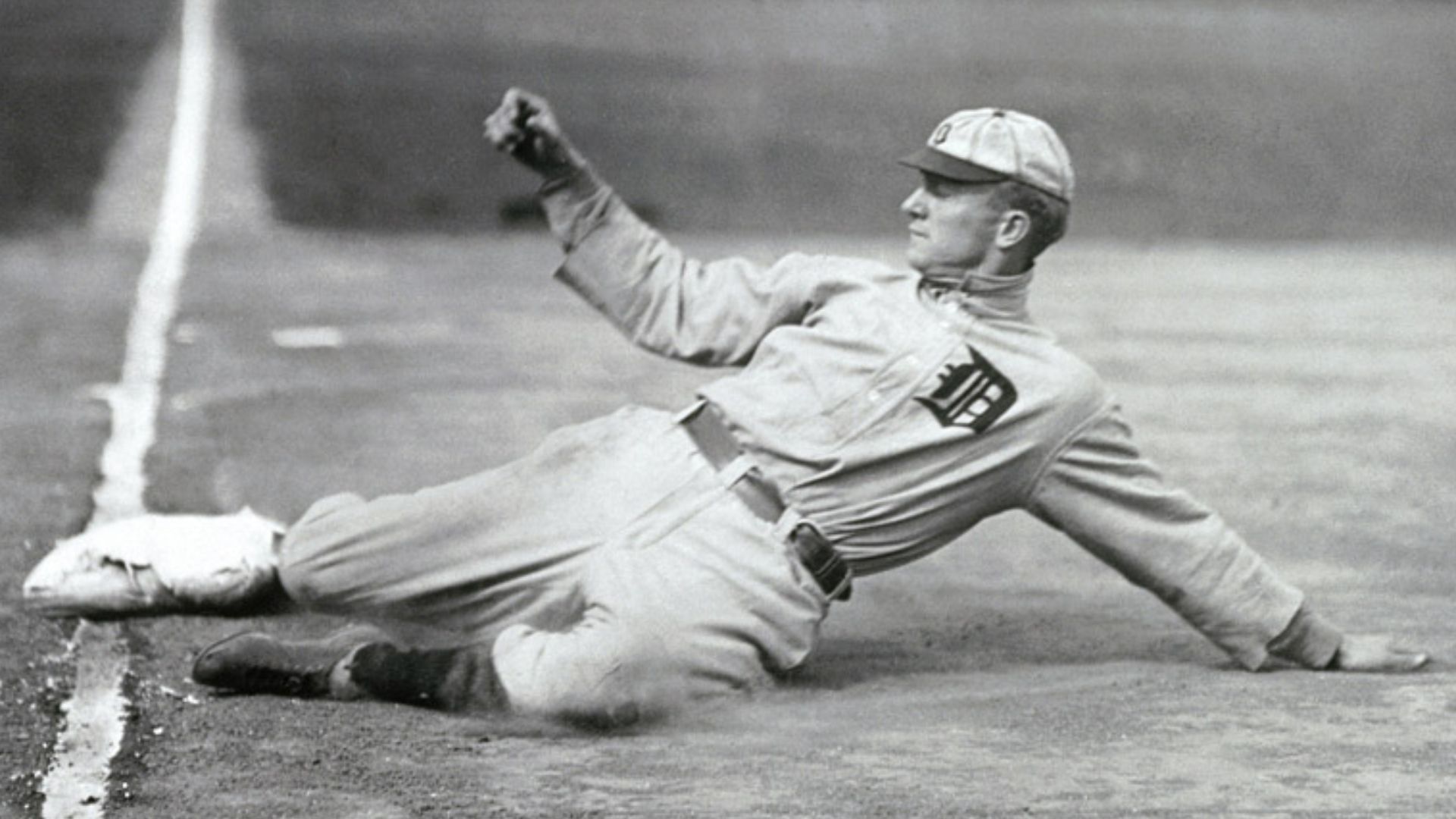 New York Times - © Bettman/Corbis, Wikimedia Commons
The Making Of A Villain
For decades, Ty Cobb’s personal record was distorted by lurid tales of cruelty and racism. Many of these anecdotes stemmed from biographer Al Stump’s sensationalized accounts. Over the span of decades Stump’s portrait of Cobb as a violent, hateful man took hold in American culture and started to eclipse his incredible accomplishments on the field.
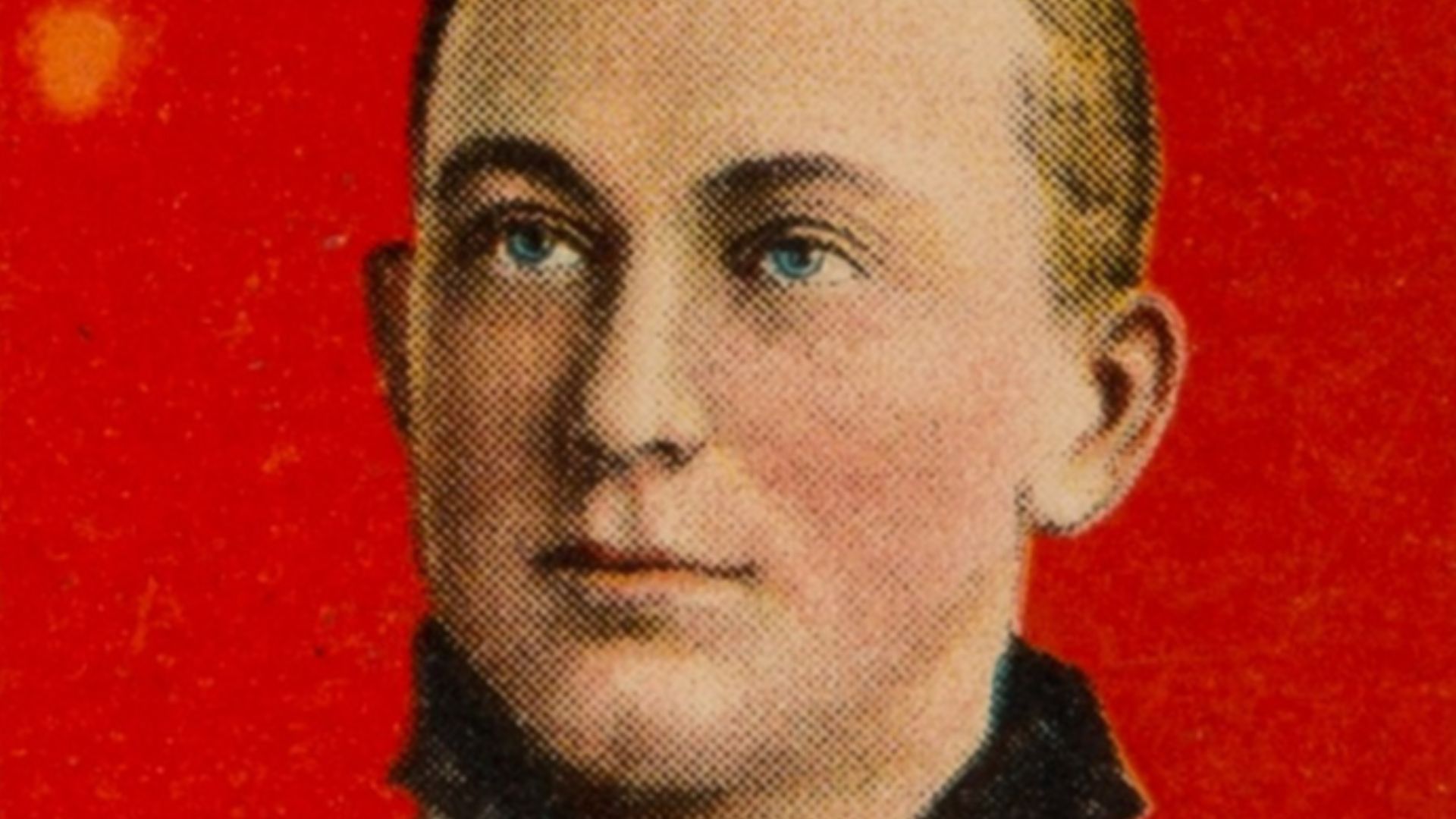 American Tobacco Company, Wikimedia Commons
A Writer Of Dubious Claims
However, researchers later uncovered that Stump had forged documents and a wide catalog of supposed Cobb memorabilia. Many of Stump’s anecdotes of violent incidents turned out to have no basis in fact. His work blended fact and fiction, permanently staining Cobb’s reputation and reshaping how future generations perceived the Hall of Famer.
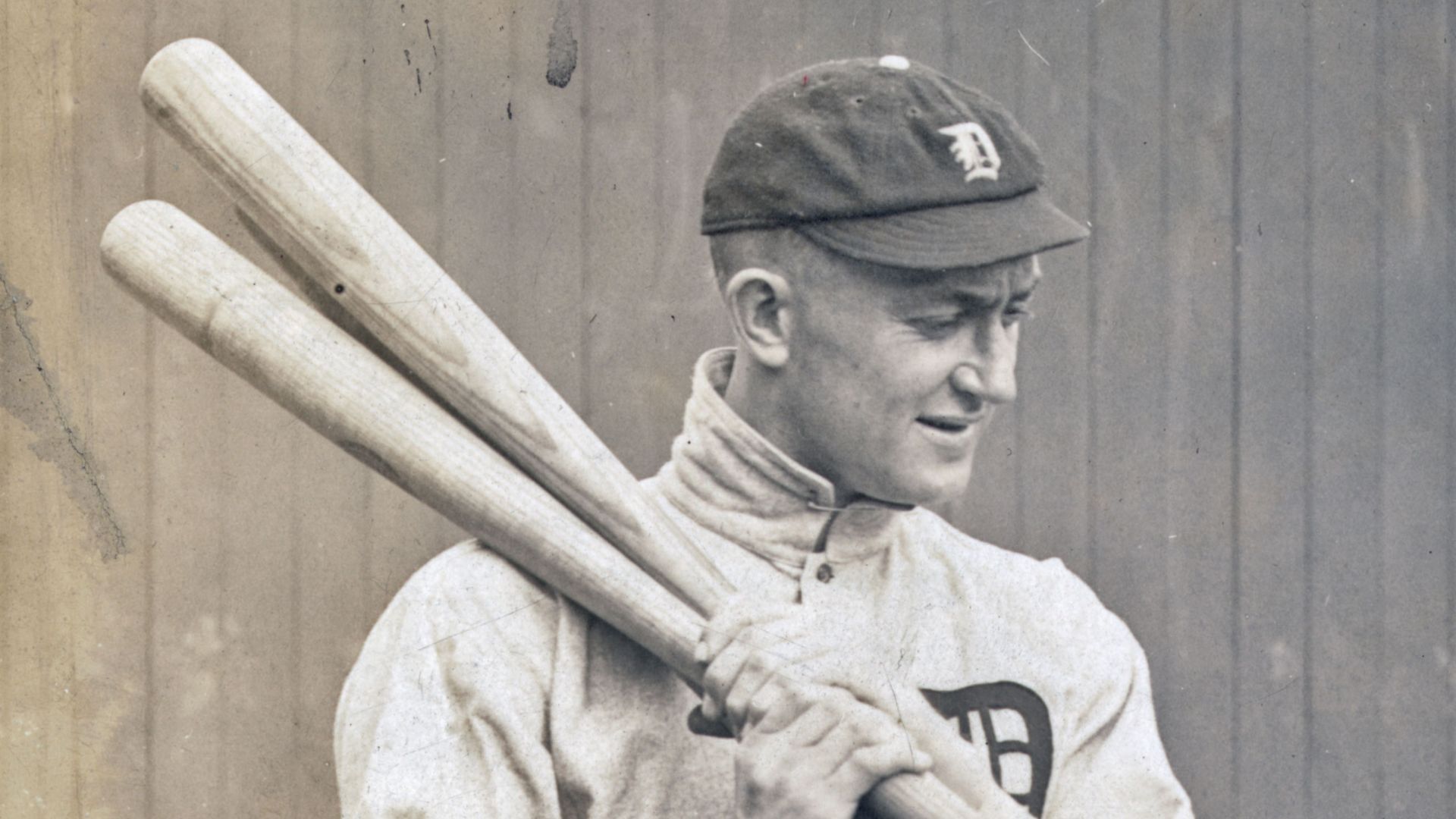 Louis Van Oeyen, Wikimedia Commons
Myths And Misinformation
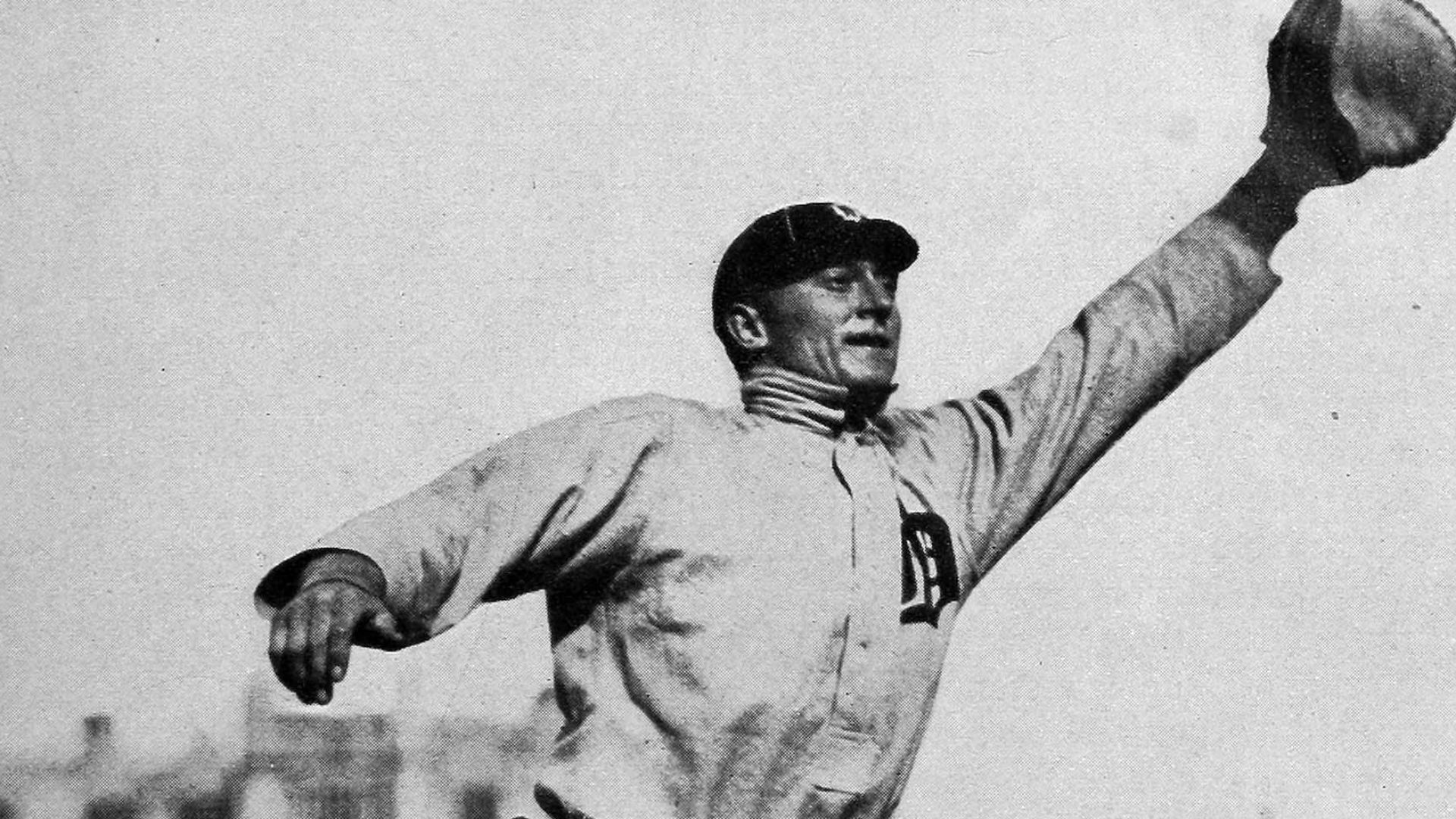
Subsequent investigations by historians and journalists found that many of Stump’s claims were either unverifiable or flat-out fabricated. Stories about Cobb sharpening his spikes or attacking Black fans proved unfounded. These revelations forced a reevaluation of how easily character assassinations can become accepted historical “truth.”
 Internet Archive Book Images, Wikimedia Commons
Hollywood’s Reinforcement: The 1994 Film Cobb
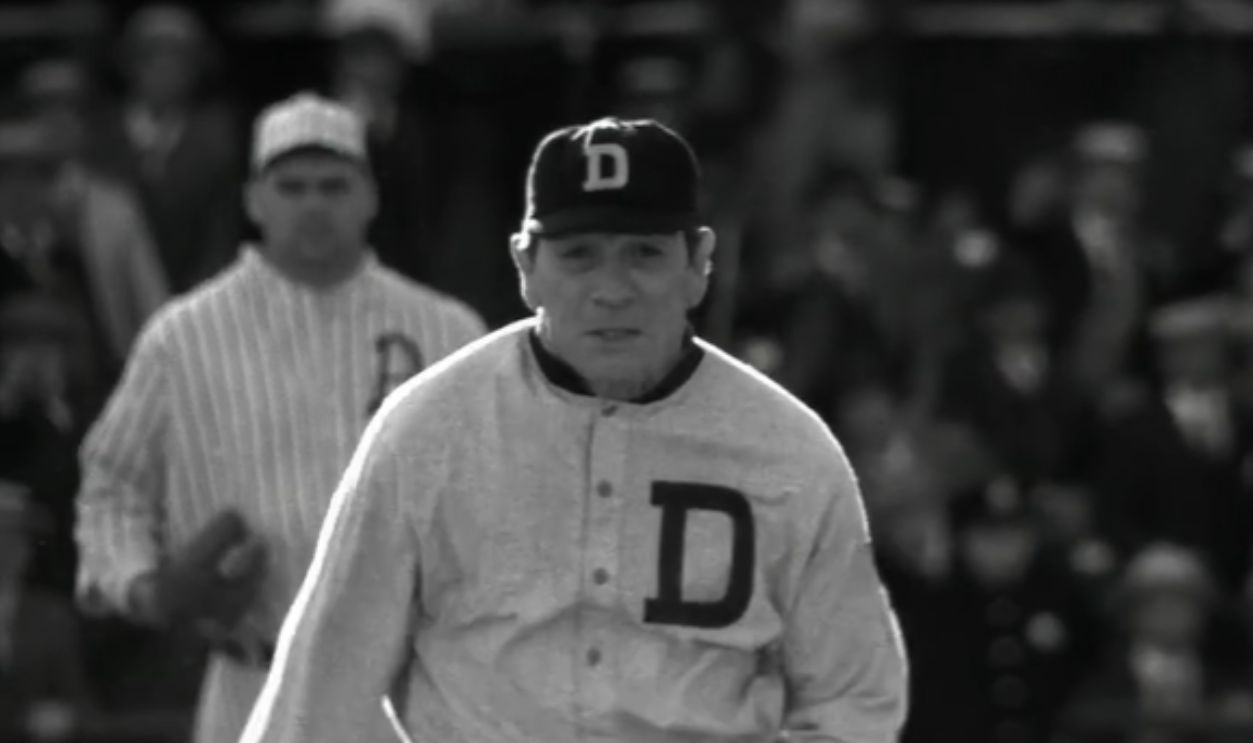
The film Cobb (1994), starring Tommy Lee Jones, was based on Stump’s distorted narrative. The movie emphasized Cobb’s rage, paranoia, and cruelty, cementing the myth for a new generation. Though of passing interest as cinema, it failed to distinguish fact from fiction, perpetuating one of sports history’s most damaging misrepresentations.
 Screenshot from Cobb, Warner Bros.
Impact Of The Film On Public Memory
Despite limited box office success, Cobb shaped public perception for decades. Audiences left theaters believing Ty Cobb was a violent racist. The film’s harsh tone and dramatization of Stump’s unreliable material made it difficult for historians to correct misconceptions and present the more complex truth about Cobb’s character.
 Georges Biard, Wikimedia Commons
The Rise Of Revisionism
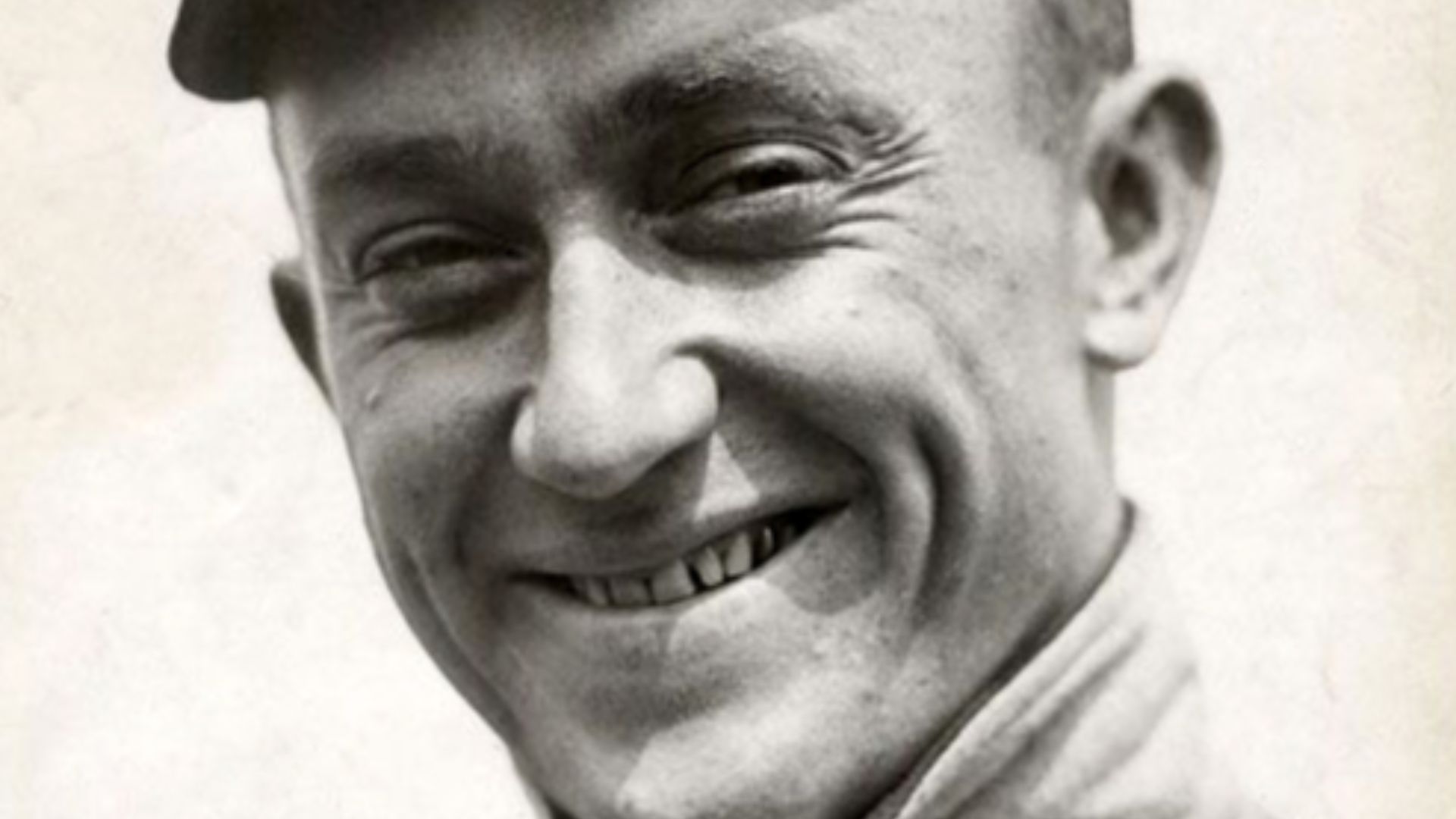
Modern biographers such as Charles Leerhsen began reassessing Cobb’s life through verifiable documents and firsthand accounts. In his book Ty Cobb: A Terrible Beauty (2015), Leerhsen dismantled many of Stump’s falsehoods. His research portrayed Cobb as temperamental yet intelligent, charitable, and more progressive than his tarnished reputation suggested.
 Charles M. Conlon, Wikimedia Commons
Evidence Of Tolerance And Empathy
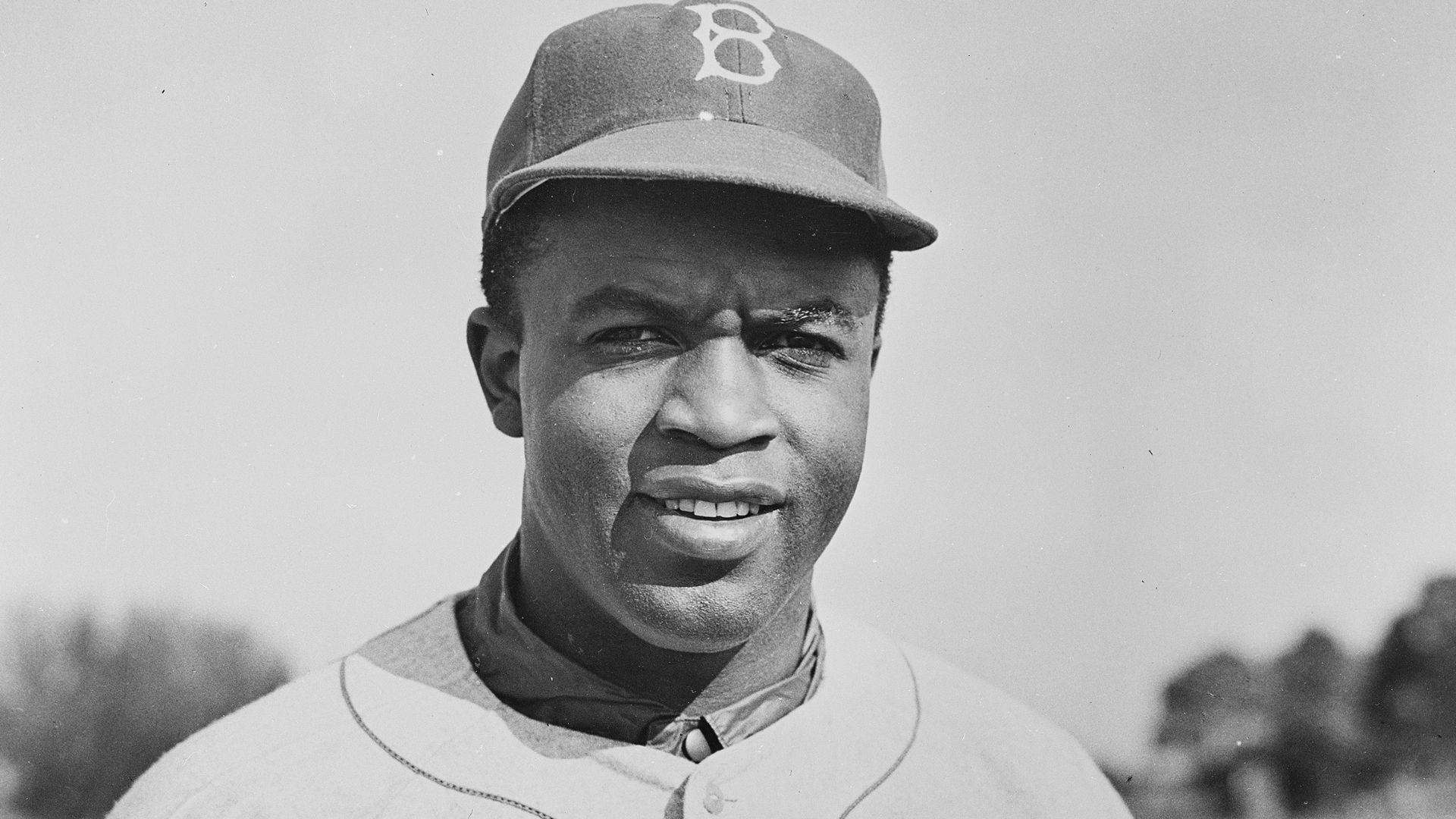
New research revealed that Cobb had supported the integration of baseball, praising Jackie Robinson in the 1950s and advocating that Black players be “accepted wholeheartedly” into the game. Cobb had remarked that Willie Mays was the only current ballplayer he would “pay to watch play.” Cobb had been miscast as a racist villain when in reality his views had evolved considerably, reflecting a more humane and complex personality.
 United States Information Agency, Wikimedia Commons
Reconsidering The “Meanest Man in Baseball”
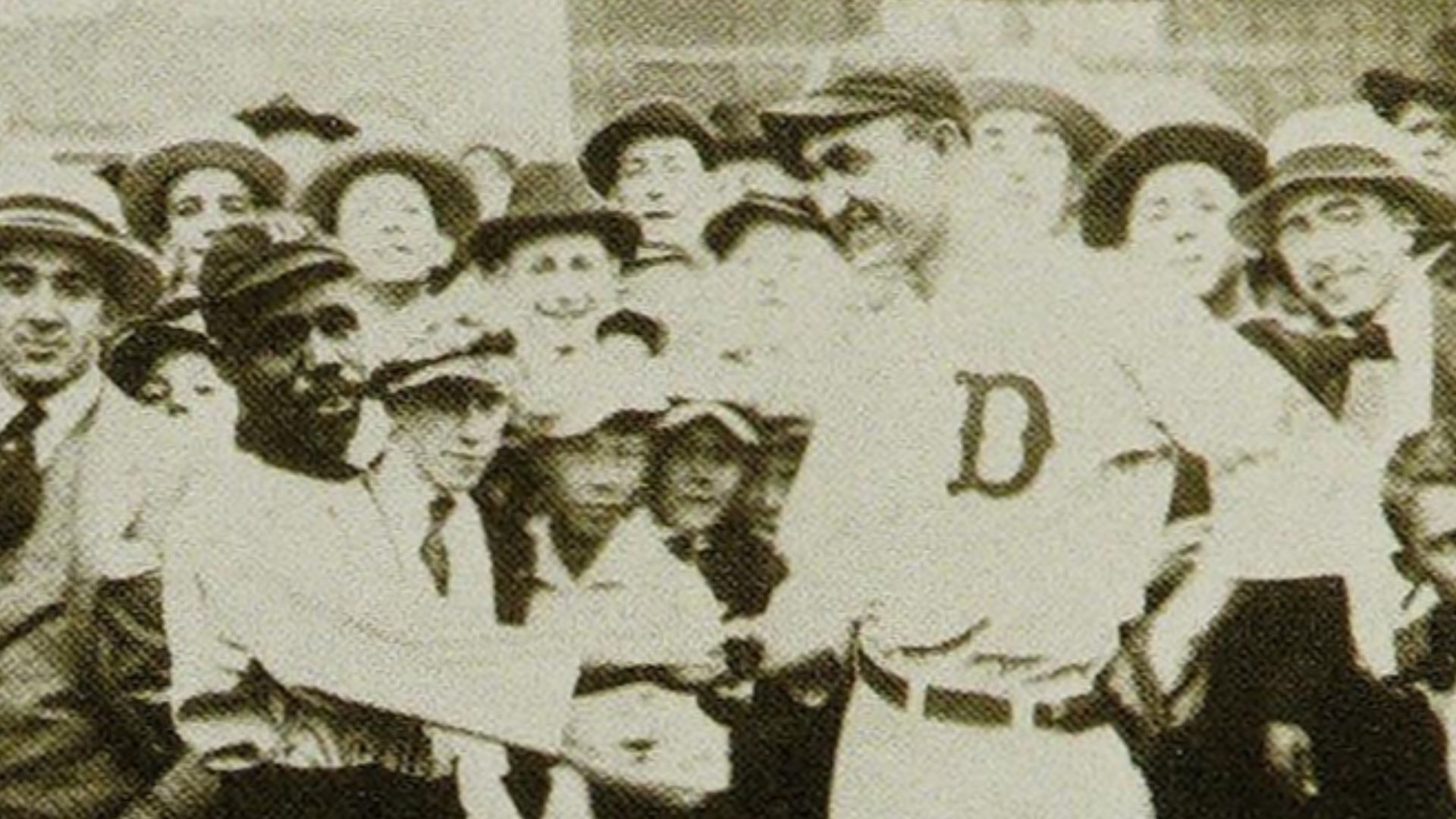
Cobb’s aggression was real, but context matters. While he was was no angel, early twentieth-century baseball was at times violent, and his ferocity was partly a survival strategy, not evidence of malice. Contemporary accounts describe him as demanding but also loyal to teammates and fans. The myth of the irredeemable monster no longer withstands scrutiny.
 Unknown author, Wikimedia Commons
Philanthropy And Life After Baseball
In retirement, Cobb became one of baseball’s wealthiest men through Coca-Cola and General Motors investments. He founded the Ty Cobb Educational Foundation, providing scholarships to Georgia students, and funded a hospital in his hometown. These contributions reveal a compassionate side that Stump’s narratives intentionally ignored.

The Role Of Sensationalism
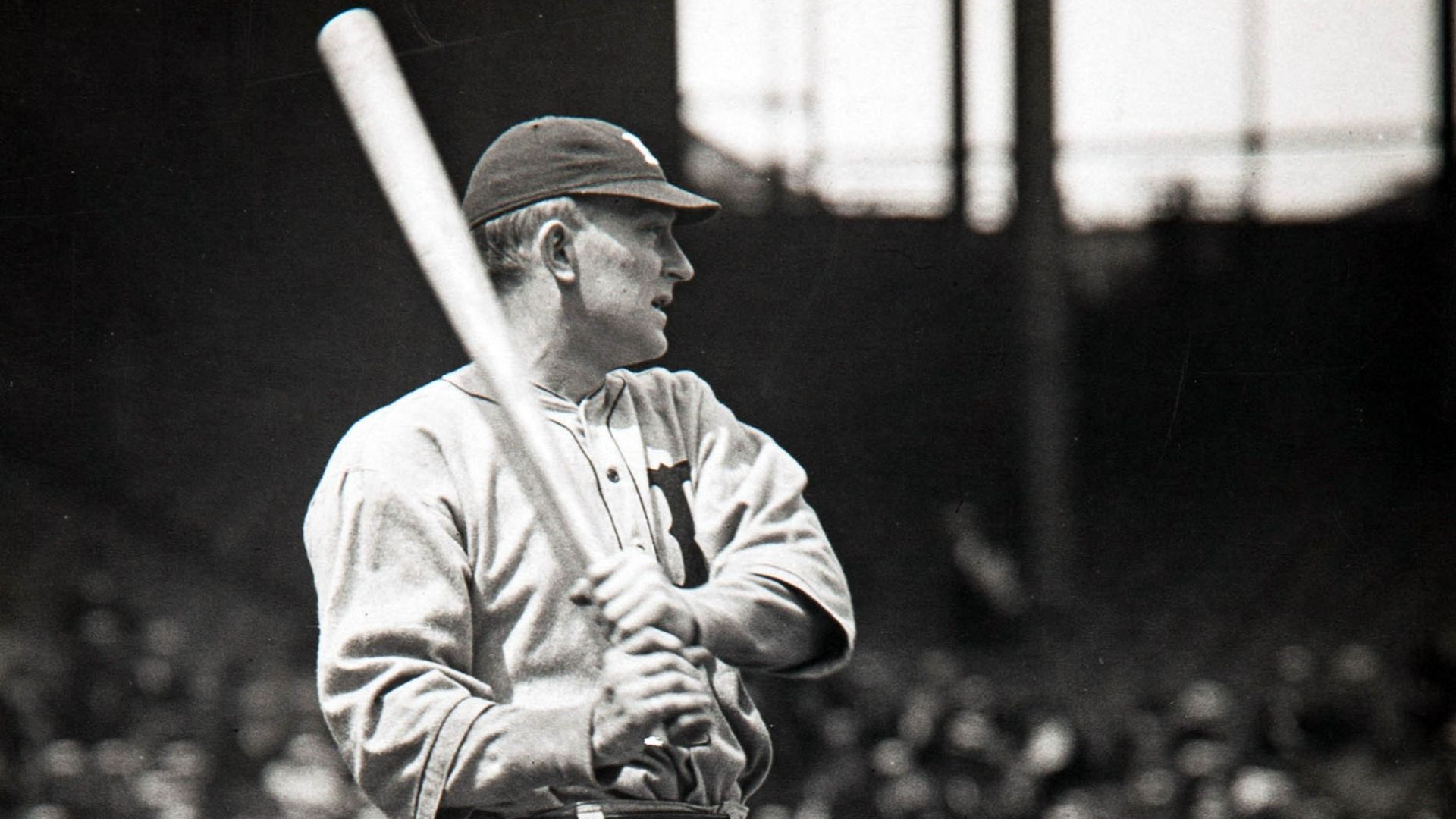
The Cobb myth shows how sensationalist journalism can warp reality. Stump’s exaggerations sold books but destroyed reputations. His blending of truth and fiction demonstrates the ethical dangers of turning real lives into tabloid narratives. Cobb’s story remains a cautionary tale about the cost of unchecked sensationalism in sports media.
 Paul Thompson, Wikimedia Commons
How Scholars Corrected The Record
Historians and organizations like SABR (Society for American Baseball Research) began reassessing primary sources, including letters, interviews, and verified game reports, in order to separate myth from fact. Their work restored Cobb’s complexity, showing him as a driven perfectionist shaped by hardship, not the deranged psychopath of popular legend.
 EricEnfermero, Wikimedia Commons
Cobb’s On-Field Genius
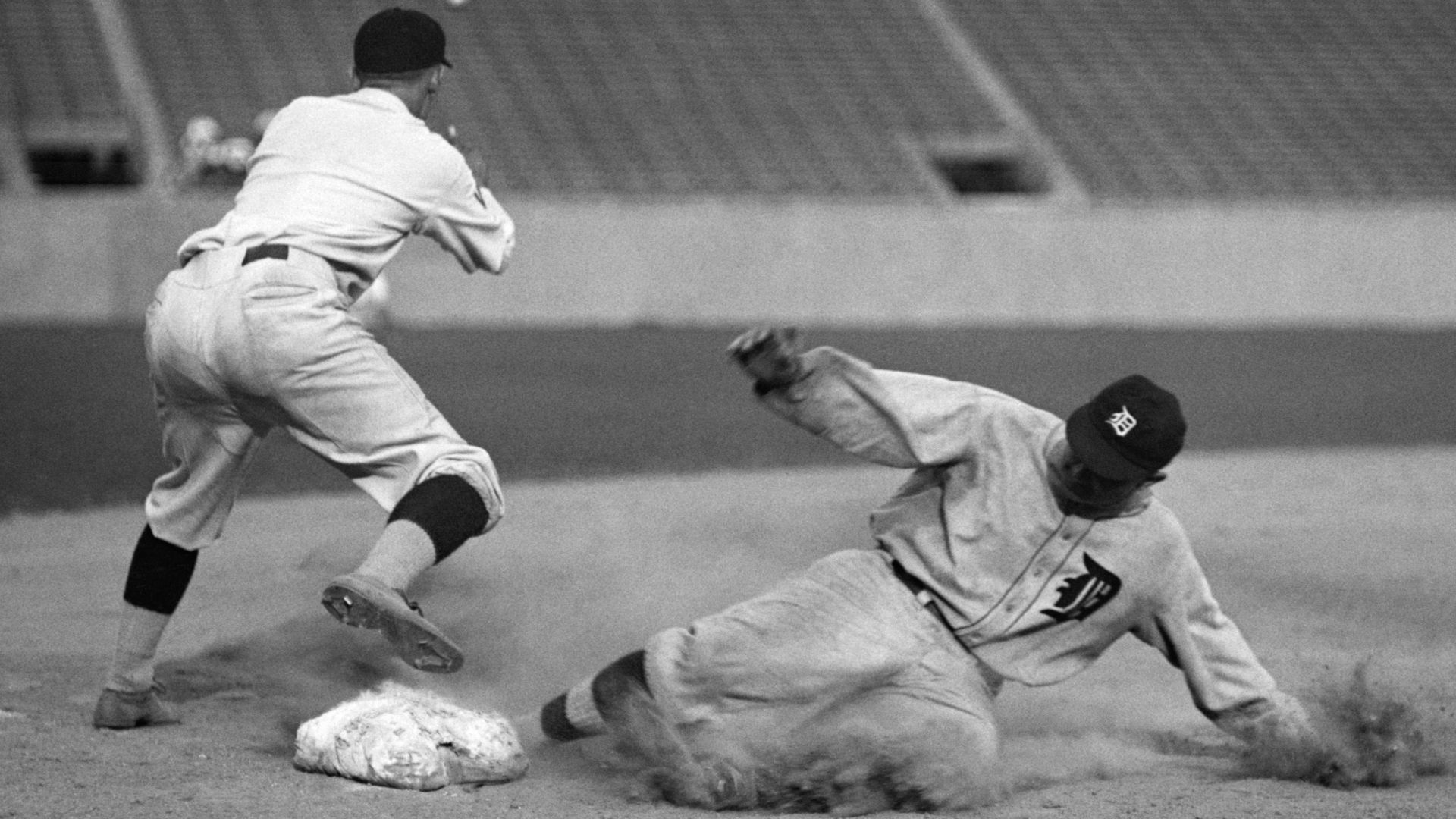
Cobb revolutionized baseball strategy. His base-running psychology, ability to read pitchers, and relentless pursuit of small advantages defined the game’s “scientific” style. His mastery of bunts, hit-and-runs, and steals made him both admired and feared. His intensity set a standard for competitive excellence still admired today.
 National Photo Company, Wikimedia Commons
Baseball Legacy And Statistical Dominance
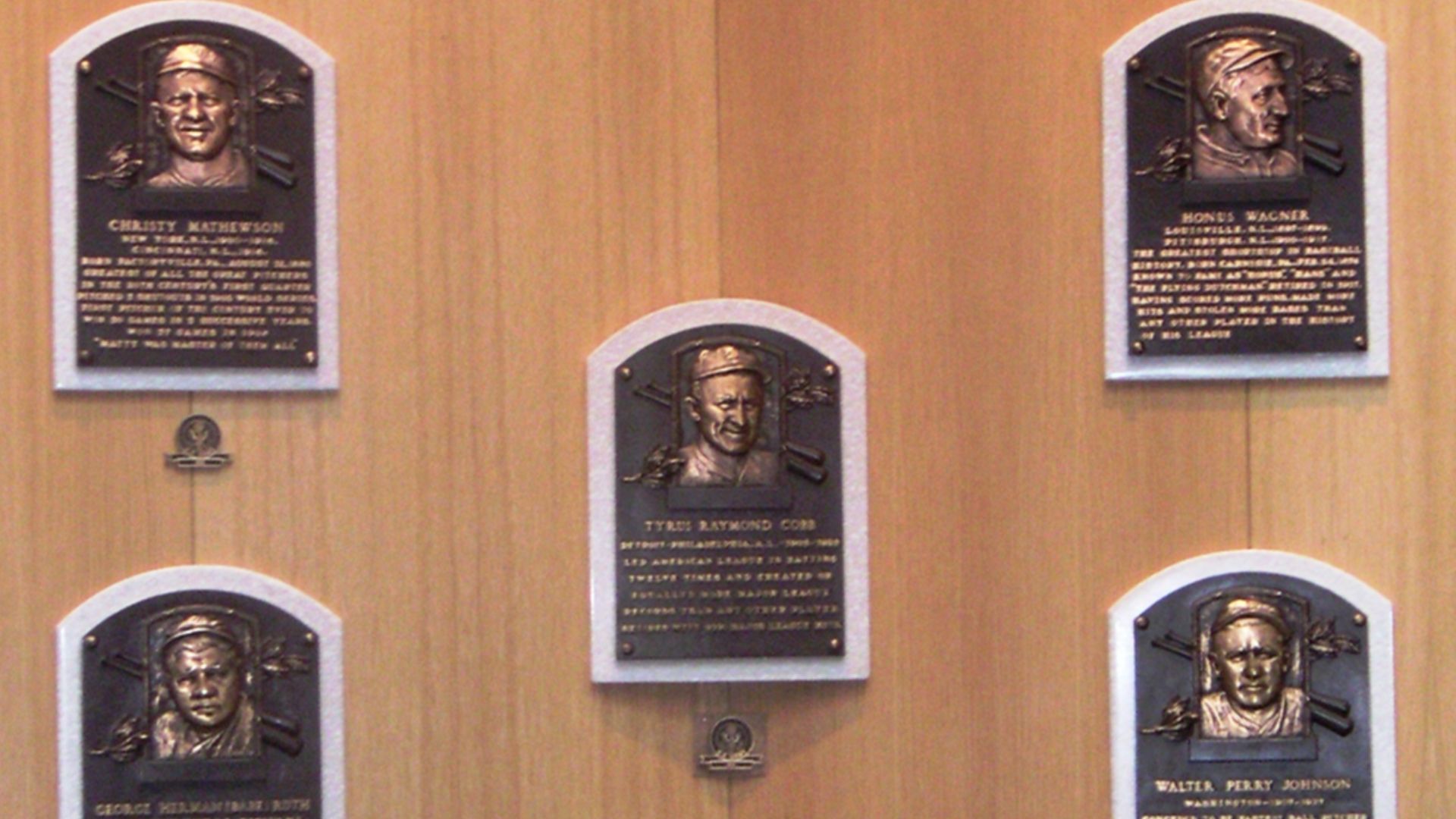
Even in today’s era of advanced analytics, Cobb’s records command respect. His 12 batting titles, three seasons with a batting average above .400, and staggering on-base consistency remain unmatched. Analysts note that Cobb’s combination of speed, precision, and strategic vision made him one of the most effective and cerebral players in baseball history.
Reevaluating Al Stump’s Influence
Al Stump’s sensational storytelling inadvertently sparked a new era of sports revisionism. His inaccuracies inspired later writers to fact-check the myths, resulting in a richer understanding of Cobb and of sports journalism itself. In exposing Stump’s deceptions, historians also shed light on the importance of evidence-based storytelling.
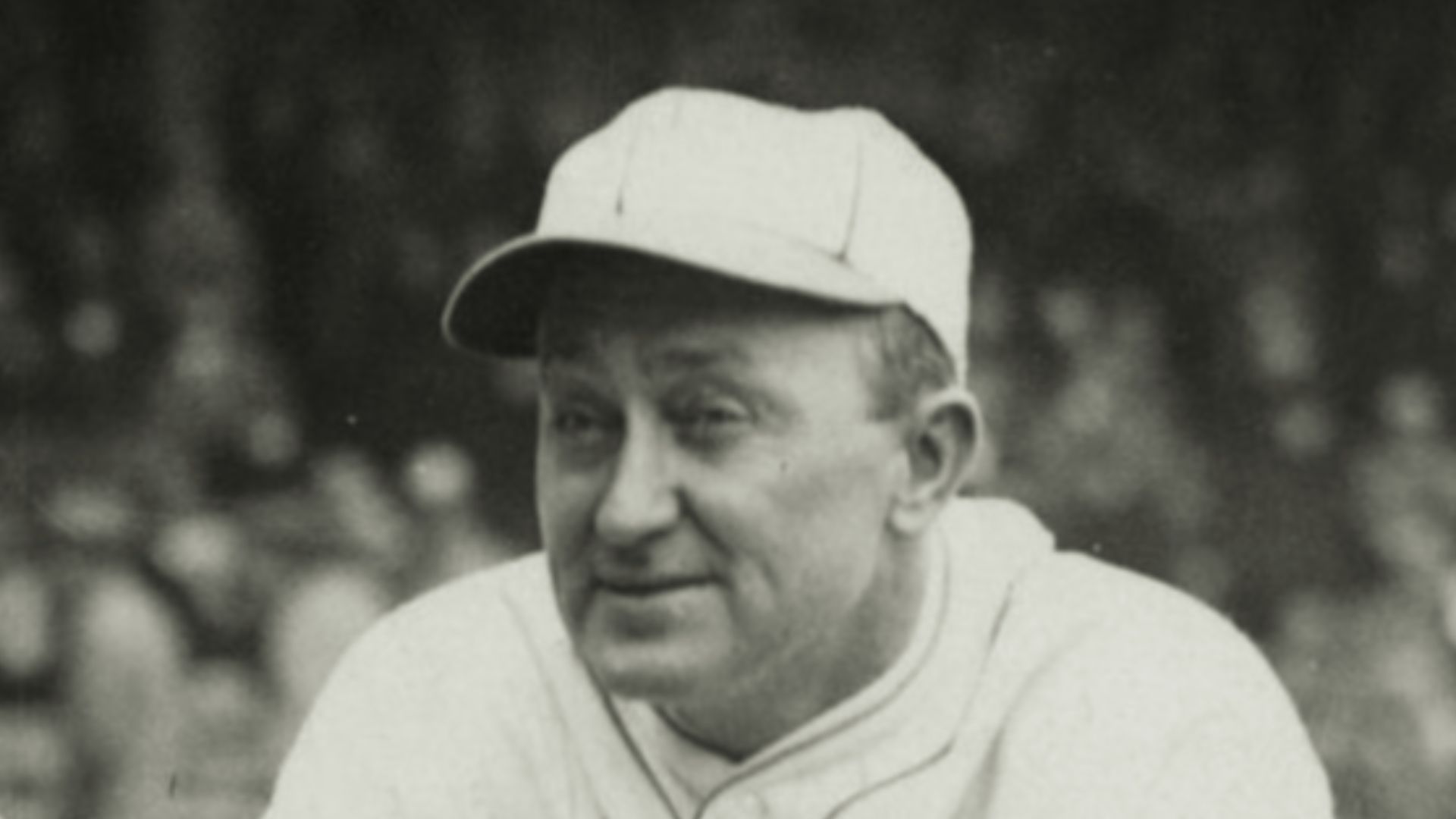 International Newsreel, Wikimedia Commons
The Tommy Lee Jones Legacy Revisited
While Jones’ performance was compelling, the film’s reliance on Stump’s narrative made Cobb’s humanity nearly invisible. Critics now view Cobb as an artistic interpretation rather than a biography. Its dramatic value remains, but its accuracy continues to be questioned by sports historians and baseball purists alike.
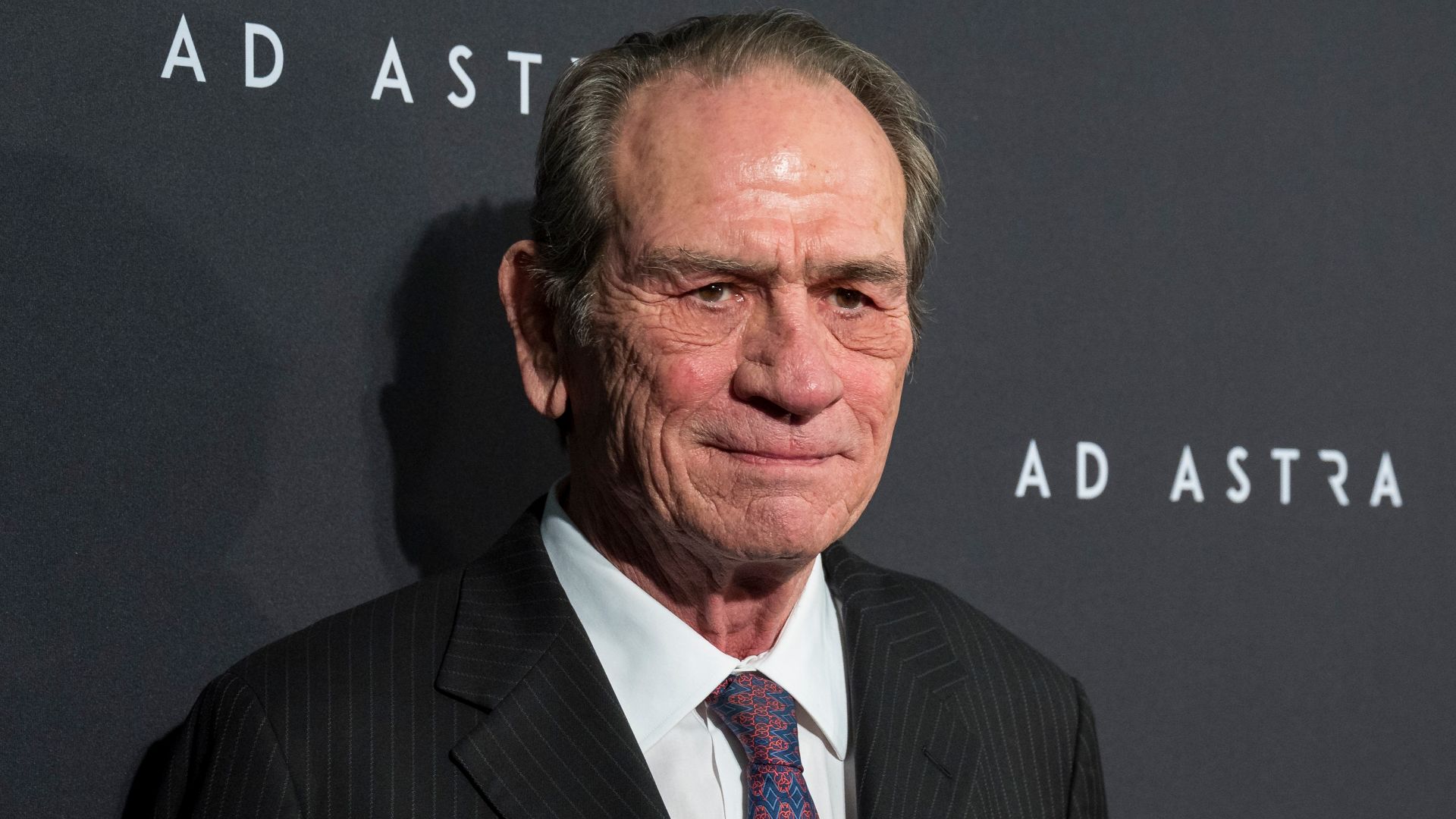 Aubrey Gemignani, Wikimedia Commons
Cobb’s Relationship With Teammates And Rivals
Though infamous for confrontations, Cobb was respected by peers like Babe Ruth and Tris Speaker. He demanded excellence and often clashed with mediocrity. Those who knew him well described a driven, intelligent man whose pride sometimes bred hostility, but who also offered friendship and generosity to those he trusted.
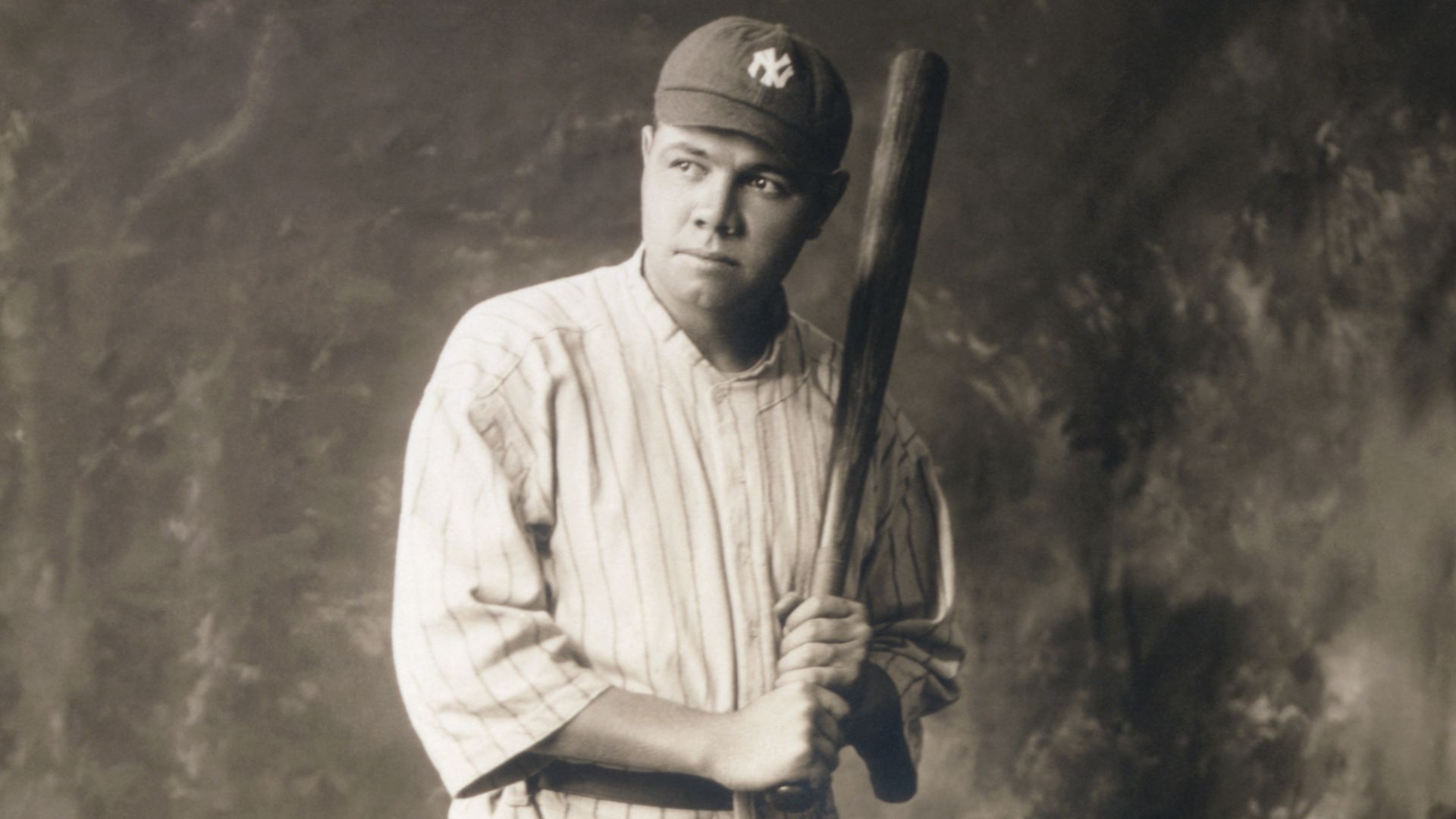 Irwin, La Broad, & Pudlin., Wikimedia Commons
Cobb In Modern Baseball Culture
Today, Cobb is studied not only as a player but as a cultural figure; a case study in how myth, media, and memory shape legacy. His name brings debates about character, competition, and redemption, reminding fans that greatness often comes with contradiction and that history is never static.
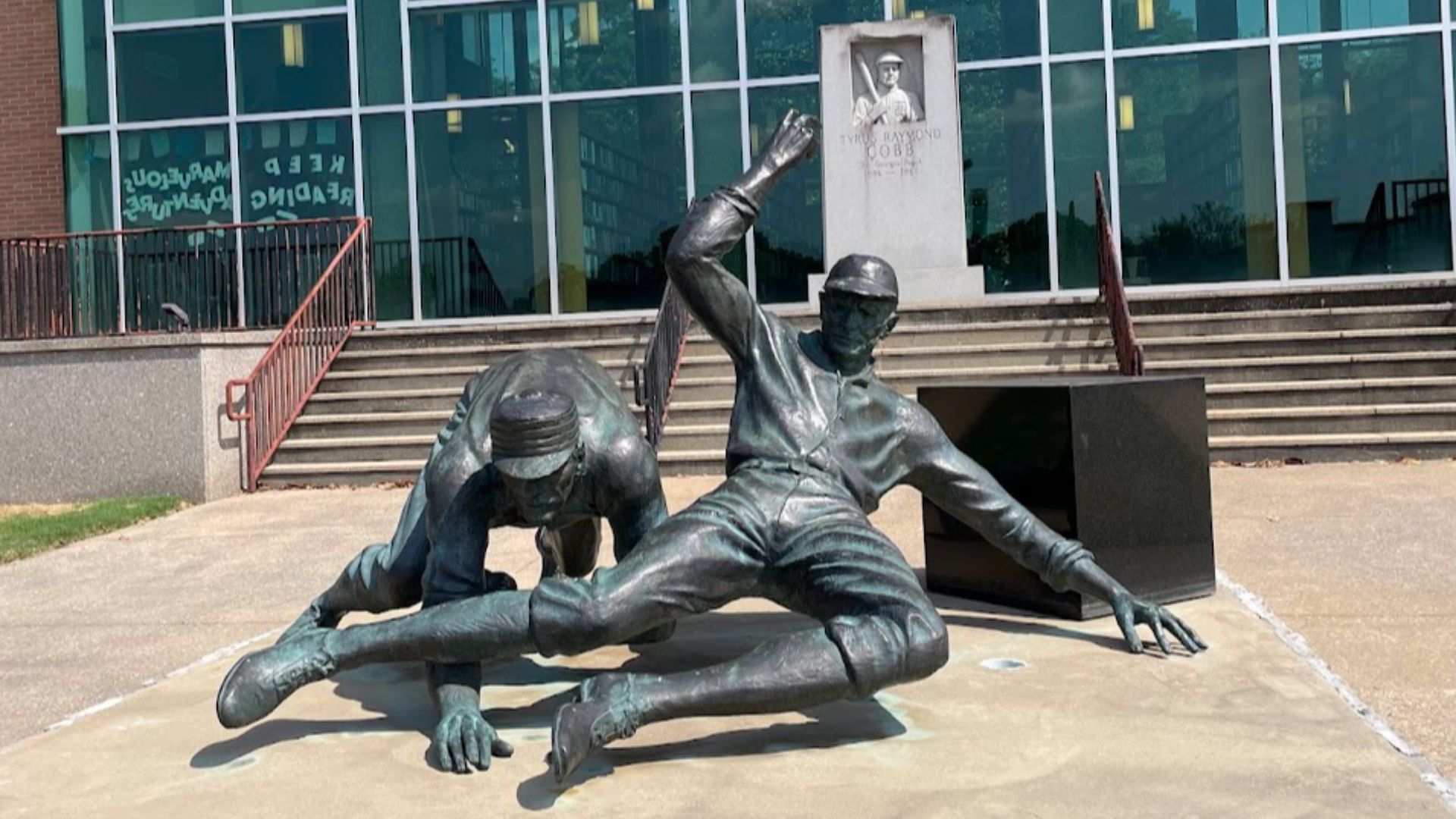
A Symbol Of Baseball’s Evolution
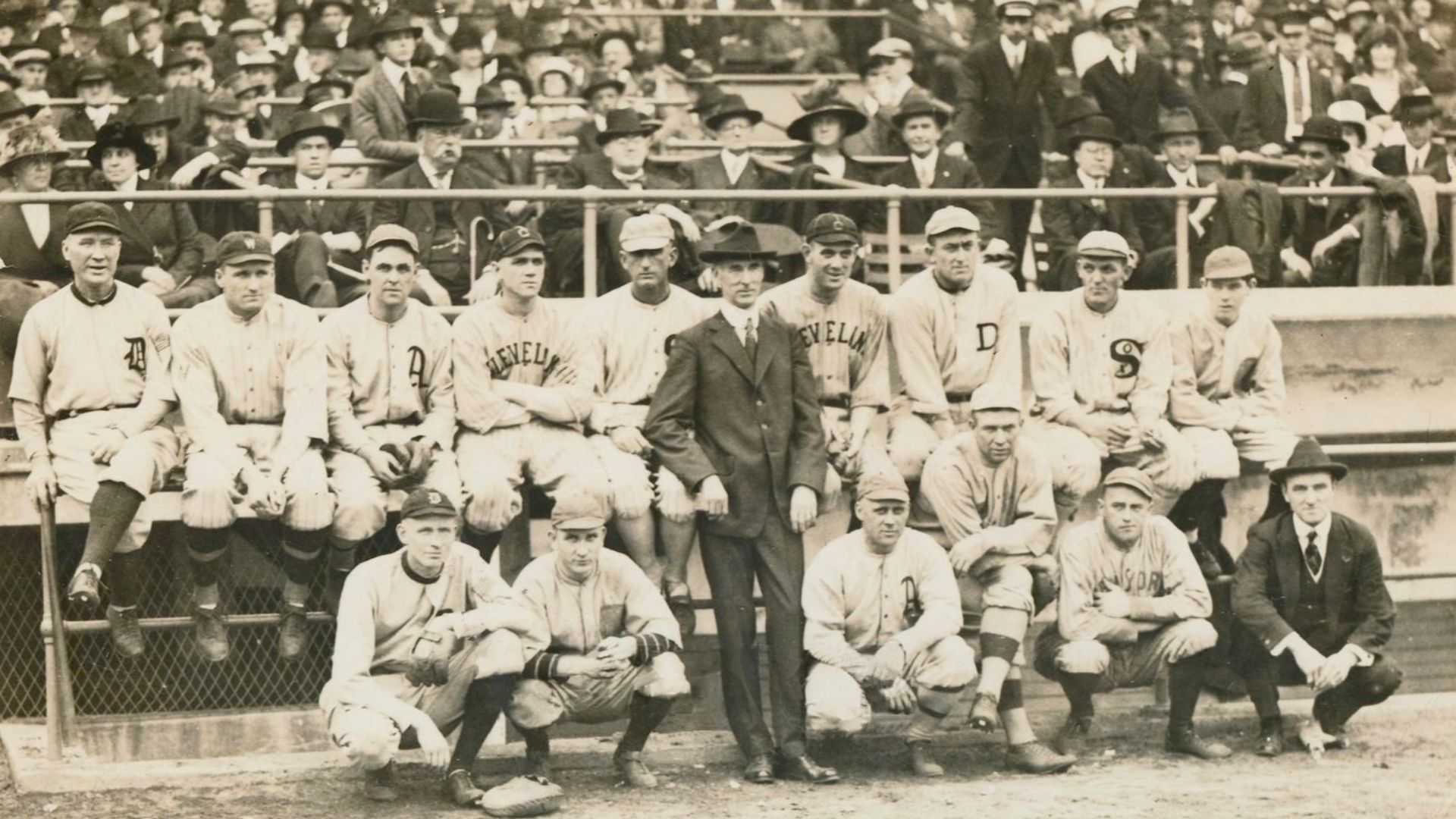
Cobb’s story mirrored baseball’s own evolution from a rough-and-tumble affair to refined corporate operation. His rehabilitation through modern scholarship was a breakthrough for truth and a restoration of one of the game’s most complex icons.
 unattributed, Wikimedia Commons
Lessons For Historians
Cobb’s posthumous rehabilitation is proof that history demands skepticism and patience. Once vilified, he’s now appreciated as flawed but fascinating, a man who embodied both the brutality and beauty of early baseball. The challenge today is not necessarily in rewriting history but in getting the facts straight.
 Unknown author, Wikimedia Commons
Ty Cobb’s True Legacy
The mention of Ty Cobb’s name will always bring about strong reactions. Once caricatured as baseball’s villain, he now stands as a brilliant, flawed, and misunderstood human being.

You May Also Like:
Heavy-Hitting Facts About Babe Ruth, The Sultan Of Swat
Inside Major League Baseball’s Biggest Scandal