
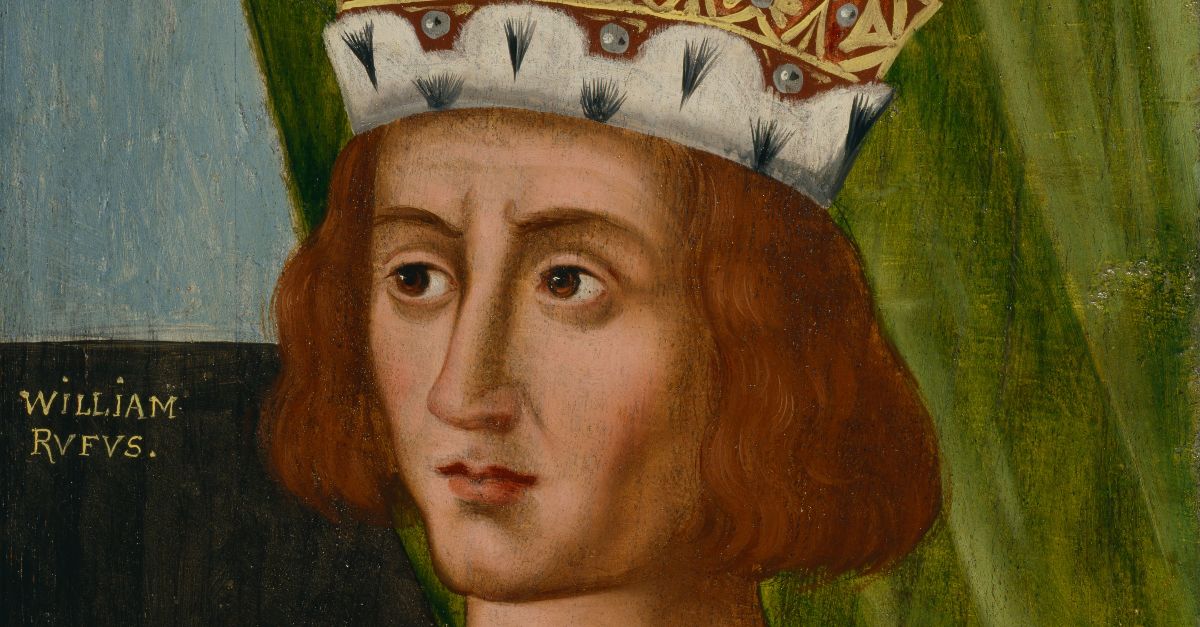
He Was Ruddy—And Rude
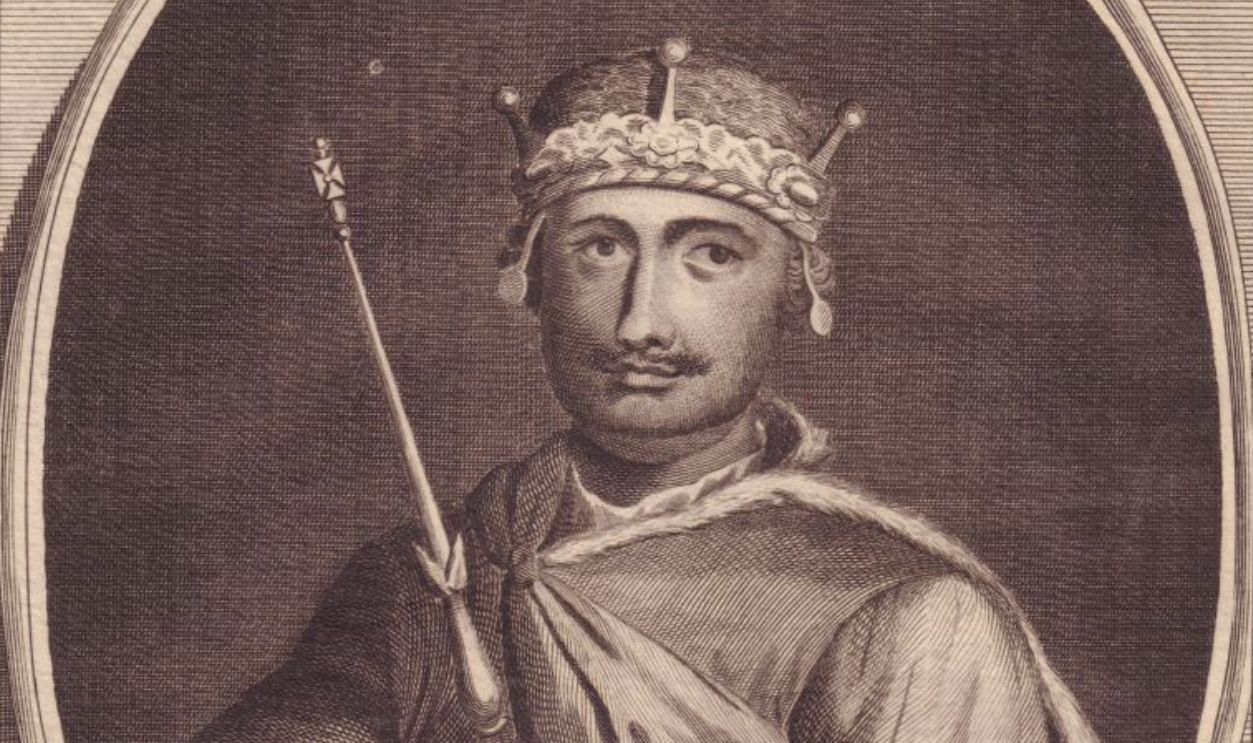
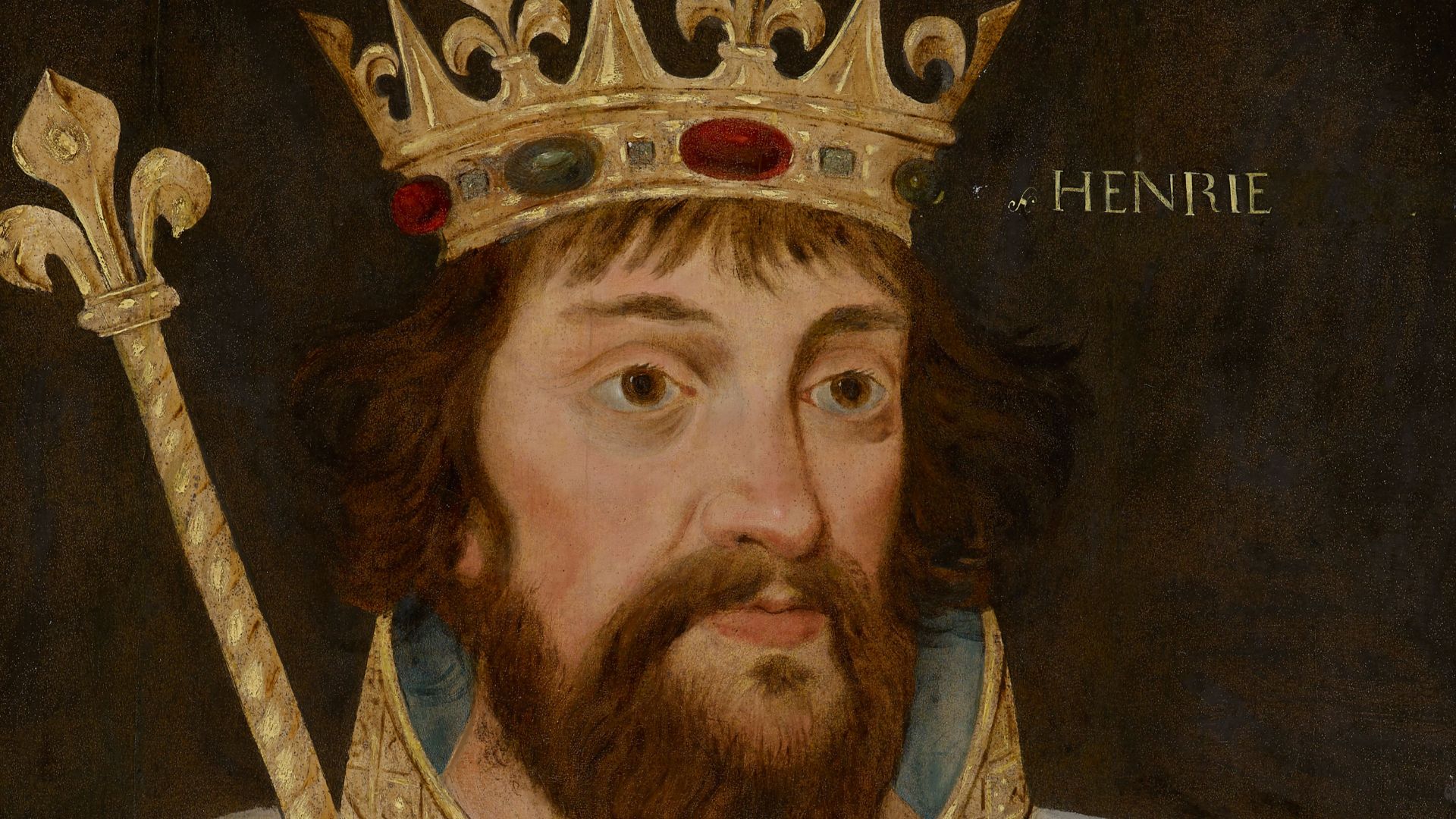
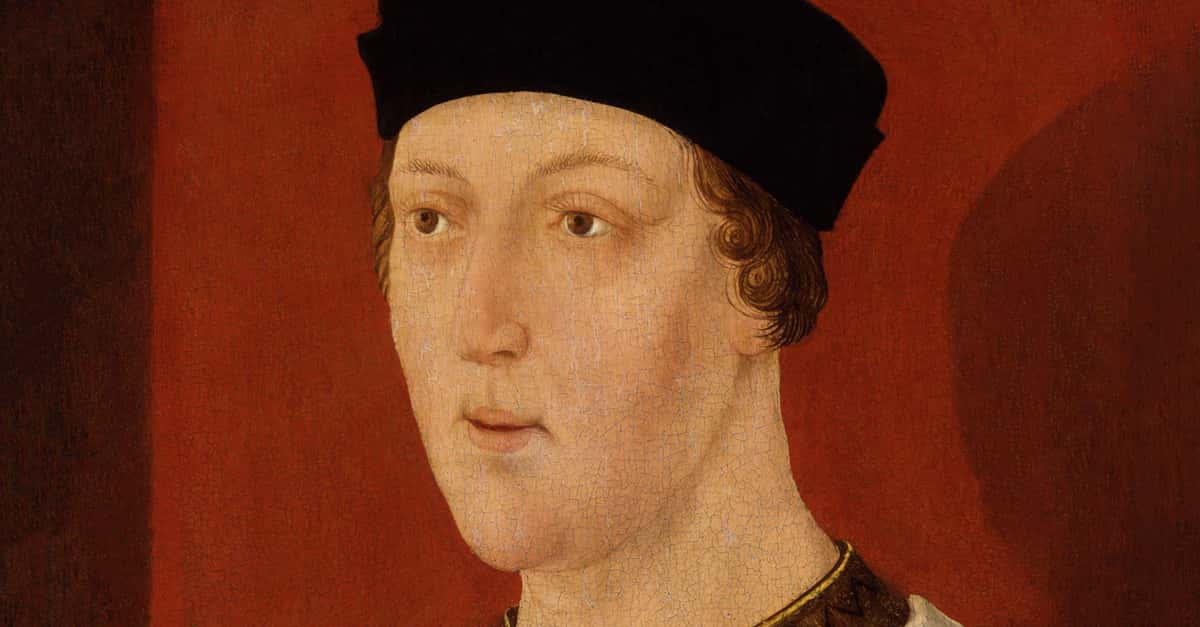
William II of England wore the crown atop his red hair from 1087 until 1100 when a suspicious hunting accident ended his reign. But, given that he was “abhorrent to God,” it doesn’t seem likely that any of his subjects missed him. At least, not at first.
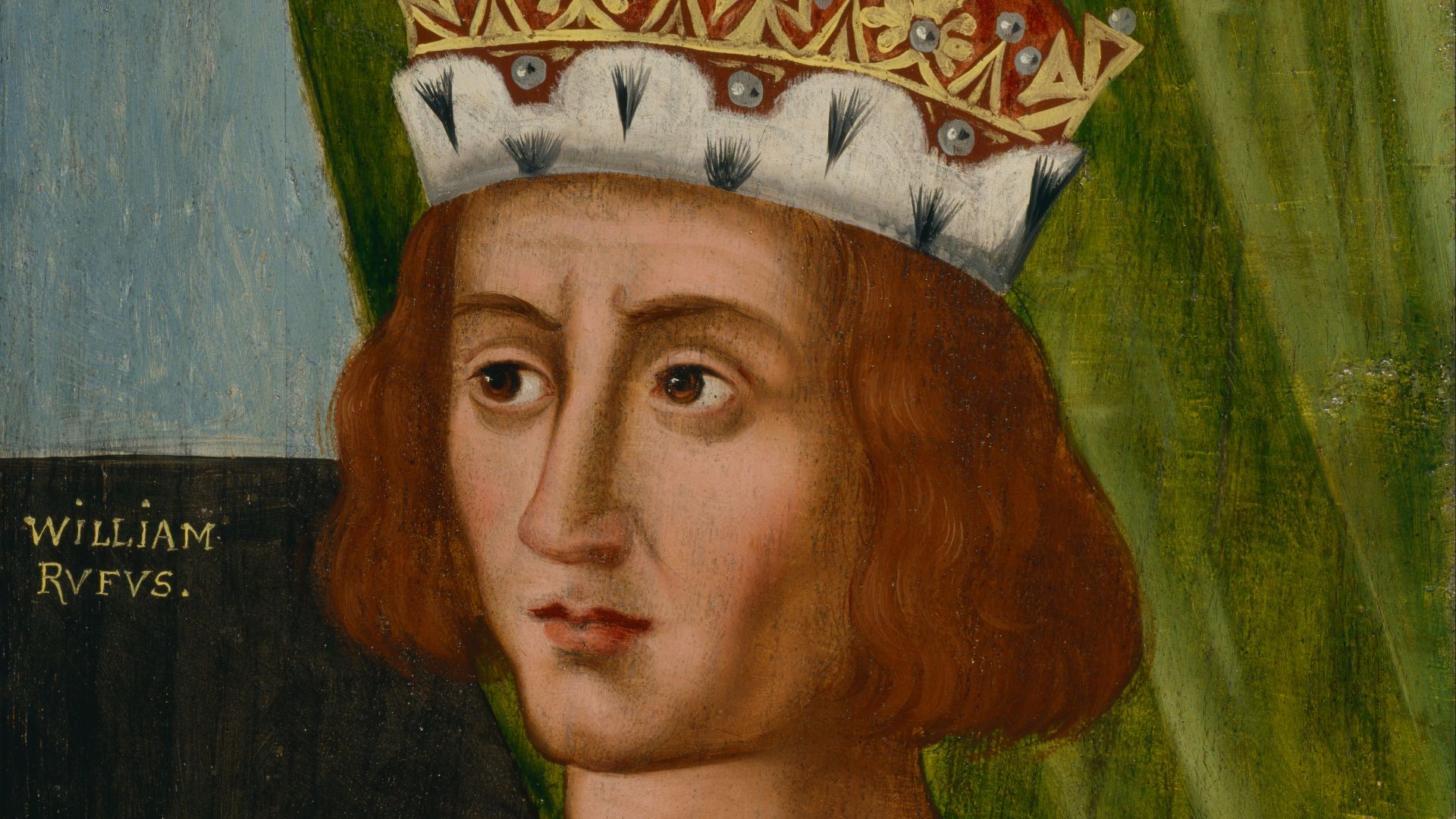 British School – School Details on Google Art Project, Wikimedia Commons
1. He Was The Son Of A Conqueror
As his name suggests, William II was not the first William in his family. In fact, when he was born sometime around 1060, his father was William, Duke of Normandy. But he wouldn’t stay that way for long. Will Sr was none other than the fabled William the Conqueror.
With two older brothers—Robert Curthose and Richard—and a younger brother—Henry—William II would have to conquer his own inheritance.
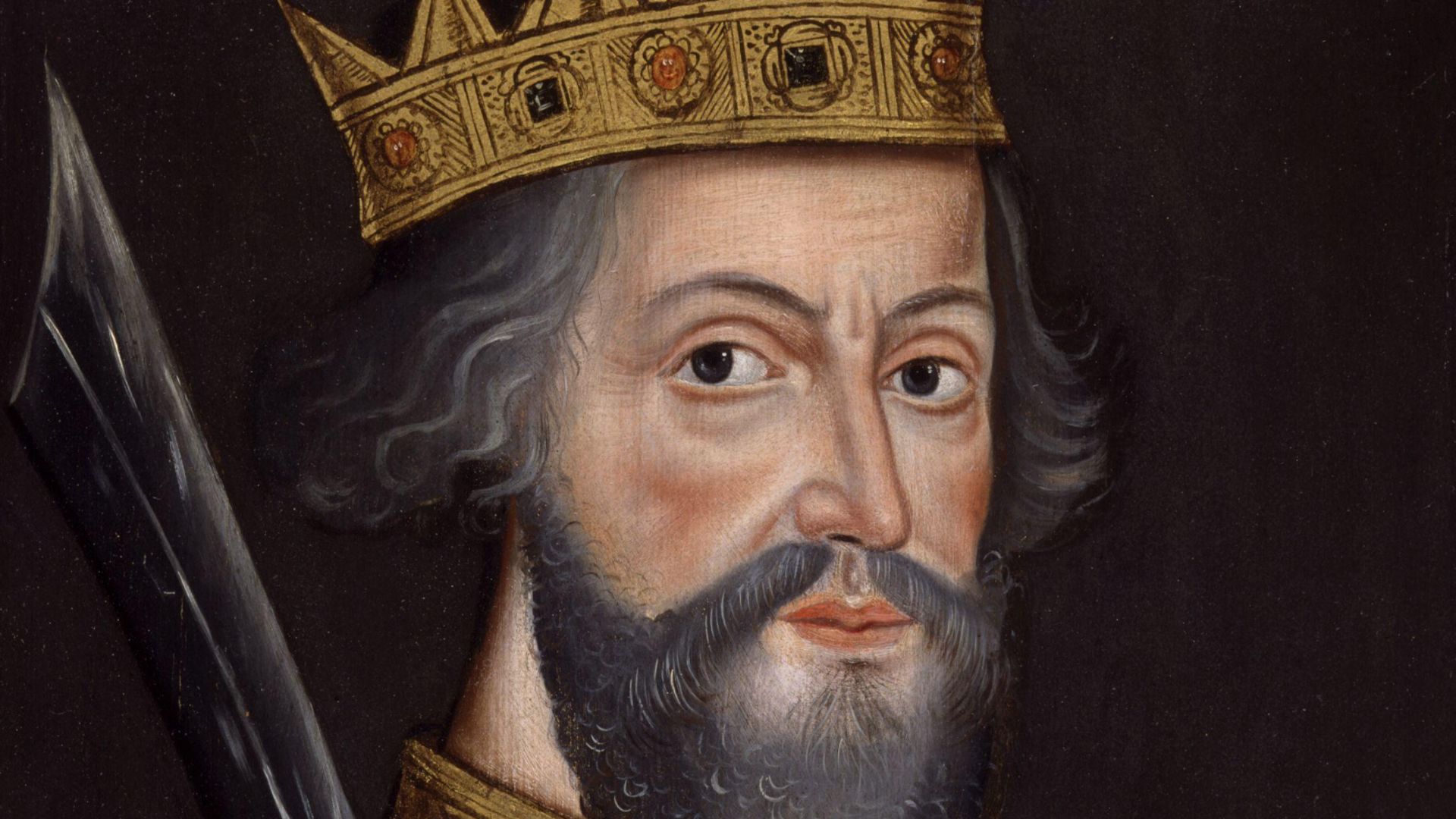 Unknown authorUnknown author, Wikimedia Commons
2. He Was On The Red Team
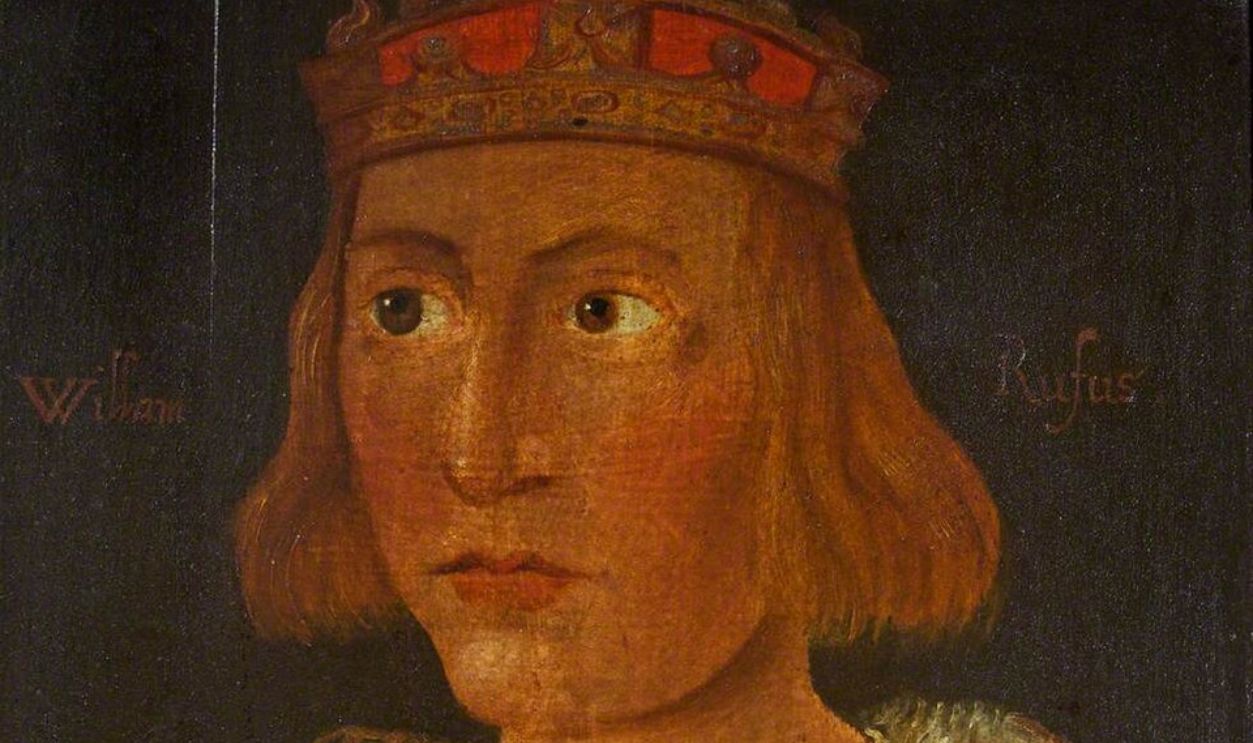
Instead of going by his official name, William II, William’s contemporaries mostly referred to him as “William Rufus”. His nickname was Latin for William “the Red”. Historians aren’t certain why he got the name, but they’re pretty confident that it was a reference to his “red hair” or “ruddy appearance”.
Or perhaps it was the fact that he left a trail of red blood in his wake.
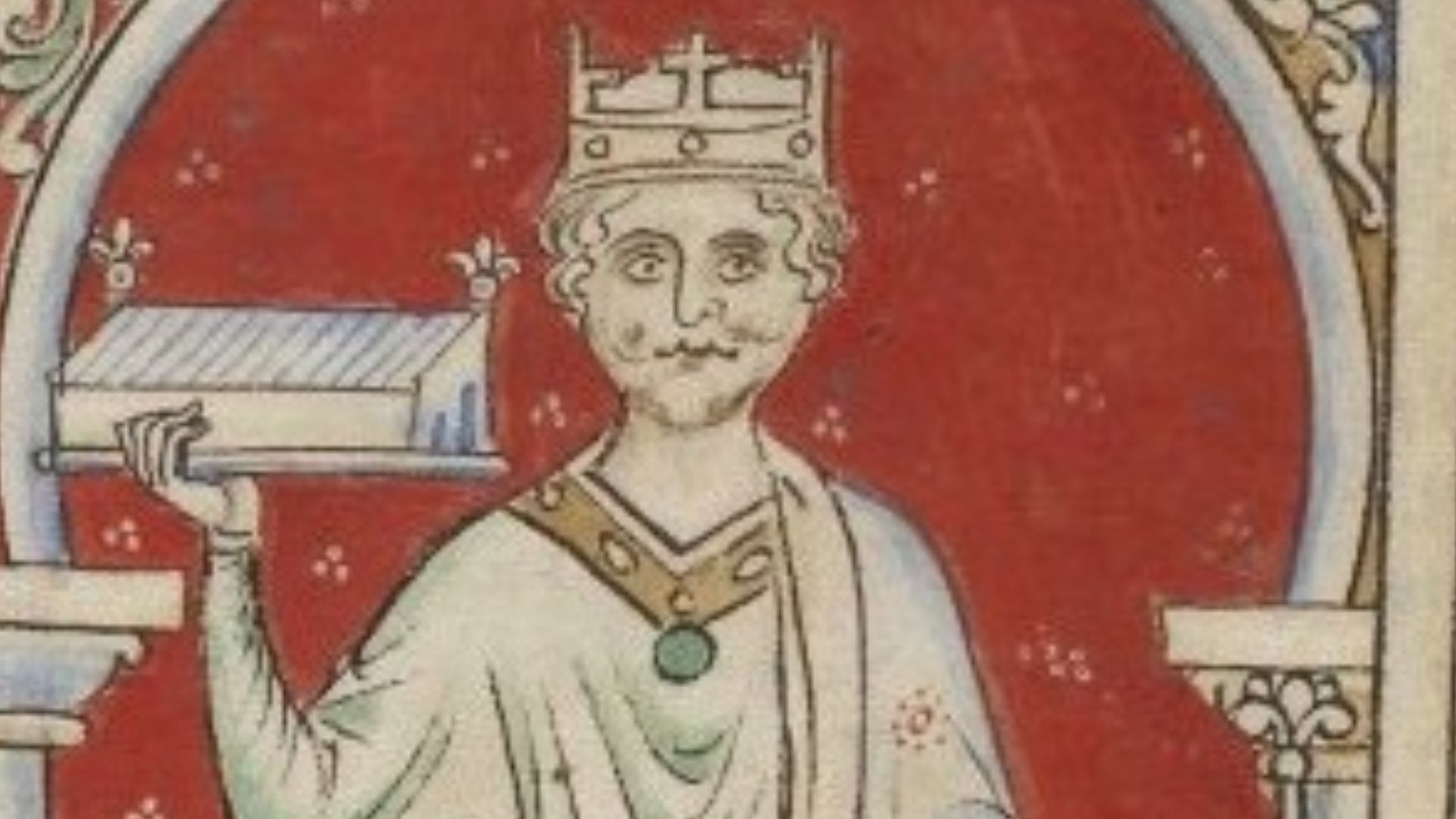 Matthew Paris, Wikimedia Commons
3. He Had A Striking Appearance
Contemporary reports about William Rufus’ physical appearance paint a striking image. William of Malmesbury wrote that William Rufus was “well set” and “of astonishing strength” with a “florid” complexion. Most interestingly, William Rufus might have had heterochromia, as Malmesbury recorded his “different coloured eyes, varying with certain glittering specks”.
The only glitter in his eyes was mischief.
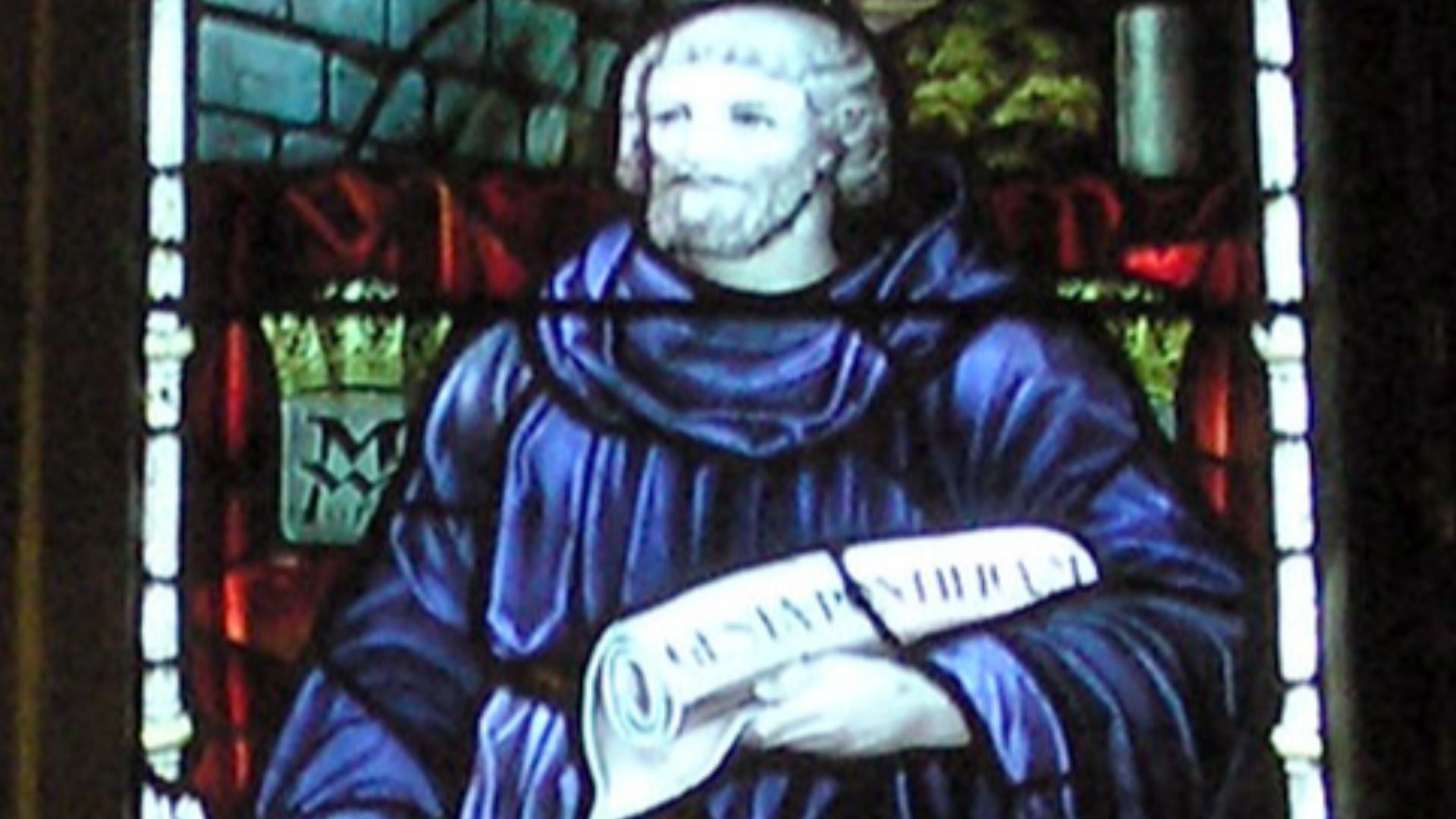 Arpingstone, Wikimedia Commons
4. He Fought With His Brothers
William Rufus’ feuds with his brothers started early—and got bloody. While playing dice with his brother, Henry, William grew bored and came up with a terribly naughty idea: dump a chamber pot onto his older brother Robert. Predictably, the smelly prank didn’t go over so well and the brothers came to blows.
If it wasn’t for William the Conqueror stepping in, the brothers might have torn each other apart.
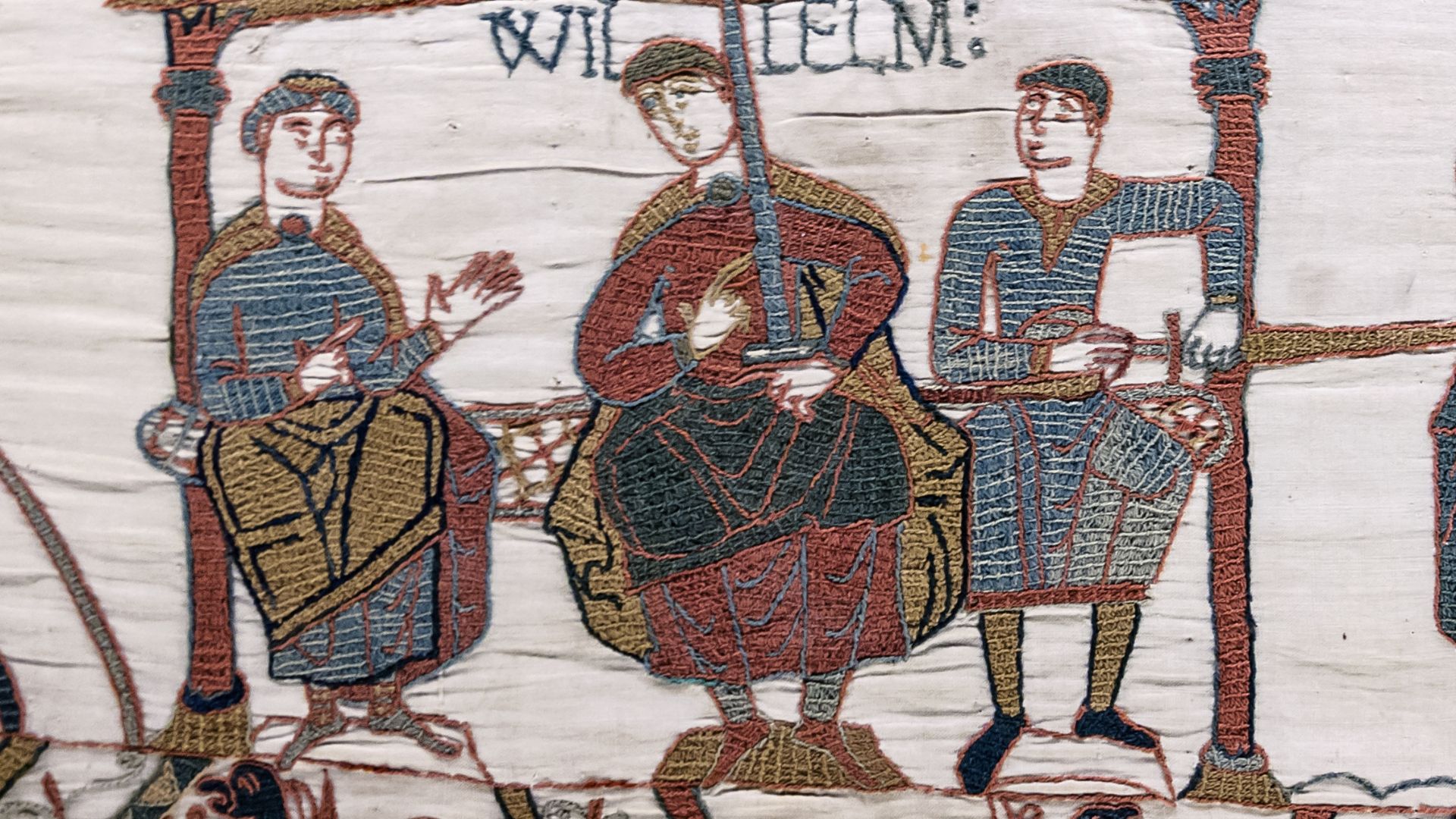
5. Het Got Closer To The Throne
Sometime around 1075, William Rufus got closer to the throne than he had anticipated when his older brother Richard went on a hunting excursion. After a fatal run-in with an “overhanging branch,” Richard perished in the New Forest. The younger William Rufus would, in time, face a chillingly similar fate in the same danger-filled forest.
But not before he inherited his birthright.
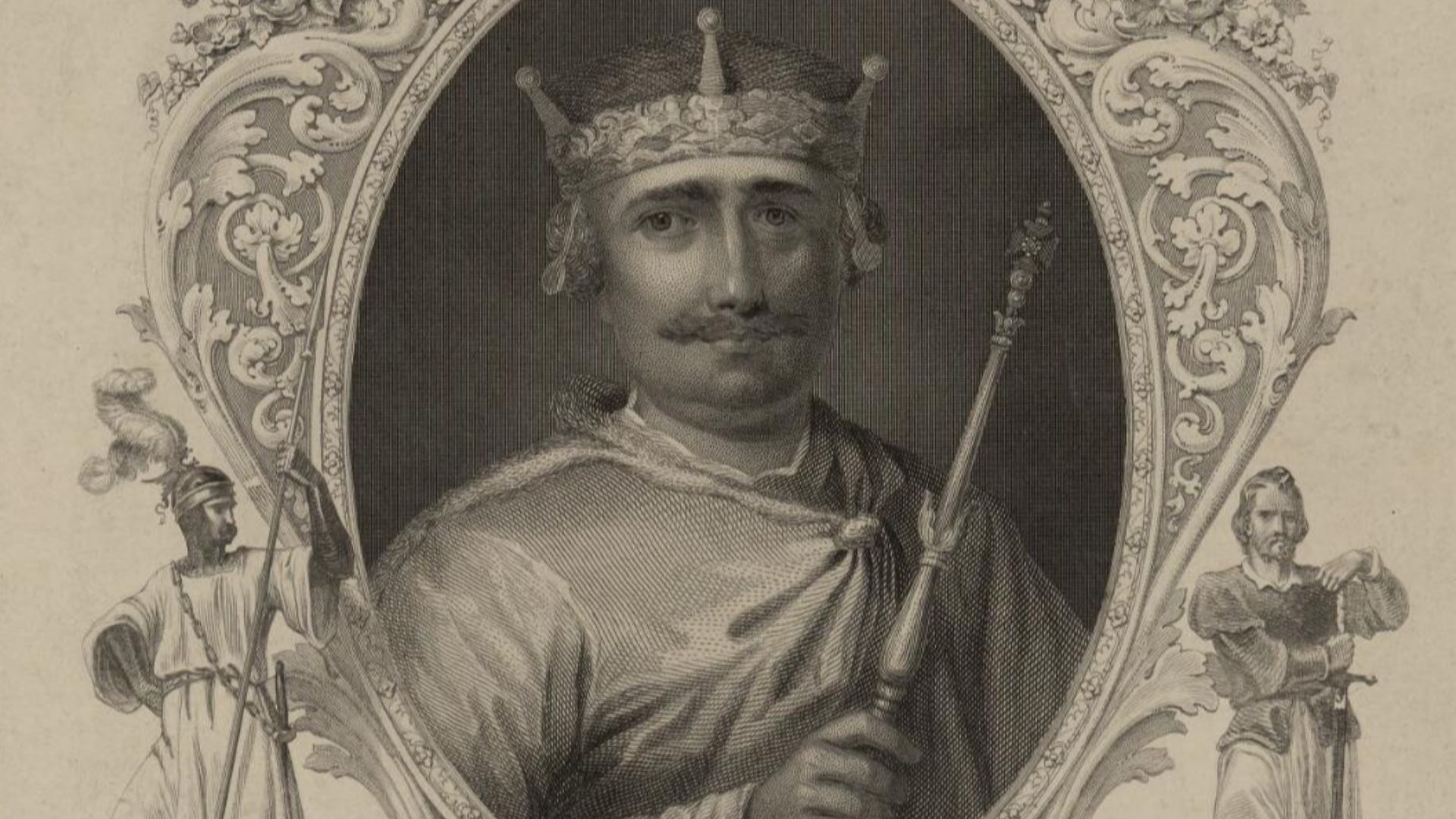 Unknown authorUnknown author, Wikimedia Commons
6. He Shared His Father’s Kingdom
When William the Conqueror passed on in 1087, William Rufus received the crown of England. But…not all of it. His brother, Robert Curthose took Normandy—his father’s ancestral land—while Henry walked away with silver and their mother’s estates. The division of the kingdom was meant to ensure peace—but it did the opposite.
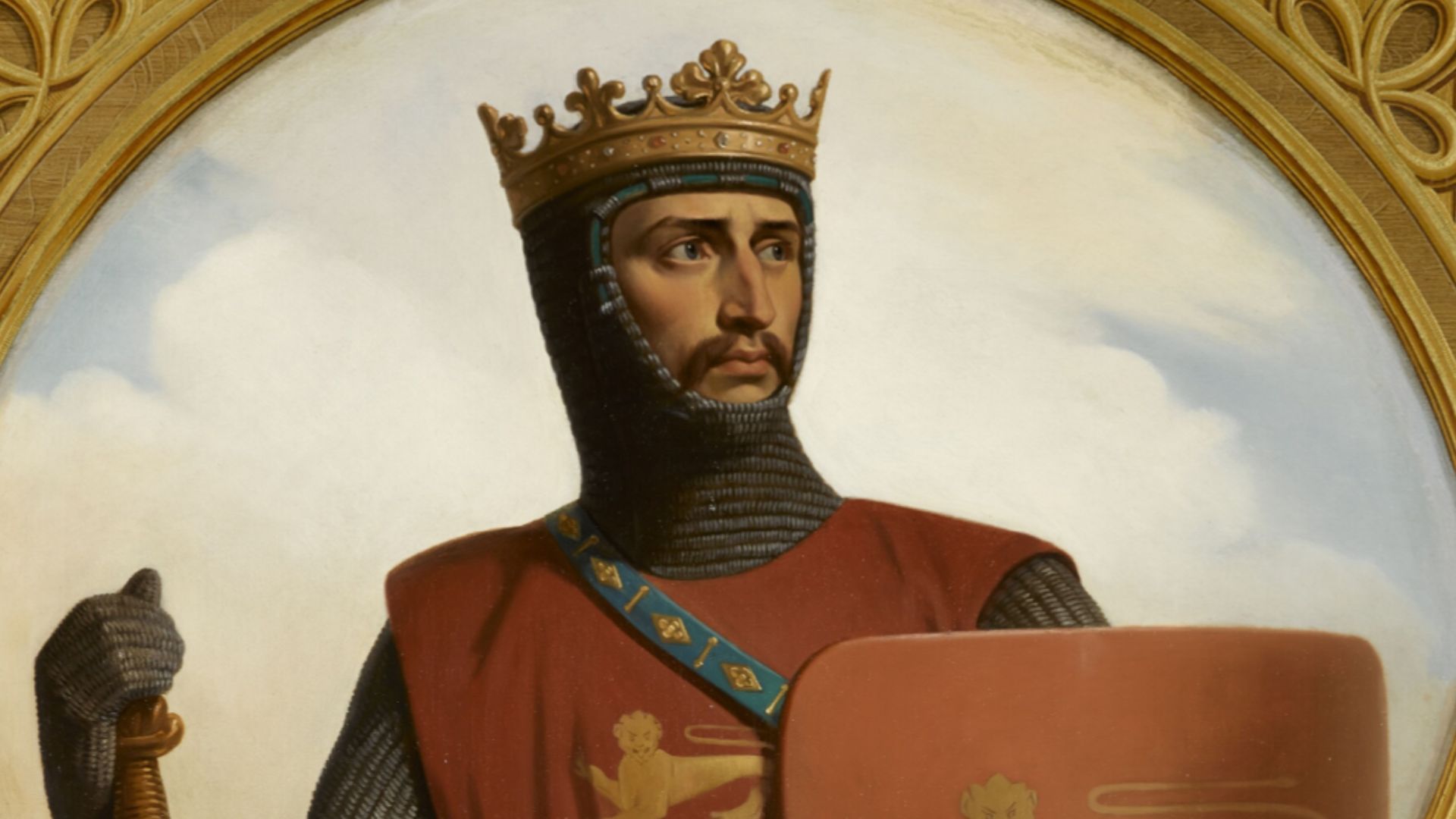 Henri Decaisne, Wikimedia Commons
7. He Had A Grand Coronation
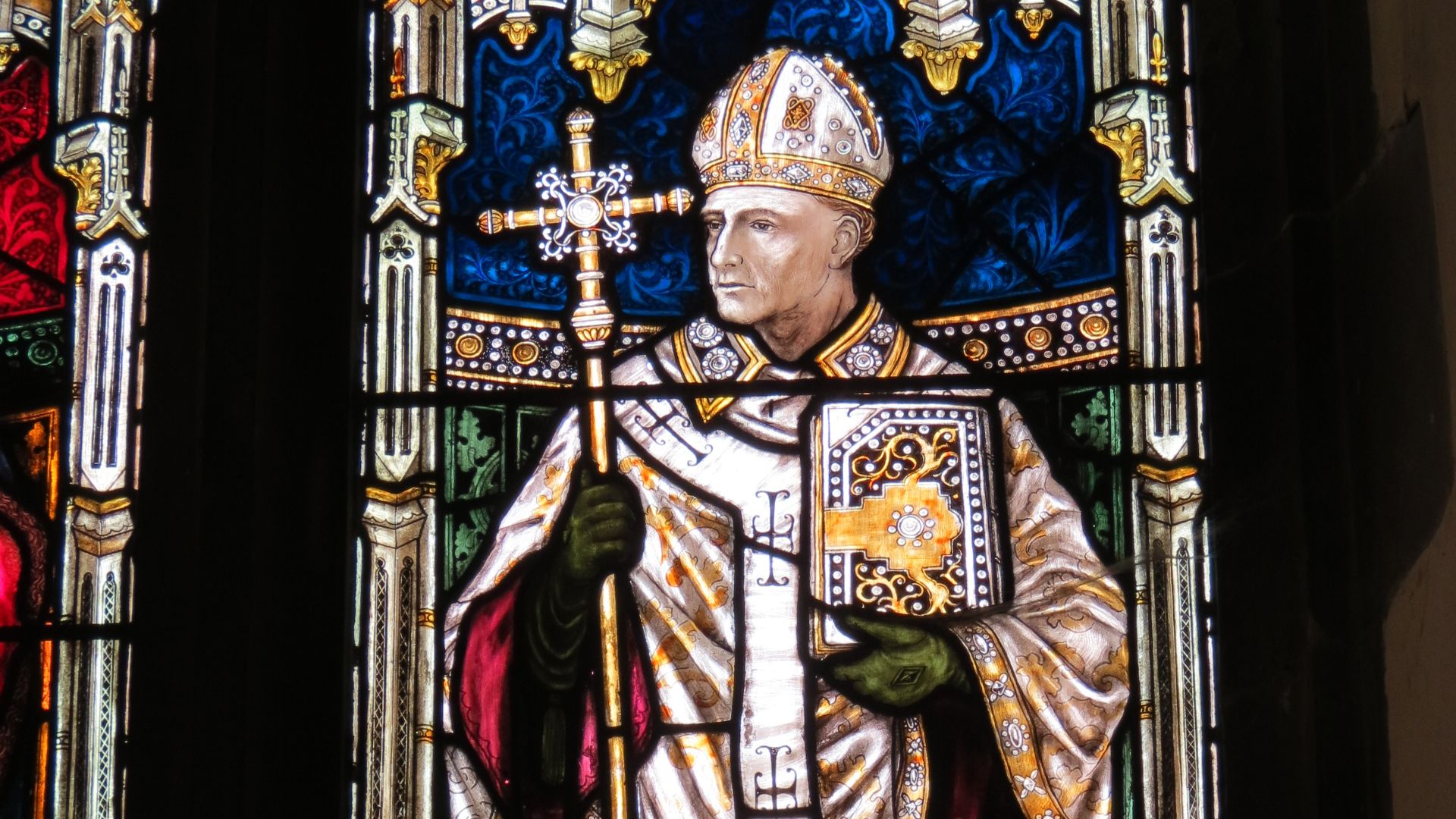
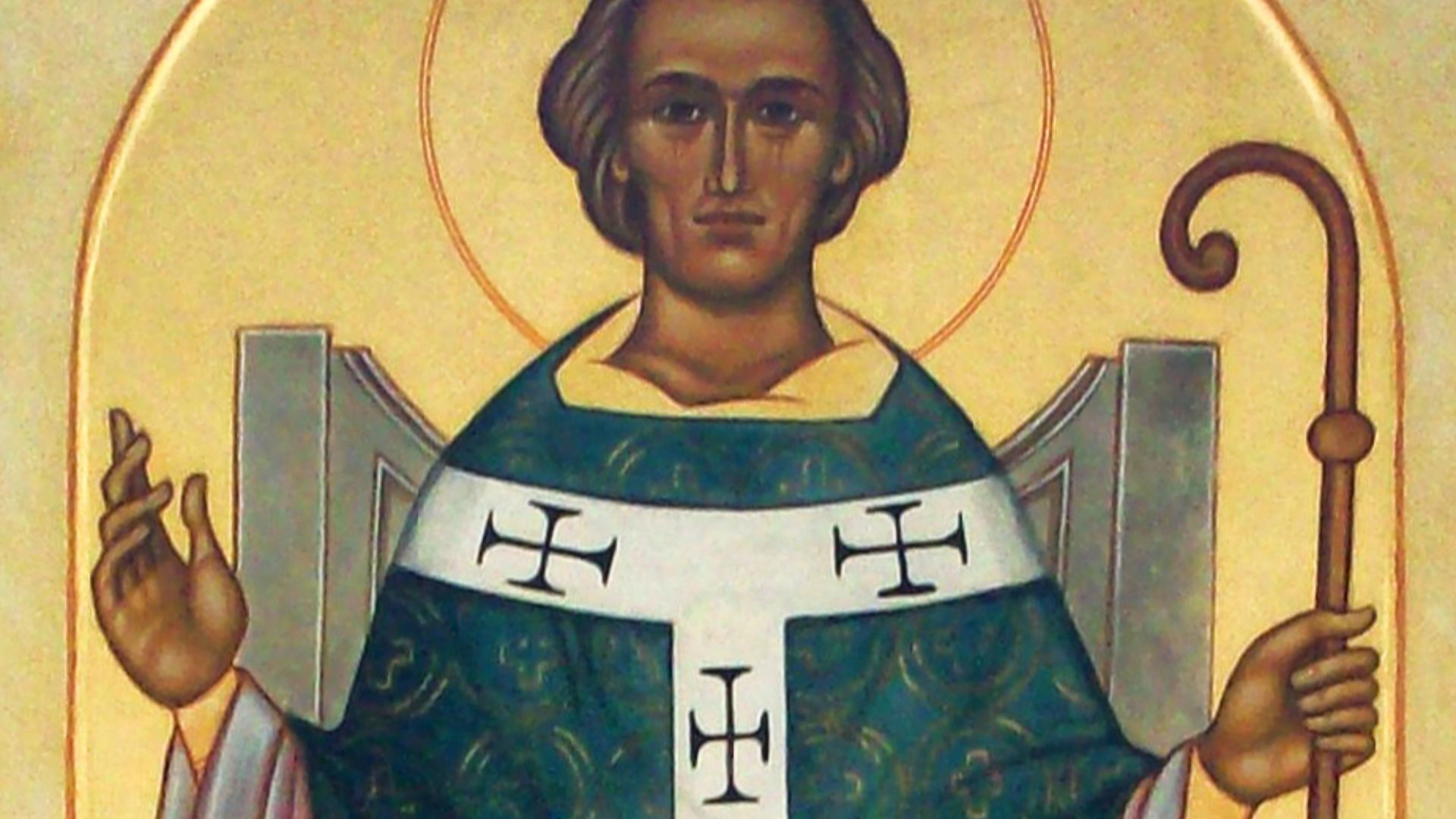
William Rufus might have shared his father’s lands—but not his crown. On 26 September 1087, Lanfranc, Archbishop of Canterbury, placed the crown upon his head at Westminster Abbey. The ceremony gave William II holy legitimacy over his brothers—but he wouldn’t be in God’s good graces for long.
8. He Lost A Powerful Ally
Just two years into his reign, William II suffered a devastating blow. Lanfranc—his father’s trusted advisor and powerful ally—passed on in 1089. Without the wise Archbishop to guide him and grant God’s blessings, William II’s crown suddenly felt like a cross. That said, he didn’t spend much time mourning.

History's most fascinating stories and darkest secrets, delivered to your inbox daily.
9. He Took The Church’s Money
With Lanfranc gone, William II let the see of Canterbury, the archbishopric, sit empty for four long years. Four very profitable long years. During that time, William II quietly collected the vast revenues of the see for himself, redirecting coins for Christ into royal coffers. It was a bold and controversial move. One that would come back to haunt him.
 DE AGOSTINI PICTURE LIBRARY, Getty Images
10. He Faced A Rebellion
By 1088, the feud between William II and his brother, Robert, reached a boiling point. Bishop Odo of Bayeux and Robert, Count of Mortain rallied nobles behind William II’s older brother, seeking to reunite England and Normandy under one ruler. The uprising threatened to topple his already unpopular reign.
Thankfully, his brothers weren’t as cunning as he was.
11. He Bought Loyalty
William II prepared to face his brother in battle—but didn’t have to. Robert never showed to lead his revolt. So, naturally, William II seized the opportunity. He showered the English nobles with silver and promises of fairer rule, winning back their support and crushing the rebellion without swinging a sword.
The victory secured his crown, but not his family’s peace.
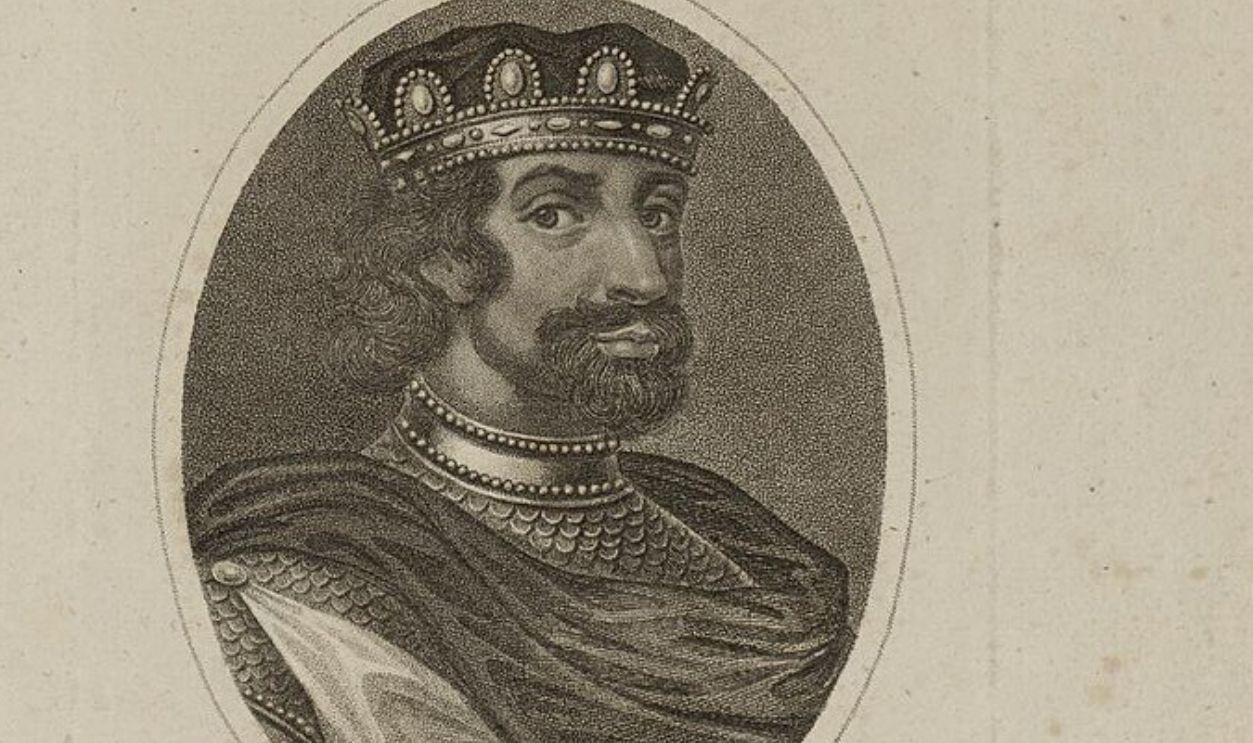 John Chapman, Wikimedia Commons
12. He Tried To Buy His Brother’s Nobles
Not content to simply put out his brother’s fires in England, William II marched on Normandy in 1090. But, once again, he preferred silver to steel. William II tried to buy out his brother’s nobles, but too many of them rejected the offer, leading to a spectacular failure when he tried to seize Rouen. Still, he saw that as just a minor setback.
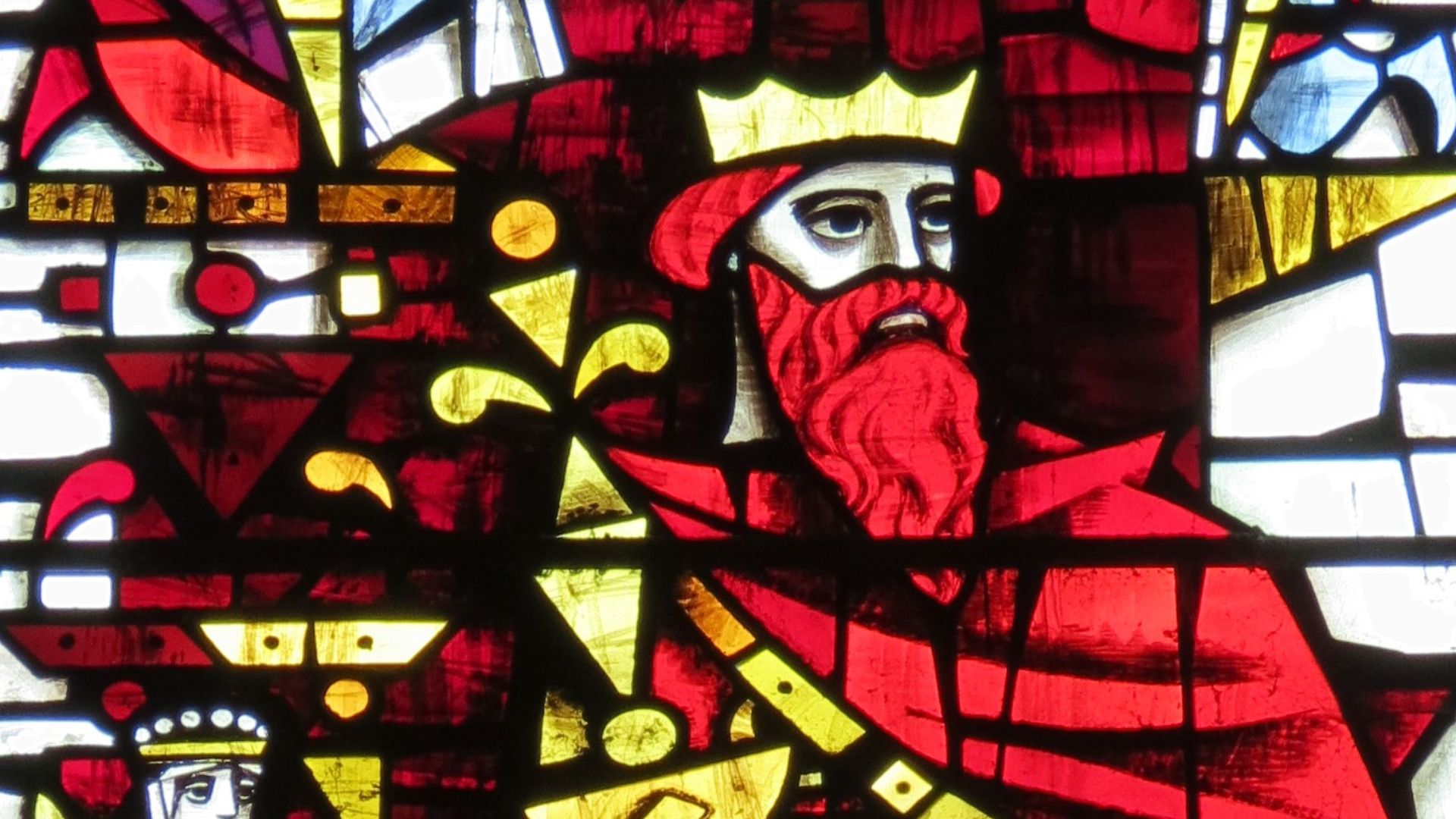
13. He Beat His Brother In Battle
Undeterred by his failure in Rouen, William II invaded Normandy in 1091. And this time, he wasn’t offering bribes. His forces overwhelmed Robert’s army, forcing Robert to cede precious lands. Now, with their brotherly squabble out of the way, William II agreed to help his brother reclaim other lost territories.
Trouble, however, was brewing back at home.
 Unknown authorUnknown author, Wikimedia Commons
14. He Routed The Scots
William II wouldn’t have the time to help his brother. Later that same year, Malcolm III of Scotland crossed the border, testing William II’s tumultuous reign. Just as his fearsome father, however, William II was no pushover and he routed the Scots, forcing Malcolm III to pay homage.
Still, he wanted to make sure Malcolm III wouldn’t come back.
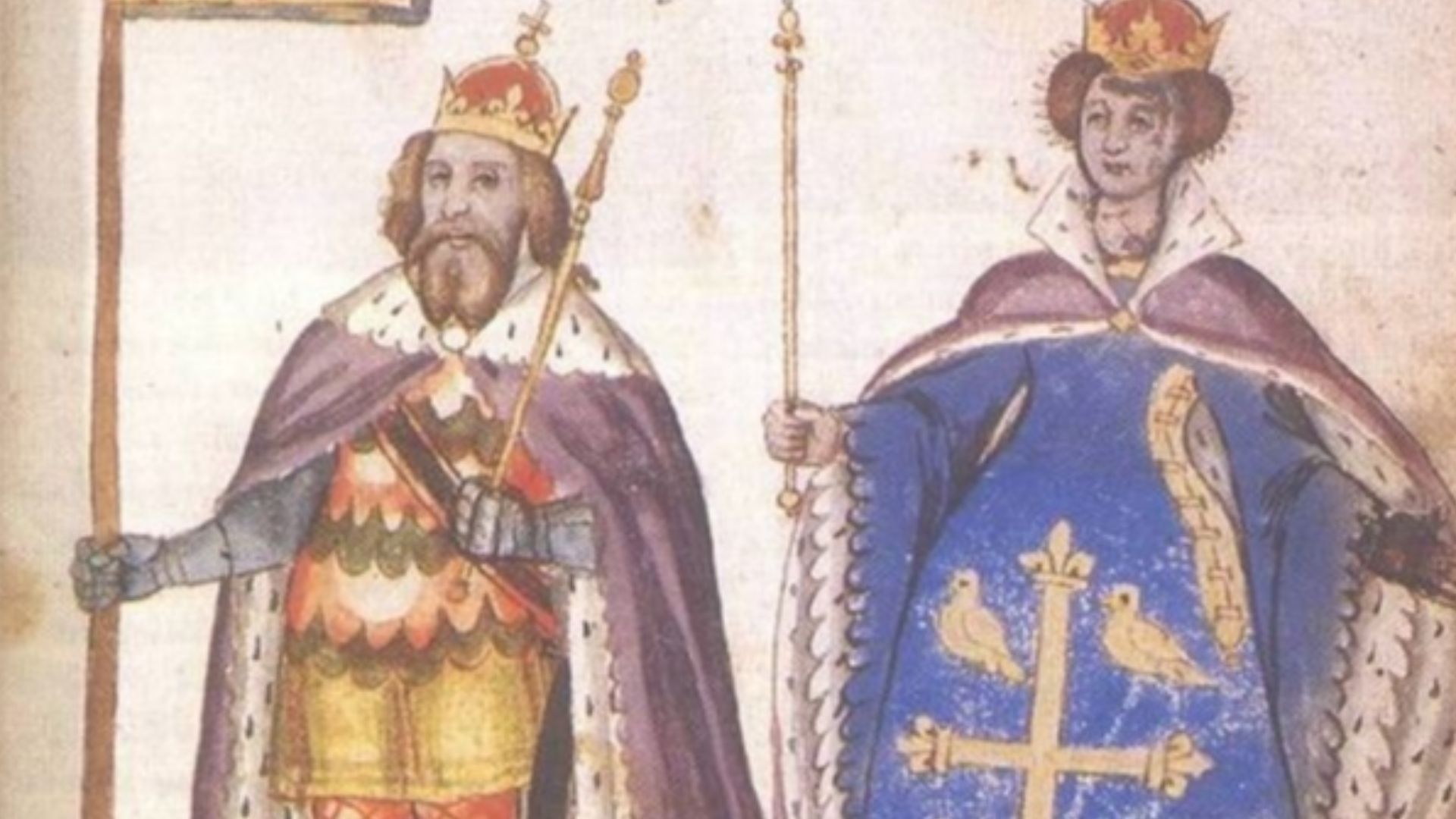 Unknown authorUnknown author, Wikimedia Commons
15. He Constructed Carlisle Castle
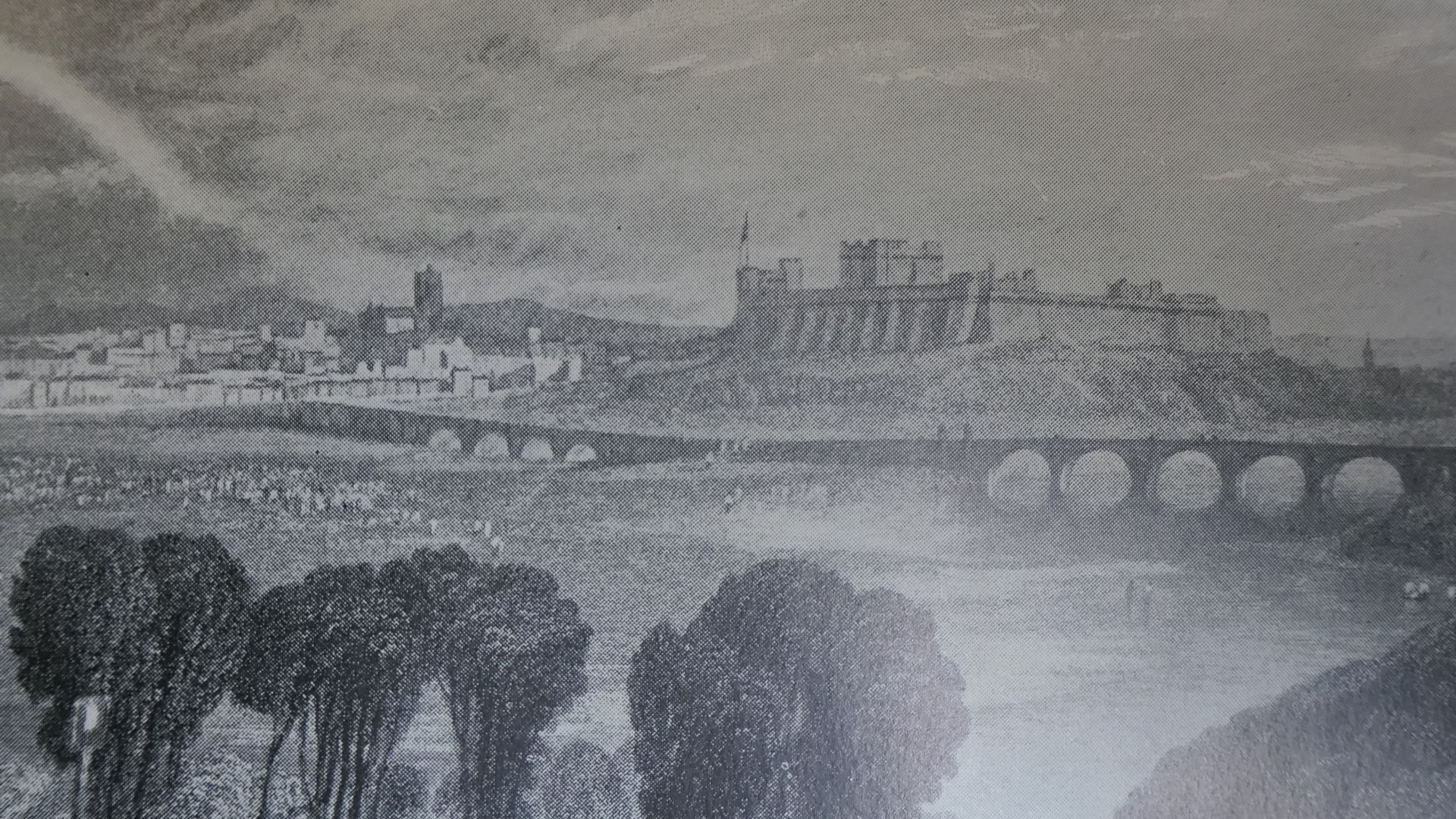
In 1092, William II sealed his victory over Malcolm III when he constructed the mighty Carlisle Castle. The imposing fortress firmly placed Cumberland and Westmorland—lands the Scots believed were theirs—under his control. Just when he thought he had secured his borders, however, an old foe fought back.
 Unknown authorUnknown author, Wikimedia Commons
16. He Ambushed The Scots
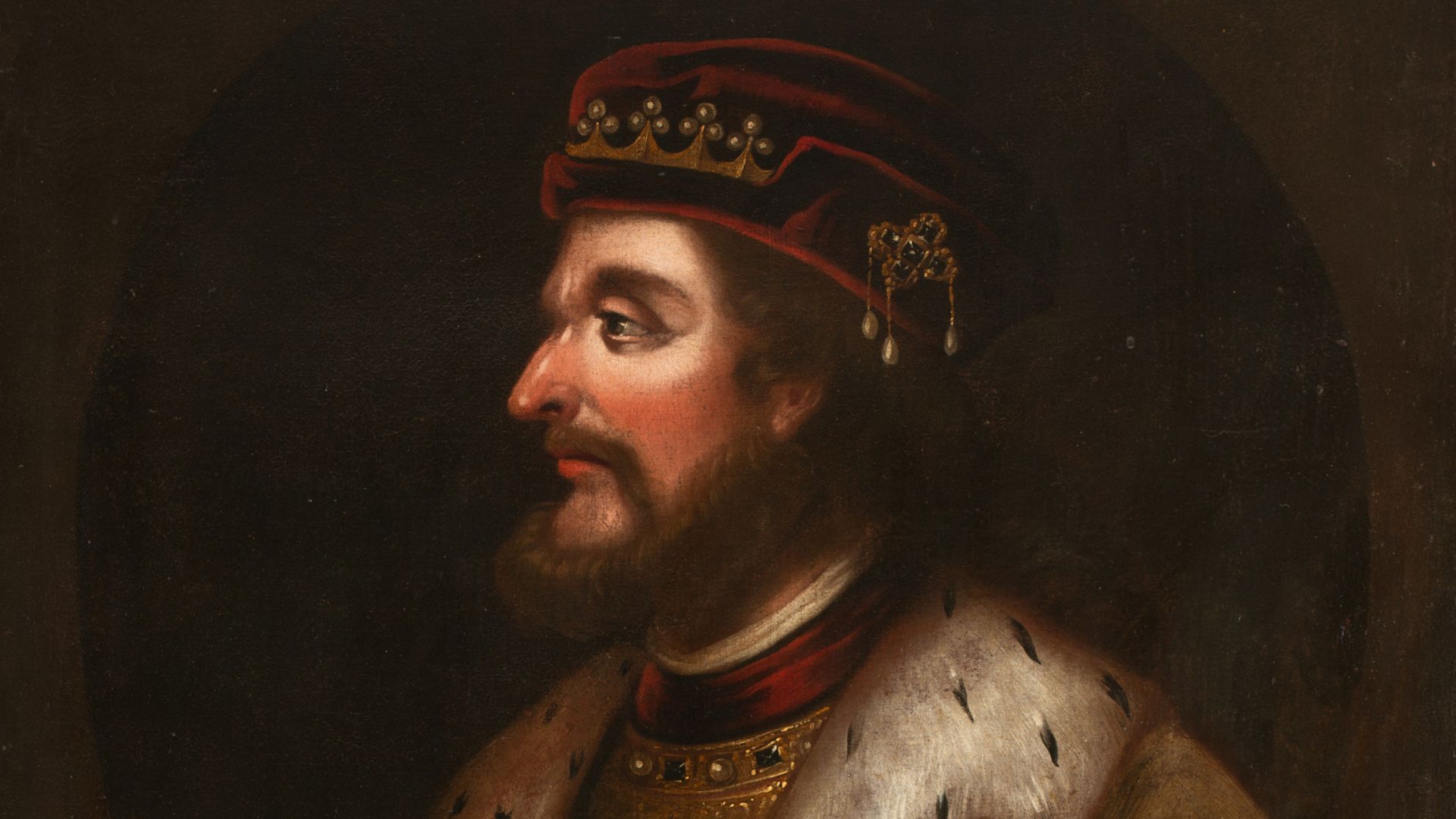
Just because William II built his big castle, didn’t mean the Scots had given up. On November 13, 1093, Malcolm III marched south once more. Of course, William II was expecting him and smashed his enemy with a brutal ambush. Norman forces under Robert de Mowbray cut down the Scottish king and his son Edward, ending their threat to William II’s rule in a single strike.
De Mowbray wouldn’t always be so faithful an ally.
 Jacob de Wet II, Wikimedia Commons
17. He Appointed An Archbishop
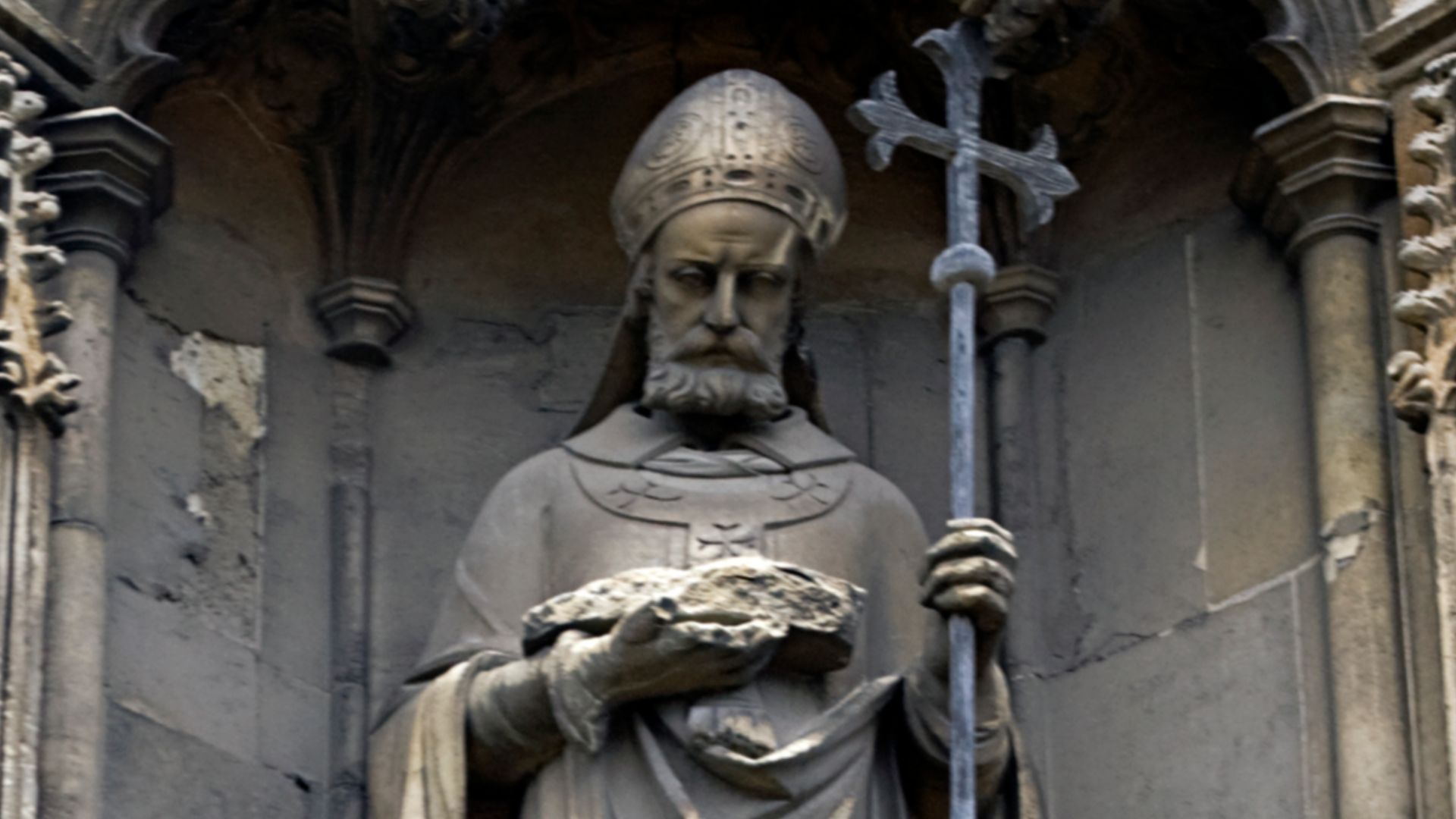
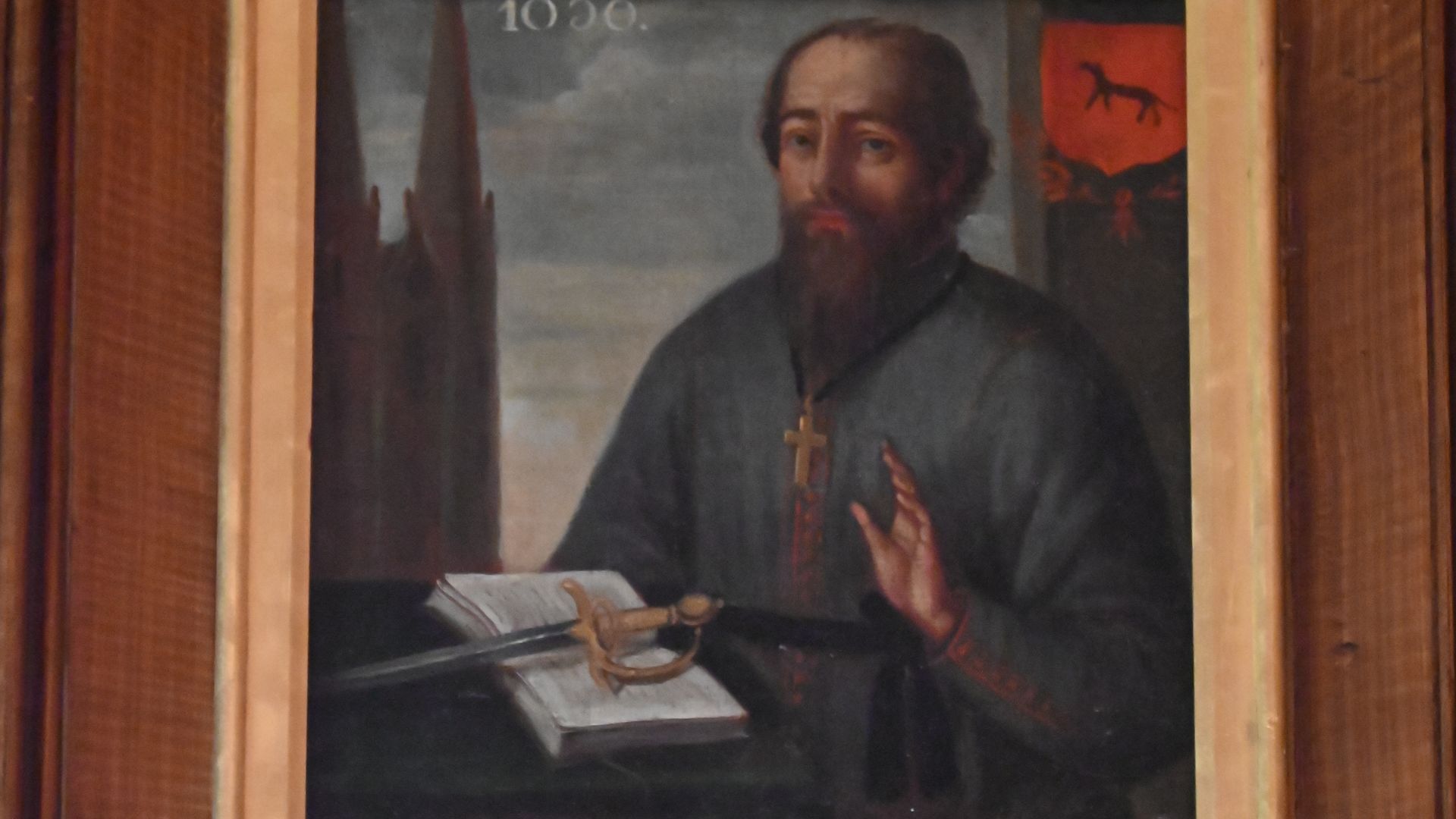
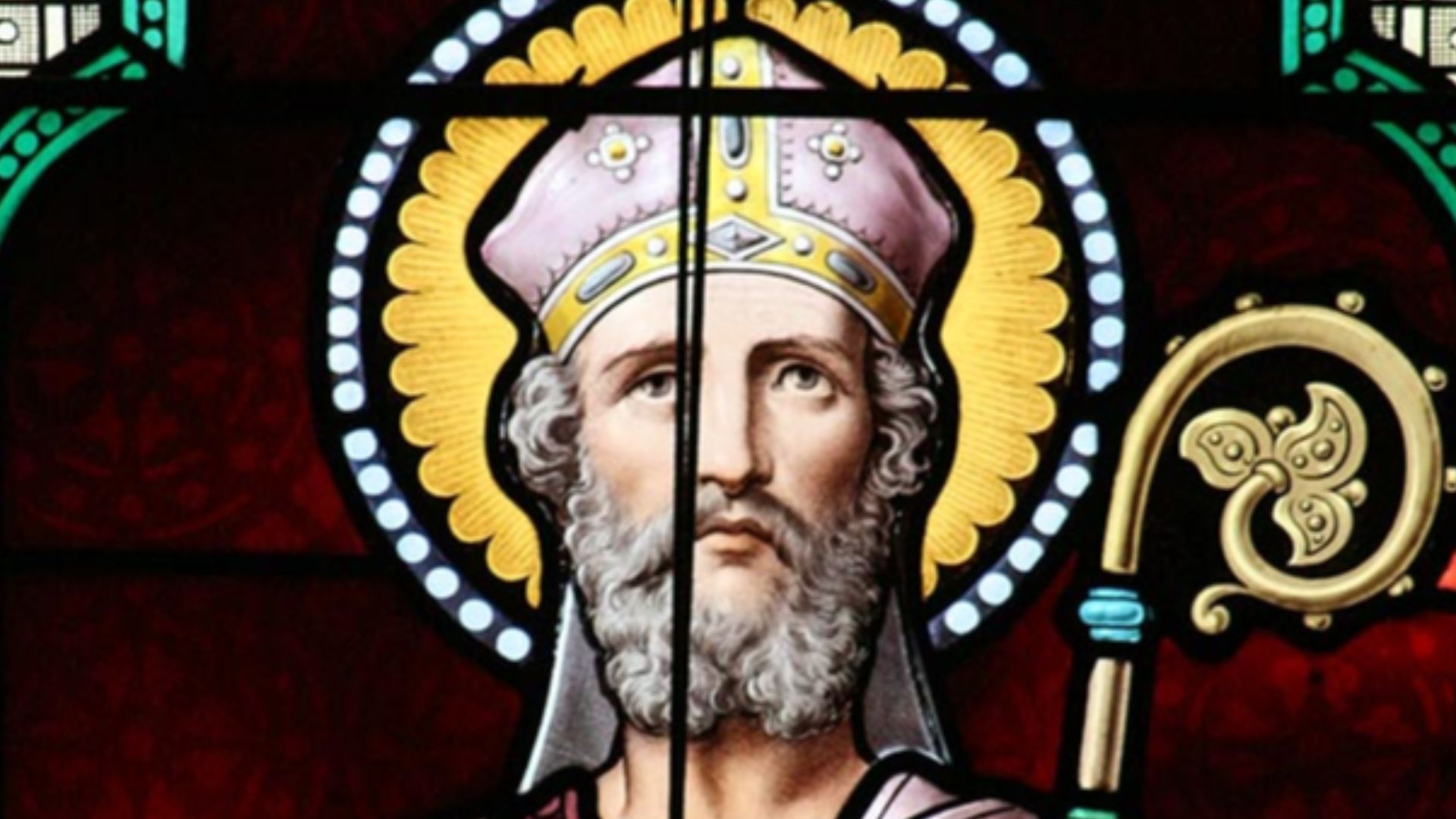
If the Scots couldn’t take William II out, then perhaps fate could. Later that same year, William II fell gravely ill. Faced with his own mortality, he rushed to make things right with God and nominated Anselm, the era’s most celebrated theologian, as Archbishop of Canterbury.
The appointment was meant to bring peace to William II’s soul…but it only created a whole new battlefield.
 Unknown, English, Wikimedia Commons
18. His Archbishop Made Demands
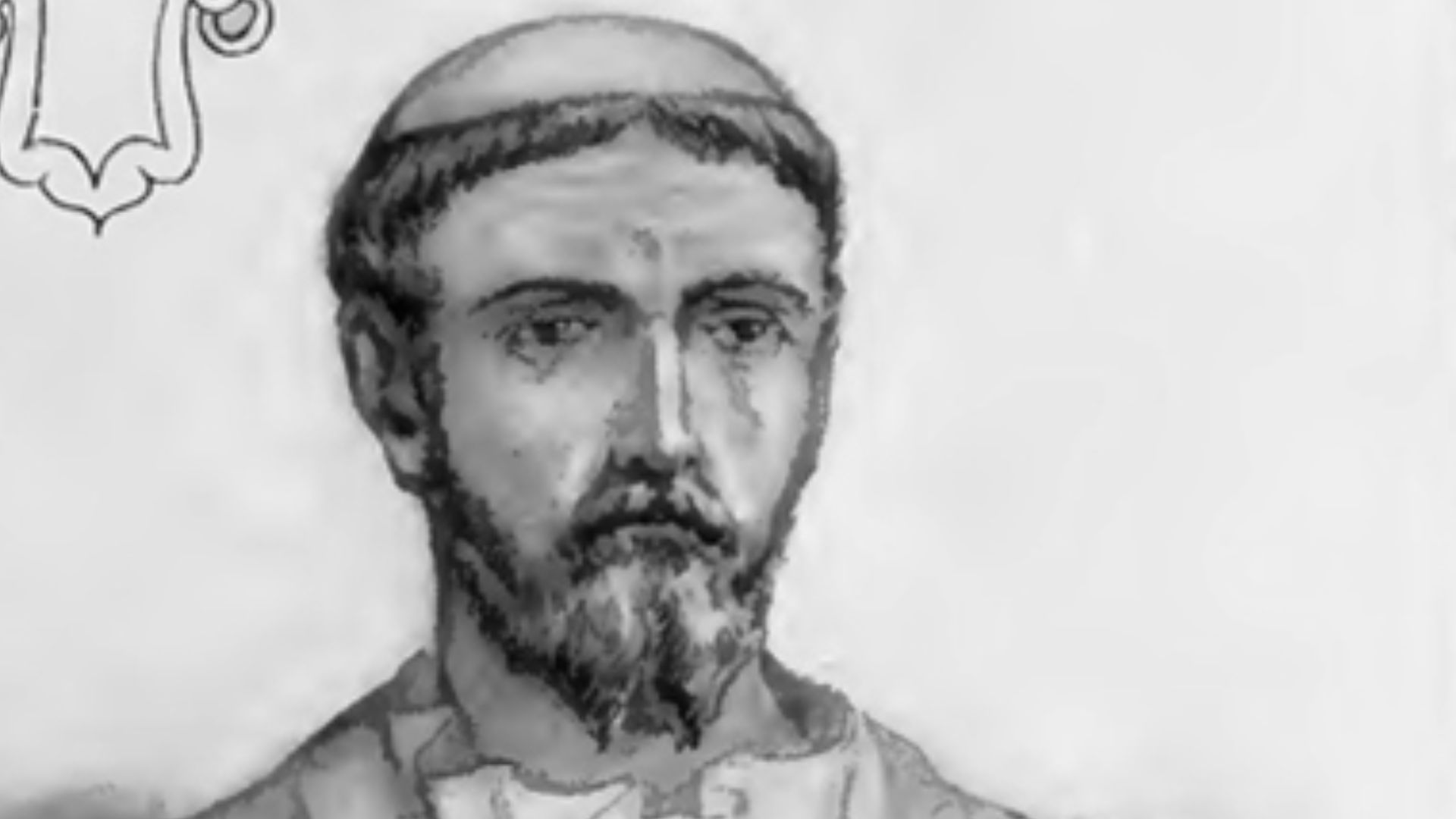
Before taking the archbishop’s seat, Anselm insisted on three uncompromising conditions: William II must restore seized church lands, respect the archbishop’s spiritual authority, and acknowledge Pope Urban II who was, himself, in a battle for legitimacy. Cowed by his illness (and desire to not burn in the afterlife), William II agreed.
But his cooperation would last about as long as his fever.
 Artaud de Montor (1772–1849), Wikimedia Commons
19. He Went Back On His Word
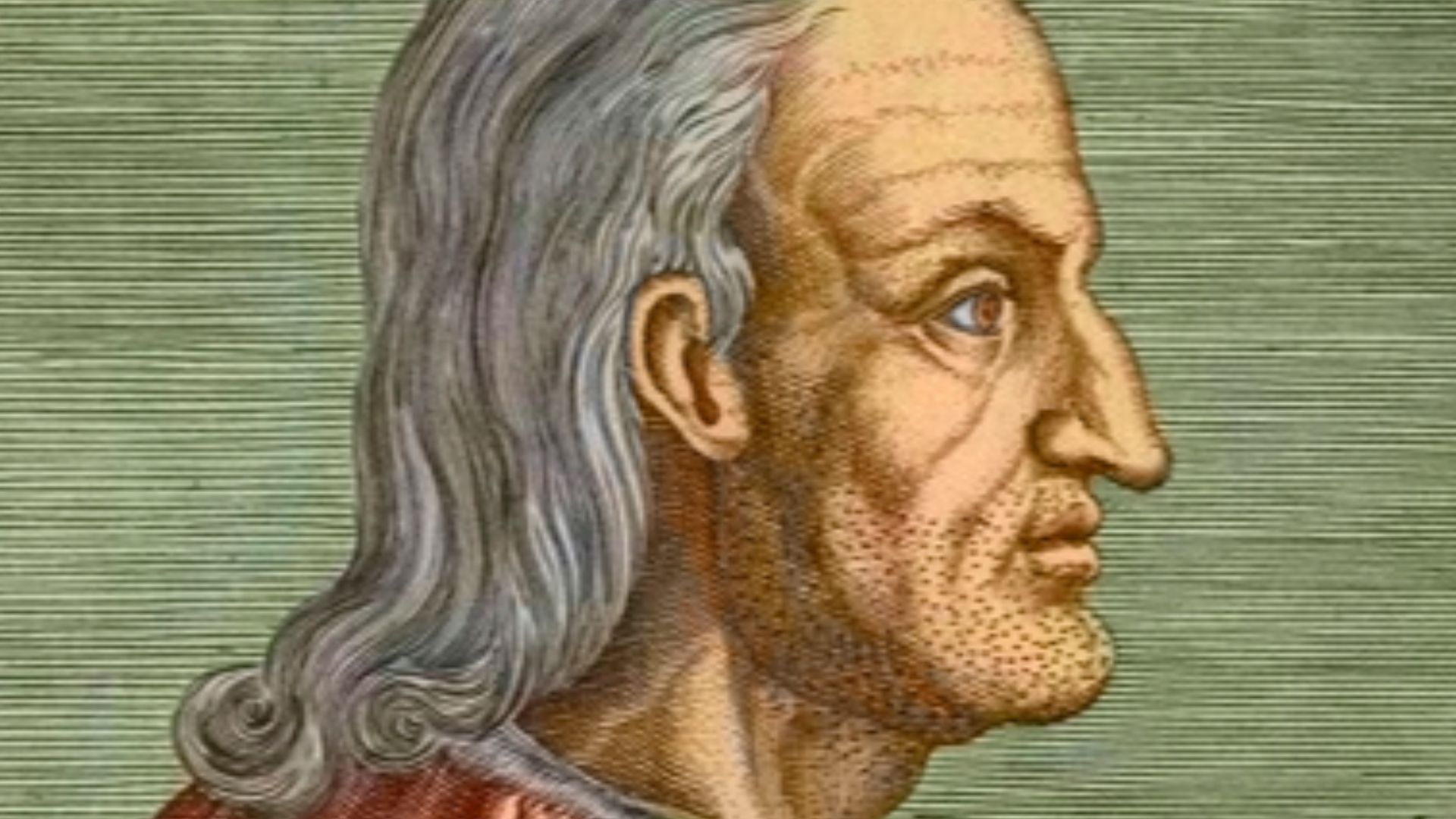
No sooner had Anselm donned his new robes than William II recovered. And with his health returned his greed. William II demanded back the lands he had ceded and pressed Anselm for funds to fuel (yet another) looming conflict with his brother, Robert Curthose. Needless to say, William II’s lack of honor didn’t go over well with the powerful church.
 Unknown authorUnknown author, Wikimedia Commons
20. He Wanted His Money Back
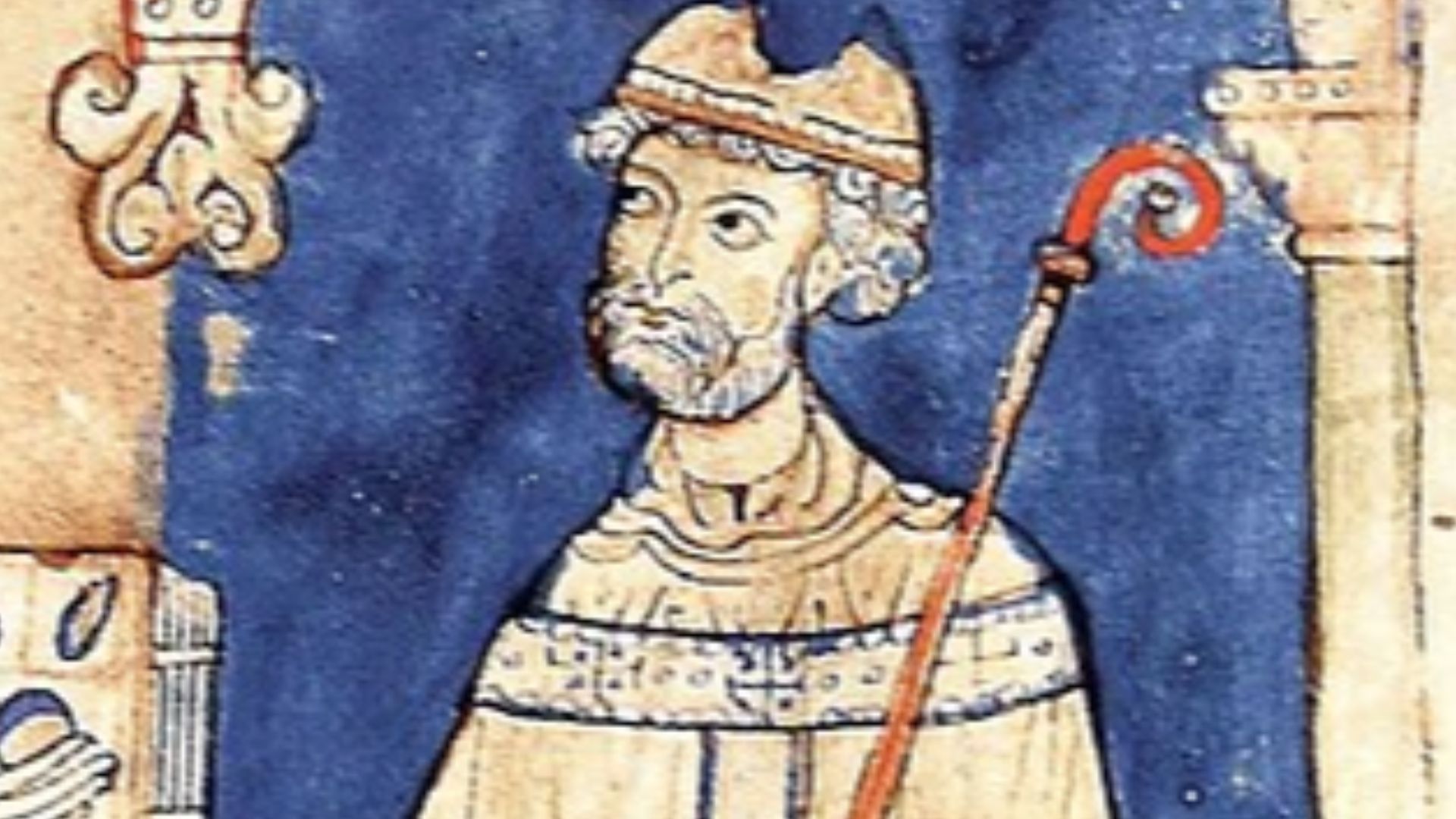
In an effort to keep the peace, Anselm tried to meet William II halfway. He offered the crooked king 500 marks—but that was clearly 500 too few. William II considered Anselm’s offer to be an insult, even more so when Anselm informed him that he couldn’t give back all the money because he had given the rest to the poor.
That elicited an unexpected response from William II.
 File:Anselm übergibt Mathilde sein Werk.jpg: Armin P. derivative work: Ptjackyll, Wikimedia Commons
21. His Hatred Grew Day By Day
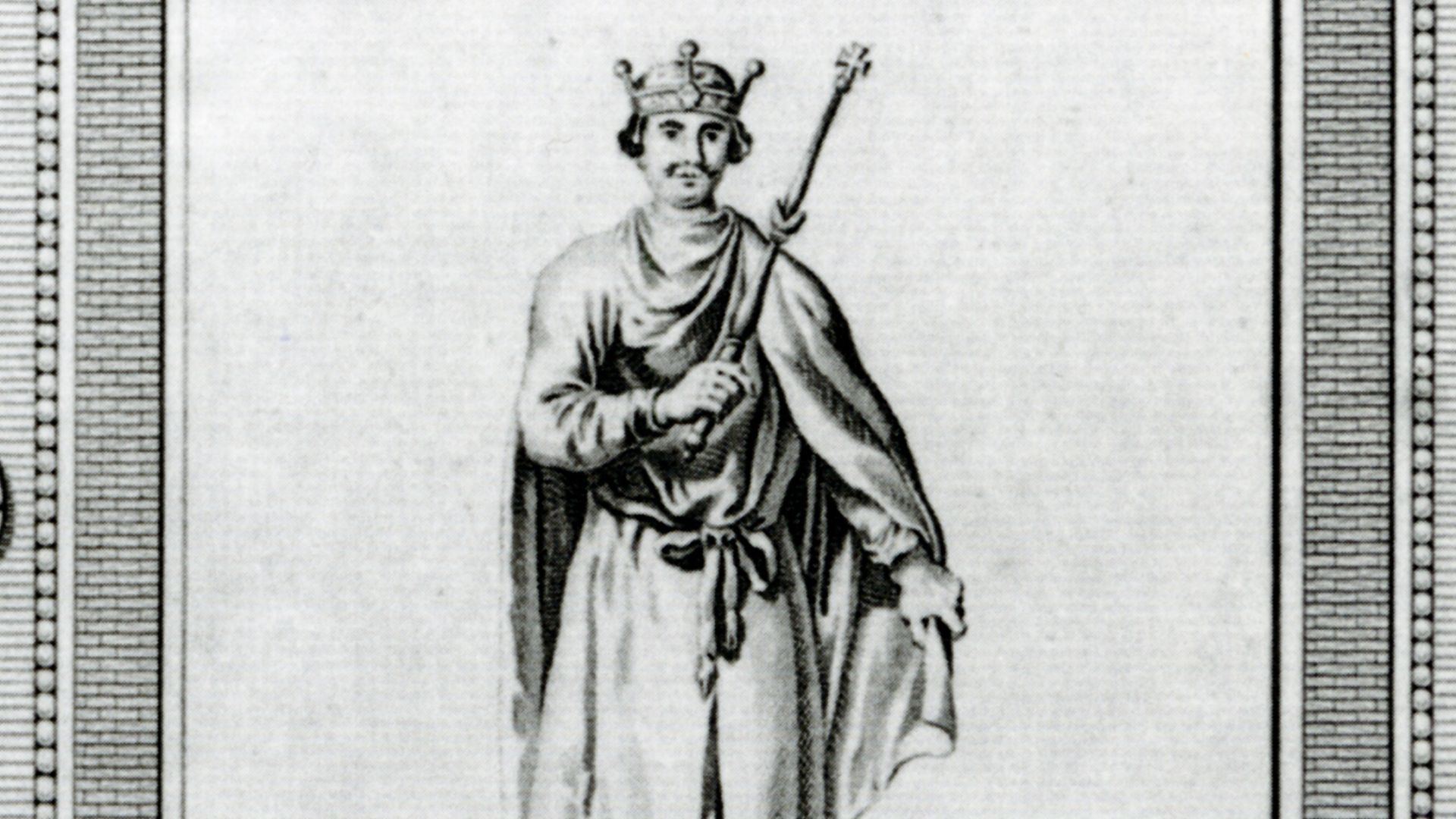
There was definitely no love lost between William II and the new Archbishop. At one point, William II thundered, “Yesterday I hated him with great hatred, today I hate him with yet greater hatred and he can be certain that tomorrow and thereafter I shall hate him continually with ever fiercer and more bitter hatred”.
Harsh words would be the least of Anselm’s problems.
 See description, Wikimedia Commons
22. He Tried To Break An Archbishop
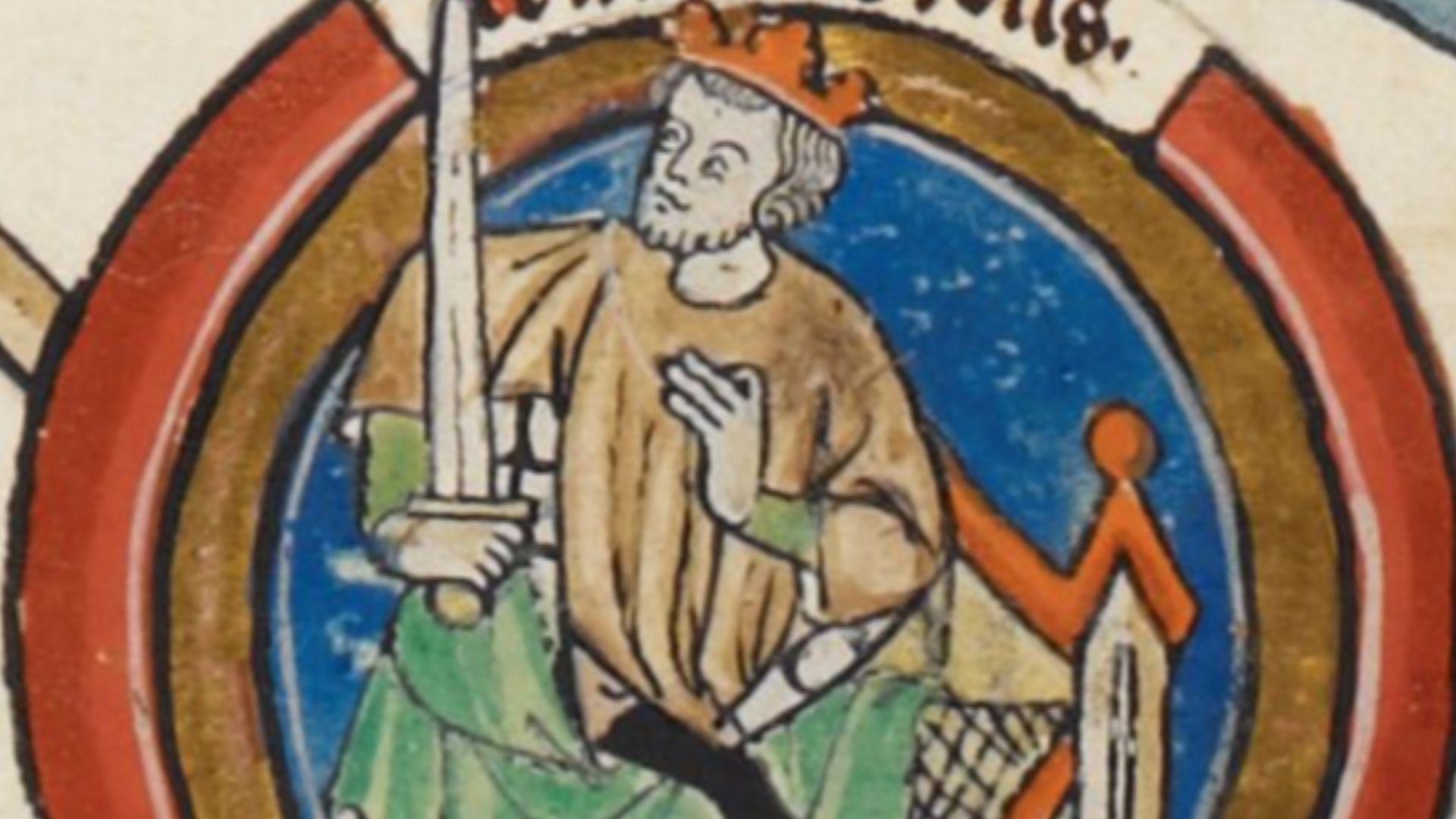
In 1095, William II convened a great council at Rockingham. The express purpose of the meeting was to brow-beat Anselm into submission before England’s most powerful lords. Yet even surrounded by William’s loyalists, Anselm quietly and calmly refused to yield. Open defiance against William II was, it seemed, in season.
 Unknown authorUnknown author, Wikimedia Commons
23. He Faced Another Act Of Defiance
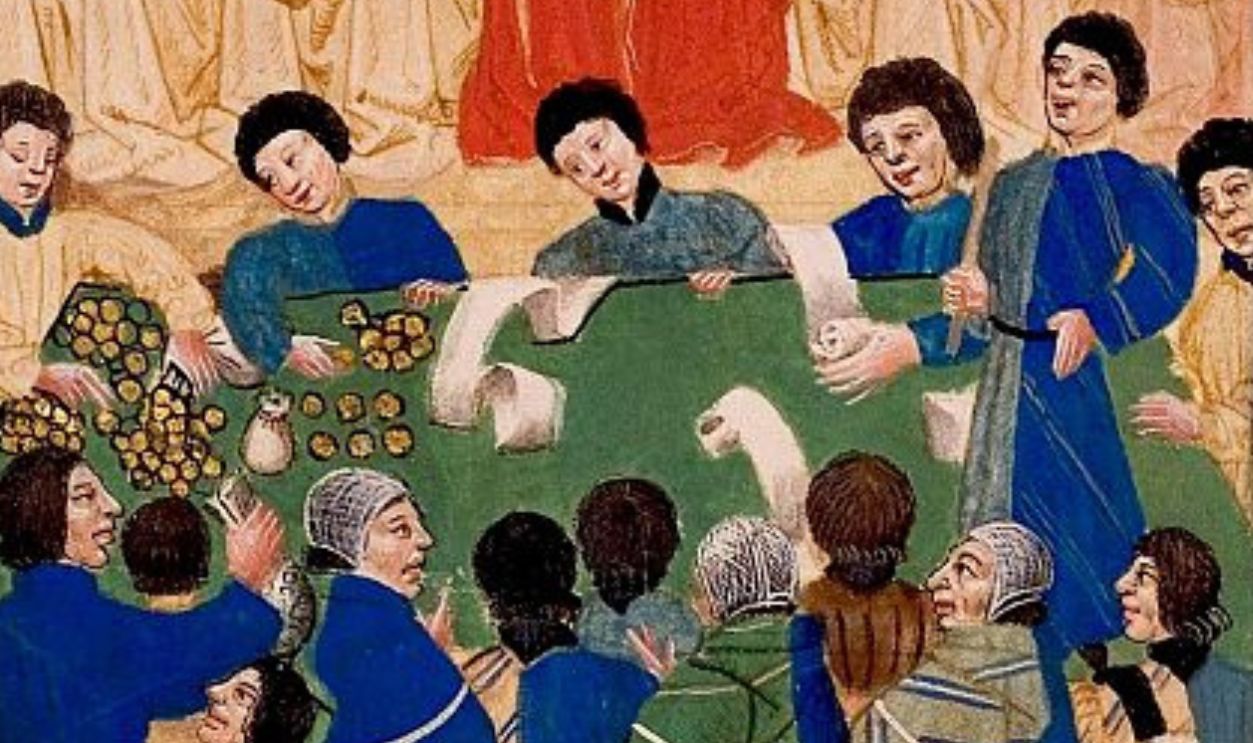
That same year, Robert de Mowbray—the formidable Earl of Northumbria who had helped William II crush the Scots before—changed his allegiances. When de Mowbray flatly refused to attend the Curia Regis (a regular meeting of courtiers and nobles), William II was beside himself with rage. It was an unmistakable challenge.
A challenge that William II was only too happy to answer.
 Universal History Archive, Getty Images
24. He Crushed Another Rebellion
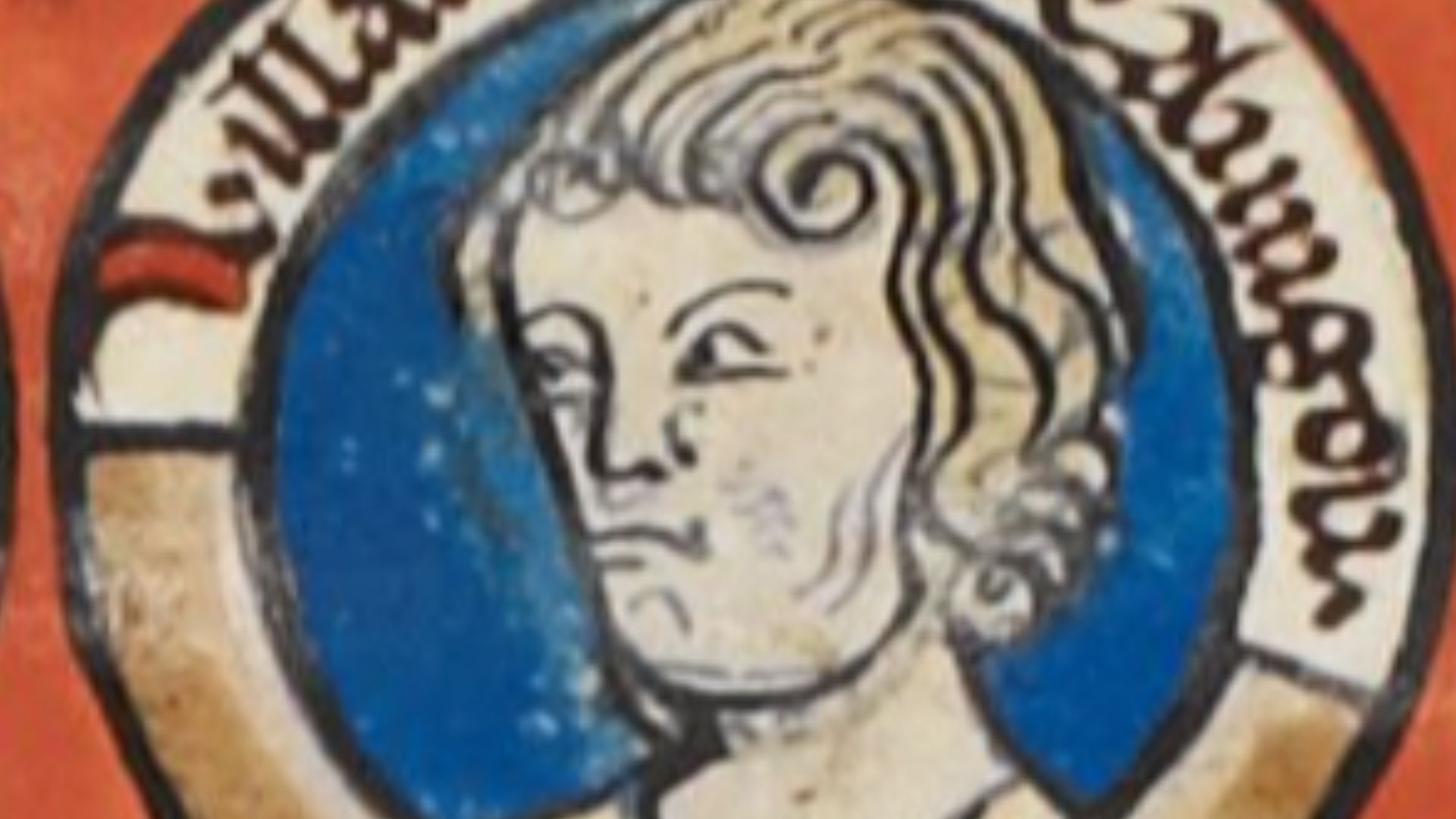
Determined to crush dissent, William II marched north. He easily seized de Mowbray’s strongholds, and destroyed his resistance, stripping de Mowbray of his titles and throwing him behind bars. That was, all things considered, a merciful fate. Another noble in the rebellion, William of Eu, was “blinded and castrated”.
It was a clear signal: no one was safe from William II’s wrath. Not even an archbishop.
 AnonymousUnknown author, Wikimedia Commons
25. He Drove An Archbishop Into Exile
By 1097, even as the Archbishop of Canterbury, Anselm had endured enough of William II’s pressure. Unable to defend his reforms at home, he fled England in self-imposed exile and rushed to Rome where he presented his case directly to the pope. William II could only pray that the pope wouldn’t bring the hammer of God down upon him.
26. He Struck A Deal With The…Pope
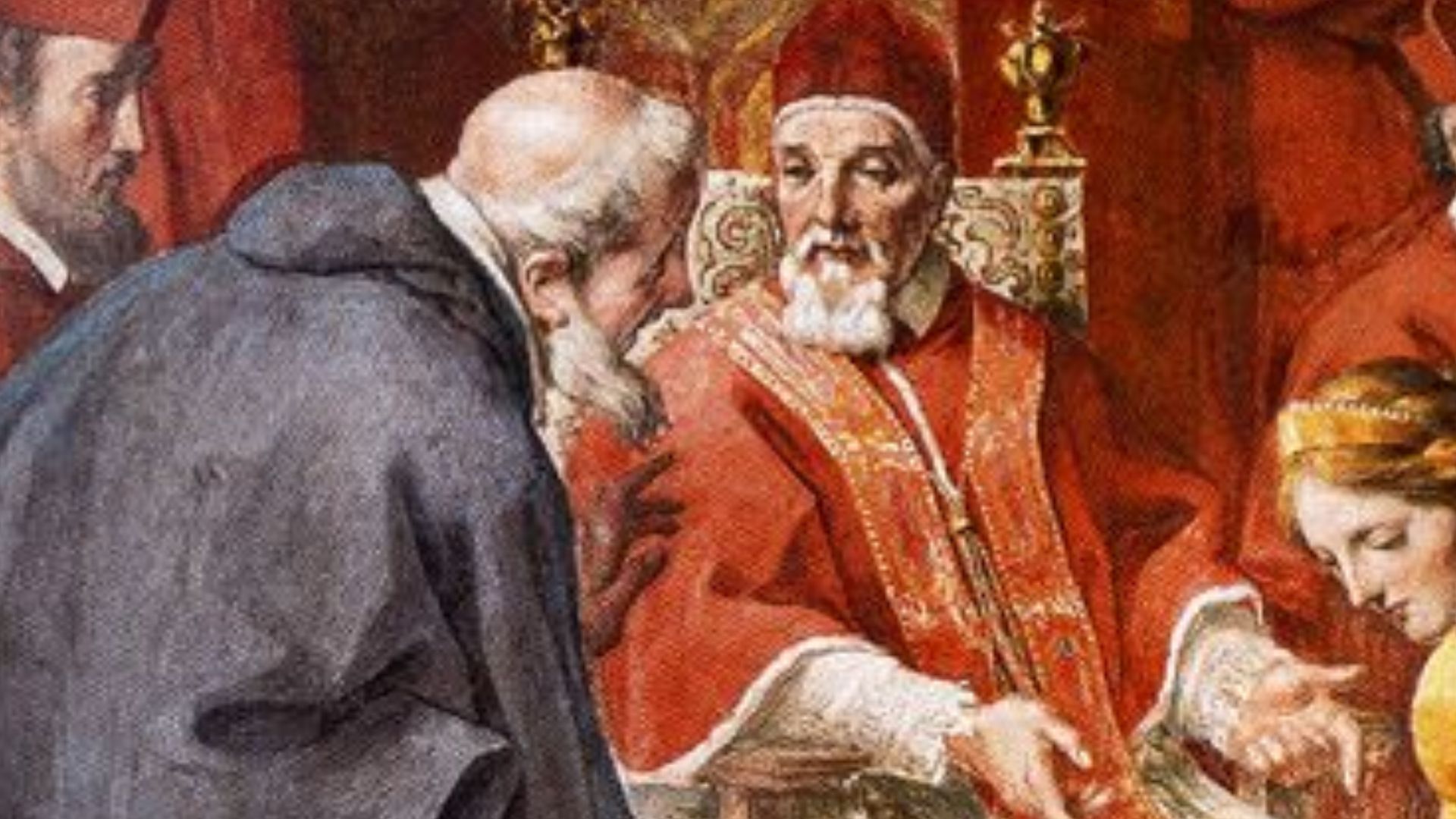
Fortunately for William II, Pope Urban II was having problems of his own when Anselm showed up. Emperor Henry IV had thrown his support behind another papal candidate. Seeing an opportunity, Pope Urban II made a deal with William II: the king recognized him as pope, and the pope turned a blind eye to some of William II’s sins.
It was quite a profitable deal.
 Giovanni Francesco Romanelli, Wikimedia Commons
27. He Kept Canterbury’s Fortune
With Pop Urban II’s approval quieting the controversy, Anselm remained in exile—and William II was only too happy. With the Archbishop of Canterbury stuck in Rome, William II decided it best to keep Canterbury’s revenues. For the rest of his reign, he happily pocketed the archbishop’s income.
Somehow, even God’s money wasn’t enough to satisfy William II.
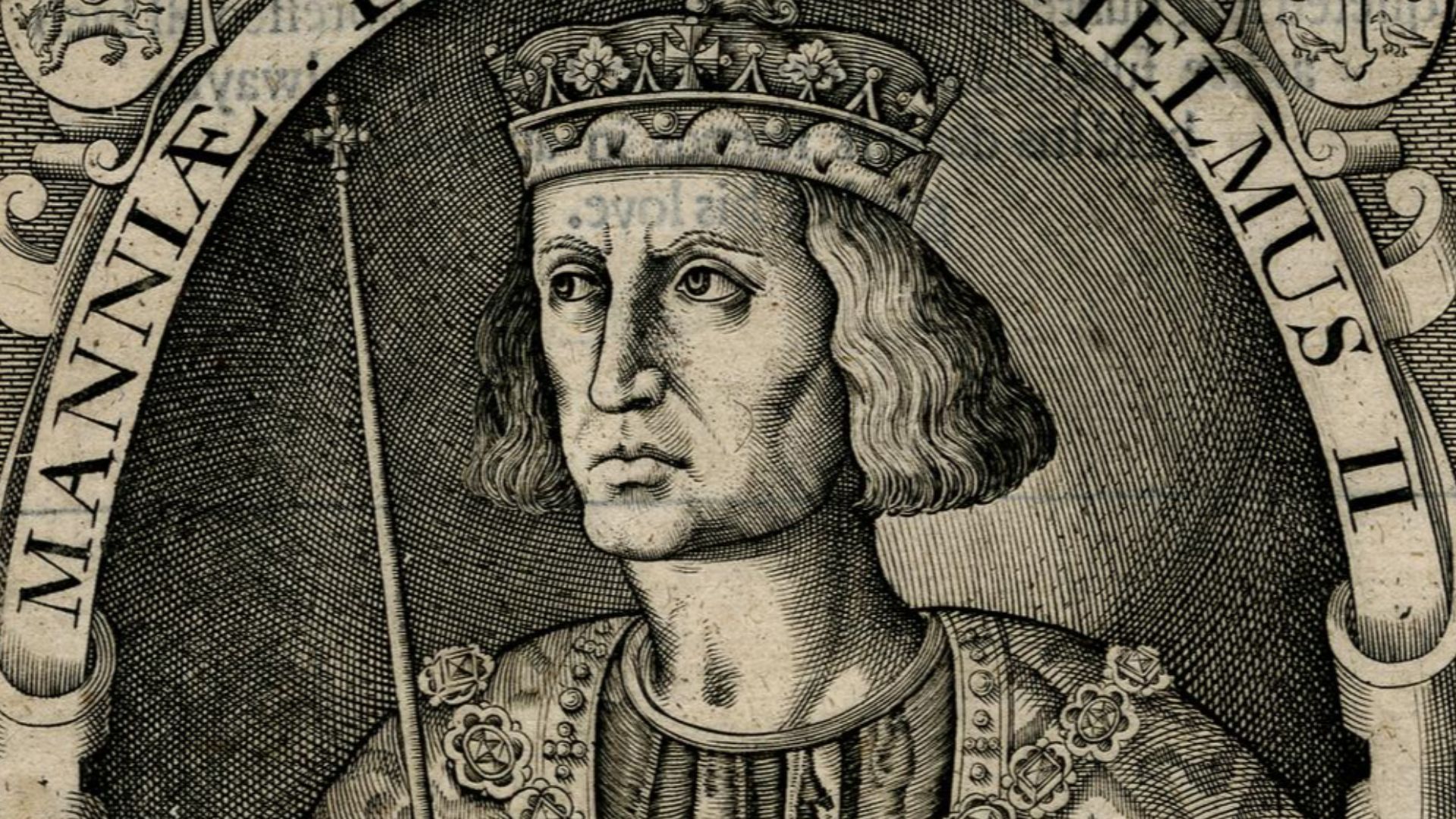
28. He Bought Normandy
In 1096, William II’s brother, Robert Curthose, joined the First Crusade. But, to fund his expedition, he had to pledge Normandy to William II in exchange for 10,000 marks. The only problem: 10,000 marks was roughly a quarter of William II’S entire annual revenue.
William II knew exactly how to raise the cash.
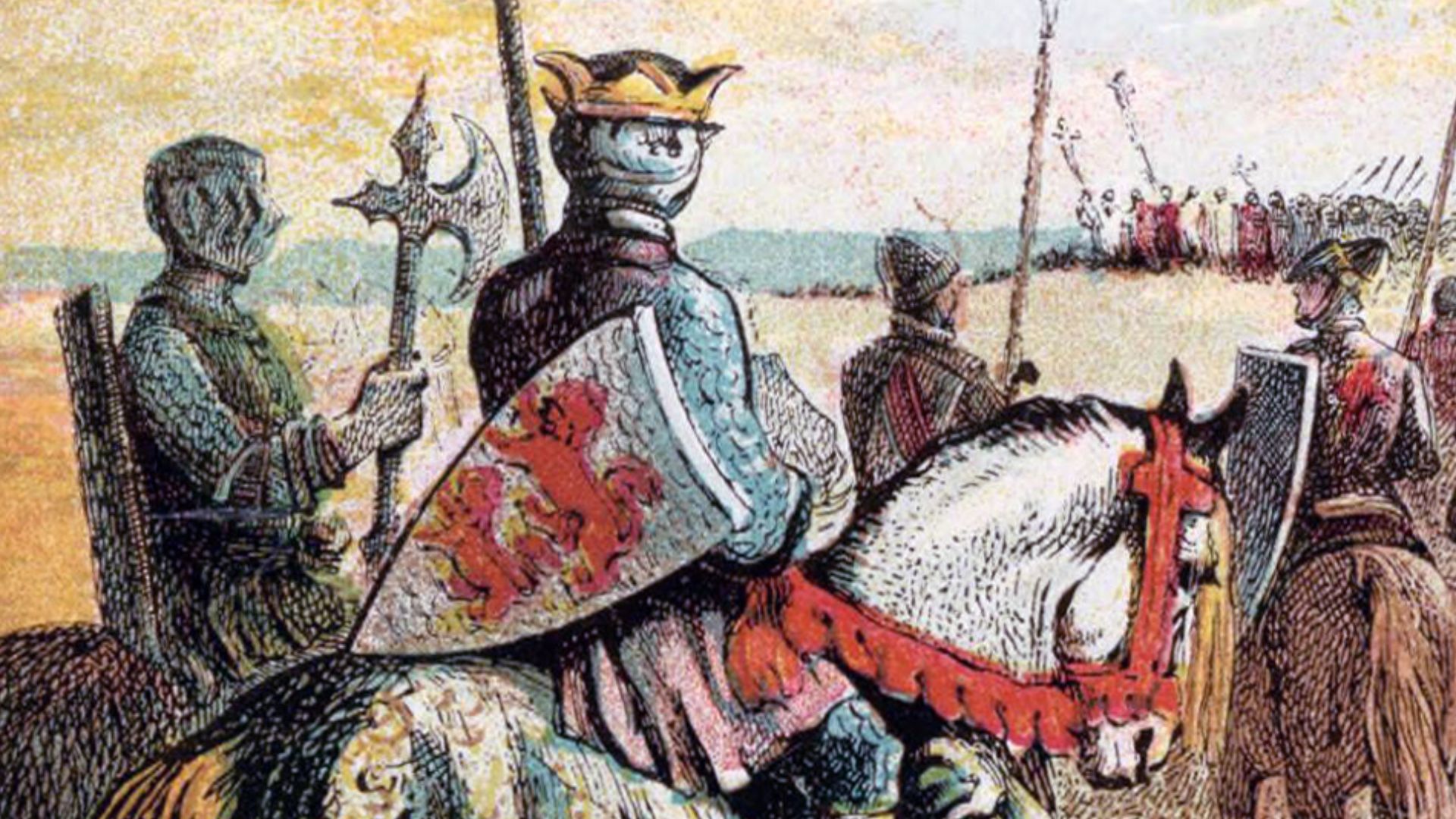 Joseph Martin Kronheim (1810–96)[1], Wikimedia Commons
29. He Taxed England To The Bone
To pay Robert’s price, William II imposed a special—and especially heavy—kingdom-wide tax. While the impressive tax collection effort proved William II’s competency as an administrator, it infuriated his English subjects. Considering what he did with some of that tax revenue, their anger was justified.
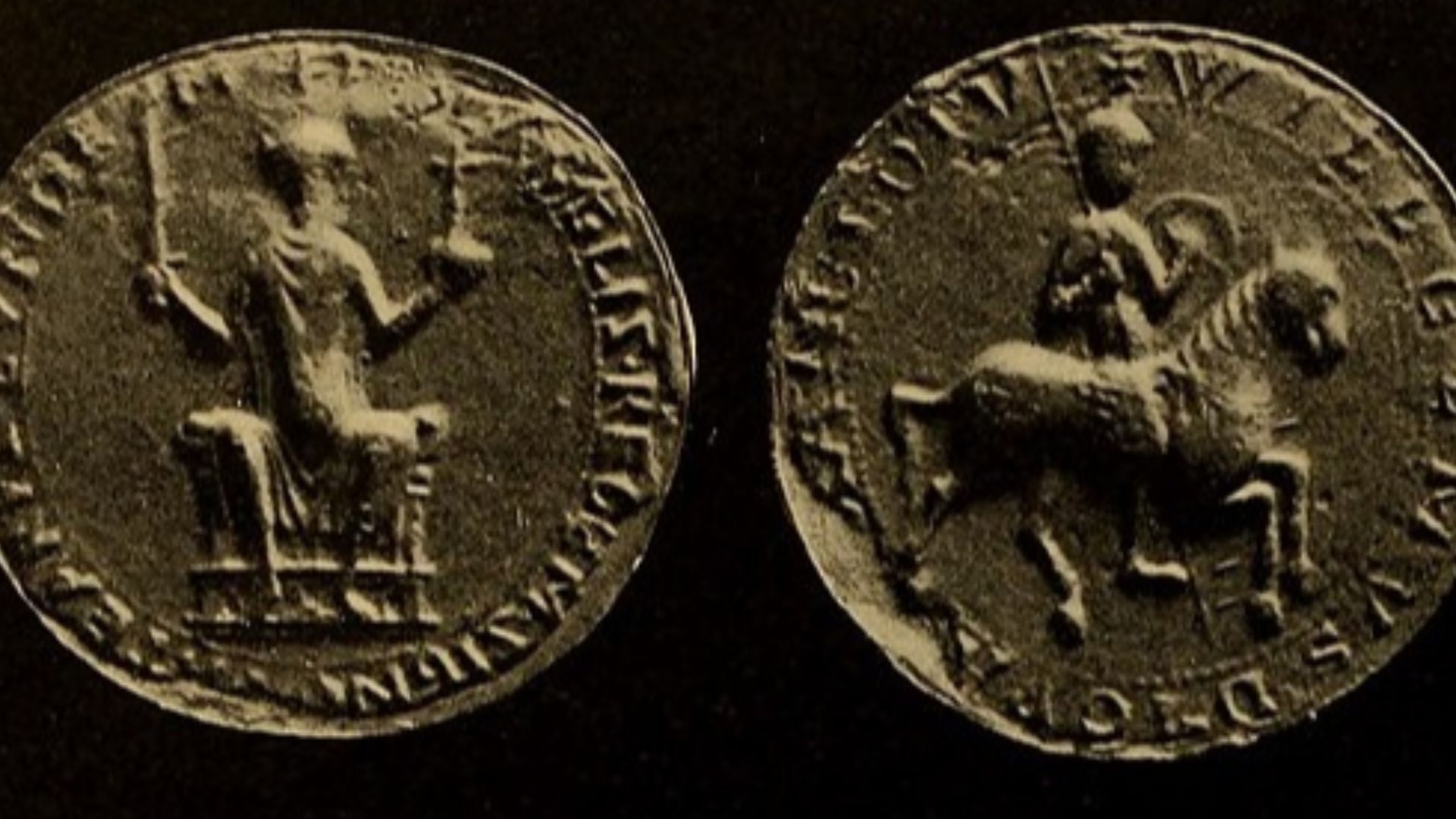
30. He Built A Monument To Himself
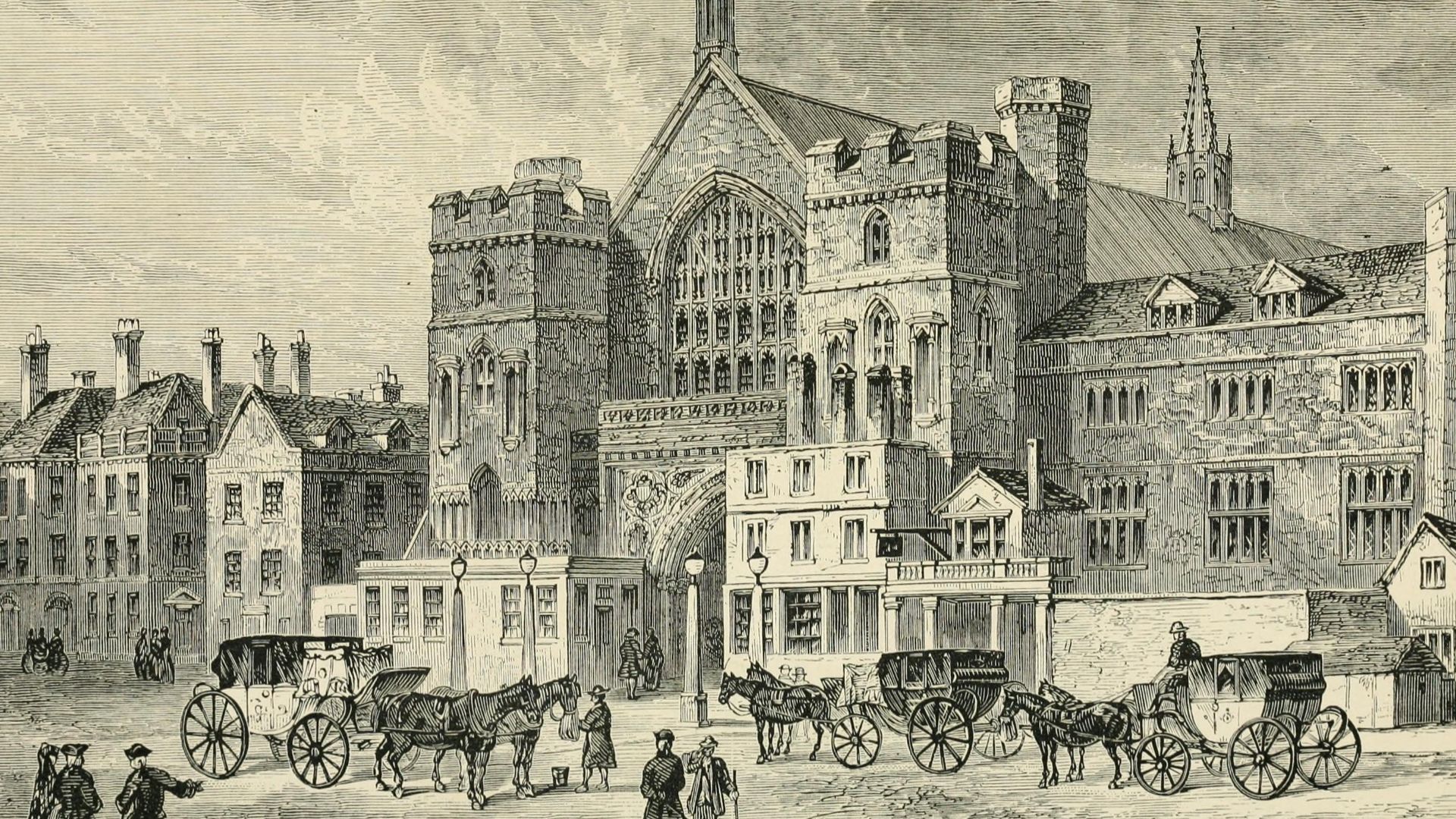
Flush with cash, William II began construction on one of the most iconic English symbols: the original Westminster Hall. The enormous stone masterpiece was meant “to impress his subjects with the power and majesty of his authority”. At 240 feet long and towering 40 feet high, it dwarfed anything in England.
Except, that is, for William II’s ego.
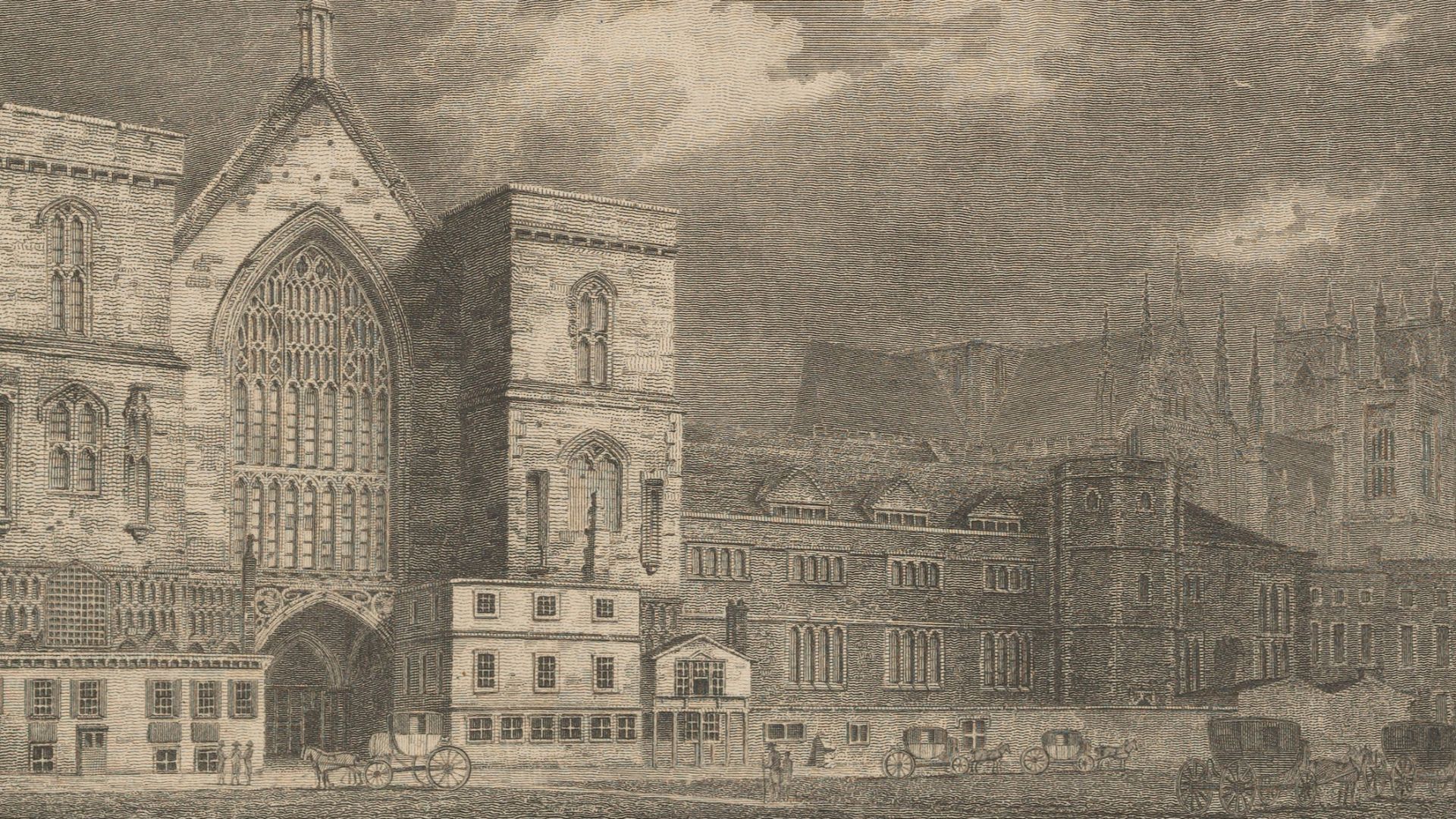 John Greig, engraver, after Frederick Nash, Wikimedia Commons
31. He Thought Bigger—Much Bigger
According to contemporary chroniclers, William II was not impressed with Westminster Hall. In fact, he scoffed at the monumental stone structure, allegedly claiming it was “a mere bedchamber compared with what I had intended to build”. To him, even a massive palace complex wasn’t grand enough.
Nothing ever was to William II.
 Internet Archive Book Images, Wikimedia Commons
32. He Pushed Into Wales
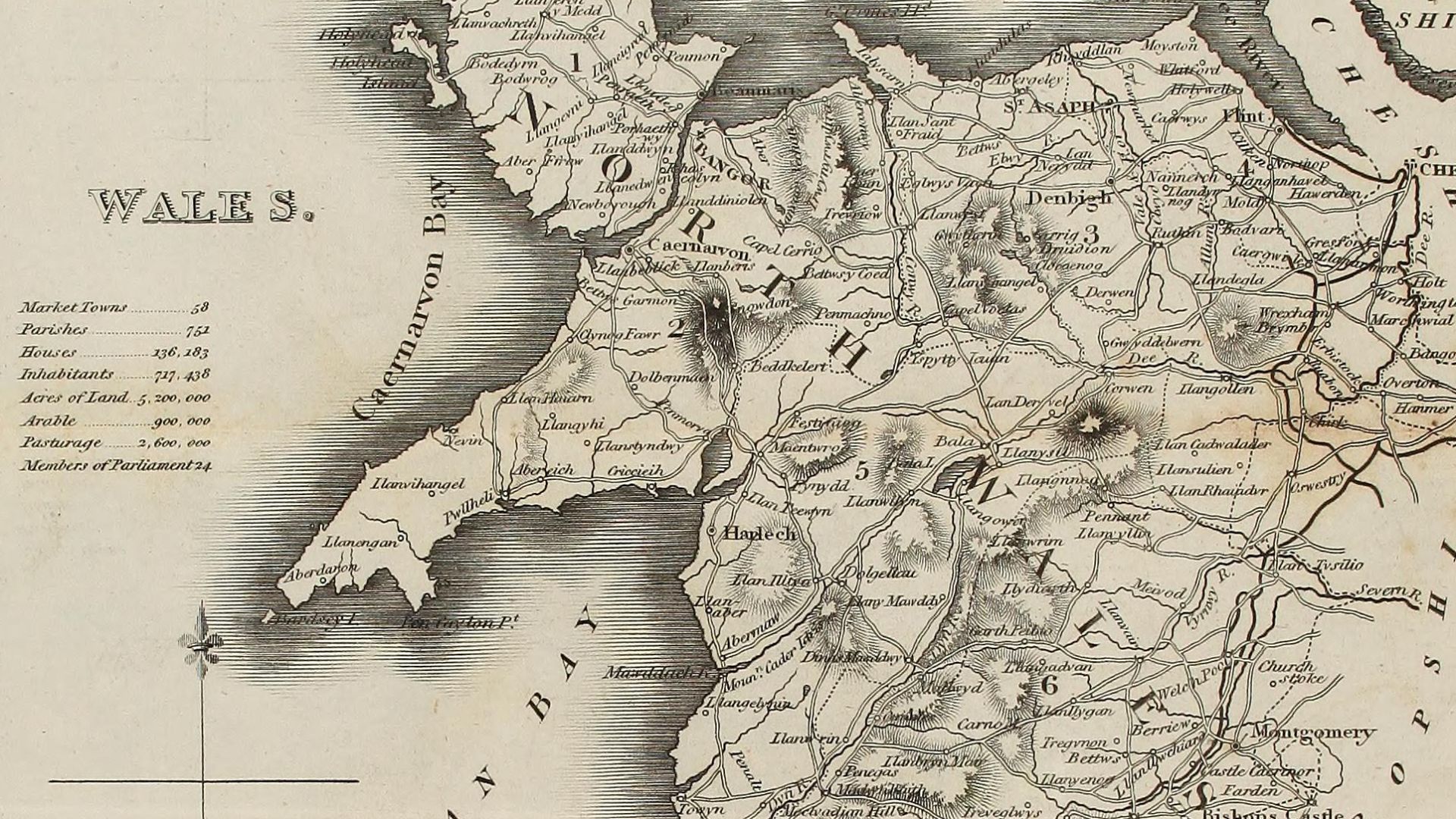
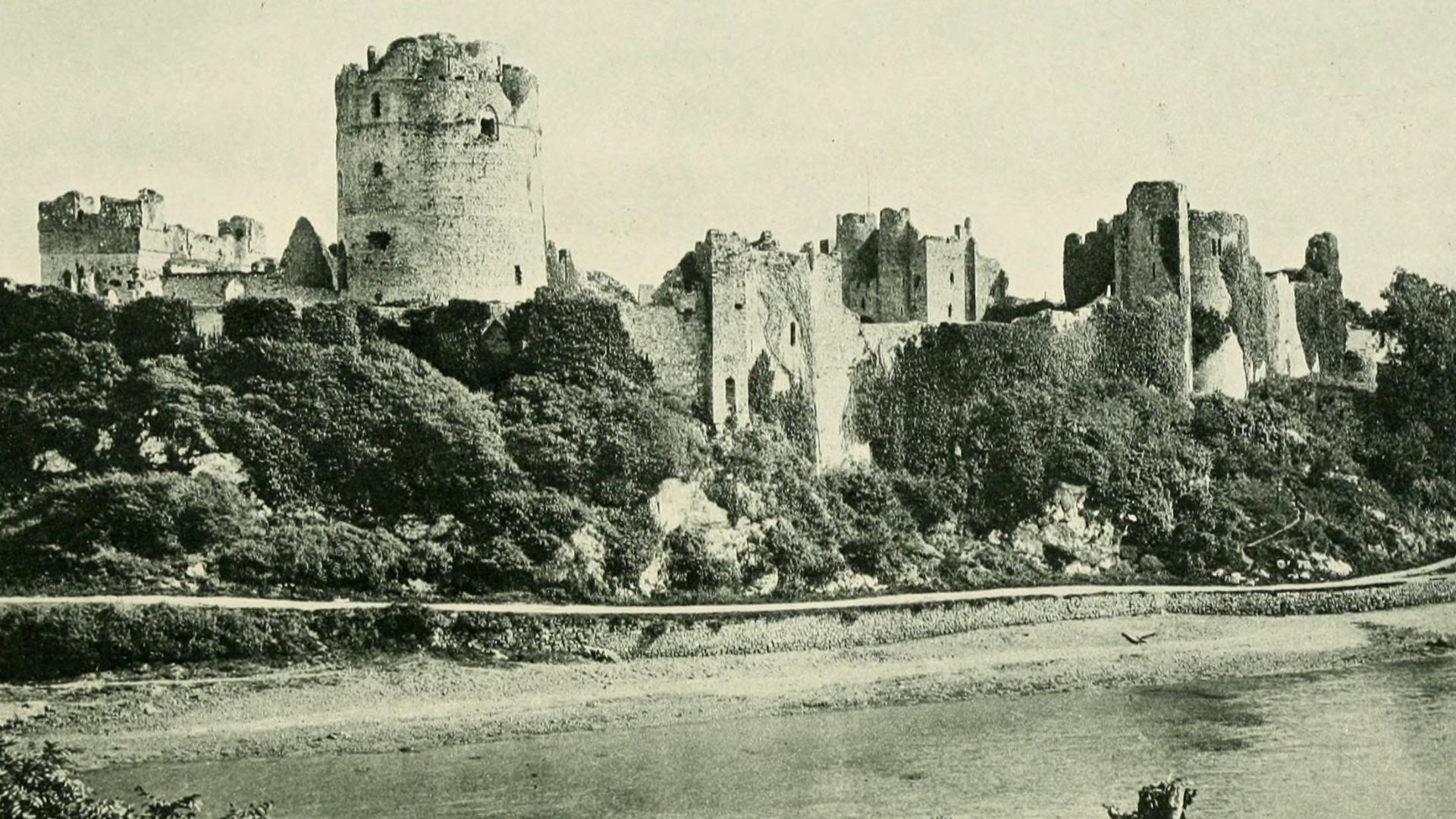
In 1097, William II set his sights to his borders, leading two campaigns into Wales where he hoped to assert his authority. Unfortunately, William II’s little outing achieved little in open battle, but he compensated by fortifying the frontier. A chain of castles soon marked the marchlands separating England from Wales, tightening his Norman control over the border.
And speaking of Normandy.
 Capper, Benjamin Pitts, Wikimedia Commons
33. He Fought France For More Land
As his brother was away on crusade, William II was regent in Normandy. But he was no benchwarmer. William II took the opportunity to launch campaigns into France from 1097 to 1099. He managed to secure northern Maine, extending Norman power—but he couldn’t pry the strategically vital Vexin from French hands.
Still, he rewarded his most loyal lieutenant.
 AnonymousUnknown author, Wikimedia Commons
34. He Elevated His Right-Hand Man
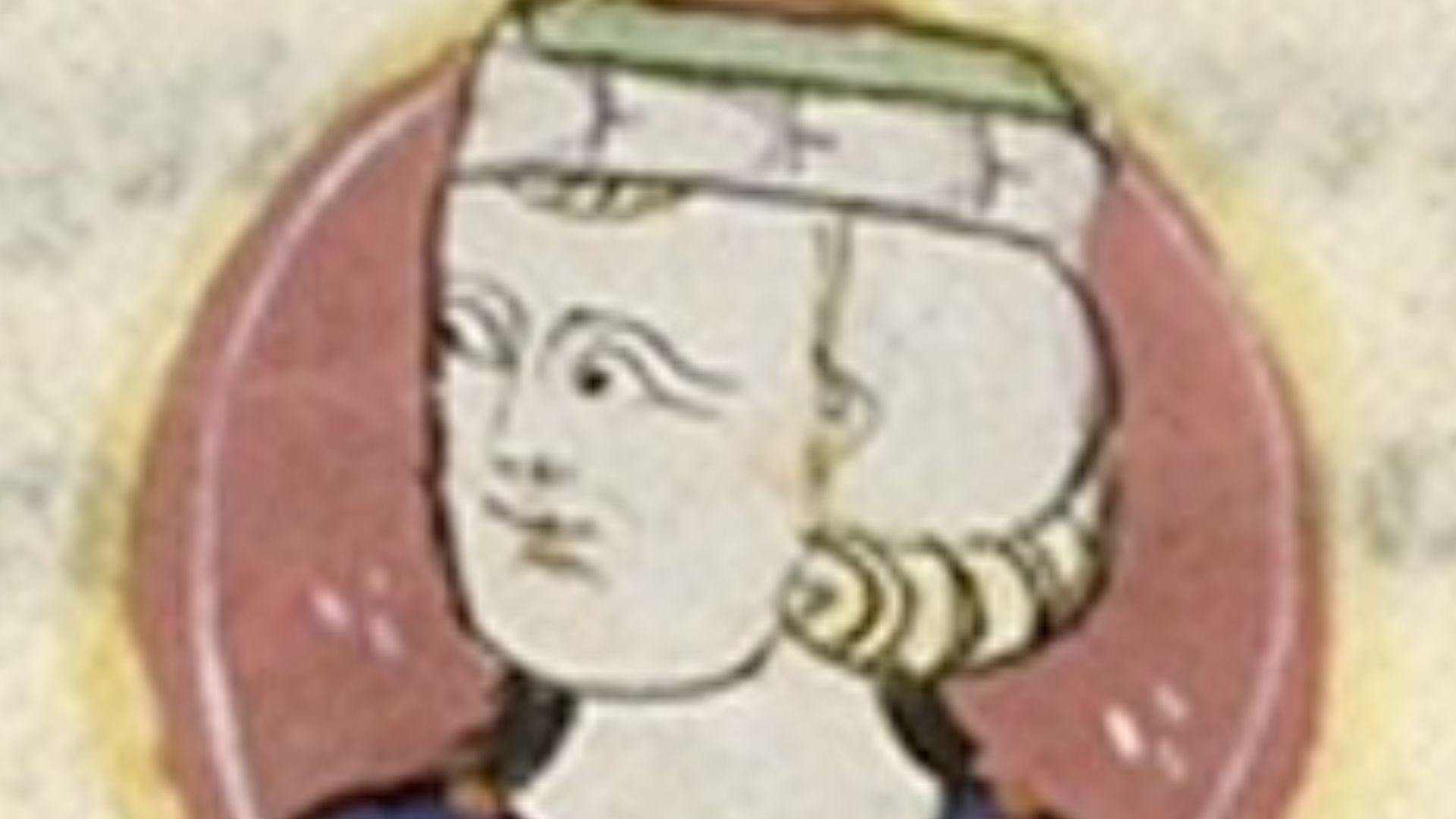
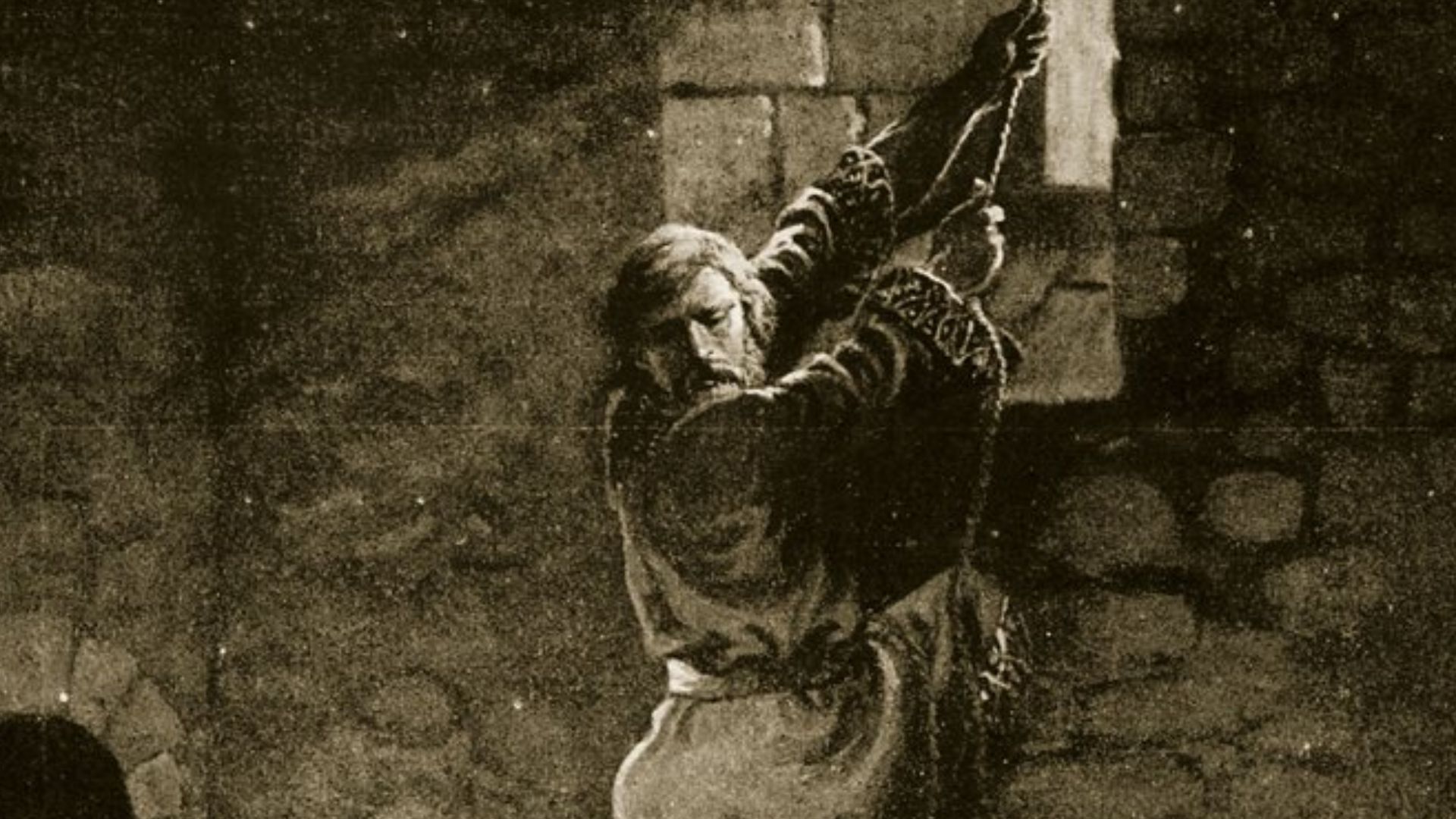
Ranulf Flambard had served William II tirelessly. So, in 1099 the king appointed him Bishop of Durham. But it wasn’t just a spiritual office with a nice title; it was a massive feudal power base. The promotion cemented Flambard as the most influential minister in William II’s government.
And he would need all of the allies that he could get.
 Henry Payne, Wikimedia Commons
35. He Began His Final Hunt
On August 2, 1100, William II rode into the New Forest—ironically, the same cursed woodland that had claimed his brother Richard all those years before. The hunt began unusually late, well after lunch instead of dawn. For a king so set in his habits, the delay felt ominous.
And the company he kept was even stranger.
36. He Rode With The Suspects
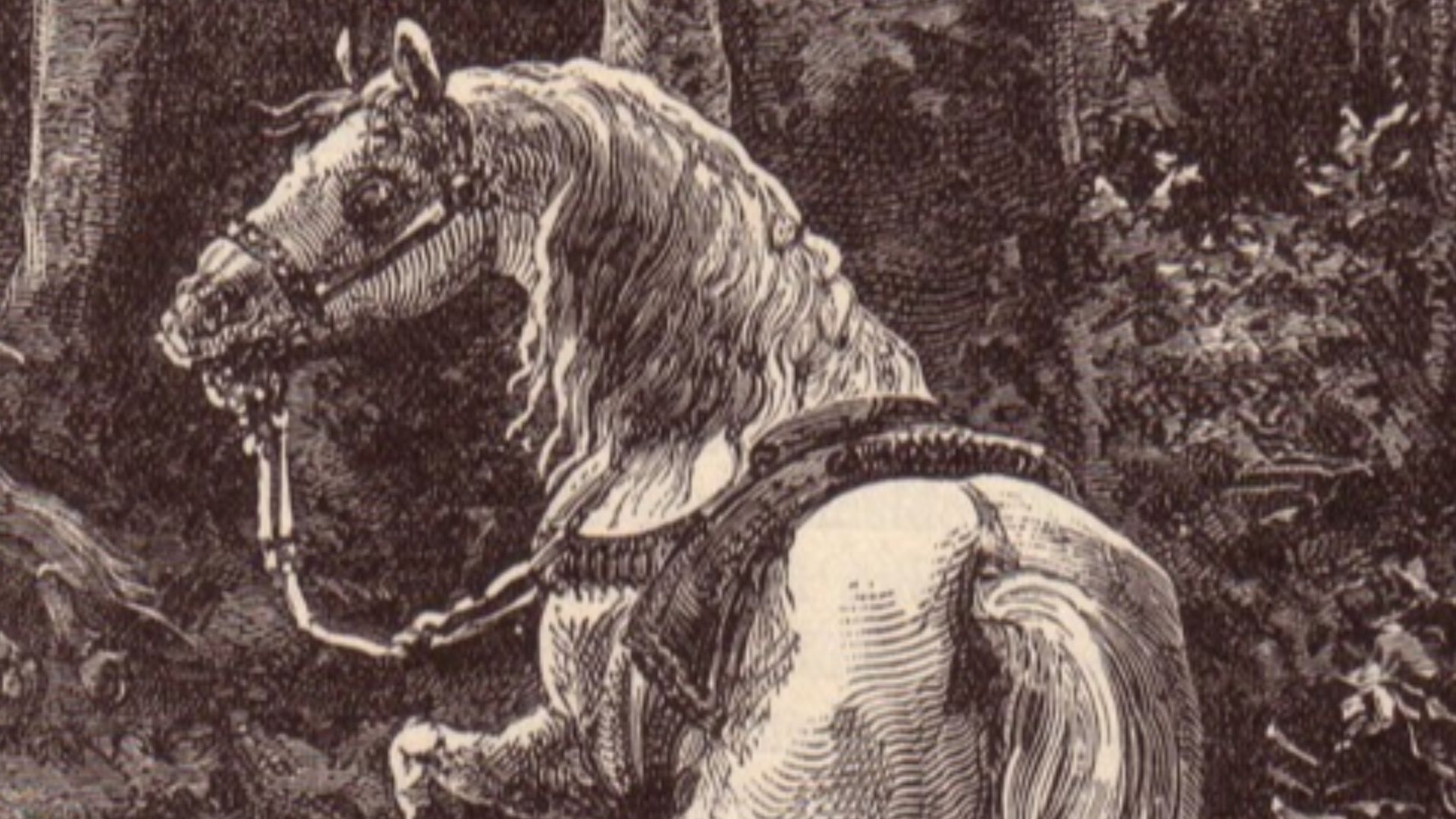
William II’s hunting party would soon turn into a list of suspects. His party included his brother Henry (the future Henry I), Robert and Henry de Beaumont, Robert Fitzhamon, William of Breteuil, and the powerful Clare brothers. Rounding out the list: Walter Tirel. A man history would never forget—and God would bless.
 James William Edmund Doyle / Edmund Evans, Wikimedia Commons
37. He Handed Out “Good Arrows”
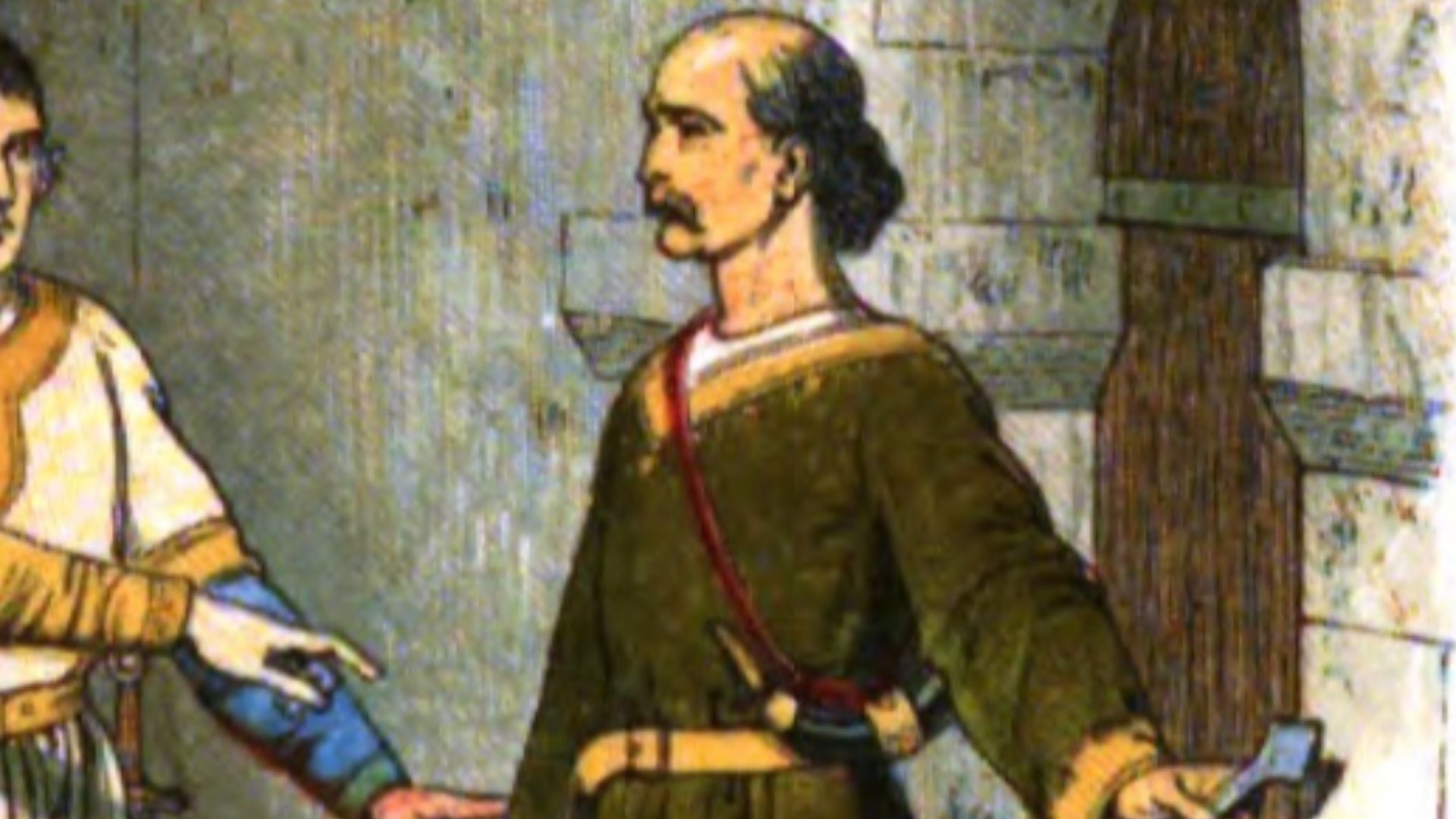
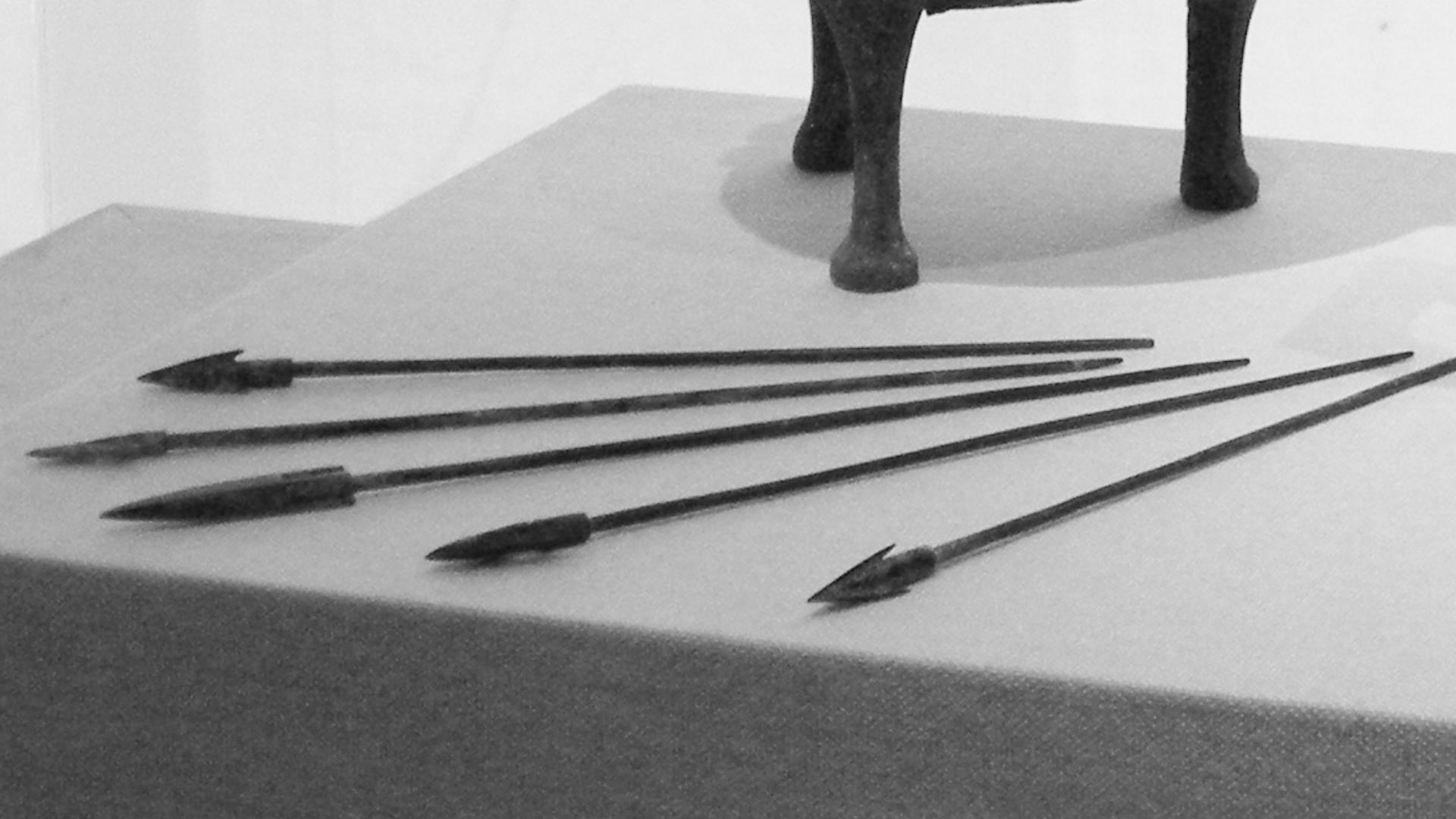
The chronicler William of Malmesbury recorded a peculiar event the night before the hunt. Malmesbury wrote that William II had received six fine arrows that night. He claimed four as his own and gifted the remaining two to Tirel with the remark, “Bon archer, bonnes fleches.” Translation: “[To the] good archer, [the] good arrows”.
Perhaps Tirel was too good an archer—or no good at all.
38. He Was Blinded By The Sun
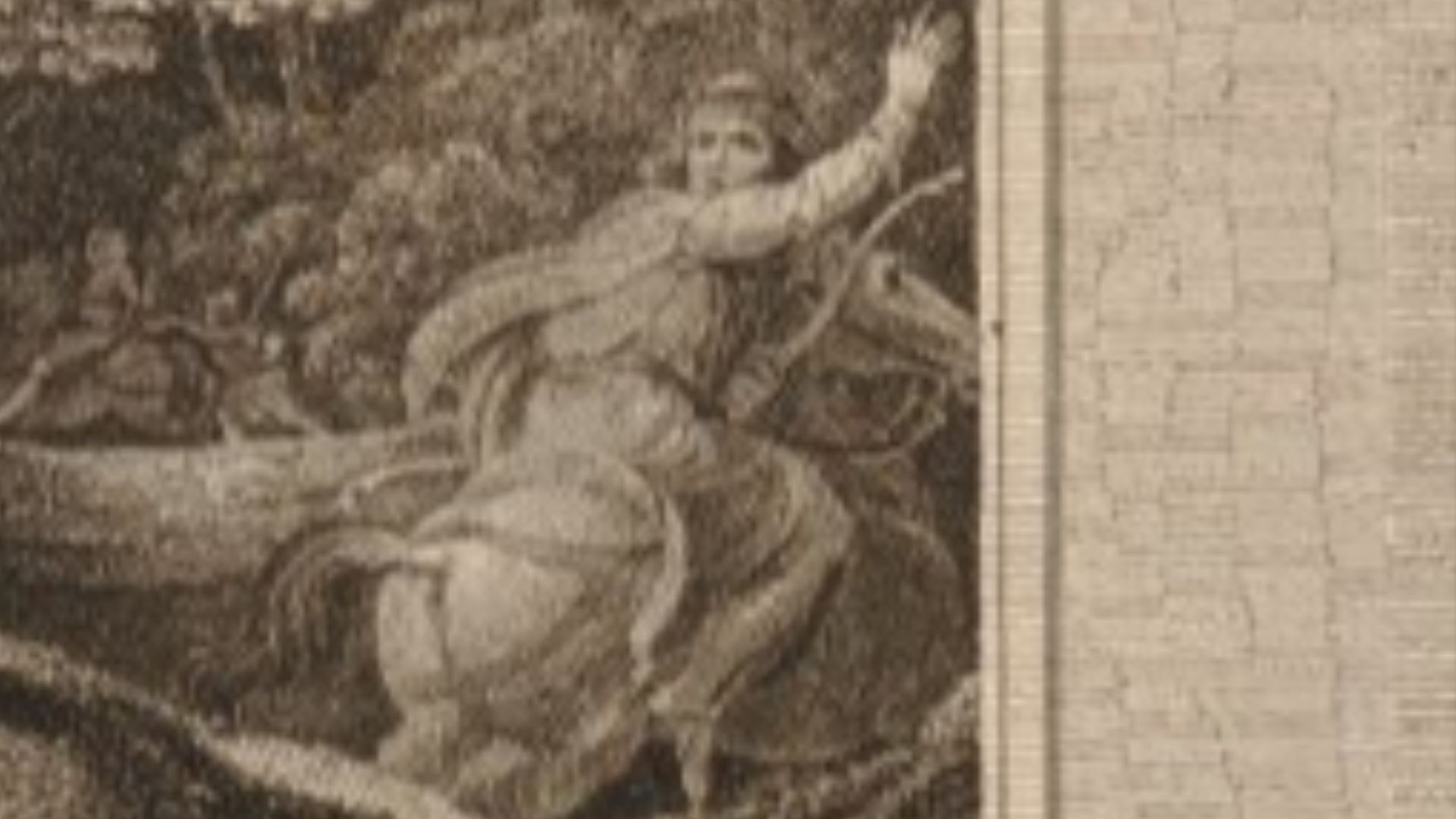
As daylight faded on the hunt, William II set his sights upon a stag and loosed an arrow. But it wasn’t a perfect shot, and he only managed to wound the animal as it bolted into the glowing horizon. Shielding his eyes against the setting sun, he couldn’t have seen what was coming straight at him.

39. He Took An Arrow To The Chest
Malmesbury recounts the curious events that unfolded as the sun was setting on that fateful hunt. Tirel, Malmesbury claims, had taken aim at another stag as William II squinted into the sunset. Malmesbury writes that Tirel “unknowingly and without power to prevent it…sent his fatal arrow through the king’s breast”.
In an instant, the hunt turned into horror.
 James Neagle (print made by); Robert Bowyer (publisher), Wikimedia Commons
40. He Made It Worse
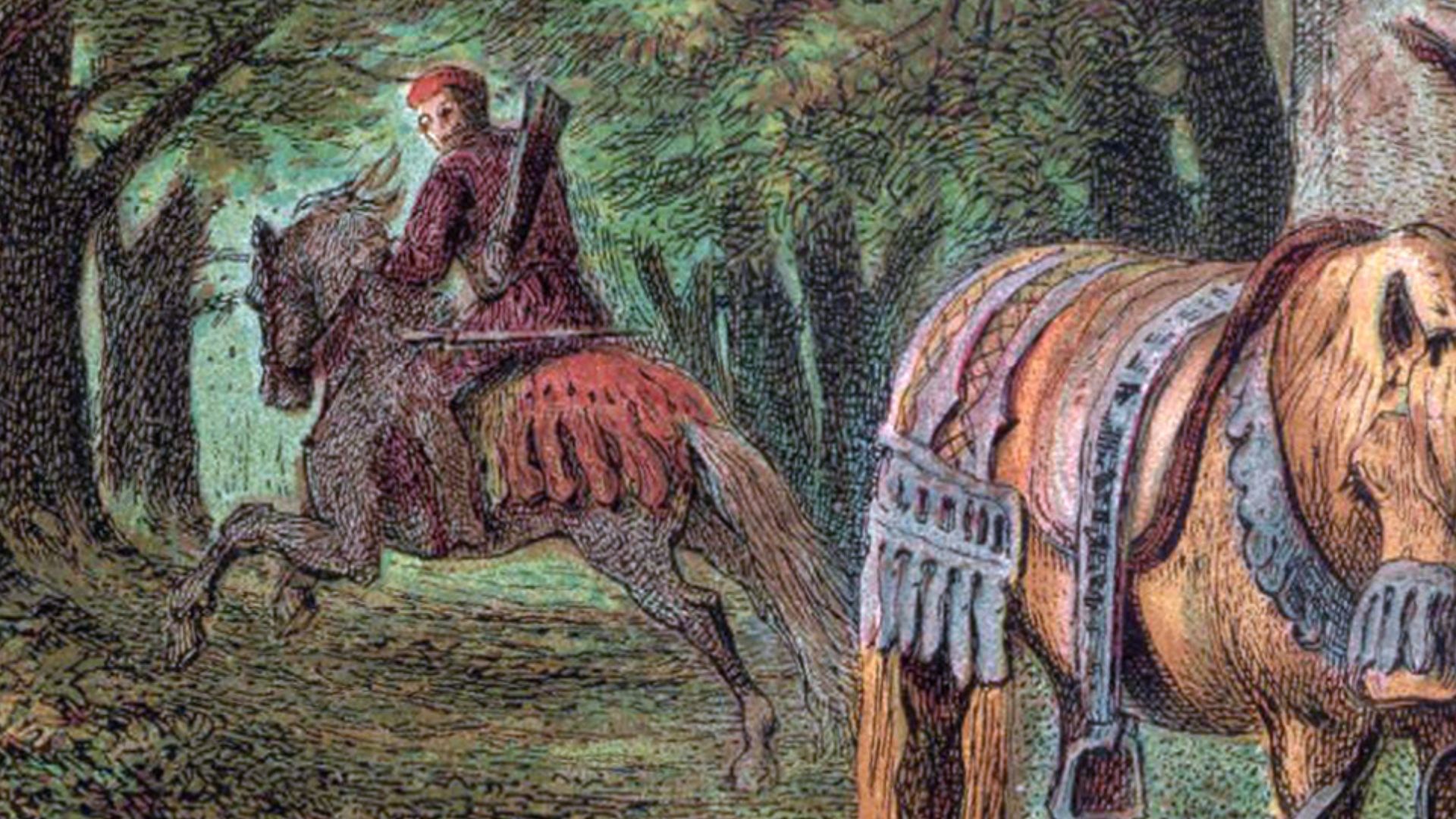
With an arrow protruding from his chest, William II supposedly made it worse. Contemporary accounts claim that the wounded king snapped the shaft of the arrow off. But by doing so, he only forced the embedded point deeper. Without so much as a sound, he collapsed—lifeless.
Tirel’s reaction? Suspicious.

41. His Subjects Abandoned him
Realizing what had happened, Tirel rushed to William II’s side. But, by the time he got there, it was obvious: the king was beyond saving. Panicked—or guilt-ridden—Tirel fled England, seeking safety in France. His furtive escape fueled centuries of speculation—and wild conspiracies.
 Joseph Martin Kronheim (1810–96)[1], Wikimedia Commons
42. He Was “Shot By His Own Man”
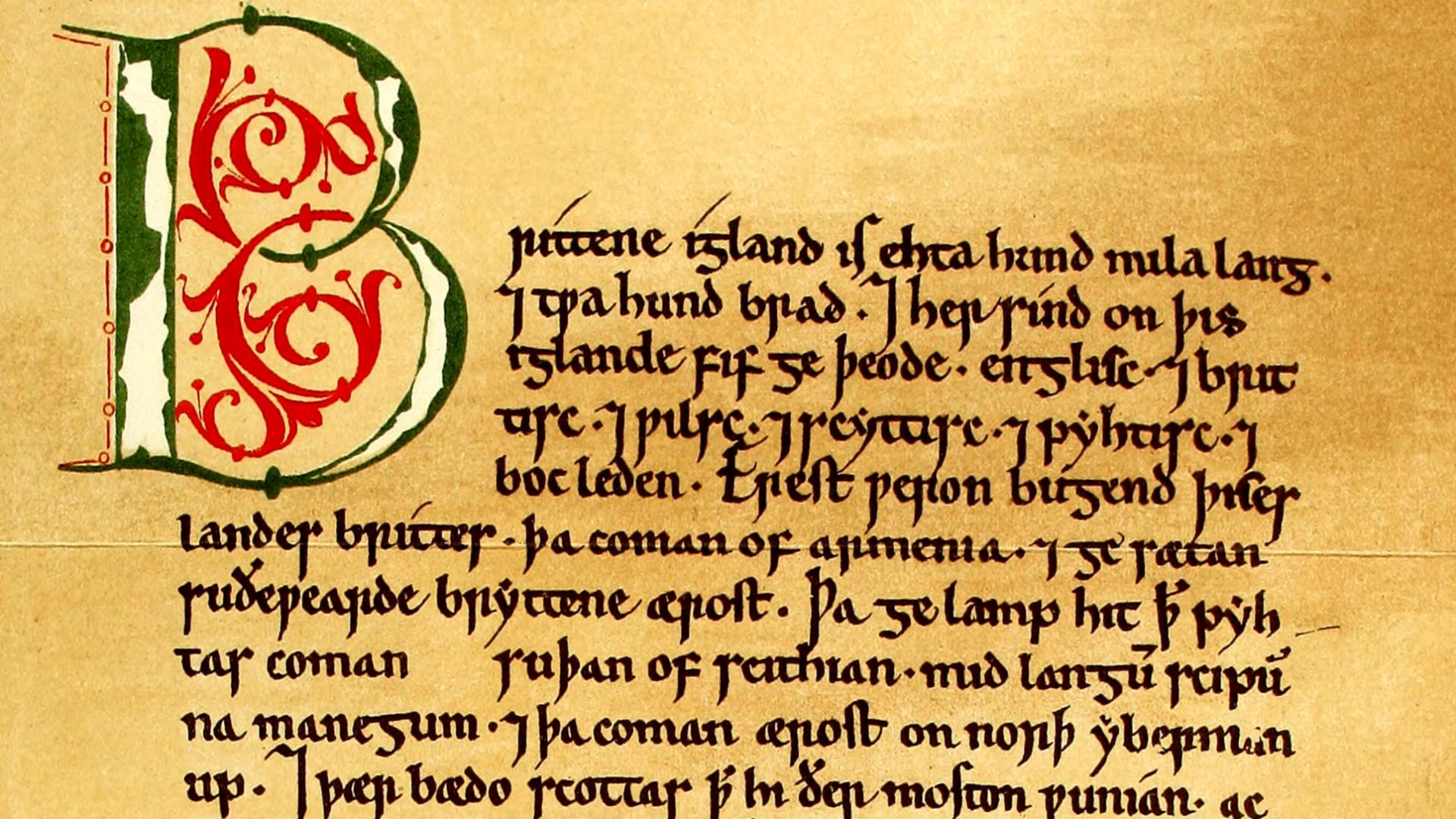
The Anglo-Saxon Chronicle—the closest record in time to the events of that day—was very clear about what happened deep in the woods of the New Forest. Clear…and still somehow vague. The chronicle simply stated that William II was “shot by an arrow by one of his own men”. No motive, no intention, no explanation.
William II alone, perhaps, knew what really happened.
 Author Benjamin Thorpe, Wikimedia Commons
43. He Dreamed Of His Demise
Malmesbury recounts an ominous nightmare William II is said to have had the night before the hunt. The ill-fated king imagined himself to be in the underworld, where the Devil taunted him: “I can’t wait for tomorrow because we can finally meet in person!” William II then, allegedly, jolted awake, demanded light, and ordered his attendants not to leave his side.
By dawn, the dream had become a reality.
44. He Was Carted Away Like Luggage
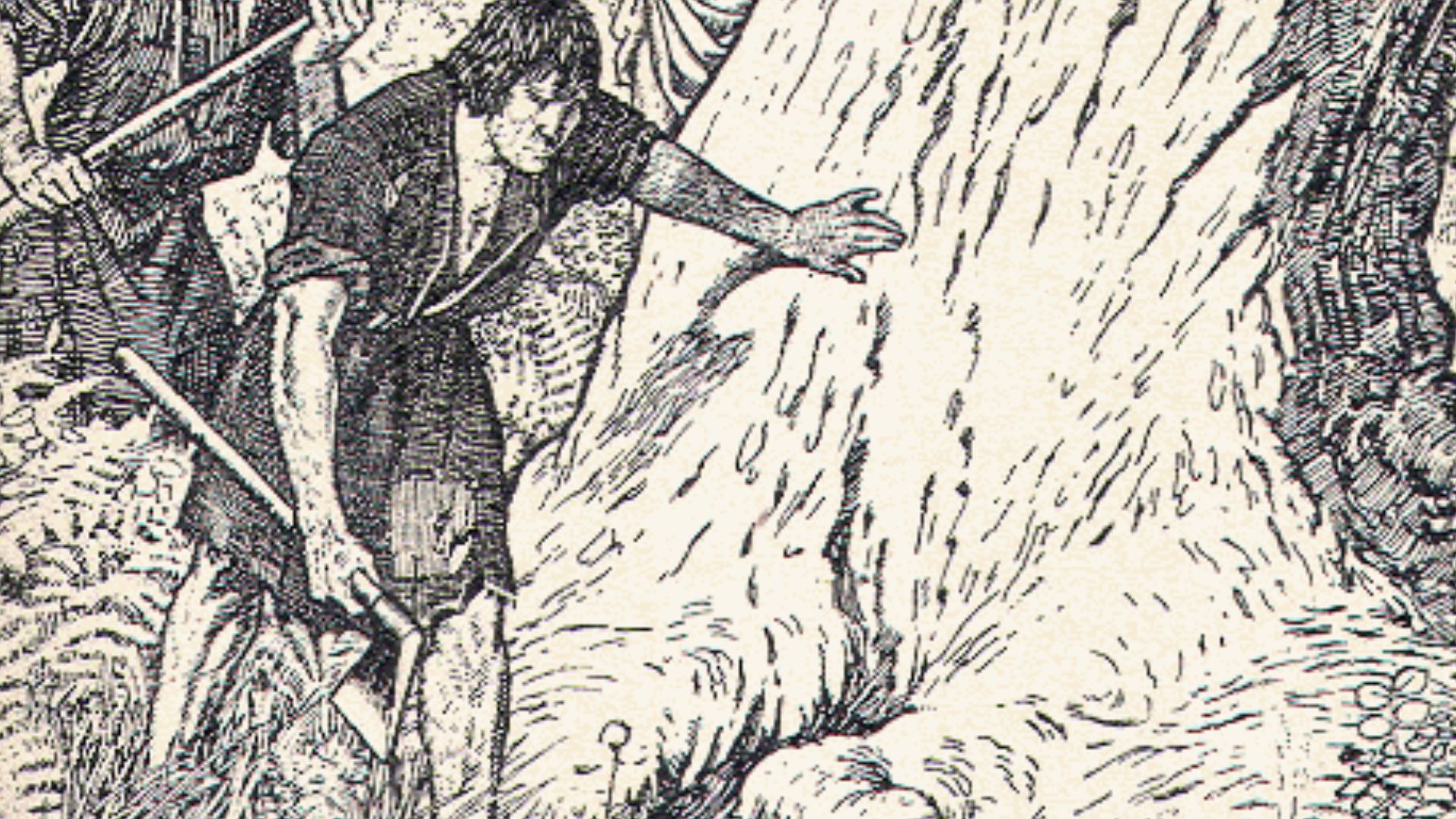
After Tirel fled, William II (or, rather, his lifeless body) lay abandoned on the forest floor. It wasn’t until peasants—including a charcoal burner named Eli Parratt—found him that he could be laid to rest. They loaded his corpse onto a cart and unceremoniously brought it to Winchester Cathedral.
Then the fingers started pointing.
 Morris Meredith Williams, Wikimedia Commons
45. His Brother Took Over—Fast
While William II lay lifeless in the forest, his younger brother Henry galloped to his destiny—and his brother’s fortune. He headed straight to Winchester, seizing control of the royal treasury then rode off to London where, just three days after William II’s final hunt, he was crowned King Henry I.
But questions were beginning to arise.
 Georgemiller381, Wikimedia Commons
46. His Demise Became A Mystery
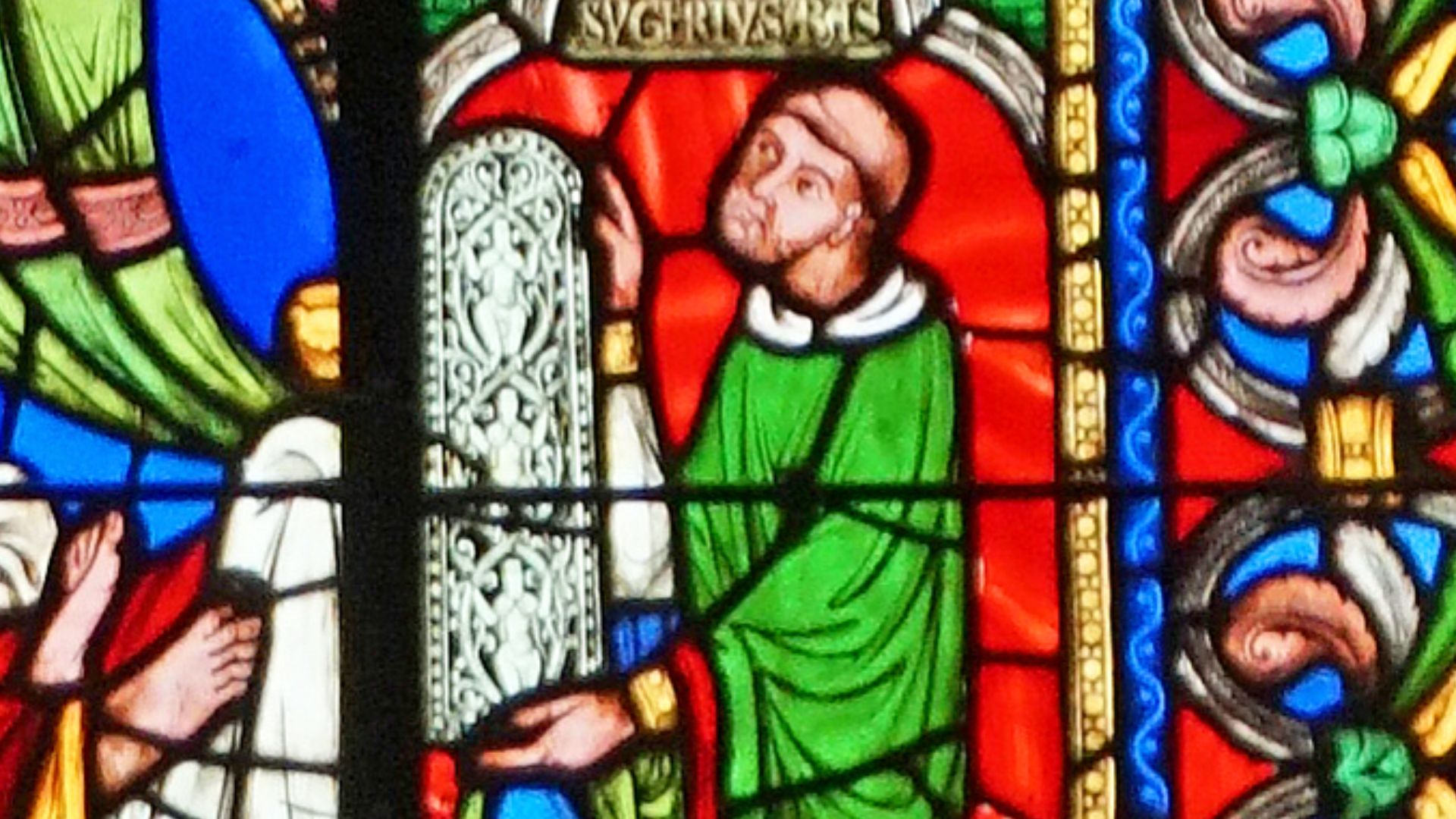
A little over four decades after William II’s demise, a French abbot shed light of the Tirel’s account of that day. The abbot, Suger, said he had heard Tirel himself say that he had nothing to do with William II’s accident at all. As Suger said, “when he [Tirel] had nothing to fear nor to hope” he swore that he never “saw him [William II] in the forest at all”.
Perhaps we’ll never know. But William II sought revenge from beyond the grave.
47. He “Cursed” The Cathedral—According To Some
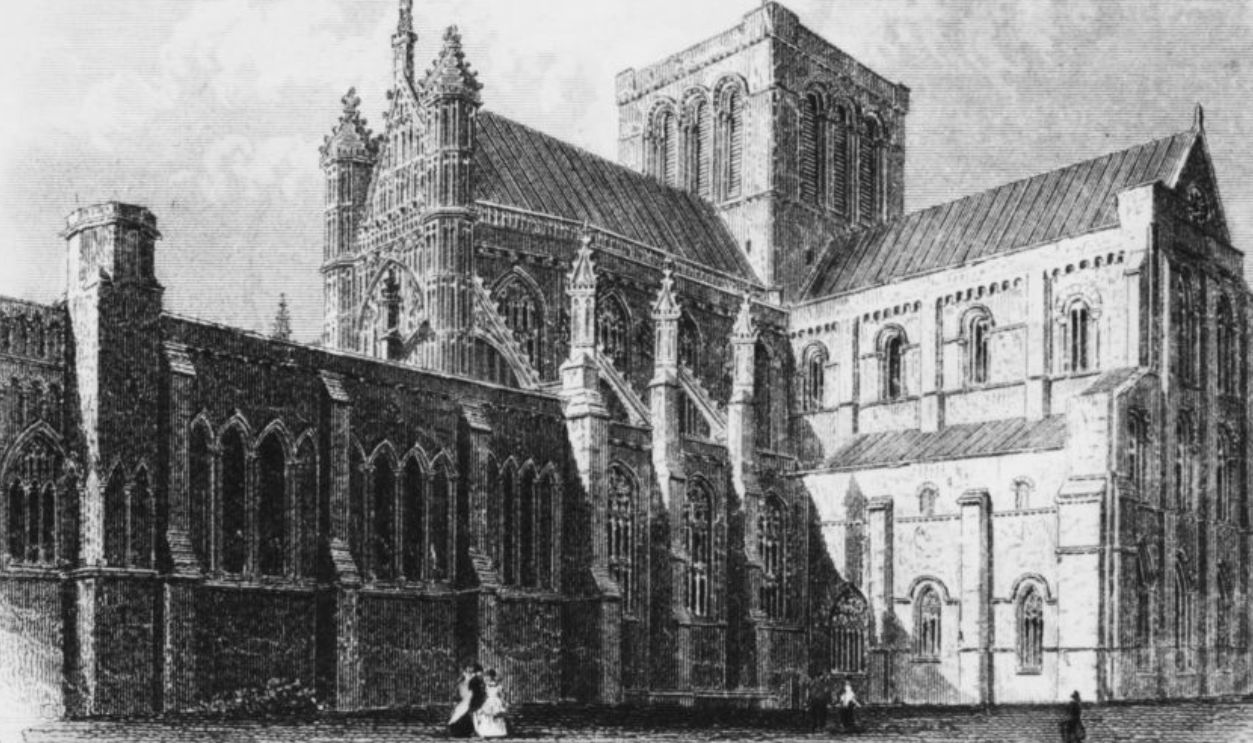
William II’s remains were buried beneath Winchester Cathedral’s central tower. But he wasn’t exactly resting in peace. In 1107, the tower collapsed. To devout chroniclers, it wasn’t a structural failure—it was divine judgment. They saw the wreckage as yet another sign that God despised the “pagan king”.
Thankfully, his soul was resting elsewhere.
48. He Got His Own Stone
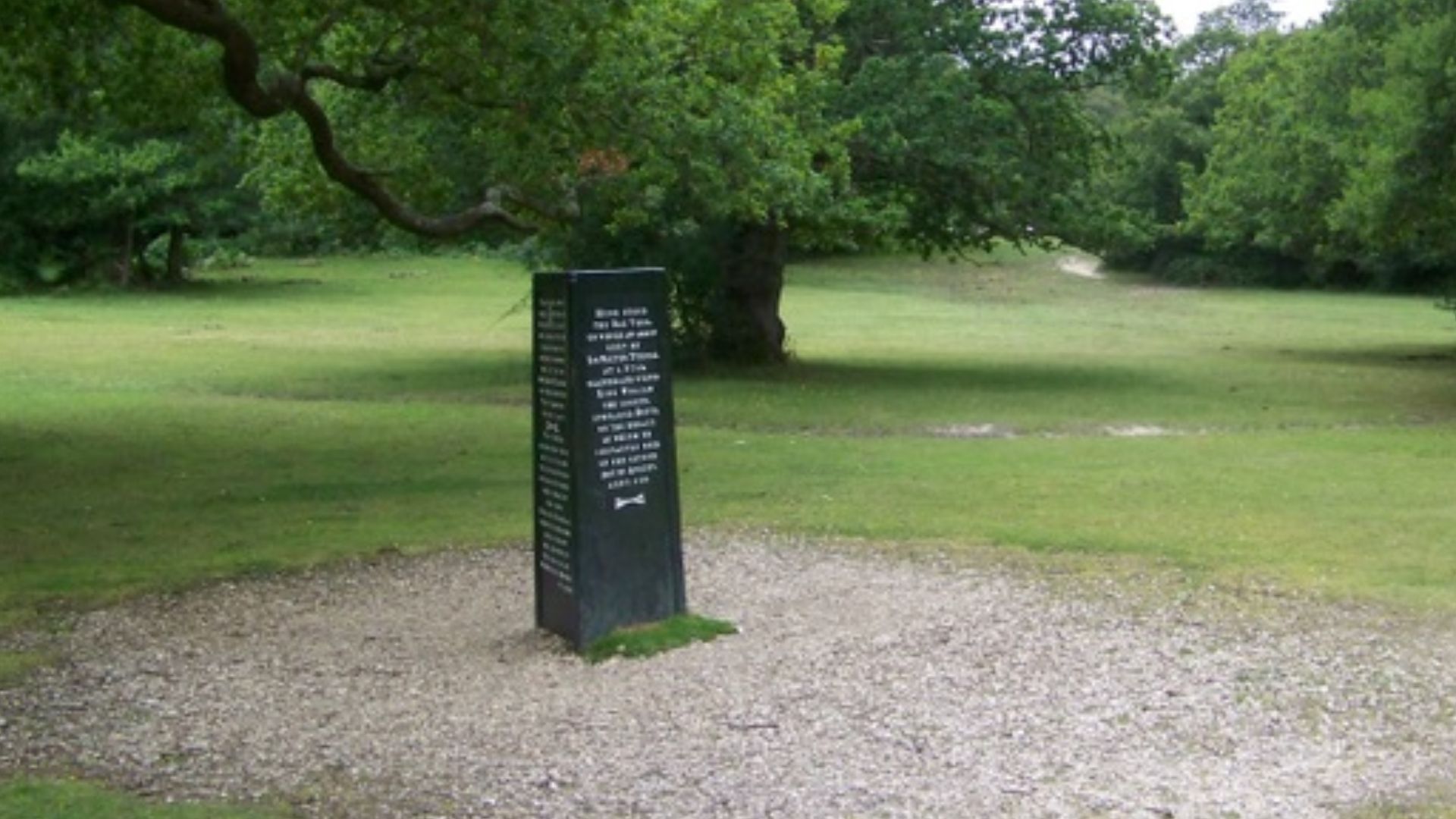
William II wasn’t the most popular king—but he was solid as a rock. Near Minstead, a monument called the “Rufus Stone” marks the alleged place where William II fell. Its inscription spins a tidy tale: “Here stood the Oak Tree, on which an arrow shot by Sir Walter Tyrrell at a Stag, glanced and struck King William the Second, surnamed Rufus, on the breast, of which he instantly [perished], on the second day of August, anno 1100”.
Carved in stone—though not necessarily true.
 Trish Steel, Wikimedia Commons
49. He Never Married—Or Even Tried
Over the course of his life, William II took no wife, no mistress, and fathered no heirs—not even an illegitimate one. As a bachelor king, he would normally have faced immense pressure to marry—yet proposals came and went with no action from him at all. For his critics, this mystery fueled endless speculation.
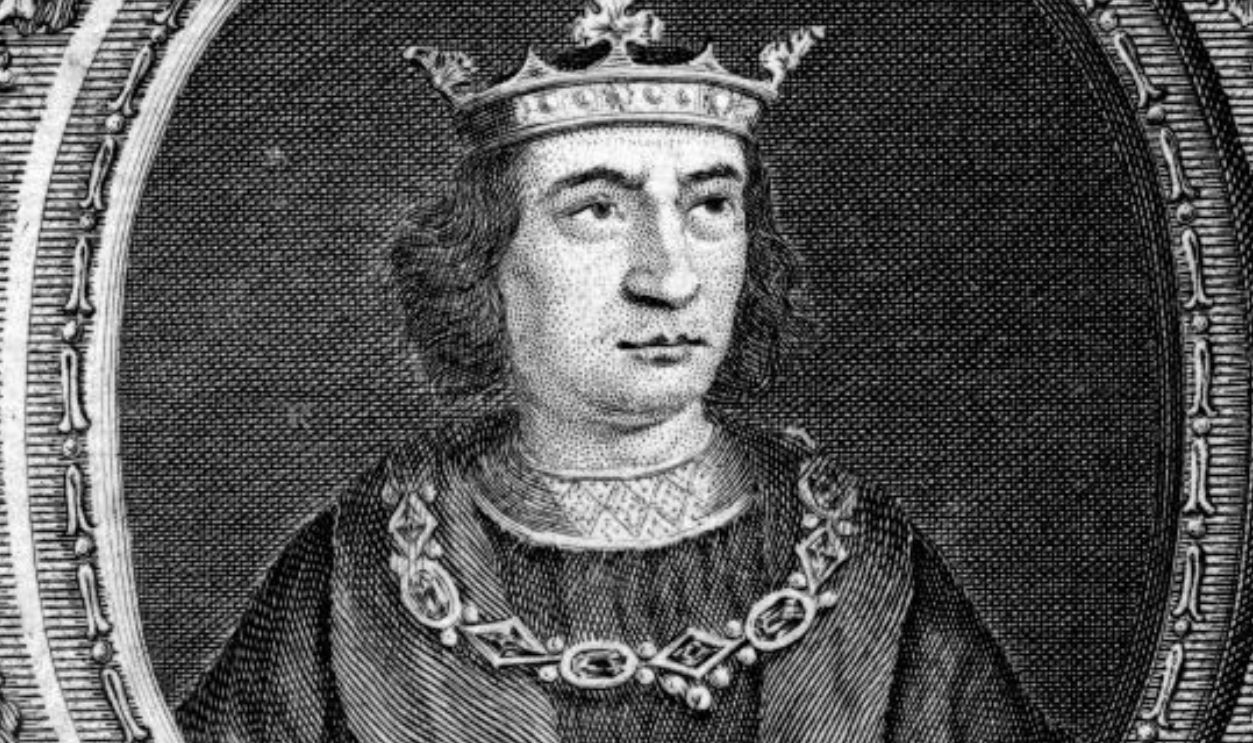
50. He Was “Addicted” To “Vice”
Historian Frank Barlow didn’t sugarcoat William II’s reputation. He described him as a “rumbustious, devil-may-care soldier…with no cultivated tastes”. And he didn’t stop there. Barlow shed some light on the potential cause of William II’s permanent bachelorhood when he wrote that William II was “addicted to every kind of vice”—and used some choice words to describe what those vices were…namely, the products of lust between two men.
But even Barlow admitted there was another side.
 Mississippi Department of Archives and History, Wikimedia Commons
51. He Still Had Admirers
Barlow wasn’t totally negative in his accounts of William II. He also noted William’s strengths, praising his “chivalrous virtues” and numerous achievements. He enforced order in England, secured Normandy, expanded into Wales, humbled Scotland, and pressed relentlessly at the Vexin.
Still, not even his maker could love him.
 Internet Archive Book Images, Wikimedia Commons
52. He Was “Abhorrent To God”
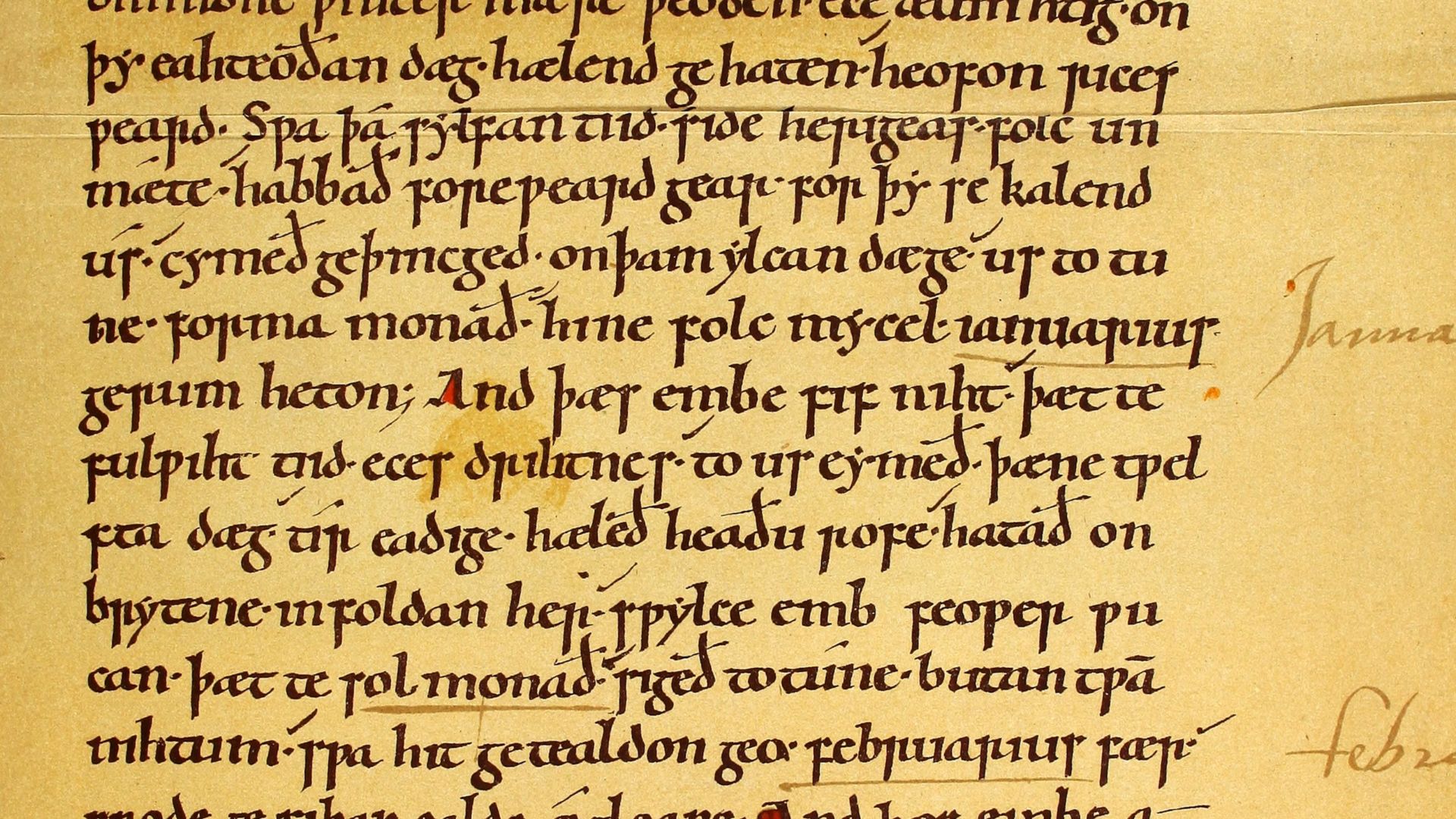
History is divided on William II. Was he a bold leader, fearlessly expanding and defending his borders—like his legendary father? Or was he a greedy, lecherous pagan? Well, according to the Anglo-Saxon Chronicle, William II was “hated by almost all his people”.
But the real kicker was that he was, according to the Chronicle, “abhorrent to God”.
 Author Benjamin Thorpe, Wikimedia Commons
You May Also Like
Corrupt Facts About King John, The Most Hated King Of England
Ruinous Facts About Henry III Of France, The Hated King









.jpg)
_School_-_William_II_(c.1056%E2%80%931100)_-_222817_-_National_Trust.jpg)
.jpg)