The Last Walk
The king and the doctor were expected back for supper. When they didn’t return, staff searched the grounds of Berg Castle. The clues they found would lead them to a scene that Bavaria has been trying to explain ever since.
He Became King At 18
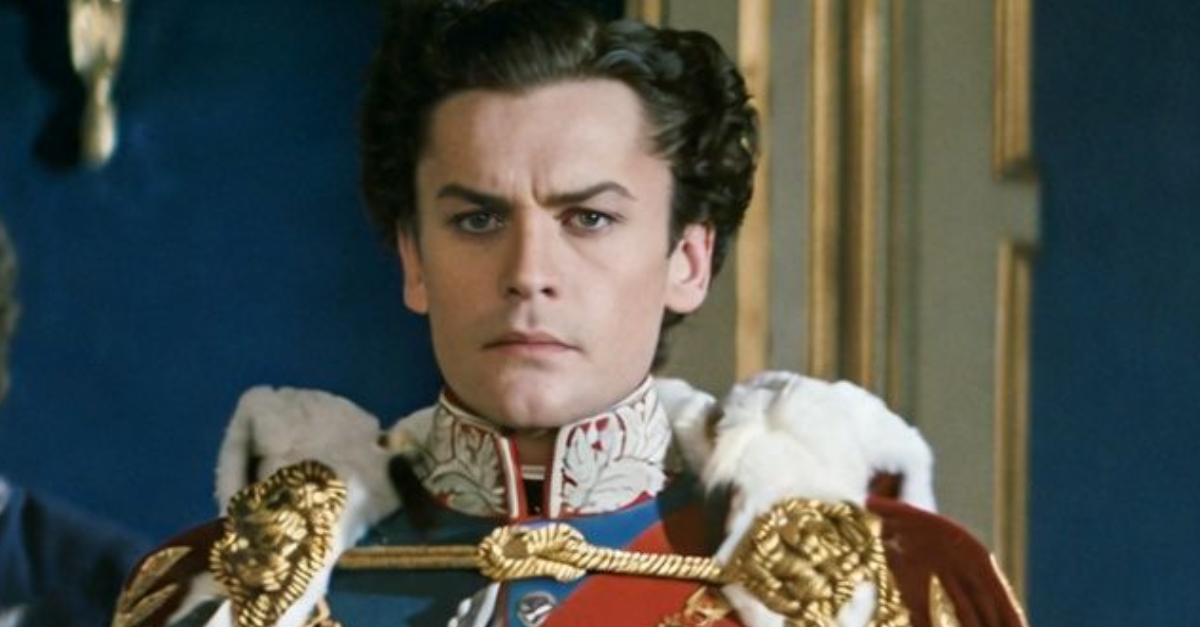
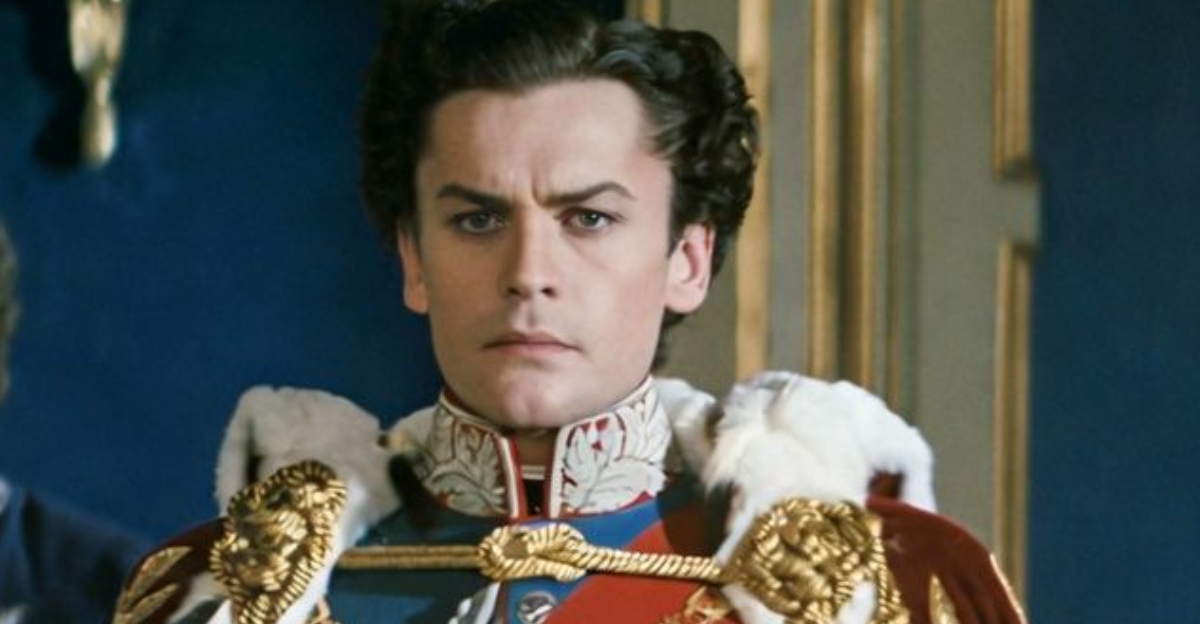
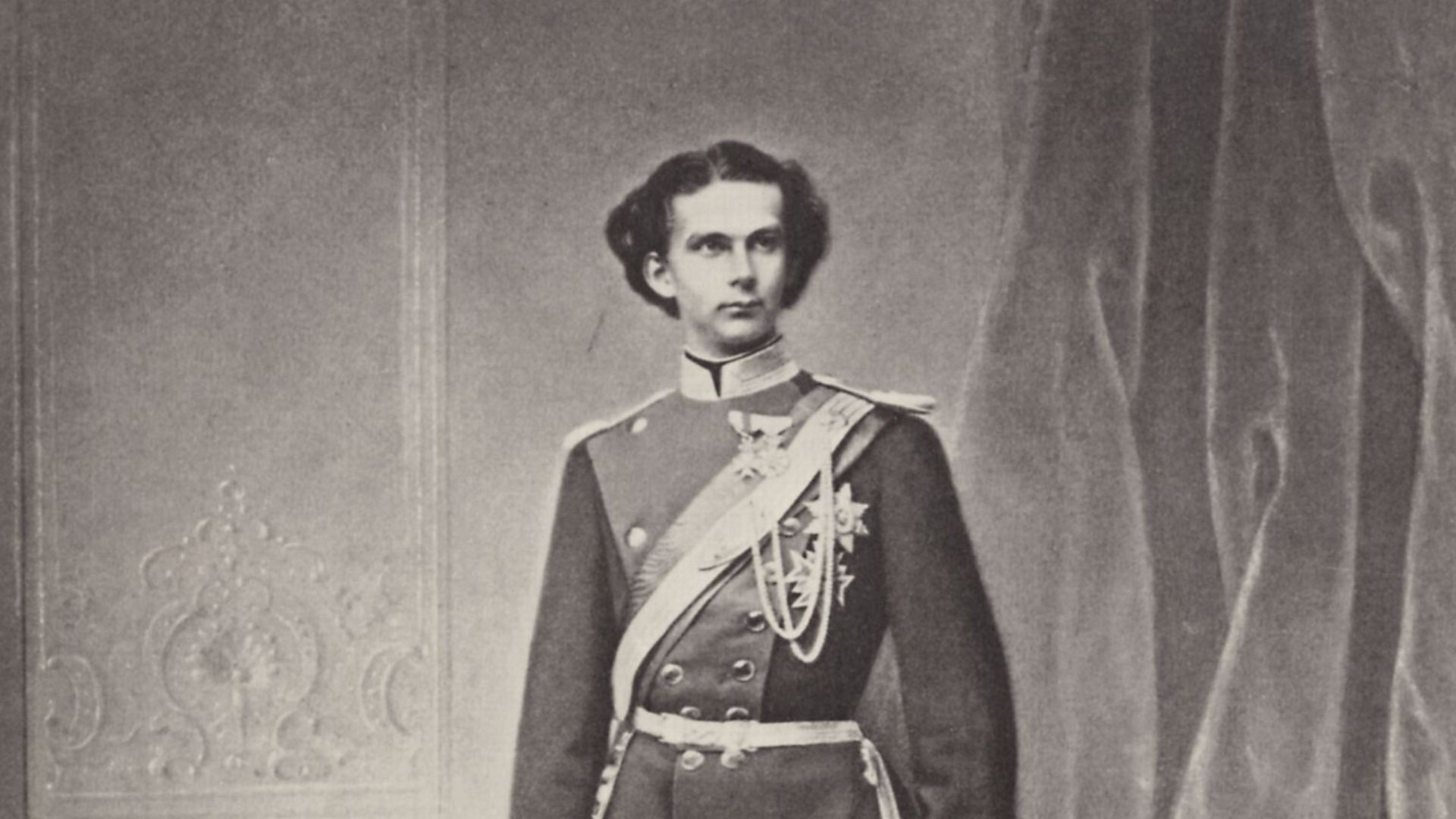
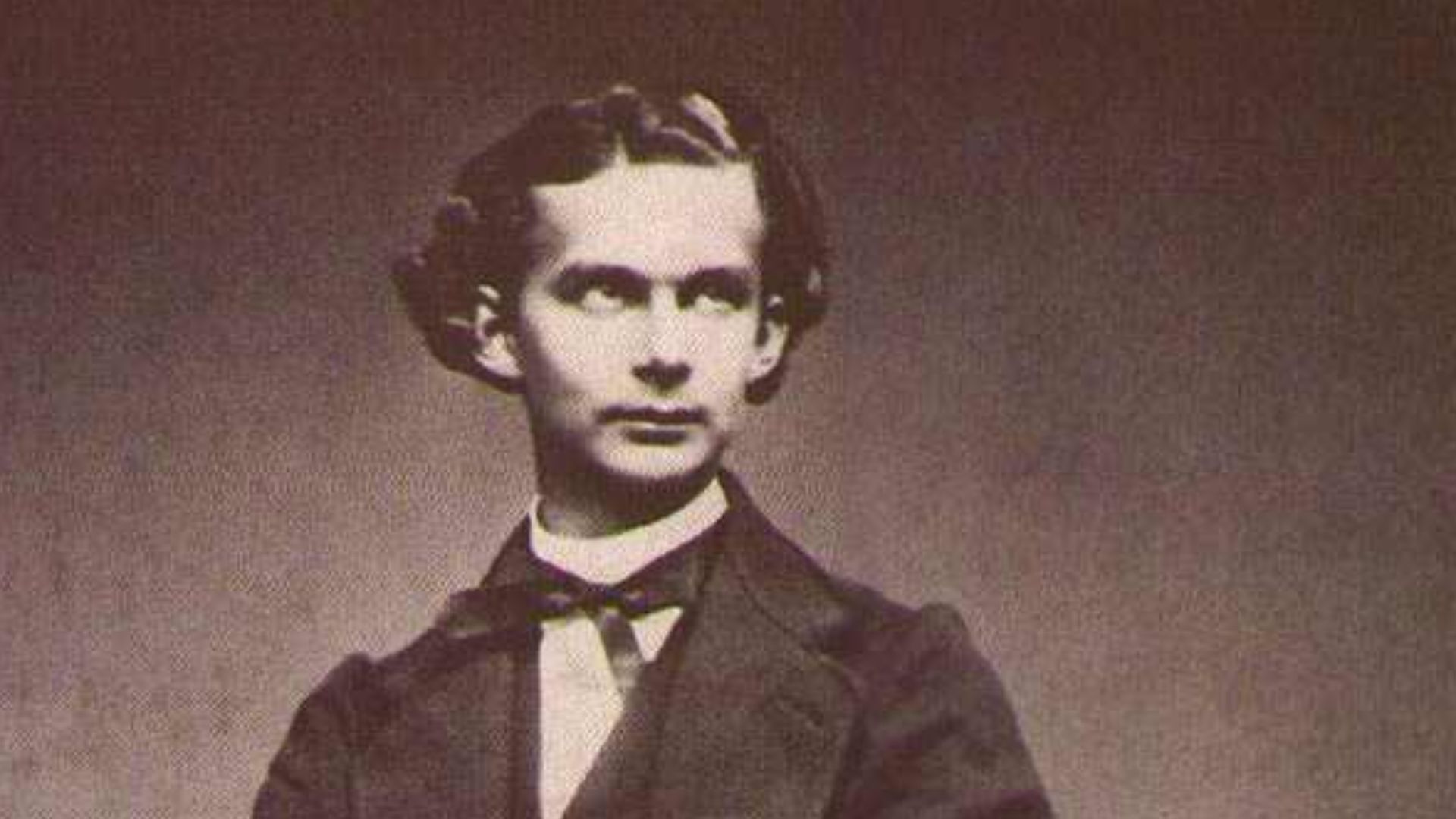
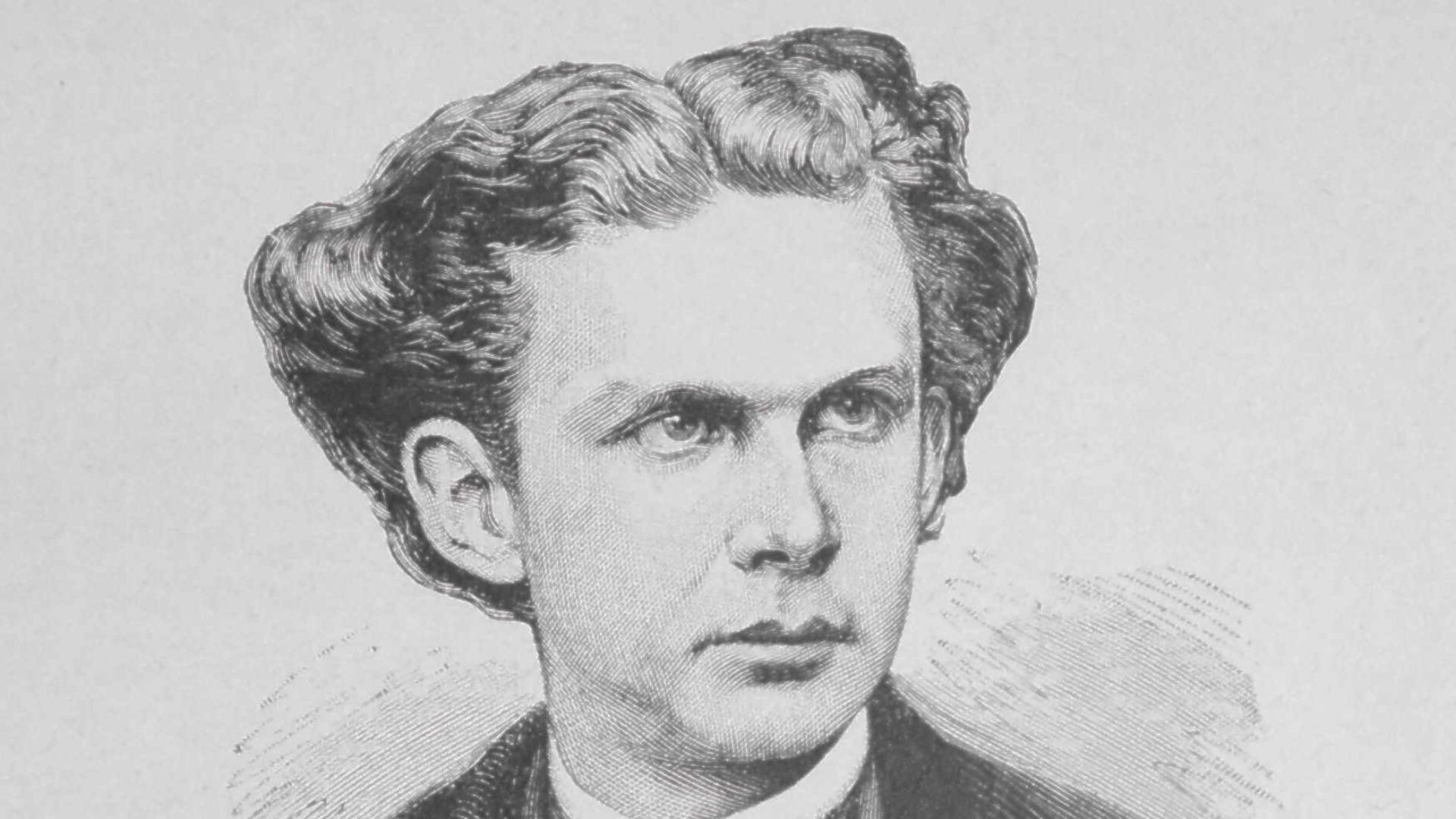
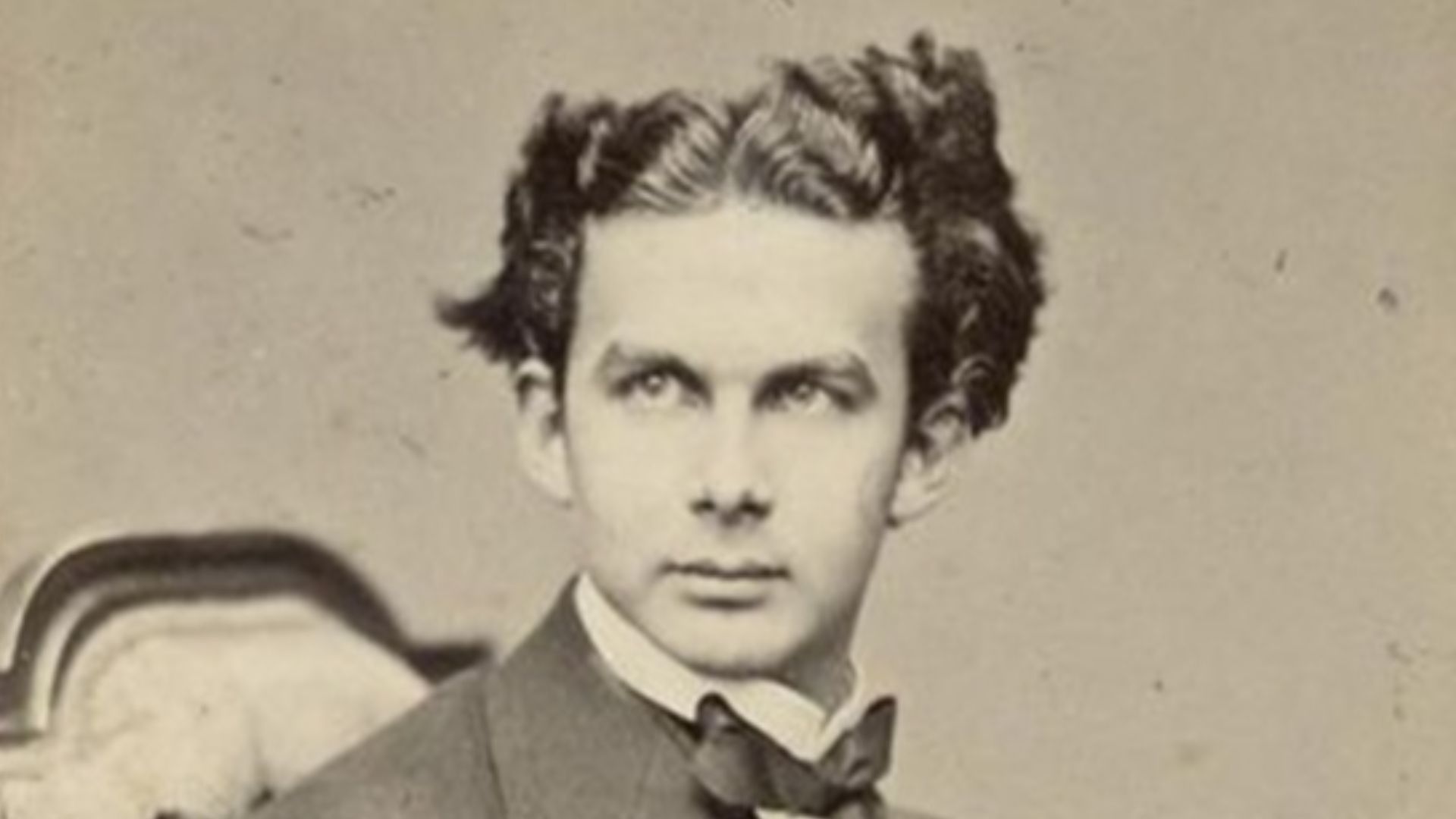
Ludwig II inherited Bavaria’s throne in 1864, before he had much experience of politics or adult life. He later admitted that he had become king too early. His youth and good looks drew attention, but as the years passed, governing seemed to interest him less and less.
 Josef Albert, Wikimedia Commons
His Castles Became His World
Ludwig poured his attention into palaces, private performances, and plans for buildings that looked as though they belonged in another century. Neuschwanstein is now the famous one, but he also built Linderhof and began Herrenchiemsee. They were extraordinary projects, and their bills kept coming.
 AuHaidhausen, Wikimedia Commons
The Money Was Running Out
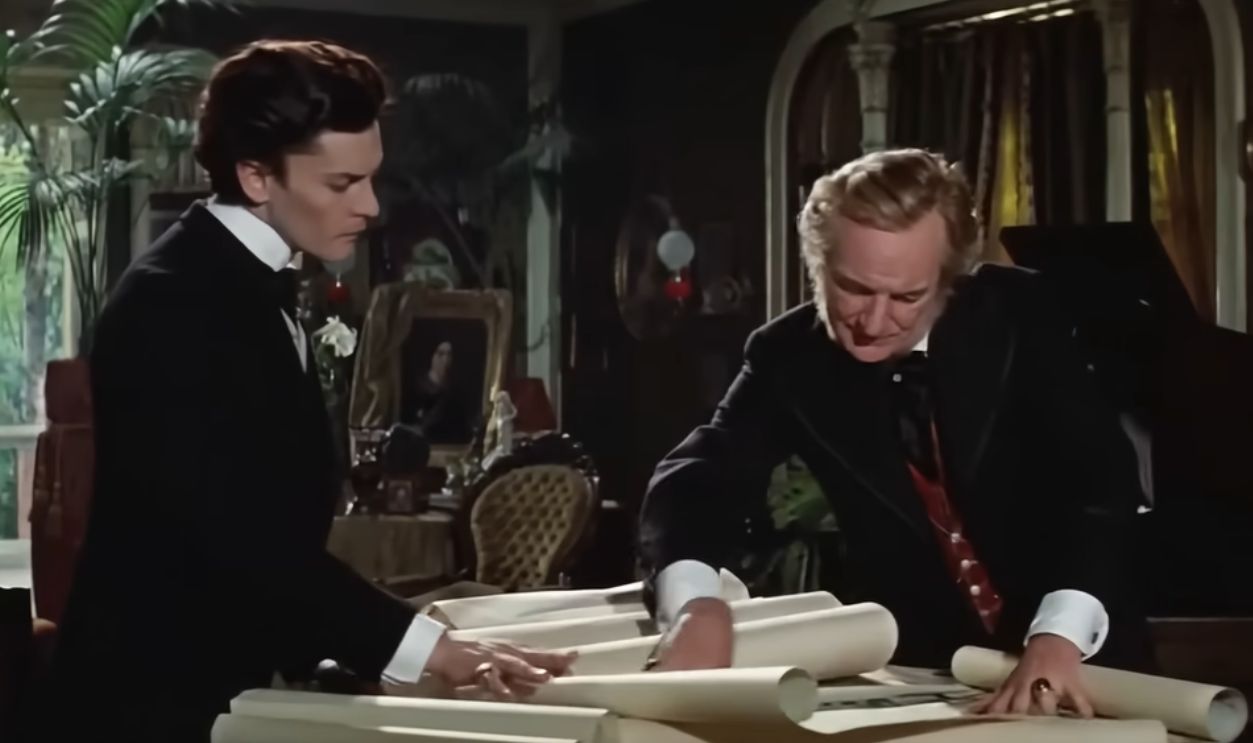
By the mid-1880s, Ludwig’s debts had become a serious problem for the royal household. Loans bought him time, but he resisted calls to halt construction and spend less. Creditors were threatening legal action, while newspapers discussed the king’s finances in public. His ministers wanted a solution.
 Screenshot from Ludwig, Mega Film (1973)
He Was Hard To Reach
Ludwig had also withdrawn from public life. He slept during the day, stayed awake at night, and often avoided meeting his ministers face to face. Some orders passed through a valet instead. That made running a government difficult, though unusual habits alone could not settle whether he was fit to rule.
 Unknown authorUnknown author, Wikimedia Commons
There Were More Serious Concerns
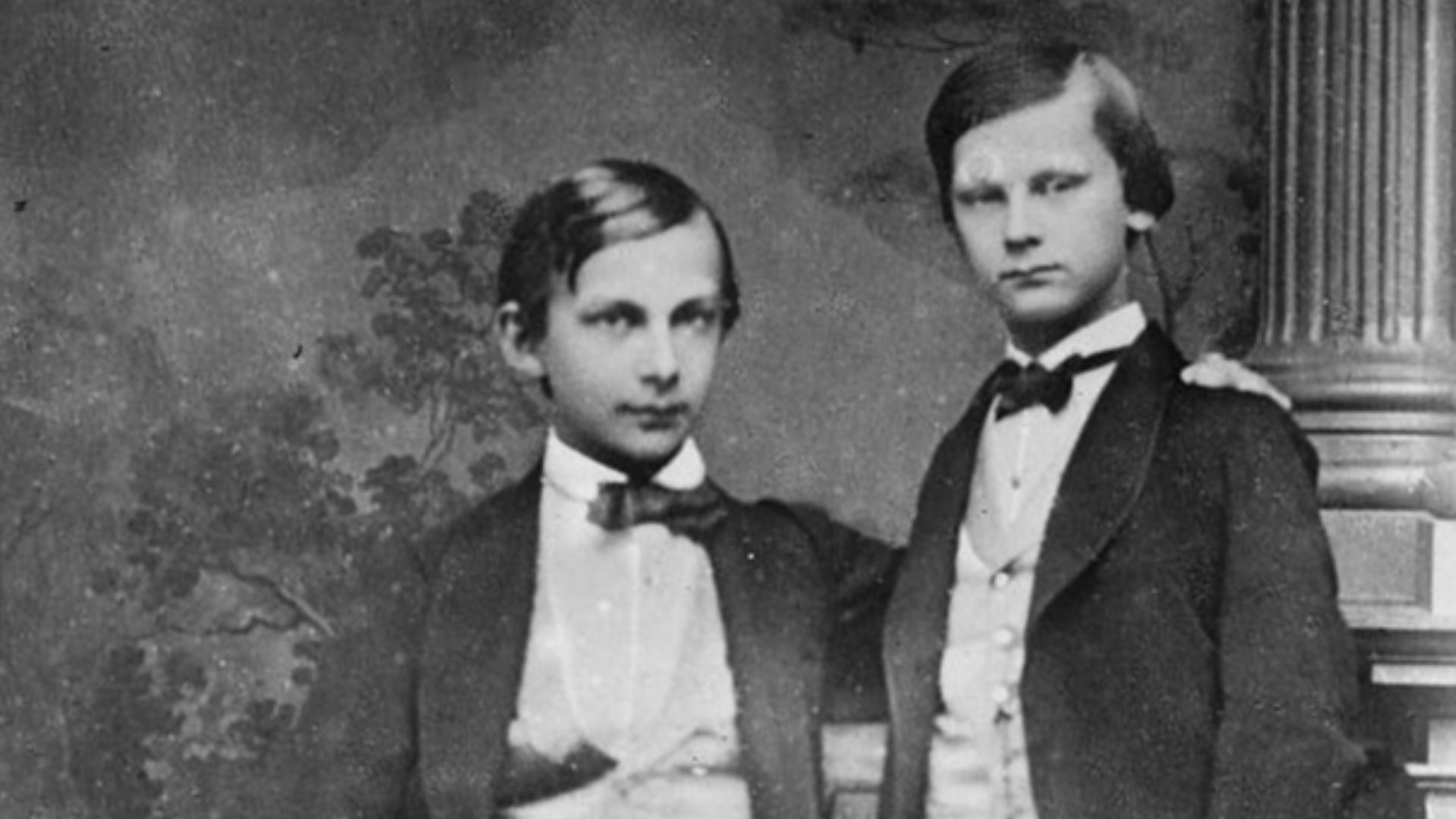
Accounts from people around Ludwig described angry outbursts and harsh treatment of servants. His younger brother Otto had a severe mental illness, which added to the fears of those watching the king. These concerns deserve to be taken seriously. So does the way the investigation into Ludwig was conducted.
 Unidentified photographer, Wikimedia Commons
A Psychiatrist Entered The Story
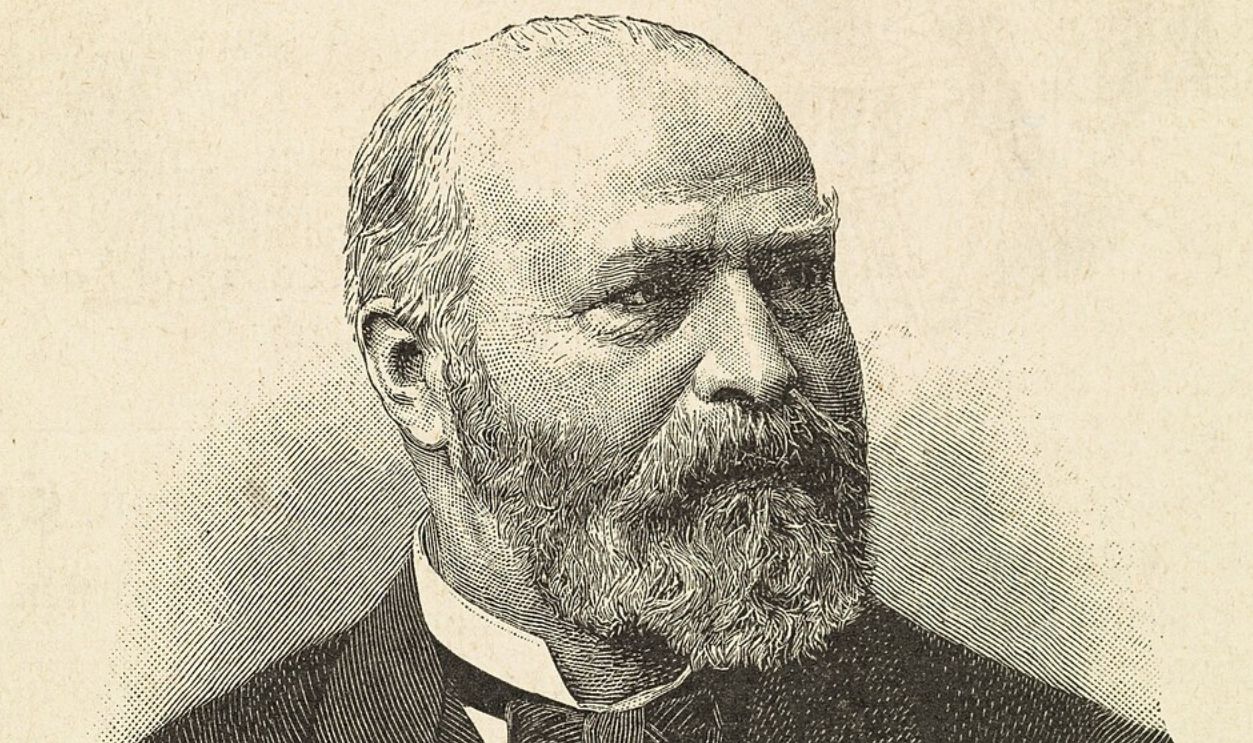
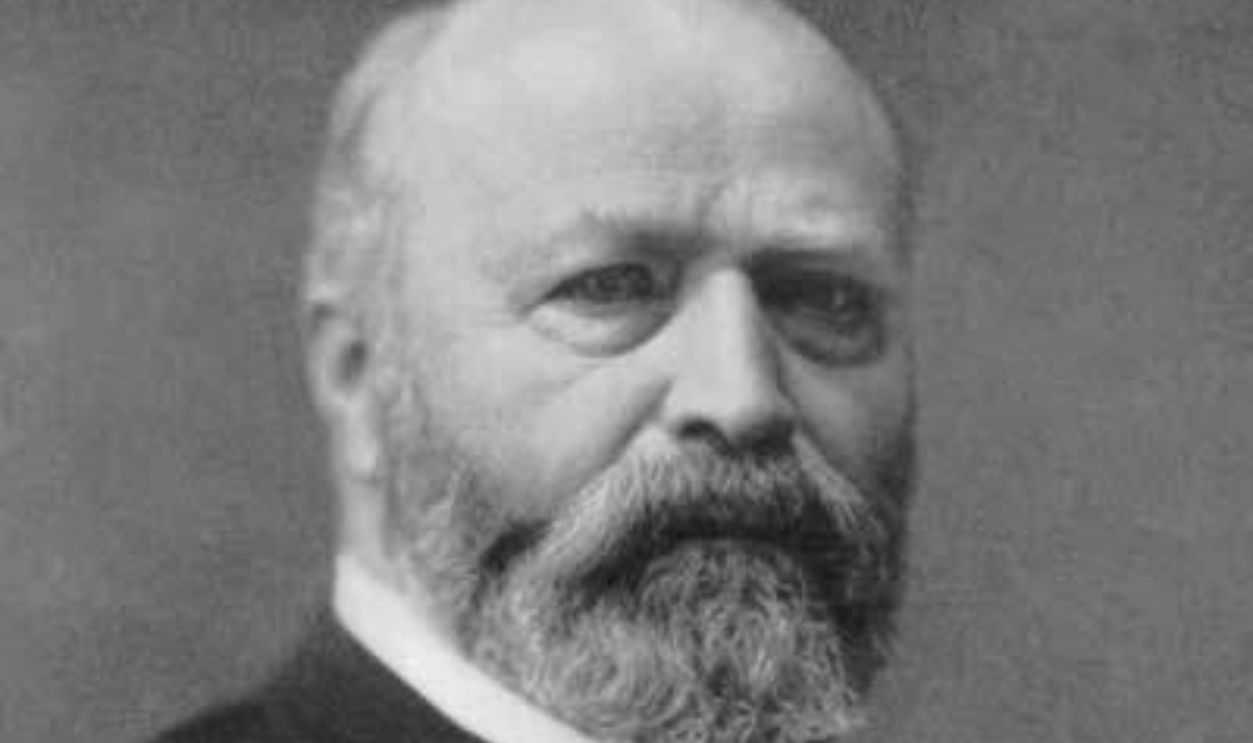
Bernhard von Gudden was a respected psychiatrist who had cared for Ludwig’s brother. In 1886, he was asked to assess whether Ludwig could continue governing. His opinion would carry enormous weight: if the king was judged unable to rule, his uncle Luitpold could take over as regent.
Gudden Had A Problem
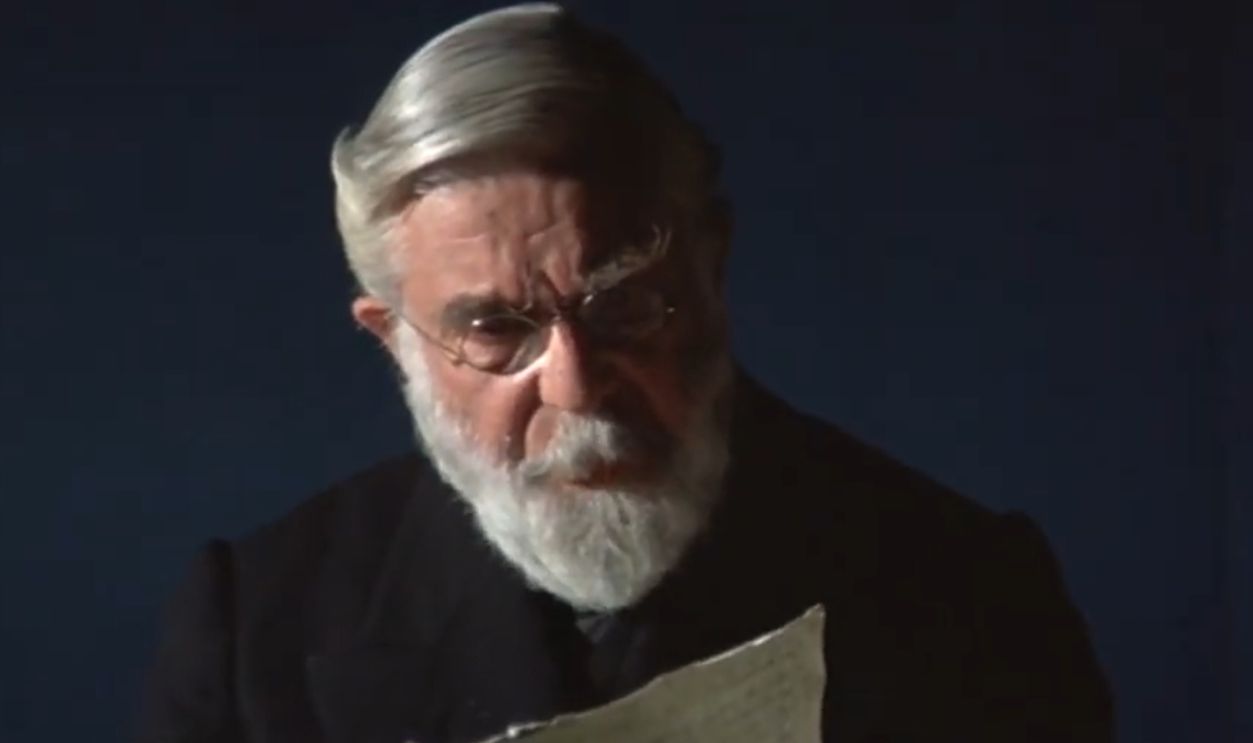
Gudden had met Ludwig years earlier, but he did not personally examine him for the report. Instead, he relied on documents and accounts from selected witnesses. Three other psychiatrists signed the assessment without examining the king either. It was an extraordinary basis for a decision that could end a reign.
 Screenshot from Ludwig, Mega Film (1973)
The Report Was Damning
Dated June 8, 1886, the report described Ludwig’s condition as incurable and said he would be unable to govern for the rest of his life. It included his isolation, his behavior toward servants, and some of his more unusual ideas. Within days, those pages had changed Bavaria’s government.
 Franz Robert Richard Brendámour, Wikimedia Commons

History's most fascinating stories and darkest secrets, delivered to your inbox daily.
Was The Decision Lawful?
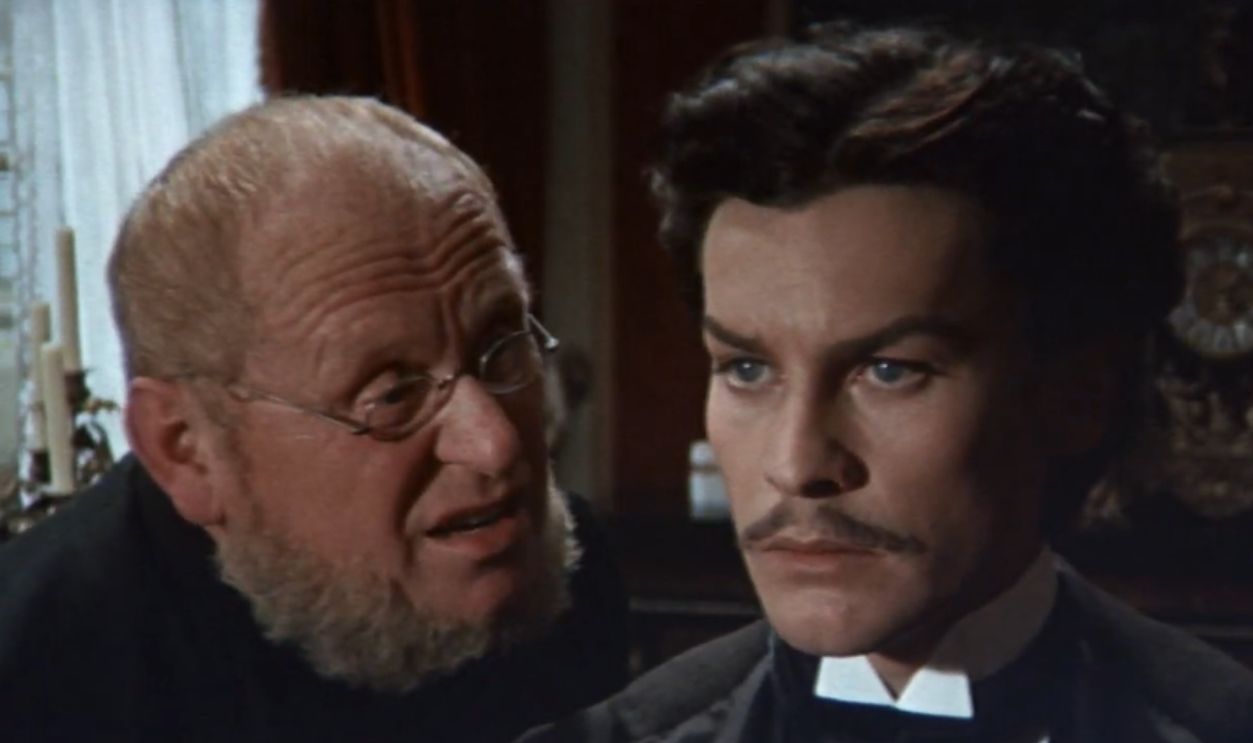
Bavaria’s constitution allowed a regency if a monarch could not exercise his authority for more than a year. It gave little guidance on how to establish that incapacity. Ludwig was not involved in the process, and the ministers’ secretive approach left questions about whether they had followed a sound procedure.
 Screenshot from Ludwig, Mega Film (1973)
His Uncle Took Over
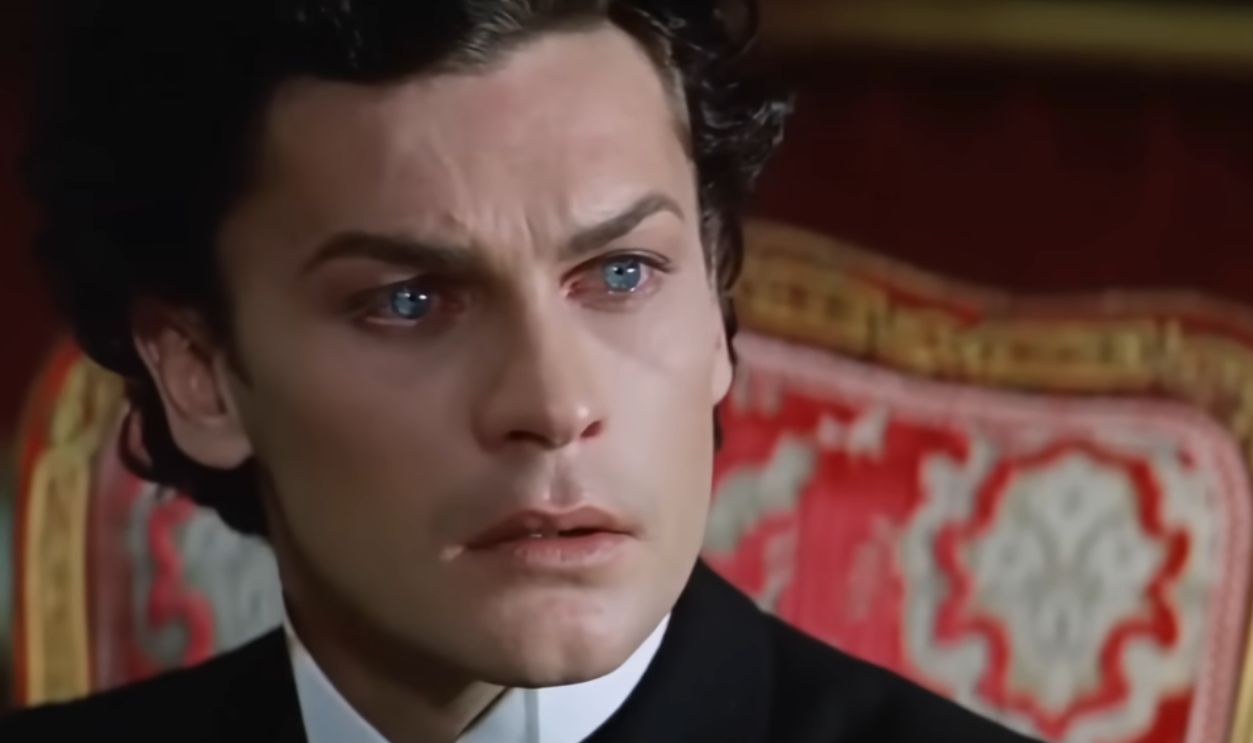
A commission arrived at Neuschwanstein early on June 10 to inform Ludwig of the decision and place him under medical supervision. His gendarmes detained the visitors. That same day, his uncle Luitpold’s regency was publicly proclaimed. The commission was released and returned to Munich without the king.
 Screenshot from Ludwig, Mega Film (1973)
Ludwig Still Had Supporters
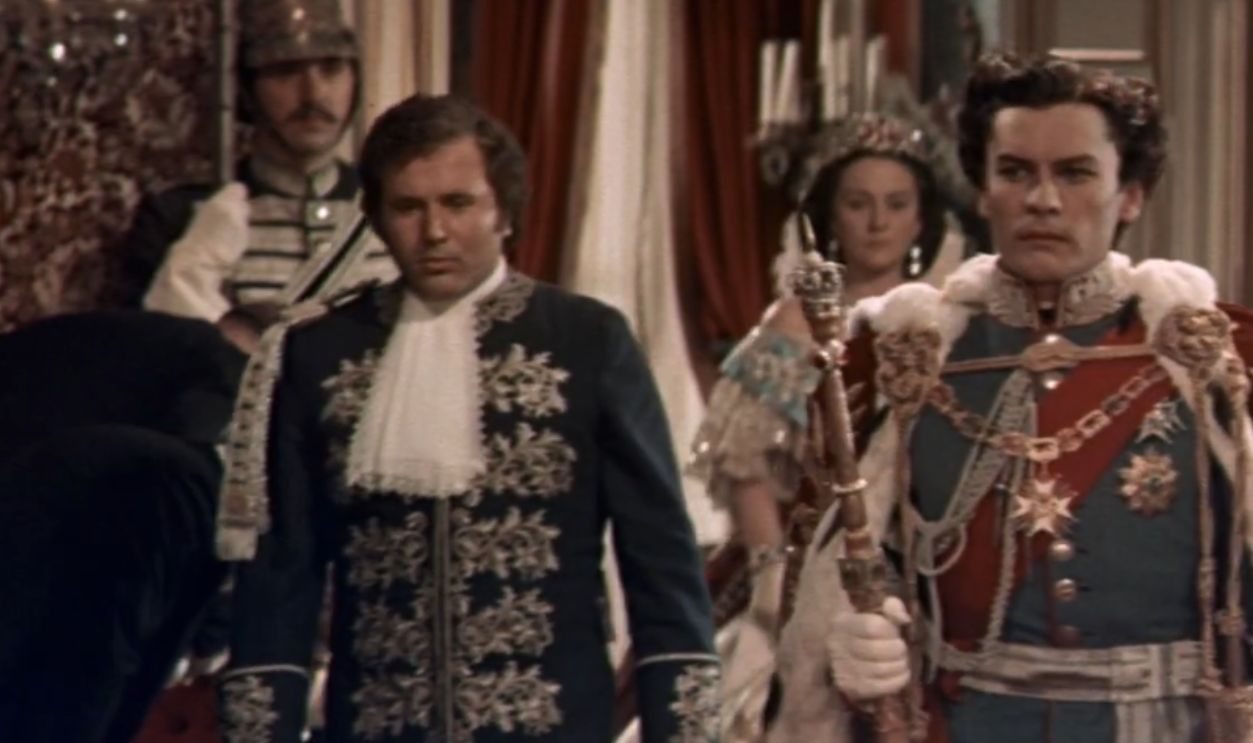
People near Neuschwanstein were angry about the attempt to take their king. A loyal coachman even offered to help Ludwig escape, but he refused. Others urged him to challenge the decision publicly. He took no effective step to reverse it, and the authorities prepared to try again.
 Screenshot from Ludwig, Mega Film (1973)
Gudden Returned To Neuschwanstein
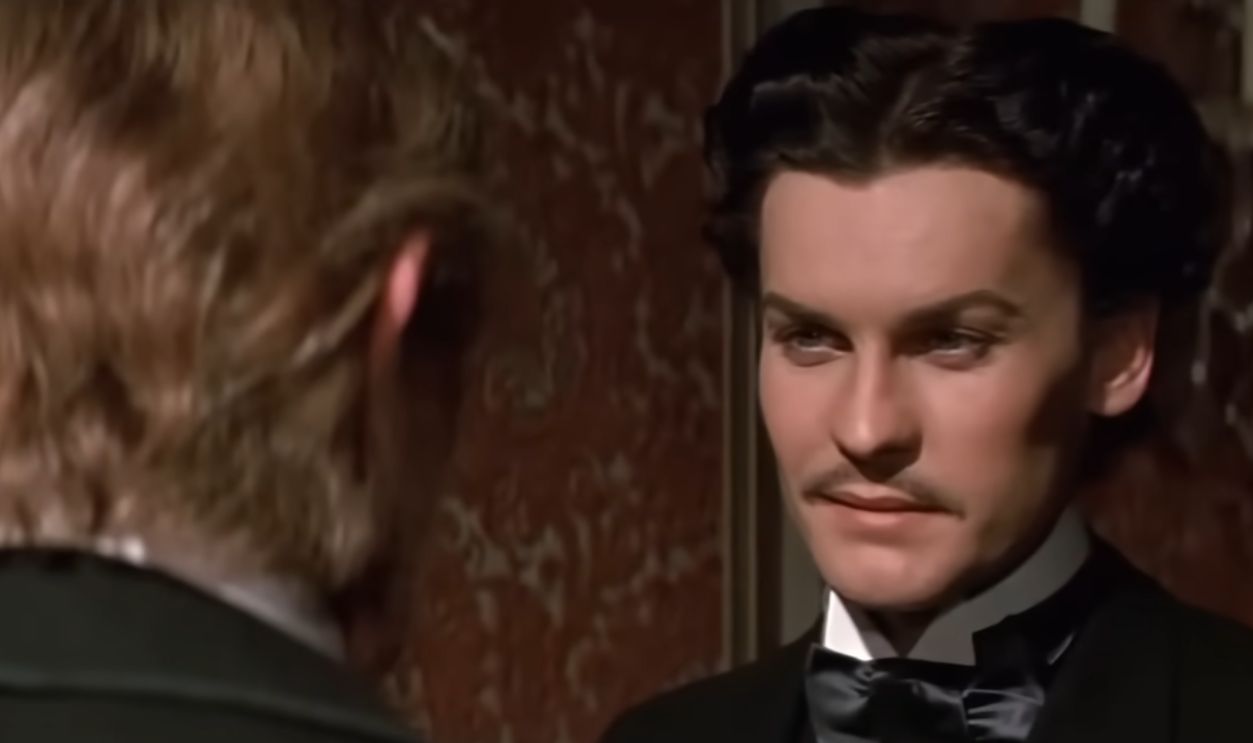
Late on June 11, Gudden arrived with medical staff to take Ludwig into custody. The king’s valet had warned them that Ludwig had spoken about harming himself. Yet when Gudden confronted him, he reportedly found Ludwig composed. Then the king asked a question the doctors had failed to answer.
 Screenshot from Ludwig, Mega Film (1973)
The King Asked The Obvious Question
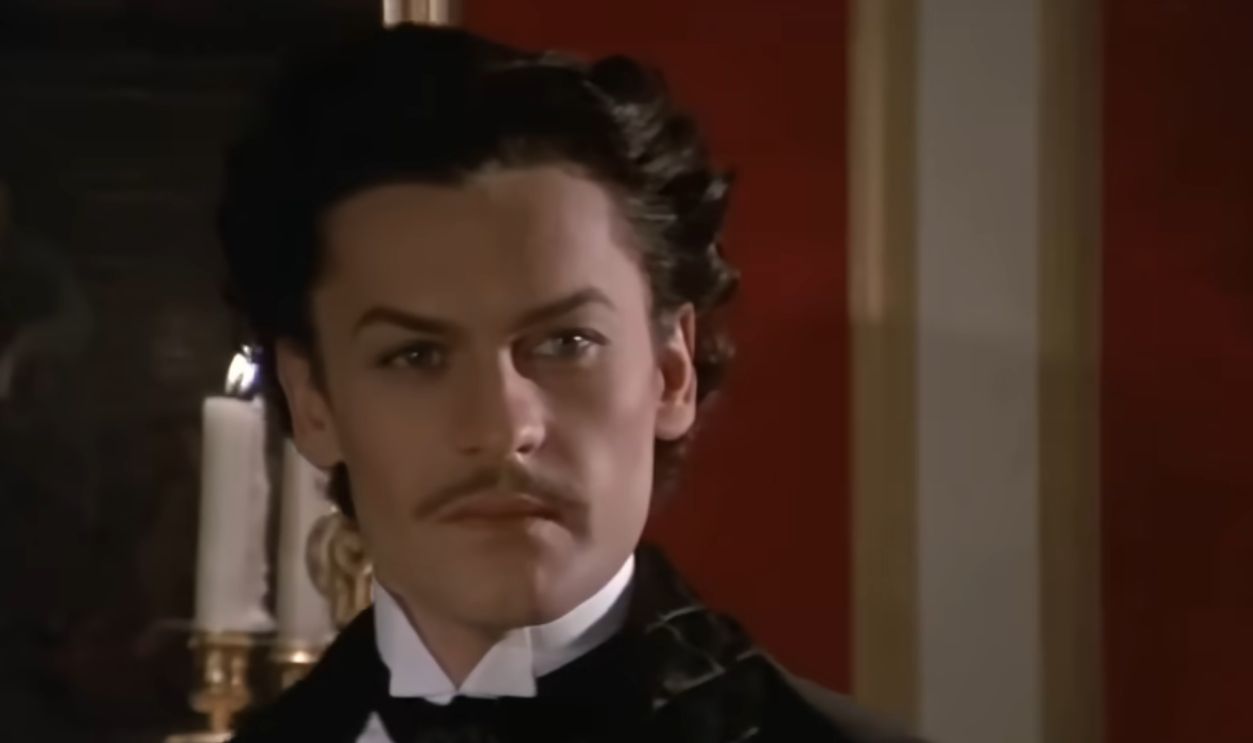
According to an assistant physician’s later account, Ludwig asked how the doctors could declare him ill without first examining him. Gudden answered that the case files were conclusive. Whatever one thinks of Ludwig’s condition, the exchange captures why his removal remains so disputed.
 Screenshot from Ludwig, Mega Film (1973)
They Took Him To Berg
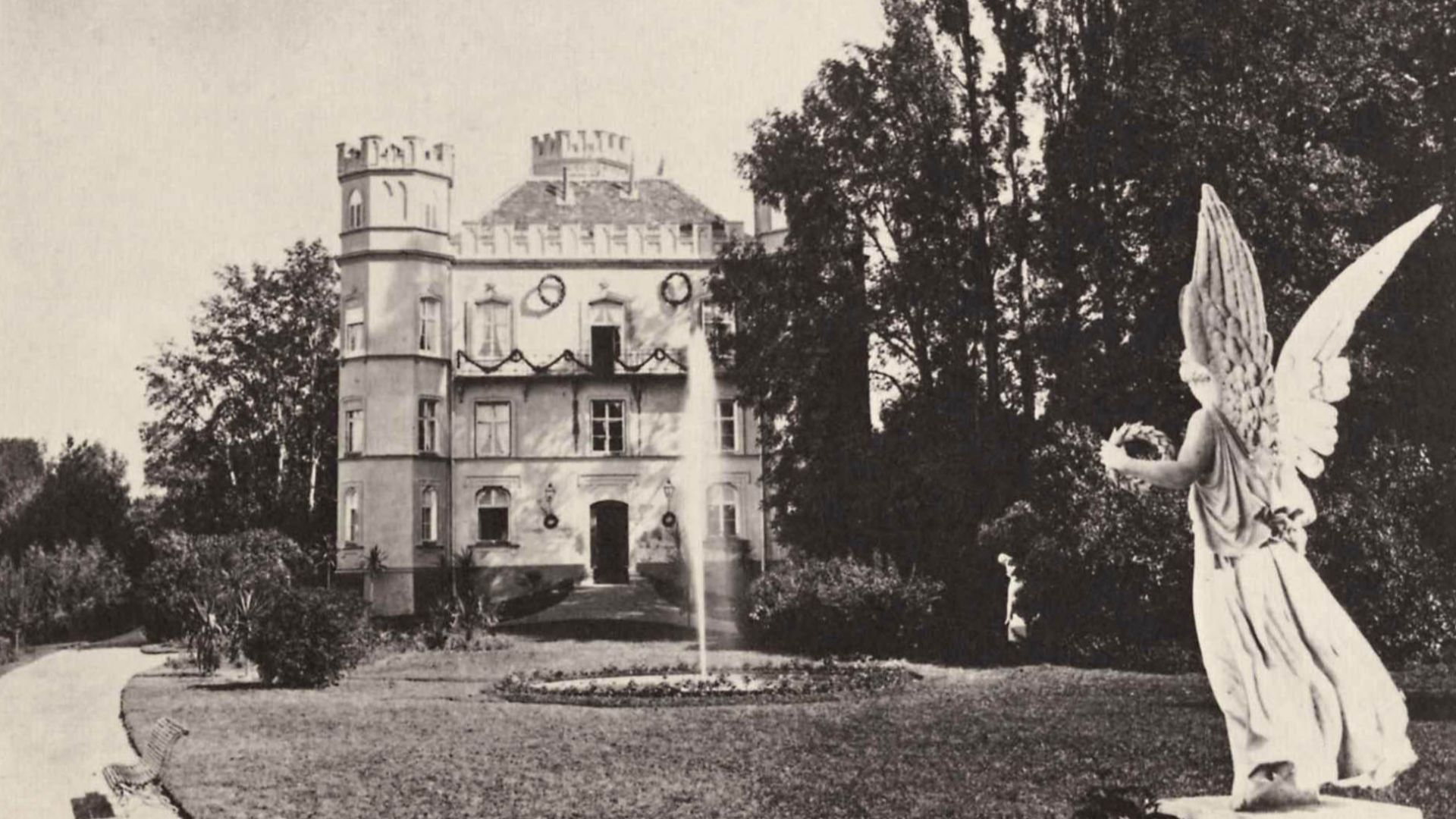
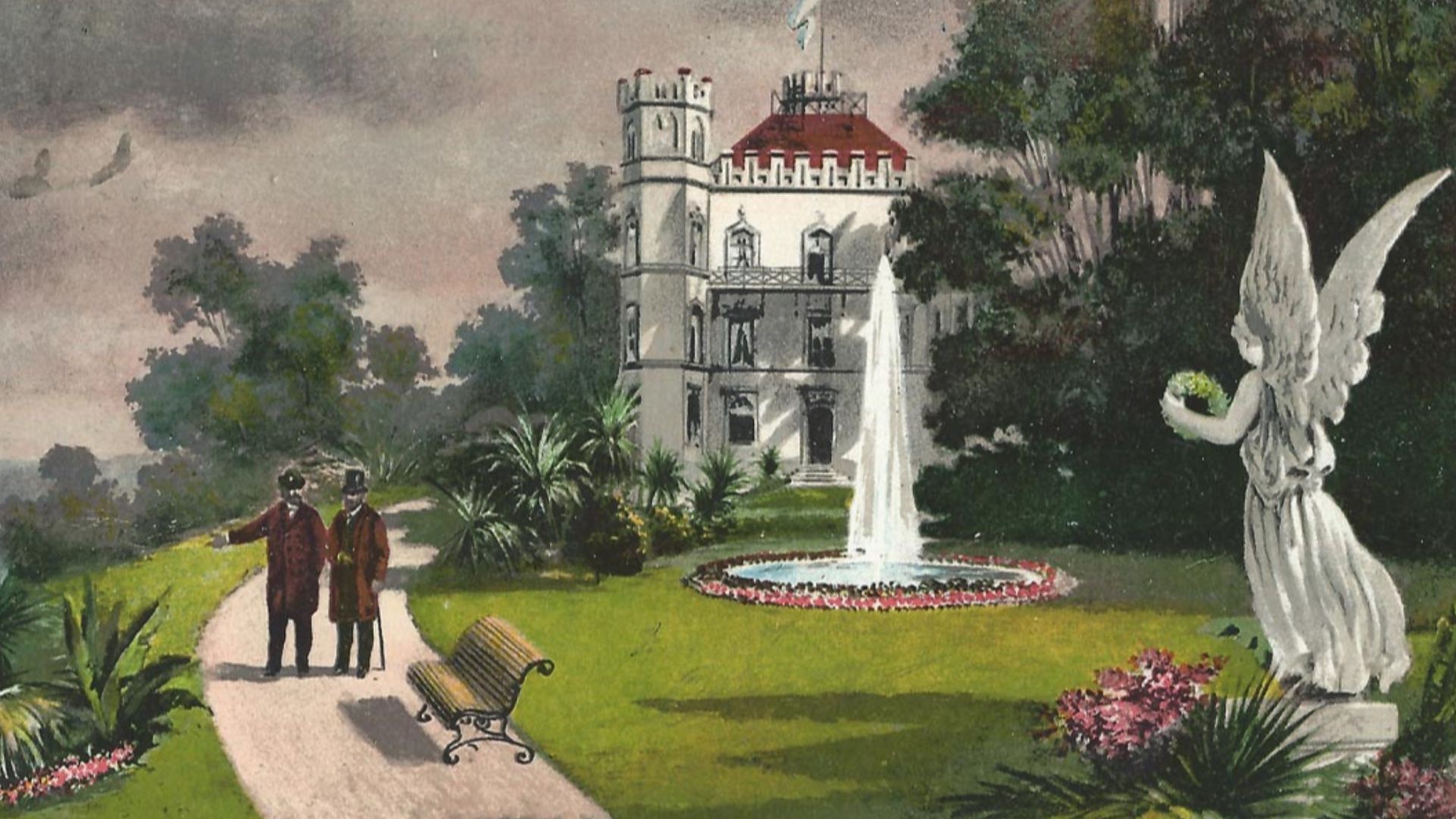
On June 12, Ludwig was brought to Berg Castle beside Lake Starnberg. He knew the residence well, but it had been prepared for a very different stay. Staff had removed door handles and installed peepholes so he could be watched. Ludwig remained king in name, but he was now under guard.
 Josef Albert, Wikimedia Commons
Gudden Tried A Gentler Approach
The doctor wanted Ludwig to follow a regular routine and did not want him to feel constantly restrained. Walks were part of that plan. It was a delicate decision, especially since the staff had heard warnings that the king might harm himself. The lakeshore was close to the castle.
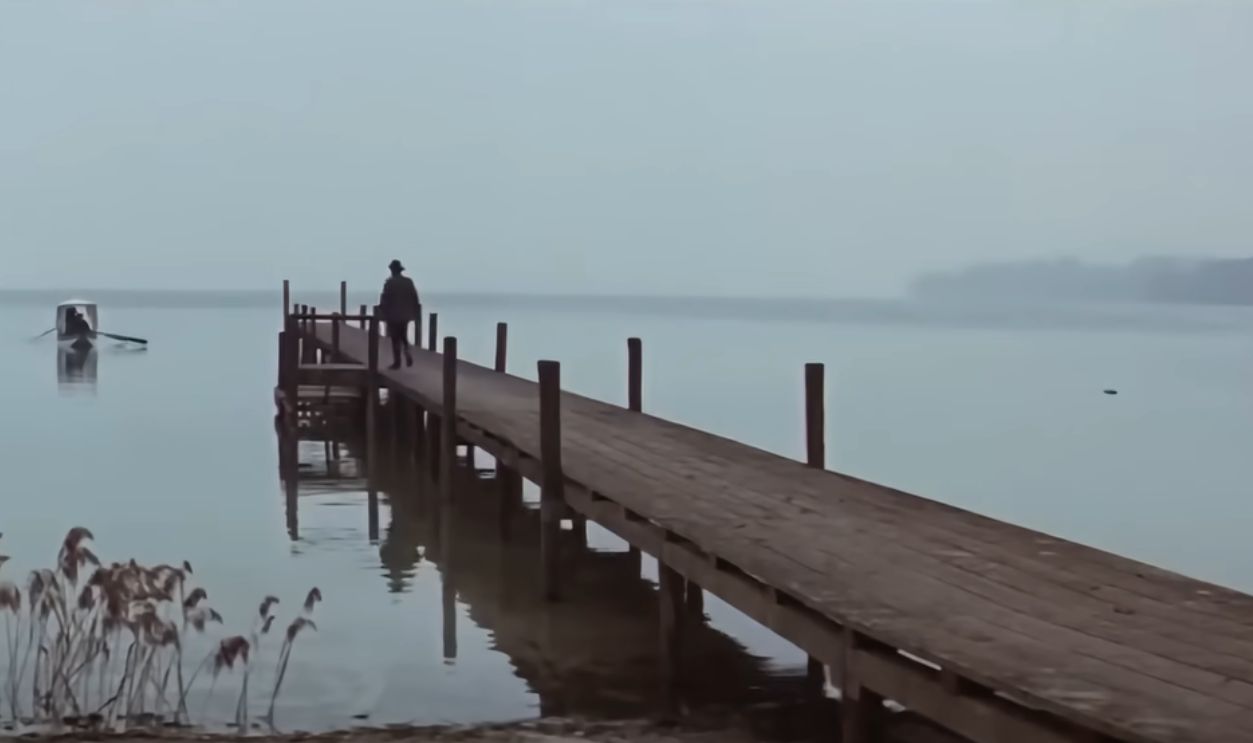 Screenshot from Ludwig, Mega Film (1973)
Sunday Began Calmly
June 13 was rainy. Ludwig met with doctors, ate breakfast, and walked with Gudden in the morning. His behavior seemed calm enough that they arranged a second walk for the evening. After everything that had happened at Neuschwanstein, that apparently quiet day may have reassured the doctor.
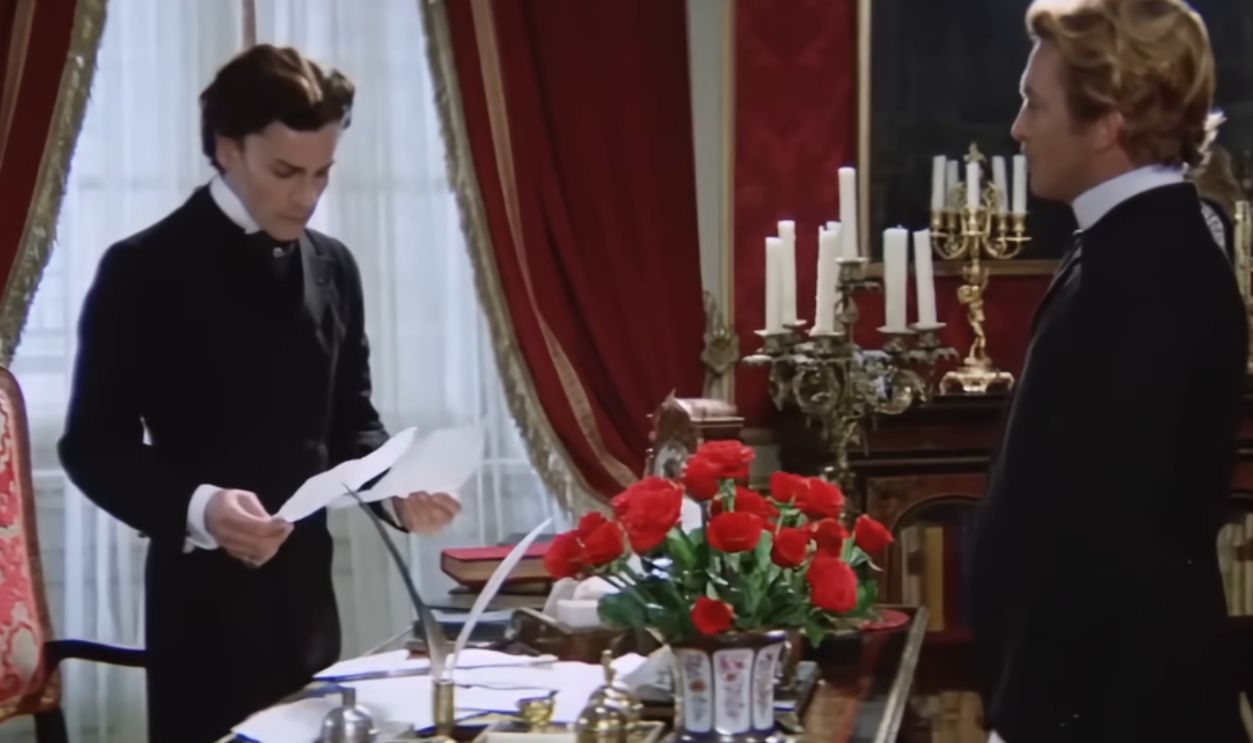 Screenshot from Ludwig, Mega Film (1973)
His Last Meal Was Different
Later that afternoon, Ludwig ate a large meal and drank beer, wine, and two small glasses of arak. A caretaker’s notes and the surviving menu give an unusually detailed account of those final hours. The museum at Lake Starnberg concludes that the king was intoxicated when he went out walking.
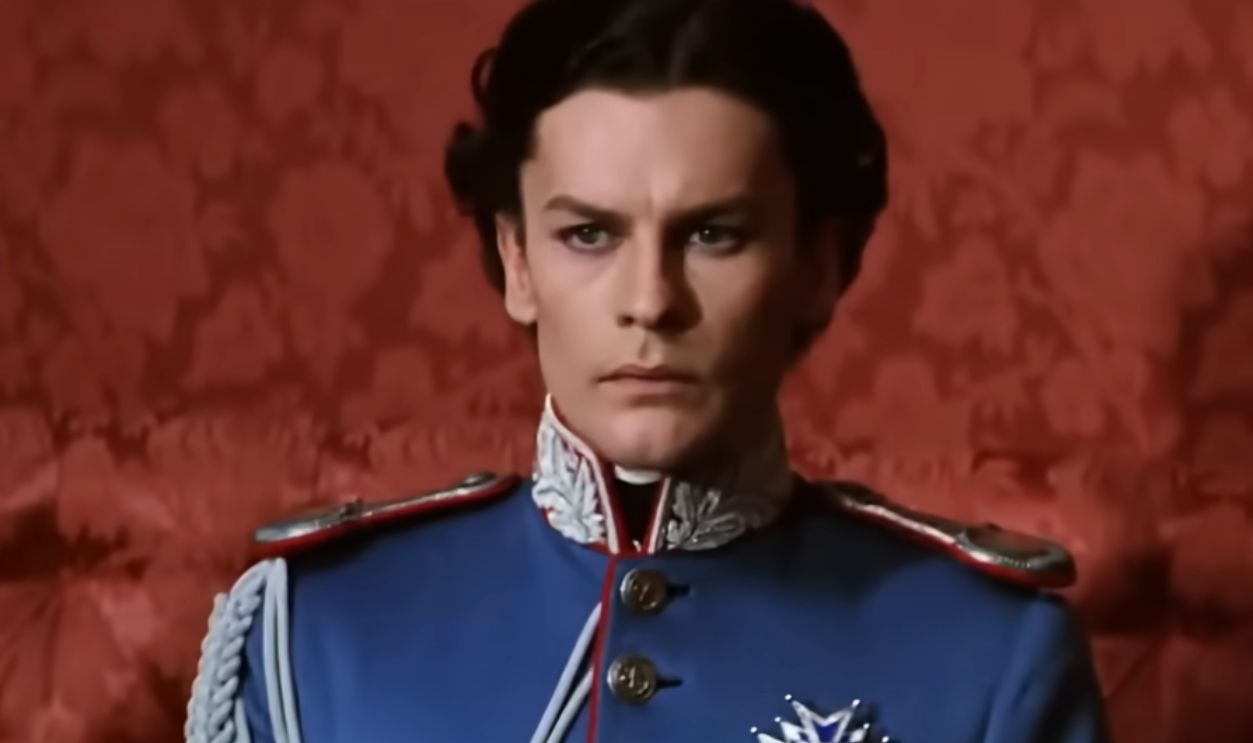 Screenshot from Ludwig, Mega Film (1973)
Then Came An Unusual Choice
At about 6:40 p.m., Ludwig and Gudden set out along a path near the lake. Gudden declined to have staff accompany them. They were expected back for supper at eight. No one else went with them, so no witness could later say exactly what happened when the two men left the path.
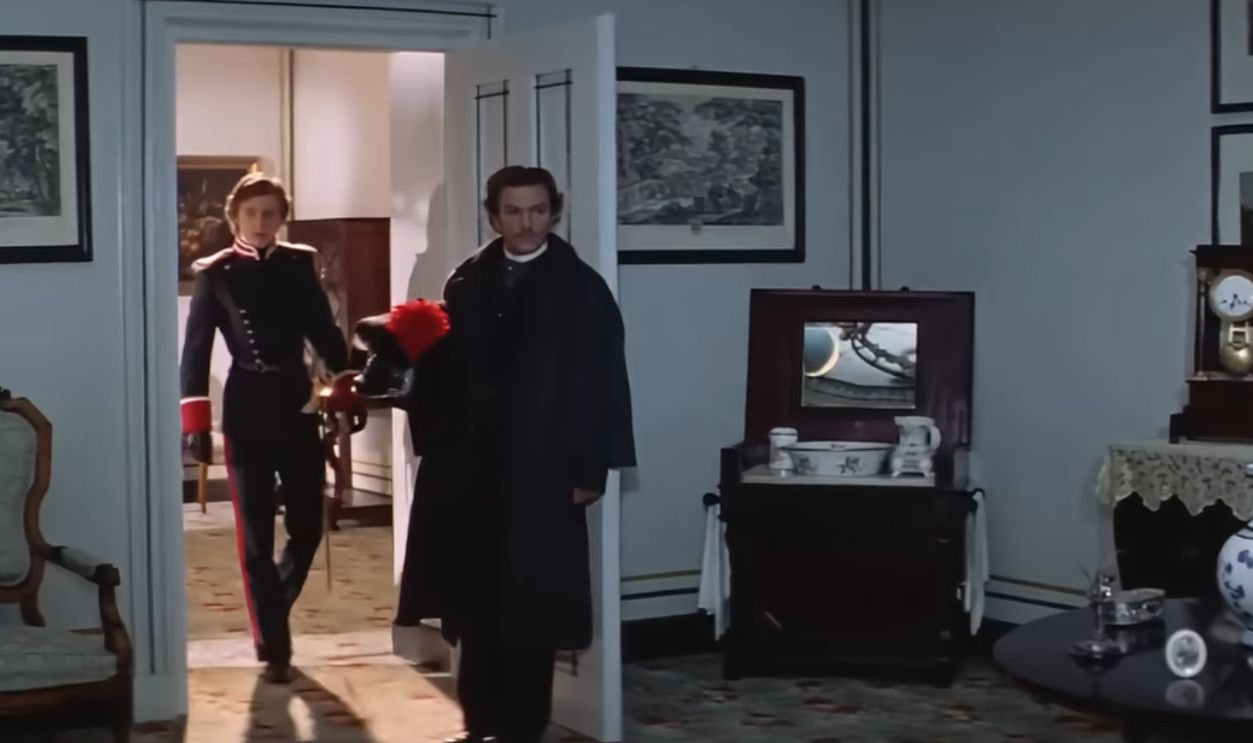 Screenshot from Ludwig, Mega Film (1973)
Supper Came And Went
When Ludwig and Gudden failed to return, staff began searching. As the evening wore on, they found the king’s jacket and coat near the lakeside path, then Gudden’s umbrella. Two hats had washed ashore. Those scattered belongings gave the searchers a reason to turn toward the water.
 Martin Herpich, Wikimedia Commons
The Fisherman Went Out
Staff woke the royal fisherman, Jakob Lidl, and took a boat along the shore. They recovered both men from the lake. Attempts to revive them failed, and their deaths were announced around midnight. Just days after Ludwig had lost the power to govern, Bavaria had lost its king.
 Screenshot from Ludwig, Mega Film (1973)
Investigators Found Signs Of A Struggle
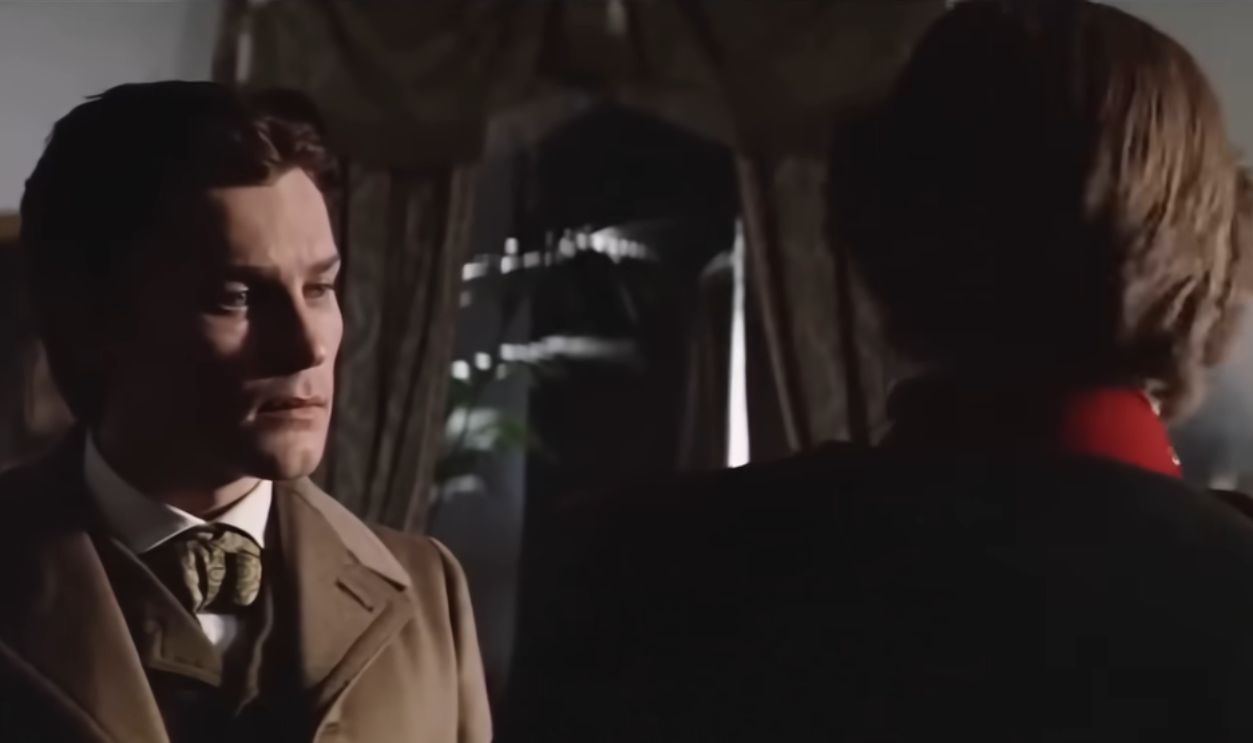
The next day, investigators examined the route and the lakebed. Their reconstruction suggested Ludwig had suddenly moved toward the water and Gudden had followed. Numerous footprints in the mud pointed to a struggle. The evidence could show where the men went, but it could not tell investigators what either intended.
 Screenshot from Ludwig, Mega Film (1973)
Gudden Had Injuries
An examination found scratches on Gudden’s face, a bruise near his eye, and marks on his neck. Those injuries strongly suggested a physical confrontation. No full autopsy was performed on him, however, so investigators could not establish whether the struggle itself caused his death or whether he drowned afterward.
 Unknown authorUnknown author, Wikimedia Commons
Ludwig’s Autopsy Raised More Questions
Ludwig’s body showed no visible injuries that suggested he had been shot, stabbed, or struck with a weapon. The autopsy also failed to establish a clear cause of death. Drowning remained possible, as did a sudden medical collapse in the cold water. That uncertainty left room for theories about his final moments to grow.
 Josef Albert, Wikimedia Commons
One Explanation Fits Much Of The Evidence
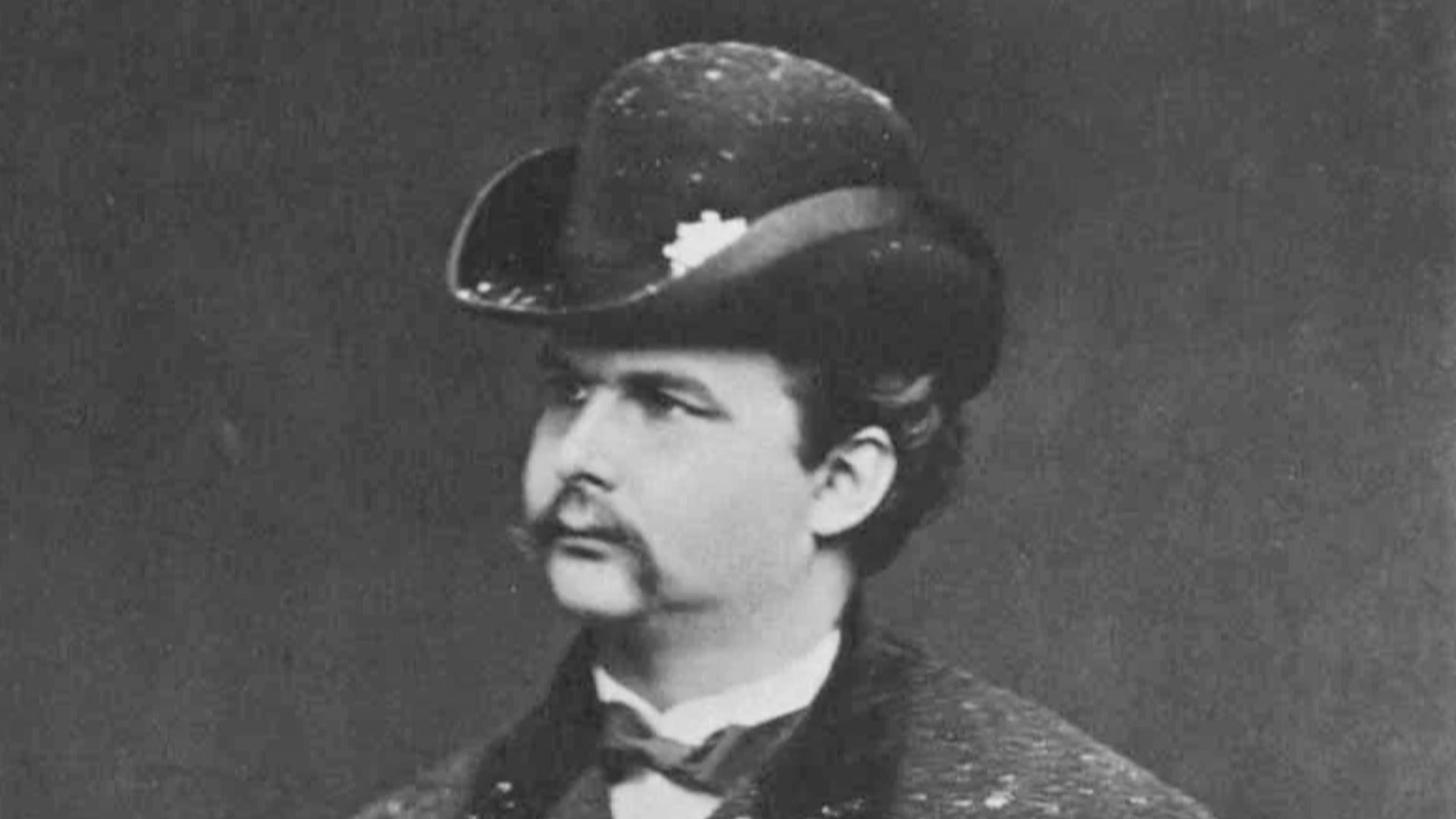
One leading explanation is that Ludwig rushed into the lake intending to take his own life. Gudden followed and tried to stop him. The two struggled, and Gudden did not survive. Ludwig then drowned or suffered a medical emergency in the water. It is plausible, but no one saw it happen.
 Unknown authorUnknown author, Wikimedia Commons
Other Stories Spread Quickly
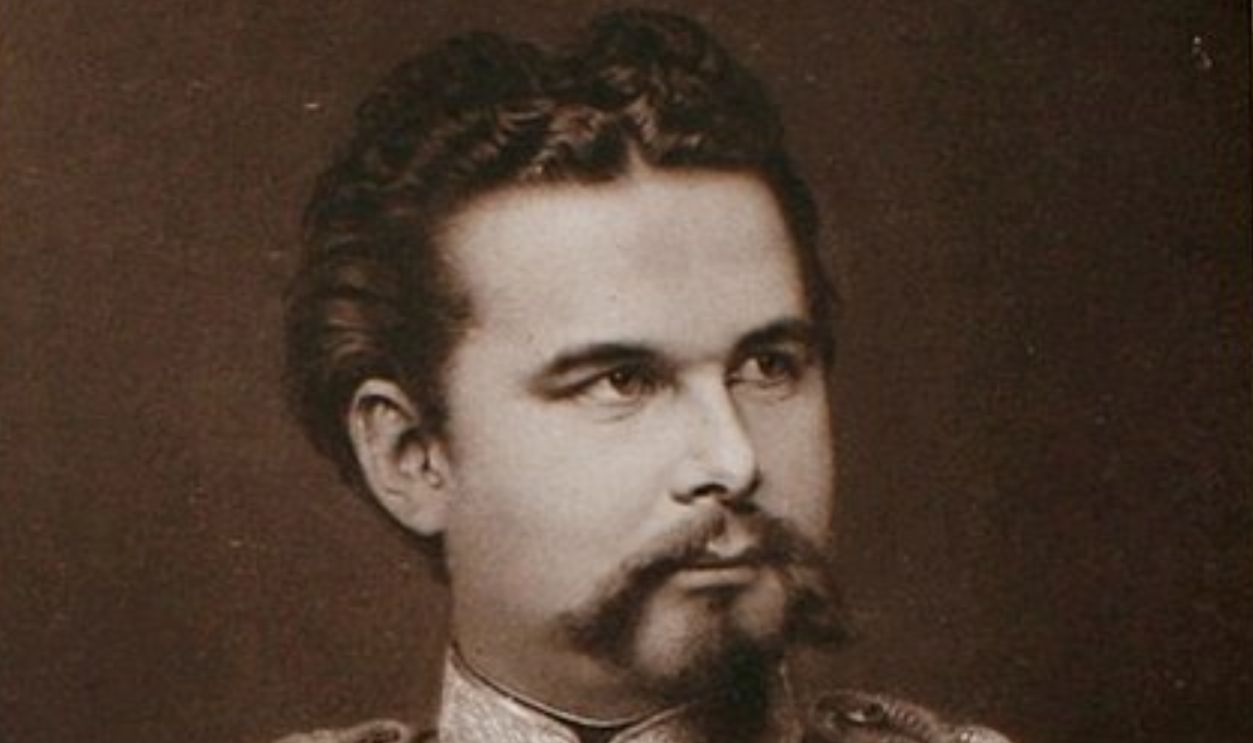
Some people suspected an escape attempt or claimed Ludwig had been shot. Stories attributed to the fisherman changed as they were passed down, and the supposed bullet holes in the king’s missing coat were never verified. Those claims help explain the legend. The recorded examination found no evidence he had been shot.
 Josef Albert, Wikimedia Commons
The Report Remains Controversial Too
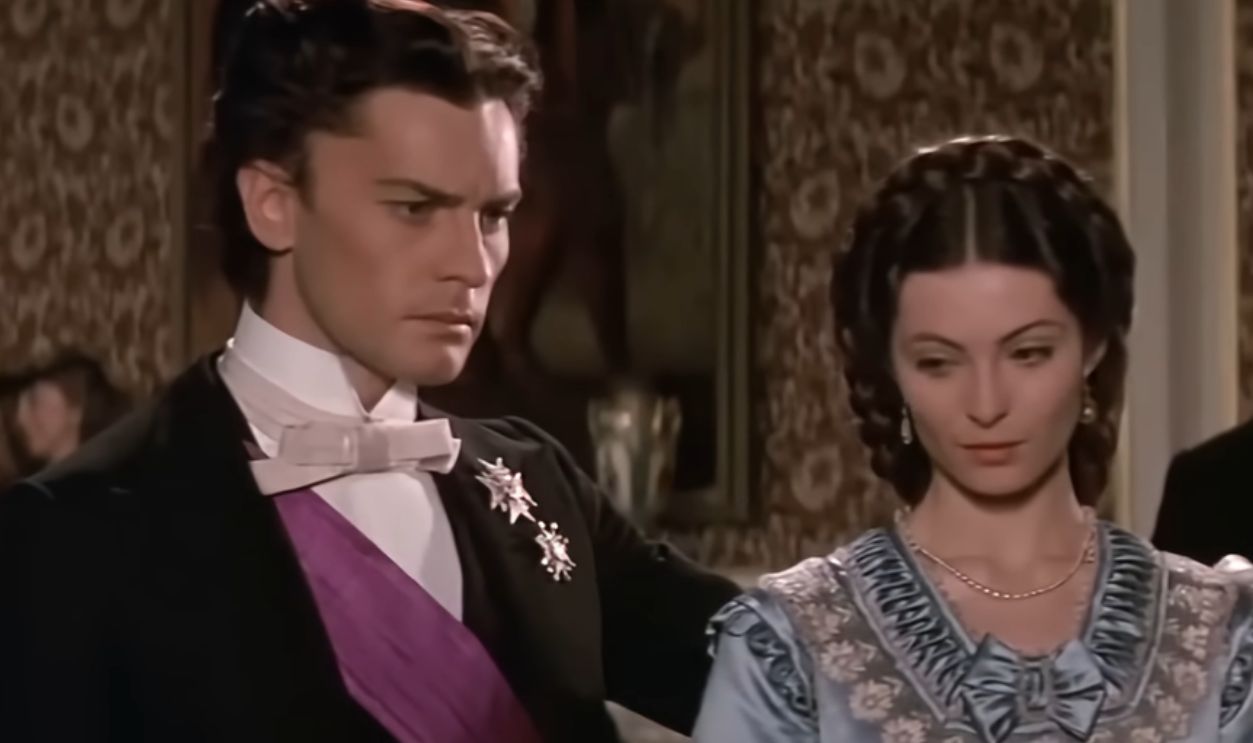
Later researchers have strongly criticized the psychiatric assessment used to remove Ludwig. That does not prove he had no health problems, and it does not reveal what happened at the lake. It does mean the decision that placed him under Gudden’s care deserves scrutiny of its own.
 Screenshot from Ludwig, Mega Film (1973)
The Last Minutes Are Still Missing
There is evidence that Ludwig and Gudden struggled in the water. There is no reliable witness to the moment it began, and neither man survived to explain it. That gap is why the story still holds so much power: even after reconstructing their final walk, historians cannot say with certainty how it ended.

You Might Also Like:
Grim Facts About Edward The Black Prince, The King Who Never Was
Scheming Facts About Duchess Joanna Elisabeth Of Holstein-Gottorp, Catherine The Great’s Mother