A New Version Of The Same Story
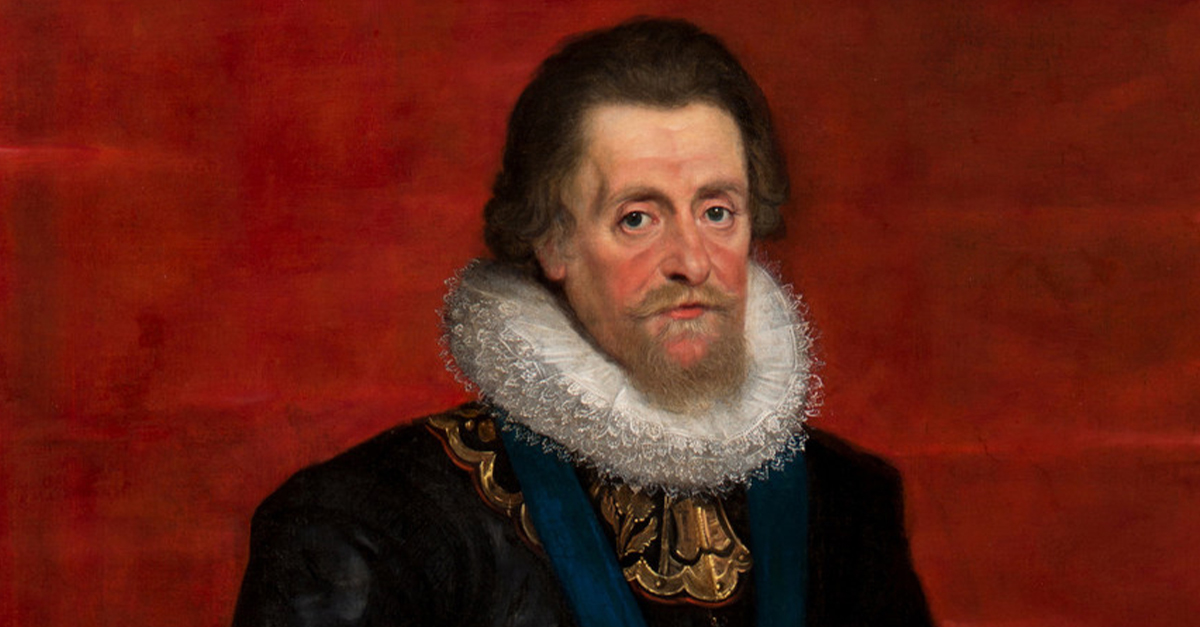
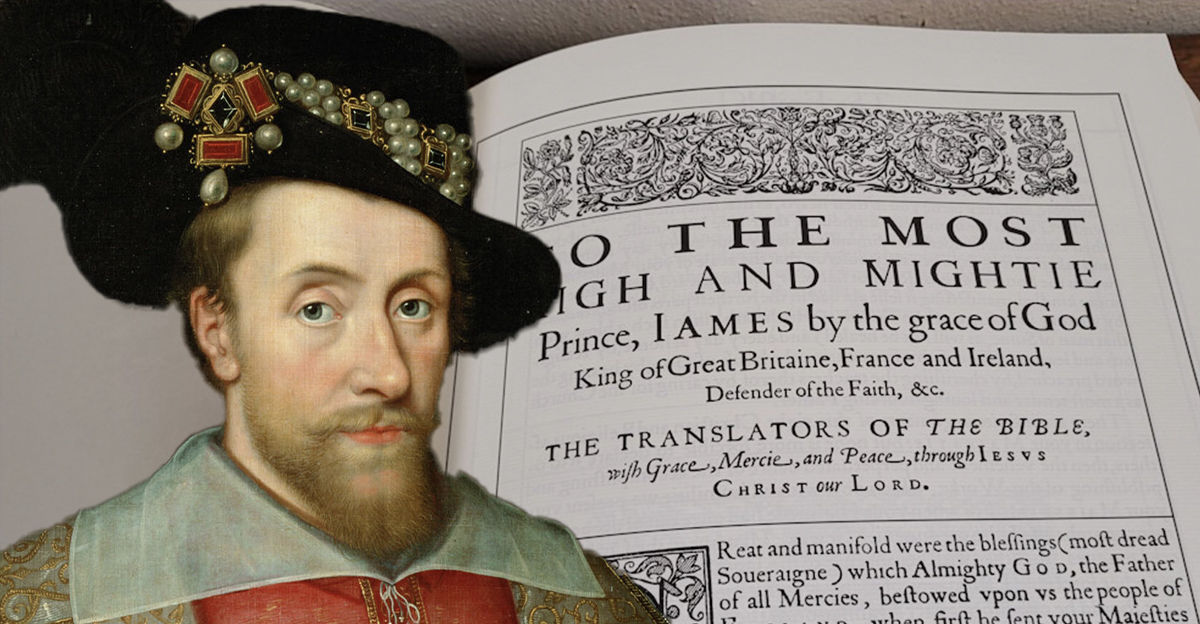
When James VI of Scotland became King James I of England in 1603, he faced a kingdom divided along political and religious lines. Determined to unify the church and strengthen royal authority, he authorized a new English Bible, called the King James Version (KJV). This “Authorized Version” would not only standardize scripture but also serve as a powerful symbol of divine kingship and English national identity under the crown’s command.
James’s Accession And Monarchy
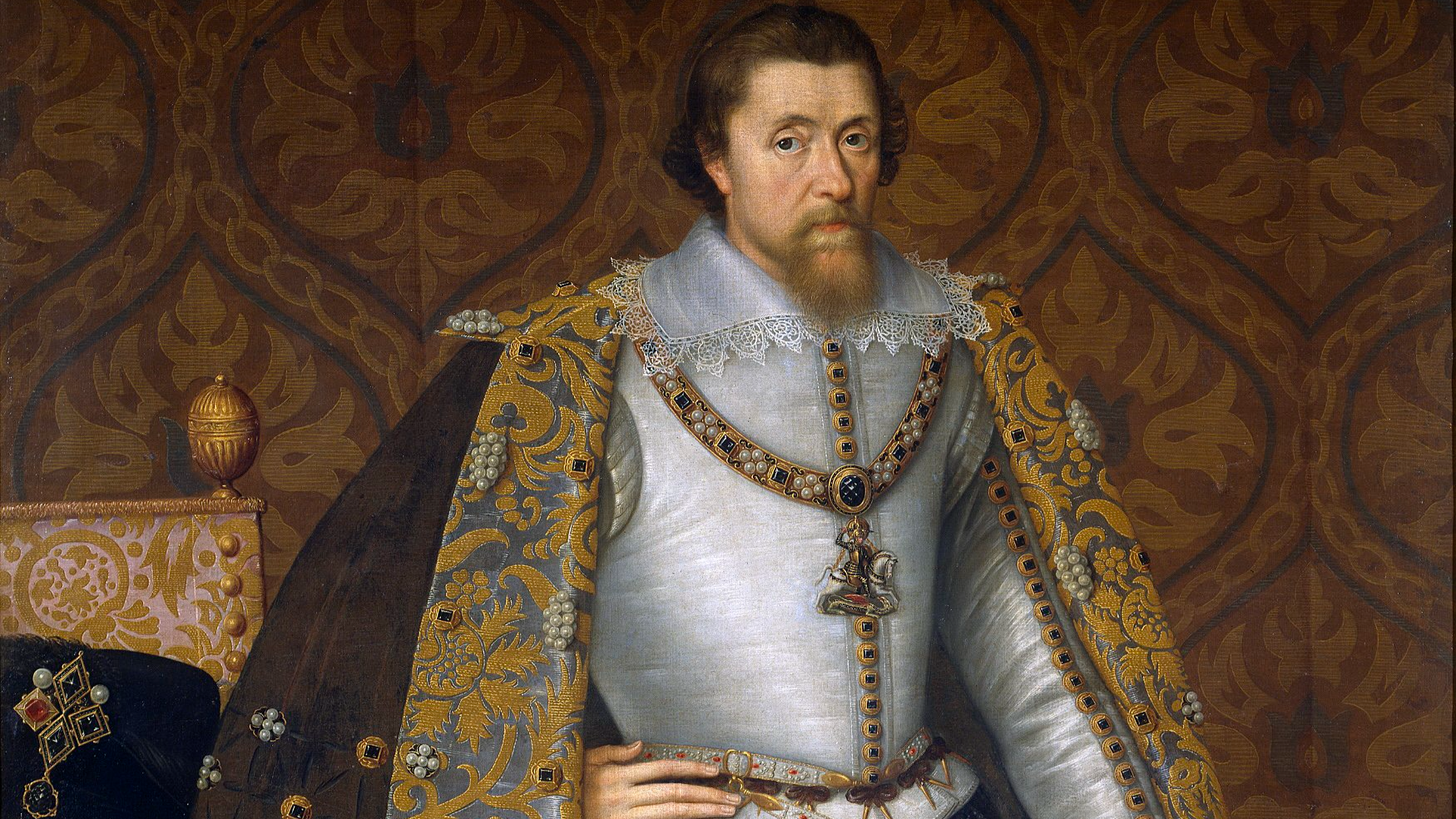
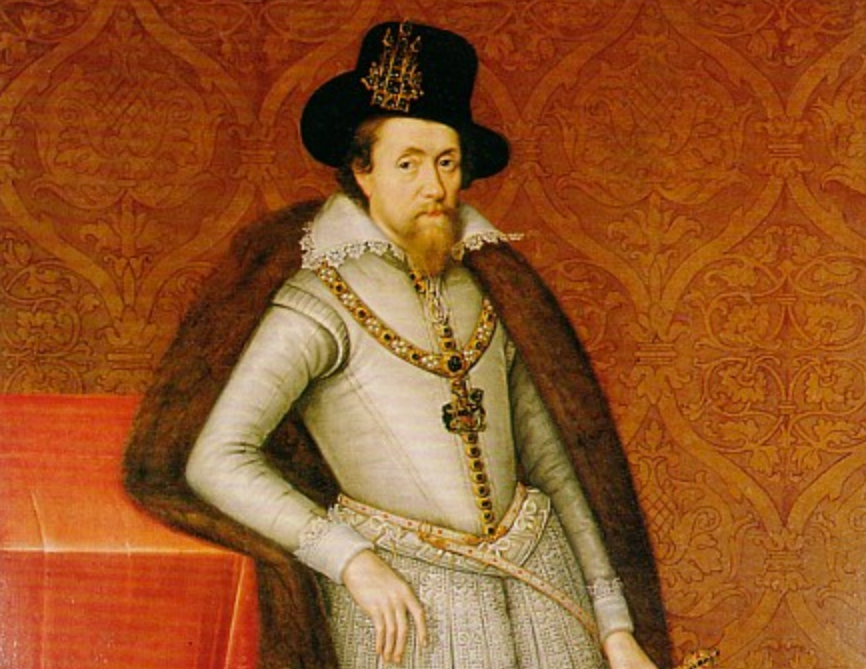
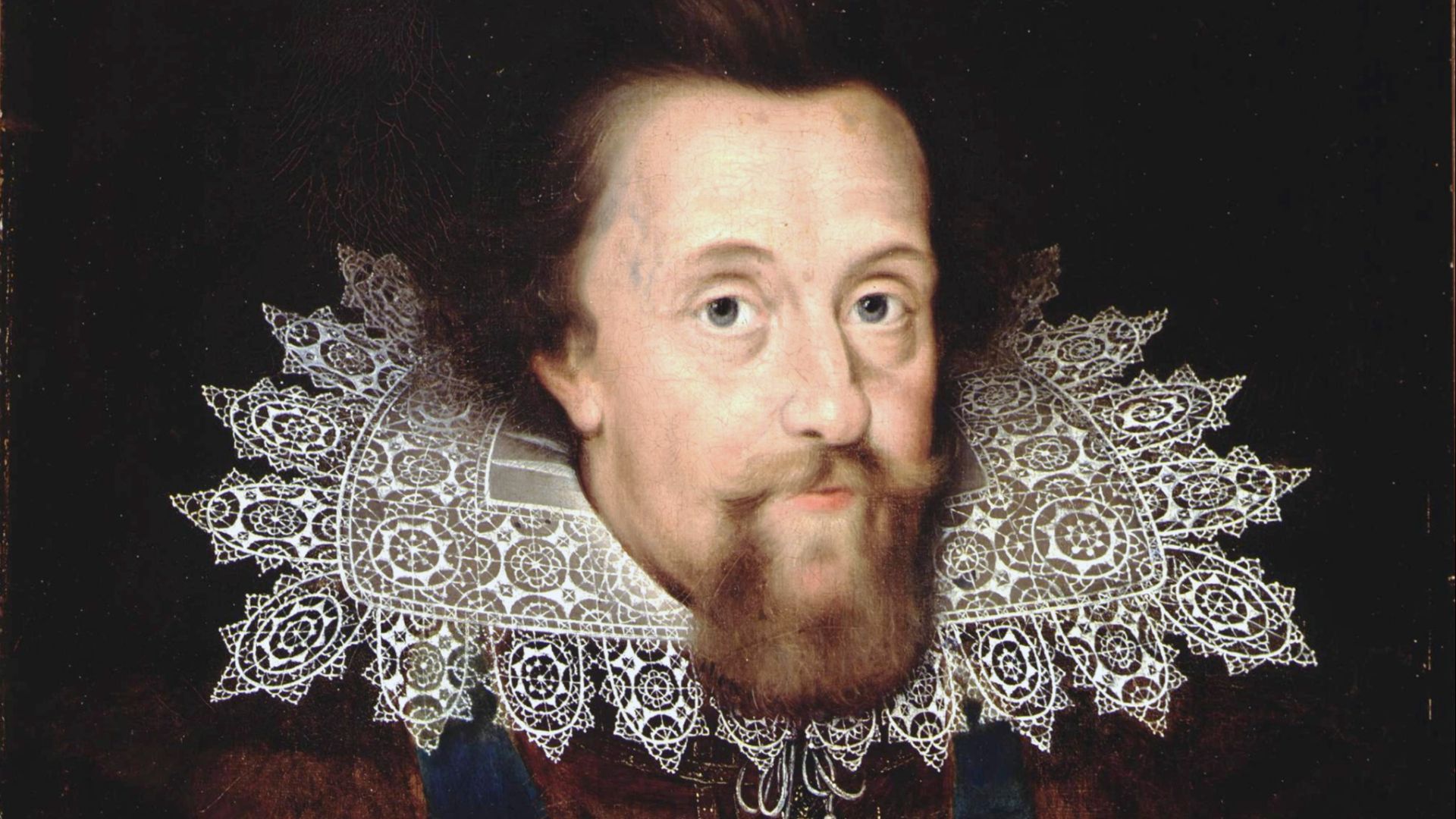
James VI of Scotland succeeded as King of England and Ireland in 1603 after Elizabeth I passed away without leaving an heir to the throne. James unsurprisingly believed deeply in the divine right of kings and the concept that the monarchy derived its authority directly from God.
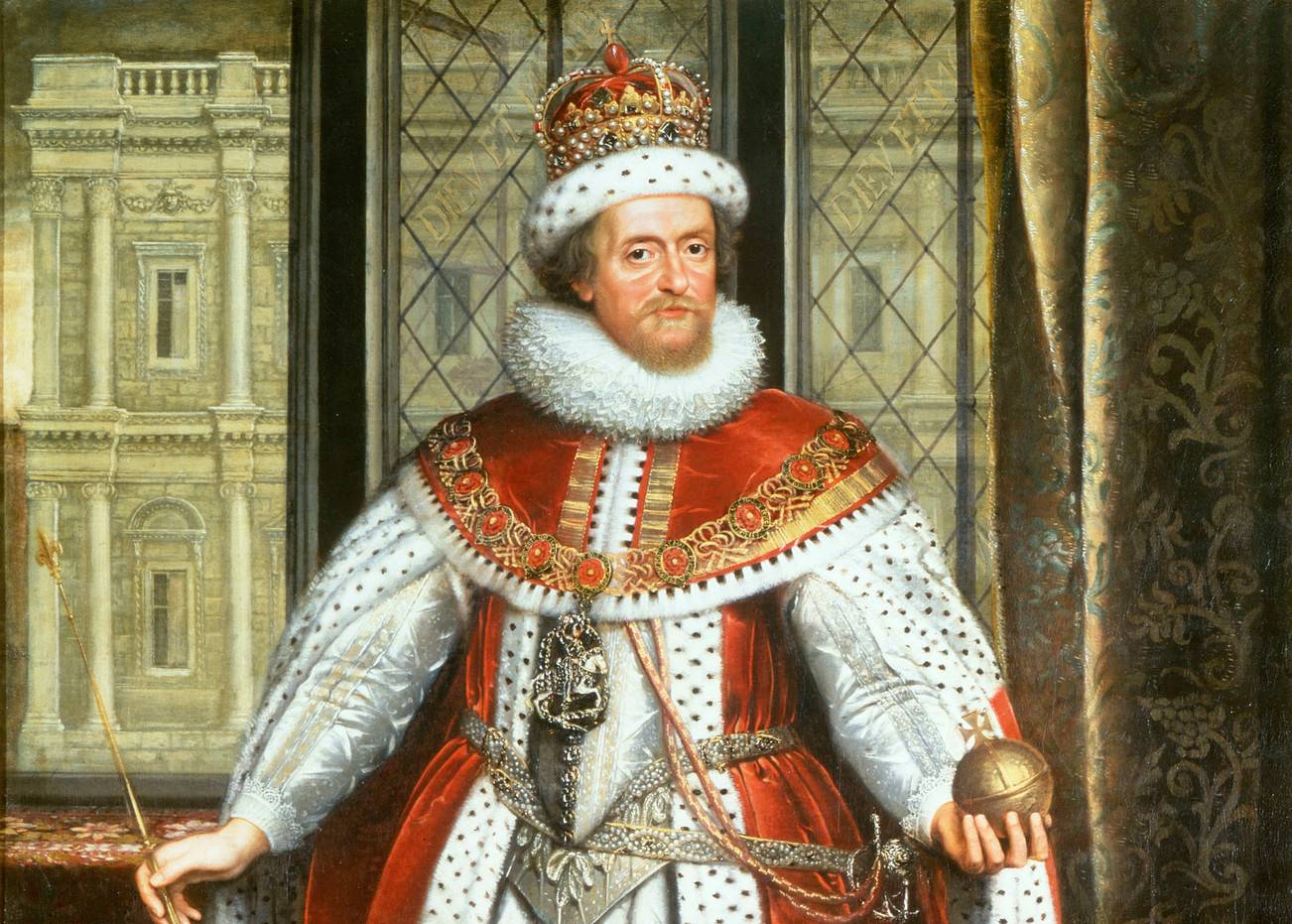 Paul van Somer I, Wikimedia Commons
Religious And Political Challenges
England and Scotland in the early seventeenth century faced serious turmoil and religious tensions: Puritan‑influenced groups were pressing for reform, and various Bible translations bore annotations that were critical of the monarchy or the structure of the church hierarchy.
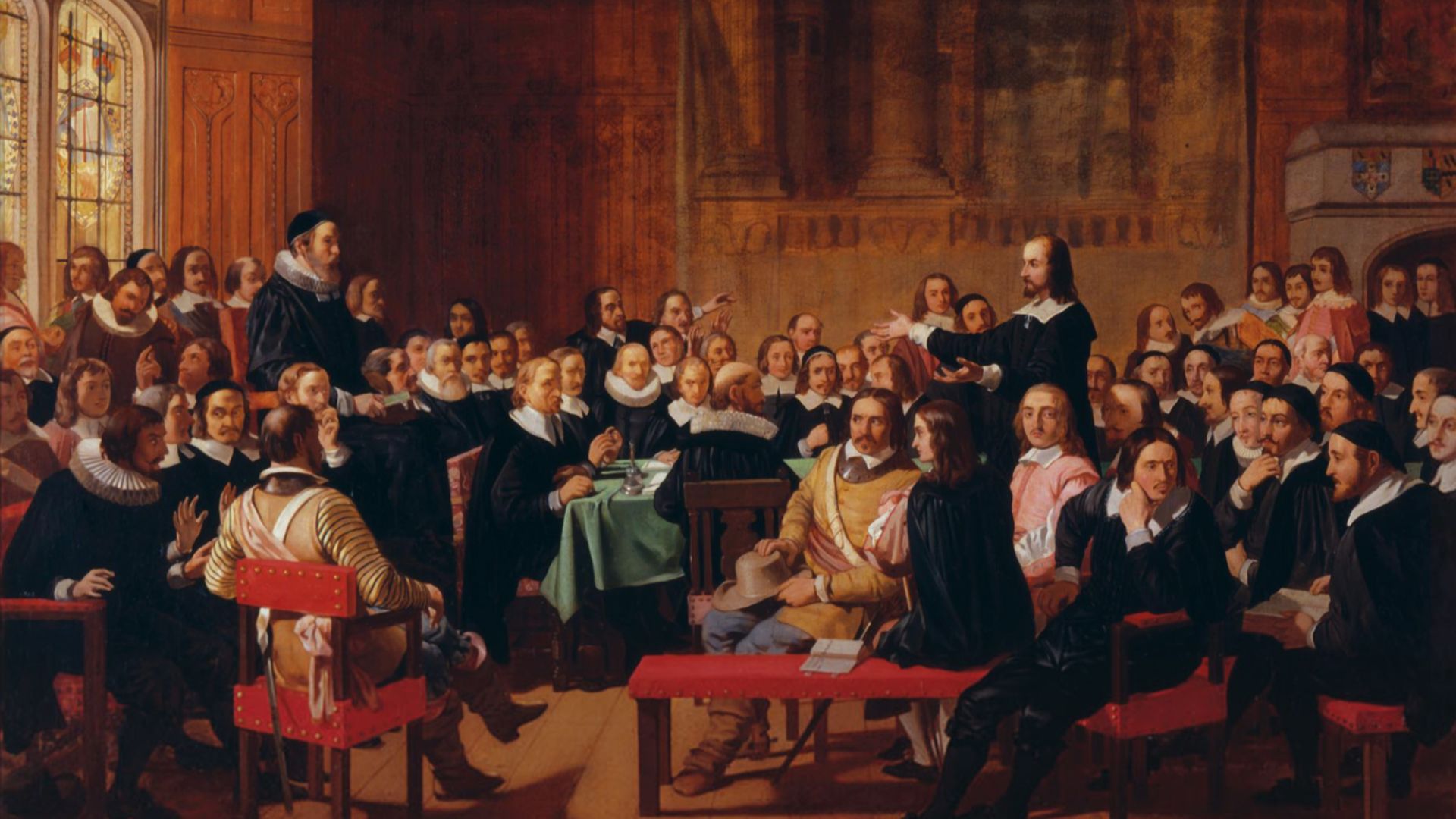 John Rogers Herbert, Wikimedia Commons
Existing English Translations
Prior to the KJV, major English Bibles included the Great Bible (1539), the Bishops’ Bible (1568) and the Geneva Bible (1560). The Geneva Bible was especially popular among lay Protestants as it included a lot of marginal notes and extended commentary.
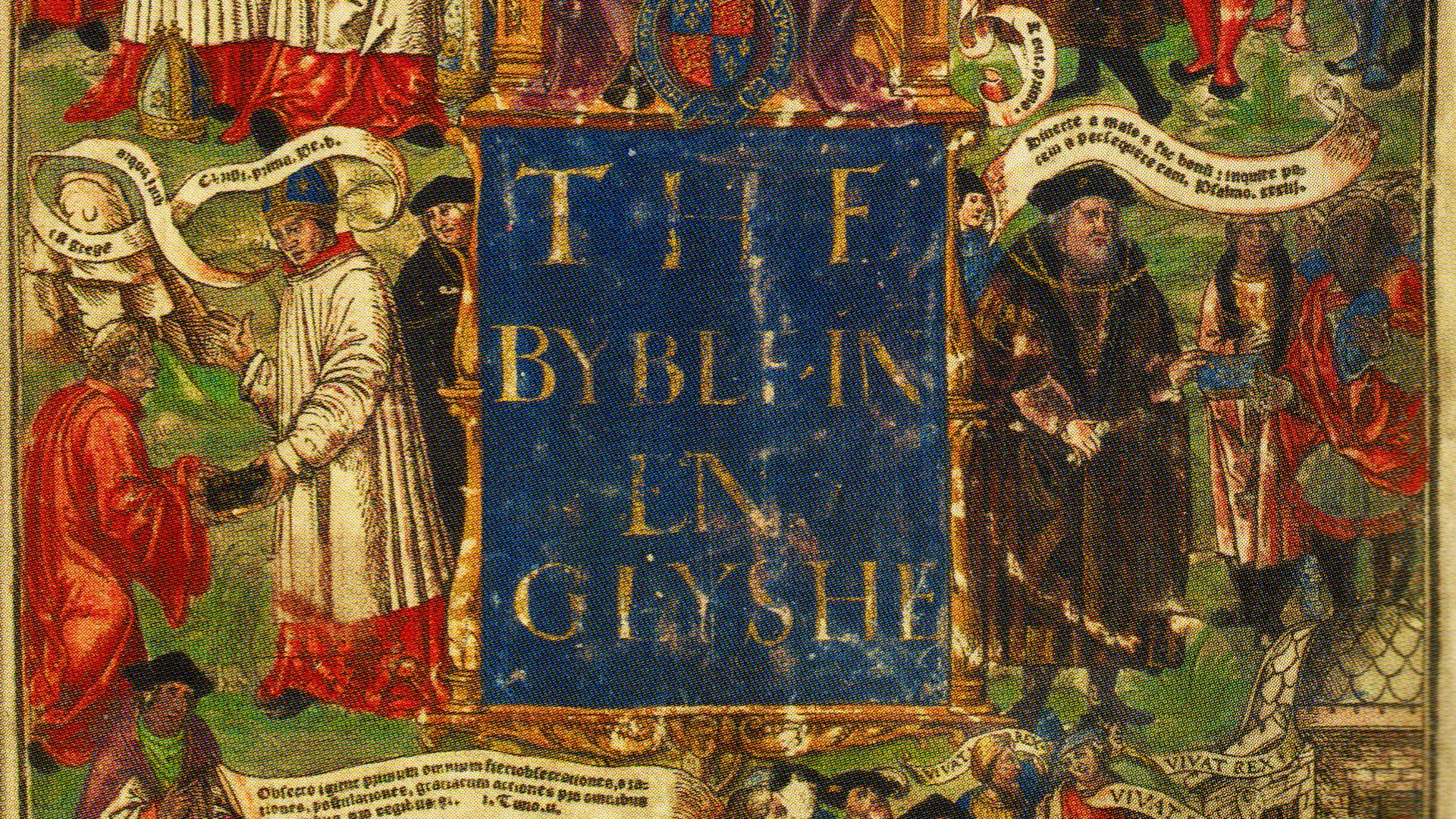 Unknown authorUnknown author, Wikimedia Commons

History's most fascinating stories and darkest secrets, delivered to your inbox daily.
Why A New Version Was Needed
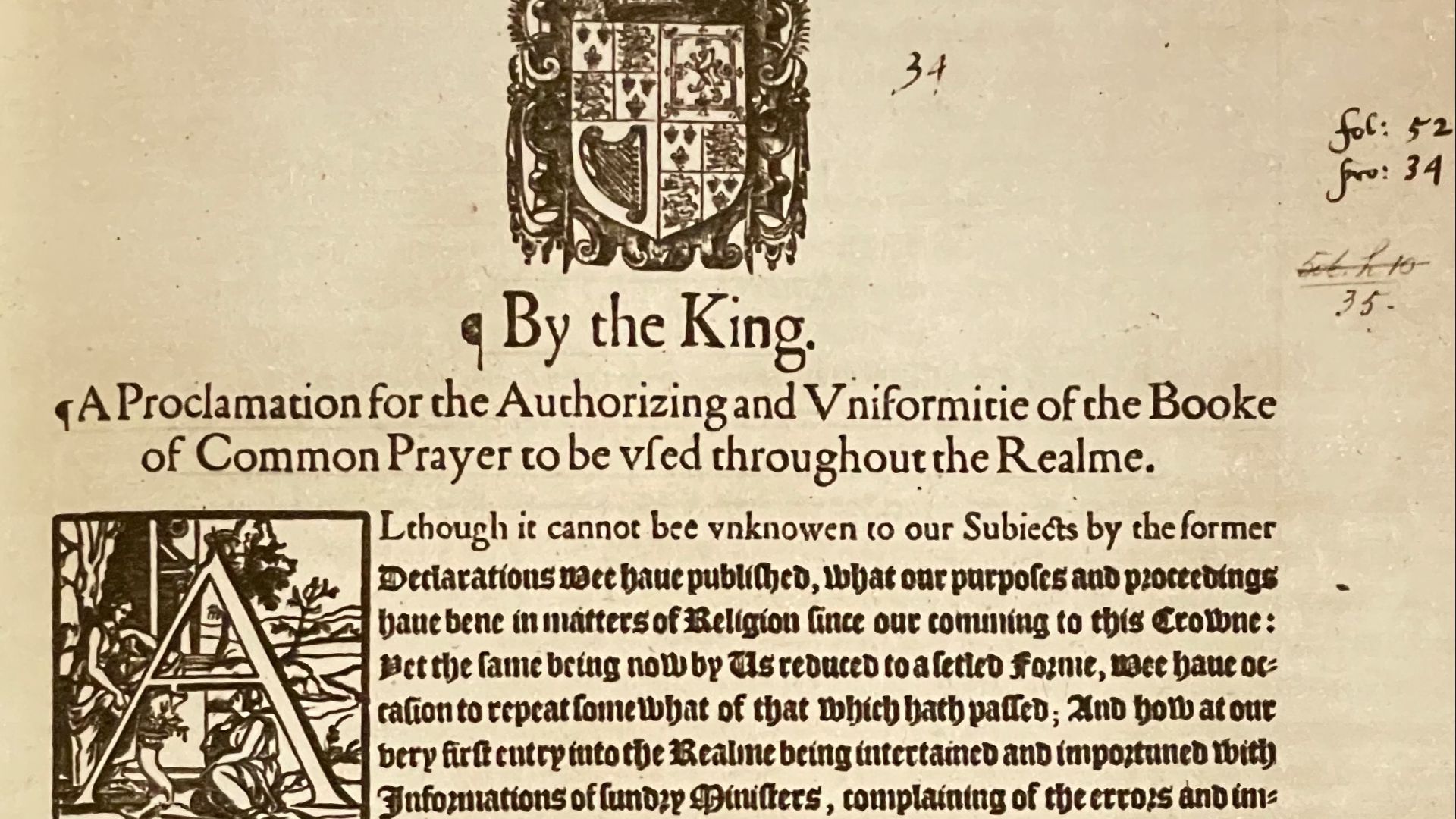
At the 1604 Hampton Court Conference James and church leaders heard pleas from Puritans about all the defects in existing Bible translations; but the King’s concerns were closer to home. He worried about current Bible translations that carried notes undermining royal and church authority.
A King’s Political Motive
James was especially unhappy with the Geneva Bible’s marginal notes, calling them 'seditious' or 'dangerous' in their implications for monarchy. He believed a translation authorized by his decree could unify the church and shore up the crown’s supremacy.
 John de Critz, Wikimedia Commons
Translators And Structure Of Work
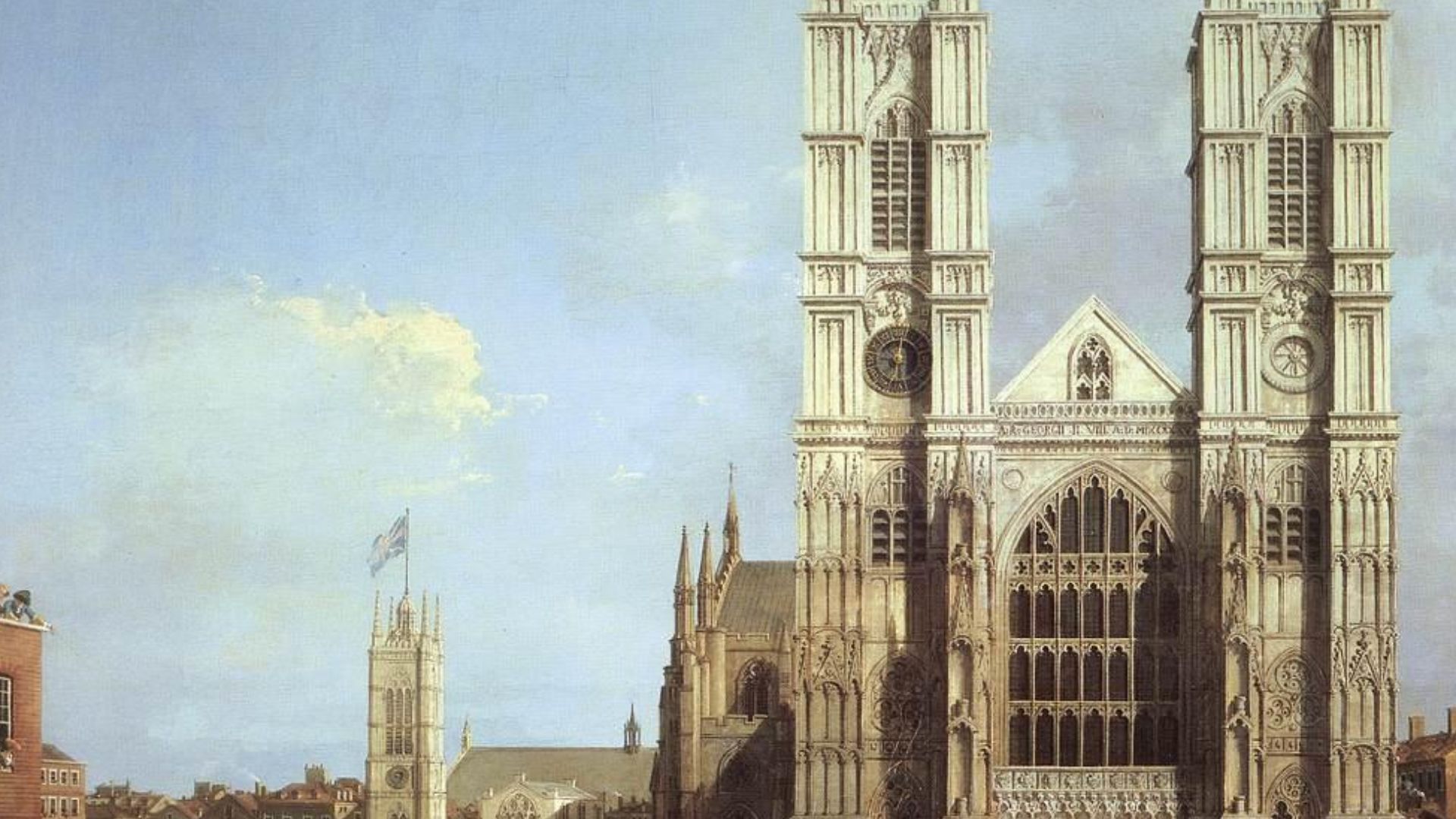
After James gave his authorization, around fifty scholars were assigned into six committees (Oxford, Cambridge, Westminster) to translate the Bible under royal directive. Their charge included working from the Hebrew and Greek originals and the other previous English versions.
 King James I, Wikimedia Commons
Rules Emphasizing Royal And Religious Structure
James issued translation‑rules, such as the use of 'Church' rather than 'Congregation' to reflect the episcopal Church of England. He also reiterated the avoidance of marginal notes that might challenge his authority.
 John de Critz, Wikimedia Commons
Launch Of The King James Version
In 1611 the first edition of the King James Version was published under the imprint: 'Newly Translated out of the Original Tongues & with the former Translations diligently compared … by His Majesty’s special commandment. Appointed to be read in Churches.' A king’s ambition was finally realized
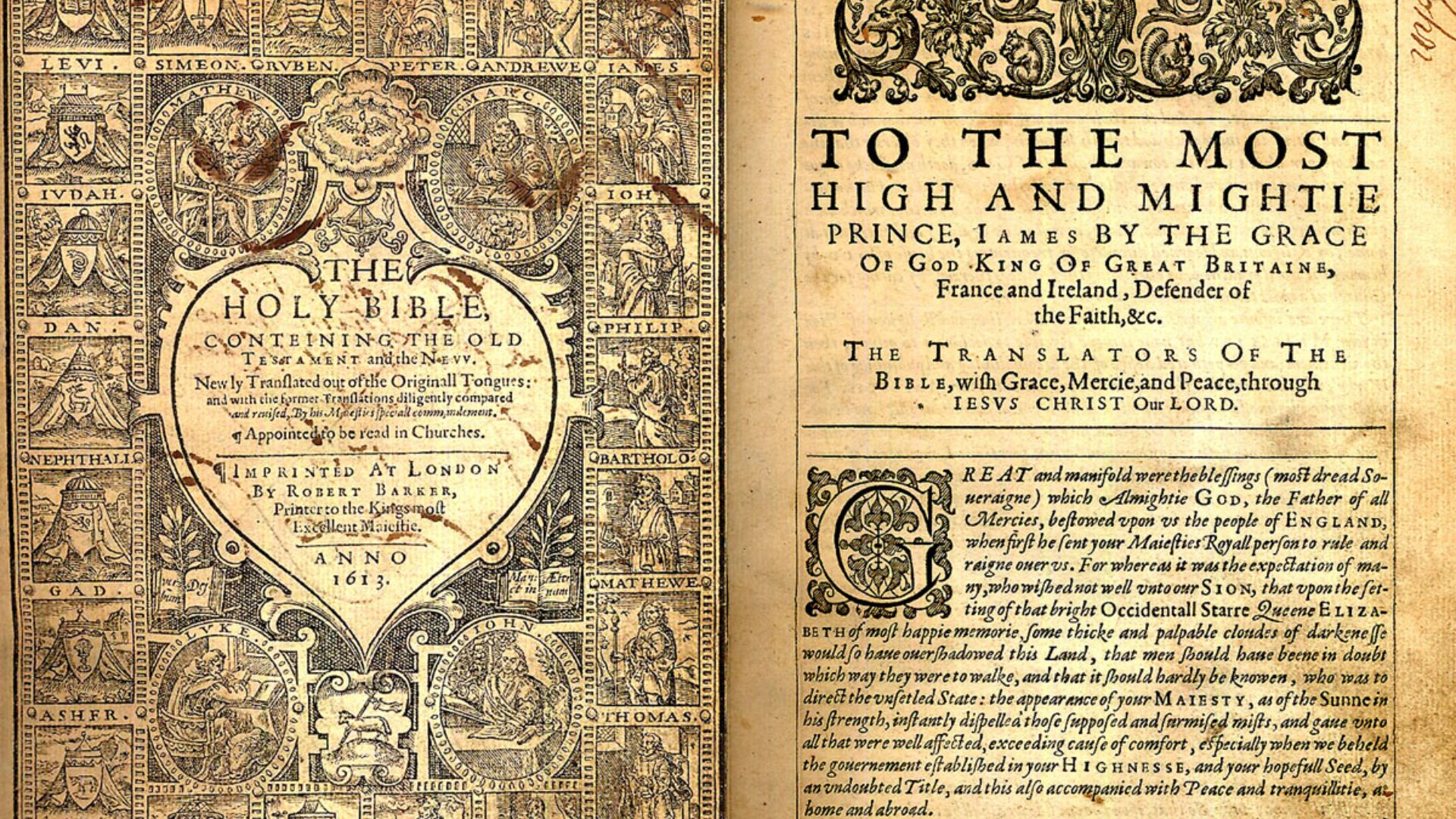 Evangelists and Early 17th-Century Translators, Wikimedia Commons
The King James Version Vs The Geneva Bible
The Geneva version was full of commentary, marginal notes, maps, introductions, and often language reflecting the Calvinist viewpoint (such as the word 'tyrant' used to refer to kings). The King James Version, by contrast, omitted all these pesky marginal notes, using a tone and vocabulary that reinforced hierarchy and monarchy.
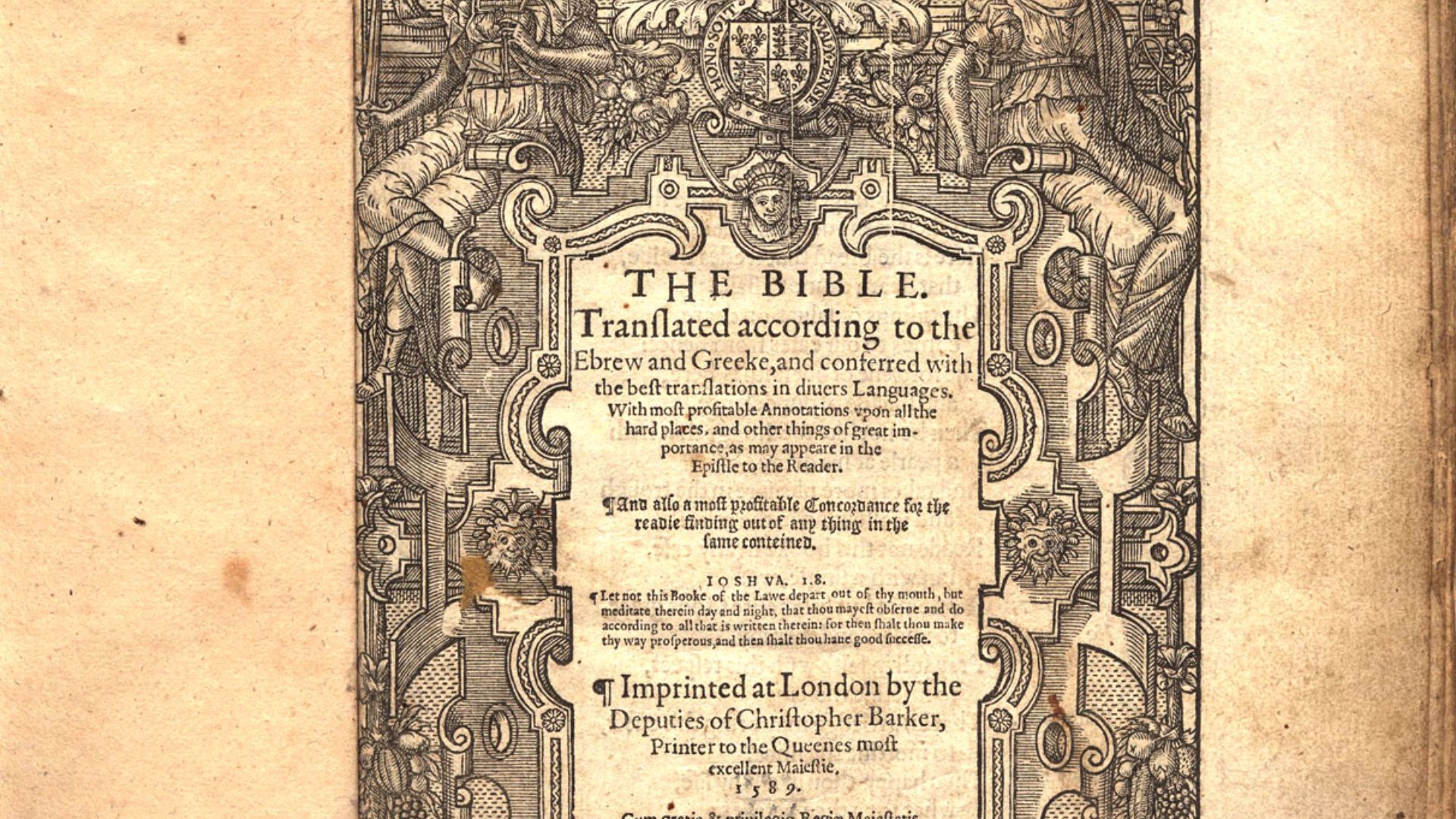 Classicalsteve, Wikimedia Commons
History's most fascinating stories and darkest secrets, delivered to your inbox daily.
Textual Basis And Translation Style
The KJV translators used the Masoretic Text for the Old Testament and the Textus Receptus for the New Testament. Without getting too technical here, this is a style often praised for its majestic English cadence. It has been marked out by critics as a literary achievement as well as theological.
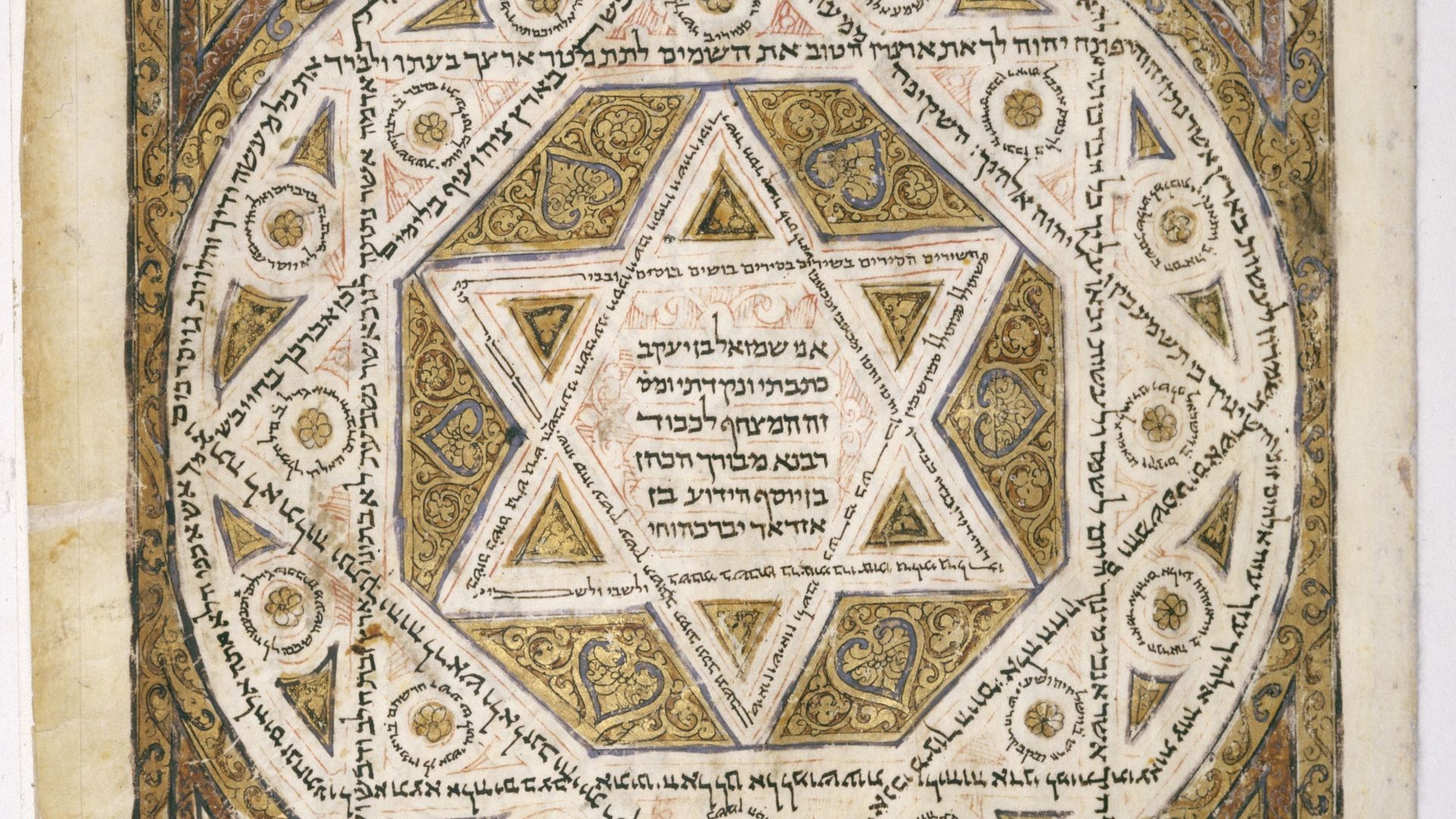 Shmuel ben Ya'akov, Wikimedia Commons
Royal Authority Embedded In The Translation
By controlling the translation and narrowing the boundaries of its terms, James ensured the Bible wouldn’t undermine his monarchy or the organizational structure of the Church of England. The new authorized version became an instrument of statesmanship that he could wield, as well being an instrument of church policy.
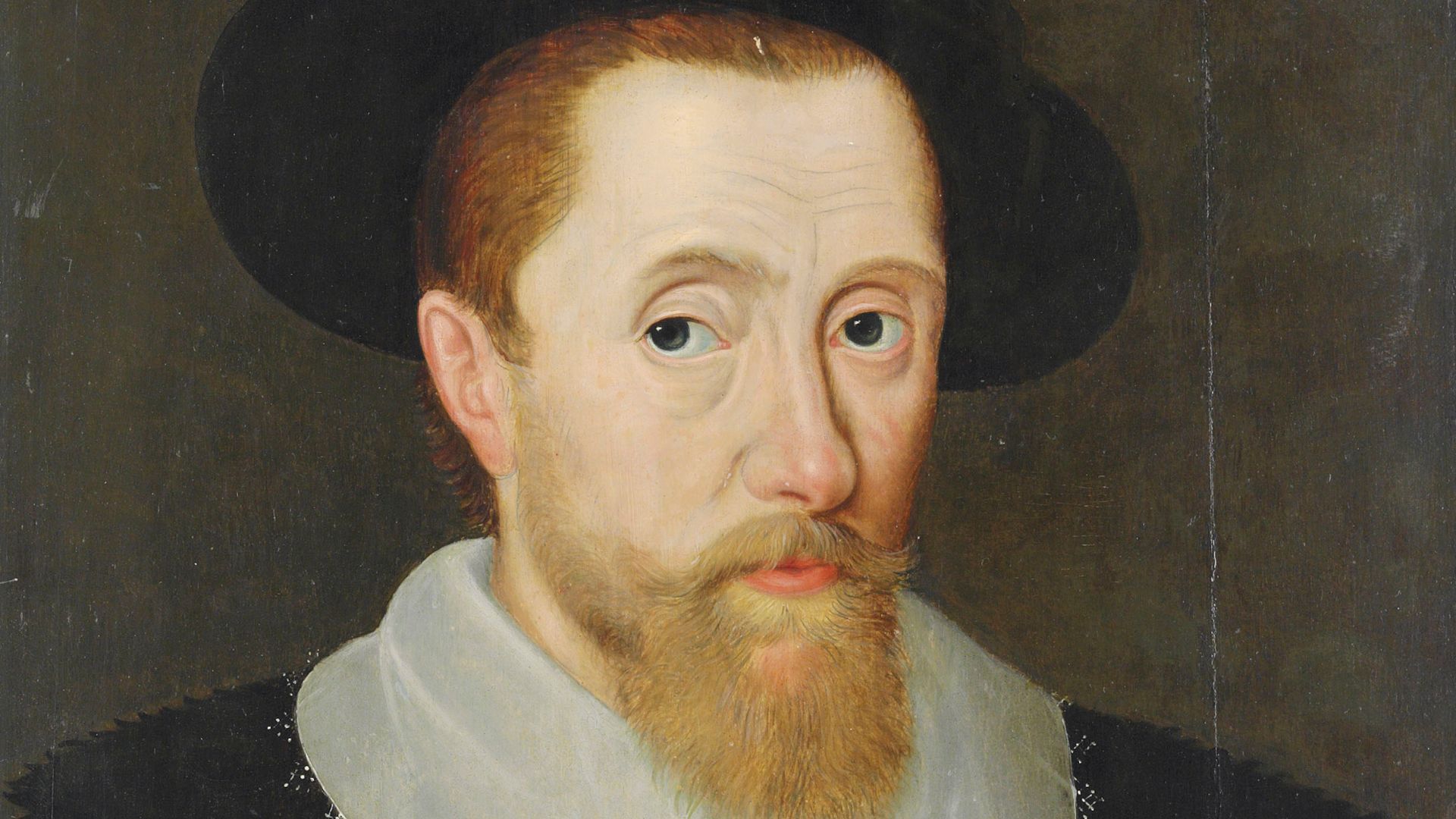 Studio of John de Critz, Wikimedia Commons
Adoption And Dominance
By the 18th century the King James Version had supplanted all the earlier versions in English‑speaking Protestant churches. Its influence was broadened by widespread printing, liturgical use, and accumulated cultural resonance.
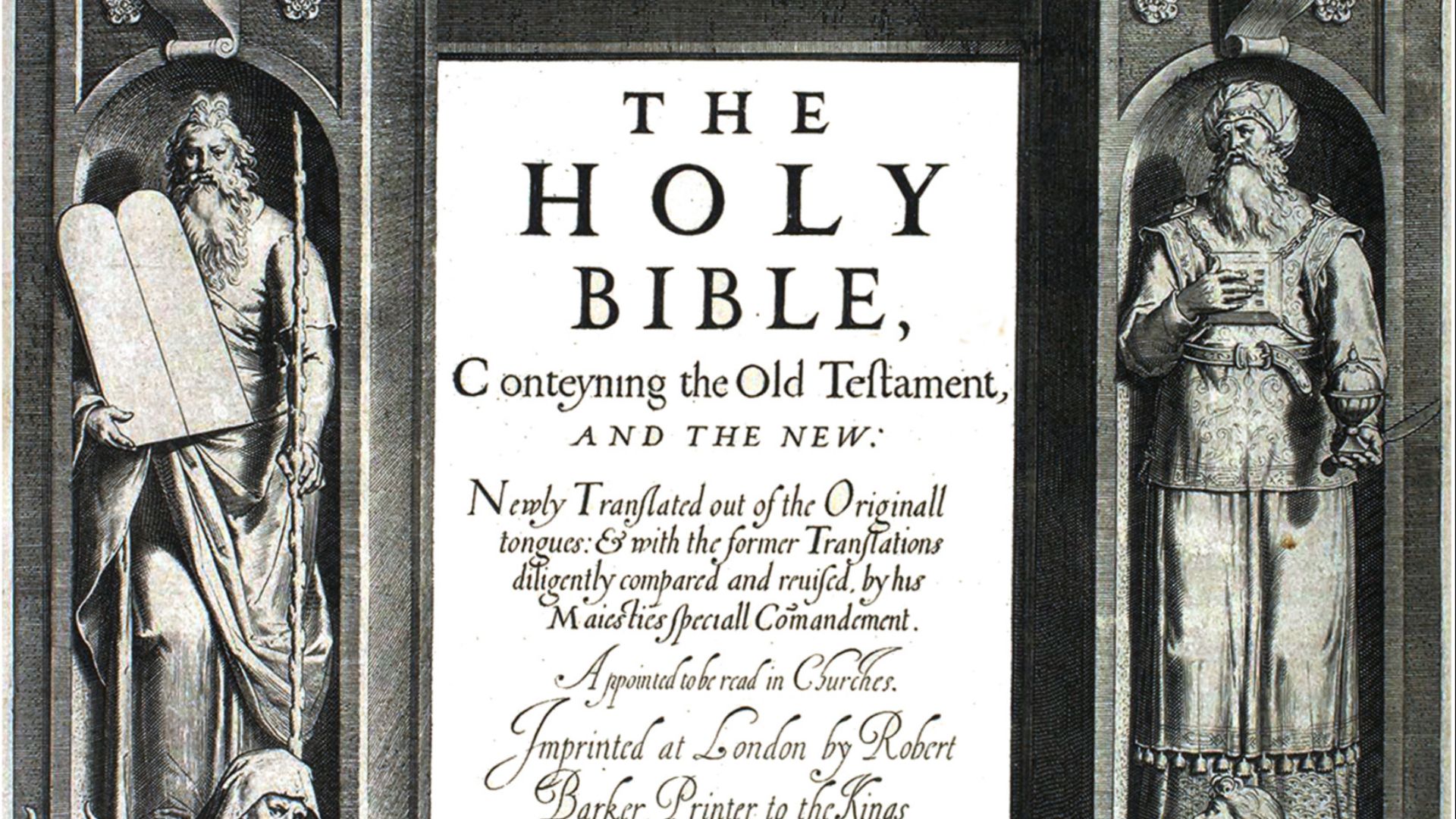 Church of England, Wikimedia Commons
Legacy In Literature And Culture
The King James Version’s stylistic features and phrasing permeated English literature, idioms, hymnody and everyday speech. Its impact goes far beyond theology and into the fabric of English‑speaking culture itself.
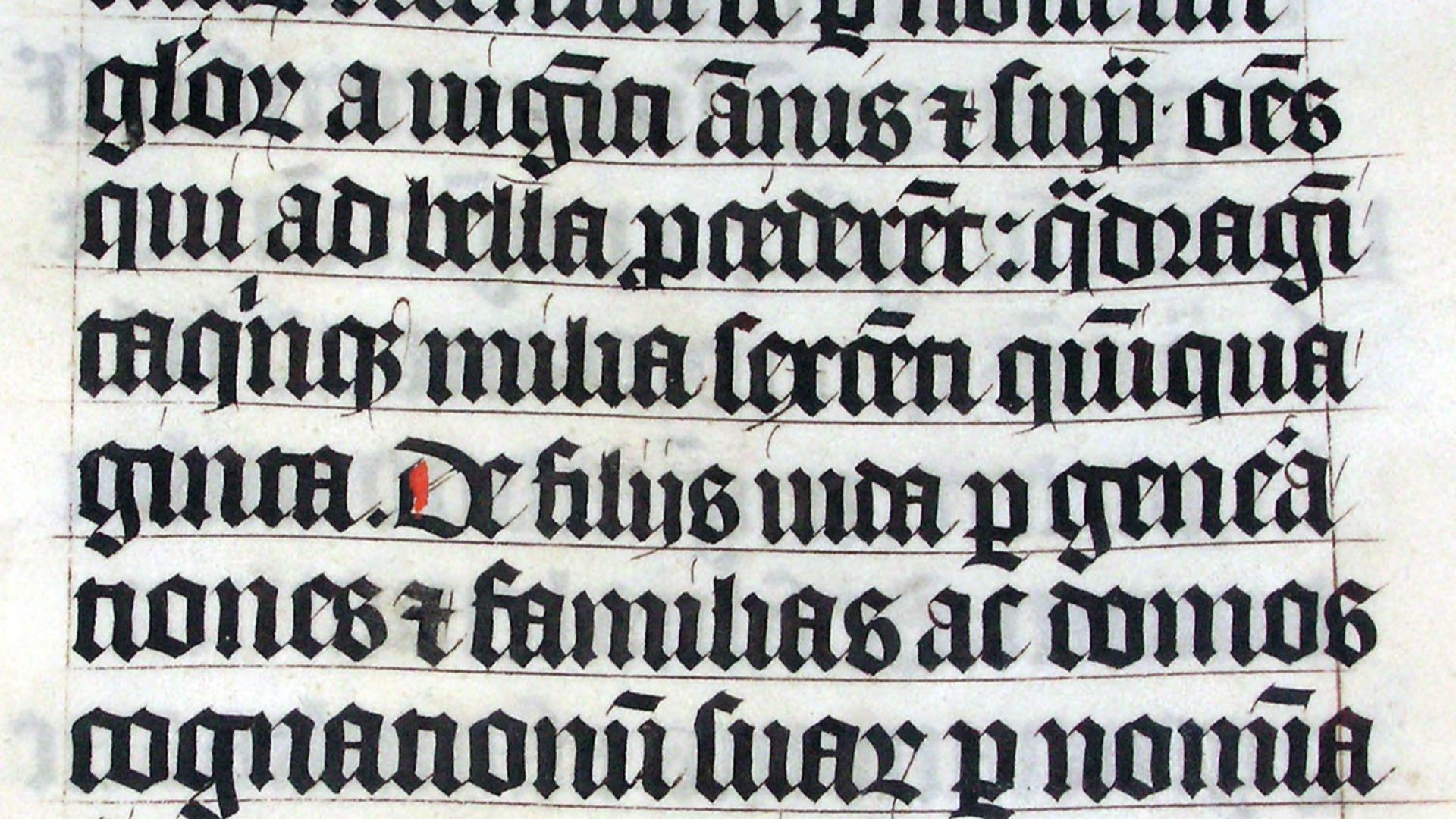 Gerard Brils, Wikimedia Commons
Familiar Phrases
The King James Bible left an indelible mark on the English tongue, coining or popularizing countless expressions still spoken today. Phrases such as “the powers that be,” “by the skin of one’s teeth,” “the salt of the earth,” “a thorn in the flesh,” “signs of the times,” “go the extra mile,” “the writing on the wall,” “the apple of his eye,” "a drop in the bucket," and “a fly in the ointment” all trace their wording to the 1611 translation.
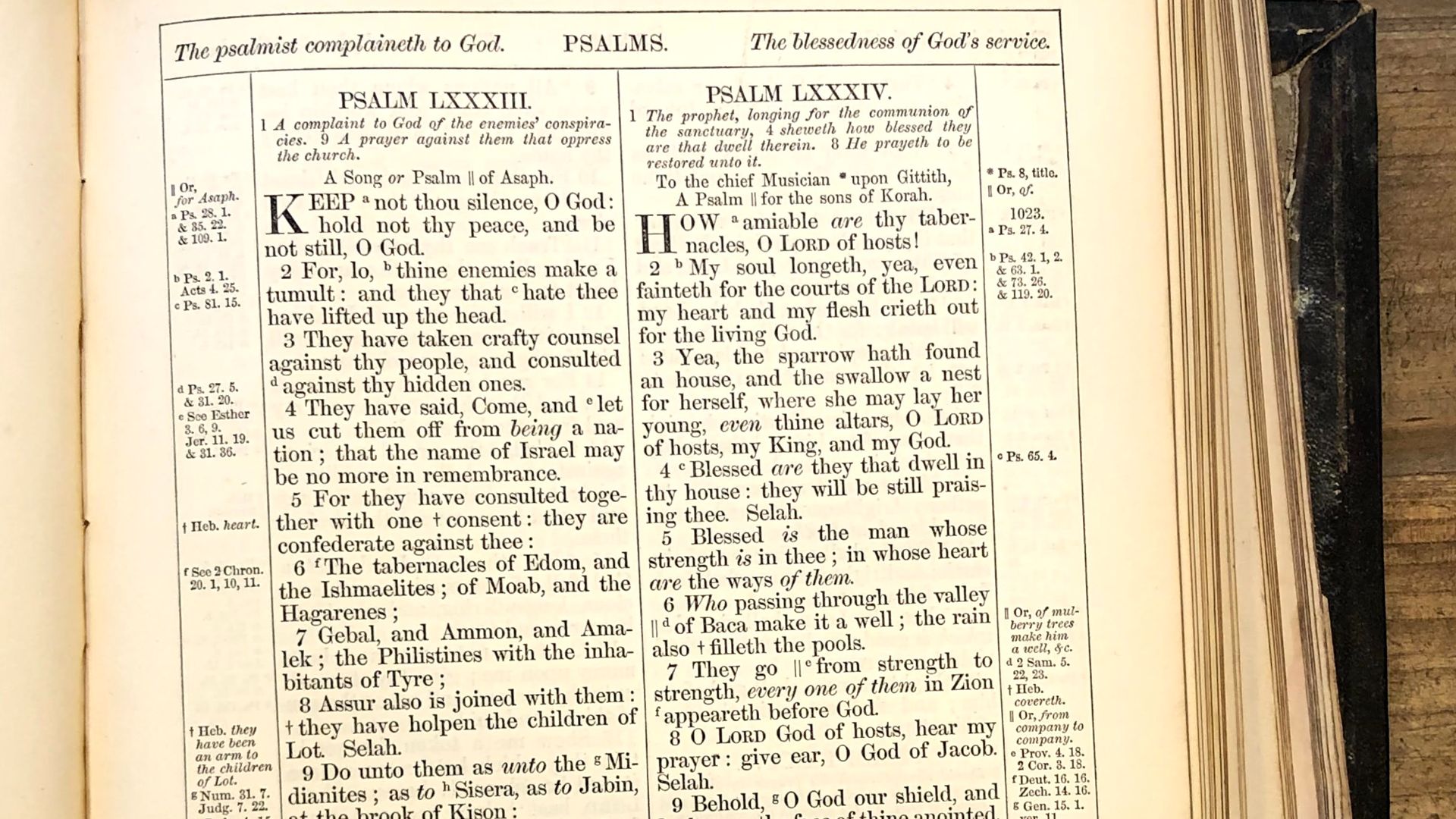 FlippyFlink, Wikimedia Commons
We Still Speak It Every Day
These idioms, once embedded in sacred text, slipped naturally into daily speech, shaping not only religious devotion but also ordinary conversation, literature, and politics. Through these enduring phrases, the King James Version continues to speak—even where its biblical origins are long forgotten.
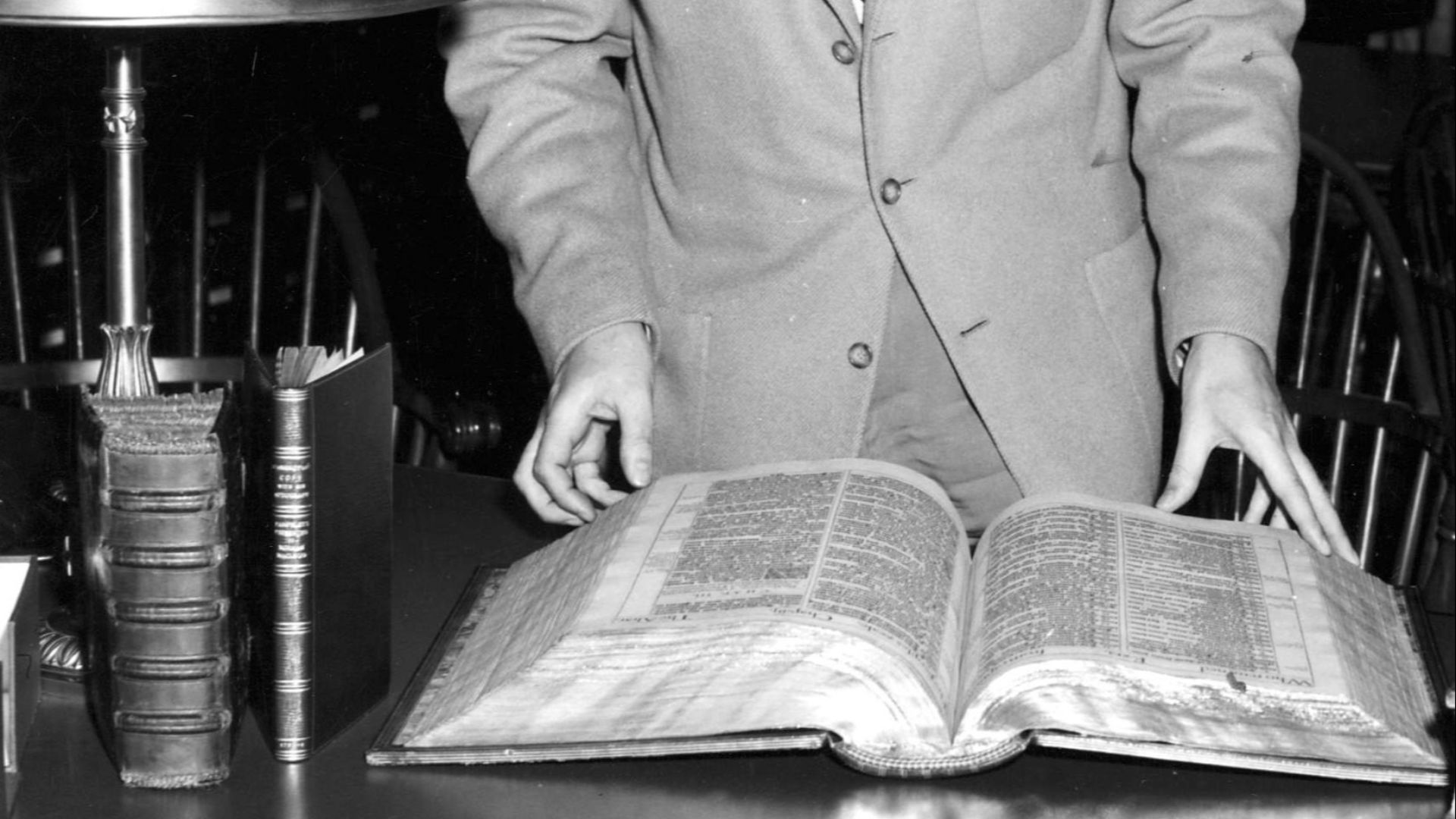 Library of Congress, Wikimedia Commons
History's most fascinating stories and darkest secrets, delivered to your inbox daily.
Collector Interest In Early Editions
For their rarity and historical importance, early editions of the 1611 King James Version are now prized as collectors’ items. For example, one dealer lists a 1611 first edition folio from London at £39,500 and notes that other copies tend to start at far higher valuations than this.
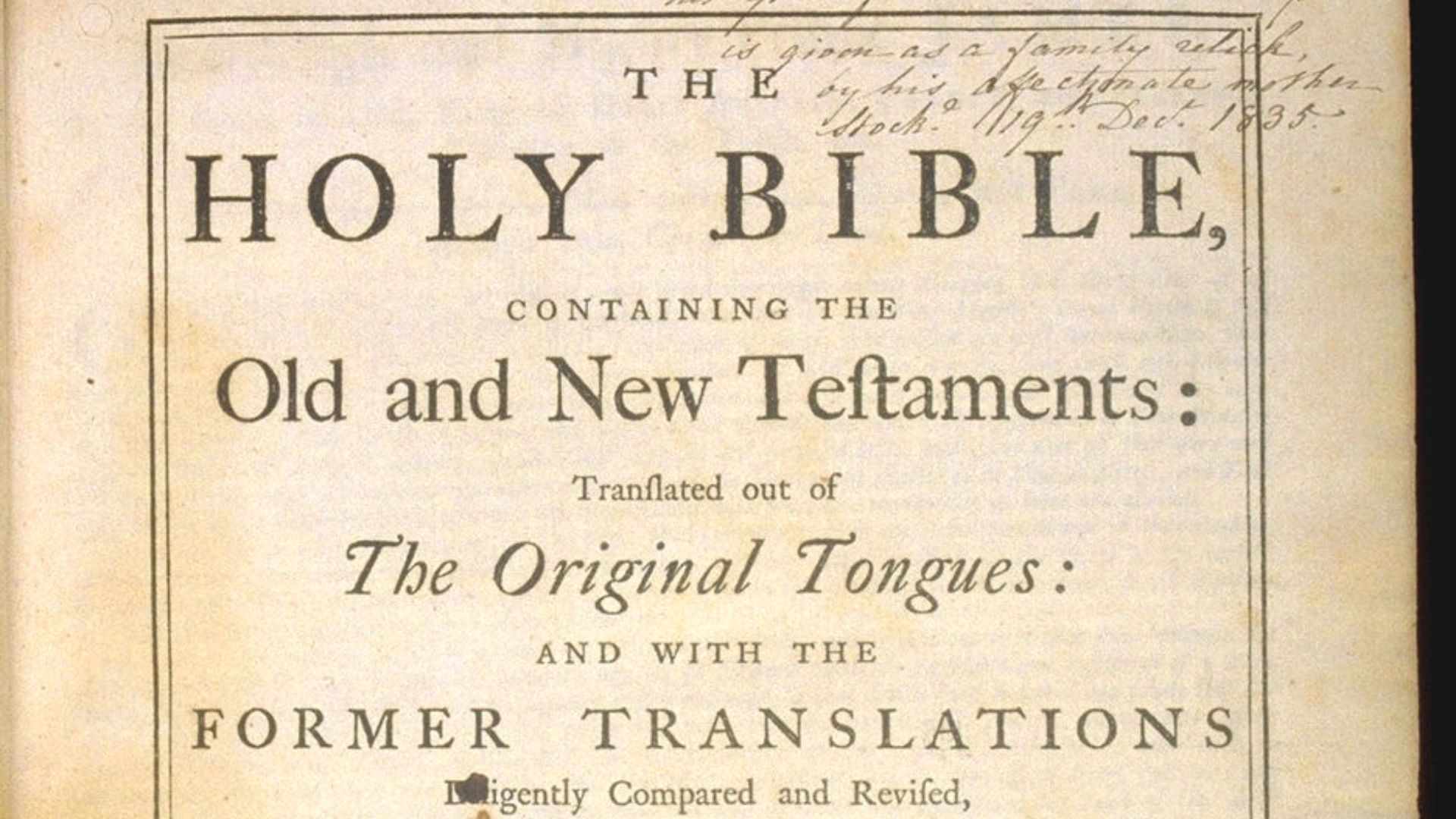 Oxford University, Oxford, England, Wikimedia Commons
Variations And Printing Quirks
Even in the early printings there were variant readings and printing errors. The most infamous of these was in the so-called Wicked Bible of 1631, in which the word “not” was famously removed from the commandment “Thou shalt not commit adultery.” Collectors regard these differences as part of the book’s own colorful history.
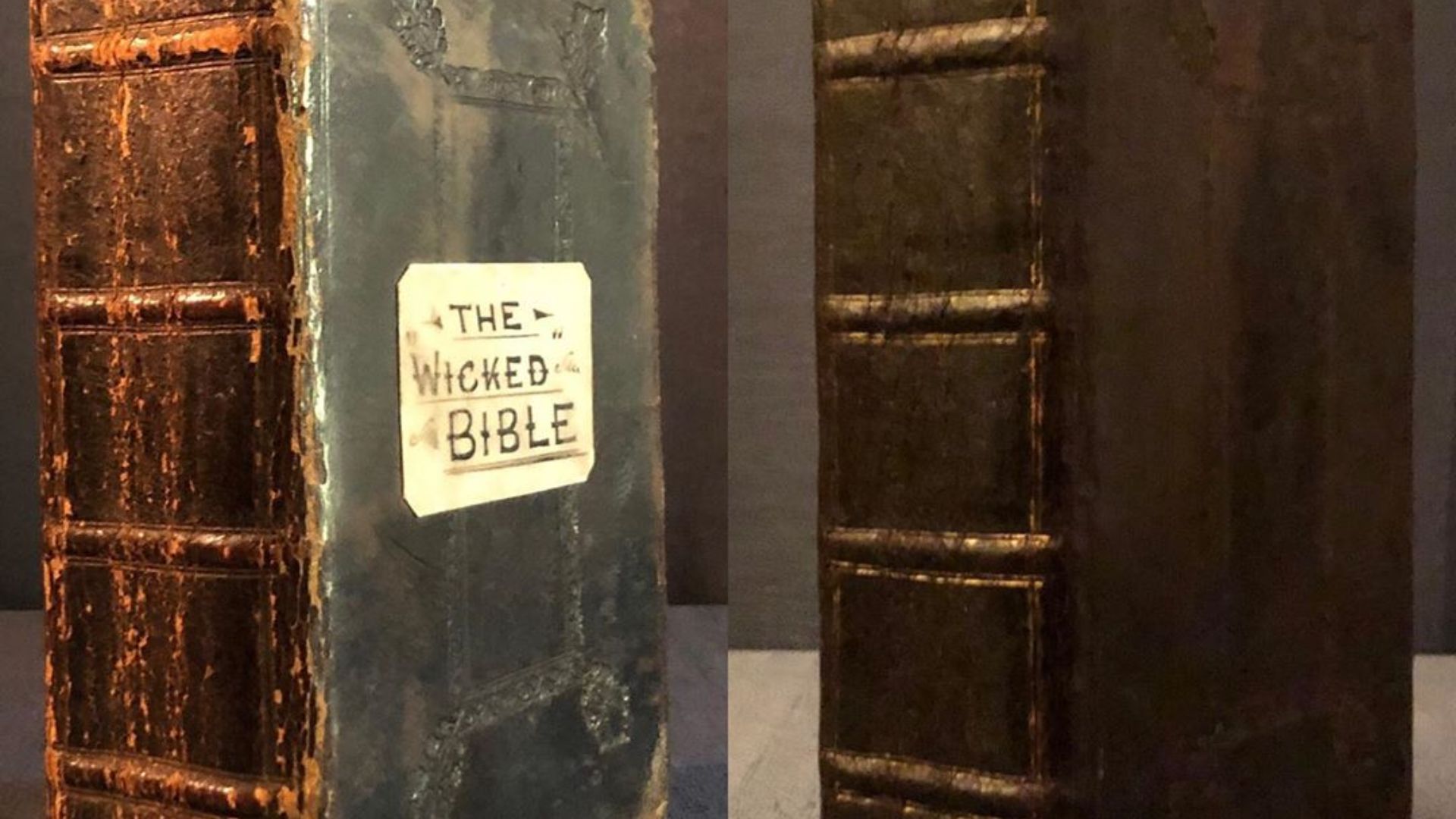 Narrington77, Wikimedia Commons
Later Revisions And Modern Versions
While the original 1611 text is still authoritative today in certain traditions, numerous updates and revisions followed, such as the 21st Century King James Version, the New King James Version, etc., to deal with the original’s increasingly archaic language or textual scholarship.
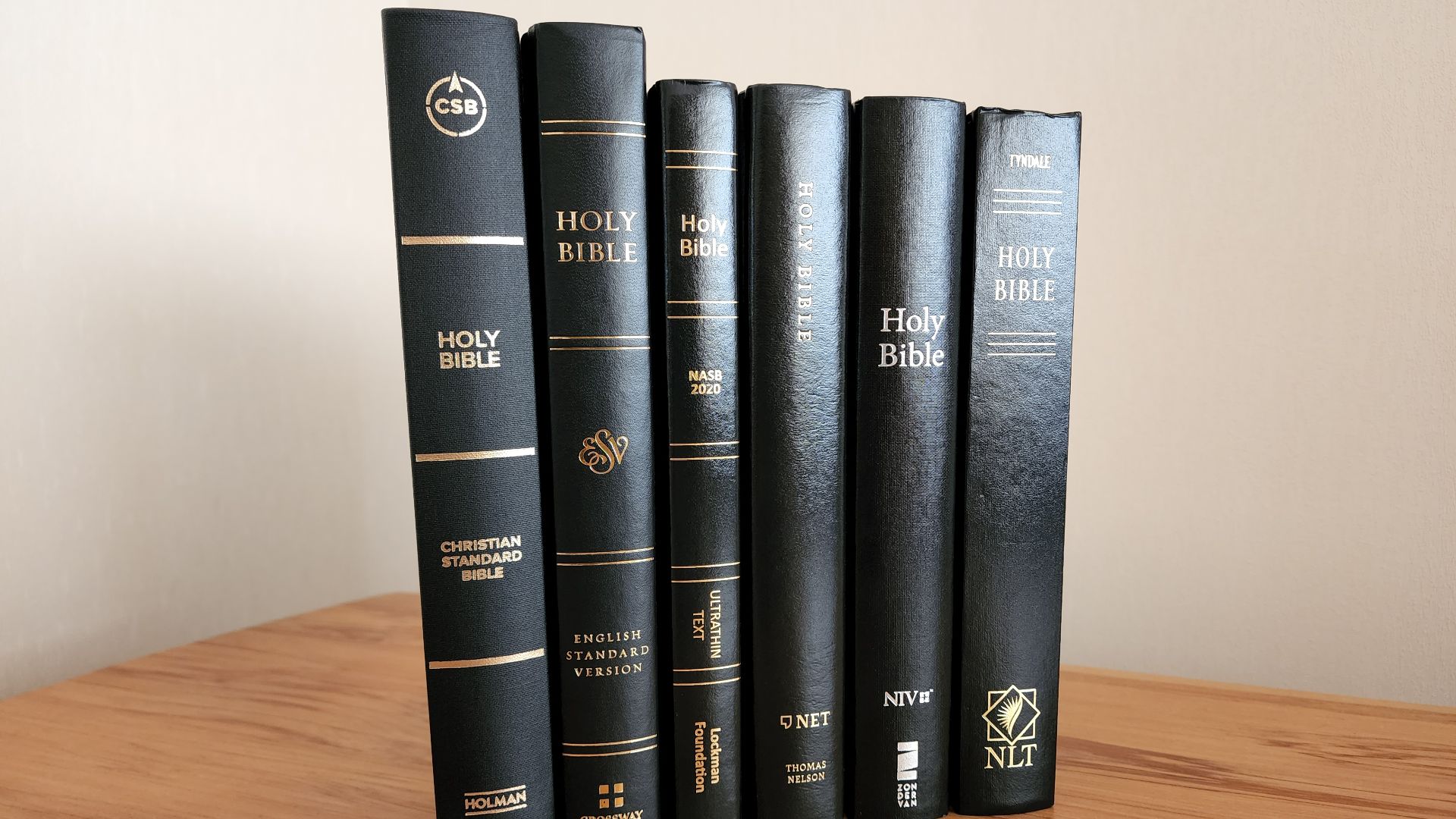 VistaSunset, Wikimedia Commons
New Standard Of Translation
The King James Version’s dominance set standards of translation style, English prose, religious usage, and cultural influence. It also raised questions about biases, sources, and how translation operates in service of theology and authority.
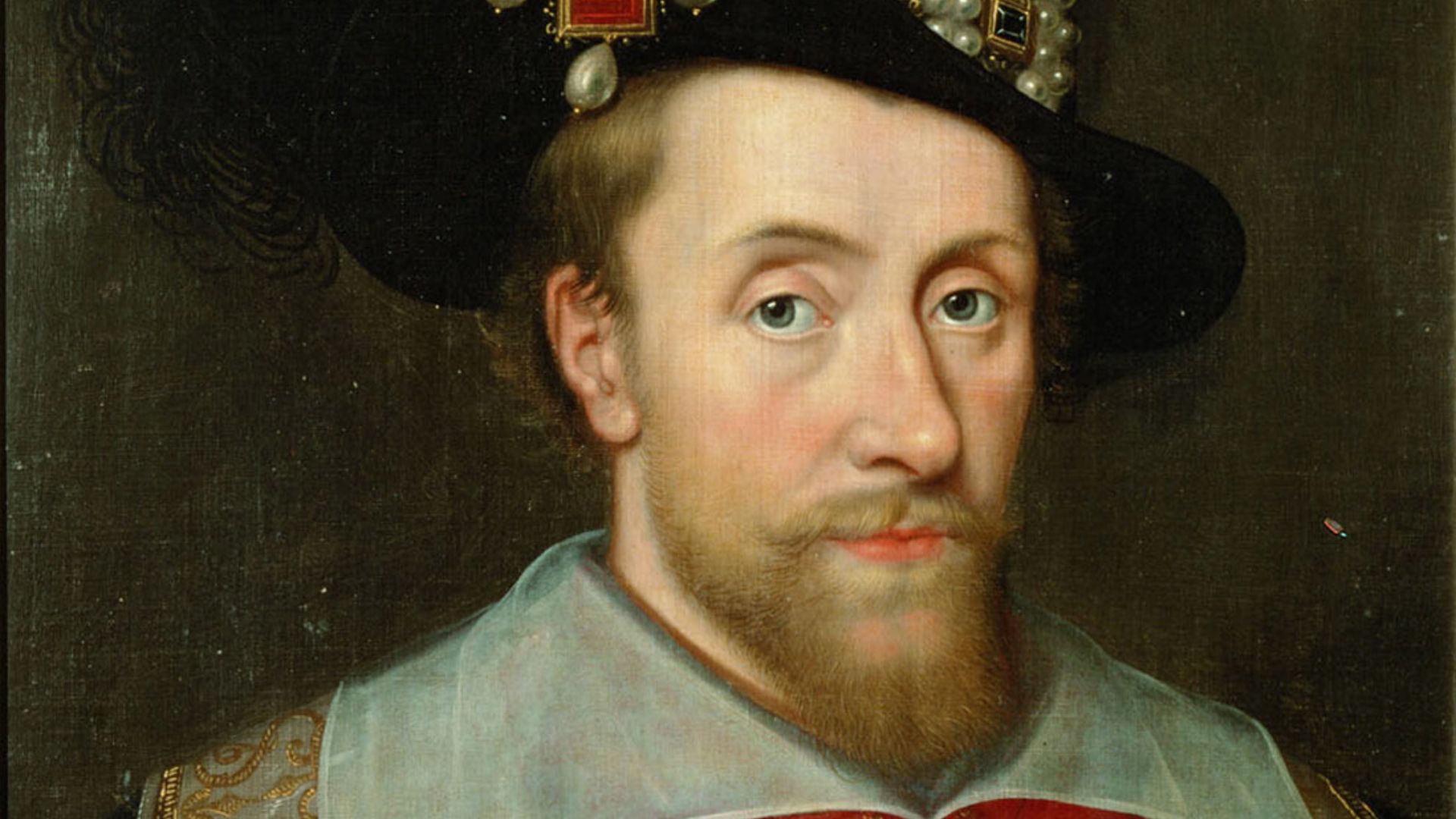 After John de Critz, Wikimedia Commons
Criticisms And Points Of Consideration
Although highly influential, the King James Version has its fair shar of critics, who point out the book's limitations in manuscript evidence at the time, outdated language, and occasional unevenness in translation quality. Moreover, its role in reinforcing monarchy and state church has drawn attention to itself in historical theology.
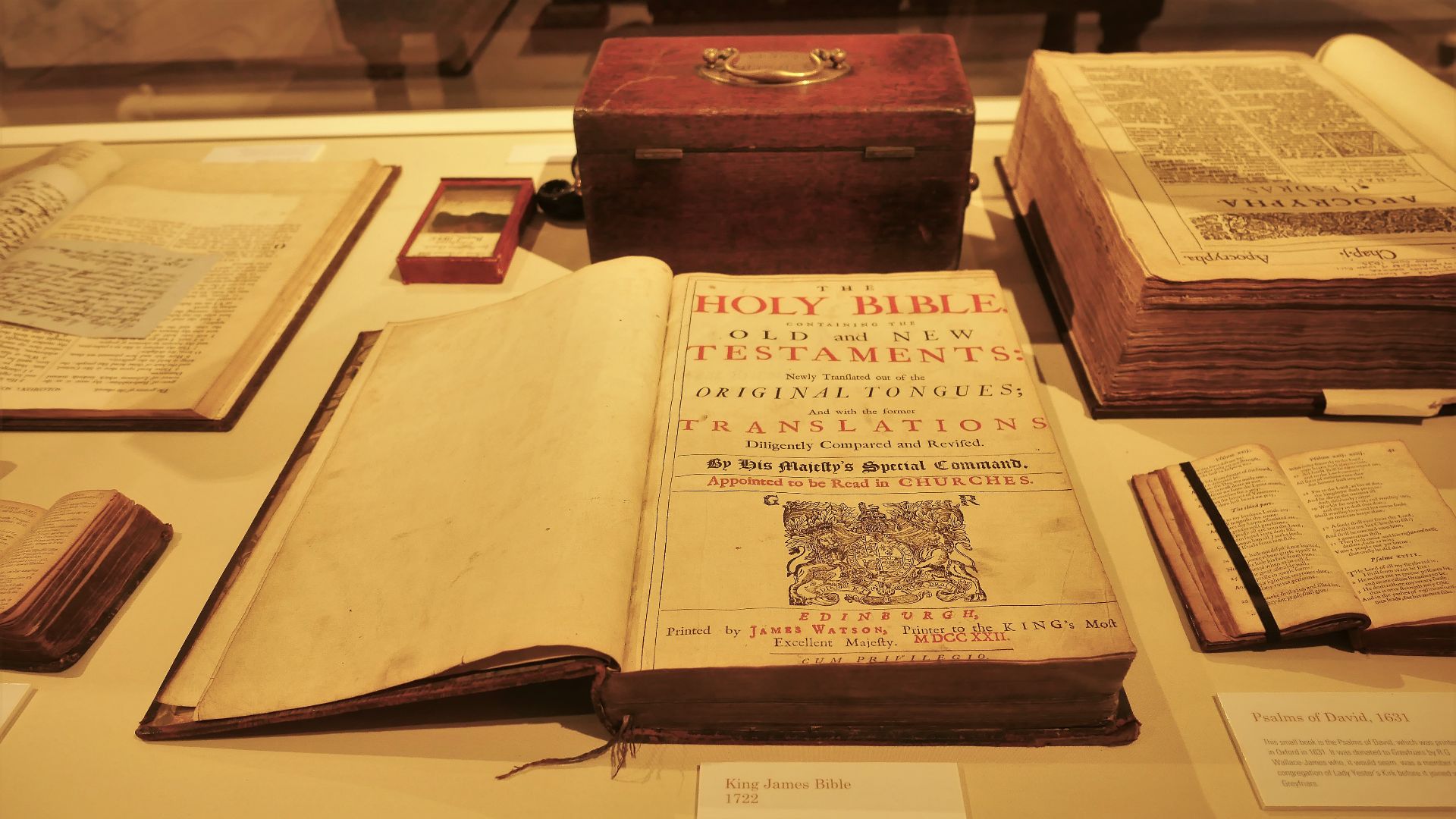
Persistence And Influence Today
Even in the 21st century the King James Version remains in wide use. Its phrases remain in liturgy, hymns, public speech, and literature. It still endures as a symbol of both faith and linguistic heritage and there’s no sign that status is about to change anytime soon.
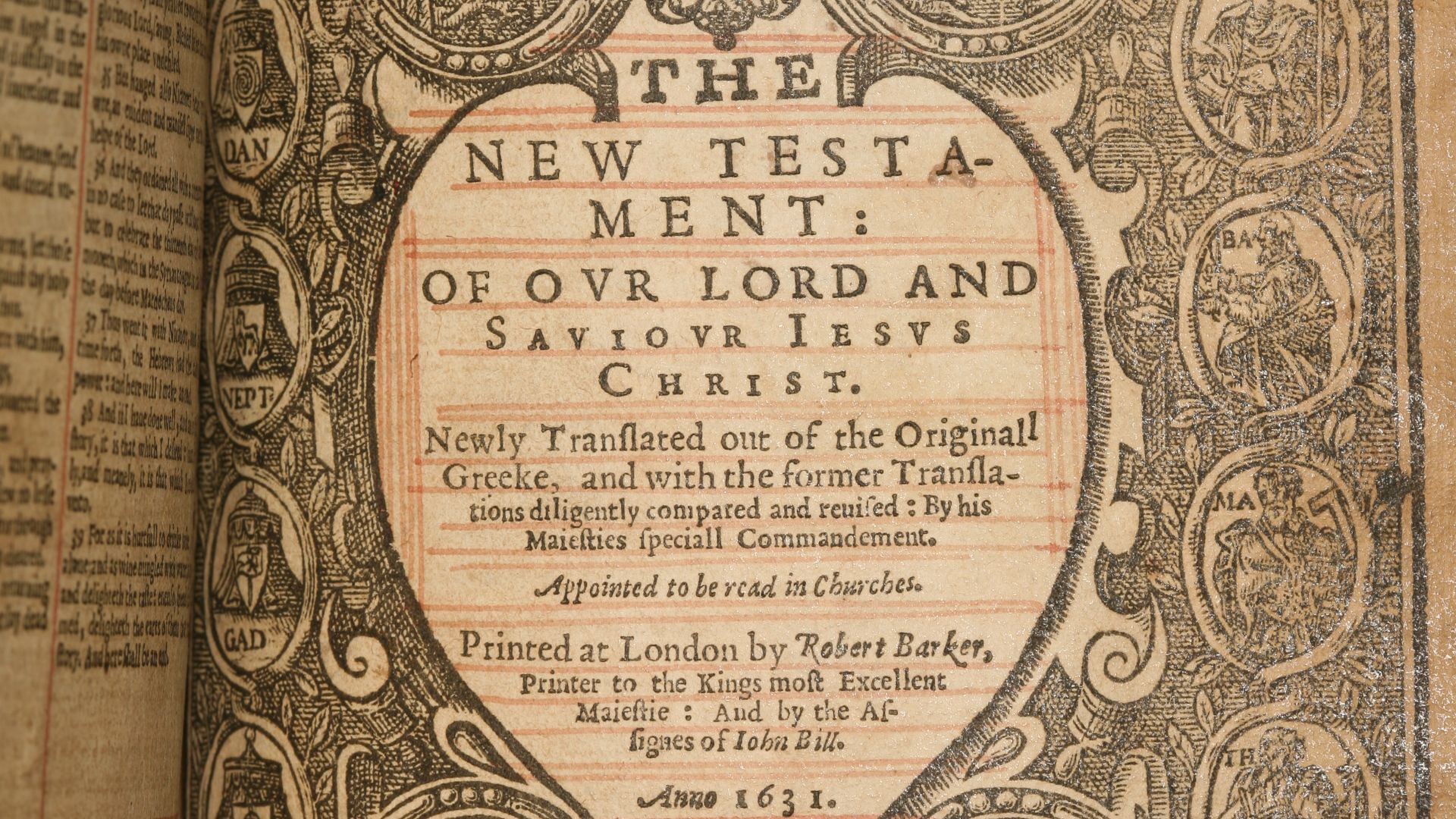 juxtapose^esopatxuj, Wikimedia Commons
History's most fascinating stories and darkest secrets, delivered to your inbox daily.
More Than Just Another Translation
The King James Version was a political and cultural statement of royal supremacy. By removing subversive commentary and enforcing ecclesiastical language, James I used the Bible to strengthen both throne and church. Its difference from the Geneva Bible marked a decisive turn toward greater uniformity. But later that century the English monarchy would face far greater challenges to its authority.
You May Also Like:
Lost Facts About King James I, The Forgotten King
Glorious Facts About Queen Elizabeth I, The Virgin Queen
Brutal Facts About The Wives Of Henry VIII, The Tudor Tragedies