Everything Was Being Prepared
Edward V’s father had just passed away, and the boy was travelling to London to be crowned. The adults around him knew what was supposed to happen when he arrived. Then his uncle appeared on the road. At first, there was an explanation for everything he did.
A King At 12
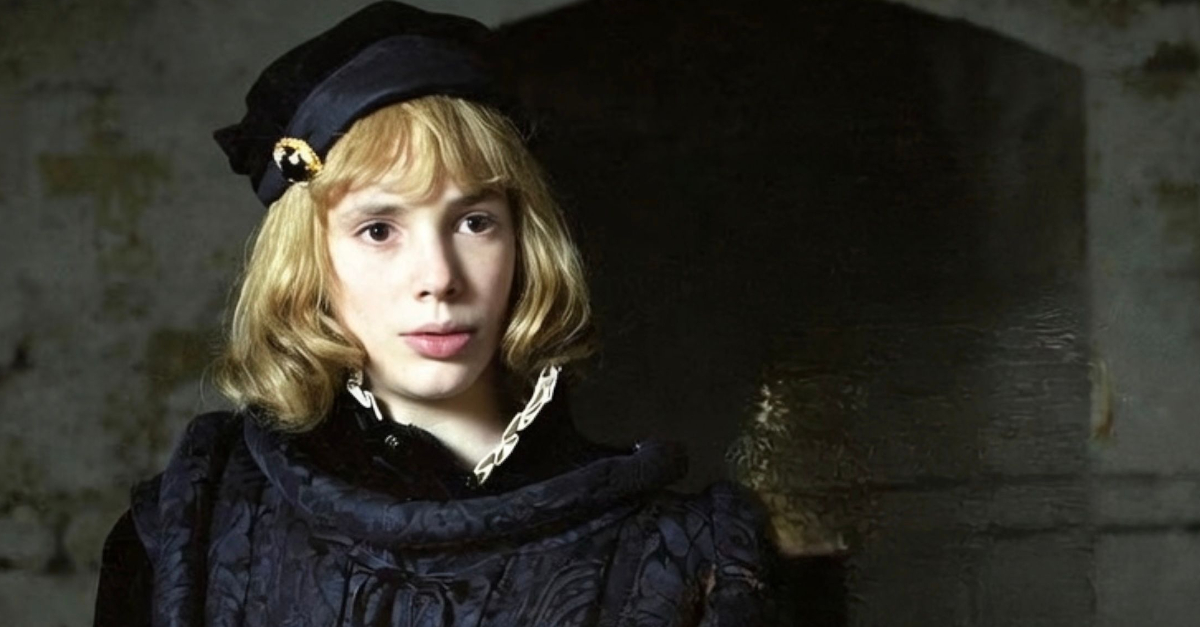
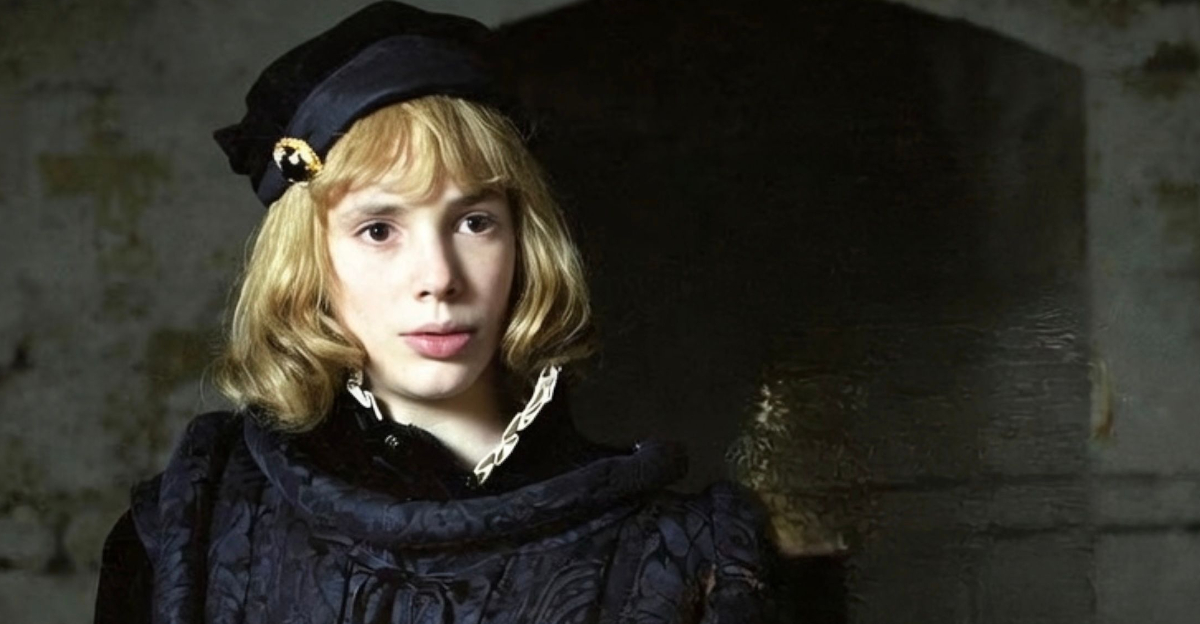
King Edward IV passed away in April 1483. That made his 12-year-old son England’s new king, although Edward V had not yet been crowned. He was living at Ludlow and needed to travel to London, where his coronation was being planned.
 Screenshot from Richard III: The Princes in the Tower, Channel 4 (2015)
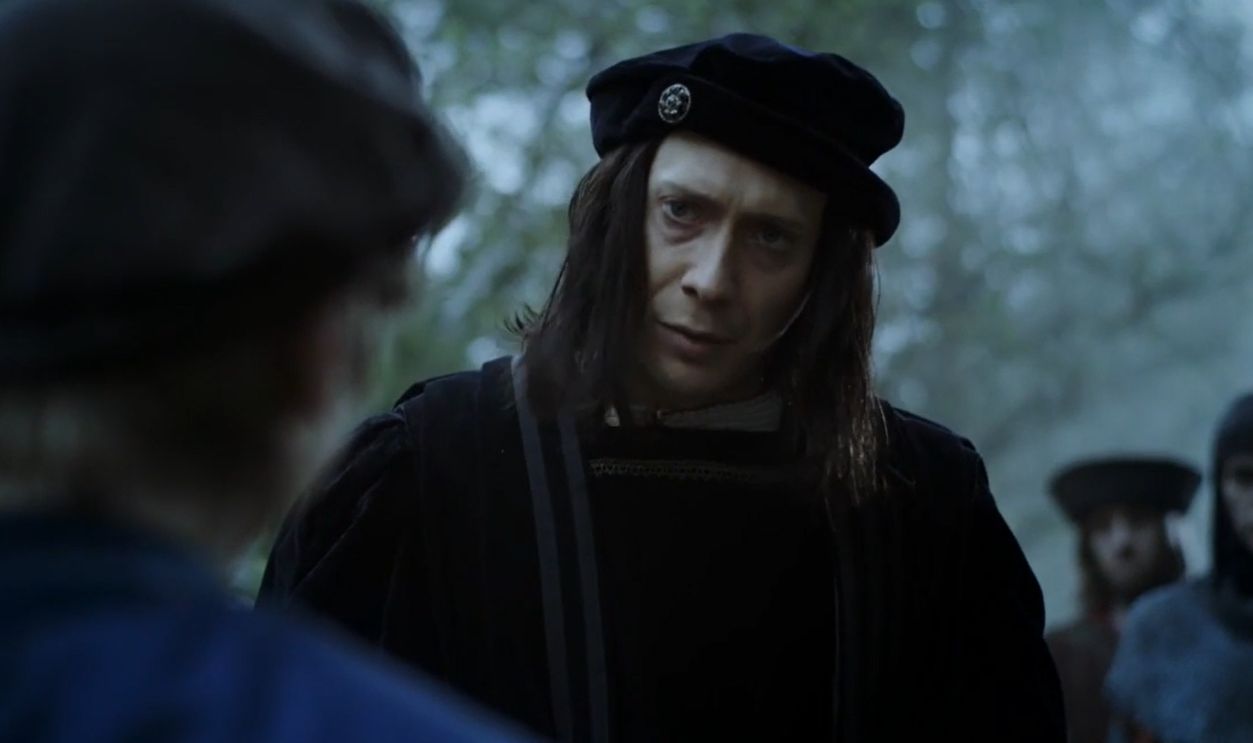
His Uncle Met Him On The Road
Edward was travelling with members of his mother’s family when Richard, Duke of Gloucester, came to meet them. Richard was the late king’s brother and Edward’s uncle. He took charge of the boy and had several of his companions arrested, including his maternal uncle, Earl Rivers.
 Screenshot from Richard III: The Princes in the Tower, Channel 4 (2015)
His Mother Took Fright
News of the arrests reached Edward’s mother, Elizabeth Woodville. She took her younger children into sanctuary at Westminster Abbey, including Edward’s nine-year-old brother, also named Richard. She had one son with her, but the new king was now travelling to London under the control of his other uncle.
 Screenshot from Richard III: The Princes in the Tower, Channel 4 (2015)
Edward Entered The Tower
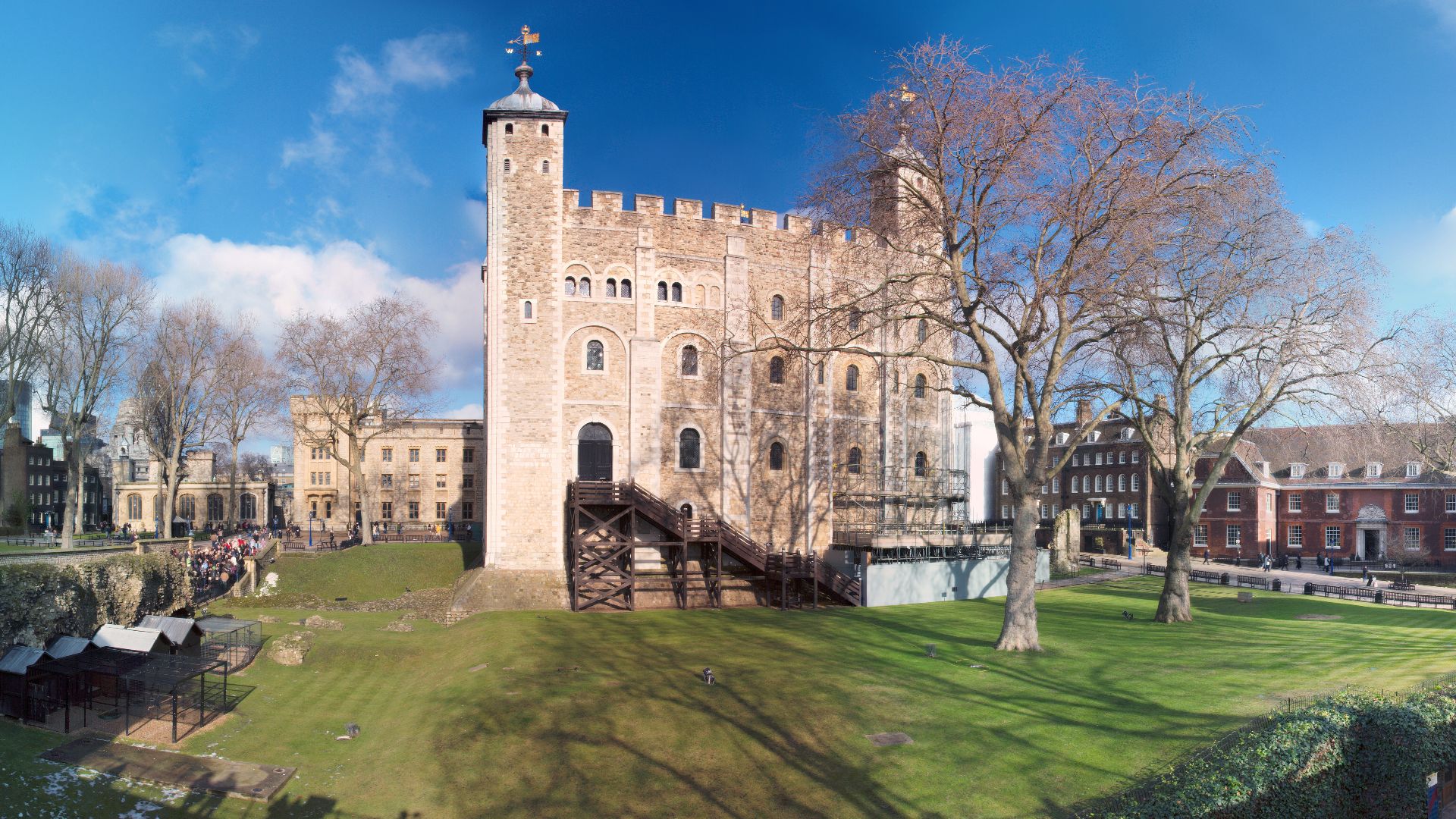
By May, Edward V was at the Tower of London. Today, that sounds like an obvious warning. At the time, the Tower was also a royal palace, and a king traditionally stayed there before his coronation. There was still an ordinary explanation for Edward being inside its walls.
His Coronation Had Already Been Delayed
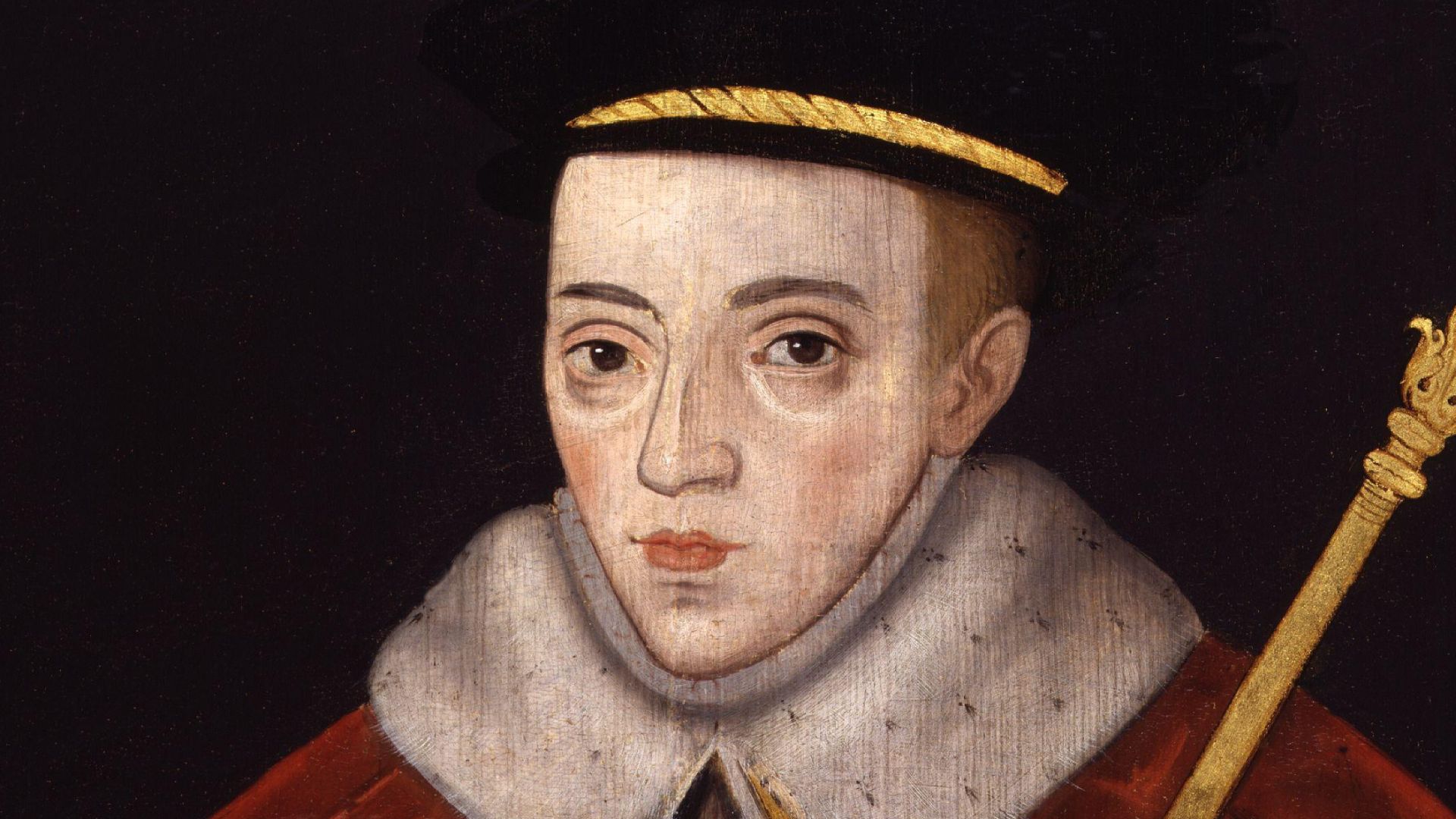
Edward’s coronation was delayed in early May and then scheduled for June 22. Preparations continued, including the minting of coins. But as the new date approached, Richard’s control over the boy grew. Edward remained in the Tower, waiting for a ceremony that would never take place.
 Unknown authorUnknown author, Wikimedia Commons
One Of Edward’s Supporters Was Removed
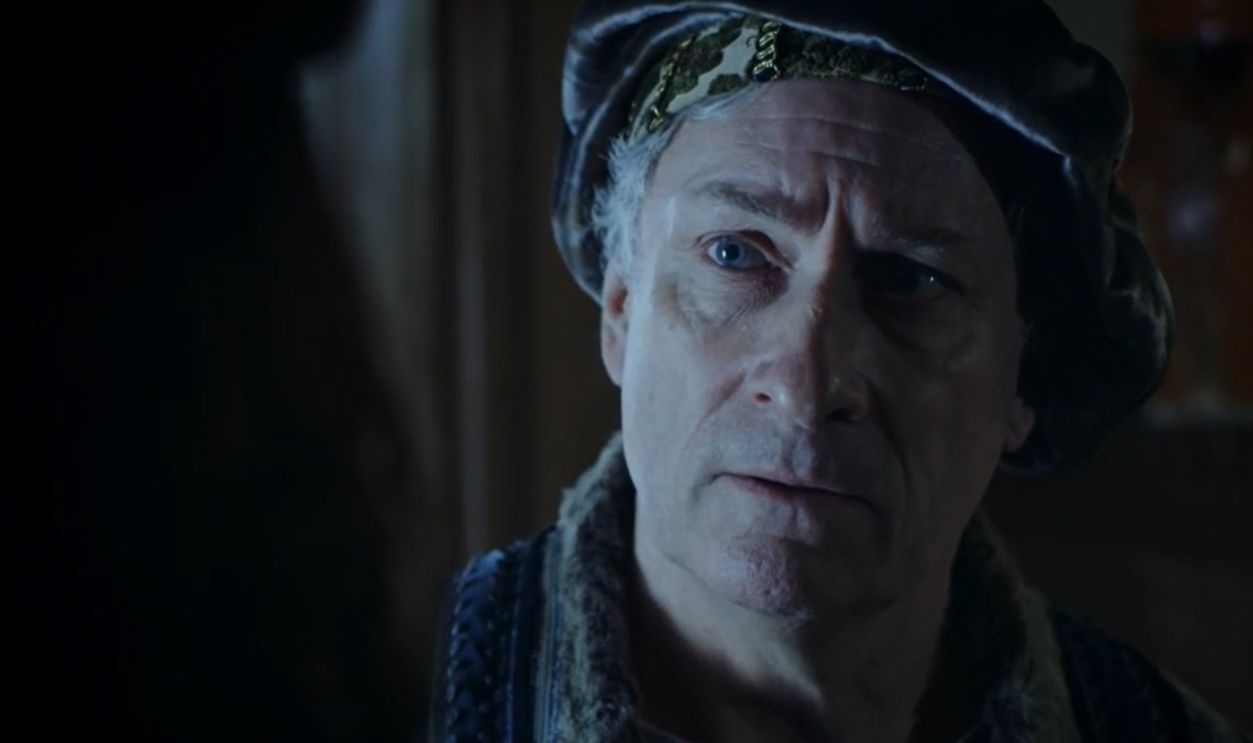
William Hastings had been close to Edward IV and supported the boy’s claim. In June, Richard accused him of plotting against him. Hastings was executed at the Tower without a trial. If anyone still believed this was a straightforward journey to a coronation, that belief was getting harder to hold.
 Screenshot from Richard III: The Princes in the Tower, Channel 4 (2015)
Richard Wanted The Other Boy
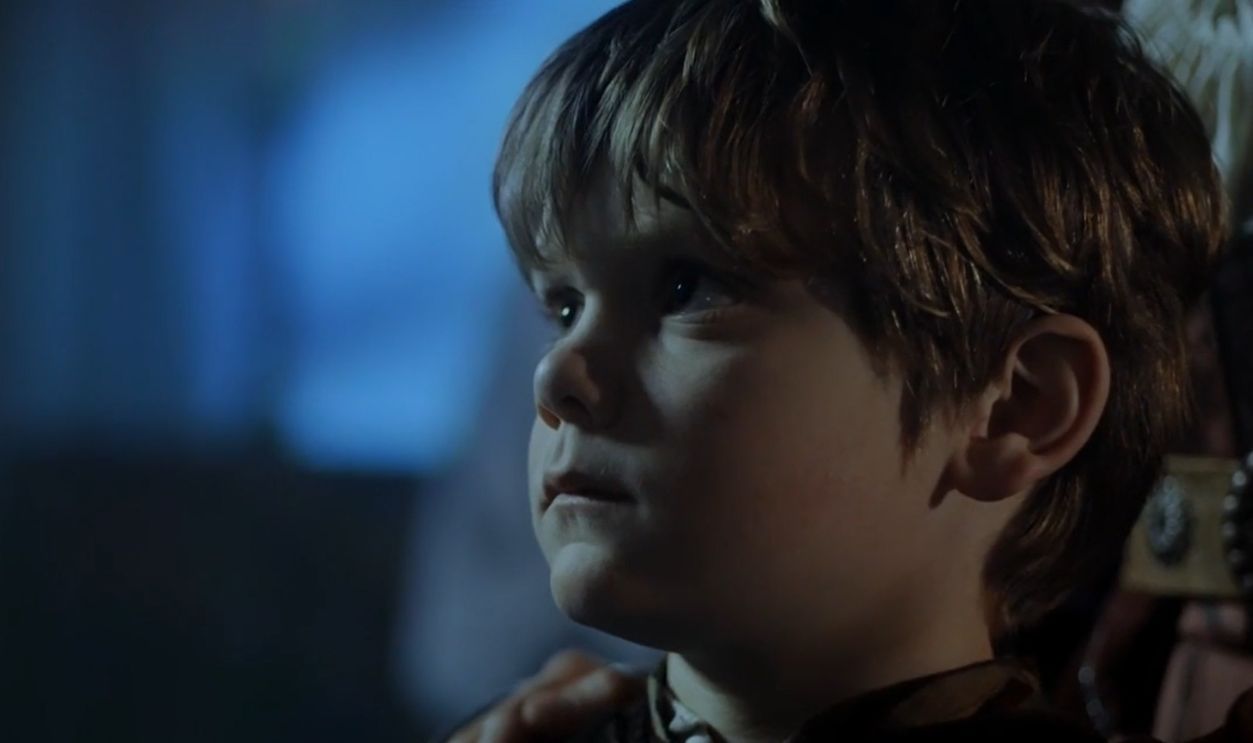
Edward’s younger brother was still with their mother in sanctuary. On June 16, the Archbishop of Canterbury went to Westminster Abbey with men sent by Richard. Elizabeth gave up nine-year-old Richard, Duke of York. He was taken to the Tower to join Edward. Both brothers were now in their uncle’s hands.
 Screenshot from Richard III: The Princes in the Tower, Channel 4 (2015)
The Brothers Were Seen Playing
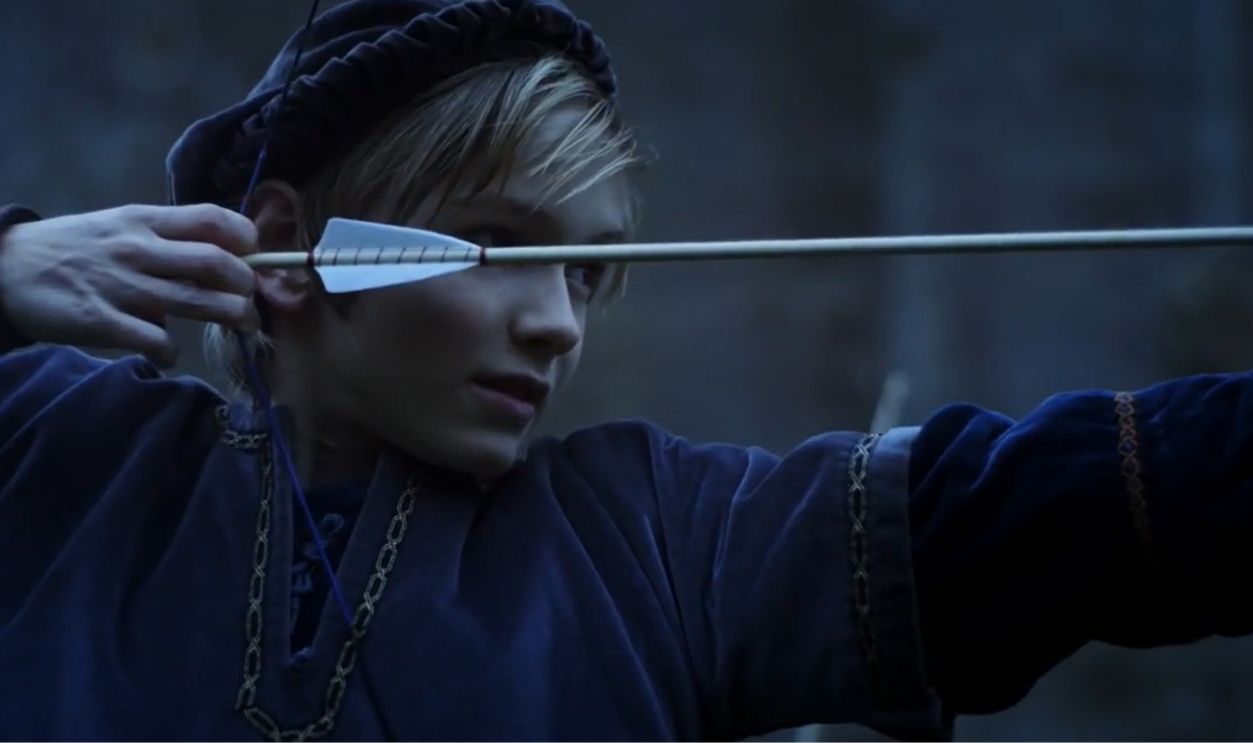
An account from the period records the boys playing and shooting arrows in the Tower’s garden. They were together, and people could see them. But the account does not give us a firm date for the last time either boy was seen. That would become an important gap in their story.
 Screenshot from Richard III: The Princes in the Tower, Channel 4 (2015)

History's most fascinating stories and darkest secrets, delivered to your inbox daily.
Then Came A Claim About Their Parents
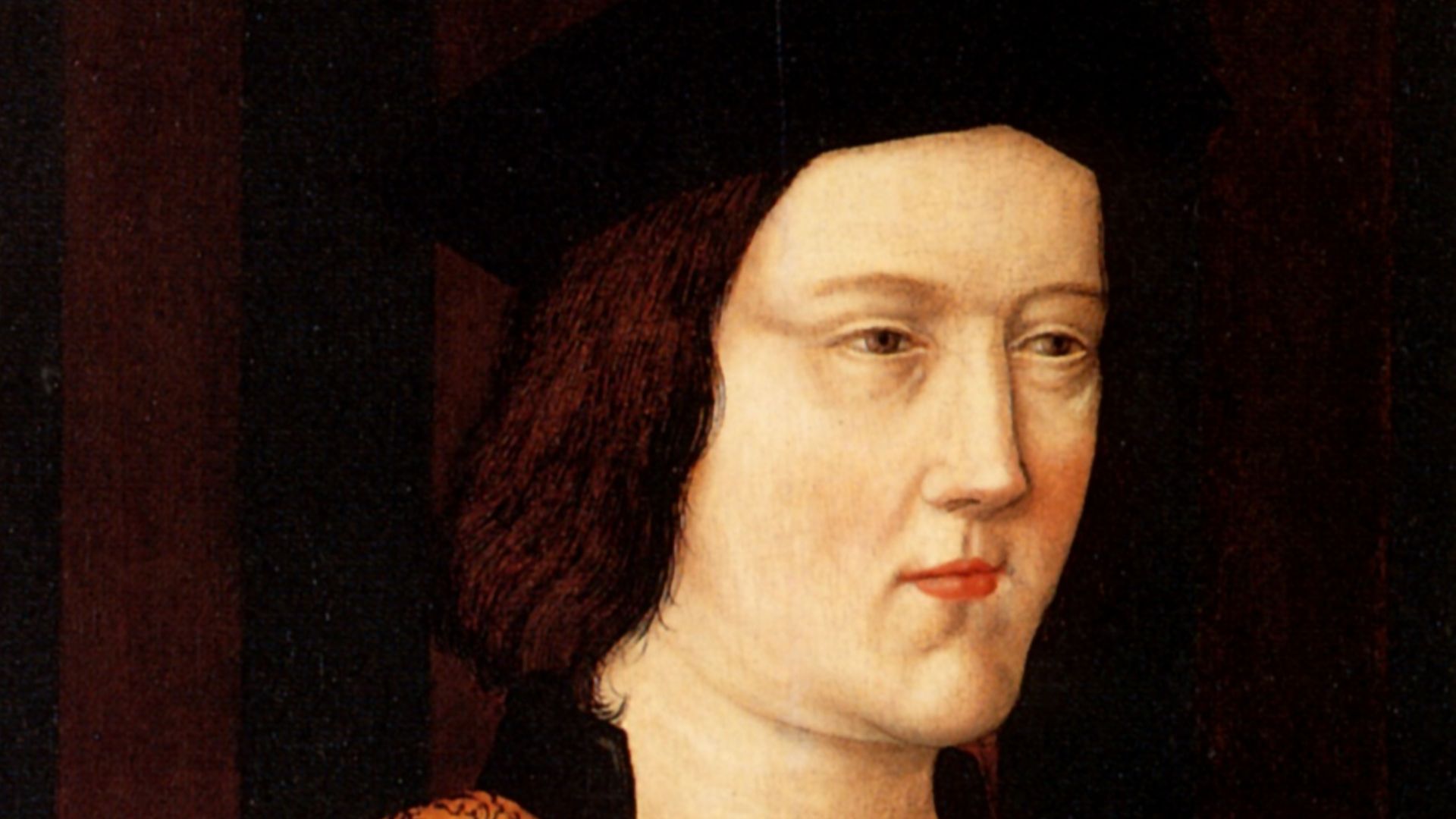
Richard’s supporters argued that Edward IV had made an earlier marriage commitment to another woman. If that claim was valid, his later marriage to Elizabeth Woodville could be treated as invalid. Their children’s right to inherit the throne would then be in question. It was a claim with enormous consequences for both boys.
 Lucas Horenbout, Wikimedia Commons
Edward Lost His Throne
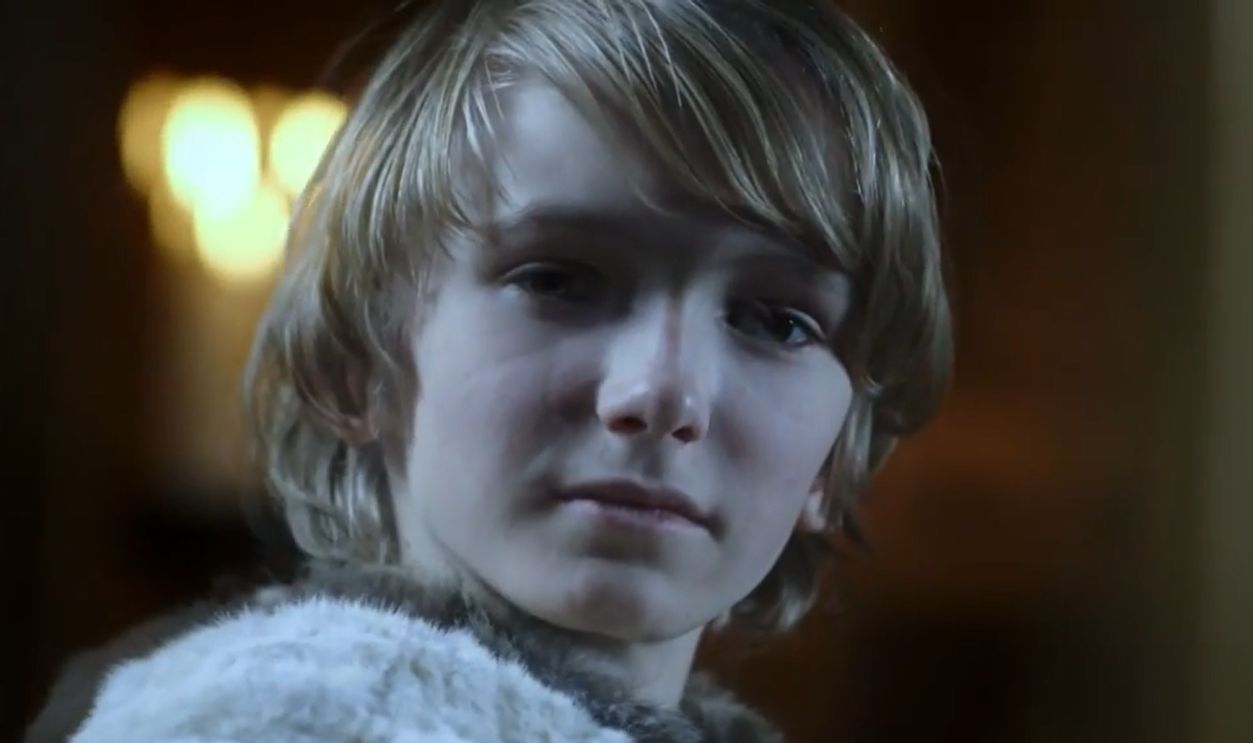
On June 25, Edward V was declared deposed. He had become king when his father passed away, but he was never crowned. Richard took the throne. The boy who had set off for his coronation was still inside the Tower, along with his younger brother.
 Screenshot from Richard III: The Princes in the Tower, Channel 4 (2015)
Richard Was Crowned Instead
Richard III’s coronation took place on July 6. Edward and his brother remained at the Tower. They had gone from being a young king and the next in line to two boys whose place in the royal family had been publicly challenged. Soon, people would stop seeing them at all.
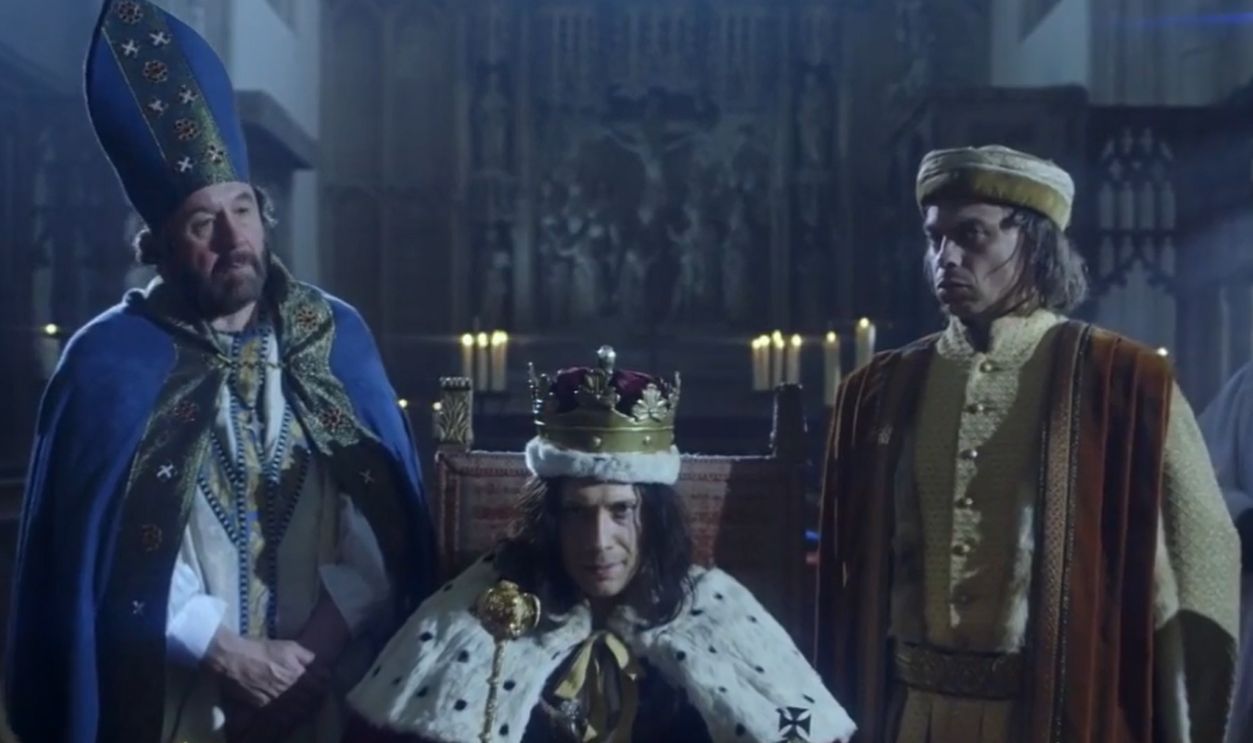 Screenshot from Richard III: The Princes in the Tower, Channel 4 (2015)
The Sightings Became Rarer
Dominic Mancini, an Italian visitor who wrote about that summer, reported that the brothers were moved further inside the Tower. They appeared less and less often at its windows. Eventually, according to his account, they stopped appearing altogether. Mancini also recorded the growing suspicion that something had happened to them.
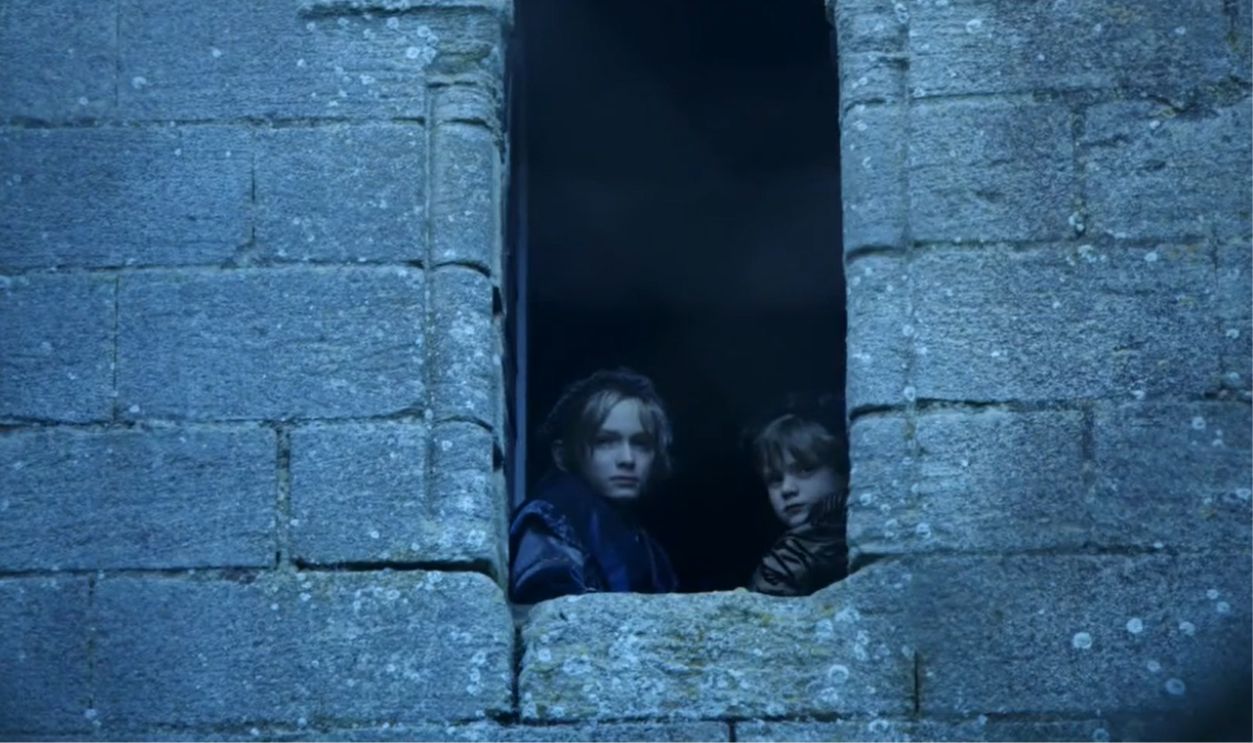 Screenshot from Richard III: The Princes in the Tower, Channel 4 (2015)
Nobody Could Say Where They Went
Accounts differ on precisely when the boys were last seen, but by later that summer, they had disappeared from public view. There is no confirmed record of either brother leaving the Tower. That is the part no theory can get around: two children went in, and nobody could account for what happened next.
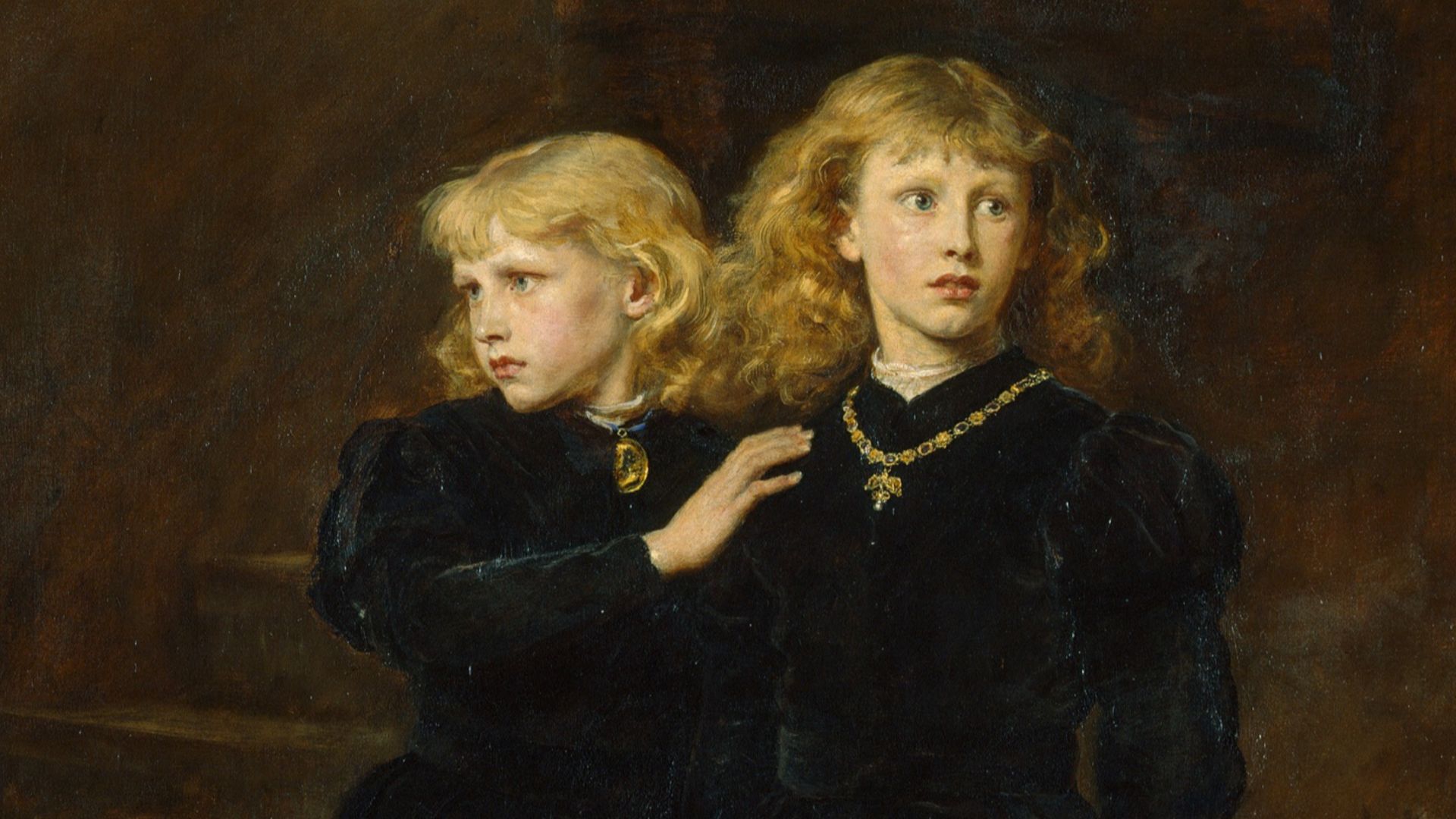 John Everett Millais, Wikimedia Commons
Richard Had A Problem
The claim about their parents’ marriage had cleared Richard’s path to the crown. But anyone who rejected that claim could still see Edward as the rightful king, with his younger brother next in line. The boys’ disappearance made Richard the obvious focus of suspicion, especially because he controlled access to them.
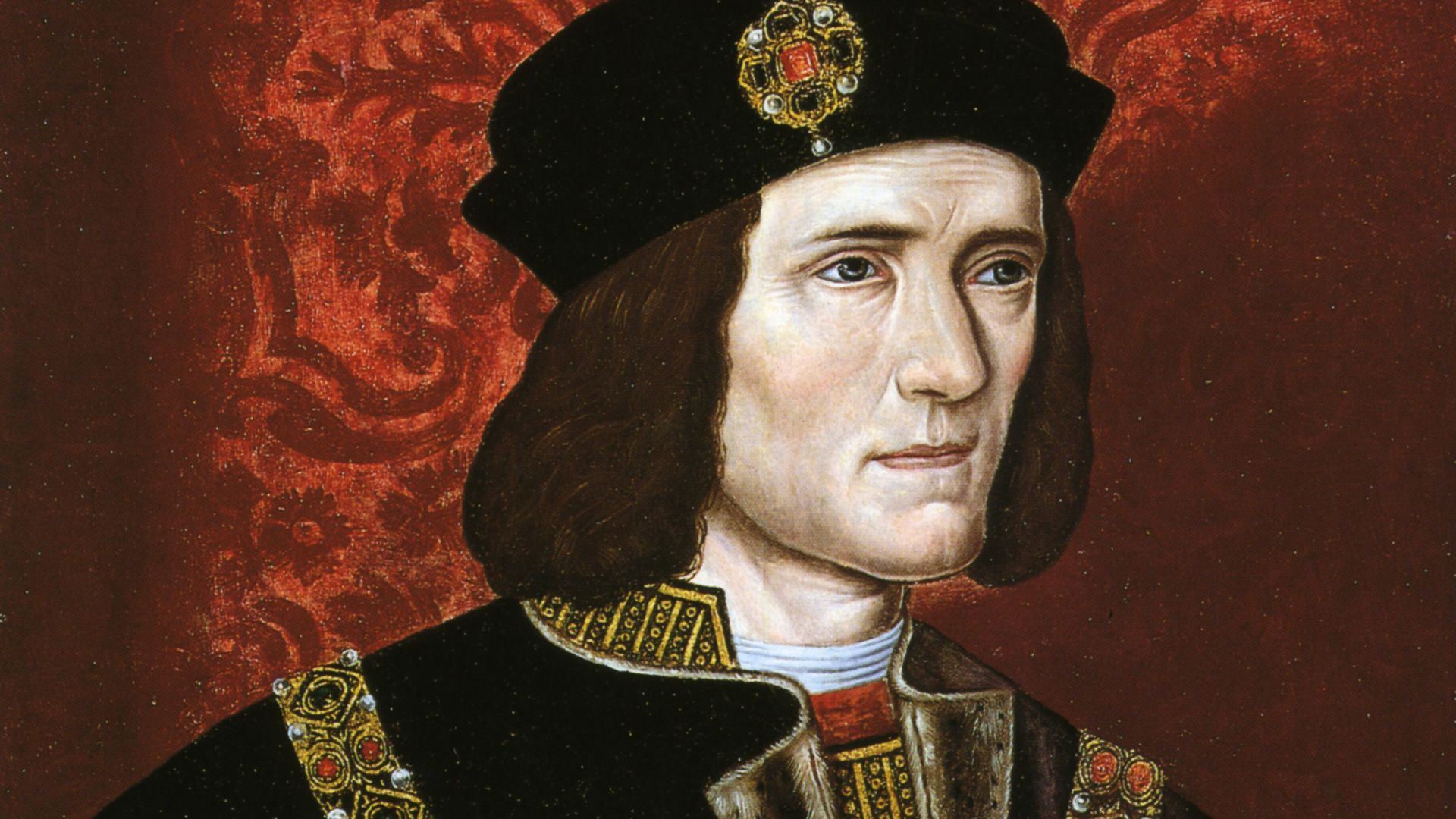
The Rumours Began Quickly
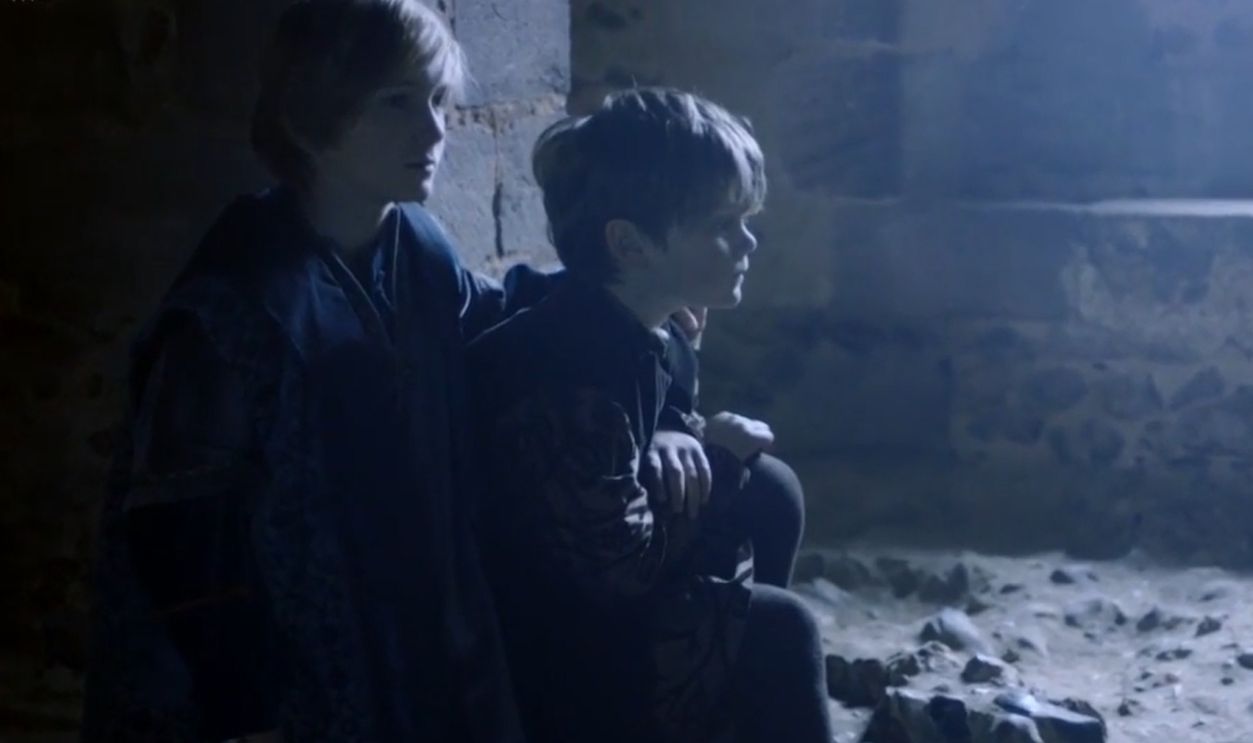
People did not have to wait centuries to wonder about the brothers. Mancini recorded suspicion close to the time of their disappearance. But suspicion could not establish whether the boys had passed away, escaped, or been moved somewhere else. No confirmed account tells us what happened after they stopped appearing.
 Screenshot from Richard III: The Princes in the Tower, Channel 4 (2015)
Richard’s Reign Was Short
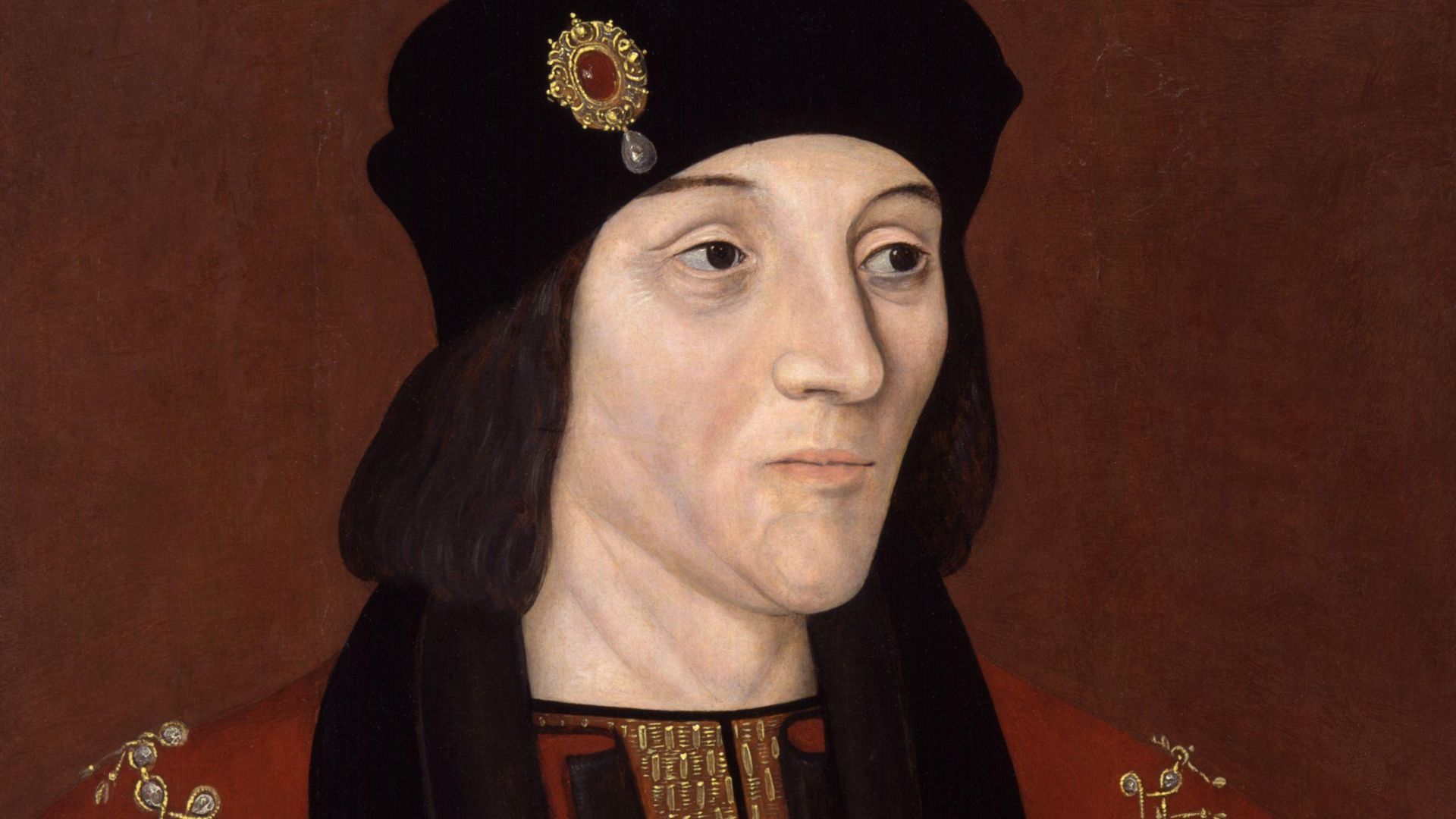
In 1485, Henry Tudor defeated Richard III at the Battle of Bosworth and became Henry VII. Henry later married the princes’ eldest sister, Elizabeth of York. By then, the brothers’ fate had become tangled with a new question: what would it mean for Henry’s reign if either boy were still alive?
 Unknown authorUnknown author, Wikimedia Commons
A Detailed Story Appeared Years Later
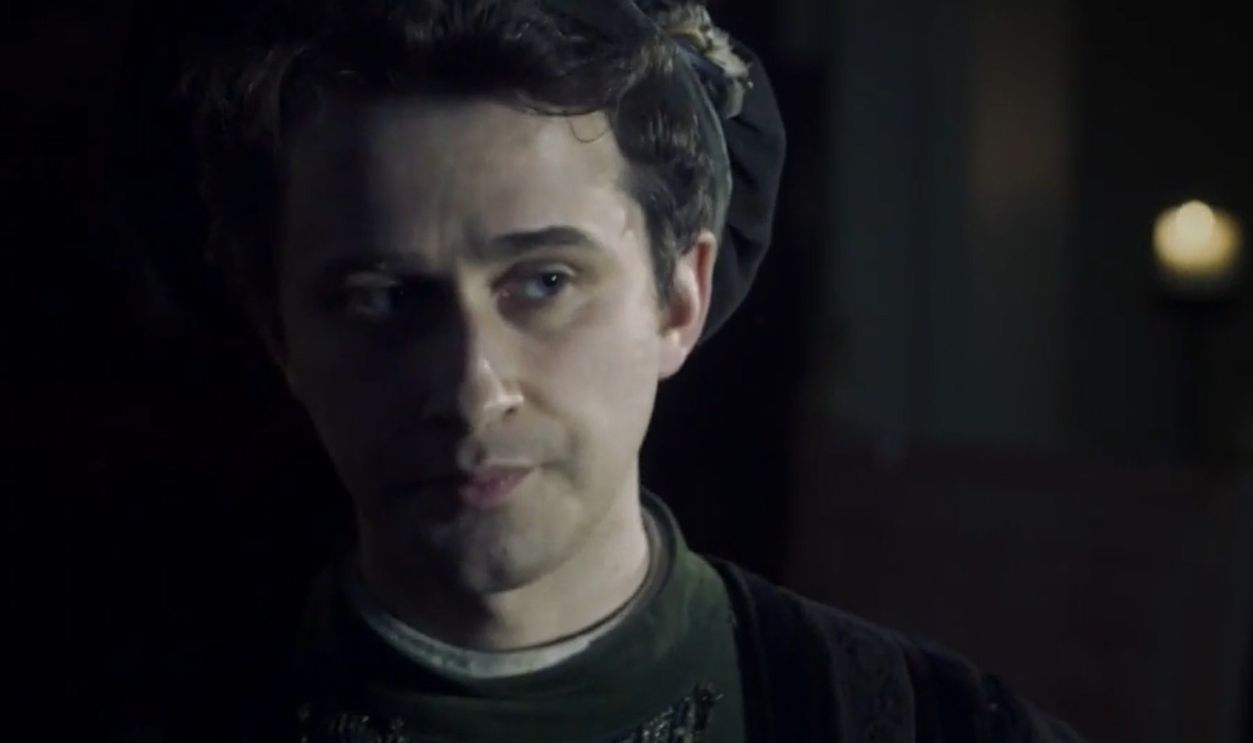
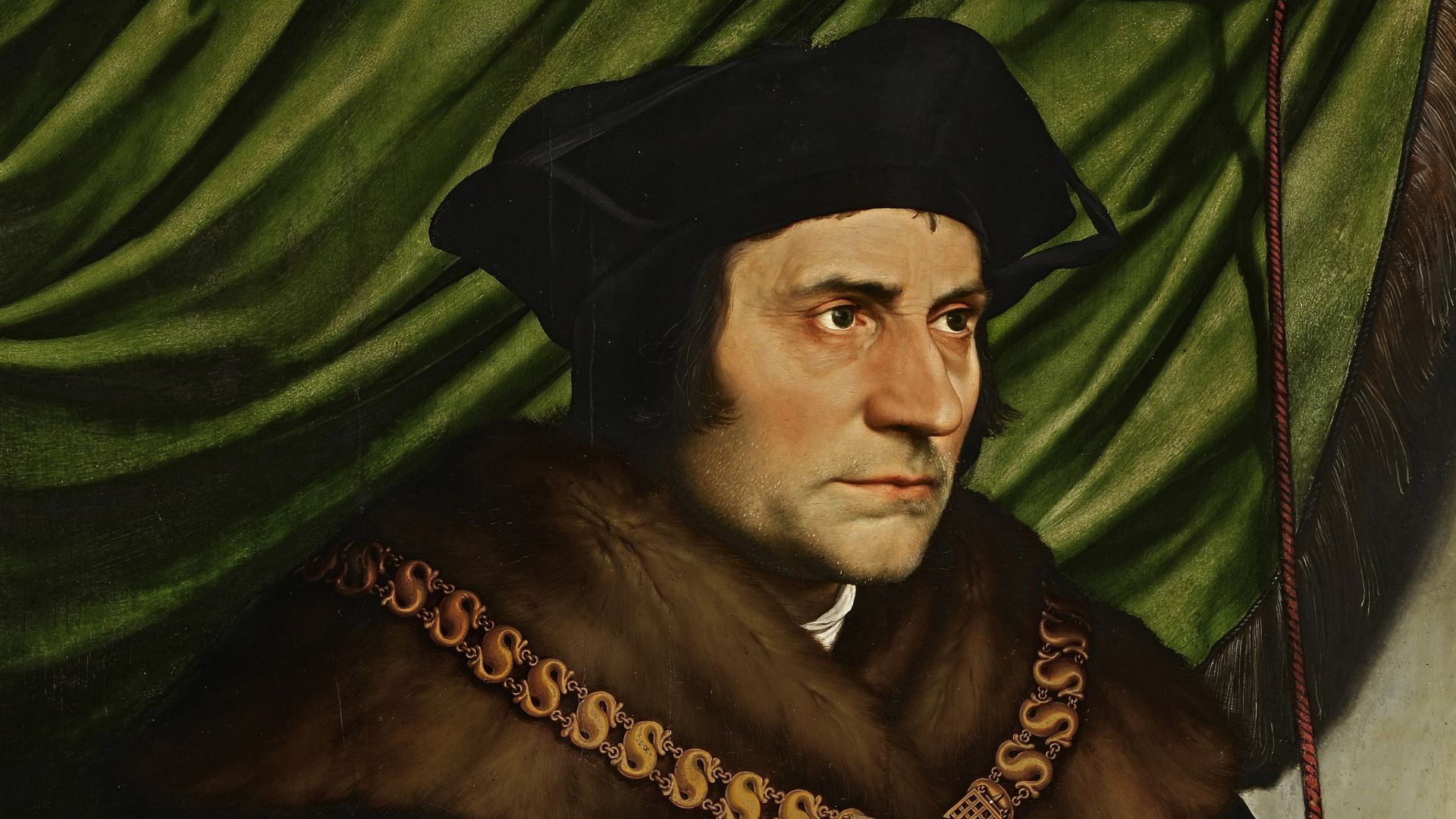
Sir Thomas More eventually wrote an account accusing Richard of ordering the brothers’ deaths. More named Sir James Tyrell as the man who arranged it and said Tyrell later confessed. It was a disturbing account, but More had not witnessed the events. He was writing decades after the boys disappeared.
 Screenshot from Richard III: The Princes in the Tower, Channel 4 (2015)
The Confession Is Not Settled
If Tyrell confessed as More claimed, it would seem to answer a great deal. But no original record of the alleged confession survives. Historians still debate what More knew and how much of his account can be trusted. His version became famous without putting the mystery to rest.
 Hans Holbein the Younger, Wikimedia Commons
Someone Claimed To Be Richard
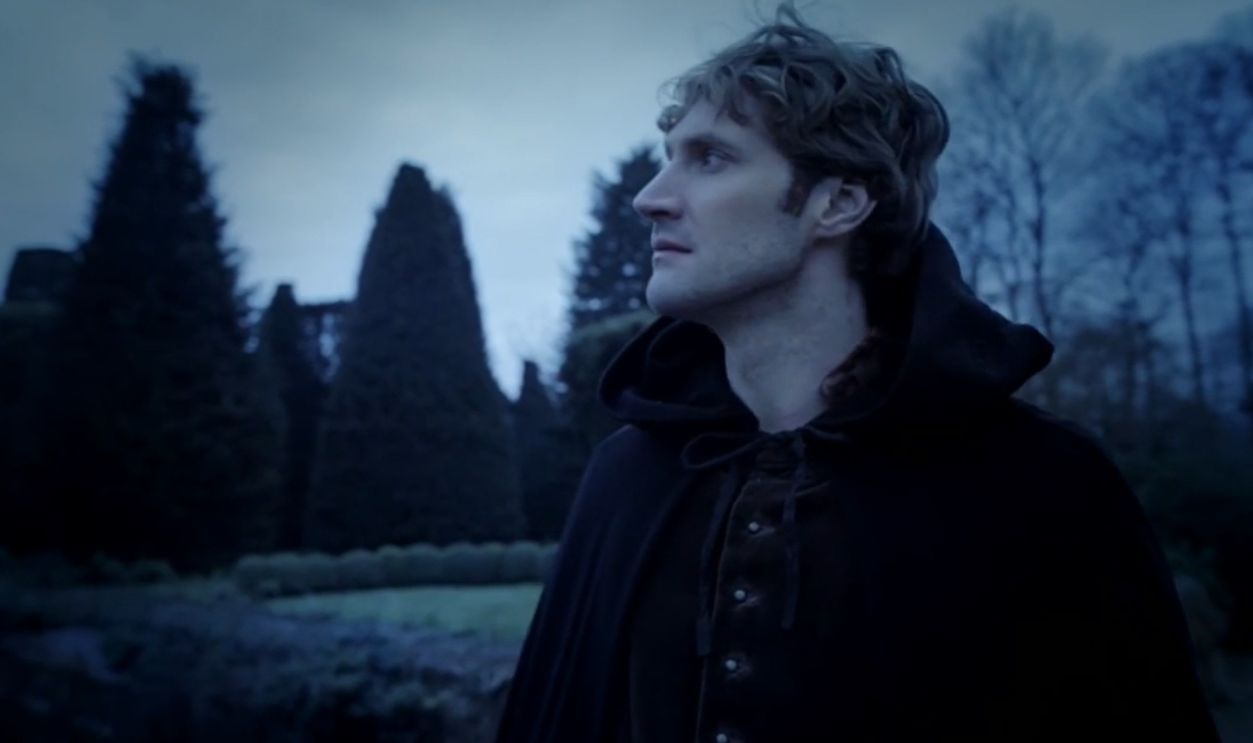
In the 1490s, a young man appeared claiming to be the younger brother, Richard, Duke of York. He said he had survived and gained supporters abroad. Henry VII’s government identified him as an impostor named Perkin Warbeck. His claim was never proved, but it showed how much uncertainty still surrounded the missing boys.
 Screenshot from Richard III: The Princes in the Tower, Channel 4 (2015)
A Chain Raised New Questions
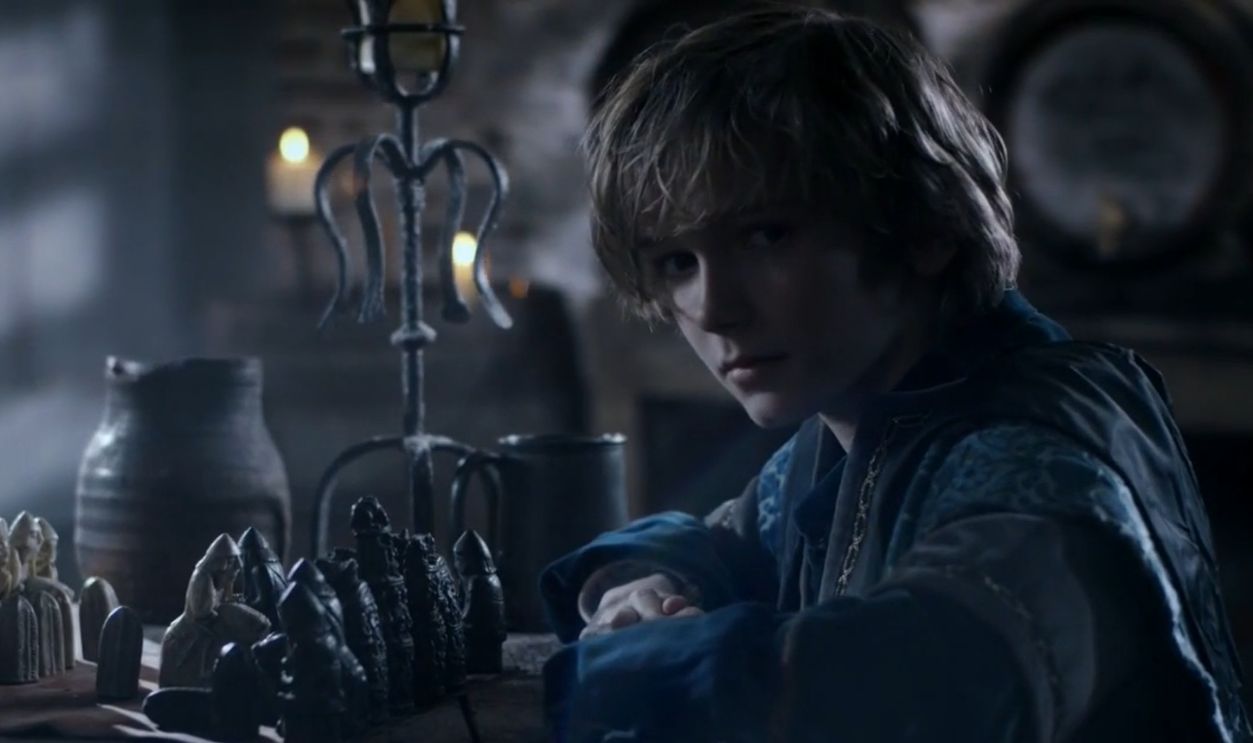
A will written decades later identified a chain once owned by Edward V among the possessions of a family related to Tyrell by marriage. Historian Tim Thornton says that connection adds weight to More’s account. He also cautions that the chain could have reached the family through an ordinary exchange of royal property.
 Screenshot from Richard III: The Princes in the Tower, Channel 4 (2015)
Workers Found Two Children
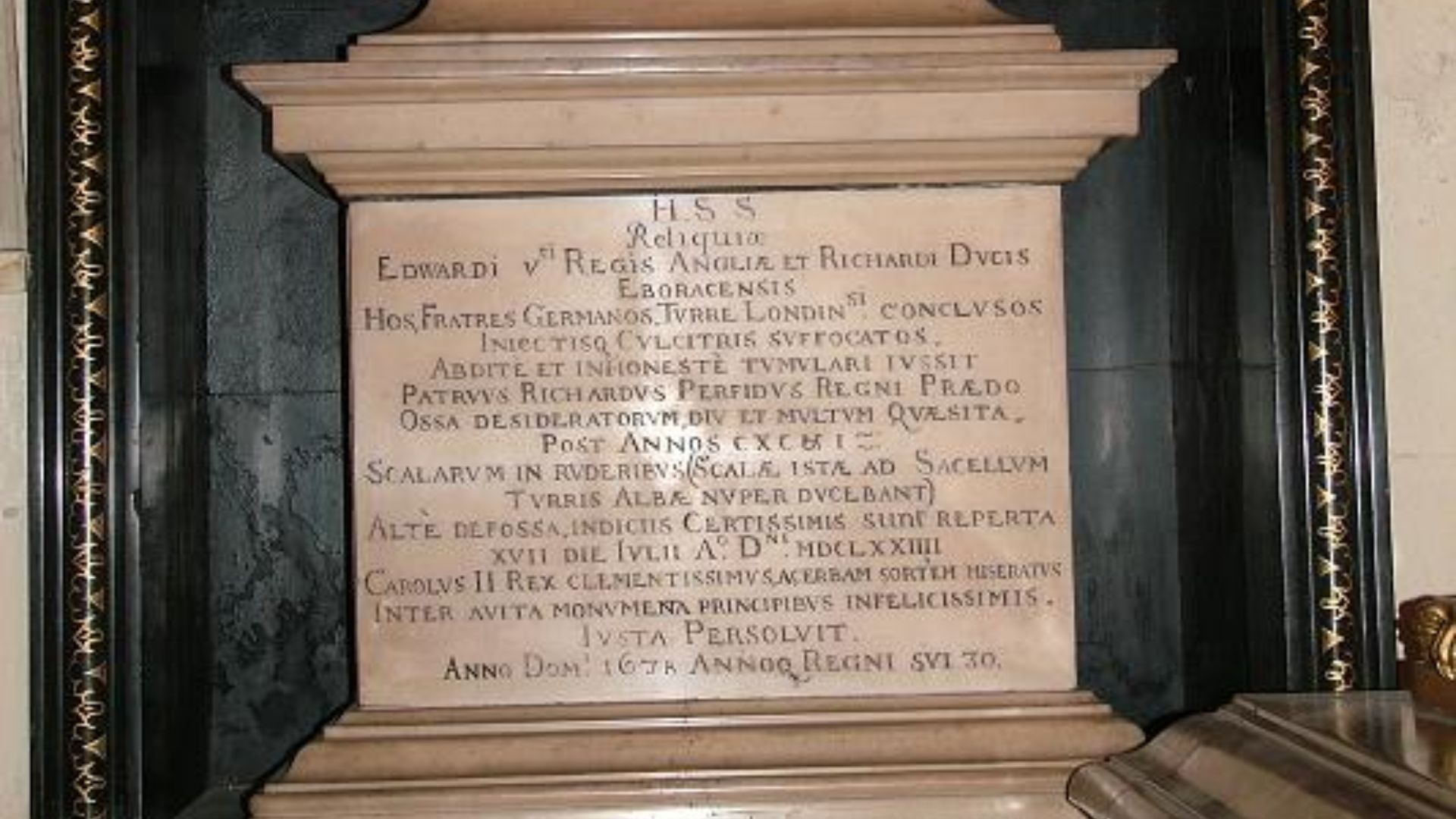
In 1674, nearly 200 years after the brothers vanished, workers at the Tower found the bones of two children near a staircase. People believed they might be Edward and Richard. The remains were eventually placed in Westminster Abbey under the princes’ names. But nobody had proved whose bones they were.
The Bones Could Not Settle It
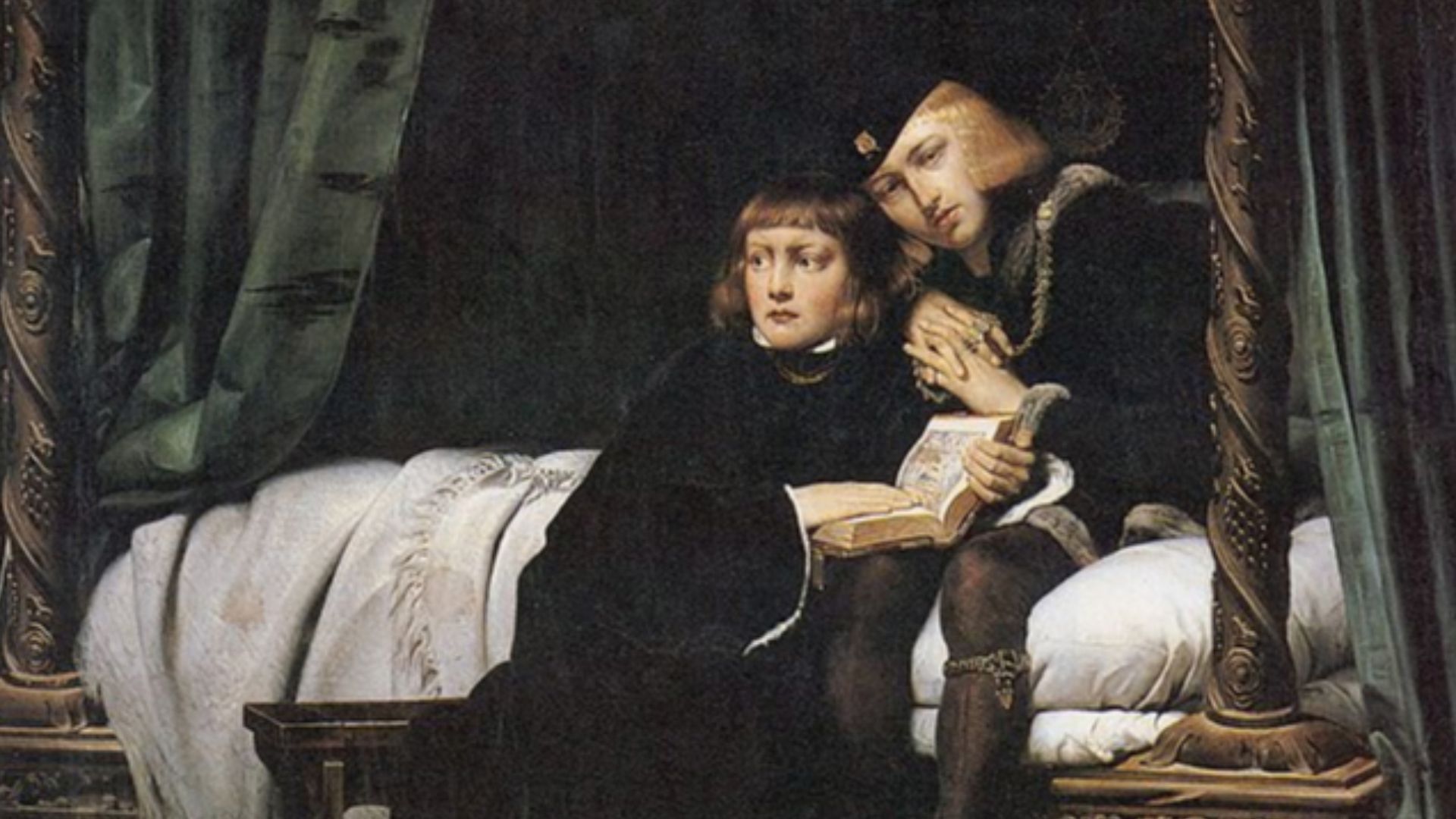
The remains had been disturbed when they were found, and some bones were lost over the years. An examination in 1933 found that the surviving remains belonged to two young children. It could not establish that they were Edward and Richard or explain how those children came to be buried there.
 Paul Delaroche, Wikimedia Commons
Richard Is Still The Central Suspect
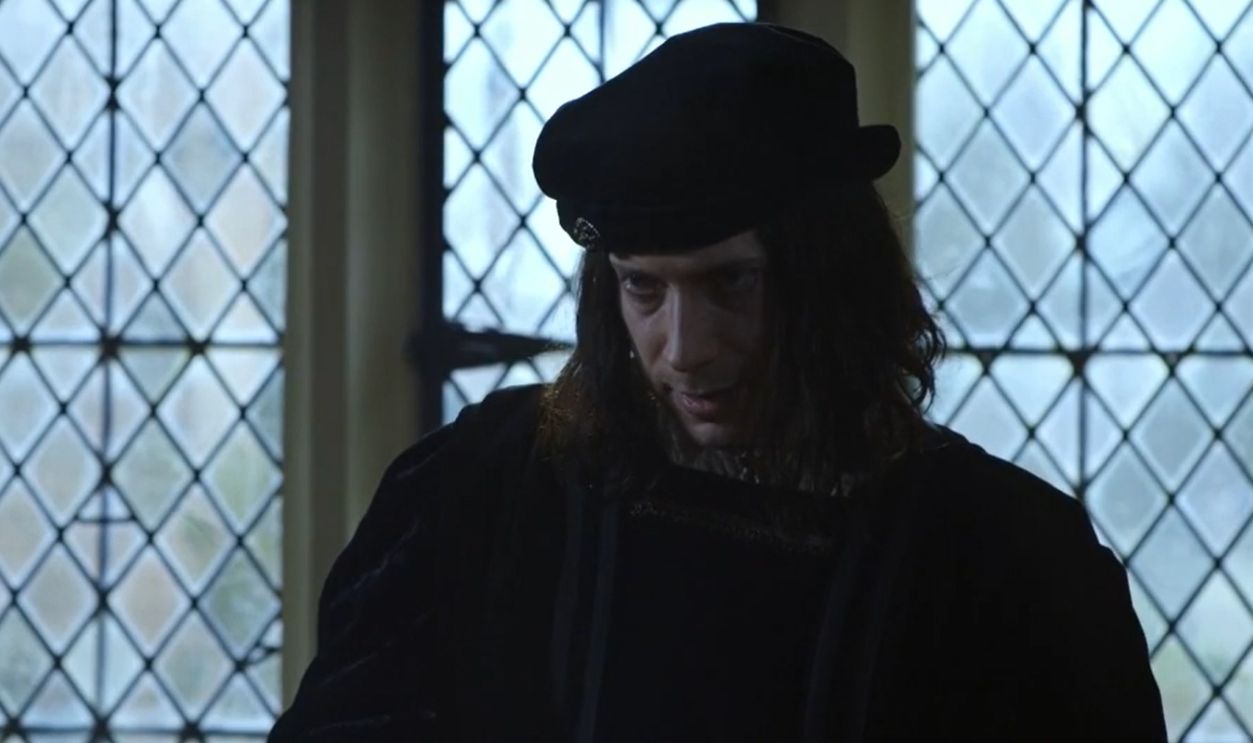
Richard took Edward’s throne and controlled access to both brothers when they disappeared. That makes the case against him difficult to dismiss. Yet there is no confirmed account of the boys’ final days, and the Tower bones have never been conclusively identified. Even the best-known version of events leaves questions behind.
 Screenshot from Richard III: The Princes in the Tower, Channel 4 (2015)
The Last Answer Is Still Missing
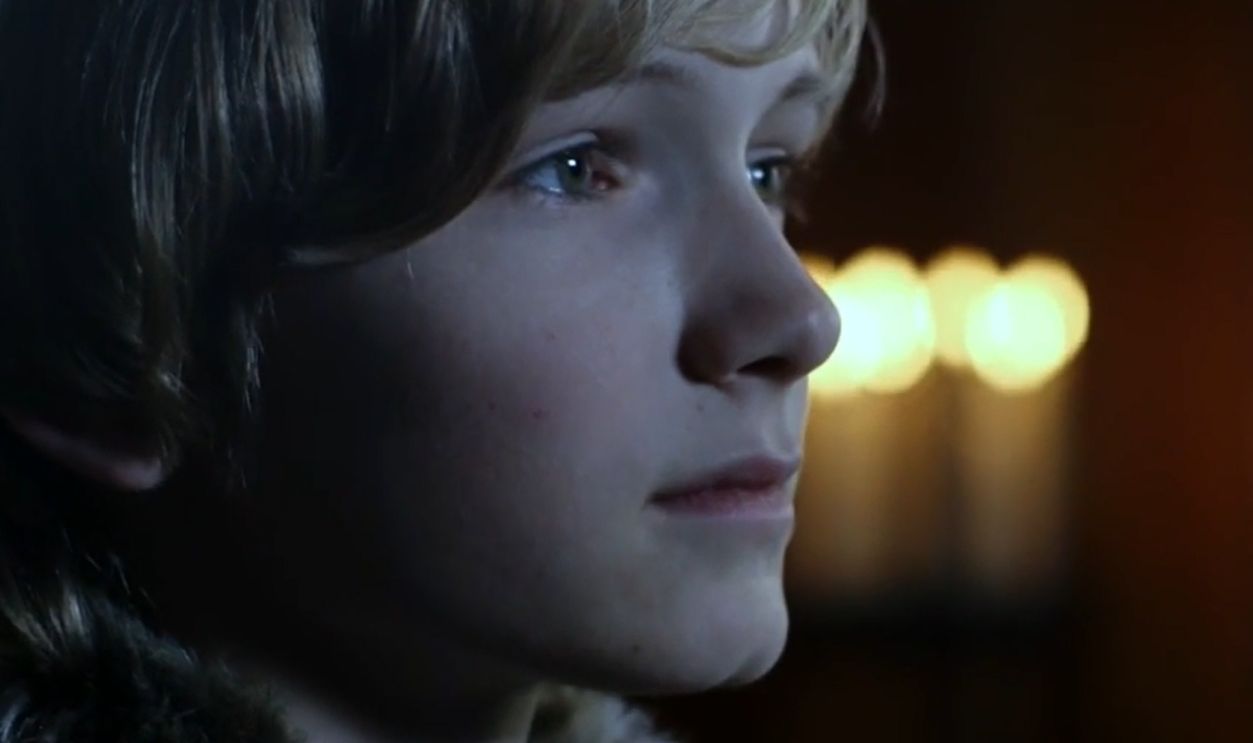
Edward V set off for London expecting a coronation. His uncle met him on the road, took charge of him, and eventually took his crown. We know Edward and his brother were seen together at the Tower. What happened after people stopped seeing them remains the question nobody has been able to answer.
 Screenshot from Richard III: The Princes in the Tower, Channel 4 (2015)
You Might Also Like:
Doomed Facts About King Charles II Of Spain, The Last Habsburg