The Funeral Was Supposed To Settle It
England had been told its former king was gone. There had been a funeral, and his son was on the throne. More than two years later, a letter surfaced that threatened to upend the whole story. The person behind it had attended the funeral himself.
Edward II Had Lost His Grip
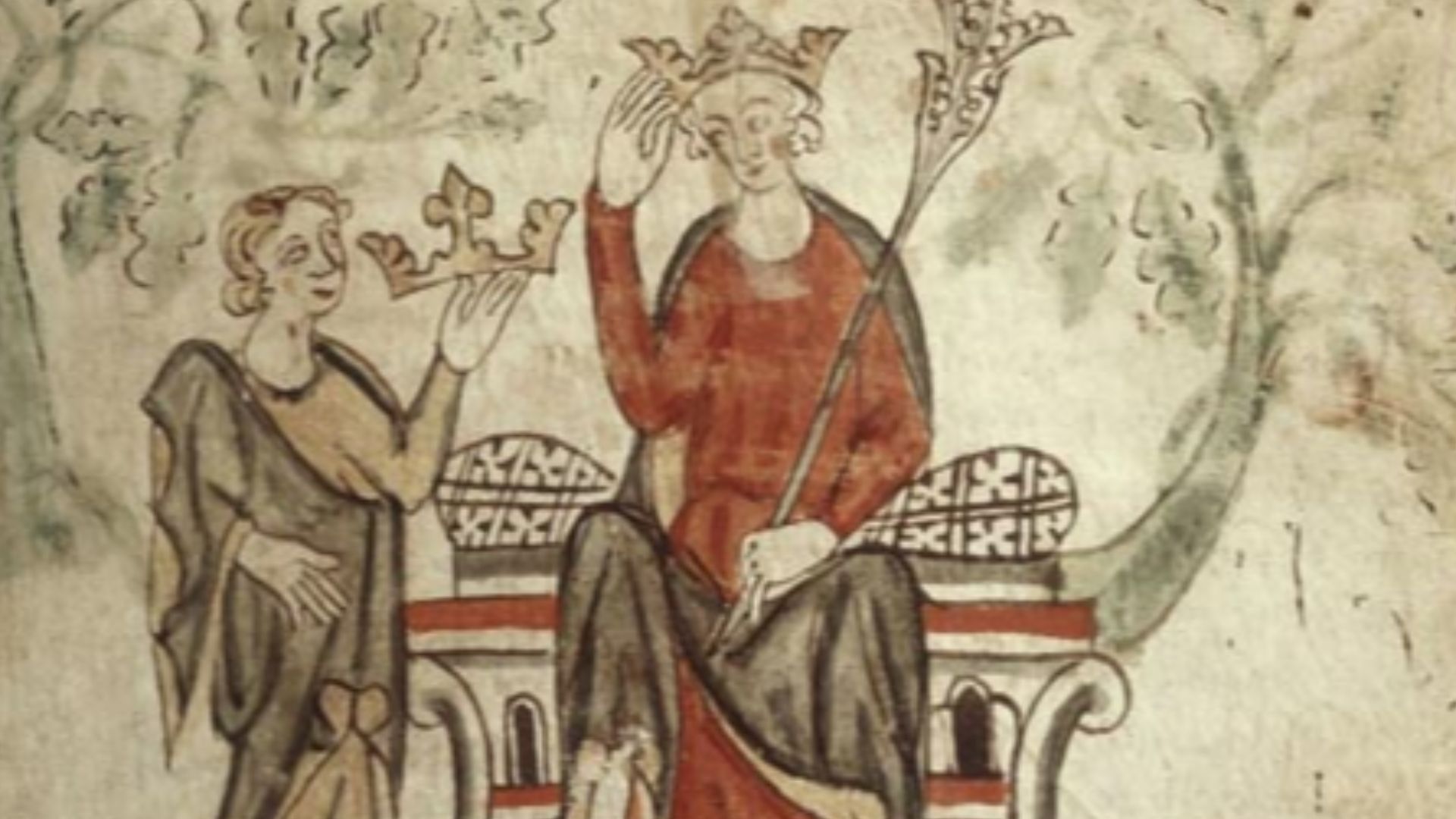
By 1326, Edward II had made powerful enemies. Military failures and his reliance on unpopular favourites had helped turn the nobility against him. Then his wife, Isabella, returned to England with Roger Mortimer and an invading force. Edward’s support collapsed.
 Screenshot from Braveheart, Paramount Pictures (1995)
His Brother Joined The Other Side
Edward’s younger half-brother, Edmund of Woodstock, had grown up under his protection. Edward made him Earl of Kent and gave him important assignments. Yet when Isabella and Mortimer moved against the king, Edmund joined them. That choice makes what he did next all the more surprising.
 Screenshot from Outlaw King, Netflix (2018)
A New King Took The Throne
Edward was captured and removed from power in January 1327. His teenage son became Edward III, while Isabella and Mortimer held much of the power around him. The former king was still alive, though, and that gave his remaining supporters someone they might try to restore.
 Screenshot from World Without End, Tandem Productions (2012)
Keeping Him Was A Problem
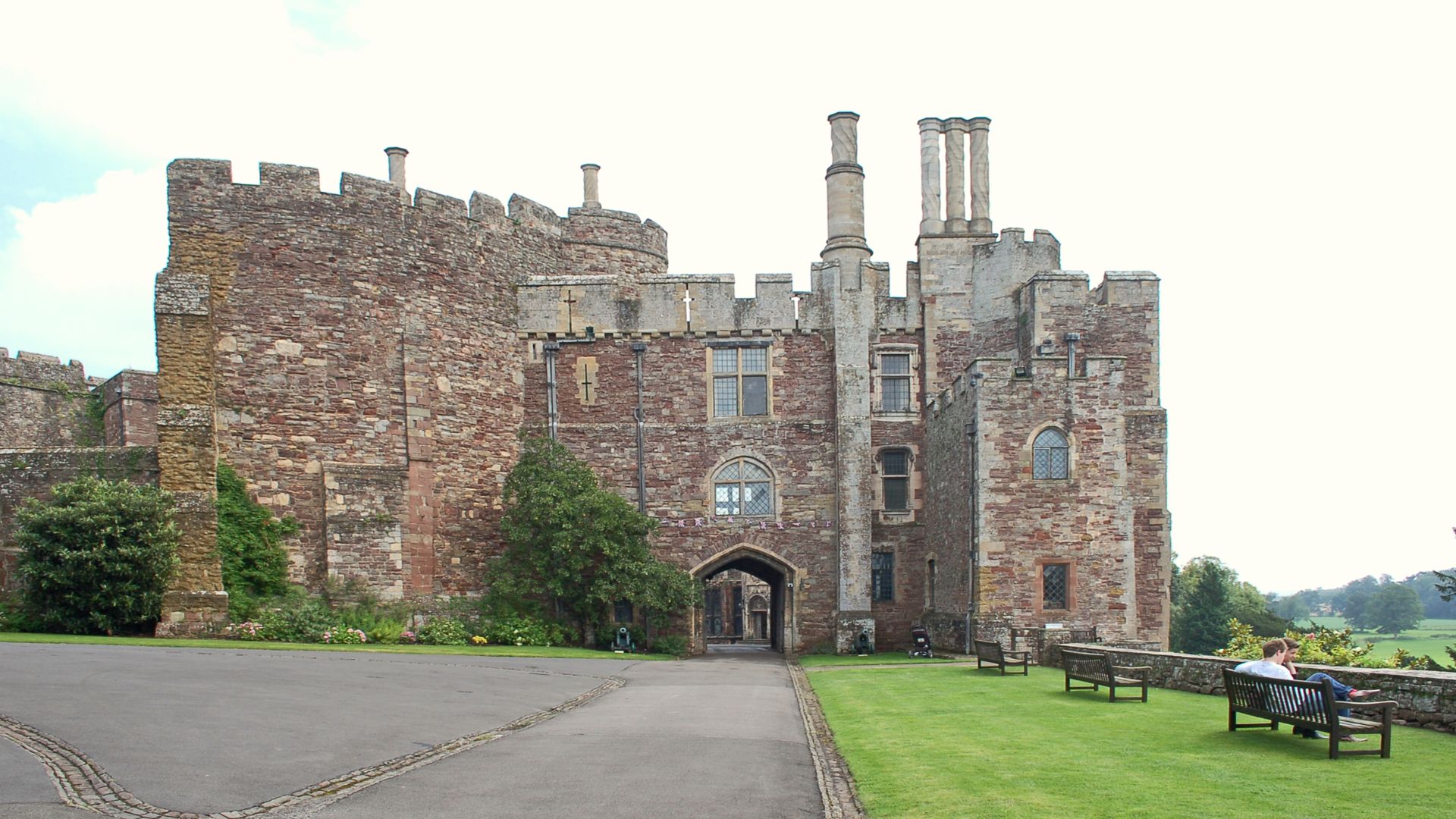
There were attempts to free Edward from captivity. For Isabella and Mortimer, a successful rescue could threaten the new reign before it had properly begun. Edward was eventually held at Berkeley Castle. Then, in September 1327, word came that he had died there.
 Screenshot from Outlaw King, Netflix (2018)
Edmund Attended The Funeral
Edward was buried at Gloucester that December, and Edmund went to the funeral. So did the young Edward III. As far as England was concerned, the matter was settled. Edmund himself had taken part in the ceremony that marked the end of his brother’s life.
 Screenshot from World Without End, Tandem Productions (2012)
But He Hadn’t Seen His Brother’s Face
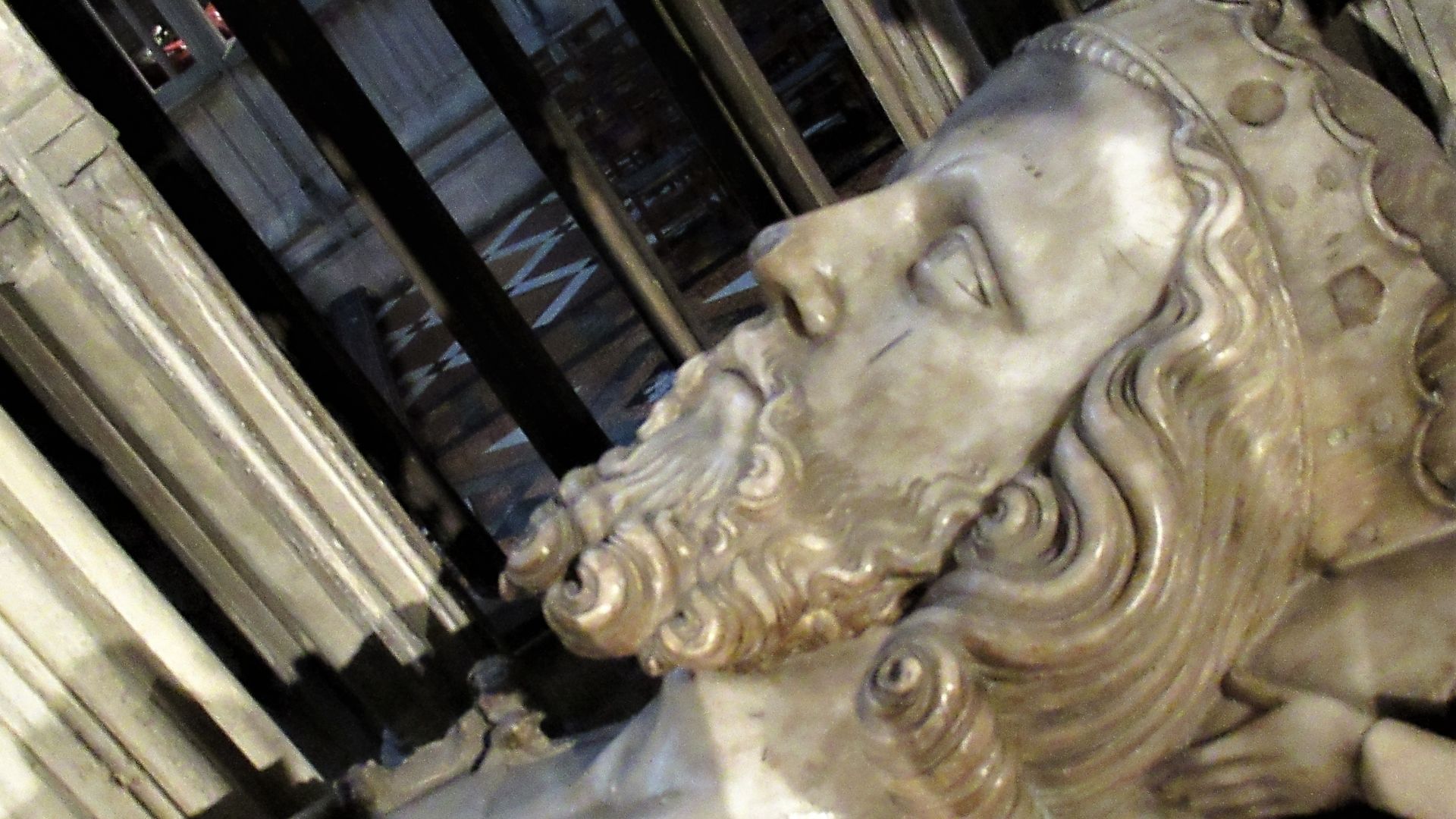
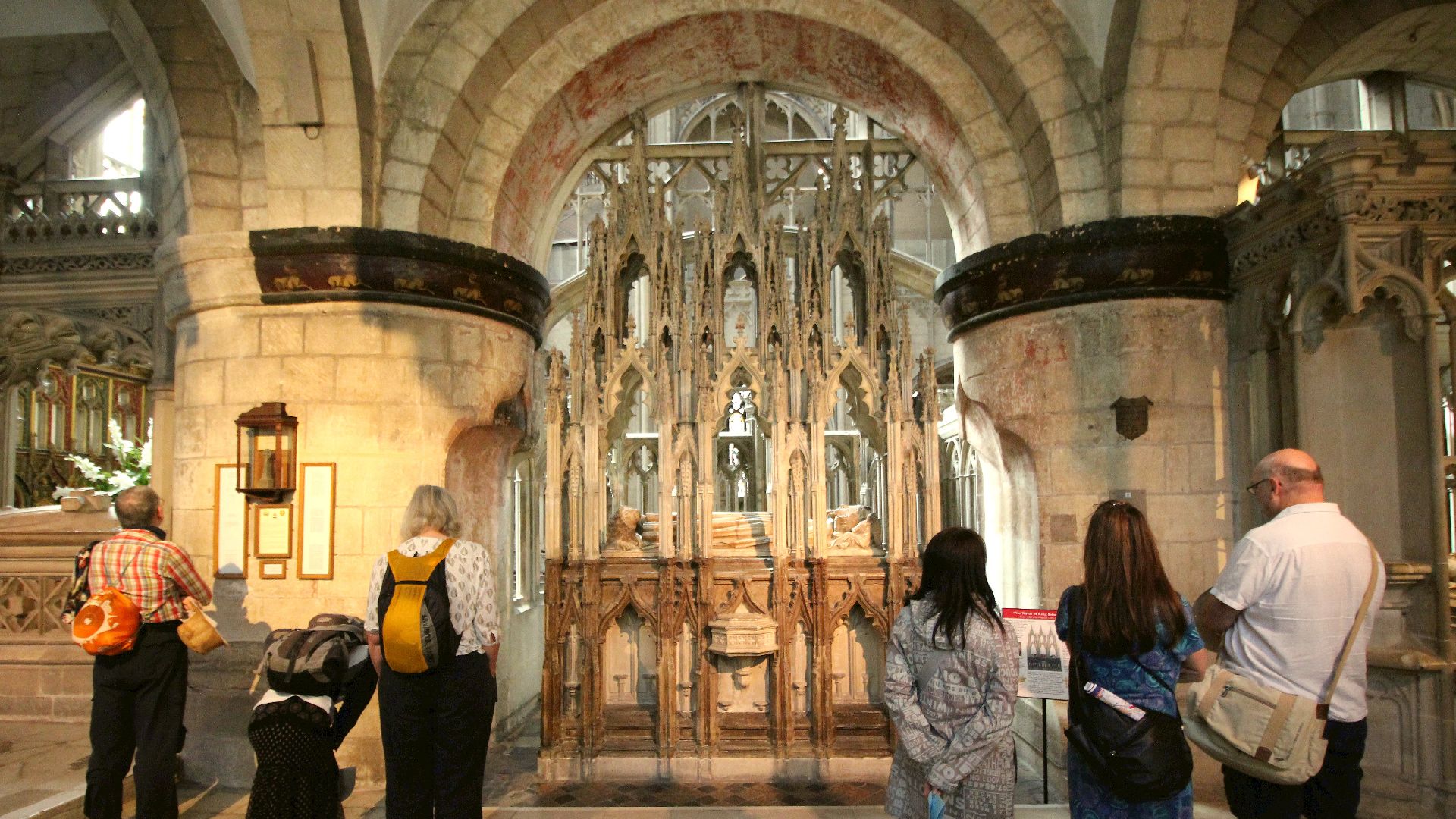
A wooden effigy represented Edward at the funeral, above a closed coffin. Attending the service did not give Edmund a chance to identify the body inside. That does not mean the coffin held someone else, but it helps explain why the funeral might not have silenced his doubts.
Then Edmund Heard Something Else
Rumours began to circulate that Edward had survived. Someone, Edmund was told, was keeping the former king out of sight. We cannot say exactly which report convinced him. We do know he took the claim seriously enough to start looking for a way to reach his brother.
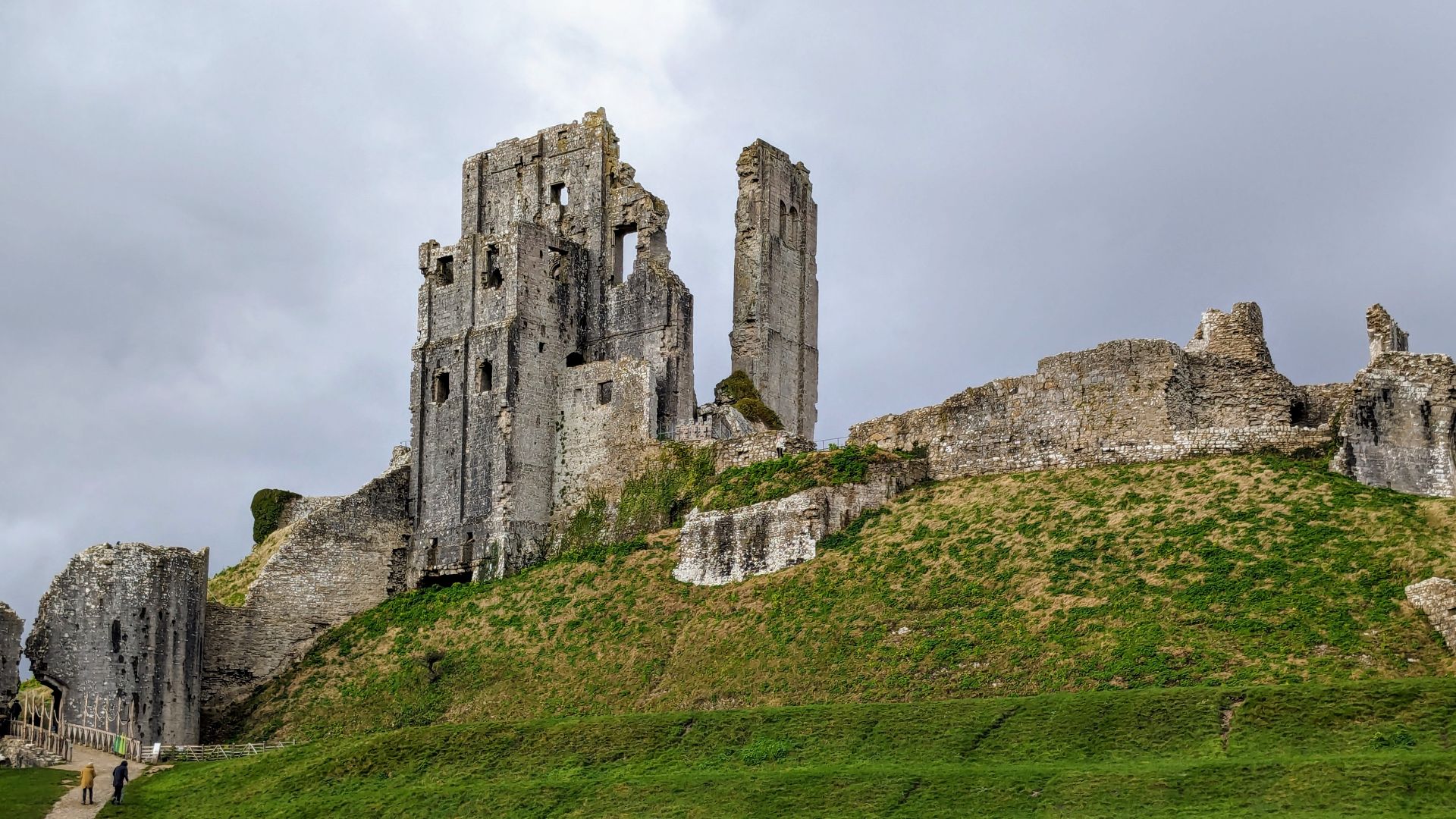
The Rumours Pointed To Corfe
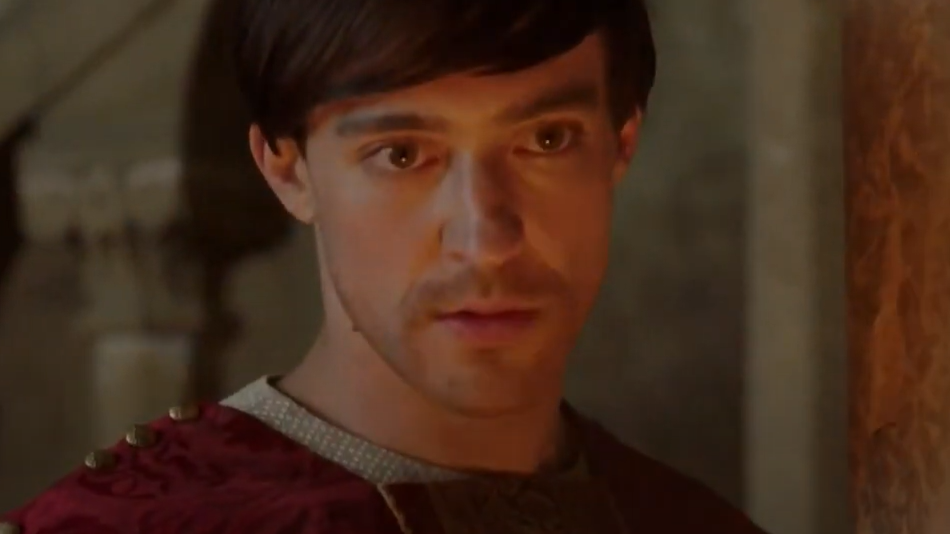
Edmund came to believe that Edward was being held at Corfe Castle in Dorset. It was a staggering claim. If true, England had buried someone else at Gloucester, and the government had spent more than two years telling the country its former king was gone.


History's most fascinating stories and darkest secrets, delivered to your inbox daily.
He Wasn’t Acting Alone
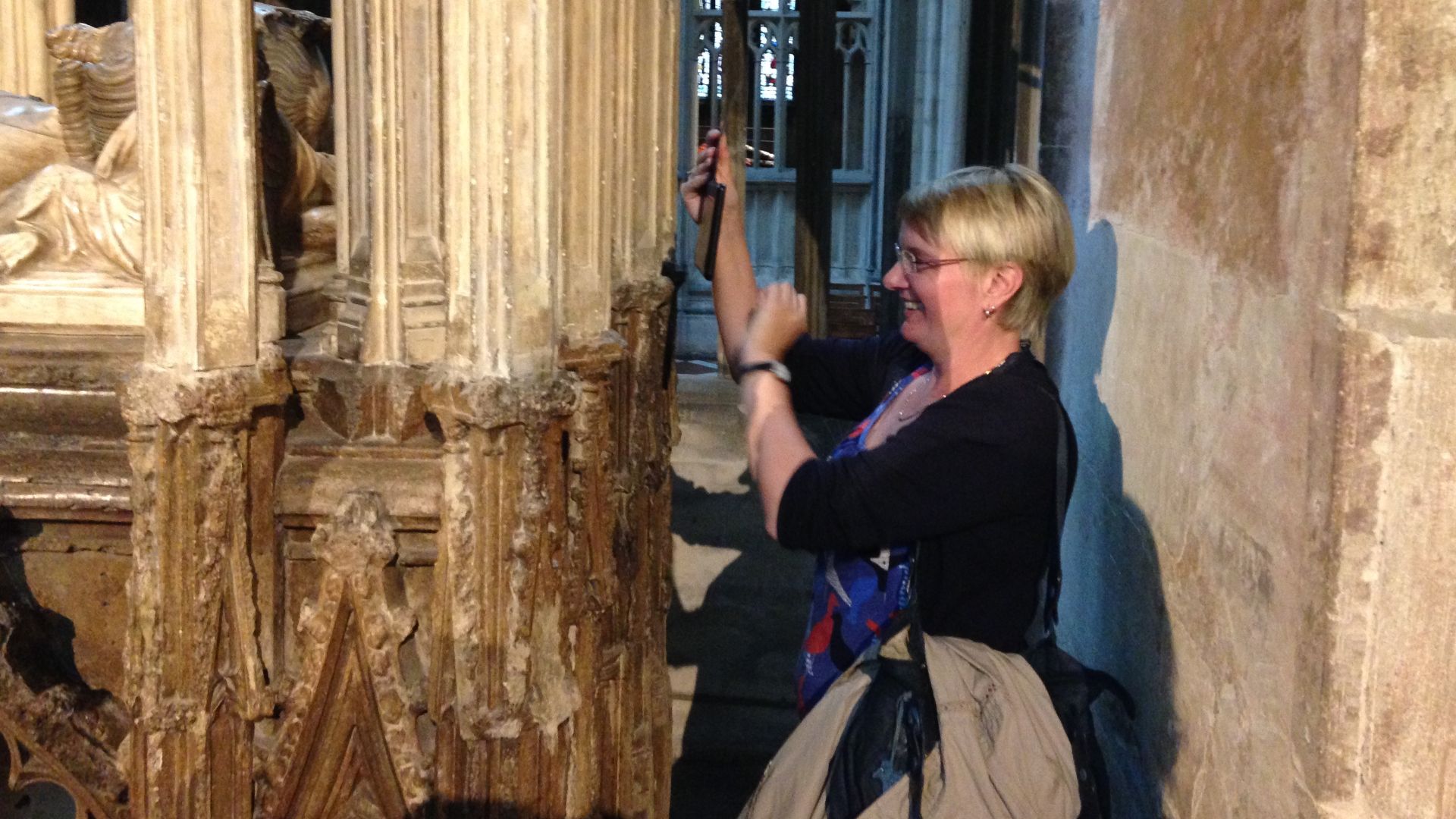
It would be easy to dismiss this as one brother refusing to accept a death. But historian Kathryn Warner identified around 70 men who supported Edmund’s plot, many of them former supporters of Edward II. Their involvement does not prove the rumour was true. It does show how far the belief had spread.
 Julie Frusher, Wikimedia Commons
An Archbishop Believed It Too
William Melton, the archbishop of York, wrote that he had received news Edward was alive. In a surviving letter, he sought help obtaining supplies for the former king. That is striking evidence of what Melton believed, though he did not say that he had seen Edward himself.
 Screenshot from World Without End, Tandem Productions (2012)
Edmund Tried To Reach Him
Edmund arranged letters for the man he believed was at Corfe. One promised help getting him out of prison. It was meant to reach his brother, but it also put Edmund’s plans in writing. If the government got hold of it, the letter could be used against him.
 Peter Langtoft, Wikimedia Commons
One Letter Went Straight To Mortimer
Edmund gave a letter to John Deveril, a man connected to the Corfe garrison. According to the account examined by historian Kathryn Warner, Deveril passed it to Roger Mortimer instead. Edmund believed he was opening a line to his brother. Mortimer now knew what he was planning.
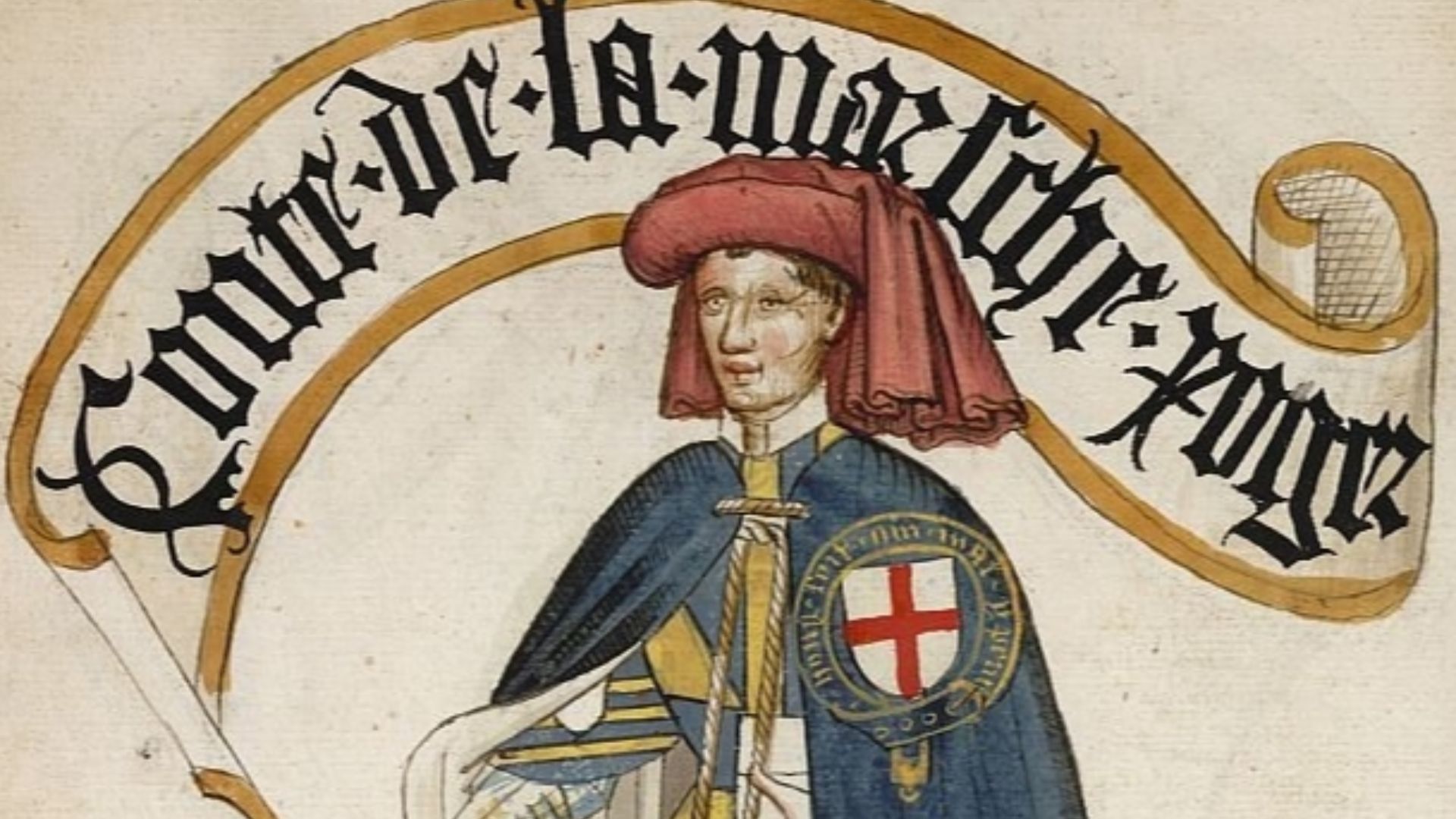 Photo British Library; painted by or for William Bruges, Wikimedia Commons
The Letter Went Further Than A Rescue
Edmund’s message described support for freeing Edward and making him king again. That would have threatened Edward III’s place on the throne. Edmund may have thought first about saving his brother, but the words in his letter gave the people in power a much bigger charge to bring against him.
 Screenshot from Britain's Bloodiest Dynasty, Channel 5 (2014)
He Faced His Nephew’s Court
In March 1330, Edmund was brought before a parliament at Winchester. He admitted involvement in the plan, and his letter was used against him. He was accused of trying to free Edward II and restore him to the throne, threatening the reign of Edward III.
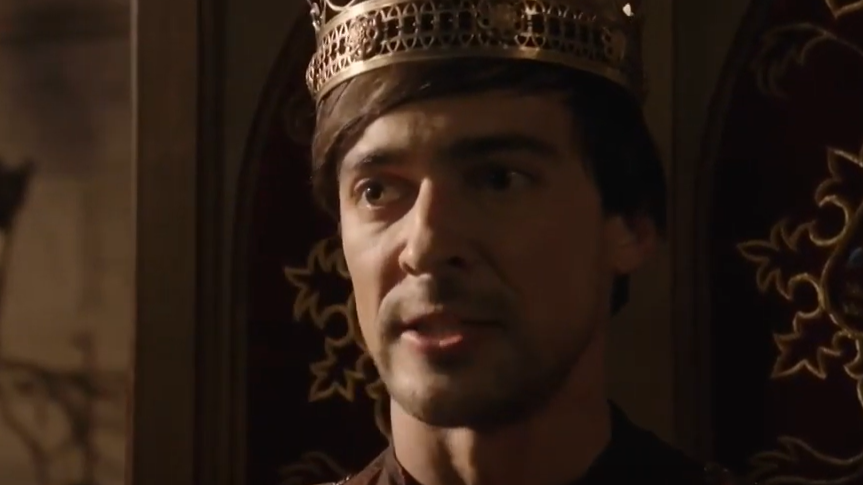 Tandem Productions, World Without End (2012)
There Was One Strange Problem
Edward II had officially been dead for two and a half years. Now his brother faced a death sentence over a plan to free him. That contradiction did not stop the proceedings. It has kept historians asking whether Edmund knew something, or whether someone had persuaded him to believe a lie.
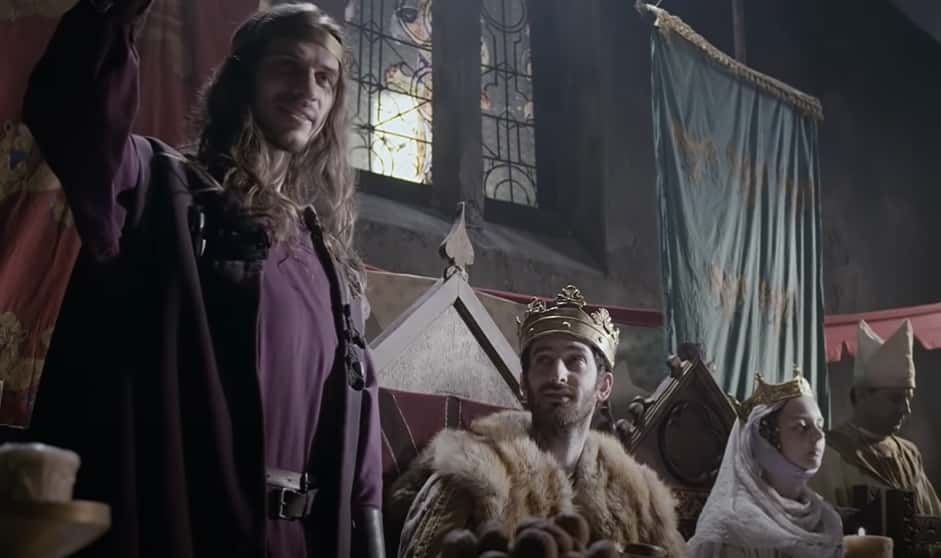 Screenshot from Britain's Bloodiest Dynasty, Channel 5 (2014)
His Family Was Caught Up In It
The consequences reached Edmund’s wife, Margaret Wake, and their children. An order was issued to take them to Salisbury Castle while Margaret was heavily pregnant. Their son John was born weeks after Edmund’s execution. Margaret would have to deal with what followed without him.
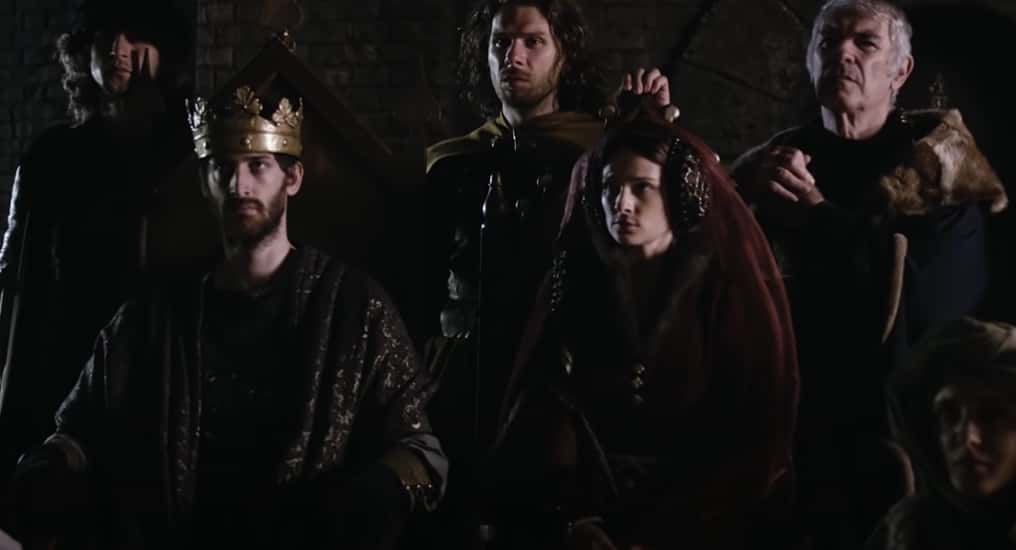 Screenshot from Britain's Bloodiest Dynasty, Channel 5 (2014)
Edmund Asked To Be Spared
Edmund pleaded for his life and offered to make a public show of submission. It did not save him. On March 19, 1330, he was executed outside Winchester Castle. He was 28 years old, and he had never reached the prisoner he believed was waiting at Corfe.
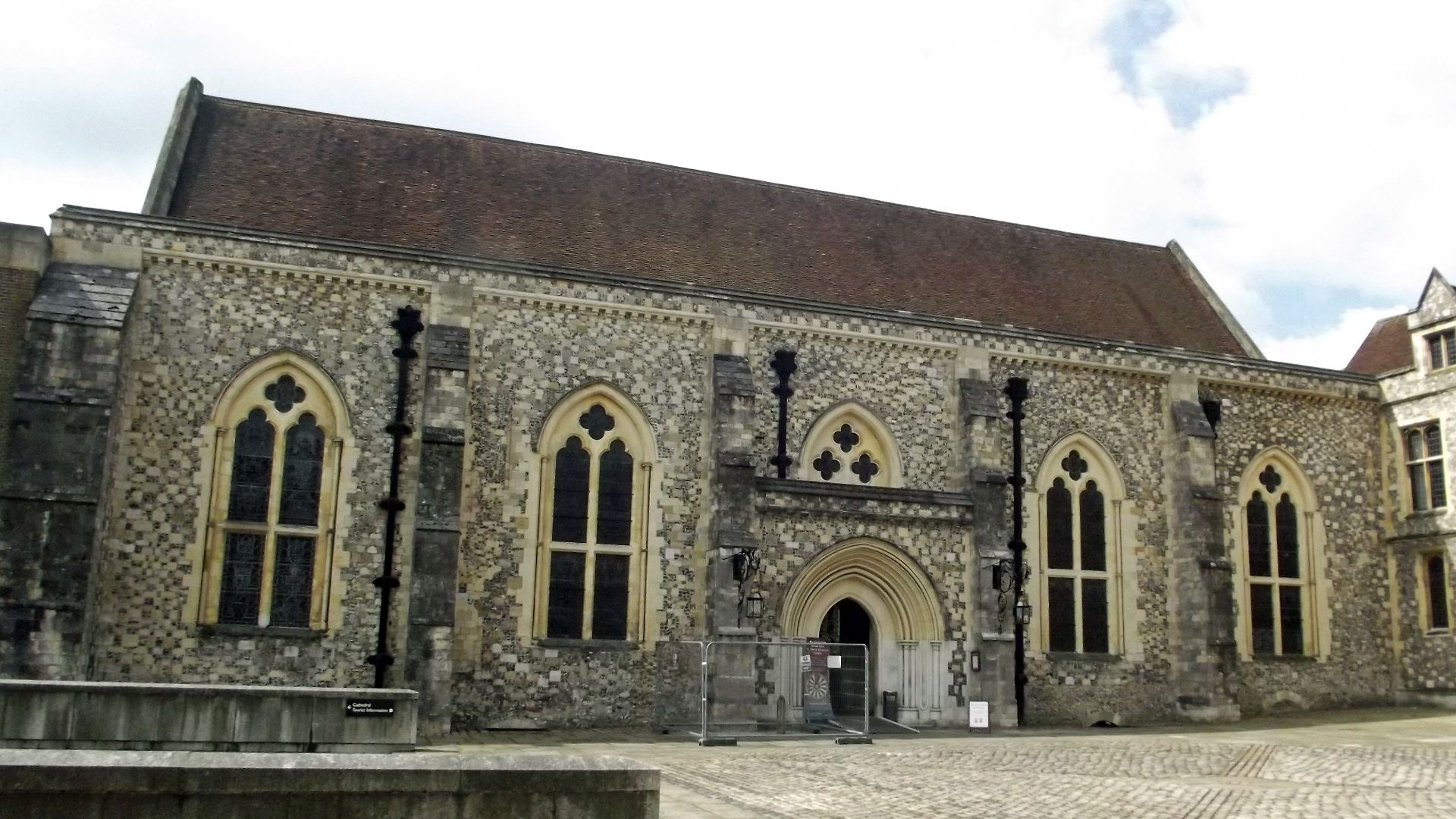 Elliott Brown, Wikimedia Commons
Mortimer’s Hold Did Not Last
Edmund’s execution shocked members of the nobility. That October, Edward III seized control from Isabella and Mortimer. Mortimer was later executed, and Edmund’s condemnation was overturned. None of that settled the question Edmund had been trying to answer: why had so many people believed Edward II was alive?
 Screenshot from World Without End, Tandem Productions (2012)
Was Edmund Set Up?
One explanation is that Edmund was fed false information so he would expose himself as a threat. Another is that he and his supporters believed reports that were simply wrong. His letter and the case against him establish what he tried to do. They cannot establish who first convinced him Edward was at Corfe.
 Marley Sexton , Wikimedia Commons
A Later Letter Deepened The Mystery
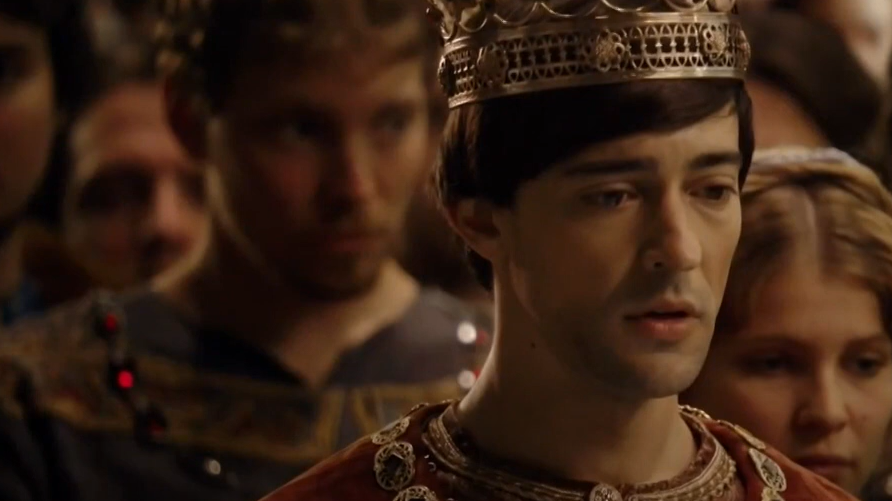
A document known as the Fieschi letter claimed that Edward escaped captivity and eventually lived as a hermit in Italy. Some historians have argued that he survived 1327; others find the evidence unconvincing. The letter offers a remarkable story, but it cannot prove Edmund’s brother was at Corfe.
 Screenshot from World Without End, Tandem Productions (2012)
What Do Historians Think Happened?
The prevailing view is that Edward II died at Berkeley Castle in September 1327 and was buried at Gloucester. Edmund’s plot is real, but his belief in Edward’s survival is not proof of it. He may have risked his life for a brother who was already gone.
 Andrew Hackney , Wikimedia Commons
Edmund Never Got His Answer
Edmund had helped remove Edward II from power. He attended his funeral. Then he tried to rescue him from a castle more than two years later. We still do not know precisely what convinced Edmund. We do know that by the time his letter reached Mortimer, there was no turning back.
 Screenshot from Britain's Bloodiest Dynasty, Channel 5 (2014)
You Might Also Like: