
A Razor Thin Election
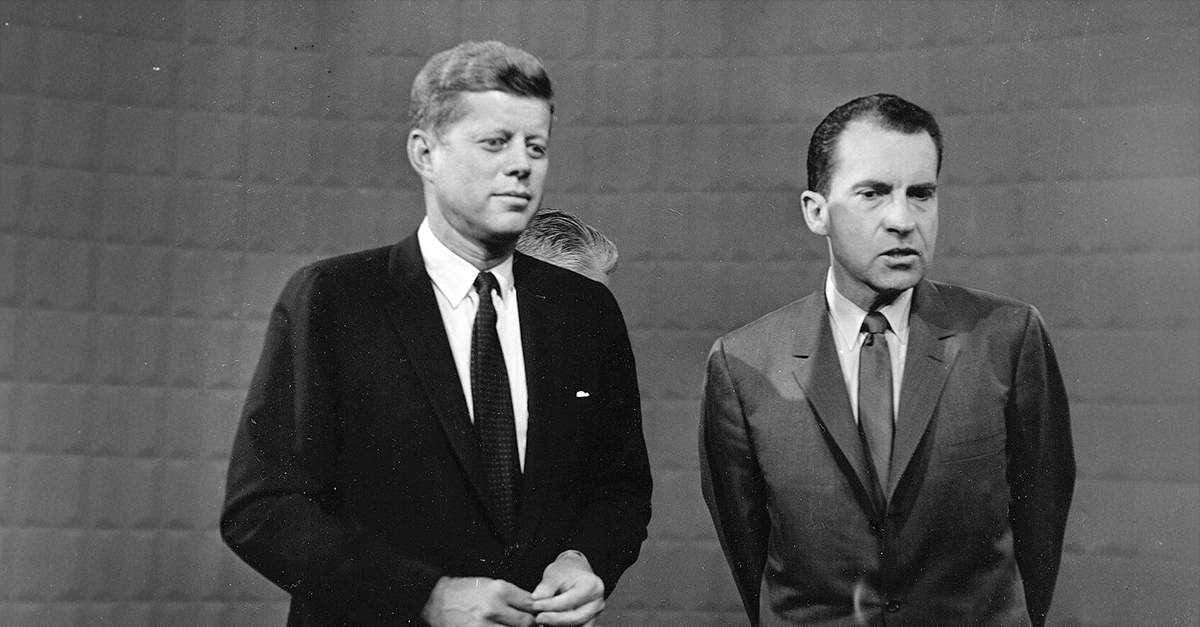
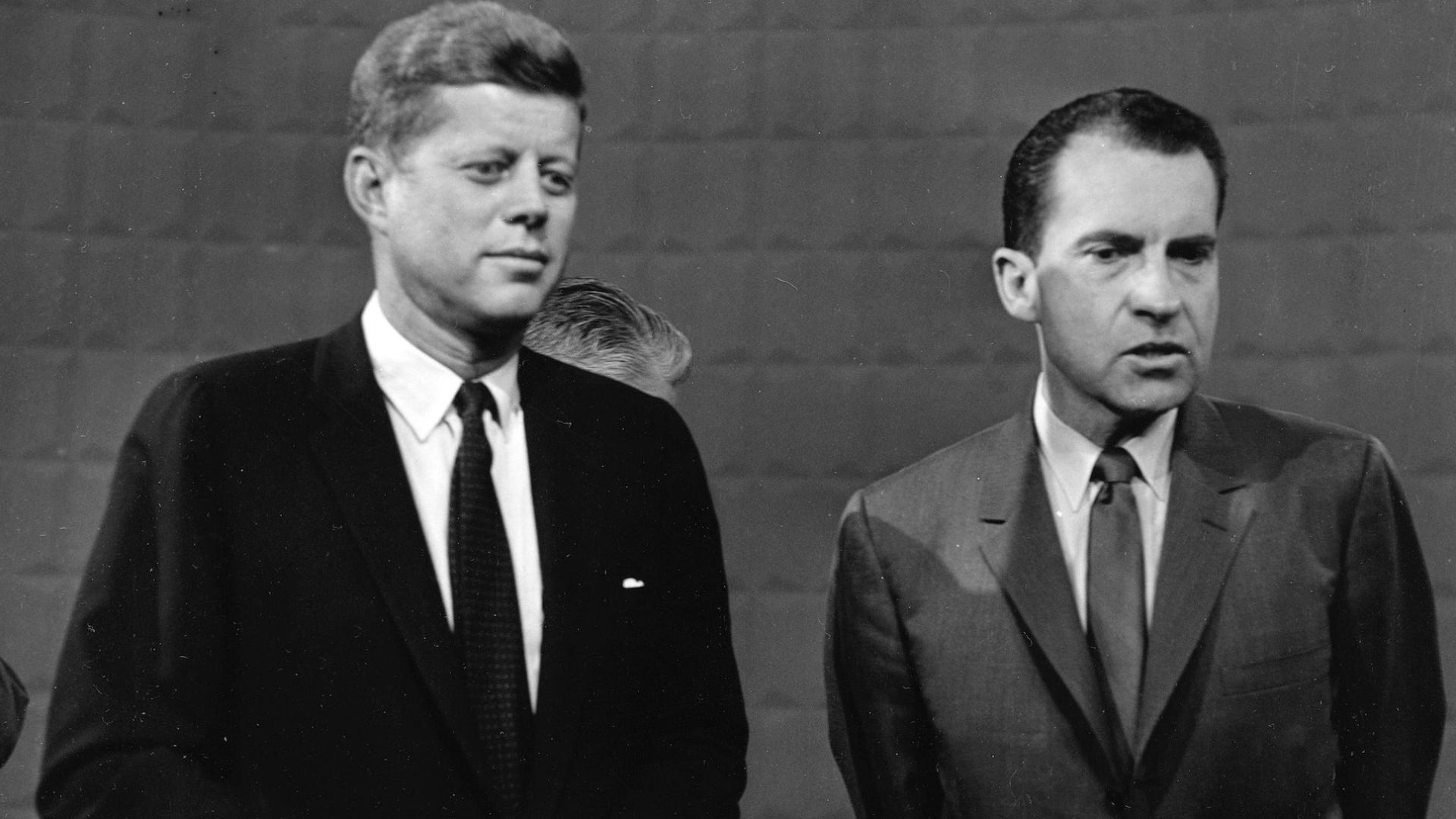
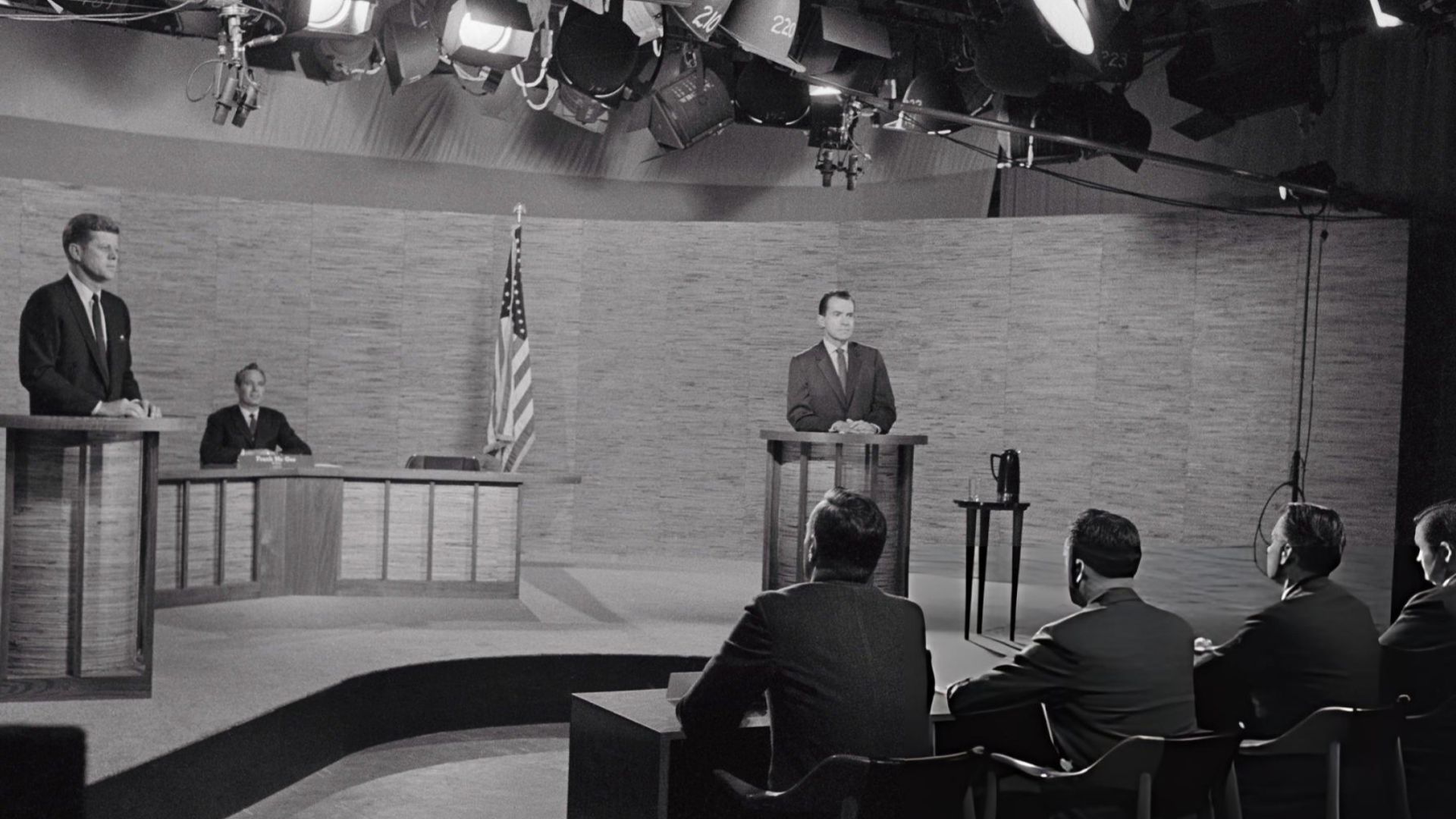
The 1960 presidential election between John F. Kennedy and Richard Nixon remains one of the closely decided contests in American history. Allegations of voter fraud quickly surfaced, especially in key swing states, raising questions about legitimacy and how far a losing candidate should go to challenge the results of an election.
 Louis Fabian Bachrach, Jr., Public domain, via Wikimedia Commons; Factinate
A Narrow Victory That Raised Eyebrows
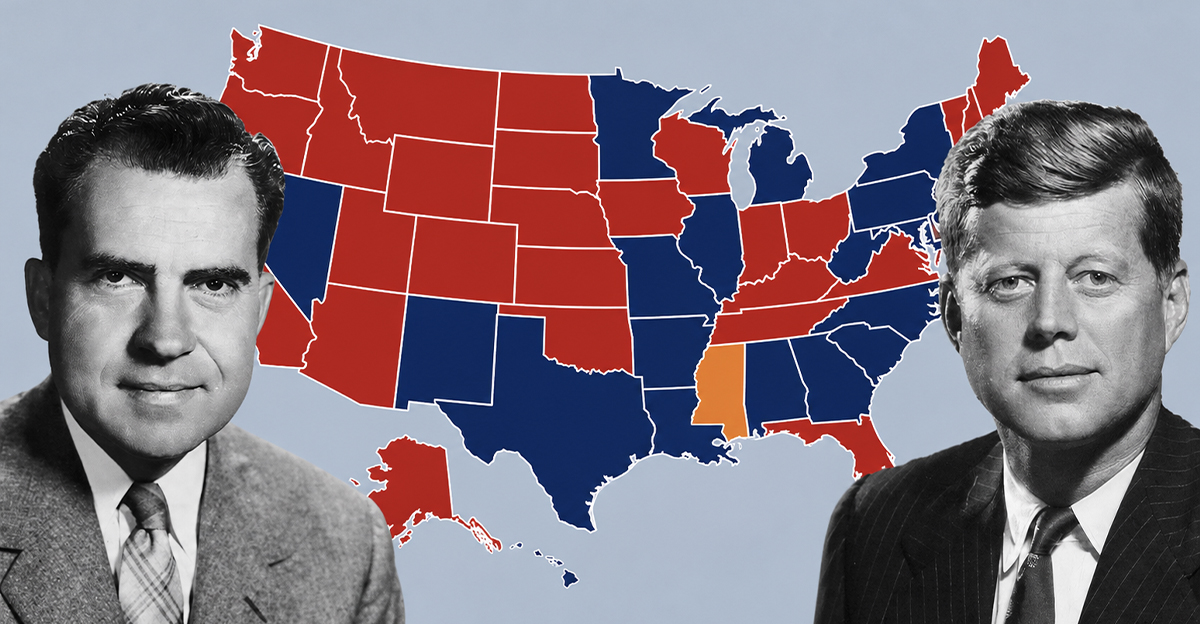
Kennedy won the electoral college with 303 votes to Nixon’s 219, but the popular vote margin was extremely tight. The narrow margin of victory was fertile ground for suspicion, especially in states where outcomes were decided by very small vote differences.
 Associated Press, Wikimedia Commons
Illinois Was The Center Of Suspicion
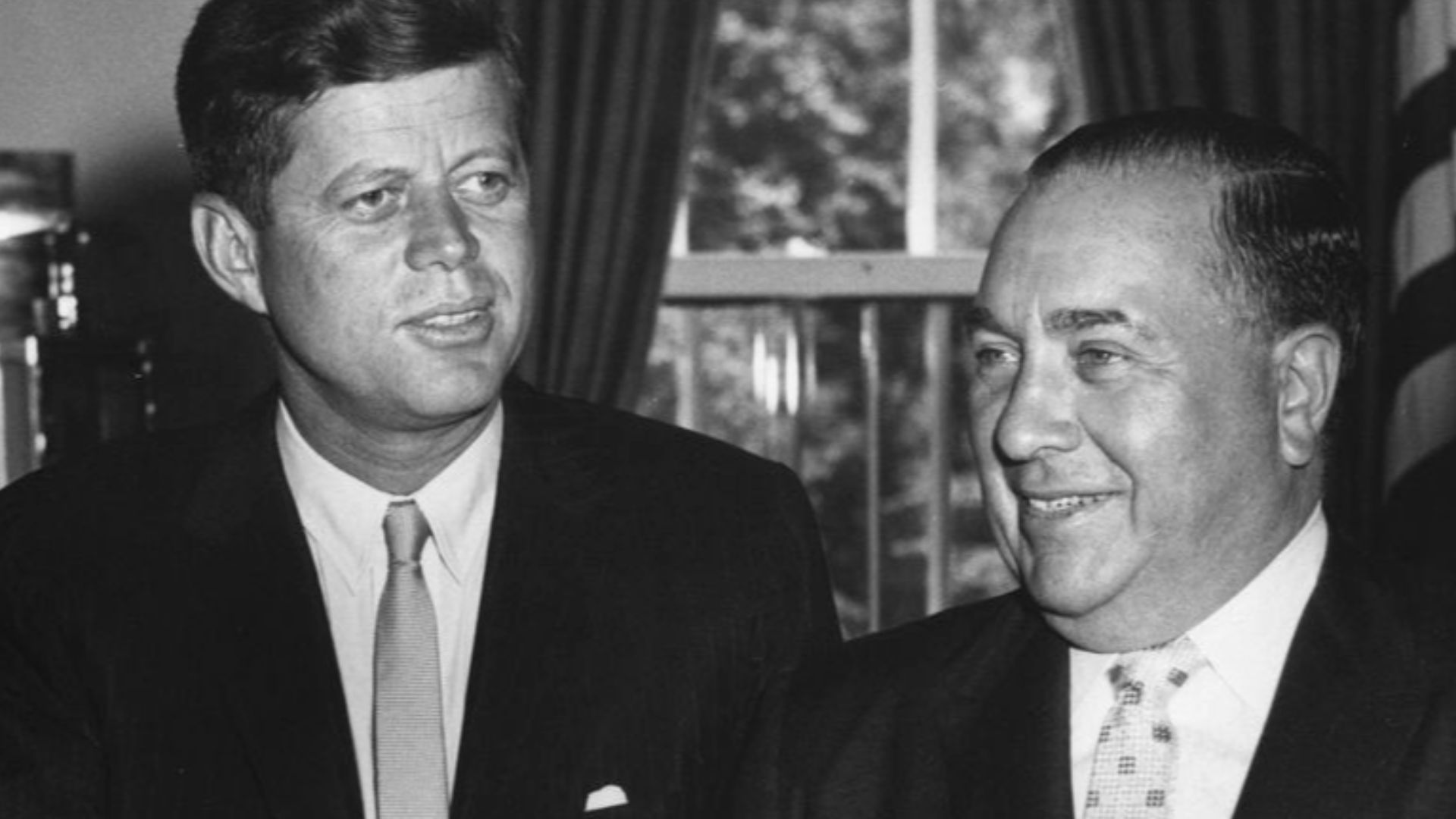
Illinois, particularly the Chicago area, became the focus for the fraud allegations. Reports claimed that local political party machines may have manipulated vote totals. The involvement of Mayor Richard Daley’s organization fueled Republican concerns about ballot integrity in the Windy City.
 Abbie Rowe (White House photographer), Wikimedia Commons
Texas Also Drew Scrutiny
Kennedy’s running mate Lyndon Johnson’s home state of Texas also faced allegations. Critics argued that irregularities in vote counting and reporting could have influenced the outcome. These various criticisms and concerns added to the perception that the election might not have been entirely clean.
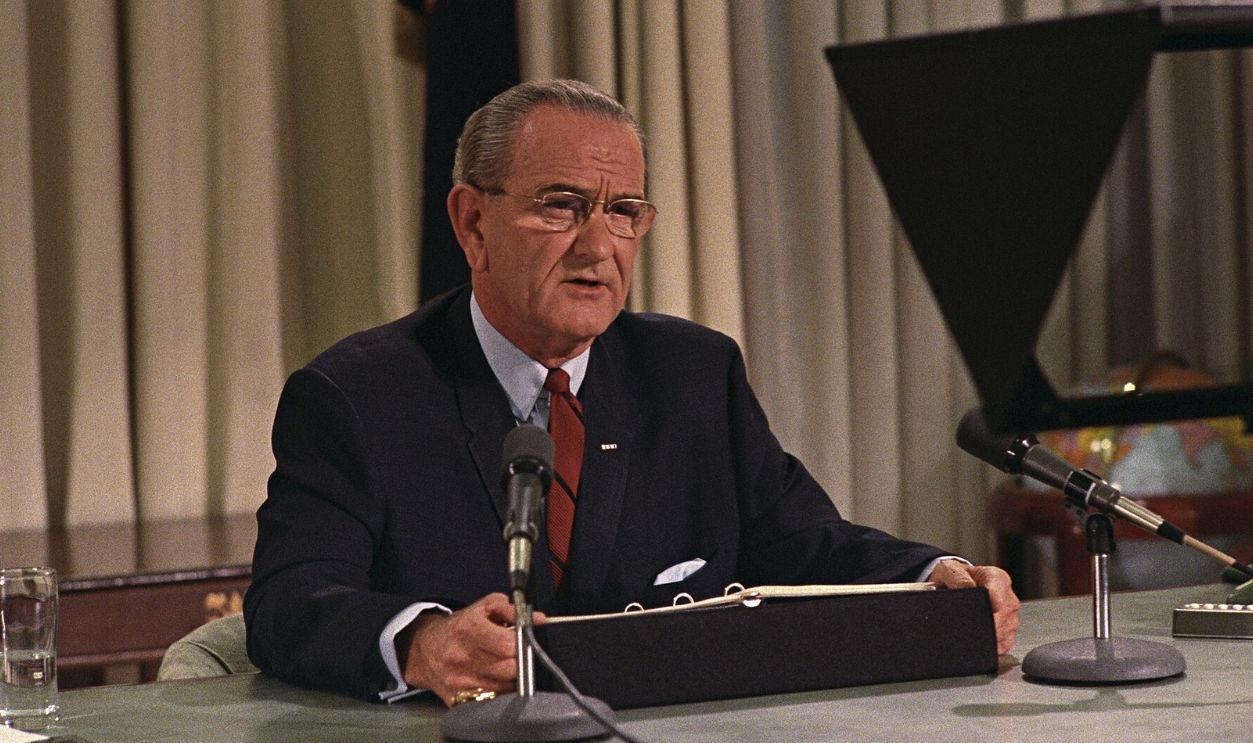 Yoichi Okamoto, Wikimedia Commons

History's most fascinating stories and darkest secrets, delivered to your inbox daily.
What Republicans Thought Happened
A lot of Republicans believed the election had been stolen through coordinated fraud in key states. Party leaders and supporters pushed for investigations, arguing that even small irregularities could have shifted the balance of the outcome in such a closely-decided race.
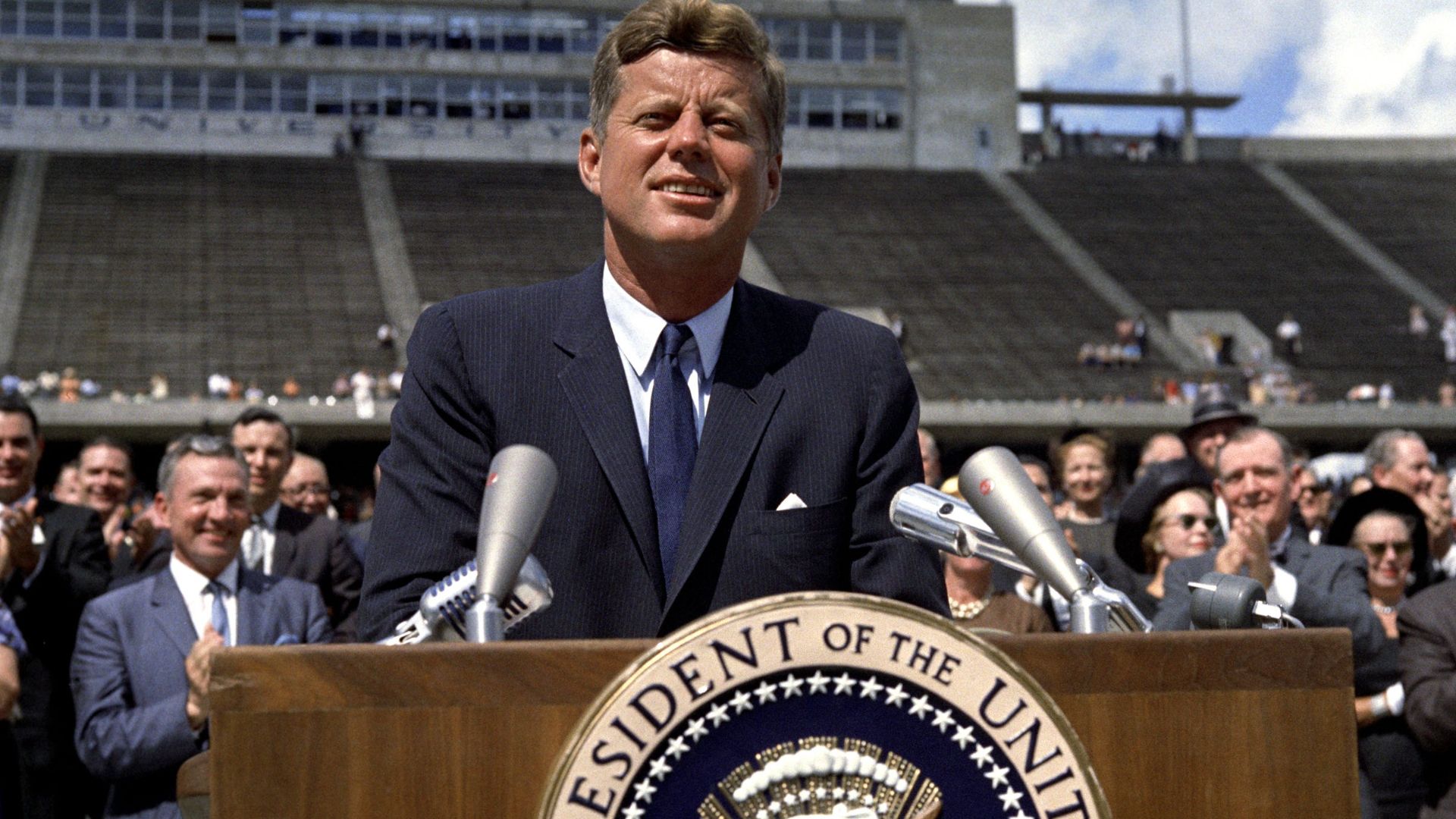 Robert Knudsen, Wikimedia Commons
The Legal Path To A Challenge
To overturn the election, Nixon would have needed to pursue recounts and legal challenges in specific states. This kind of process would’ve required time, clear evidence, and political will, and it had the negative risk of creating a prolonged constitutional crisis.
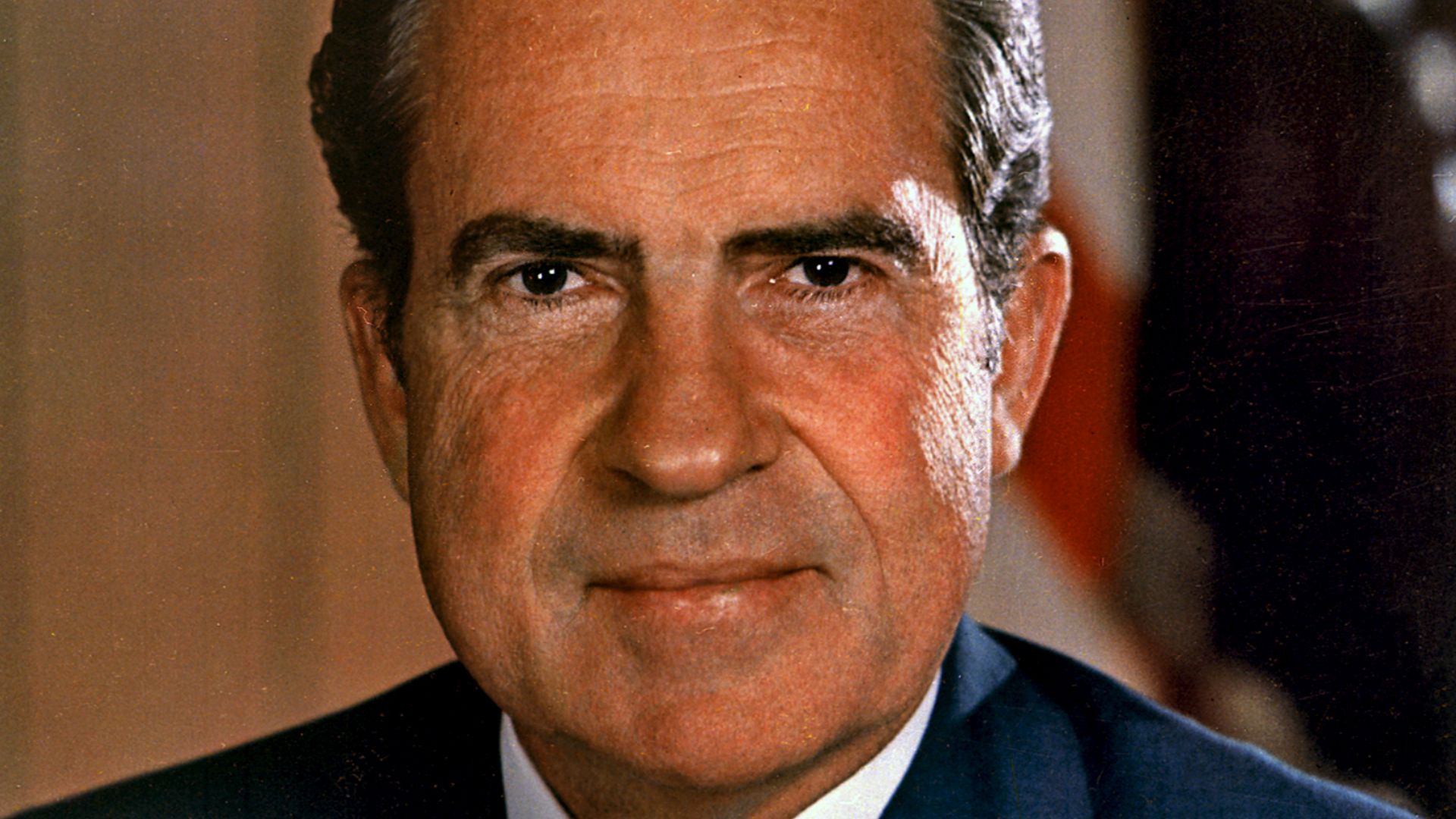
Early Calls For Recounts
Local Republican officials did set some recount efforts in motion in some areas, particularly in Illinois. These early efforts sought to reveal discrepancies and determine if the vote totals had been manipulated. But the results of these recounts didn’t decisively change the outcome.
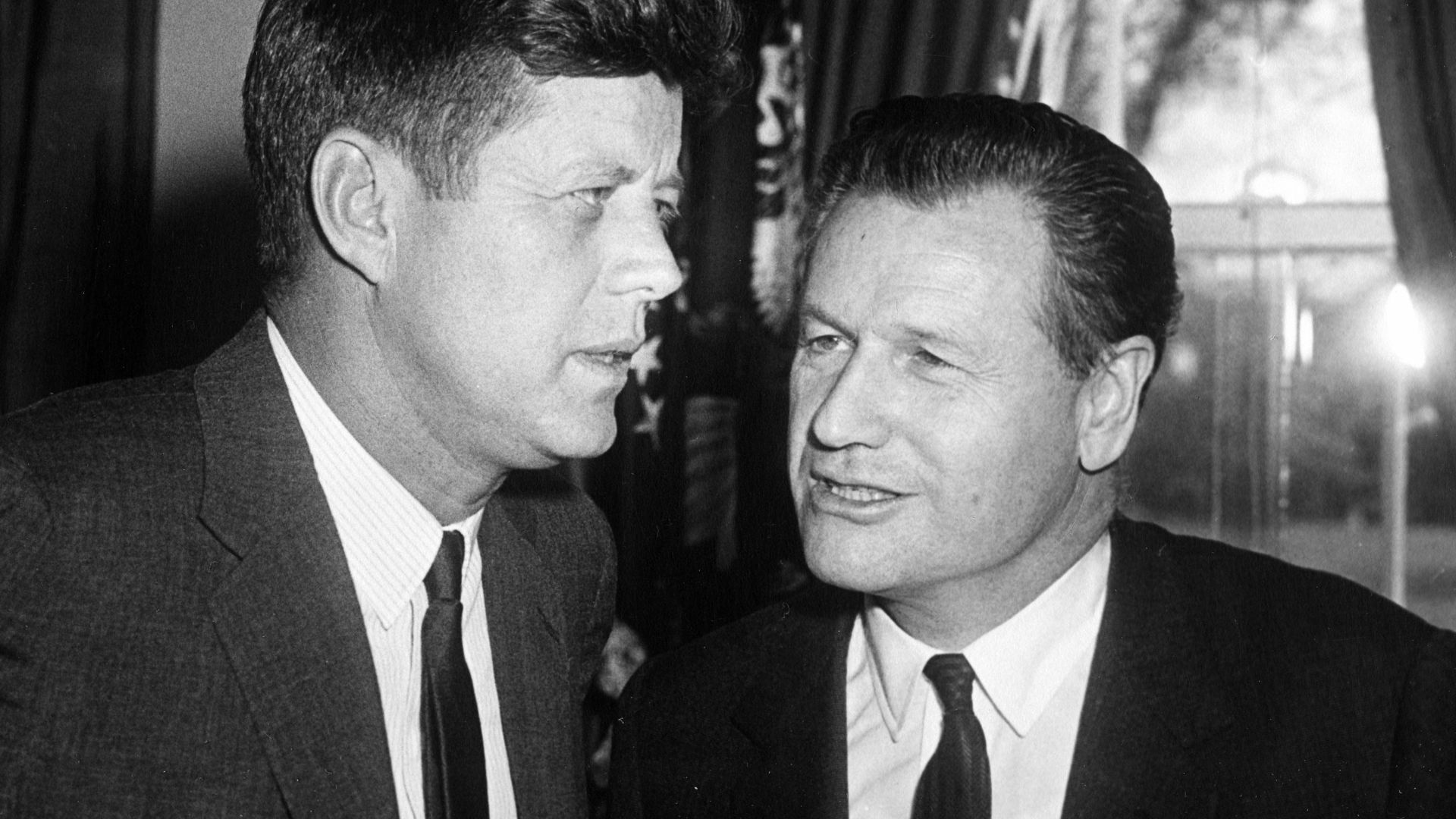
The Role Of Political Pressure
Nixon faced pressure from within his own party to fight the results. Some Republicans believed that if Nixon failed to challenge the election, that it would signal weakness and allow potential fraud to go unpunished. The stakes were both political and reputational.
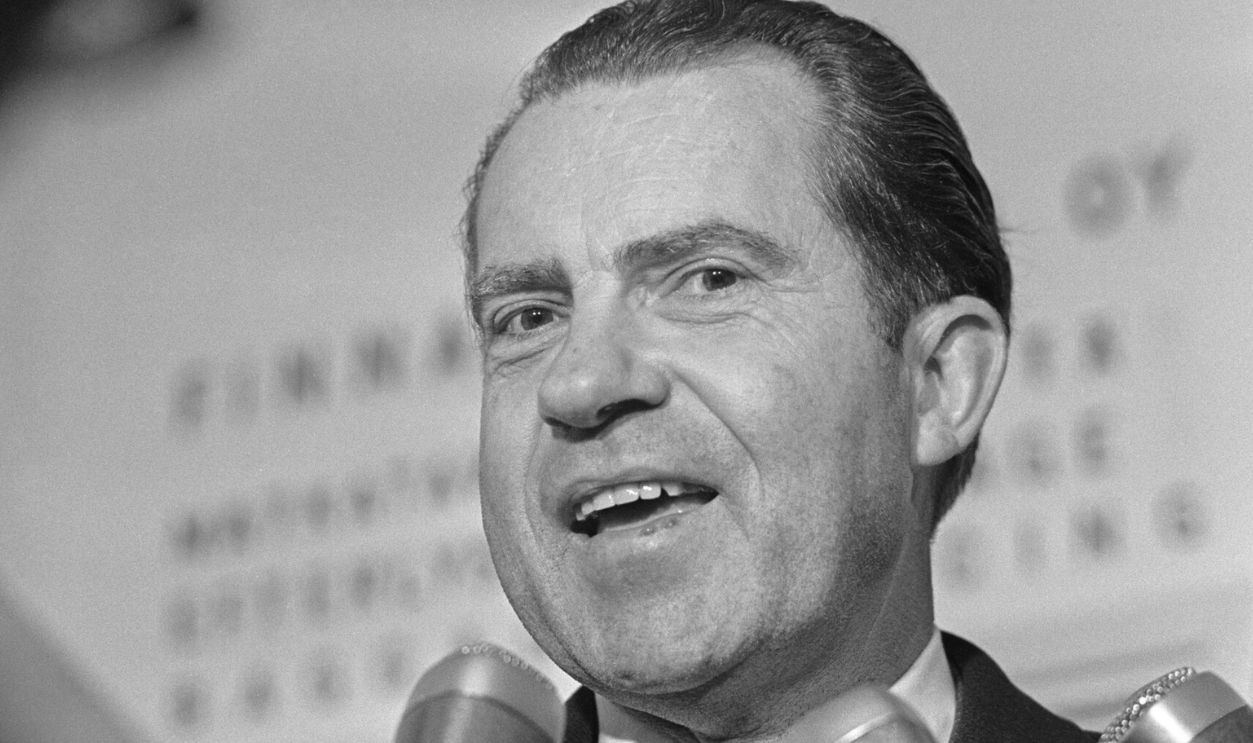 Finnish Heritage Agency, Wikimedia Commons
Nixon’s Public Concession
Despite the controversy and discontent in Republican ranks, Nixon conceded the election relatively quickly. He publicly stated that the country needed unity and stability. His decision was widely seen as placing the nation’s interests over his own shortsighted personal ambition.
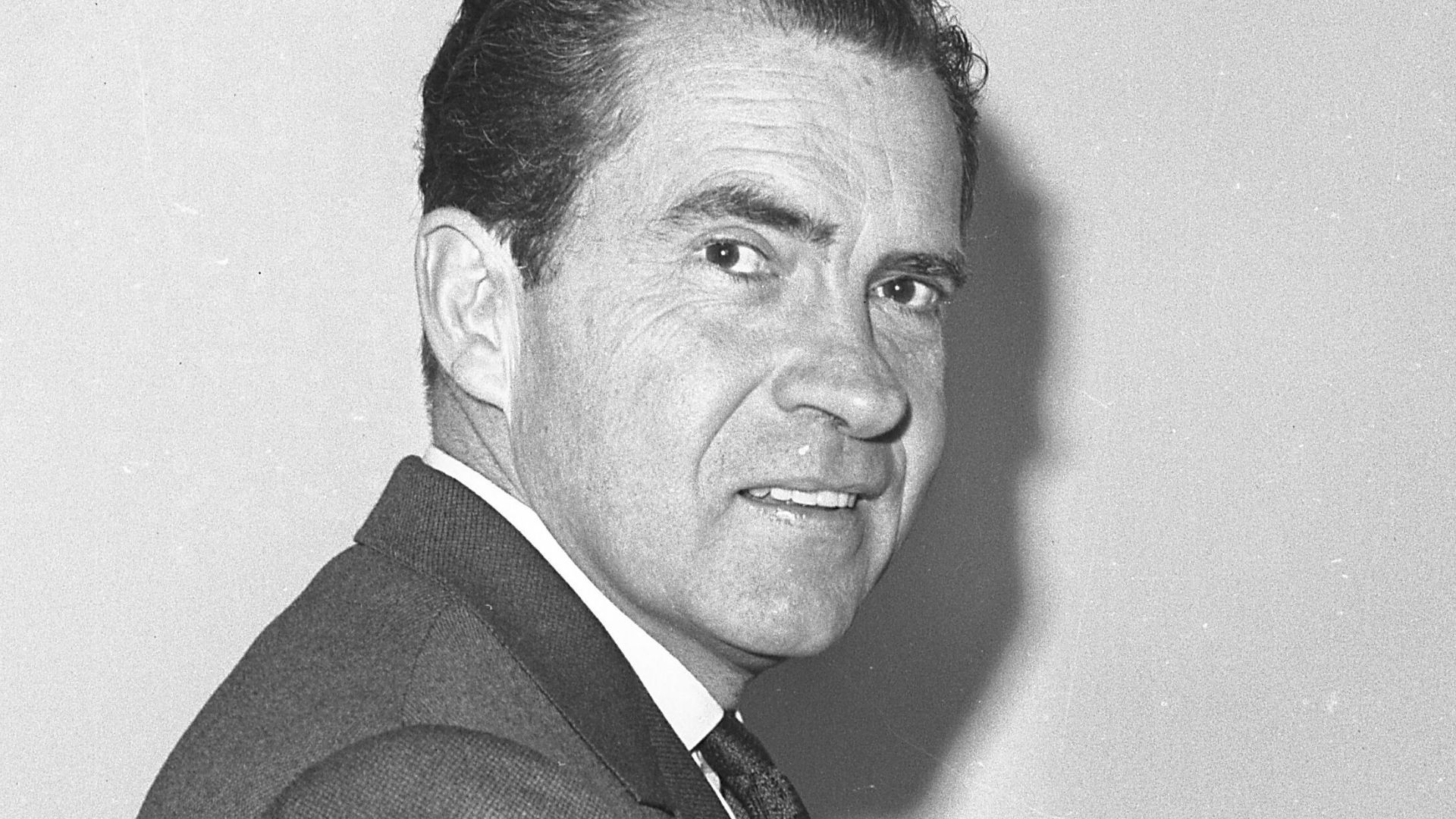 Los Angeles Times, Wikimedia Commons
Why Nixon Chose Not To Fight
Nixon later explained in his personal memoirs that a drawn-out legal battle could have damaged public confidence in the electoral system. He believed that contesting the results might weaken the presidency and cause long term political instability. There were other factors influencing Nixon’s thinking at the time as well.
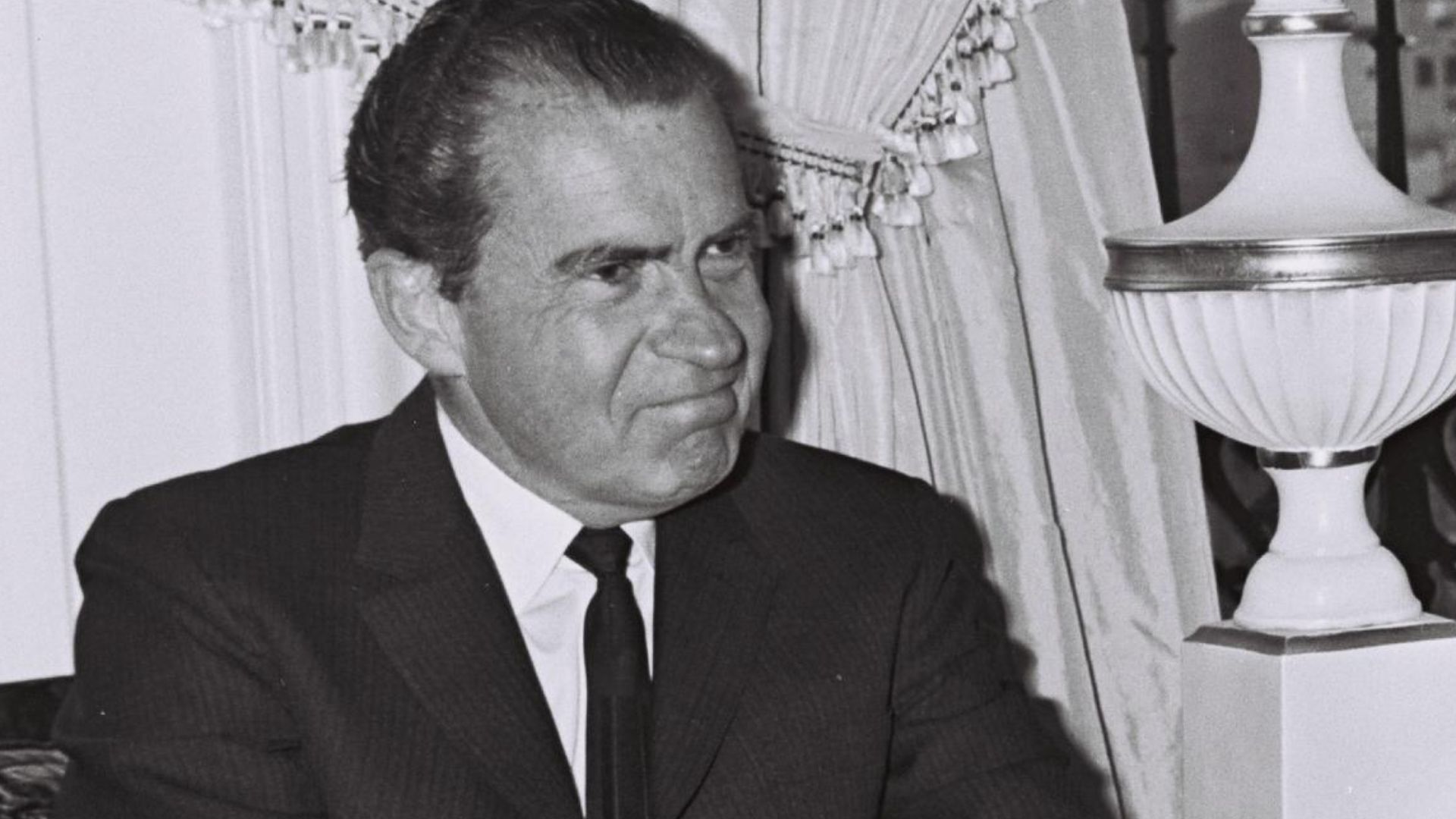 Eldan David, Wikimedia Commons
History's most fascinating stories and darkest secrets, delivered to your inbox daily.
Concerns About National Security
The Cold War context also influenced Nixon’s decision. At a time of global tension with the Soviet Union and China, he feared that a disputed election could project weakness to adversaries. Maintaining a smooth transition of power was seen as critically important at home and abroad.
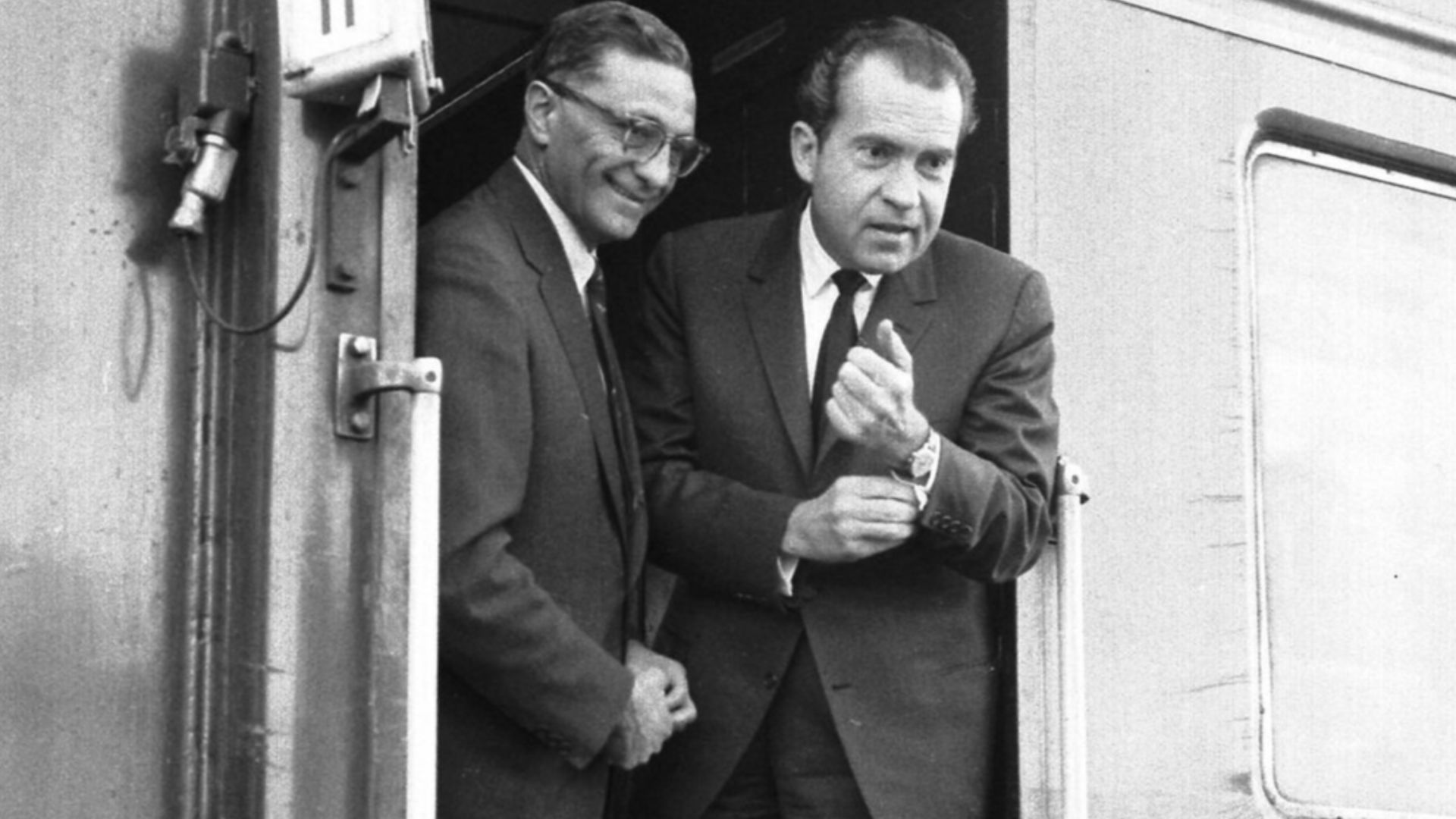 Matti Tapola / Lehtikuva, Wikimedia Commons
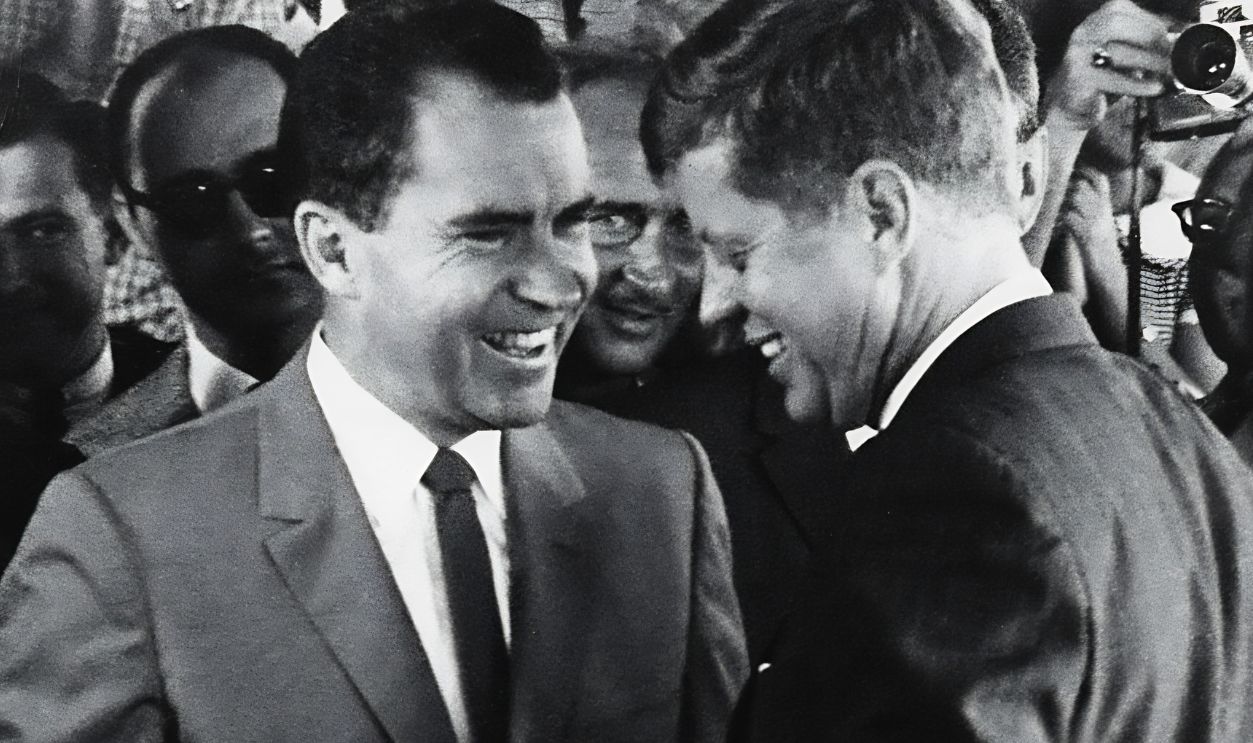
Lack Of Conclusive Evidence
Although the allegations of voting manipulation were widespread, clear and decisive proof of large-scale fraud was tough to come by. Without strong evidence, Nixon knew that he would face an uphill battle in court. This reality likely factored into his decision not to pursue aggressive legal action.
 Richard Nixon Presidential Library, Wikimedia Commons
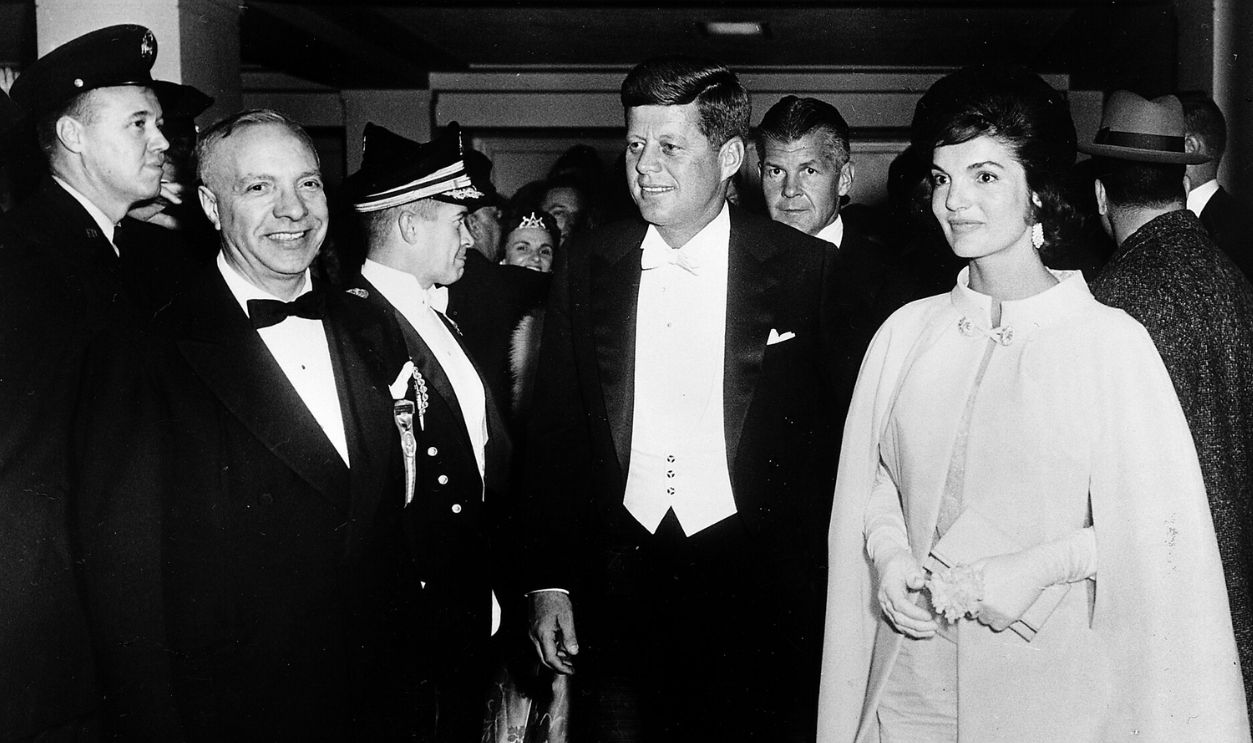
Investigations That Fell Short
Later investigations into the 1960 election did turn up some irregularities, but they didn’t demonstrate fraud on a scale that would have changed the overall result. This left the controversy unresolved as a footnote to history but with nothing definitively proven.
 Abbie Rowe, National Park Service, Wikimedia Commons
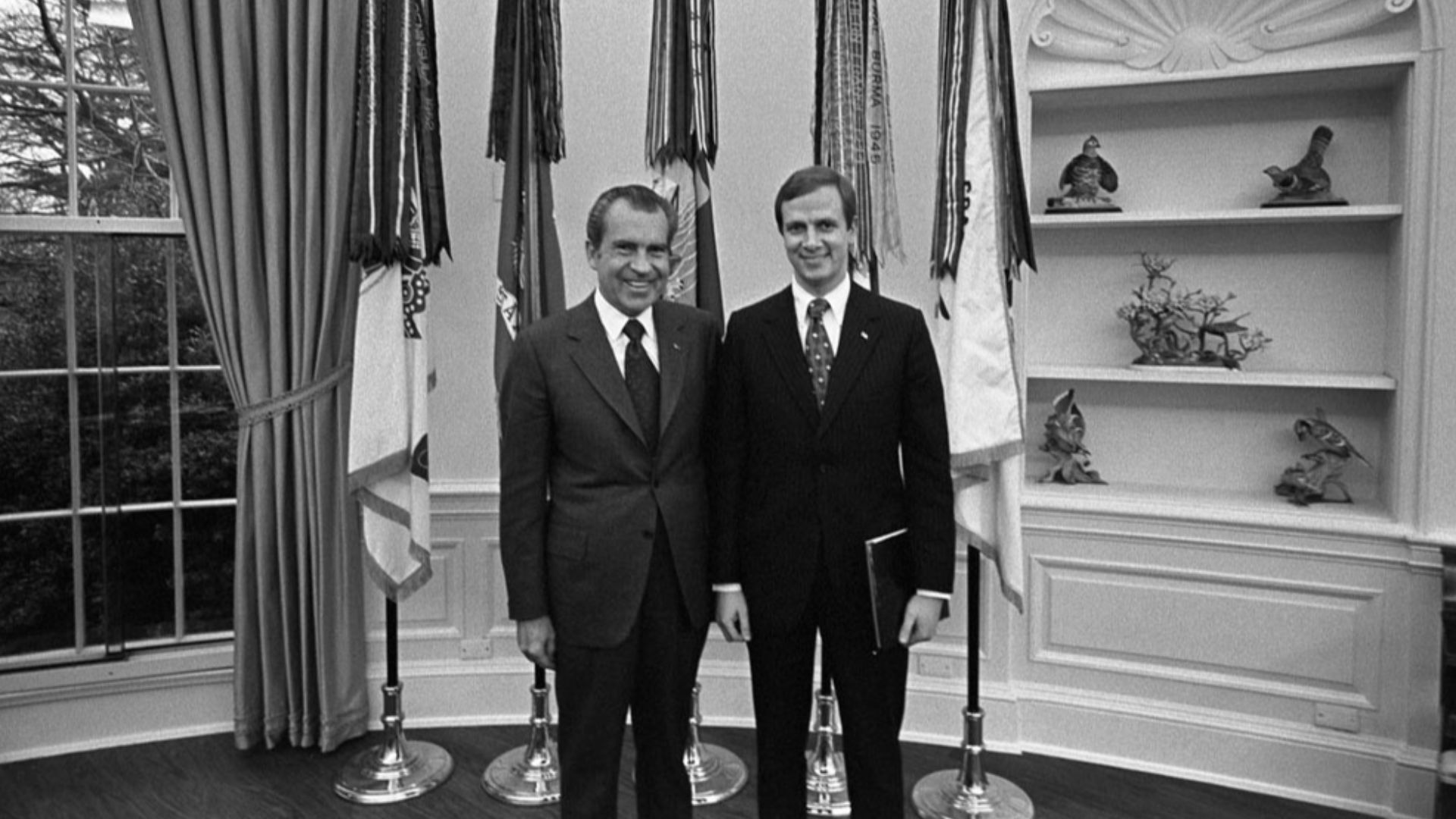
The Political Cost Of A Challenge
A full-scale challenge could have damaged Nixon’s future political ambitions. By accepting defeat gracefully, he managed to preserve his reputation, which later helped him jump back into national politics and win the presidency in 1968.
 U.S. Government, Wikimedia Commons
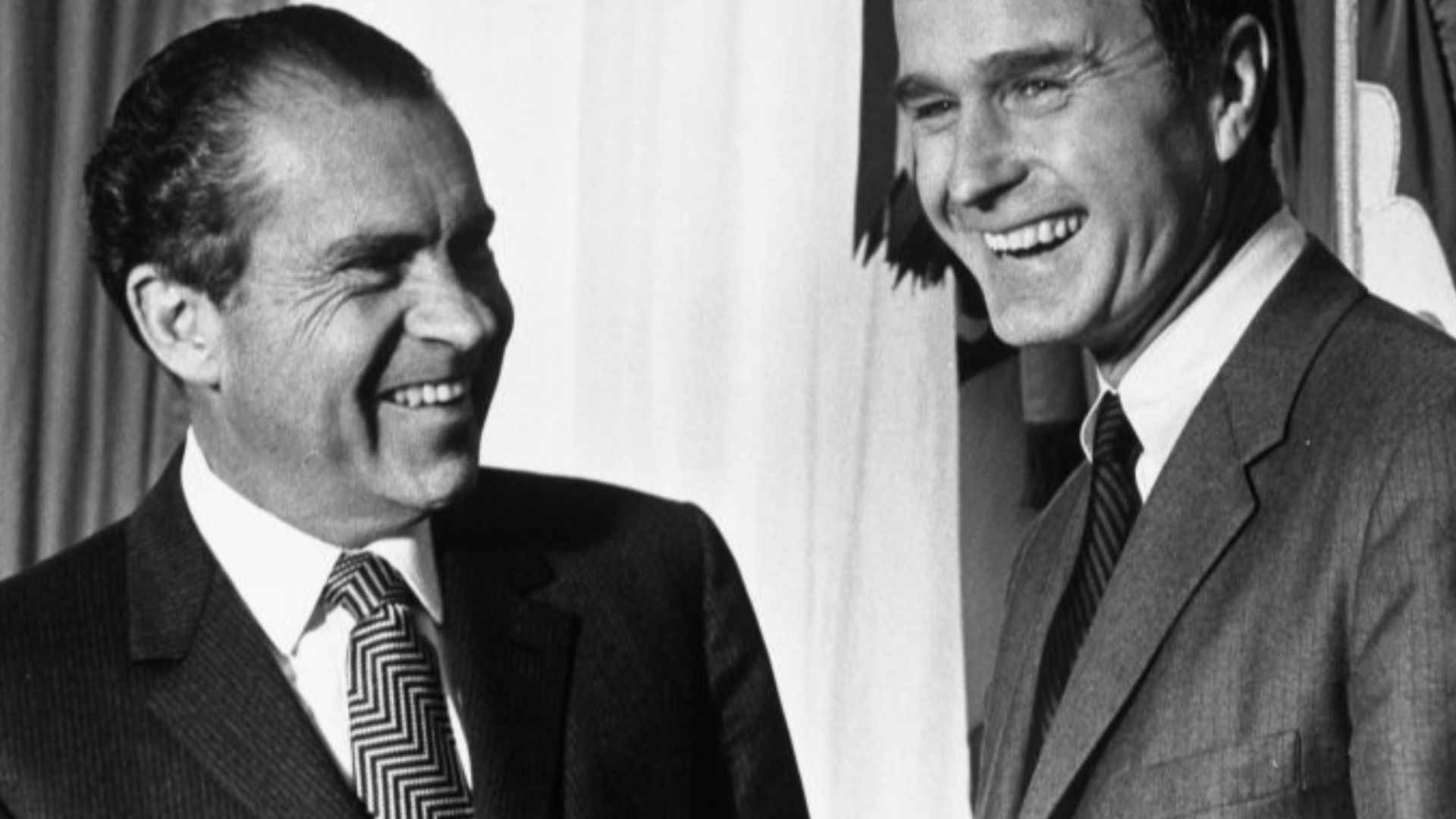
Alternate View: Nixon Did Contest The Results
Some historians, such as Professor David Greenberg of Rutgers University argue that Nixon did not entirely avoid a challenge. They point to legal actions like the limited recount efforts initiated by Republican operatives in 11 different states in the days after the election. These moves were made with Nixon’s acquiescence, showing that the campaign did explore ways to contest the outcome, in the first few days anyway.

Quiet Legal Efforts Behind The Scenes
According to this lesser-known view, Nixon allowed others to pursue legal avenues without publicly leading the charge to challenge the results. This approach enabled him to maintain a statesmanlike image while still following up on the concerns raised by his supporters.
History's most fascinating stories and darkest secrets, delivered to your inbox daily.
Debates Among Historians
Historians are still not unanimous on how actively Nixon pursued a challenge. Some still view him as a model of restraint, while others argue that his campaign did more than most people think, though not enough to change the final outcome.
 United Press International, Wikimedia Commons
The Role Of Media Coverage
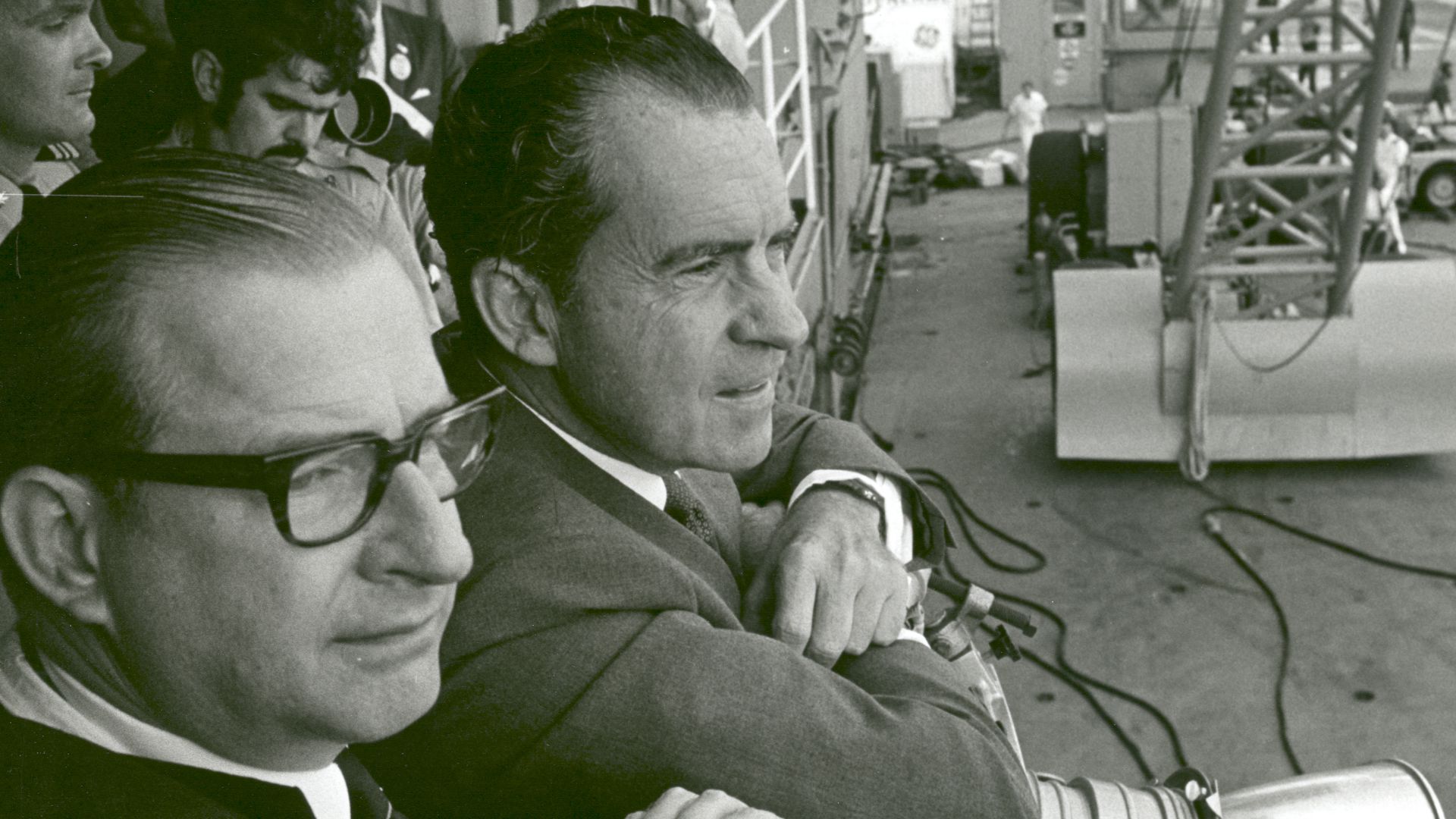
Media narratives at the time shaped public perception. Reports often emphasized Nixon’s concession and restraint, which solidified the public perception that he chose not to fight, even as legal questions continued to circulate in the background.
Long Term Impact On Election Trust
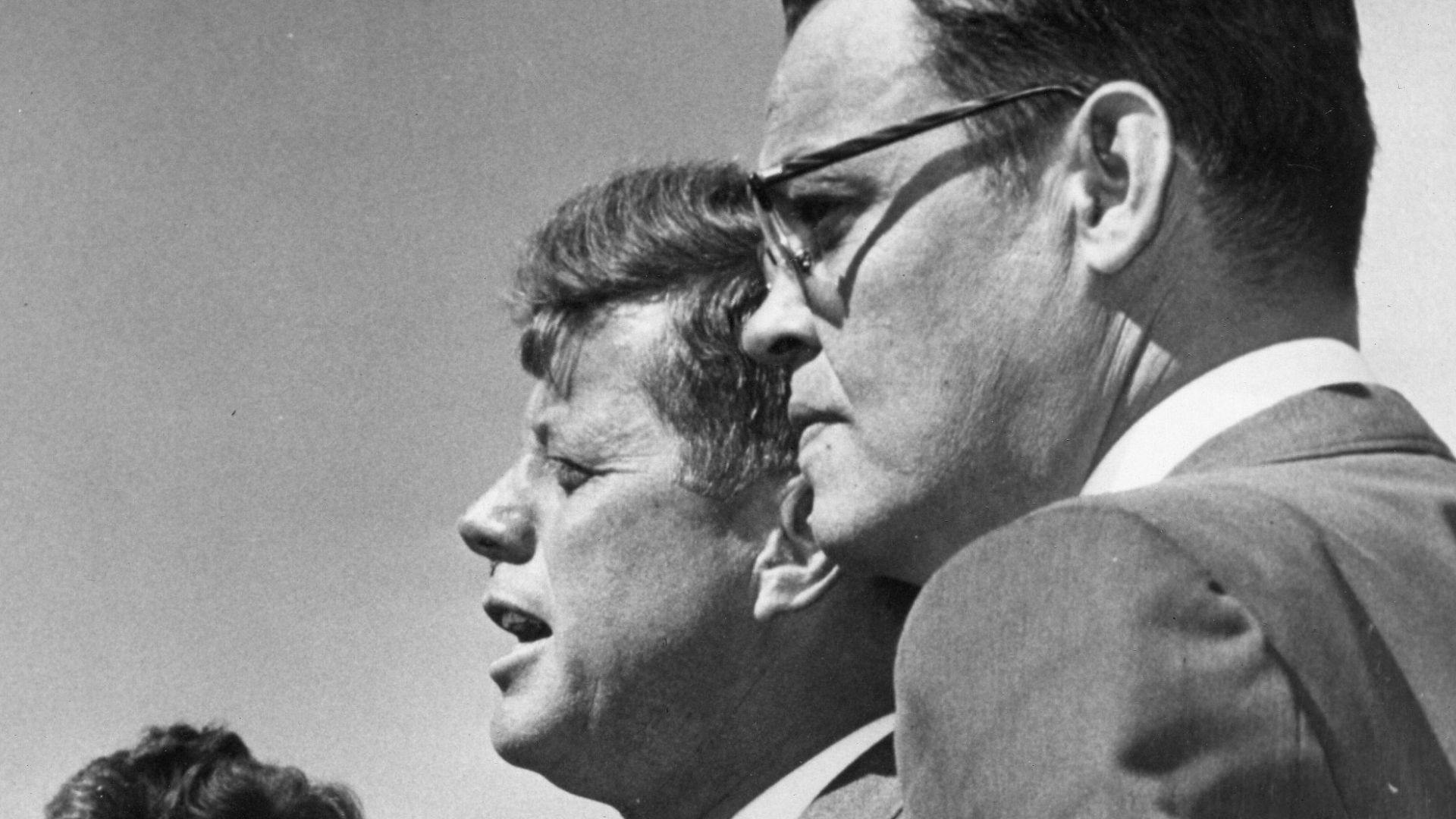
The controversy around the 1960 election has been a subject of continuing debates about election integrity in the United States. It became an early example of how close elections can lead to lasting doubts, even with no definite proof of wrongdoing.
 Unknown author, Wikimedia Commons
Lessons About Concession And Stability
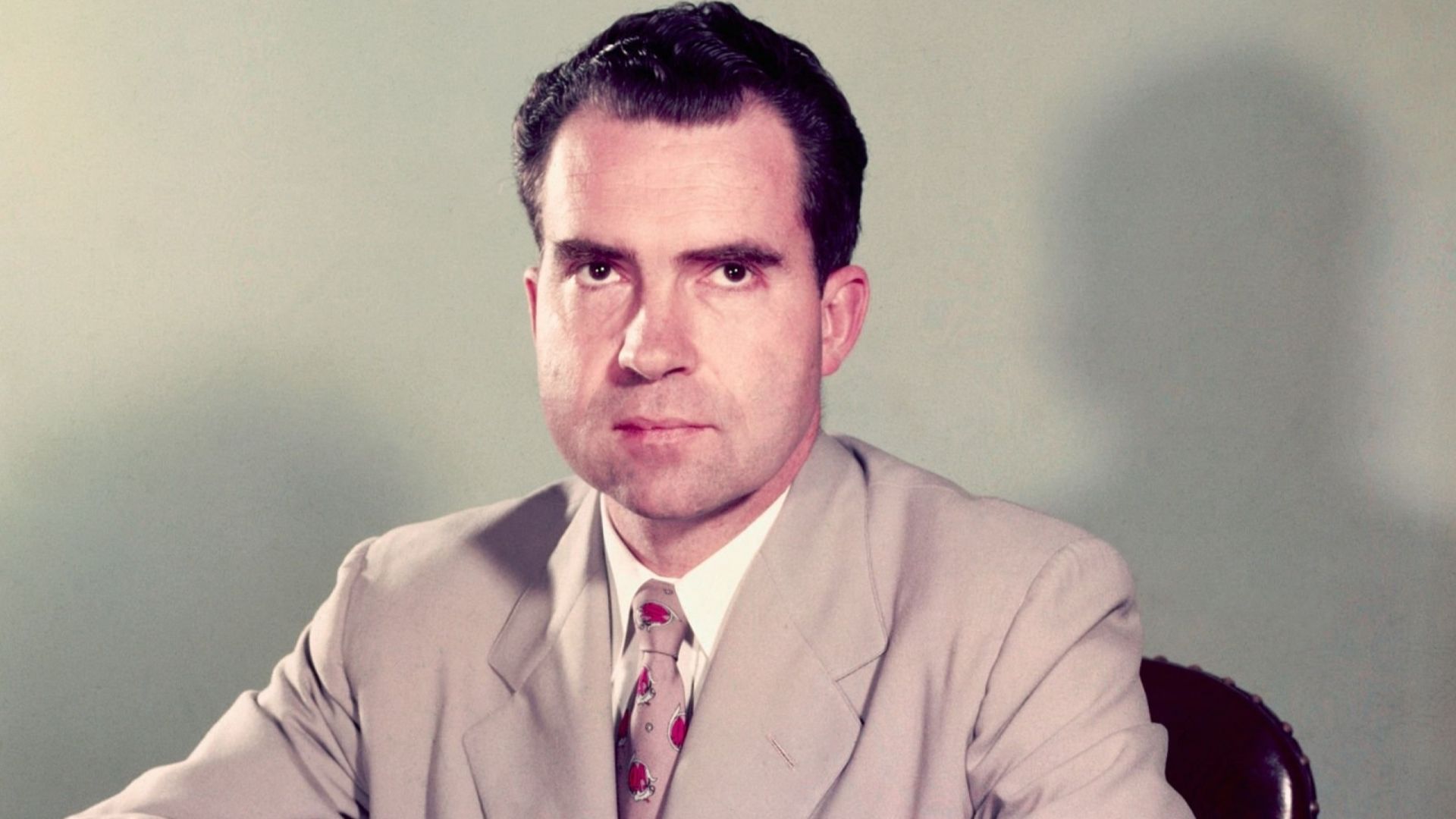
The general public view was that Nixon’s decision as an example of prioritizing democratic stability. His willingness to concede helped to guarantee a peaceful transition, setting a precedent for how candidates should handle contested outcomes.
 Unknown author, Wikimedia Commons
What Might Have Happened Otherwise
If Nixon had gone ahead with a full legal challenge, the country could have faced a prolonged and divisive battle. Courts, legislatures, and possibly Congress might have been dragged into the dispute, causing uncertainty at the worst possible moment.
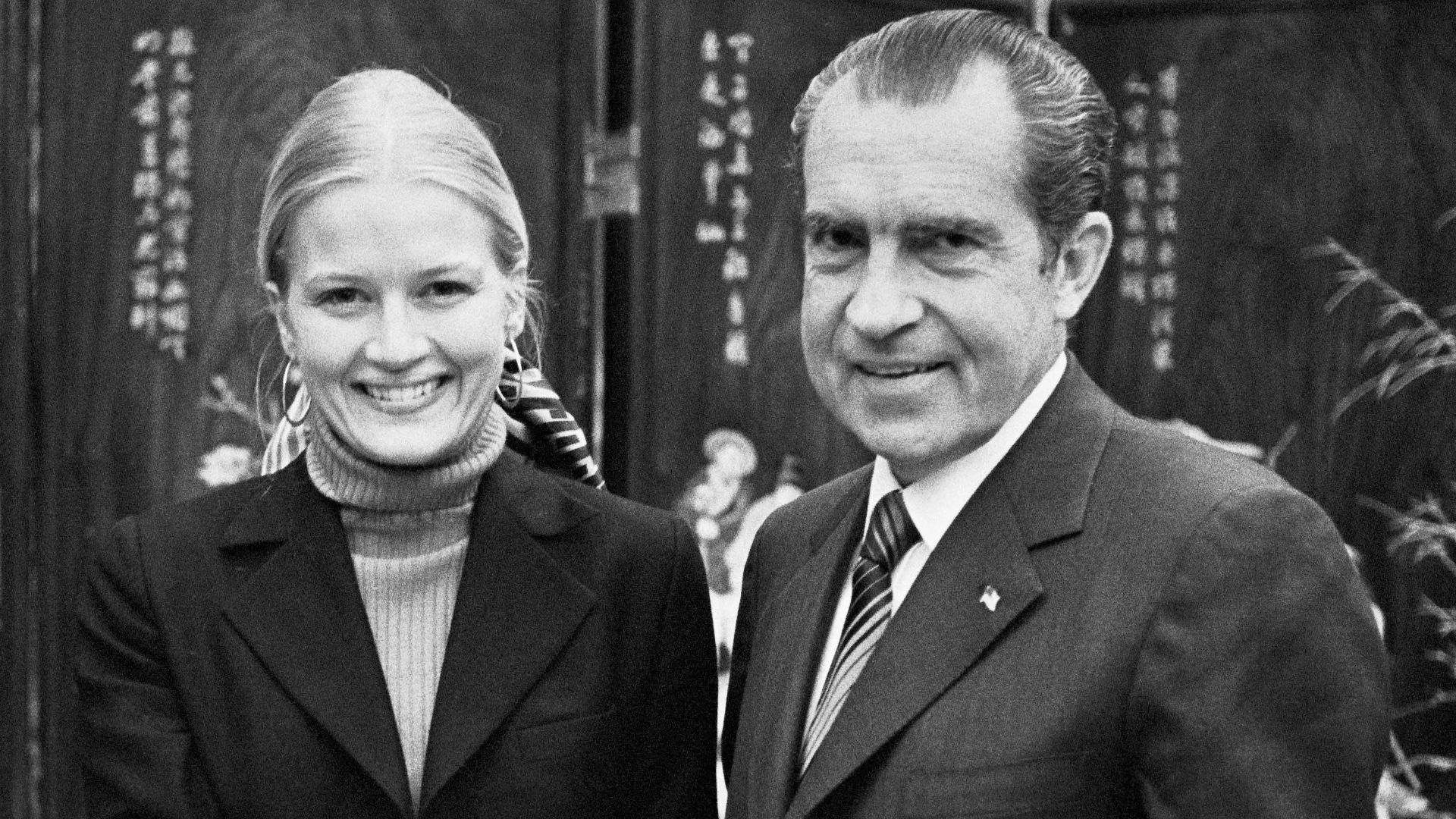
A Defining Moment In Political History
The 1960 election was a defining moment in how electoral disputes are handled, and the balance between seeking justice and preserving stability. This is a balance that still shapes political discourse and decisions today.
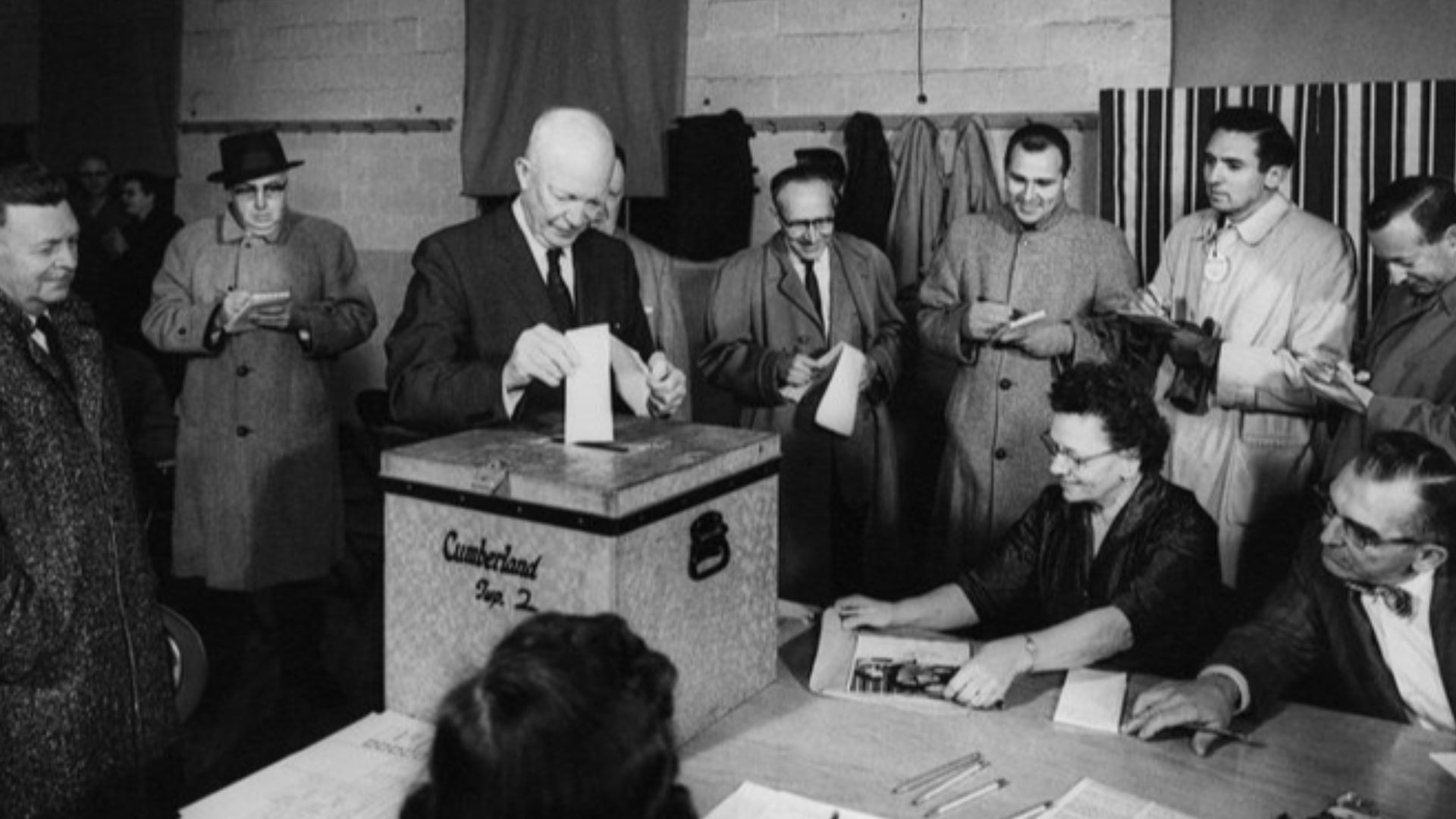 archivesnews, Wikimedia Commons
History's most fascinating stories and darkest secrets, delivered to your inbox daily.
Enduring Debate
More than sixty years later, questions about the 1960 election persist. While no definitive proof of outcome-changing fraud has ever emerged, the controversy is still a powerful reminder of how fragile the public’s trust can be in democratic institutions.
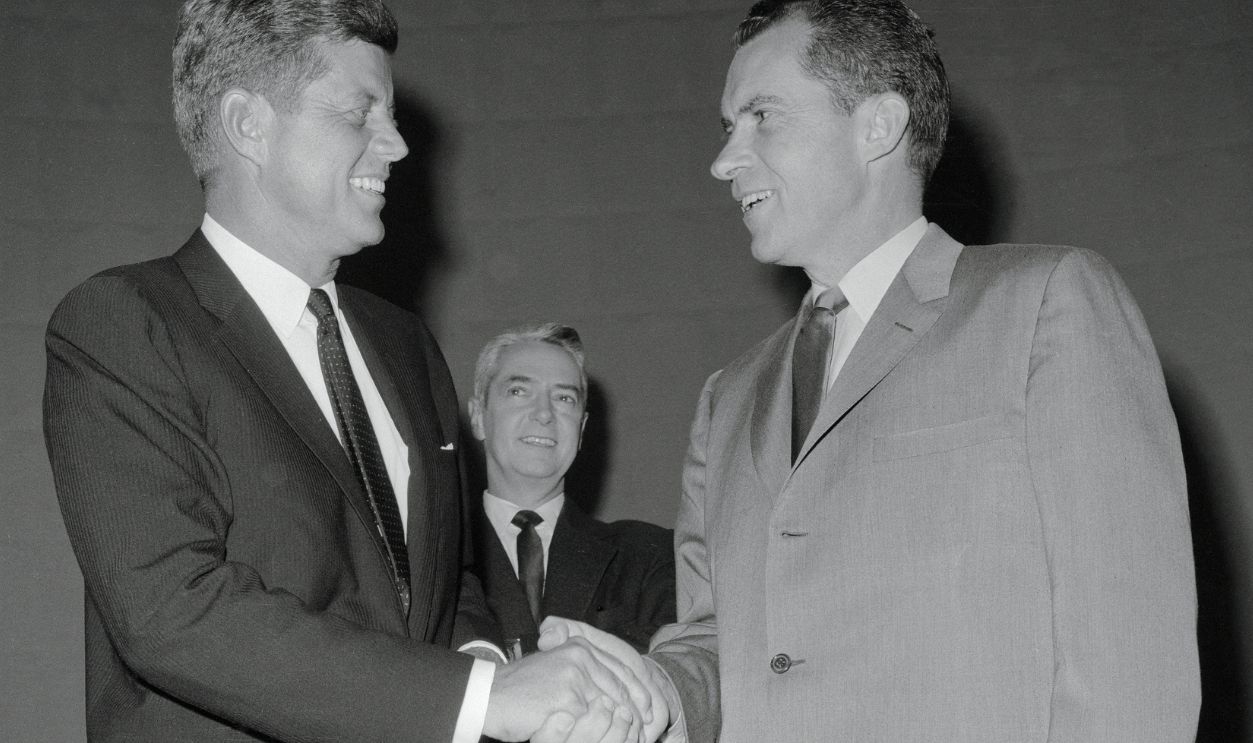
The Story Didn’t End There
After his 1960 loss, Richard Nixon turned around and made an unsuccessful bid for governor of California in 1962. He then withdrew from politics until 1968 when he ran for and won the Republican nomination, and went on to win the presidency against Democratic candidate Hubert H. Humphrey and American Independent Party candidate George Wallace.
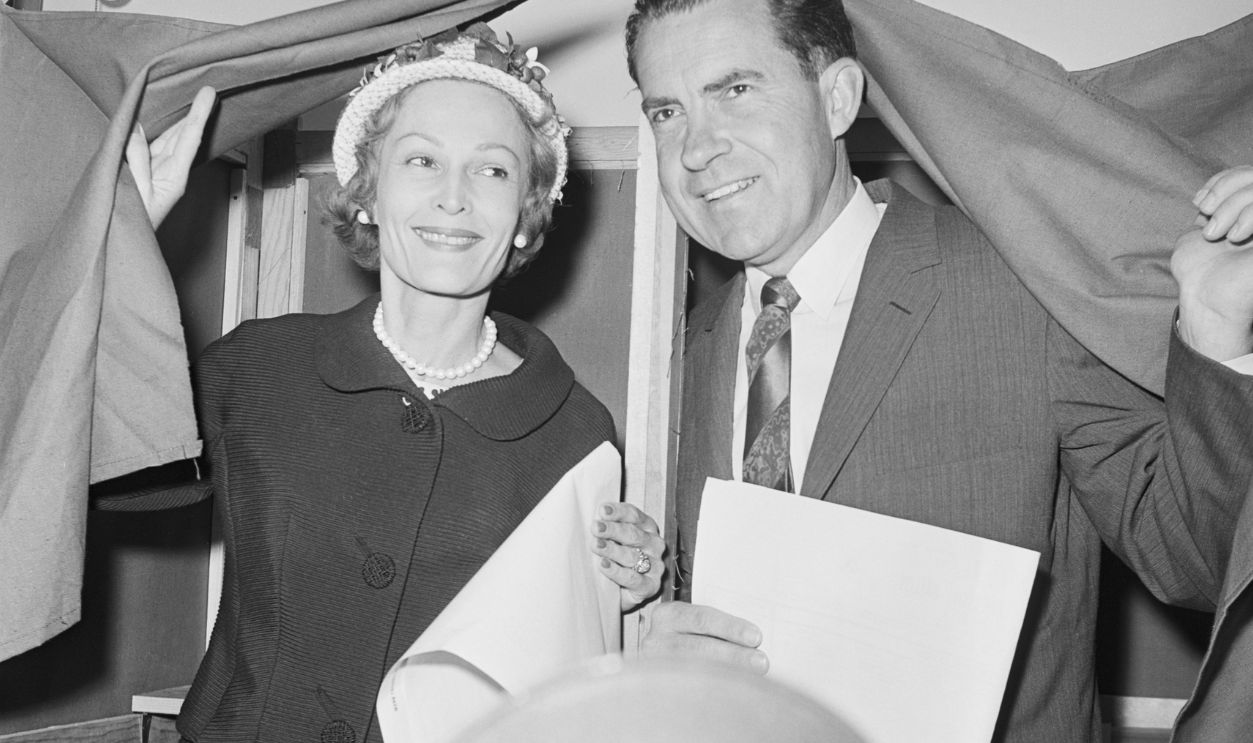
A Legacy Of Restraint Or Missed Opportunity
Whether viewed as an act of statesmanship or a missed chance to uncover the truth, the reasons for Nixon’s decision are still debated, as well as the facts of how much he was willing to challenge the outcome. It reflects the difficult choices leaders face when balancing personal interests with the needs of the nation.
You May Also Like:
Fraternizing Facts About John F. Kennedy, The President With The Wandering Eye
One Fact About Every US President







.jpg;%20https://www.factinate.com/)


