
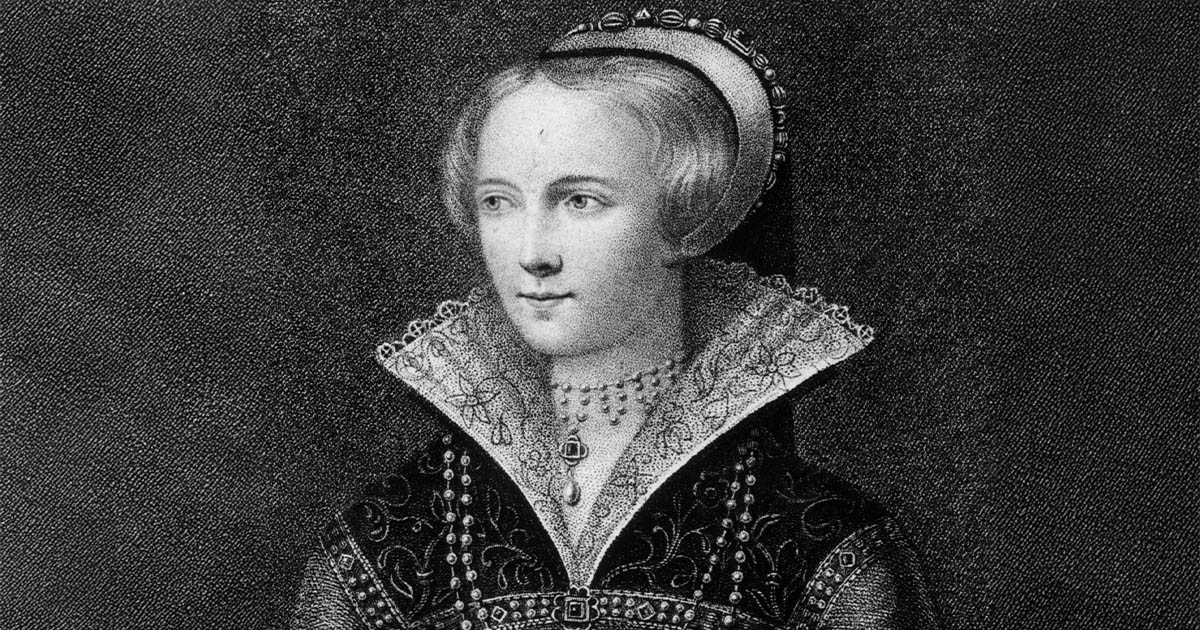
Jane Shore Risked It All
It’s possible that being a royal mistress is the cushiest job in the Palace. But Jane Shore took her job seriously, and in addition to the bedroom antics, she became involved with the politics of the kingdom. Shore risked it all for her King and wound up with a punishment that went beyond humiliation. While authors and poets ended her life in even further humiliation, the truth is something completely and utterly unexpected.
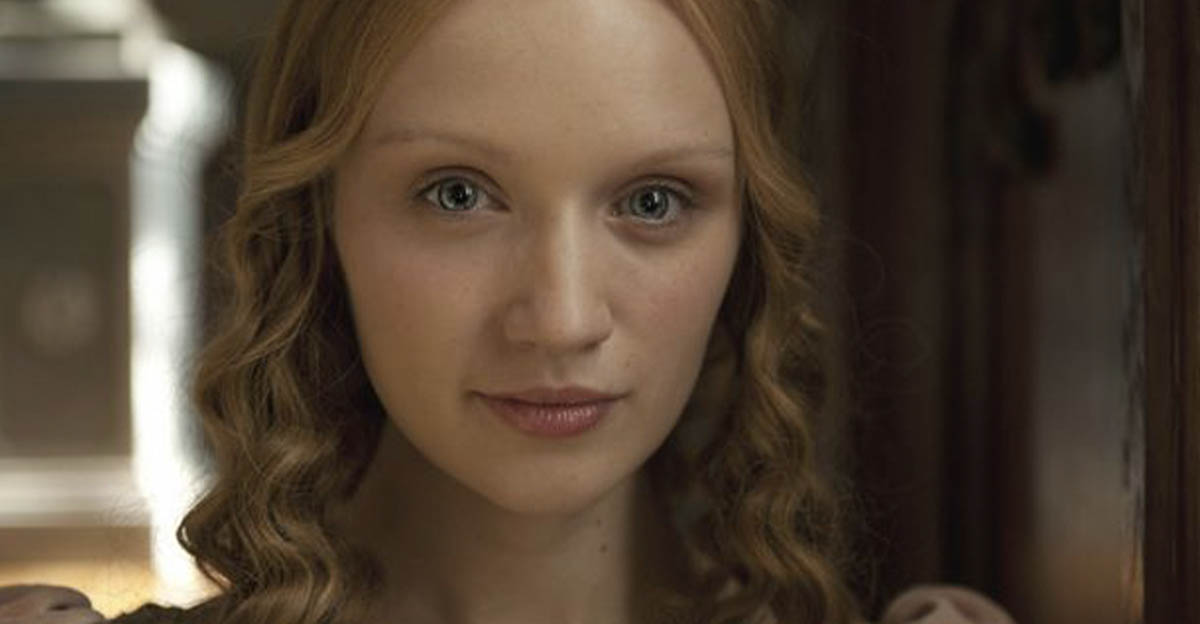
1. She Wasn't Born Into Royalty
Jane Shore was actually born Elizabeth Lambert in 1445 in London, England. Her father was a merchant, and her mother's family were grocers. We presently call her Jane because her real first name was temporarily lost and forgotten. We’ll soon see how the name Jane was a complete fabrication.
Elizabeth started her life in a completely humble way.
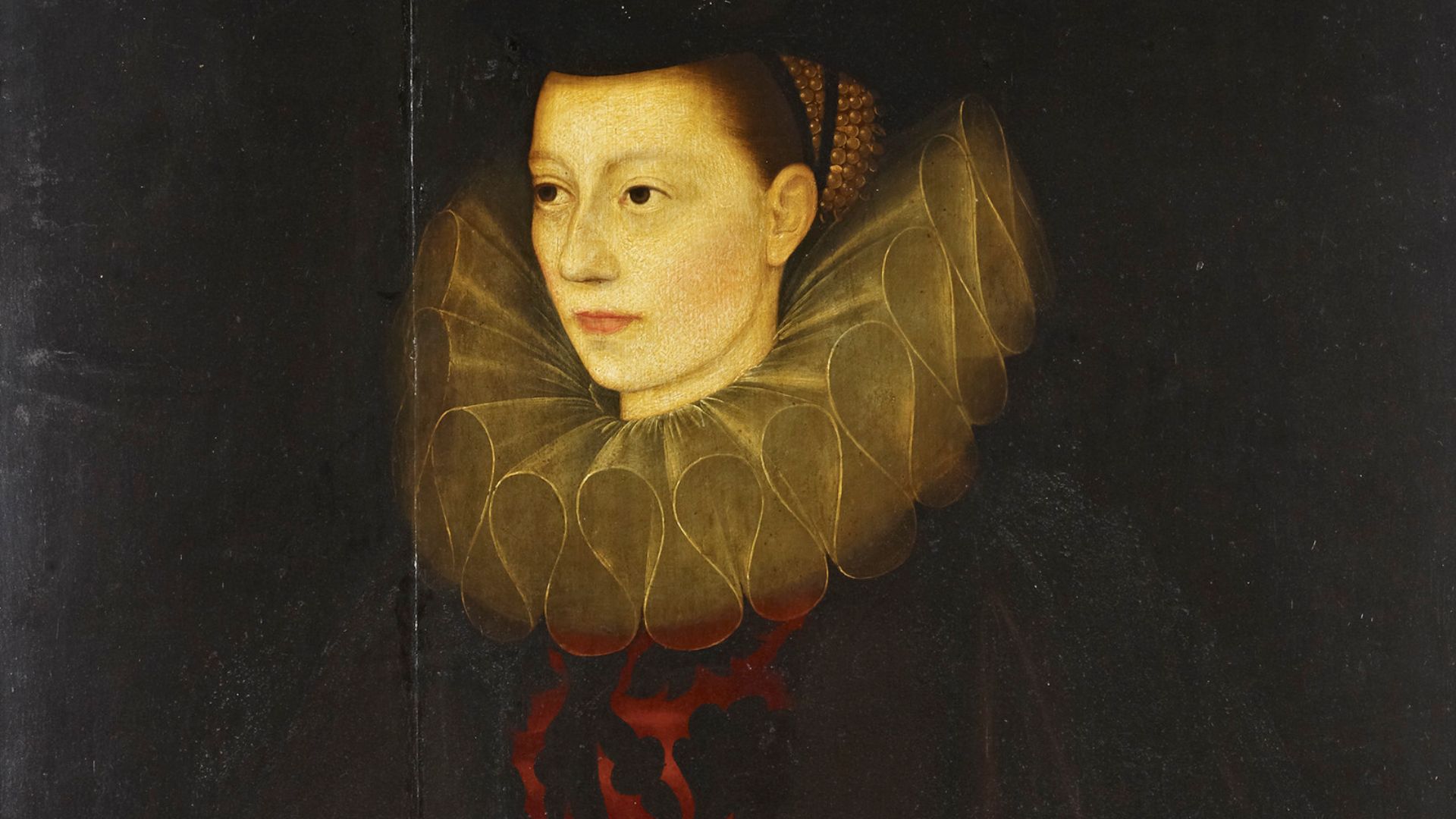 Unknown authorUnknown author, Wikimedia Commons
2. She Watched And Learned
Shore’s father had a shop, and when she was a little girl, she would see women who came from a different class—a higher class than her own family. Some believe this gave her insight into the world of the upper classes. She wasn’t royalty, but she was learning to act like a royal.
But there was something else unusual about Shore.
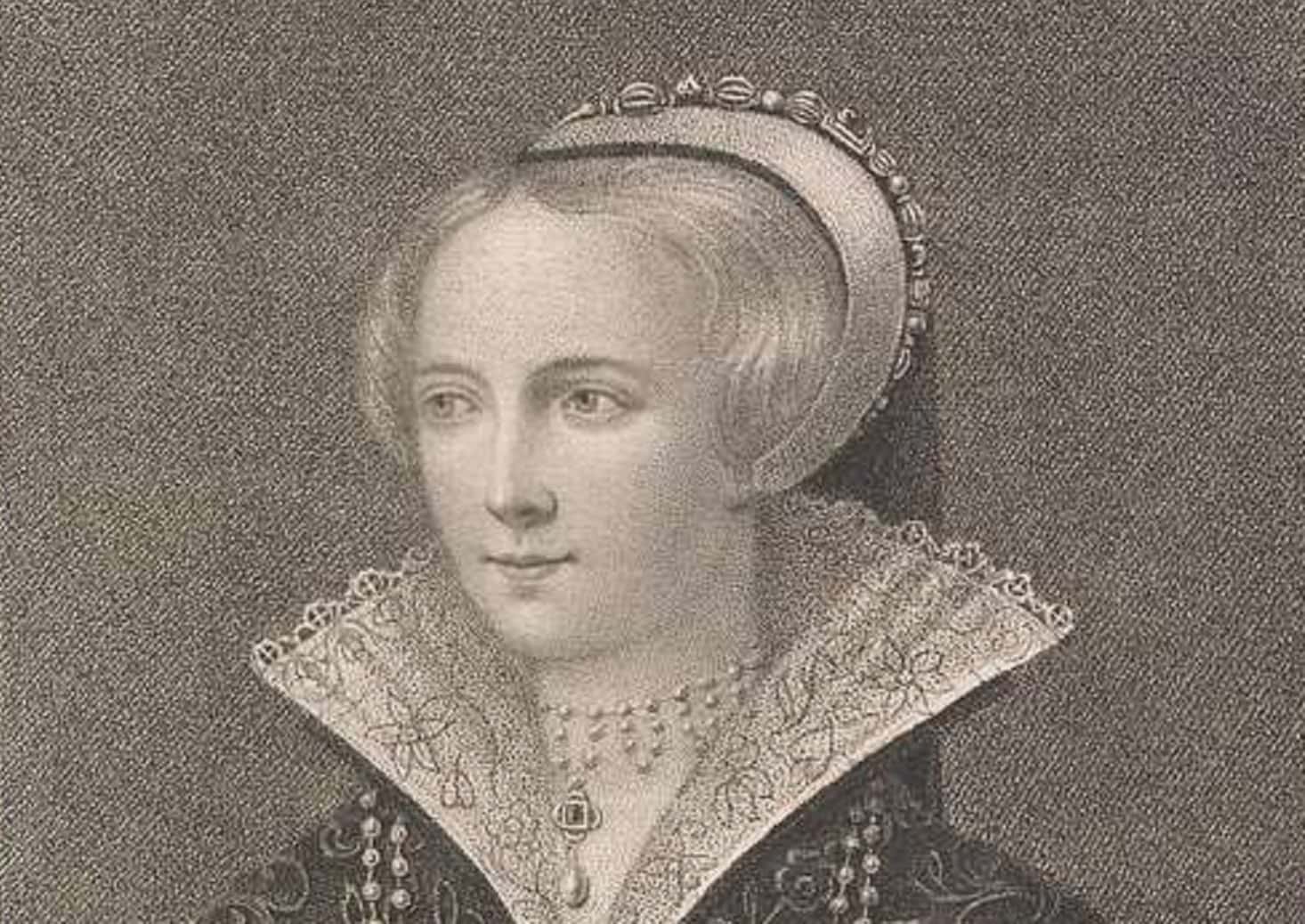 Yale Center for British Art, Picryl
3. She Had Smarts
Children of Shore’s class didn't usually receive a great education. And for girls, it was even worse. Somehow, her father provided a decent education for Shore, and later, the statesman and philosopher Sir Thomas More said she was incredibly intelligent. This wasn't the only reason why Shore was a special young woman.
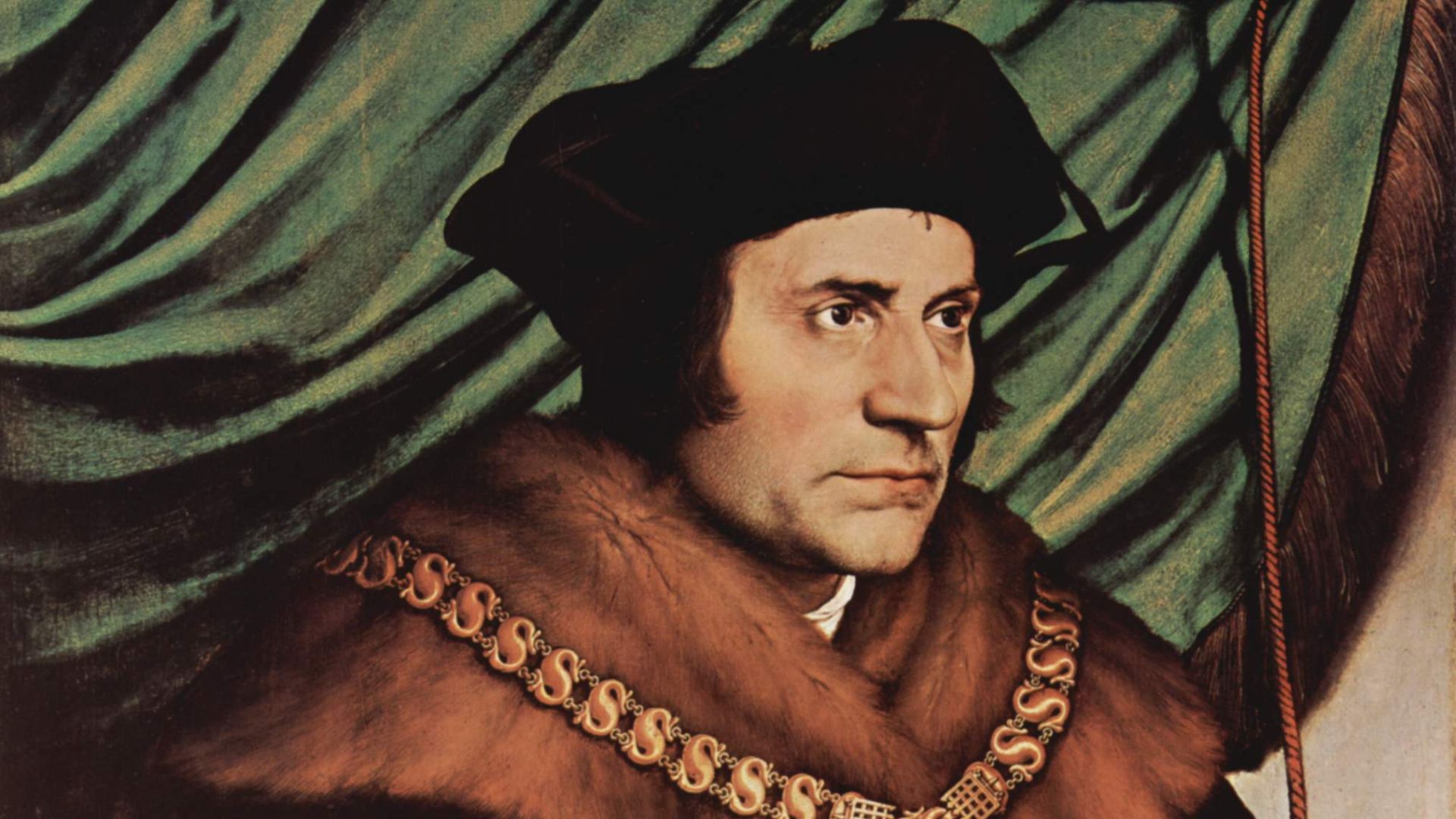 Hans Holbein the Younger, Wikimedia Commons
4. She Had Assets
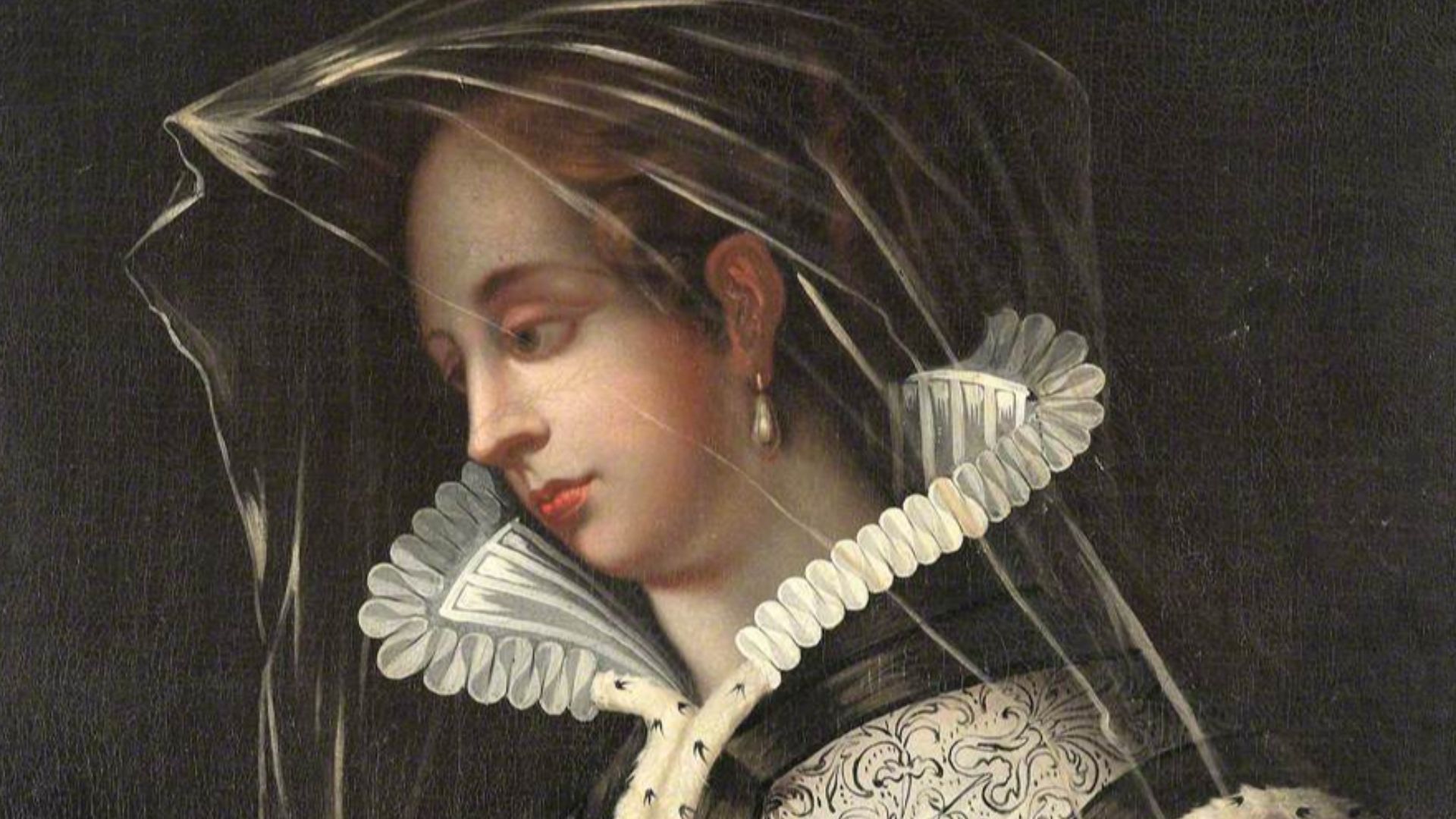
Biographer CJS Thompson believed that Shore was easy on the eyes. He claims that this was the reason Shore got the nickname: “The Rose of London”. Others claim that it was her personality and intelligence that drew men in. Whichever is true, we know one thing: Shore had many men after her.
Naturally, her father was not happy about this.
5. She Got A Lot Of Attention
When Shore's father saw how much male attention his daughter was getting, he knew he had to put a stop to it. Well, he couldn’t exactly put a big sign over his daughter’s head. When the King’s best bud, William Hastings, took a shine to Shore, her father knew he had to act fast and protect his daughter from becoming someone’s mistress.
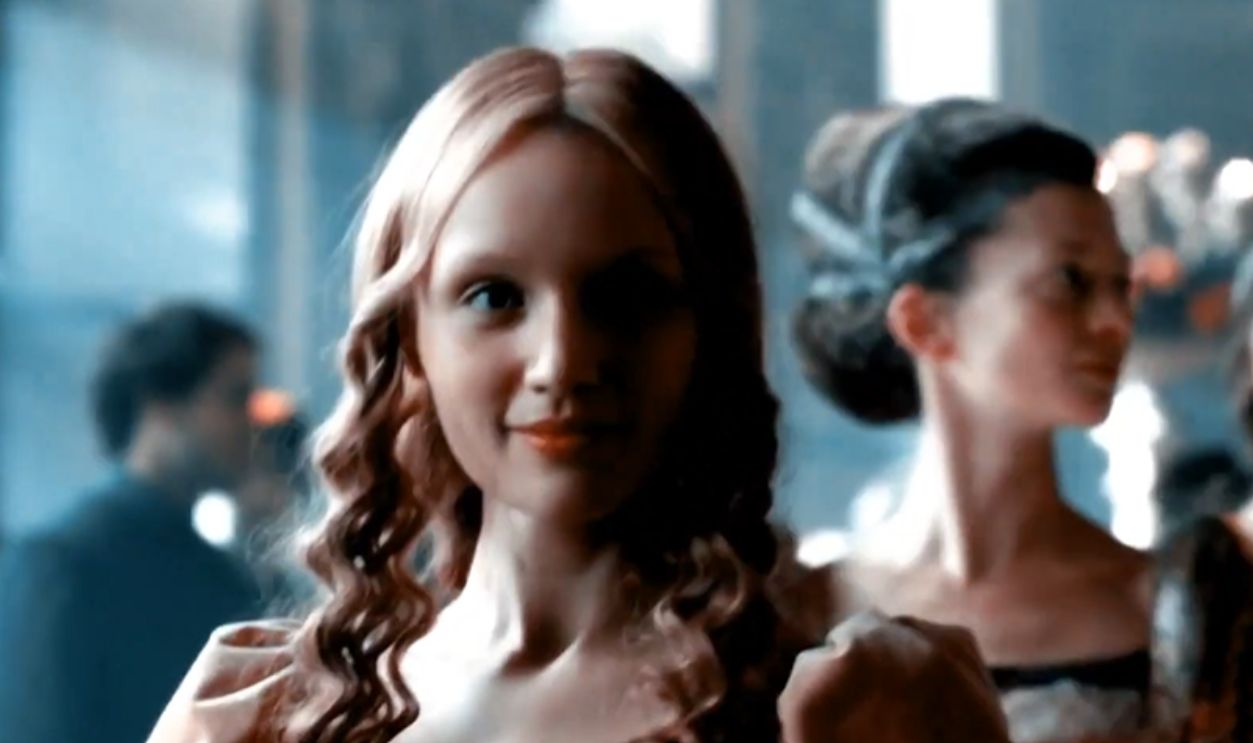 Screenshot of The White Queen, BBC, (2013)
6. He Had To Find A Husband
As the King’s right-hand man, William Hastings was a very powerful man. He fell hard for Shore, and this attention terrified her father. He wanted to quickly find a proper husband for his daughter before things got out of hand. All he had to do was find now was someone suitable.
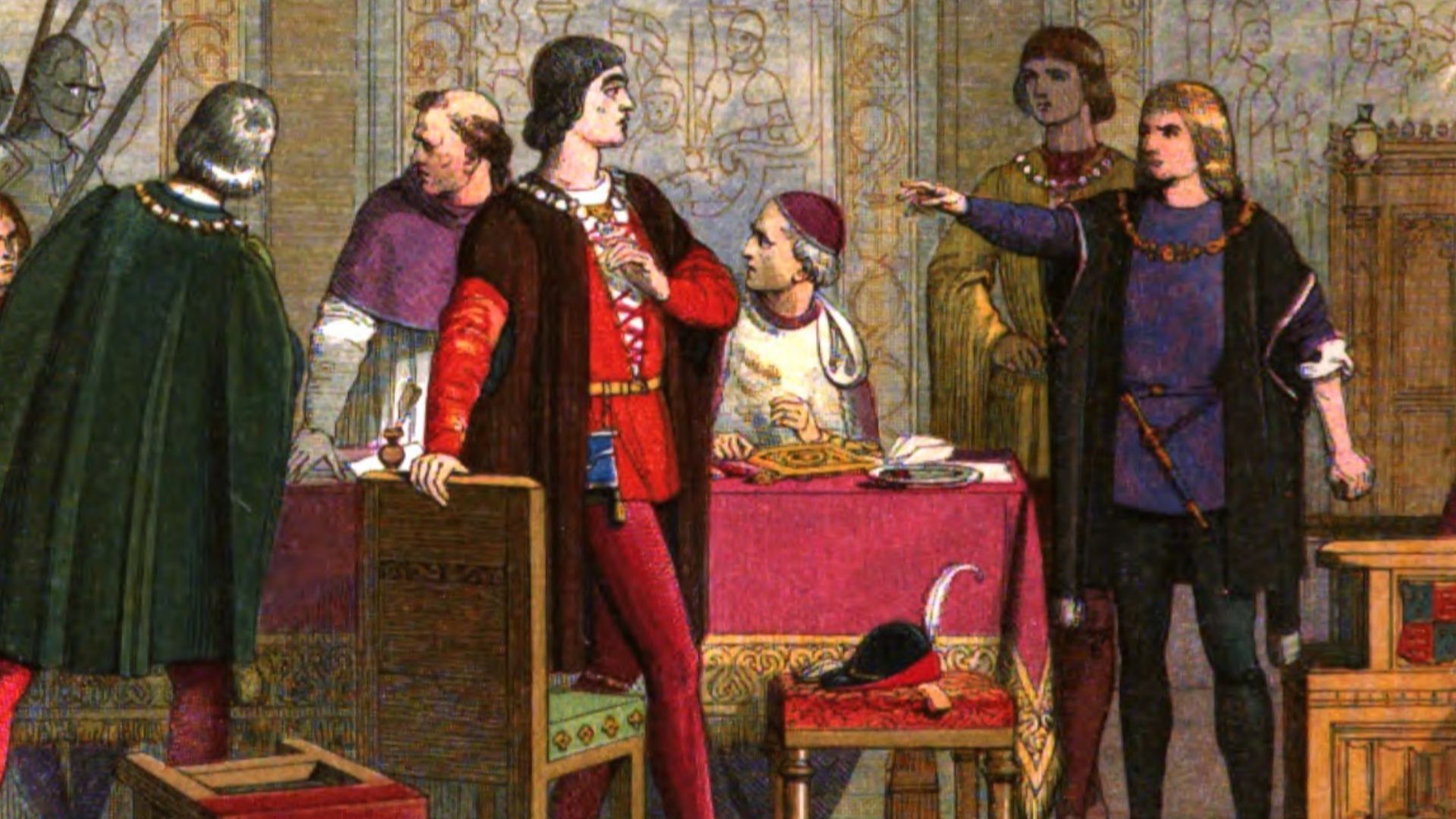 Edmund Evans, Wikimedia Commons
7. Her Father New Where To Look
Instead of looking for some random guy to be his daughter’s husband, Shore's father looked at his own set of friends. He had an acquaintance who was a banker, and to him, this seemed like the perfect match. With no input from his daughter, Shore's father set her up with William Shore.
This marriage definitely had a short expiry date.
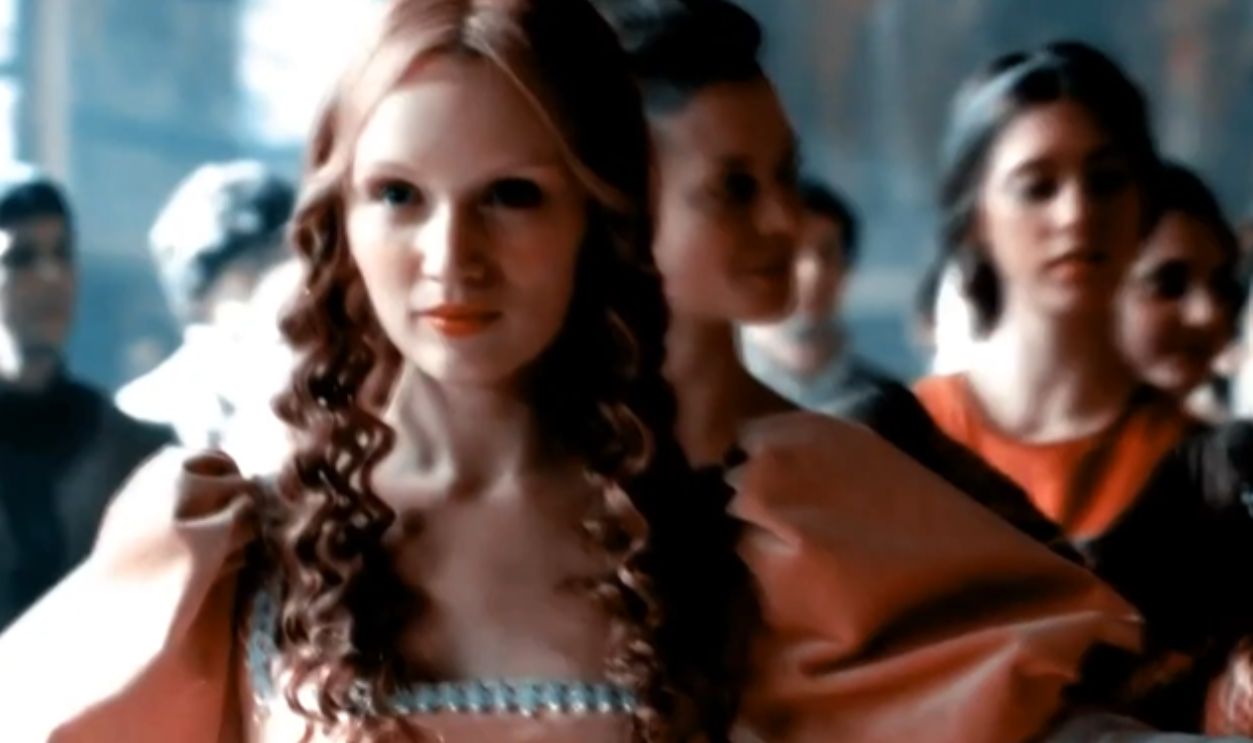 Screenshot of The White Queen, BBC, (2013)
8 She Didn’t Really Like Him
The man Shore's father chose for her was about 15 years older than her. And while he was apparently handsome enough, Shore never really took a liking to him. If this wasn't bad enough, someone was about to step in and make things much worse.
 Screenshot of The White Queen, BBC, (2013)

History's most fascinating stories and darkest secrets, delivered to your inbox daily.
9. She Couldn’t Say No
While Shore was still William’s wife, Hastings introduced her to King Edward IV, and like most men, he took a liking to her, too. Before long, Edward asked Shore to be his mistress. Suddenly, her banker husband looked kind of boring in comparison to royalty. Besides, could she really say no to the King of England?
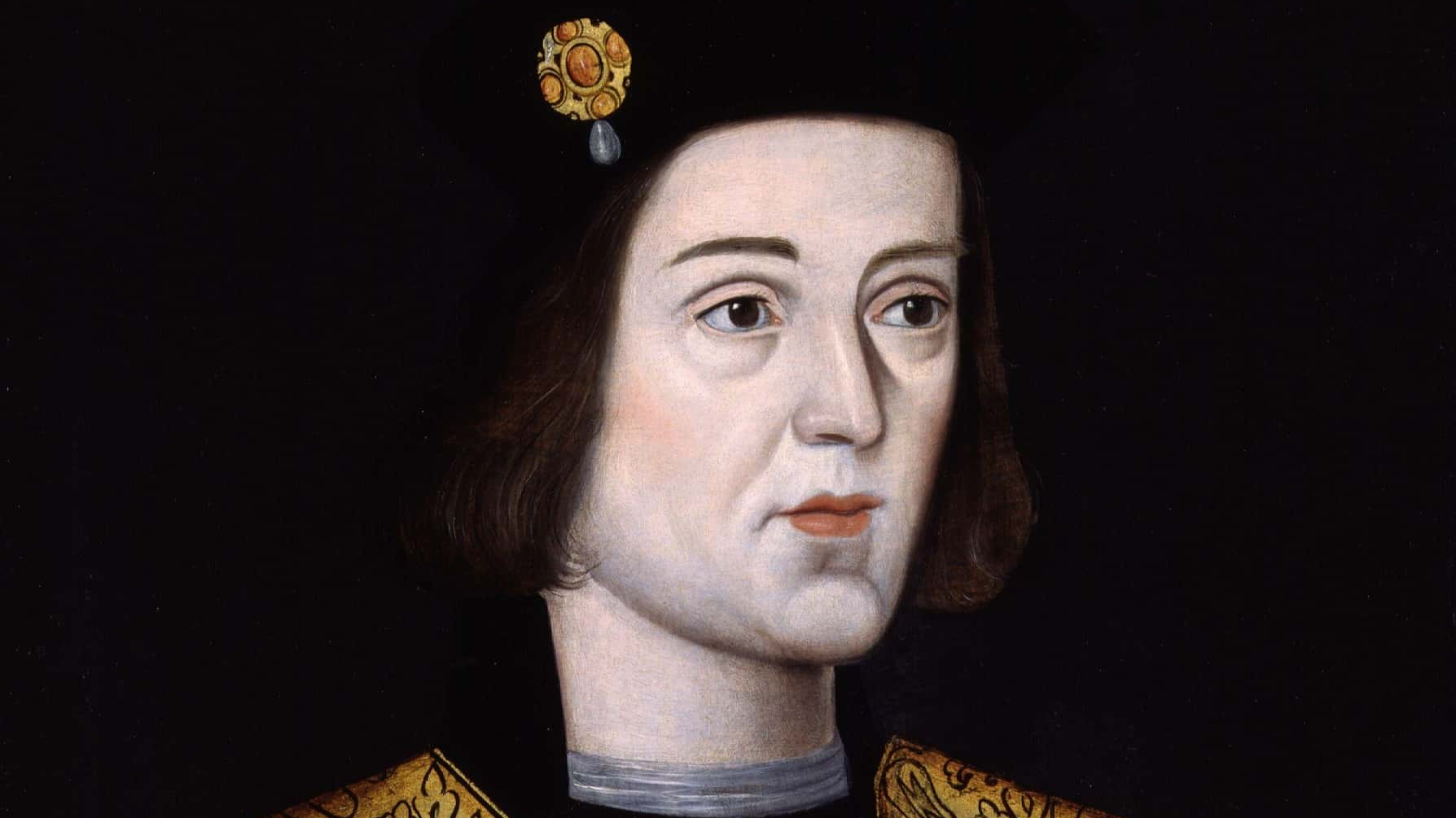 Unknown Author, Wikimedia Commons
10. She Wanted Out
Being the mistress of the King made Shore’s husband seem more like a liability than an asset. So, Shore searched for a way to get rid of him. What she needed was an annulment, and these were really hard to come by.
She needed to come up with a good reason to get one.
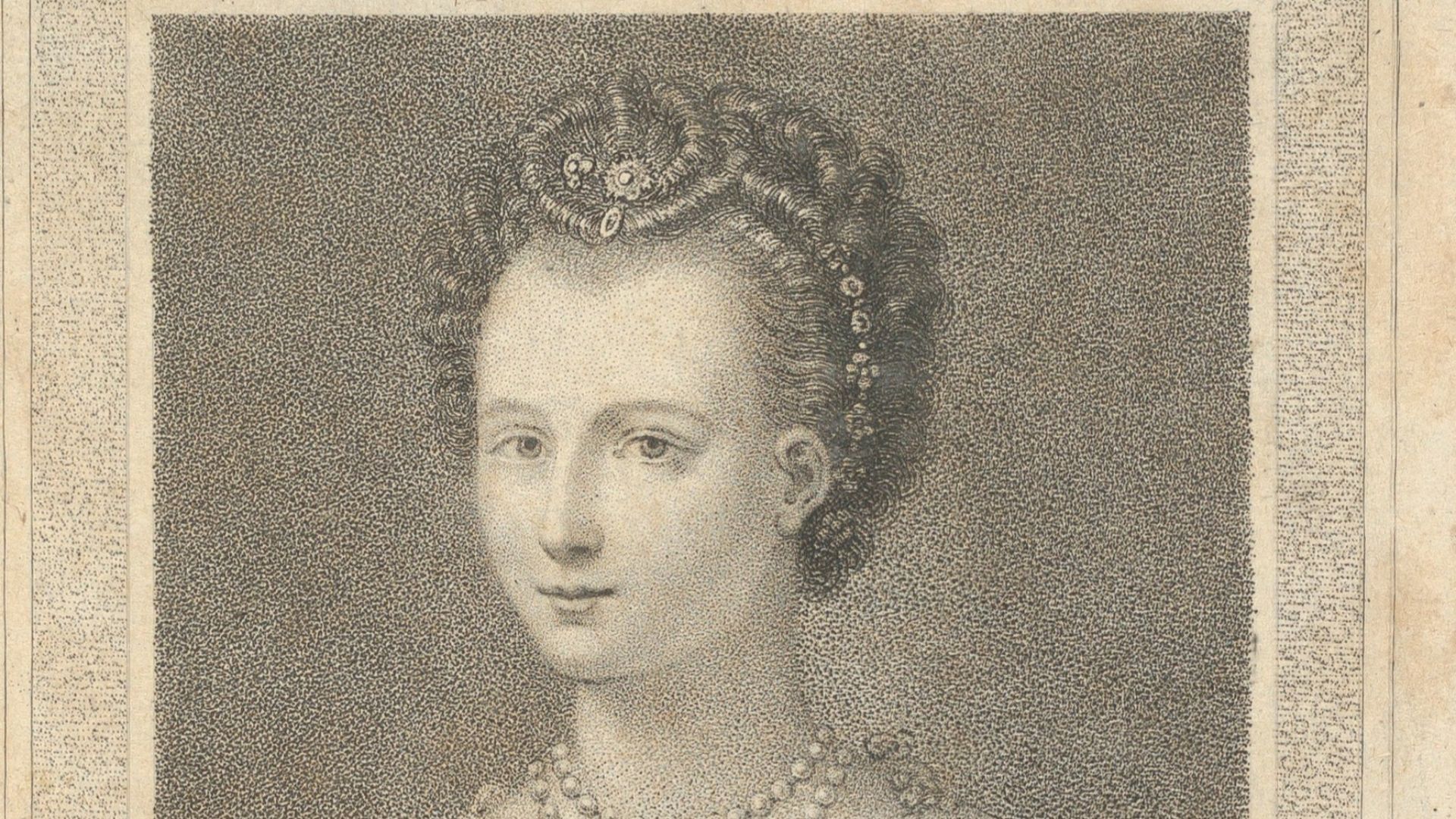 Francesco Bartolozzi / Edward Harding / Silvester Harding / William Shakespeare, Wikimedia Commons
11. She Needed Help
Getting an annulment was no easy feat, so Shore needed some help. Of course, getting the annulment required cash, and Shore had little of her own. But she did have access to a great fortune. It doesn't take a great detective to figure out where Shore got the money.
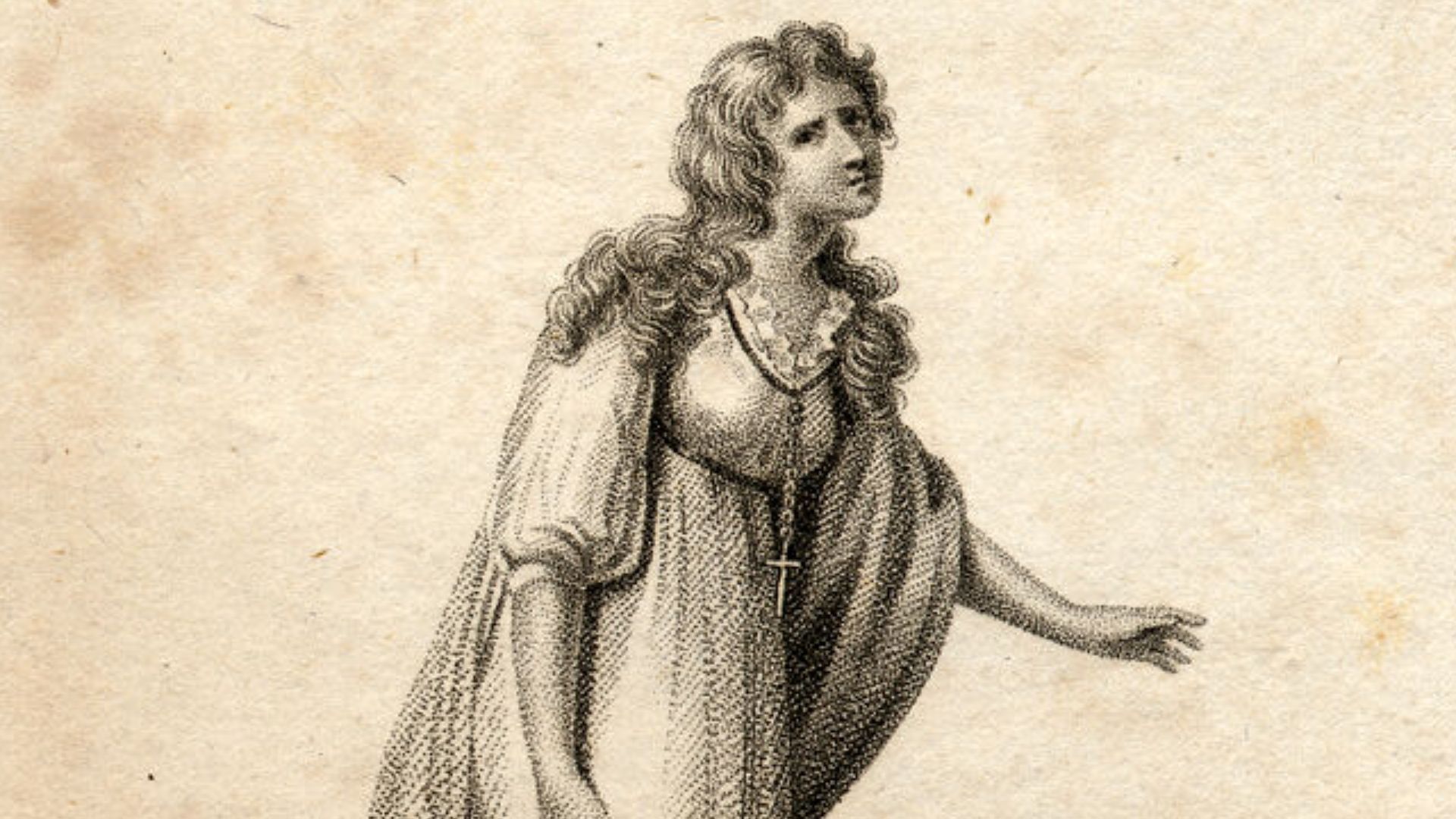
12. She Needed A Good Reason
Of course, the King had almost unlimited funds and quite likely bankrolled Shore’s petition for an annulment. Some hold this as absolute proof that Shore’s relationship with the King started well before her marriage ended. So, Shore had the money to dump her husband, but she still needed to come up with a really good reason why this marriage was a sham.
She went for the jugular.
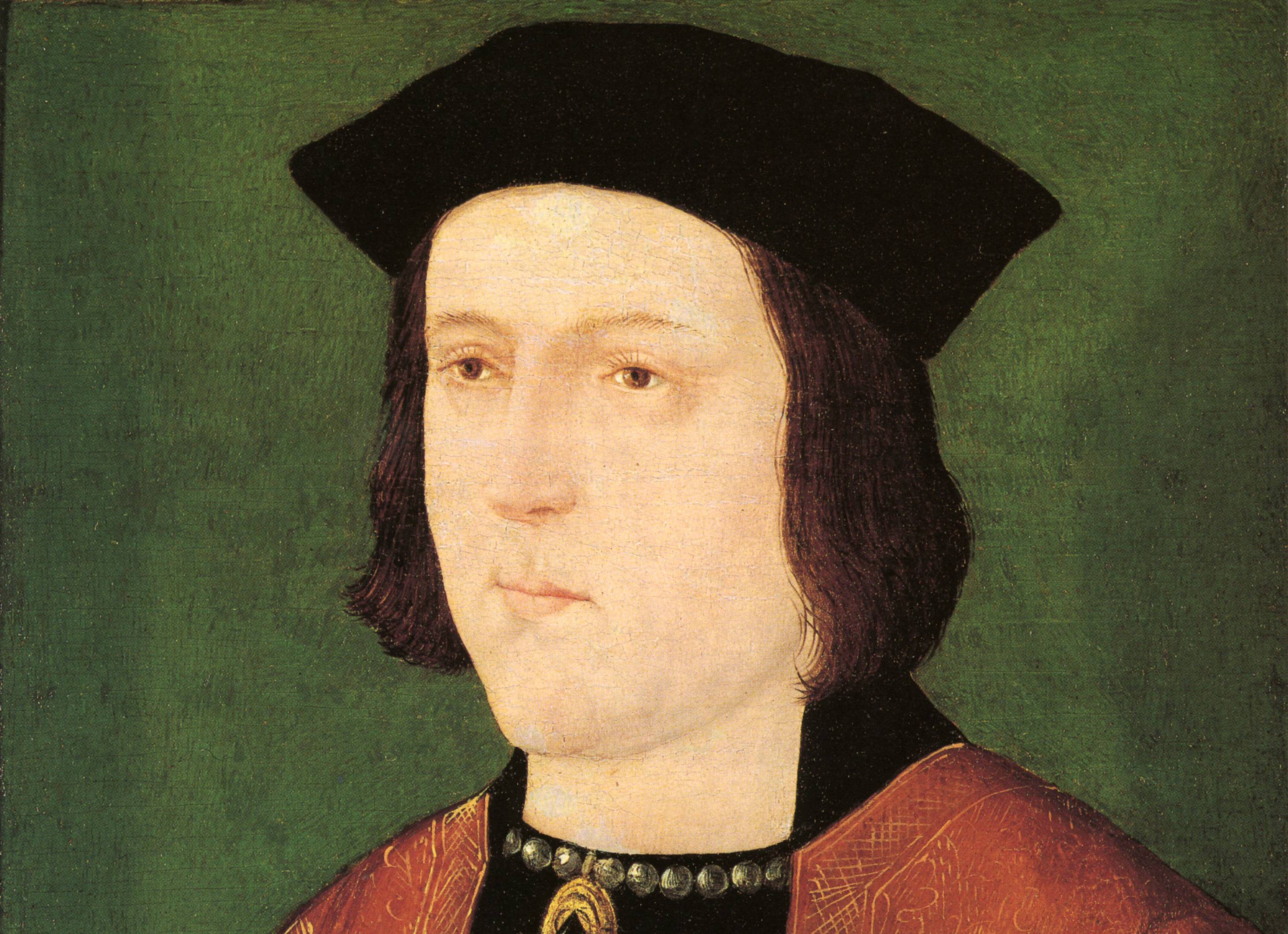 National Portrait Gallery, Wikimedia Commons
13. She Wanted A Family
Shore decided that the best reason for an annulment would be to claim that her husband was frigid and impotent. At this time, there were few things as important as a woman's right to have children. Three bishops and the Pope himself had to debate whether to end this childless marriage.
All Shore could do was wait for their ruling.
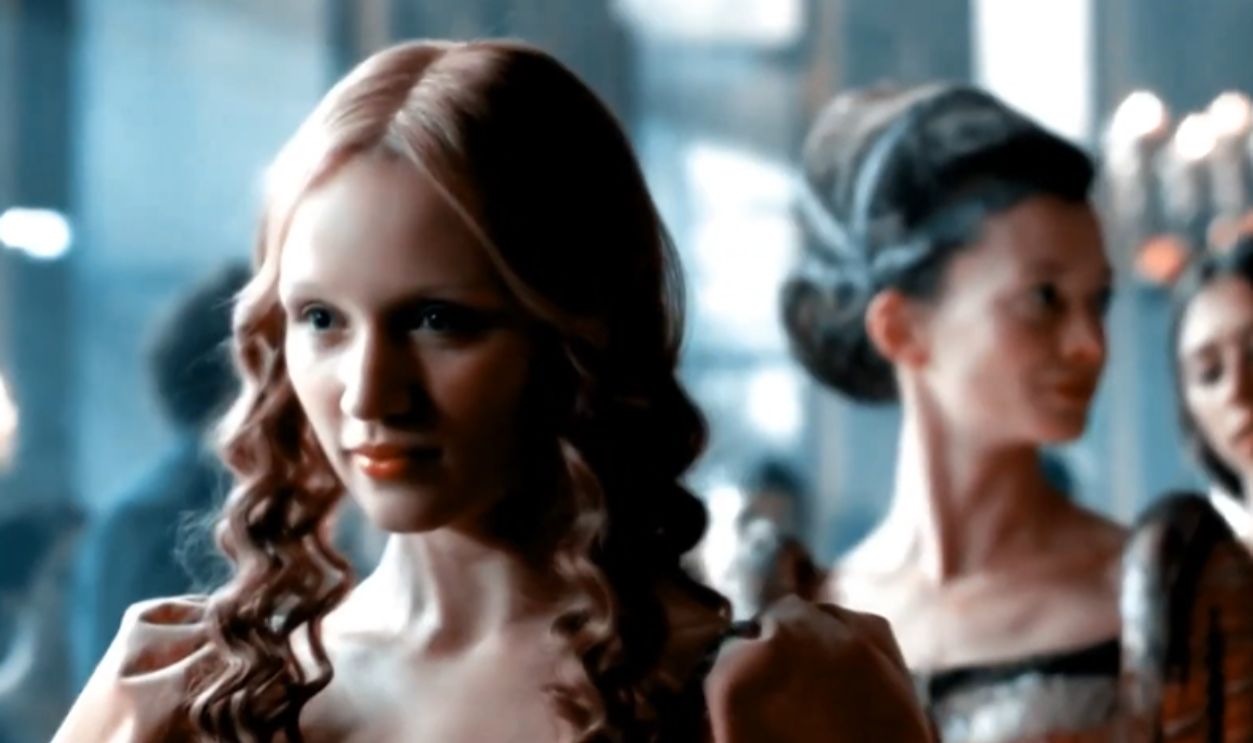 Screenshot of The White Queen, BBC, (2013)
14. She Had A Common Name
The Pope did grant Shore her annulment, and at the age of 31, she was now in a position of great influence. She was, after all, the mistress of the King. But there were complications at the palace. You see, Edward’s wife and daughter’s names were Elizabeth, and back then, Shore was still Elizabeth, so life around the palace was more than a little complicated.
Also making things complicated was the fact that Shore was not the King's only mistress.
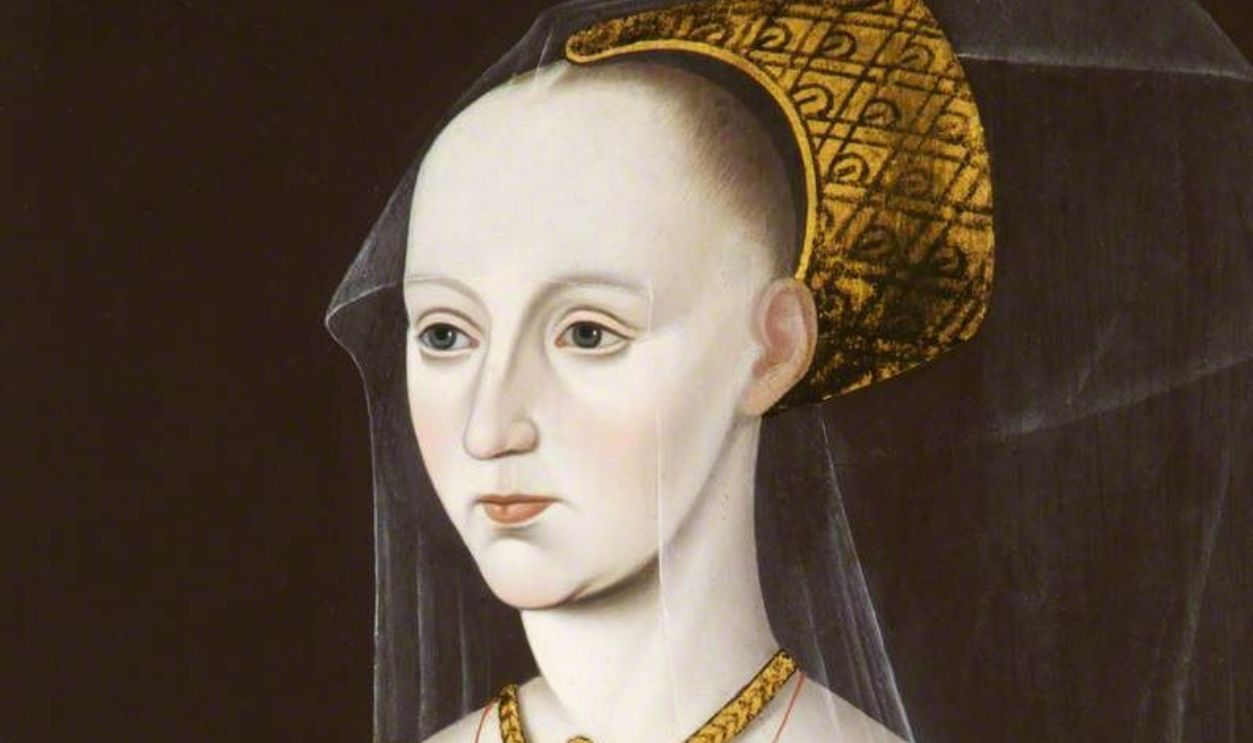 National Trust, Wikimedia Commons
15. She Wasn’t Greedy
Of course, Edward had more than one mistress in his lifetime. But there was something different about Shore. First off, she didn't seem to be trying to get anything out of the affair. She didn’t ask for expensive things like the other women did. This meant that Shore lasted longer than most others.
But there was another, more carnal reason why the King kept Shore on the payroll for a longer period.
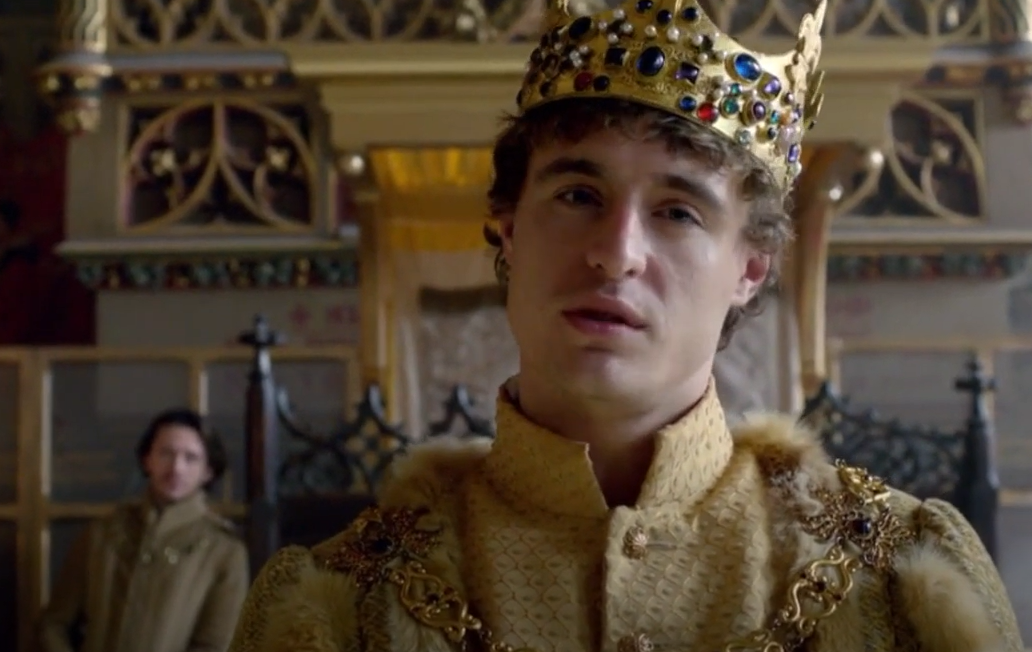
16. She Was Always Ready
Back in those days, there was a belief that while a woman was pregnant, all bedroom activities must be put on hold. The good thing about Shore was that she never got pregnant. This meant that she was always ready, willing and able to fulfill the King’s carnal desires.
But there was more to Shore than just a romp in the hay.
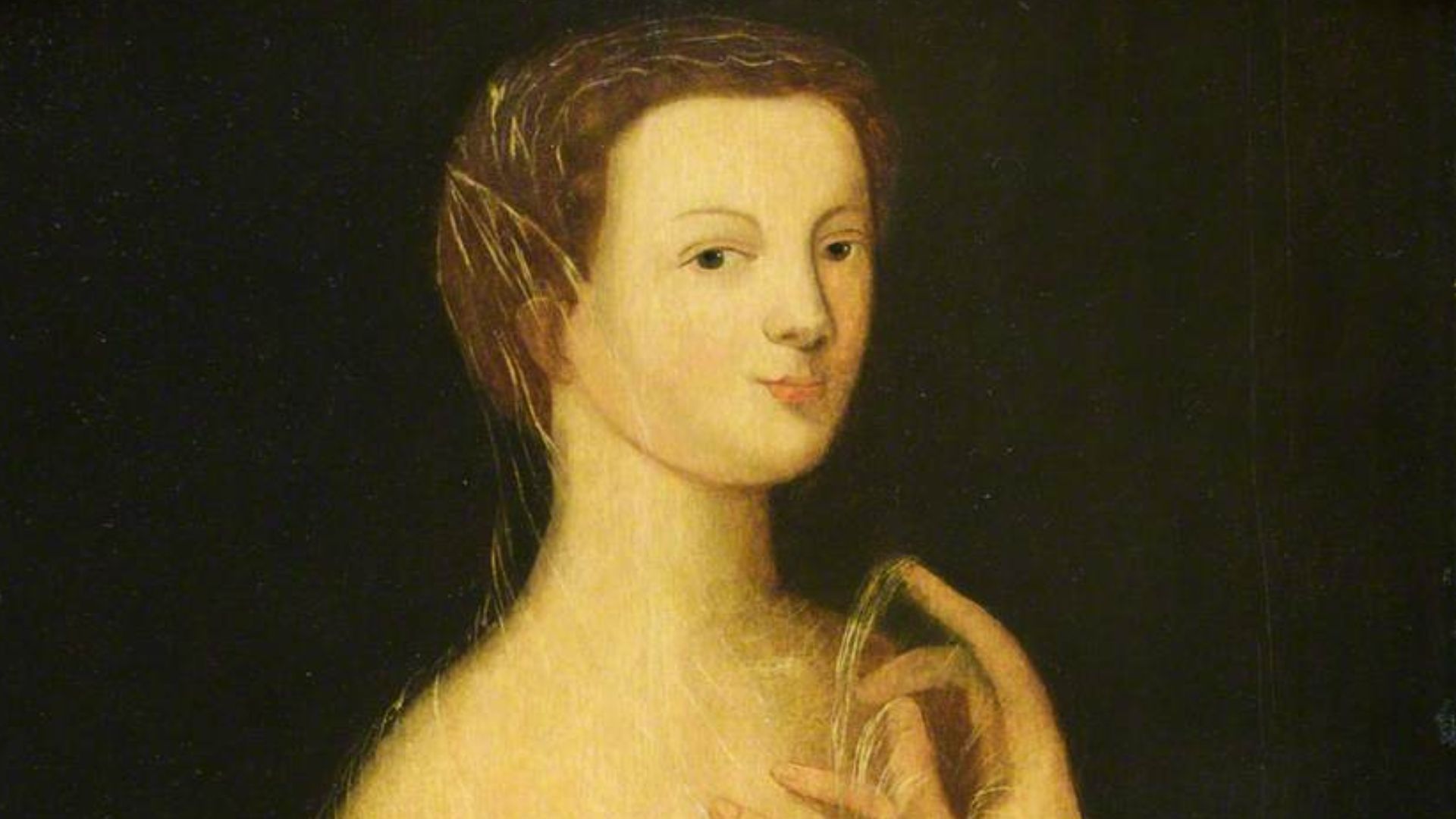
17. She Did Good Deeds
In a palace full of Elizabeths, Shore had to find a way to stand out. One of Shore’s signature moves was to help people who had fallen out of favor with the royal court. Shore saw it as her mission to get them back in good standing.
But Shore’s own behavior would someday be in need of fixing.
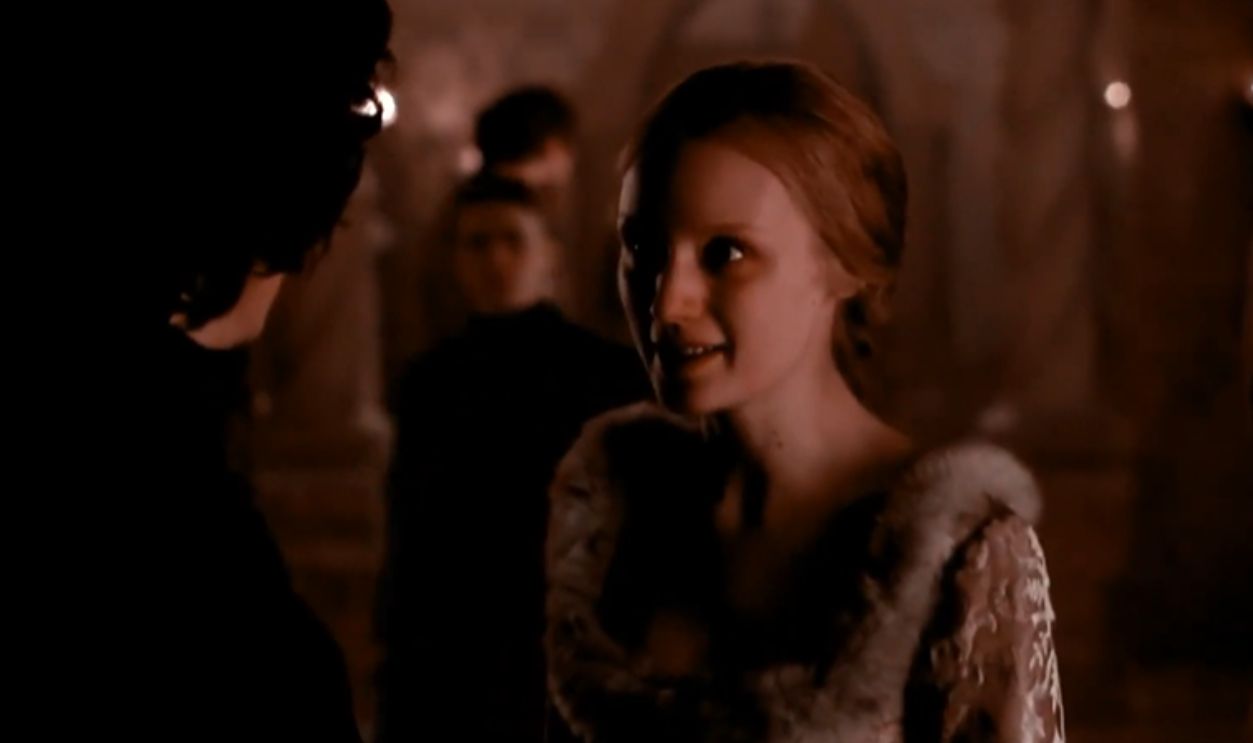 Screenshot of The White Queen, BBC, (2013)
18. She Had More Than One
It may seem scandalous now, but Shore was not really a one-man woman. Sure, she was a mistress to the King, but that didn’t mean she couldn’t be a mistress to someone else. In this case, the other guy was Lord William Hastings, the King's right-hand man. I guess back then there wasn't a “bro code”.
Actually, it was even a little creepier than that.
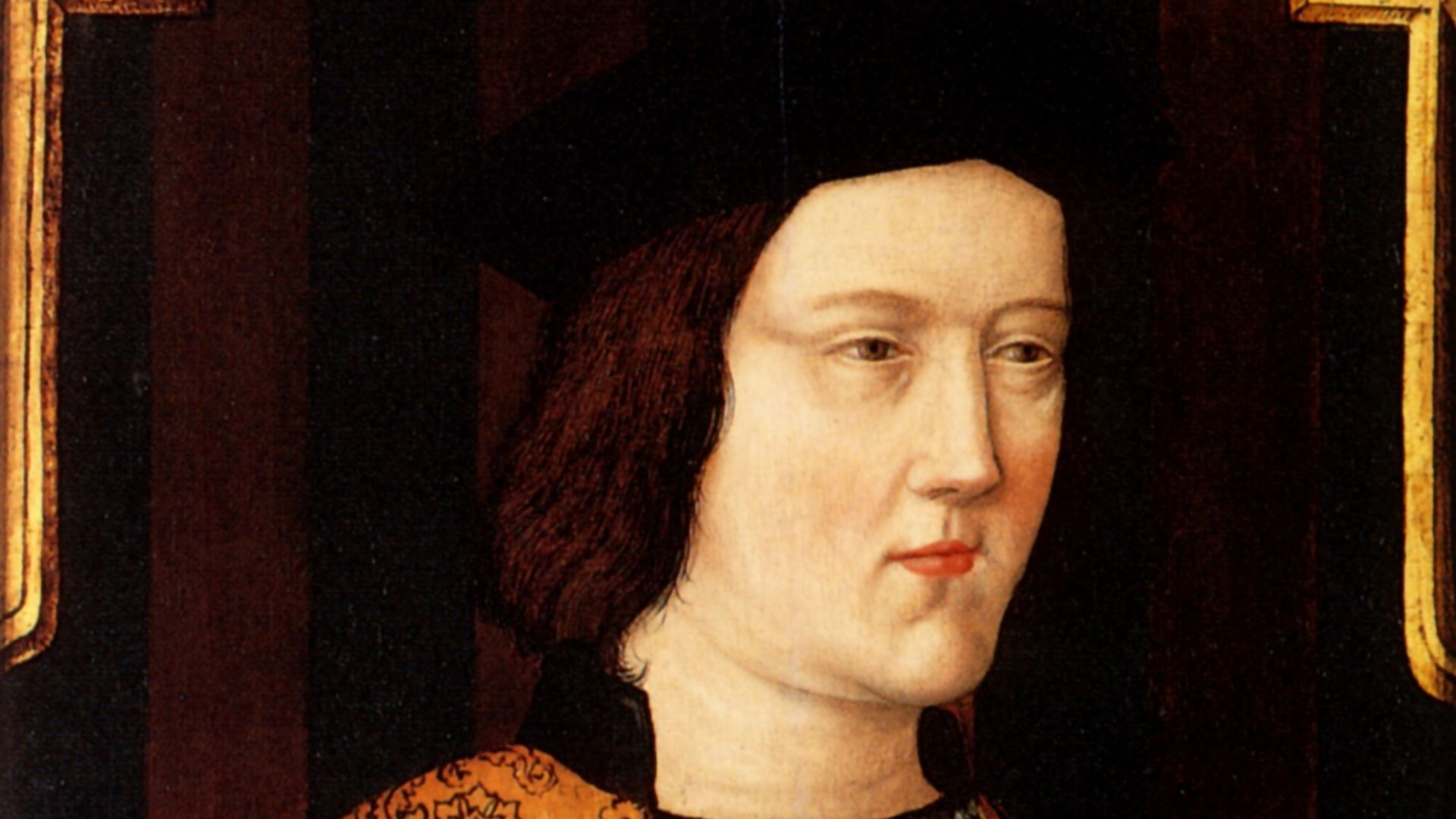 Lucas Horenbout, Wikimedia Commons
19. She Went From Father To Son
You see, while Shore was carrying on with the King, she also had a dalliance with the King’s step son, Thomas Grey. Sure, it was a little creepy that she moved between dad to stepson, but these were very different times. Let’s just say that morals were a little flexible when it came to royalty.
Hanging around the bedrooms of such important men was about to lead Shore into trouble.
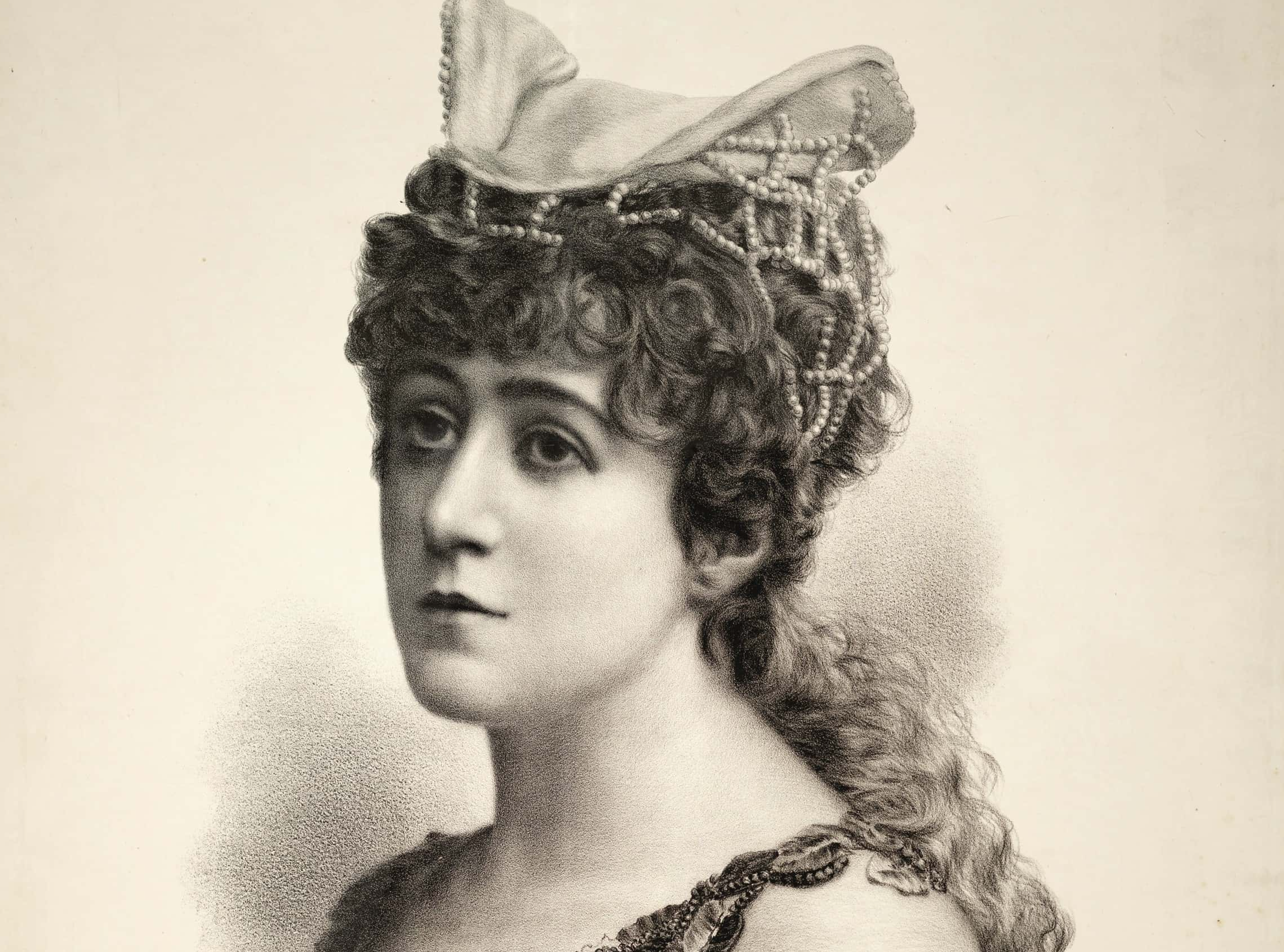
20. He Had A Reputation
Now Shore’s lover Grey had a reputation as a womanizer, and it’s likely that his wife, Cecily Bonville, the 7th Baroness Harington, wasn’t too keen on it. Well, things got worse when the King passed. Shore’s dance card had a spot for another man, and her choice was a shocker.
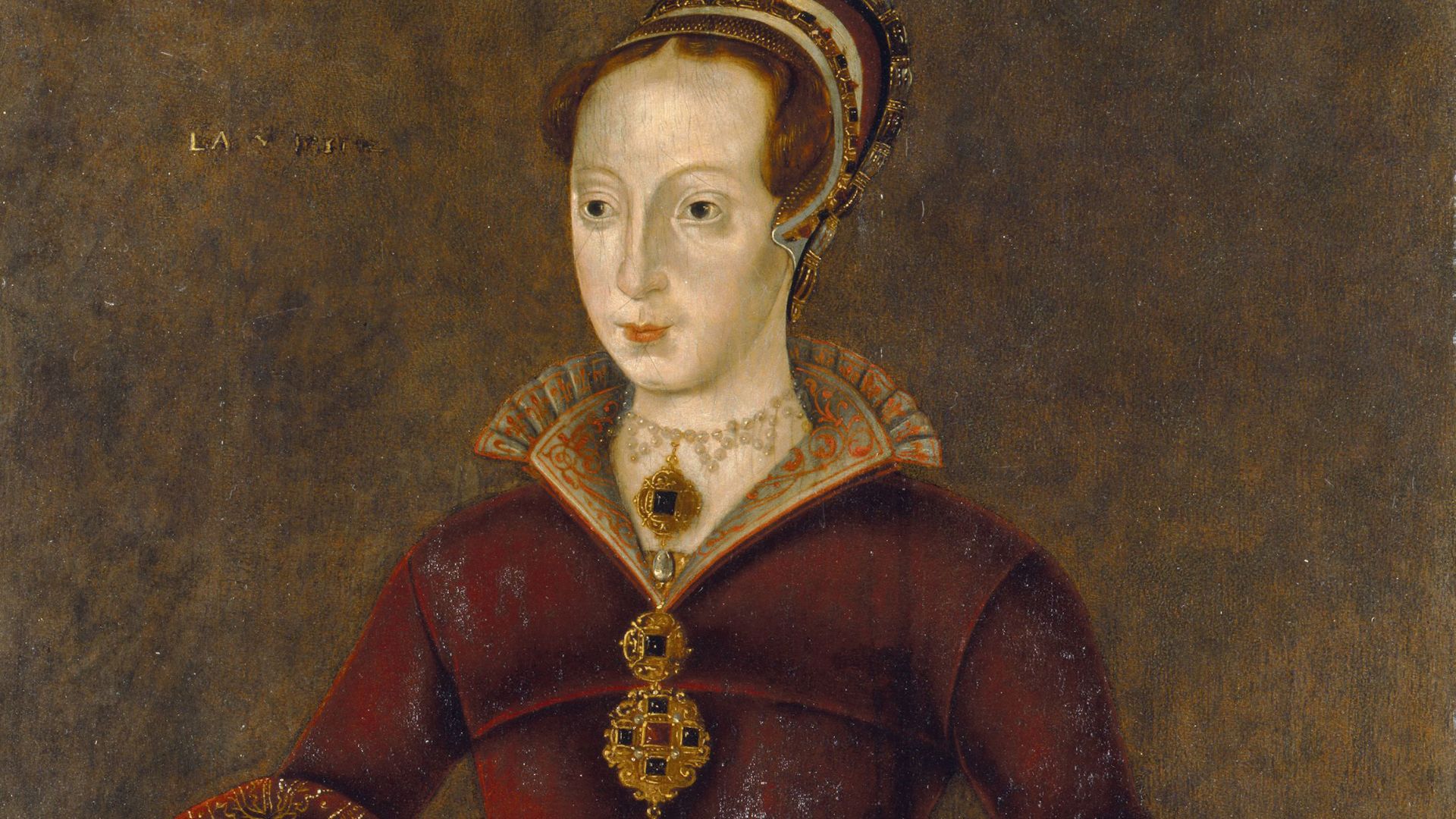 Unidentified painter, Wikimedia Commons
21. She Kept It In The Family
With the King gone, Shore was in need of a new companion. She centered on Baron Hastings, who was the stepfather of Cecily Bonville, the same woman whose husband Shore was also carrying on with. Look at it from Bonville’s perspective. Shore was sleeping with her husband and her stepfather. If this were a soap opera, Shore would be enemy number one.
But that didn’t happen.
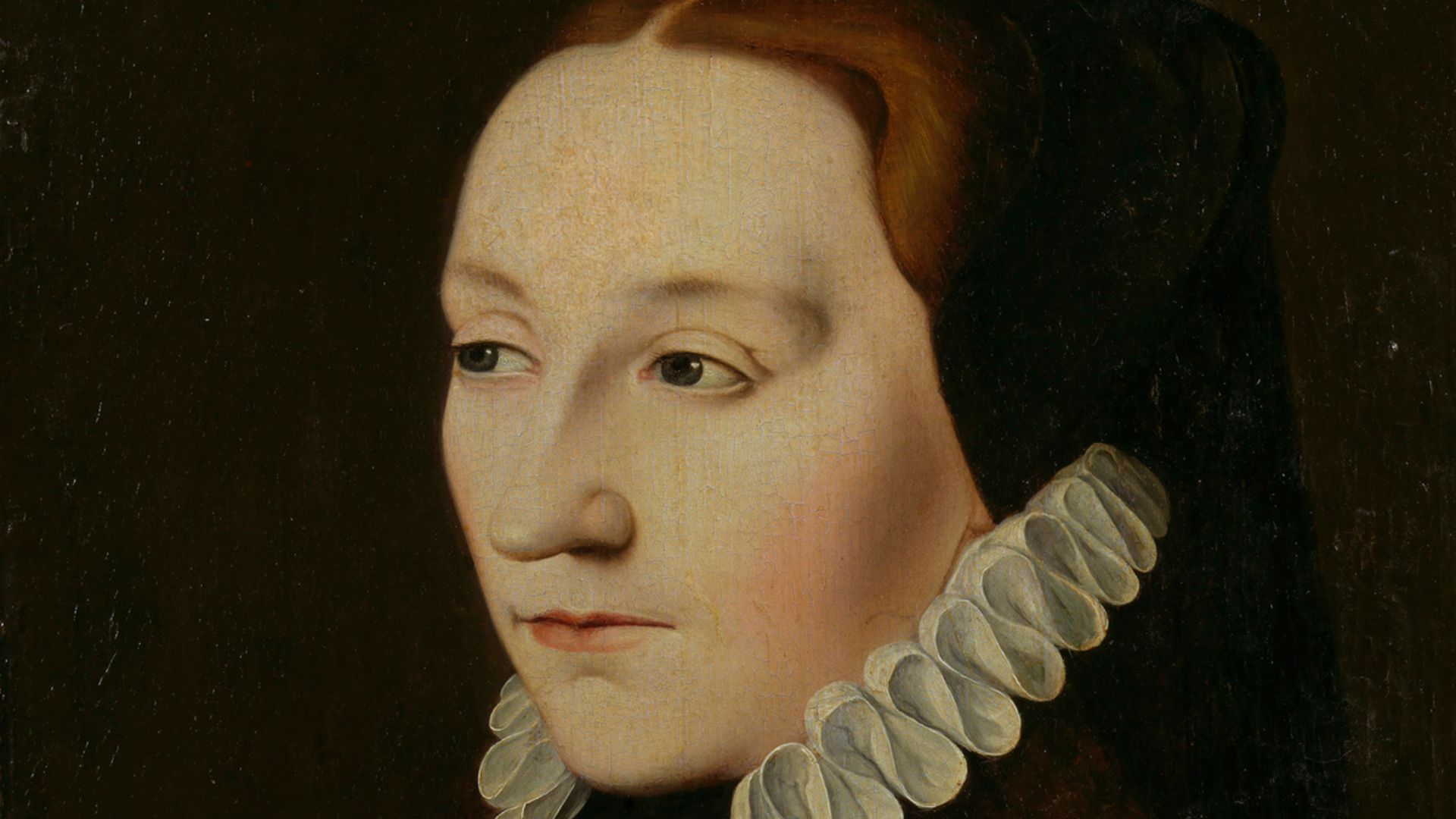
22. She Formed A Strange Alliance
With the passing of the King, you’d think that Shore and the King’s widow—Elizabeth Woodville—would want to have nothing to do with each other. Well, that wasn’t the truth at all. You see, Woodville was in trouble. Richard III wanted to be king, and he had kidnapped her son to prevent him from becoming king.
Woodville was in hiding—and she turned to Shore for help.
 engraved by W. H. Mote (1803-1871) after an illustration by J.W. Wright, Wikimedia Commons
23. They Were A Dangerous Trio
Shore was still carrying on with Hastings, and remember she was also with Thomas Grey. As it turned out, Grey was Woodville’s son from a previous marriage. So now we have Hastings, who was Grey’s father-in-law, and Woodville, who was his father. At the center of it all was Shore.
These three were about to get into some serious trouble.
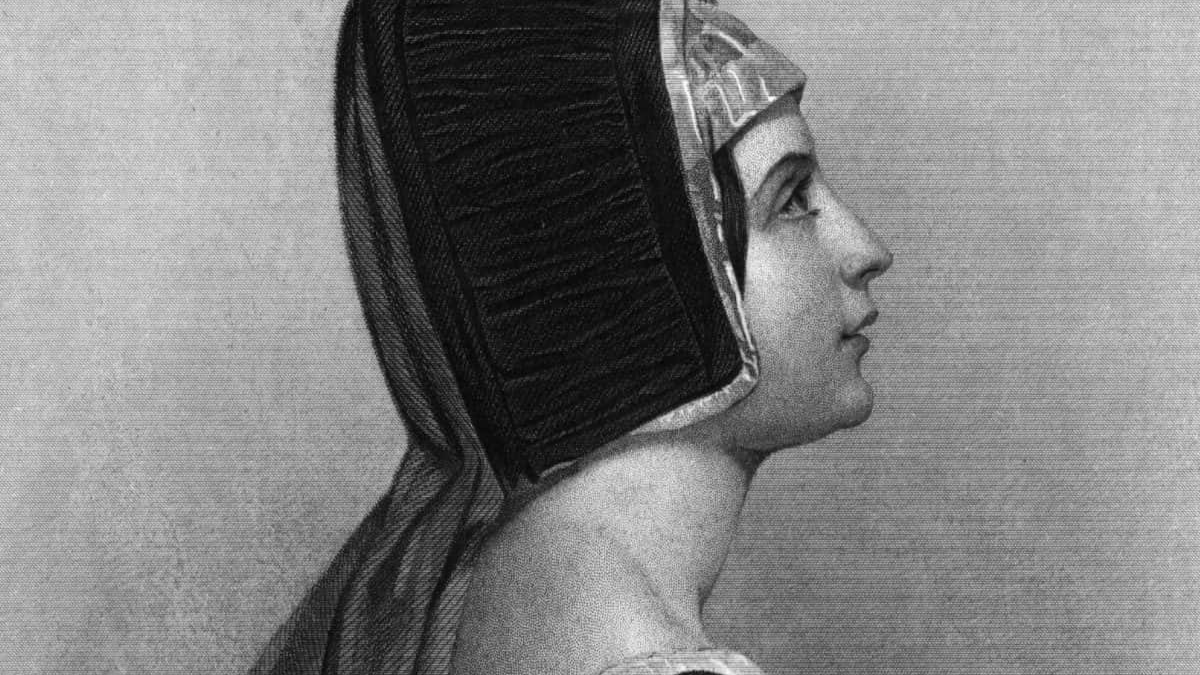
24. There Was One More
There was actually one more member of this trio of trouble makers. This was Elizabeth Woodville’s brother, Anthony Woodville. So, the trio was now a quartet. To complicate things further, many believe that Shore and Anthony Woodville were also involved romantically. This foursome could not have been more connected.
And they had a dangerous plan.
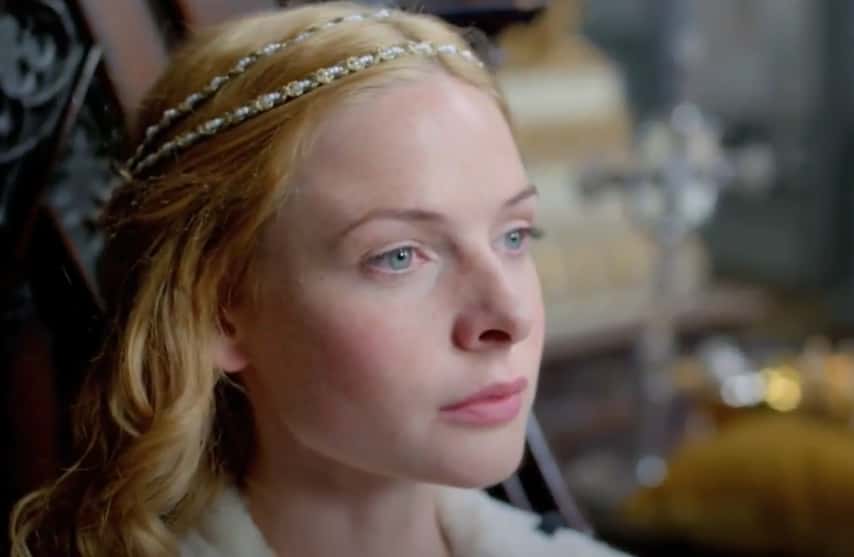 Screenshot of The White Queen, BBC, (2013)
25. She Was Political
What these four were up to was to get Woodville’s sons out of the Tower of London. Richard had put both of them there to stop them from rising to the throne. There was a stunning attempt at rescue, which failed miserably. Shore and her co-conspirators were now in serious trouble.
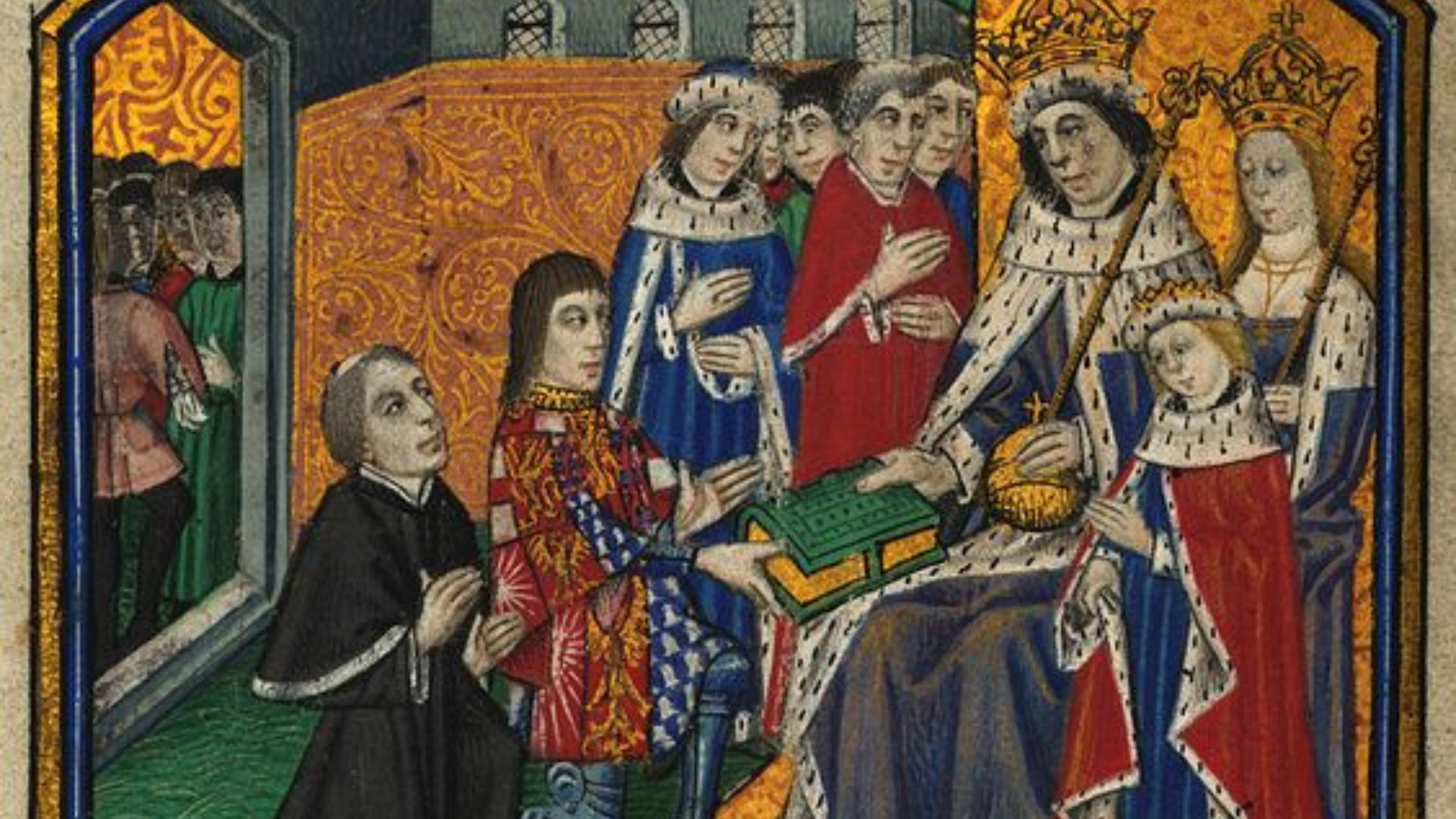 Lorenzo Lippi, Wikimedia Commons
26. She Got Punished
Richard’s government accused Shore, her lover Hastings, and the Woodville family of carrying out a conspiracy. They needed to punish Shore, and they came up with a doozy. They thought about Shore’s character and came up with something that would be the ultimate punishment.
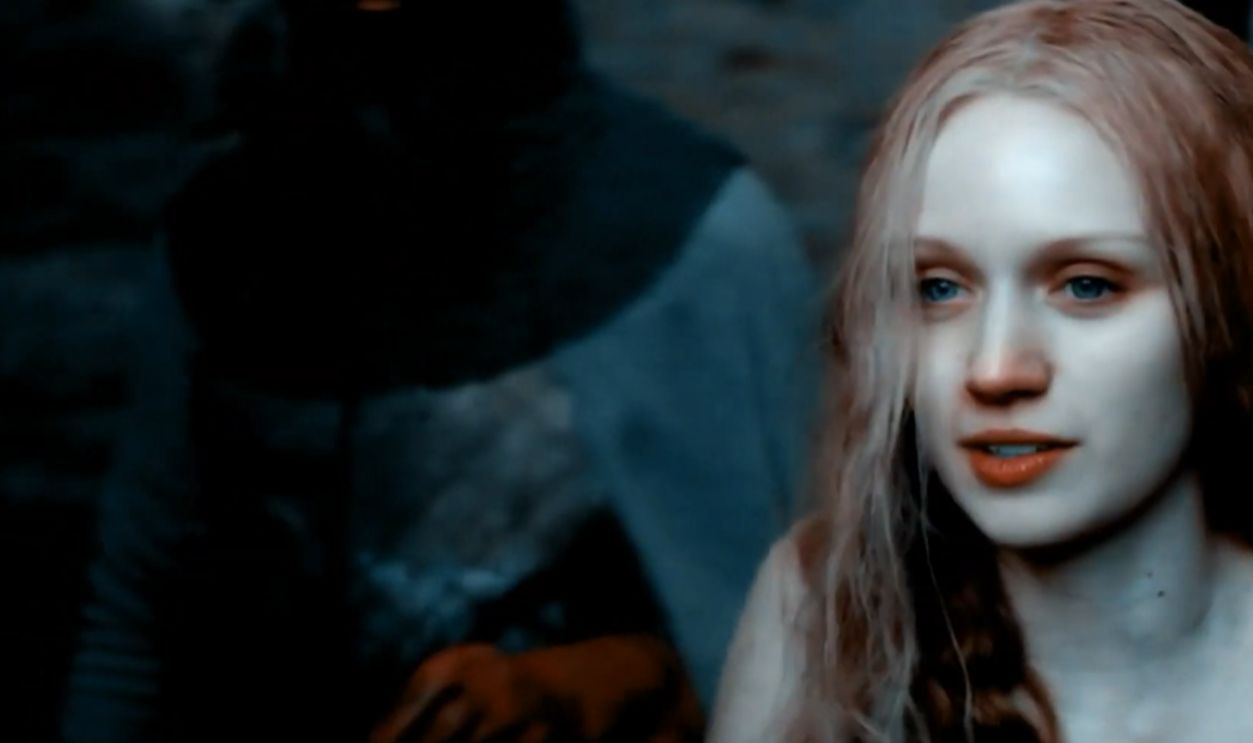 Screenshot of The White Queen, BBC, (2013)
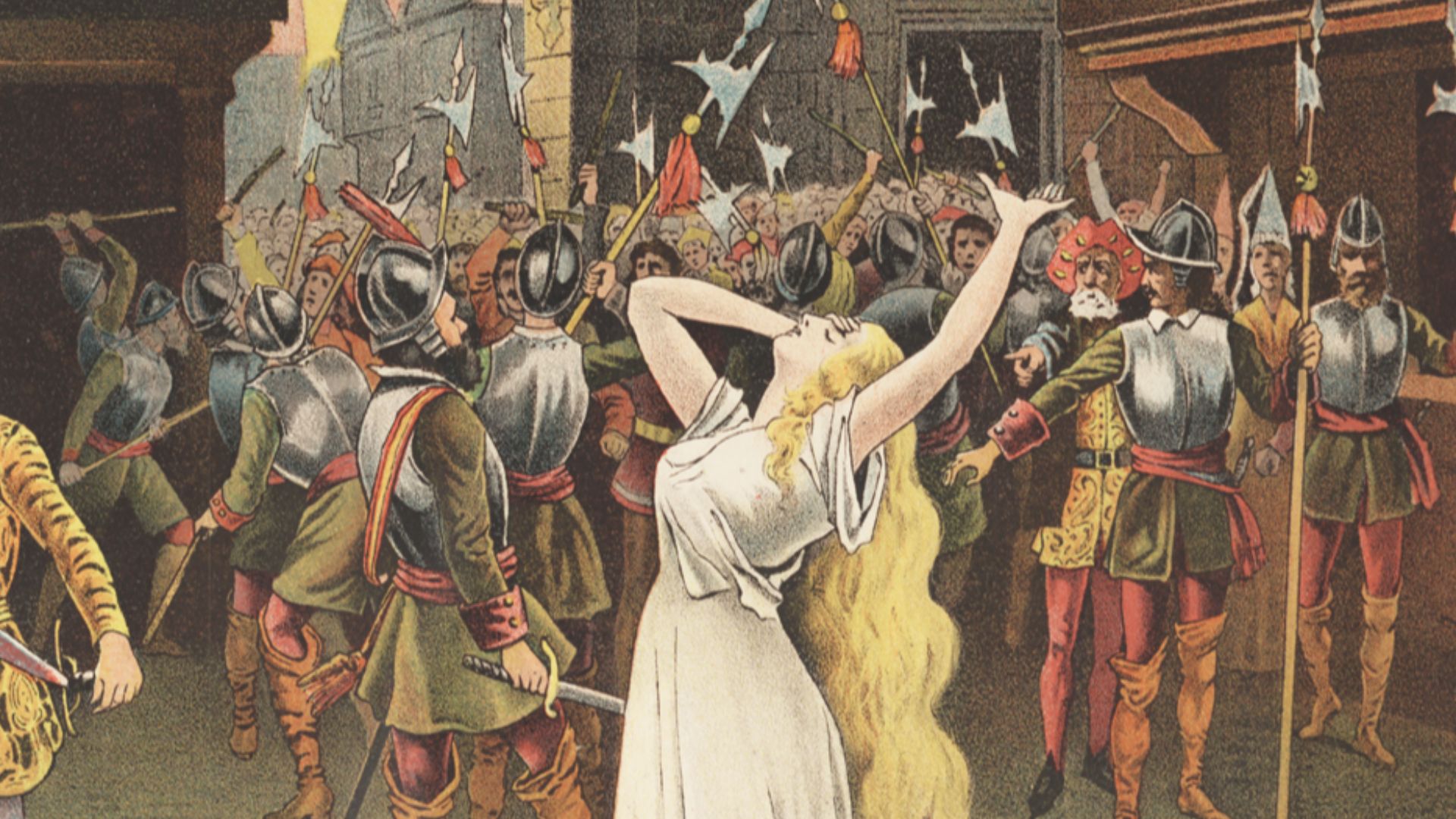
27. She Did A Walk Of Shame
Because of Shore's reputation as a serial mistress, her punishment became a symbol of her loose morals. On a busy Sunday, they made Shore walk through the streets wearing only her slip and carrying a candle. It was a walk of shame like no other.
But she actually got off lightly.
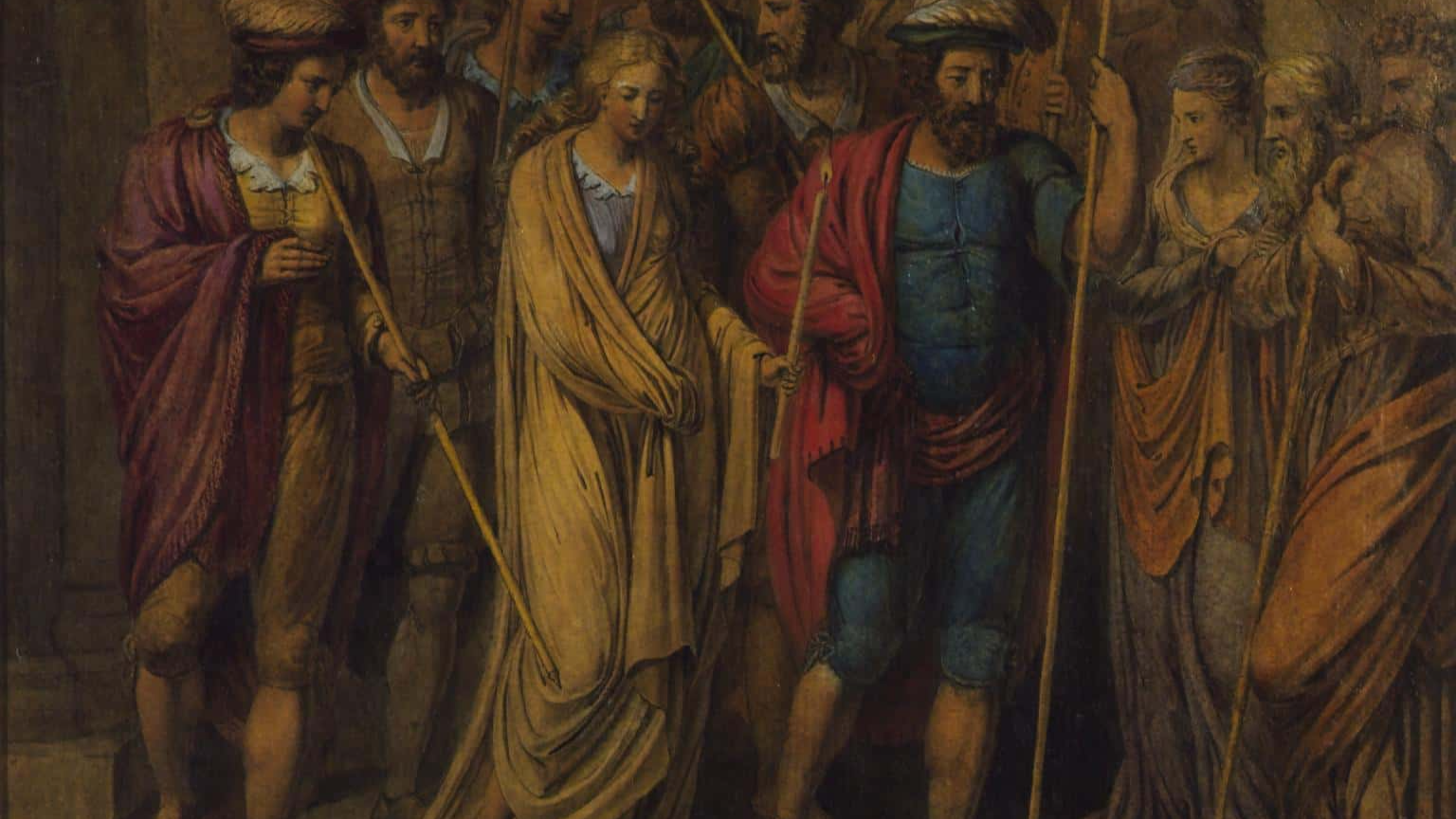 William Blake, Wikimedia Commons
28. She Was Lucky
While Shore’s punishment was certainly humiliating, her cohorts were in much worse trouble. King Richard had Anthony Woodville and Lord William Hastings both beheaded for their plans to remove Richard from the throne. But Shore’s punishment wasn't exactly over yet.
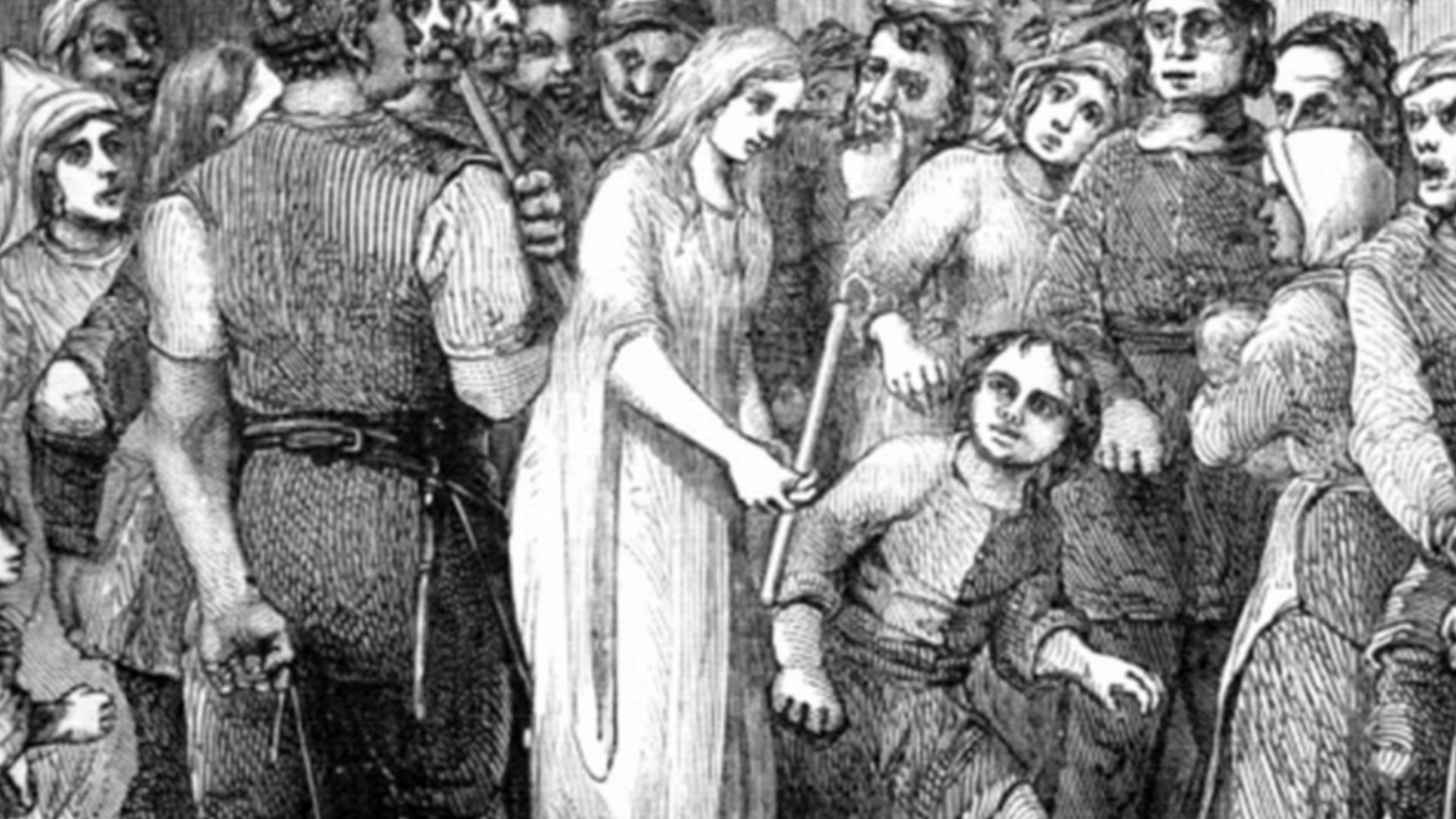 John Cassell, Wikimedia Commons
29. They Put Her Away
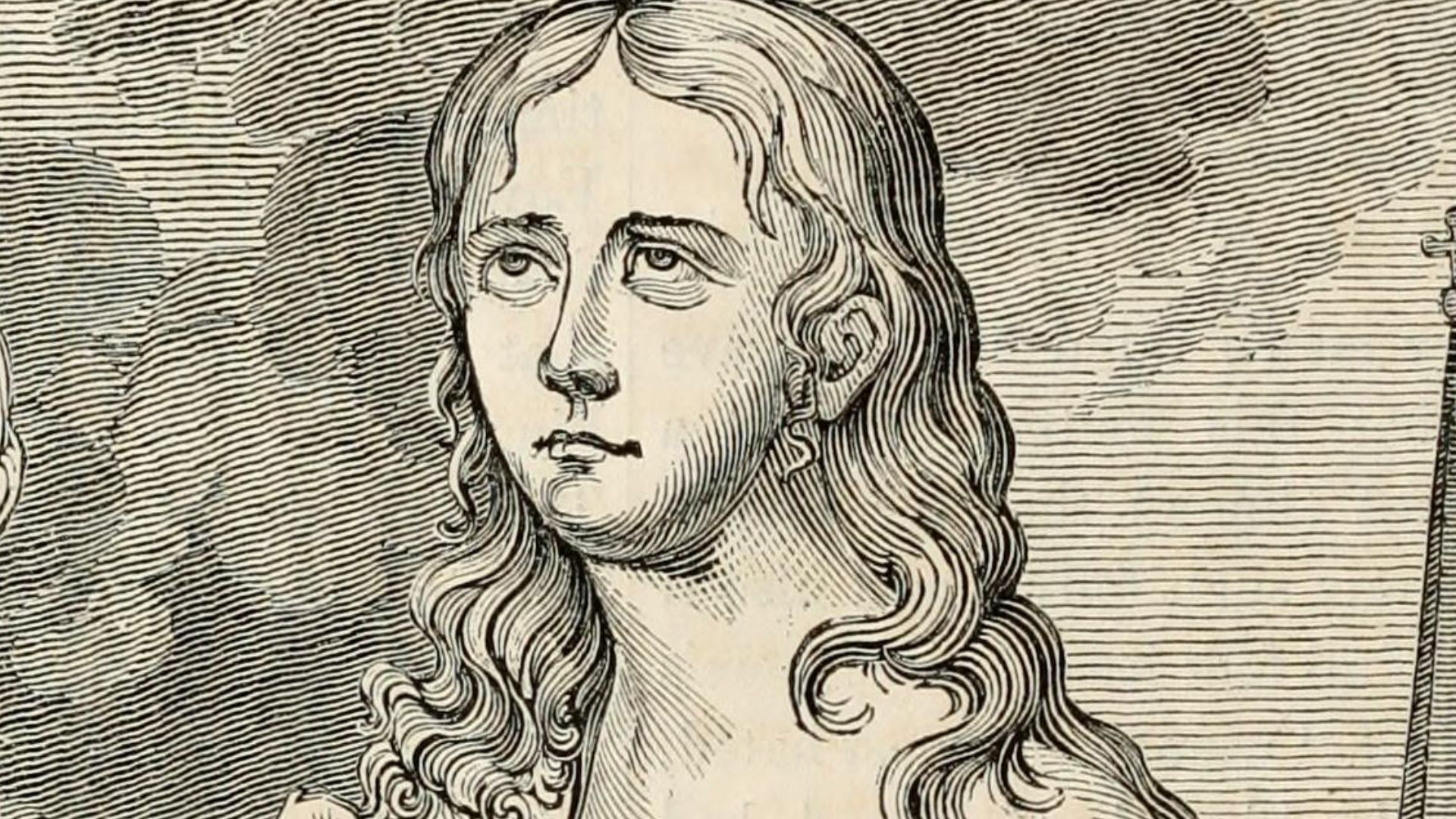
While Shore made her humiliating walk through the streets, men started harassing her for being promiscuous. But after her humiliating walk, it wasn't quite over yet. They hauled her off to Ludgate prison. It looked like the fancy days of being the mistress of the King were long behind her.
But then something completely unexpected and remarkable happened.
 Internet Archive Book Images, Wikimedia Commons
30. She Got Noticed
Shore’s beauty and personality could not hide in prison for long. Thomas Lynom, who was the King’s Solicitor General, took one look at Shore and decided he was smitten. Now this was going to be trouble as Lynom was aligned with King Richard, and no one could have a lower opinion of Shore than Richard.
Lynom would eventually have to tell Richard his secret.
 National Portrait Gallery, Wikimedia Commons
31. His Love Was Strong
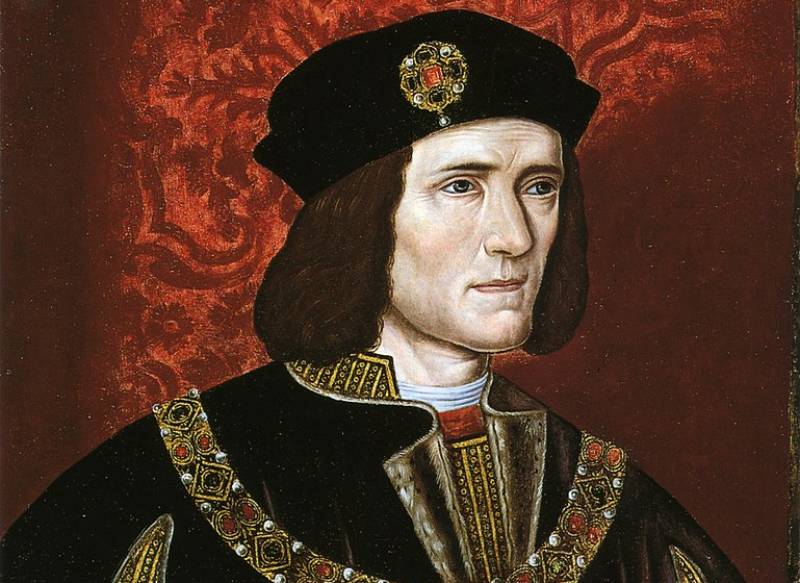
Of course, when he told King Richard of his obsession, the King couldn’t believe his ears. This was, after all, the same woman who had tried to rob the King of his rightful throne. Lynom had to ask himself if his love for Shore was strong enough to stand up to the King of England. When he decided it was, he started to petition the King.
 National Trust, Wikimedia Commons
32. He Didn’t Trust Her
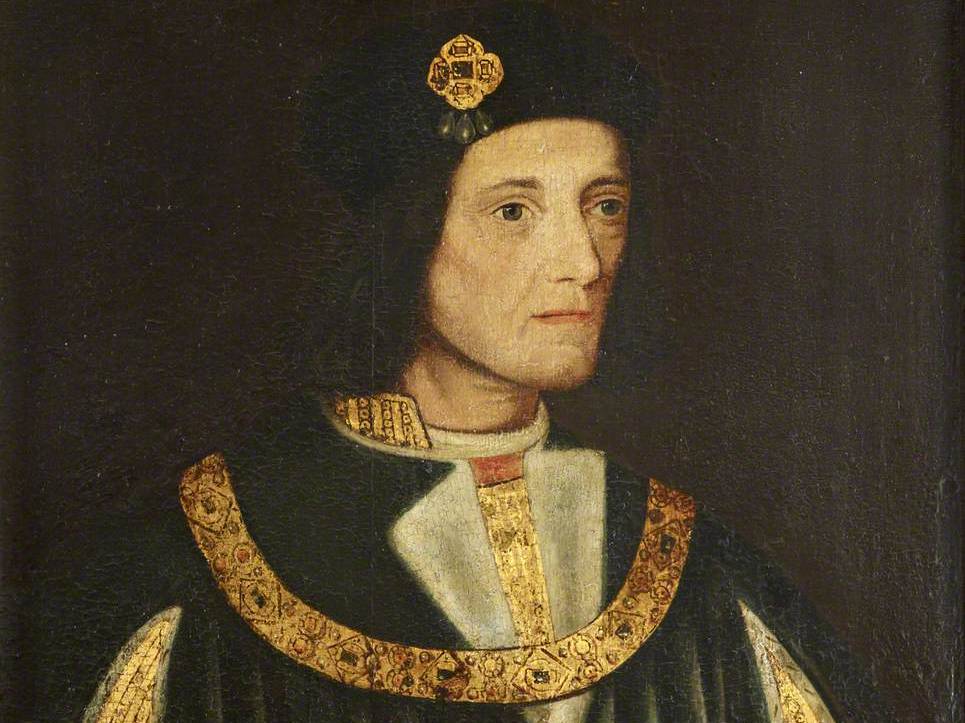
King Richard did all he could to dissuade Lynom from pursuing Shore, but Lynom could not shake the passion he felt for her. The King reluctantly allowed Shore out of prison, but he had a condition. She had to stay with her father. That’s how little the King trusted Shore.

33. She Got Her Wish
The King could not change Lynom’s mind, and he and Shore eventually married. Then something amazing happened. Shore finally got her child. With a respectable husband, a beautiful baby girl, and an esteemed position in court, Shore now had it all.
Sadly, that was about to change.
34. She Lost Her Position
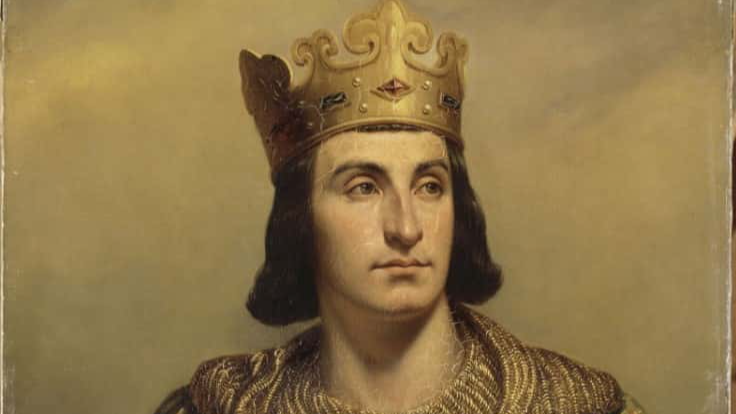
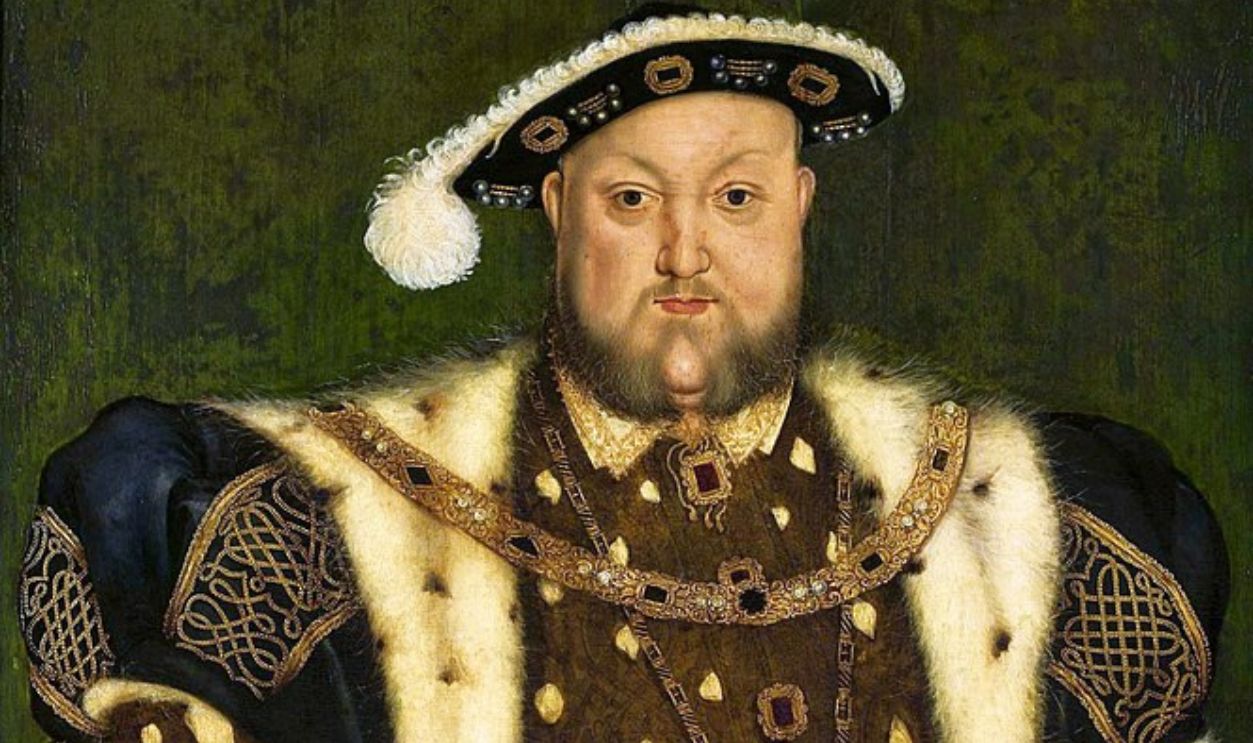
In 1485, there was the Battle of Bosworth, and this meant a change of king. Now Shore’s husband was no longer the King’s Solicitor. The new king, Henry VII, had to decide what to do with Shore and Lynom. As you may know, new kings have a bad habit of getting rid of the things they don’t want. Sometimes in the most punishing ways.
 Lucas Horenbout, Wikimedia Commons
35. She Got A Break
Luckily, King Henry saw no reason to punish or purge Lynom and Shore. He made Lynom the clerk controller for the Prince of Wales. This new position saved them both. Shore was able to live out her days in regal splendor. As it turned out, she even lived beyond the grave.
 Hans Holbein the Younger, Wikimedia Commons
36. She Lived Beyond The Grave
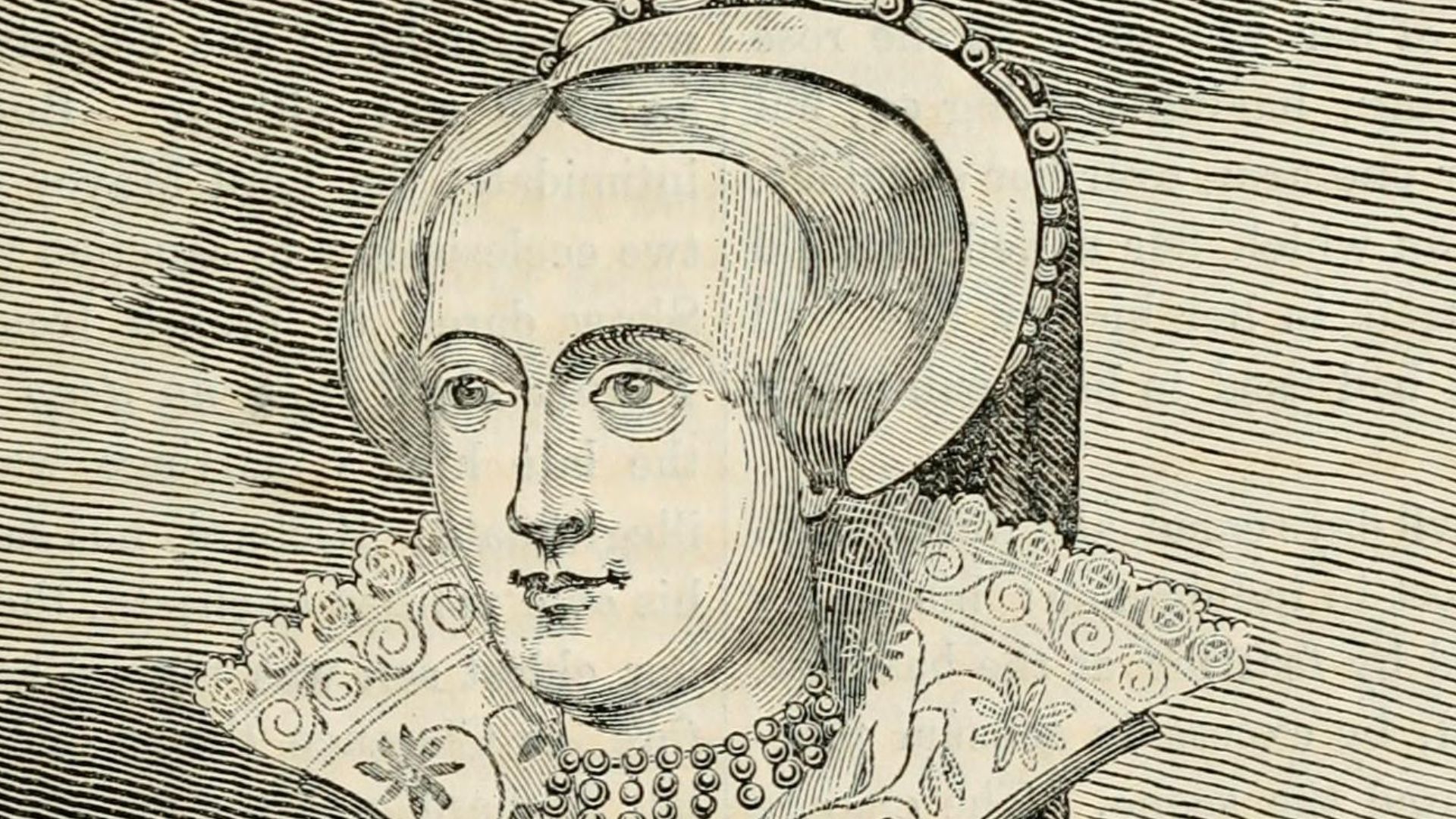
Shore ended up living a long time, especially when you consider the mortality rate of the time. She finally passed when she was 82 years old. But this certainly wasn’t the end of her life. Playwrights who told the story of Edward IV felt they needed to include Shore in the story.
But not all the stories got it right.
 Internet Archive Book Images, Wikimedia Commons
37. Her Life Was A Tragedy
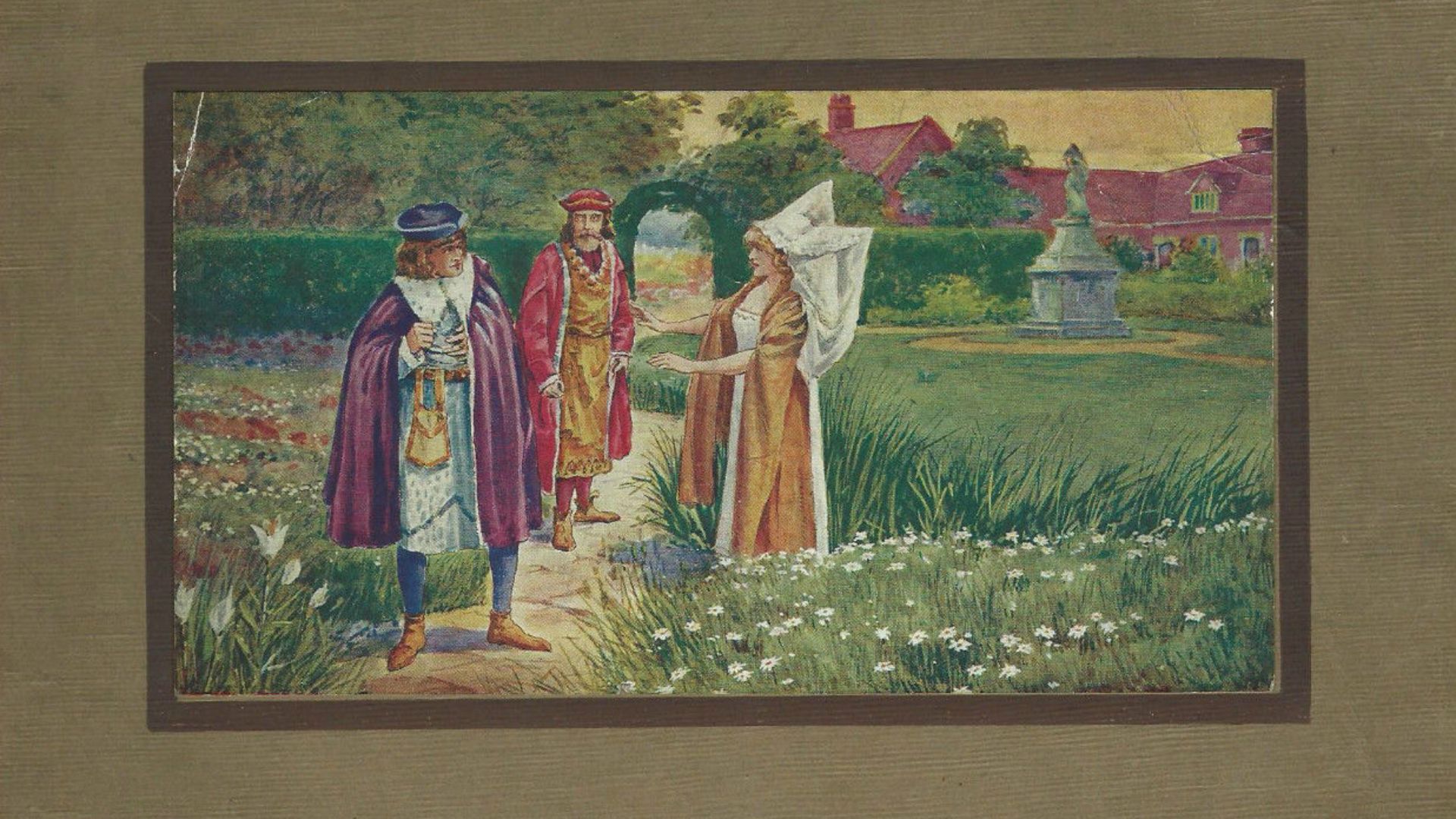
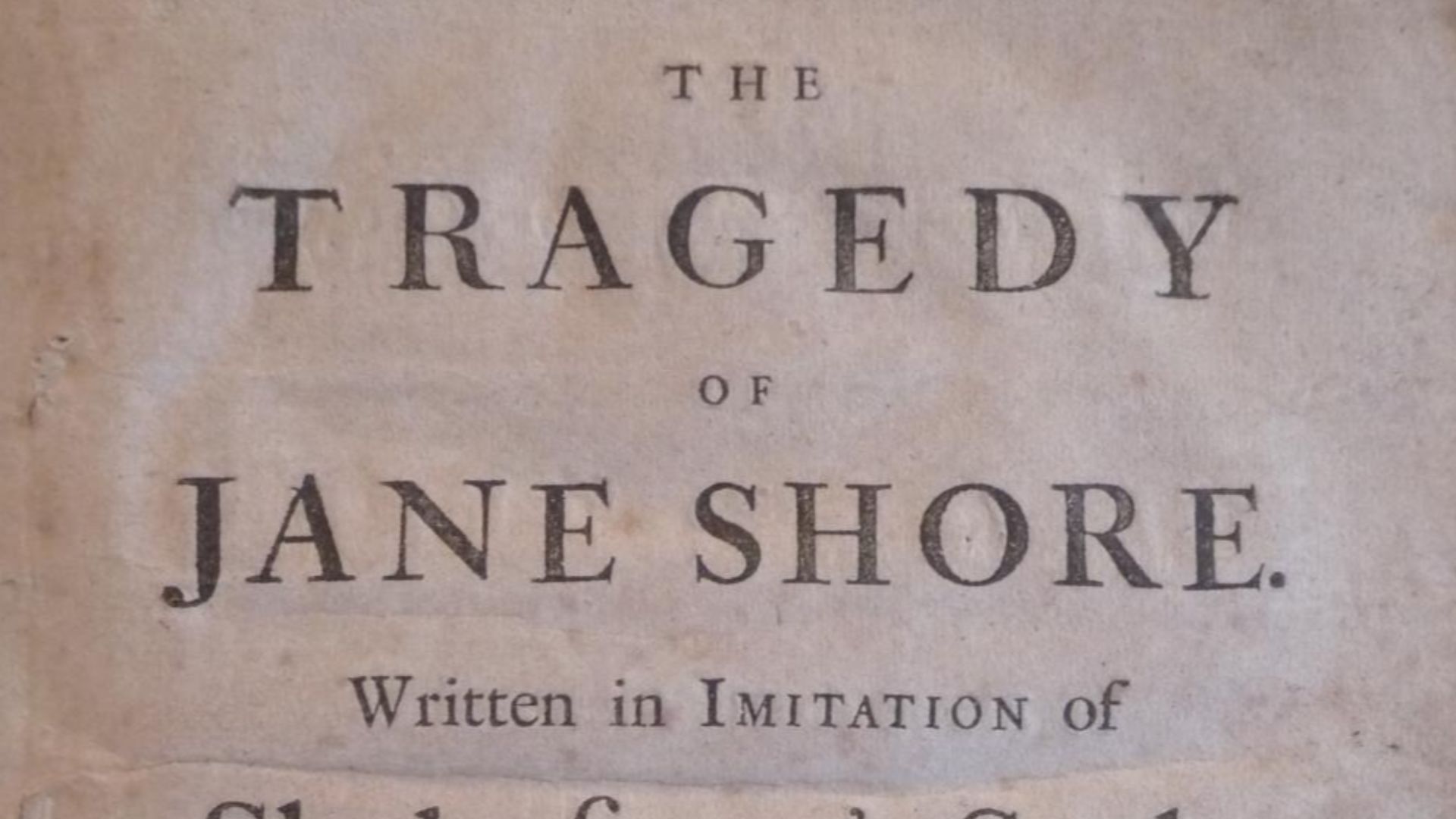
In many plays about Edward IV, Shore appeared as a minor character. In 1714’s The Tragedy of Jane Shore by Nicholas Rowe, she finally took center stage. But this play was part of a subgenre of theater called “She-Tragedy”, and it had to end in a dismal outcome for the protagonist.
That’s when the lies about Shore started popping up.
38. It Was A Different Ending
At the end of The Tragedy of Jane Shore, Shore loses her fortune, and it is at the hands of those who betray her. When her life comes to a close, she is a powerless woman who some describe as alone and destitute. As we know, this was not true. Shore lived her remaining days married and in great esteem of the court.
These writers seem to forget that Shore’s life is actually a rags-to-riches situation.
 Unknown (Nicholas Rowe) (Life time: Unknown), Wikimedia Commons
39. He Got It Wrong
In Edward IV, playwright Thomas Heywood added a lot of things that probably weren’t true. In the play, Shore struggles with the morals of being a mistress. She even seems to regret being with the King at all. When it came down to her first marriage, the playwright used poetic license to the max.
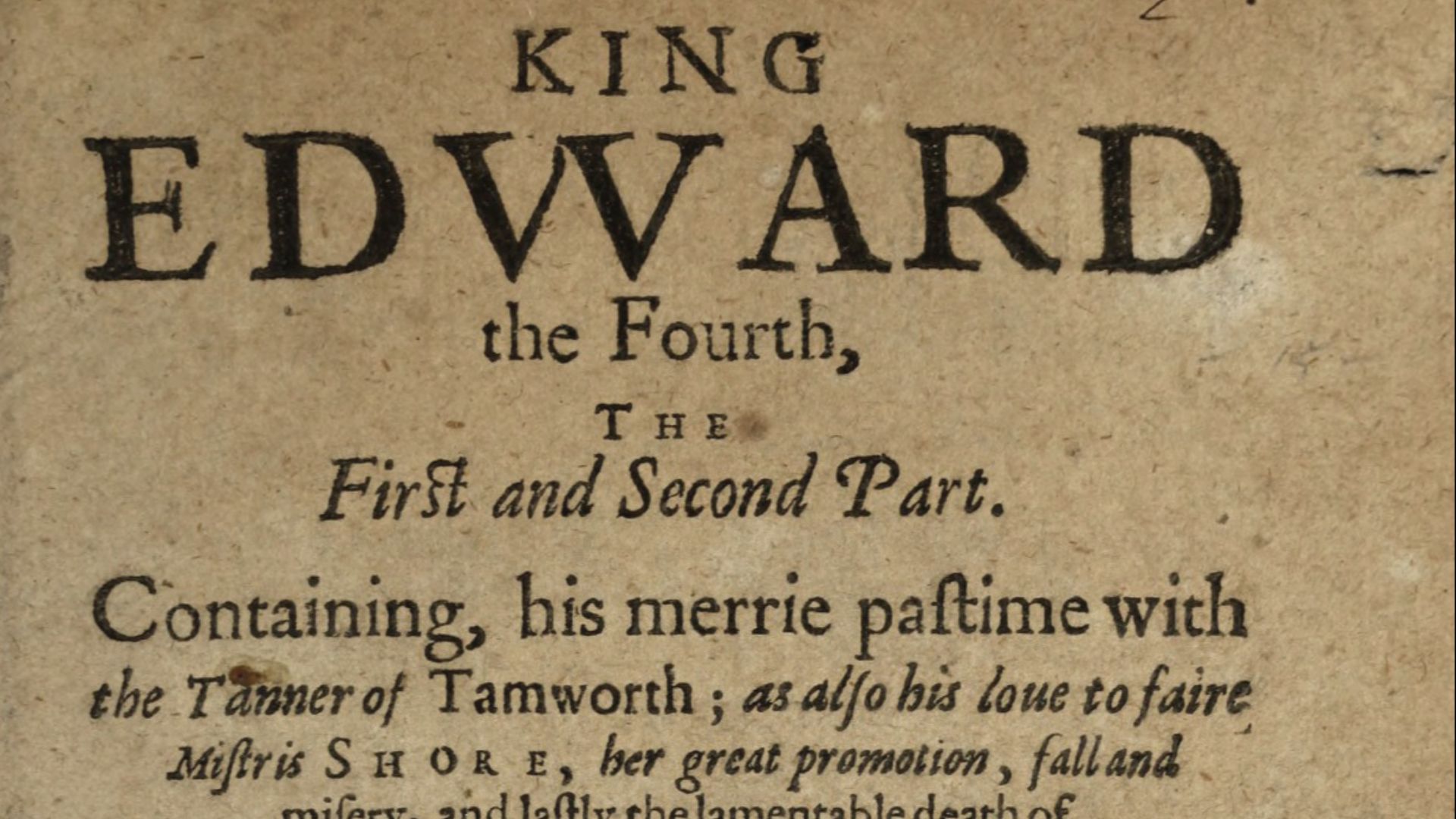 Humfrey Lownes (printer), Wikimedia Commons
40. She Had An End Of Life Reunion
As we’ve learned, Shore had an annulment from her first husband based on his impotence. In Edward IV, Shore never gets an annulment, and in the end, she reconciles with her first husband. This was not even close to the truth—and it gets worse. They also claimed that after her passing, they buried her with her first husband. Once again, this was far from the truth.
But there was one more thing that this playwright got totally wrong.
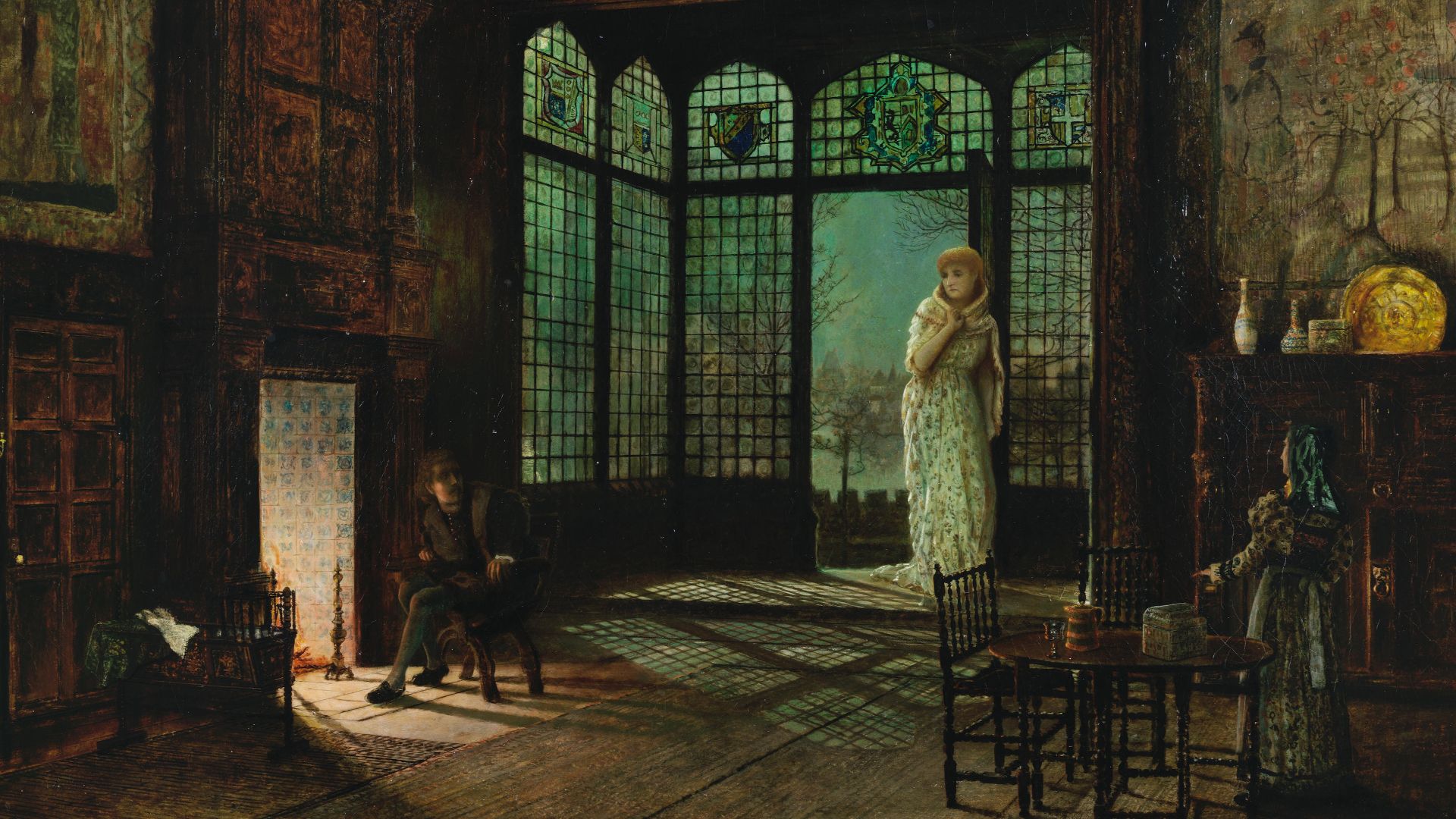 John Atkinson Grimshaw (British, 1836–1893), Wikimedia Commons
41. He Gave Her Her Name
Remember, Shore was actually born Elizabeth Lambert. Her first husband’s family name was Shore, so that explains that. The name Jane came solely from playwright Heywood’s imagination. Maybe there were just too many Elizabeths in this story, so he randomly chose Jane.
There were still more things that were inaccurate about memories of Shore.
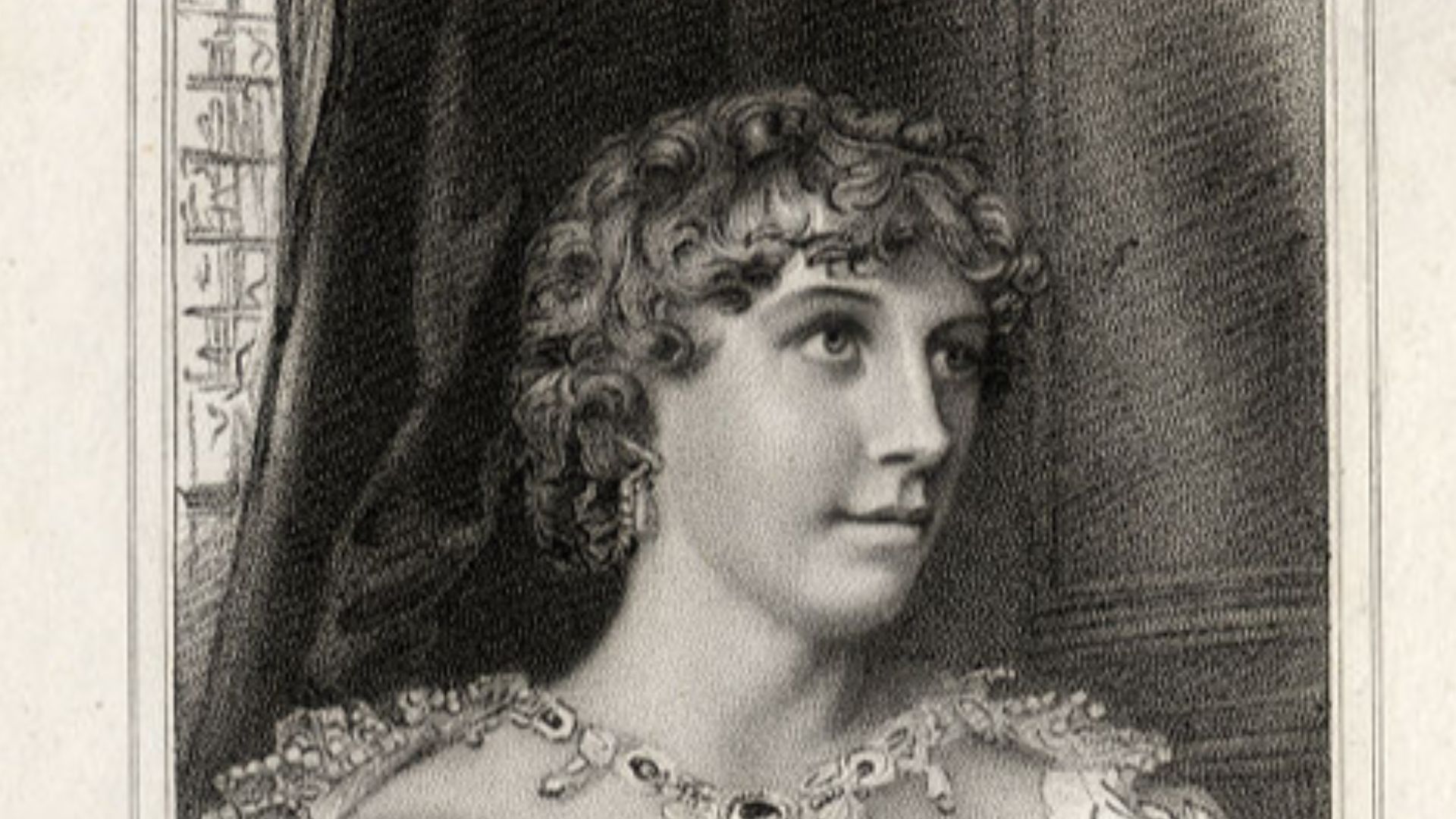 Thomson; Wageman, Wikimedia Commons
42. He Called Her Wanton
Sometime in the 17th century, a virtually unknown poet wrote The Woeful Lamentation of Jane Shore. This work takes the punishment of Shore to a new level. The poem calls her “wanton” and that she behaved “lewdly”. When it comes to the end of Shore’s life, this poet takes it to the extreme.
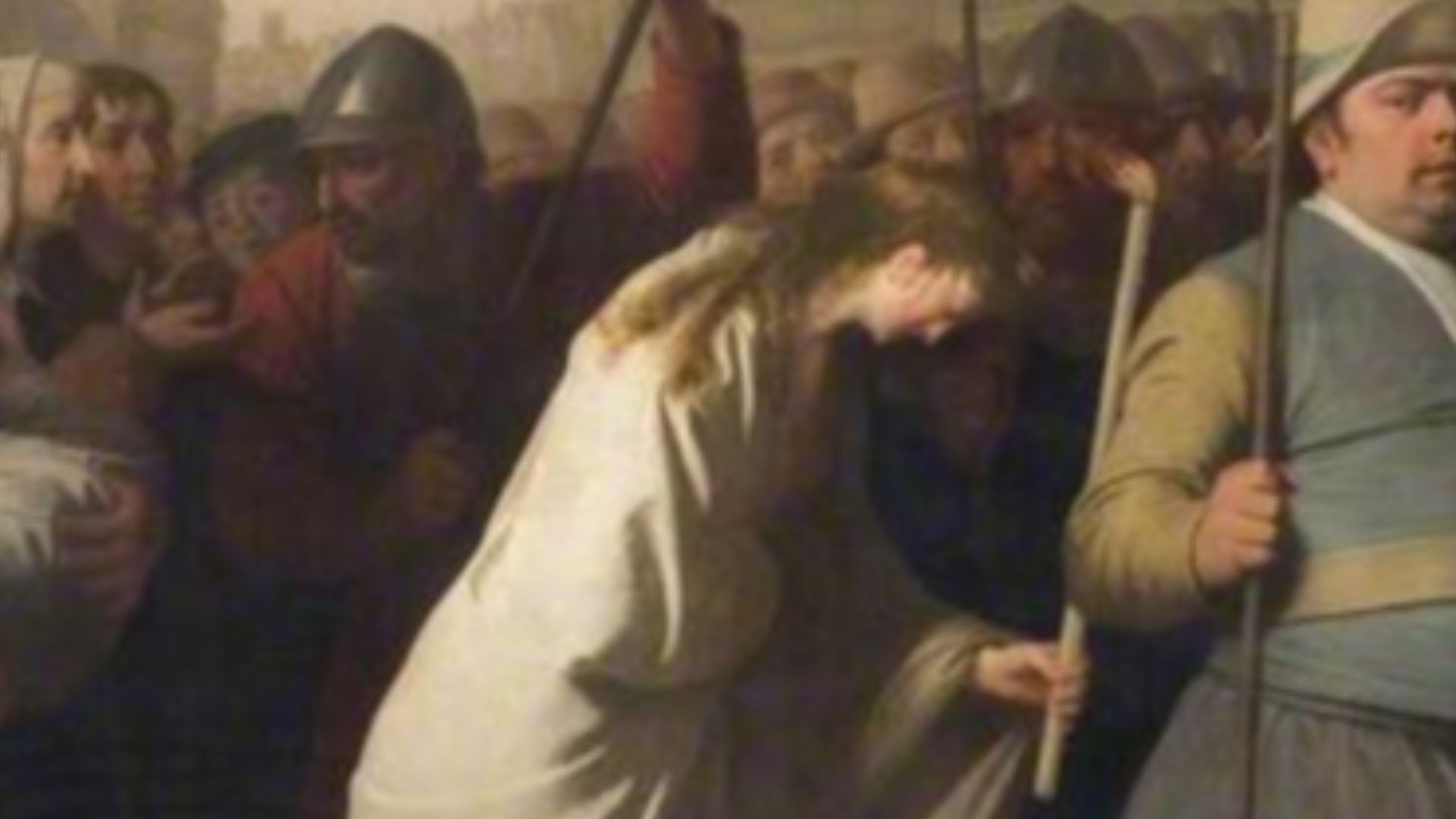 Edward Penny, Wikimedia Commons
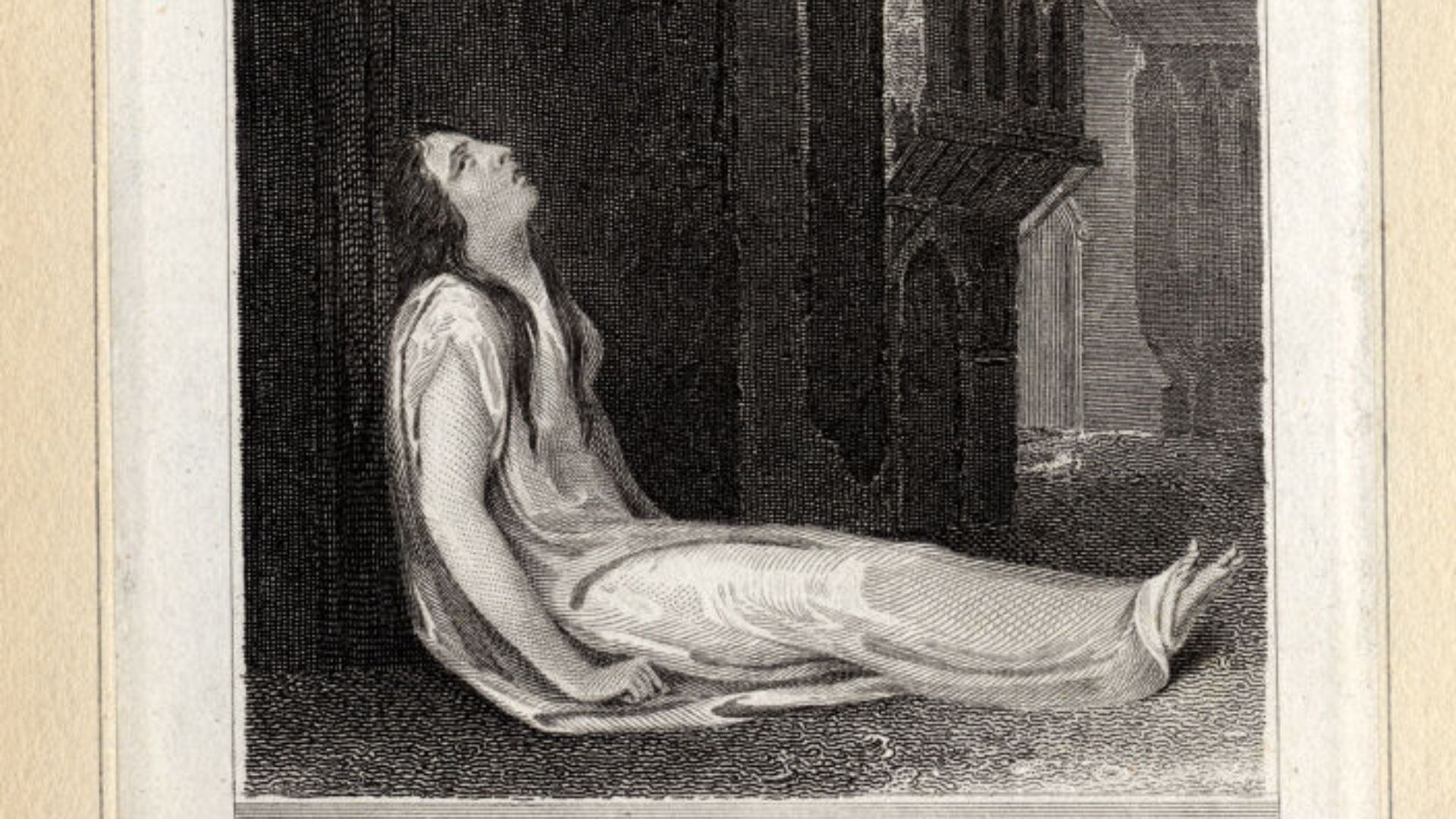
43. She Was Destitute
In this poem, Shore’s sad end finds her penniless and begging in the streets. When her miserable life finally comes to an end, the poor woman in the poem is in a ditch and doesn't even have clothes on her back. The next part of the poem lets Shore’s first husband tell the story. And he doesn't hold back either.
 Poole; Thompson, H, Wikimedia Commons
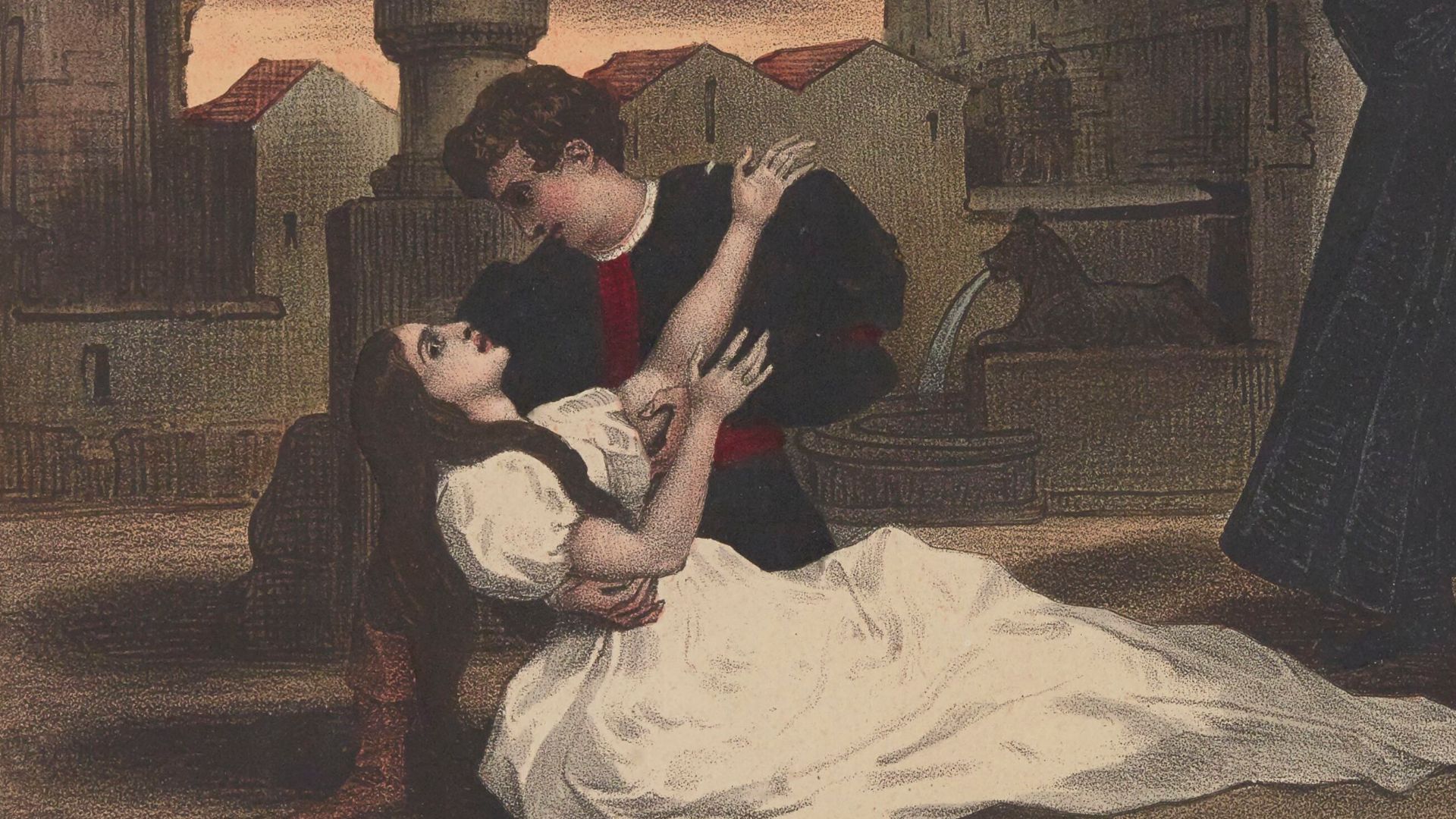
44. He Blamed Her
Matthew Shore—although his real name was William—takes over the storytelling in The Woeful Lamentation of Jane Shore, and he has a bone to pick with Shore. He says he was in emotional agony over her choosing the King over him. Matthew sadly roams around Europe and finally gets in trouble with the law and receives capital punishment. Of course, for this fictitious Matthew Shore: it’s all Shore’s fault.
So, what happened to the truth about Shore?
45. She Came Out On Top
Not only was Shore not alone and destitute at the end of her life, but some say she came out “on top” despite her challenges. Don’t forget, she came from a humble family and was likely headed for a difficult life far from the upper classes. She turned it all around using her intelligence, her wit and also her beauty.
After her passing, it wasn’t quite clear what kind of legacy she left.
 Boulding, J. Wimsett (James Wimsett) Palgrave, R., Wikimedia Commons
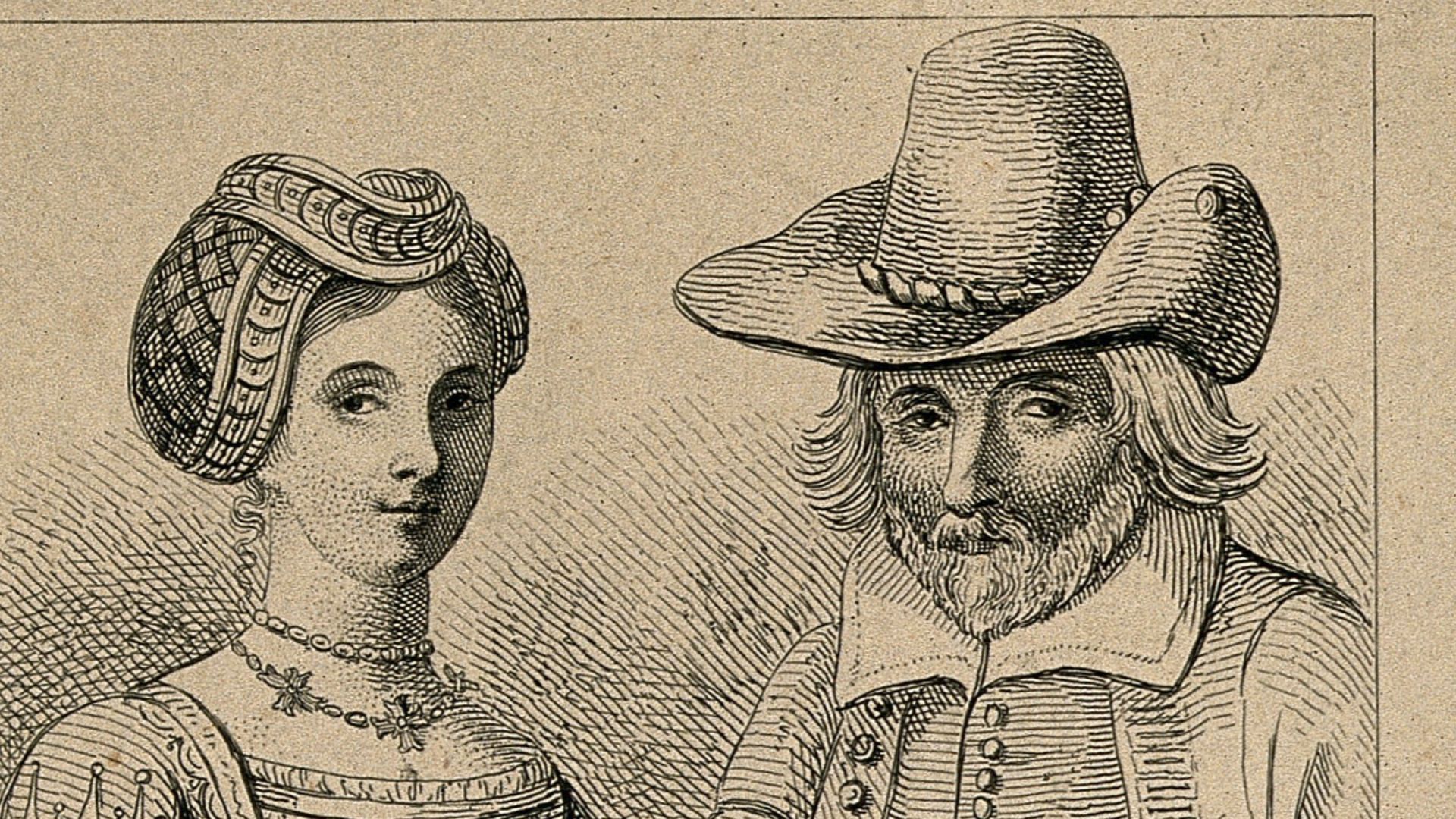
46. They Thought She Was Good
In the centuries after her passing, people saw Shore in a very positive light. Yes, her morals as a serial mistress weren’t so great, but she rose above it all. For one thing, she didn’t seem to be after the money of her gentleman friends, and she also helped those people who had lost their position in court.
It’s only when you look at her through more contemporary eyes that you may see a villain.
47. She Wasn’t A Villain
As recently as 2013, people still saw Jane Shore as a villain. In the BBC series The White Queen, the focus is on Elizabeth Woodville. So, when Shore turns up as the King's mistress, the viewing audience is ready to name her a villain. What most audiences don’t know is that mistresses back then were common, and many wives didn’t care about them at all.
Some scholars have come up with another reason for all the unhappy endings for Shore, and it may not be what you think.
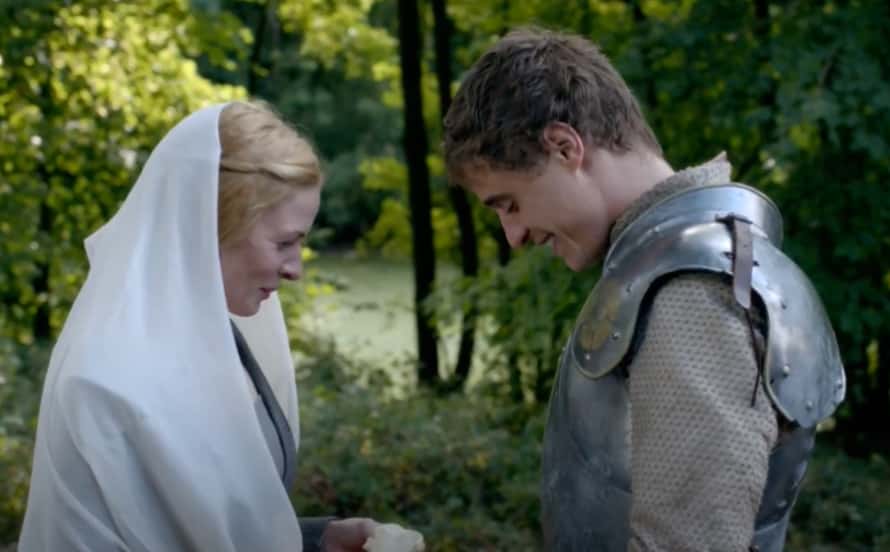 Screenshot of The White Queen, BBC, (2013)
48. They Could Relate To Her
At this time, some readers and audience members had trouble relating to the royal and upper-class characters in most stories because it was such a different life to their own. Because of Shore’s humble beginnings, her story resonated with them. So, you’d think they would want a happily ever after in Shore's life.
Strangely, that wasn’t true.
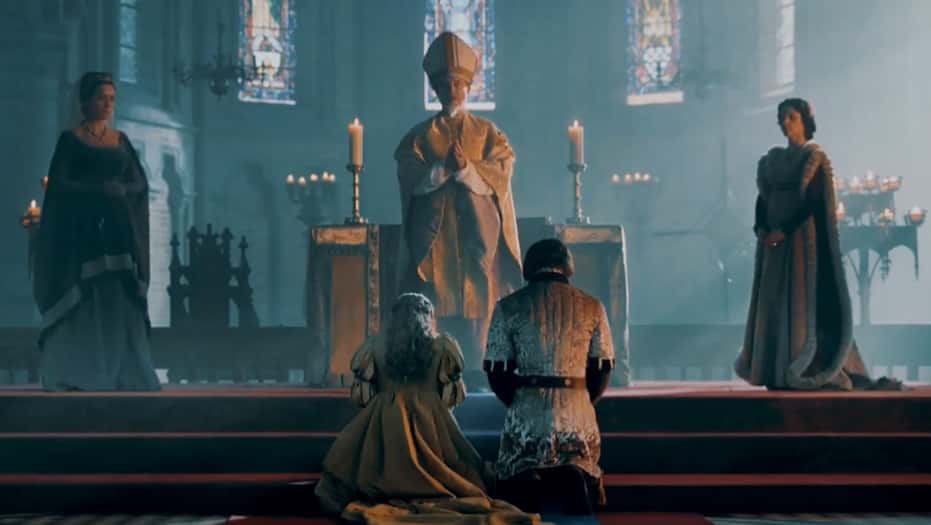 Screenshot of The White Queen, BBC, (2013)
49. They Wanted A Tragedy
In the stories of this era, many of the elitist characters had a tragic end. To audiences, tragedy was only in store for these upper-crust characters. With Shore’s humble beginnings, audiences wanted her to have a tragic end because it put her up there with the elites. Suddenly, one of their own had ascended to be like the elite.
Thankfully, Shore did have her happy ending.
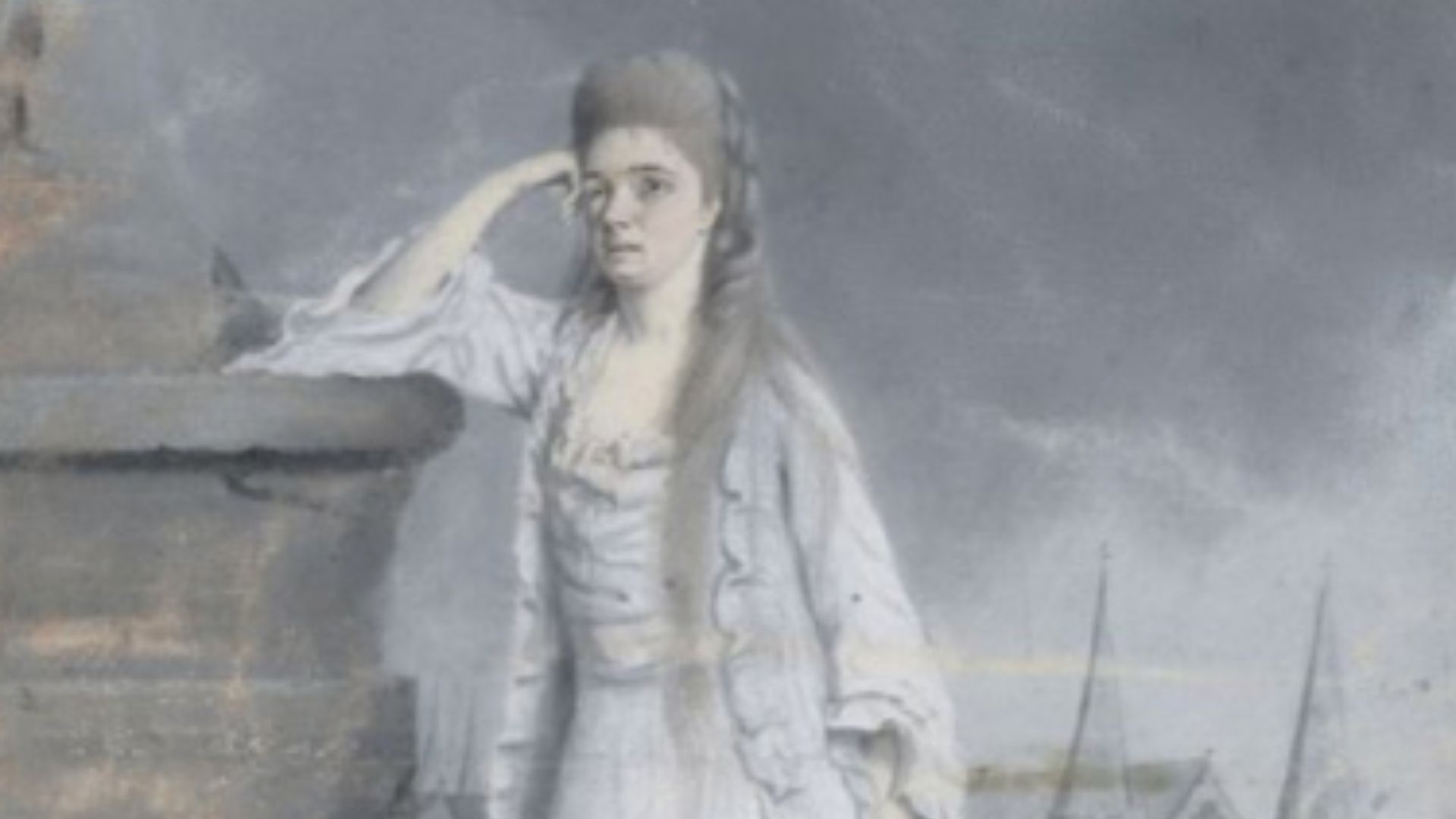 Charles Forrest, Wikimedia Commons
50. She Lived To A Ripe Old Age
In the end, we know that Shore lived her final days as a respectable wife with her husband, Lynom. Thomas More had the chance to meet up with Shore when she was near the end of her life. He said that even though she was a shriveled old lady, he could still see what she once was: beautiful, merry and playful.
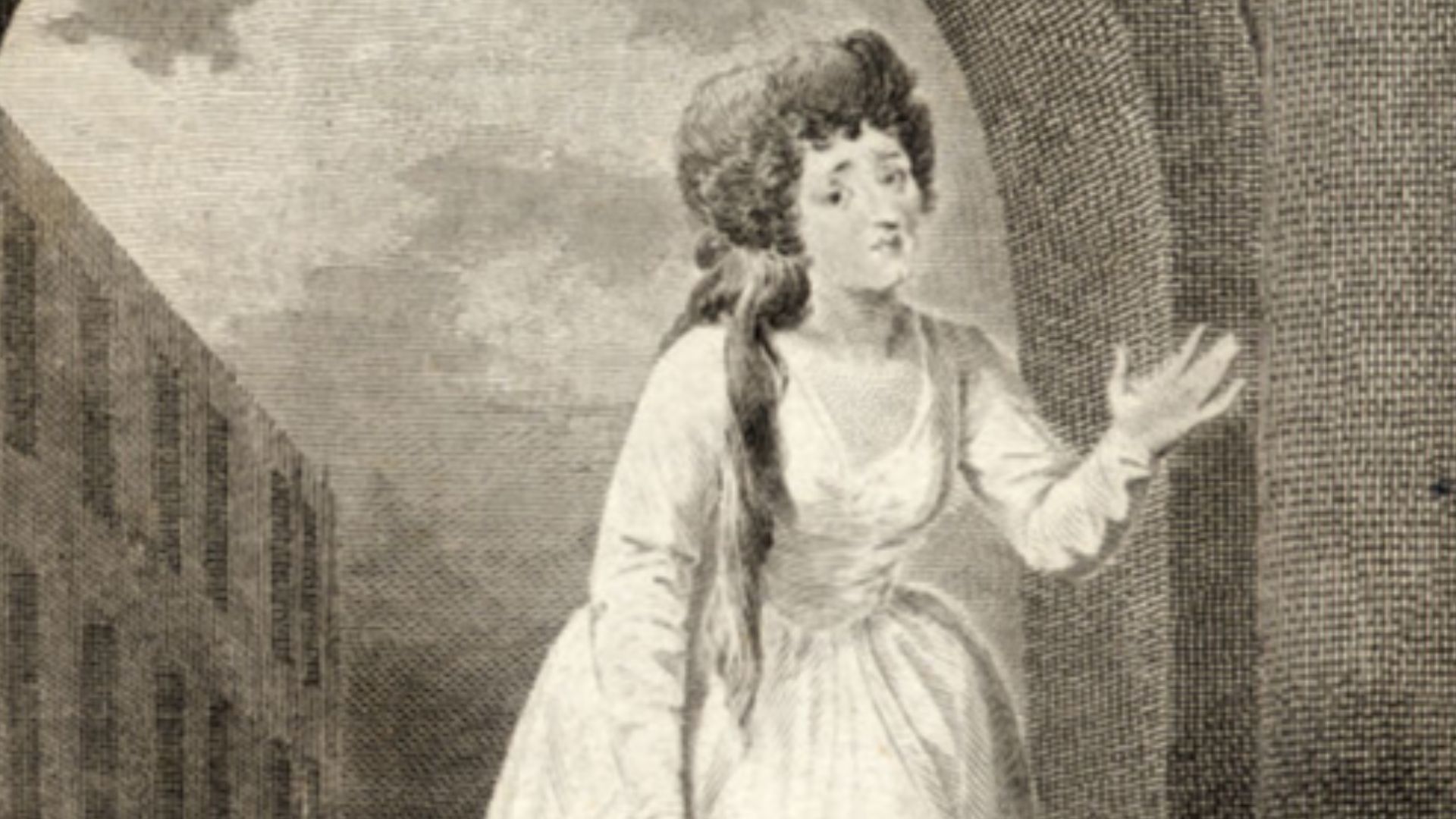 Heath, J; Stothard, T, Wikimedia Commons
You May Also Like:
42 Mad Facts About George III, The King Who Lost America
Suspicious Facts About Marie Angélique de Scorailles, The Doomed Mistress
Inappropriate Facts about Lucy Walter, The Scandalous Royal Mistress










.jpg)

_School_-_Elizabeth_Woodville_(c.1437%E2%80%931492),_Queen_Consort_to_King_Edward_IV,_Earlier_the_Wife_of_Sir_John_Grey_-_932347_-_National_Trust.jpg)


_School_-_Richard_III_(1452%E2%80%931485)_-_515573_-_National_Trust.jpg)
.jpg)

