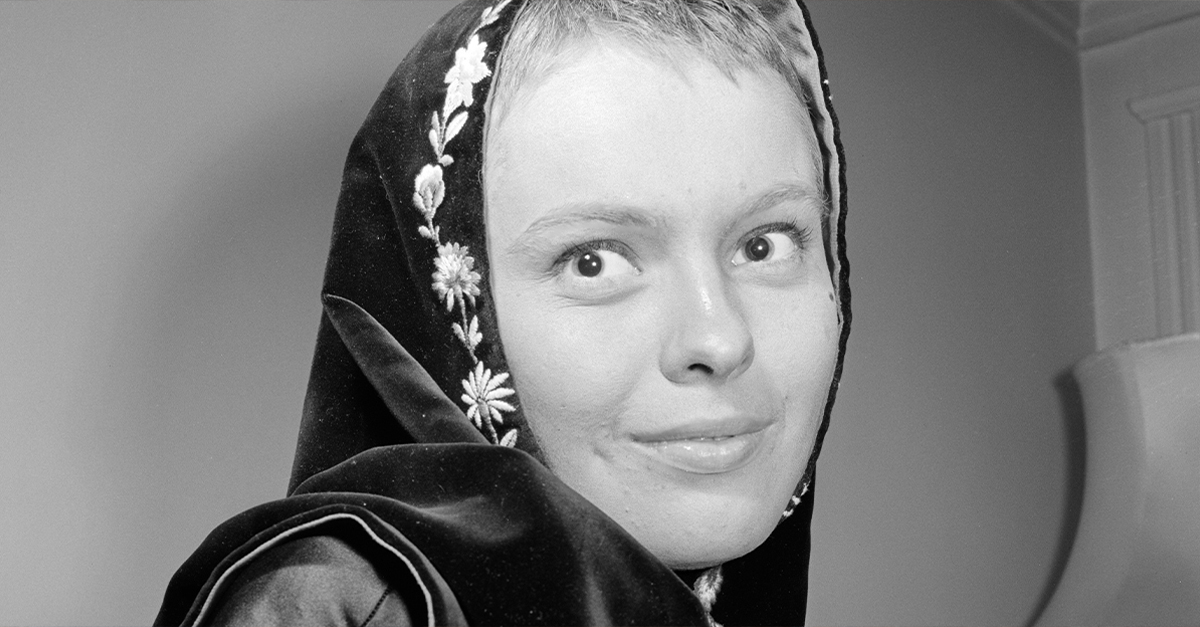
Jean Seberg Was The Face Of The French New Wave
Jean Seberg was the American actress whose beauty and elegance made her an icon of French New Wave cinema. But her passion for activism put her in the crosshairs of the Federal Bureau of Investigation. False reports, fabricated scandals, and warrantless surveillance led to one of the most tragic downfalls in Hollywood history.
 Express / Stringer, Getty Images
1. She Was From Small Town Iowa
With her undeniable beauty and keen sense of style, Jean Dorothy Seberg would go on to become the face of a cinematic movement in Europe. But she had Midwestern farm girl roots. Born in November of 1938 in Marshalltown, Iowa, her parents worked as a pharmacist and substitute teacher. Her closest connection to Europe was her Swedish, English, and German heritage.
That said, her surname has an interesting origin story.

2. She Was Named In Honor Of Sweden
When Seberg’s grandfather, Edward Carlson, stepped off a steamship in a US harbor in 1882, he observed one thing. “There are too many Carlsons in the New World,” he stated plainly. To give himself and his descendants a new start while still honoring his home country, he changed the family name to Seberg “in memory of the water and mountains of Sweden”.
Though the name "Seberg" exuded tranquility, fate had rough waters in store for young Seberg.
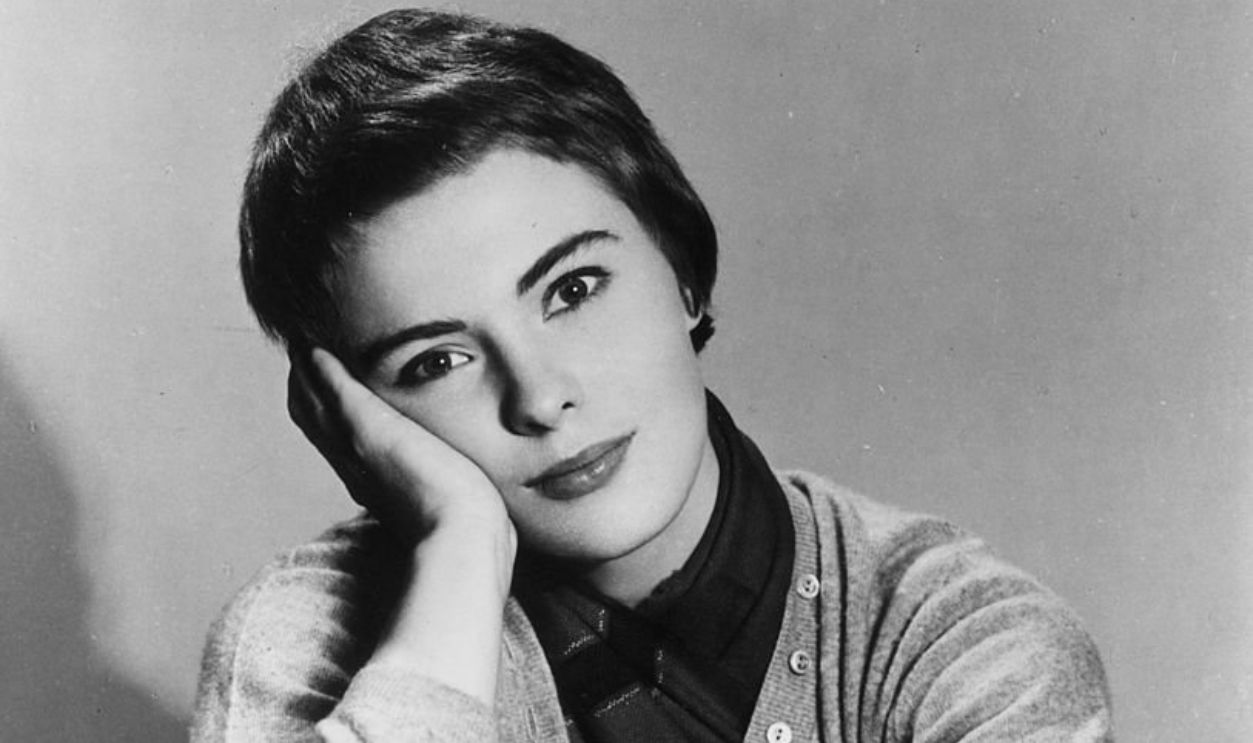
3. She Lost A Little Brother
Just as her grandfather had hoped, Seberg’s family thrived in the New World. And by thrived, we mean multiplied. Seberg grew up alongside an older sister and two younger brothers. Sadly, her youngest brother would perish in a car crash in 1968 at the age of 18. It would not be Seberg’s last brush with unexpected loss and tragedy.
She was, however, closer to stardom than she realized.
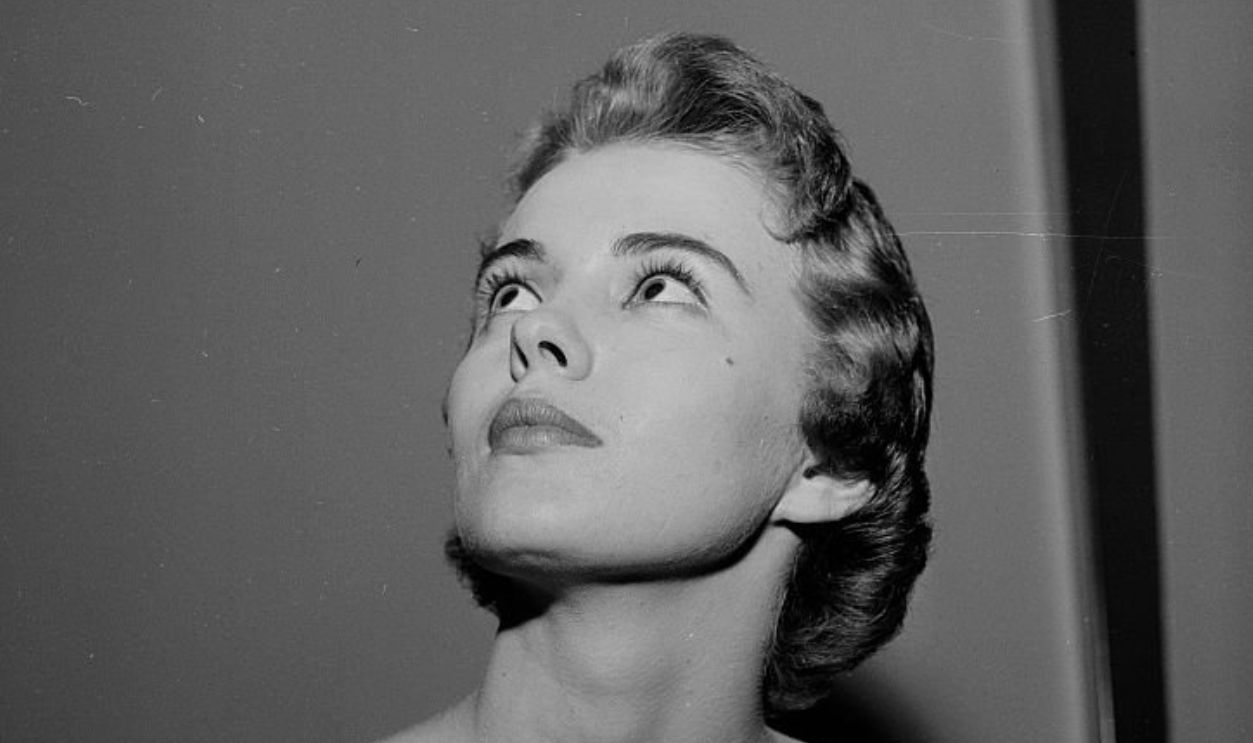 Michael Ochs Archives, Getty Images

History's most fascinating stories and darkest secrets, delivered to your inbox daily.
4. She Babysat A Star
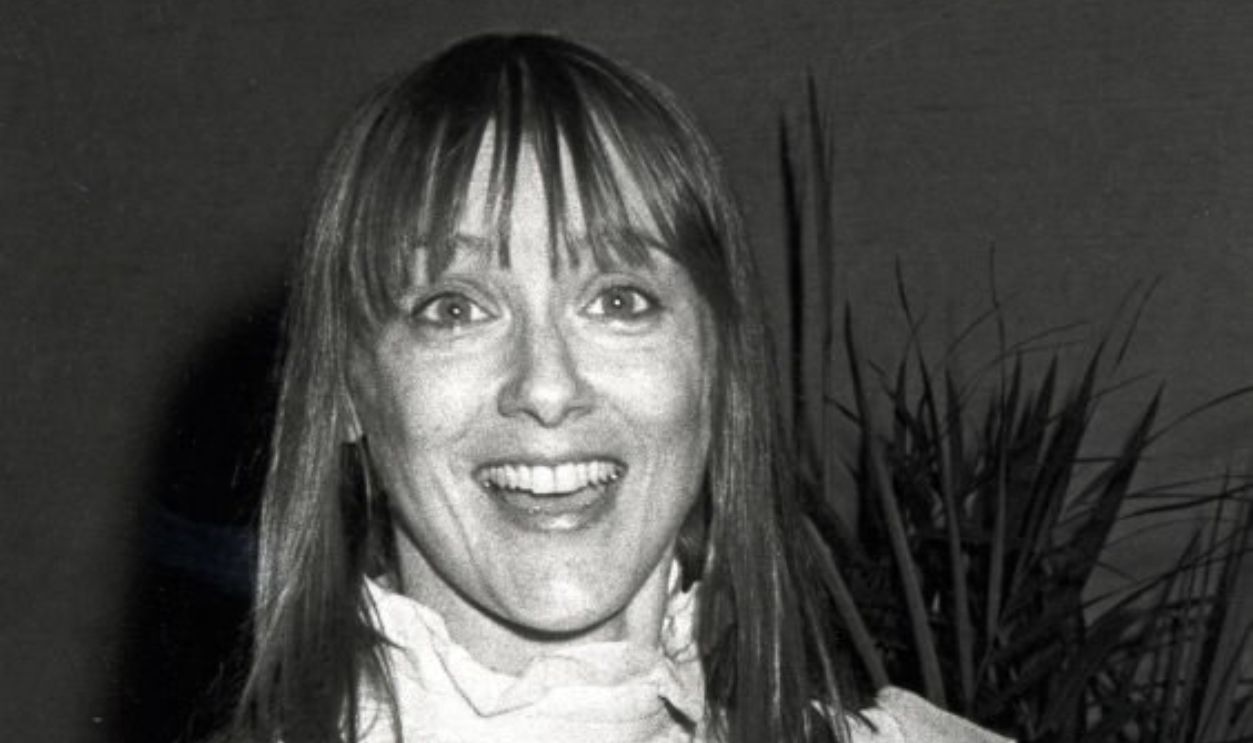
Jean Seberg did what a lot of teenage girls growing up in Marshalltown did: she babysat for extra cash. Even then, however, she was brushing up against future Hollywood royalty. One of the kids that she babysat was Mary Supinger—the later stage and film actress known to her fans as Mary Beth Hurt. Seberg had a habit of helping out the little guy.
5. She Started Activism Young
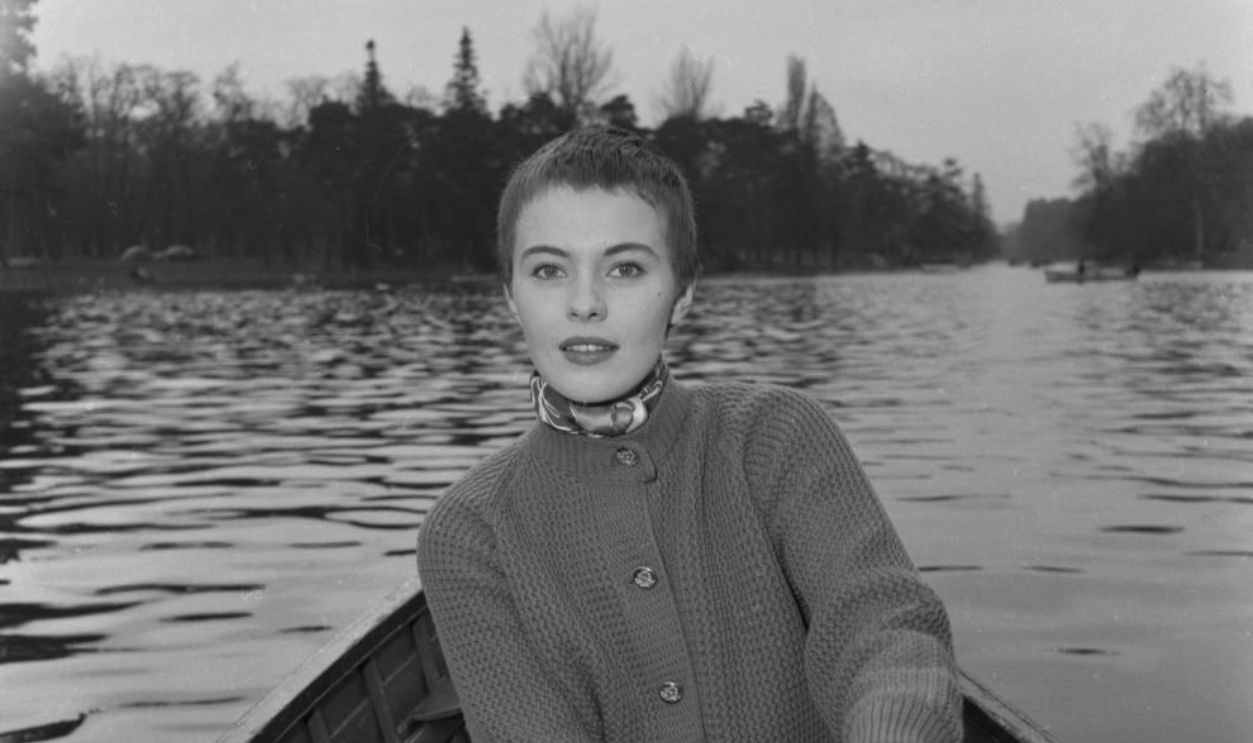
From a young age, Jean Seberg expressed interest in her true passion in life: activism and helping those less fortunate than her. At just 14 years old, long before she ever set foot in front of a camera or walked a red carpet, Seberg became an NAACP member. She had no way of knowing that something so simple would land her on the FBI’s radar.
6. She Had A Crush On Brando
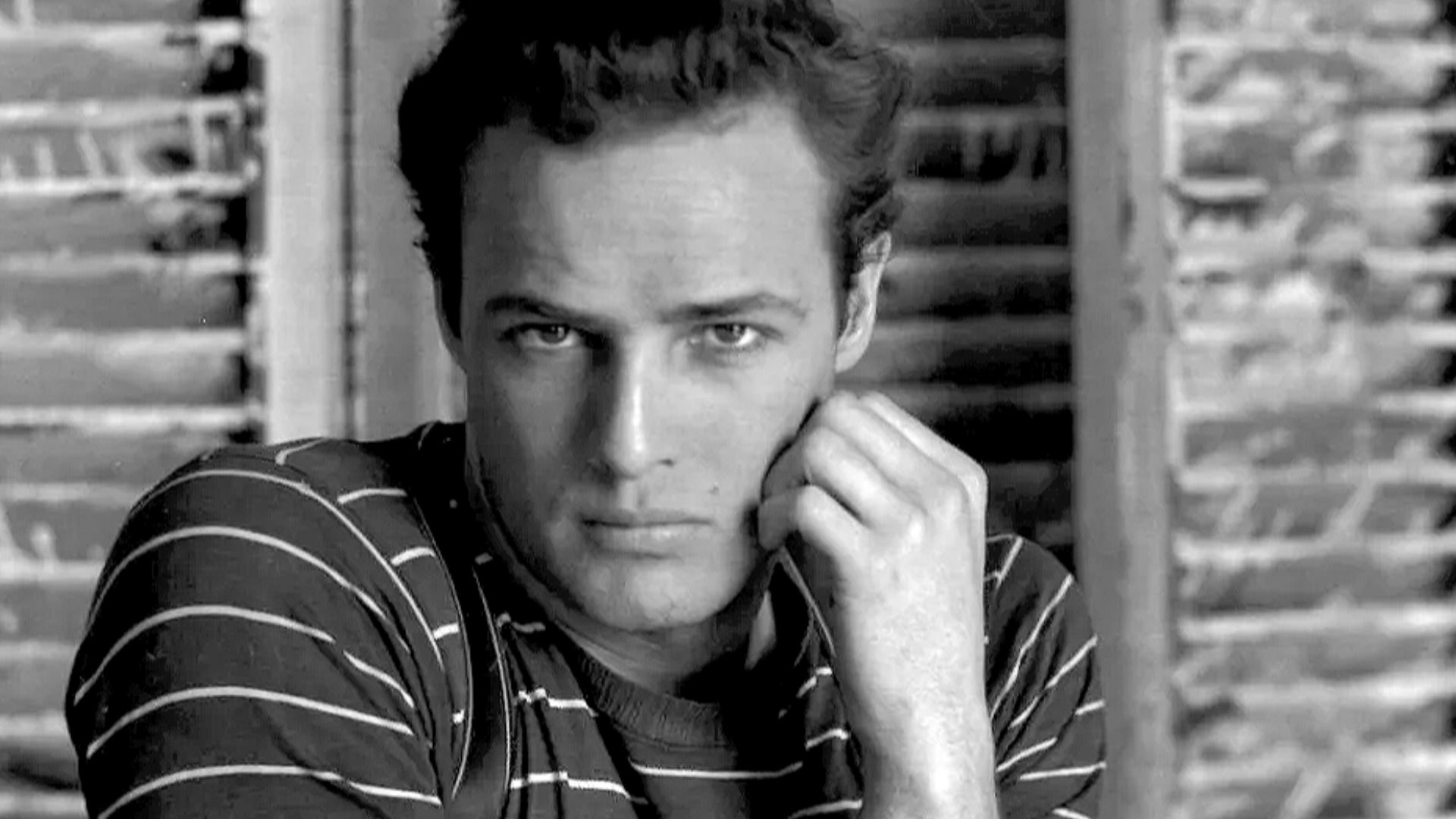
Activism wasn’t the only thing that drew Seberg’s attention. After watching the debut of 1950’s The Men, Seberg developed a new passion: Marlon Brando. Never shy, she wrote a letter to Brando, inviting him to Iowa to stay with her family. She never did get a reply, but when she met him later as a star herself, Brando asked if the invitation still stood.
It probably did not.
 Studio Harcourt., Wikimedia Commons
7. She Studied Filmmaking
Unlike most future starlets, Jean Seberg did not make a beeline for Hollywood after high school. In fact, once she graduated, she actually stayed in Iowa, enrolling at the University of Iowa in the dramatic arts program. It wasn’t long, however, before she switched majors to study filmmaking. Either way, stardom found her—not the other way around.

8. She Beat Out 18,000 Contestants
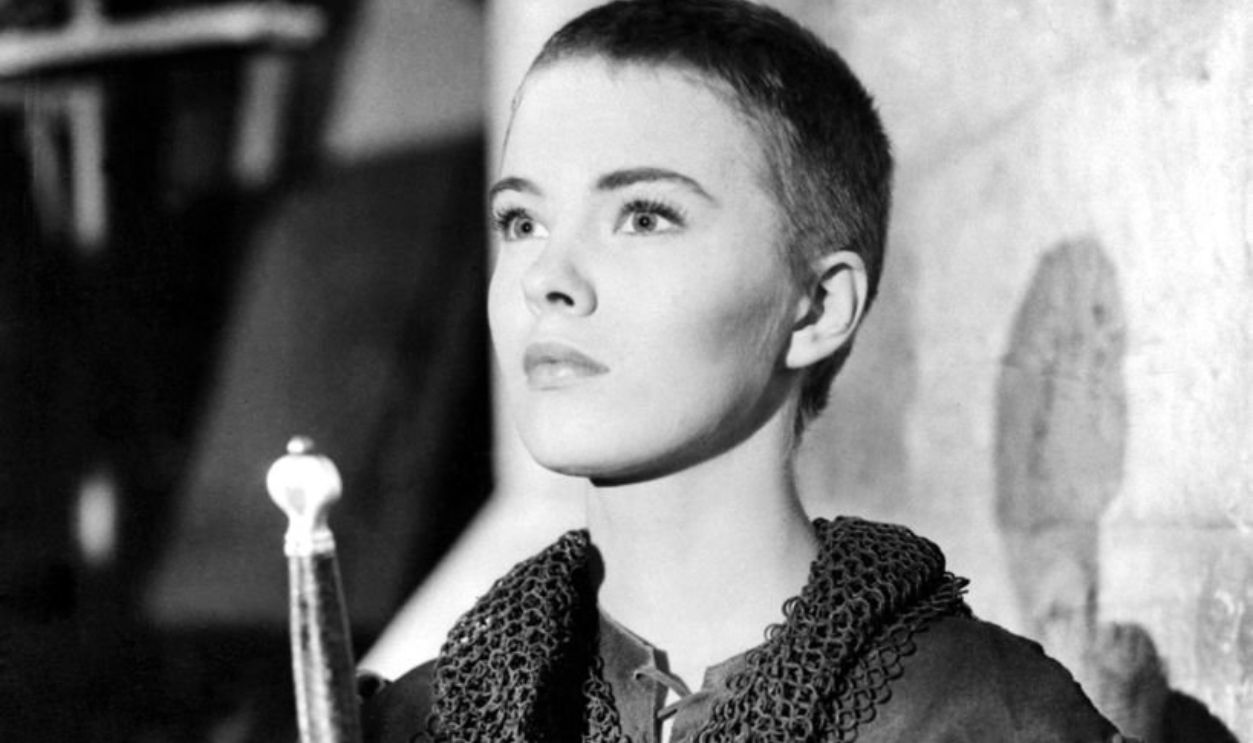
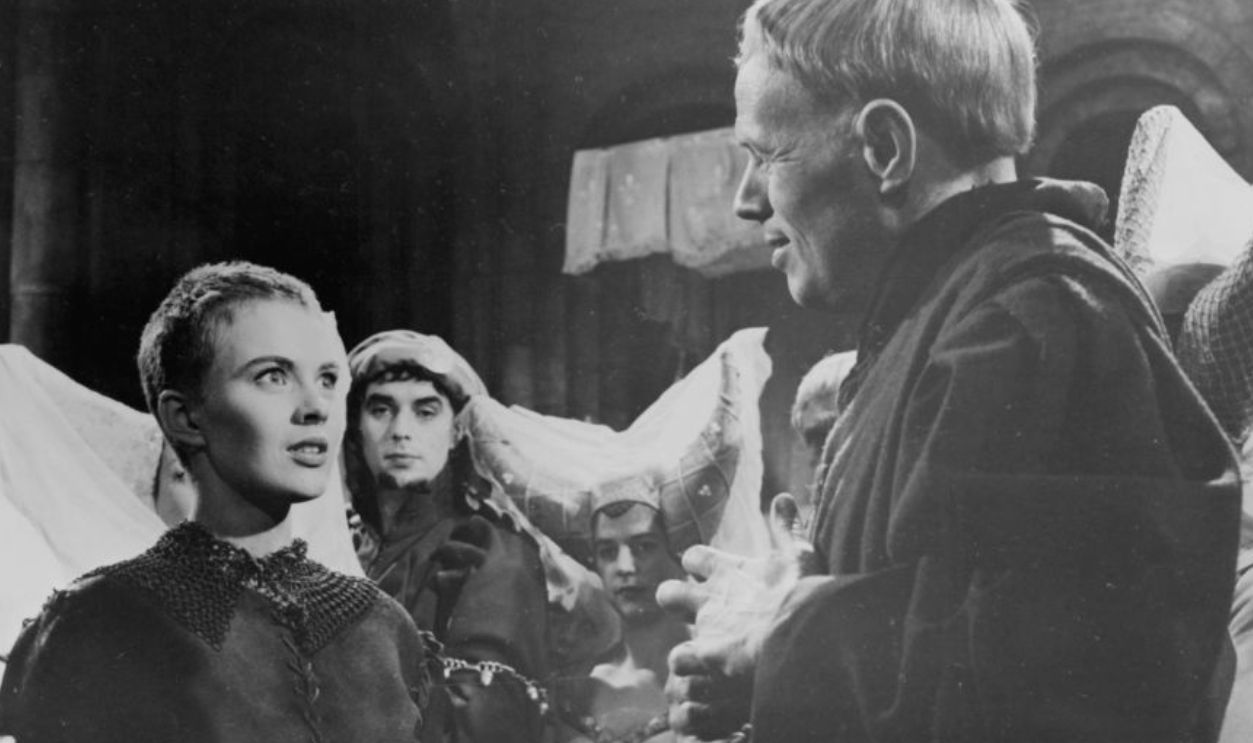
When the famed director Otto Preminger launched a talent search to cast the starring role in his upcoming film, Joan of Arc (1957), Seberg was just one of 18,000 women considered. And she hadn’t even auditioned. Without her knowledge, one of her neighbors had entered her name in the contest. But the joke was on Seberg: Preminger selected her from the thousands of applicants.
 Silver Screen Collection, Getty Images
9. She Was Burned In The Press
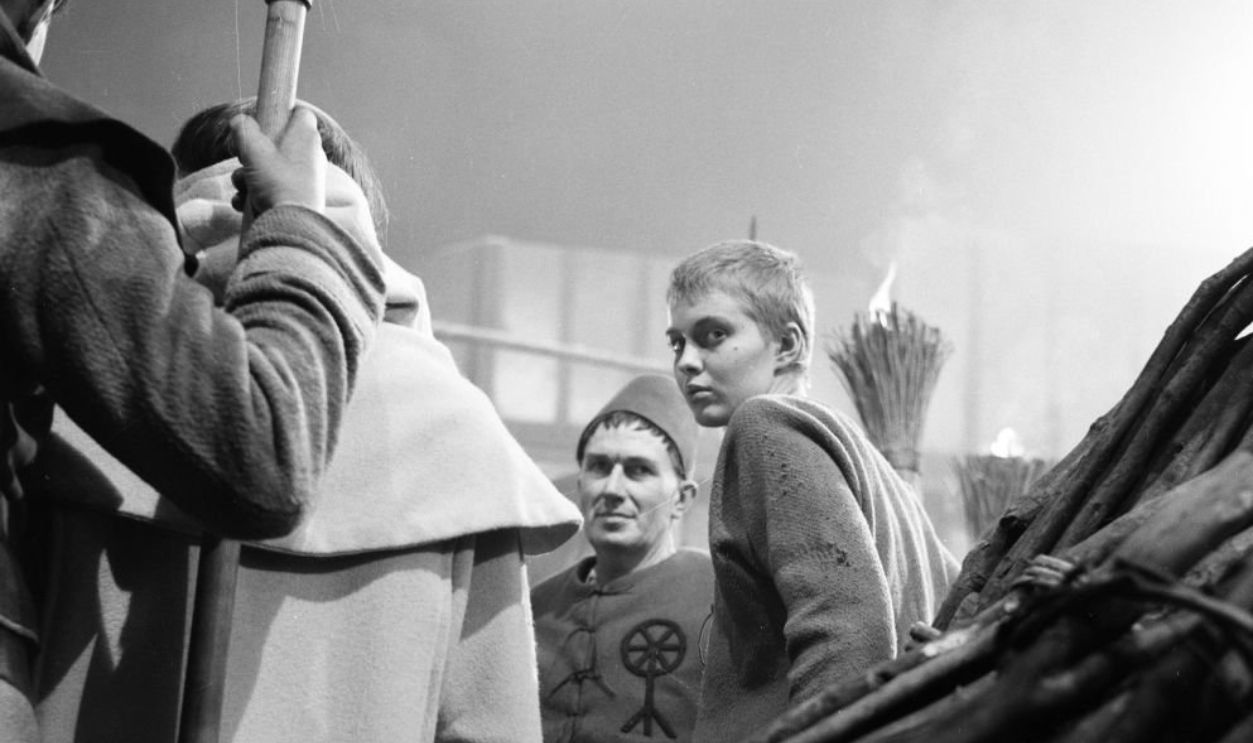
With almost no acting experience, Jean Seberg got swept up into the Hollywood machine. However, despite the media hype, the film flopped—hard. “I have two memories of Saint Joan,” Seberg later said, "The first was being burned at the stake in the picture. The second was being burned at the stake by the critics. The latter hurt more”.
Fortunately, she would get another chance.
 Michael Ochs Archives, Getty Images
History's most fascinating stories and darkest secrets, delivered to your inbox daily.
10. She Was Not A Real Actress—Yet
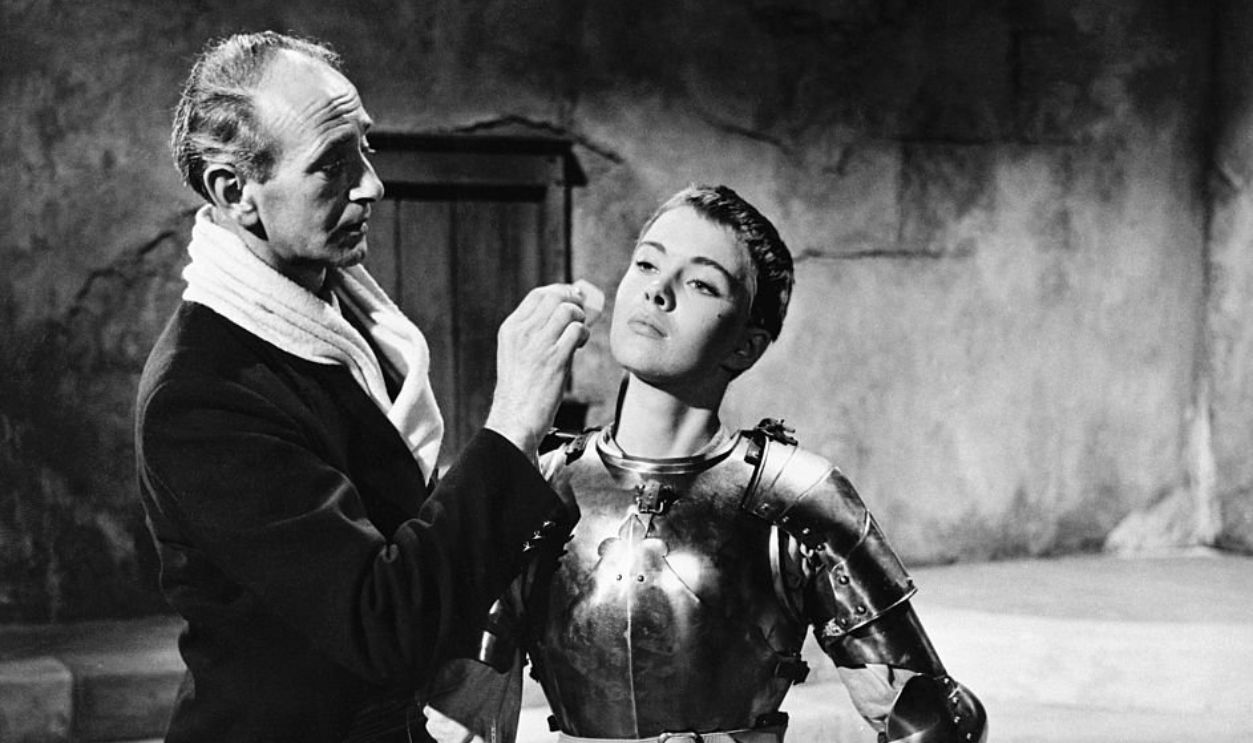
Following the commercial and critical disaster that was Joan of Arc, Seberg could have simply disappeared into obscurity. Instead, she confessed, “I am the greatest example of a very real fact, that all the publicity in the world will not make you a movie star if you are not also an actress”. And she was determined to become an actress.
11. She Got Another Chance
Preminger, perhaps feeling guilty over the Joan of Arc debacle, gave Seberg another bite at the proverbial apple. The following year, the legendary director cast her in Bonjour Tristesse, which he filmed on location in France. It was a huge risk, he knew, but as Preminger himself said, “I prefer to take the risk…I have faith in her”.
The critics, however, did not.
12. Her Career “Nearly Ended”
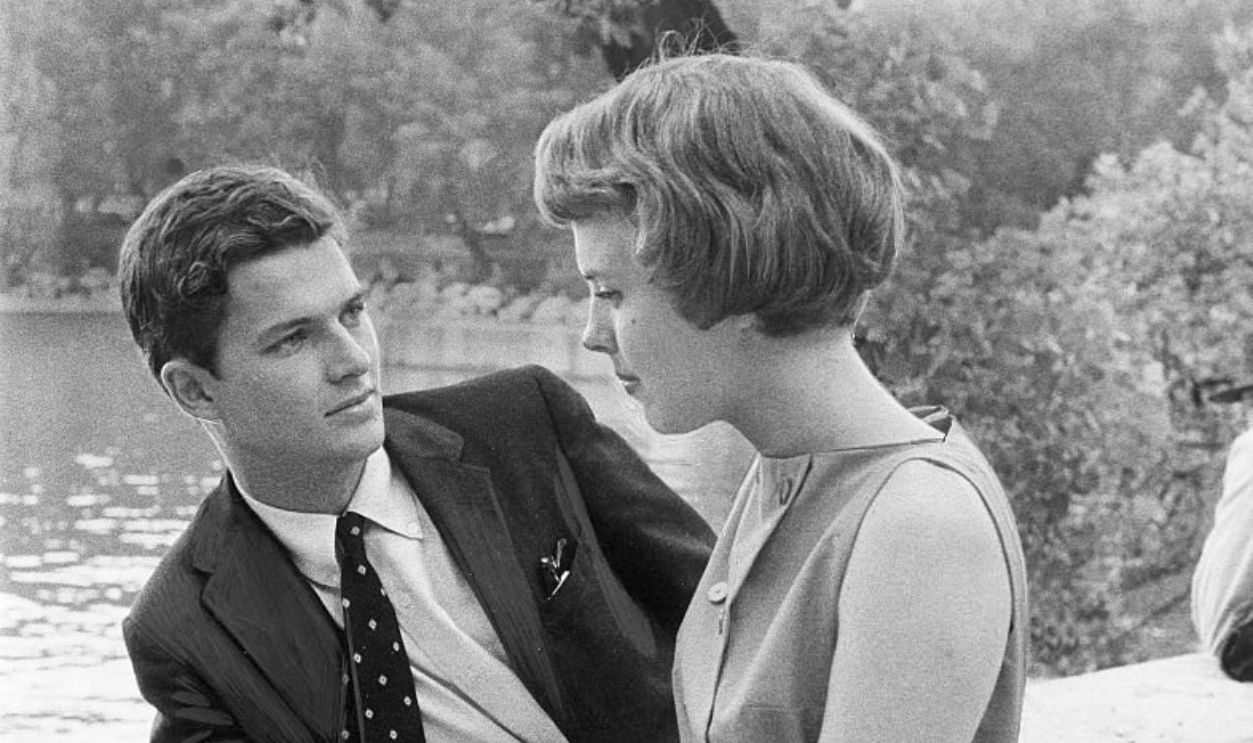
The reviews for Bonjour Tristesse were so bad for Jean Seberg that it almost obliterated her career before it had properly started. But it may not have been Seberg’s fault. Director Jack Arnold, speaking after directing Seberg in The Mouse That Roared, explained: “Preminger was a screamer and yeller. He waited until he got her [Seberg] into hysterics, then he’d turn the camera on”.
 ullstein bild Dtl., Getty Images
13. She Feared Her Director
Jack Arnold wasn’t the only one who called out Preminger’s treatment of Seberg. In 2015, decades after the cameras stopped rolling, Seberg’s Bonjour Tristesse co-star Mylène Demongeot finally said what everyone on set had seen: “Jean was scared of him [Preminger] so he would take advantage and eventually became very mean to her”.
Thankfully, Seberg walked away from the production with at least one consolation prize.
14. She Rushed Down The Aisle
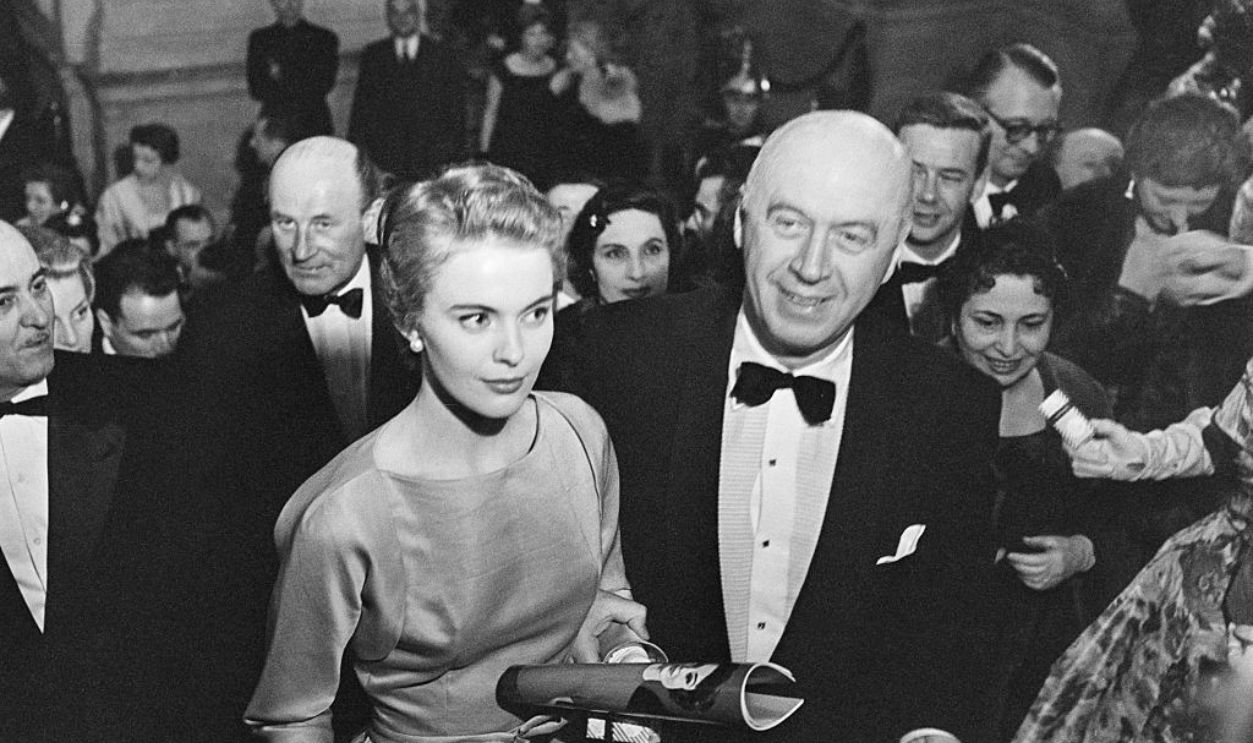
Bonjour Tristesse wasn’t a total loss for Jean Seberg. While filming the French flop, she met François Moreuil, a 23-year-old French attorney. By September of 1958, the two said their “I dos” in her hometown of Marshalltown. But, at 19 years of age, Seberg might have been too young. The marriage dissolved by 1960, and Moreuil later conceded that Seberg “got married for all the wrong reasons”.
Her career, however, was headed in the right direction.
 REPORTERS ASSOCIES, Getty Images
15. She Finally Got A Hit
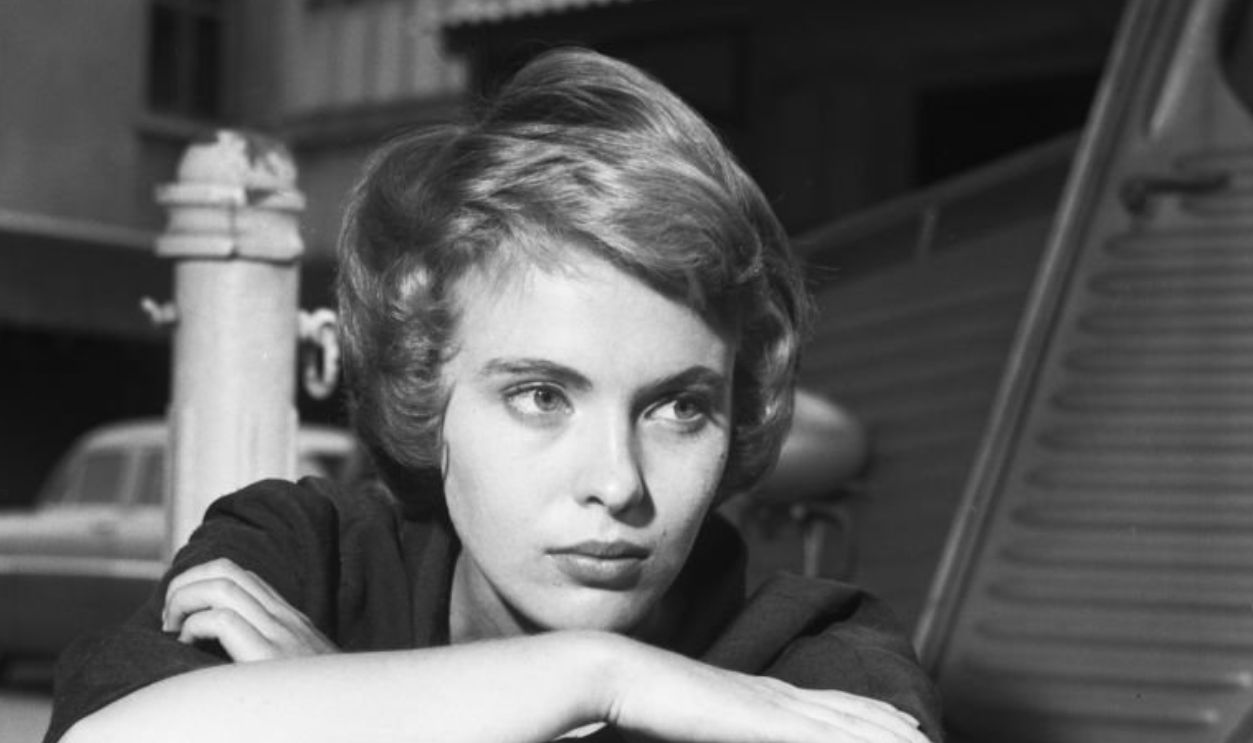
After two flops and a crumbling marriage, Seberg needed a win—and a way out. Then, in 1959, she got both. A renegotiation of her contract freed her from Preminger and saw her sign a long-term deal with Columbia Pictures. Her first picture for the studio, the 1959 comedy The Mouse That Roared, put her alongside Peter Sellers at the top of the box office.
Her next film, however, would make her immortal.
 Silver Screen Collection, Getty Images
History's most fascinating stories and darkest secrets, delivered to your inbox daily.
16. She Took Europe’s Breath Away
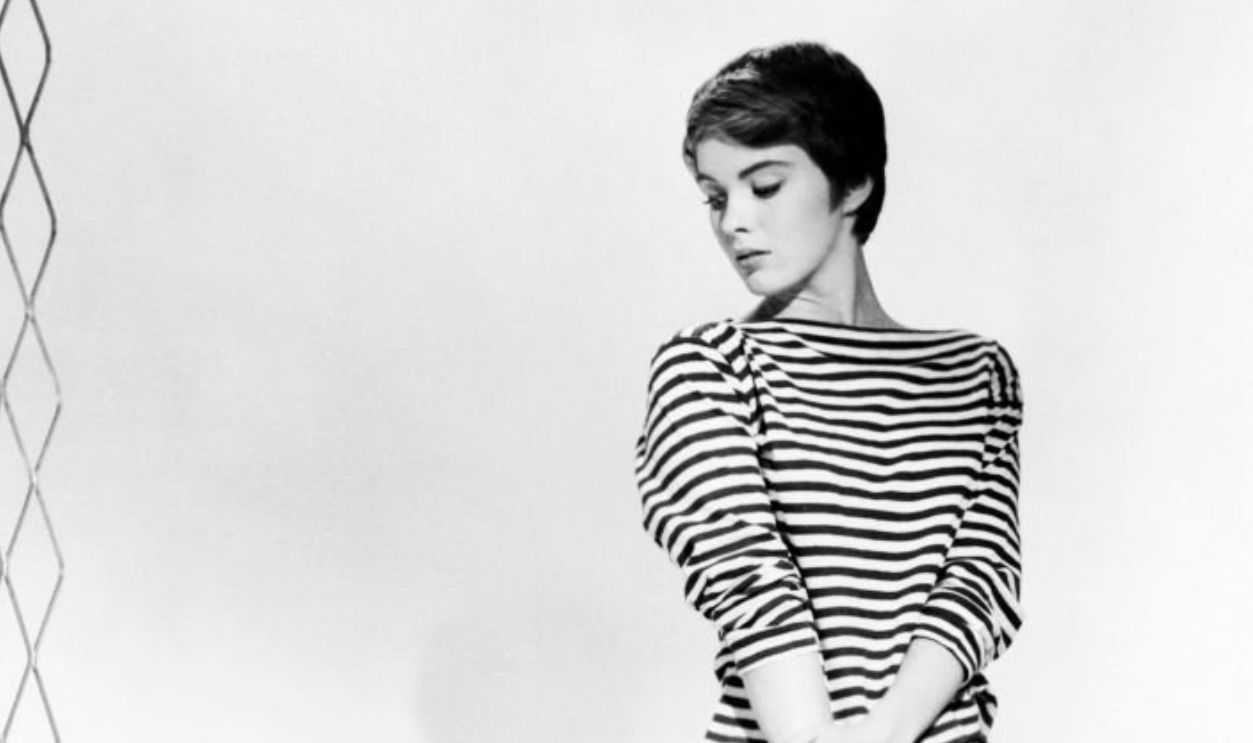
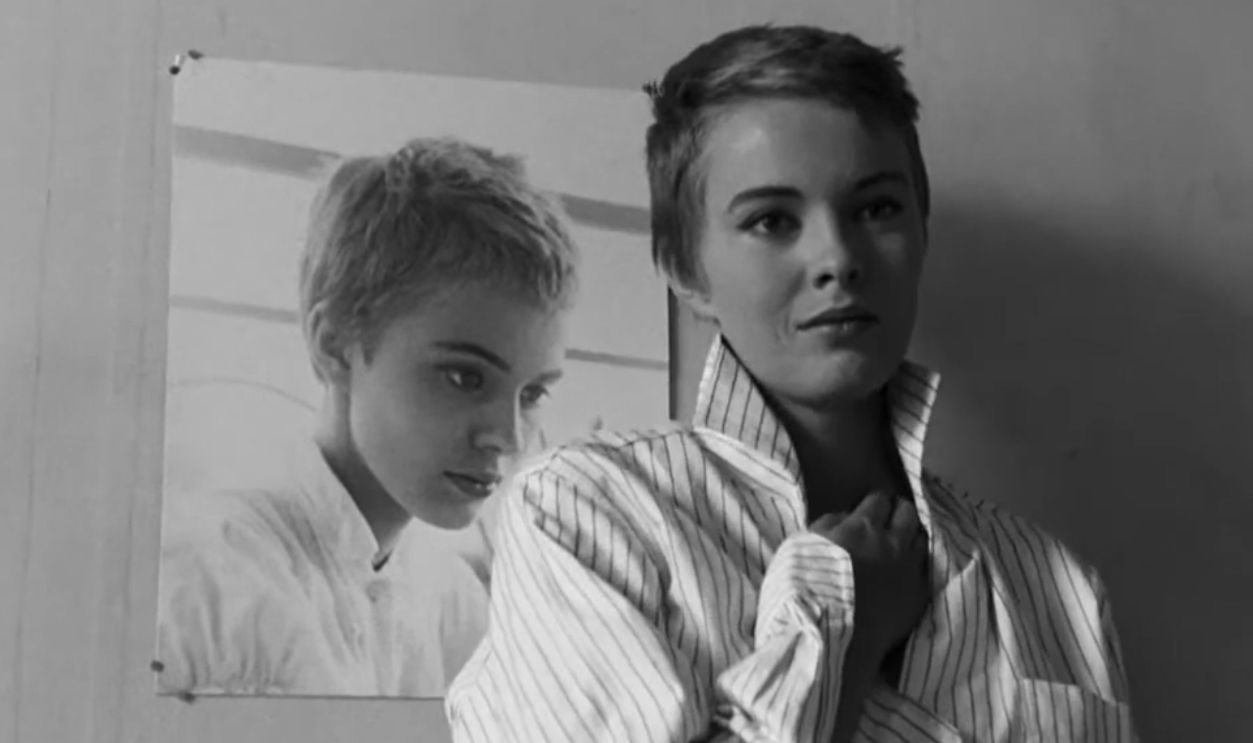
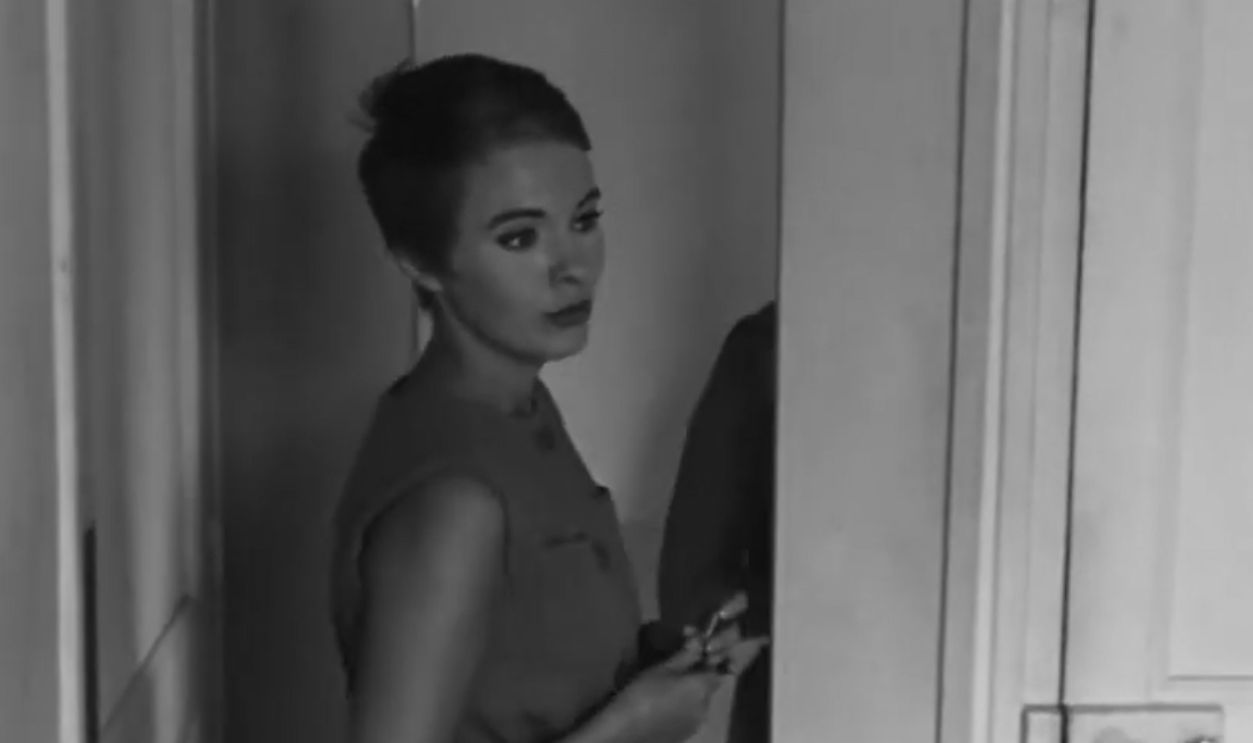
“The best actress in Europe”. That was filmmaker François Truffaut’s verdict on the farm girl from Iowa after she starred as Patricia in Jean-Luc Godard’s Breathless (À bout de souffle, 1960). Jean Seberg starred alongside Jean-Paul Belmondo in the picture that became a worldwide sensation, igniting a cinematic movement: the French New Wave.
Seberg, however, wasn’t that keen on it.
 Screenshot from Breathless, Les Films Impéria (1960)
17. She Wanted Something More
Without intending to, thanks to her performance in Breathless, Seberg became the muse of a movement. However, for all of the acclaim that Breathless brought her, Seberg confessed that her heart wasn’t really in it. She grumbled that she was “making films in France about people [I’m] not really interested in”. But her fans were interested in her.
Perhaps too interested.
 Screenshot from Breathless, Les Films Impéria (1960)
18. She Started A Craze
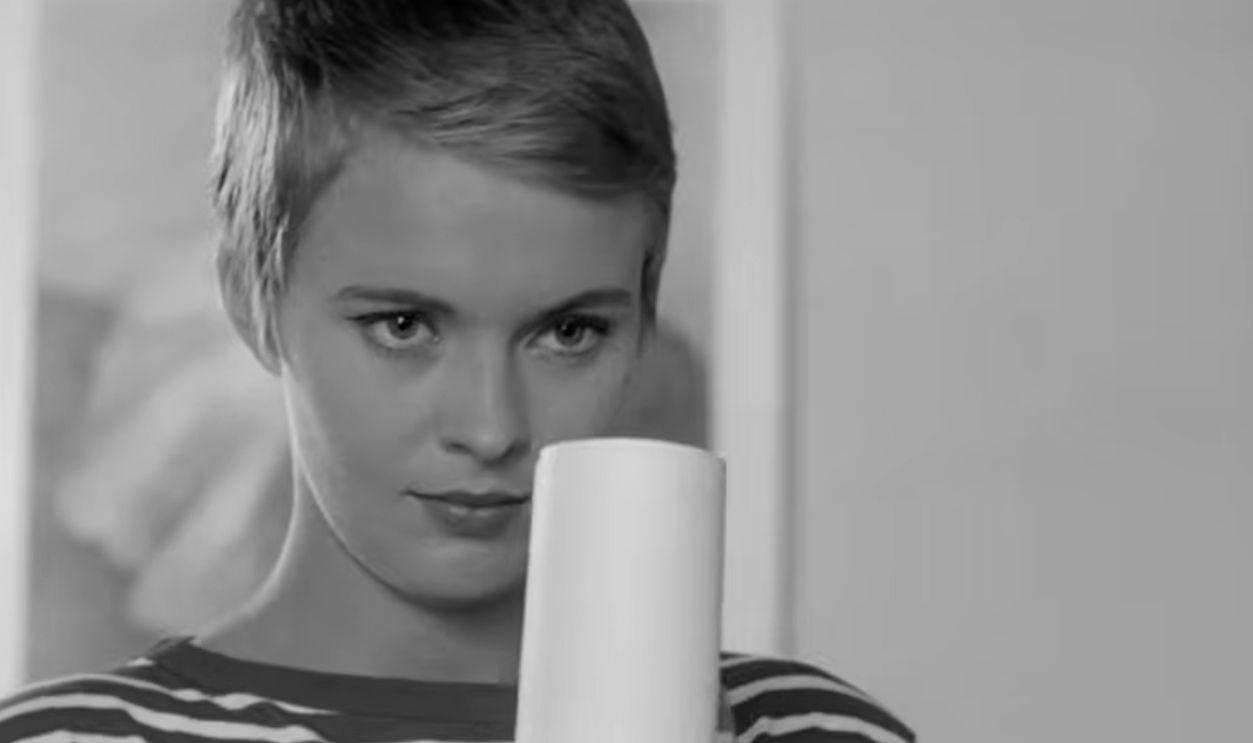
Seberg’s most lasting impression on French New Wave cinema might not even have been a movie. After debuting a pixie cut in Breathless, salons all over France filled with young women asking for a new cut “à la Seberg”. Magazine covers for Life and Vogue followed for Seberg as she rapidly became a cultural icon, defining the “Mod fashion” trend with each new look.
But fame in France came at a cost.
 Screenshot from Breathless, Les Films Impéria (1960)
19. She Worked For Her Ex
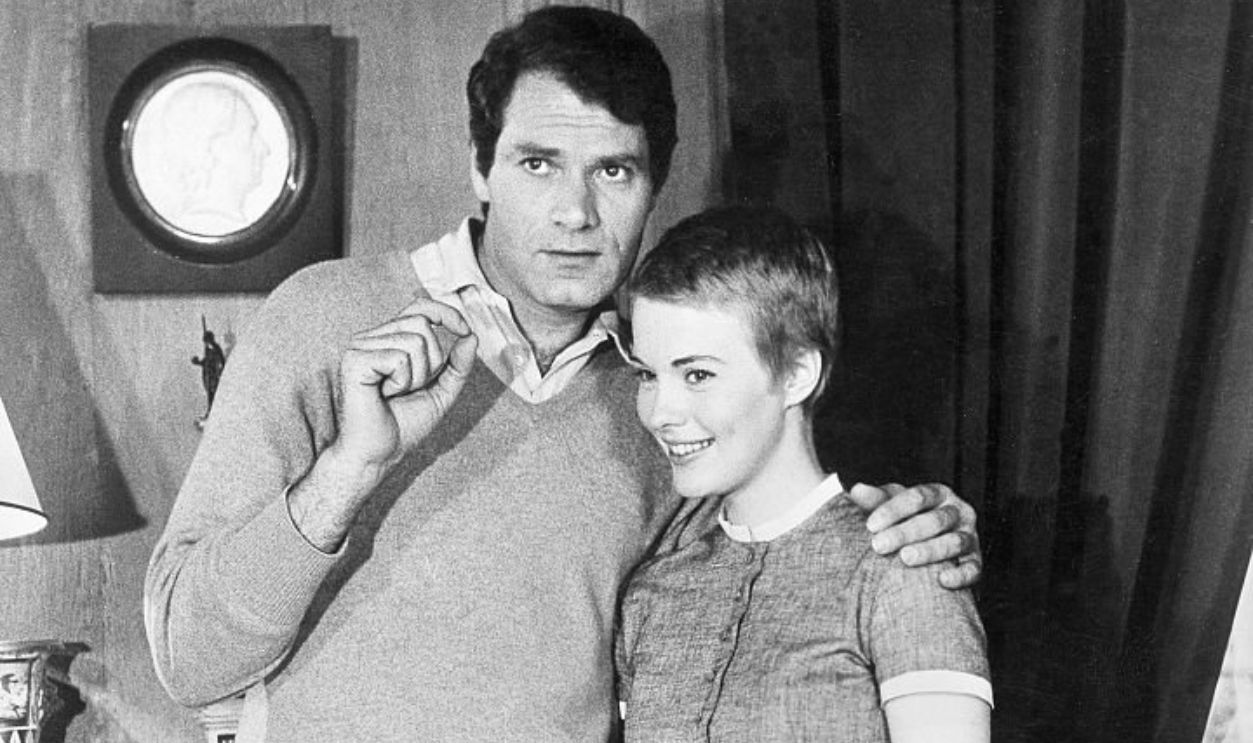
Seberg’s on-set troubles with directors continued in 1961. Moreuil, her ex-husband, had decided to try his hand behind the camera, and for his first feature, Love Play (La Recréation, 1961), he cast the woman he’d just split from. The shoot went about as well as the marriage had. Seberg remembered the production as “pure hell”, complete with a director who “would scream at [her]”.
For Seberg, France was losing its charm.
 ullstein bild Dtl., Getty Images
20. She Missed Milkshakes
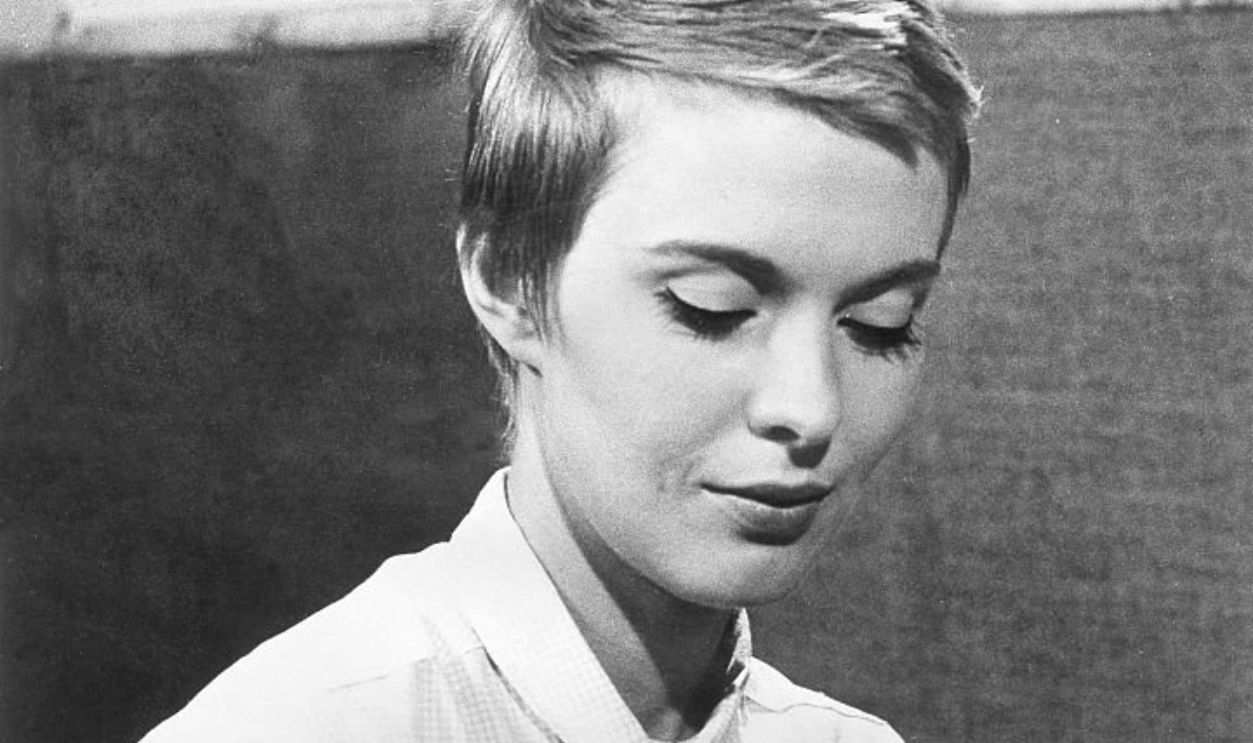
France loved Jean Seberg—but she didn’t always love it back. When reporters asked about her life abroad, Seberg insisted she was “enjoying it to the fullest extent” but had to confess that it wasn’t all baguettes and berets. “I miss that casualness and friendliness of Americans,” she said, “the kind that makes people smile”.
Most of all, however, she missed “blue jeans, milk shakes, thick steaks and supermarkets”.
 ullstein bild Dtl., Getty Images
21. She Met Her Match
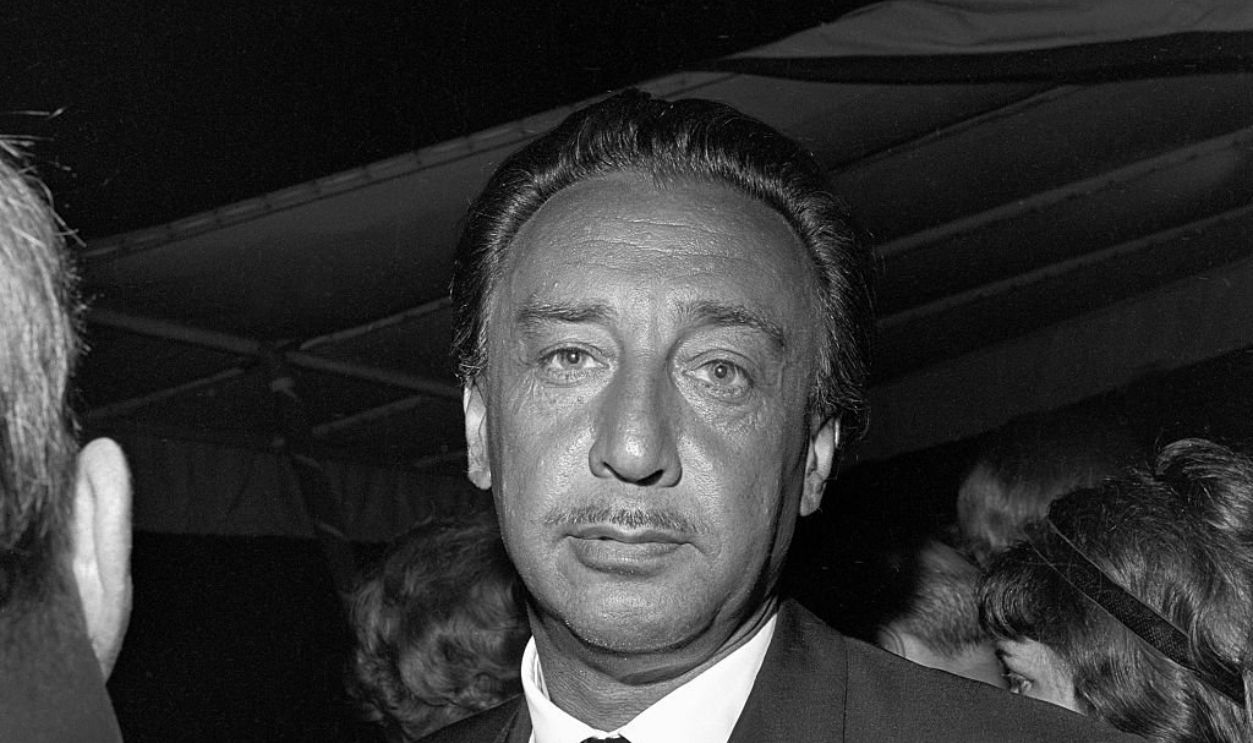
France had one thing that Seberg had never found back home in the US: husbands. In 1961, Seberg fell for Romain Gary—an aviator, a hero of the French Resistance, a celebrated novelist, and a diplomat. He also happened to be 24 years older than her. And married. At the time they met, Gary was married to the writer Lesley Blanch.
That little detail didn’t stop Seberg.
History's most fascinating stories and darkest secrets, delivered to your inbox daily.
22. She Kept A Big Secret
Seberg’s next role was her most controversial yet: that of a secret lover. Despite Gary being married, Seberg and the writer carried on an affair. But it wasn’t without consequence. On July 17, 1962, in Barcelona, she gave birth to Gary’s son, Alexandre Diego. For nearly a year, even the people closest to her had no idea the boy existed. To conceal their affair, Seberg insisted that Diego was born in 1963.
She wouldn’t have to keep her secret forever, though.
23. She Eloped In Corsica
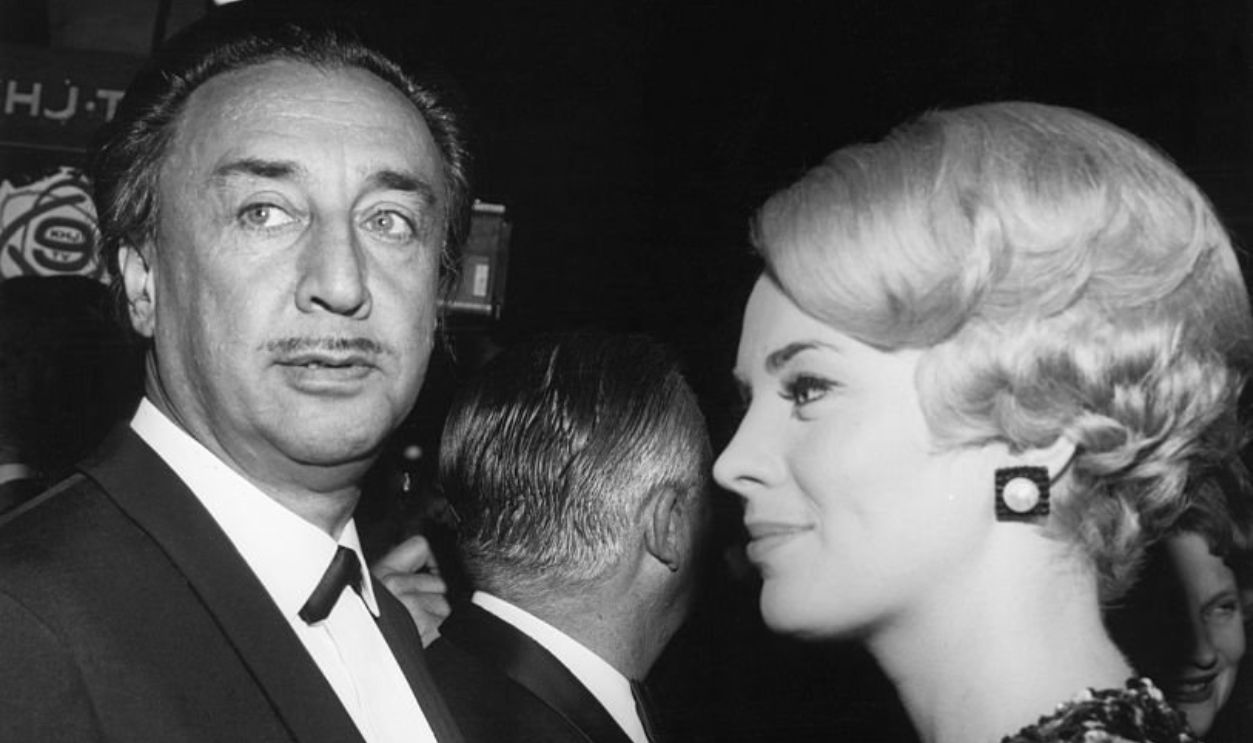
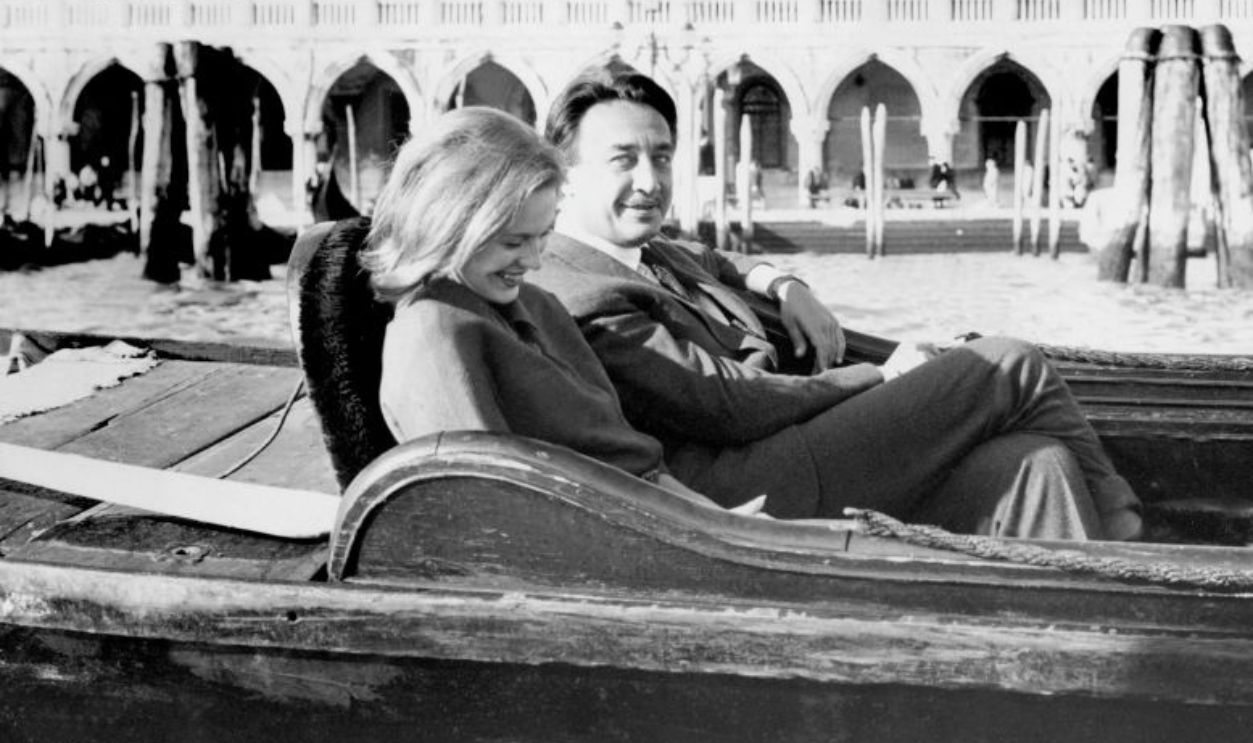
Gary split from his wife on September 5, 1962—four years to the day, oddly enough, after Seberg’s first trip down the aisle. Exactly one month later, Seberg and the newly “single” Gary slipped off to Corsica and quietly tied the knot. Married life suited her, and she bounced between Paris, Greece, the South of France, and Mallorca.
Back on screen, meanwhile, Seberg was about to silence her doubters.
24. She Proved The Critics Wrong
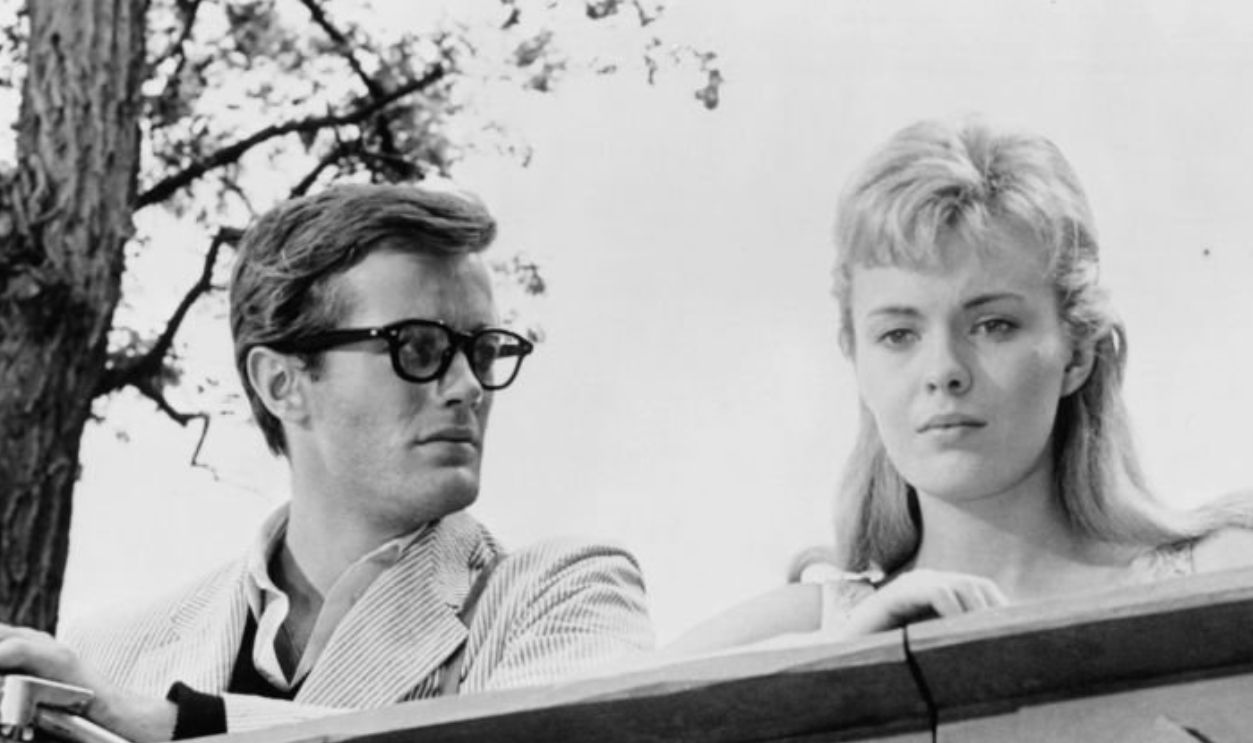
Jean Seberg never forgot being “burned at the stake” by the critics after Joan of Arc. It wasn’t truly until 1964 that she would finally win them over. Starring opposite Warren Beatty in Columbia’s Lilith, she turned in a performance that forced the press to admit what Truffaut already knew: Seberg could act. Of every film she ever made, this one remained her personal favorite.
The awards circuit agreed.
 Michael Ochs Archives, Getty Images
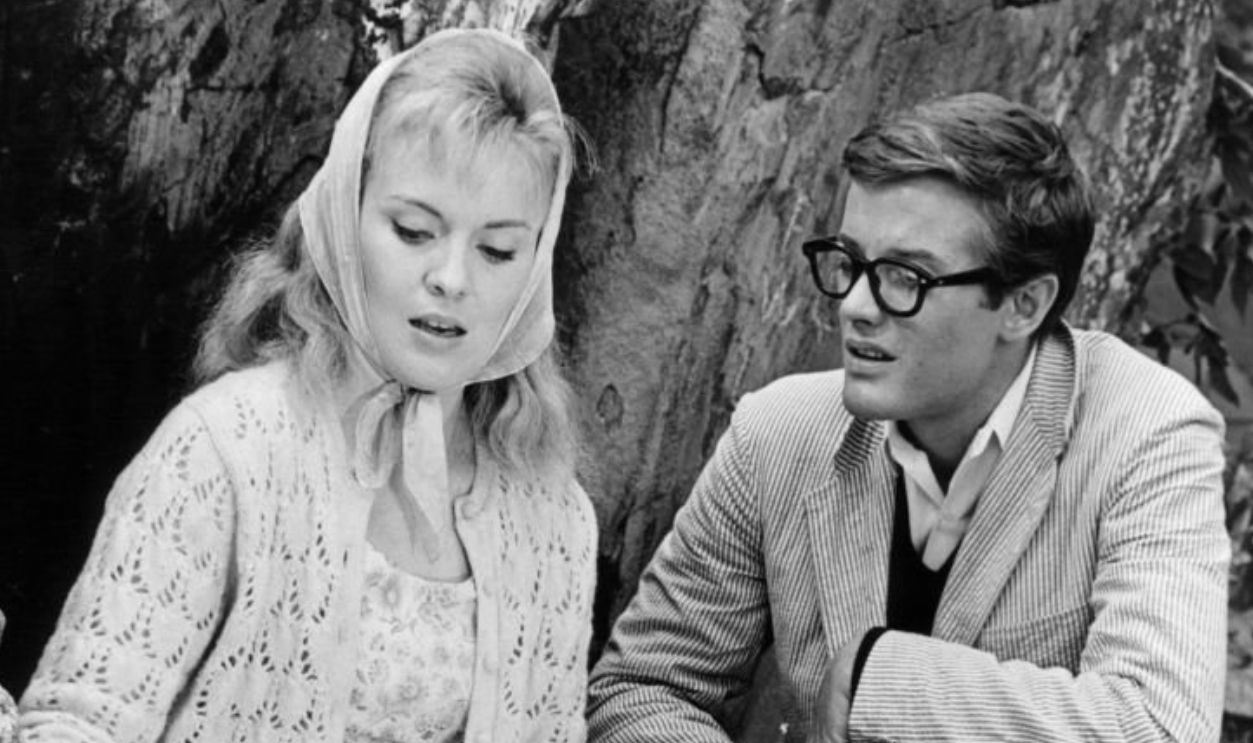
25. She Racked Up Nominations
For a girl the critics had once roasted, Seberg’s trophy closet began filling up. Her turn in Lilith brought a 1965 Golden Globe nomination for Best Actress in a Motion Picture – Drama, while Breathless had already netted her a BAFTA nod for Best Foreign Actress in 1962. Some prizes, however, kept slipping through her fingers.
And all thanks to one actress.
 Michael Ochs Archives, Getty Images
26. She Had An On-Screen Rival
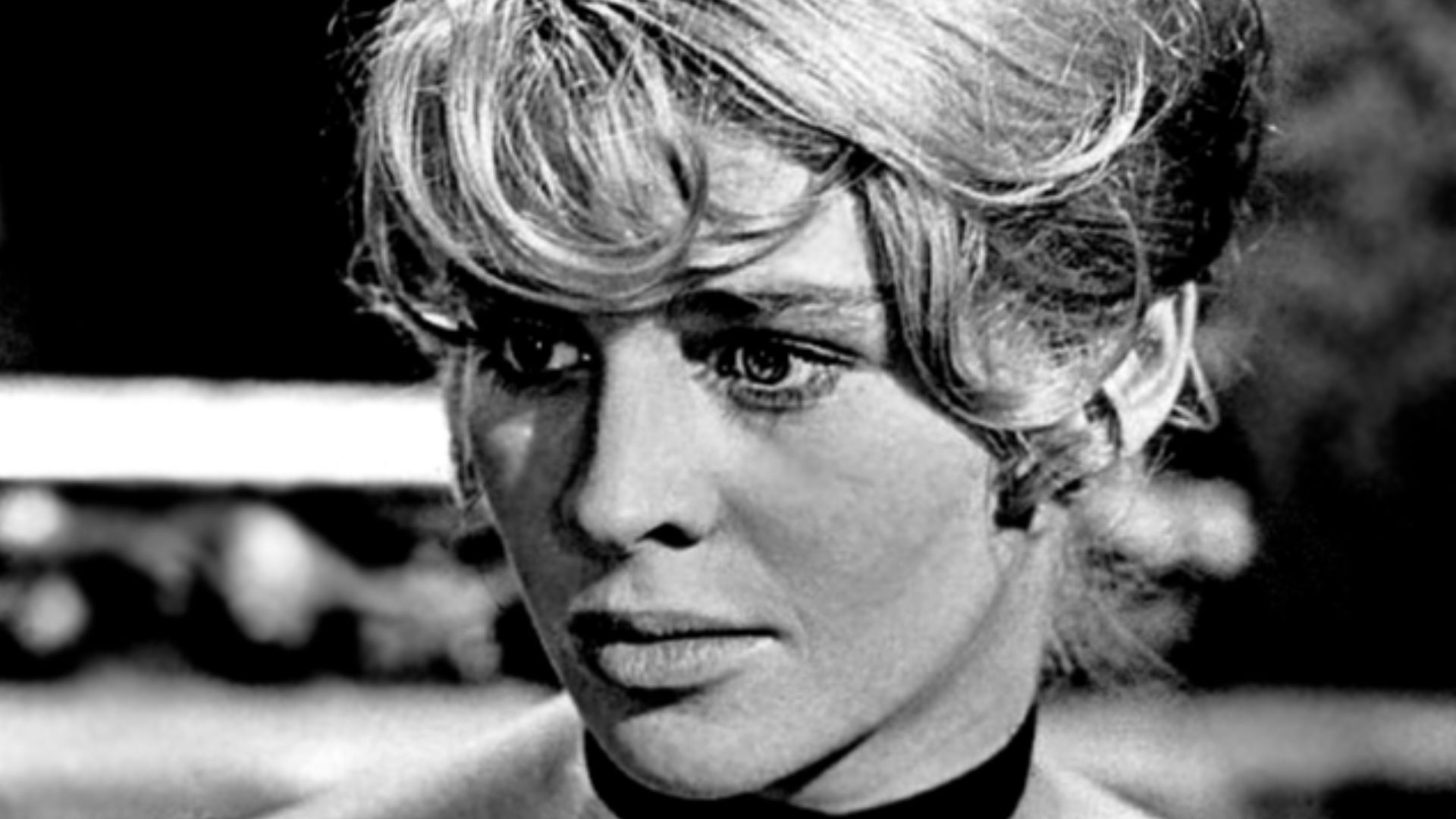
Despite her growing success, Jean Seberg still had to compete for roles, and her number one rival was obvious: Julie Christie. Even after calling Seberg “the best actress in Europe”, Truffaut gave a double role in Fahrenheit 451 to Christie instead of Seberg. It happened again in 1965’s Doctor Zhivago when Christie beat out Seberg for the role of Lara.
Some roles, however, were more important to Seberg.
 news service, Wikimedia Commons
27. She Was Kind Of A Bond Girl
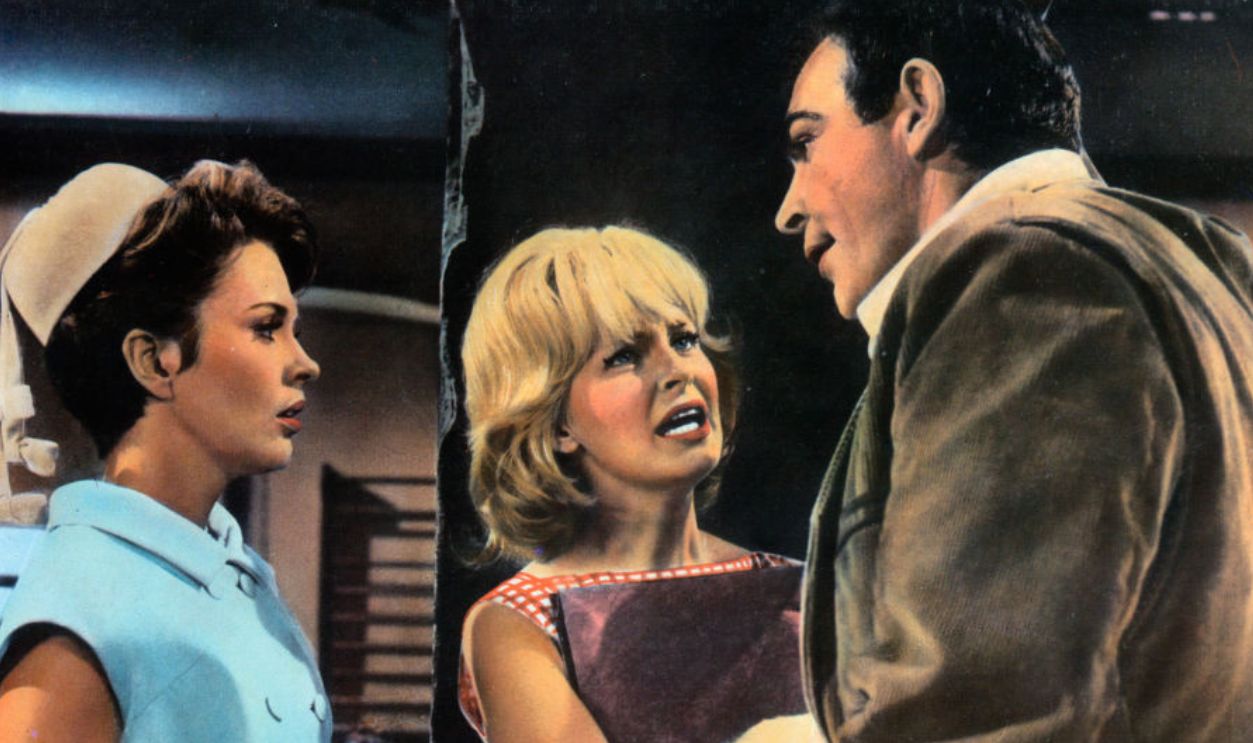
In 1966, Seberg returned to the US for her first American film in years. Under director Irvin Kershner, she shot A Fine Madness in New York City. Her co-star? The hottest Hollywood hunk of the decade: Sean Connery, still circling the dizzying heights of his James Bond fame. Her home life, however, was far less glamorous than her on-screen one.
History's most fascinating stories and darkest secrets, delivered to your inbox daily.
28. She Called It Quits
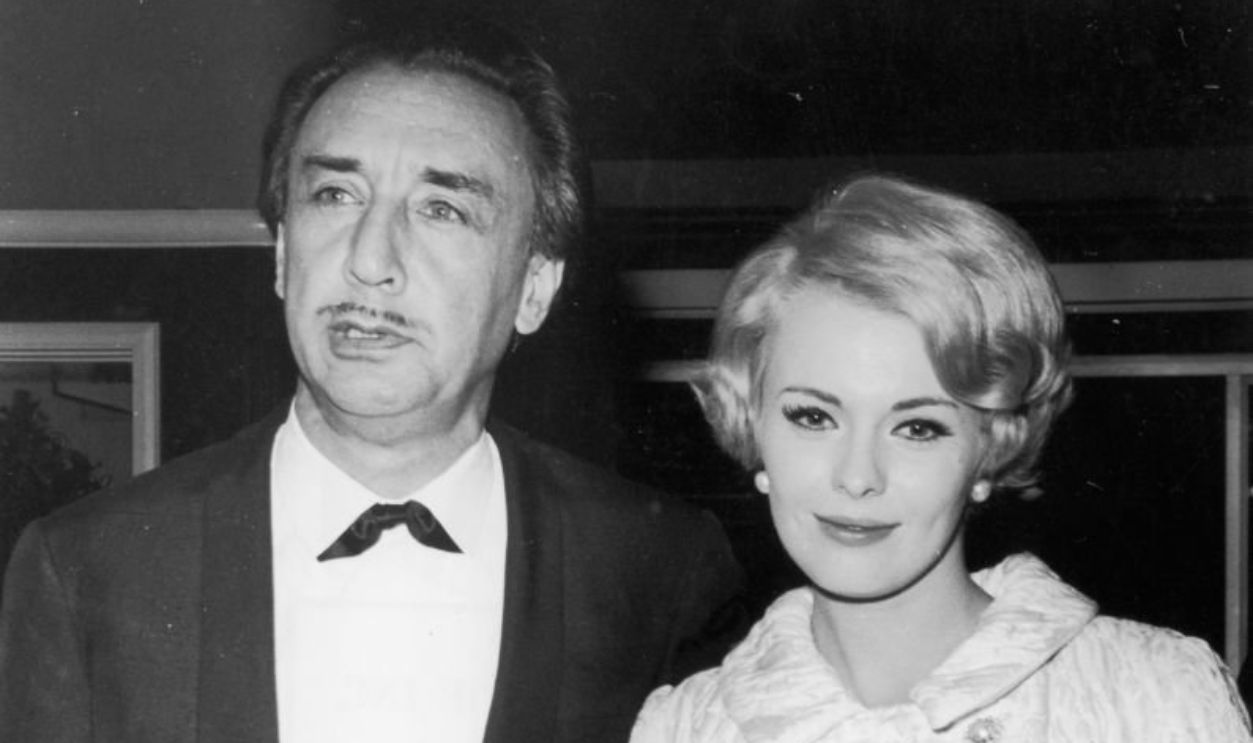
Seberg’s formerly secretive marriage to Romain Gary had fared better in the shadows. By September of 1968, Seberg filed for divorce, with the split becoming official on July 1, 1970. But their marriage wasn’t a total loss. Their son Alexandre Diego eventually built a quiet life for himself in Spain, looking after his father’s literary legacy.
His mother’s affairs were messier.
29. She Wasn’t The First Pick
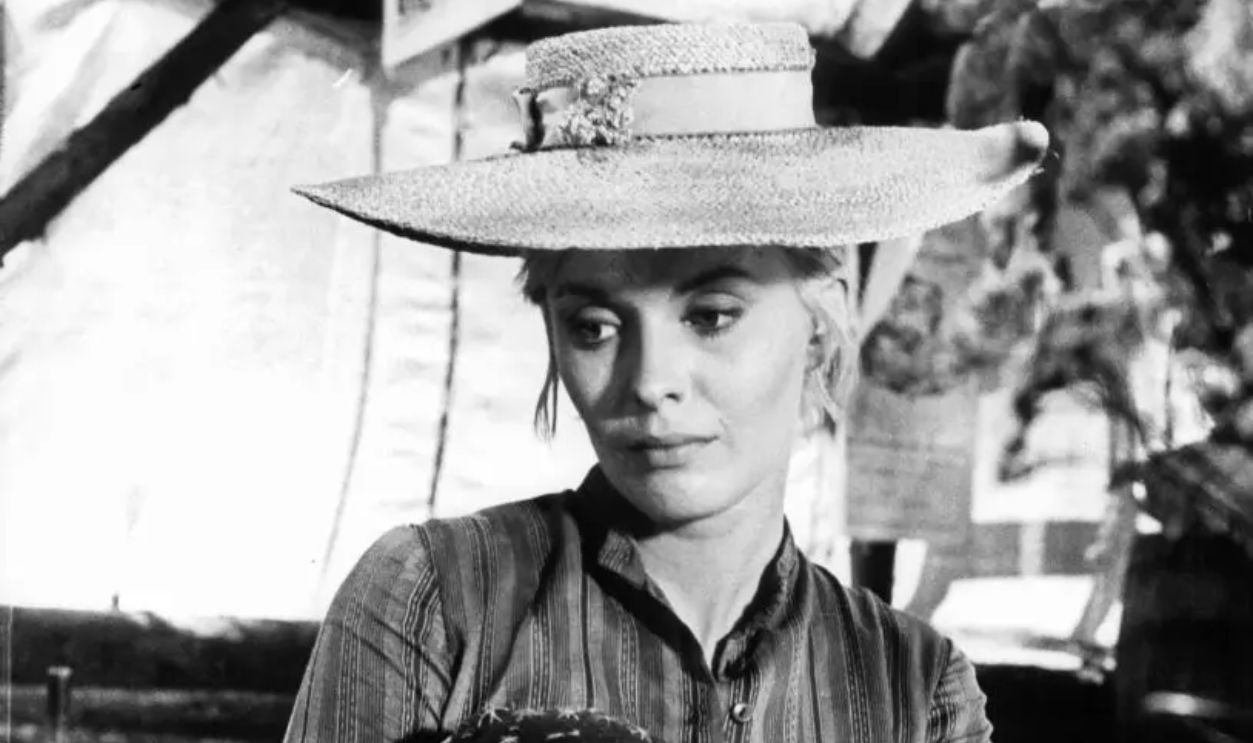
Hollywood practically had to beg someone to star in Paint Your Wagon. Julie Andrews, Faye Dunaway, Mia Farrow, Diana Rigg, and Tuesday Weld all passed on the female lead before it landed in Seberg’s lap. The 1969 picture, Seberg’s only musical, put her alongside Lee Marvin and Clint Eastwood, though Anita Gordon had to dub her songs.
Eastwood had her singing in a different way—allegedly.
30. She Fell For Her Co-Star
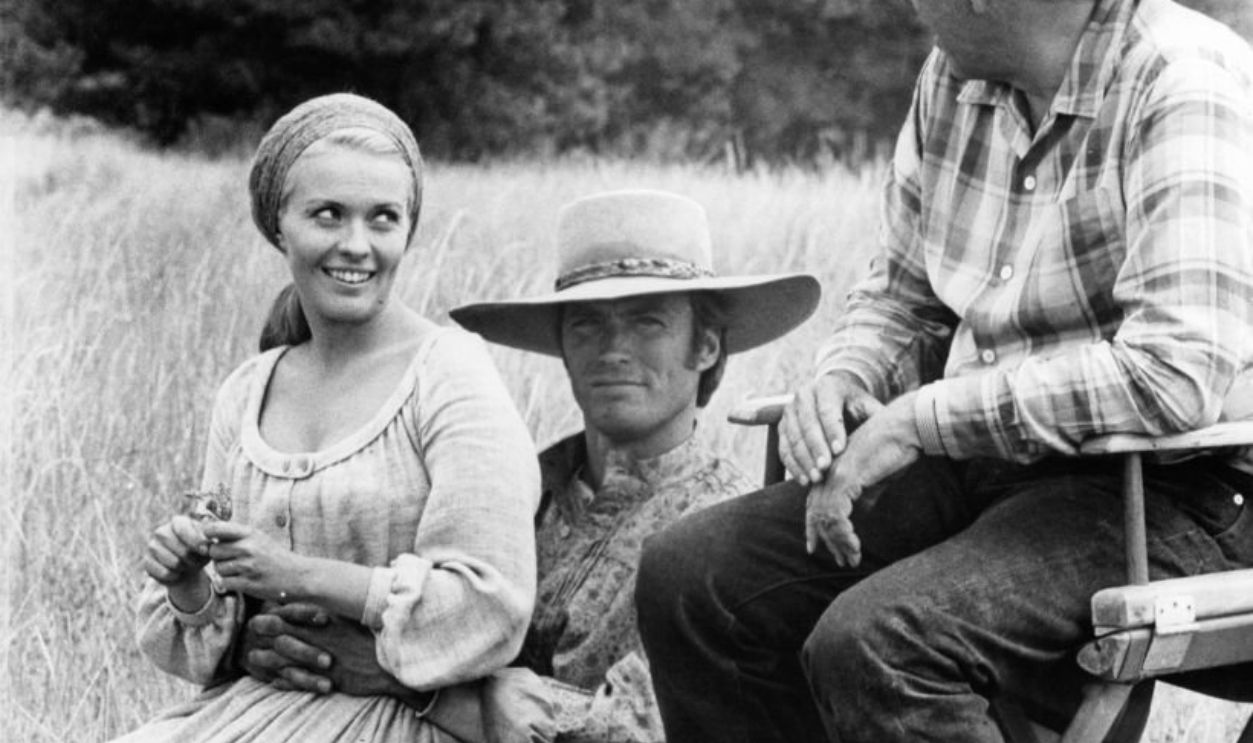
For Seberg and Eastwood, sparks were flying. During filming of Paint Your Wagon, the two began an affair—but Seberg wasn’t the only woman riding in Eastwood’s wagon. An extra in the picture named Danielle Cotet had already been seeing Eastwood for two years. When production moved to Paramount, he dropped Seberg like a hot potato, allegedly leaving her heartbroken.
She wasted no time finding a real western bad boy.
31. She Romanced A Revolutionary
Seberg’s next romance came with a side of revolution. In the winter of 1969–70, she headed to Durango, Mexico, to shoot the western Macho Callahan. The real action, however, was happening between takes. Seberg fell hard for Carlos Ornelas Navarra, a student revolutionary who reignited Seberg’s love for activism. Their association would have dangerous consequences.
32. She Funded The Cause
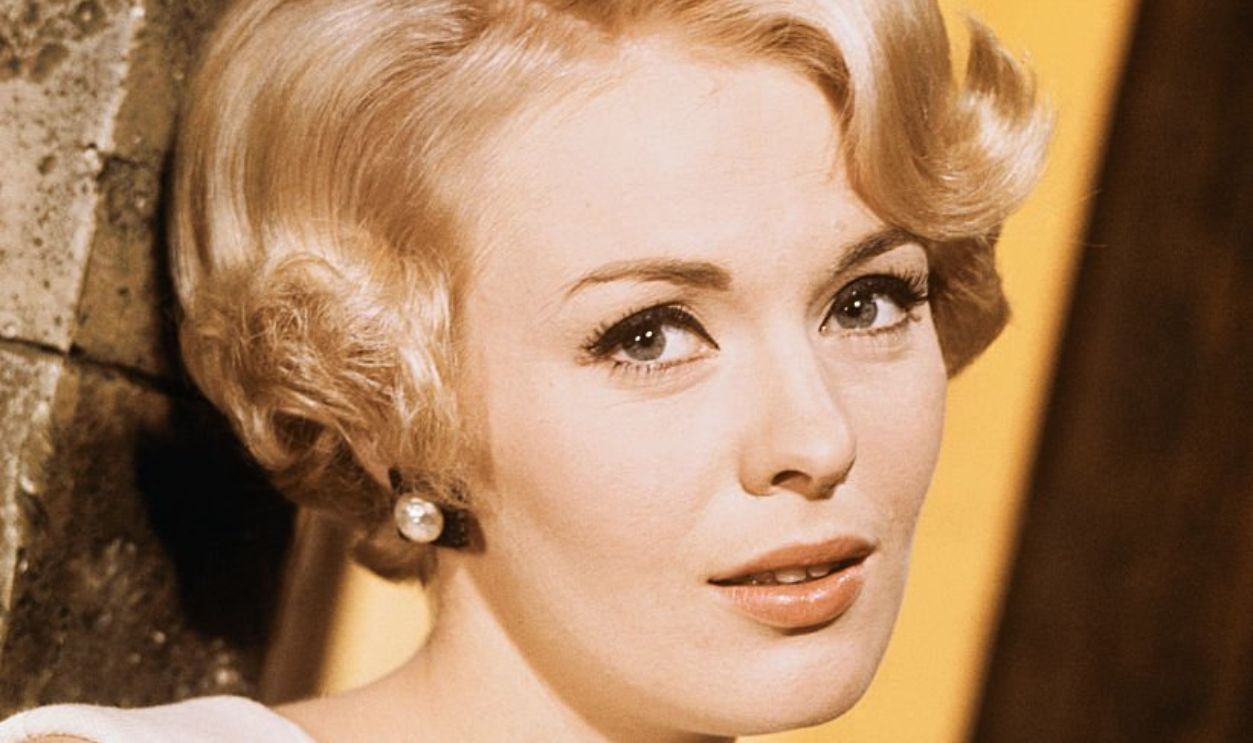
Joining the NAACP at 14 was just the start of Seberg’s activism. At the height of her fame, Seberg funneled thousands of dollars into civil rights causes. She even made a gift of $500 worth of uniforms for the Meskwaki Bucks near her hometown. However, it was the almost $11,000 that she donated to the Black Panther Party that tripped wires at the FBI.
Seberg’s name landed on a list she didn’t want to be on—and wouldn’t survive.
33. She Took The First Hit
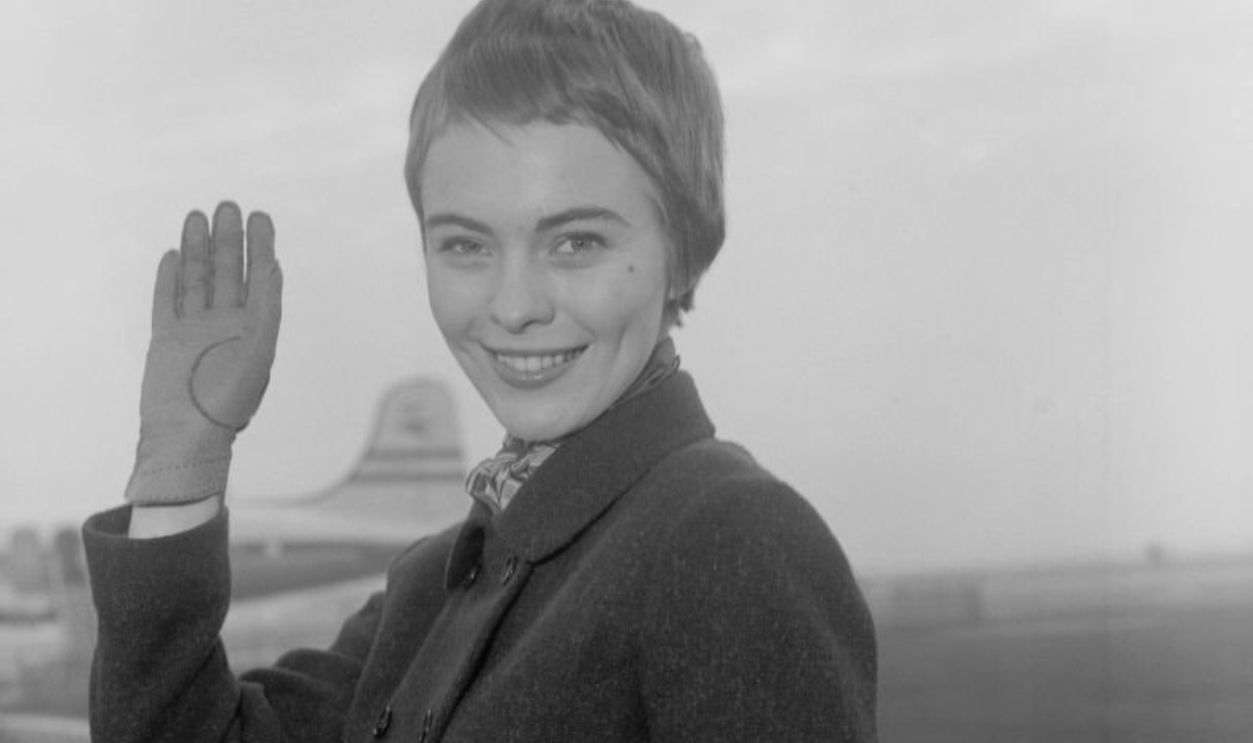
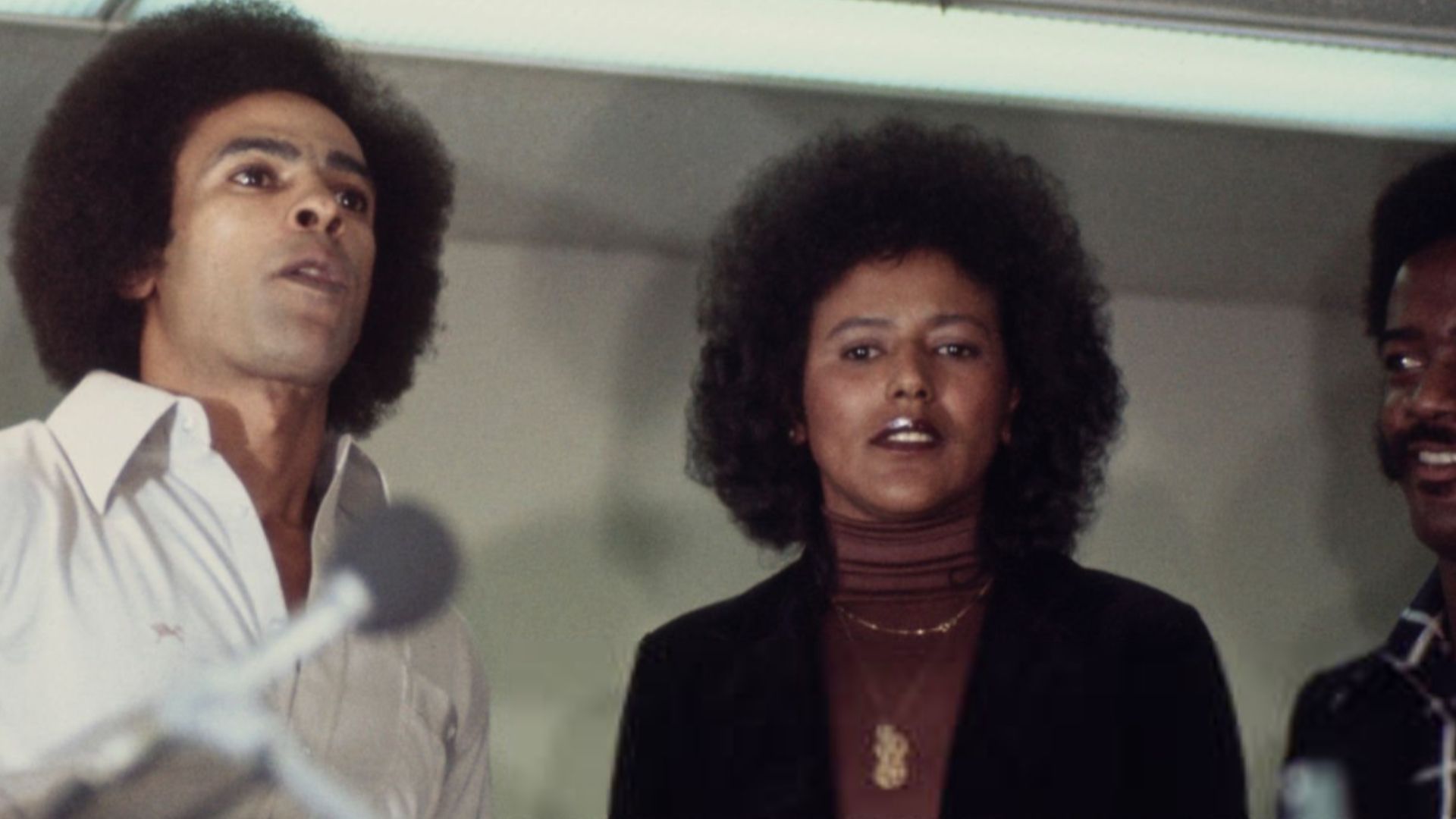
Seberg’s reason for backing the Black Panthers was as innocent a reason as any: she admired the free breakfasts the Panthers served to schoolchildren. Her new watchers in Washington, however, saw it differently, and by 1969, the surveillance had begun. Panther leader Elaine Brown later explained: “They [the FBI] went after her because they found a moment, a weak spot. She wasn’t personally targeted…But she took the first and hardest hit”.
And that hit came straight from the top.
 United Press International, Wikimedia Commons
History's most fascinating stories and darkest secrets, delivered to your inbox daily.
34. She Became Hoover’s Target
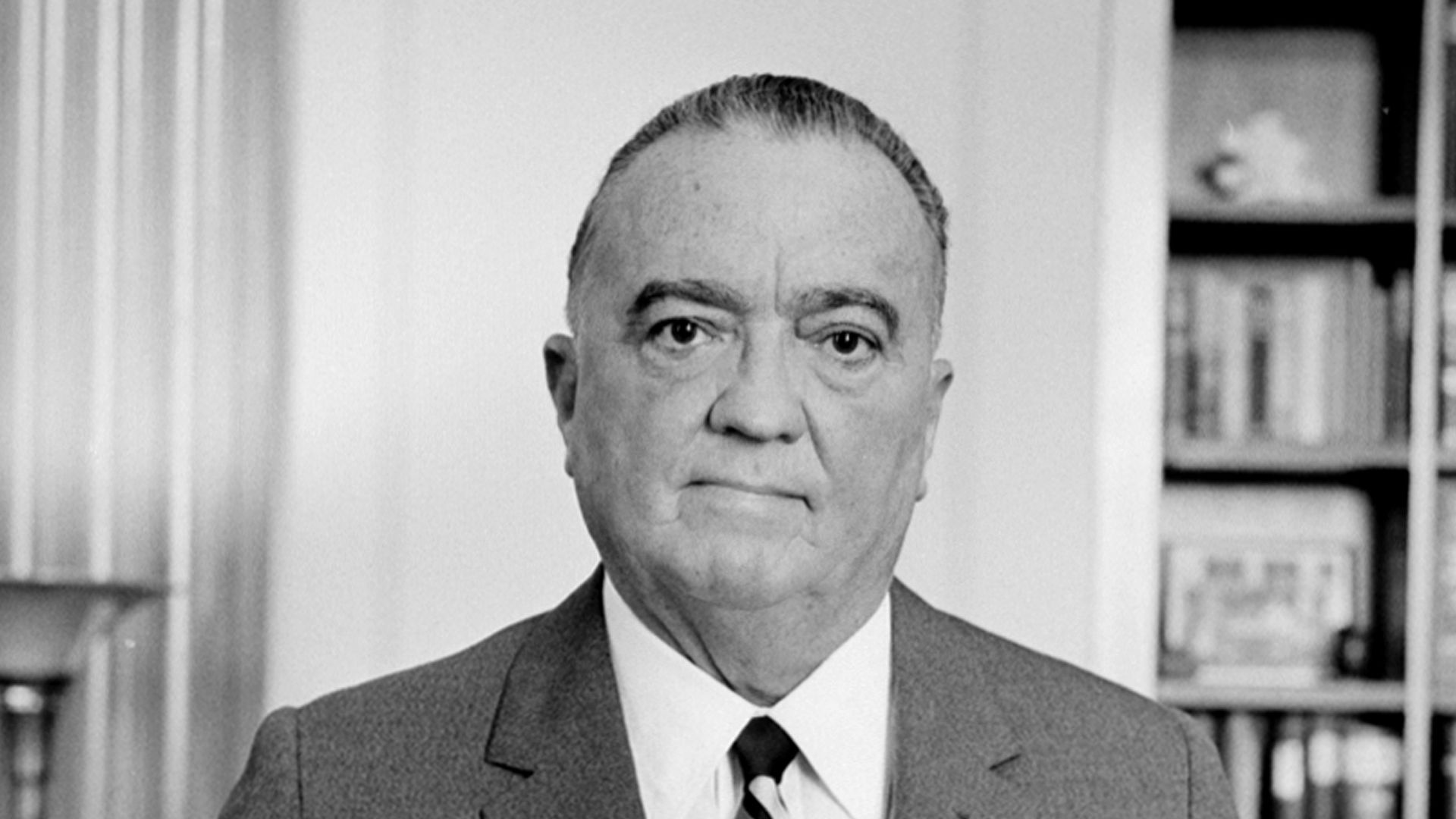
The FBI’s campaign against Seberg wasn’t the work of some rogue agent—J Edgar Hoover himself oversaw the operation. Running on the bureau’s infamous “COINTELPRO” playbook, the FBI set out a chilling goal: to “neutralize” Jean Seberg. Working behind the scenes, agents schemed to “cause her embarrassment” and “cheapen her image with the public”.
Their first strike was unspeakably cruel.
 Marion S. Trikosko, Wikimedia Commons
35. Her Pregnancy Became A Controversy
In 1970, Seberg was pregnant—and the FBI saw its opening. Working off a tip from a San Francisco informant, the FBI invented a story claiming that Romain Gary wasn’t the father of her unborn child. The real father, the FBI claimed, was Raymond “Masai” Hewitt, a leader in the Black Panther Party. The FBI laundered the story in the tabloids through Joyce Haber, a gossip columnist at the Los Angeles Times.
That August, Newsweek reran the story—with devastating consequences.
36. She Suffered A Terrible Loss
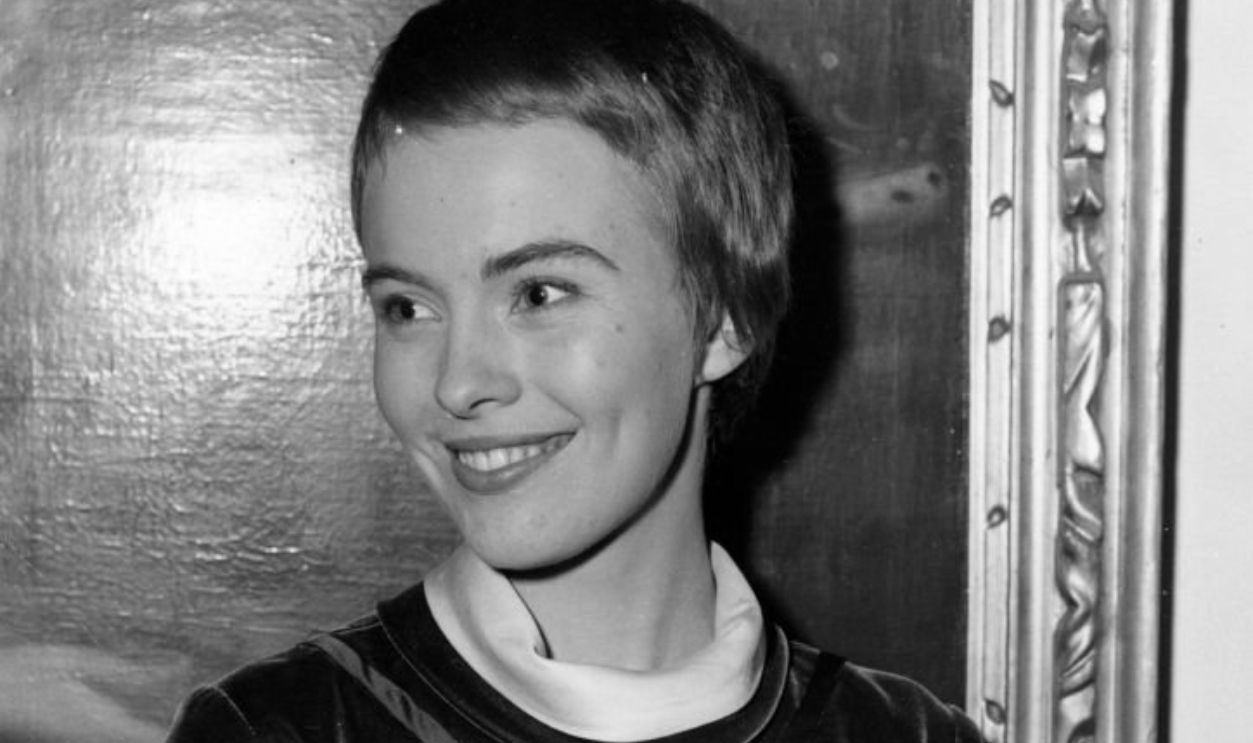
When the Newsweek story hit, Seberg’s world caved in. But the worst was yet to come. On August 23, 1970, Seberg delivered a daughter by Caesarean section: Nina Hart Gary. Two days later, however, little Nina—born prematurely—was gone. Reports later suggested that the sleeping pills Seberg had leaned on during the pregnancy played a part.
Seberg, however, wanted to set the record straight.
37. She Silenced The Rumors
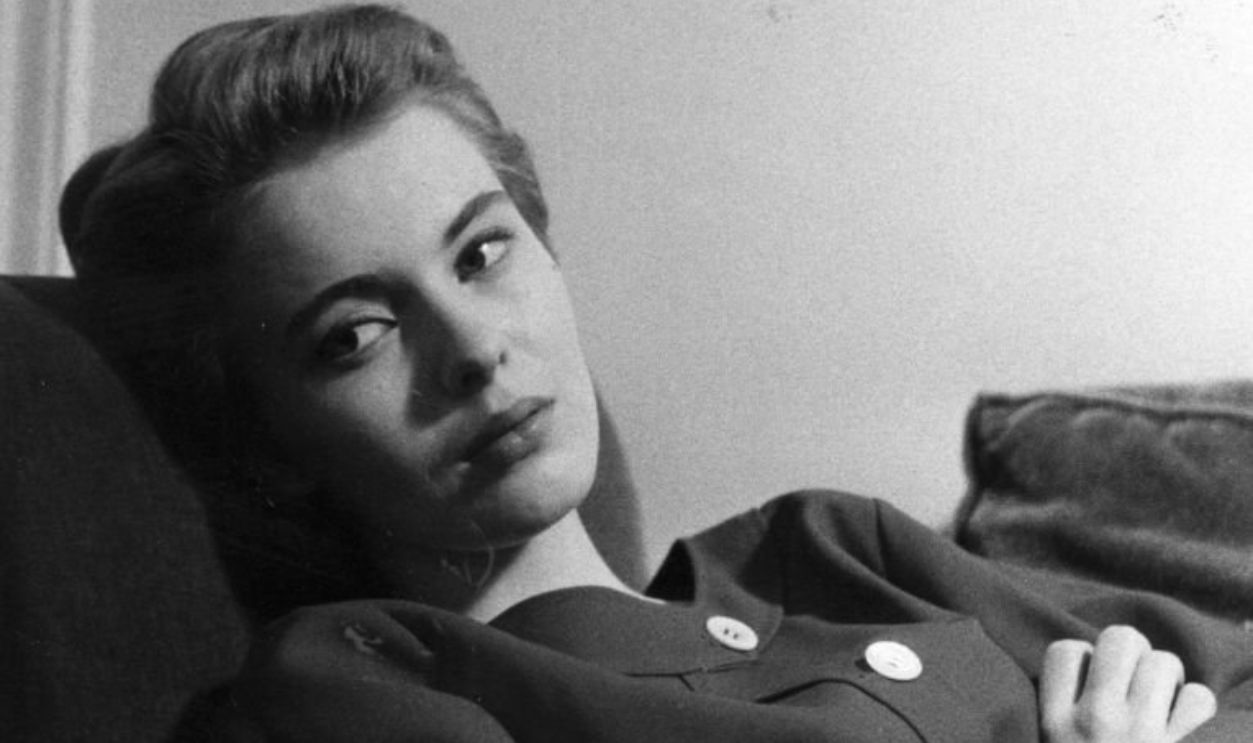
Seberg chose the most emotional response to the hateful lies about her. At her recently-departed daughter’s funeral service in Marshalltown, Seberg made sure the press got a good look at her baby. She wanted them to see the infant’s pale skin—clear proof that Hewitt could not be the father. Not long after her daughter's passing, however, Seberg revealed the equally shocking truth: the father had been Carlos Navarra.
Disproving the lie, however, couldn't undo the damage.
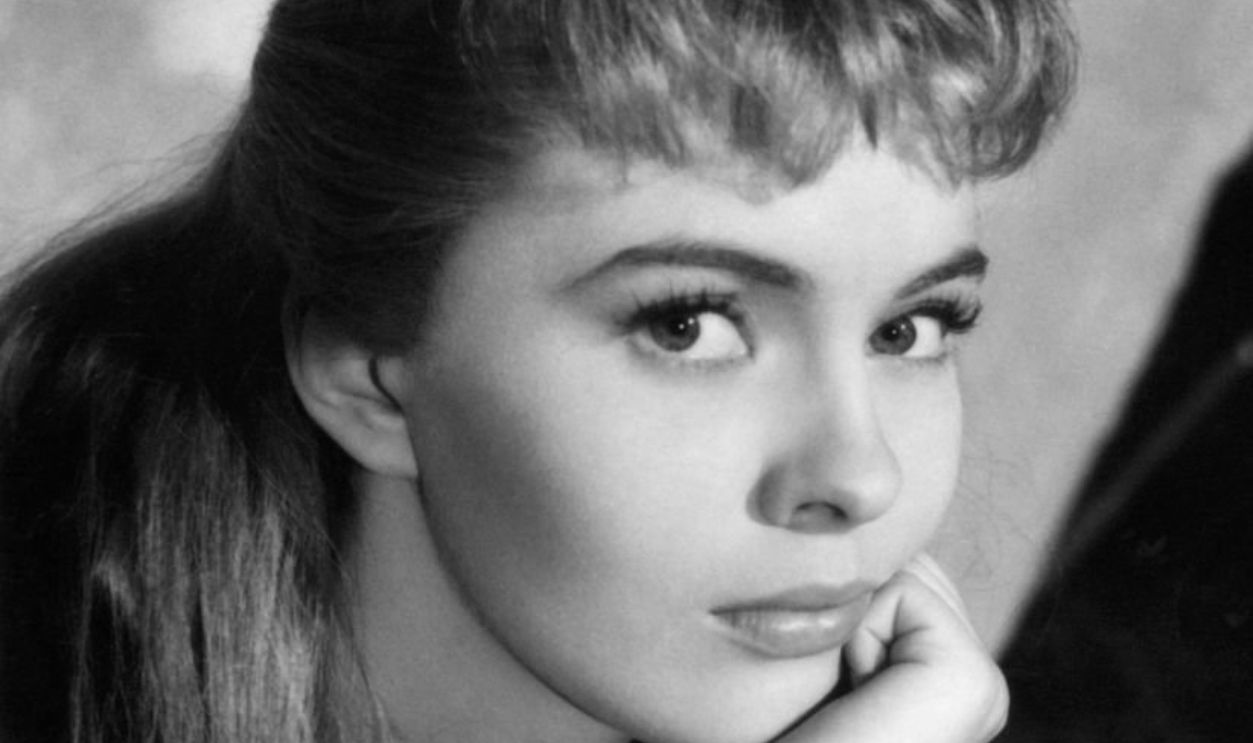
38. She Never Recovered
“She was completely distraught, withdrawn”. That was how Seberg’s sister Mary Ann remembered her in the days following the funeral. “She came to visit us right after [the funeral],” Mary Ann recalled. “I think she was in utter disbelief, too, that her life could be destroyed by something like this”. Still, Seberg refused to take it lying down.
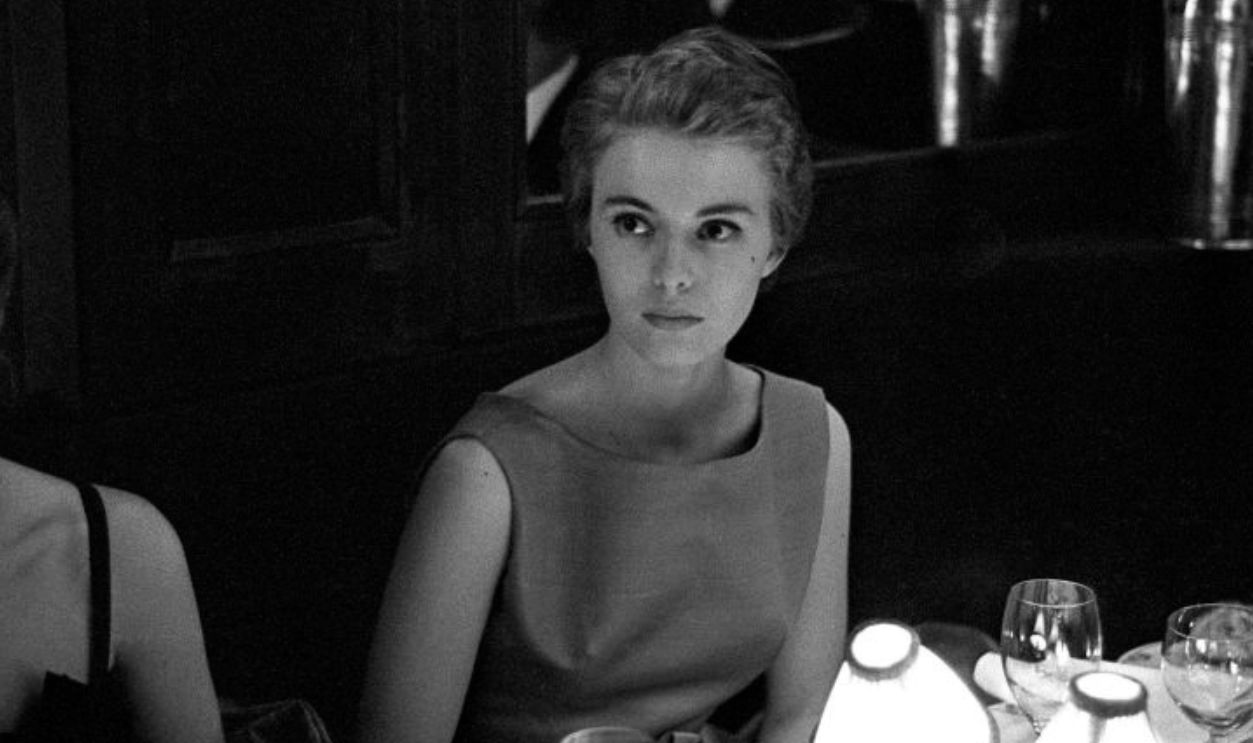
39. She Fought Back In Court
Seberg and Gary took the fight to the press itself. The couple sued Newsweek for spreading provable lies, demanding $200,000 in compensation for the hurt they had suffered. A Paris court sided with them—sort of. The judges made the magazine pay roughly $10,800 in damages in addition to splashing the ruling across its own pages—and eight other newspapers, too.
But no court could protect Seberg from what the FBI did next.
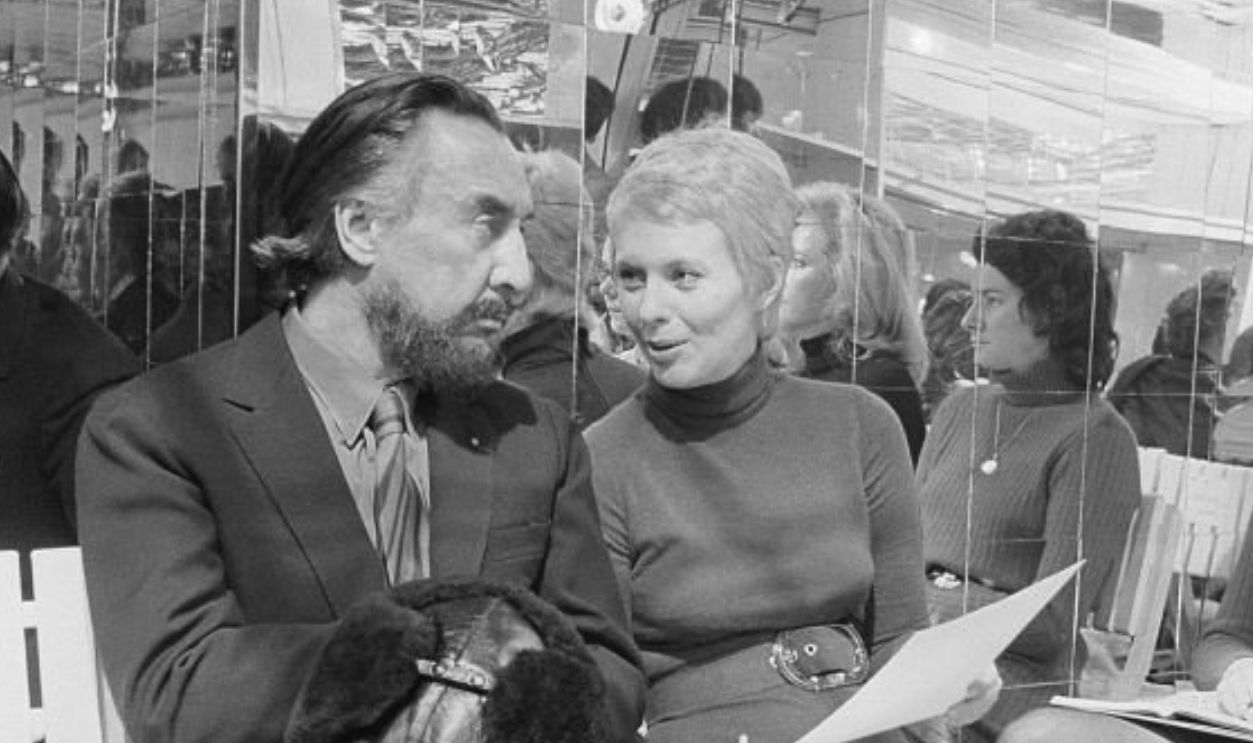
History's most fascinating stories and darkest secrets, delivered to your inbox daily.
40. She Was Under Surveillance
Smear campaigns weren’t the FBI’s tactic against Seberg. Friends later painted a frightening picture: agents tailing Seberg everywhere she went, year after year, like stalkers who never clocked out—plus break-ins and intimidation that never let up. Her phones weren’t safe either; in 1980, the Los Angeles Times printed logs of her calls from Switzerland.
Hollywood, meanwhile, quietly closed its doors.
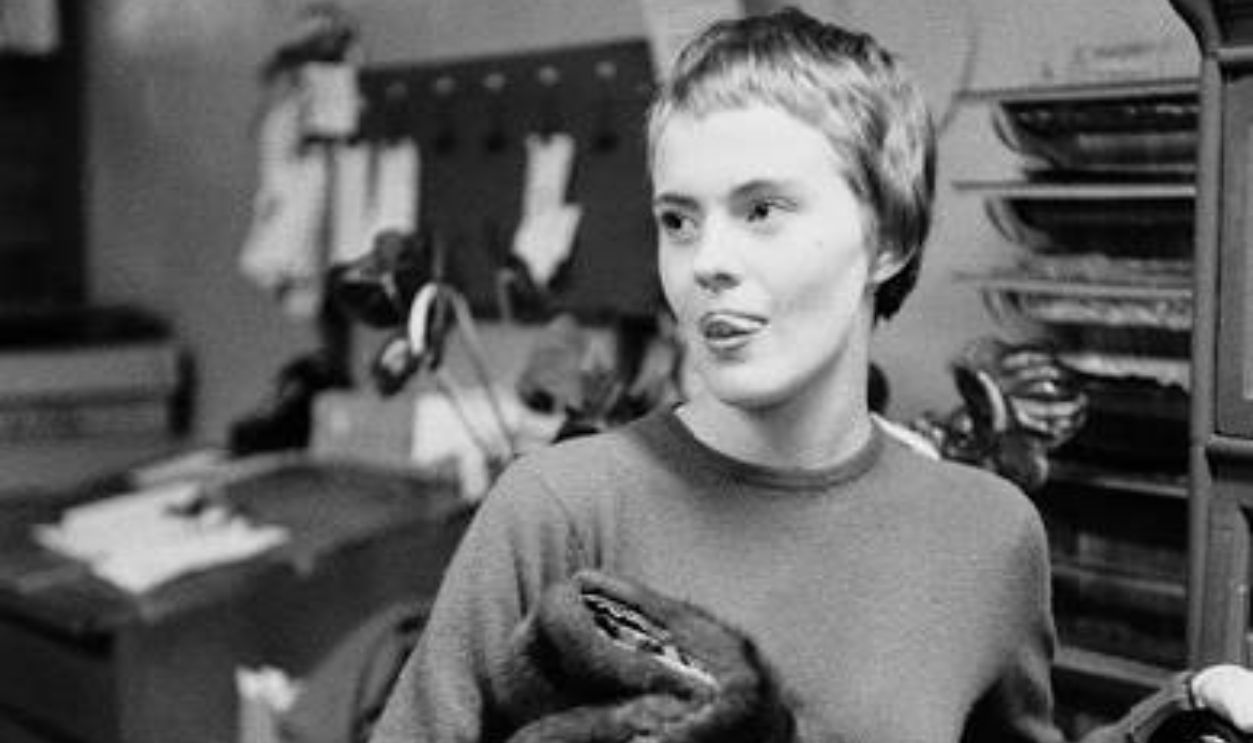 Michael Ochs Archives, Getty Images
41. She Was On The Blacklist
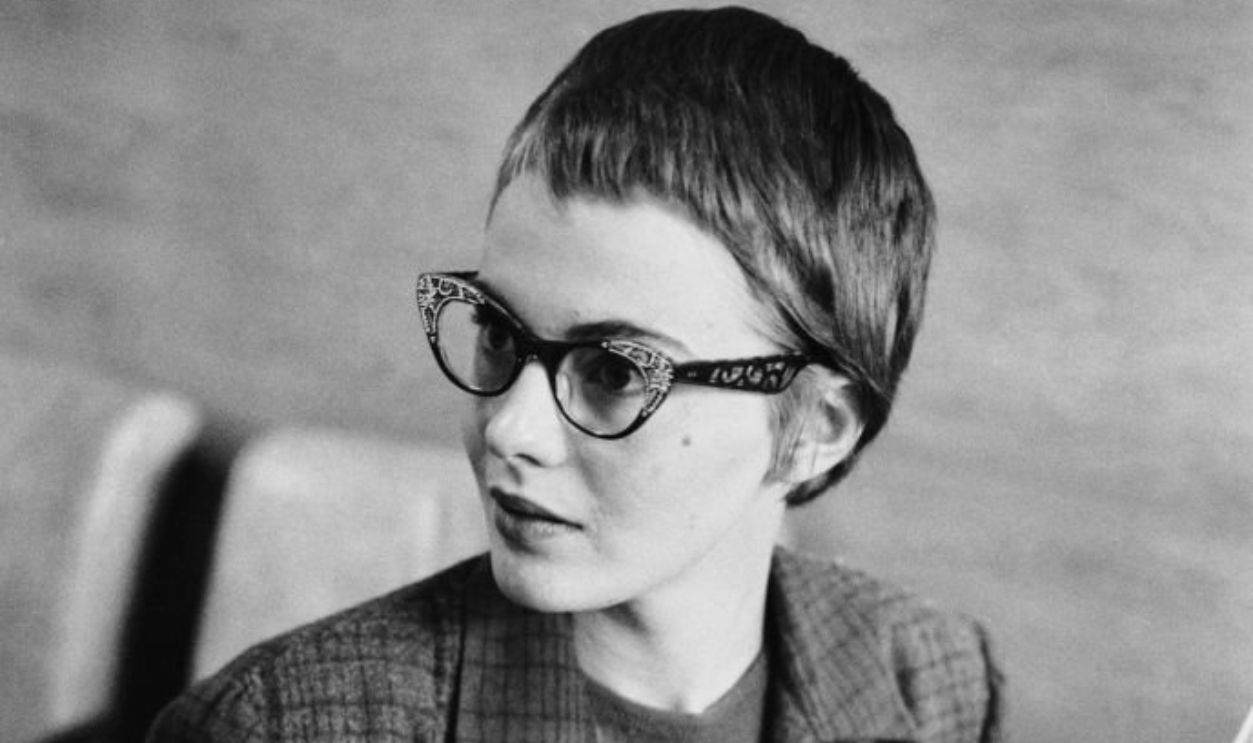
As the FBI’s campaign against her intensified, Seberg’s casting calls dried up right when she should have been starring in major productions. Experts who studied the FBI’s COINTELPRO operations concluded that the FBI had her “effectively blacklisted” from American films. Seberg told it differently, though, claiming that some of the roles offered to her were worse than no roles at all.
So she went looking for happiness elsewhere.
 Michael Ochs Archives, Getty Images
42. She Married Again—Twice
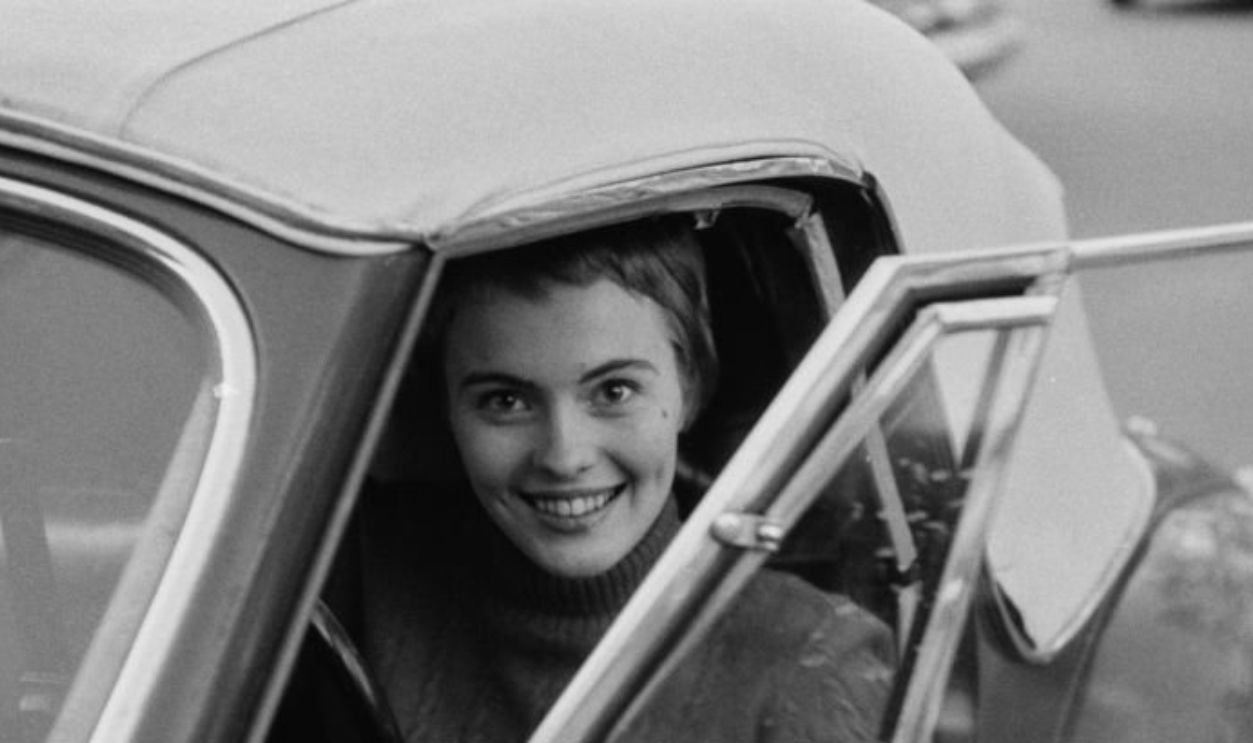
Seberg never gave up on marriage—even when marriage gave up on her. On March 12, 1972, she wed director Dennis Berry. By May 1976, however, the two had gone their separate ways—though neither ever bothered to file the actual divorce papers. That technicality didn’t stop Seberg from participating in a “form of marriage” with Ahmed Hasni, a 29-year-old Algerian.
Hasni was no prince charming.
 Michael Ochs Archives, Getty Images
43. Her Lover Bled Her Dry
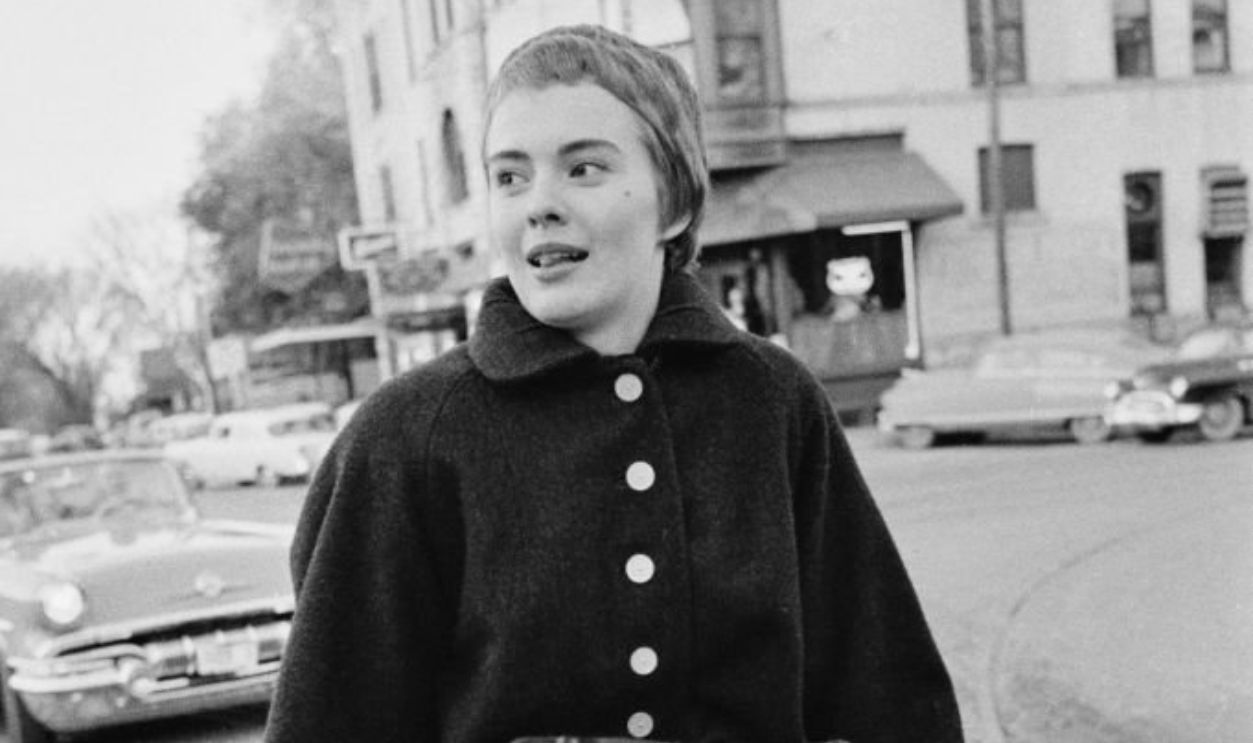
Hasni’s true colors came through quickly—and that color was green. He talked Seberg into putting her second apartment—the one on the Rue du Bac—up for sale, then pocketed the cash himself. His profit? A reported 11 million francs, supposedly earmarked for a restaurant he’d open in Barcelona. Seberg eventually fled and went into hiding, claiming she had suffered terribly at his hands.
Yet somehow, Hasni stayed in the picture.
 Michael Ochs Archives, Getty Images
44. She Vanished Into The Night
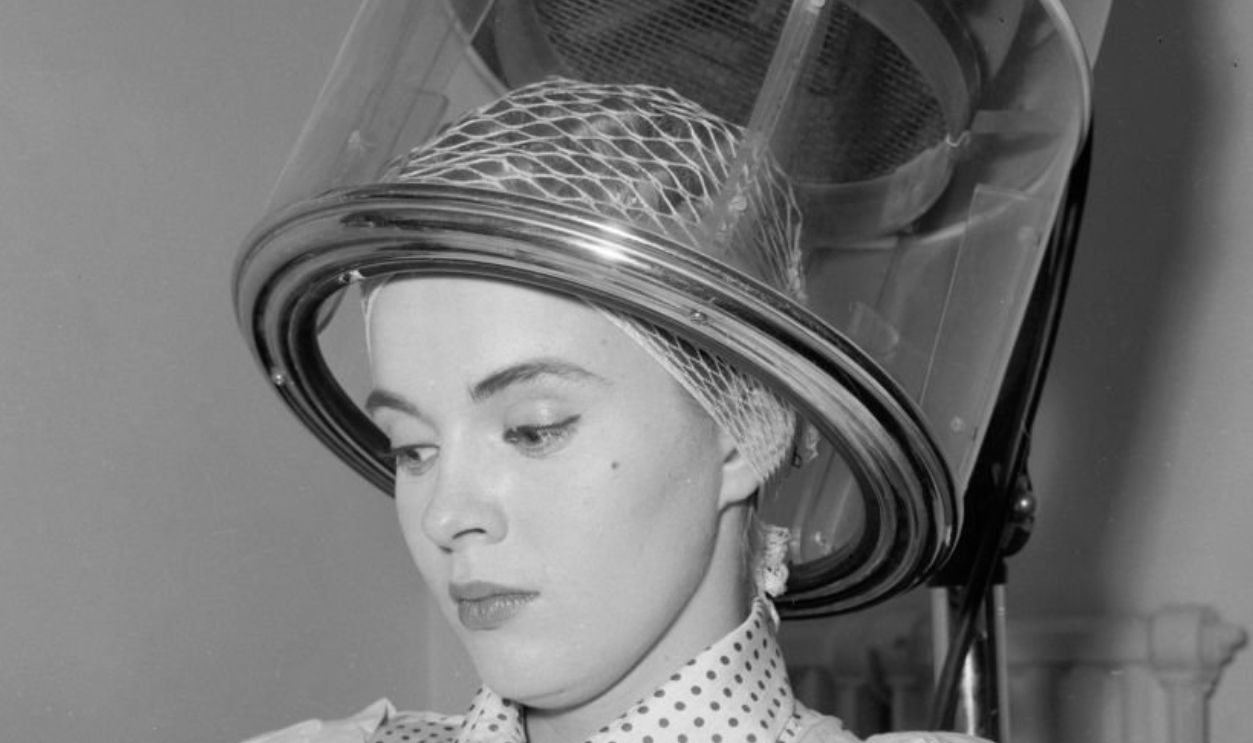
August 29, 1979 seemed like an ordinary evening. Seberg and Hasni went out to catch the film Womanlight, and her landlord spoke with Seberg by phone three times. Then, sometime before dawn on August 30, according to Hasni, an argument broke out—and Seberg walked out the door. No one ever saw her again. At least, not alive.
45. She Couldn’t Live With Her Nerves
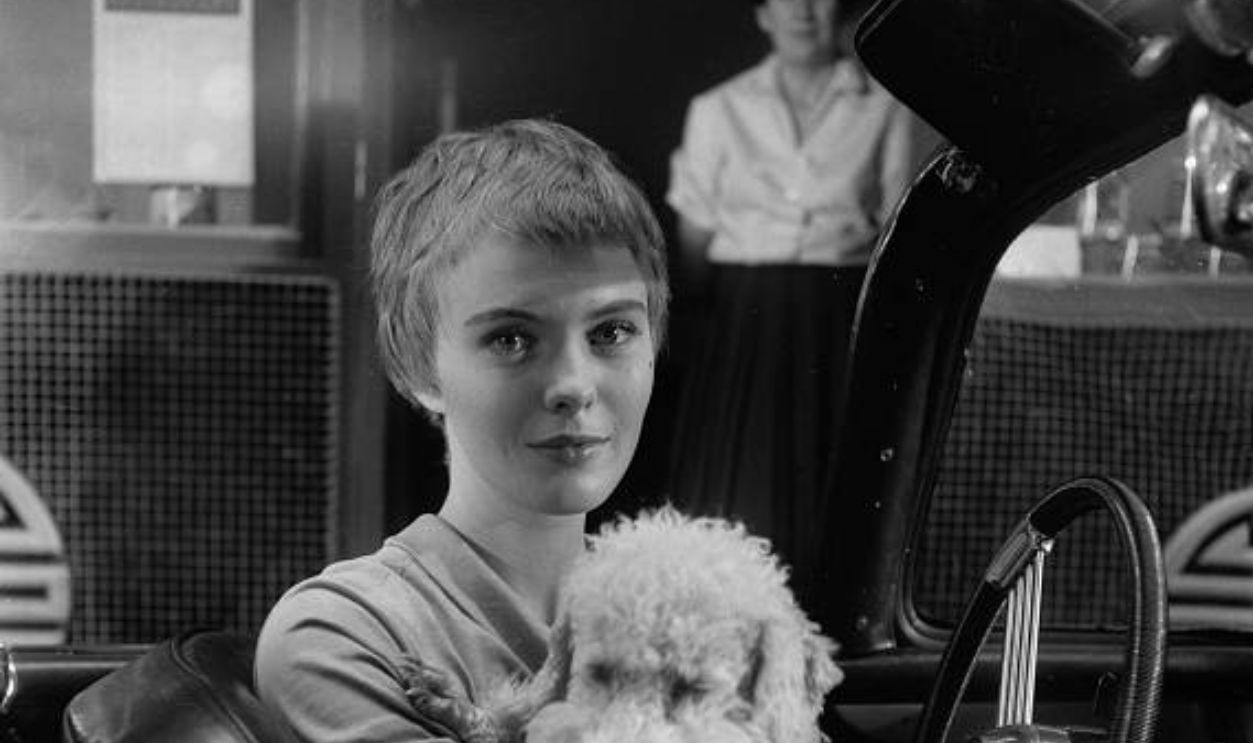
For nine agonizing days, Seberg was simply missing. Then, on September 8, 1979, came the discovery everyone dreaded: Seberg’s body, wrapped in a blanket, lying across the back seat of her own vehicle. The car sat parked just steps from her Paris apartment in the 16th arrondissement. Alongside her, investigators found barbiturates, an empty water bottle, and a note for her son, written in French.
“Forgive me,” it read in part, “I can no longer live with my nerves”.
History's most fascinating stories and darkest secrets, delivered to your inbox daily.
46. Her Final Hours Didn’t Add Up
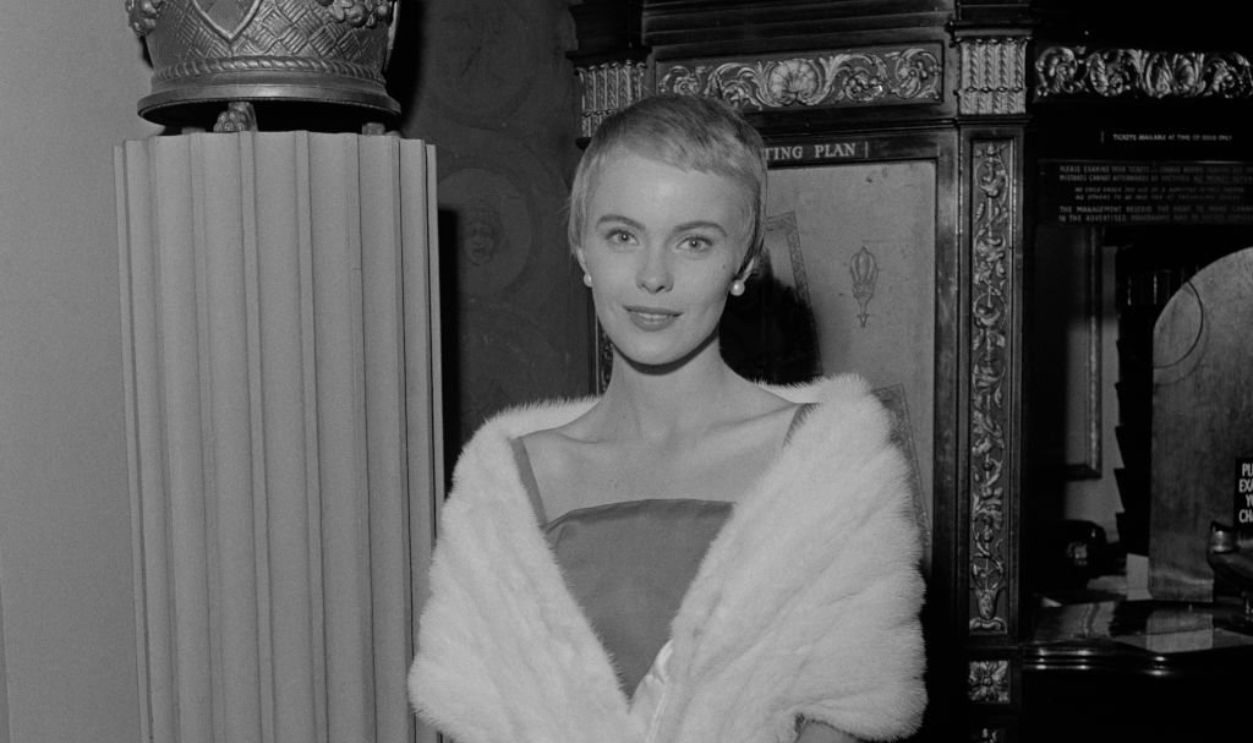
Seberg’s autopsy raised more questions than it answered. Yes, Seberg had taken a massive dose of barbiturates. But she had also had so much to drink that authorities believed she would have slipped into a coma almost immediately. In other words, she couldn’t possibly have driven the car herself. Investigators suspected someone had moved her after the fact.
French authorities were left with an impossible case.
 Evening Standard, Getty Images
47. Her Case Remains Something Of A Mystery
The details of Seberg’s final moments haunted French detectives. Something simply didn’t add up—and it never would. Eventually, investigators in Paris had to conclude that she had most likely taken her own life. However, in June of 1980, it looked like the case had cracked wide open when officials brought charges against “persons unknown”.
One man, however, had no doubt who was responsible.
48. Her Ex Blamed The FBI
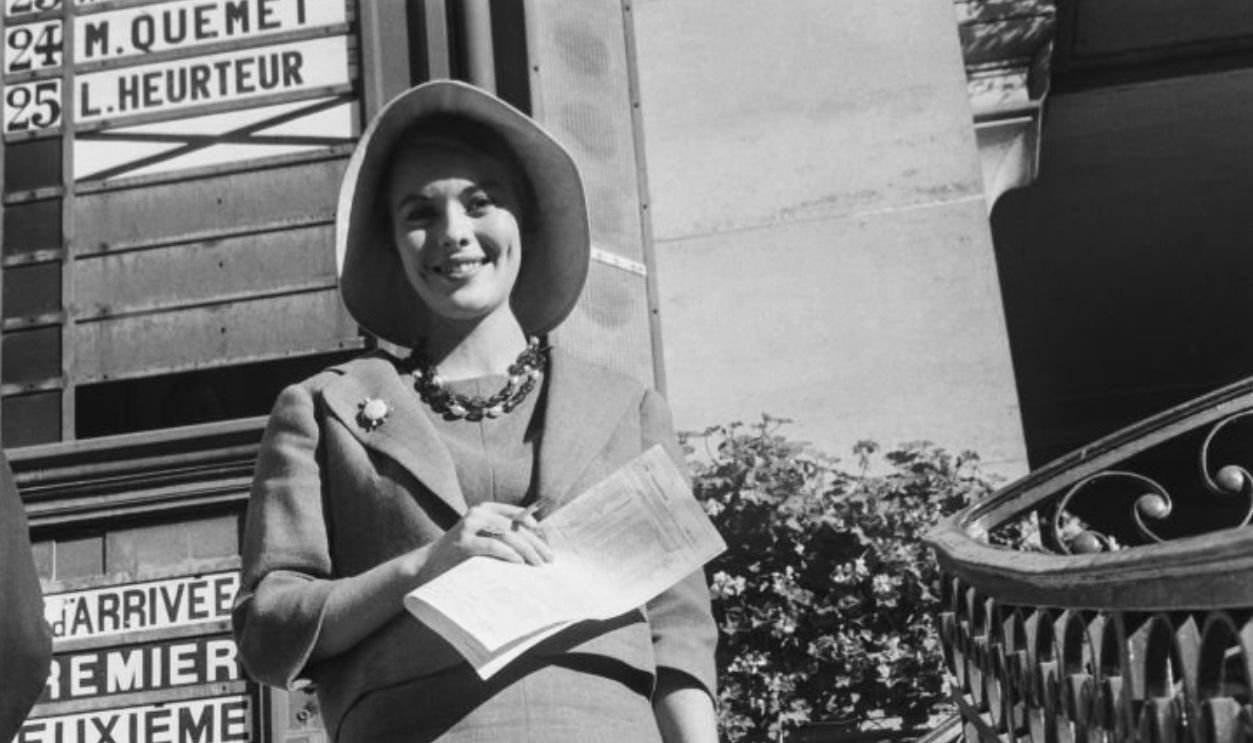
For Seberg’s ex-husband, Romain Gary, there was never any mystery in the actress’s sudden demise. Days after Seberg’s body turned up, Gary called a press conference and pointed the finger squarely at the FBI. He blamed the Bureau’s campaign for shattering her mental health, saying that she had become “psychotic” after the false story about her daughter’s true parentage.
Gary also revealed that Seberg had tried to end her own life on August 25, year after year—the anniversary of losing Nina.
49. She Forced An FBI Confession
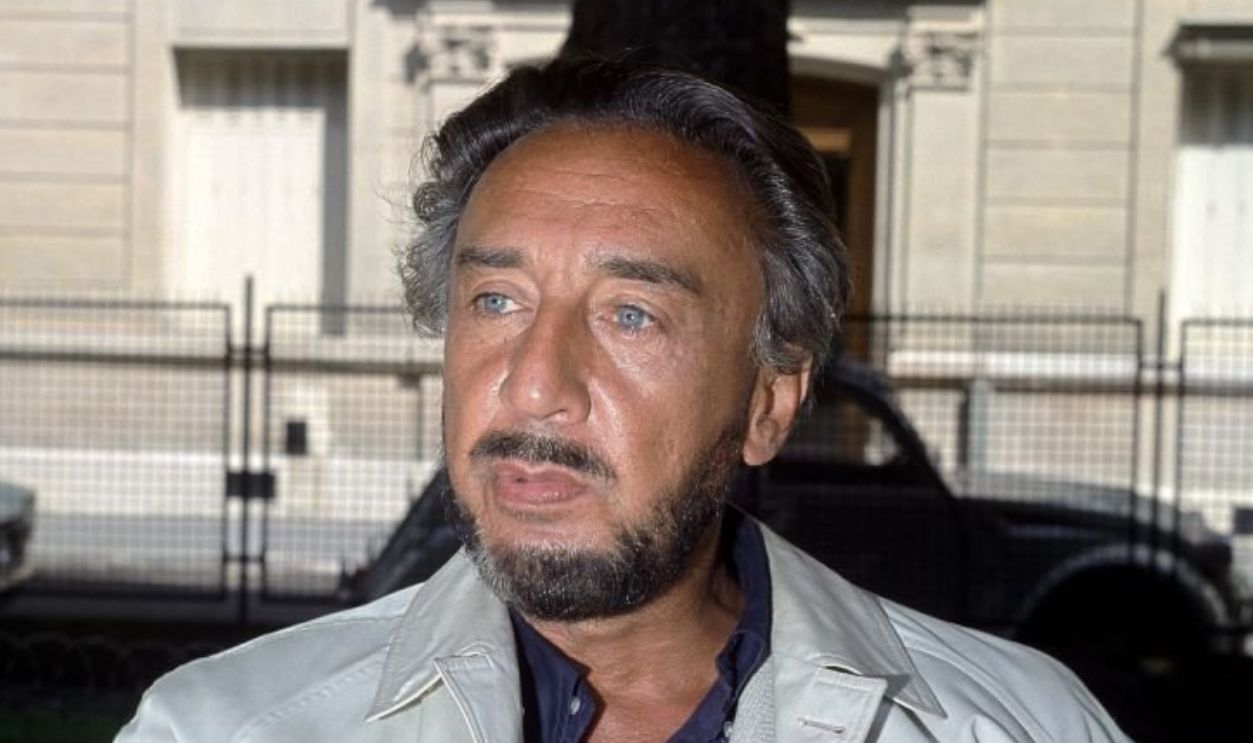
Two weeks after Seberg’s demise, the FBI came clean. The Bureau admitted publicly that it had planted the lie in the media nine years earlier. They even released the documents that proved the FBI’s involvement, though officials were quick to pin the blame on the bygone Hoover era. As for the columnist who ran the story, Joyce Haber?
“If I were used by the FBI,” she said, “I didn’t know it. I am certainly shocked to learn that the FBI engaged in planting stories with news people”.
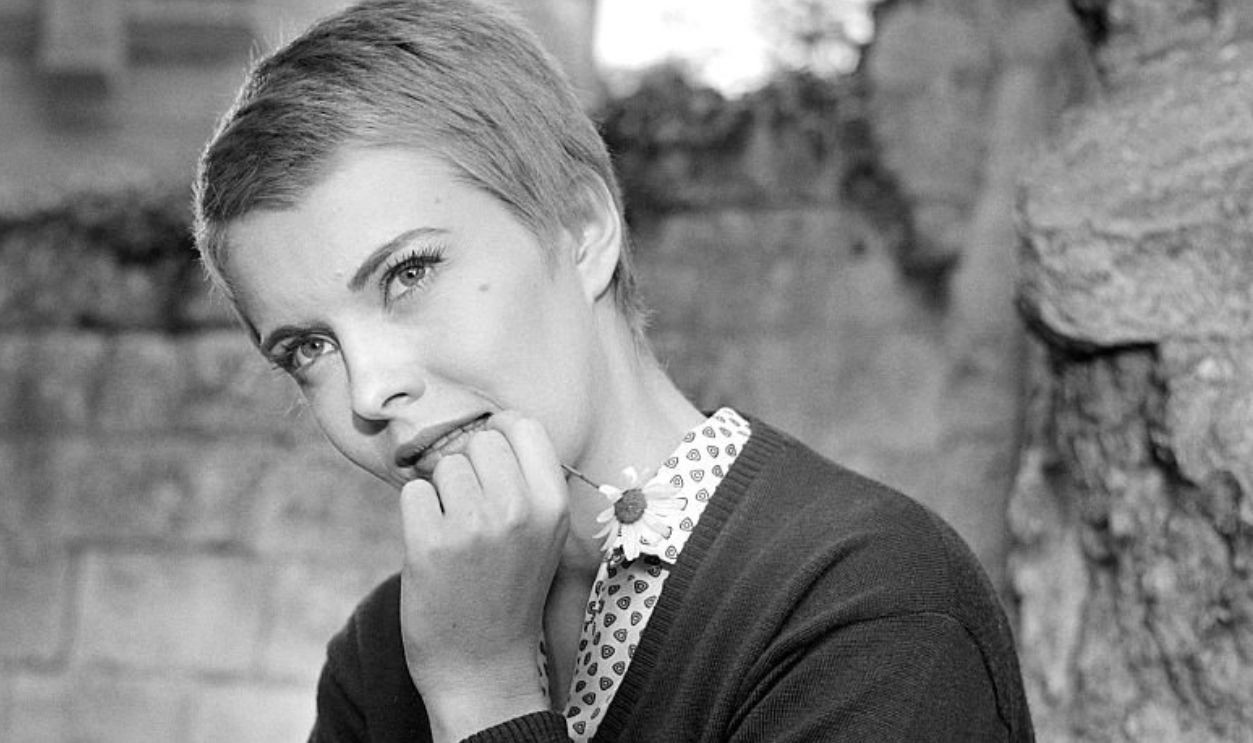
50. She Made The Front Page
The revelations of the FBI’s involvement in smearing and discrediting Seberg were scandalous. Scandalous enough to land on the front page of Time magazine under the title “The FBI vs Jean Seberg”. But it wasn’t all history. A congressional committee investigating the FBI’s malfeasance concluded that “COINTELPRO activities may continue today under the rubric of investigation”.
Seberg would have the last word.
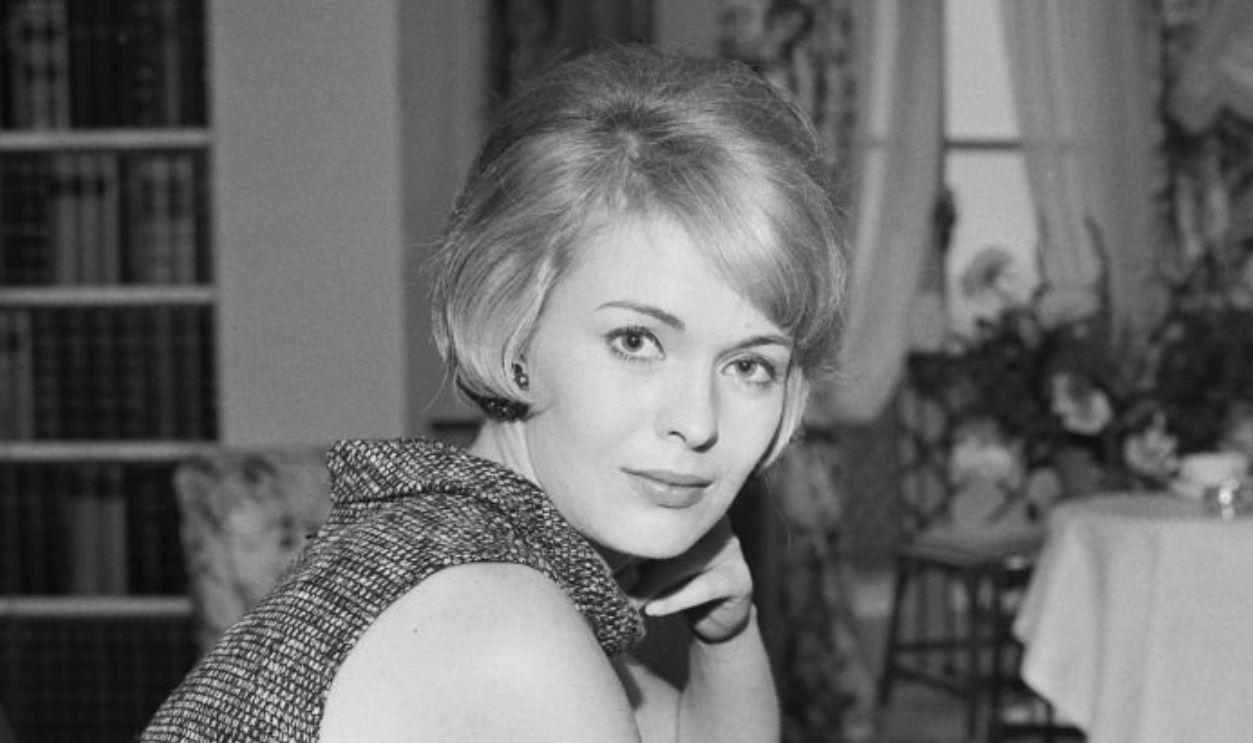 Evening Standard, Getty Images
51. She Just Wanted To Live
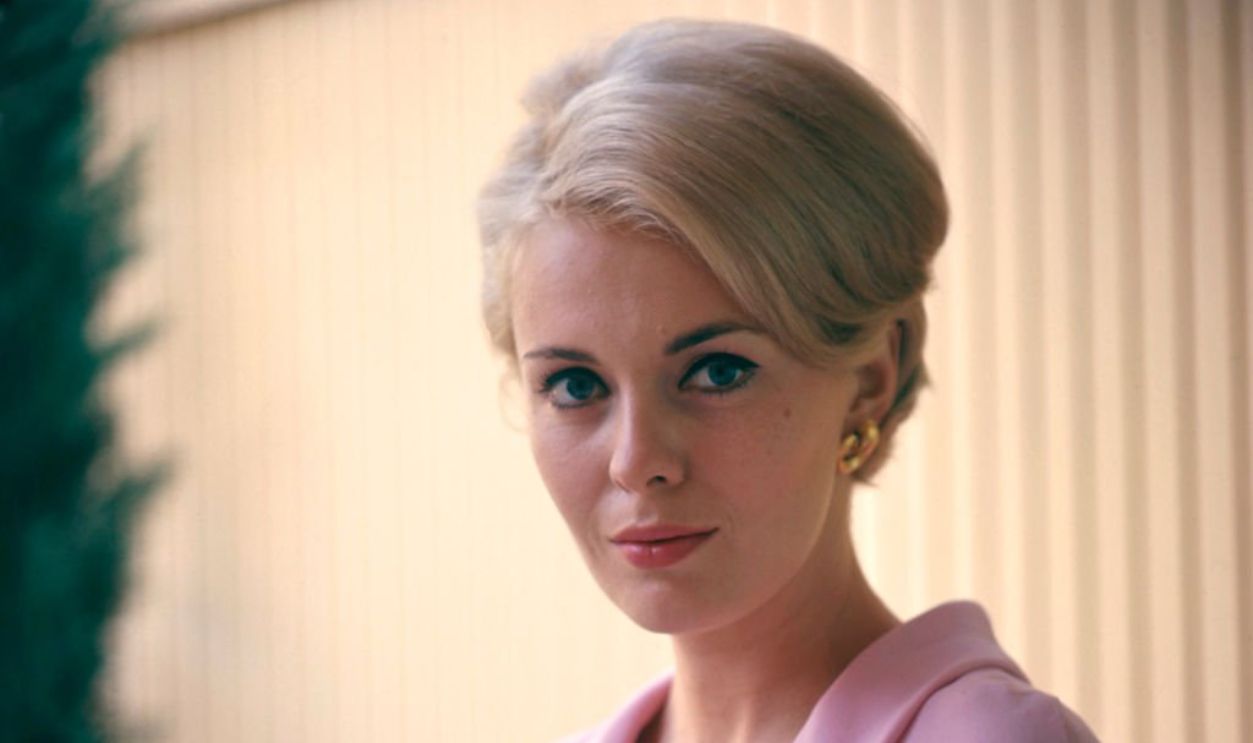
Despite the setbacks and challenges that she faced, Seberg never stopped honing her craft. The French New Wave actress and icon famously remarked, “In my long and difficult and mature life, I have come to learn that the less I know about acting and the more I know about everything else, the better I’ll be at both acting and living”.
You May Also Like:
Jeanne Eagels’ Tragic Death At 39 Was Years In The Making
This Supermodel’s Flawless Photos Masked A Life Of Struggle