A Colonial Powerhouse
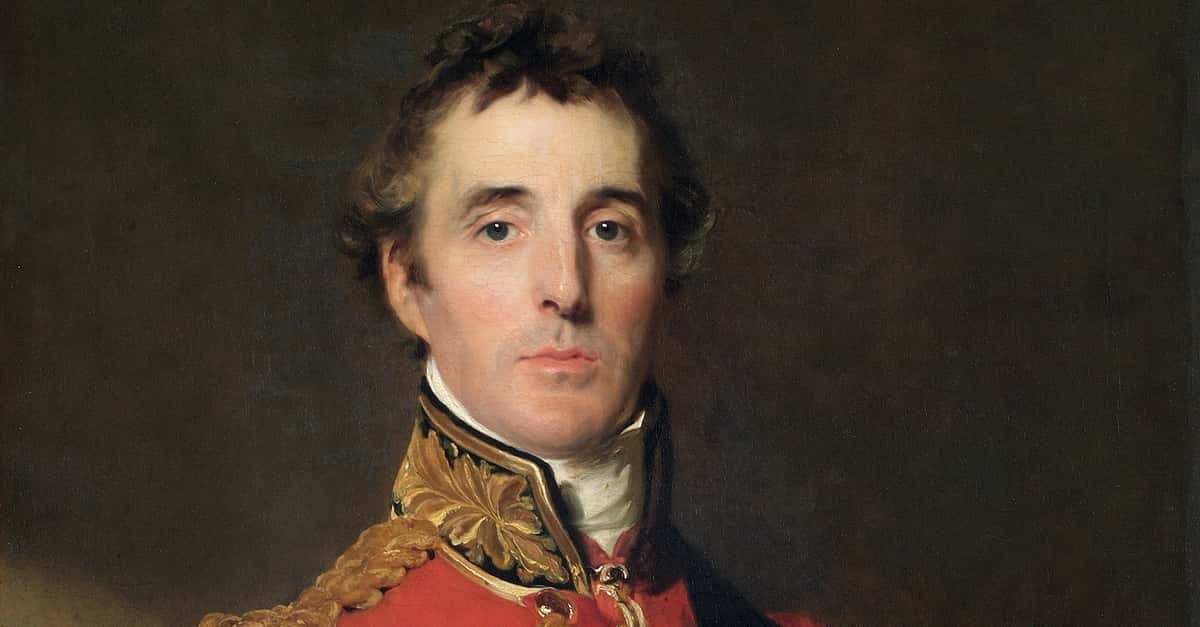
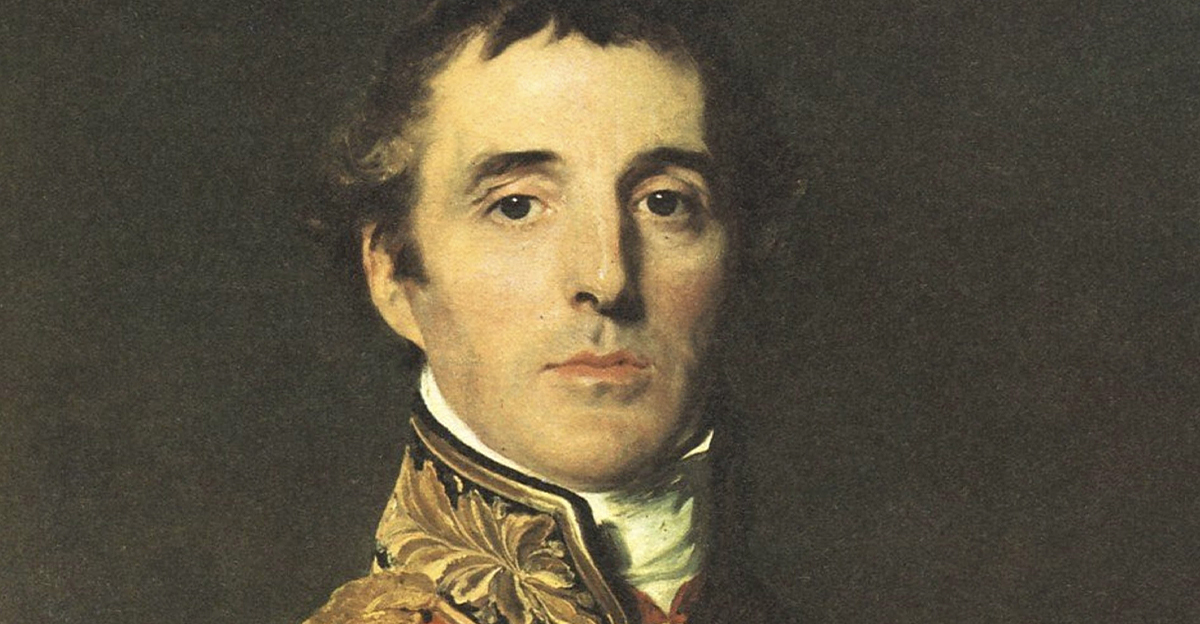
Arthur Wellesley was born with a silver spoon but showed little promise from an early age. Few could imagine that he would go on to become one of the most significant figures in British politics and warfare of the 19th century. From thrilling battles to parliamentary sparring, Wellesley personified the unbridled colonial tidal wave of the empire he so loyally represented.
 UniversalImagesGroup / Contributor, Getty Images
1. He Was An Occupier
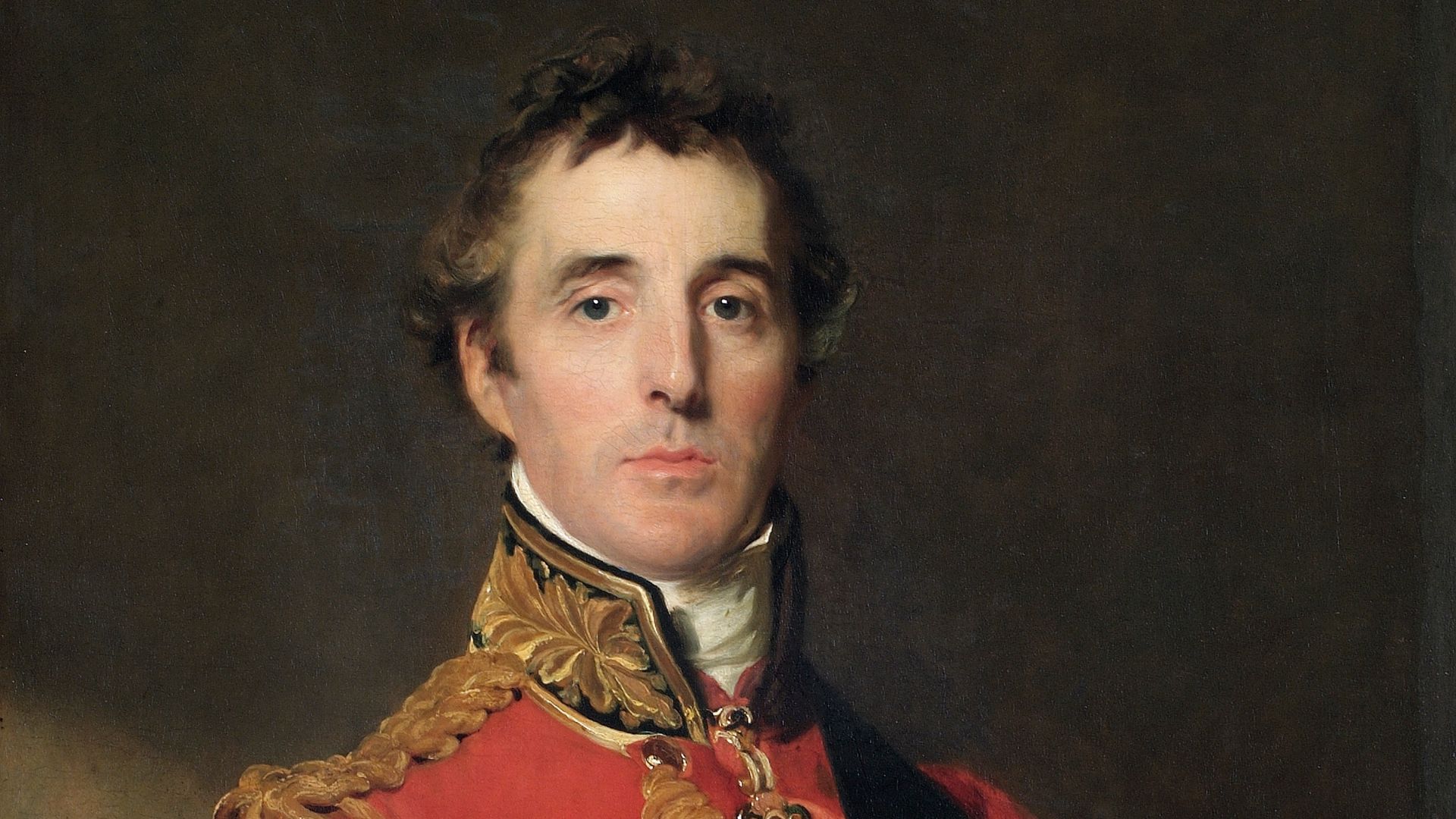
Arthur Wellesley was born in Ireland in 1769, to an aristocratic Anglo-Irish family that formed part of the Protestant Ascendancy on the island. The Protestant Ascendancy were a small Anglican ruling class that acted as colonial wards in Ireland, kept the locals in check, and played a significant role in the oppression of the Irish people. Of course, the infant Wellesley couldn’t have known this—he didn’t even know where he was. As it turns out, maybe nobody knew.
 Thomas Lawrence, Wikimedia Commons
2. His Birth Location Is A Mystery
The precise date and location of Wellesley’s birth is unknown, and there are many conflicting accounts. Some say he was born in Dublin, as that is where his baptism (of which there is a record) took place; others say County Meath, where his family owned a home at Dangan Castle. Others still claim it was somewhere in between.
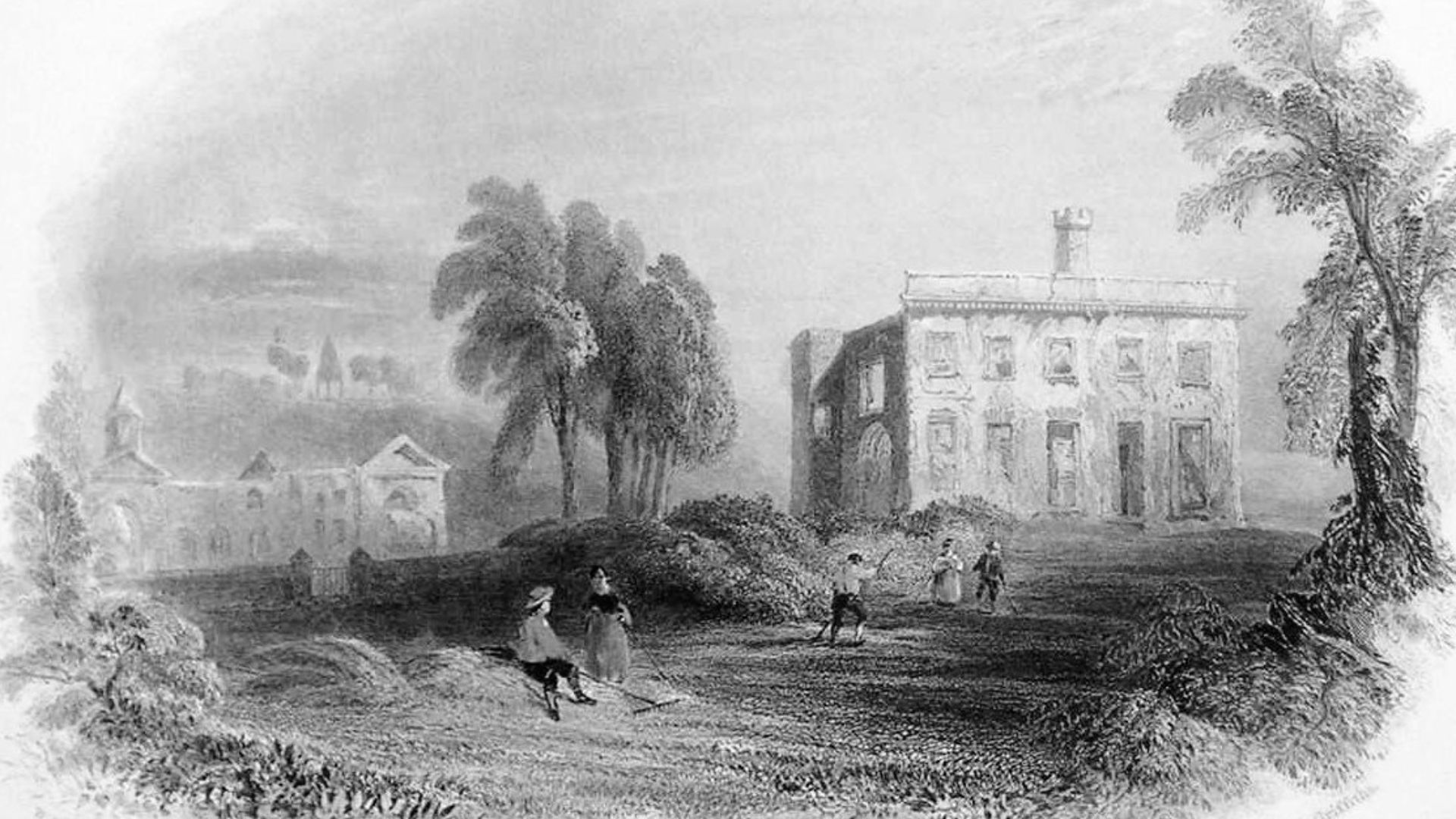 J. Stirling Coyne, Wikimedia Commons
3. He May Have Been Born On The Move
Some have suggested a few more unorthodox theories for Wellesley’s place of birth, including on a packet boat in Dublin and in a coach while travelling from Dublin to Meath. This latter claim may even explain the confusion between the two primary locations thought to be the correct one. Considering the size of his family, it is not entirely surprising that some details got lost.
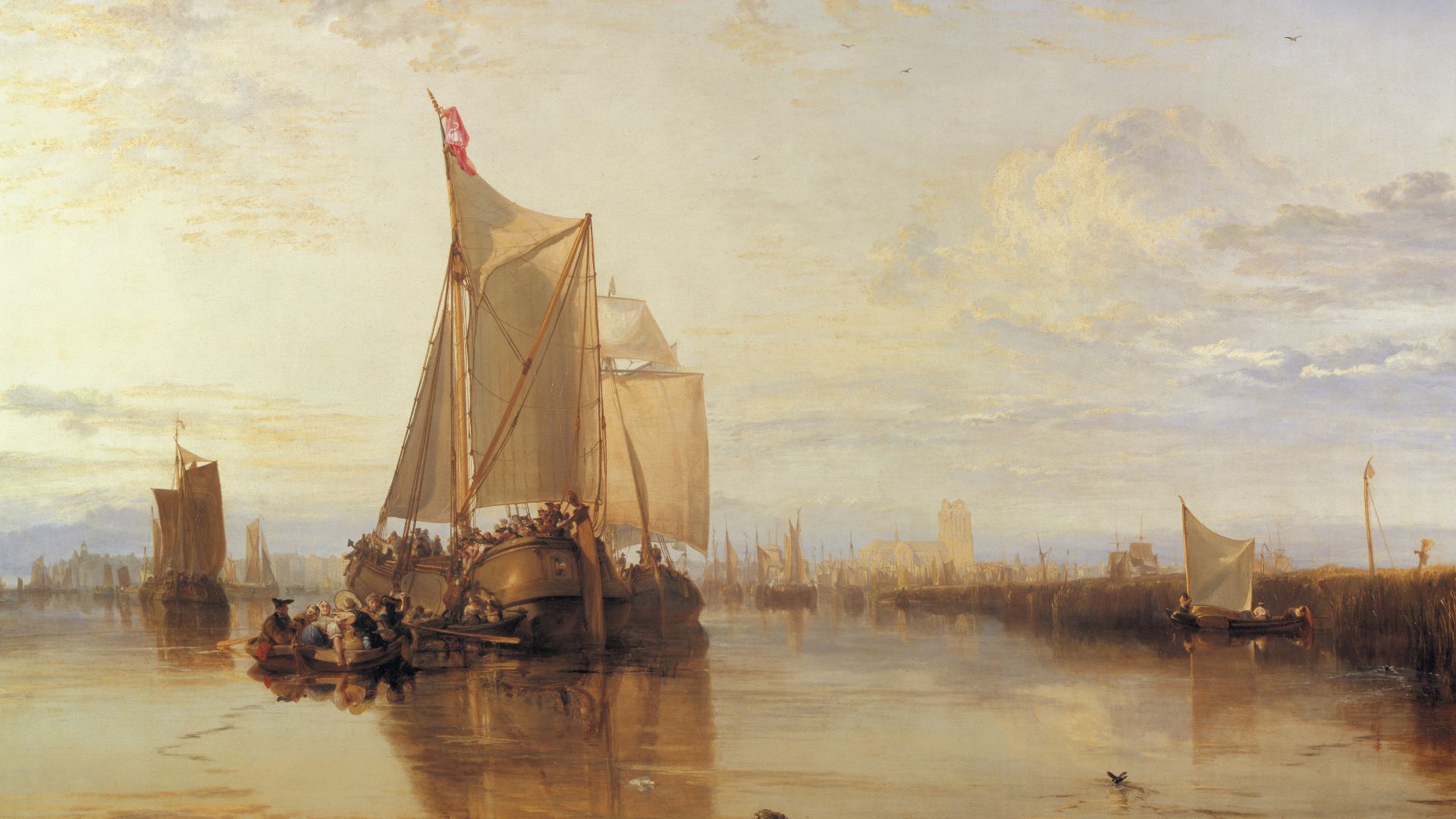 J. M. W. Turner, Wikimedia Commons
4. He Was One Of Many
Born to the Earl and Countess of Mornington, Arthur was the sixth of nine children, meaning he was quite far down the line of parental expectation and ambition. Indeed, several of his brothers would become established Earls and Barons in their own right. Success ran in the family.
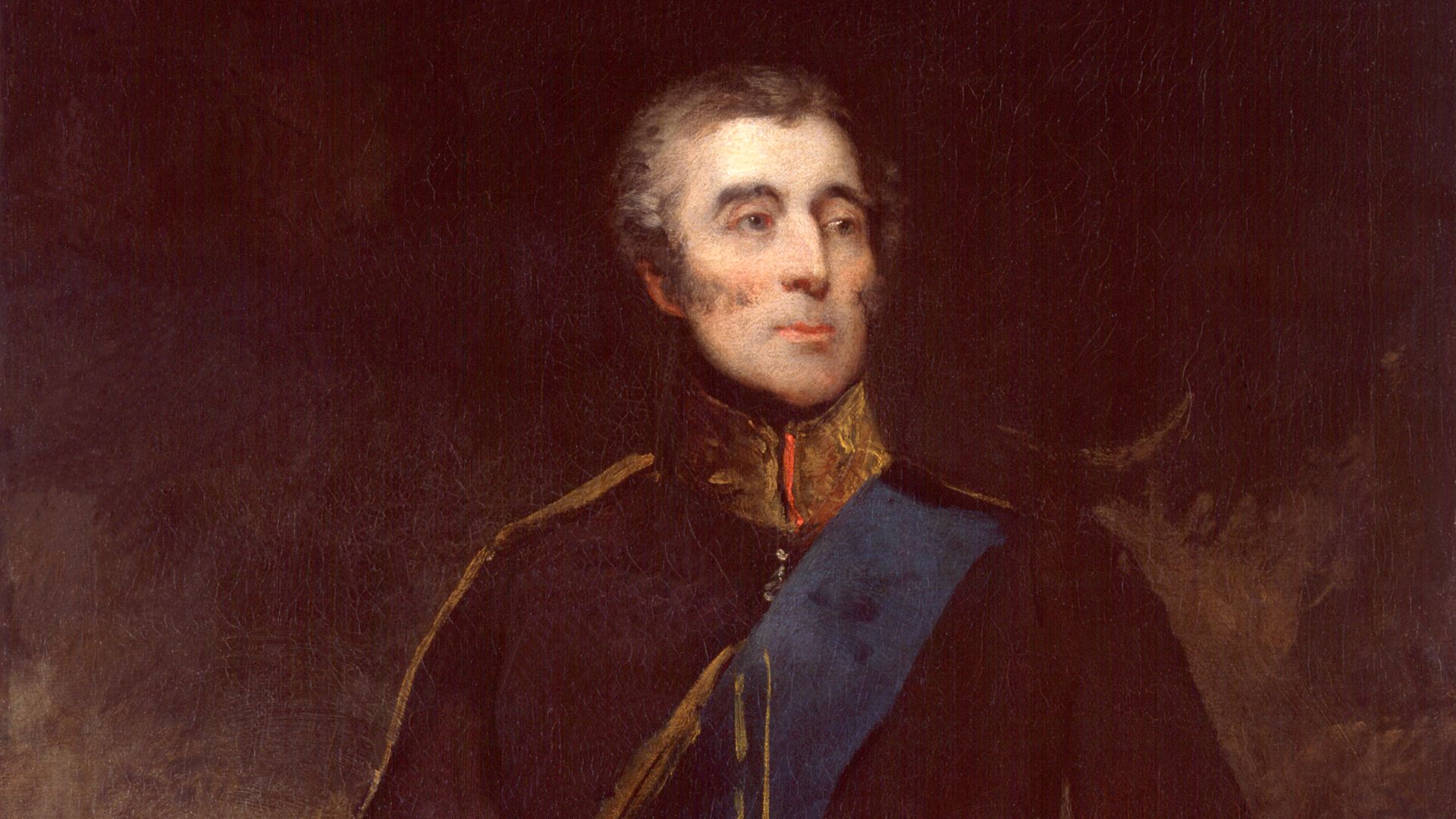 John Jackson, Wikimedia Commons
5. His Father Earned An Earlship
Arthur’s father was Garret Wesley (Arthur would later alter the spelling of his family name), 1st Earl of Mornington. Unlike his son, however, Garret was not born with this title; the Earl was an accomplished composer, elevated to his rank in recognition of his musical achievements. It endowed his children with a pretty cushy childhood.
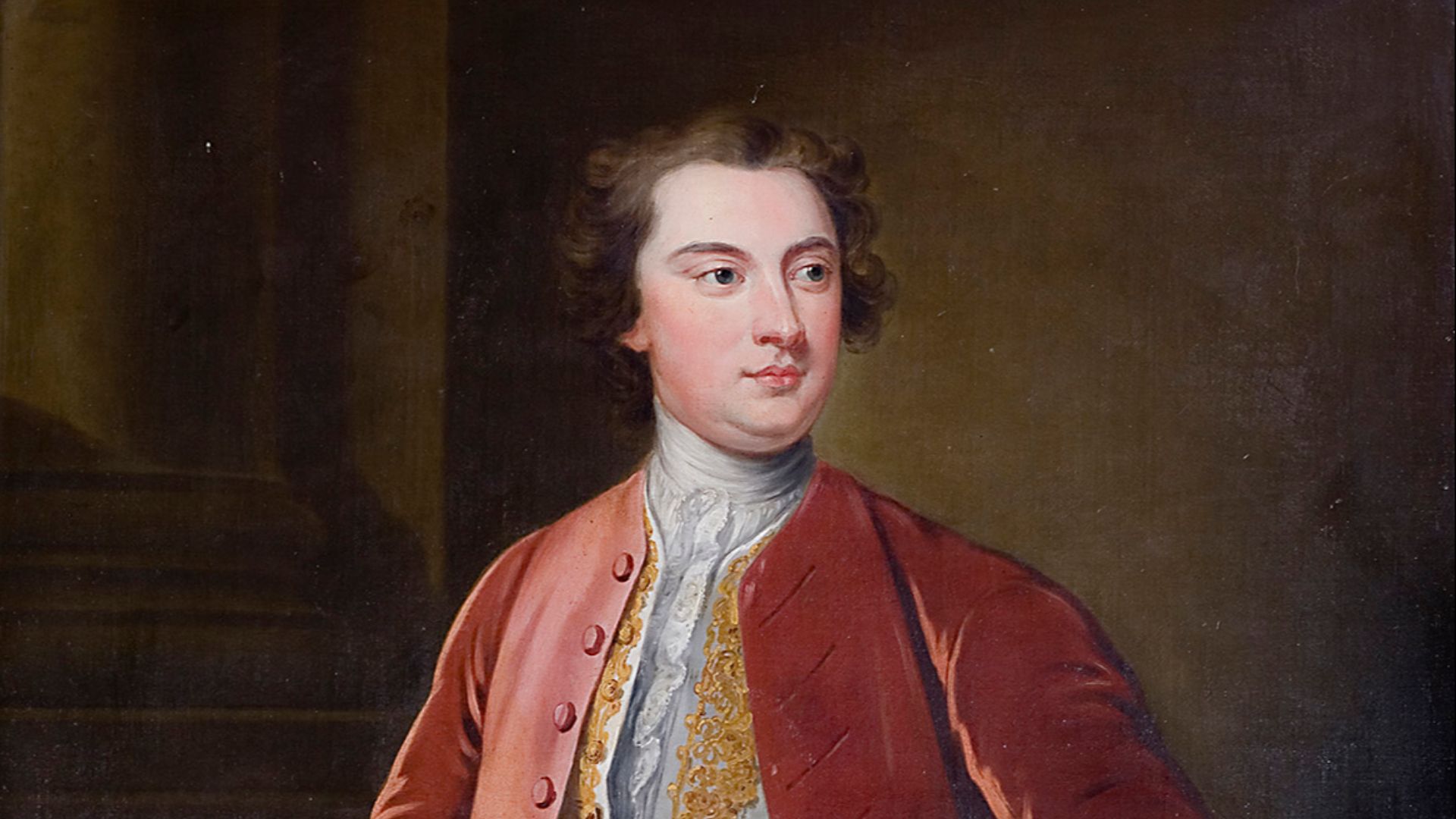 Unknown 18th century Irish portrait painter, Wikimedia Commons
6. His Family Was Rich
Arthur Wellesley spent his childhood moving between his family’s two homes: one was Mornington House, a large property in Dublin, and the other was Dangan Castle, a countryside estate north of Summerhill, County Meath. Arthur lived a life sheltered from the atrocities his class were committing across the island, and when he came of age, his parents shipped him off immediately.
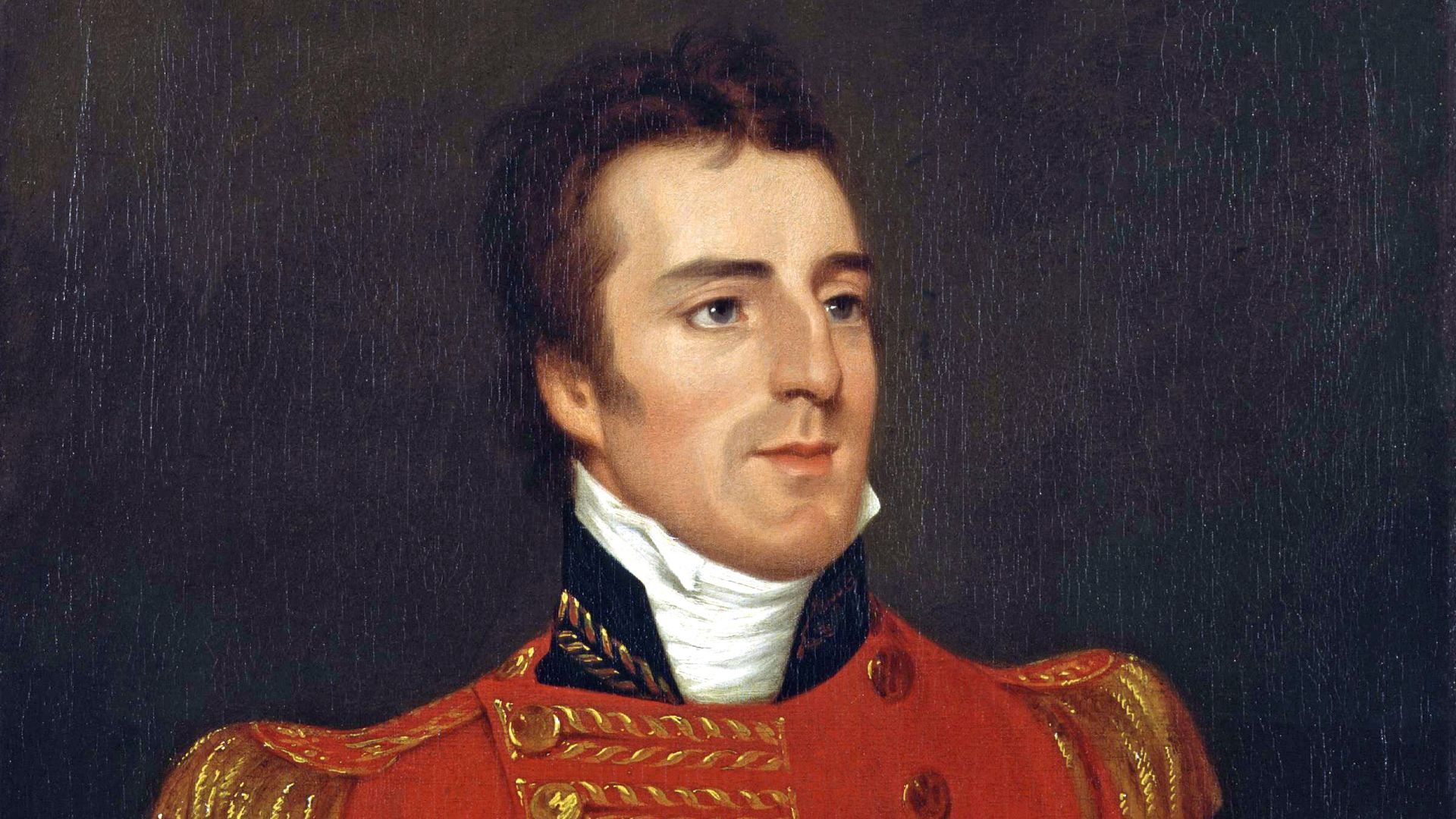 Robert Home, Wikimedia Commons
7. He Went To Prime Minister School
Arthur Wellesley enrolled in Eton College in 1781. To this day, Eton has a reputation as “the nurse of England's statesmen”, with many prime ministers, world leaders, and aristocrats counted among its graduates. But young Arthur failed to see the appeal and found himself in a difficult position there.
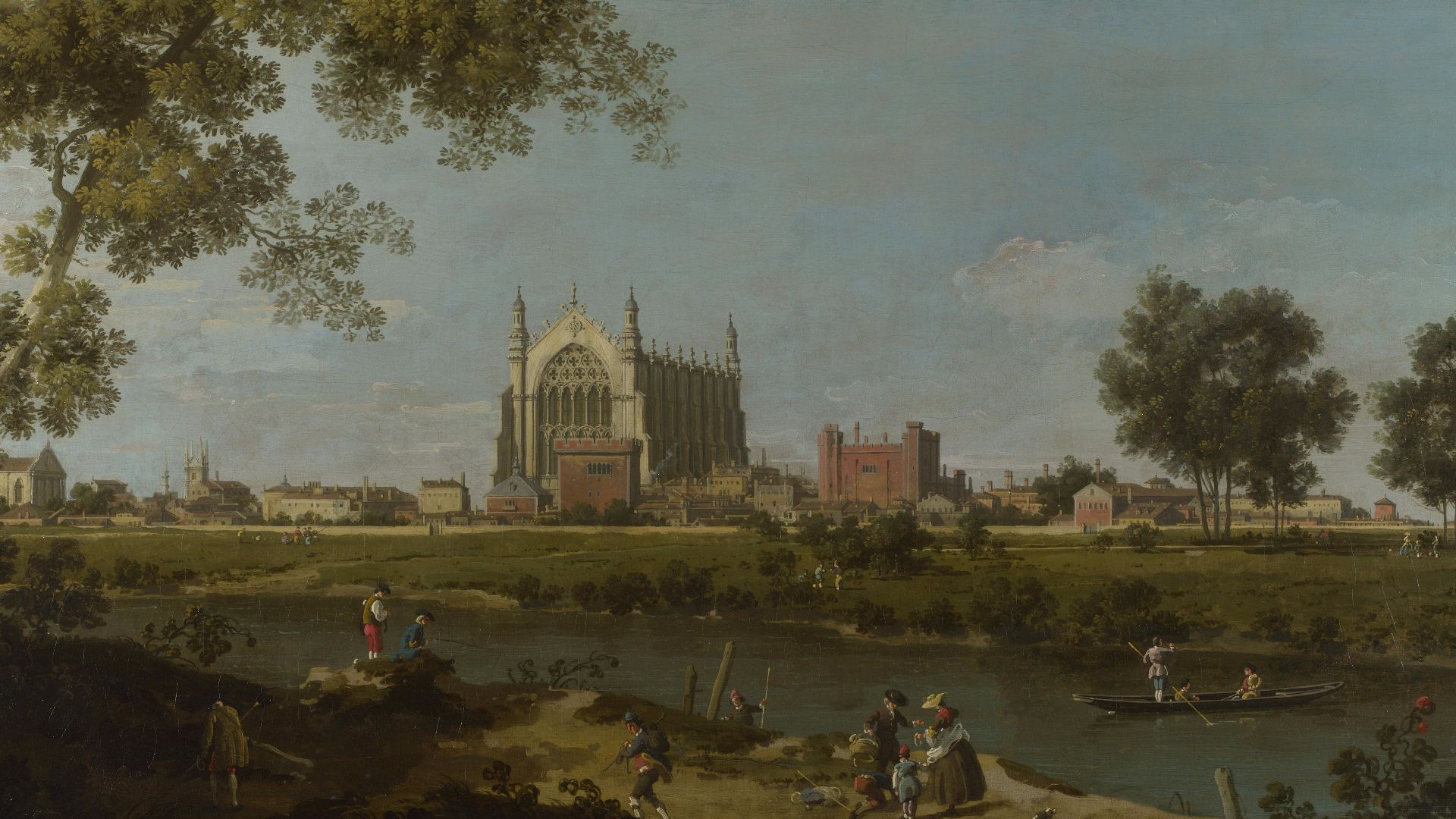
8. He Was Miserable
Wellesley struggled to make friends at Eton, and after a long period of loneliness, finally decided that he hated it there. This took its toll on his academic performance and his grades suffered as a result. Destiny sealed his fate at the College in the form of some bad news.
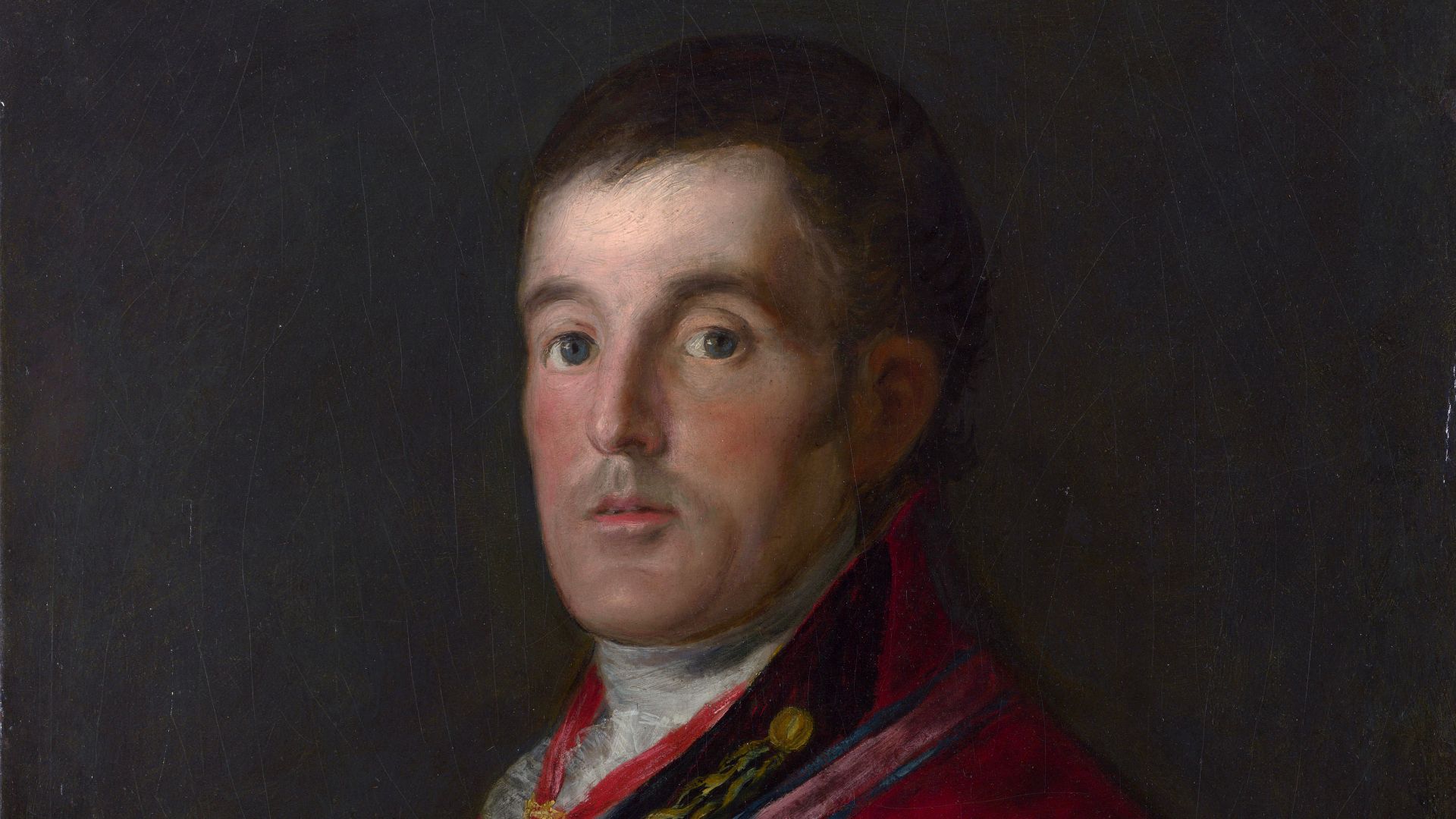 Francisco Goya, Wikimedia Commons

History's most fascinating stories and darkest secrets, delivered to your inbox daily.
9. He Dropped Out
The year of his enrollment in Eton, Arthur Wellesley lost his father to a sudden and unexpected demise. Losing their patriarch dealt a huge blow to the family’s finances, and, combined with Arthur’s poor performance at school, it forced him and his mother to move to Brussels. Now more adrift than ever, the young aristocrat turned away from the world.
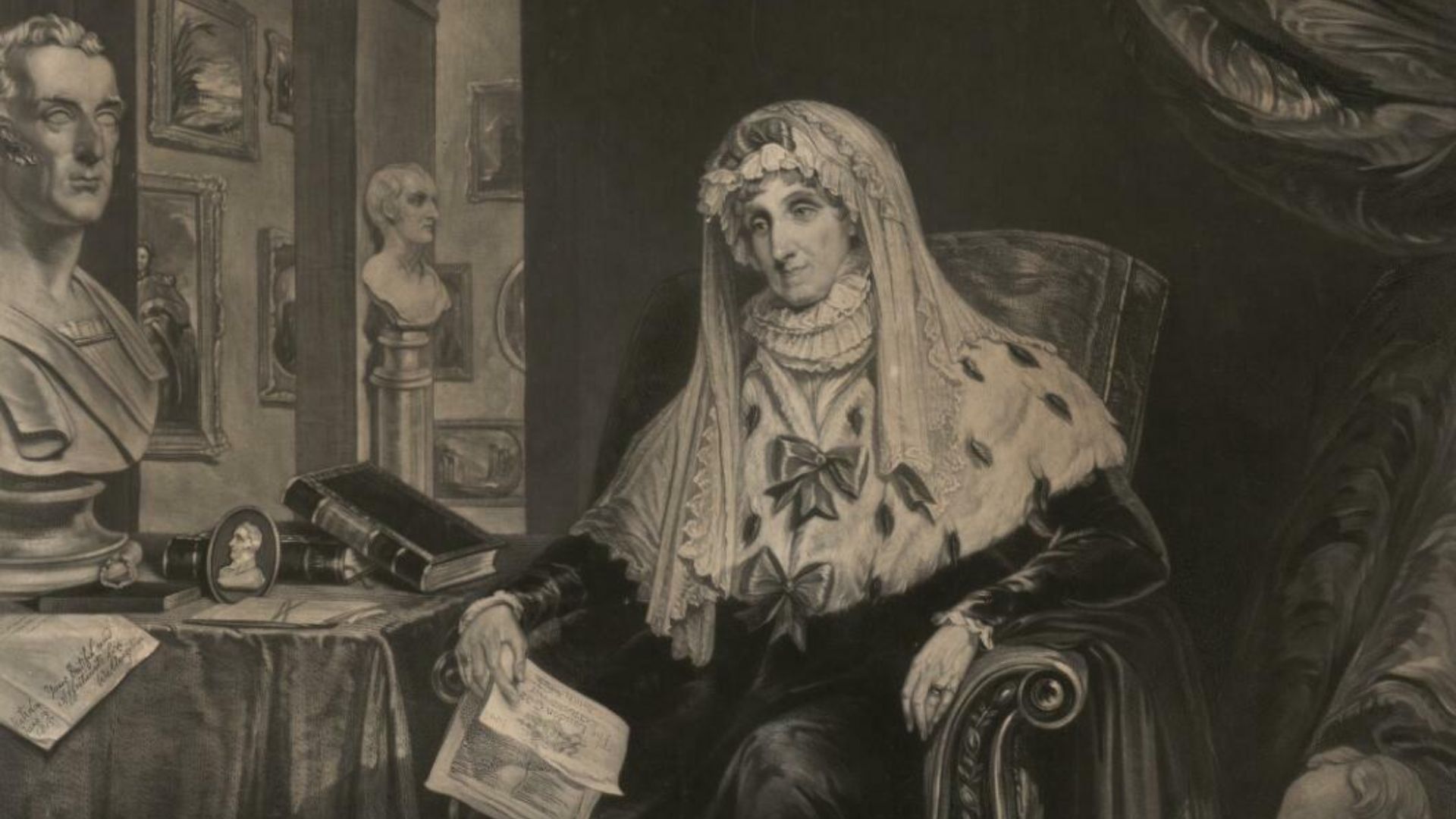 Thomas Hodgetts, Wikimedia Commons
10. He Was A Failson
For the next decade or so, Arthur showed little promise. He appeared uninterested in pursuing a life for himself and seemed distracted at best and depressed at worst. His mother grew increasingly concerned, writing “I don't know what I shall do with my awkward son Arthur”. Luckily, the young man eventually found a second wind.
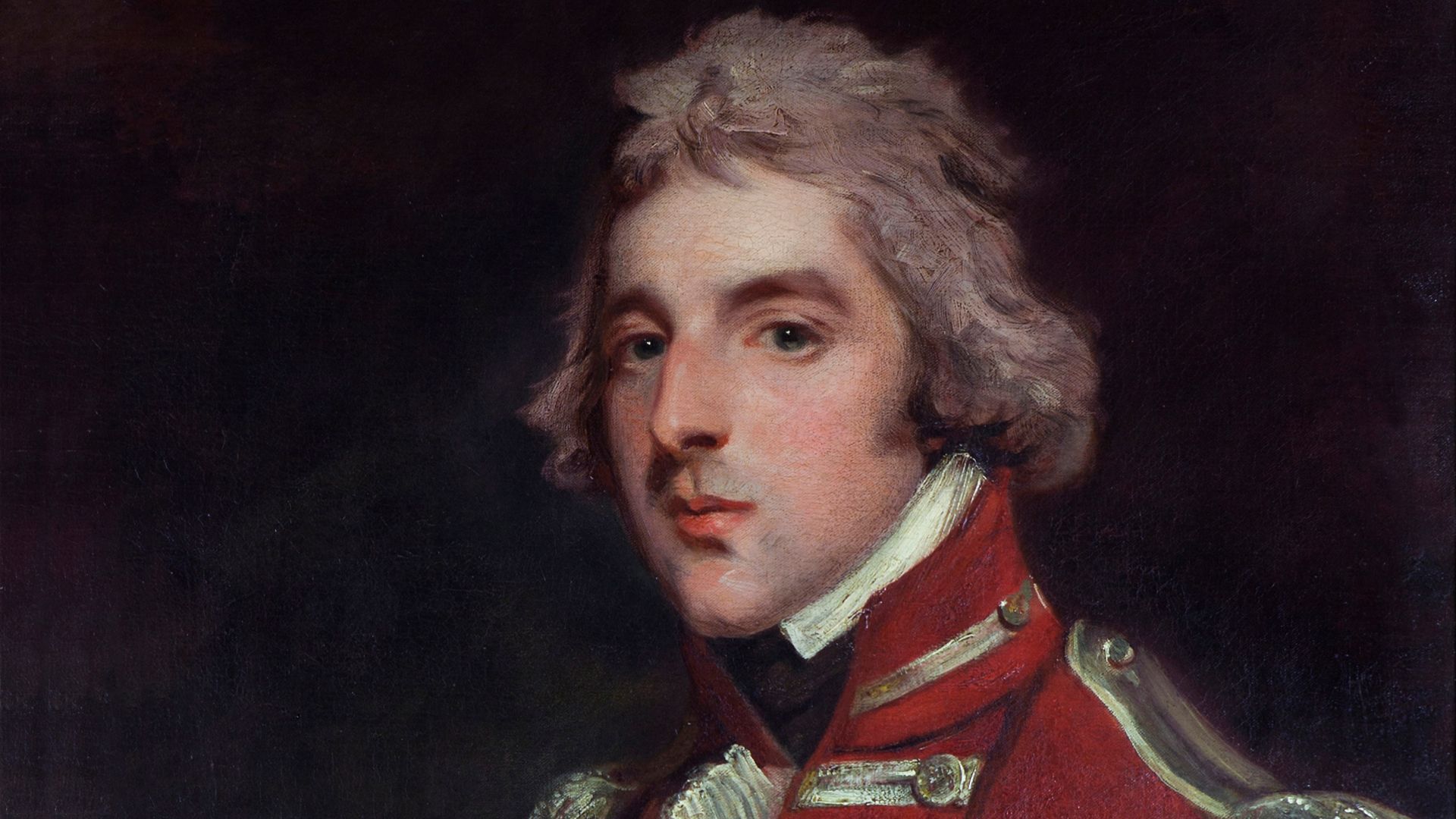 John Hoppner, Wikimedia Commons
11. He Applied Himself
In 1786, Wellesley finally decided that it was time to get his life together. Showing initiative, the young man enrolled in the French Royal Academy of Equitation in Angers. There, he became a skilled horseman, showed great proficiency in French, and overall, made significant progress academically. He returned home a changed man.
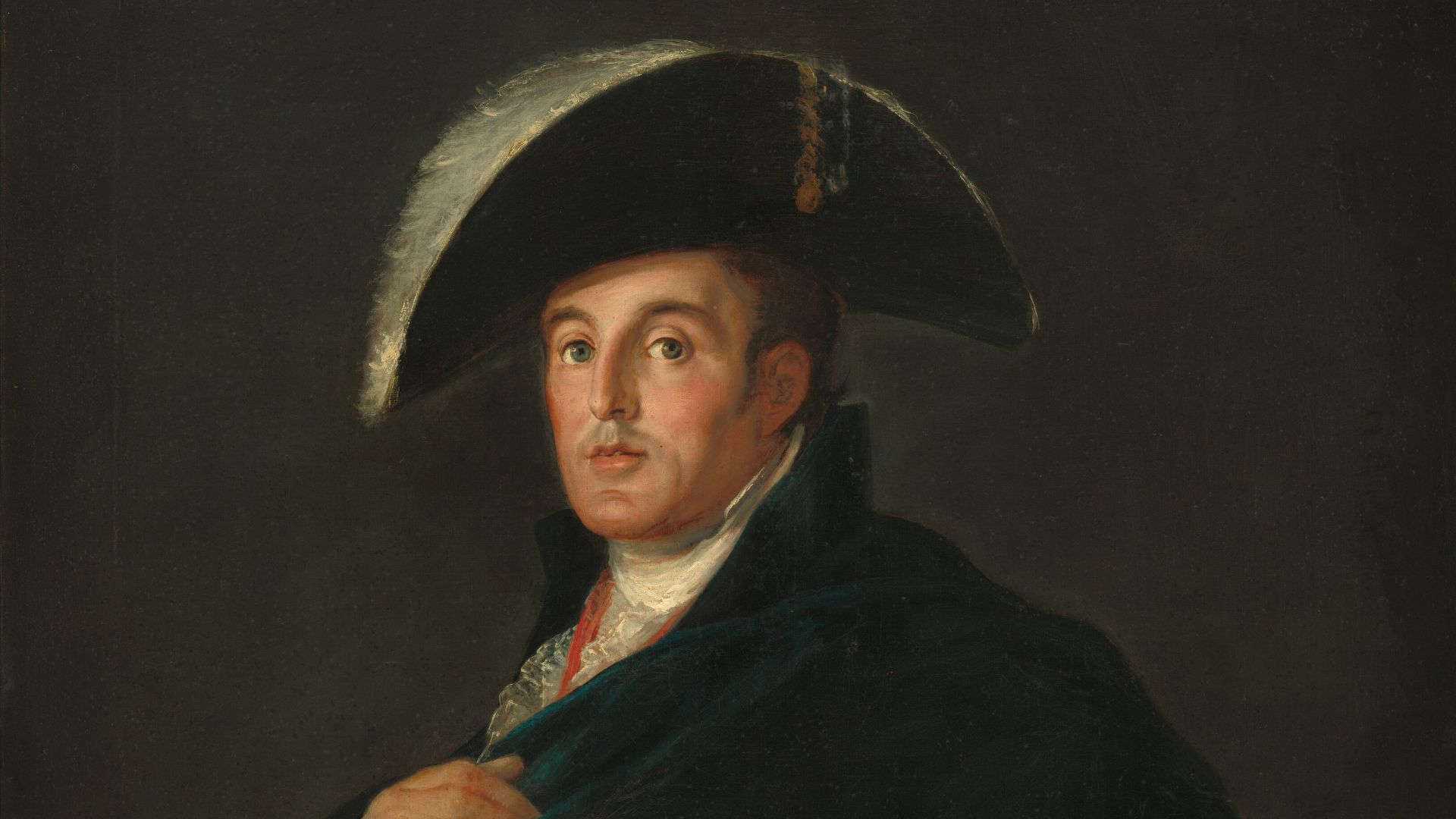 Workshop of Francisco Goya, Wikimedia Commons
12. He Shocked His Family
Wellesley’s time in France was brief, but it made a world of difference. He returned to England later that same year as a completely new man. His mother, in particular, who had previously doubted his abilities, found herself astonished at the turn her son had taken. Wanting to put his newly gained horseman skills to good use, Arthur made his next career move.
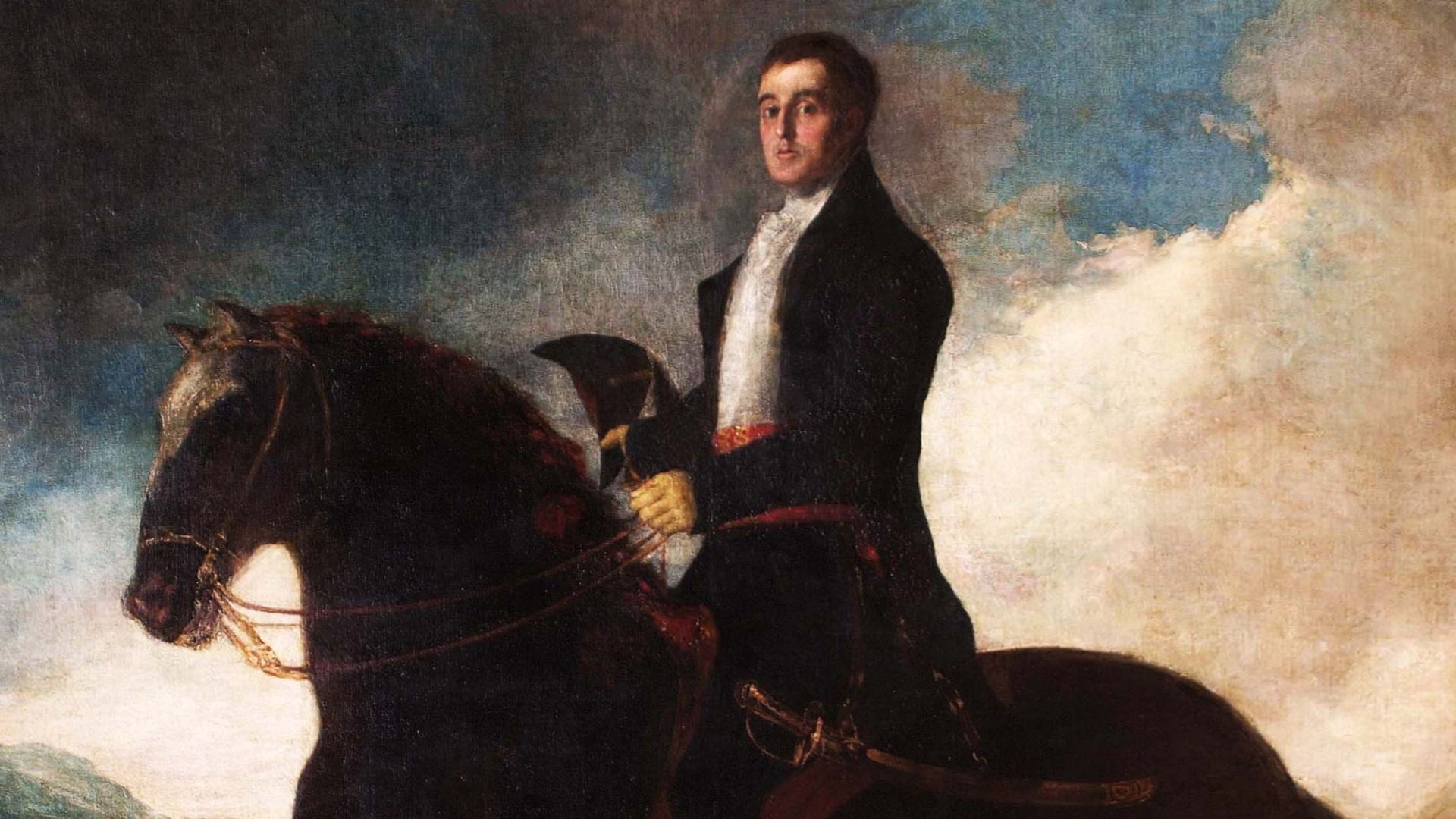 Francisco Goya, Wikimedia Commons
13. He Enlisted
Wellesley’s family was still short on cash following the loss of his father, but they still had connections. At the request of his mother, Arthur’s brother Richard appealed to his friend, the Lord Lieutenant of Ireland, to consider Arthur for commission in the occupying armed forces. Nepotism paid off and on March 7, 1787, Arthur Wellesley became an ensign in the 73rd Regiment of Foot. They stationed him close to home.
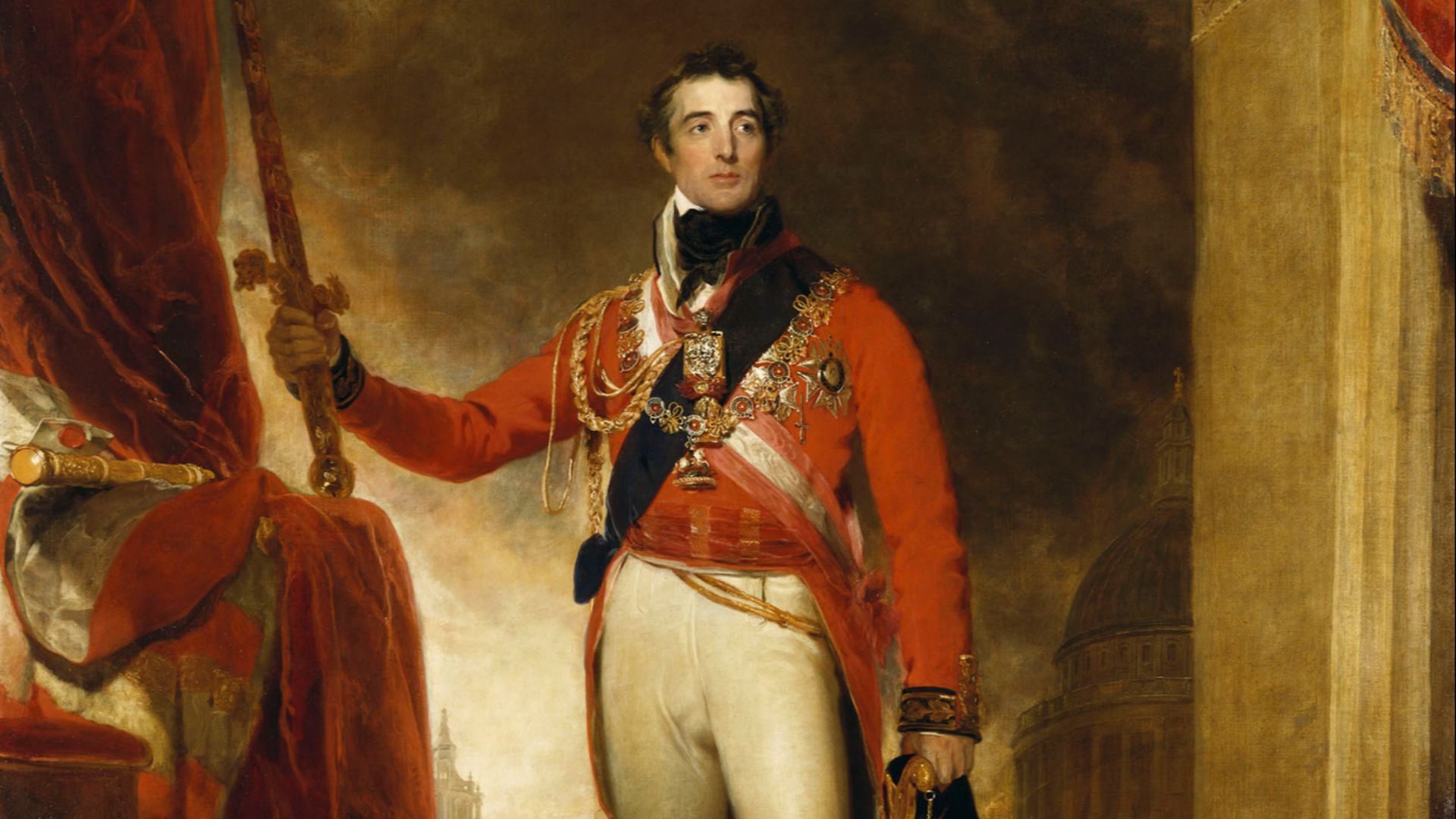 Thomas Lawrence, Wikimedia Commons
14. He Served The Empire
The Regiment brass quickly promoted Arthur Wellesley to the personal assistant of the incoming Lord Lieutenant of Ireland, Lord Buckingham. For the next decade or so, Wellesley would serve in comfortable and well-paid positions in the occupying force terrorizing the people of Ireland. The young lieutenant kept his hands relatively clean for the most part, however.
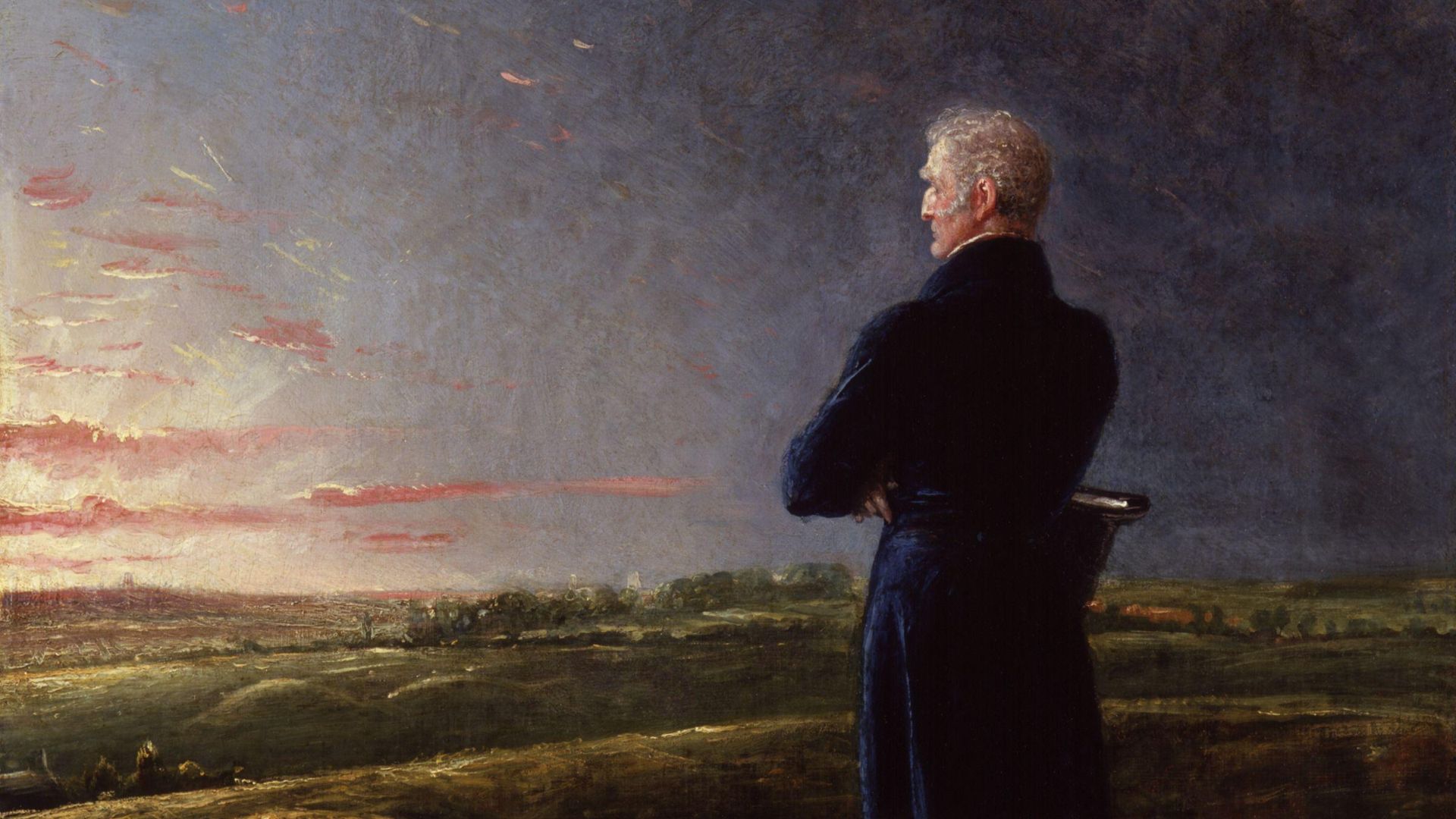 Benjamin Haydon, Wikimedia Commons
15. He Was A Socialite
Stationed in Dublin, Wellesley’s duties were more in line with his social standing than his skill. He attended many balls, entertaining guests of Lord Buckingham, and provided advice to the Lord Lieutenant. His silver spoon was certainly coming in handy, but it did not help stave off his vices.
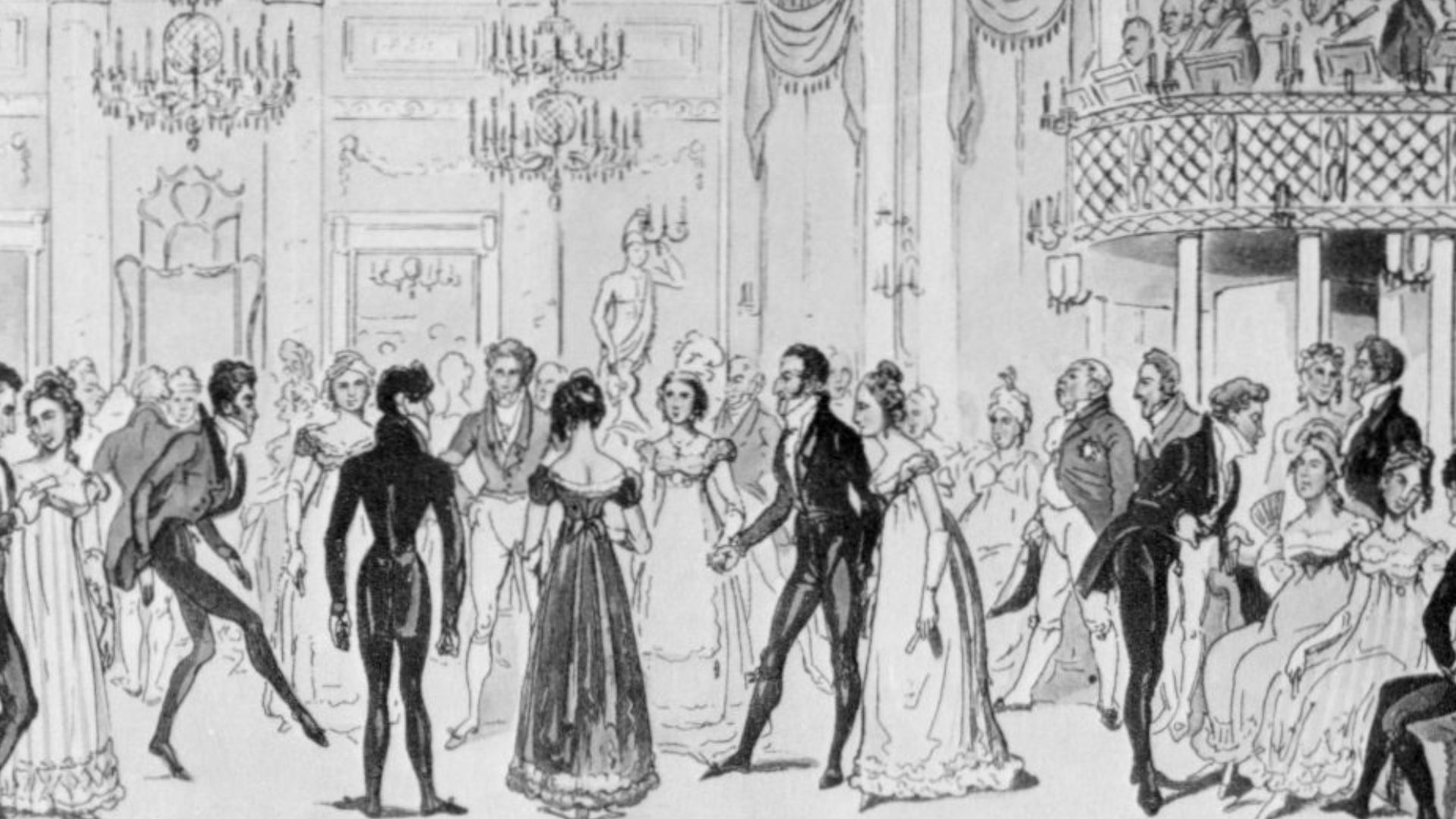 George Cruikshank, Wikimedia Commons
16. He Was A Gambler
Wellesley’s vibrant social life meant he had ample opportunity to gamble, and he enthusiastically seized that chance. The young socialite would often overextend himself, borrowing large amounts of money to fuel his developing habit. He did not see it as a problem, however, asserting that “I have often known what it was to be in want of money, but I have never got helplessly into debt”. It’s possible he was varnishing his image to prepare for his next career move.
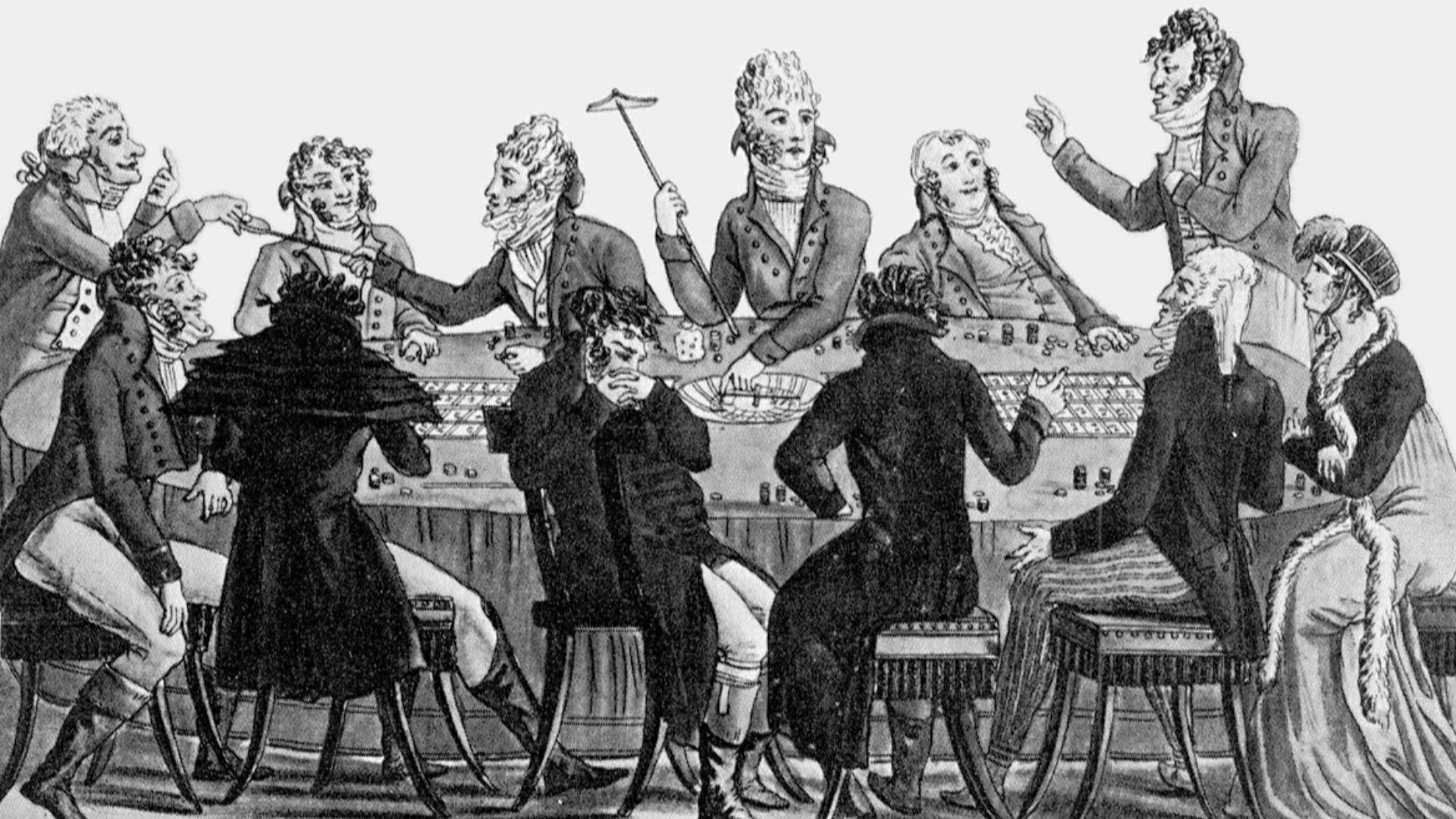
17. He Ran For Office
Though historians claim he did so reluctantly, Arthur Wellesley decided to enter politics in 1789. Shortly before the general election of that year, Arthur travelled to Trim, County Meath, to speak against the Irish Patriot Party. Because of the limited suffrage of the Irish people and the class makeup of the area, Wellesley was elected as an MP for Trim in the Irish House of Commons that year. He was far from holding the mandate of the people, however.
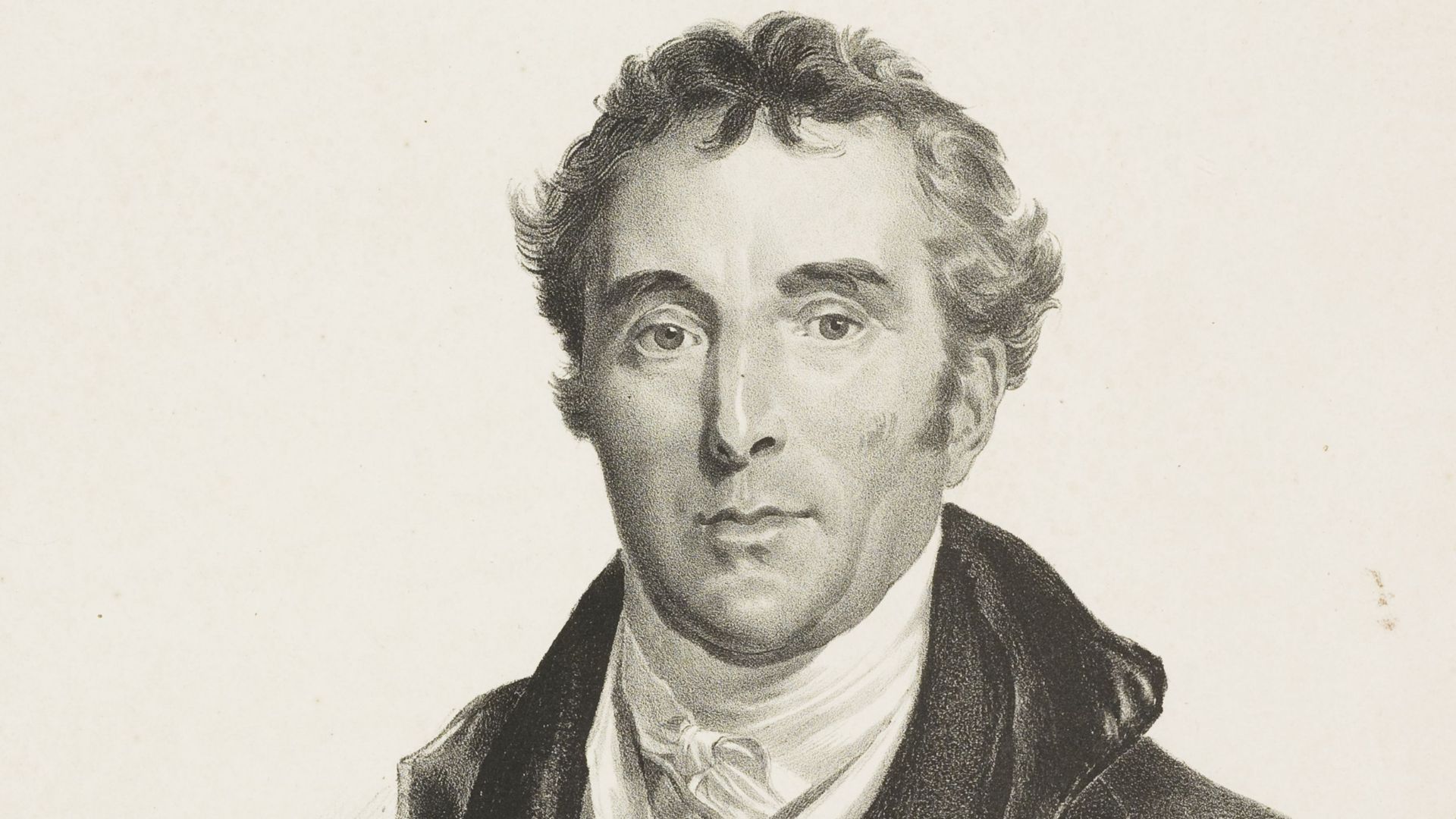 Wellesley, Arthur, Duke of Wellington (1769-1852) (depicted), Wikimedia Commons
18. He Was A Political Oppressor
As mentioned, there was very limited suffrage for the Irish people at the time of Wellesley’s election, and the oppressive Protestant landowners held all the political power. Thus, the young aristocrat sat in a parliament where at least two-thirds of the MPs credited their election to landowners of fewer than 100 boroughs. Wellesley cared little about this, of course. He was too busy courting.
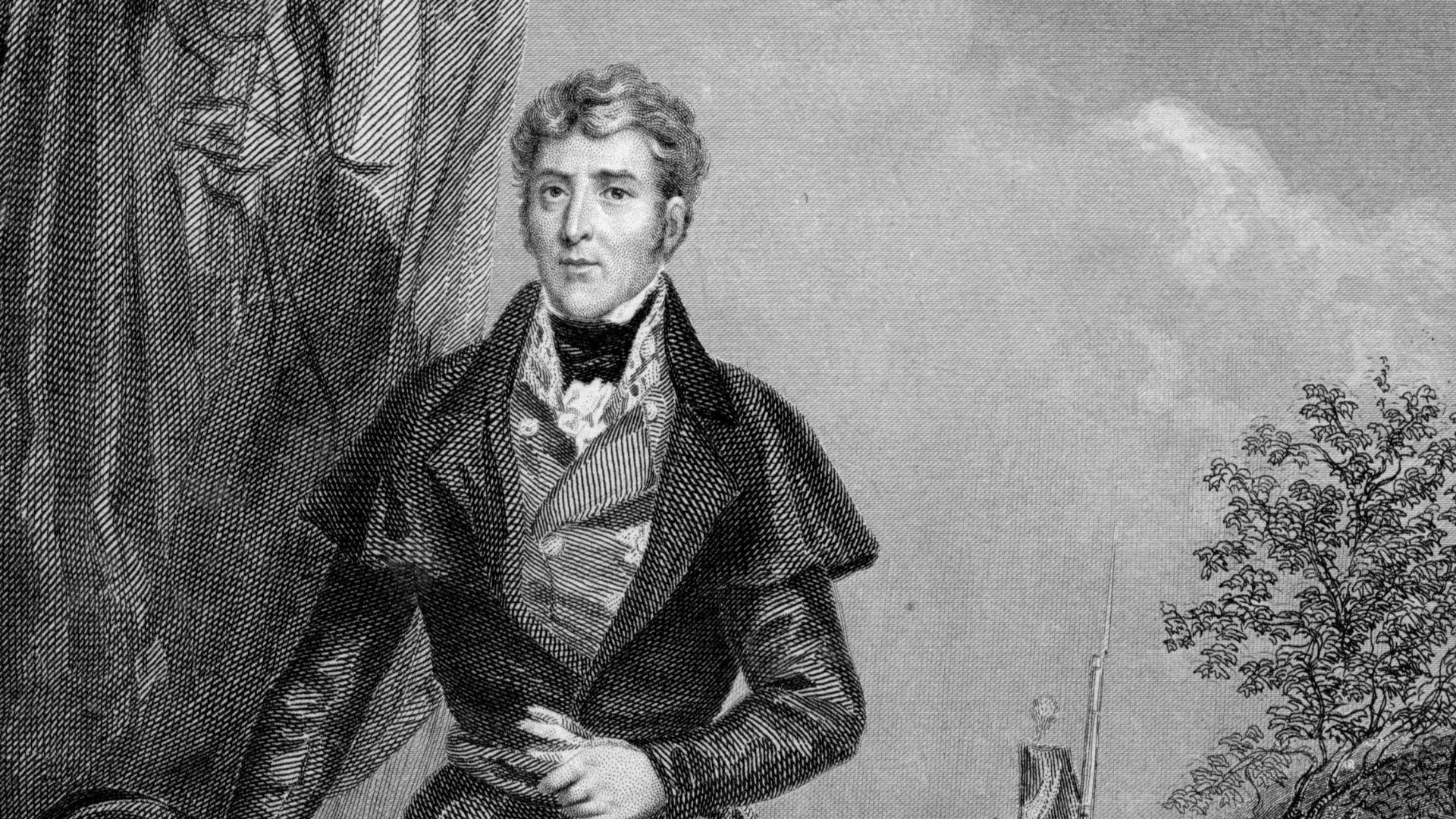 Unknown authorUnknown author, Wikimedia Commons
19. He Got A Crush
By 1791, Arthur Wellesley had developed an attraction to Kitty Pakenham, the daughter of the 2nd Baron of Longford. Accounts described Kitty as full of “gaiety and charm”, and Wellesley found her irresistible. After a couple of years of courting, he finally made his move. But it did not go as planned.
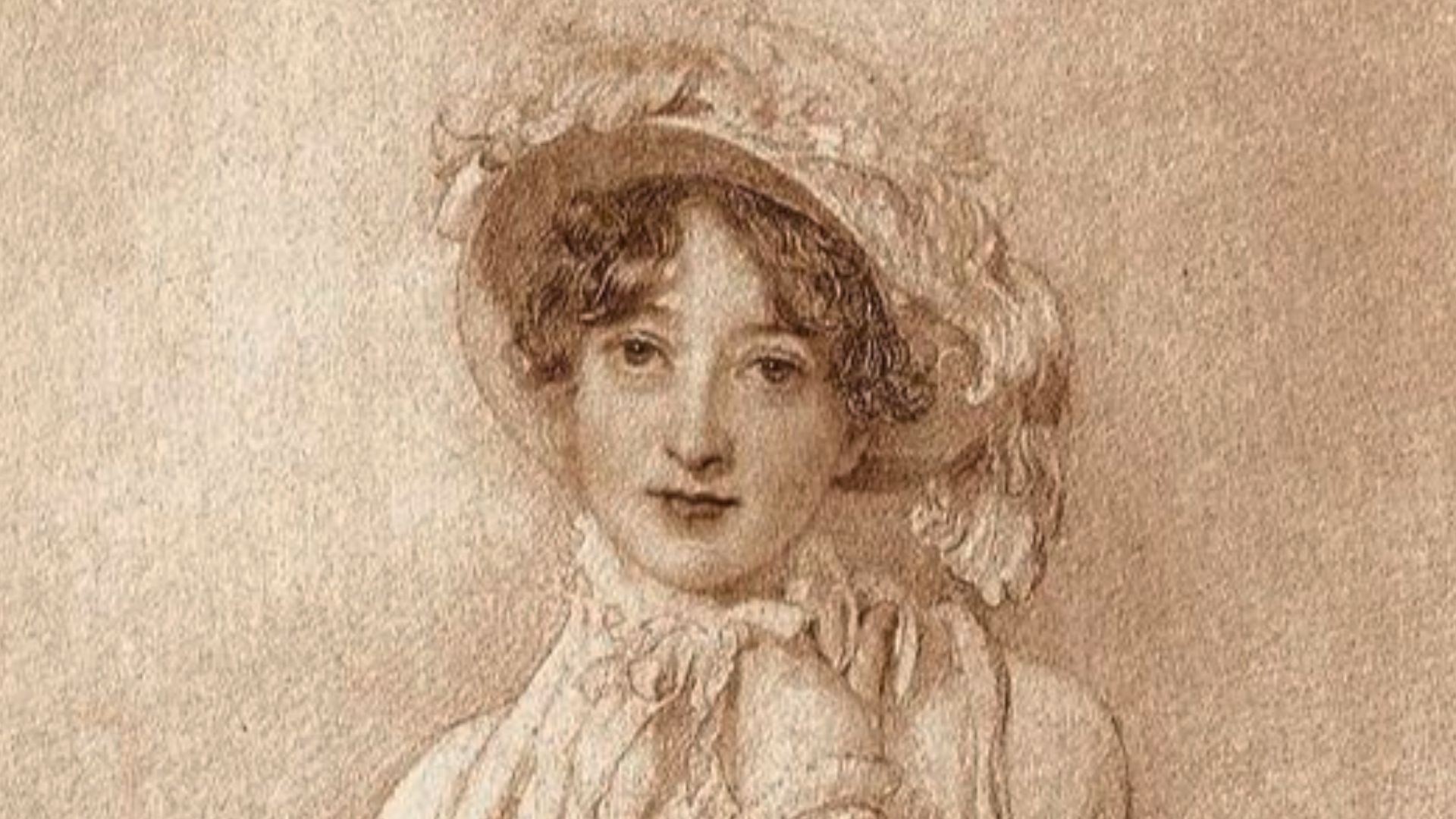 After Thomas Lawrence, Wikimedia Commons
20. He Got Shot Down
Wellesley finally proposed to Kitty in 1793. It was not the woman who rebuffed him, however, but her brother. Thomas Pakenham, the 2nd Earl of Longford, considered Arthur, with his youth, inexperience, and debt, to be a man of poor prospects for his sister, and rejected the proposal on her behalf. Wellesley immediately crashed out.
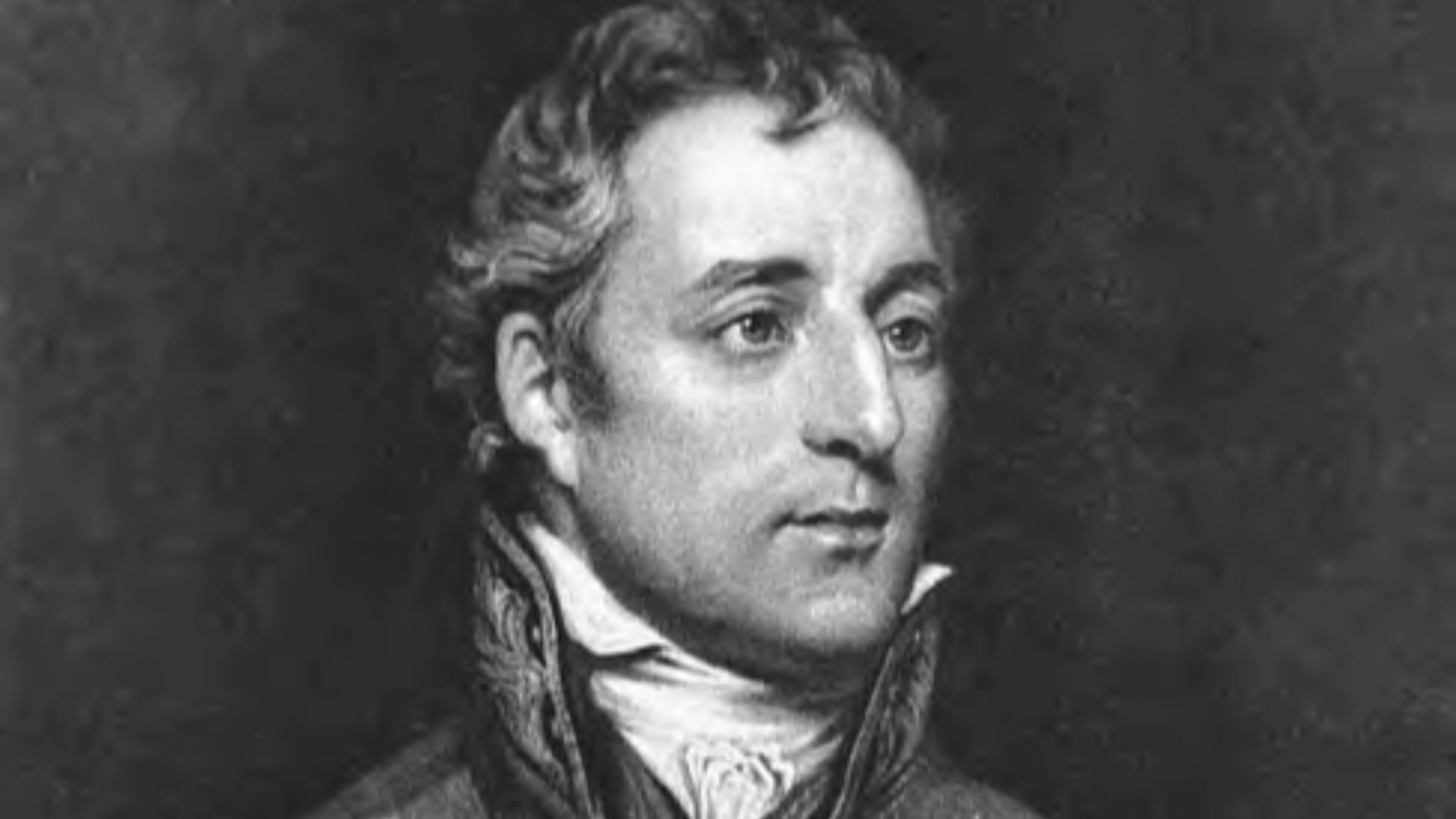 Thomas Phillips / William Say, Wikimedia Commons
21. He Threw A Hissy Fit
At the time of his rejection, Arthur Wellesley was following in his father's footsteps as an aspiring musician. After failing to woo his love (or, more accurately, her brother), however, Arthur threw an infantile tantrum and burned all his violins in anger. Drawing on all his incel energy, he made a new vow.

22. He Put His Head Down
Devastated by the rejection, Wellesley abandoned all dreams of being a musician and decided to pursue the only area he had ever shown any proficiency in: he resolved to pursue his career in the armed forces in earnest. Of course, for a man as rich as Arthur Wellesley, applying himself took on an uninspiring character.
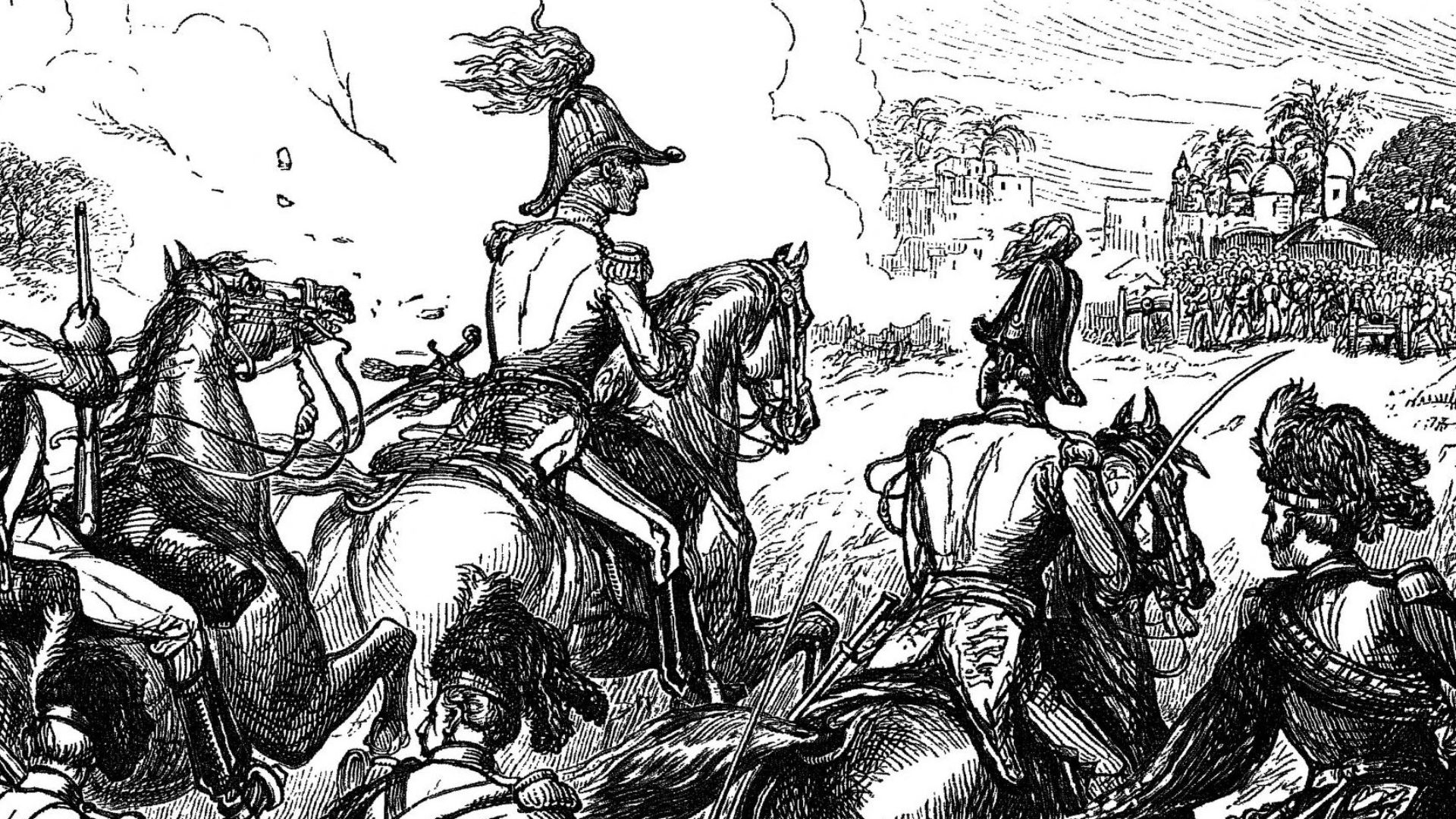
23. He Bought His Way Up
By 1793, Wellesley had attained the rank of major in the 33rd Regiment. Was it for bravery, risk, excellence? Nah, he just bought his way there, which was something one could do in the British armed forces between the 17th and 19th centuries. Months later, his brother would lend him money to further his career, and Arthur promptly purchased a lieutenant-colonelcy. Eventually, though, he would have to get his hands dirty.
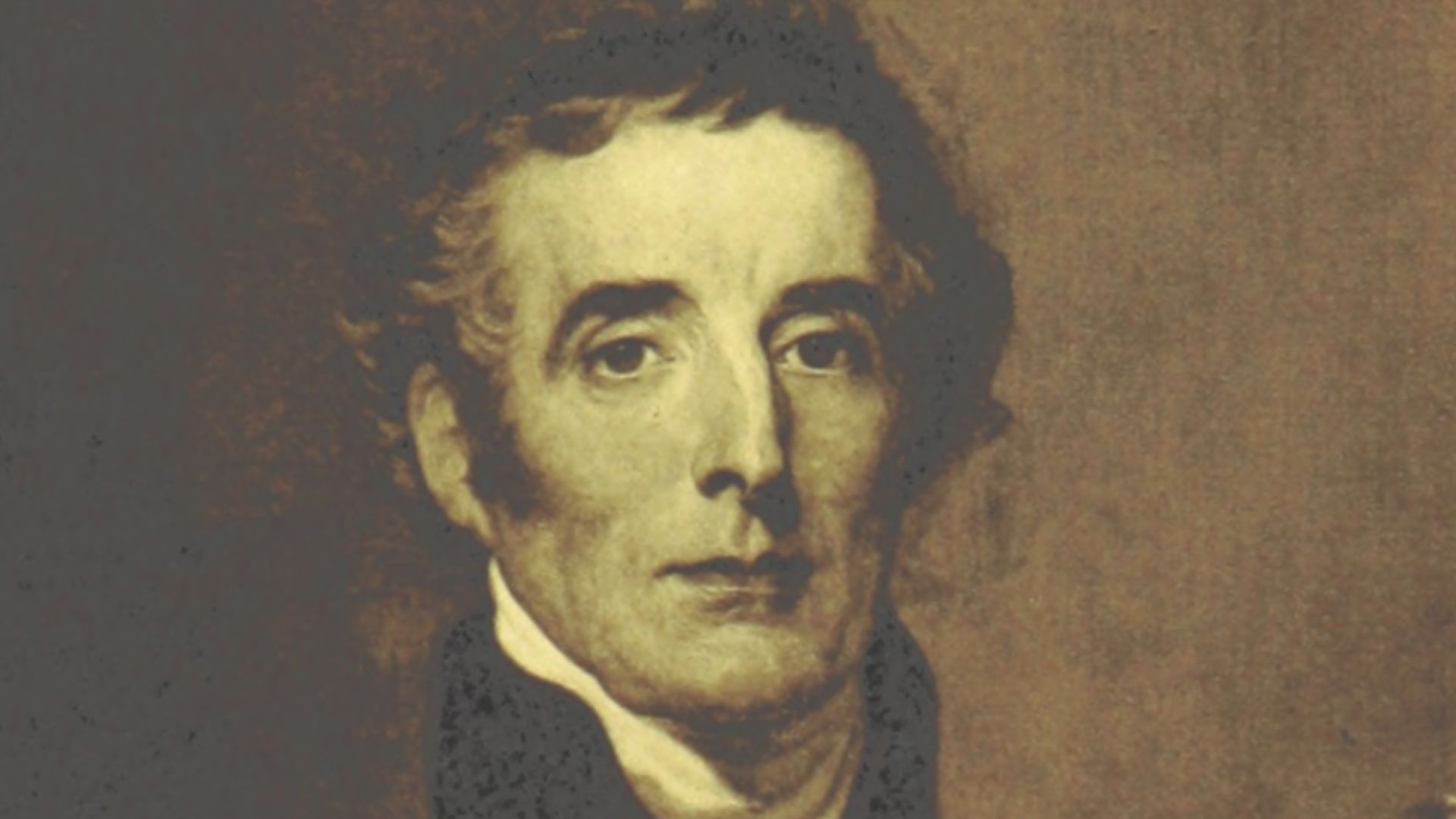 Metilsteiner, Wikimedia Commons
24. He Saw Some Action
In June of 1794, Arthur Wellesley joined the Flanders Campaign, and though he arrived at the tail end of the operation, he did have his first brush with combat. What followed would be even more harrowing, however: finding himself part of a defensive force holding the Waal River, Arthur and his crew faced an unforgivingly harsh winter, with heavy losses from attrition and illness. Wellsley’s health suffered from the damp conditions, and though it was a tough time, he learned a lot.
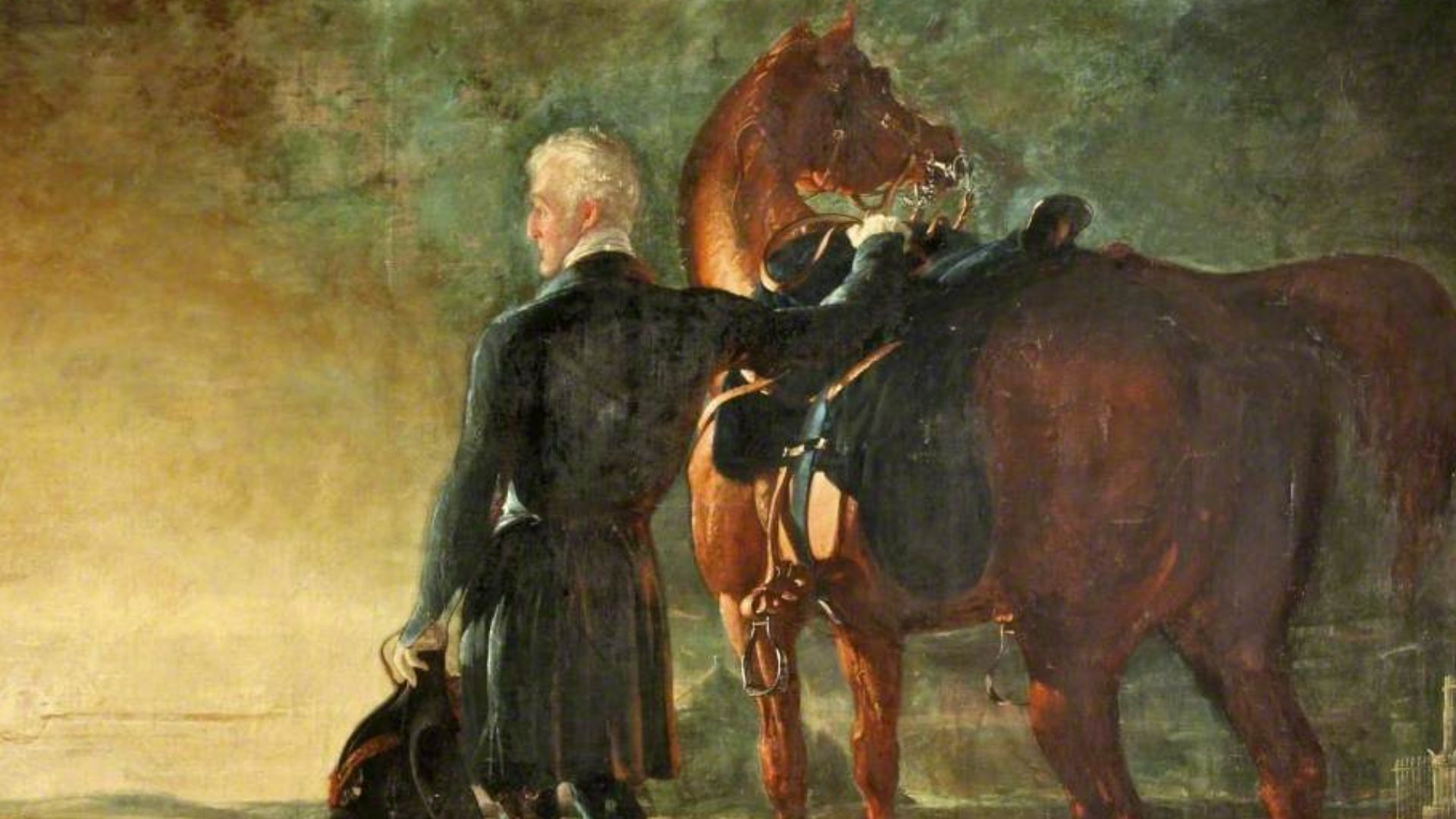 Benjamin Haydon, Wikimedia Commons
25. He Took Heed
The Flanders Campaign would end in disaster for the Brits, and Wellesley got a front-row seat. To his credit, however, the lieutenant-colonel remained observant and learned the right lessons: the failure of the campaign was largely due to poor organization and faulty leadership, and Arthur took note. He would later write of the experience that he “learned what not to do, and that is always a valuable lesson”. From that point, he excelled on his own merits.
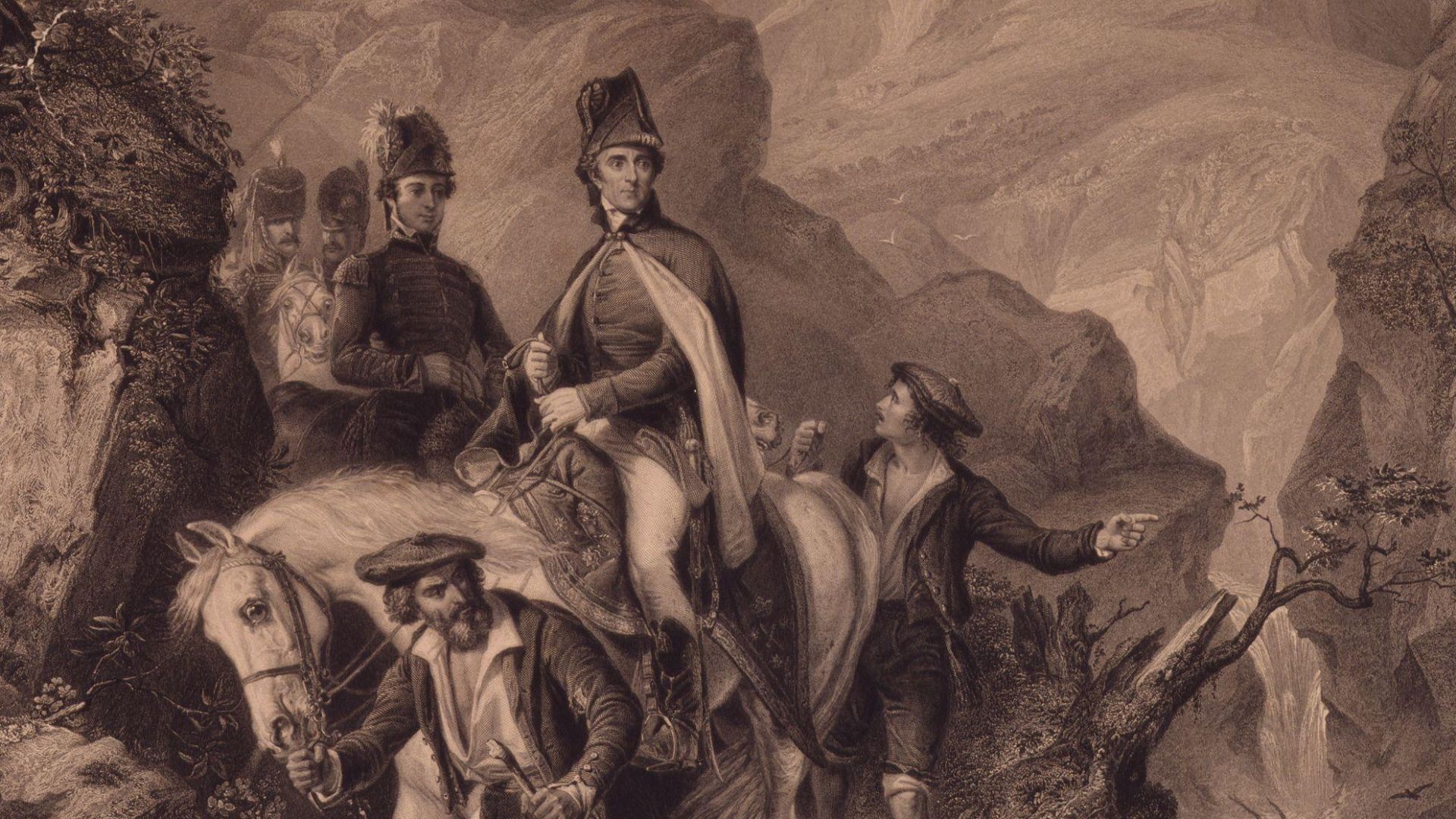
26. He Pressed On With His Career
Wellesley returned home in March 1795, where he resumed his position as an MP for Trim. He had ambitions for the secretary of war position with the incoming Irish government, but they passed him up. Dejected, he opted instead to return to his regiment, where he spent seven weeks on stormy seas near the West Indies. Upon his return in 1796, he received promotion to full colonel and given a new assignment.
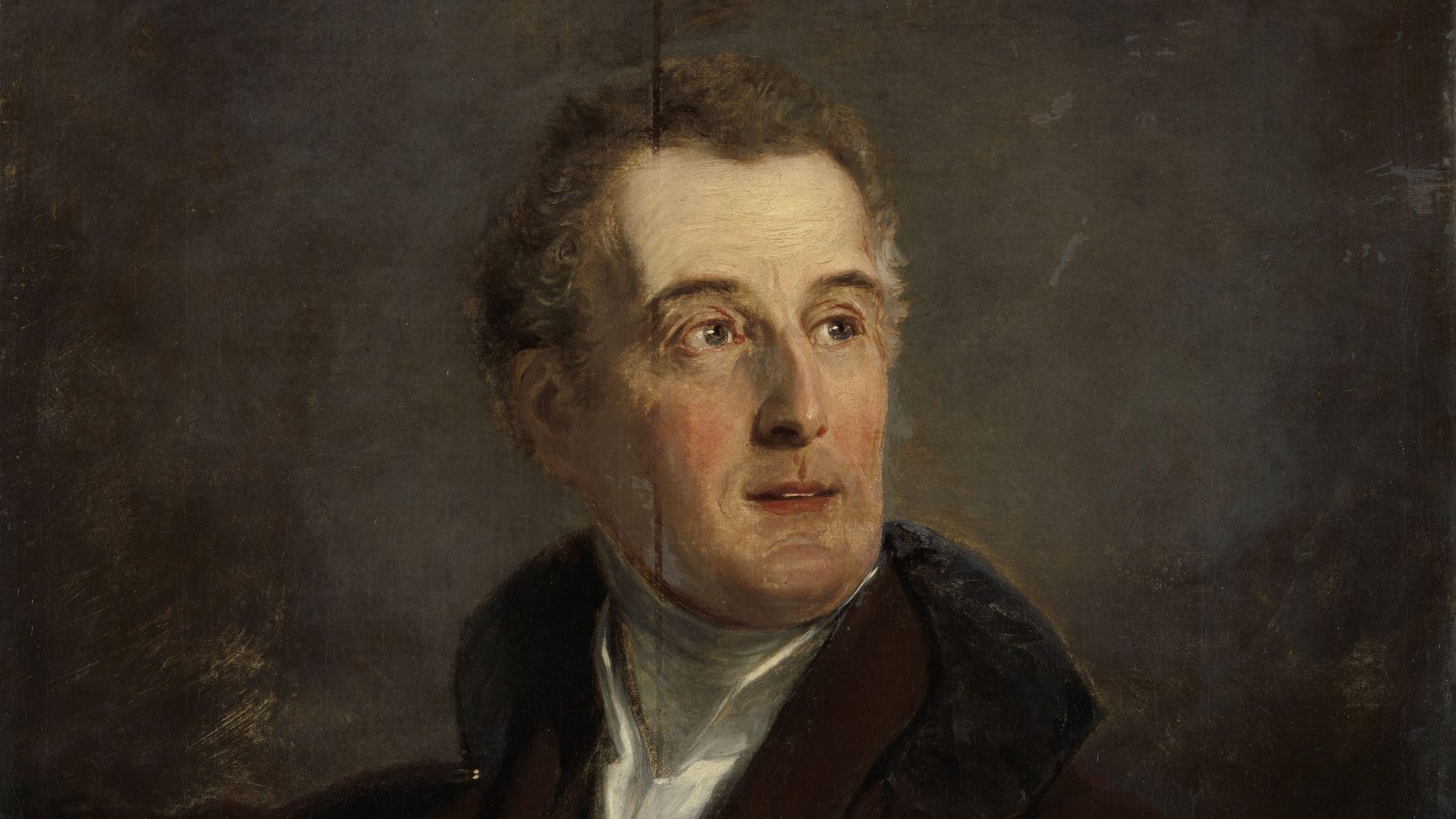 Rijksmuseum, Wikimedia Commons
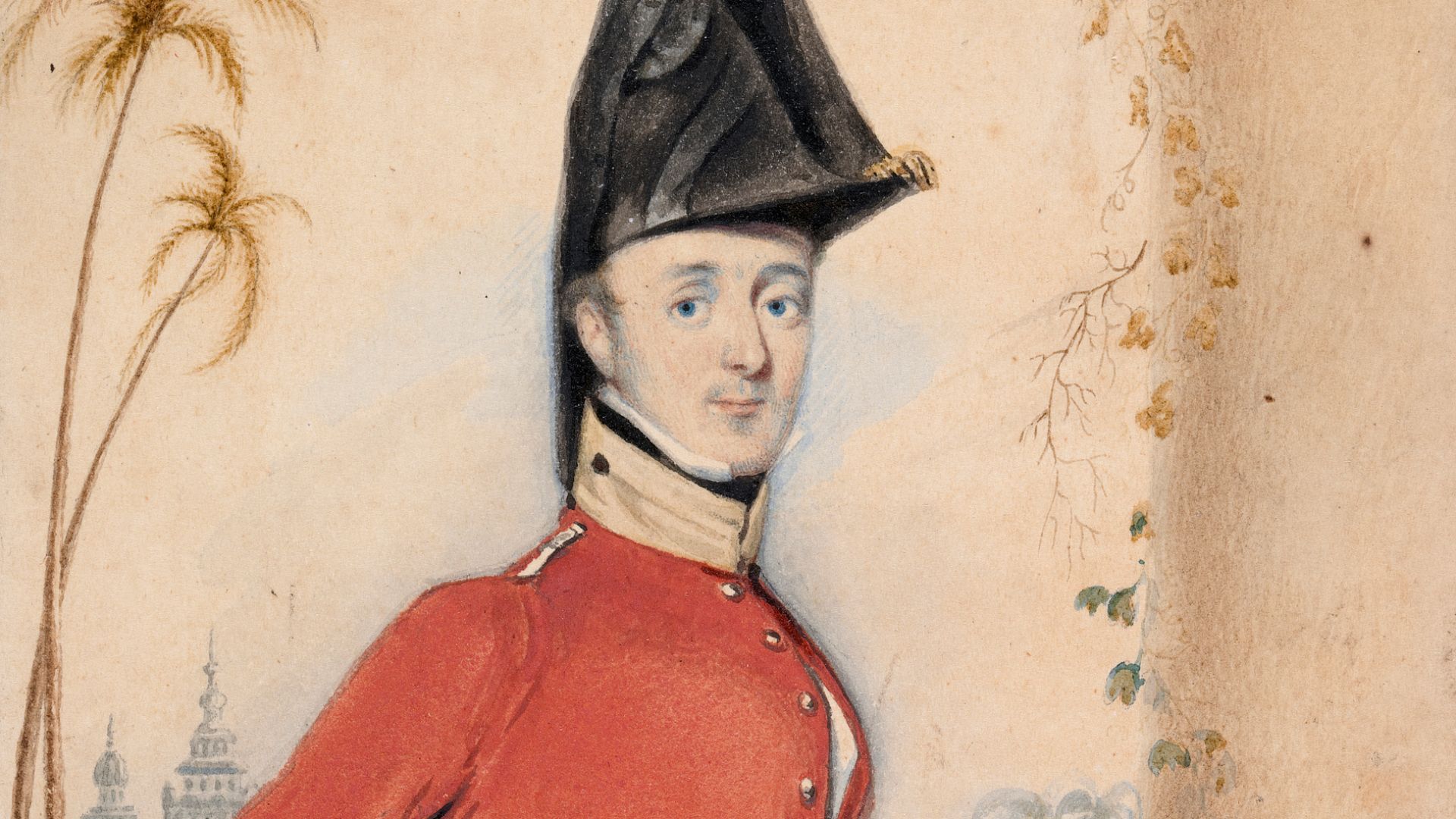
27. He Went East
Wellesley’s regiment’s next assignment was to India, and he arrived in Calcutta in February 1797. He spent five months there before embarking briefly on an expedition to the Philippines. By the time of his return to India in November, the British government had appointed his brother Richard the Governor-General of the country, and Richard did not hesitate to enlist Arthur in his dirty work.
 Thomas Hazlehurst, Wikimedia Commons
28. He Exerted Colonial Power
For two years following Wellesley’s return, India was marred in the Fourth Anglo-Mysore conflict, in which Arthur played a leading role. Reflecting the nature of the rising capitalist class of the era, the British occupying forces fought the conflict on behalf of the British East India Company, who wanted to lay claim to the resource-rich region of the Kingdom of Mysore. Ultimately, the ruthless Brits came out on top, and Wellesley got a promotion.
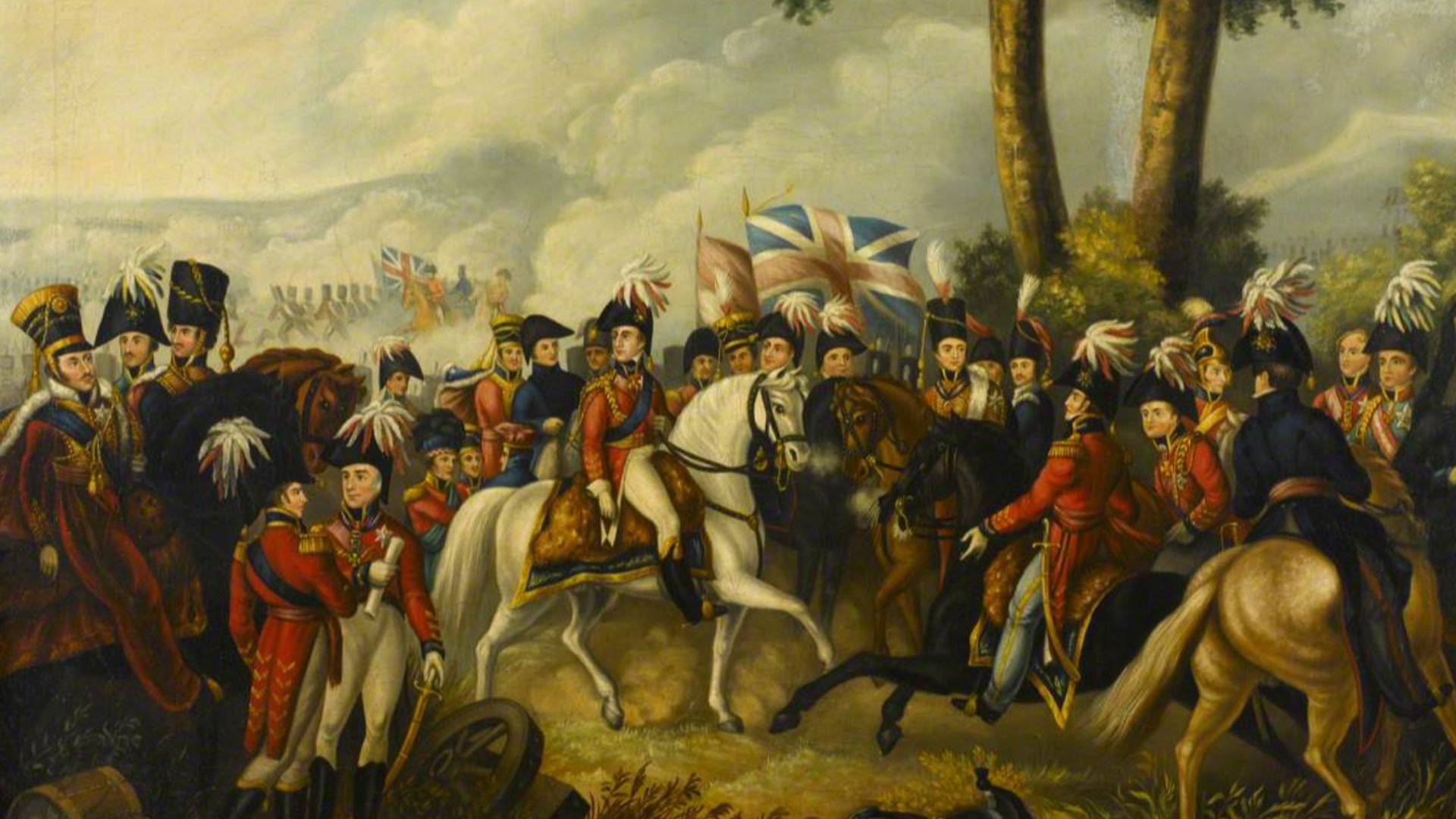
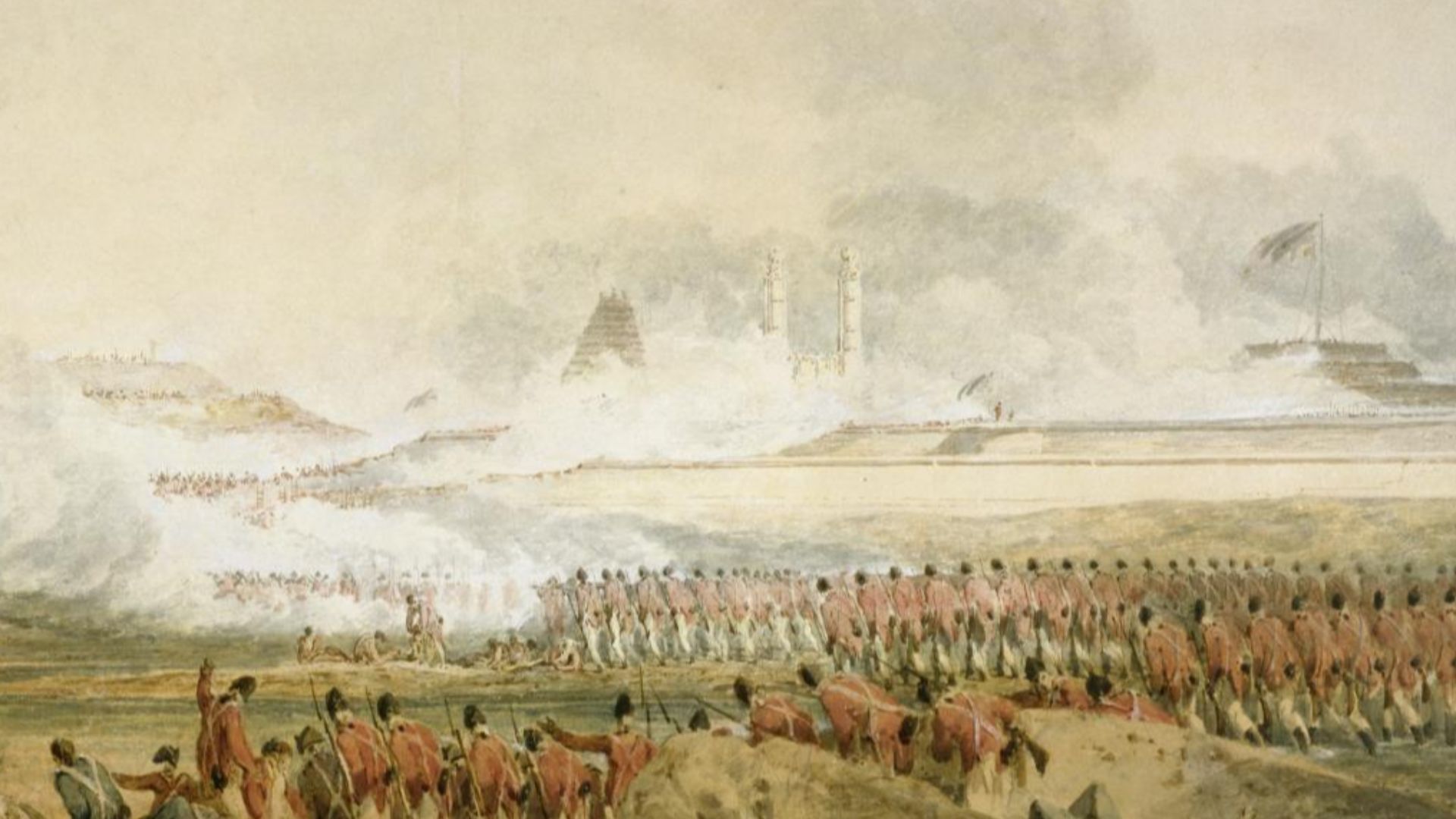
29. He Got A New Job
The Anglo-Mysore conflict culminated in the thrilling the Battle of Seringapatam, where Arthur Wellesley led the British forces to a brutal victory. For his efforts, the Brits rewarded Arthur with an appointment as the new Governor of Seringapatam and Mysore at the age of just 30 years old. It would be a deservedly shaky start for the colonial occupier.
 Joseph Mallord William Turner, Wikimedia Commons
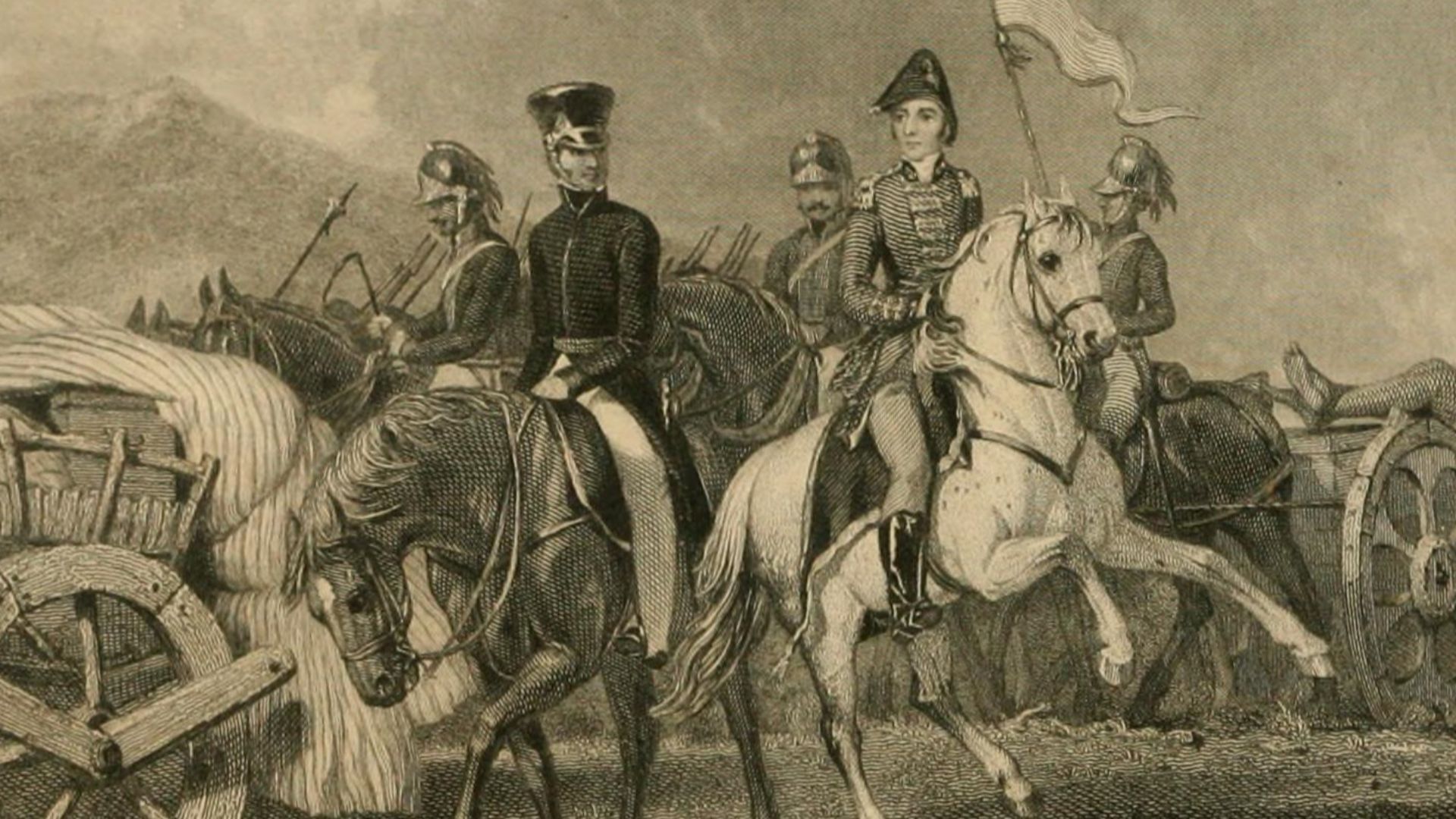
30. He Crushed Resistance
By 1800, a former trooper for the Mysore side, Dhoondiah Waugh, who escaped during the Battle of Seringapatam, had become a powerful brigand in the region, raiding villages and raising his own forces. He eventually staged an insurgency against the occupying Brits. As Governor, it fell to Wellesley to deal with the rebellion and he once again dealt them a crushing defeat, earning him the rank of major-general. His success in battle would continue.
 AnonymousUnknown author, Wikimedia Commons
31. He Racked Up W’s
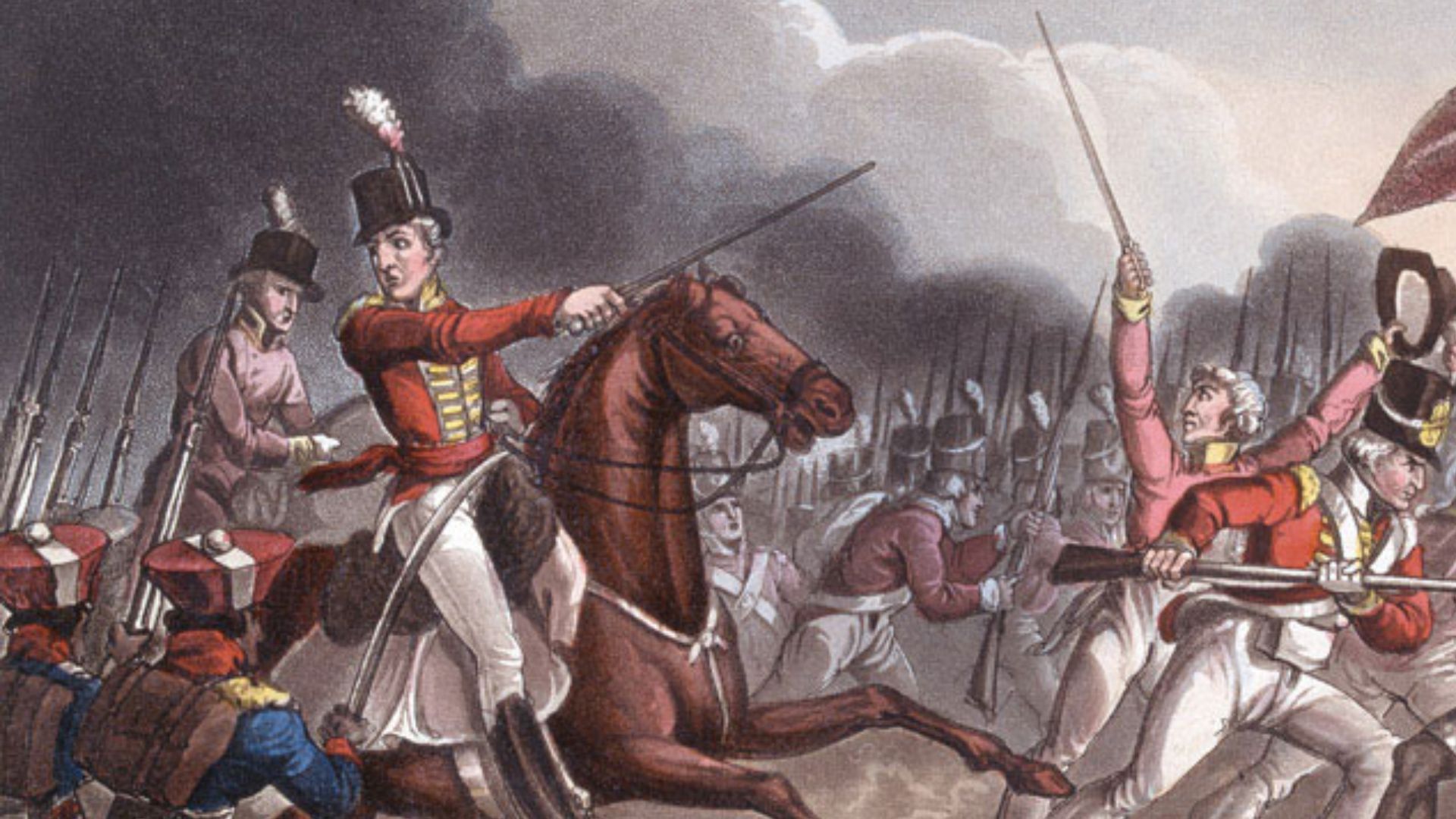
As Britain’s expansive colonial ambitions ploughed through India, another major conflict broke out, the Second Anglo-Maratha conflict of 1802-1803. This culminated in the Battle of Assaye, which was led by Arthur Wellesley.
It was yet another dramatic bout, with opposition forces shooting not one but two horses from under the major-general. The Brits emerged victorious again, however, and the once-adrift Wellesley had become a roundly respected leader among the British upper crust.
 Joseph Constantine Stadler / After William Heath, Wikimedia Commons
32. He Came Into His Own
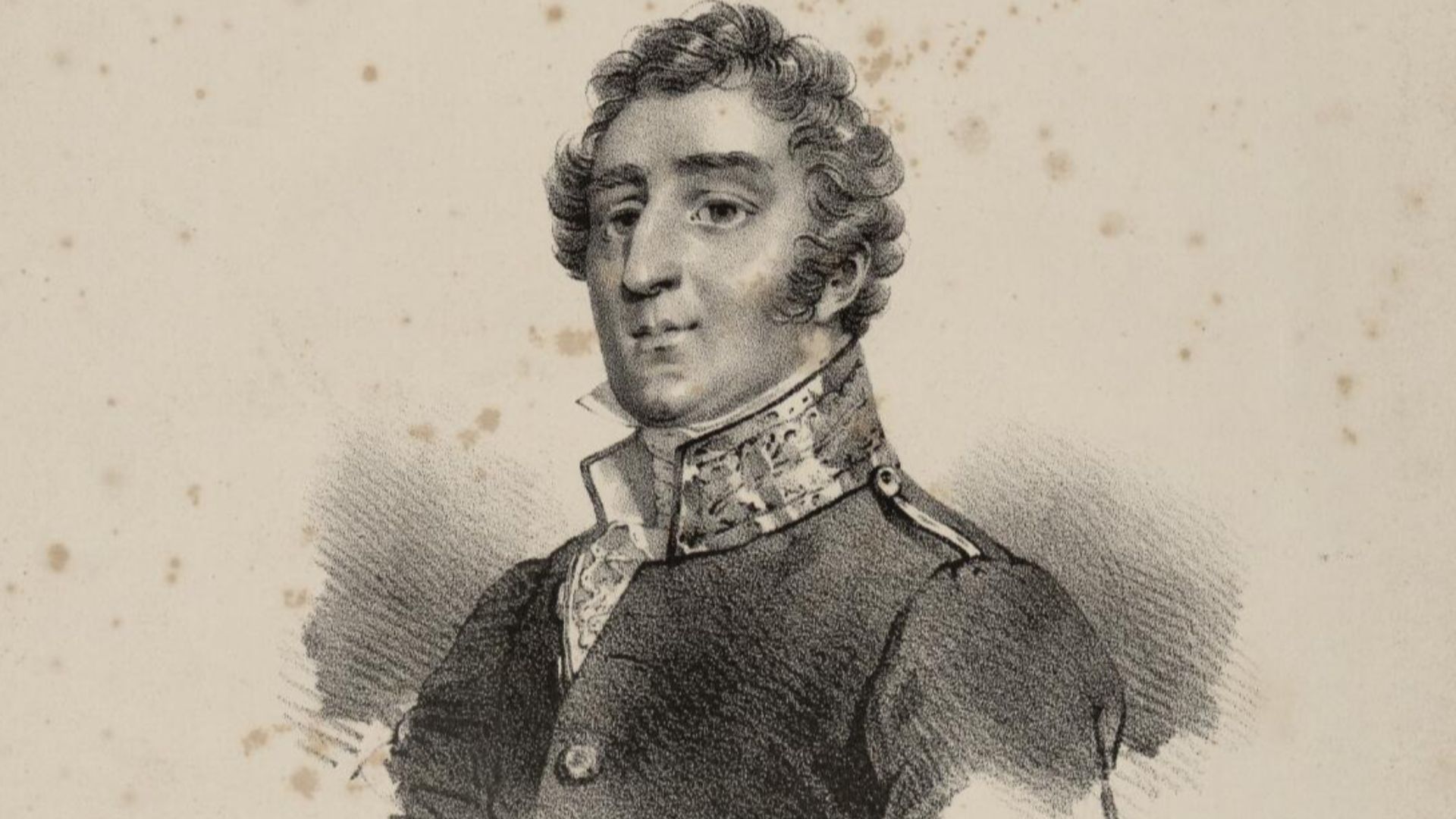
Wellesley’s experiences in India were the making of the man, and he adopted many tactics that were crucial to his future success—with personality traits to back them up. The man took on a disciplined sense of drill and order and honed his skills in diplomacy and knowledge of supply line logistics.
He even developed a personal style; it was during this time that he began dressing in what would become his signature outfit: white trousers, dark tunics, Hessian boots, and a cocked black hat. But the benefits stretched beyond mere swag.
 Antoine Fonrouge, Wikimedia Commons
33. He Got Rich
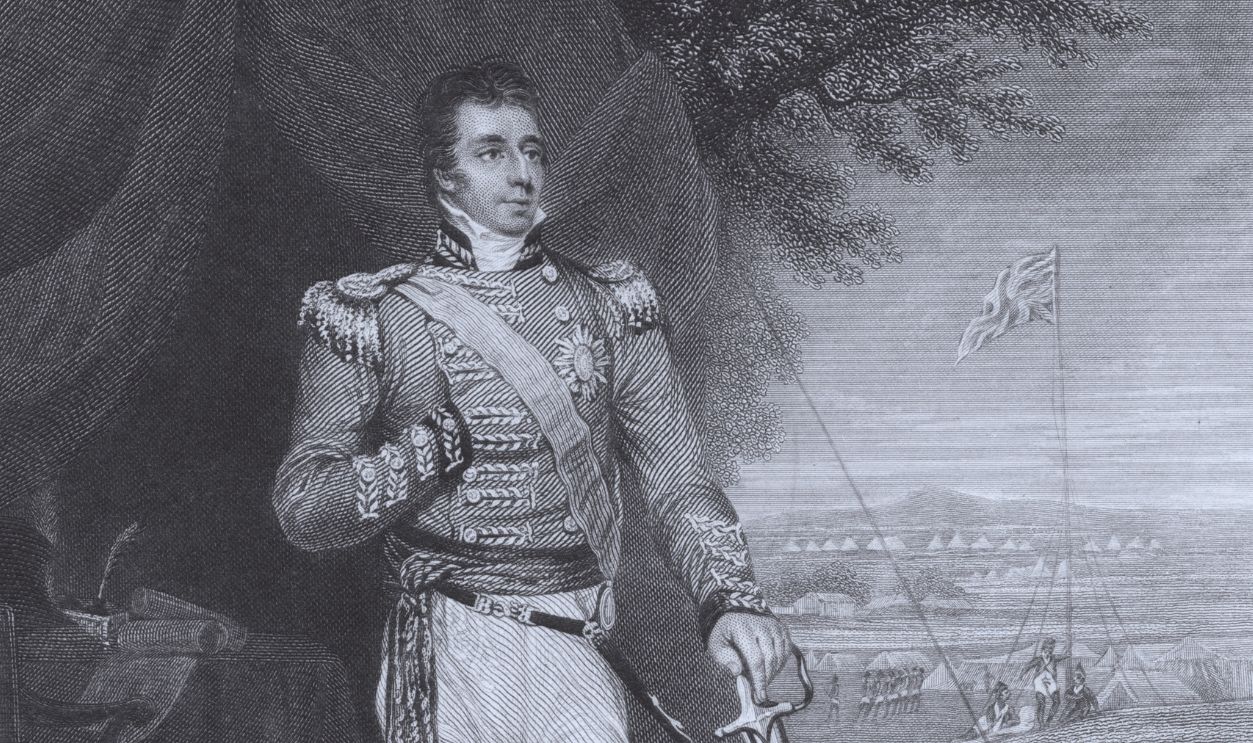
With the plunders of his colonial campaigns, Arthur Wellesley had also amassed a huge fortune in India, accumulating wealth of about £42,000 (the equivalent of roughly £4 million, as of 2023). Growing tired of India, he gathered up his enormous sums of money and returned to Britain to deal with some unfinished business.
34. He Got The Girl
No longer a terrible prospect, Wellesley returned to Britain a rich and accomplished man and decided to give it one more go with his old boo, Kitty Pakenham. Her brother did not interfere this time, and the two were married in Dublin on April 10, 1806. Arthur had finally gotten what he wanted, but it turned out that the couple were a terrible match.
35. His Marriage Sucked
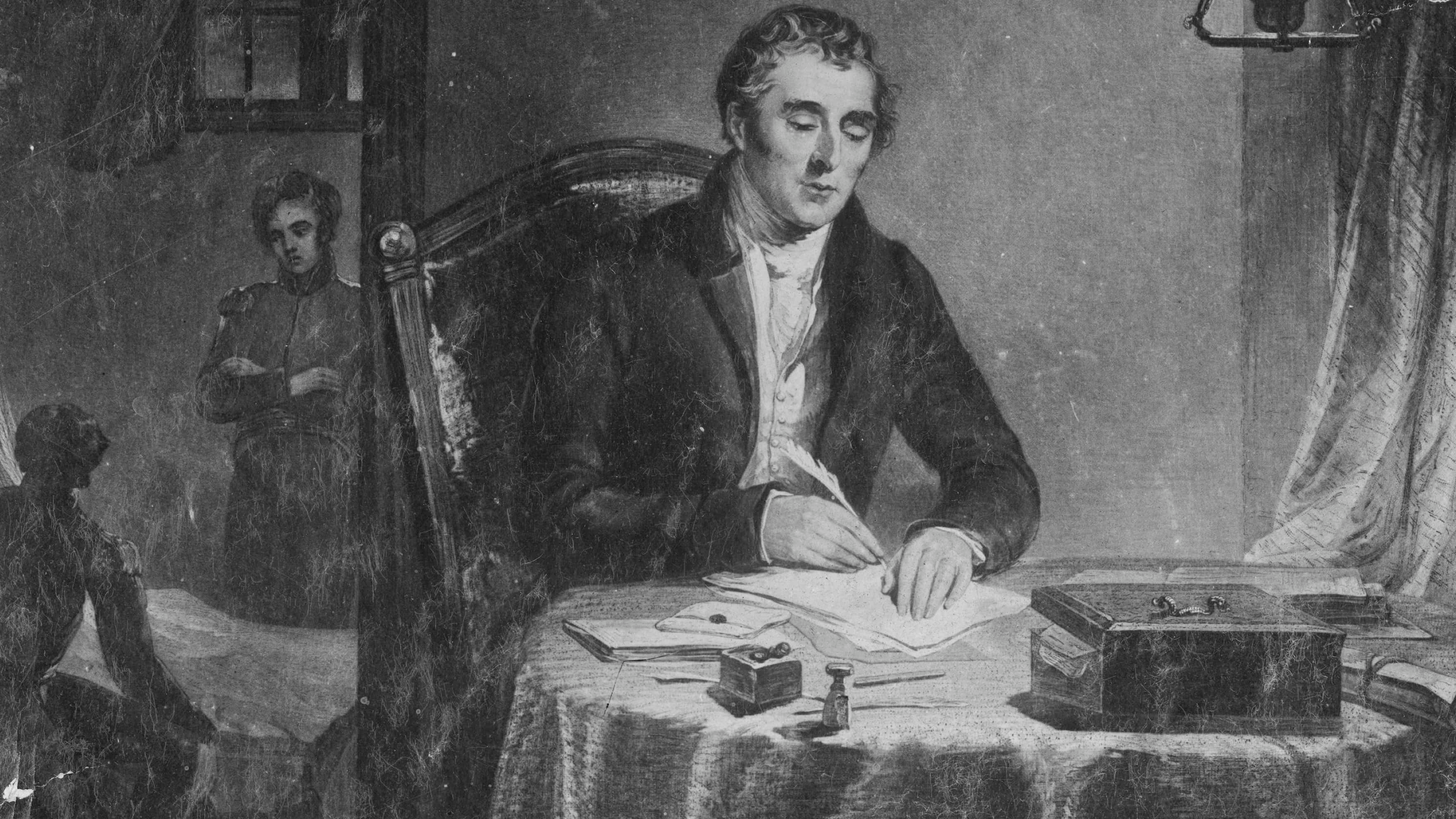
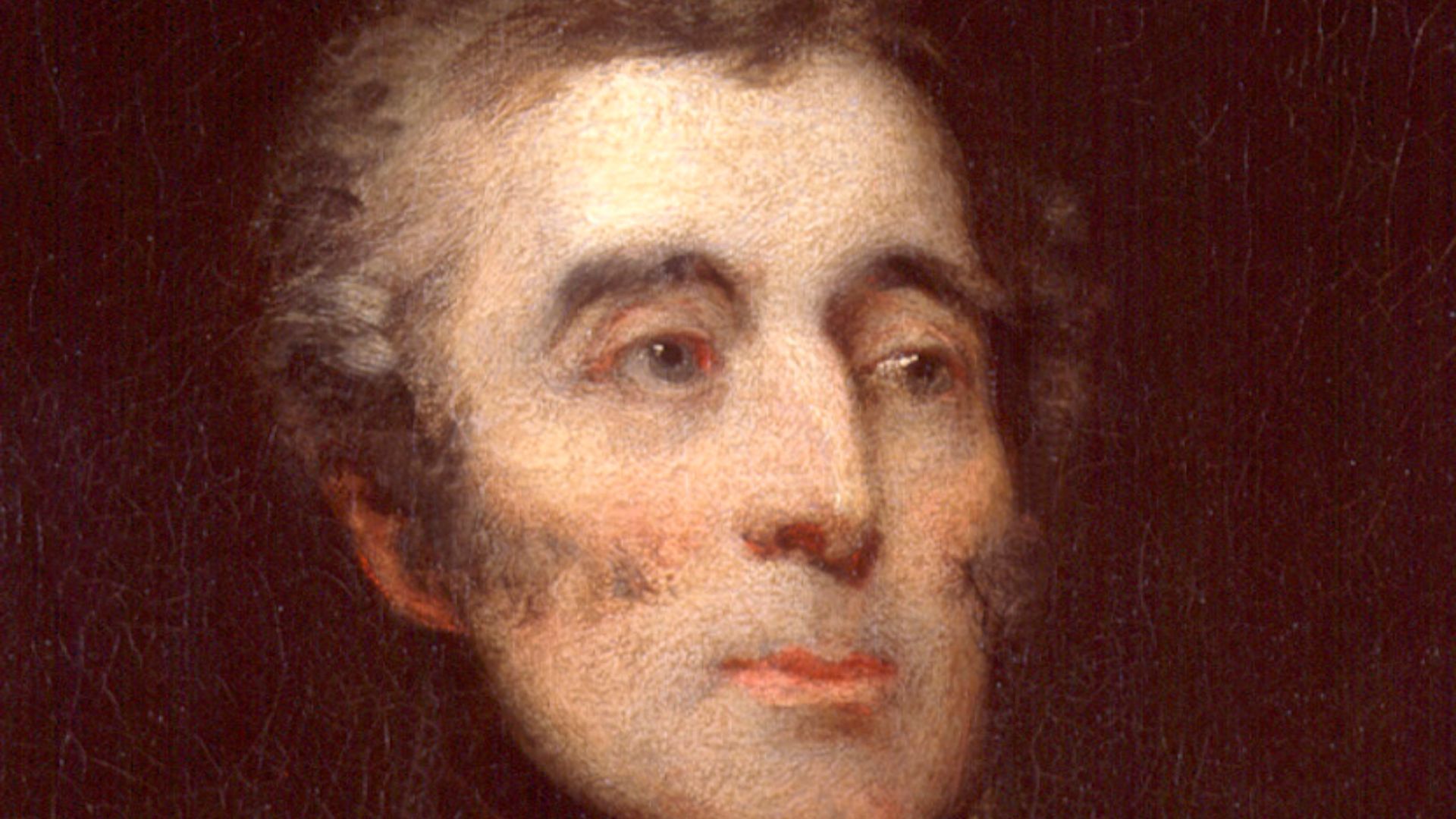
Arthur and Kitty’s marriage proved profoundly unsatisfactory for all involved. Though they had two children together, the couple spent years at a time apart while Arthur embarked on campaigns. Kitty fell into a deep depression that defined the rest of her life, while her husband spent his days philandering with other romantic partners. Arthur’s confidence was perhaps the sign of a developing hero complex.
 John Jackson, Wikimedia Commons
36. He Answered The Call Of Destiny
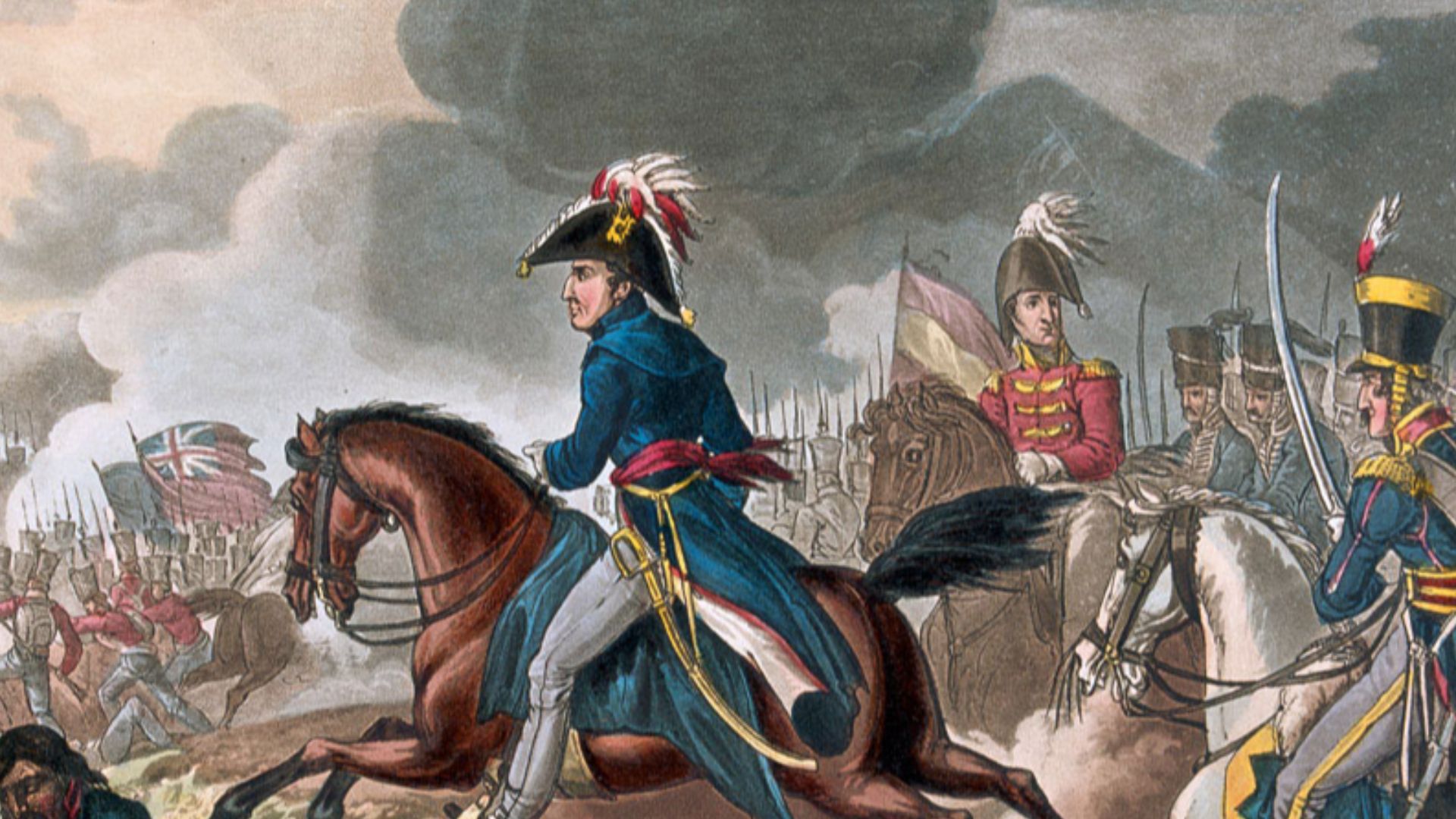
The year of 1808 saw the outbreak of the Peninsular conflict, a six-year affair that made up part of the wider Napoleonic conflicts between Britain and France. Wellesley was heavily involved in the campaign, proving himself again and again with thrilling victories in battles across the continent. It was here where Arthur truly made a name for himself and received recognition beyond the world of warfare and politics.
 Joseph Constantine Stadler, Wikimedia Commons
37. His Exploits Inspired Art
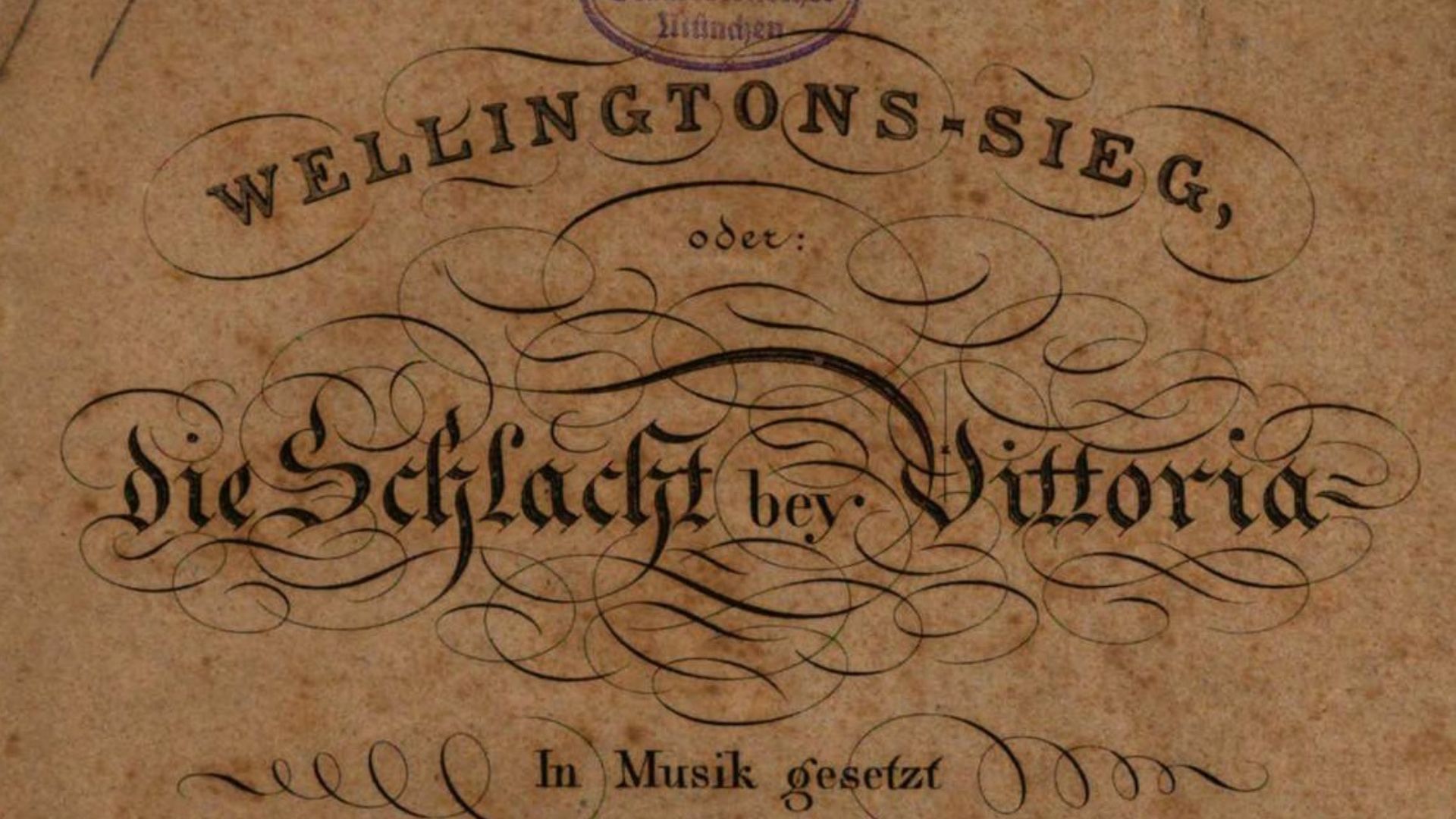
One of the most decisive conflicts led by Wellesley, which directly laid the foundations for the overall British victory, was the Battle of Vitoria. The exploits of Arthur and his troops were cemented in European legend when they were immortalized as the inspiration for Beethoven’s orchestral piece, Wellington’s Victory. Art can obscure elements of the truth, of course, and while Wellesley had an impressive list of accomplishments, he wasn’t exactly admirable.
 Ludwig van Beethoven, Wikimedia Commons
38. He Was Condescending
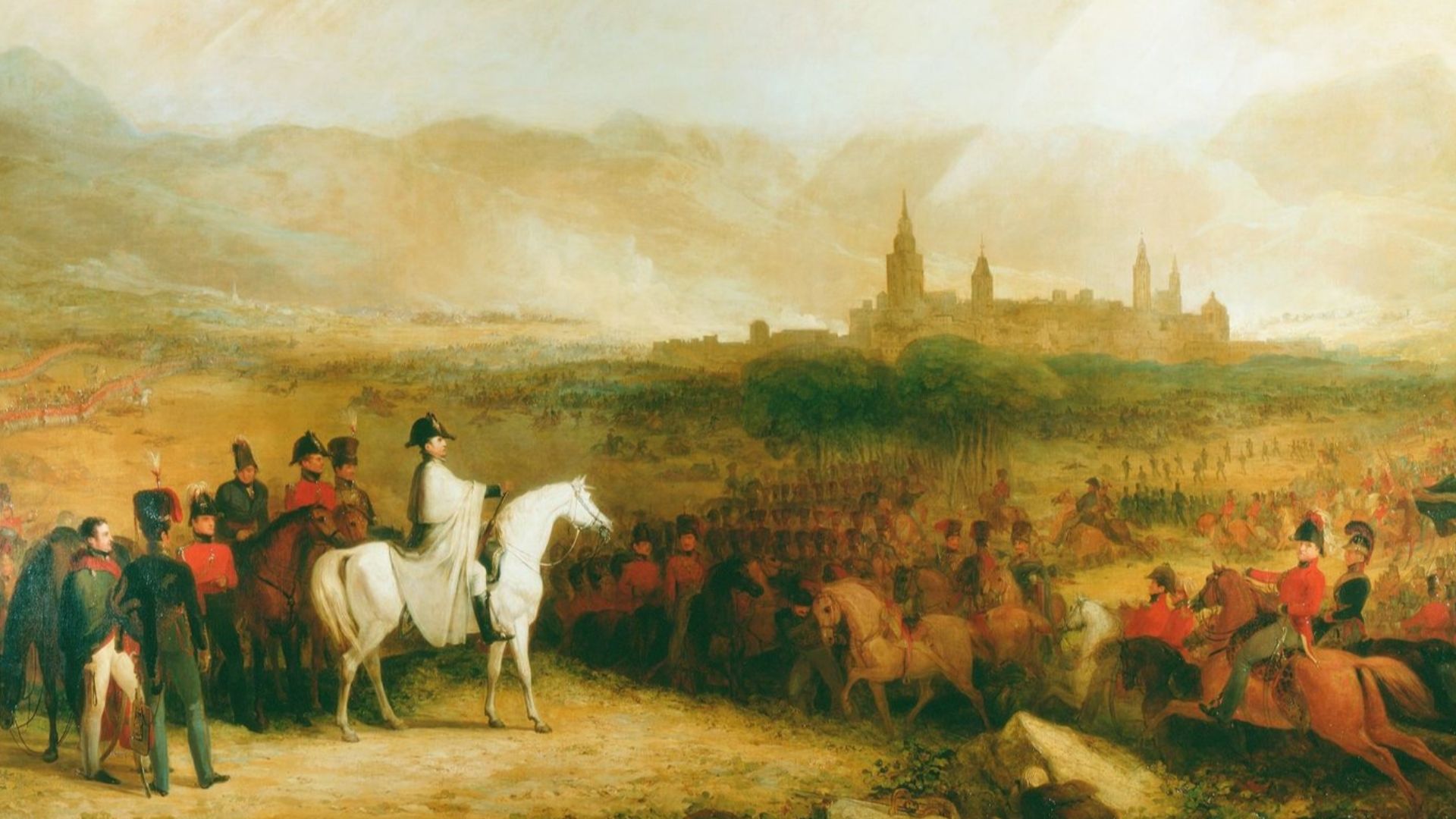
Wellesley’s troops would often take advantage of their vanquished French foes to enrich themselves by plundering the loot of the enemy’s abandoned wagons and bases. Though this was essentially what Wellesley did in India, but on a smaller scale, the pompous leader failed to see the similarities.
Damning his men with faint praise, he summed them up as “the scum of the earth; it is really wonderful that we should have made them to the fine fellows they are”. With all the requisite ignorance of the upper class, Wellesley soon got his defining title to go along with it.
 George Jones, Wikimedia Commons
39. He Cemented His Legacy
Wellesley returned to Britain a widely hailed hero and conqueror, and the government sought to quickly reward him for his exploits. On May 3, 1814, they named him 1st Duke of Wellington and gave him vast property in the county of Somerset. The Brits also added insult to injury for their vanquished opponents.
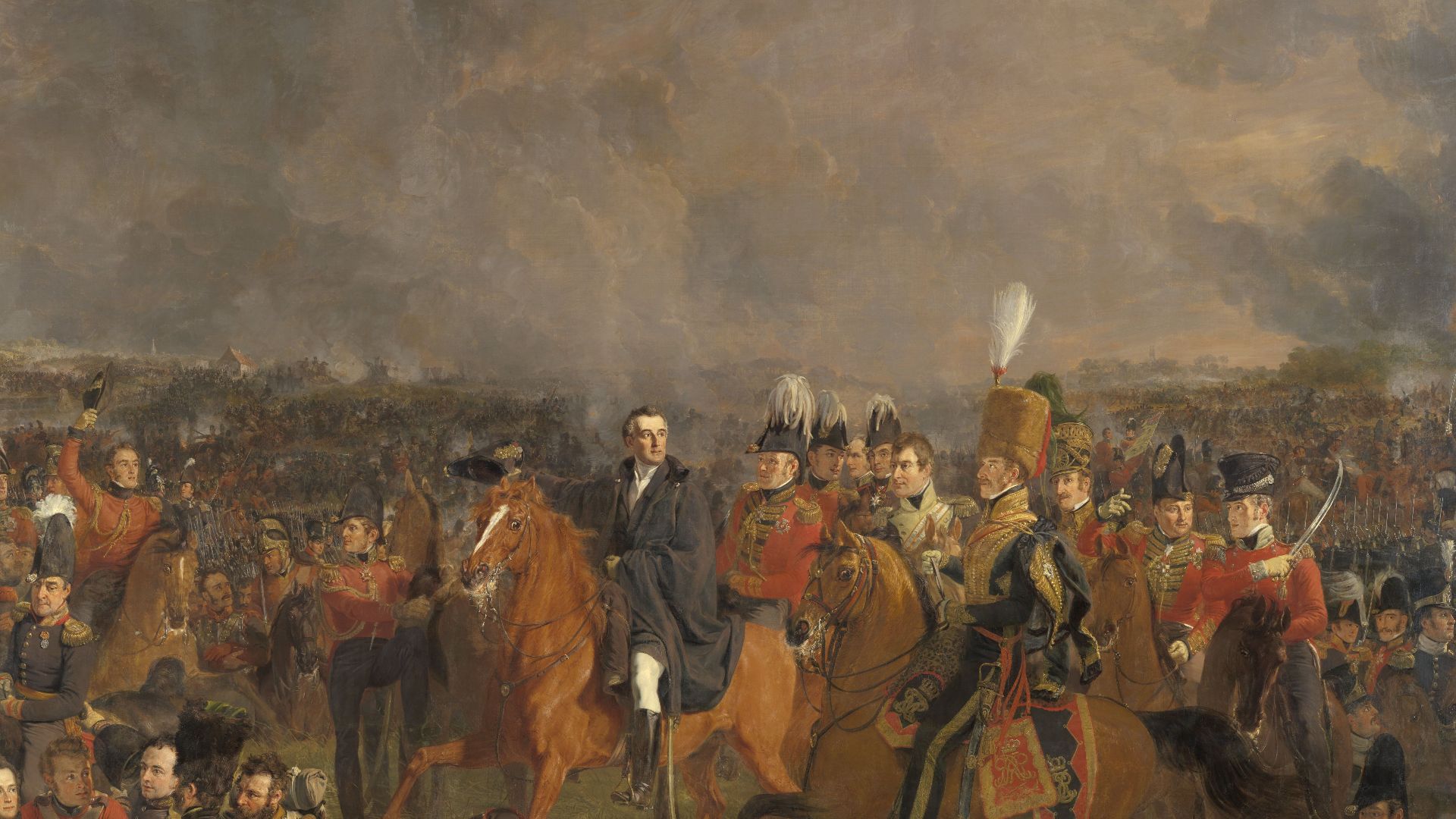 Jan Willem Pieneman, Wikimedia Commons
40. He Got Another New Job
The Duke of Wellington was now a hot commodity within the British ruling class, and many envisioned a long and storied career for him in politics. Wellesley enthusiastically heeded the call, and his first appointment was as Ambassador to France to assist in the negotiation of conditions of the French defeat. There was one final hurdle, however.
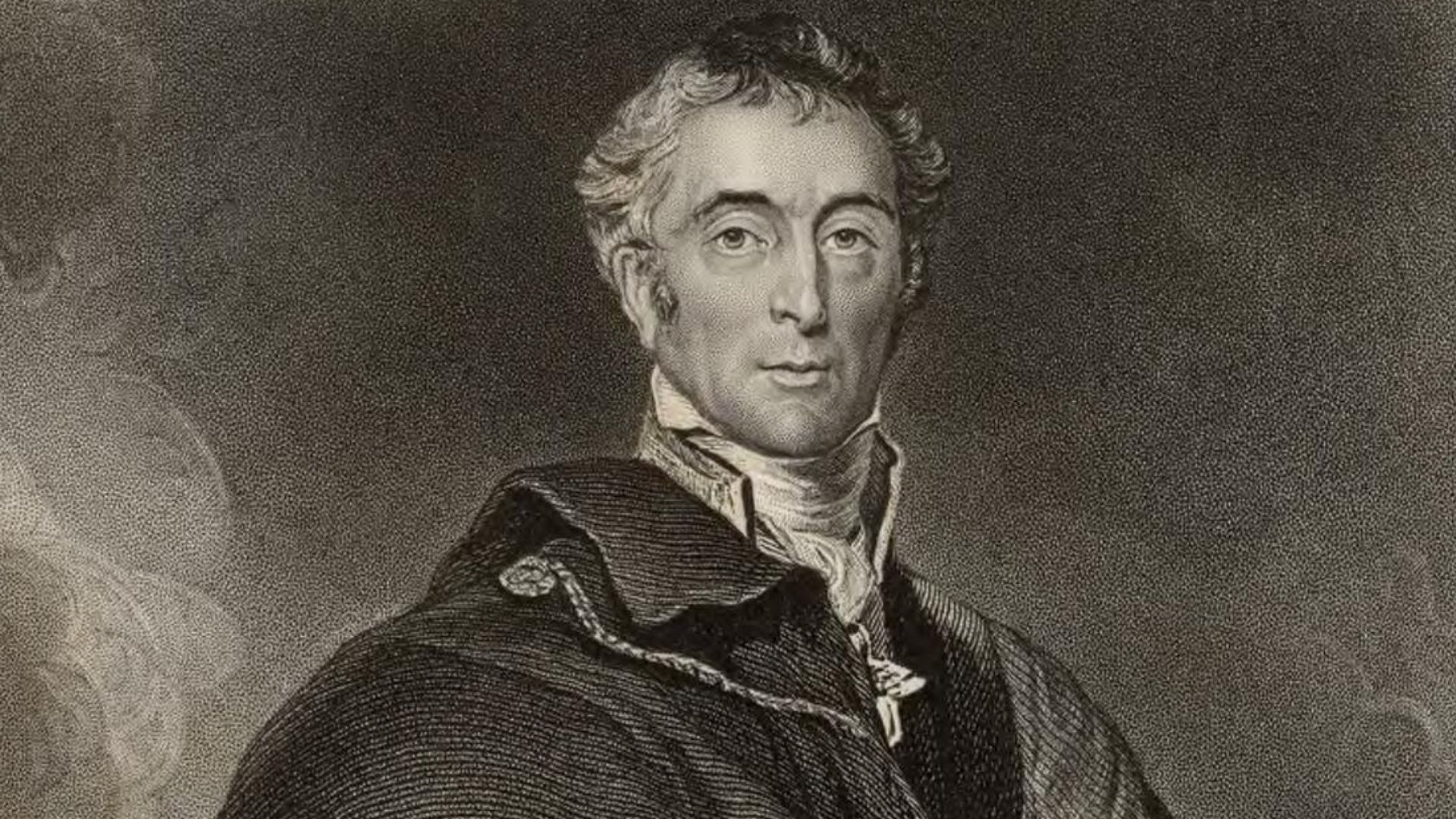 Unknown authorUnknown author, Wikimedia Commons
41. He Was Part Of History
While the Brits had defeated the French in the Peninsular conflict, they had failed to slay Napoleon himself, who went into exile for 11 months before returning to France in 1815 for a period that became known as the Hundred Days.
The conflict between Britain and France reignited, and culminated in the famous Battle of Waterloo, in which the Duke of Wellington, once again, played a decisive role. This battle put the Napoleonic conflict to bed forever, and Wellesley reaped the political benefits.
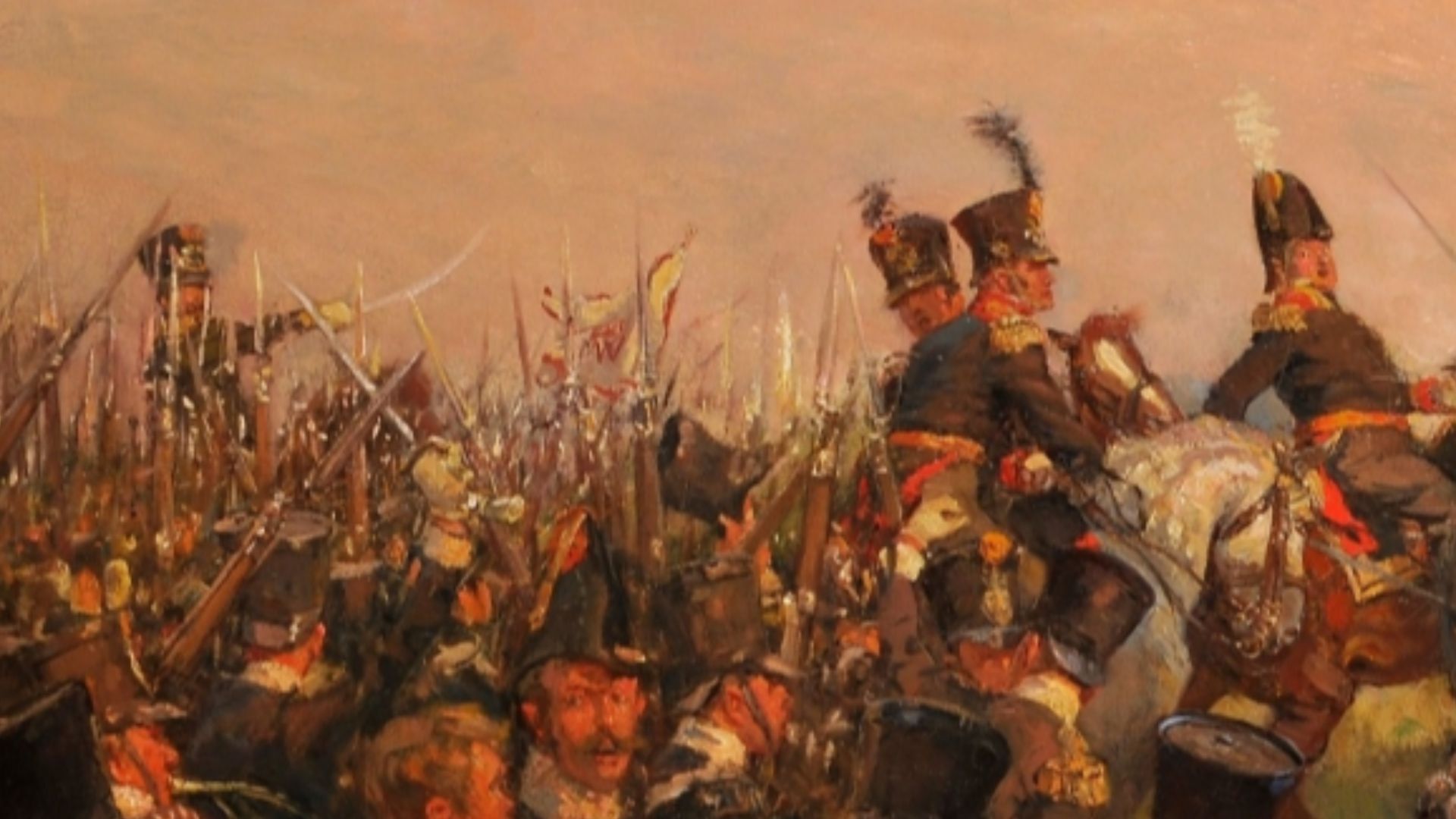 Jan Hoynck van Papendrecht (1858–1933), Wikimedia Commons
42. He Entered Politics
After the battle, the Duke of Wellington began his career in English politics (as opposed to his previous dabble in Irish politics) in earnest. Over the next decade, he would become an increasingly prominent and influential member of the Tory Party, holding various cabinet positions along the way. But the ambitious Duke, of course, had his eye on the top spot.
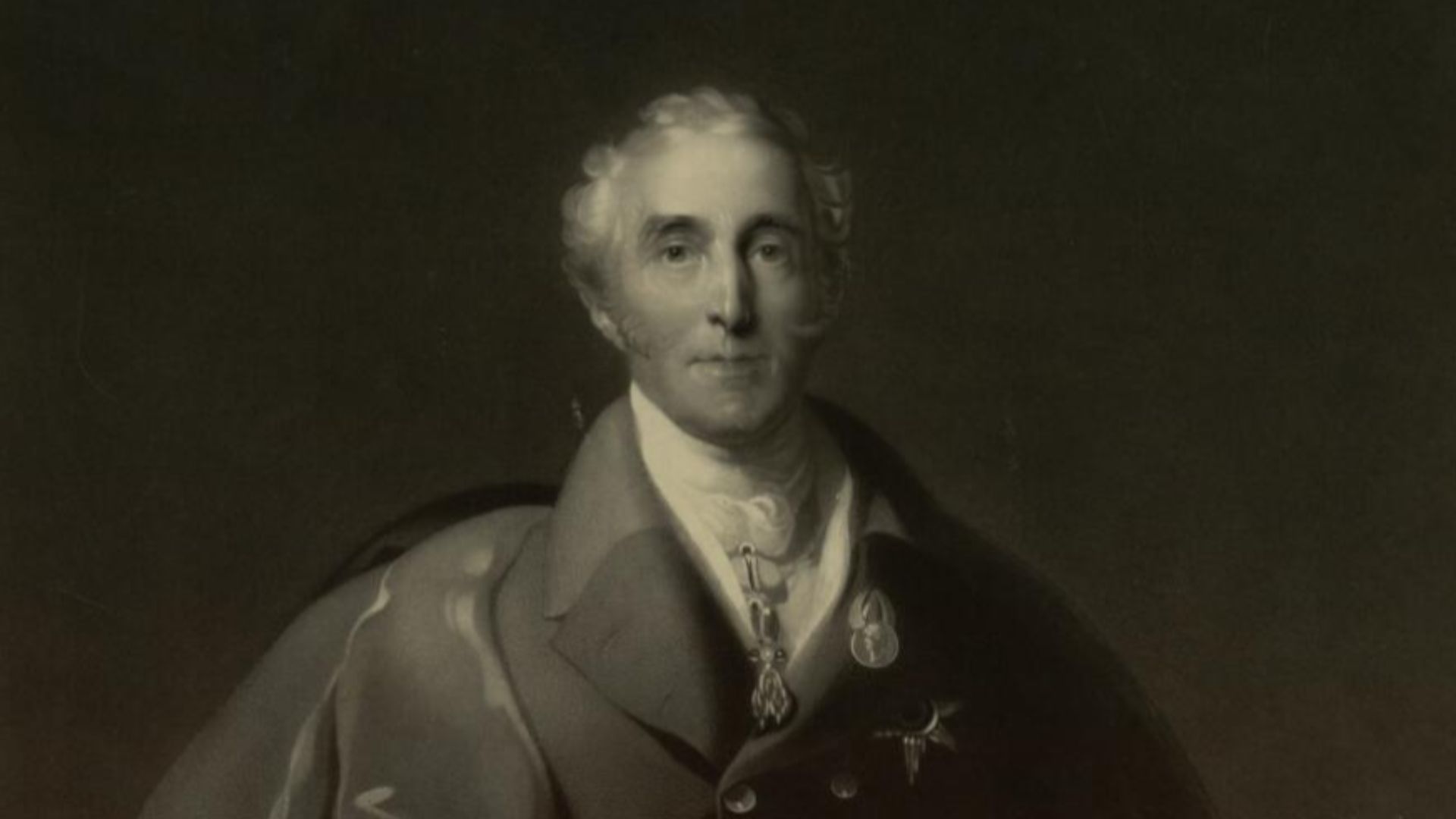 James Scott, Wikimedia Commons
43. He Reached The Top
In January of 1828, the Duke of Wellington reached the pinnacle of his career when he became Prime Minister of Great Britain. Serving two years in the position, he opted not to live at the traditional residence of the prime minister at 10 Downing Street, finding the lodgings too small (classic rich guy). And though his tenure was relatively brief, he would oversee some significant political changes.
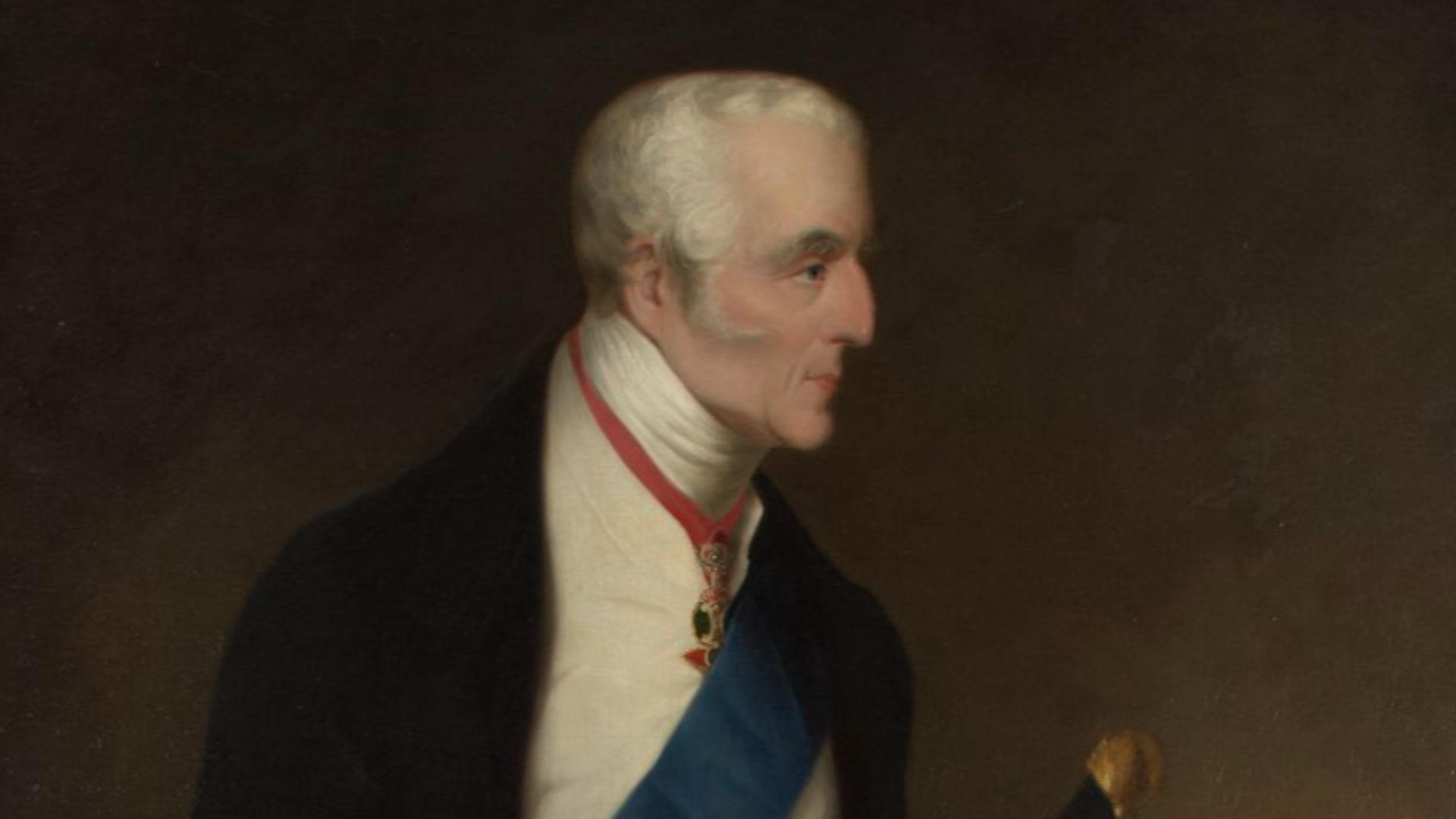 Alfred d'Orsay, Wikimedia Commons
44. He Offered Concessions
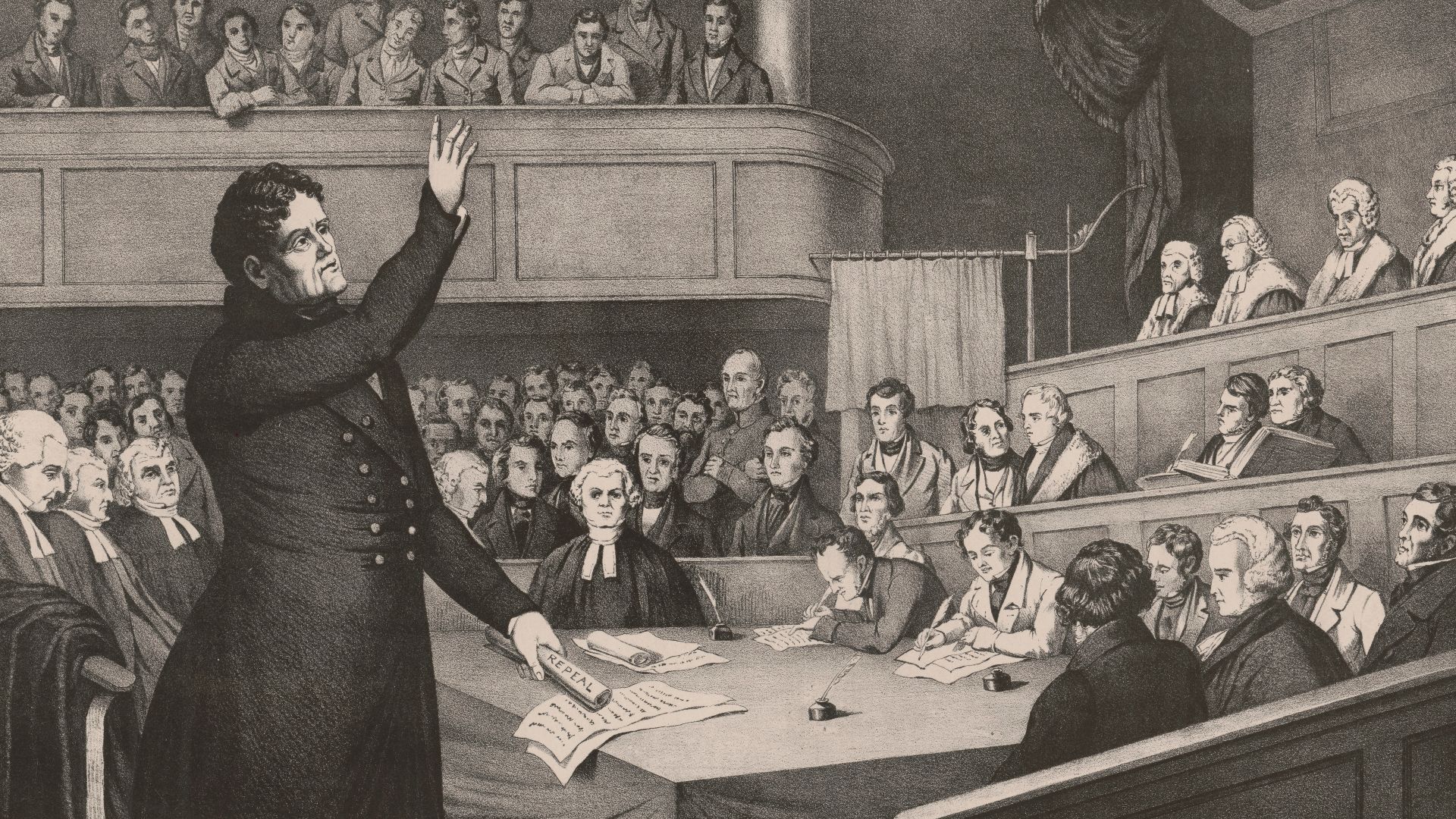
Wellington’s first major challenge as PM was posed by his “home” country of Ireland, where there was a growing movement for Catholic emancipation from the oppressive penal laws that the Brits had imposed upon the Irish. Fearing a revolution for Irish independence was brewing, Wellington introduced Catholic emancipation to the country, allowing previously disenfranchised Catholics to serve in Parliament.
Famous Irish “Emancipator” Daniel O’Connell gave Wellington little credit for the move, dismissing claims it was an act of Irish patriotism on the Prime Minister’s part, and remarking “To be sure he was born in Ireland, but to be born in a stable does not make a man a horse”. Wellington faced some intense opposition in Britain as too.
 Popular Graphic Arts, Wikimedia Commons
45. He Took Politics To The Streets
The emancipation offered by the duke pleased almost no one, and he received criticism at home from the Earl of Winchilsea, a member of the opposition, who accused Wellington of “an insidious design for the infringement of our liberties and the introduction of Popery into every department of the State”.
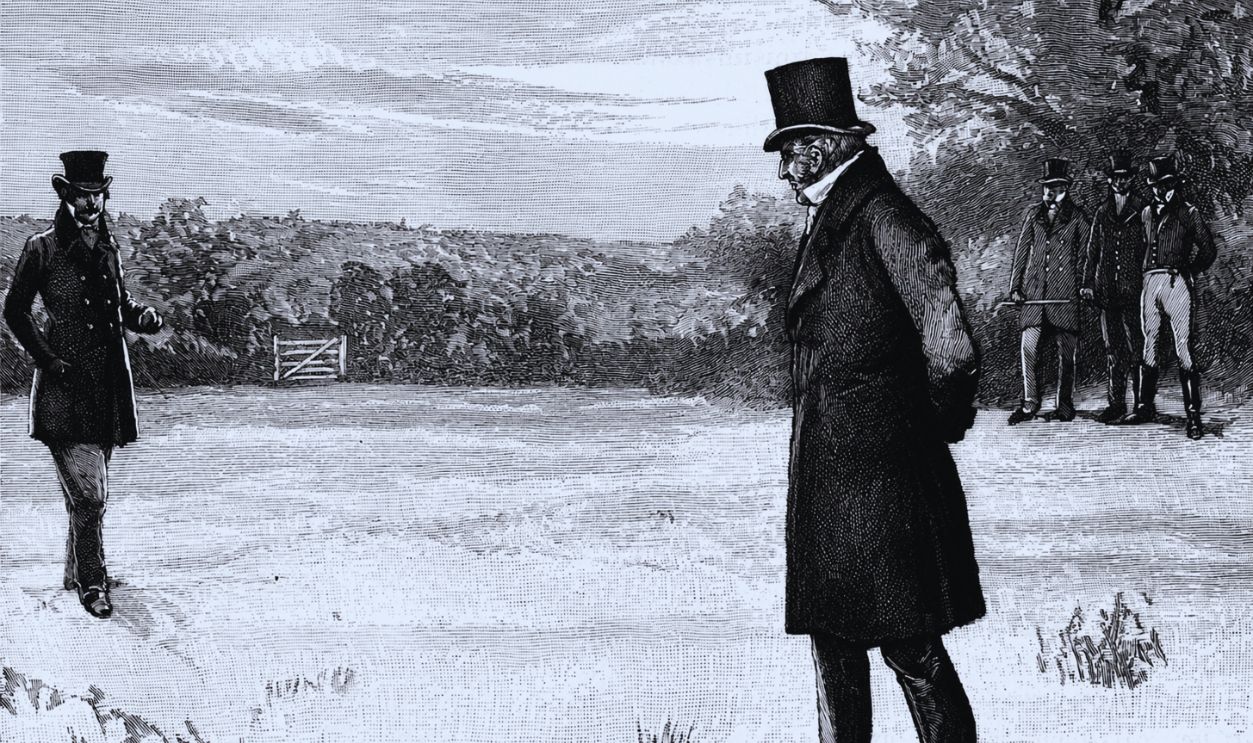
Personally insulted, the prime minister challenged the Earl to a duel, which took place on March 21, 1829. Wellington fired and missed, while Winchilsea opted to merely fire into the air. The result saved both men’s honor, and the Earl promptly apologized to the PM. But the tide was turning against Arthur.
46. His Government Fell
During this period, Wellington experienced widespread personal and political unpopularity, earning him the nickname of the “Iron Duke”. Presiding over the opening of the Liverpool and Manchester Railway, onlookers met the prime minister with a hostile reaction.
Refusing to expand suffrage, a demand gaining increasing popularity in the country, Wellington’s government fell to a vote of no confidence in November 1830, following countrywide riots. It would not be the end for the embattled politician, however.
 British School, Wikimedia Commons
47. He Got One More Go
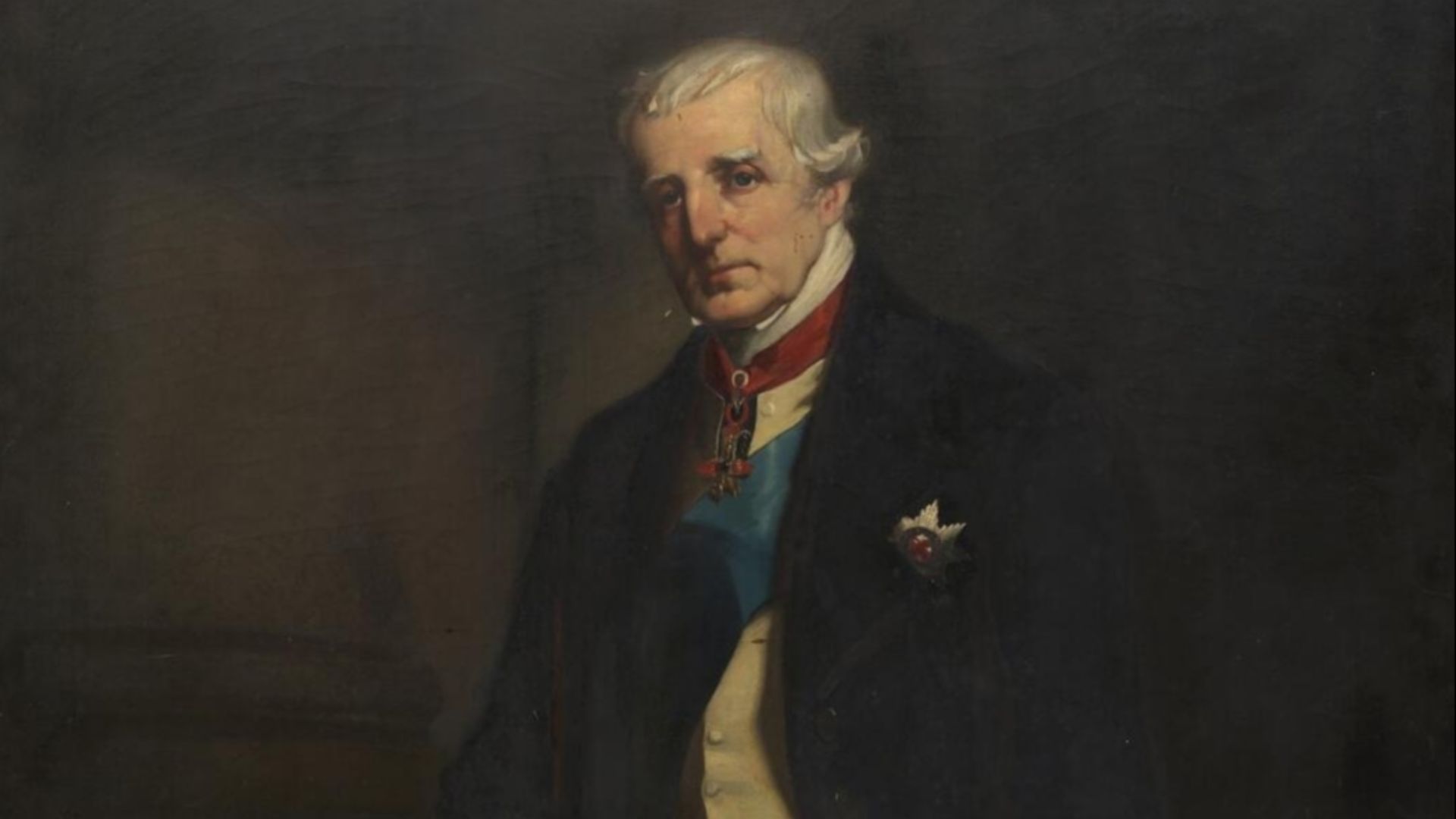
Wellington continued his political career and, after four years in opposition, got one final shot at the top spot. The Tories returned to power in 1834, and though they offered him the spot of PM again, the duke refused. However, as the party’s second choice was in Italy at the time, Wellington ended up serving as caretaker Prime Minister for one month until his successor returned. It was an inconsequential tenure, but Arthur remained relevant for another few years.
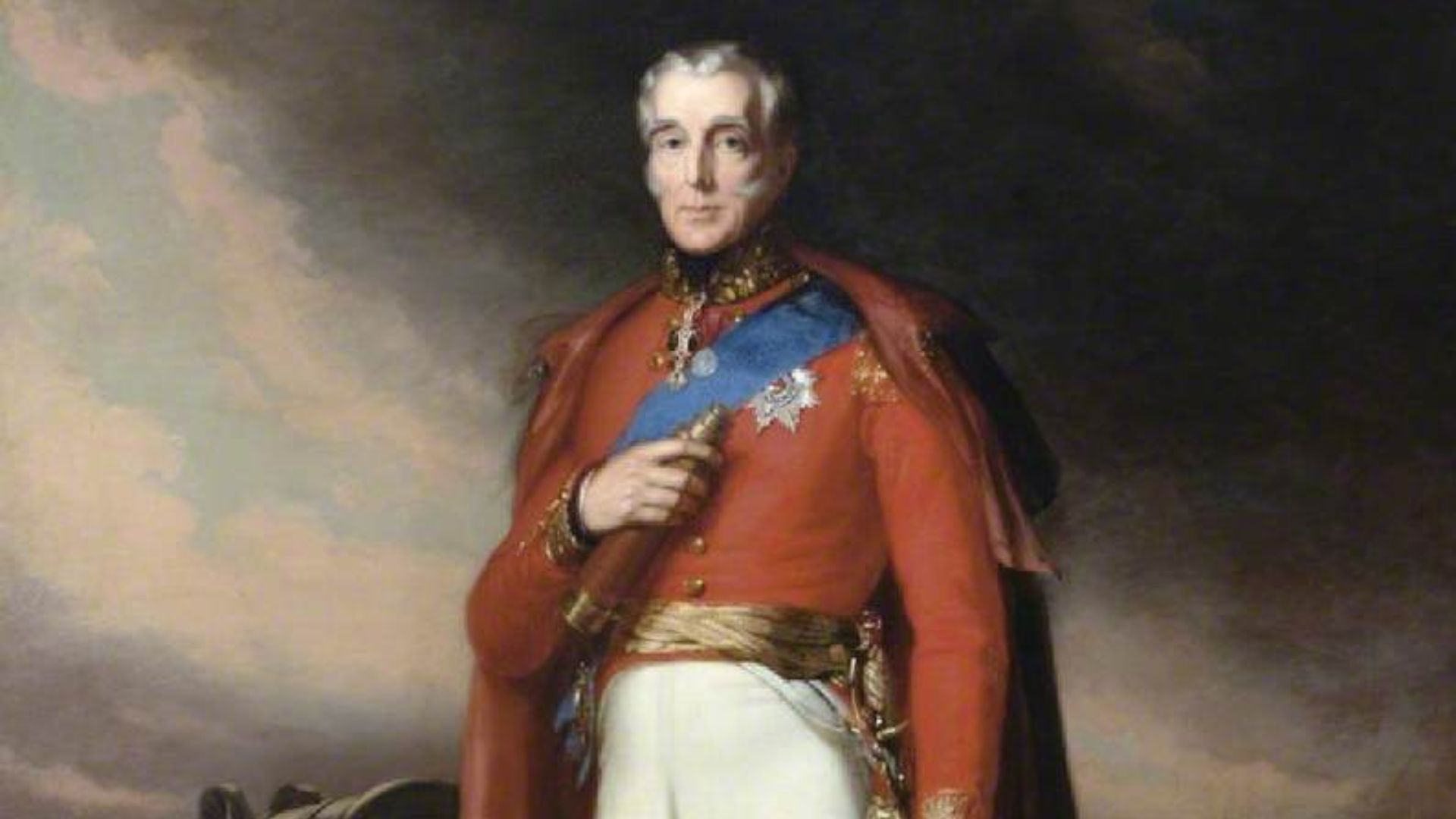
48. He Hung Up His Boots
Continuing as leader of the Conservative party, Wellington remained an influential figure in the House of Lords right up until his retirement. He oversaw many reactionary policies, shrewdly operated through politically maneuvering, and relentlessly worked for the interests of the landed aristocracy. He finally called it a day in 1846 and proceeded to enjoy his twilight years.
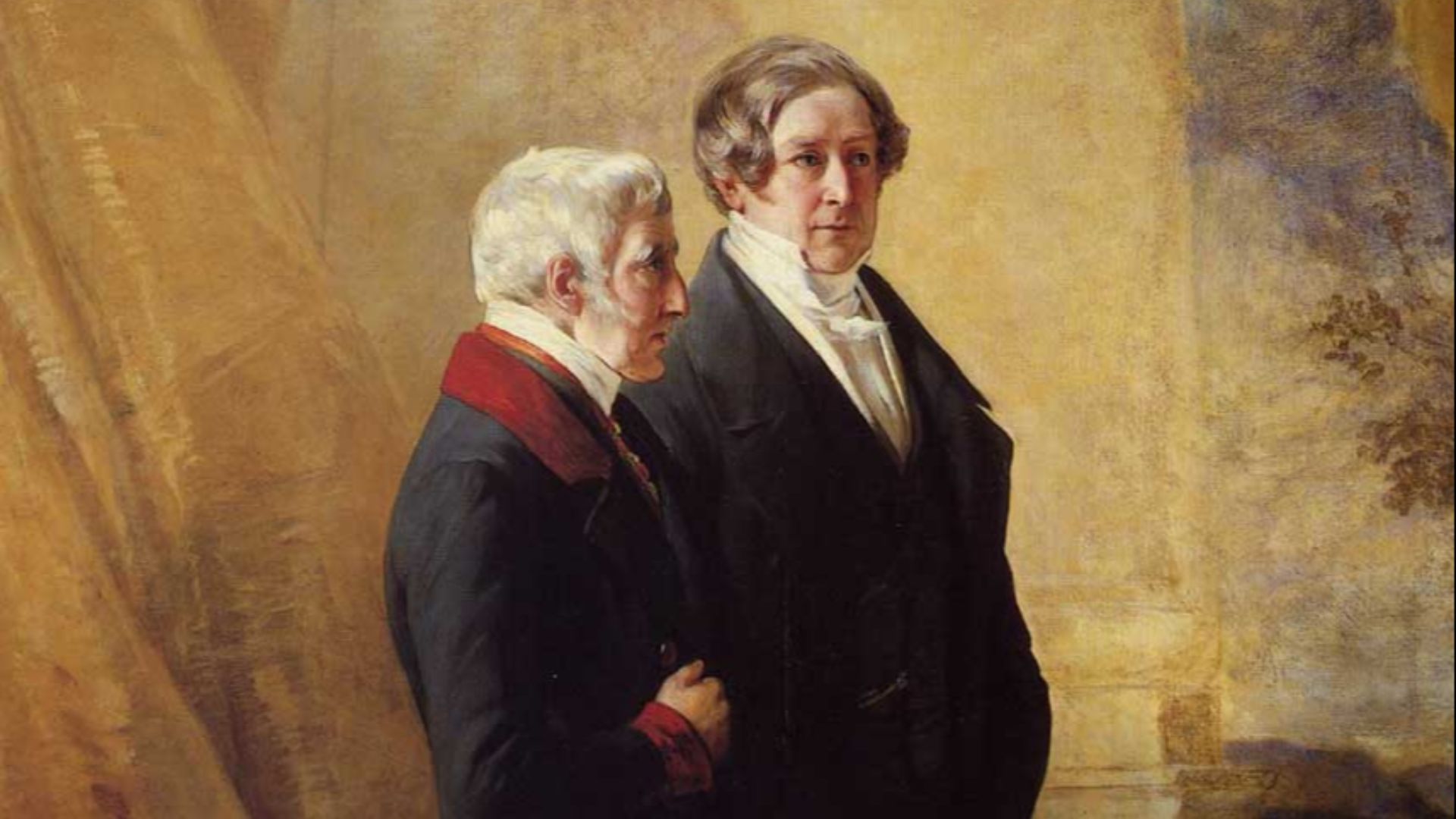 Franz Xaver Winterhalter, Wikimedia Commons
49. He Left The World Sitting
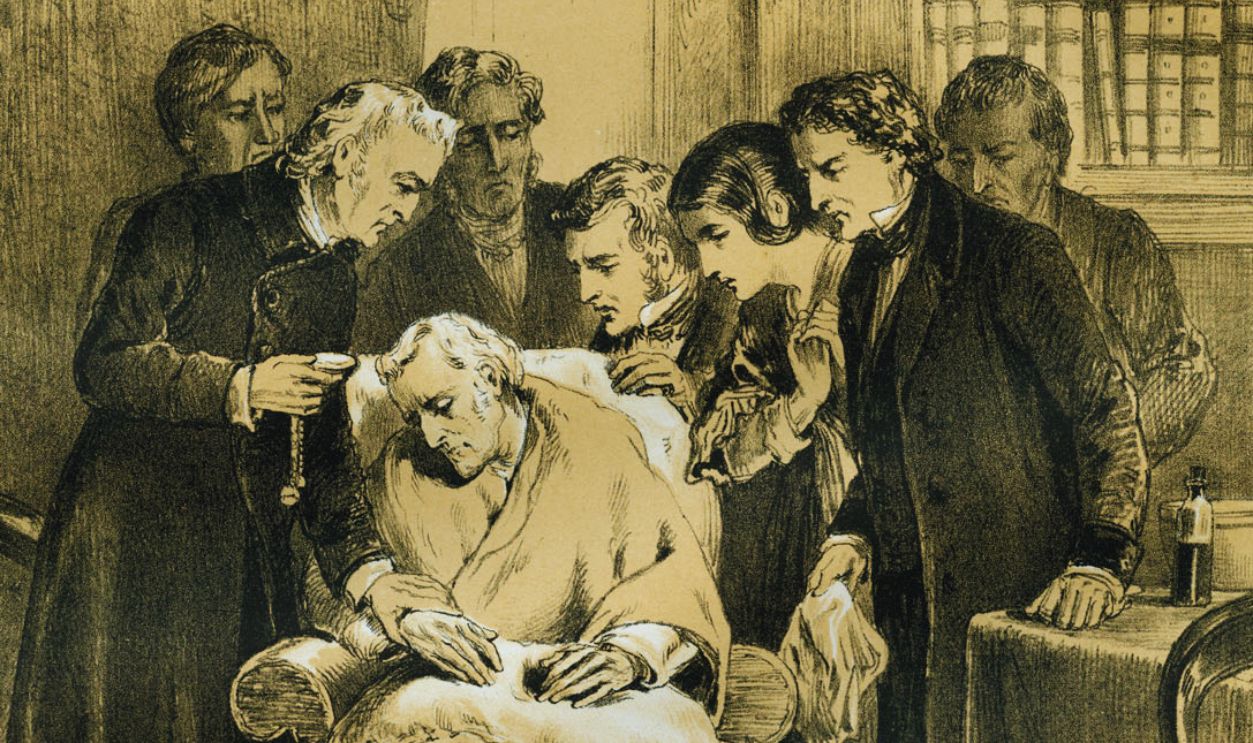
The elderly Wellington took ill on the morning of September 14, 1852, and his staff helped him from his campaign bed, the same one he slept in during his glory days of battle. They brought him to his favorite chair, and it was there that he left this mortal plane, later determined to result from a stroke. He was 83 years old. However you feel about the Duke of Wellington, there is no denying his legacy.
50. He Defined An Era
From his beginnings as an adrift and unmotivated young man, Arthur Wellesley would go on to become of the leading and most influential military and political figures of the early 19th century.
His place in British history was summed up by Queen Victoria, who eulogized that “He was the pride and the bon génie, as it were, of this country! He was the GREATEST man this country ever produced, and the most devoted and loyal subject, and the staunchest supporter the Crown ever had”. It’s a matter of opinion, I suppose, whether you consider that a good thing.
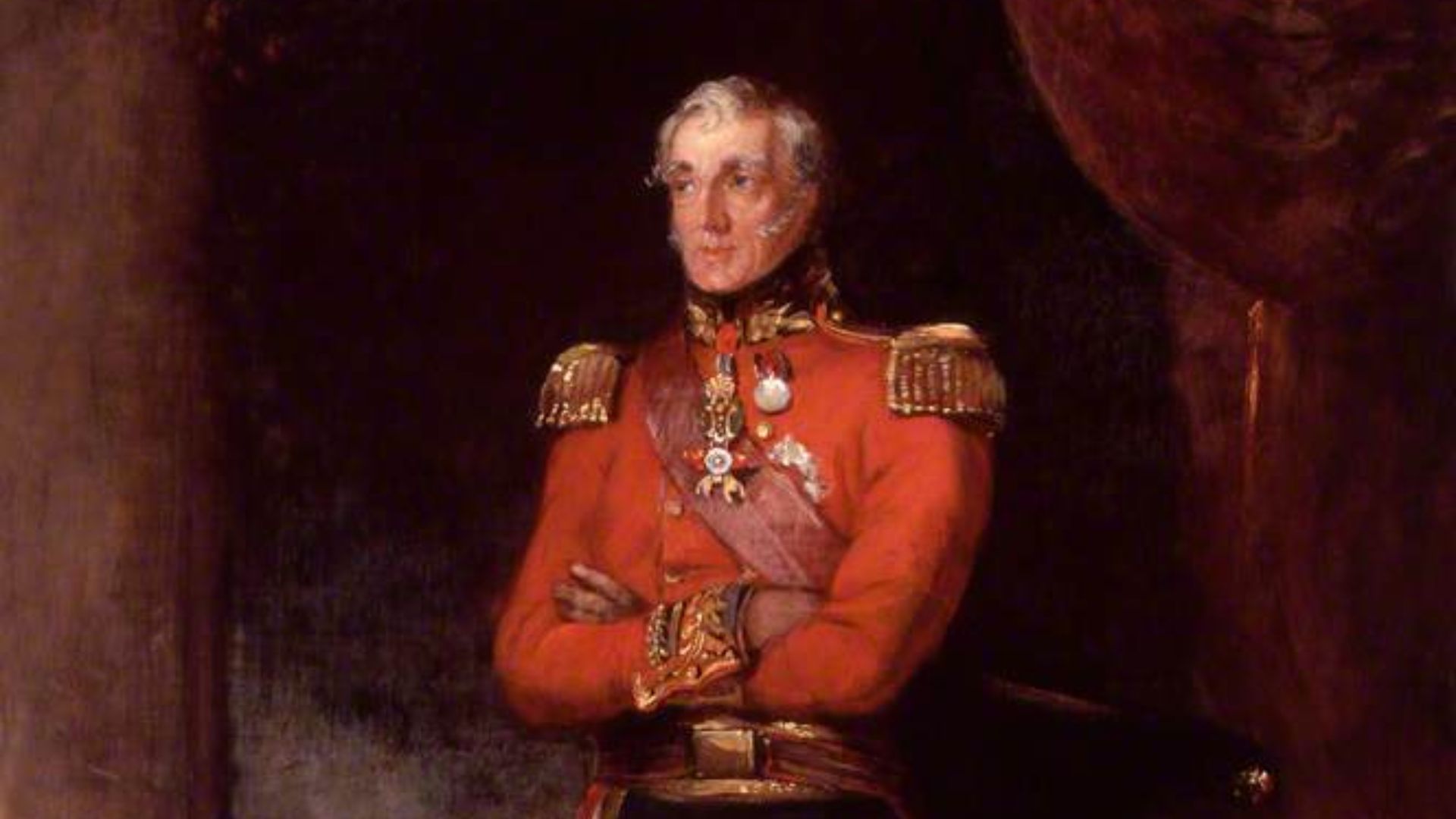 William Salter, Wikimedia Commons
You May Also Like:
Nosy Facts About Princess Augusta, The Meddling Royal Mother
42 Wig-Melting Facts About Louis XIV, The Sun King of France
Mega Awesome: Lost Facts About King James I, The Forgotten King