News Traveled Long Before Newsfeeds
People did not need television, radio, or social media to create a craze. Travelers, merchants, letters, books, performances, religious networks, and simple imitation could carry an idea across astonishing distances. The following trends show that human enthusiasm has always moved faster than the technology surrounding it.
Dancing Mania Took Over The Streets
During the late medieval and early modern periods, groups of Europeans sometimes danced uncontrollably for hours, days, or even longer. One of the most famous episodes began in Strasbourg in 1518, when a woman started dancing in the street and dozens of people reportedly joined her. Similar outbreaks had already appeared in other parts of continental Europe.
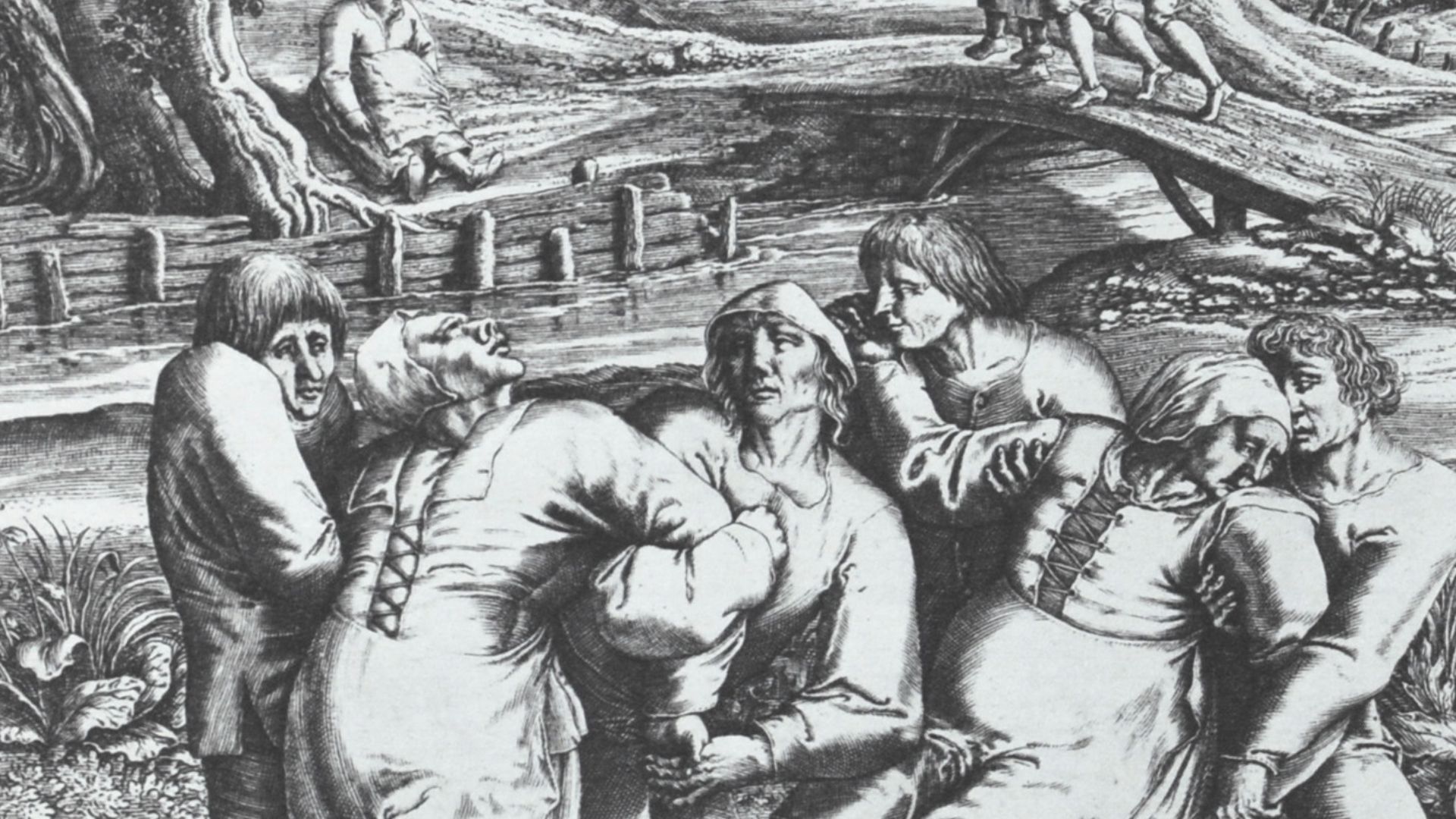 Pieter Brueghel the Elder, Wikimedia Commons
The Craze Became Its Own Contagion
Historians still debate whether dancing mania resulted from psychological distress, religious beliefs, physical illness, or a combination of pressures. What is clear is that public dancing encouraged more public dancing, especially in communities already strained by hunger, disease, and hardship. The spectacle spread through observation and shared expectation rather than through any organized campaign.
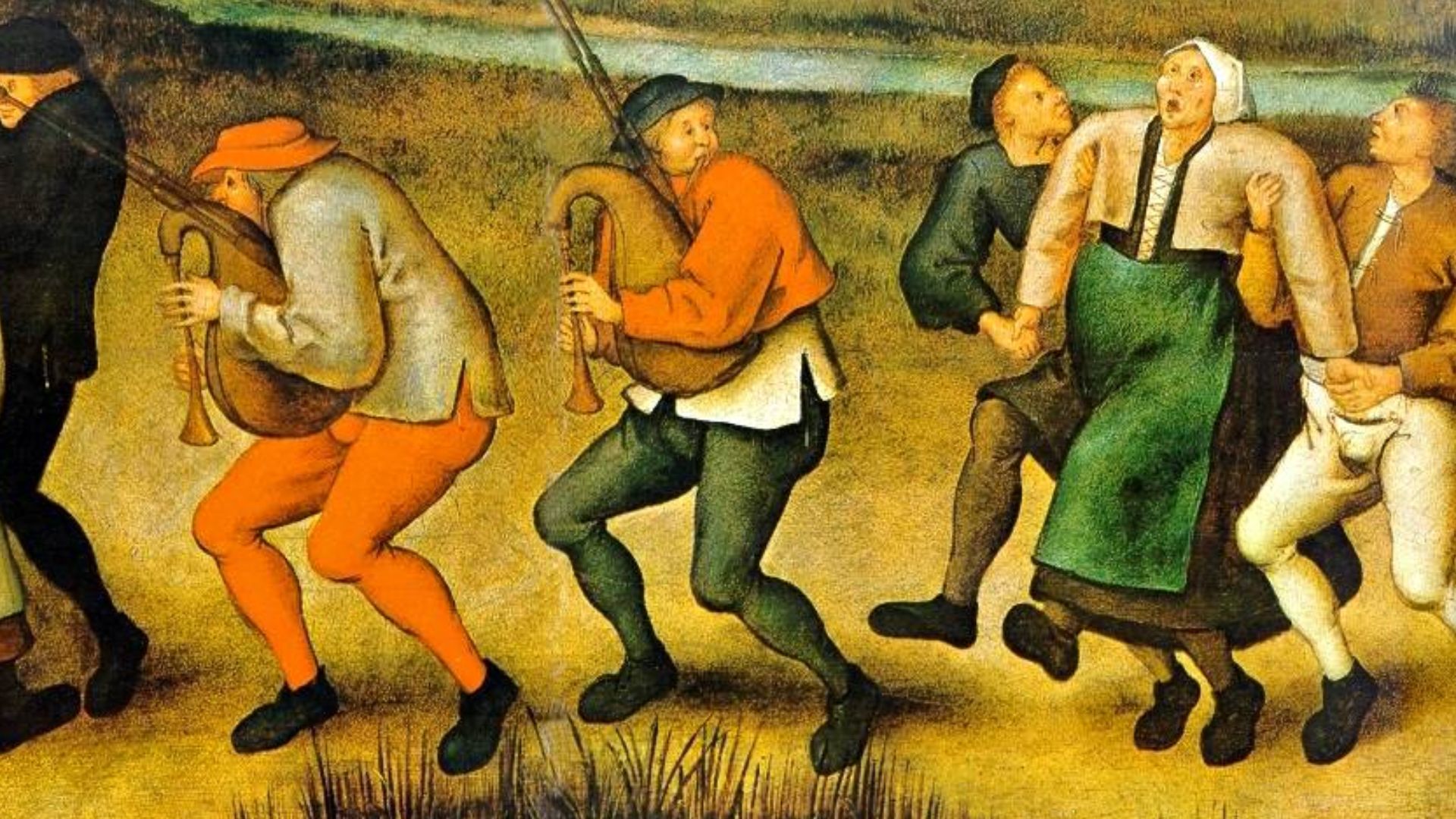 Pieter Brueghel the Younger, Wikimedia Commons
Flagellants Marched Across Plague-Stricken Europe
When the Black Death devastated Europe during the 14th century, traveling groups of penitents publicly whipped themselves to seek divine forgiveness. These flagellants moved from town to town in organized processions, singing hymns and performing dramatic rituals. Their appearances attracted crowds and inspired new groups in regions far from the movement’s earlier centers.
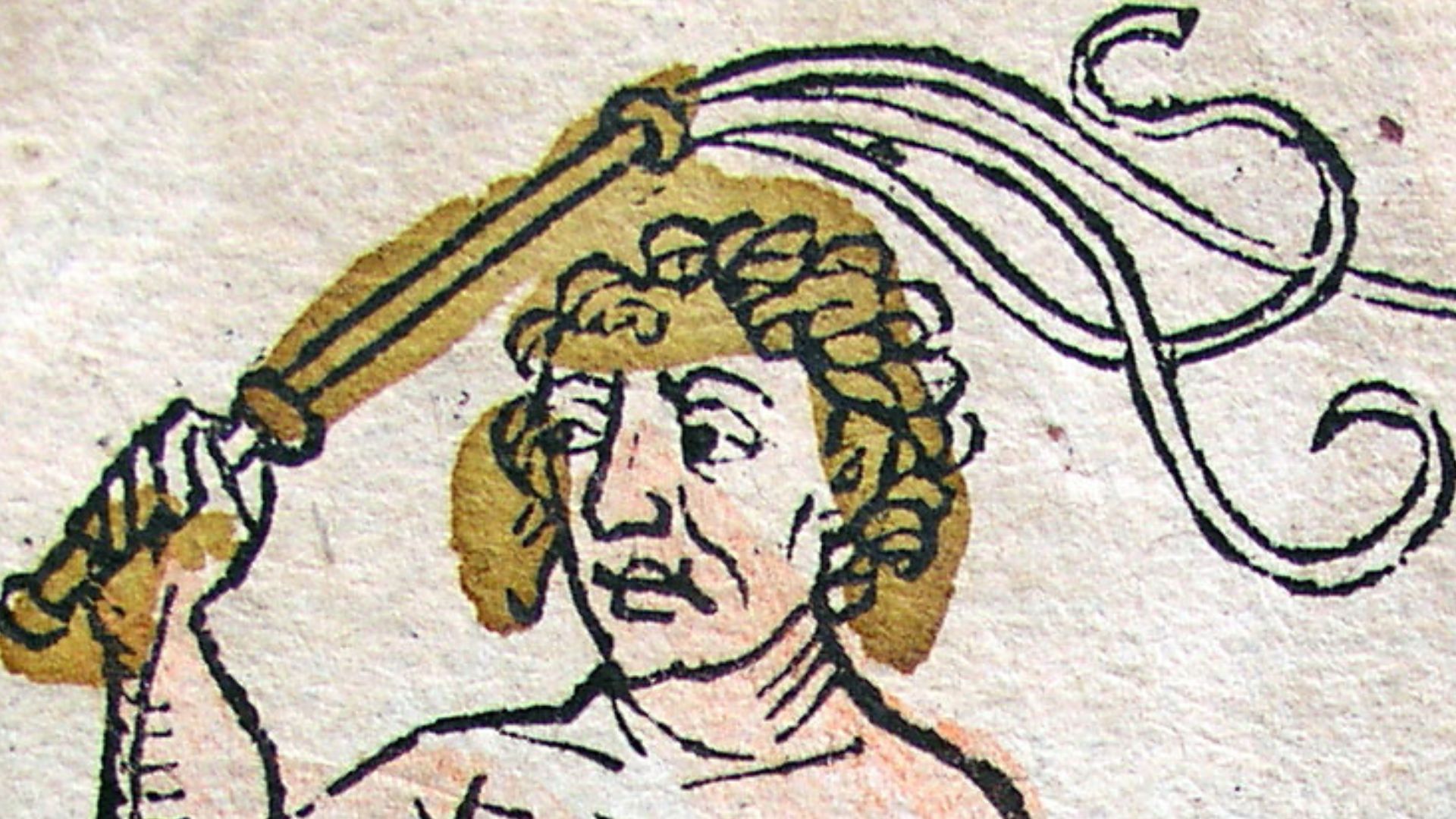
Authorities Struggled To Stop The Movement
The flagellants became especially prominent in parts of Germany, the Low Countries, France, and England during 1349. Church officials grew alarmed as some groups challenged established religious authority and promoted their own spiritual claims. Pope Clement VI condemned the movement in 1349, but its rapid expansion showed how fear and ritual could cross borders without centralized communication.
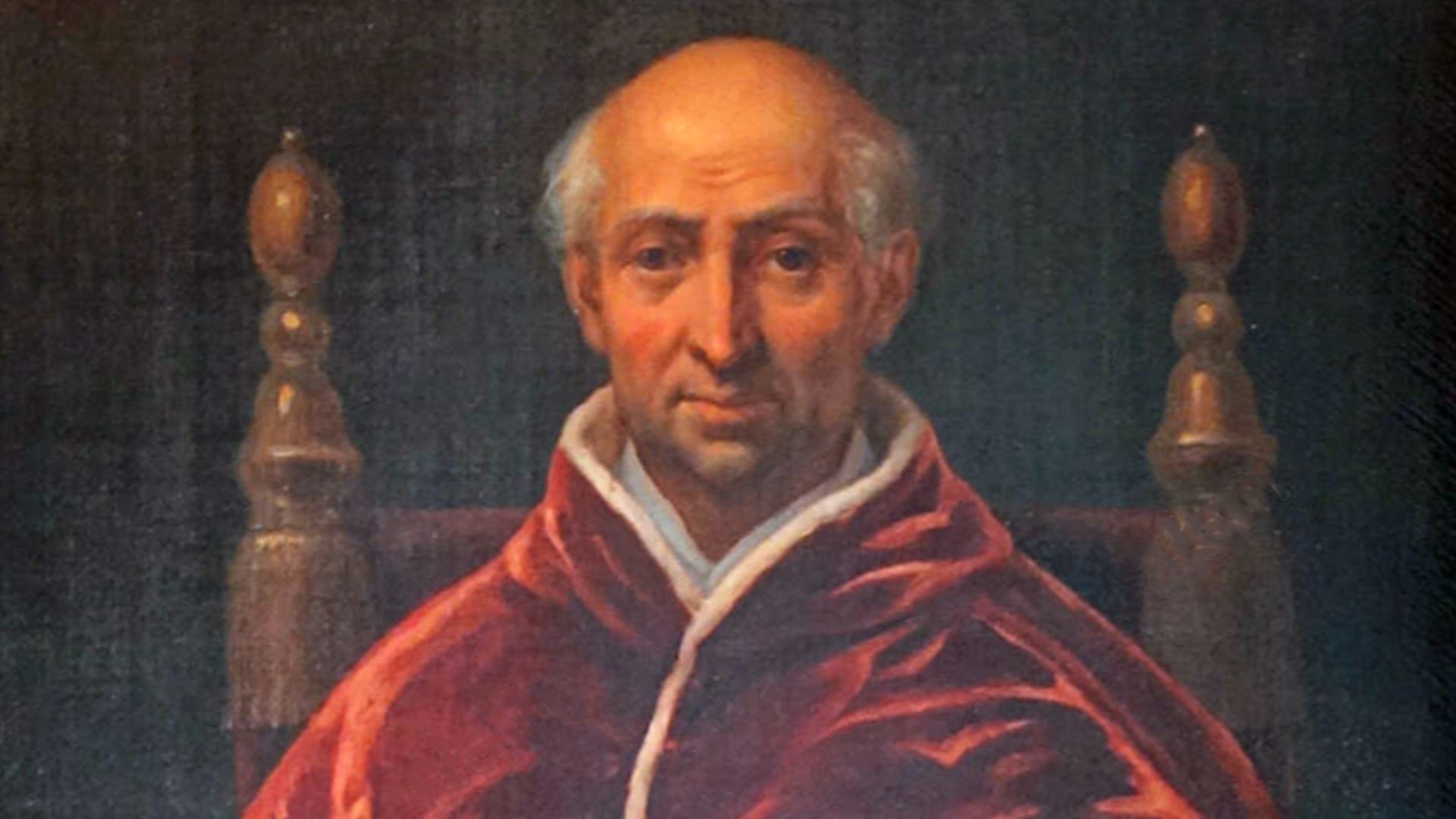 Henri Auguste Cesar Serrur, Wikimedia Commons
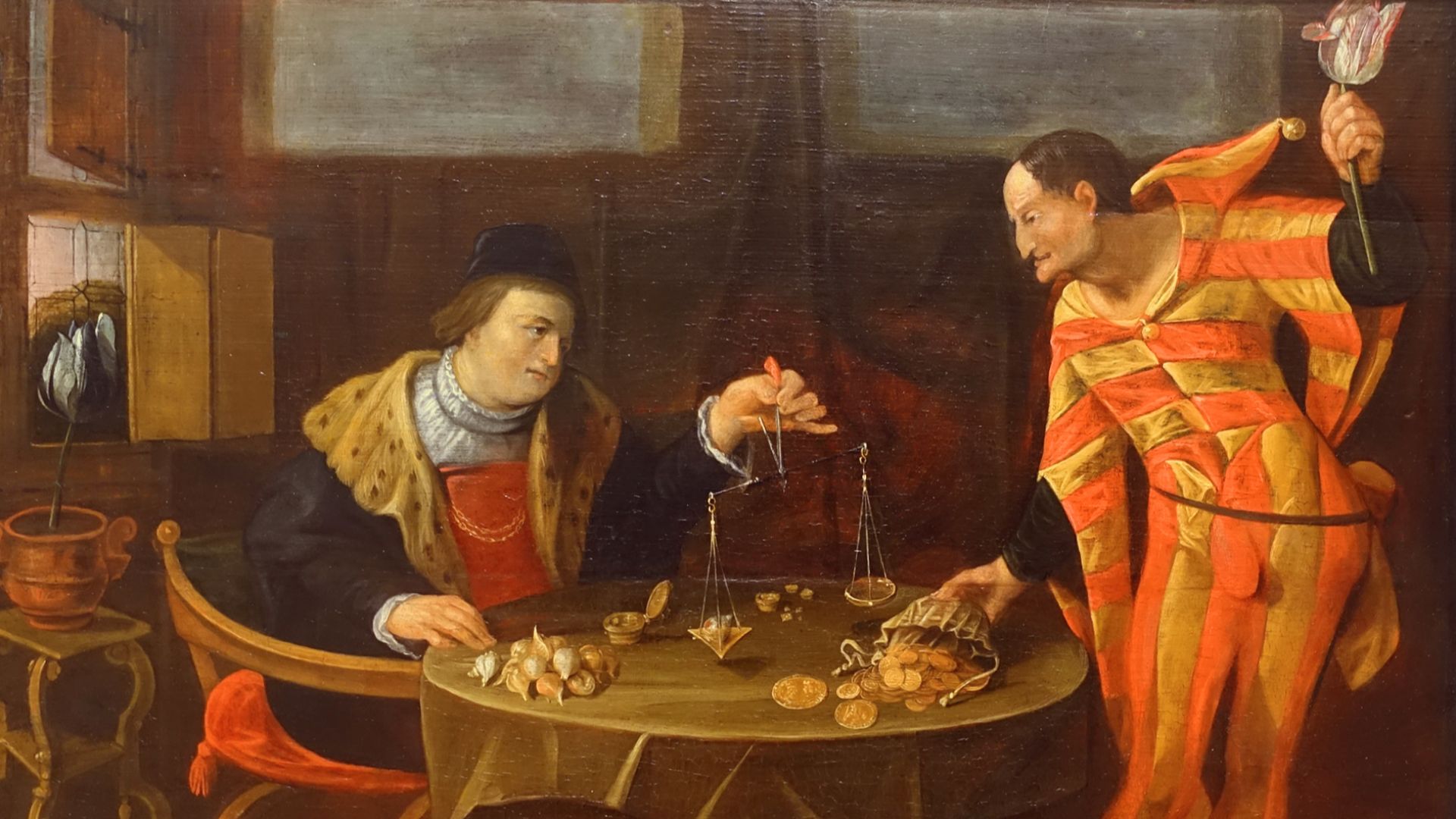
Tulips Became Seventeenth-Century Status Symbols
Tulips arrived in western Europe from the Ottoman world and became highly desirable in the Dutch Republic. Collectors especially prized unusual varieties with vivid streaks and flame-like patterns. By the 1630s, certain bulbs were being traded through increasingly speculative contracts.
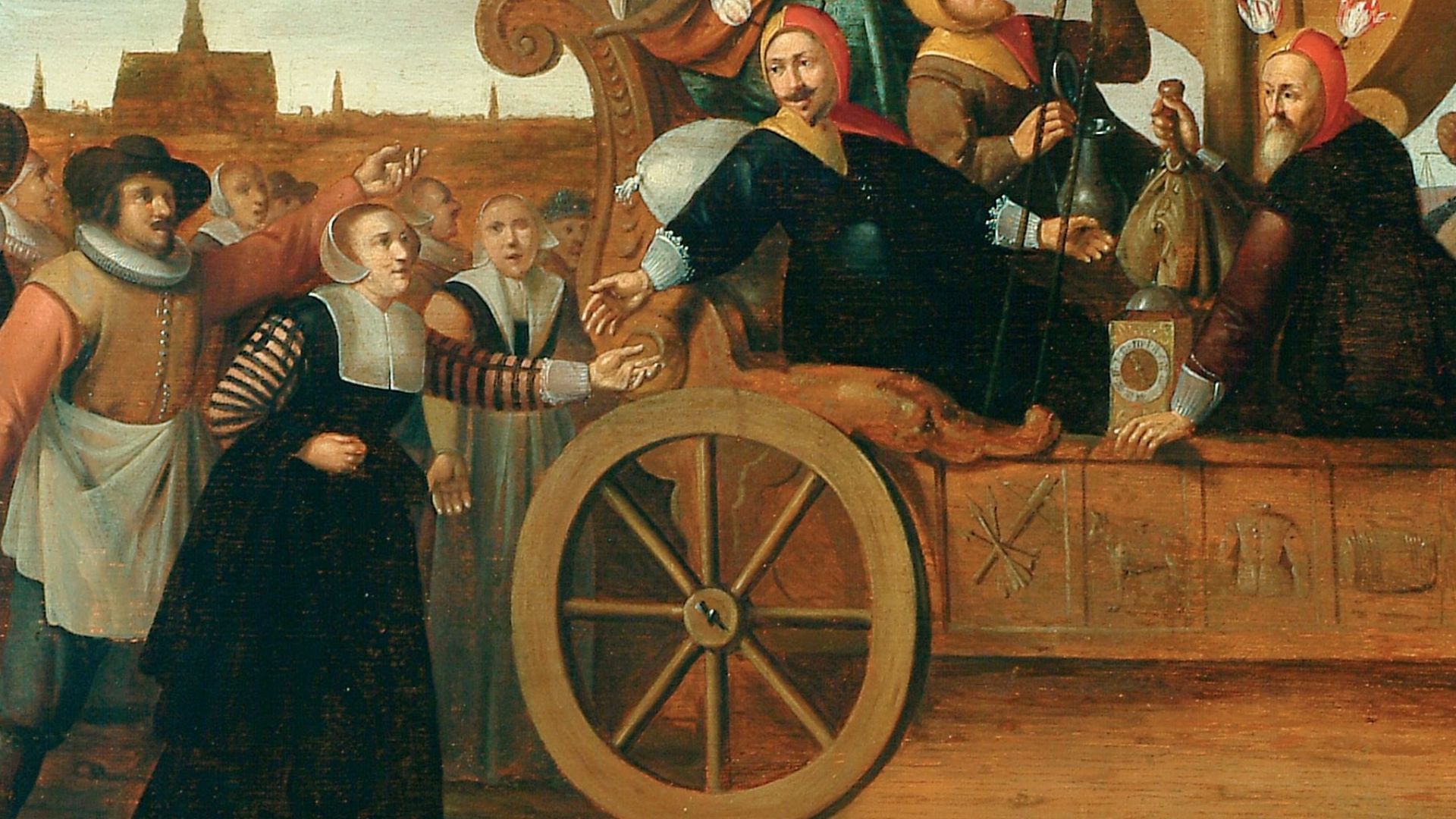 Hendrik Gerritsz Pot, Wikimedia Commons
Tulip Mania Was Real But Often Exaggerated
Prices for some rare tulips rose dramatically before the market collapsed in 1637. Modern historians have challenged the familiar story that the entire Dutch population lost everything in a nationwide frenzy. Even so, tulips clearly became fashionable enough to support an active speculative market and a lasting cultural legend.
Coffeehouses Spread Like A Fresh Pot Of Gossip
Coffeehouses first flourished in the Ottoman Empire as places where people could drink, socialize, exchange information, and discuss public affairs. The custom reached European cities during the 17th century. London had dozens of coffeehouses by the 1660s and hundreds within several decades.
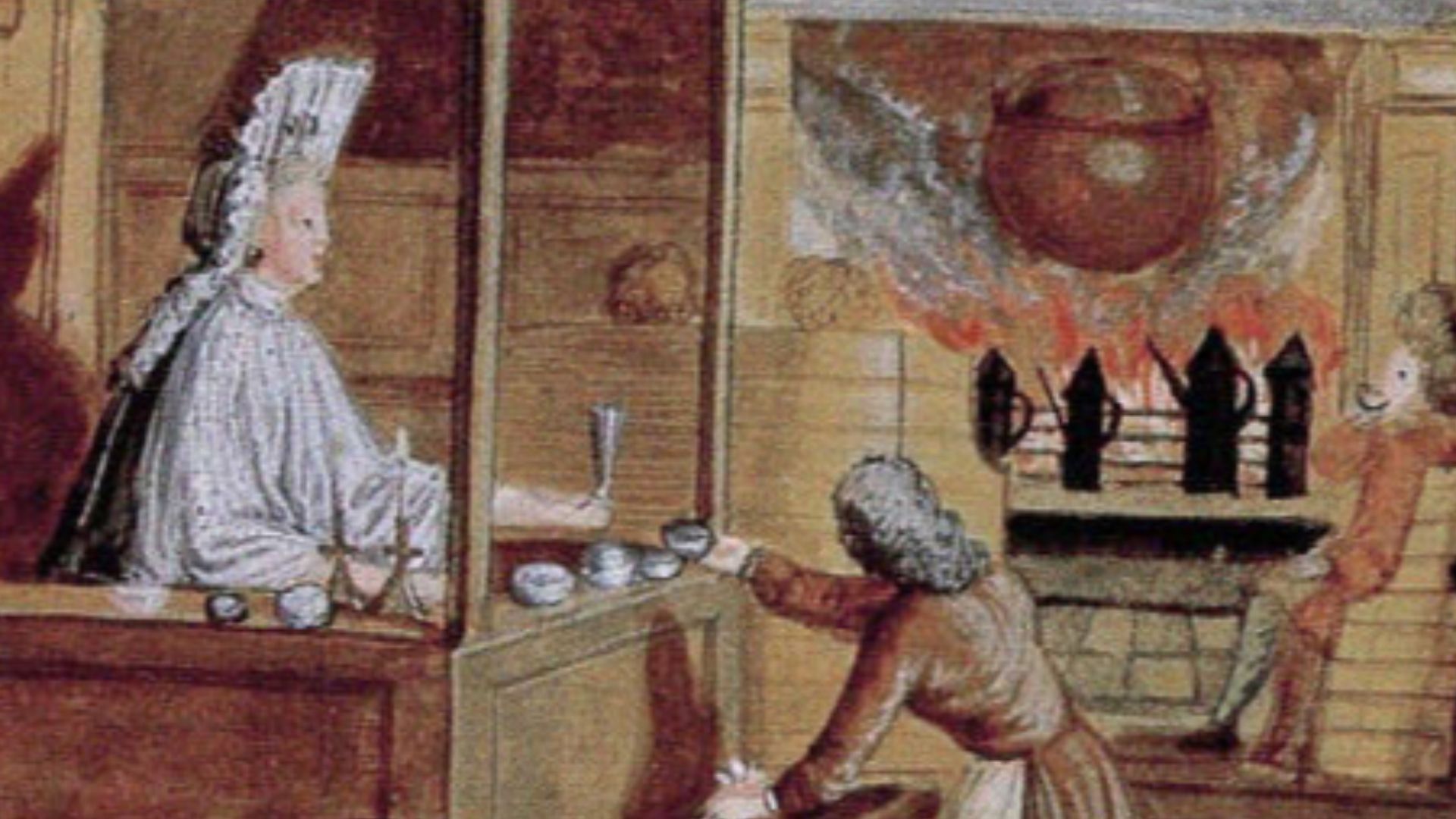
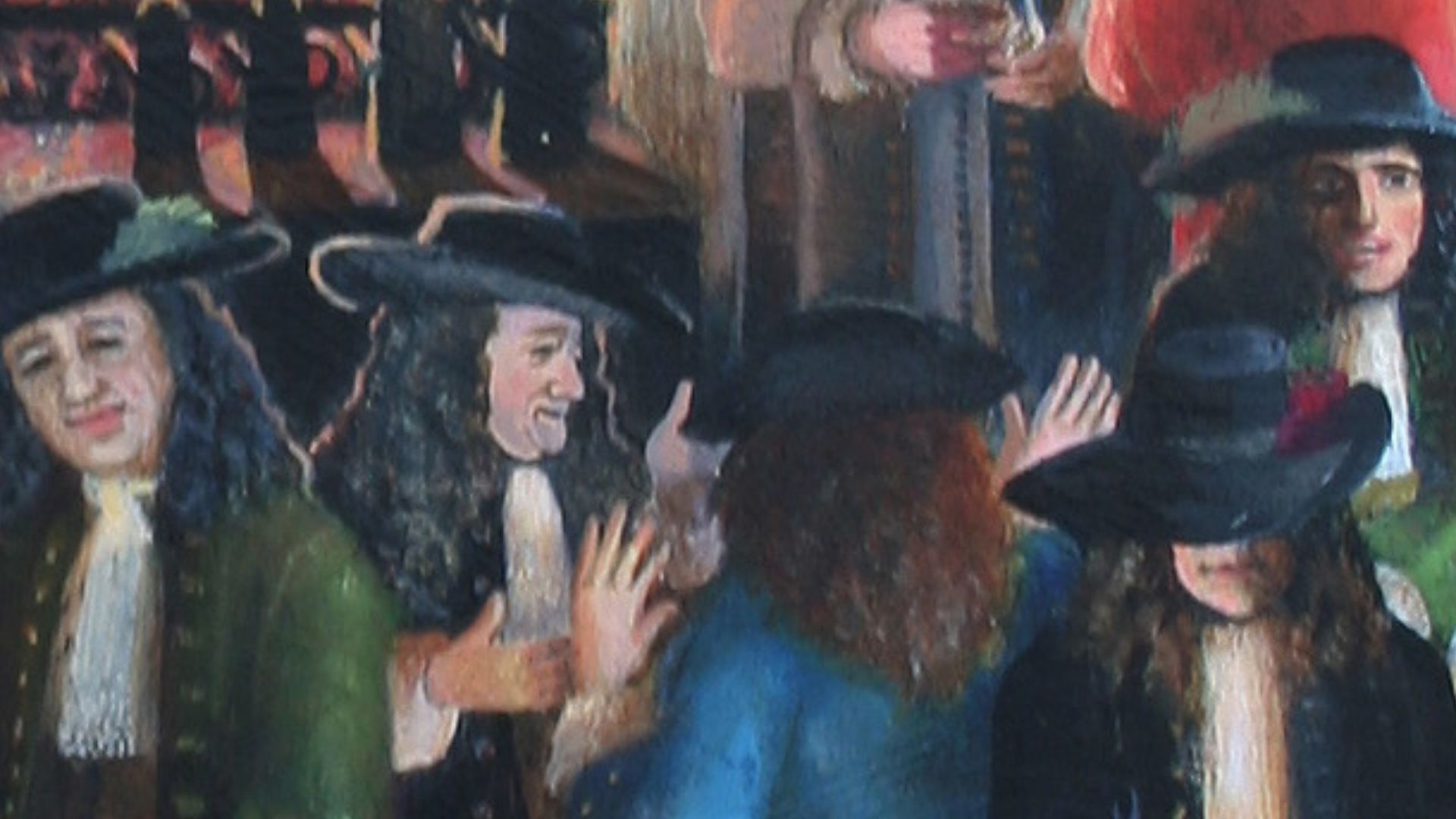
One Cup Could Connect An Entire City
Many London coffeehouses developed specialized clienteles that included merchants, writers, politicians, scientists, and financiers. Business ventures associated with institutions such as Lloyd’s of London grew from meetings held in these establishments. Coffeehouses acted as human information networks where news could be repeated, debated, and carried elsewhere within hours.

History's most fascinating stories and darkest secrets, delivered to your inbox daily.
Chinoiserie Transformed European Interiors
European demand for Chinese porcelain, lacquerware, textiles, and wallpaper helped inspire a decorative style known as chinoiserie. Designers combined Asian-inspired flowers, pagodas, landscapes, and figures with European artistic conventions. The fashion appeared on furniture, ceramics, wallpaper, clothing, and garden structures.
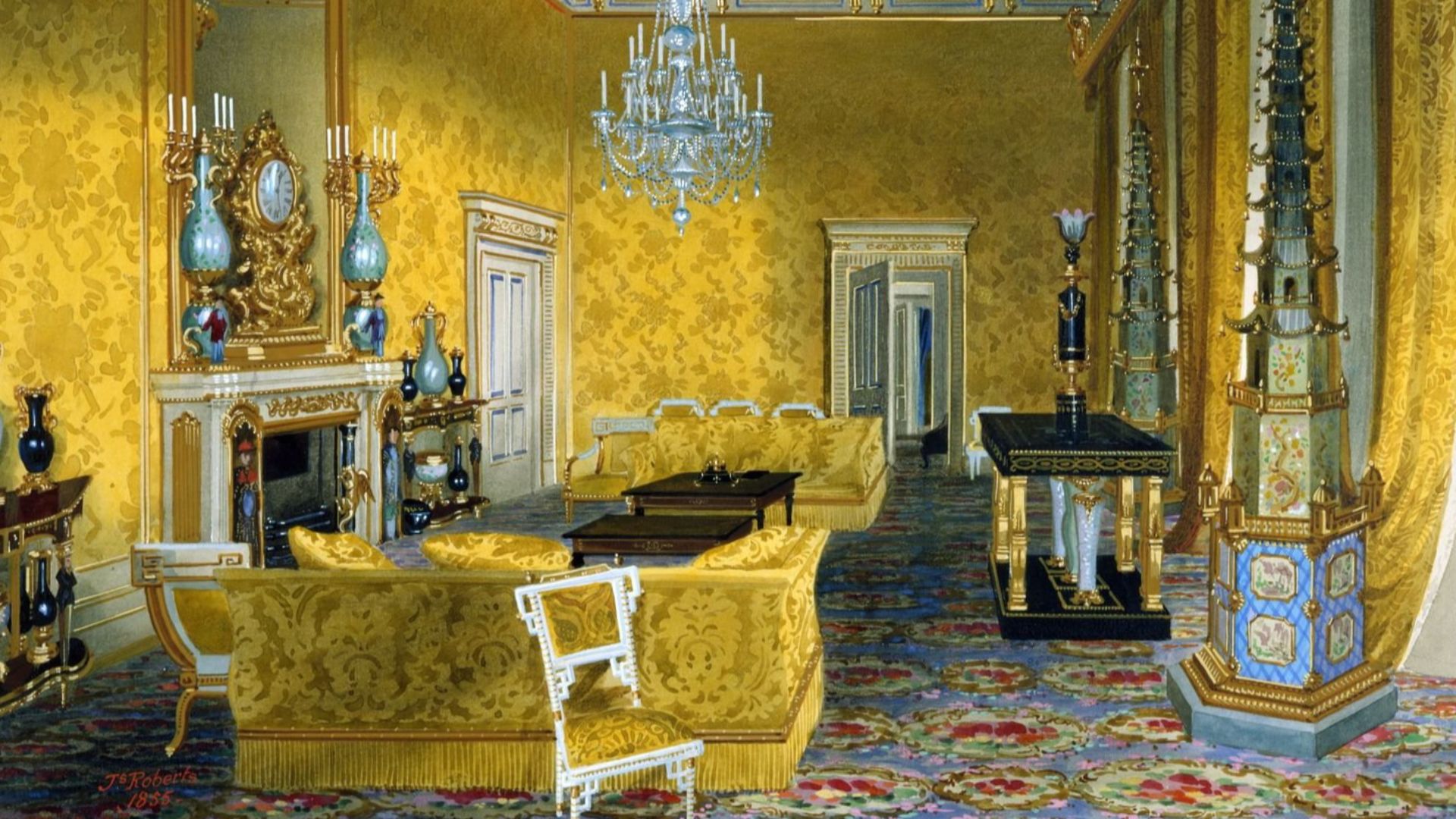 James Roberts (1800–1867), Wikimedia Commons
Imagination Traveled Faster Than Accuracy
Chinoiserie was rarely an accurate representation of Chinese life or design. European makers often created fantasy scenes based on imported objects, secondhand descriptions, and their own expectations. The style reached a peak in Britain during the mid-18th century and remained influential for generations.
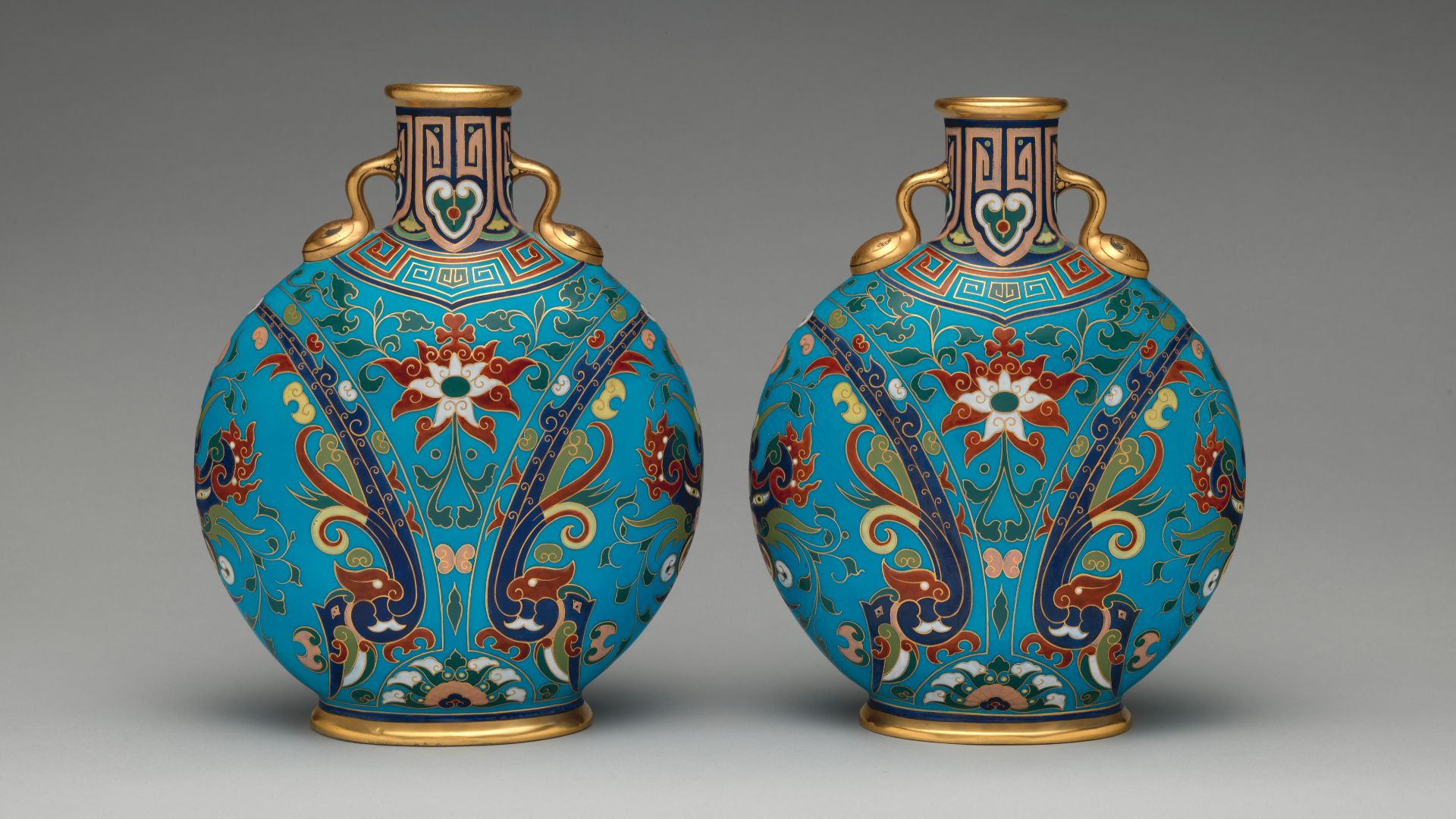 Mintons / Christopher Dresser, Wikimedia Commons
The Macaroni Look Shocked Georgian Britain
Young British men returning from European travel began adopting unusually elaborate clothing, towering hairstyles, and affected manners during the 1760s and 1770s. They became known as macaronis, a name linked to continental sophistication and the Italian food that fashionable travelers had encountered. Their appearance was instantly recognizable and deliberately excessive.
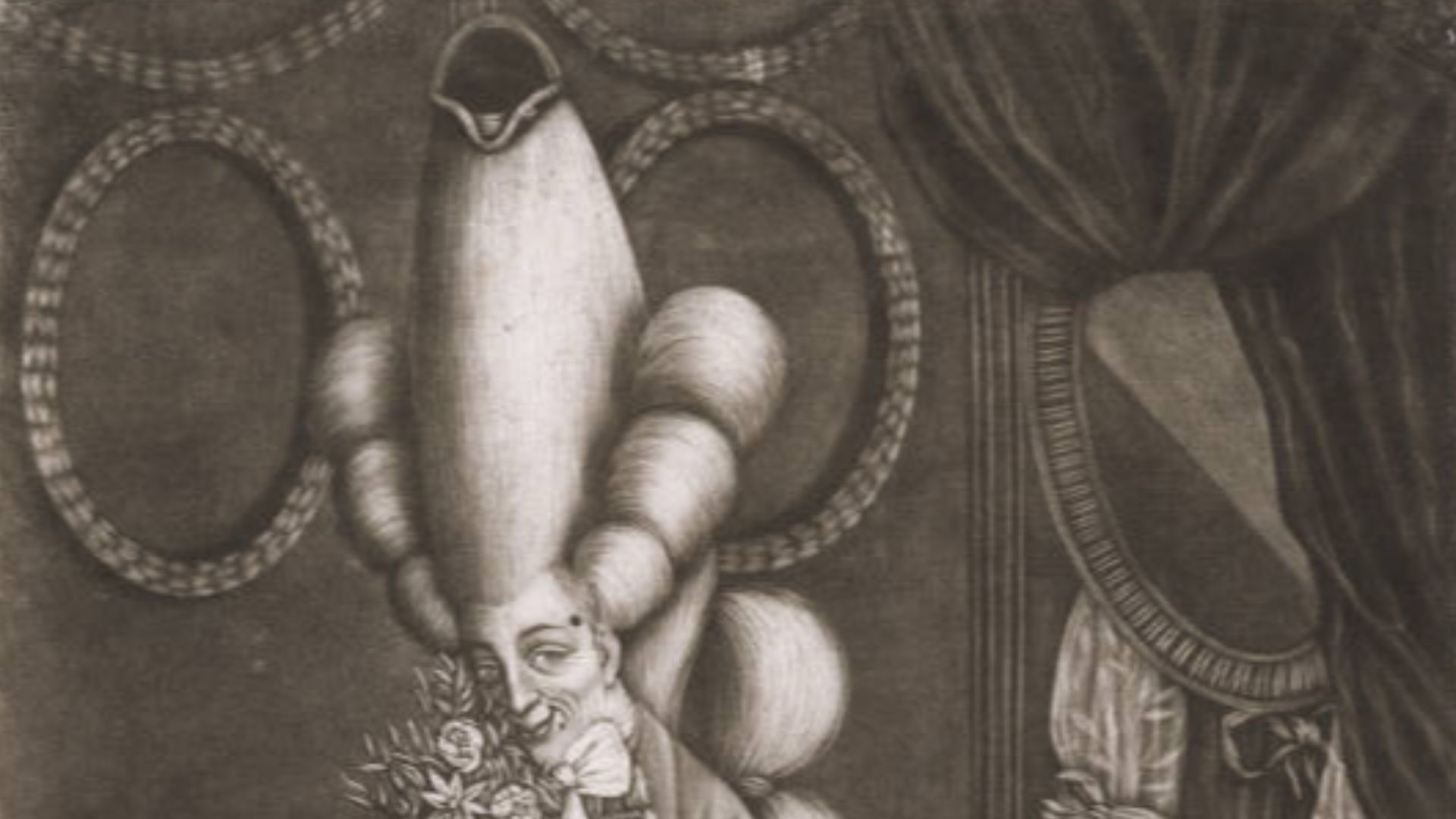 Philip Dawe, Wikimedia Commons
Satire Made The Fashion Even More Famous
Printmakers, ballad writers, ceramic manufacturers, and commentators turned the macaroni into a widely recognized comic character. Critics portrayed these men as vain, foreign-influenced, and insufficiently masculine. Mockery did not contain the trend, since every new caricature introduced the look to another audience.
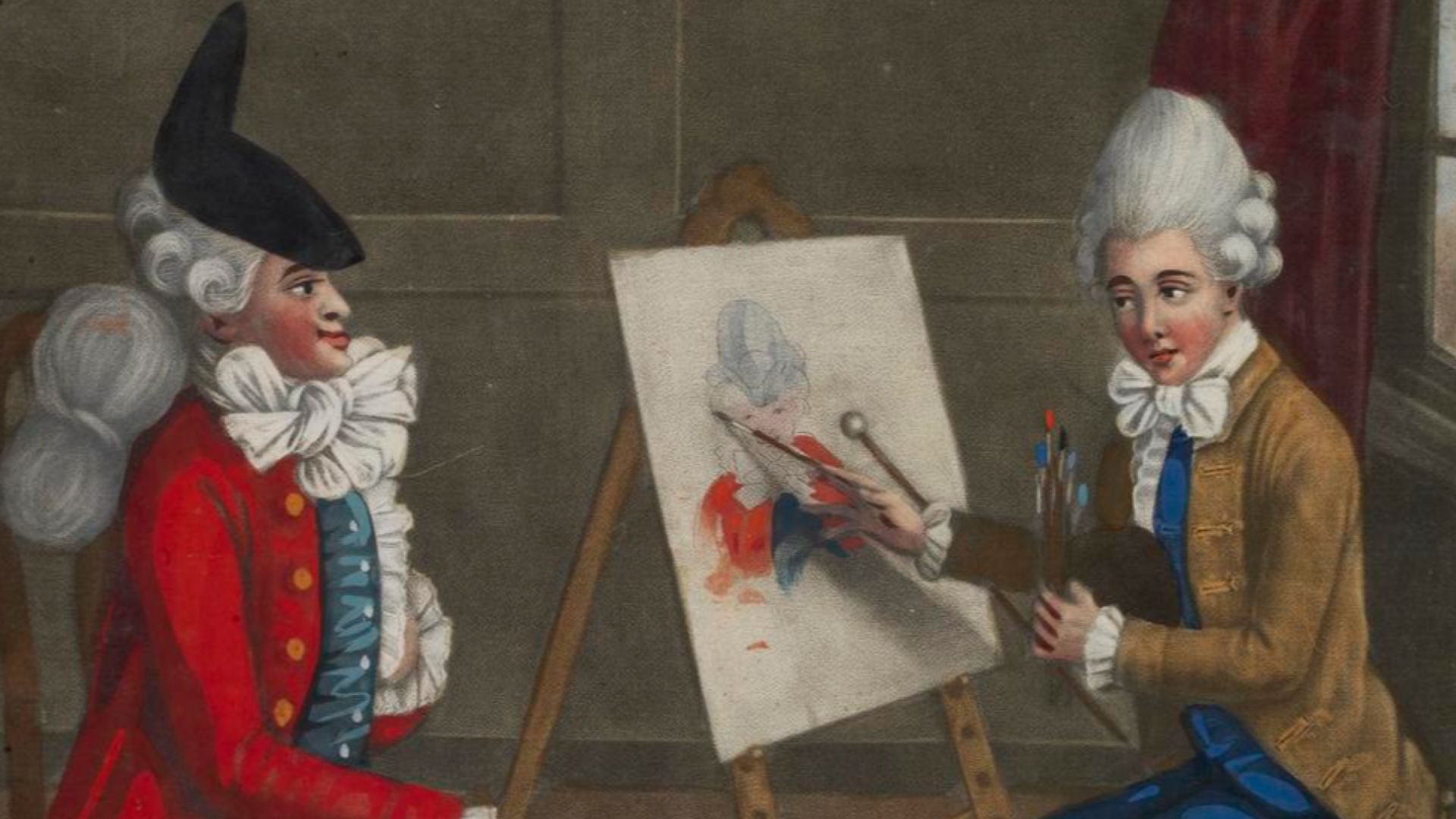 After: Robert Dighton Print made by: Richard Earlom Published by: Bowles & Carver, Wikimedia Commons
Werther Fever Turned Fiction Into Fashion
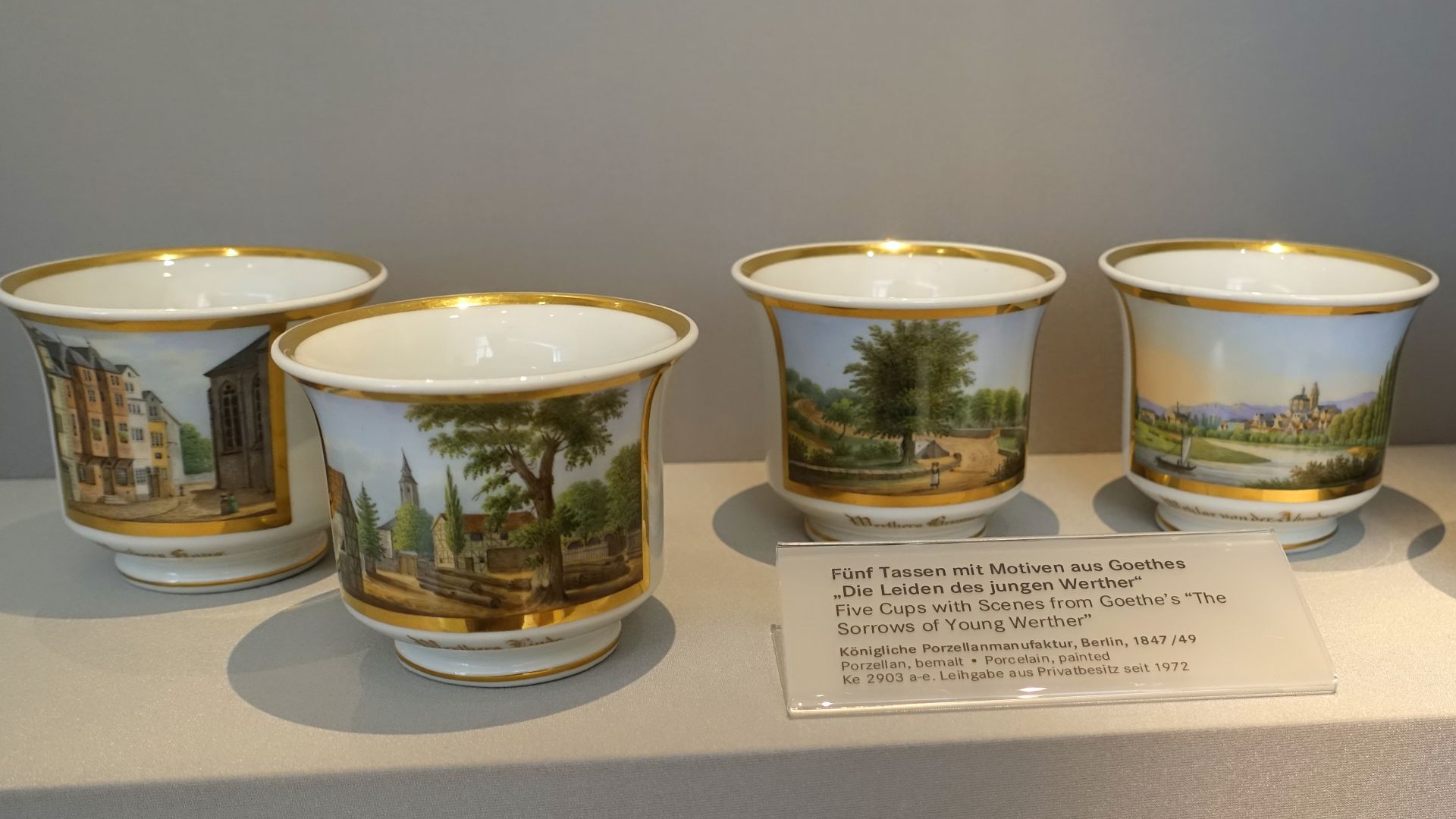
Johann Wolfgang von Goethe published The Sorrows of Young Werther in 1774. The novel became a sensation, and fashionable young men copied the protagonist’s blue coat, yellow waistcoat, emotional manner, and melancholy outlook. The enthusiasm became known as Werther fever.
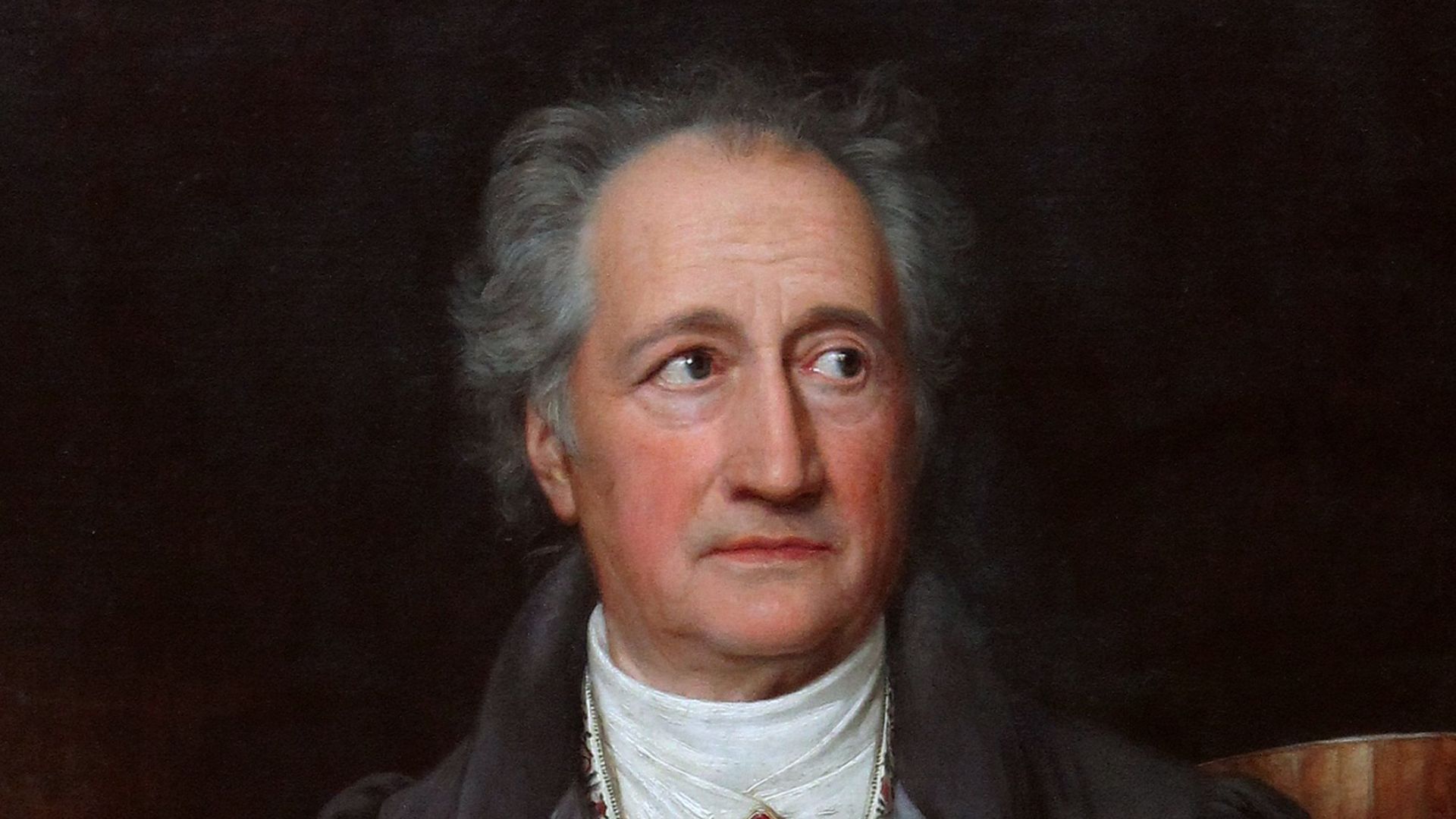 Joseph Karl Stieler, Wikimedia Commons
Merchants Quickly Joined The Craze
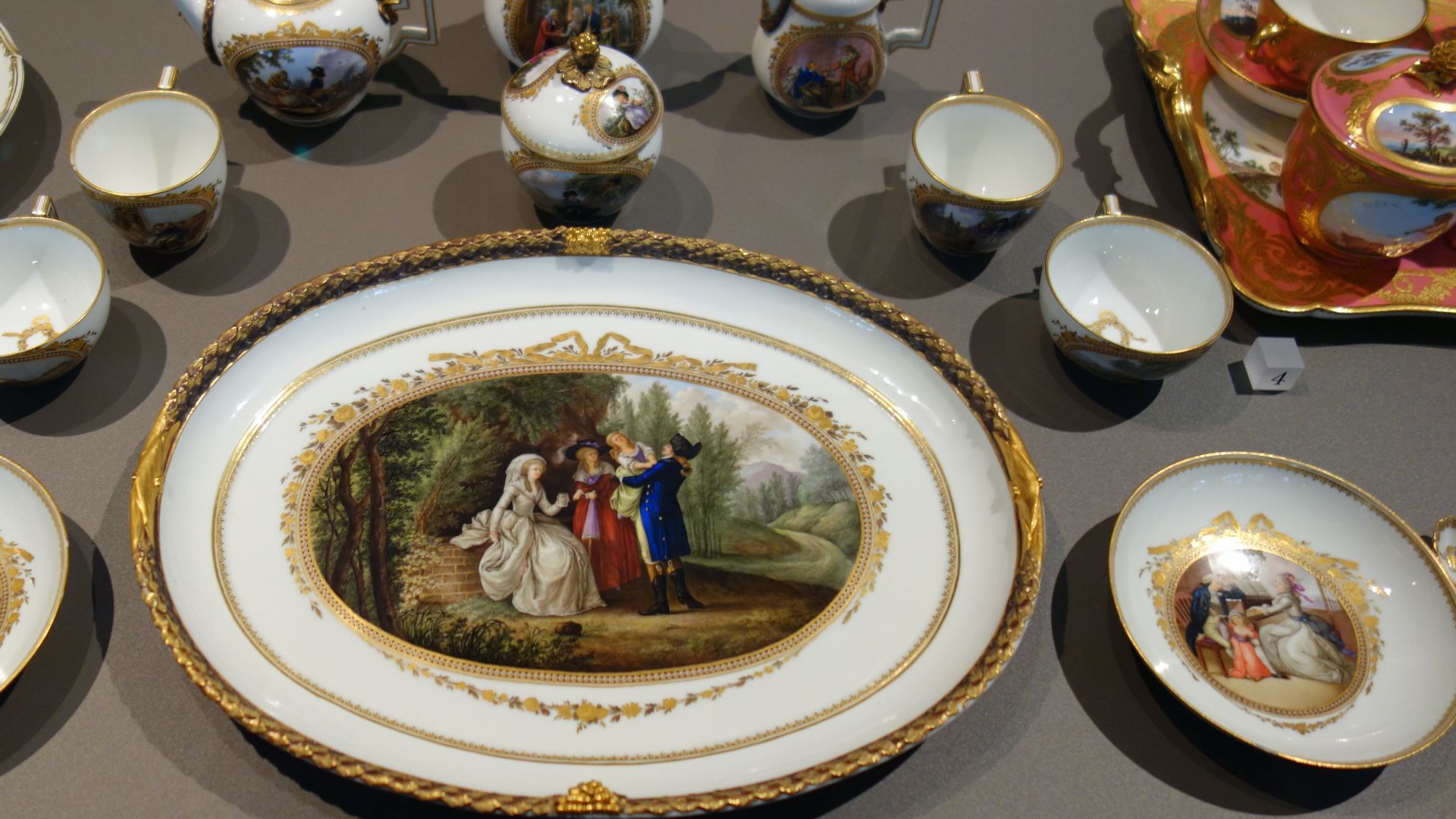
Werther appeared on prints, porcelain, perfume, wax displays, and other commercial products. Teacups decorated with scenes from the novel were manufactured in China for Western buyers, showing how far the phenomenon’s commercial reach extended. Religious and civic authorities criticized the book, but controversy only confirmed its extraordinary visibility.
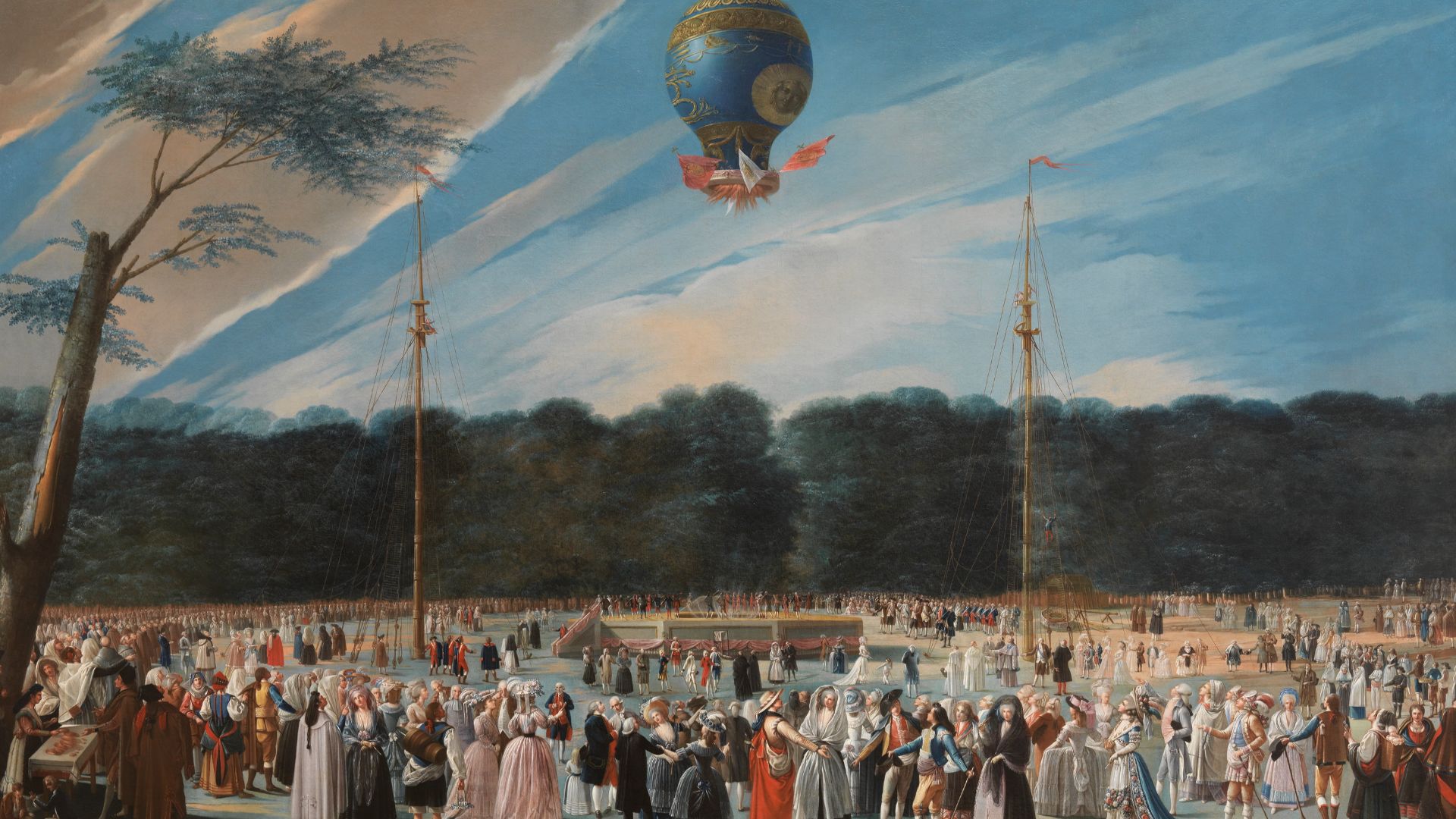
Balloon Mania Lifted Europe’s Imagination
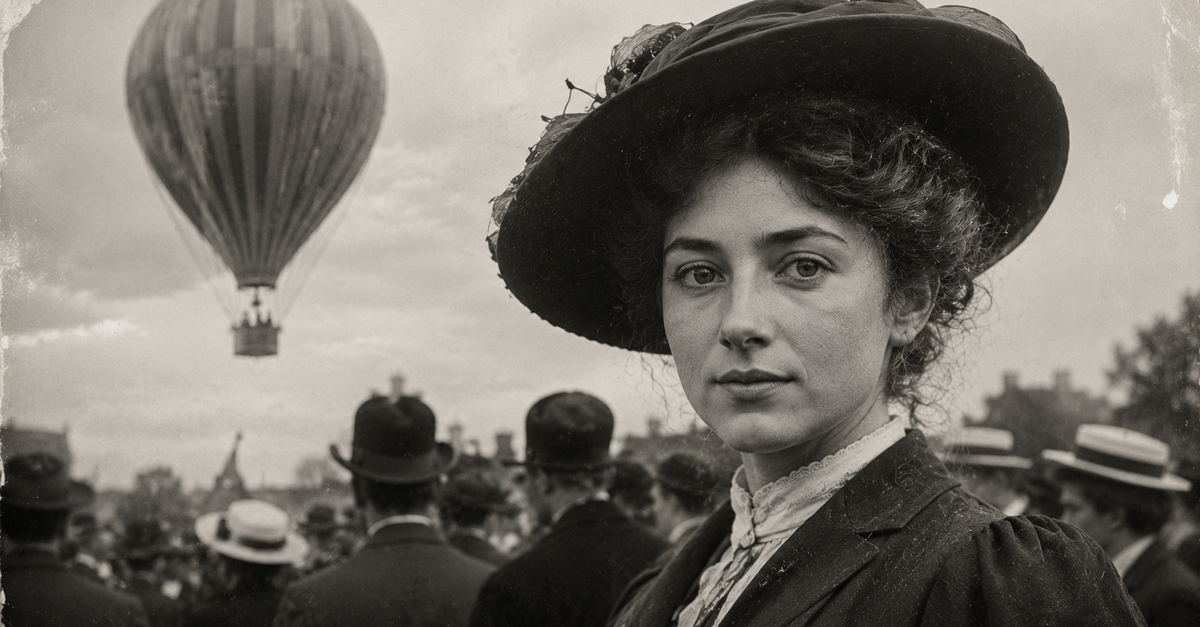
The Montgolfier brothers demonstrated a hot-air balloon in France in 1783, and the year brought several groundbreaking public flights. Crowds gathered to watch people rise into the sky in a way that had previously seemed impossible. Reports, illustrations, souvenirs, and demonstrations quickly carried balloon excitement beyond France.
 Antonio Carnicero, Wikimedia Commons
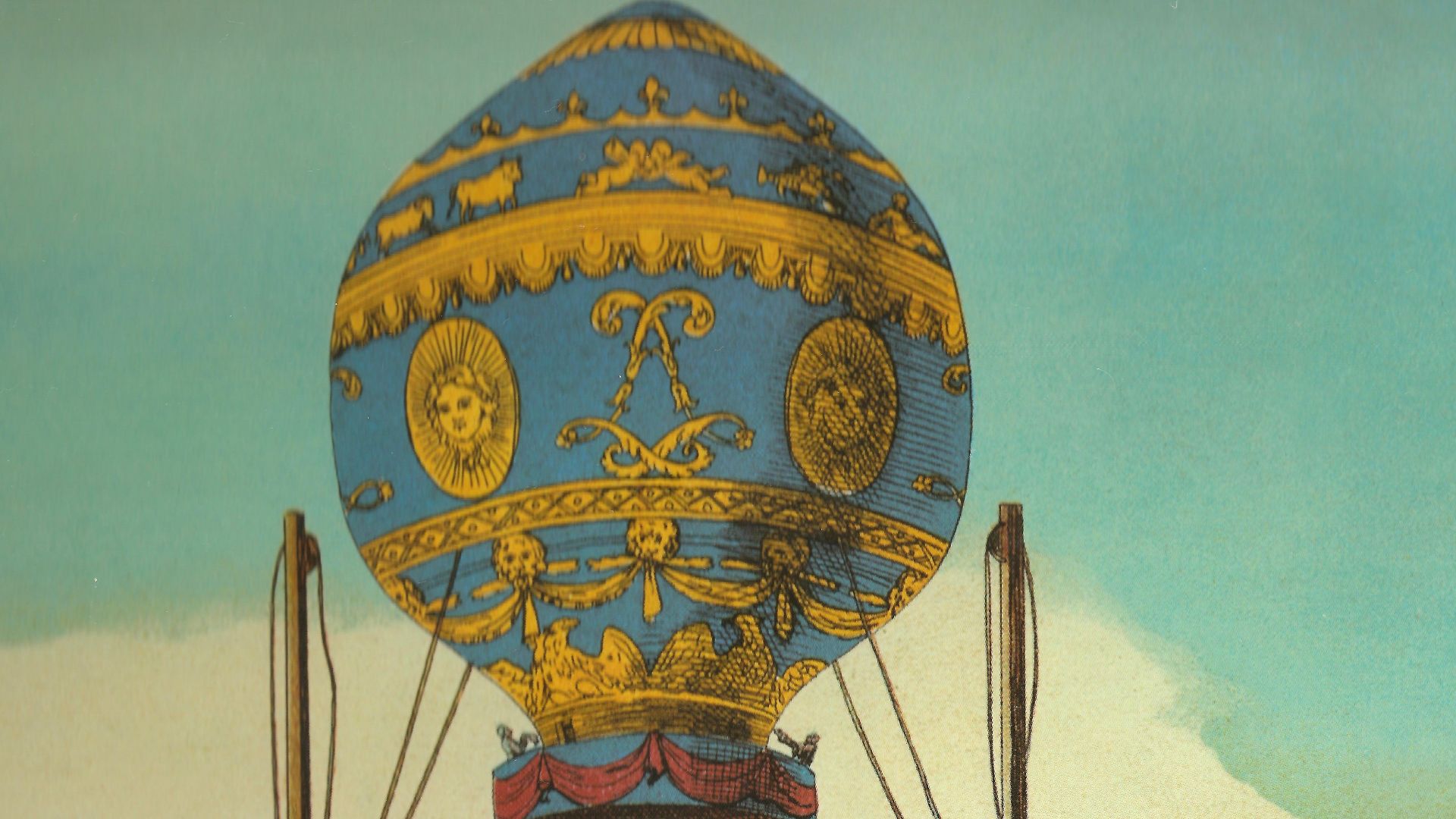
Balloons Appeared On Almost Everything
Balloon imagery soon decorated fans, dishes, clocks, clothing, furniture, and household objects. Public interest combined scientific curiosity with spectacle, fashion, commerce, and national pride. Ballooning became recognizable to people who had never witnessed a flight themselves because the image circulated so widely through material culture.
 Claude Louis Desrais, Wikimedia Commons
Mesmerism Put Paris Under A Spell
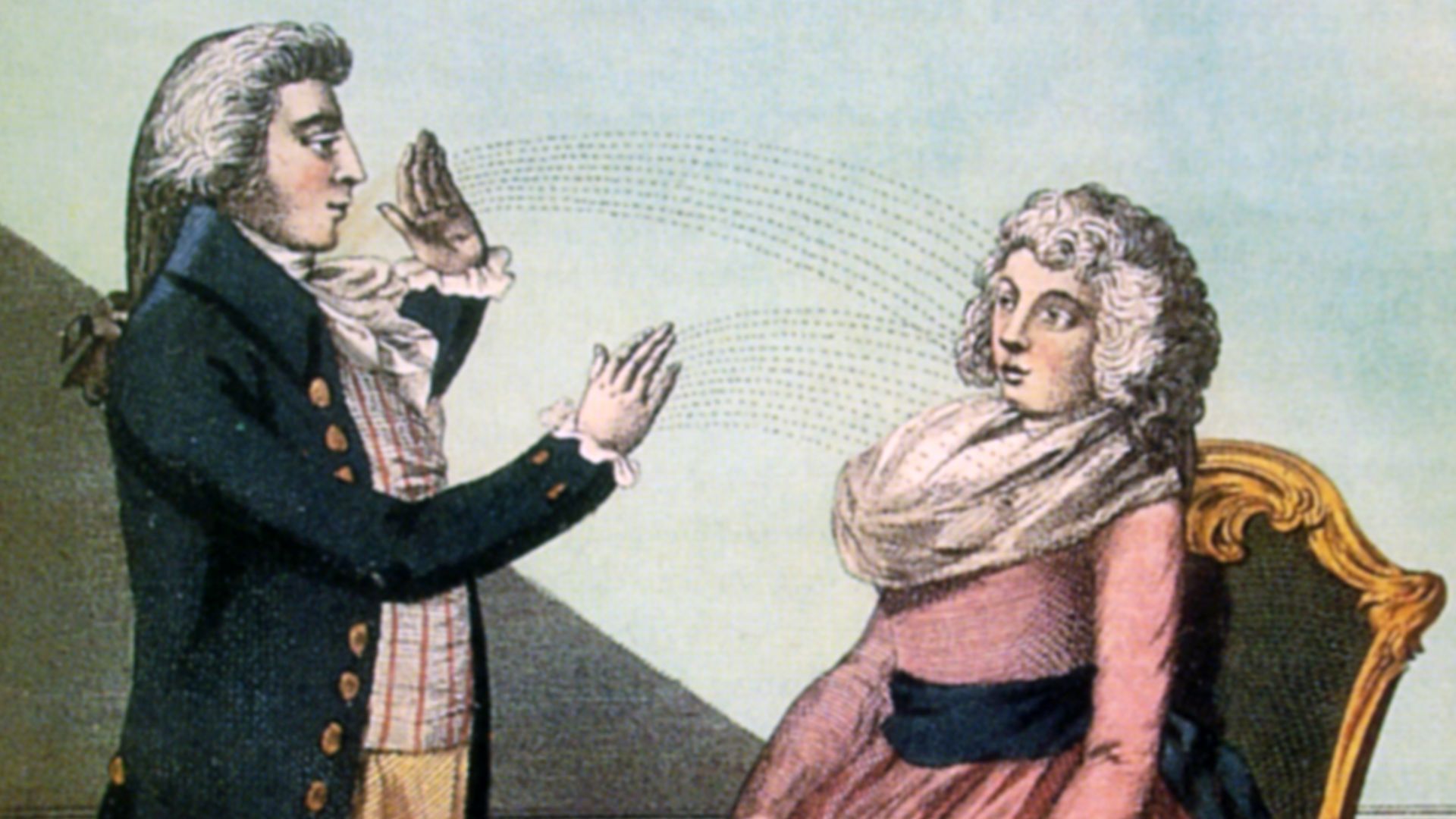
Physician Franz Anton Mesmer promoted the theory that an invisible force called animal magnetism flowed through living things. After arriving in Paris during the late 1770s, he attracted wealthy patients and considerable public attention. His treatments included dramatic group sessions, physical gestures, music, and objects that supposedly transmitted magnetic influence.
 Engraving by Dodd, Wikimedia Commons
Skepticism Could Not Kill The Craze
A royal commission that included Benjamin Franklin investigated Mesmer’s claims in 1784 and found no evidence for the proposed magnetic fluid. Mesmerism nevertheless continued to attract followers in Europe and the United States during the following decades. Its language and techniques later influenced public discussions of trance, suggestion, hypnosis, and the powers of the mind.
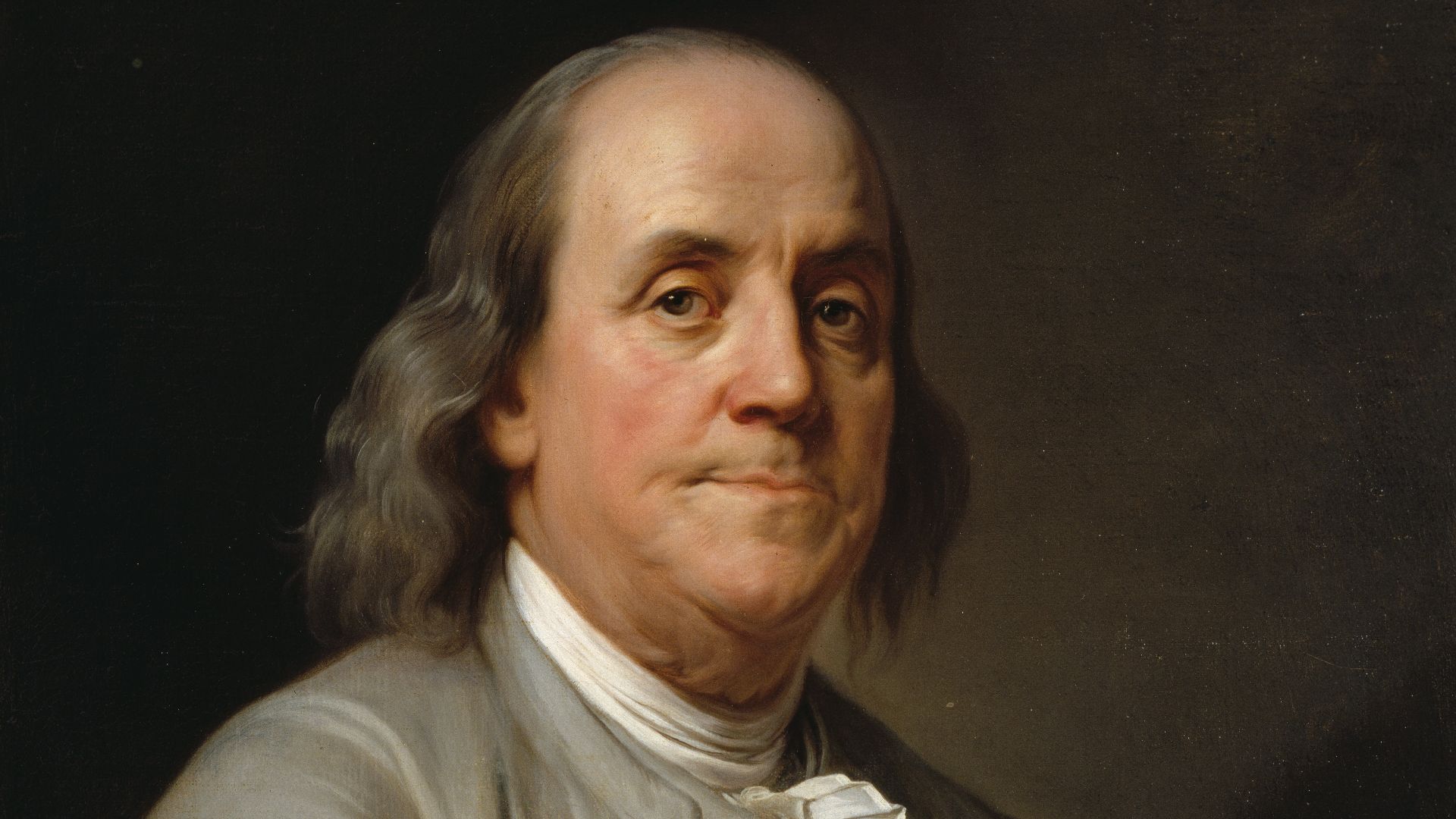 Joseph-Siffred Duplessis, Wikimedia Commons
Spiritualism Began With Mysterious Rapping
In 1848, sisters Maggie and Kate Fox claimed that unexplained knocking sounds in their New York home were messages from a spirit. The sisters developed a system in which questions could supposedly be answered through coded raps. Public demonstrations soon turned the family’s strange household story into a national attraction.
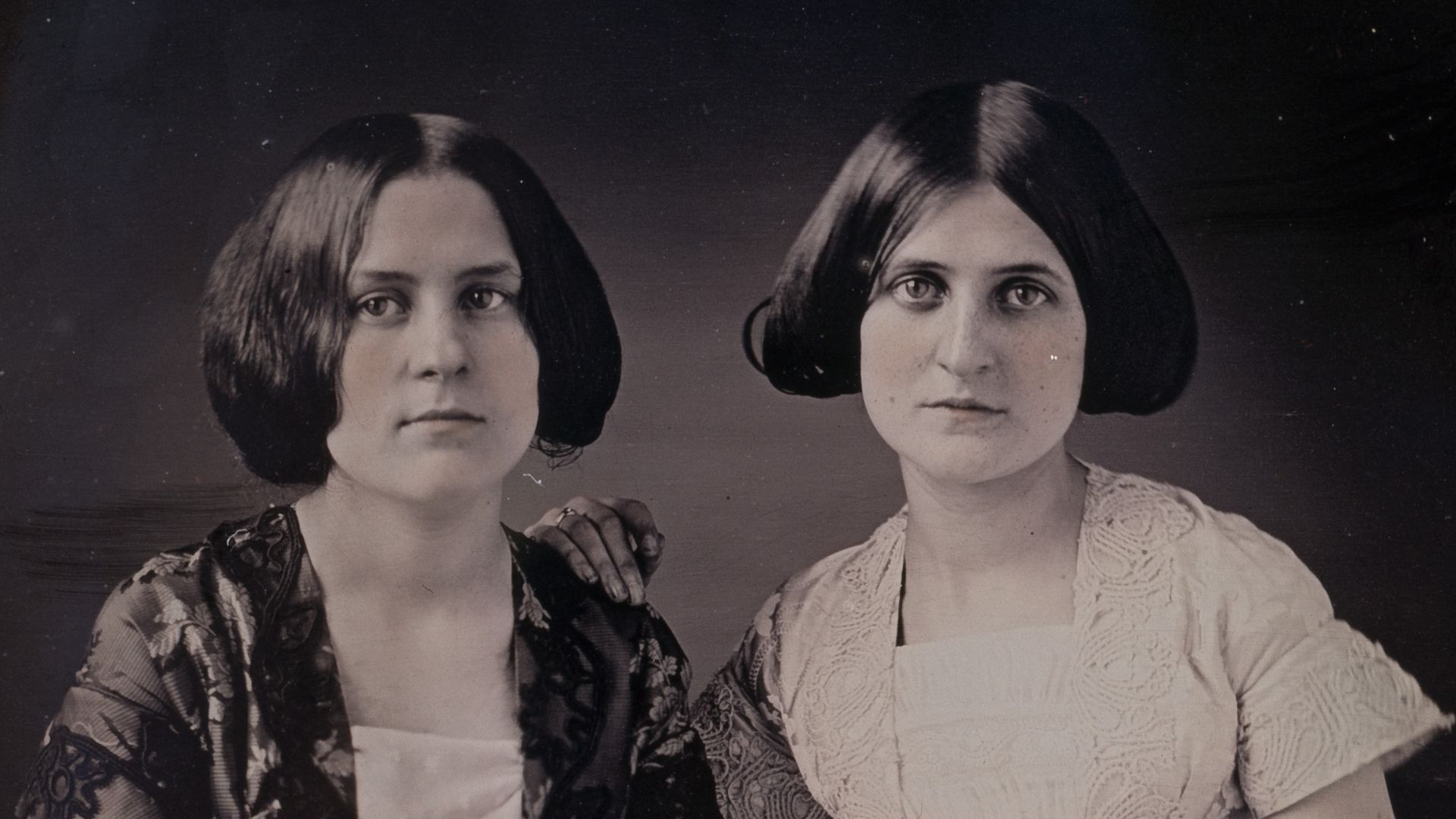 Thomas Martin Easterly, Wikimedia Commons
Séances Became A Social Phenomenon
Mediums began offering séances, table movements, spirit writing, and other forms of alleged communication with the dead. Spiritualism appealed to many people who were grieving, exploring religious alternatives, or fascinated by new scientific possibilities. The movement spread through lectures, touring performers, newspapers, personal testimony, and gatherings held in private homes.
![downloaded from American Memory[1]
(Sheet music cover page, for voice and piano)
Rossington, W. W. and Garrett, J. Ellwood (Lyricist) Spirit rappings. Boston; St. Louis, Massachusetts; Missouri, Oliver Ditson & Co.; John Gass, 1853.
DIGITAL COLLECTION: H](https://www.factinate.com/storage/app/media/factinate/2026/8/6/1786013795e2abeb678dea30ecc75c1d4a64ef134ef84c8283.jpg) Rossington, W. W. and Garrett, J. Ellwood, Wikimedia Commons
Rossington, W. W. and Garrett, J. Ellwood, Wikimedia Commons
Egyptomania Wrapped Europe In Ancient Style
Napoleon’s expedition to Egypt began in 1798 and included scholars who documented monuments, objects, plants, animals, and inscriptions. The discovery of the Rosetta Stone in 1799 intensified European interest in ancient Egyptian civilization. Publications produced after the expedition made Egyptian imagery available to artists and designers across Europe.
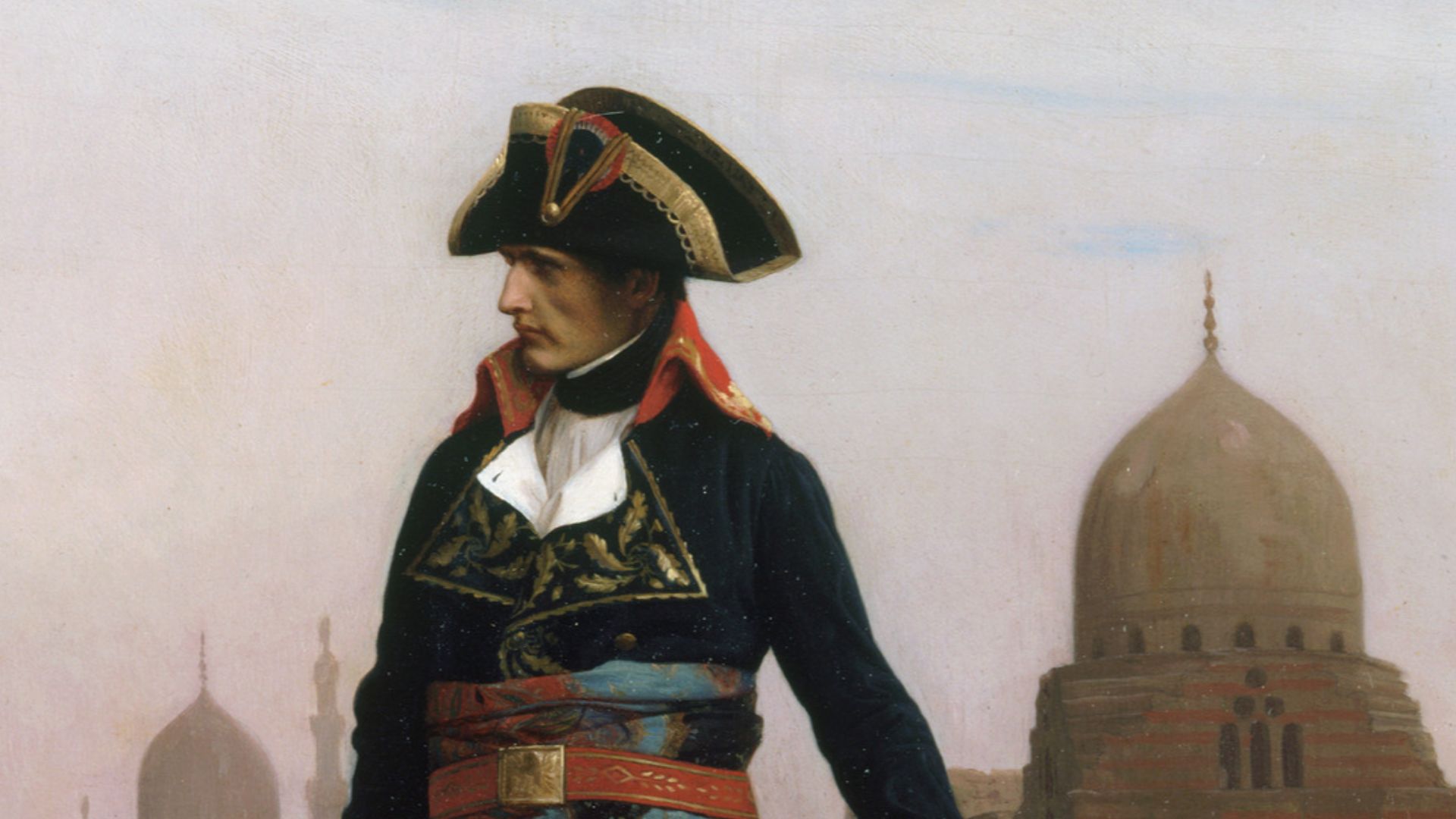 Jean-Leon Gerome, Wikimedia Commons
Mummies Became Public Entertainment
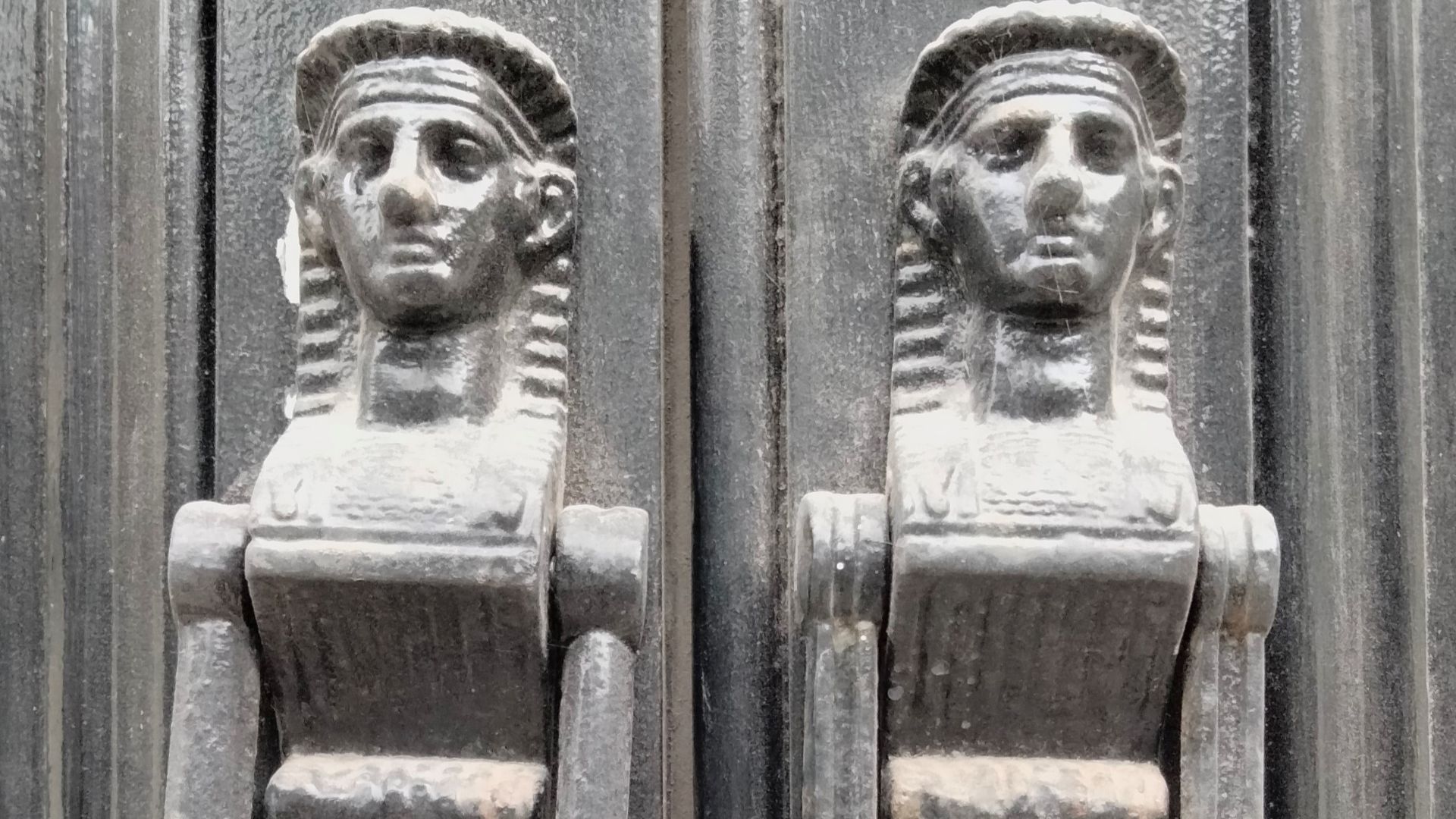
Ancient Egyptian themes appeared in architecture, furniture, jewelry, paintings, theater, and decorative objects during the 19th century. Public mummy unwrappings also attracted spectators, despite the destruction and exploitation involved. Egyptomania demonstrated how scholarship, imperial competition, collecting, and entertainment could combine into a remarkably durable craze.
The Bicycle Craze Put Millions On Wheels
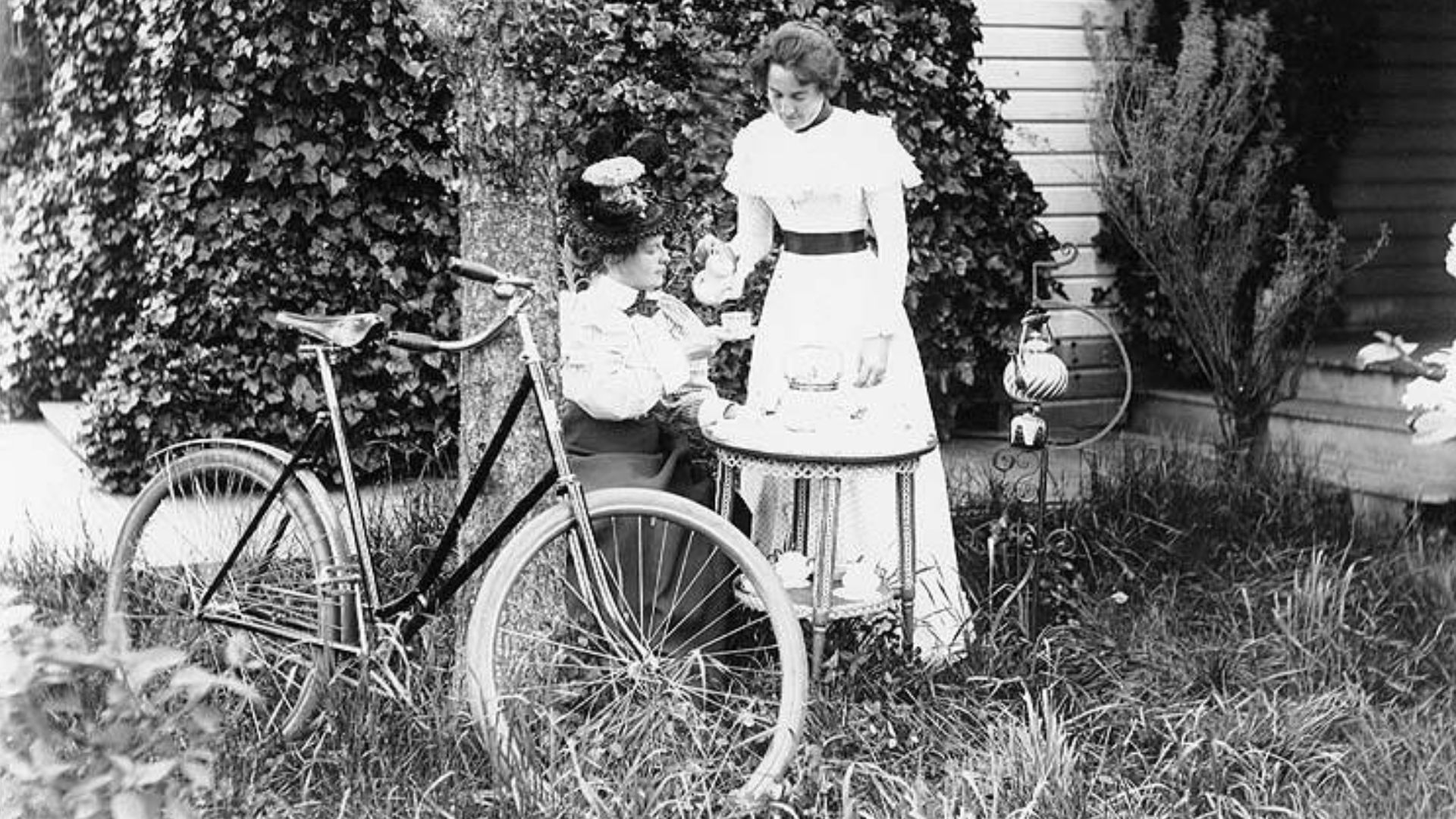
Improved safety bicycles and pneumatic tires made cycling more practical during the late 19th century. By the 1890s, bicycles had become enormously popular in the United States and parts of Europe. People used them for transportation, recreation, competition, courtship, and social display.
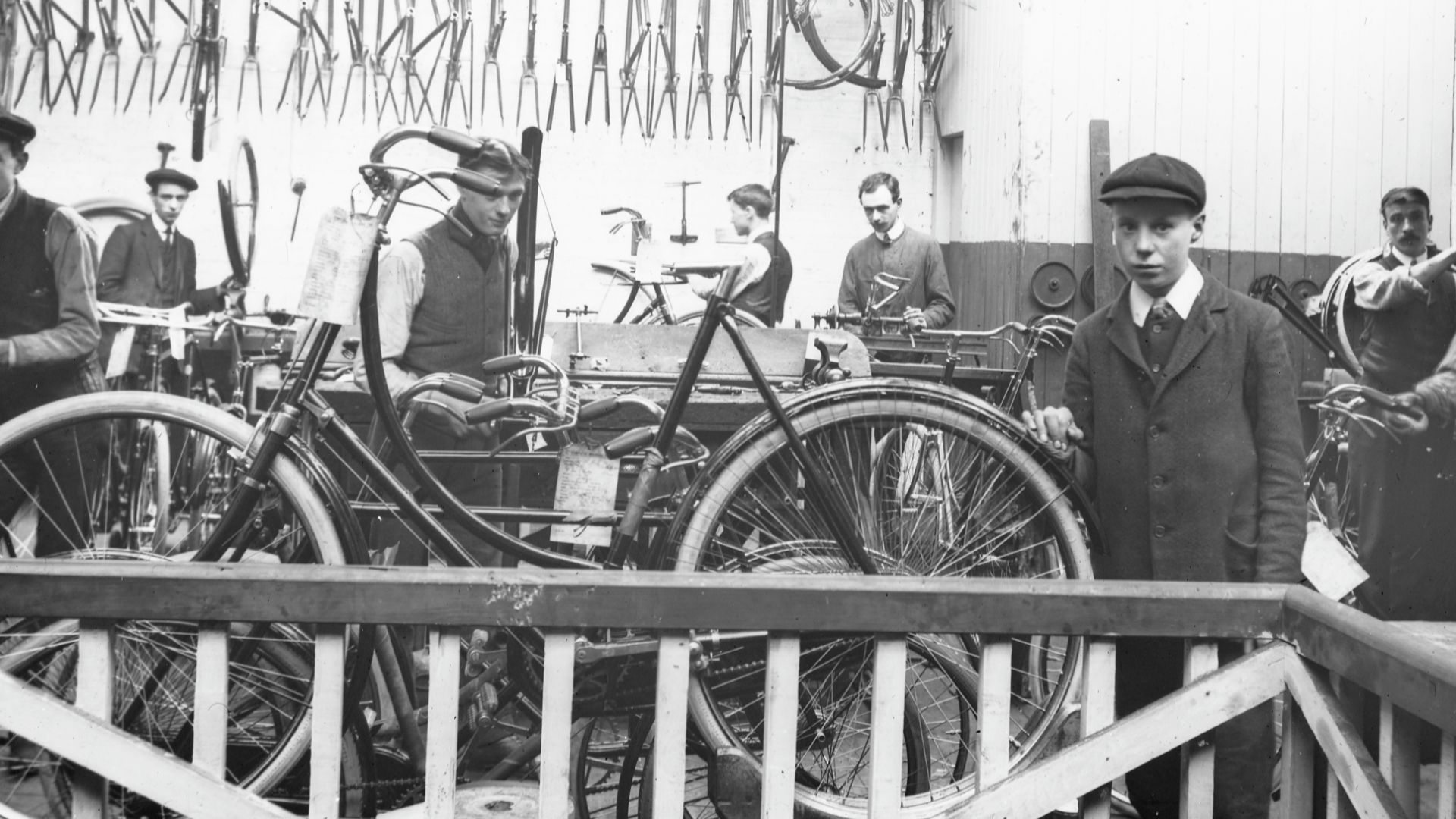 National Library of Ireland on The Commons, Wikimedia Commons
Cycling Changed More Than Transportation
Bicycles gave many women greater independence and encouraged debate about restrictive clothing. Female riders adopted practical garments and entered public spaces with a new degree of personal mobility. Photographs, clubs, races, advertisements, and word of mouth helped make cycling a visible symbol of modern life.
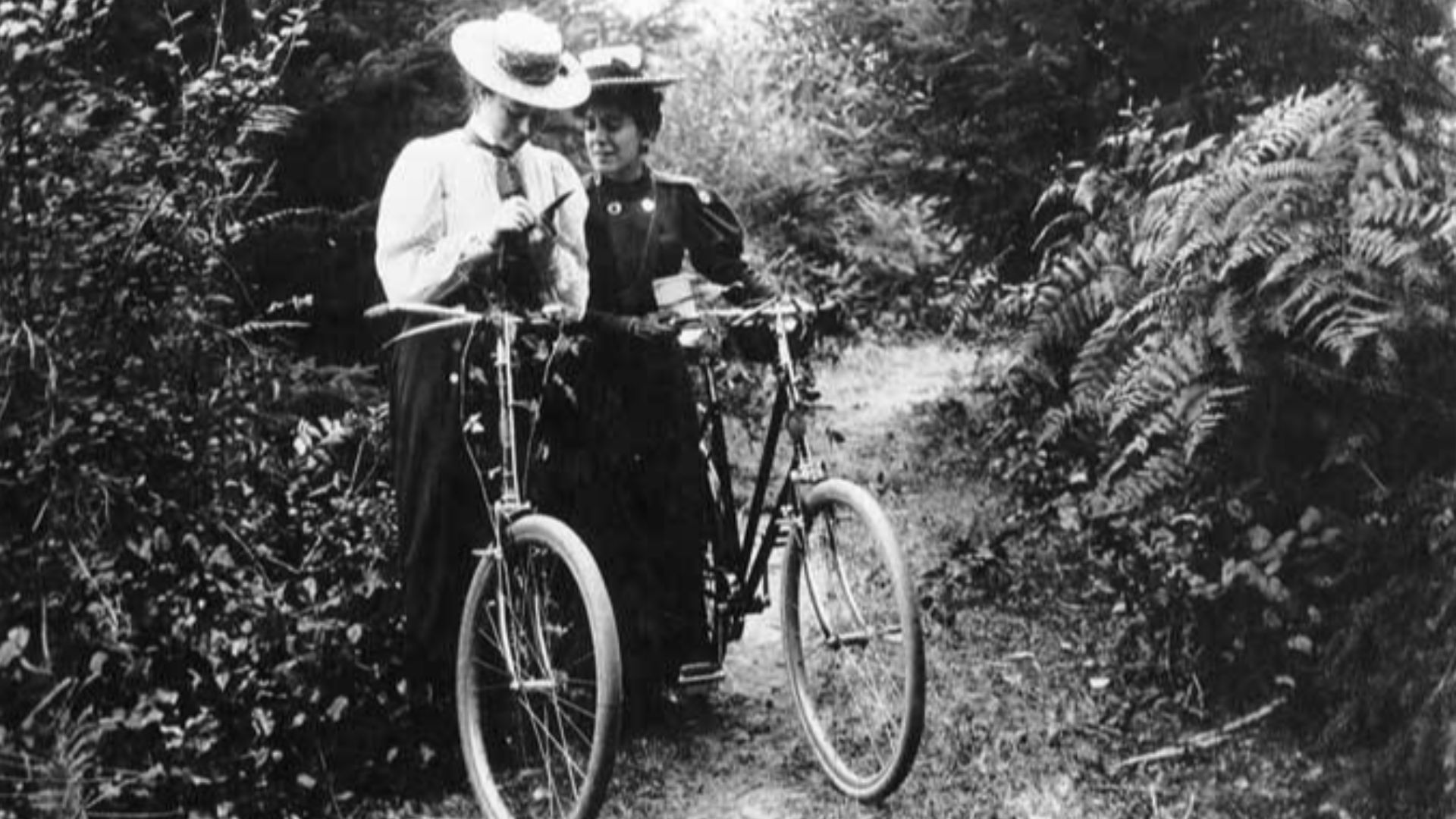 Wilcox, William Holmes, Wikimedia Commons
Christmas Trees Crossed Cultural Boundaries
Decorated evergreen trees had long-standing connections to German-speaking communities. German immigrants helped introduce or popularize the Christmas tree in the United States during the 19th century. The custom gradually moved beyond German neighborhoods and became part of a broader American holiday tradition.
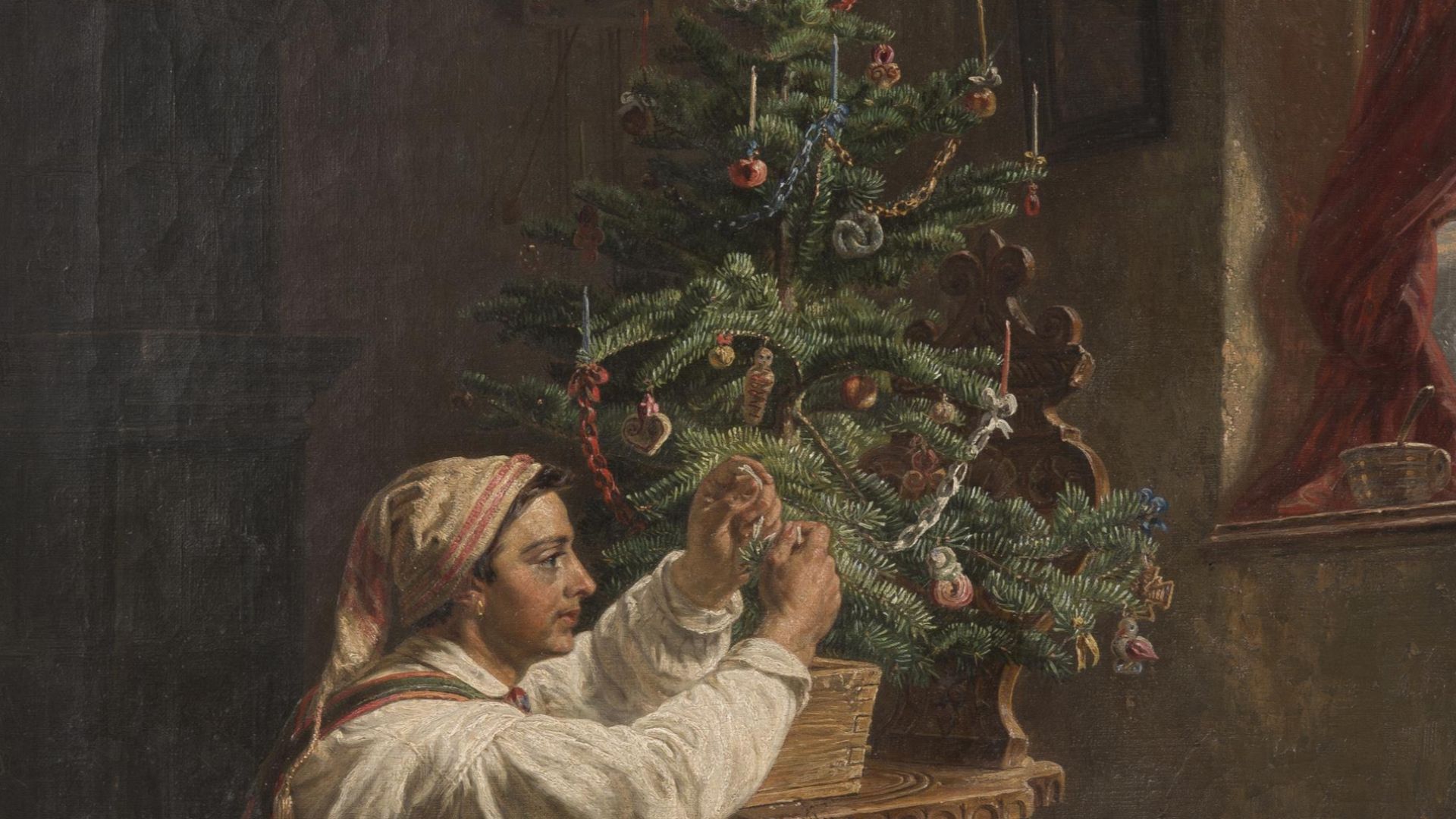 Unknown authorUnknown author, Wikimedia Commons
A Domestic Custom Became A National Symbol
Trees were displayed in homes, shops, churches, schools, and eventually public spaces. Illustrations, family customs, immigration, commercial decorations, and highly visible celebrations encouraged other households to adopt the practice. By the end of the 19th century, Christmas trees were familiar to Americans from many cultural backgrounds.
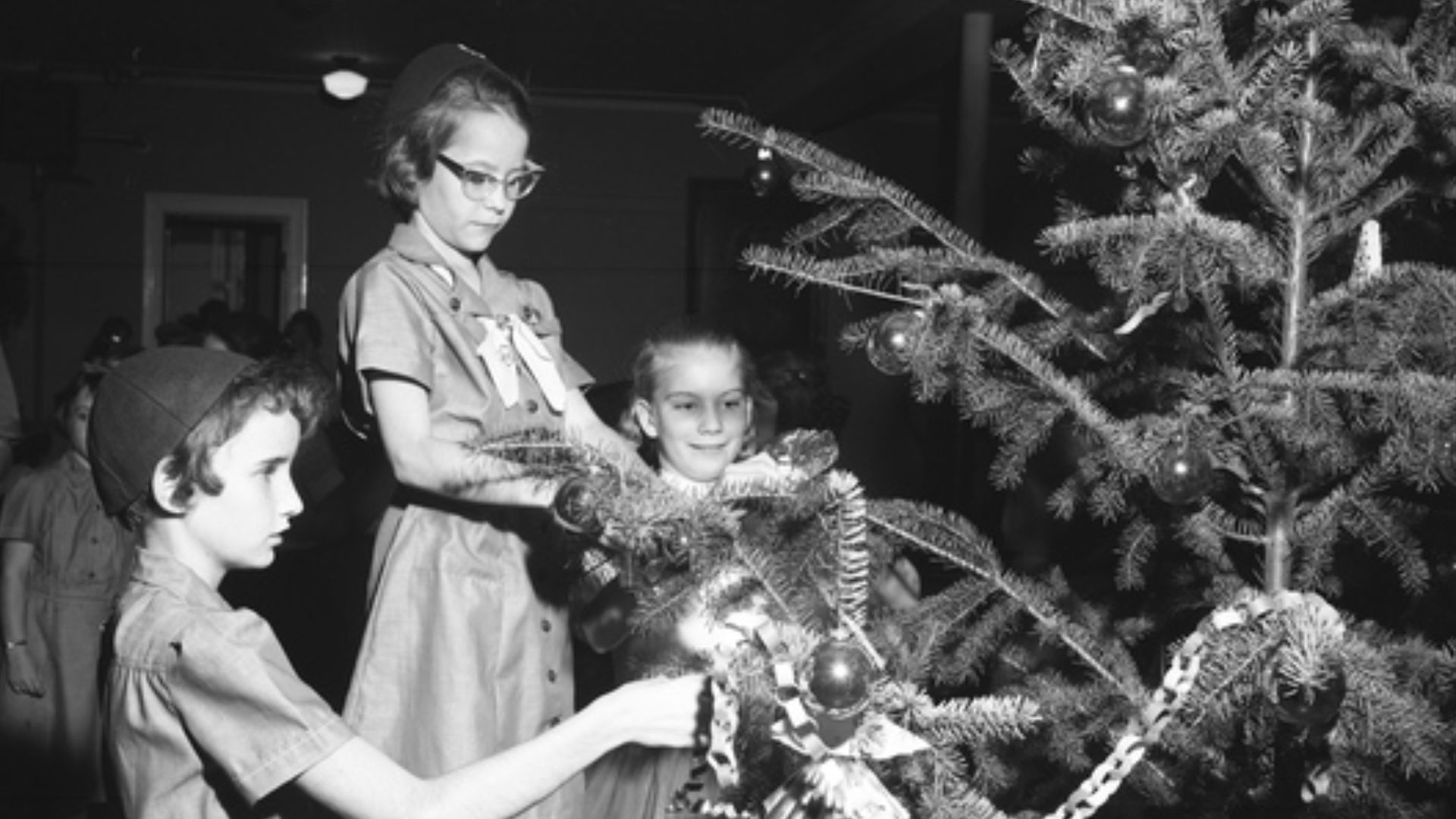 Florida Memory, Wikimedia Commons
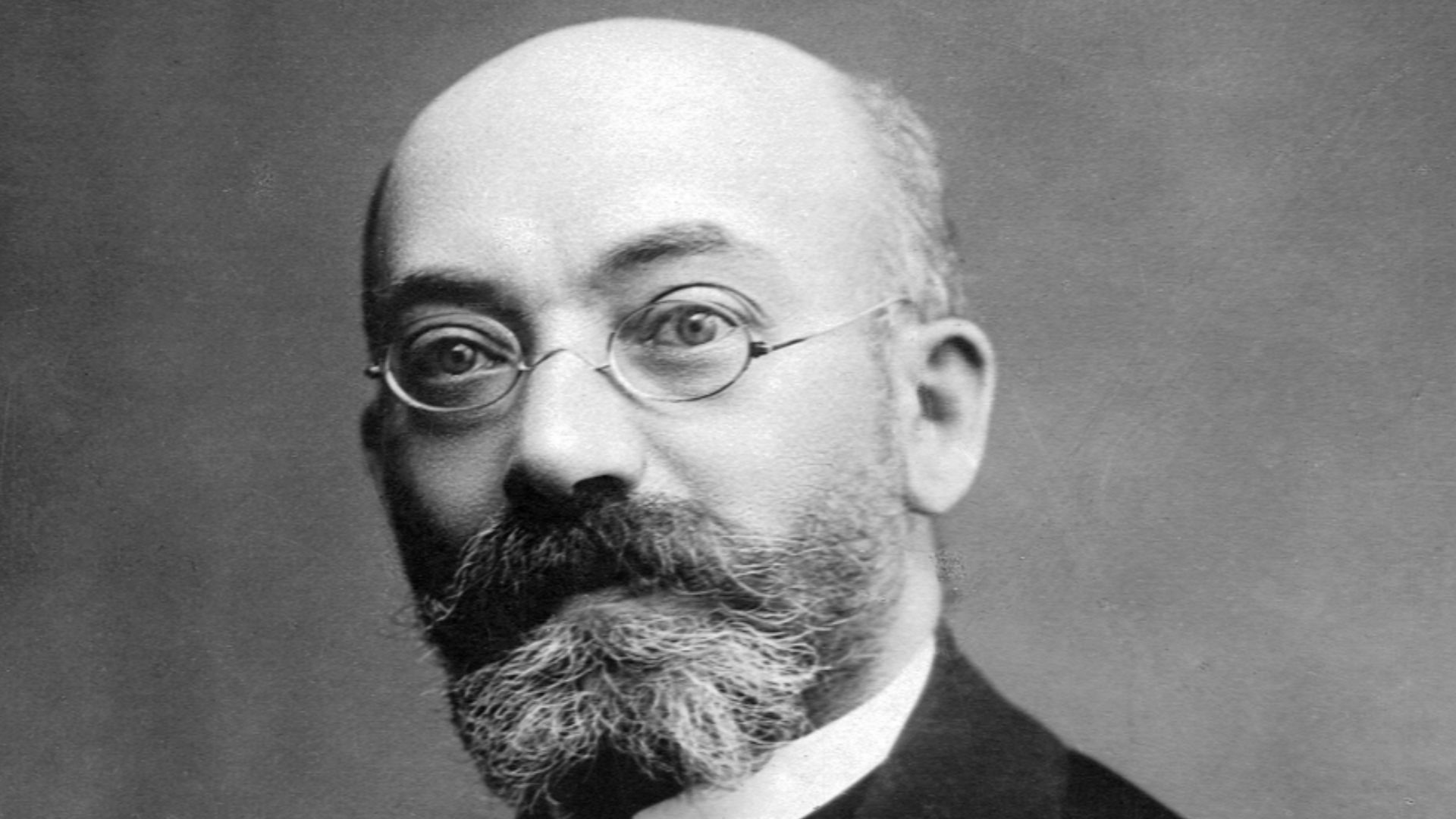
Esperanto Promised A Shared Global Language
Polish physician L. L. Zamenhof published the foundations of Esperanto in 1887. He designed the language to be comparatively regular and easy to learn, hoping it could encourage communication among people with different native languages. Readers began forming clubs, translating literature, corresponding internationally, and teaching one another.
 Unknown authorUnknown author, Wikimedia Commons
The Language Traveled Through Its Speakers
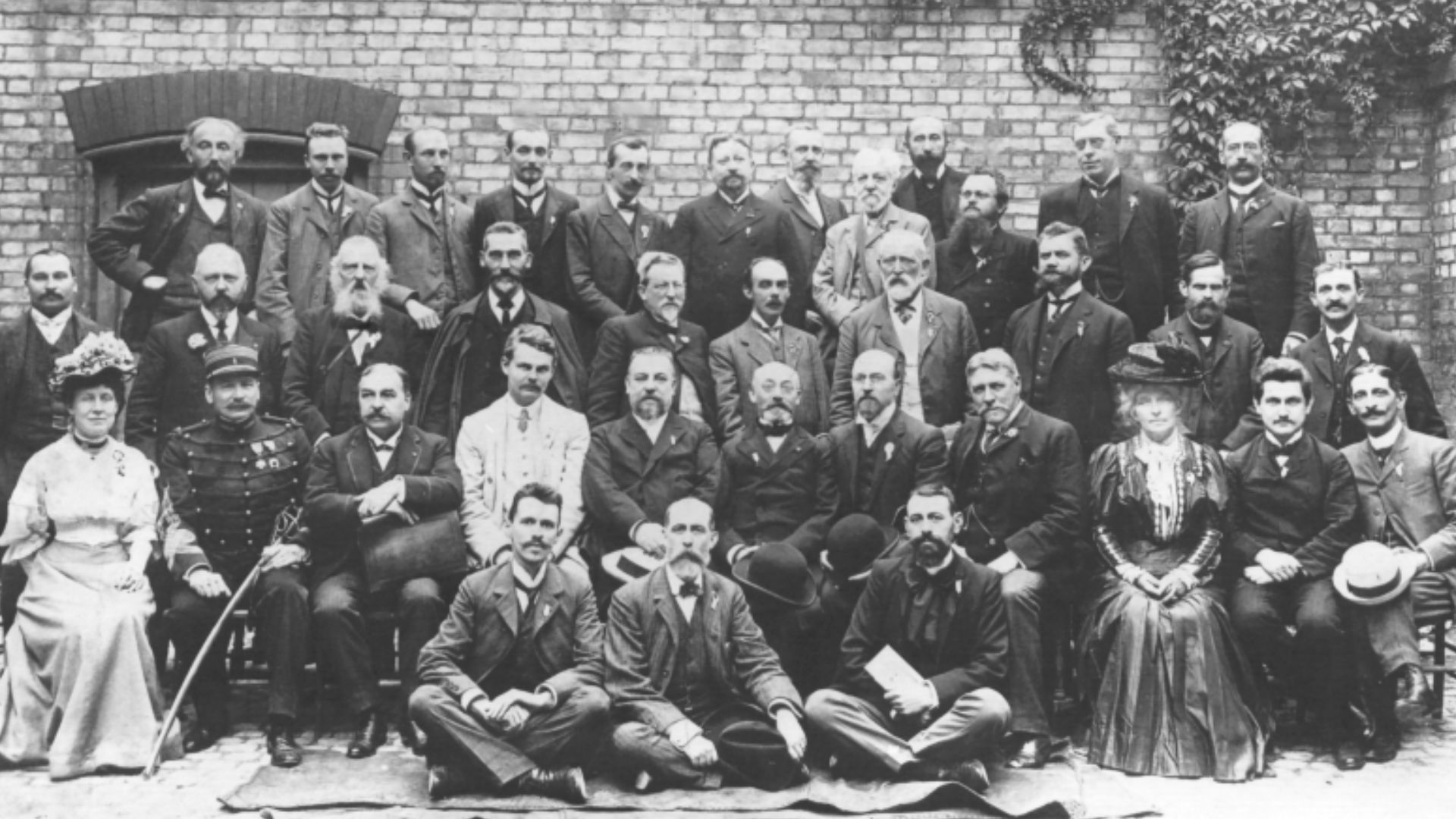
Esperanto expanded without a government, empire, or powerful commercial company directing its growth. Printed manuals and journals mattered, but personal correspondence and local associations were equally important. An international community emerged because thousands of ordinary participants repeatedly chose to learn and share the language.
 Unknown authorUnknown author, Wikimedia Commons
Trends Followed People Rather Than Technology
These crazes moved through roads, ports, marketplaces, churches, salons, coffeehouses, theaters, shops, and private homes. A traveler could carry a style, a merchant could reproduce it, and a compelling story could persuade listeners to imitate it. The speed seems surprising only when we underestimate how connected earlier societies already were.
Human Curiosity Has Always Been Viral
Modern platforms can multiply attention almost instantly, but they did not invent social contagion. Long before electronic media, people copied clothing, beliefs, hobbies, rituals, decorations, and emotional attitudes from one another. The tools have changed dramatically, while the human appetite for novelty and belonging remains remarkably familiar.
 Unknown authorUnknown author, Wikimedia Commons
You May Also Like:
The Weirdest Rules People Once Followed At Work
The Discovery Of A Bronze Age Blade Workshop In Southern Israel
Resilient Facts About Ellen Burstyn, The Actor Who Worked With The Devil