When Royal Drama Became Everyone’s Business
History remembers rulers for wars, laws, and empires, but sometimes their personal lives caused just as much upheaval. Royal marriages, affairs, bitter breakups, and family disputes could quickly become matters of politics, religion, and succession. For these rulers, problems that might have remained private in an ordinary household played out before entire nations. In some cases, the consequences reshaped governments, damaged dynasties, and changed the course of history. Factinate Ltd
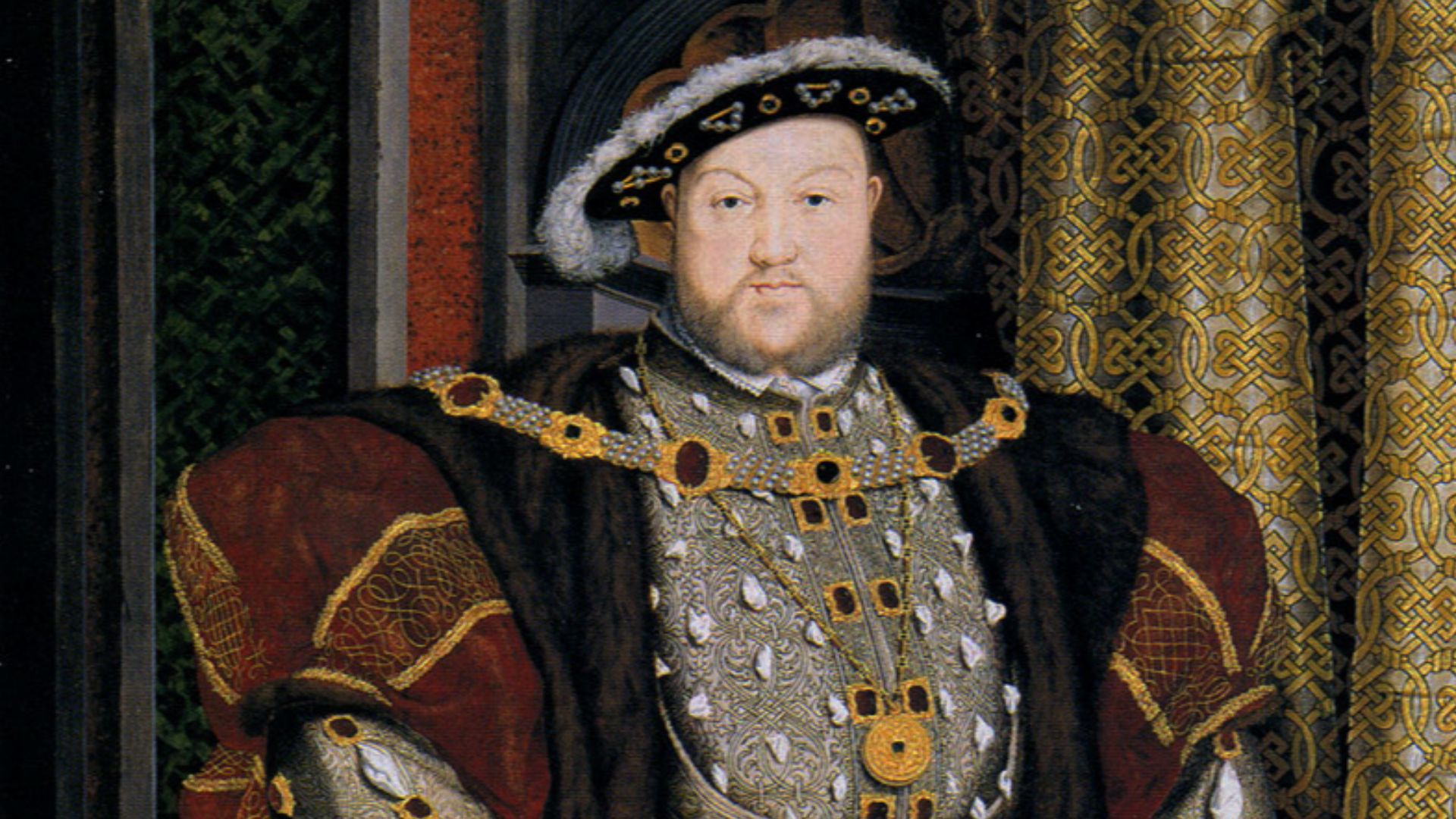
Henry VIII Turned Marriage Into A National Crisis
Henry VIII began his reign in 1509 and eventually married six times, but his search for a secure male heir transformed his domestic problems into matters of national policy. His determination to end his marriage to Catherine of Aragon brought him into conflict with papal authority. What began as a royal marriage dispute ultimately contributed to England's break with the Roman Catholic Church.
 Unknown authorUnknown author, Wikimedia Commons
Anne Boleyn Changed The Political Equation
Henry became determined to marry Anne Boleyn after his relationship with Catherine had failed to produce a surviving son. When papal approval for an annulment did not come, Henry increasingly asserted control over religious affairs in England. He married Anne in 1533, making his romantic ambitions inseparable from one of the most important religious transformations in English history.
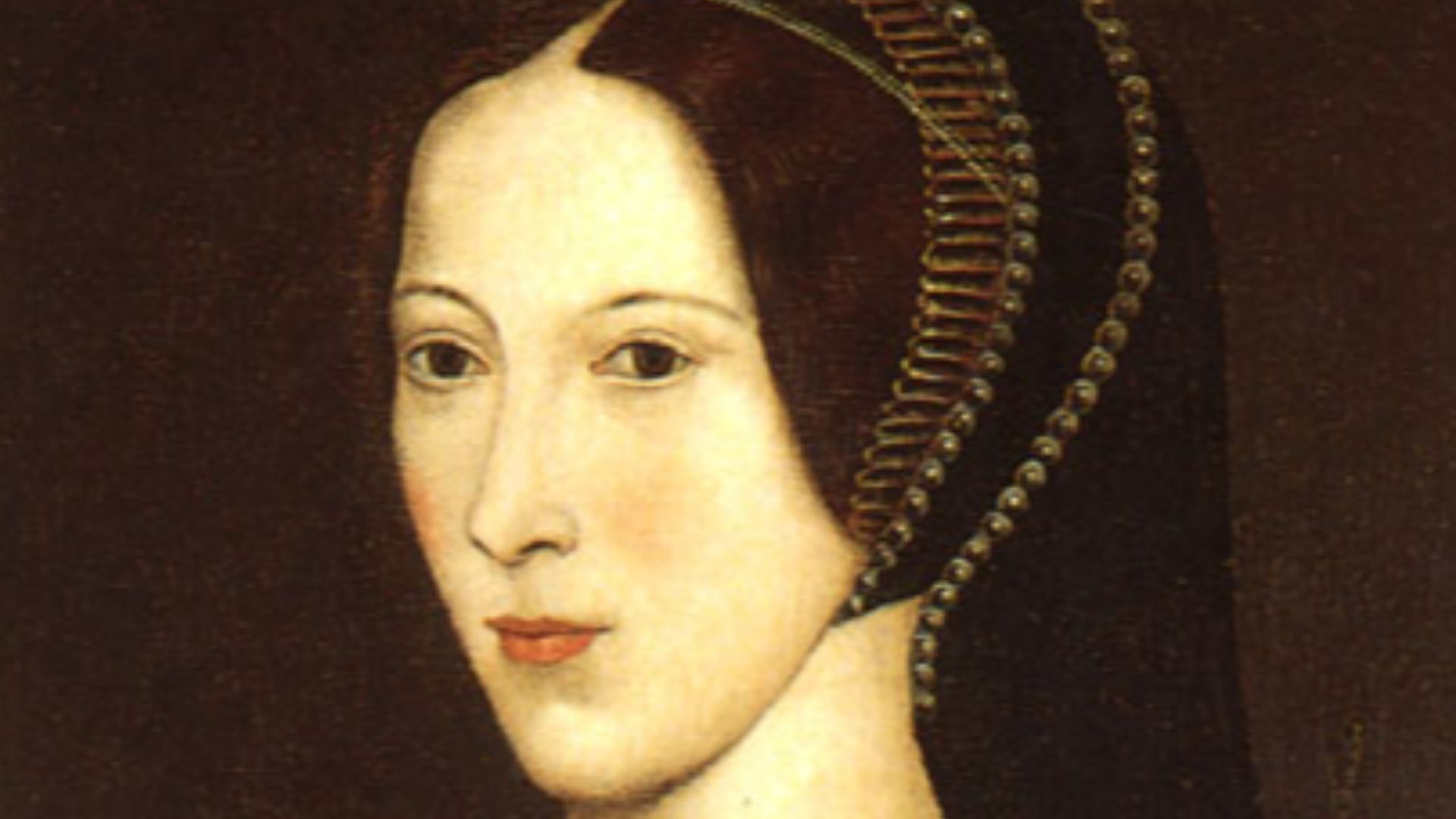 English School / Unidentified painter, Wikimedia Commons
Henry's Second Marriage Ended At The Scaffold
Anne gave birth to Elizabeth in 1533, but Henry continued hoping for a male heir. By 1536, Anne had been accused of adultery and treason, charges that many historians have regarded with deep skepticism. Her execution showed just how dangerous the king's personal relationships had become for the people closest to him.
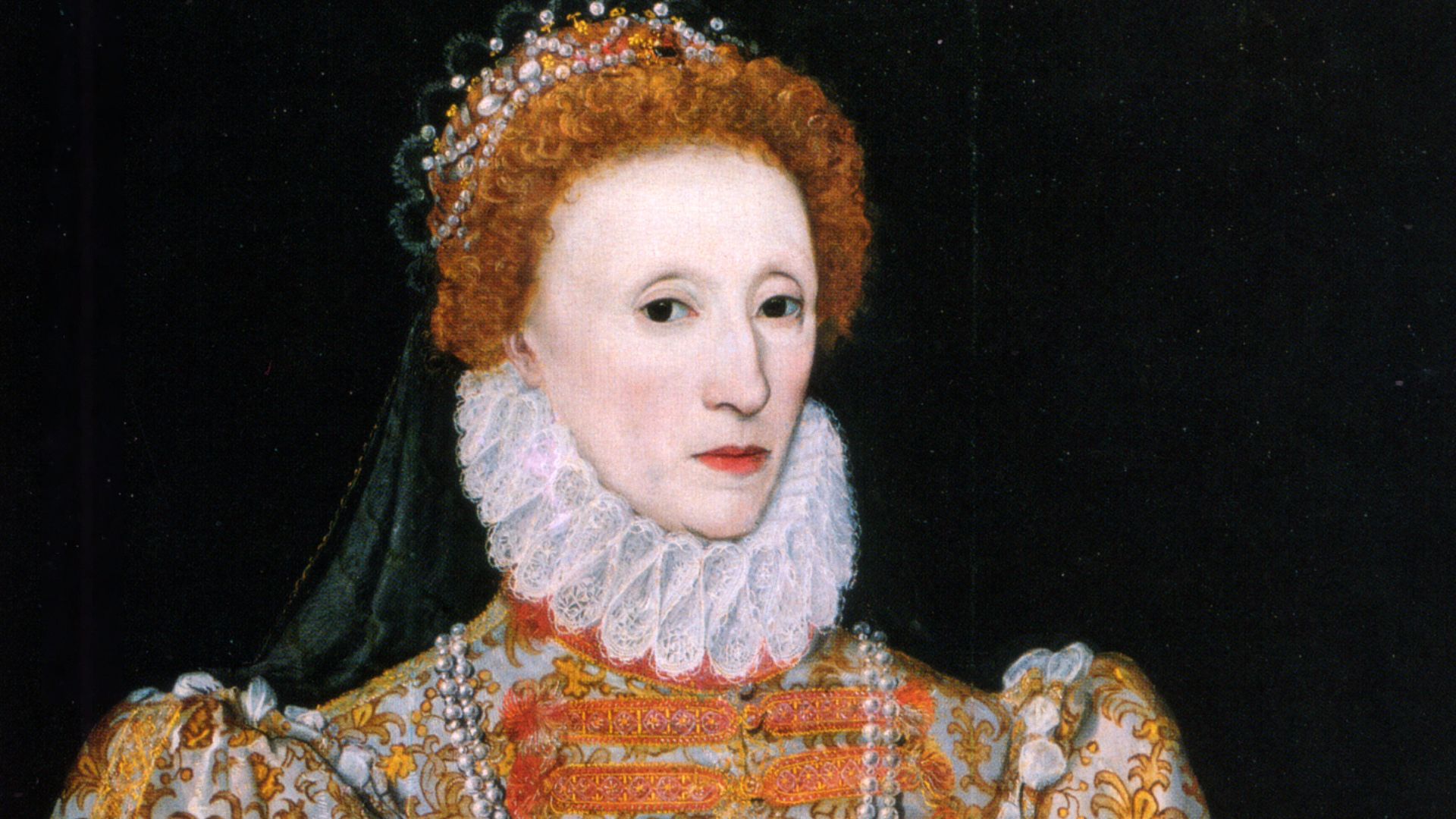 Unknown authorUnknown author, Wikimedia Commons
Six Marriages Left A Complicated Legacy
Henry's marriages did far more than provide generations of historians with memorable stories. His matrimonial decisions affected diplomacy, religion, succession, and the positions of his children Mary and Elizabeth. Few rulers demonstrate more clearly how a monarch's private desires can become problems for an entire kingdom.
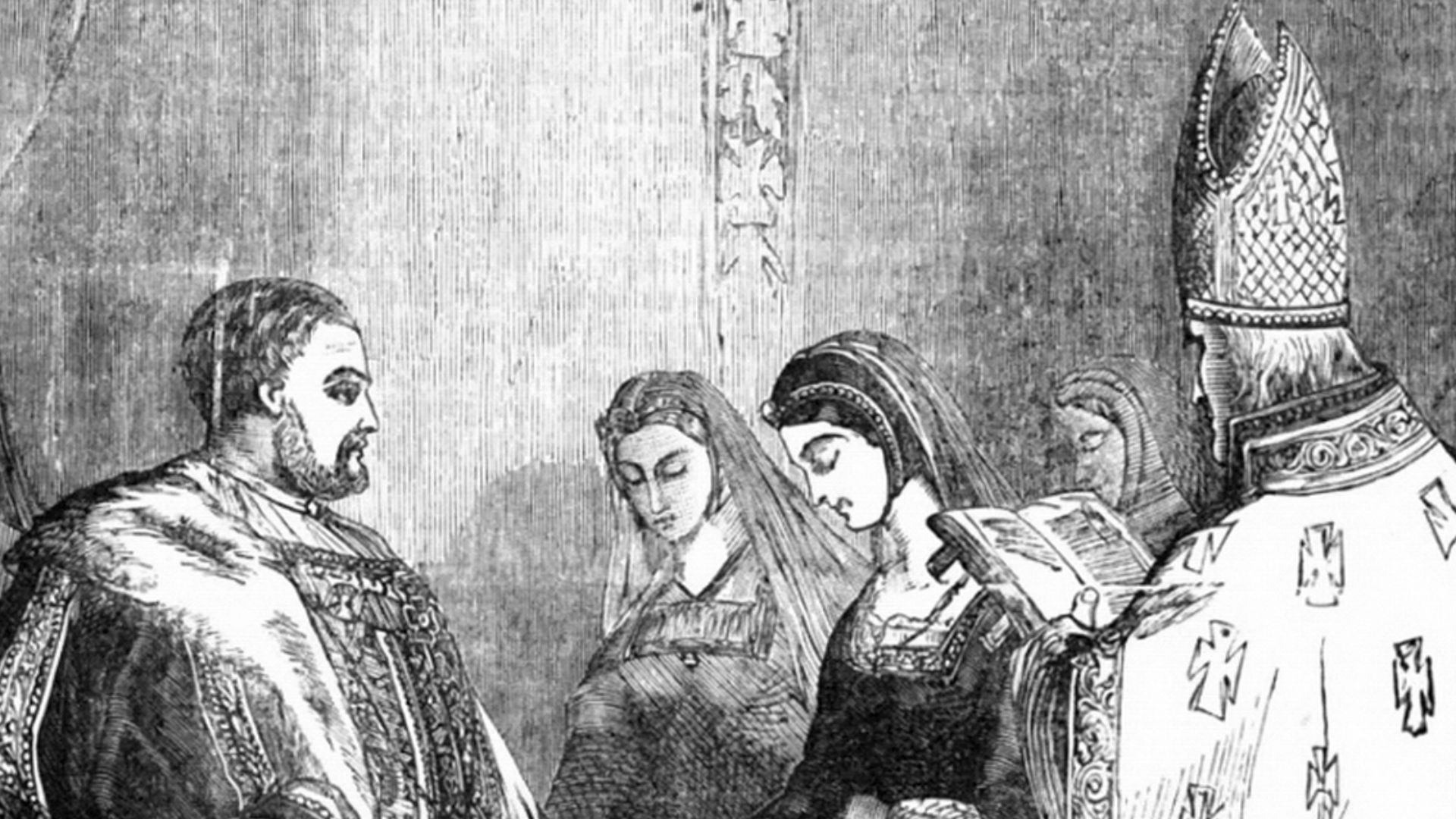 John Cassell, Wikimedia Commons
Edward VIII Fell In Love With An Unacceptable Match
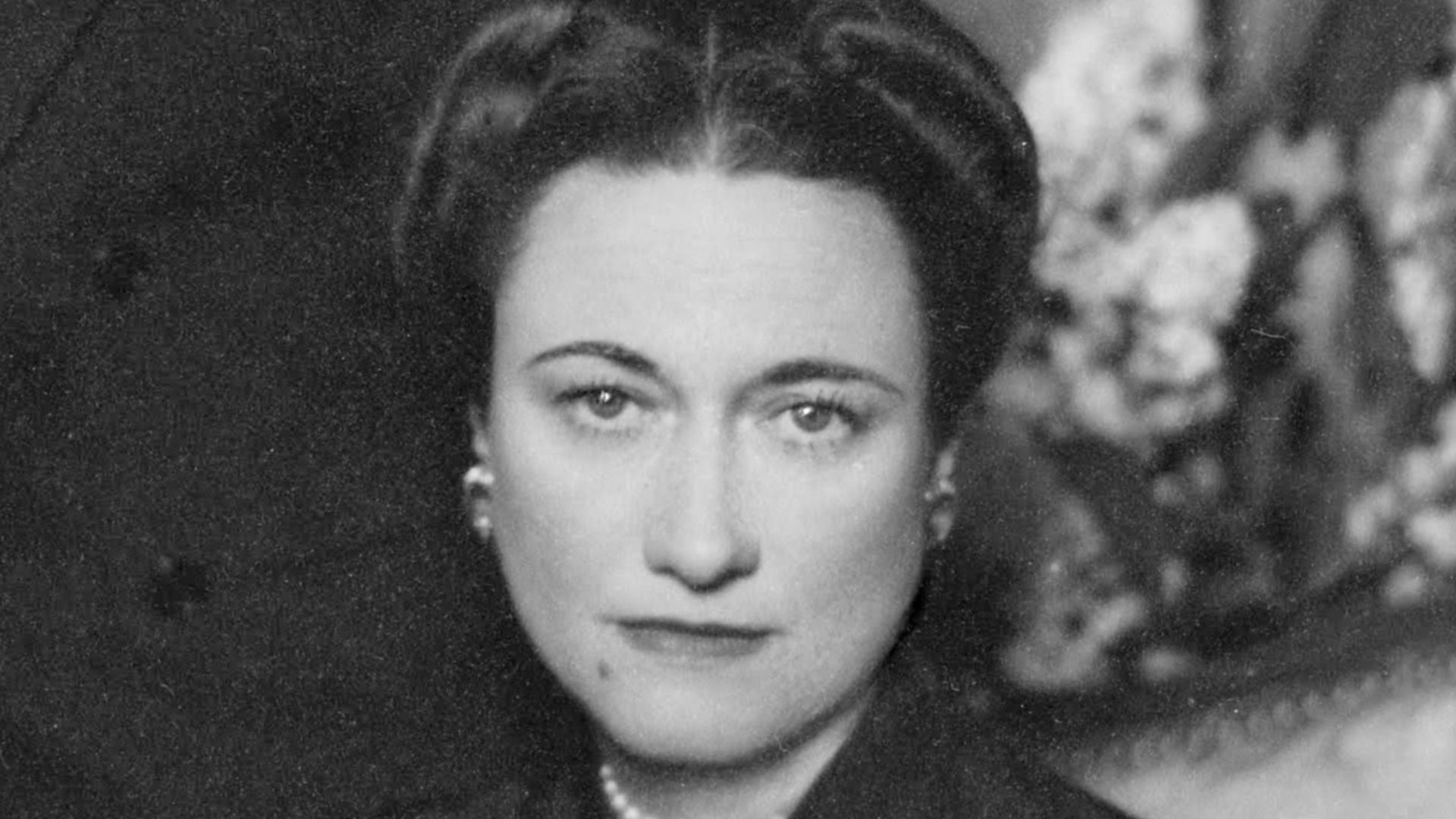
Edward VIII had been king for less than a year when his relationship with Wallis Simpson became a constitutional problem. Simpson was an American who was still married when Edward had fallen in love with her, and she was pursuing another divorce in 1936. Government leaders in Britain and the Dominions objected to the prospect of her becoming queen.
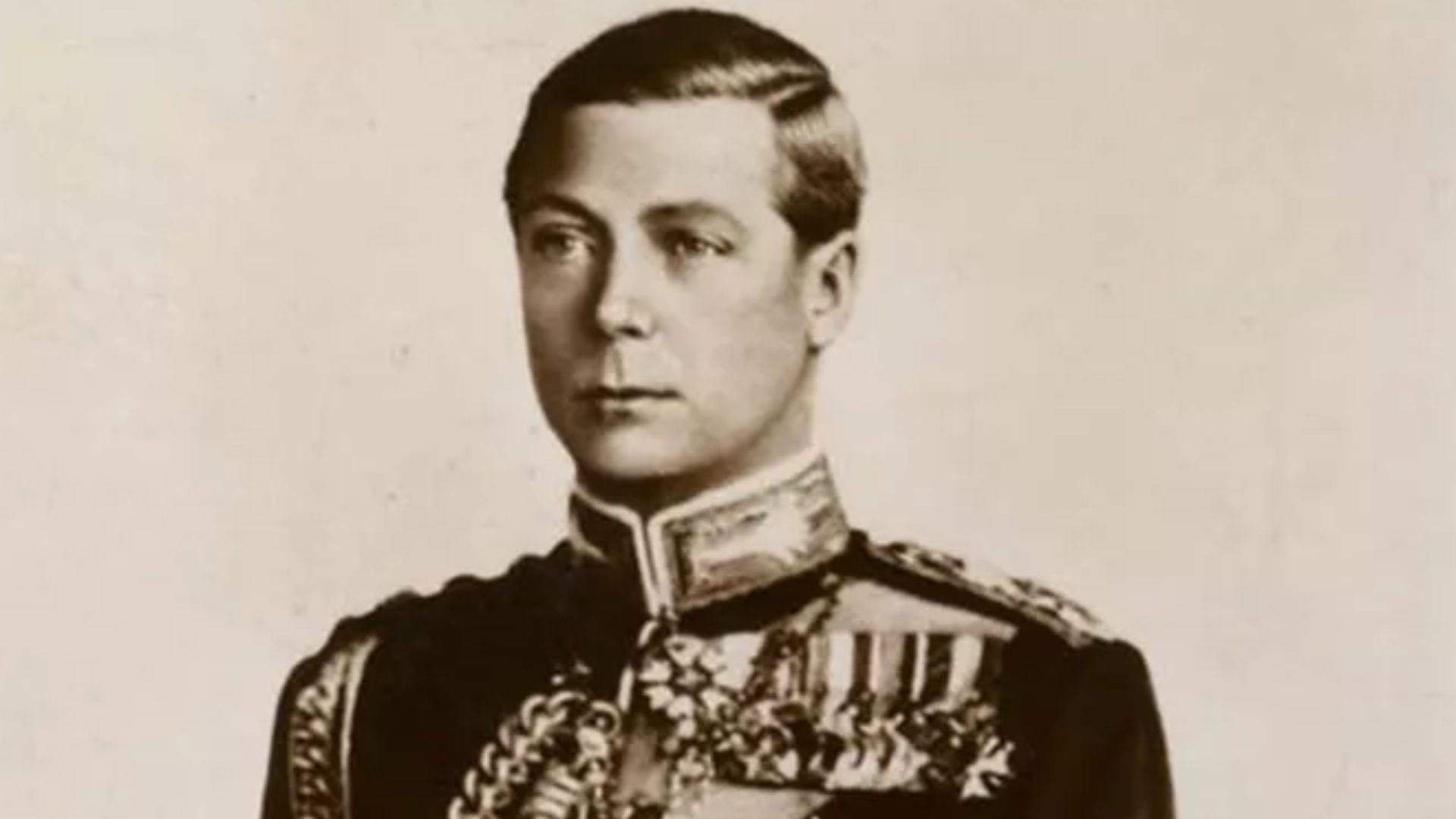 Vandyk (active 1881-1947), Wikimedia Commons
The King Faced An Extraordinary Choice
Edward wanted to marry Simpson while remaining on the throne, but political opposition made that increasingly difficult. According to the Royal Family's official history, Edward ultimately recognized that he had to choose between the Crown and the woman he wanted to marry. It was an extraordinary moment when a king's romantic life became a constitutional emergency.
 Attributed to Angelo Laviosa / Formerly attributed to Vincenzo Laviosa, Wikimedia Commons
Edward Gave Up The Throne
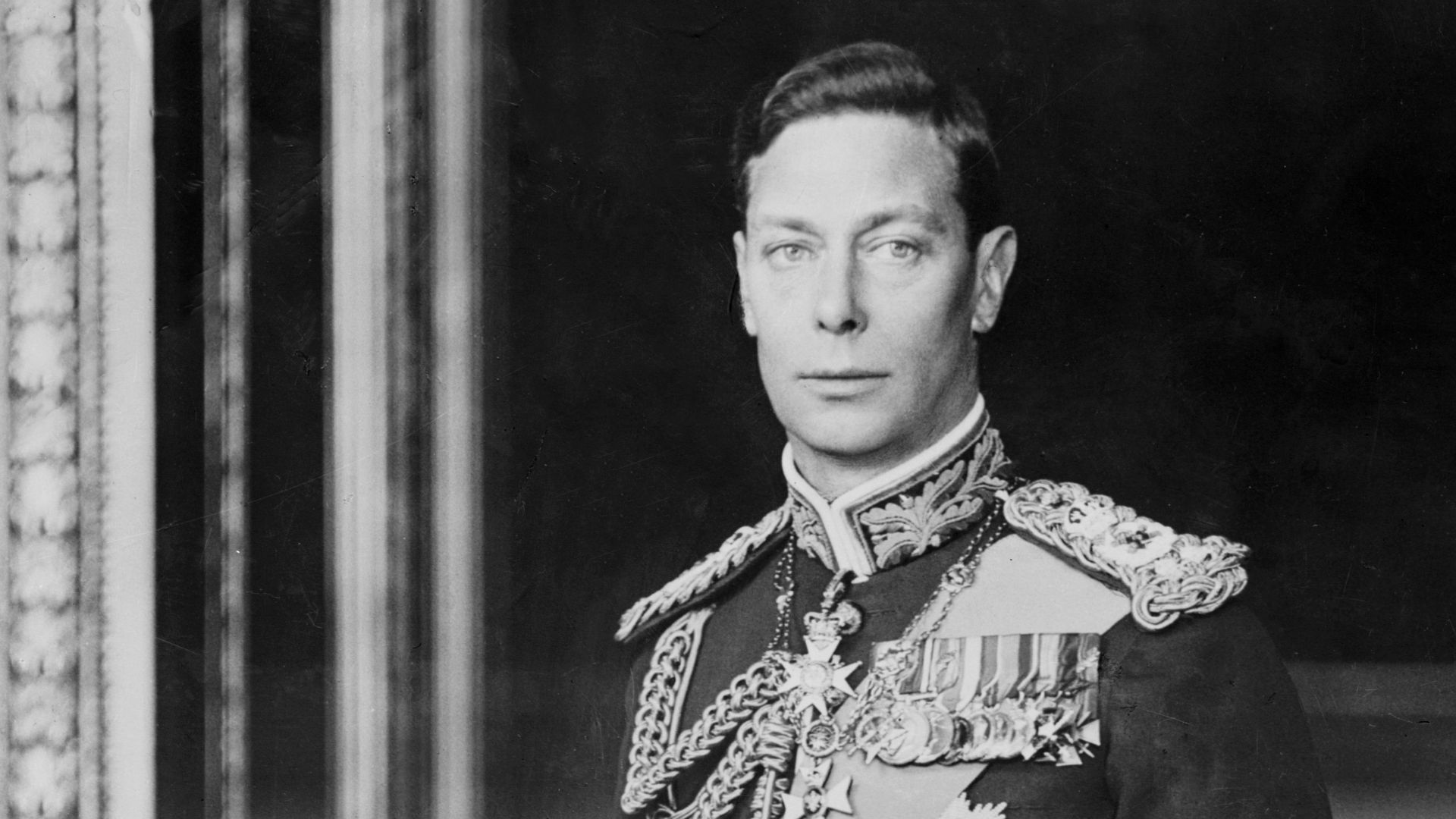
On December 10, 1936, Edward signed the Instrument of Abdication, and the abdication took legal effect the following day. His brother Albert succeeded him as George VI. Edward's reign lasted only 325 days, making his relationship with Simpson inseparable from the story of his brief kingship.
 Matson Photo Service, Wikimedia Commons
The Romance Permanently Changed His Future
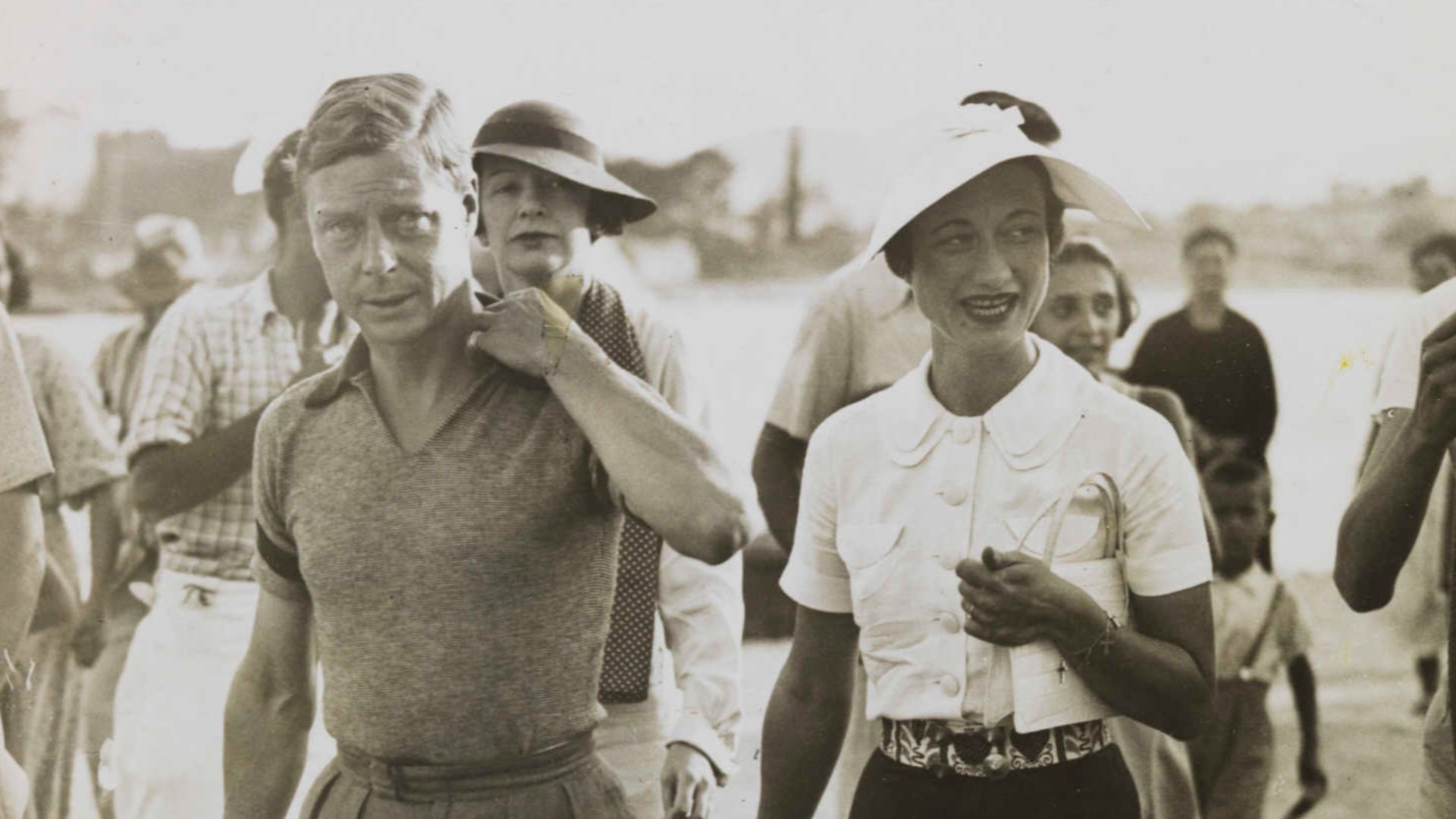
Edward became Duke of Windsor after leaving the throne and married Wallis Simpson in France in 1937. He never returned to the monarchy as a working king and spent much of the remainder of his life abroad. The relationship he refused to abandon had effectively redirected both his life and the British succession.
 National Media Museum from UK, Wikimedia Commons

History's most fascinating stories and darkest secrets, delivered to your inbox daily.
Louis XIV Made His Affairs Court Business
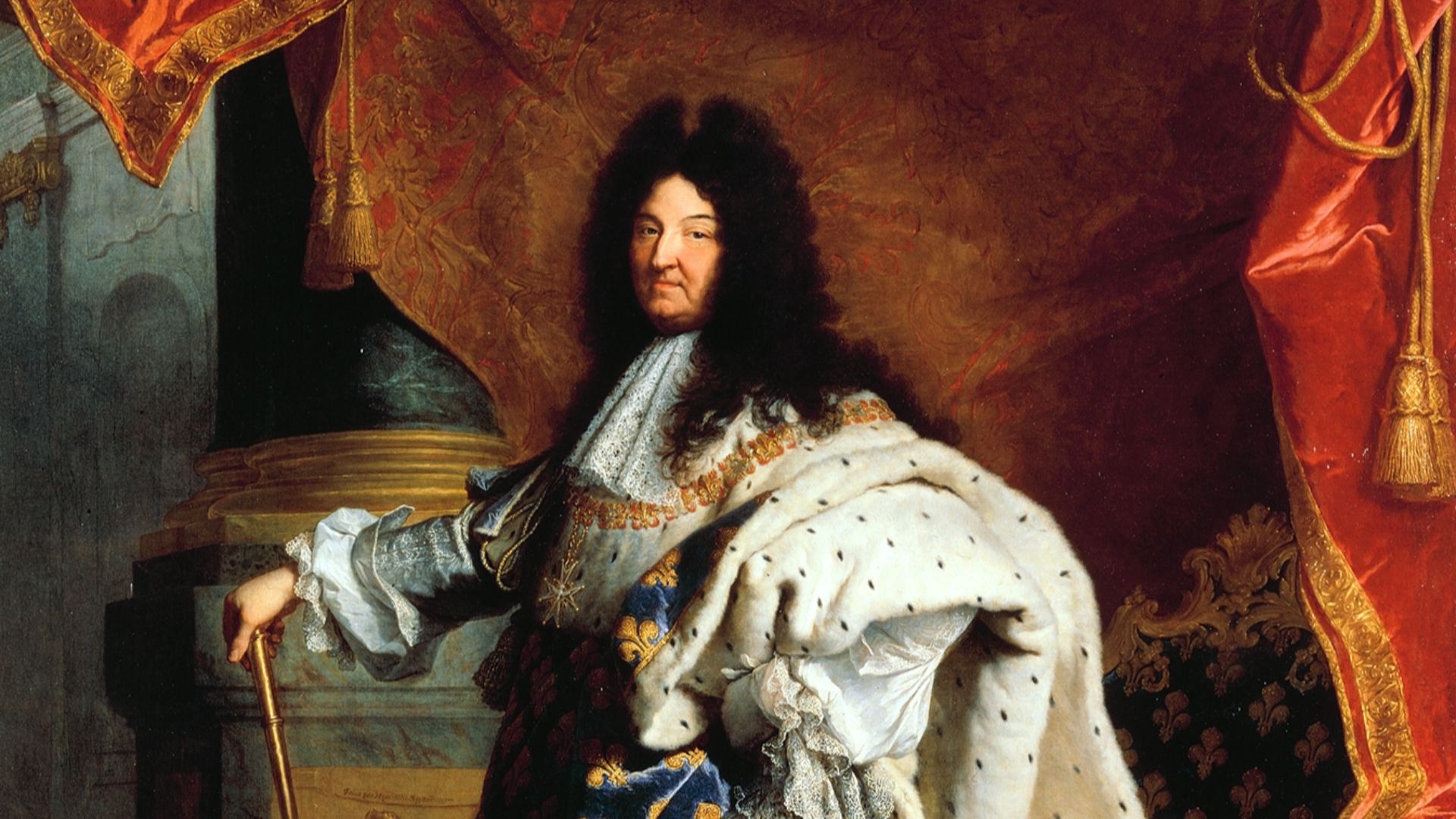
Louis XIV married Maria Theresa of Spain in 1660, but his romantic life soon extended well beyond the royal marriage. The Palace of Versailles records that he had several prominent mistresses, including Louise de La Vallière and Madame de Montespan. Because the king's household was also the center of political power, his relationships were anything but private.
 Hyacinthe Rigaud, Wikimedia Commons
Louise De La Vallière Lived In The Spotlight
Louise de La Vallière became Louis XIV's first official favorite and remained at court for more than a decade. She had children with the king, two of whom survived and were formally legitimized. Versailles became one of the settings in which a supposedly private relationship was displayed before a court obsessed with royal access and favor.
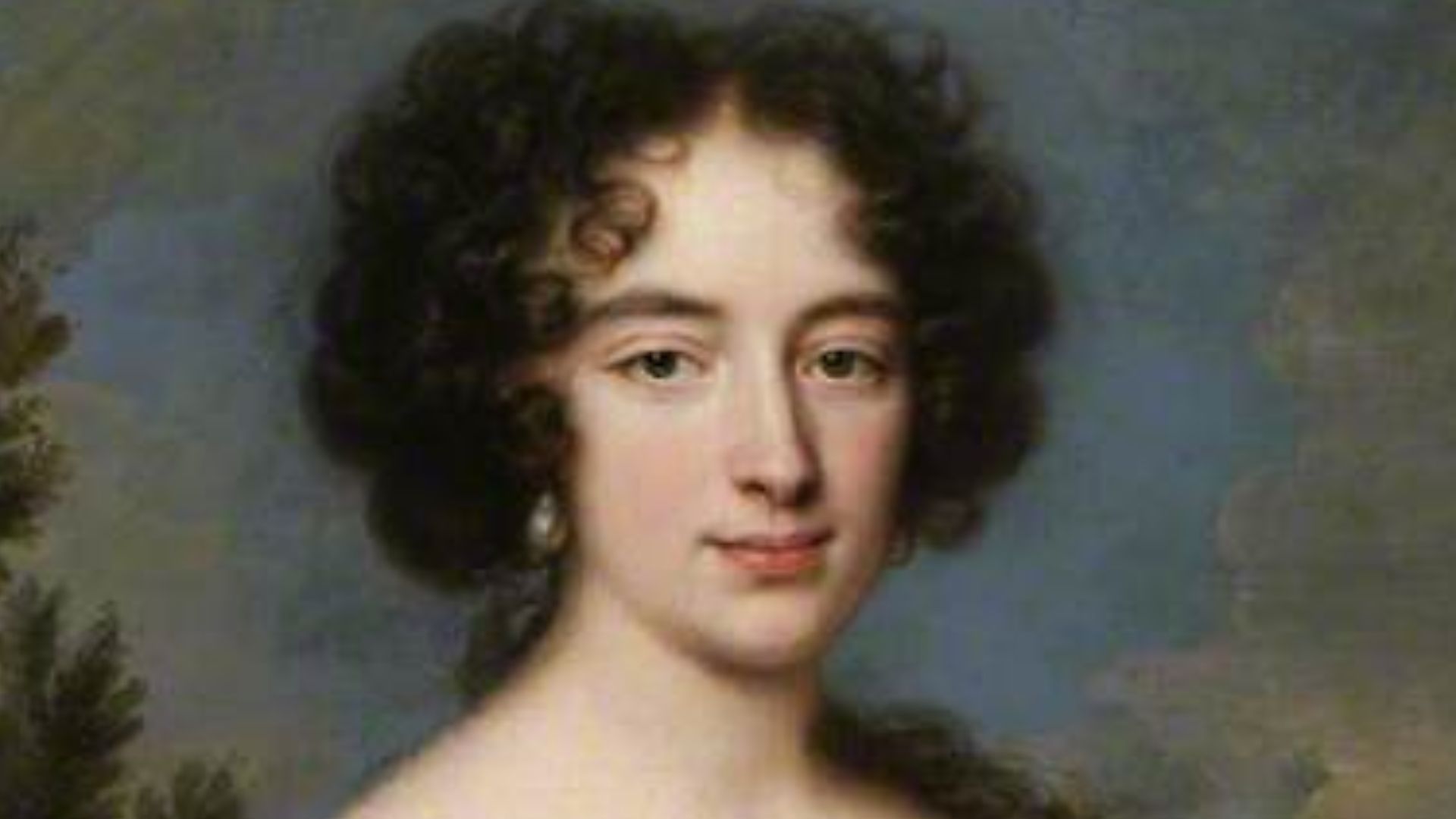 Attributed to Pierre Mignard I, Wikimedia Commons
Madame De Montespan Became A Powerful Favorite
By the late 1660s, Madame de Montespan had displaced La Vallière in Louis's affections. Versailles describes Montespan as an influential figure who enjoyed the king's protection and occupied an apartment near his own. In Louis's tightly controlled court, the identity of the royal favorite carried social and political consequences.
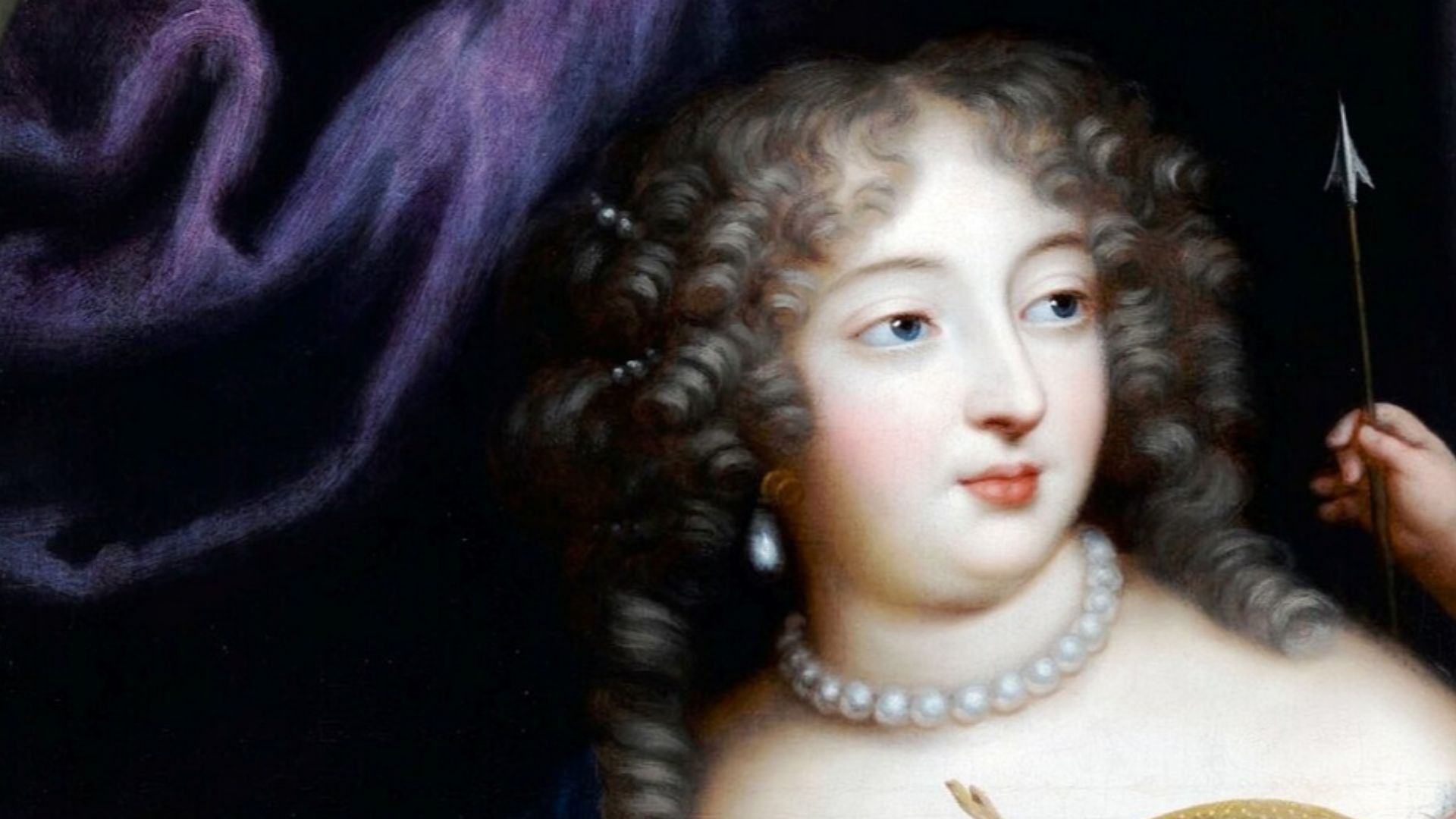 Workshop of Pierre Mignard I, Wikimedia Commons
The King's Romantic Court Became A System
Louis eventually had several children with his mistresses formally legitimized, giving his extramarital family an acknowledged place in elite society. After Queen Maria Theresa's death, he is believed to have secretly married Madame de Maintenon in 1683. His romantic life had become so integrated into the structure of the court that mistresses, children, apartments, titles, and royal favor all overlapped.
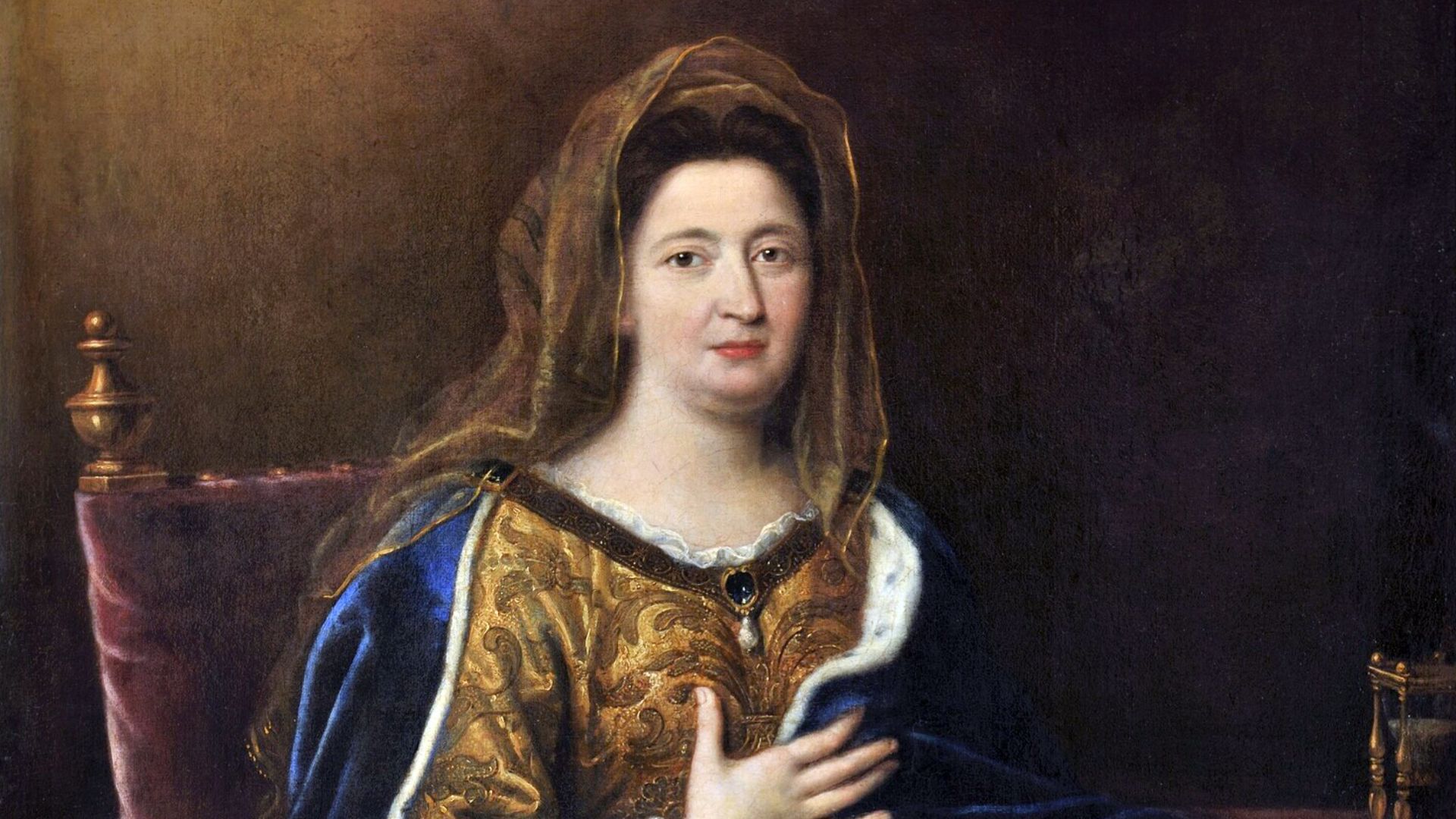 Pierre Mignard I, Wikimedia Commons
George IV Had A Secret Marriage Problem
Long before becoming king, the future George IV secretly married Maria Fitzherbert in 1785. The Royal Family describes that marriage as illegal under the law governing royal marriages because the required royal approval had not been obtained. His private decision created a problem that became even more awkward when political pressure pushed him toward another marriage.
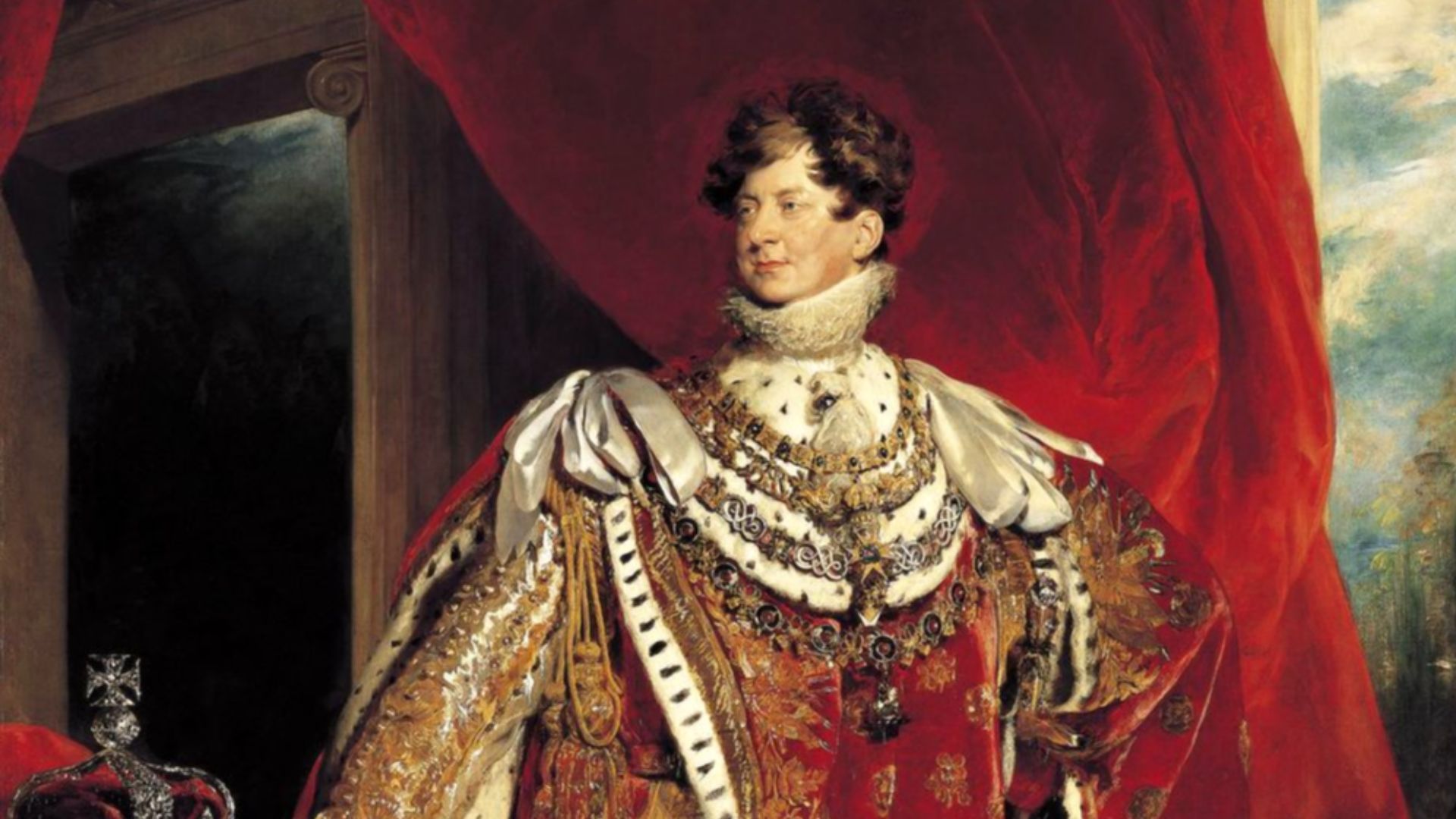 Thomas Lawrence, Wikimedia Commons
His Official Marriage Was Miserable
In 1795, George officially married Princess Caroline of Brunswick. The marriage quickly became deeply unhappy, and the couple largely lived apart. The Royal Collection notes that his earlier relationship with Fitzherbert made the situation even more complicated.
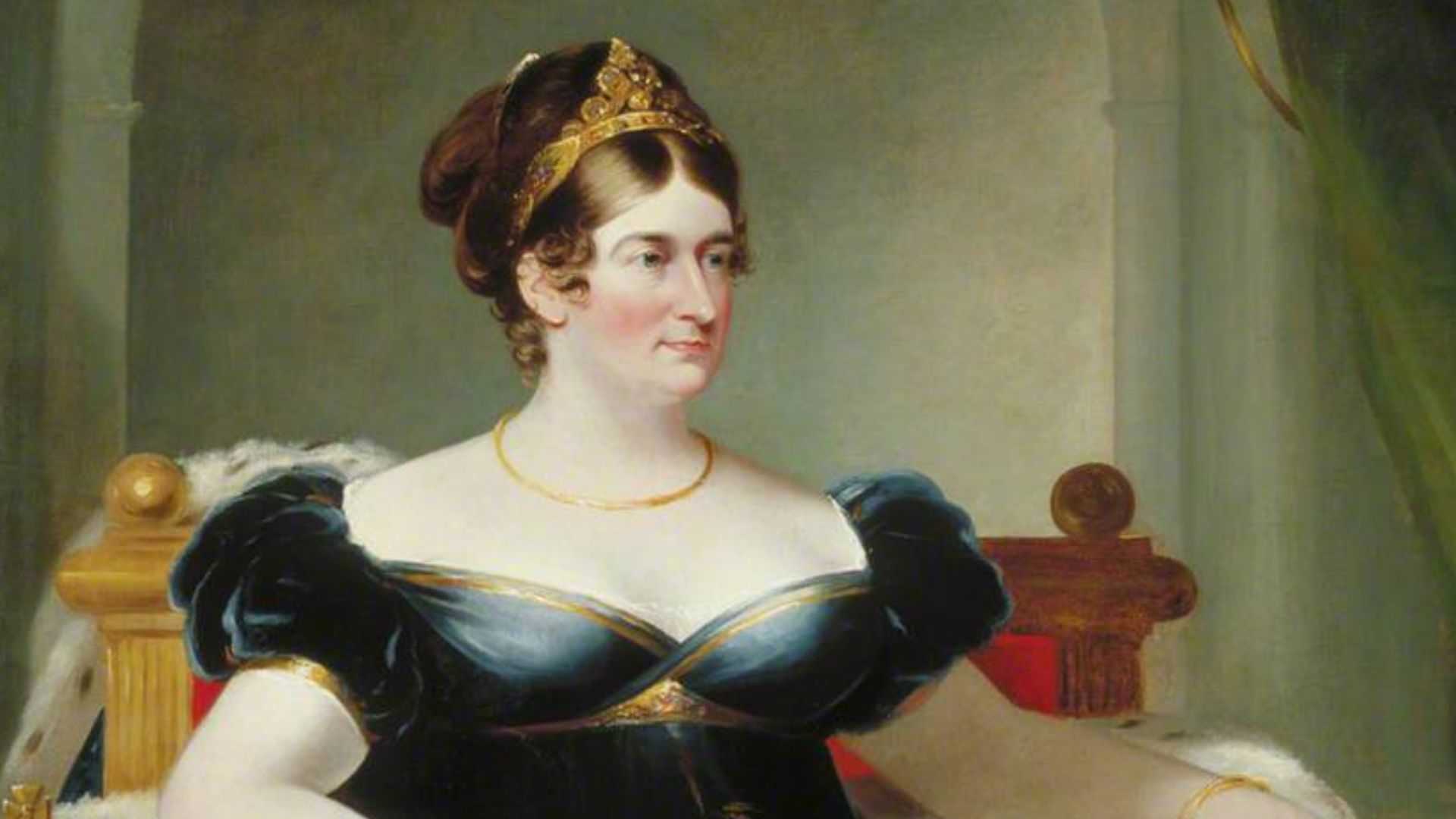 James Lonsdale, Wikimedia Commons
George Tried To Divorce His Queen
After George became king in 1820, he attempted to divorce Caroline. The effort turned their marital breakdown into a spectacular public controversy and failed to achieve its objective. The Royal Collection says the episode brought George widespread ridicule and unpopularity.
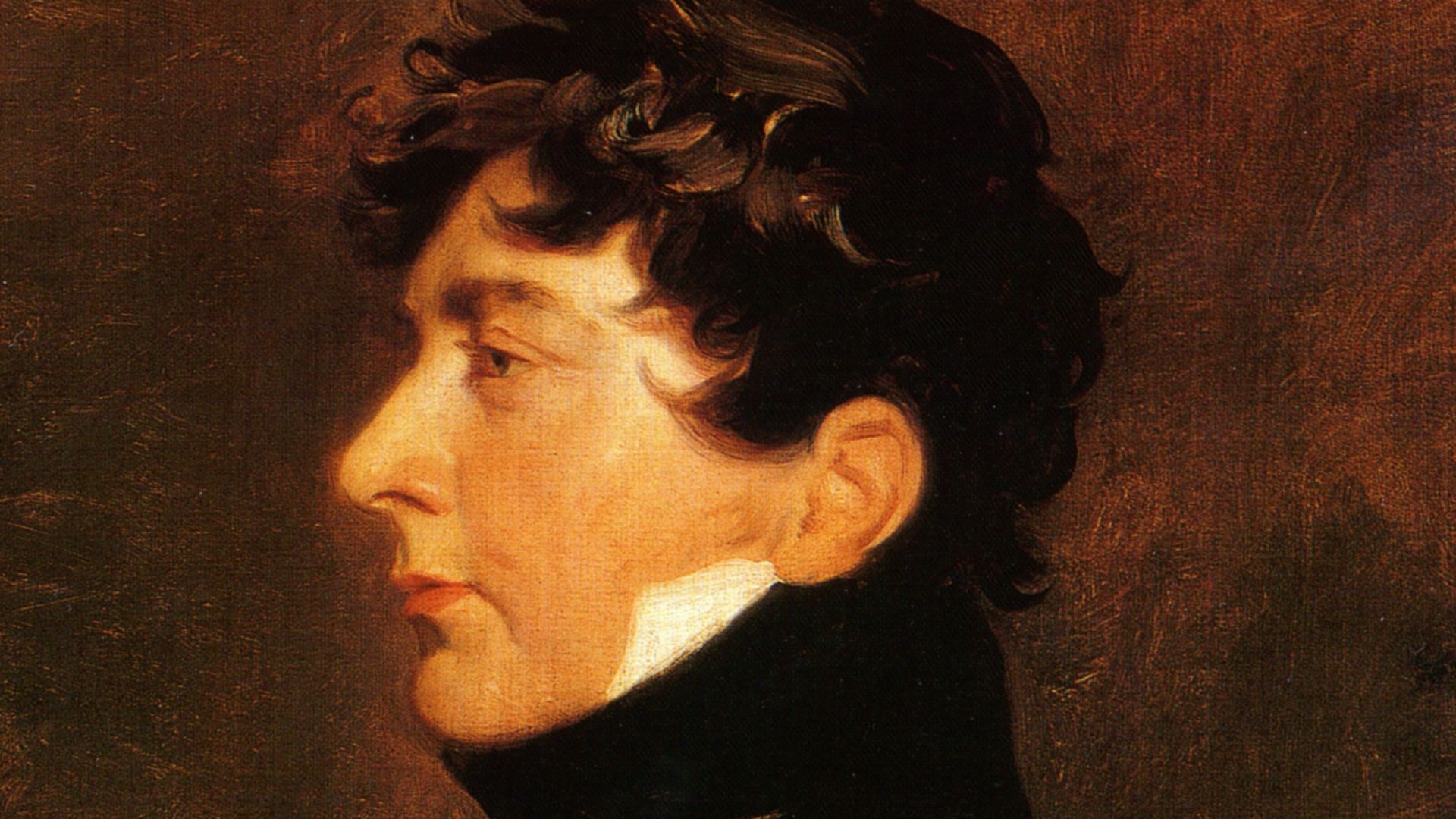 Thomas Lawrence, Wikimedia Commons
A Royal Marriage Damaged The King's Image
George was already famous for expensive tastes and large debts, so the confrontation with Caroline added another layer to his public reputation. The Royal Family's official biography states that his extravagance and marriage difficulties prevented him from recovering much popularity. His troubled personal life had become one of the defining political images of his reign.
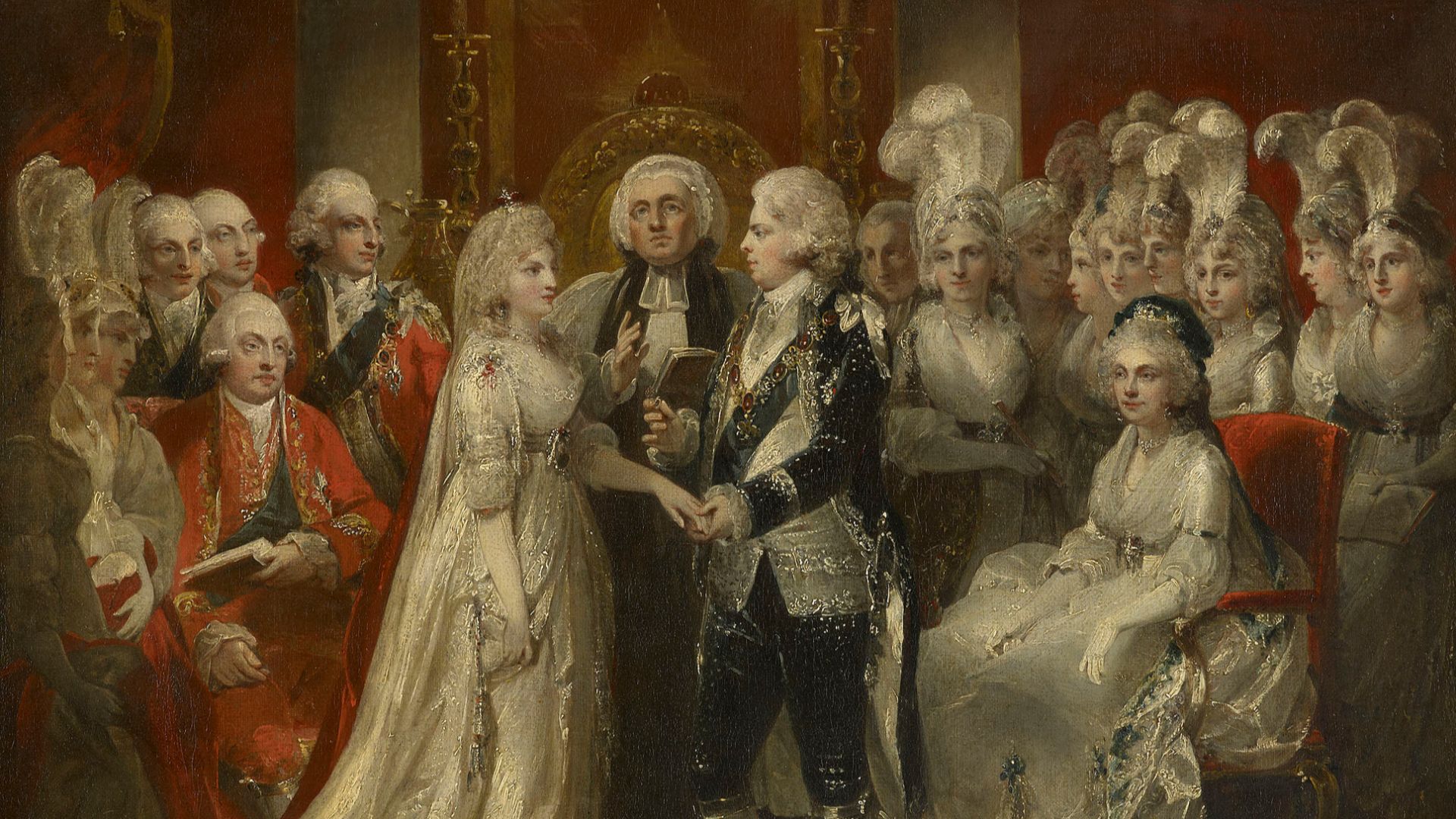 Henry Singleton, Wikimedia Commons
Cleopatra Mixed Romance With High Politics
Cleopatra VII ruled Egypt during a period when Rome increasingly dominated Mediterranean politics. She formed a relationship with Julius Caesar and later an even more consequential partnership with Mark Antony. These relationships were intimate, but they were also tied directly to Cleopatra's efforts to preserve her dynasty and Egypt's position.
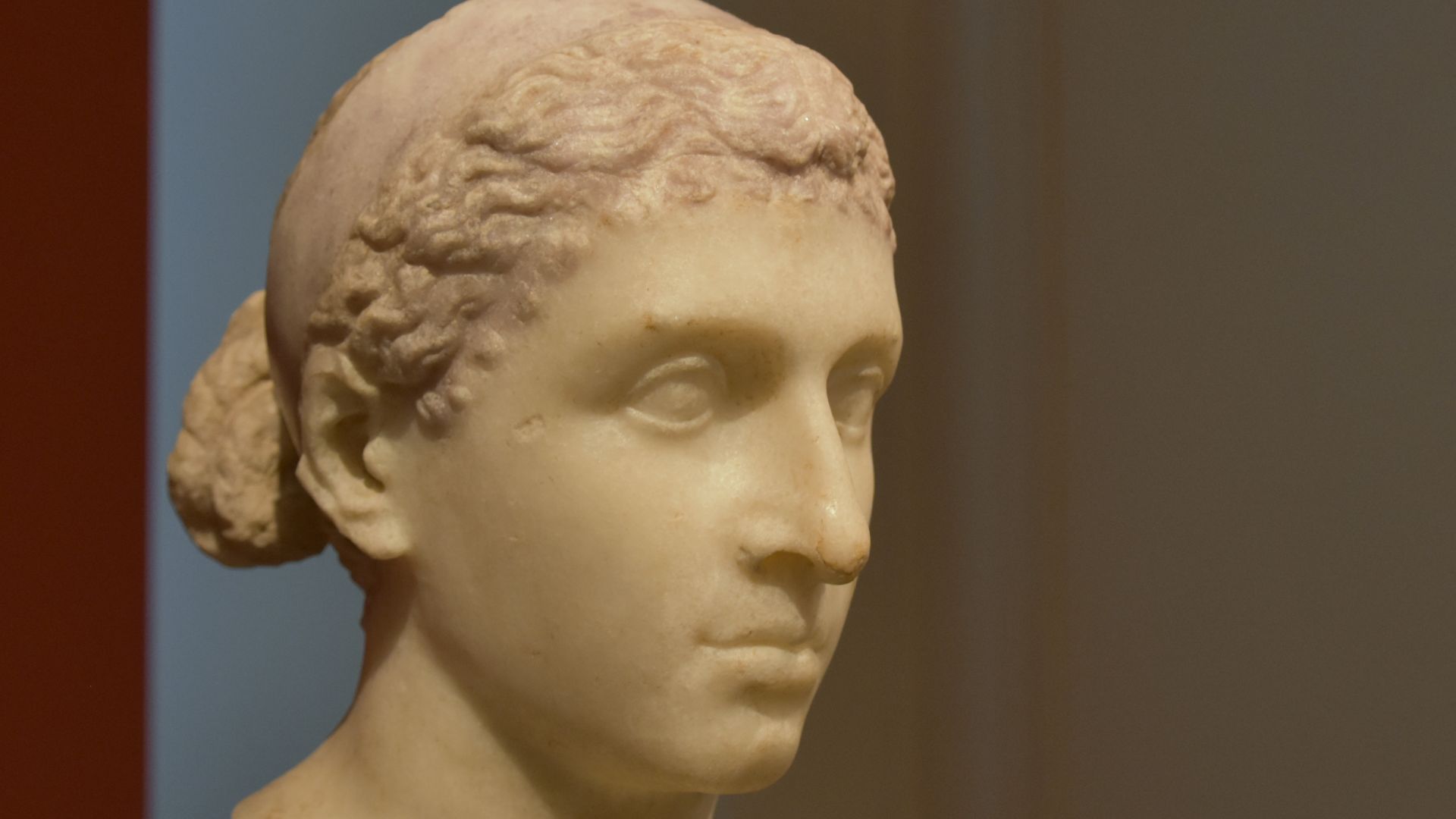 Richard Mortel from Riyadh, Saudi Arabia, Wikimedia Commons
Antony And Cleopatra Became A Political Team
Mark Antony began his relationship with Cleopatra in 41 BC, and they eventually had three children together. Antony also married Octavian's sister Octavia as part of a political settlement in Rome, but he later returned to Cleopatra. His renewed relationship with the Egyptian queen increasingly intertwined his personal future with hers.
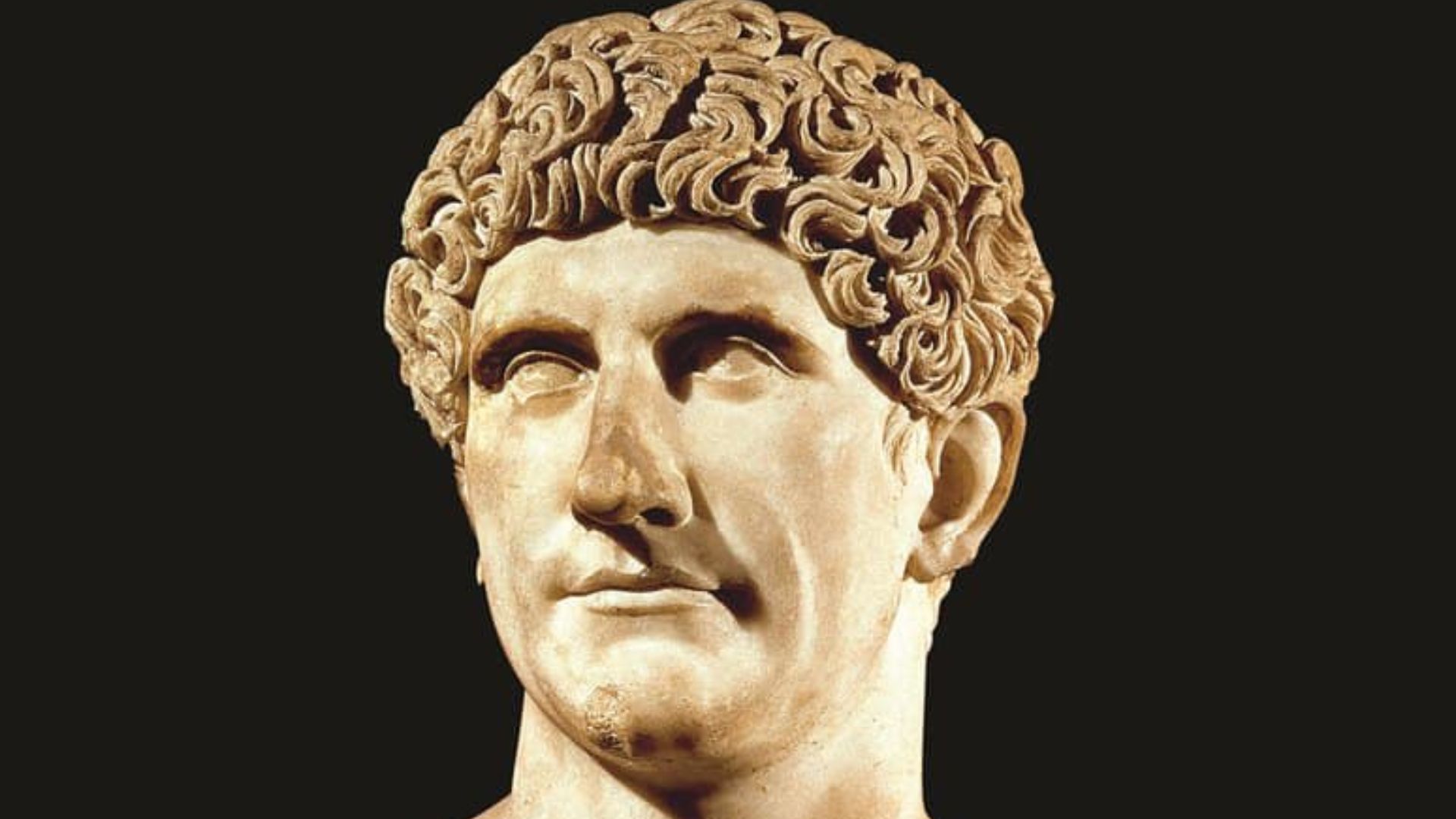
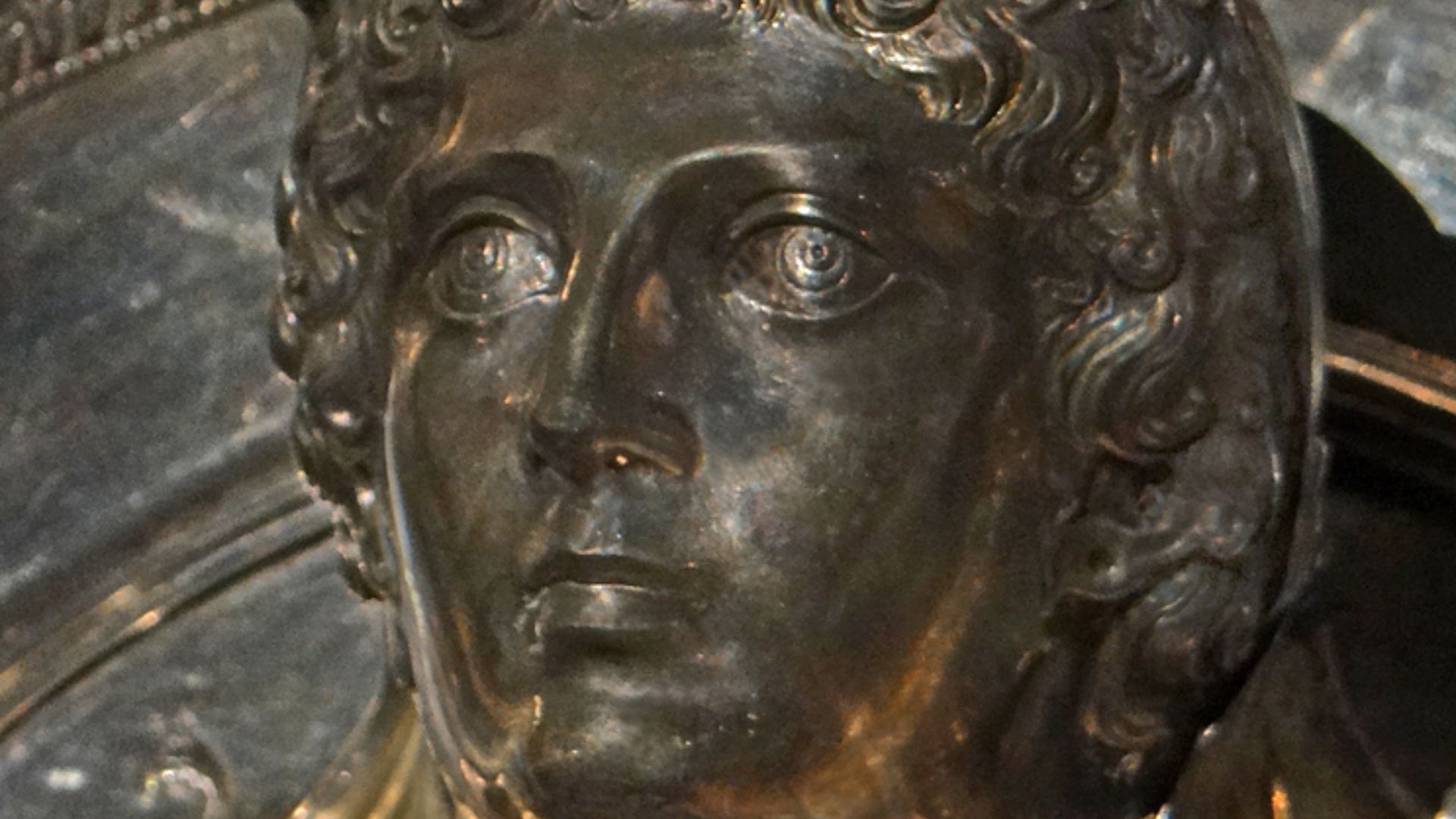
Their Family Became Part Of The Propaganda War
Antony and Cleopatra publicly presented their children as royal heirs and adopted elaborate ceremonial roles. Their opponents in Rome used Antony's association with the Egyptian monarchy as political ammunition. Octavian eventually declared war against Cleopatra, turning a rivalry among Roman leaders into a conflict focused heavily on the queen herself.
 Jean-Pierre Dalbéra from Paris, France, Wikimedia Commons
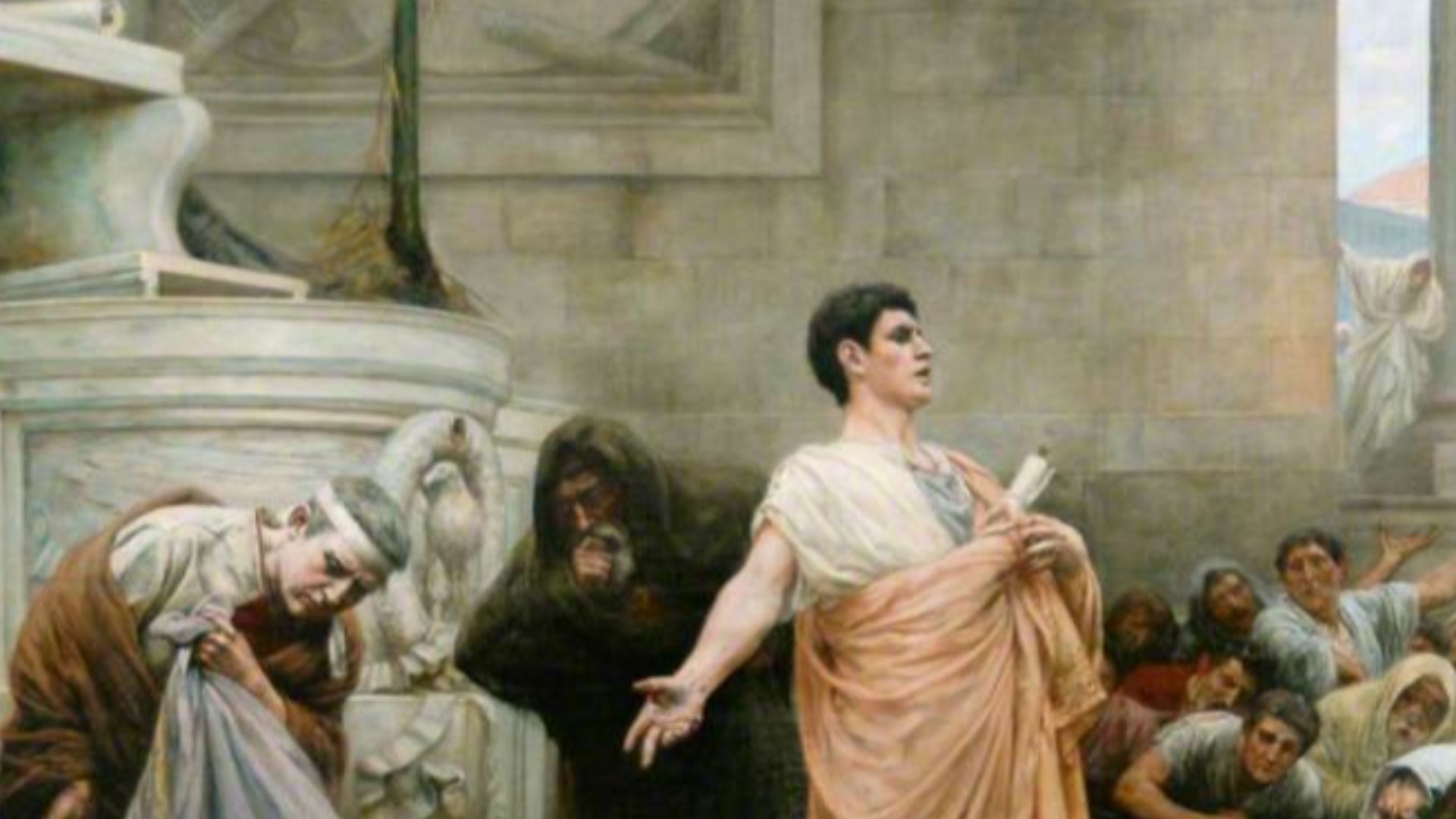
Defeat Destroyed Their Dynasty
Antony and Cleopatra's forces were defeated by Octavian's side at Actium in 31 BC. Antony died the following year as Octavian closed in on Alexandria, and Cleopatra also died soon afterward. A partnership that had joined romance, dynastic ambition, and international politics ended with Octavian taking control of Egypt.
 George Edward Robertson b. 1864, Wikimedia Commons
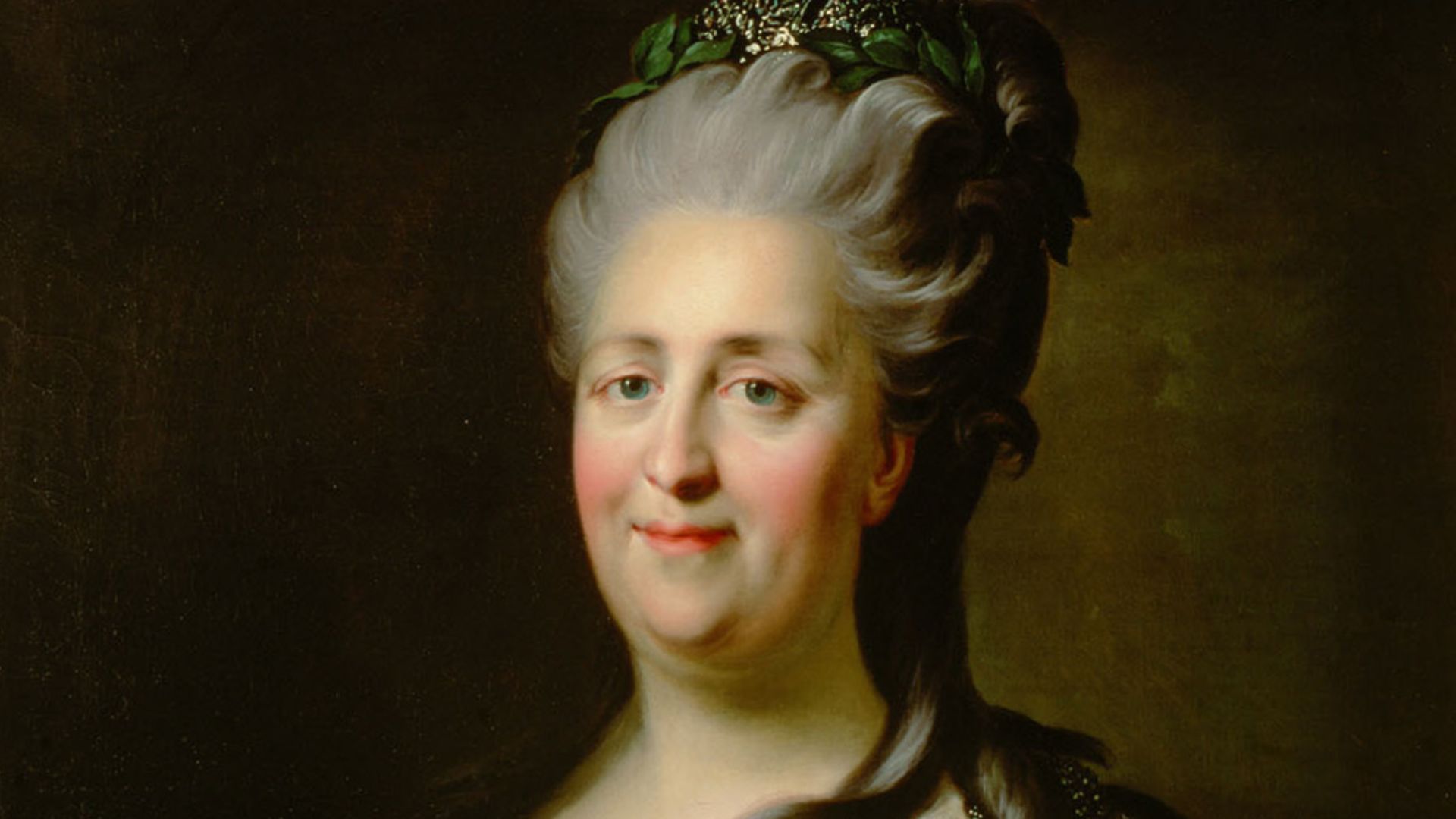
Catherine The Great Attracted Endless Gossip
Catherine II of Russia had a series of relationships during her long reign, a fact that became fertile material for enemies and later storytellers. Smithsonian notes that much of the most lurid mythology about her sexuality came from detractors rather than reliable evidence. Her actual relationships were significant enough without the sensational legends that accumulated around them.
 After Alexander Roslin, Wikimedia Commons
Grigory Orlov Helped Change Her Life
Grigory Orlov was more than an ordinary court favorite. He was among the figures who supported the 1762 coup that removed Catherine's husband, Peter III, and helped place Catherine on the throne. That connection meant one of Catherine's important romantic relationships was linked directly to the dramatic beginning of her reign.
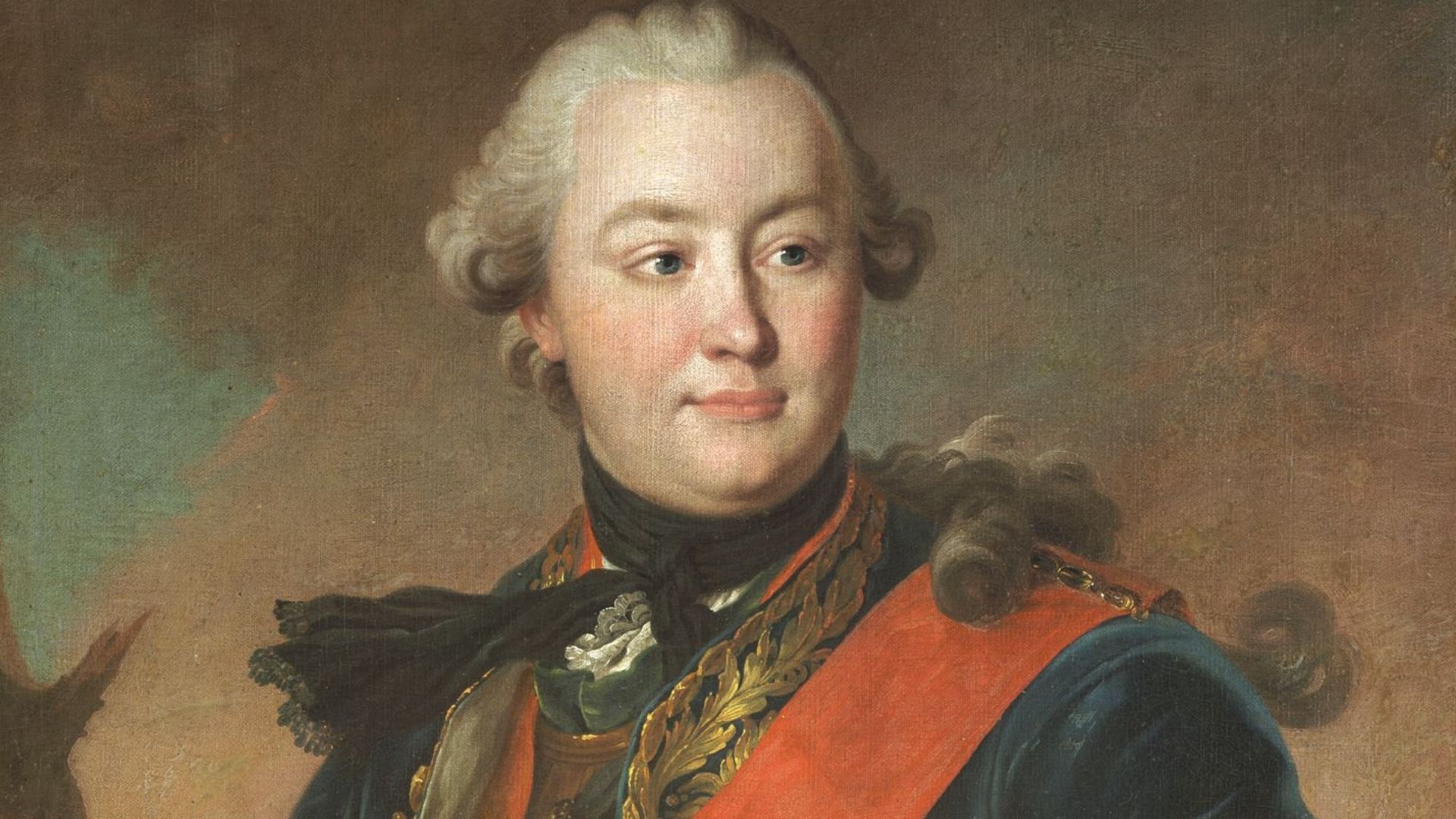 Fyodor Rokotov, Wikimedia Commons
Potemkin Became More Than A Lover
Catherine's relationship with Grigory Potemkin began years after she seized power. Their passionate romantic partnership was comparatively brief, but Potemkin remained enormously important to Catherine afterward. Smithsonian notes that he continued exercising major political influence even after their romantic relationship faded.
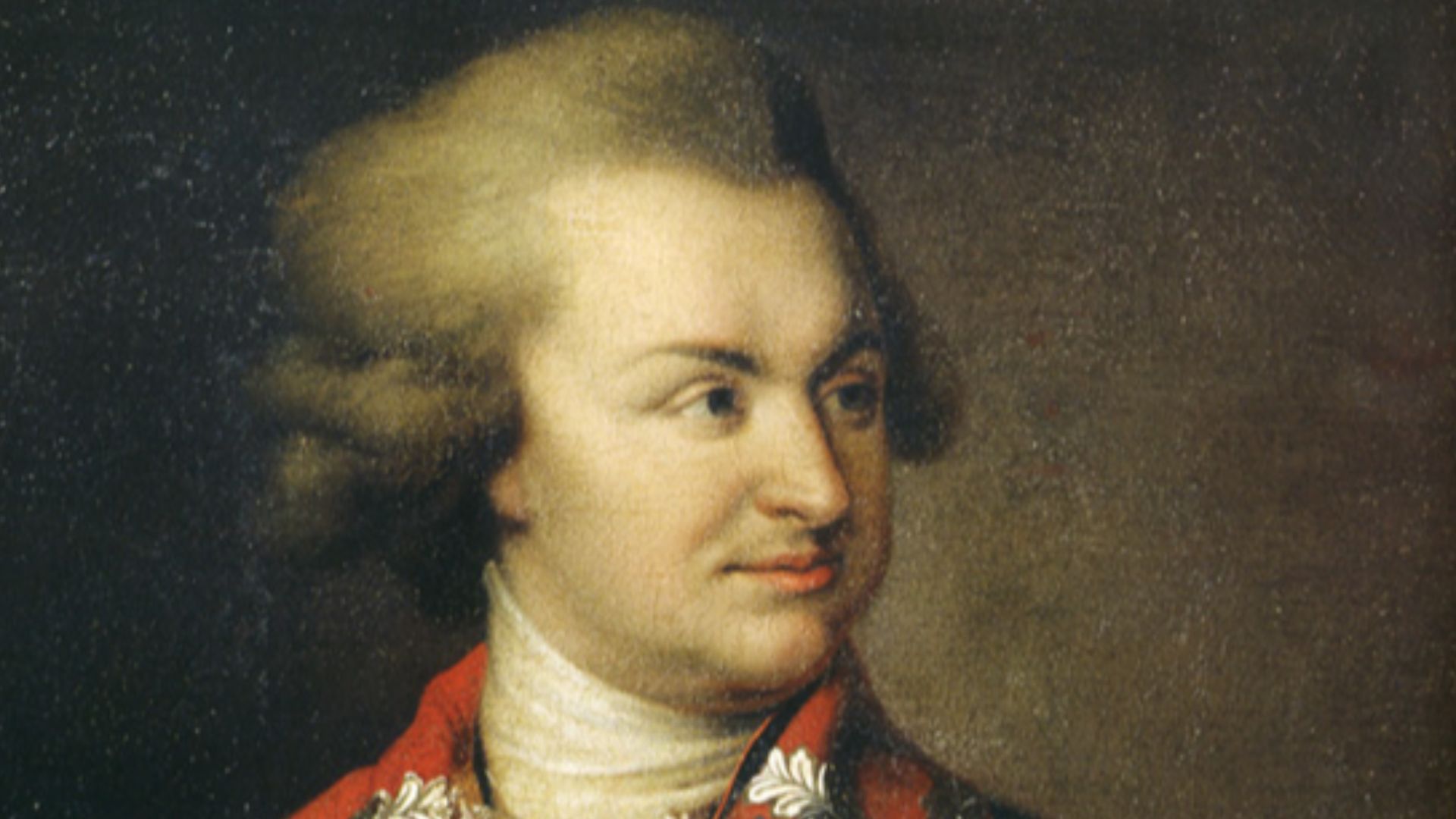 After Johann Baptist von Lampi the Elder, Wikimedia Commons
Rumor Became Part Of Catherine's Reputation
Catherine's enemies turned her relationships into a weapon against her reputation, and increasingly outrageous sexual stories followed her long after her death. Modern historians have rejected many of the most famous tales as fabrication or hostile gossip. Her story is a reminder that a ruler's private life can become a public disaster even when part of the disaster is created by propaganda rather than fact.
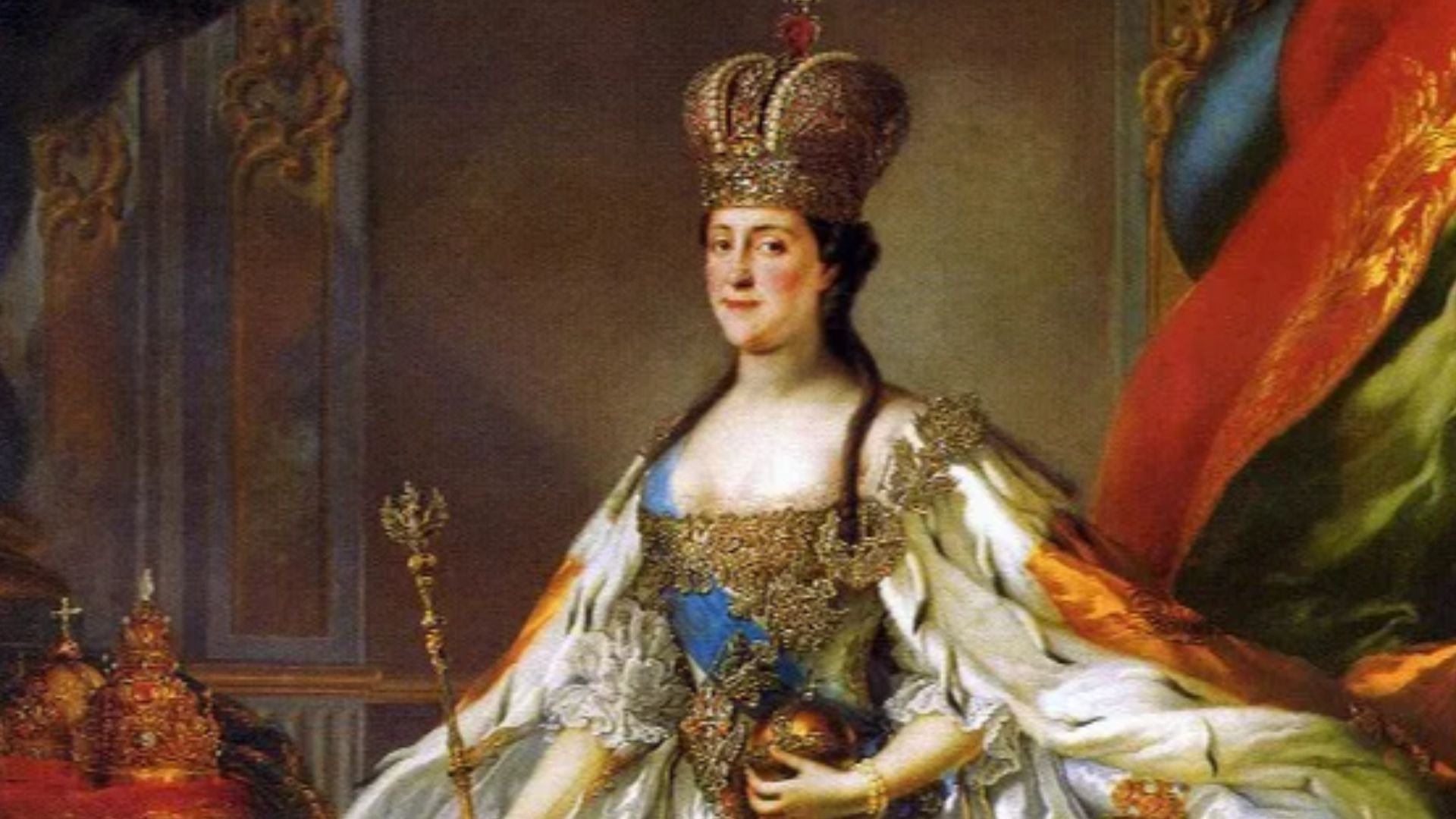 Stefano Torelli, Wikimedia Commons
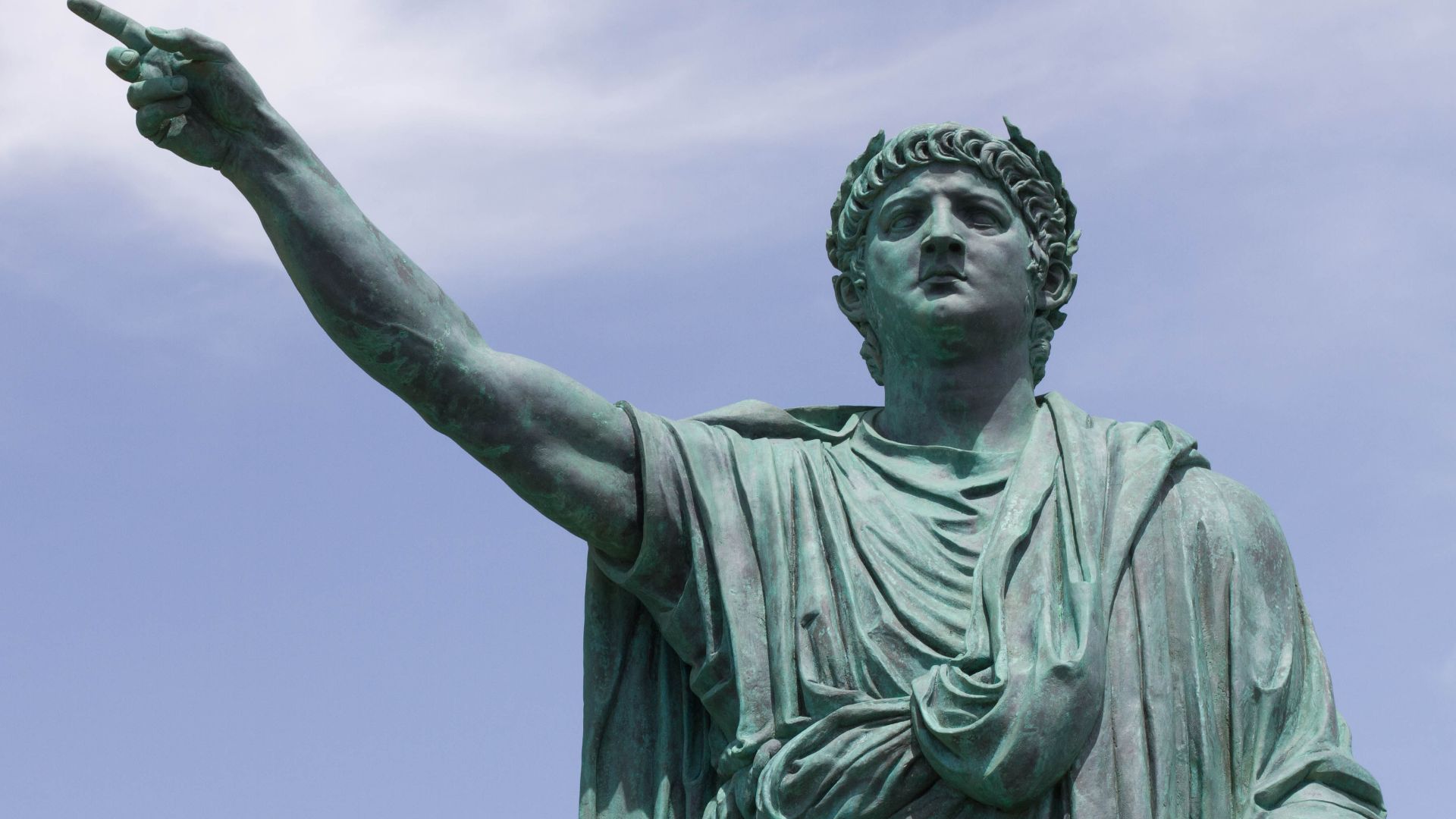
Nero's Private Life Was Recorded By Hostile Historians
Few Roman emperors acquired a more scandalous personal reputation than Nero, but surviving accounts require caution. Much of what later generations believed about him came through ancient writers who were deeply hostile to his rule. Modern scholarship therefore distinguishes between events that can be reasonably established and dramatic stories that may have been exaggerated.
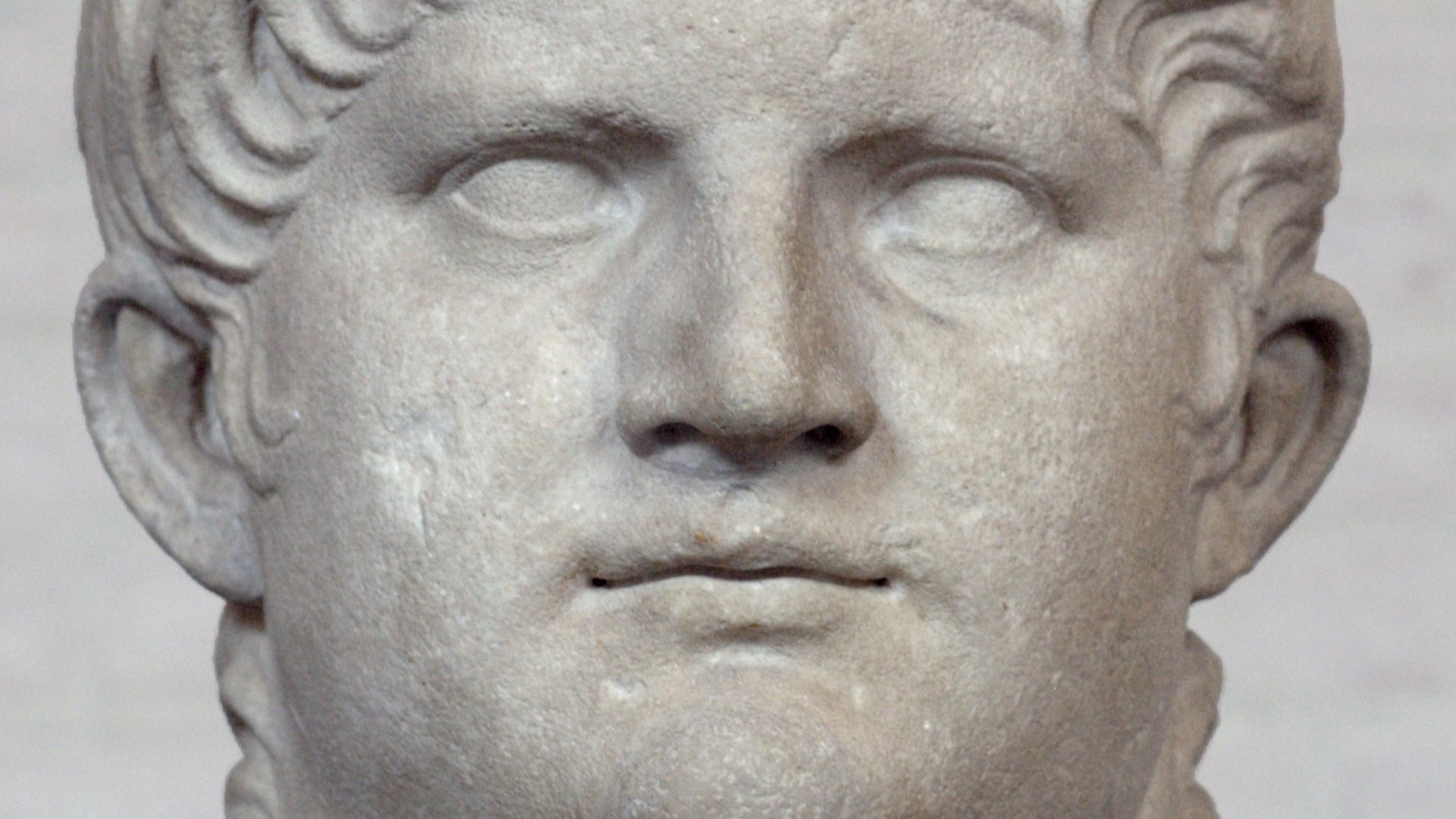 Bibi Saint-Pol, Wikimedia Commons
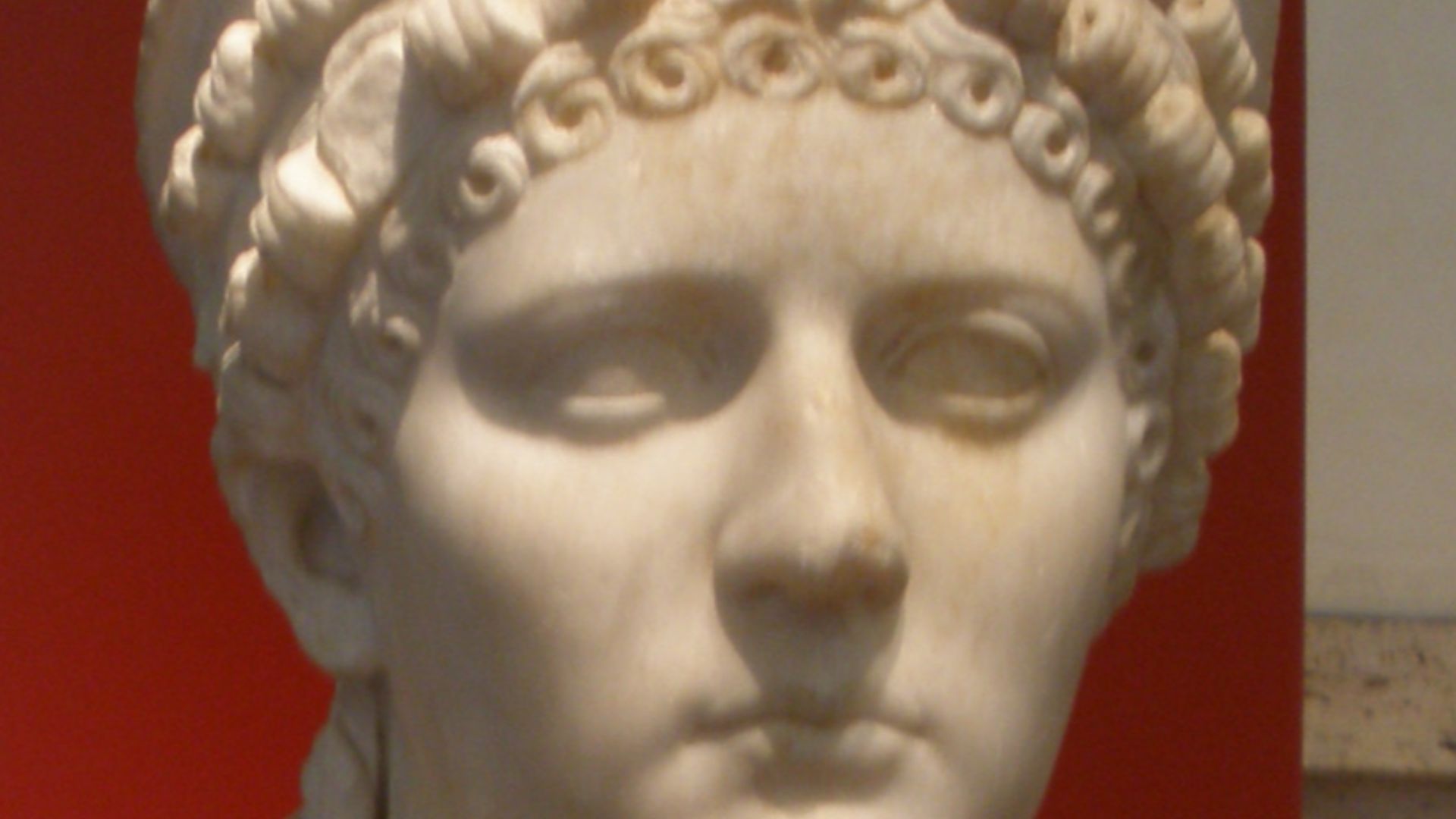
Poppaea Sabina Became Central To The Story
Poppaea Sabina became Nero's wife and Roman empress in AD 62. Ancient sources linked her to the downfall of Nero's earlier wife Octavia and portrayed Poppaea as a manipulative force at court, although modern historians emphasize how difficult it is to separate fact from hostile literary tradition. Even during her lifetime, her marriage to Nero attracted intense attention and gossip.
 TcfkaPanairjdde, Wikimedia Commons
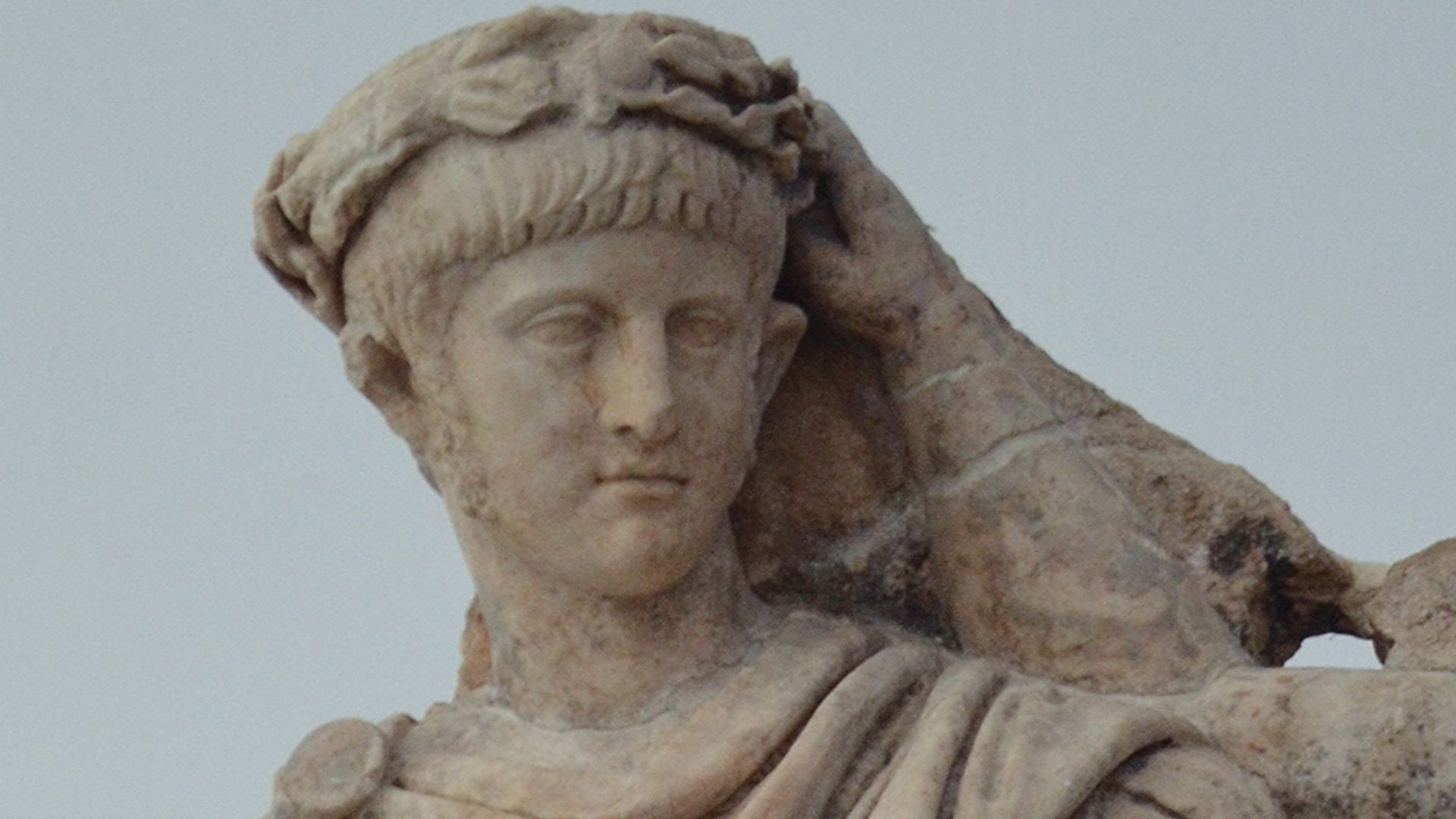
Nero Made His Marriage Politically Visible
Nero did not keep Poppaea quietly in the background. Modern scholarship notes that he presented her prominently on imperial coinage and associated her publicly with his regime in ways unusual for an emperor's wife. Their marriage consequently became part of the public presentation of imperial power as well as Nero's personal life.
 Carole Raddato from FRANKFURT, Germany, Wikimedia Commons
Scandal Outlived The Emperor
Ancient accounts connected Nero with adultery, unconventional marriages, family conflict, and shocking acts of violence, but historians continue debating the reliability of individual stories. The sheer volume of hostile material helped turn Nero's private behavior into an enduring part of his historical reputation. His case demonstrates another danger of absolute power: once a ruler's court becomes notorious, separating documented events from political storytelling can remain difficult for thousands of years.
You May Also Like:
The Weirdest Rules People Once Followed At Work
The Discovery Of A Bronze Age Blade Workshop In Southern Israel
Resilient Facts About Ellen Burstyn, The Actor Who Worked With The Devil