History Had Other Plans
Some people spend their whole lives trying to control their image. Then history slaps them with a nickname they can't stand. From Roman emperors to American presidents, these unwanted labels proved far harder to shake than their owners ever imagined.
 Pennsylvania Department of Corrections / FBI, Wikimedia Commons
Caligula Hated Being Called “Little Boots”
Caligula was actually born Gaius Julius Caesar Germanicus in 12 CE. As a child, he often appeared at military camps with his father Germanicus. The troops dressed him in miniature military gear and gave him a nickname inspired by his tiny boots.
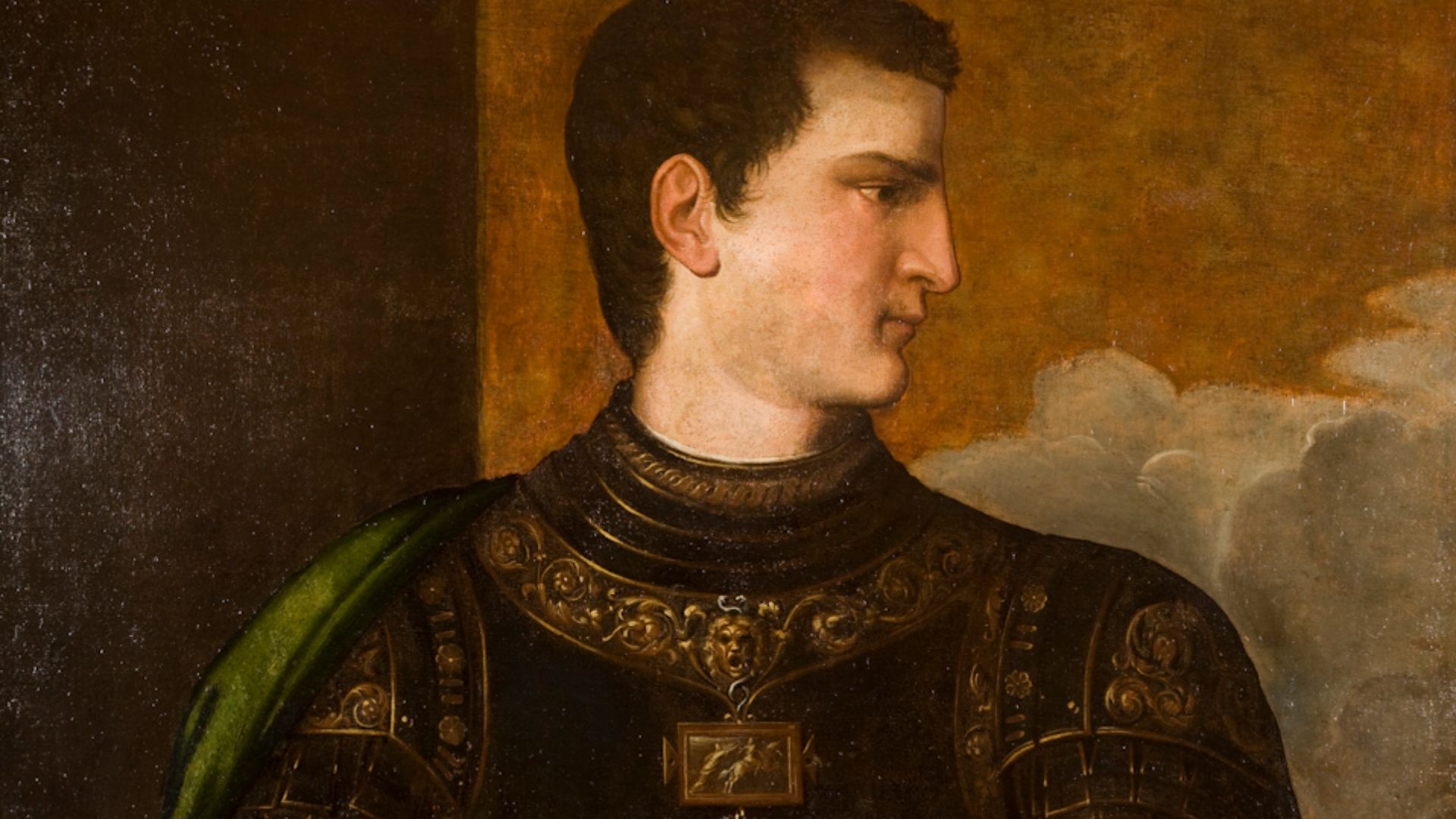 Bernardino Campi, Wikimedia Commons
The Childhood Joke Followed Him To The Throne
Roman soldiers wore heavy footwear called caligae. Gaius's miniature version inspired "Caligula," essentially meaning "Little Boot." It was cute enough for a child, but considerably less impressive for a Roman emperor.
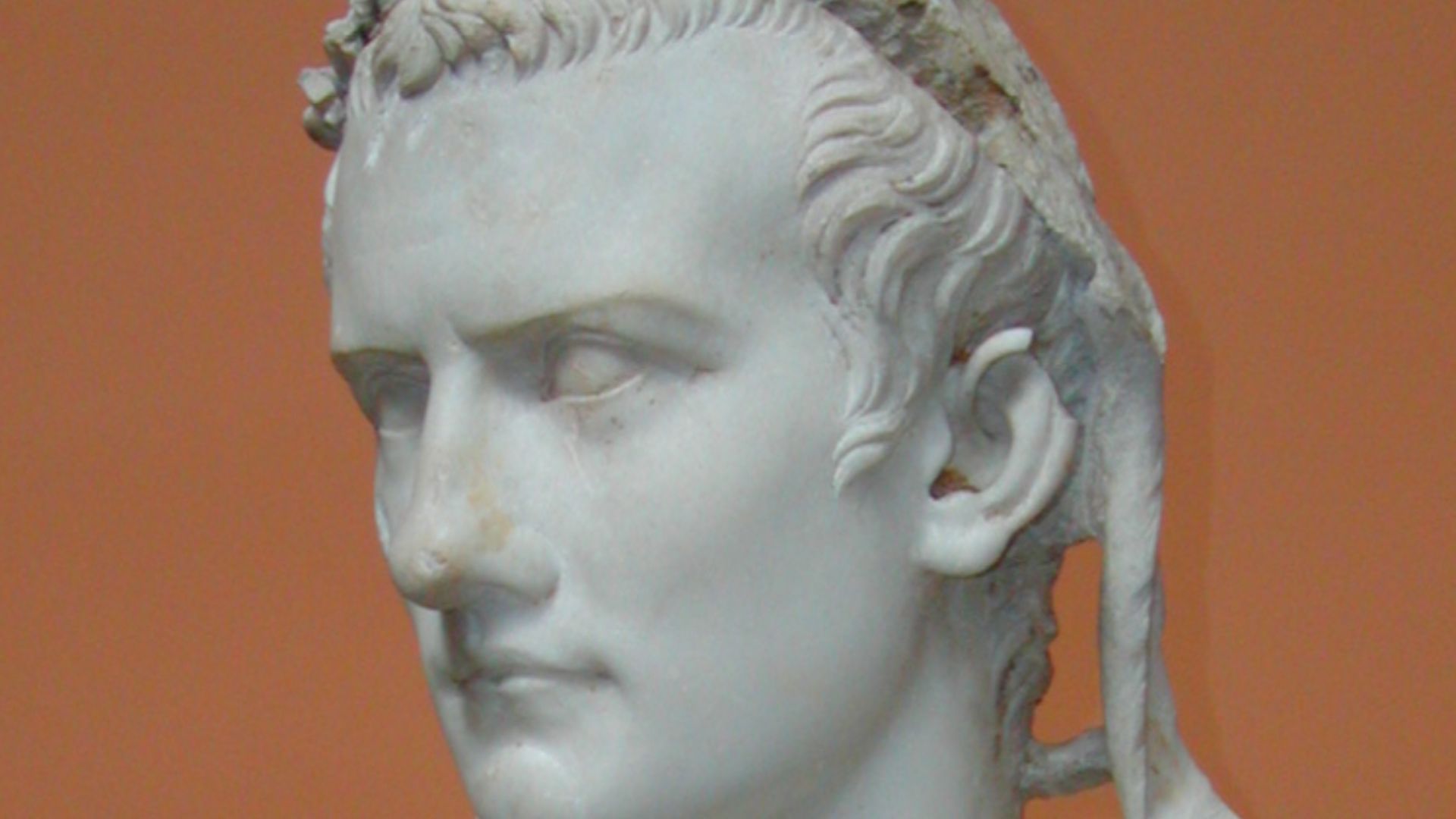 Louis le Grand, Wikimedia Commons
The Name He Hated Became Immortal
The adult Gaius reportedly disliked being called Caligula and preferred his real name. His preference clearly did not stick. Nearly 2,000 years later, the childish nickname remains the name almost everyone knows.
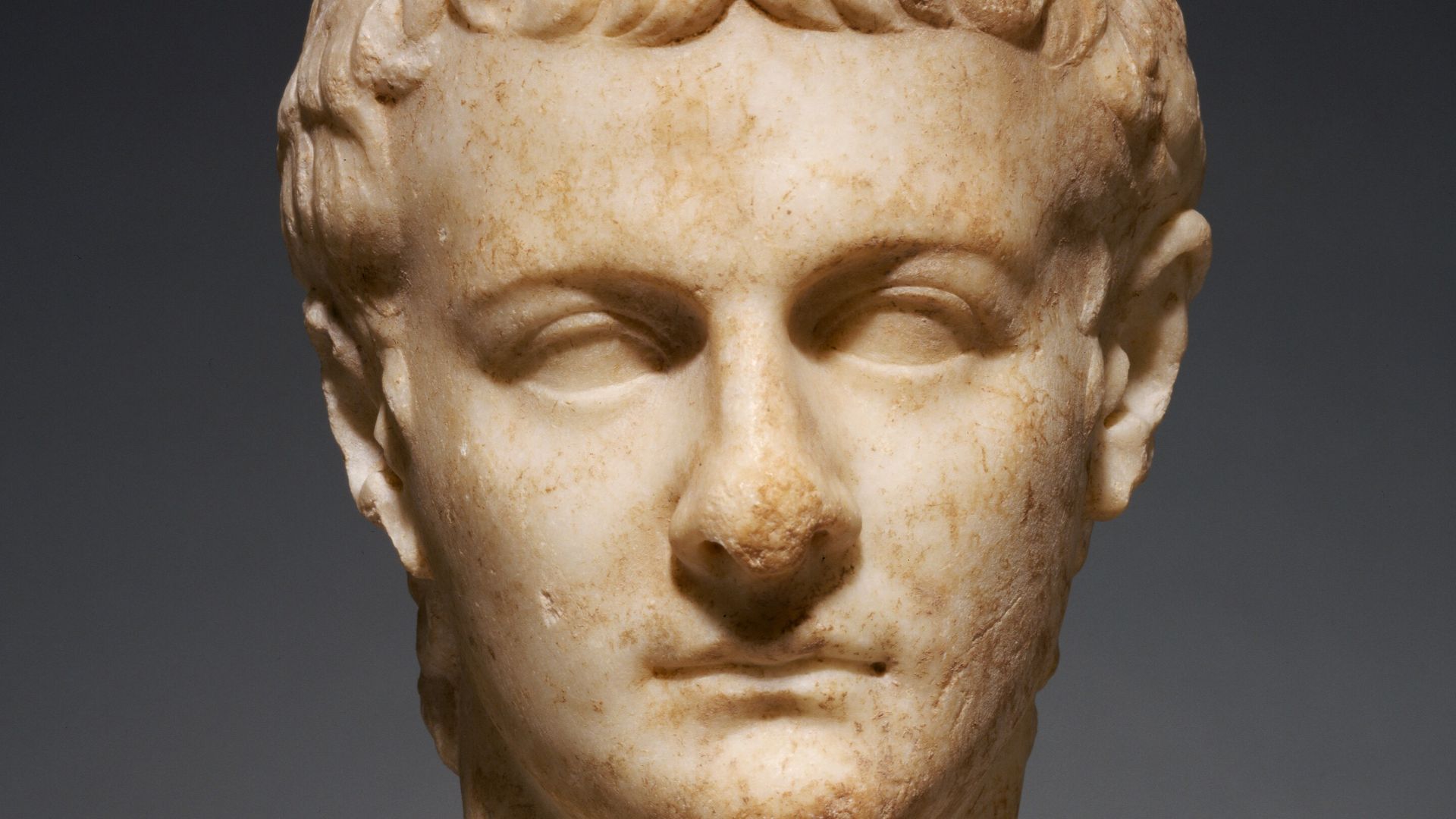 J. Paul Getty Museum, Wikimedia Commons

History's most fascinating stories and darkest secrets, delivered to your inbox daily.
George Became "The Prince Of Whales"
Britain's future George IV gave caricaturists plenty to work with. In 1812, George Cruikshank published The Prince of Whales or the Fisherman at Anchor. The title mocked both George's position as Prince of Wales and his considerable weight.
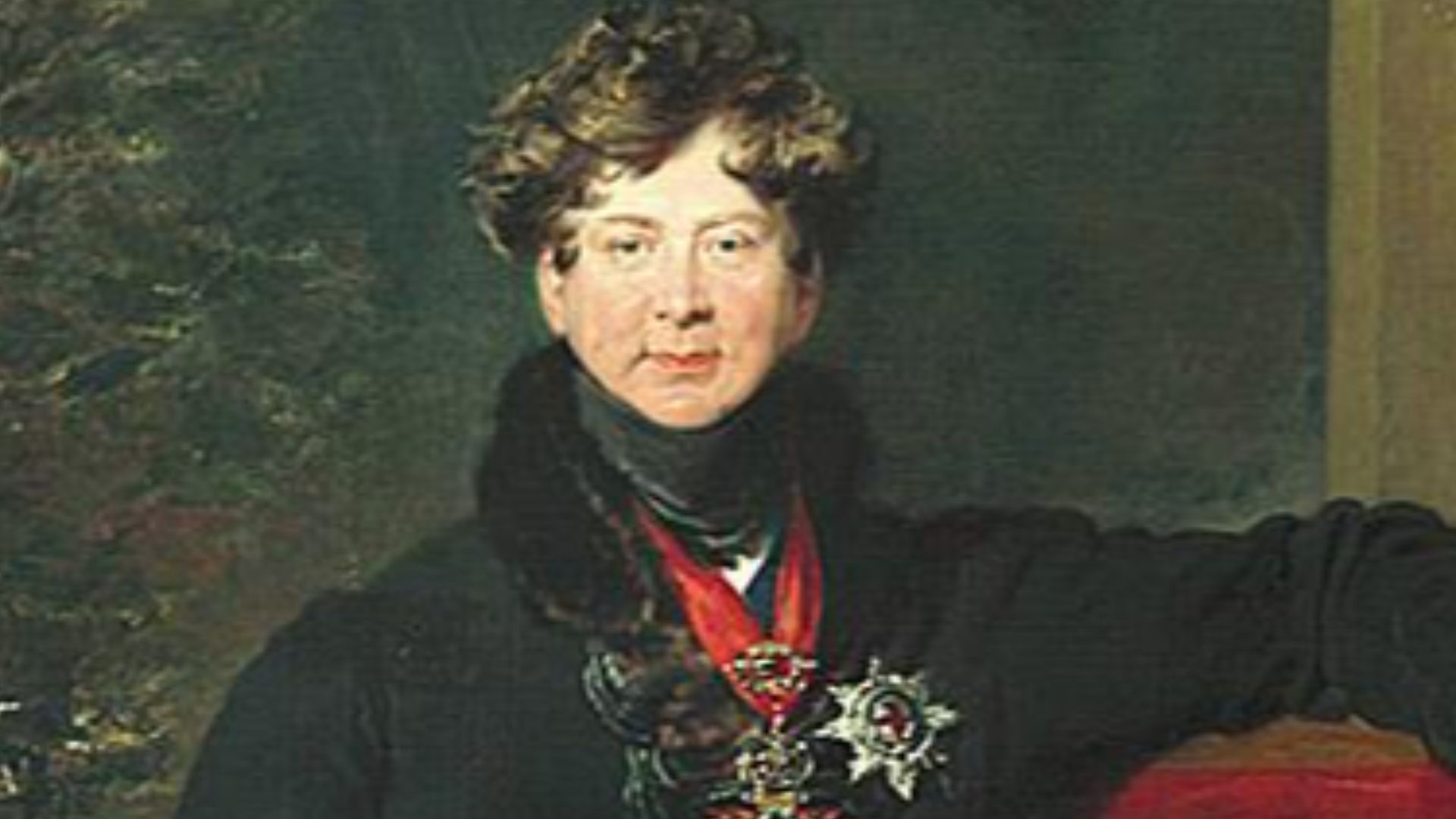 Thomas Lawrence, Wikimedia Commons
His Appearance Became A National Punchline
George's extravagant lifestyle and appearance became favorite targets for satirists. Artists exaggerated his body while portraying him as greedy, vain, and self-indulgent. "Prince of Whales" captured the joke in three brutal words.
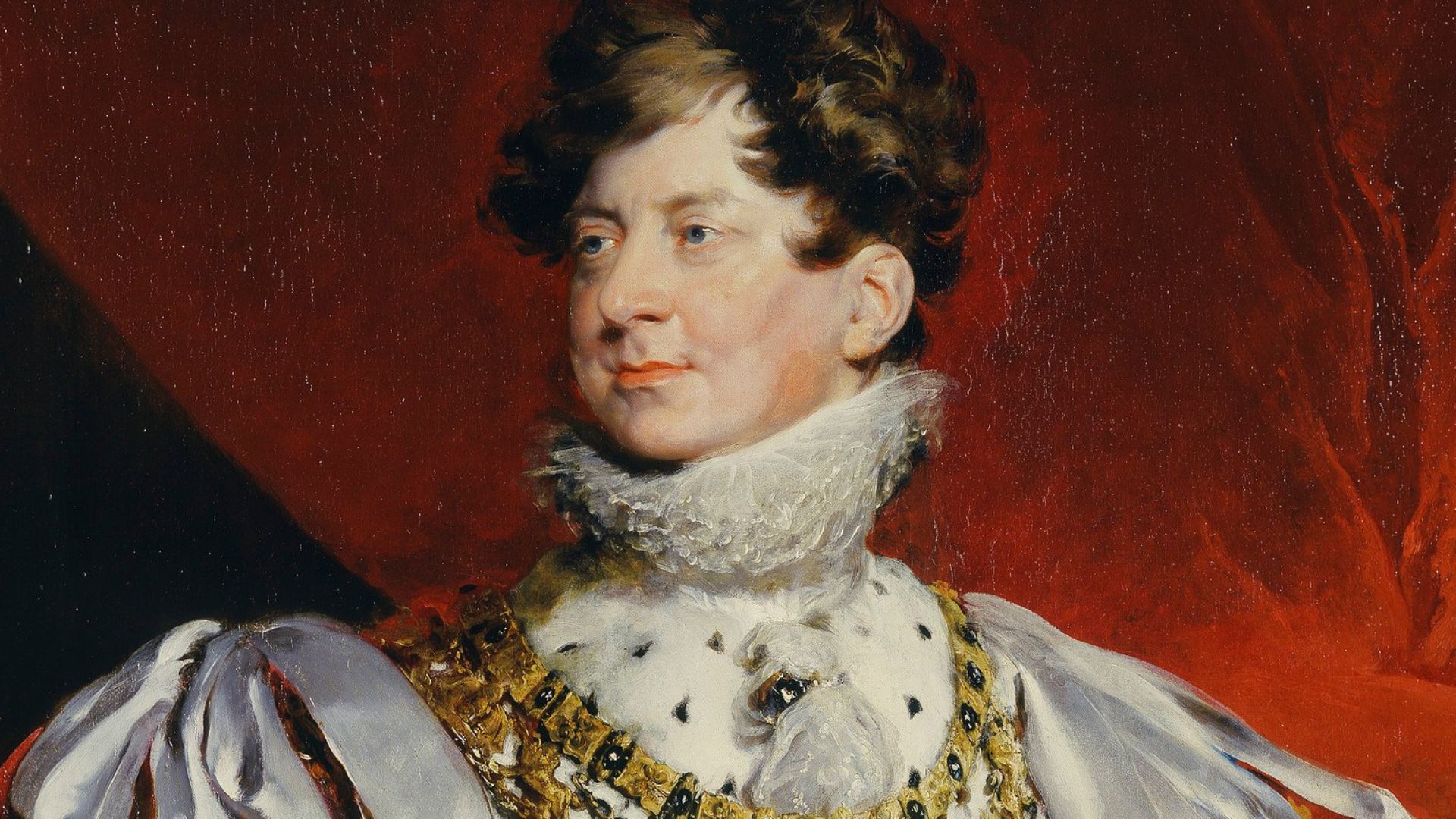 Thomas Lawrence, Wikimedia Commons
He Even Tried To Buy The Mockery Away
George eventually spent money trying to suppress hostile caricatures. Records show payments to artists and print sellers, including George Cruikshank, who agreed not to portray the king in certain embarrassing situations. George could buy some silence, but he could not erase what had already circulated.
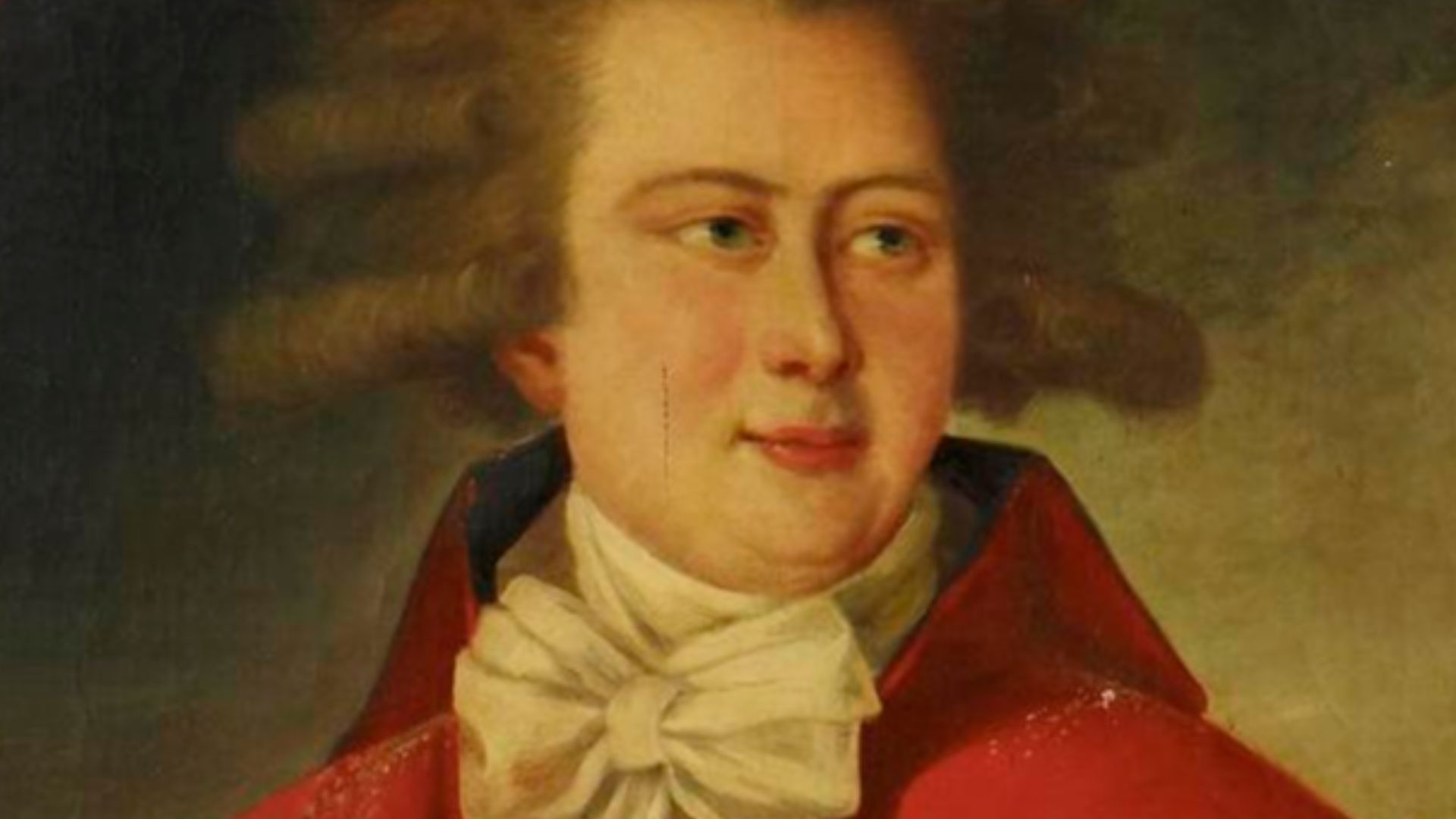 Alexandre-Auguste Robineau (1747 1828), Wikimedia Commons
Napoleon III Couldn’t Escape “Badinguet”
Before ruling France, Louis-Napoleon Bonaparte was imprisoned after a failed attempt to seize power. In 1846, he escaped the fortress of Ham disguised as a workman. The escape helped inspire “Badinguet,” a mocking name that reduced the future emperor to the laborer he had pretended to be.
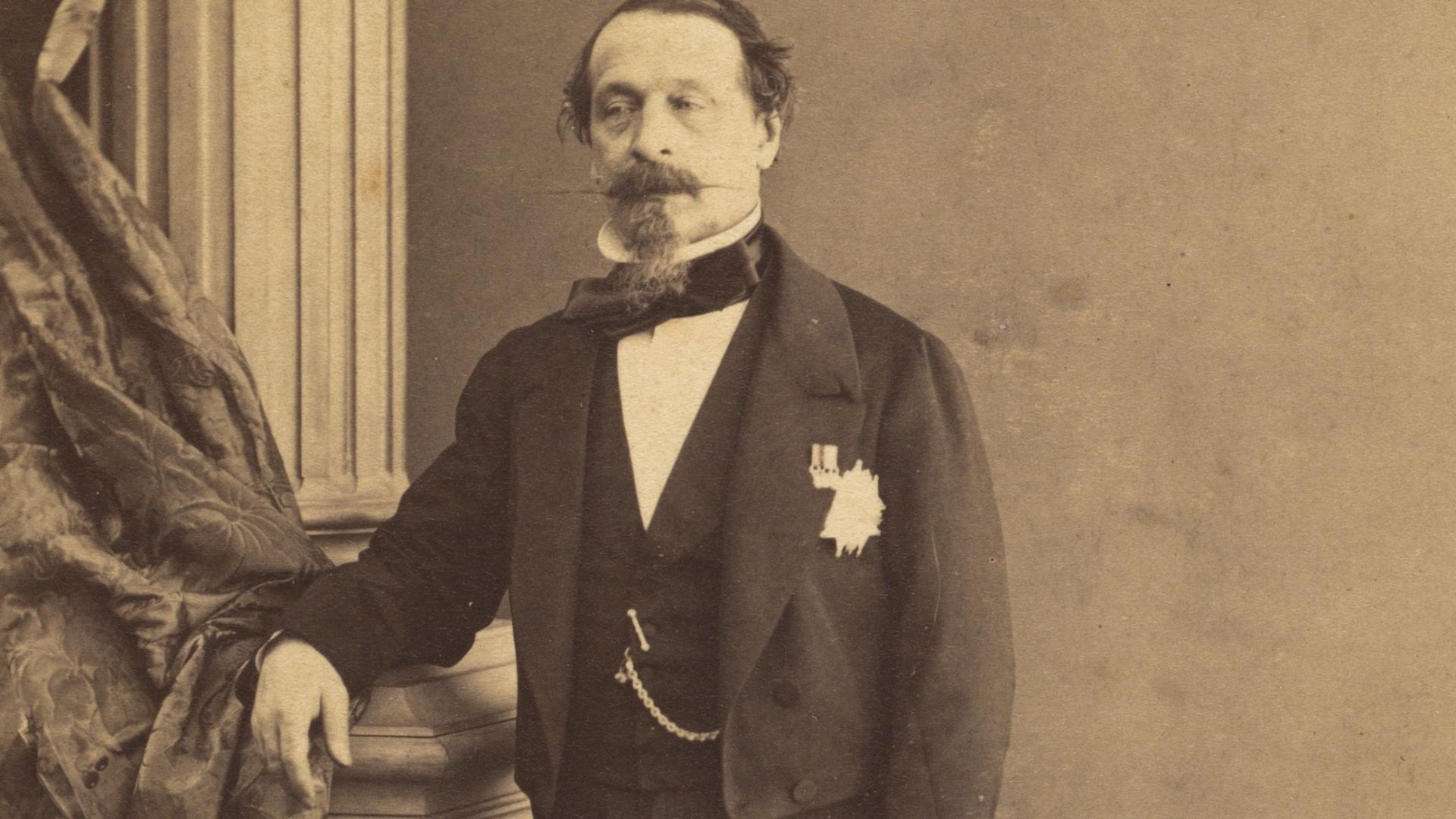 Olympe Aguado, Wikimedia Commons
The Nickname Turned An Emperor Into A Joke
The precise origin of "Badinguet" remains debated, but it became closely linked to Louis-Napoleon's escape. Republican opponents enthusiastically used it after he became Napoleon III. Calling an emperor Badinguet made him sound less like Napoleon's heir and more like a comic fugitive.
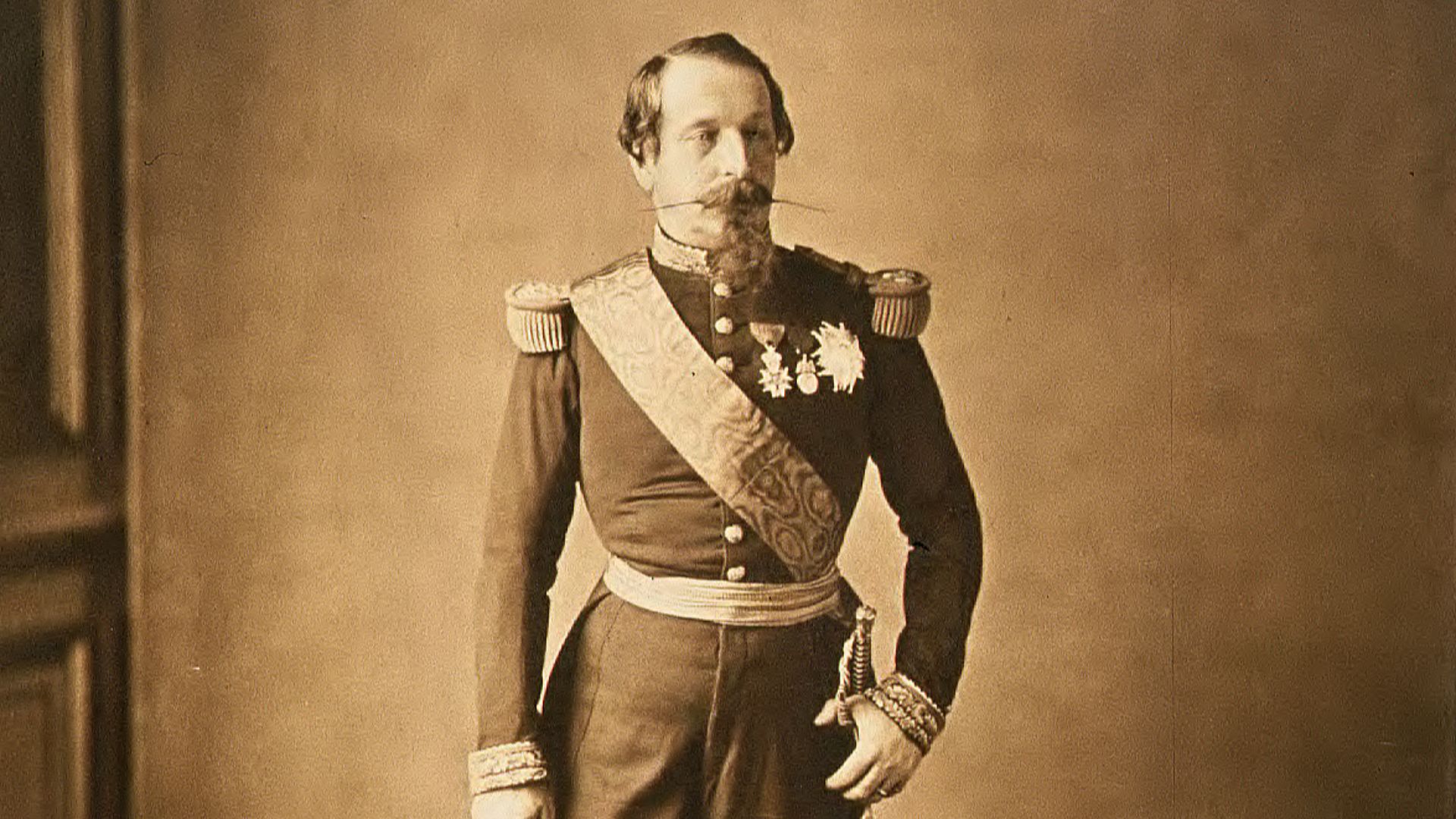 Mayer & Peirson, France, Wikimedia Commons
His Regime Took The Insult Seriously
The insult became serious enough that using it publicly could bring trouble. In 1853, people were prosecuted after allegedly calling Napoleon III Badinguet at a Paris café. His empire disappeared in 1870, but the mocking nickname survived.
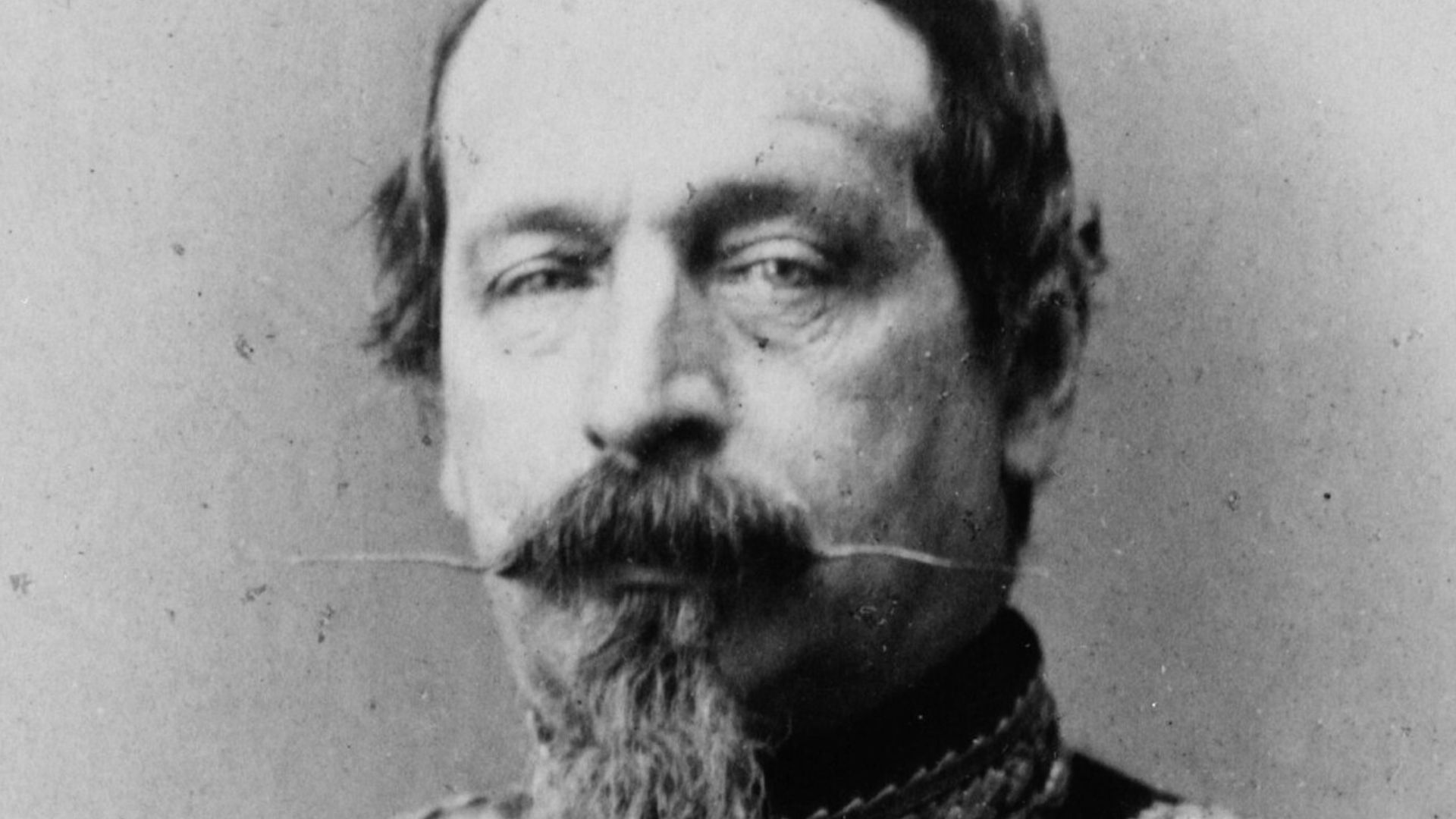 Pierre-Louis Pierson, Wikimedia Commons
History's most fascinating stories and darkest secrets, delivered to your inbox daily.
Lincoln Never Really Liked “Abe”
Abraham Lincoln may be history's most famous Abe, but he apparently did not enjoy the nickname. His former law associate Henry Clay Whitney recalled that acquaintances were not encouraged to call him Abe. Lincoln preferred simply "Lincoln."
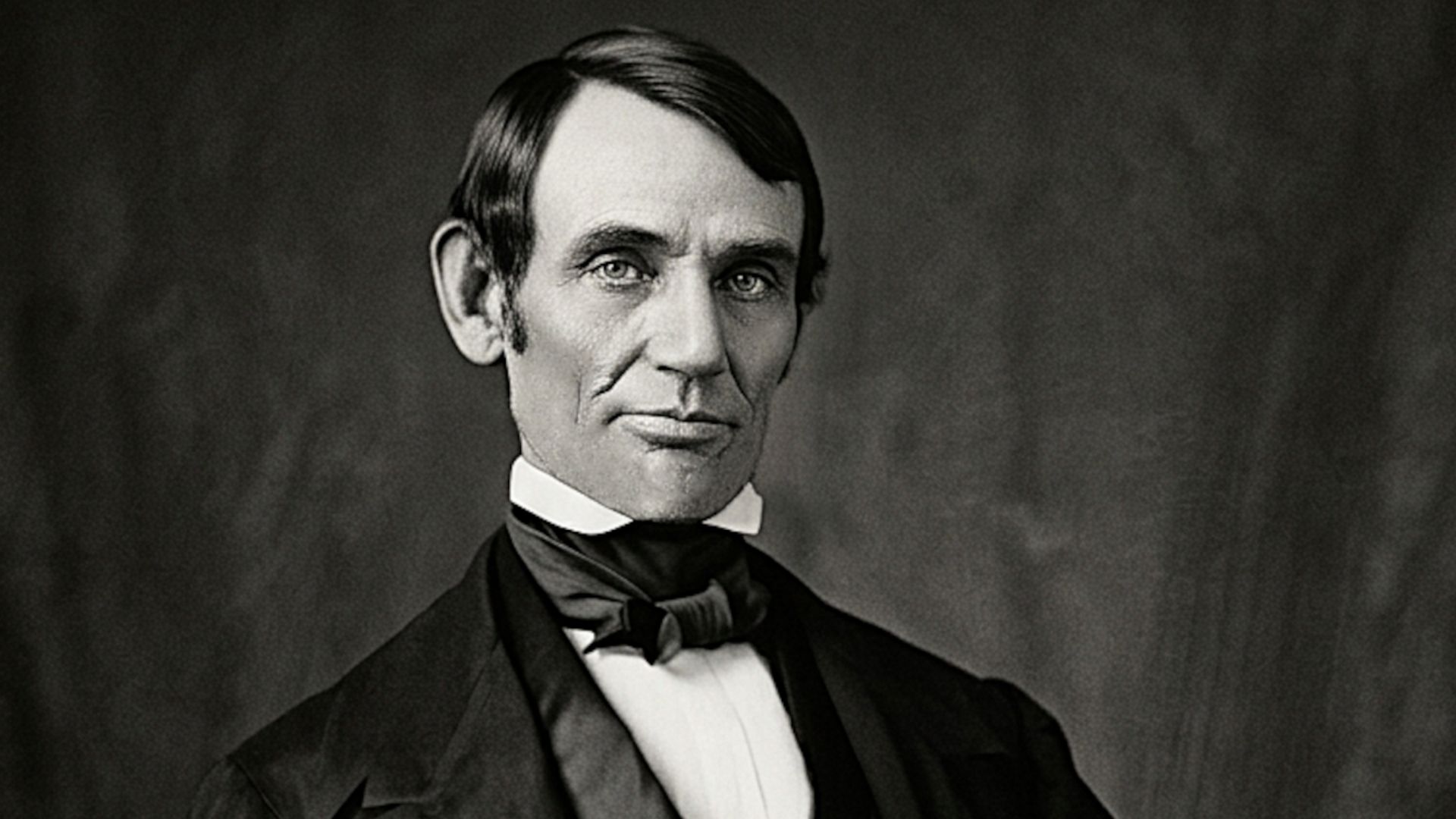 Library of Congress, Wikimedia Commons
His Campaign Turned The Nickname Into A Weapon
Republicans realized that "Abe" was politically useful during the 1860 presidential campaign. Posters and slogans promoted "Old Abe" and the hardworking "Railsplitter." The informal name made Lincoln seem approachable and distinctly American.
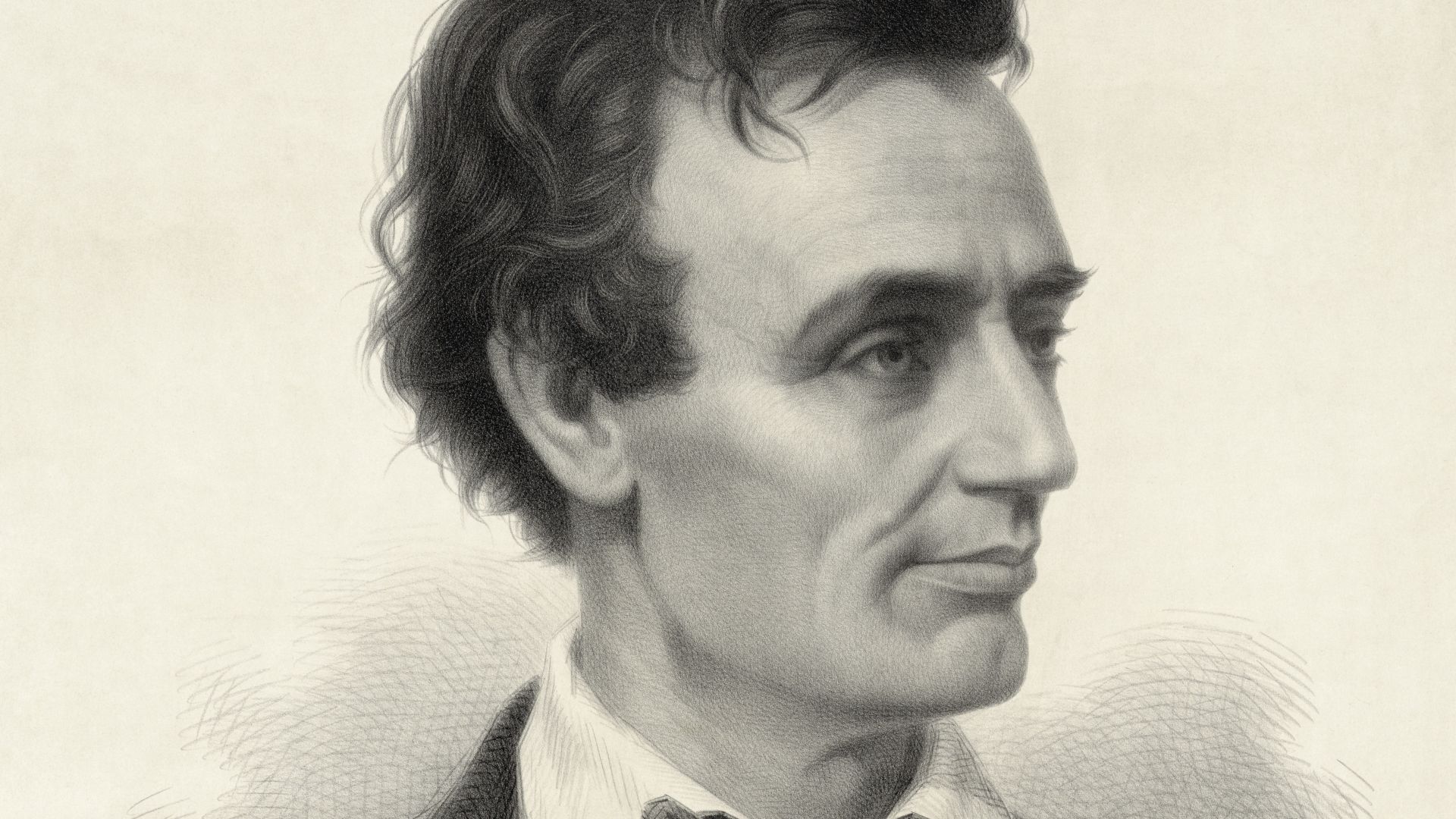 Adam Cuerden, Wikimedia Commons
The Name He Disliked Became Presidential Branding
Lincoln understood the value of the homespun image even if he disliked the nickname itself. Political songs, posters, and souvenirs spread "Abe" across the country. His personal preference never stood much chance against successful branding.
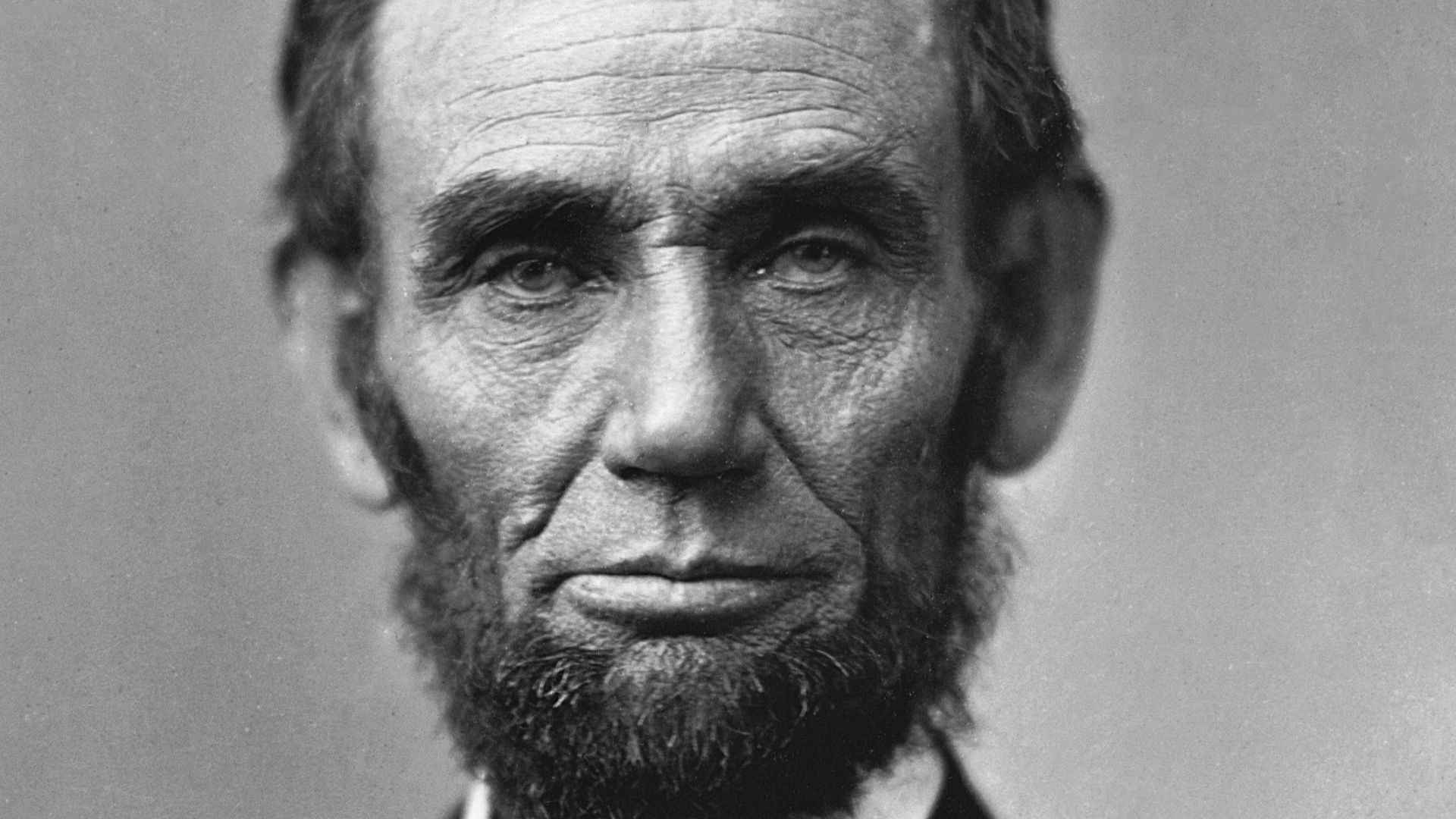 Alexander Gardner, Wikimedia Commons
Eleanor Roosevelt Was Mocked As “Granny”
Eleanor Roosevelt received an unwanted nickname long before becoming famous. Her mother, Anna Hall Roosevelt, called the serious young girl "Granny" because of her solemn behavior. Eleanor later remembered the teasing as part of a deeply insecure childhood.
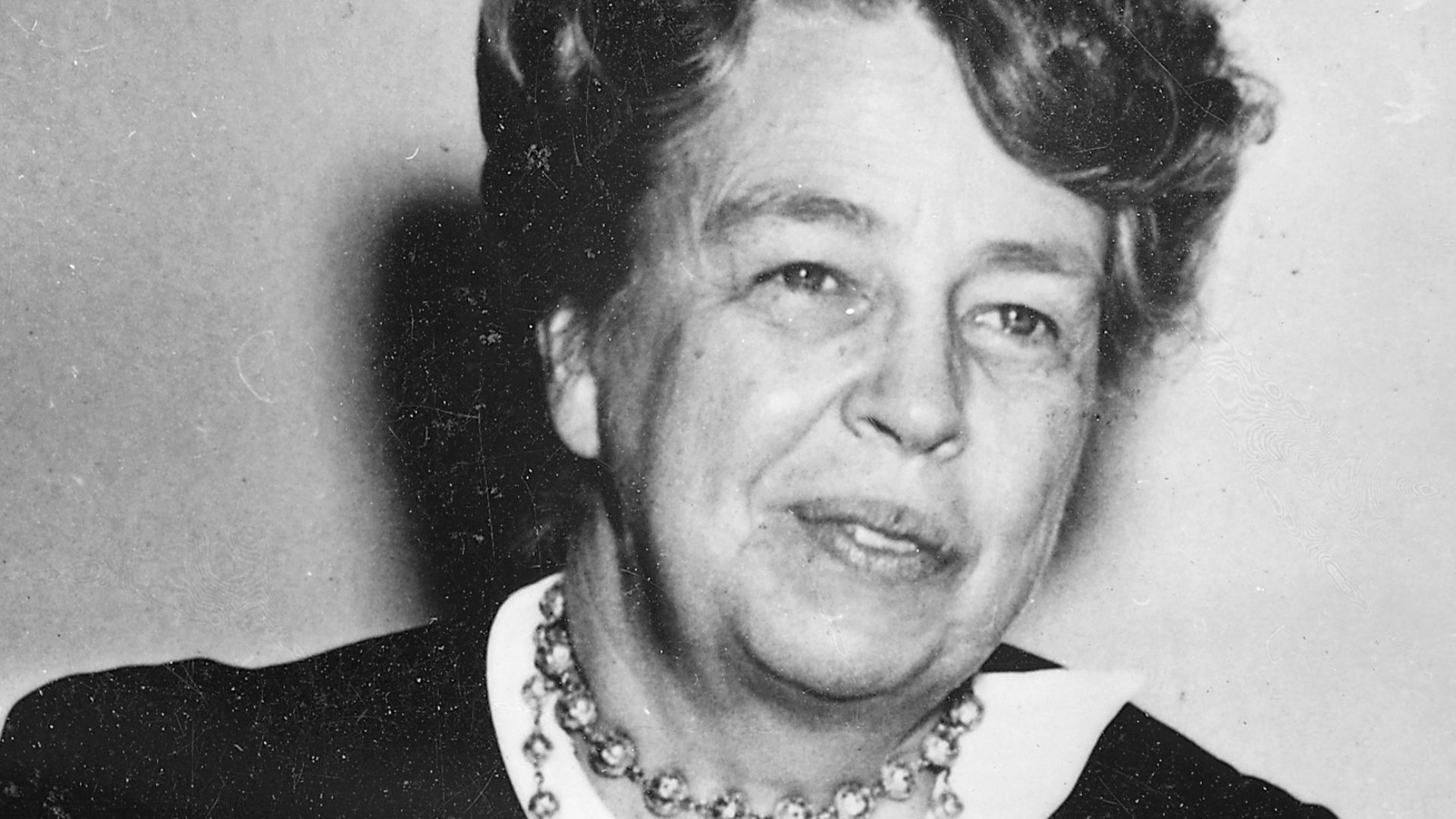 National Archives and Records Administration, Wikimedia Commons
The Childhood Nickname Cut Deep
Eleanor greatly admired her glamorous mother, which made the comments hurt even more. She grew painfully self-conscious about her looks and personality. Being introduced as "Granny" could leave her deeply embarrassed.
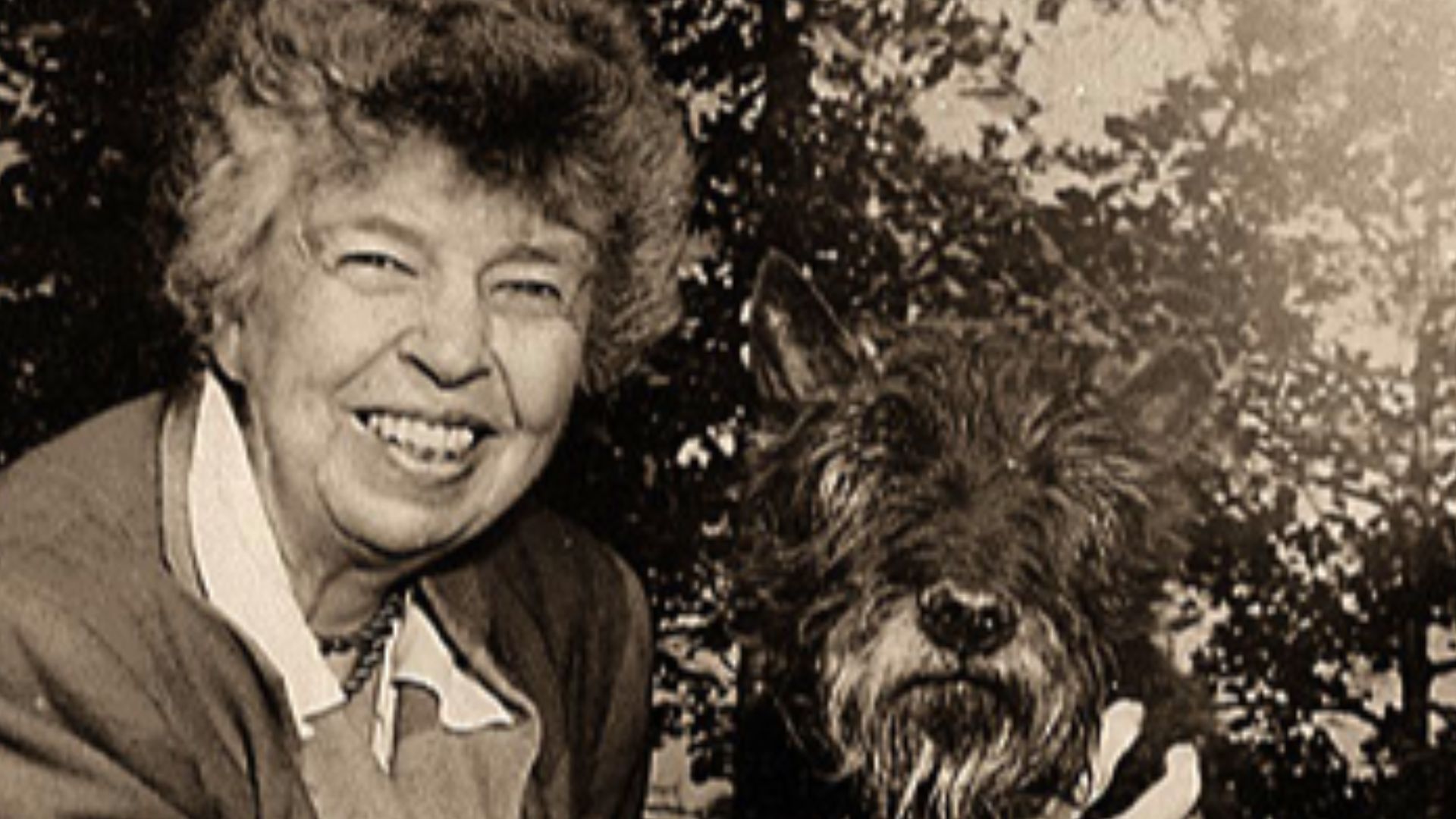
She Eventually Outgrew The Insult Completely
That painfully shy child eventually became First Lady, diplomat, writer, and human rights advocate. "Granny" never became Eleanor's public identity. Instead, it survives mostly because biographies show how dramatically she outgrew the girl the nickname described.
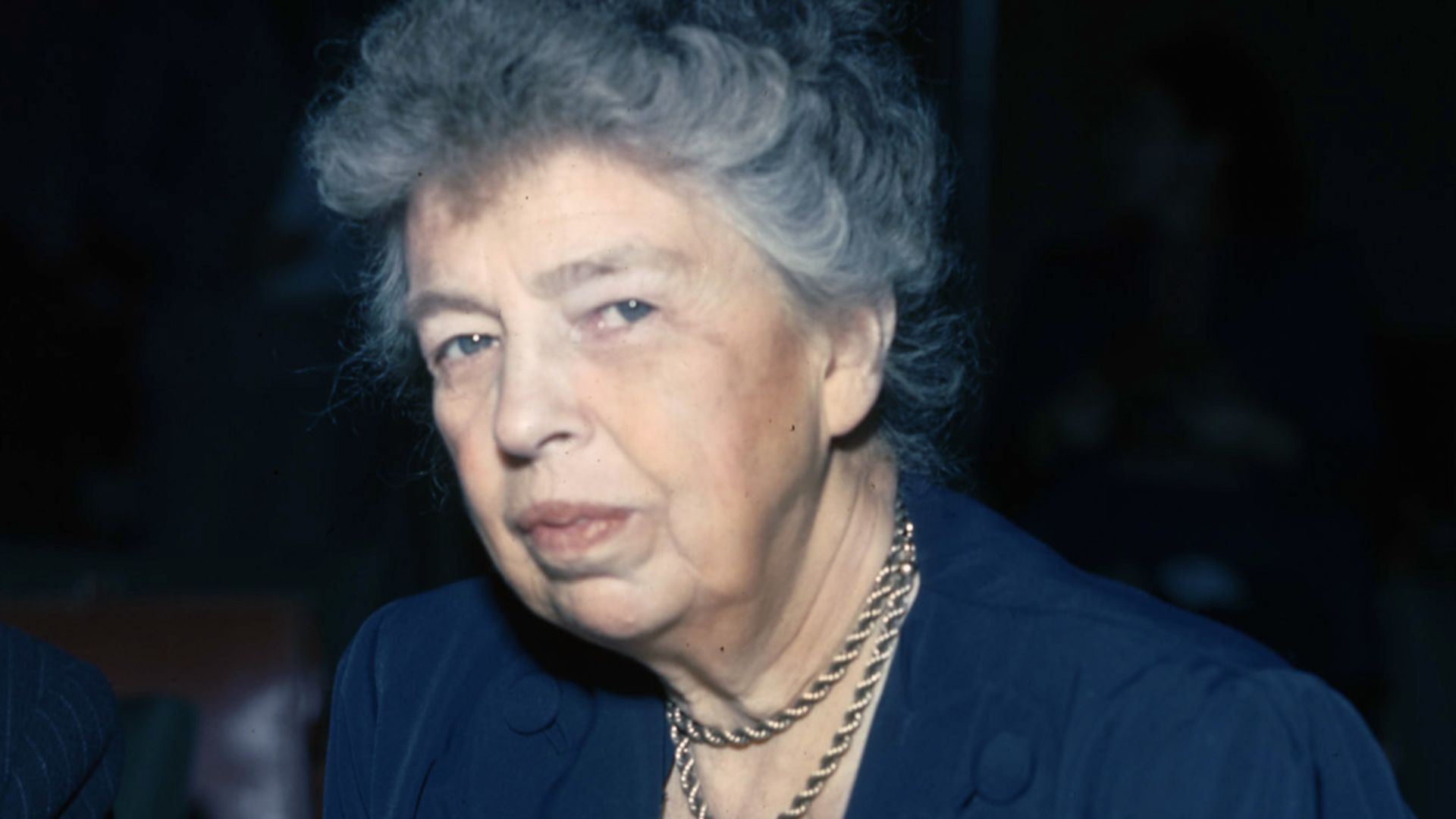 FDR Presidential Library & Museum, Wikimedia Commons
History's most fascinating stories and darkest secrets, delivered to your inbox daily.
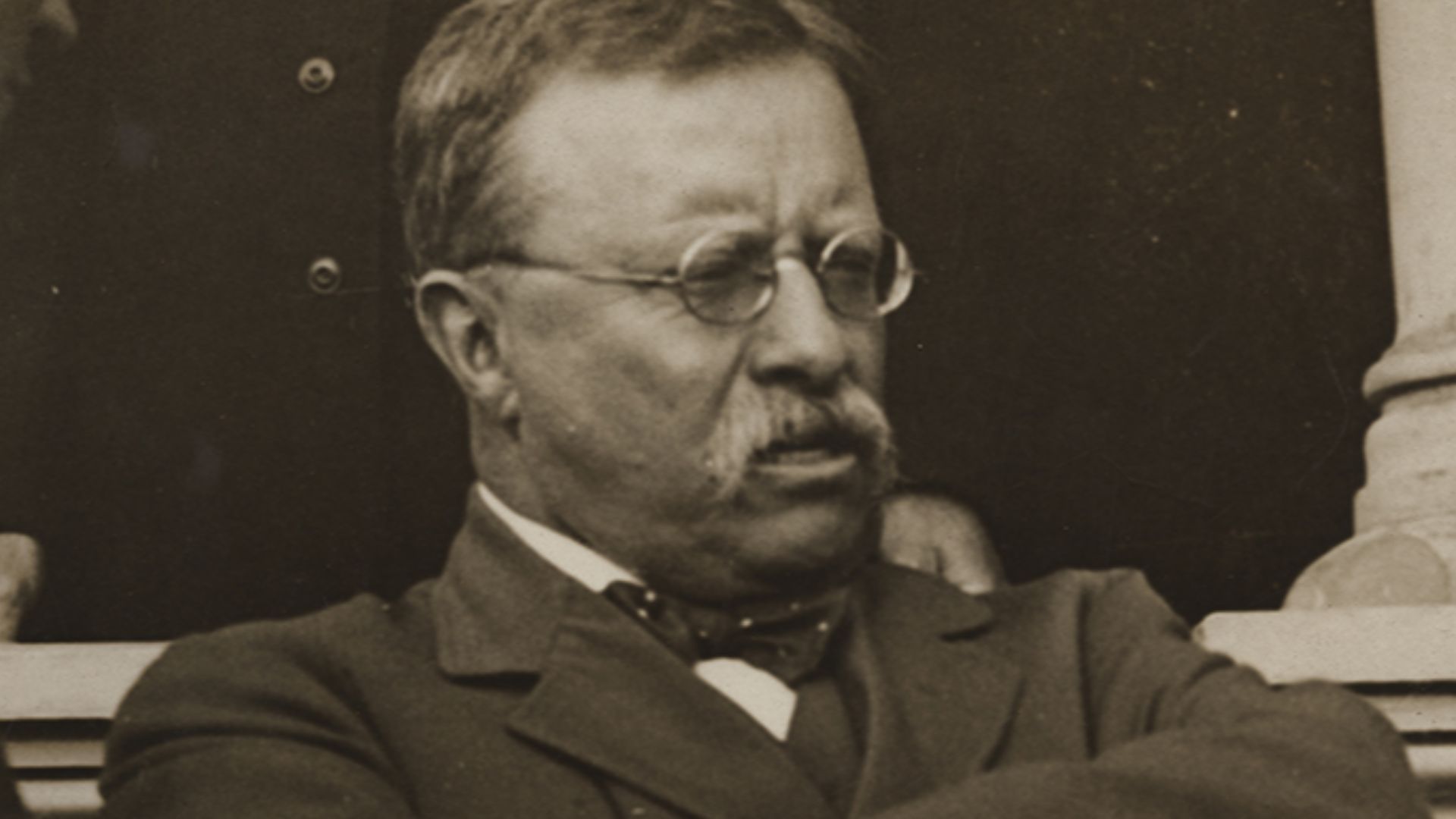
Theodore Roosevelt Bristled At "Teddy"
Eleanor's uncle Theodore Roosevelt had his own nickname problem. His childhood family called him "Teedie," while friends often used Theodore or TR. His daughter Alice Roosevelt Longworth later said her father disliked being called Teddy.
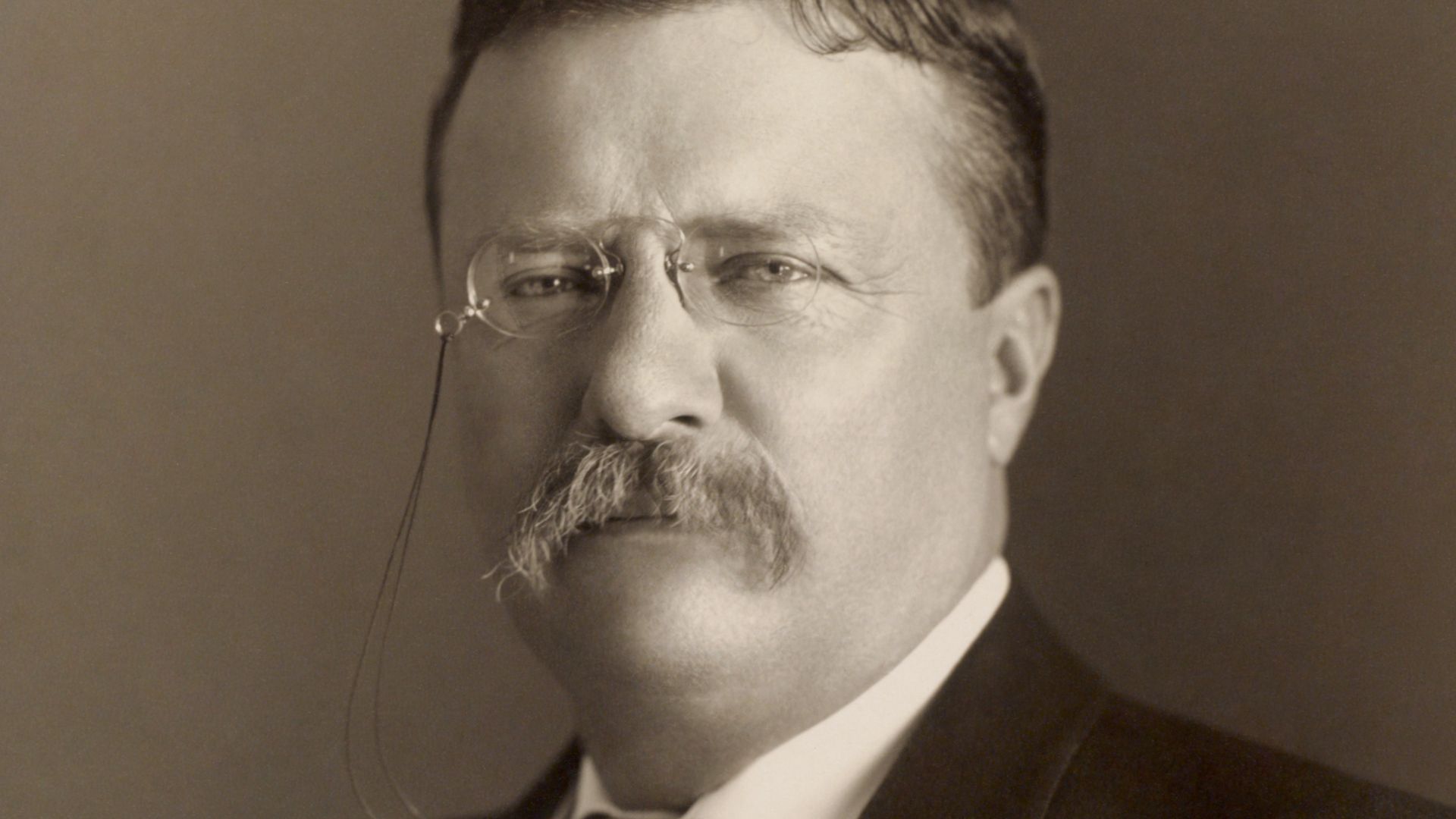 Adam Cuerden, Wikimedia Commons
The Press Refused To Let The Name Go
Unfortunately for Roosevelt, Teddy was irresistible to headline writers. It sounded friendly, energetic, and much less formal than Theodore. As Roosevelt became a national celebrity, the nickname spread far beyond his control.
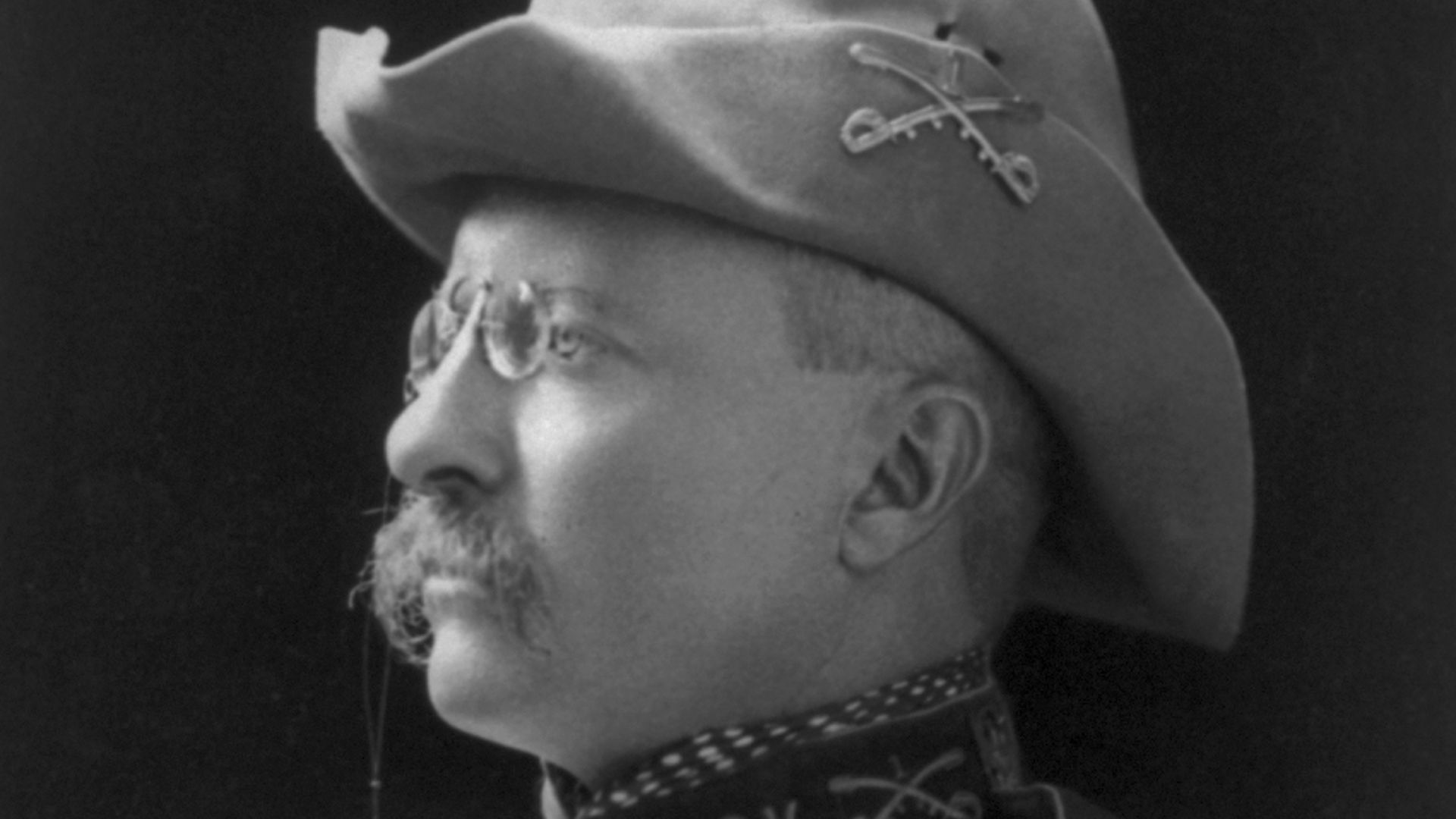 B.J. Falk (1853-1925), Wikimedia Commons
Then A Stuffed Bear Made "Teddy" Immortal
In 1902, Roosevelt refused to shoot a captured bear during a Mississippi hunting trip. The incident inspired a famous Clifford Berryman cartoon and soon became associated with stuffed toy bears. The "teddy bear" ensured that Roosevelt's unwanted nickname would outlive him by generations.
 SMU Central University Libraries, Wikimedia Commons
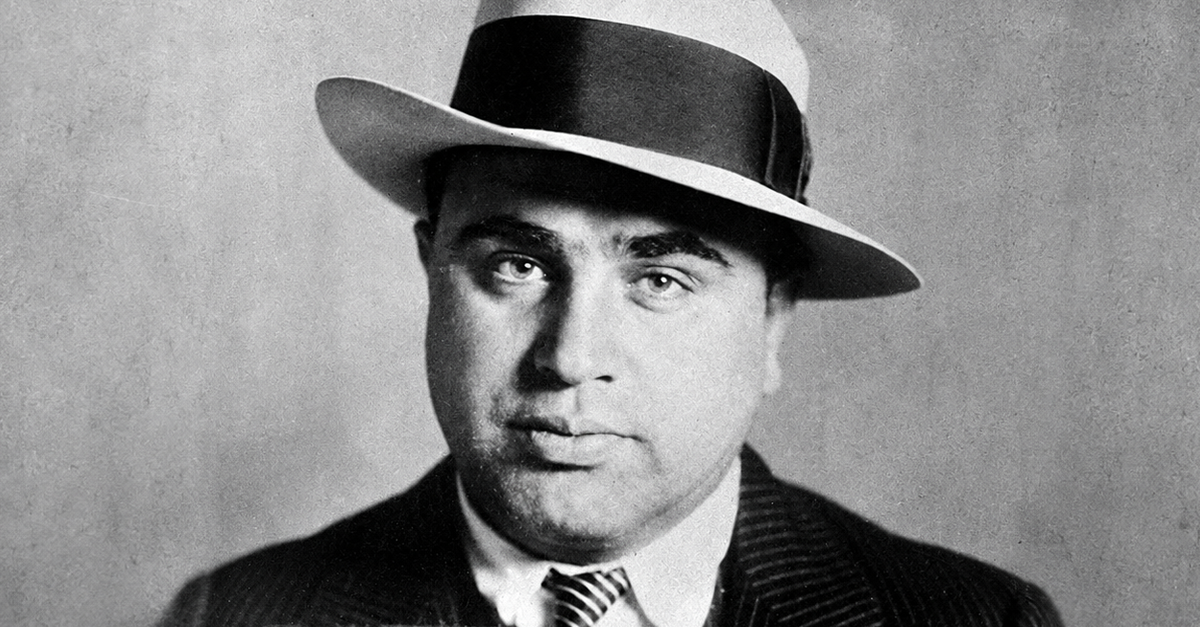
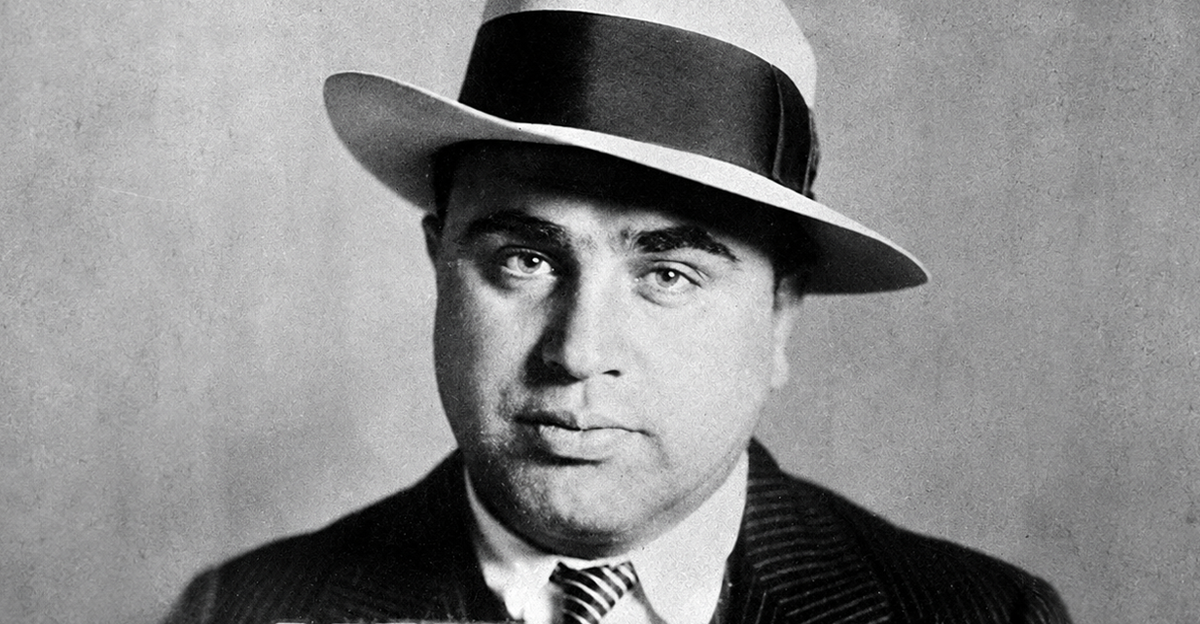
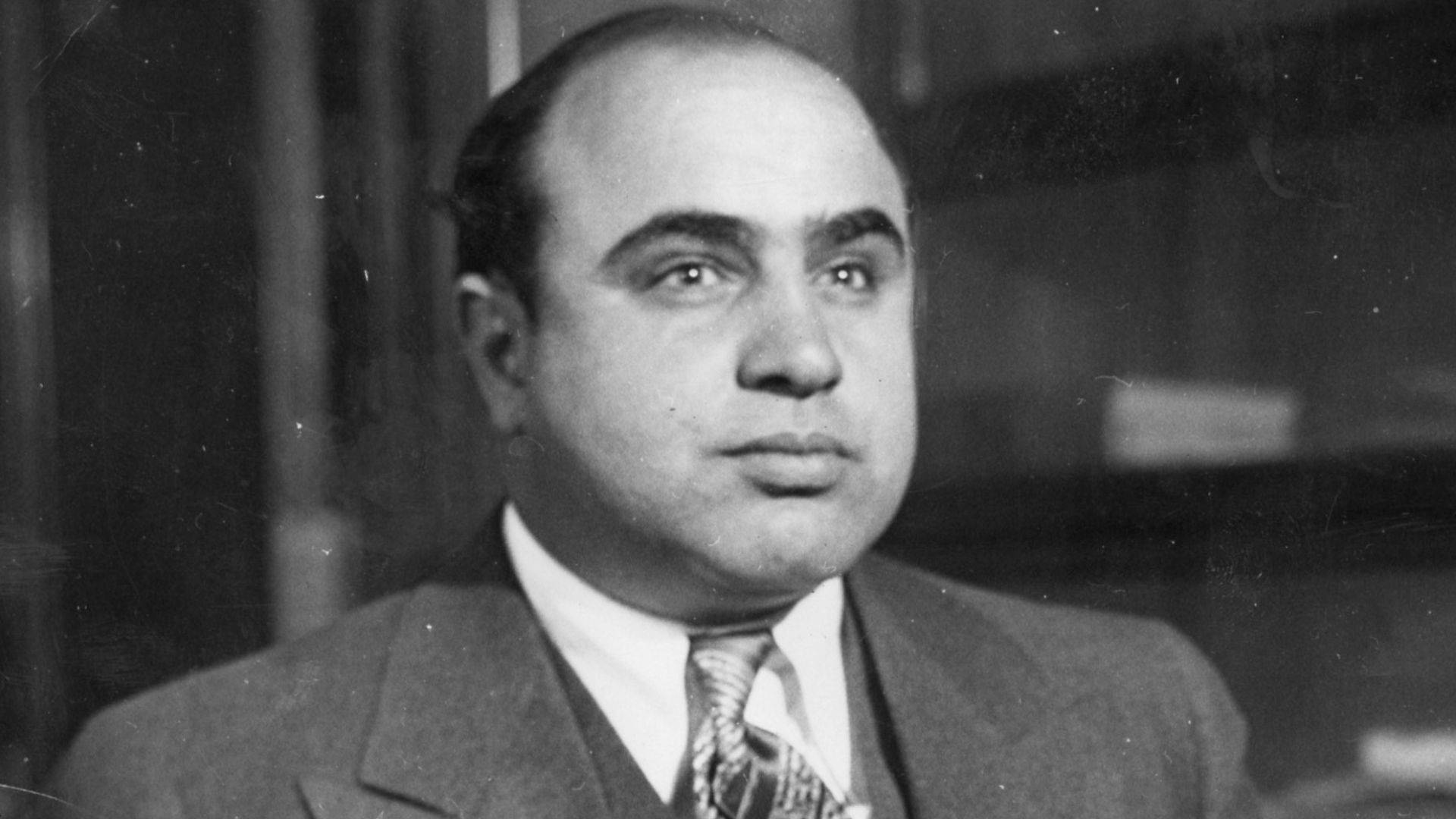
Al Capone Despised "Scarface"
Al Capone carried one of history's most recognizable gangster nicknames, but he reportedly hated it. Newspapers called him Scarface because of several prominent facial scars. His associates generally used friendlier names such as "Snorky" or "the Big Fellow."
 Chicago Bureau (Federal Bureau of Investigation) - Wide World Photos., Wikimedia Commons
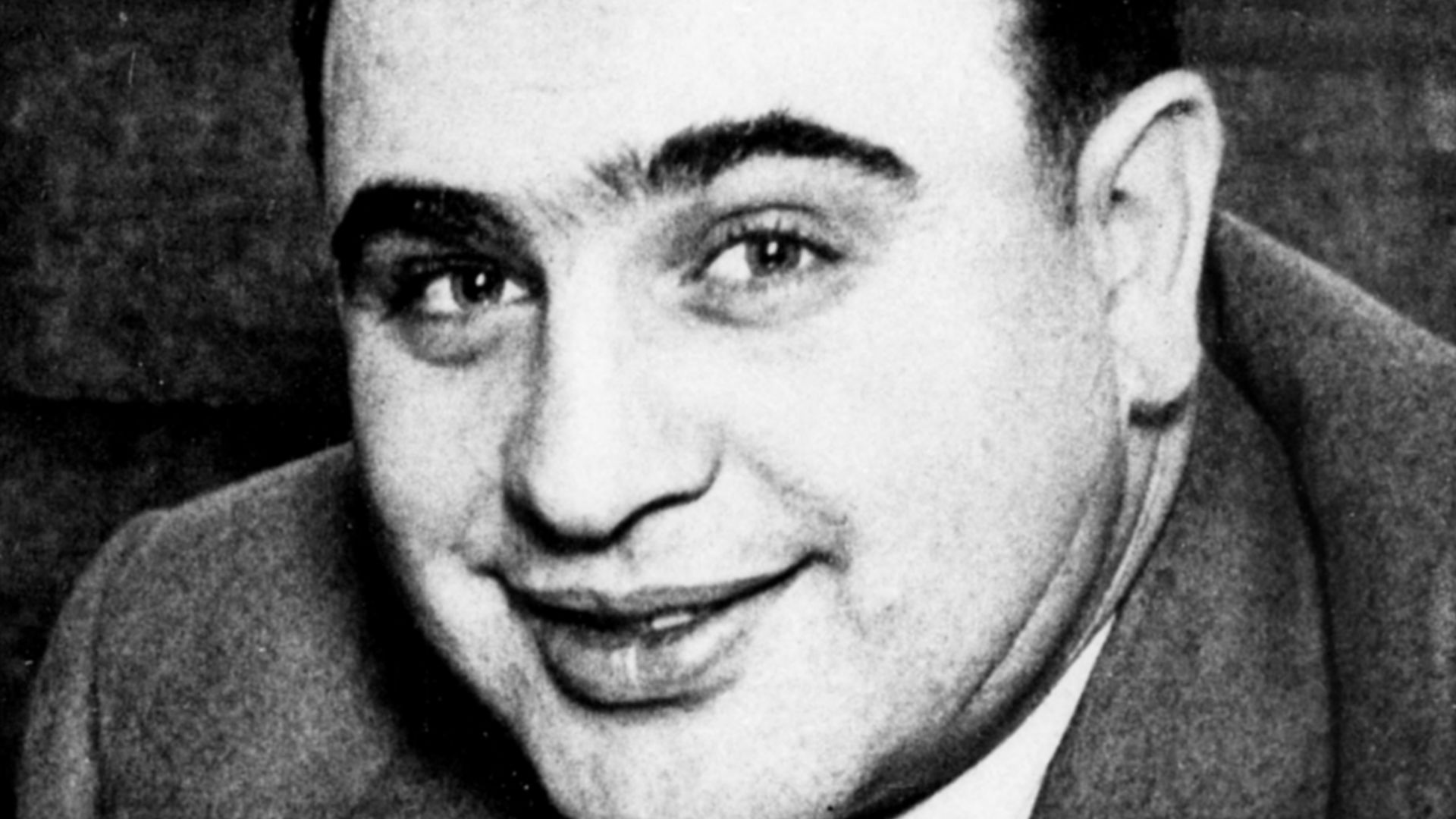
The Nickname Came From A Brutal Bar Fight
Capone received the wounds years before becoming Chicago's most notorious gangster. While working at the Harvard Inn in Coney Island, he insulted a woman and was attacked by her brother. The resulting scars became impossible for the press to ignore.
 Time Magazine, Wikimedia Commons
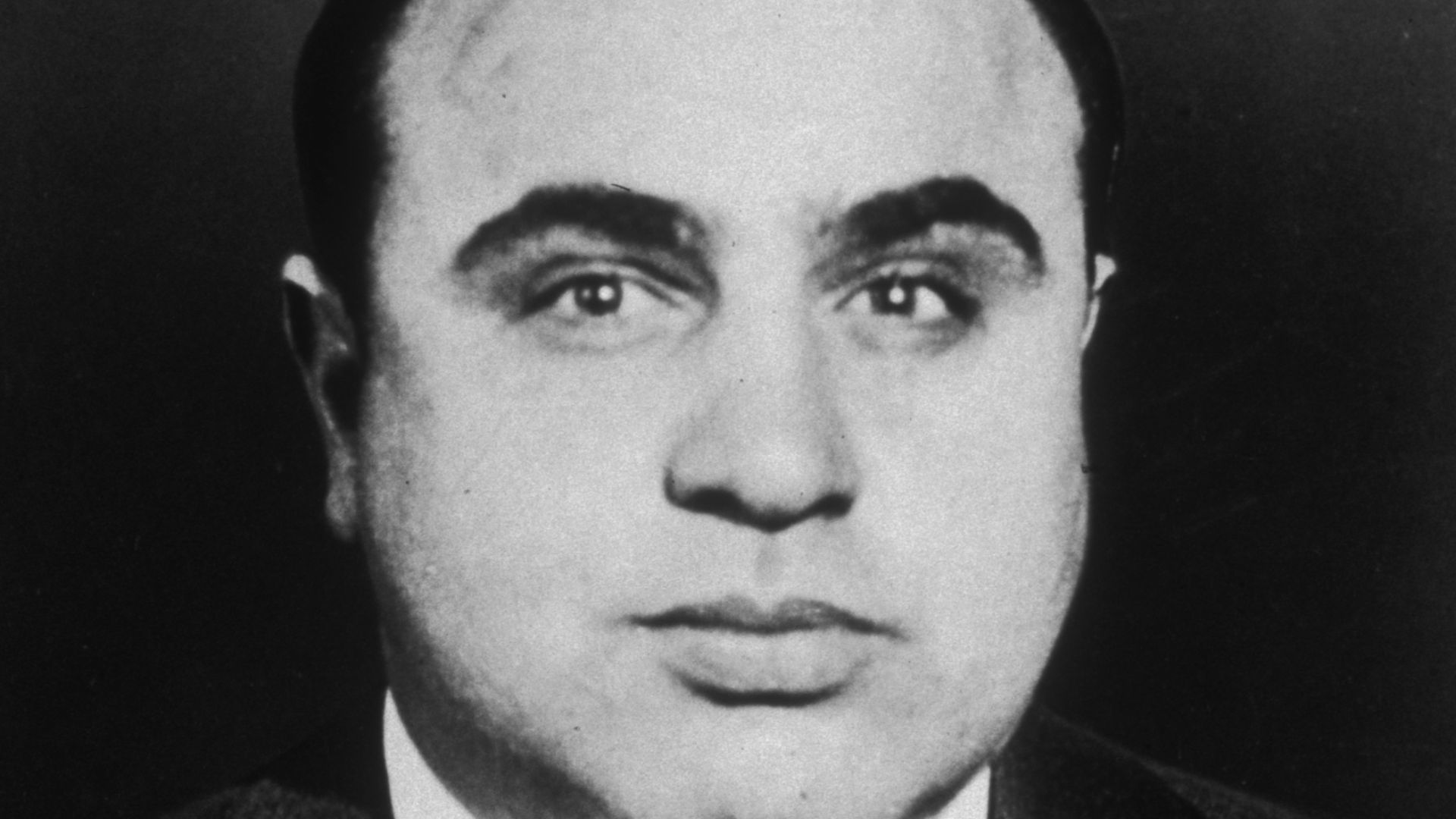
The Press Made Sure It Stuck
Capone often posed to hide the scarred side of his face. He also reportedly claimed the injuries came from military service, although he never served. None of that mattered once newspapers discovered the far catchier name Scarface.
 Wide World Photos, Chicago Bureau (Federal Bureau of Investigation)., Wikimedia Commons
History's most fascinating stories and darkest secrets, delivered to your inbox daily.
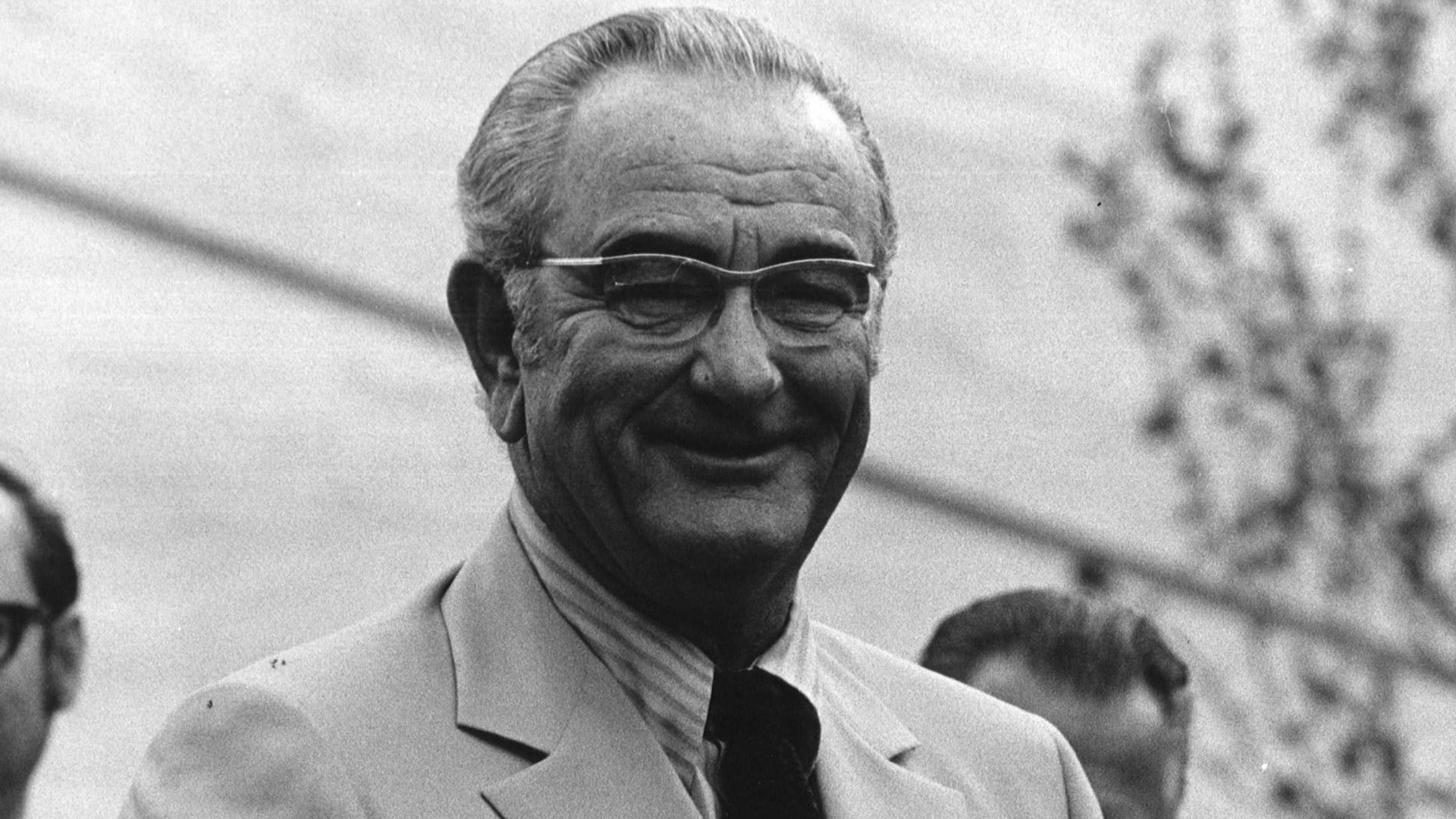
Lyndon Johnson Resented “Landslide Lyndon”
Lyndon B. Johnson won the 1948 Democratic Senate primary in Texas by just 87 votes. His razor-thin victory inspired the deeply sarcastic nickname "Landslide Lyndon." For a politician who loved winning, it was an uncomfortable reminder of just how close he had come to losing.
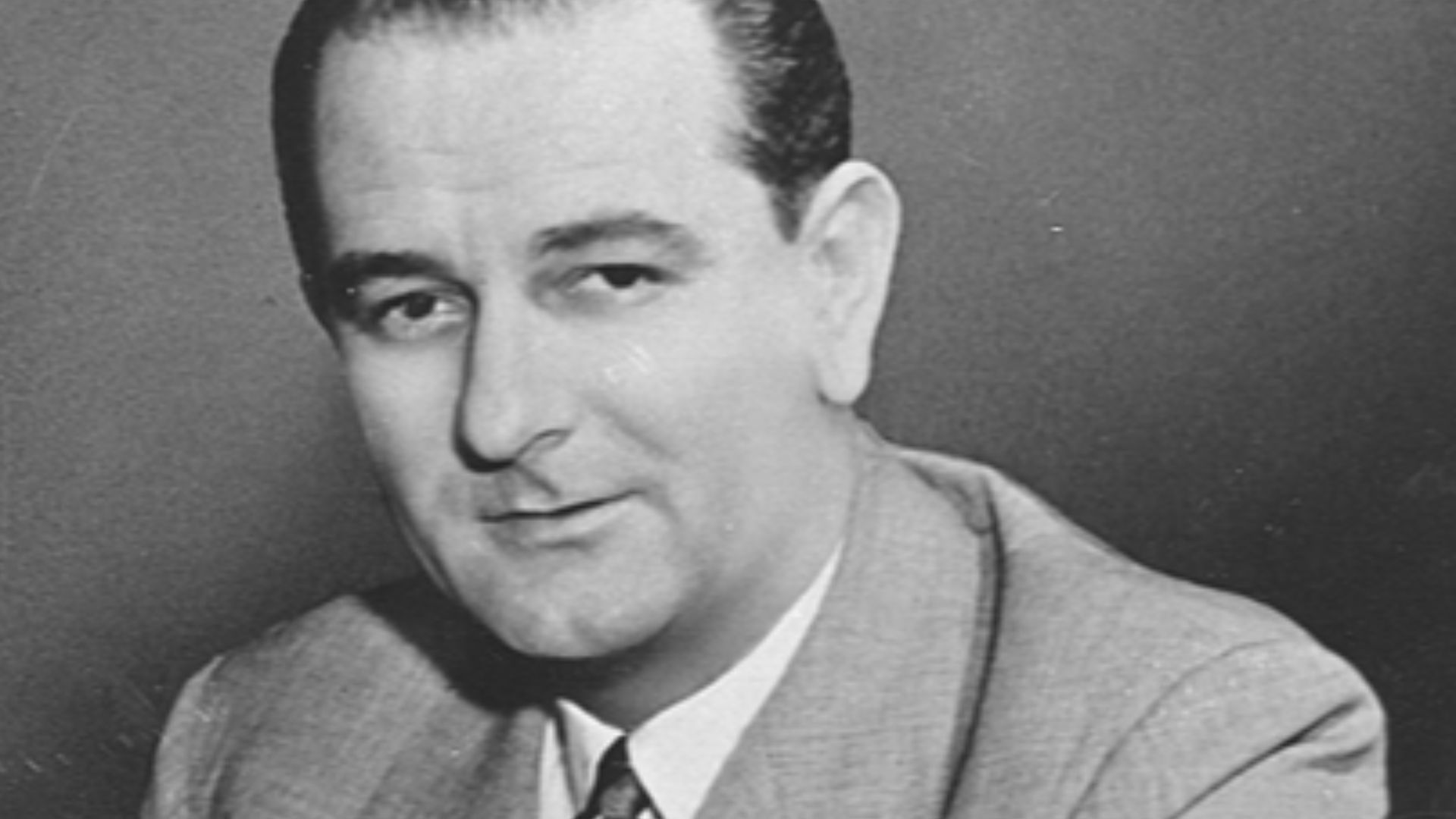
At First, He Was Willing To Laugh Along
Johnson was initially willing to joke about the name himself. Biographers describe him occasionally introducing himself as Landslide Lyndon after close political victories. Eventually, though, the joke stopped being funny.
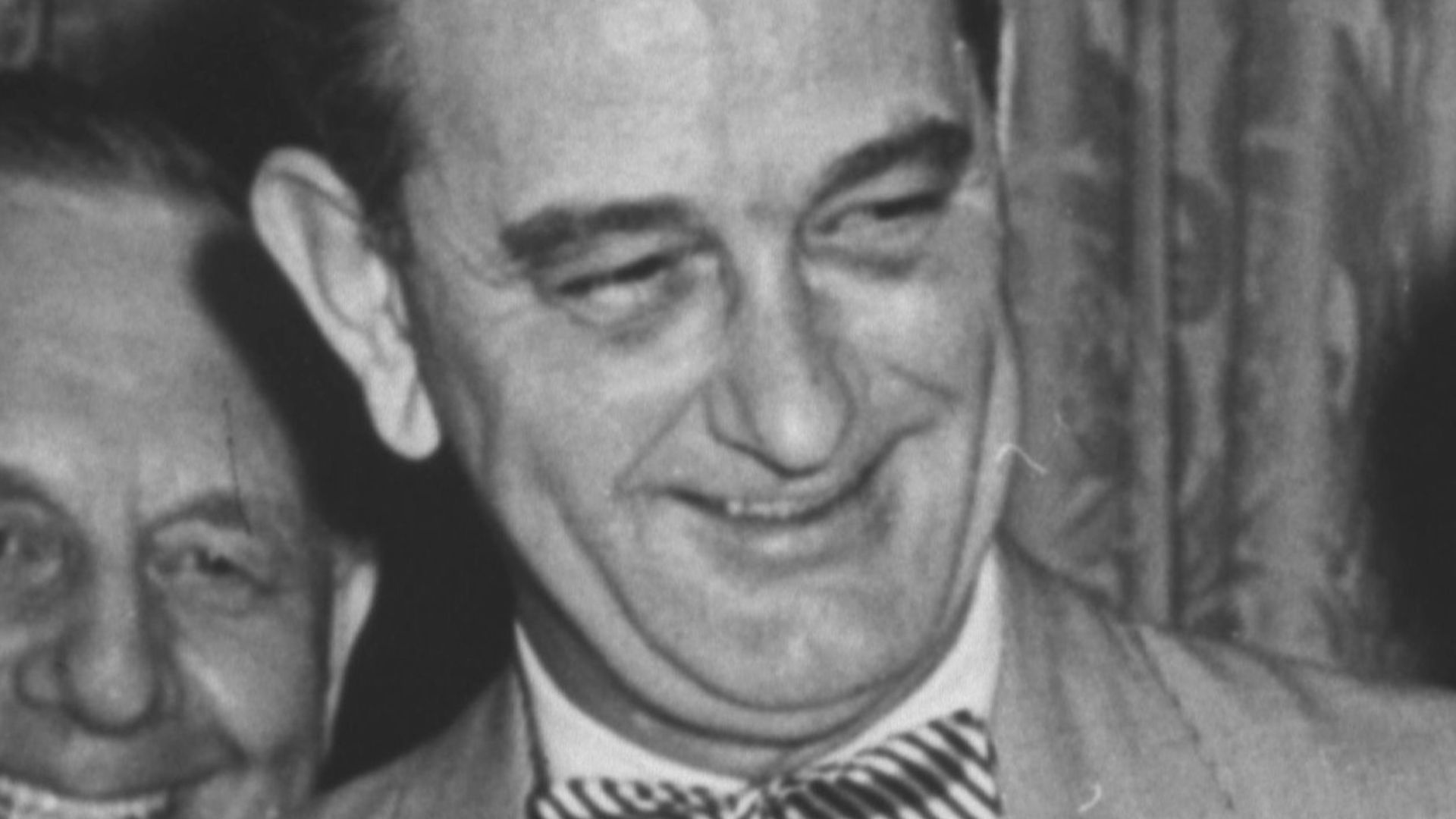
Those 87 Votes Followed Him Forever
Johnson later came to resent the nickname and reportedly reacted angrily when people used it. Ironically, he won the 1964 presidential election by a genuine landslide. History still attached "Landslide Lyndon" to those controversial 87 votes instead.
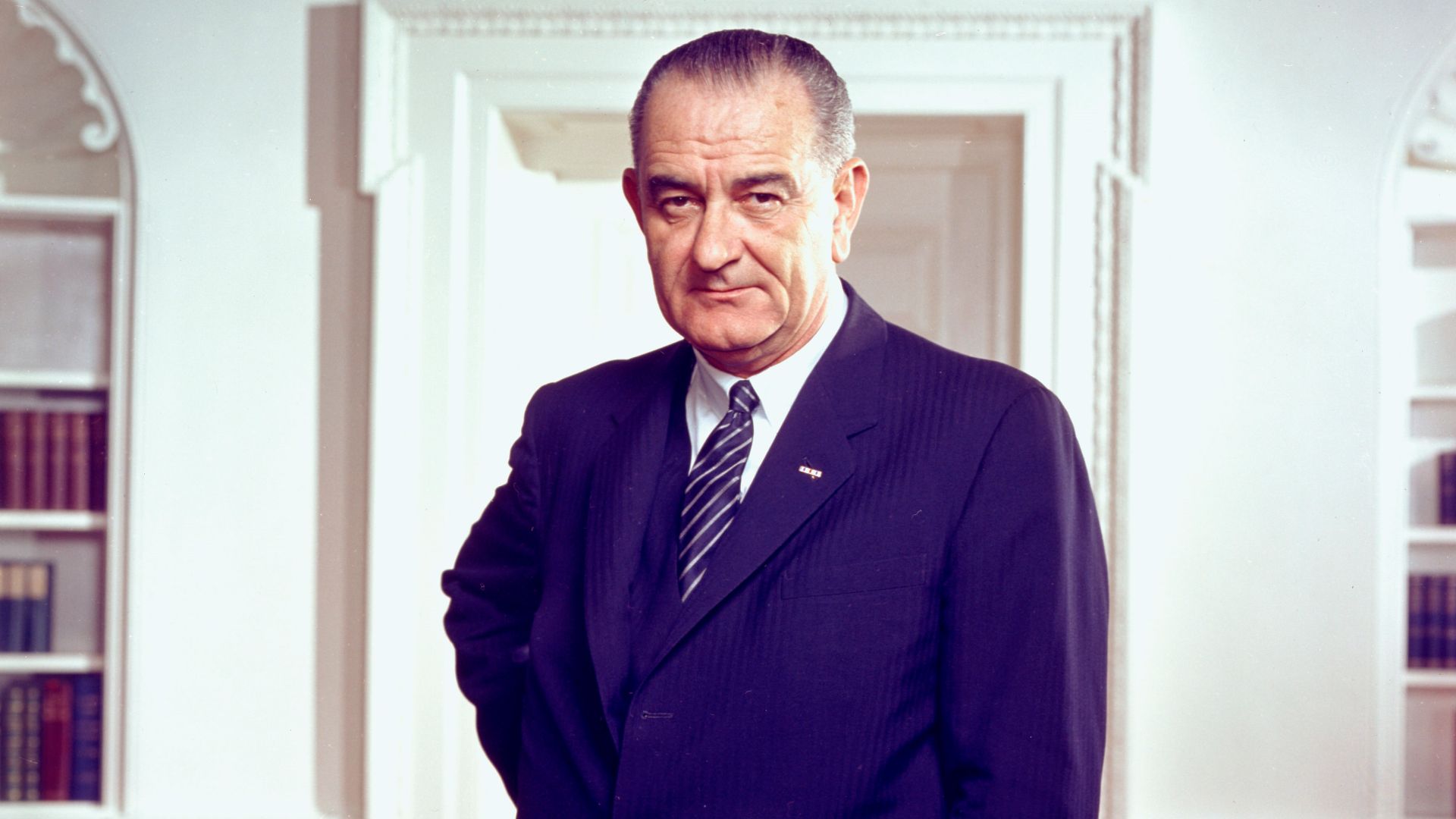 Arnold Newman, Wikimedia Commons
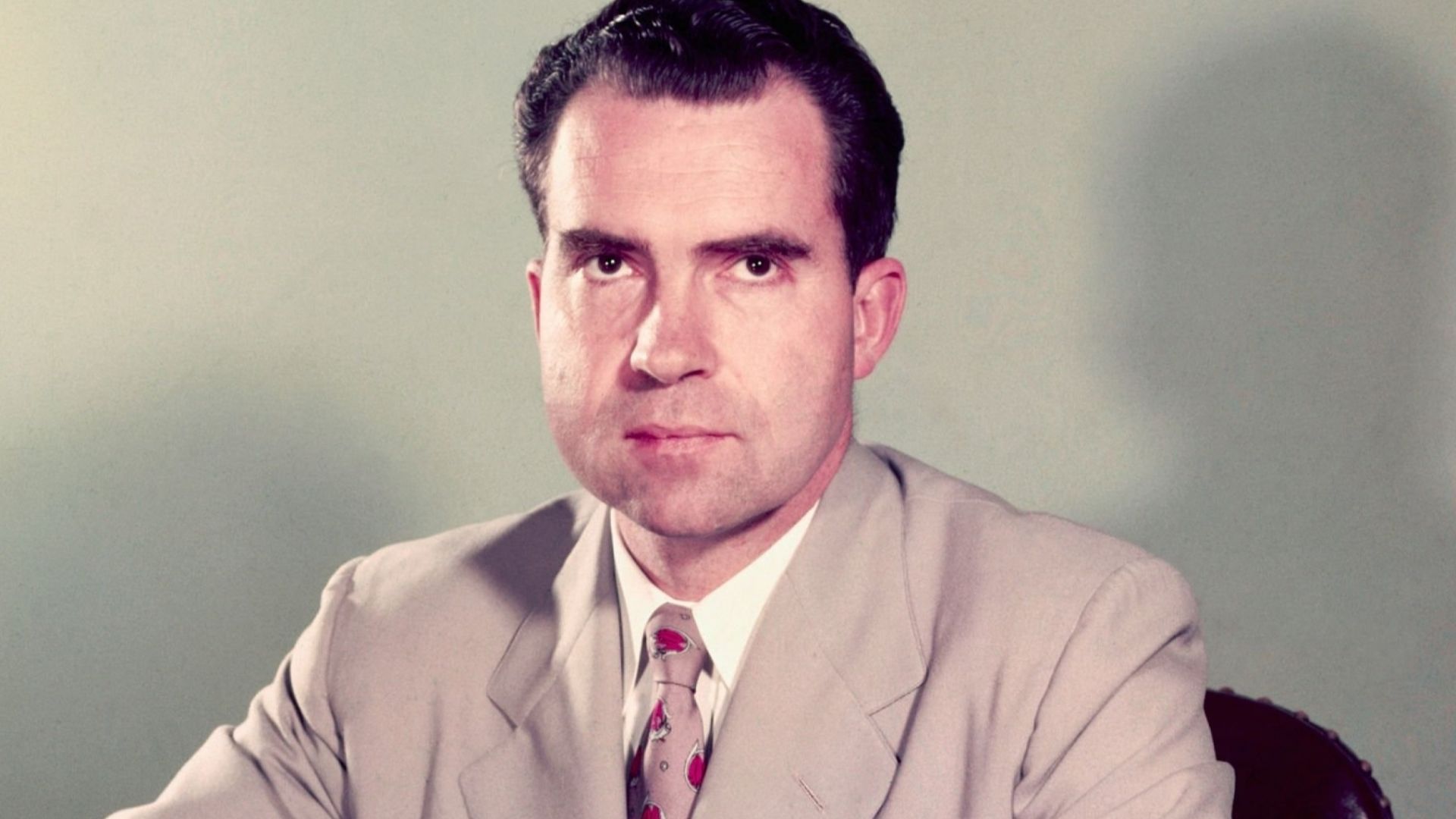
Richard Nixon Couldn’t Shake “Tricky Dick”
Richard Nixon picked up his most famous insult during the brutal 1950 California Senate race. His campaign aggressively attacked Democratic opponent Helen Gahagan Douglas's record and political associations. Douglas's side responded with a nickname that proved devastatingly catchy: "Tricky Dick."
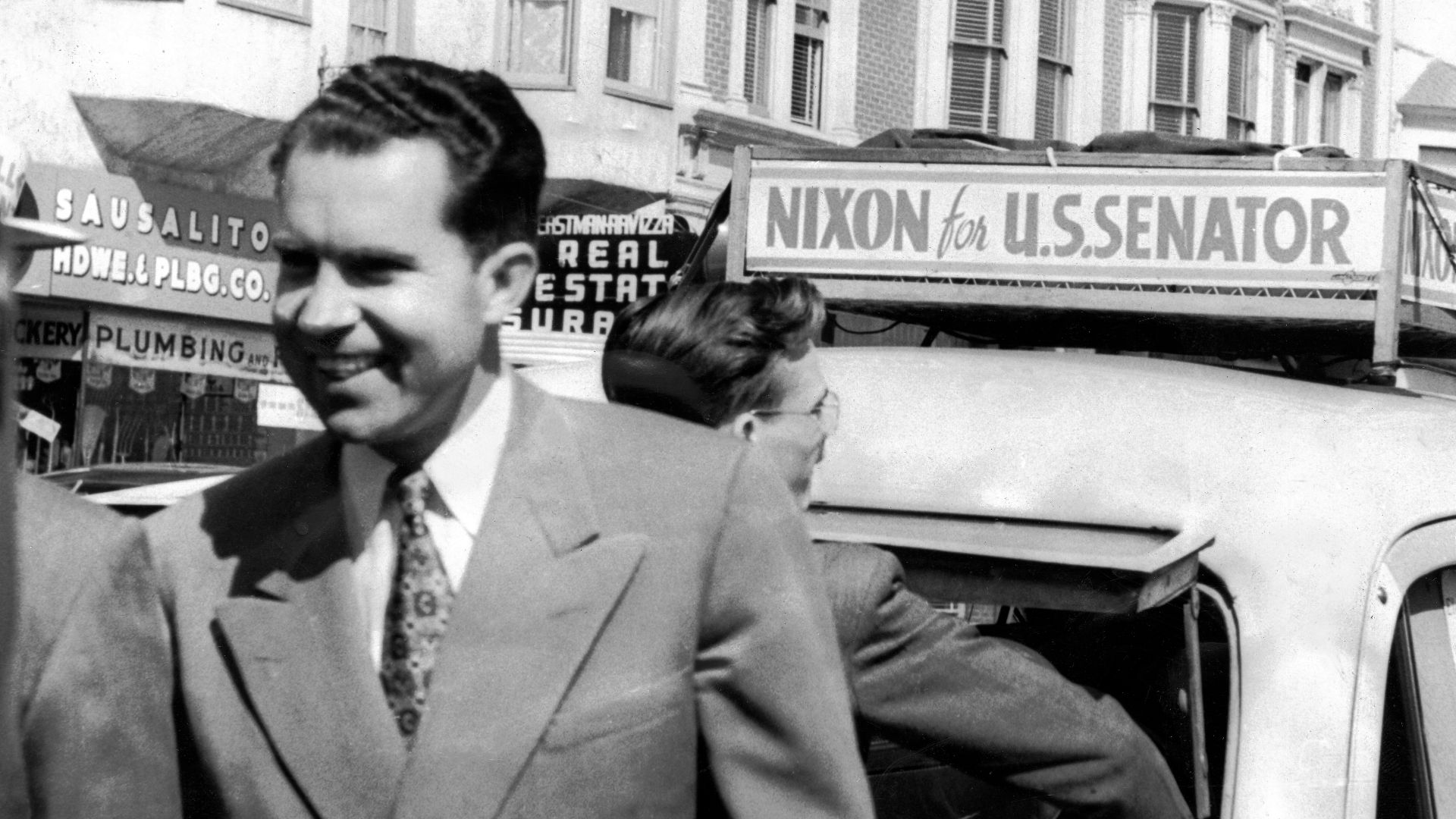 California Centennials Commission, Wikimedia Commons
The Insult Followed Him To The White House
Nixon won the election and eventually reached the White House, but the nickname followed him. Critics used Tricky Dick as shorthand for what they saw as his secretive and ruthless political instincts. The higher Nixon climbed, the more famous the label became.
 Unknown author, Wikimedia Commons
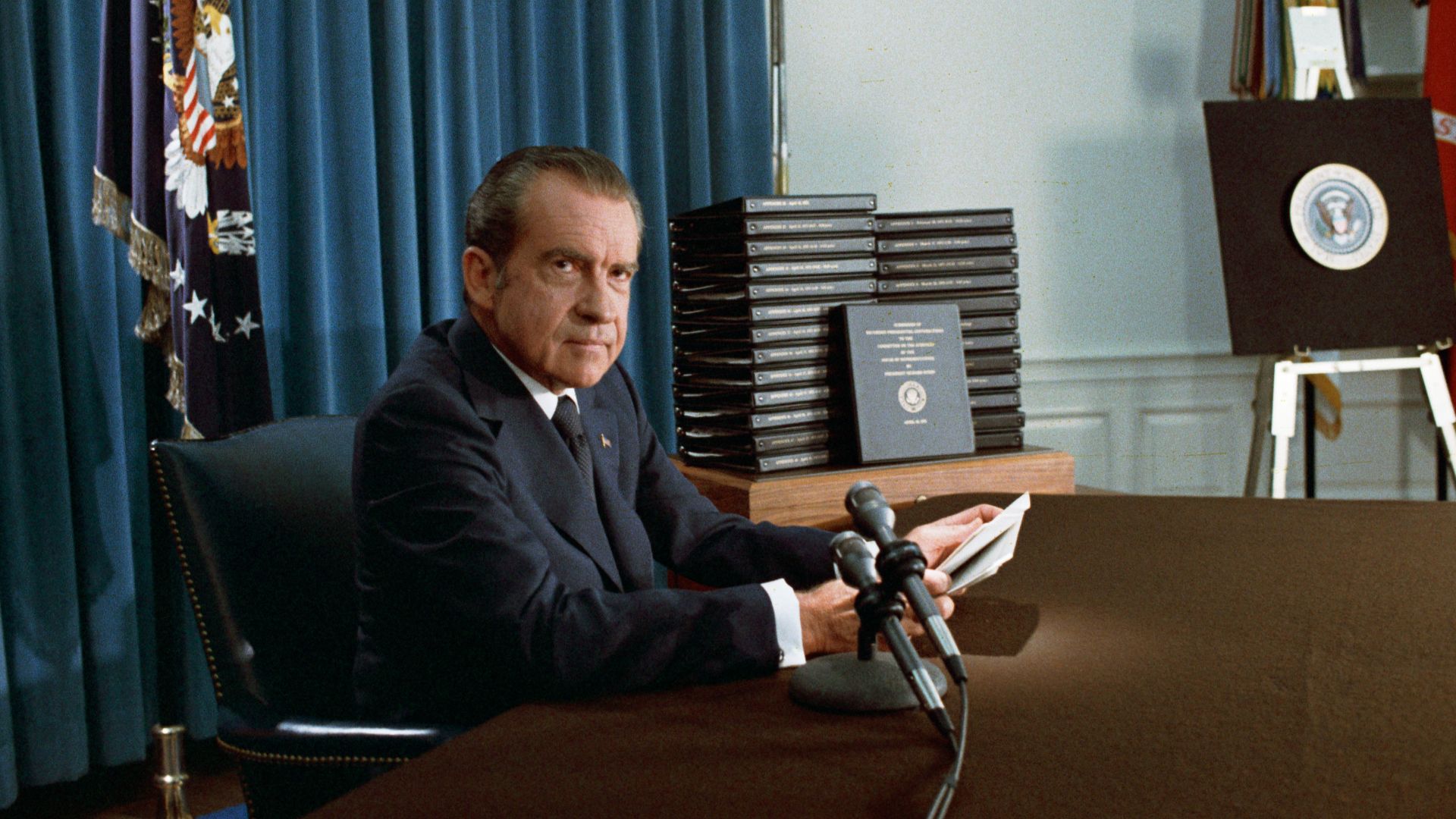
History Made The Nickname Impossible To Escape
Watergate gave Nixon's old nickname an entirely new life before his 1974 resignation. Even years later, during attempts to rehabilitate his image, "Tricky Dick" remained everywhere. That is the problem with a truly successful nickname: once history likes it, the person wearing it no longer gets much say.
 National Archives & Records Administration, Wikimedia Commons
History's most fascinating stories and darkest secrets, delivered to your inbox daily.
History Gets The Last Word
The people behind these nicknames could complain, resist, or try to bury them, but they could not control what survived. In some cases, the unwanted label became more famous than the name they preferred. History can be ruthless that way, especially when the nickname is simply too memorable to disappear.
 CarlAlbertArchives, Wikimedia Commons
You May Also Like:
Historical Geniuses Who Were Complete Disasters Outside Their Field
Powerful World Leaders Who Took "Holding A Grudge" To Another Level
The Real-Life Scandals That Turned Ordinary Names Into Infamous Words
Sources: 1, 2, 3, 4, 5, 6, 7, 8, 9, 10, 11, 12, 13, 14, 15, 16, 17