
The Millionaire Who Refused To Spend
Hetty Green controlled a fortune worth billions in modern money, yet she lived in rented rooms, wore battered clothing, and inspired rumors about cold oatmeal and unpaid medical bills. Some stories were exaggerated—but the truth behind America’s richest woman was nearly as strange.
 Hollinger & Rockey, Wikimedia Commons
She Was Born Into A Fortune
Henrietta Howland Robinson was born on November 21, 1834, in New Bedford, Massachusetts. Her father, Edward Mott Robinson, and her mother’s Howland family had accumulated enormous wealth through whaling, shipping, and whale-oil production. Hetty entered the world surrounded by money—and immediately began studying it.
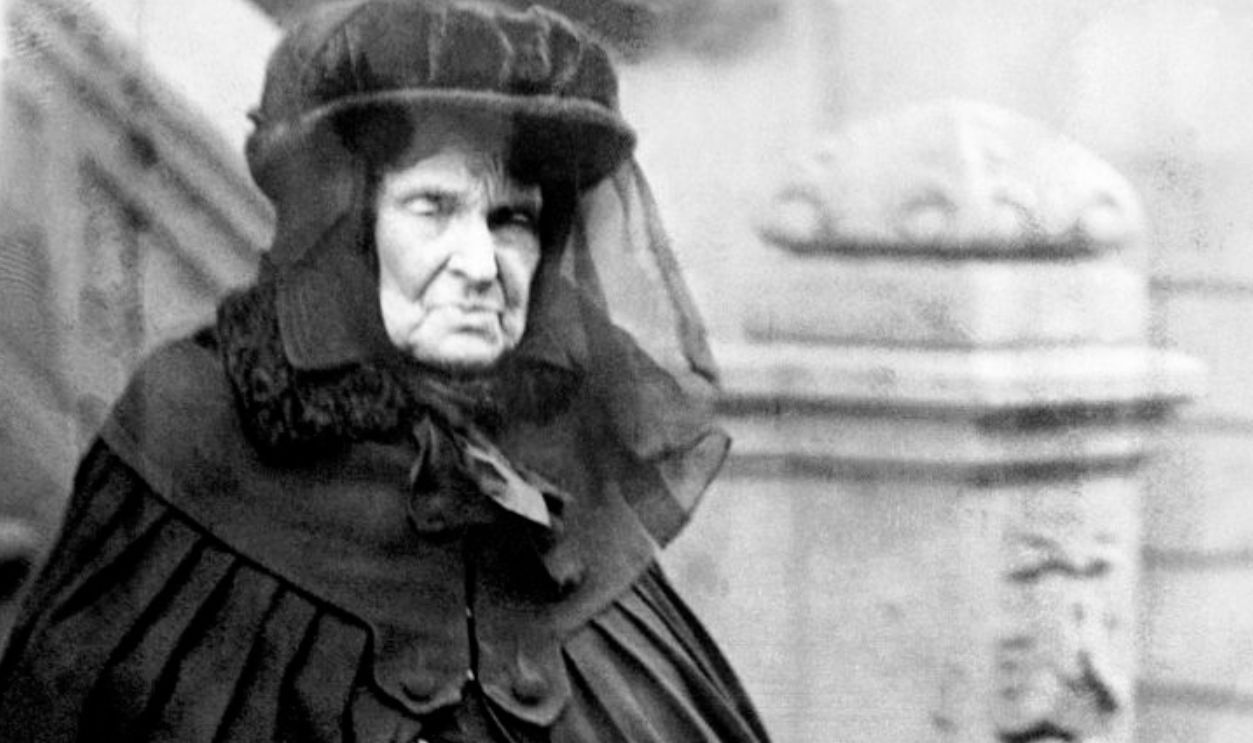 American Hetty Green, the world's richest woman. (Photo by PA Images via Getty Images)
Financial News Replaced Fairy Tales
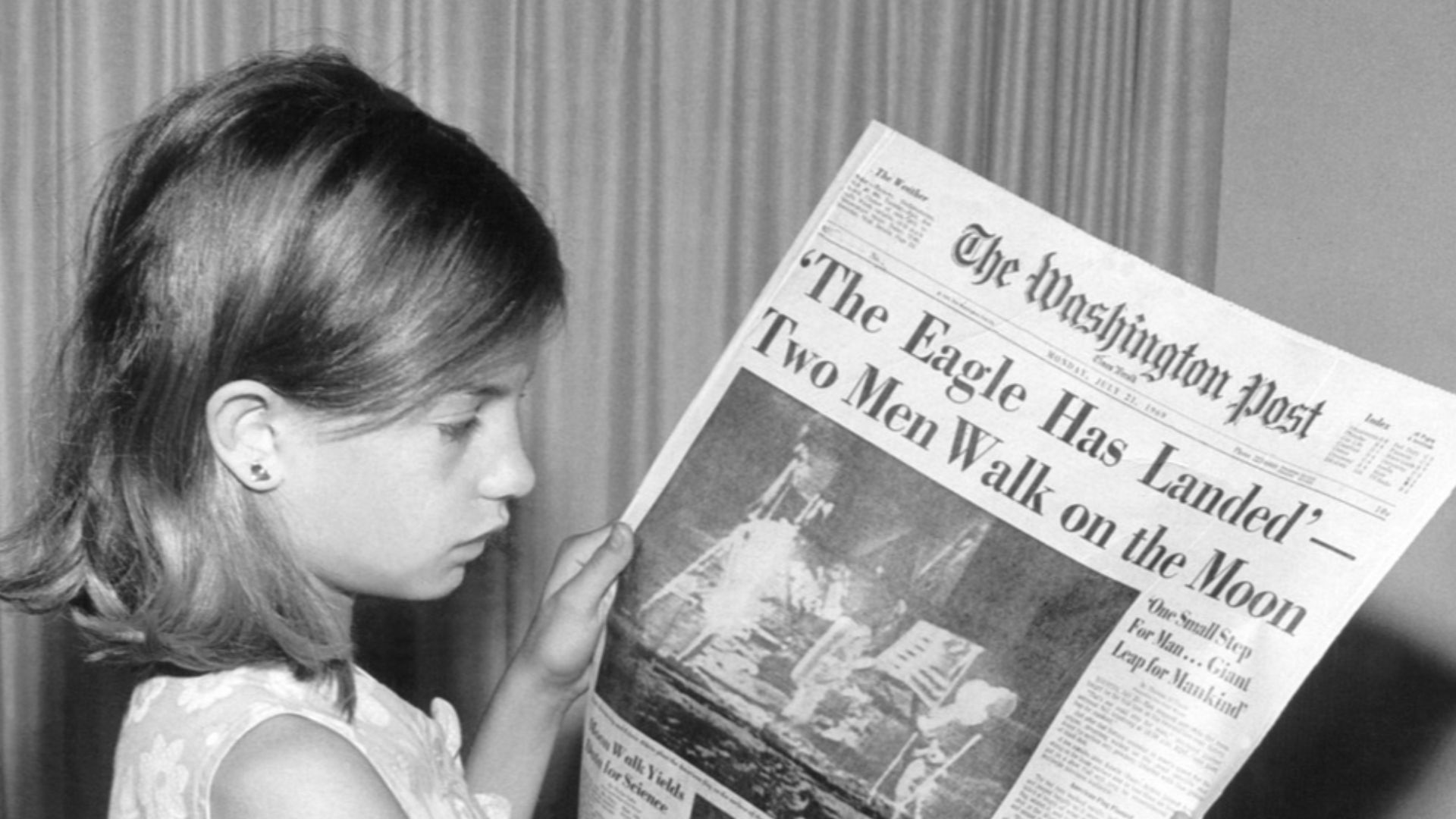
According to Green’s later recollections, she began reading financial newspapers aloud to her father and grandfather when she was six because their eyesight was failing. Instead of children’s stories, she absorbed commodity prices, shipping reports, and stock quotations. Money became both her education and her obsession.
She Became The Family Bookkeeper
By her teenage years, Hetty was helping maintain the family accounts. She later claimed that she understood finance better at 15 than many adult businessmen. Her father treated her less like a sheltered daughter and more like an apprentice expected to protect two wealthy family fortunes.
 Mennonite Church USA Archives, Wikimedia Commons
Her First Fashion Statement Was Financial
One famous story claims that Hetty’s father once gave her approximately $1,200 to purchase fashionable clothing and attract a wealthy husband. Instead, she allegedly sold or returned the wardrobe and invested the money in government bonds. Whether polished over time, the anecdote perfectly captured her priorities.
 Alexandra Studios, Wikimedia Commons
She Had No Interest In Looking Rich
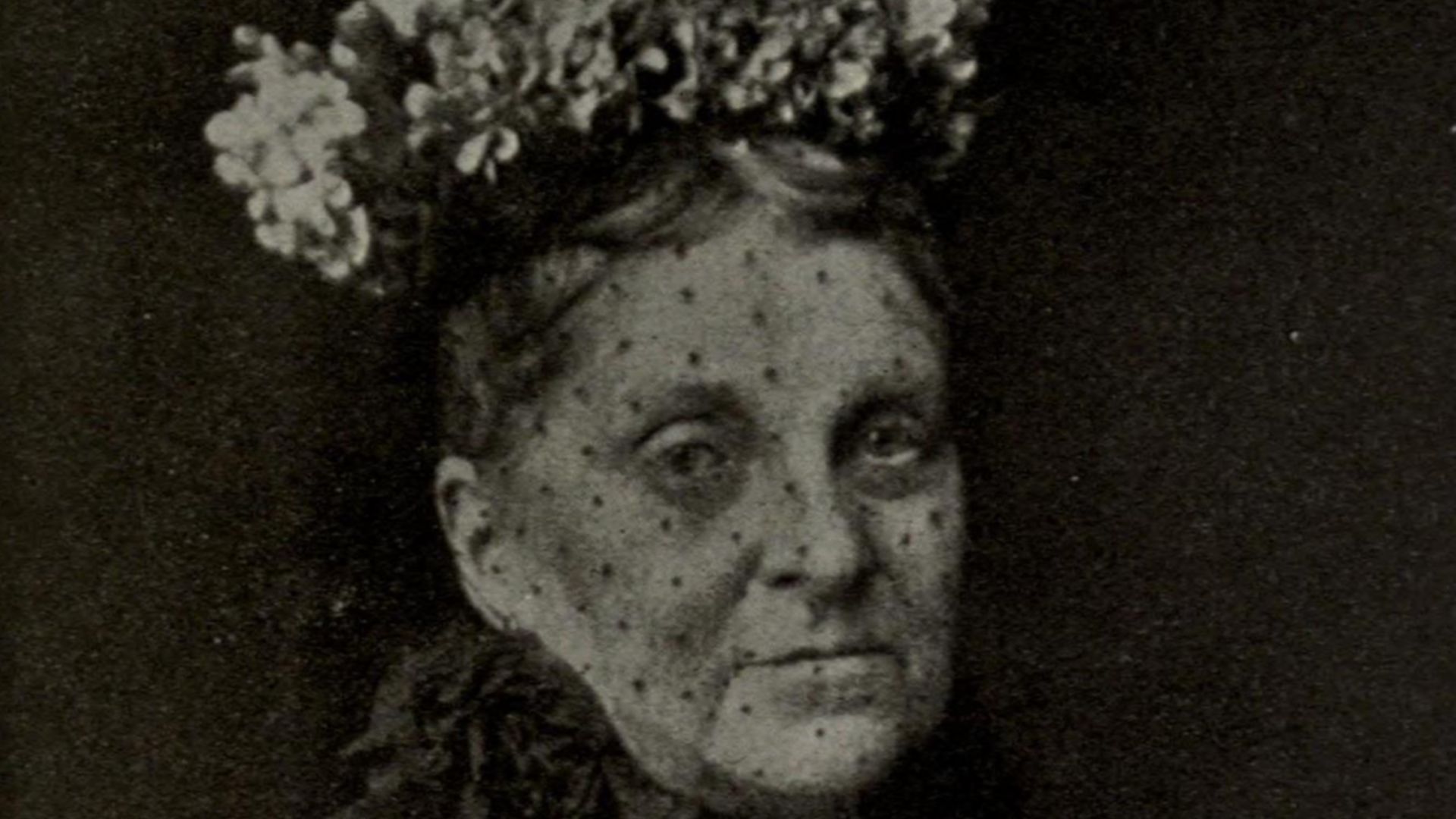
Gilded Age heiresses were expected to display their wealth through gowns, mansions, servants, and elaborate social events. Hetty rejected that performance almost completely. She reportedly believed expensive clothing revealed little about financial security, observing that a shabby garment might conceal bonds while elegant clothing could hide debt.
 National Magazine, Wikimedia Commons
An Inheritance Made Her Powerful
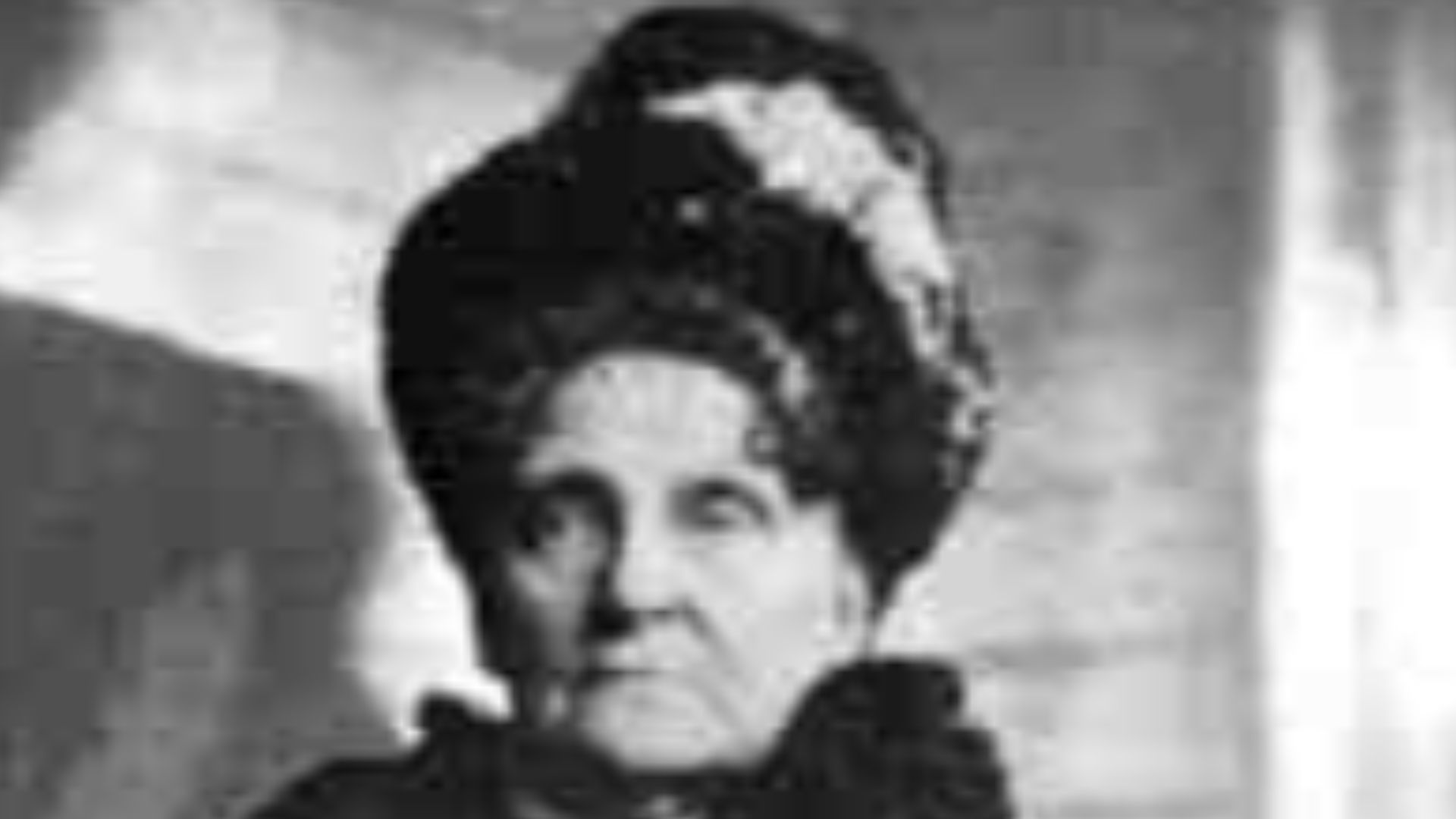
When her father died in 1865, Hetty received an inheritance commonly valued at roughly $5 million, although portions were controlled through trusts. She was 30 years old and already an experienced investor. Rather than simply enjoying the money, she treated it like raw material waiting to multiply.
 Unknown authorUnknown author, Wikimedia Commons
Then Her Aunt Left A Surprise
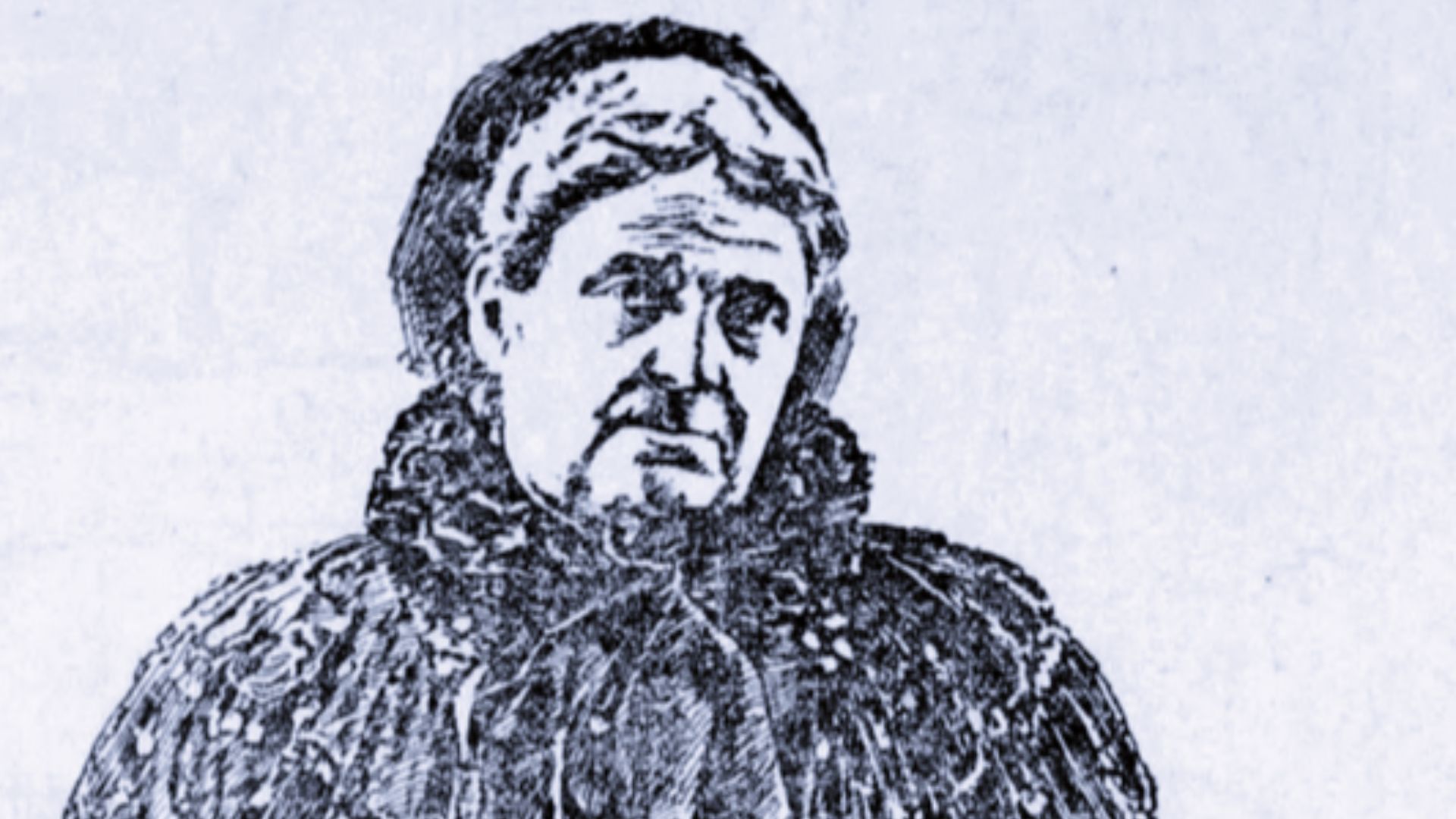
Shortly afterward, Hetty’s aunt Sylvia Ann Howland died with an estate valued near $2 million. Hetty expected to receive the fortune outright. Instead, the will placed approximately half in trust for her and distributed the remainder among other beneficiaries and charitable causes. Hetty responded by going to court.
 The Boston Globe, Wikimedia Commons
A Signature Raised Disturbing Questions
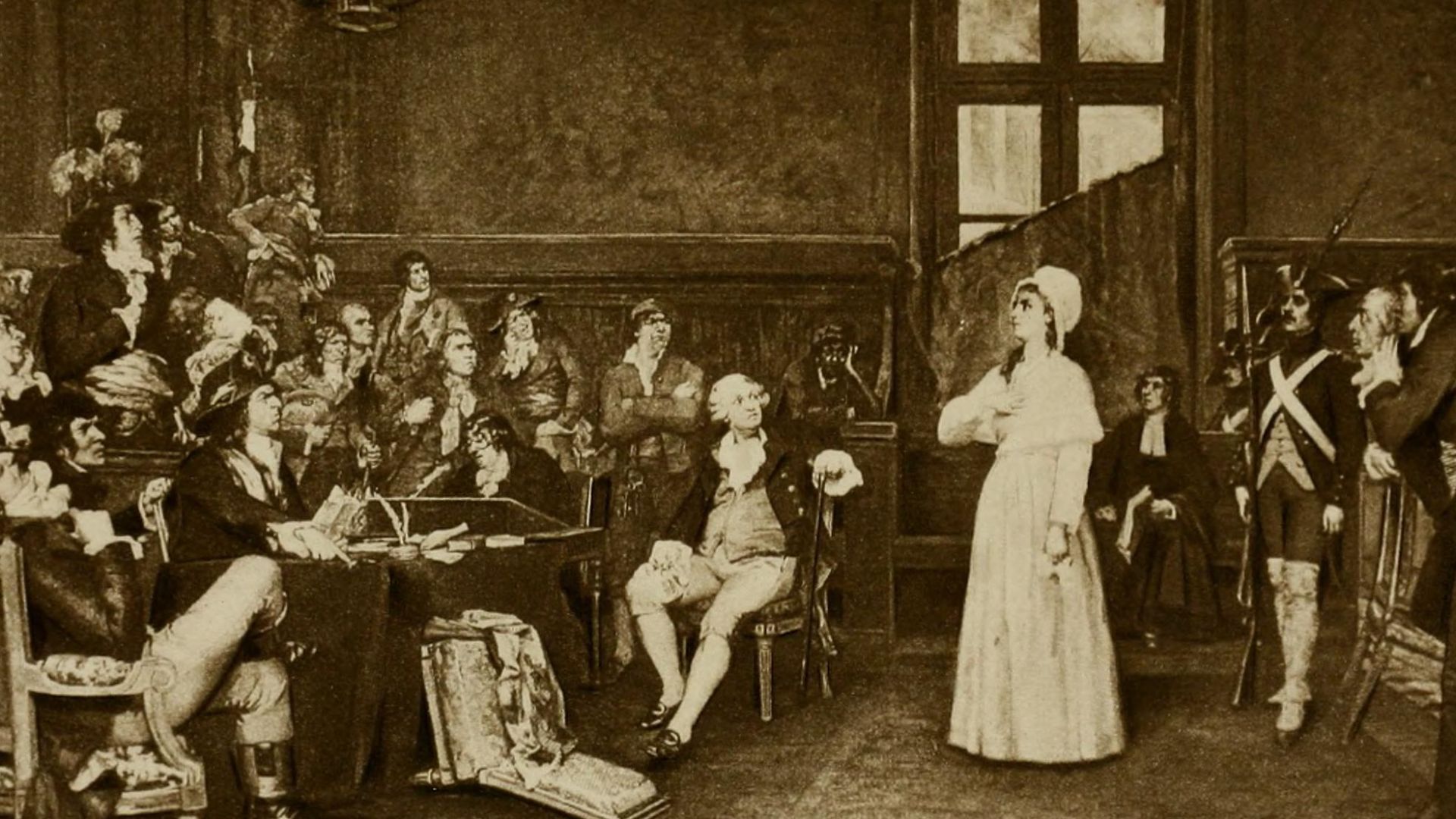
Hetty produced an earlier document that supposedly left her the entire estate. An attached provision carried what appeared to be her aunt’s signature—but experts testified that it precisely matched another signature and had likely been traced. Mathematician Benjamin Peirce called an accidental match practically impossible.

The Court Never Declared Her A Forger
The celebrated Howland Will Case ended badly for Hetty, but the court dismissed her claim on evidentiary grounds rather than formally ruling that she had forged the document. She was never criminally convicted. Still, the suspicious signature followed her, adding an ominous chapter to her expanding legend.
 Georgette Ducrest, Wikimedia Commons
Marriage Came With Financial Armor
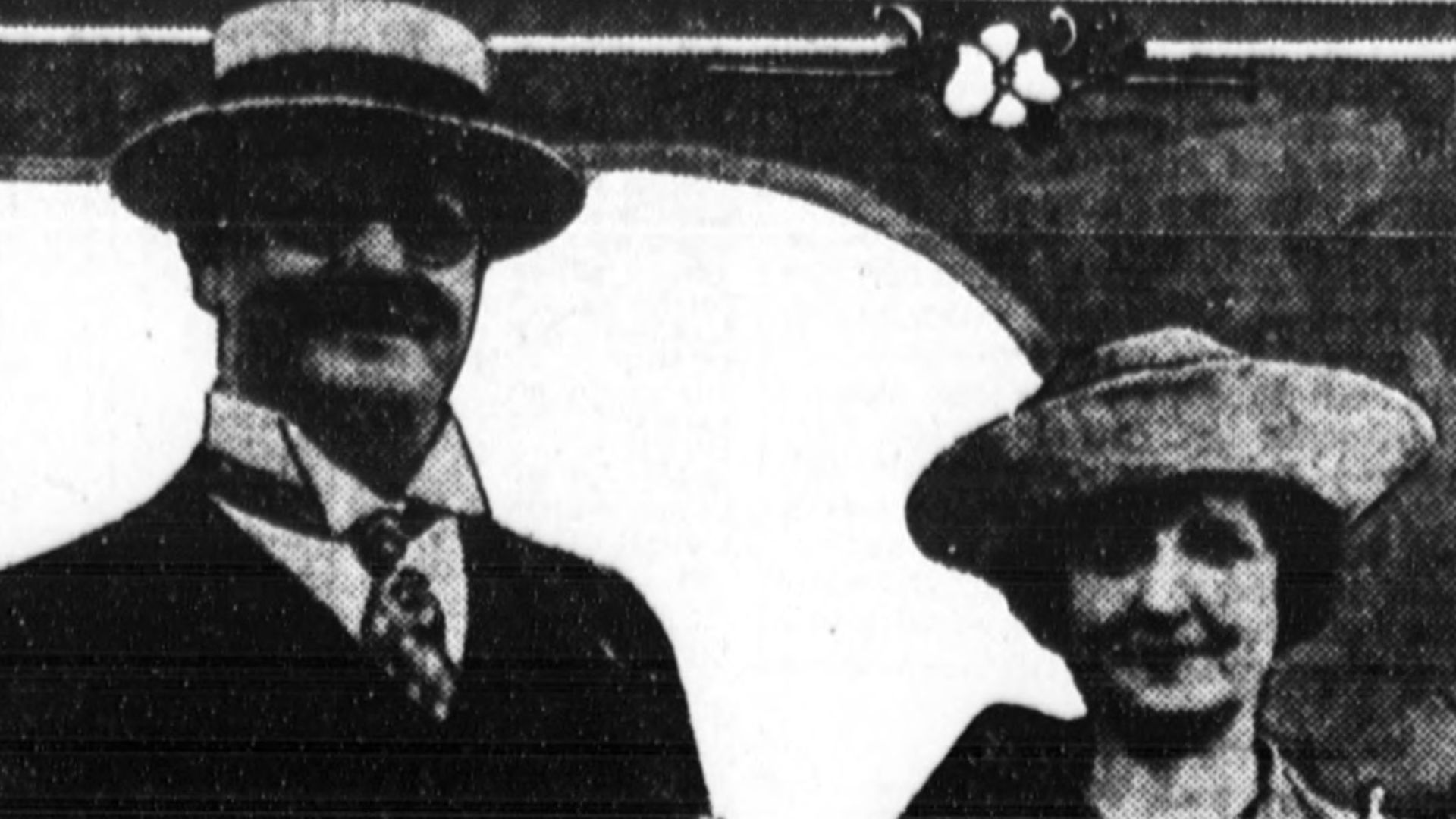
In 1867, Hetty married Edward Henry Green, a wealthy businessman who had made money in overseas trade. Before the wedding, she required an agreement ensuring that her property remained separate from his. For a married woman in the 1860s, this was unusually careful—and eventually proved extremely important.
 international film service, Wikimedia Commons
Two Children Joined The Household
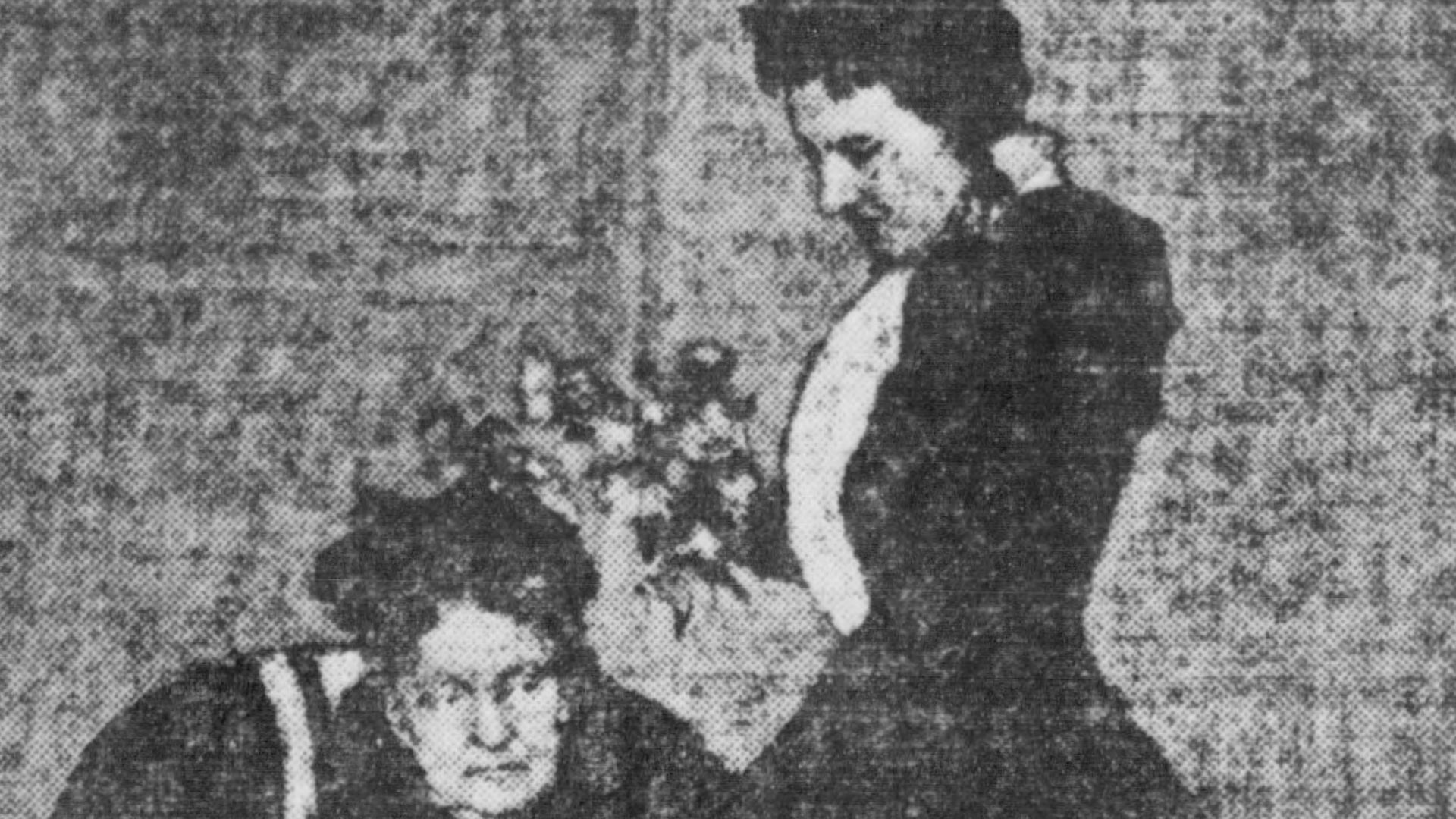
The Greens had a son, Edward Howland Robinson Green, known as Ned, in 1868. Their daughter, Sylvia, followed in 1871. Hetty wanted both children educated in financial responsibility. Unfortunately, the lessons often came wrapped in the same severe thrift that governed nearly every part of her life.
 Van der Weyde (?), Wikimedia Commons
Her Husband Threatened Her Fortune
Edward Green enjoyed speculation and spending far more than his wife did. When his financial liabilities threatened assets Hetty kept at John J. Cisco & Son in the 1880s, she helped settle the crisis but separated her finances permanently. The couple lived apart, although they never formally divorced.
![Bain News Service,, publisher.
E.H.R. Green and wife
[between ca. 1915 and ca. 1920]
1 negative : glass ; 5 x 7 in. or smaller.
Notes:
Title from unverified data provided by the Bain News Service on the negatives or caption cards.
Forms part of: George G](https://www.factinate.com/storage/app/media/factinate/2026/8/22/1787401608dfc609ac9f1356d46035acf50444f853e5c69d6c.jpg) The Library of Congress, Wikimedia Commons
The Library of Congress, Wikimedia Commons
She Made Money From Other People’s Panic
Hetty bought bonds, railroad securities, mortgages, and real estate when frightened investors were desperate to sell. She avoided buying on margin and kept large cash reserves. Her strategy was brutally simple: wait patiently, purchase valuable assets cheaply, and sell only when other buyers became eager.

Her Investment Rule Was Remarkably Modern
“I buy when things are low and nobody wants them,” Green explained in 1905. She would then wait until values increased and buyers became anxious to purchase. More than a century later, her approach resembles the disciplined value-investing methods associated with investors such as Benjamin Graham and Warren Buffett.

She Preferred Working Alone
Green avoided business partners because she did not want responsibility for anyone else’s fortune. She investigated investments personally, studied railroad operations, examined debts, and demanded strong collateral before lending. Wall Street’s most powerful men might speculate wildly; Hetty preferred cash, patience, and the ability to say no.

She Saw The Panic Coming
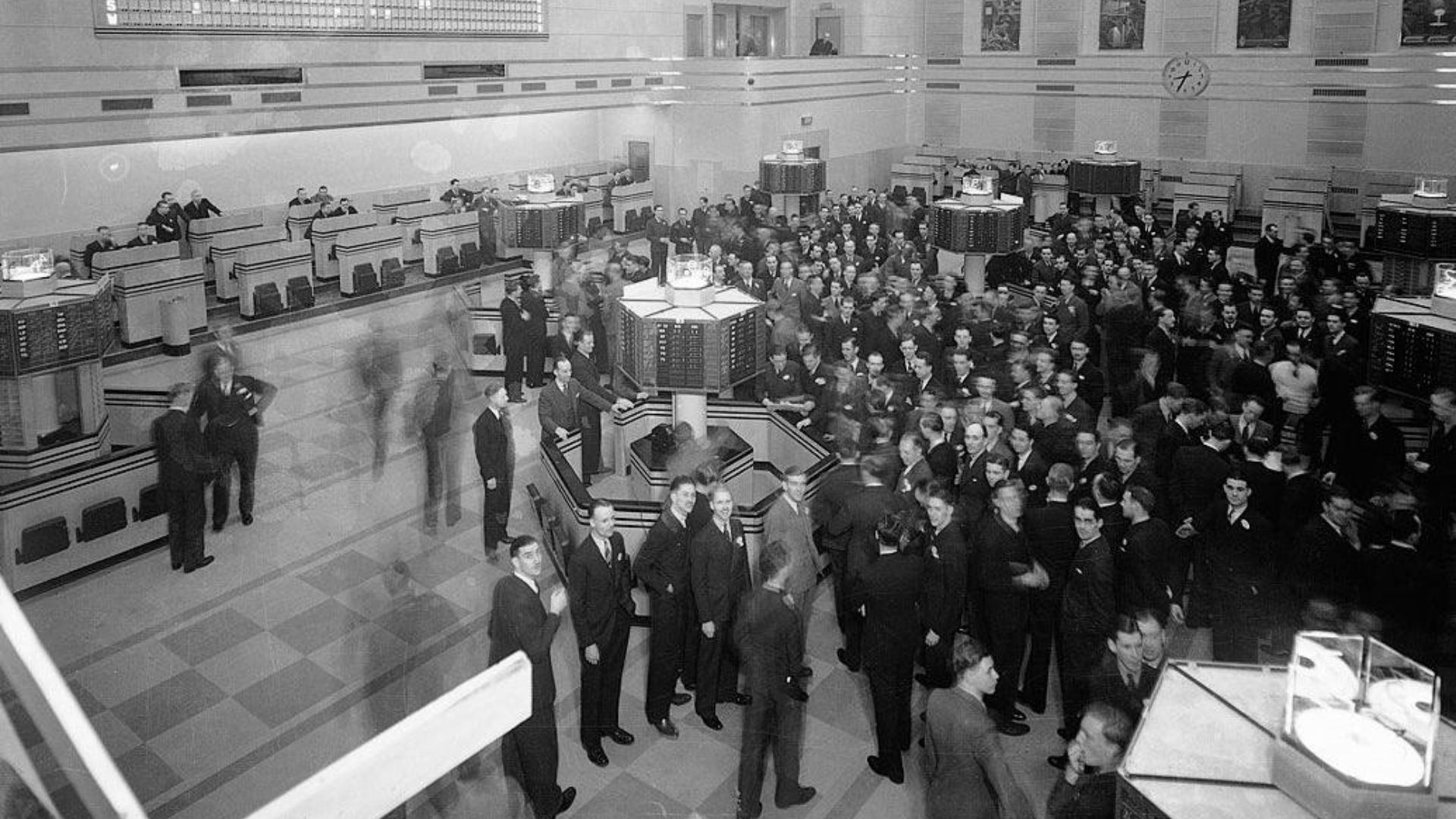
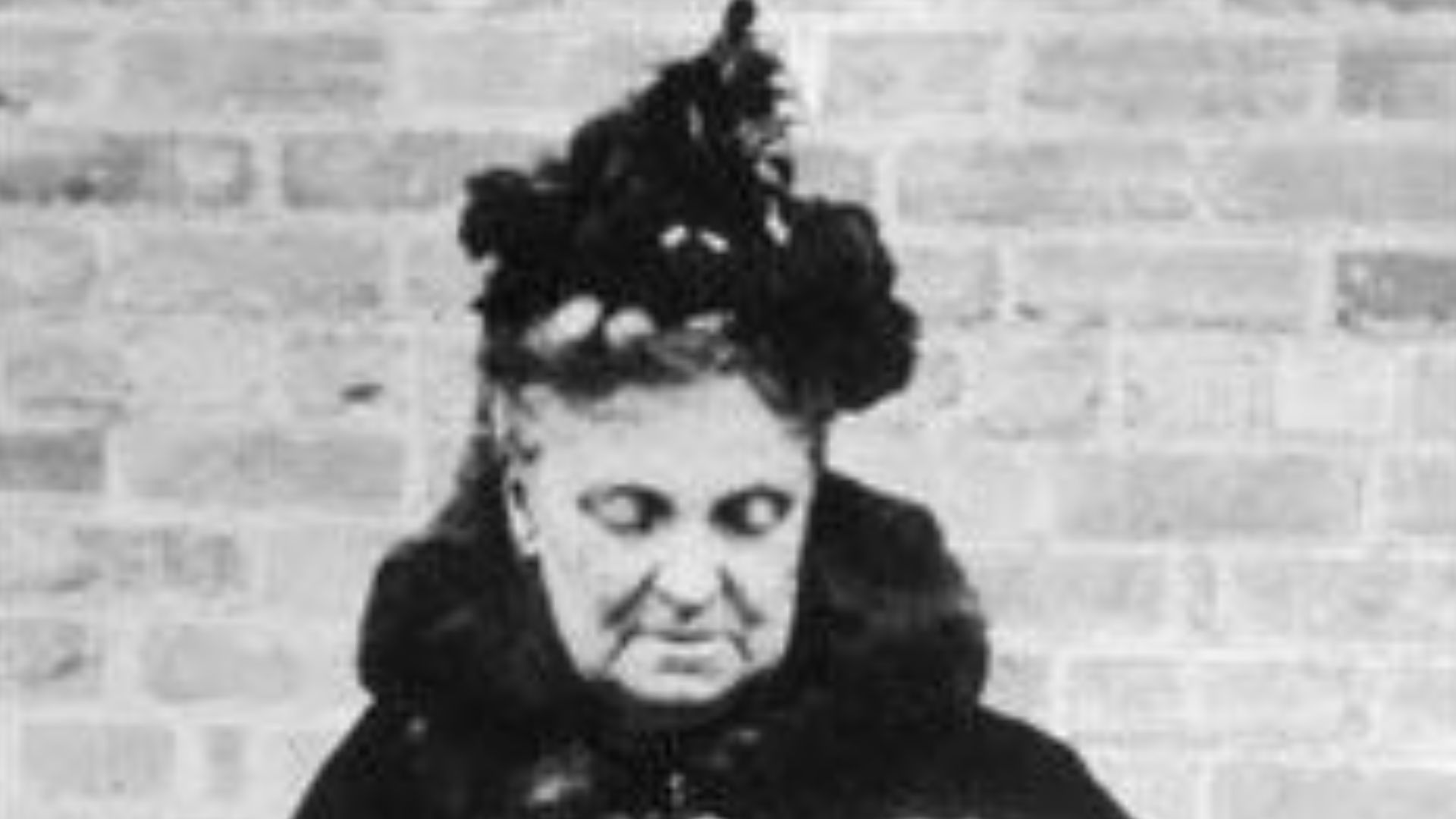
Before the Panic of 1907, Green noticed prominent businessmen attempting to unload houses, automobiles, and securities. She began converting more investments into cash. “When the crash came I had money,” she later said. Other financiers had paper values. Hetty possessed the one thing everyone suddenly needed.
 Hulton Archive/Getty Images, Wikimedia Commons
New York City Needed Her Money
During the financial crisis, Green lent New York City $1.1 million and also provided money to railroads, banks, and businessmen. She claimed she charged borrowers 6%, although she could have demanded 40%. The alleged miser was helping keep institutions alive while other fortunes collapsed around her.
 Unknown authorUnknown author or not provided, Wikimedia Commons
Her Wealth Became Almost Unknowable
Green hid investments through agents, trusts, and sometimes different names, making her complete fortune difficult to calculate. By the early 20th century, she was widely called America’s richest woman and possibly the wealthiest woman alive. Estimates at her death ranged from $100 million to $200 million.
Her Lifestyle Told A Different Story
Anyone expecting a palace would have been disappointed. Hetty frequently lived in modest rented rooms, including residences in Hoboken, New Jersey. Reports suggested that moving helped her avoid unnecessary expenses, unwanted attention, and potentially unfavorable tax claims. Whatever her reason, luxury was conspicuously absent.

She Had No Grand Wall Street Office
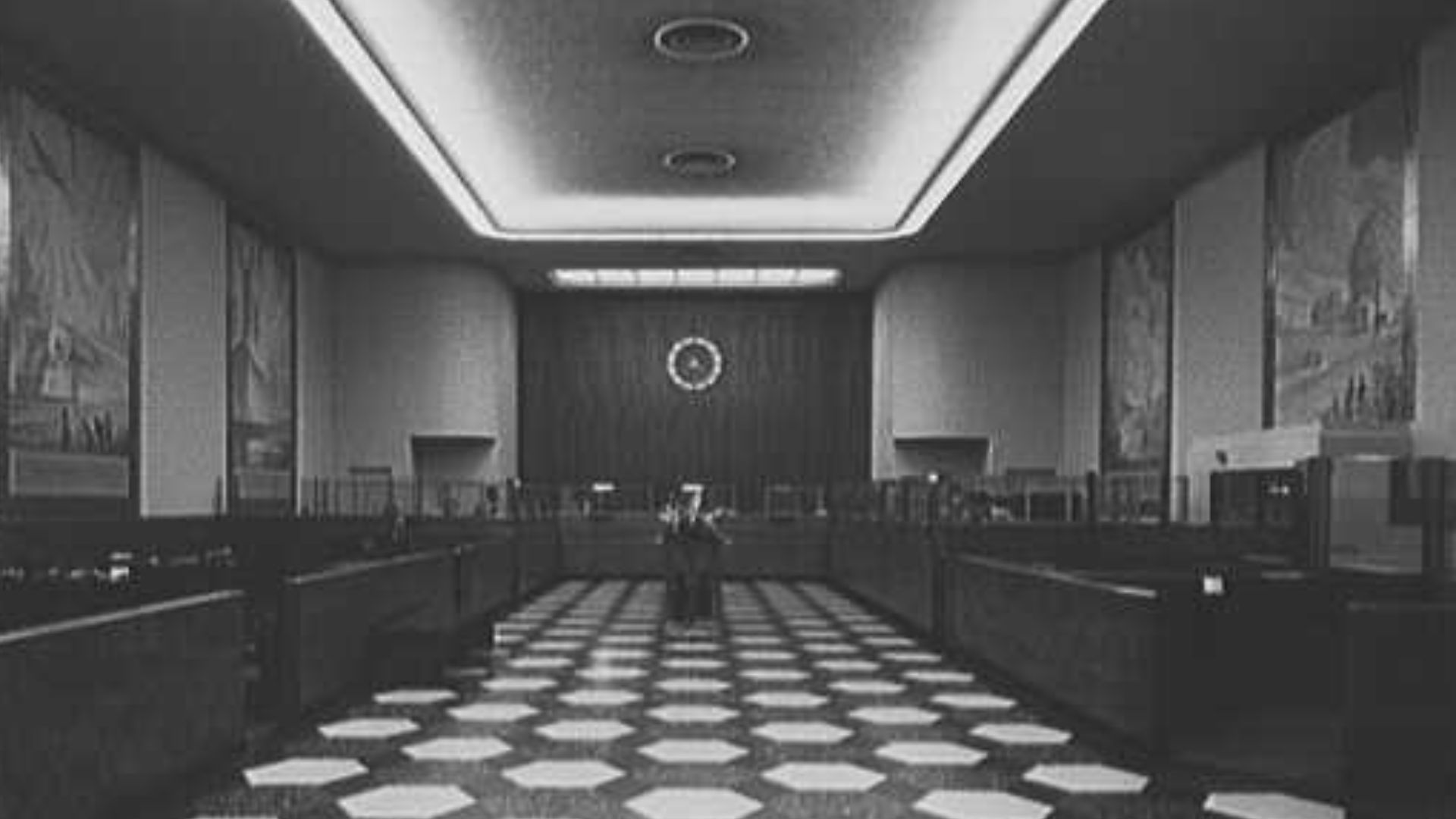
Despite controlling an enormous financial empire, Green did not maintain an impressive headquarters. She conducted business through banks, most famously Chemical National Bank, where accounts describe her surrounded by trunks and paperwork. Men with smaller fortunes had mahogany offices. Hetty apparently considered a bank desk sufficient.
 Gottscho-Schleisner Collection, Wikimedia Commons
Her Black Dress Became Infamous
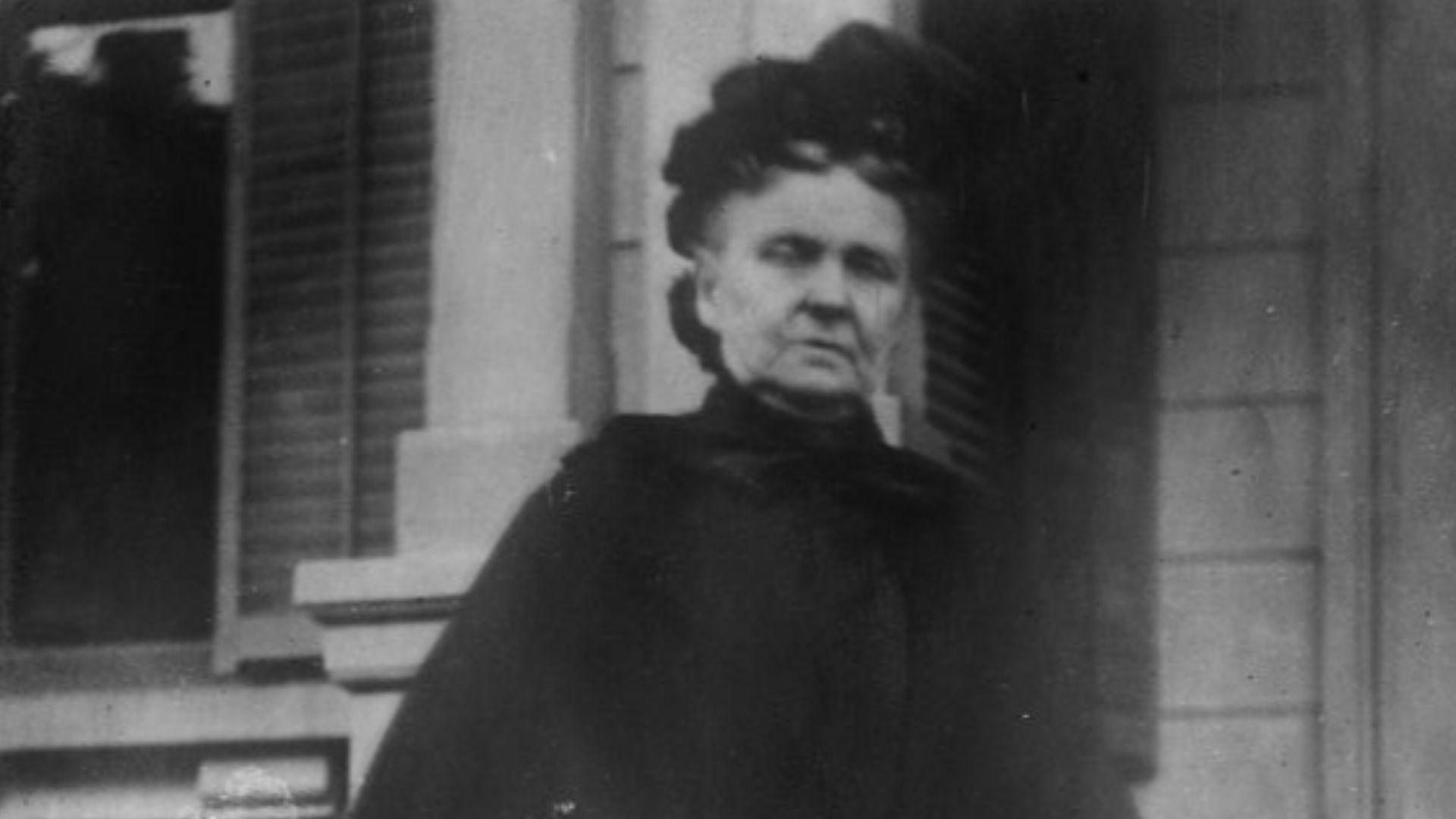
After Edward Green’s death in 1902, Hetty regularly appeared in plain black mourning clothes. Newspapers portrayed the dress as ancient, dirty, and practically inseparable from its owner. The clothing helped inspire her most enduring—and distinctly unflattering—nickname: the “Witch of Wall Street.”
 Bain News Service, publisher, Wikimedia Commons
The Laundry Story May Be Embellished
One frequently repeated anecdote claims that Hetty instructed a laundress to wash only the dirtiest portions of her dress, particularly the hem, to avoid wasting soap. The precise details are difficult to verify, but contemporary reports consistently described her clothing as plain, heavily worn, and rarely replaced.

Her Meals Became Part Of The Legend
Rumors claimed Green ate cold oatmeal because heating it required fuel. Other versions placed the oatmeal on a bank radiator, allowing someone else to cover the heating bill. She was also associated with inexpensive crackers and simple lunches. These colorful details remain anecdotes rather than firmly documented daily menus.

Even Transportation Inspired A Story
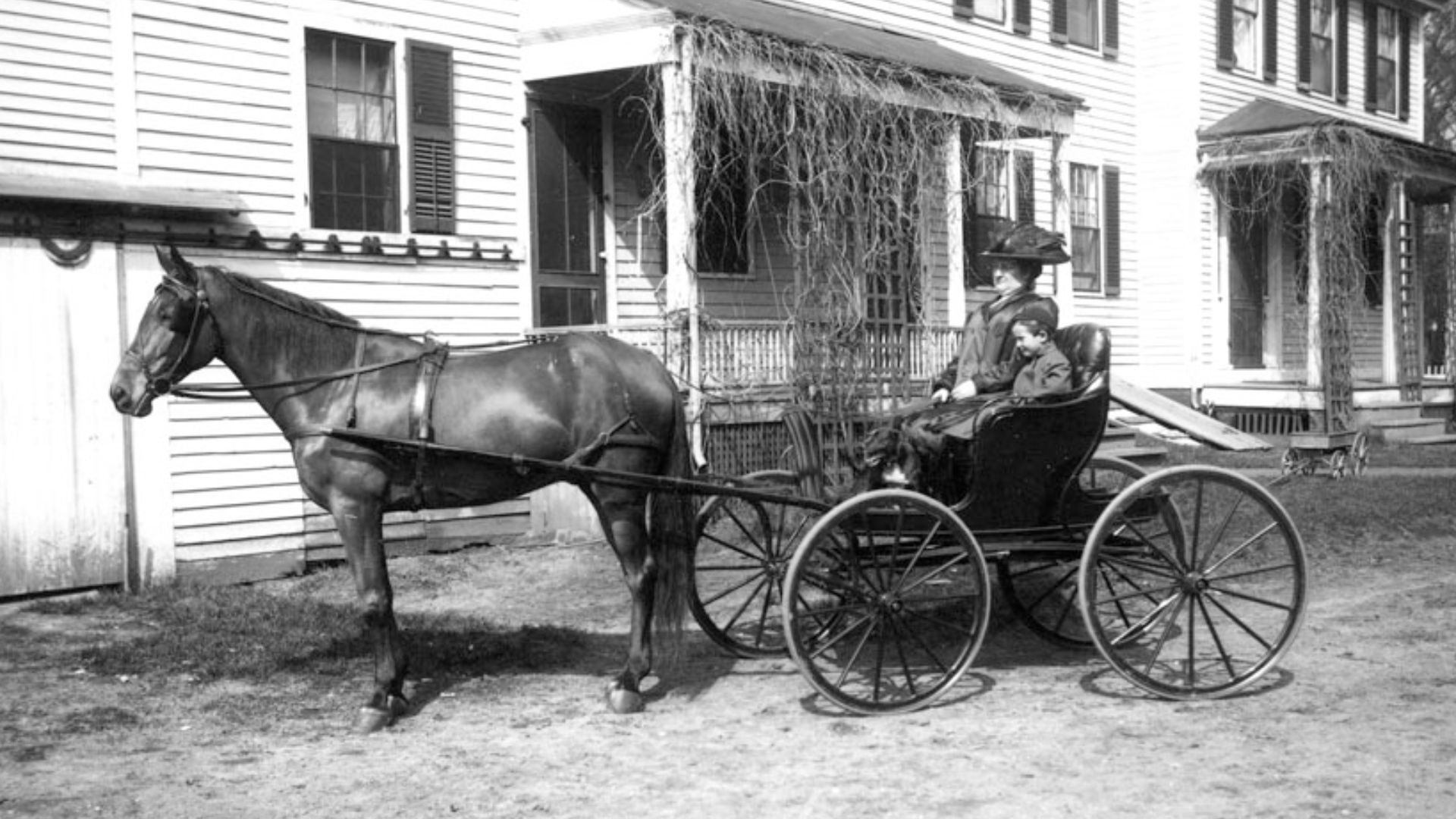
One story has Green arriving at her bank carrying approximately $200,000 in negotiable bonds. When warned that she should have hired a carriage for safety, she supposedly replied that the banker might afford one, but she could not. It was classic Hetty: enormous risk accepted to avoid a small fare.
 Keene Public Library and the Historical Society of Cheshire County from USA, Wikimedia Commons
She Was Reportedly Armed
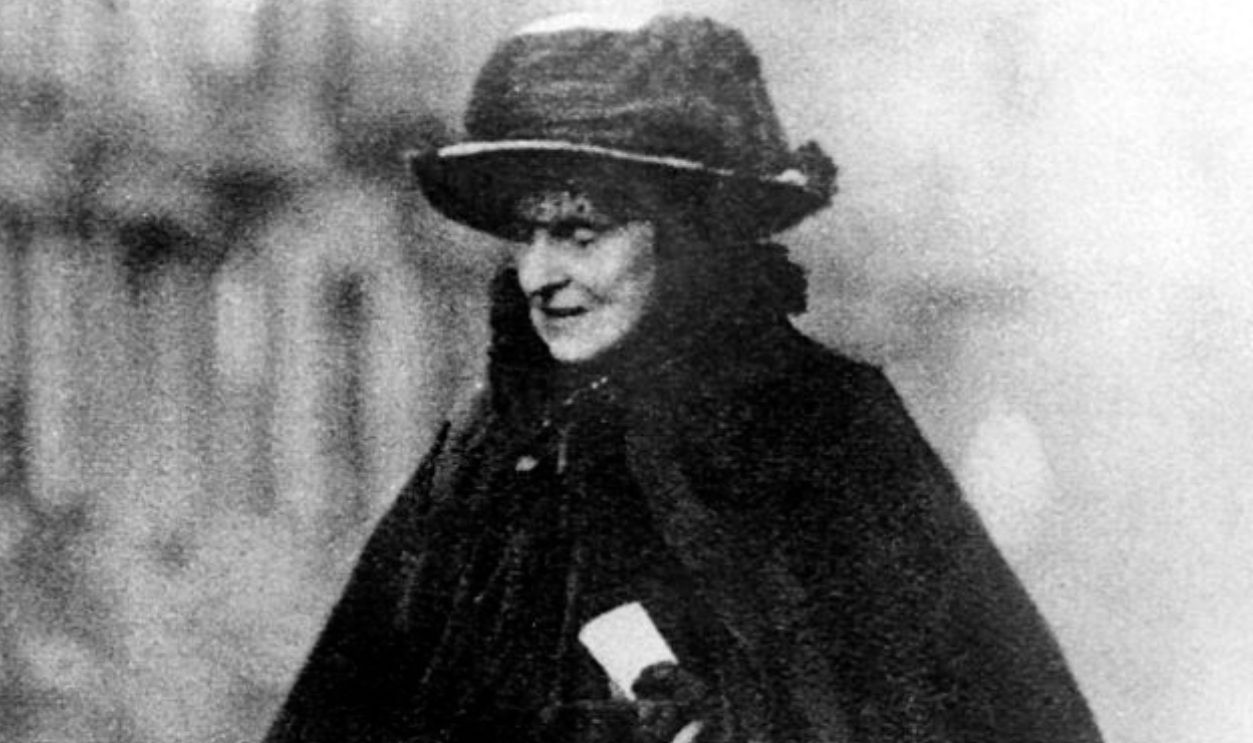
Green believed lawyers, thieves, opportunists, and potential kidnappers were constantly watching her. Reports described her carrying a handgun and wearing bank-deposit keys around her body. Some stories may have grown in the retelling, but her secrecy and frequent movements suggest that her security fears were genuine.
Her Medical Habits Sound Almost Medieval
One sensational anecdote claims that Green treated a painful hernia by pressing an object against it beneath her clothing rather than paying for proper care. Biographers have repeated versions of the story, but contemporary medical documentation is scarce. It remains an especially disturbing piece of Hetty Green folklore.
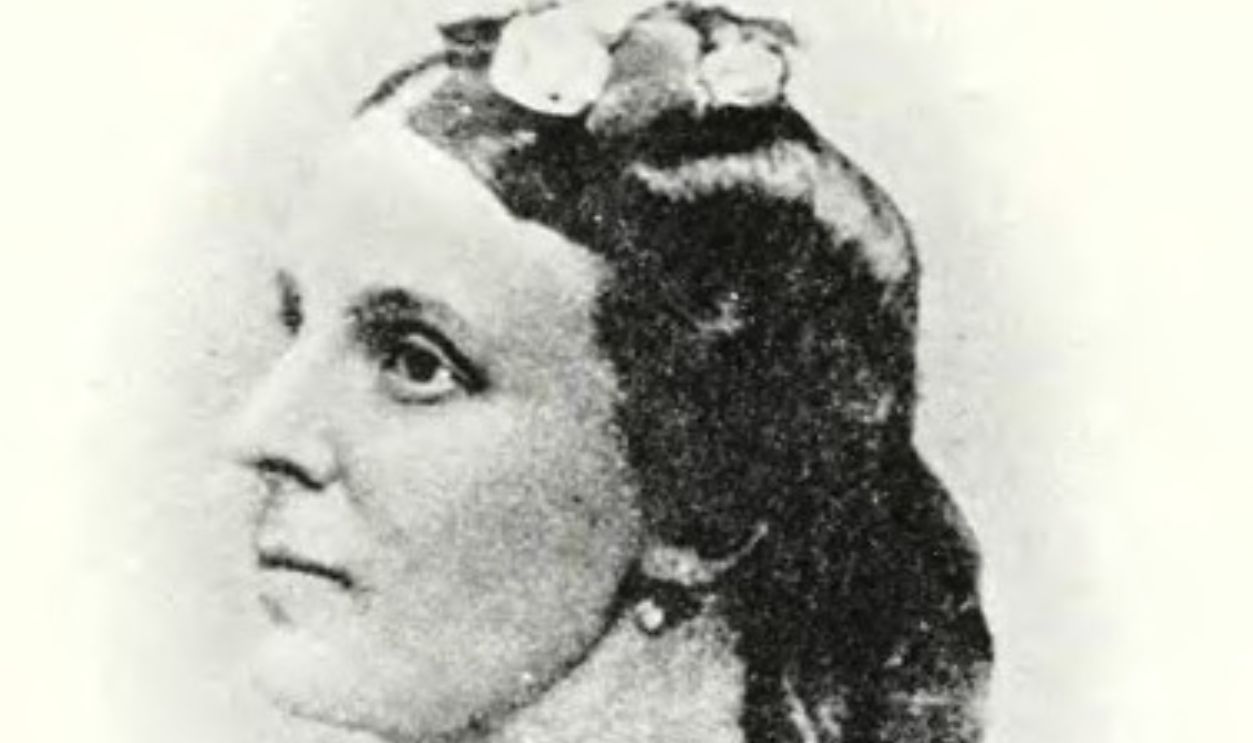 b. 1866 William Morrell Emery, Wikimedia Commons
Her Son Suffered A Serious Injury
The most notorious story concerns Ned, who injured his leg as a child. Accounts say Hetty brought him to a charitable clinic while both wore shabby clothing. After staff reportedly recognized the millionaire, she allegedly refused paid treatment and attempted to manage the injury elsewhere.
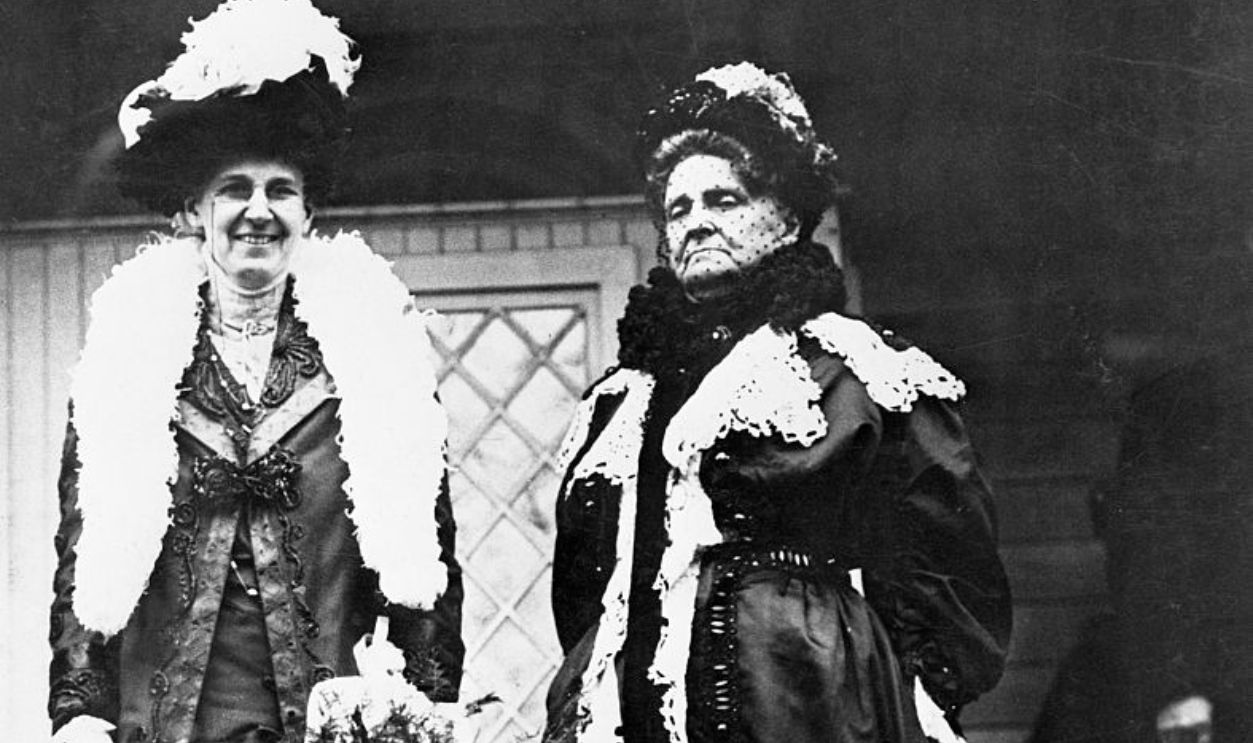
His Leg Was Eventually Amputated
Ned’s damaged leg failed to heal properly and was later amputated. Generations of writers blamed Hetty’s refusal to pay for timely care. However, surviving accounts disagree about the injury, treatment sequence, and years between the accident and amputation. Her exact responsibility cannot be established with certainty.
The Story Became Her Cruelest Legend
Whether Hetty’s thrift directly caused the amputation remains disputed, but the accusation became irresistible to newspapers. It transformed eccentric cheapness into something darker: a mother supposedly allowing her child to lose a limb rather than spend money. No other anecdote damaged her reputation more severely.

She May Have Given Quietly
Ned later claimed that his mother secretly supported families and helped numerous churches, sometimes through favorable loans. Her Quaker background discouraged public displays of charity, making the full extent difficult to document. This does not erase her harsh behavior, but it complicates the image of total heartlessness.

Men Were Allowed To Be Ruthless
Some historians argue that Hetty’s reputation was amplified by sexism. Male financiers could dress severely, crush competitors, foreclose on property, and obsess over money while being praised as disciplined titans. When Hetty behaved similarly, reporters described her as unnatural, unfeminine, miserly—and eventually witchlike.
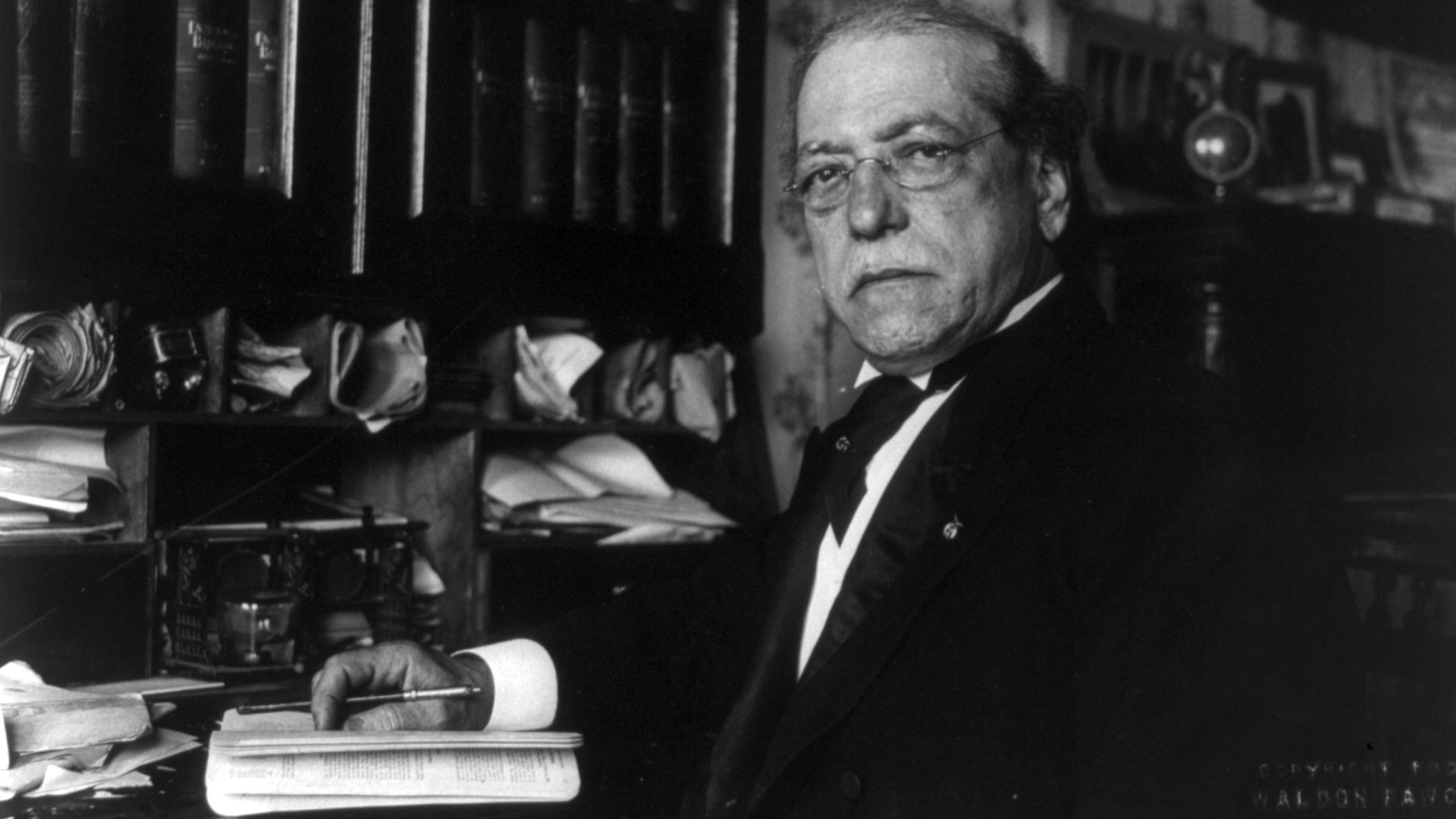 Waldon Fawcett, Wikimedia Commons
Yet Not Everything Was Invented
Sexism undoubtedly shaped the coverage, but Hetty really was extraordinarily frugal. She rejected luxury, disliked waste, negotiated relentlessly, and sometimes allowed thrift to override comfort. The myths survived because they grew around a genuine characteristic. The press added theatrical smoke, but Hetty supplied plenty of fire.
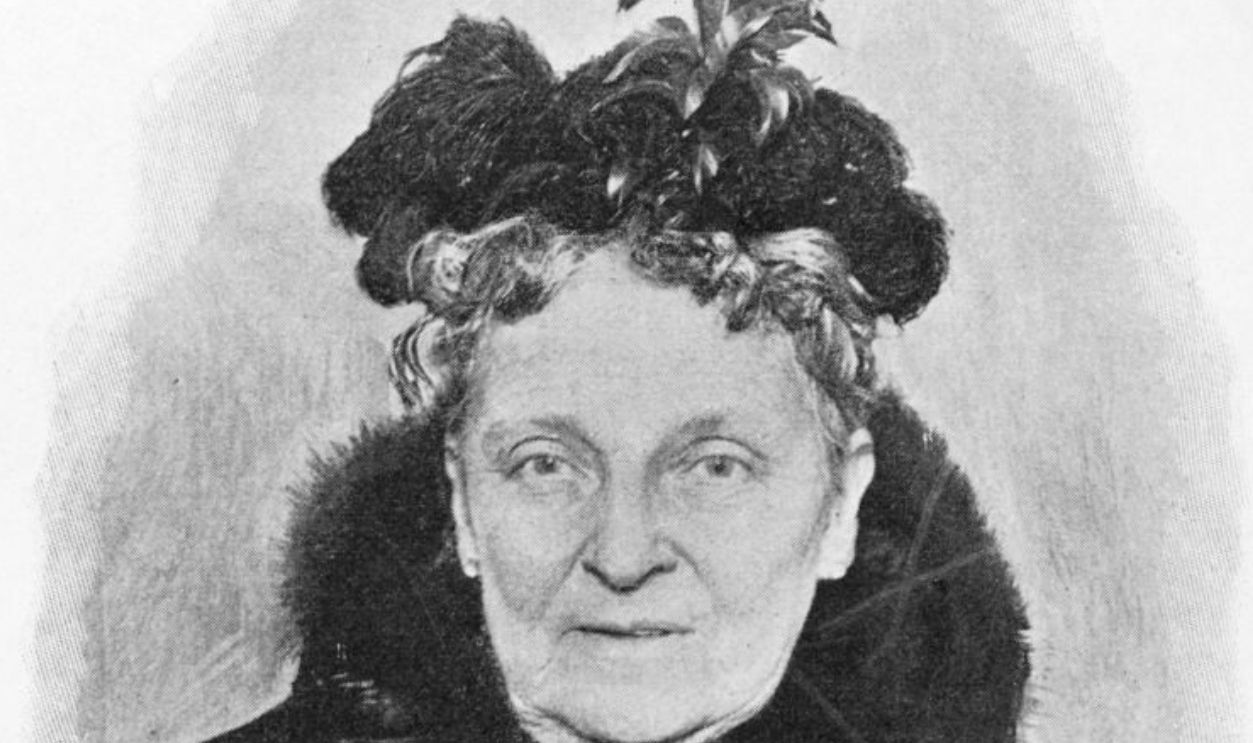
Her Children Inherited Everything
When Green died, her fortune was divided between Ned and Sylvia. Ned embraced expensive homes, automobiles, collecting, and scientific projects—the luxurious life his mother had avoided. Sylvia lived more quietly, and much of the family fortune ultimately passed to charitable institutions after her death in 1951.
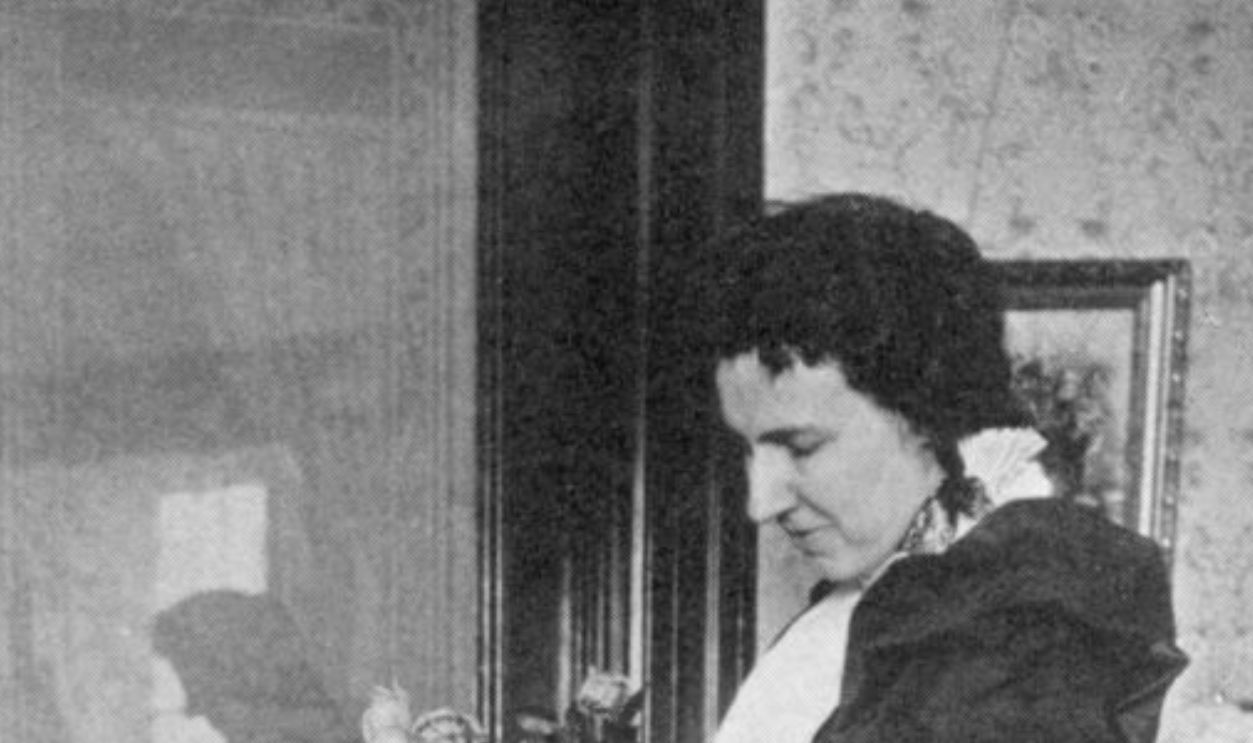
Even Her Death Became A Miser Story
Hetty Green died at her son’s New York home on July 3, 1916, following a series of strokes. Legend later claimed the final stroke came while arguing over the cost of skimmed milk. Like so much about America’s richest miser, the medical reality was soon buried beneath a cheaper, stranger story.
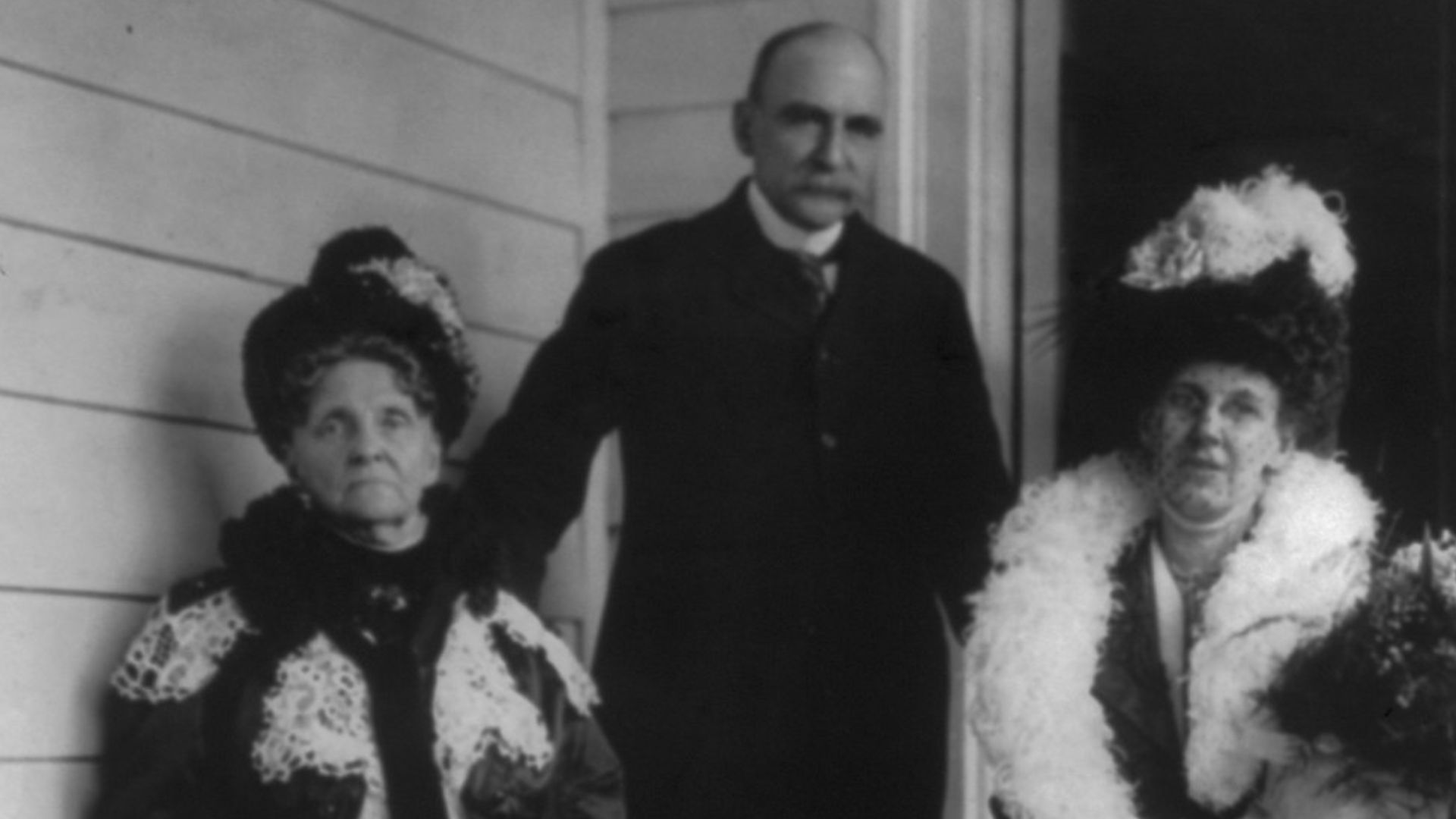 Miscellaneous Items in High Demand, PPOC, Library of Congress, Wikimedia Commons
You May Also Like: