The Lady With The Lamp
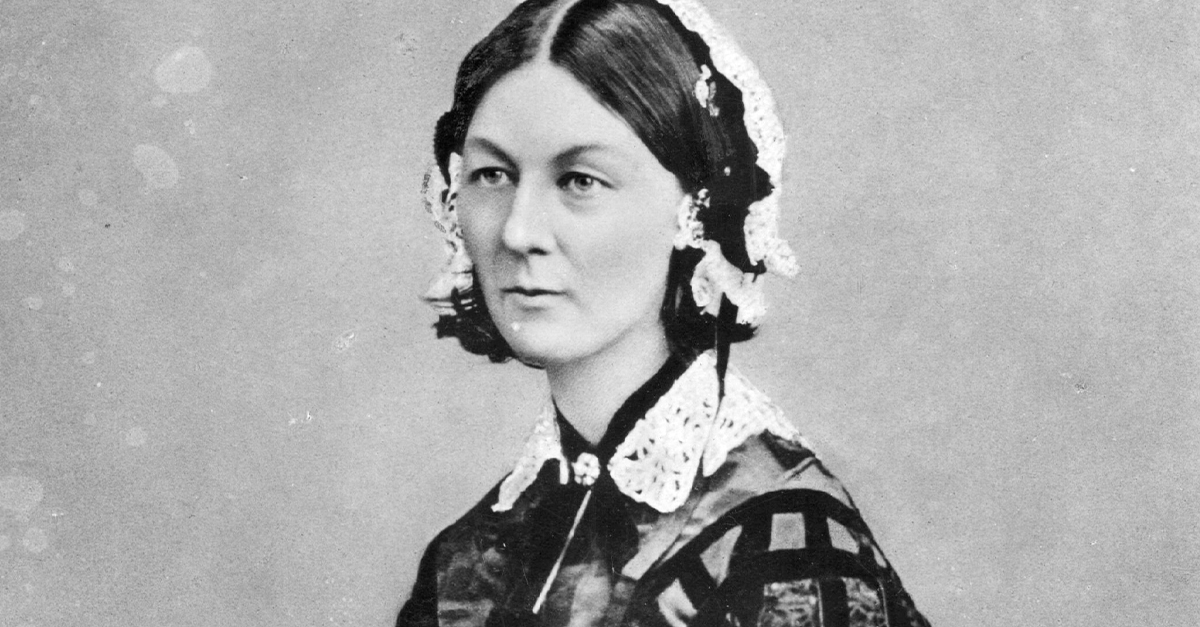
Florence Nightingale had such a profound influence on modern society that nearly everyone is familiar with her name, whether or not they are aware of her accomplishments. Florence Nightingale revolutionized the medical field by introducing standardized nursing practices. However, few know the details of the real horrors she had to face.
1. Her Family Was Affluent
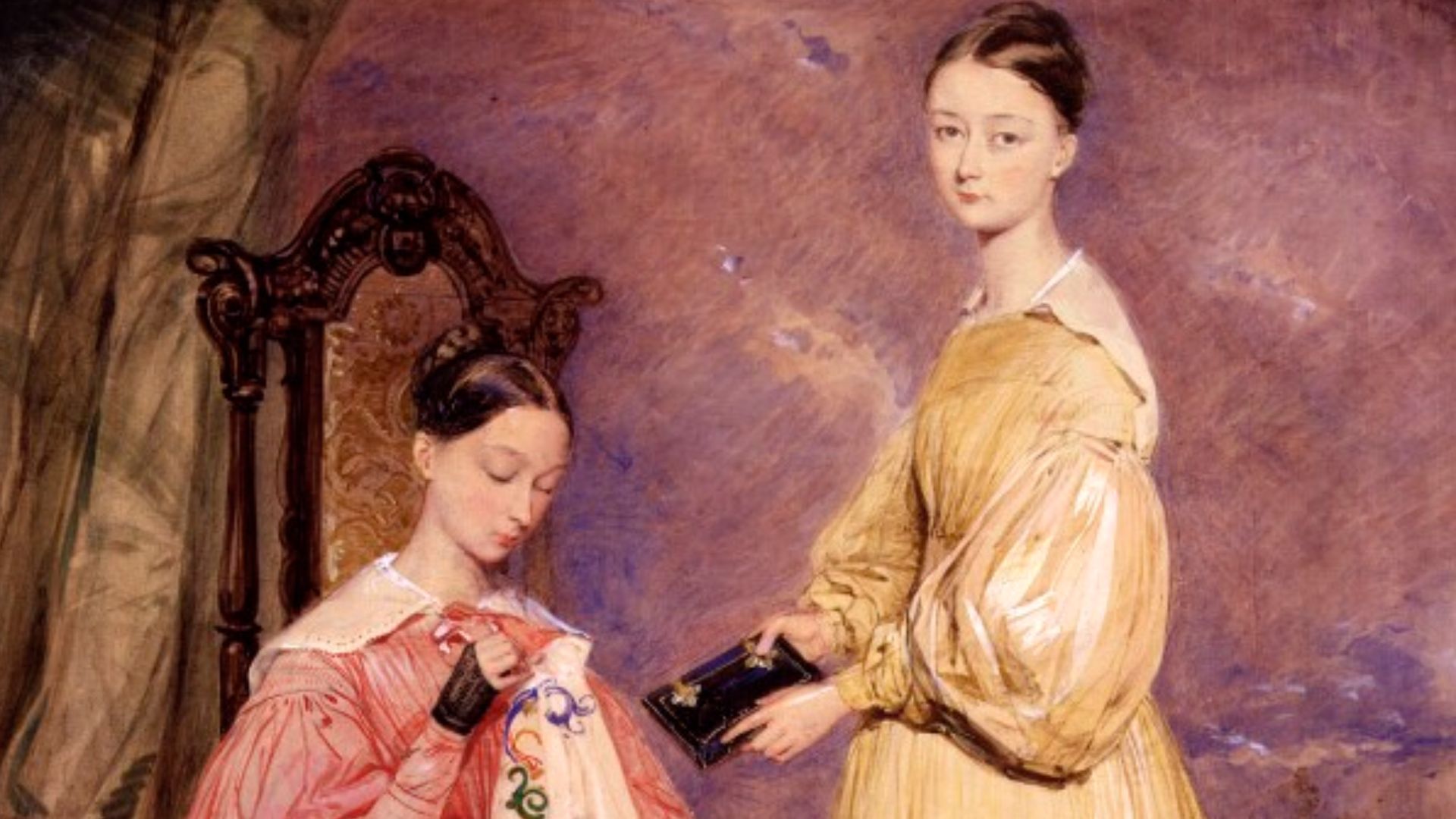
Florence Nightingale’s family gave her an early start in life by offering her a world of opportunities that less affluent women would not have access to. She earned her name from the location of the villa where she was born. Her mother, Frances Nightingale, gave birth to her in Florence, Italy.
When they returned home to England a year later, Florence continued to have access to the best of the best—but that didn’t mean her life would always be safe from the horrors of the real world.
 William White, Wikimedia Commons
2. She Had Opportunities
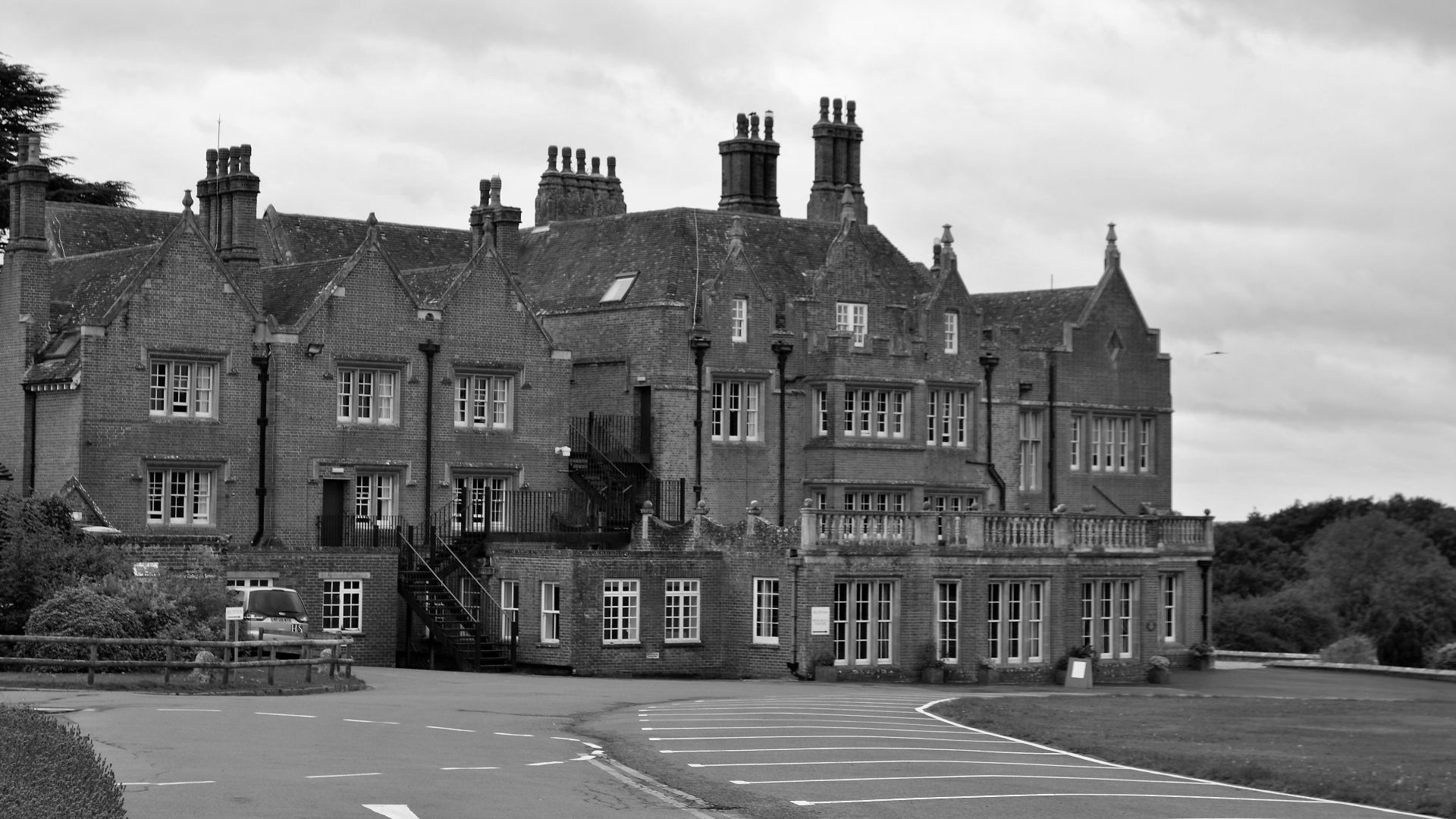
The Nightingale family wasn't a stranger to luxury, owning two homes in England—Embly Park in Hampshire, and Lea Hurst in Derbyshire. Florence spent her childhood moving between these two homes. However, Florence had no run-of-the-mill upbringing. Thanks to her father, she studied what other young girls could only dream of.
 Elisa.rolle, Wikimedia Commons
3. Her Father Taught Her
Florence’s father, William Nightingale, possessed forward-thinking thoughts on the topic of women’s education. As such, he did not limit the education that either of his daughters received. Instead, Florence studied an exciting variety of topics, including classic literature, history, mathematics, Italian, and philosophy.
While Florence flourished under this tutelage, she learned some of her most life-changing lessons outside the classroom.
4. She Lacked Role Models
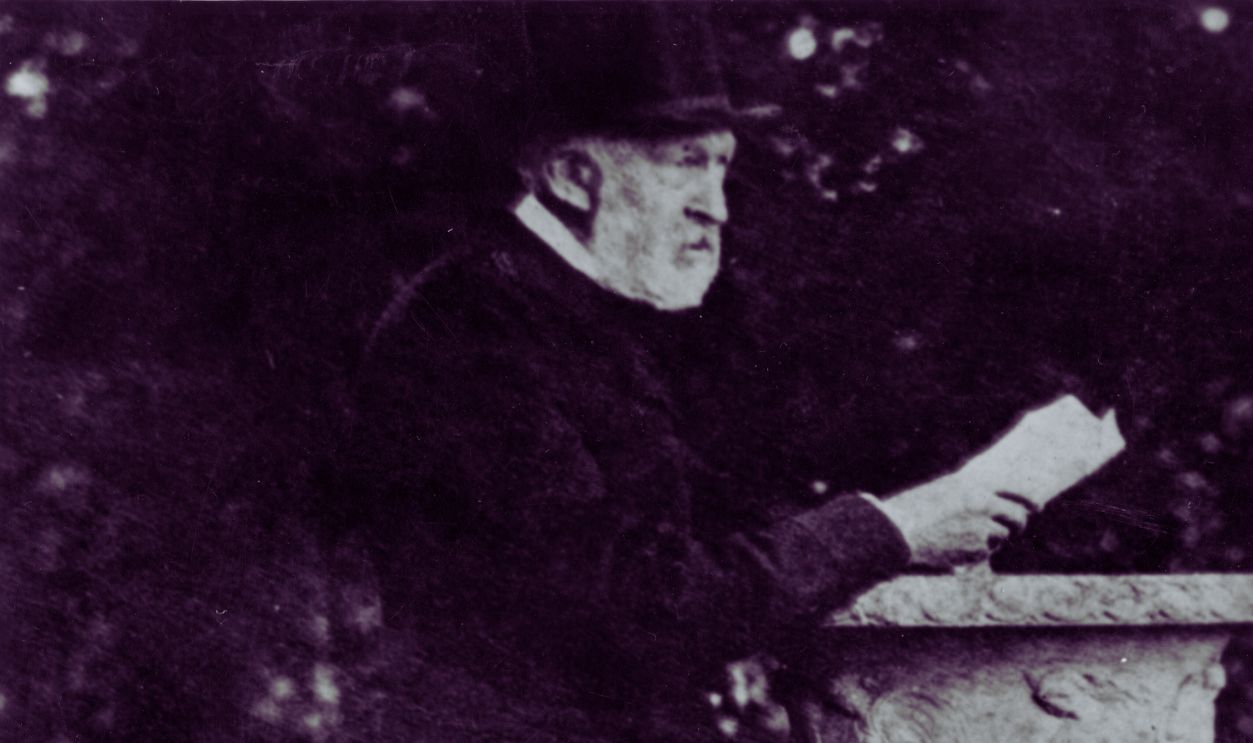
Florence Nightingale excelled at her lessons; she proved herself to have a keen academic mind, and this likely led her to strive for bigger things even at a young age. Unfortunately, she had a problem. Women of her social standing were not encouraged to follow independent lives driven by knowledge. She lacked a female role model to show her that the way of life she likely dreamt of was possible.
Florence discovered what she was missing in the one place that she was not looking for it.
5. She Formed A Relationship
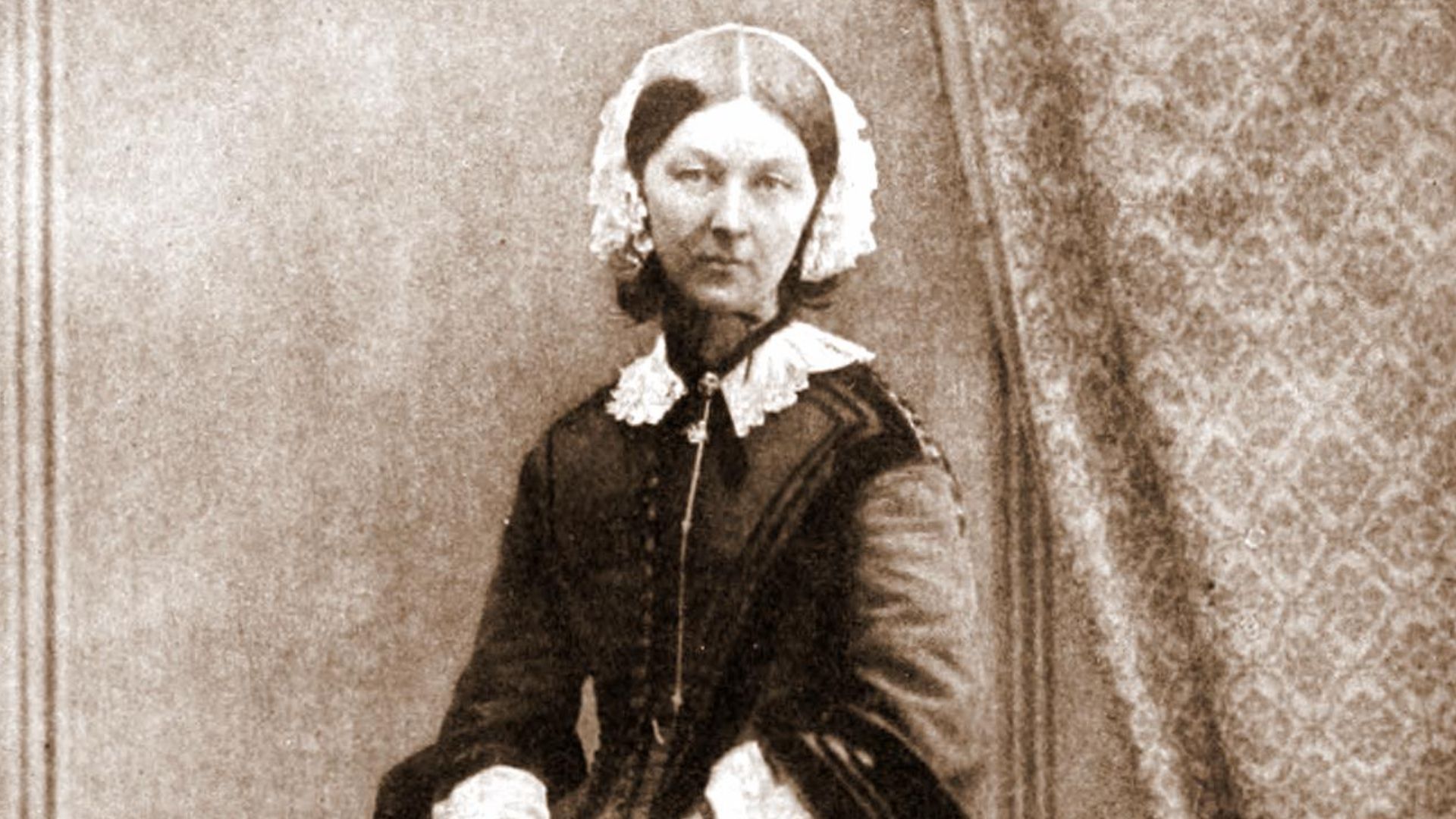
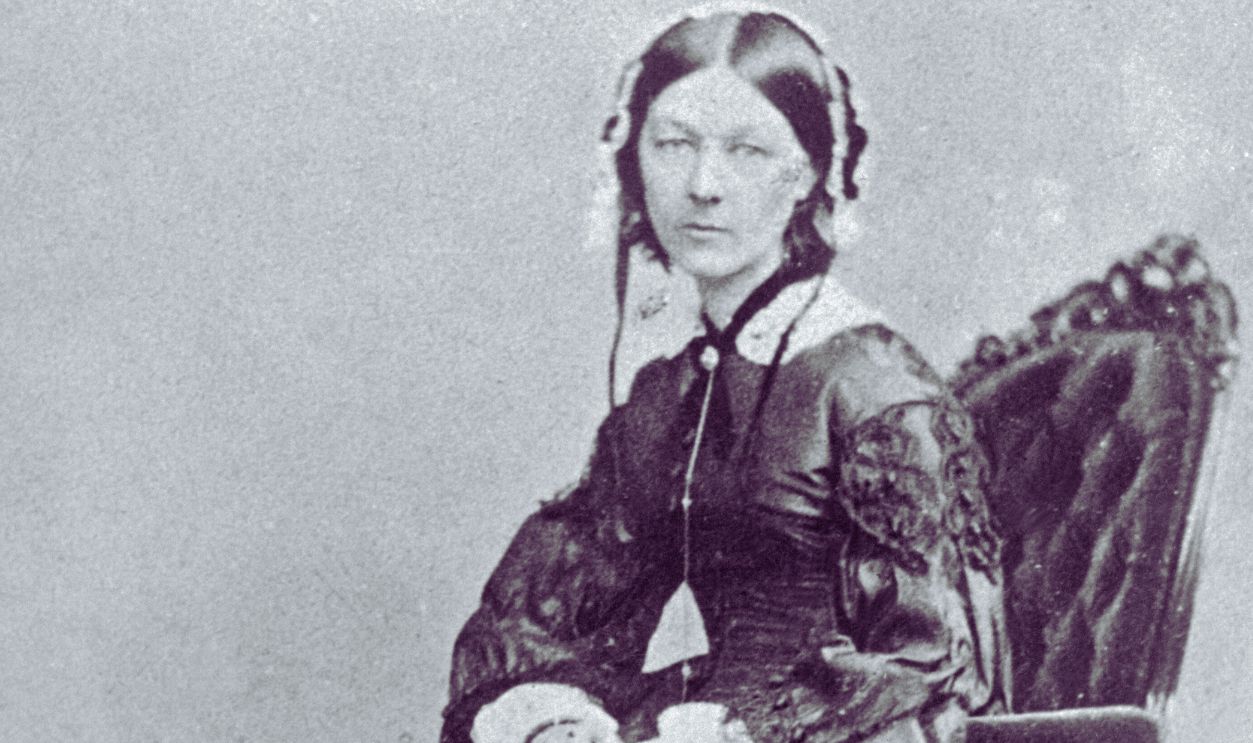
At the age of 18, Florence Nightingale had no idea that while accompanying her family on a European tour, she’d change her life. There, they met Mary Clarke. Although born in England, Clarke lived and wrote in Paris. Florence formed an instant attachment to Clarke, who exhibited a similar disinterest in “femininity” as Florence did.
Clarke opened a door to Florence that she likely never realized had been closed.
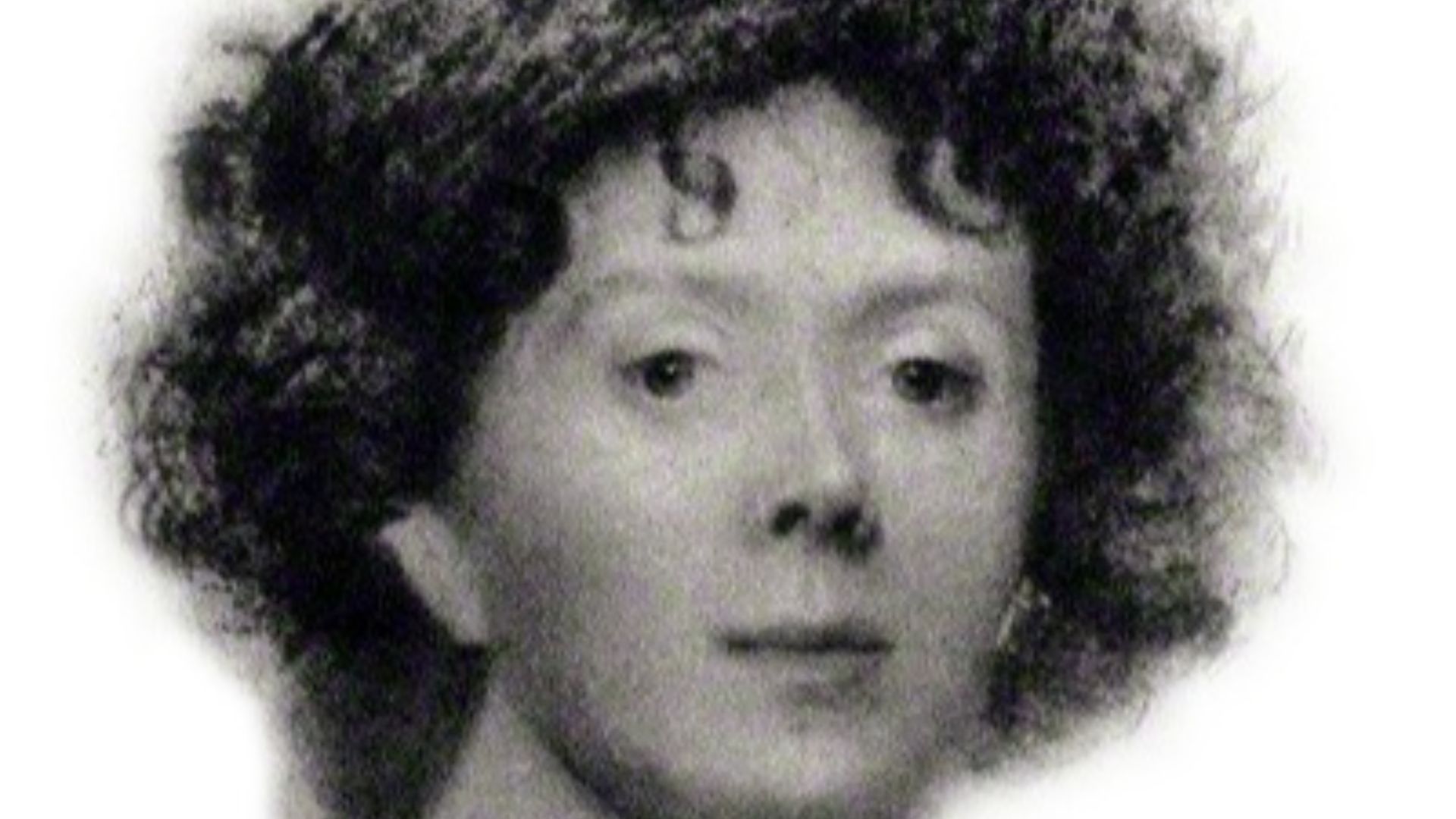 Mary Mohl before 1883, Wikimedia Commons
6. Her World View Changed
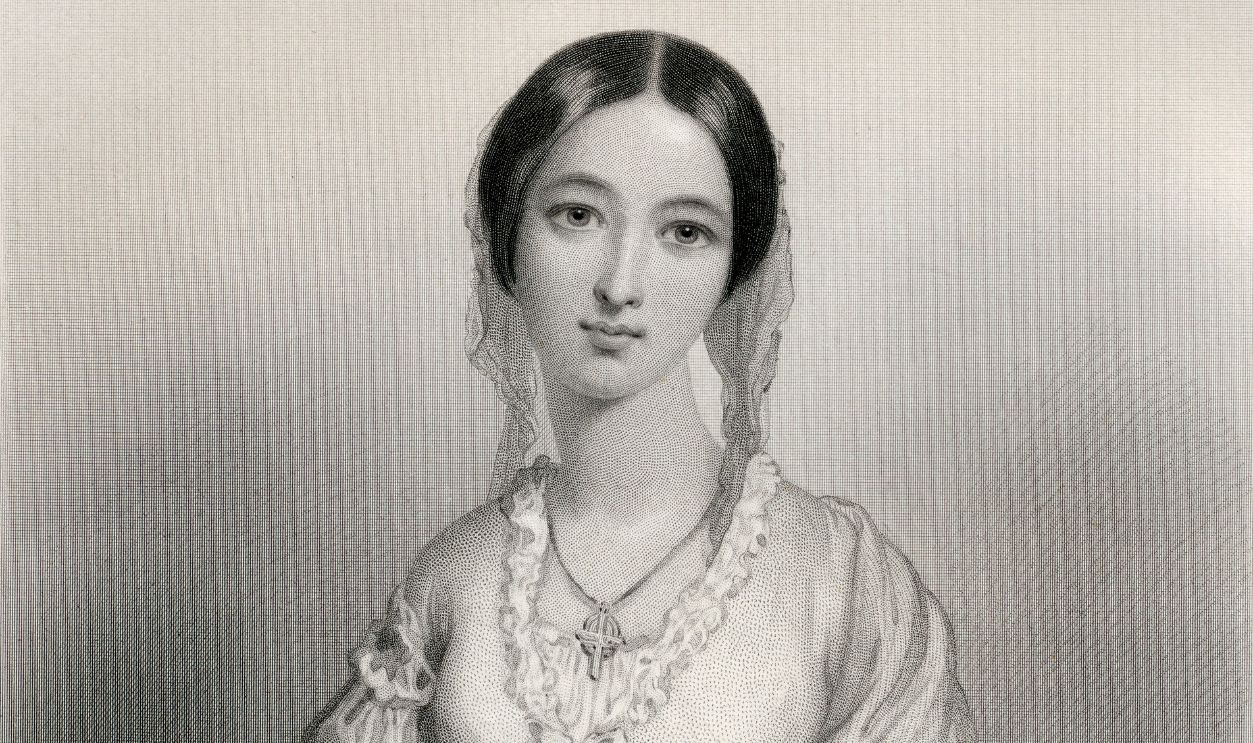
Florence’s position likely trapped her in a world of expectations she had no interest in meeting. Upon meeting Clarke, Florence realized for the first time that women could be equal to men. Unfortunately, this was not something that she had previously learned from her mother. It’s likely that Florence greatly admired Clarke, looking up to her, which helped sustain their 40 years of friendship.
However, Florence’s life changed entirely—not through friendship, but through something far deeper.
 UniversalImagesGroup, Getty Images
7. She Heard God
Florence Nightingale had a deep spiritual connection that developed early in life. She didn’t just believe in God; God spoke to her. Throughout her life, Florence experienced several significant moments in which she believed God spoke directly to her, gifting her with “divine callings” that directed her on her path in life.
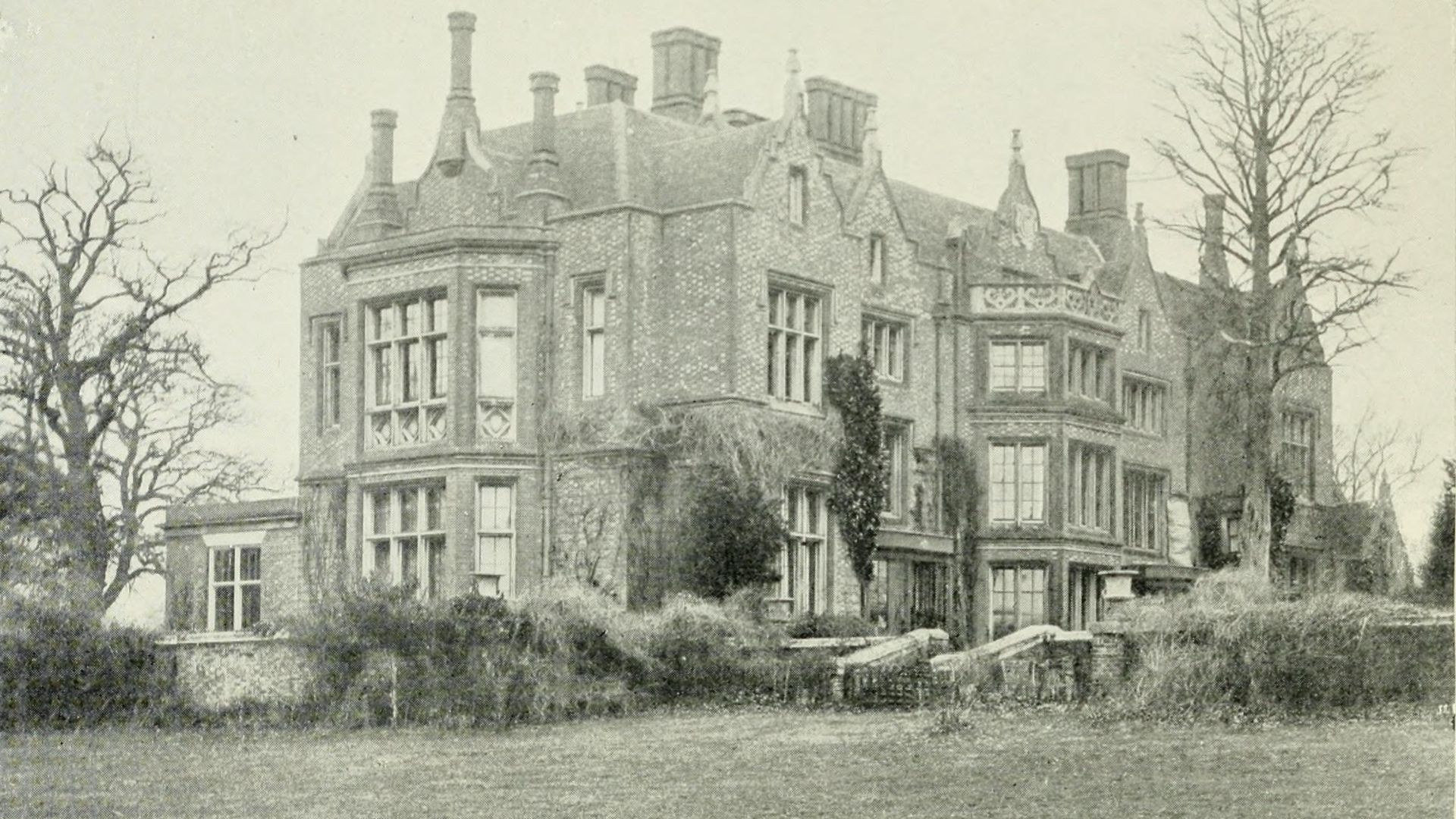
The first of these occurred in February 1837 while she sat underneath a tree at her family home, Embley Park. Unfortunately, God told Florence to begin down a path that her family didn’t agree with.
 Internet Archive Book Images, Wikimedia Commons
8. She Upset Her Family
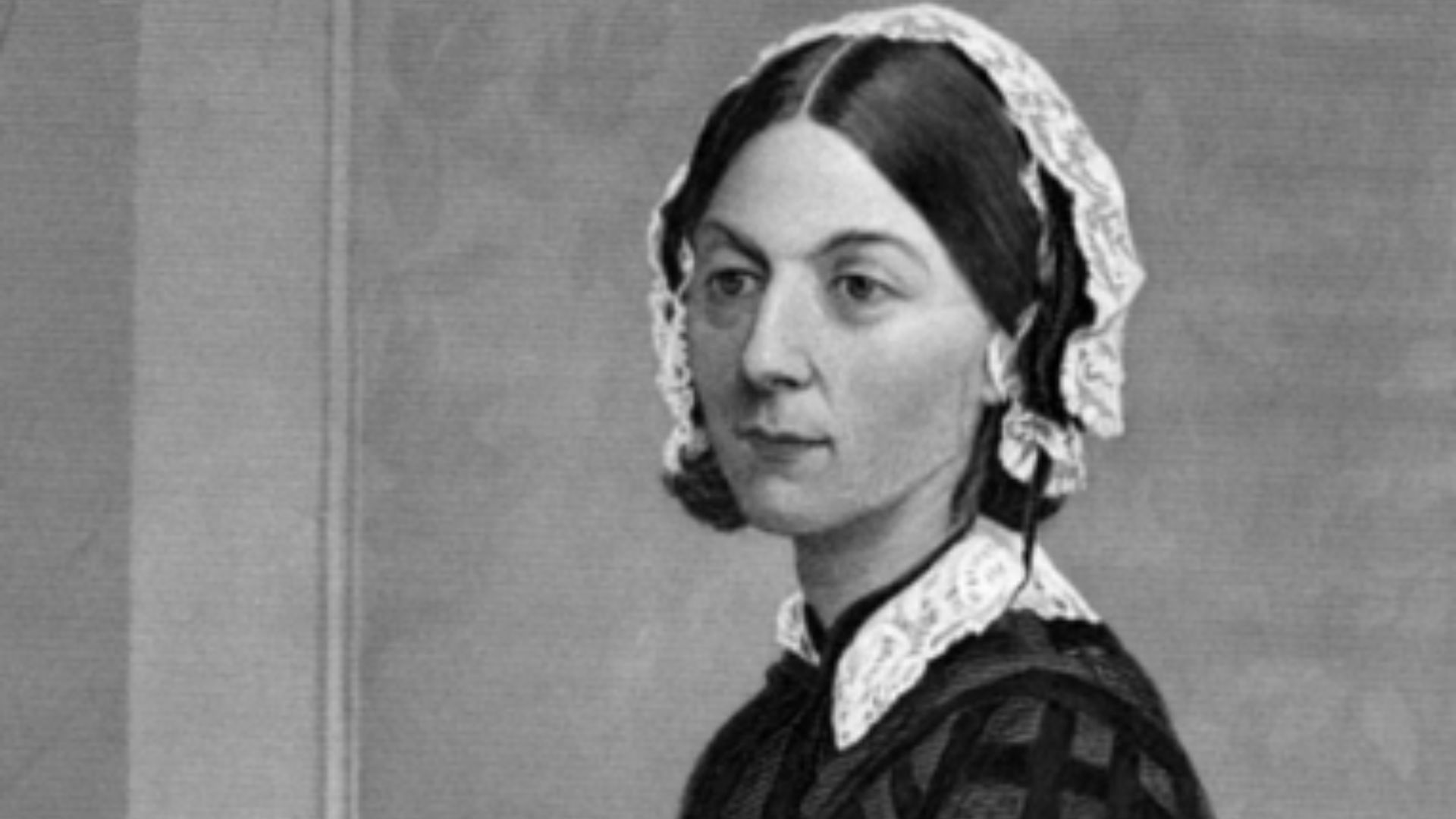
From this moment on, Florence understood what she needed to do; God convinced her to commit her life to the service of others. However, her family had strong negative opinions on the matter. Her mother and sister, in particular, found Florence’s conviction to become a nurse particularly distressing.
They couldn’t understand the life that Florence wanted to live, nor why it went against everything that they knew.
 Muriel Gottrop~commonswiki, Wikimedia Commons
9. She Refused Expectations
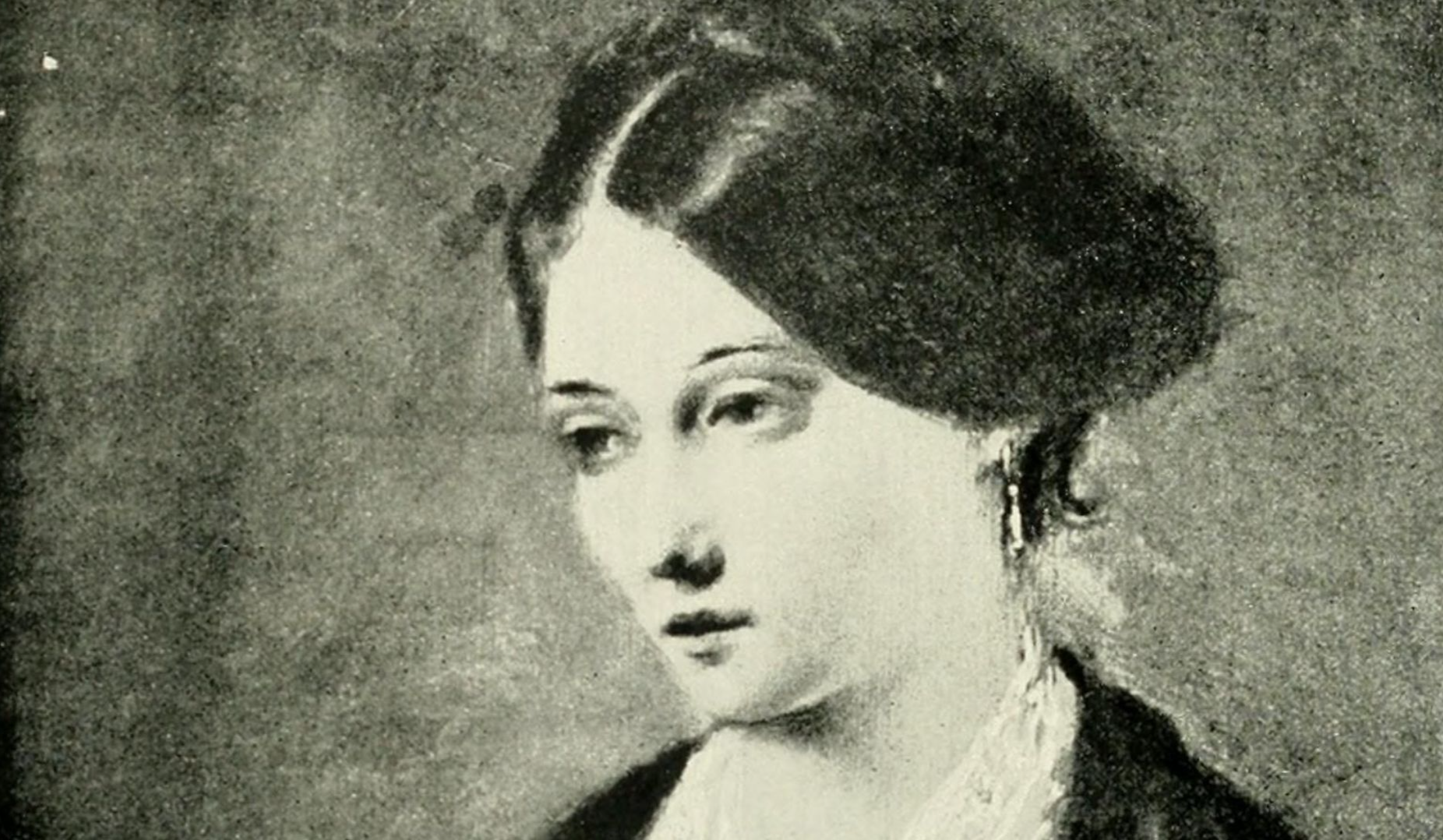
In the 1800s, everyone expected a woman of Florence’s social status to do two things. First, she would find a respectable husband, and then she would give that husband children, becoming a mother. Florence had no interest in doing either of these things, and while she respected her family’s opposition to her plans, she also refused to listen to them.
However, Florence had no control over the men around her—and she soon faced a dilemma that had a huge impact on her life.
 Internet Archive Book Images, Wikimedia Commons
10. She Had Charm
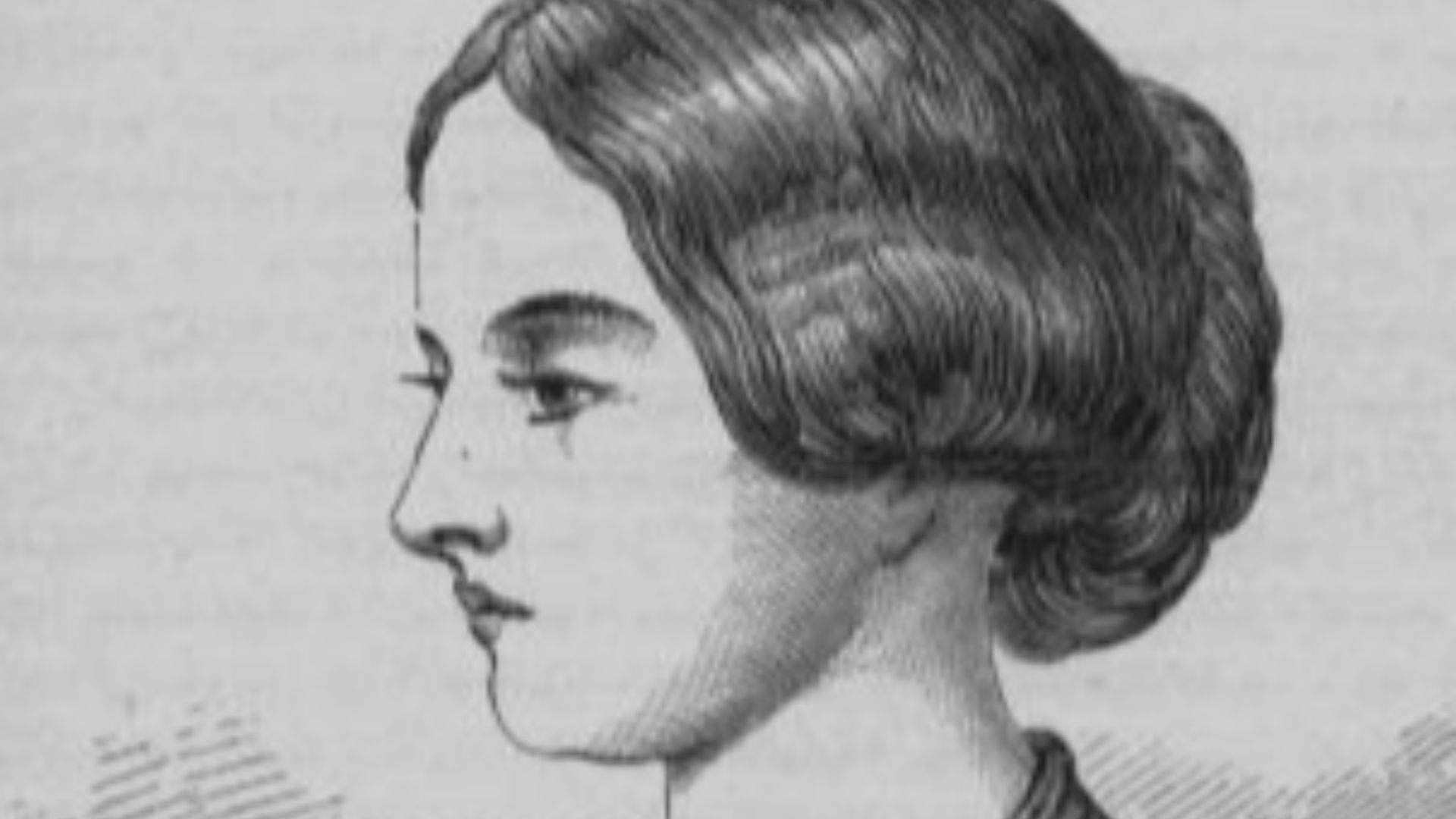
While Florence Nightingale had no interest in marrying or becoming a mother, that did not mean that the men of her social circle didn’t harbor similar hopes about her. As a young woman, people have described Florence as slender and graceful. She tended towards severity in demeanor; however, she wielded a lovely smile and radiated an undeniable charm that endeared people to her—should she consider you worthy enough to earn either.
A few men proved brave enough to give it a try.
 Civvi~commonswiki, Wikimedia Commons
11. She Had Suitors
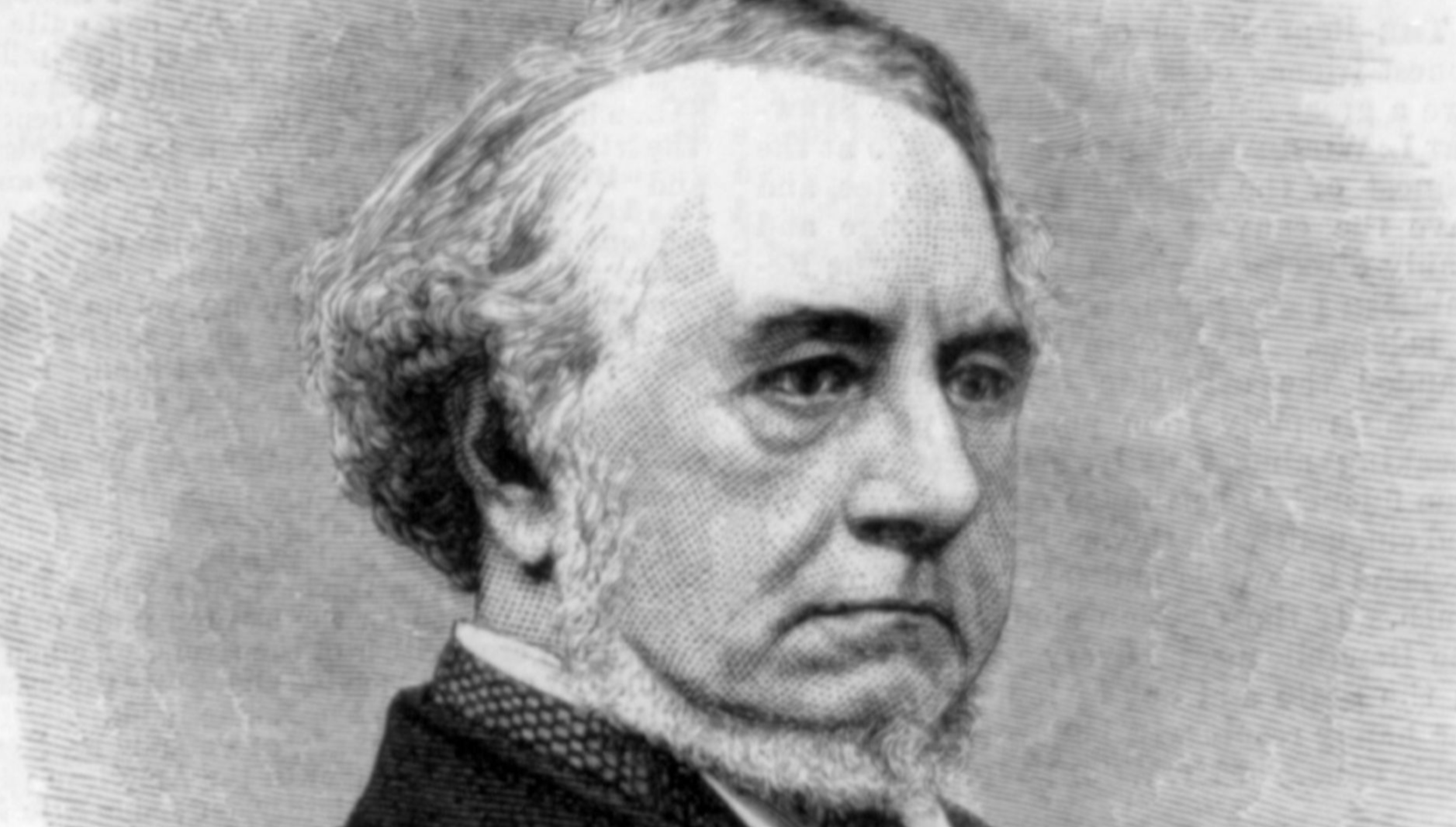
Florence had several suitors over the years, though none of them showed as much persistence as Richard Monckton Milnes. A poet and politician, Milnes pursued Florence for nine years; it seemed to everyone that Florence had finally met her match. Her family, possibly, even believed she’d set the matter of “her calling” behind her.
However, Florence couldn’t betray who she was, even if it would have made her family happy.
 Engraving: Unknown authorUnknown author, after a photo by Barrard & Gerrard, Wikimedia Commons
12. She Reached A Crossroads
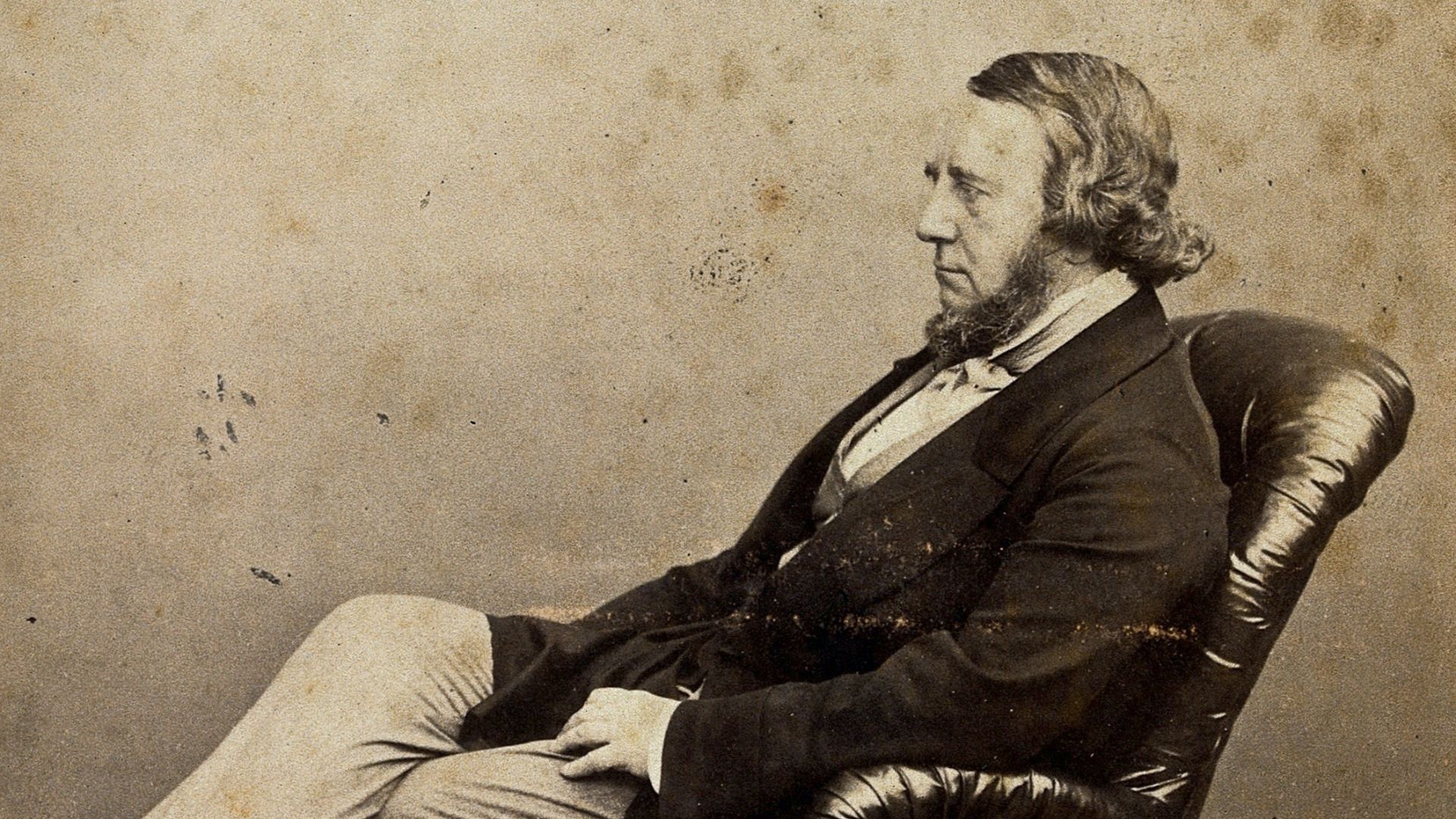
Unsurprisingly, after a long courtship, Milnes harbored hopes of a future with Florence Nightingale . Unfortunately, Florence had different hopes for her life. Milnes’ proposal brought on a crisis for Florence. Florence, certainly, held fondness for Milnes; however, he proved an opposition to her calling.
Milnes forced Florence to look deep inside herself and discover what she truly wanted for herself and her future, no matter the consequences.
13. She Wouldn’t Compromise
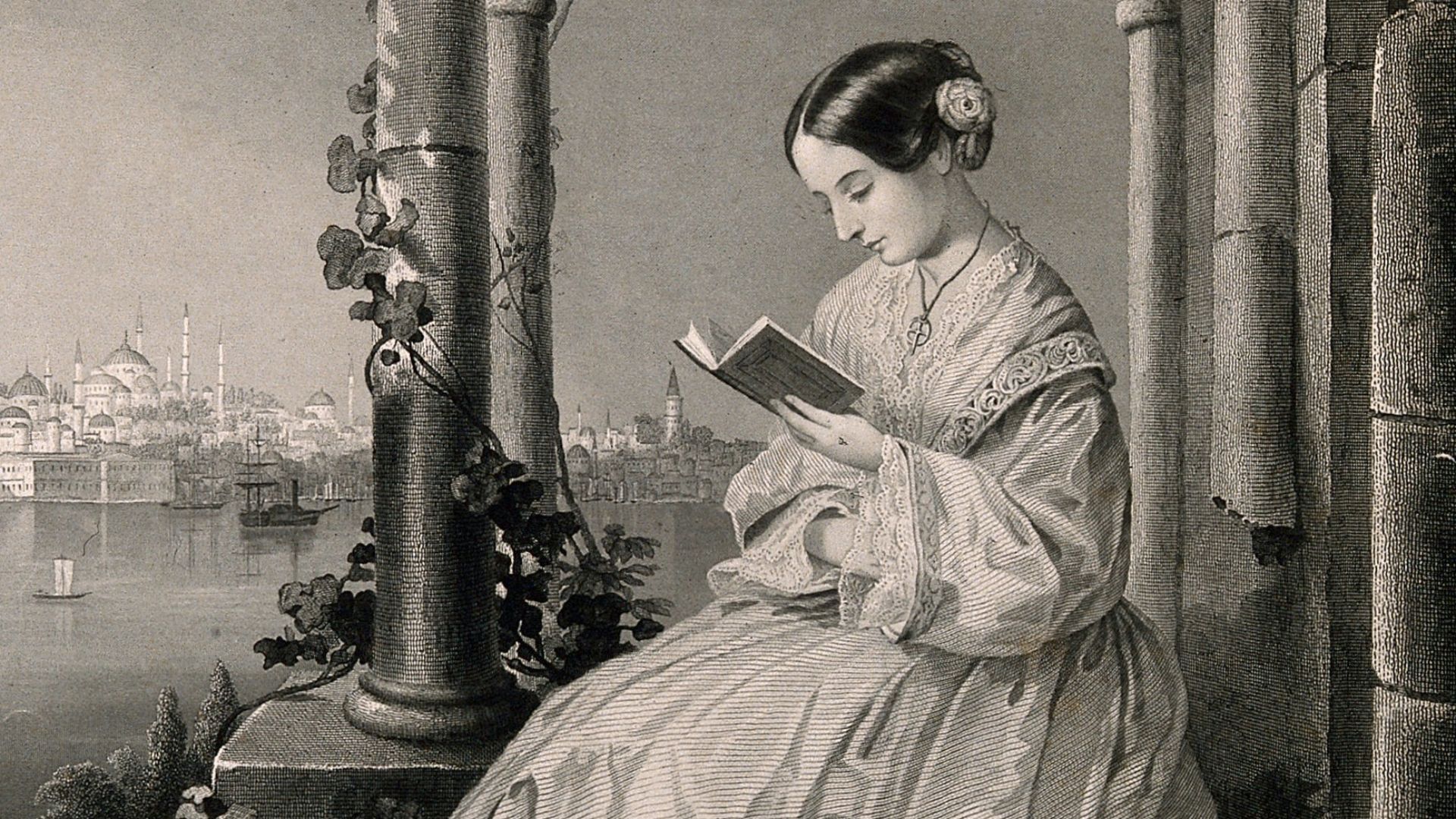
In the end, Florence realized that Milnes could never be her future. She believed in her calling from God so deeply that she would not allow anything to get in the way of that, including a husband. Being a wife came with too many expectations that would take Florence away from what mattered: nursing.
There remained only one problem: This decision would hurt two of the people that she loved most.
14. She Betrayed Her Family
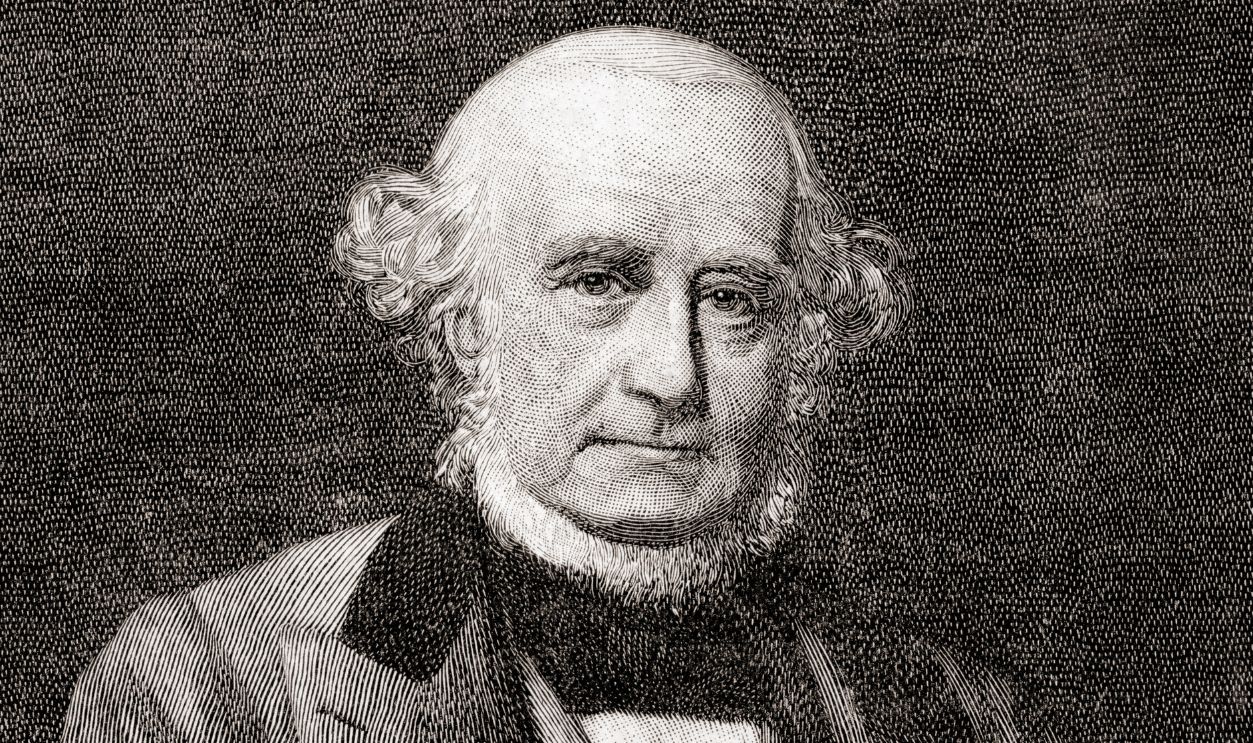
Florence Nightingale had to look out for herself; unfortunately, that meant causing discord within her family. According to some sources, Florence’s refusal of Milnes resulted in mayhem within the Nightingale family. Her mother and sister, who’d never understood Florence’s calling and rejection of their way of life, feared that Florence had ruined not just her chances of marriage but those of her sister’s as well.
Had Florence given up more than just love in the name of her callings?
 Universal History Archive, Getty Images
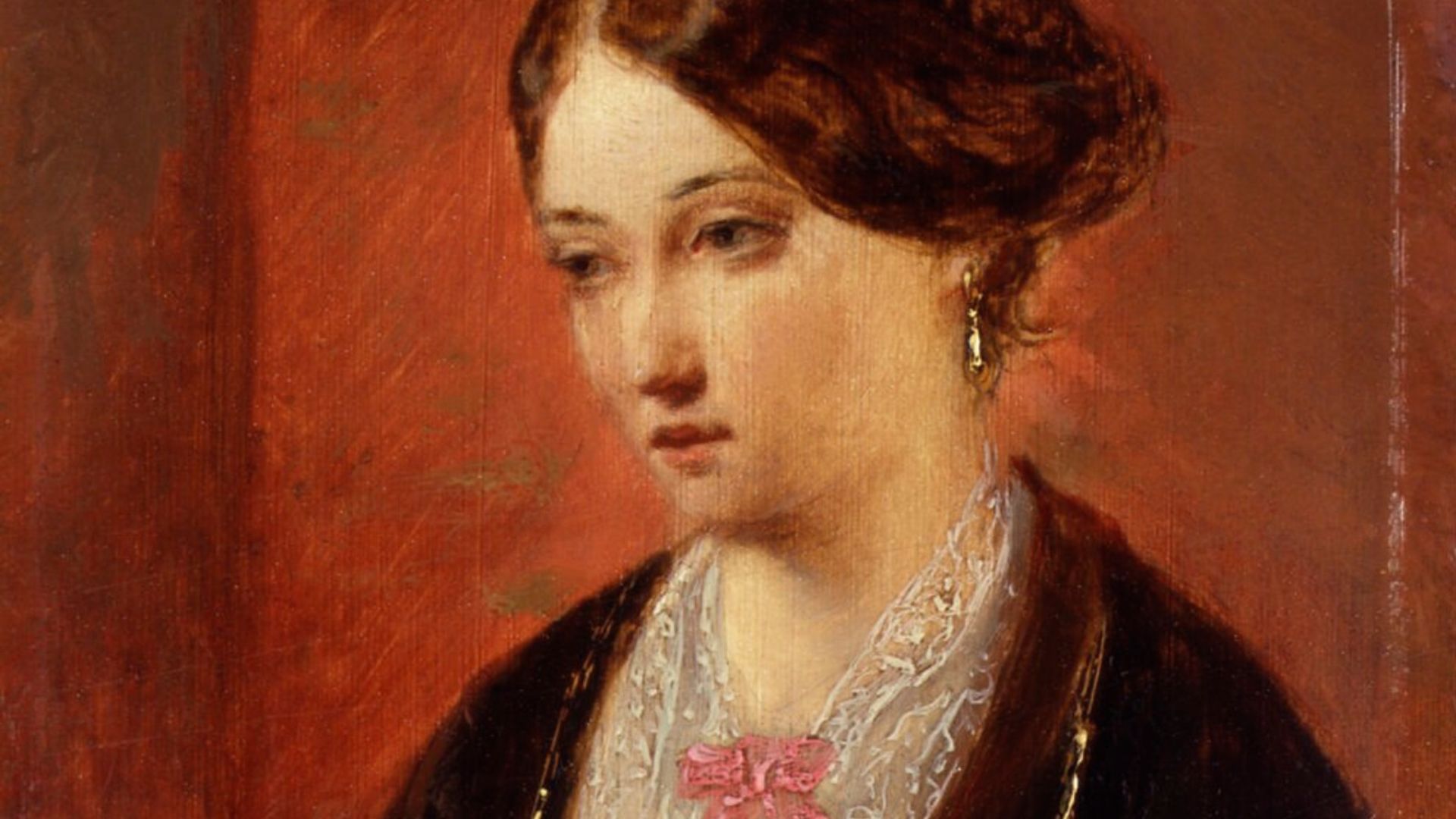
15. She Made Her Own Path
If the supposed feud over Milnes occurred, then Florence surely suffered deeply from it. There is no evidence to suggest she wished to scorn her family; she merely wished to follow her passions. It’s possible that Florence’s mother and sister feared Florence’s choices would set her up to live a lonely and isolated life.
Fortunately, that couldn’t have been further from the truth. Florence merely forged her own path. The only problem came with discovering where that path started.
 Augustus Egg, Wikimedia Commons
16. She Sought Out Meaning
Thanks to her callings from God, Florence Nightingale knew what she was meant to do with her life. However, she seemed to struggle for a few years to discover how to achieve that goal. Traveling across Europe on her own, as well as with both companions, Florence appeared to be seeking out a meaning for her callings.
17. She Heard God Again
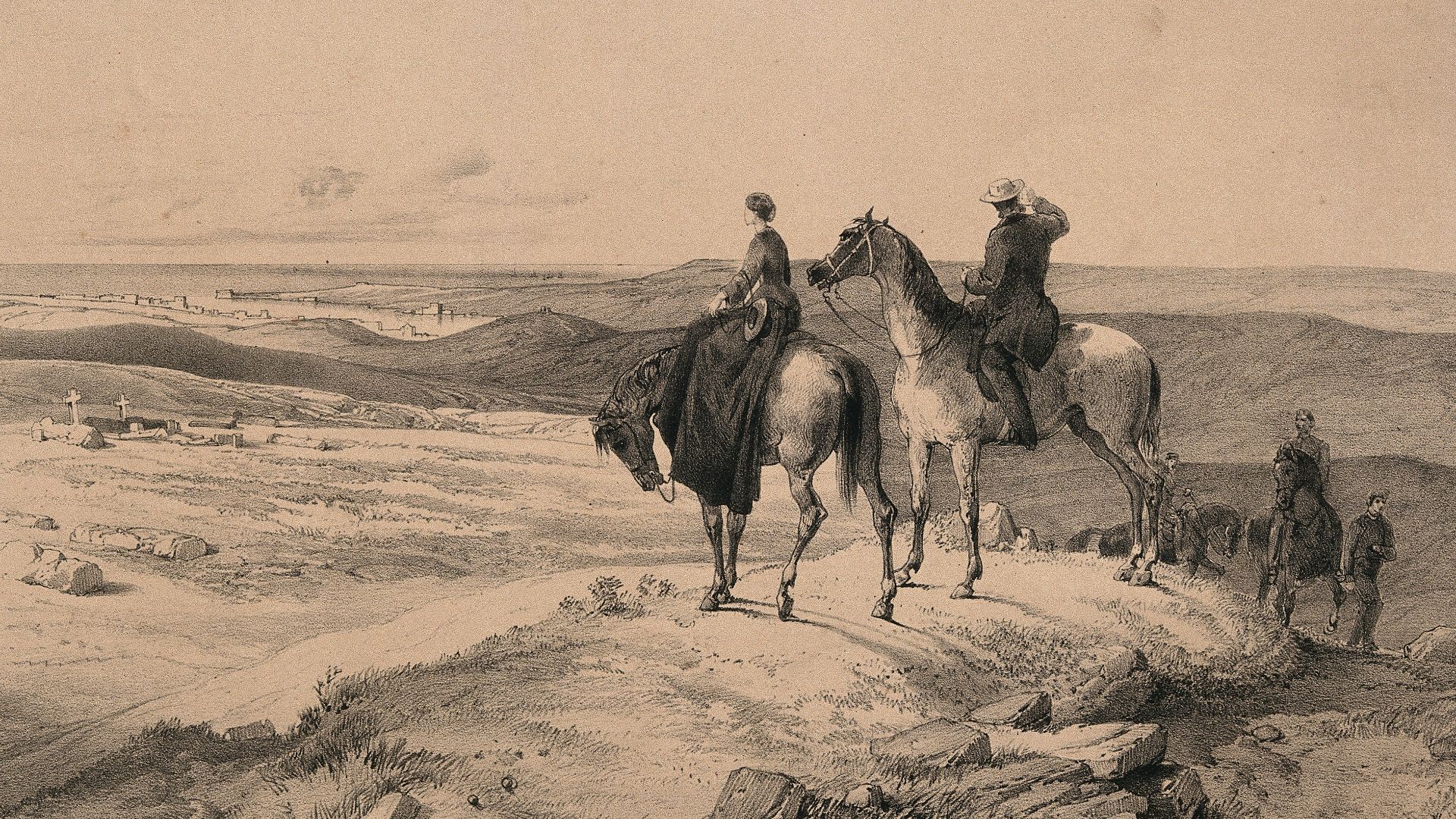
Egypt proved fertile ground for Florence. Here, she appeared to receive several callings from God. Florence kept detailed journals during her travels, and she wrote of being “called to God” while in Thebes. That, however, was not the end of it. A week later, it appeared that God had a little more to say to Florence.
18. She Followed Her Calling
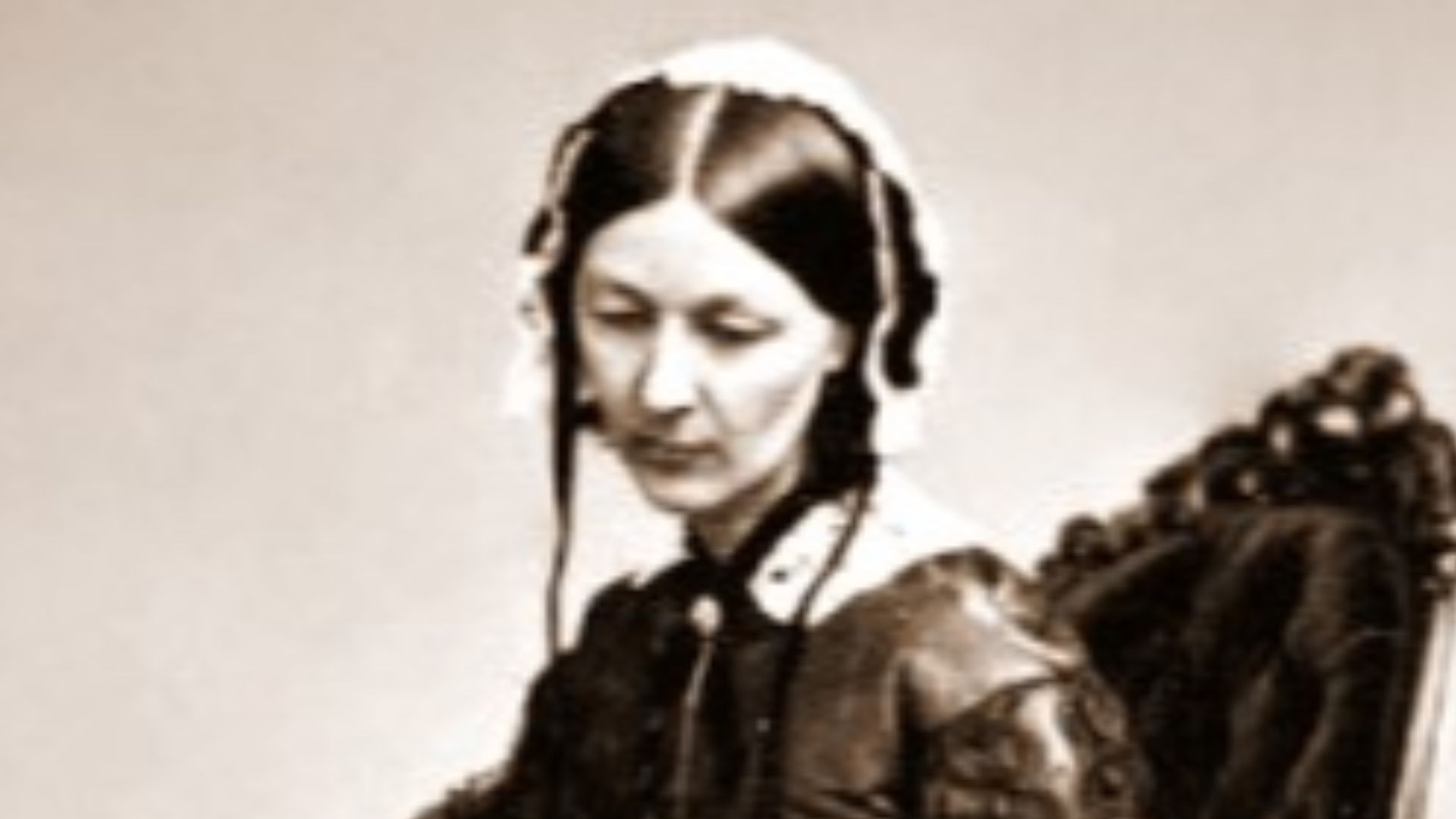
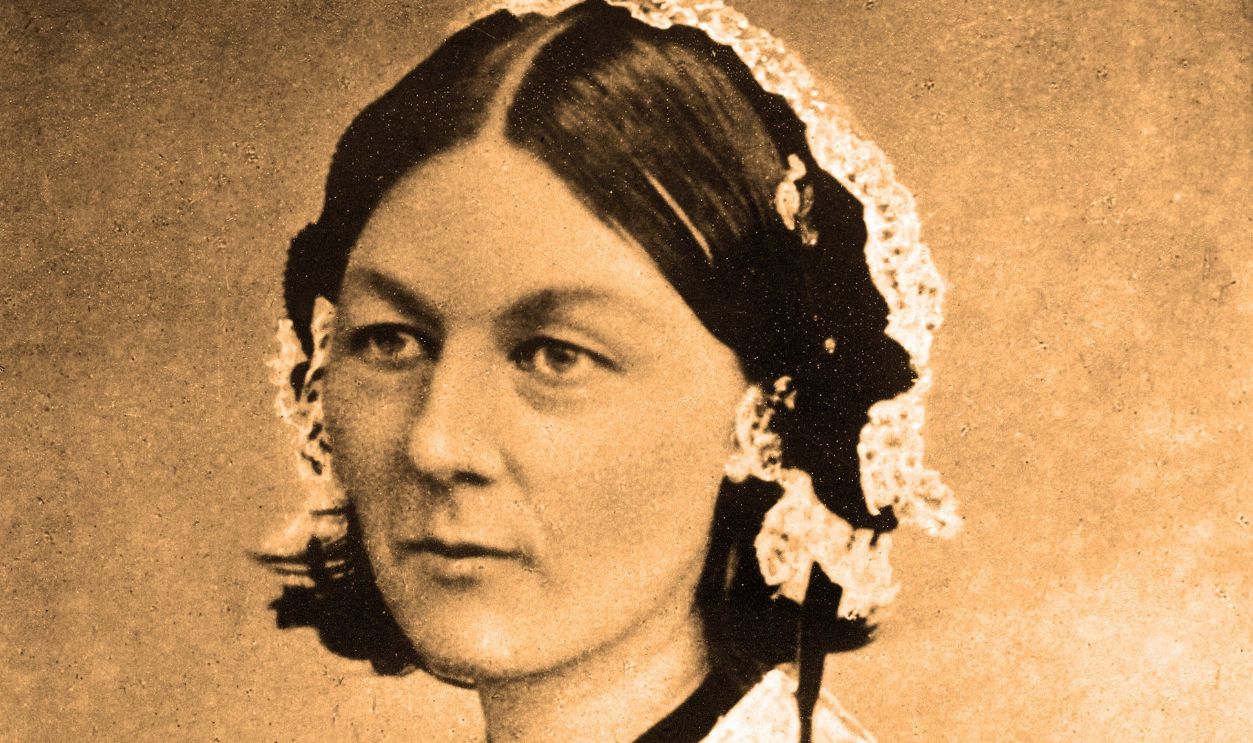
Florence Nightingale wrote in her diary while she was near Cairo, “God called me in the morning and asked me if I would do good for him alone without reputation”. It is unclear how God continued to communicate with her. However, Florence’s writings make it very clear that God remained persistent and that Florence persisted in following the callings.
She knew her path; now she merely needed the bravery to take it.
 Universal History Archive, Getty Images
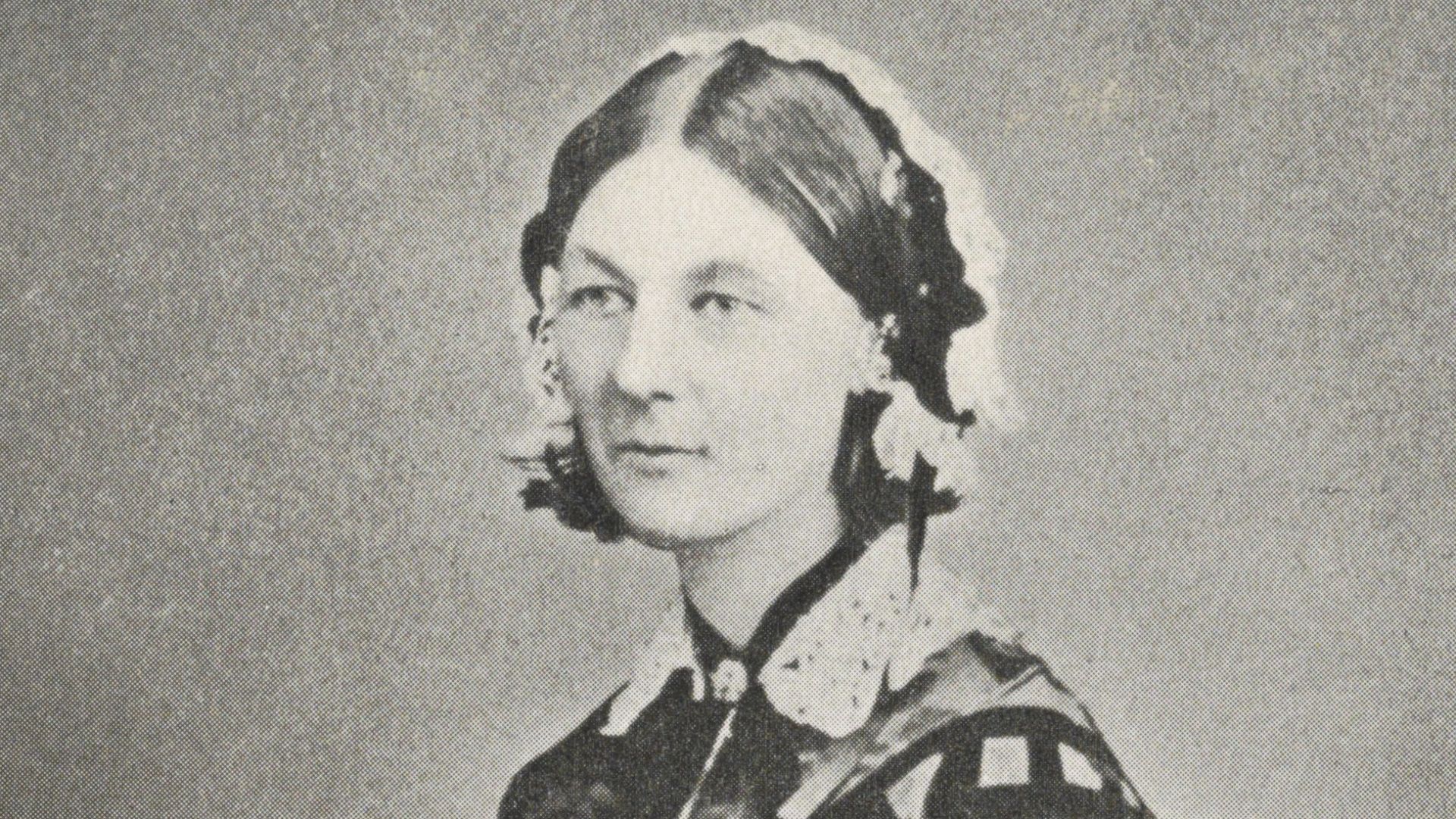
19. She Sought Education
While Florence remained dedicated to her mission to be of service to others, and she chose nursing as the means to do so, her early travels appeared to suggest that she’d yet to discover how best to go about combining those two things. That all changed when she visited Germany. Suddenly, the picture of her life became clear in a way it hadn’t before.
 Miscellaneous Items in High Demand, PPOC, Library of Congress, Wikimedia Commons
20. She Admired Others
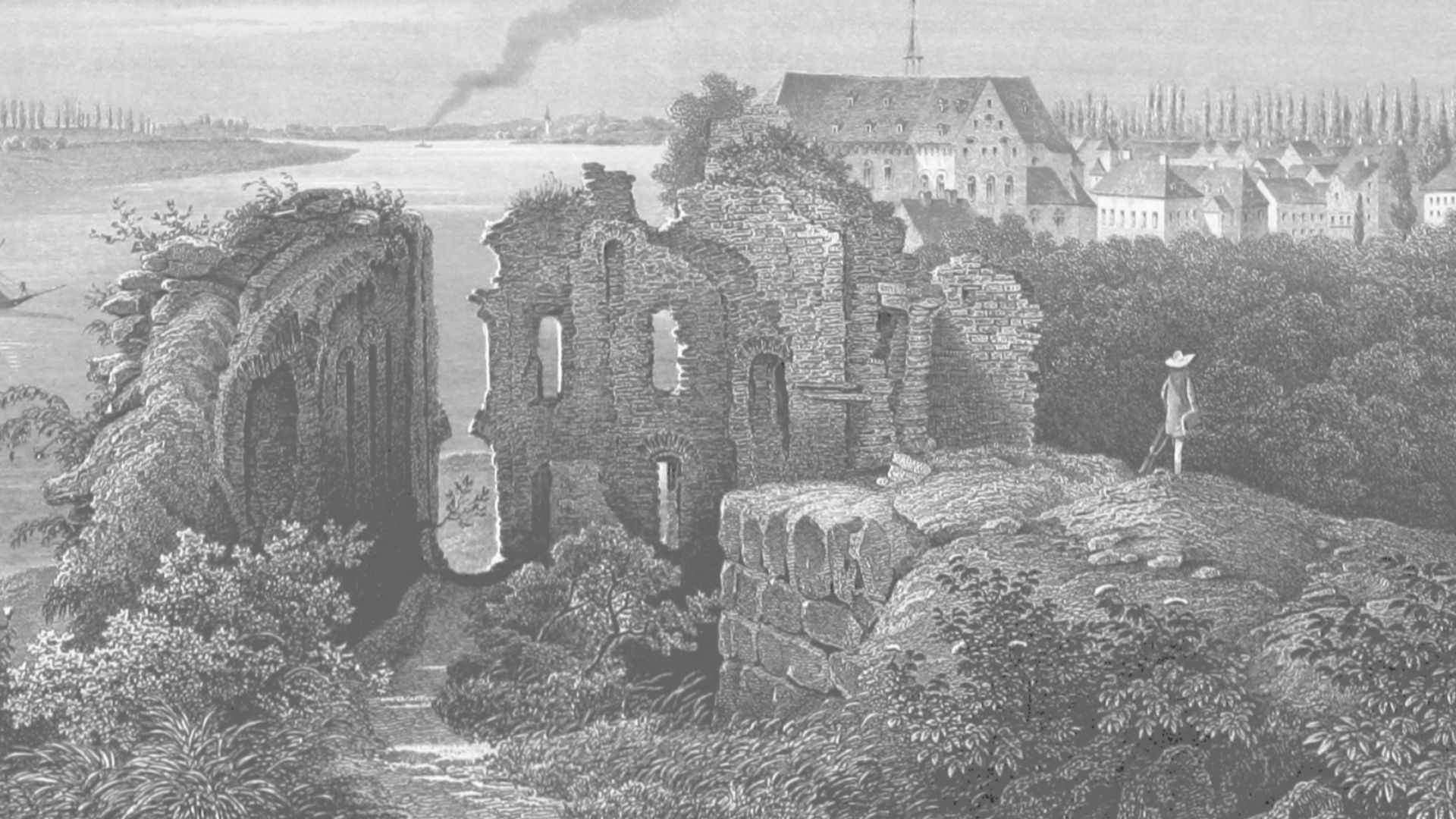
Florence’s travels took her far and wide, including to Kaiserswerth-am-Rhein’s Lutheran community in Germany. She spent four thrilling months training at the institute there, gathering all their coveted knowledge. Florence began to build a foundation that served her for the rest of her life; however, a chance observation truly galvanized Florence’s determination to change her life.
 Metilsteiner, Wikimedia Commons
21. Her Worldview Changed
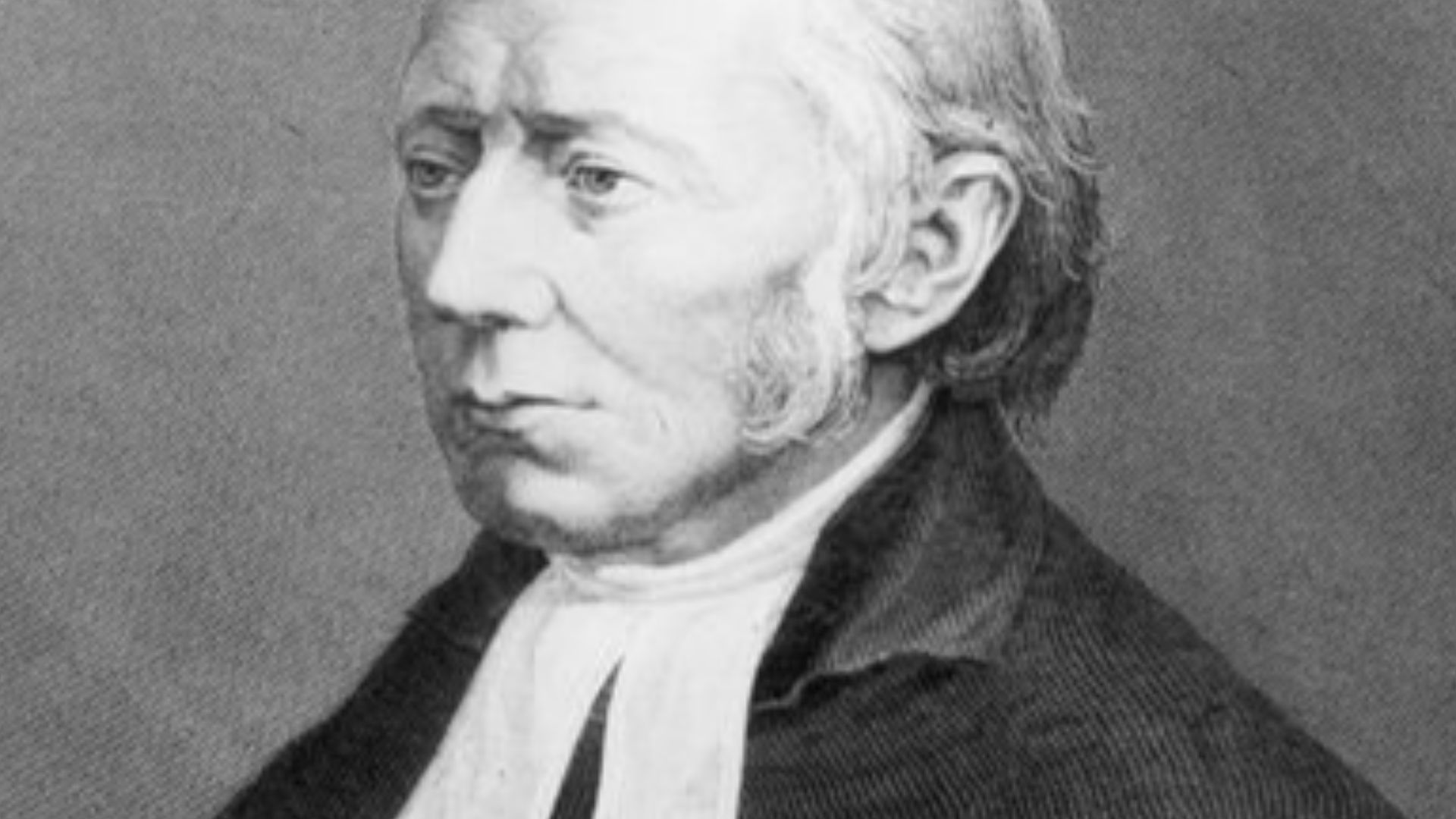
While visiting the community, Florence Nightingale had the unique opportunity to observe Pastor Theodor Fliedner and the deaconesses at work with the sick and the deprived. This experience changed Florence’s world philosophy. It gave her a new direction and inspired her to write her first paper on her findings in Germany.
However, Florence’s unusual lifestyle came with obstacles that she couldn’t overcome without help.
 Ed. Rittinghaus, Wikimedia Commons
22. Her Father Supported Her
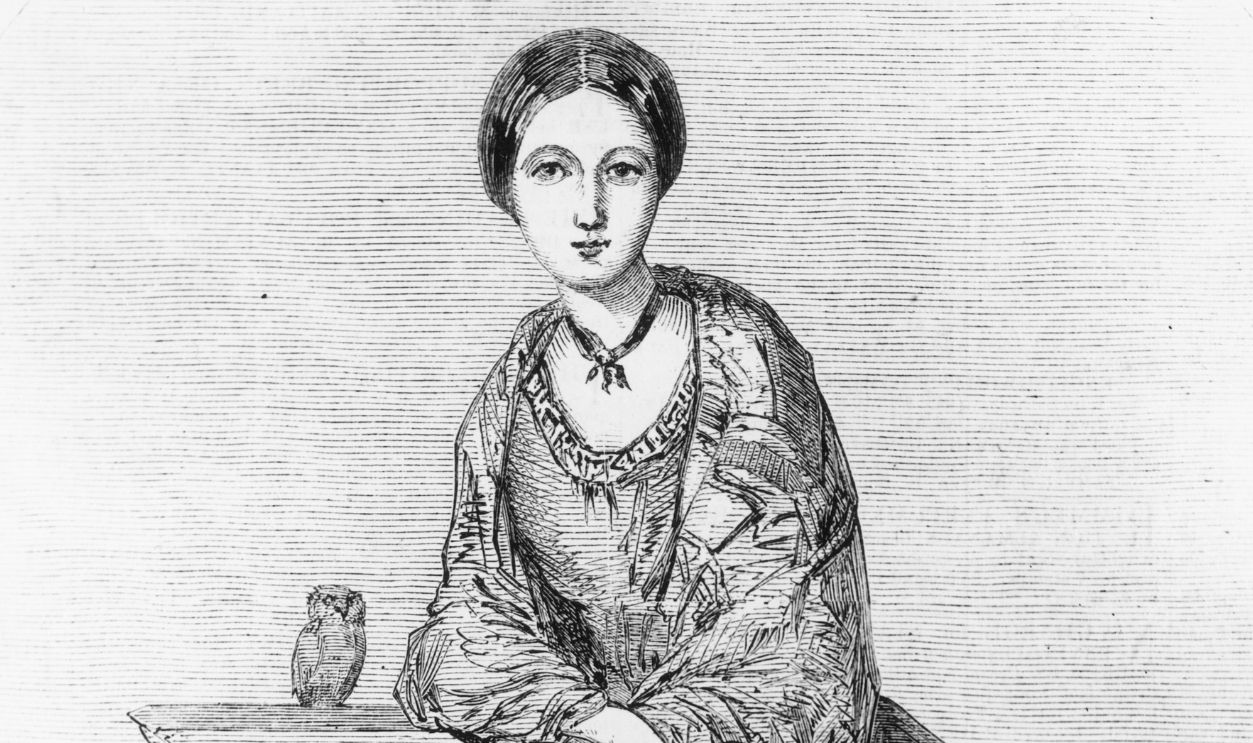
At this time, a woman of her standing living an independent lifestyle with the luxury to pursue travel and work as casually as Florence did proved an unusual sight. Florence couldn’t have done it without her father. Through his wealth and progressive views, he provided Florence with an annual income that allowed her to live the life she desired.
This allowed her to achieve opportunities that other women did not have the luck to gain.
 ullstein bild Dtl., Getty Images
23. She Got A Job
Back in England, Florence Nightingale dove right into her work. She began working at the Institute for the Care of Sick Gentlewomen located in Upper Harley Street. Florence took up the role of superintendent in August 1853 and held it for a little over a year. Here, Florance took her first steps down a road that she’d been searching for for so long. Yet, the world had bigger dreams for her.
24. She Was Called To Action
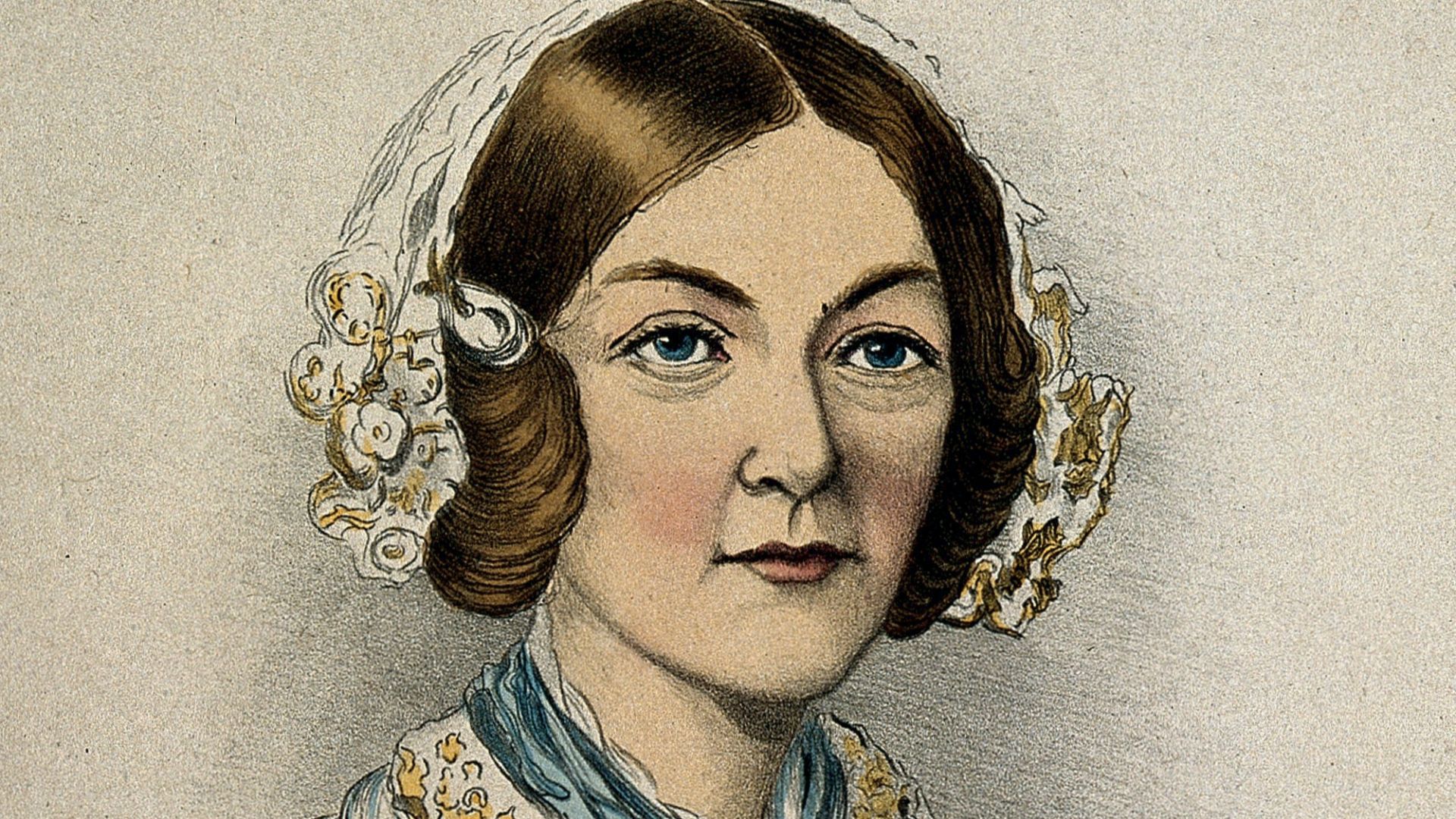
Throughout history, conflict has appeared inevitable. The Crimean War started in October 1853 and pitted the Russian Empire against the Ottoman Empire. Britain and France joined the conflict in support of the Ottoman Empire in hopes of maintaining their status as world powers. As news of the horrifying and squalid conditions the injured were being kept in reached her, it drove Florence to give up everything.
 Amedeo Preziosi, Wikimedia Commons
25. She Became Horrified
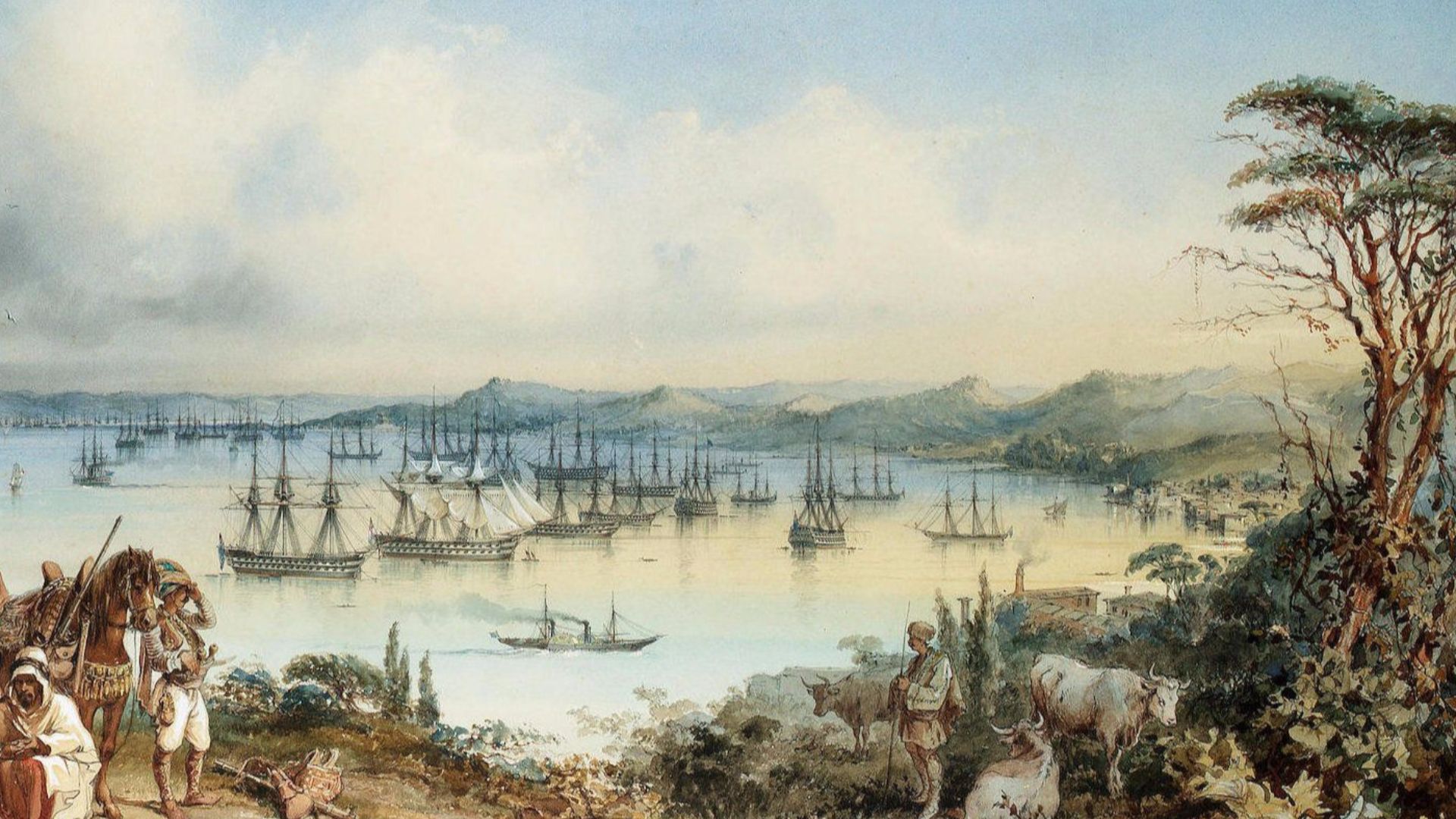
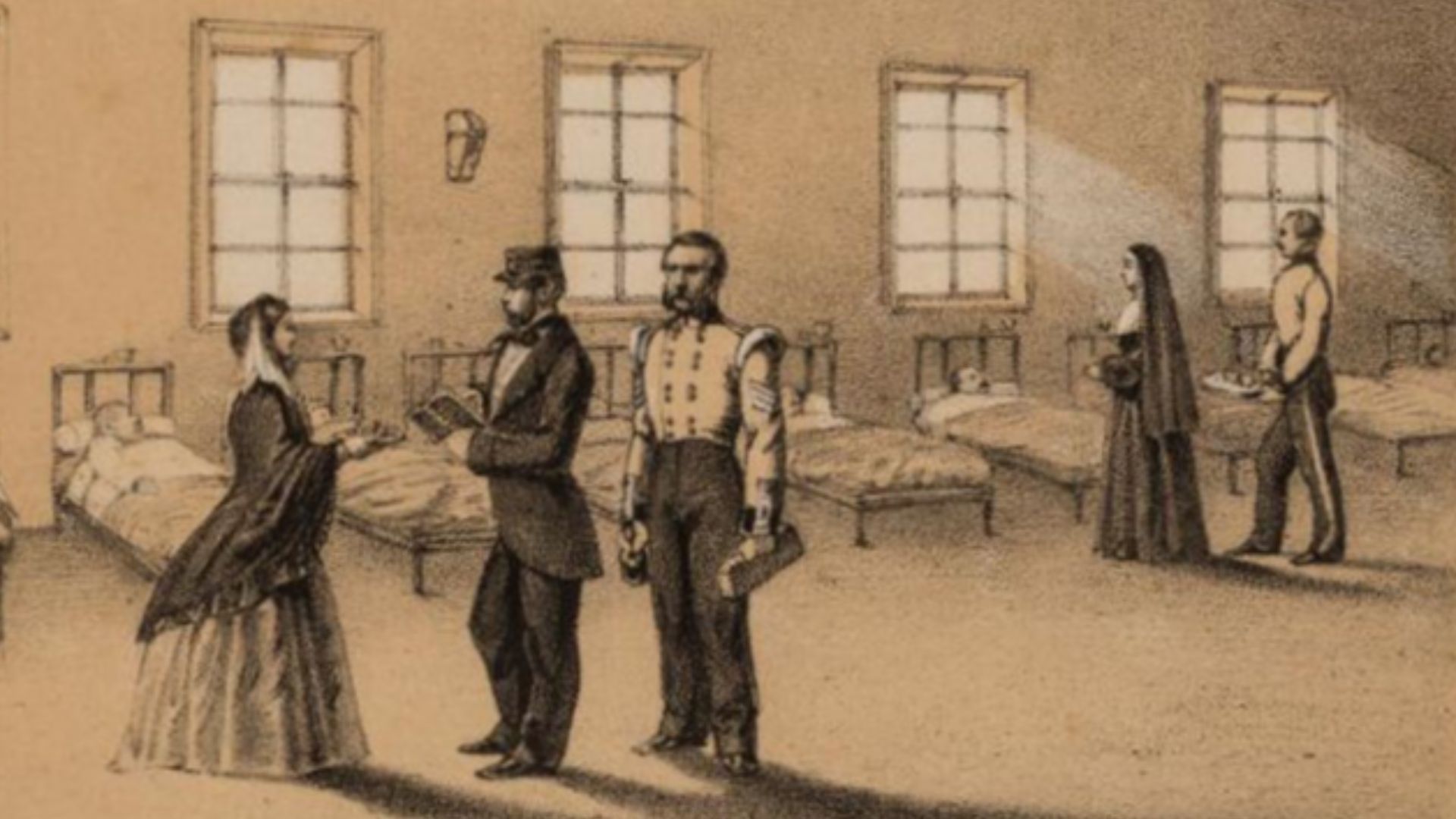
Florence became horrified when she heard of the conditions that the wounded were being left in at the military hospital located at Scutari (part of modern-day Istanbul). As a result, Florence and a team of volunteer nurses and Catholic nuns left for the Ottoman Empire to assist the men who were suffering. Like a caterpillar, Florence shed her old skin to blossom into something far more complex.
26. She Came To The Rescue
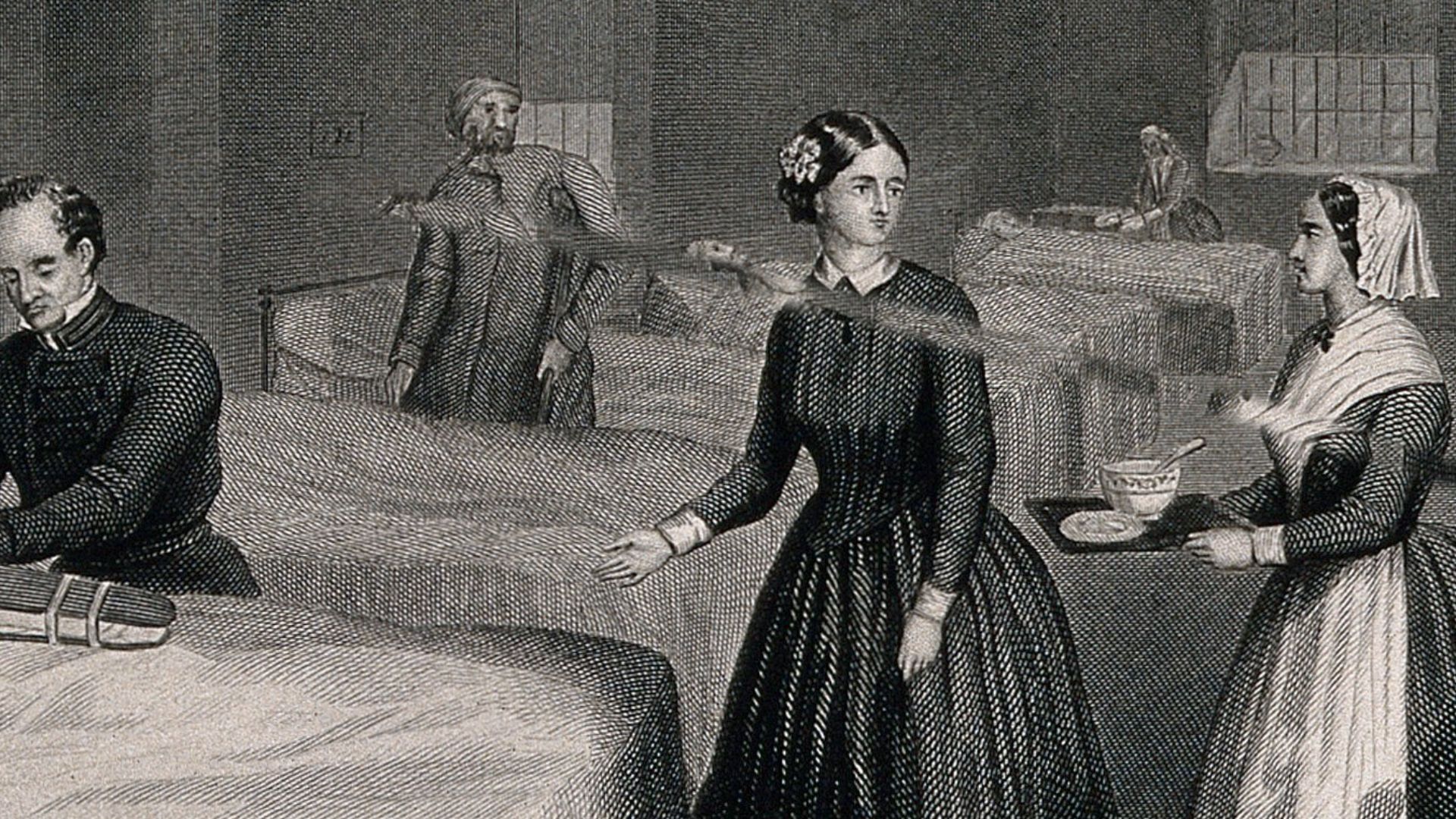
While Florence left much of her life behind, she did not travel alone. The group that went with Florence included Florence’s head nurse, Eliza Roberts, and her aunt, Mai Smith. Furthermore, Florence received help from an old friend while they traveled. Mary Clarke contributed to their mission while they passed through Paris.
The long days of traveling couldn’t end soon enough for the men waiting for them, suffering in dirty, inhuman conditions.
 Jerry Barrett, Wikimedia Commons
27. She Traveled Far
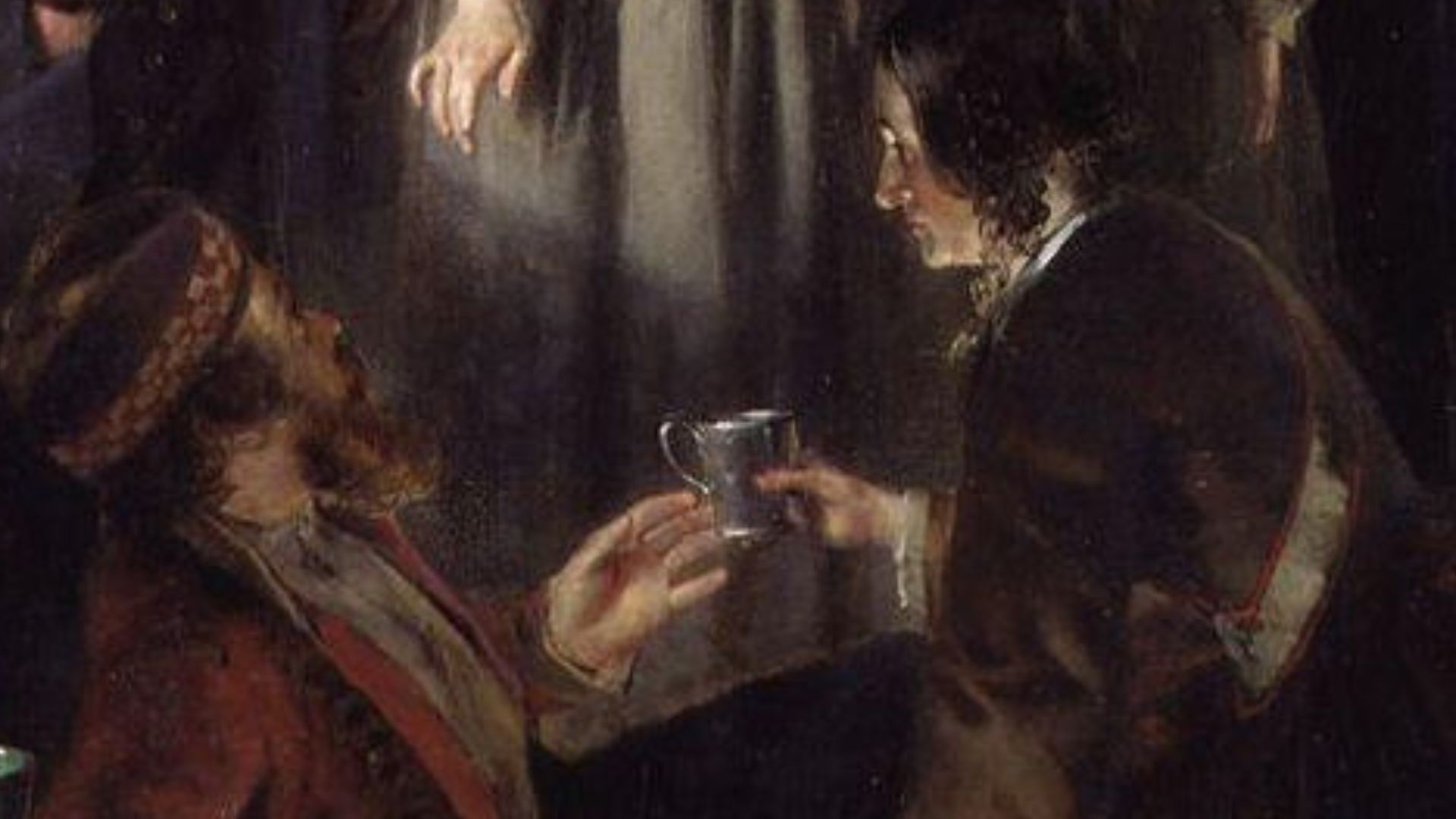
The several weeks of long travel proved to be a luxury when Florence and her team arrived in Scutari. In early November, they arrived to find a pitiful sight. The field hospital faced dire circumstances that included overworked staff and next to no supplies for caring for the patients. To be wounded in Scutari proved not to be a blessing—but rather a brutal death sentence.
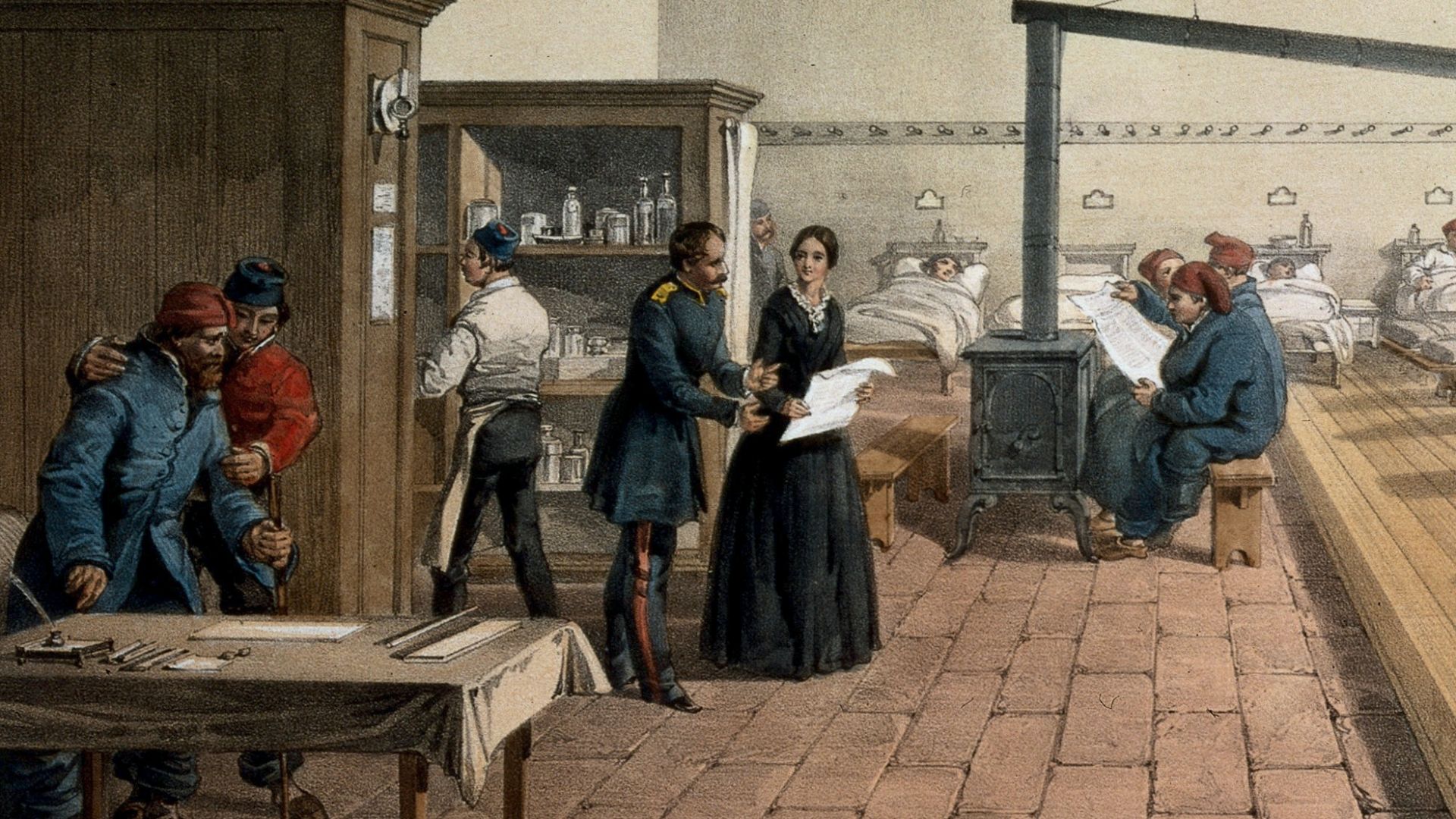
28. She Found A Horrid State
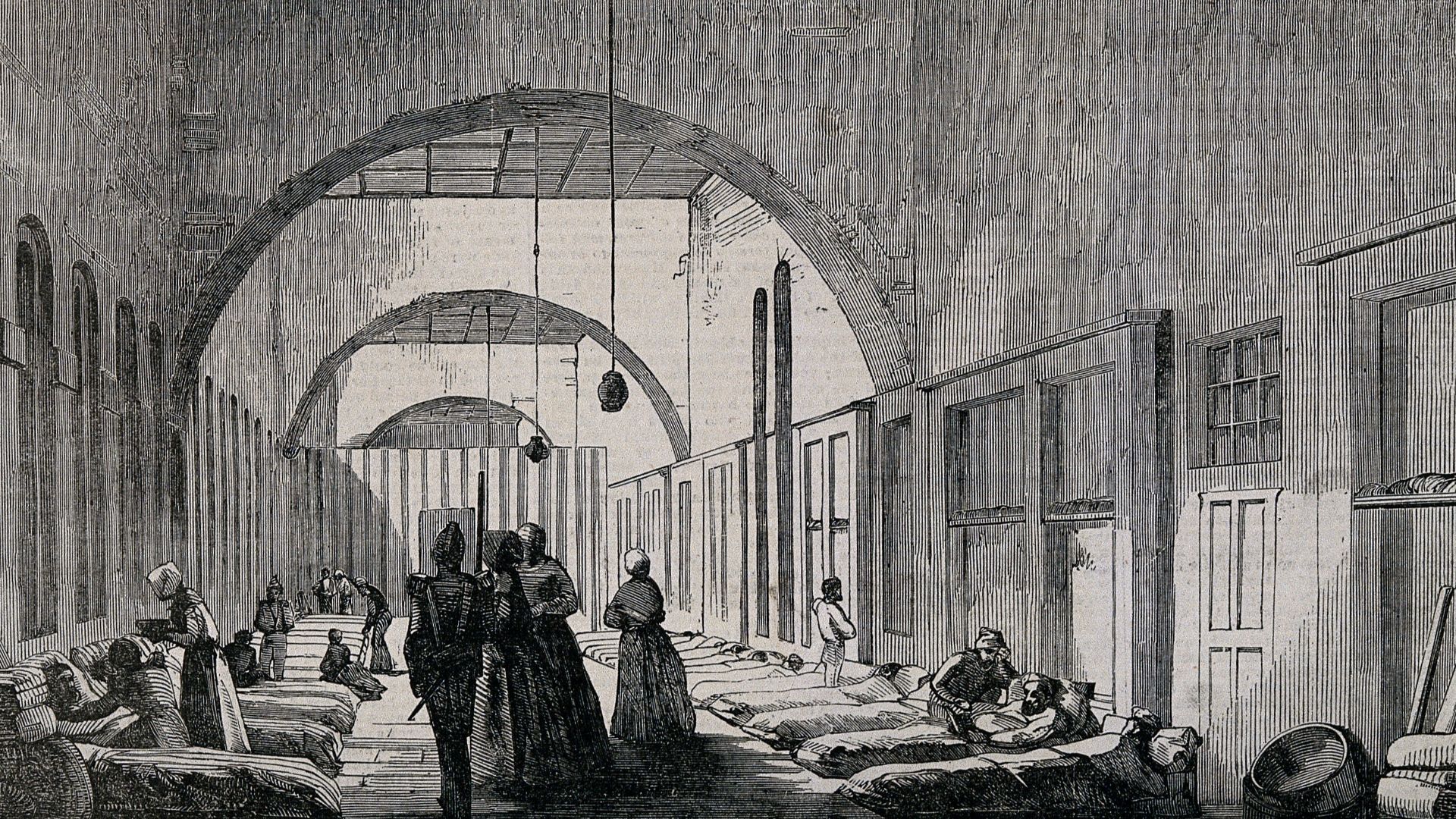
The state of things in Scutari couldn’t have been more dire. The injured men sent to the field hospital faced almost no chance of survival. The hospital was understaffed and undersupplied. Hygiene was not a priority, and infection ran rampant among the men, snuffing out many before their wounds could heal. Horrified, Florence couldn’t get to work changing things fast enough.
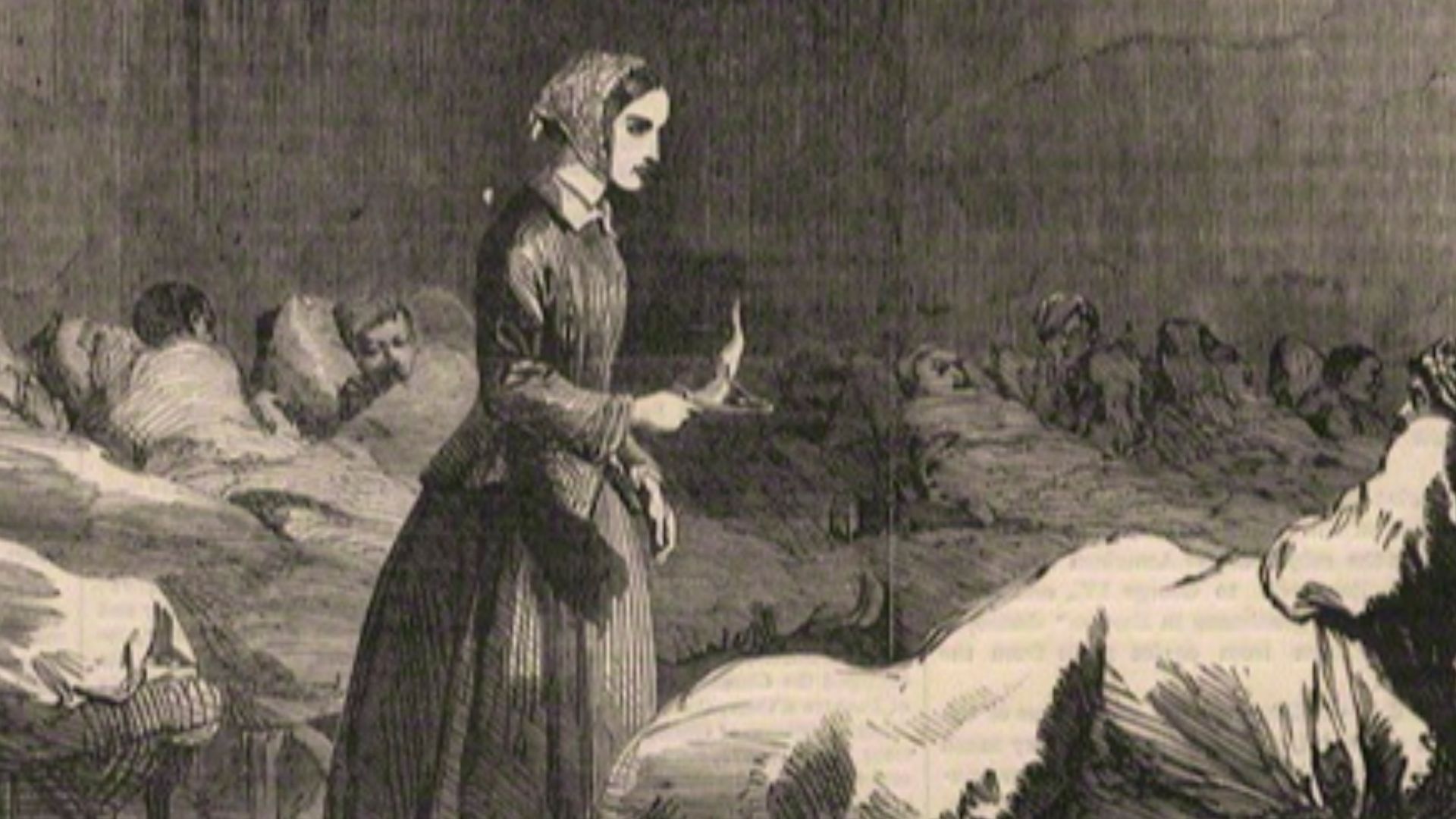
29. She Took Quick Action
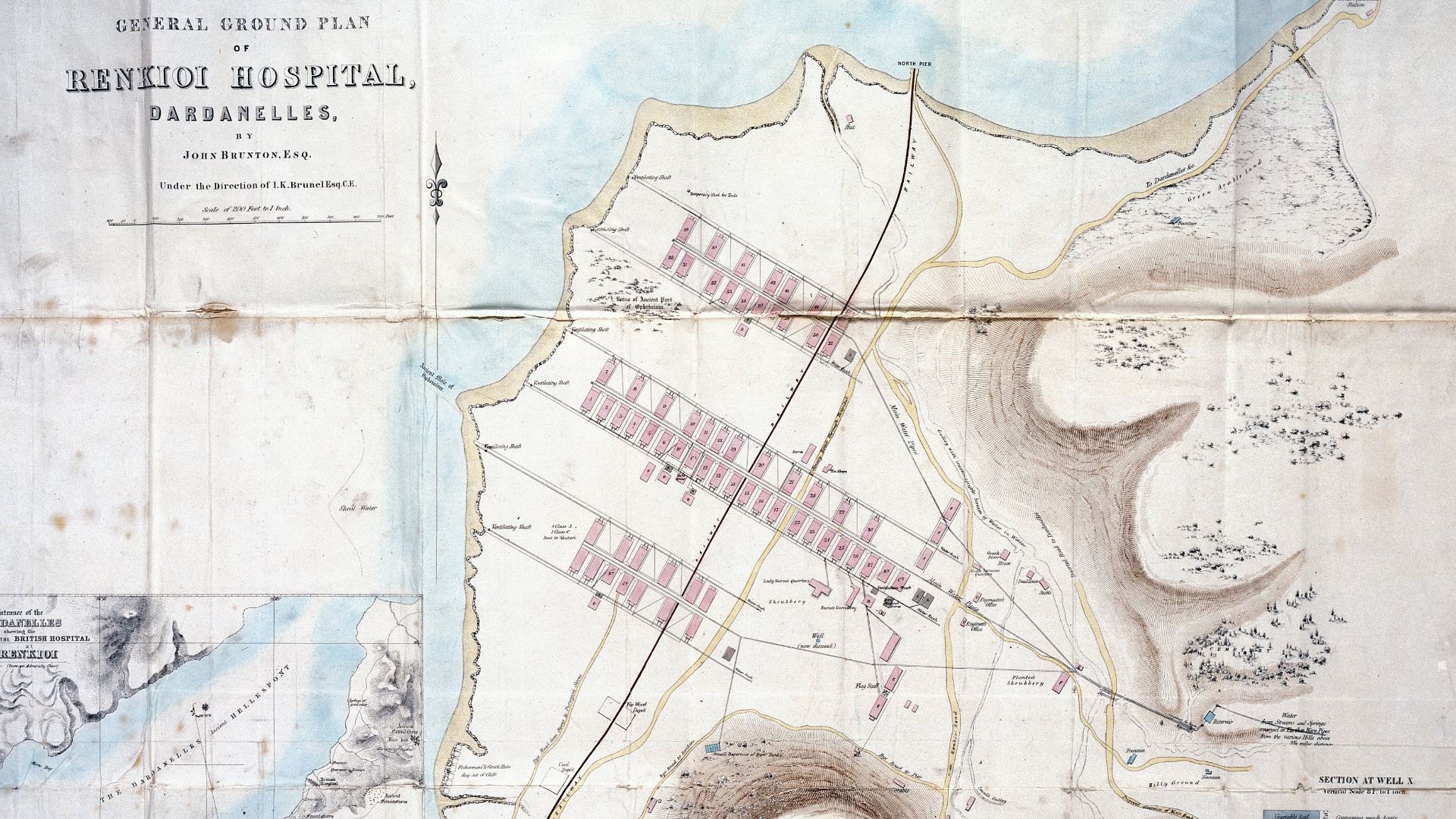
Florence immediately took to the media, pleading for intervention on behalf of the wounded. She sent a plea to The Times for the government to improve the conditions of the hospital. In response, they hired a civil engineer to design a prefabricated hospital. They would build the hospital in England and then ship it to the conflict.
To the men who suffered in Scutari, the impact of this one simple action couldn’t have been greater.
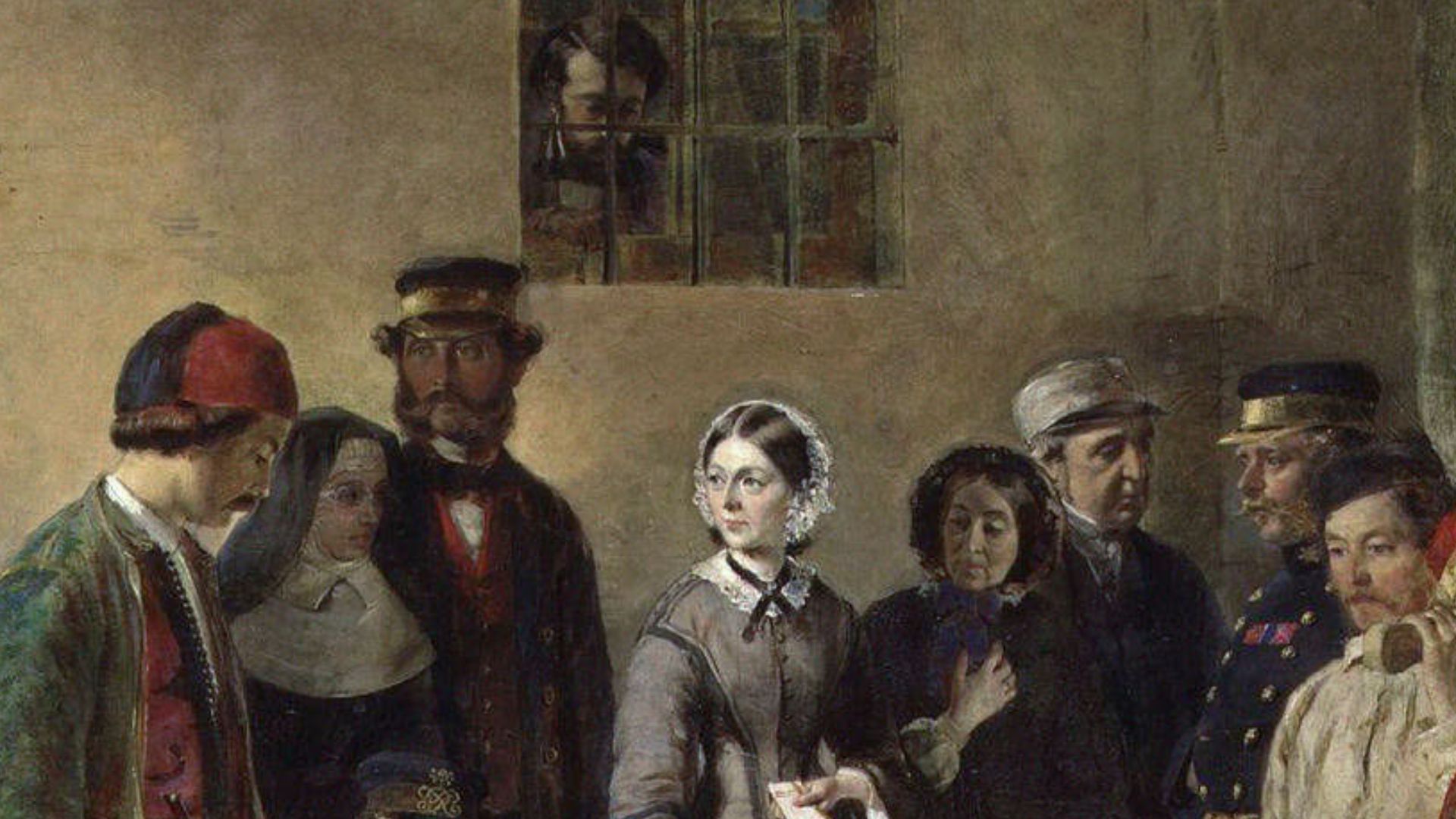 Jerry Barrett, Wikimedia Commons
30. She Called For Change
The new hospital, known as Renkioi Hospital, saved the lives of hundreds, if not thousands, of men. It dramatically reduced the mortality rate. However, it did not help those who came to Scutari before they readied the new hospital. For those men, Florence became their first line of defense.
31. She Saved Lives
4,077 men lost their lives during Florence’s first winter in Scutari—all due to the squalid, disgusting conditions of the hospital. Shockingly, battle wounds didn't wreak as much havoc as diseases. Typhus, typhoid, cholera, and dysentery ran rampant through the hospital thanks to the lack of hygiene protocols.
Florence changed not just the conditions in Scutari, but the mentality of the medical field so entirely that it’s impossible to imagine the nightmare she initially faced.
 The Illustrated London News, Wikimedia Commons
32. She Called For Reinforcements
When Florence arrived, the hospital suffered from overcrowding, poor ventilation, and a lack of effective sewers. These all contributed to the rise of the aforementioned fatal diseases. Florence would not stand for it. She began making calls for change immediately, and six months after she arrived, the British Government finally sent out the Sanitary Commission to deal with the ventilation and sewer issues.
Without Florence, hundreds, if not thousands, of men would have faced a tragic fate.
33. She Significantly Reduced Loss
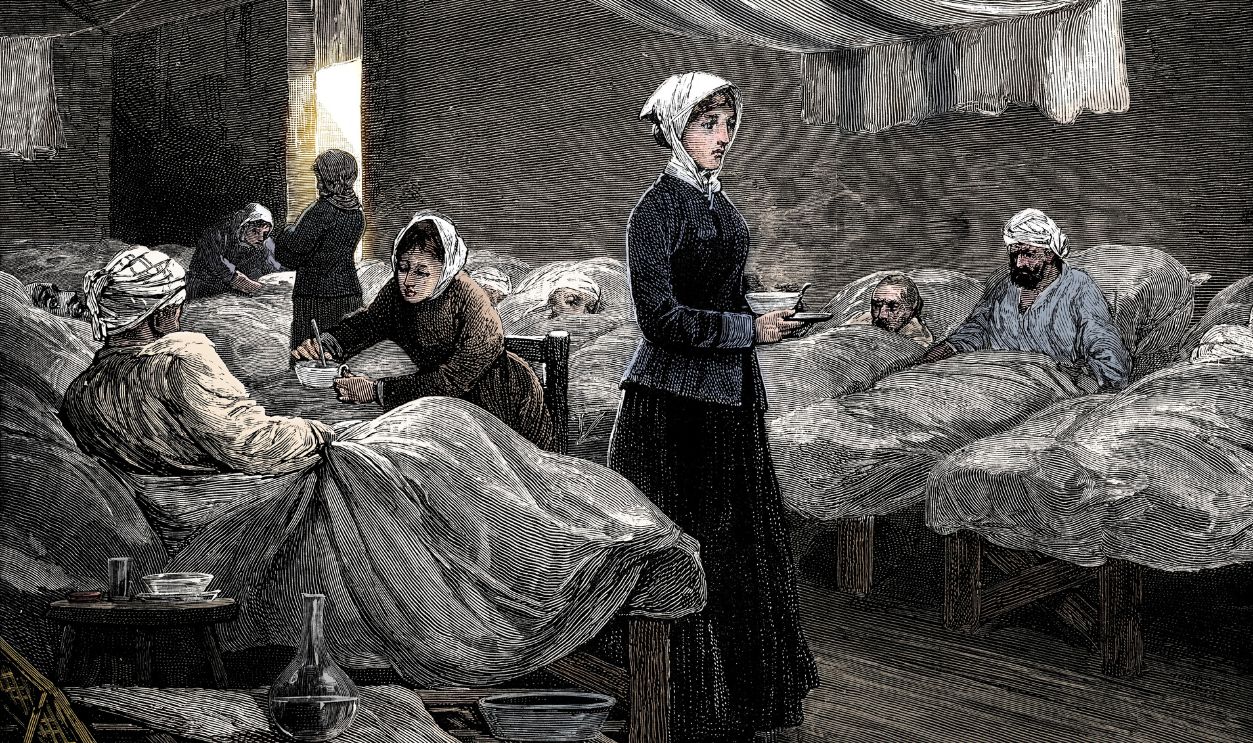
It’s impossible to quantify the impact that Florence had on the Crimea. One writer asserted that Florence reduced the rate of loss of life from 42% to 2% either through direct actions that she made or by calling for aid, such as the Sanitary Commission.
Before Florence, handwashing at the hospital was not mandatory. However, Florence refused to take credit for any improvements that she made—not even when her own life came under threat from the very enemy she fought so diligently.
 Henrietta Rae, Wikimedia Commons
34. She Fell Ill
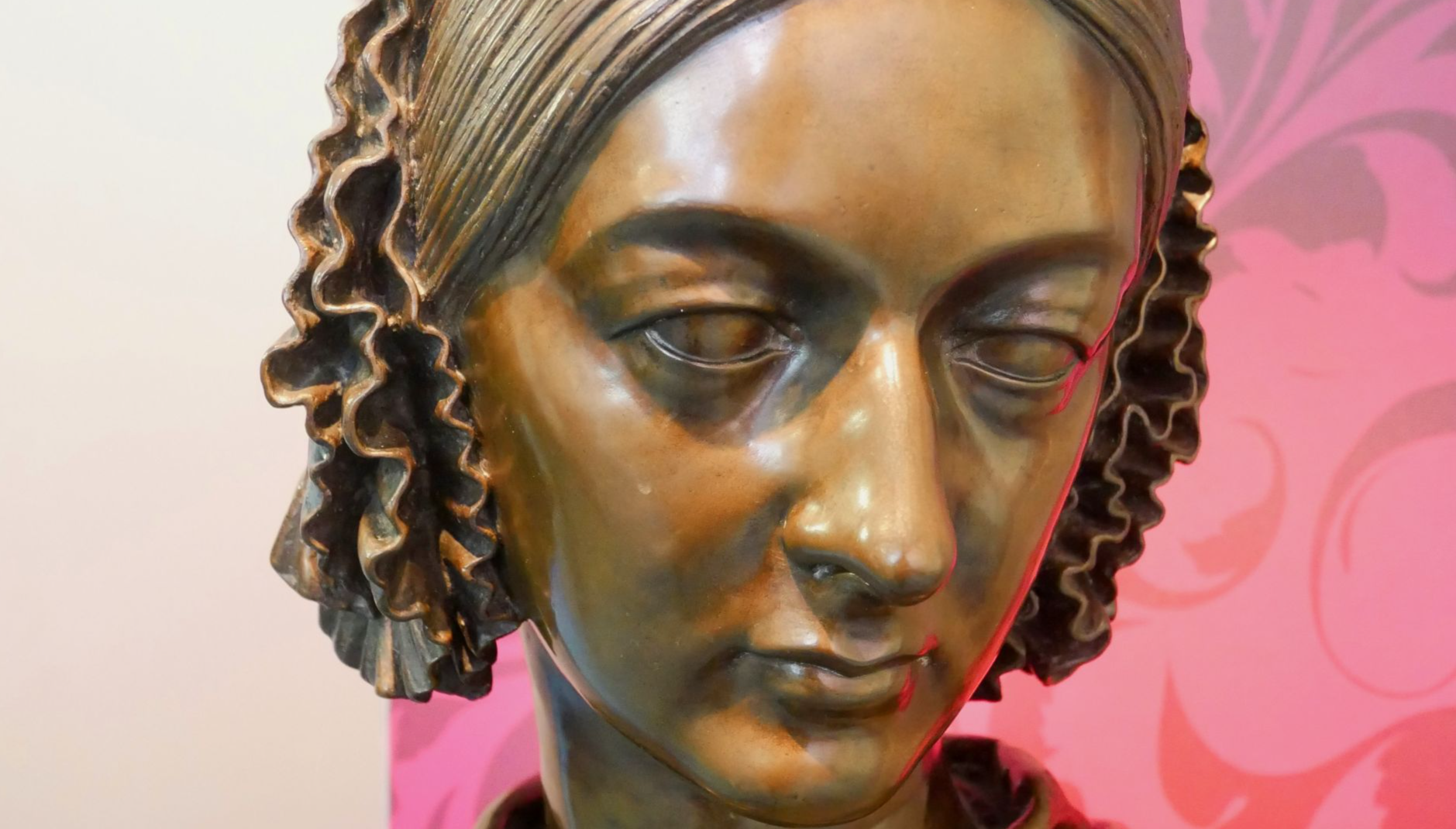
Disease came calling for Florence in 1855. She caught “Crimean fever," which is now known or at least suspected to be brucellosis. While her head nurse, Eliza Roberts, nursed Florence through the initial fever, Florence never fully recovered and suffered from bouts of fatigue throughout the rest of her life. However, she never let this slow her down.
 Doyle of London, Wikimedia Commons
35. She Made Enemies
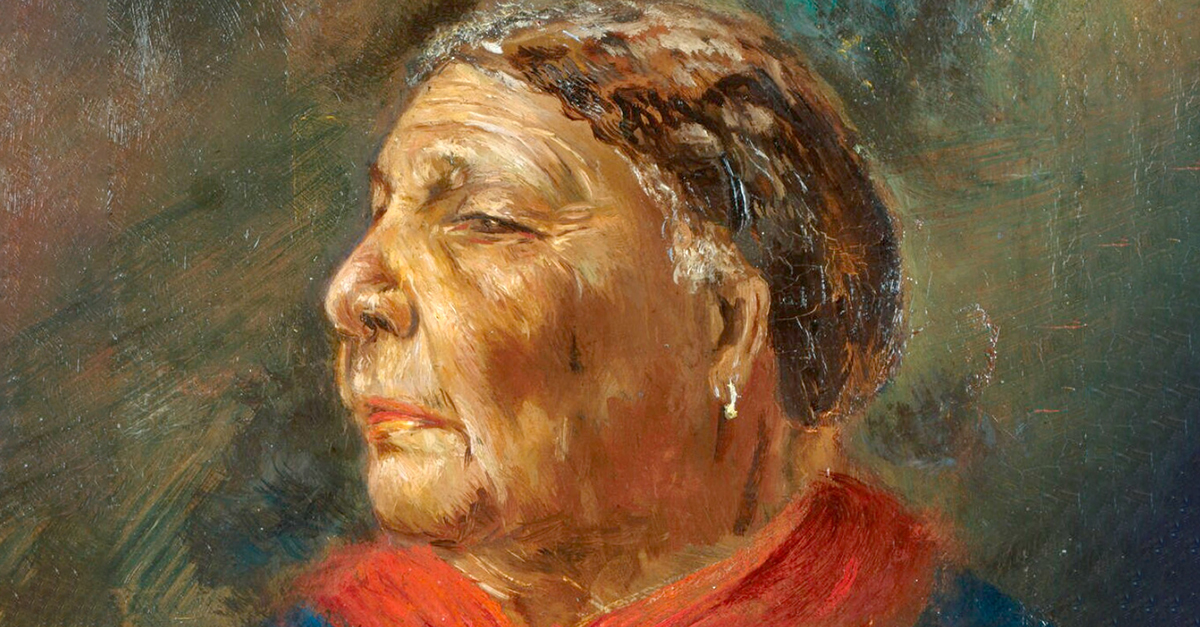
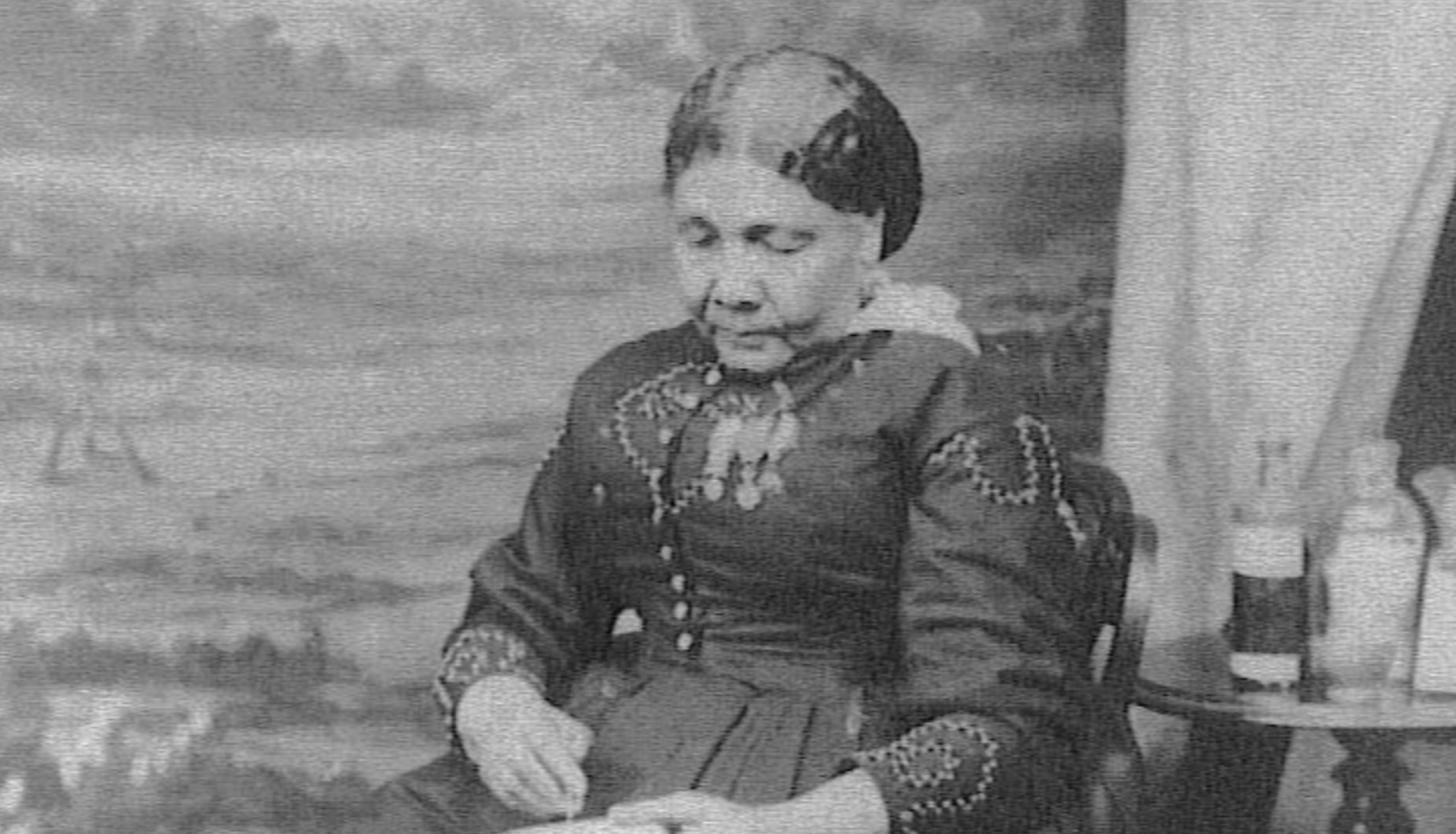
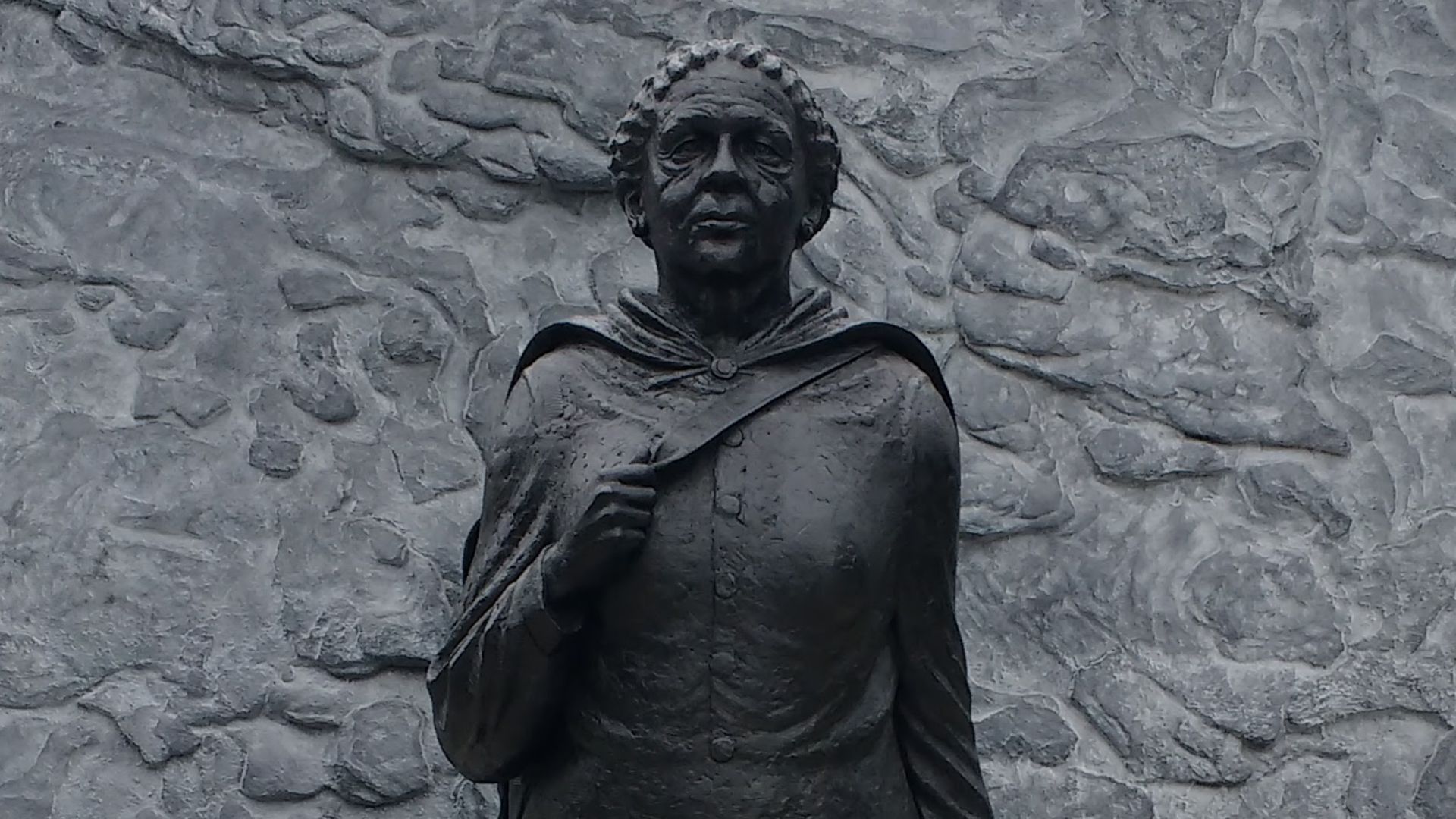
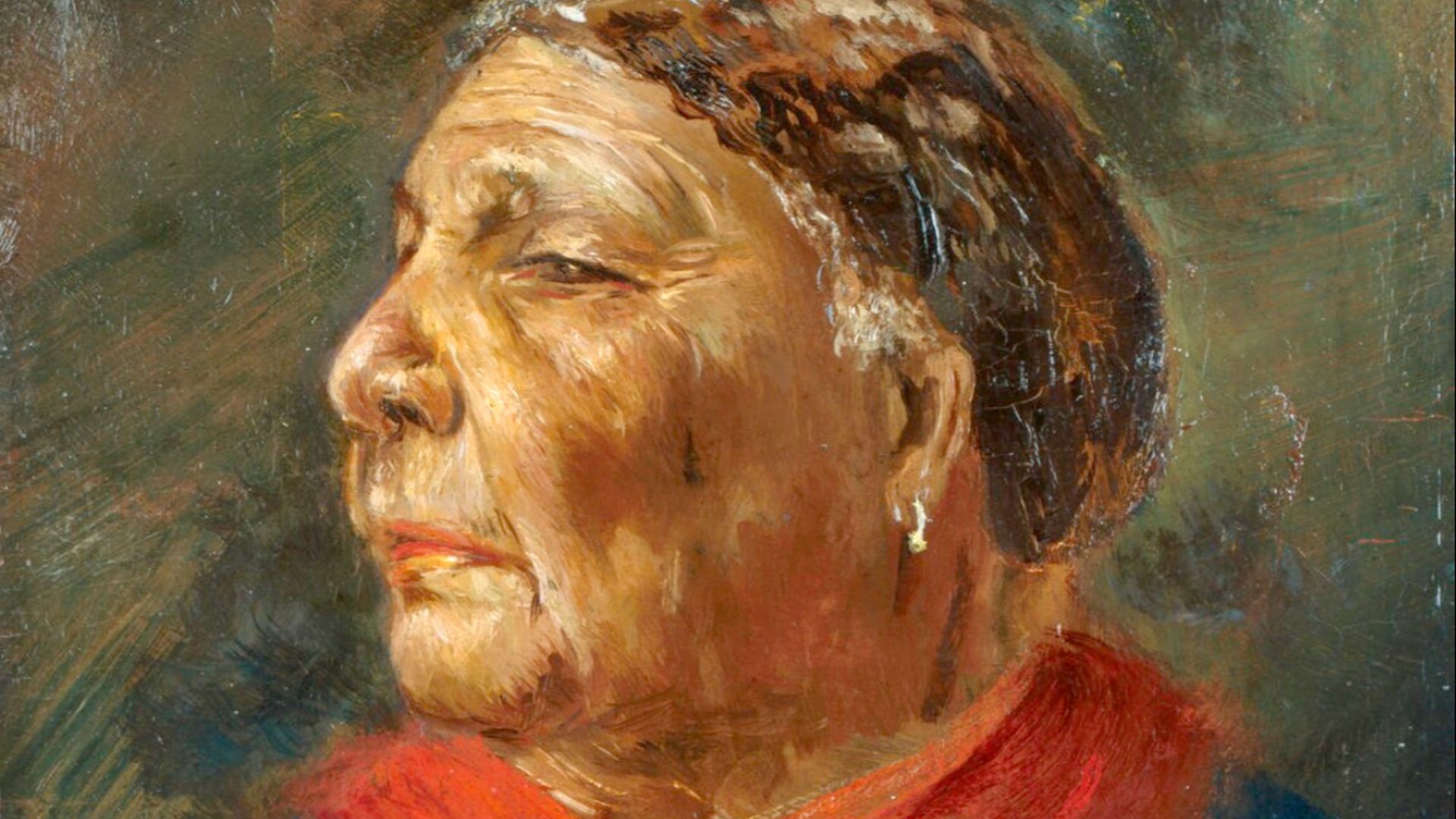
Florence quickly achieved her mythical status, but she wasn't always perfect. Though she proved to be a hero to many during her time in the Crimea, some evidence suggests that she did not have a great relationship with everyone she met during this time. One woman, in particular, may have been the recipient of Florence's ill will: Mary Seacole, a fellow nurse and woman of color.
 Unknown authorUnknown author, Wikimedia Commons
36. She Opposed Others
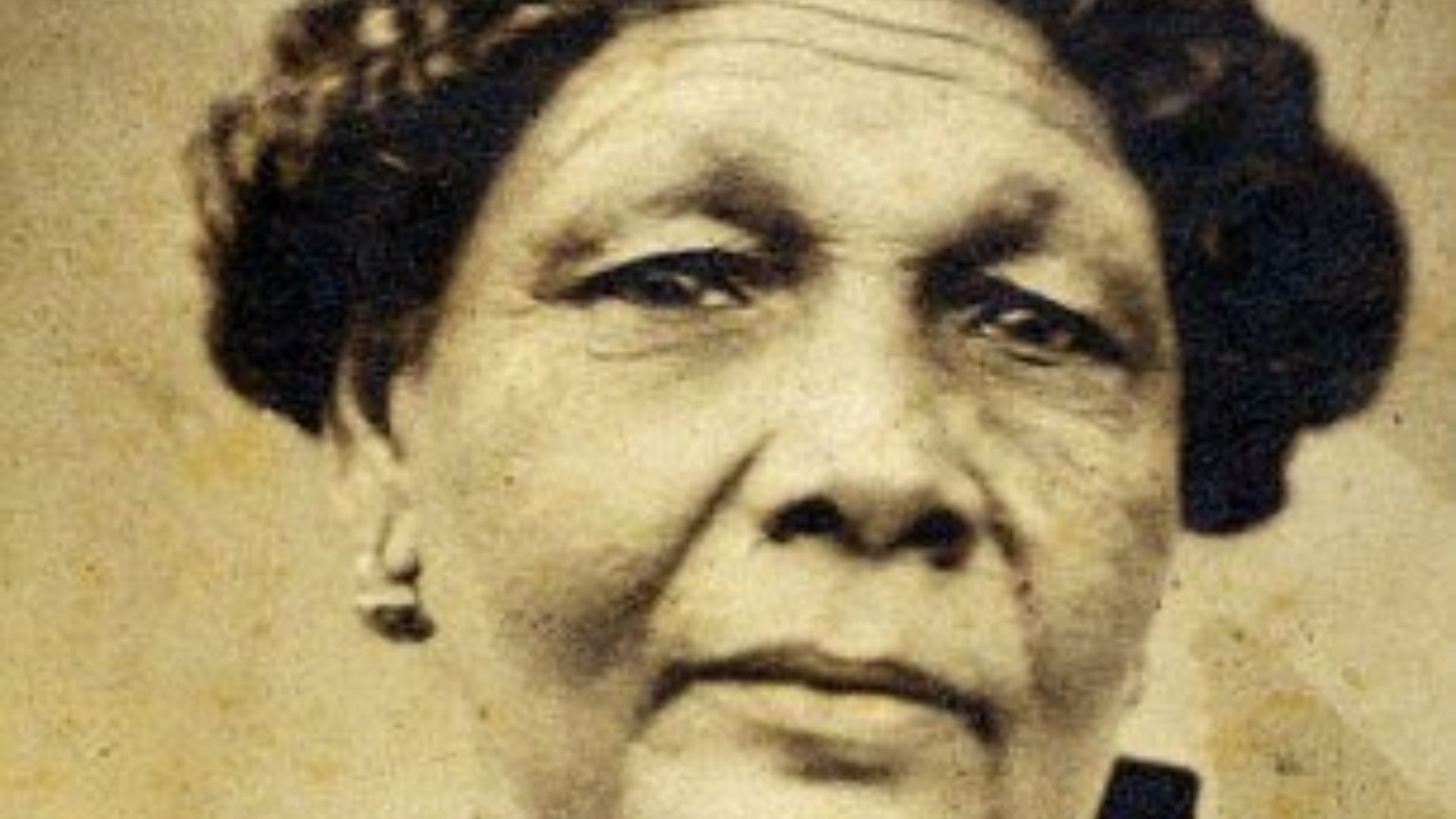
Mary Seacole proved to be Florence Nightingale’s foil within the Crimea. Florence arrived with the support of powerful people within the British government. Seacole arrived looking to provide aid to the men and found herself rebuffed during each attempt. Even Florence’s groups of nurses appeared out of reach for Mary Seacole, though whether Florence had much to say about it is difficult to assess.
 Unknown authorUnknown author, Wikimedia Commons
37. She Had No Room
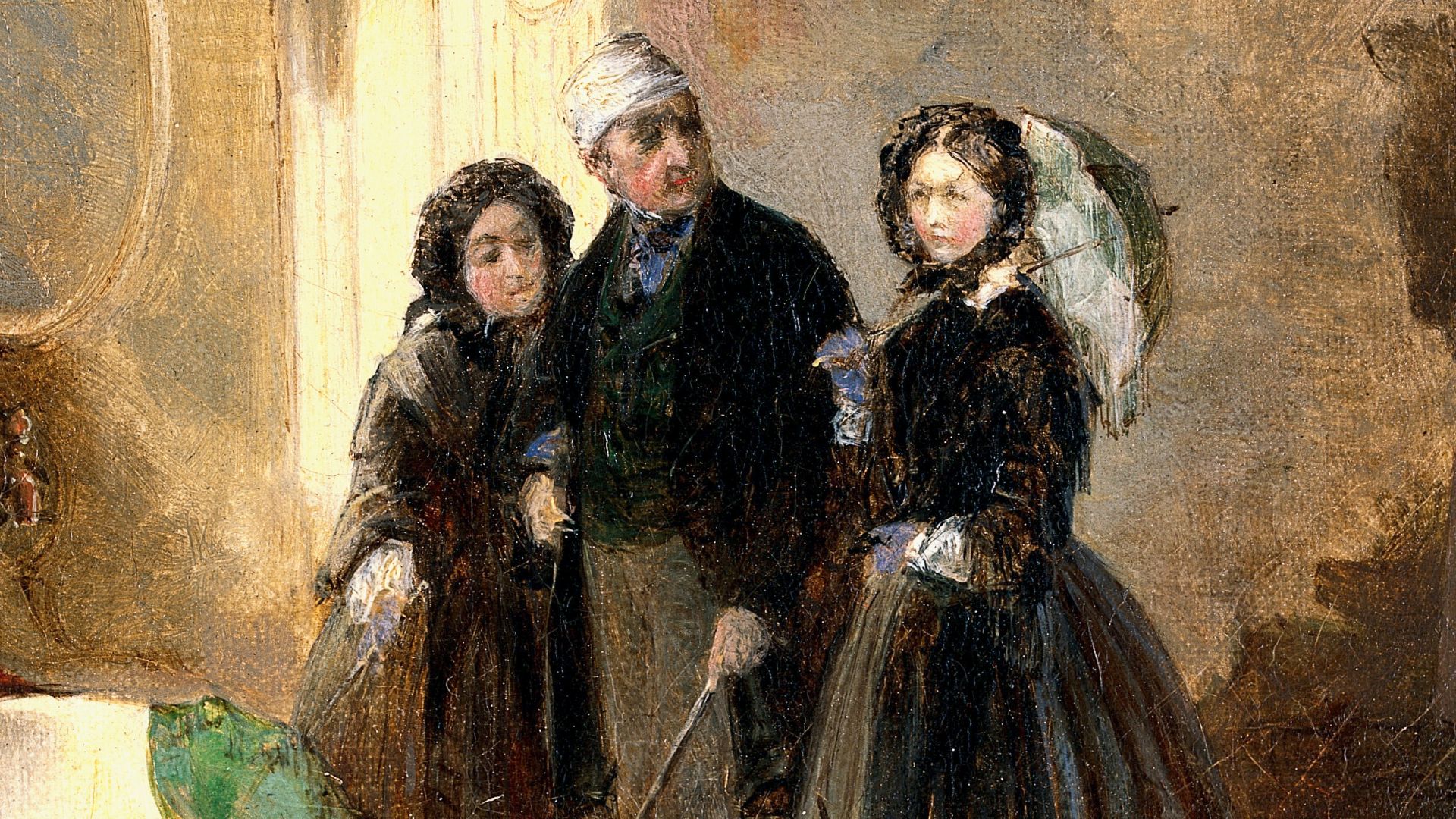
According to Seacole’s memoirs, Seacole attempted to join up with Florence’s band of nurses after meeting a doctor who had recently left Scutari. However, when Seacole arrived at Scutari, she met not with Florence but with Florence’s assistant, Selina Bracebridge.
Bracebridge appeared baffled by Seacole and promptly informed her that there were no vacancies to be filled within Florence’s crew. According to Seacole’s recollections, Florence arrived sometime after this, taking on her usual role of savior.
38. She Offered A Small Kindness
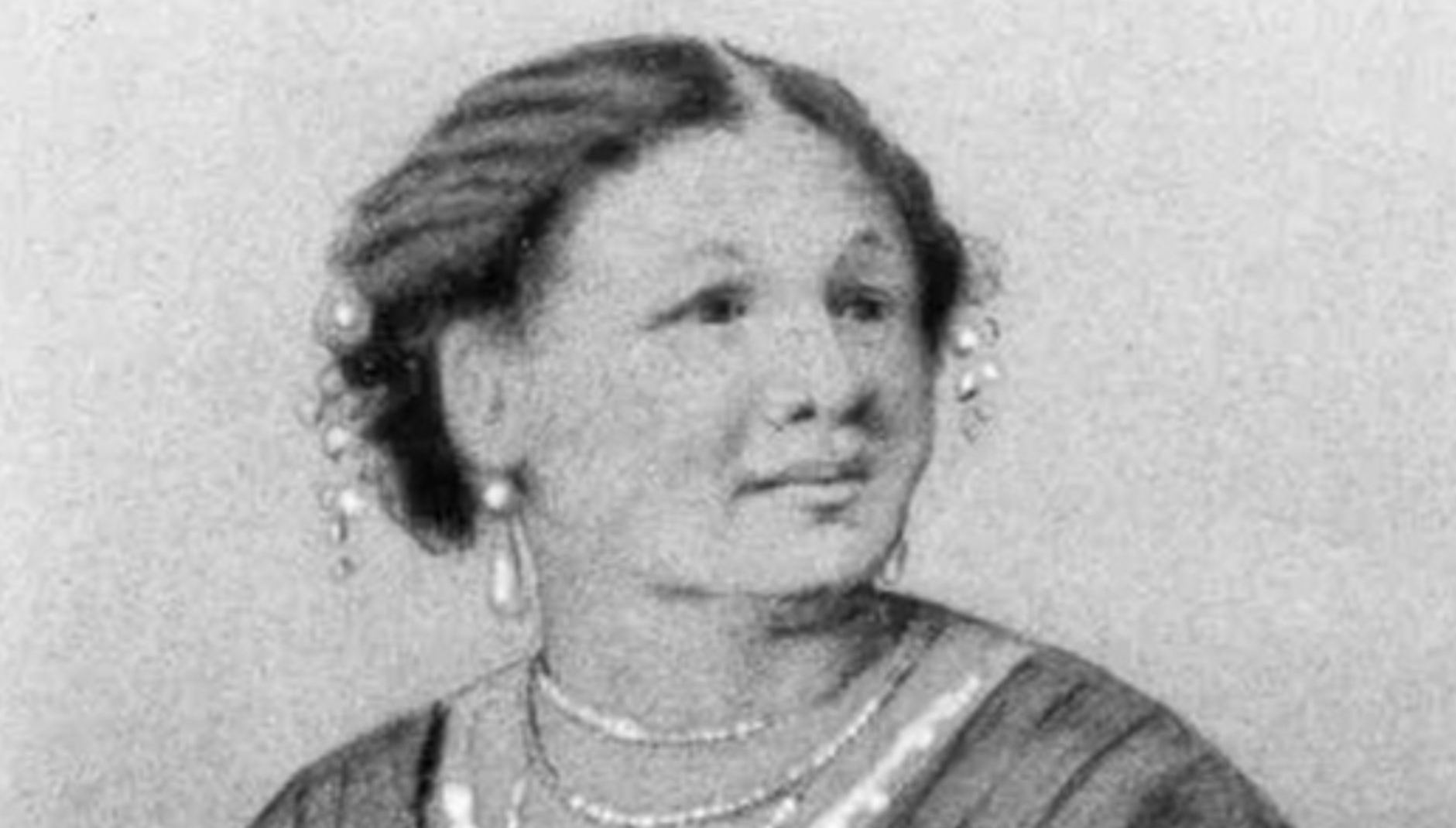
In Seacole’s recollections, her solitary meeting with Florence Nightingale proved pleasant and helpful. Seacole expressed concern about finding her ship in the dark, and Florence happily provided Seacole with a bed for the night. From there, Seacole carried on with her journey, opening a hotel for convalescing officers; this is the moment when her relationship with Florence appeared to have soured.
39. She Hid Her Thoughts Well
Mary Seacole recalled Florence Nightingale as a kind woman who had responded to her pleasantly, offering aid when Seacole needed it. However, Florence’s writings highlight a different story entirely. Florence’s writing shows their relationship to be far more one-sided, with Florence hiding scornful opinions behind a polite façade when in public.
Florence didn’t dislike Mary Seacole, but she certainly didn’t approve of her actions either.
 OwenBlacker, Wikimedia Commons
40. She Frowned Upon Indulgences
In a letter to her brother-in-law, Florence showed a side of herself that did not necessarily suit the selfless image that had grown around “the lady with the lamp”. While she never disparaged Seacole’s personality, she casts doubt upon her morality, stating that Seacole showed the men kindness, but that she plied them with drink to the point of intoxication.
41. She Cut People Out
According to private correspondence, Florence held severe opinions about Seacole and her operation. Florence repeatedly made her stance upon Seacole clear, writing, "I had the greatest difficulty in repelling Mrs. Seacole's advances, and in preventing association between her and my nurses (absolutely out of the question!) ... Anyone who employs Mrs. Seacole will introduce much kindness—also much drunkenness and improper conduct”.
Florence did not save her scorn for Seacole entirely; she made it clear it was her way or the highway.
 Albert Charles Challen, Wikimedia Commons
42. She Needed Control
Two groups of Irish nuns from the Sisters of Mercy arrived to help with the nursing duties and had different experiences with Florence, depending on how they behaved with her. The first wave came under the care of Mary Clare Moore. Moore had no problem accepting Florence as the chief authority in Scutari.
As such, Florence and Moore remained lifelong friends. The second wave didn’t give in to Florence’s authority so easily and therefore, faced Florence’s wrath.
43. She Refused To Let Go
Mary Francis Bridgeman headed the second wave of the Sisters of Mercy. Bridgeman had a harder time relinquishing control, refusing to give Florence command over her nuns. As such, Bridgeman and Florence entered a frostier relationship that produced a few difficulties. Regardless, to the men of Scutari, Florence remained a beacon of hope.
 M. & N. Hanhart, Wikimedia Commons
44. She Became A Myth
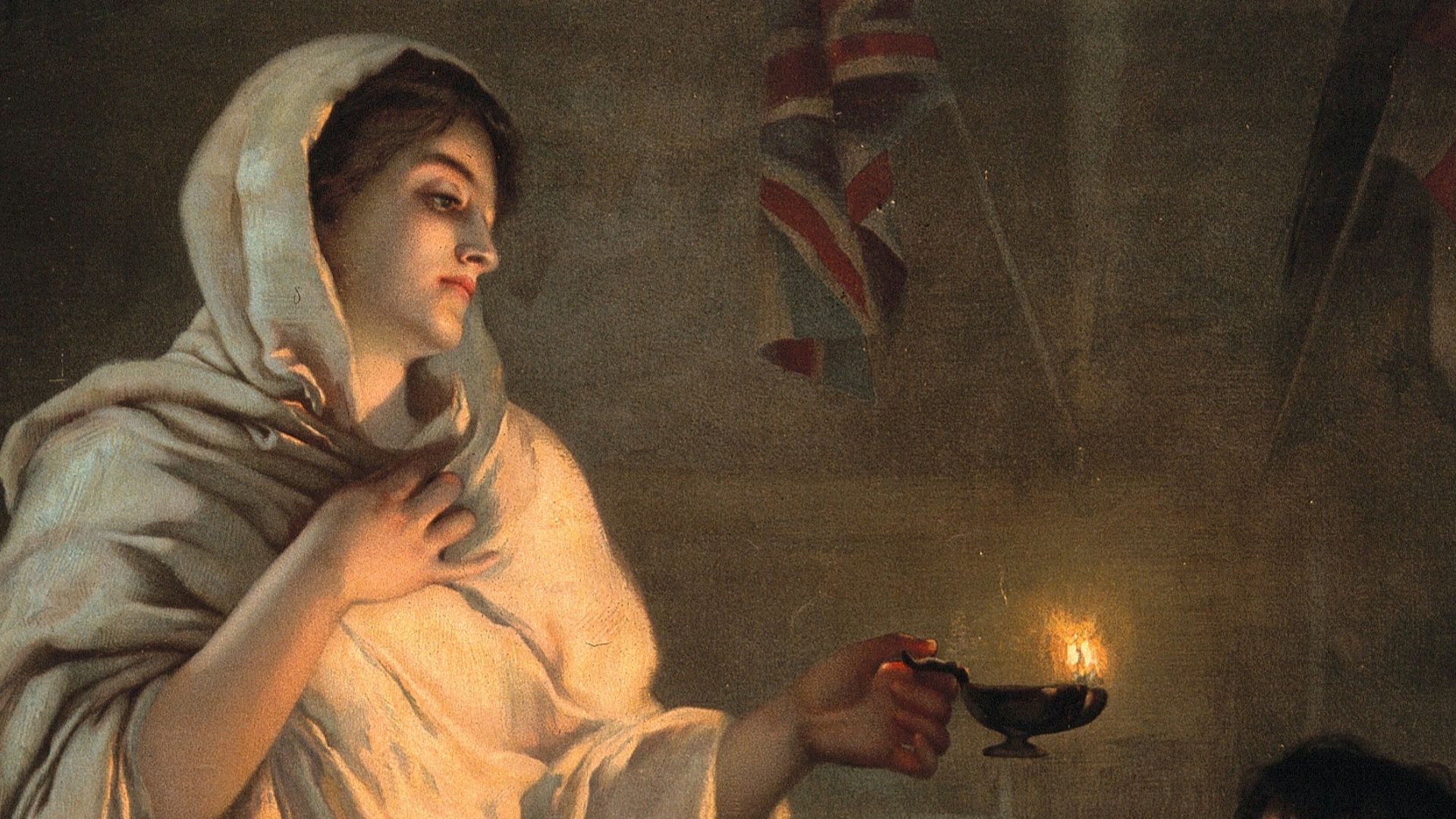
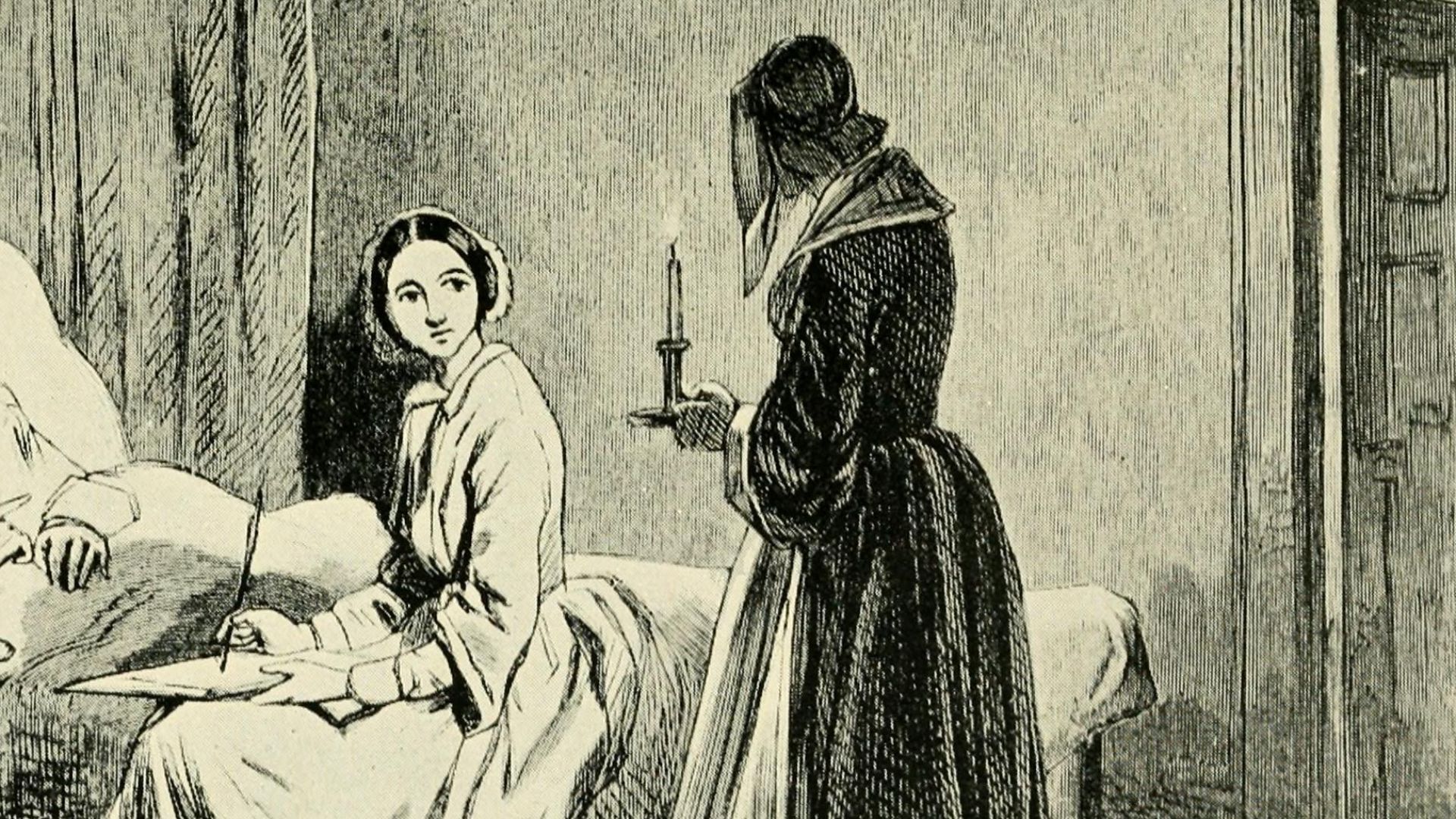
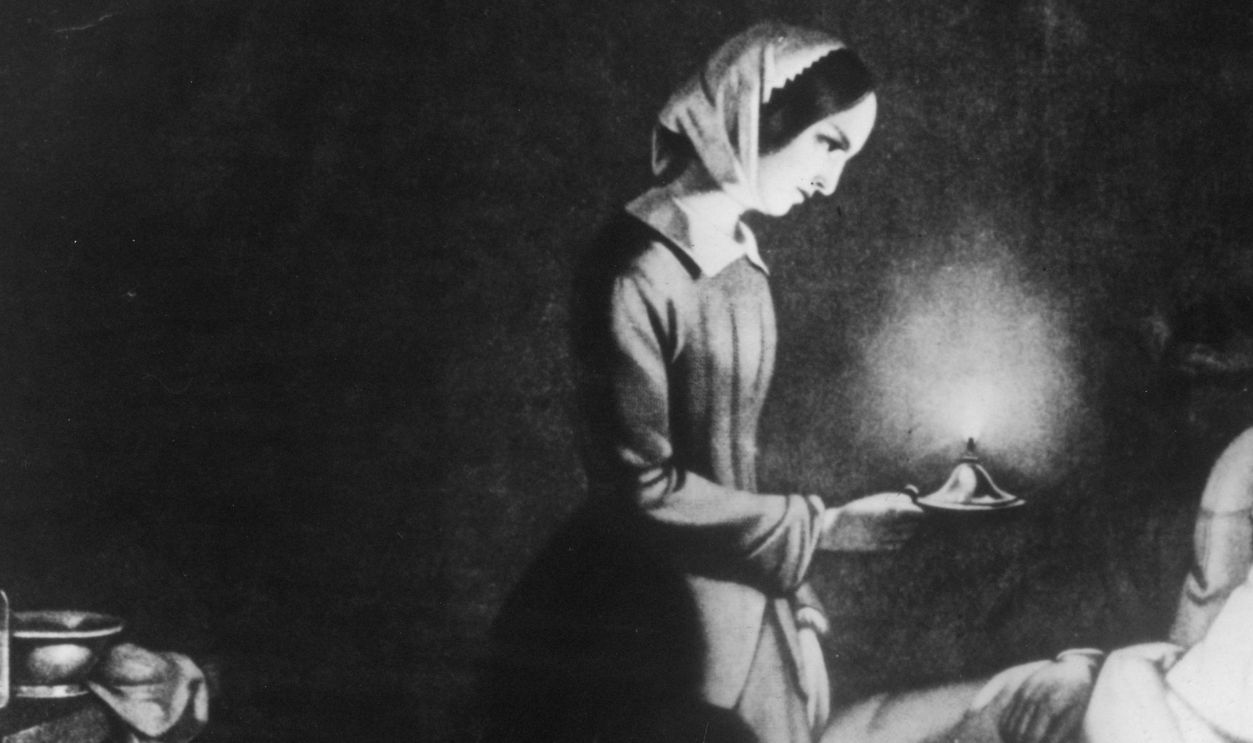
Florence has become known in popular culture as “The Lady with the Lamp”. The image of Florence with a lamp came from a report written in The Times. This report called Florence a “ministering angel” and concluded with an image of Florence concluding her rounds alone in the dark when all of the other medical officers retired, a lone lamp her only source of light.
However, the true source of Florence’s nickname is far less gentle and feminine.
 Internet Archive Book Images, Wikimedia Commons
45. She Took Charge
The men in the Crimea had a different nickname for Florence. At one point, Florence used a hammer to break into a locked storage area to retrieve medicine from it. From that point on, the men called her “the lady with the hammer”. However, the author of The Times report felt that it wasn’t feminine enough, so he changed it to “The Lady with the Lamp"—and the rest was history.
46. She Never Forgot
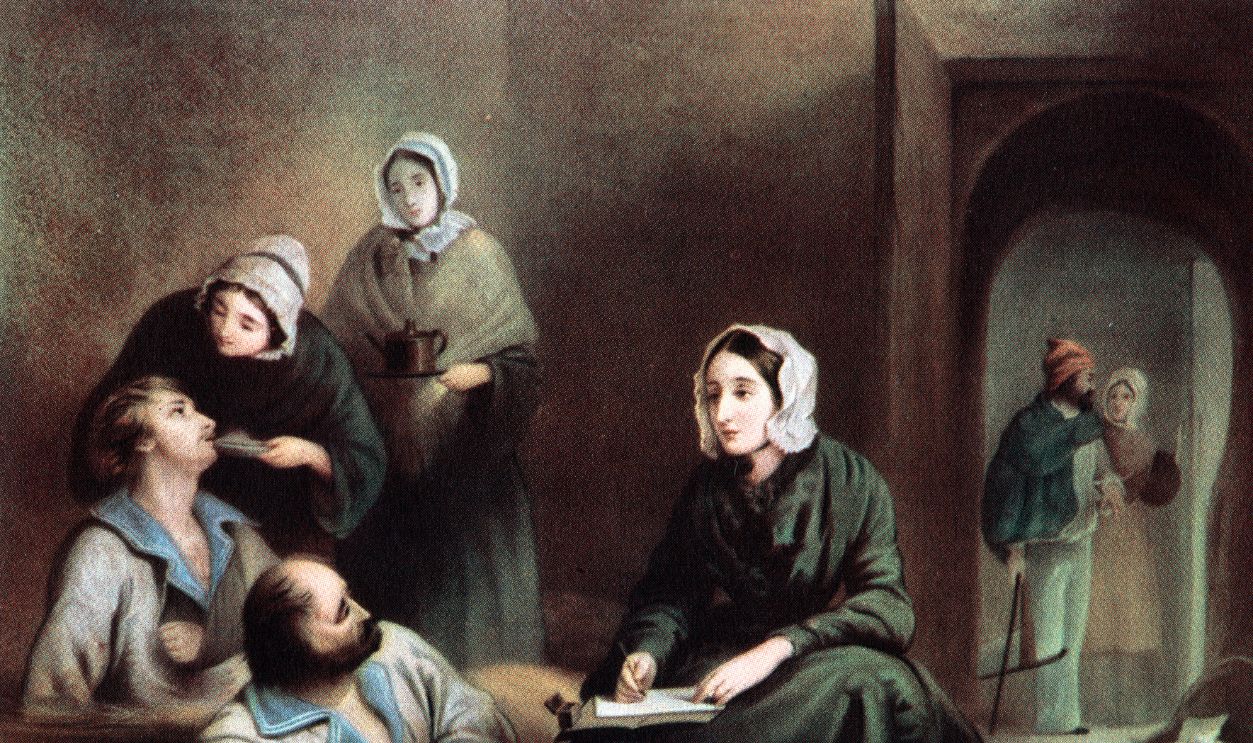
Although Florence introduced a great many hygienic measures that reduced the rate at which men were losing their lives, she felt that there were root causes that needed to be addressed. Florence felt that a supply shortage, bad nutrition, stale air, and strained soldiers all contributed to the horrid conditions she found in Scutari.
This belief influenced her work once she returned home and helped her revolutionize the field of medicine.
47. She Created A School
The British Government honored Florence with the Nightingale Fund, which amounted to 45,000 pounds (approximately 5,339,011 pounds by today’s standards). In response, Florence set up the Nightingale Training School at St Thomas’ Hospital. It was the first training school for nurses and taught the foundations of nursing to its students based on what Florence learned in the Crimea. Yet, Florence still needed to do more.
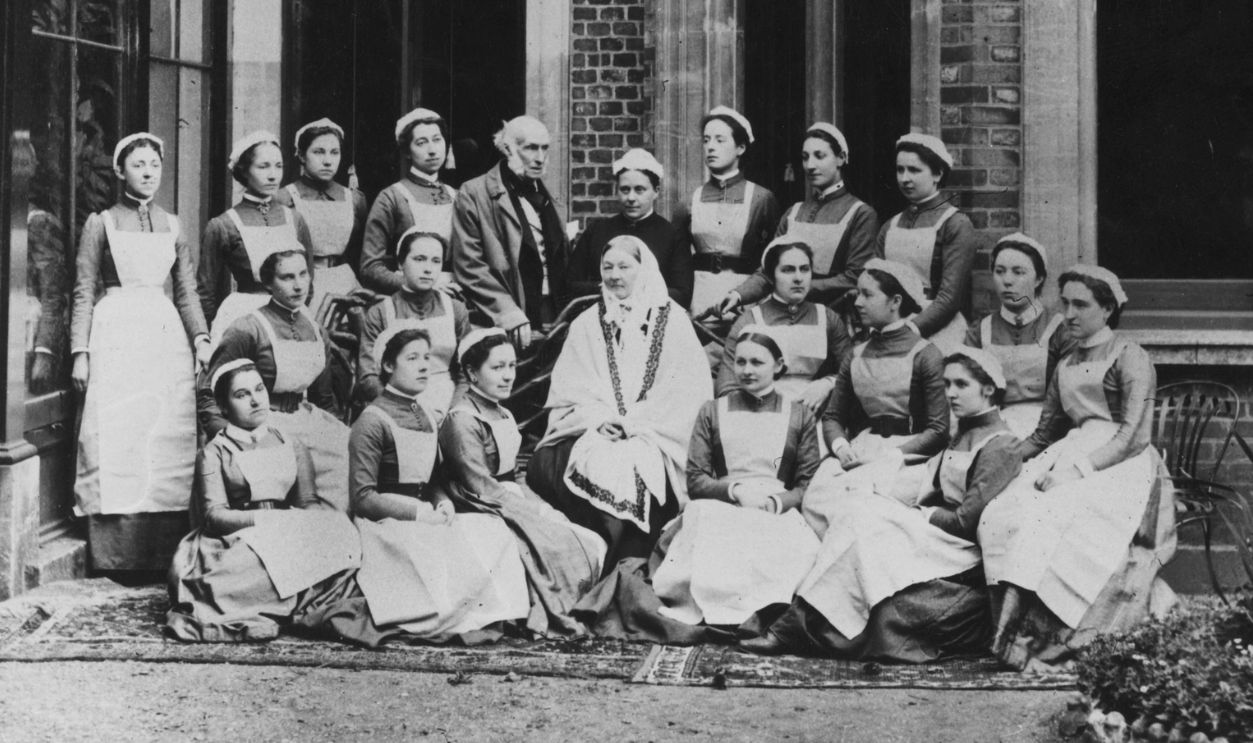
48. She Wrote A Book
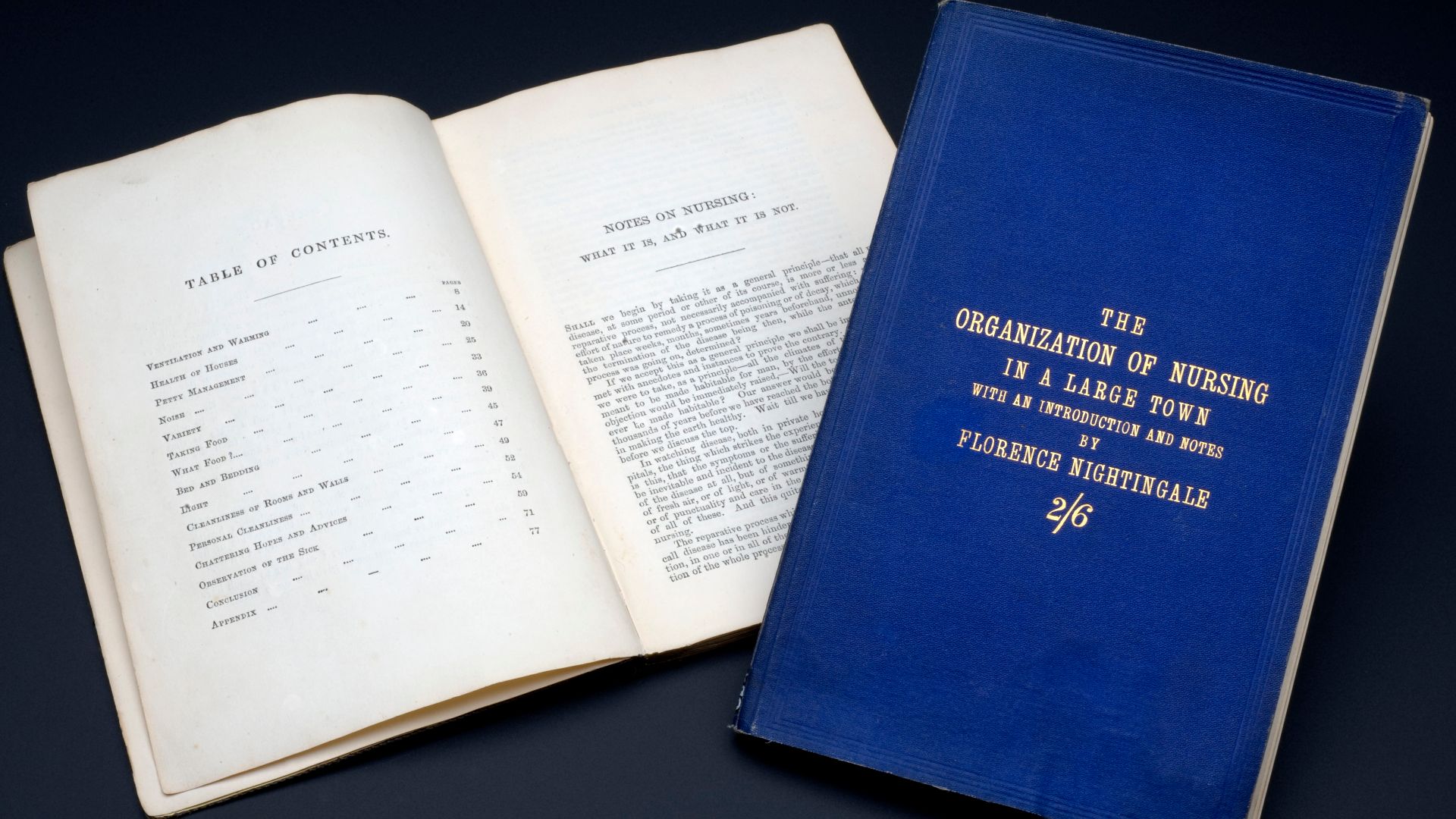
For those who could not afford to go to the Nightingale Training School, they could reference Florence’s book Notes on Nursing, published in 1859. Although the book served as a basis for the school’s curriculum, Florence designed it for teaching nursing at home to instruct even more nurses on proper practices.
Florence revolutionized nursing, changing the lives of many women in the process; however, her actions and words suggested she had a shockingly low opinion of women. But how could this be?
49. She Felt Superior
Although Florence enabled the lives of many women to improve, that had not necessarily been her goal. Florence seemed not to care for her fellow women in general. She considered most women useless creatures and tended to refer to herself as a “man” of action or business. Florence certainly had her flaws, but no one can question her impact on society.
 Internet Archive Book Images, Wikimedia Commons
50. She Changed The World
Despite suffering from years of illness that left her bedridden, Florence lived to the age of 90, passing quietly in her sleep in August 1910. Florence left behind a legacy that continues today. The Nightingale Training Center carries on today as part of King’s College London, and Notes on Nursing is still in print.
The world would look very different today if it were not for Florence Nightingale, the Lady with the Lamp.
You May Also Like:
Charlie Chaplin's Life Was No Laughing Matter
The Devastating Story Of King George I’s Pet Human