The Greatest
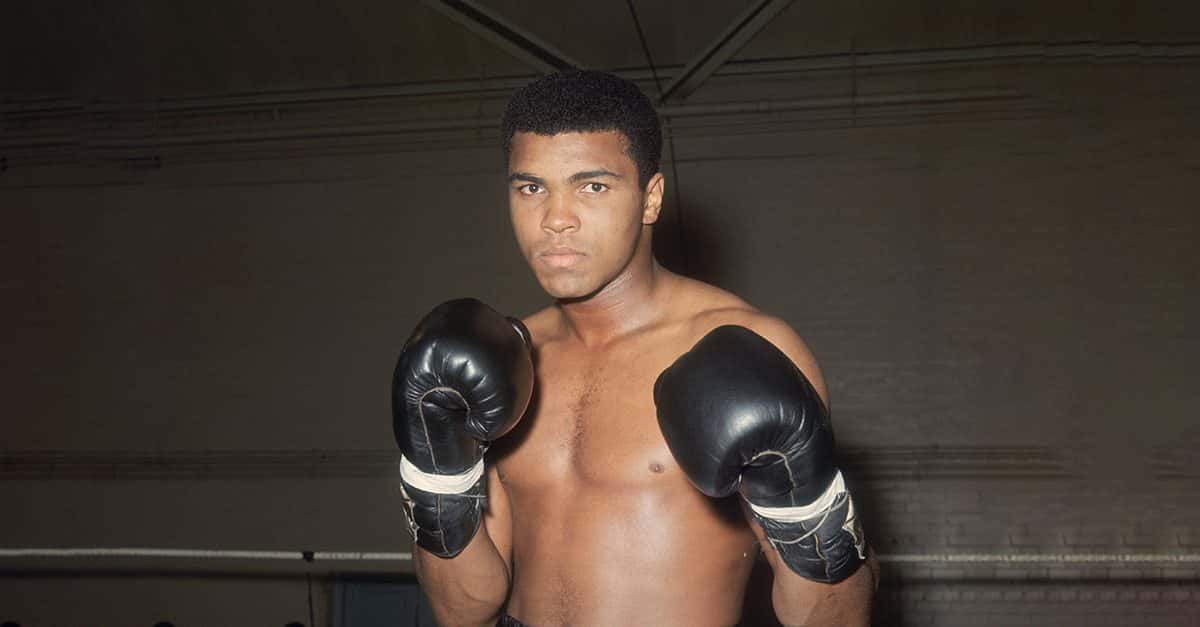
Muhammad Ali could have just been a boxer. His meteoric rise saw him smash records left and right, defying all the odds, and cementing his name in history at a very young age. But he didn’t stop there, becoming an outspoken critic of American imperialism, systemic racism, and religious intolerance. The Greatest of All Time only got greater as time went on.
1. He Had A Different Name
Muhammad Ali was actually born Cassius Marcellus Clay Jr on January 17, 1942, in Louisville, Kentucky. The son of Odessa Grady Clay and his identically named father, the young Cassius had a curious namesake to live up to.
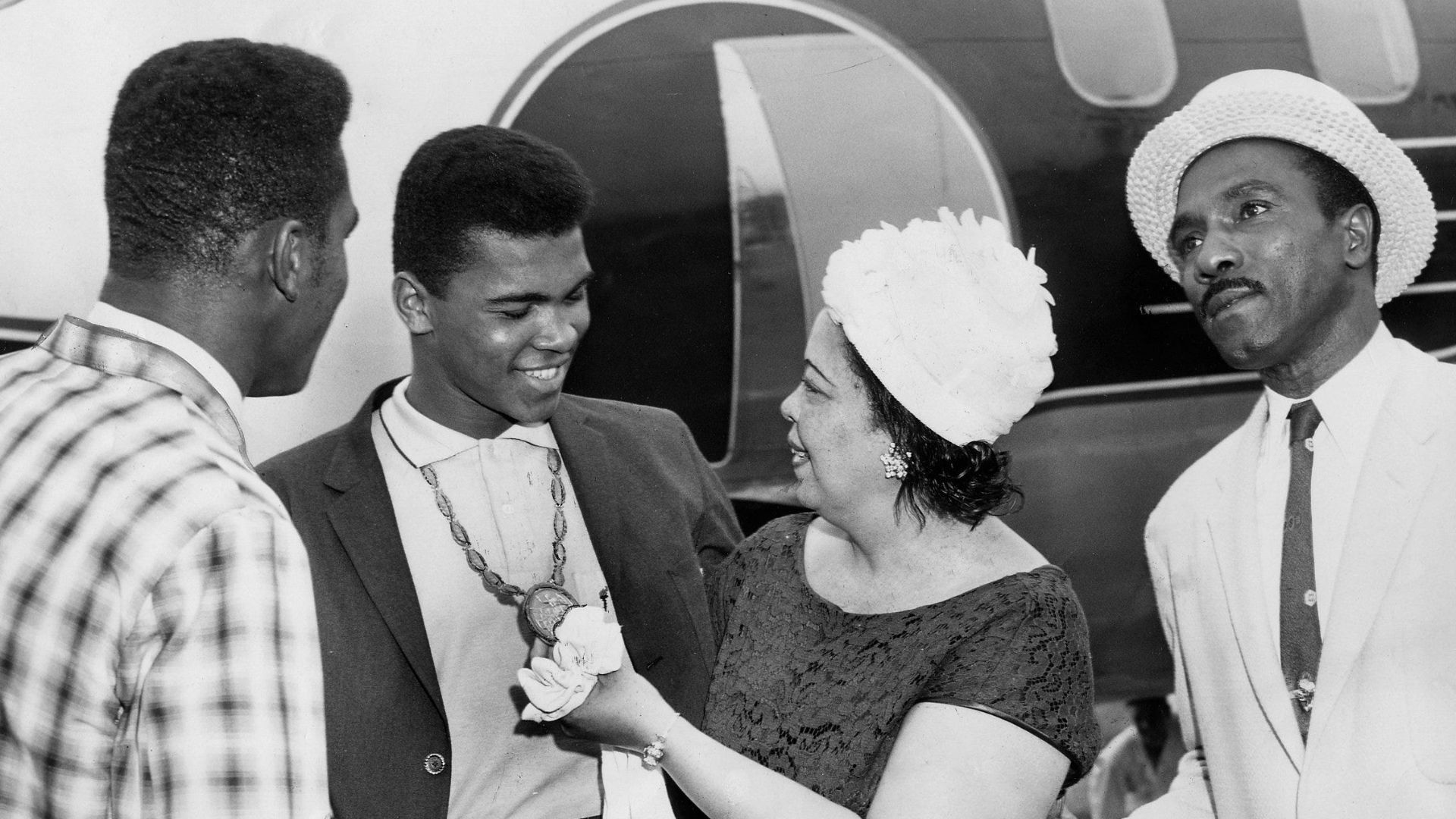 The Courier-Journal, Wikimedia Commons
2. He Had An Historic Name
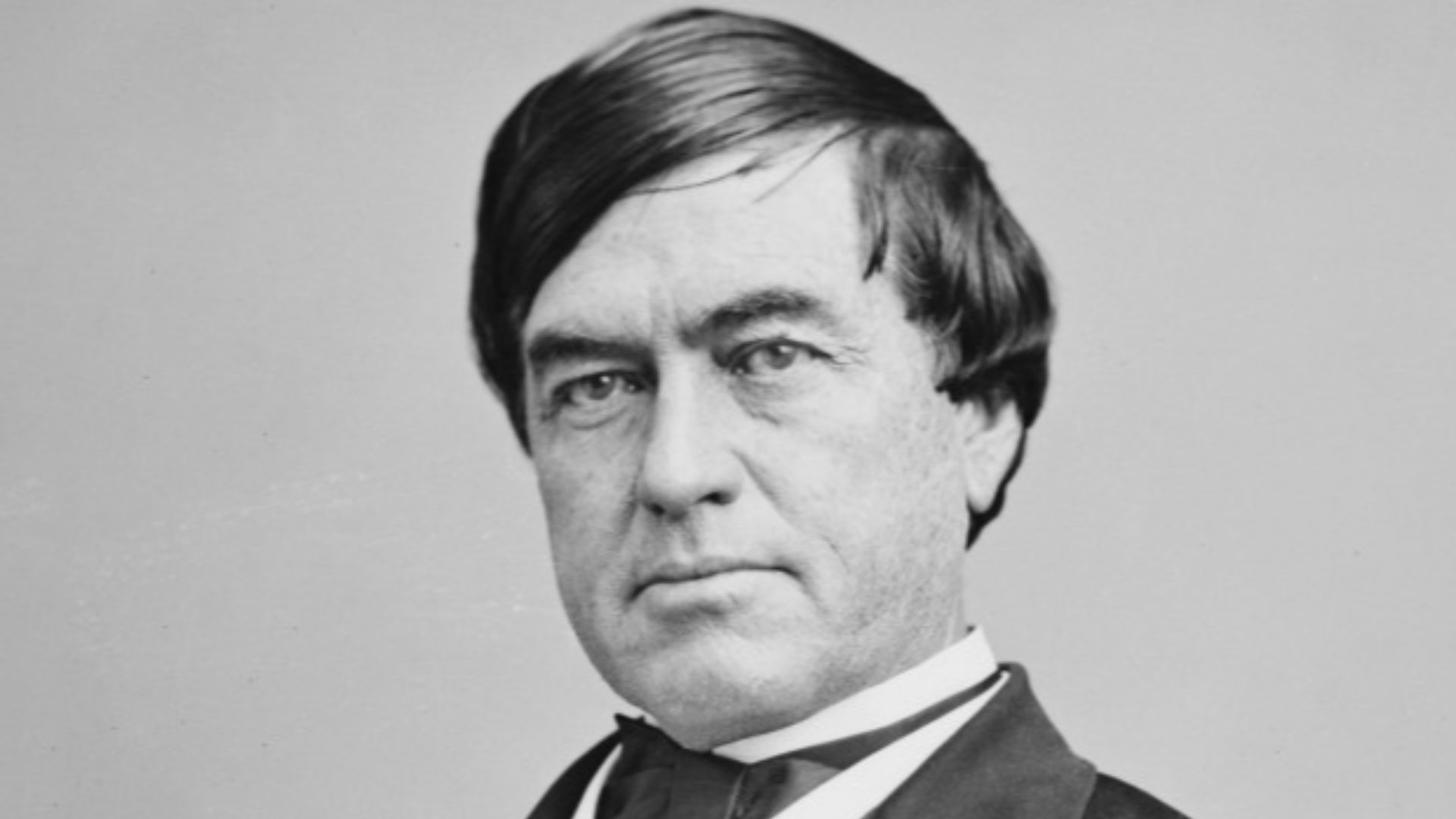
Cassius Jr and his father were both named after another Cassius Marcellus Clay, who was a 19th century Republican politician and slaveowner that later denounced the practice and became a passionate abolitionist.
It was not Ali’s only connection to the horrific American institution; he was also a descendant of Archer Alexander, a freed slave used as a model for a freeman in the Emancipation Memorial in Washington DC. And though Ali did not struggle in the way his ancestors did, his early life was not without difficulty.
 Mathew Benjamin Brady, Wikimedia Commons
3. He Struggled With Words
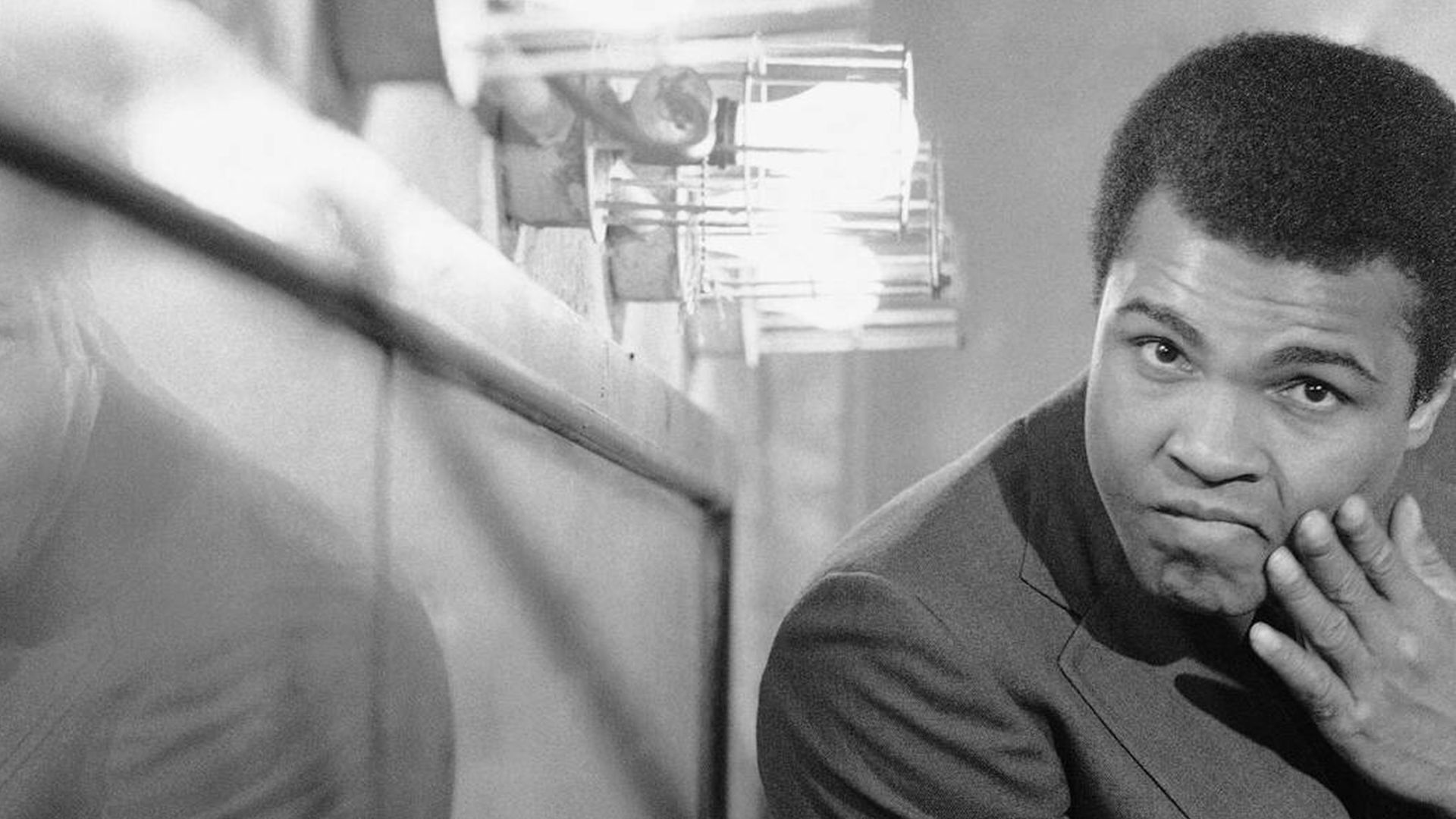
Clay struggled with writing and spelling in school and eventually got diagnosed with dyslexia. When revealed later in his career, he lightheartedly joked “I said I was the greatest, not the smartest!” (though we should note that dyslexia is a form of neurodivergence and not necessarily linked with low intelligence). But if school posed a challenge to the young man, it was nothing compared to the wider world around him.
 AP Wirephoto, Wikimedia Commons

History's most fascinating stories and darkest secrets, delivered to your inbox daily.
4. He Grew Up During A Tense Time
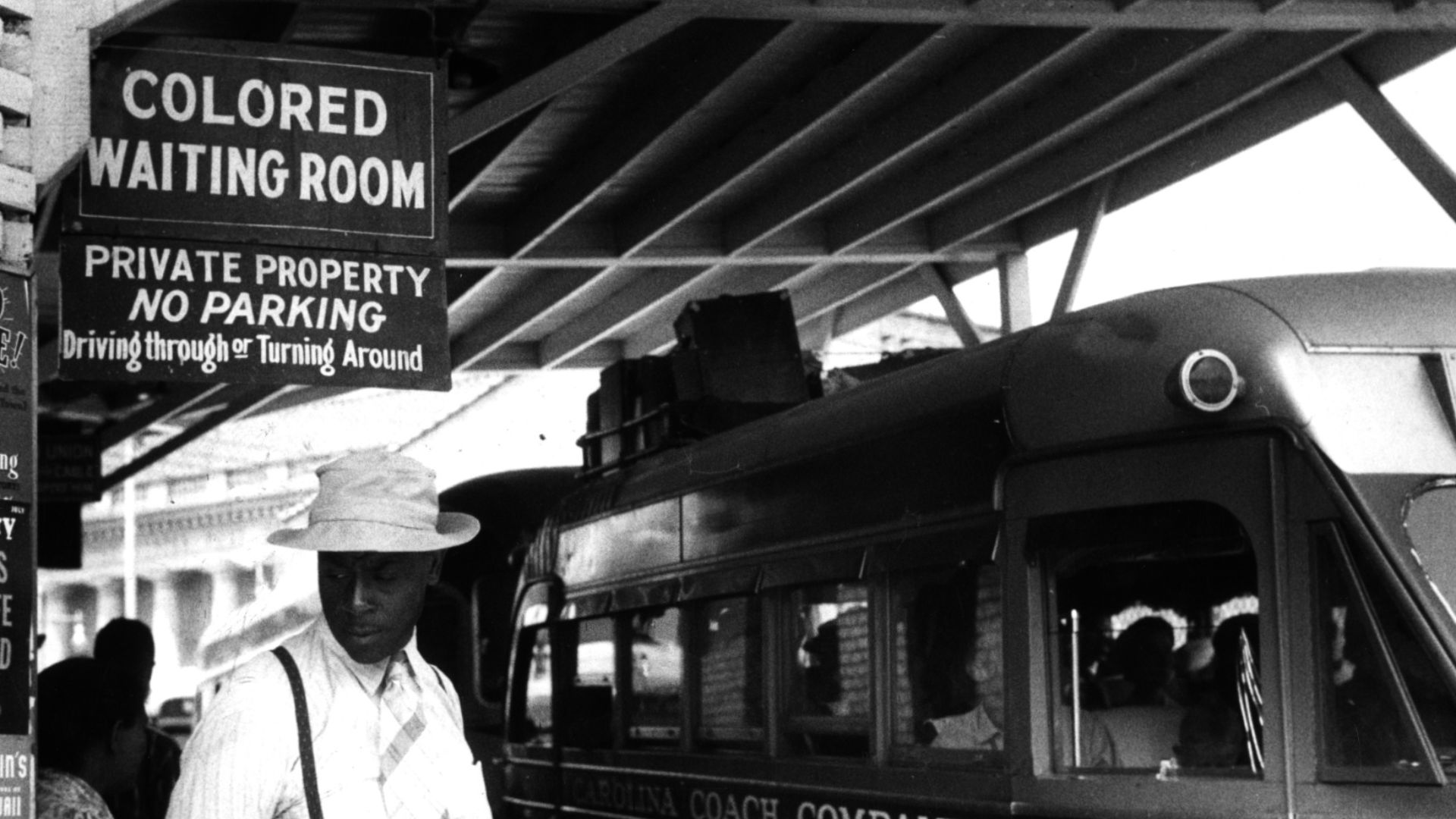
Clay grew up while Jim Crow laws were in full effect in Kentucky, enforcing deplorable racial segregation. His mother recounted stories of the young boy being denied certain things because of his race that “really affected him”.
But it got worse than that: Clay also felt profoundly affected by the 1955 murder of Emmett Till, later telling his daughter “Nothing would ever shake me up (more) than [that] story”. All this tragedy and strife only served to anger the young man more and more.
 Jack Delano, Wikimedia Commons
5. He Got Some Encouragement
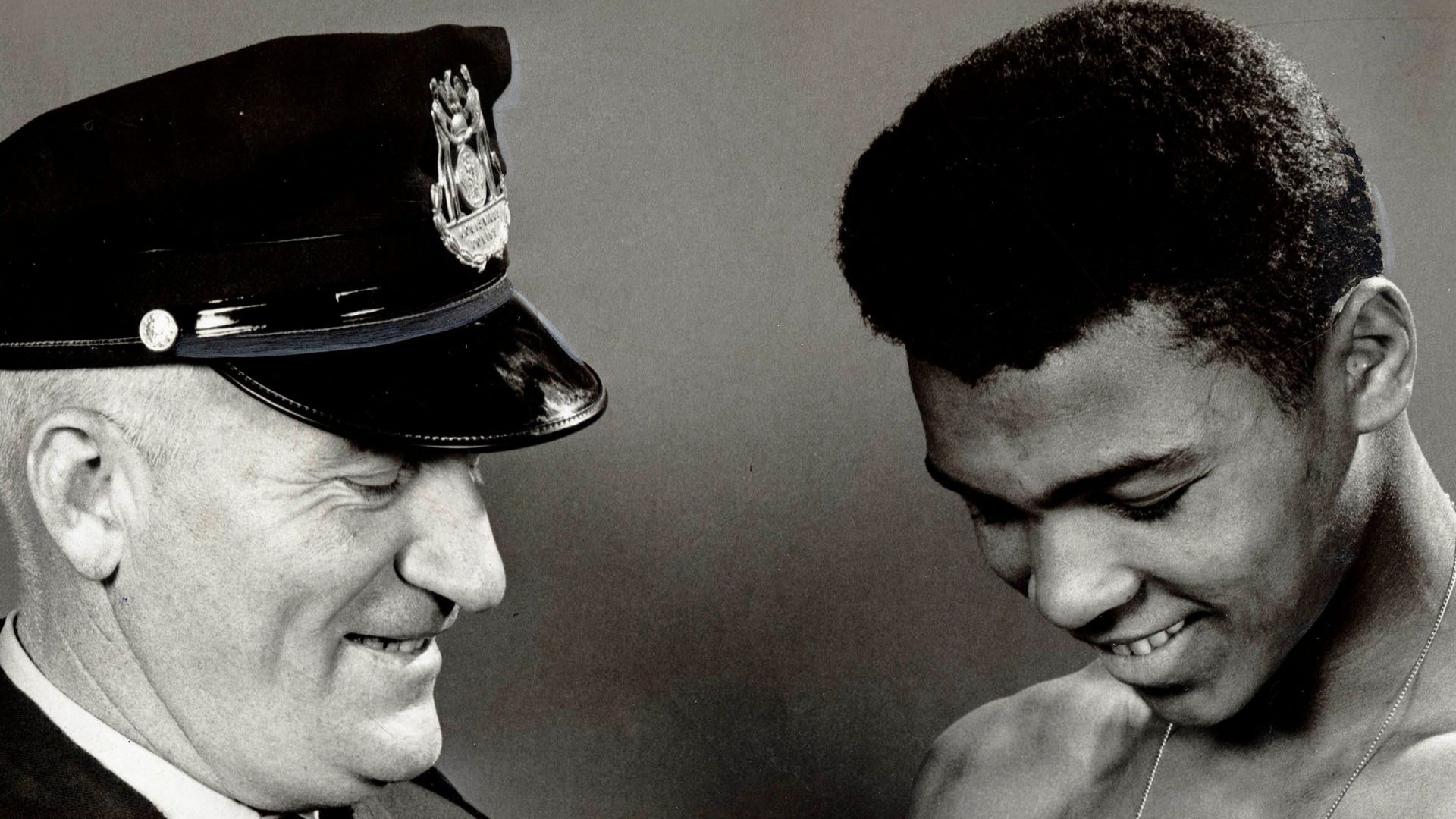
Clay was a hotheaded young man, understandably so considering all that was going on around him. When he was 12 years old, a thief stole his bike and police officer Joe E Martin stumbled upon a fuming Clay. The young man allegedly told Martin he was going to “whup” the thief; Martin responded that he’d better learn to box first. And so, Joe Martin became Cassius Clay’s first boxing coach, and history came a-calling.
 The Courier-Journal, Wikimedia Commons
6. He Worked Hard
Clay began training as an amateur boxer from age 12, and he cycled through a few different coaches over the following years. After Martin, Clay trained with Fred Stoner, whom he credited for “my style, my stamina and my system”. He also trained under notable cutman Chuck Bodak. Following his successful amateur debut in 1954, the young athlete racked up the wins.
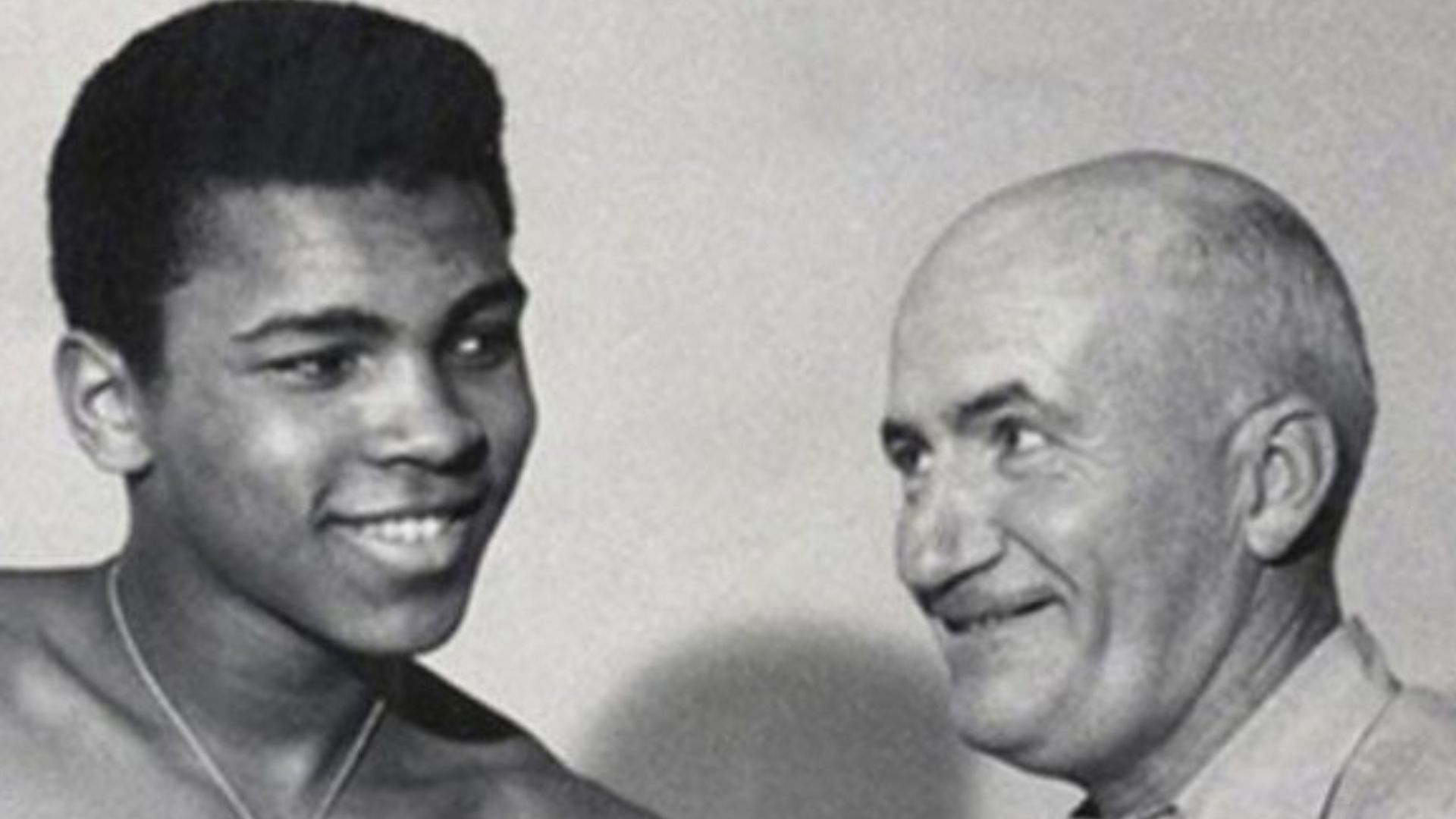 The Courier-Journal, Wikimedia Commons
7. He Excelled
Clay began an impressive run, the likes of which had not been seen much in amateur boxing. Over the course of his pre-professional career, he won six Kentucky Golden Gloves, another two from Chicago, and a further two national Golden Gloves. By the time he went pro, his amateur record was a stunning 100 wins to five losses. And he even saw glory on the world’s biggest stage.
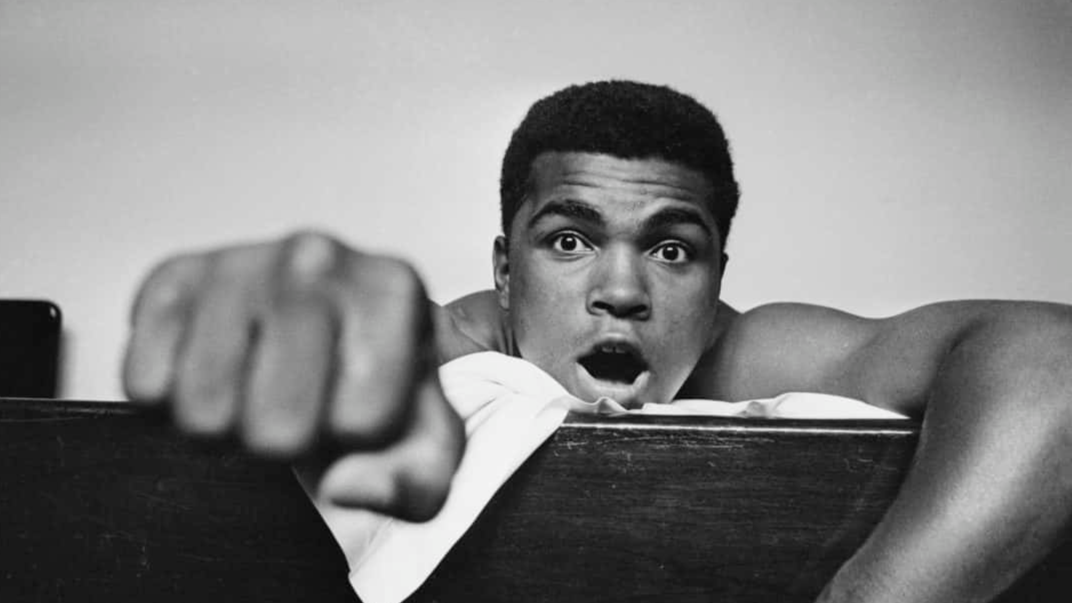
8. He Won The Gold
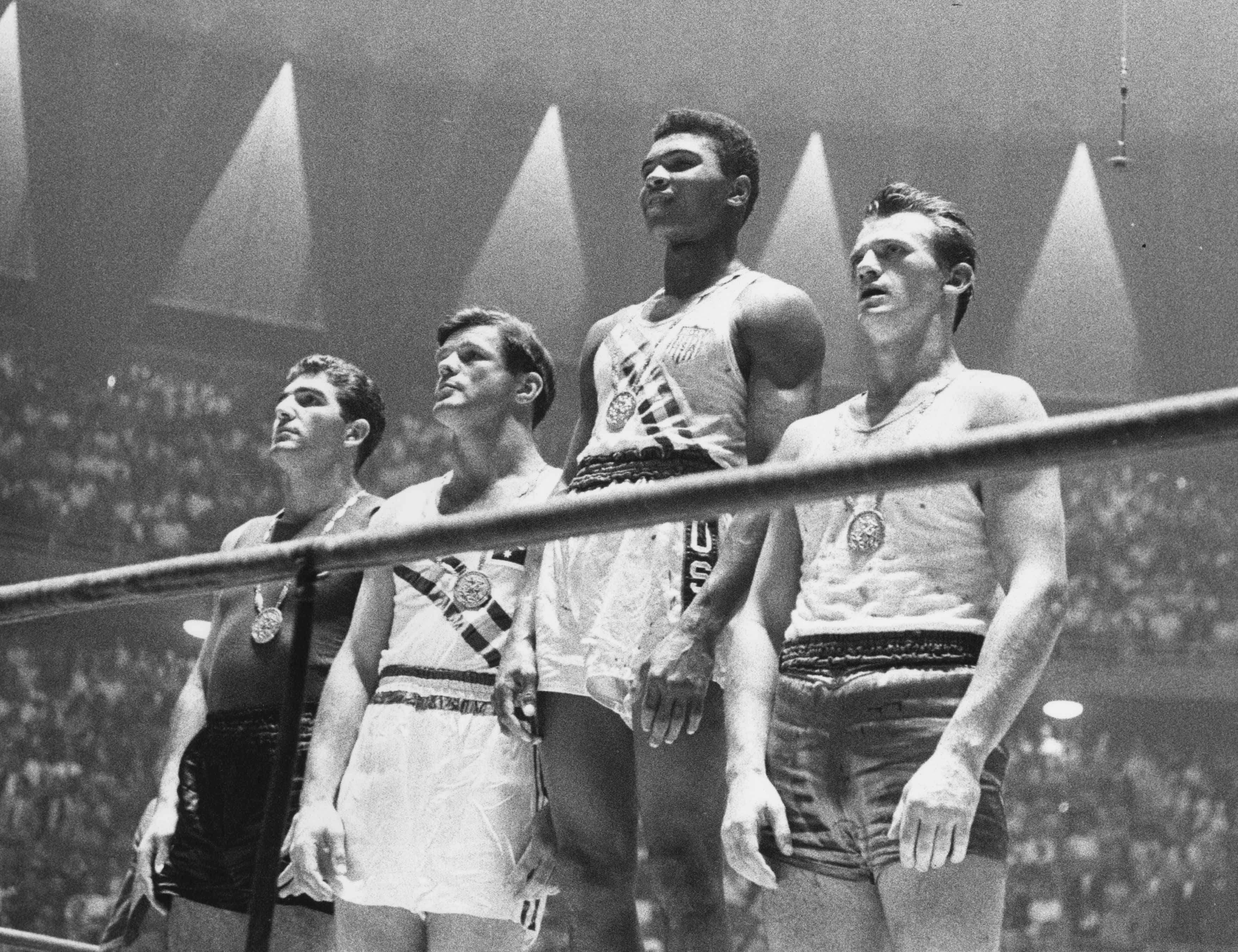
In 1960, aged just 18, Clay competed for the US in the 1960 Summer Olympics in Rome. There, he would cement his name in the sport, winning the light heavyweight gold medal. It was a monumental achievement, but even then, you could see Clay’s horizons stretched beyond the ring.
 Unknown authorUnknown author, Wikimedia Commons
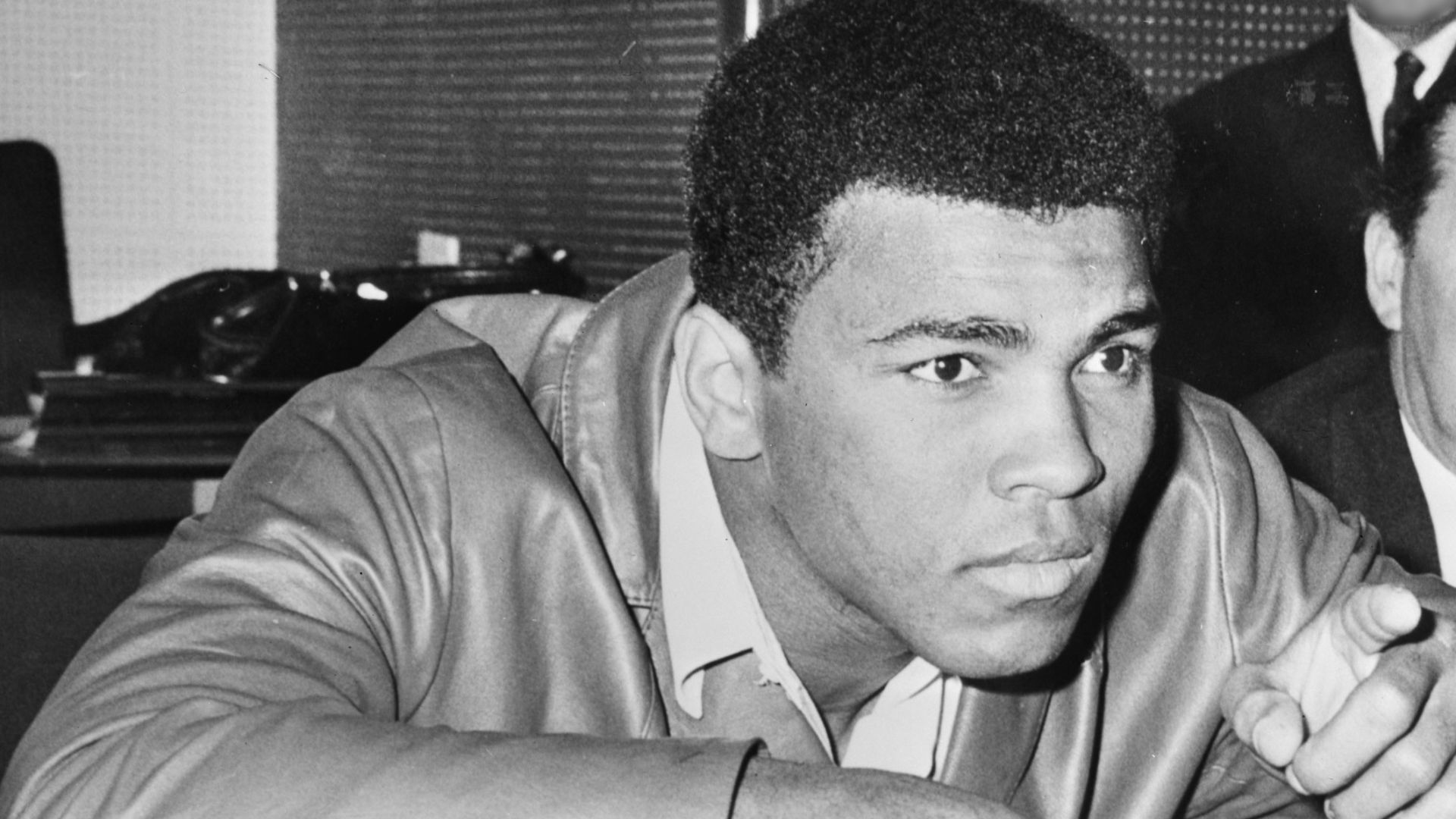
9. He Lost His Medal
Unfortunately, Clay misplaced his medal within a year after returning to the US. But that didn’t mean he couldn’t have fun with it. In his 1975 autobiography, he claimed he threw the medal into the Ohio River after being refused service in a “whites-only” restaurant.
This is a heavily disputed story, however, with one of his friends remarking “Honkies sure bought into that one!” In reality, he probably just lost it out of personal irresponsibility. And with the way his career was going, it was only a blip in the grand scheme of things.
 Associated Press, Wikimedia Commons
History's most fascinating stories and darkest secrets, delivered to your inbox daily.
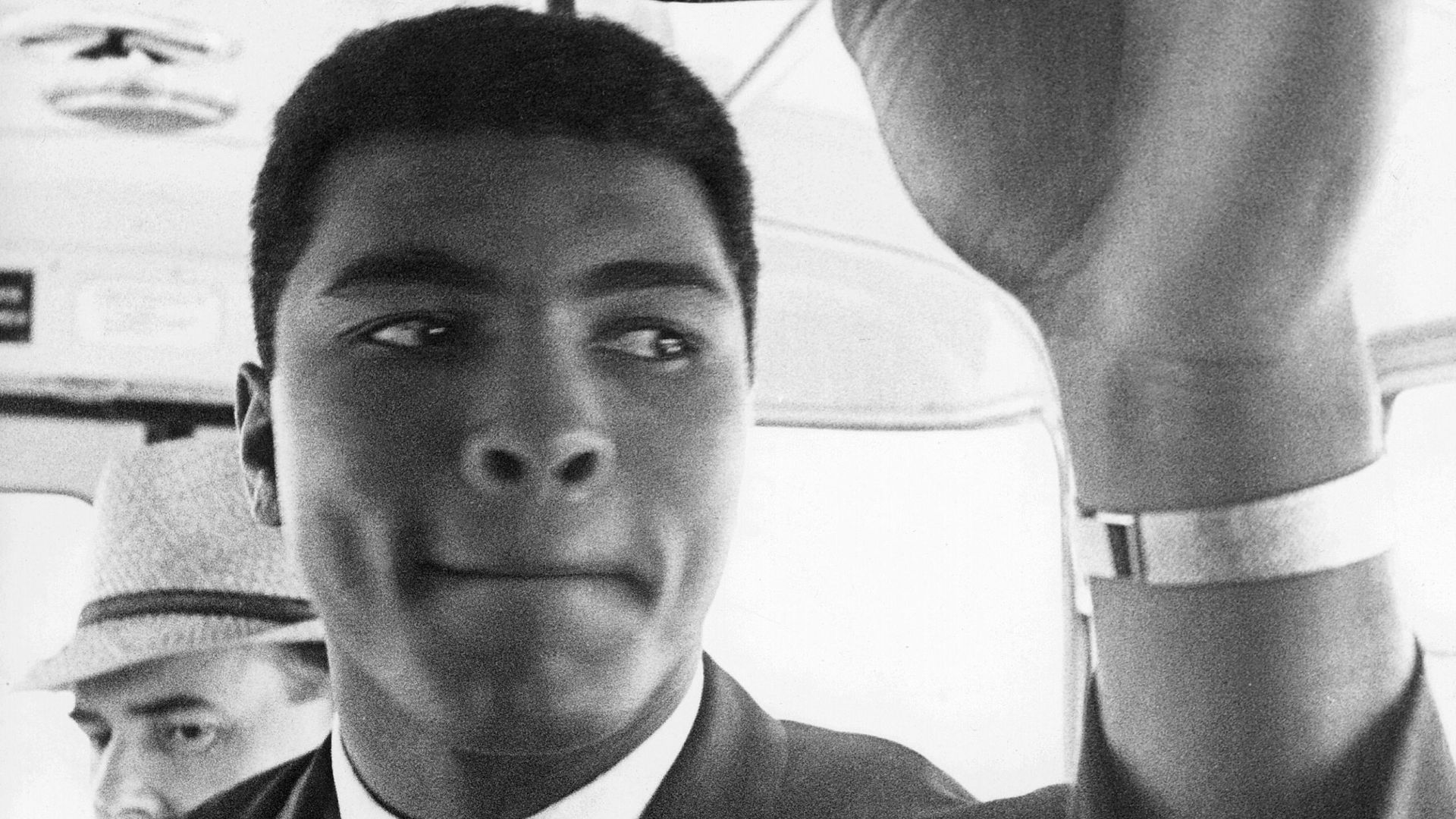
10. He Burst Onto The Scene
Clay made his professional boxing debut on October 29, 1960, where he trounced his opponent. It was the first in a dazzling run: between then and the end of 1963, the young superstar amassed a 19—0 record, 15 of those wins by knockout. He defeated many big names in boxing and honed another skill too.
11. He Was A Yapper
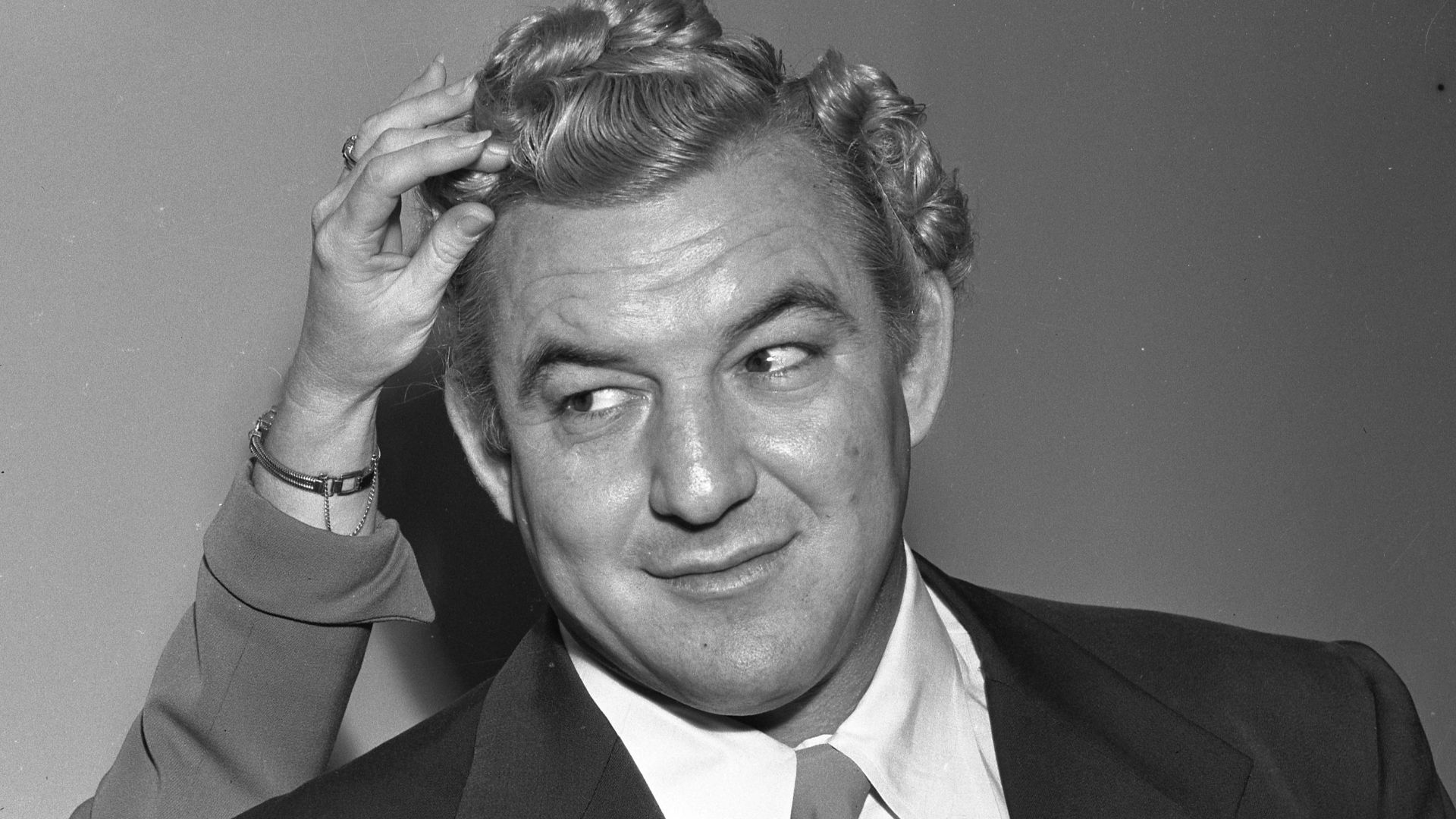
In the leadup to and during all these fights, Clay would vocally undermine and insult his opponents and brag about his own superior abilities, gaining his trademark penchant for trash talking. The plucky young upstart was inspired by professional wrestler “Gorgeous George” Wagner, who engaged in similarly provocative behavior. Clay earned himself a reputation.
 Los- Angeles Daily News, Wikimedia Commons
12. He Became A Character
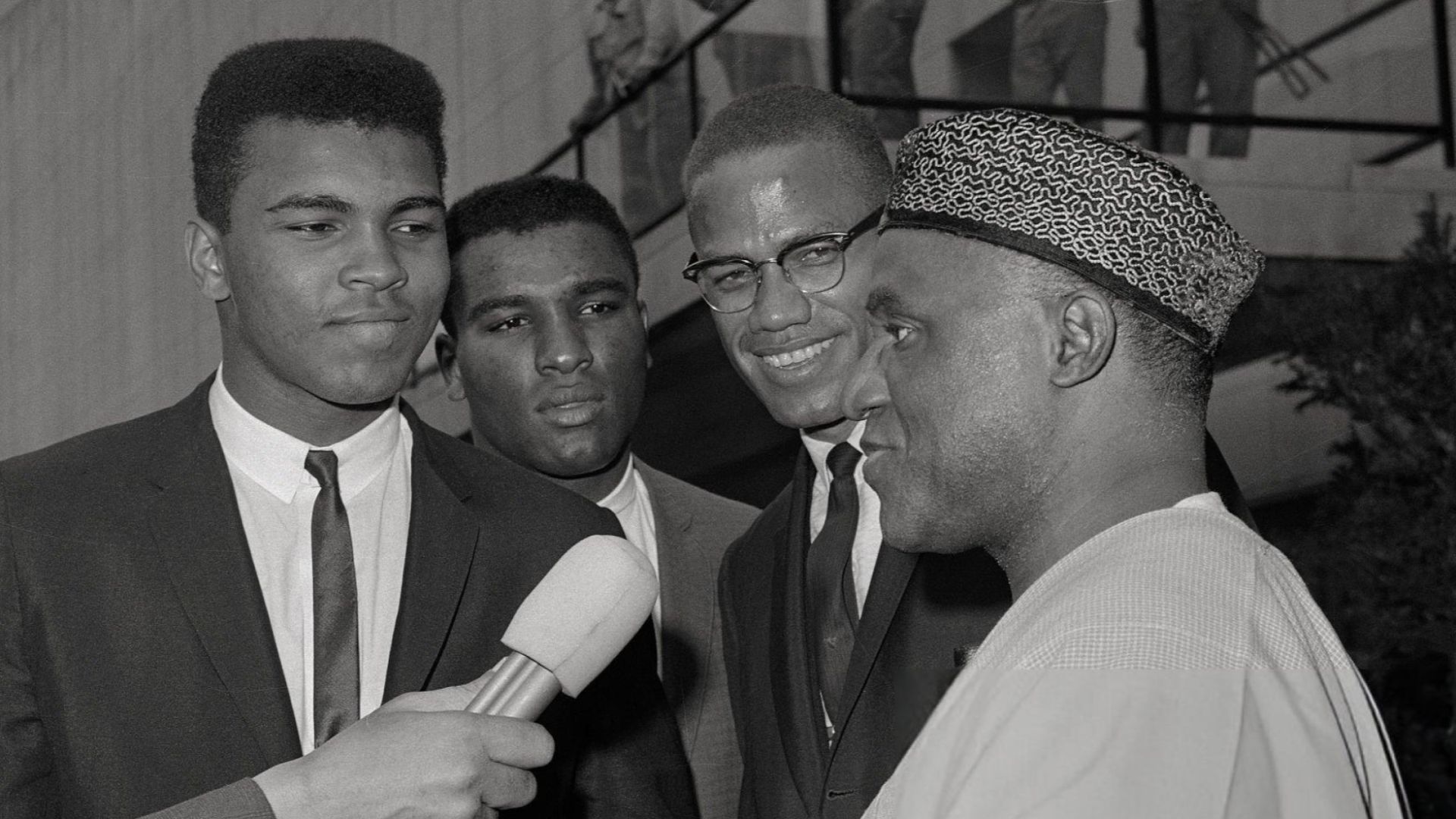
Clay quickly became known for his bombastic and outlandish persona as much as for his boxing. During this era, it was more common for boxers to leave the talking to their managers. Clay stood out for his provocative verbal jabs and musings. His style became influential elsewhere too.
 United Press International, Wikimedia Commons
13. He Inspired A Movement
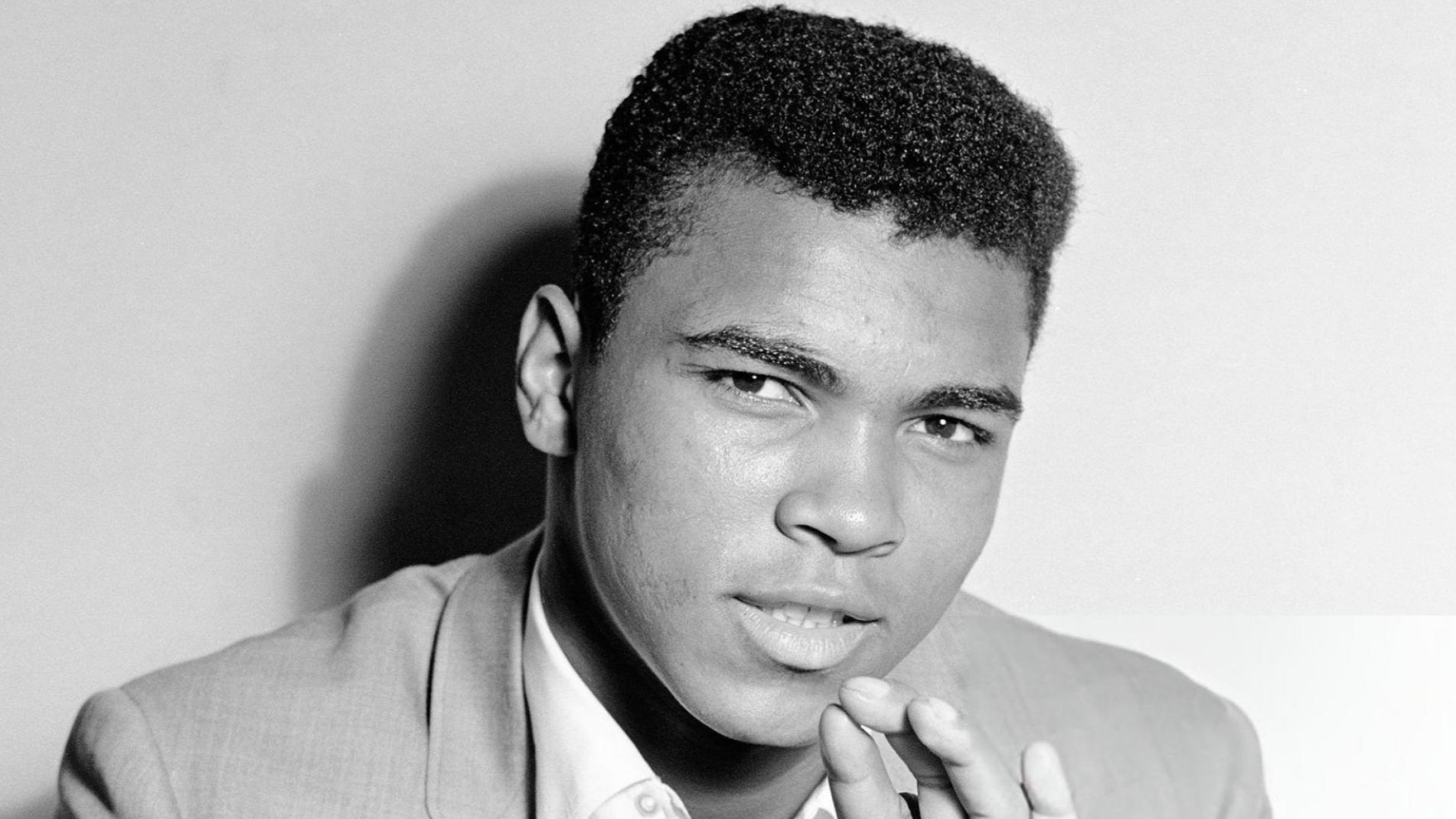
Clay’s manner of speech was notable too: he often spoke in free-style rhythms with rhyming schemes. His grandstanding took on the quality and timbre of spoken word poetry, and because of this, many have identified the boxer as a pioneer in hip-hop music. Indeed, Clay made sure to put his words on wax.
 G.C. London Publishing Corp., Wikimedia Commons
14. He Released Some Records
With all the attention on his manner of speaking, Clay capitalized in 1963 and released an album of spoken word music on Columbia Records. Titled I Am the Greatest, the album sold 500,000 copies, Many now consider it a proto-rap record. Clay even received a Grammy nomination for his efforts. His grandstanding took on almost supernatural qualities too.
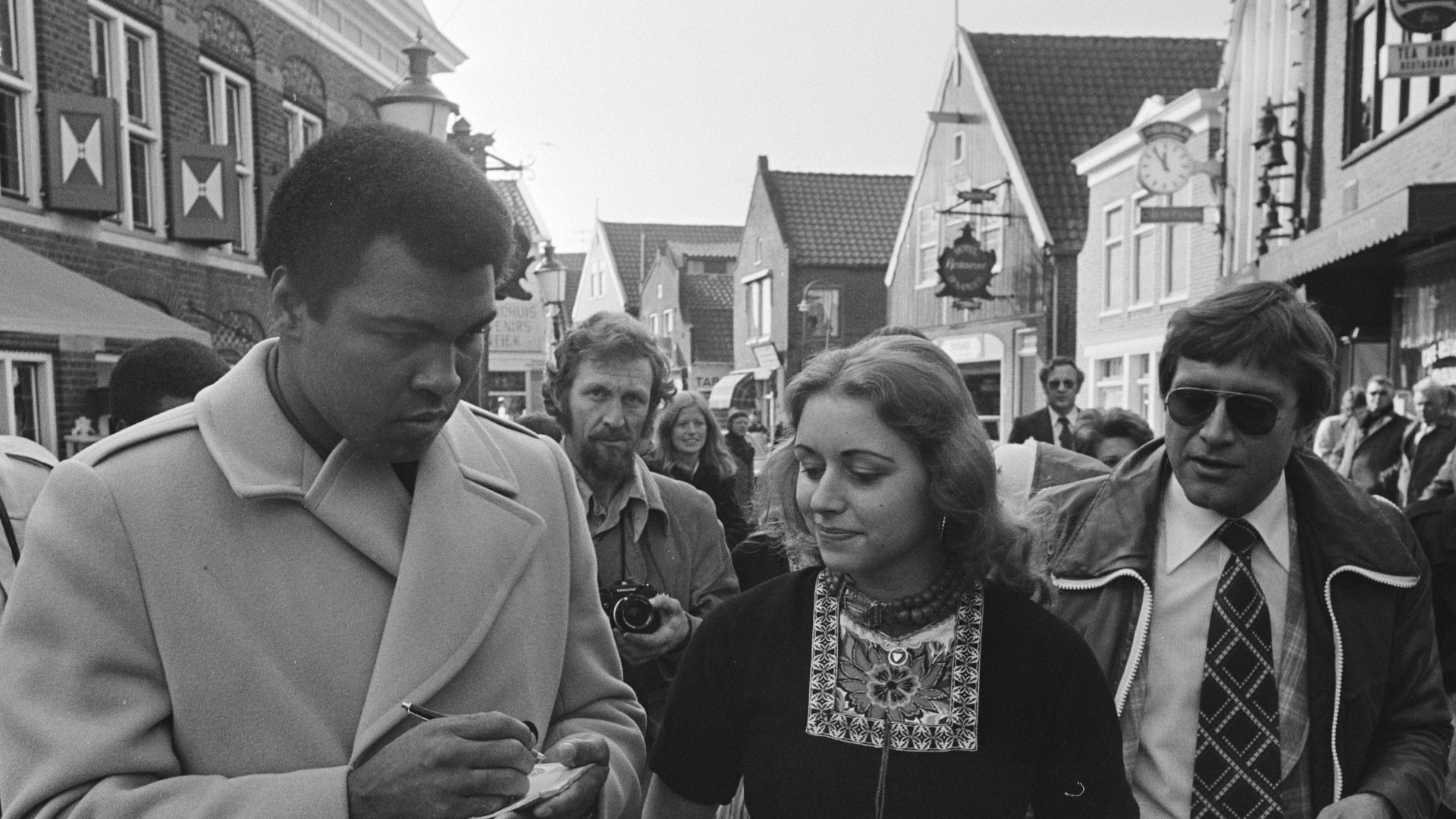 Nationaal Archief, Wikimedia Commons
15. He Could Tell The Future
Among Clay’s many tactics when it came to trash talking and intimidation, one move he often employed involved predicting in which round he would knock his opponent out. Eerily, Clay predicted correctly more often than not. And magical as he was outside the ring, it was inside where he achieved transcendence.
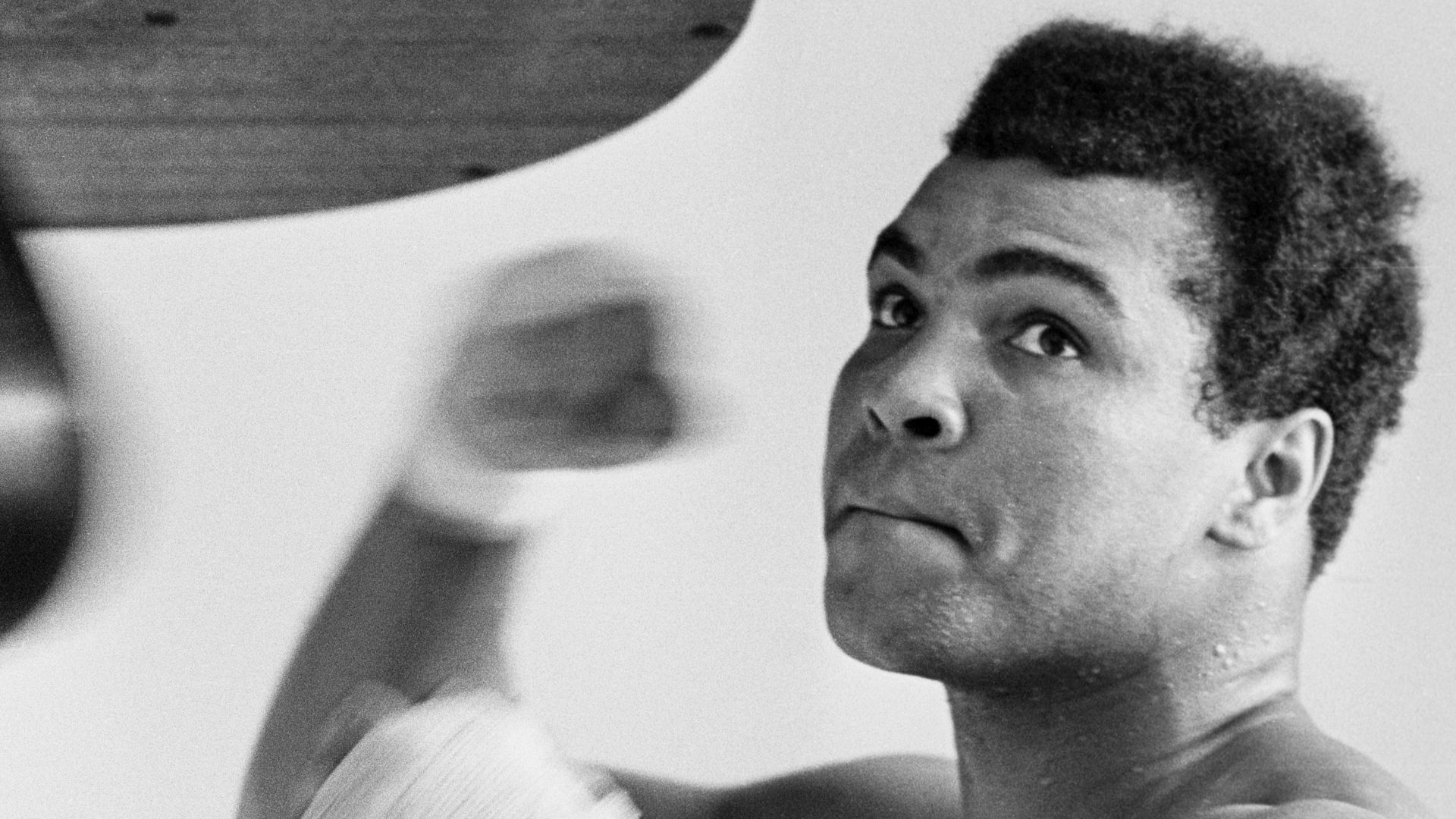 United Press International, Wikimedia Commons
History's most fascinating stories and darkest secrets, delivered to your inbox daily.
16. He Had The X Factor
For all of Clay’s bombast and notoriety, the guy had the skills to back it up. He was a stunning athlete with a very unorthodox boxing style, known for his unique footwork and head movement. Among other notable skills, Clay also pioneered the infamous rope-a-dope technique, where he would lean against the ropes and absorb punches to tire his opponent. But not all opponents quaked at the prospect of facing him.
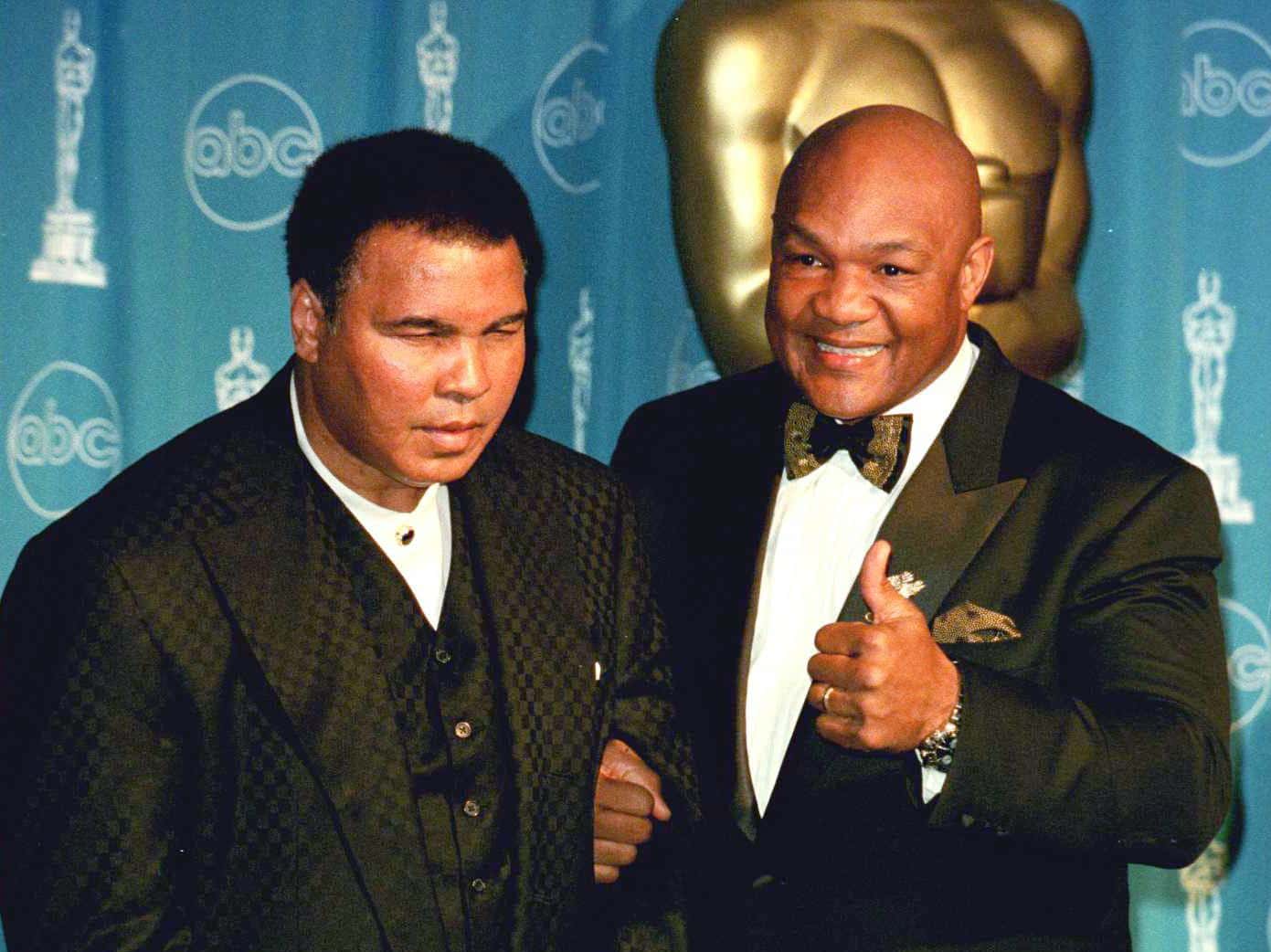
17. He Was An Underdog
By late 1963, no one could deny that Clay had become the top contender for the world heavyweight title, which was held at the time by Sonny Liston. Liston was no joke: he was arguably more intimidating than Clay, with a criminal past and ties to the mob. The bookies did not like the challenger’s odds, giving Clay a paltry 8:1 chance of beating the champ. He was unfazed.
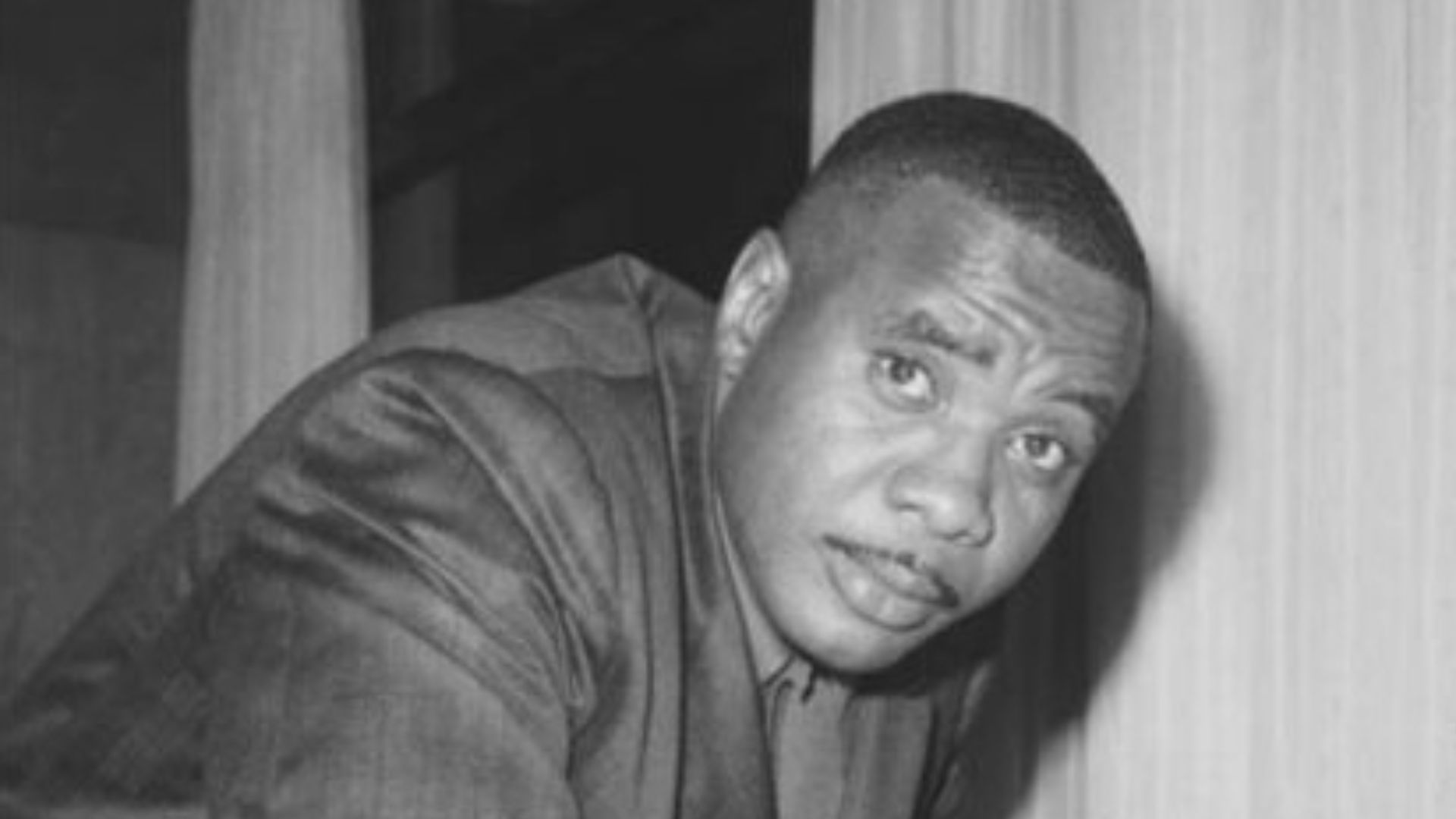 AnonymousUnknown author / Lehtikuva, Wikimedia Commons
18. He Caused A Scene
Clay set to work on his usual intimidation tactics, turning the pre-fight weigh-in into a frenzied spectacle. He taunted Liston relentlessly, calling him “the big ugly bear”, insulting his odor, and threatening to send him to the zoo after he “whupped” him. His pulse rate during this circus-like display measured at 120, more than double his usual rate. The fight would be nothing less than a barnburner.
19. He Wavered At First
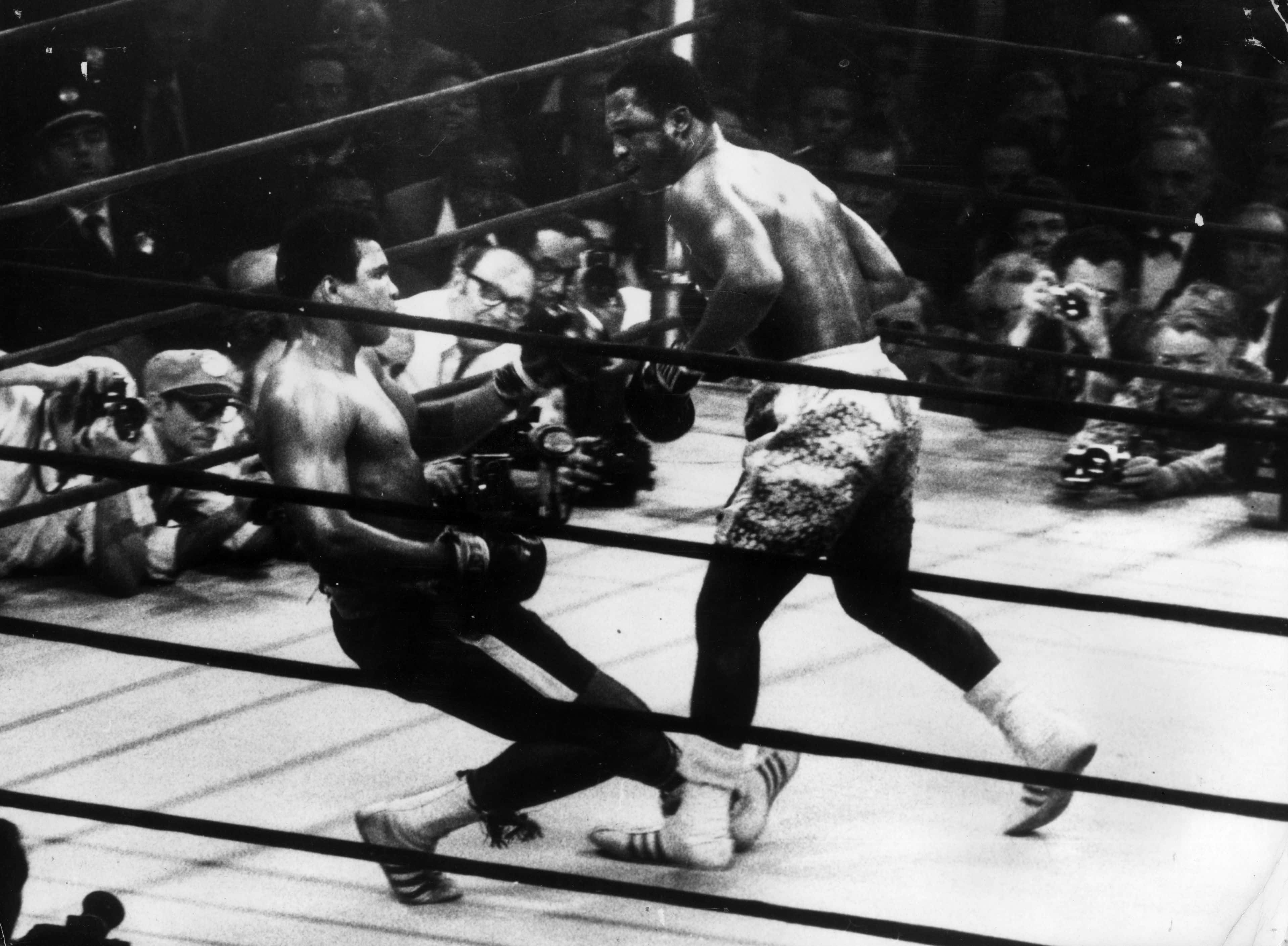
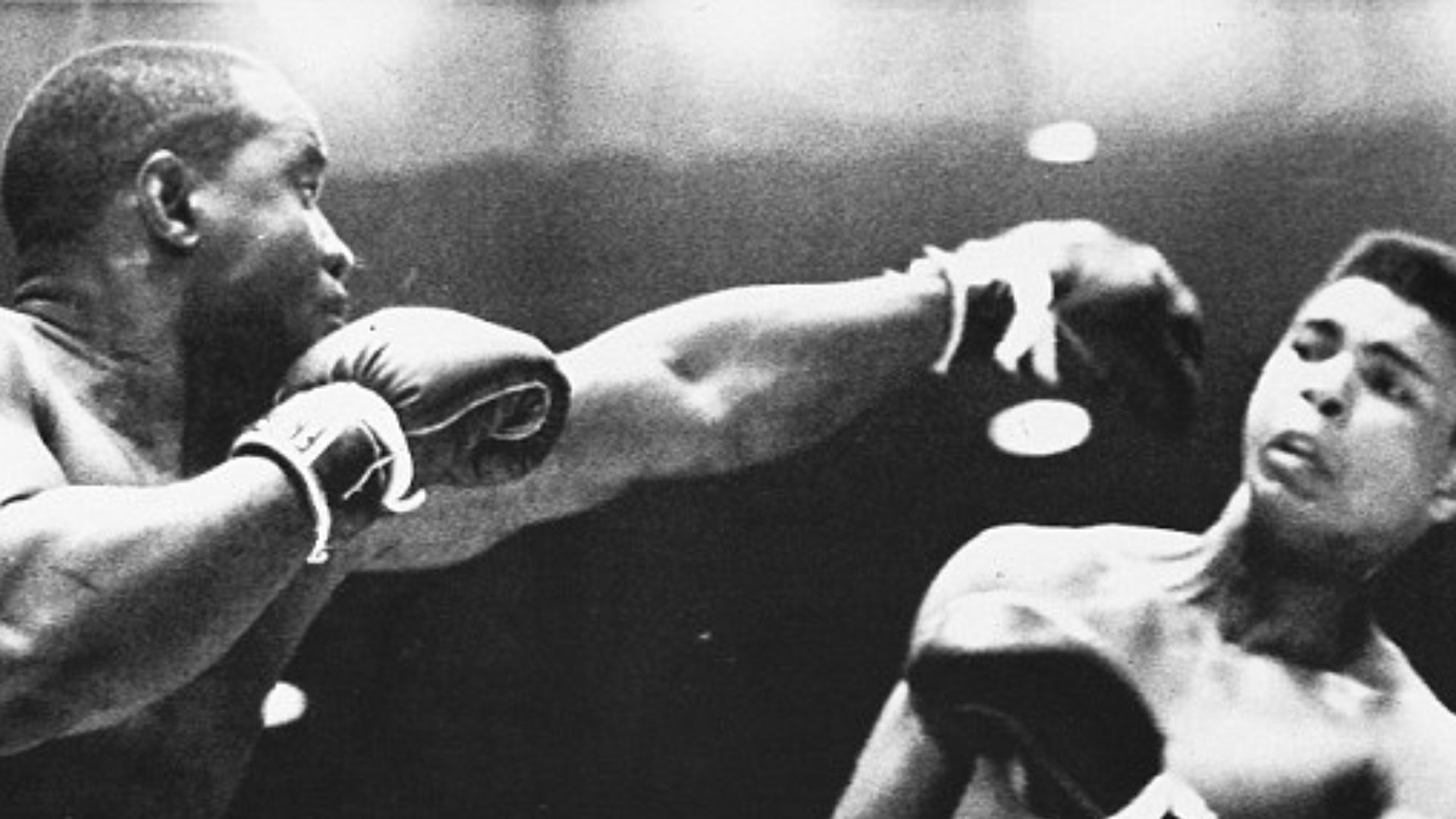
The fight took place on the night of February 25, 1964. Liston came out swinging from the opening bell, angered at Clay’s disrespect and seeking a quick knockout. But Clay’s speed was superior, and he eluded significant damage. He even cut Liston below the eye in the third round, a first for the champ.
At the end of the fourth, Clay returned to his corner where he claimed to experience blinding pain in his eyes. There have been unverified claims that Liston applied ointment to his gloves to deliberately blind the challenger; two of his past opponents had also complained about burning eyes. Regardless, things were not looking good for the young trash talker…
 Associated Press, Wikimedia Commons
20. He Staged An Epic Comeback
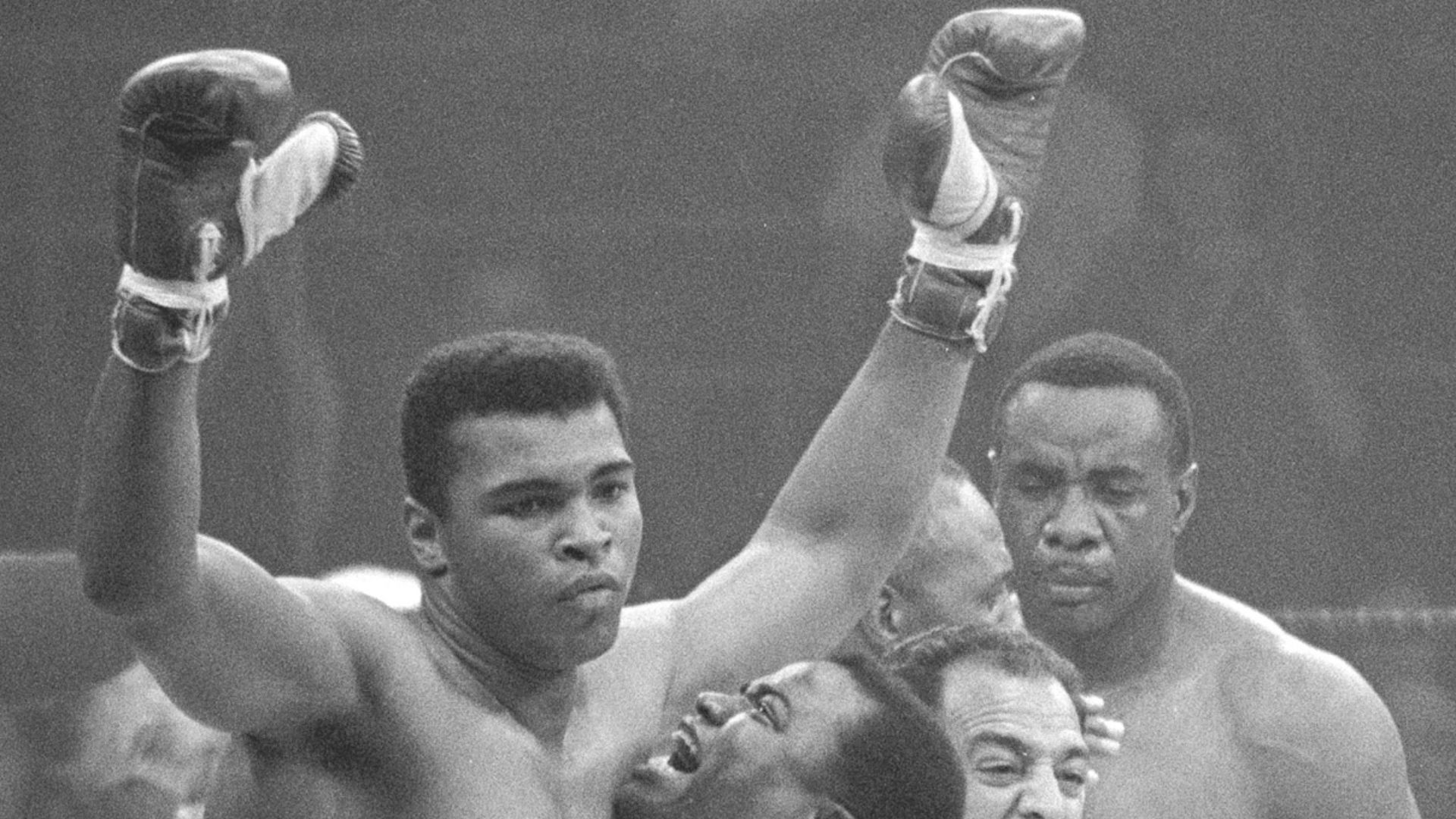
Clay miraculously survived the fifth round, during which sweat and tears cleared the irritation from his eyes. He came back with a vengeance in the sixth round, dominating Liston with repeated hits. Liston did not answer the bell for the seventh round.
Incredibly, the judges declared Clay the winner by TKO. Aged just 22, the underdog won the title in a major upset, becoming the youngest ever boxer to take the title from a reigning champ. It would be his last major act as Cassius Clay.
 United Press International, Wikimedia Commons
21. He Denounced His Name
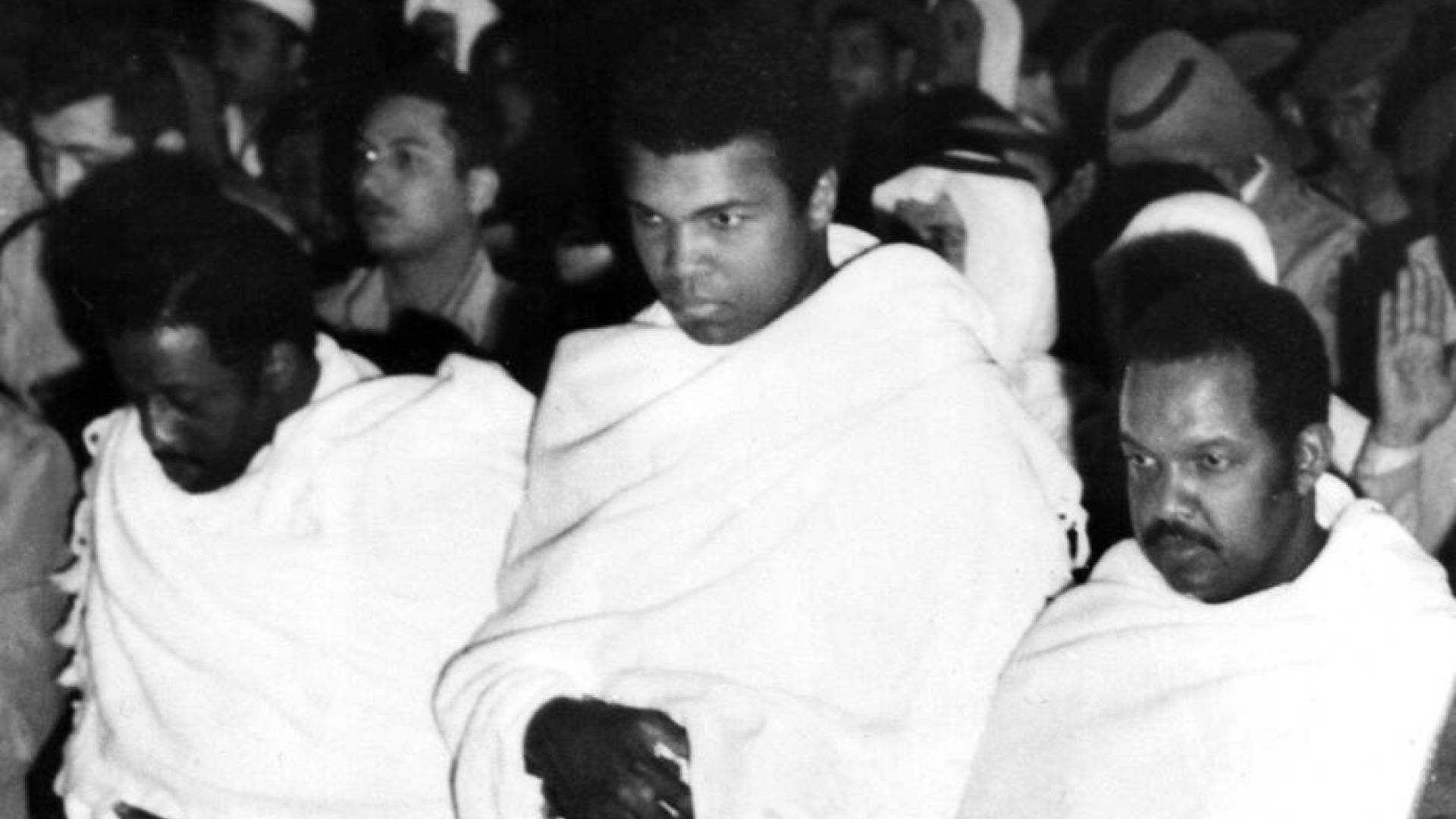
During Clay’s rise, he simultaneously grew increasingly politically conscious. Spurred on by issues of racial injustice and intolerance, he decided he needed to take a stand. Shortly after winning the title, Clay converted to Islam and changed his name to Muhammad Ali, denouncing his “slave name”. His new name first appeared on the bill of a rematch…
 United Press International, Wikimedia Commons
History's most fascinating stories and darkest secrets, delivered to your inbox daily.
22. He Won Again
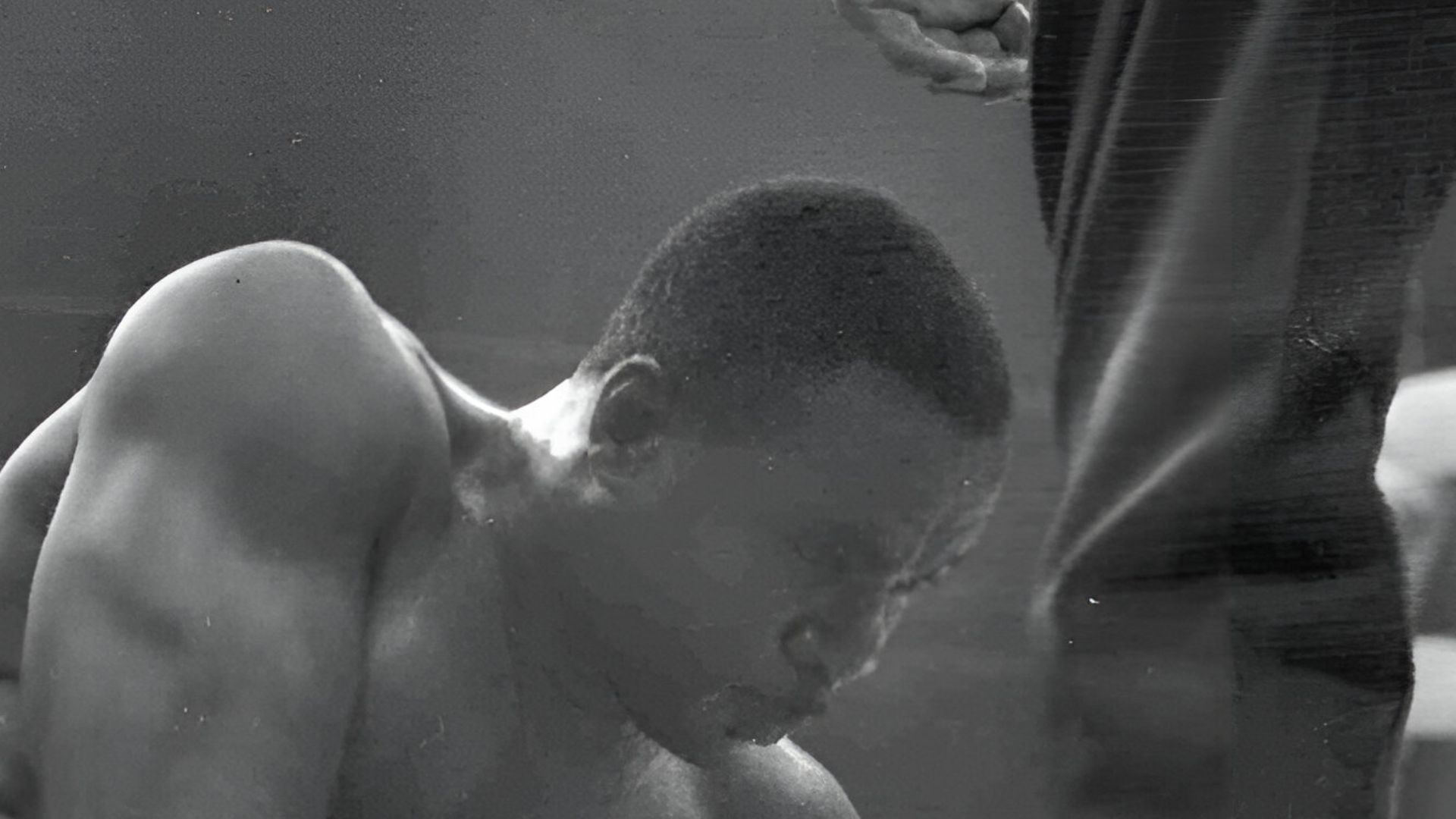
Promoters scheduled a rematch between Ali and Liston for May 1965. But unlike the thrilling bout of the two’s first meeting, this match proved contentious. The fight lasted less than two minutes.
Liston went down easily midway through the first round for a ten-count that resulted in Ali’s victory. Many have speculated that Liston intentionally threw the fight, possibly because he had bet against himself to pay off debts. Perhaps this inspired Ali to take more control.
 Harry Harris (1913-2002), Wikimedia Commons
23. He Became A Businessman
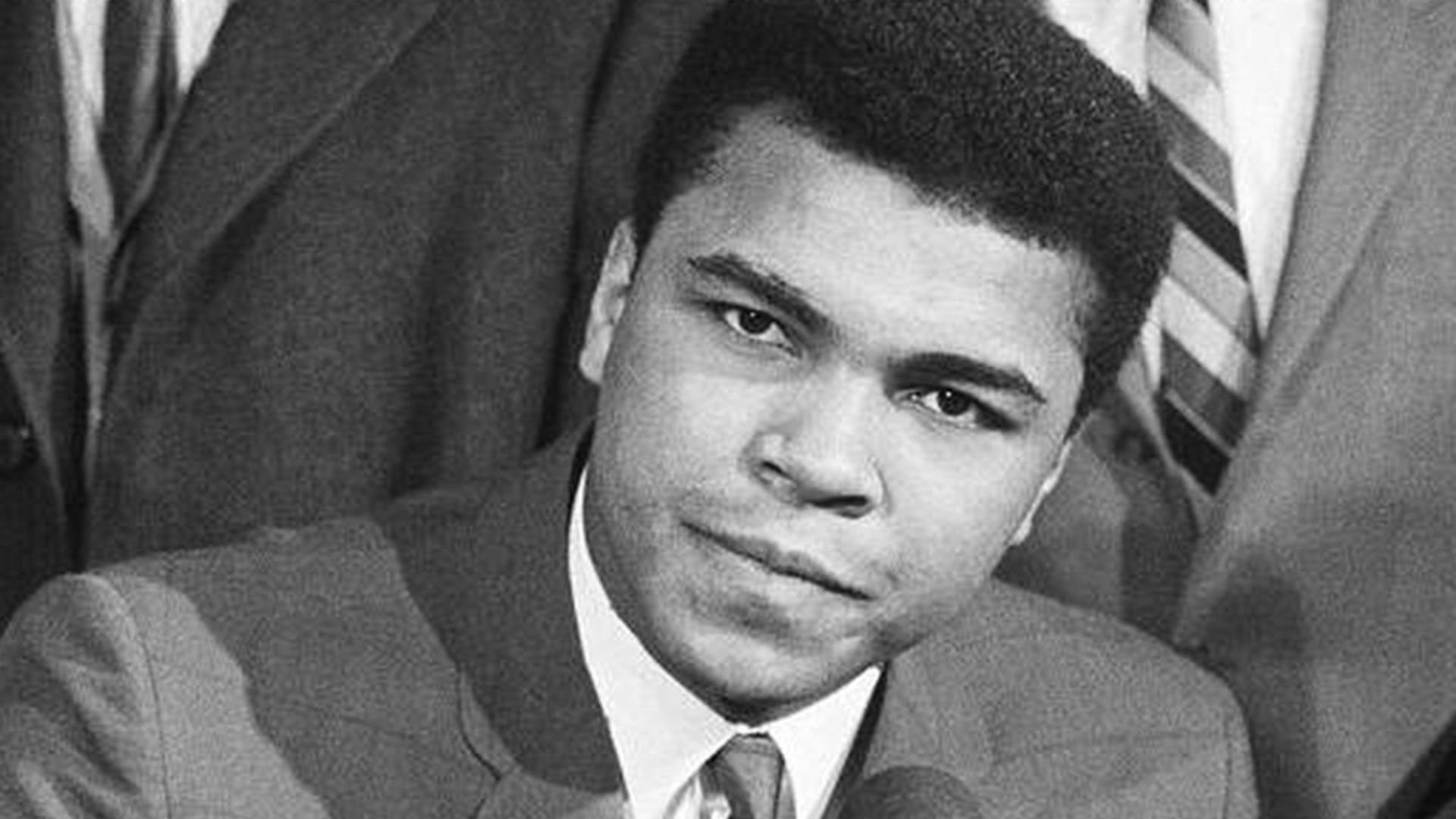
After another marquee victory against Floyd Patterson, Ali decided to make a foray into the business side of things and founded his own promotion company, Main Bout. The company’s main purposes were to handle the pay-per-view broadcasts of Ali’s fights, ensuring he received compensation worthy of his massive draw. But just because his boxing was pretty, didn’t mean all his fights were…
 Associated Press, Wikimedia Commons
24. He Had A Dirty Bout
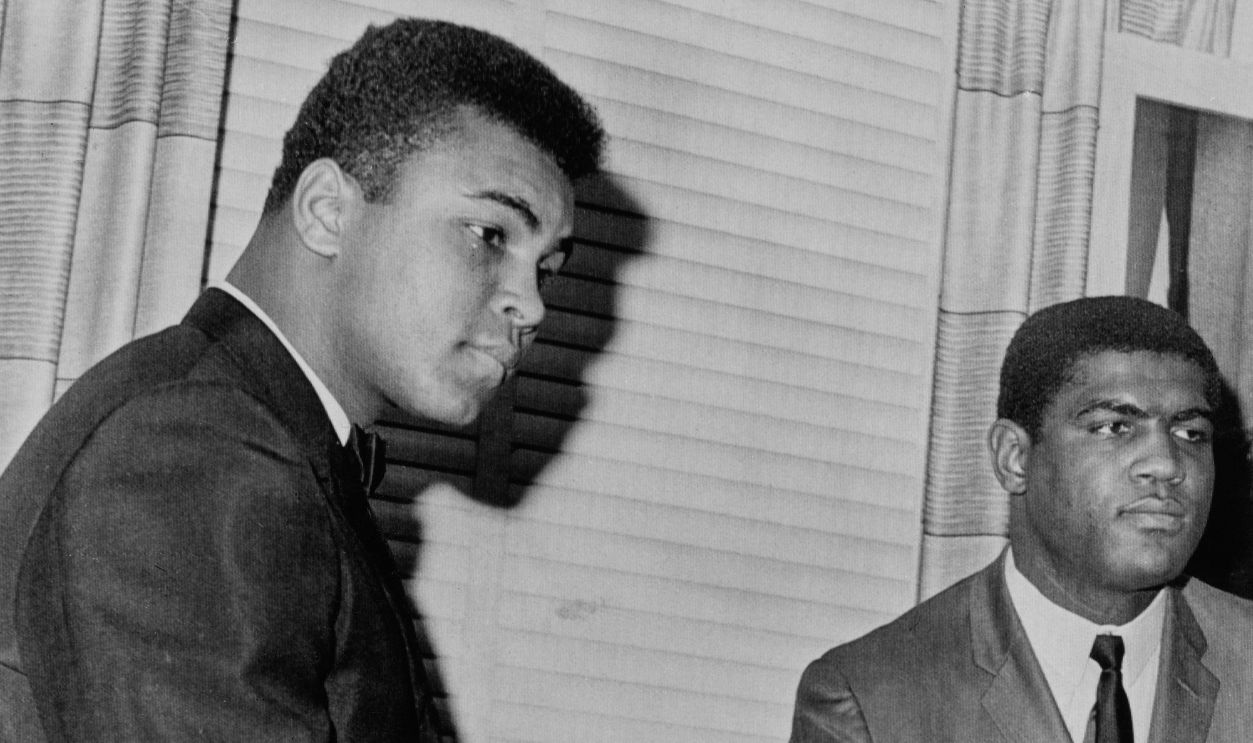
On February 6, 1967, Ali faced one of his toughest opponents to date, Ernie Terrell. Terrell had not lost a fight in five years and had a significant size advantage over the champ. Furthermore, Terrell played Ali at his own game, repeatedly taunting him before the fight and calling him “Clay”.
This infuriated Ali and resulted in a grim spectacle come matchday. Though he won in the end, Ali prolonged the fight as much as he could to inflict maximum damage, and Terrell later accused the champ of thumbing him in the eye. Critics described the matchup as “one of the ugliest boxing fights”. And things were only about to get uglier for Ali.
25. He Took A Stand
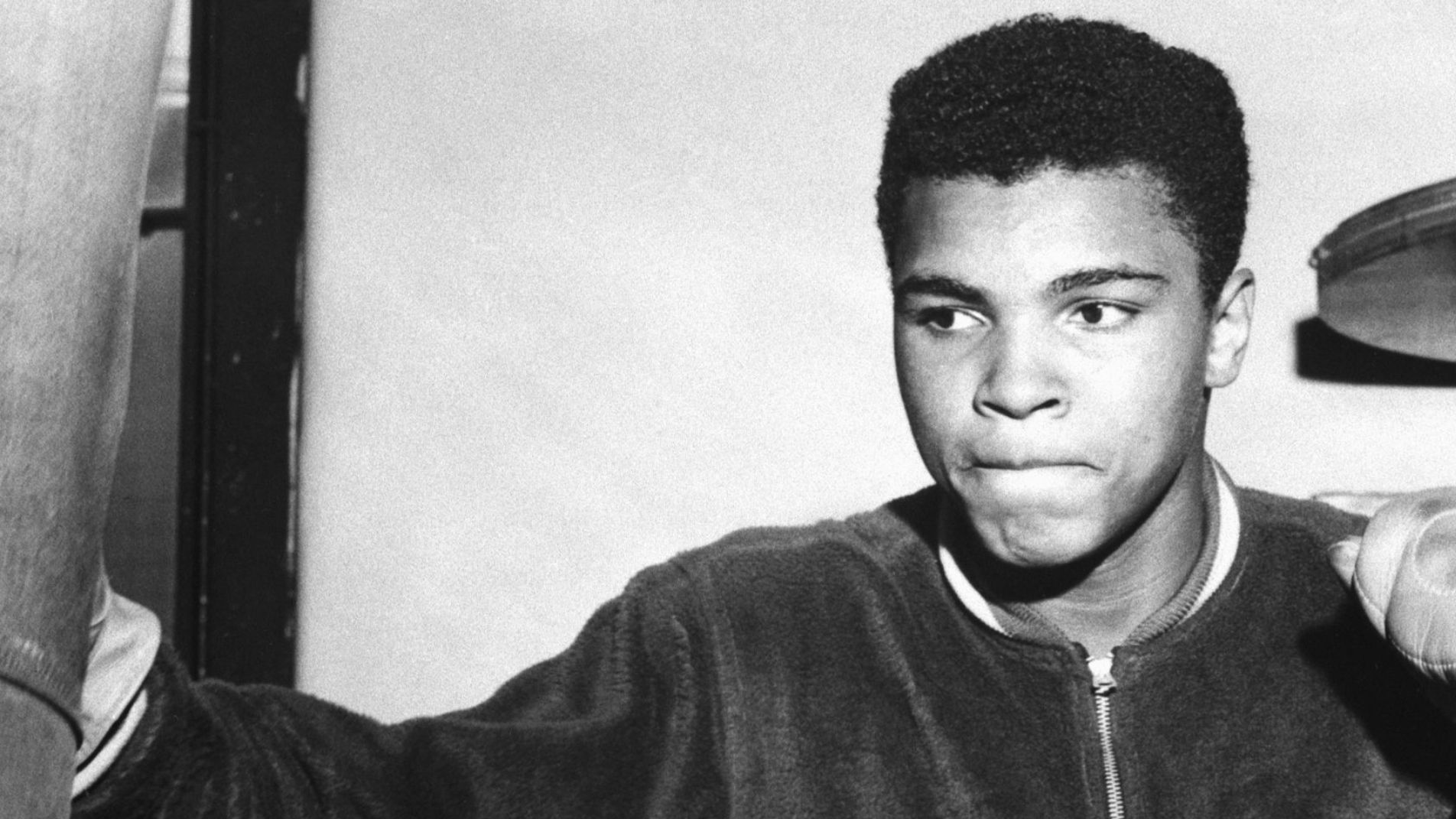
As Ali’s star rose, so too did the intensity of the United States’ involvement in Vietnam, and the US army increasingly lowered the standards for conscription. While Ali’s dyslexia had previously discounted him from the draft, he was now eligible and received a summons for service in 1967.
But the champ refused to submit to the draft order, voicing his opposition to the stated mission of the campaign with a widely attributed quote: “no Viet Cong never called me [expletive]”. This statement is likely apocryphal, however. But it did accurately reflect his feelings.
 G.C. London Publishing, Wikimedia Commons
26. He Stuck To His Convictions
Ali publicly stated many related reasons for his refusal to serve. He claimed he was a conscientious objector, and that “war is against the teachings of the Qur'an”. Furthermore, as reflected in the above disputed quote, he did on numerous occasions express that he did not want to fight for a country that “denied simple human rights” to Black people. And, in true “the Greatest” fashion, he made a spectacle of his refusal.
 pete troshak, Wikimedia Commons
27. He Made A Scene
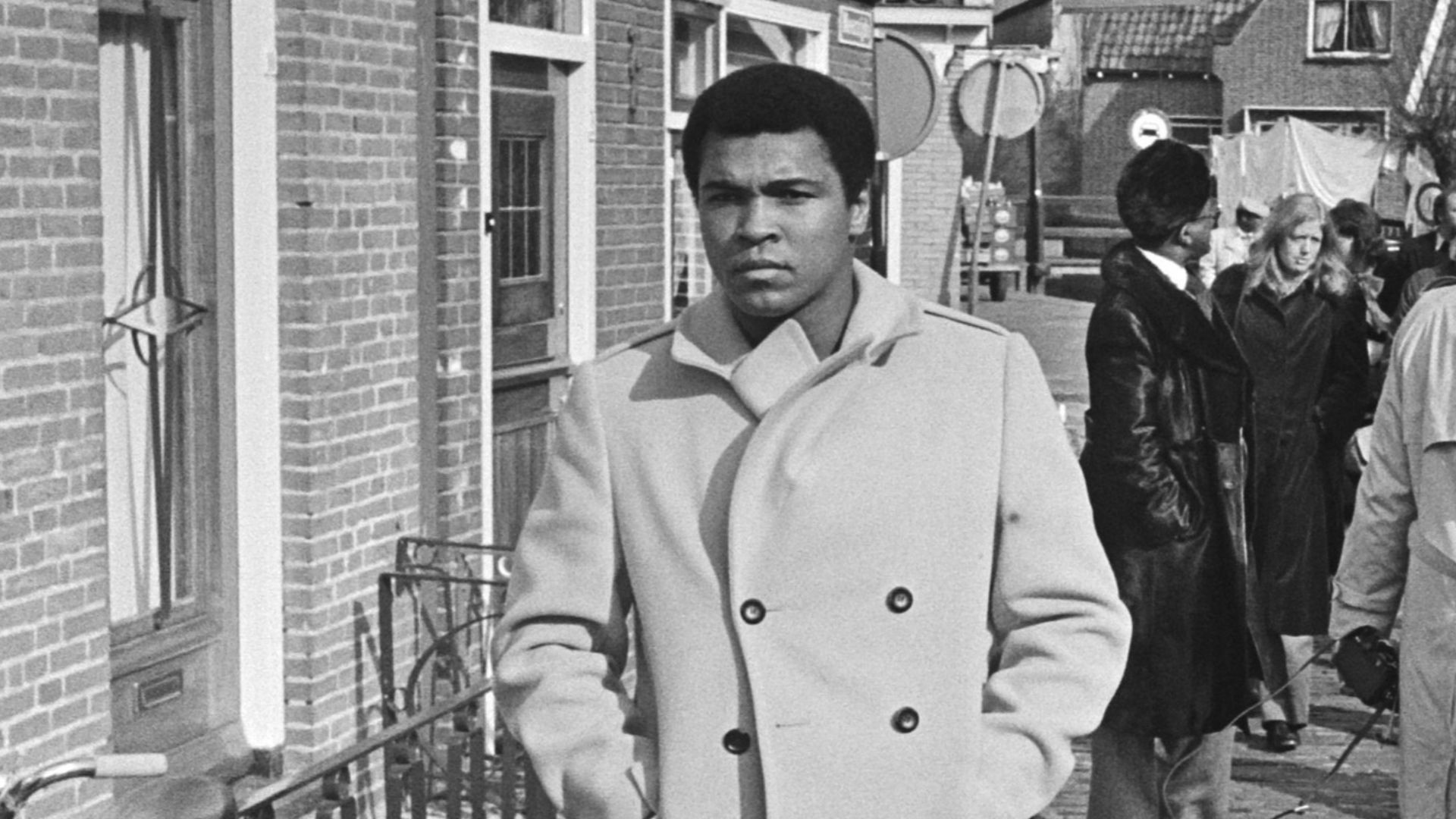
Despite his outspoken refusal to serve, protocol dictated that Ali was to be summoned for a scheduled induction to the US Armed Forces. Ali opted to appear at this on April 28, 1967, where he refused to step forward three times after his name was called. A presiding officer warned Ali that his refusal was a felony and, after failing to step forward when summoned once again, authorities arrested the boxer. His punishment was brutal.
 Bert Verhoeff / Anefo, Wikimedia Commons
History's most fascinating stories and darkest secrets, delivered to your inbox daily.
28. He Got A Harsh Sentence
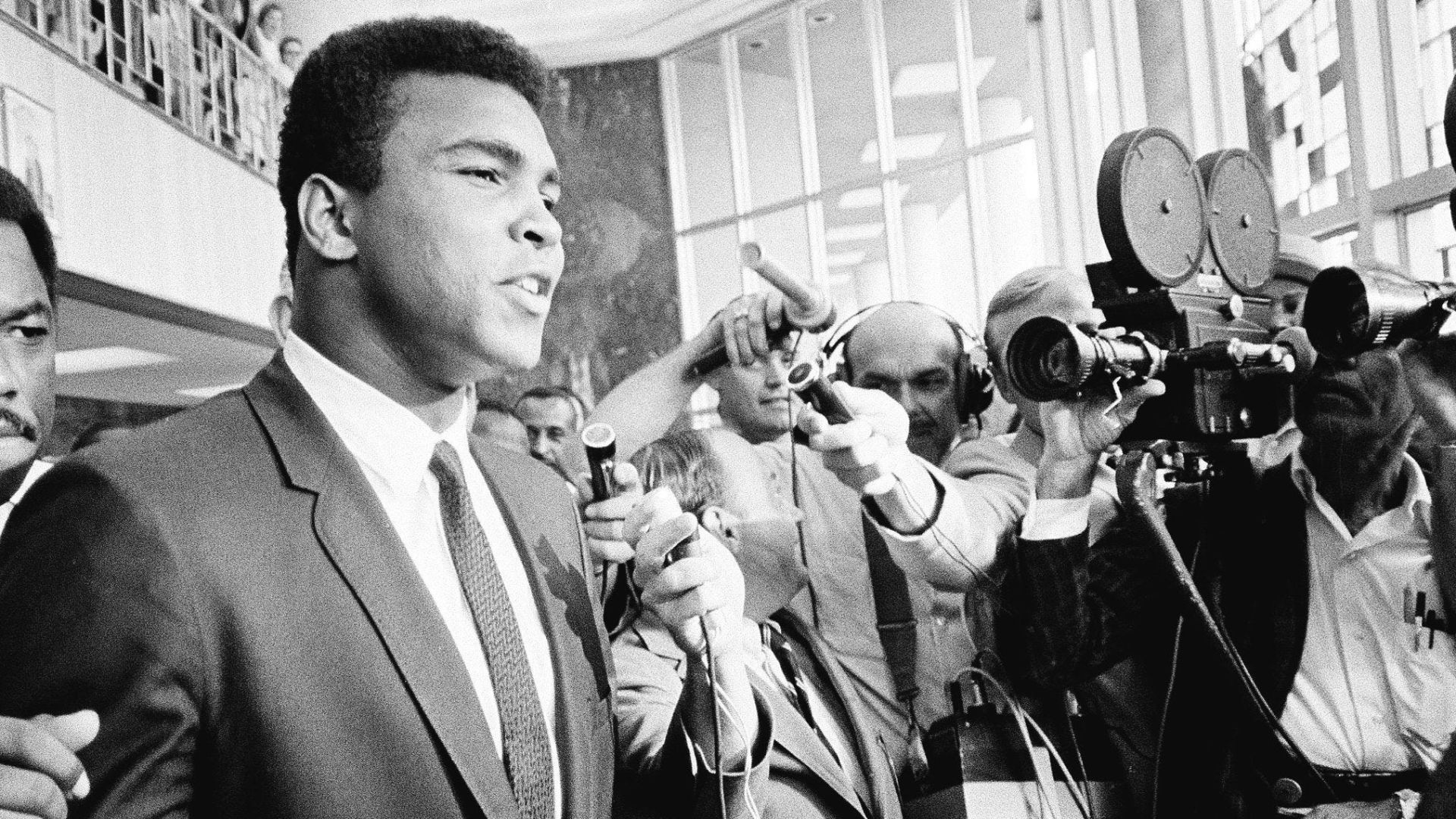
The governing bodies of the sport immediately stripped Ali of his boxing titles and license. To add insult to injury, at his trial on June 20, 1967, the court found Ali guilty of draft violation, fined him $10,000, and sentenced him to five years in prison. He immediately appealed the decision, paying a bond that allowed him to remain free pending the appeal verdict. But the court of public opinion was not as lenient.
 Ed Kolenovsky, Wikimedia Commons
29. He Became A Pariah
Ali’s decision faced widespread derision among most of mainstream, white America, and he became one of the most hated men in the country. The boxer even received threats on his life. And while he had many supporters in the press and, in particular, among Black Americans and the anti-war movement, prominent figures that publicly supported him also received threats. But perhaps the worst part of all for Ali was his banishment from his passion.
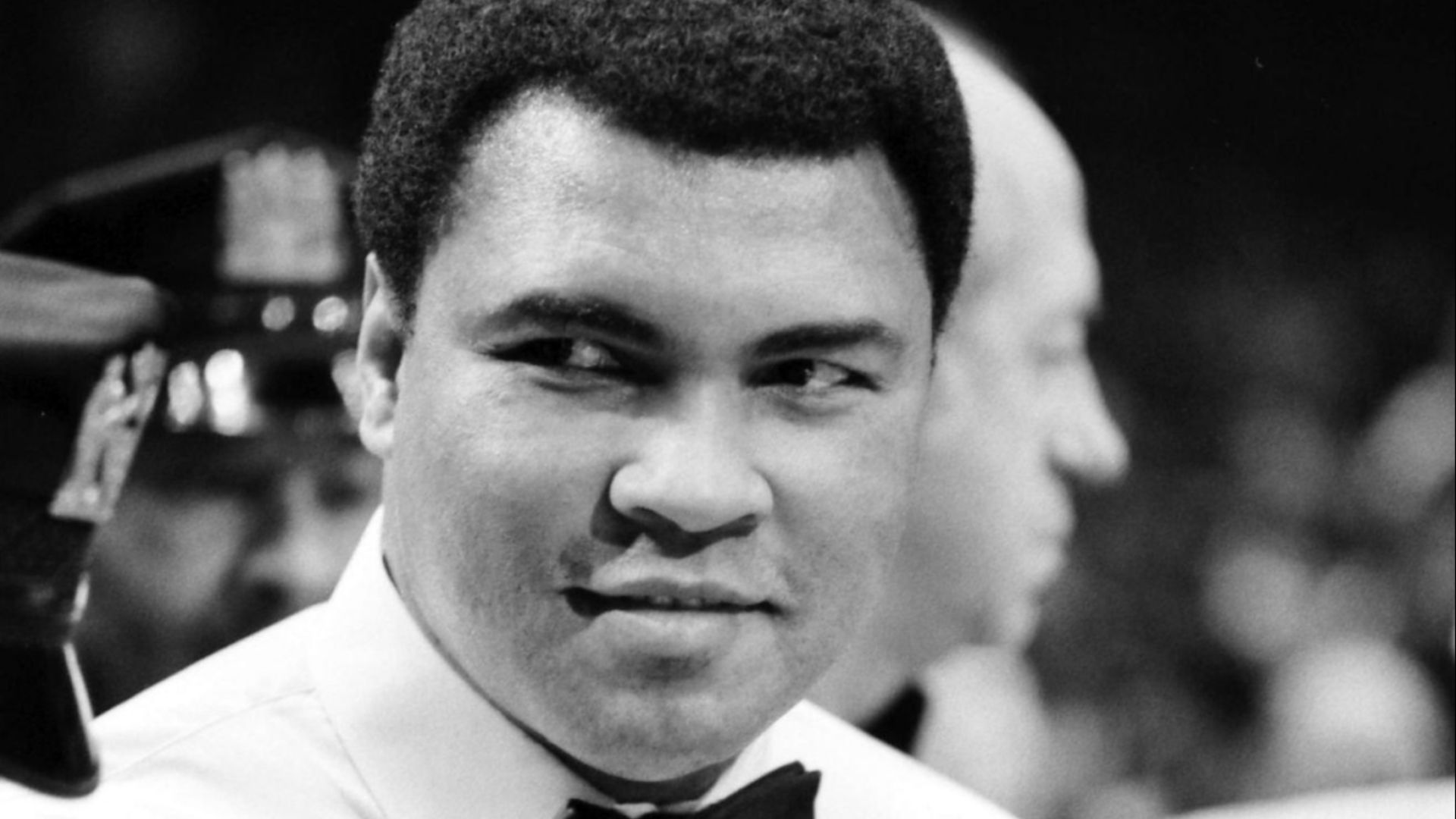
30. He Lost His Peak
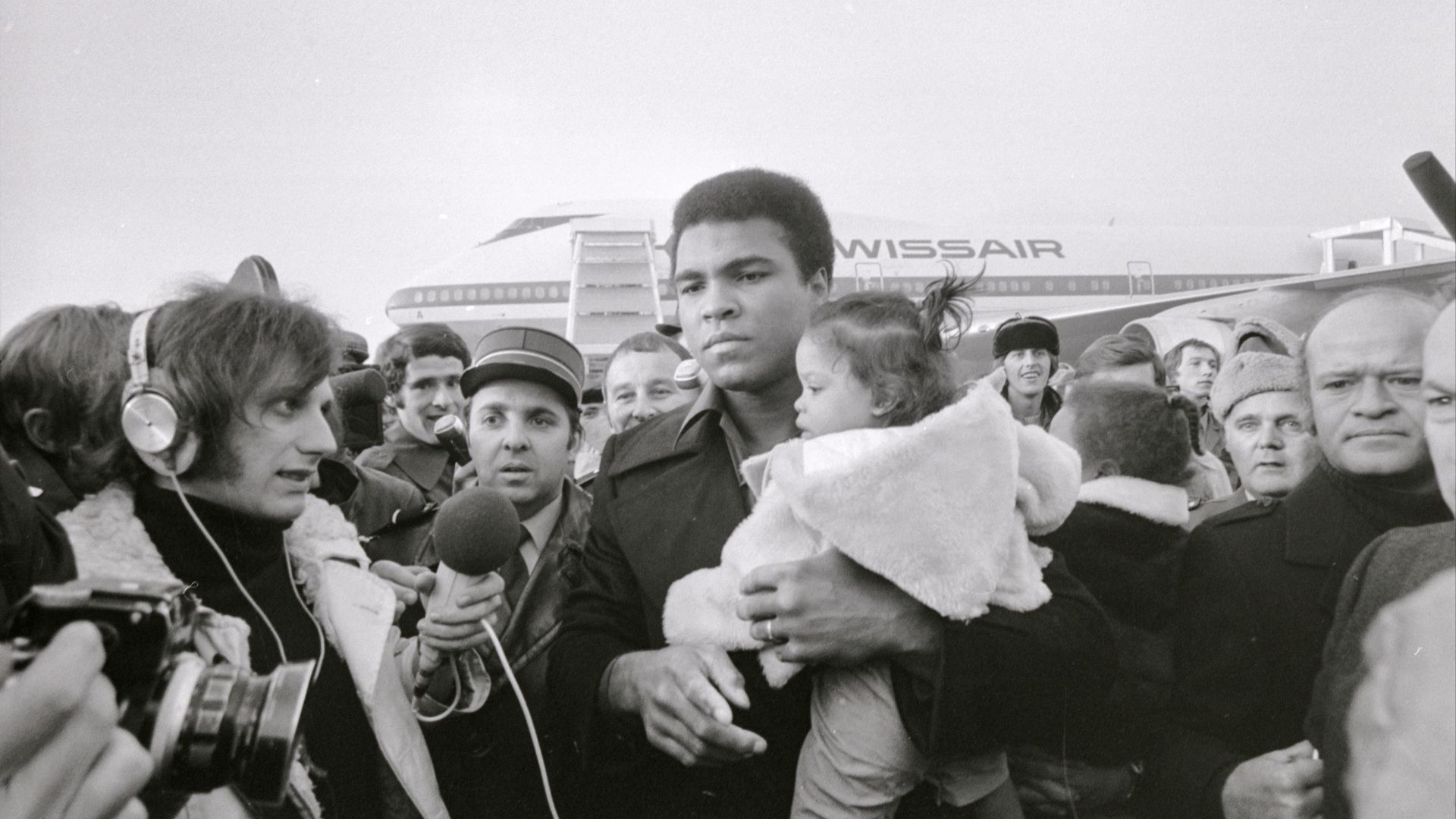
Due to the loss of his boxing license, Ali did not enter the ring professionally for nearly four years. Many lament this fact because he was entering what could have been the peak of his career. His trainer later mourned: “He was robbed of his best years, his prime years”. On the other hand, his public stand may have cemented his legacy more than boxing ever could have.
 G.C. London Publishing Corp., Wikimedia Commons
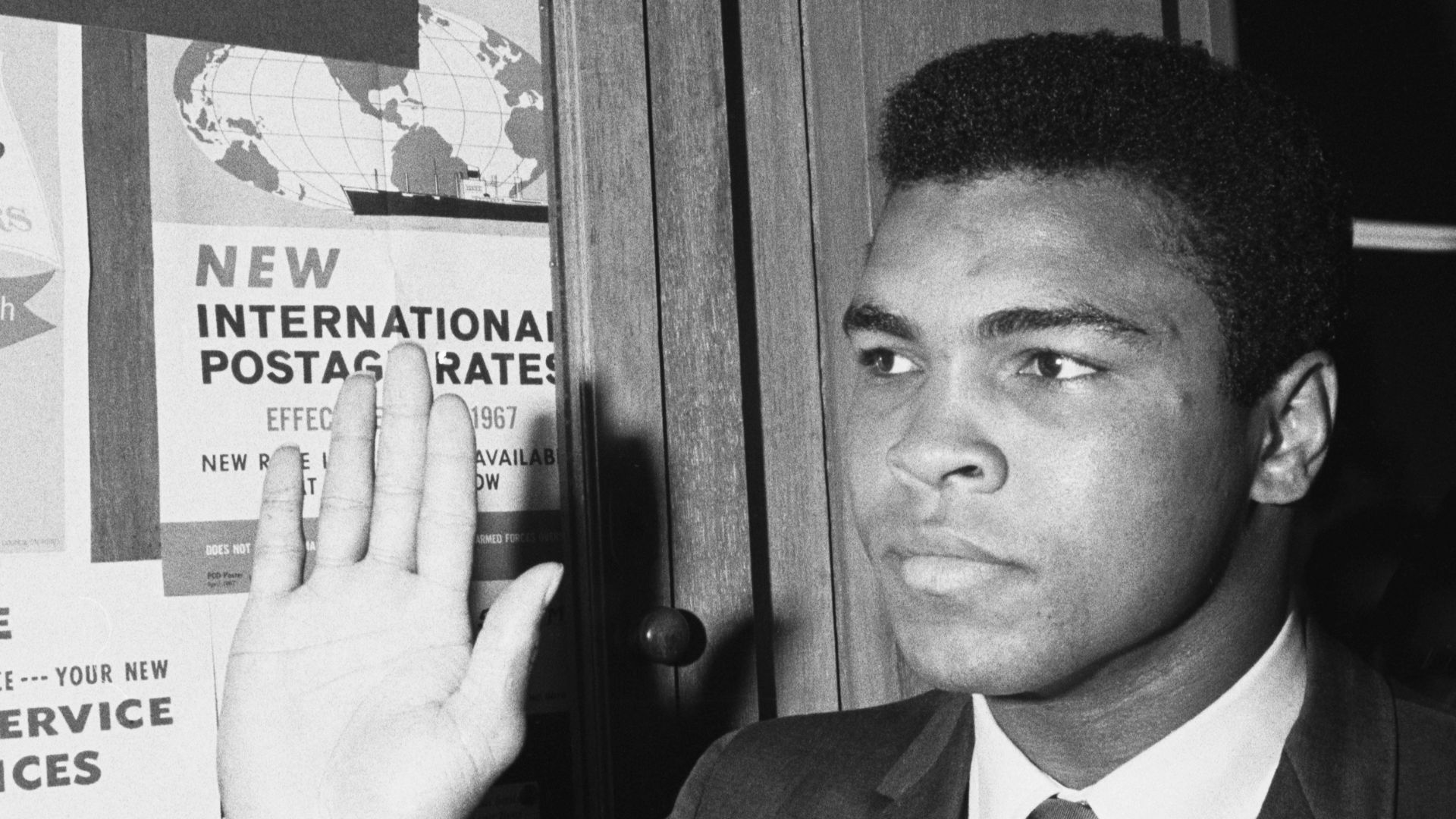
31. He Transcended Boxing
Ali’s conscientious objection to the Vietnam War, as well as being a notable figure of racial pride for African Americans, made him a countercultural and civil rights icon of 1960s America. His unshakeable dedication to his convictions meant he became so much more than just a boxer in the public consciousness. Indeed, the whole world was paying attention and branded him appropriately.
 United Press International, Wikimedia Commons
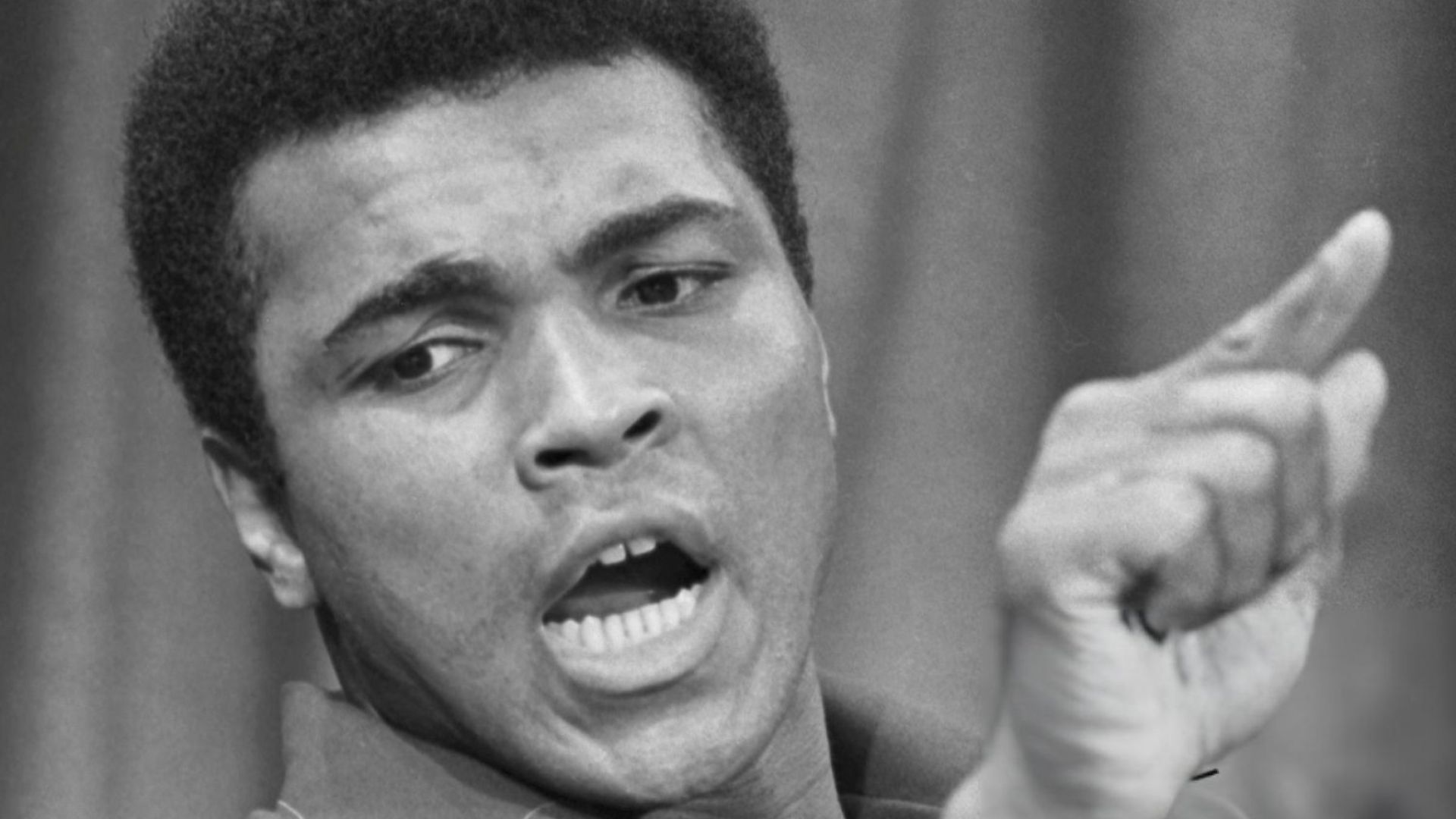
32. He Got The Ultimate Plaudit
Ali’s fame stretched far beyond the United States, and he became a global cultural icon, earning himself the nickname “the Greatest”. Today, many consider him to be the best heavyweight boxer of all time. And while he couldn’t fight during his four-year suspension, Ali still took advantage of all the attention he received.
 United Press International, Wikimedia Commons
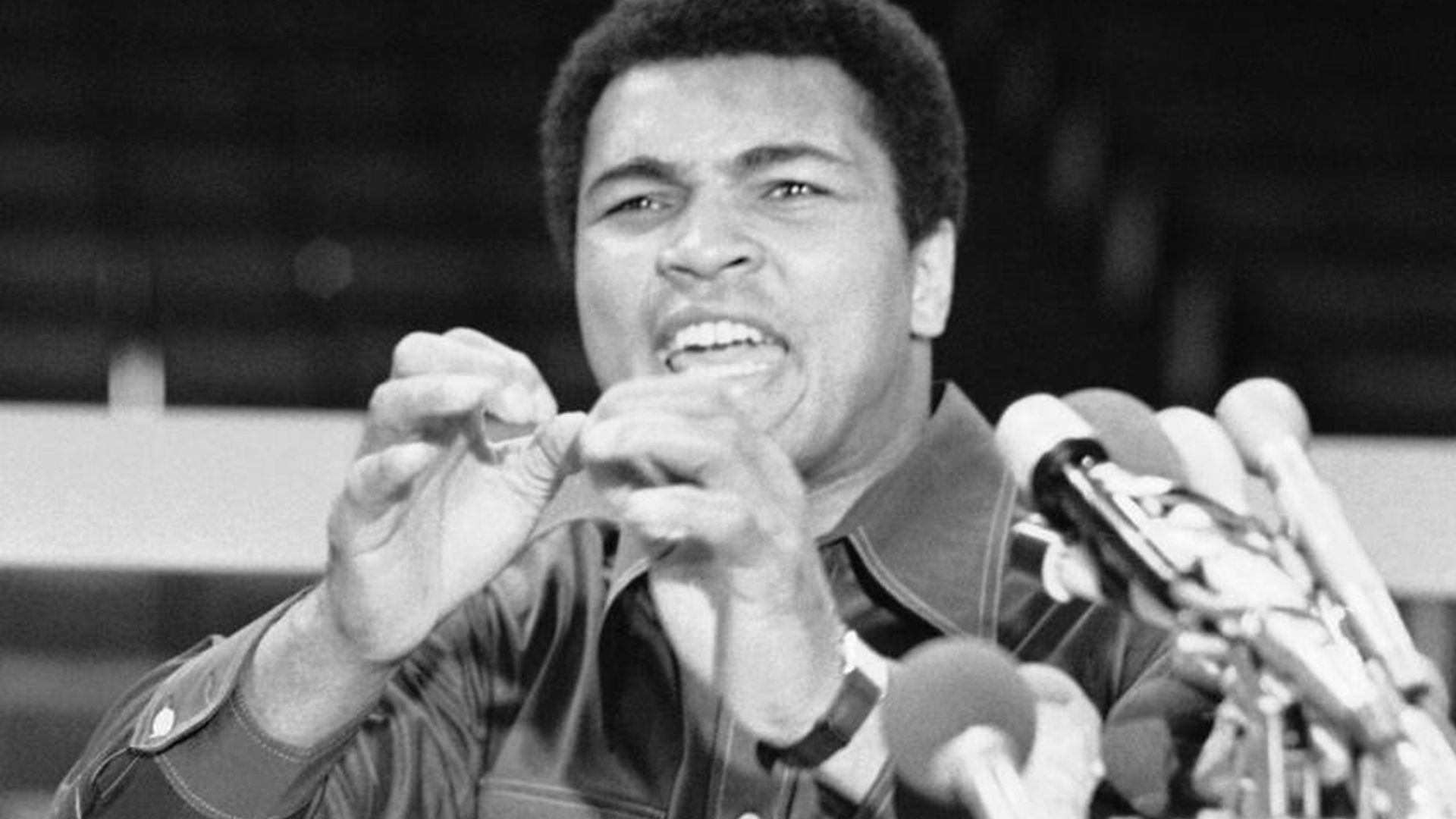
33. He Captured Audiences
As the champ’s suspension dragged on, public opinion turned against the Vietnam conflict, and the Civil Rights Movement gained increasing momentum. Ali’s star rose in tandem, and he became a popular speaker at college campuses throughout the US, an unprecedented position for a prizefighter. He spoke on topics of war, race, and religion, and enraptured audiences. But he caught some unwanted attention too.
 Associated Press, Wikimedia Commons
History's most fascinating stories and darkest secrets, delivered to your inbox daily.
34. He Was Under Surveillance
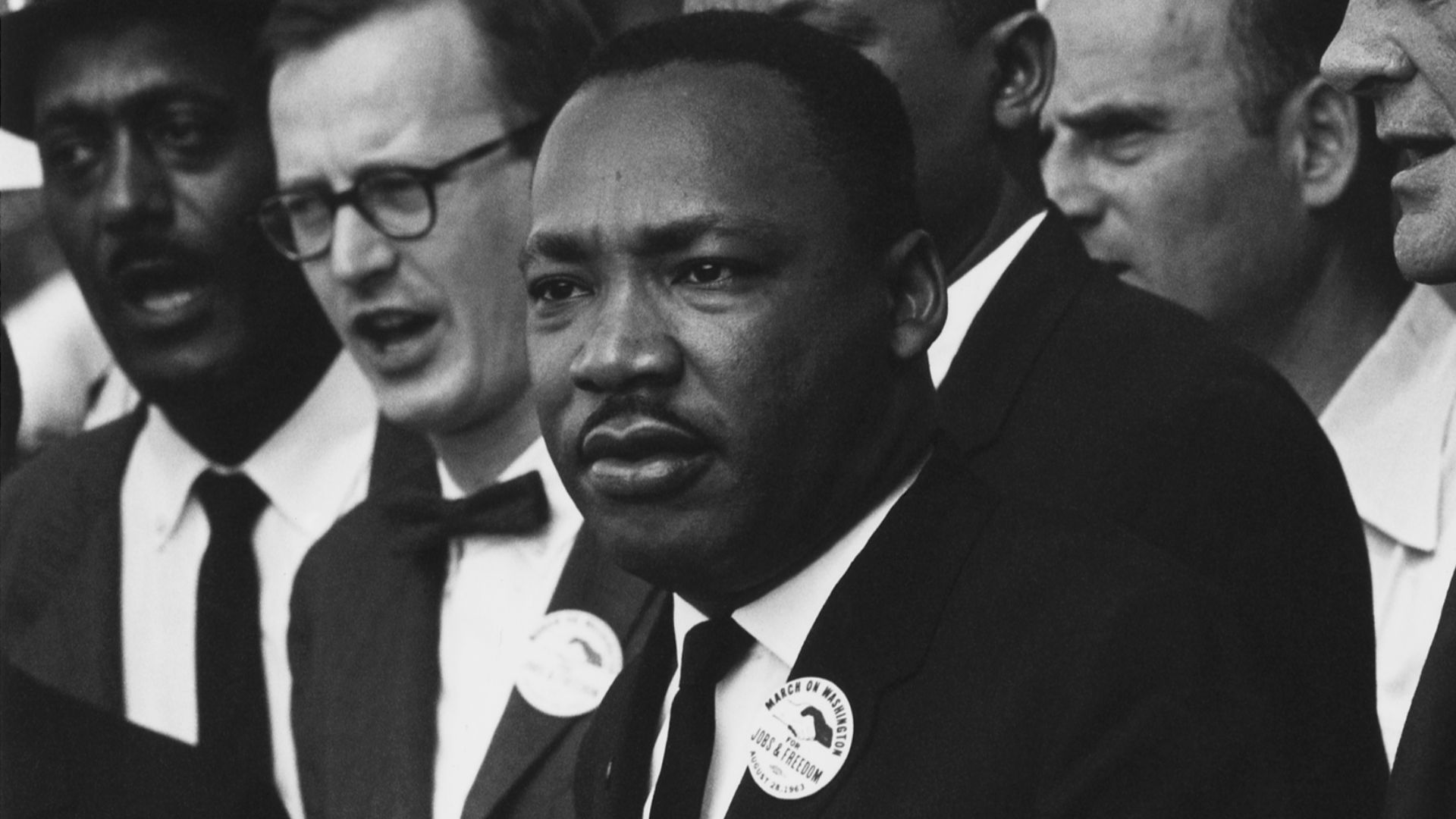
Ali was one of many critics of the United States’ involvement in Vietnam that was targeted by Operation Minaret, a mass surveillance operation conducted by the NSA and FBI. The list of those surveilled also included Martin Luther King Jr and many prominent journalists, all of whom had their communications intercepted. Still, Ali had no choice but to appeal to the very system that was violating his rights.
 Rowland Scherman / Adam Cuerden, Wikimedia Commons
35. He Won An Appeal
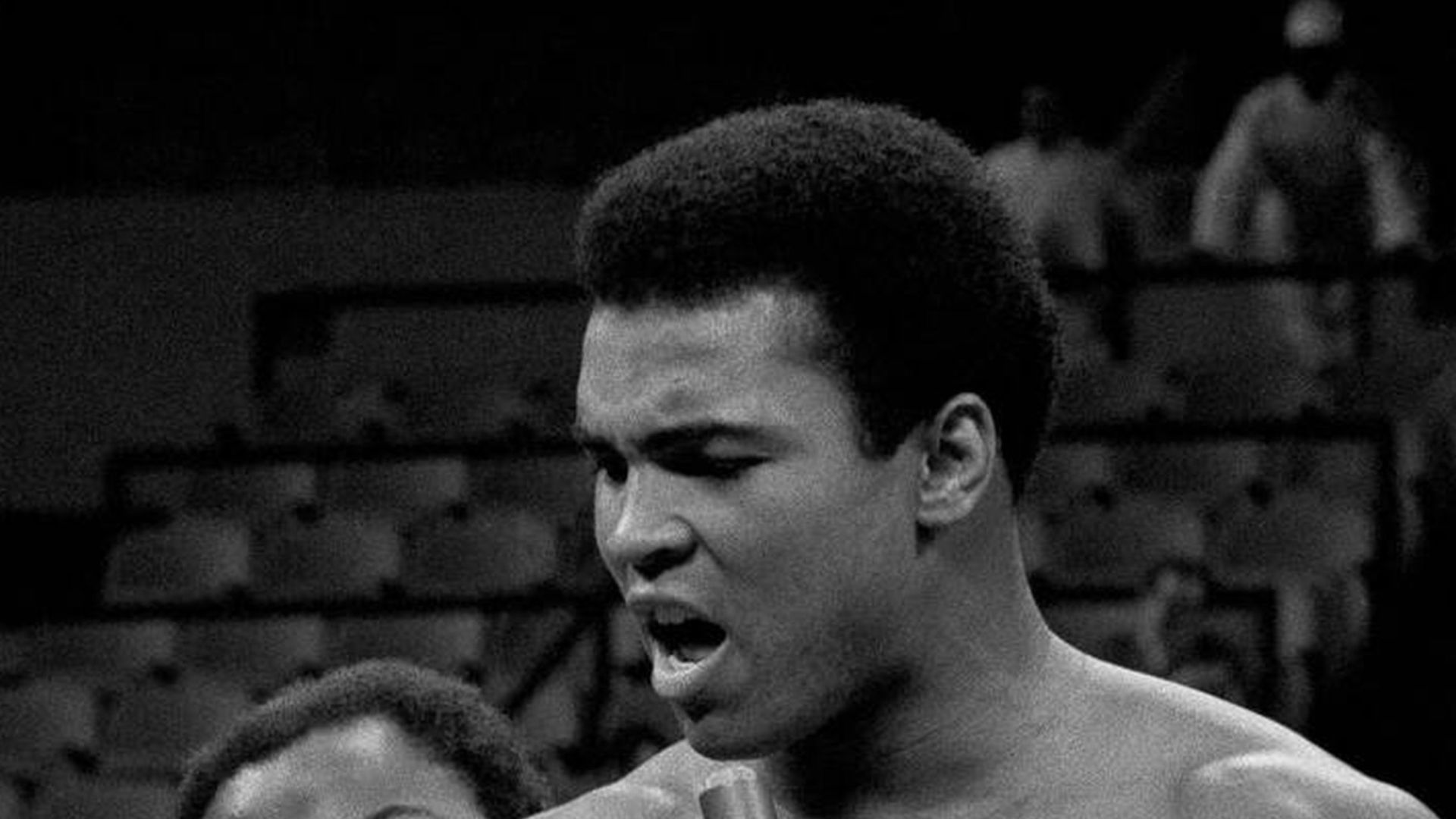
Ali’s appeal of his conviction for draft dodging lasted almost four years and went all the way up to the Supreme Court of the United States. On June 28, 1971, the highest court in the land overturned the boxer’s conviction in a unanimous decision. Ali’s boxing licenses were quickly reinstated, and he eagerly planned his return to his original passion.
 Associated Press, Wikimedia Commons
36. His Comeback Didn’t Go As Planned
With his return to boxing, Ali was the obvious main contender to regain his heavyweight title, which was now held by Joe Frazier. Billed the “Fight of the Century”, the leadup to the bout was one of frenzied excitement. Neither man had ever been defeated in the ring.
The fight lived up to the hype, lasting a whopping 15 rounds, after which, devastatingly, judges declared Frazier the winner by unanimous decision, giving Ali his first professional defeat. He quickly recovered his losses.
37. He Got There In The End
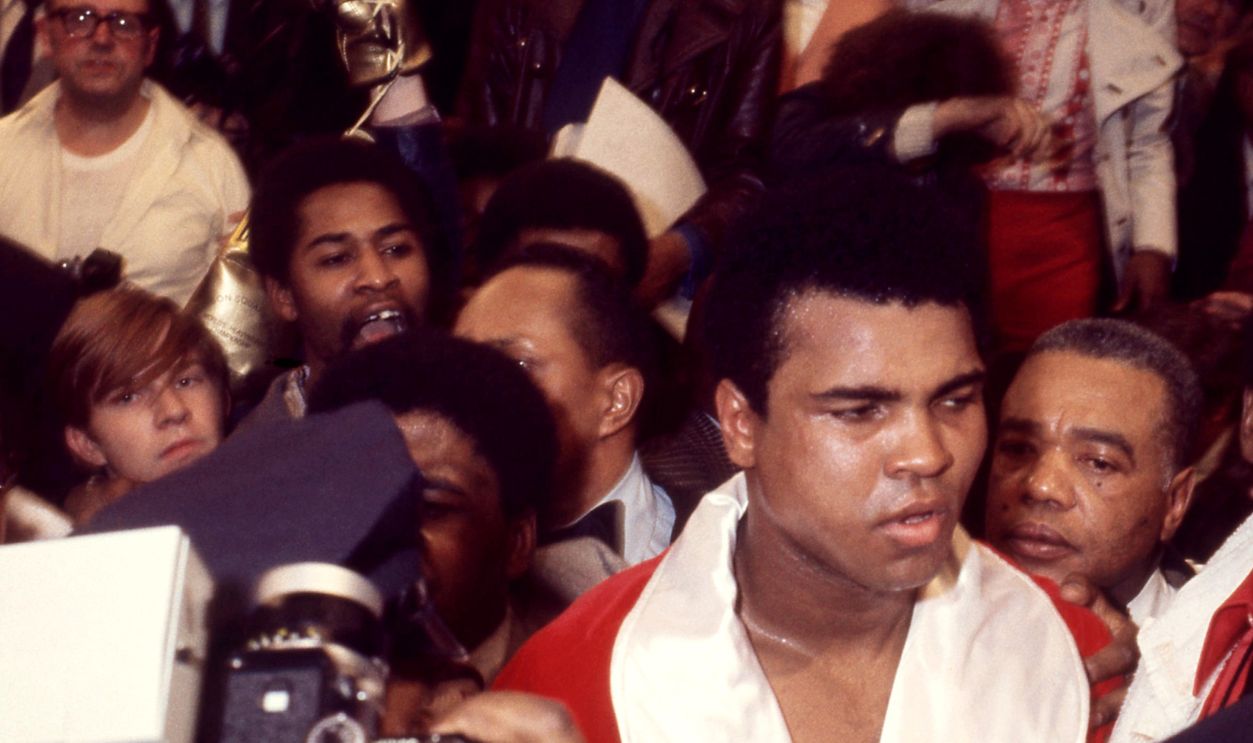
Ali was eager to have a rematch with Frazier, and he got his wish three years later on January 28, 1974, at Madison Square Garden. Frazier had since lost his title to George Foreman, so the only thing at stake was the fighters’ honor. After a 12-round bout, Ali came out on top, this time with a victory by unanimous decision. He’d settled the score with Frazier, and now it was time to eye his old belt…
38. He Regained The Top Spot
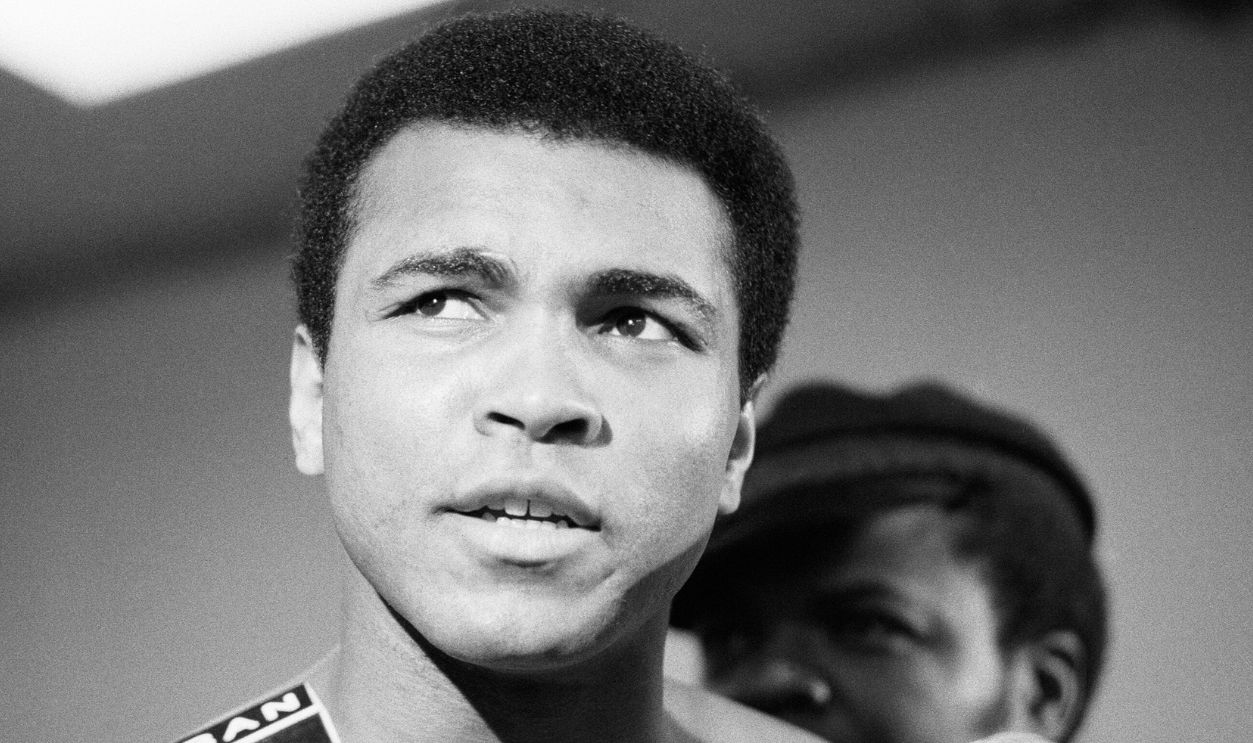
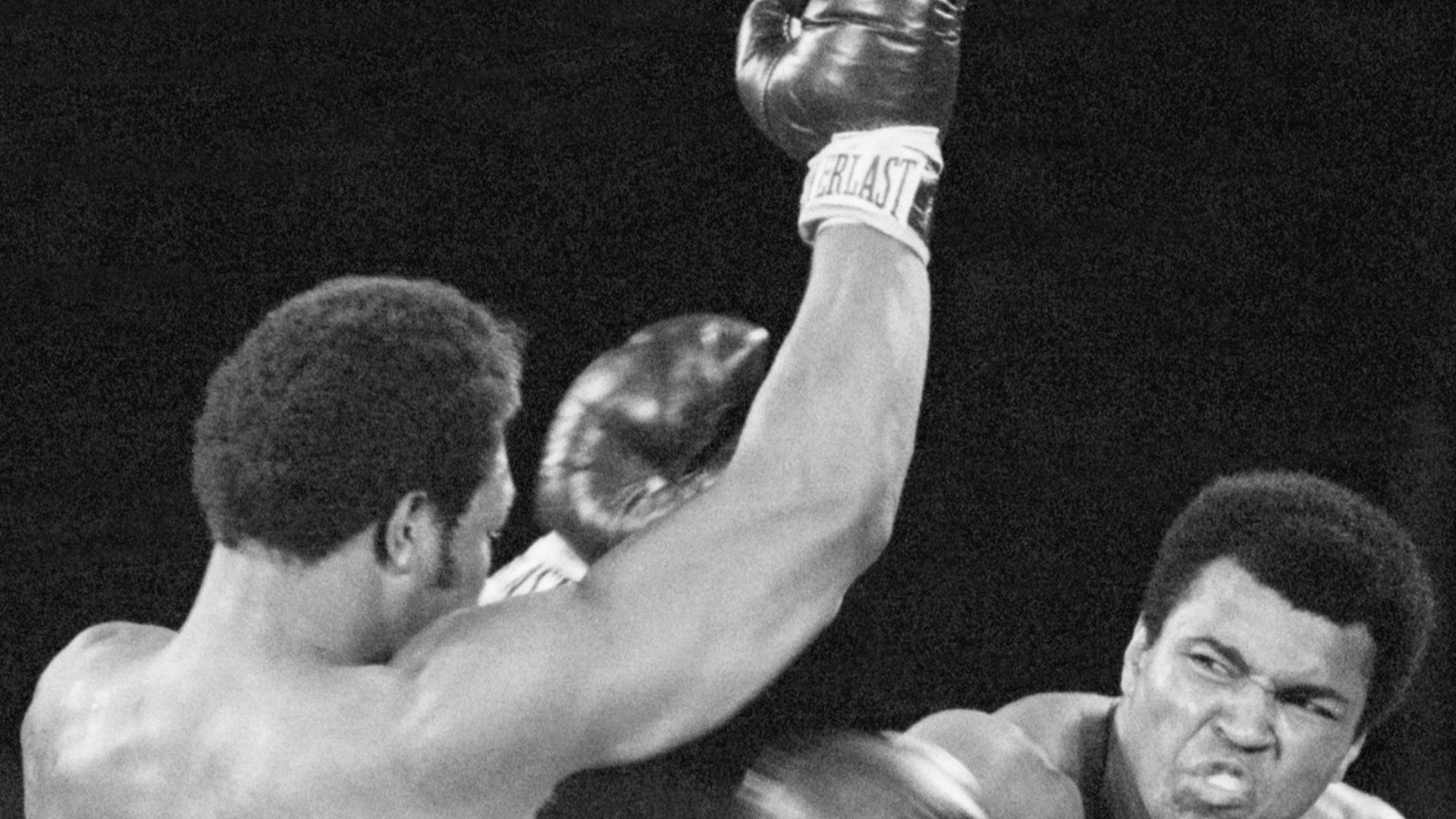
Ali was now, of course, the main contender for Foreman’s title, and he once again found himself in a familiar position as the underdog. Foreman was an intimidating presence and had already defeated the only man who had defeated Ali. Furthermore, Ali was now 32 and passed his prime.
The Rumble in the Jungle took place in Zaire on October 30, 1974, where Ali defeated the champ in yet another major upset. With the heavyweight title once again in his possession, the Greatest continued to inspire.
 United Press International, Wikimedia Commons
39. He Influenced Film
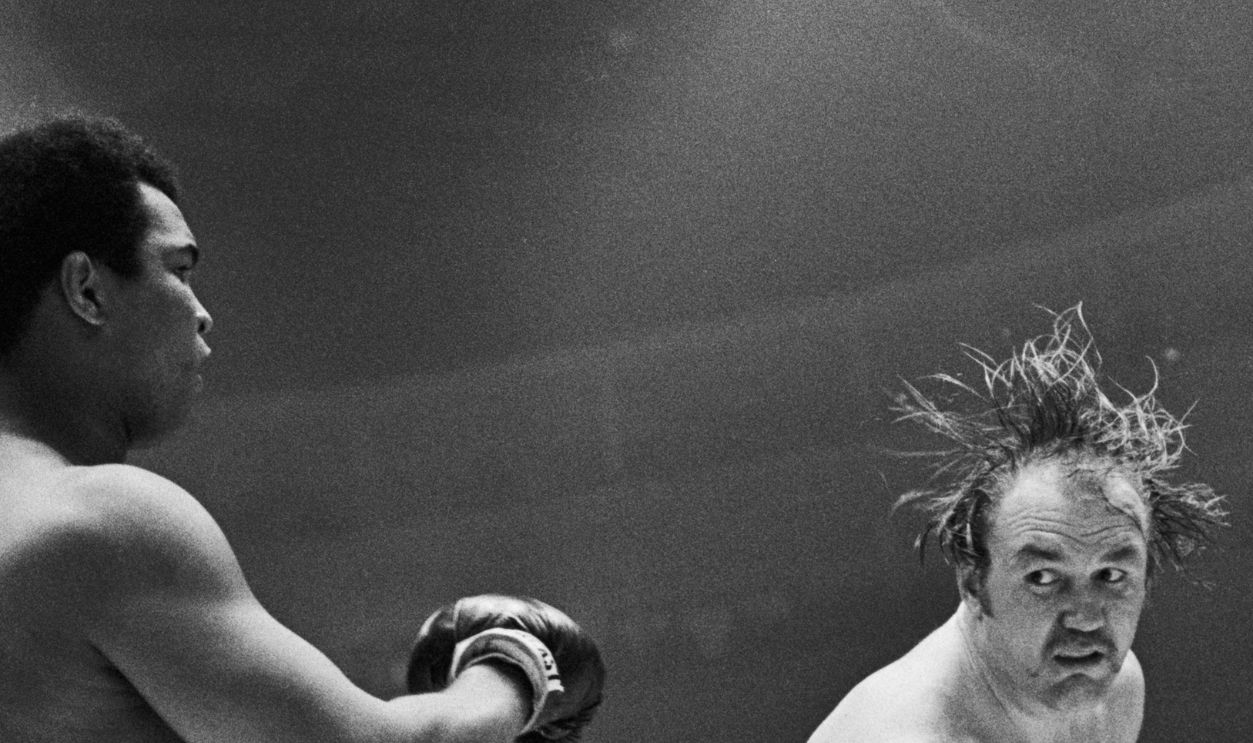
Ali continued to defend his title in various bouts over the next few years. One particularly difficult fight was against Chuck Wepner, who stunned Ali with a knockdown in the ninth round. Ali would still go on to win the fight, but the match made a strong impression on a young Sylvester Stallone, who cited the bout as an inspiration for the movie Rocky.
It wasn’t Ali’s only association with Hollywood.
History's most fascinating stories and darkest secrets, delivered to your inbox daily.
40. He Was An Entertainer
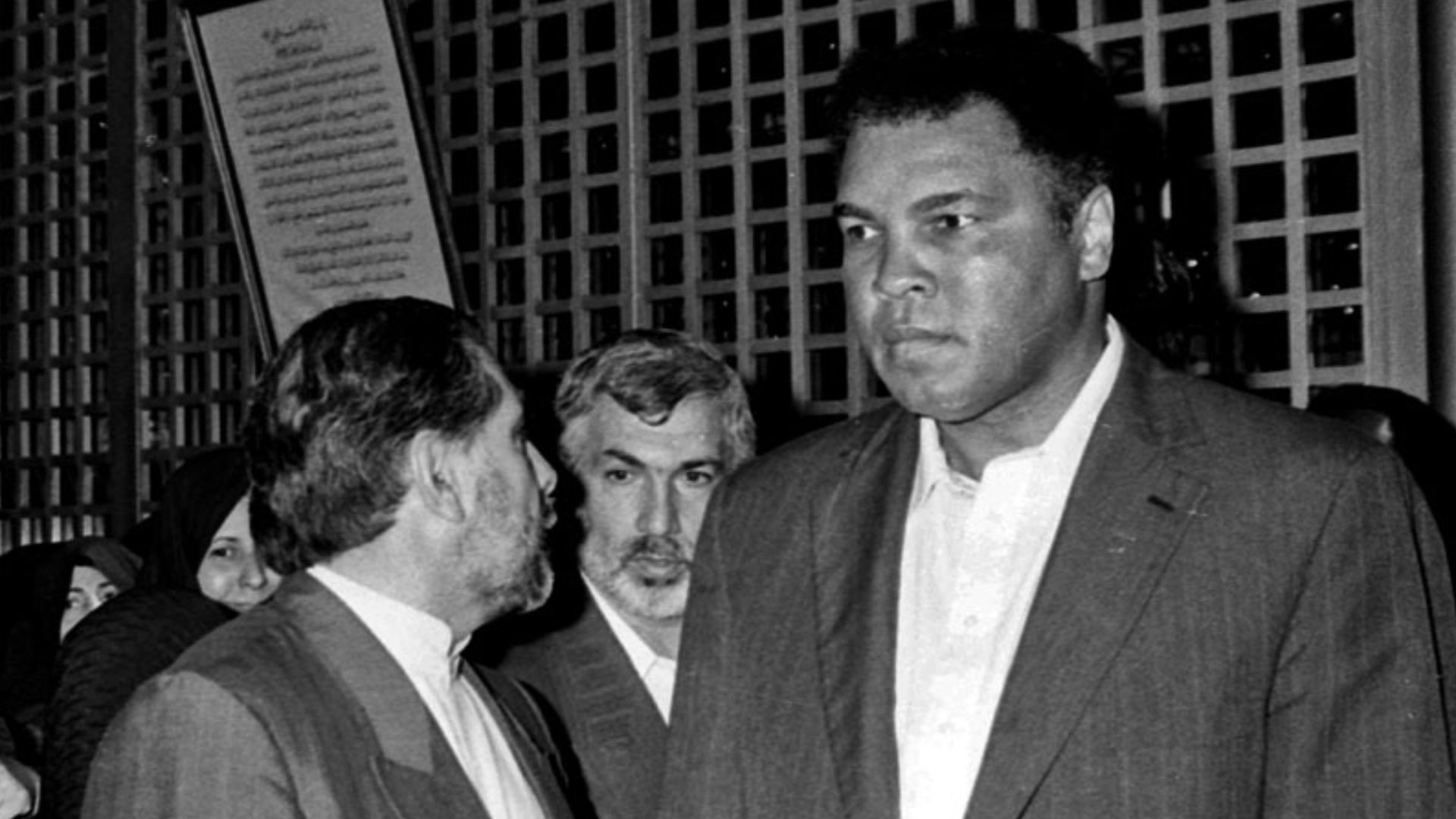
Ali was not just a boxer and civil rights icon. Throughout his long and storied career, he dipped his fingers in many pies. The Greatest tried his hand at acting, writing, spoken word poetry, and even professional wrestling. By the dawn of the 1980s, however, it had caught up on him.
41. He Hung Up His Gloves
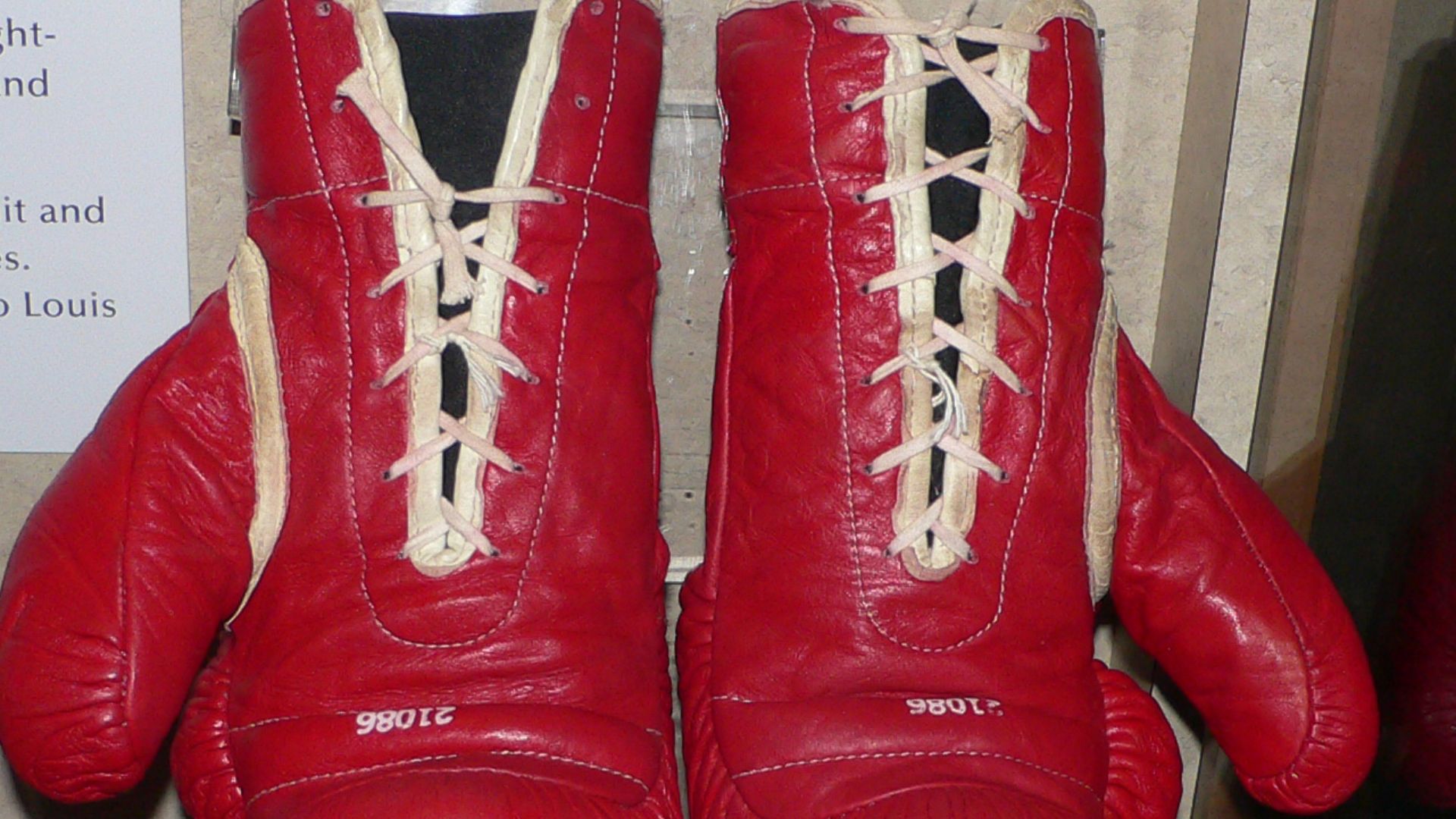
In the latter years of his career, Ali’s doctors pleaded with him to consider retirement. He even had a false stop or two, announcing an end to his career, then coming back for one more fight. Finally, in 1981, Ali announced his permanent retirement from boxing. He vowed to dedicate the rest of his life to preparing “to meet God”, focusing on religion, philanthropy, and activism. His record spoke for itself, but there was another staggering number that came with it.
 Mark Pellegrini, Wikimedia Commons
42. He Took A Lot Of Punches
Boxing journalists and fans alike took stock of the career of the greatest of all time, and there was one number that stood out from the rest. By the end of his career, they estimated that Ali had absorbed around 200,000 hits in the ring. This would not leave him unaffected, and health issues began to plague him. Luckily, the champ had a big family to support him.
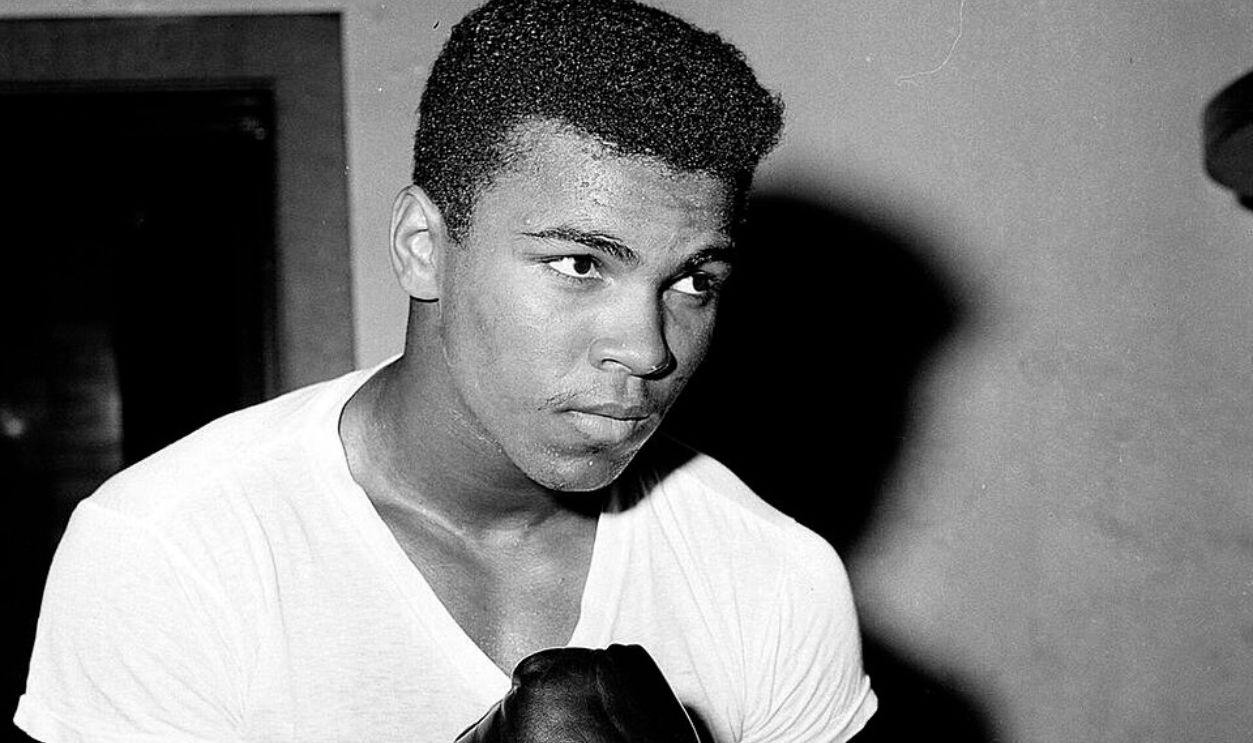
43. He Was A Family Man
Throughout his career, Ali always had his family in his corner. Well, whoever his family happened to be at the time anyway. Over the course of his life, the boxer married four times and had nine children (seven daughters and two sons). Home life was not always idyllic.
 Associated Press, Wikimedia Commons
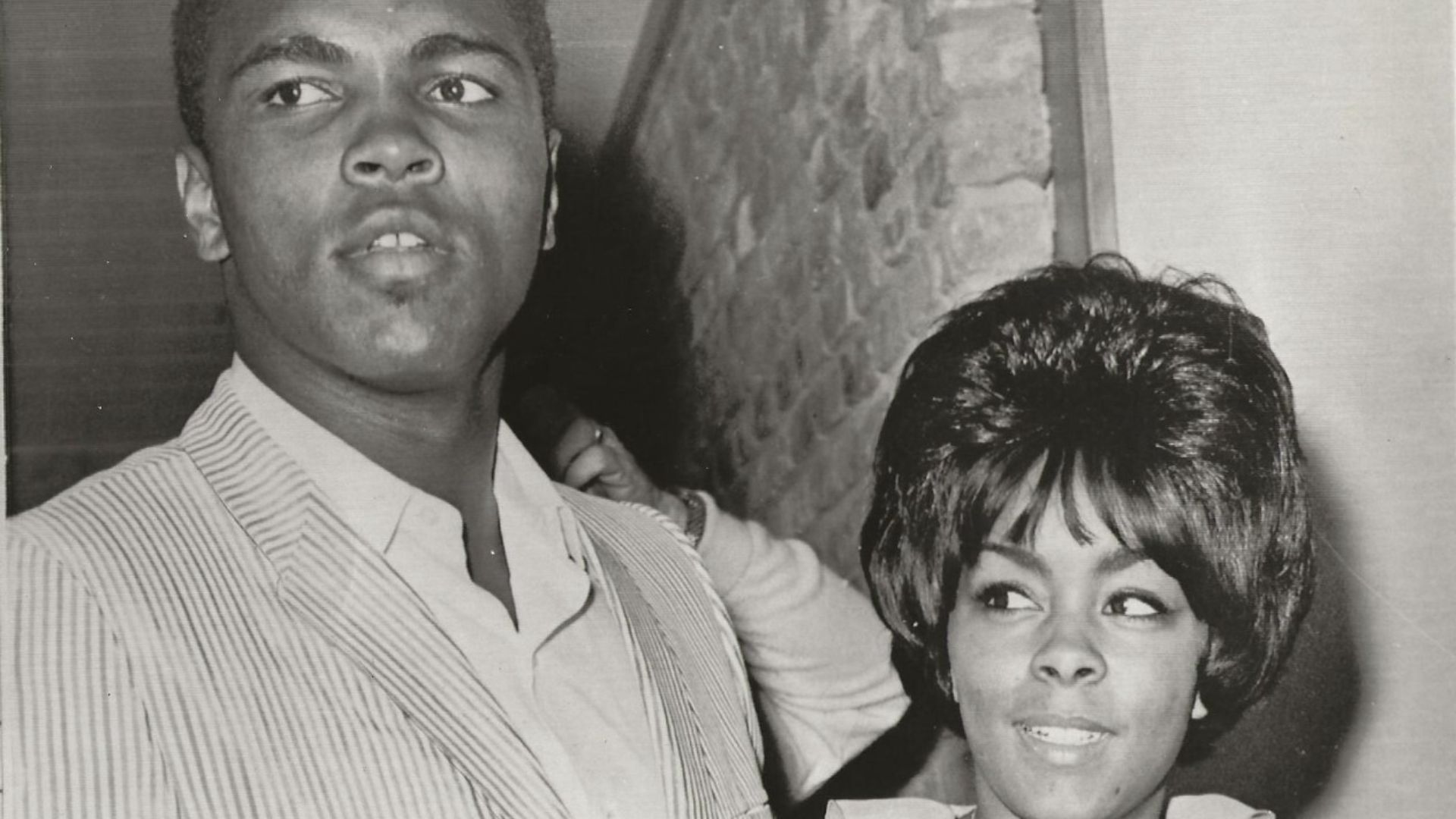
44. His Marriages Were Rocky
Many of Ali’s unions began and ended quite dramatically. Ali asked his first wife, cocktail waitress Sonji Roi, to marry him after their first date in 1964; Ali’s problematic views about her perceived “looseness” led to the end of the marriage less than two years later.
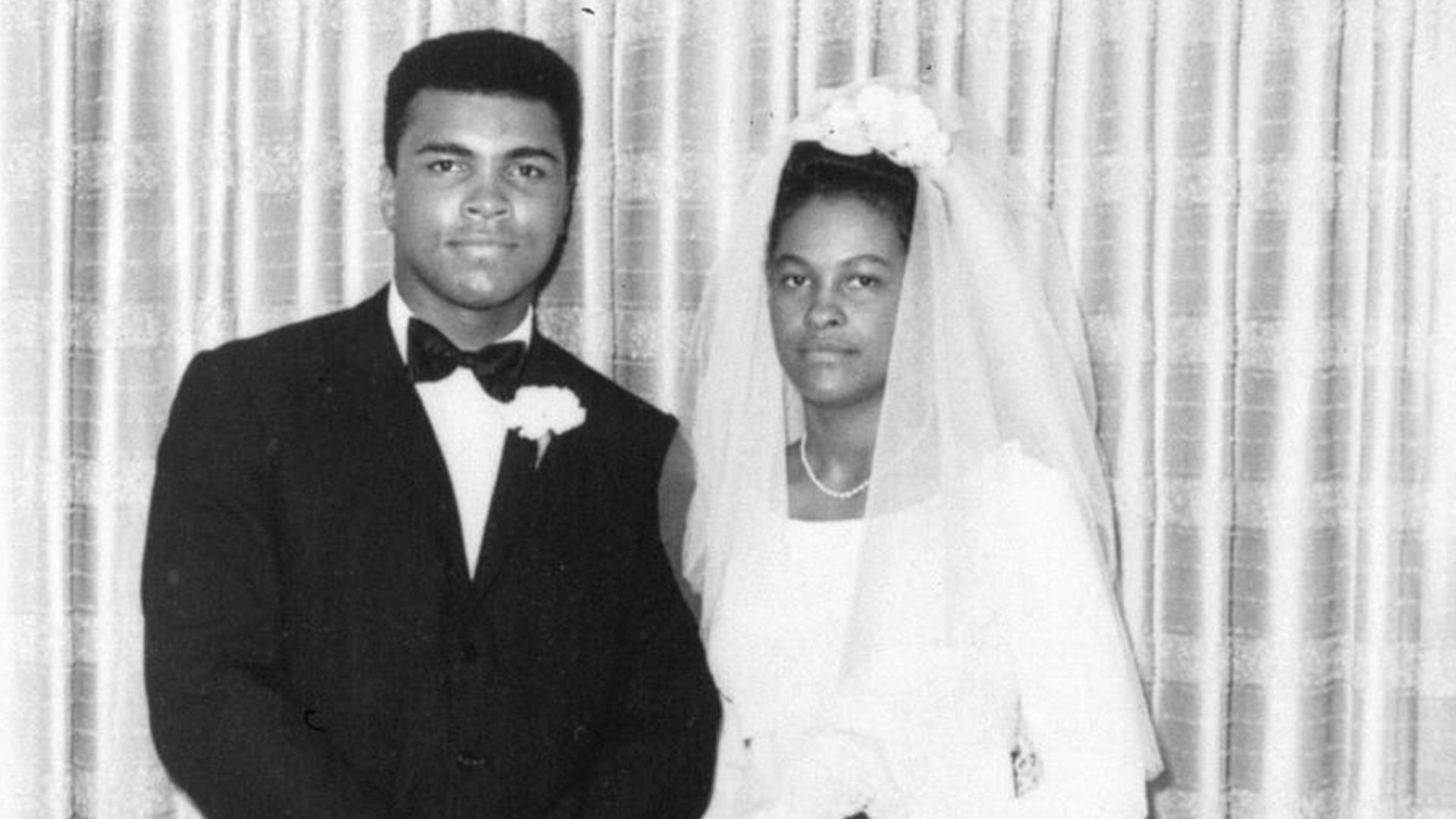
He married his second wife, Belinda Boyd, in 1967 when she was just 17 years old; they had four kids together. Ali had an extramarital affair when he was 31 years old; his mistress, disturbingly, was only 16. It wouldn’t be his last affair.
 Associated Press, Wikimedia Commons
45. He Was Unfaithful
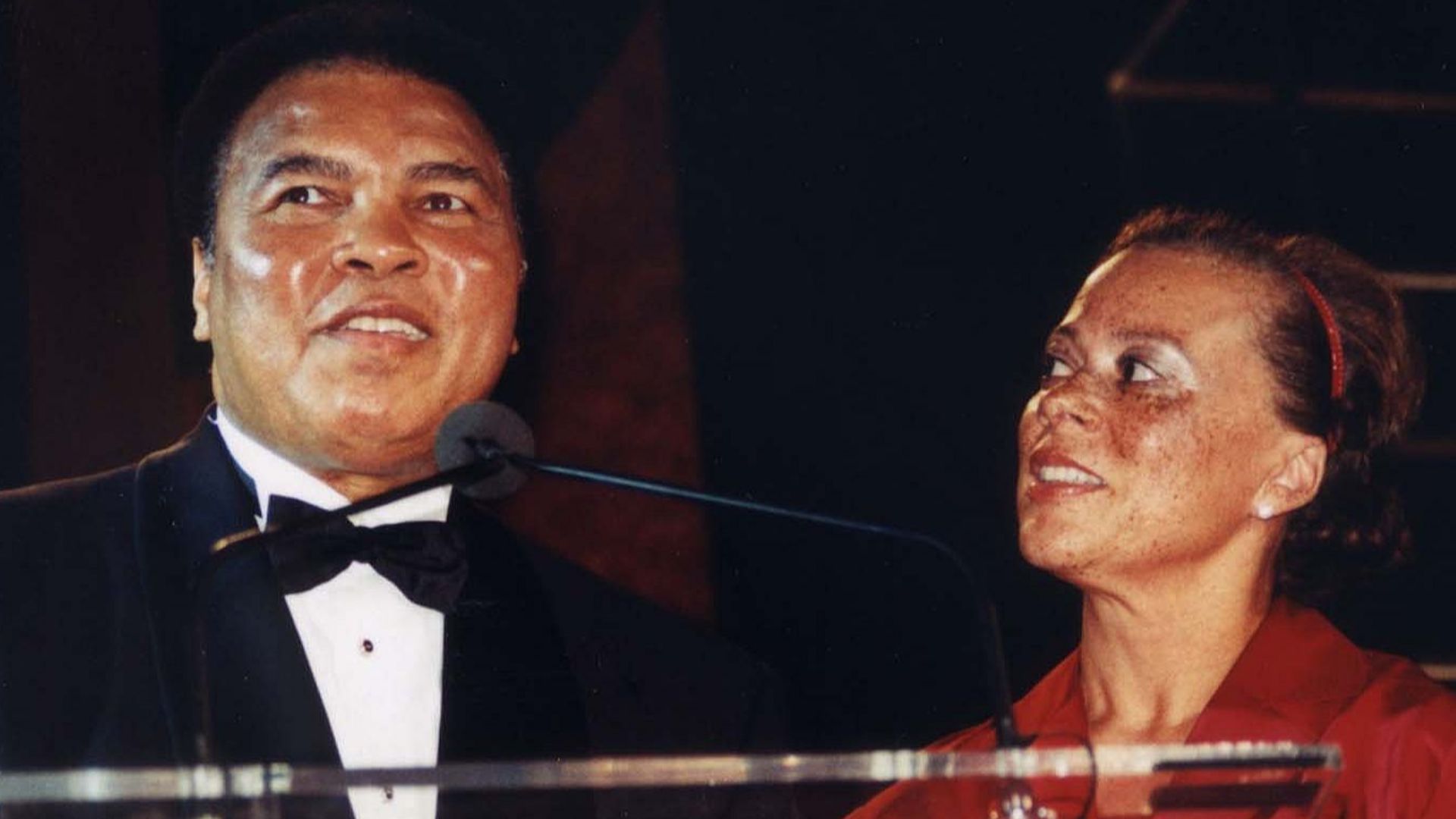
Ali’s remaining marriages were plagued by infidelity on his part. It was the main reason his second and third marriages ended. He was careless too, with two of his nine children resulting from extramarital affairs. Fortunately for at least one of his kids, she was a chip off the old block in a good way.
 Kingkongphoto & www.celebrity-photos.com from Laurel Maryland, USA, Wikimedia Commons
History's most fascinating stories and darkest secrets, delivered to your inbox daily.
46. His Daughter Followed Him
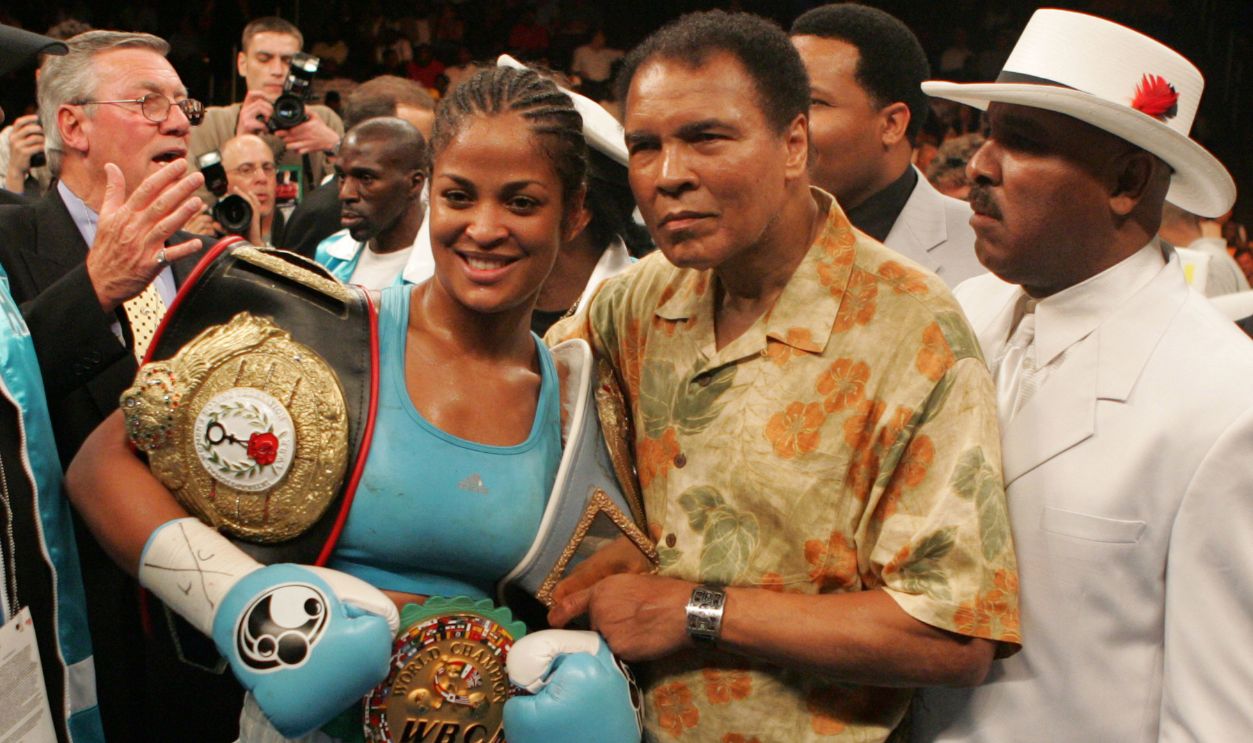
Ali’s second daughter from his third marriage, Laila Ali, followed in her father’s footsteps and had a career as a professional boxer from 1999 to 2007. This was despite her father’s earlier opposition to women taking part in the sport; in 1978, he reportedly said “Women are not made to be hit in the breast, and face like that”.
However, the elder Ali seems to have come around as he attended several of his daughter’s fights. He probably had some cautionary words for her too.
47. His Health Suffered
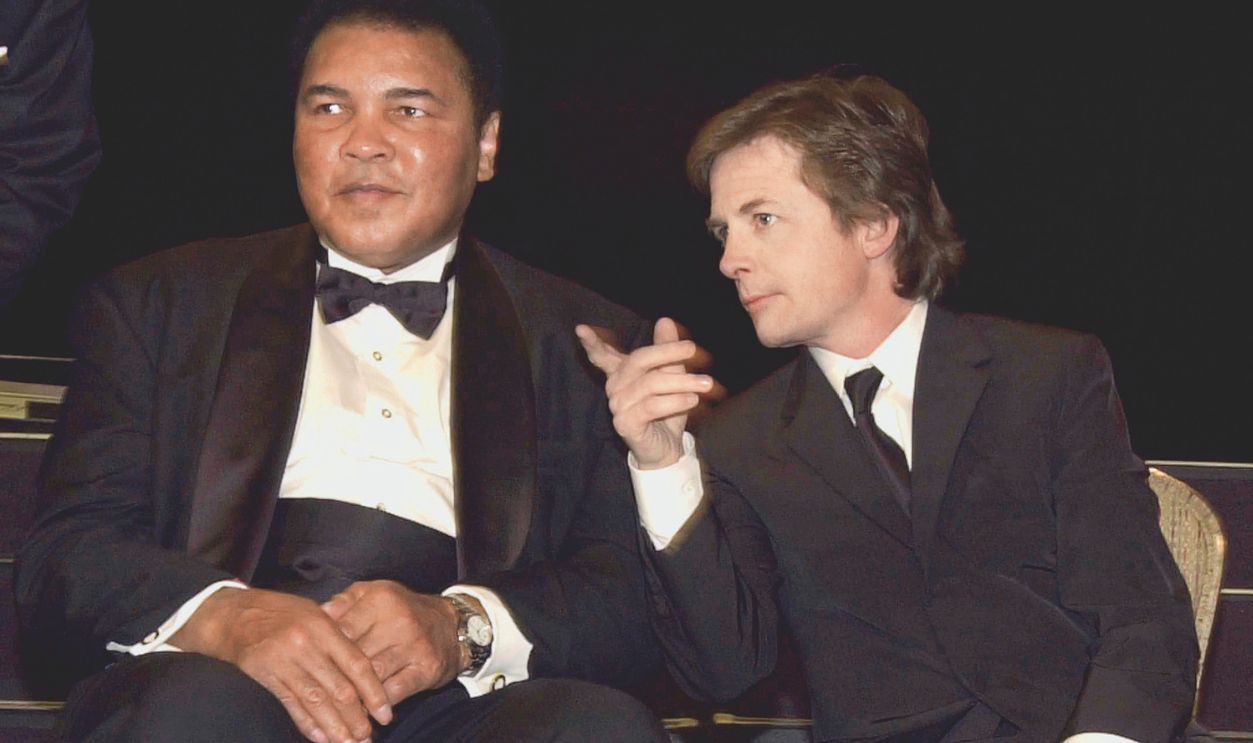
In 1984, Ali made public his diagnosis with Parkinson’s disease. Many people attributed this to injuries he sustained over his boxing career, though Ali and some of his physicians disputed this.
Nonetheless, the Greatest became a passionate advocate for the condition, joining forces with Michael J Fox, who also suffered from Parkinson’s, to raise awareness and research funds. Ali’s storied post-boxing career could fill an article in itself, but one instance stands out.
48. He Talked A Man Down
One now-famous story from Ali’s post-boxing career happened the very year he retired. In 1981, Ali was in Los Angeles when he happened by a dramatic scene involving a distraught, 21-year-old man threatening to leap from a ninth-story ledge.
Ali sprang into action, rushing to the ninth floor to talk to the man. In an amazing display broadcast on television, Ali talked the young man off the ledge. He received a hero’s ovation. This was just one event of many that contributed to the recognition he would receive at the end of the millennium.
 Knowle West Media Centre, Wikimedia Commons
49. He Defined A Century
With the close of the millennium, many sports writers took stock of the 20th century. Ali was a figure that towered above all others, both professionally and culturally. In 1999, he was named Sportsman of the Century by Sports Illustrated and the BBC. It was the peak of a long, storied career of a troubled but incredible man. The world would mourn upon his passing.
50. He Left An Enduring Legacy
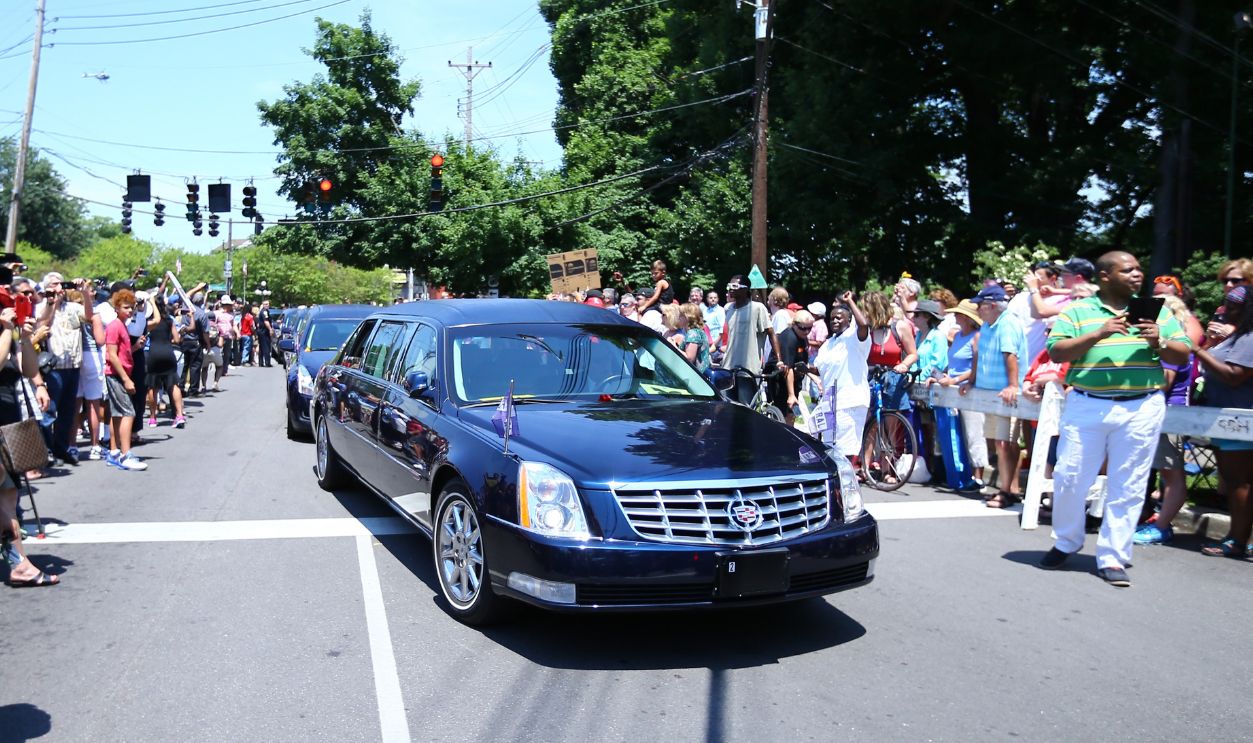
On June 2, 2016, Ali was hospitalized with a respiratory illness while in Scottsdale, Arizona. His condition quickly worsened, and he passed the following day from septic shock. He was 74 years old. Tributes poured in from around the world. The globe had lost one of its all-time superstars. But the legacy of the Greatest would transcend his mortal life.
You May Also Like:
Heavyweight Facts About George Foreman, The Boxer Who Turned It Around
Hard-Hitting Facts About Sylvester Stallone, The Italian Stallion
The Biggest Boxing Matches Of All Time