Between a rock and something much worse
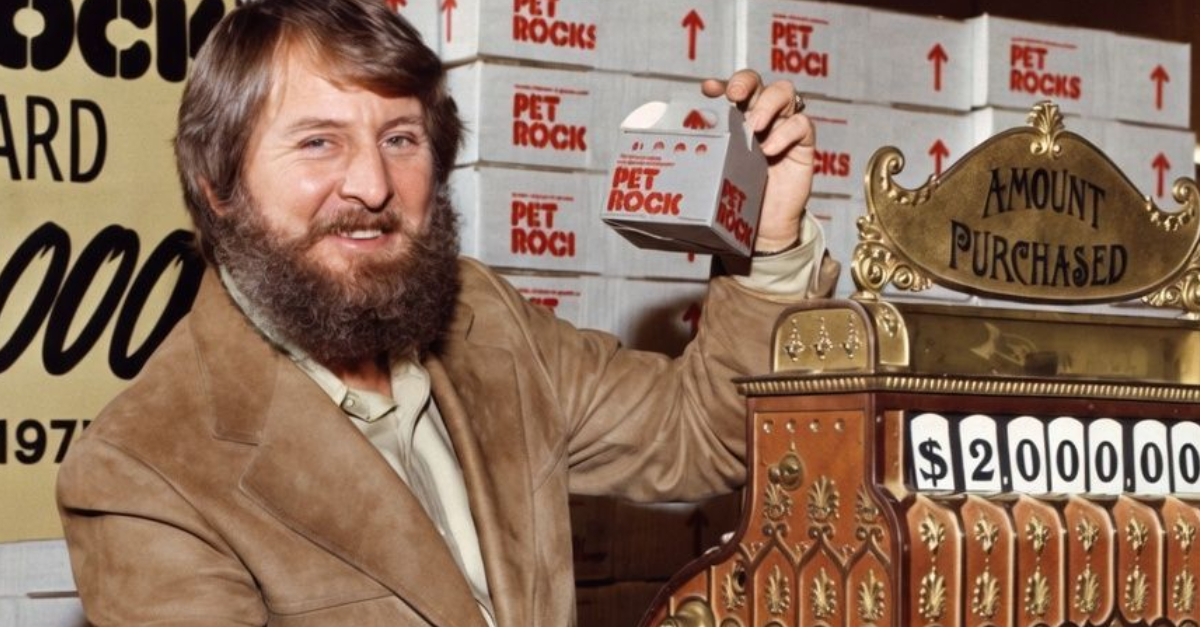
Gary Dahl sold one of the most ridiculous products in American history—and somehow became rich doing it.
For a few glorious months, the joke worked perfectly. Then the laughter stopped—and Dahl’s massive success story took a turn no one could have seen coming.
Before the rock, he sold words
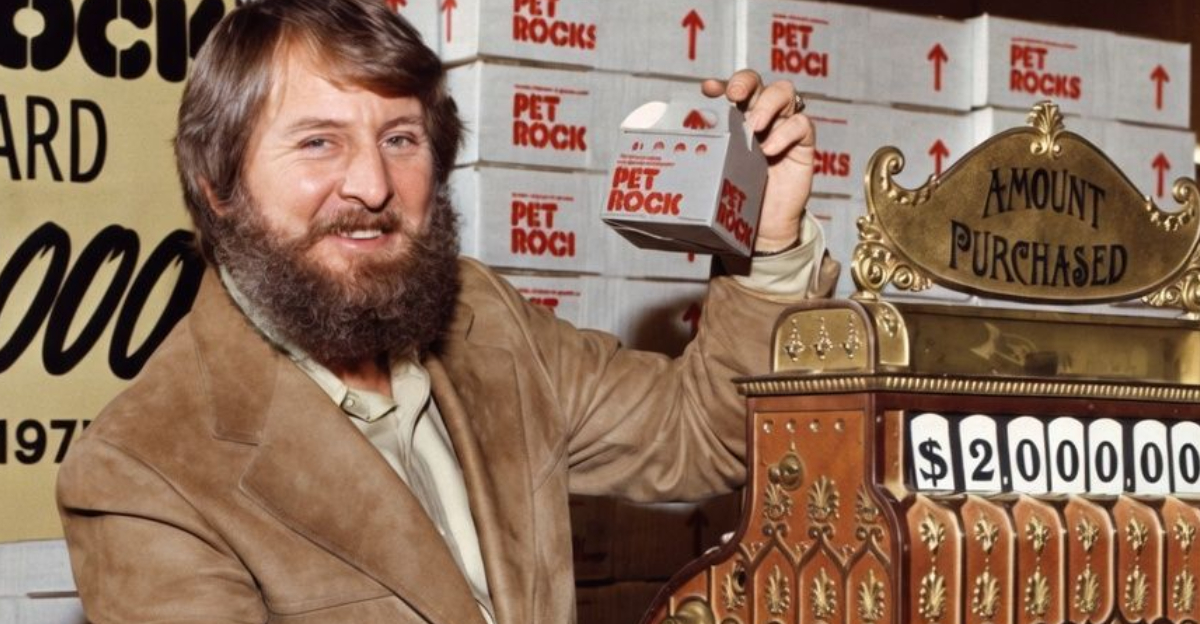
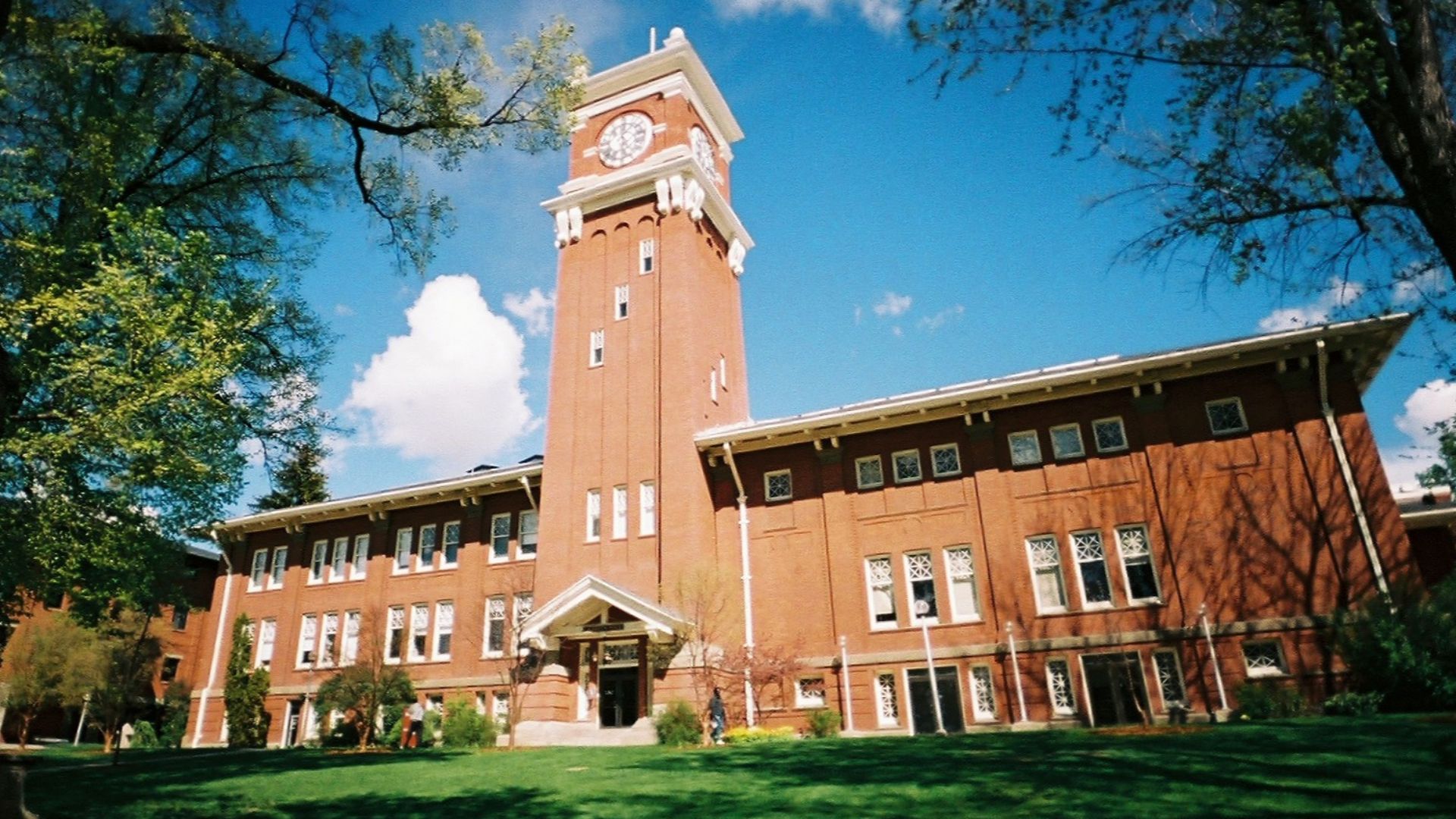
Dahl was born in Bottineau, North Dakota, in 1936 and grew up in Spokane, Washington. After attending Washington State University, he built a career in advertising and eventually became a freelance copywriter in Northern California. He was clever with words, but he certainly was not famous.
The joke started in a bar
In 1975, Dahl was drinking with friends in Los Gatos when the conversation turned to the trouble that came with owning pets. They needed food, attention, training and regular cleanup. Dahl jokingly announced that he had found a much easier option: a pet rock.

Most barroom ideas stay in the bar
Dahl could have laughed, finished his drink and forgotten the entire conversation. Instead, the advertising man began wondering whether the joke could become an actual product. The challenge was not finding rocks. It was convincing people to pay real money for something lying freely on the ground.
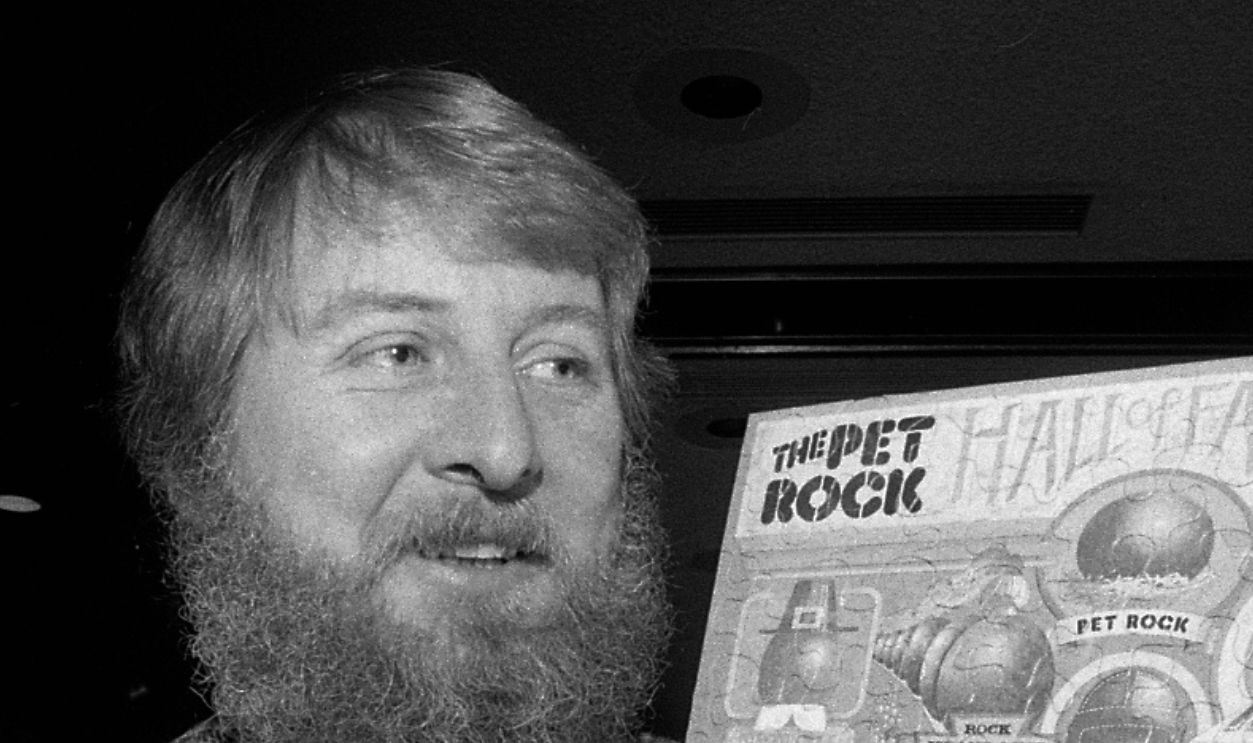 San Francisco Chronicle/Hearst Newspapers, Getty Images
The rock was never really the product
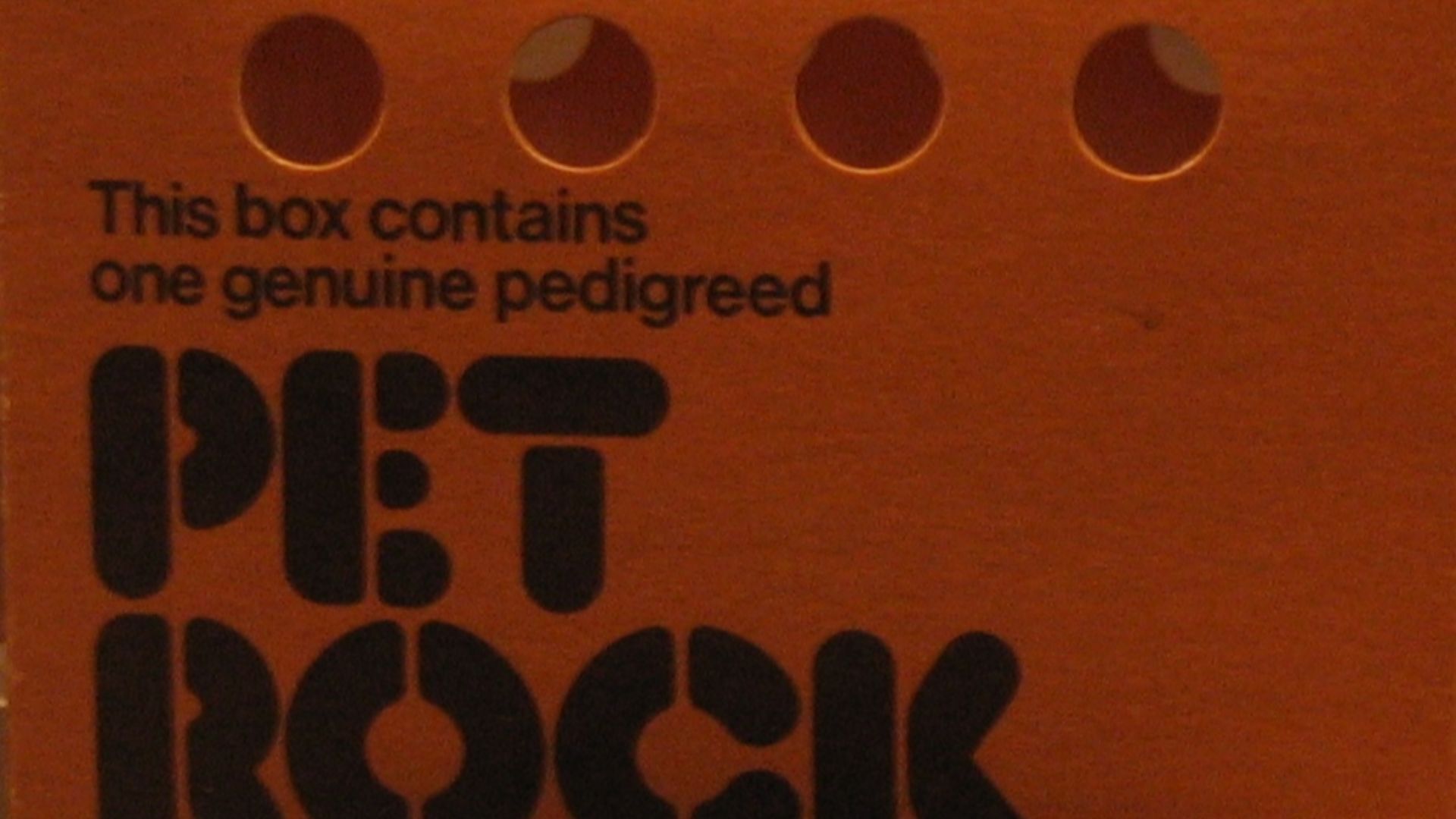
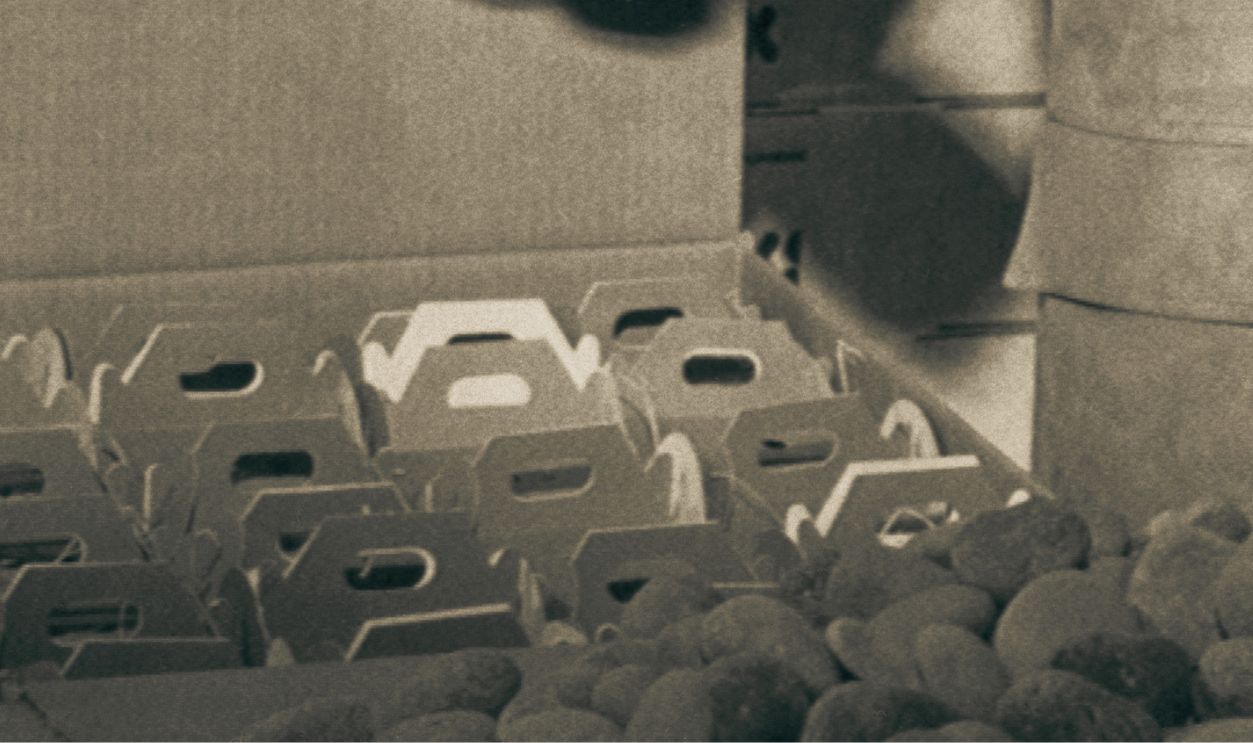
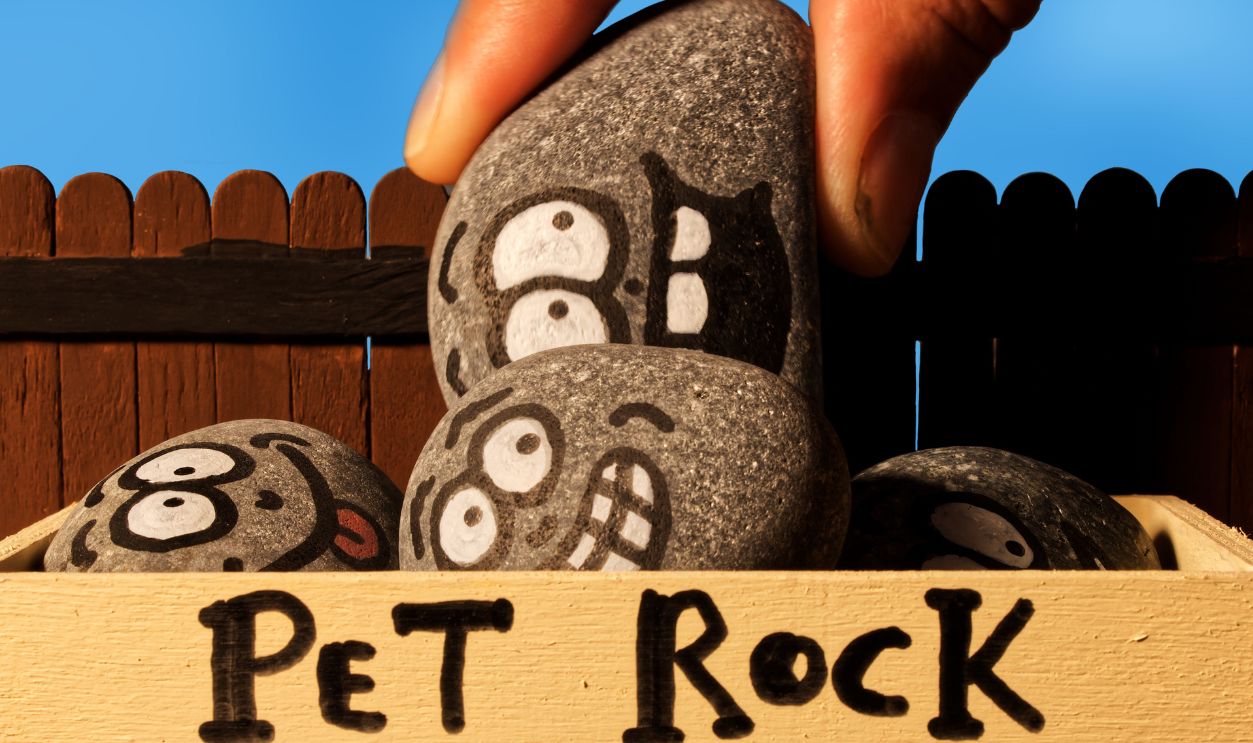
Dahl obtained smooth stones from Mexico and placed each one inside a cardboard pet carrier filled with bedding and punched with breathing holes. The packaging made the rock look as though it were a living creature being carefully transported to its new home.
 Hempdiddy (talk), Wikimedia Commons
The manual sold the joke
Each Pet Rock came with instructions explaining how to feed, train and care for it. Rocks were naturally excellent at “stay,” though less impressive at “come.” Owners were even told to place an excited new rock on old newspapers. Dahl had turned every part of pet ownership into the joke.
He needed two people to believe him
Dahl lacked the money to launch the idea alone, so colleagues George Coakley and John Heagerty agreed to invest. Their backing helped turn one ridiculous conversation into an actual business—but their involvement would eventually become an important part of the much uglier story waiting ahead.
Retailers immediately understood it
Dahl introduced the Pet Rock at a San Francisco gift show in August 1975. Retailers saw an inexpensive, funny product that customers would immediately understand. Orders began arriving, and what had started as a barroom gag suddenly looked suspiciously like a serious business.

The timing could not have been better
America had spent years watching grim stories dominate the news. Dahl later believed people were simply ready for something harmlessly ridiculous. The Pet Rock required no political opinion, no serious thought and, most importantly, no emergency trip to the veterinarian.
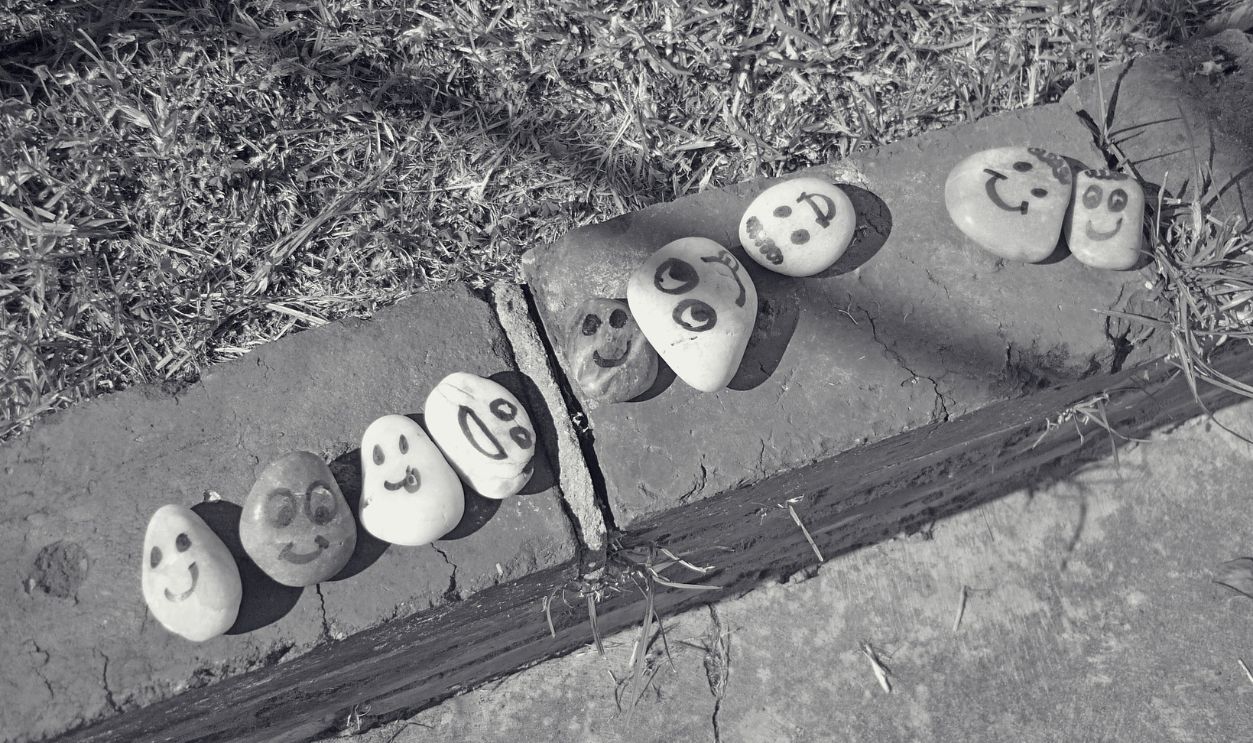
The media did his advertising for him
The spectacle of a man convincing Americans to buy ordinary rocks was irresistible. Newspapers, magazines and television programs turned the Pet Rock into a national story, and Dahl appeared twice on The Tonight Show. Every skeptical report only made more people curious enough to buy one.
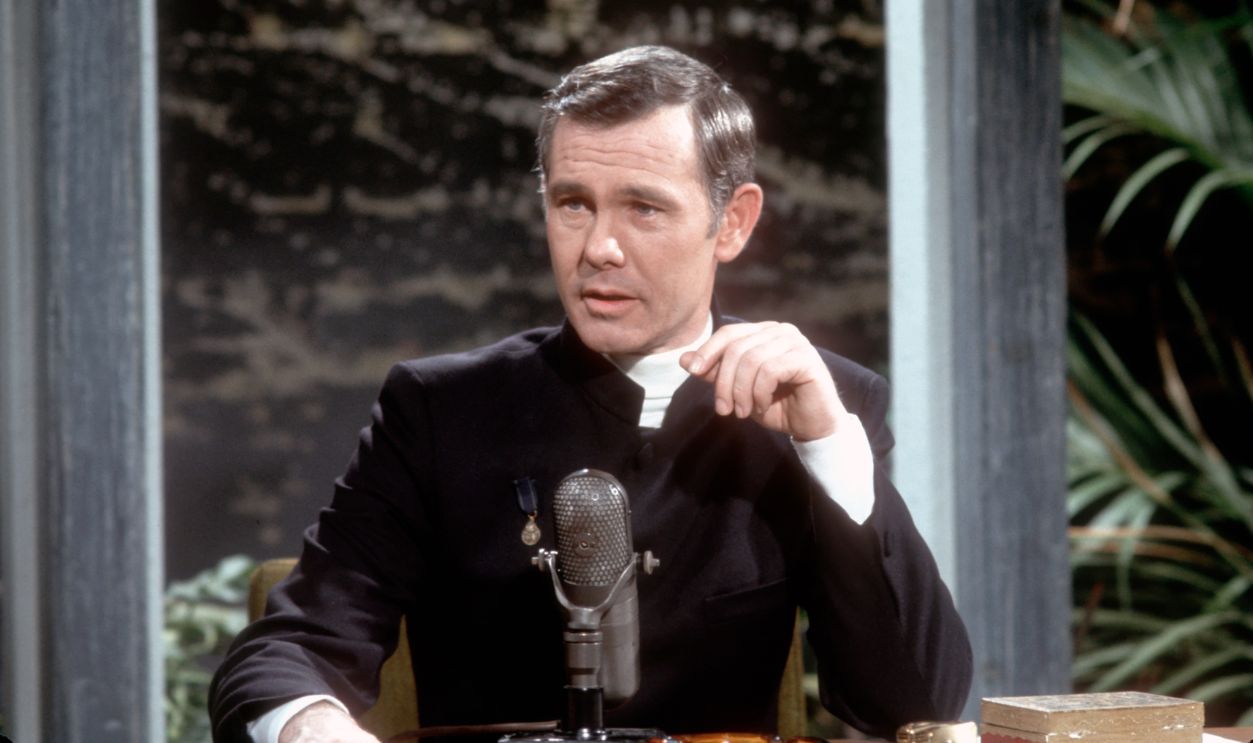 Michael Ochs Archives, Getty Images
The cabin could not keep up
Dahl and his wife initially assembled Pet Rocks from their small cabin in the Santa Cruz Mountains. Within roughly six weeks, the operation reportedly required another 300 workers. Dahl was no longer running a funny little side project. He was managing a full-scale rock distribution empire.
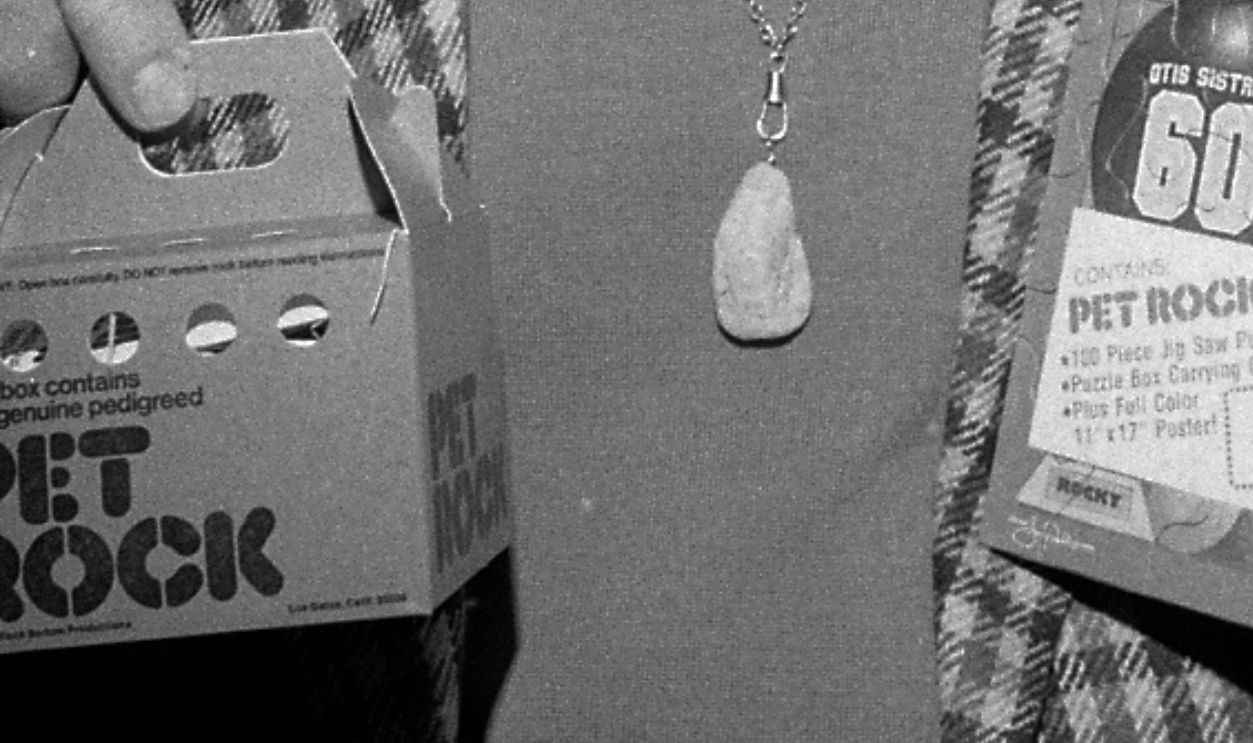 San Francisco Chronicle/Hearst Newspapers, Getty Images
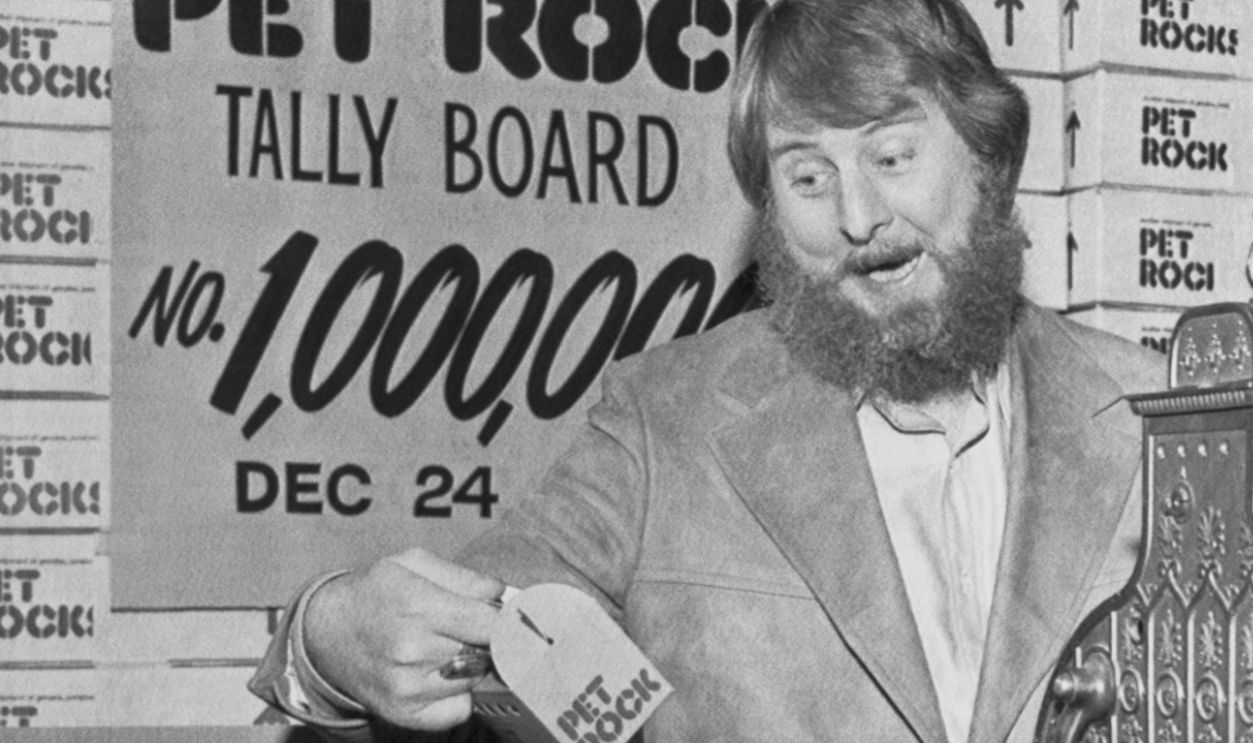
People bought around 1.5 million rocks
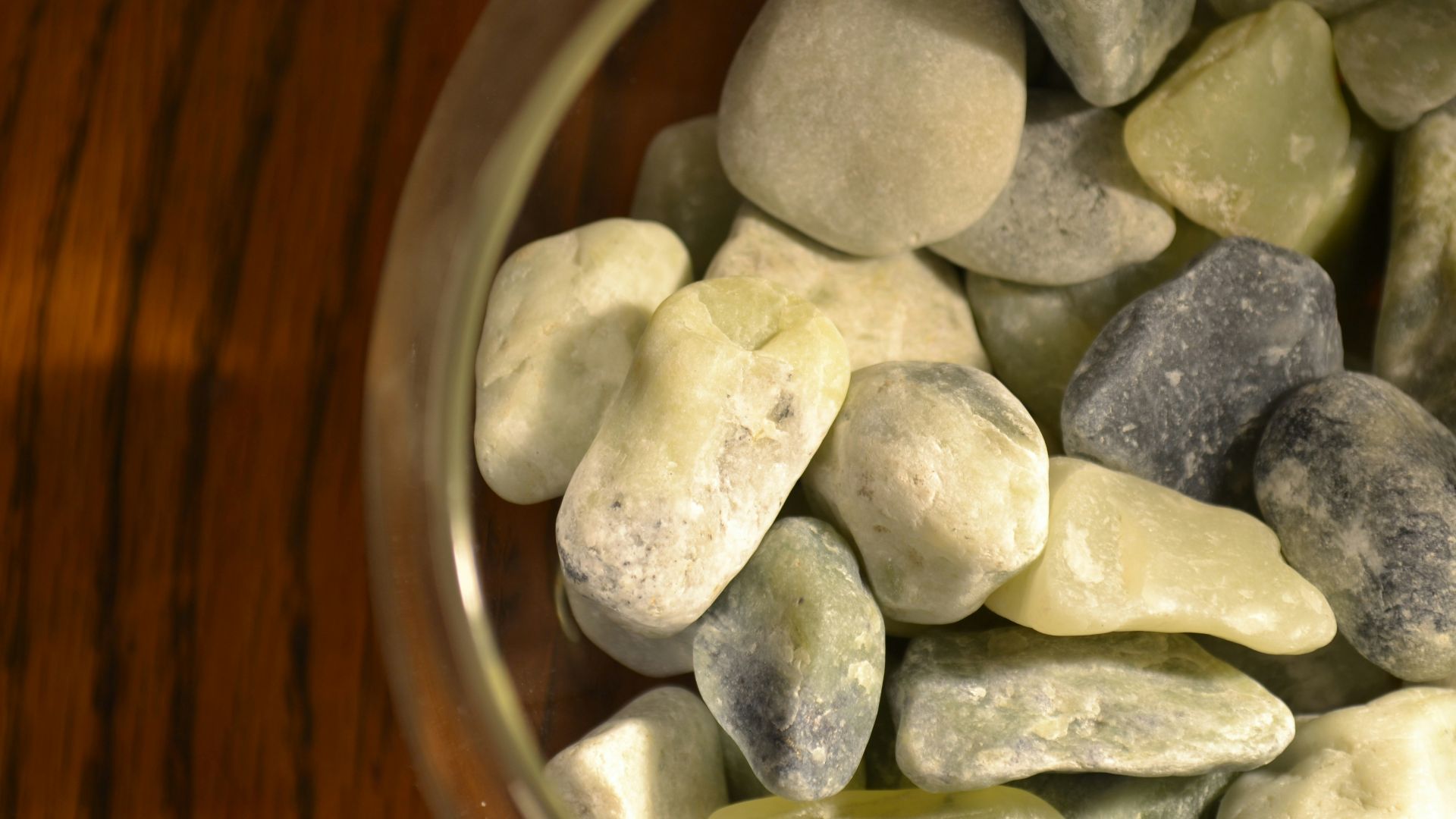
Pet Rocks sold for $3.95 each, and Dahl said approximately 1.5 million were purchased before the fad faded. Americans had spent nearly $6 million buying stones they could have picked up for free—which may be one of the greatest advertising achievements ever committed against the nation.
 https://kaboompics.com/, Pexels
Almost every penny was in the joke
The stone itself reportedly cost less than one cent, while Dahl later said he cleared around 95 cents from each $3.95 sale. The carrier, bedding, instruction manual and perfectly timed joke were doing nearly all the work. He was not really selling rocks. He was selling the story around them.

Dahl became a millionaire
Months earlier, Dahl had been a freelance copywriter looking for his next account. Now the Pet Rock had made him a millionaire, and America wanted to know what its newest marketing genius would sell next. Unfortunately, success had created an expectation that would prove nearly impossible to escape.
Then the joke suddenly ended
The Pet Rock became enormous because nobody had seen anything like it. Once everyone had heard the joke, however, there was little reason to hear it again. By February 1976, leftover Pet Rocks were being discounted and the craze was effectively finished.
The copycats moved in
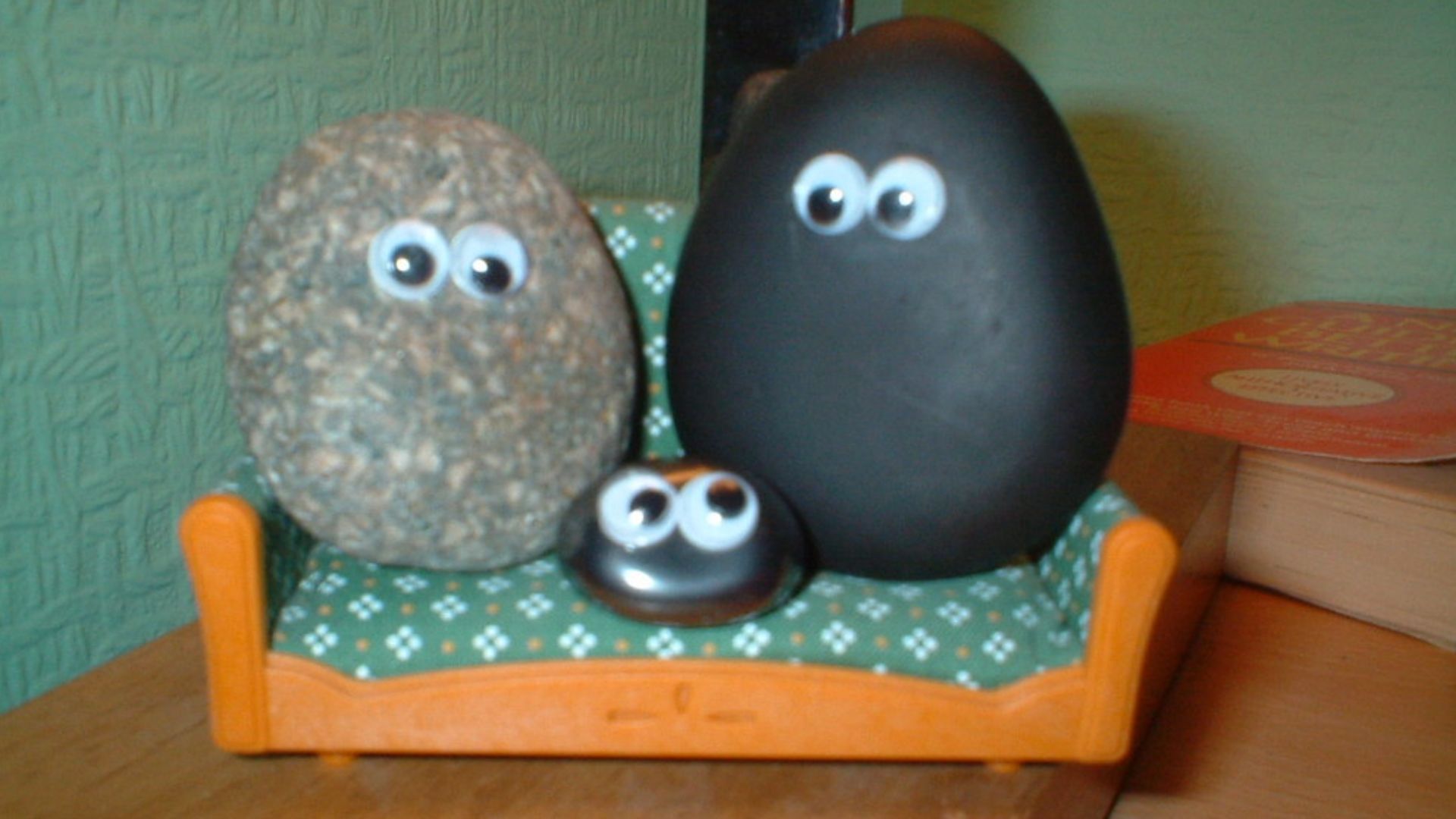
Dahl had trademarked the Pet Rock name, but that did not prevent other companies from packaging and selling their own stones. Bicentennial rocks, accessories and even mail-order college degrees for Pet Rocks appeared. Dahl had created a product almost anyone could imitate—and plenty of people did.
 Owner of Pet Rock Net, Wikimedia Commons
His original investors returned
Coakley and Heagerty believed they had not received a fair share of the Pet Rock profits. In the late 70s, the two original investors sued Dahl. The men who had helped him turn the joke into a business were now fighting him over the money it had produced.

Dahl lost the case
A court ruled in favor of Dahl’s investors, and he was required to pay a six-figure judgment. The Pet Rock had created a sudden fortune, but the partnership behind it ended in a courtroom fight. Dahl’s sudden success was becoming much more expensive.

His life had already changed completely
Dahl later joked that he and his wife traded their Honda for a Mercedes, replaced the basic heating in their cabin and built a swimming pool larger than the entire home had been. The change was fast, flashy and probably more than a little surreal.

He used the money to open a bar
Dahl and his wife designed and built the Carry Nations Saloon in Los Gatos. The name playfully referenced temperance crusader Carrie Nation. Since the Pet Rock had been conceived while Dahl was drinking with friends, using the profits to build a bar brought the story neatly back where it began.
Everyone expected another miracle
Dahl was no longer viewed as an advertising writer who had enjoyed one perfect idea. He was now supposedly the man who could sell anything. Every product he created would be compared with one of the strangest and fastest consumer crazes of the entire decade. That was not a fair fight.
He tried breeding sand
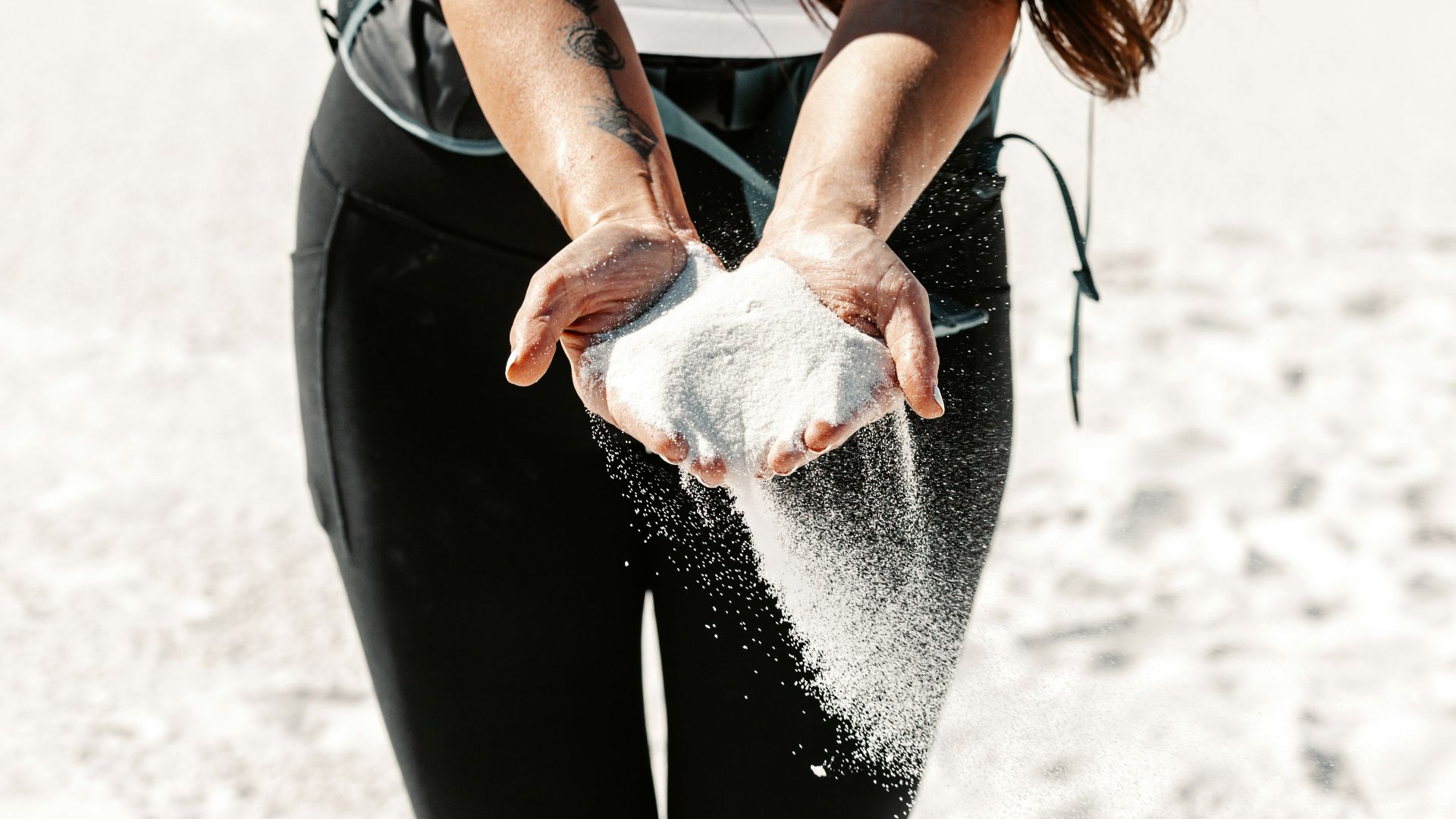
One of Dahl’s follow-up products was the Original Sand Breeding Kit, which invited customers to combine “male” and “female” sand and create their own growing desert family. It had the Pet Rock’s absurd spirit, but consumers were considerably less interested in paying to watch sand reproduce.
Then he tried selling pieces of China
In 1978, Dahl introduced Red China Dirt, tiny acrylic cubes containing soil said to have reached Hong Kong from mainland China. They sold for $5.95, and the joke was that Americans could gradually remove China one little piece at a time. The press noticed. Shoppers mostly did not.

The joke would not work twice
The Pet Rock had arrived with perfect timing, an irresistible hook and more free publicity than Dahl could ever have purchased. None of his later novelty ideas recreated that combination. The man who had once appeared capable of selling anything discovered that even he could not manufacture another national obsession.
The success began taking a personal toll
The Houston Chronicle later summed up Dahl’s post-Pet Rock years as a bigger house, a new bar, drinking too much, failed product launches, lawsuits and a growing sense of betrayal. The fortune had changed almost everything in his life—and apparently not all of it for the better.

He moved on to other businesses
After the Pet Rock faded, Dahl operated his saloon and later became involved in a sailboat brokerage. Neither venture produced another overnight phenomenon. Eventually, the man who had built an empire from stones returned to the advertising career he had known before the country learned his name.
 www.Pixel.la Free Stock Photos, Wikimedia Commons
But strangers wanted his secret
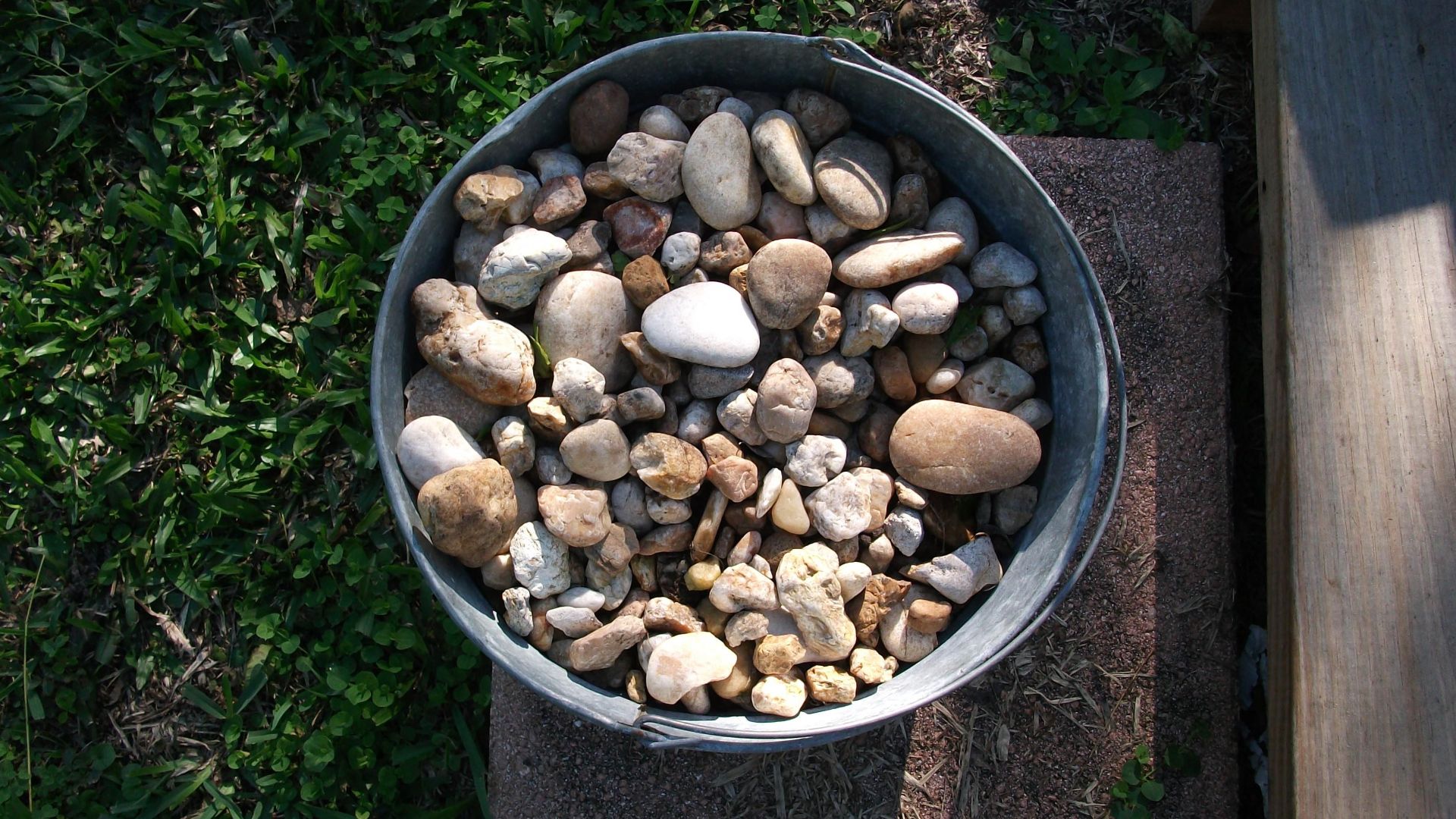
Would-be inventors began approaching Dahl with their own novelty products, convinced that he could turn every pet stick, bag of gravel or other strange object into a fortune. His wife later said people expected Dahl to do for them what he had done for himself—and many brought truly terrible ideas.
 John Harvey, Wikimedia Commons
Publicity began bringing frightening attention
By 1988, Dahl had largely stopped giving interviews. He said publicity brought “a bunch of wackos” out of nowhere with threats and lawsuits, describing them as “a bizarre lunatic fringe who feel I owe them a living.” Whatever happened, it was serious enough to make him retreat from the attention that had made him rich.

The harmless joke became a burden
To everyone else, the Pet Rock remained a funny symbol of 70s excess. To Dahl, it had brought copycats, a courtroom defeat, failed follow-up products and years of attention from strangers who expected him to make them rich. The product had lasted months. Its consequences followed him for decades.

He wondered whether it had been worth it
In that same 1988 interview, Dahl admitted that he sometimes wondered whether his life would have been simpler without the Pet Rock. It was a remarkable thought. The idea had delivered the kind of sudden fortune most people dream about—and left its creator imagining the quieter life he had lost.
He was more than one ridiculous idea
Dahl continued working in advertising and published Advertising for Dummies in 2001. The previous year, he won the Bulwer-Lytton Fiction Contest, which celebrates intentionally dreadful opening sentences. Even when rocks were not involved, his strange sense of humor remained perfectly intact.
 Henry William Pickersgill, Wikimedia Commons
He finally found somewhere quieter
Dahl and his wife retired to Jacksonville, Oregon, in 2006. He died there on March 23, 2015, at age 78 from chronic obstructive pulmonary disease. Marguerite Dahl remembered the Pet Rock craze as tremendous fun—but acknowledged that everything surrounding it became much more complicated.

The rock was the one thing that never left
The original craze lasted only a few months, but the Pet Rock never truly disappeared. It became shorthand for absurd fads, clever marketing and people buying things they absolutely did not need. Gary Dahl spent years trying to escape its shadow. In the end, the ridiculous little rock outlived everything that followed it.
You Might Also Like:
Groundbreaking Facts About The Most Brilliant Women In Science