
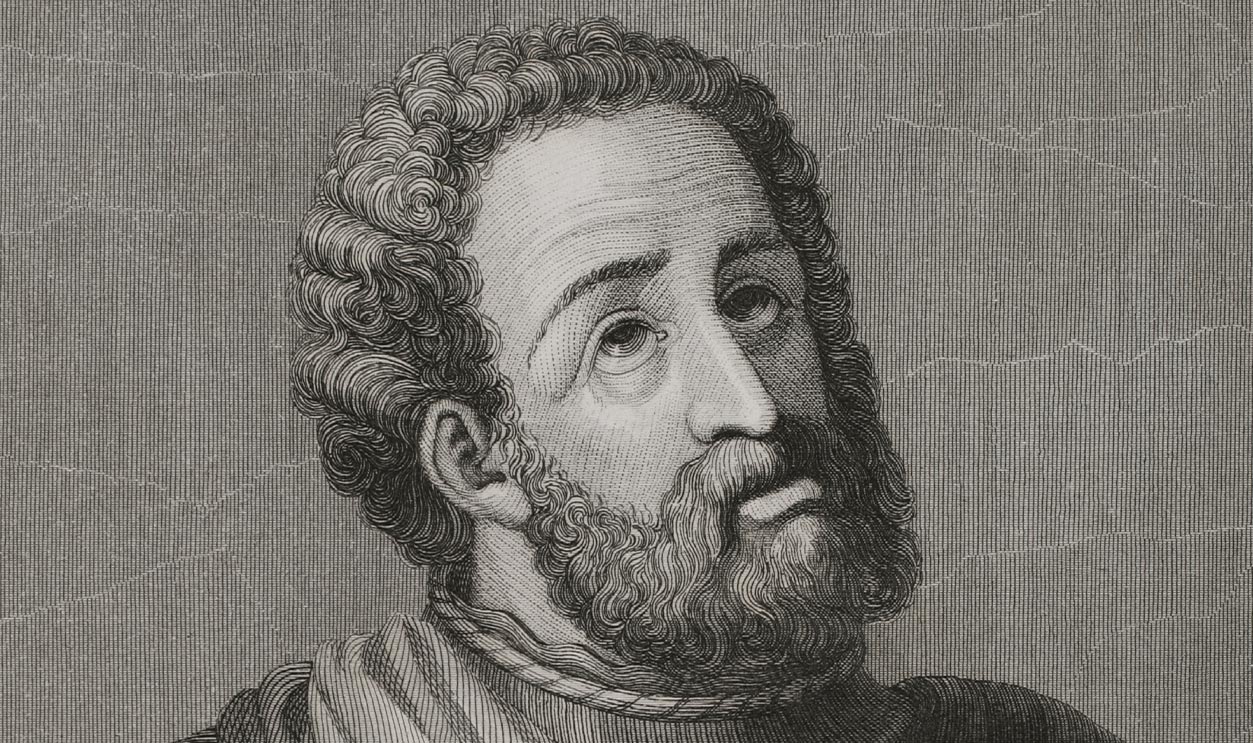
The Stuff Of Legend
Known as one of the most celebrated Spanish knights of his age, El Cid proved to be such a formidable warrior and commander that even his enemies wanted his help. To anyone lucky enough to have him fight for them, victory was all but an assurance. However, among his achievements, the many tales and songs of El Cid earned him the greatest accomplishment of all: immortality.
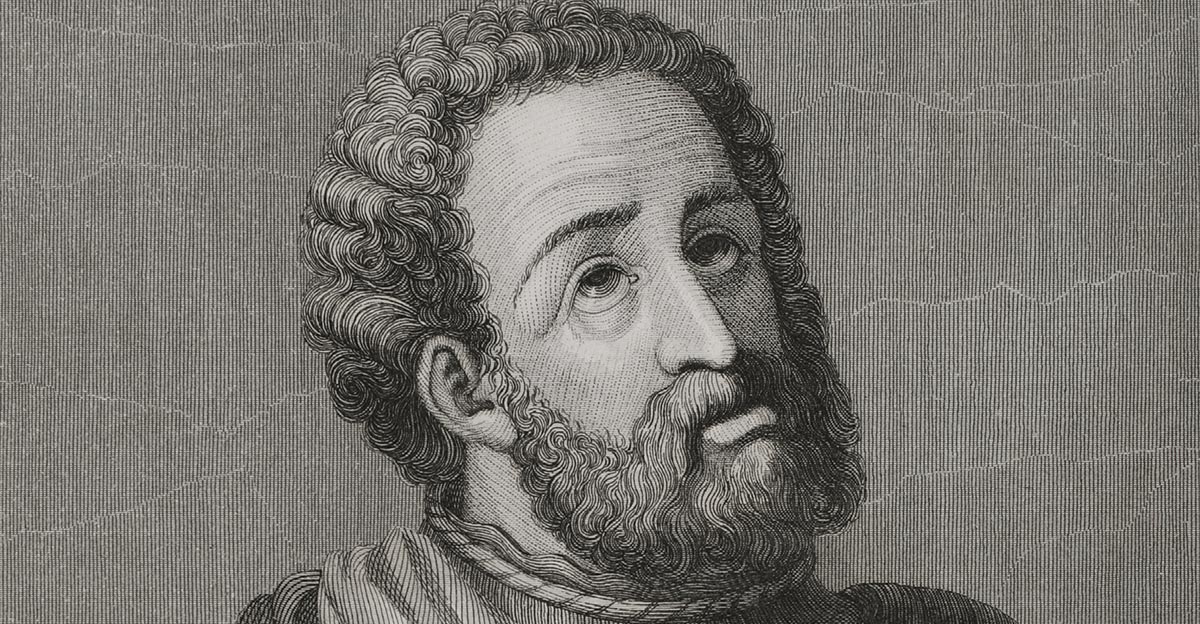
1. He Was A Hero Of The People
In the centuries since his life, the name of El Cid has carried a certain nobility, which is no wonder considering the circumstances of his birth. Born Rodrigo Díaz around 1043, his mother came from a family of aristocrats, while his father was a well-respected cavalryman. However, despite how blue his blood was, his story would inspire people of all classes, with the peasantry being especially fond of him.
Unfortunately, his father could only guide him for so long.
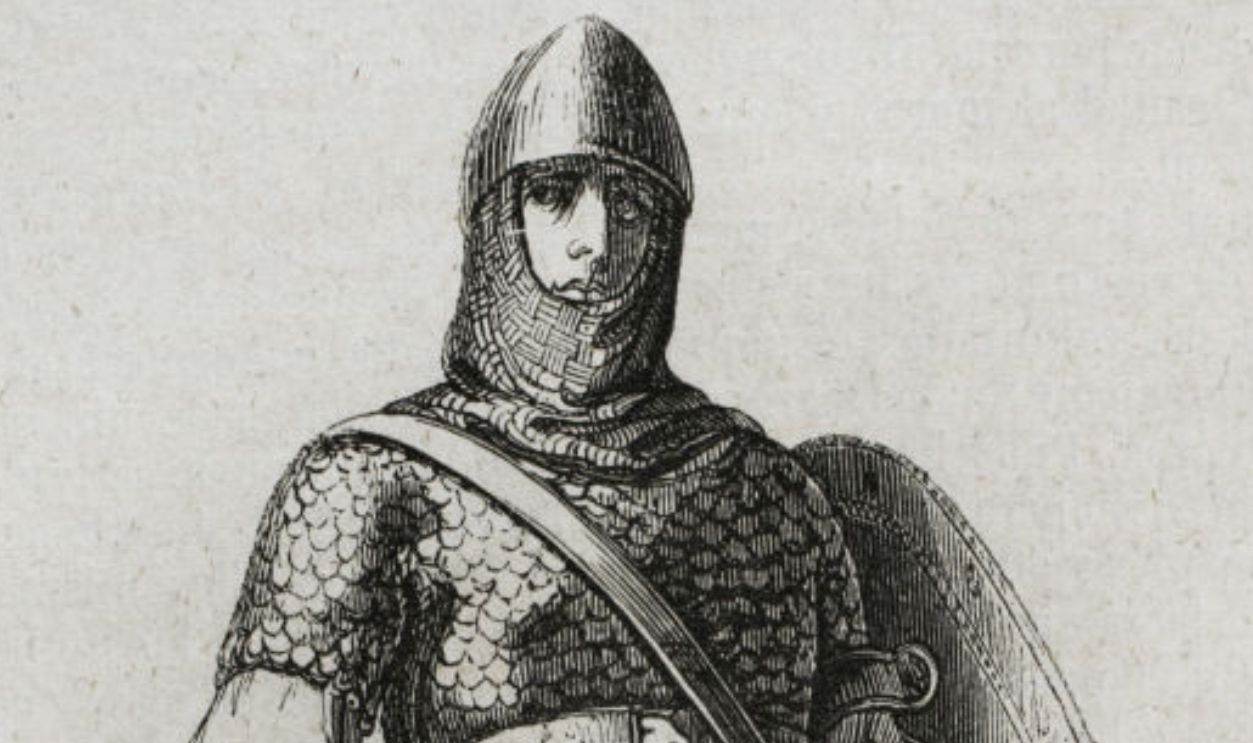
2. He Trained As A Warrior
El Cid enjoyed a good 15 years with his parents, but tragedy struck in 1058 when his father perished, leaving the boy in the care of Sancho II, the eldest son of King Ferdinand I. Although it came at a terrible price, this provided El Cid with some of the best education in the world. Not only did he learn the basics of reading and writing, but he also learned to be a proper 11th-century knight, training in horsemanship and arms.
Before too long, the King gave him a shot to prove his quality.
 Tiberioclaudio99, Wikimedia Commons
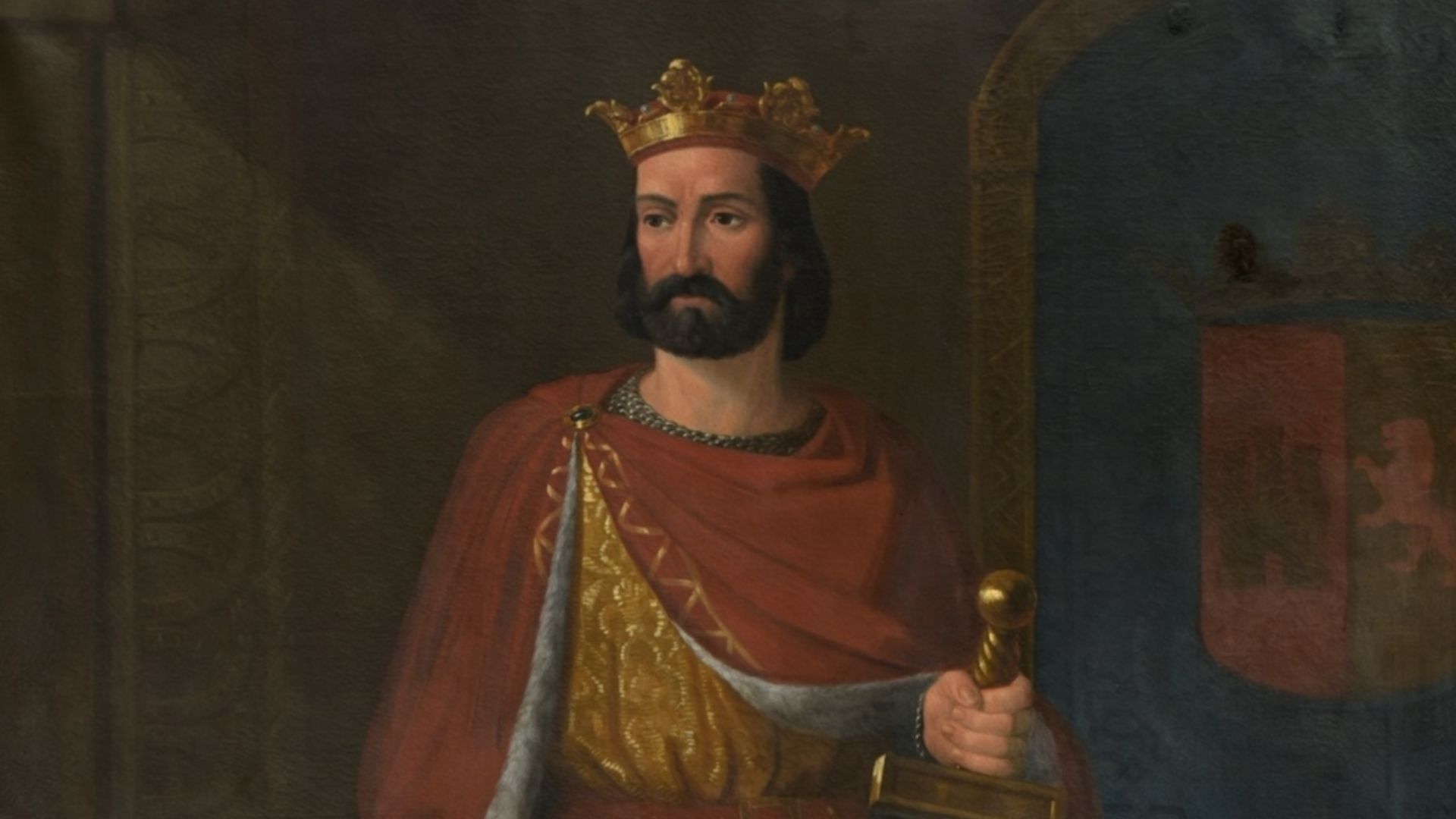
3. He Took A Chance On Him
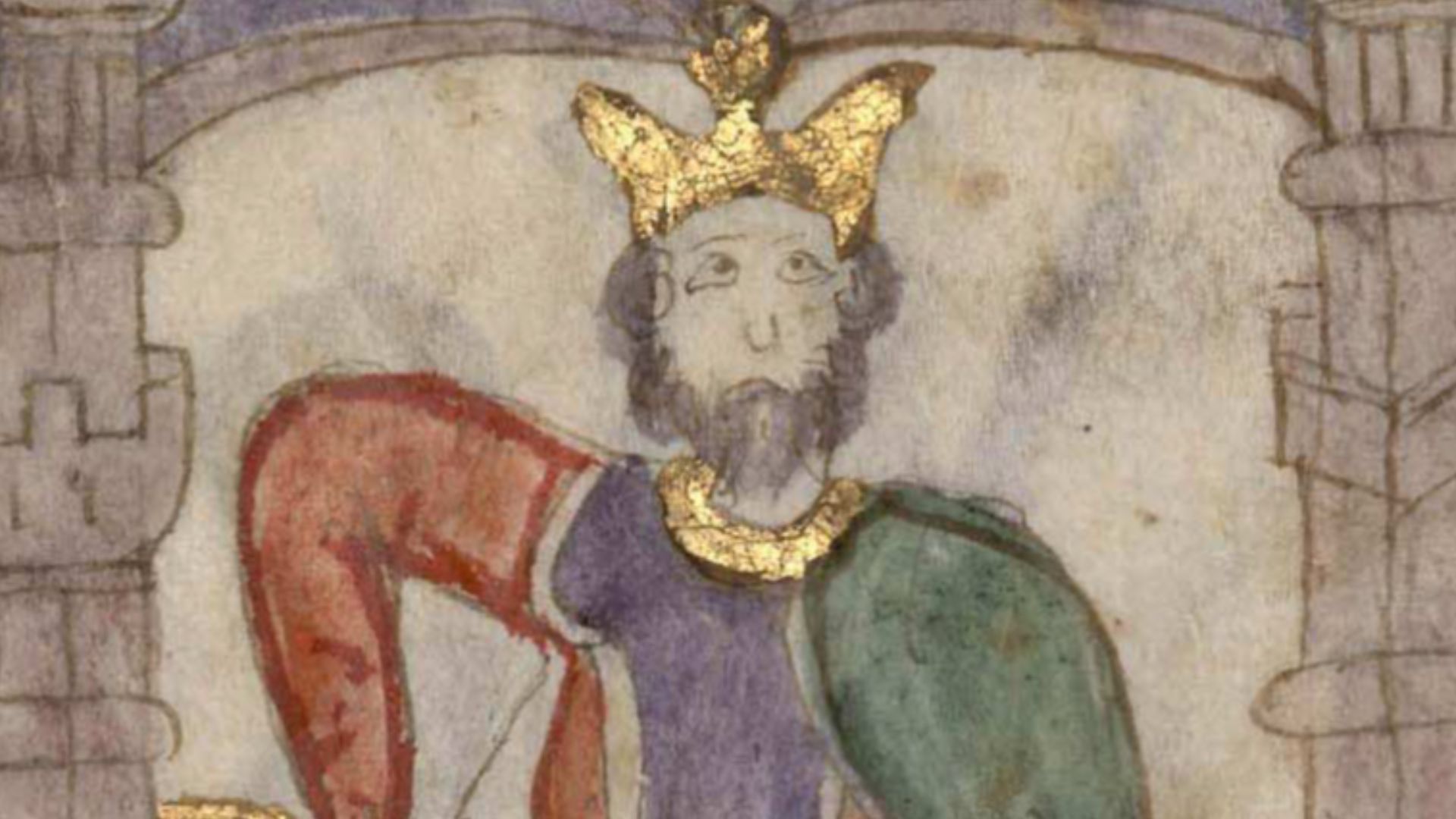
Taking El Cid in as one of his own, Prince Sancho had the authority to open many doors for the budding knight, especially since they were both about to get a leg up. After losing his own father in 1065, Sancho succeeded to the throne of Castile and took El Cid with him, granting him a command of Castile’s forces and the position of royal standard-bearer.
As the new king soon found out, this was one of the best things he could have done.
 Unknown authorUnknown author, Wikimedia Commons
4. He Pulled His Weight
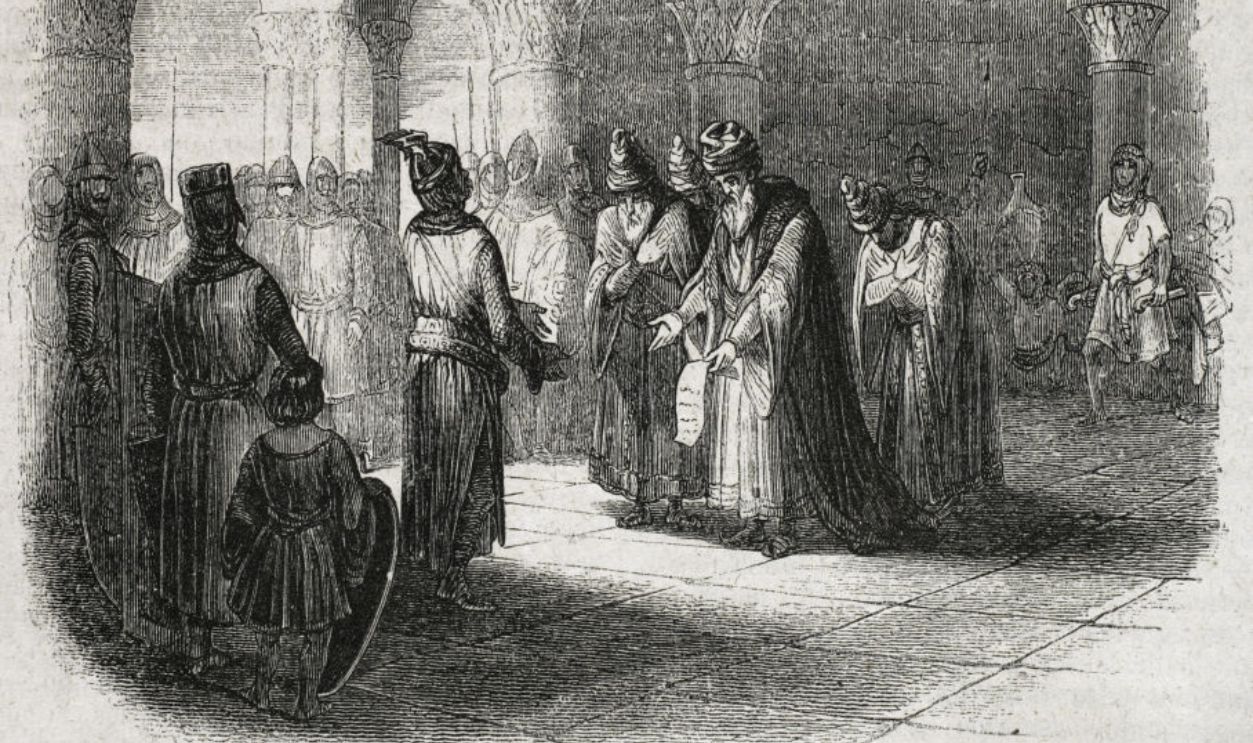
At only 22 years old, El Cid was grateful to Sancho for making him a commander and determined to prove it hadn’t been a mistake. Joining the King on a campaign to conquer the Moorish kingdom of Zaragoza, El Cid helped negotiate with the nation’s ruler, becoming instrumental in convincing him to become one of Sancho’s vassals.
Of course, not all of his victories would be as diplomatic.
5. He Continued His Streak
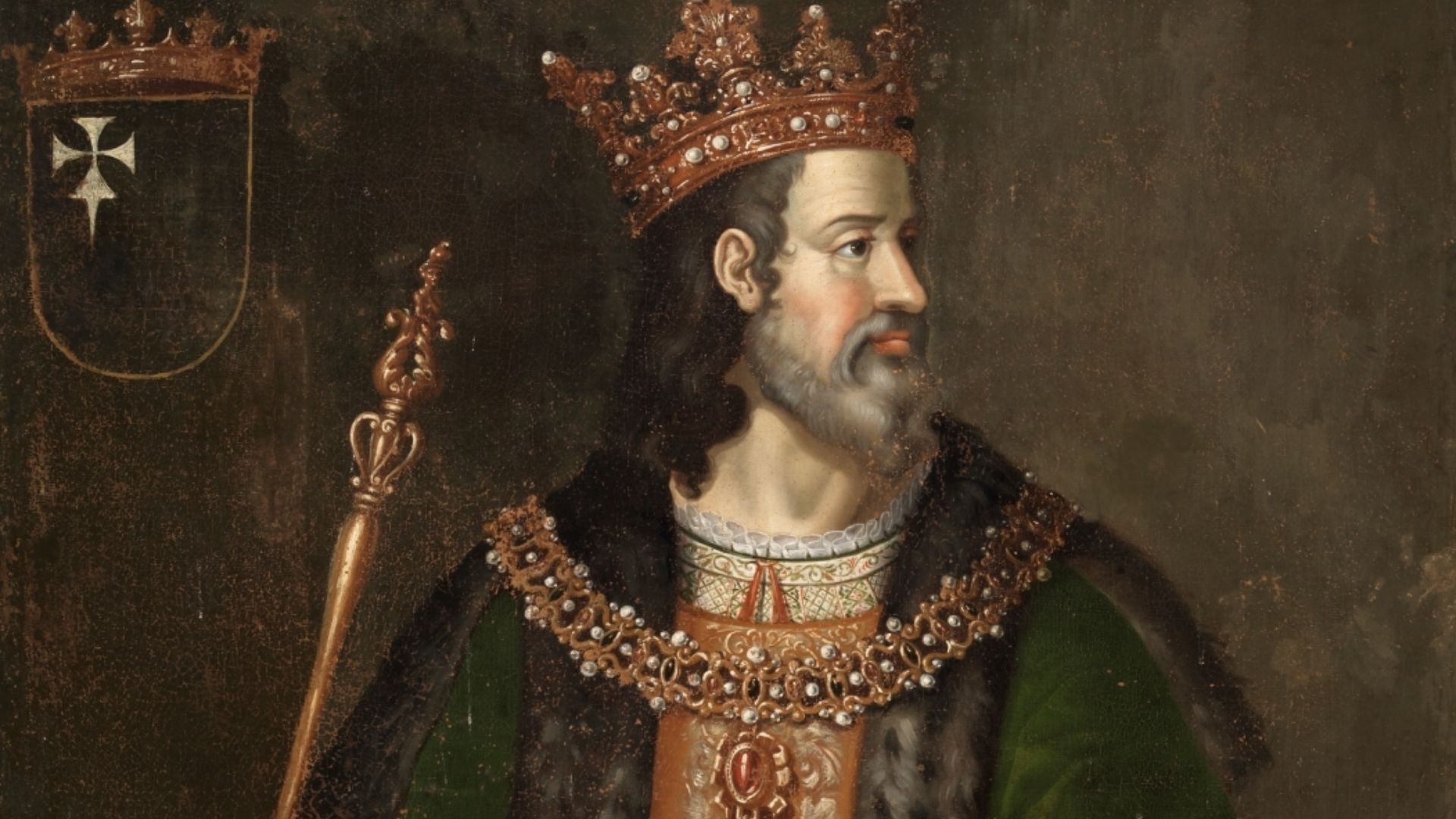
As the next step on his path to greatness, El Cid and the Castilian forces joined the army of Zaragoza to fight off Sancho’s uncle, Ramiro I of Aragon, who had besieged the Moorish town of Graus in 1063. Demonstrating his skill both off and on the battlefield, El Cid helped the combined forces send the Aragonese army packing, but not before demoralizing them by taking the life of Ramiro I.
Not to mention, El Cid had the first of his many famous moments in combat.
 AnonymousUnknown author, Wikimedia Commons
6. He Got His Nickname
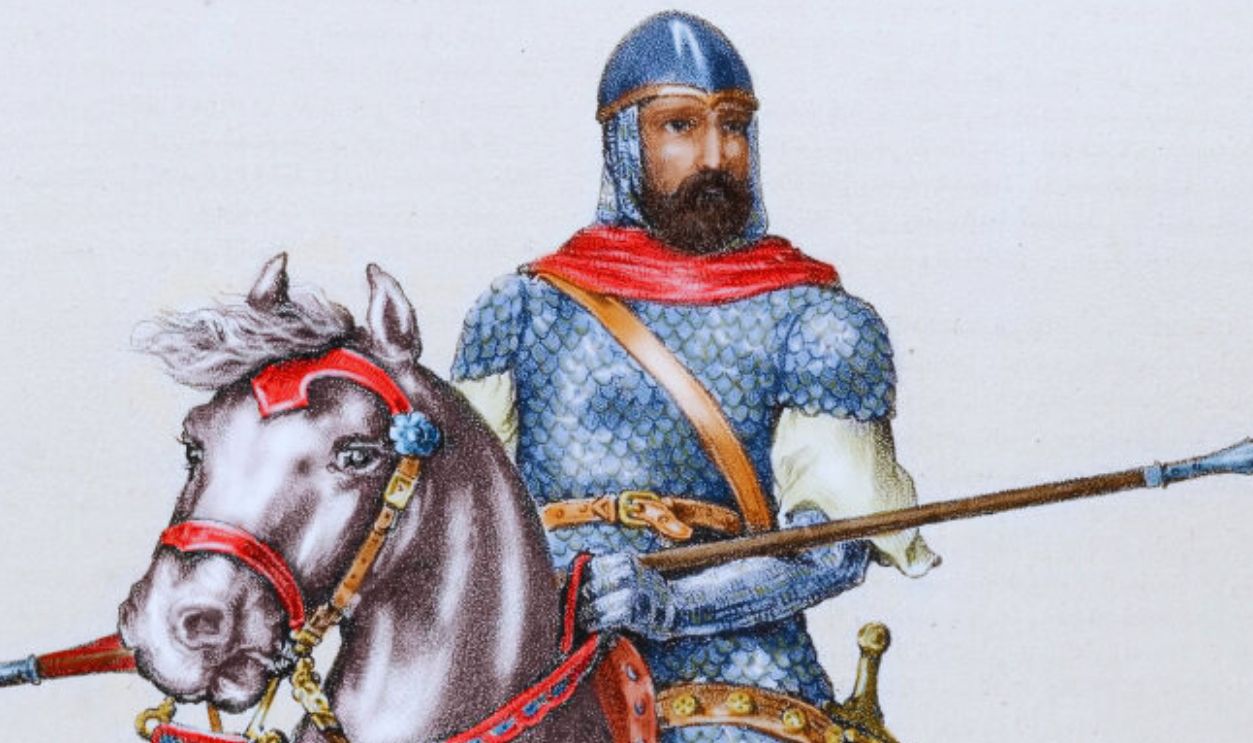
Still in his early 20s, El Cid was relatively inexperienced, but one moment in the Battle of Graus earned him all the acclaim he could ask for. As the conflict raged around him, El Cid charged at an Aragonese knight and fought him one-on-one, slaying his foe and emerging the victor. Word of his accomplishment spread, and others began calling him “Campeador,” which roughly translates as “master of the battlefield”.
Soon, Sancho had a much more sensitive task for El Cid.
 UniversalImagesGroup, Getty Images
7. He Went On A Mission
As it happened, King Sancho’s uncle hadn’t been the only family member he was at odds with, as he began warring with his brother, Alfonso VI, in the late 1060s. Their father had divided his lands between the siblings, giving the Kingdom of León to Alfonso, but Sancho now wanted it for himself. Naturally, he expected his brother to plot against him, so he sent El Cid to retrieve Alfonso and bring him to court.
However, even El Cid couldn’t stop what was likely already in motion.
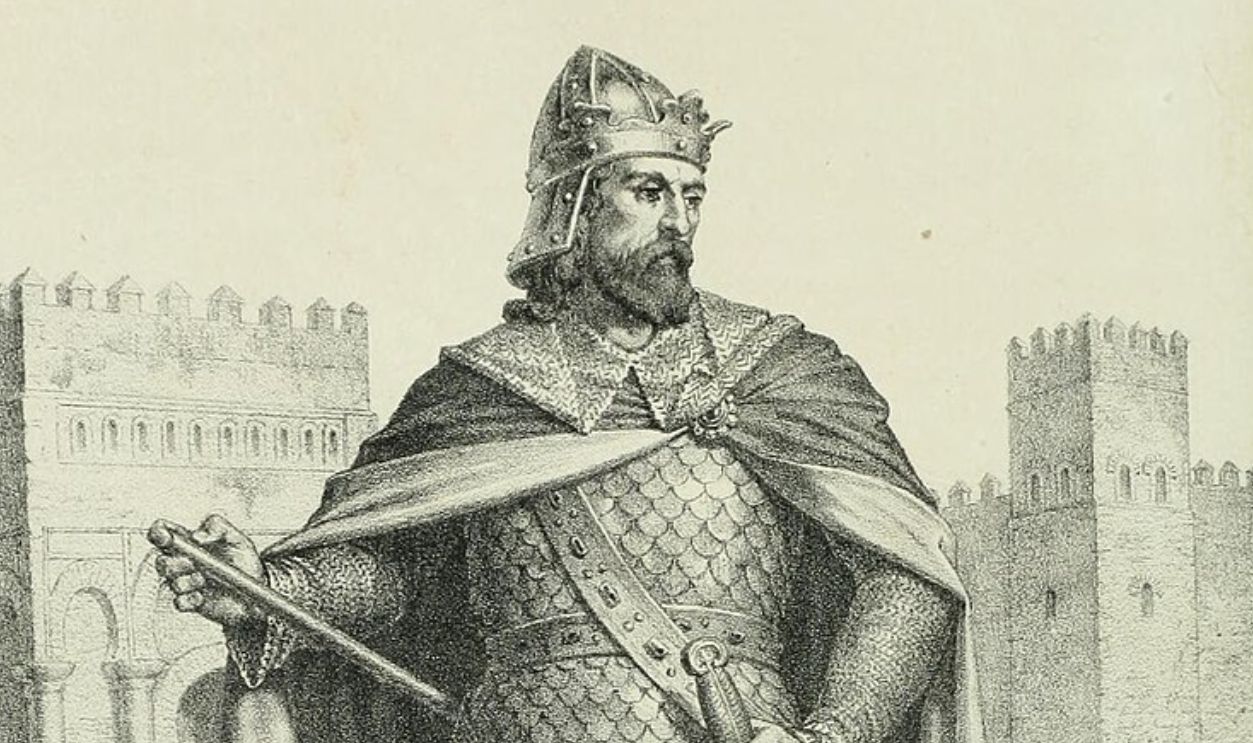 Eusebio Zarza, Wikimedia Commons
8. He Lost His Master
Whether or not there had truly been a plot against Sancho, El Cid’s efforts were in vain as the King soon perished in battle while trying to conquer the city of Zamora. Without any immediate heirs, Sancho’s crown would have to go to a man El Cid had already spent years antagonizing—Prince Alfonso.
Suddenly, all eyes were on the soon-to-be-king, but not out of admiration.
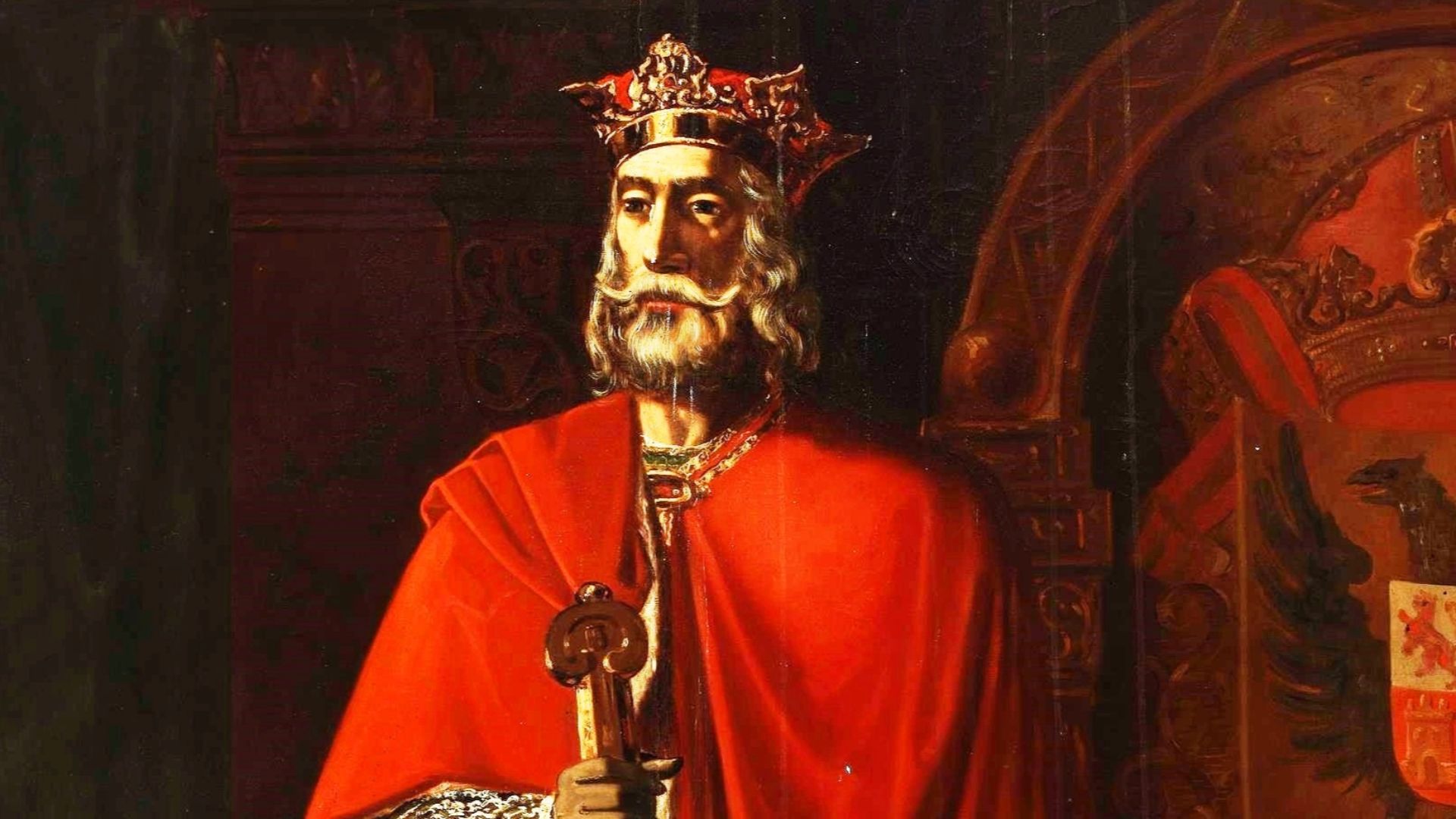 Ramón Cortés, Wikimedia Commons

History's most fascinating stories and darkest secrets, delivered to your inbox daily.
9. They Were Suspicious Of Him
Prince Alfonso had already been living in exile in Toledo, but as soon as he heard that his brother had passed and he was next in line, he didn’t hesitate to come to Castile. Taking the throne, he wasn’t exactly the most beloved by his subjects, especially since they believed he was responsible for Sancho’s demise.
For others like El Cid, it wasn’t enough to trust the new king on blind faith.
10. He Demanded The Truth
Although Sancho had fallen in battle, many in court still thought Alfonso had somehow been behind it, including El Cid. Gathering as many supporters as possible, he confronted the new king, who only continued to deny involvement in any such plot. El Cid couldn’t prove he was lying, but instead forced Alfonso to swear on several holy relics—in front of everyone—that he hadn’t orchestrated Sancho’s demise.
However, this only put him at worse odds with the ruler.
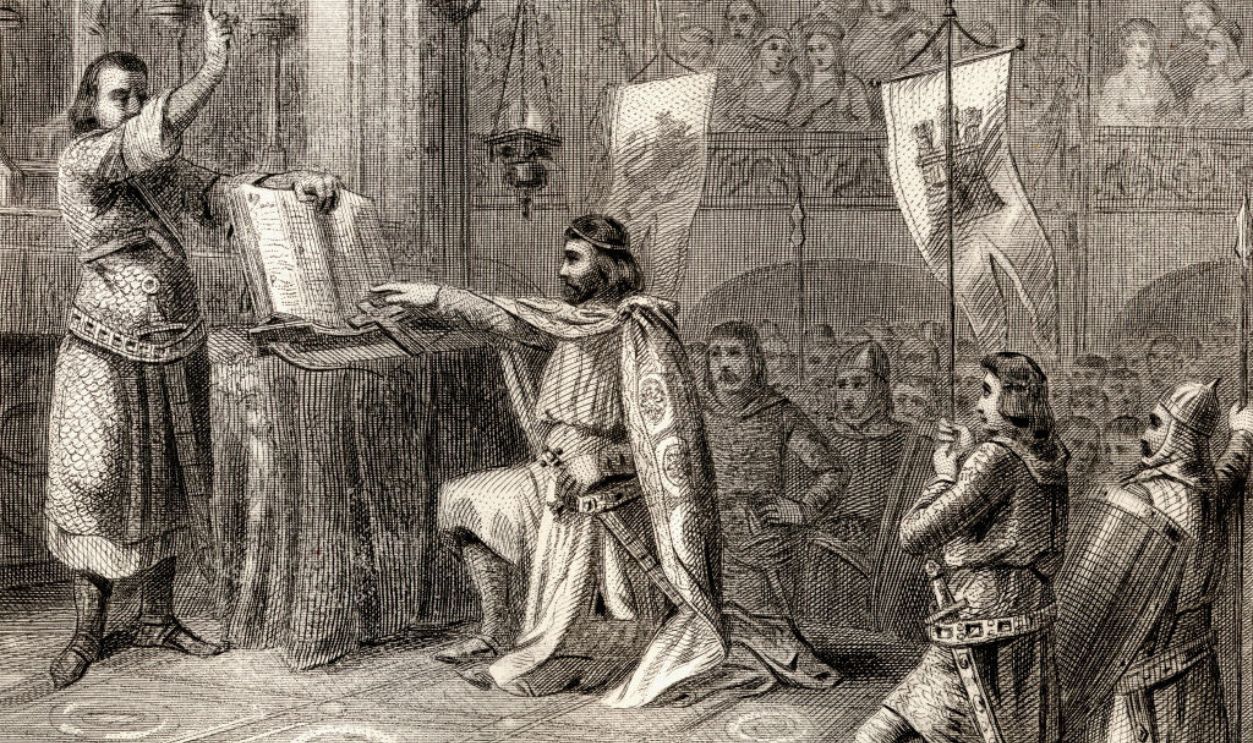 UniversalImagesGroup, Getty Images
11. He Was Demoted
Up to this point, El Cid had both fought directly against Alfonso’s armies in battle and accused him of plotting to eliminate Sancho, landing him firmly on the ruler’s bad side. Any question of how Alfonso felt about him disappeared when, shortly after taking the throne, the King stripped El Cid of his position as royal standard-bearer.
With no other choice, the knight did his best to play nice with Alfonso.
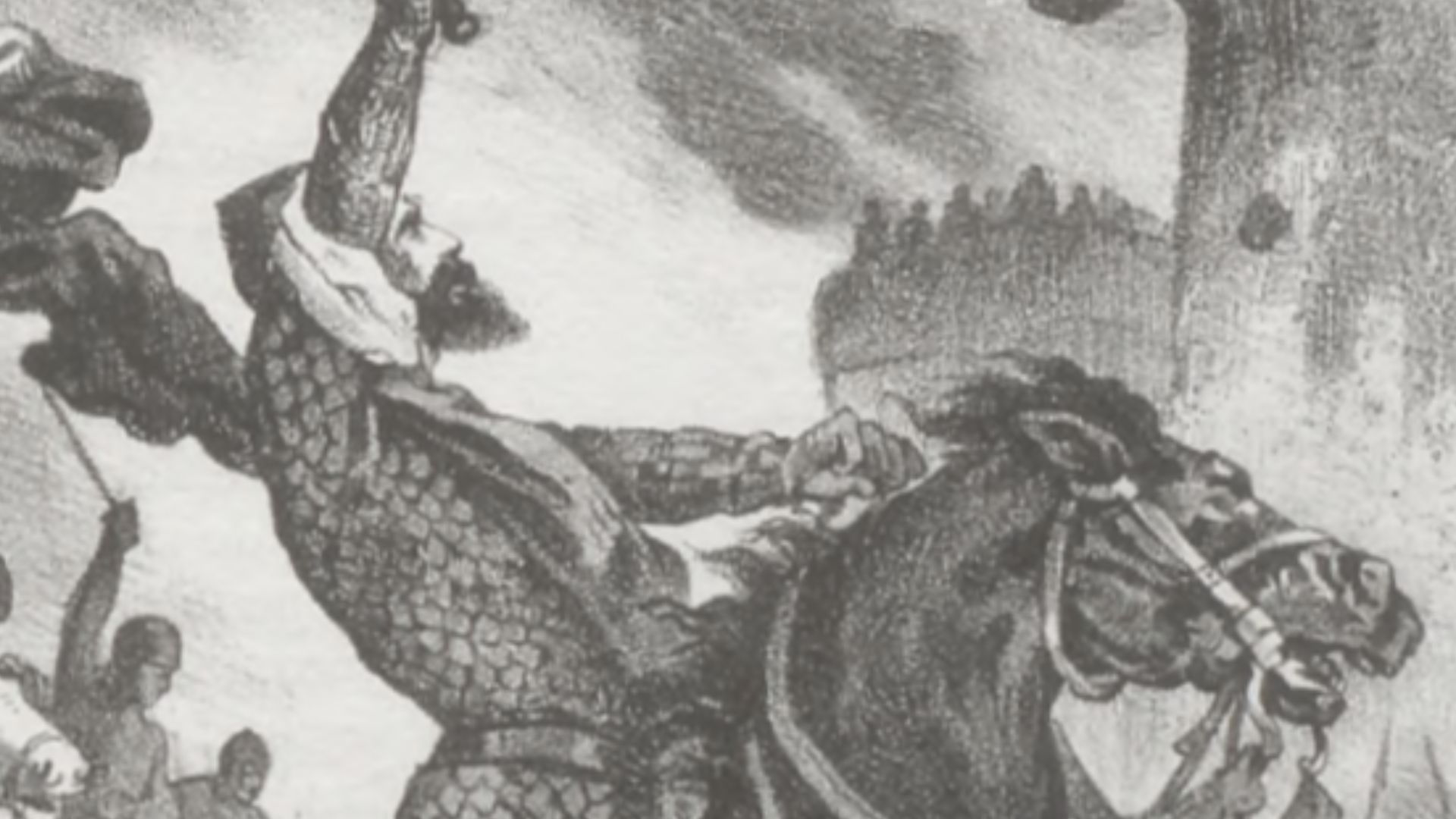 Josep Serra i Porsón, Wikimedia Commons
12. He Appeased His New Boss
El Cid had lost his long-time friend and mentor, and had to give up his station, but things somehow started looking up for him—even if it was all because of Alfonso. At the order of the King, who wanted to unite El Cid with the royal dynasty of León, El Cid agreed to marry Alfonso’s niece, Jimena.
Fortunately, this union had more than politics to keep it going.
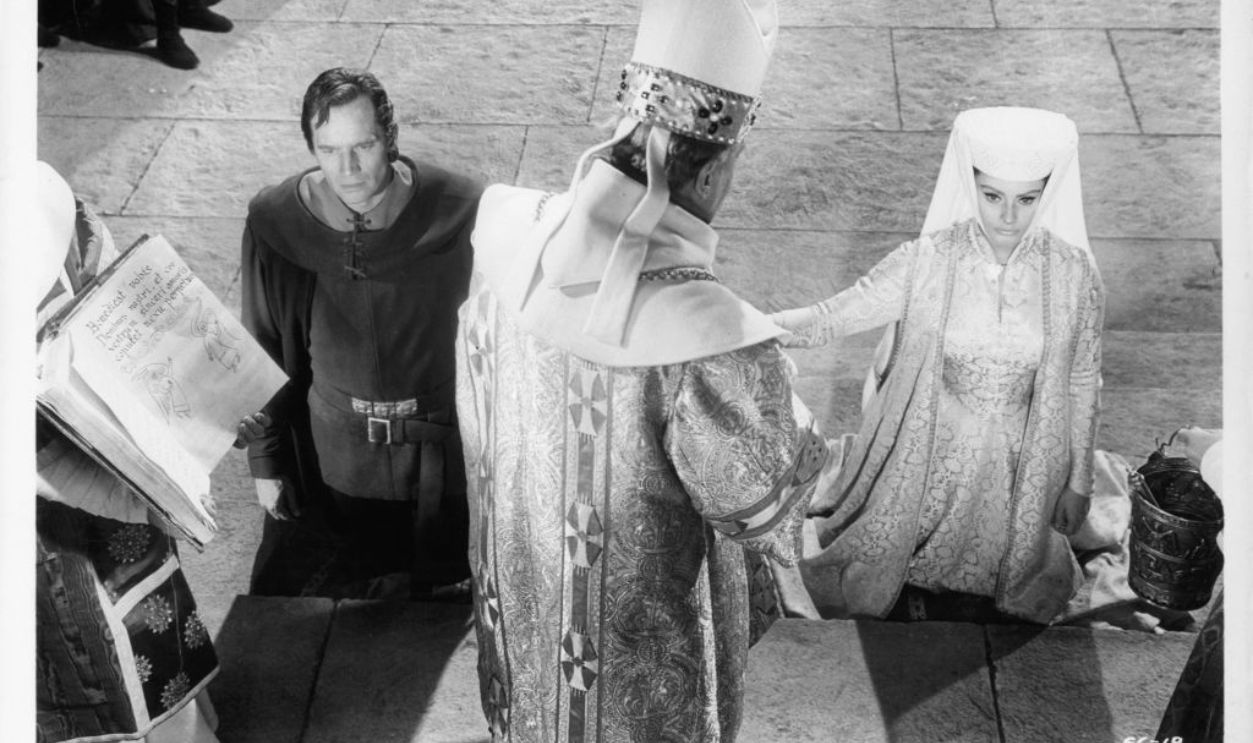
13. He Was In Love
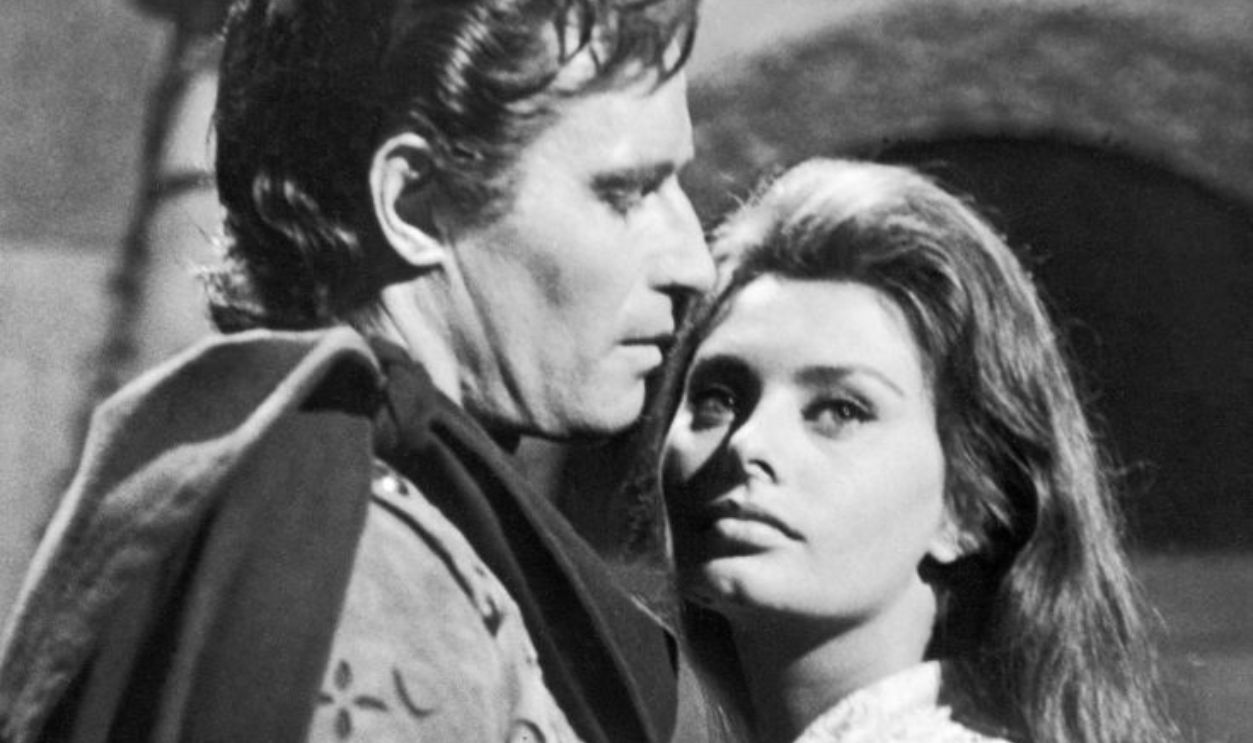
When King Alfonso arranged a union between El Cid and Jimena, he likely wasn’t thinking about either person’s happiness—making it all the more lucky that they actually liked each other. According to the story of their first meeting, the moment El Cid set eyes on her, he felt captivated by her beauty, and any issues he may have had with the arrangement faded away.
However, another story has them meeting under more hostile circumstances.
14. He Took Him Out
Throughout the centuries, the many tales of El Cid’s life have survived in various forms of literature, one of which tells a different version of how he and Jimena came to marry. According to a romance written in the 14th century, the two only met after El Cid happened to slay Jimena’s father, the Count of Gomez de Gormaz, in battle.
This put him in an unexpectedly awkward position.
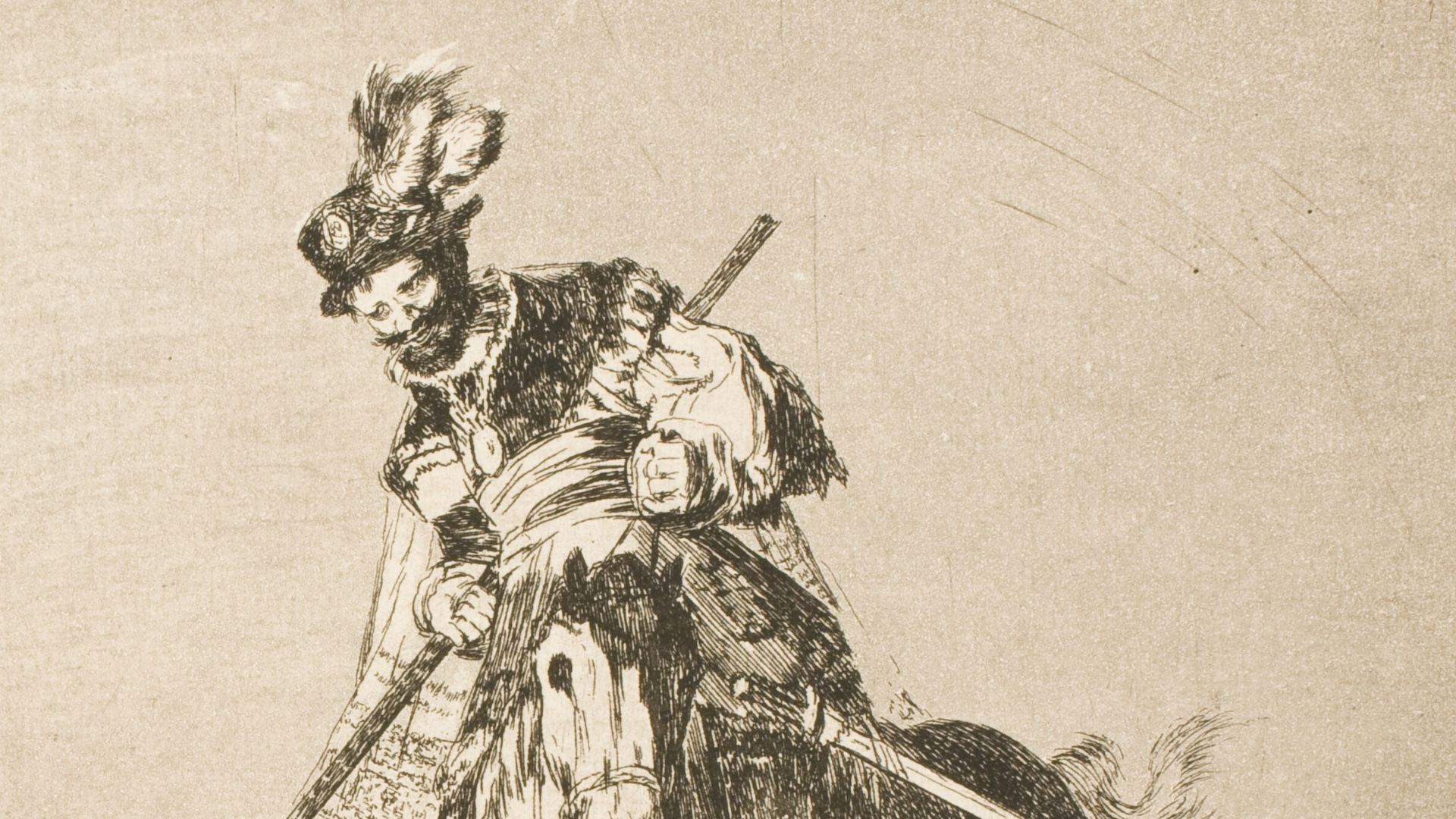 Francisco Goya, Wikimedia Commons
15. She Wouldn’t Take No For An Answer
As the story goes, when Jimena discovered that her father had fallen in battle at the hands of El Cid, she went to the King and demanded that she receive repercussions. When this failed, she instead requested something the King believed was much fairer: El Cid as her husband. As some have pointed out, this story is likely false, since it features Ferdinand I as king, and he had already passed by the time El Cid met Jimena.
Meanwhile, El Cid continued to show his prowess in battle—even when he wasn’t meant to.
 ullstein bild Dtl., Getty Images
16. He Was Confused
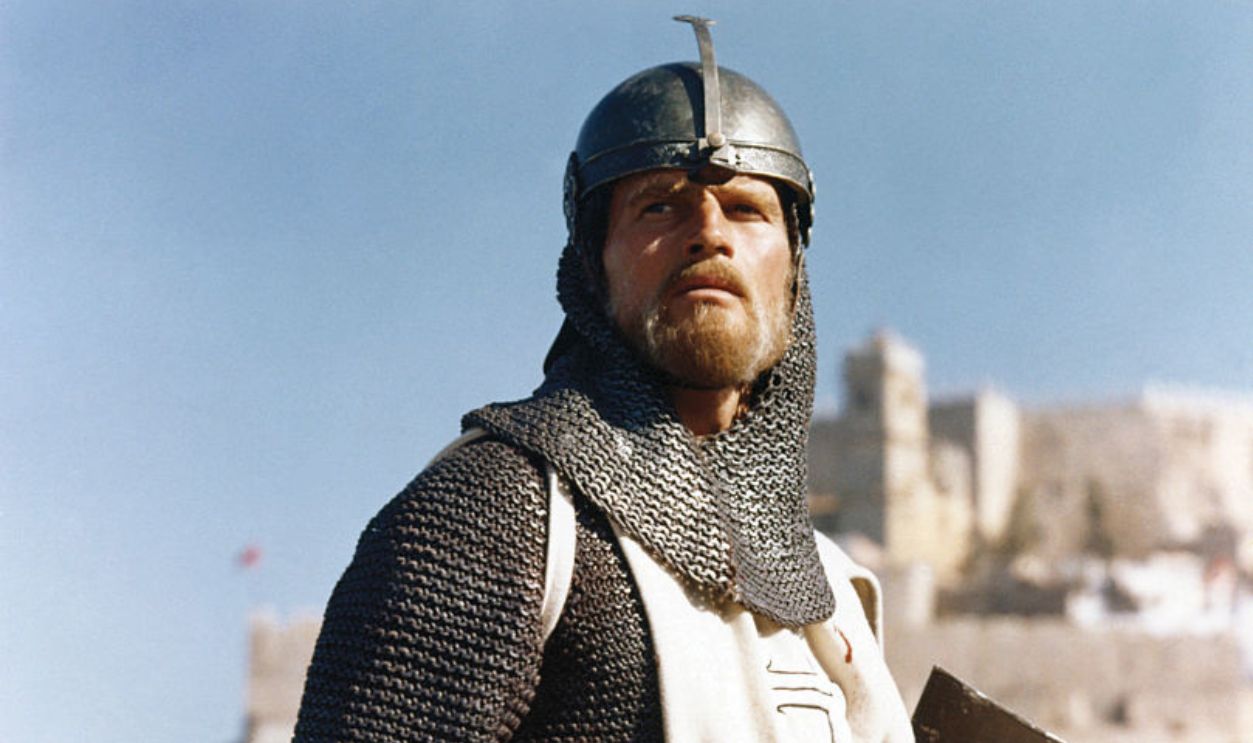
King Alfonso was just waiting for a chance to catch El Cid slipping up, which came as he sent the knight on a mission to Seville in 1079, even if he didn’t know it yet. El Cid’s task was to collect Seville’s tribute, but while he was there, another army under Alfonso’s authority besieged the city. Likely believing they were after the King’s tributary, El Cid took up arms in Seville’s defence, making the mistake of repelling his fellow Castilian forces.
On the other hand, this finally allowed him to figure out who he was meant to be.
 Sunset Boulevard, Getty Images
17. He Found His Identity
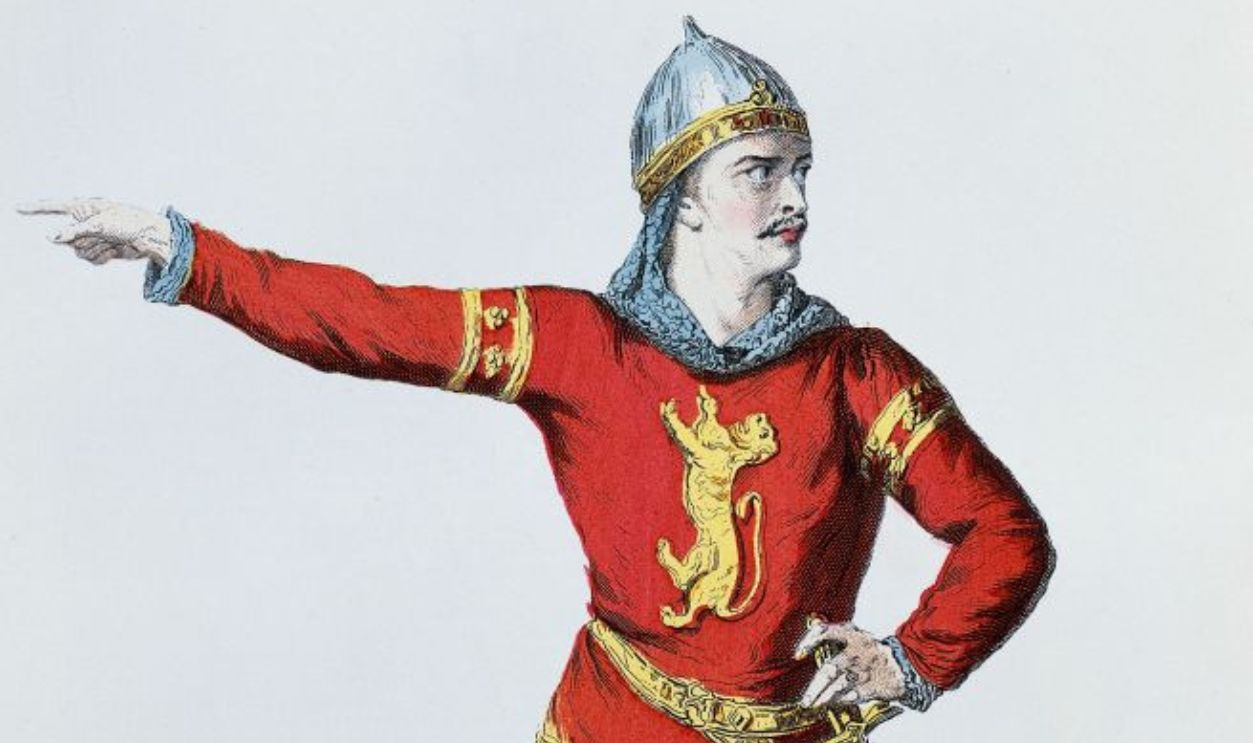
Even if he was doing so under misunderstood pretenses, El Cid fought admirably as he defended Seville in the Battle of Cabra. Whether they had fought with him before or were seeing him in action for the first time, all of his men were utterly amazed at his skill in combat. In fact, those serving under him who were Muslim began referring to him as “as-Sayyid,” meaning “the Master,” which was eventually hispanicized into “El Çid”.
Still, his relationship with the King had gone from bad to much worse.
 DEA / J. L. CHARMET, Getty Images
18. He Broke The Rules
During the Battle of Cabra, the forces that El Cid was fighting against had come from Grenada, and not only did he force them to retreat—he chased them back home. Unfortunately, since they had been under Alfonso’s authority, this didn’t sit well with the King, and it gave him exactly the excuse he needed.
This would have much more drastic consequences for El Cid.
 José María Rodríguez de Losada, Wikimedia Commons
19. He Kicked Him Out
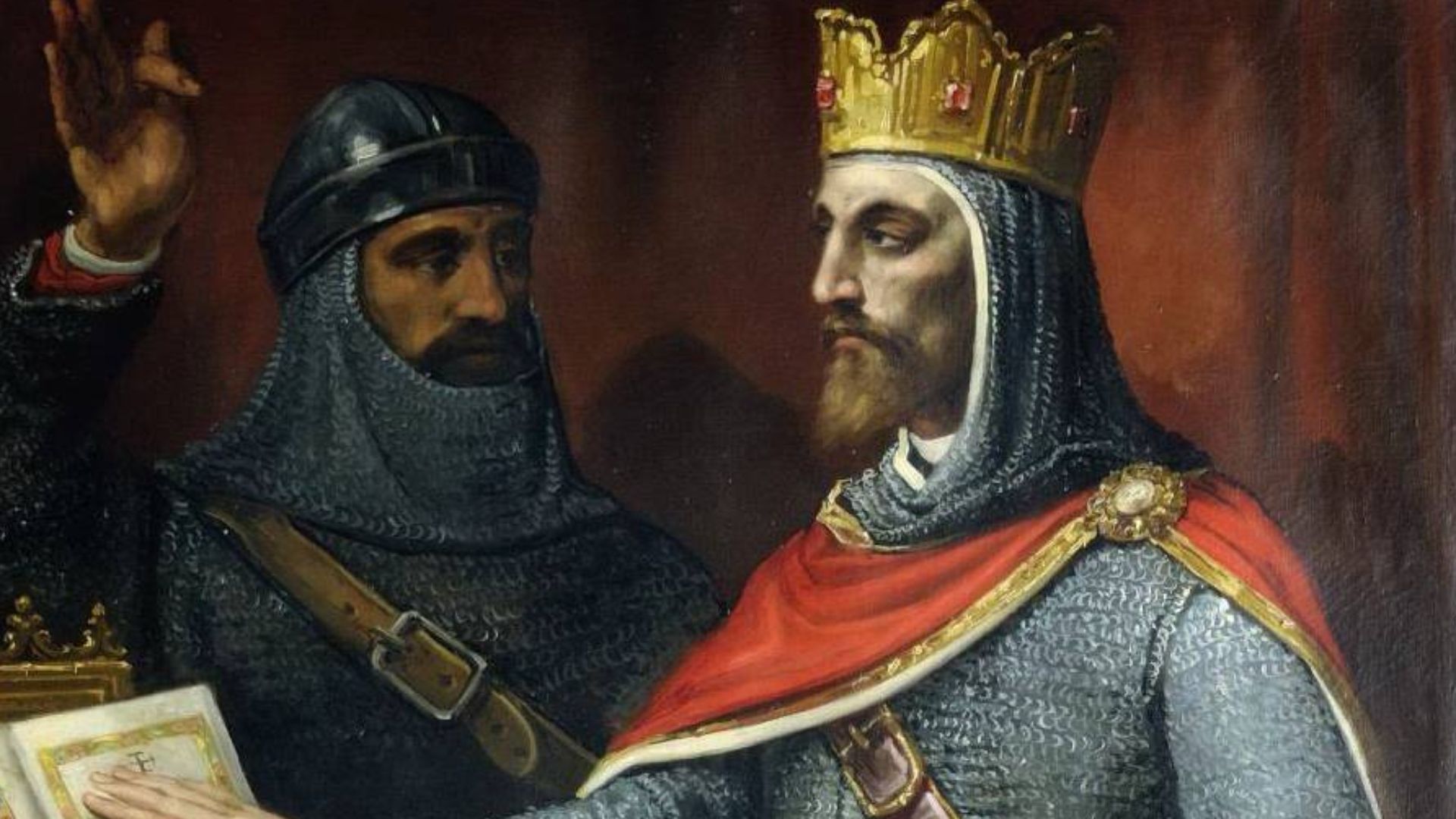
If El Cid’s decision to chase Granada’s army back into their kingdom hadn’t been enough to push Alfonso over the edge, another incident was about to do the trick. In 1081, El Cid led another unauthorized campaign into Toledo, directly attacking a kingdom that Alfonso had promised to protect. Outraged and humiliated for the last time, King Alfonso finally threw El Cid out, exiling the knight from all his domains.
Of course, the King’s motives were likely much simpler than this.
 CarlosVdeHabsburgo, Wikimedia Commons
20. He Didn’t Like Him
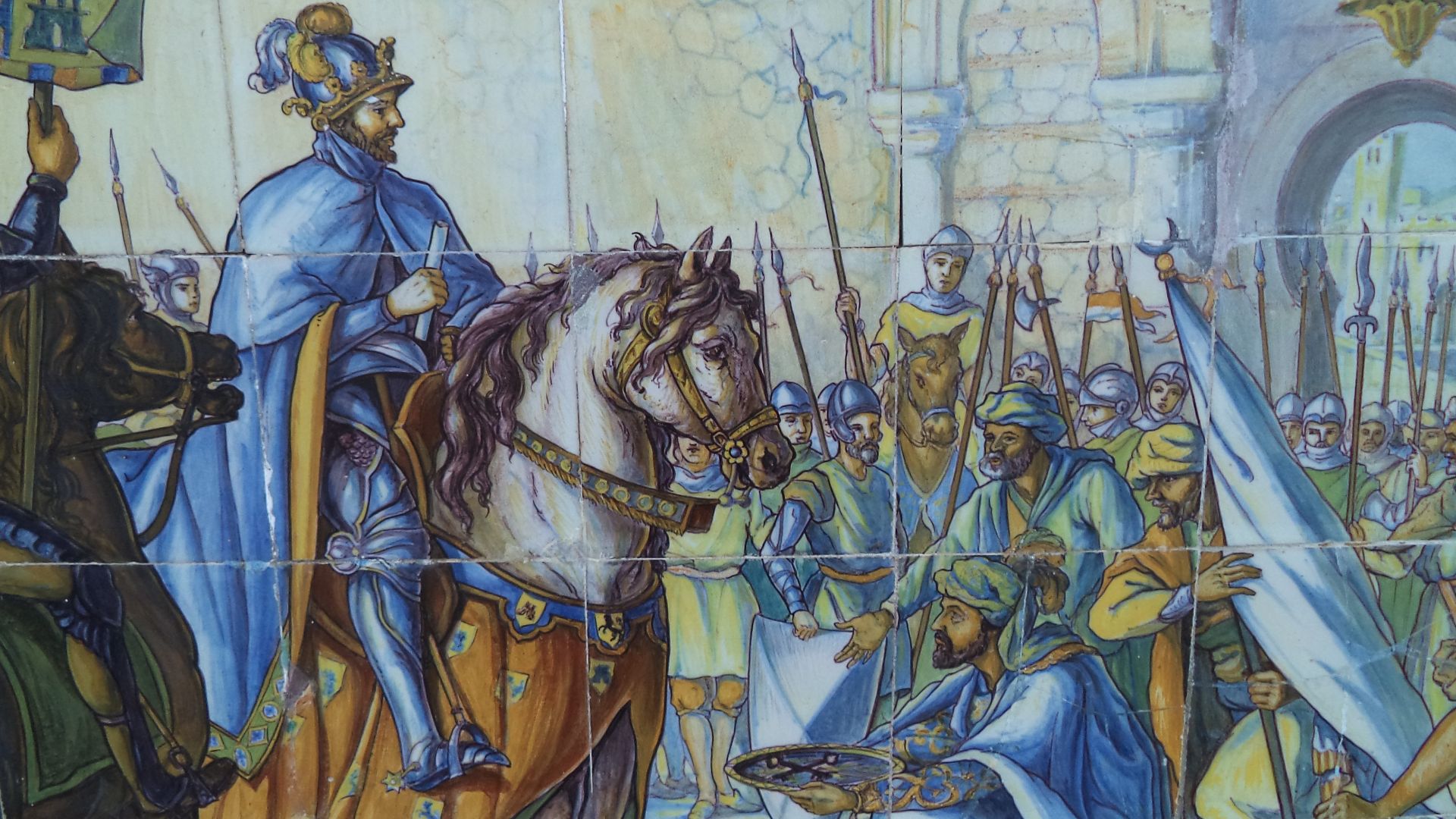
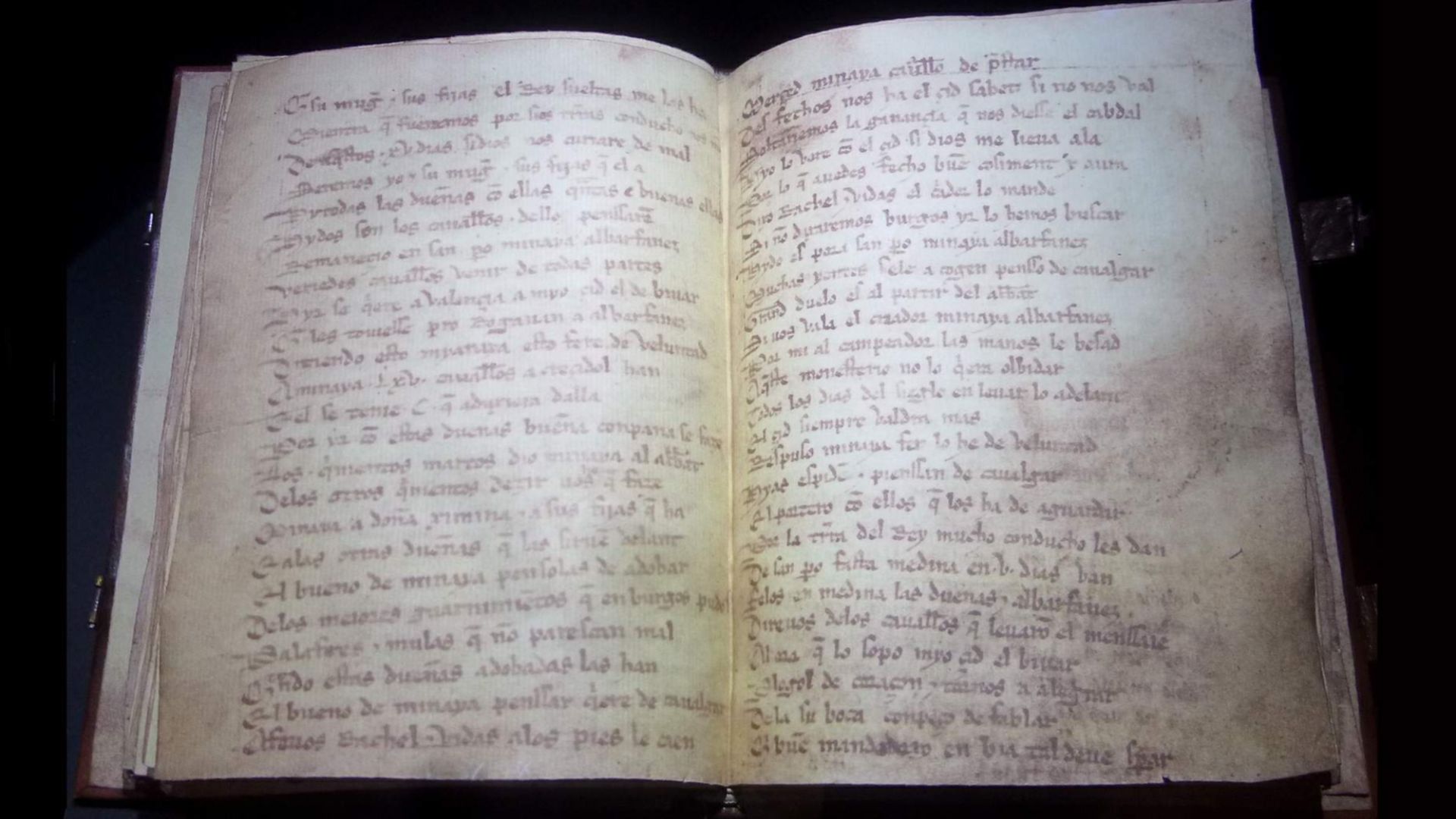
Possibly the most famous work that contributed to El Cid’s legend is the Cantar de mio Cid, which paints his exile as nothing more than the result of a jealous vendetta. In the epic, Alfonso’s main motive for kicking out El Cid had nothing to do with his actions in Granada or Toledo, but was simply out of disdain for the knight. However, the epic also mentions that El Cid may have taken some of Seville’s tribute for himself.
Luckily, this was far from the end of El Cid’s story.
21. He Took His Talents Elsewhere
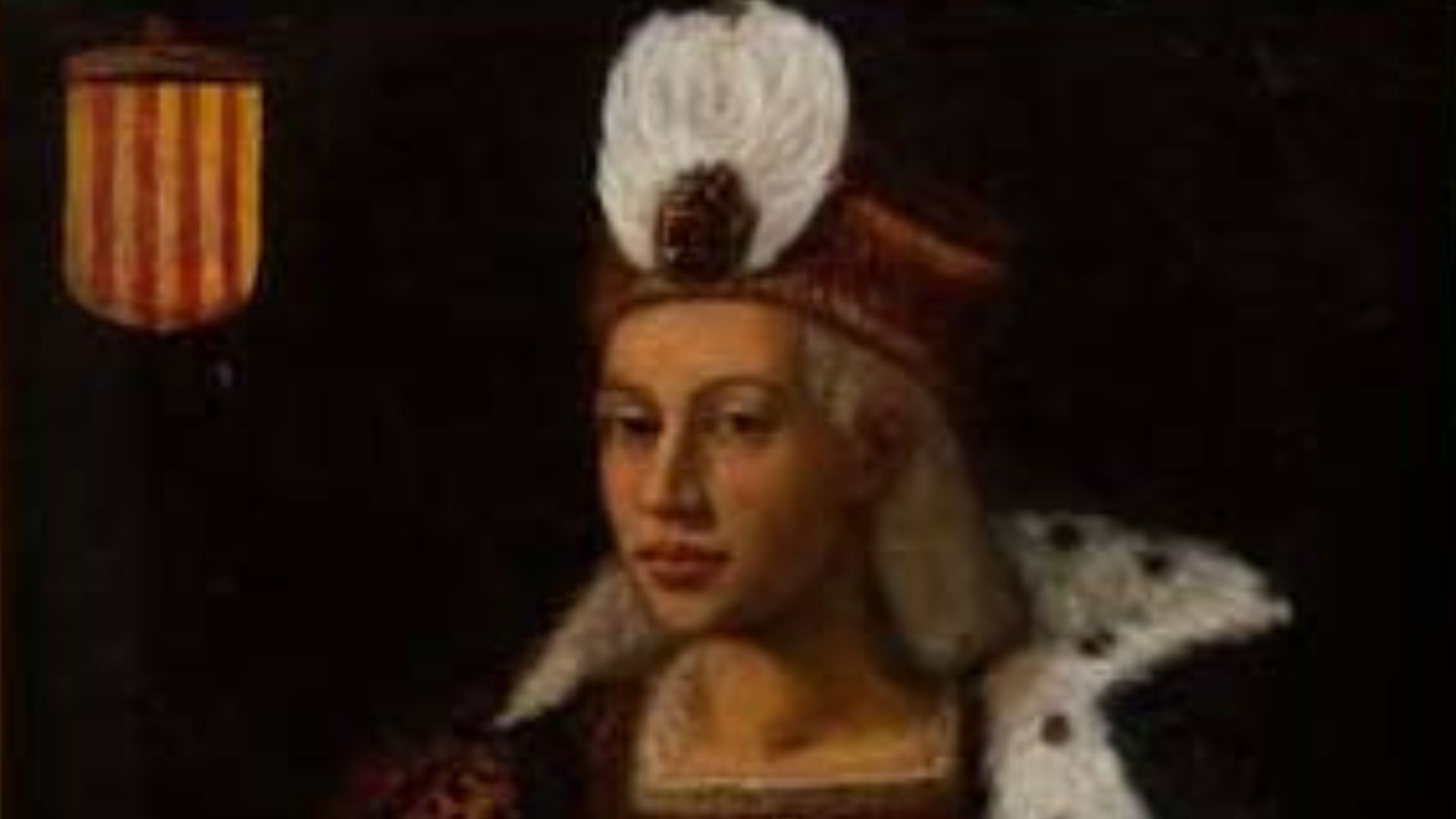
Disgraced and driven out of his home, El Cid tried to find a new place to hang his hat and swear allegiance to, but this was easier said than done. Traveling to Barcelona first, he offered his service to Count Berenguer Ramon II, only to have the door slammed in his face. Instead, he decided to go back to where it all began, returning to the site of one of his first great victories: the Taifa of Zaragoza.
In one depiction of this moment, El Cid was truly at the end of his rope.
 Filippo Ariosto, Wikimedia Commons
22. He Had No Other Choice
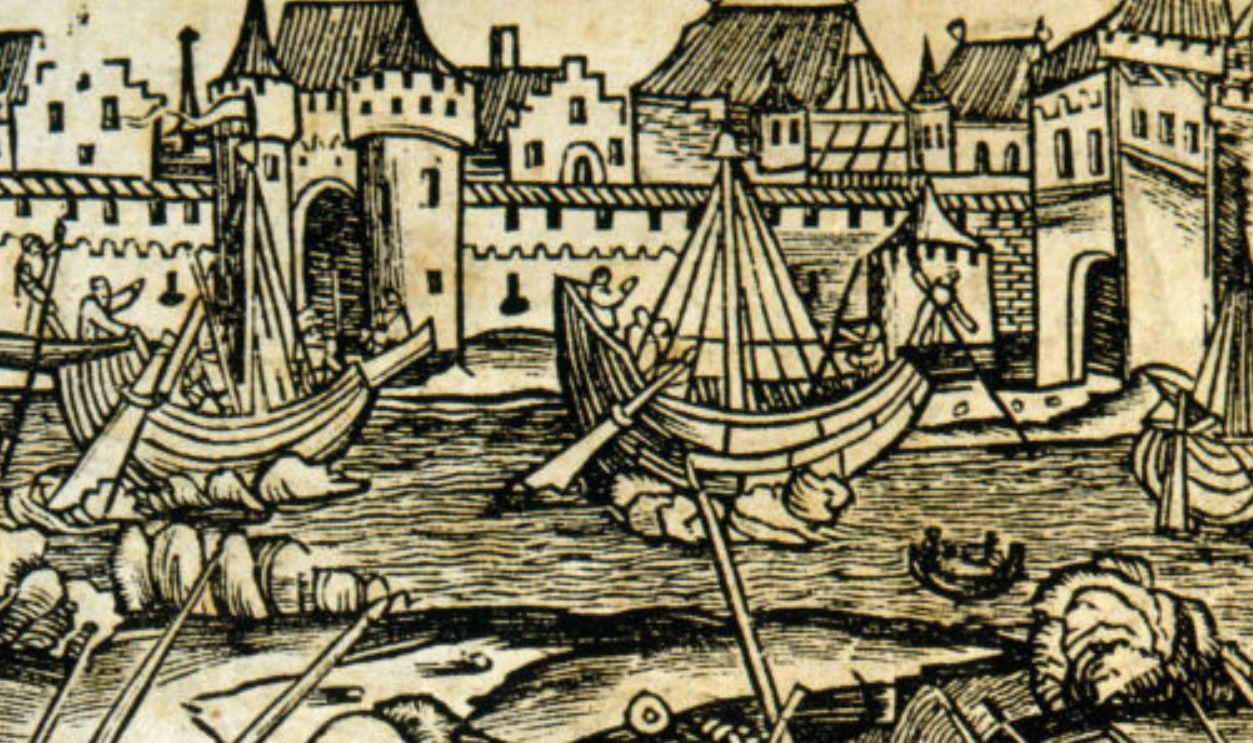
Several accounts describe the day El Cid traveled to Zaragoza, and according to local records, he arrived in a much worse condition than when they last saw him. After wandering on his own for days on end, friendless and with little food or water, he likely would have perished if Zaragoza had also turned him away.
Thankfully, the King knew exactly what kind of advantage El Cid could provide.
23. He Took Another Command
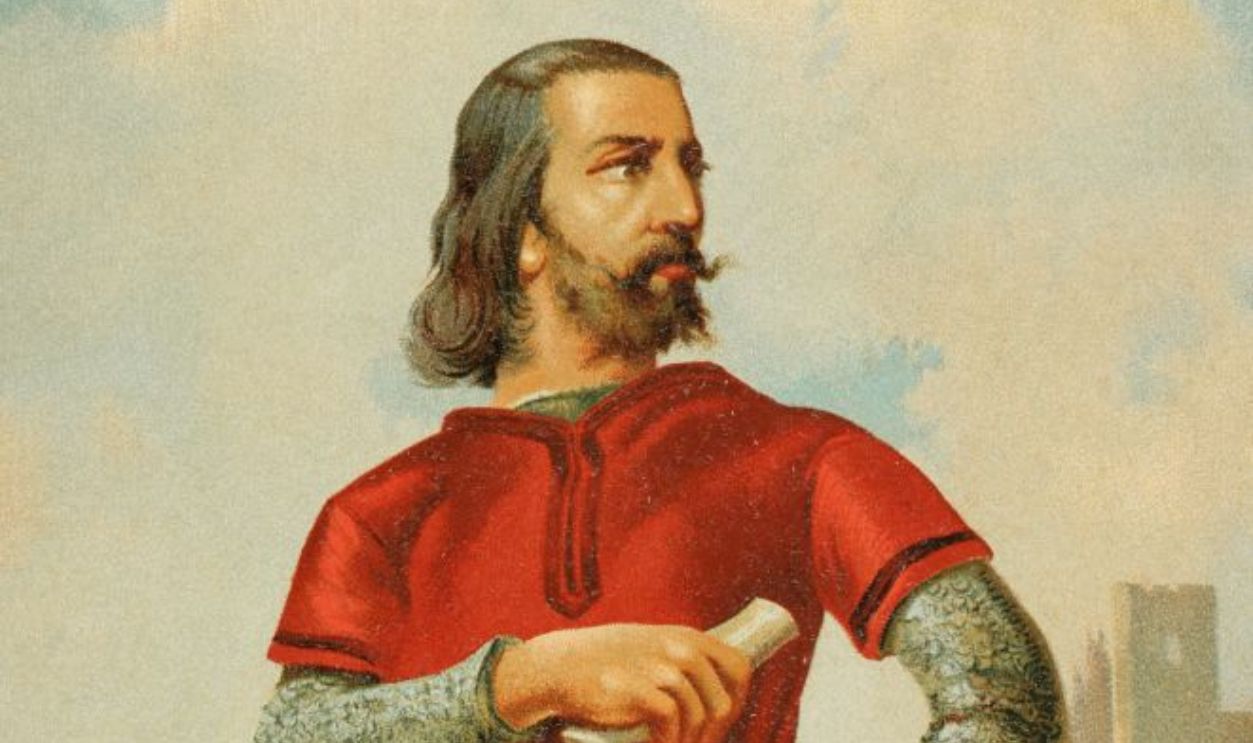
Having first-hand knowledge of El Cid’s skills as a warrior and leader, the King of Zaragoza couldn’t have been happier to have him show up on his doorstep and offer his allegiance. Taking over the command of his new Moorish forces, El Cid served the King—and eventually his successor—over the next decade.
For their part, they were just grateful to have the famous El Cid in their service.
24. He Got Petty Revenge
As they had restored him to his former glory, El Cid became a loyal servant of Zaragoza and likely made Alfonso regret ever letting him go. Leading his new army to greatness, he was even able to get back at the Count of Barcelona for turning him away, besieging and defeating him in 1082.
Soon enough, he made the final transformation from celebrity to true legend.
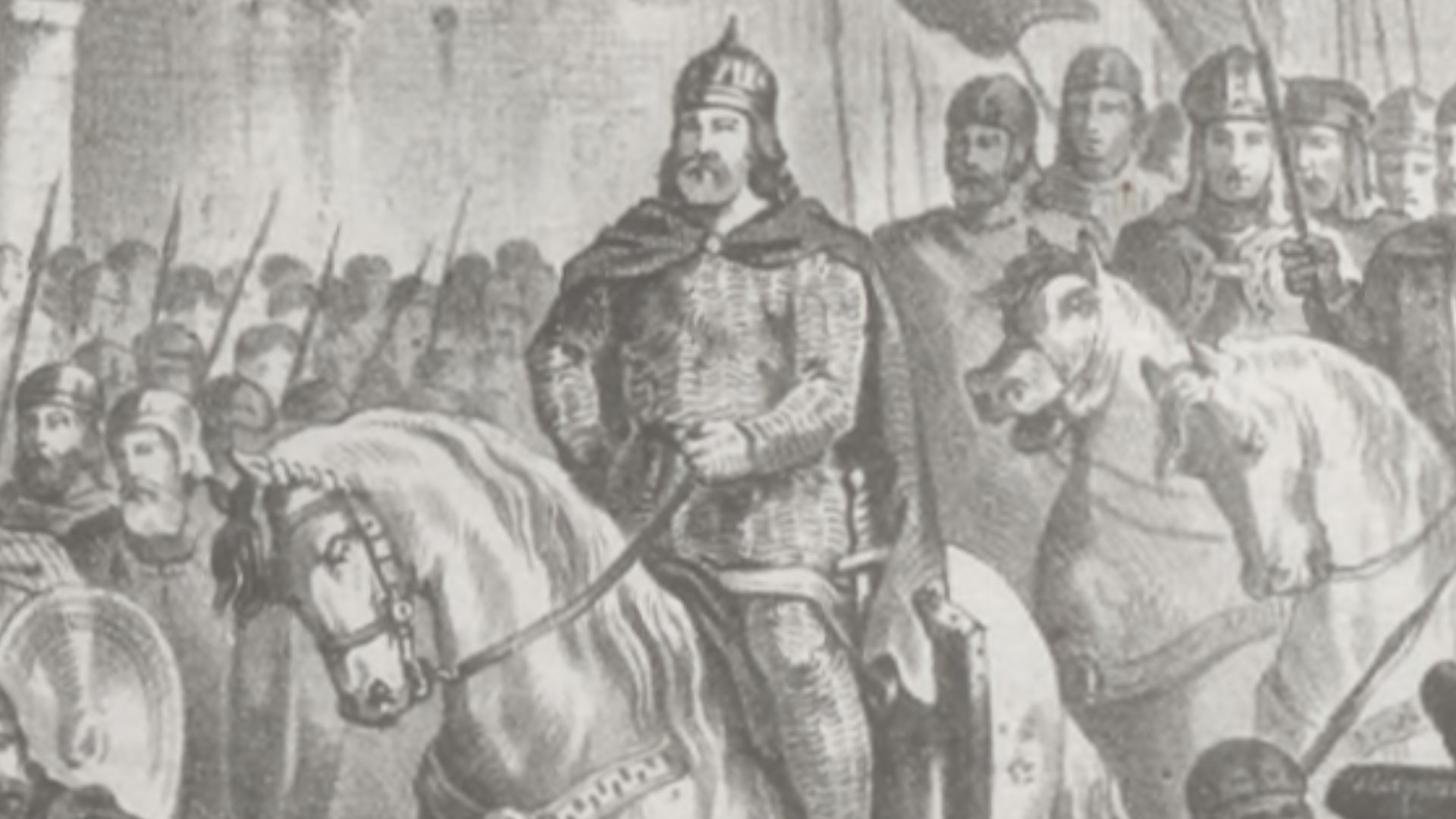 Josep Serra i Porsón, Wikimedia Commons
25. He Gained A Reputation
El Cid had already made a name for himself in Castile, but his time in the service of Zaragoza turned out to be the true peak of his career. Not only did he learn so much more about the people he was serving, but he was also racking up so many victories that many began claiming that he had never actually lost a battle.
This enduring success was all due to his unique brand of leadership.
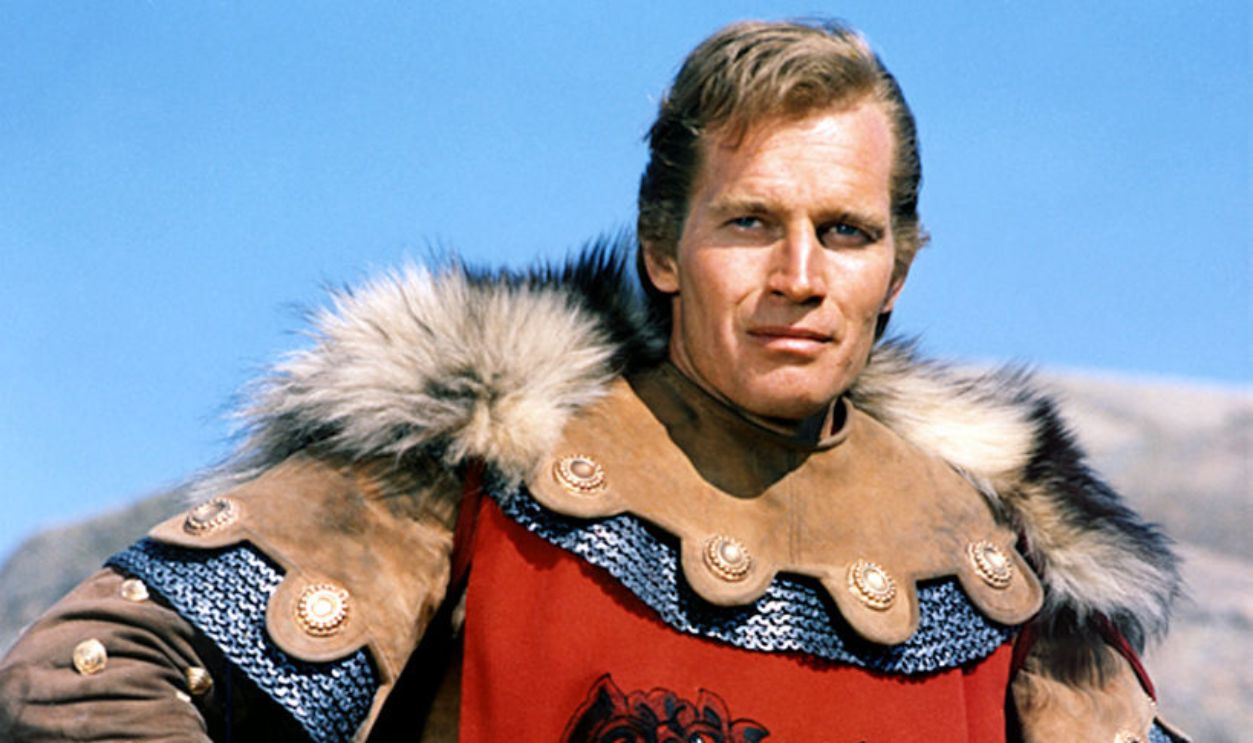
26. He Inspired His Men
While some of El Cid’s battle prowess may have come naturally to him, he had also spent much of his early life training and continued to study throughout his life. As part of this, he read up on Greek and Roman literature associated with battle, and frequently had these read out to him and his men to both educate and invigorate them.
Surprisingly, he didn’t only rely on his expertise.
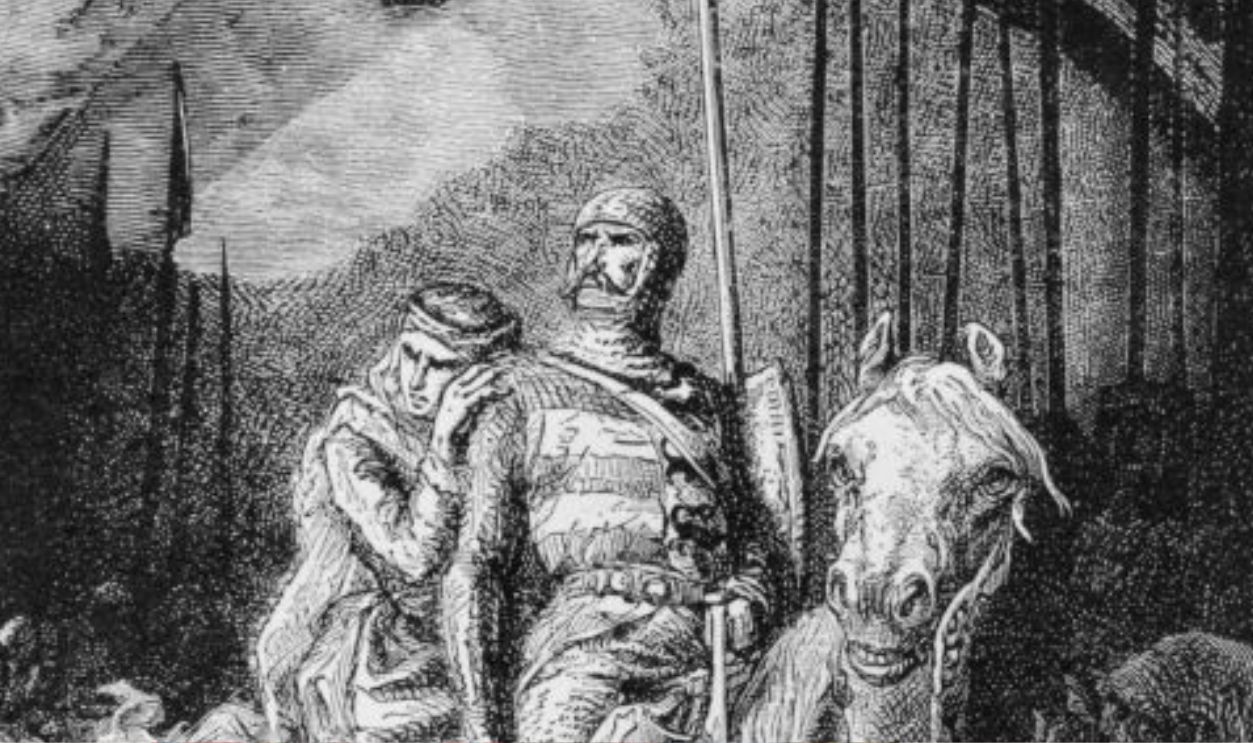
27. He Was Open To Suggestions
When it came to devising strategies on the battlefield during this time, planning usually fell solely to those in command, but El Cid saw a chance to challenge this norm. Holding what were essentially brainstorming sessions before a conflict, El Cid would often allow his men to give their two cents on any tactical decisions, which he actually took into account.
He also always strived to best his enemies with both brawn and brains.
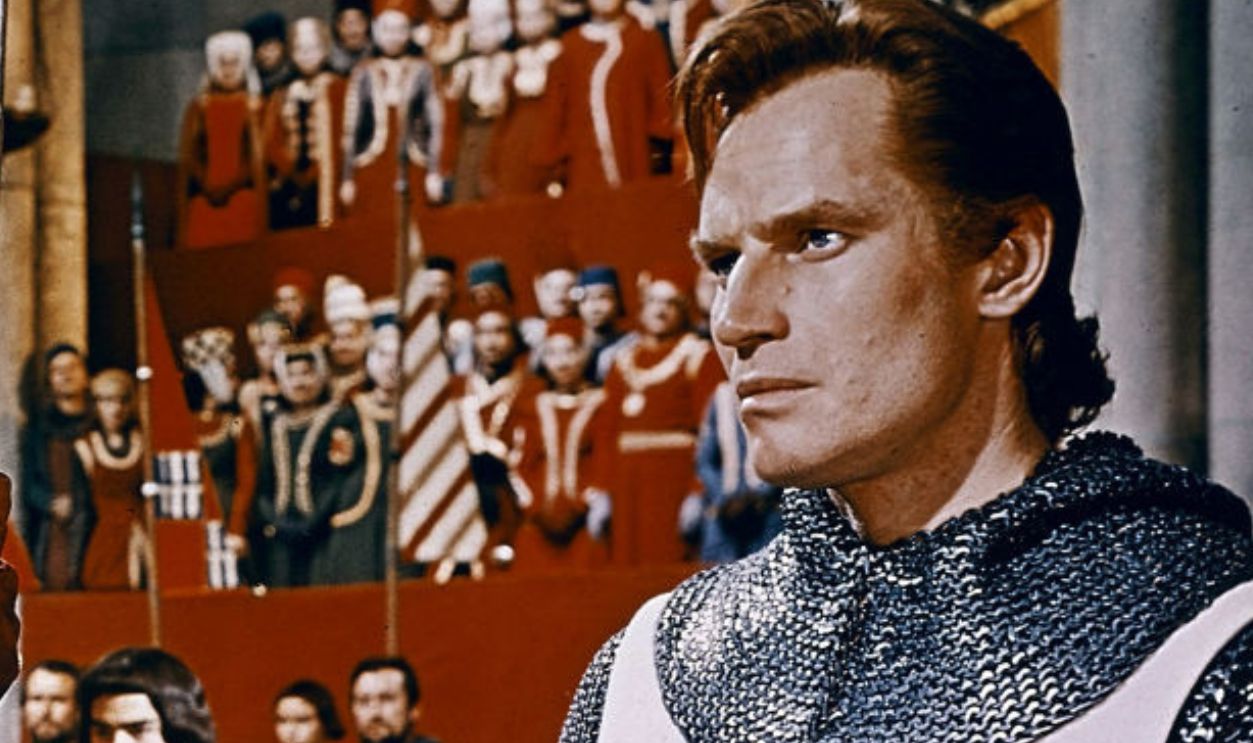
28. He Thought Outside The Box
A major contributing factor in El Cid’s constant victories was his ability to think unlike any commander who had the misfortune of facing him. Instead of merely trying to overwhelm the opposing force through strength of arms, he was always thinking of ways to get into their heads. Whether this meant scaring them or tricking them, he became an expert in psychological battle tactics long before they were common.
Of course, he didn’t shoulder the burden of leadership by himself.
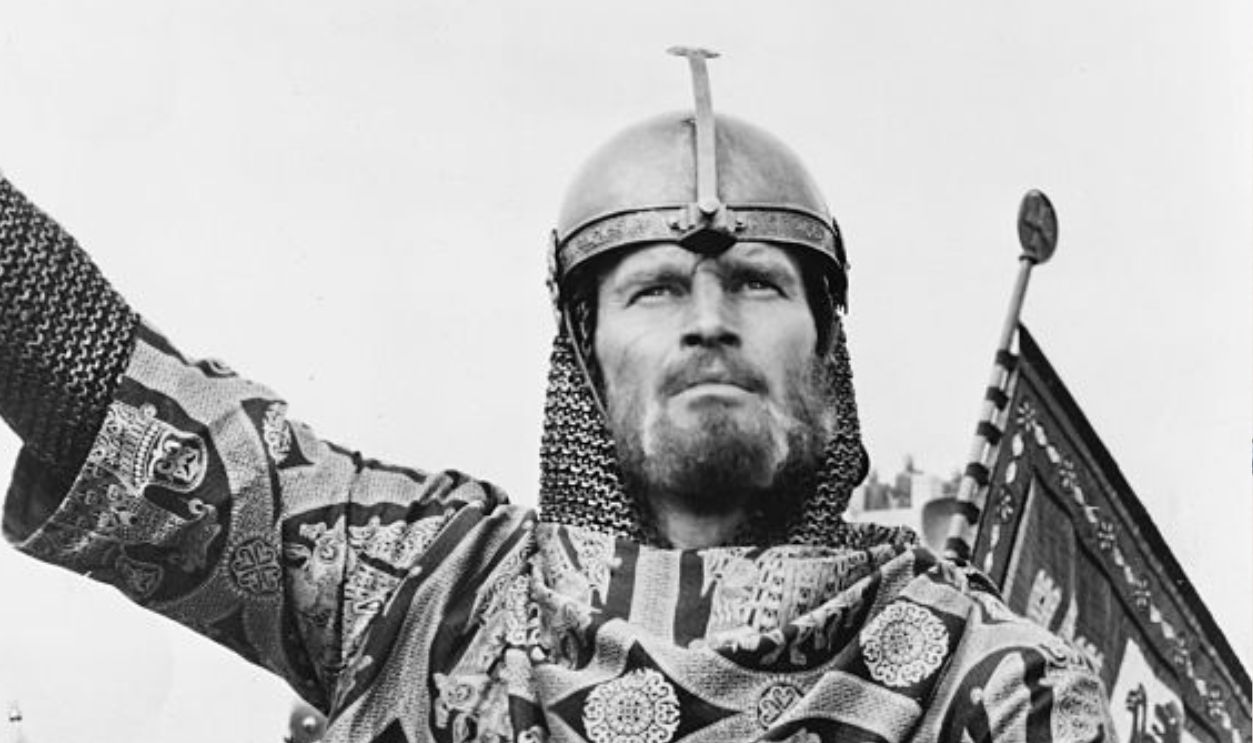
29. He Had A Right-Hand Man
Although El Cid became one of the greatest warriors in Spanish history, he wasn’t alone, as even his more anecdotal legends mention a man named Álvar Fáñez. While stories portray Álvar as such a loyal ally of El Cid’s that he is frequently referred to as his brother, this relationship is likely embellished, considering the real Álvar Fáñez was still serving King Alfonso in Castile.
Thankfully, El Cid had someone he could truly count on.
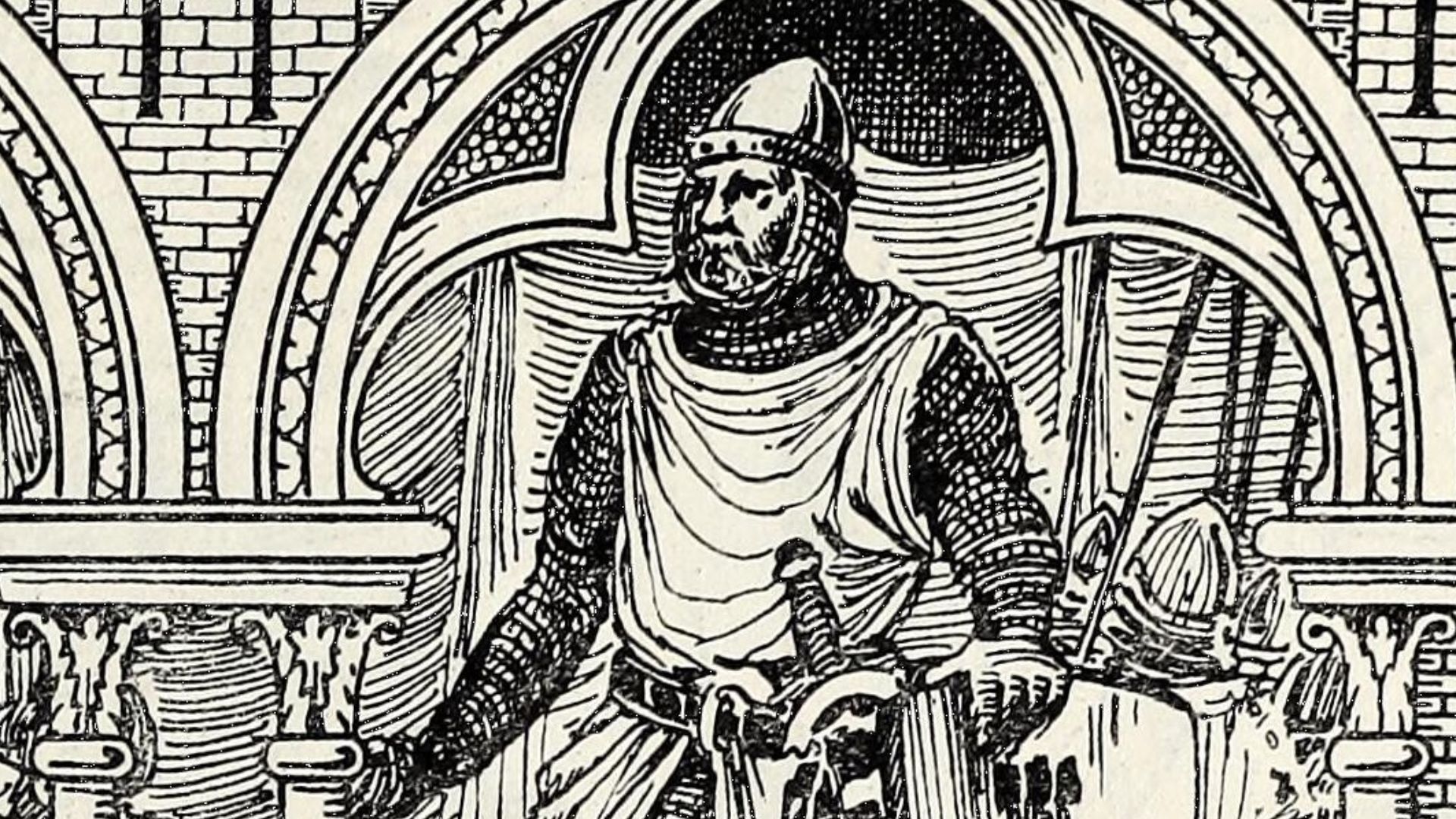
30. He Rode A Valiant Steed
Any respectable knight needs a proper mount to carry him into battle, and fortunately for El Cid, he had the horse Babieca. Accompanying the hero in many legends, one story says they first met when El Cid’s godfather offered him the gift of any horse he wanted. El Cid ended up picking the weakest-looking one to the surprise of his godfather, who exclaimed what would become the steed’s name, “Babieca!”—meaning “stupid”.
Alternatively, Babieca may have been a more regal reward.
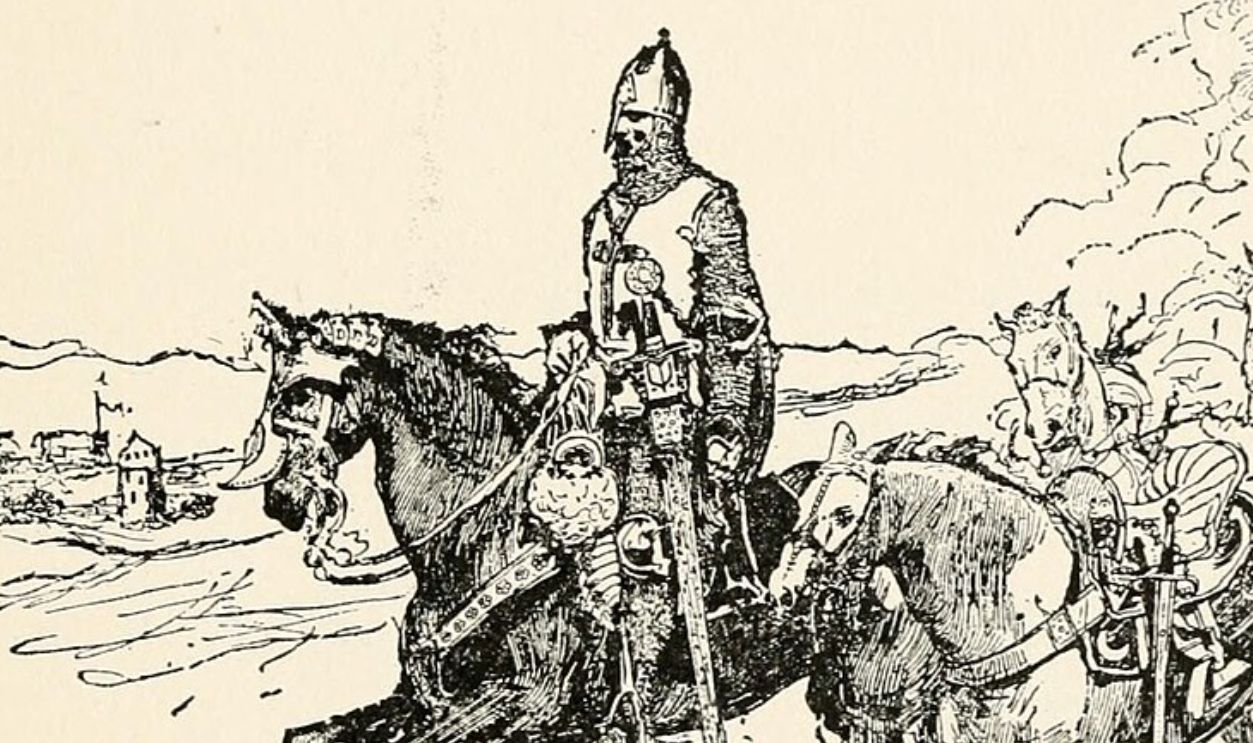 Internet Archive Book Images, Wikimedia Commons
31. He Was A Royal Gift
According to another story of how El Cid met Babieca, the horse was still a gift to him, but from someone much more noble than his godfather. In this version of events, another knight challenged El Cid to fight on horseback during a royal competition, but he had no mount. Being El Cid’s guardian, King Sancho then gave him one of his best horses, Babieca, and the two were inseparable from then on.
No matter how they met, they remained constant companions till the end.
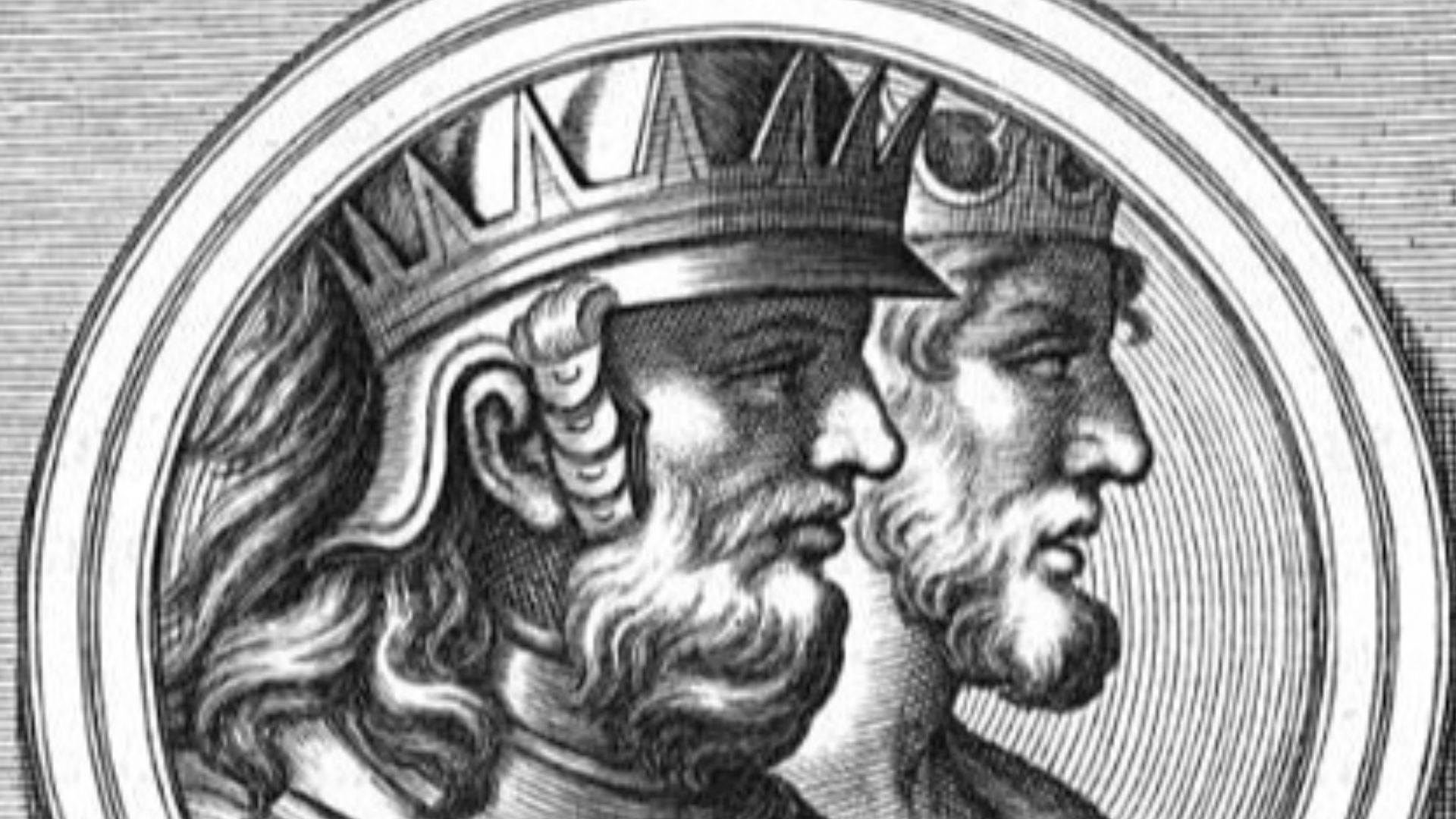 Engraved by Manuel Rodríguez, Wikimedia Commons
32. They Were Reunited
Accompanying El Cid through many conflicts, Babieca wasn’t just his most reliable servant on the battlefield, but he was also possibly his closest friend. In many ways, Babieca became nearly as famous as his master for the strength of their bond, and even after El Cid later perished, the two were laid to rest side by side.
With all El Cid’s victories, it wasn’t long before his oldest enemy came crawling back.
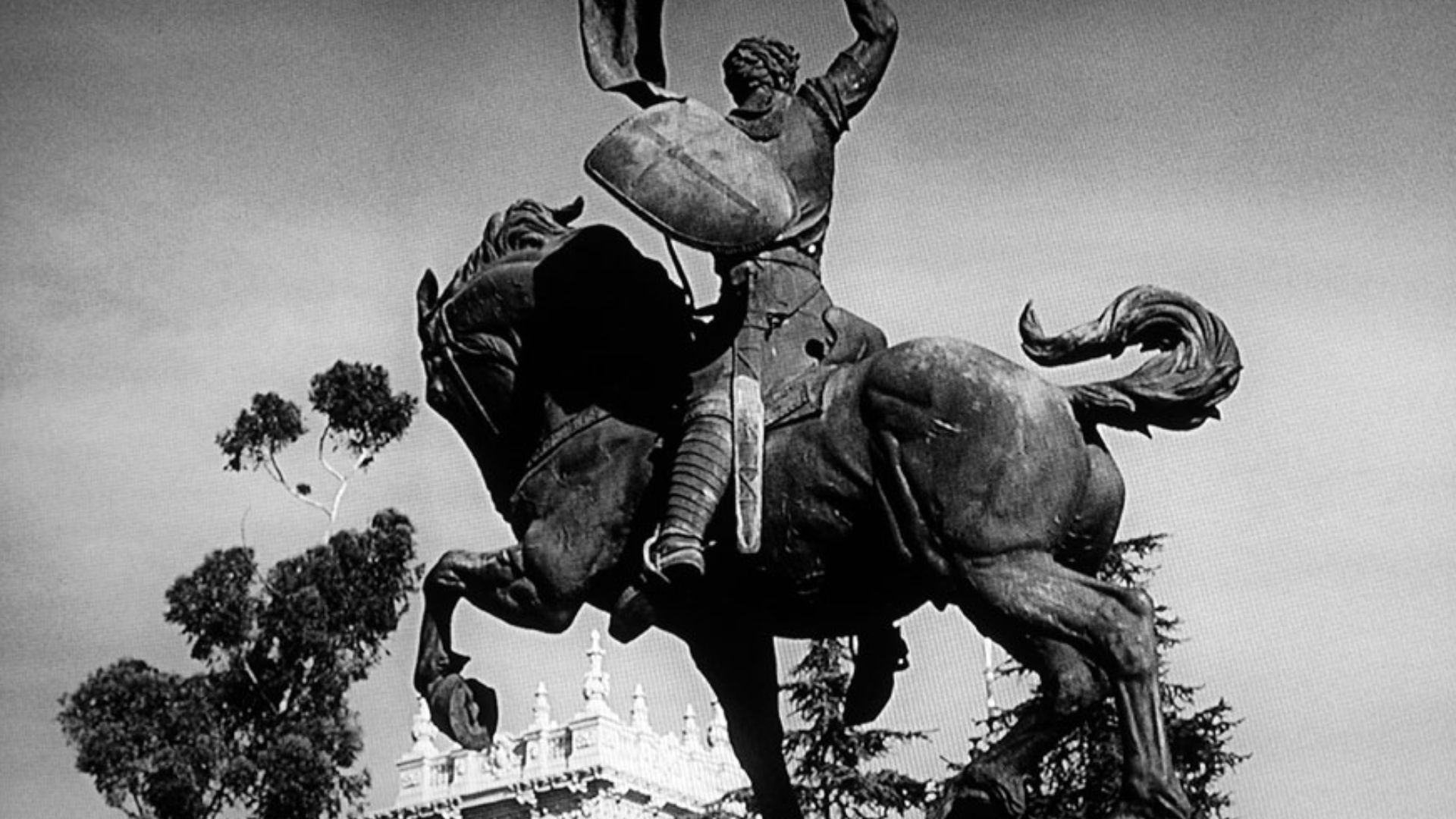 RKO Radio Pictures, Wikimedia Commons
33. He Couldn’t Win Without Him
Without El Cid to lead his armies to victory, King Alfonso was getting more and more familiar with the taste of defeat, but he still tried to prove he didn’t need the famous El Cid. However, he was clearly out of his depth, and when facing the Almoravid forces during their invasion in 1086, Alfonso’s army was soundly beaten to a pulp.
Ultimately, this left the King no choice but to swallow his pride.
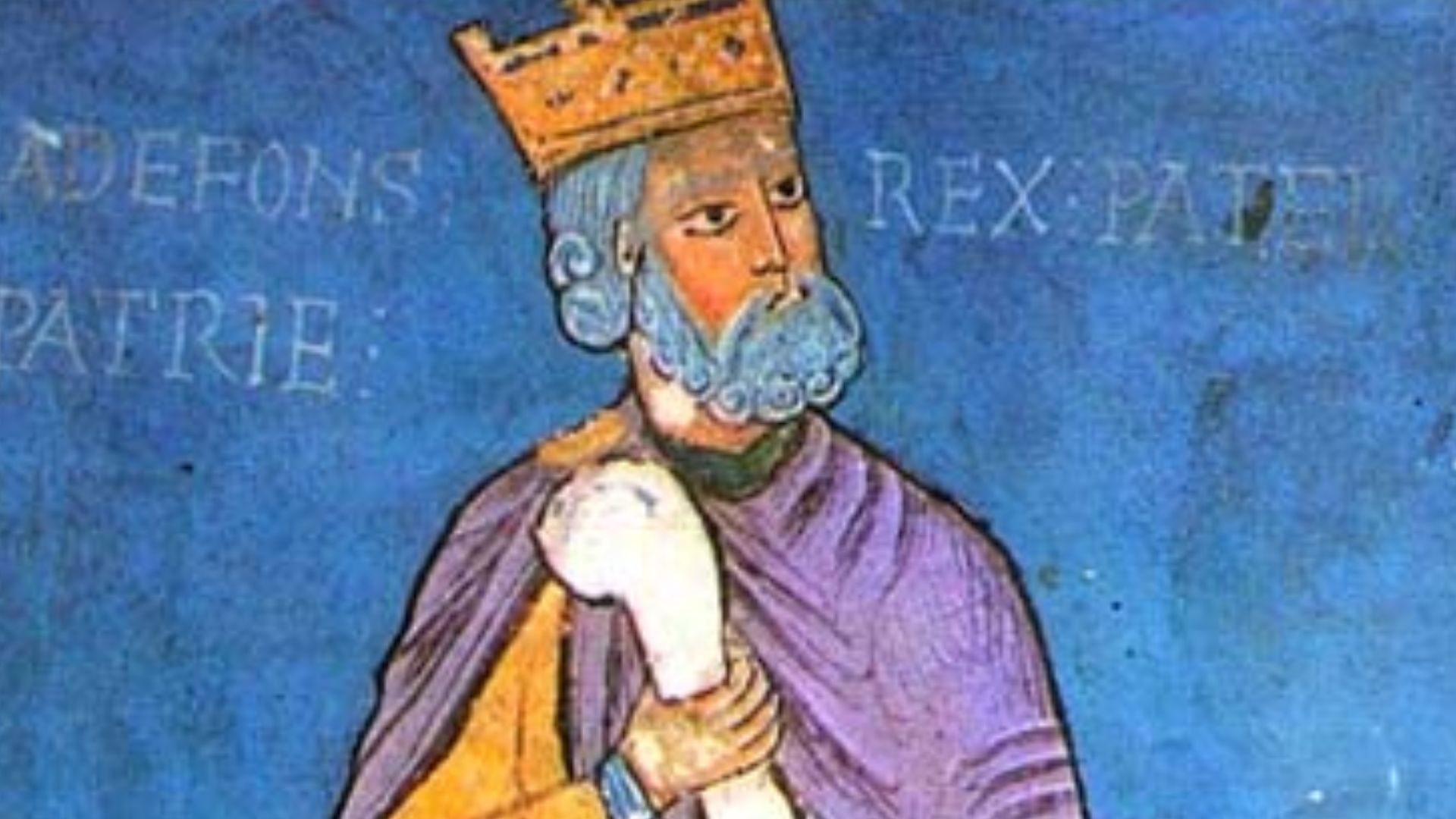 Uploaded by MaiDireLollo, Wikimedia Commons
34. He Asked Him To Come Back
After such a devastating defeat, Alfonso had to face the fact that exiling El Cid had been a massive mistake. With the promise of wealth, land, and high-ranking titles, the King went to El Cid with hat in hand to ask if he would return to his service. While the knight certainly didn’t need to, he agreed and came back to Castile.
At the same time, El Cid had long since moved on from Alfonso’s petty troubles.
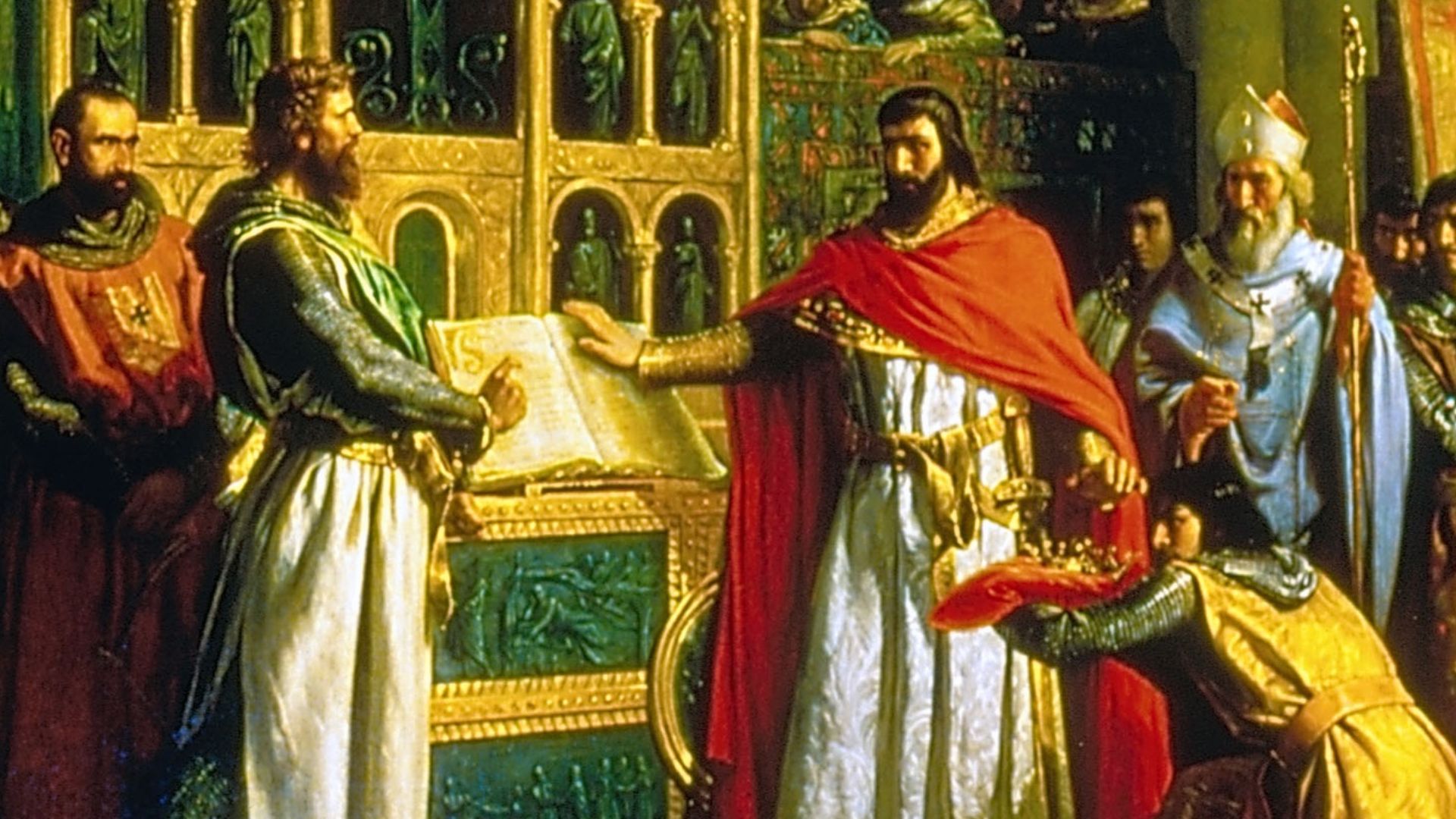 Marcos Hiráldez Acosta, Wikimedia Commons
35. He Wasn’t Too Invested
Whether he felt bad for Alfonso or simply wanted to rub his success in the King’s face, El Cid returned to help the Castilian forces—but only for a little bit. Soon enough, he realized it would be far better for his plans if Alfonso and the Almoravid armies just destroyed each other, so he stopped helping and left again for Zaragoza.
Furthermore, he was already looking to much grander ambitions.
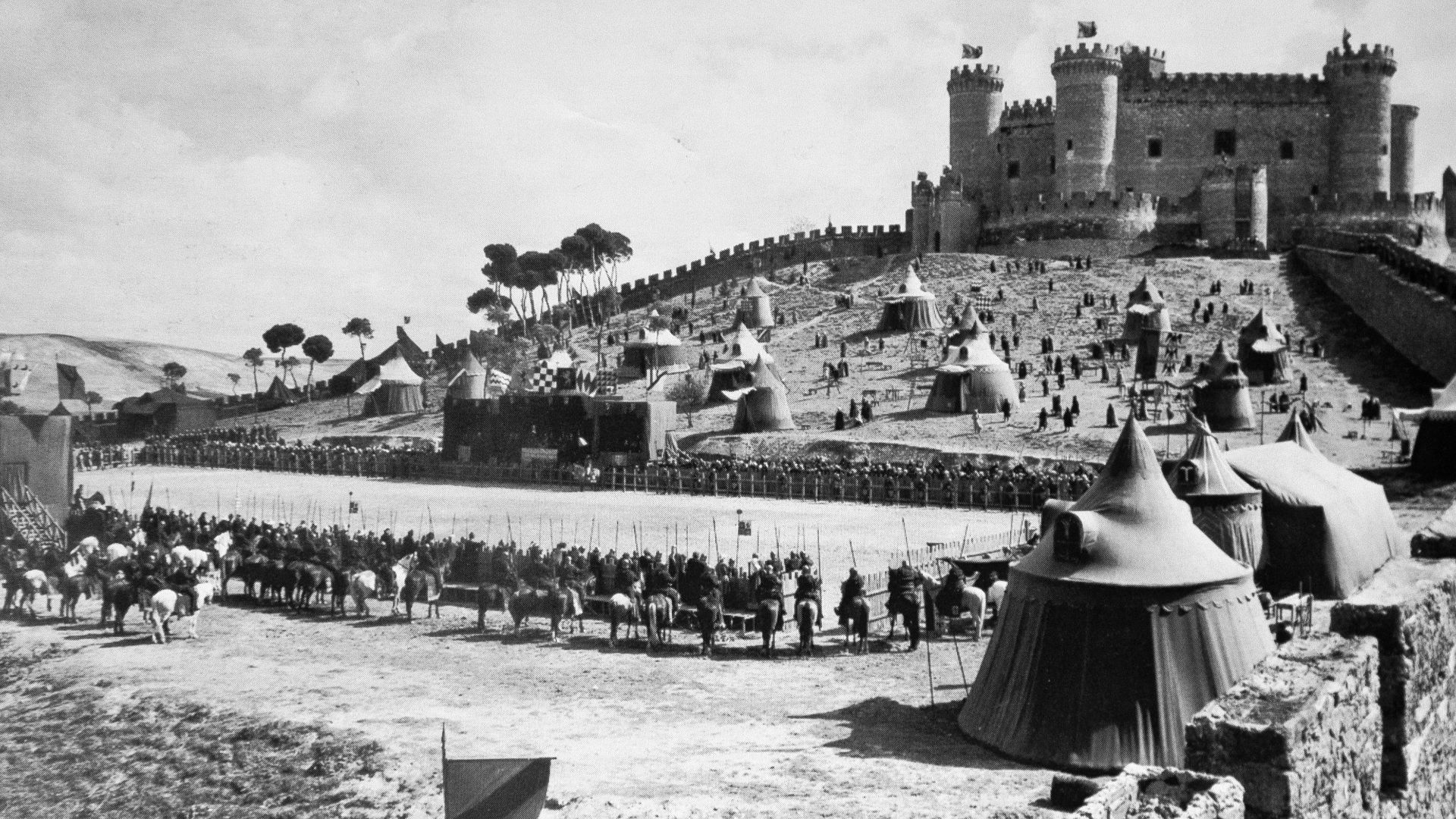 Castillodebelmonte, Wikimedia Commons
36. He Aimed For The Top
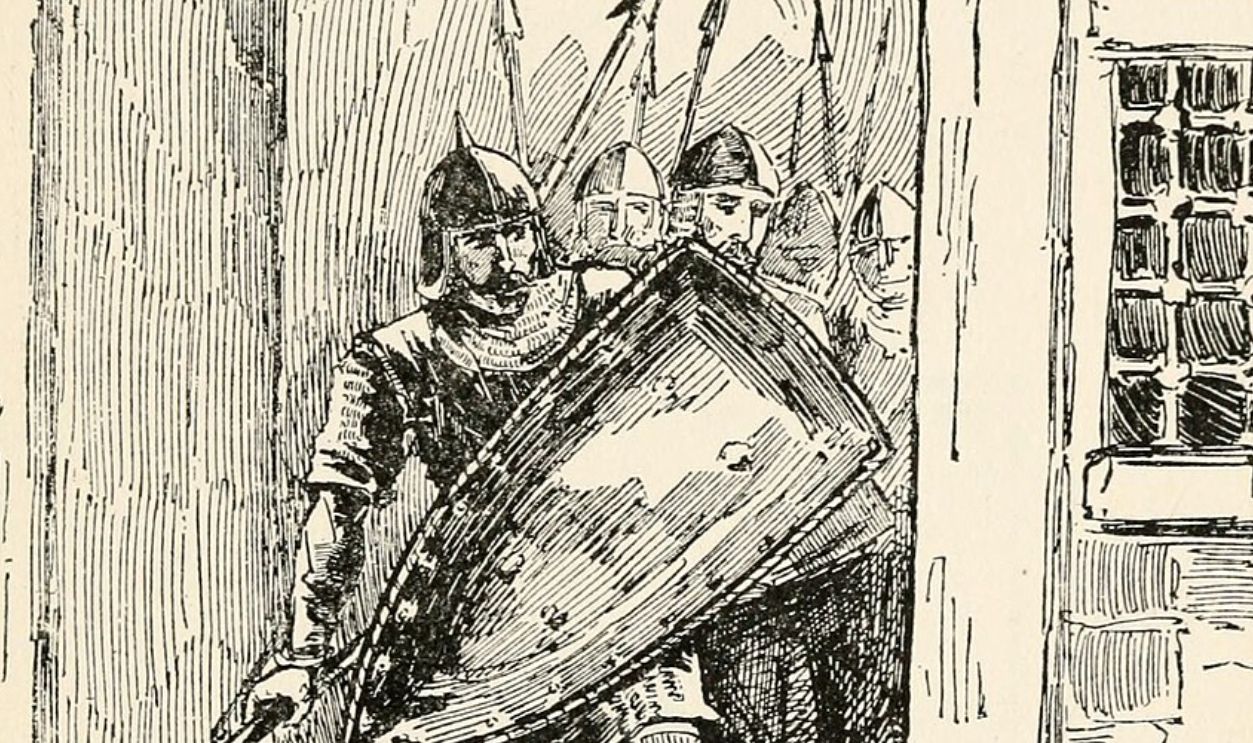
El Cid had long held the position of commander in the service of kings, but he eventually thought that being a ruler himself didn’t sound too bad either. Setting his sights on the Moorish city of Valencia, he believed it would make a great location for his own potential fief, and began planning to take it for himself.
Nothing would get in his way—not even a familiar foe of his.
 Internet Archive Book Images, Wikimedia Commons
37. He Didn’t Let Anyone Stop Him
A major issue El Cid would have to deal with if he wanted to claim Valencia was that Barcelona was one of its nearest cities—and Berenguer Ramon II was still its ruler. Fortunately, this was just another chance for El Cid to humiliate the man who had turned him away in his hour of need. Engaging with the Count in the Battle of Tébar in 1090, El Cid once again defeated him and even captured him momentarily for good measure.
He still faced a task that may have seemed insurmountable to some—but not to the mighty El Cid.
38. He Couldn’t Be Defeated
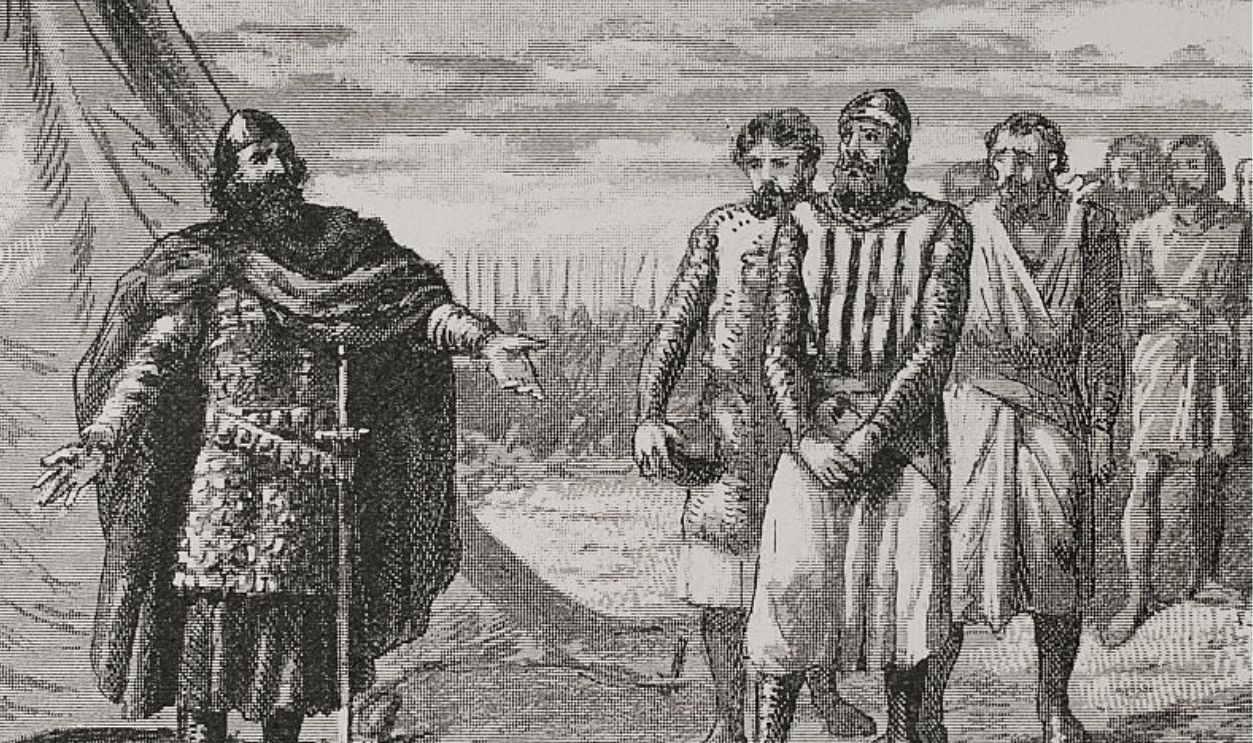
El Cid didn’t stop at Barcelona and quickly moved from town to town, conquering many of Valencia’s closest allies to position himself best for the takeover. Having created quite the reputation, El Cid’s enemies saw firsthand that he was clearly still in his prime, and that his winning streak wasn’t going away anytime soon.
Finally, after all his preparations, it was time to strike.
39. He Needed To Act Fast
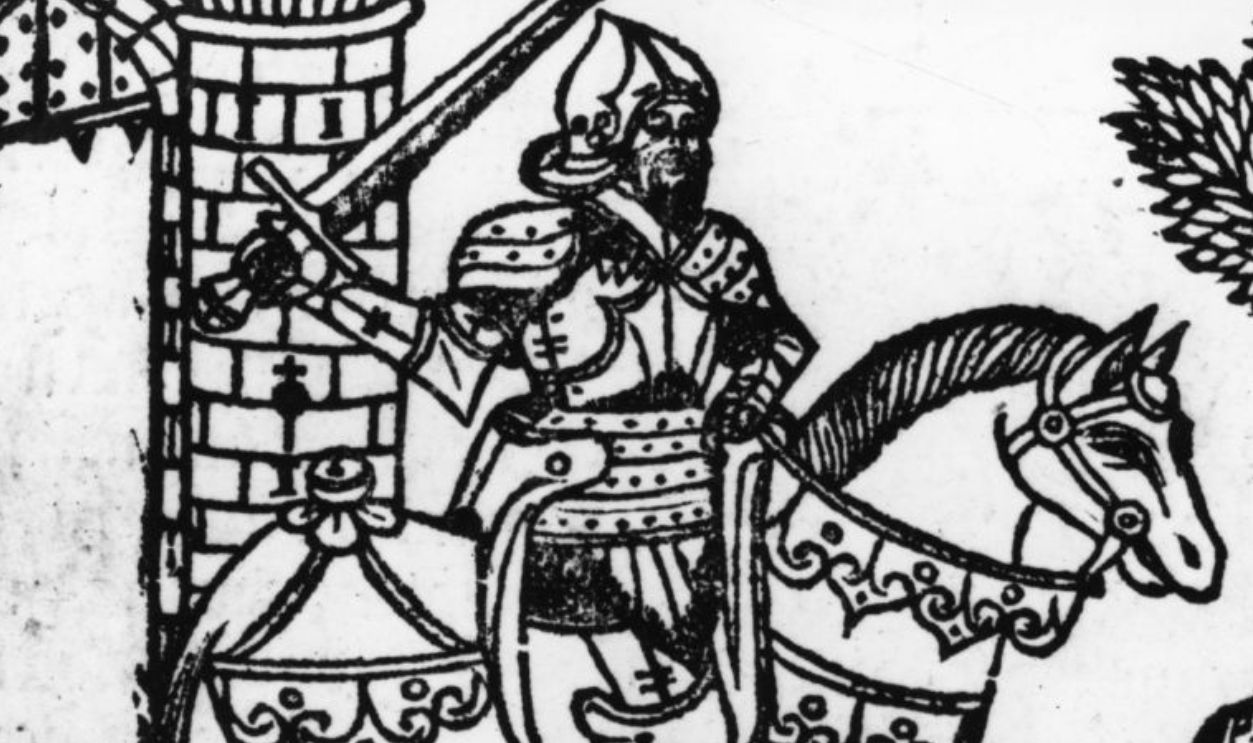
With his hold around Valencia as strong as it would ever be, El Cid only needed to wait for the most opportune moment to attack, which came in late 1092—although he wasn’t too happy about it. Influencing the citizens of Valencia, the Almoravids caused an uprising that put the city in their hands first. Forced into action, El Cid besieged Valencia to claim it from the Almoravid forces.
This was his shot at becoming ruler, and he wouldn’t let it go so easily.
 UniversalImagesGroup, Getty Images
40. He Outlasted Them
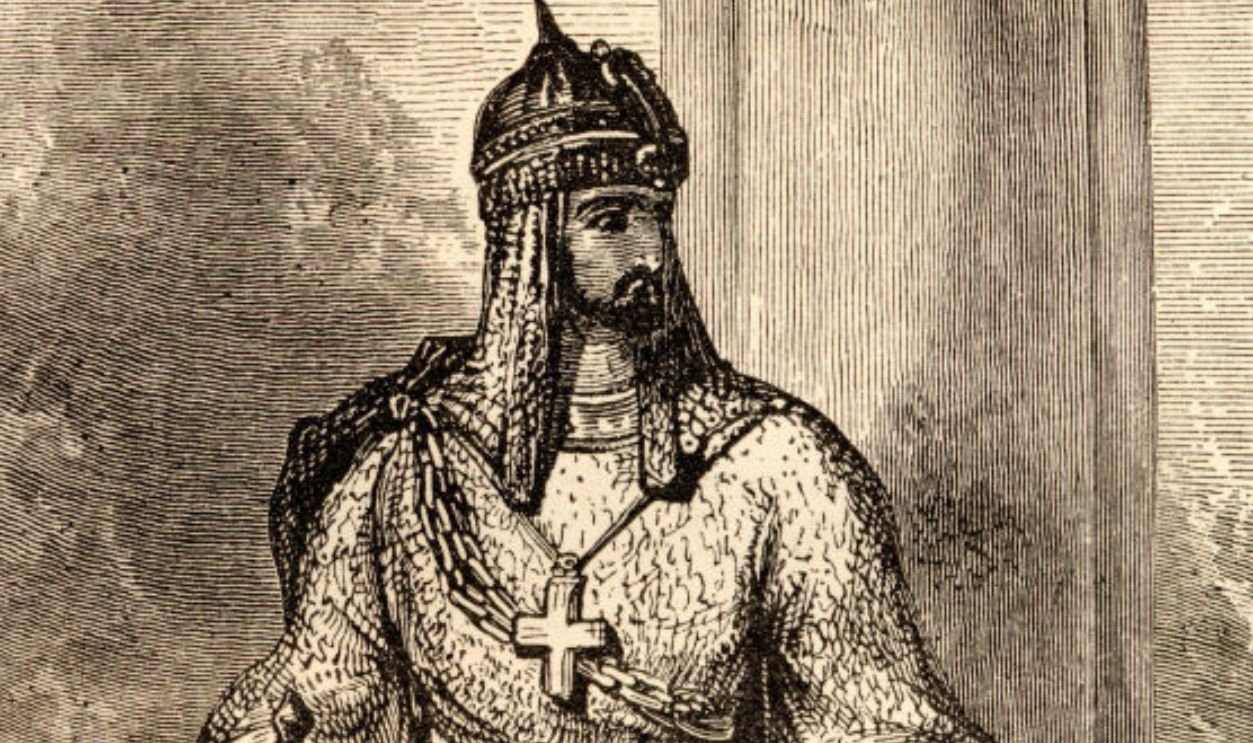
For several months, El Cid held the siege on Valencia with an iron grip, determined to wrest it back from the Almoravid army. His biggest challenge came in 1093, when the Almoravids tried to break his siege, but he had little trouble thwarting this attempt. By the next spring, his enemies knew they couldn’t hold out any longer and finally surrendered, allowing El Cid to take his first steps in the city as the new ruler.
At last, for the first time in his life, he had both power and freedom.
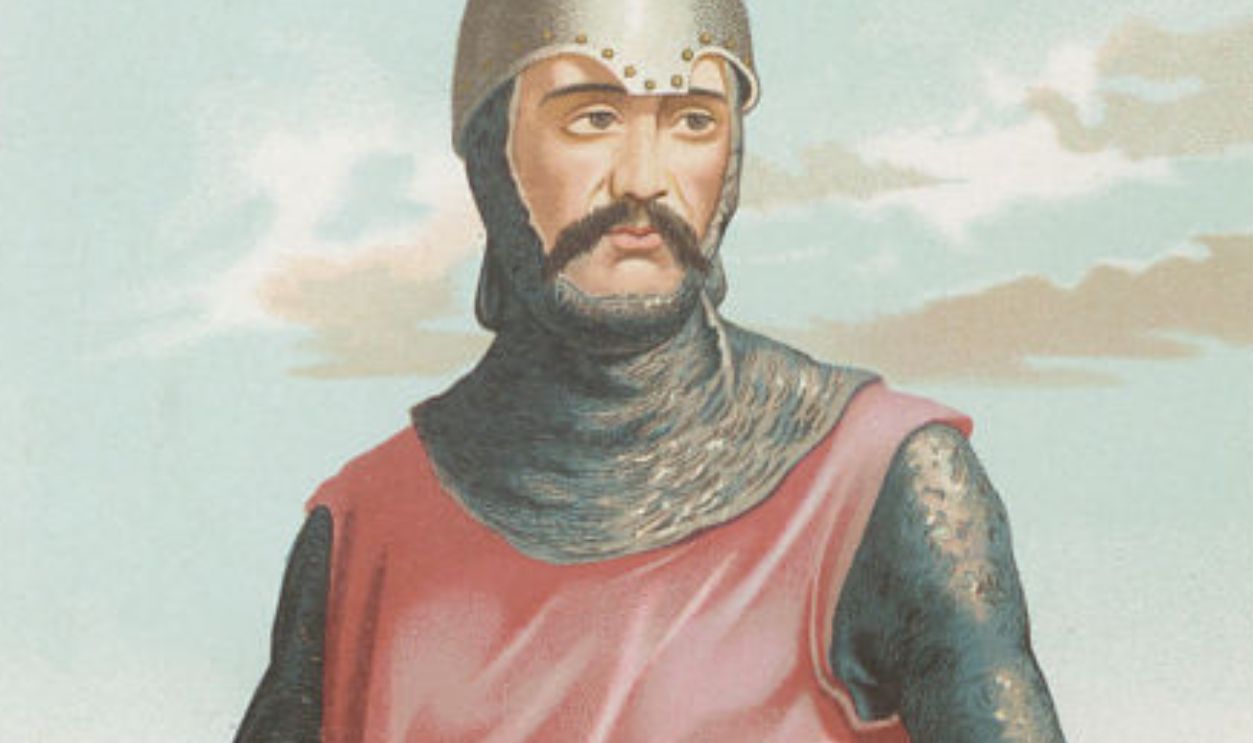
41. He Was His Own Ruler
After fighting to claim Valencia for years, El Cid had finally overcome his foes and secured the coastal city under his rule—even if it wasn’t on paper. Technically, even though he had practically deserted Alfonso, El Cid was still under the King’s authority. However, not even Alfonso would dare challenge the great El Cid, which essentially gave him full autonomy.
For many, this was the only place they could live freely in peace.
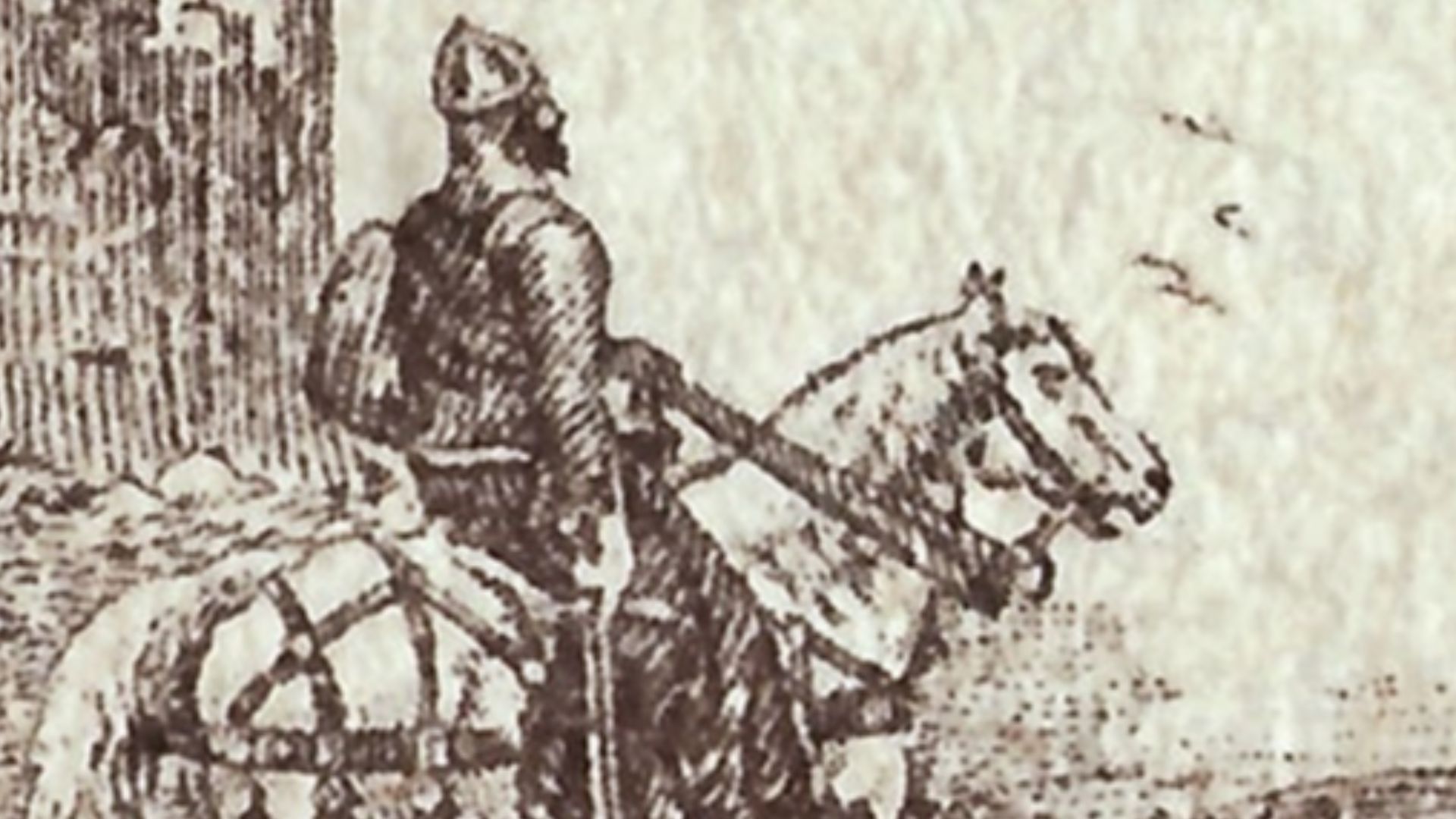 "Correos Espana", Wikimedia Commons
42. They Were Diverse
Throughout his distinguished career, El Cid had served in both Christian and Moorish armies, and he created his domain to mirror that kind of multiculturalism. Under his reign in Valencia, anyone—Christian or Muslim—was welcome and free to serve in both the army and as administrators.
Still, even the mightiest have to fall sooner or later.
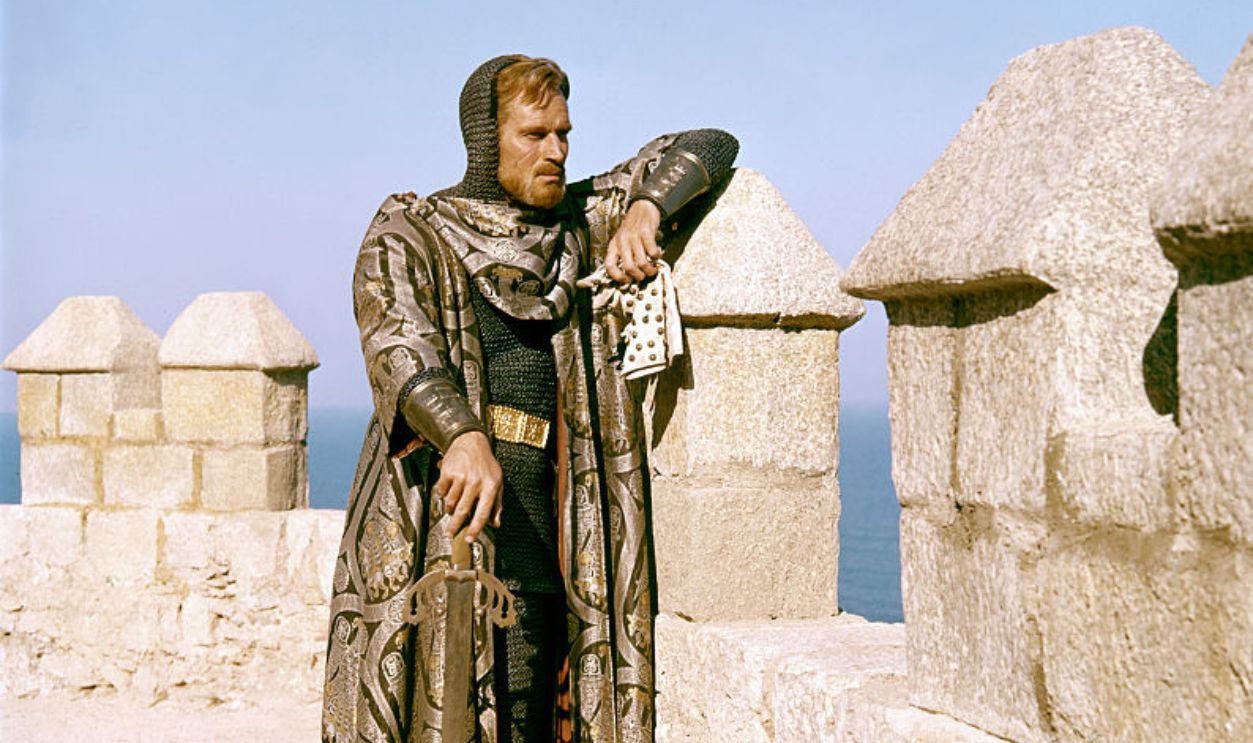 Sunset Boulevard, Getty Images
43. His Story Came To An End
Having accomplished everything he wanted, El Cid spent the rest of his life ruling Valencia in relative comfort, although he never lost his edge. The Almoravids even tried to take the city back from him, believing they could finally best the knight, but he sent them packing just as easily. Sadly, he couldn’t enjoy his rule for much longer, as he passed only a few years later in 1099 from unknown causes.
Thankfully, he had someone to pick up where he left off.
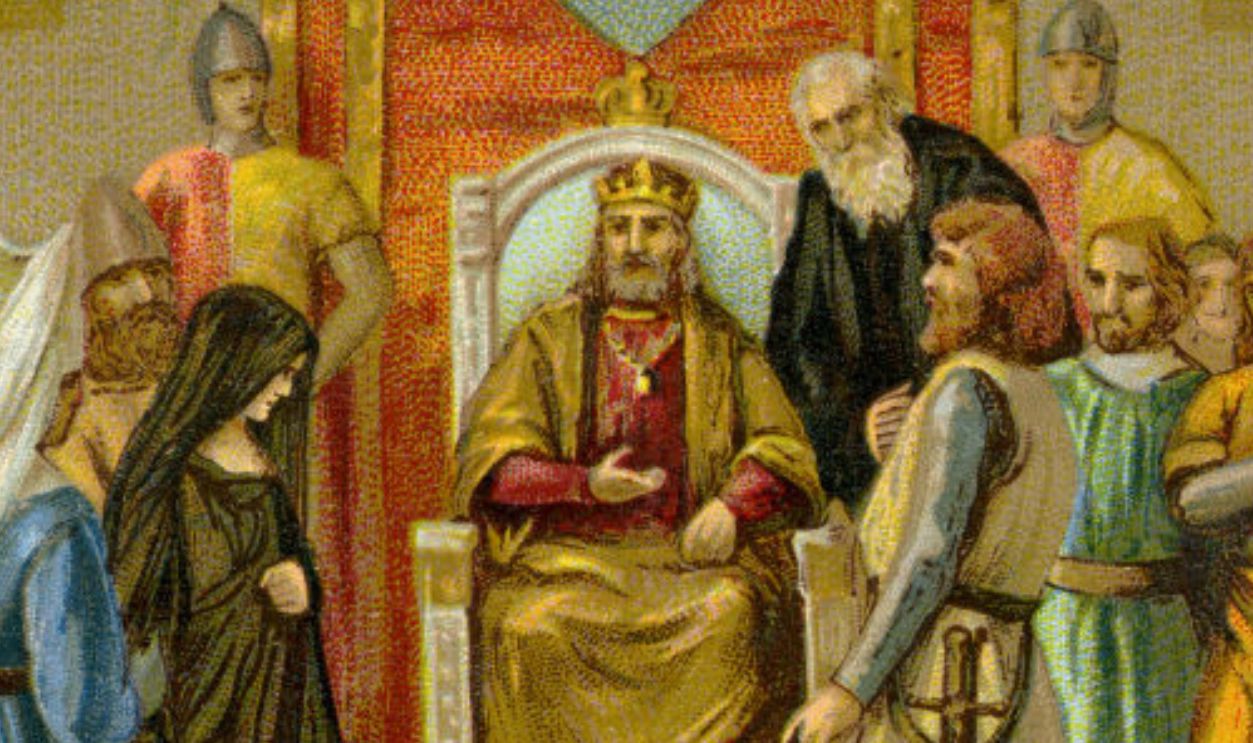
44. She Took Over
Following El Cid’s demise, control over Valencia didn’t pass to any of his children or advisers, but instead, to his widow. Unfortunately, El Cid’s enemies saw his absence as an opportunity, and the Almoravids returned to lay siege to the city again. Ultimately, King Alfonso had to come to Valencia’s defence himself, since, while Jimena remained loyal to her late husband’s legacy, no one could match El Cid’s command.
However, she had picked up a few tricks from El Cid.
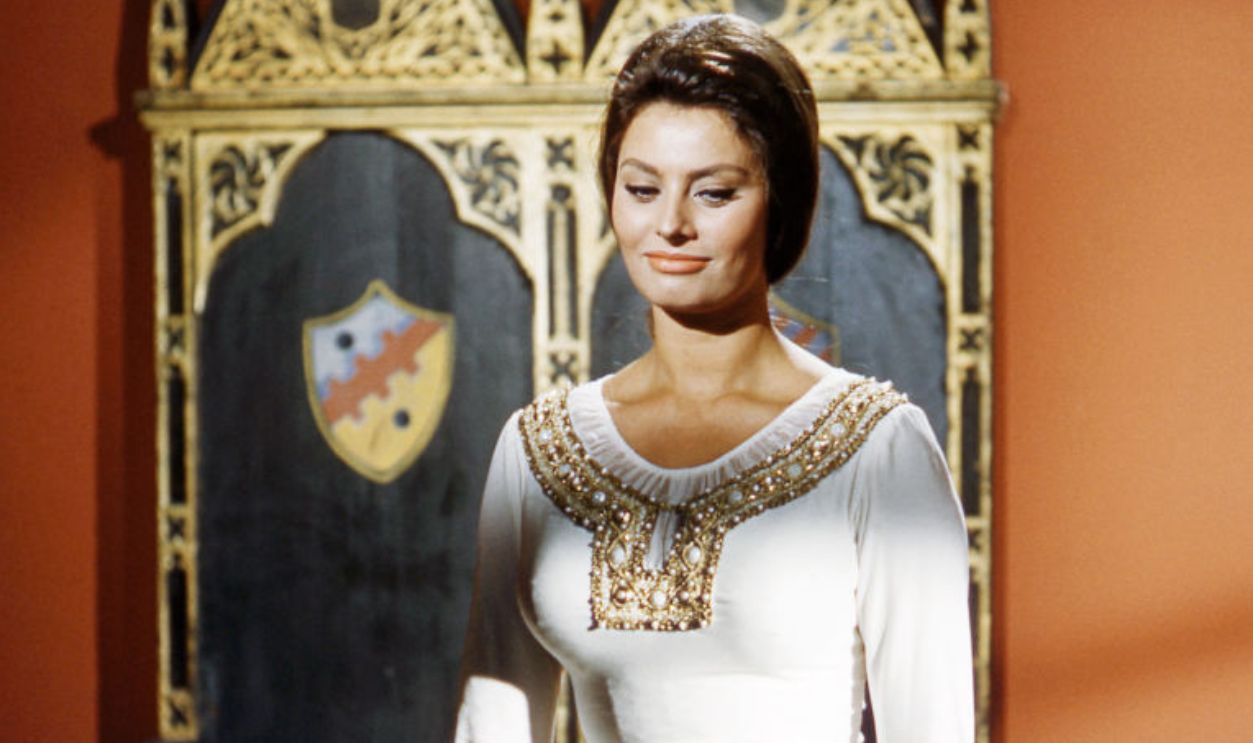 Silver Screen Collection, Getty Images
45. She Used His Body
Bizarrely, El Cid continued to inspire legends about himself even after he had perished, although it wasn’t strictly his doing. According to one story, as she fought off the Almoravid siege, Jimena cooked up a plan to strike fear into their enemies and inspire her men at the same time. Having El Cid’s body outfitted with his armor and placed upon Babieca, she sent him into battle with the rest of his army.
While the plan may have been out there, it was just what they needed.
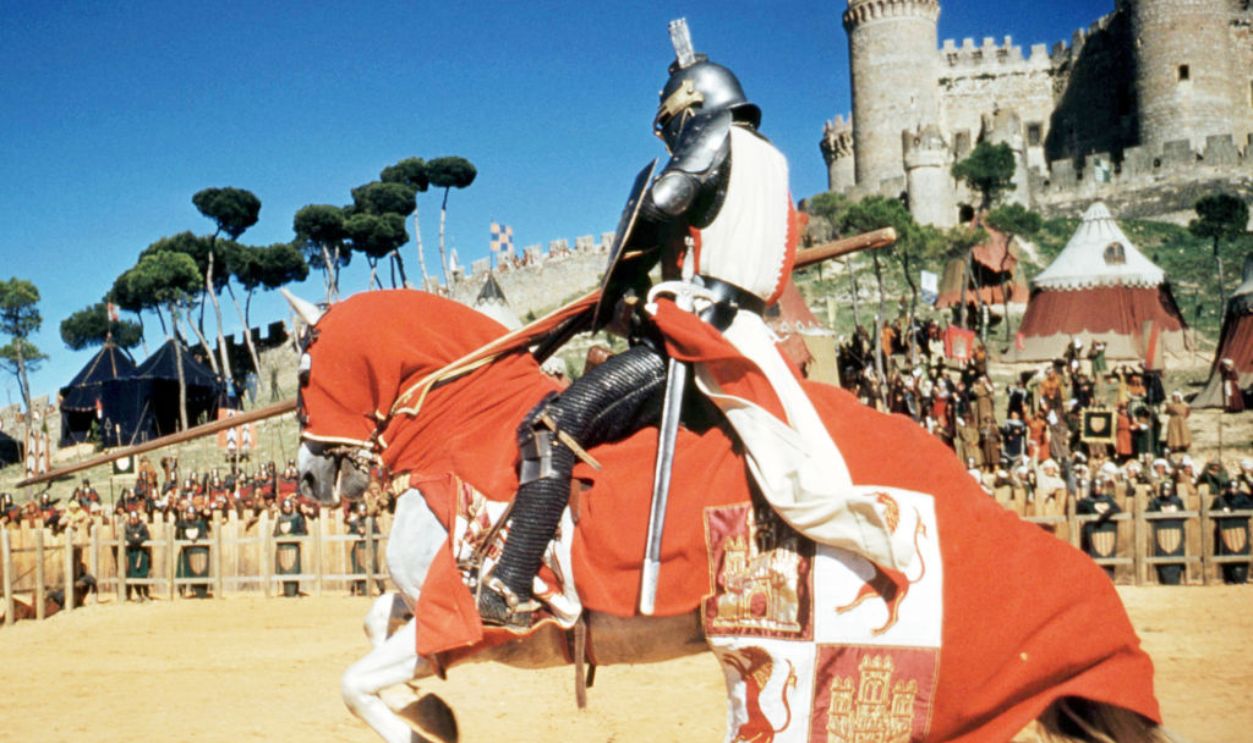 Silver Screen Collection, Getty Images
46. Her Plan Worked
Just as El Cid had always tried to get inside his enemies' heads, Jimena allegedly gained some ground using her late husband. With his body propped up on his horse, he charged into the foray with his men as they cut down anyone in their path. While this didn’t break the siege, it became a story that would inspire Christian Spaniards for hundreds of years.
Of course, not everyone demonstrated her level of tenacity.
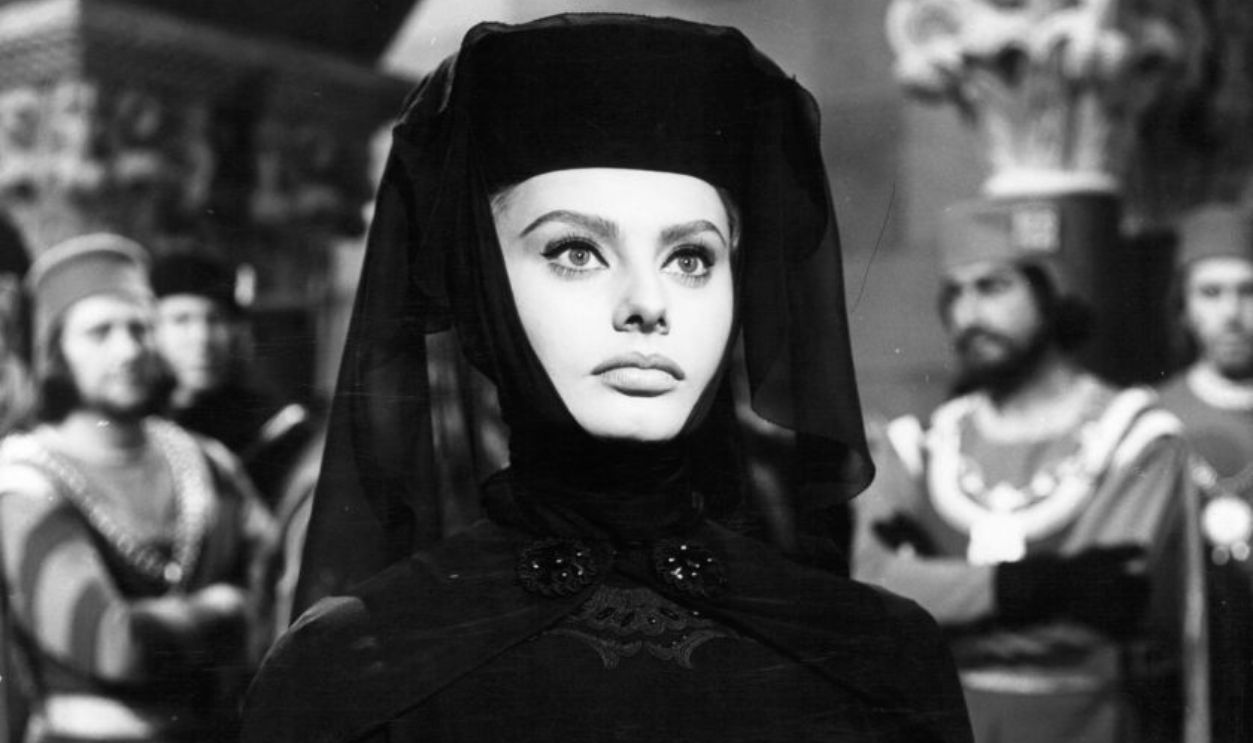
47. He Gave Up On It
Neither El Cid’s commanders nor even his wife could lead his army to victory as he could, and as Alfonso had already demonstrated, he was hardly up to the task. To the King, Valencia seemed utterly indefensible without diverting all his forces there, so he instead got everyone out and set fire to the city.
This left Jimena with only one choice.
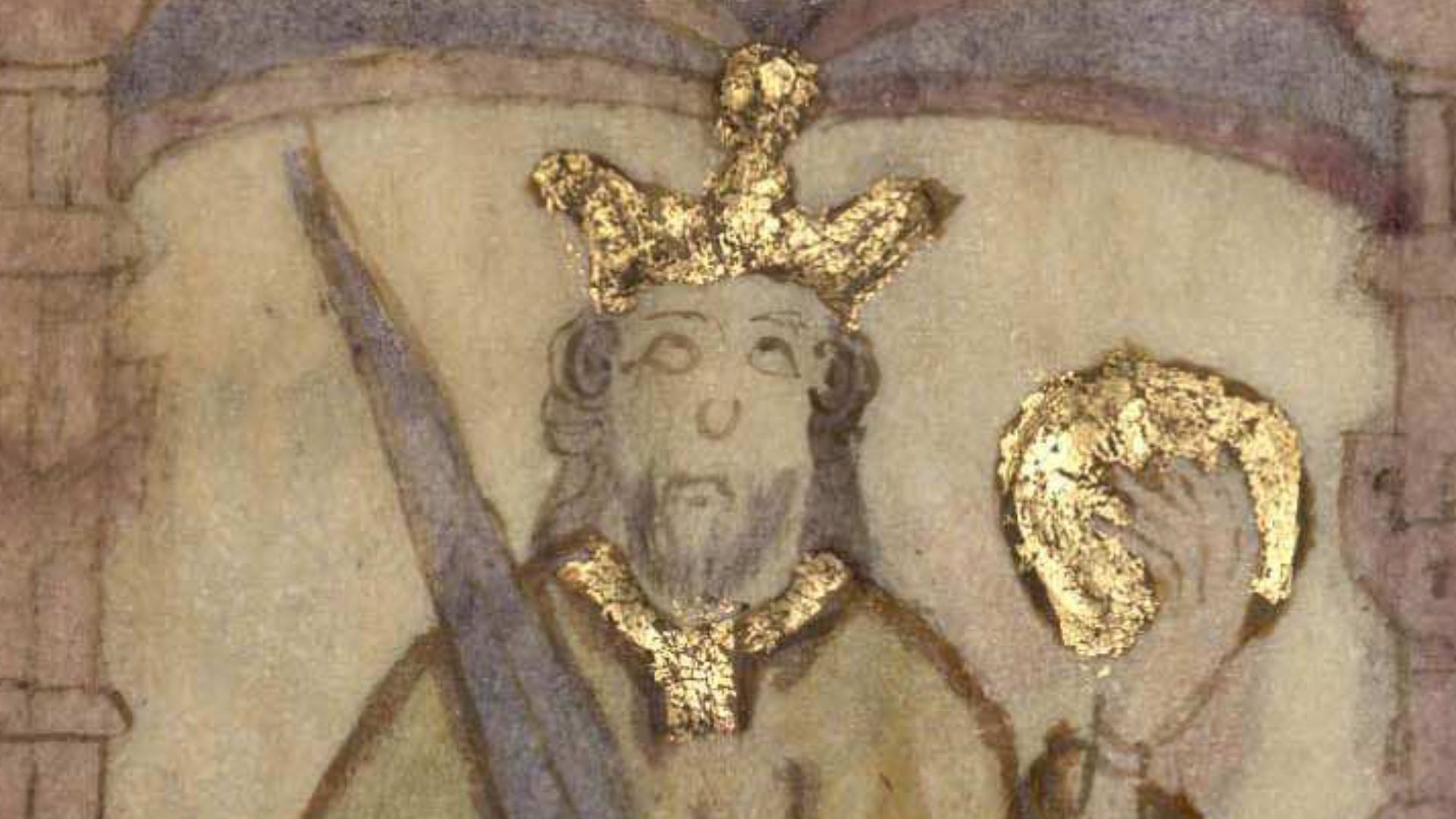 Unknown authorUnknown author, Wikimedia Commons
48. She Ran Away With Him
With Valencia burning around her and no hope of defending her city, Jimena made the impossible decision to flee with the rest of her people as the Almoravids took control of what remained. Even then, however, she kept El Cid’s body with her as she traveled to Castile, where she finally had him buried.
Of course, many of El Cid’s stories should be taken with a grain of salt.

49. They Were All Biased
While El Cid has been the subject of many epics and songs, most of these emerged in the centuries after his time. As for any records written even close to while he was still alive, only a handful have survived to this day. However, as their authors were variably Christian and Muslim, it’s impossible to determine which—if any—is a completely accurate and impartial record.
Regardless, his legend would keep him alive for centuries.
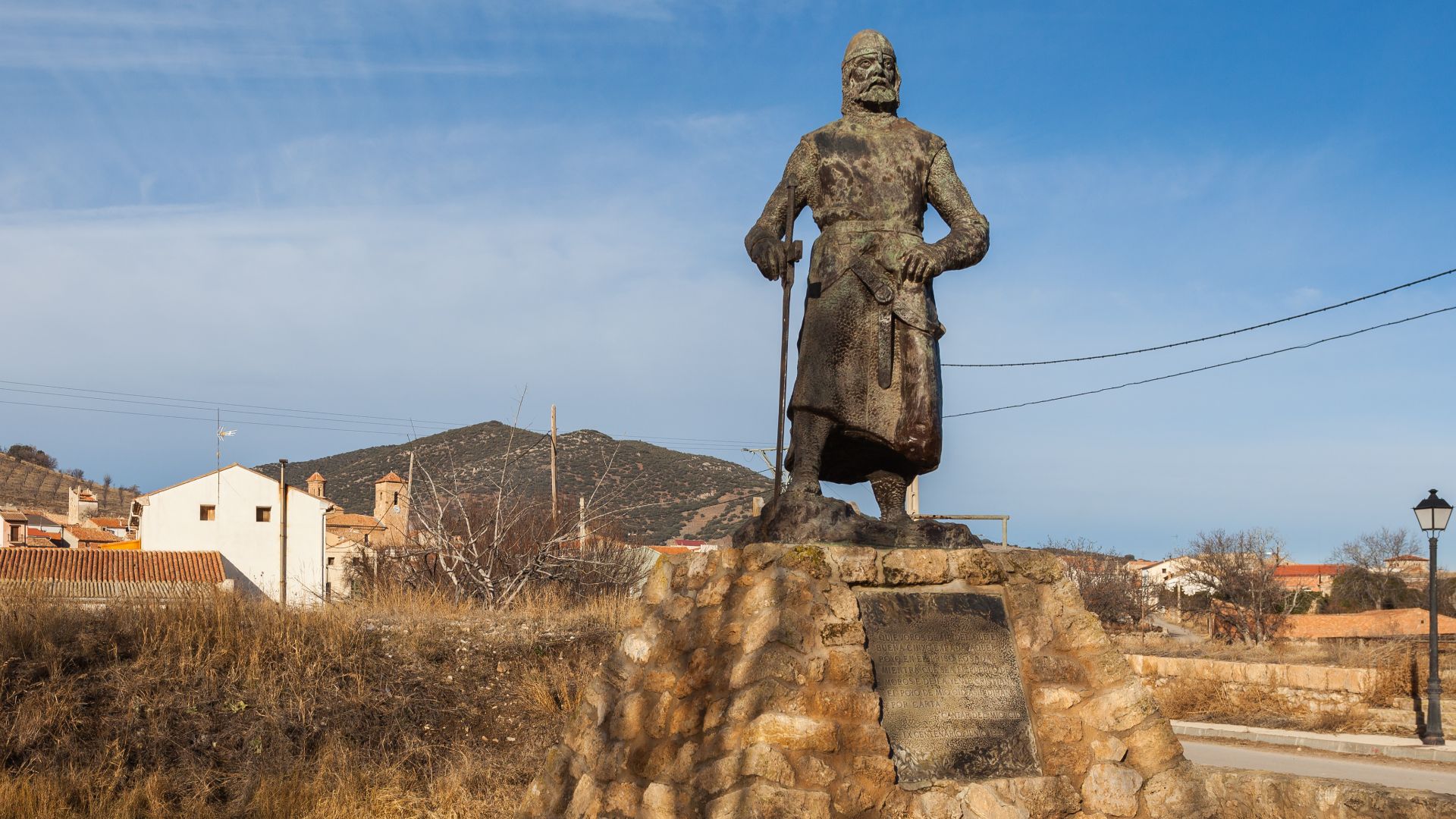 Diego Delso, Wikimedia Commons
50. He Lived On As A Hero
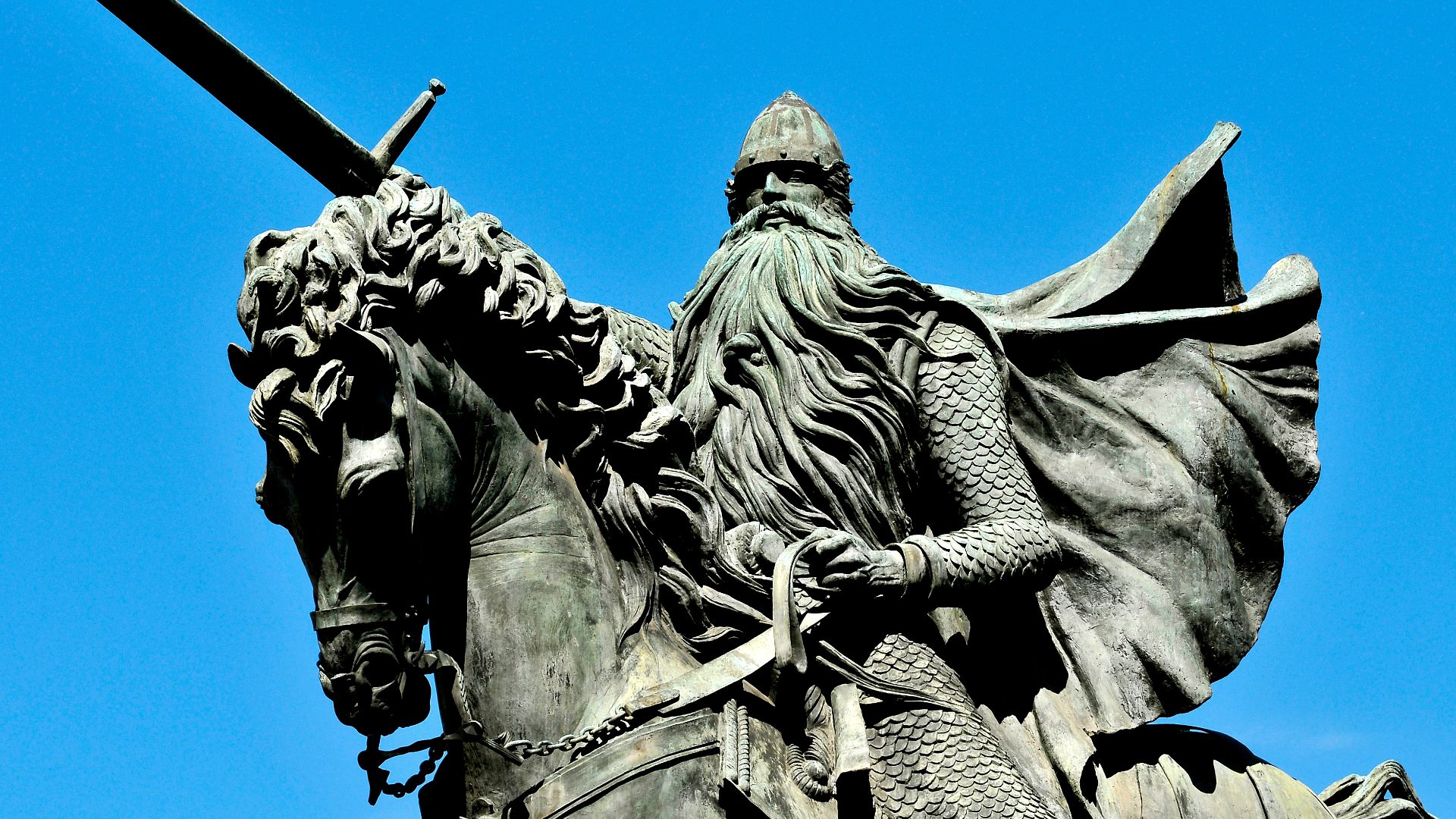
Even if there’s no real way to know which details from El Cid’s life are fact or myth, the legends he inspired transformed him into much more than just a famous knight. Epics like the Cantar de mio Cid paint El Cid as a larger-than-life figure who fought for honor and justice as he carved out his own corner of the world. Because of this, he has endured throughout the ages as one of Spain’s most prominent folk heroes.
You May Also Like:
Frivolous Facts About Maria Isabella, The Royal Wrecking Ball
Unlucky Facts About Princess Mafalda of Savoy, Italy’s Imprisoned Royal
Vicious Facts About Genghis Khan, The Most Bloodthirsty Conqueror In History










_(14752785825).jpg)
_(14749629221).jpg)