Four Smiles, One Dark Story
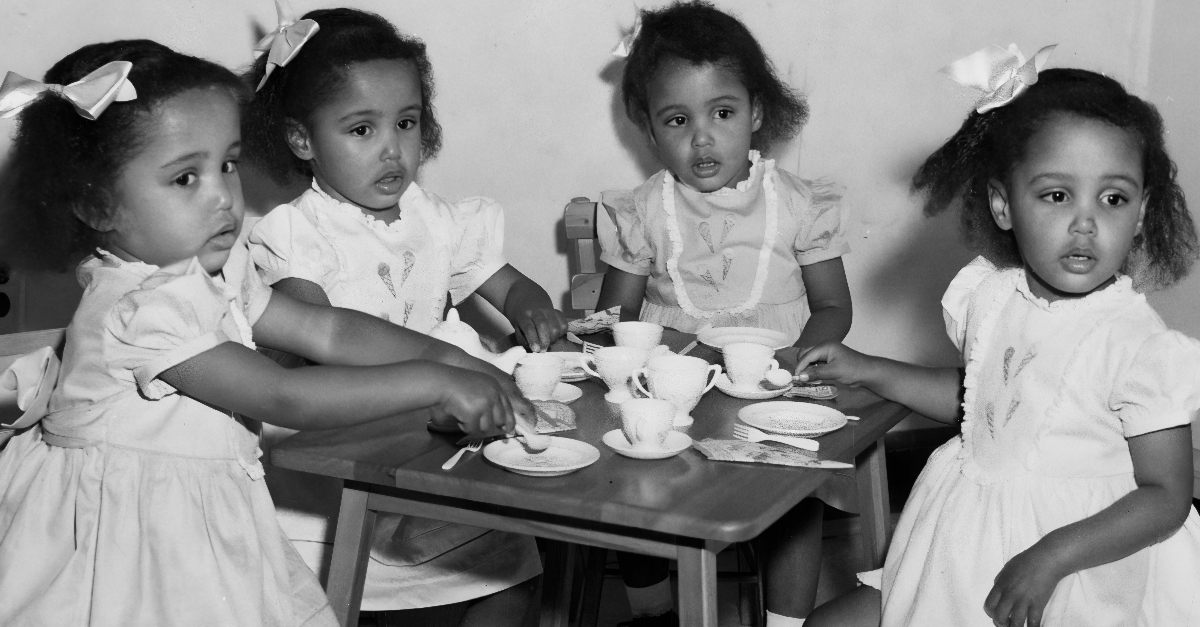
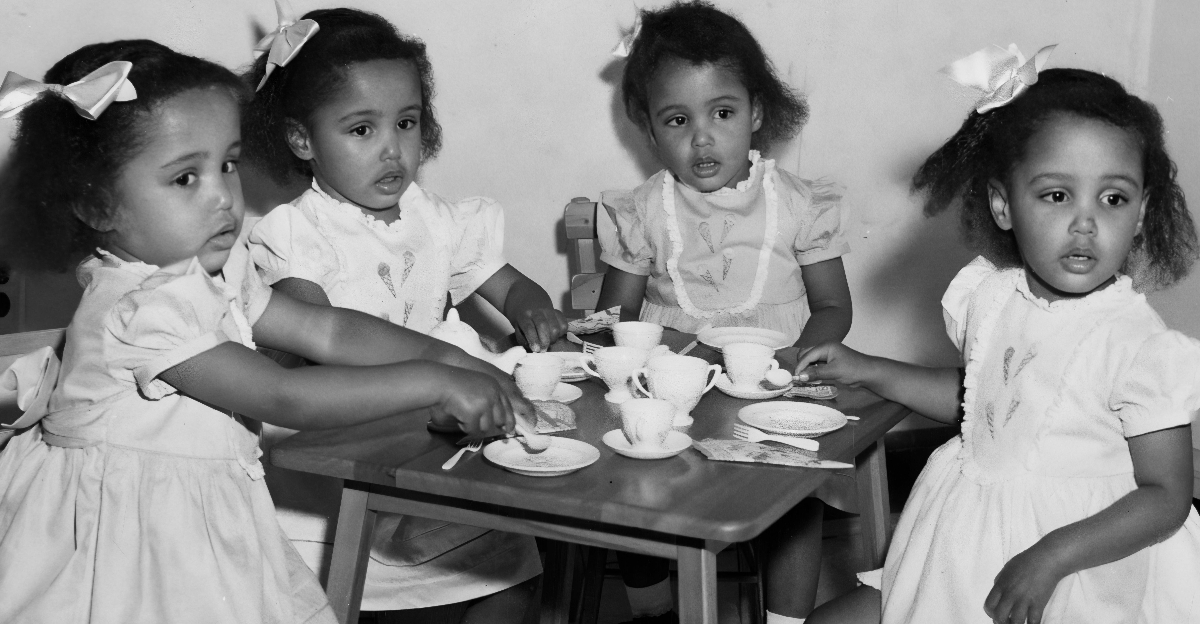
Mary Louise, Mary Ann, Mary Alice and Mary Catherine Fultz appeared in advertisements as four perfectly matched little miracles.
The pictures showed healthy babies, proud smiles and an American success story. They left out almost everything that happened once the cameras disappeared.
An Almost Impossible Birth
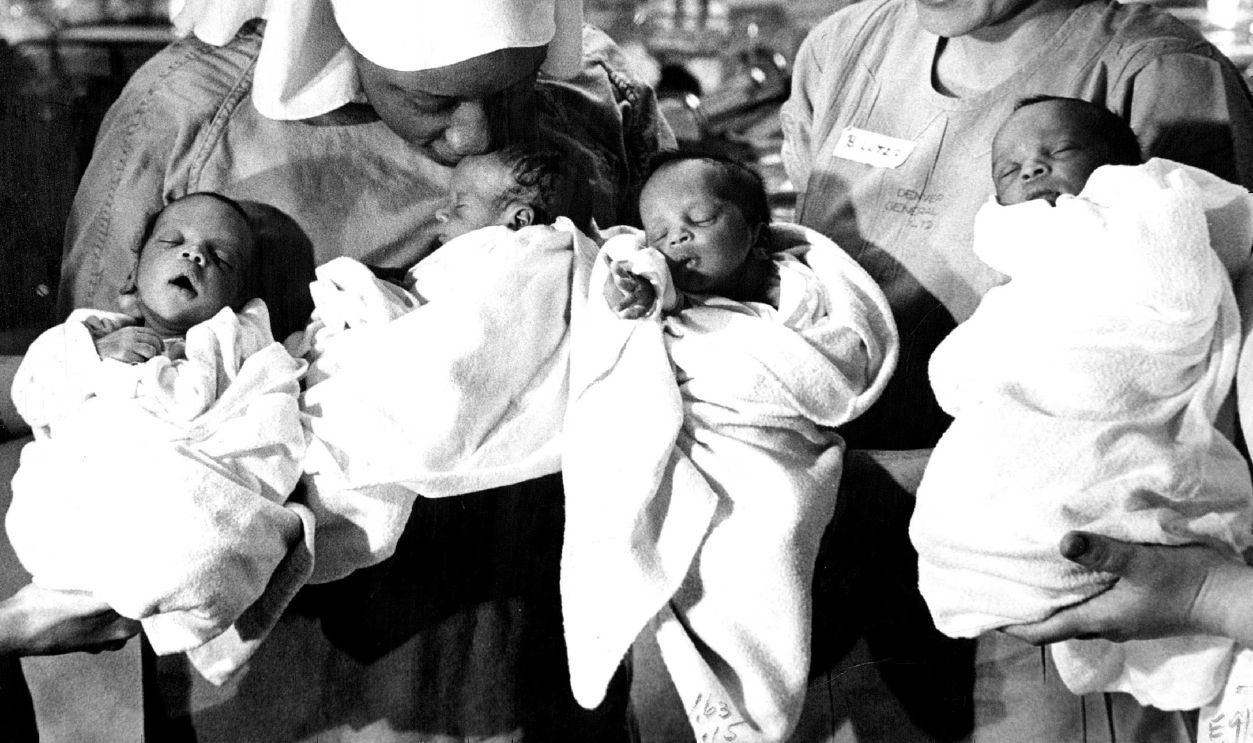
The sisters were born in Reidsville, North Carolina, on May 23, 1946. Believed to be the world’s first recorded surviving identical quadruplets, each weighed only a few pounds. Simply keeping all four babies alive was considered an extraordinary medical achievement.
 Indy beetle, Wikimedia Commons
They Were Born In The Basement
The birth took place in the segregated basement ward of Annie Penn Hospital. There was no proper incubator available, so the babies were placed together beneath layers of cotton gauze for warmth. Their lives began inside the realities of the Jim Crow South.
 Jack Delano, Wikimedia Commons
The Hospital Put Them On Display
Once the girls were stable enough, they were moved into a glass-enclosed nursery where members of the public could arrive during scheduled visiting hours and stare at them through a screen. Their transformation from newborn babies into a public attraction had already begun.
Their Mother Already Had Six Children
Annie Mae Fultz was a Black and Cherokee woman who had lost her ability to hear and speak after a childhood illness. She and her husband, James “Pete” Fultz, a tobacco tenant farmer, already had six children. Suddenly, they had four more.
 Jack Delano, Wikimedia Commons
The Doctor Had Expected Three
Dr. Fred Klenner believed Annie Mae was carrying triplets. The fourth baby surprised everyone. However, once the girls survived, Klenner appeared to recognize almost immediately that they were more than a medical miracle. They could also make someone very famous.

He Even Took Their Names
Annie Mae had considered several sets of names for her daughters. Klenner pushed those choices aside and named all four girls Mary, adding middle names taken from women in his own family. Even something as personal as naming the babies was taken out of their mother’s hands.

The Injections Began Immediately
On the day they were born, Klenner began injecting the sisters with large doses of vitamin C as part of his controversial medical theories. The girls continued receiving the treatments, although the public would soon be encouraged to credit something very different for their survival.

Then America Discovered Them
The survival of four identical babies was already sensational. The fact that they were Black made their story even more unusual to postwar America. Reporters arrived, photographs spread and the Fultz quadruplets quickly became famous far beyond their small North Carolina community.


History's most fascinating stories and darkest secrets, delivered to your inbox daily.
The Milk Companies Came Calling
Borden, Carnation and Pet Milk reportedly competed for the chance to associate their products with the girls. Their parents were struggling farmers, but they were not the ones controlling the negotiations. Klenner became the man deciding which company would receive access to the babies.
 Unknown authorUnknown author, Wikimedia Commons
Their Parents Did Not Pick The Winner
Klenner selected Pet Milk and helped arrange a contract placing the quadruplets at the centre of a major advertising campaign. Their images would be used to reach Black mothers—a consumer market large national companies had largely ignored until four famous babies made it profitable.
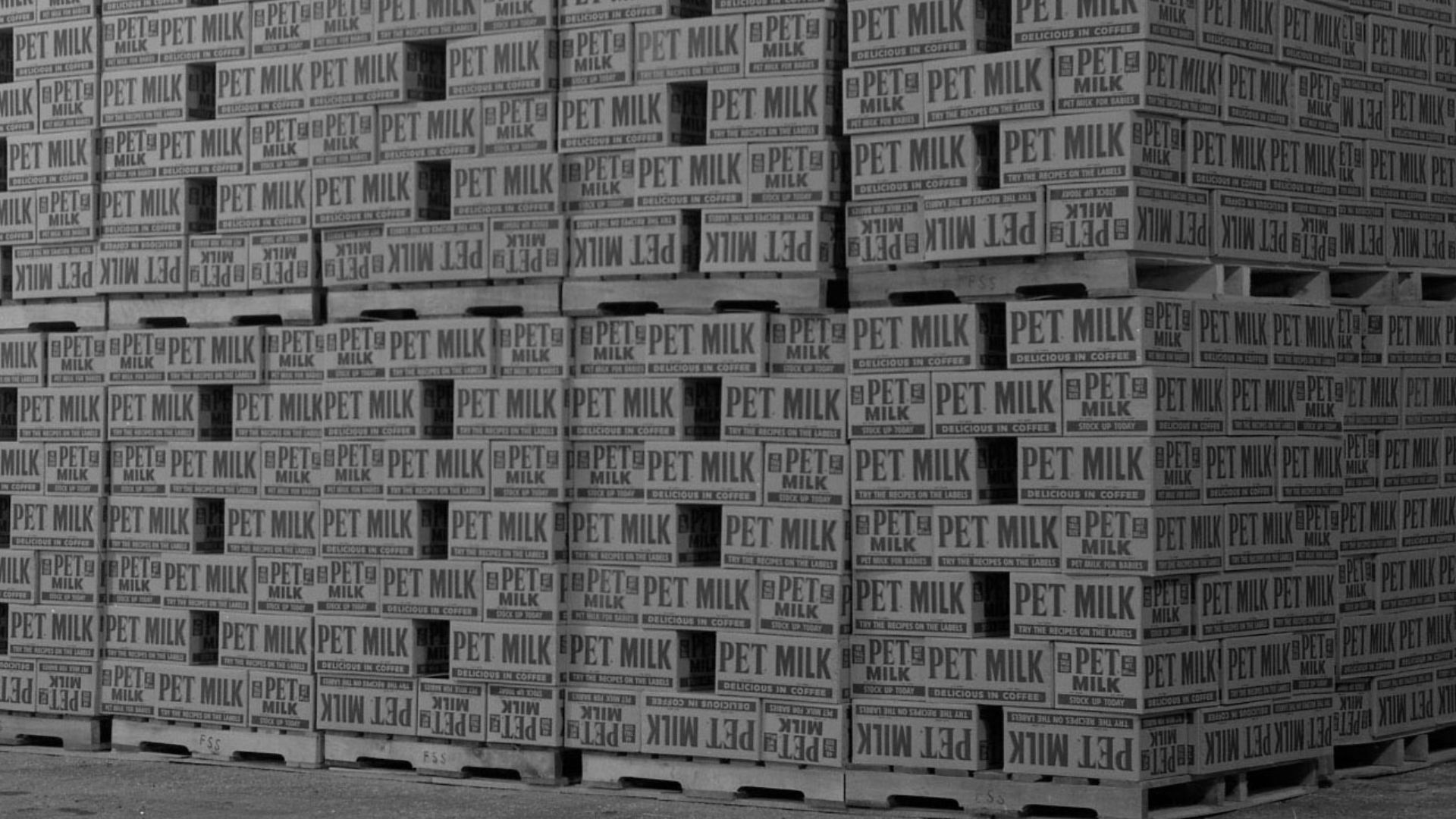 Missouri State Archives, Wikimedia Commons
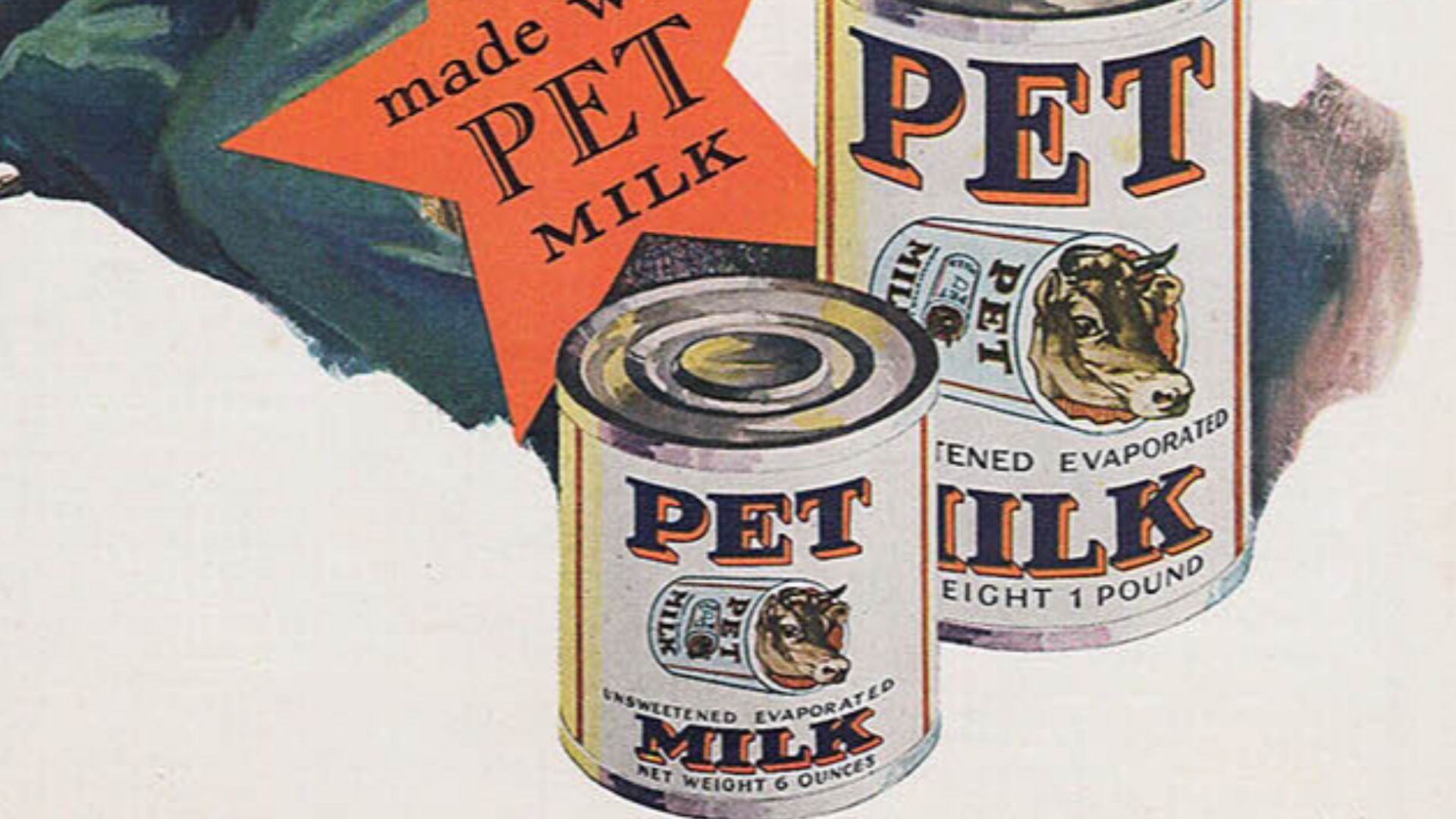
Pet Milk Built The Perfect Story
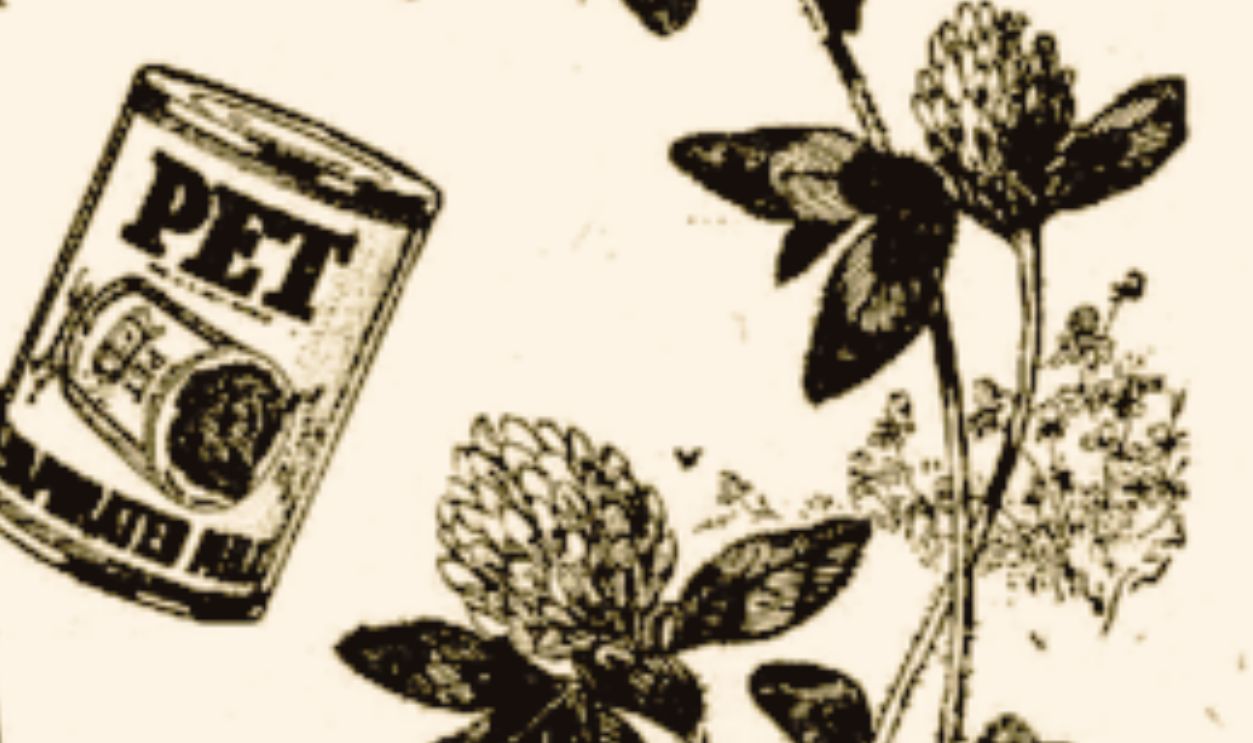
Advertisements presented the sisters as proof of what Pet Milk could do. One campaign described their transformation from tiny babies into sturdy children raised on the product. The girls appeared in matching dresses, smiling beside cans of milk that supposedly explained everything.
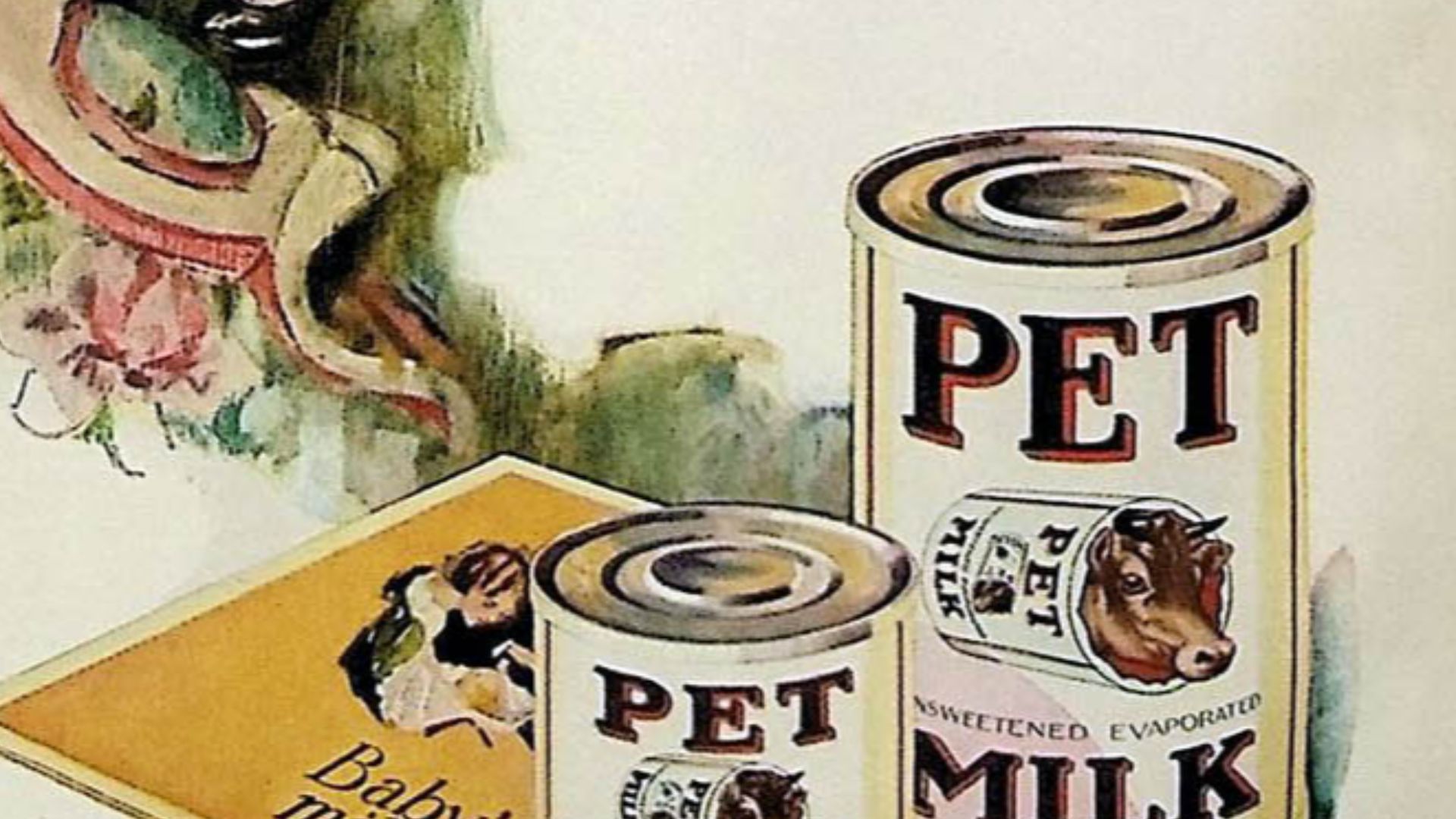 Unknown authorUnknown author, Wikimedia Commons
The Deal Sounded Life-Changing
Pet provided a full-time nurse, purchased approximately 148 acres of farmland and supplied the family with a house that had electricity, running water and bathrooms. Four mules were reportedly included as well. To outsiders, it looked like corporate generosity had rescued an entire family.

The Reality Was Much Smaller
The house reportedly had only four rooms, despite holding as many as 13 or 14 people. Family members later described the farmland as hilly and difficult to work. The glamorous advertising campaign had produced a home—but not necessarily the fresh start everyone imagined.
 George Wilson, Wikimedia Commons
The Girls Became A Brand
Pet used the quadruplets in magazines, promotional appearances and advertisements aimed directly at Black families. Their identical faces became enormously valuable. Yet there was no great fortune being protected for the four children whose images were helping the company sell millions of cans.
![Family on Smith's Plantation, Beaufort, South Carolina, circa 1862. Image courtesy of the Library of Congress and learnnc.org. [1]](https://www.factinate.com/storage/app/media/factinate/2026/8/3/1785745713fc8032114e18c4801f8b174572450b48e5b125ff.jpg) Timothy H. O'Sullivan, Wikimedia Commons
Timothy H. O'Sullivan, Wikimedia Commons
School Did Not Come First
As the girls grew older, promotional travel repeatedly disrupted their education. Catherine later recalled being pulled out of school for appearances and photo sessions. They could pose, sing and charm an audience—but the work required to keep them famous was taking time away from everything else.
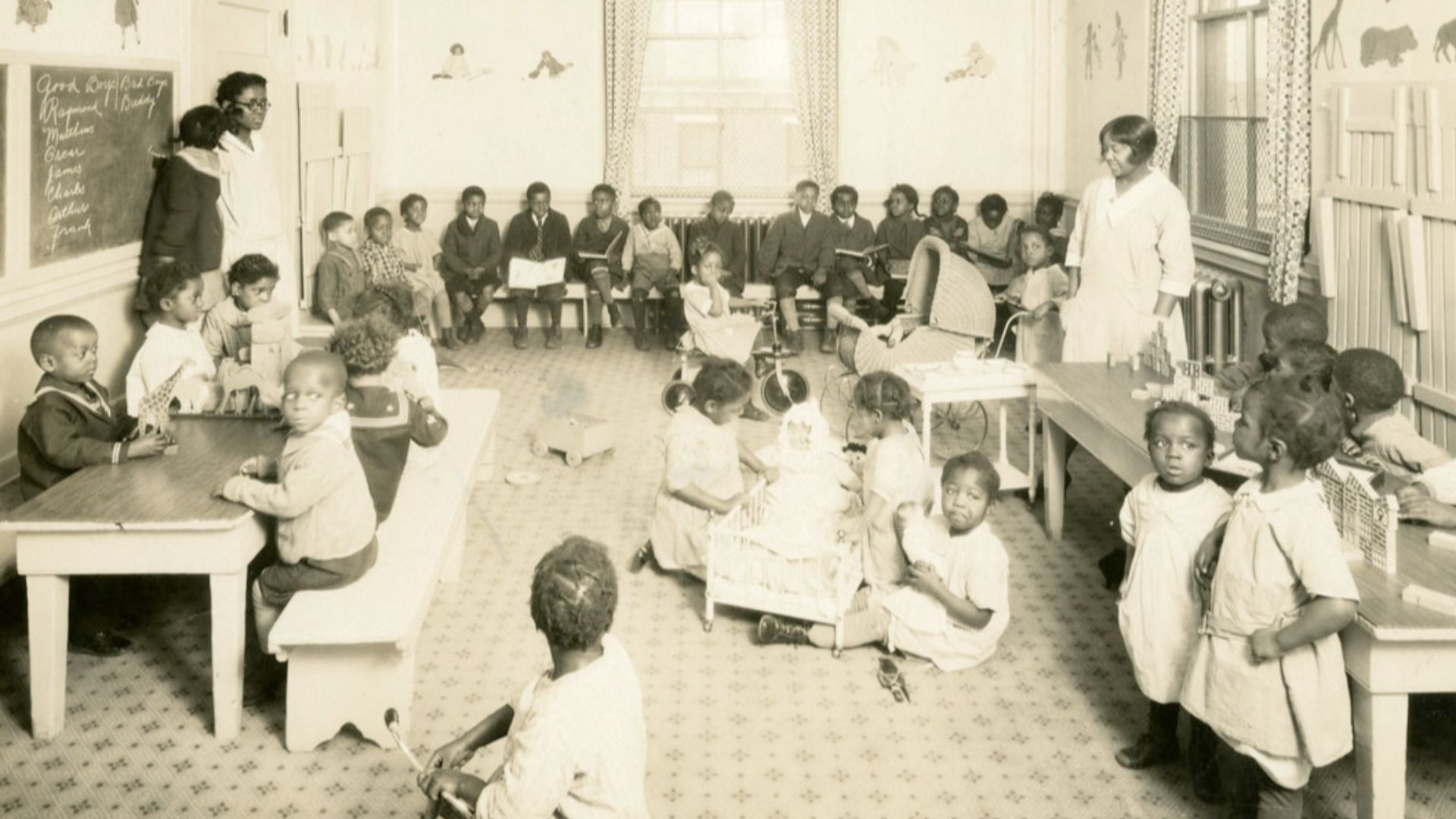 Library Company of Philadelphia, Wikimedia Commons
Then They Were Moved Away
At six years old, the sisters began living with Elma Saylor, the nurse Pet had hired to care for them. The move placed them closer to school, but approximately 30 miles away from Annie Mae, Pete and their siblings. Soon, the separation became much more permanent.
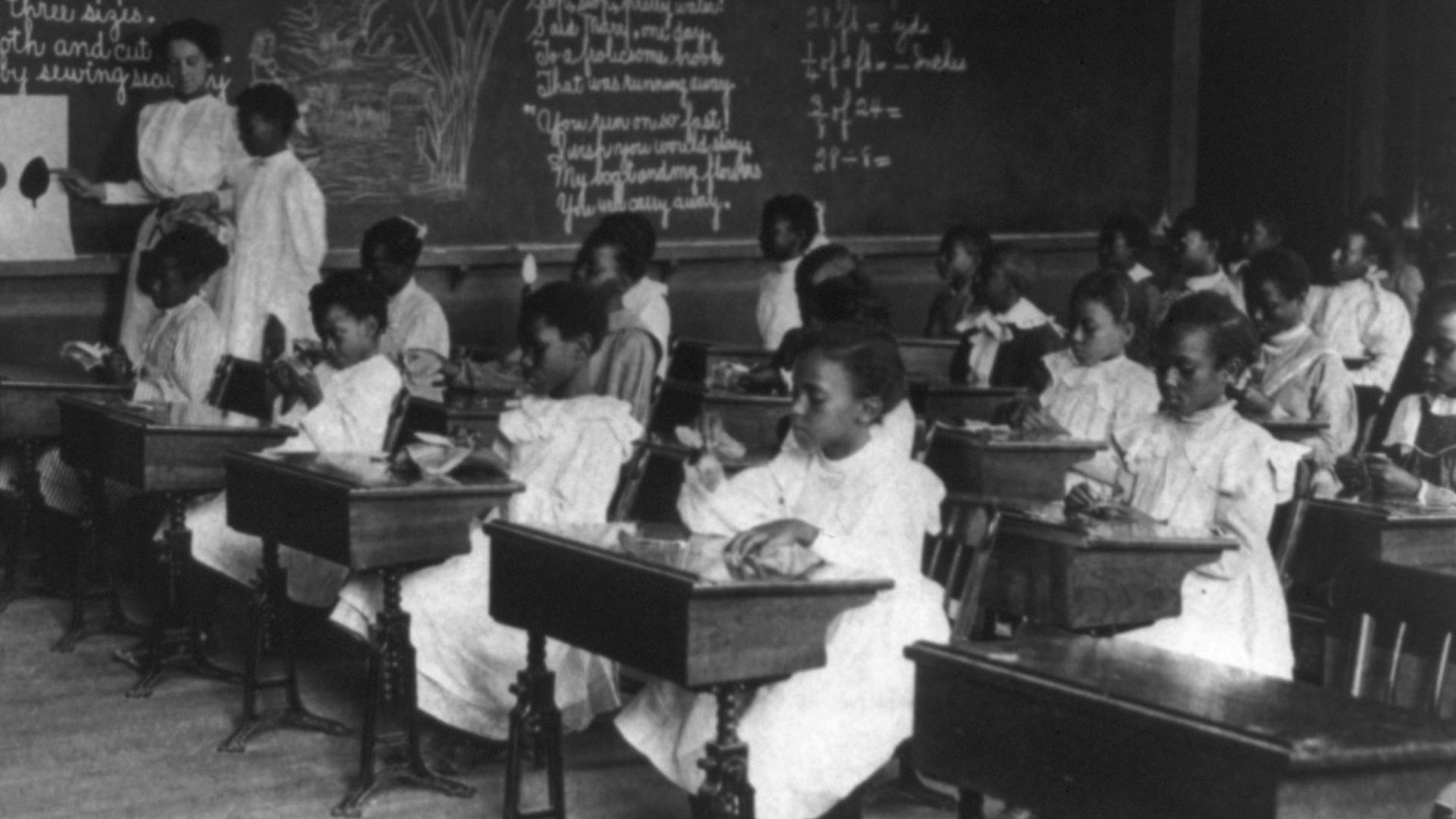 Johnston, Frances Benjamin, 1864-1952, photographer, Wikimedia Commons
Their Parents Lost Legal Custody
In 1952, Elma and Charles Saylor legally adopted all four girls. Exactly how the arrangement was decided remains unclear, but the result was not: Annie Mae and Pete had lost legal custody of their four most famous children.

The Advertising Machine Kept Moving
Pet did not legally adopt the girls, but the company’s campaign had brought the Saylors into their lives, funded their care and helped create the world in which the separation occurred. The arrangement that had promised to help the Fultz family had now permanently divided it.
 William Meade Prince, Wikimedia Commons
Their Performances Kept Growing
Elma taught the girls music, and they learned to sing and play several instruments. Their first paid performance reportedly came when they were only seven. What had started with baby pictures was becoming an entertainment act built around four sisters always appearing together.

They Even Reached The White House
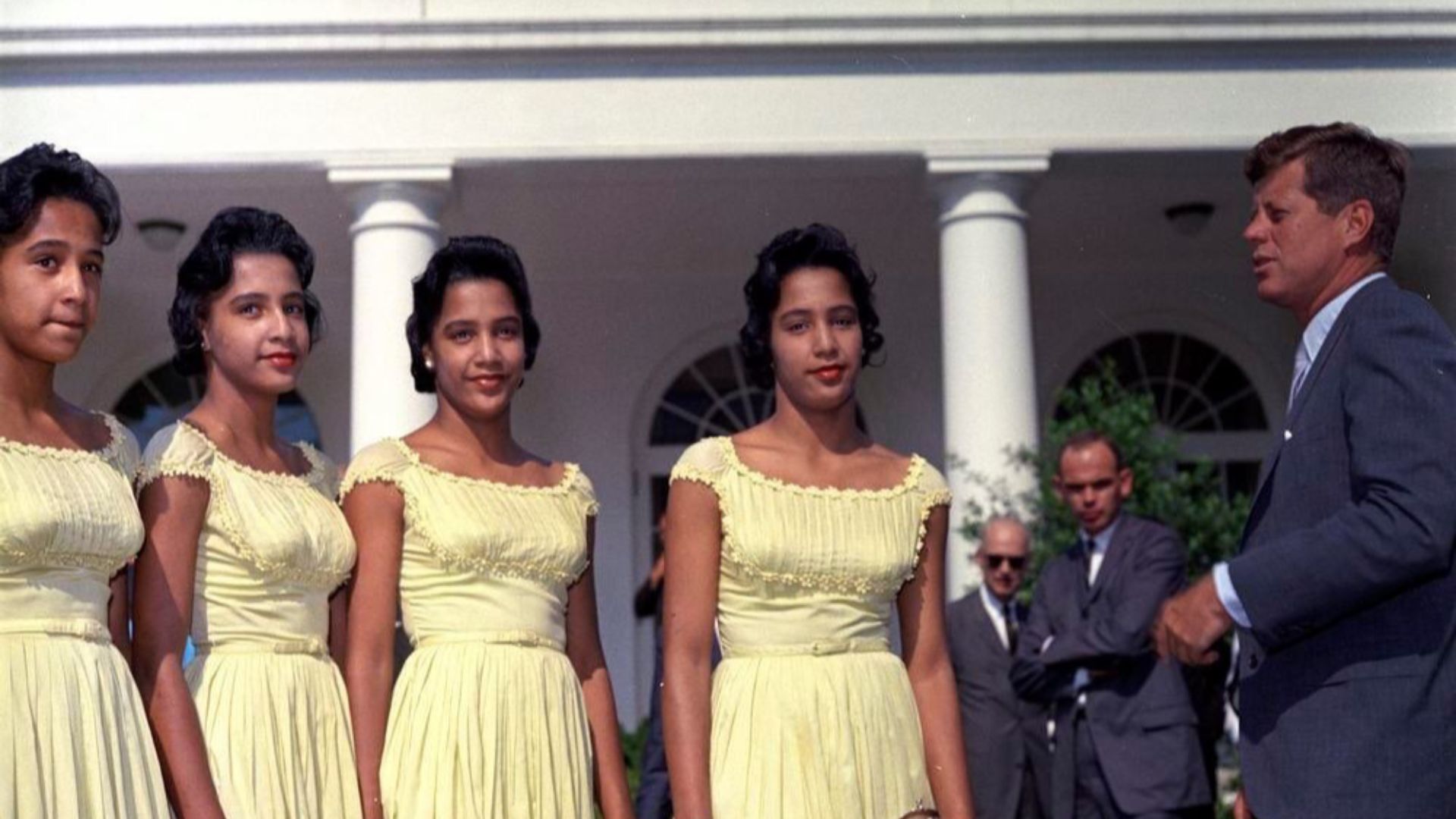
The sisters met celebrities, athletes and political leaders. On August 2, 1962, when they were 16, they visited President John F. Kennedy at the White House. The official photographs suggested that the famous babies had grown into four successful young women.
One Sister Lost Her Own Child
Behind those polished appearances, another painful separation had already occurred. Alice became pregnant at 15 and was made to place her son for adoption. Decades later, she attempted to contact him, but apparently had little success.

Then The Company Moved On
As the sisters approached adulthood, Pet prepared to end its financial arrangement. One company representative acknowledged that there was no “golden future” waiting around the corner. After years of presenting the girls as symbols of prosperity, the company expected them to support themselves.
College Was Supposed To Be Their Chance
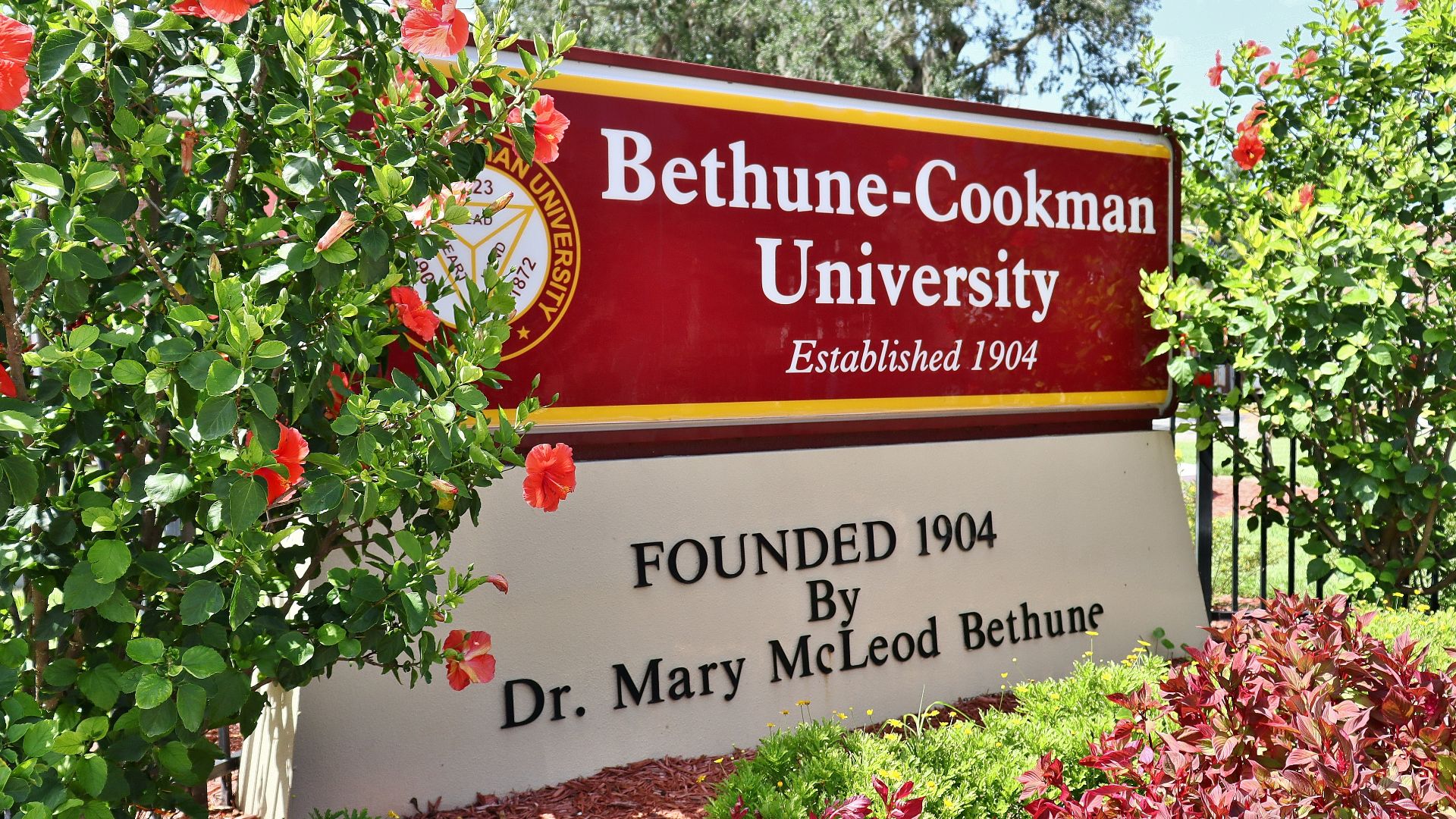
The sisters received a four-year group scholarship to Bethune-Cookman College, where they hoped to study music. Their education had repeatedly competed with promotional appearances, but college brought problems of its own. They skipped classes, struggled academically and were asked to leave after two years.
 2C2KPhotography, Wikimedia Commons
New York Was Not A Fairytale
The sisters and their adoptive parents moved to Peekskill, New York, hoping the quadruplets could enter show business. Instead, by 1968, the four young women were sharing a two-bedroom apartment and earning low wages in a factory that manufactured men’s raincoats.
 Beyond My Ken, Wikimedia Commons
The Famous Girls Were Nearly Broke
An Ebony profile described the adult sisters as disappointed and bitter. Pet had reportedly paid approximately $350 per month at one point, but part of that amount covered Elma Saylor’s salary. Their faces had helped sell countless cans, yet the women themselves had little to show for it.
 Unknown authorUnknown author, Wikimedia Commons
They Finally Built Separate Lives
The four sisters eventually became nurses’ aides, married and began living in different places. For perhaps the first time, they could exist as individuals instead of a matching set. Yet the darkest and strangest connection between them was still ahead.
 doe-oakridge, Wikimedia Commons
The Same Illness Found All Four
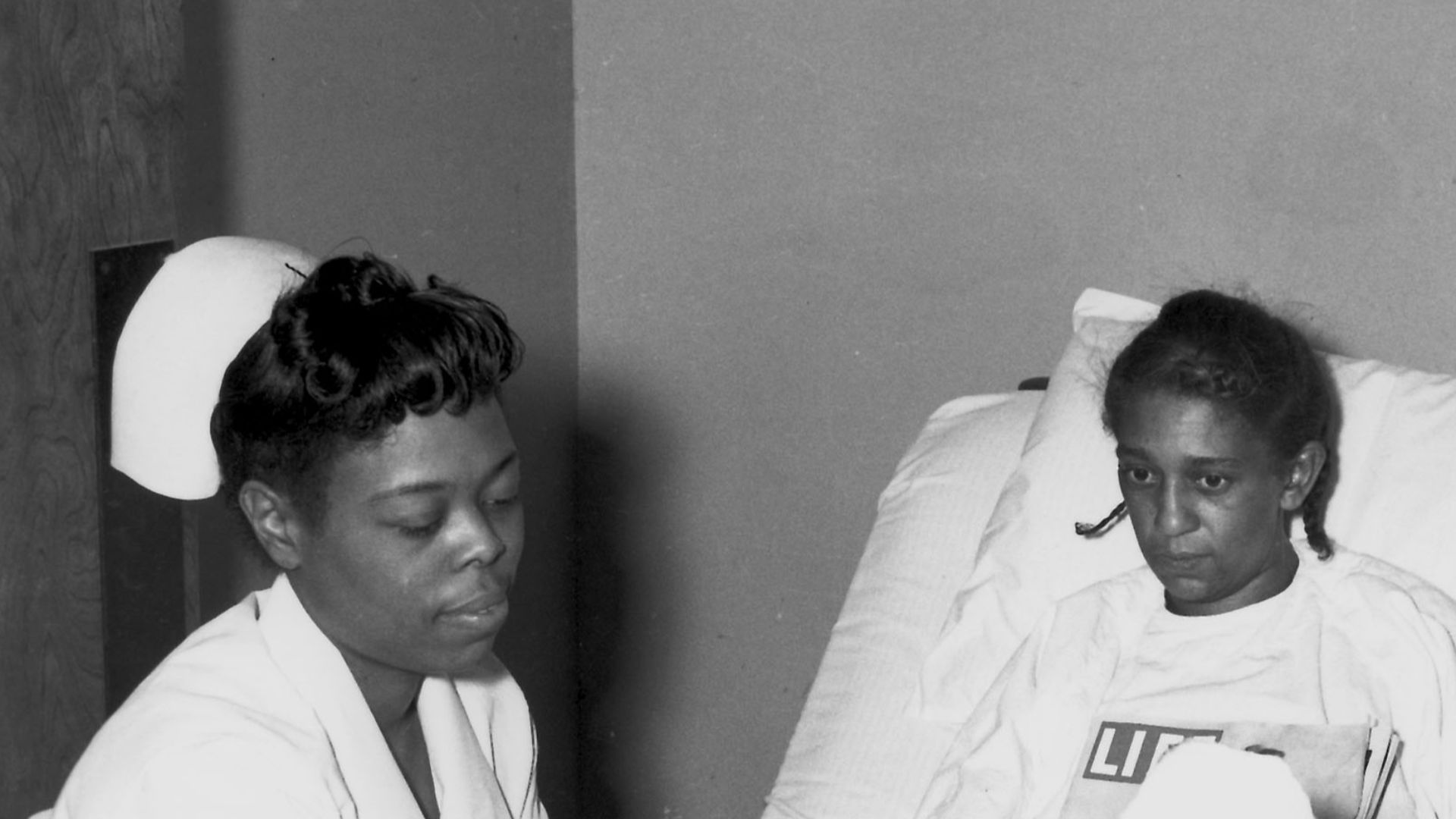
Every one of the Fultz sisters eventually developed breast cancer. Louise died in 1991. Ann died later in the 1990s, and Alice died in 2001. Catherine underwent extensive treatment and survived much longer, but she was left wondering why the same disease had found all four sisters.

Catherine Never Forgot The Injections
Catherine believed the vitamin injections they received as children might have contributed to their illnesses. No scientific link was ever established, and her belief remained only a suspicion. Still, the treatments haunted the final surviving sister long after the smiling advertisements had disappeared.

Then There Was One
By 2001, Louise, Ann and Alice were gone. Catherine remained the only surviving Fultz quadruplet for another 17 years. She died in 2018 at 72, with later accounts reporting that cancer had spread through her chest and spine.

The Smiles Hid Almost Everything
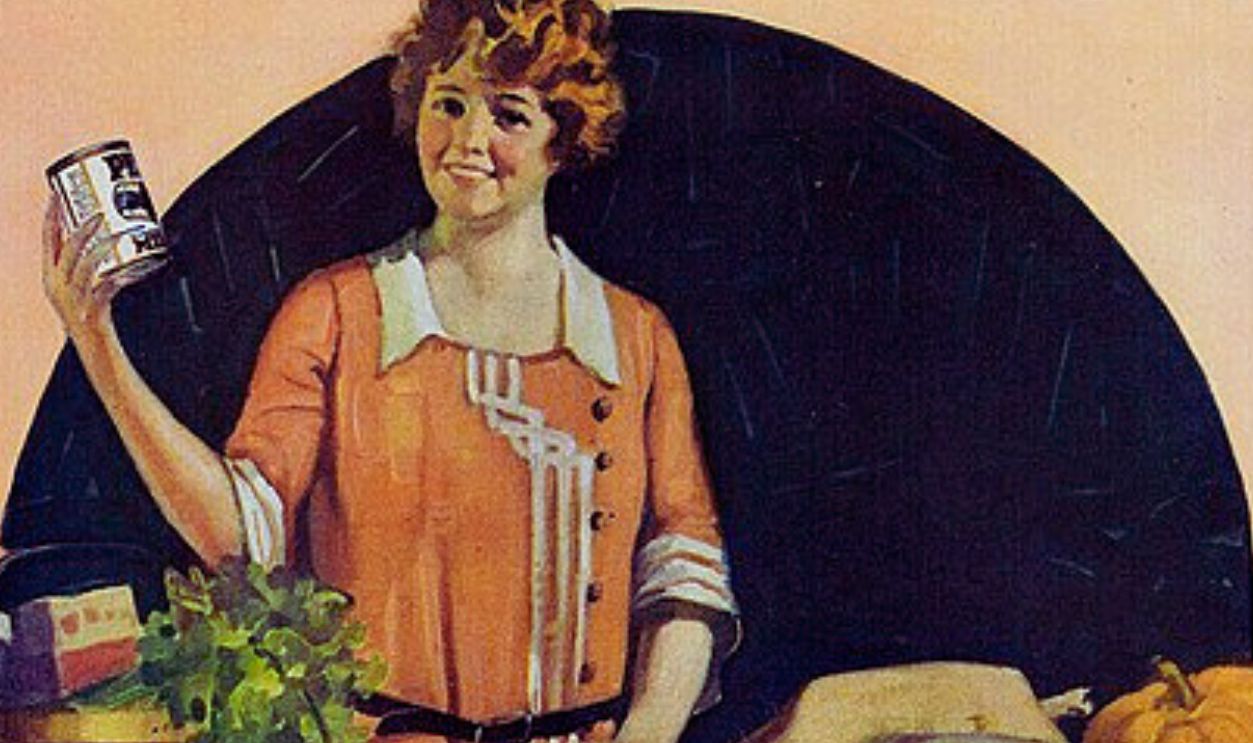
The Pet Milk advertisements survived as bright pieces of postwar nostalgia. Behind them were four children treated as products, a mother whose doctor took away her chance to name them and parents who later lost legal custody of all four. The golden future promised by those smiling pictures never arrived.
 From the Ladie's Home Journal, Wikimedia Commons
You Might Also Like:
Everyday Conveniences That Only Exist Because Someone Refused To Accept "That's Impossible"
Groundbreaking Facts About The Most Brilliant Women In Science