
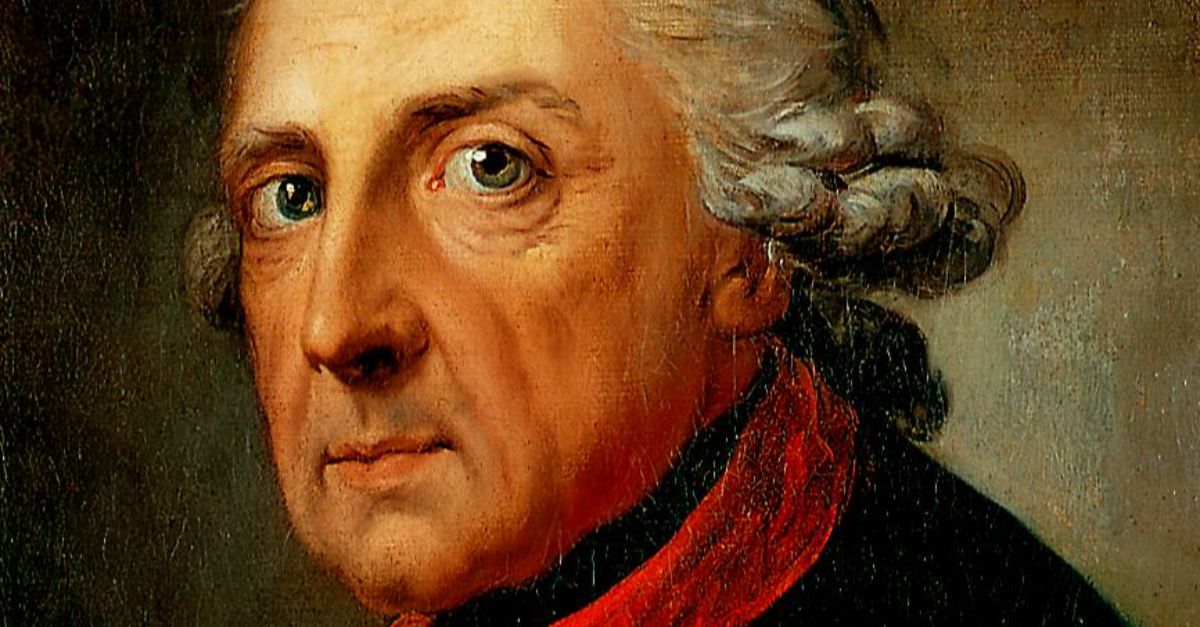
He Conquered Everything But His Demons
Frederick the Great was the philosopher king of Prussia who traded letters with Voltaire and composed with Bach. But behind the conquests stood a haunted man—a king whose father burned his books, banished his first love, and forced him to watch his dearest lose his head. How he survived it all is a story for the ages.
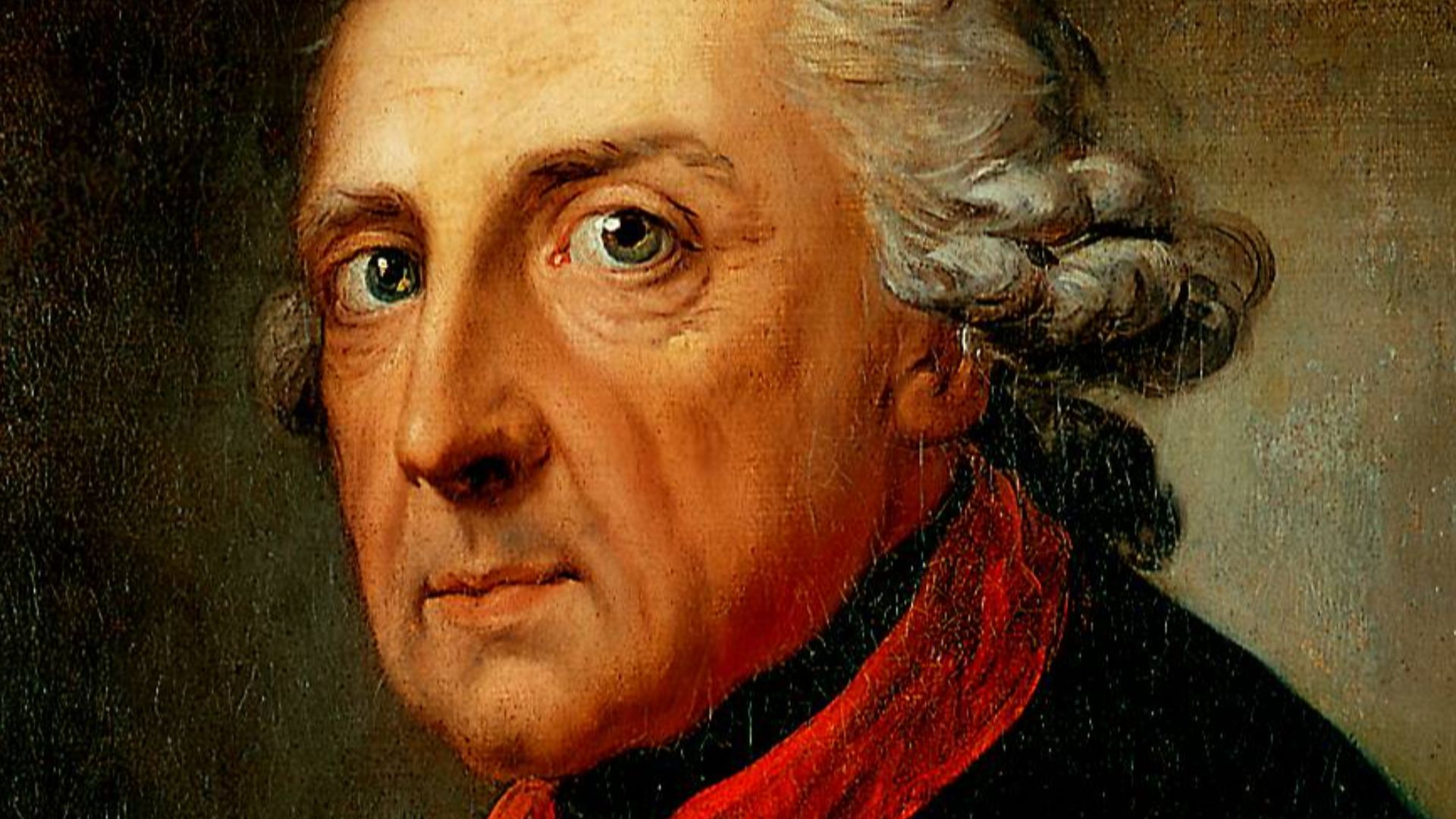 Anton Graff, Wikimedia Commons
1. He Was A Third Time Charm
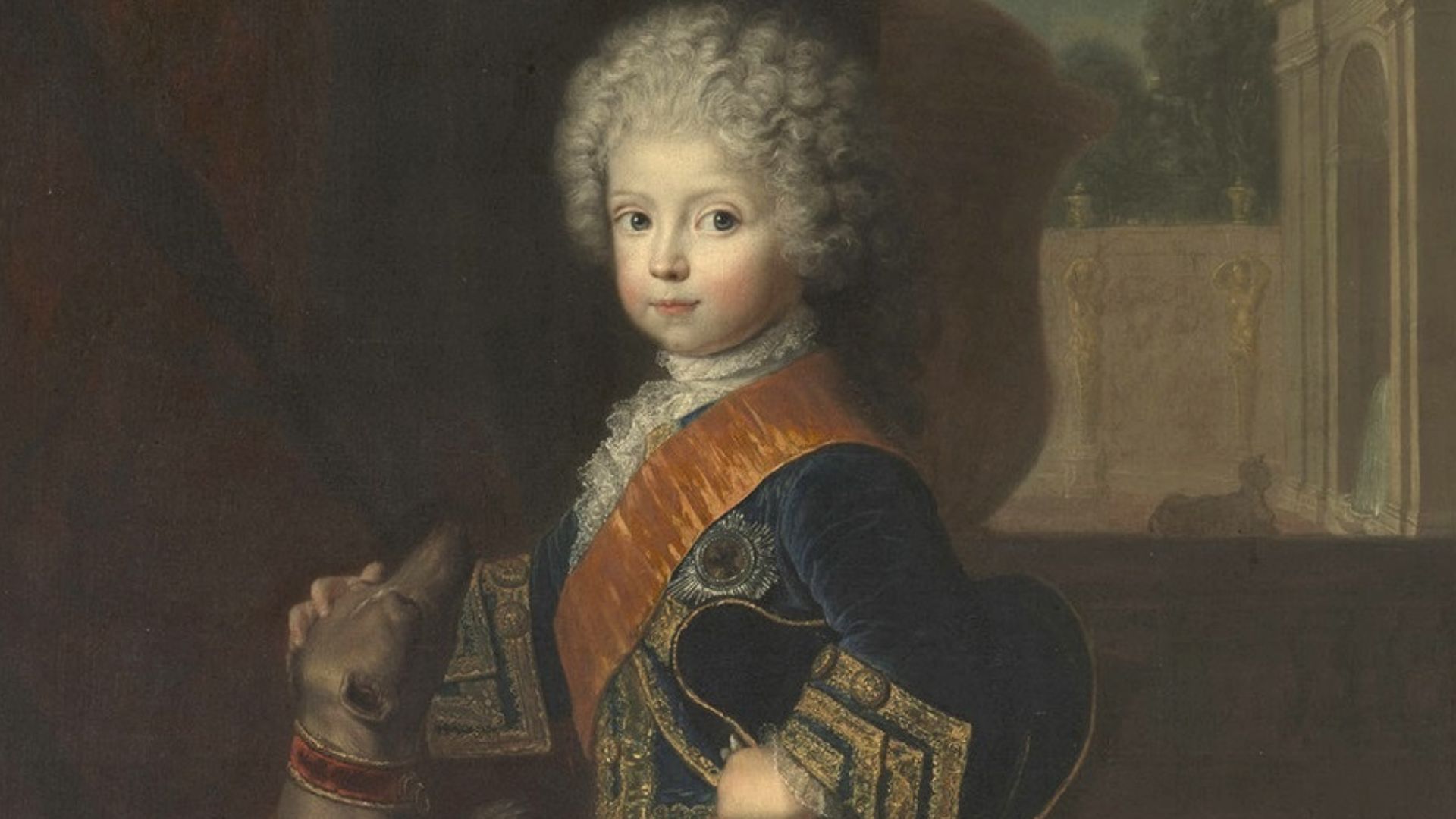
The Kingdom of Prussia held its breath in the final hours of January 24, 1712 because inside the Berlin Palace, as midnight approached, a royal birth took place: Prince Frederick. His father and mother were overjoyed, but it was his grandfather, King Frederick I, who celebrated most. He had already lost two grandsons and worried about the line of succession.
By the time the old king passed a year later, however, the newly-minted Crown Prince Fredrick was healthy and happy. No thanks to his father.
 Attributed to Antoine Pesne, Wikimedia Commons
2. His Father Called Him “Effeminate”
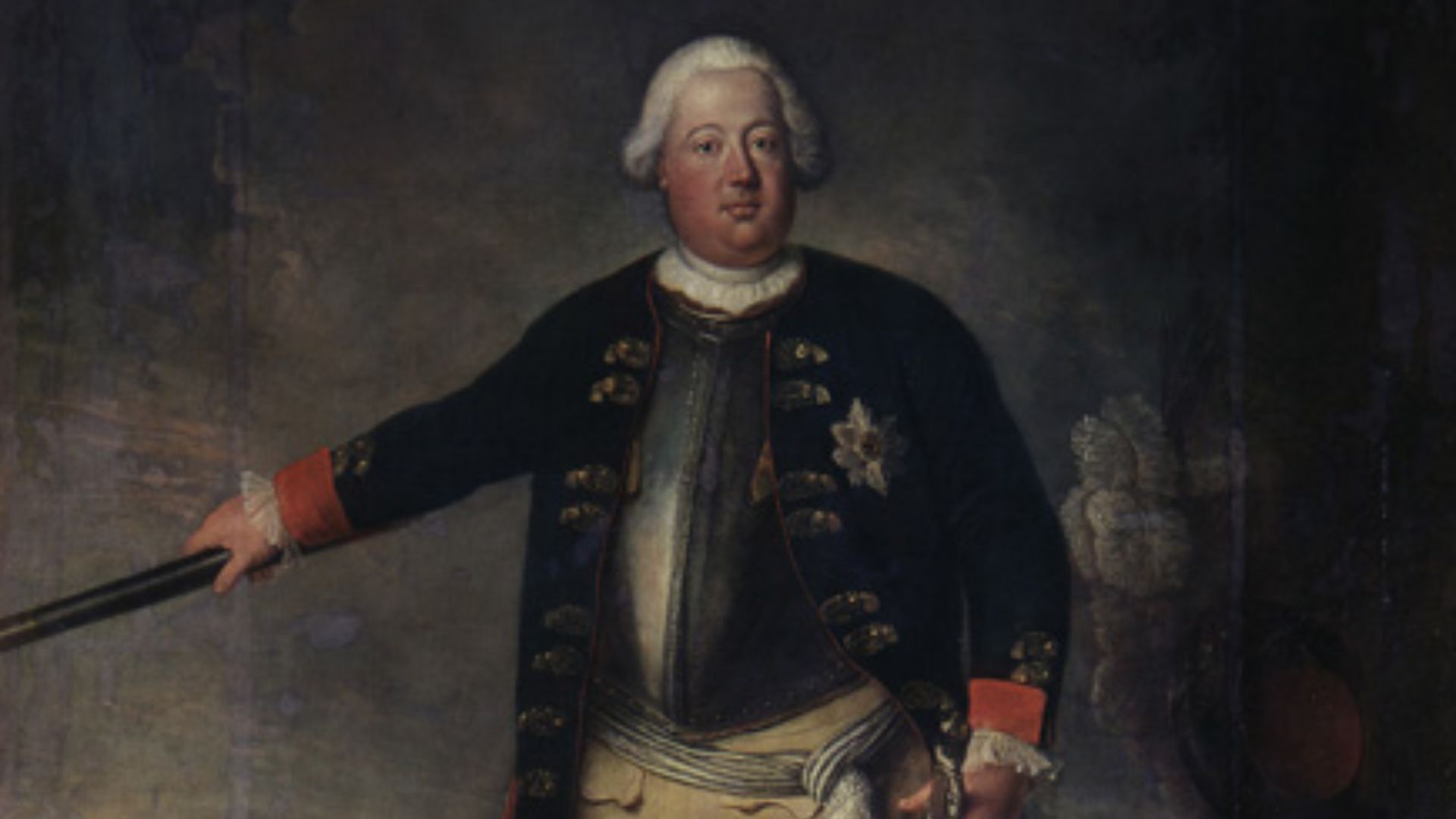
Frederick William I, Frederick the Great’s father, had earned the nickname “Soldier King”—but it was Frederick who got all of the drilling. Prussia’s new ruler valued brute masculinity and governed with an iron grip and a hair-trigger temper. Little Frederick, however, preferred the softer things, like the transverse flute.
For that, his father openly mocked his supposedly “effeminate tendencies”. Their differences would grow bloody.
 Antoine Pesne, Wikimedia Commons
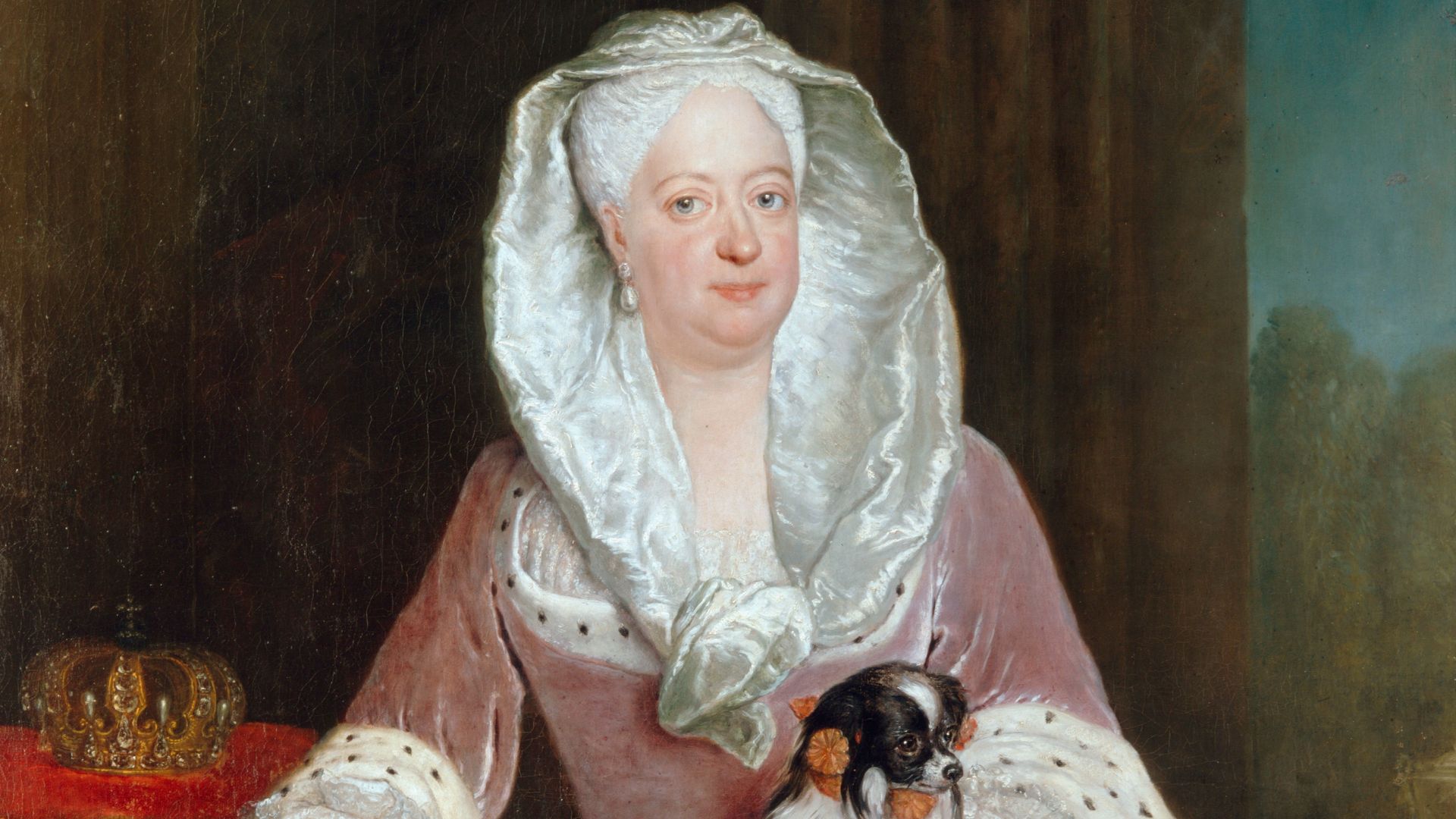
3. He Took After His Mother
Frederick clashed with his macho-man Prussian father. But his mother? That was a different story. Sophia Dorothea of Hanover had more liberal views, coming from the British royal family—King George I was her father. So, when Frederick’s father scolded him, Sophia soothed him. Contemporaries confirmed that she was “polite, charismatic and learned”.
Little Frederick knew exactly which parent he wanted to emulate.
 Antoine Pesne, Wikimedia Commons

History's most fascinating stories and darkest secrets, delivered to your inbox daily.
4. He Preferred Books To Battle
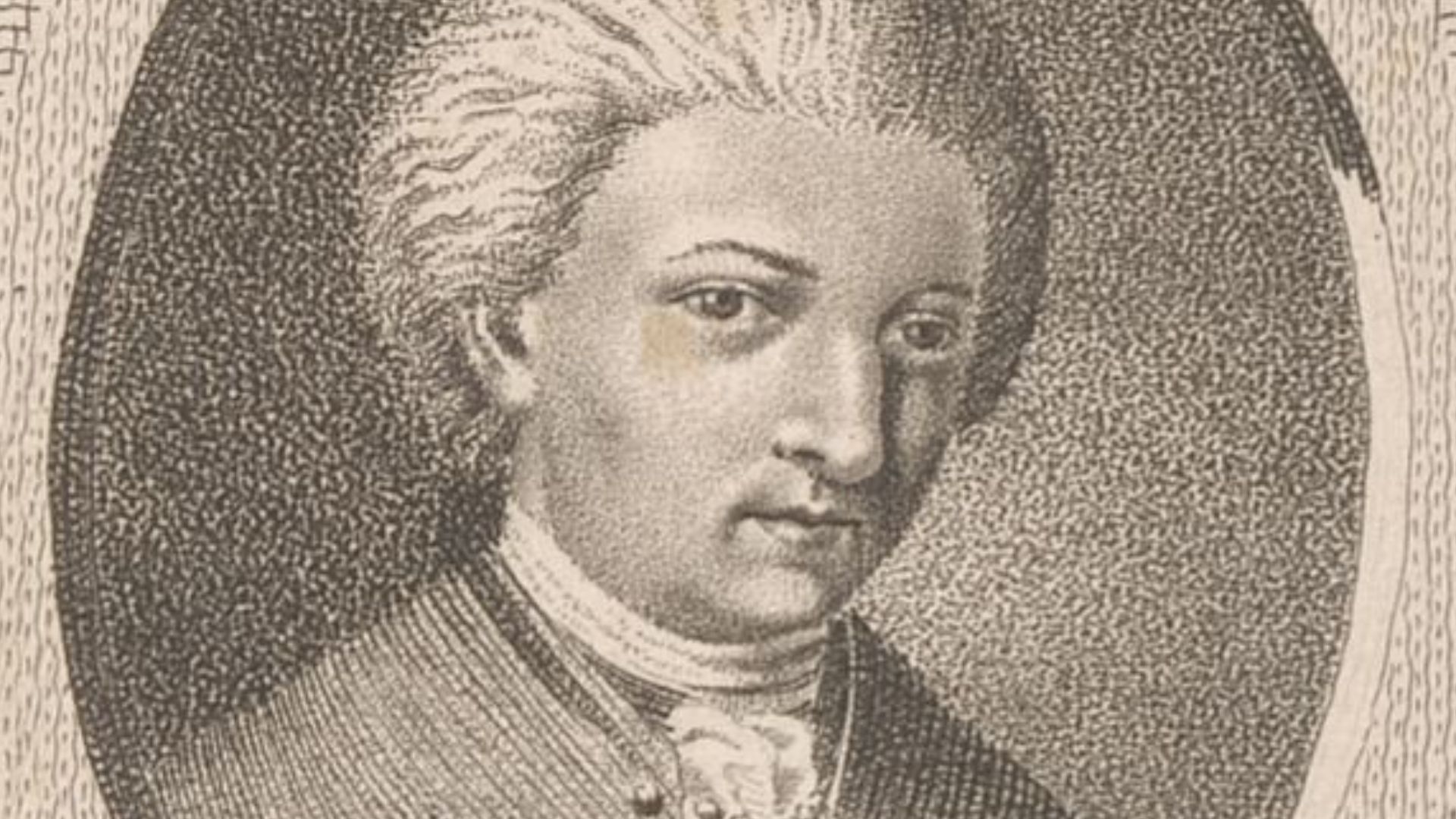
Frederick’s father would have preferred that his son spent more time in battle than with books. But his education was his passion. Madame de Montbail, the governess who had once taught Frederick William I himself, took charge of the boy’s earliest lessons. Then came Jacques Duhan de Jandun and Maturin Veyssière La Croze, drilling him in languages, the classics, history, and rhetoric.
One of his tutors would soon become one of his secret accomplices.
 Rijksmuseum, Wikimedia Commons
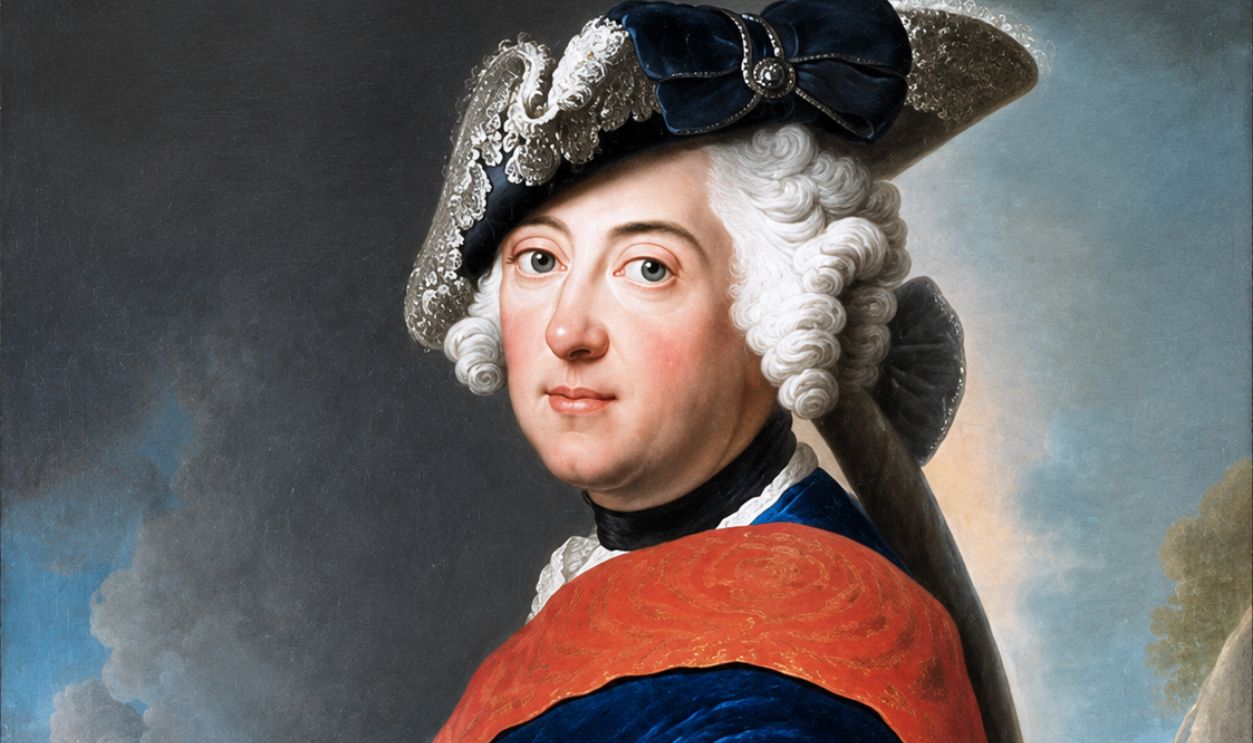
5. He Built A Secret Library
Frederick’s father tried to direct his son’s education, hoping to drill out some of his more effeminate habits. Behind his father’s back, however, Frederick pursued his passions: music, literature, and all things French. Then, with the help of Jacques Duhan, Frederick quietly stockpiled some 3,000 forbidden volumes of poetry, philosophy, and the classics of Greece and Rome.
Even in palaces, however, secret libraries don’t stay secret forever. Or for long.
 Antoine Pesne, Wikimedia Commons, Enhanced
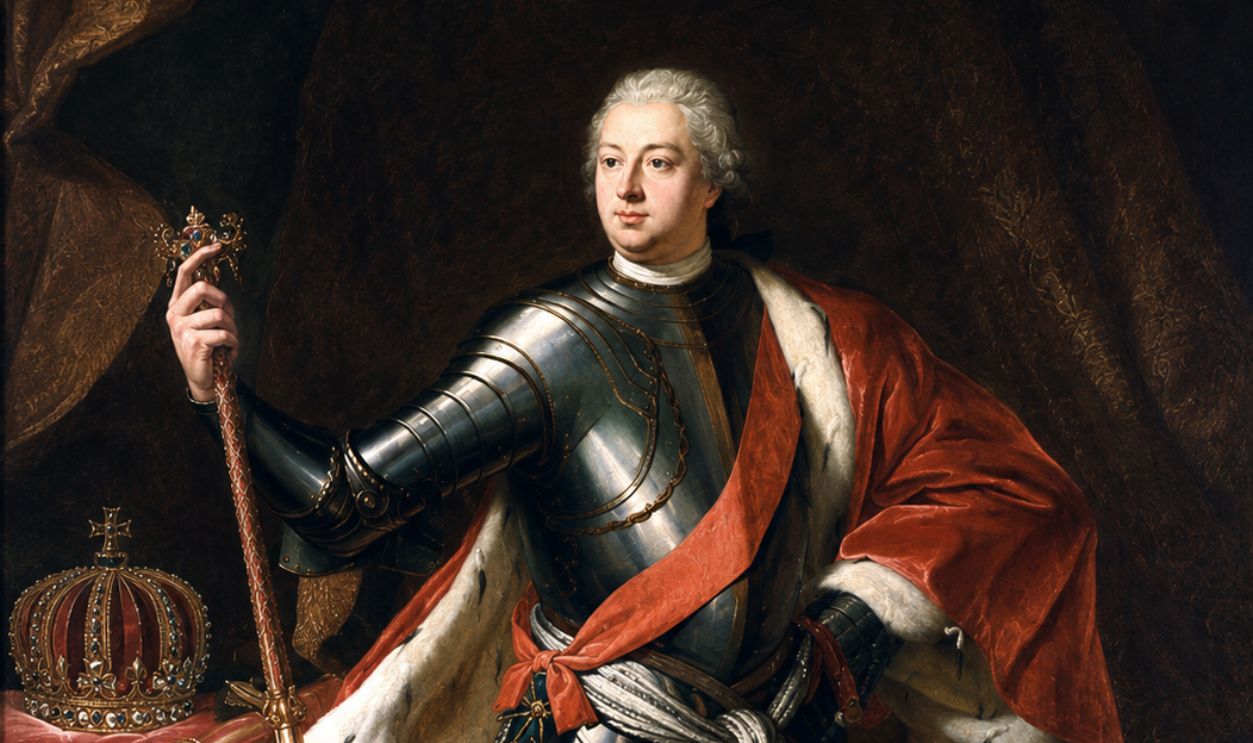
6. His Father Burned His Books
One June day in 1730, the Soldier King came home early—and Frederick’s double life unraveled for the first of many times. The king stumbled onto his son’s hidden cache of books and fine clothes and did what any strict Prussian father would do: he hurled the lot into the flames. Whatever survived the fire got sold off or auctioned away.
It was a warning—one that Frederick would ignore.
 Samuel Theodor Gericke, Wikimedia Commons, Enhanced
7. He Noticed A New Page Boy
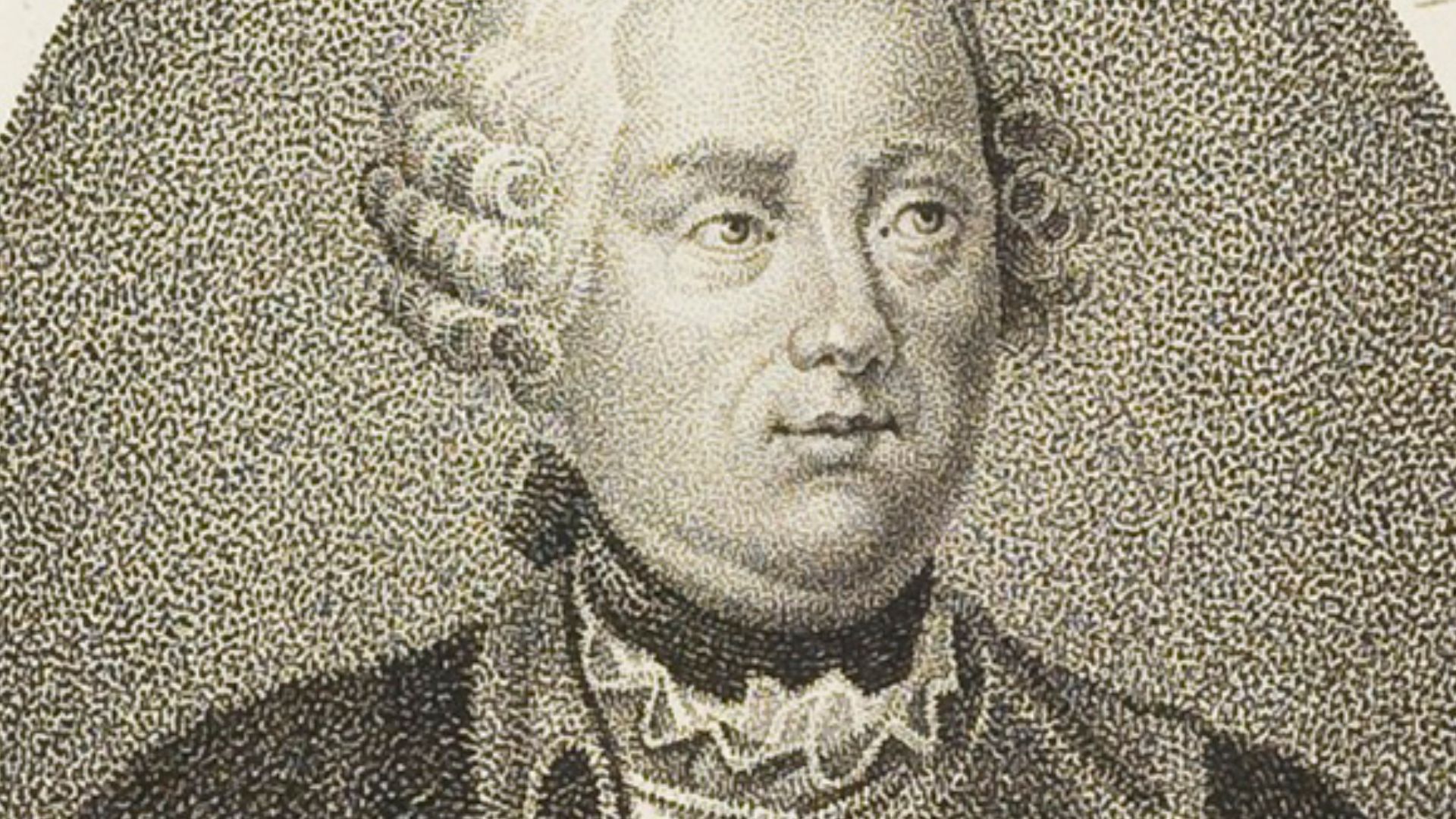
When a new face appeared at the Prussian court, Frederick’s life would change forever—and not necessarily for the better. The 17-year-old Peter Karl Christoph von Keith—just a year older than Frederick himself—arrived in Berlin to serve as a page for the Soldier King himself. Keith’s Scottish ancestry by way of Sweden and Pomerania made him stand out in court.
Then Crown Prince Frederick was the first to notice him.
 artwork: Ulrich Ludwig Wolf after Meno Haasfile: James Steakley, Wikimedia Commons
8. He Found A New Friend
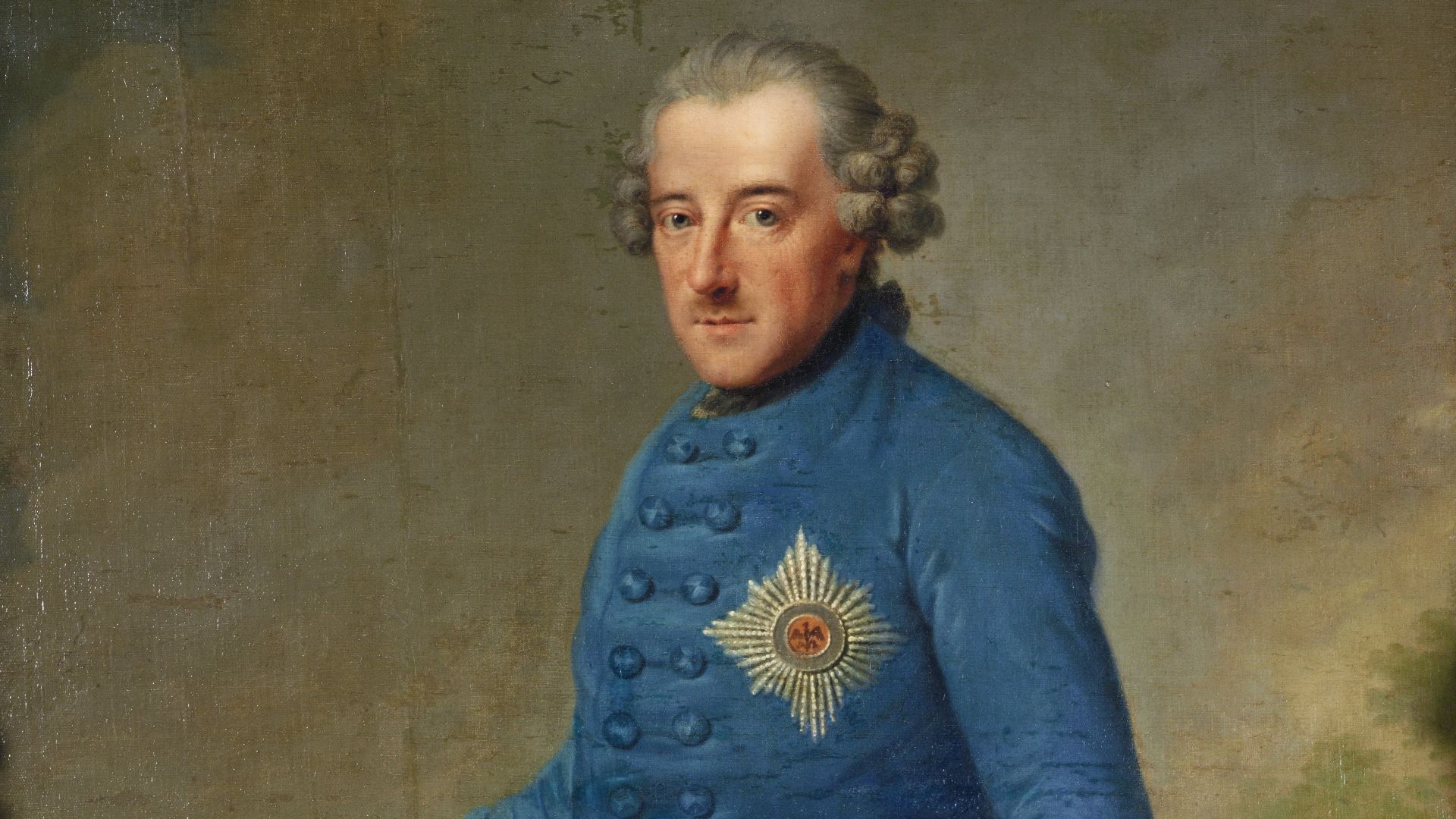
Frederick and Keith grew close quickly. So close, in fact, that the court in Berlin couldn’t help but notice. Frederick’s own sister, Princess Wilhelmine, wrote that Keith “served my brother from feelings of real devotion”. She further noted that the two had become “inseparable”. It wasn’t long before the court began to speculate on what, exactly, “inseparable” meant.
 Johann Georg Ziesenis, Wikimedia Commons
9. His Sister Grew Suspicious
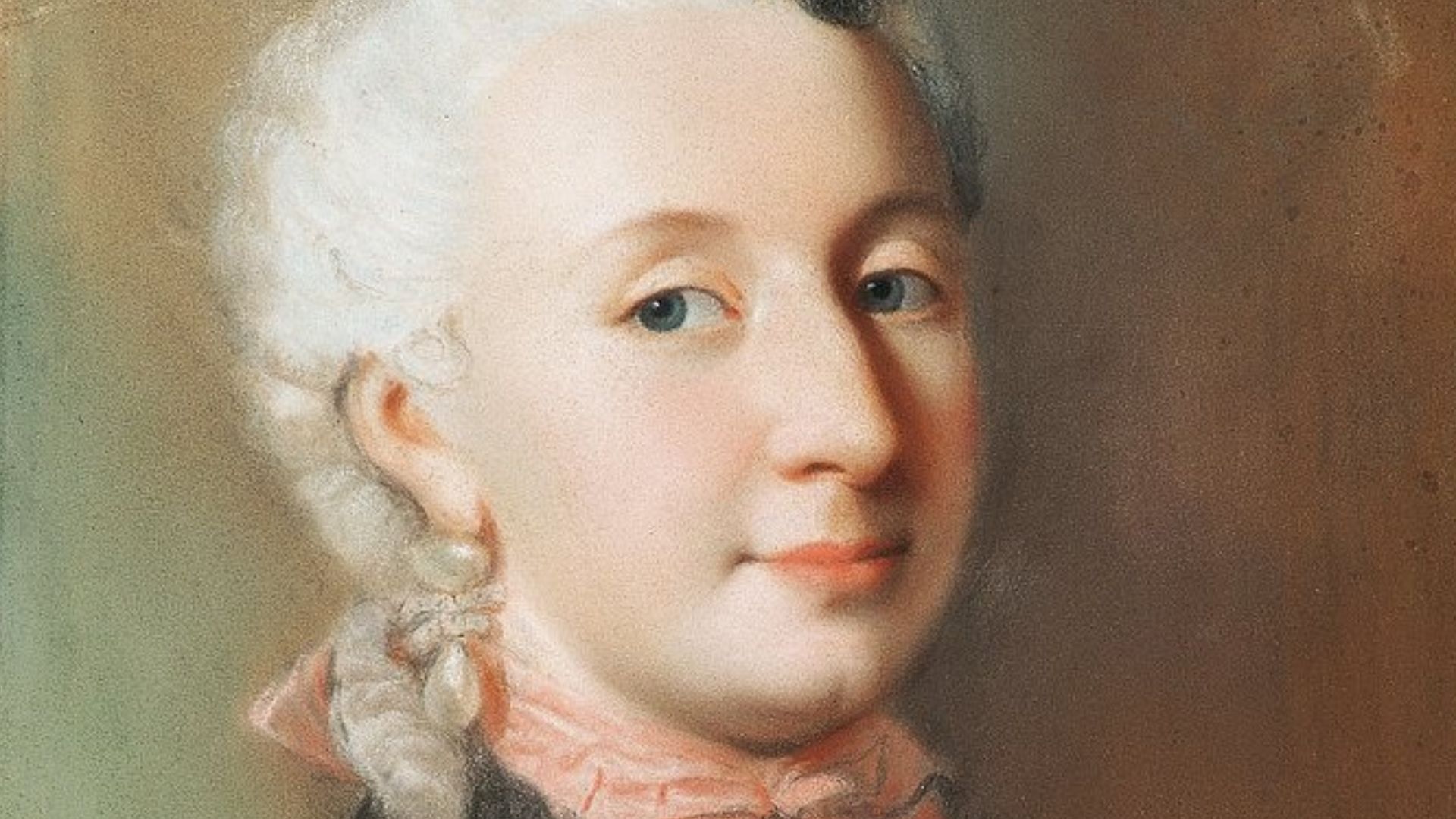
Princess Wilhelmine and the rest of the court watched her brother’s new friendship with raised eyebrows. “Though I had noticed that he was on more familiar terms with this page than was proper in his position,” she wrote, “I did not know how intimate the friendship was”. When Keith started feeding Frederick inside information on where he stood with the king, everything changed.
 Jean-Étienne Liotard, Wikimedia Commons
History's most fascinating stories and darkest secrets, delivered to your inbox daily.
10. His Father Split Them Up
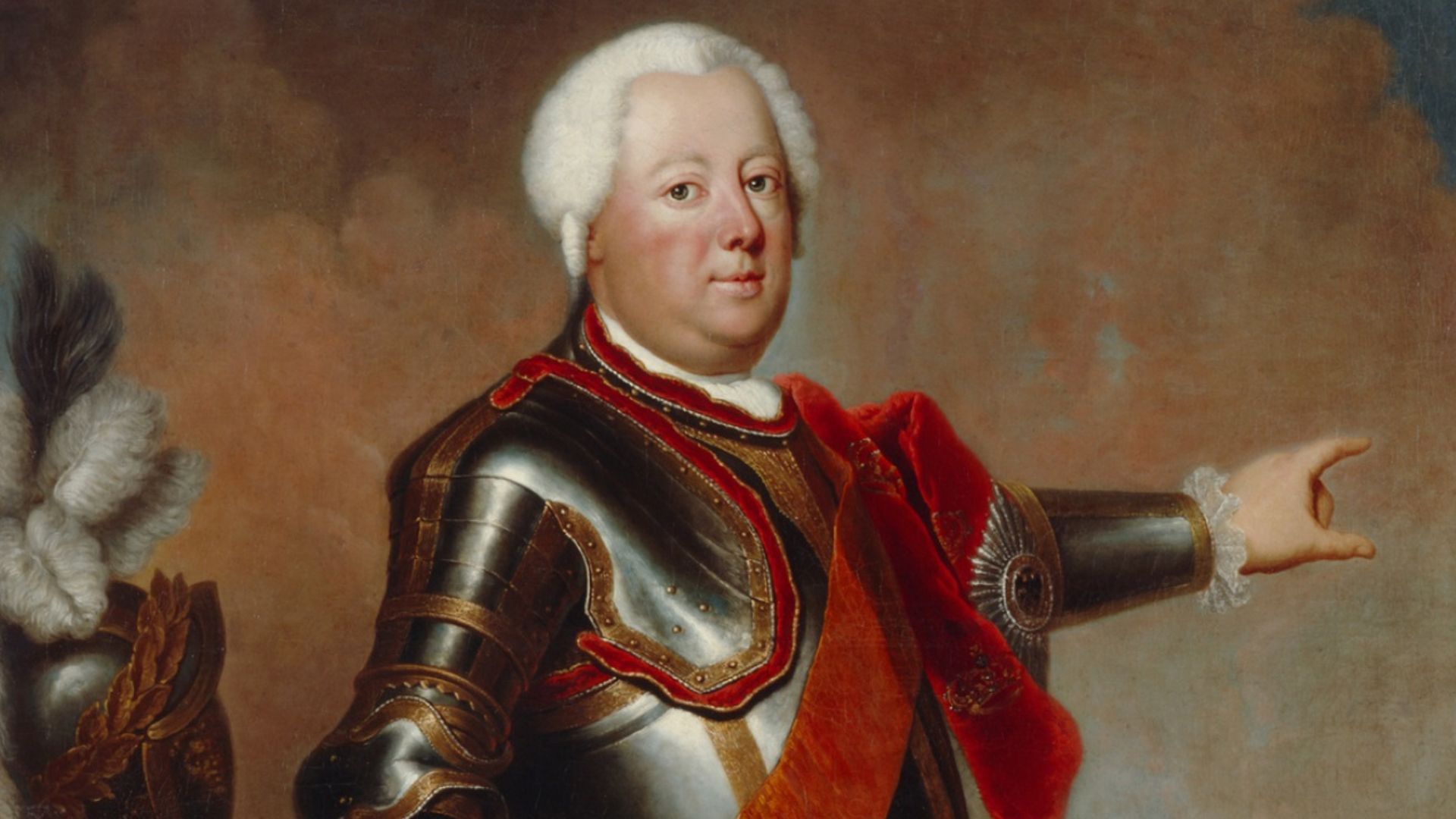
Word of the possibly carnal or romantic relationship between Frederick and Keith eventually reached King Frederick William I’s ears. His response was worse than burning some books—even if it seemed nice at first. The king gave Keith a promotion that was really a punishment, shipping him off to Cleves, conveniently close to the Dutch border—and far from the crown prince.
Frederick’s heart didn’t stay broken for long.
 Workshop of Antoine Pesne, Wikimedia Commons
11. His Mother Played Matchmaker
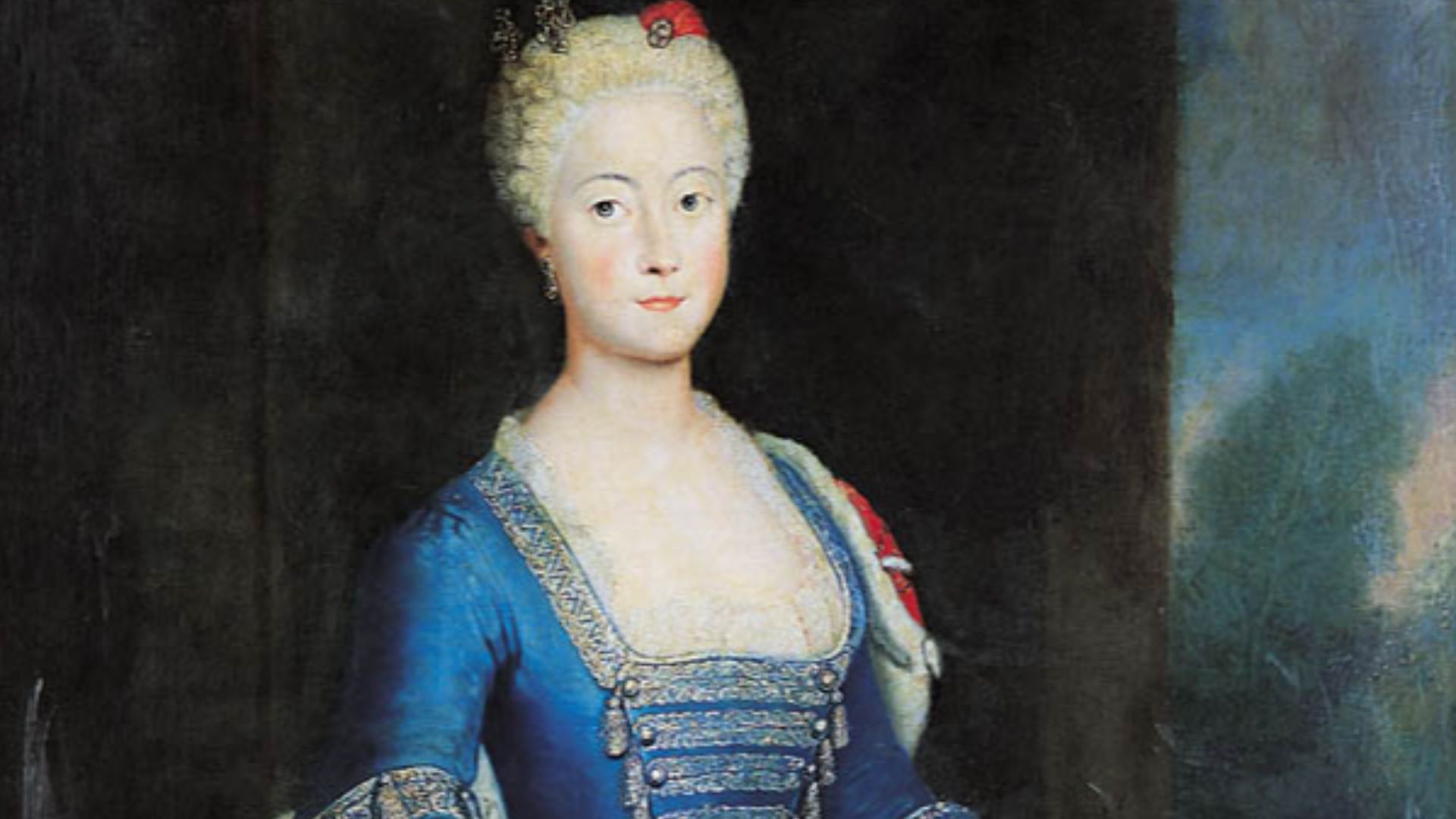
While Frederick’s father broke up his relationships, Queen Sophia Dorothea was busy playing matchmaker—even if what she really wanted for her son was the British crown. Queen Sophia schemed to wed Frederick to King George II’s daughter Princess Amelia. But she was outmaneuvered by Austrian and Prussian power brokers who slandered the English match until it fell apart.
Frederick only lost a bride he had never met—and he found something better anyway.
 Unidentified painter, Wikimedia Commons
12. He Met His Match
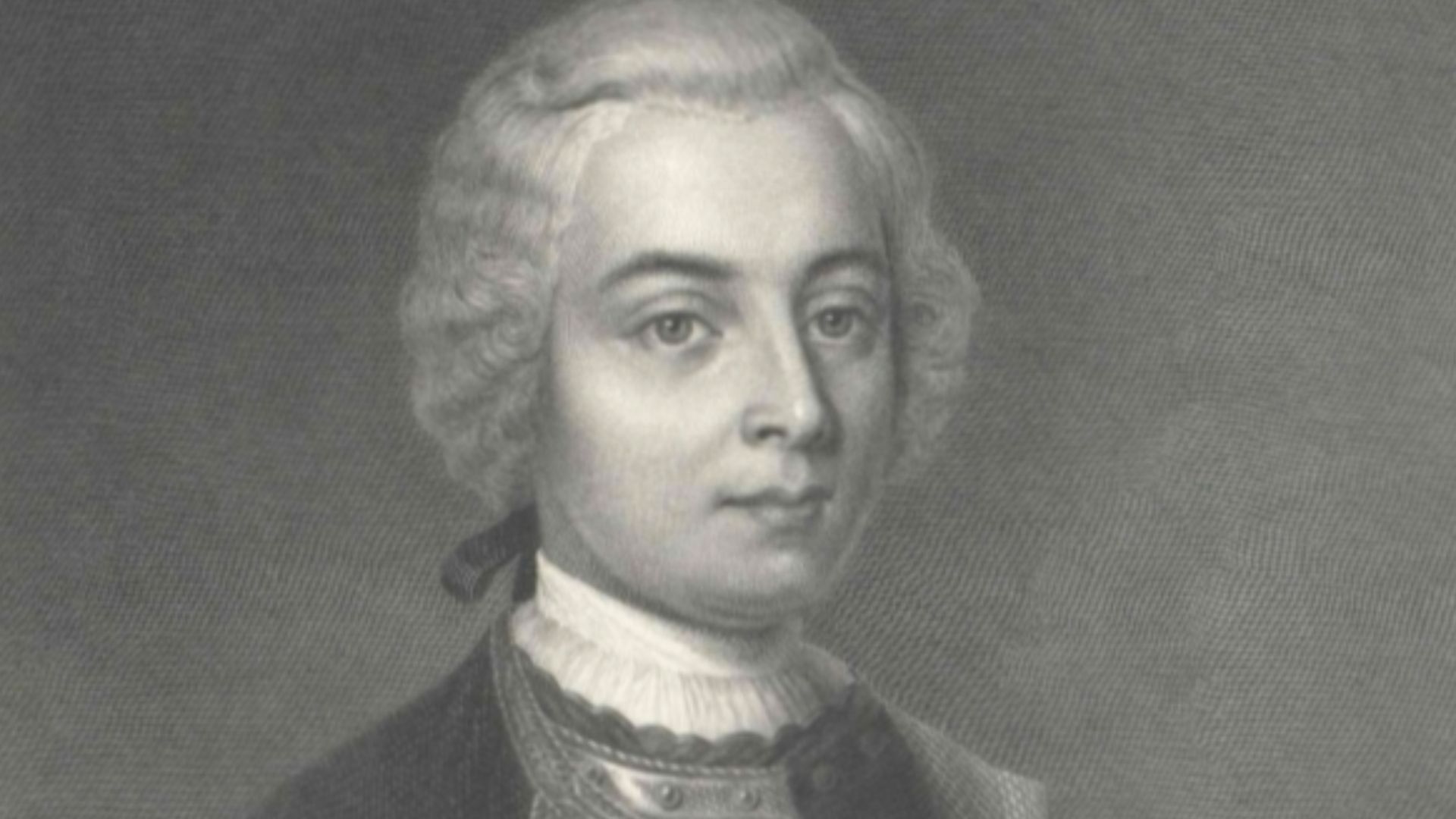
Frederick’s consolation prize arrived in 1729, in the unlikeliest of settings: a private mathematics class. There, he met Hans Hermann von Katte who was everything the Crown Prince admired: worldly, polished…available. Despite being eight years younger than Katte, the two bonded over their shared love of poetry and the flute.
Once again, the court noticed. Karl Ludwig von Pöllnitz observed that the pair behaved “like a lover with his mistress”.
 Unknown authorUnknown author, Wikimedia Commons
13. His Sister Sensed Doom
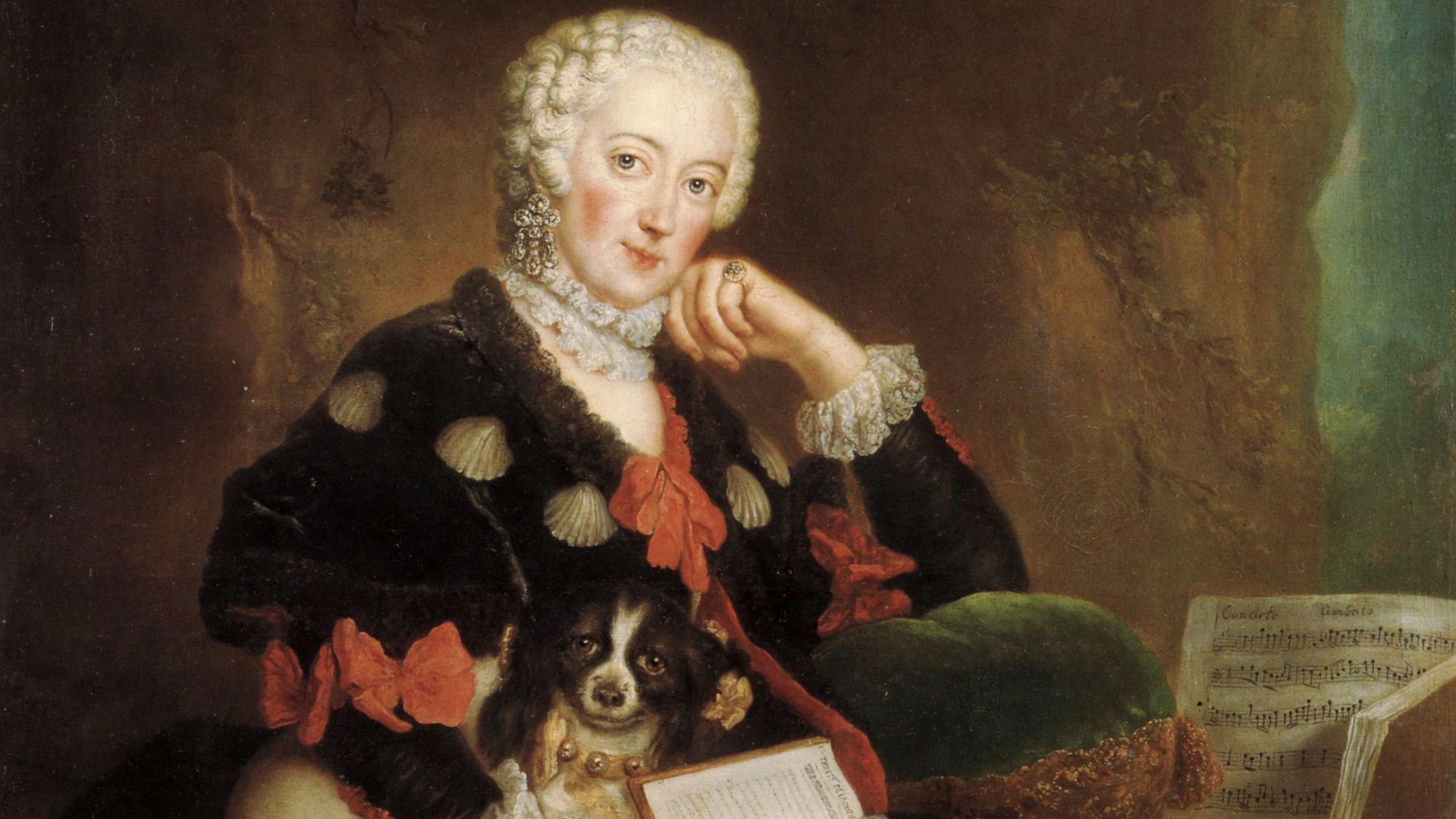
Princess Wilhelmine was more understanding of her brother’s new friendship than the court was. “He was intelligent, well-read, worldly,” she wrote about Katte in her memoirs. She further praised his good manners, noting that it was “quite rare in Berlin at the time”. But something about him chilled her: “There was something ominous about his look that foreshadowed his fate,” she concluded.
Unfortunately for Frederick, his sister was right.
 Antoine Pesne, Wikimedia Commons
14. He Tried To Run
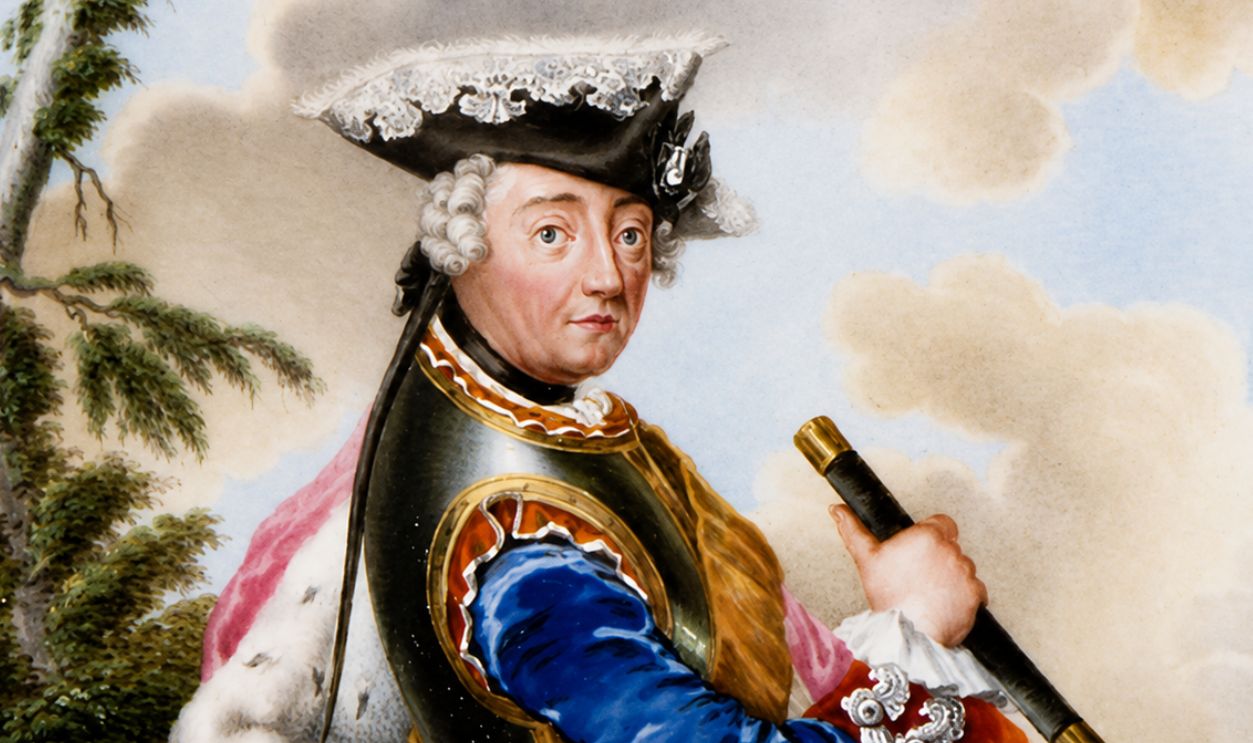
By 1730, Frederick had had enough—enough of the drilling, enough of the mockery, enough of Prussia itself. He wanted out. Katte, now his closest confidant, begged the prince to think twice, but Frederick wouldn’t hear it. That June, the two plotted his escape from the encampment at Zeithain that would have gone smoothly…if he had been able to find a couple of horses.
His next attempt to escape the confines of Prussian royal life would end disastrously.
 Metropolitan Museum of Art, Wikimedia Commons, Enhanced
15. He Made His Break
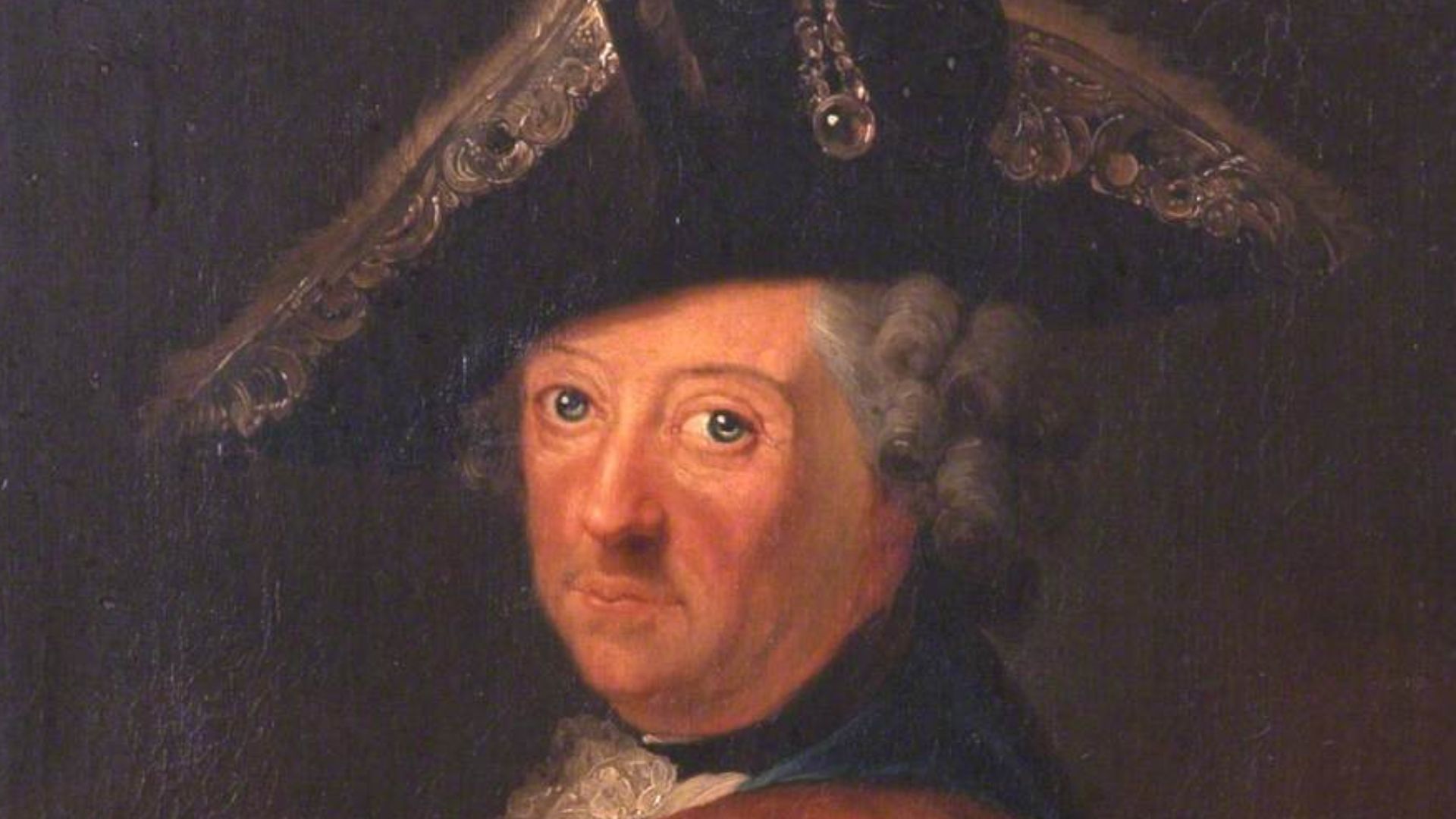
On August 5, 1730, with the royal entourage camped near Mannheim, Frederick made his move. With Katte’s help—who was still stuck in Potsdam—Frederick crept out in the wee hours of the morning to a couple of waiting horses. He might have become history’s runaway prince had his valet not caught him and raised the alarm.
The worst was still to come.
History's most fascinating stories and darkest secrets, delivered to your inbox daily.
16. His Own Page Betrayed Him
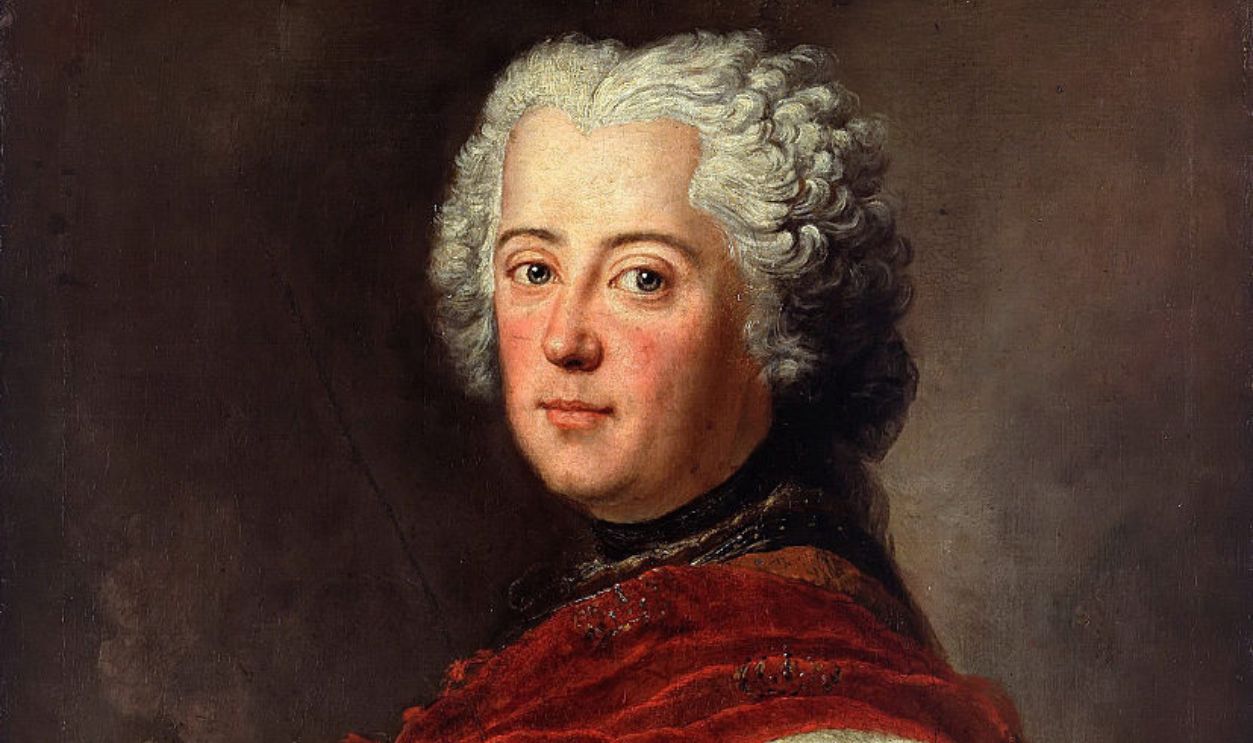
Frederick’s conspiracy to escape was full of weak links. Weakest of all? Robert Keith—Peter Karl Christoph’s younger brother and replacement. The younger Keith buckled under his conscience and confessed the whole escape plot to King Frederick William I. Guards seized Frederick and Katte and locked them away in the fortress of Küstrin.
The Crown Prince of Prussia had become the King’s—his father’s—captive.
17. He Sent A Desperate Warning
Frederick’s concern was less for himself and more for his co-conspirators. “Get yourself to safety—everything is revealed,” he wrote to Keith. And Keith didn’t need telling twice. With cover from the British ambassador, Lord Chesterfield, Keith slipped away to The Hague, then made his way to England. Frederick’s father, however, would find other ways to punish his son.
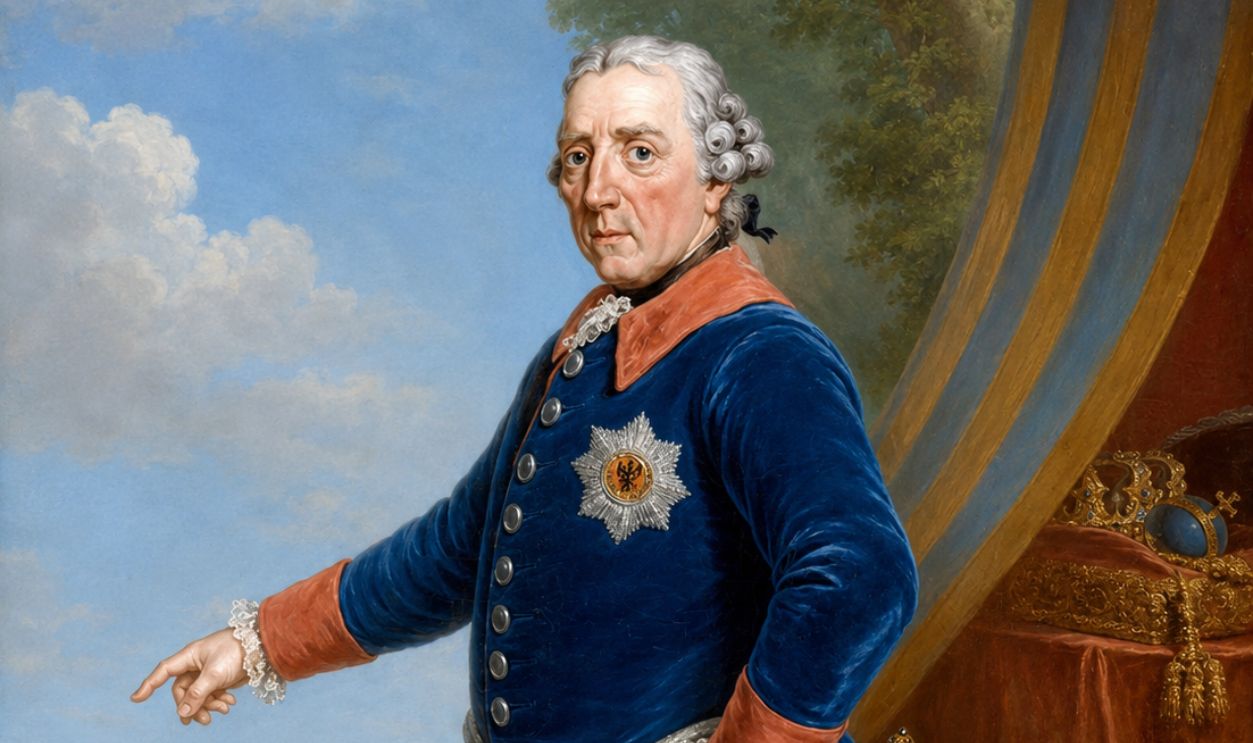 Friedrich Anton Lohrmann, Wikimedia Commons, Enhanced
18. His Father Hanged A Dummy
Frederick had successfully gotten Keith beyond the king’s reach—so the king got creative. Unable to lay hands on his son’s co-conspirator and friend, Frederick William I had an effigy of Keith strung up from the gallows instead: a straw stand-in, swinging for the man who got away. It might have been laughable if Frederick William I had stopped there.
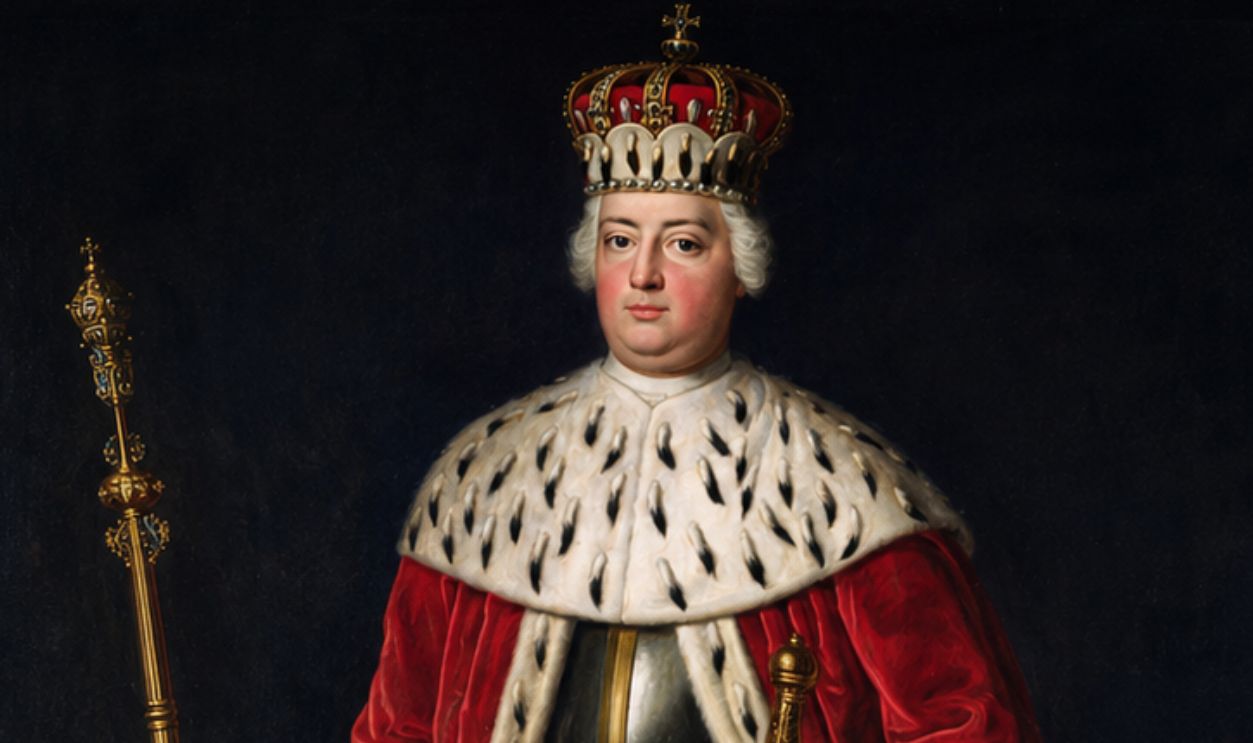 Adolph von Menzel, Wikimedia Commons, Enhanced
19. His Father Demanded Blood
For Katte, Frederick pleaded with his father to show mercy. So, when the courts handed down a sentence of life behind bars to Katte for his role in the escape plot, Frederick breathed a sigh of relief. Though not for long. Frederick William I tore up the verdict and ordered, instead, that Katte should lose his head, reasoning that it was better Katte should perish “than the justice out of the world”.
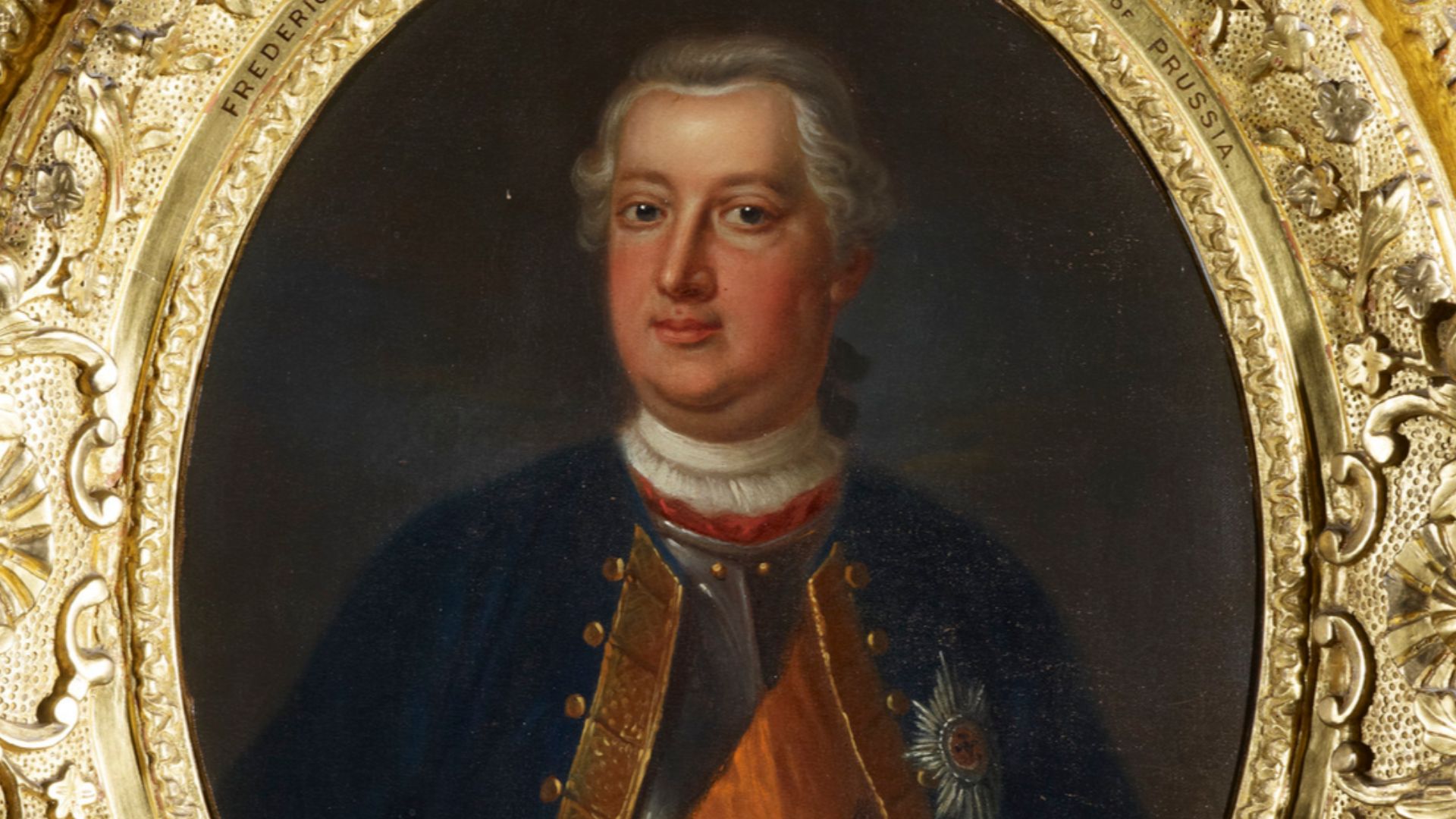
20. He Begged For Mercy
Frederick wasn’t the only one pleading for his friend’s life to be spared. Emperor Charles VI’s own envoy, Count Seckendorff, also weighed in, beseeching Frederick William I to show leniency. The Soldier King, however, ignored every last word. His icy resolve was clear in a letter that he wrote to Katte’s father: “Your son is a scoundrel; mine too. What can fathers do about it?”
Frederick would witness the devastating answer to that question.
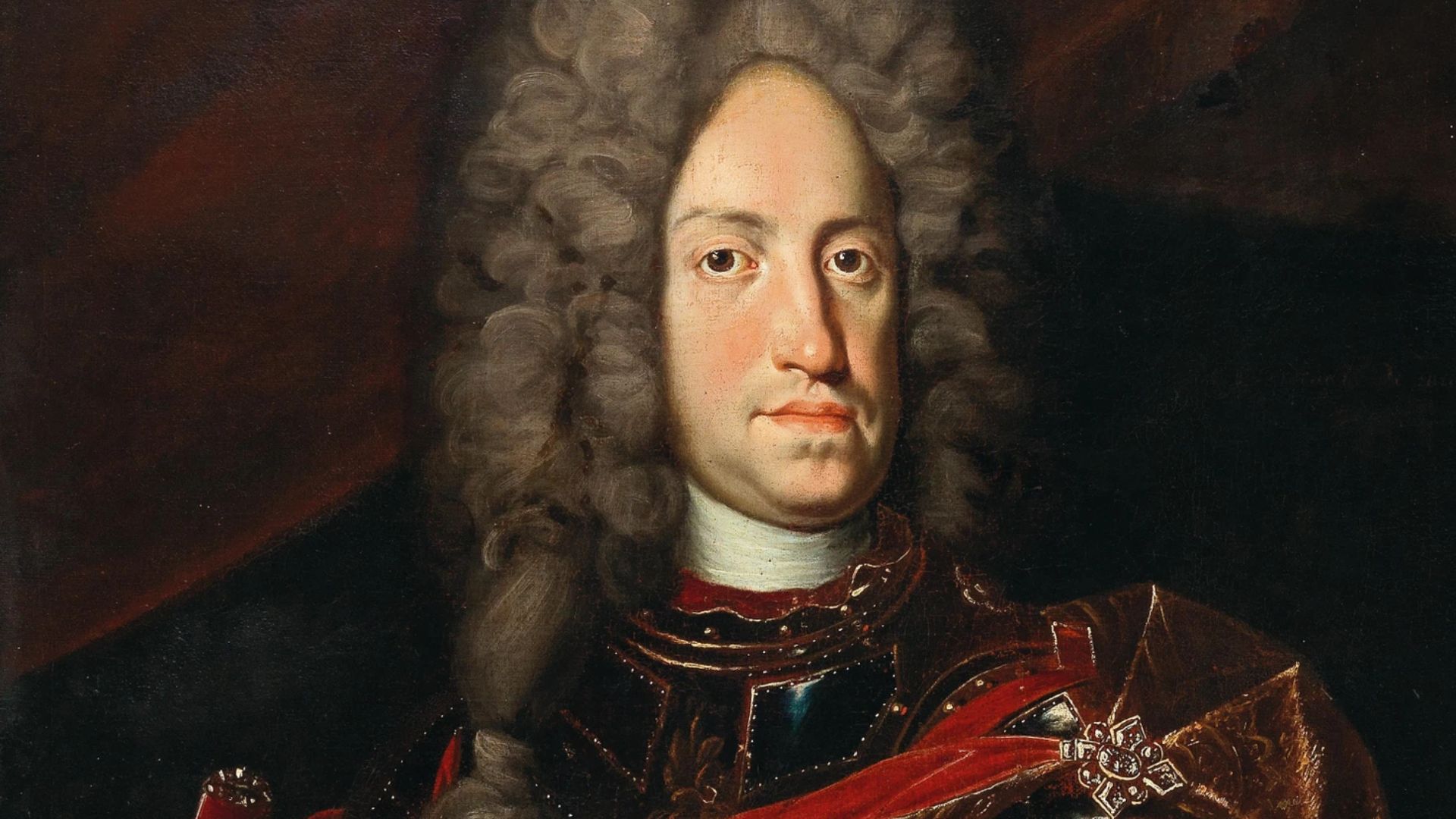 Workshop of Jacob van Schuppen, Wikimedia Commons
21. His Father Made Him Watch
Frederick’s father showed just how cruel he could be on November 6, 1730. That morning, guards marched Katte to a scaffold at Küstrin—positioned, by the king’s design, directly beneath Frederick’s window. The prince cried out: “Please forgive me dear Katte, in God’s name, forgive me!” Katte calmly called back, “There is nothing to forgive!” and said he would go to his grave “with joy in my heart”.
Then the blade fell, and Frederick crumpled to the floor, unconscious.
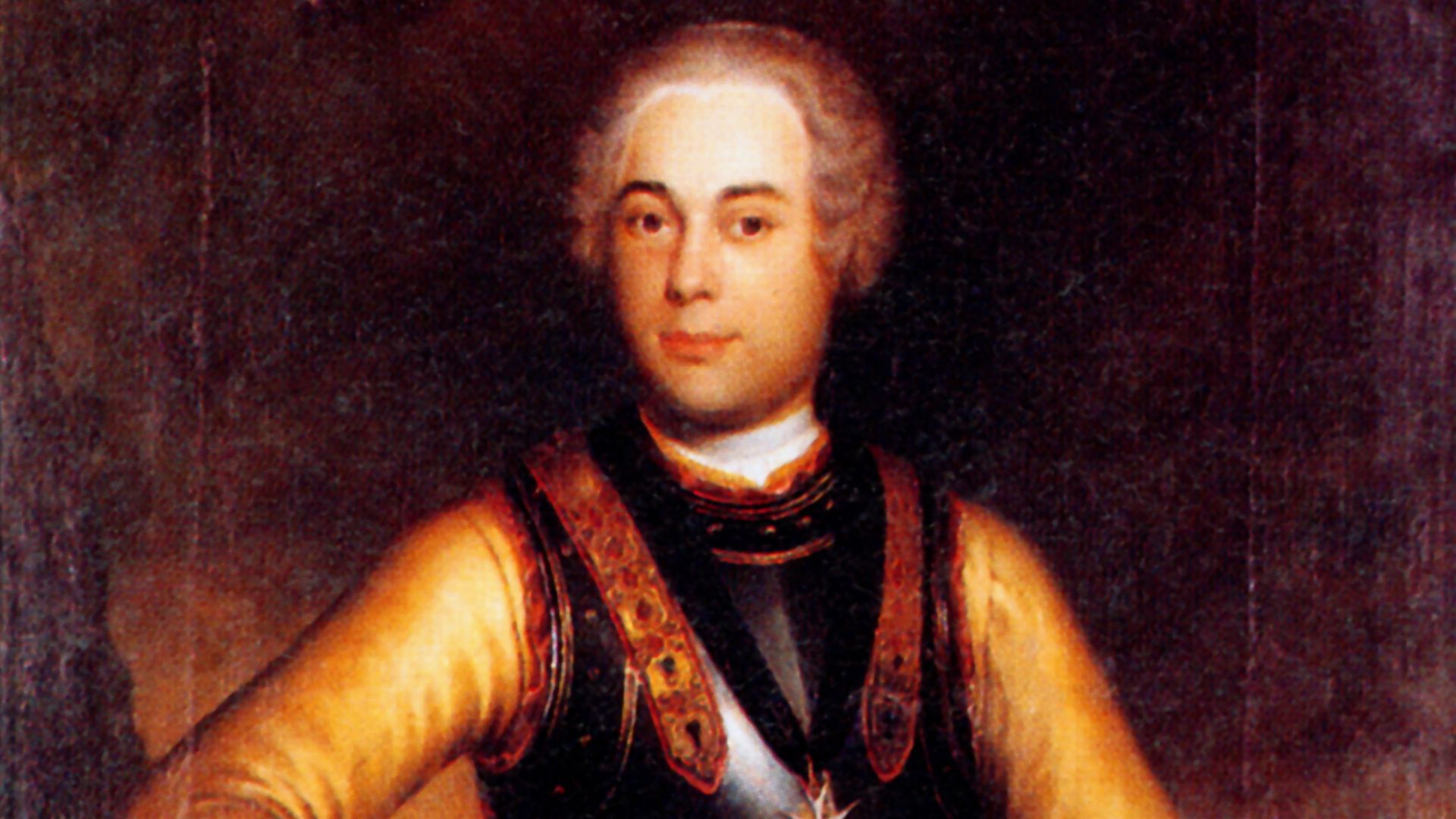 Georg Lisiewski, Wikimedia Commons
History's most fascinating stories and darkest secrets, delivered to your inbox daily.
22. He Never Spoke Of Him
By Frederick William I’s orders, Katte’s body lay on the scaffold all night…right outside Frederick’s window. The loss of his friend (and possible lover) was too much to bear and Frederick hid away for three days Then the grief hardened into something worse: silence. For the rest of his long life, Frederick never mentioned Katte again, and he never once visited his grave.
Frederick’s own punishment, meanwhile, had only just begun.
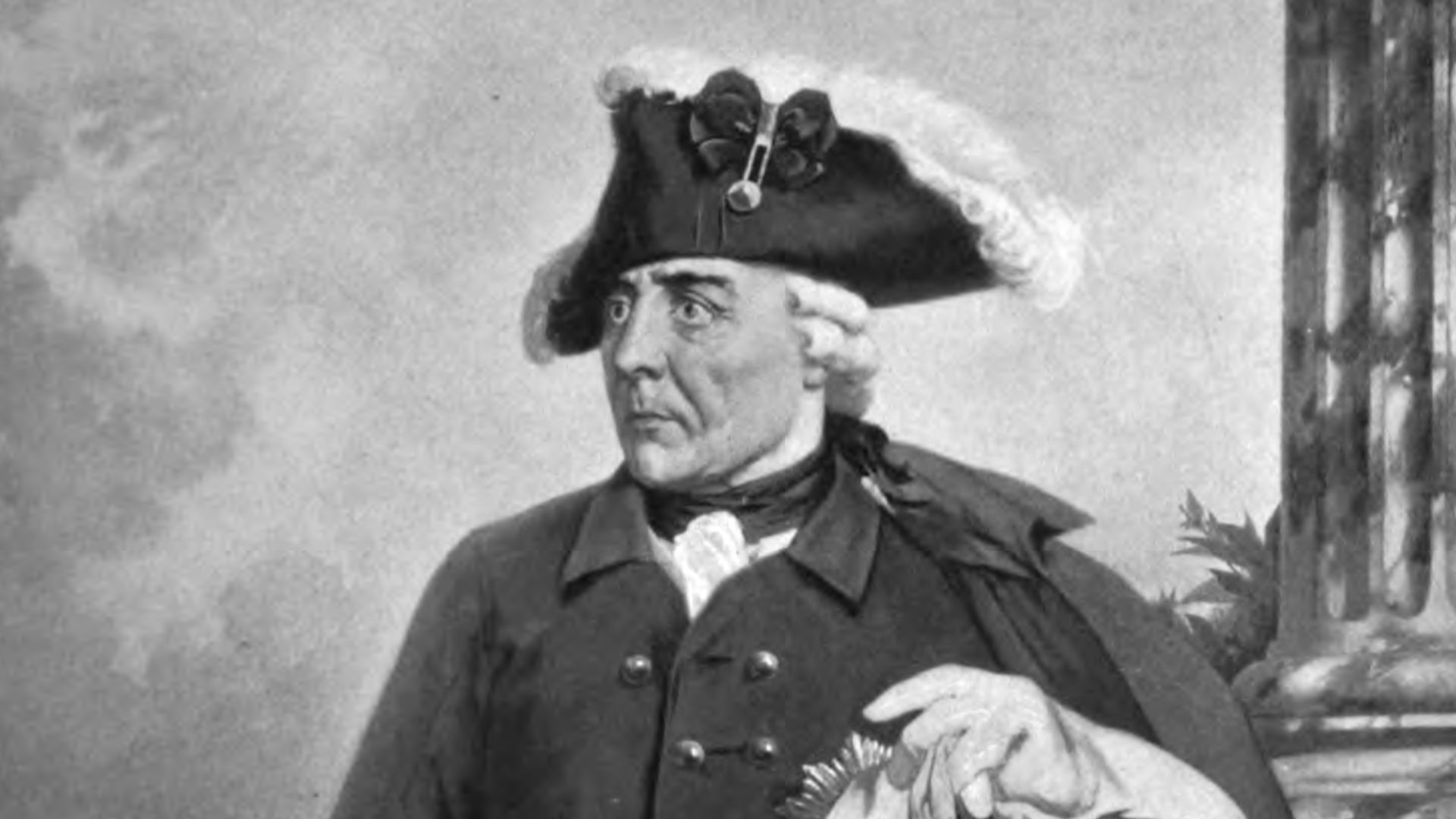 Unknown authorUnknown author, Wikimedia Commons
23. He Earned A Cold Pardon
Almost two weeks after Katte’s execution, Frederick got his punishment: a pardon. But it didn’t feel like one. His father stripped him of his rank, left him confined at Küstrin, and condemned him to a reeducation in “statecraft and administration”. His one reprieve from the monotony was when the king allowed him to travel to Berlin for his sister’s marriage.
Frederick’s own wedding bells were already ringing. To him, though, they sounded more like death knells.
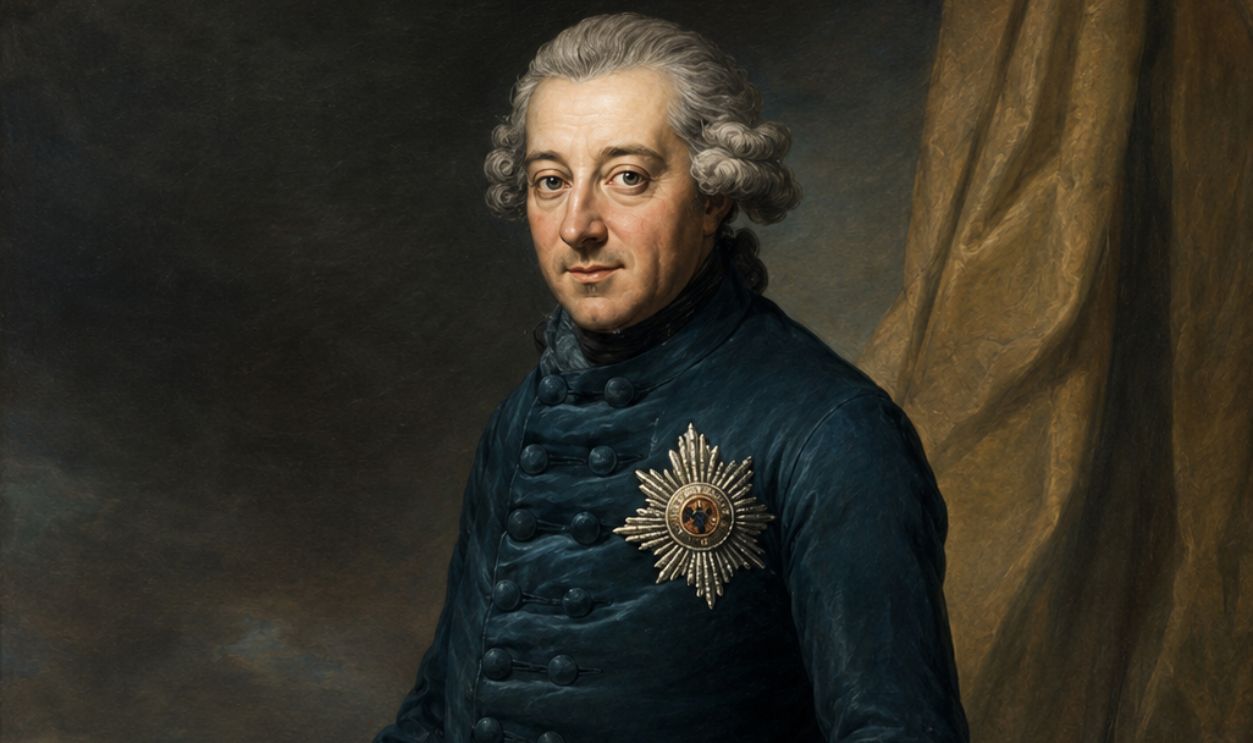 Studio of Johann Georg Ziesenis, Wikimedia Commons, Enhanced
24. His Freedom Had A Price
Frederick bought back his liberty on February 26, 1732. The price? Marriage. The king released him from Küstrin on one non-negotiable condition: he would marry Elisabeth Christine of Brunswick-Bevern, a bride of his father’s choosing. To sweeten the arrangement, Frederick got his place back in the vaunted Prussian army, taking command as a colonel.
He accepted the deal. He never accepted the bride.
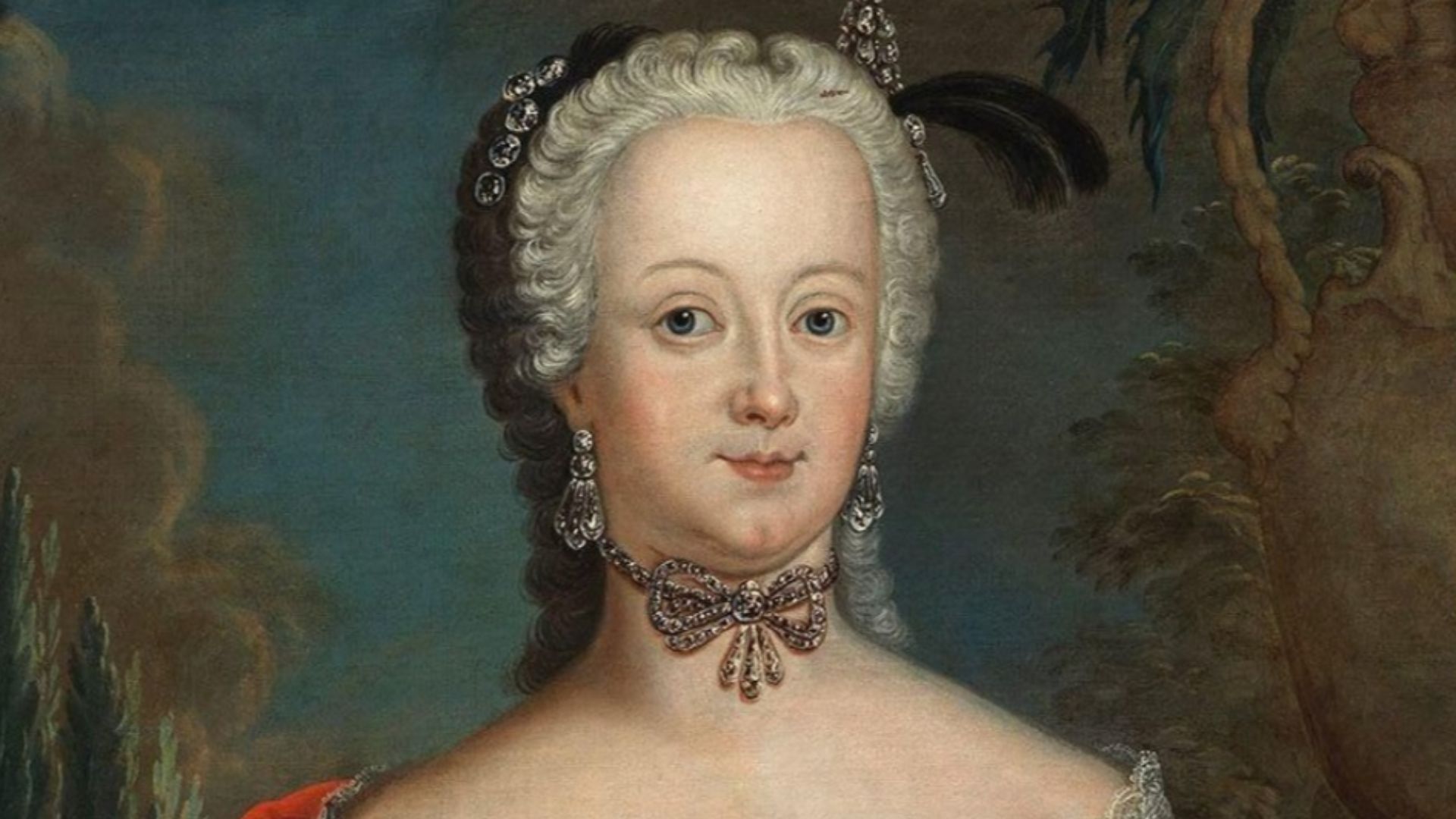 Workshop of Antoine Pesne, Wikimedia Commons
25. He Dreaded The Altar
Frederick made no secret of how he felt about his engagement. “There can be neither love nor friendship between us,” he confided to Wilhelmine about his bride-to-be. In his bleakest moments, he even spoke of ending his own life rather than going through with the match. But when June 12, 1733 arrived, Frederick swallowed his despair and said his vows.
He would keep that vow the way he kept all unwanted things: at a distance.
26. He Studied Under A Legend
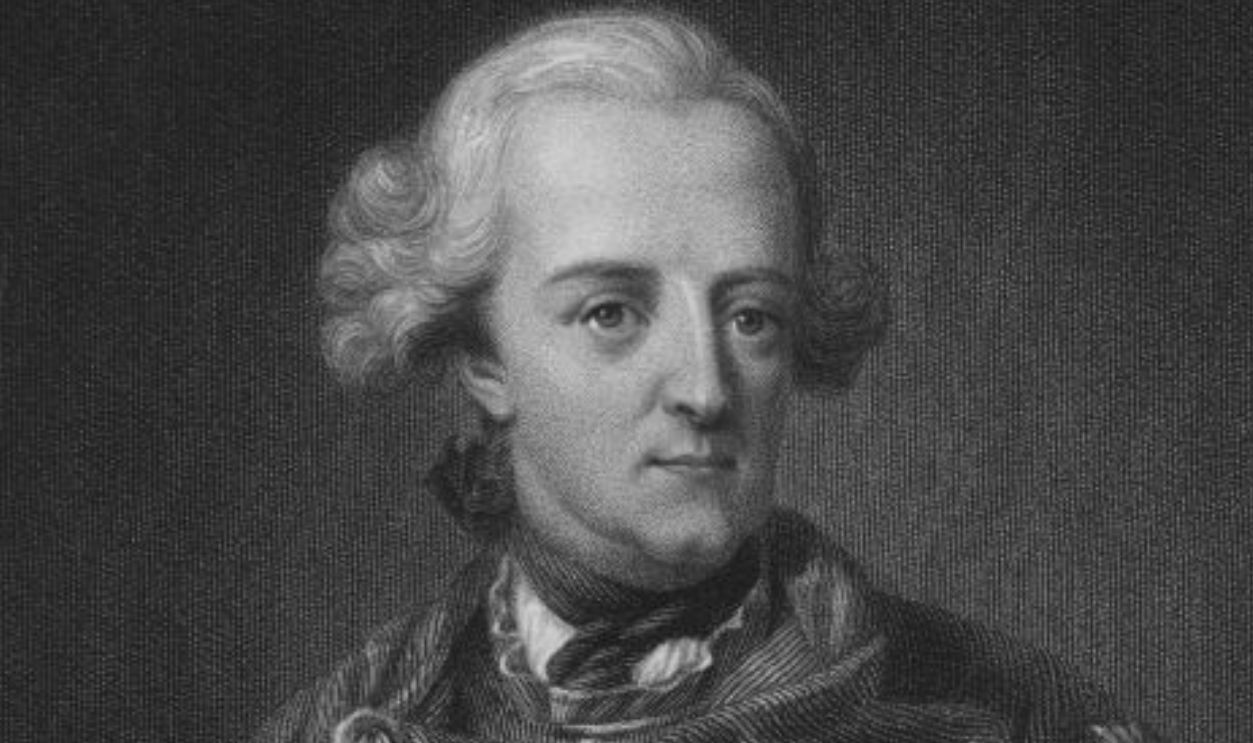
Frederick finally made his father happy when he marched off to the Rhine to fight the French in the dispute over the Polish succession. But the joke was on Frederick. Serving under Prince Eugene of Savoy—the most celebrated commander of the age—the prince realized that he was even more clever of a strategist than Eugene.
Frederick made a note for the future: Austria could be his.
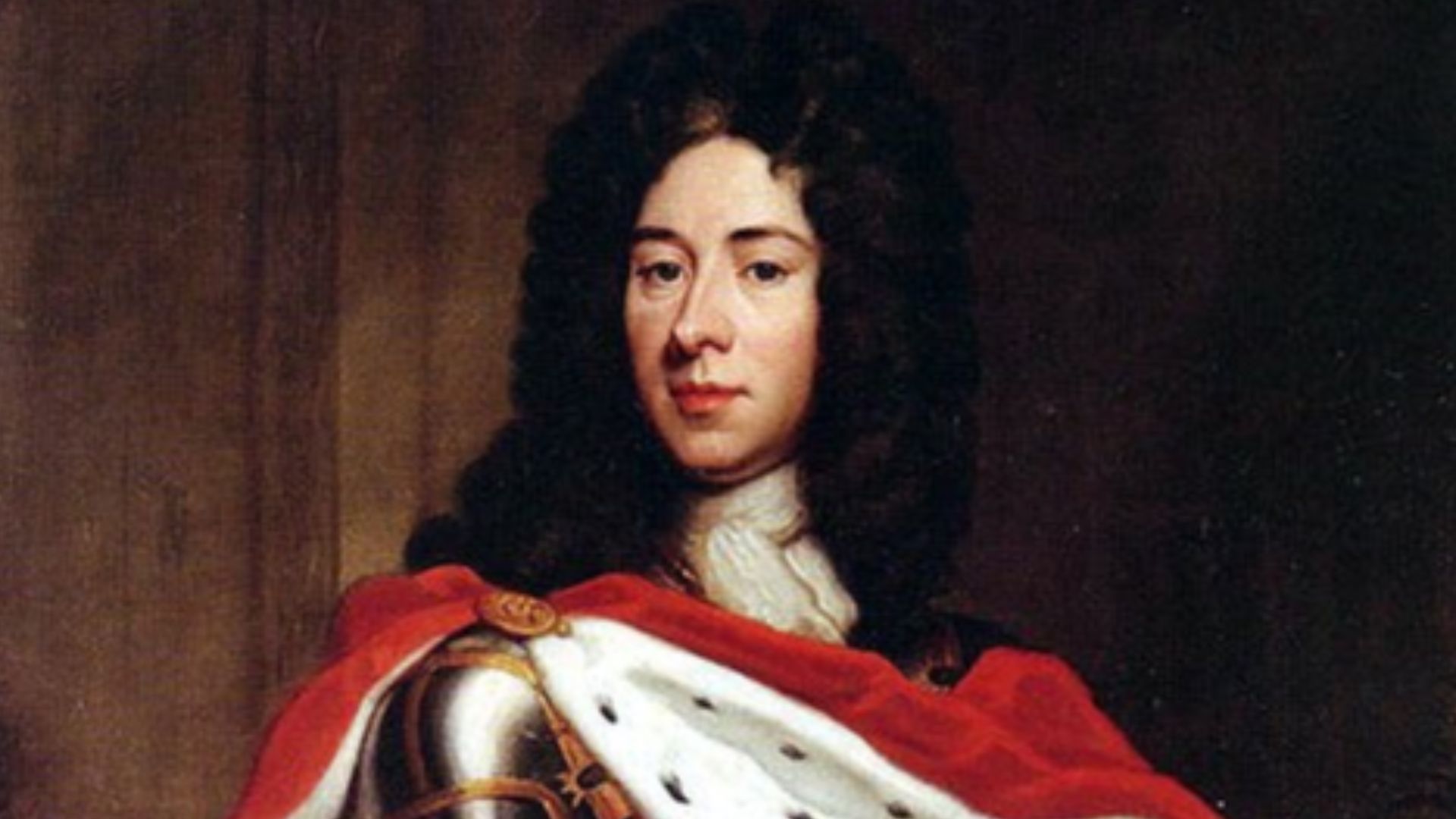 Godfrey Kneller, Wikimedia Commons
27. He Finally Found Happiness
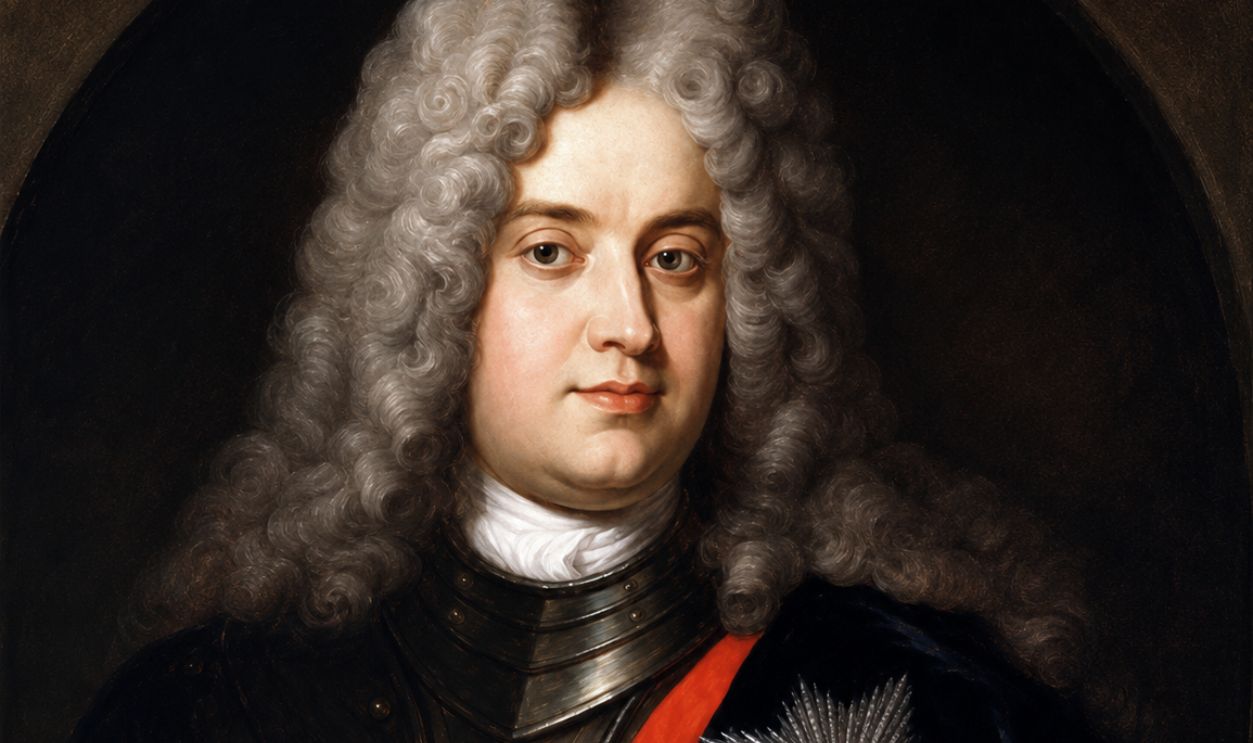
Finally pleased with his son, Frederick’s father, in a rare gesture of reconciliation, handed him Schloss Rheinsberg. But not much had changed between the father and son. Frederick promptly filled his new palace with everything his father despised: painters, actors, musicians, books, plays, and his own compositions. He would remember those years as some of “the happiest of his life”.
They were certainly some of his most productive.
 Unidentified painter, Wikimedia Commons, Enhanced
History's most fascinating stories and darkest secrets, delivered to your inbox daily.
28. He Took On Machiavelli—Anonymously
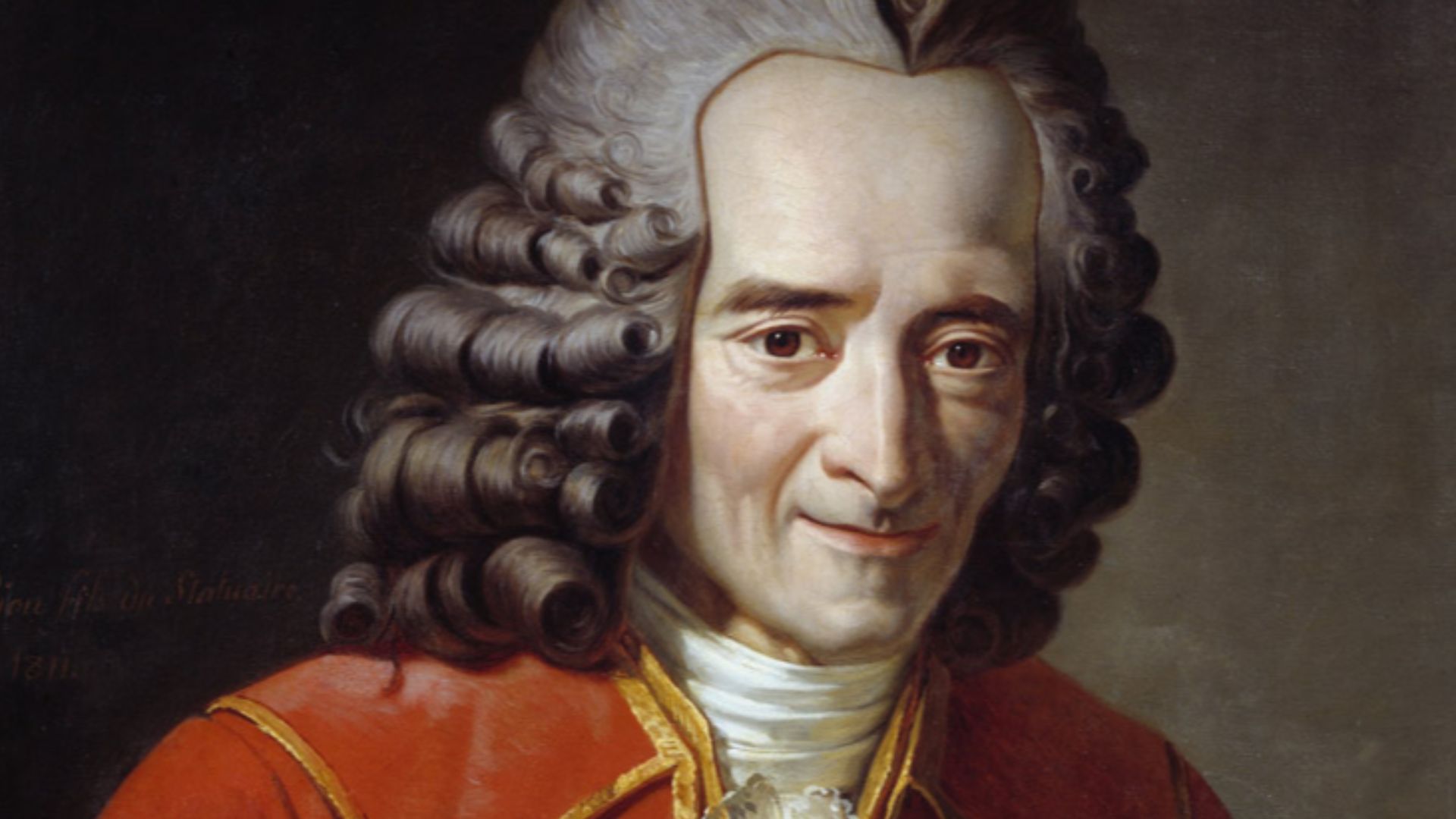
Frederick spent his Rheinsberg leisure picking a fight with Machiavelli. In 1739, he wrote Anti-Machiavel, a takedown in the form of an essay of The Prince and its cynical view of power. Of course, he could never publish it under his own name, so he had his good friend Voltaire circulate the anonymous edition from Amsterdam and readers across Europe devoured it.
The world was about to find out what Frederick’s principles looked like in practice.
 Jacques Augustin Catherine Pajou, Wikimedia Commons
29. He Inherited A Barracks
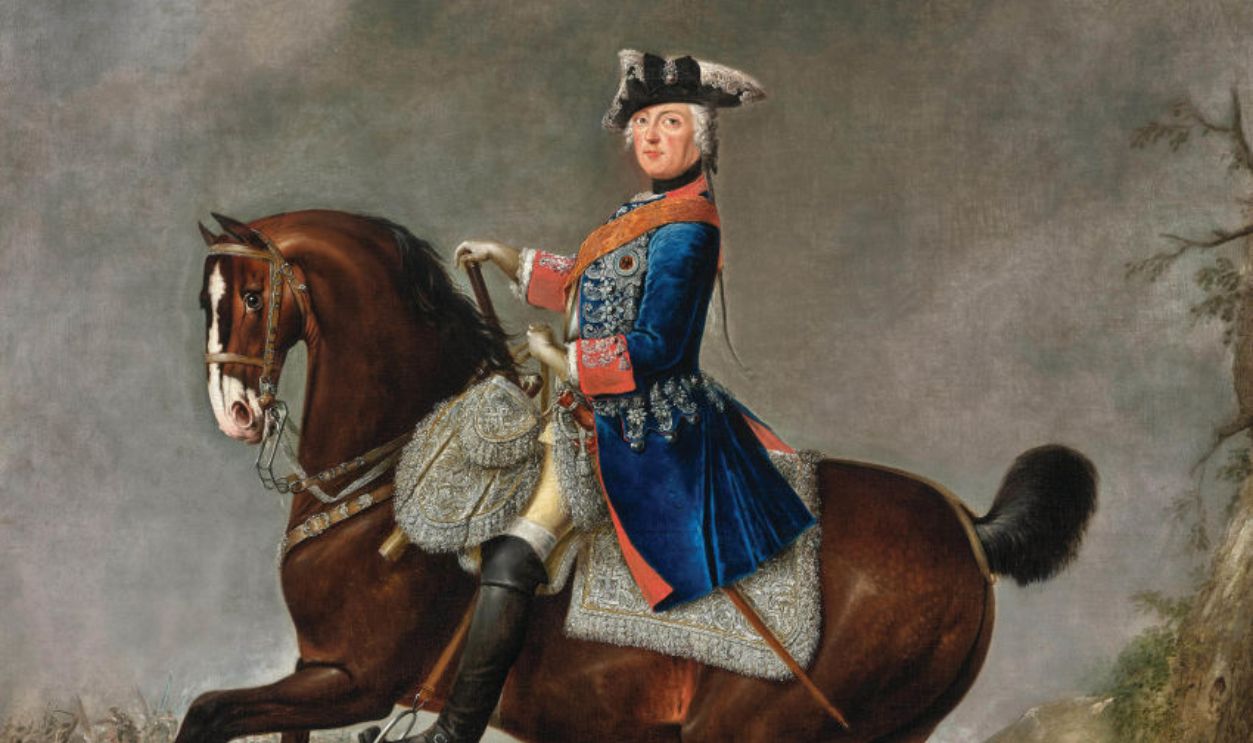
Frederick’s whole life changed on May 31, 1740: King Frederick William I breathed his last, and the 28-year-old philosopher prince became the third “King in Prussia”. But his new kingdom looked more like a barracks. As King in Prussia, Frederick assumed command of Europe’s fourth-largest fighting force, one that ate up 86% of the budget and put one man in uniform for every 28 citizens.
Everyone expected the flute-playing king to let the machine rust. Everyone was wrong.
30. He Repaid An Old Debt
One of King Frederick’s first acts had nothing to do with statecraft. Within a month of taking the crown, he raised Katte’s father to field marshal and hereditary count—a gesture Europe understood at once as an apology, 10 years too late, for his father’s grave injustice against Katte. But Frederick still never spoke his friend’s name aloud.
Undoing his father’s legacy would prove harder than he thought.
31. He Forgave The Unforgivable
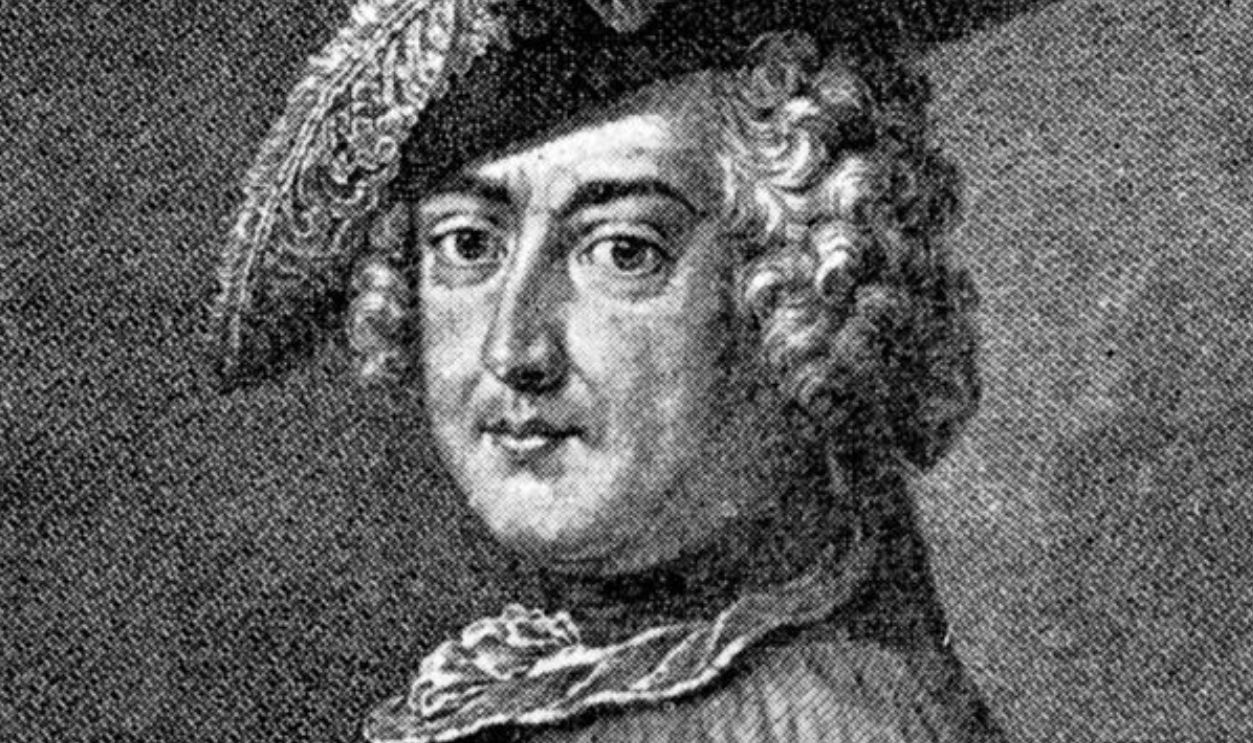
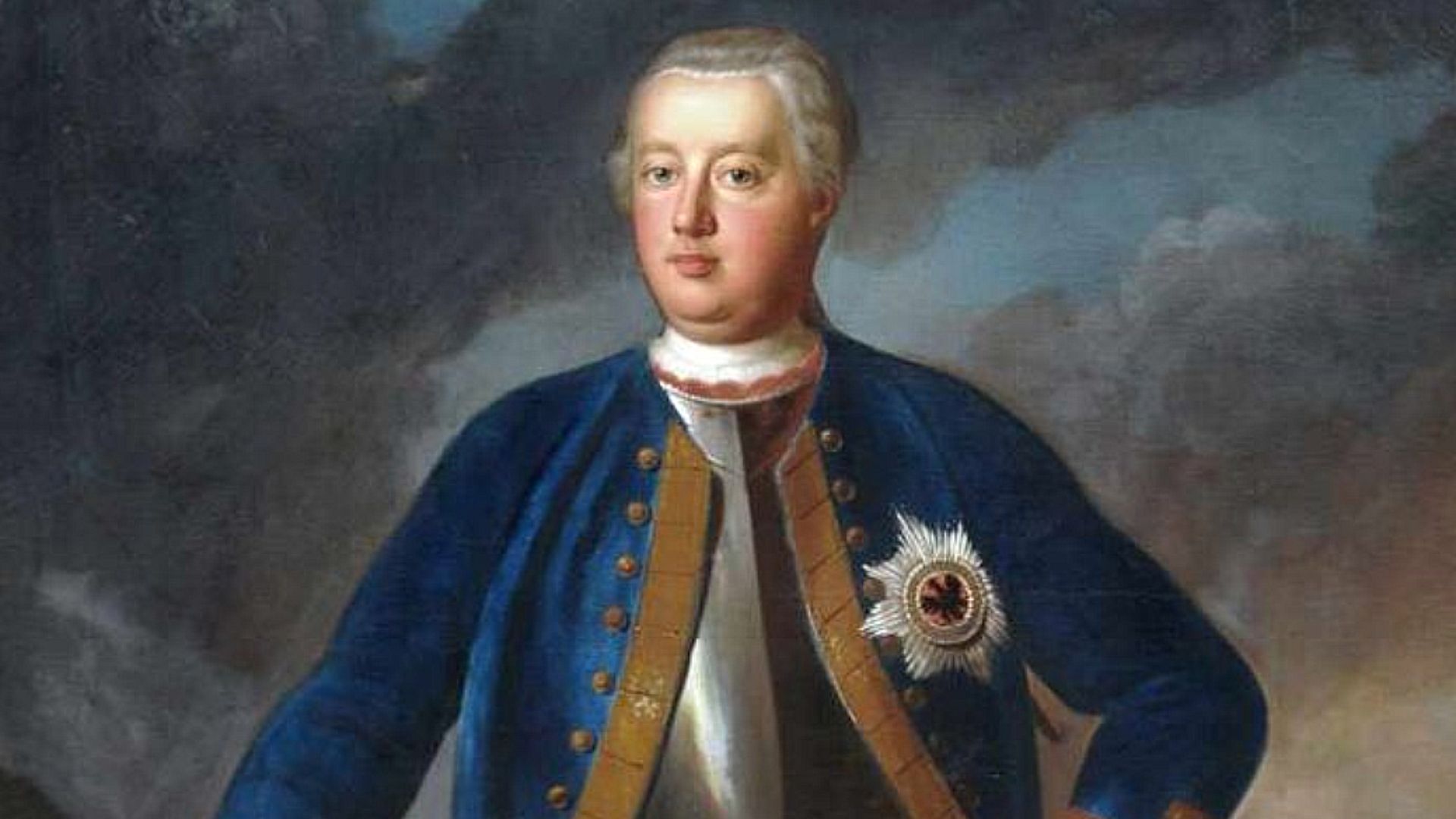
For all his suffering, Frederick never could write his father off completely. “What a terrible man he was,” the new king admitted years later. “But he was just, intelligent, and skilled in the management of affairs…it was through his efforts, through his tireless labor, that I have been able to accomplish everything that I have done since”.
And he accomplished a lot.
 Circle of Antoine Pesne, Wikimedia Commons
32. He Banished His Own Wife
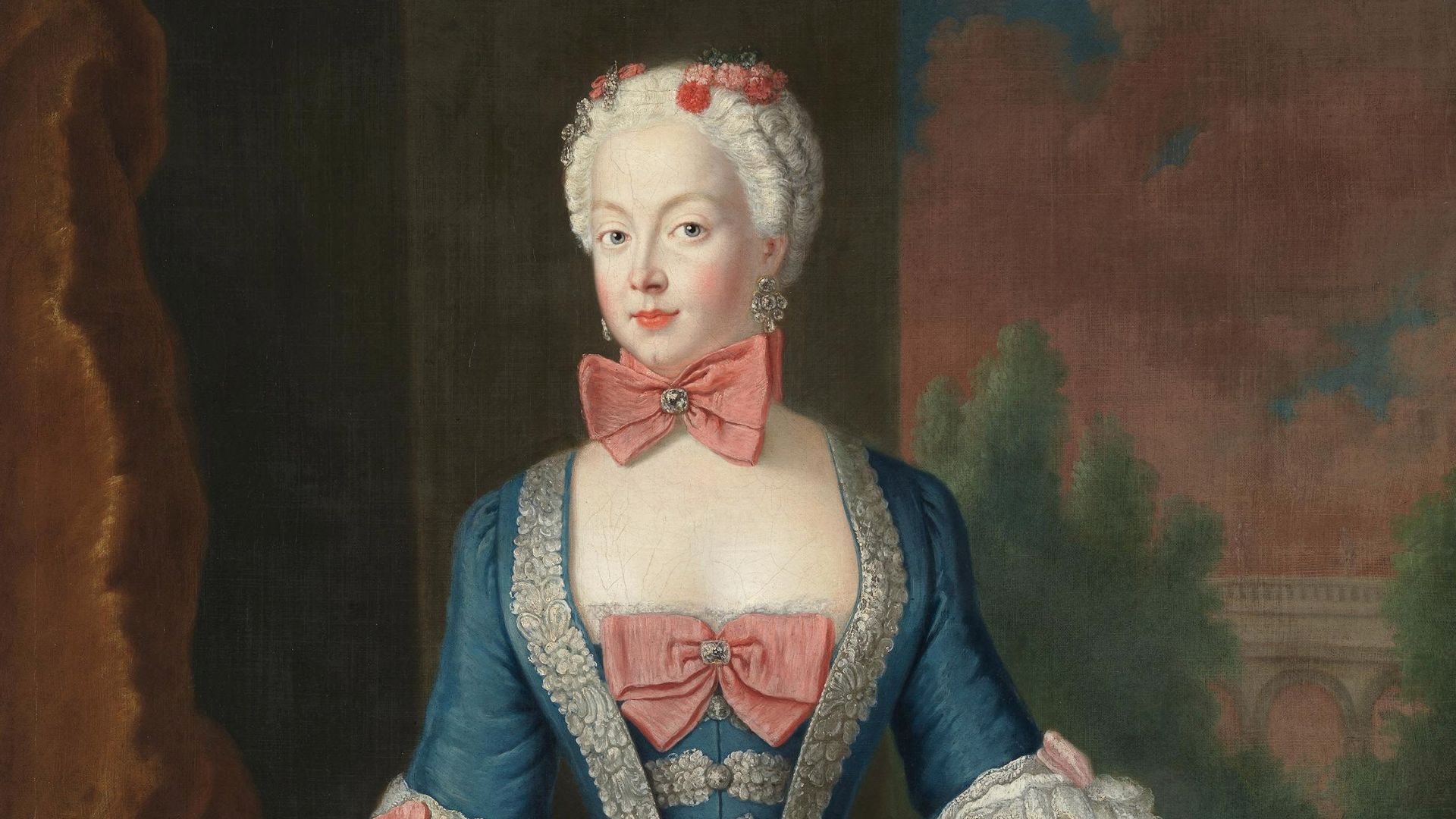
Frederick continued freeing himself of his father’s legacy—up to and including his marriage. The new king set up Elisabeth Christine at Schönhausen Palace, barred her from his court at Potsdam, and saw her only on state occasions. Her birthday, in fact, was one of the few days he appeared before her out of uniform. To her credit, she remained a faithful wife to the very end.
Frederick, meanwhile, saved his devotion for conquest.
 Workshop of Antoine Pesne, Wikimedia Commons
33. He Struck Without Warning
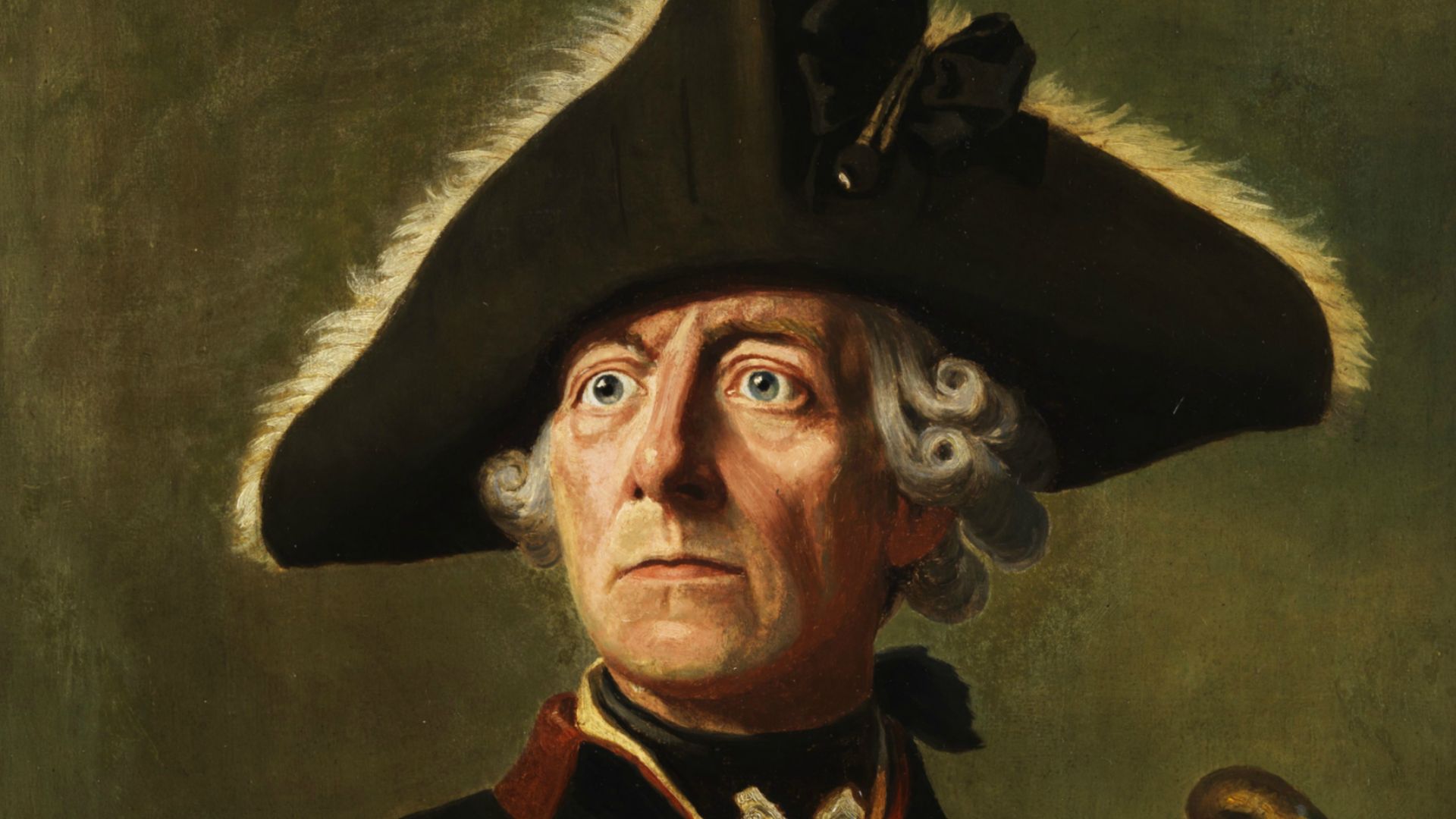
Frederick spent his first months on the throne realizing that the ideals he expressed in Anti-Machiavel were better left on the page. On December 16, 1740, his forces poured into Austrian Silesia without provocation—and within seven weeks, Frederick had swallowed nearly the entire province. In one stroke, he almost doubled the number of his subjects, grew his kingdom by a third, and seized the navigable Oder River.
Machiavelli himself couldn’t have played it better. There was just one embarrassing wrinkle.
 Wilhelm Camphausen, Wikimedia Commons
History's most fascinating stories and darkest secrets, delivered to your inbox daily.
34. He Fled His First Battle
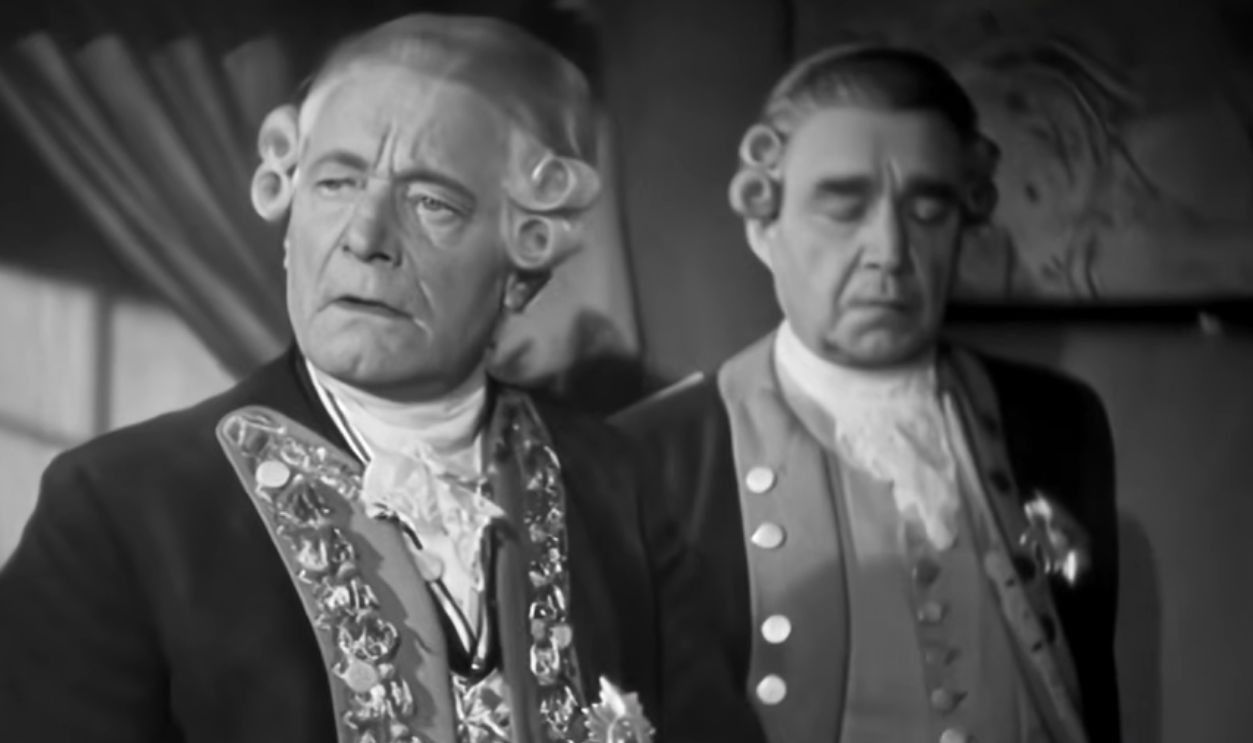
Frederick the Great wasn’t always so great. At the Battle of Mollwitz in 1741, an Austrian charge scattered Frederick’s cavalry. The recently-coronated king, certain all was lost, galloped off the field. Thanks to Field Marshal Kurt Schwerin who stayed in the fight, Frederick’s men rallied and won anyway. A red-faced Frederick later confessed his “humiliation at his abdication of command” and called Mollwitz “his school”.
Thankfully, he was a fast learner.
 Screenshot from The Great King, Tobis Filmkunst (1942)
35. He Chose An Emperor
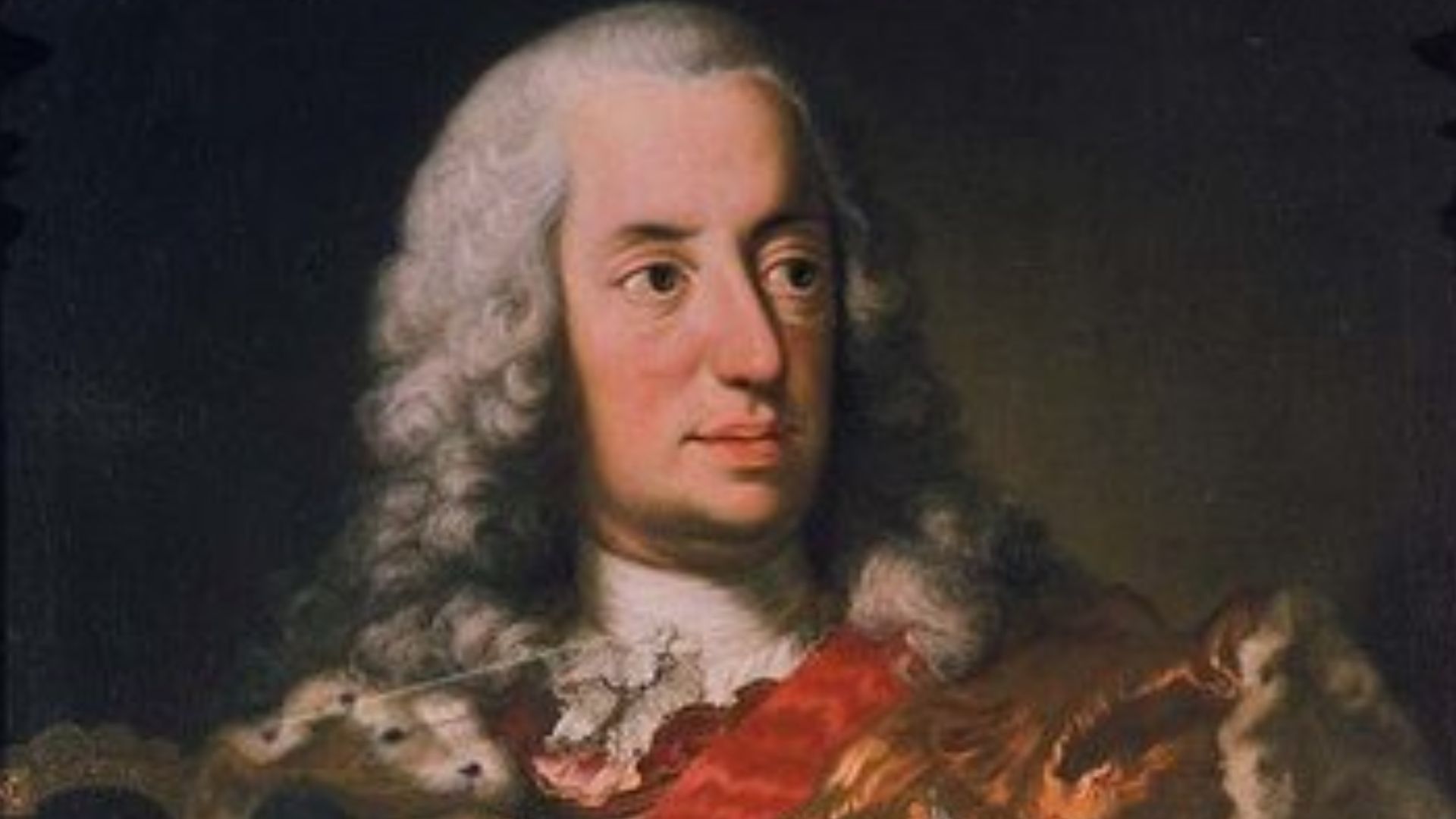
To beat the Austrians, Frederick had to score victories both on and off the battlefield. After campaigning hard to get a friendly face on the imperial throne, he finally got his wish. On January 24, 1742—his 30th birthday no less—the electors handed his man, Charles VII, the title of Holy Roman Emperor. By June, a battered Austria signed over Silesia and Glatz County into Frederick’s hands.
The wins kept piling up. So did the honors.
 Georg Desmarées, Wikimedia Commons
36. He Earned His Title
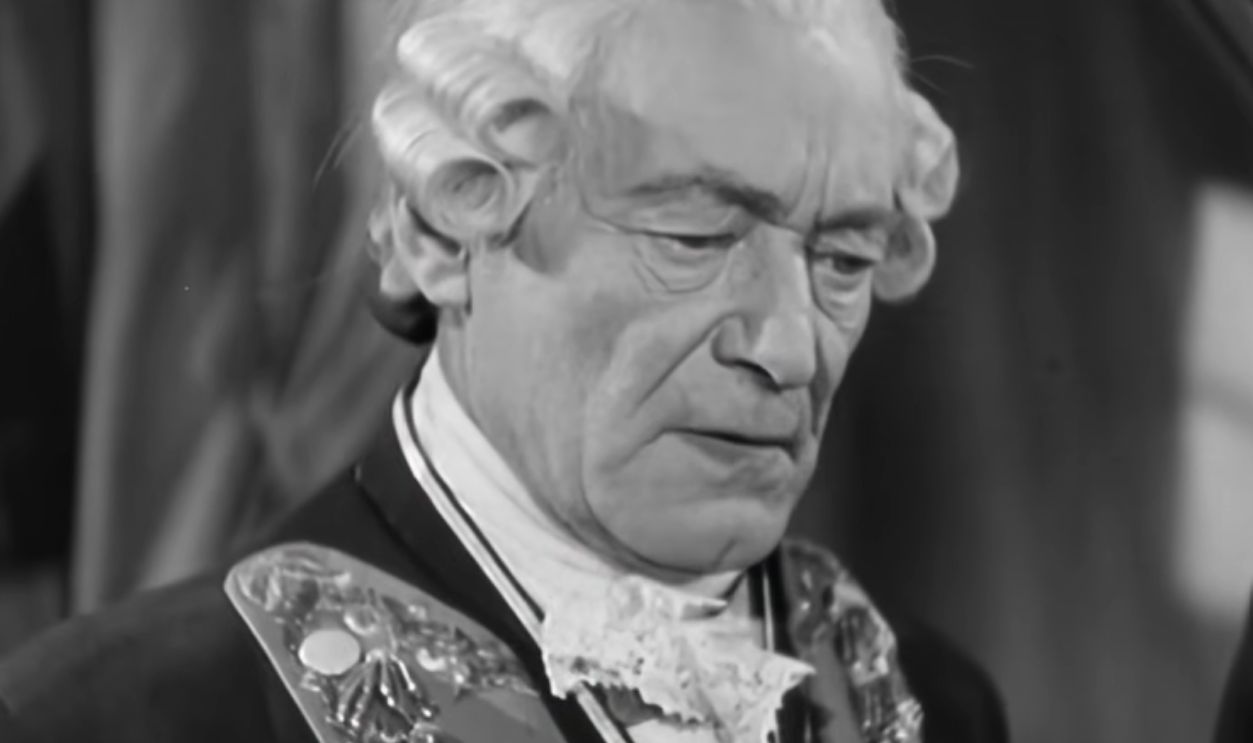
Christmas Day, 1745 brought Frederick the gift of a lifetime. The Treaty of Dresden confirmed his hold on Silesia once and for all, cementing his legacy just five years into his reign. It was such an astounding accomplishment that people began calling him Frederick the Great—a strategic and tactical genius and the upstart who had humbled mighty Austria twice.
But Frederick wanted to be remembered as more than a conqueror.
 Screenshot from The Great King, Tobis Filmkunst (1942)
37. He Rebuilt His Kingdom
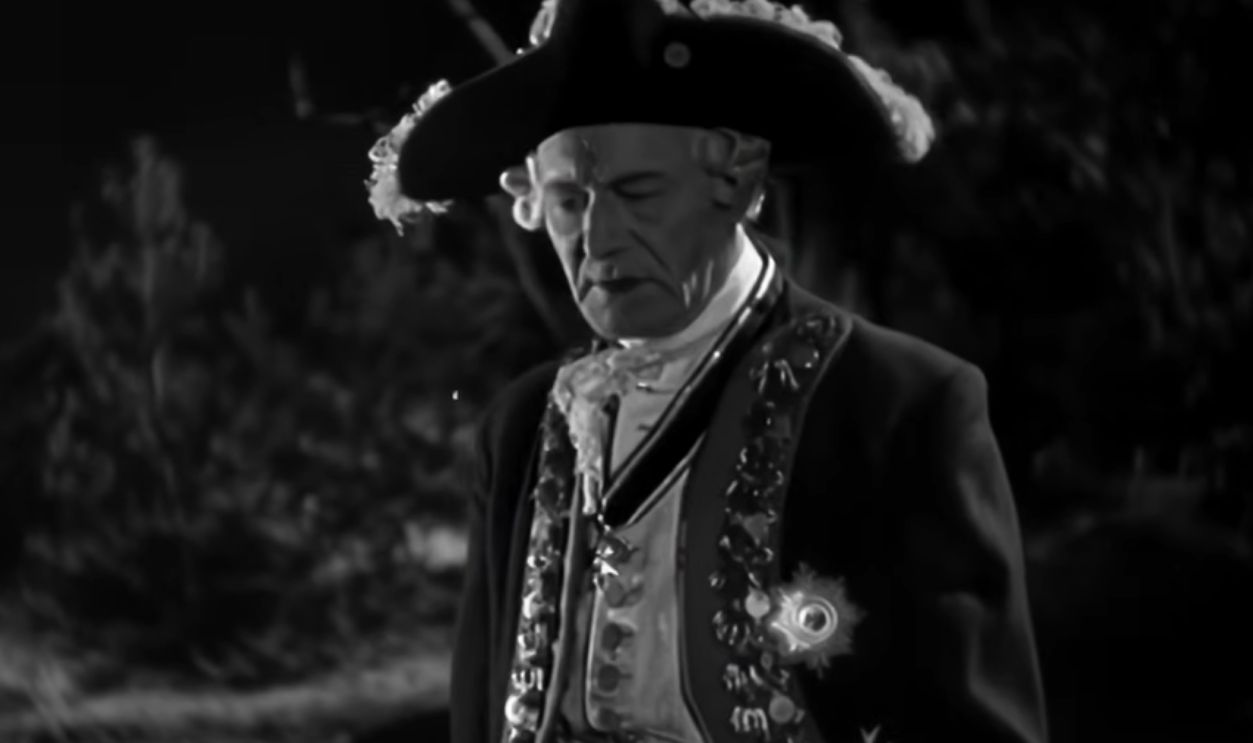
Frederick the Great wanted to be great off the battlefield too. With a set of sweeping reforms, he overhauled Prussia’s justice system, banned brutal interrogation practices, and loosened the reins on the press. He also made sure that people’s pockets were filled with coins by building new canals and reducing internal tolls and protective tariffs.
Under Frederick’s hand, Berlin grew into a cultural capital of Europe—complete with a composer for a king.
 Screenshot from The Great King, Tobis Filmkunst (1942)
38. He Wrote For Bach
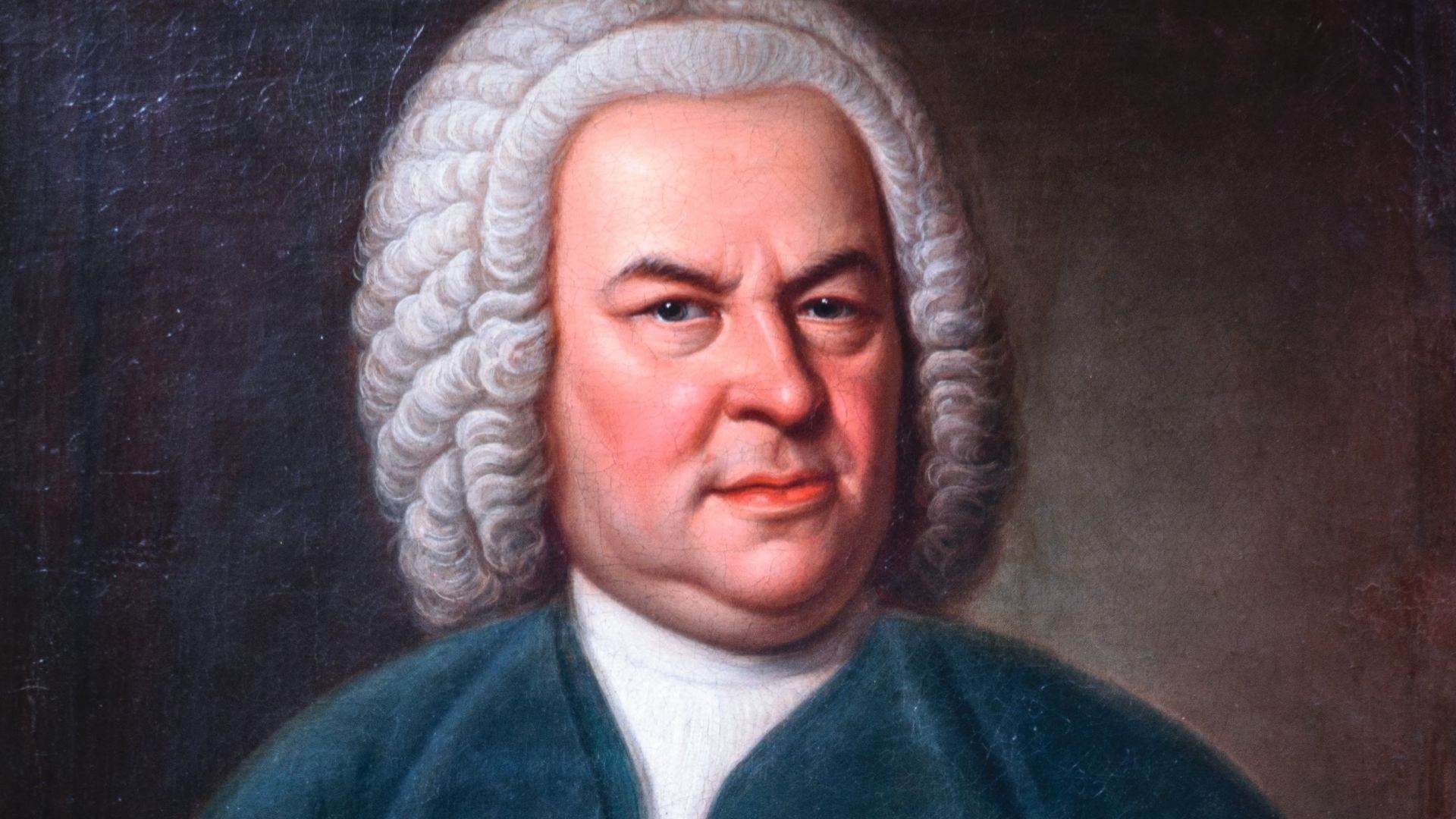
Frederick the Great still preferred orchestras to armies and in 1746, with Silesia under his control, he returned to his music books. In a first for a Prussian monarch, Frederick handed over a musical theme of his own to none other than Johann Sebastian Bach. The maestro spun it into the canons and fugues of The Musical Offering.
Frederick would compose his next concerto with cannons.
 Elias Gottlob Haussmann, Wikimedia Commons
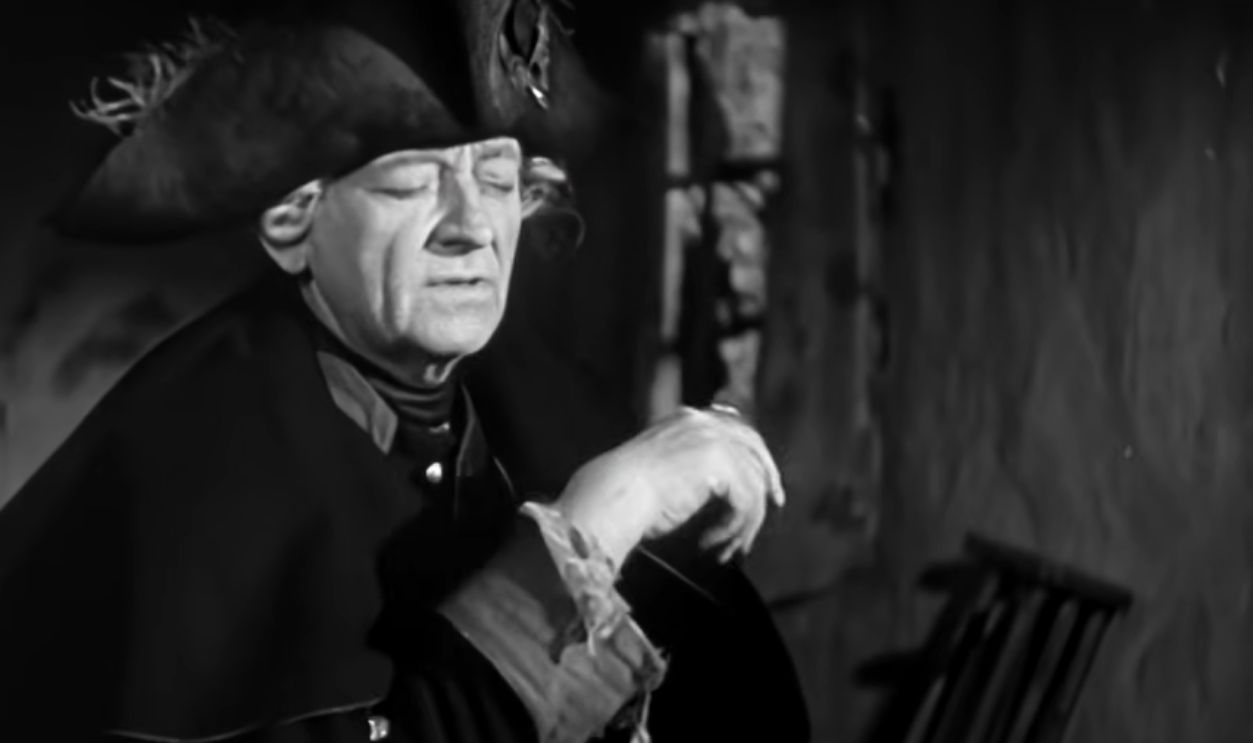
39. He Struck First Again
Frederick the Great woke up in 1756 to find Europe’s chessboard rearranged against him. Austria had linked arms with France and Russia—both old rivals. That left Frederick with England as his only powerful ally—half a continent away. Surrounded by enemies, Frederick didn’t wait, he struck first. On August 29, 1756, he stormed into Saxony, igniting a continental struggle that would rage until 1763.
This time, however, Frederick’s boldness came at a price.
 Screenshot from The Great King, Tobis Filmkunst (1942)
History's most fascinating stories and darkest secrets, delivered to your inbox daily.
40. He Crossed The Line
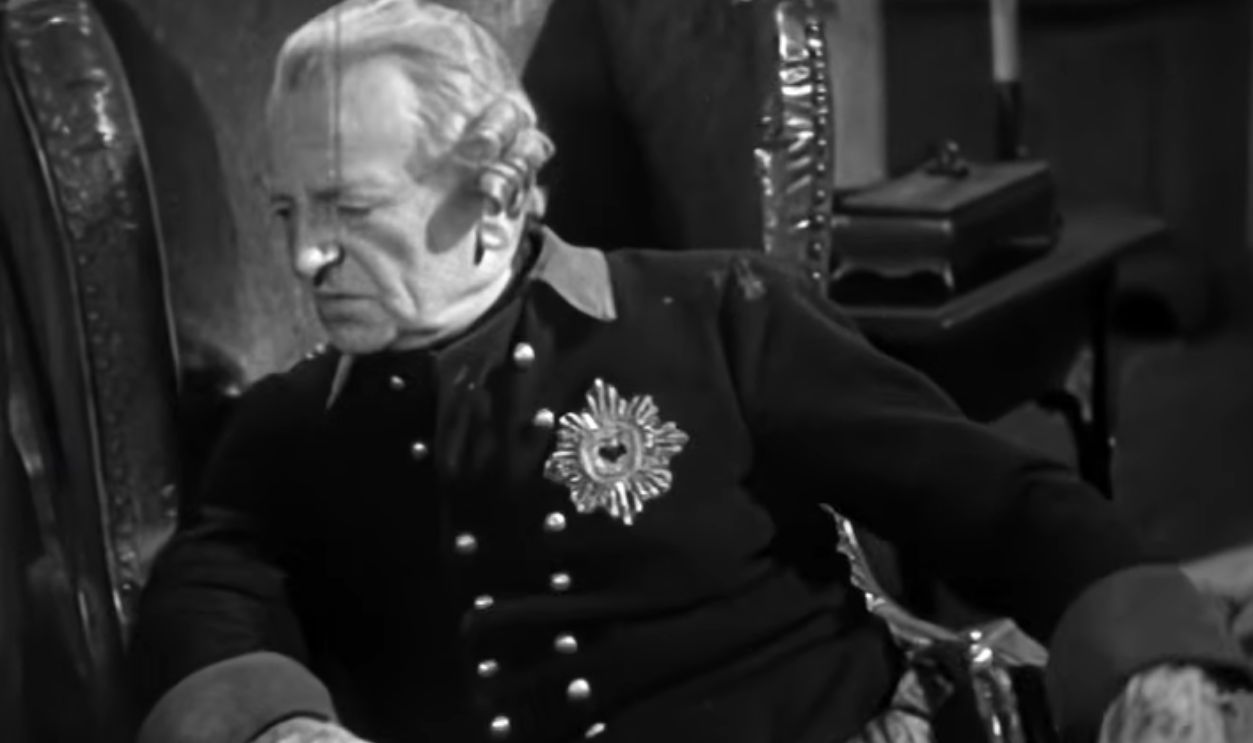
Frederick’s treatment of Saxony shocked even the most cynical observers. When the trapped Saxon forces at Pirna finally laid down their arms in October of 1756, Frederick the Great didn’t release them—he absorbed them. Impressed with their fighting, Frederick pressed the defeated men into his own ranks despite their protestations.
Europe feared that the son of the Soldier King was even worse than his father had been.
 Screenshot from The Great King, Tobis Filmkunst (1942)
41. His Snuffbox Saved His Life
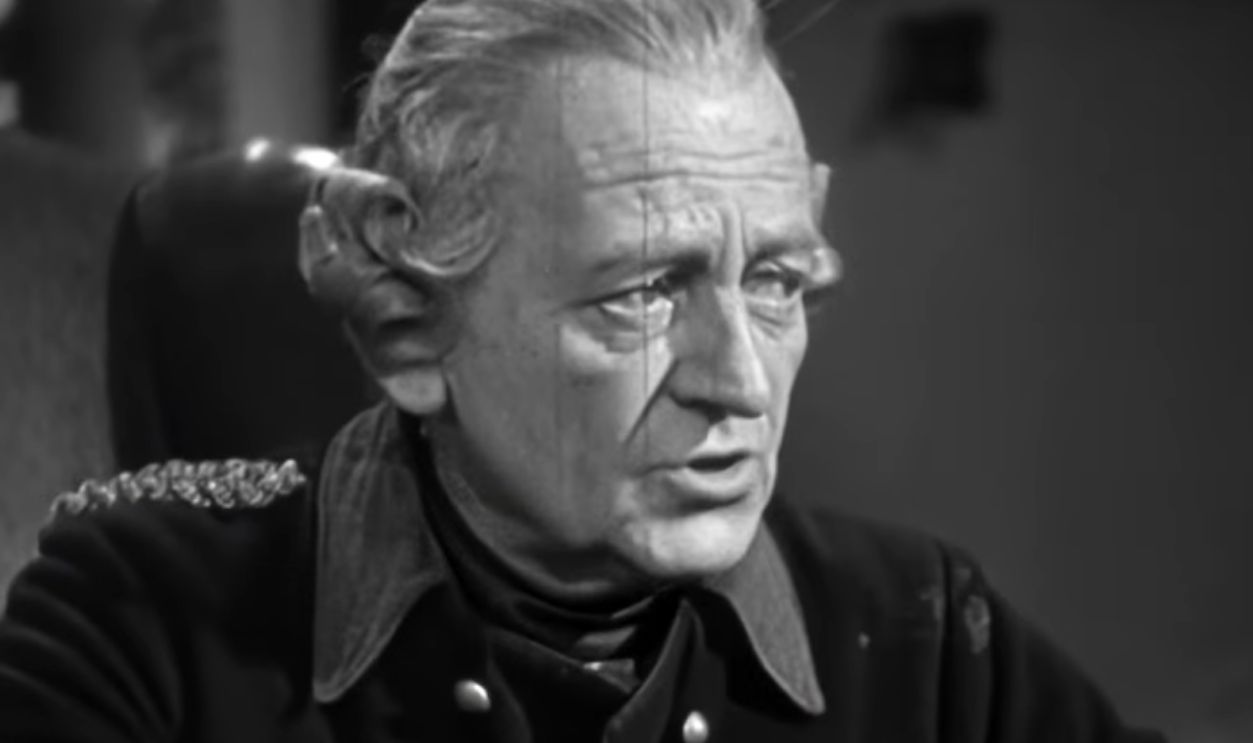
Frederick’s reign nearly came to an abrupt and premature end on August 12, 1759. At Kunersdorf, Austro-Russian forces shattered Frederick’s army, wiping out close to half of it. The king himself escaped by sheer luck: an enemy ball slammed into a snuffbox he was carrying, sparing his life by mere inches. A crushing defeat—and an ignominious end—seemed inevitable.
Then, inexplicably, the victors simply stopped advancing. A stunned Frederick the Great dubbed it the “Miracle of the House of Brandenburg”. He would need one more miracle before the end.
 Screenshot from The Great King, Tobis Filmkunst (1942)
42. He Prepared For The End
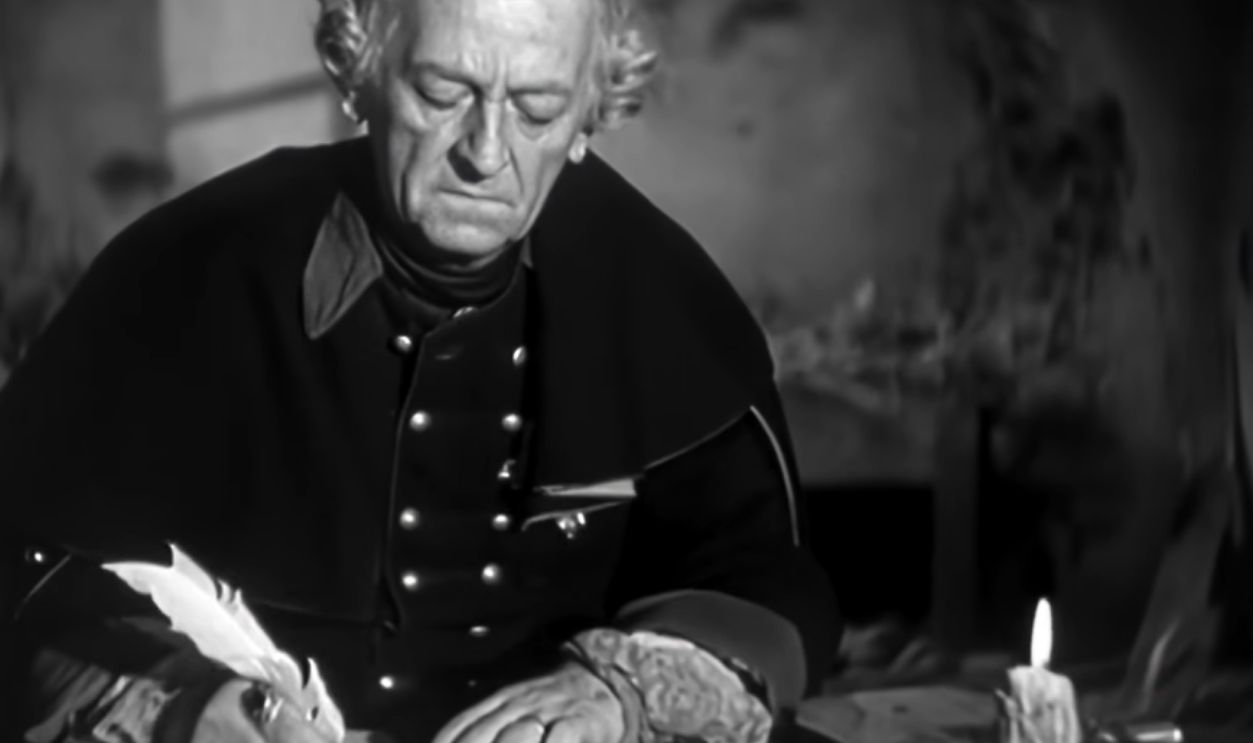
By January 1762, even the unsinkable Frederick the Great had run out of hope. Russian forces were grinding toward Berlin, and the king began writing like a beaten man. “We ought now to think of preserving for my nephew, by way of negotiation, whatever fragments of my territory we can save from the avidity of my enemies,” he confided to Count von Finckenstein.
Days later, fate dealt Frederick the luckiest card of his life.
 Screenshot from The Great King, Tobis Filmkunst (1942)
43. His Biggest Fan Was His Biggest Enemy
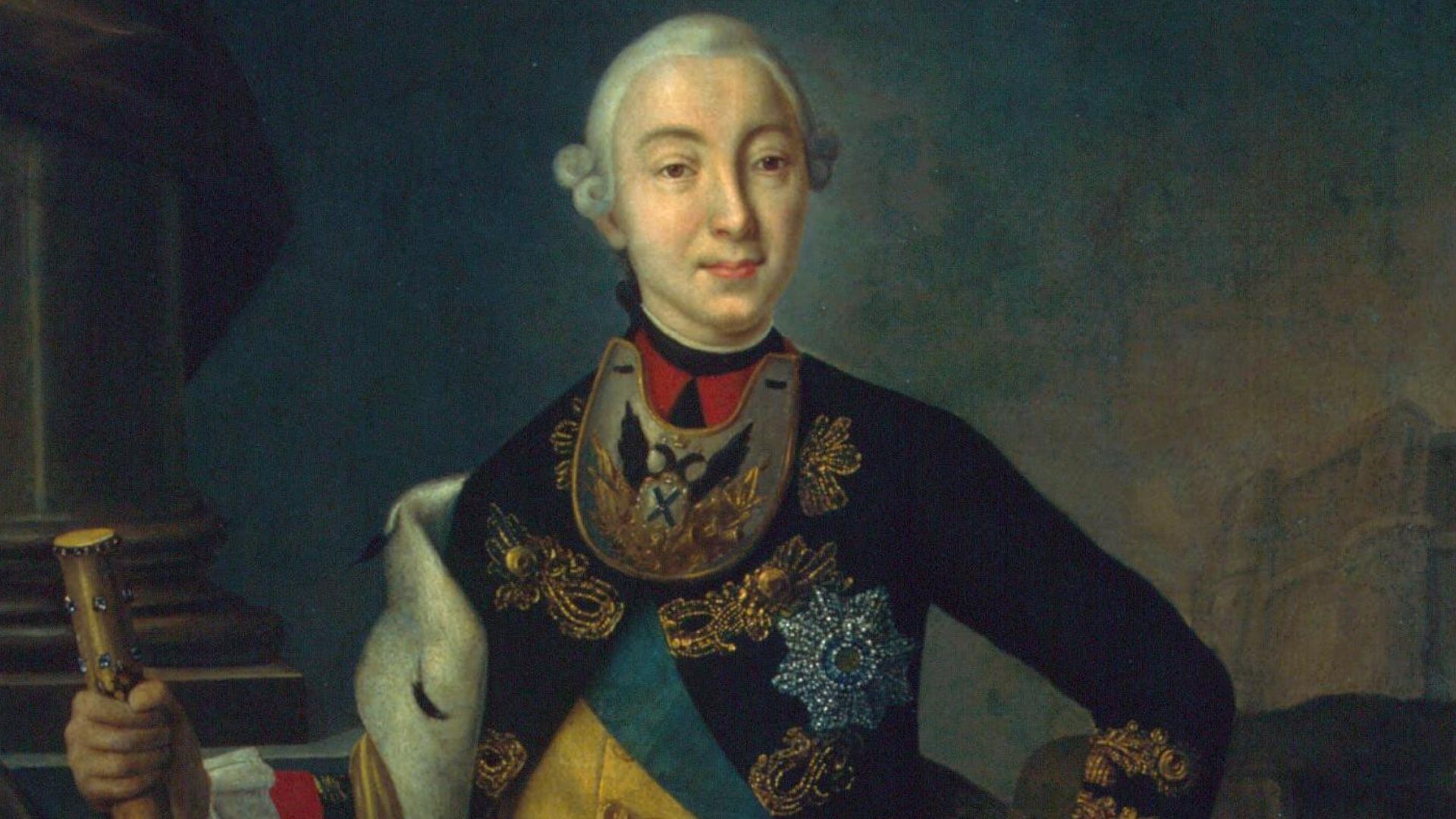
Frederick’s salvation arrived in the form of an obituary. Empress Elizabeth of Russia passed on suddenly in January of 1762—and successor, Tsar Peter III, just so happened to be Frederick’s biggest fan. The new tsar, who once gushed that he would “rather have been a general in the Prussian army than Tsar of Russia”, called off the Russian advance immediately.
Frederick the Great had survived the unsurvivable. Now came the cleanup.
44. He Was A Potato Peddler
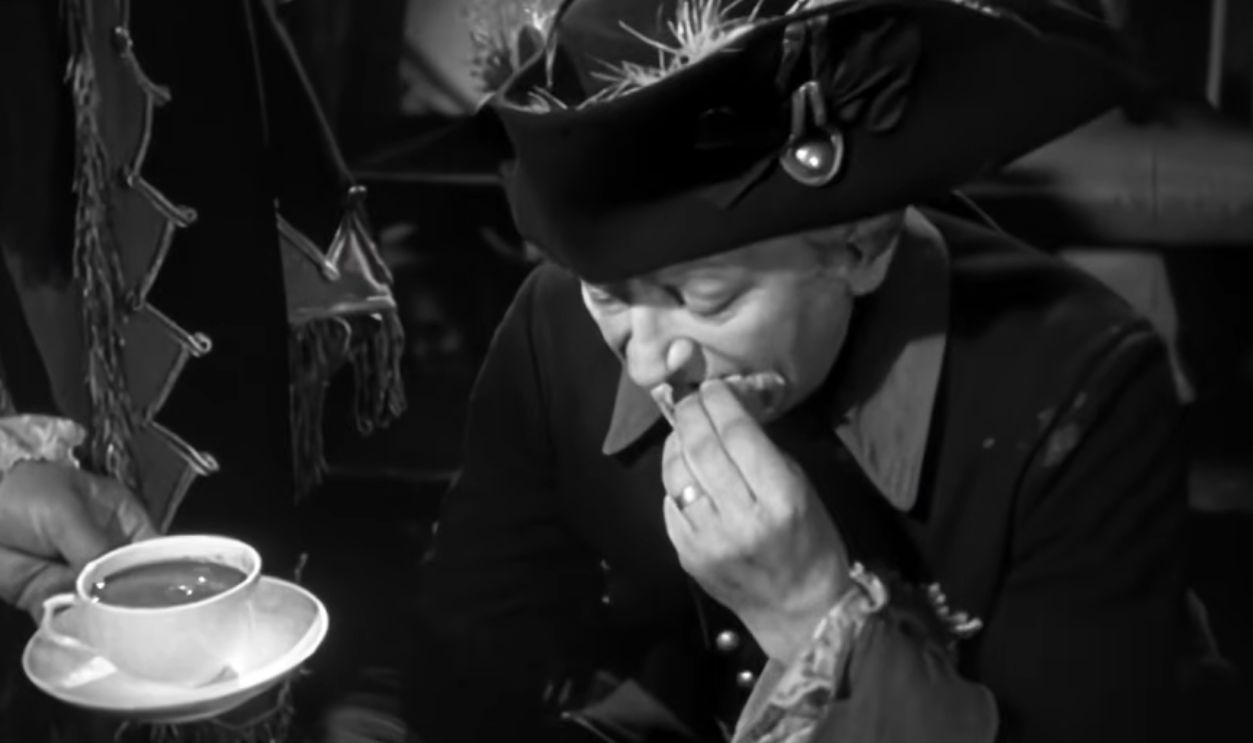
Frederick the Great emerged from the long struggle in 1763 with his kingdom intact—and immediately got to work. With the Treaty of Hubertusburg signed, he split his government into specialized ministries, pushed settlers onto idle land across the kingdom, and championed two humble crops that would keep Prussians fed for generations: the turnip and the potato.
But the peace came too late for one old friend.
 Screenshot from The Great King, Tobis Filmkunst (1942)
45. He Kept Keith At Bay
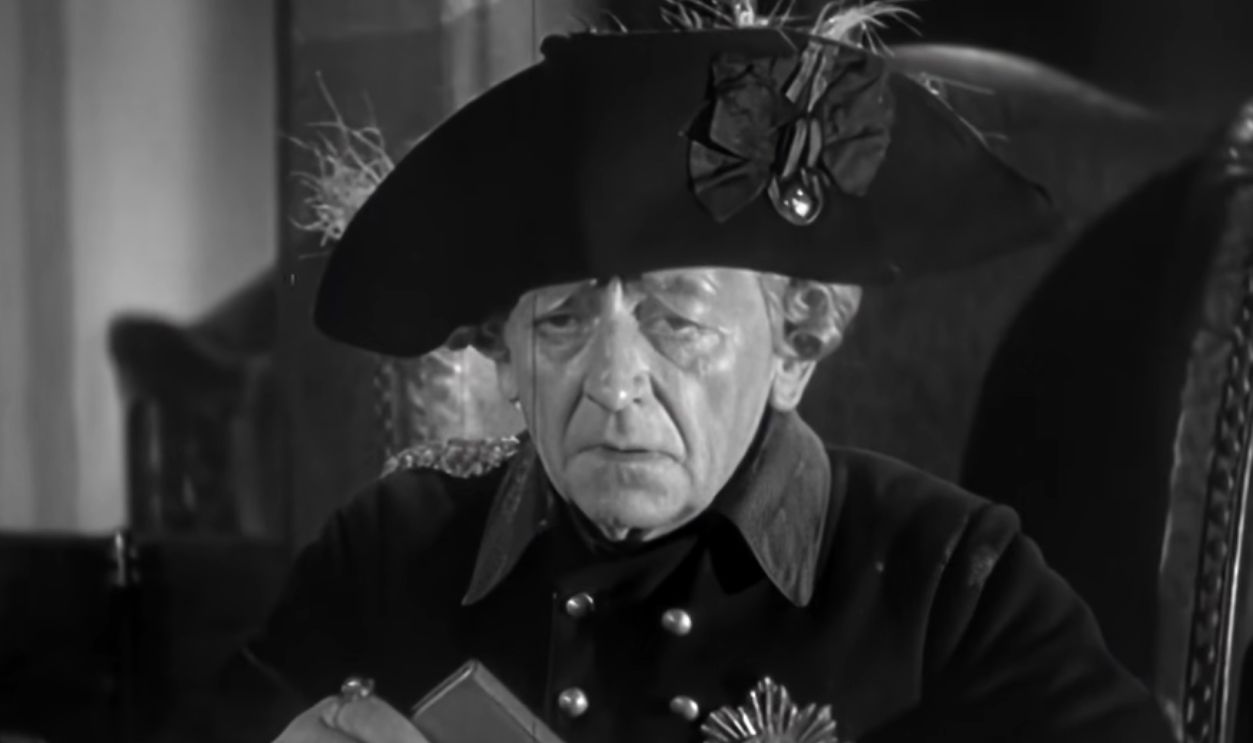
Peter Keith had come home in 1740, no doubt expecting a warm welcome from his old companion. But King Frederick the Great wasn’t Crown Prince Frederick anymore. He gave Keith titles instead of tenderness—stable master, lieutenant colonel, eventually curator of the Berlin Academy of Sciences. Yet, he kept Keith at arm’s length until he passed in December of 1756.
Whatever they had once been to each other was buried.
 Screenshot from The Great King, Tobis Filmkunst (1942)
History's most fascinating stories and darkest secrets, delivered to your inbox daily.
46. He Carved Up A Country
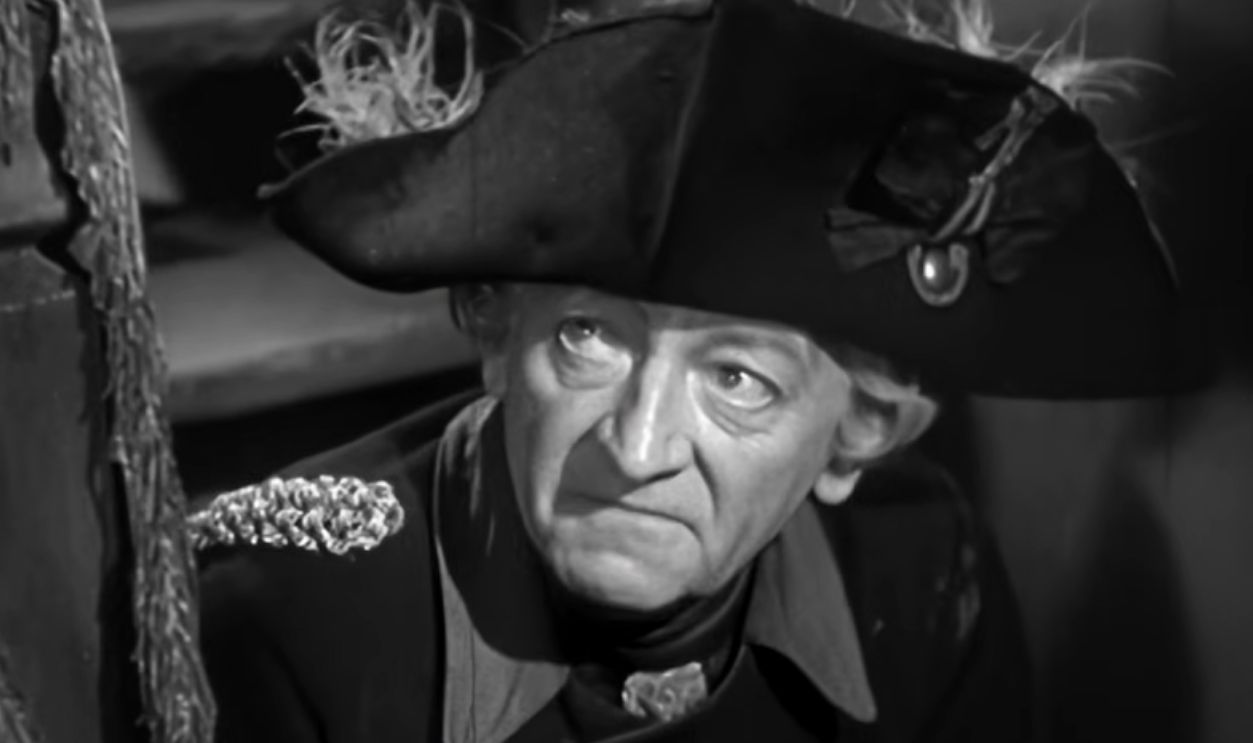
Frederick the Great saved his greatest conquest for 1772—and he didn’t need a single battle to pull it off. Together with Catherine the Great and Maria Theresa, he simply agreed to divide Poland. Frederick’s slice—38,000 square kilometers and 600,000 new subjects—finally linked his scattered lands. He even traded up his title, from King “in” Prussia to King “of” Prussia.
Frederick’s new subjects were about to see his cruelest side.
 Screenshot from The Great King, Tobis Filmkunst (1942)
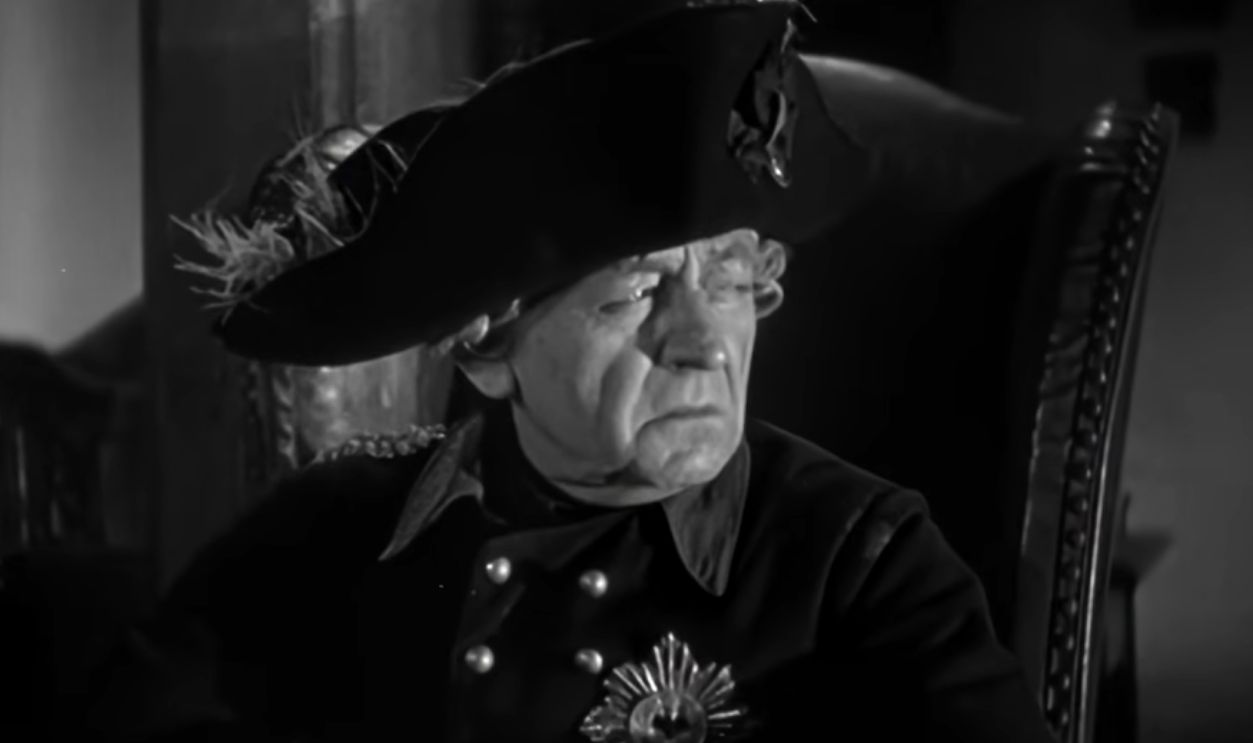
47. He Wasn’t Nice To His New Subject
Frederick’s enlightened ideals, it turned out, stopped at the Polish border. The king dismissed his newest subjects as “slovenly Polish trash” and set about remaking the region by force. German settlers flooded in, Crown lands and monasteries changed hands, conscription arrived, and a punishing tax code drained the Polish nobility dry.
Frederick the Great, philosopher king, was still Prussian after all.
 Screenshot from The Great King, Tobis Filmkunst (1942)
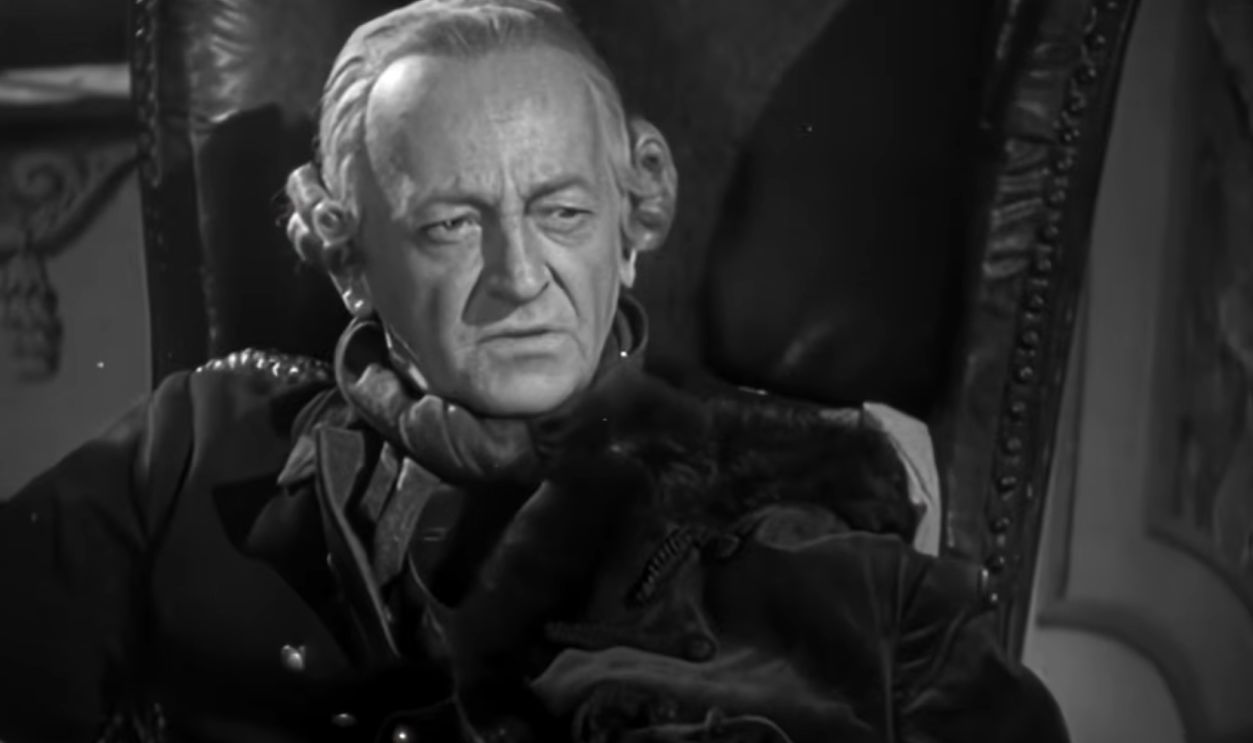
48. His Was King Of An Army—Not An Empire
With his tremendous victories, Frederick the Great had given Prussia a clear reputation. “Prussia is not a state that has an army,” the French statesman Mirabeau quipped in 1786, “but an army that has a state”. Frederick had earned the jab: the force he inherited from his father was already enormous, and by 1770 he had doubled it in size.
 Screenshot from The Great King, Tobis Filmkunst (1942)
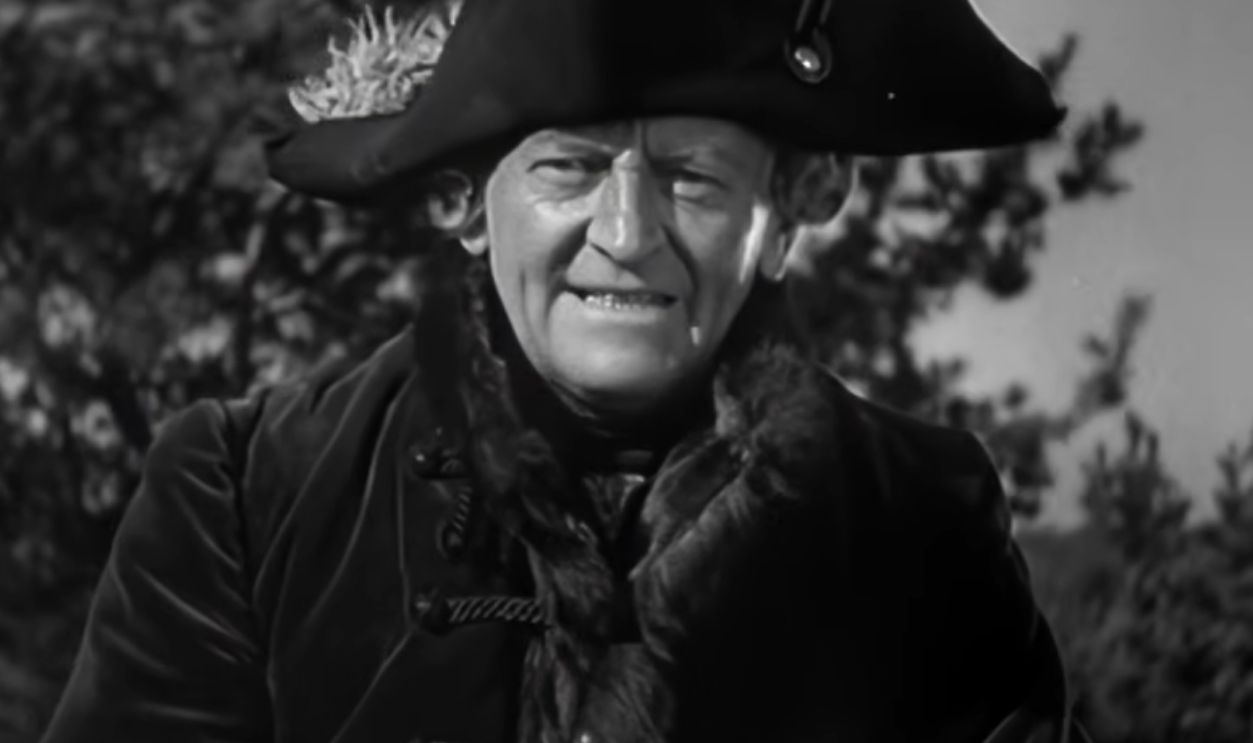
49. His Heart Kept Its Secrets
Frederick the Great took his deepest secret to the grave—almost. Historians who study the king’s life now mostly agree that he was almost certainly drawn to men, with his intense youthful bonds with Peter Keith and Hans Hermann von Katte at the center of the debate around his preferences. How far those intimacies went, however, remains one of history’s open questions.
Where Frederick’s heart truly lived, though, was never in doubt. It was with the artists, writers, and musicians he filled his court with—though occasionally, it went beyond appreciation.
 Screenshot from The Great King, Tobis Filmkunst (1942)
50. He Had Another Love
Frederick the Great had a fiery affair with the French writer Voltaire—and it led to the greatest scandal of the Prussian king's life. While Frederick was infatuated with Voltaire at first, the pair had a falling out and Voltaire had to flee Prussia. Later, Voltaire wrote about the affair in his memoirs. While he never released Frederick's secrets, thieves stole the work and laid them out for all the world to see.
Europe was shocked: the greatest general on Earth had engaged in a relationship with another man. For his part, Frederick simply ignored the pamphlet and went about his life. He was never ashamed of who he was.
 Nicolas de Largillière, Wikimedia Commons
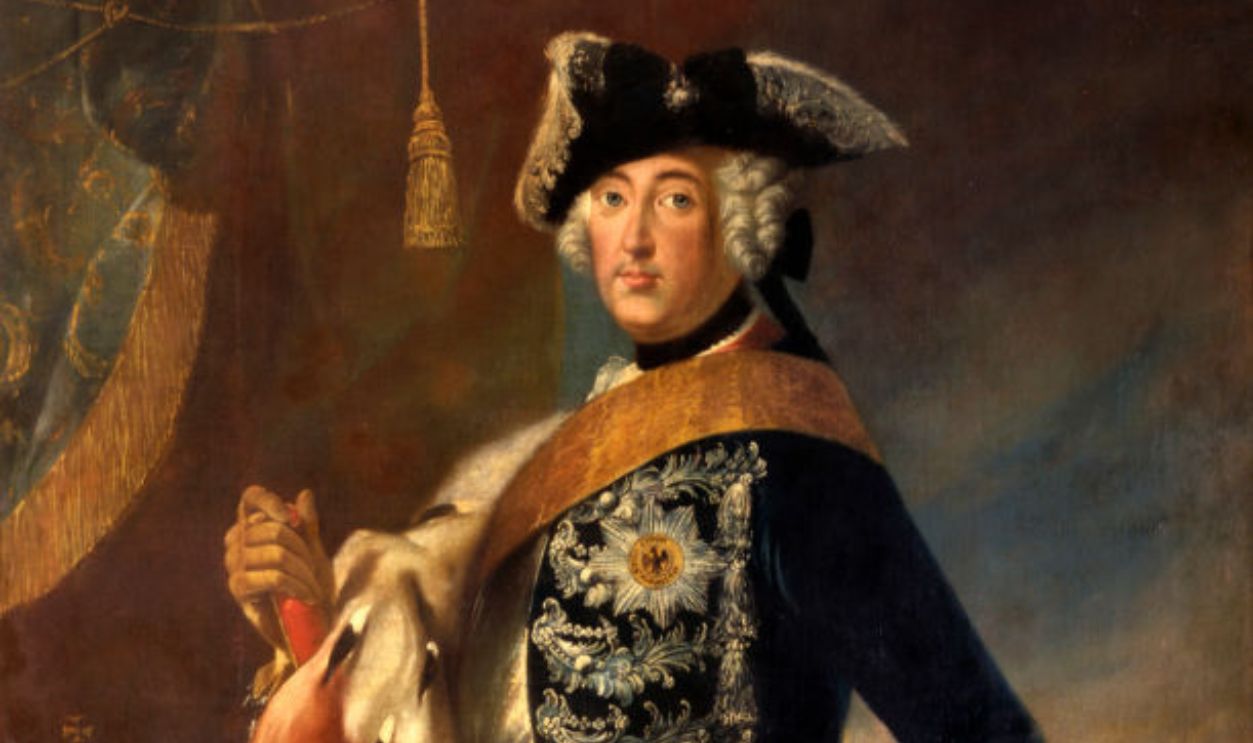
51. He Went Home For Good
Frederick the Great met his end where he had always been happiest. On August 17, 1786, the 74-year-old king slipped away at Sanssouci, the Rococo palace in Potsdam that he loved above every other place on earth. But, thanks to his loveless marriage, he left no children—no heir of his own. Instead, the crown passed to his nephew, Frederick William II.
And exactly as Frederick had wished, Sanssouci became his final resting place.
 Mondadori Portfolio, Getty Images
You May Also Like:
Lost Facts About King James I, The Forgotten King
Horrific Facts About Peter The Great, The Cruelest Tsar










,_King_of_Prussia_MET_ES1897.jpg)


