The Outlaw Who Hung Up His Guns
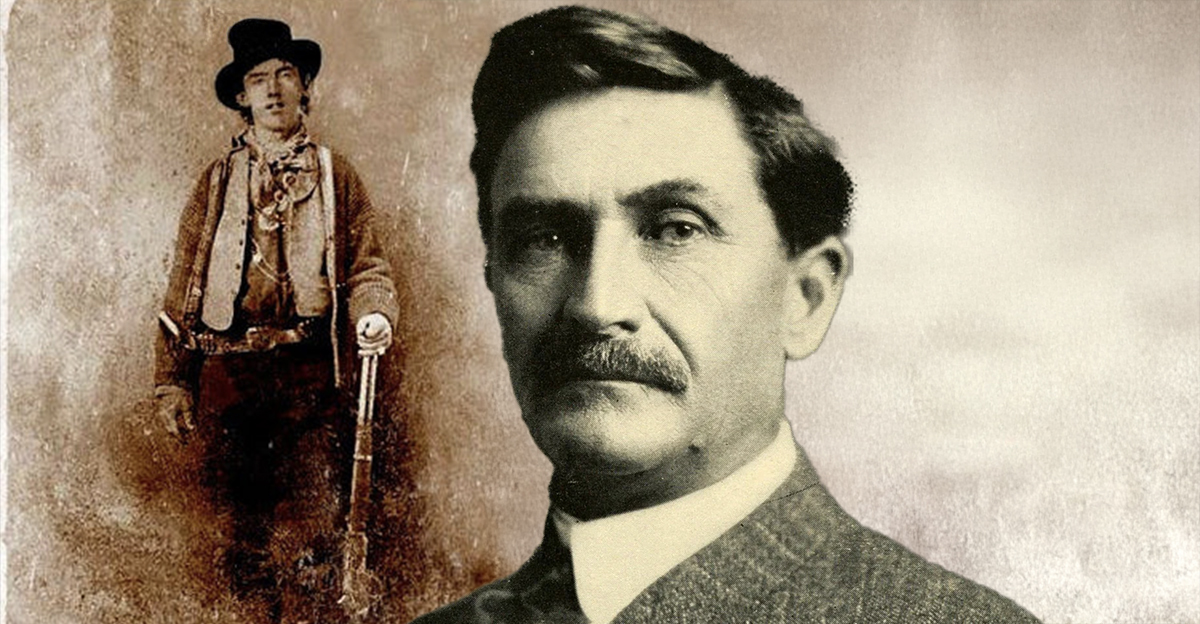
Frank James rode alongside his younger brother Jesse as one half of America's most notorious outlaw duo. Together, they robbed banks, trains, and stagecoaches while becoming legends of the post-Civil War frontier. But after Jesse was killed in 1882, Frank surrendered to authorities, abandoned his criminal life, and lived long enough to see the Wild West fade into history.
Kentucky Roots
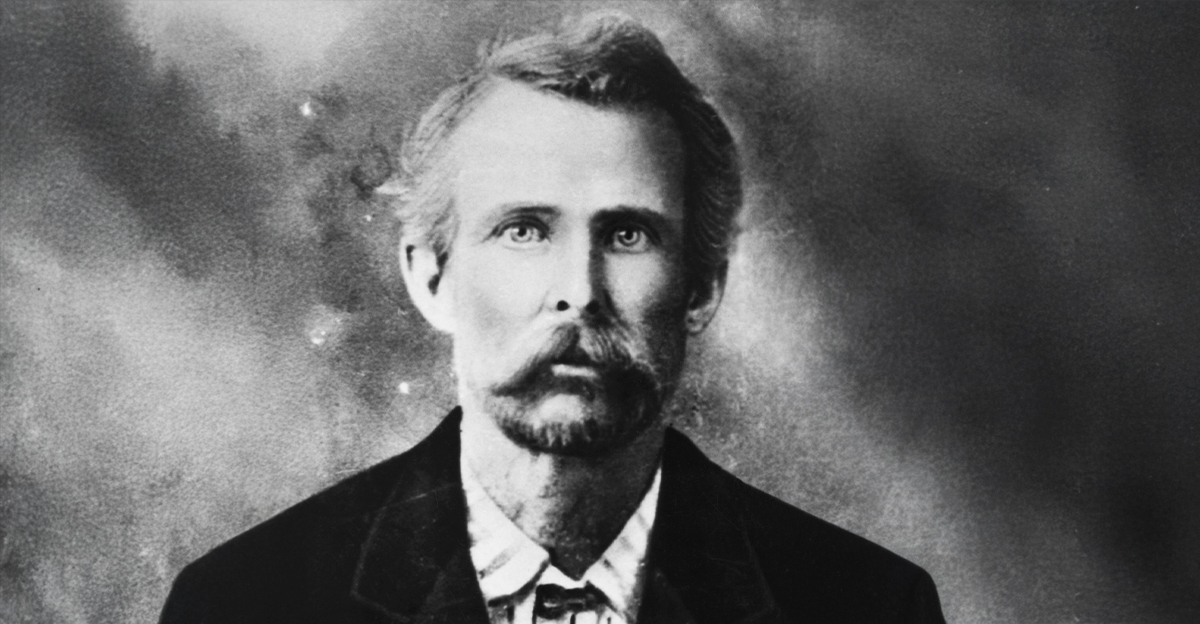
Frank James was born Alexander Franklin James on January 10, 1843, in Kearney, Missouri. He grew up on a family farm in Clay County. His parents, Robert and Zerelda James, raised their children in a region that would become deeply divided during the turbulent years leading up to the Civil War.
 Universal History Archive, Getty Images
A Preacher's Son
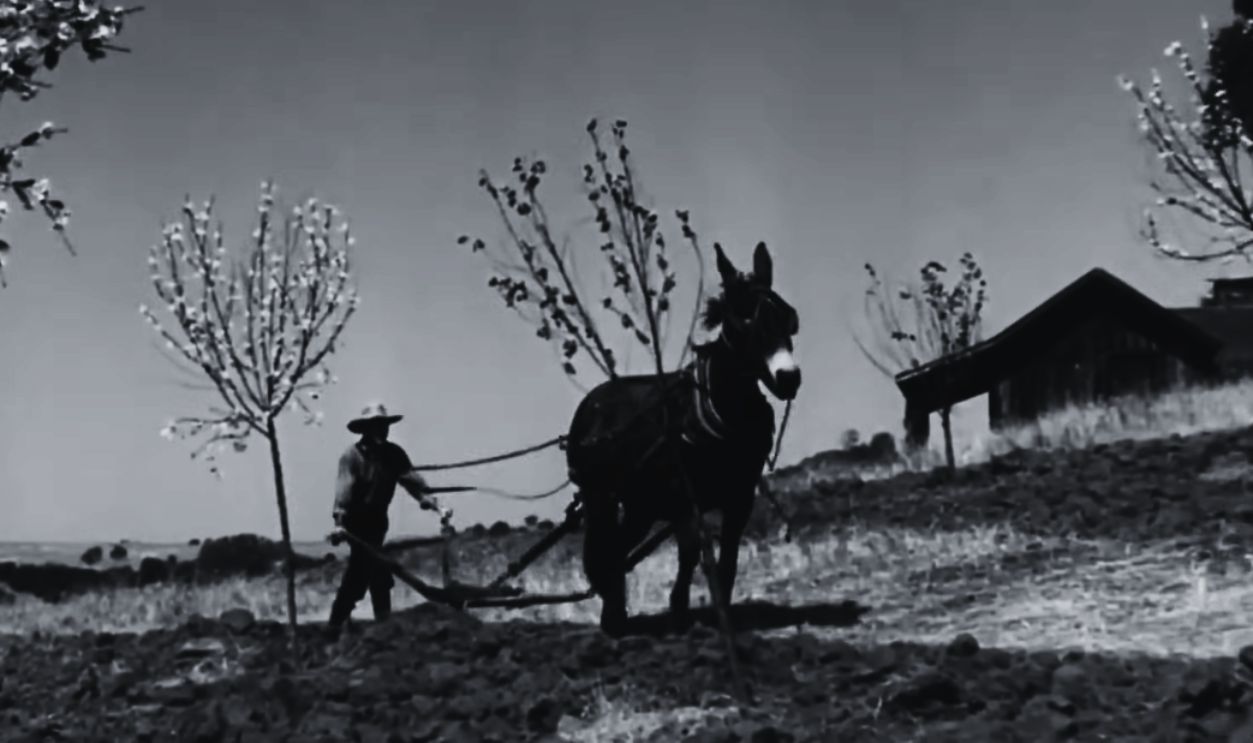
Frank's father, Robert James, was a Baptist minister as well as a farmer. The family enjoyed a respectable position within their community, and young Frank received more education than many frontier children. His early years gave little indication of the outlaw career that would later define his reputation.
 Screenshot from The Return of Frank James, 20th Century Studios (1940)
Loss Of His Father
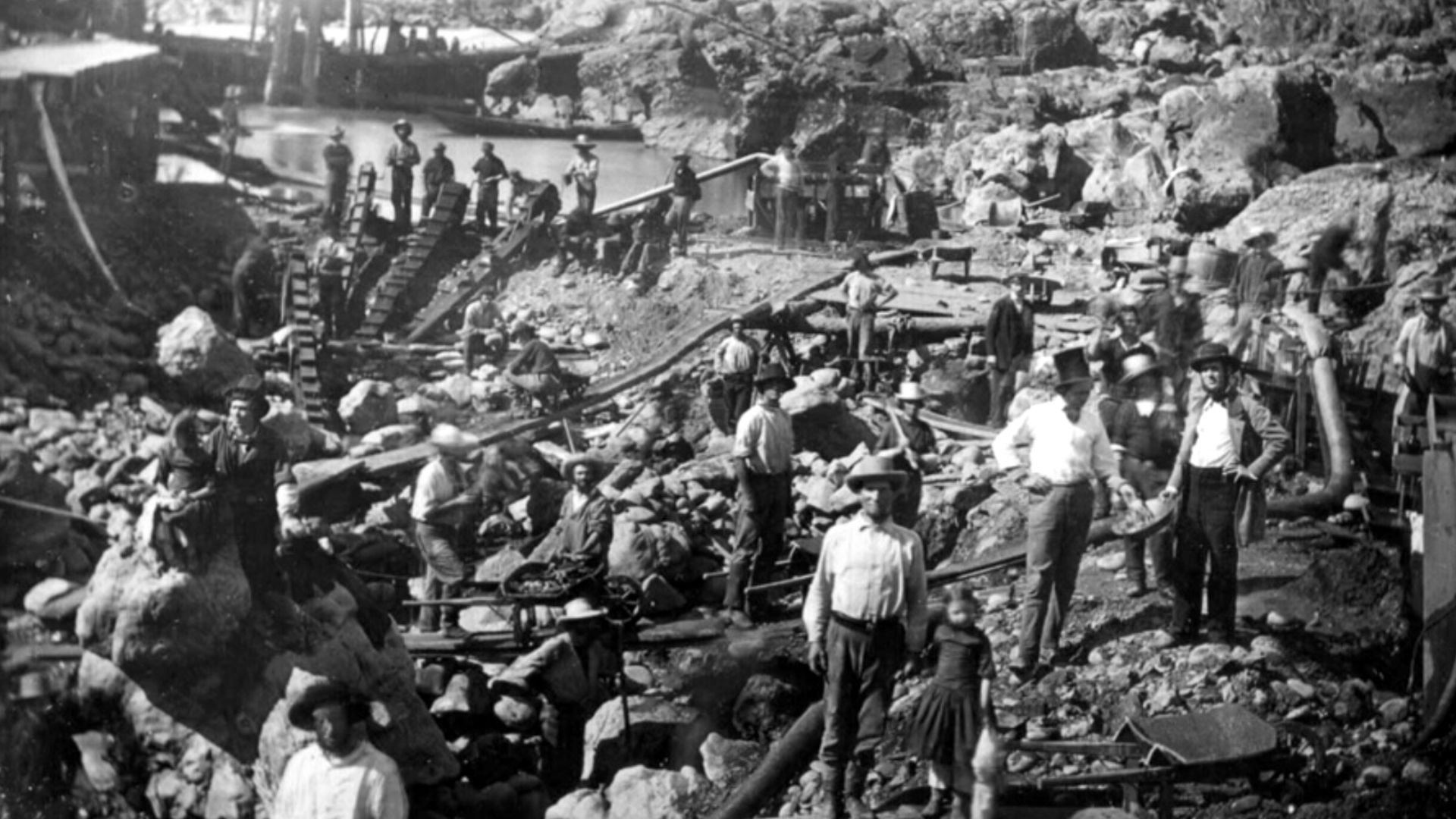
In 1850, Robert James traveled to California during the Gold Rush, hoping to improve the family's fortunes. Instead, he became ill and died while away from home. Frank was only seven years old. The loss left Zerelda to raise the family under difficult circumstances.
 George H. Johnson, Wikimedia Commons
A Blended Family
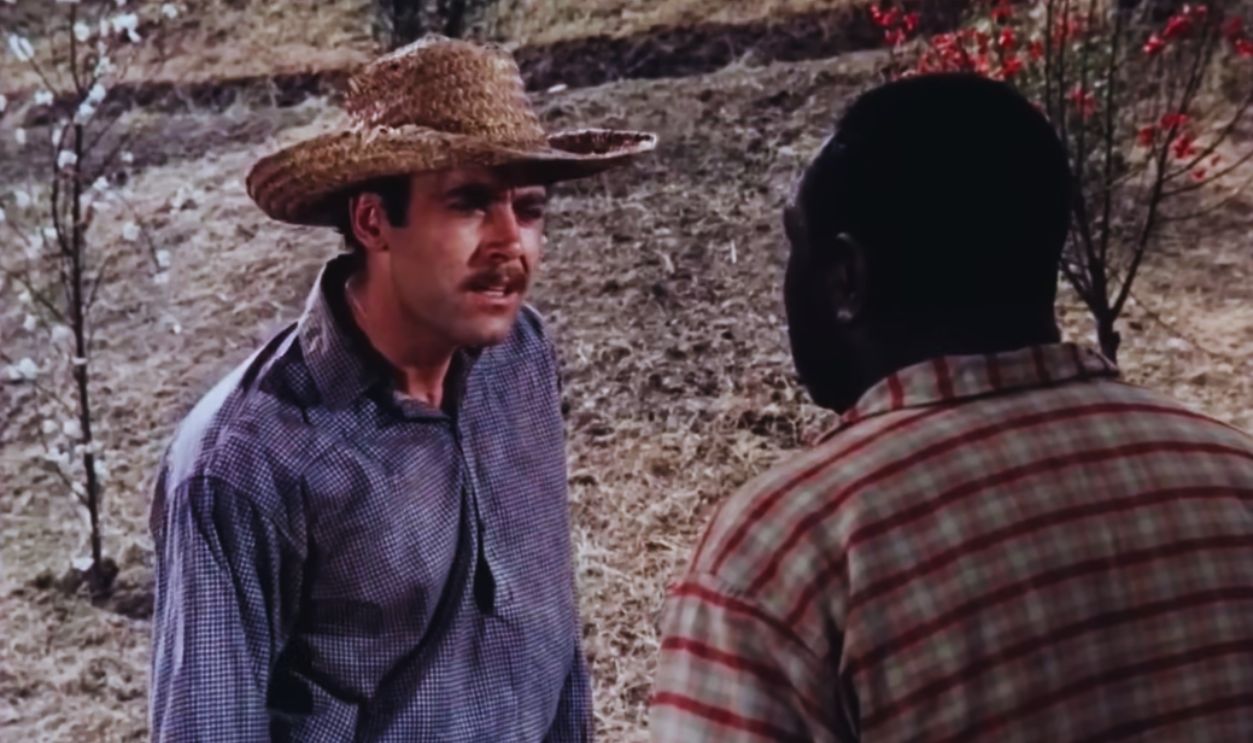
After Robert's death, Zerelda remarried twice. Frank grew up in a complex household that included stepfathers and half-siblings. Despite these changes, family loyalty remained a powerful force throughout his life and heavily influenced many of his later decisions.
 Screenshot from The Return of Frank James, 20th Century Studios (1940)
Different From Jesse
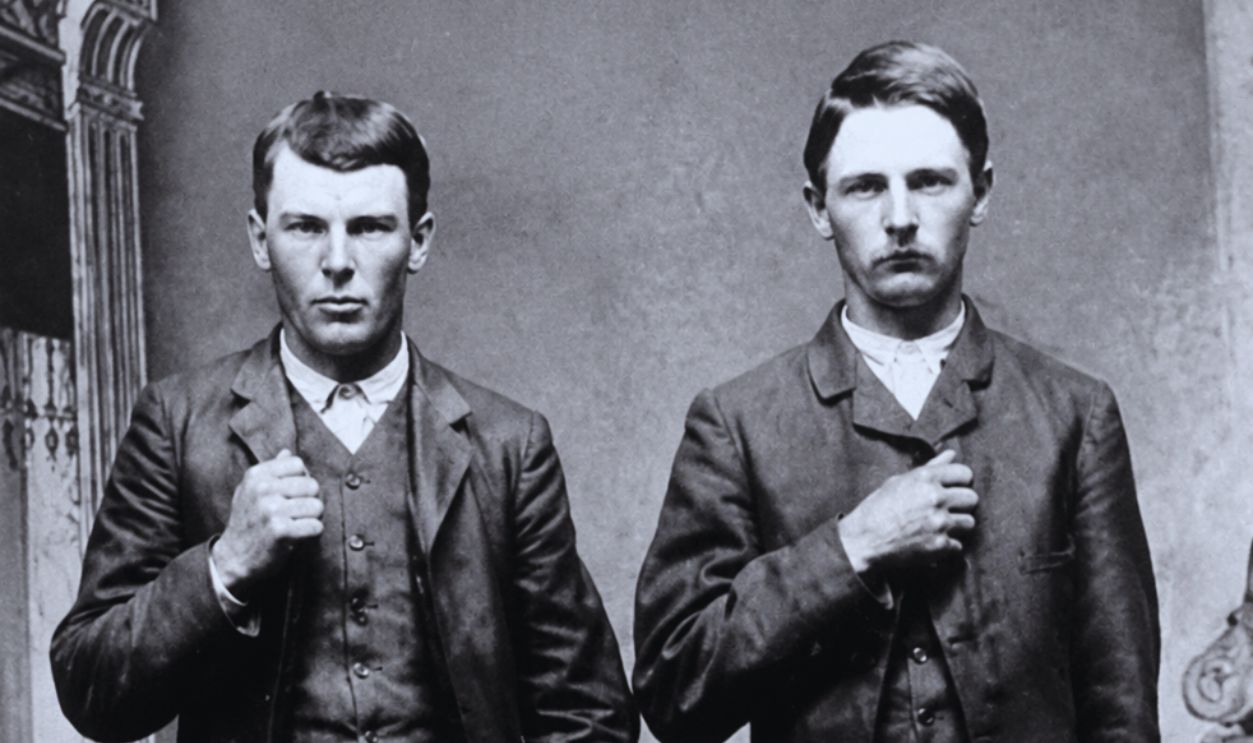
Although Frank and his younger brother Jesse became famous together, observers often noted significant differences between them. Frank was generally viewed as quieter, more intellectual, and better educated. Jesse tended to be more impulsive, charismatic, and eager to cultivate a public image.
 U.S. Army Corps of Engineers, Wikimedia Commons
Missouri In Turmoil
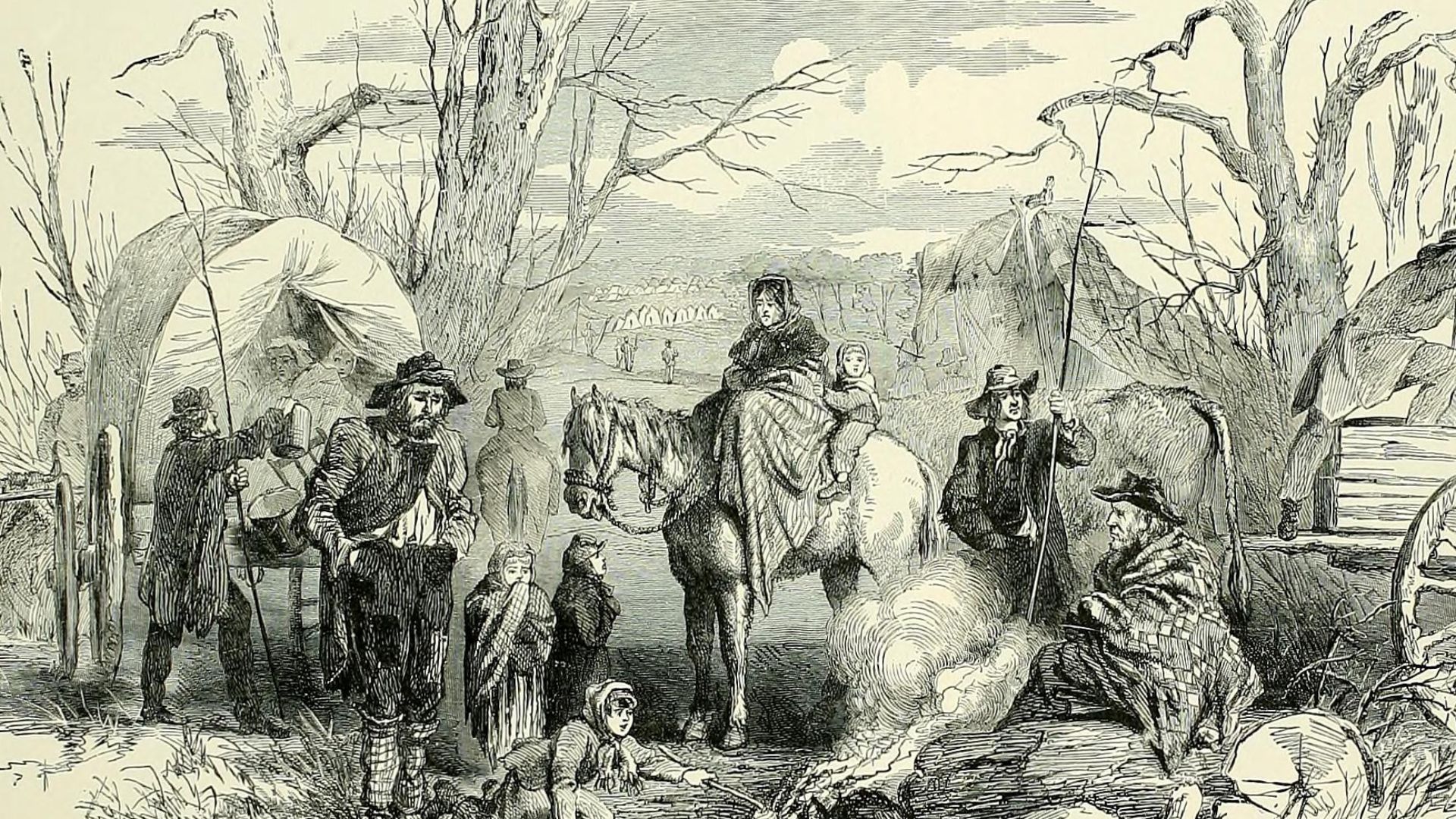
As sectional tensions increased in the years leading up to the Civil War, Missouri became one of the most violently divided states in America. Neighbors often found themselves on opposite sides of the slavery question. Political disagreements frequently escalated into armed confrontations, creating an atmosphere that profoundly affected the James family.
 Internet Archive Book Images, Wikimedia Commons
The Civil War Begins
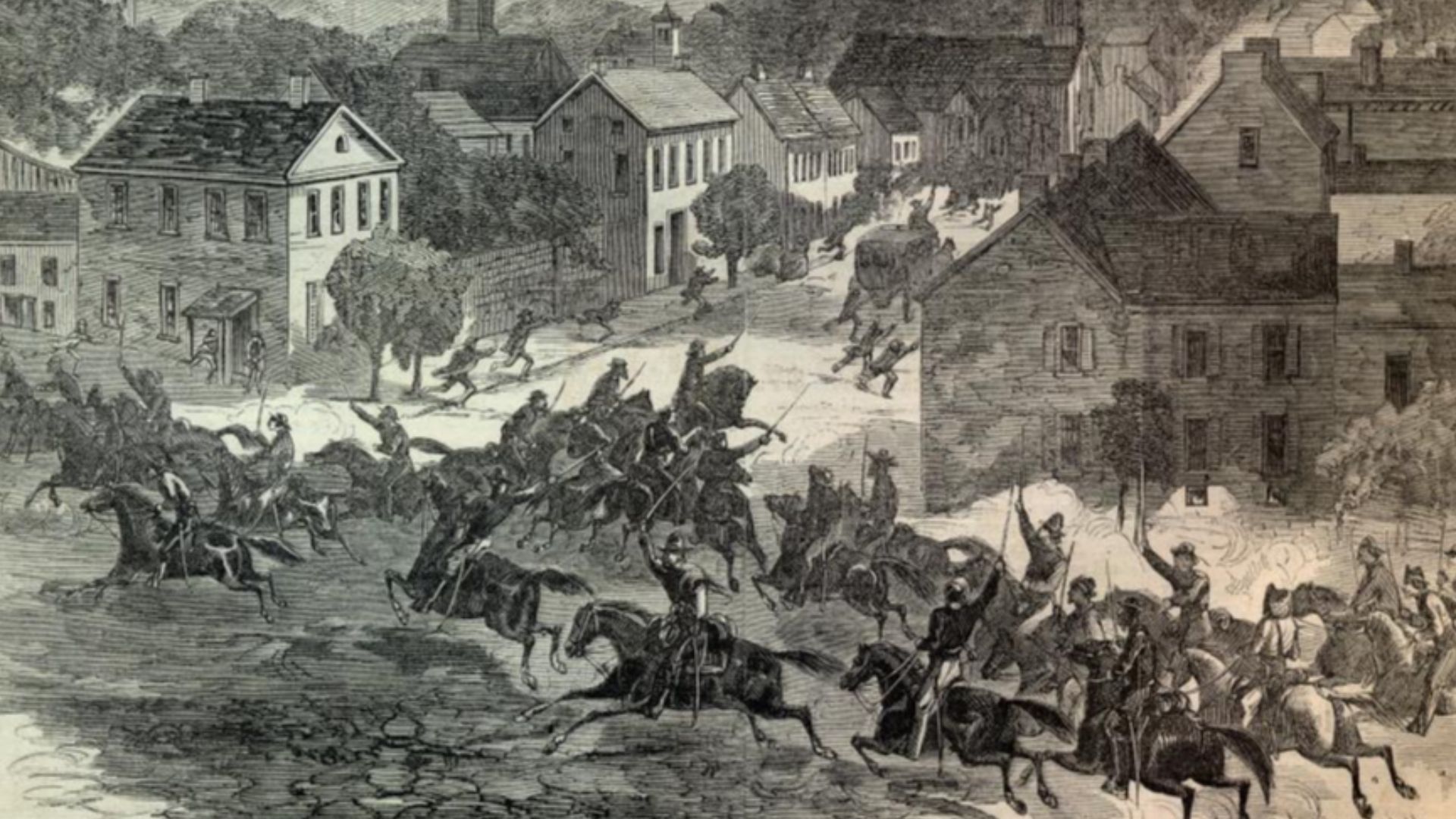
When the Civil War erupted, Missouri became a battleground for guerrilla warfare. Conventional military campaigns mixed with raids, ambushes, and reprisals. Young men throughout the state faced intense pressure to choose between one side or the other, and Frank James soon found himself drawn into the conflict.
 Mortadelo2005, Wikimedia Commons
Captured By Union Troops
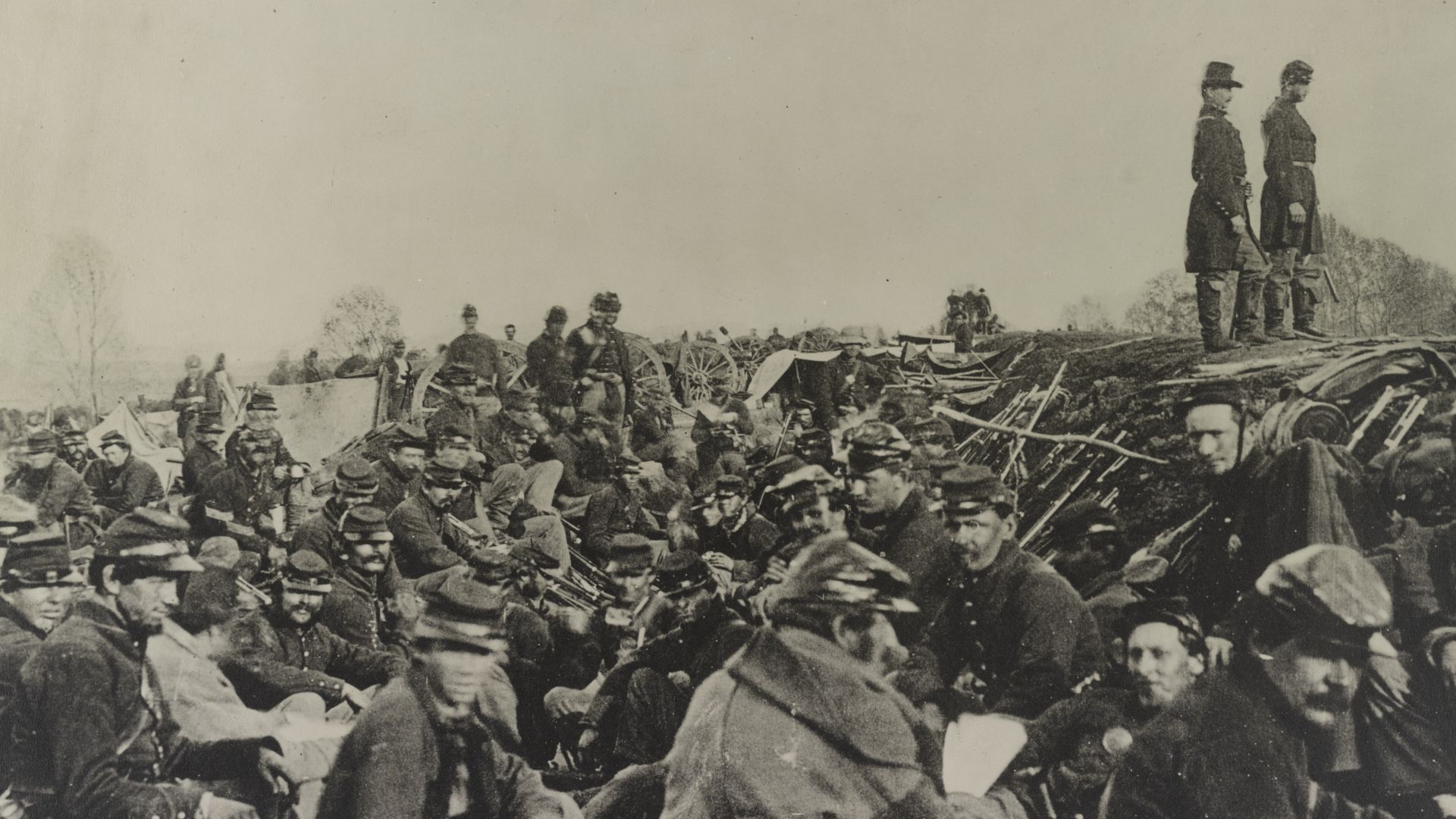
The James family were slave owners, so it was no surprise when early in the war, Frank joined pro-Confederate forces. At one point he was captured by Union soldiers. According to accounts of the period, he was eventually released after taking an oath of allegiance. The experience did little to reduce his Confederate sympathies.
 Civil War Glass Negatives, Wikimedia Commons
Joining Quantrill
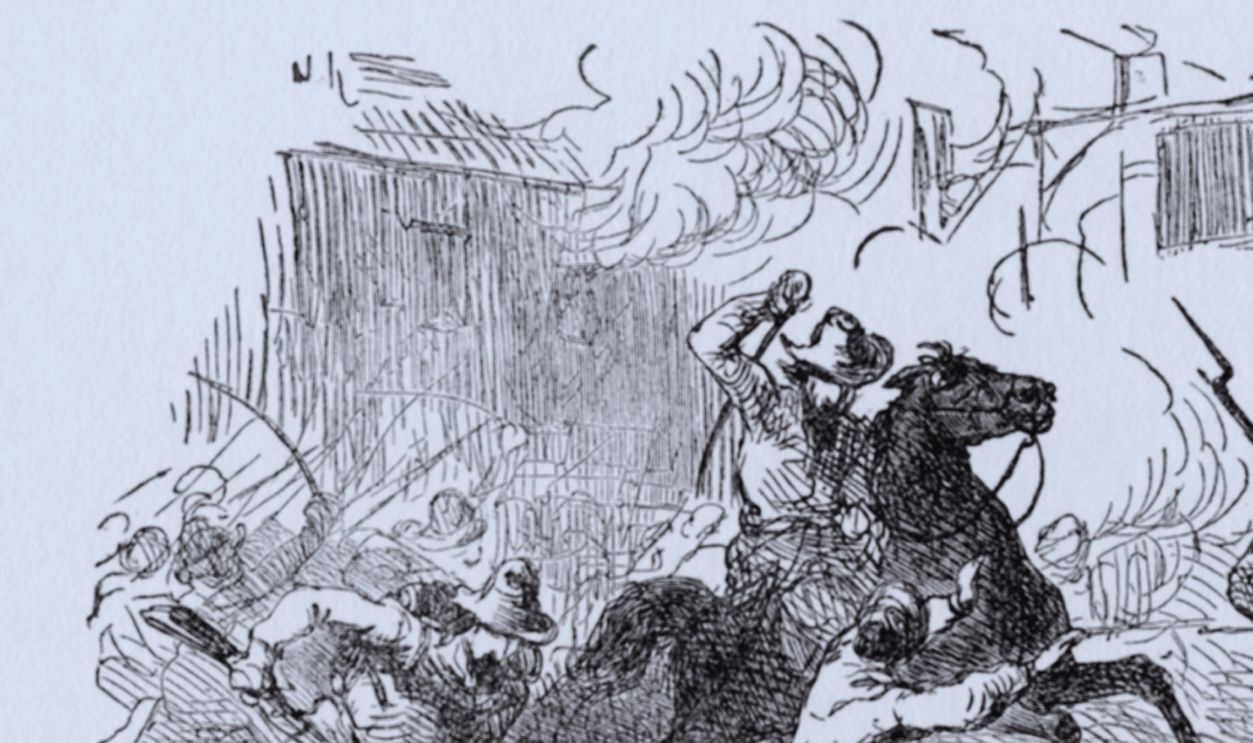
Frank eventually joined the guerrilla force led by William Quantrill. The group became notorious for its raids and brutal tactics. Many future outlaws, including Jesse James, would later serve alongside guerrillas whose wartime experiences shaped their postwar lives.
 Interim Archives, Getty Images
The Lawrence Raid
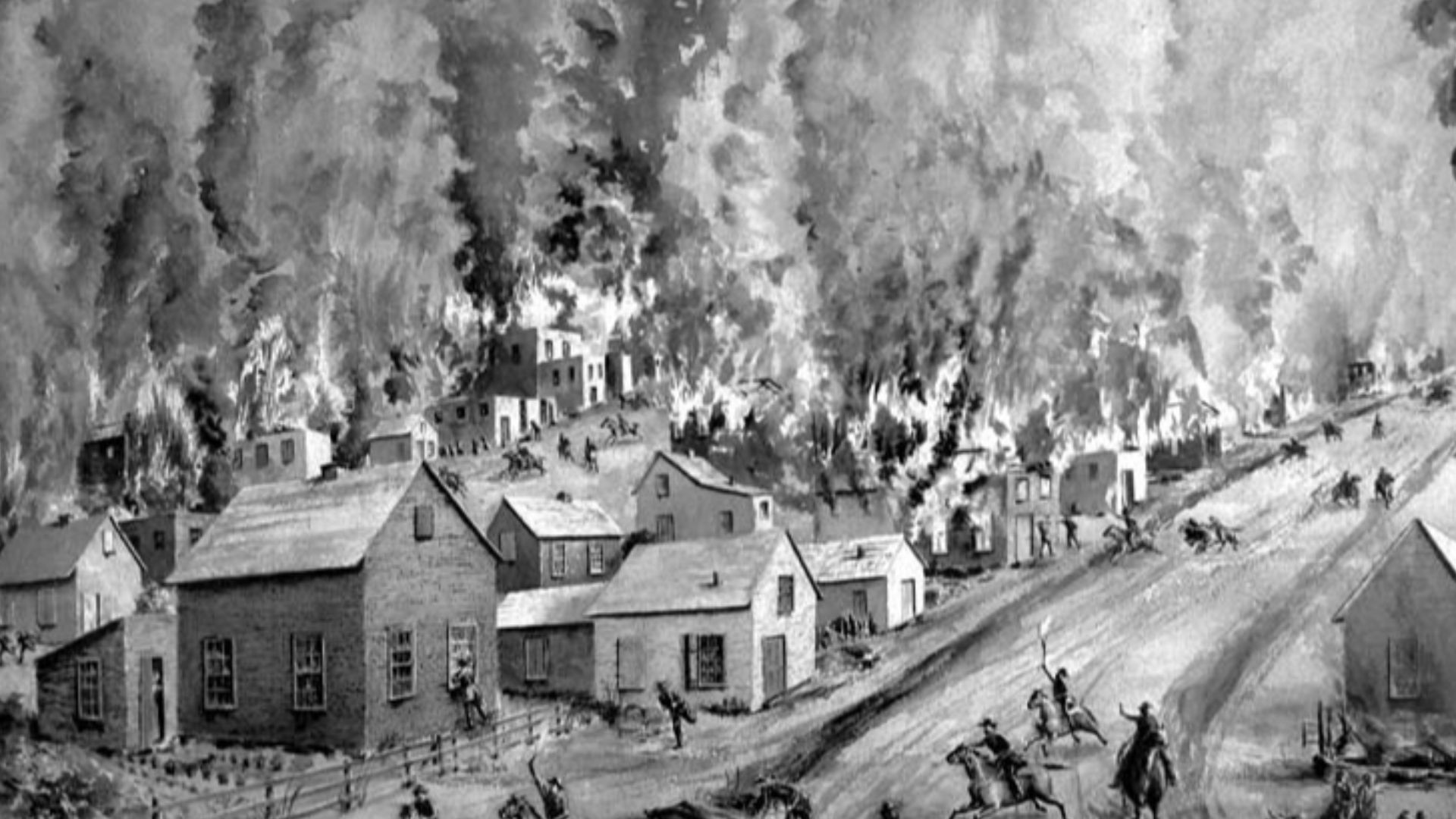
In 1863, Quantrill's men attacked Lawrence, Kansas. The raid resulted in widespread destruction and the deaths of more than 150 men and boys. Frank participated as a member of Quantrill's command, linking his name forever to one of the Civil War's most infamous incidents.
Guerrilla To Outlaw
When the war ended, former Confederate guerrillas often struggled to reintegrate into civilian life. Frank and Jesse James instead drifted toward criminal activity. The brothers joined former comrades in robberies that blurred the line between lingering wartime loyalties and outright banditry.
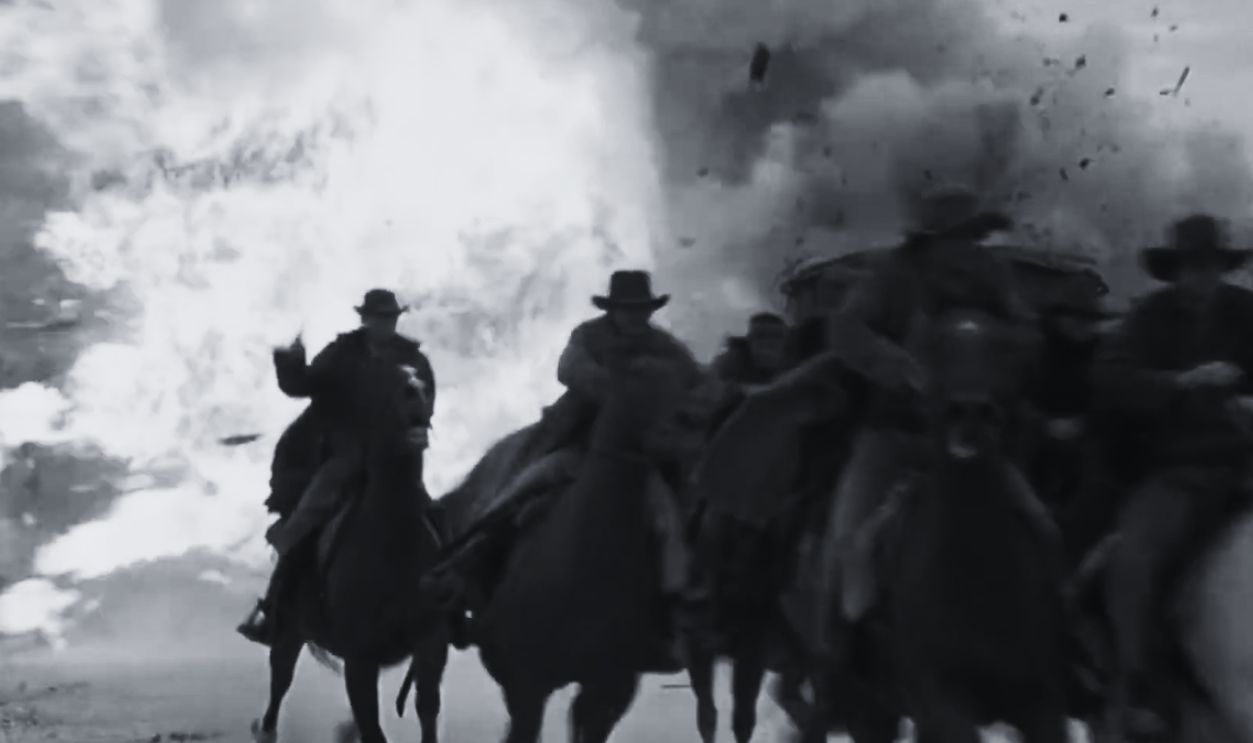 Screenshot from American Outlaws, Warner Bros. (2001)
Early Robberies
During the late 1860s, Frank became associated with a series of bank robberies and other crimes. The emerging gang relied on its wartime connections and local support networks. Authorities frequently suspected the James brothers, though proving involvement remained difficult.
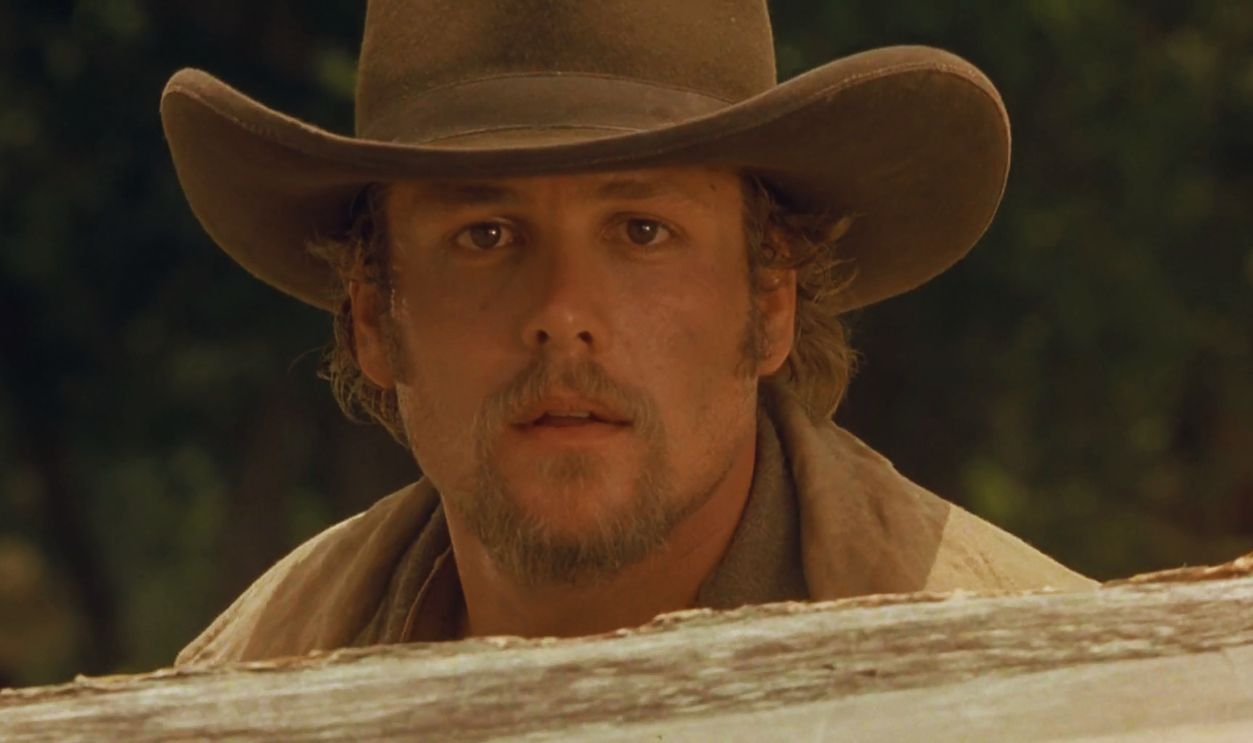 Screenshot from American Outlaws, Warner Bros. (2001)
Forming The James Gang
Frank and Jesse eventually became central figures in what became known as the James-Younger Gang. Alongside former guerrillas such as the Younger brothers, they carried out increasingly ambitious robberies and developed reputations as some of America's most notorious outlaws.
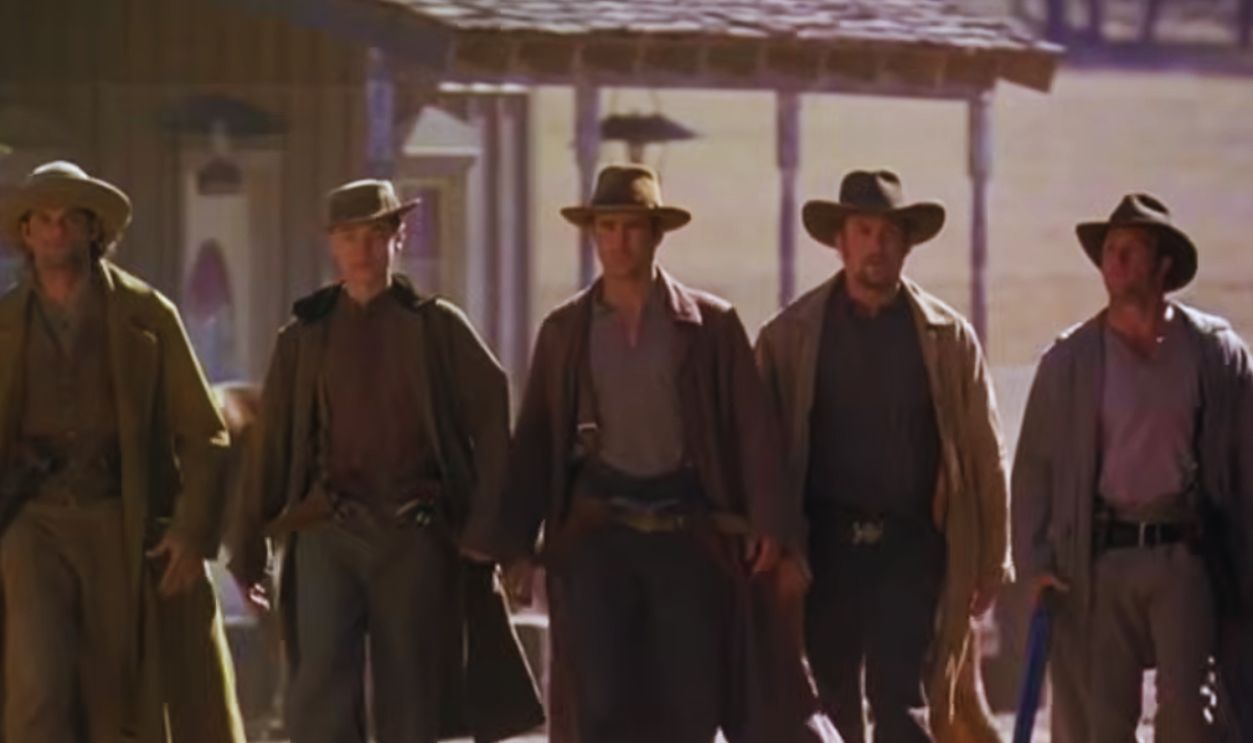 Screenshot from American Outlaws, Warner Bros. (2001)
Stagecoach Crimes
The gang expanded beyond banks to include stagecoach robberies. Such crimes allowed them to target cash shipments and valuables while exploiting the limited law enforcement resources available across much of the American frontier during the Reconstruction era.
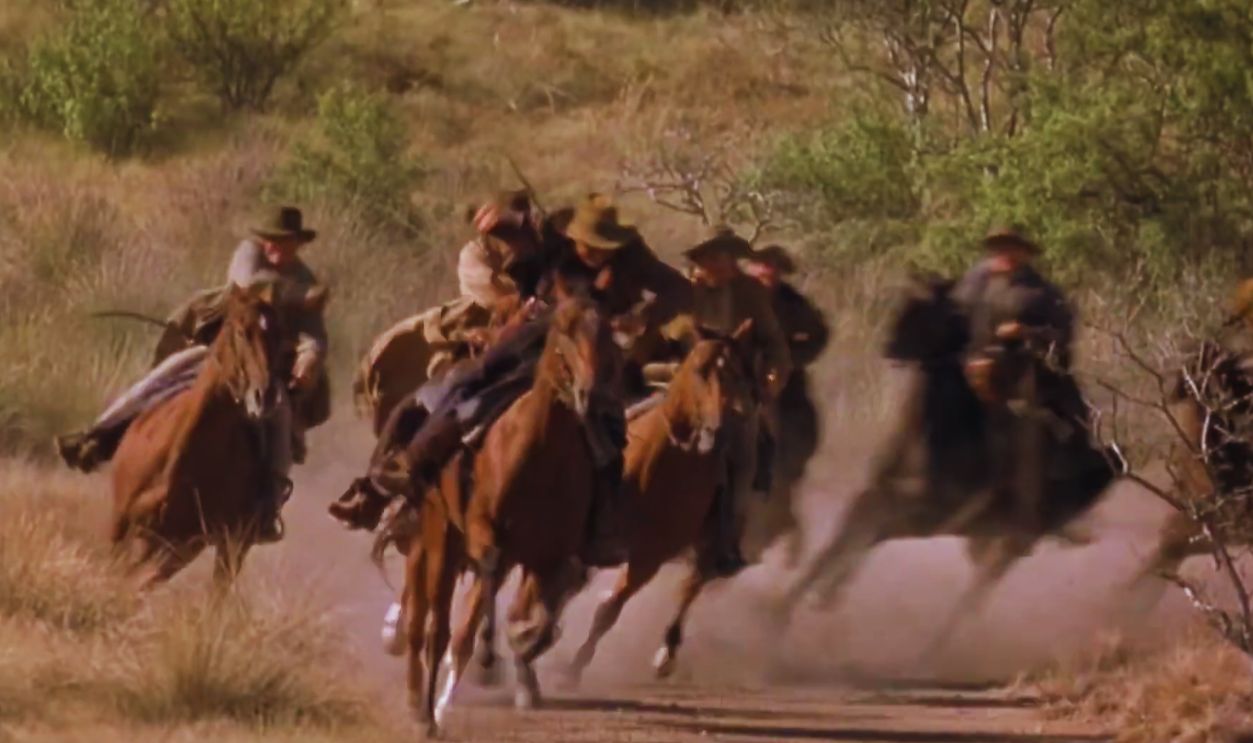 Screenshot from American Outlaws, Warner Bros. (2001)
Robbing The Railroads
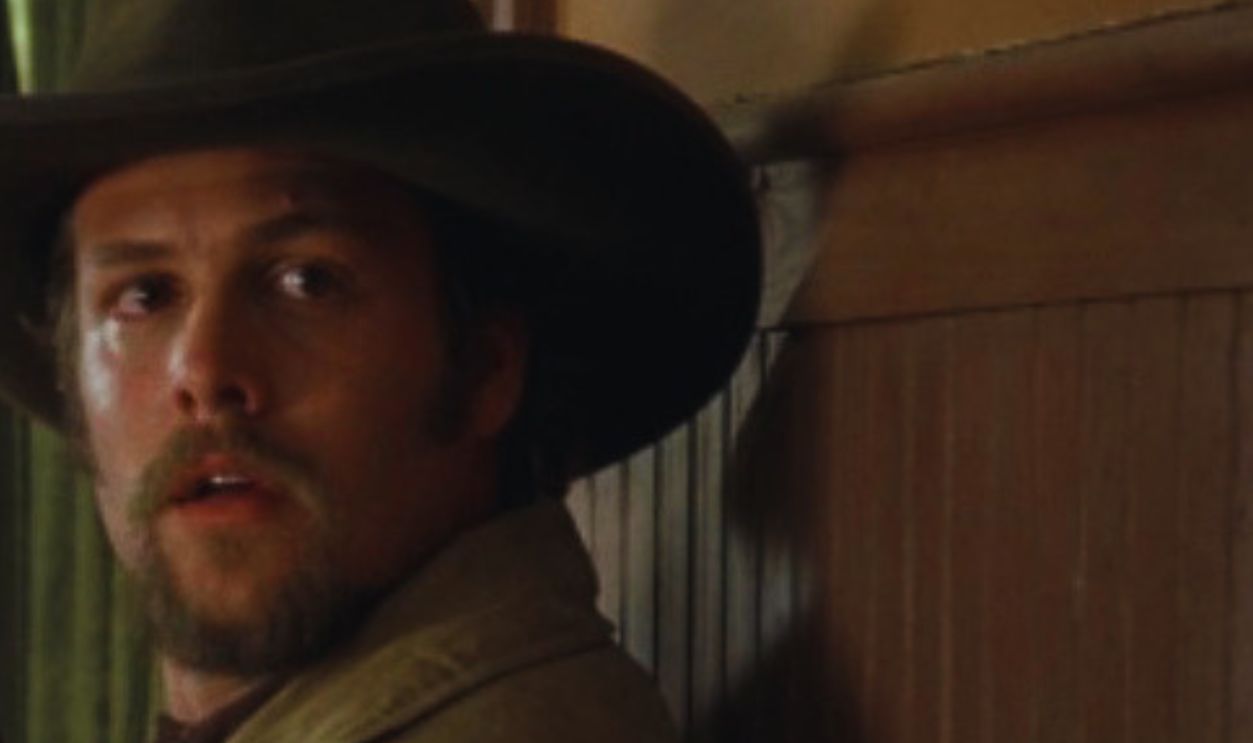
Train robberies brought the gang national attention. Railroads symbolized economic growth and modern America, making attacks especially sensational. Newspaper coverage transformed Frank and Jesse into famous figures whose exploits fascinated readers throughout the country.
 Screenshot from American Outlaws, Warner Bros. (2001)
Life On The Run
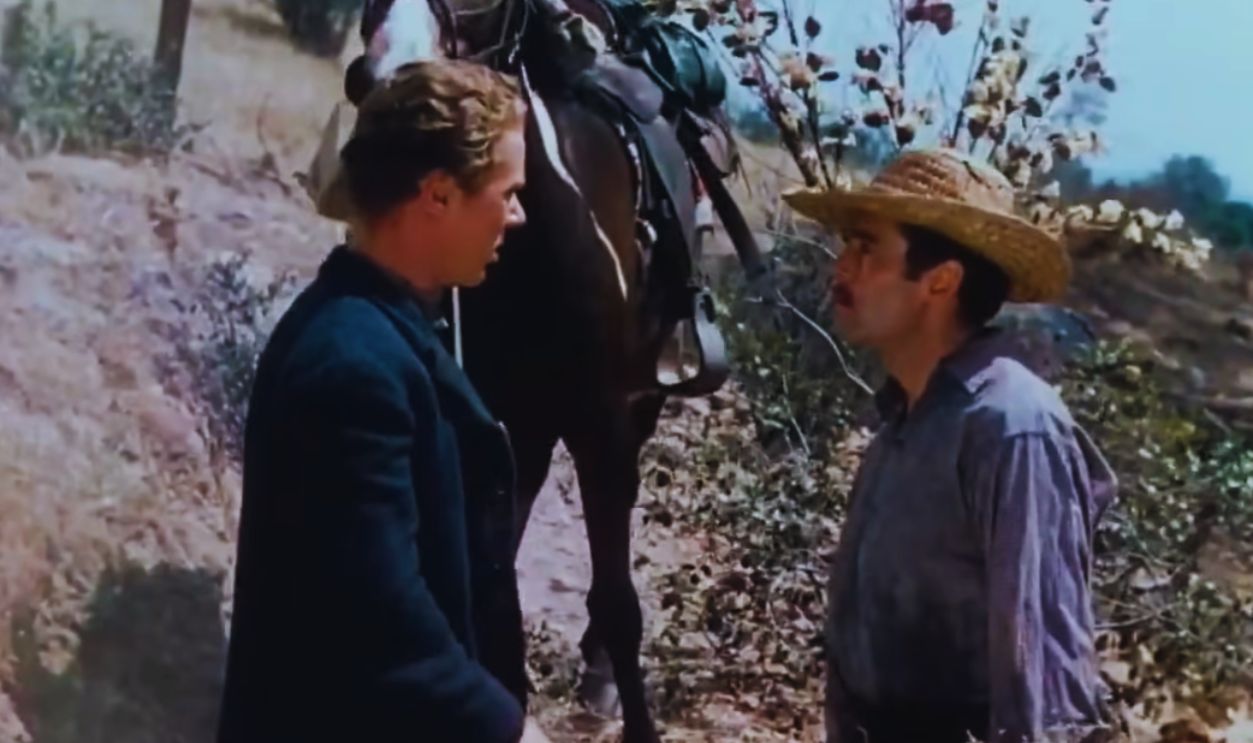
As their notoriety increased, Frank spent years living under constant threat of arrest. The gang relied on safe houses, sympathetic supporters, and false identities. Life as a fugitive demanded constant vigilance and placed enormous strain on everyone involved.
 Screenshot from The Return of Frank James, 20th Century Studios (1940)
Marriage And Family
Despite his criminal activities, Frank married Annie Ralston in 1874. The couple eventually had one son, Robert Franklin James. Throughout the years of pursuit and hiding, family life provided Frank with a measure of stability amid continual uncertainty.
 Screenshot from The Return of Frank James, 20th Century Studios (1940)
The Northfield Disaster
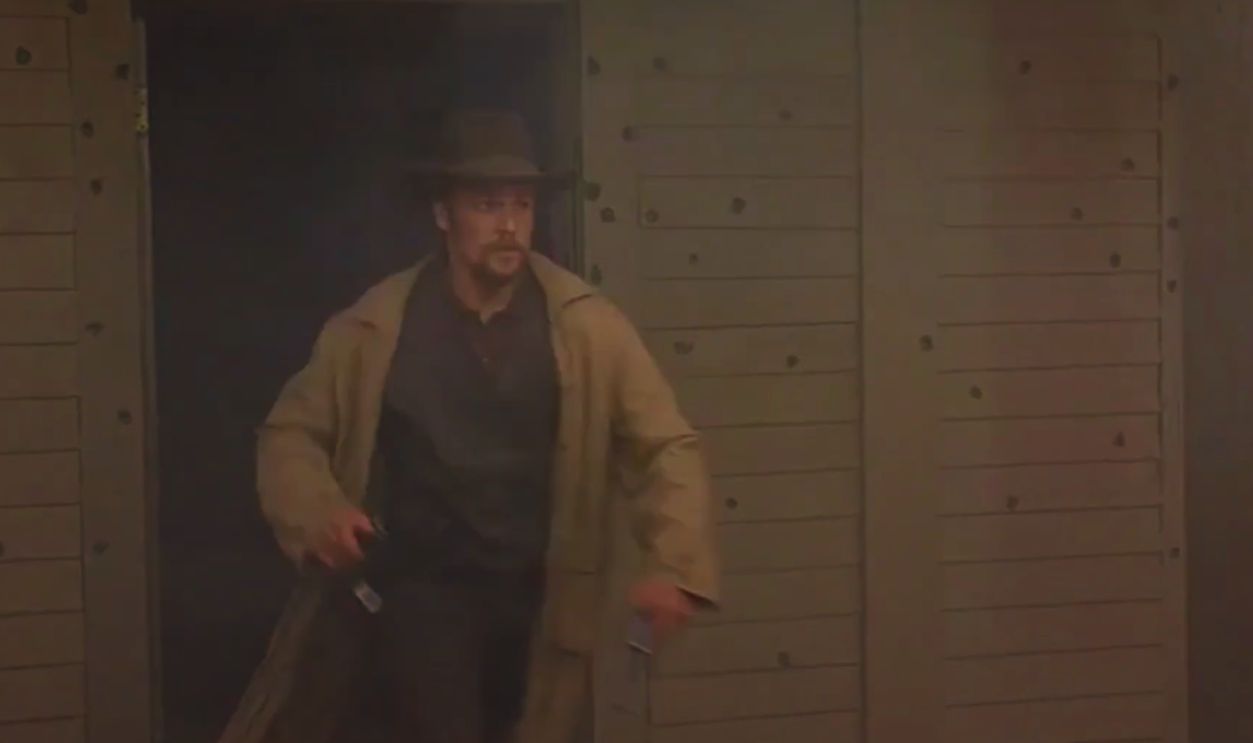
In 1876, the James-Younger Gang attempted to rob the First National Bank in Northfield, Minnesota. The raid ended in disaster when local citizens resisted. Although the James brothers were able to make a narrow escape, several of the other gang members were killed or captured, effectively destroying the organization as a major criminal enterprise.
 Screenshot from American Outlaws, Warner Bros. (2001)
Attempting Respectability
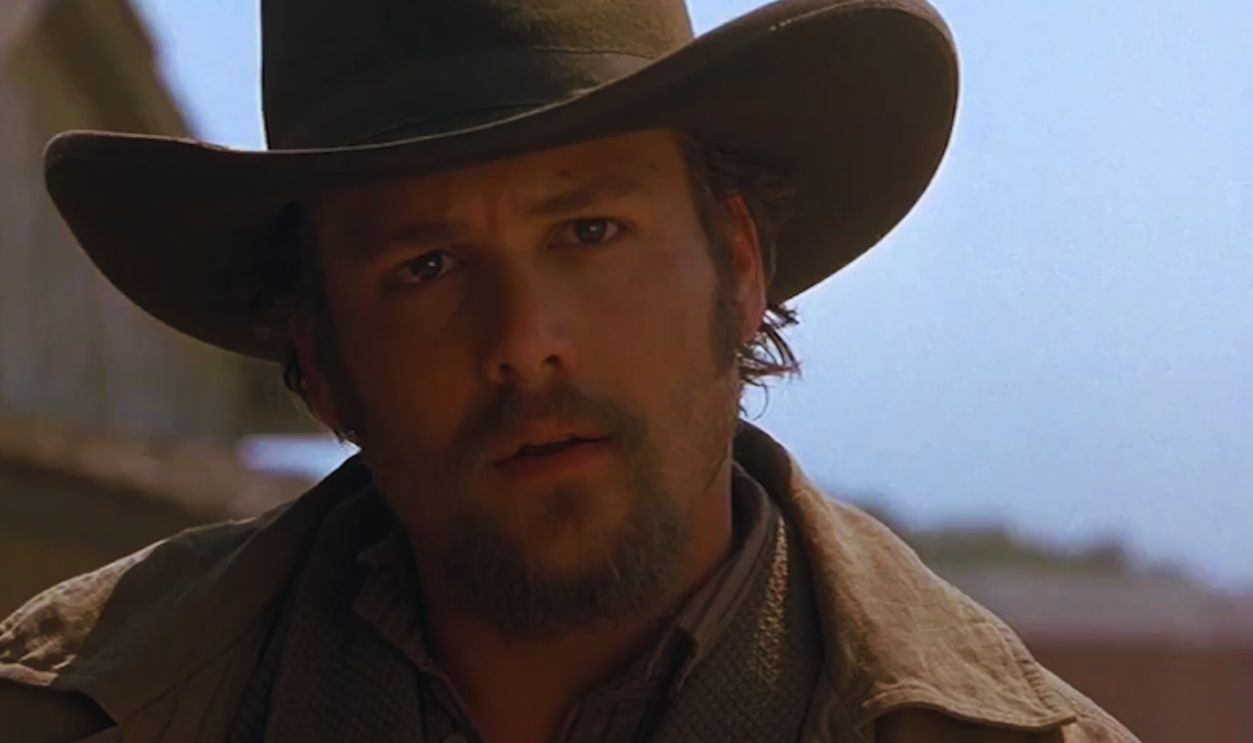
Following Northfield, Frank spent years trying to live more quietly. Although still wanted by authorities, he increasingly avoided the large-scale robberies that had brought him fame. The collapse of the gang forced him to reconsider his future. But then in one fell swoop, everything changed.
 Screenshot from The Return of Frank James, 20th Century Studios (1940)
A Bloody Crime
In September 1881, Frank and Jesse James participated in the robbery of a train near Winston, Missouri. During the crime, gang members killed railroad employee William Westfall and passenger John McCullough. It was a dark turning point for the gang, from which there was no turning back.
 Screenshot from American Outlaws, Warner Bros. (2001)
Public Opinion Turns Against Them
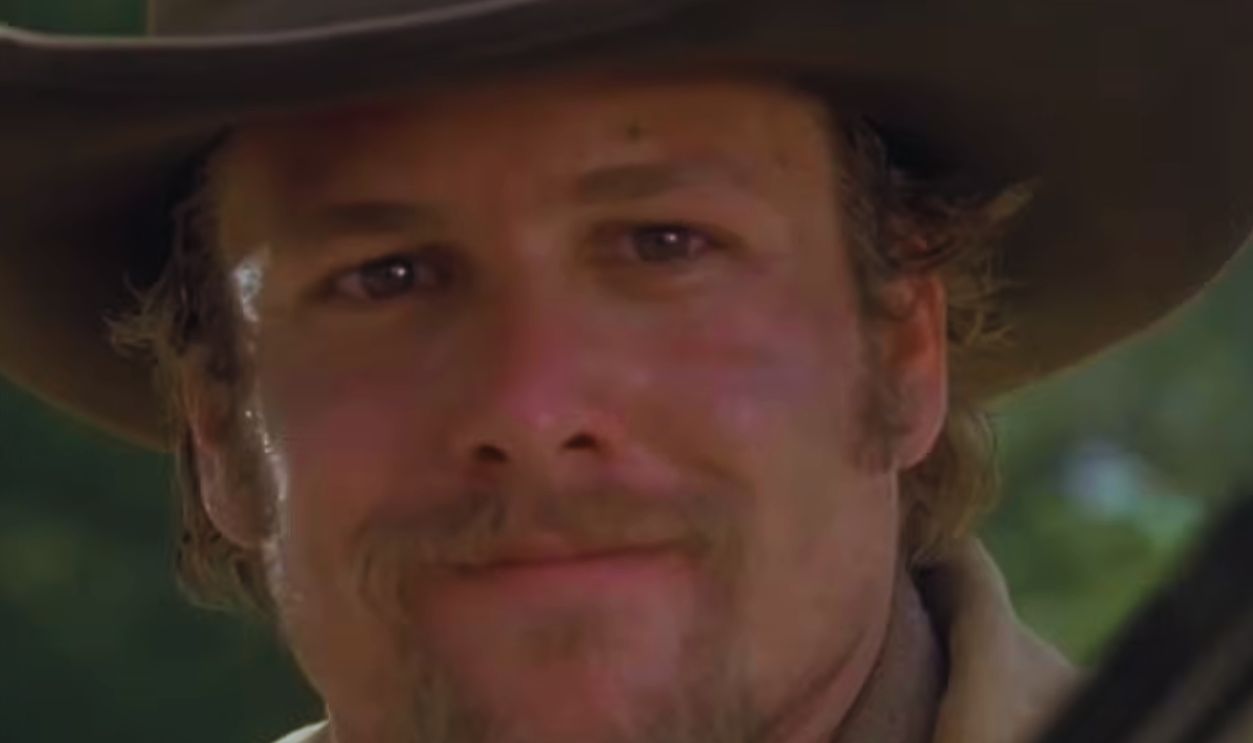
The killings shocked many former admirers and helped erode public sympathy for the James brothers. Newspapers became increasingly hostile, and Missouri authorities responded by offering a $5,000 reward for the capture or death of Frank and Jesse, greatly increasing the pressure that eventually contributed to the gang's collapse.
 Screenshot from American Outlaws, Warner Bros. (2001)
Jesse's Violent End
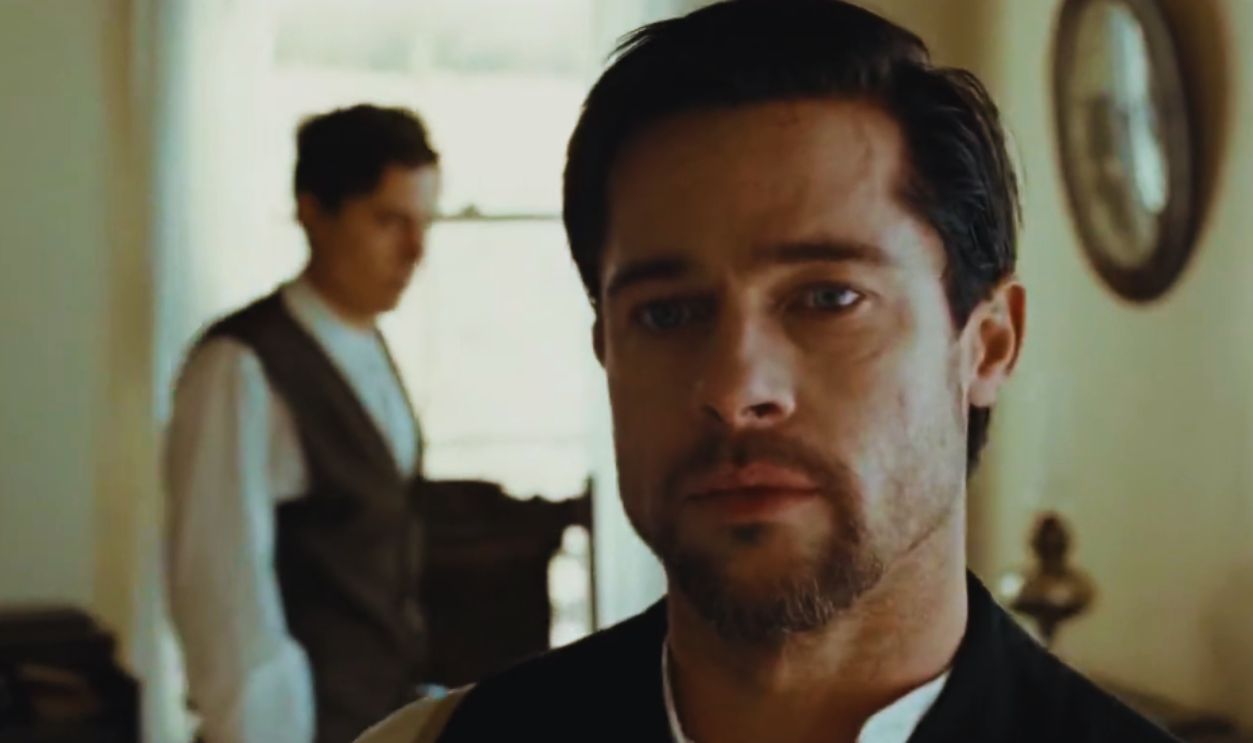
Frank's younger brother Jesse was killed in 1882 by Robert Ford, a fellow gang member seeking the reward money. Jesse's death was a major cultural event, ending one of the most famous outlaw careers in American history. It also left Frank James facing mounting pressure to surrender.
 Screenshot from The Assassination of Jesse James by the Coward Robert Ford, Warner Bros. (2007)
Surrendering To Authorities
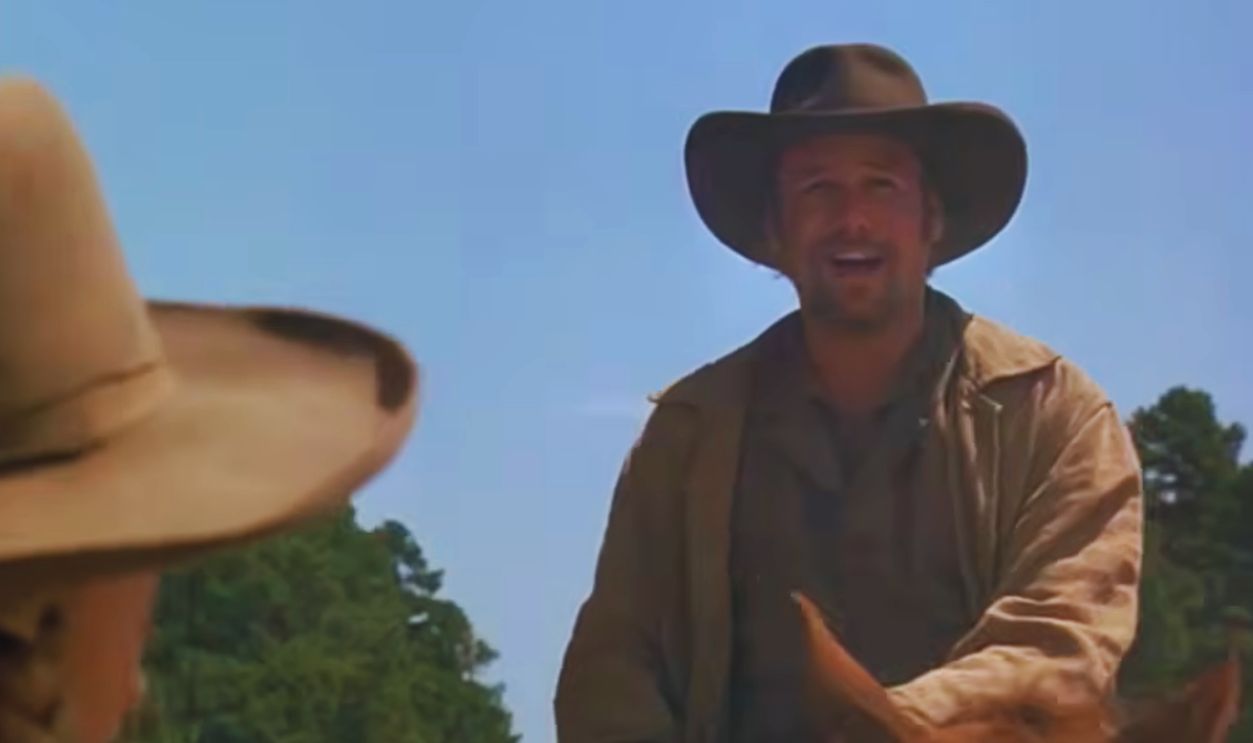
Shortly after Jesse's death, Frank decided to give himself up. He traveled to Missouri and surrendered to Governor Thomas T. Crittenden. The dramatic event attracted enormous public attention and marked the end of Frank's years as a fugitive.
 Screenshot from American Outlaws, Warner Bros. (2001)
Trial And Acquittal
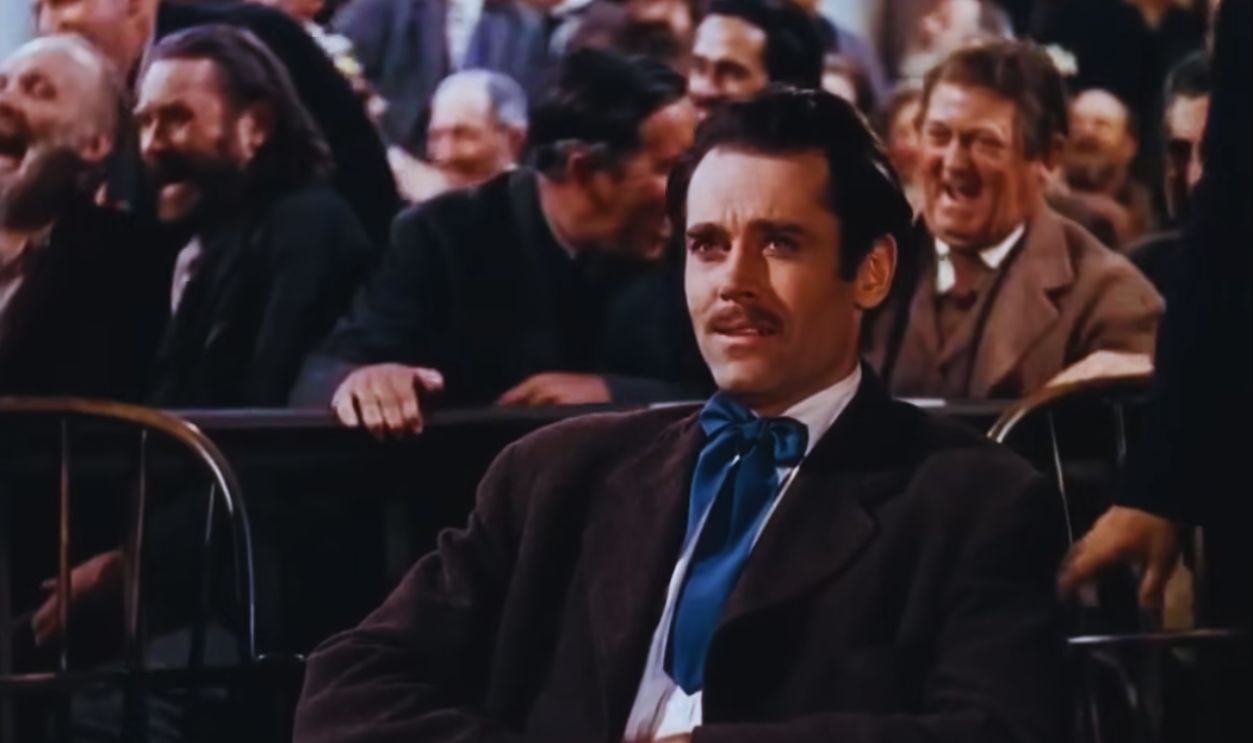
Frank faced trial for serious crimes, including murder and robbery. Yet he was acquitted. Historians note that sympathetic juries, weak evidence, reluctant witnesses, and lingering Confederate loyalties made convictions difficult despite widespread belief in his involvement with numerous crimes.
 Screenshot from The Return of Frank James, 20th Century Studios (1940)
Working For A Living
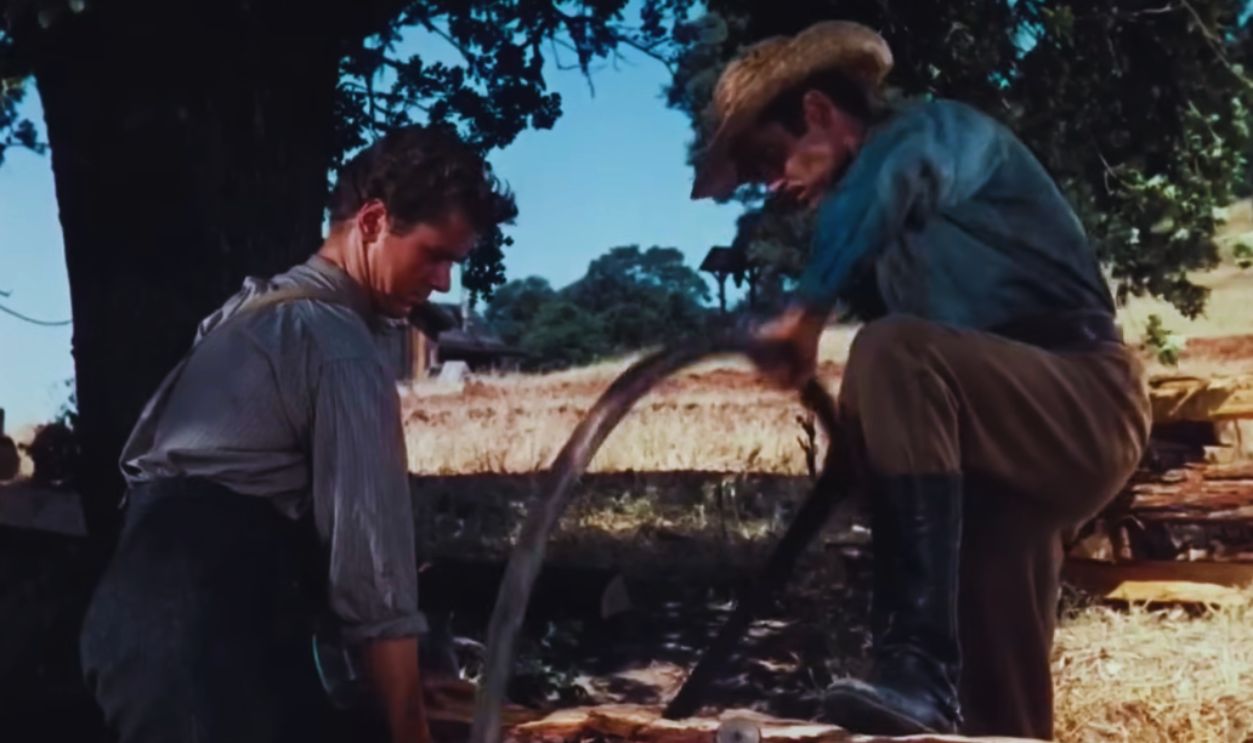
Unlike many former outlaws, Frank spent the next three decades pursuing legitimate employment. According to accounts of his later life, he worked as a shoe salesman, theater ticket taker, race-track starter, telegraph operator, and even a berry farmer.
 Screenshot from The Return of Frank James, 20th Century Studios (1940)
A Living Western Relic
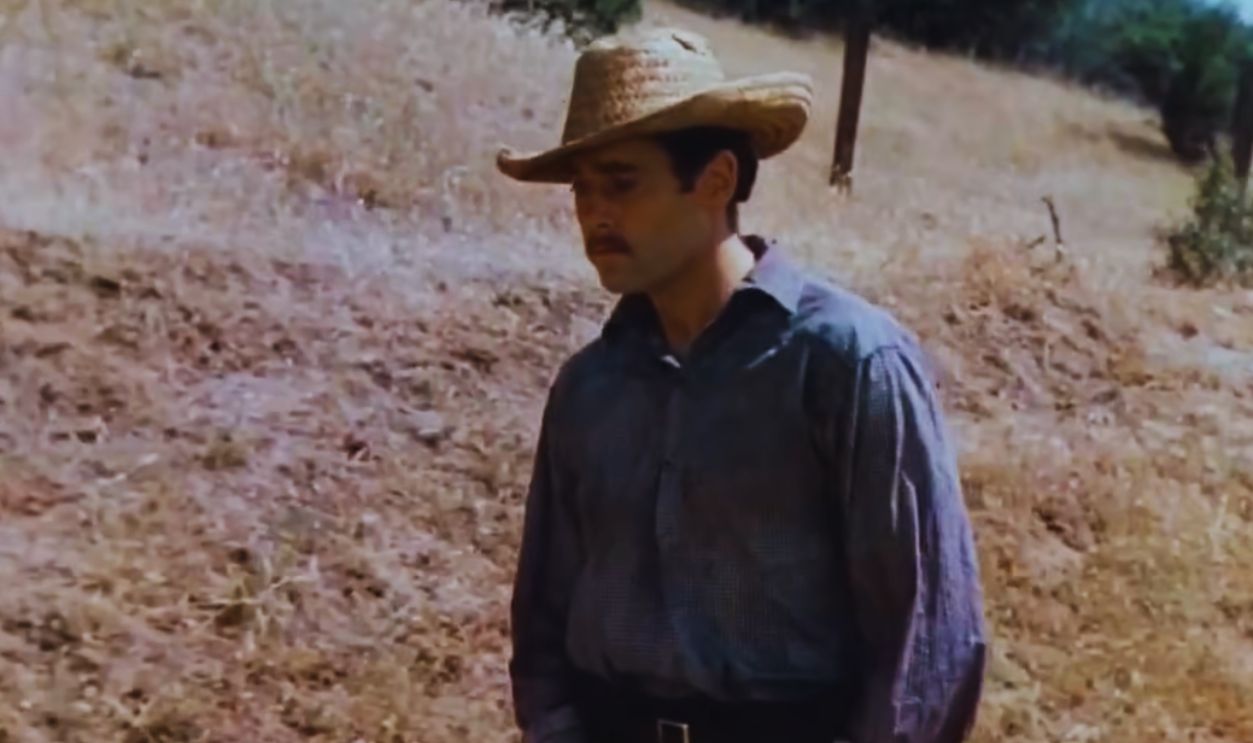
As the decades rolled on into the 20th century, public fascination with the Old West grew. Frank started to be viewed as something of a celebrity. Rather than hiding from his past, he increasingly embraced public curiosity. Visitors sought him out as one of the last surviving links to the era of famous outlaws.
 Screenshot from The Return of Frank James, 20th Century Studios (1940)
The James Farm Attraction
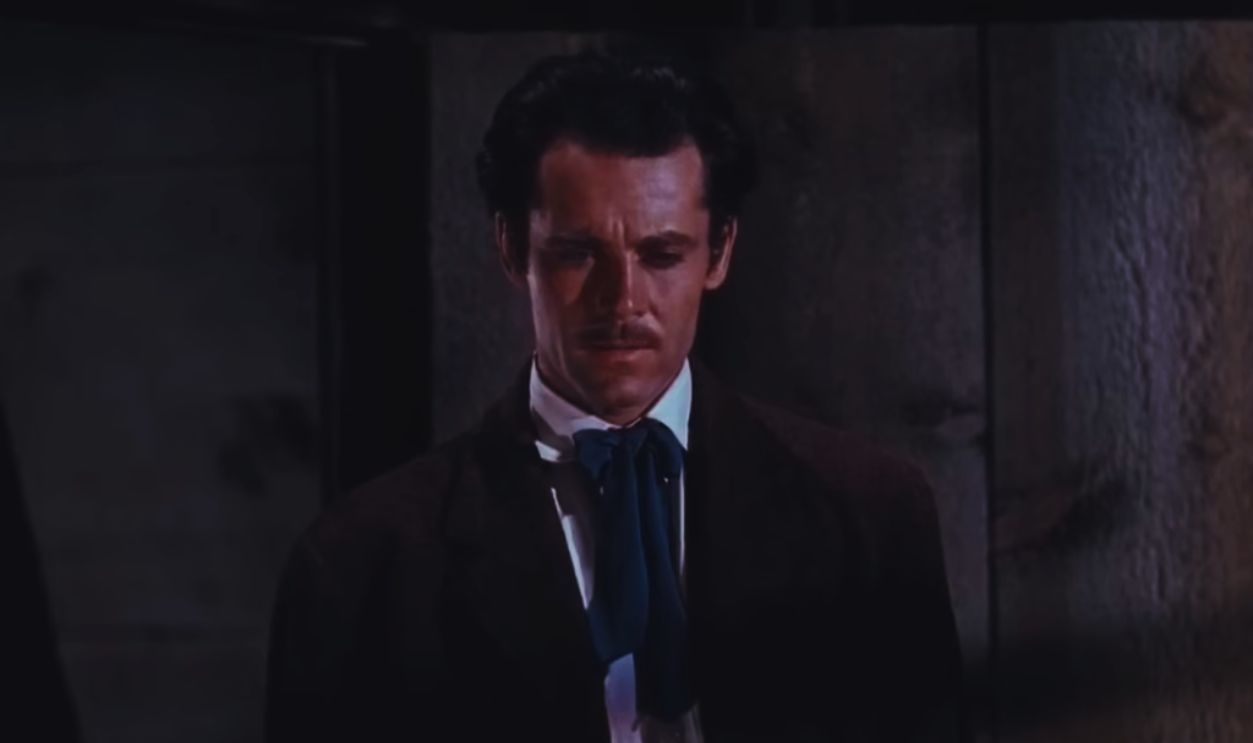
In his later years, Frank helped operate the old James family farm as a tourist attraction. Visitors could meet the aging former outlaw and hear stories connected to the James family. The transformation from wanted fugitive to tourist host was a remarkable reversal of fortune.
 Screenshot from The Return of Frank James, 20th Century Studios (1940)
Final Years And Death
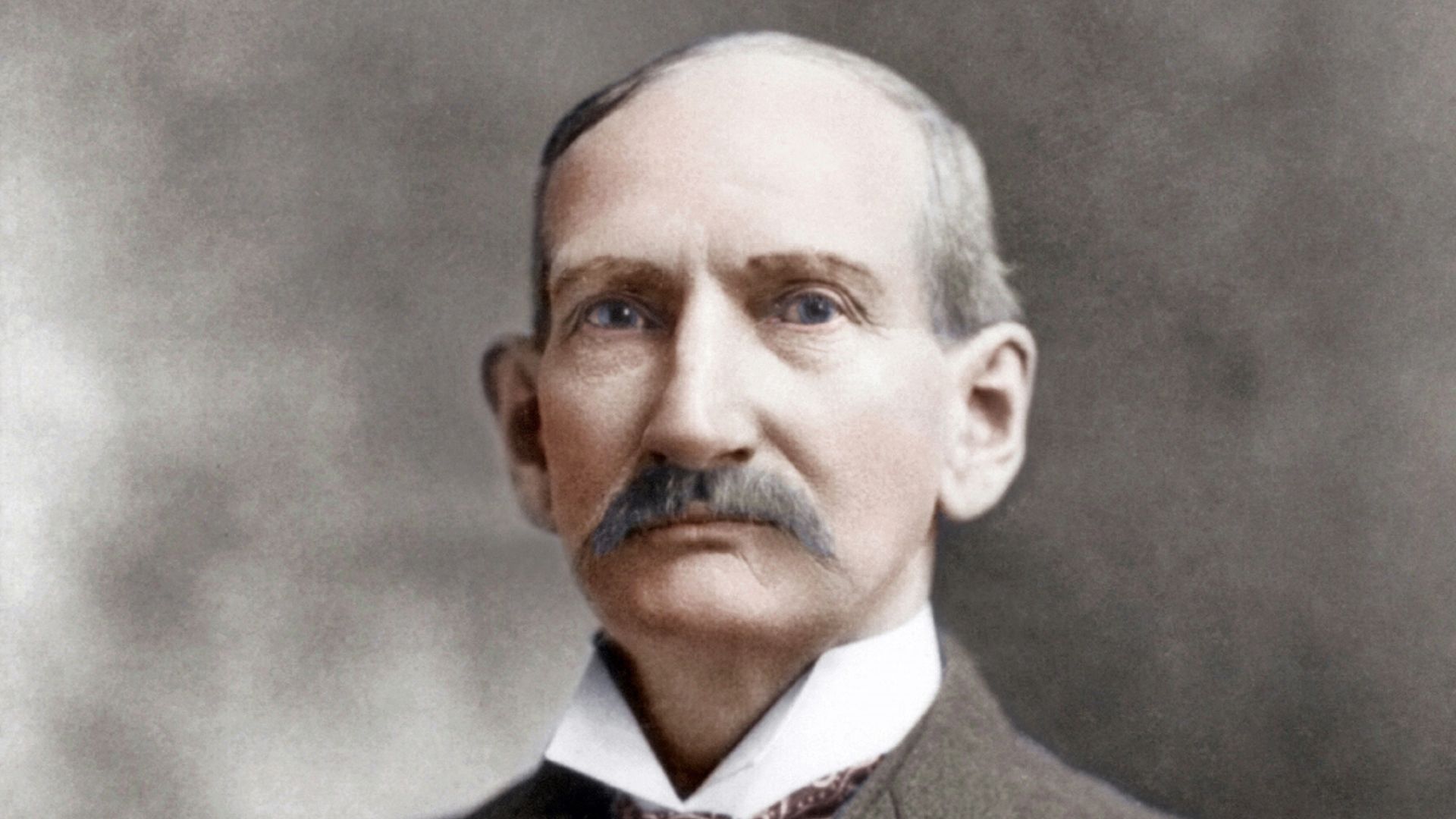
Frank James spent his final years in Missouri surrounded by family and visitors interested in western history. He died on February 18, 1915, at age seventy-two. By then the twentieth century was in full swing, with cars already replacing horses on the nation’s roads. Frank had outlived Jesse by more than three decades and witnessed the end of the frontier era.
 Daniel Hass, Wikimedia Commons
Legacy On Screen
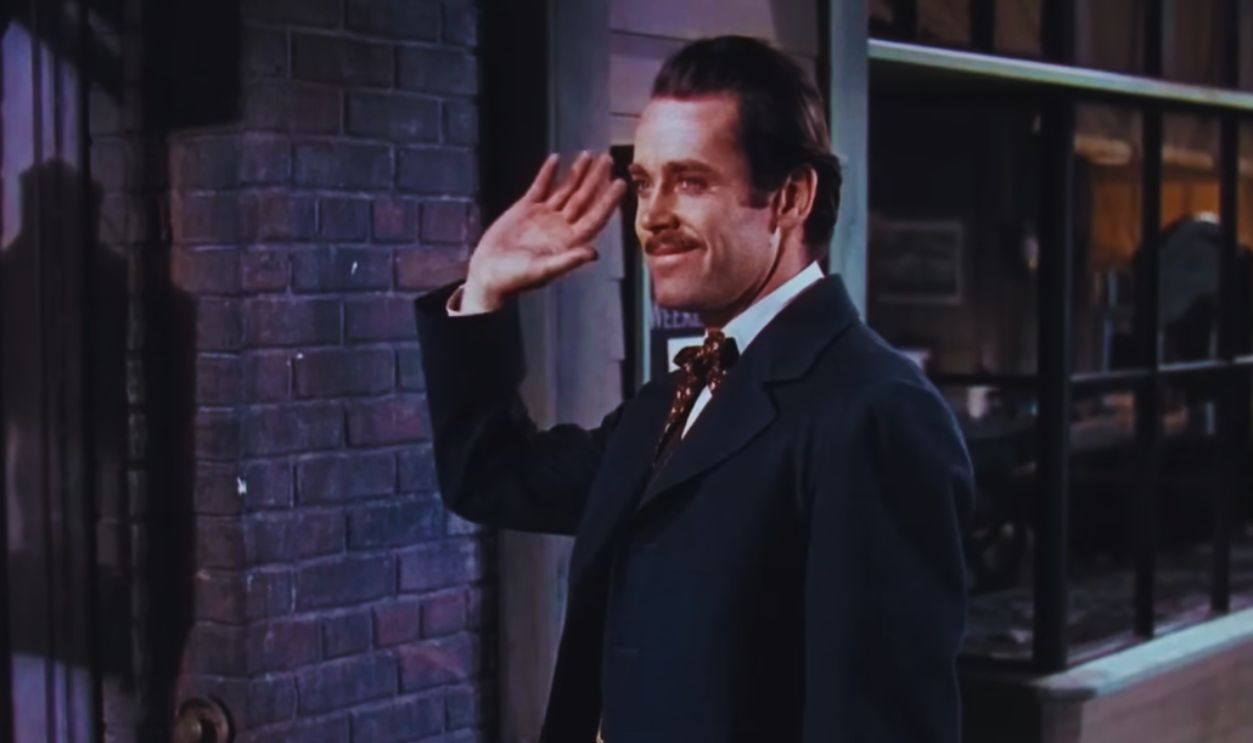
Frank James became a recurring figure in books, television programs, and films about the James Gang. Actors have portrayed him in productions including Henry Fonda in Jesse James (1939), Stacy Keach in The Long Riders (1980), and Sam Shepard in The Assassination of Jesse James by the Coward Robert Ford (2007). His legacy remains inseparable from that of his famous brother.
 Screenshot from The Return of Frank James, 20th Century Studios (1940)
You May Also Like:
Revealing Facts About Jesse James, The False Robin Hood
Jesse James And The Last Bank Robbery