The Hidden History Of Everyday Etiquette
Good manners can feel like a collection of arbitrary instructions passed down by parents, teachers, and grandparents. Yet many familiar customs began as practical responses to crowded tables, concealed weapons, social rank, public health concerns, or the challenge of living peacefully with strangers. Although their original purposes have often disappeared, Americans continue to follow these small rituals because they still communicate respect, restraint, and consideration.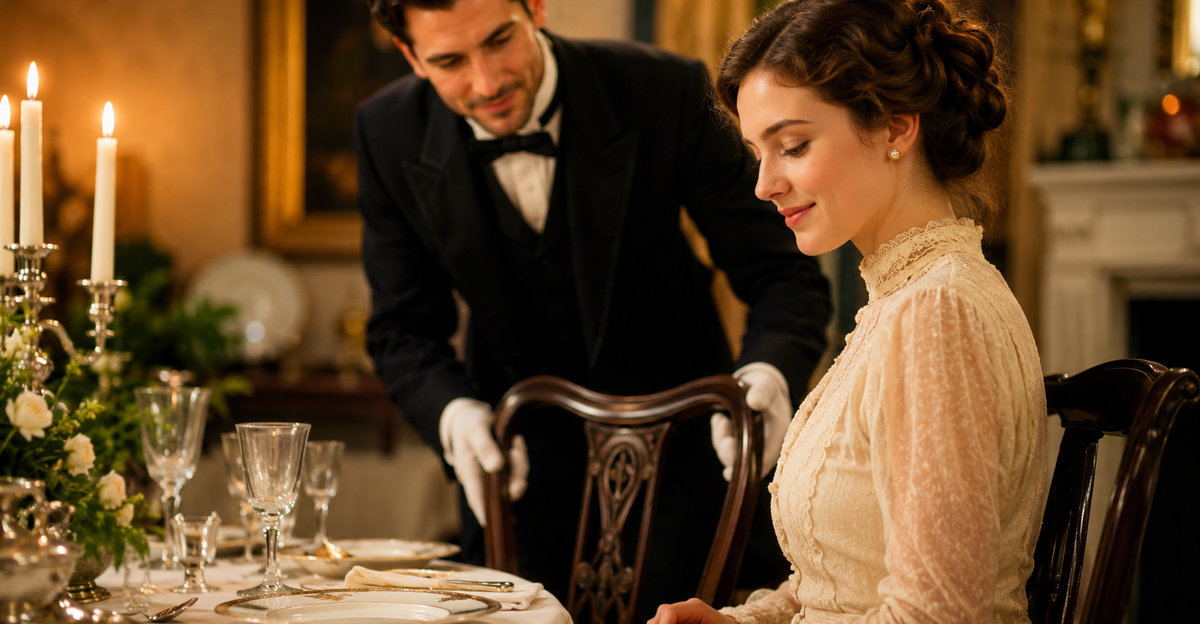 Factinate Ltd
The Handshake Once Signaled Peaceful Intentions
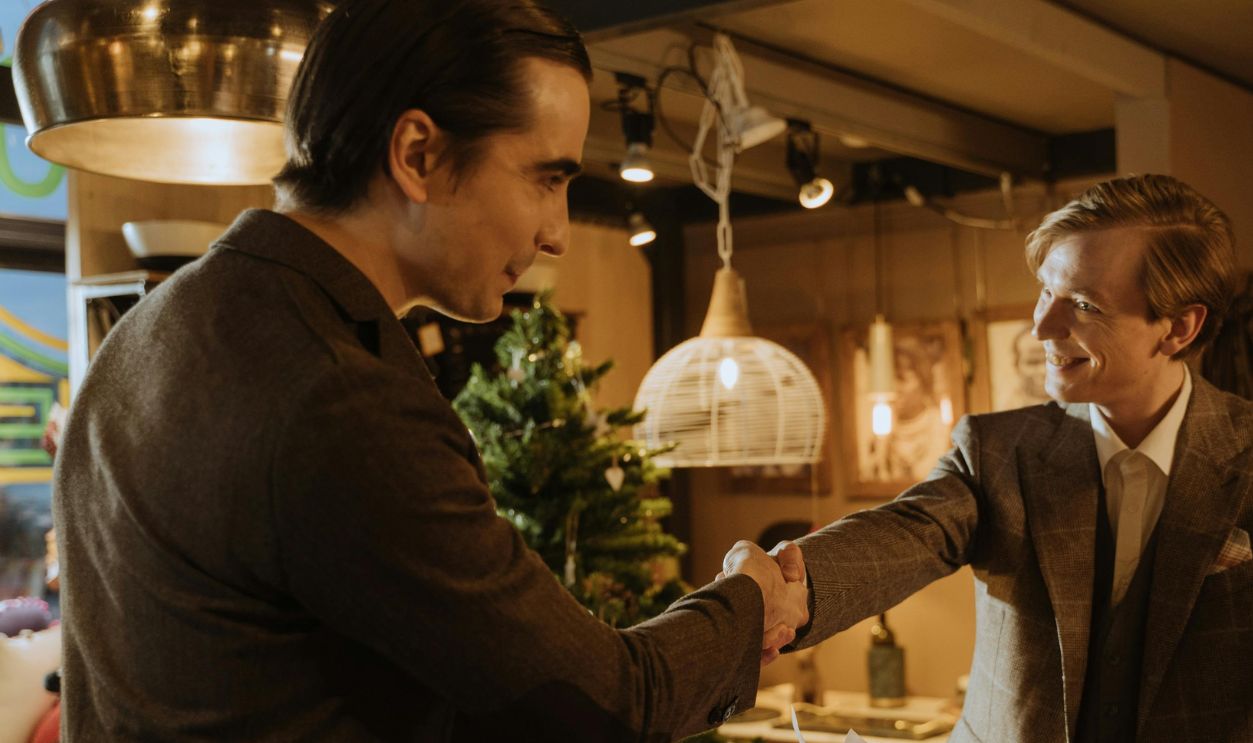
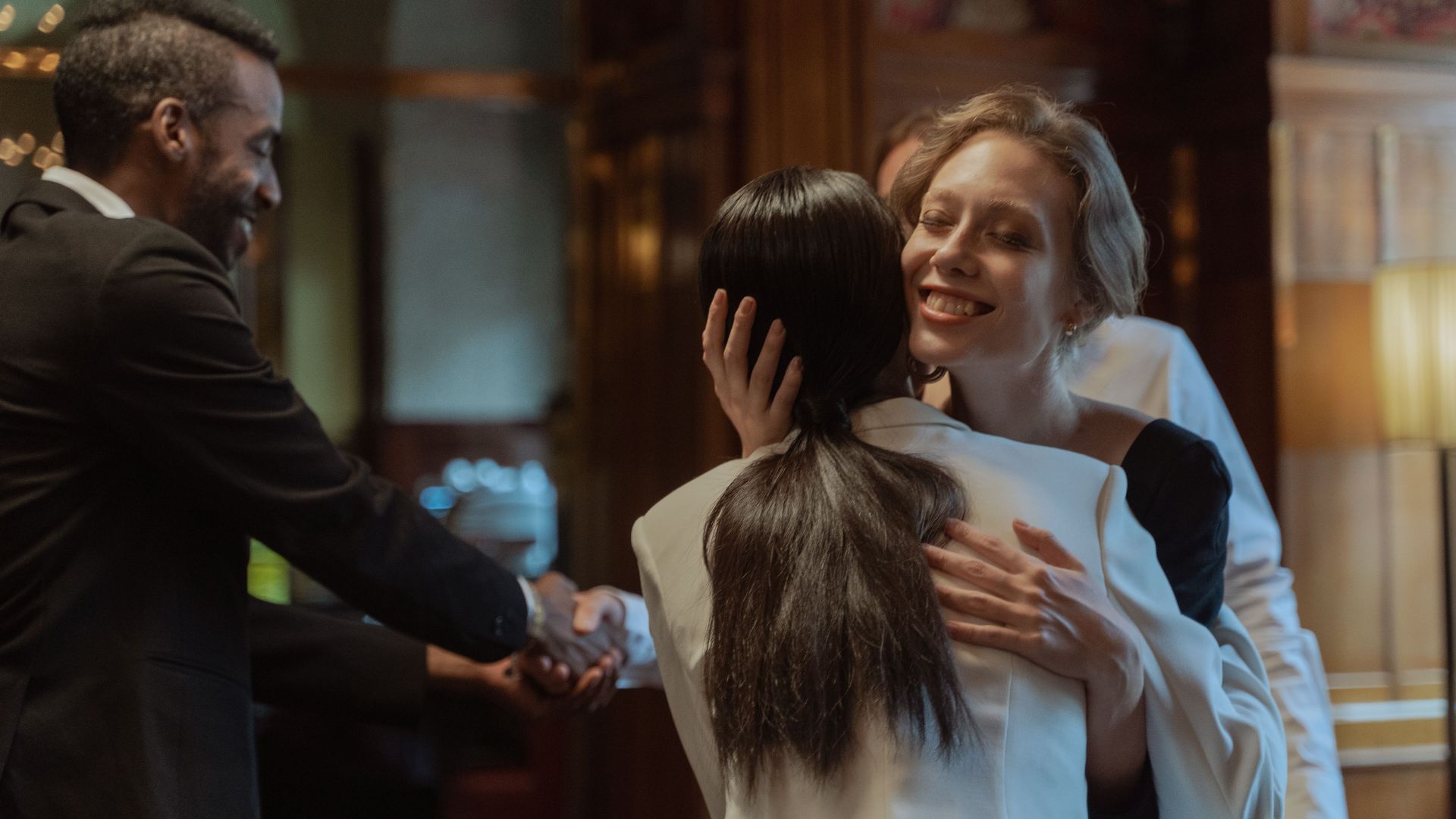
The precise origin of the handshake remains uncertain, but versions of the gesture appear in ancient art and literature. One widely accepted explanation is that extending an empty right hand showed another person that no weapon was being carried. Grasping hands may also have made it harder for either person to reach for one without being noticed.

Everyday Handshakes Arrived Much Later
Ancient people used handclasps, but the handshake did not immediately become the standard greeting Americans recognize today. History.com notes that Quakers helped popularize it in the 17th century because they preferred a greeting that seemed more equal than bowing or removing a hat. The custom eventually spread through Western business, political, and social life.
Removing A Hat Showed Respect
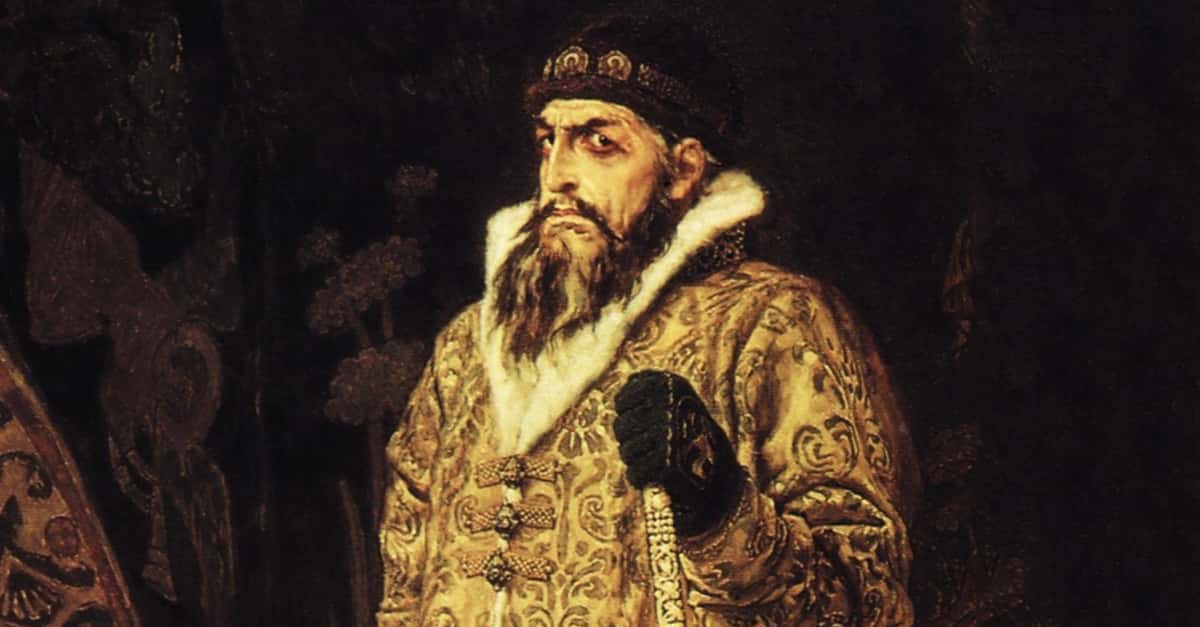
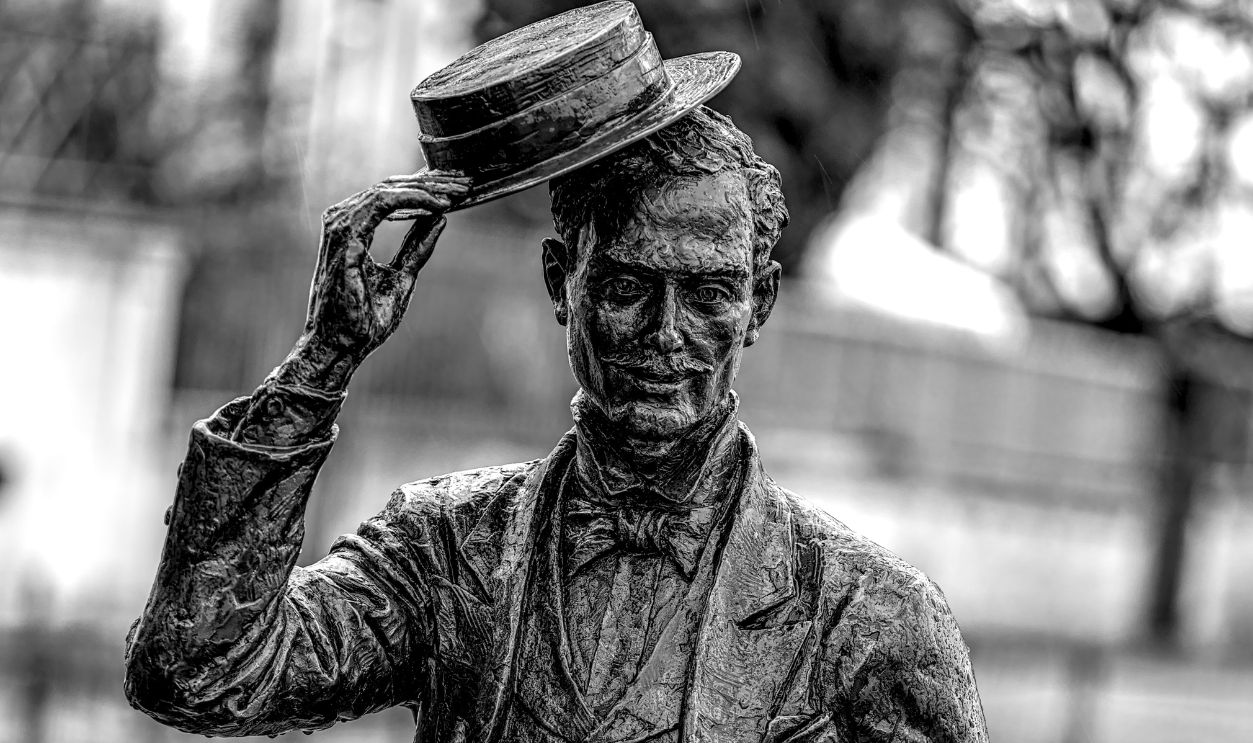
For centuries, European men acknowledged people of higher rank by touching, tipping, or removing their hats. The gesture exposed the head and made the wearer appear less guarded, much like a bow. Americans eventually inherited the custom, which explains why many people still remove hats during introductions, meals, religious services, and solemn ceremonies.
Indoor Hat Rules Reflected Social Boundaries
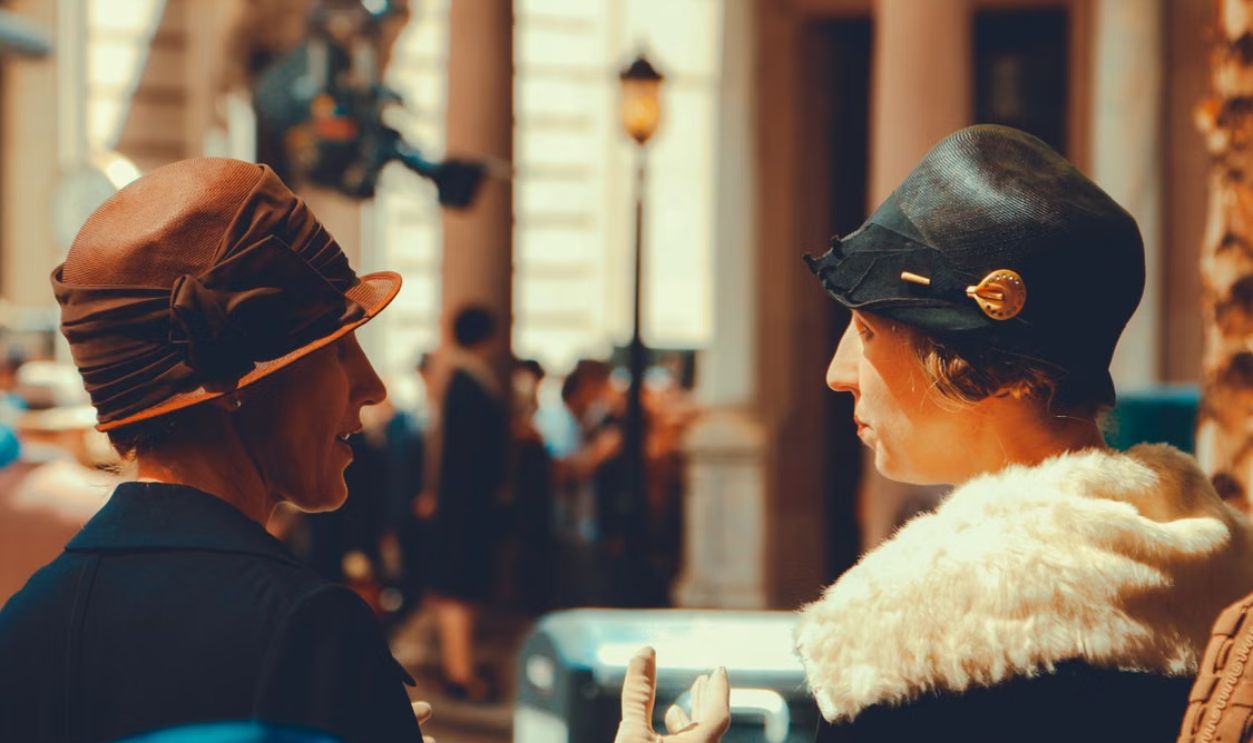
Hat etiquette developed differently for men and women because their headwear served different social and fashion purposes. Men were generally expected to uncover indoors, while women could often keep formal fashion hats on at luncheons, weddings, and religious services. Modern etiquette has relaxed, but removing a baseball cap in someone’s home or at the dinner table still signals attentiveness.
Bowing Made Social Rank Visible
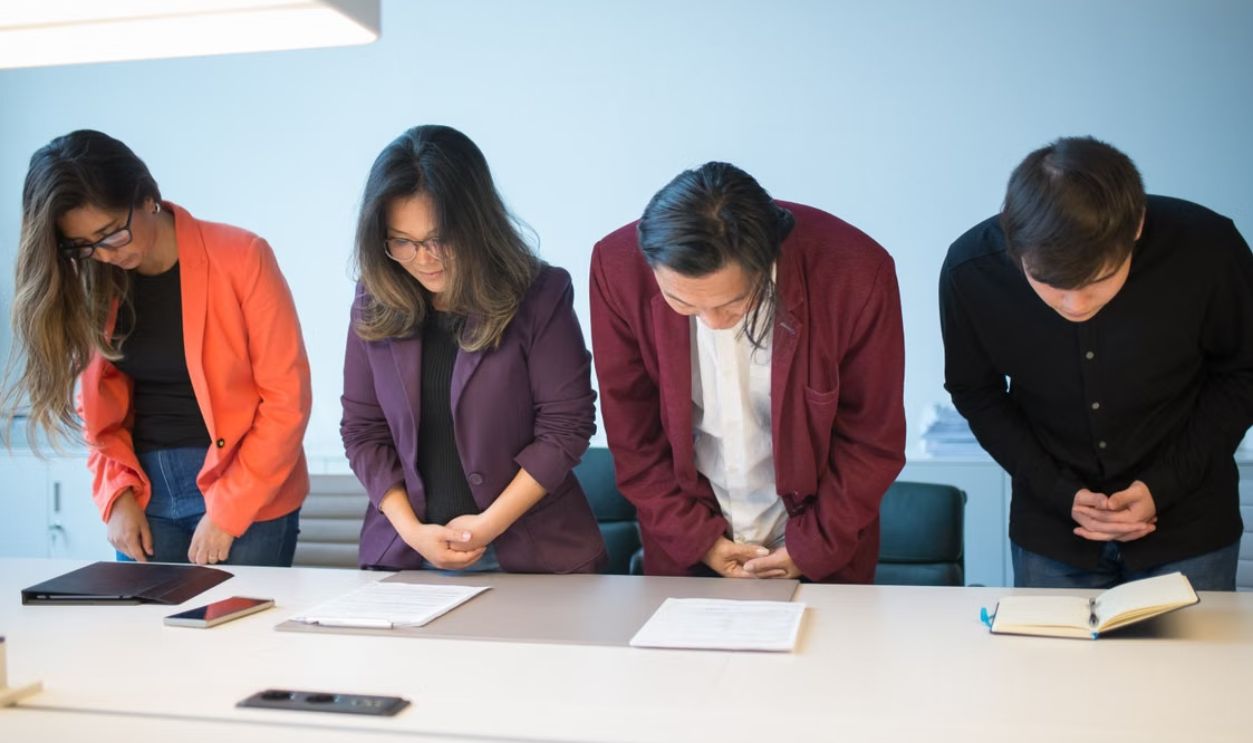
Long before the casual American nod, bows and curtsies communicated a person’s place within a hierarchy. The depth and form of the movement could indicate whether someone was greeting an equal, a superior, or a monarch. Americans largely abandoned elaborate bows after embracing more egalitarian ideals, but the small nod survives as a shortened gesture of recognition.
Standing Up Made Greetings More Formal
Rising when someone enters or approaches has roots in societies where posture expressed status and readiness. Standing placed both people at roughly the same physical level and gave the newcomer full attention. The rule was once shaped heavily by gender and rank, but contemporary etiquette increasingly treats standing as a courtesy that anyone may extend to anyone else.
Eye Contact Became A Sign Of Attention
Ideas about proper eye contact vary widely across cultures and historical periods. In mainstream American etiquette, looking toward a speaker gradually became associated with honesty, confidence, and careful listening. The expectation remains influential, although good manners also require recognizing that disability, culture, anxiety, and personal comfort can affect how people use eye contact.

Holding The Door Became Everyday Cooperation
Door holding is often described as a remnant of chivalry, but its modern value is much simpler. A person who has already opened a heavy door can prevent it from closing on someone directly behind them. What was once framed as a gentleman assisting a woman is now commonly understood as a gender-neutral act of practical consideration.


History's most fascinating stories and darkest secrets, delivered to your inbox daily.
“Ladies First” Grew From Gendered Etiquette
Traditional Western etiquette gave women priority in certain social situations, such as entering rooms, taking seats, or being served. These rules were connected to chivalric ideals, but they also reflected historical assumptions that women needed male protection and special treatment. Many Americans now replace the gendered rule with a broader principle of helping guests, older adults, or whoever is closest to the door.

Walking On The Outside Offered Protection
Older etiquette guides often instructed a man to walk on the street side of a woman. In periods of poor drainage, unpaved roads, horses, and fast-moving carriages, that position could shield a companion from mud, traffic, and other hazards. The original conditions have changed, but some people continue the habit without realizing it once had a practical purpose.

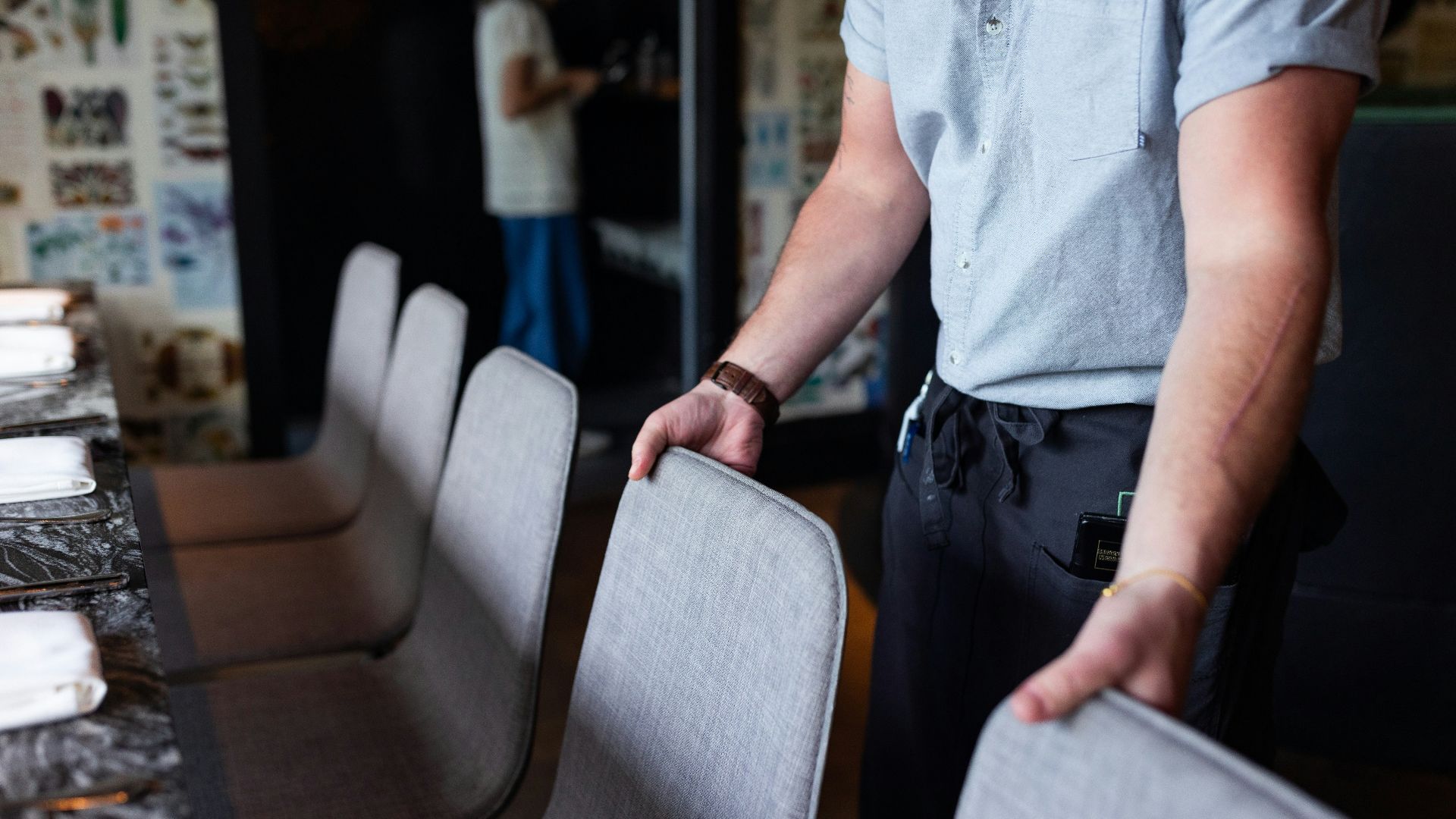
Chairs Were Pulled Out For Elaborate Clothing
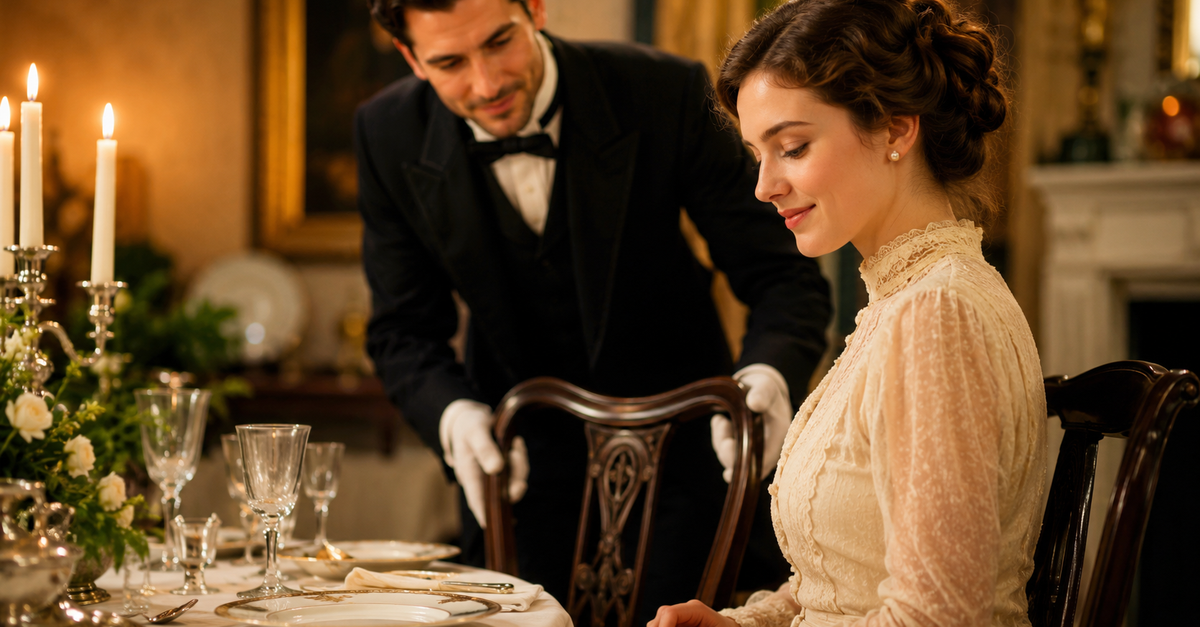
Assisting someone with a chair became associated with formal dining and courtship. Historical women’s clothing could include long skirts, trains, bustles, or tightly structured garments that made maneuvering around furniture more difficult. Pulling out the chair reduced the effort while also marking the seated person as an honored guest.
“Please” Began As An Appeal
The word “please” developed from expressions such as “if it please you,” which framed a request around the other person’s willingness. Over time, the longer phrase was shortened into the familiar politeness marker used by English speakers. Its original wording survives in spirit because saying “please” still presents a request as something the listener may choose to grant.

“Thank You” Turned Gratitude Into A Ritual
Expressions of thanks have existed for centuries, but etiquette books helped standardize when and how gratitude should be stated. Some 19th-century guides even argued that the casual word “thanks” was less refined than saying “I thank you.” Modern Americans are far less strict, yet verbal acknowledgment remains one of the most widely expected responses to help, service, gifts, and hospitality.

“You’re Welcome” Completed The Exchange
The phrase “you’re welcome” originally reassured someone that their presence, request, or gratitude had been received willingly. It turned a favor into a balanced social exchange by preventing the recipient from feeling indebted or embarrassed. Alternatives such as “no problem” and “of course” are now common, but they perform much the same reassuring function.
“Excuse Me” Asked Permission To Disrupt
To excuse someone originally meant releasing that person from blame or obligation. Saying “excuse me” therefore became a way to request forgiveness before or after a small social disruption. Americans still use it when passing through a crowd, interrupting a conversation, leaving a table, or accidentally bumping someone.

“Bless You” Mixed Faith And Superstition
People have responded to sneezes with blessings or wishes for health for many centuries. Proposed explanations include religious concern, ancient beliefs about the soul, and fears that sneezing signaled illness, but historians caution that no single origin has been conclusively proven. The custom survived because it became a quick way to acknowledge the sneeze and wish the person well.

Covering A Sneeze Was Not Always About Germs
Old manners guides discouraged sneezing, coughing, or spitting openly because bodily behavior could disgust or inconvenience other people. These rules existed before scientists fully understood how microorganisms spread disease. Germ theory later gave the custom a strong public health justification, although modern guidance favors using a tissue or the inside of the elbow rather than the bare hand.

Keeping Elbows Down Protected Shared Space
The history of the elbows rule is surrounded by colorful stories, including claims about unstable medieval tables. Better-supported explanations emphasize crowding, posture, restraint, and respect for neighboring diners’ space. At communal tables, spreading both elbows could block others and make a person appear overly focused on claiming food or territory.
Waiting For The Host Preserved Order
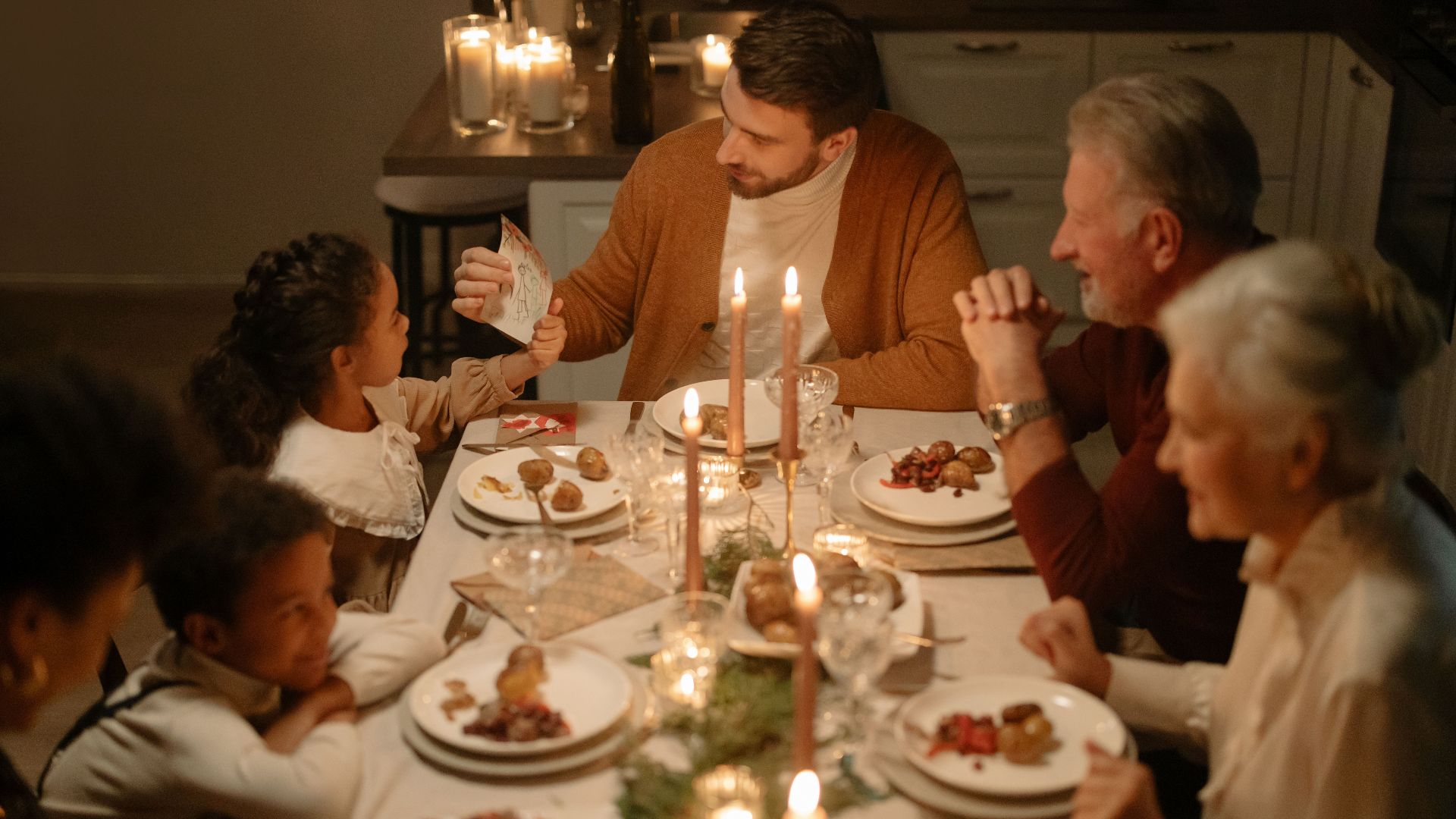
Formal meals once followed carefully arranged hierarchies in which the host controlled seating, serving, and the start of each course. Eating before the host could suggest impatience or disrespect for the household’s authority. Many families still wait until everyone has been served, even when there is no formal host directing the meal.

Napkins Protected More Than Clothing
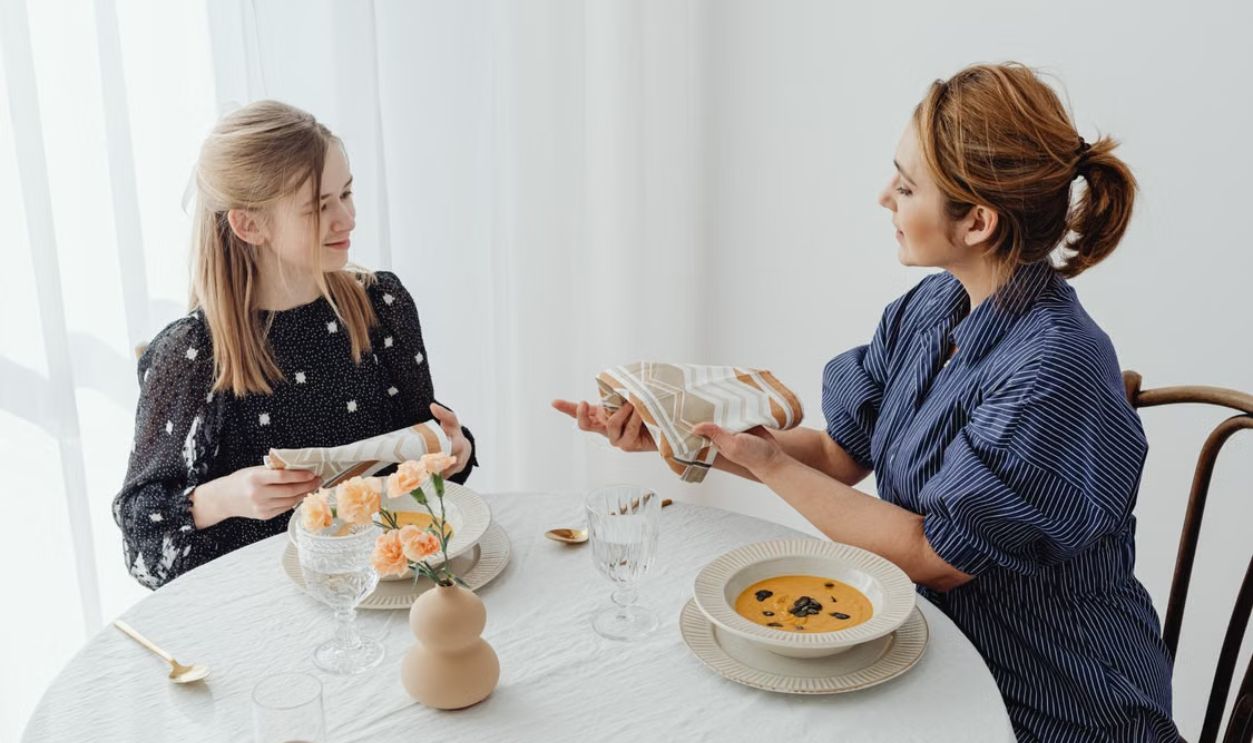
Ancient and medieval diners used different materials to clean their hands and mouths, including cloths supplied at the table or brought by guests. As dining became more formal, the individual napkin helped separate personal cleanup from shared tablecloths and clothing. Placing it in the lap also keeps it available without leaving a used cloth beside the food.
Forks Once Looked Shockingly Decadent
Fork-like tools existed in the ancient world, but they were often used for cooking or serving rather than individual dining. Small eating forks gained ground among wealthy Byzantine and Italian diners before spreading more broadly through Europe. Some early critics considered them unnecessary or excessively luxurious because people could already eat with knives, spoons, and fingers.

Knife Blades Became Less Threatening
Dining knives developed from multipurpose personal knives that could also function as weapons. As European table manners grew more regulated, pointed knives were increasingly considered unsuitable for peaceful shared meals. Rounded table knives reduced the threatening appearance of the place setting and reflected the broader effort to separate dining from violence.
Chewing Quietly Made Communal Meals Easier
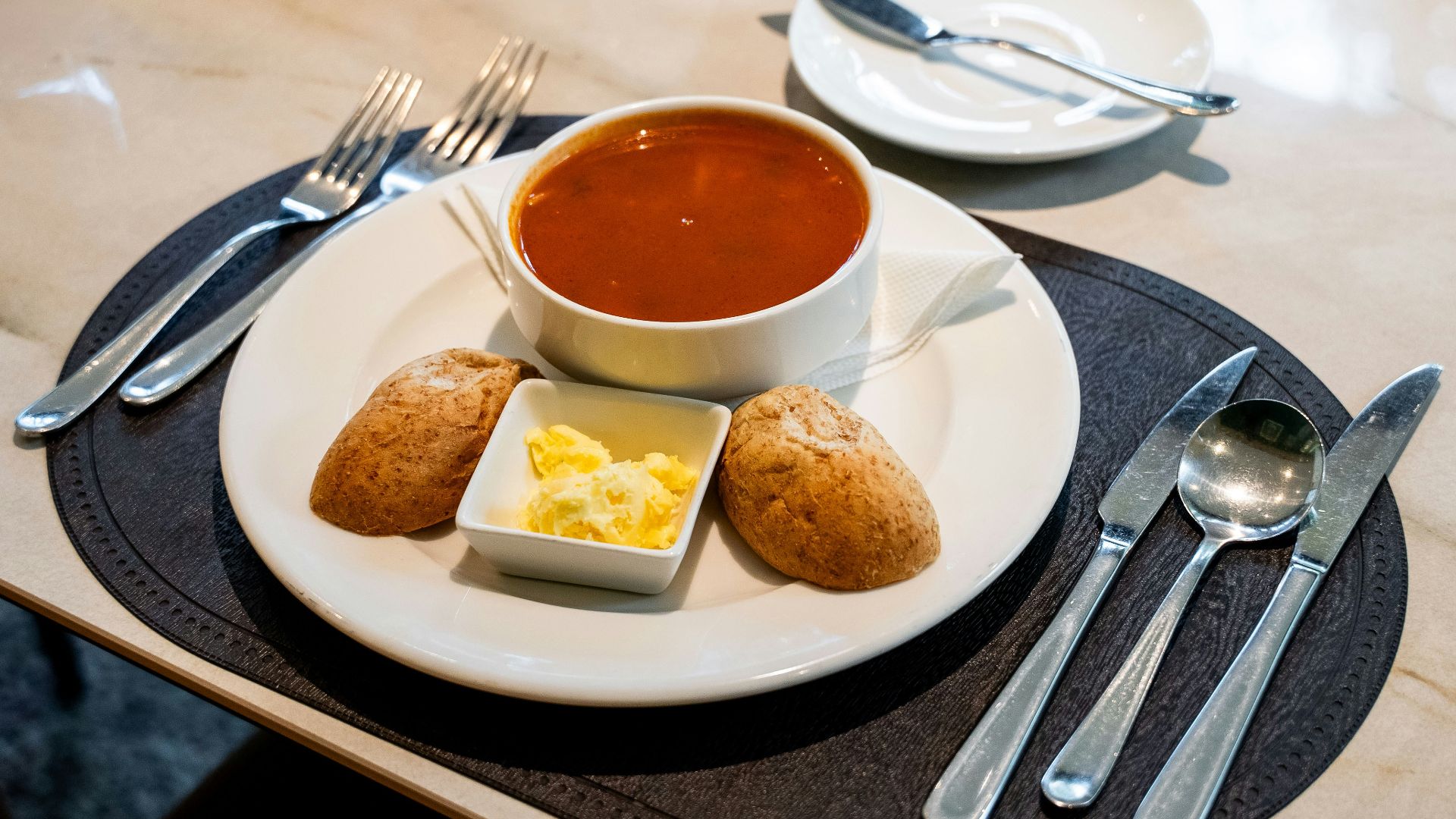
Early European courtesy books repeatedly warned diners against making unpleasant noises, displaying half-chewed food, or speaking with full mouths. These rules helped transform eating from a basic physical act into a controlled social performance. They also made crowded meals more comfortable by limiting sights and sounds that could disgust other guests.

Serving Others Discouraged Grabbing
Passing dishes instead of reaching across the table protected clothing, dishes, and neighboring diners. It also encouraged cooperation by requiring food to move through the group rather than rewarding whoever could reach it first. Some American etiquette traditions recommend passing shared dishes in one consistent direction so that multiple items do not collide.
Toasts Turned Drinking Into A Group Ritual
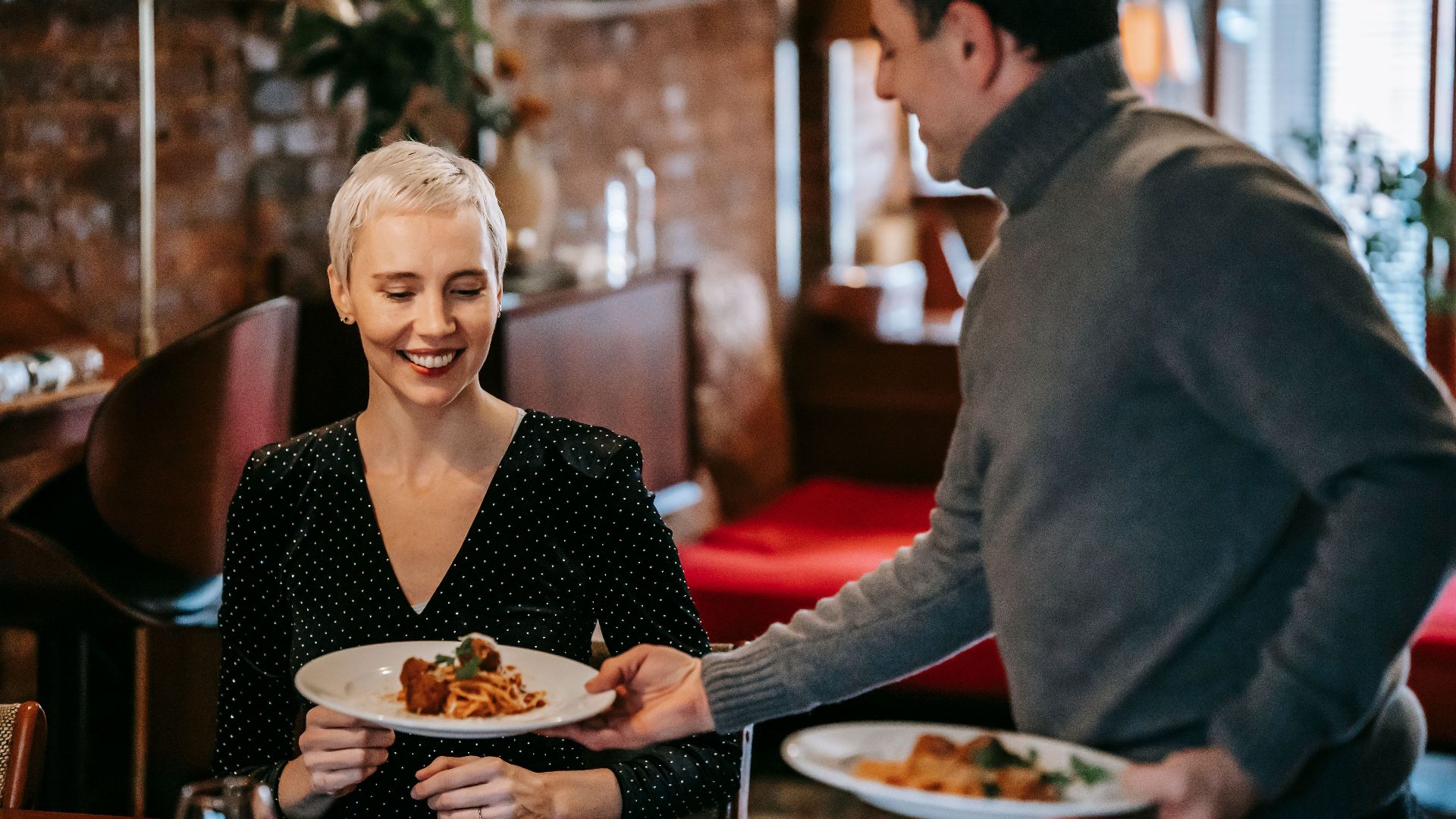
Ceremonial drinking existed in ancient societies, where cups could accompany religious offerings, alliances, celebrations, and vows. European traditions later developed formal spoken tributes to a person, cause, or occasion before the group drank together. Americans still raise their glasses at weddings and celebrations because the action briefly unites everyone around the same message.

Calling Cards Controlled Social Access
During the 18th and 19th centuries, people in Europe and the United States used visiting cards to announce themselves and maintain social relationships. Leaving a card allowed the recipient to decide whether and when further contact was welcome. Business cards and carefully timed follow-up messages preserve part of this older system of introduction and controlled access.

RSVPs Helped Hosts Manage Scarcity
“RSVP” comes from the French phrase “répondez s’il vous plaît,” meaning “please respond.” Formal hosts needed accurate guest counts to arrange seating, servants, transportation, and food, all of which demanded advance planning. Modern gatherings may be less elaborate, but failing to reply can still waste money and leave hosts uncertain about space and supplies.

Thank-You Notes Made Gratitude Tangible
Written thanks grew alongside letter writing, calling cards, and expanding postal systems. A note provided lasting proof that a gift or act of hospitality had been received and appreciated. Americans now send texts and emails as well, but handwritten notes remain associated with special effort because they require time, materials, and delivery.

Manners Were Tools For Living With Strangers
Renaissance courtesy literature expanded as European cities and courts brought more unrelated people into close contact. Rules about eating, speaking, dress, and bodily behavior reduced conflict while distinguishing refined conduct from behavior labeled crude. Many rules were shaped by class prejudice, yet their broader purpose was to make unpredictable social encounters more manageable.

Americans Inherited Rules And Rewrote Them
George Washington copied 110 rules of civility into a school exercise book before he was 16 years old. The rules came from an older European tradition and included advice about conversation, cleanliness, humility, and behavior around other people. Their presence in Washington’s education shows how imported etiquette helped shape ideas about respectable conduct in colonial America.
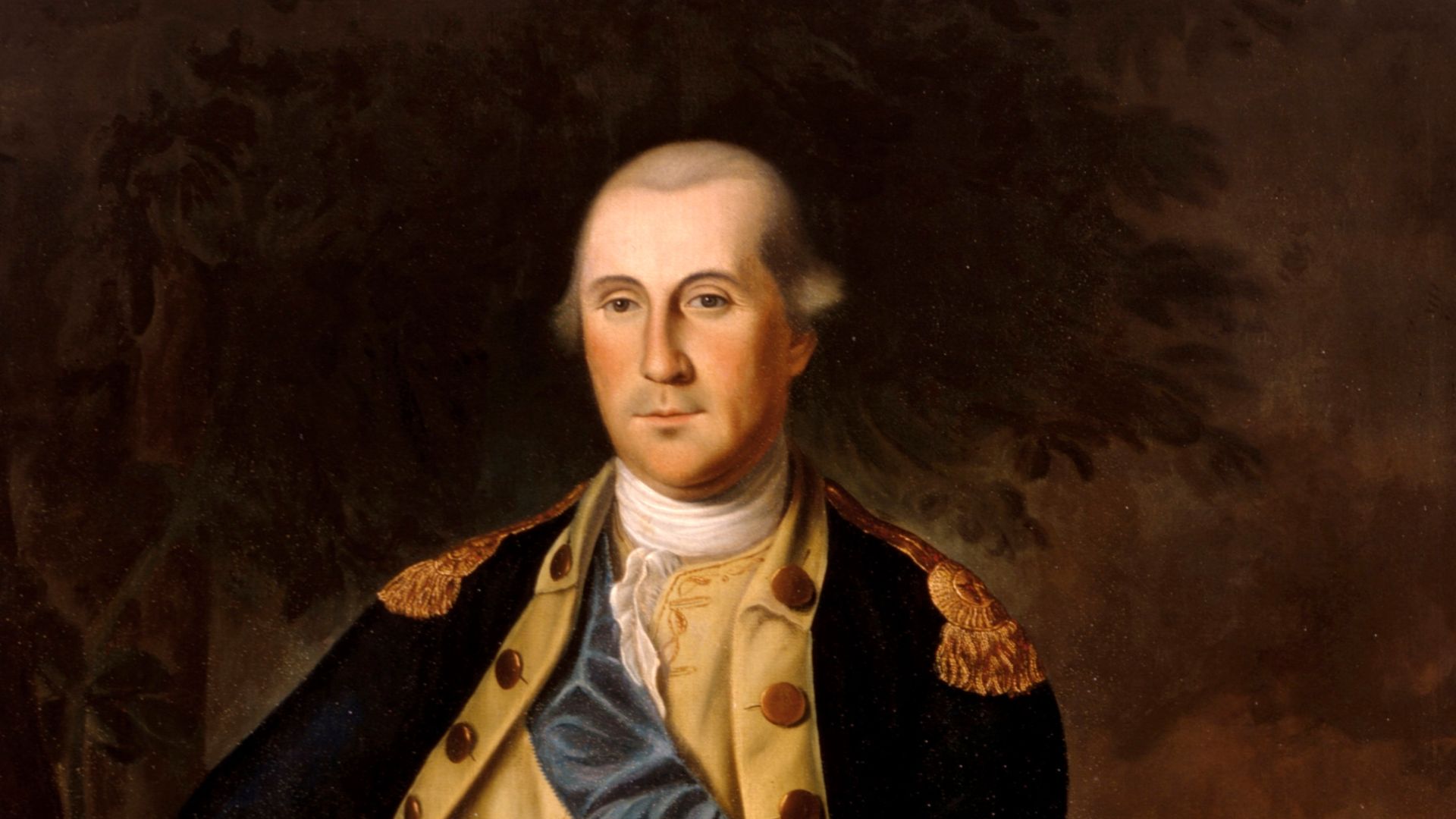 Charles Willson Peale, Wikimedia Commons
The Best Manners Still Serve A Purpose
Etiquette changes whenever technology, clothing, homes, workplaces, and relationships change. The Emily Post Institute distinguishes specific manners from the deeper principles behind them, including respect, consideration, and honesty. That is why an old rule can disappear while its purpose survives in a new form, such as silencing a phone instead of removing a hat.

You May Also Like:
The Weirdest Rules People Once Followed At Work
The Discovery Of A Bronze Age Blade Workshop In Southern Israel
Resilient Facts About Ellen Burstyn, The Actor Who Worked With The Devil