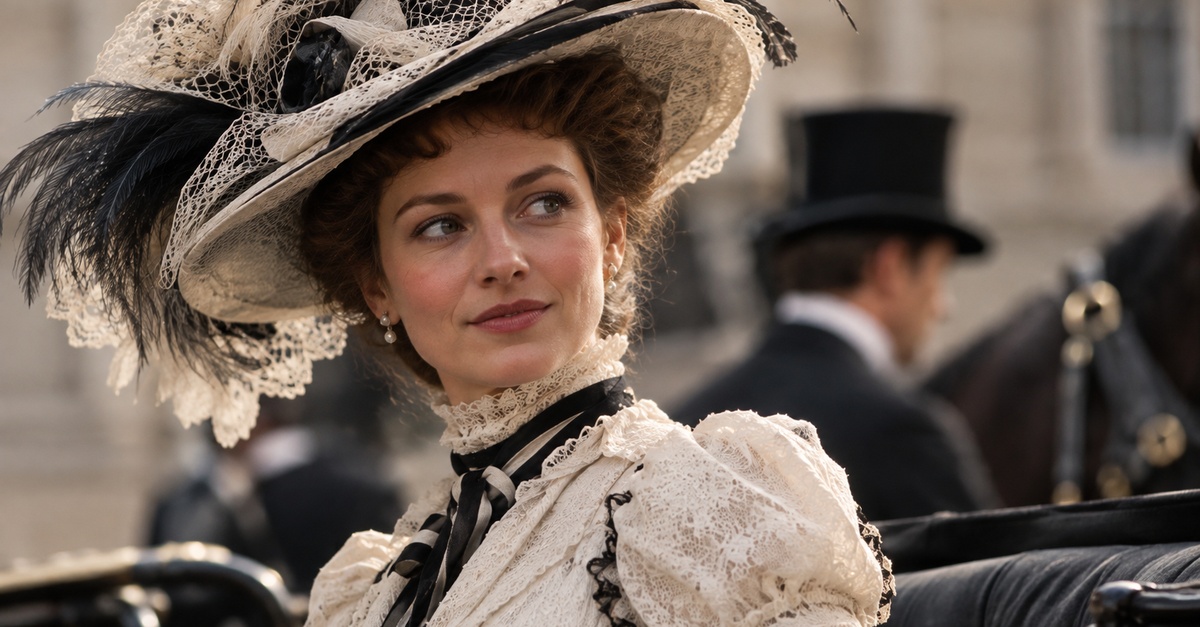
The People Hiding Inside Your Closet
Fashion has a funny way of turning real people into everyday vocabulary. Some clothing names come from war heroes, eccentric aristocrats, rebellious women, and performers who never imagined their names would end up on store shelves. Behind familiar items like cardigans, bloomers, and Wellington boots are stories involving military disasters, political controversy, and unexpected fame. Once you discover where these names came from, even an ordinary sweater starts looking a little more interesting. Factinate Ltd
The Cardigan Came From A Disastrous Cavalry Commander
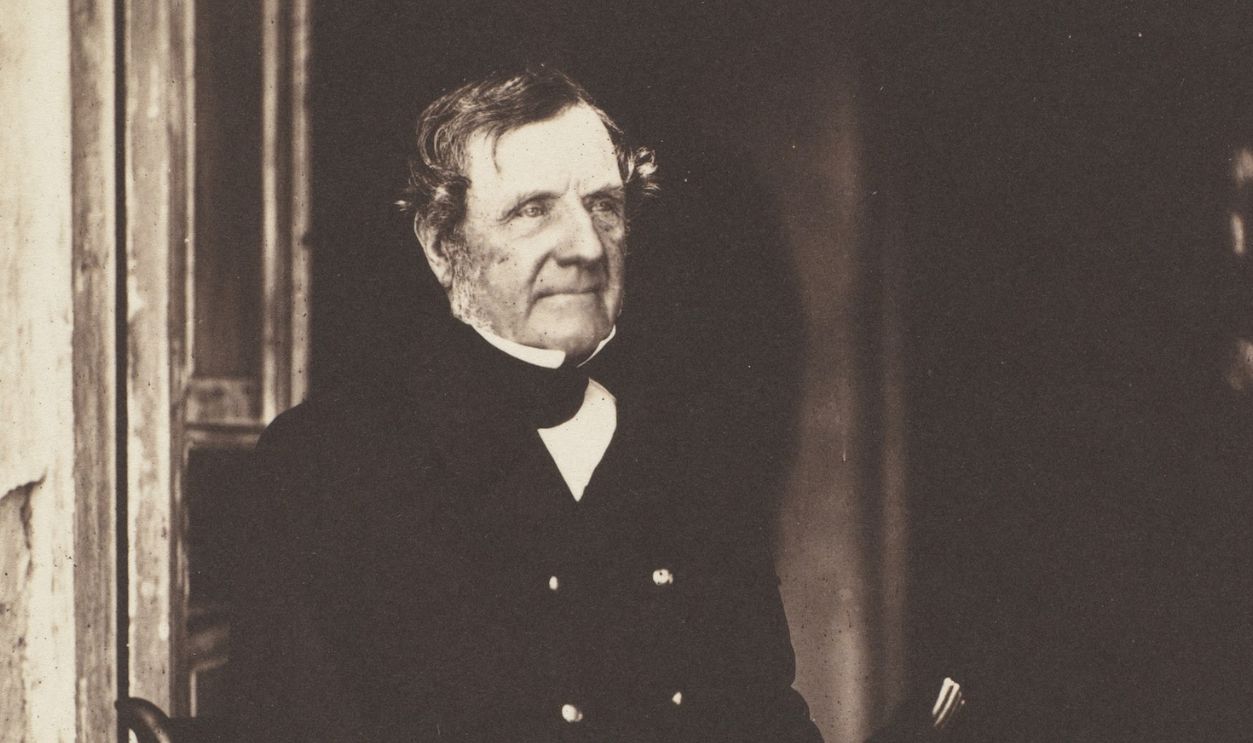
That comfortable button-front sweater carries the name of James Brudenell, the seventh Earl of Cardigan. He commanded the Light Brigade during its disastrous charge at the Battle of Balaclava in 1854. Although his military reputation remains controversial, his name became attached to a knitted garment after the Crimean War. The cardigan ultimately enjoyed a much more peaceful legacy than the officer who inspired its name.
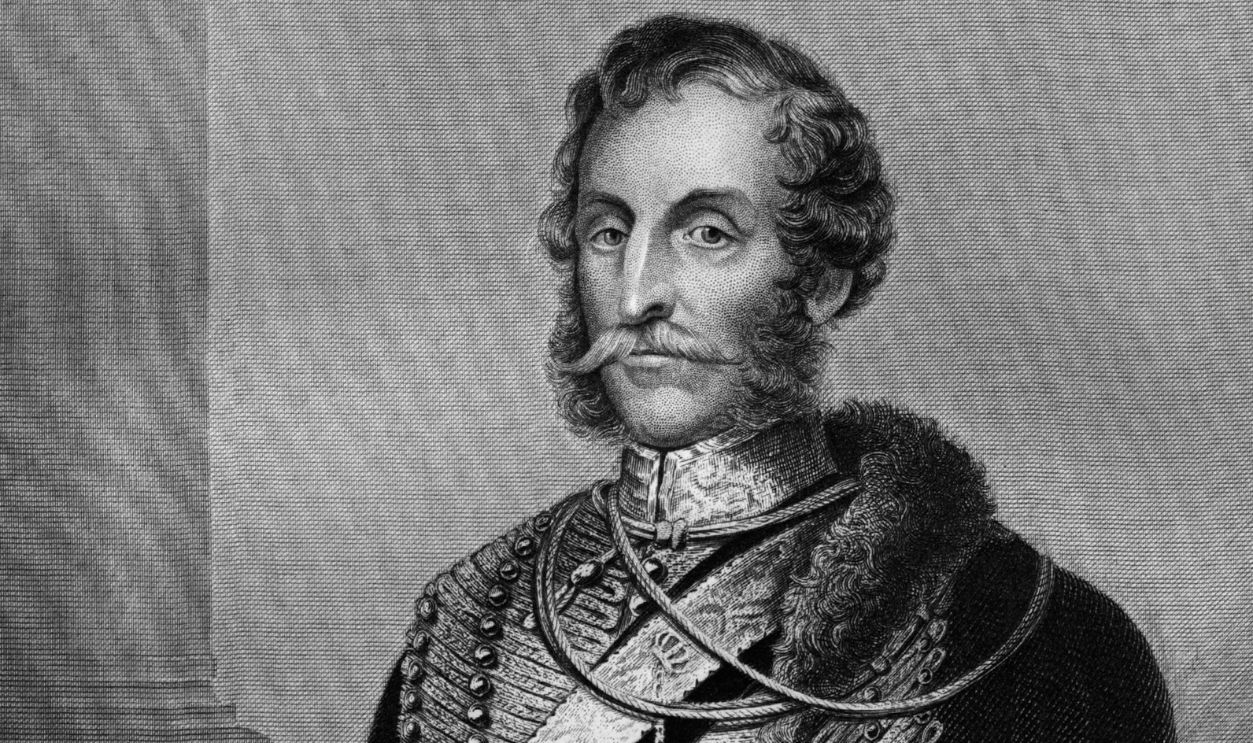 Michael Nicholson, Getty Images
Lord Cardigan Never Actually Invented The Sweater
Despite the popular story, there is no convincing evidence that Lord Cardigan invented the garment bearing his name. Contemporary accounts describe him as an officer who cared deeply about military appearance and expensive uniforms. The earliest references to cardigan jackets appeared in 1857, with the shorter name becoming established later. His fashionable reputation helped preserve his name long after the details of his military career faded from popular memory.
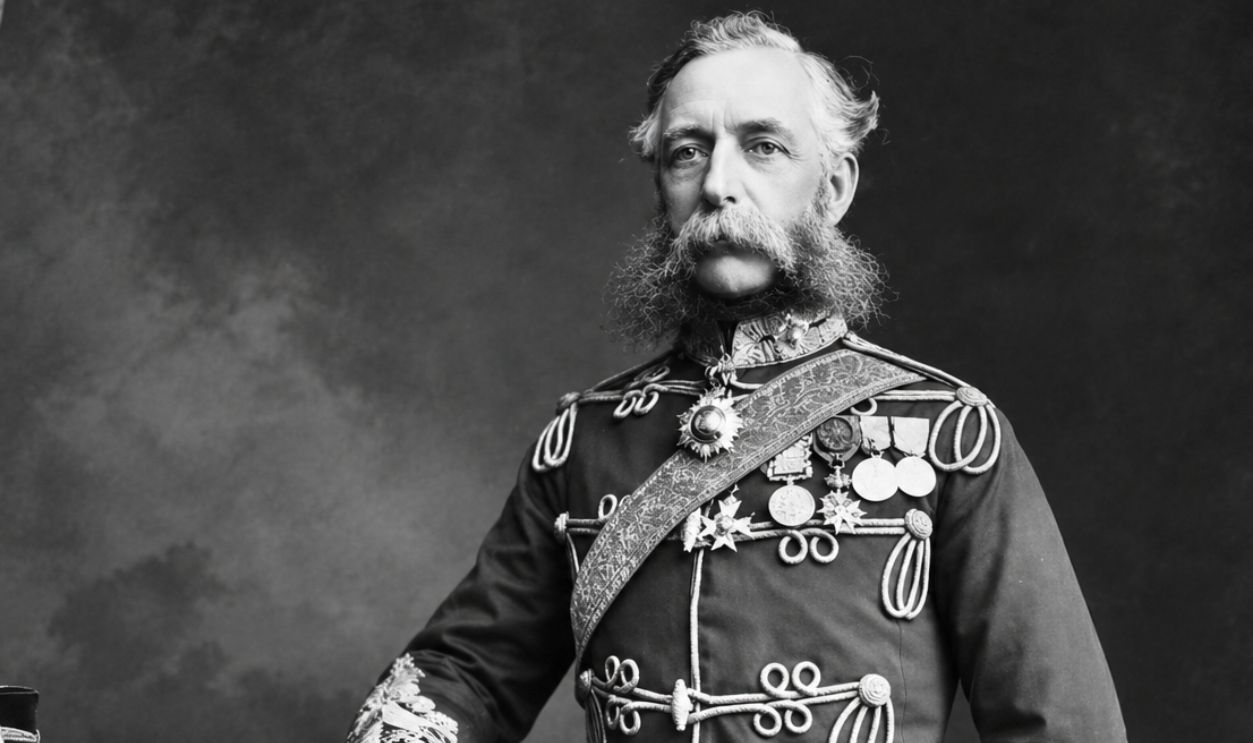 Unidentified photographer, Wikimedia Commons, Enhanced
The Raglan Sleeve Was Named After A One-Armed General
The diagonal seam running from a shirt's underarm toward its neckline has a remarkable military connection. FitzRoy Somerset, Lord Raglan, lost his right arm during the Napoleonic Wars and later commanded British forces in the Crimean War. The raglan style became associated with a loose-fitting garment that accommodated his missing arm. Today, the same sleeve construction appears on everything from athletic shirts to casual sweatshirts.

Two Famous Clothing Names Emerged From The Same War
Cardigan and Raglan served on the British side during the Crimean War, making their shared fashion legacy especially unusual. Their names became attached to garments associated with military clothing and comfort. The war also gave English speakers the balaclava, although that name came from a location rather than a person. Few military campaigns have left such a recognizable collection of words in modern wardrobes.
Bloomers Were Named After A Woman Who Challenged Society
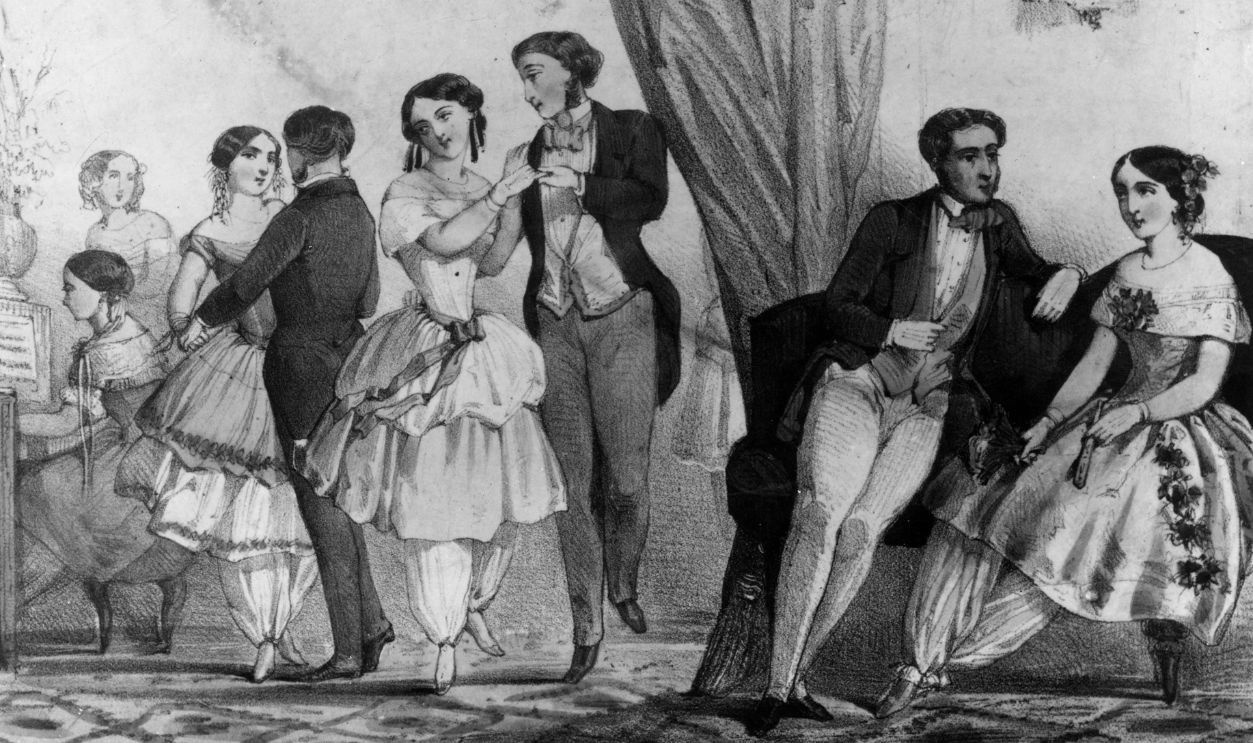
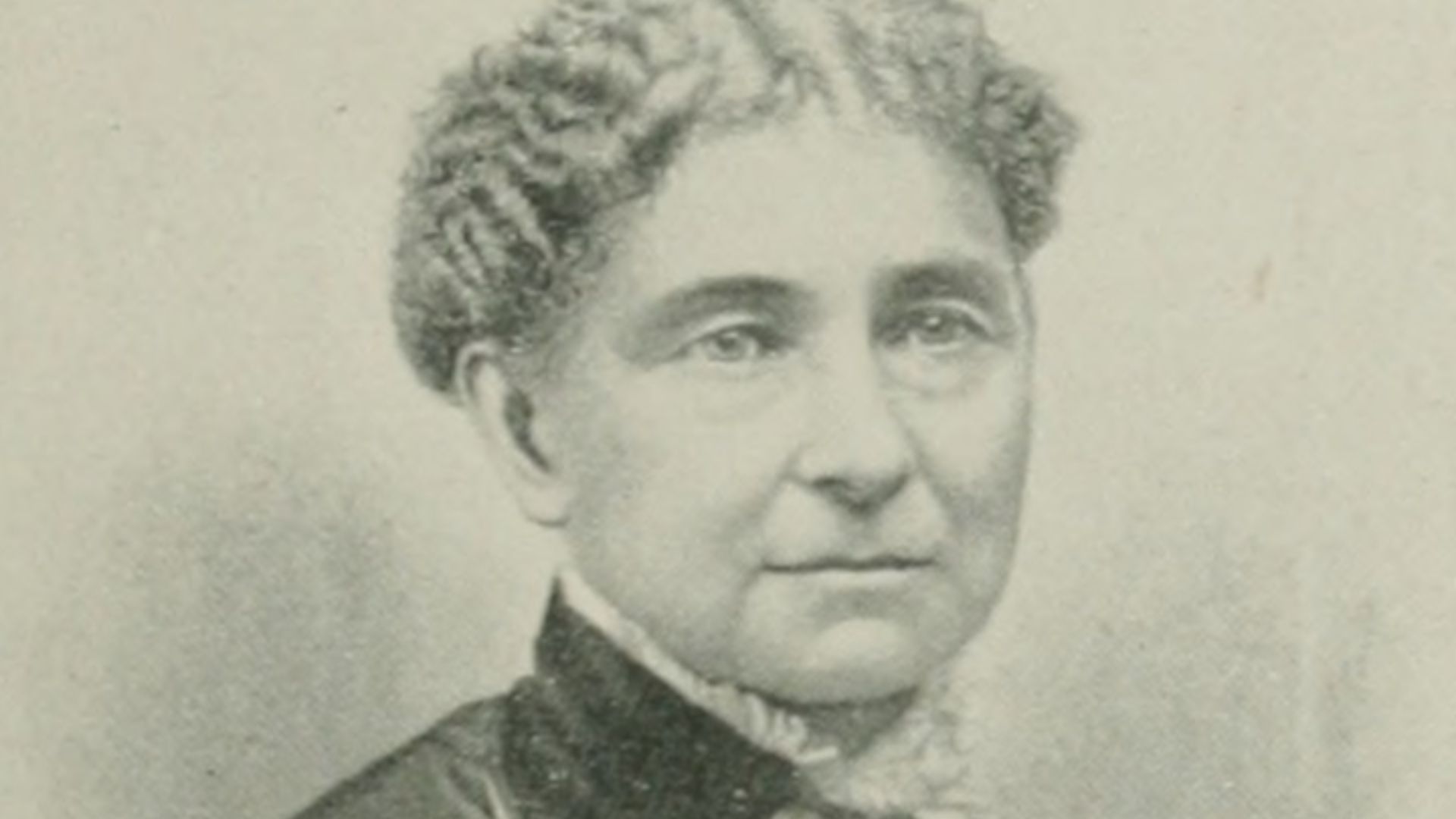
Amelia Bloomer was a nineteenth-century American journalist and women's rights advocate who helped popularize a controversial alternative to restrictive dresses. The outfit featured loose trousers beneath a shorter skirt, allowing greater freedom of movement. Bloomer promoted the clothing through her newspaper, The Lily, and attracted widespread public attention. Her name became permanently associated with the trousers, even though she had not invented them.
Amelia Bloomer Eventually Abandoned Her Famous Outfit
The clothing reform movement attracted intense ridicule from newspapers and members of the public. Bloomer and other campaigners discovered that arguments about their clothing were distracting attention from women's education, employment, and voting rights. Eventually, Bloomer returned to more conventional dresses while continuing her political advocacy. The garment retained her name despite her decision to stop wearing it.
 Unknown authorUnknown author, Wikimedia Commons
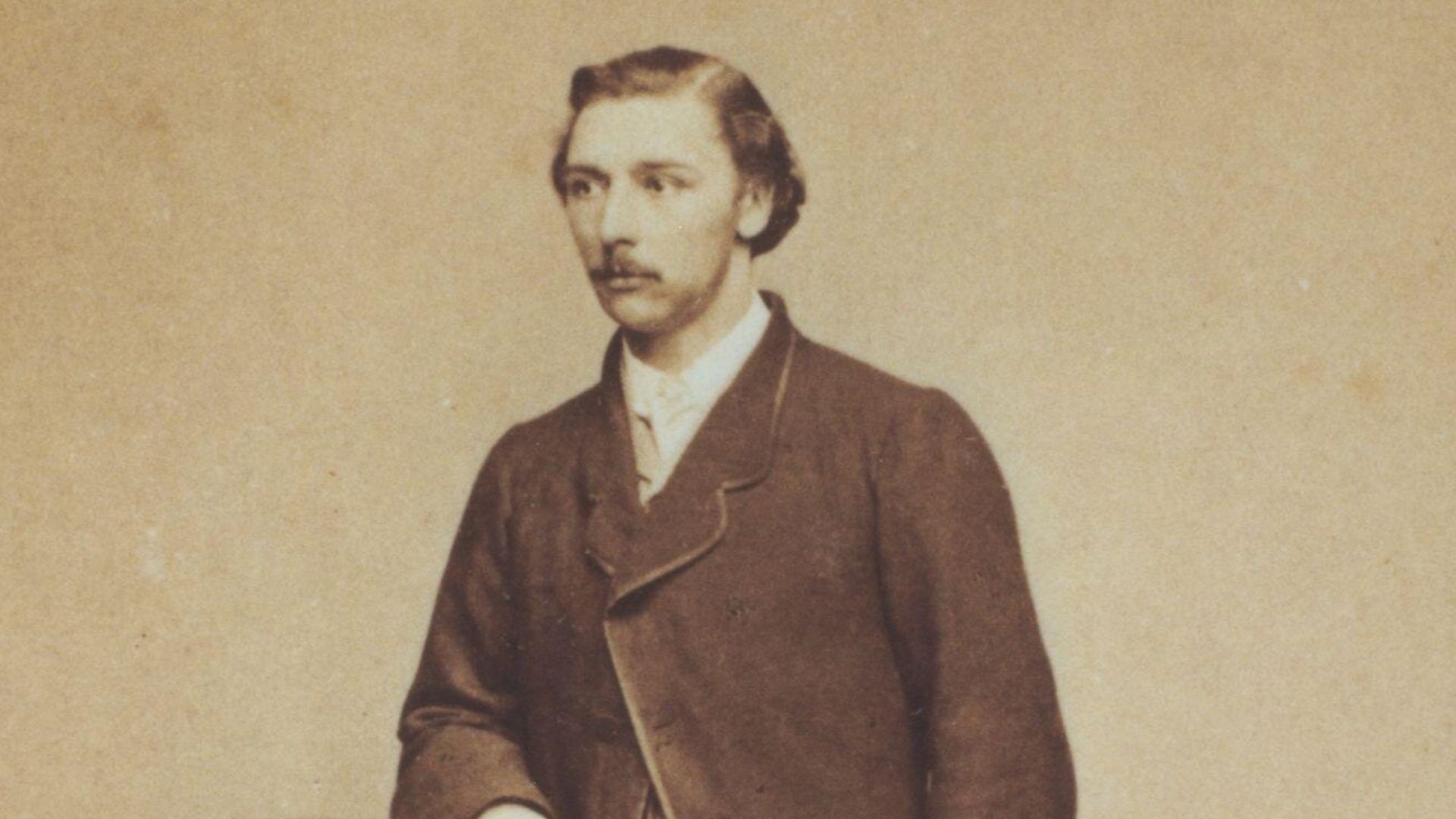
The Leotard Came From A Daring French Acrobat
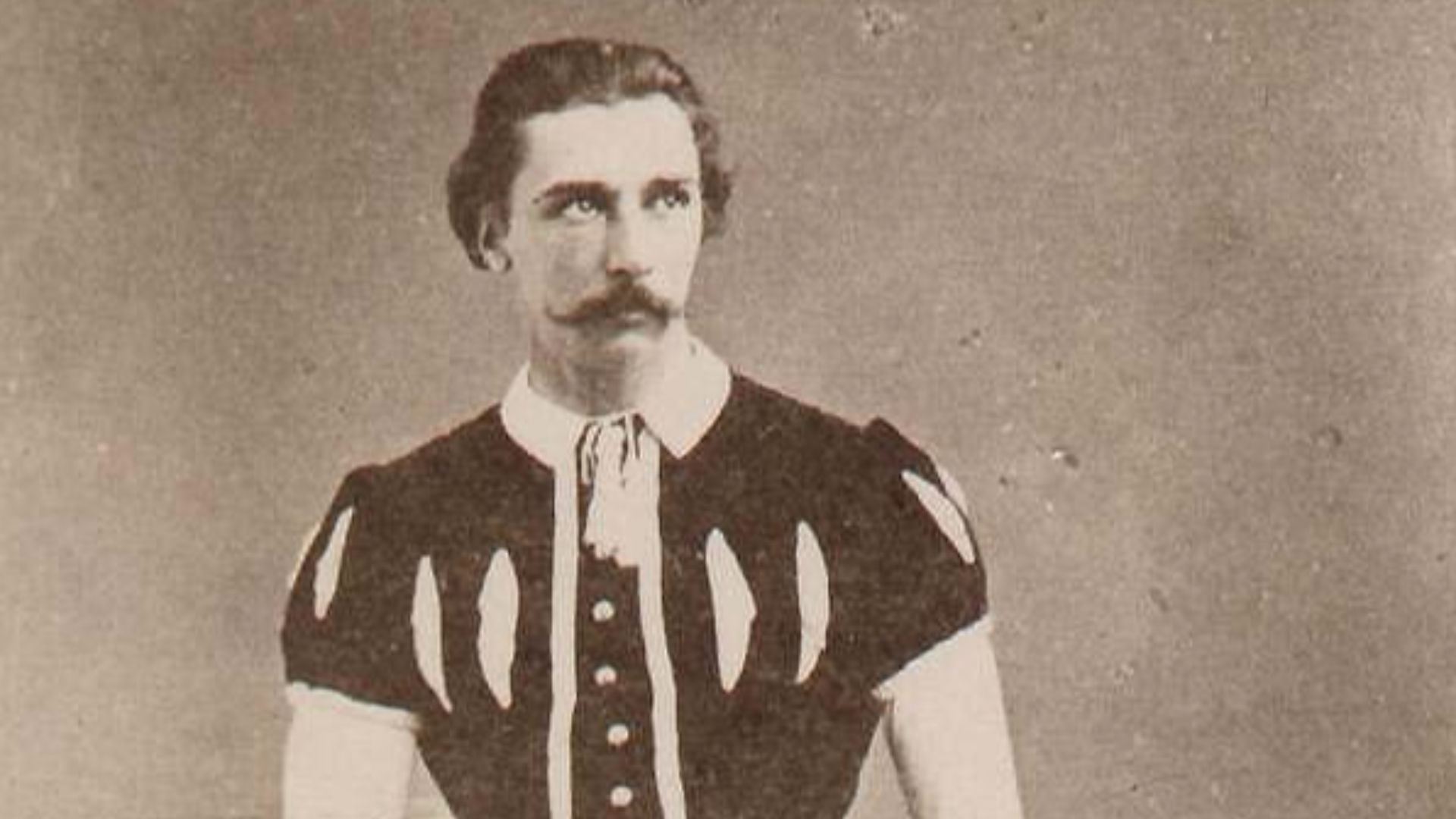
Jules Léotard was a French aerial performer whose spectacular trapeze routines made him famous during the nineteenth century. He developed a close-fitting, one-piece garment that allowed him to move freely while performing dangerous aerial maneuvers. The practical costume eventually became known by his surname. Modern gymnasts and dancers still wear descendants of the outfit associated with this adventurous entertainer.
 Unknown authorUnknown author, Wikimedia Commons
Jules Léotard Almost Became A Lawyer Instead
Before becoming a celebrated trapeze performer, Léotard studied law in France. His interest in aerial acrobatics developed through experiments with trapezes and ropes suspended above a swimming pool. He ultimately chose performance over the legal profession and became associated with the development of modern trapeze entertainment. His unexpected career change gave the fashion world a name that remains familiar more than a century later.
 Unknown (photographer), Wikimedia Commons

History's most fascinating stories and darkest secrets, delivered to your inbox daily.
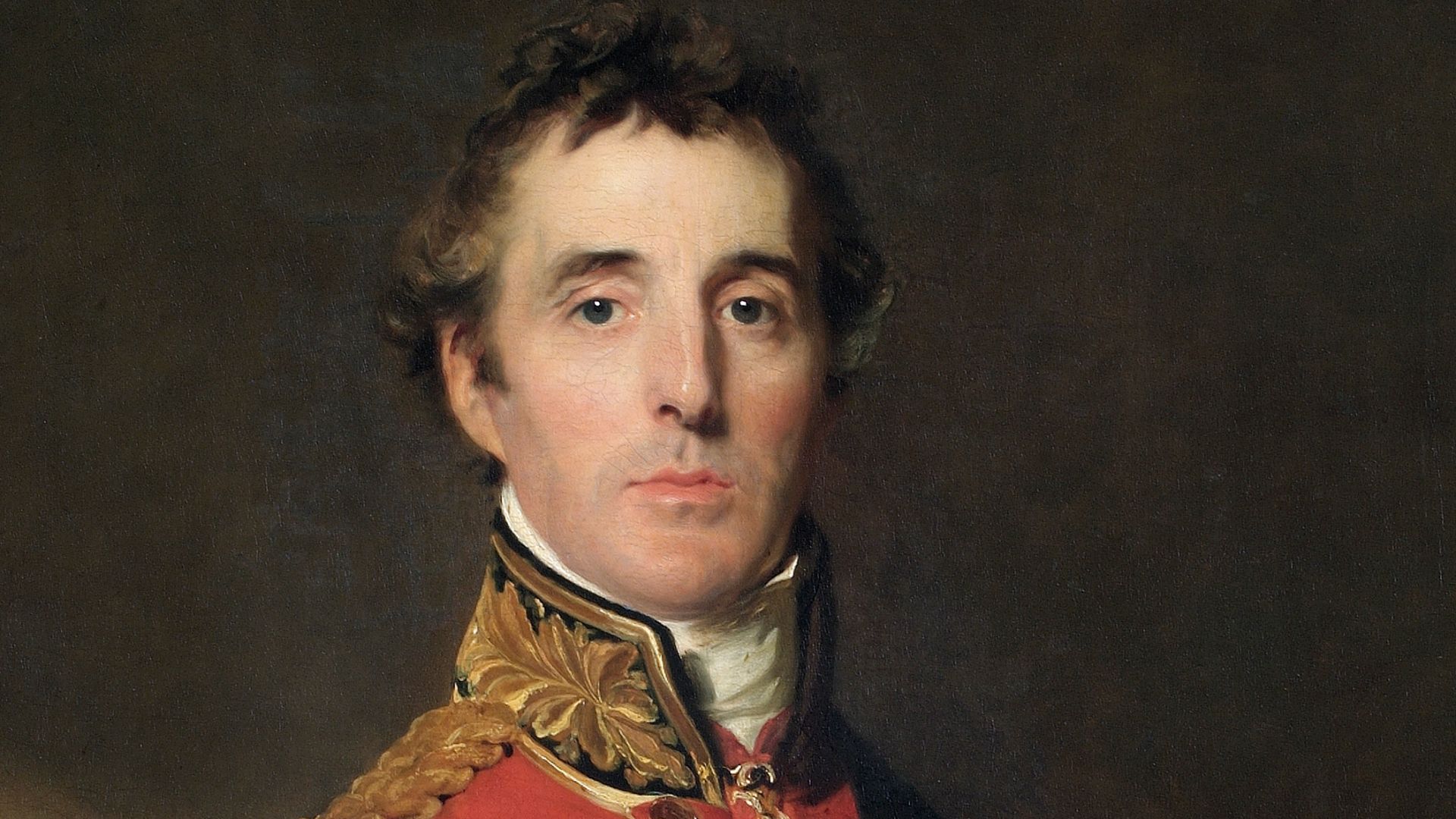
Wellington Boots Were Named After Napoleon's Great Rival
Arthur Wellesley, the first Duke of Wellington, is remembered for defeating Napoleon at Waterloo in 1815. However, he also influenced footwear by asking London bootmaker George Hoby to modify the fashionable Hessian riding boot. The redesigned version eliminated decorative tassels and worked better with the trousers becoming popular among gentlemen. Admirers began wearing similar boots, and Wellington's name became attached to the style.
 Thomas Lawrence, Wikimedia Commons
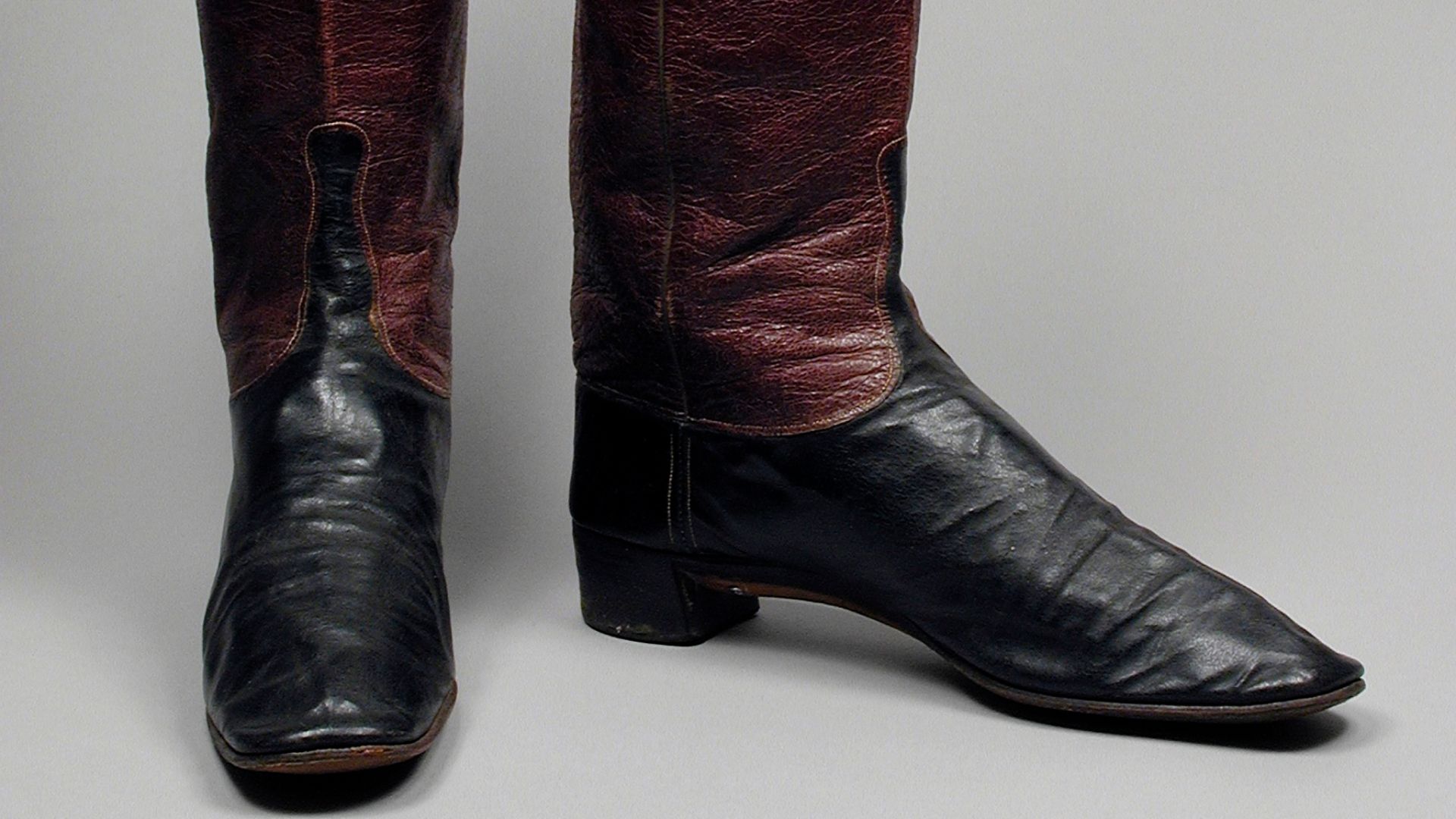
The Original Wellington Boots Were Not Made Of Rubber
The Duke's original boots were made from polished leather rather than the waterproof rubber associated with modern wellies. Rubber versions appeared decades later, and British manufacturers adopted the familiar Wellington name. During the First World War, rubber boots became essential equipment for soldiers dealing with wet trenches. A fashion statement associated with an aristocratic commander had become practical footwear for ordinary people.
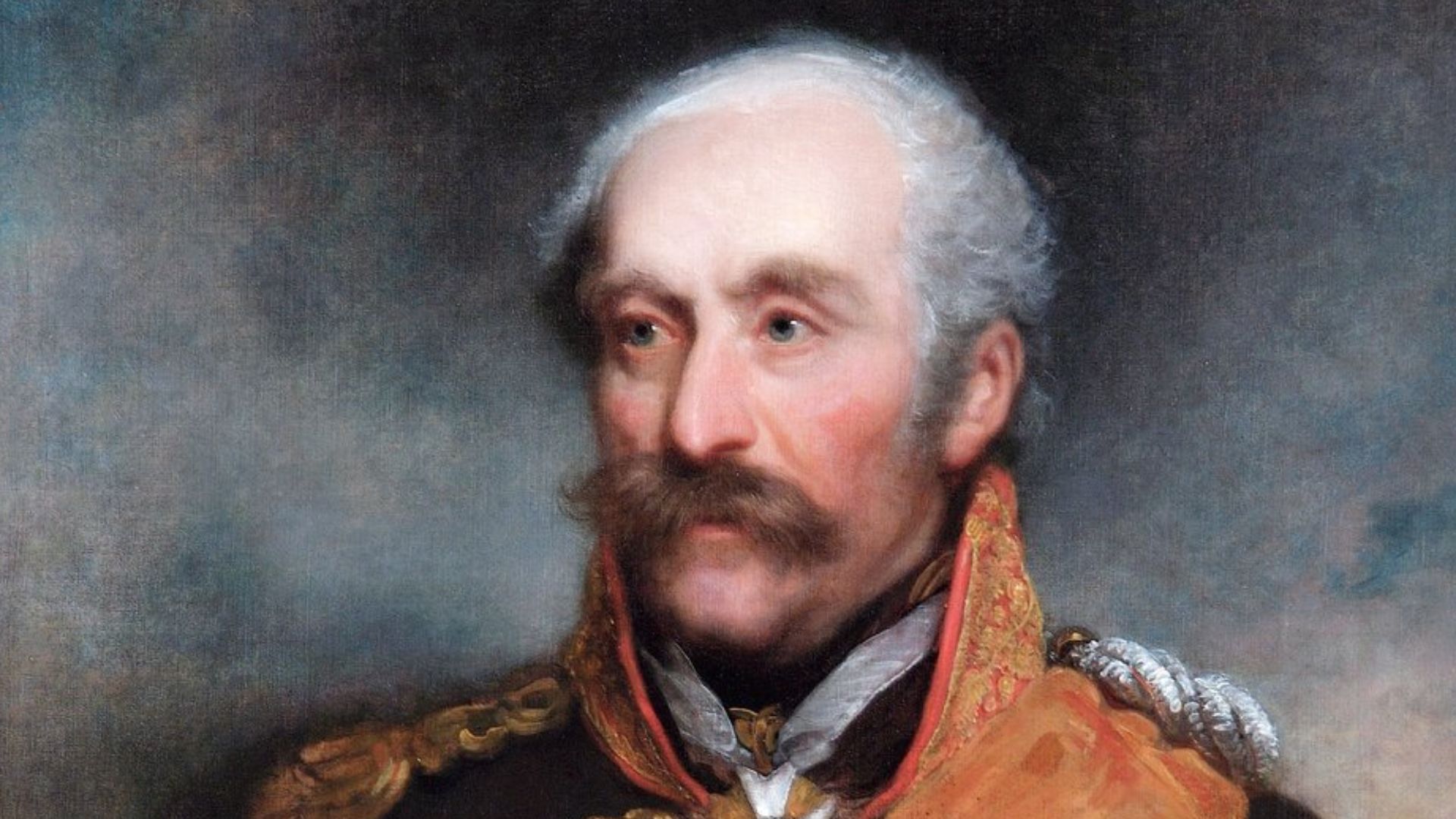
Even Wellington's Battlefield Ally Got A Boot
Prussian Field Marshal Gebhard Leberecht von Blücher helped secure Napoleon's defeat at Waterloo. Like Wellington, he became associated with a boot design, although his version was lower and resembled an ankle boot. Blücher had commissioned the footwear with soldiers' comfort in mind. British commentators were not always impressed, and an 1841 issue of Punch dismissed Blücher boots as unwelcome competitors to Wellingtons.
 George Dawe, Wikimedia Commons
The Spencer Jacket Came From An Eccentric Aristocrat
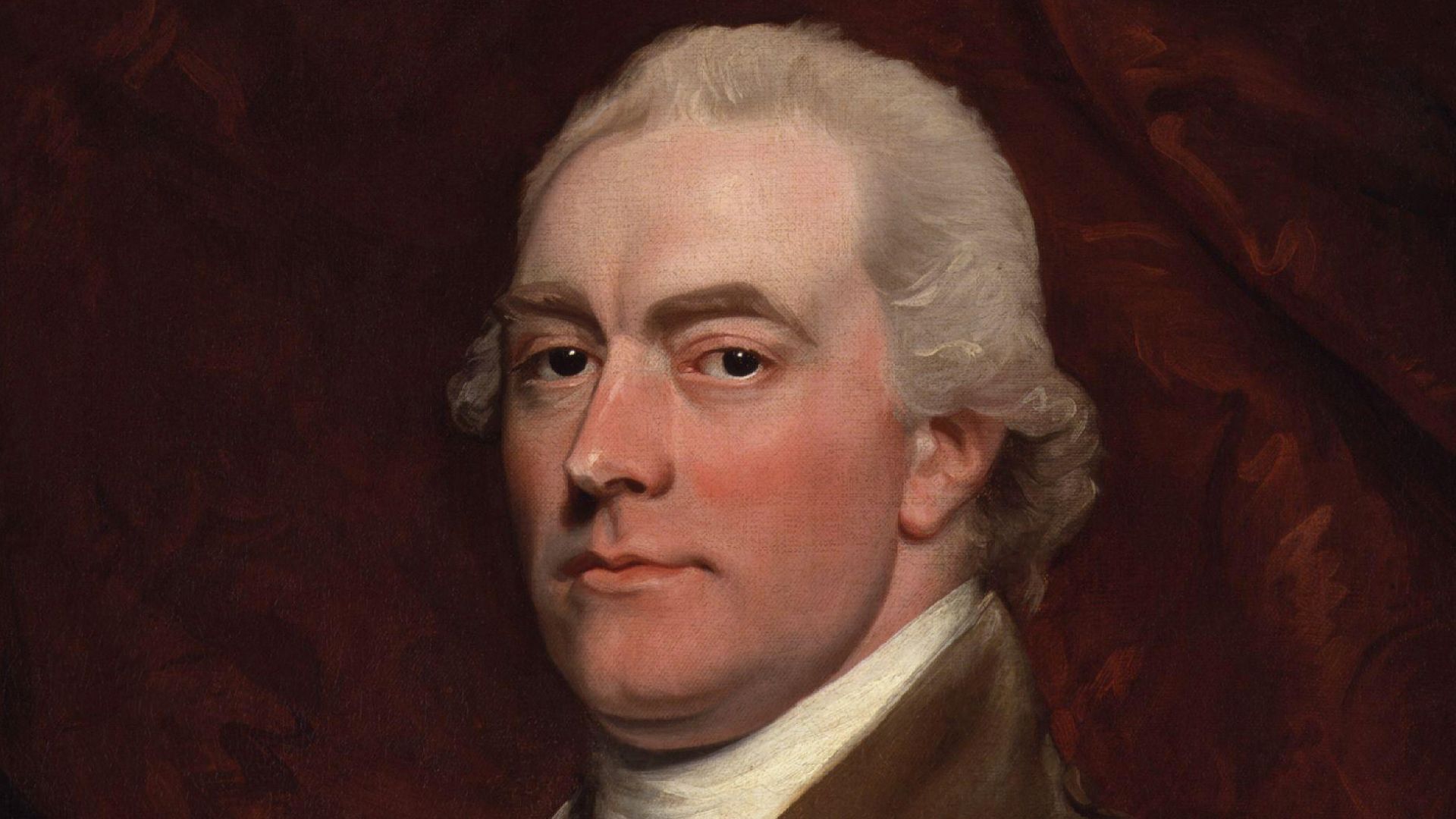
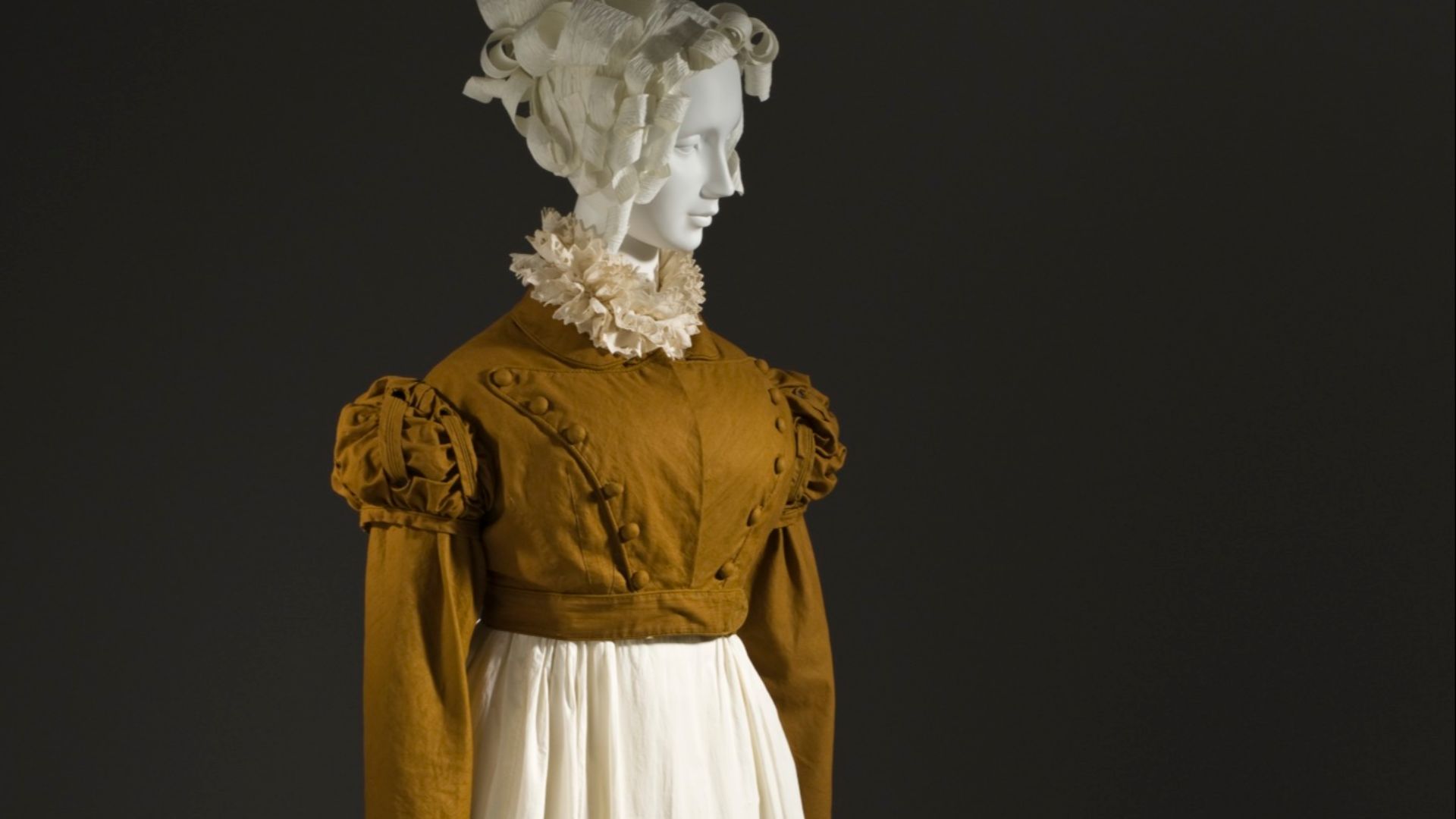
The cropped Spencer jacket takes its name from George Spencer, the second Earl Spencer, an eighteenth-century British aristocrat. The short jacket became fashionable among men before women adapted it to the high-waisted dresses of the Regency period. One popular origin story claims Spencer accidentally damaged the tails of his coat and inspired a new style. Historians treat that entertaining explanation cautiously, but the connection between his name and the garment is well established.
 John Singleton Copley, Wikimedia Commons
Women Turned The Spencer Into A Regency Essential
During the early nineteenth century, fashionable women's dresses often featured high waistlines and lightweight fabrics. Spencer jackets provided additional warmth without disrupting the fashionable silhouette. Their cropped design ended just below the bust, creating the distinctive appearance seen in Regency-era illustrations. The garment became a recognizable part of women's fashion on both sides of the Atlantic.
The Mackintosh Raincoat Was A Chemist's Invention
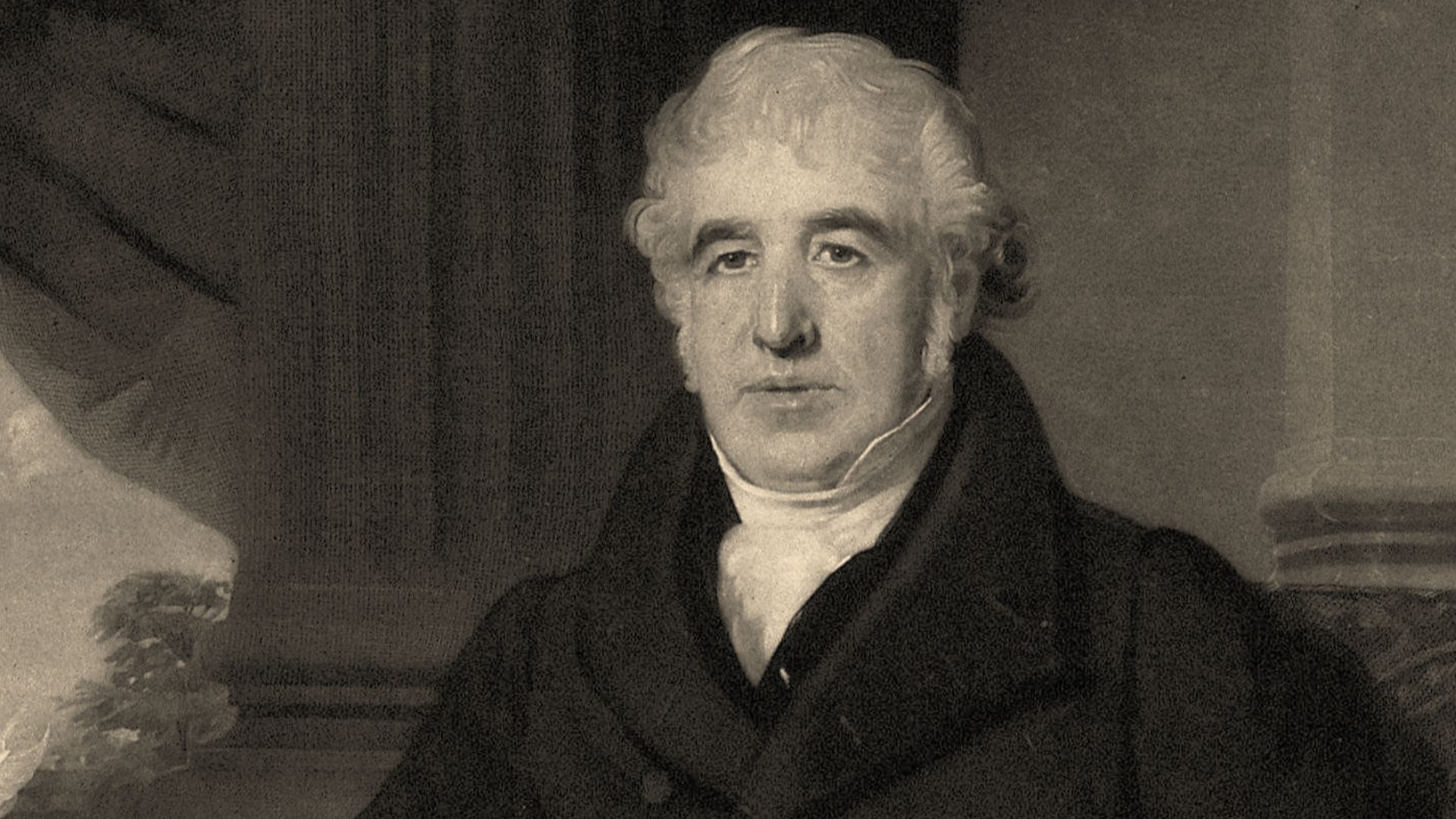
Charles Macintosh was a Scottish chemist whose experiments helped transform waterproof clothing. Rather than beginning with fashionable tailoring, he developed a way to make fabric resist water using rubber. His invention led to the raincoat that became known as the Mackintosh, with an extra letter eventually appearing in the garment's spelling. It is a rare example of a fashion name originating in chemical experimentation rather than aristocratic influence.
 John Graham Gilbert, Wikimedia Commons
The Peter Pan Collar Was Popularized By A Woman
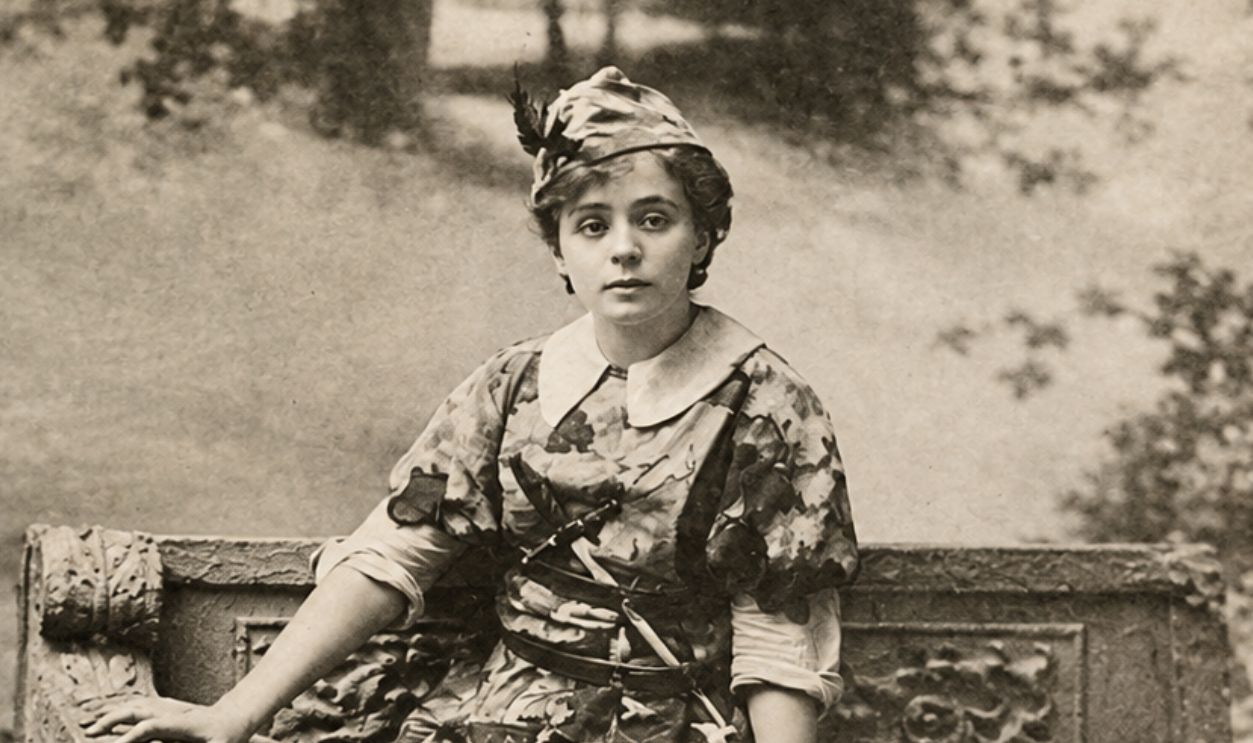
The rounded Peter Pan collar is named after a fictional boy, but its fashion history owes a great deal to actress Maude Adams. She wore the distinctive collar while portraying Peter Pan on the American stage in 1905. The costume helped popularize a design that later became associated with women's dresses and children's clothing. Interestingly, the famous collar was not part of the character's original London stage costume.
 Otto Sarony Co., Wikimedia Commons, Enhanced
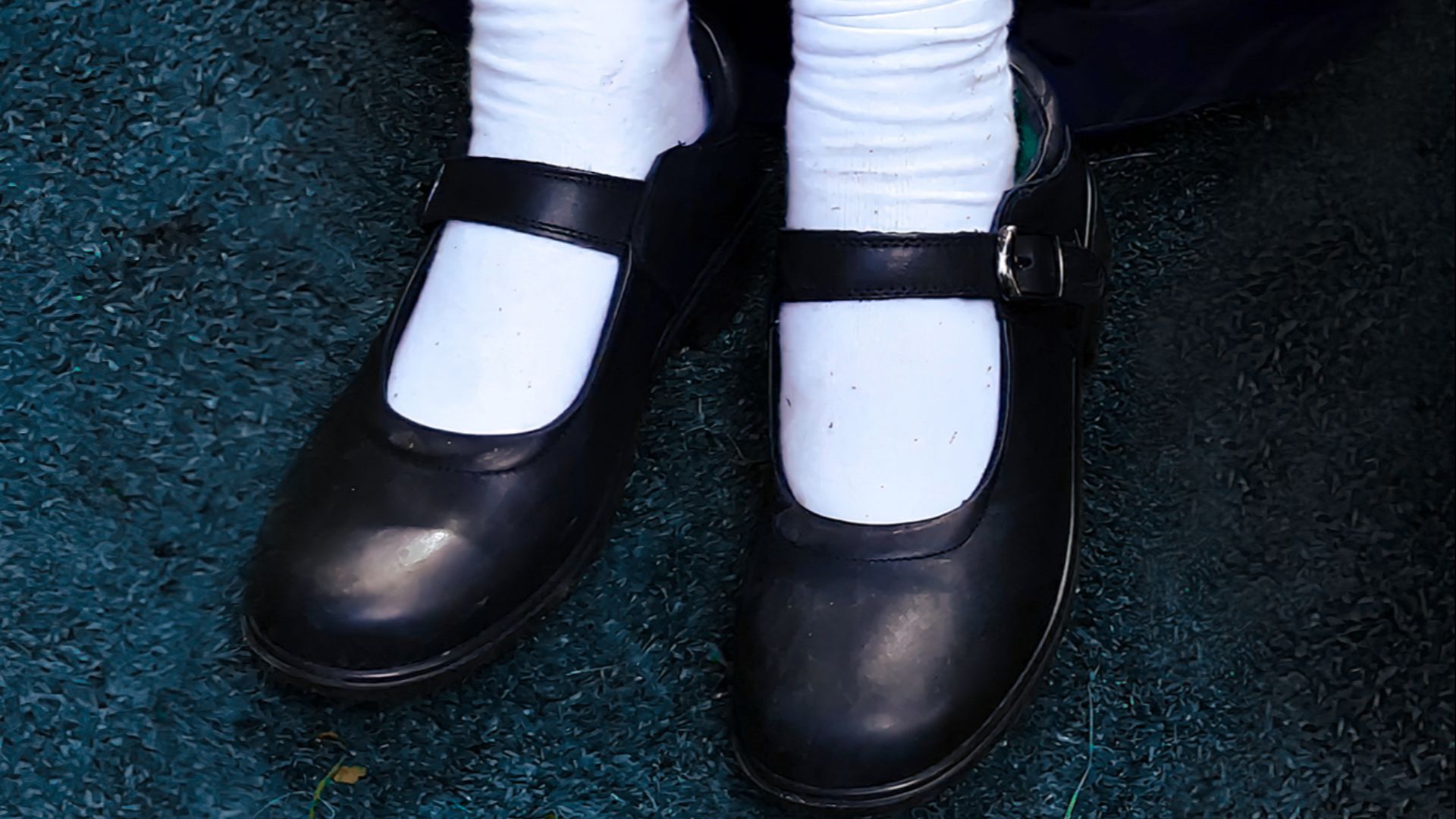
Mary Jane Shoes Were Named After A Comic Strip Character
The familiar shoes with a strap across the instep acquired their English name through the Buster Brown comic strip. Created by Richard Felton Outcault in 1902, the comic featured Buster and his sister Mary Jane. The children's distinctive footwear helped connect Mary Jane's name with the shoe style. Unlike the generals and performers elsewhere in this story, Mary Jane was a fictional character whose name became part of everyday fashion vocabulary.
 Lonelyguy616, Wikimedia Commons
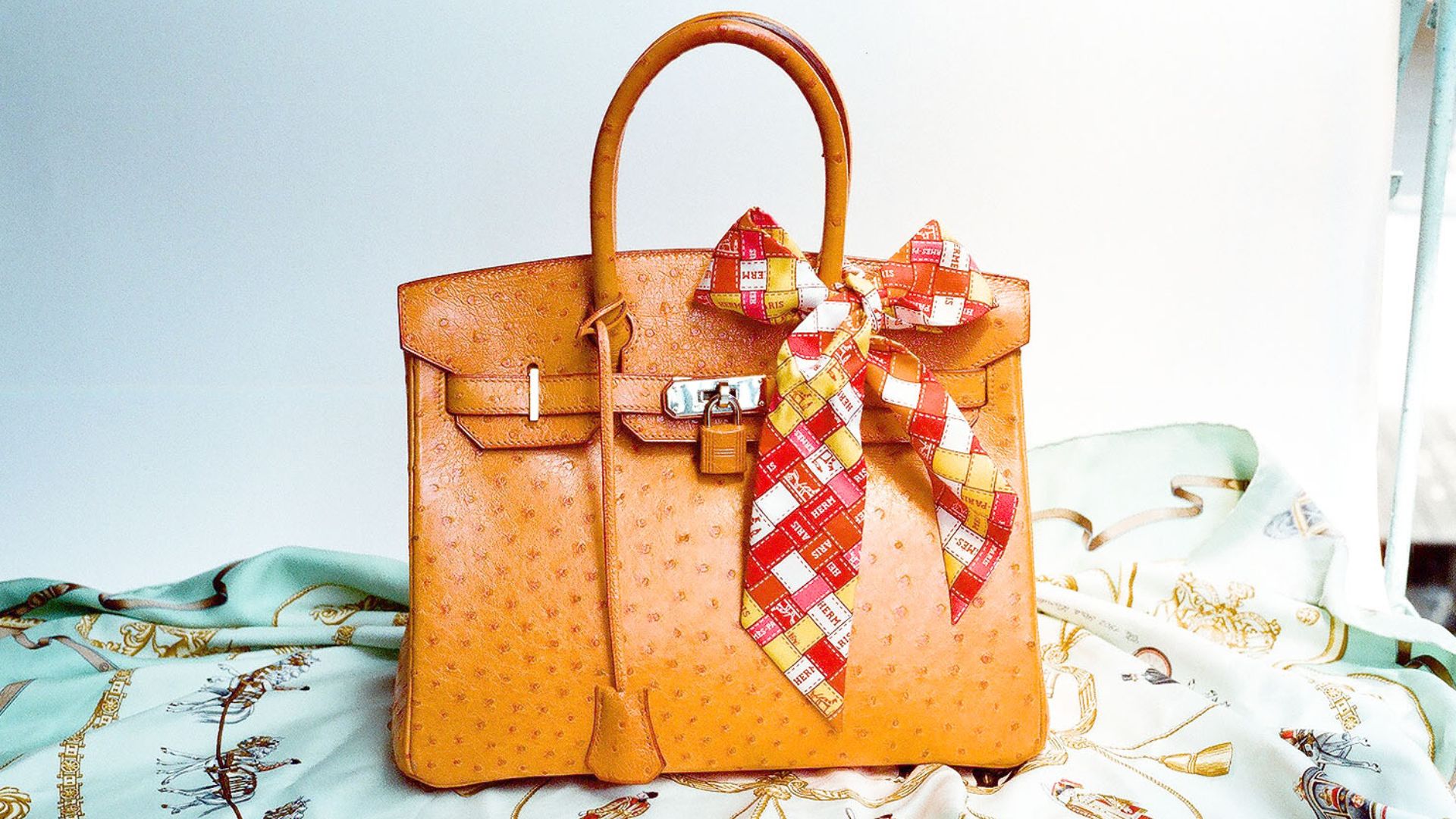
The Birkin Bag Began With An Airplane Conversation
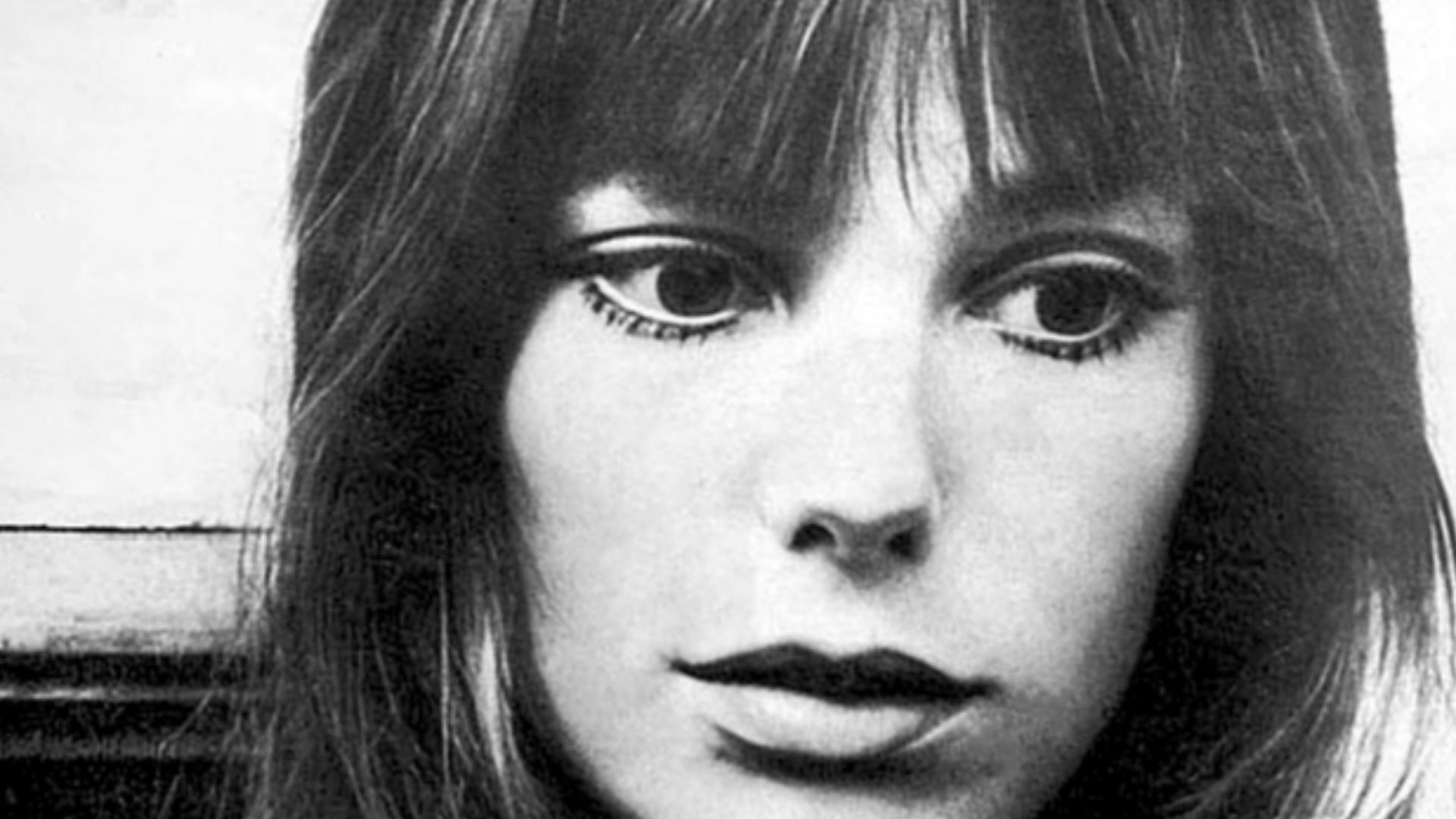
In 1984, actress and singer Jane Birkin happened to sit beside Hermès executive Jean-Louis Dumas on a flight from Paris to London. Birkin complained that she could not find a handbag practical enough for life as a young mother. Dumas responded by sketching a spacious design that included room for baby bottles. That chance encounter produced the Birkin bag, one of fashion's most recognizable luxury accessories.
 Wen-Cheng Liu, Wikimedia Commons
Jane Birkin Wanted Practicality Rather Than Prestige
The original Birkin concept was not simply about creating an expensive status symbol. According to Hermès, the actress wanted a flexible, roomy bag suited to the everyday demands of motherhood. Dumas designed a rectangular holdall with carefully considered storage and traditional saddle stitching. The contrast between its practical origins and its later luxury reputation makes the Birkin story particularly memorable.
 REPORTERS ASSOCIES, Getty Images
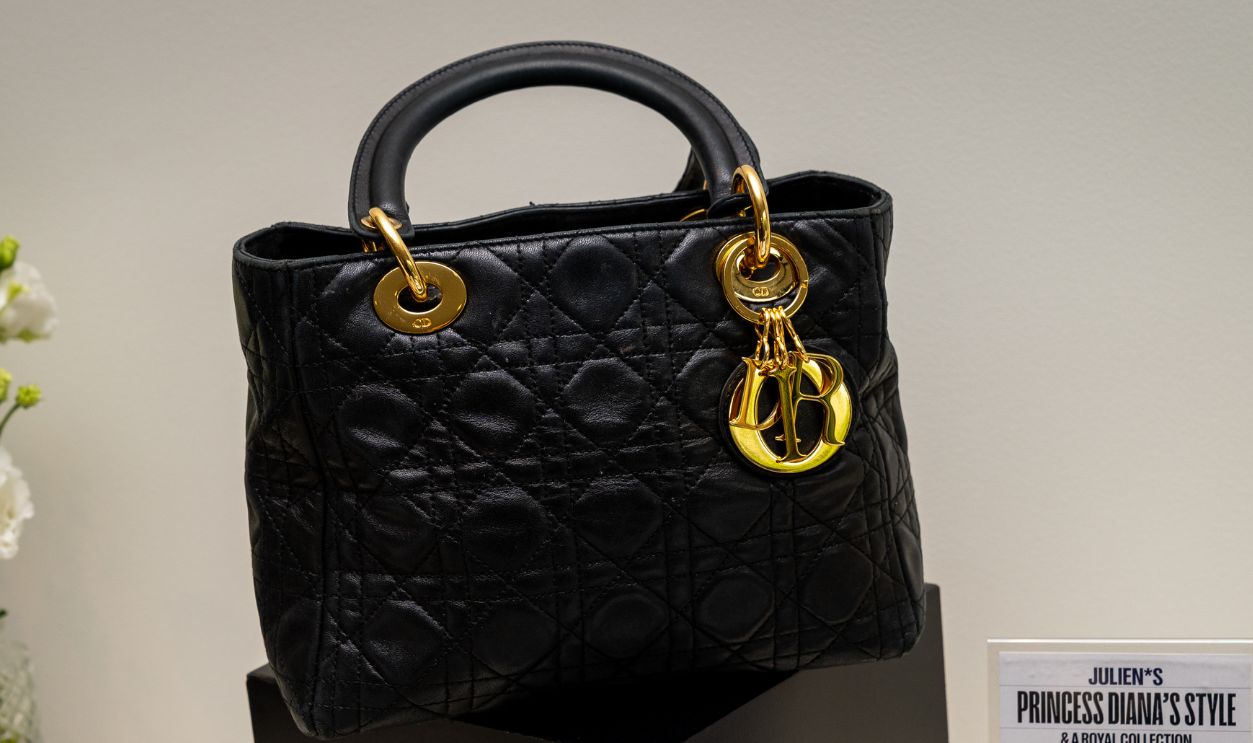
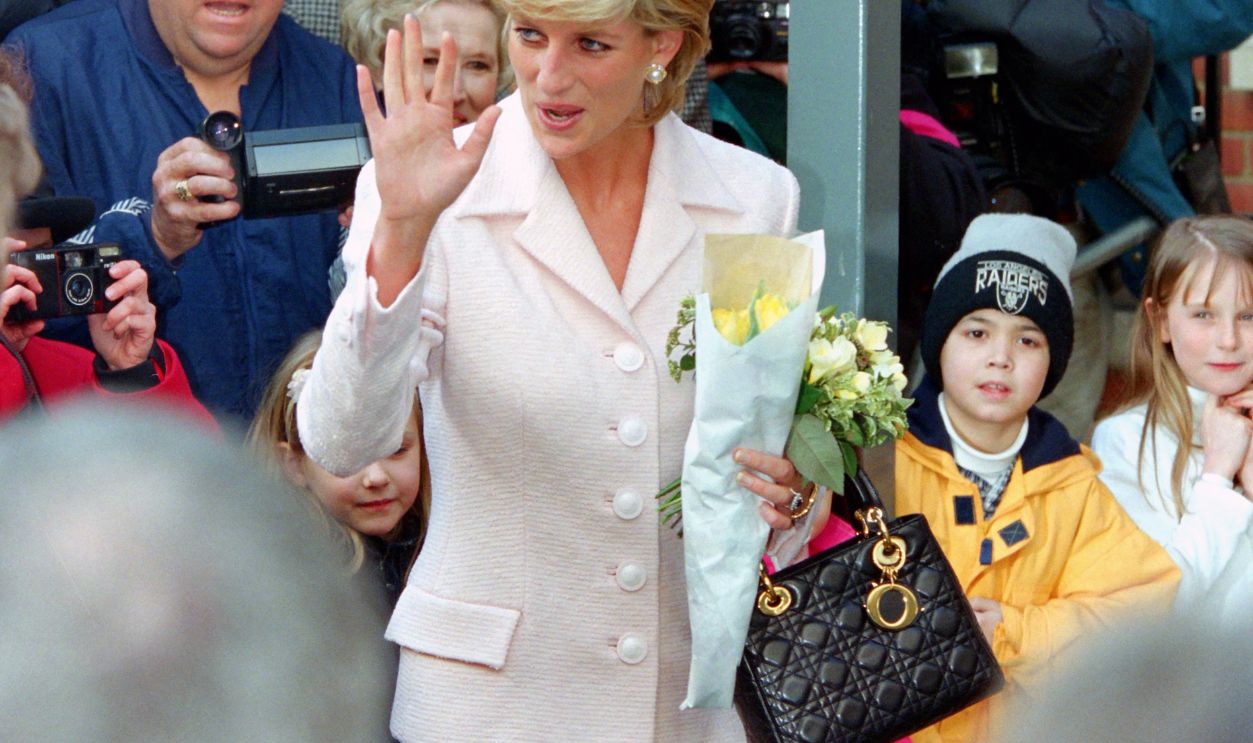
The Lady Dior Bag Was Named After Princess Diana
The Lady Dior handbag owes its name to Diana, Princess of Wales, rather than to a fashion designer. During a 1995 visit to Paris, Diana received a Dior handbag that she subsequently carried during public appearances. Photographs of the princess with the accessory helped establish its reputation. Dior eventually named the design Lady Dior in recognition of its celebrated admirer.
 Aaron Chown - PA Images, Getty Images
Diana Turned A Gift Into A Fashion Legend
The bag's association with Diana became especially visible during her official visit to Argentina in November 1995. Photographers captured her carrying the handbag as she arrived in Buenos Aires. She liked the design enough to request a navy-blue version that complemented her eyes. The name Lady Dior preserved her connection to a handbag that had existed before she received it.
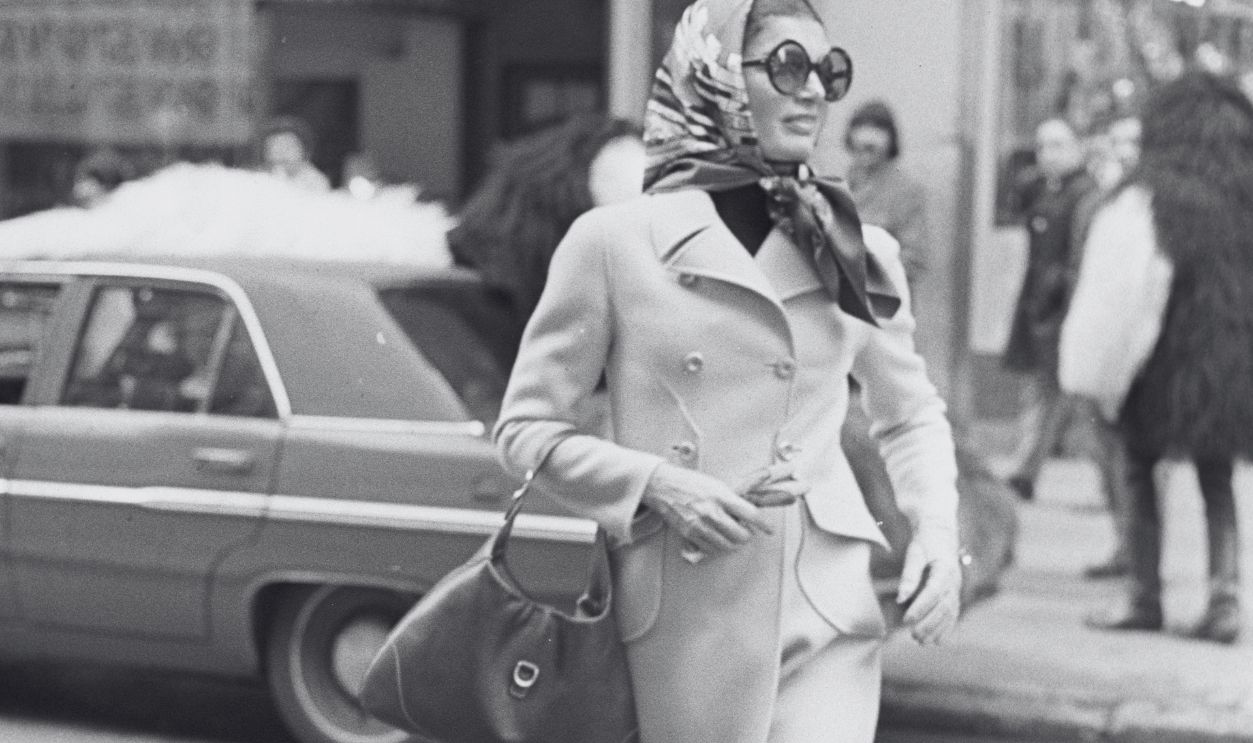
The Gucci Jackie Bag Became A First Lady Favorite
The Gucci Jackie handbag is associated with Jacqueline Kennedy Onassis, whose public style helped make the design famous. Gucci originally created the bag in 1961, before its connection with the former American first lady became central to its identity. Its curved shape and distinctive piston closure helped distinguish it from other handbags. The Jackie name illustrates how a famous customer can become inseparable from an accessory's history.
 Fairchild Archive, Getty Images
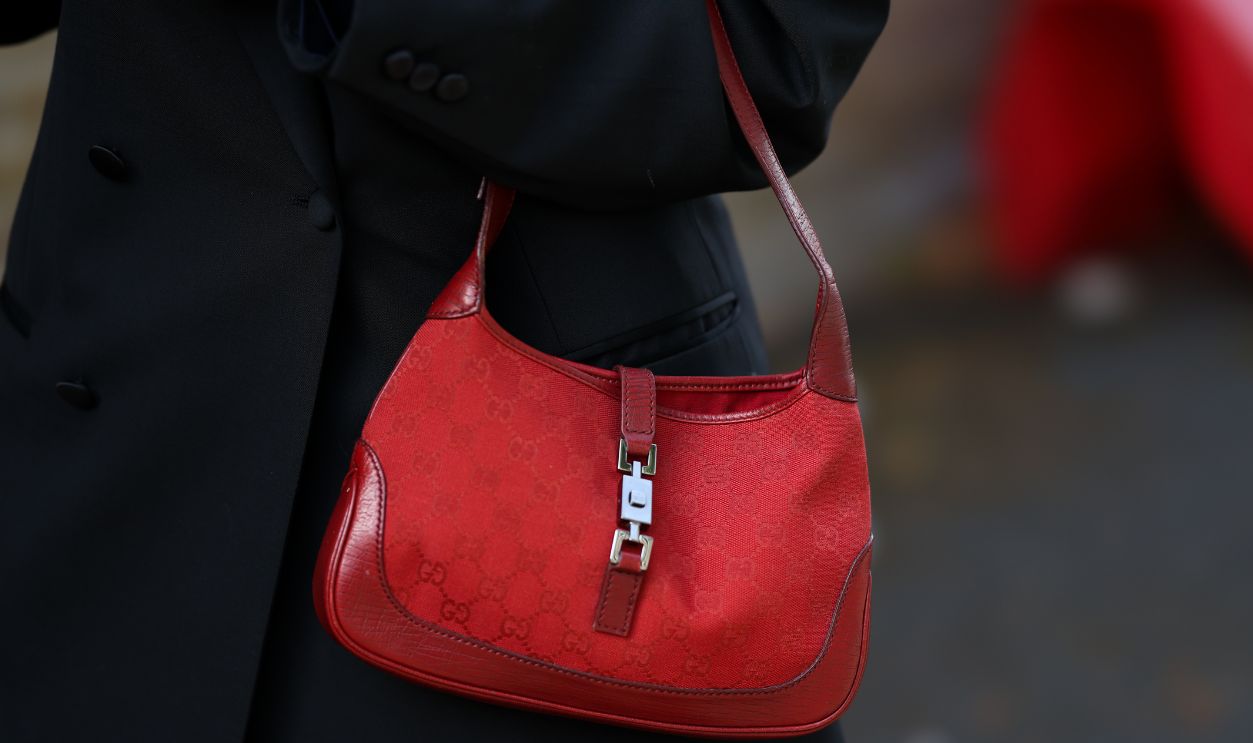
The Jackie Bag Outlived Its Original Era
Gucci continued reinterpreting the Jackie decades after its 1961 introduction. For the Fall Winter 2020 collection, Alessandro Michele presented a redesigned version that included new sizes and styling possibilities. The updated Jackie 1961 retained the recognizable silhouette and piston closure. Its long history demonstrates how a celebrity-associated name can remain commercially meaningful across generations.
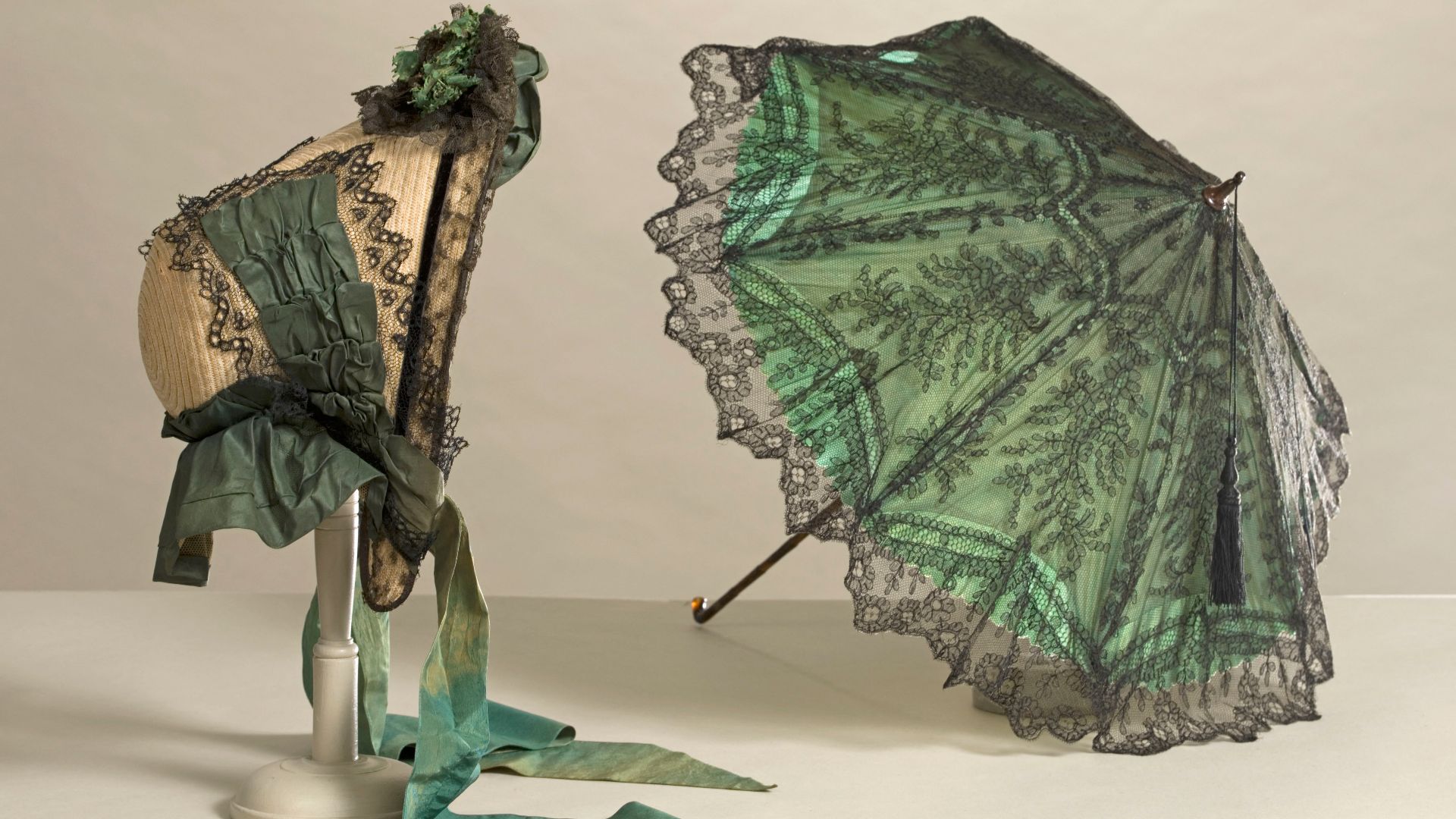
The Marquise Parasol Honored A Powerful Royal Favorite
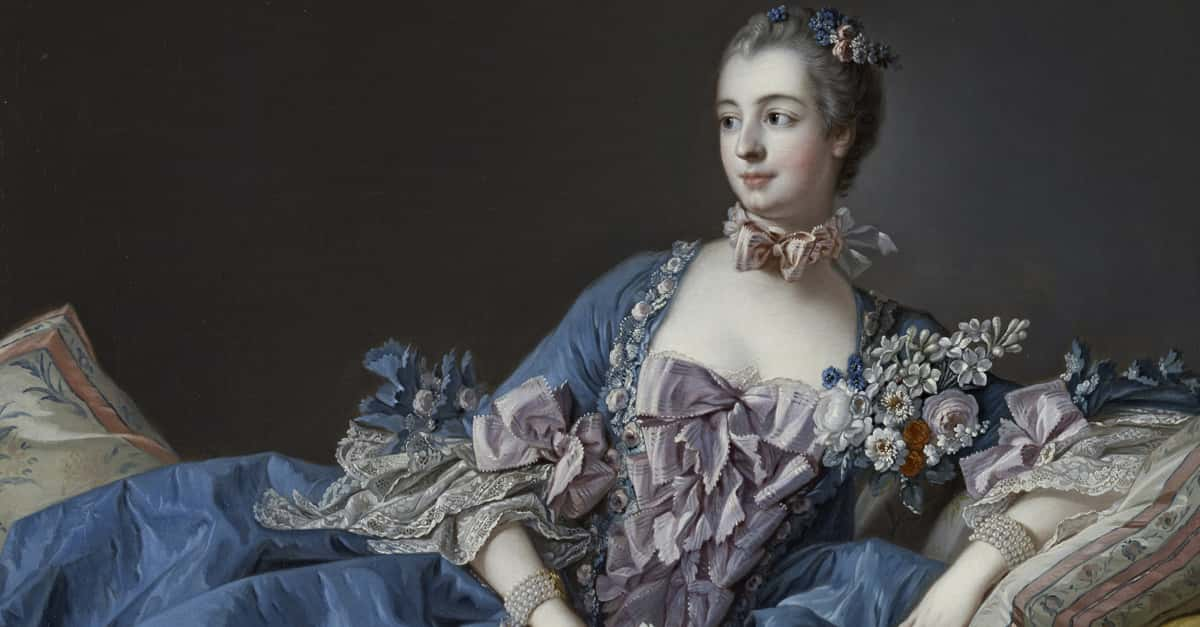
Madame de Pompadour was a prominent figure at the French court of Louis XV, but her influence extended beyond politics and patronage. A nineteenth-century parasol style called the marquise was named in her honor. According to the Metropolitan Museum of Art, she was even credited in tradition with inventing its adjustable design. The parasol's tilting top allowed wearers to protect themselves from sunlight while using the accessory as a fashionable social prop.
 Vialette, fabricant, Wikimedia Commons
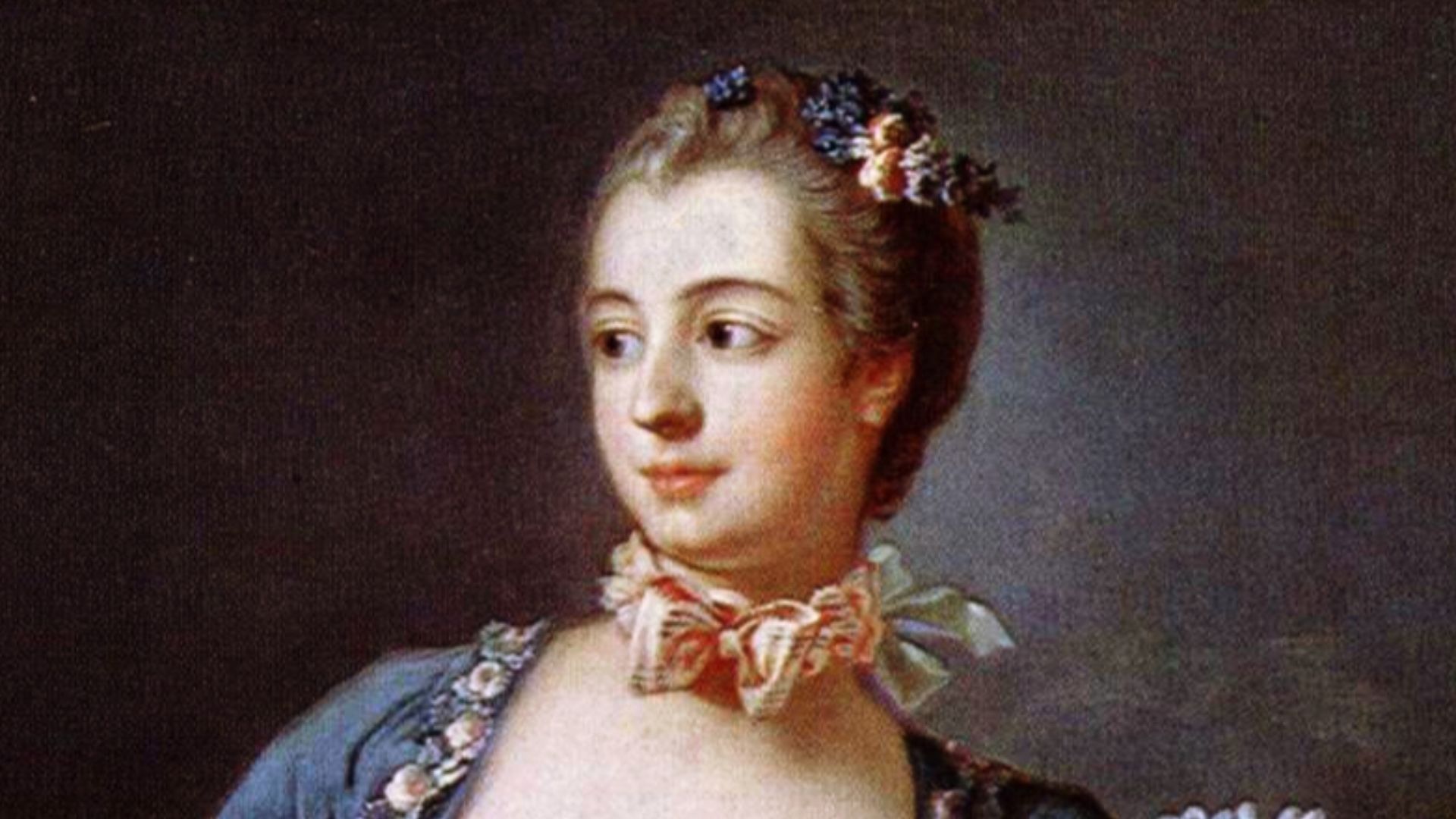
Madame De Pompadour's Influence Extended Beyond Clothing
The marquise parasol illustrates how an influential historical figure could become associated with fashionable objects long after her lifetime. Madame de Pompadour died in 1764, yet the Metropolitan Museum holds an American example of the named parasol dating from the 1860s. Its adjustable construction and decorative details show how practicality and fashionable display could coexist. A royal favorite's name had become attached to an accessory made a century after her death.
 Francois Boucher, Wikimedia Commons
The Gibson Girl Was Named After A Male Illustrator
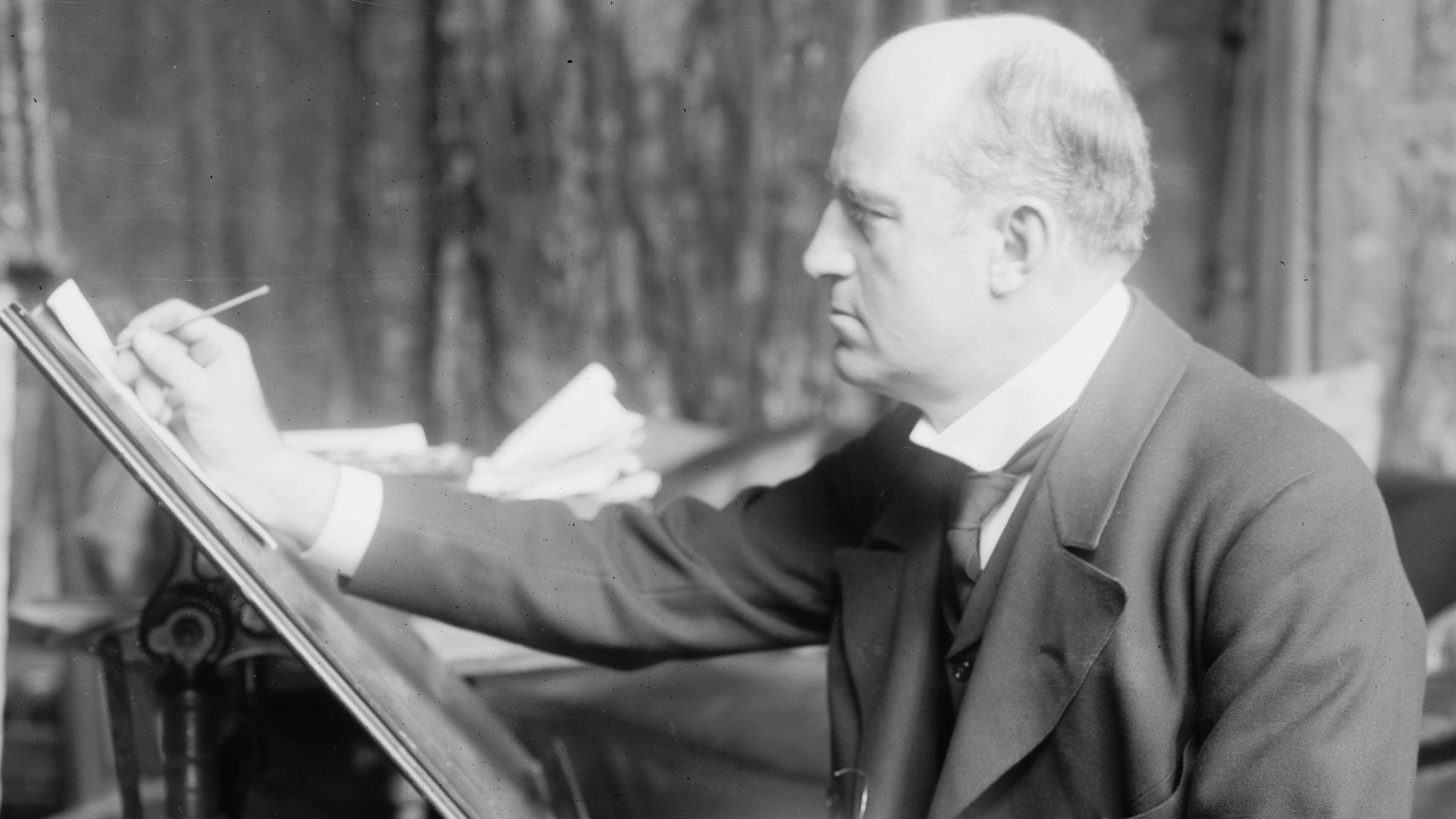
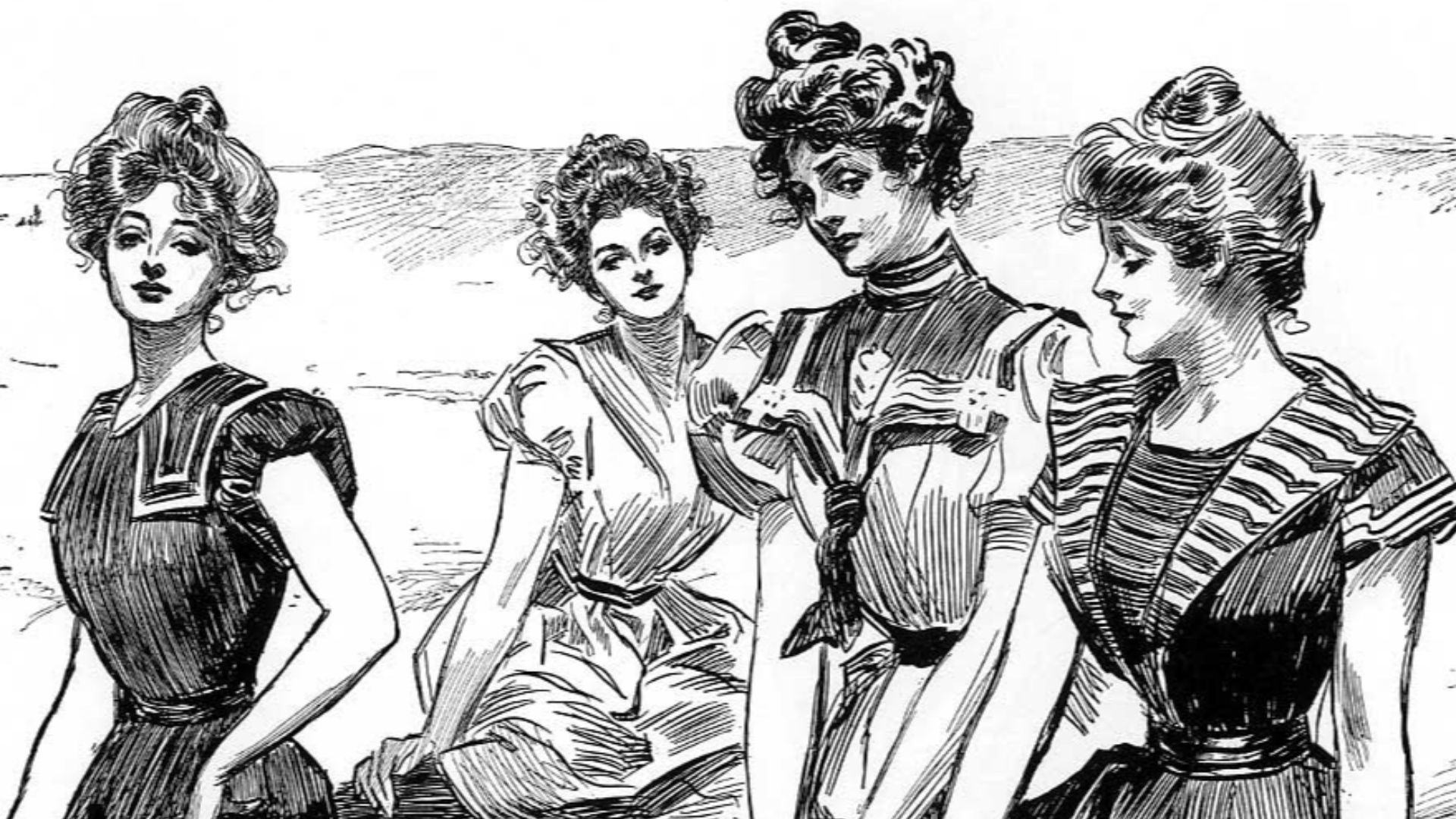
The Gibson Girl became one of the most recognizable fashionable female ideals of the late nineteenth and early twentieth centuries. Surprisingly, her name came from illustrator Charles Dana Gibson rather than from an actual woman. His drawings depicted stylish women and helped establish a distinctive visual ideal associated with the period. The Metropolitan Museum of Art notes that Gibson's creation was reportedly inspired partly by Irene Langhorne, whom he married in 1895, and her sisters.
 George Grantham Bain Collection (Library of Congress), Wikimedia Commons
The Gibson Girl Influenced Real Hairstyles And Hats
Gibson's illustrations did more than entertain readers of popular magazines. The fashionable appearance associated with his drawings influenced how women dressed and styled their hair. The Metropolitan Museum identifies the full Gibson Girl hairstyle as an influence on elaborate hat designs around the turn of the twentieth century. A fictional ideal created by an illustrator had become a recognizable part of real-world fashion.
 Charles Dana Gibson, Wikimedia Commons
Knickerbockers Came From A Writer's Invented Historian
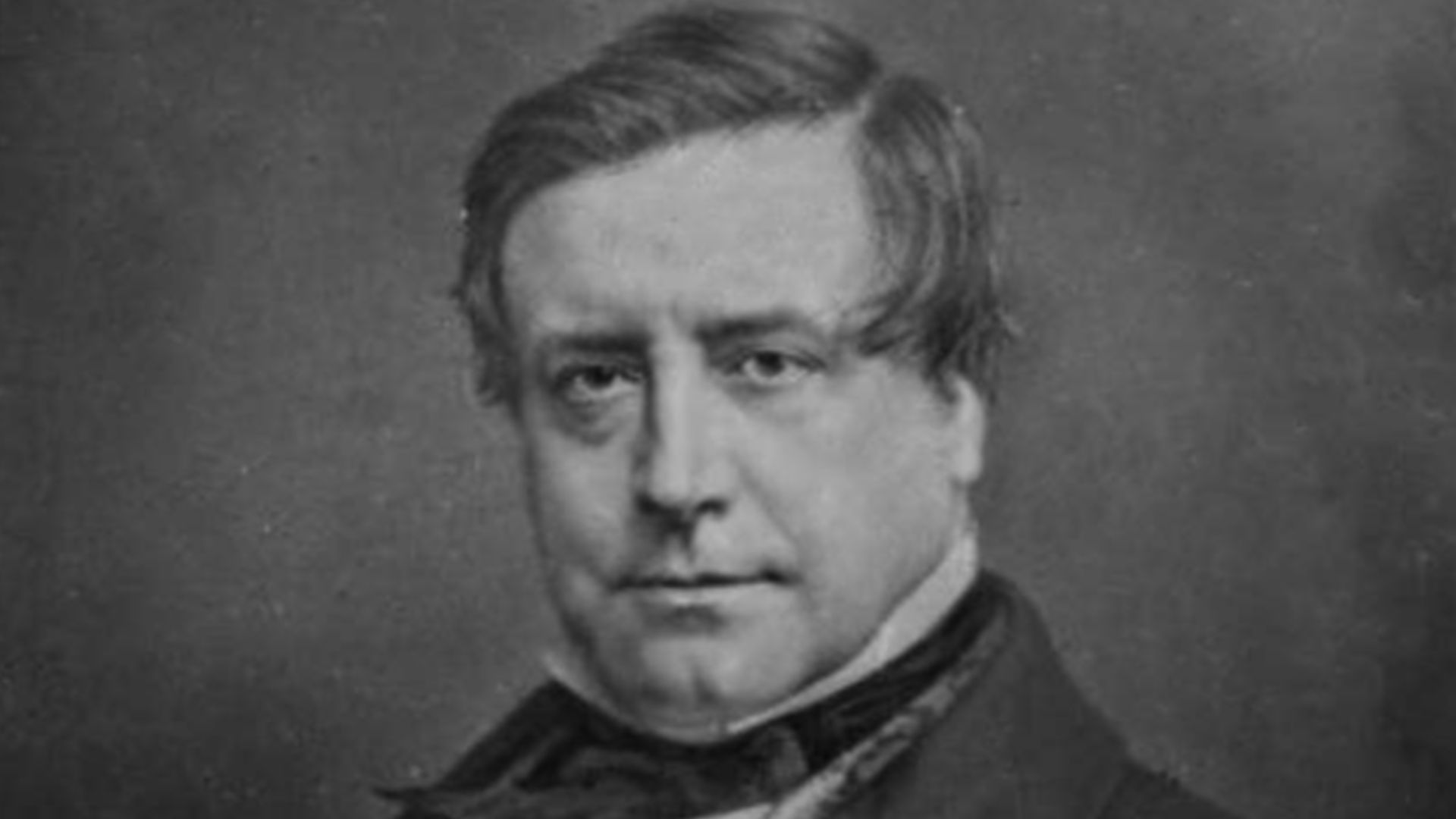
The word knickerbockers has an unusual connection to American author Washington Irving. In 1809, Irving published A History of New York under the fictional name Diedrich Knickerbocker. Illustrations associated with the book depicted old-fashioned Dutch clothing, including loose trousers gathered around the knees. Those trousers eventually became known as knickerbockers, creating a fashion term with roots in a literary invention.
 The Man in Question, Wikimedia Commons
Knickers Eventually Took On A Different Meaning
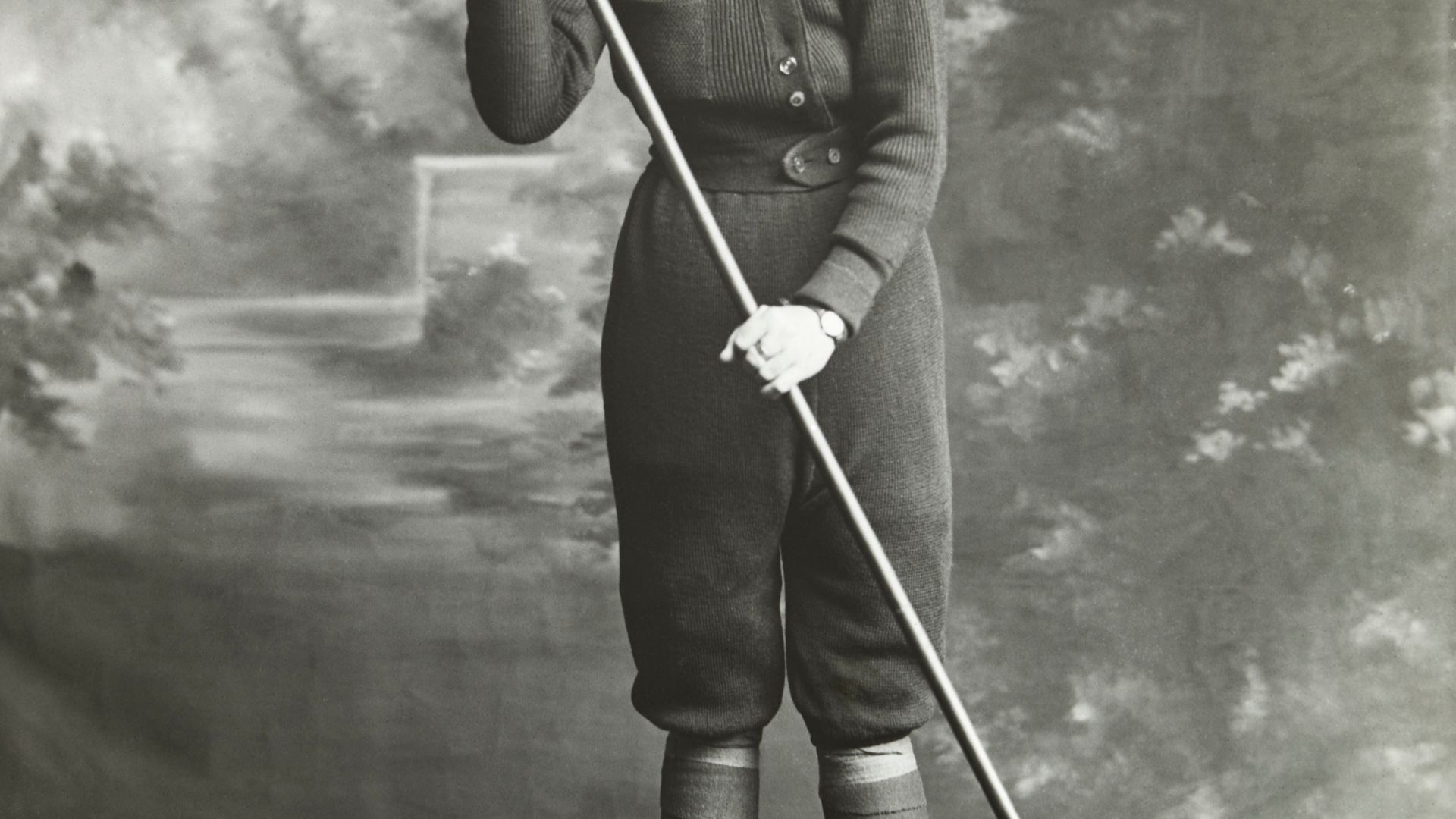
The word knickers developed from knickerbockers during the nineteenth century. Early uses referred to loose-fitting knee-length trousers worn by men, particularly styles resembling historical Dutch clothing. By the 1880s, the shortened term was also being applied to women's undergarments. A name connected to Washington Irving's fictional historian had undergone a remarkable transformation in everyday English.
 Unknown authorUnknown author, Wikimedia Commons
Some Fashion Names Outlived Their Original Owners
The people behind these names had remarkably different lives, from military commanders and political reformers to acrobats and celebrated performers. Some actively influenced clothing design, while others simply became associated with garments through fame or public admiration. Their stories also reveal how easily an invention can become more famous than its creator. The next time someone mentions a cardigan, a leotard, or a Birkin, there is an entire piece of history hiding behind that familiar name.
 Unknown authorUnknown author, Wikimedia Commons
You May Also Like:
Brilliant Ideas That Failed The First Time Because The World Was Not Ready
The Strange True Stories Behind The Real People Who Declared Themselves Royalty