The Pedestals Got Crowded With Footnotes
History textbooks love clean silhouettes: the explorer, founder, liberator, inventor, saint. But archives and newer scholarship have made many famous reputations harder to summarize. Sometimes darker facts were minimized; other times, research restored achievements or beliefs that the popular version simply left out.
 United States Library of Congress, Wikimedia Commons
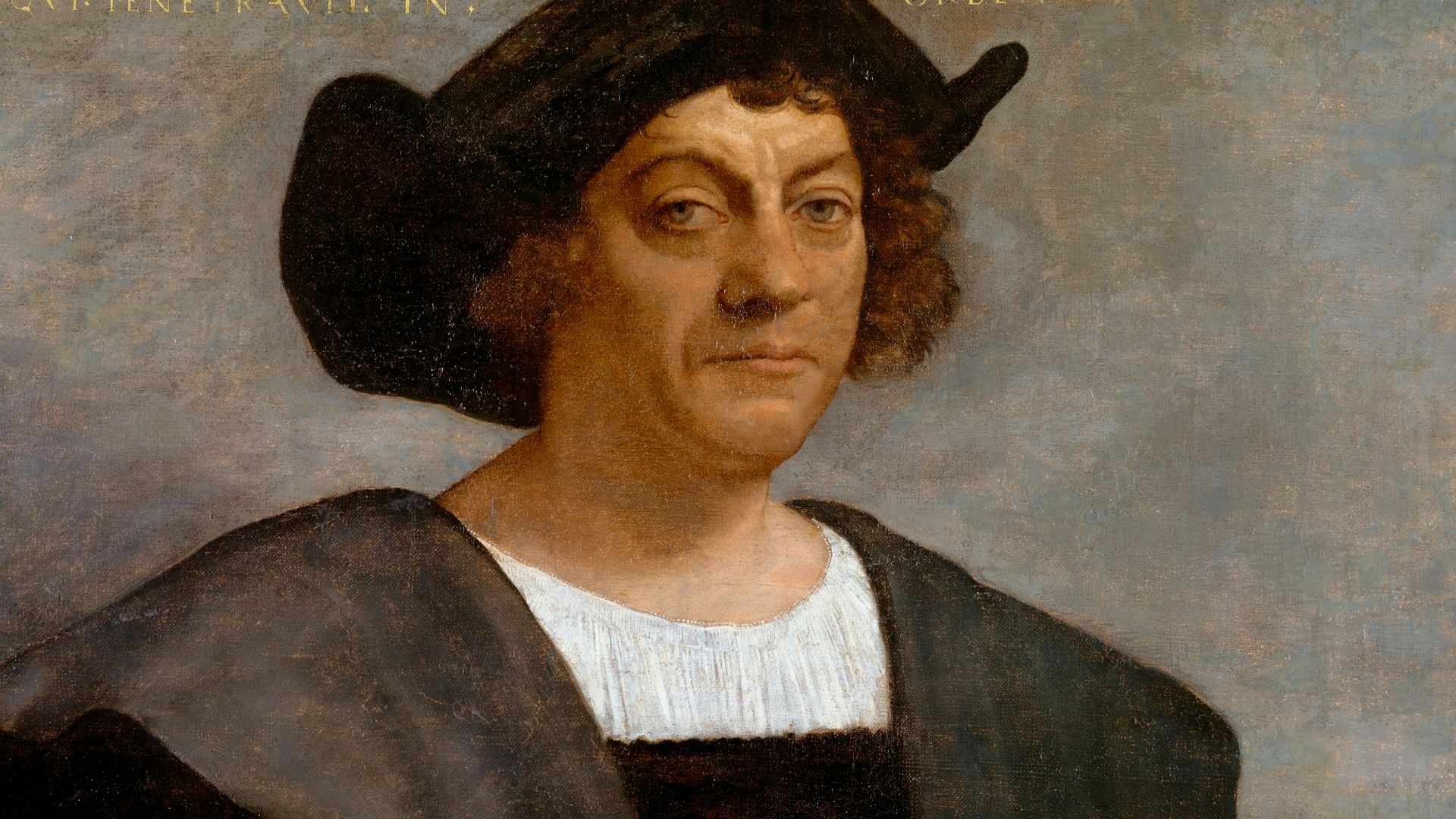
Christopher Columbus
Columbus was long presented mainly as the daring navigator who connected Europe and the Americas. His rule on Hispaniola also involved enslavement, forced labor, violent punishment, and brutal crackdowns against Indigenous people. Spanish authorities eventually investigated complaints about his governance.
 Sebastiano del Piombo, Wikimedia Commons
George Washington
Washington remains central to the United States’ founding, but Mount Vernon’s own historians emphasize how deeply his household depended on slavery. He controlled hundreds of enslaved people during his life. His will freed the 123 people he personally owned, showing a late change that did not erase decades of issues.
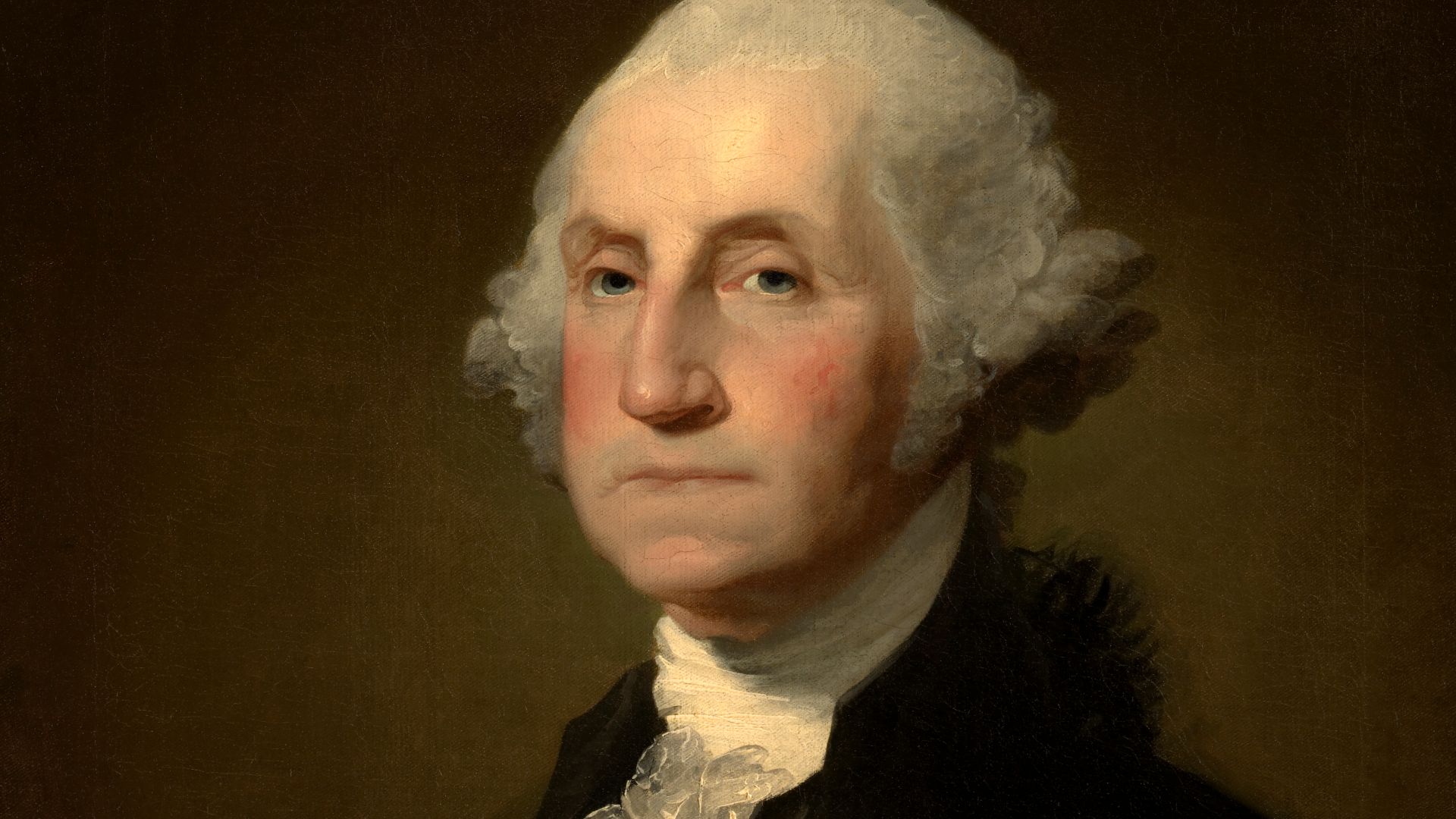 Gilbert Stuart, Wikimedia Commons
Thomas Jefferson
Jefferson wrote that “all men are created equal” while owning more than 600 enslaved people over his lifetime. Monticello also states that he fathered at least six children with Sally Hemings, an enslaved woman. The gap between his political ideals and private life is now impossible to treat as a footnote.
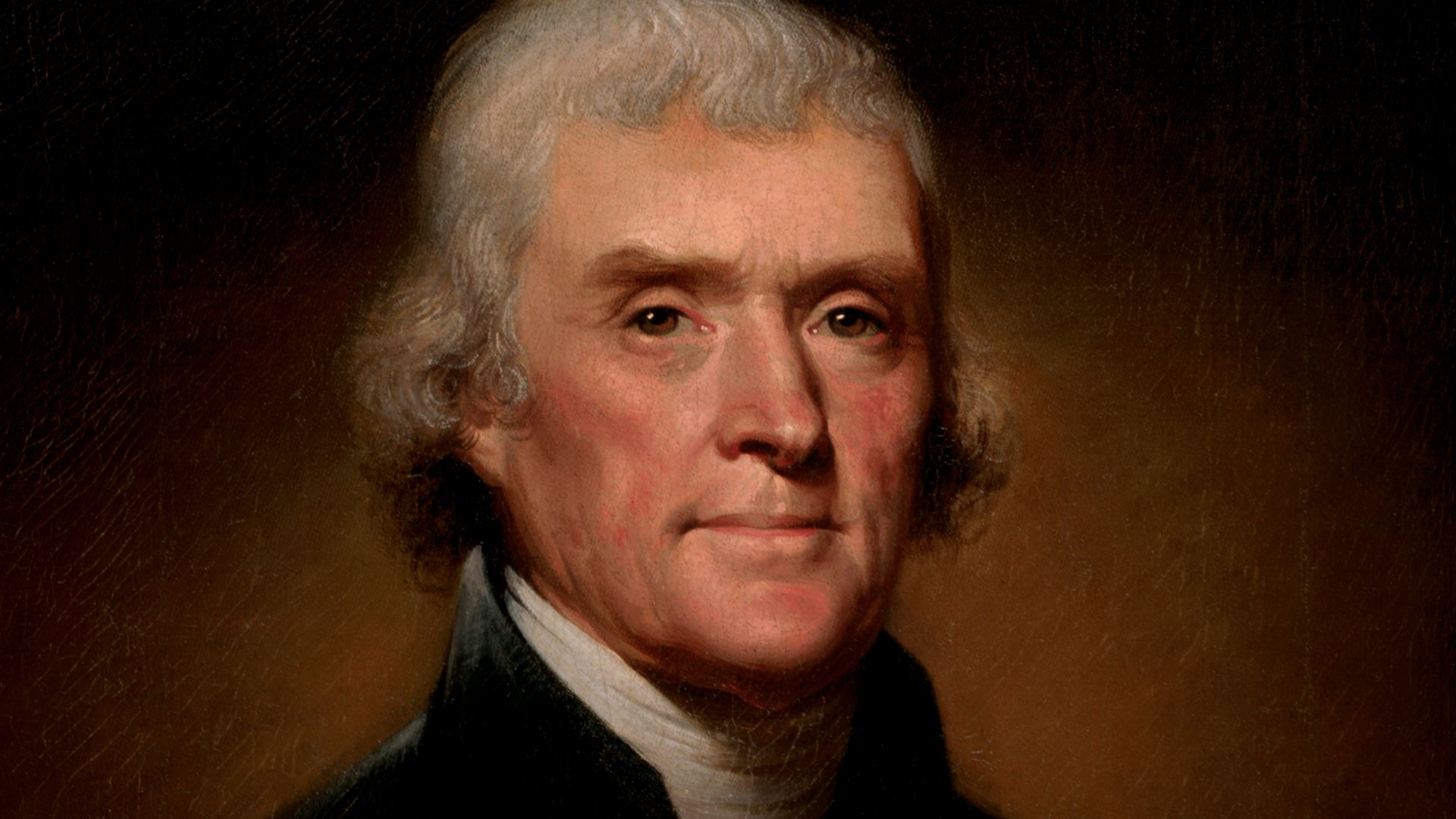 Rembrandt Peale, Wikimedia Commons

History's most fascinating stories and darkest secrets, delivered to your inbox daily.
Andrew Jackson
Jackson’s old image as a rough-hewn champion of popular democracy now sits beside Indian removal. He signed the Indian Removal Act in 1830 and pushed policies that uprooted tens of thousands of Native people. The later Trail of Tears grew directly from the removal system his administration built.
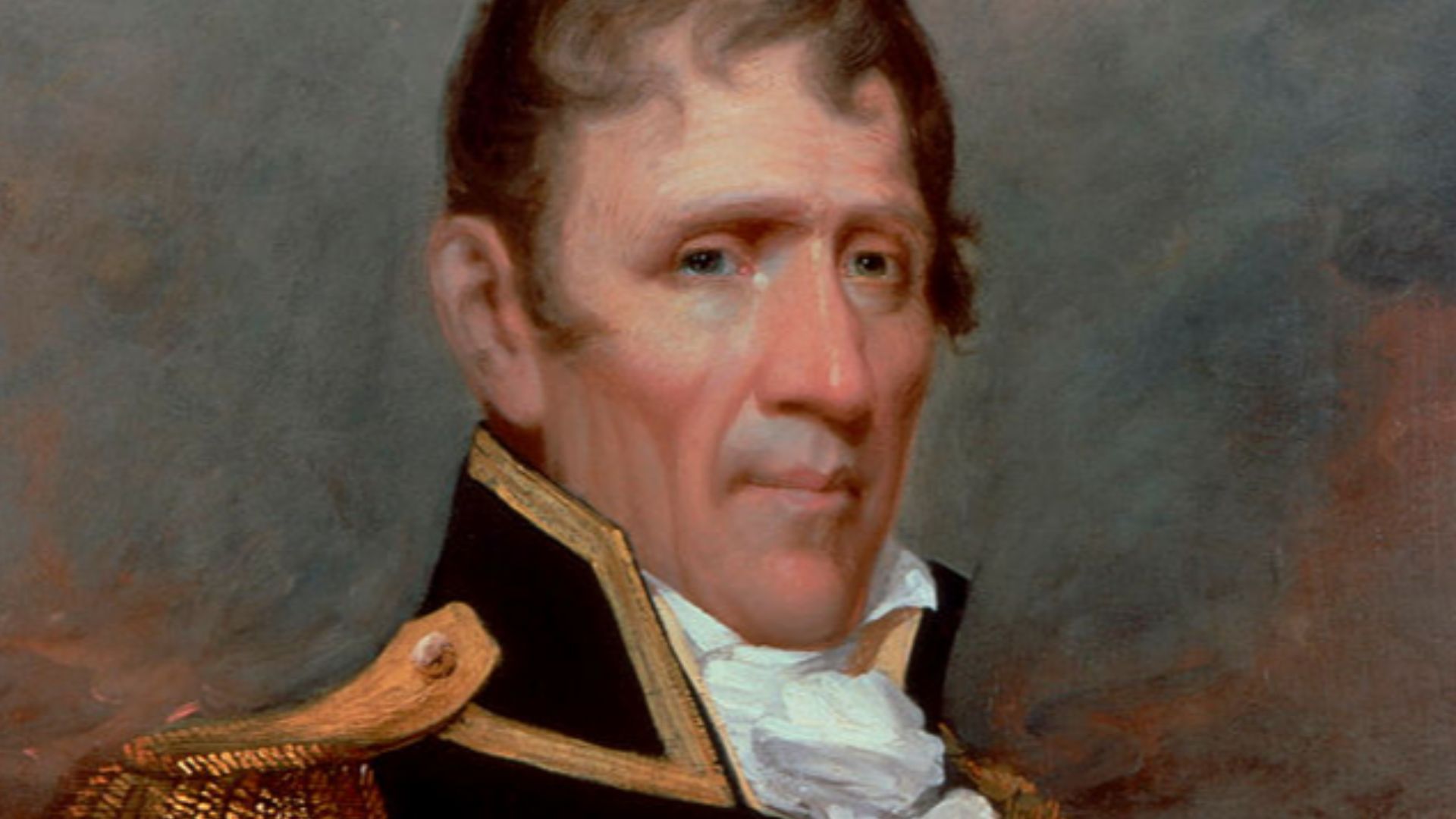 John Wesley Jarvis, Wikimedia Commons
Abraham Lincoln
Lincoln’s role in destroying slavery remains enormous, but the “Great Emancipator” portrait can hide how much his thinking changed. For years, including early in his presidency, he supported voluntary colonization schemes encouraging Black Americans to leave the United States before moving toward broader emancipation.
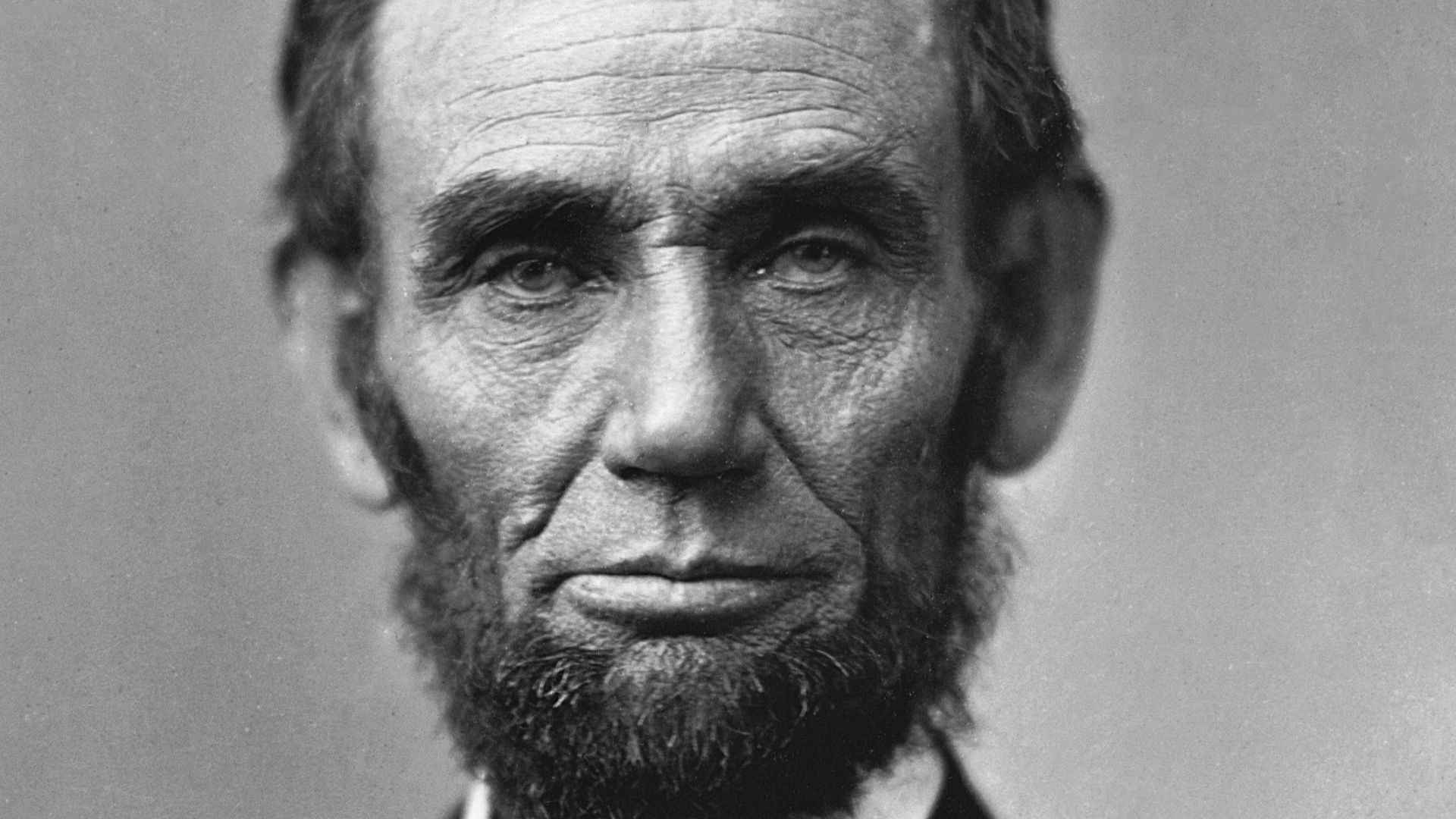 Alexander Gardner, Wikimedia Commons
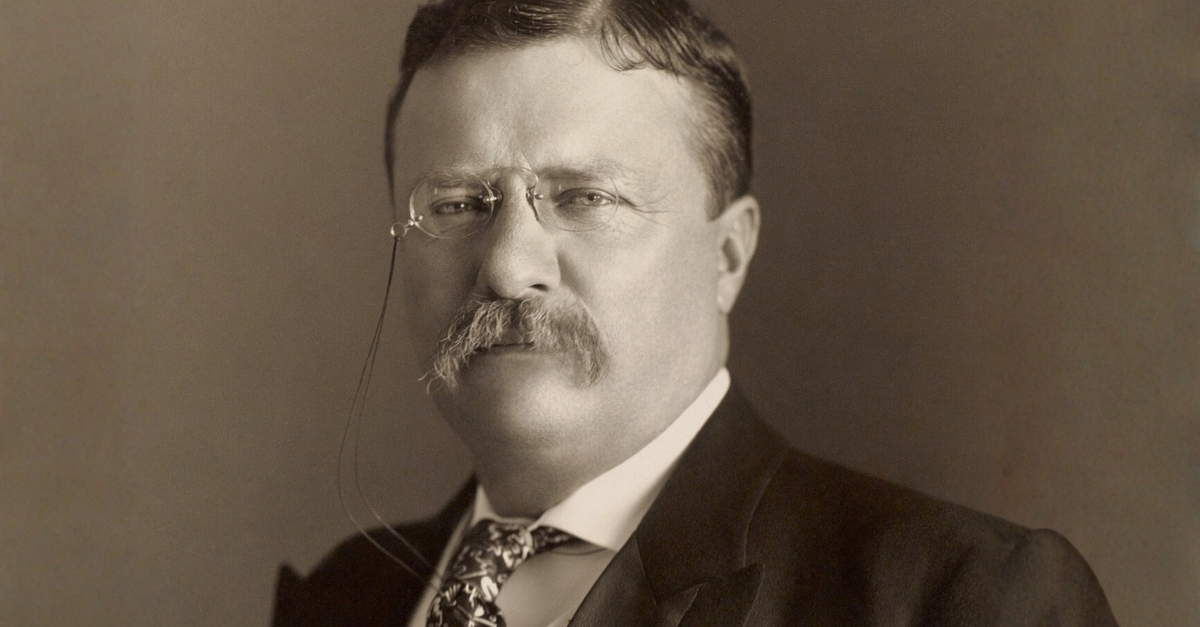
Theodore Roosevelt
Roosevelt is remembered as a trust-buster, conservationist, and energetic reformer. He also believed in a hierarchy favoring white Europeans, supported American imperial expansion, and endorsed eugenic ideas. Historians have shown those beliefs influenced both his domestic assumptions and foreign policy.
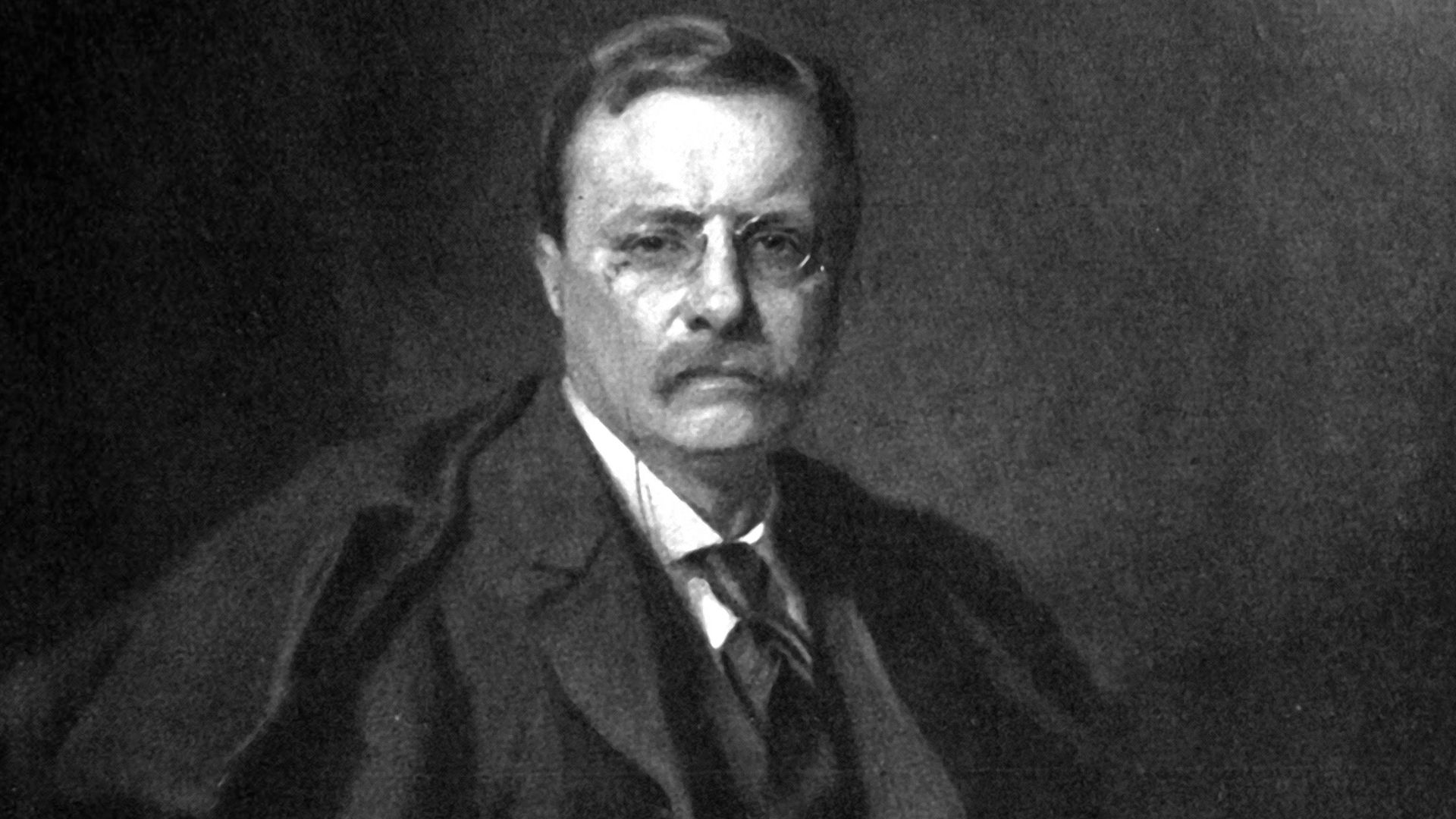 Philip de Laszlo, Wikimedia Commons
Franklin D. Roosevelt
FDR’s leadership through the Great Depression and most of WWII made him one of America’s most celebrated presidents. Yet he signed Executive Order 9066 in 1942, leading to the forced removal and incarceration of about 122,000 Japanese Americans.
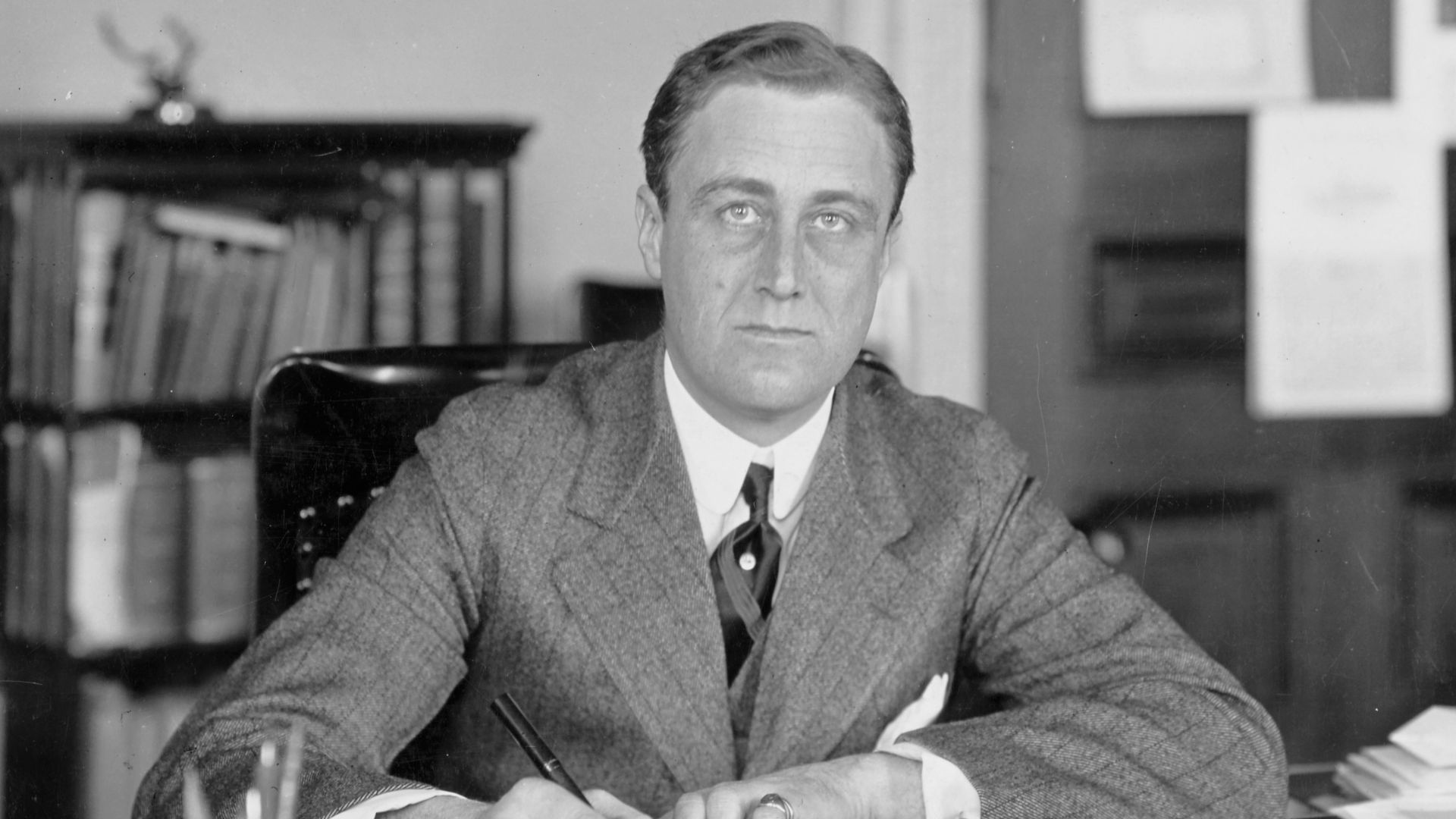 Unknown authorUnknown author, Wikimedia Commons
Woodrow Wilson
Wilson’s reputation once leaned heavily on progressive reform and internationalism. Princeton later removed his name from its public-policy school after reassessing his prejudice, including his administration’s segregation of the federal civil service. His record now looks far less compatible with the democratic ideals he publicly championed.
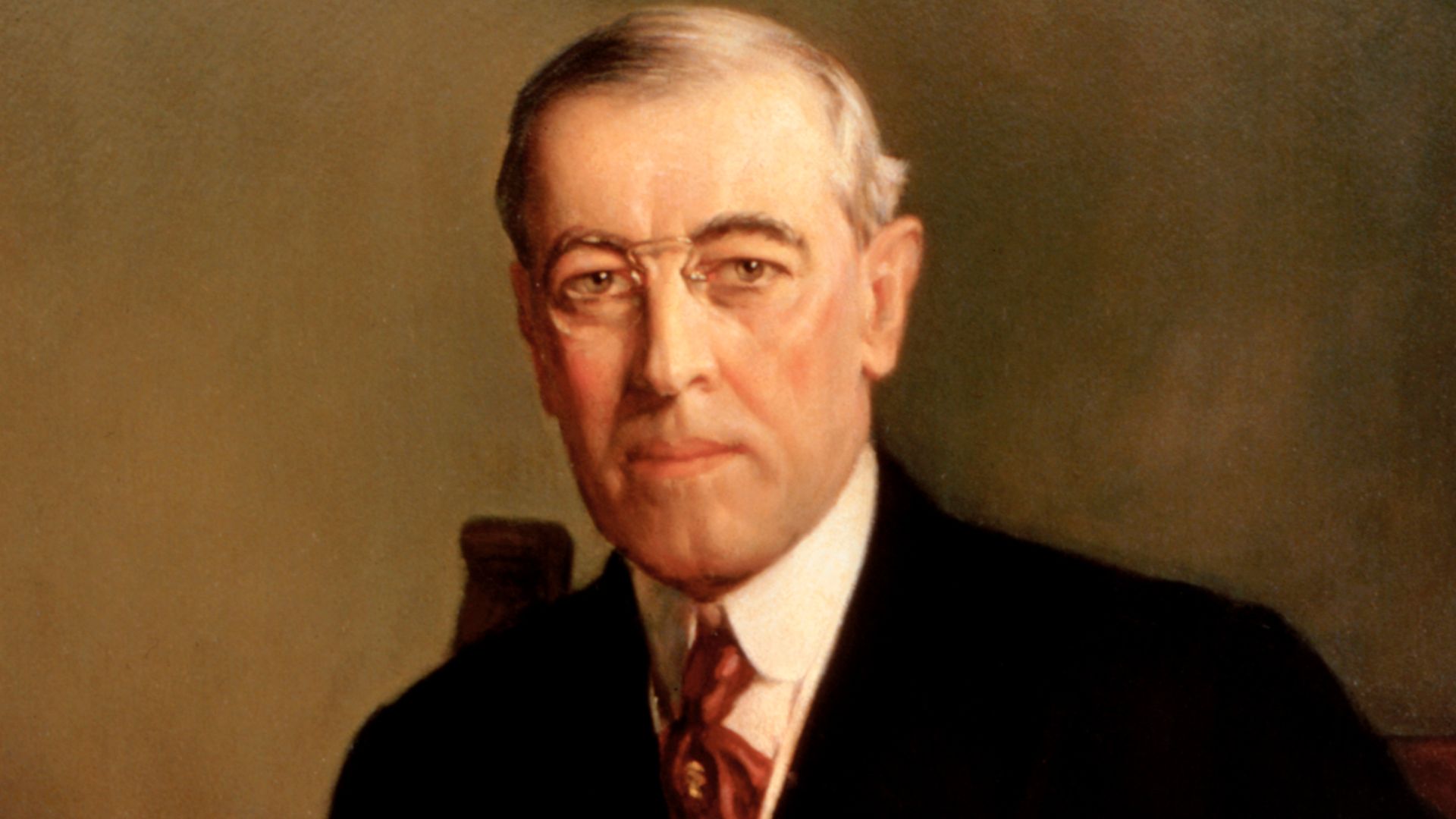 Frank Graham Cootes, Wikimedia Commons
Winston Churchill
Churchill’s defiance of Germany in WWII remains central to his heroic image. His imperial and prejudiced attitudes have drawn greater scrutiny, especially around the 1943 Bengal famine. Researchers argue that British wartime policies worsened the catastrophe, although historians still debate the precise degree of Churchill’s personal responsibility.
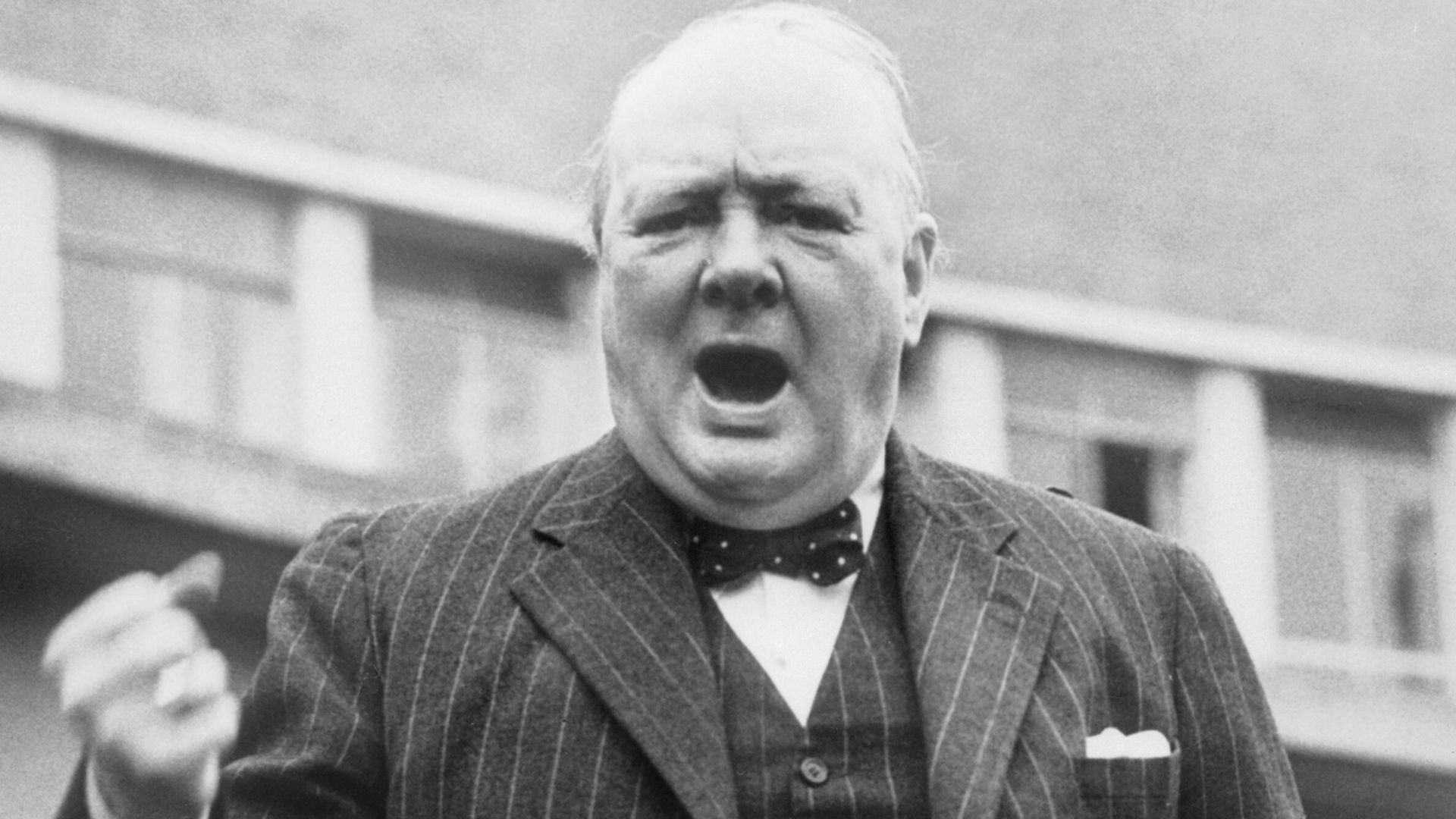 Unknown author., Wikimedia Commons
History's most fascinating stories and darkest secrets, delivered to your inbox daily.
Mahatma Gandhi
Gandhi’s philosophy of nonviolent resistance influenced civil-rights movements worldwide. But writings from his South African years include derogatory descriptions of Black Africans and objections to Indians receiving the same treatment. Defenders note that his views evolved, yet the early record complicates his universal moral image.
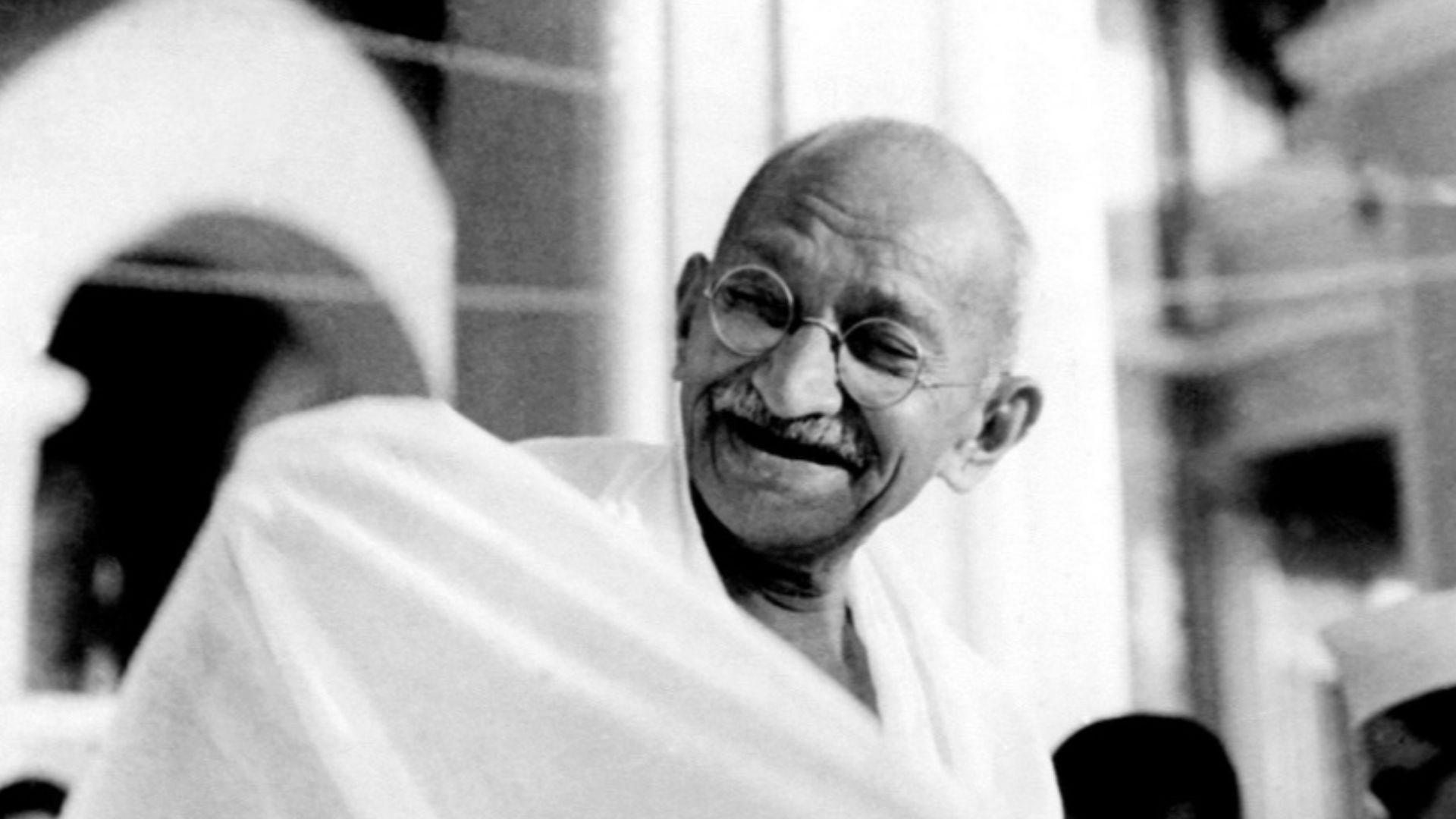 Unknown authorUnknown author, Wikimedia Commons
Mother Teresa
Mother Teresa became synonymous with selfless service and was canonized in 2016. Critics, including medical observers, questioned hygiene and standards of care in some Missionaries of Charity facilities. Her uncompromising opposition to contraception, abortion, and divorce also complicates the broadly humanitarian image that made her famous.
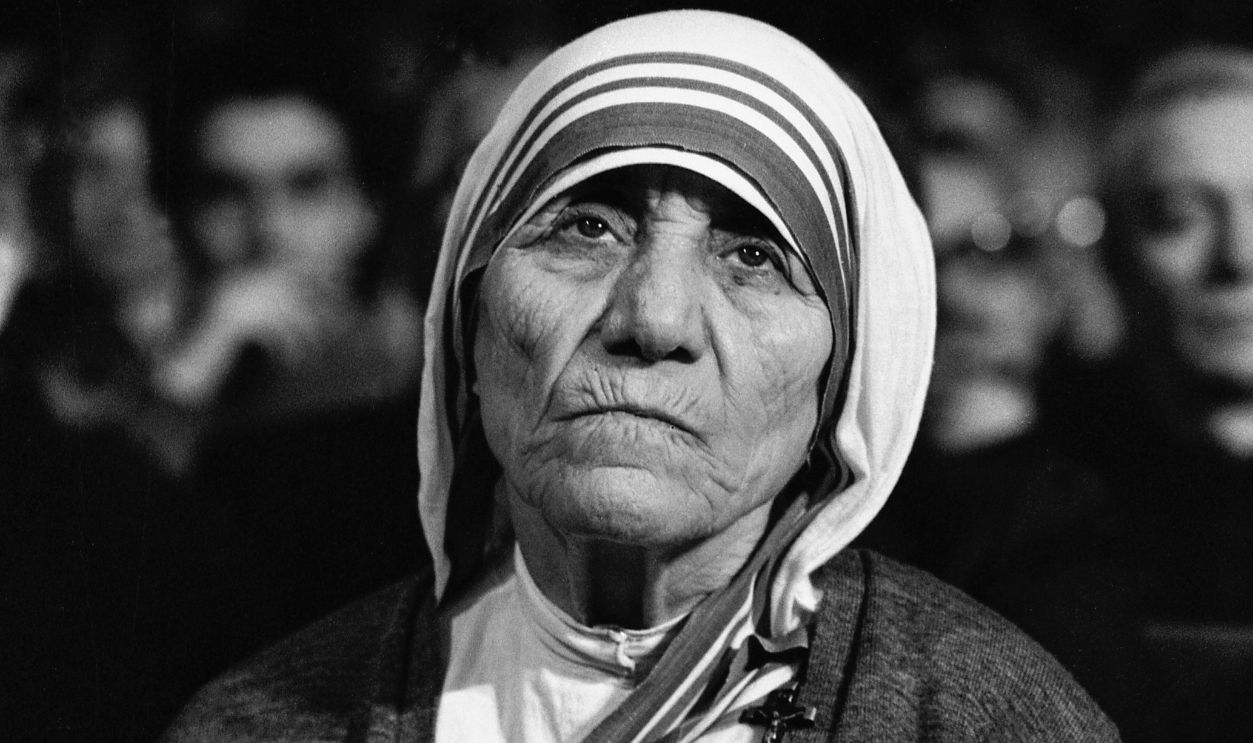 Edoardo Fornaciari, Getty Images
Henry Ford
Ford helped revolutionize mass automobile production and made cars accessible to millions. He also used The Dearborn Independent to circulate antisemitic material, including the notorious “International Jew” series. Ford later apologized and retracted the material, but the episode permanently complicated his image as a visionary industrialist.
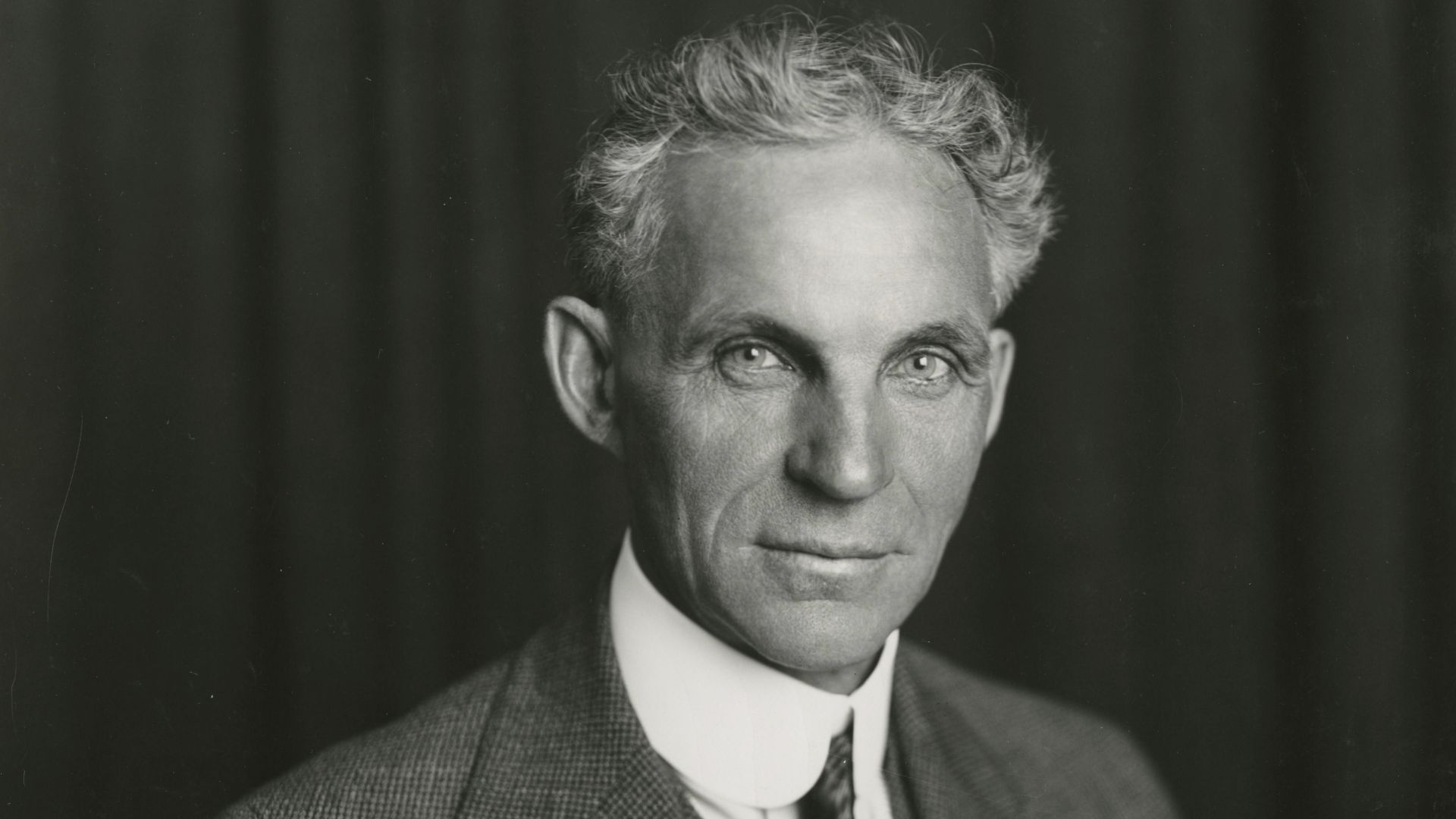 Ford Motor Company. Photographic Department, Wikimedia Commons
Charles Lindbergh
Lindbergh became an international hero after his 1927 solo Atlantic flight. Before WWII, however, he became a prominent America First spokesman and delivered a notorious speech blaming Jewish influence for pushing America toward conflict. He had also accepted a medal from Hermann Göring in 1938.
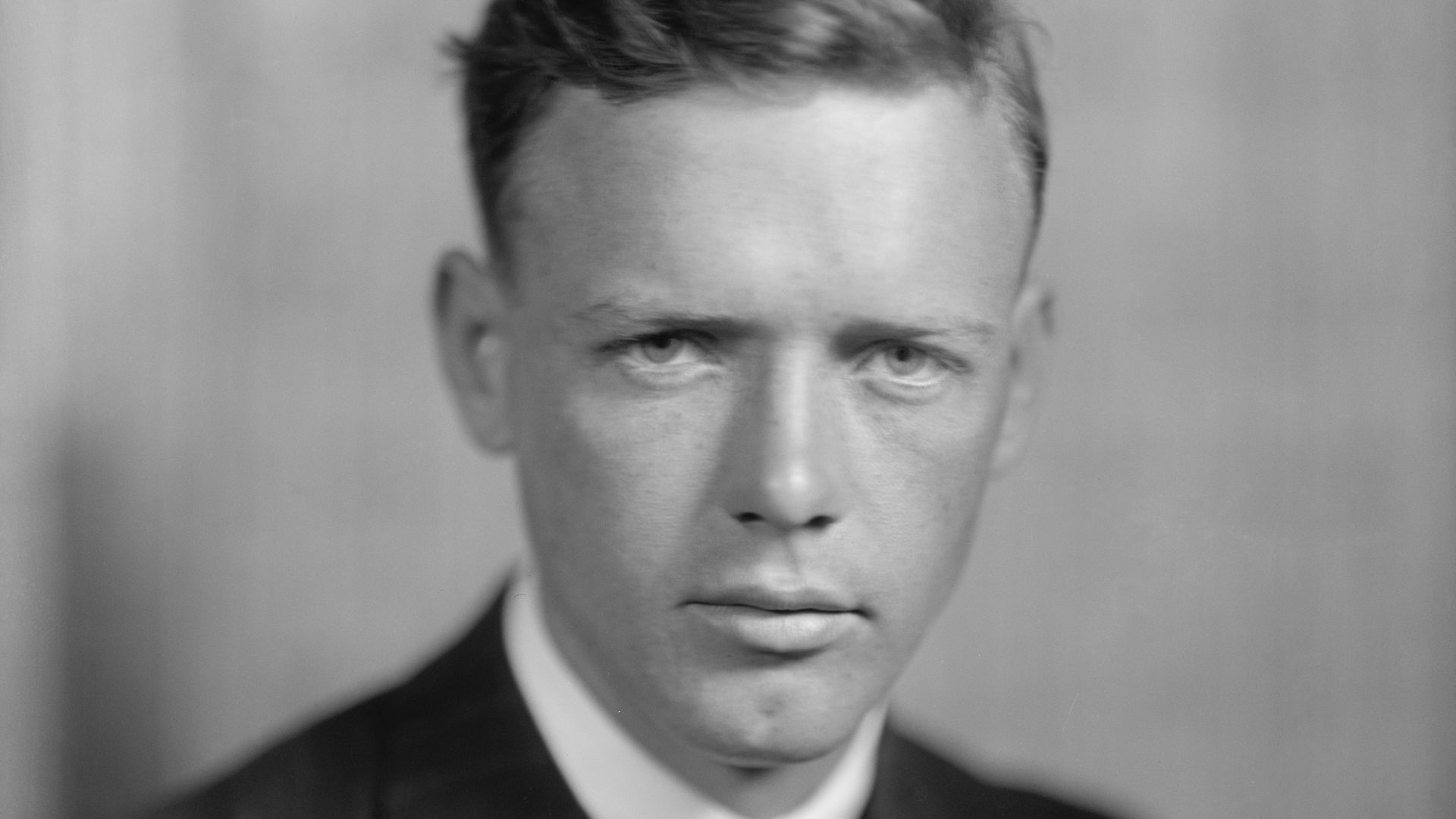 Harris & Ewing, Wikimedia Commons
Alexander Graham Bell
Bell is usually introduced as the inventor associated with the telephone and as a teacher interested in deaf education. His Deaf-community legacy is far more controversial: he opposed sign language, promoted oralism, embraced eugenic thinking, and discouraged deaf people from marrying other deaf people.
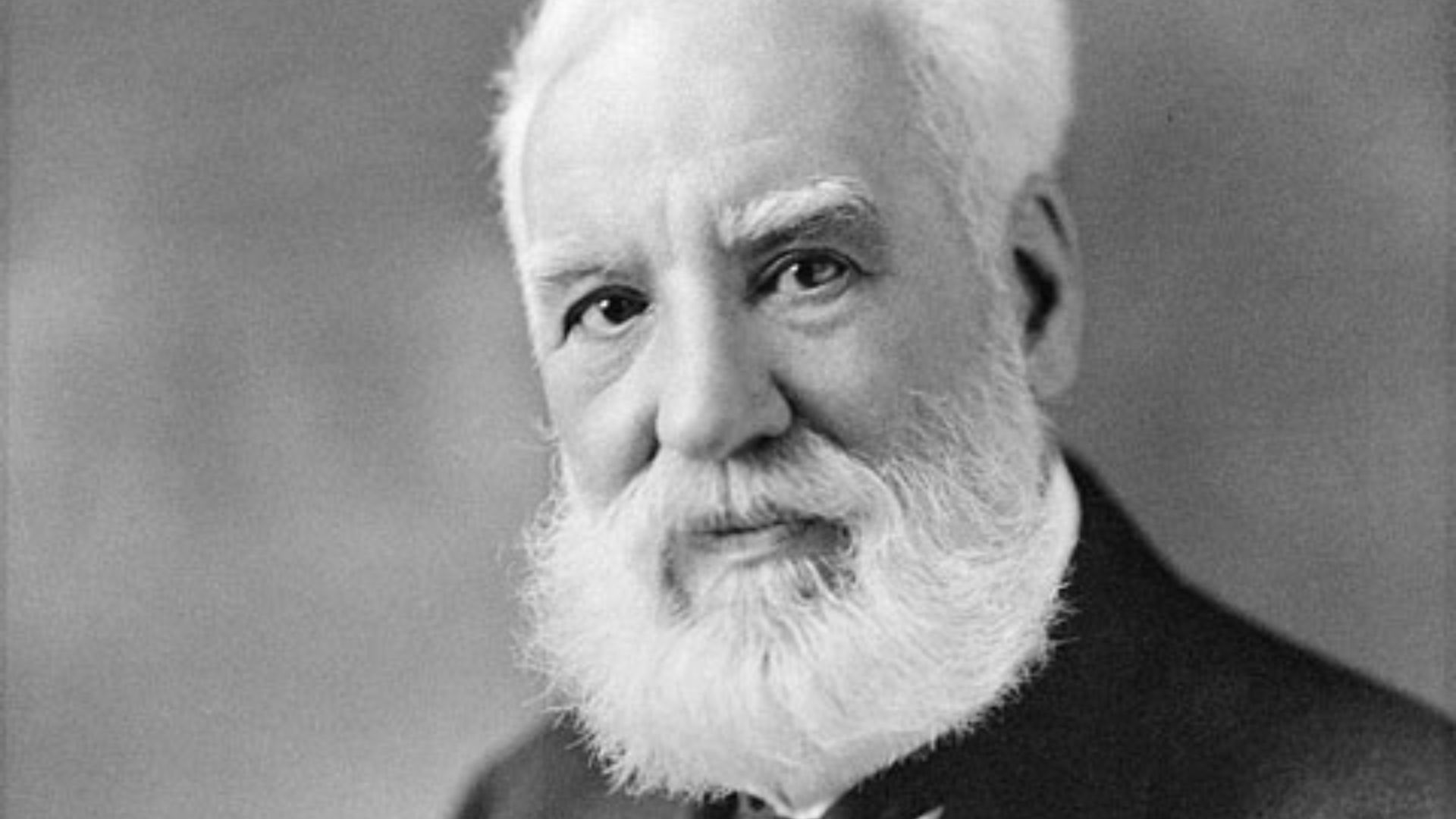 Moffett Studio, Wikimedia Commons
Margaret Sanger
Sanger helped make birth control a national political issue and opened America’s first birth-control clinic in 1916. Planned Parenthood now openly acknowledges that she also aligned herself with eugenics and endorsed Buck v. Bell, the Supreme Court decision permitting compulsory sterilization of people labeled “unfit.”
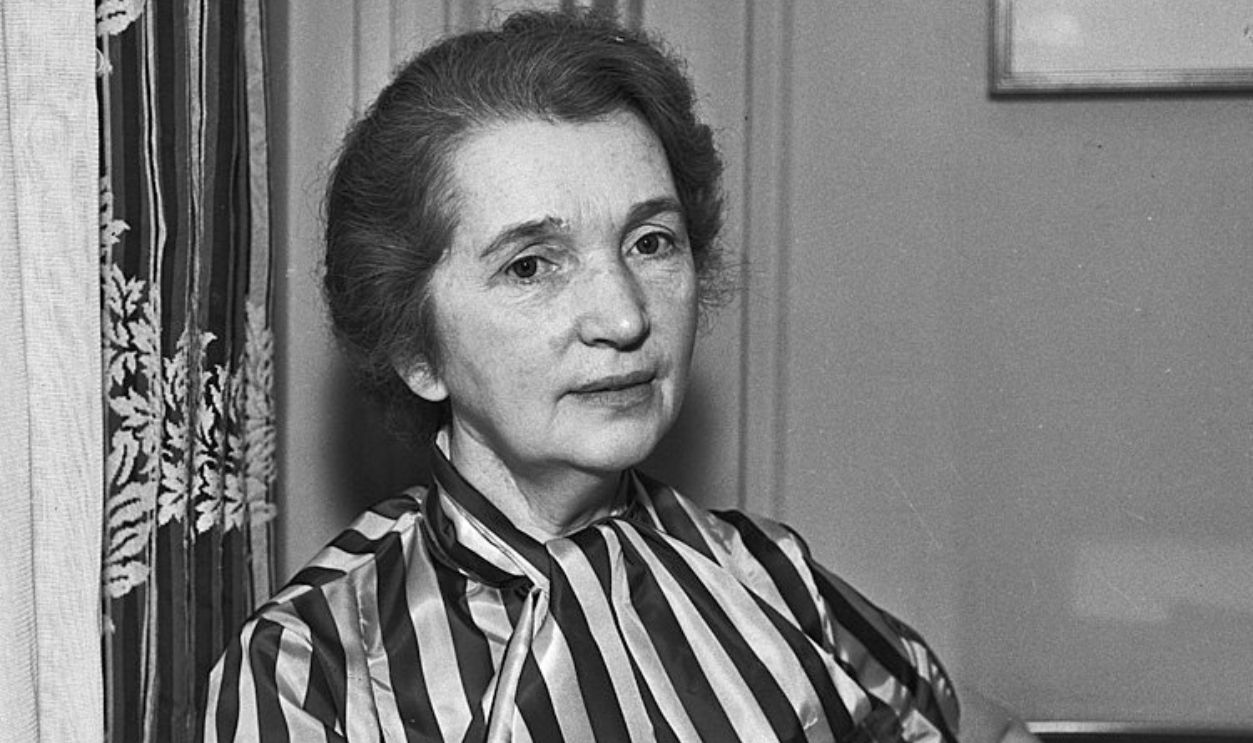 Los Angeles Times, CC BY 4.0, Wikimedia Commons
History's most fascinating stories and darkest secrets, delivered to your inbox daily.
John Muir
Muir’s writing inspired generations of conservationists and helped protect major American landscapes. The Sierra Club later confronted his derogatory descriptions of Black and Indigenous people. His views evolved, and he later expressed admiration for Indigenous stewardship, making the record more complicated than either pure heroism or simple condemnation.
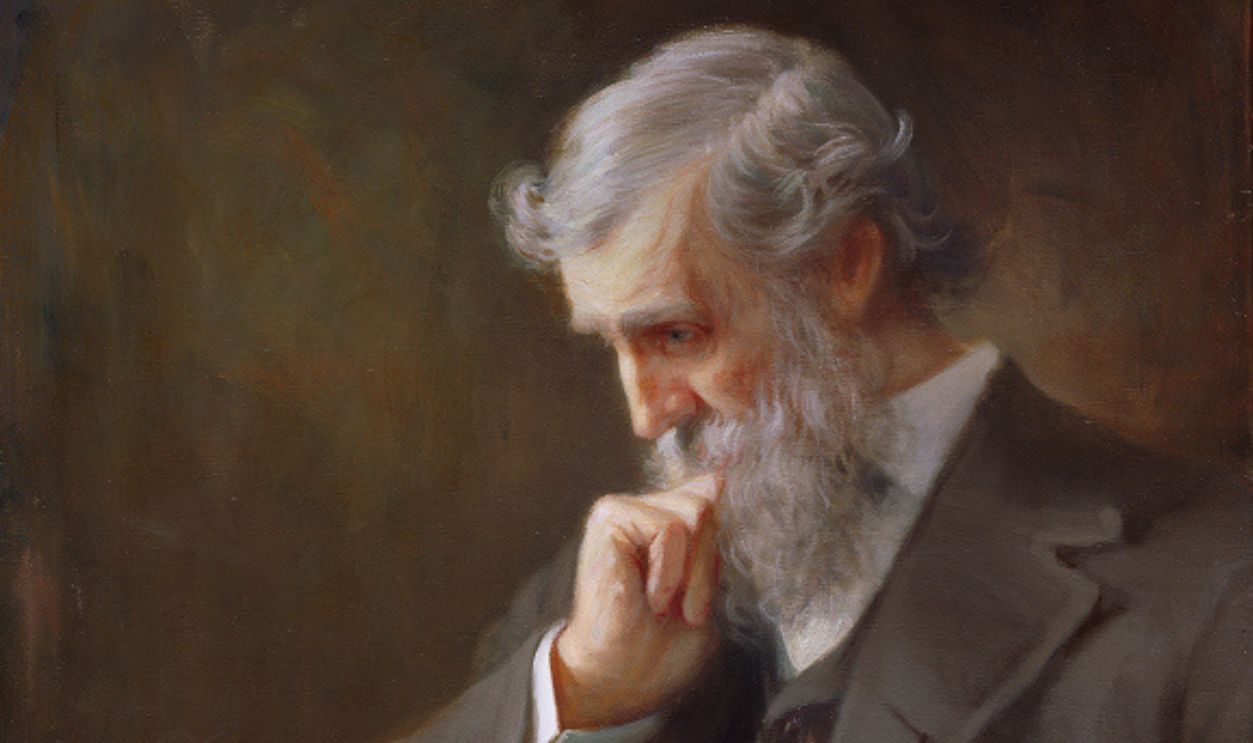 Orlando Rouland, Wikimedia Commons
Albert Einstein
Einstein became both a scientific icon and an outspoken critic of American inequality. Yet travel diaries from the 1920s revealed prejudiced and dehumanizing comments about Chinese people and others he encountered in Asia. The contrast with his later advocacy has forced a more layered assessment of his humanitarian reputation.
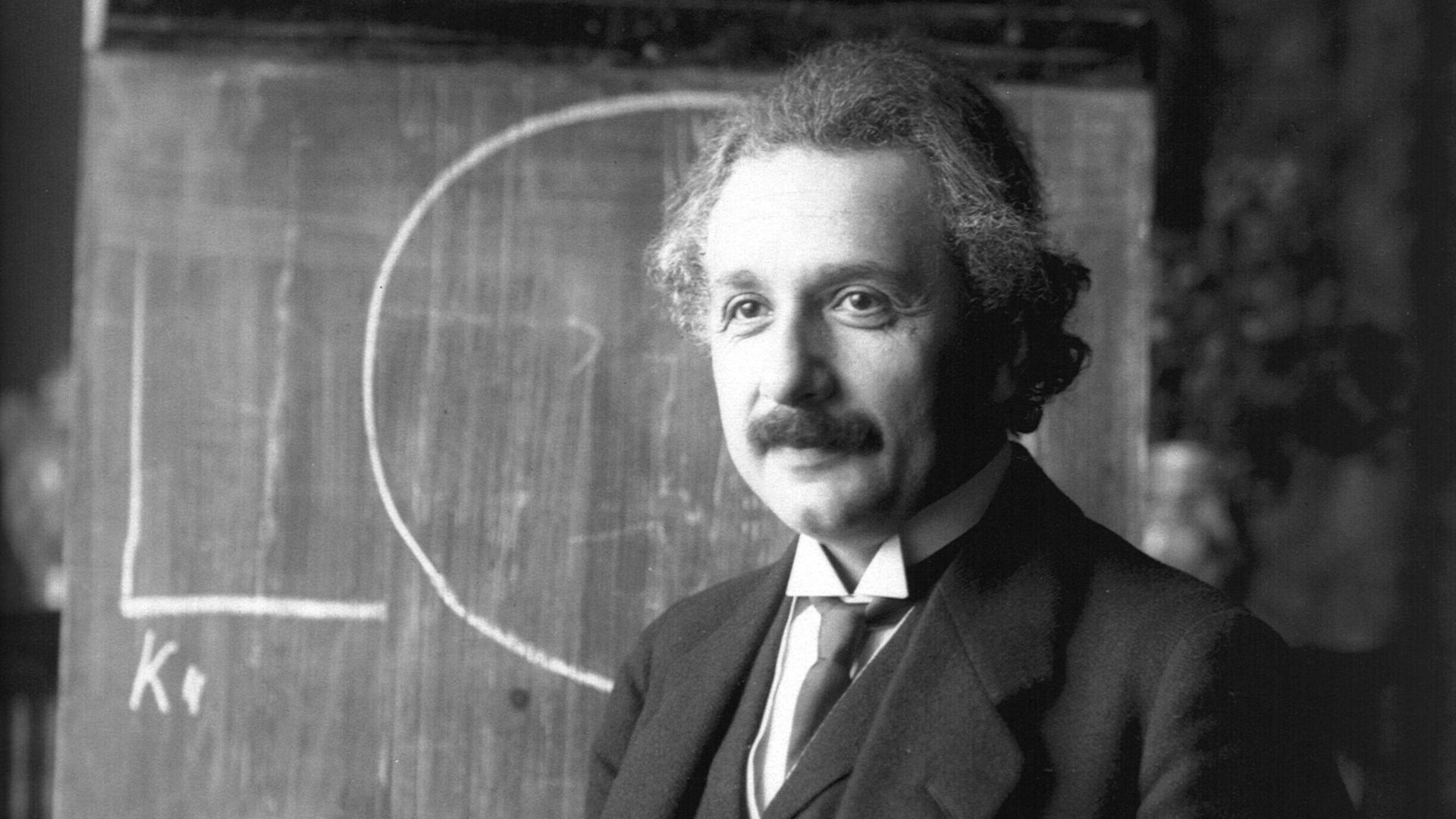 Ferdinand Schmutzer, Wikimedia Commons
Helen Keller
Popular culture often freezes Keller at the childhood moment when Anne Sullivan helped her connect words with the world. Her adult life was far more political: she joined the Socialist Party, advocated workers’ rights, and supported sweeping social change. The inspirational story is real, but incomplete.
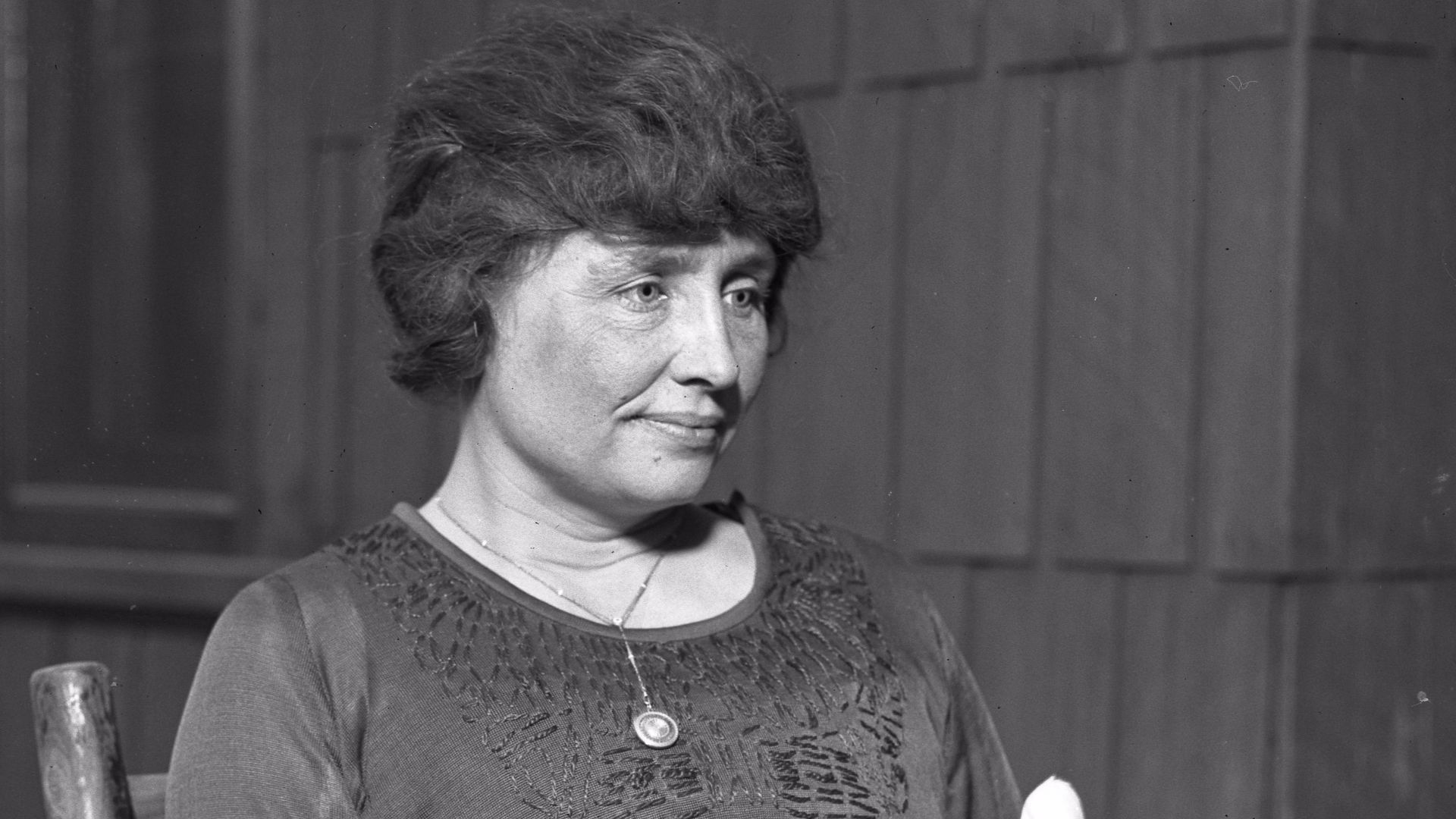 Los Angeles Times, Wikimedia Commons
Rosa Parks
Parks was long portrayed as a weary seamstress who spontaneously refused to surrender her bus seat. She rejected that version herself. Parks had years of civil-rights involvement, served as an NAACP secretary, and attended the Highlander Folk School before the Montgomery bus boycott.
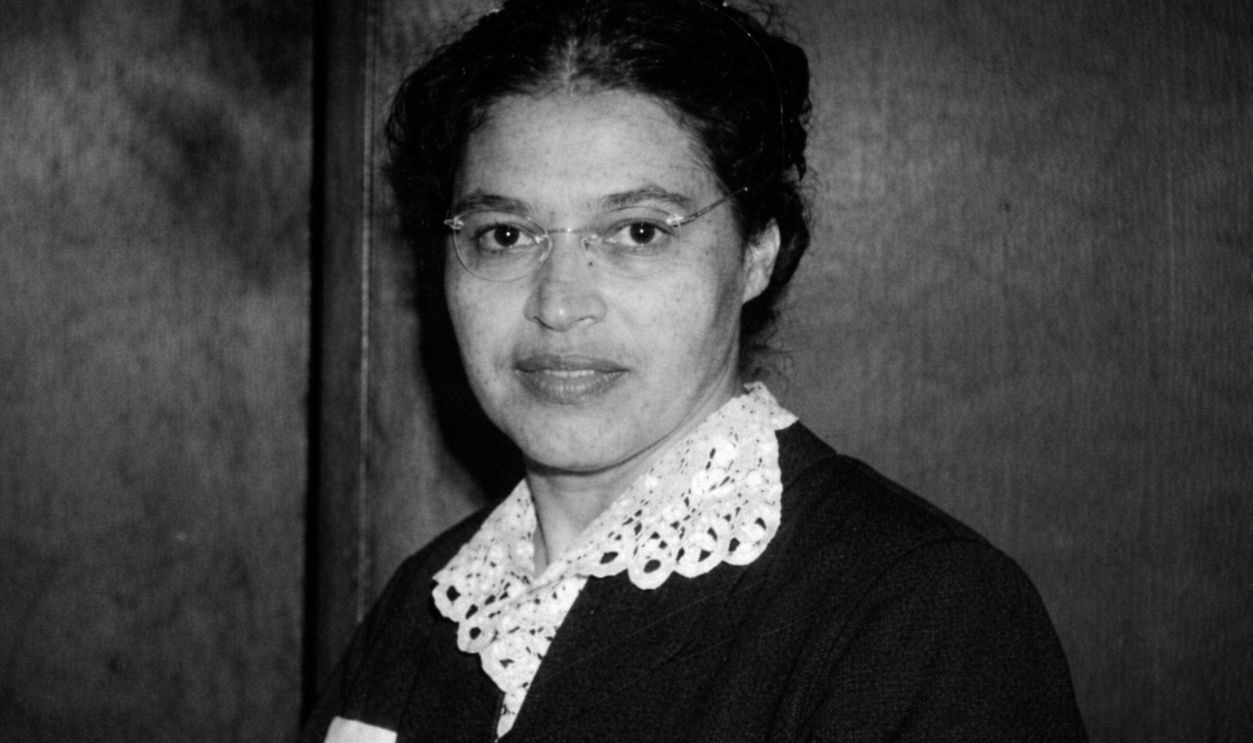 Associated Press, Wikimedia Commons, Modified
Harriet Tubman
Tubman’s Underground Railroad work is legendary, but that familiar story understates her career. During the Civil War she served the Union as a scout, spy, and guide. In 1863 she helped lead the Combahee River Raid, which freed more than 700 enslaved people.
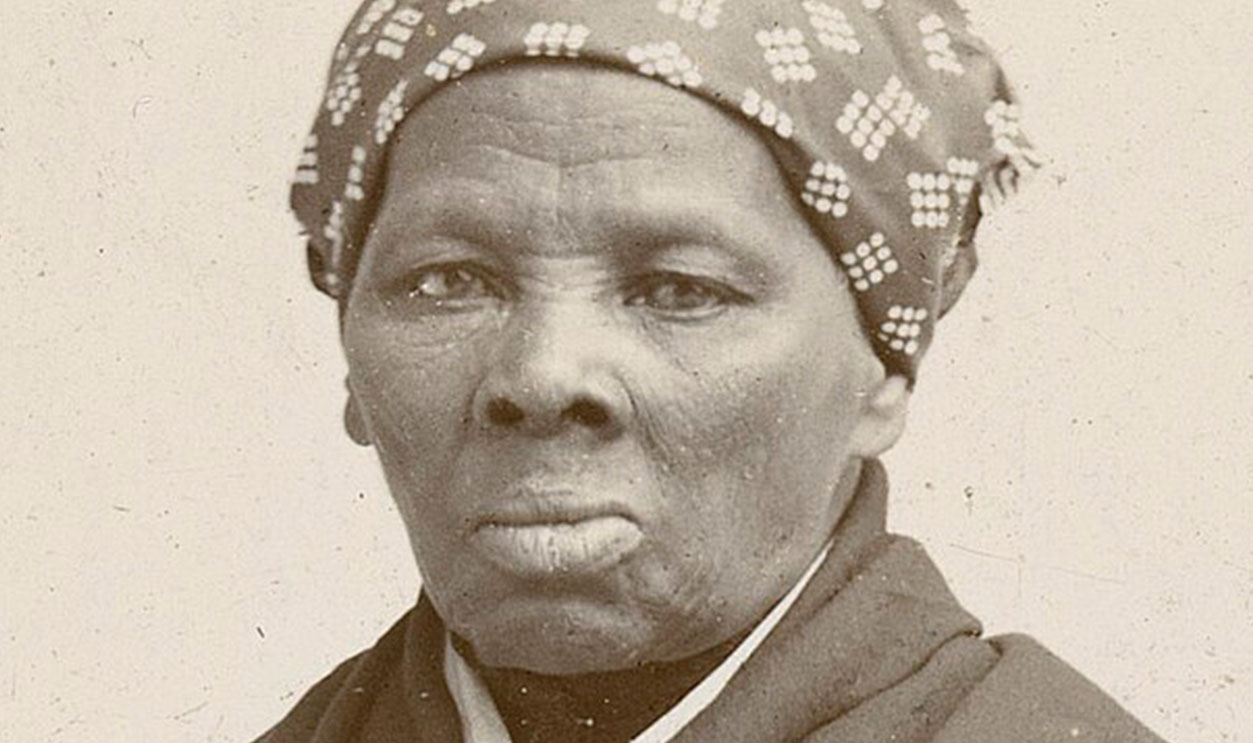 Horatio Seymour Squyer, Public domain, via Wikimedia Commons
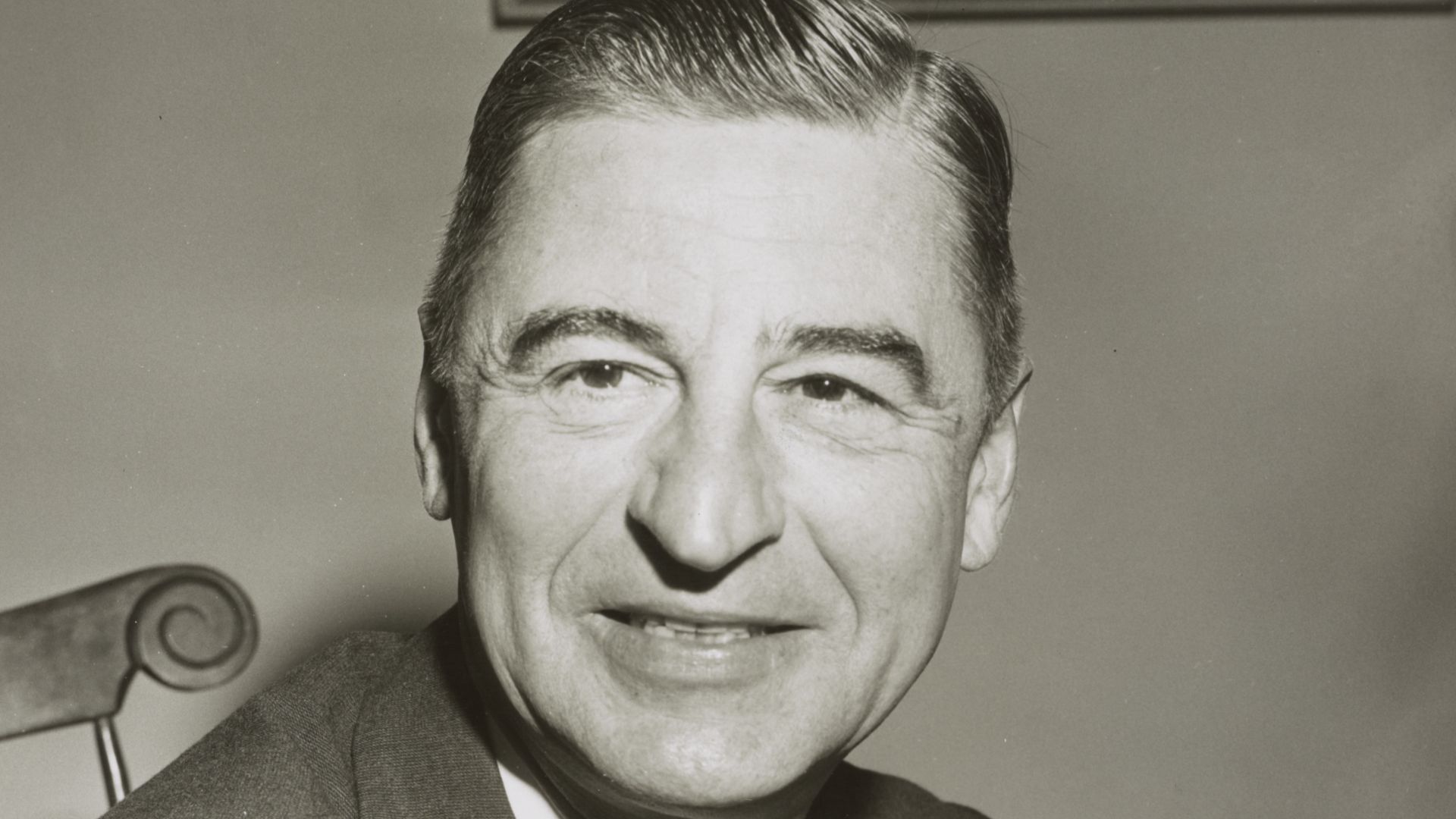
Dr. Seuss
Theodor Geisel’s children’s books made “Dr. Seuss” a symbol of playful imagination. During WWII, however, his political cartoons used prejudiced stereotypes of Japanese people and portrayed Japanese Americans as potential traitors. That work now sits uneasily beside his beloved literary legacy.
History's most fascinating stories and darkest secrets, delivered to your inbox daily.
César Chávez
Chávez became an icon of nonviolent labor organizing and helped win better conditions for farmworkers. Biographer Miriam Pawel documented his hostility toward undocumented strikebreakers and support for deportations in the 1970s; by the late 1980s, the UFW was helping undocumented workers seek legal status.
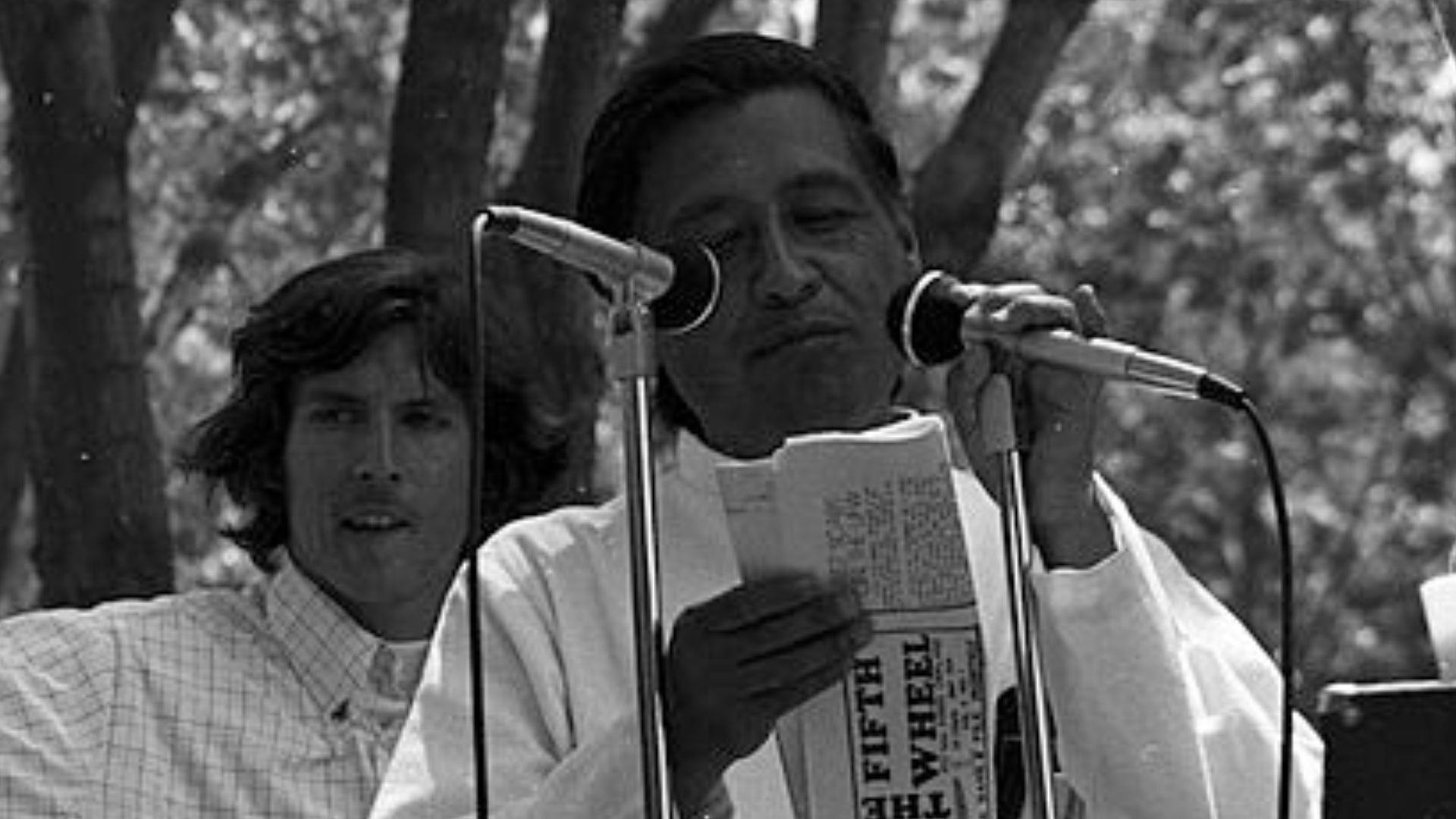 Joel Levine, Wikimedia Commons
Susan B. Anthony
Anthony’s name became almost synonymous with women’s suffrage, but the movement she helped lead fractured over race after the Civil War. She opposed the Fifteenth Amendment because it enfranchised Black men
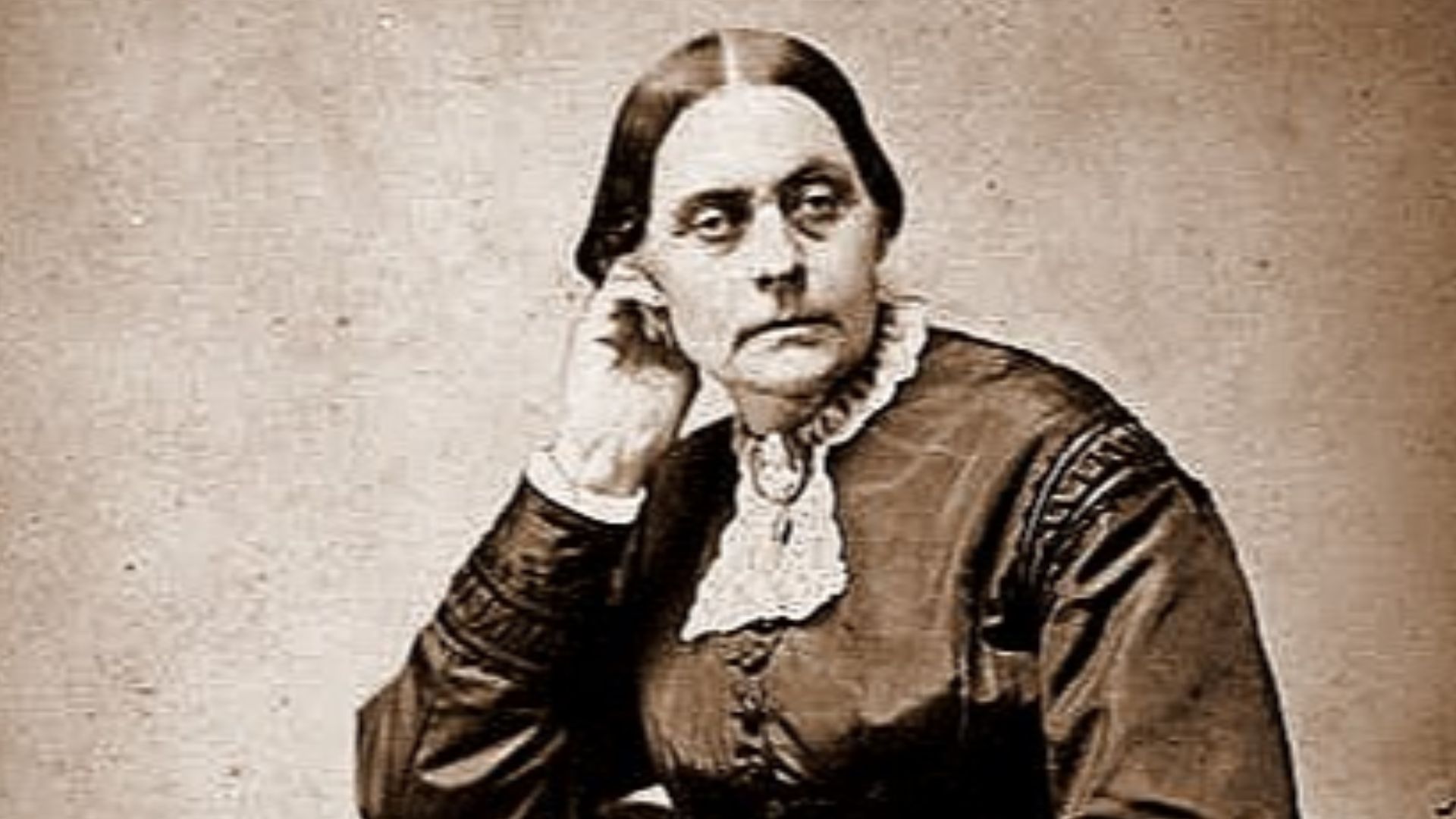 Stmarygypsy, Wikimedia Commons
You May Also Like:
History's Most Spectacular Cases Of Mistaken Identity
Astonishing Facts About History's Craziest Circus Performers
Real Historical Impostors Who Fooled High Society For An Astonishingly Long Time