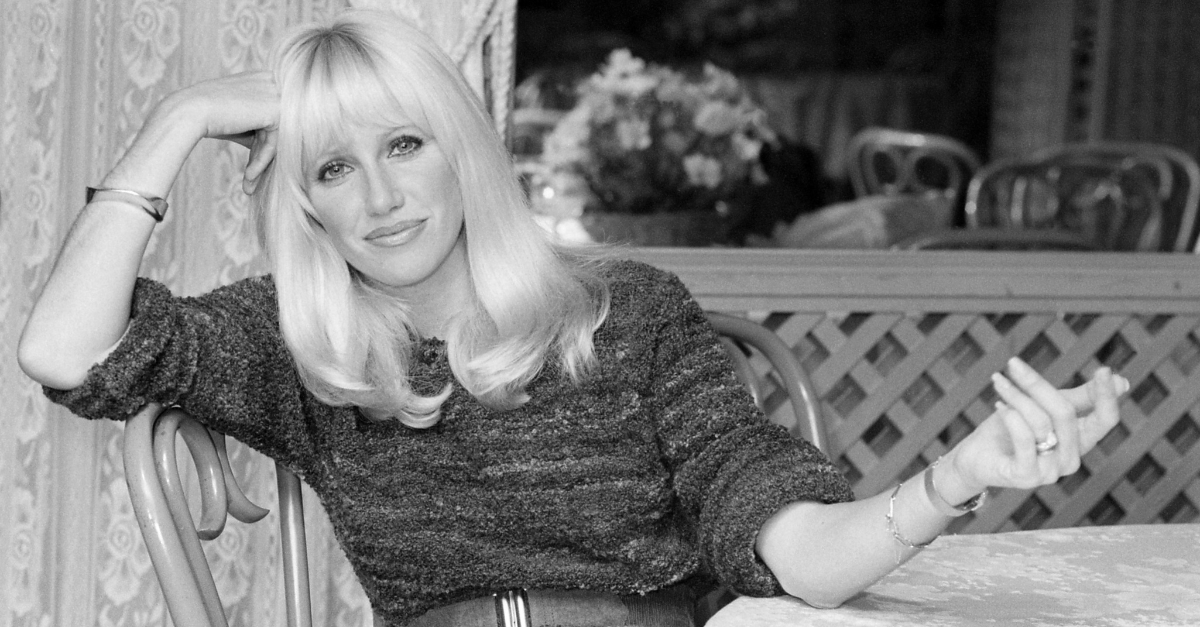
She Wasn’t Your Average Blonde
Suzanne Somers rose to fame as everyone’s favorite blonde on Three’s Company from 1977 to 1981. But she was far from dumb. She survived a horrific childhood, went toe-to-toe with major TV networks, and battled health crises to prove her worth.
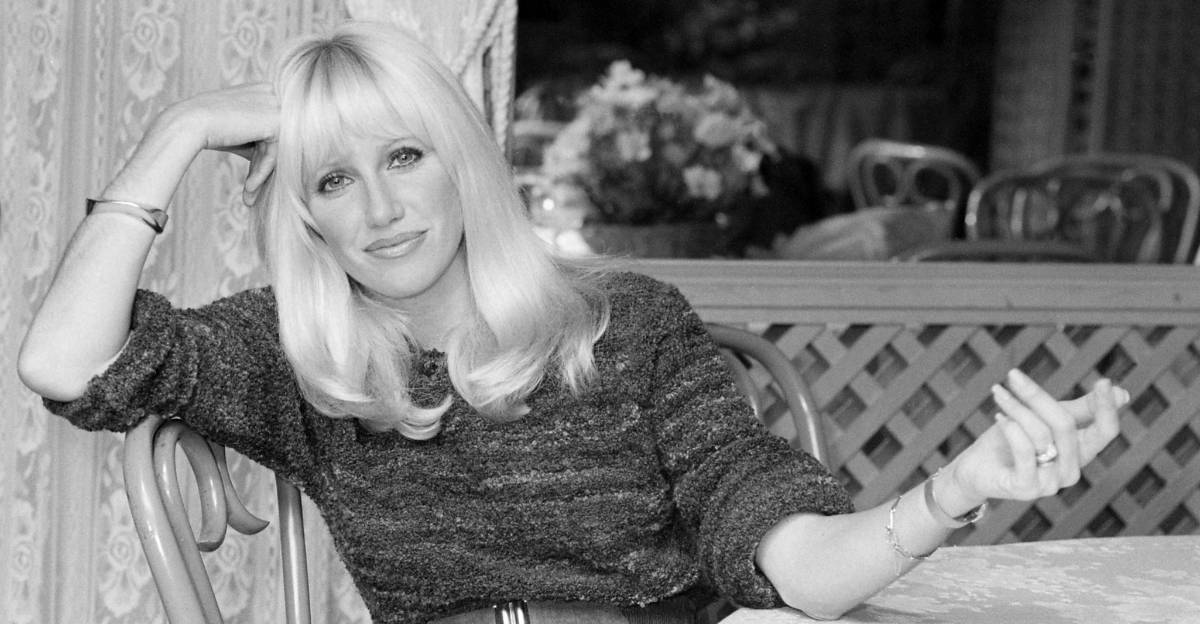
1. She Was Born A Mahoney
Long before she was Suzanne Somers, she was just another Mahoney from San Bruno, California. Born on October 16, 1946, Somers was the third child born to Frank and Marion Elizabeth Mahoney. Her mother was a medical secretary while her father toiled away as a general laborer, doing everything from gardening to loading boxcars.
It wasn’t a glamorous childhood—nor was it a safe one.
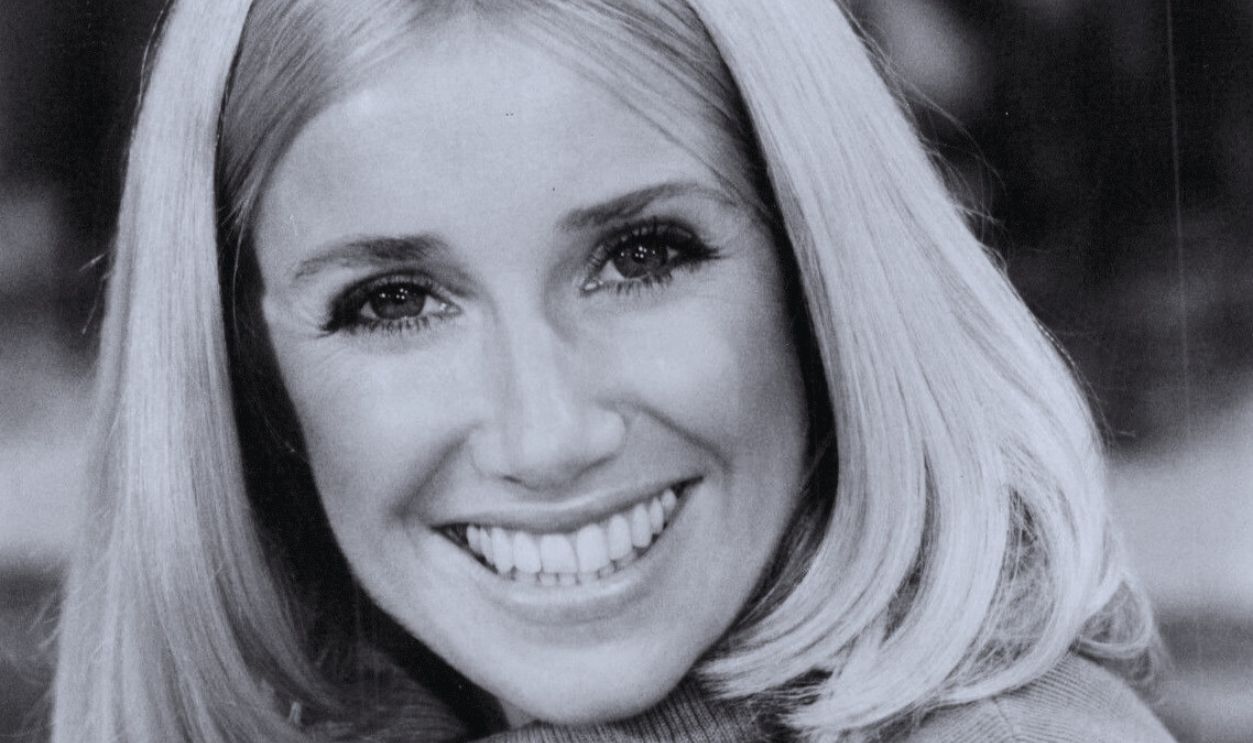 ABC Television, Wikimedia Commons
2. She Feared For Her Life
Somers’ father was a chronic drinker and mistreated her so severely that she wasn’t sure she would survive her childhood. “Night after night, my heart was pounding until I was finally pushed to the breaking point,” Somers recalled. Fear of her father made her a bed-wetter into her tween years. “It was humiliating,” she recalled.
Bed-wetting wasn’t the only consequence of the mistreatment.
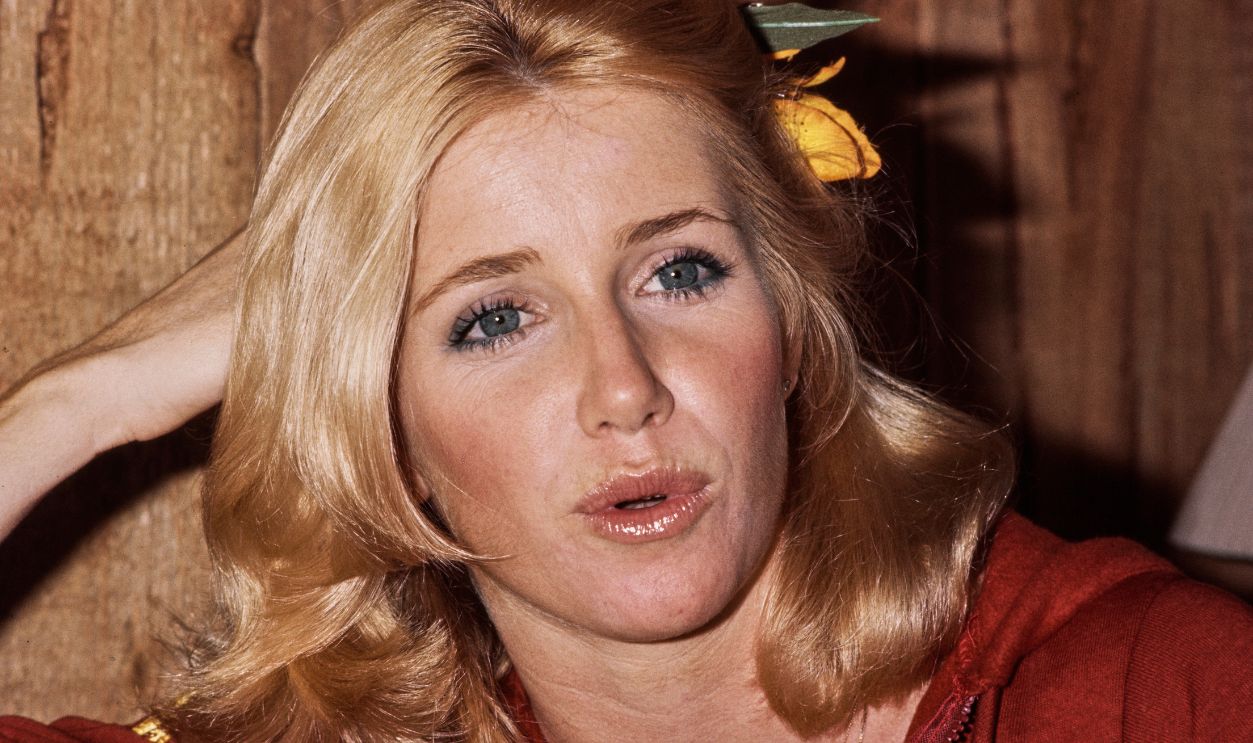 Michael Ochs Archives, Getty Images
3. She Struggled In School
Somers’ troubled home life had more serious consequences than some soiled bed sheets. Thanks to her father’s “all-night rages”, she would often go to school exhausted, falling asleep during her classes. Furthermore, she struggled with dyslexia and her grades suffered as a result. Still, she managed to find a perfect escape.

History's most fascinating stories and darkest secrets, delivered to your inbox daily.
4. She Shined On Stage
When Somers’ Mercy High School put on a production of HMS Pinafore (or The Lass That Loved a Sailor), she snagged the starring role. It was her first taste of the escape that acting promised, but it was short-lived. Teachers discovered a scandalously salacious message that she had written to a boy in her school and expelled her.
Lucky for her, thought, she would find another starring role in another high school.

5. She Was The “Best Doll”
Following her expulsion from Mercy High School, Somers managed to graduate from Capuchino High School, where she had flourished. She had a hand in organizing the senior ball and took home her first acting accolade: the “Best Doll Award” for her role in the school’s production of Guys and Dolls. However, her father still managed to ruin one of the most iconic nights of any high school girl's life...
6. She Fought Back With A Backhand
Somers’ prom night was the night she finally fought back. When her father caught sight of her in her prom dress, he “ripped” it off of her and hurled insults at her, calling her “nothing”. Instead of cowering away, however, Somers grabbed a tennis racket and, in her own words, “slammed him in the head” with it. She was determined to get far away from him.
 Ron Galella, Ltd., Getty Images
7. She Had A Surprise Pregnancy
After graduation, Suzanne Somers left San Bruno and never looked back. She found her way to the San Francisco College for Women, where she hoped to start life anew. However, in 1965, she learned that she had become pregnant. She feared that there was no way that she could stay at the Catholic college and dropped out. Thankfully, she wasn’t alone.
8. She Needed A Crisis
Instead of returning home, Suzanne Somers made an honest woman of herself. In April of 1965, she married the father of her unborn child, Bruce Somers. Later that same year, in November, she gave birth to a happy and healthy baby boy, Bruce Somers Jr. But it wasn’t her happily ever after. “Getting pregnant and getting a divorce a year later only contributed to my low self-esteem,” she explained.
It also left her with a “need for constant crises”. Big ones.
9. She Wrote Bad Checks
Broke and on her own, Somers turned to desperate means to make ends meet. She started writing bad checks, but it caught up with her fast. Authorities took her into custody then impounded her car. It wasn’t until 1970, when she scraped together every dollar she had to pay off her debts, that the case against her went away.
History's most fascinating stories and darkest secrets, delivered to your inbox daily.
10. She Baked And Sewed
By 1968, Suzanne Somers was a divorced single mother in a Sausalito apartment with no job and no home to return to. But she was nothing if not resourceful. “I made my living by making chocolate desserts and selling them to restaurants,” she recalled. She further supplemented her income by sewing “children’s dresses and selling them on consignment”.
Then tragedy struck.

11. She Nearly Lost Her Son In An Accident
Just when Somers thought she had gotten her life back on track, tragedy struck. Bruce Jr, then just six years old, was struck by a car. Miraculously, he made a full recovery—even if only physically. Somers later recalled that, for months after the horrible accident, her son suffered from “nightmares and night sweats”. It got so bad that she had to find him psychiatric help.
She was the one, however, whose life would really change.
 Michael Ochs Archives, Getty Images
12. She Had The Lowest Self-Esteem
Suzanne Somers managed to find her son the help he needed with a psychiatrist in Marin County. Ironically, she would be the one getting the help that she needed. “The therapist told me I had the lowest self-esteem of anyone she’d ever met,” Somers recalled. “That was my turning point…I could choose to be a victim or take hold of my life”.
Casting off the shackles of her father’s disease, Somers set out on a new chapter.
13. She Became A Prize Model
Baking chocolates and sewing clothes was all well and good, but it wasn’t the life that Somers wanted for herself. Following her divorce, she took on modelling jobs and even managed to land the occasional small role on TV. But it would be her work as a prize model on Anniversary Game that would serve as her big break—though not as she imagined.

14. She Blamed Herself For Everything
The real prize on Anniversary Game, as far as Suzanne Somers was concerned, was the show’s host, Alan Hamel. It wasn’t long before the two began an affair that resulted in Somers becoming pregnant. Given that Hamel was a married man at the time, Somers sought out an abortion. “Back then I was lying, manipulating, hiding,” she recalled. “I blamed myself for everything”.
Thankfully, this one chapter had a happy ending.
15. She Married Her Affair Partner
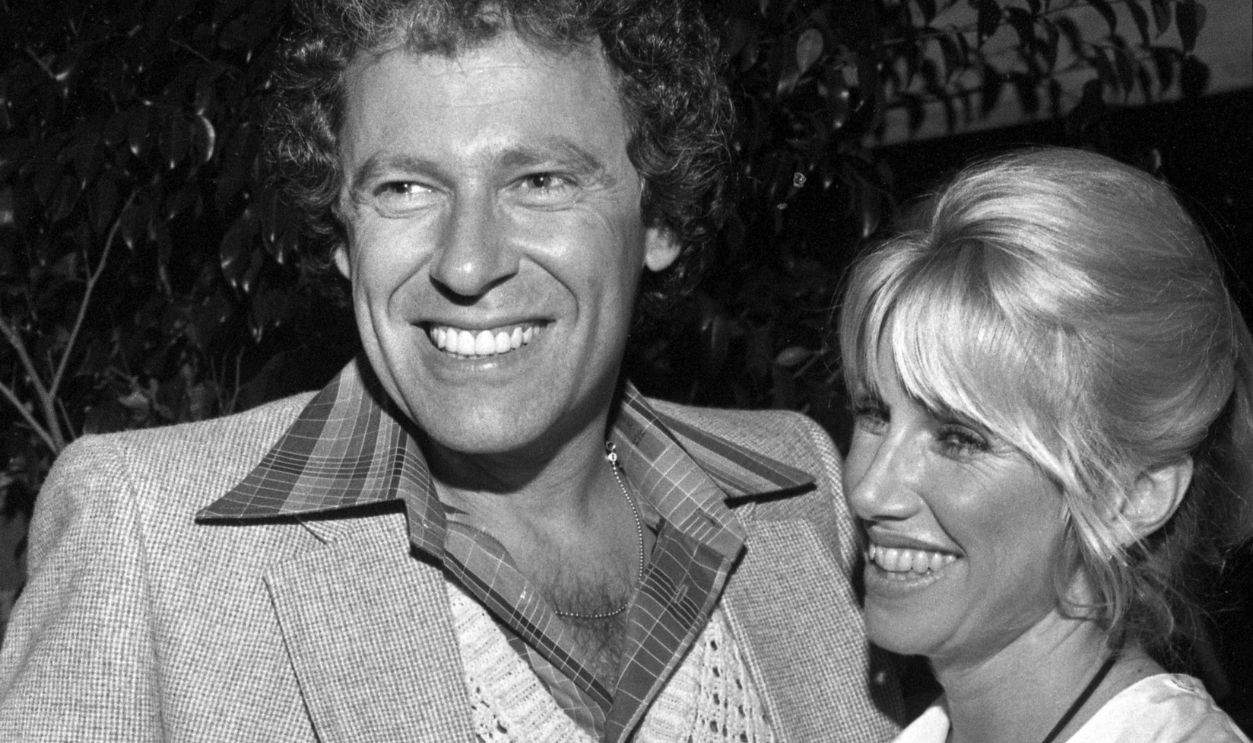
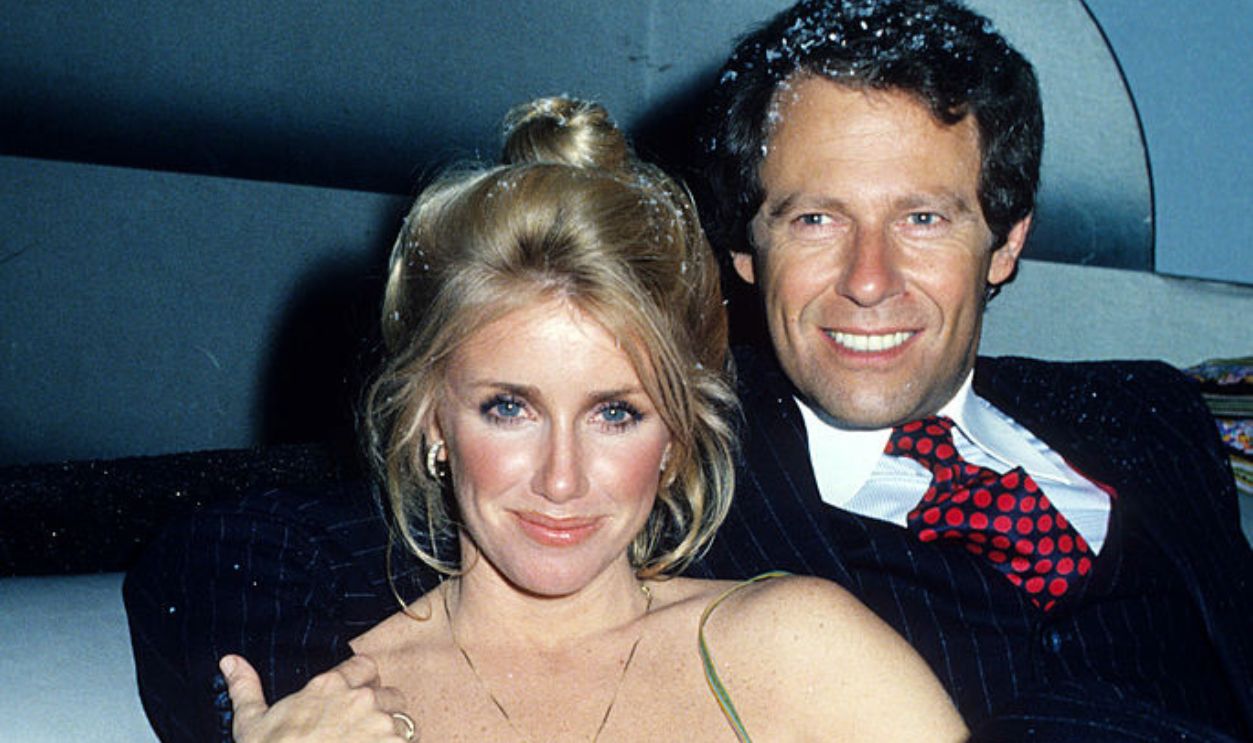
Somers’ romantic relationship with Hamel didn’t have the most storied beginning, but it all worked out for her in the end. Hamel eventually divorced his first wife, and he and Somers made their relationship official with a November 19, 1977 wedding. The two would remain married until Somers’ passing nearly 50 years later.
But she faced a lot of drama before then.
History's most fascinating stories and darkest secrets, delivered to your inbox daily.
16. She Posed For Playboy
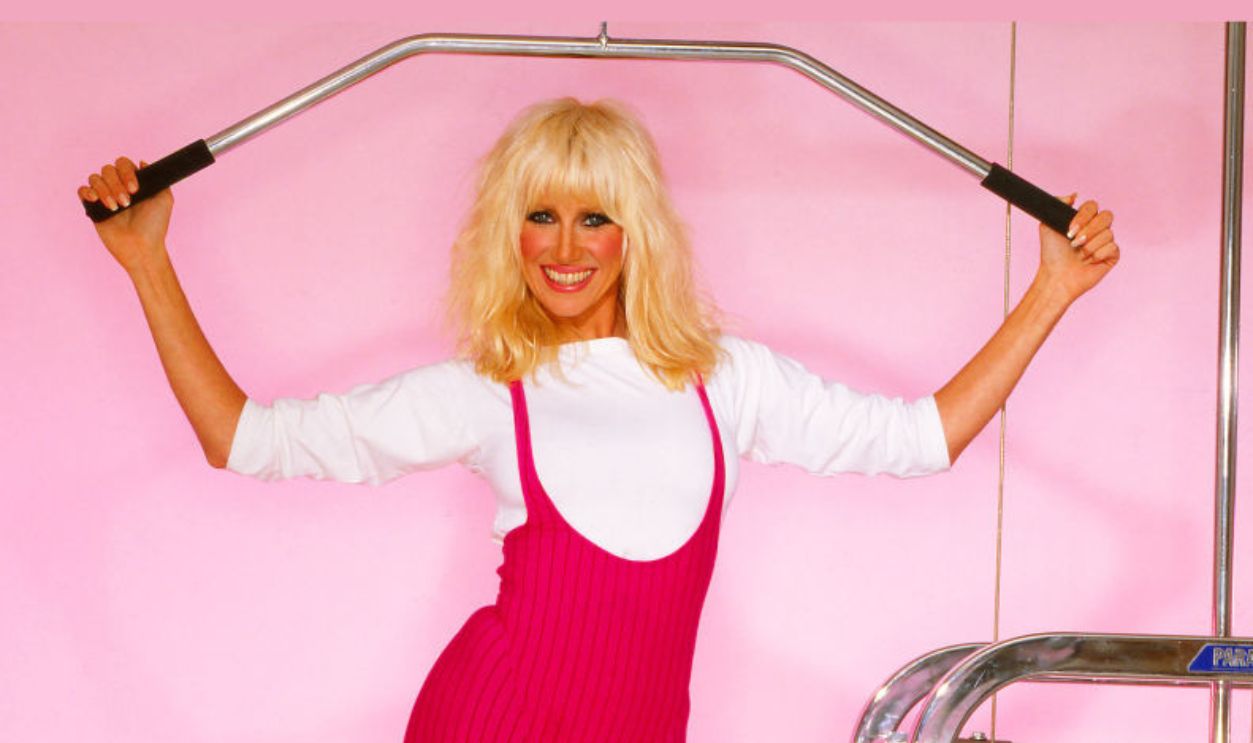
Before her marriage to Hamel, in 1970, Suzanne Somers wasn’t exactly marriageable material. At one point, she auditioned to become the Playmate of the Month. They ultimately passed on Somers, but paid her $3,000 for her troubles—and that seemed like the end of it. But the racy photos, taken deep in the jungles of Mexico, would come back to haunt her years later.
17. She Was The “Blonde In The White Thunderbird”
Somers’ acting career continued with only minor bit parts in films like Daddy’s Gone A-Hunting (1969), Fools (1970), and Magnum Force (1973). Her credits in those films read like an afterthought: “Woman at Baptism", “Sidewalk Extra”, “pool girl”. However, she left a lasting impression as “Blonde in the White Thunderbird”, mouthing the words, “I love you,” in George Lucas’ American Graffiti (1973).
Somers said the role “changed her life forever”. She wasn’t wrong.
 Screenshot from American Graffiti, Universal Pictures (1973)
18. She Read Poetry To Johnny Carson
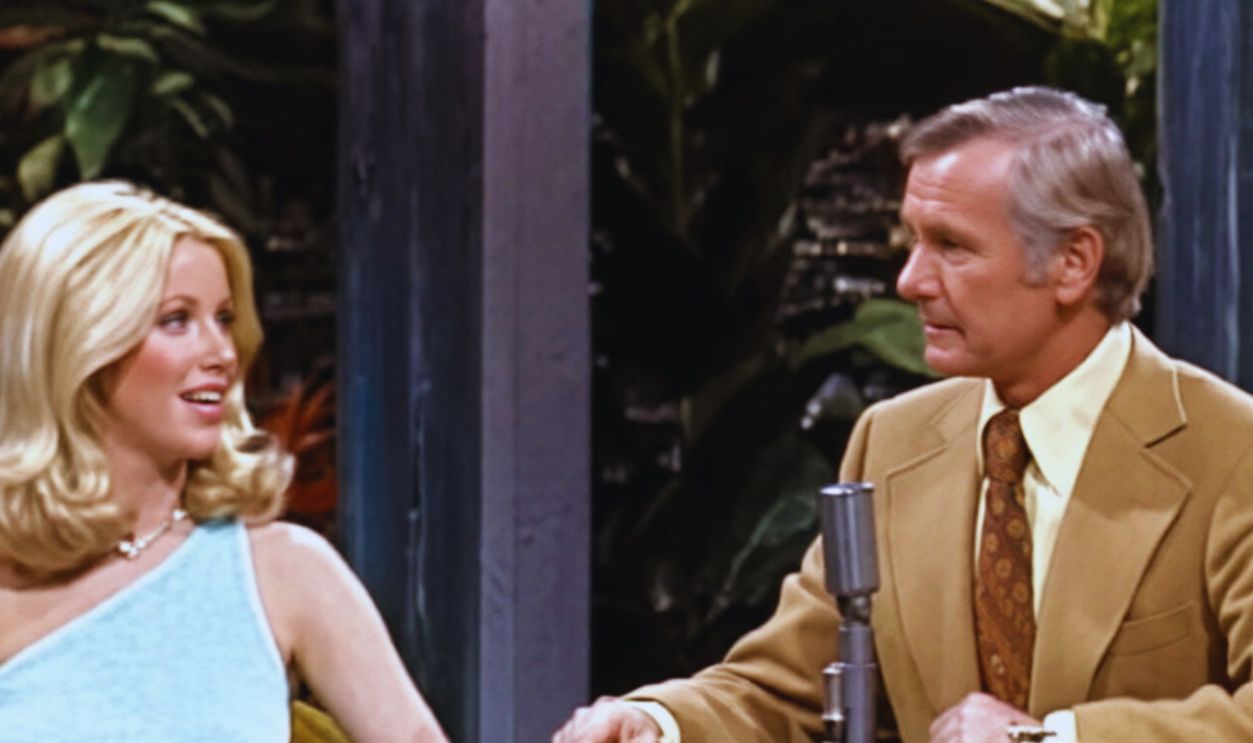
Suzanne Somers parlayed her “Blonde in the White Thunderbird” role into an appearance on the sitcom Lotsa Luck. And she parlayed that role into an appearance on The Tonight Show Starring Johnny Carson in early 1974. But she wasn’t there to promote Thunderbirds. Instead, Somers shared a book of poetry that she had written, defying expectations.
An even bigger role was possibly on her horizon.
 Screenshot from The Tonight Show Starring Johnny Carson, NBC (1962–1992), Enhanced
19. She Was Almost An Angel
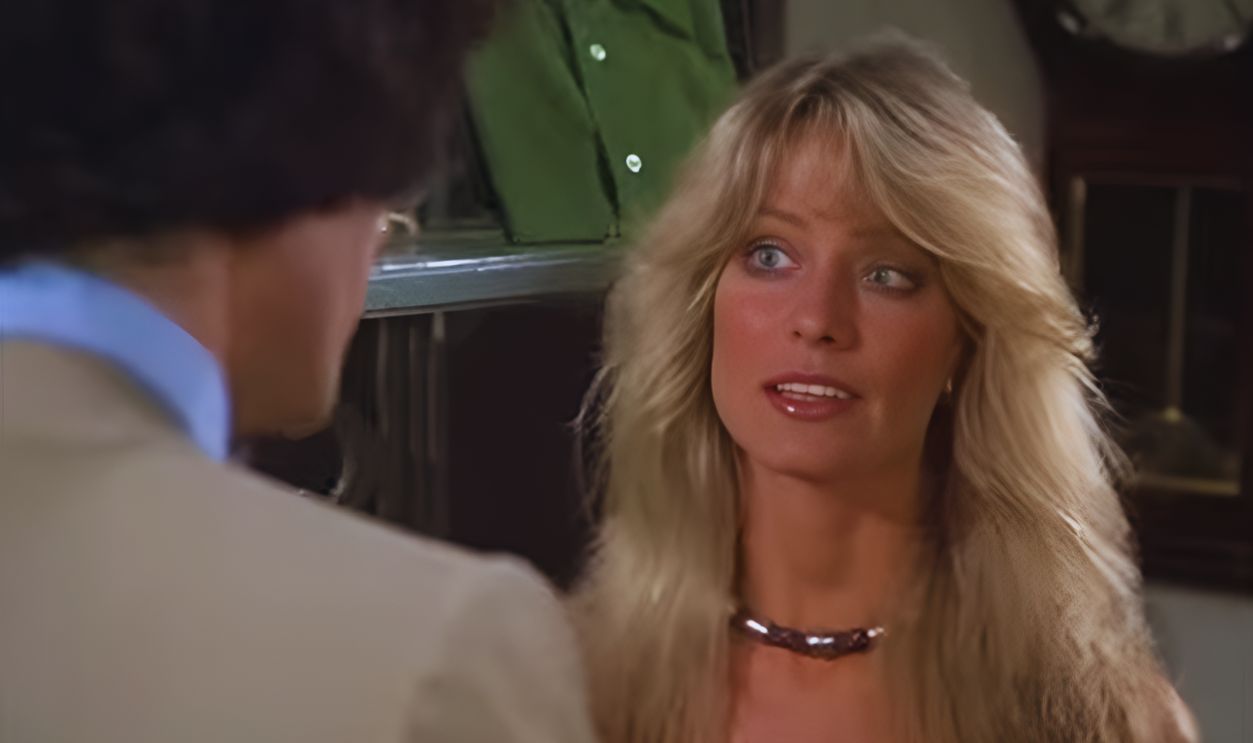
Somers continued making guest appearances throughout the mid-1970s, but a starring role was hard to come by. That is, until she landed the highly coveted role of Jill Munroe on Charlie’s Angels. But, just when she thought she had finally gotten her big break, Farrah Fawcett famously swooped in and took the role from her.
Instead of crying in her soup, she hired Fawcett’s manager for herself. The trick worked.
 Screenshot from Charlie's Angels, ABC (1976–1981), Enhanced
20. She Beat Out Another Suzanne
The television network ABC was having trouble casting the role of Christmas “Chrissy” Snow for their upcoming sitcom Three’s Company. Actresses Suzanne Zenor, Susan Lanier, and others fizzled in front of the producers while filming the pilot episodes. Then, ABC president Fred Silverman recalled seeing Suzanne Somers on The Tonight Show.
One pilot episode later, Somers’ life changed forever.

21. She Landed A Hit Series
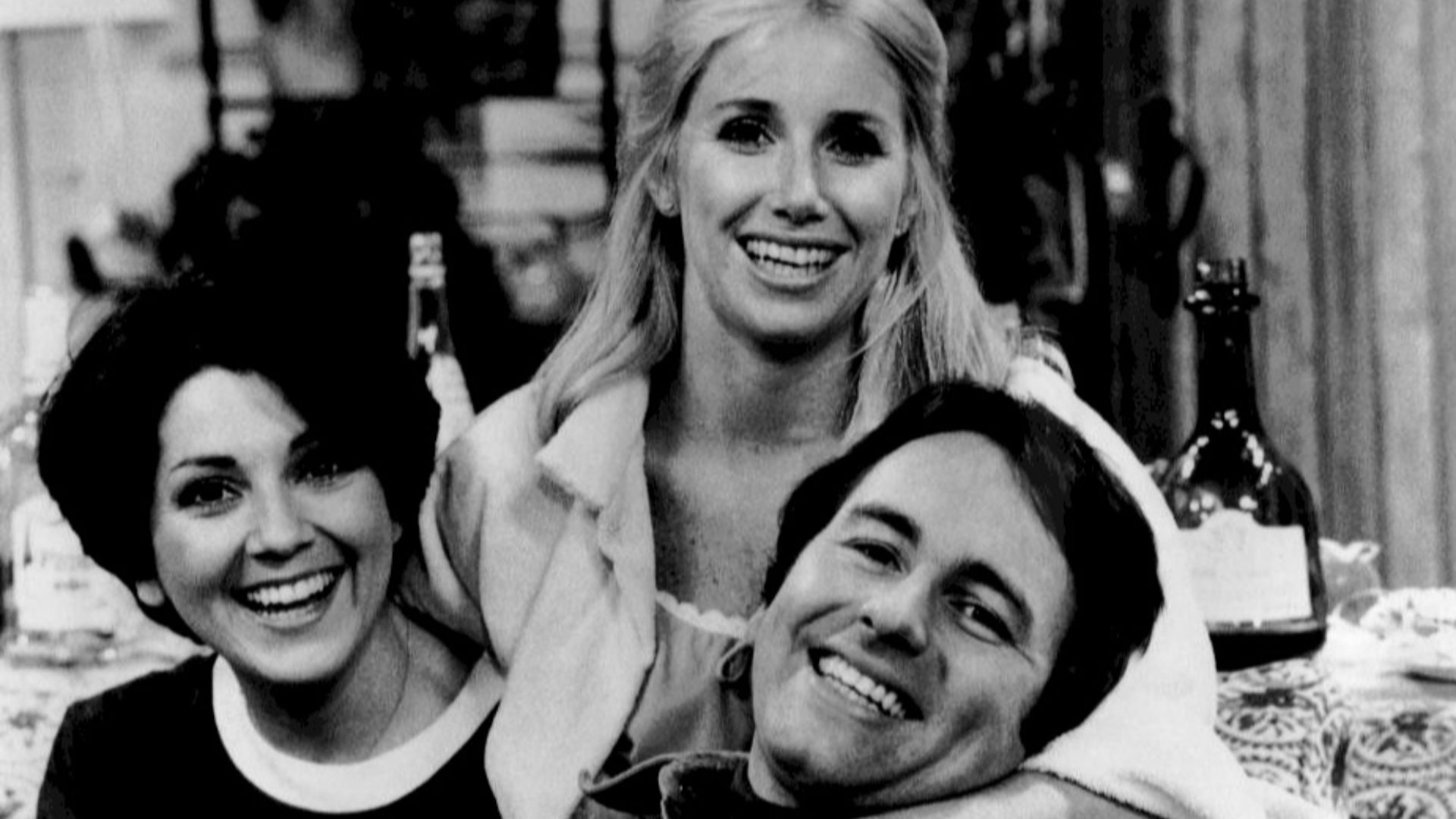
Suzanne Somers landed the role of Christmas “Chrissy” Snow on Three’s Company. Starring alongside John Ritter and Joyce DeWitt, the sitcom followed “two women living platonically with a man who pretended to be gay to satisfy the landlord’s policy”. The show instantly became a ratings juggernaut that catapulted Somers to stardom.
But she wasn’t playing your average character.
 ABC Television, Wikimedia Commons
History's most fascinating stories and darkest secrets, delivered to your inbox daily.
22. She Reimagined Her Childhood
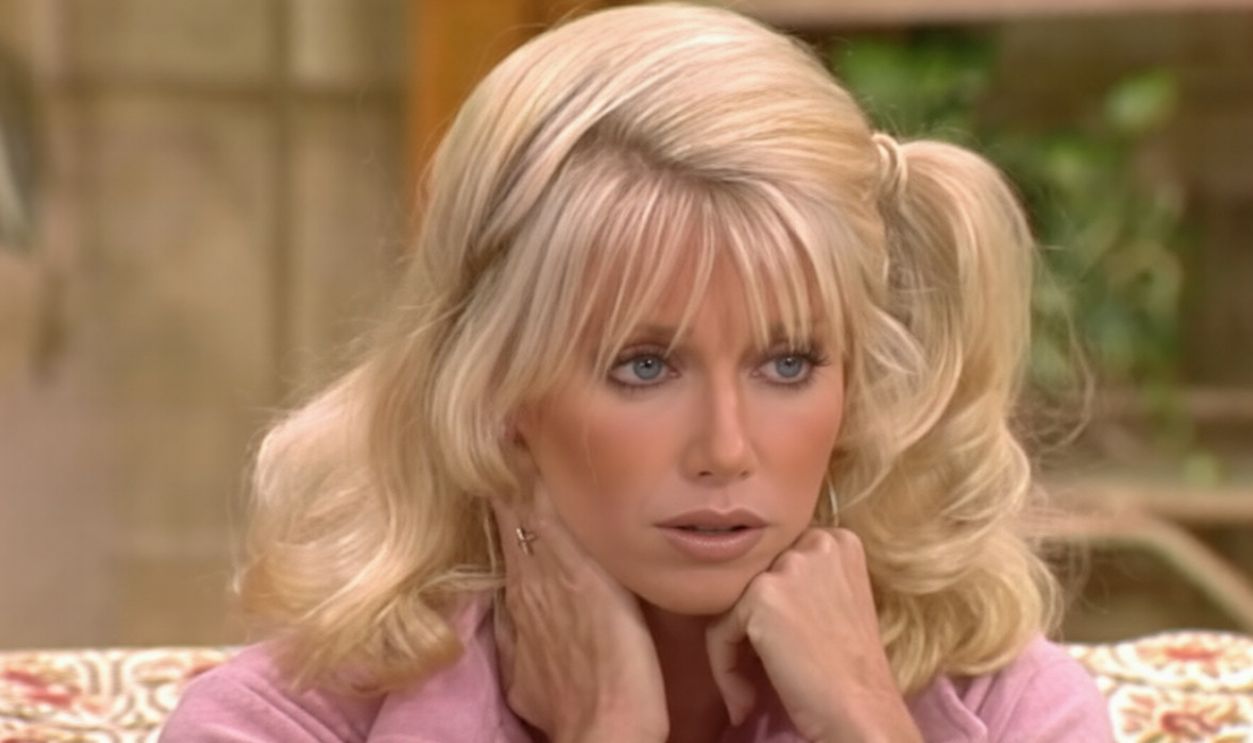
Somers’ character on Three’s Company was meant to “embody blonde stereotypes”. But that’s not how she played it—and not why audiences loved it. Talking to CBS in 2020, Somers explained how she approached the role: “Creating her was actually intellectual. How do I make her likable and loveable…dumb blondes are annoying. I gave her a moral code. I imagined it was the childhood I would’ve liked to have had”.
A childhood without much money, apparently.
 Screenshot from Three's Company, ABC (1977–1984), Enhanced
23. She Was Barely Making Money
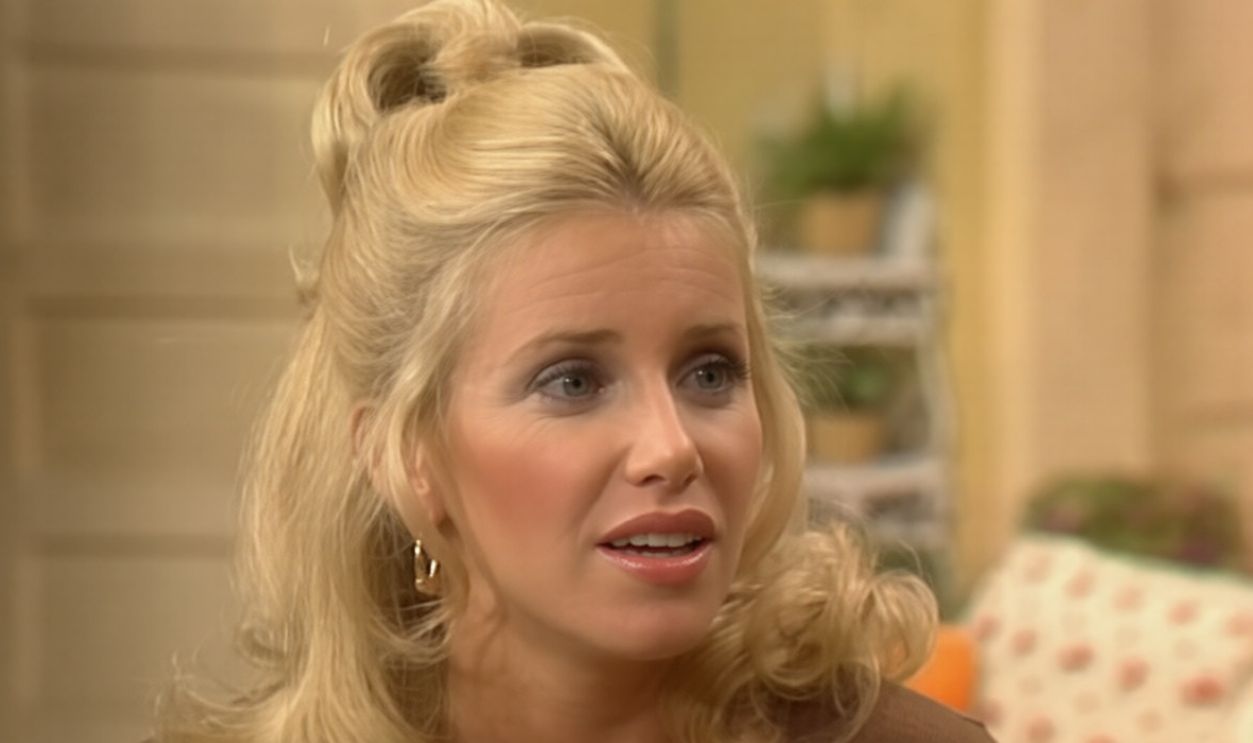
Audiences adored Somers’ Chrissy—but her paychecks didn’t reflect it. Despite being a pivotal part of the success of Three’s Company, Somers only collected between $2,750 and $3,500 per week. Worse yet, Somers had agreed with her agent to let him keep the fee for every guest appearance she made as long as he kept booking her.
She just wanted fair pay.
 Screenshot from Three's Company, ABC (1977–1984), Enhanced
24. She Demanded Equal Pay
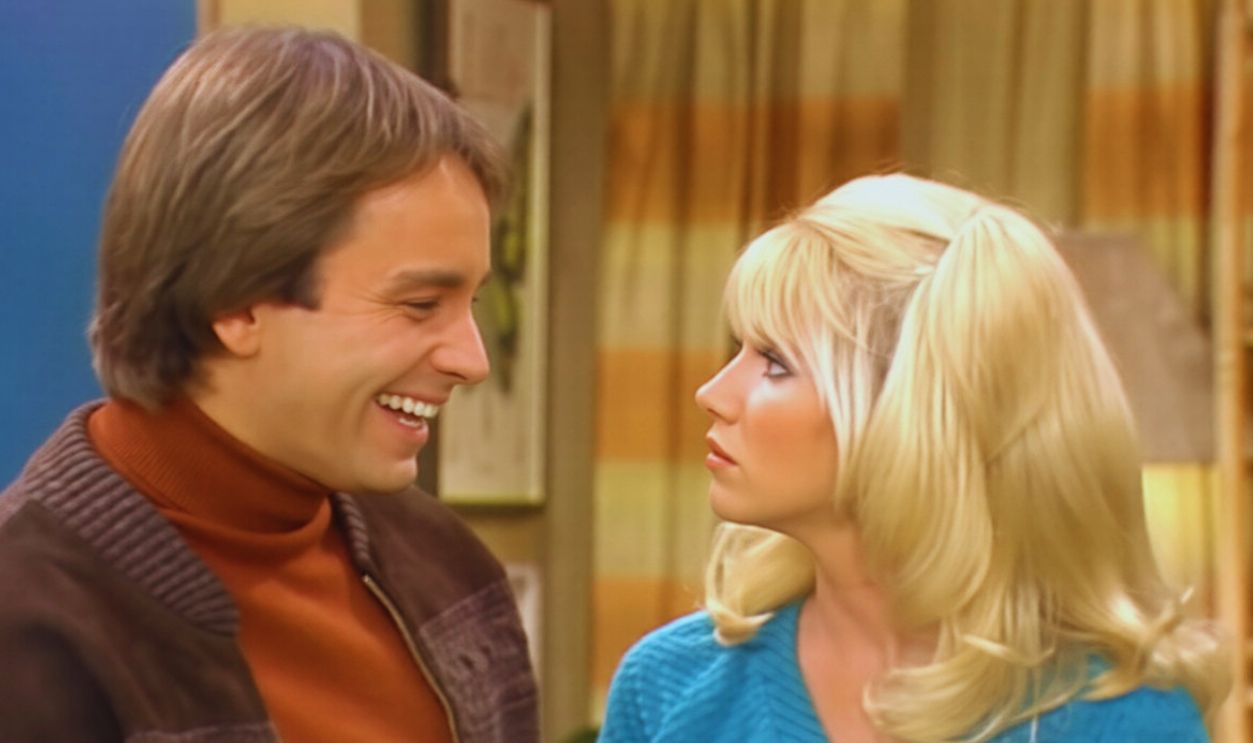
By the fifth season of Three’s Company, Suzanne Somers had managed to negotiate a better salary of $30,000 per episode. But she wanted—and equality demanded—far more. Reportedly, her male co-star Ritter was earning a staggering $150,000 per episode, and Somers thought that it would only be fair if her compensation was the same.
The studio, however, would make her another offer.
 Screenshot from Three's Company, ABC (1977–1984), Enhanced
25. She Walked Into An Ambush
In 2015, Somers’ husband Hamel explained how the negotiations between his wife and ABC fell apart. “I got a call from a friend who had connections high up at ABC,” Hamel explained, “and he said, ‘They’re going to hang a nun in the marketplace, and the nun is Suzanne’”. Allegedly, ABC was out for revenge against actors after bad negotiations on another sitcom.
“They’d destroy the chemistry on [Three’s] Company to make a point,” Hamel said. He wasn’t exaggerating.

26. She Called In Sick
ABC’s counteroffer was downright insulting: a paltry raise of $5,000 an episode. Somers answered ABC’s counteroffer with an insult of her own: failing to show up to set. The scorned actress sat out two episodes that season, making up outlandish excuses such as a broken rib. It was a gutsy move, she knew, but one that she had to take.
The network’s response was outrageous.
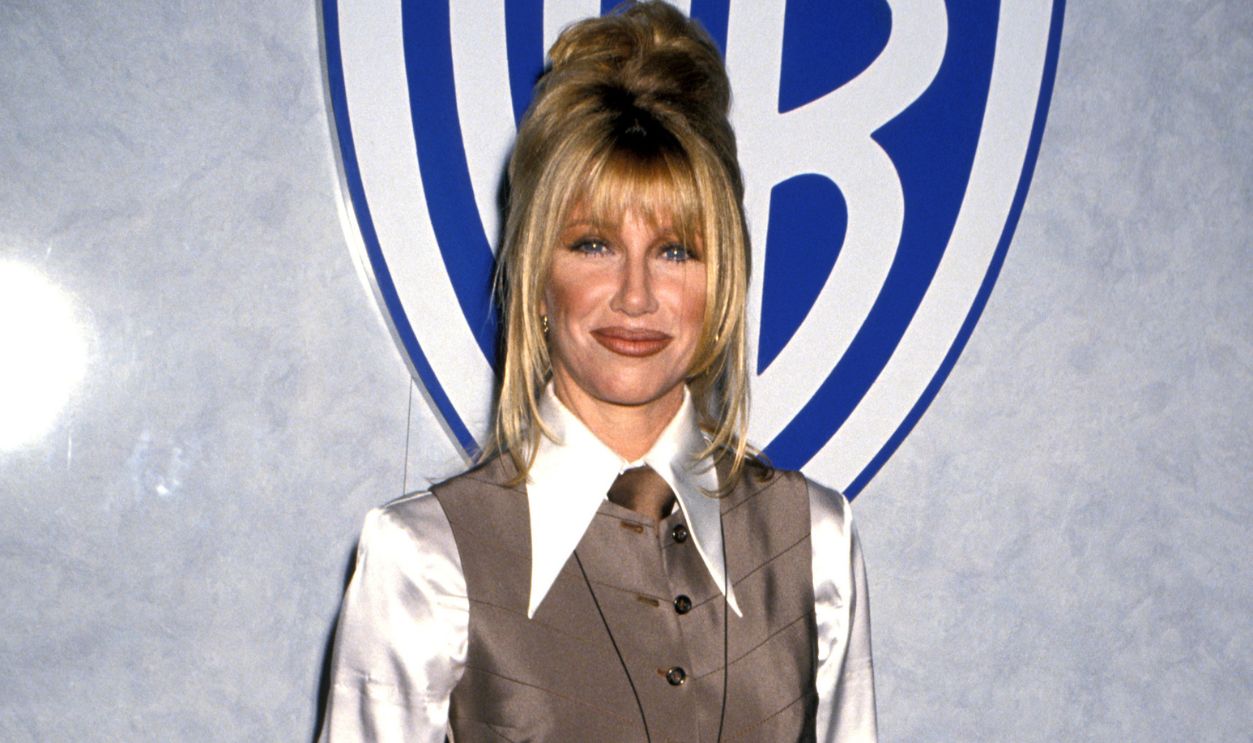 Ron Galella, Ltd., Getty Images
27. She Was Banished From Set
Sick or not, Suzanne Somers was still under contract, so ABC made her see the season out—on their own terms. Her screen time shrank to roughly one minute per episode, often reduced to appearances in the closing tags. Worse yet, ABC had Somers escorted around the lot by security and forced her to film her scenes on soundstages all by herself.
When her contract finally ran out, ABC didn’t renew it.
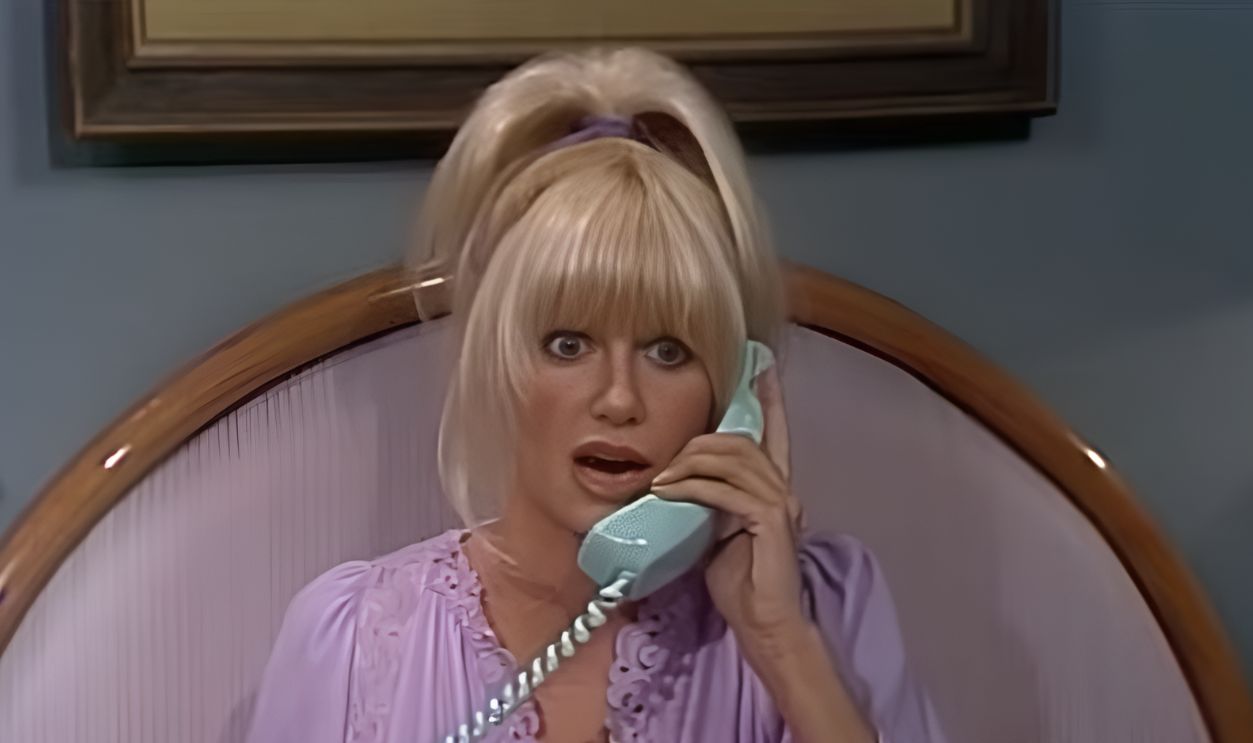 Screenshot from Three's Company, ABC (1977–1984), Enhanced
History's most fascinating stories and darkest secrets, delivered to your inbox daily.
28. She Took ABC To Court
Fired and furious, Somers took the network to court for $2 million. She argued that ABC had damaged her reputation as a credible actress. Unfortunately, an arbitrator saw it very differently. Instead of the $2 million she sought, she only received $30,000—damages for the one episode she had missed and never been paid for.
Still, Somers would have the last word.
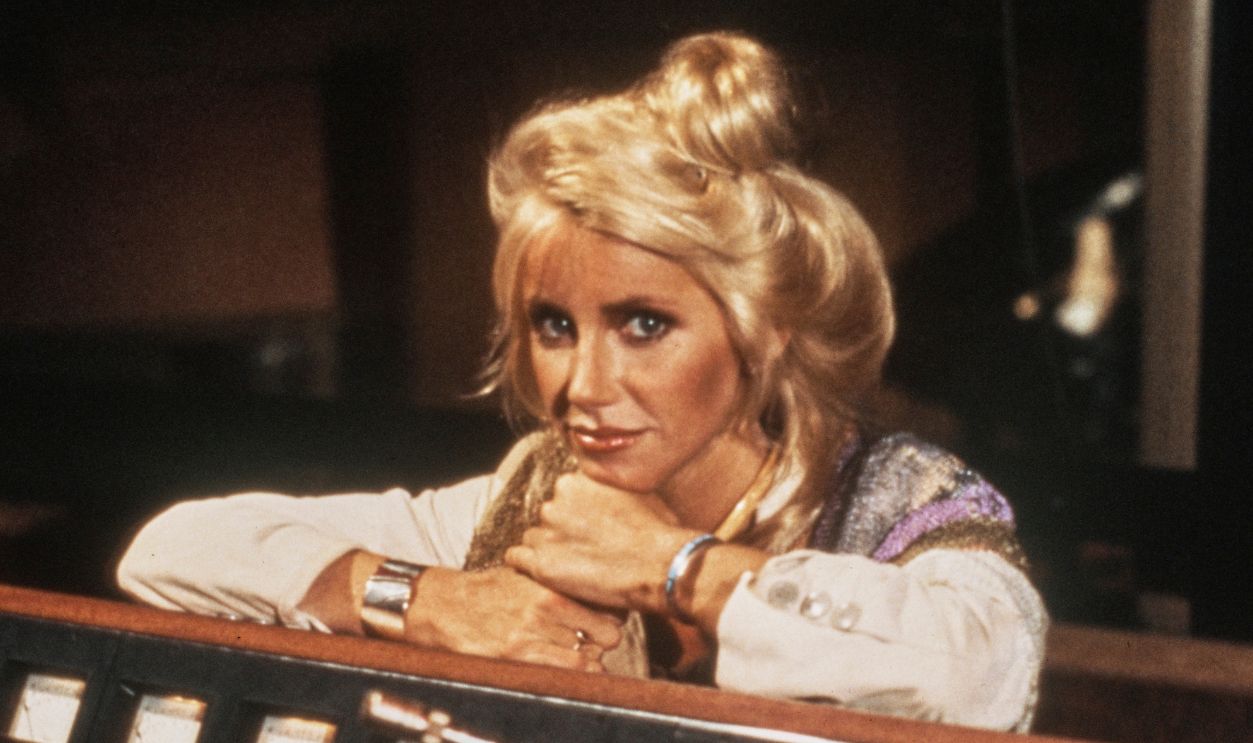 Michael Ochs Archives, Getty Images
29. She Had The “Audacity”
Somers never let go of the way that ABC treated her. But time was on her side. Years later, she claimed that ABC had fired her “for having the audacity to ask to be paid commensurate with men”. She explained calmly that “they were making 10 to 15 times more and John [Ritter] was making much more than me”. Even so, the fight had cost her far more than a paycheck.
30. She Was Bitter With Ritter
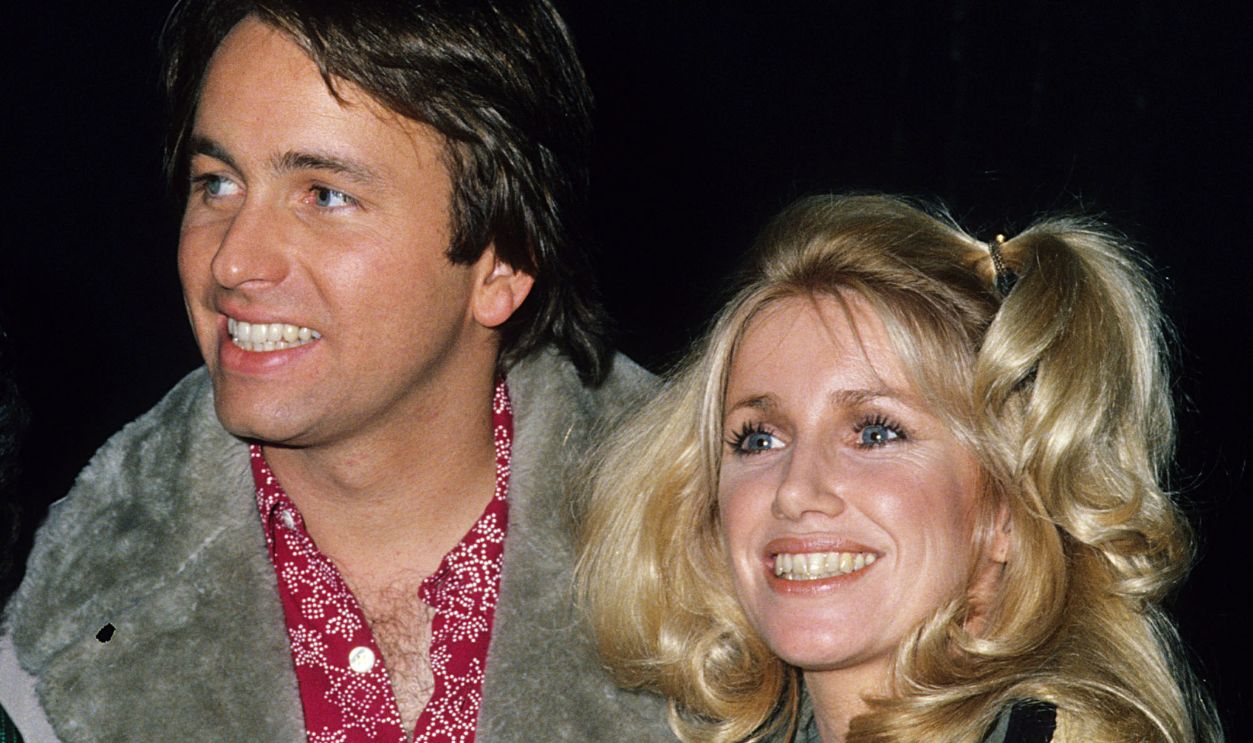
Walking away from Three’s Company hadn’t just cost Suzanne Somers a job—it cost her a friend. For reasons that are unclear—though almost certainly having to do with the bitter negotiations—Somers and Ritter went 20 years without speaking to one another. Then, in the last months of his life in 2003, the two of them finally made peace.
DeWitt took considerably longer to come around.
31. She Reconciled With Another Co-Star
Ritter wasn’t the only Three’s Company co-star with whom Somers had a falling out. After leaving the sitcom in 1981, Somers and DeWitt went more than 30 years without saying a word to each other. It wasn’t until February 2012 on Somers’ web series Suzanne Somers: Breaking Through that they finally put their differences aside.
 Screenshot from Suzanne Somers Breaking Through, CafeMom Studios (2012)
32. She Went Back
When Suzanne Somers had posed for Playboy in 1970, she had been desperate for money to cover her son’s medical expenses. But, when she posed in her birthday suit for them again in 1984, her motivation was less altruistic: she wanted to “regain her popularity” following her Three’s Company firing. That’s why what happened next left her fans scratching their heads.
33. Her Photos Became Public
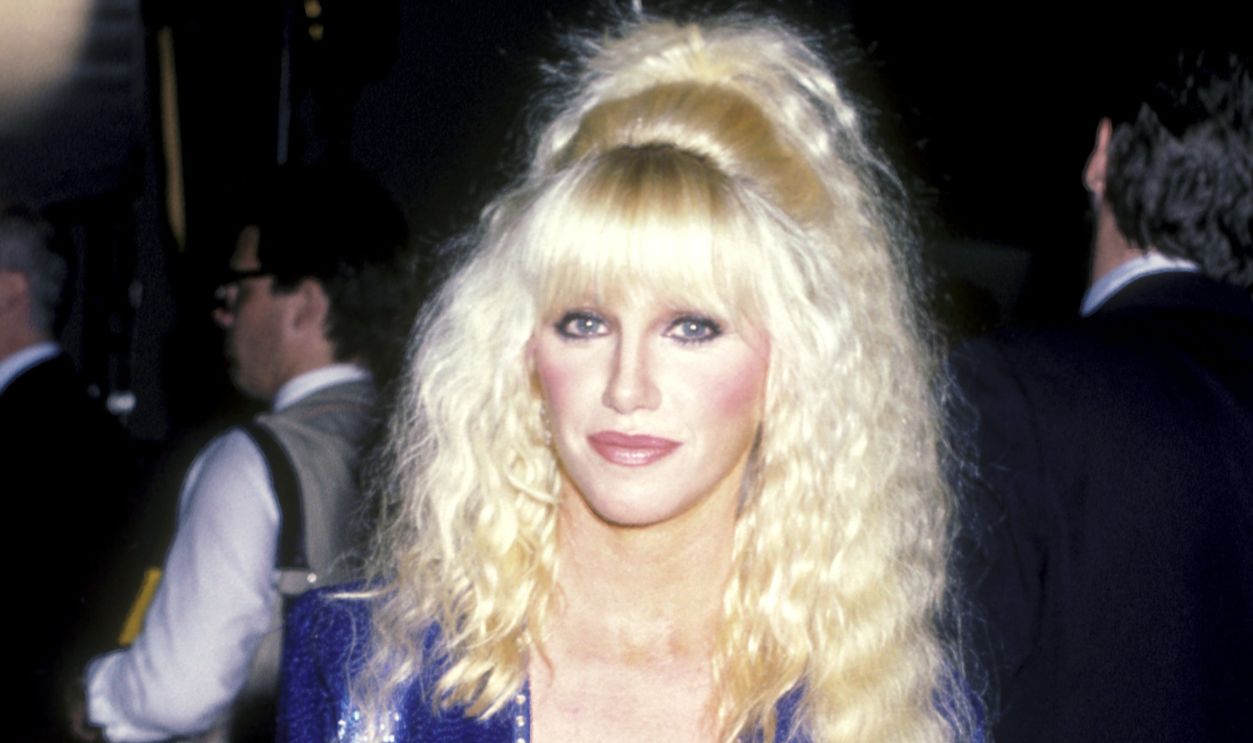
When Somers appeared on the Tonight Show in 1980, she claimed that she had never posed uncovered for any photograph. Well, except for that one High Society shoot. Somers’ false statement prompted them to publish the 1970 photos that they had taken of her in the middle of the Mexican jungle. The public fallout was immediate—and terrible.
 Ron Galella, Ltd., Getty Images
History's most fascinating stories and darkest secrets, delivered to your inbox daily.
34. She Violated The “Morals Clause”
At the time of her controversial Tonight Show appearance, Suzanne Somers was still working on the set of Three’s Company. And she had translated her popularity into lucrative endorsements. But, after she got outed for her racy photos, Ace Hardware dropped her as their spokeswoman, claiming that she had violated the “morals clause” of her agreement.
Somers blamed the adult magazine.

35. She Gave To Charity
Somers had never agreed with the release of the 1970 photos. So, after the magazine published the sordid snaps without her permission, Somers took them to court. She sued them for an undisclosed sum of money, ultimately settling for $50,000. She even managed to do some good with the money, donating $10,000 to a disability services charity.
And even after that uproar, Somers refused to disappear.

36. She Arrived In Sin City
Despite the Three’s Company and magazine controversy, Somers refused to go away quietly. Instead, she became a Las Vegas headliner, becoming the main attraction at the famous MGM Grand before moving on to the Las Vegas Hilton. Sin City suited her well, and she quickly became the “Female Entertainer of the Year”. Though, she needed some help.

37. She Painted Her Shoes Different Colors
Somers’ lifelong struggle with dyslexia plagued her nearly five-year-long Las Vegas career. But she found a funny way around it. To help her with her choreography, she had one of her shoes painted red while the other one was painted black. That way, she figured, she would easily be able to tell her right from her left.
Still, acting was her passion.
 Denise Truscello, Getty Images
38. She Returned To TV, Step By Step
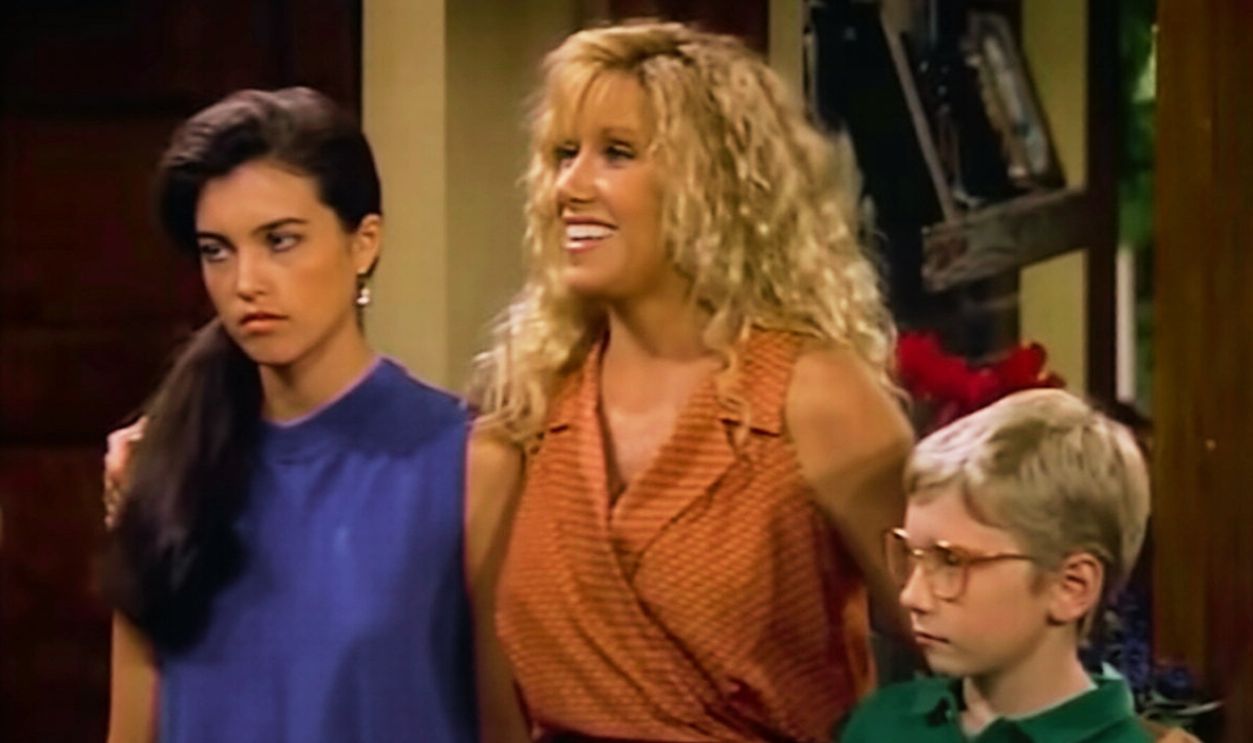
Somers returned to TV with a string of guest roles and TV movies in 1990. By 1991, she landed another recurring role—her longest-running role—on another ABC production: Step by Step. Starring alongside Patrick Duffy, the show ran until 1998, switching to CBS in its final year. As a TV mom, she had plenty of fitness tips and tricks to share.
 Screenshot from Step by Step, ABC (1991–1998), Enhanced
39. She Was An Infomercial Idol
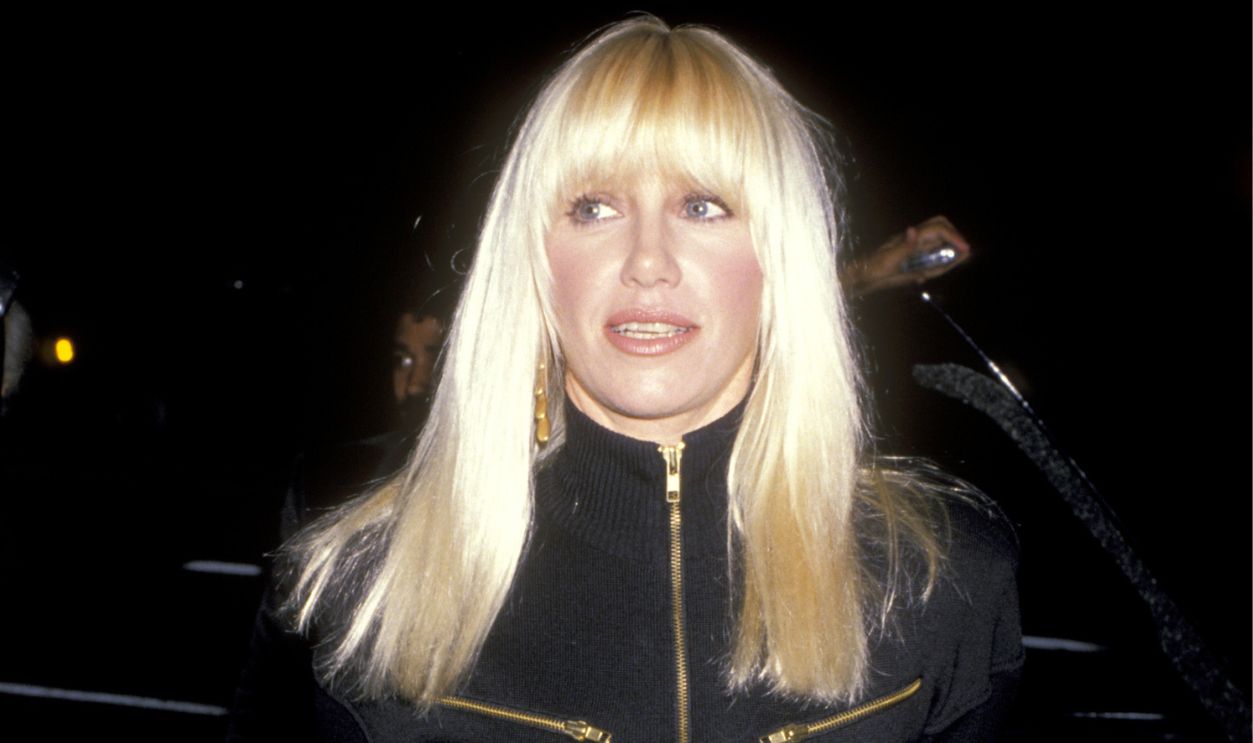
With the controversy in her rearview mirror, Somers snapped up new endorsements almost as quickly as she found new roles. Coinciding with her return to TV acting, she also became the TV spokeswoman in infomercials for the popular exercise device ThighMaster. By 2014, her career of promoting products even earned her an induction into the Infomercial Hall of Fame.
It was well-earned.
History's most fascinating stories and darkest secrets, delivered to your inbox daily.
40. She Sold Her Own Merch On TV
The 1990s proved to be a busy decade for Somers. In addition to her Step by Step gig, she also hosted a daytime talk show and co-hosted a 1997-2000 revival of Candid Camera. In case that wasn’t enough, in 2000, she sold “household items, clothing, and jewelry” (all her own creations) for 25 hours a month on the Home Shopping Network.
But not everything was as it seemed.
 Screenshot from Candid Camera, CBS (1948–2014), Enhanced
41. She Had A Secret Diagnosis
Somers had been carrying a secret for the better part of a year. On March 28, 2001, she sat down with Larry King in front of his live audience and spilled the beans: she had been diagnosed with cancer. She had undergone a lumpectomy and radiation but declined chemotherapy, against the advice of her doctors, while also pursuing homeopathic treatment.
The medical establishment was not impressed.

42. She Took Her Story On Stage
Somers’ diagnosis had put her life into sharp perspective. In January of 2004, she turned her memoirs—Keeping Secrets and After the Fall—into a one-woman show called The Blonde in the Thunderbird. The show opened in San Diego and traveled to Toronto for an 11-day run. Broadway was the obvious next stop. It was also the last stop.

43. She Flopped On Broadway
After decades on TV, Somers finally made it to Broadway with her one-woman show in the summer of 2005. Producers booked The Blonde in the Thunderbird for a comfortable two-month run. But, the show didn’t even survive a week after officially opening. Ticket sales came in far below what anyone hoped, and the reviews were even worse. Merciless is putting it kindly.

44. Her Critics Were Brutal
Broadway critics didn’t merely dislike The Blonde in the Thunderbird—they excoriated it. “A drab and embarrassing display of emotional exhibitionism masquerading as entertainment,” wrote The New York Times. The Associated Press was equally scathing: “an extended therapy session crossed with a tacky Las Vegas revue—minus the other showgirls”.
Somers hit back by likening what the critics were doing to her to what Americans serving in Iraq were going through. That comparison won her no friends at all.

45. She Built Her Own Platform
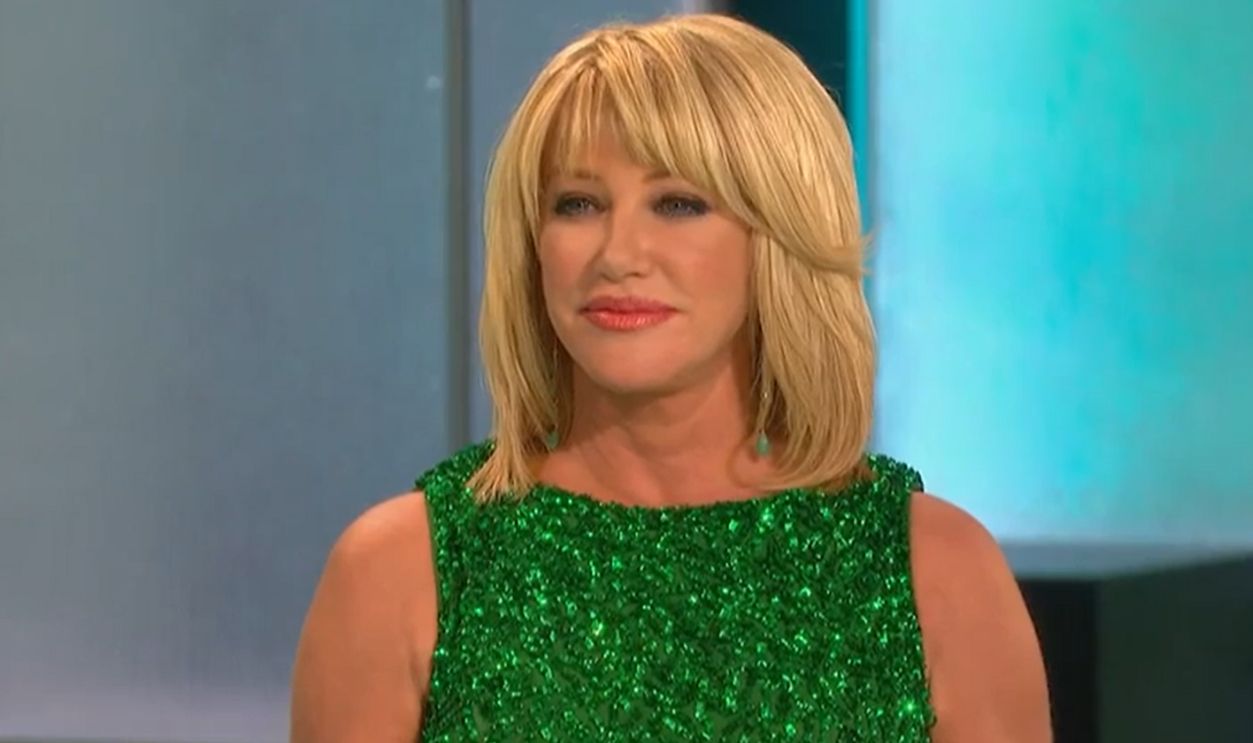
Rather than argue with her critics, Somers simply moved on to her next project. Starting in 2012, she launched a web series, Suzanne Somers Breaking Through. It was the same series that had brought her back together with Joyce DeWitt. And clearly, it worked. That fall, Lifetime handed her The Suzanne Show, a 13-episode run about health and fitness.
She did, after all, know a thing or two about healing.
 Screenshot from The Suzanne Show, Lifetime Television (2012-2013)
History's most fascinating stories and darkest secrets, delivered to your inbox daily.
46. She Forgave Her Father
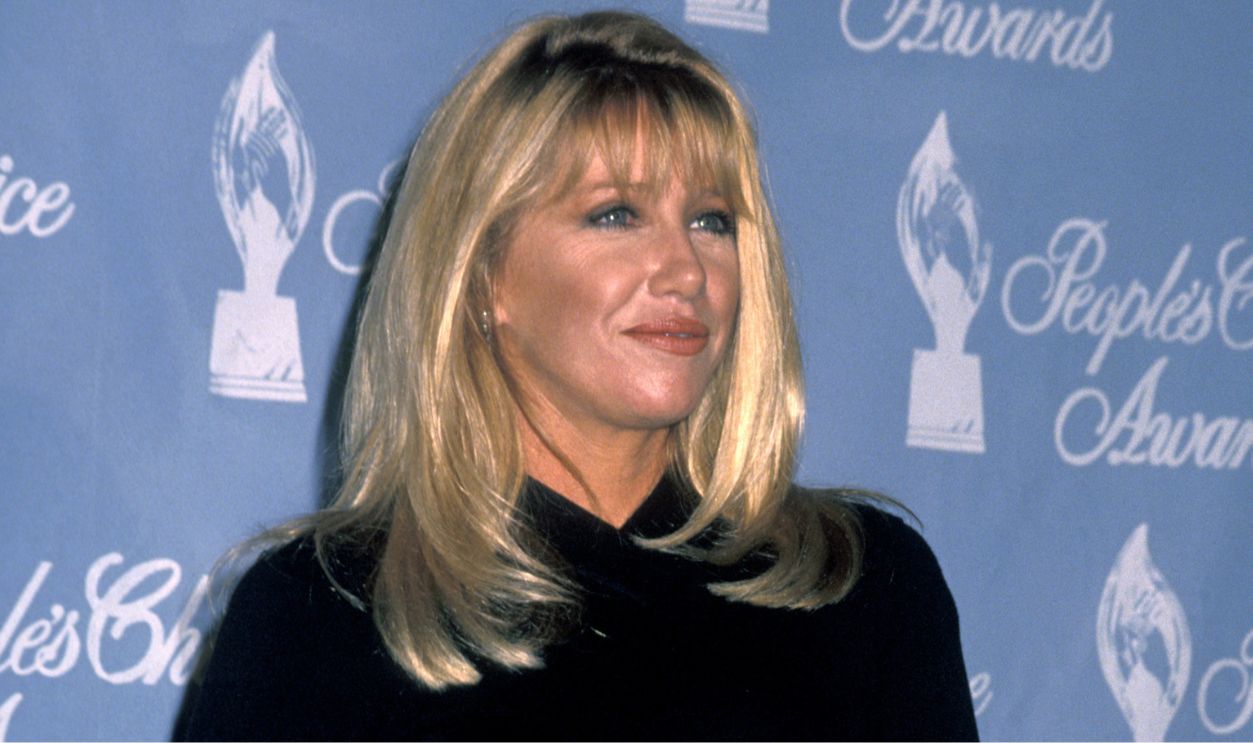
In 1992, Somers published Wednesday’s Children. It was a collection of stories from celebrities like her who had grown up in broken homes. “Wednesday’s child is full of woe, but a child who also survives and forgives,” Somers explained. She talked about the process of writing, saying that she had sobbed daily while writing some of her books, “forgiving myself, forgiving my father”.
Only then could she heal others.
 Ron Galella, Ltd., Getty Images
47. She Opened Her Own Institute
Somers dedicated a lot of her adulthood to the “seventy-six million adults in the US” who she claimed “are either [addicts] or affected by [addicts]”. She put her money where her mouth was when she founded the Suzanne Somers Institute for the Effects of Addictions on Families. For her tireless efforts, she won the Humanitarian Award.
But then a fight found her that she couldn’t write her way out of.

48. She Refused Chemotherapy
The diagnosis Somers took to Larry King had reached her the year before. In April of 2000, doctors told her she had cancer. She agreed to a lumpectomy, then to radiation. But when chemotherapy came up, Somers said no.
It was the first sign that she meant to handle her health her own way.
 Jean Baptiste Lacroix, Getty Images
49. Her Treatments Were “Dangerous”
When Somers shared her diagnosis and homeopathic treatment option on Larry King Live, she sparked a furor. While she promoted treatments like “bioidentical hormone replacement therapy”, health experts publicly criticized her. They called her personal medical decisions “scientifically unproven and dangerous”.
Her health always had a way of making headlines.

50. She Did—Or Did Not—Have Cancer
Somers received more bad news from doctors in 2008: she had “inoperable cancer”. Despite confirmation from six doctors, however, she got good news just one week later: they had misdiagnosed her. She turned her medical drama into the 2009 book Knockout, attracting even more criticism from medical professionals for her promotion of alternative medicine.
She had bigger fires to put out anyway.

51. She Lost Her Home In A Fire
When wildfires swept through California in 2007, Somers lost the Malibu home she shared with her husband. Oddly enough, she had seen it all coming. Speaking to Access Hollywood, she recalled, “I must have. I must have because I stood in the doorway and, you don’t do this, but I was going out the door and I thought, ‘Huh, such a pretty little house’”.
“It was a beautiful house,” she said, “it was a beautiful place to live”. The operative word being “was”.
 Michael Caulfield, Getty Images
History's most fascinating stories and darkest secrets, delivered to your inbox daily.
52. She Found Her Perfect Place
The California wildfires had claimed Somers’ house, but not her home. Even though the only thing she recovered from the ashes was her wedding ring, in the same Access Hollywood interview, she said plainly that she had plans to rebuild on the exact spot. “Sometimes you find a spot on Earth and it’s worth it,” she explained. “I love that spot”.
She would be going to her eternal home sooner than she thought.
53. She Had An Extraordinary Life
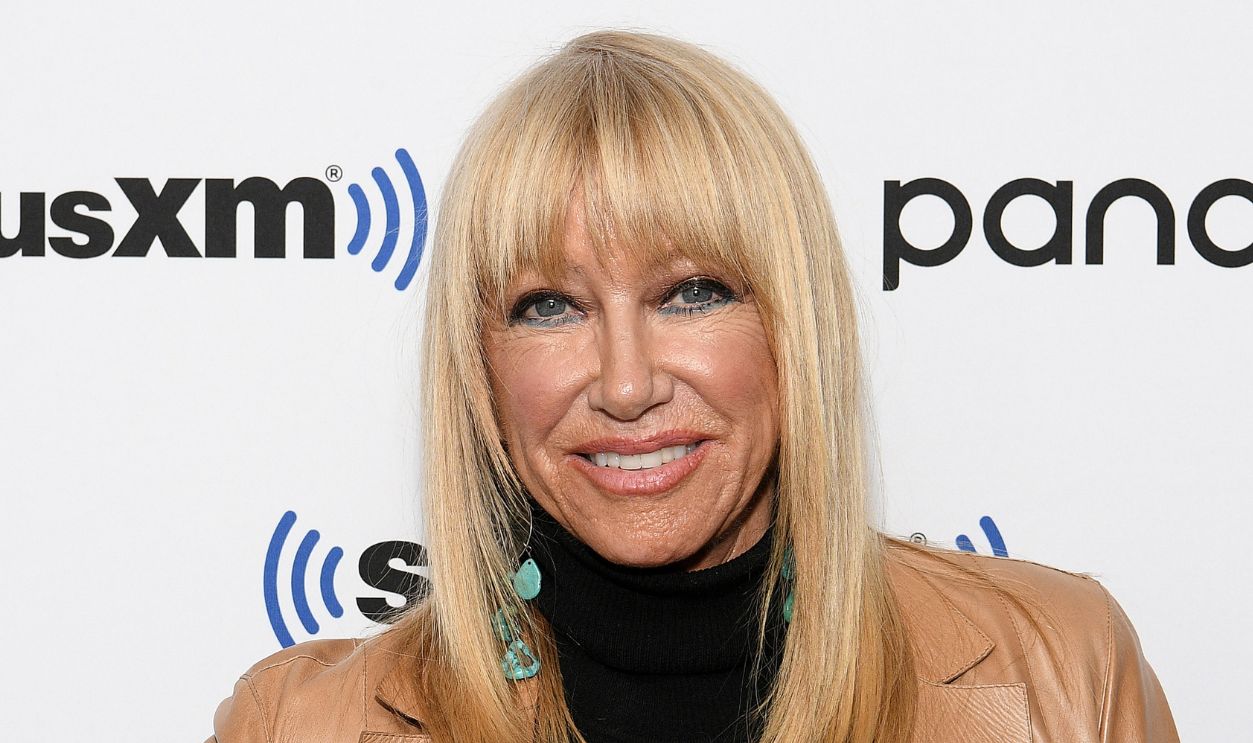
Somers took her final bow just one day before her 77th birthday, succumbing to her yearslong battle with cancer on October 15, 2023. In a touching statement following her passing, her publicist said, “Suzanne was surrounded by her loving husband Alan, her son Bruce, and her immediate family. Her family was gathered to celebrate her 77th birthday…Instead, they will celebrate her extraordinary life”.
 Pascal Le Segretain, Getty Images
You May Also Like:
The Blonde Bombshell Who Almost Had It All
Gloria Swanson, Hollywood's Iconic Diva