From Outlaw to Leading Man
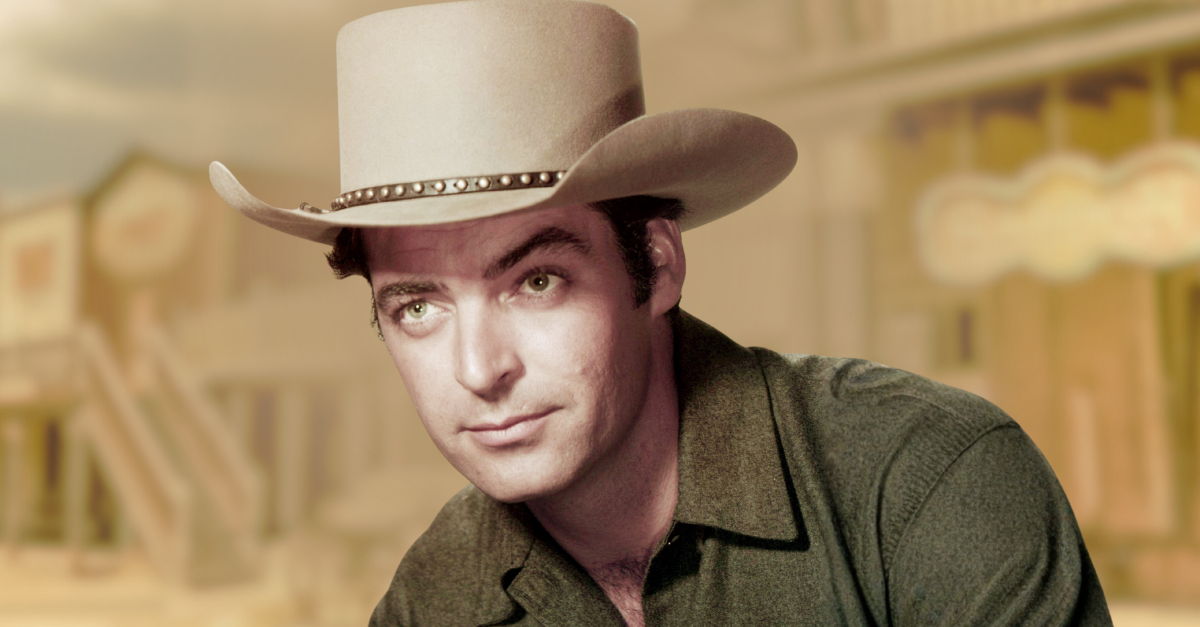
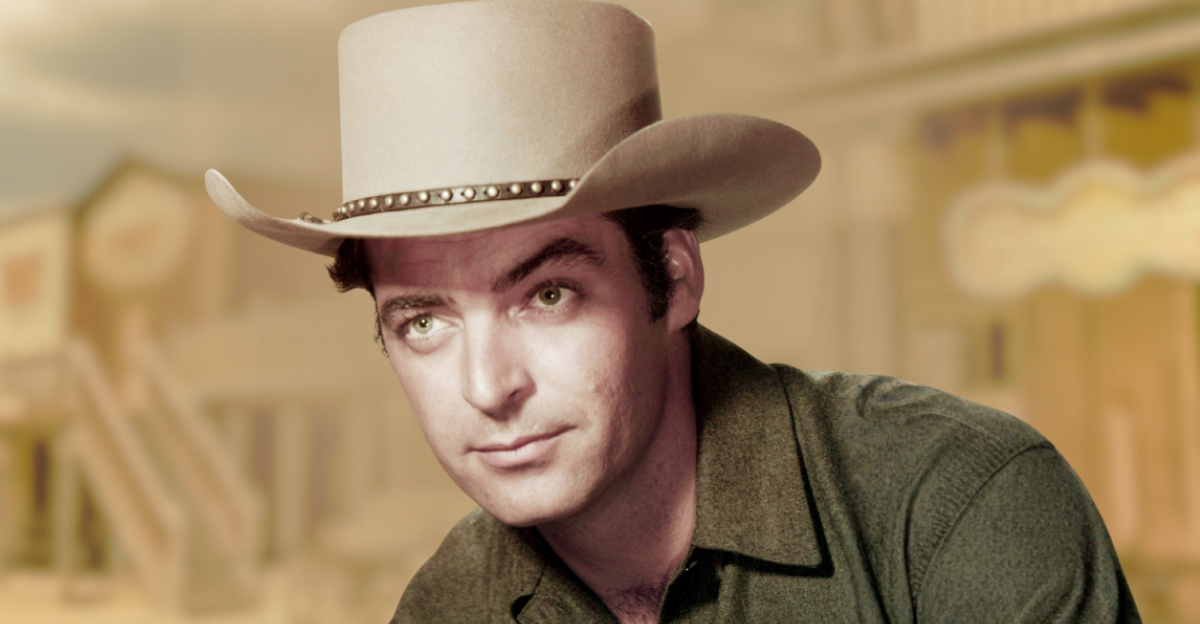
Rory Calhoun rose to fame as a cowboy riding tall in the saddle. But behind the camera, his life read more like an outlaw’s confession than a Hollywood fairytale. From teenage jailbreaks to Hollywood affairs, Calhoun was Western cinema’s baddest leading man.
 Silver Screen Collection/Getty Images
1. He Wasn’t Born A Cowboy
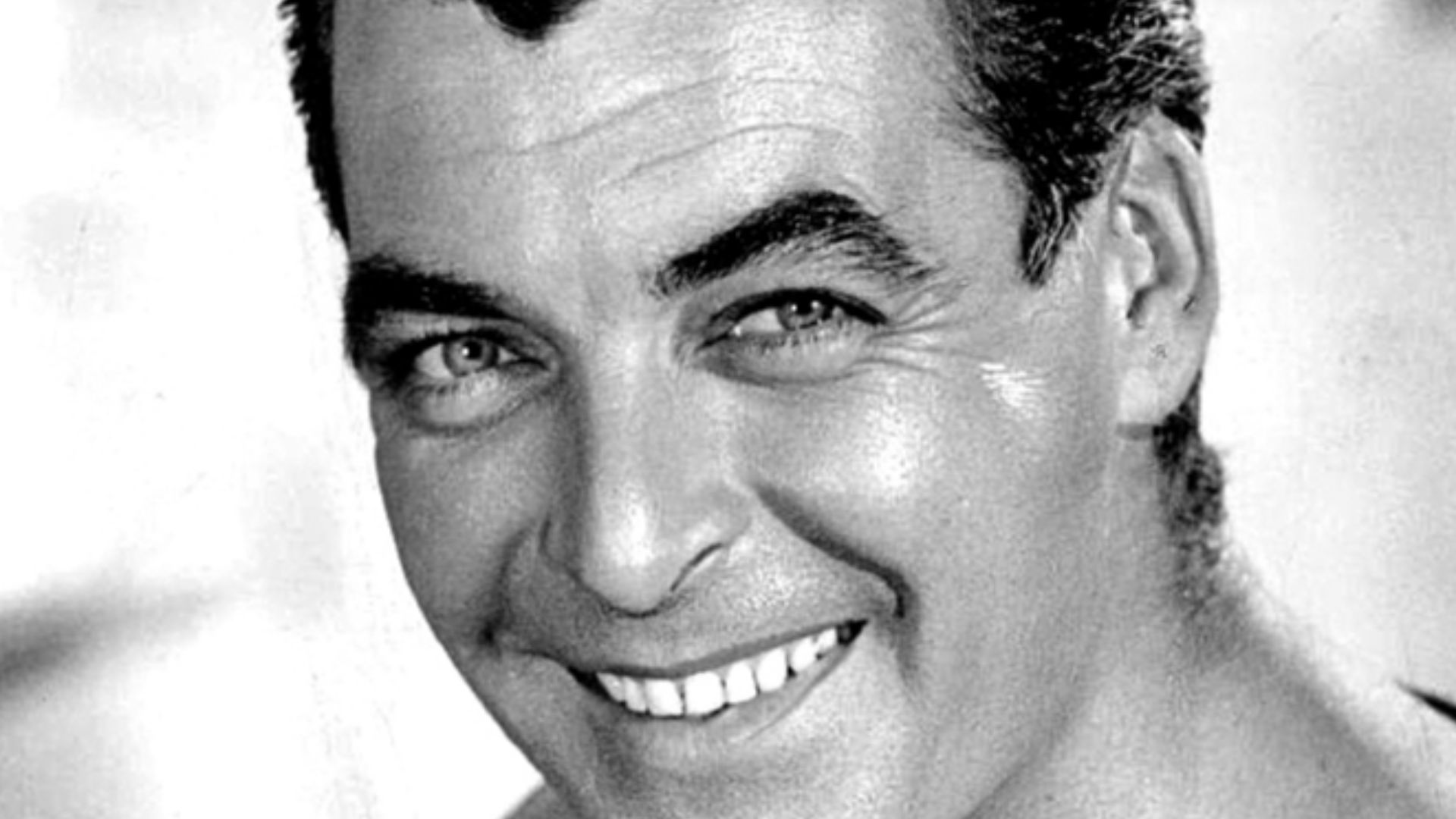
Francis Timothy McCown (later known as the cowboy-actor Rory Calhoun) rode into town on August 8, 1922, in Los Angeles, California. His father, a professional gambler, passed on when he was just nine months old, leaving his mother alone—though not for long. She quickly remarried a man named Nathaniel Durgin.
In time, though, he turned out to be every bit as bad as Calhoun would pretend to be on screen.
 movie studio, Wikimedia Commons
2. He Turned To Trouble Early
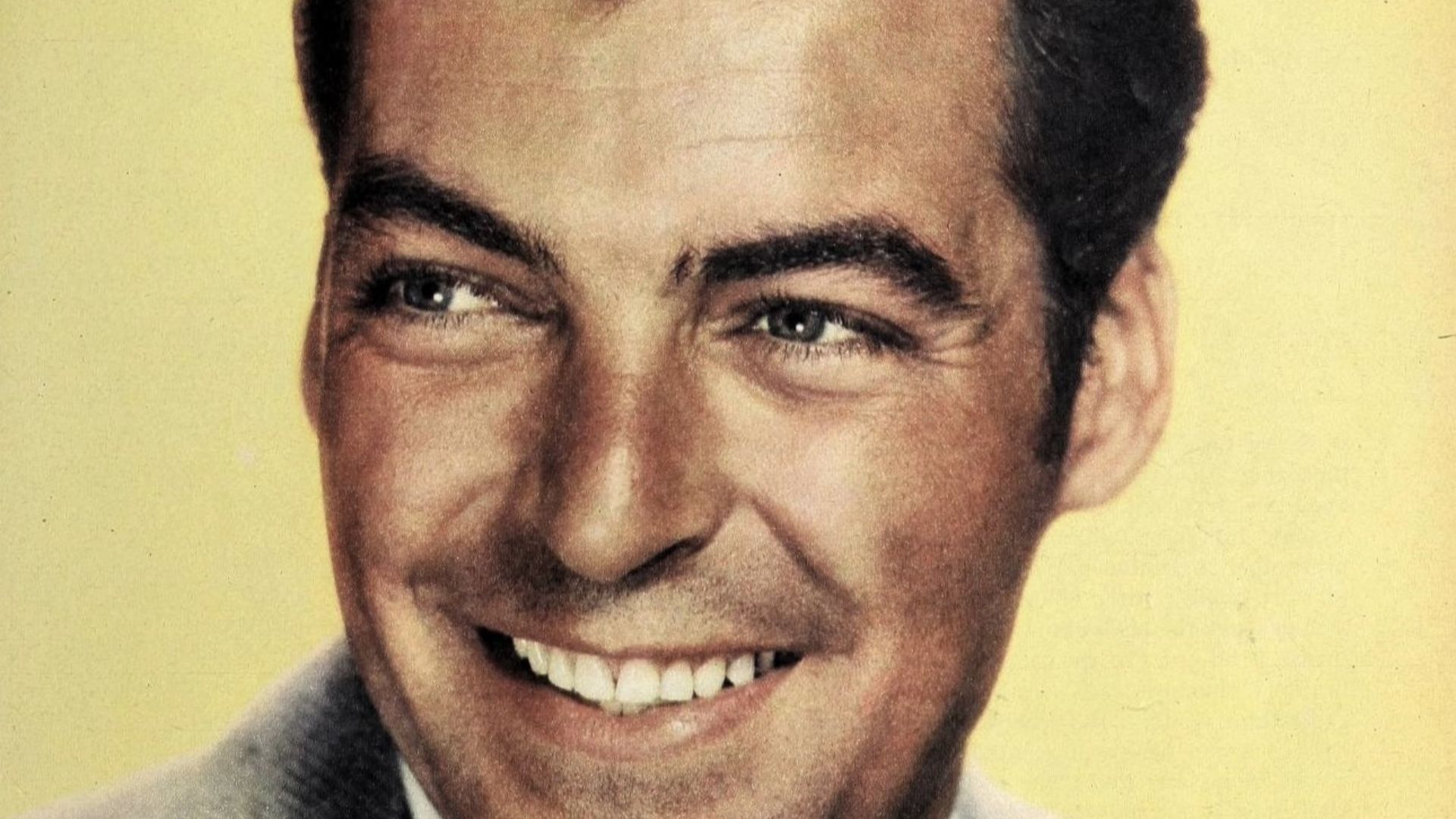
Calhoun spent his childhood in poverty. But, instead of finding an honest job, he turned to the outlaw lifestyle—at just 13. His first major infraction was boosting a revolver, landing himself in a reformatory. But even there, he refused to stay put. Before long, he made his first daring escape. But his home wasn’t any safer than his cell.
 Gene Kornman (1897-1998), Wikimedia Commons
3. He Was A Teenage Fugitive
Calhoun’s teenage years were less about homework and more about hideouts. After fleeing home at 17 to escape his stepfather’s beatings, he started hot-wiring cars for fun and profit. Unfortunately for him, this “hobby” would keep him behind bars more often than behind the wheel.
4. He Crossed A Dangerous Line
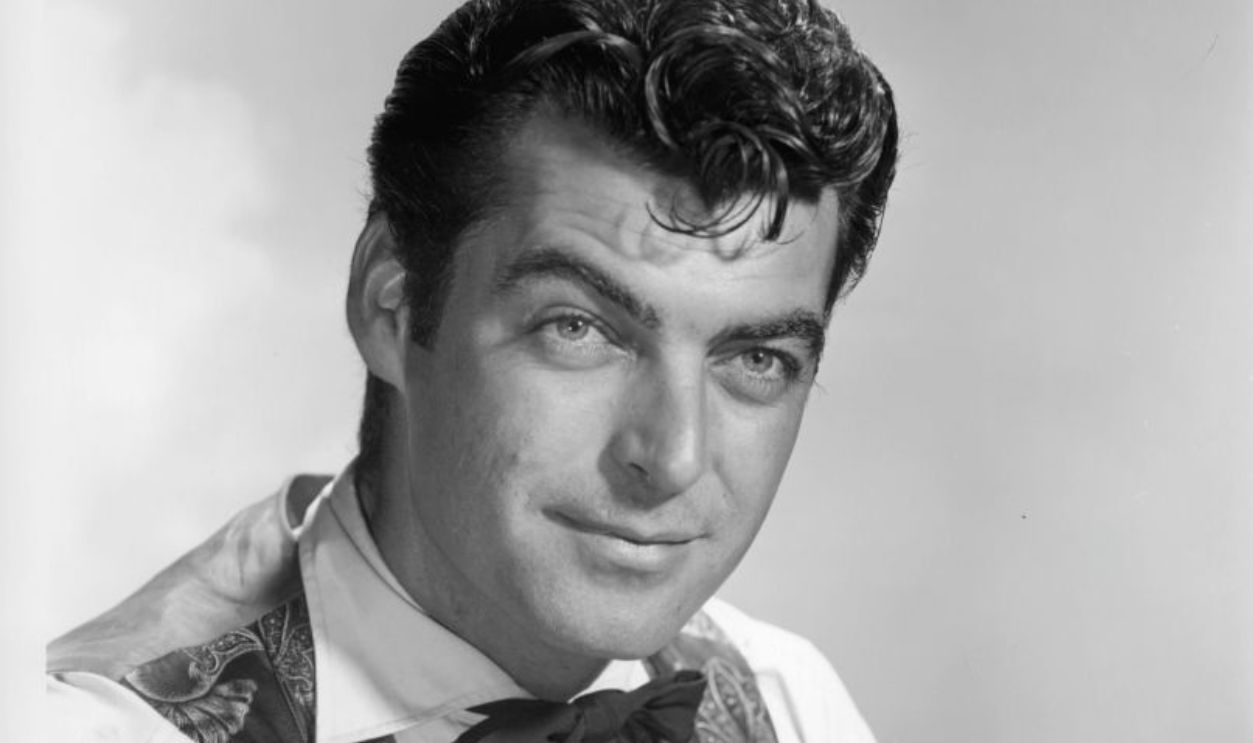
Eventually, Calhoun’s misdemeanors escalated from petty theft to serious business. After breaking into a few jewelry stores, he boosted a car and crossed state lines—a federal offense. When authorities caught up with him, they handed him a three-year sentence.
For a boy barely out of his teens, it was a hard road—and it was about to get harder.
 ABC Television, Wikimedia Commons
5. He Counted Every Day Inside
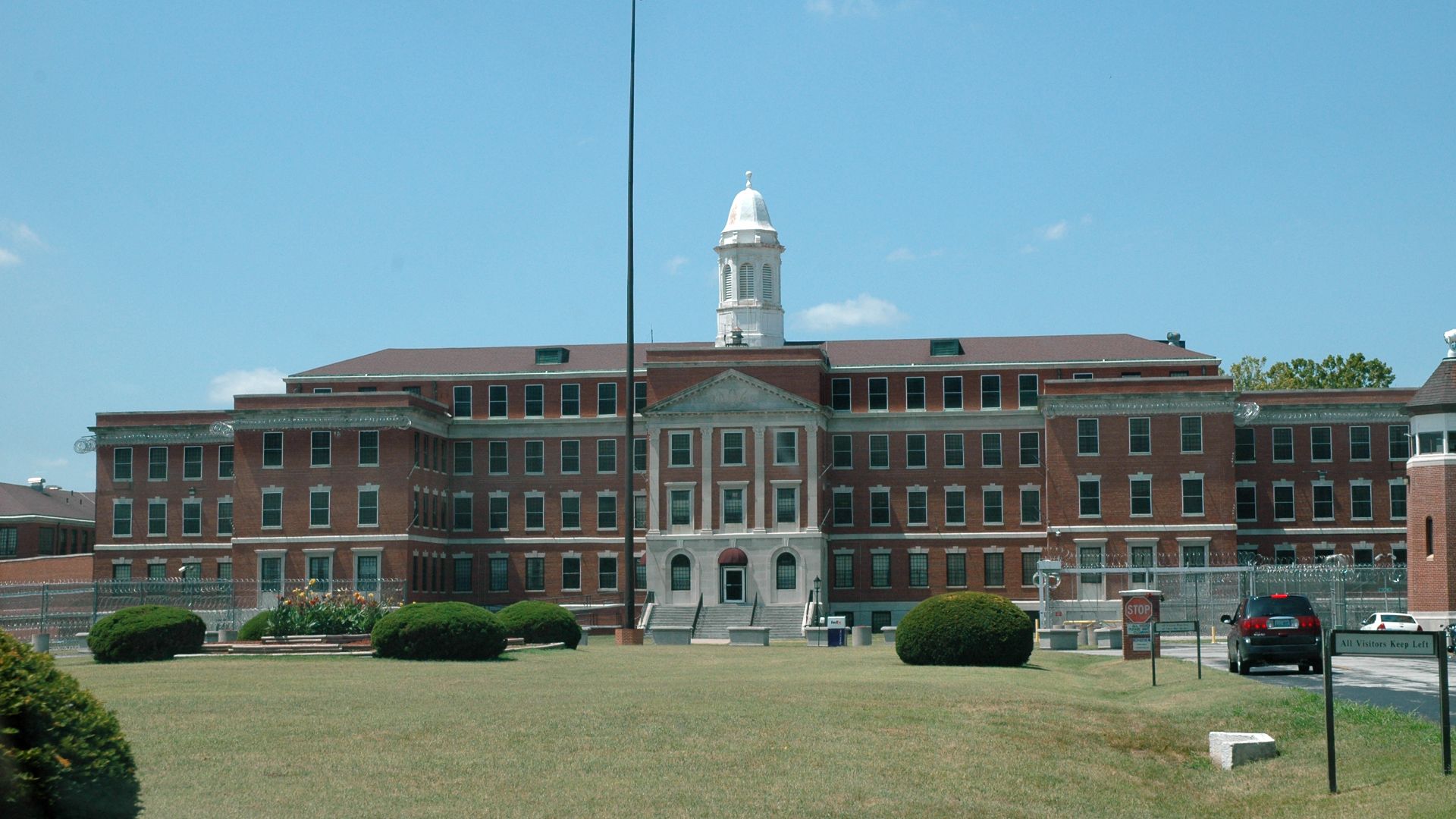
Rory Calhoun served his federal time at the United States Medical Center for Federal Prisoners in Springfield, Missouri—down to the day. “Three years, three months, and four days,” later, he was finally a free man. Or, at least, that’s what he thought. His sentence, however, had barely just begun.
 Marshall Astor from San Pedro, United States, Wikimedia Commons
6. He Graduated To San Quentin
Just when it seemed like he’d done his time, another sentence came knocking. After Springfield, Calhoun was transferred to the infamous San Quentin State Penitentiary for other charges that had been pending. There, he remained until just before his 21st birthday. By that time, it seemed like he was ready to turn his life around.
 Silver Screen Collection, Getty Images
7. He Found Faith Behind Bars
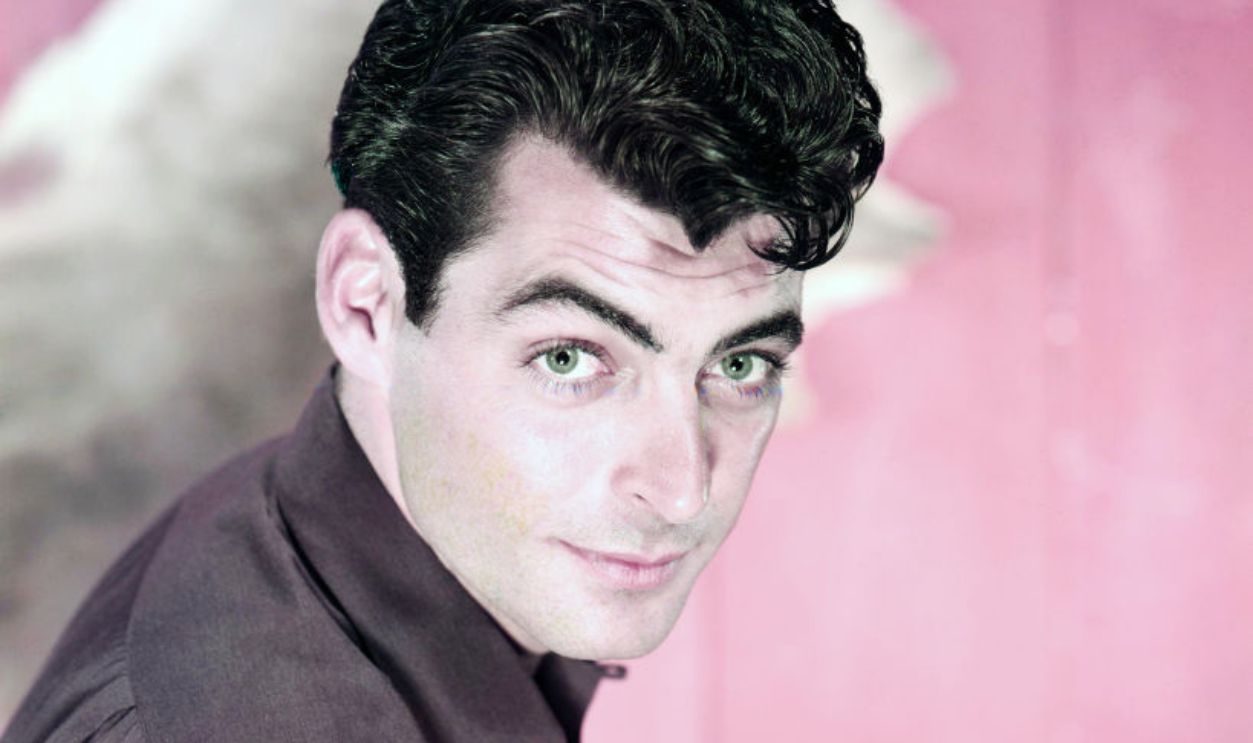
Amid the steel bars and concrete walls, Rory Calhoun had found redemption—or, a priest, at least. In years to come, Calhoun would credit Reverend Donald Kanally for transforming his life, saying, “He put me on the straight and narrow by teaching me to pray and respect myself”. The message of faith and discipline seemed to work. For a time.
8. He Worked Any Job He Could Find
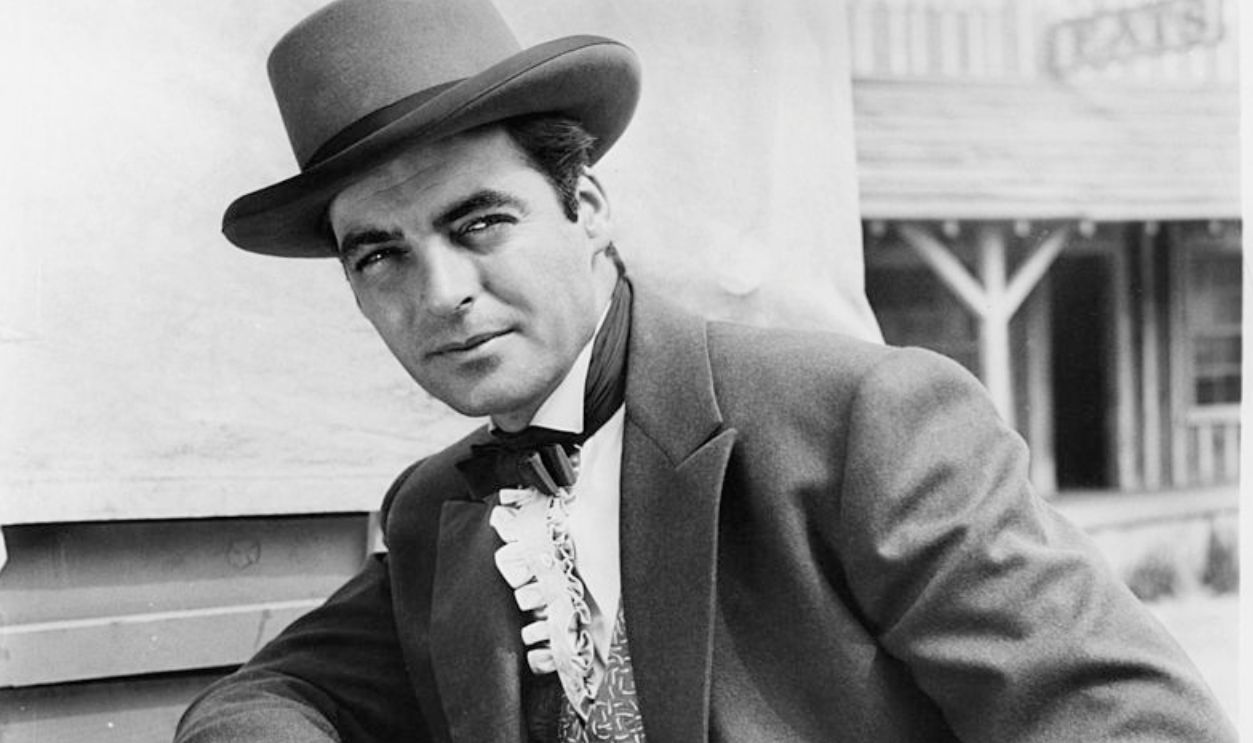
After his release, Calhoun didn’t waste a minute looking for a fresh start. He worked as everything from a mechanic to a logger, miner, fisherman, truck driver, and even a forest firefighter. Hollywood wasn’t even a thought yet—but it was about to find him.
 John Springer Collection, Getty Images

History's most fascinating stories and darkest secrets, delivered to your inbox daily.
9. He Rode Into His Big Break
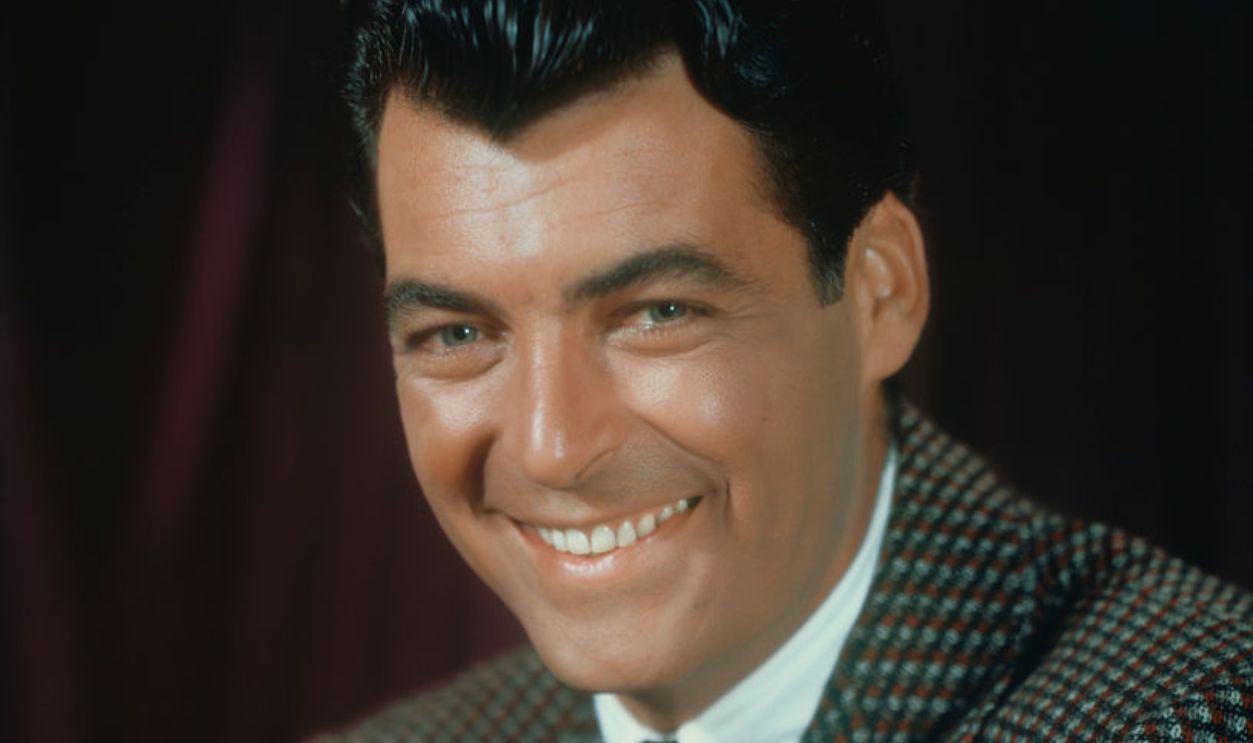
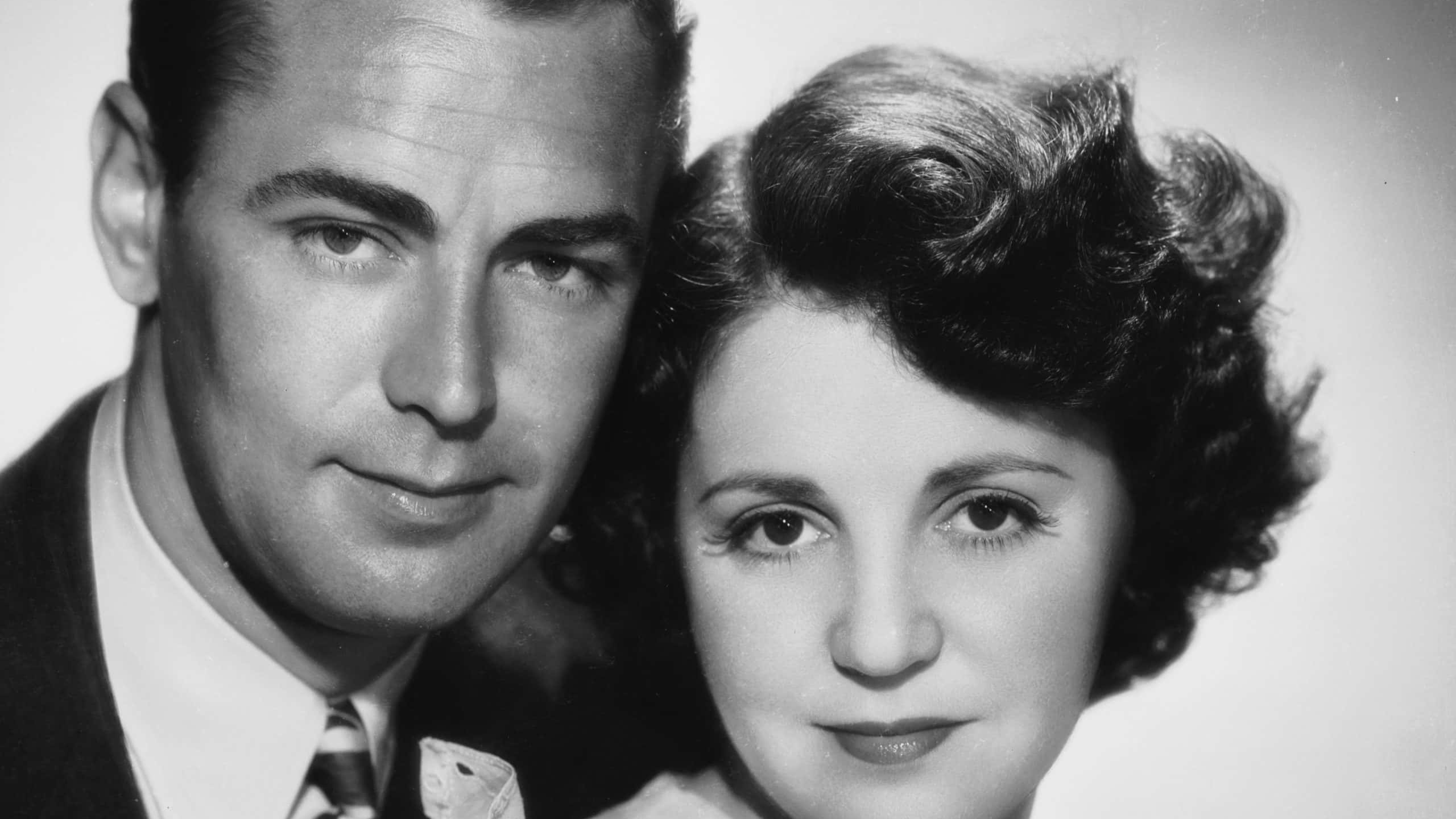
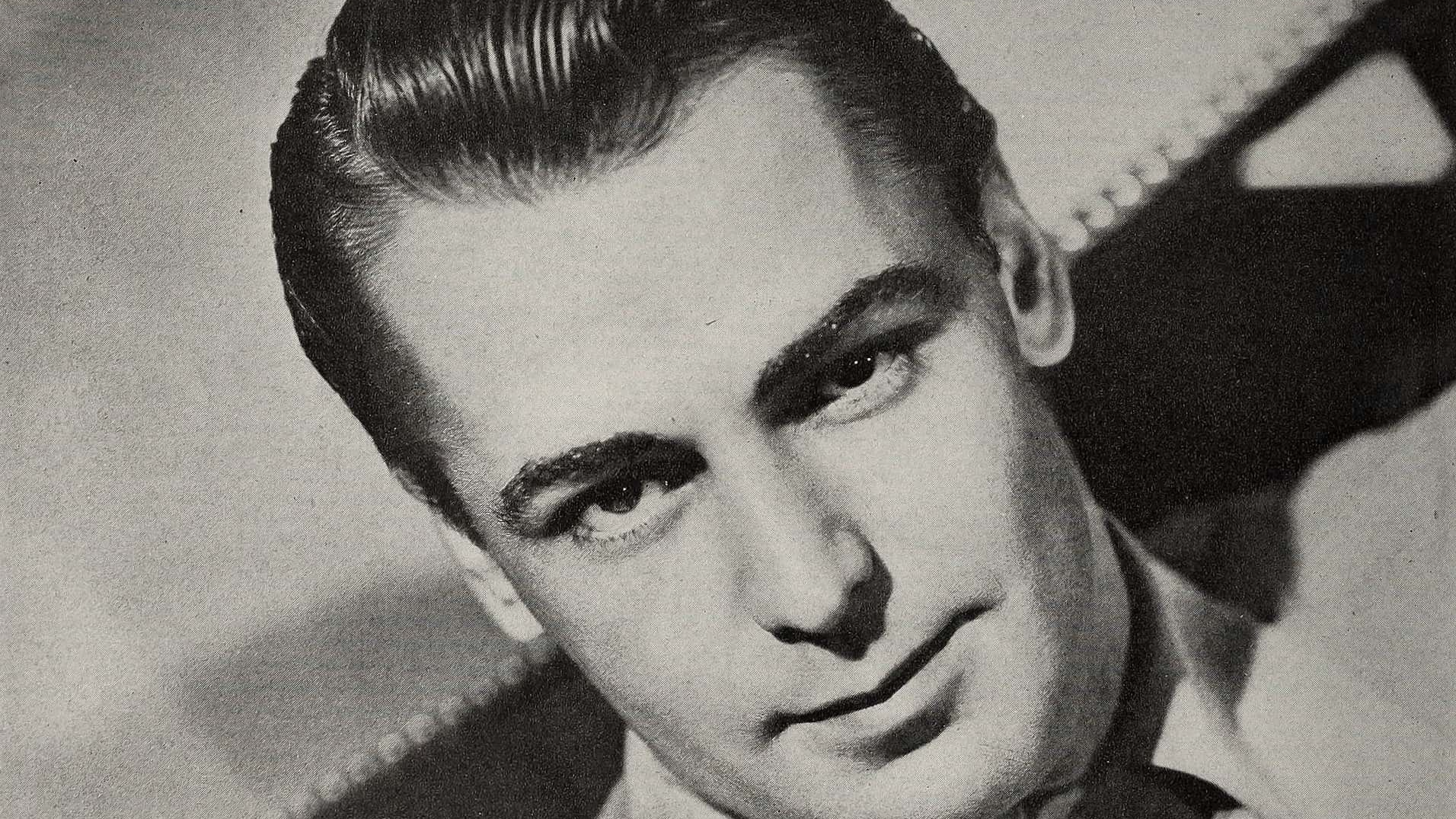
Fate (and fame) came galloping into Calhoun’s life. While riding horseback in the Hollywood Hills in 1944, Calhoun caught the attention of actor Alan Ladd. Impressed by his “physique” and rugged good looks, Ladd introduced Calhoun to his wife, Sue Carol—a talent agent par excellence.
This chance meeting put Calhoun on a trajectory for fame—and trouble of a whole new kind.
 John Kobal Foundation, Getty Images
10. He Made His Screen Debut
Thanks to Sue Carol’s connections, Rory Calhoun scored a screen test at 20th Century Fox. It didn’t take long before he was appearing—albeit uncredited—in Something for the Boys and Sunday Dinner for a Soldier, both in 1944. But, with a big frame and a square jaw, the camera couldn’t help but find him.
11. He Had His First Real Credit
Calhoun’s first real taste of the big screen came with a one-liner in 1945’s The Bullfighters. In the Laurel and Hardy comedy, Calhoun appeared under the name “Frank McCown”, not yet having adopted the persona that would make him famous. Still, he followed up that success with an appearance in Where Do We Go from Here?
Unfortunately, the answer to that question for Calhoun was nowhere good.
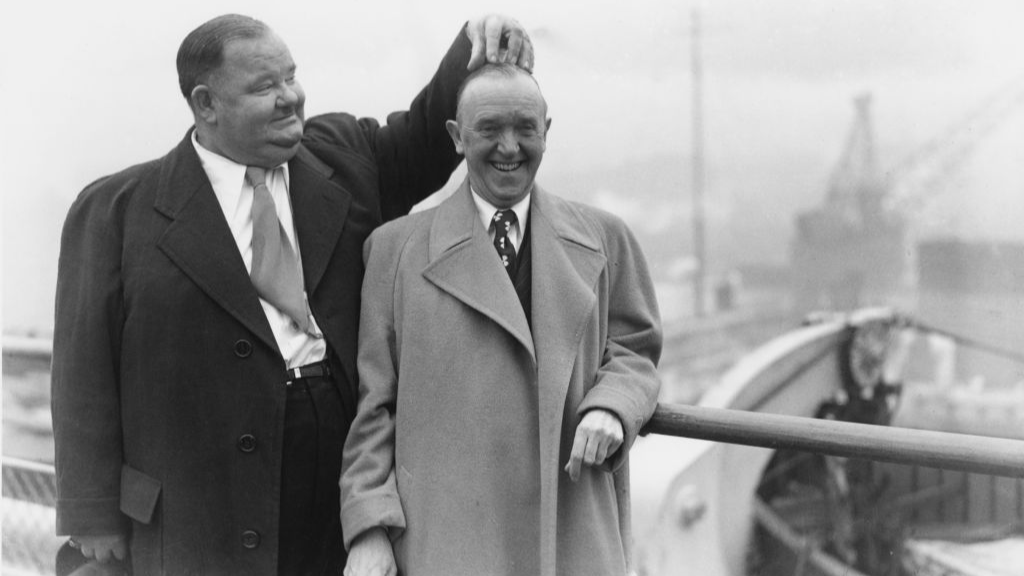
12. He Landed Back Behind Bars
Just when his career was beginning to take off, Calhoun’s temper got the better of him. In 1945, after punching a detective, he found himself right back where he started: locked up. Thankfully, it was a short stint, but a sharp reminder that his outlaw instincts hadn’t left him yet. What he really needed was a makeover.
 De Carvalho Collection, Getty Images
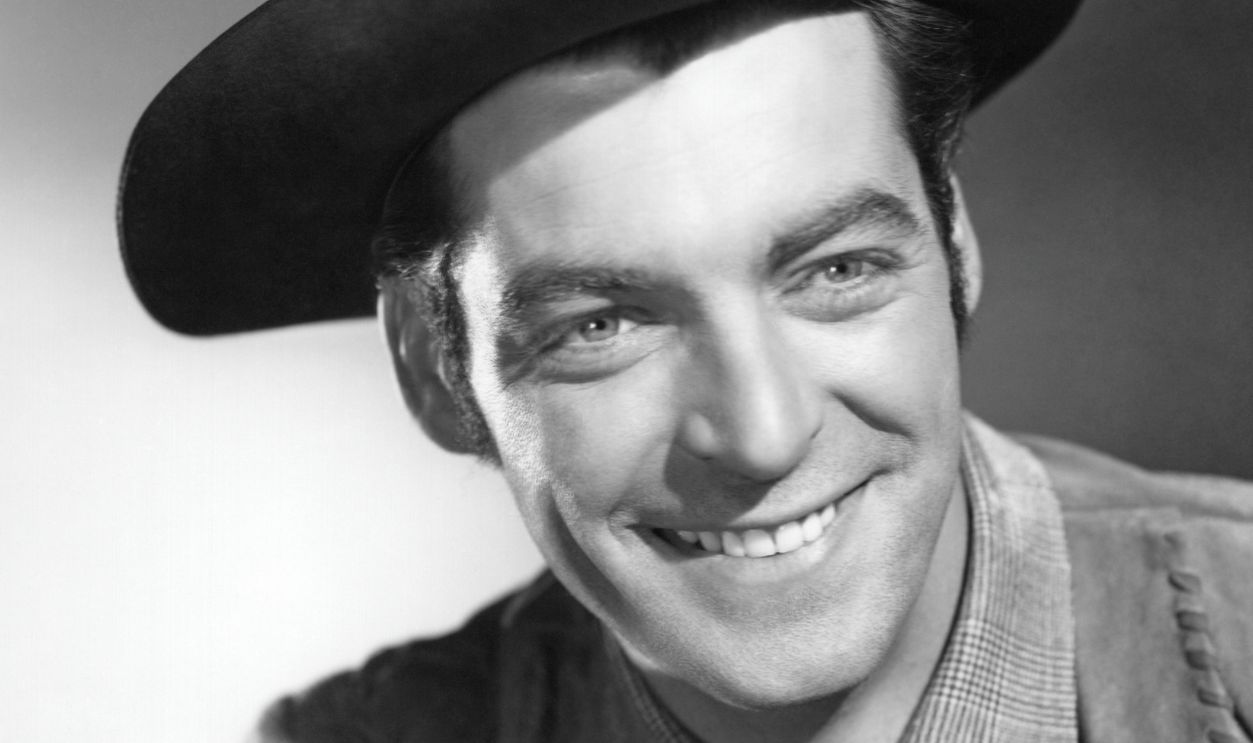
13. He Got A Hollywood Makeover
When the Ladds hosted a star-studded party, Calhoun’s fate took another wild turn. Among the guests was Henry Willson, the agent famous for discovering young Hollywood beefcakes. Impressed by the ex-con’s rugged charm, Willson signed him to Selznick’s Vanguard agency.
His real gift to Calhoun, however, was a rebrand.
14. He Became Who He Was Meant To Be
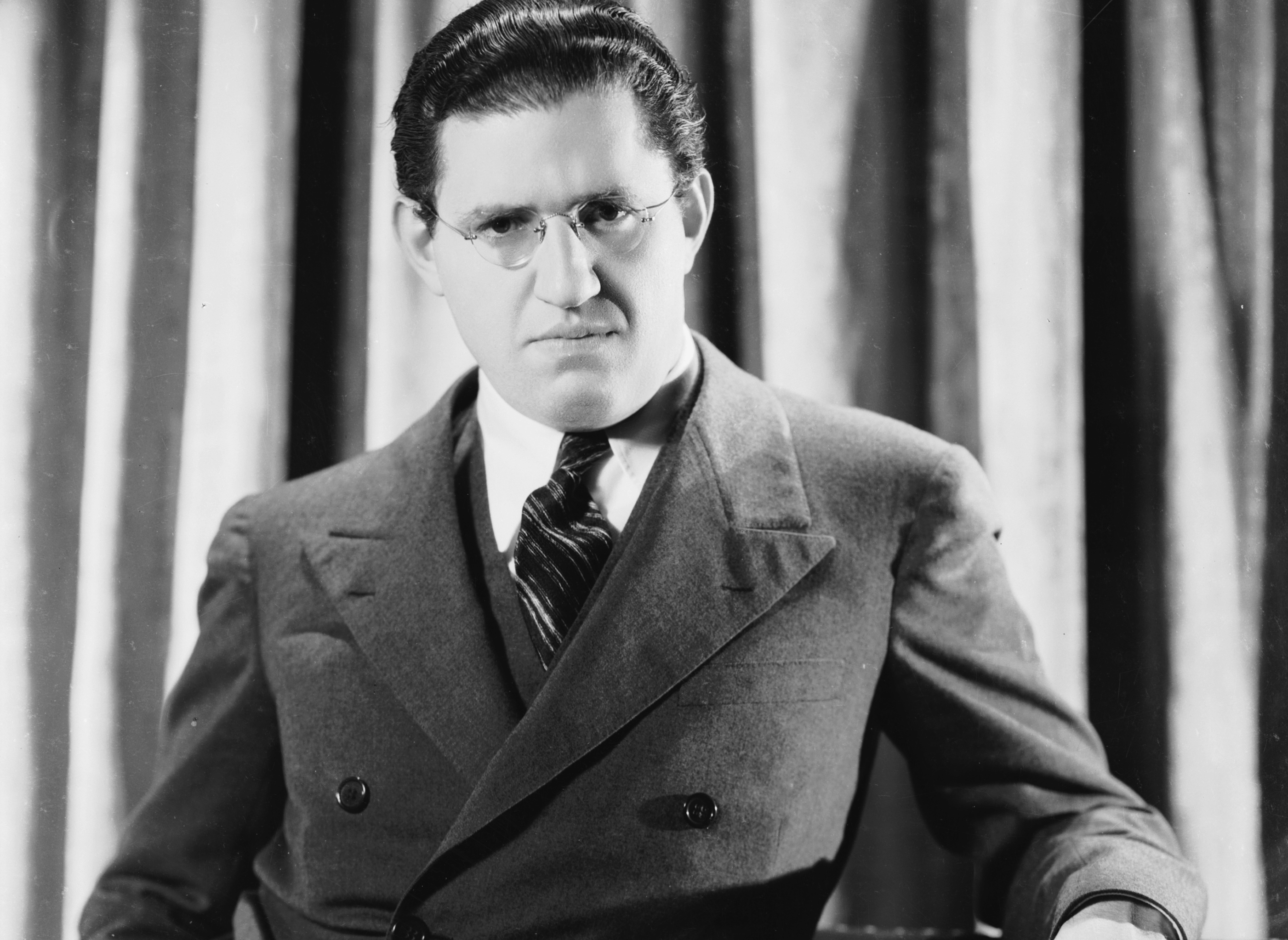
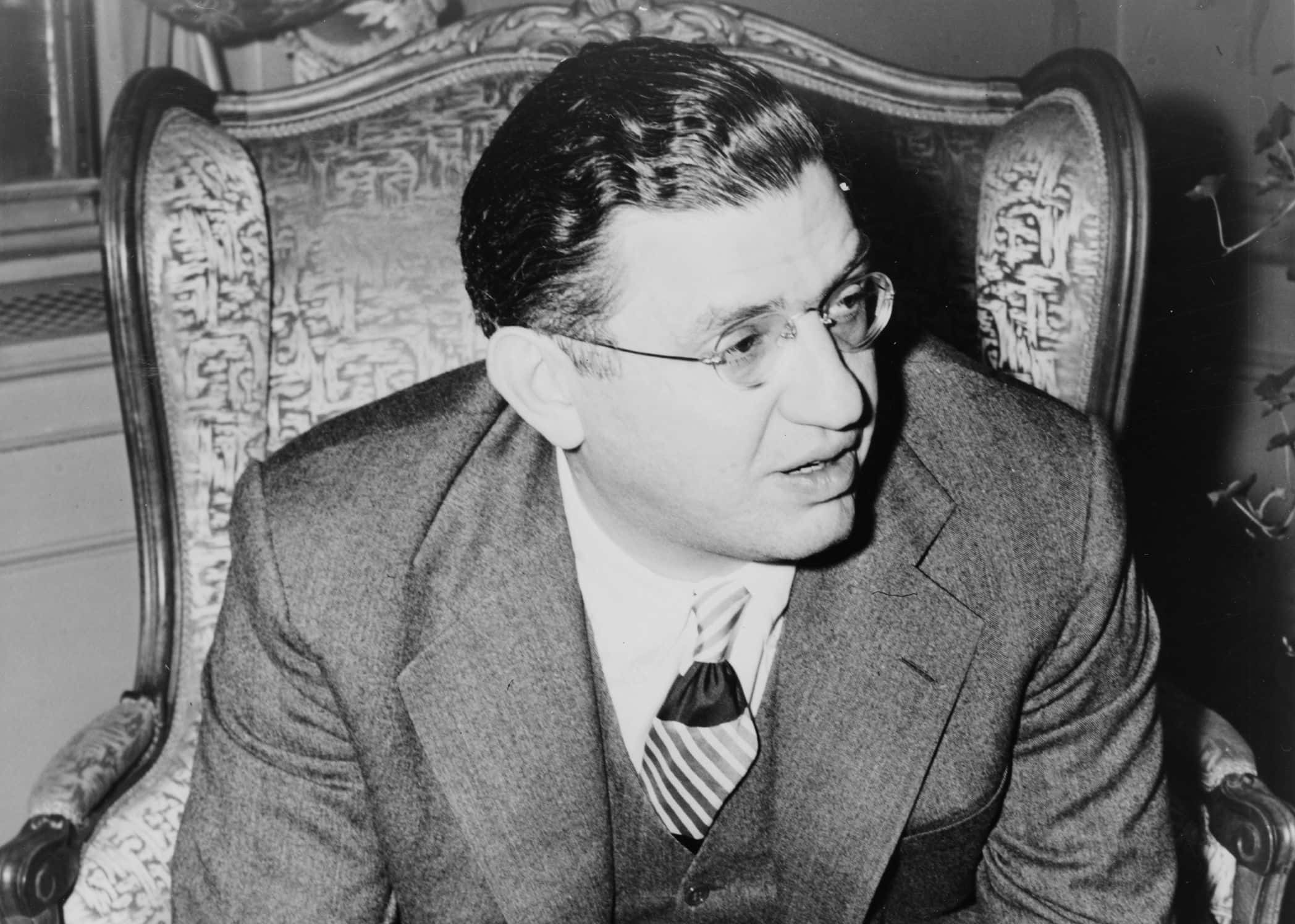
According to Rory Calhoun, it was the legendary producer David O Selznick who dreamed up his stage name. “Rory,” Selznick declared, “because you’re a Leo, and lions roar”. Selznick then let “Rory” choose a surname between Donahue, Callahan, and, of course, Calhoun. With a new name, he was ready to ride into fame.
 John Kobal Foundation, Getty Images
15. He Escorted A Hollywood Goddess
Calhoun’s first official Hollywood appearance wasn’t on-screen—it was on Lana Turner’s arm. The studio sent the dashing newcomer as her escort to the premiere of Hitchcock’s 1945’s film Spellbound. By morning, his (ruggedly goodlooking) face was splashed across gossip columns and fan magazines all over the country.
The cowboy had arrived.
 eBayFront and back of photo, Wikimedia Commons
16. He Heated Up The Screen
Rory Calhoun had the nation’s attention, but Selznick wasn’t quite sure what to do with him. So, he loaned him out for bigger roles—and bolder scenes. In The Red House (1947), opposite Edward G Robinson and Julie London, Calhoun smoldered as a “ruthless woodman”. Audiences couldn’t look away from the “torrid” love scenes.
Neither could one woman.
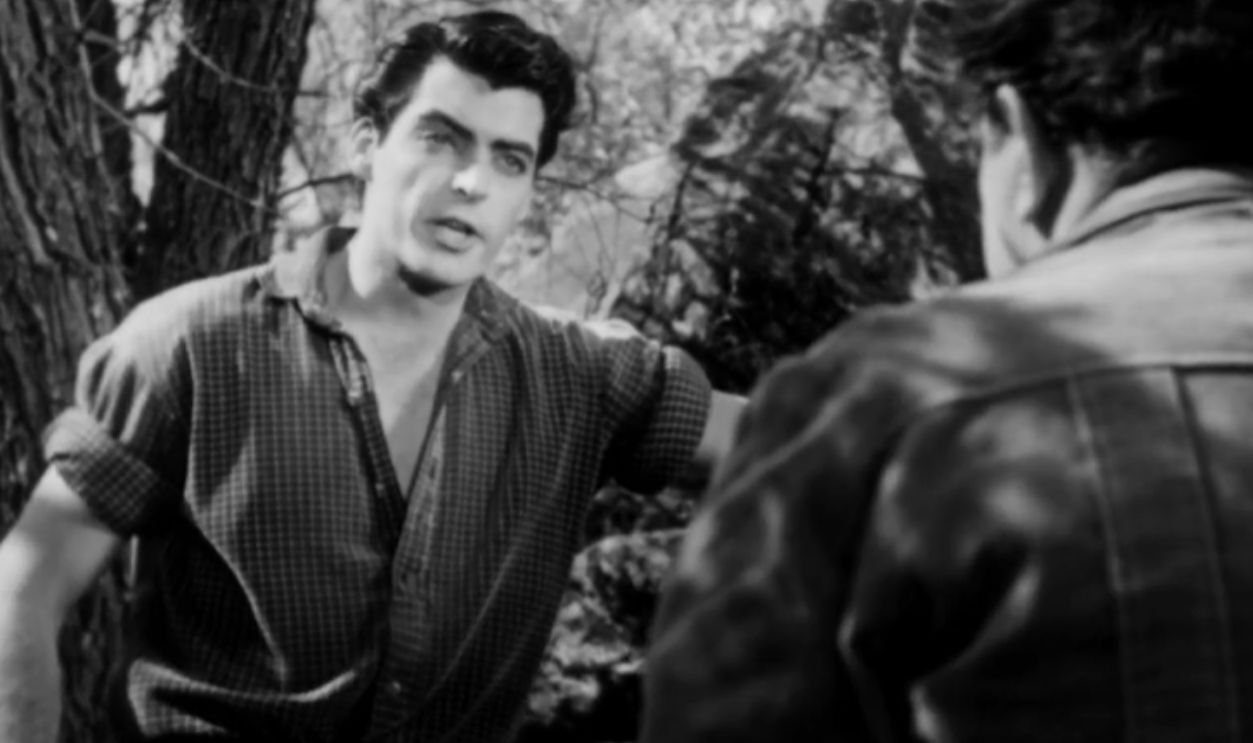 Screenshot from The Red House, United Artists (1947)
17. He Had A French Flame
In 1947, Calhoun met his match in the French actress Corinne Calvet. “Our romance was spontaneous and electric,” she later wrote—but Calhoun’s temper was just as combustible. After Calvet went out on a date with another man, she returned home to find her apartment destroyed, courtesy of Calhoun.
But that didn’t mean they were over.
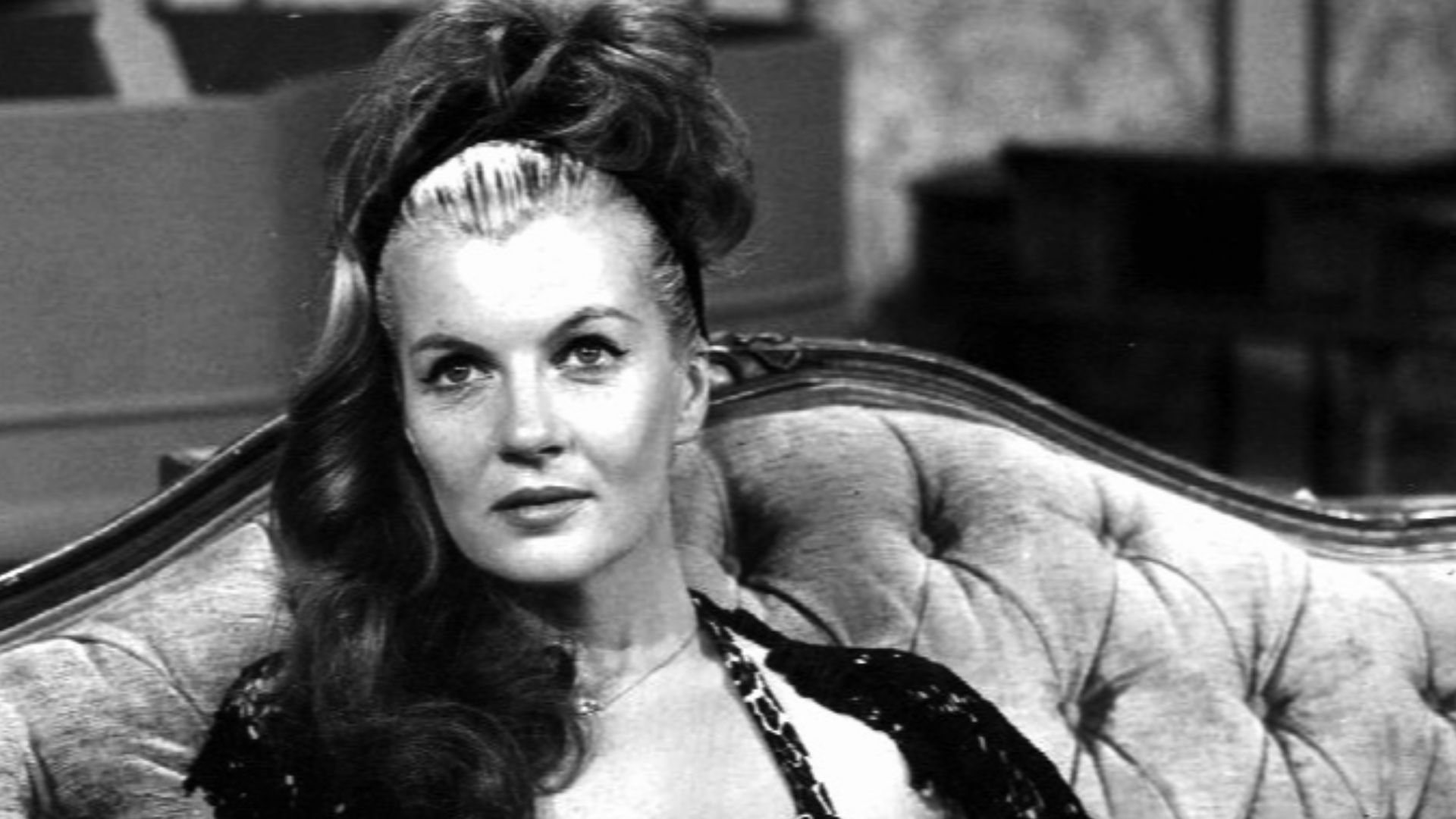 NBC Television, Wikimedia Commons
18. He Ditched His Fiancée
Calhoun’s relationship with Calvet took a terrifying turn. Even after the apartment-trashing scene, Calhoun wanted to be with her and proposed. Surprisingly, Calvet agreed. But, instead of a romantic evening with his new fiancée, Calhoun abruptly ditched her for a night out with Henry Willson.
What happened next almost ended his career before it truly even began.
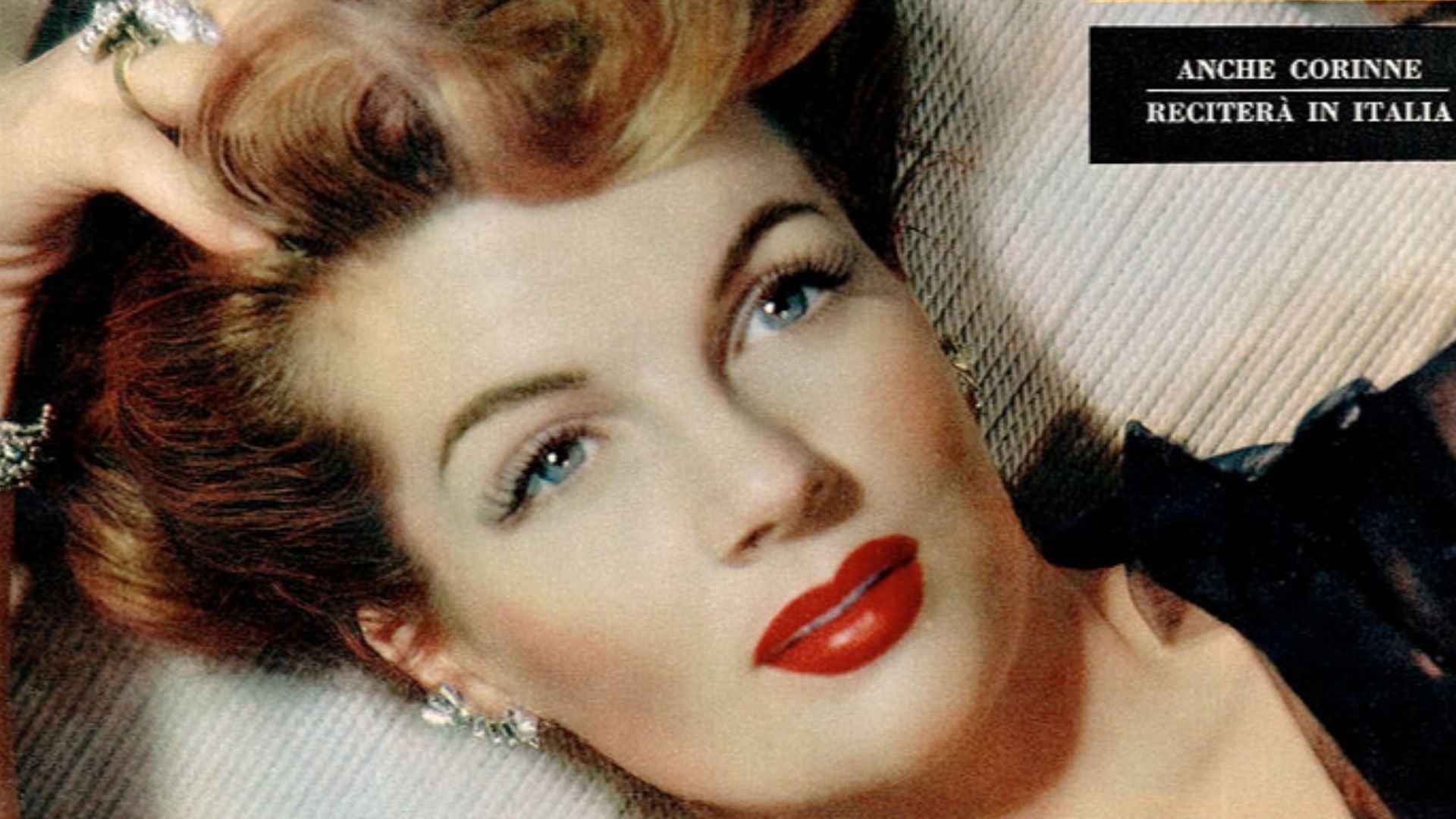 Unknown (Mondadori Publishers), Wikimedia Commons
19. He Shot At His Fiancée
When Rory Calhoun returned home, Calvet was (understandably) irate. The fiery French actress confronted Calhoun, demanding to know where he had been. According to Calvet, that’s when he fired a revolver at her. Thankfully, he missed. And, suffice to say, their engagement ended. But Calhoun didn’t waste any time getting back on the marriage mare.
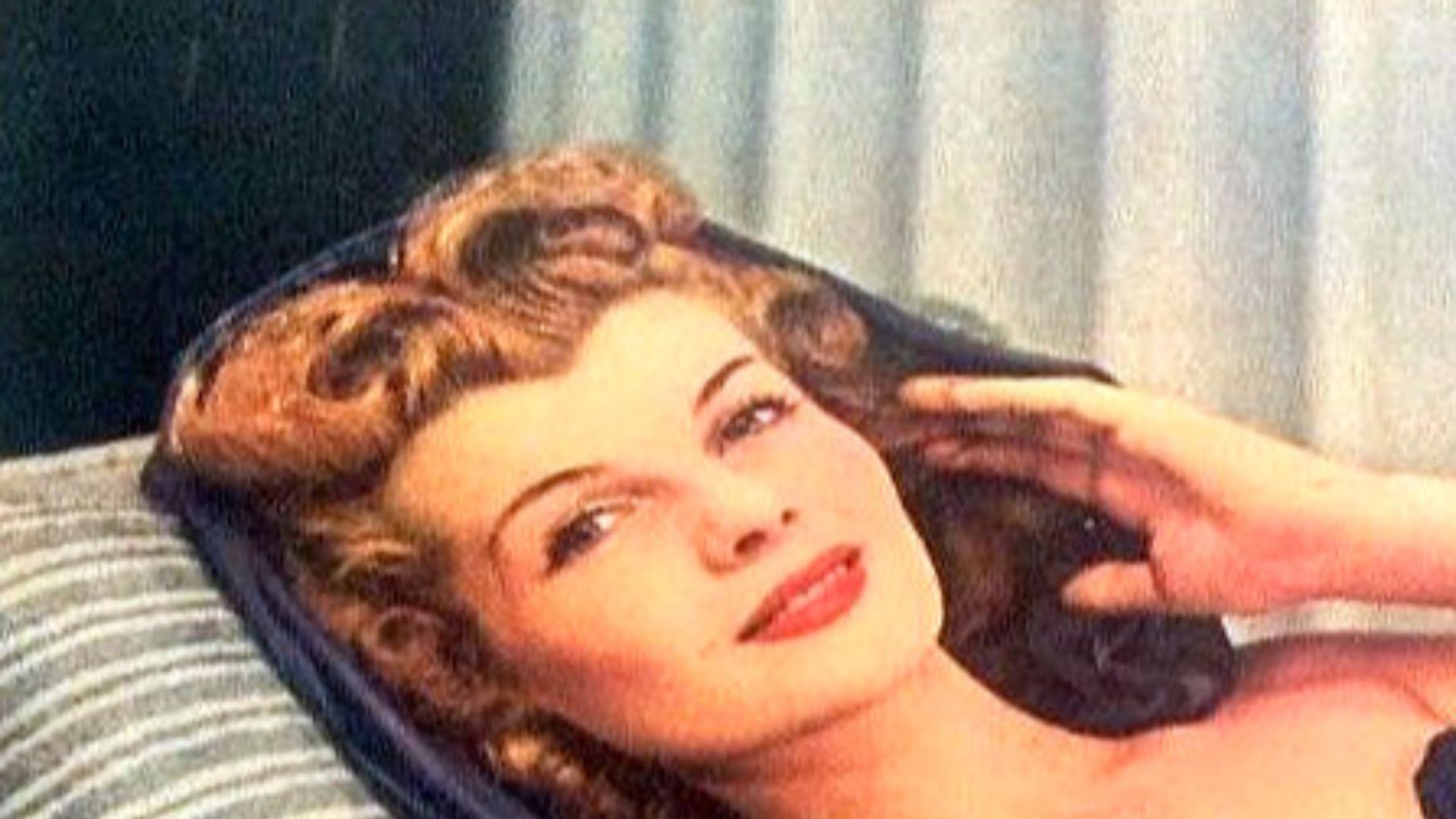 New York Daily News/Sunday News, Wikimedia Commons
20. He Married A Starlet
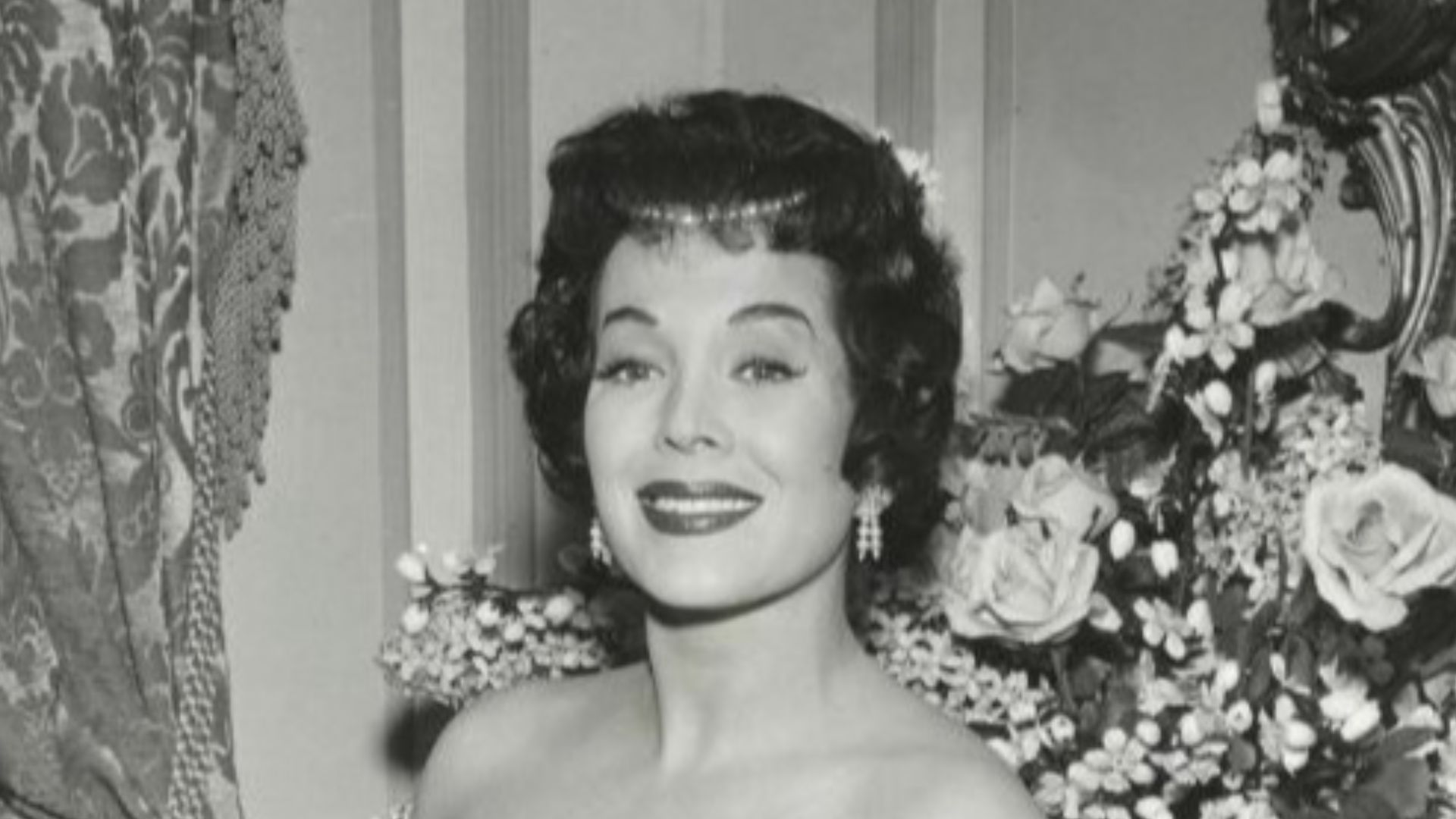
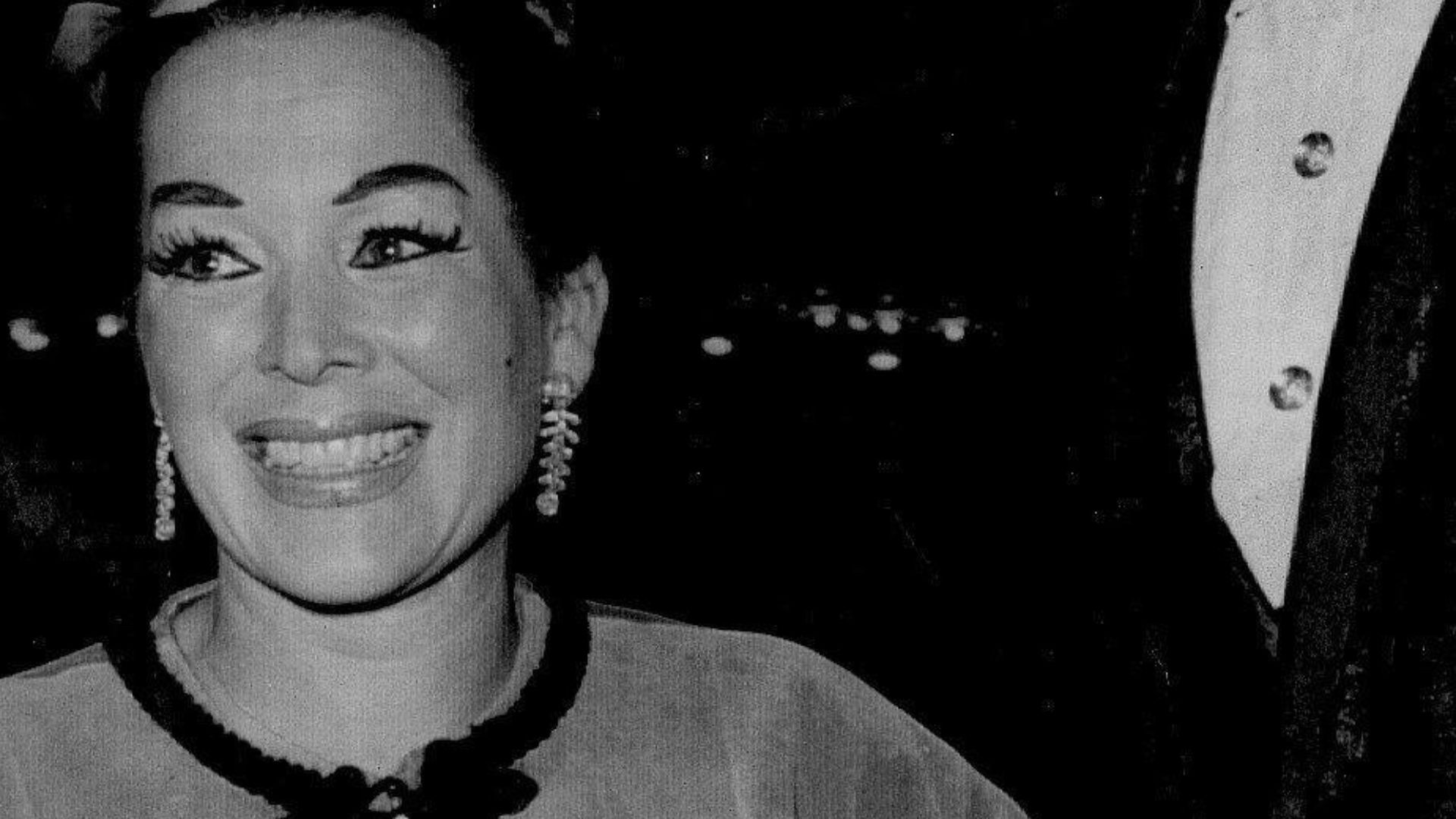
By 1948, Rory Calhoun was ready to trade chaos for commitment—at least for a while. He had met the Mexican singer, Lita Baron, while she serenaded the crowd at the famous Mocambo nightclub. By August 29, 1948, the pair had exchanged their vows and it looked like Hollywood’s hunkiest new cowboy was already riding off into the sunset.
 Please credit Hollywood Press Syndicate, Wikimedia Commons
21. He Finally Settled Down
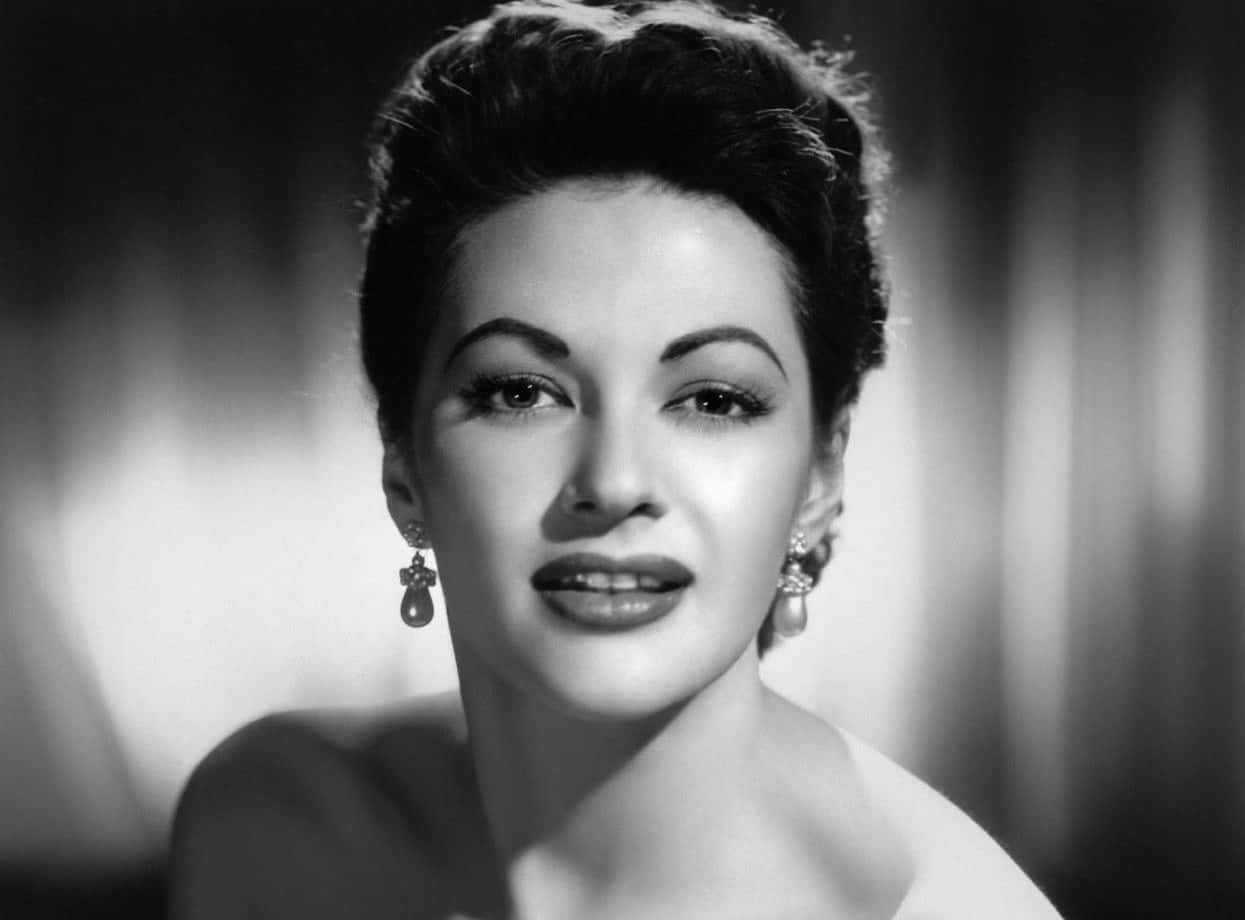
According to the actress Yvonne De Carlo, marriage mellowed the onetime outlaw. De Carlo claimed that Rory Calhoun “settled down to a more stable way of life”. And, when Calhoun and Baron welcomed their first child, Cindy, it looked like De Carlo had been right. But the glare of the spotlight was calling his name.
22. He Signed His First Studio Deal
By August 1950, Calhoun’s restless streak finally found structure when he signed a seven-year contract with 20th Century Fox. Though he hadn’t filmed a single project for Selznick, he didn’t mind. “I didn't worry about it,” he joked, “because it was like a long vacation with pay”.
23. He Became A Fox Favorite
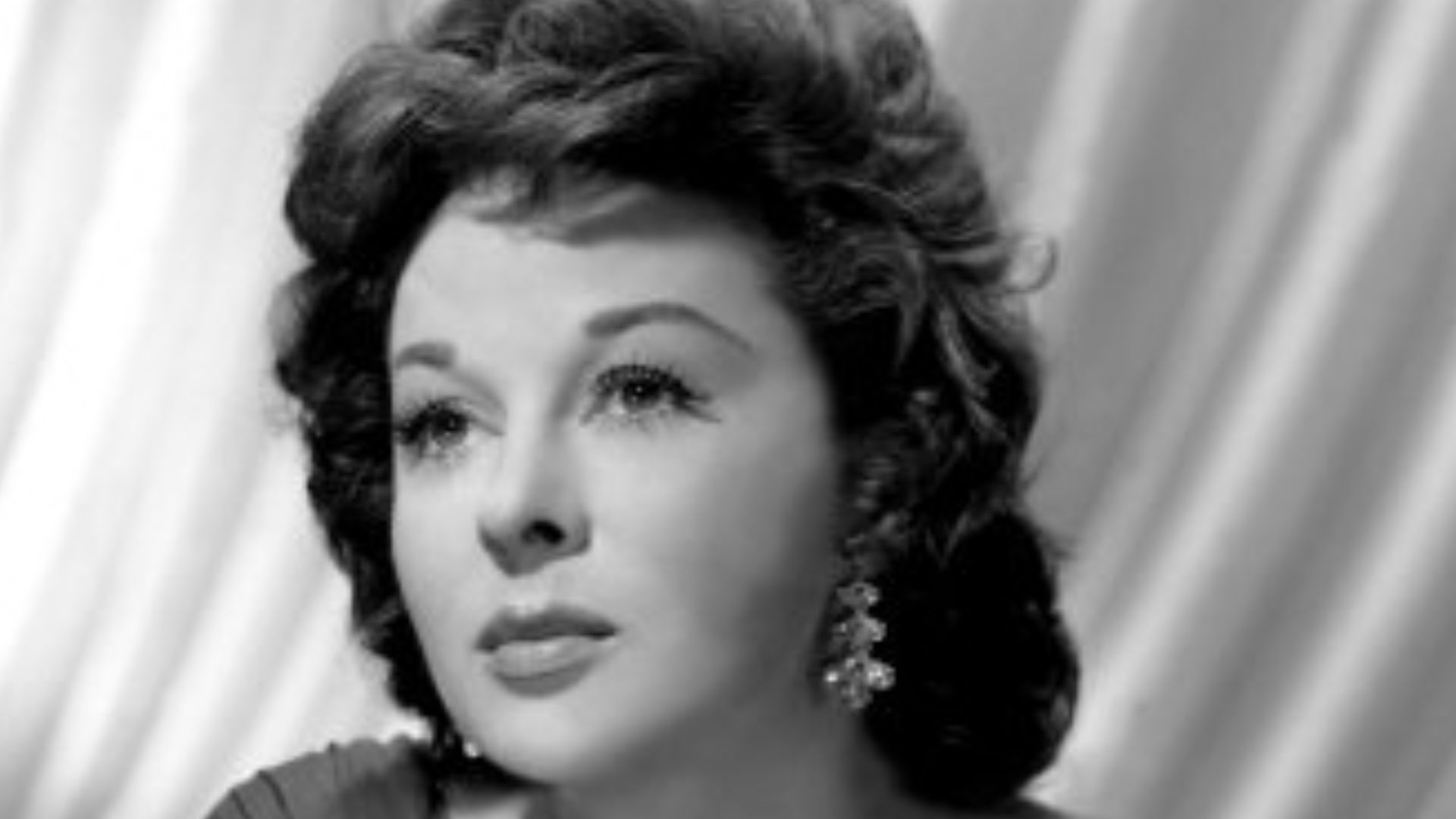
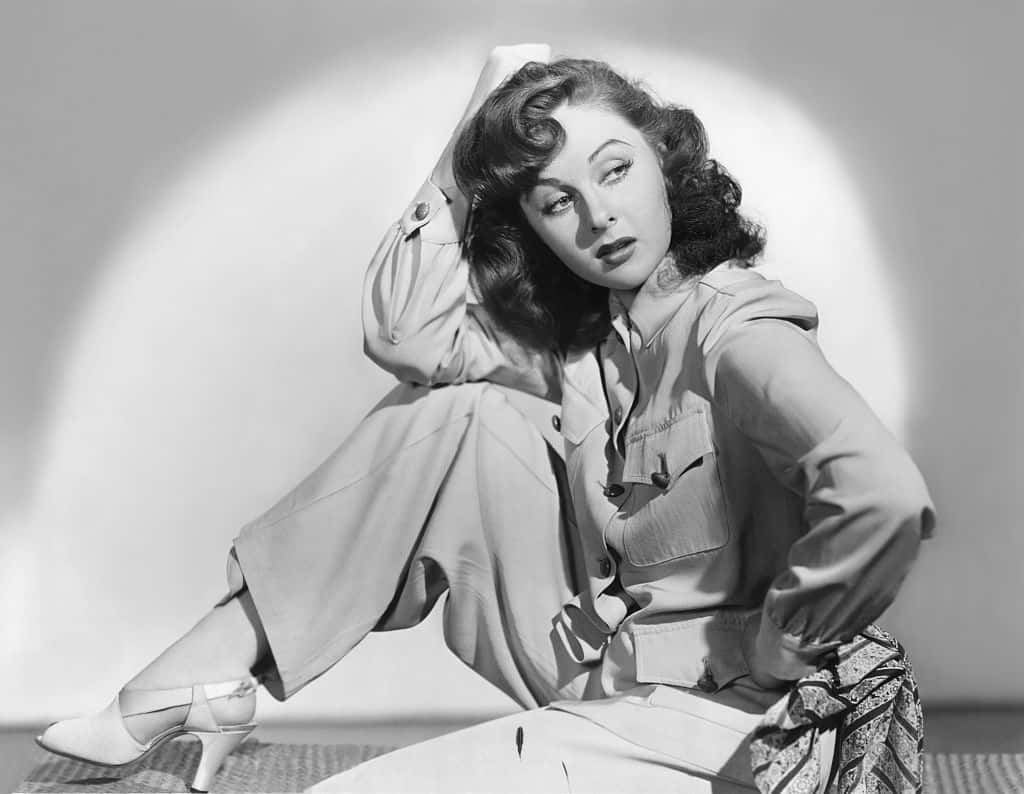
Under contract with 20th Century Fox, Calhoun’s career galloped ahead. He appeared opposite Susan Hayward in I’d Climb the Highest Mountain (1951) and Betty Grable in Meet Me After the Show (1951). But it was in With a Song in My Heart (1952), also with Hayward, that he finally earned his first billing as co-star.
It wouldn’t have been possible without Hayward.
 Unknown authorUnknown author, Wikimedia Commons
24. He Learned From A Legend
Calhoun never forgot his time working alongside Susan Hayward. “I learned a lot from that lady,” he said years later. “I learned more about my trade, about presence in front of the camera, by watching her. She acted like it was nothing, with no effort”. He took her advice and rode it all the way to success.
25. He Found His Breakthrough Abroad
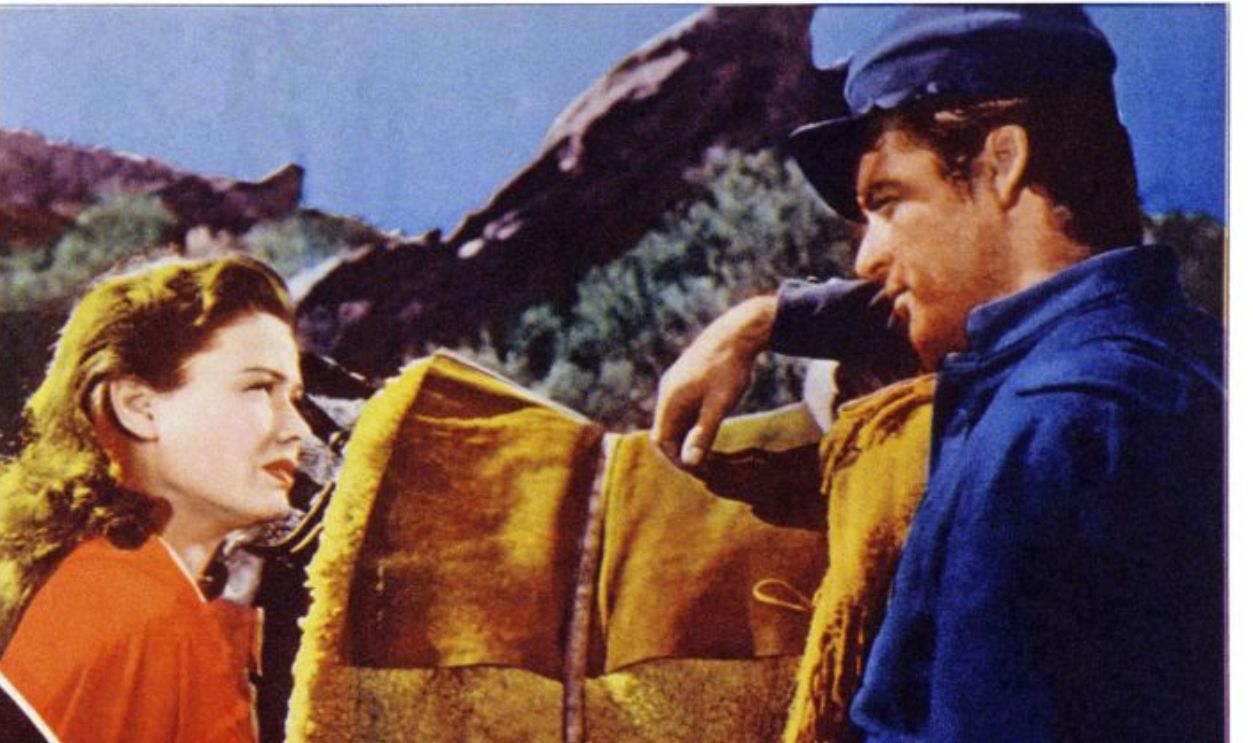
Later in 1952, Calhoun finally found his signature role in Way of a Gaucho, a sweeping Western filmed in Argentina. The film’s rugged landscapes and rebellious themes suited him perfectly—no acting required. Once audiences saw Calhoun in his natural setting, they couldn’t get enough. And neither could the ladies.
26. He Courted Hollywood’s Brightest Women
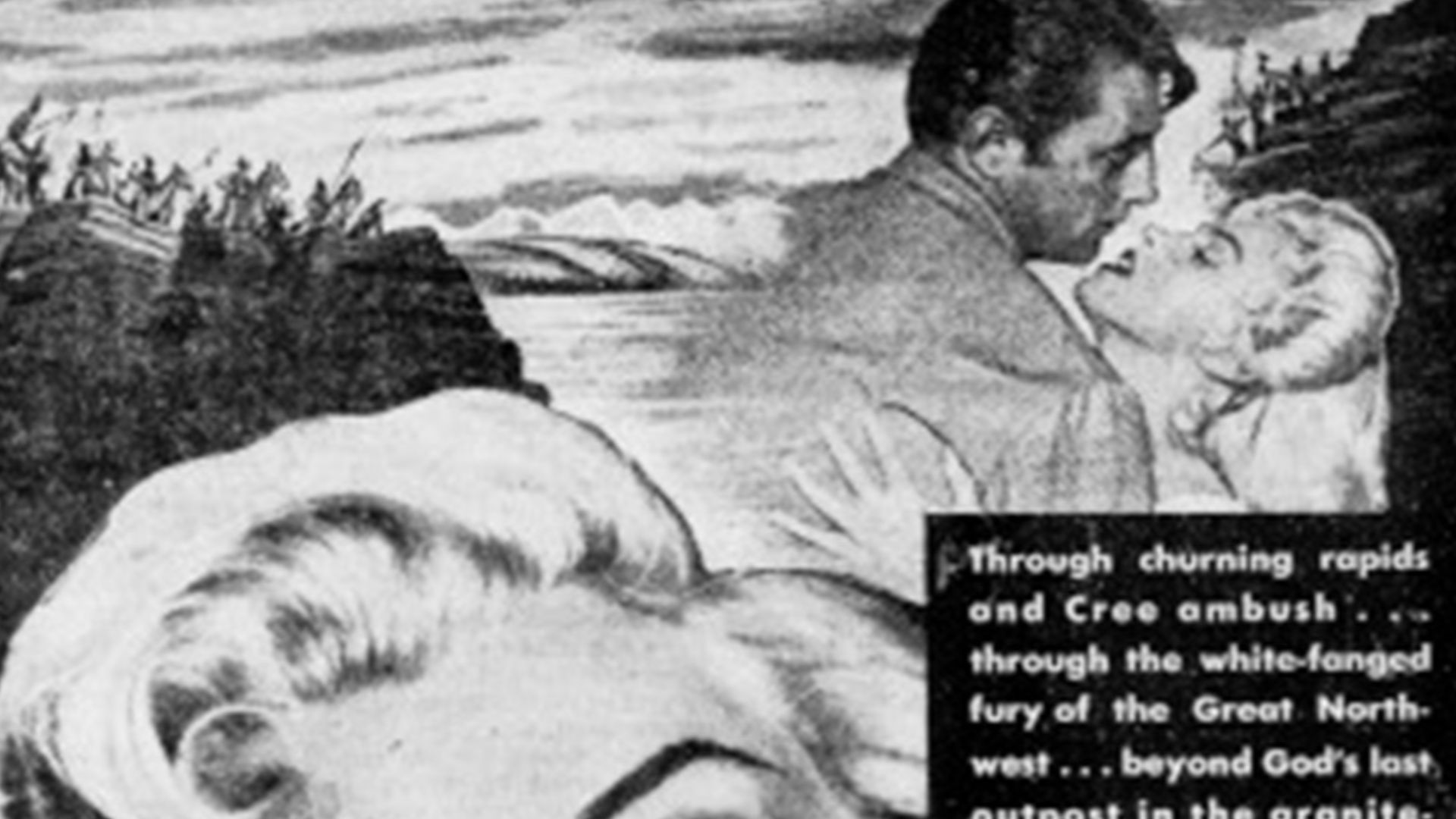
After Way of a Gaucho, Calhoun cemented his Hollywood hunk status. He followed up his Gaucho success as Betty Grable’s love interest in How to Marry a Millionaire and even starred as Marilyn Monroe’s beau in River of No Return the following year. Both films dominated the box office, and Calhoun’s star power soared.
Then his past came back to haunt him.
 20th Century Fox, Wikimedia Commons
27. He Became A Scapegoat For Scandal
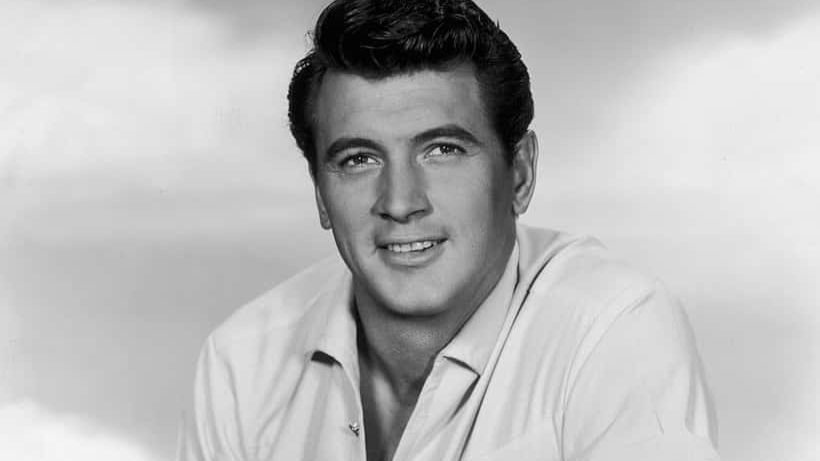
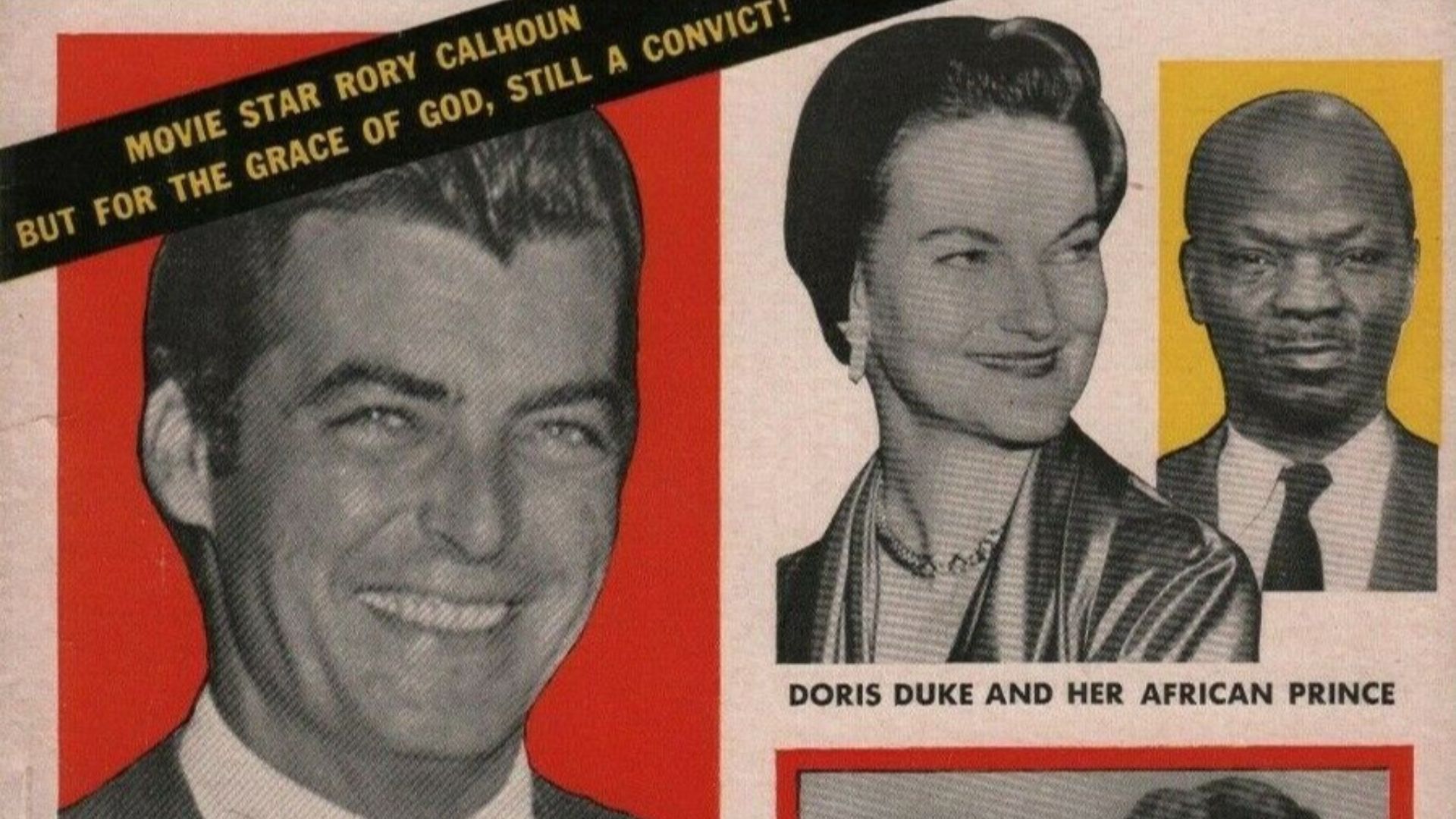
In 1955, Calhoun made headlines—but not for a starring role. His own agent, Henry Willson, leaked Calhoun’s past conviction record to keep reporters for Confidential magazine from outing another one of his clients, Rock Hudson. With his bad boy past exposed, Calhoun was about to go from rising star to passing fancy.
Or so everyone thought.
28. He Turned Scandal Into Stardom
Instead of destroying him, the Confidential exposé about his dodgy past only made Calhoun more marketable. His outlaw backstory, once a liability, became his biggest asset. Hollywood adored a bad boy, and Calhoun fit the bill perfectly—both on and off the screen. Rather than stall his career, the scandal had it charging ahead at full gallop.
 Confidential (magazine), Wikimedia Commons
29. He Took Control Of His Career
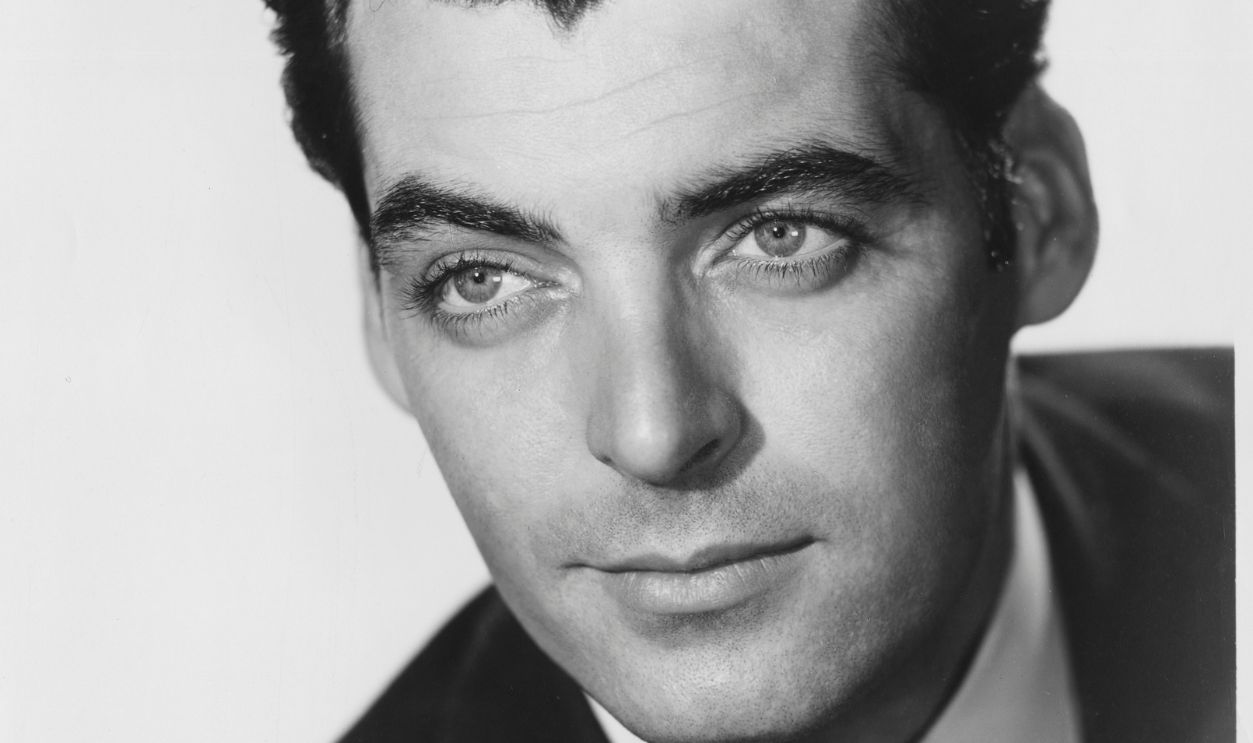
By the late 1950s, with a string of successes behind him and a teflon reputation, Calhoun was calling his own shots. He smartly negotiated an exit from his Universal contract and started commanding $75,000 per film—a small fortune at the time. Shortly after that, he founded Rorvic Productions with a business partner, ensuring he’d never be at another studio’s mercy.
 John Springer Collection, Getty Images
30. He Became A Television Trailblazer
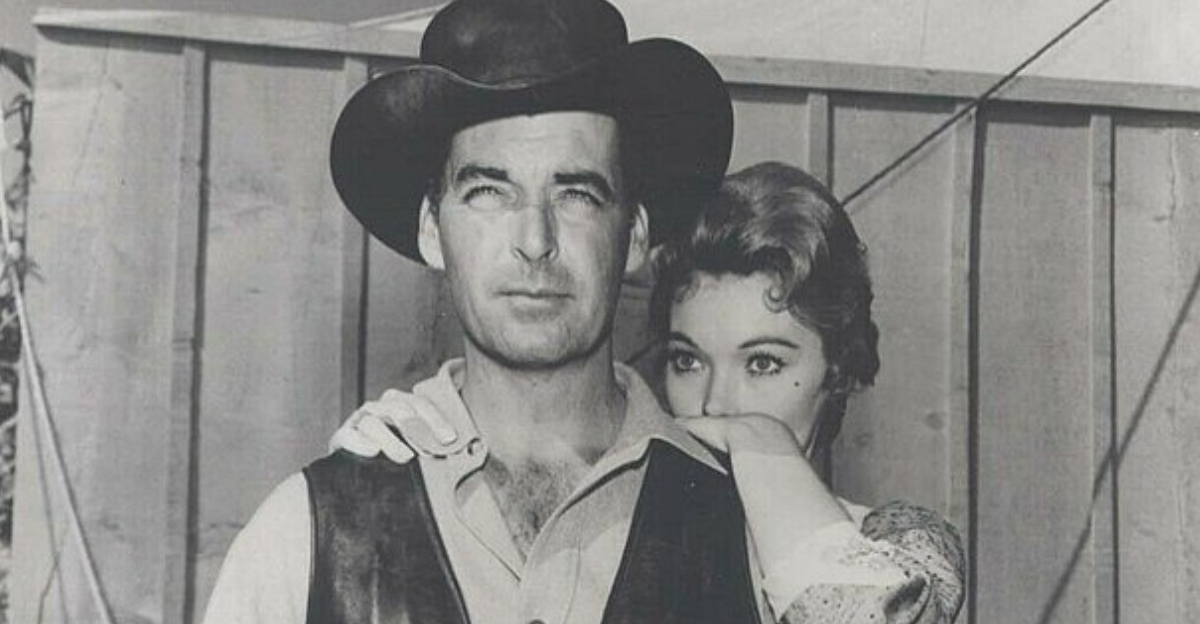
In 1958, studio boss Desi Arnaz handpicked Calhoun to co-produce and star in The Texan. The Monday-evening Western ran for 79 episodes and two solid years and could have gone on for longer if Calhoun hadn’t yearned to return to the big screen. In the meantime, however, he focused on his marriage.
 Desilu Sales Inc., Hollywood, Wikimedia Commons
31. He Expanded His Family
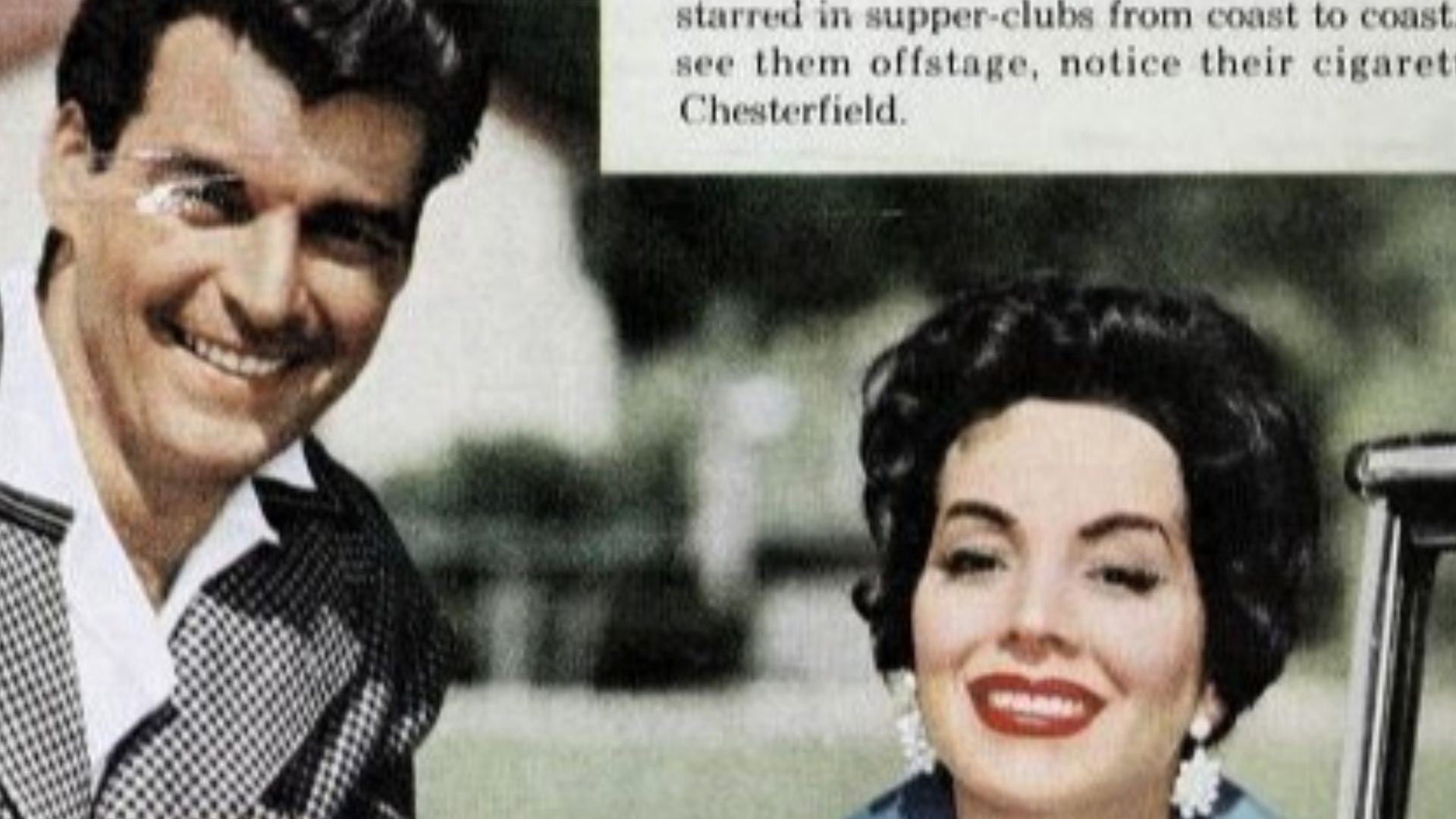
That same year, 1958, proved to be a big year for Calhoun. On top of his television success, he became a father once again. He and his wife, Lita Baron, welcomed their second daughter, Tami. However, Calhoun was about to prove that he was one bronco that couldn’t be tamed.
 Liggett & Myers Tobacco Company, Wikimedia Commons
32. He Had A Secret Set Romance
While filming The Texan, Calhoun began a secret affair with the actress Vitina Marcus. But it didn’t stay secret for long. The romance, lasting just seven months, burst out into the open when Marcus gave birth to their daughter, Athena Marcus Calhoun. The affair, however, only seemed to improve Calhoun’s bad boy reputation.
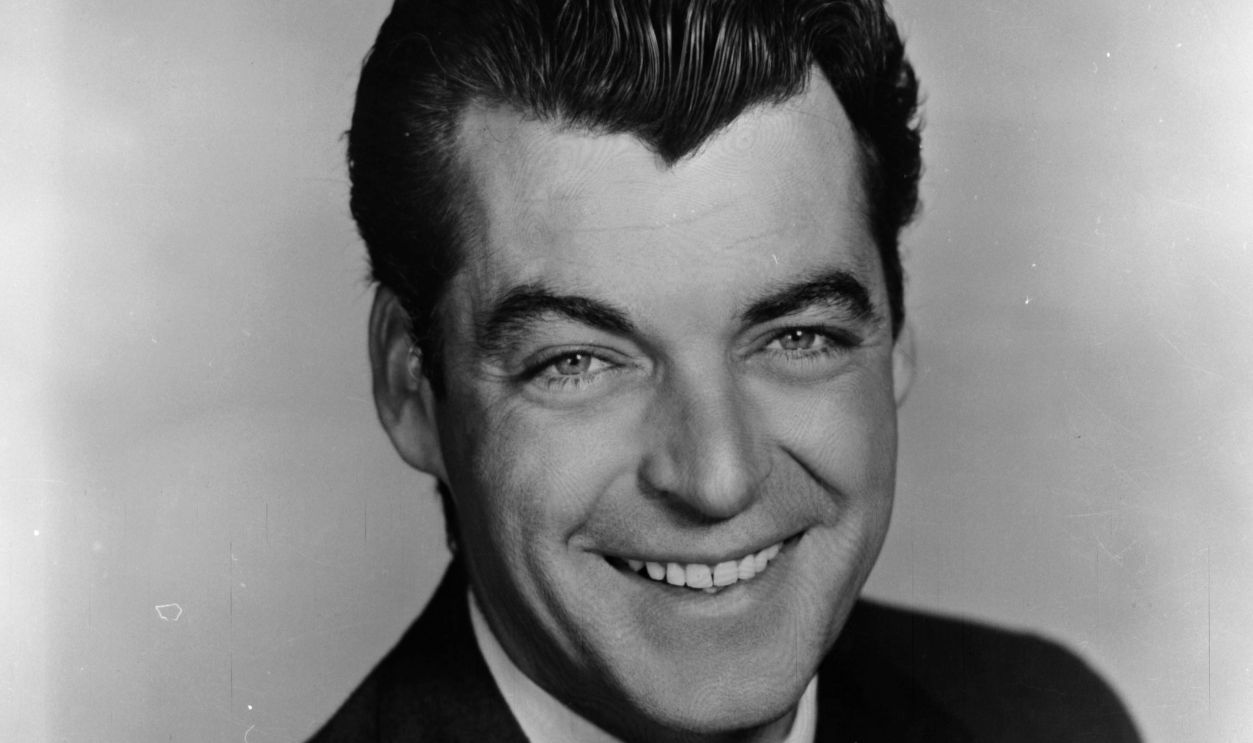
33. He Earned Two Stars In Hollywood
By 1960, Calhoun’s name was literally written in stone—or brass, to be exact. For his work in both film and television, he received not one but two stars on the Hollywood Walk of Fame. But no amount of fame or fortune could protect him from real-life bad guys.
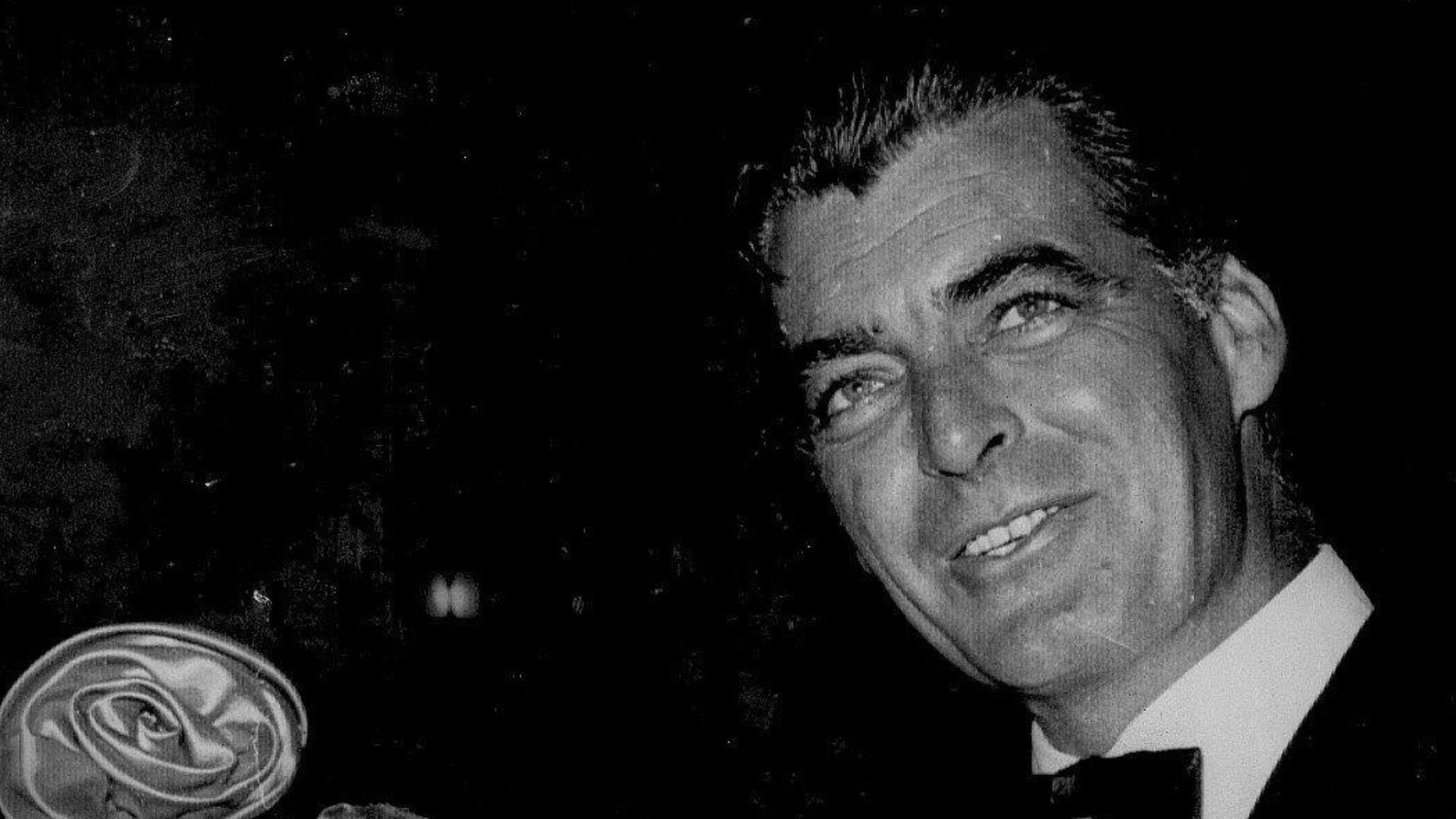 Photographer not credited, Wikimedia Commons
34. He Was The Victim—Not The Villain
In 1961, Calhoun traveled to Spain to film The Colossus of Rhodes. But he ended up coming back home with less than he had traveled with. His Spanish adventure turned sour when robbers made off with his belongings during production. For once, the former outlaw was the victim, not the villain.
His fortunes were beginning to turn.
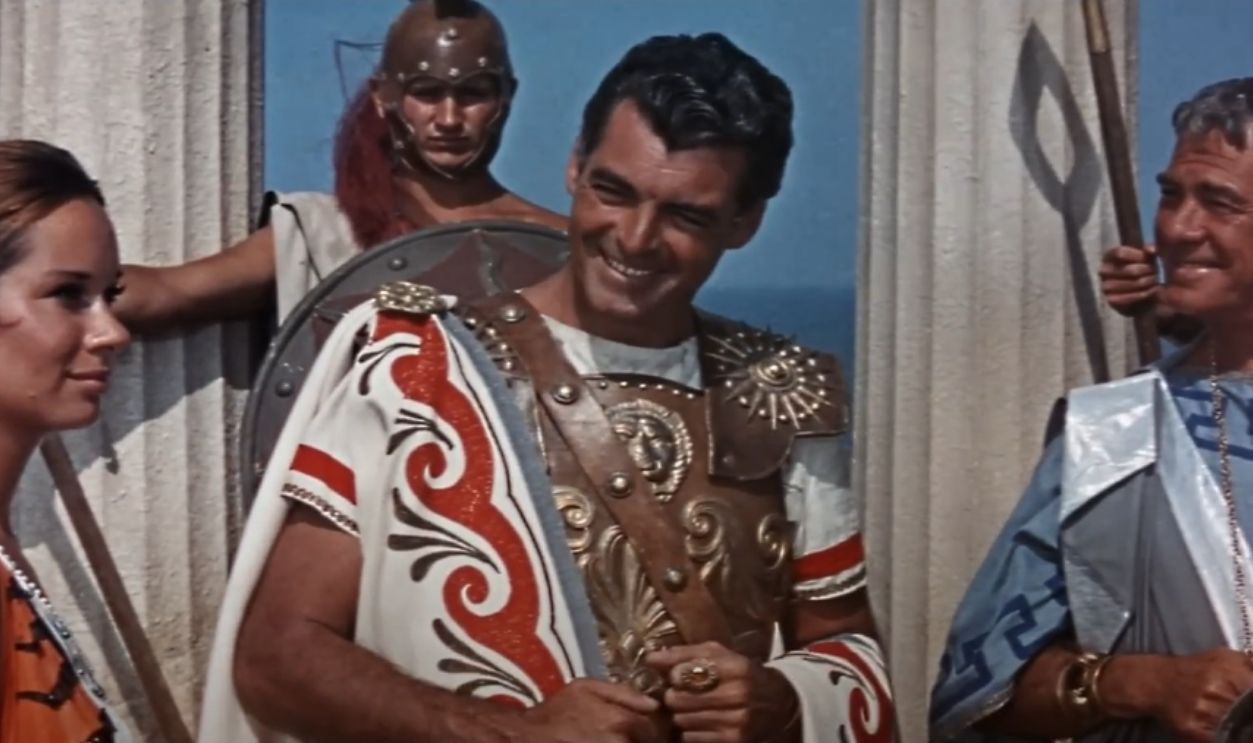 Screenshot from The Colossus of Rhodes, Metro-Goldwyn-Mayer (1961)
35. He Lost Out On A Legendary Role
Calhoun nearly landed one of television’s most iconic parts: James West in The Wild Wild West. Unfortunately, the show’s producers hadn’t been too impressed with his screen test and went with Robert Conrad instead. It was a rare miss for Calhoun—but in true cowboy fashion, he rode on unfazed.
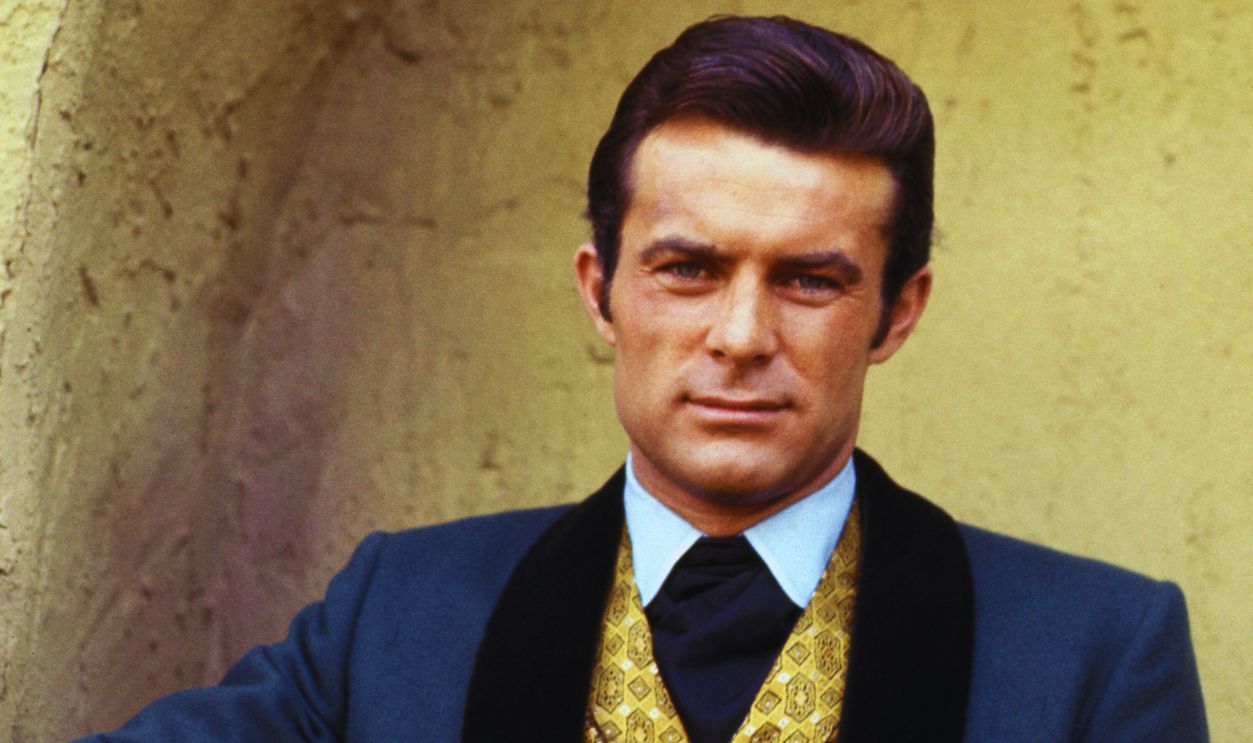 Silver Screen Collection, Getty Images
36. He Called On An Old Friends
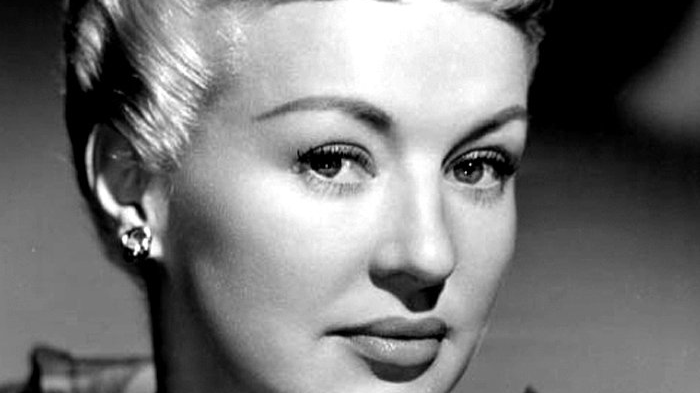
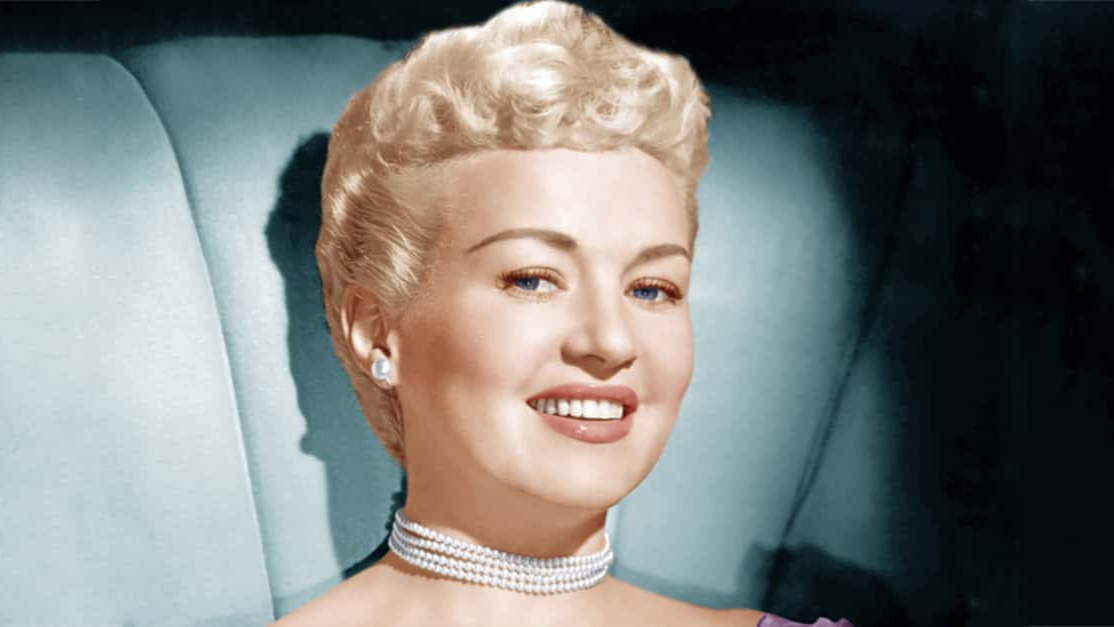
By 1969, Calhoun had traded film sets for footlights. He called on his former co-star and good friend Betty Grable to headline a Western musical called “Belle Starr”, which he planned to produce for London’s West End. During production, however, his personal life unraveled.
 Movie studio, Wikimedia Commons
37. He Had Affairs—Lots Of Them
Instead of grabbing headlines for his role in producing “Belle Starr”, Calhoun was getting attention for the shocking revelations in his personal life. In June 1969, his wife, Baron, filed for divorce. And she had good reasons—79 of them, to be exact. In the proceedings, Baron claimed that Calhoun had had affairs with 79 women, including Grable.
Calhoun’s response to the accusation was telling.
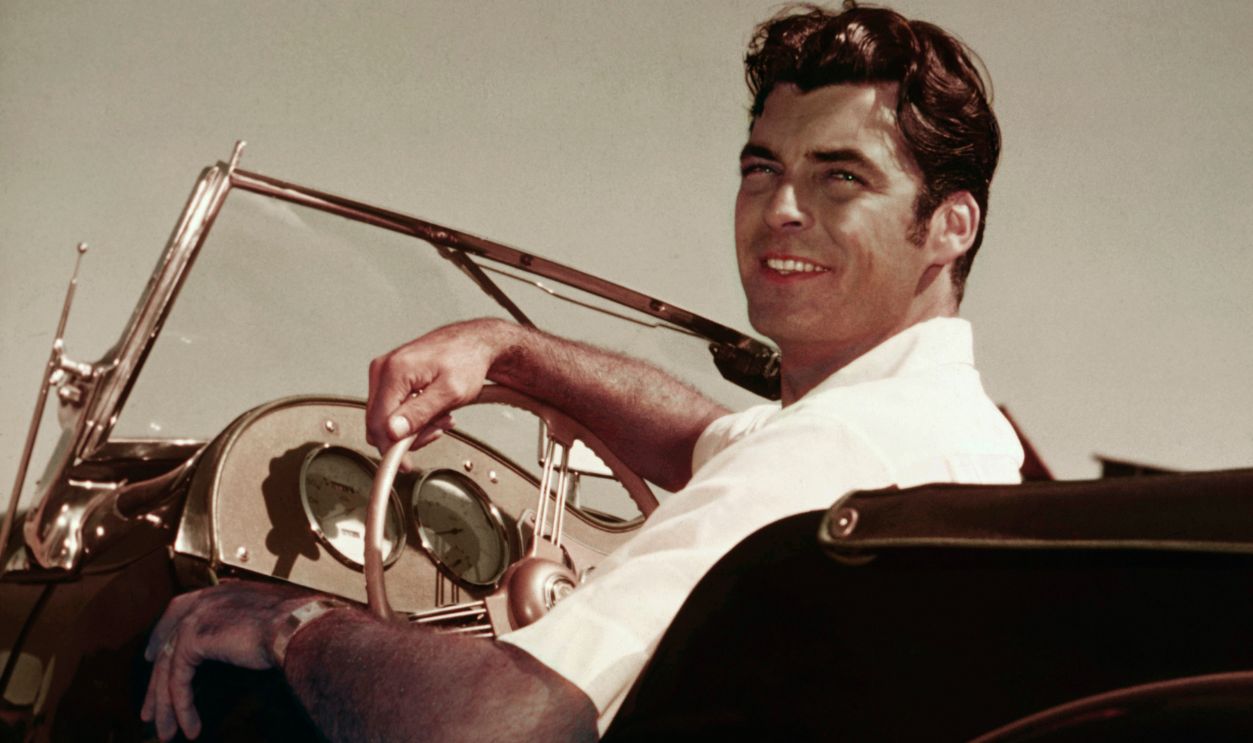
38. His Wife Was Only Telling Half The Story
When reporters asked Calhoun about his wife’s explosive claims, he didn’t dodge the question—he doubled down on it. “Heck,” he said with a grin, “she didn’t even include half of them”. Even so, both Calhoun and Grable denied ever having an affair. That, at least, appeared to be the truth.
 Photographer not credited, Wikimedia Commons
39. He Left His Partner High And Dry
Whatever goodwill remained between Calhoun and Grable didn’t last. When “Belle Starr” flopped, Calhoun and his business partner allegedly skipped town—and dodged their bills. Calhoun didn’t pay Grable or the chorus members their final week’s wages. The fallout ended their friendship.
His marriage wouldn’t last much longer.
 Studio Publicity, Wikimedia Commons
40. He Paid The Price For His Past
After 21-one years of marriage, Calhoun and Baron went their separate ways. And, for a time, Calhoun hung up his hat, not appearing in any films or television shows. But it wasn’t because of a broken heart. “I figured the more I worked, the more alimony I had to pay her,” Calhoun told The New York Times. “So I stayed idle”.
But not single.
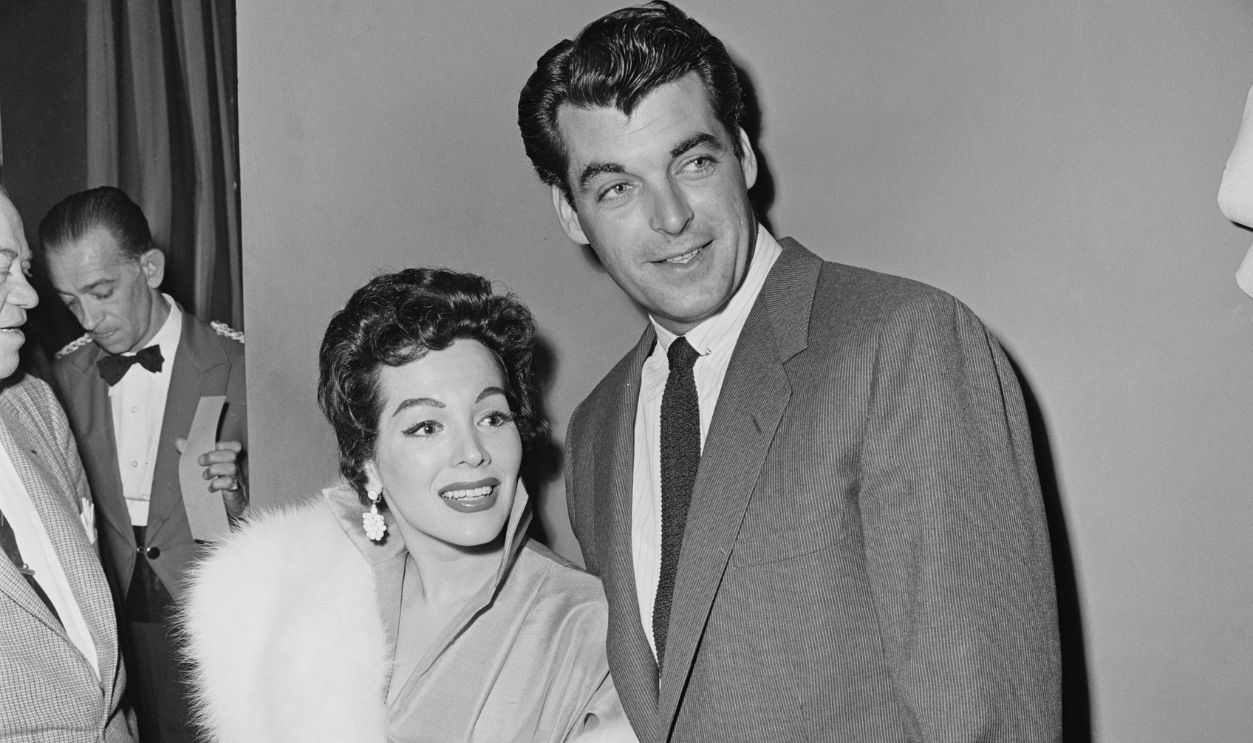
41. He Went Down Under In London
Calhoun might not have been working on camera—but he was working in the bedroom. On April 19, 1971, he married Sue Rhodes. He had first met the Australian journalist when she interviewed him while he was in London. Rhodes, it seemed, was the only woman who could wrangle Calhoun. For a time.
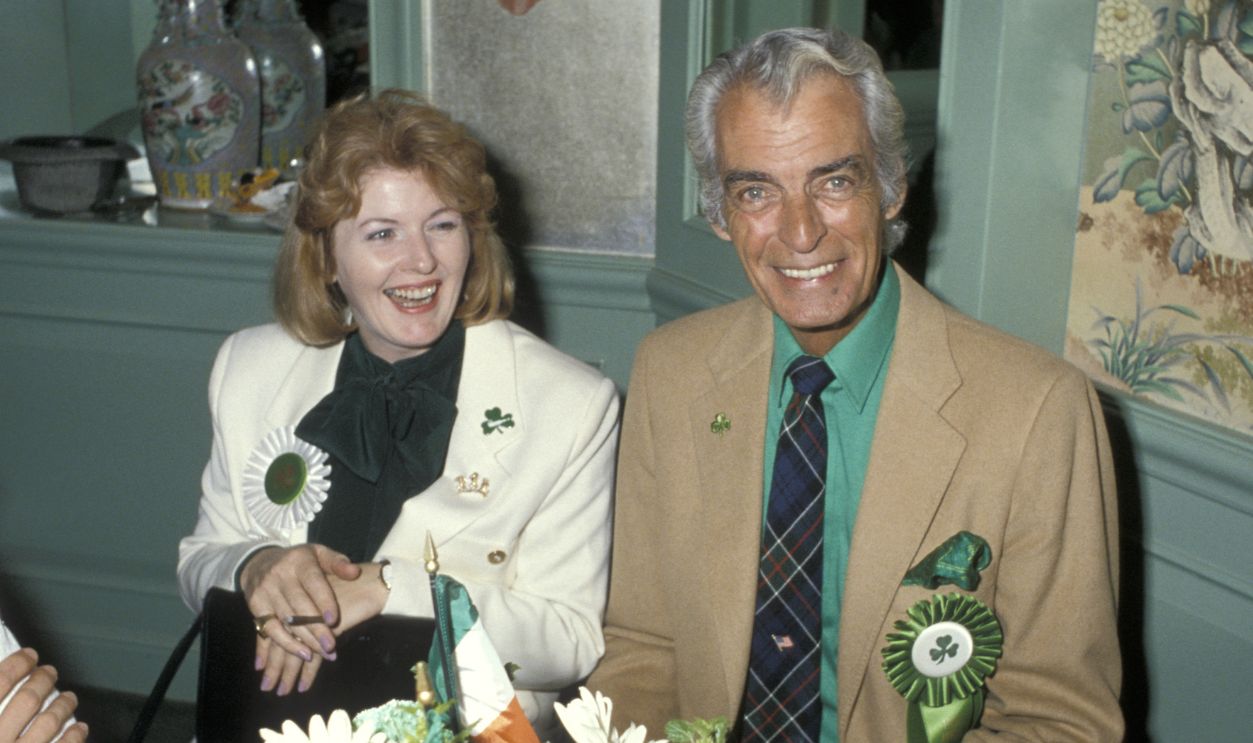
42. He Had One Last Family Ride
Calhoun and Rhodes welcomed a daughter, Rory Patricia, before their relationship hit a rough patch. The couple divorced in 1979 after eight turbulent years together. True to form, Calhoun took the split in stride—by turning to a new creative outlet instead of a new romance.
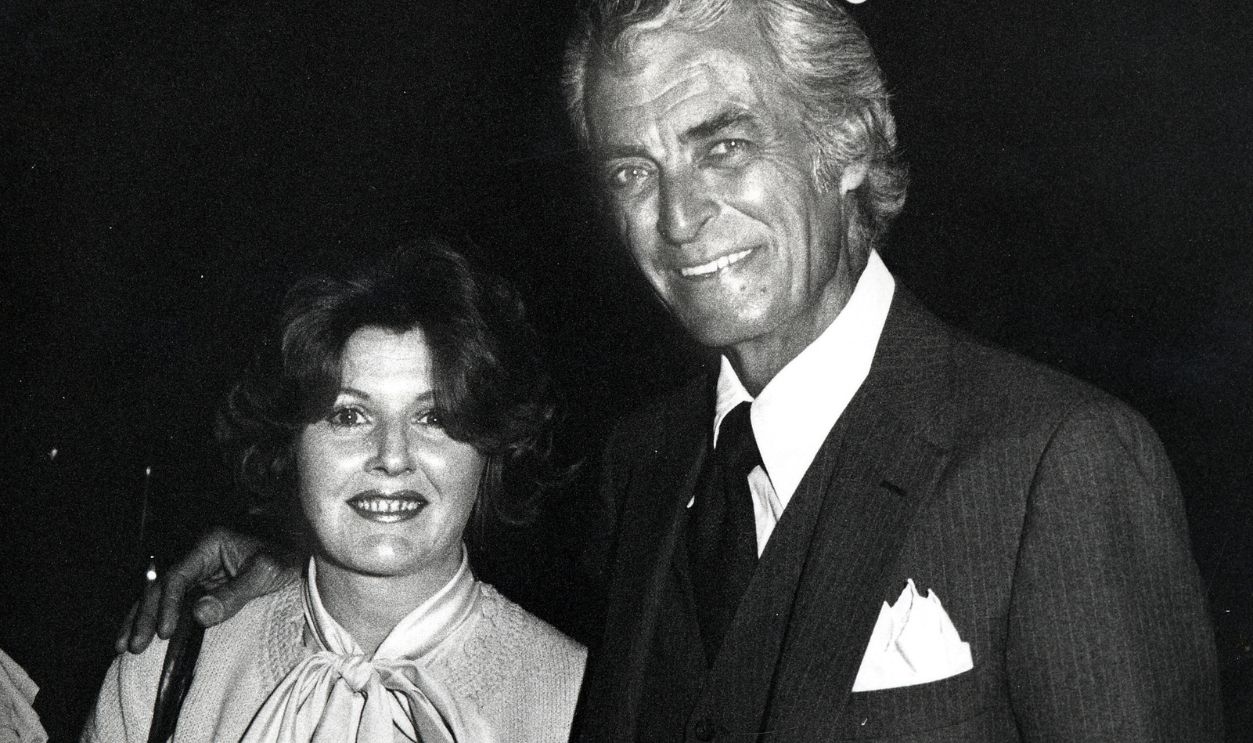
43. He Tried His Hand At Writing
Like a true cowboy riding off into the sunset, Calhoun shifted gears in the late 1970s and began writing Western novels. His books The Man From Padera (1979) and Cerrado (1980) drew on his trademark mix of grit, charm, and gruffness. A little time alone with his own thoughts might actually have been exactly what he needed.
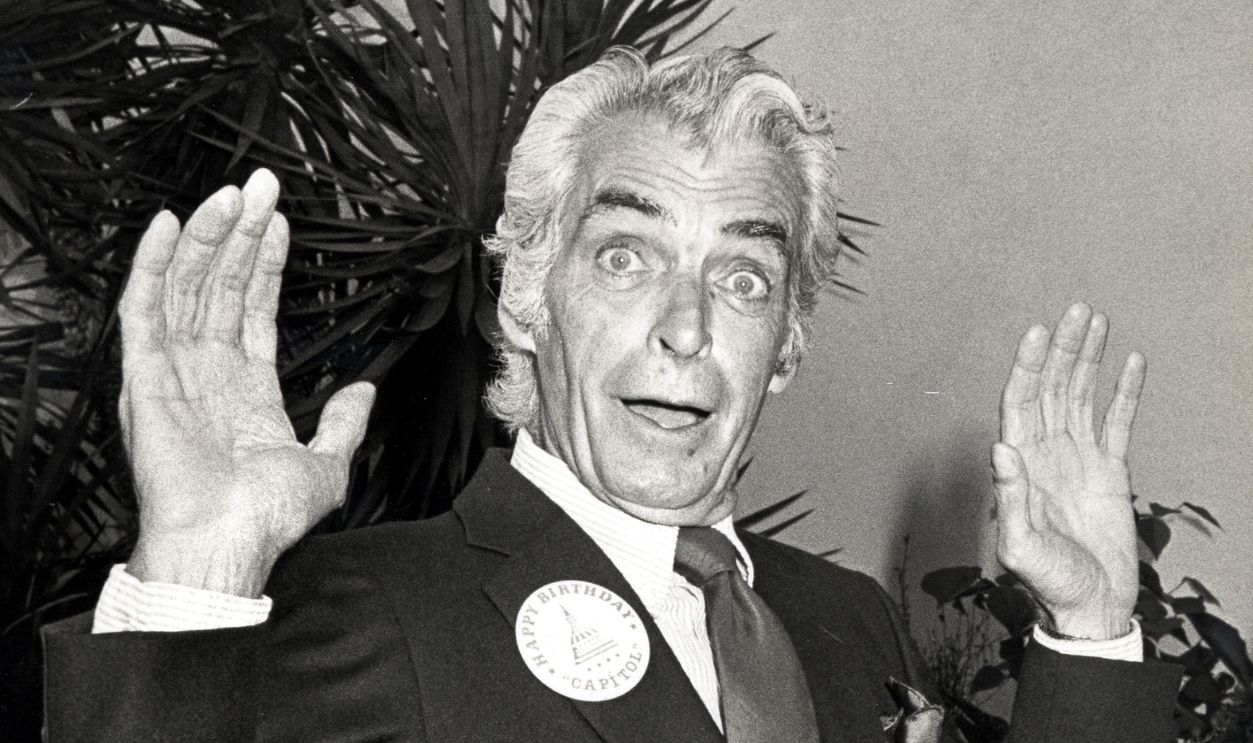
44. He Married His Ex-Wife
Just when it seemed like Calhoun was a true lone ranger, he surprised the entire world. In 1982, after a few years of being divorced, Calhoun rode back into town and got married. Again. To the same woman. He and Rhodes rekindled their romance and the second time was the charm as they remained married for the rest of his life.
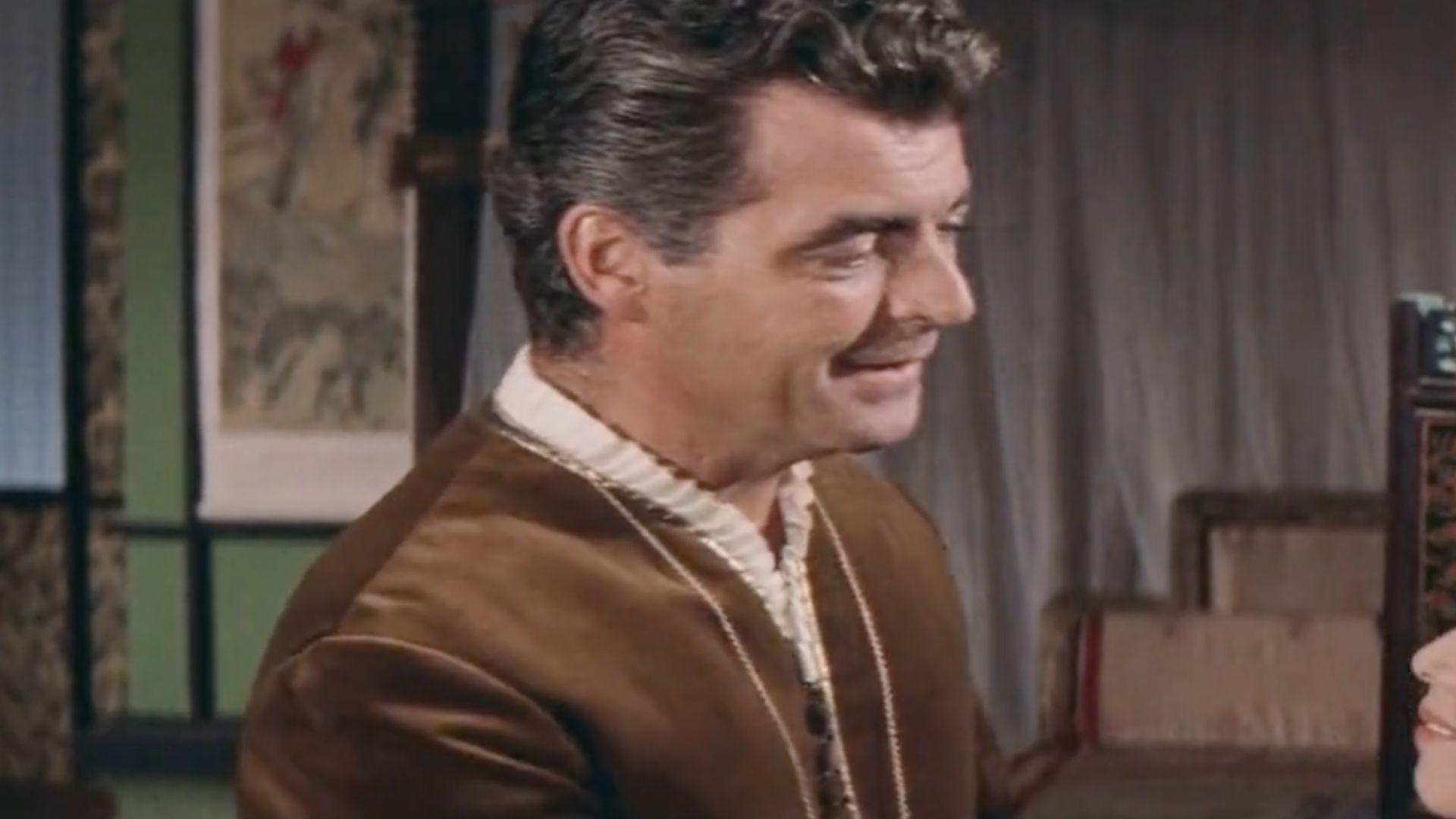
45. He Found Redemption On Daytime TV
1982 was the year that Calhoun righted old wrongs. Not only did he remarry Rhodes, but he landed a steady gig on CBS’s Capitol, playing the stern but sympathetic Judge Judson Tyler. Ironically, he had almost passed on the role but his family convinced him to take it, reminding him that he regretted not having taken a role in Dallas.
Pretty soon, he was saying, “Yes,” to everything.
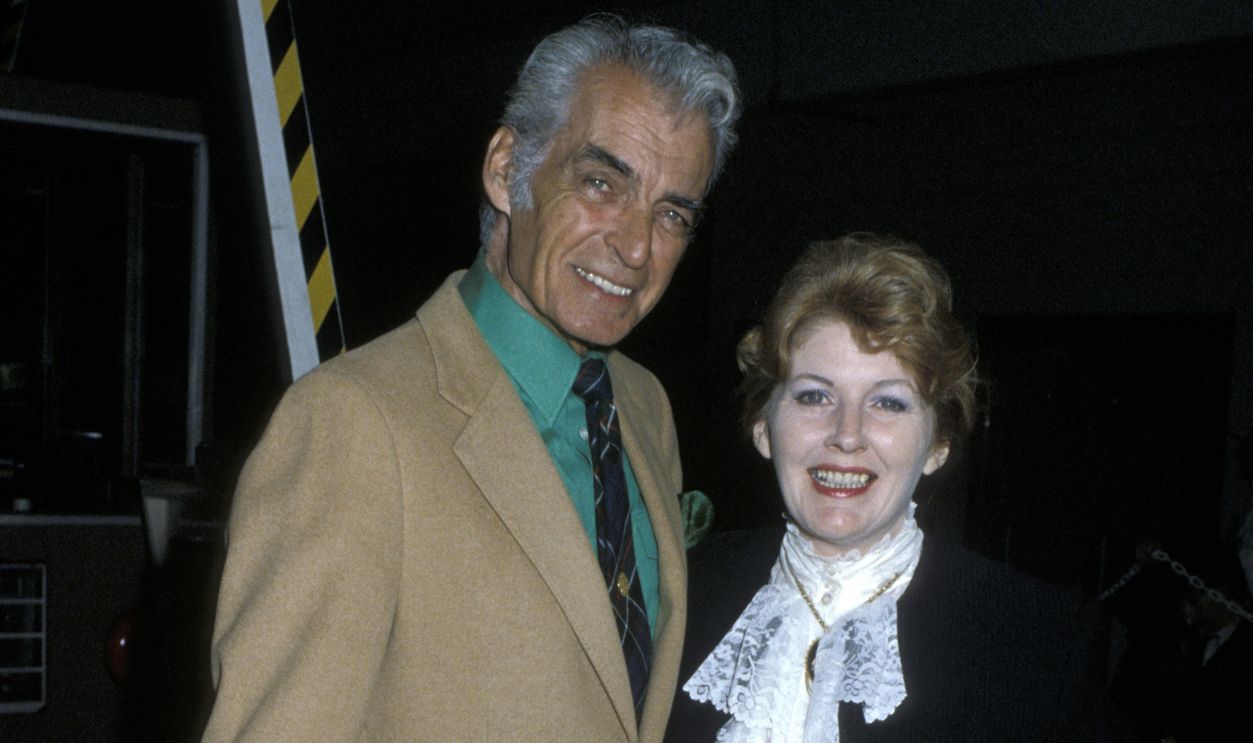
46. He Became A Cult Movie Legend
To a new generation of moviegoers and TV watchers, Calhoun was no longer the Western heartthrob of the 1950s. He managed to transition into a new phase of his career. Throughout the 70s and 80s, he racked up credits in cult favorites like Night of the Lepus, Motel Hell, Avenging Angel, and Hell Comes to Frogtown.
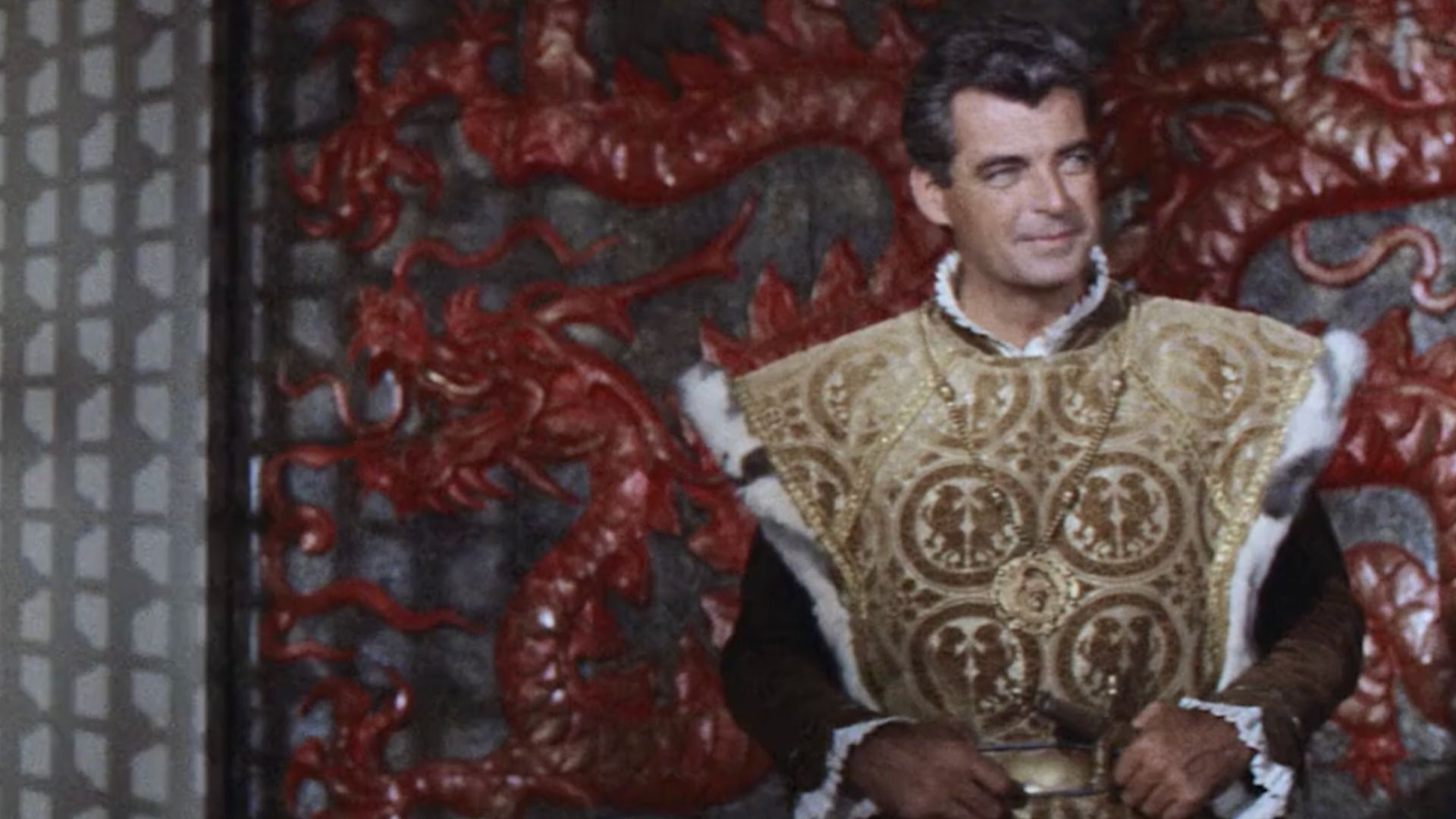
47. He Raised A Star Of His Own
Calhoun didn’t pass along much to his children. Except, that is, for his roguish goodlooks. Calhoun’s daughter, Athena Marcus Calhoun from his affair with Vitina Marcus, followed her father into showbiz as a showgirl. And not just any showgirl. In Paris, she was crowned “The World’s Most Beautiful Showgirl” and awarded “The Key to the City of Las Vegas”.
Even the best rides, however, have to come to an end.
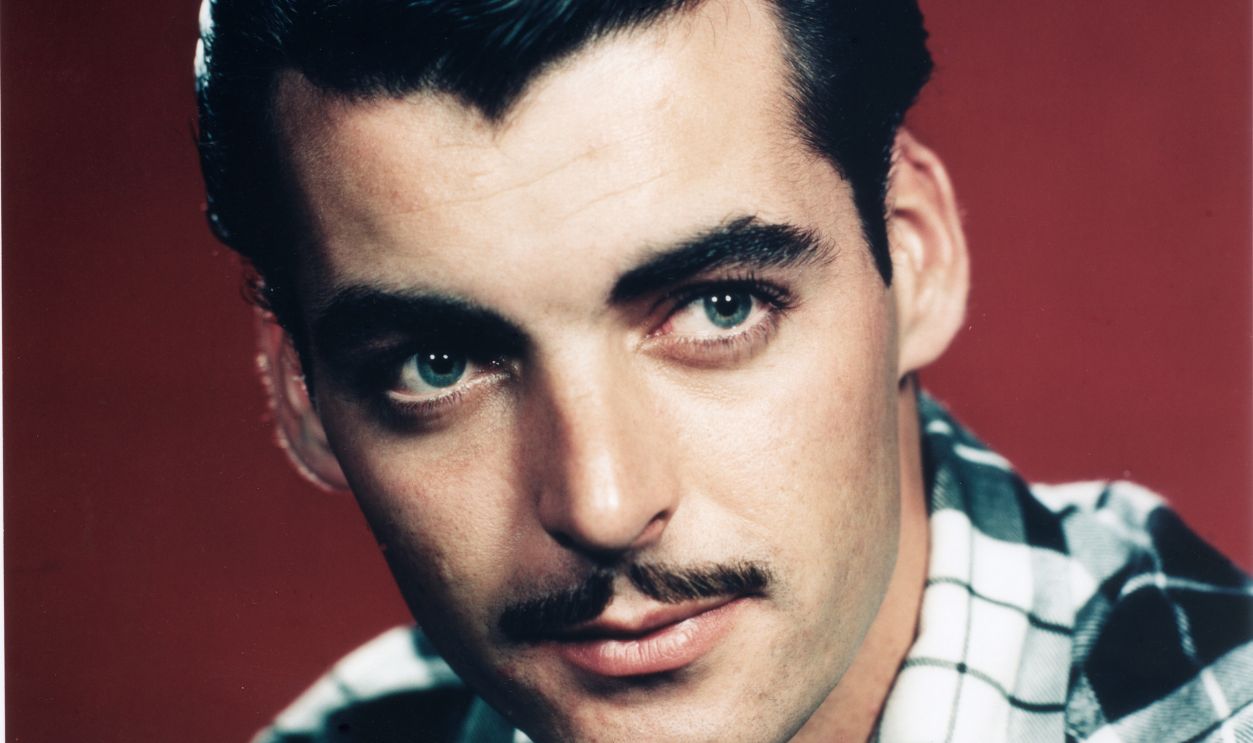
48. He Rode Into His Final Role
After a career spanning nearly five decades, Calhoun had his final on-screen appearance in Pure Country in 1992. As the grizzled rancher Ernest Tucker, Calhoun proved that he still had something special. In fact, Calhoun’s performance was so magnetic that critics called him “the best thing in the film”. Oddly, Calhoun was never that kind to himself.
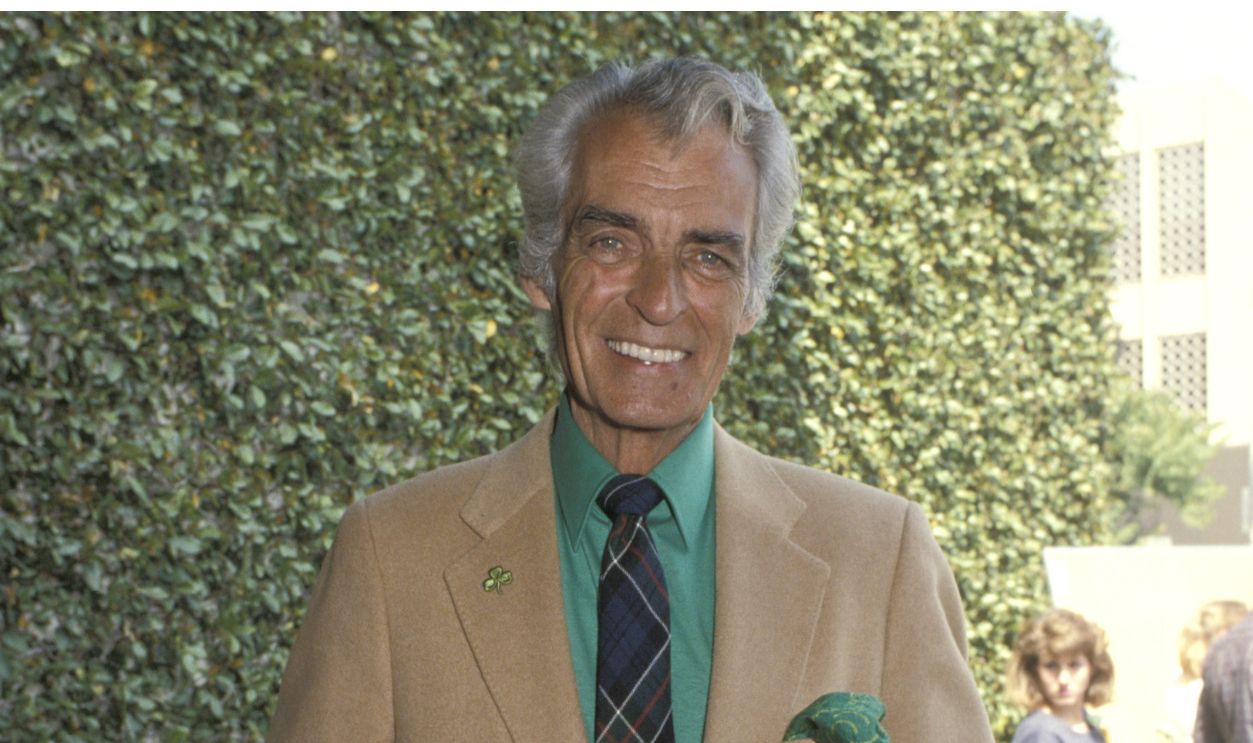
49. He Was His Own Harshest Critic
Despite his fame and success, Calhoun wasn’t blinded by it. In fact, he was strangely humbled by it. In a 1959 interview, he confessed that out of all his movies, only two—With a Song in My Heart and How to Marry a Millionaire—were truly good. “The rest,” he admitted, “were terrible”. True or not, he deserved to ride off into the sunset at last.
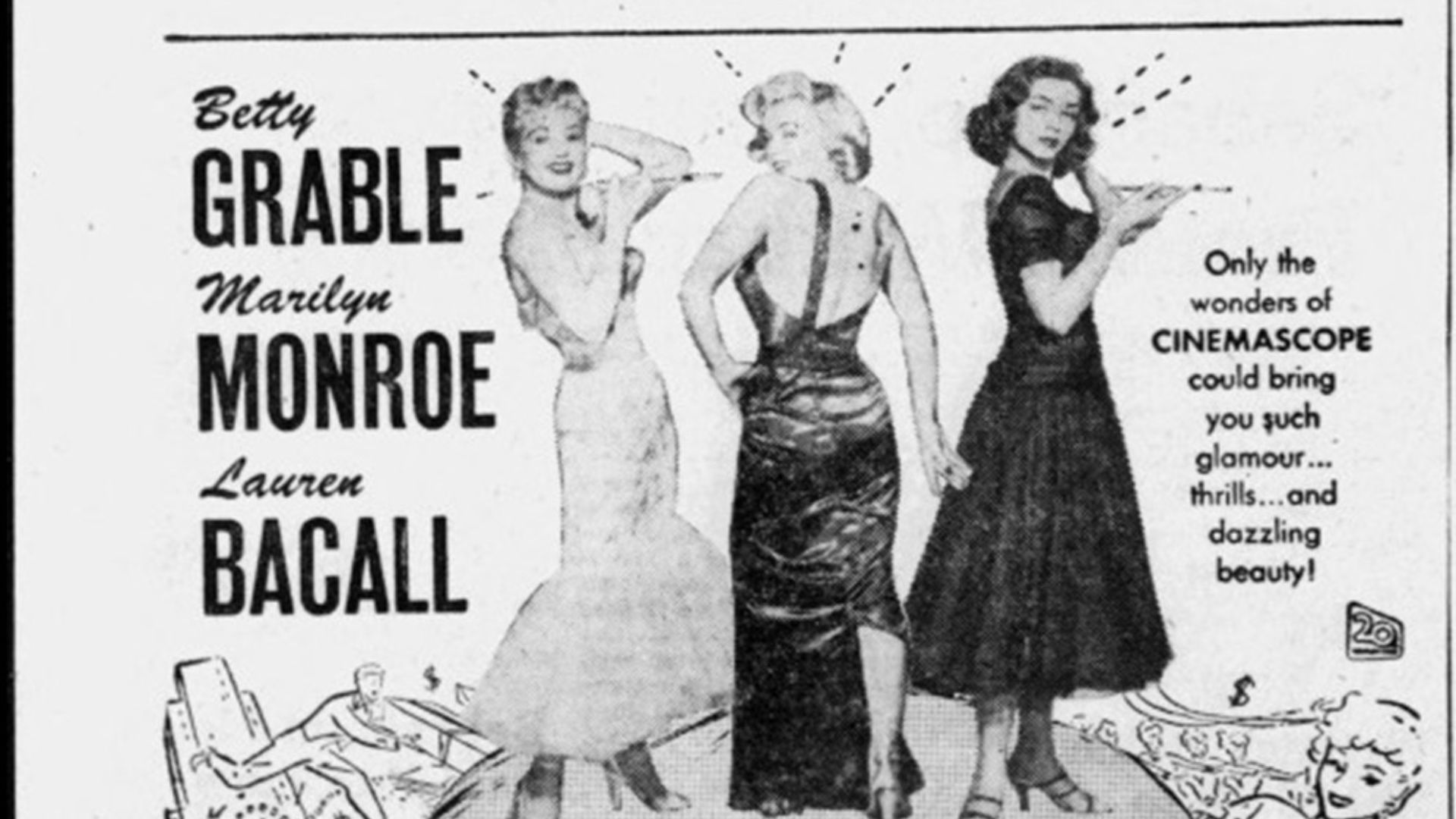 20th Century Fox, Wikimedia Commons
50. He Fought Until The End
Calhoun spent his final days in the hospital battling emphysema and diabetes. Then, on April 28, 1999, at the age of 76, he passed on at Providence Saint Joseph Medical Center in Burbank. The onetime outlaw, the heartthrob, the cowboy—Rory Calhoun—had taken his final ride into the sunset. It was, however, the best ride of his life.
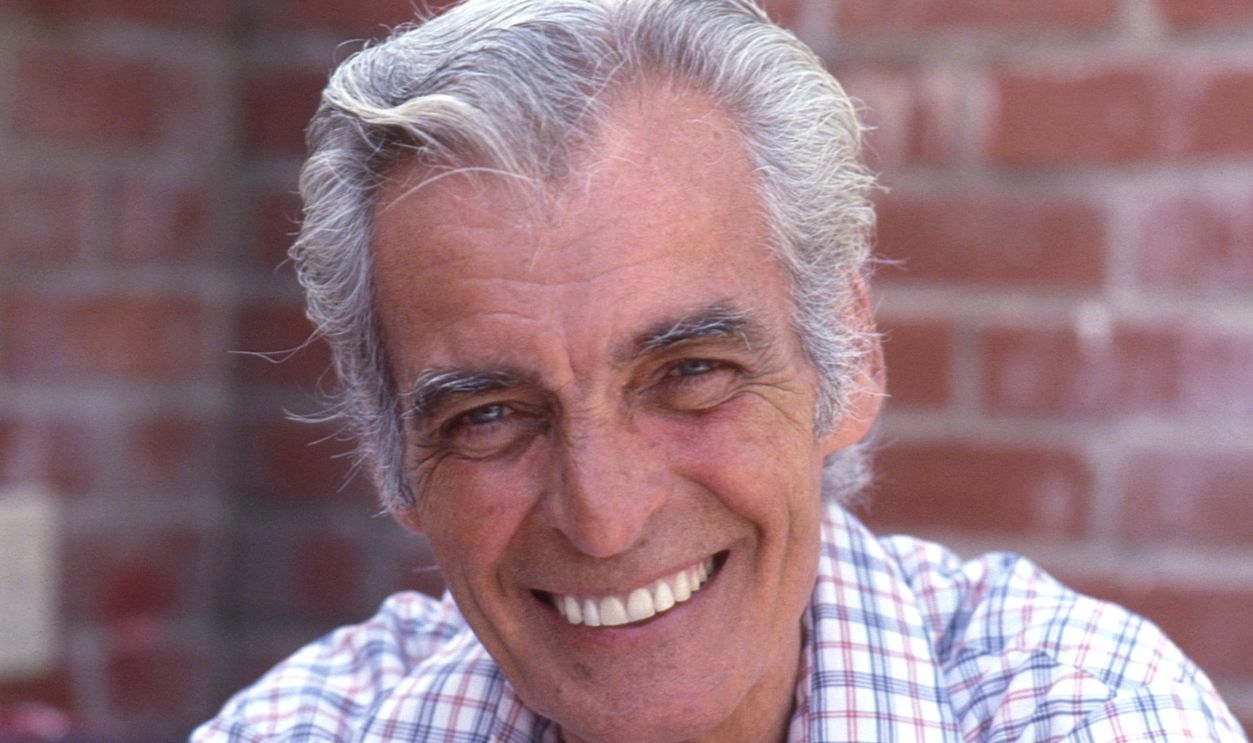
51. He Was Just A Kid Again
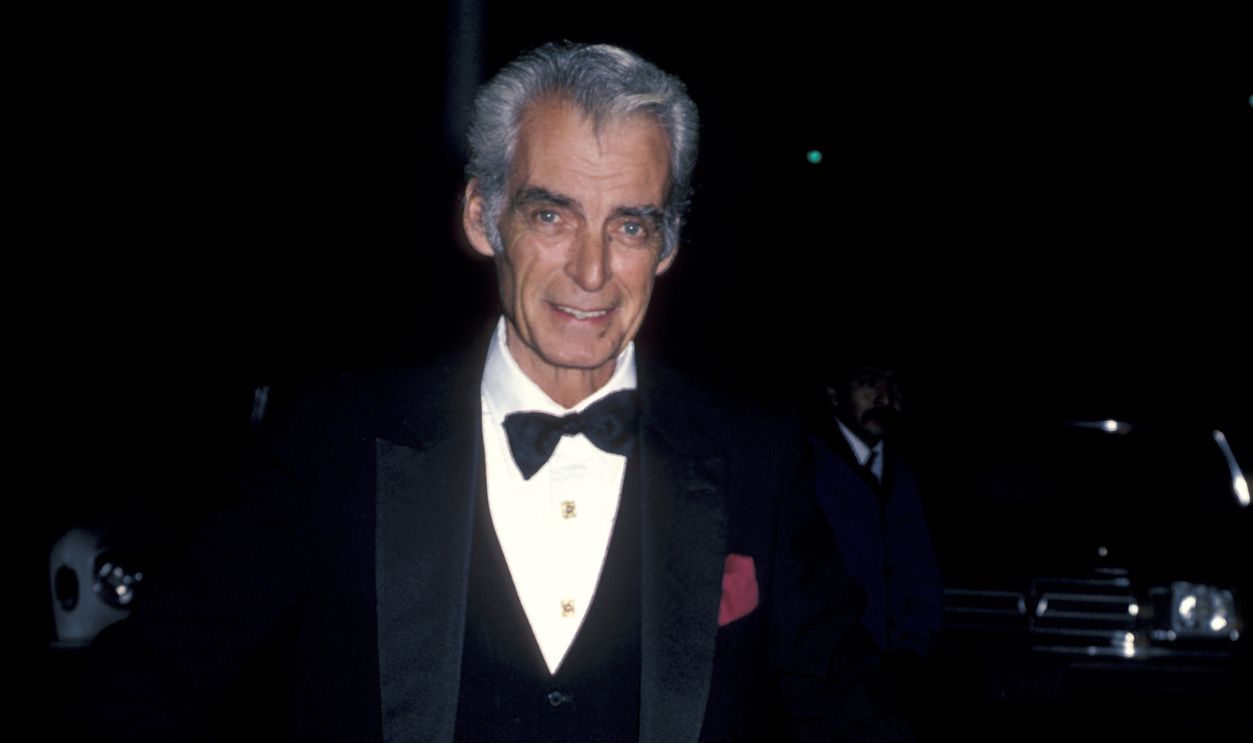
Reflecting on his career in 1979, Calhoun summed himself up best: “By and large, I suppose my image is Western. If the two or three dozen Western features I made didn't do it, the 79 episodes of my television series, The Texan, certainly set it…I always enjoyed putting on the hat, strapping on the [revolver] and feeling like a kid again”.
You May Also Like:
Tyrone Power, Hollywood's Doomed Leading Man
Dorothy Dandridge, Hollywood's Fallen Star