A Man Of Many Faces
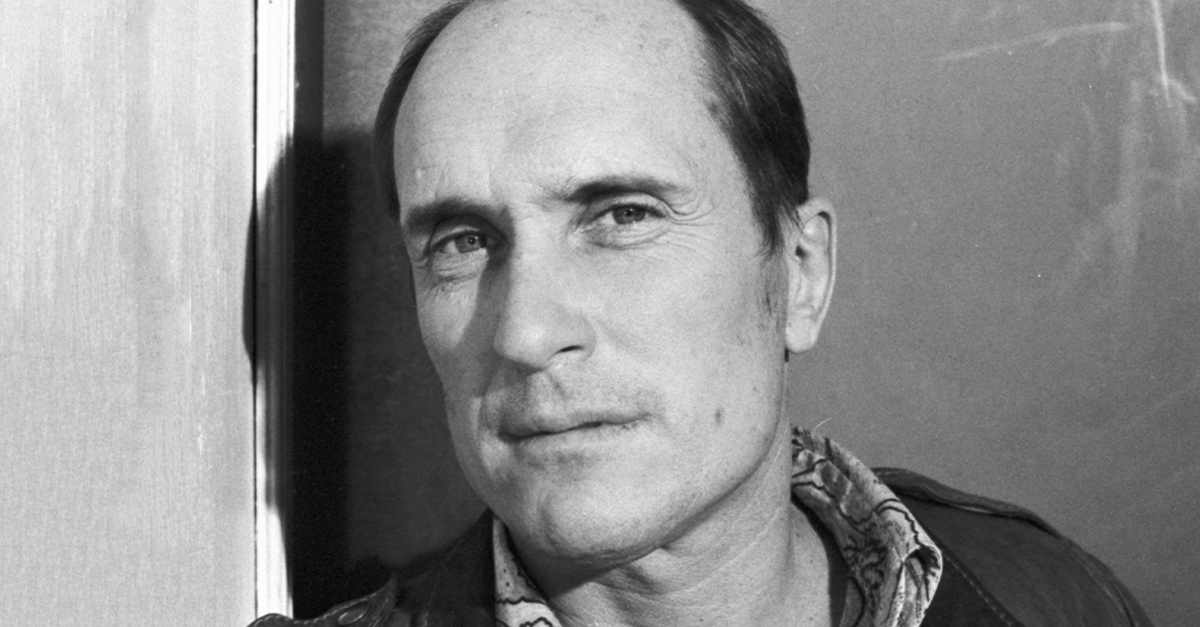
From his early years making a name for himself in live theatre to his most famous roles on the big and small screens, Robert Duvall has become one of cinema’s most iconic veterans. Rising through the ranks of Hollywood alongside many of his generation, he sets himself apart through his commitment and professionalism, as well as his ability to take on characters to their fullest—truly becoming someone else in the process.
1. His Mother Was Talented
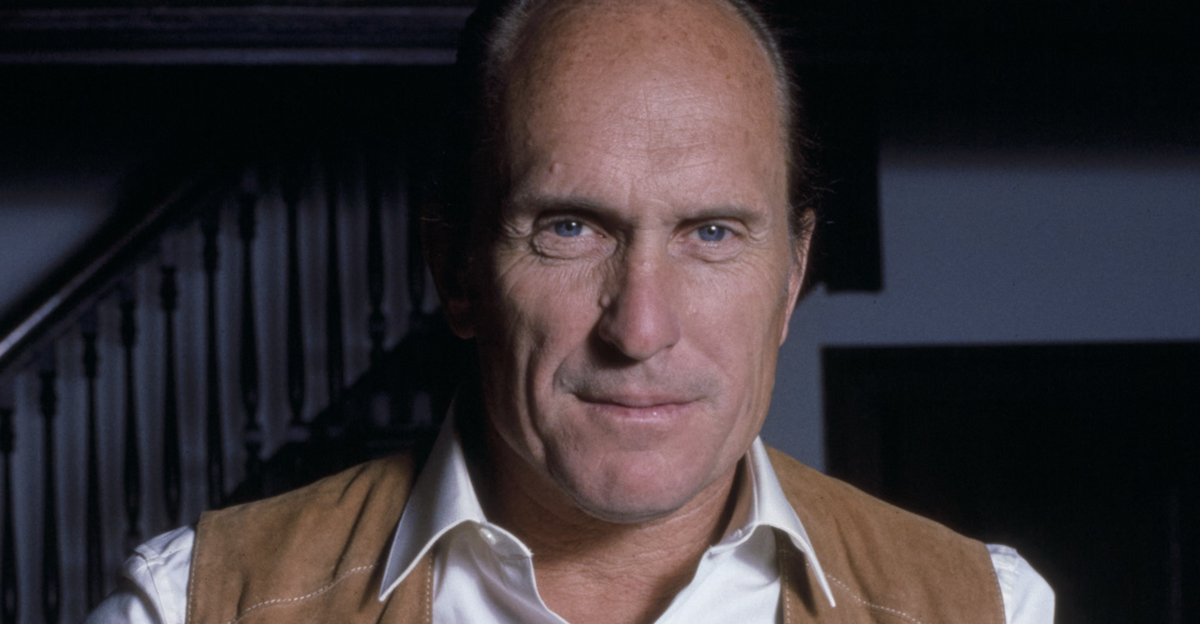
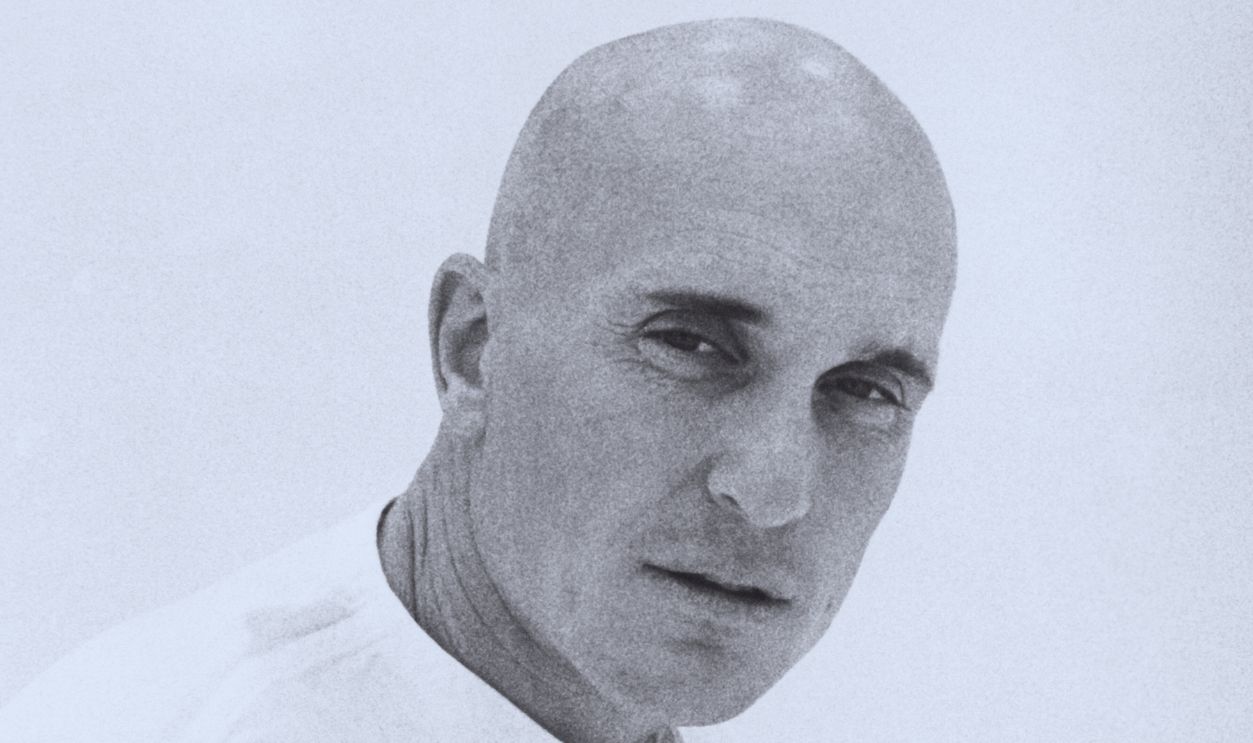
Once Robert Duvall started acting, it didn’t take long for him to gain a reputation as one of the most skilled stars in the business, but this aptitude didn’t come from nowhere. Although his father, William Howard Duvall, was a Rear Admiral in the US Navy, his mother, Mildred Virginia Duvall, was an actress.
Acting was certainly in his blood, but the road to stardom wouldn't be easy.
2. He Chose His Path
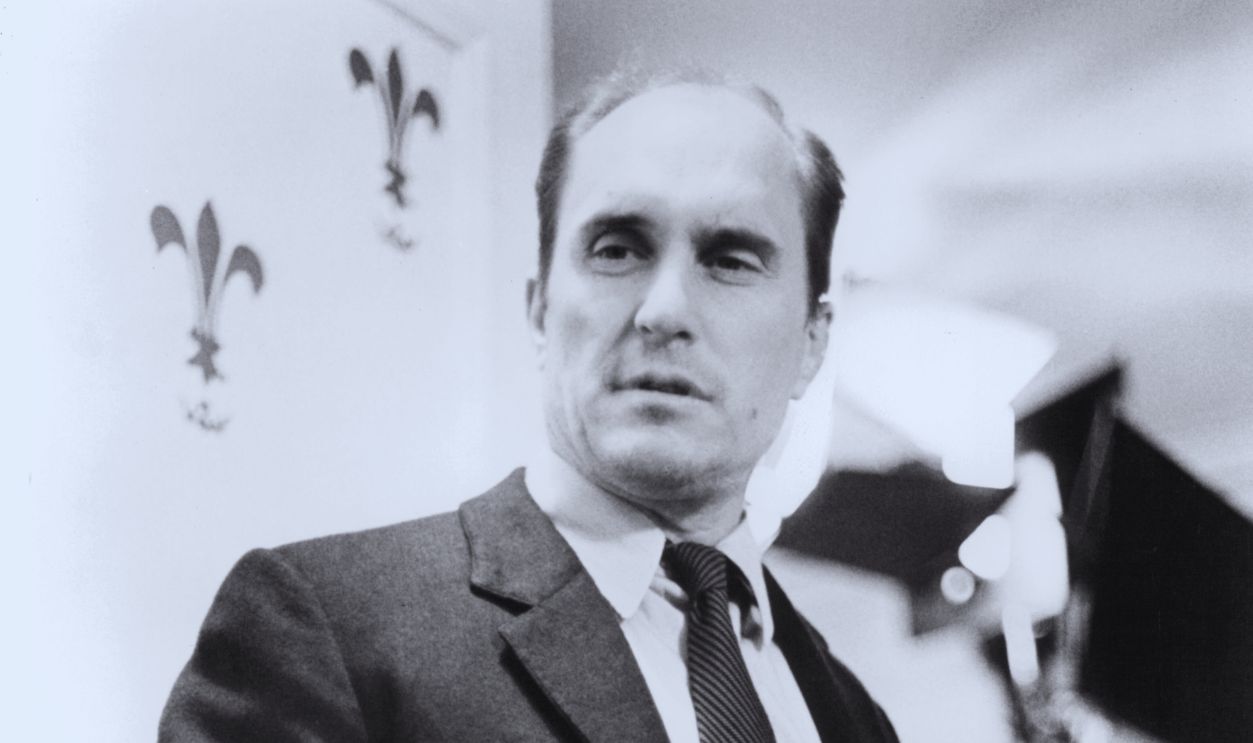
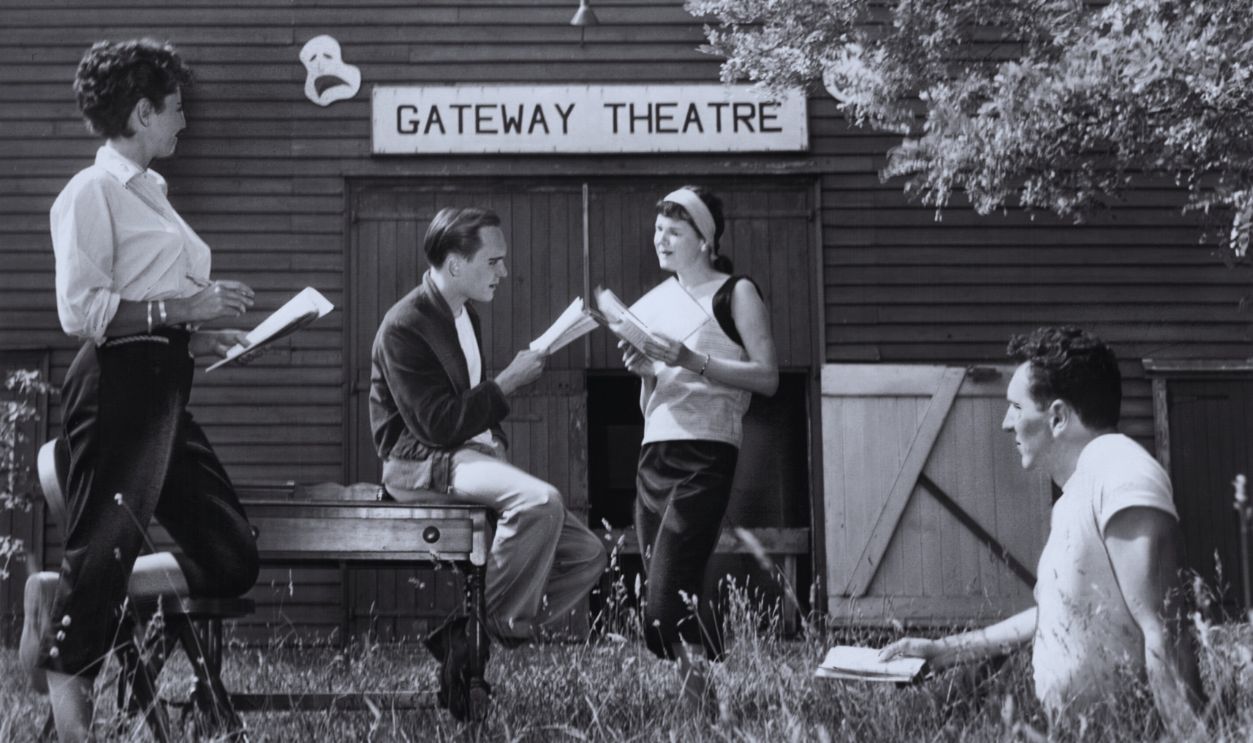
Duvall's love of acting went against the grain. He studied drama at Principia College and dipped his toes into the exciting world of theater. He began acting at the Gateway Playhouse and had his stage debut with the play Laughter in the Stars. But though Duvall shone in the spotlight, behind the scenes, there was one person who wasn't too pleased with his chosen path.
3. He Defied His Father
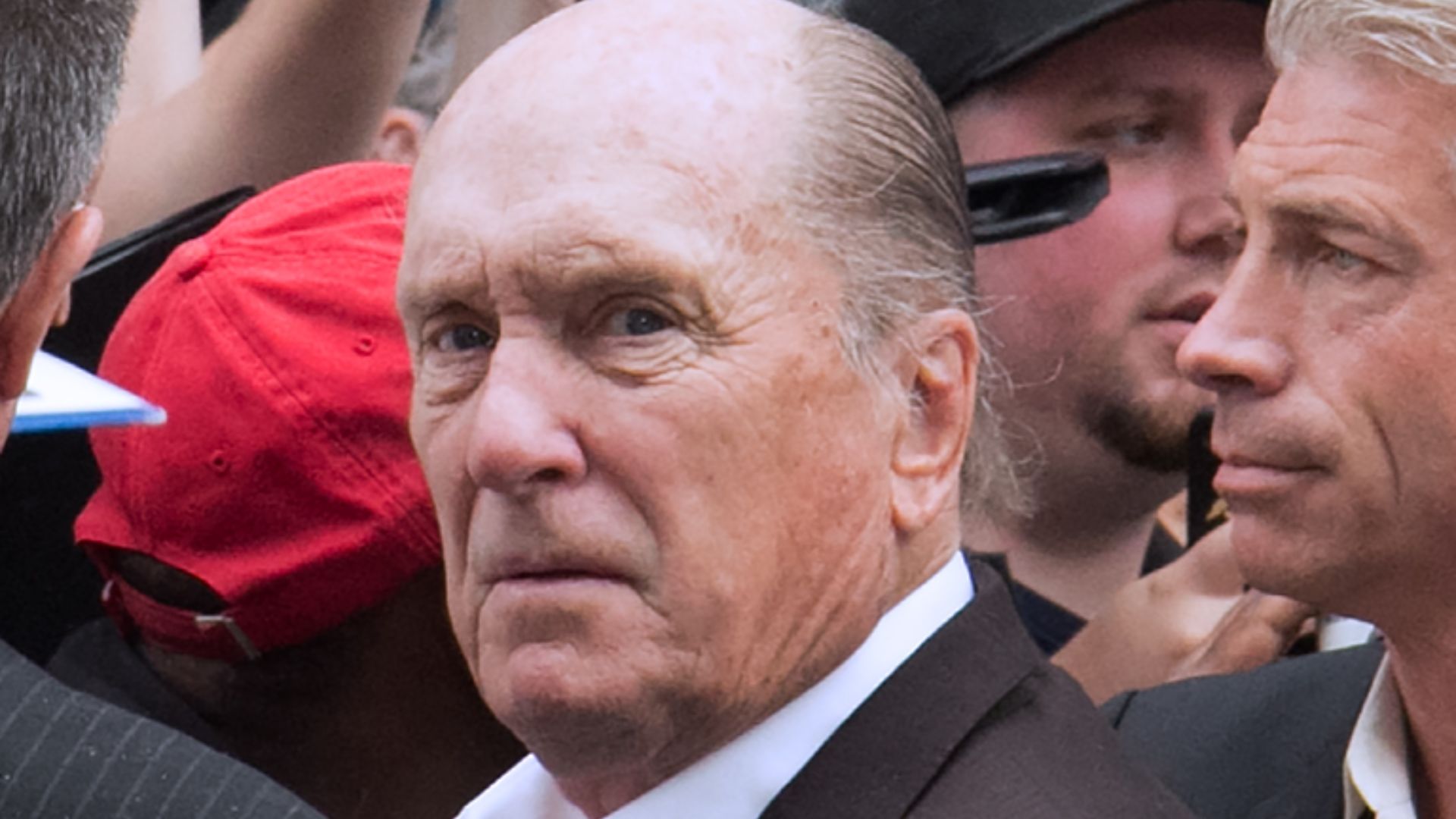
Robert Duvall may have been a natural talent, but his father wanted something much different for him. For one, he'd hoped for his son to join the Naval Academy. According to Duvall, "I was terrible at everything but acting—I could barely get through school". But pursuing acting wasn't the only way to ruffle his father's feathers.
 gdcgraphics, Wikimedia Commons

History's most fascinating stories and darkest secrets, delivered to your inbox daily.
4. He Joined The Army
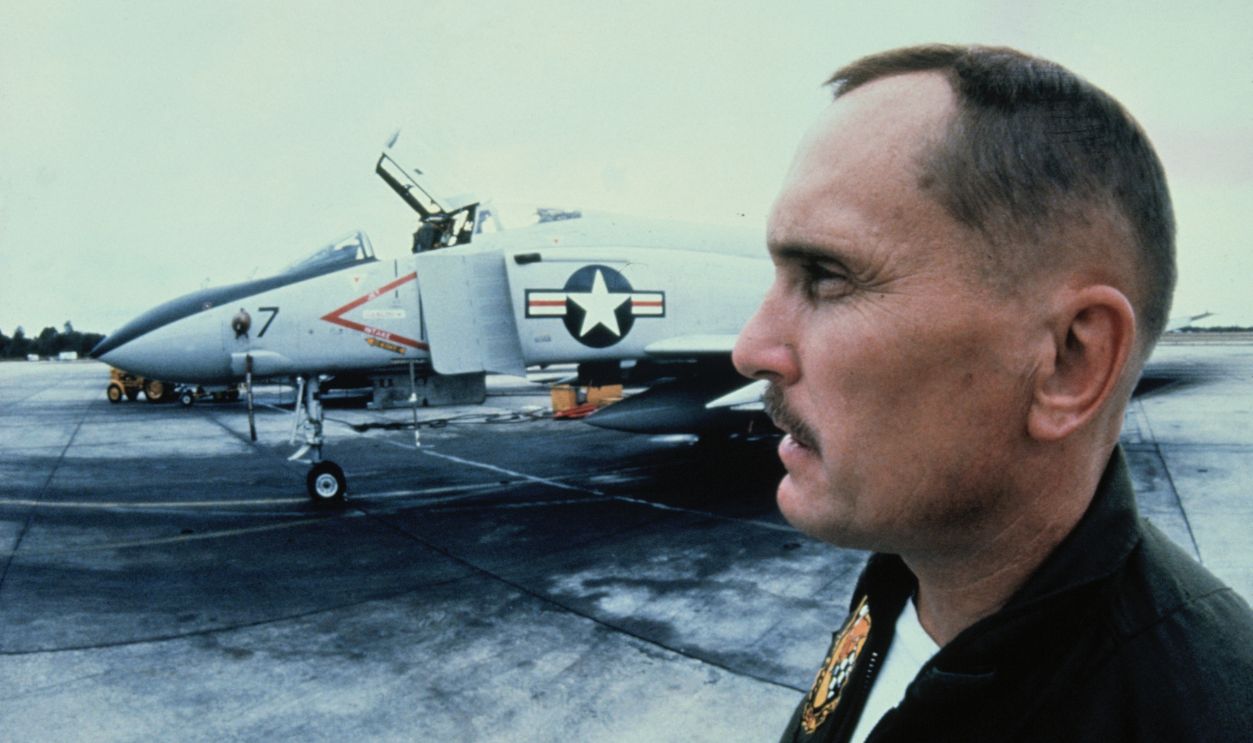
In 1953, Duvall really clashed with his father by choosing to join the United States Army. His year in the army sparked some wild stories—full of danger and intrigue. However, Duvall later explained that nothing could have been further from the truth: "I barely qualified with the M-1 rifle in basic training".
Though he eventually left as a private first class, it was clear that destiny was only waiting to reel Duvall back toward what he was always meant to do.
5. He Had Some Promising Classmates
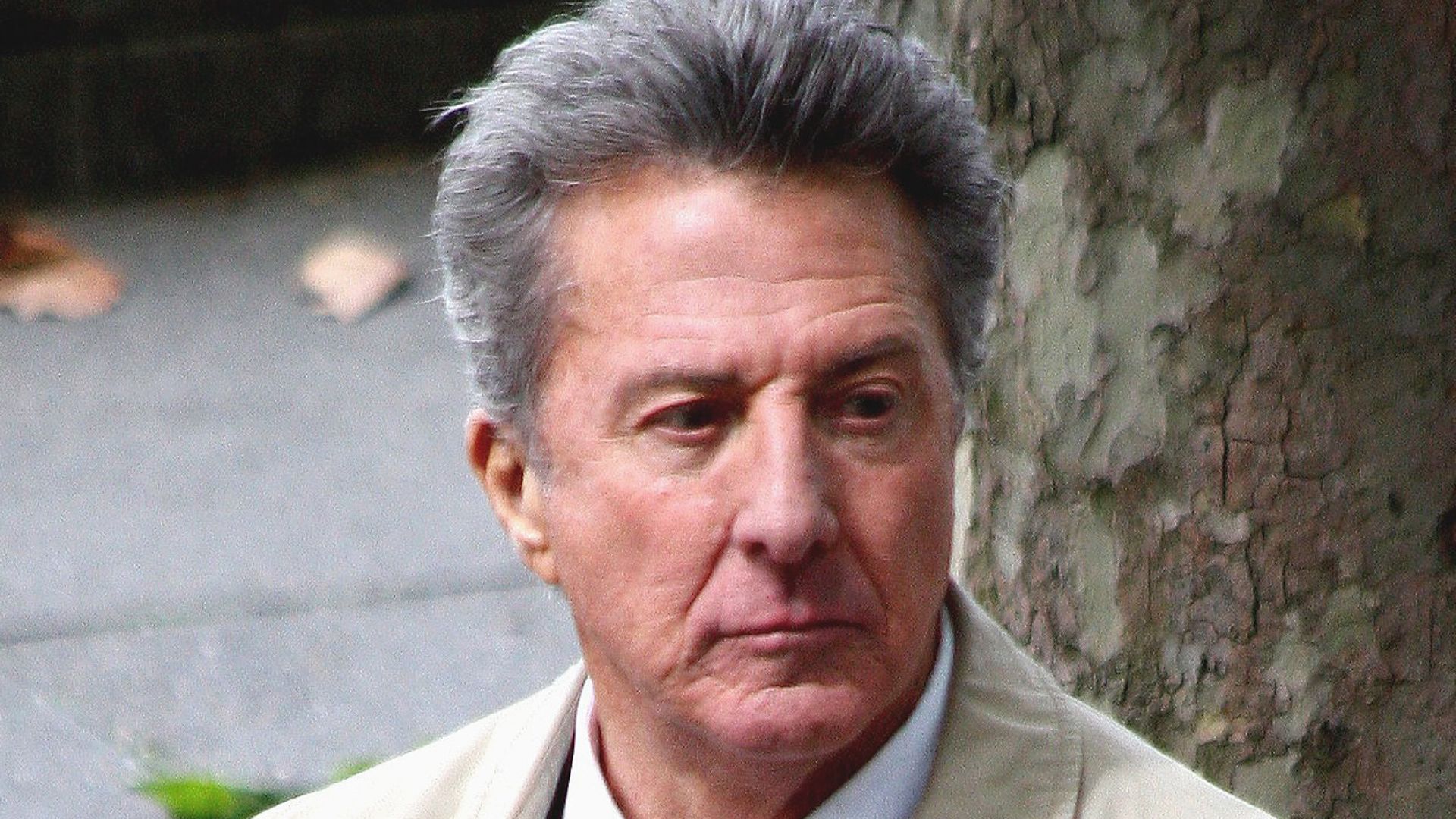
By the time the winter of 1955 rolled around, Robert Duvall was back in his element. New York City's Neighborhood Playhouse School was chock-full of some of the most promising talent. Duvall's classmates included some very recognizable names: Gene Hackman, Dustin Hoffman, and James Caan. But that wasn't all.
 garryknight, Wikimedia Commons
6. He Worked Numerous Jobs
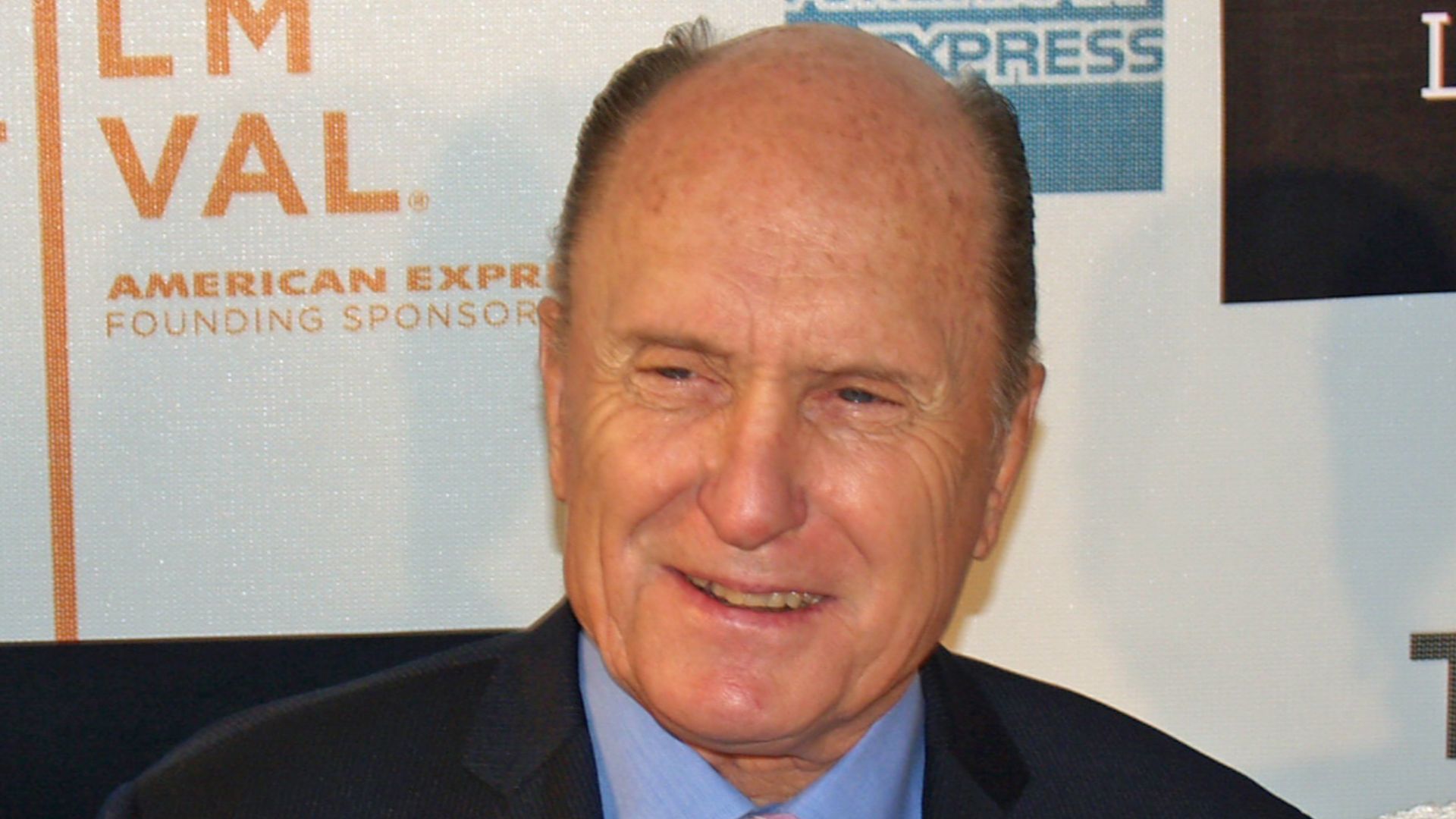
Back when he was just a young man with a dream in NYC, Duvall lived with Dustin Hoffman for a time, as well as Gene Hackman. But the glamor of fame was still out of reach. To get by, he took on numerous jobs. Duvall was a truck driver, a Macy's Clerk, and even worked at the post office.
Though his name wasn't in the papers quite yet, he still managed to earn himself a scandalous reputation.
 David Shankbone, Wikimedia Commons
7. He Was A Troublemaker And A Ladies' Man
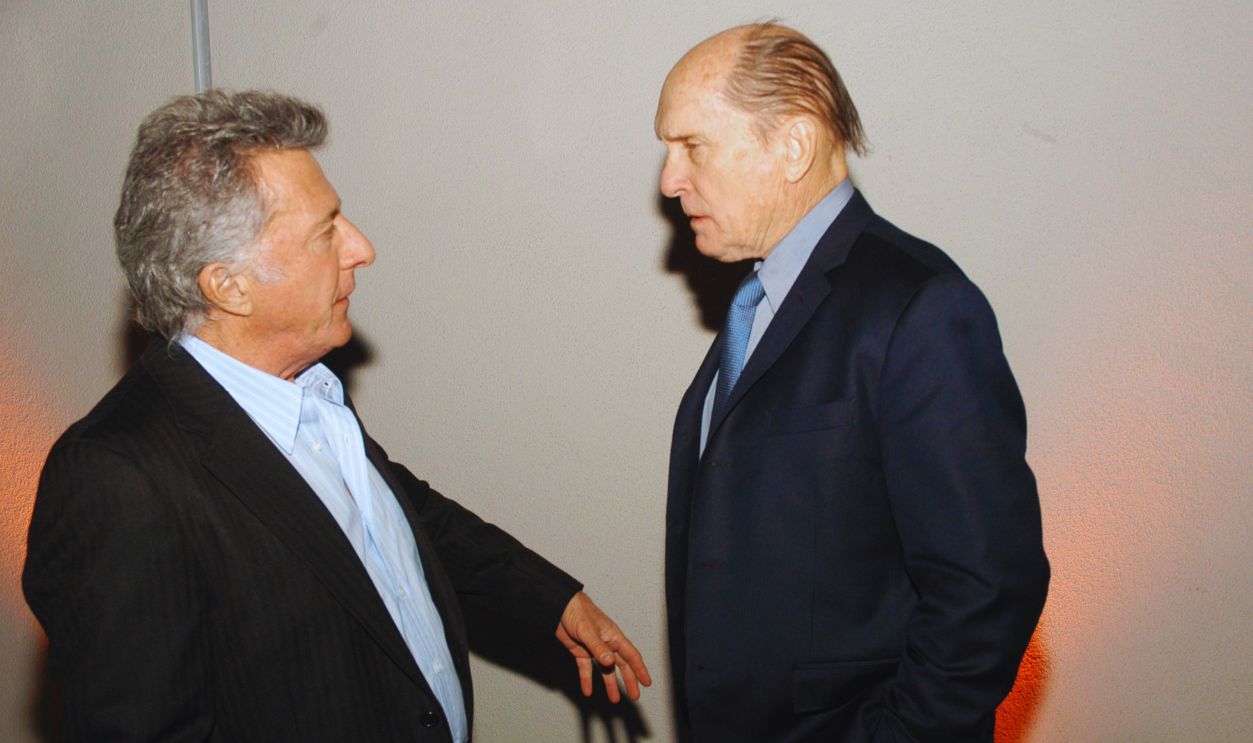
Robert Duvall had a penchant for troublemaking, but he was also quite charming. Fraternizing with the likes of Hoffman and Hackman only amplified these qualities. Sources say that both Duvall and Hoffman became known for their womanizing expertise, while he and Hackman's tempers could turn dangerous. Bar skirmishes weren't out of the ordinary.
Clearly, the stars were already aligning for Duvall—but even so, he still felt stuck.
 Patrick McMullan, Getty Images
8. He Couldn’t Continue
The truth was that no matter how he sliced it, Duvall was still struggling to make his acting dreams a reality. His job at the post office was especially suffocating. He could already envision the next two decades of his life if he didn't get out in time. After just six months, he threw in the towel. This was not where he was going to end up for the rest of his life.
9. He Played An Important Role
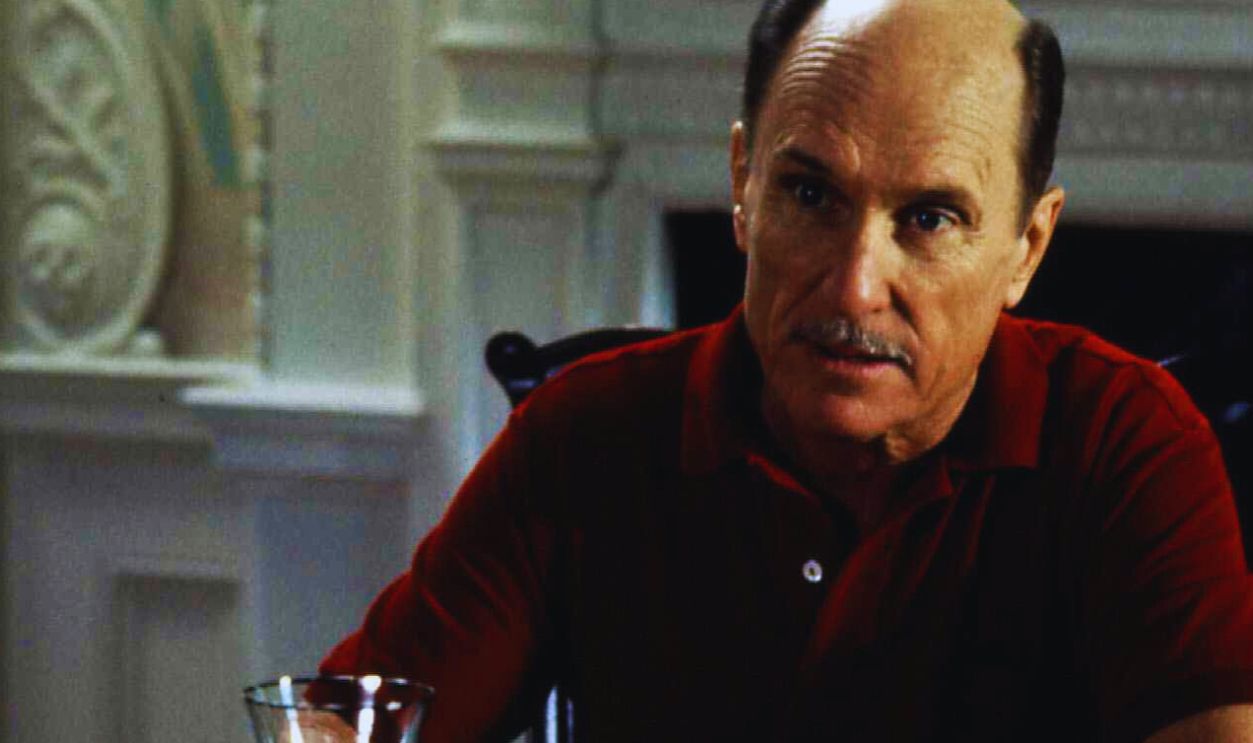
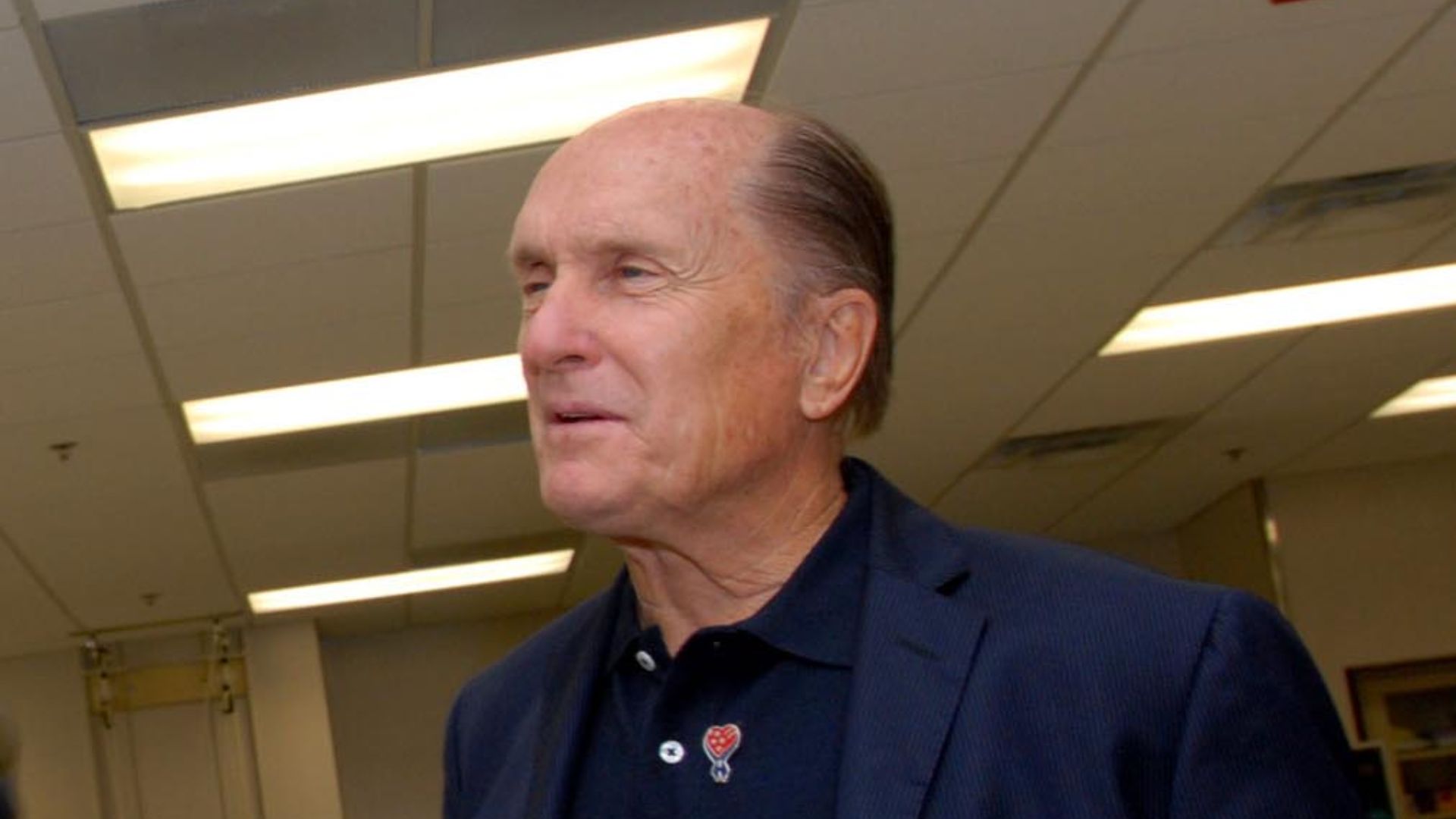
With every passing season, Robert Duvall plunged forward. He added more credits under his belt, but one of the most significant roles of his life would come in 1957—and again in 1965. Starring in the Arthur Miller play, A View from the Bridge, he played Eddie Carbone, and would later recall this as the one character that made his larger career possible.
Still, he wasn’t against taking his talents elsewhere.
 Samantha Quigley/American Forces Press Service, Wikimedia Commons
History's most fascinating stories and darkest secrets, delivered to your inbox daily.
10. He Branched Out
Although Duvall was one of the Gateway’s finest, the theatre wasn’t the only one his fans could find him at, as he also performed at three other venues in America. By the late 1950s, however, he pushed himself even further and made his off-Broadway debut, playing Frank Gardner in Mrs Warren's Profession at the Gate Theatre.
Meanwhile, he didn’t want to limit himself to only live performance.
11. He Appeared On-Screen
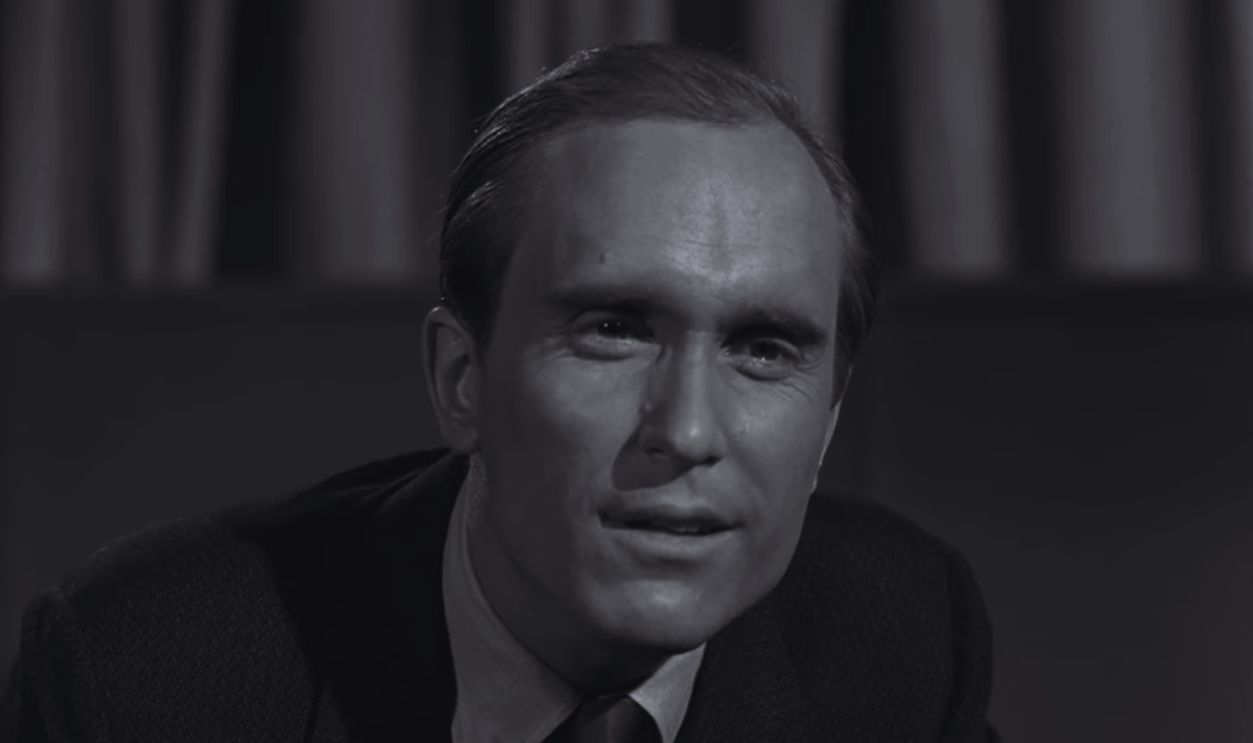
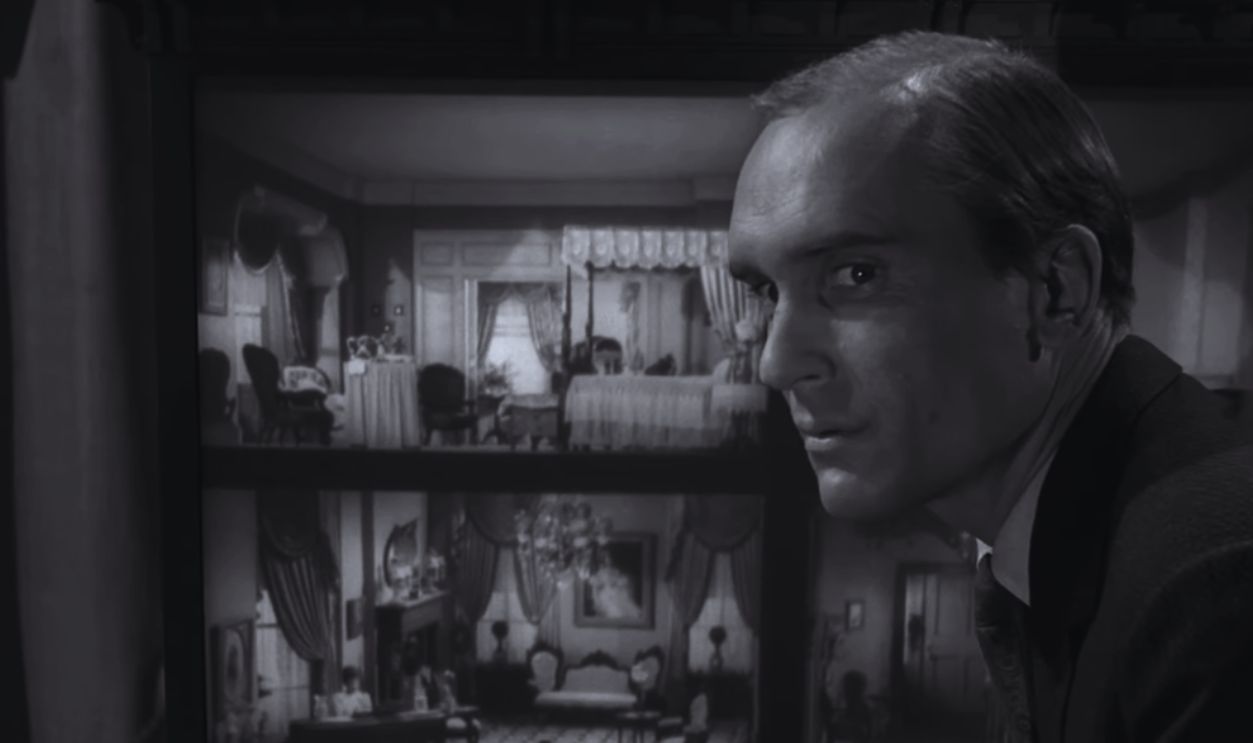
A year after he made his off-Broadway debut, Robert Duvall wanted to expand his horizons even further and took his talents to the small screen. First appearing in a 1959 episode of the Armstrong Circle Theater, Duvall would spend the next decade taking guest roles in shows like The Twilight Zone and The Untouchables.
At the same time, he found himself playing a rather familiar character.
 Screenshot from The Twilight Zone, CBS Television (1959–1964)
12. He Played His Masterwork
Although Duvall had performed A View from the Bridge before, none of the previous shows could compare to his 1965 production. Once again playing Eddie Carbone, he brought his rendition to the off-Broadway stage at the Sheridan Square Playhouse, winning an Obie award for his efforts and later remembering this role as his “Othello”.
However, this was only the tip of the iceberg.
 Screenshot from The Twilight Zone, CBS Television (1959–1964)
13. He Broke Into Cinema
Robert Duvall had already begun stepping into the world of film, all because of his time at the Neighborhood Playhouse. Back in 1957, he'd crossed paths with one man who made all the difference—screenwriter Horton Foote, whose play was running at the theatre. This was a once-in-a-lifetime meeting, since Foote later recommended Duvall for what would become his first movie role as Boo Radley in 1962’s To Kill a Mockingbird.
This wouldn’t be his only life-changing encounter, though.
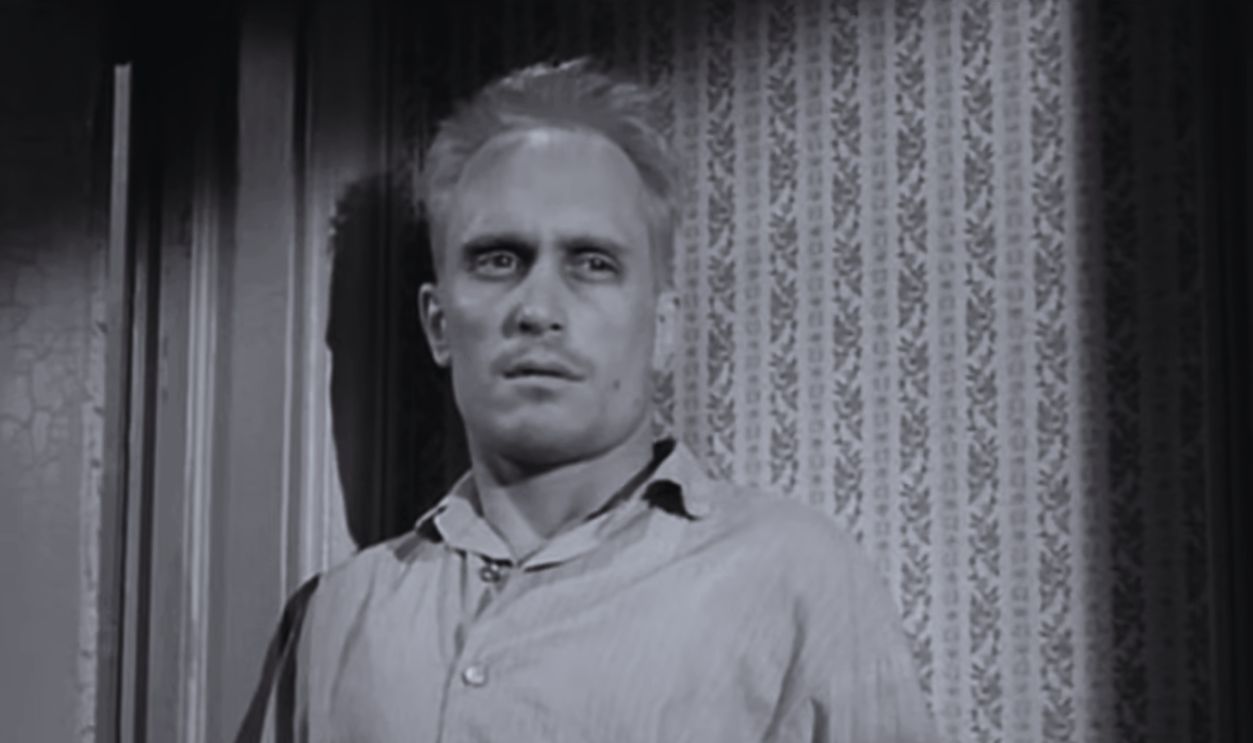 Screenshot from To Kill a Mockingbird, Universal Pictures (1962)
14. He Met Someone Special
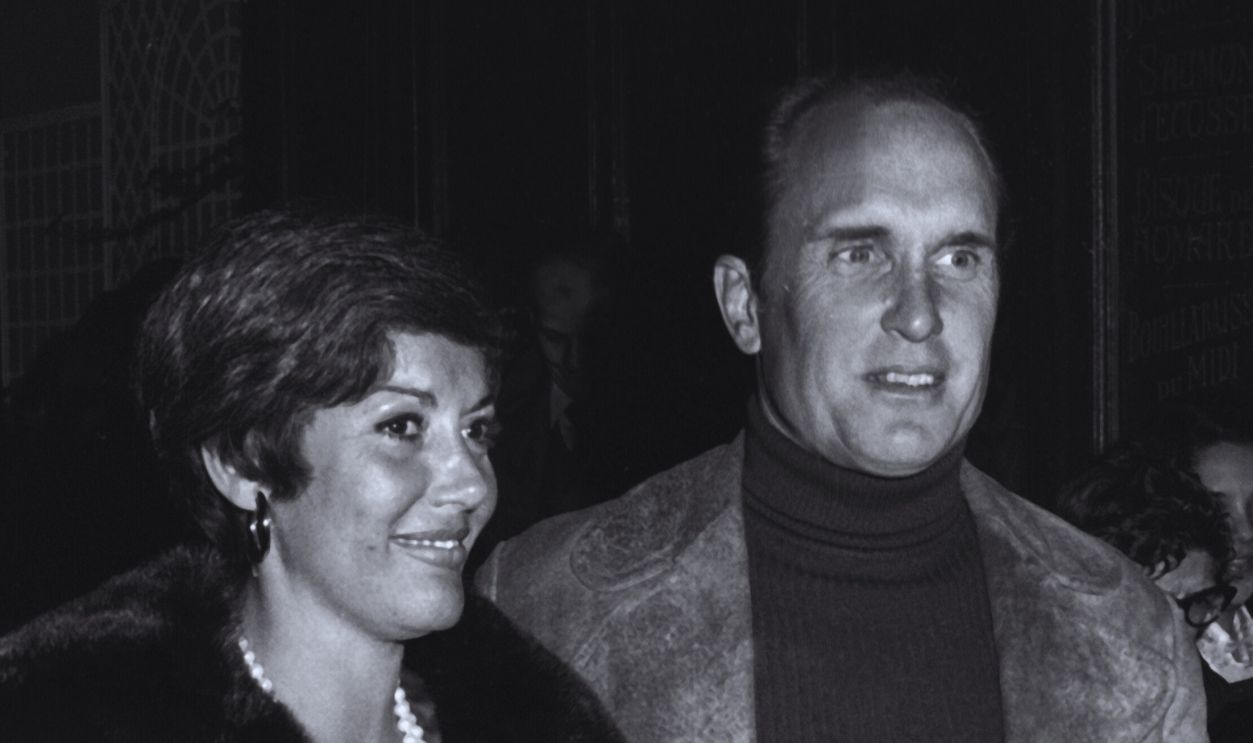
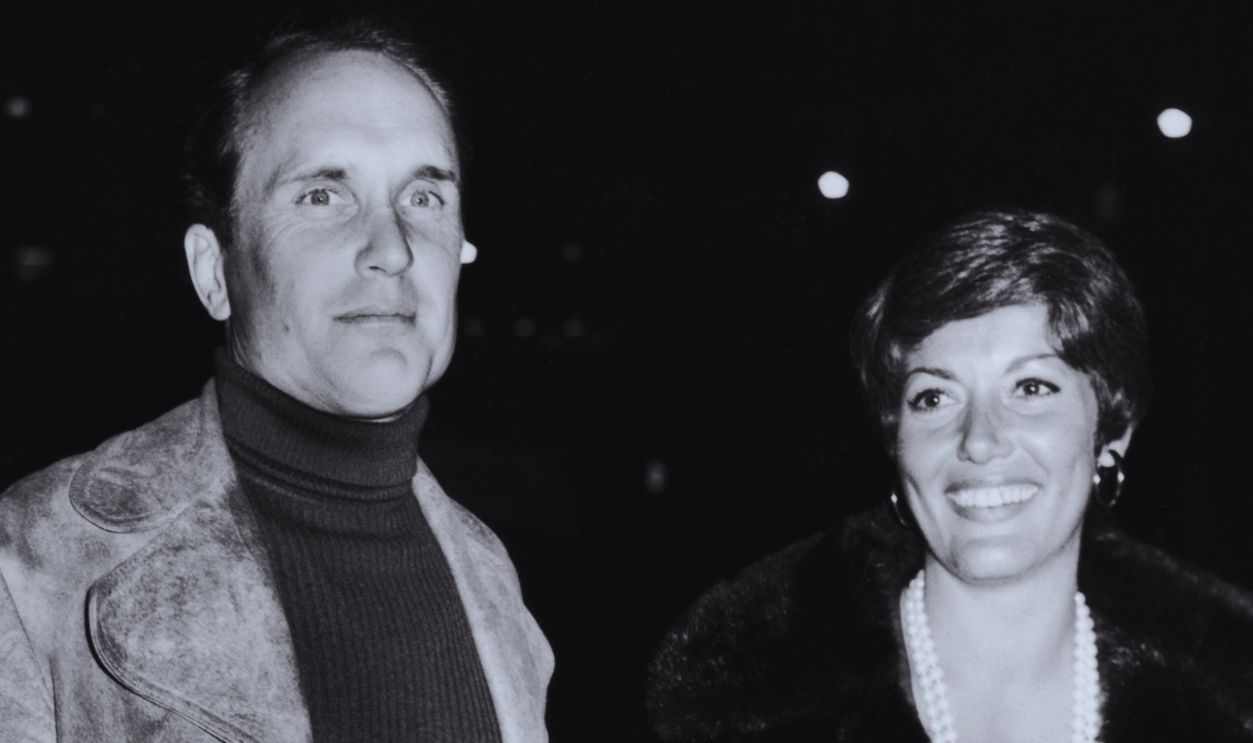
A promising film career wasn’t the only thing that Robert Duvall found when he signed on to appear as Boo Radley, since he also met Barbara Benjamin while working on the project. As a fellow performer, she had acted and danced in several projects, and the two of them fell in love, marrying in 1964.
And with that, he immediately gained a family as well.
15. He Joined A Family
Duvall's marriage to Barbara lasted until 1975, and although he didn’t have any children of his own and wouldn’t in any other relationships, this first marriage gave him a brief family. Barbara had married before this and had two daughters from that relationship, who then became Duvall’s step-children.
Meanwhile, his new film career was already gaining traction.
History's most fascinating stories and darkest secrets, delivered to your inbox daily.
16. He Worked With Legends
Although the caliber of his roles varied from film to film, Duvall eventually got the opportunity to act alongside a few actors who had already cemented their legacies in Hollywood. In the 1968 movie Bullitt, he had a minor role as a cab driver, but got to work with Steve McQueen. Then, his character perished at the hands of John Wayne in the 1969 classic, True Grit.
As it happened, he and Wayne didn’t only lock horns on-screen.
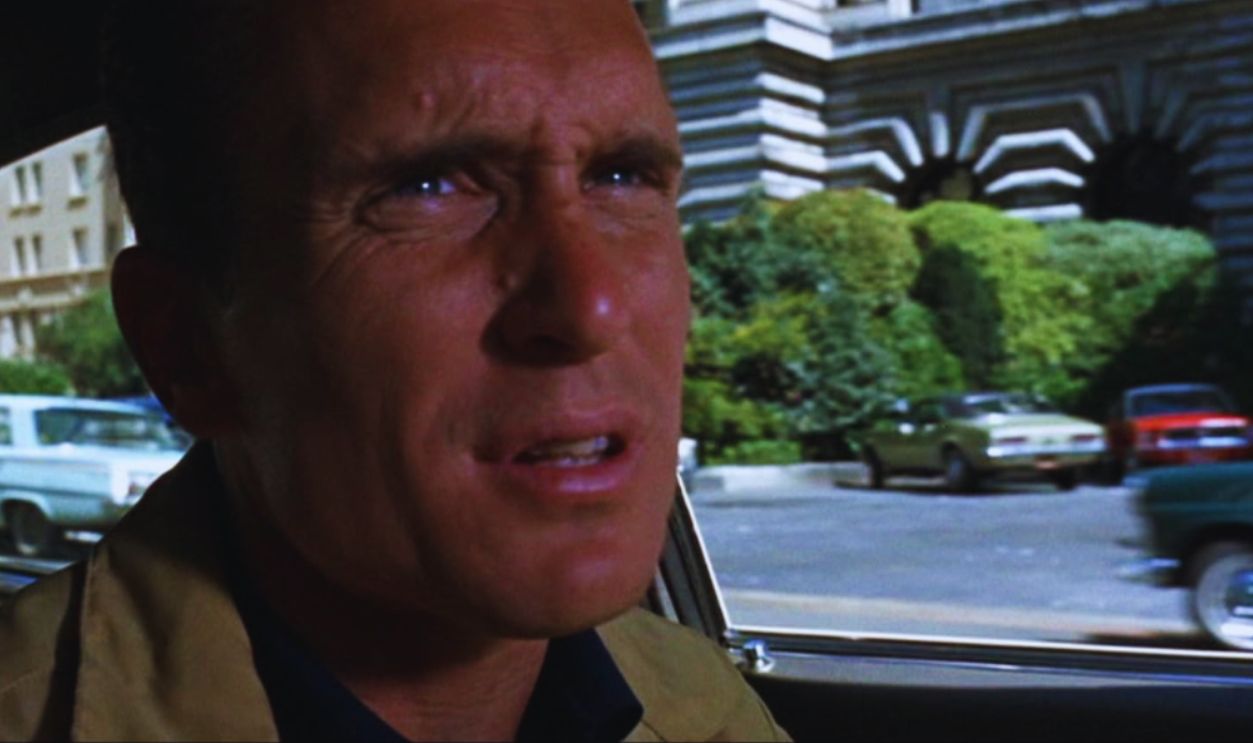 Screenshot from Bullitt, Warner Bros (1968)
17. They Were Too Different
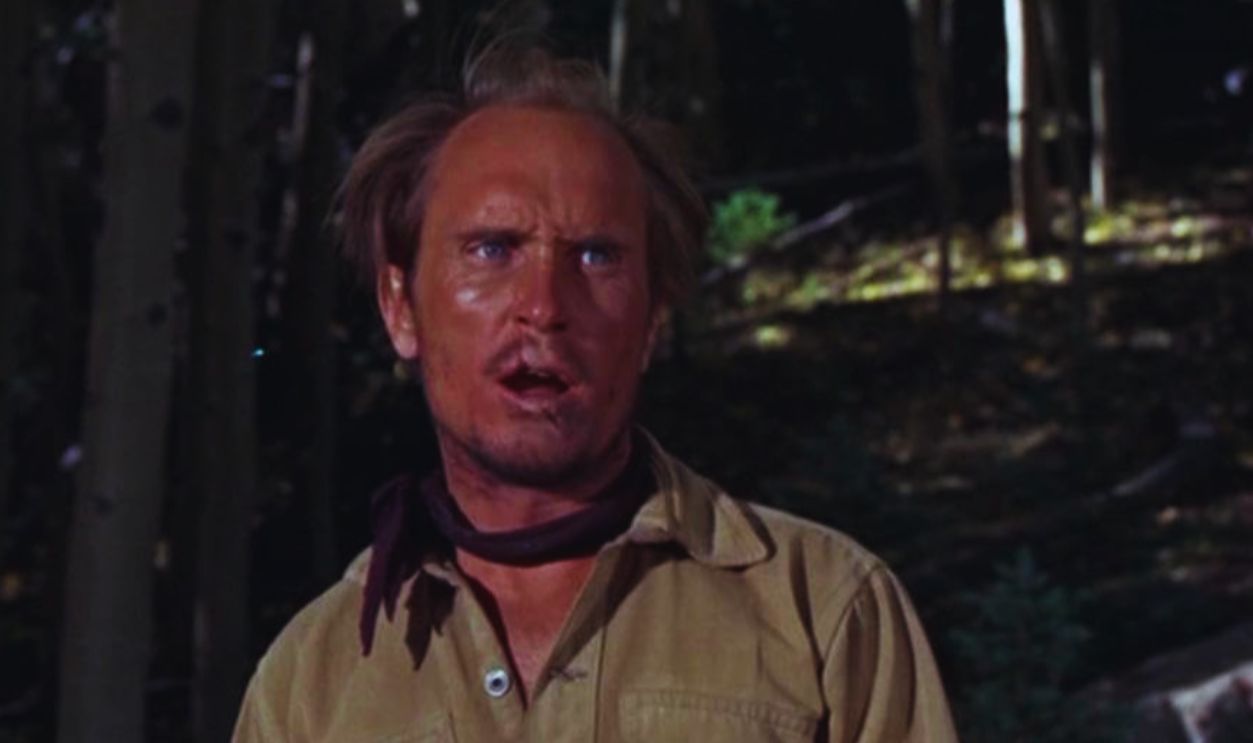
As it became clear early on while filming True Grit, both Robert Duvall and John Wayne were prone to bouts of rage, but that was where their similarities ended. At its core, the conflict between them lay in approaches to acting, as Duvall believed in becoming the character and letting it speak through him, while Wayne put more stock in the director’s vision.
Understandably, tensions on the set were high, mostly due to Duvall.
 Screenshot from True Grit, Paramount Pictures (1969)
18. He Constantly Put Up A Fight
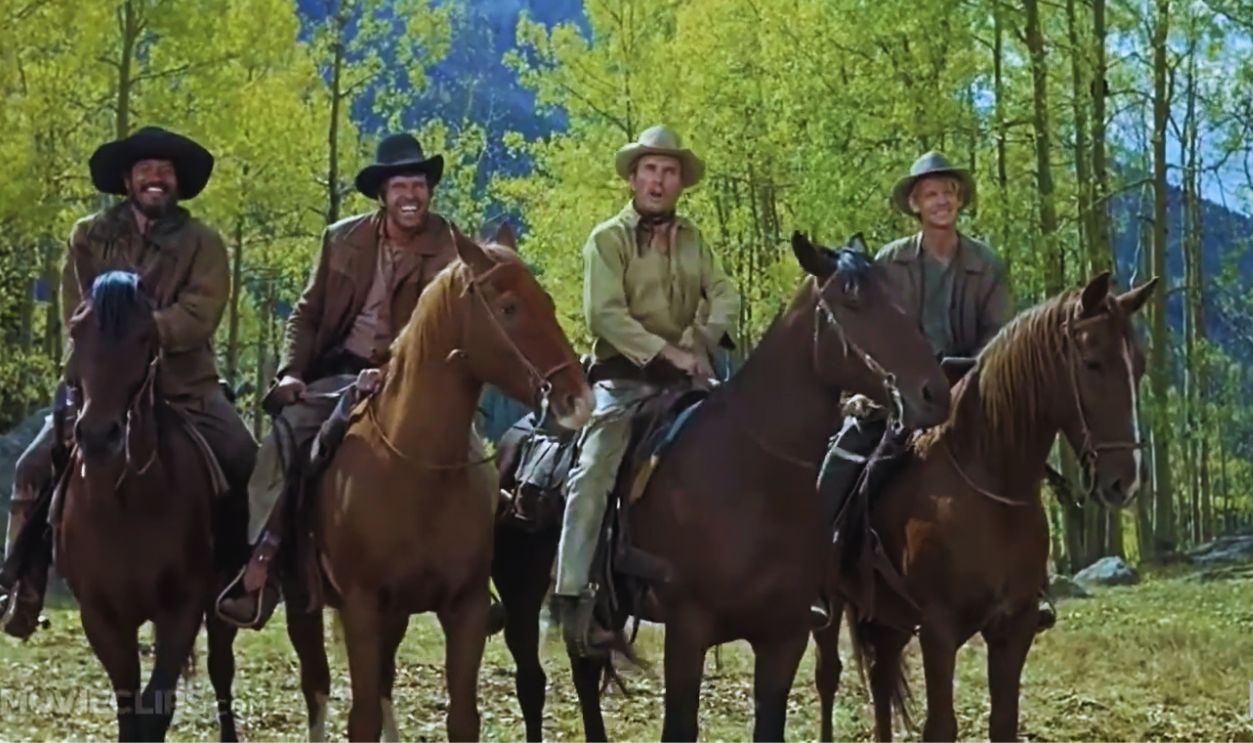
As Duvall was more concerned with embodying his character than listening to director Henry Hathaway, the two frequently disagreed on almost every creative choice. These weren’t simple discussions, though, and instead always resulted in some sort of screaming match on the cusp of a fight.
Finally, Wayne felt he had to say something.
 Screenshot from True Grit, Paramount Pictures (1969)
19. He Stepped In
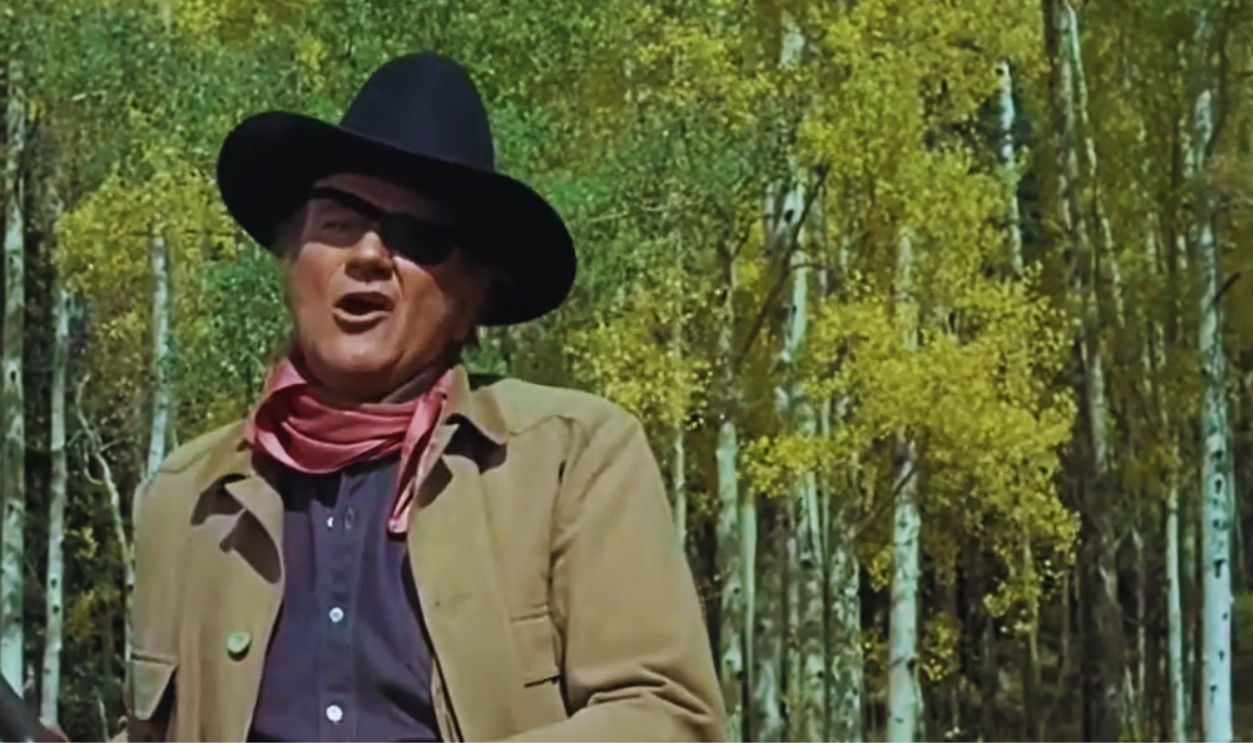
As Wayne was already a veteran actor and held himself to a certain standard of conduct, he couldn’t stand idly by and let Duvall constantly create issues with the director. Mustering all of the typical tough-guy energy he had, Wayne got them back on track by threatening to punch Duvall if he didn’t stop fighting with Hathaway.
Although it was miserable, this project did help Duvall climb higher in his career.
 Screenshot from True Grit, Paramount Pictures (1969)
20. He Joined The Spotlight
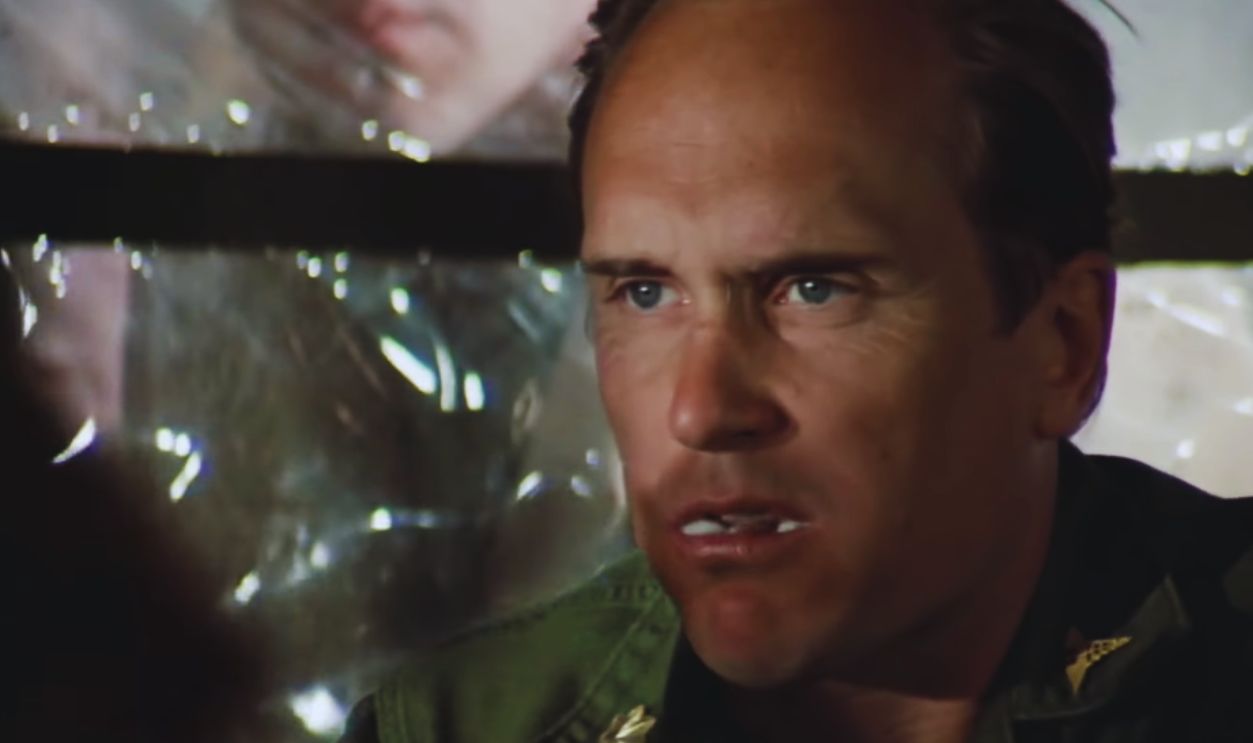
As the 1970s arrived in America, audiences across the nation grew more familiar with Robert Duvall's performances, and he quickly became a mainstay in Hollywood. This was largely due to some of his more prominent roles early in the decade, such as the titular character in THX 1138 and Major Frank Burns in the film M*A*S*H.
Adding to the list, he soon appeared in one of history’s greatest films.
 Screenshot from MASH*, 20th Century Fox (1970)
21. He Was In A Classic
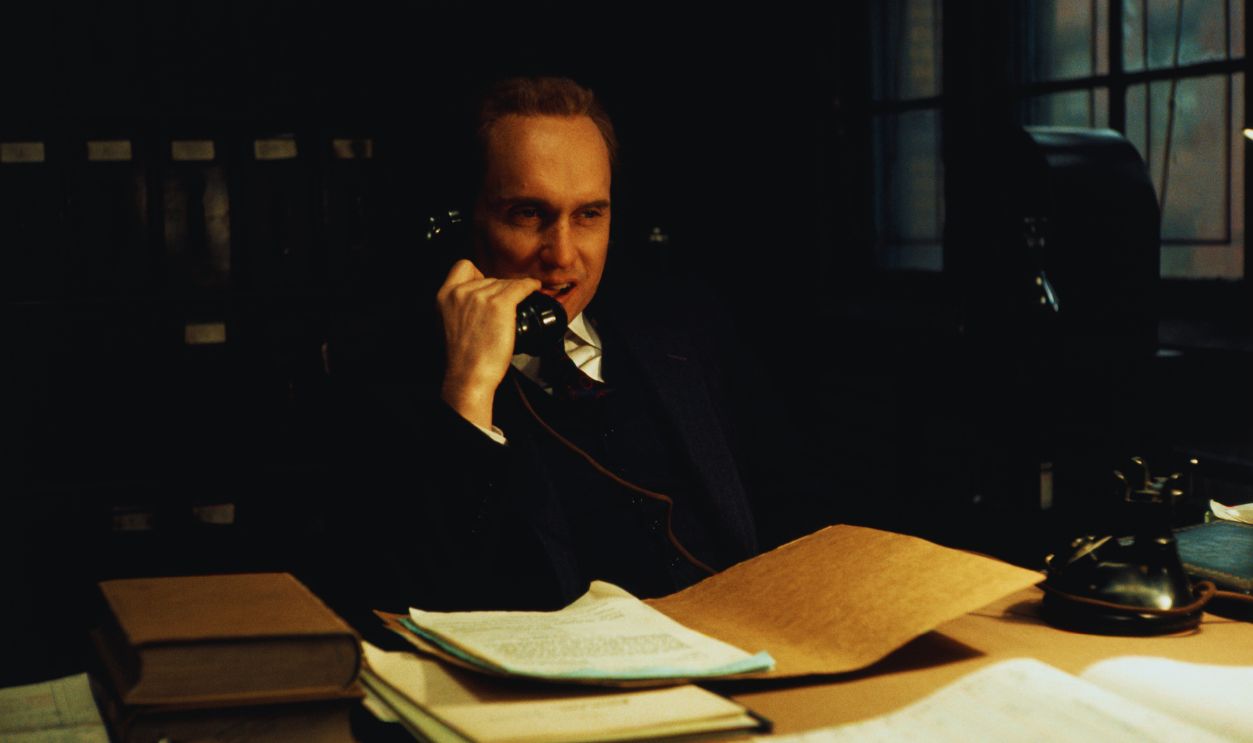
Robert Duvall had already worked with director Francis Ford Coppola on The Rain People, so when the filmmaker needed actors for his upcoming 1972 film The Godfather, he knew who to call. Playing the lawyer Tom Hagen, Duvall received an Oscar nomination for Best Supporting Actor, and returned to play the character again in The Godfather Part II.
While these were some of his most serious films so far, he had his share of fun.
History's most fascinating stories and darkest secrets, delivered to your inbox daily.
22. They Kept Things Light
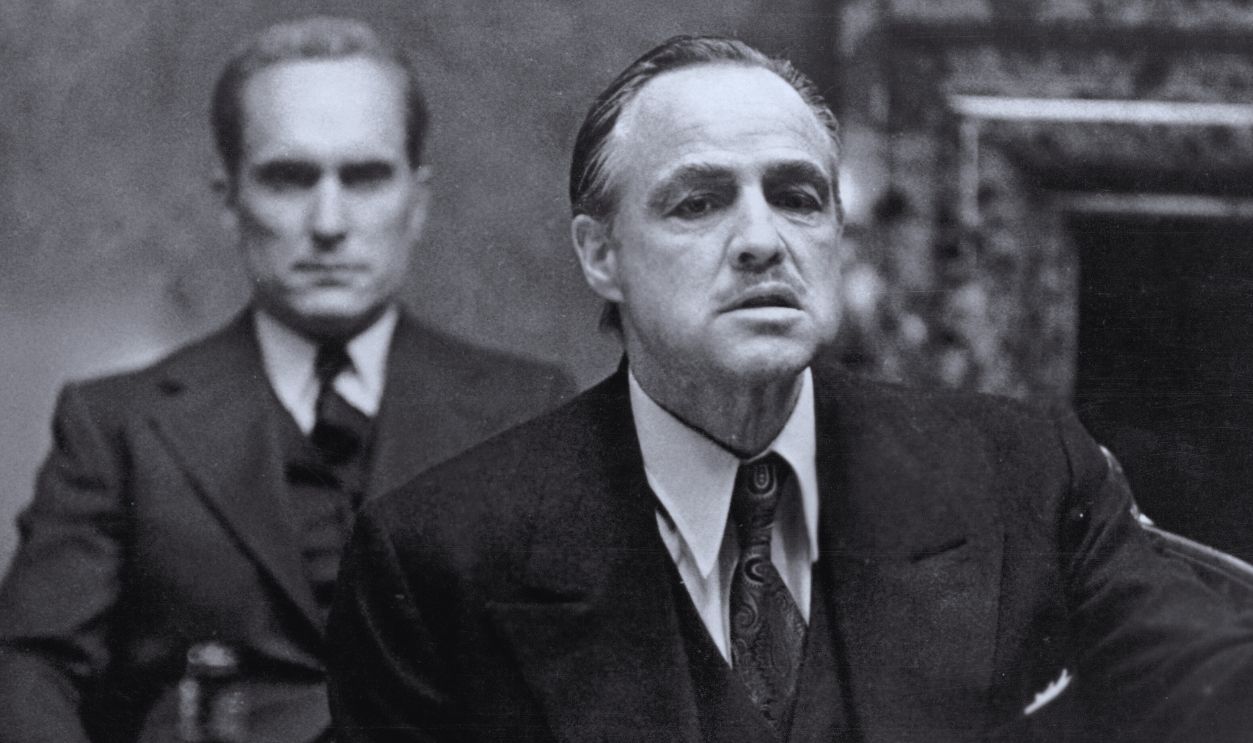
When speaking of the set on The Godfather, Duvall would later say that the cast understood the need to create a mellow environment. To do this, they would often make jokes and goof off, including doing Marlon Brando impressions behind the actor’s back. While Coppola would tell them to get back to work, Duvall knew the director appreciated their levity.
Around the same time, he had the chance to be part of another historic project.
 Paramount Pictures, Getty Images
23. He Wanted To Play Someone Else
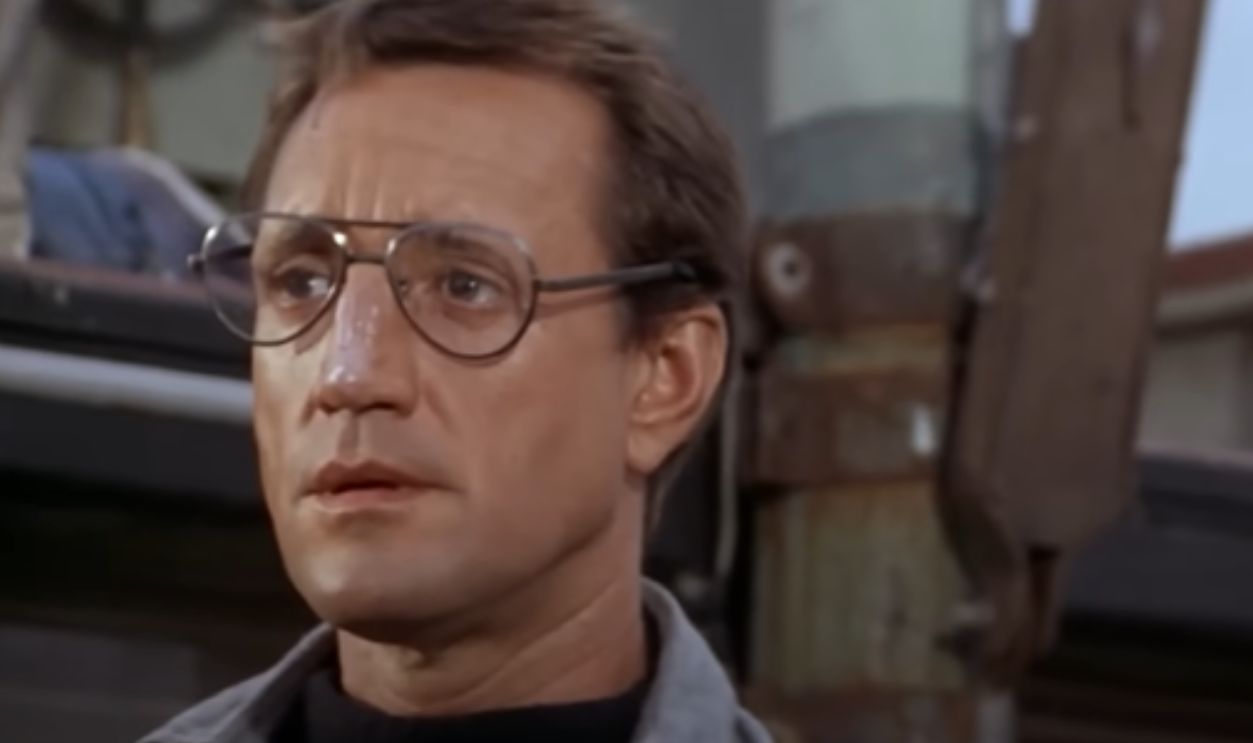
Between filming the first two The Godfather movies, Robert Duvall received an offer to join the cast of another film—which would also become a classic—and this time it was from Steven Spielberg. Wanting Duvall to play the character of Martin Brody, Spielberg met with him to discuss the project. However, Duvall's response was downright shocking.
 Screenshot from Jaws, Universal Pictures (1975)
24. He Turned Down Jaws
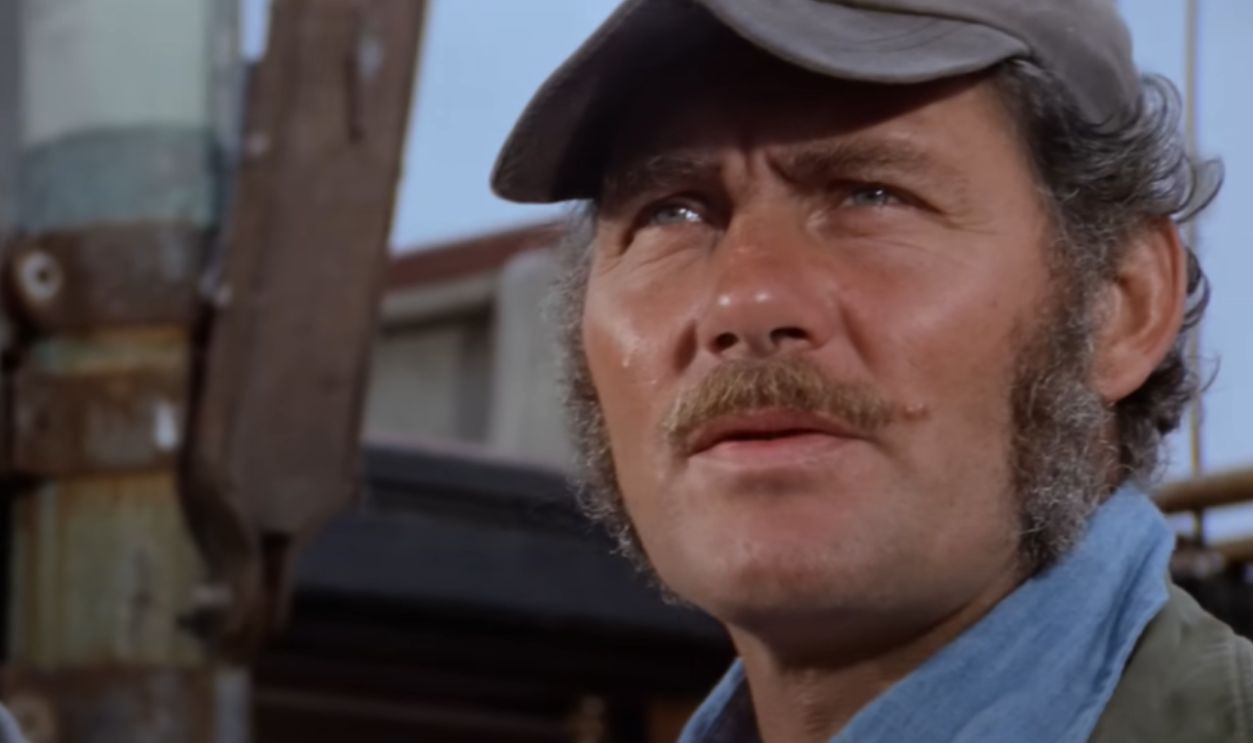
The project Spielberg wanted Duvall to be a part of was none other than Jaws. However, from Duvall's point of view, there was just one problem. He didn't doubt the movie for a moment, but he just wasn't interested in the role of Martin Brody. He wanted to play Quint—a part that he was just "too young" to take on.
This wouldn’t be the last of his disappointment with roles.
 Screenshot from Jaws, Universal Pictures (1975)
25. He Was In A Pattern
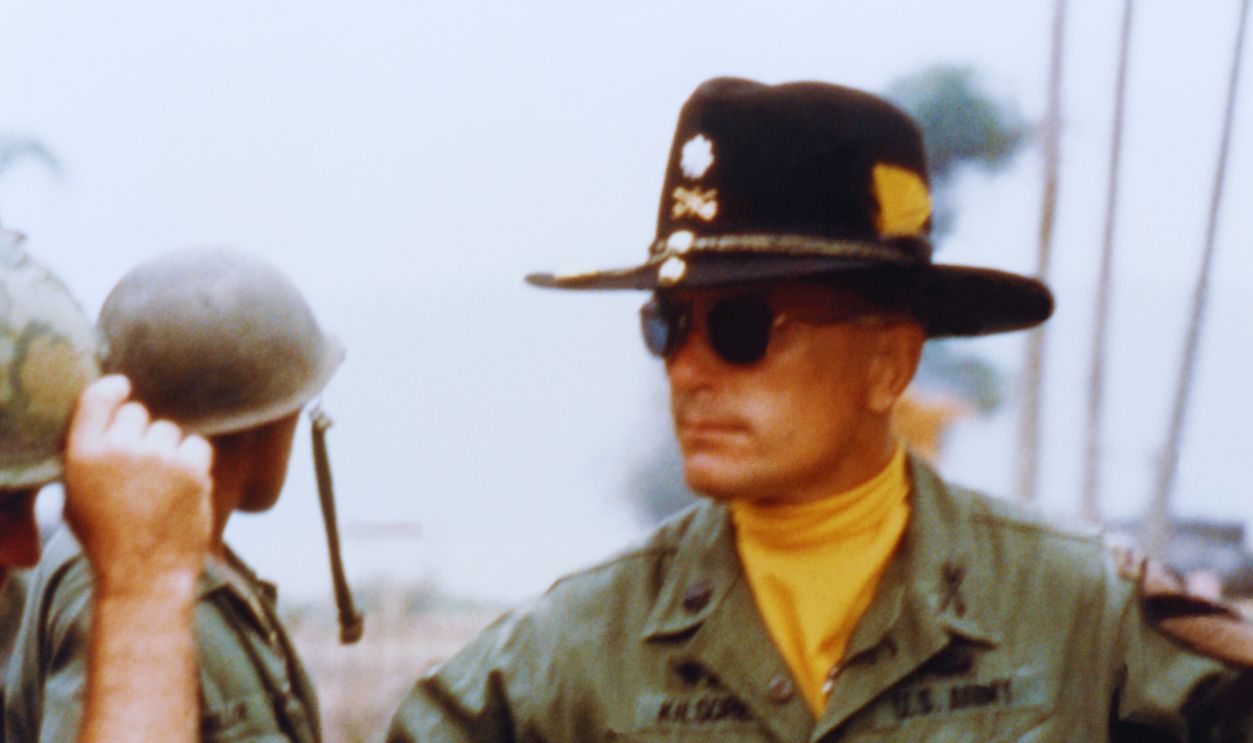
As the 1970s progressed, Duvall really hit his stride as an actor, but most of his projects did not have him in leading roles, and the media even described him as “Hollywood's No 1 No 2 lead”. This idea was further driven home when he won a Golden Globe and a BAFTA for Best Supporting Actor for his role in Apocalypse Now.
However, this role would immortalize him in cinematic history.
 Sunset Boulevard, Getty Images
26. He Played Another Icon
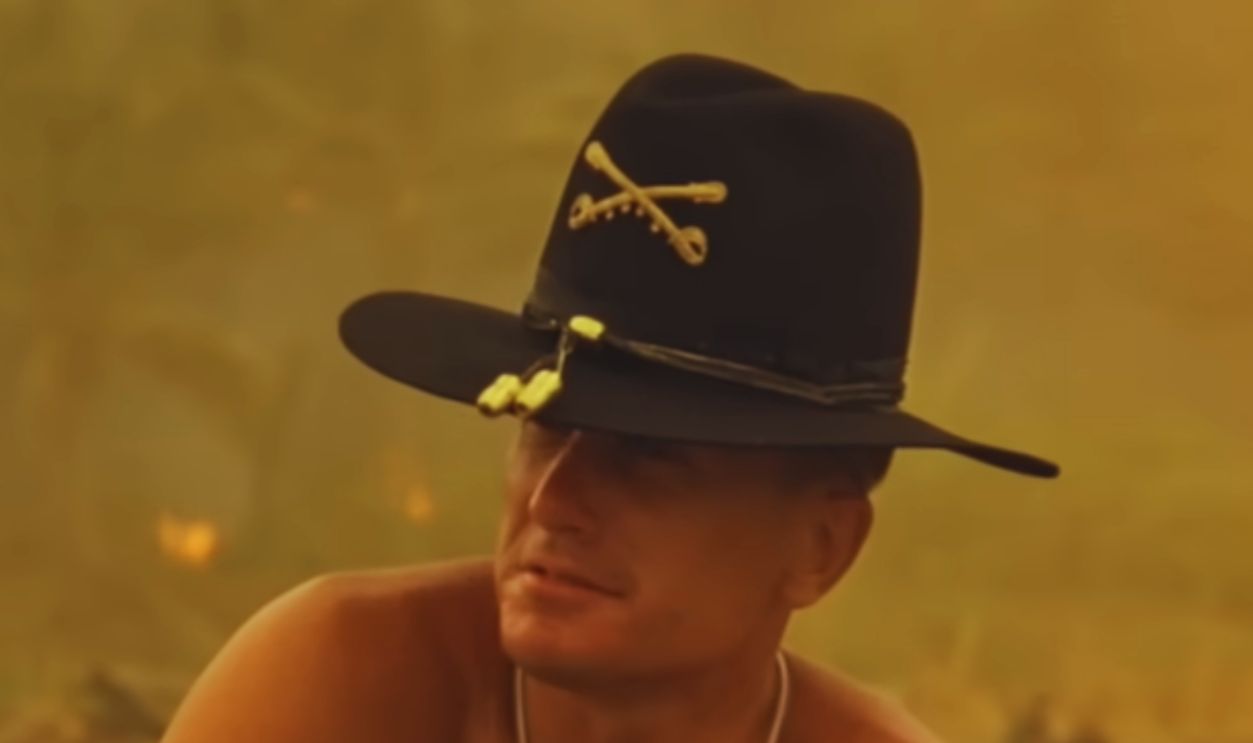
Playing Lieutenant Colonel Bill Kilgore, Duvall’s performance in Apocalypse Now made a lasting impression on the world of film. Not only was his role included in Premiere Magazine’s “100 Greatest Movie Characters of All Time,” but his line, “I love the smell of napalm in the morning,” has become one of the most famous quotes in cinema.
Still, Duvall wasn’t completely satisfied with the state of his career.
 Screenshot from Apocalypse Now, United Artists / Zoetrope Studios (1979)
27. He Performed Live Again
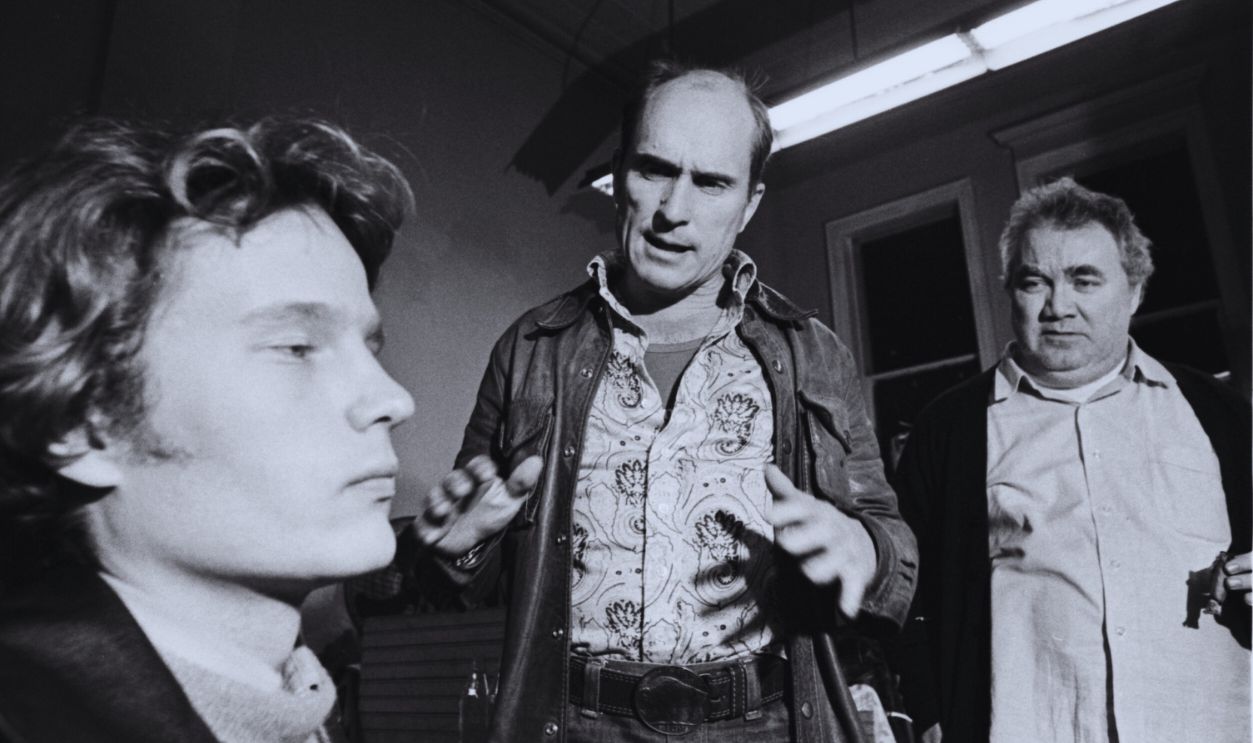
Duvall once again took the stage in 1977 to play the character of Walter Cole in American Buffalo on Broadway, and while he likely missed live theatre, that wasn’t his main motivation. He had achieved global fame as Hollywood’s best character actor, but he wanted to start receiving top billing in his projects and hoped that returning to the theatre would help.
To this end, he also endeavored to put everything into each role.
History's most fascinating stories and darkest secrets, delivered to your inbox daily.
28. He Was Authentic
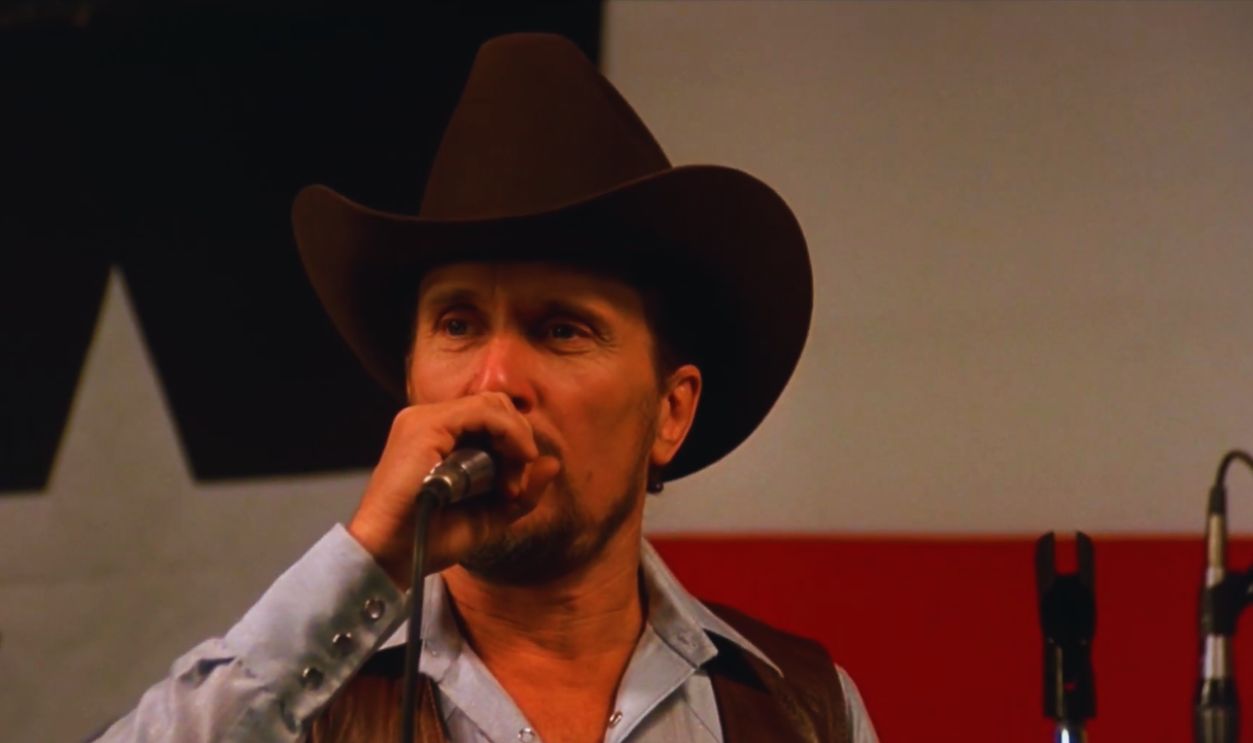
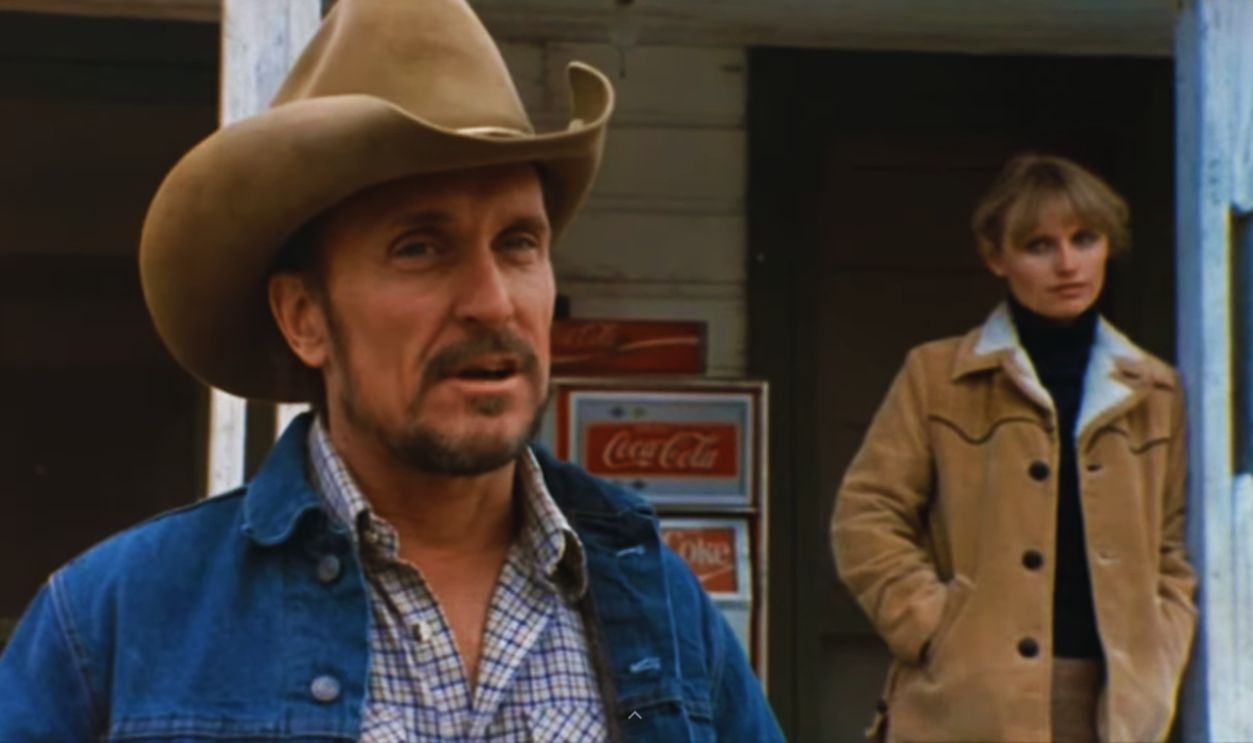
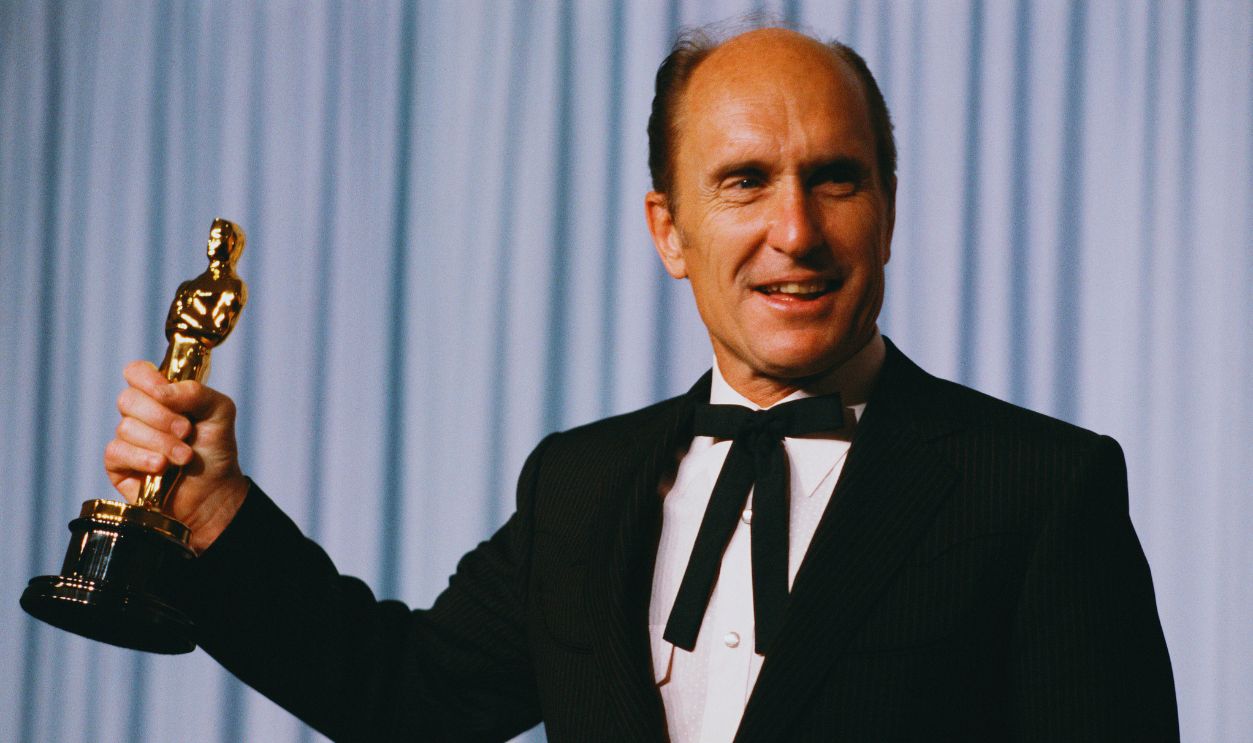
As Duvall's career progressed into the 1980s, he got his wish and achieved recognition as a top-billed actor. Starring in the 1983 film Tender Mercies, he won Best Actor at the Oscars for his performance as a country singer named Mac Sledge. He put in the work too, as he sang the songs himself and added a stipulation to his contract to ensure his real voice was used.
Duvall even stated, "What's the point if you're not going to do your own [singing]? They're just going to dub somebody else? I mean, there's no point to that". This kind of dedication even affected his relationships off-screen.
 Screenshot from Tender Mercies, Universal Pictures (1983)
29. She Barely Knew Him
The secret behind each of Duvall's immersive performances was that he threw himself wholly into each role, becoming the character rather than merely playing it. This was no different in Tender Mercies, and his co-star, Tess Harper, later said that by the time they finished filming, she didn’t know Duvall well at all. Instead, she had only become familiar with his character, Mac Sledge.
Soon enough, he would catch the eye of another actress.
 Screenshot from Tender Mercies, Universal Pictures (1983)
30. He Found Someone Else
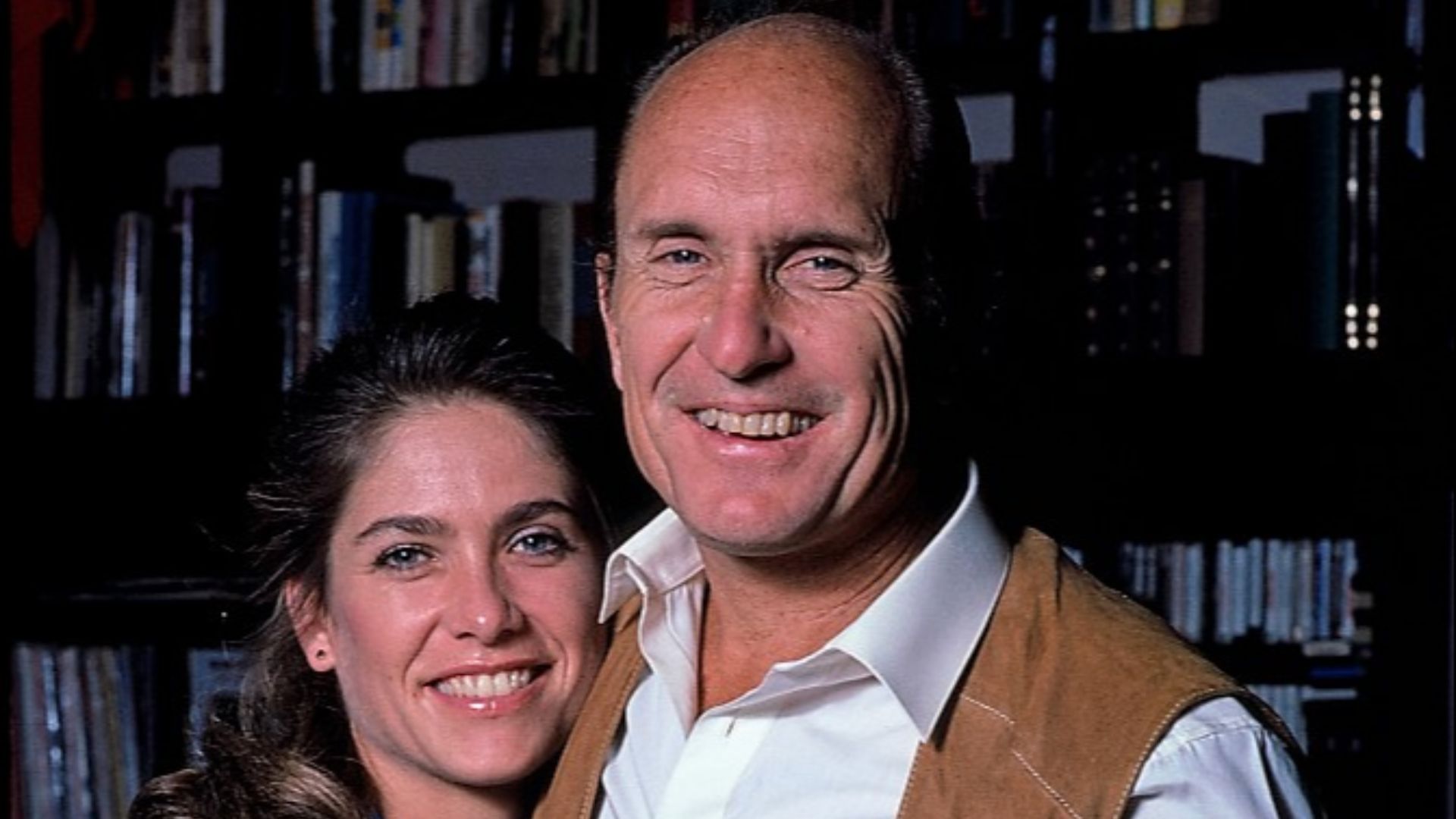
Having divorced his first wife in 1975, Duvall didn’t fall in love with another woman until several years later, when he met Gail Youngs and married her in 1982. Not only was Gail a fellow actor, but she also came from a family in the public eye, with her actor brothers John Savage and Jim Youngs, and her sister Robin, who was a TV personality.
At last, among all his groundbreaking performances, he found his most beloved.
 Gotfryd, Bernard, photographer, Wikimedia Commons
31. He Played His Favorite Role
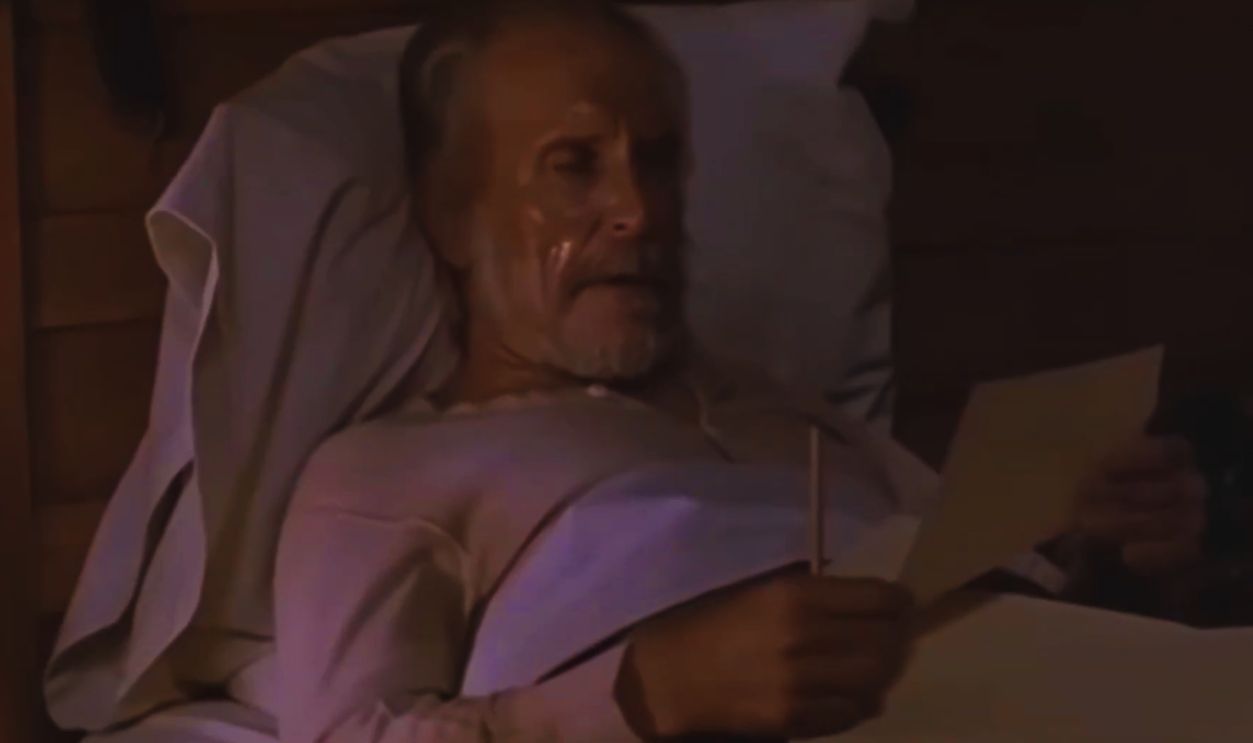
By the end of the 1980s, Duvall had been fortunate enough to work many amazing jobs, but one role in 1989 stood out from them all. Although he considered his performance as Eddie Carbone his career’s catalyst, his time as Captain Augustus "Gus" McCrae on the miniseries Lonesome Dove became his personal favorite, and won him a Golden Globe.
However, even at this point, he ran into a bit of a roadblock.
 Screenshot from Lonesome Dove, CBS Television (1989)
32. He Fell Into A Rut
Even with a few more prominent roles, most of the work offered to Duvall since he won his Oscar wasn’t up to the standards that he wanted for his career. Like several other actors of his caliber, Hollywood just couldn’t see him as worthy of a lead role, no matter how much he tried to prove the industry wrong. As others would point out, his career appeared to be suffering from the infamous “Oscar Curse”.
Finally, he decided he wasn’t going to settle for less anymore.
33. He Didn't Return In Godfather
Despite his performances in the first two Godfather films and his other work with Francis Ford Coppola, Duvall made a surprising decision when the filming of The Godfather Part III rolled around. Instead of jumping on board, he refused to reprise his role as Tom Hagen in the beloved franchise—and he had a jaw-dropping reason.
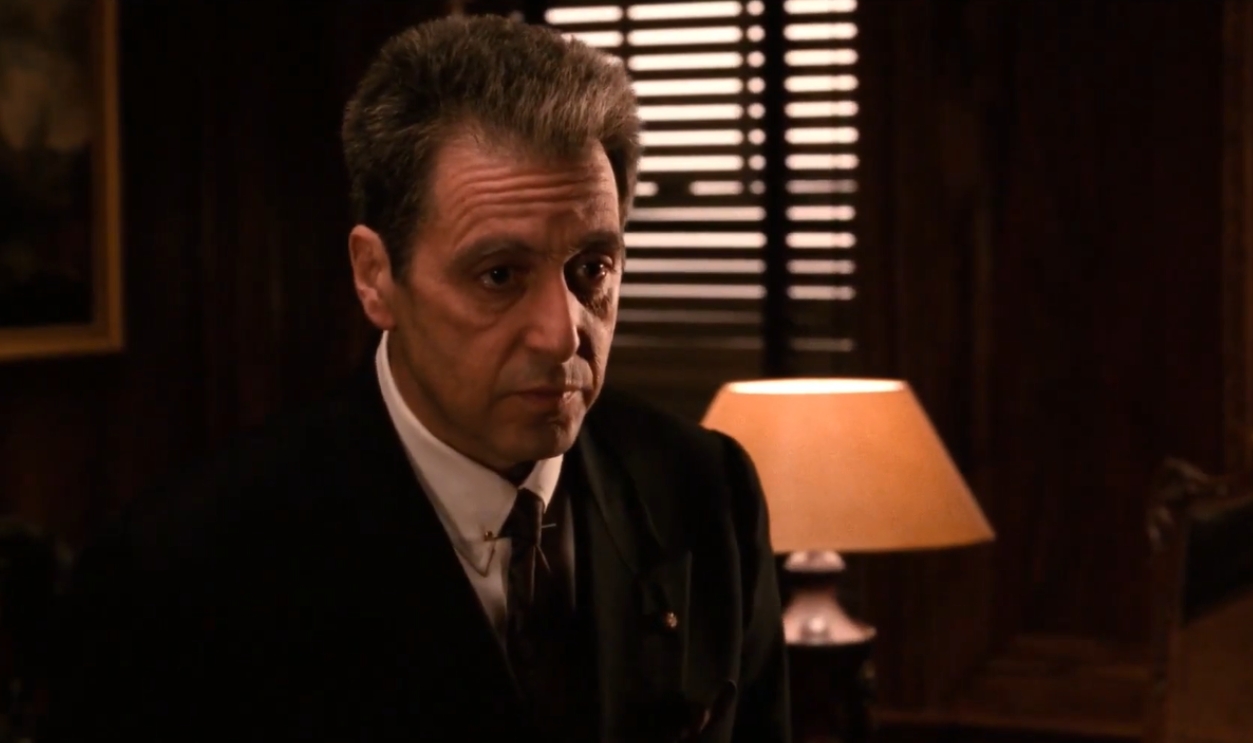 Screenshot from The Godfather Part III, Paramount Pictures (1990)
History's most fascinating stories and darkest secrets, delivered to your inbox daily.
34. He Wanted More Money
Robert Duvall just couldn't stomach the fact that he'd make nowhere near what Al Pacino was set to rake in for The Godfather Part III. Though Duvall recognized that Pacino should make more than him, he still had a problem with making three or four times less than the lead actor—which he would have.
Still, Duvall didn’t blame Coppola personally for this—and vice versa.
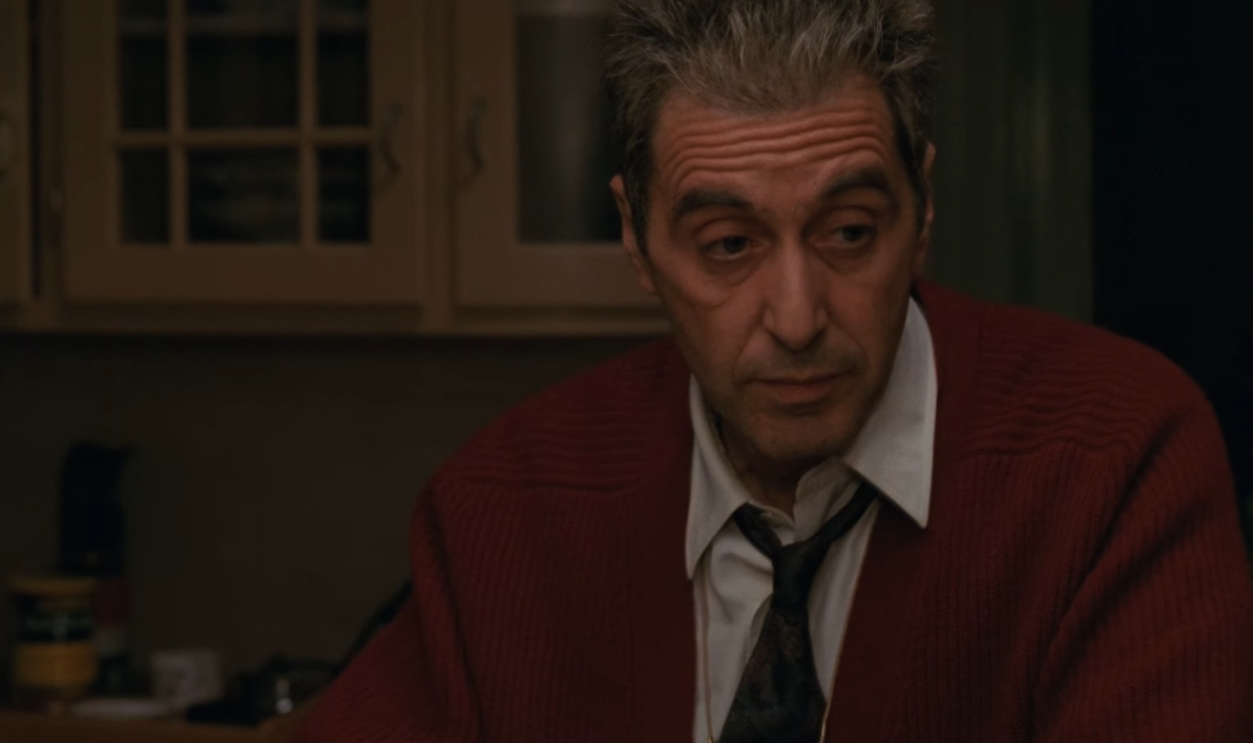 Screenshot from The Godfather Part III, Paramount Pictures (1990)
35. They Had No Bad Blood
Duvall may have had issues with his treatment concerning The Godfather Part III, but thankfully, this didn’t sour the relationship between him and the director. In fact, Duvall later recalled that the next time he and Coppola spoke, the movie barely came up in conversation. Instead, Coppola mostly wanted to know Duvall’s recipe for Maryland crab cakes.
Fortunately for him, he wasn’t short on loving relationships.
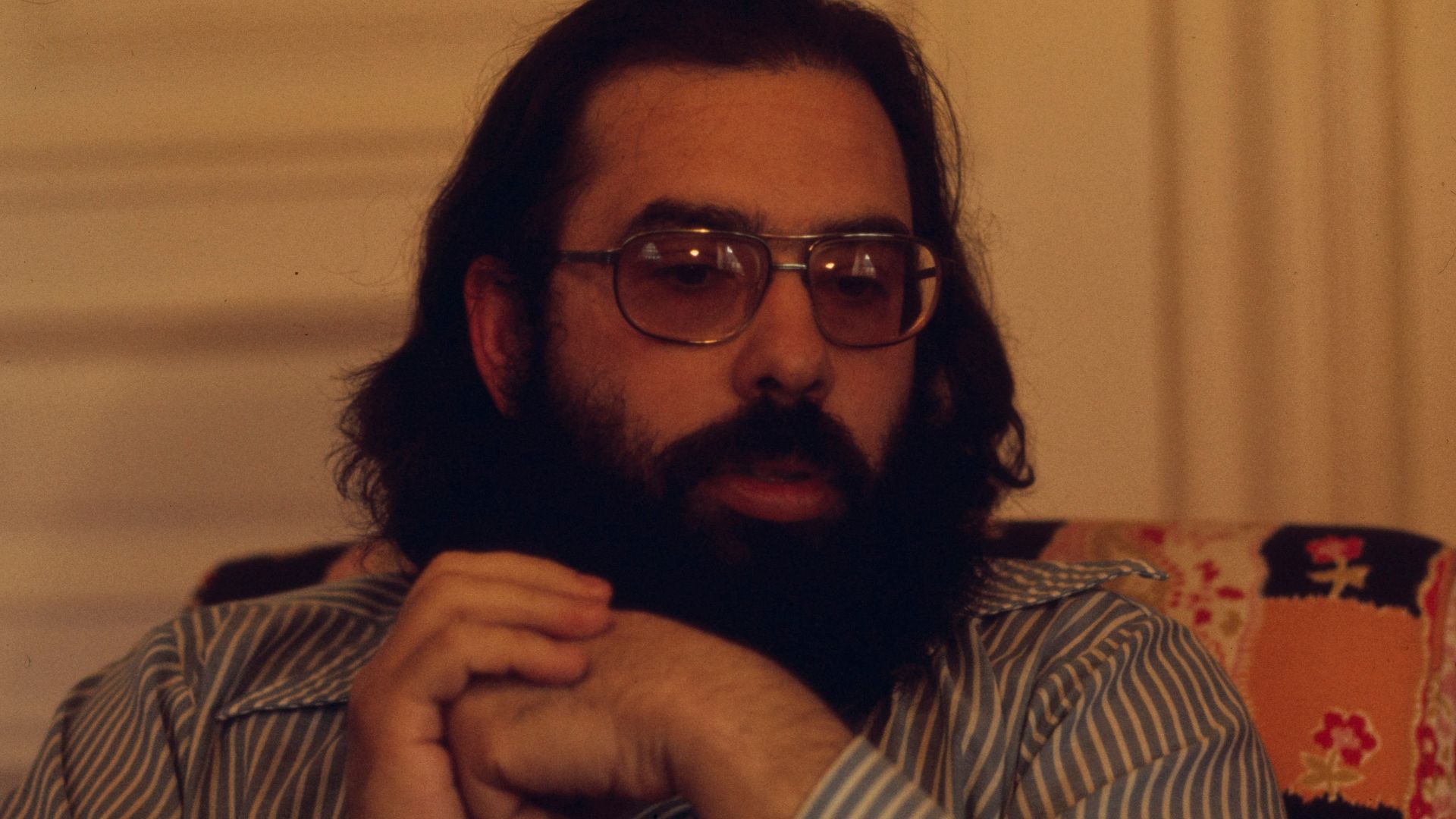 Bernard Gotfryd, Wikimedia Commons
36. He Visited A Bakery
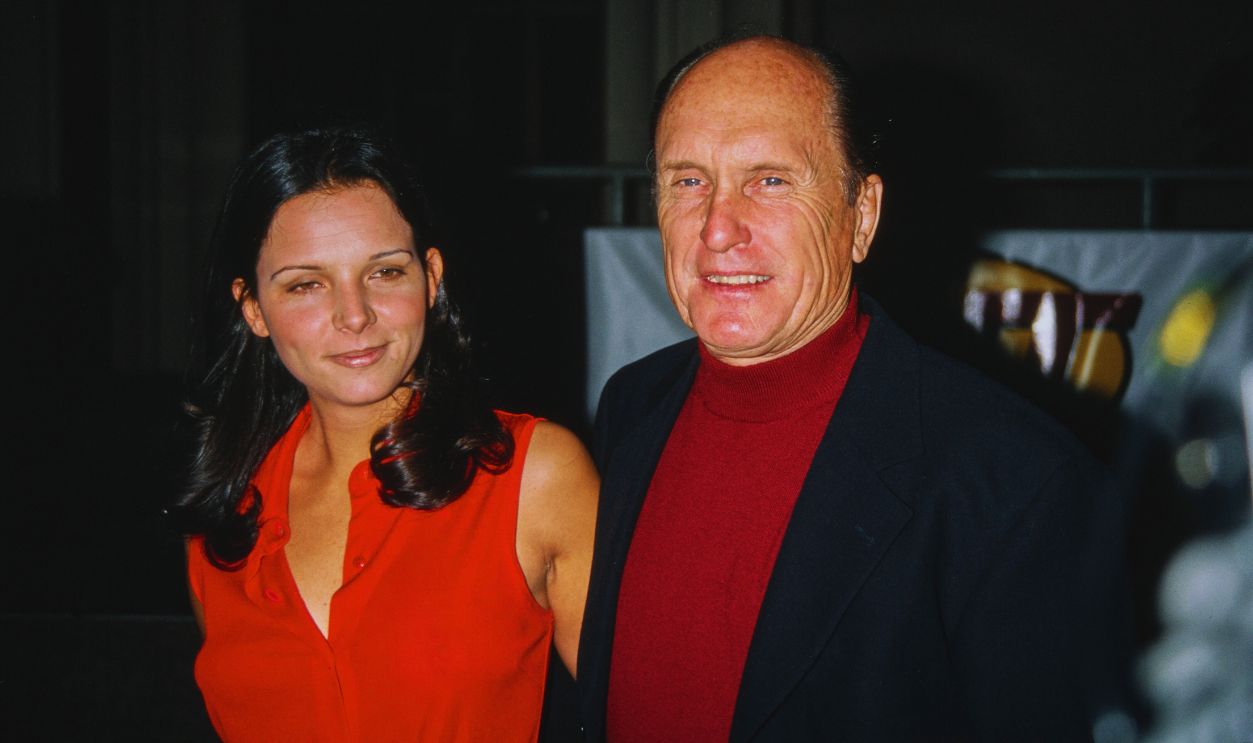
Duvall's marriage to Gail Youngs lasted for about four years, and since then, he had also had a five-year marriage to a dancer named Sharon Brophy. However, being single near the end of the 1990s, he found himself in Argentina, where he had a fateful encounter.
Although he wanted to visit a local flower shop, it had already closed, so he instead walked into a nearby bakery and met a woman named Luciana Pedraza. He later shared, "The flower shop was closed, so I went to the bakery. If the flower shop had been open, I never would've met her". It wasn’t long before they committed their lives to each other.
37. They Took The Next Step
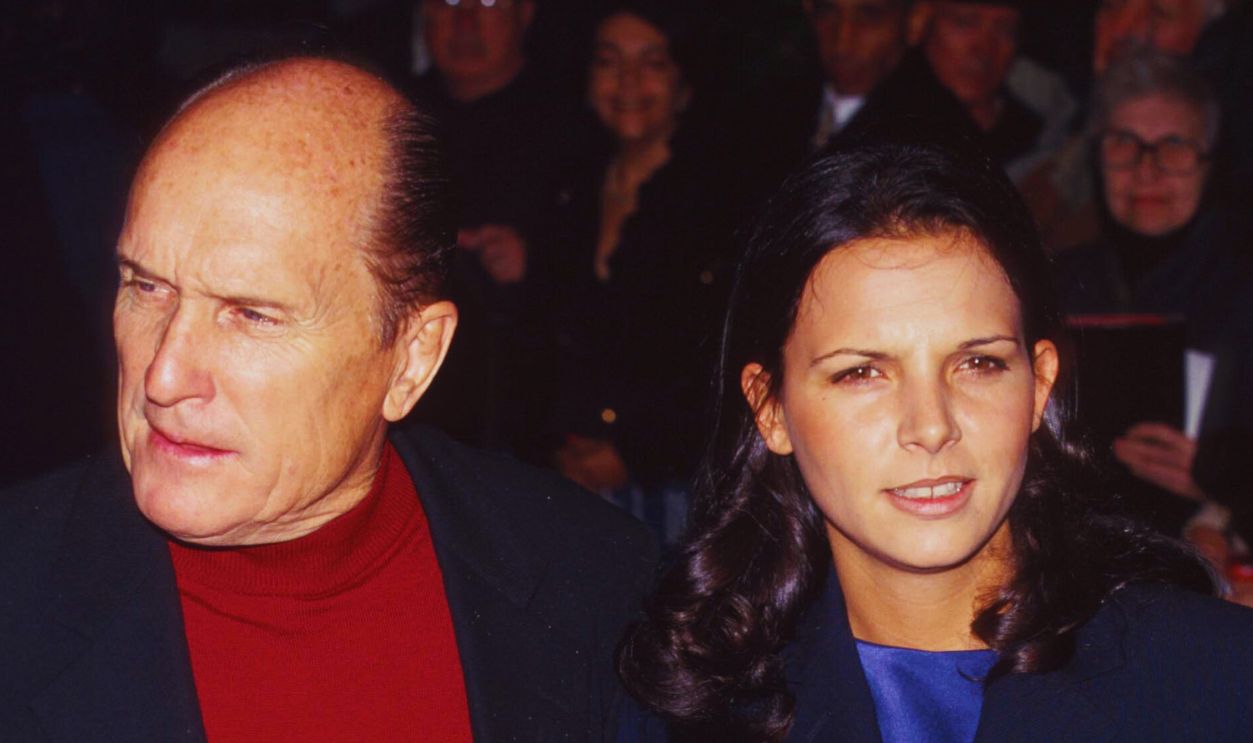
Luciana Pedraza was not in the entertainment business, but she and Robert Duvall did share a birthday on January 5, even if he was born 41 years before she was. Still, the two of them became inseparable, and after dating for eight years, they had their wedding in 2005 and have remained married to this day.
Behind the scenes, he and his wife occupied their time with more selfless ventures.
38. They Got Involved
Duvall was eager to have Luciana join him on a couple of his films, but even outside of that, the two were hard at work in her home country of Argentina. In supporting the Pro Mujer non-profit organization, she and Duvall have helped many women of Latin America who suffer from poverty.
Similarly, Duvall also felt a drive to change the world on his own terms.
39. They Started Their Own Charity
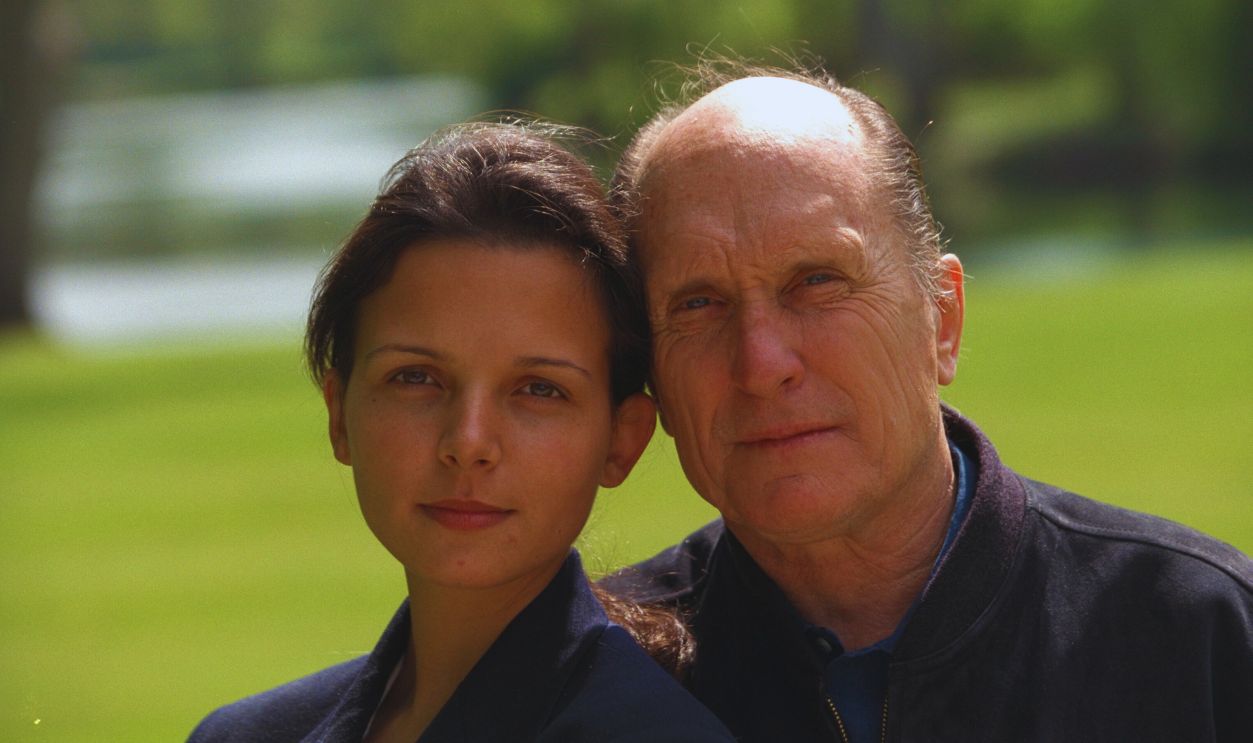
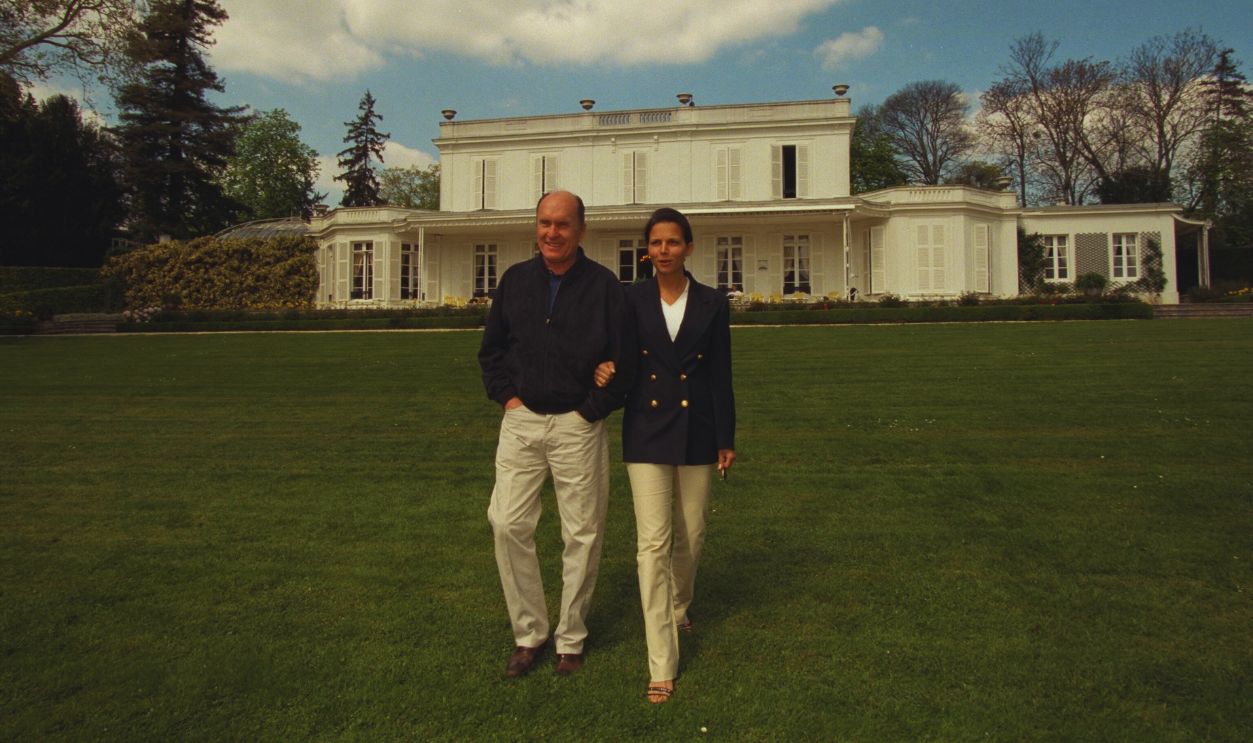
Even before they married, Duvall and Luciana decided to further their philanthropic efforts by establishing their own charity, the Robert Duvall Children's Fund. Through this organization, the two have strived to help families in Northern Argentina by restoring their most essential buildings, like hospitals and schools.
Still, his philanthropy didn’t take away from his other passions.
History's most fascinating stories and darkest secrets, delivered to your inbox daily.
40. He Drew From Experience
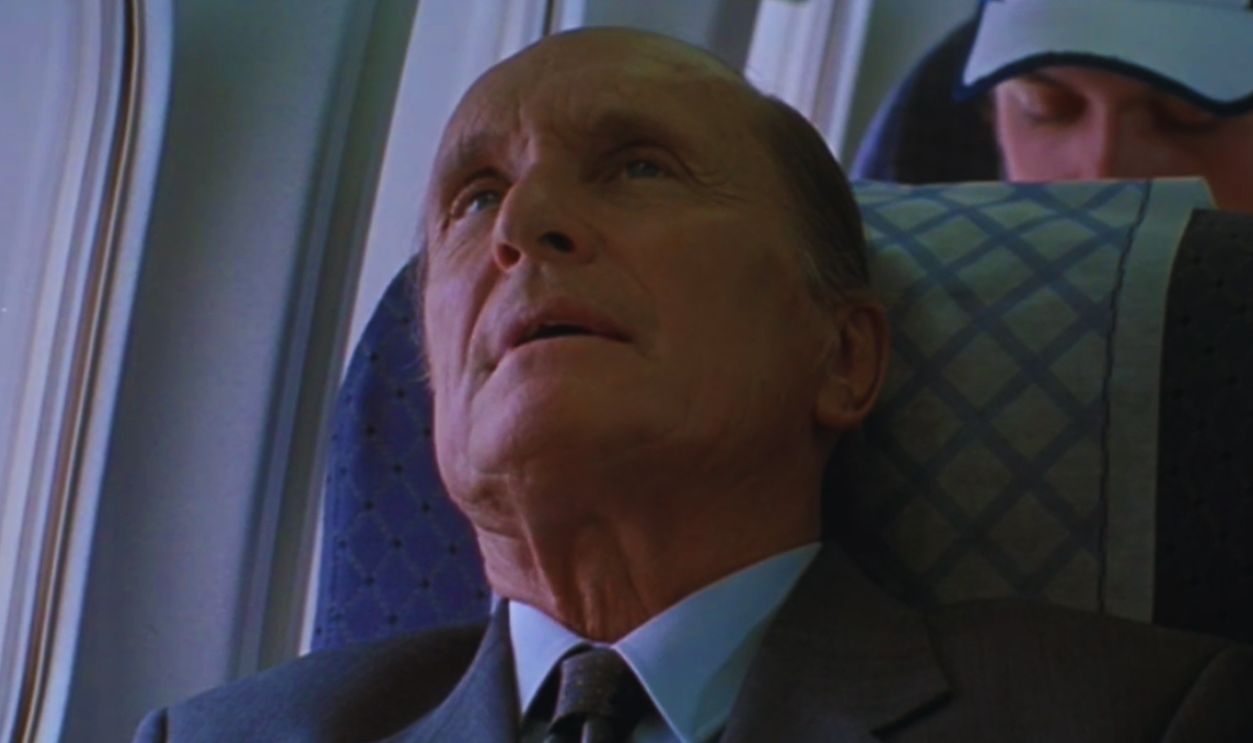
Duvall and his wife acted in two films together, with their first being the 2002 thriller Assassination Tango, which he wrote, directed, and starred in. Playing a hit man who becomes passionate about tango, Duvall based the story on his own love of the dance, having established two respective tango studios in America and Argentina.
This wasn’t the last time he shared a unique link with a role.
 Screenshot from Assassination Tango, Paramount Classics (2002)
41. He Played His Ancestor
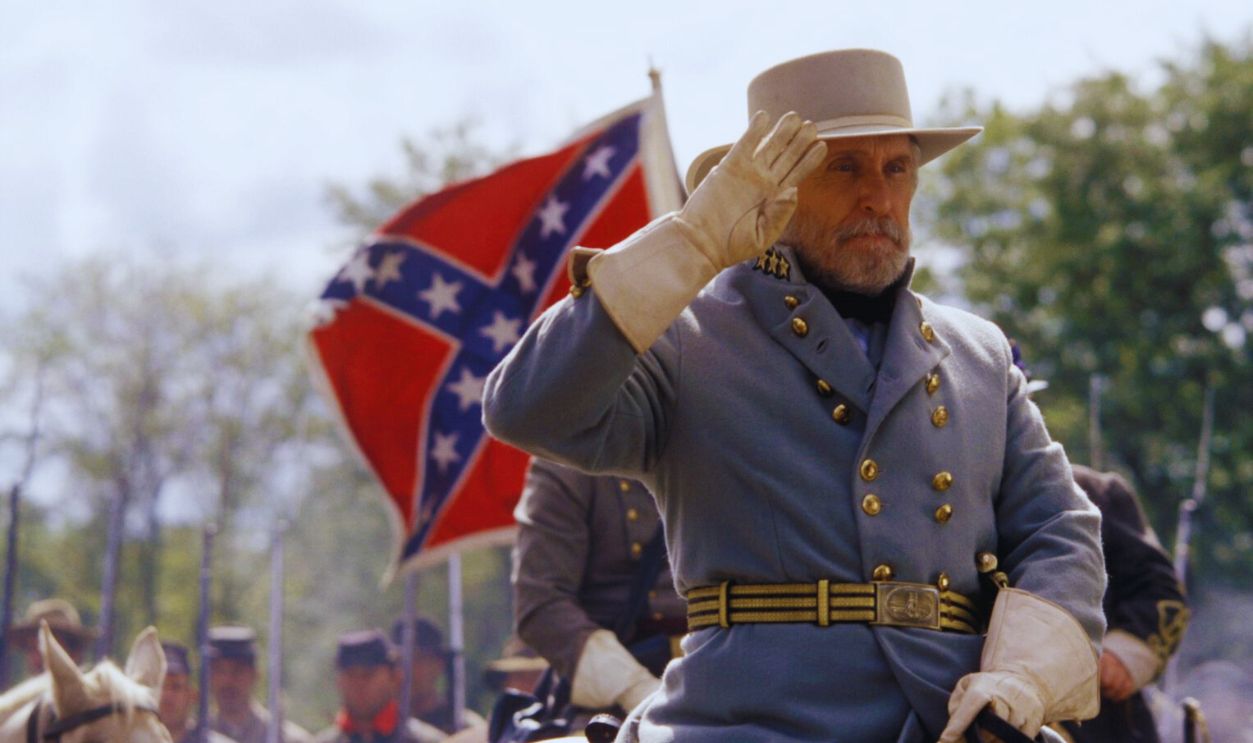
Duvall may have all but transformed into many other previous characters, but with one role in 2003, he found an extra special connection as he played General Robert E Lee. Portraying the Confederate leader in Gods and Generals, Duvall was truly opening a door to his past, as he is a descendant of the Lee family through his mother.
Even after all this time, he remained a well-sought-after actor.
 Screenshot from Gods and Generals, Warner Bros. Pictures (2003)
42. He Was Told To Say No
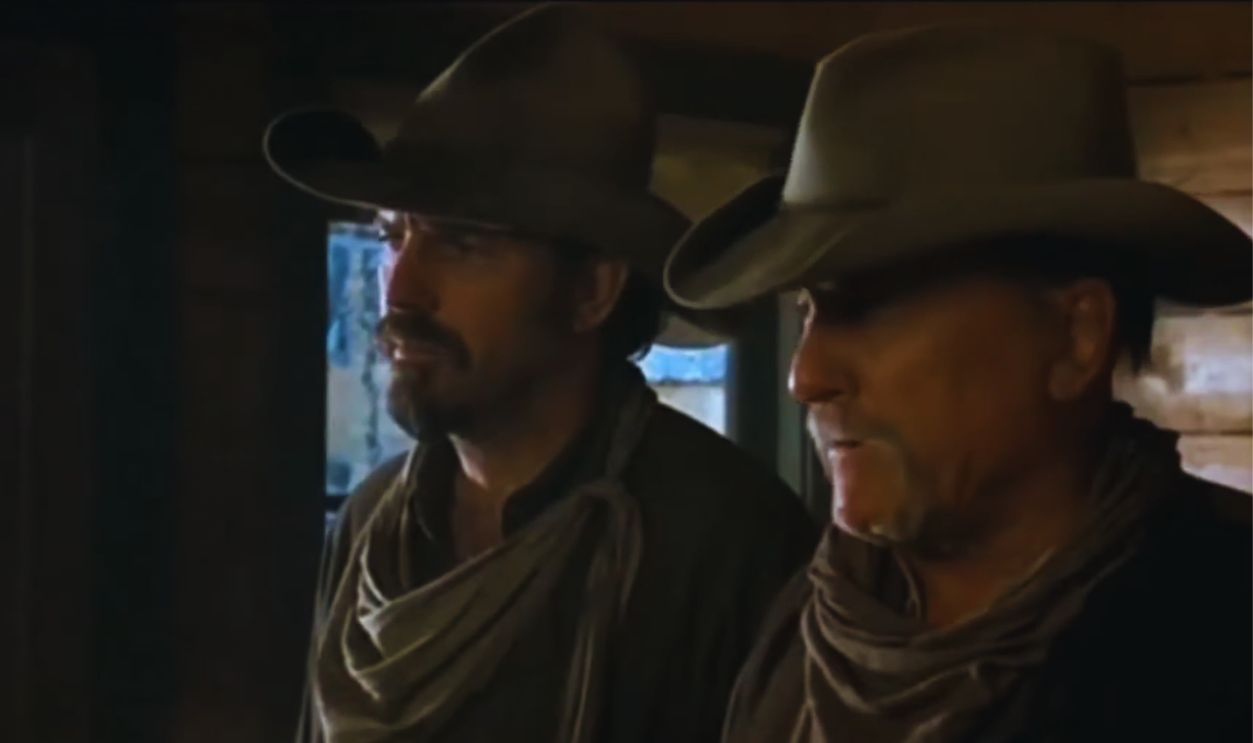
Also during the early 2000s, Duvall had another film lined up for him with the western Open Range, directed by and starring Kevin Costner. Although Costner’s people didn’t provide all the details at first, they contacted Duvall’s agent and said they had a character and script for him, advising him to decline any other offers in the meantime.
Although Duvall agreed, something else nearly took the choice away from him.
 Screenshot from Open Range, Touchstone Pictures (2003)
43. He Was Injured
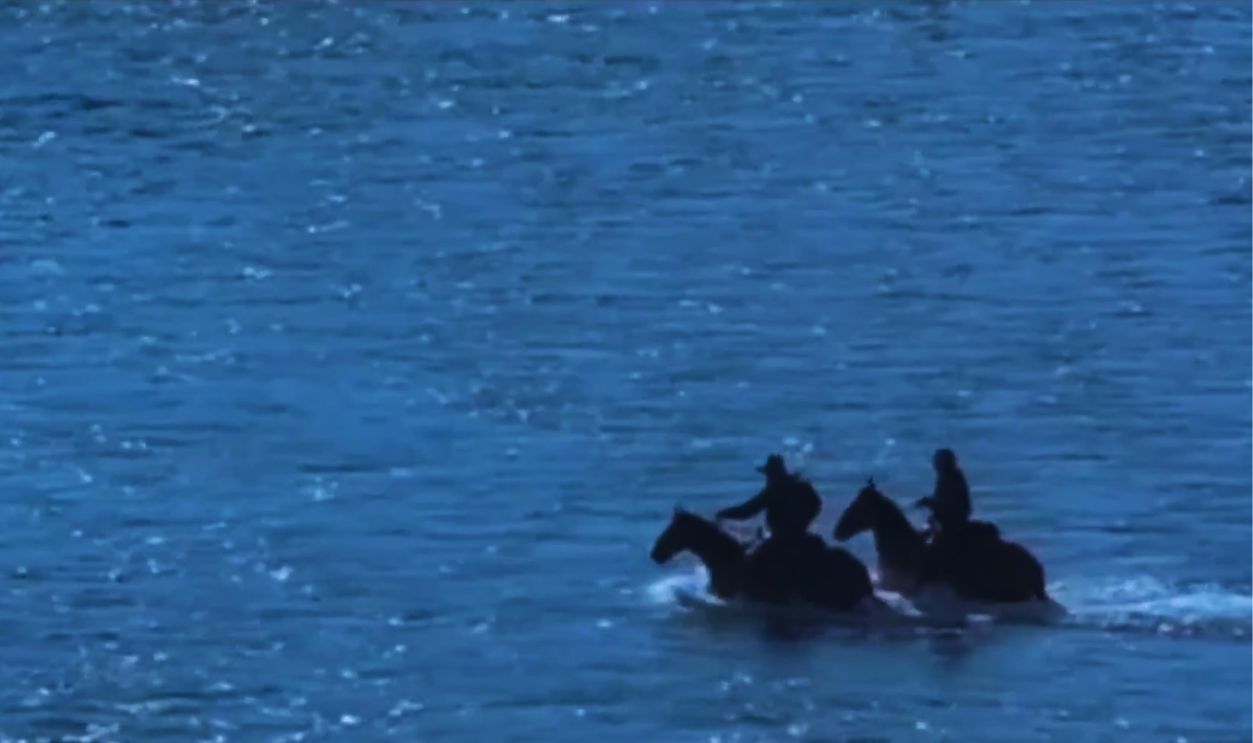
Duvall had enjoyed horse riding for a long time, and with Open Range being a western, he had no problems doing so in the film. However, the issue arose off-screen when he was riding a horse in his spare time before filming even began, and his horse bucked him off. Falling to the ground, Duvall fractured several ribs and was out of commission.
Fortunately for him, everything came together in his favor.
 Screenshot from Open Range, Touchstone Pictures (2003)
44. He Had Perfect Timing
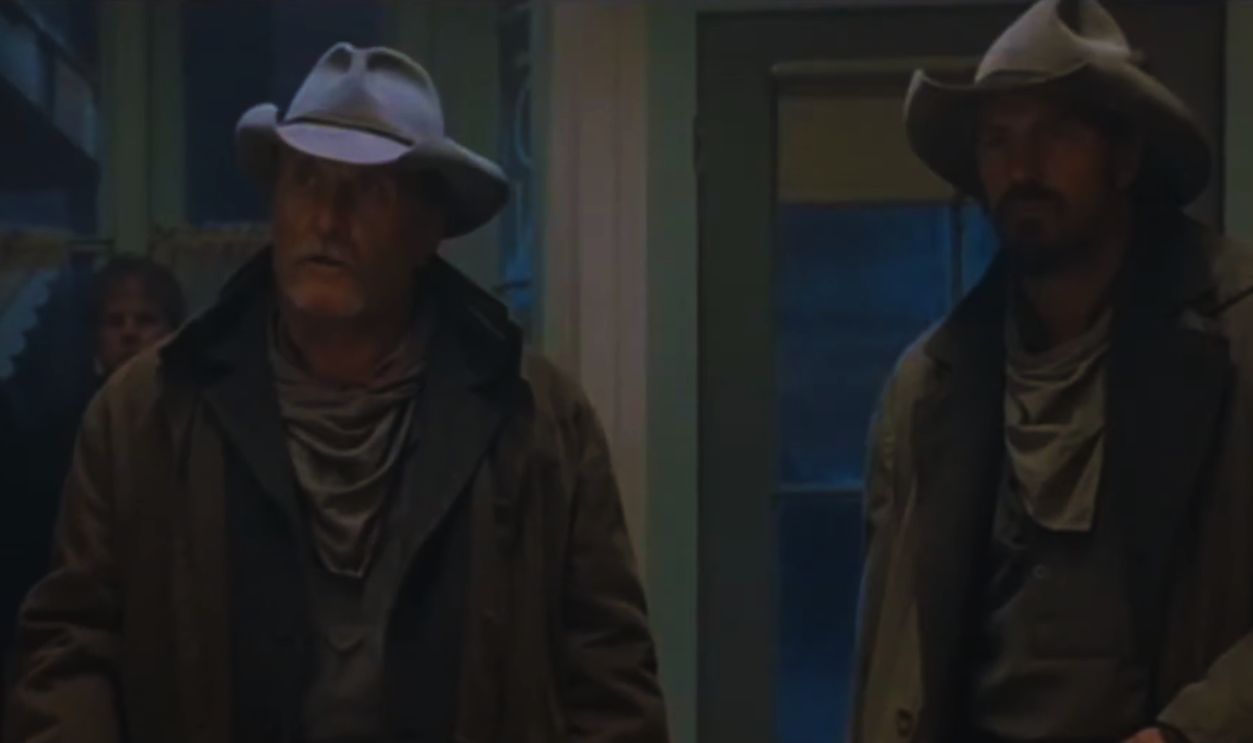
Duvall had his unfortunate horse-riding accident just two months before he was due on set, after which he could barely get out of bed. Still, he was back in tip-top shape after about six weeks, and he wasn’t ignorant of the fact that if his injury had happened any later, there was a good chance he would have been out of the film.
Despite his age, he has remained adamant about staying at work.
 Screenshot from Open Range, Touchstone Pictures (2003)
45. He Hasn’t Stopped Acting
Even as he passed his 80th birthday, Duvall didn’t slow down much and worked on several films throughout the 2010s, one of which was arguably his most successful role in recent years. Co-starring with Robert Downey Jr in the 2014 drama The Judge, his performance earned him nominations for an Oscar, a Golden Globe, and a Screen Actors Guild Award.
However, he nearly threw the chance at all of that away.
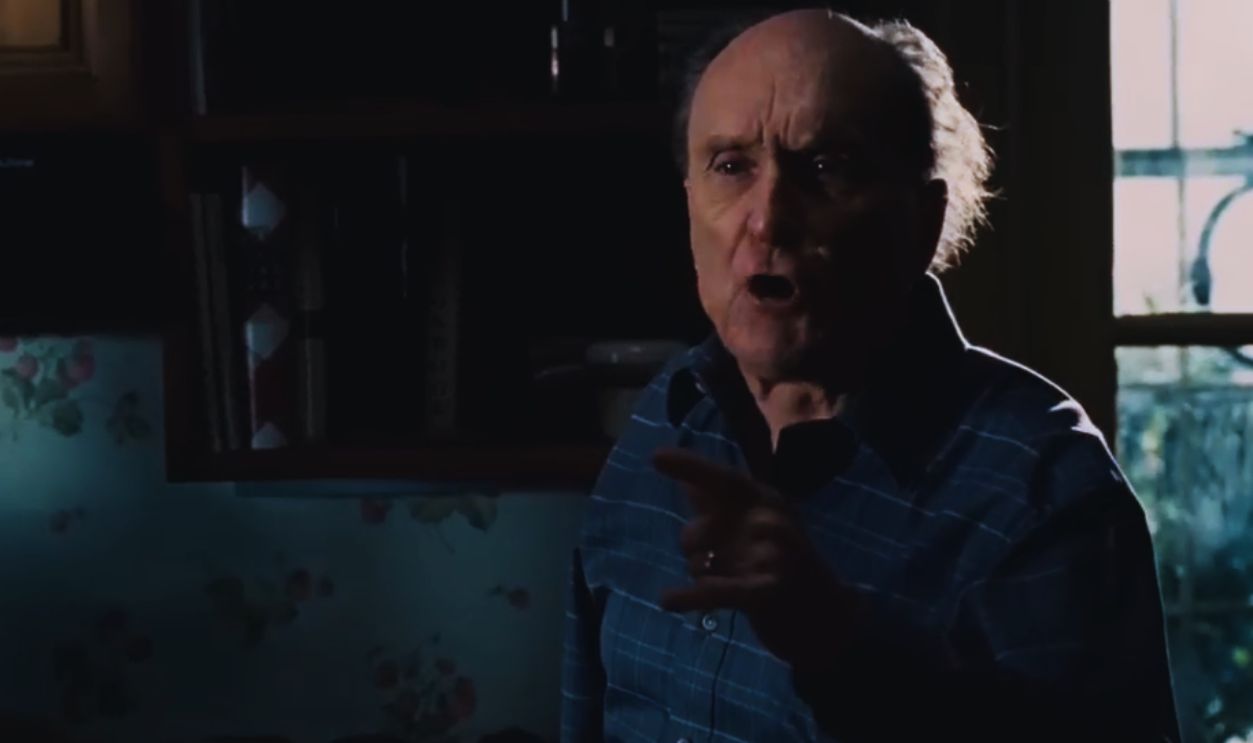 Screenshot from The Judge, Warner Bros. Pictures (2014)
History's most fascinating stories and darkest secrets, delivered to your inbox daily.
46. He Wasn’t Interested
While The Judge may have become one of Duvall’s best roles within the past couple of decades, when he first read the script, he nearly declined the project entirely. He later explained that, although he was eventually convinced to take the role, the elderly and sickly nature of the character made it unappealing to him.
Even when he started filming, one scene in particular gave him pause.
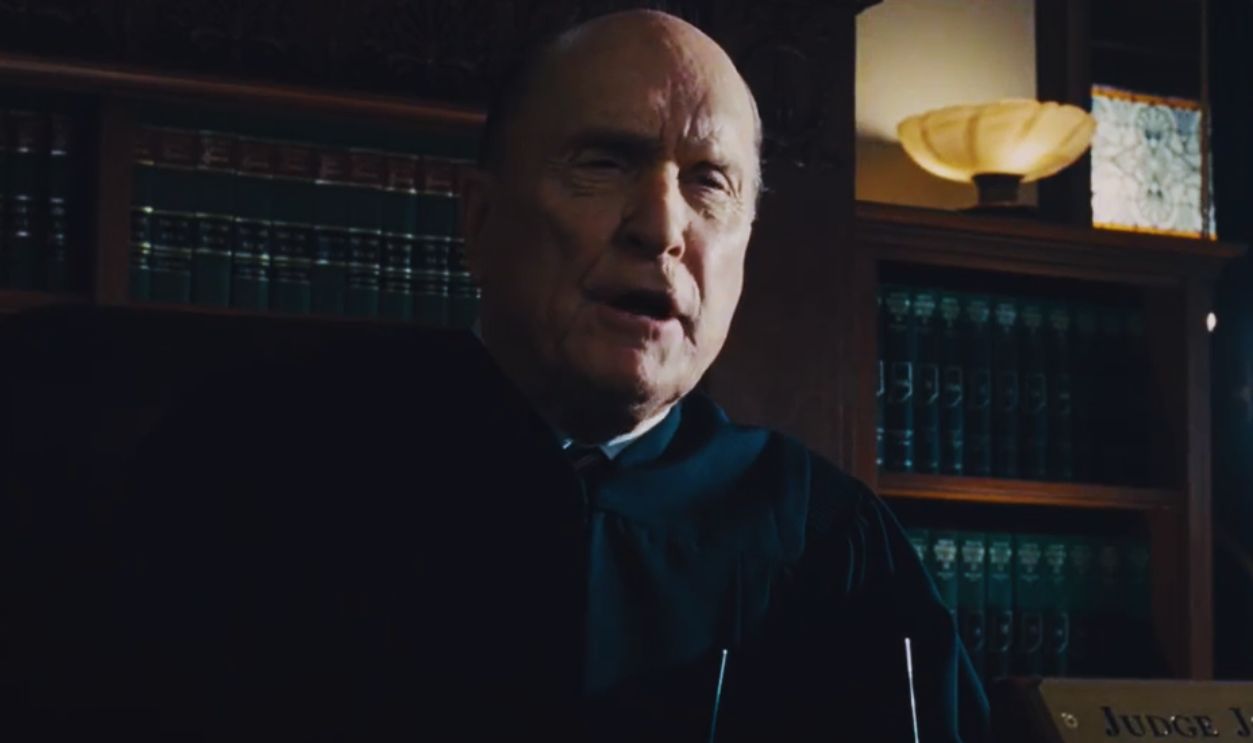 Screenshot from The Judge, Warner Bros. Pictures (2014)
47. He Had Reservations
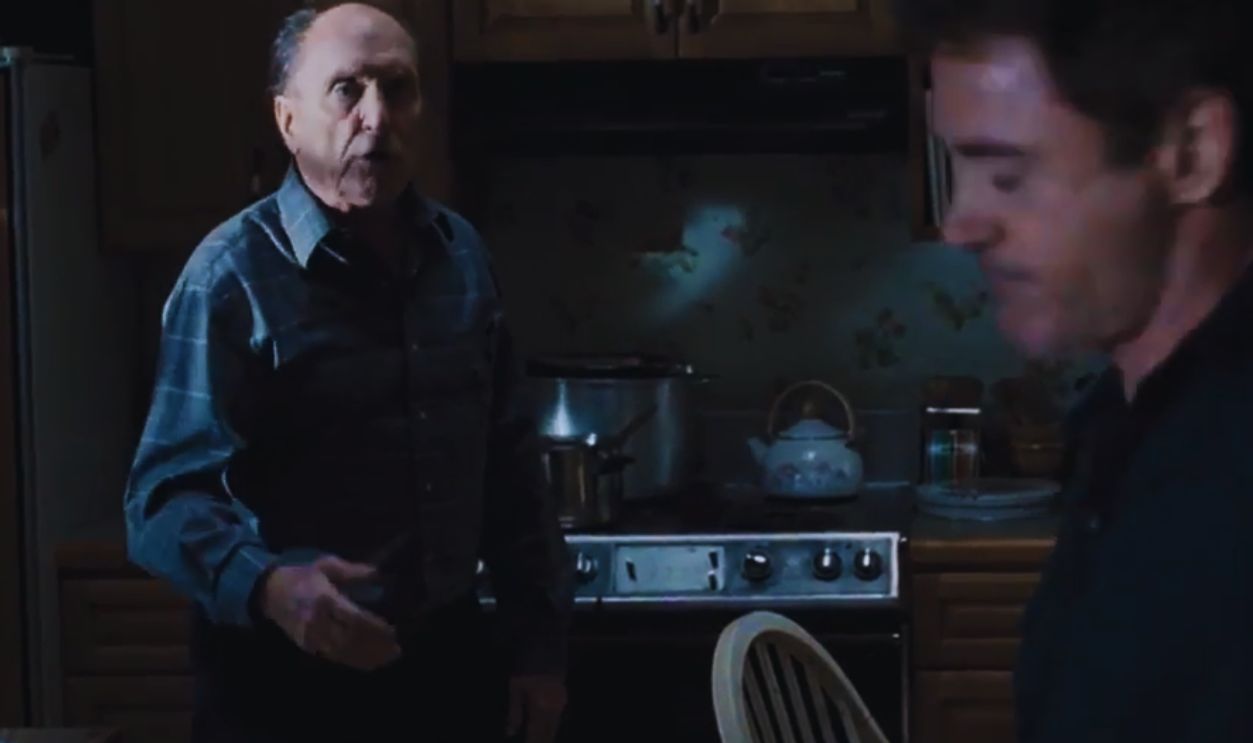
Playing an aging father in The Judge, Robert Duvall starred opposite Robert Downey Jr, playing Duvall’s character’s son who discovers that his father is suffering from cancer. One scene had Downey Jr’s character helping Duvall’s into the shower, which initially made Duvall quite uncomfortable. However, they were both respectful and handled the scene with dignity, and Duvall ultimately realized its value.
Clearly, he had no problem voicing his opinions, though.
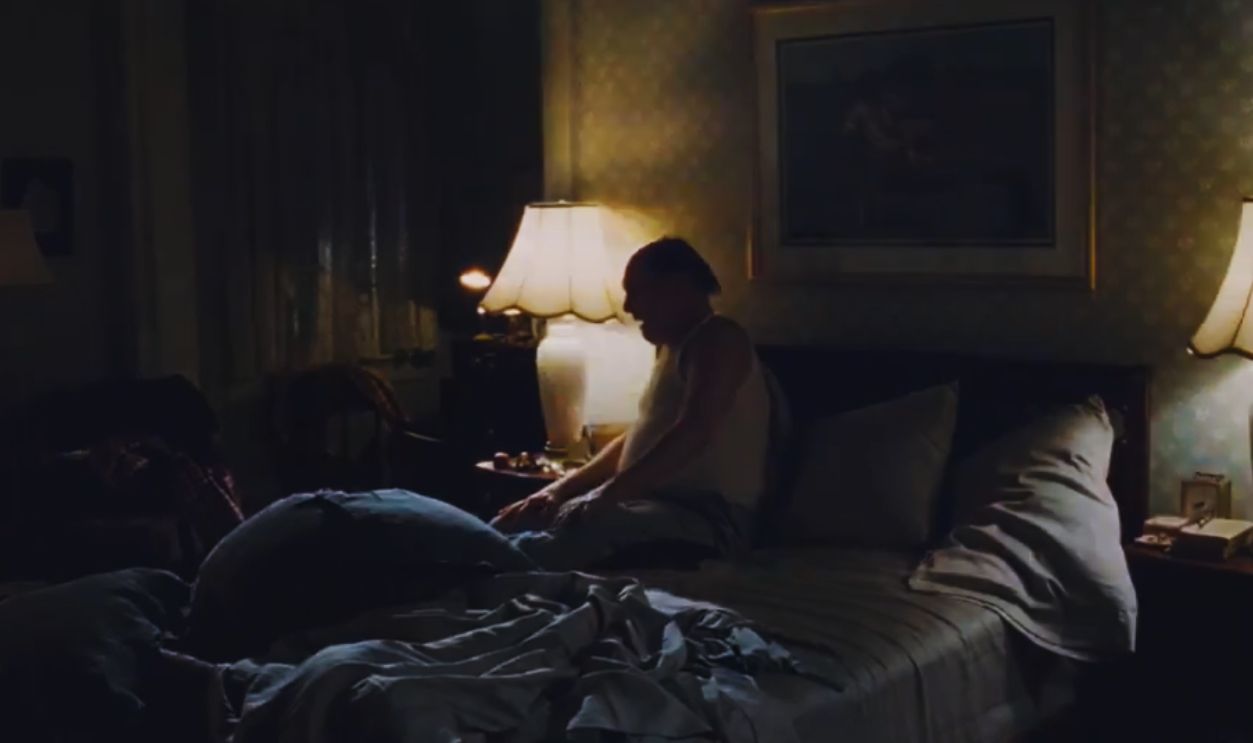 Screenshot from The Judge, Warner Bros. Pictures (2014)
48. He Called Him Out
While Duvall had always been brutally honest, this quality became much more apparent in his old age, as whatever filter he had disappeared. Thus, in a 2010 Actors Roundtable, he wasn’t shy about voicing his criticism of another legend of cinema—Stanley Kubrick. According to Duvall, Kubrick’s tendency to film an inordinate number of takes to feed his unreasonable standards made the director “an actor's enemy”.
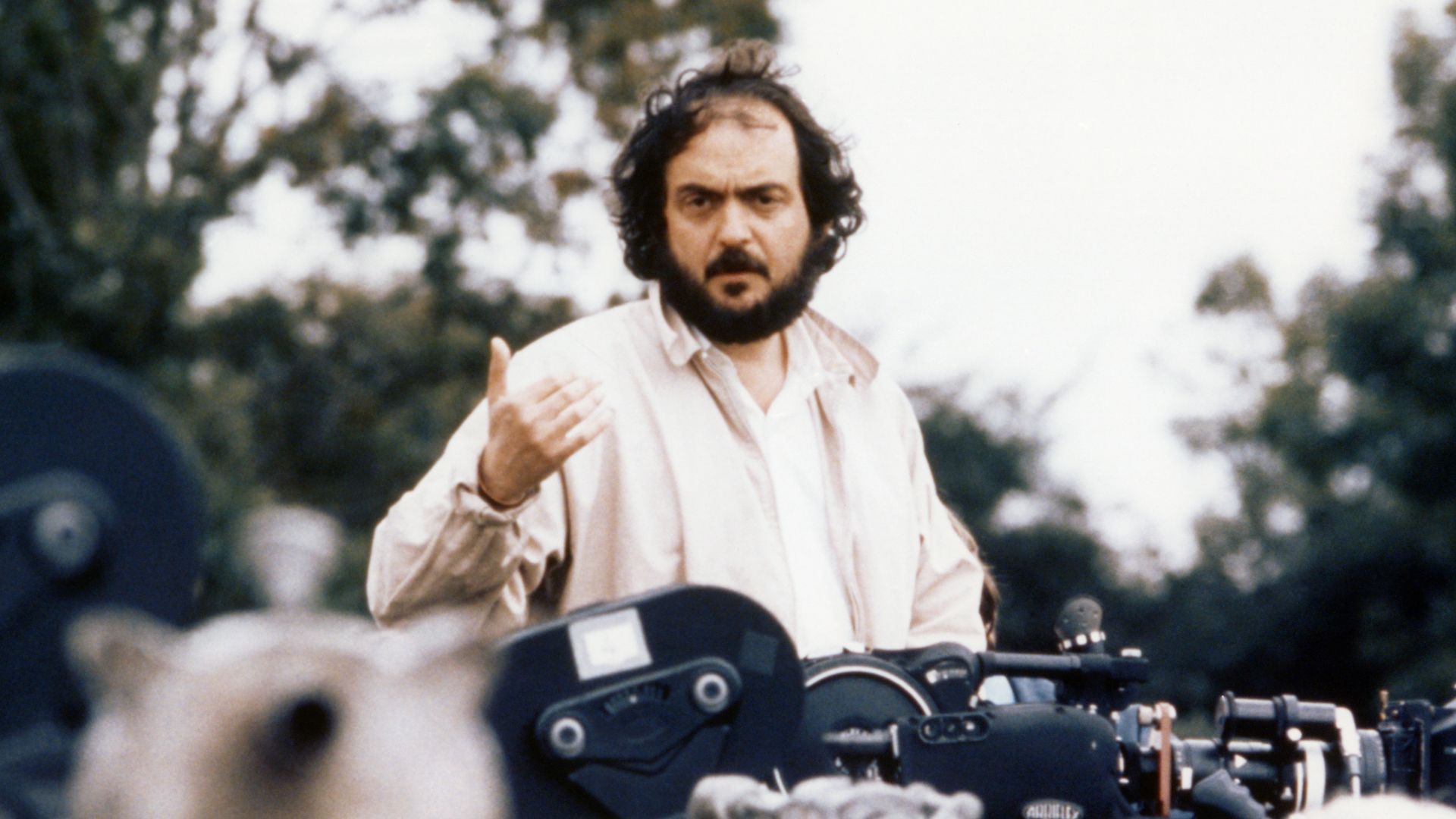
49. He Has Some Hot Takes
Quite controversially, while critiqueing Kubrick, Duvall went on to say, "I can point to movies that he's done with the worst performances I have ever seen in movies". As examples, he listed off some giant movies like The Shining and Clockwork Orange. On the other hand, he always had something nice to say about his pals.
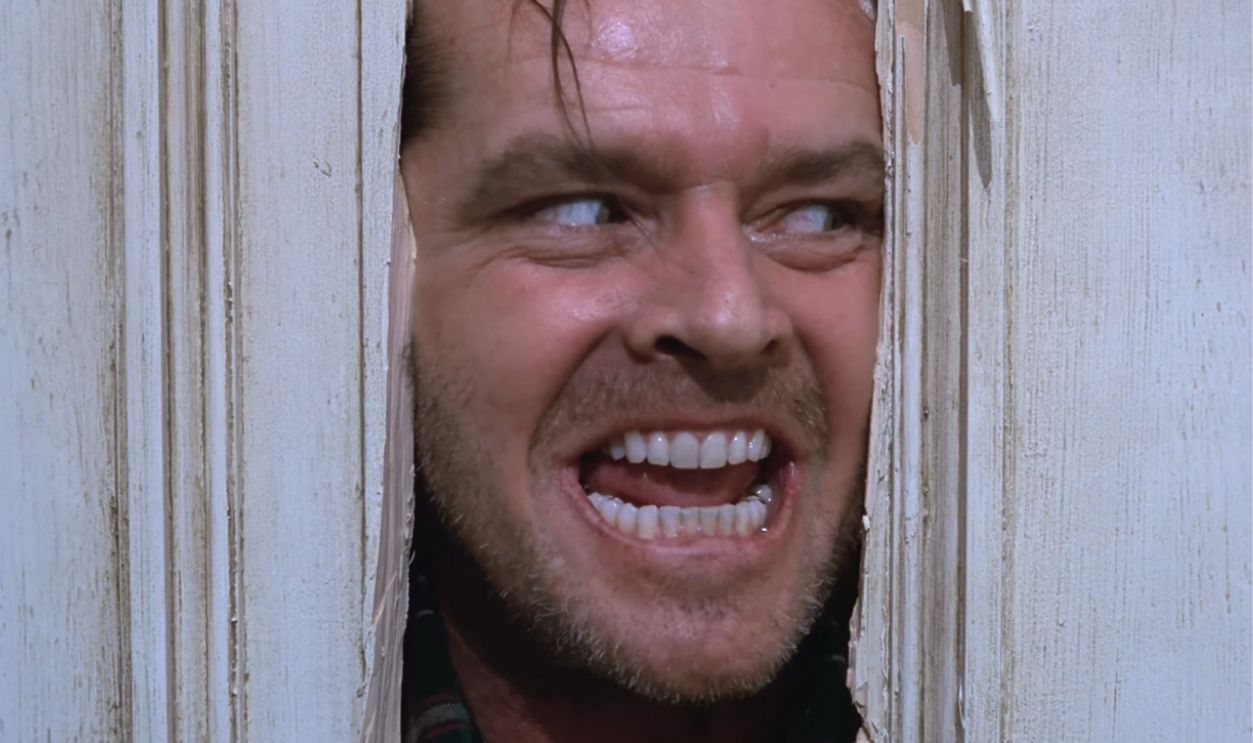 Screenshot from The Shining, Warner Bros. Pictures (1980)
50. He Held Others Up
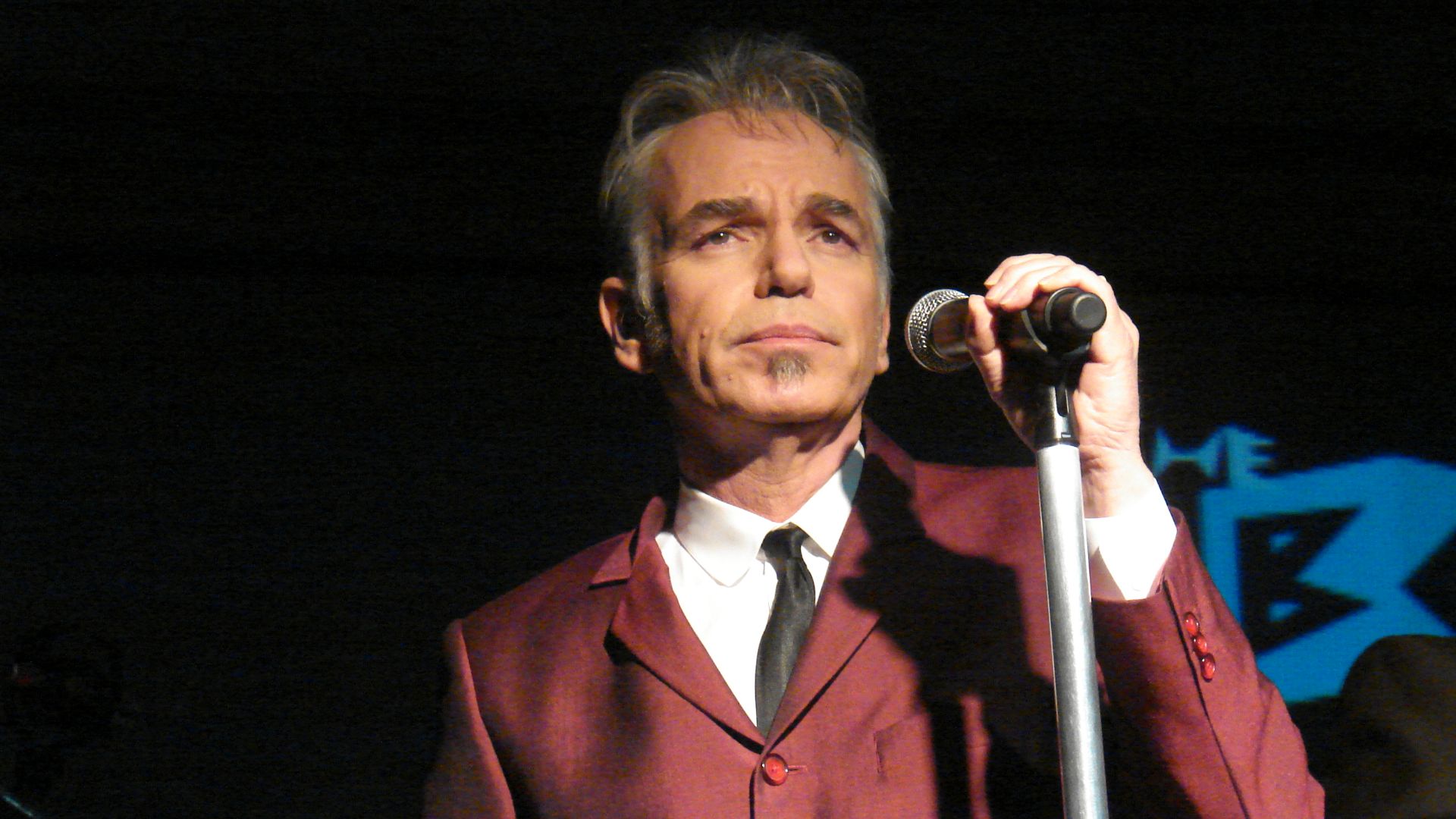
While Duvall had several friends among actors of his age, some of whom he had known from the beginning, he also formed a deep friendship with an actor from the next generation. In Duvall’s eyes, his friend and fellow actor, Billy Bob Thornton, was one of the best in the business, often referring to him as the "Hillbilly Orson Welles".
Of course, the rest of Hollywood gave just as much praise to him.
51. He Was Recognized
Through his long and storied career in film, Robert Duvall has become one of America’s most distinguished actors. For his work in The Judge, he became the oldest actor to receive an Oscar nomination for Best Supporting Actor—at least until Christopher Plummer took that honor in 2017. His final role came in 2022's The Pale Blue Eye. Duvall passed on at his home at the age of 95 in February of 2026.
He was one of the last surviving stars from the Golden Age of Hollywood—and his mark on cinema cannot be underestimated.
 Screenshot from The Judge, Warner Bros. Pictures (2014)
You May Also Like:
The Triumphs And Regrets Of Don Henley
Bruce Willis Fought Directors, Broke Rules, And Still Won Hollywood Over