
He Was More Human Than Most Of Us
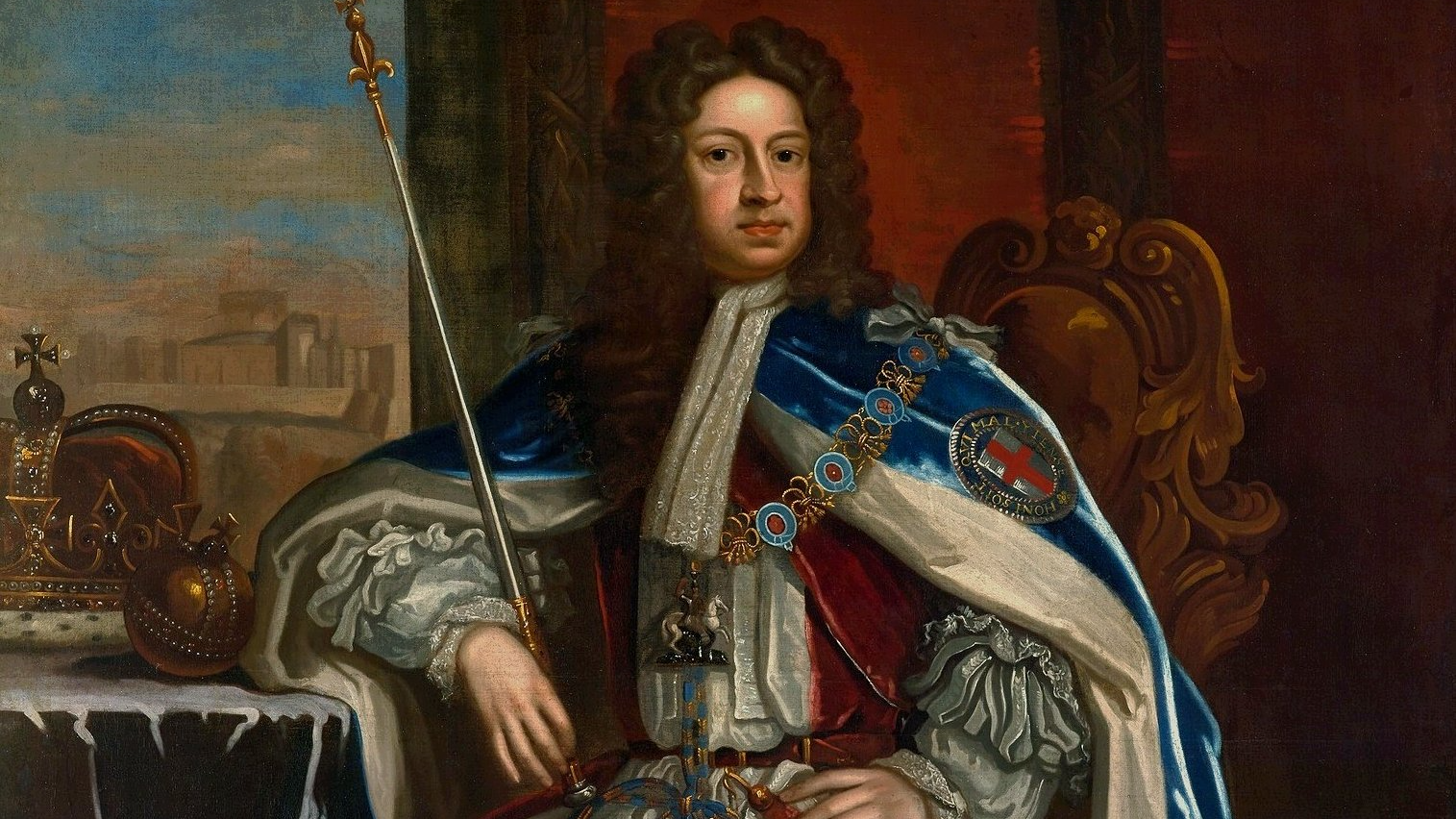
In the 18th century, Peter the Wild Boy became a sensation in the court of George I of England. The feral child couldn’t speak, refused to wear clothes, and licked the hands of courtiers. However, new evidence suggests he was not just a wild child—and that he may have been more human than the rest of us.
1. He Was Practically Hunted Down
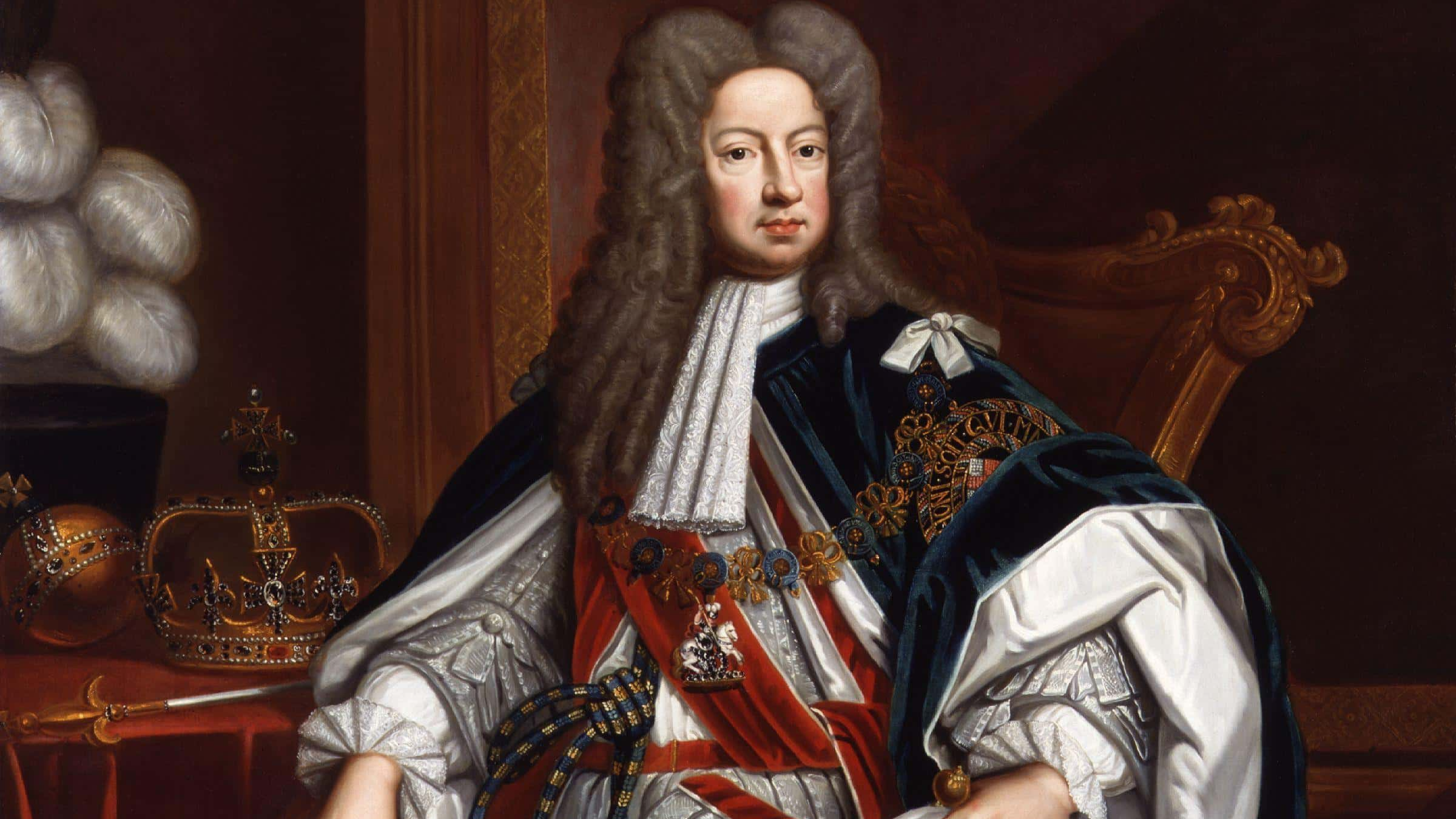
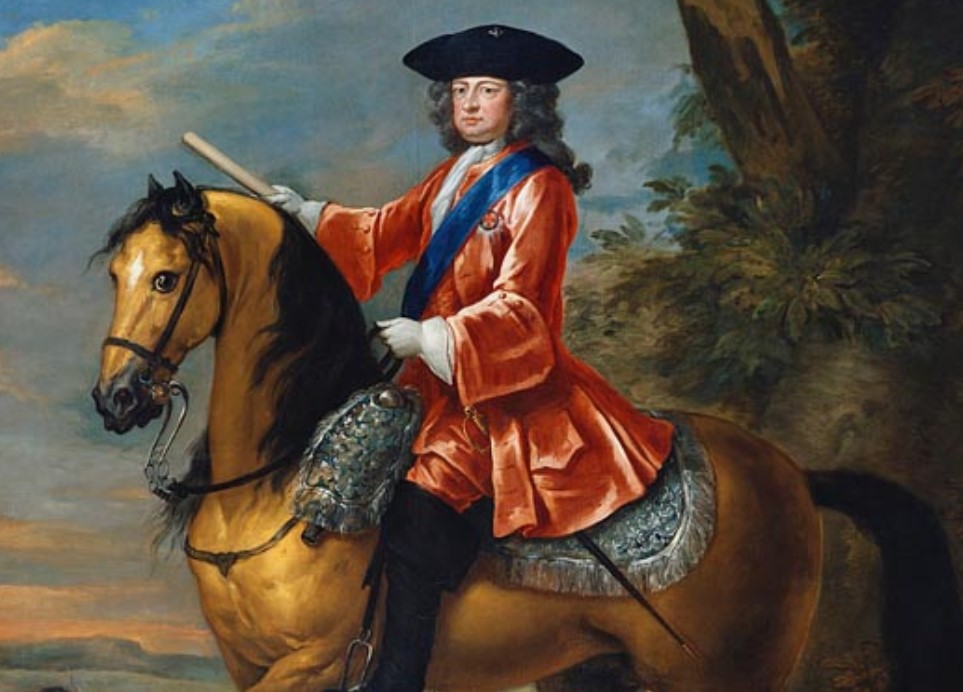
In 1725, George I of England went on a hunting trip to Hanover, the King’s homeland, with members of his court. But, instead of returning with a caravan full of wild game, they came back with something—or, rather, someone—even more exotic.
2. He Was Deep In The Woods
Instead of setting their sights upon deer and boar, George I and his hunting party zeroed in another animal altogether: a small boy. Deep in the Hertswold Forest, the party unexpectedly discovered a child who they would later name “Peter”. Right from the beginning, they knew something wasn’t right.
3. He Was Alone—And Bearing It All
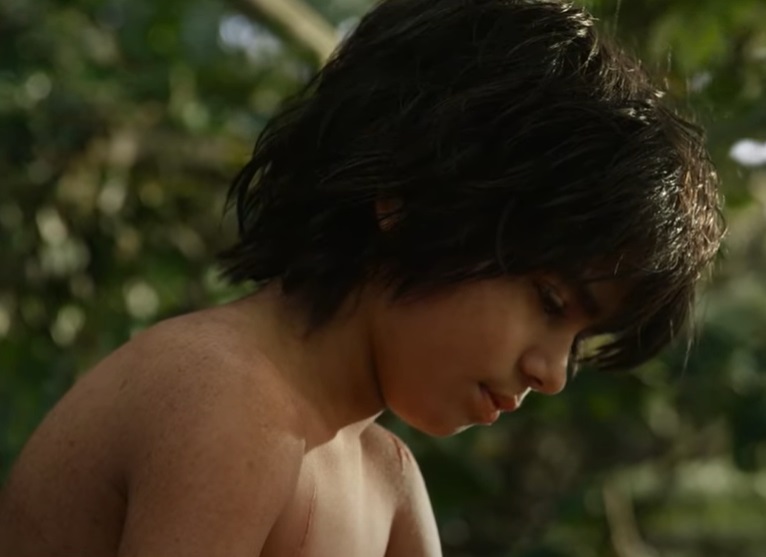
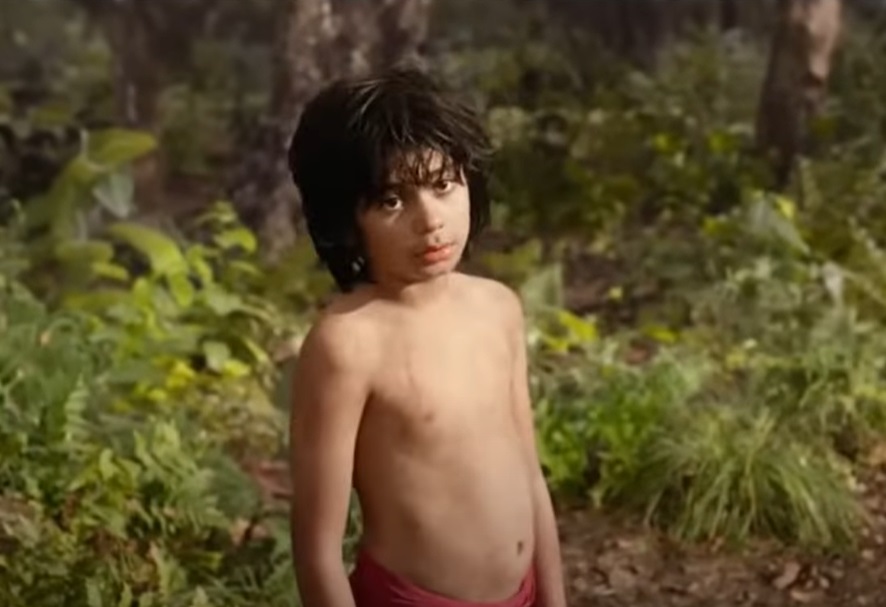
Finding a child in the forest would be one thing. Finding a child alone in the forest was something else altogether. Even more, to the astonishment and horror of George I and his hunting party, Peter wasn’t wearing any clothes at all. That’s when it became apparent what had happened.
 Walt Disney, The Jungle Book (2016)
4. His Parents Likely Abandoned Him
Given the boy’s condition and state of undress, George I and his hunting party pieced together how he must have come to be in the forest. Far from a leisurely stroll or a lost child, they realized that he must have been abandoned by his parents—for reasons that would soon become very apparent.
5. He Couldn’t Speak
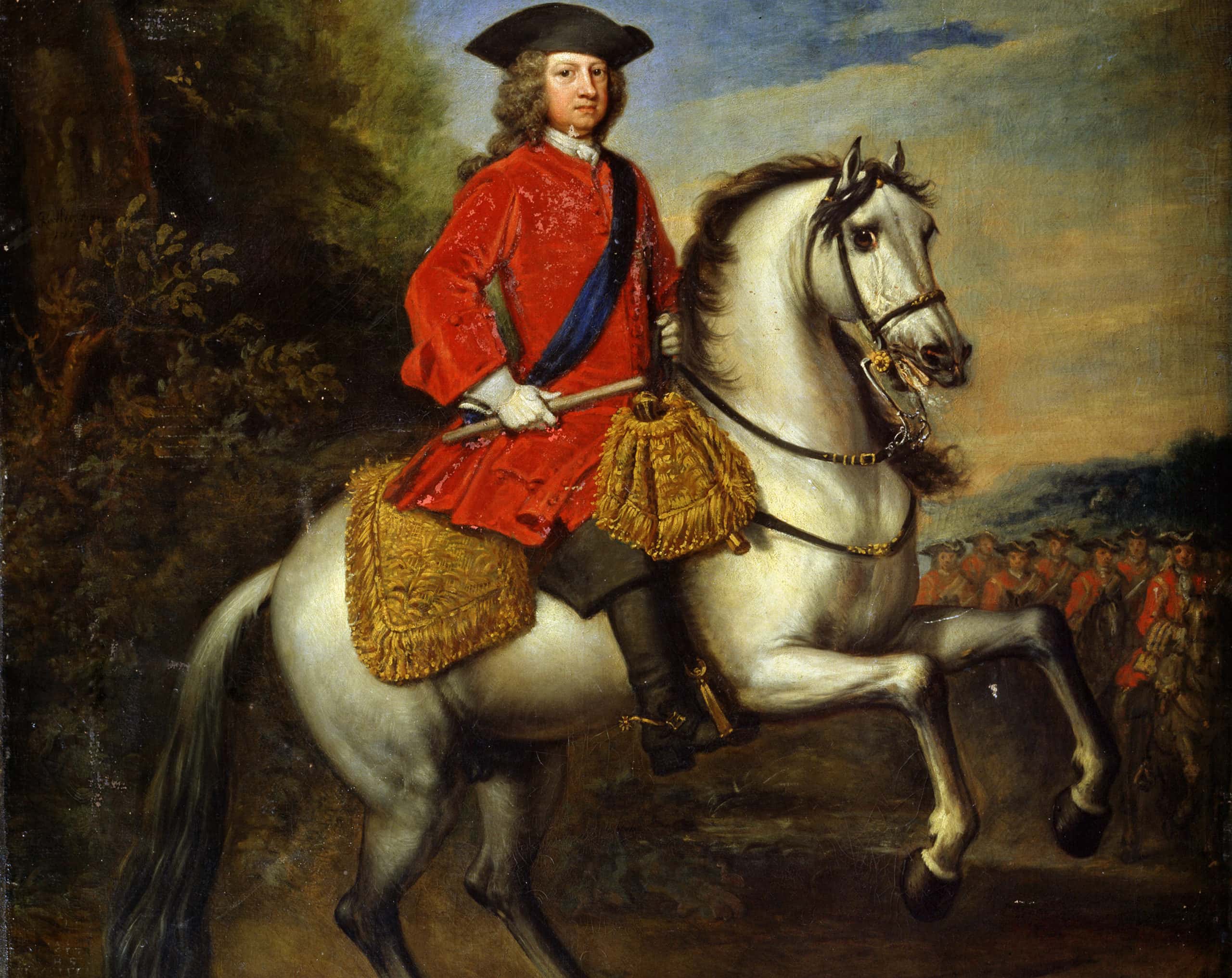
Early attempts to ascertain exactly who the child was and where he had come from were in vain. As George I and his retinue tried to communicate with the boy, they learned that he couldn’t speak except in grunts and growls. From there, things only became stranger.
 Walt Disney, The Jungle Book (2016)
6. He “Scampered” On All Fours
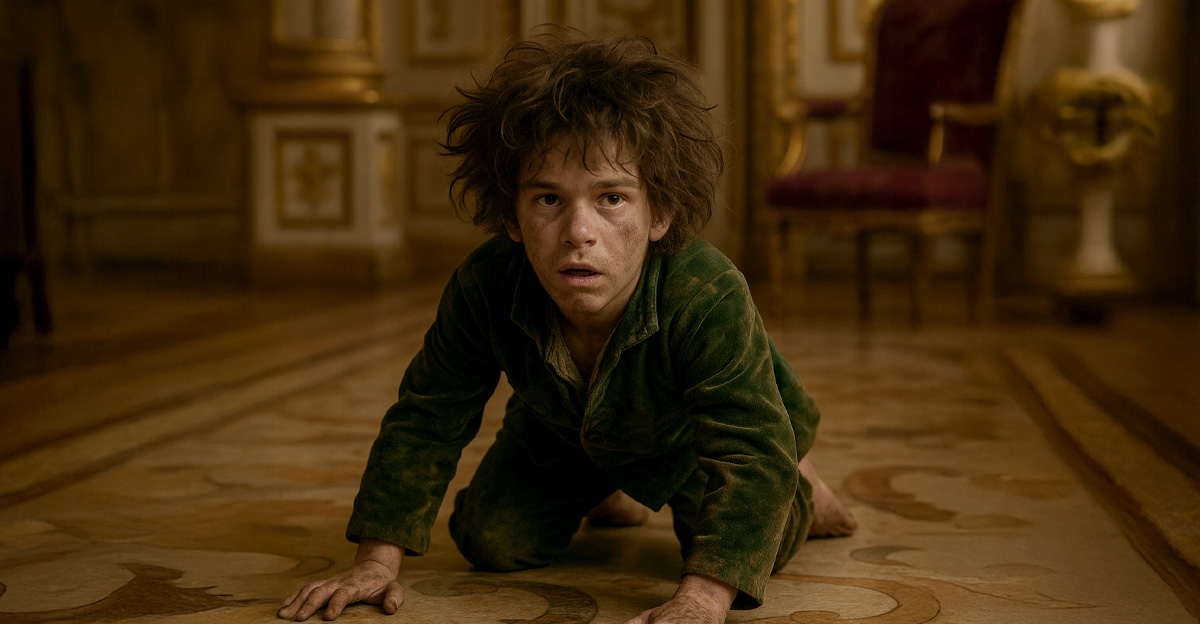
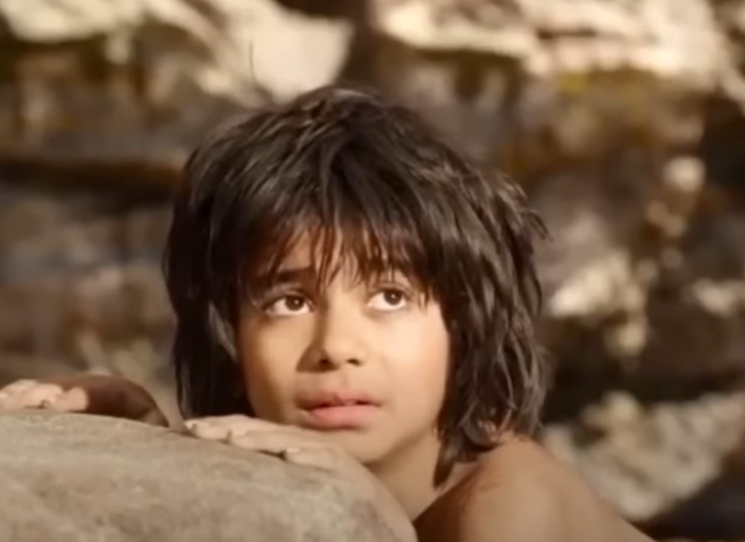
Not only was the mysterious feral boy incapable of regular speech, but he couldn’t even carry himself like a regular human. When they found him, the boy refused to walk on his two feet. Instead, he scampered around on all fours, like a real wild child. So, they tried to civilize him.
7. He Was Given The Name “Peter”
Sadly, given that he couldn’t talk (and could barely even walk), George I and his hunting party had no way of figuring out who this foundling really was. But they couldn’t very well deny his humanity. So, they had to recreate an identity for him. For reasons that we may never know, they chose the name “Peter”.
That wasn’t the only way in which they tried to civilize the feral boy.
 Peter the Wild Boy: National Treasures Live BBC One, Tracy Joss Koifman
8. He Sparked Royal Interest
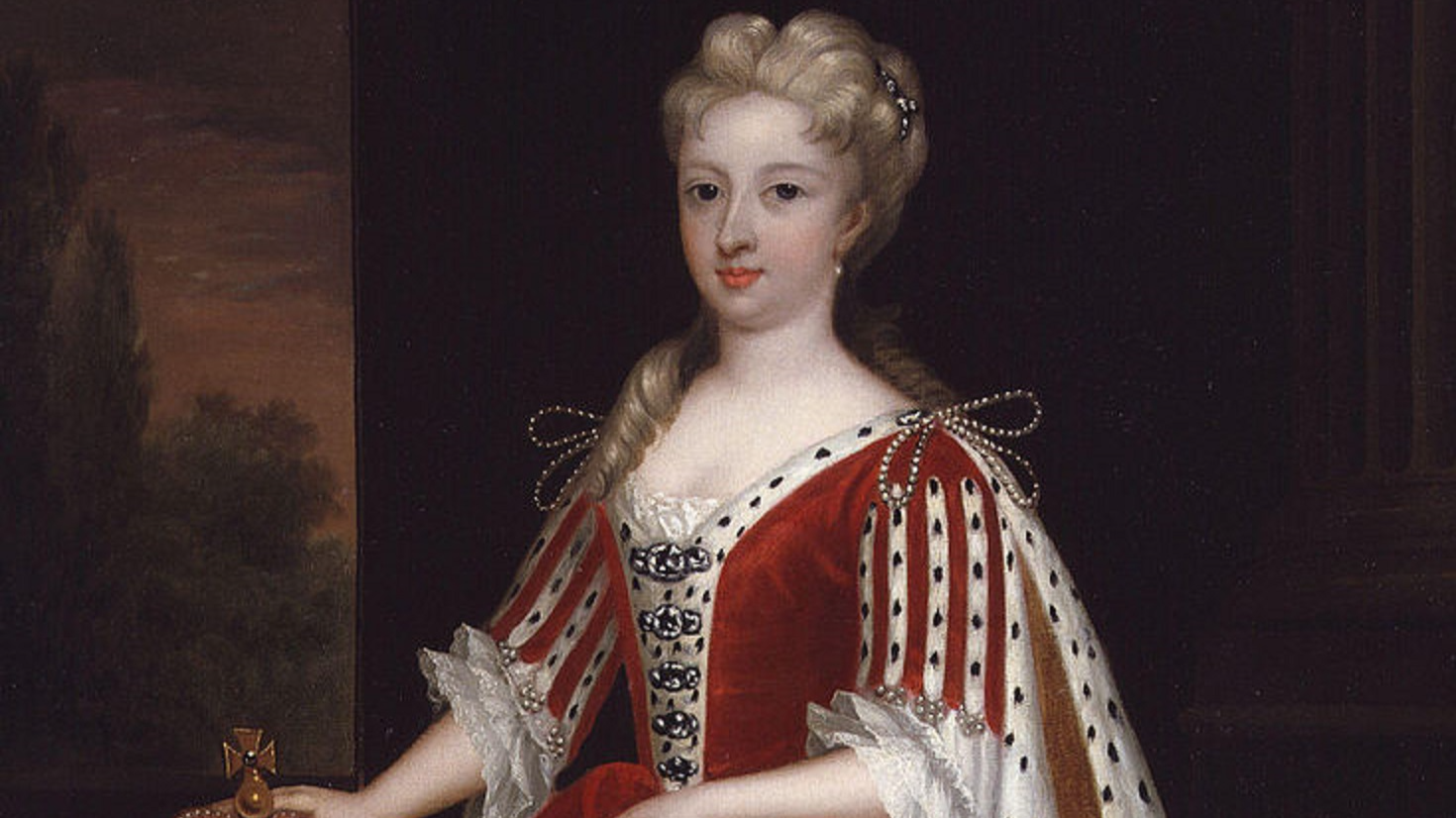
It didn’t take long for news of Peter’s “discovery” to spread. In fact, interest in foundlings and feral children were something of a trend in 18th century Europe. But, when Caroline of Ansbach, George I’s daughter-in-law, learned about Peter, she took a particular interest in him.
What she did next defied convention.
 Godfrey Kneller, Wikimedia Commons
9. He Made His Way To London
Attempts to study and socialize feral children were a pastime for many in 18th-century Europe. However, Caroline of Ansbach took it to another level. Just one year after her father-in-law “discovered” Peter, she demanded that he bring the boy back to London. And not just as a citizen—but as a member of the court!
Suffice to say, he didn’t exactly fit in.
10. He Made A Grand Debut At Court
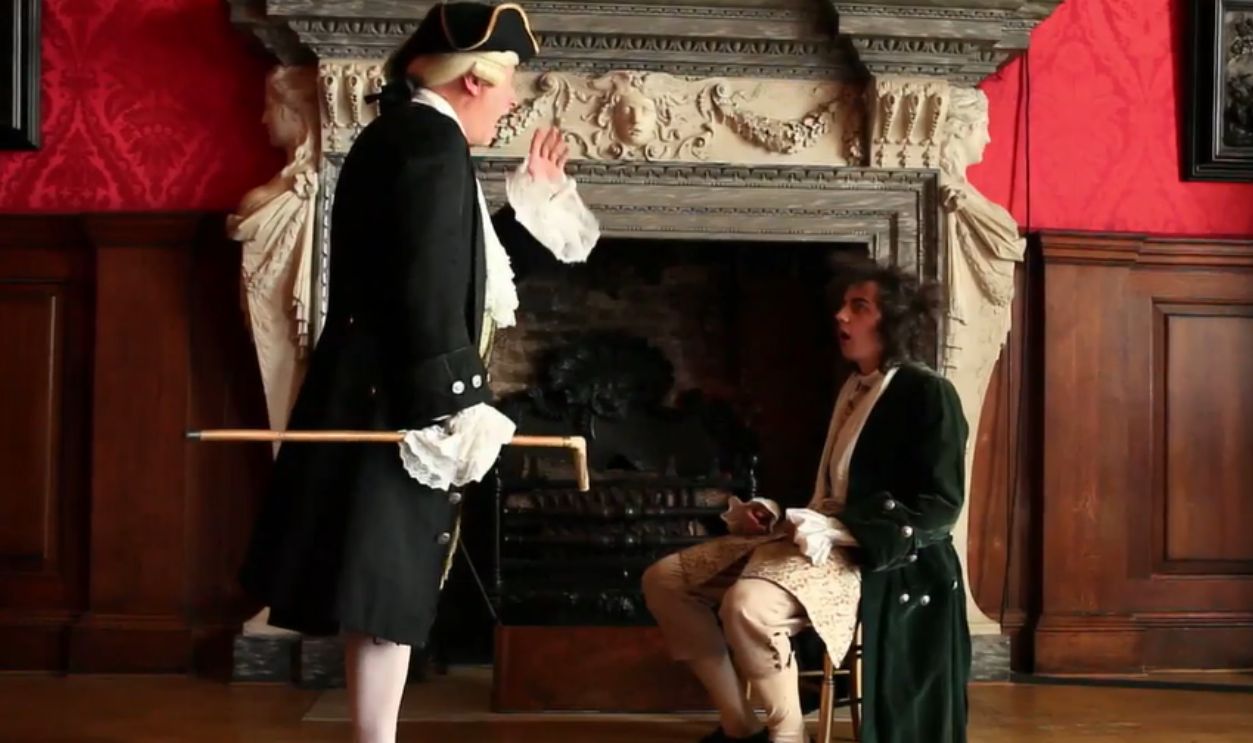
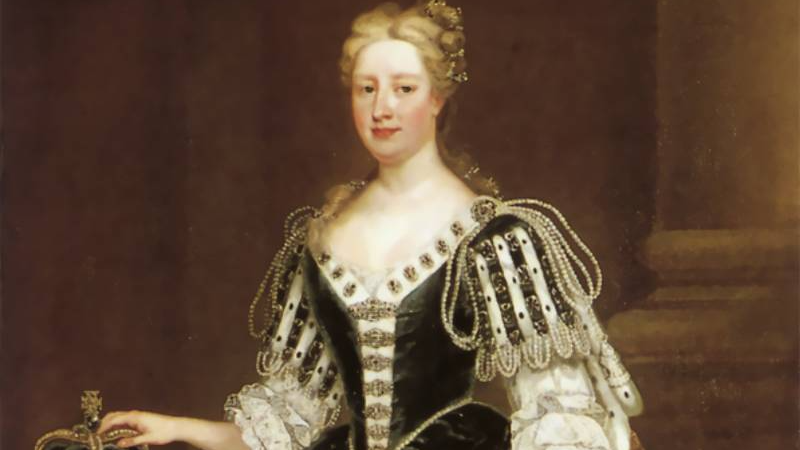
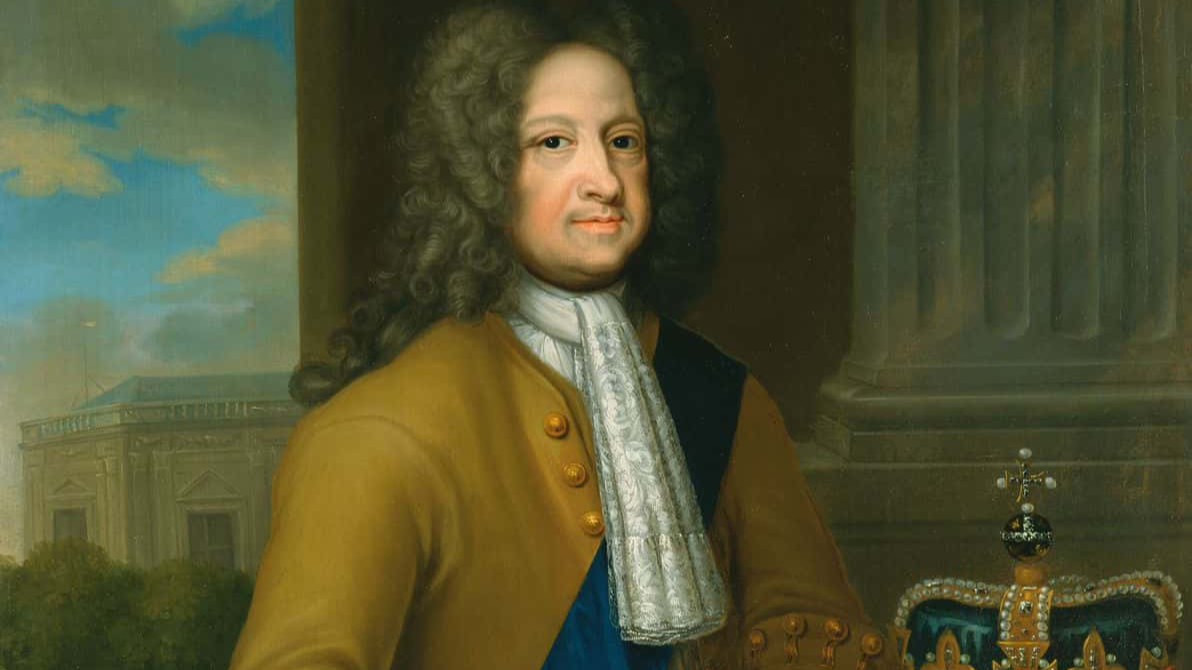
The first hand accounts of Peter’s arrival at court paint a funny picture. It's believed he was about 12-13 years old at this time. Allegedly, after playing with Caroline of Ansbach’s glove for some time, he allegedly breached “all civilized decorum, seized the Lord Chamberlain's staff and put his hat on before the king”. George I must have found it amusing—for a time.
11. He Dined With The King
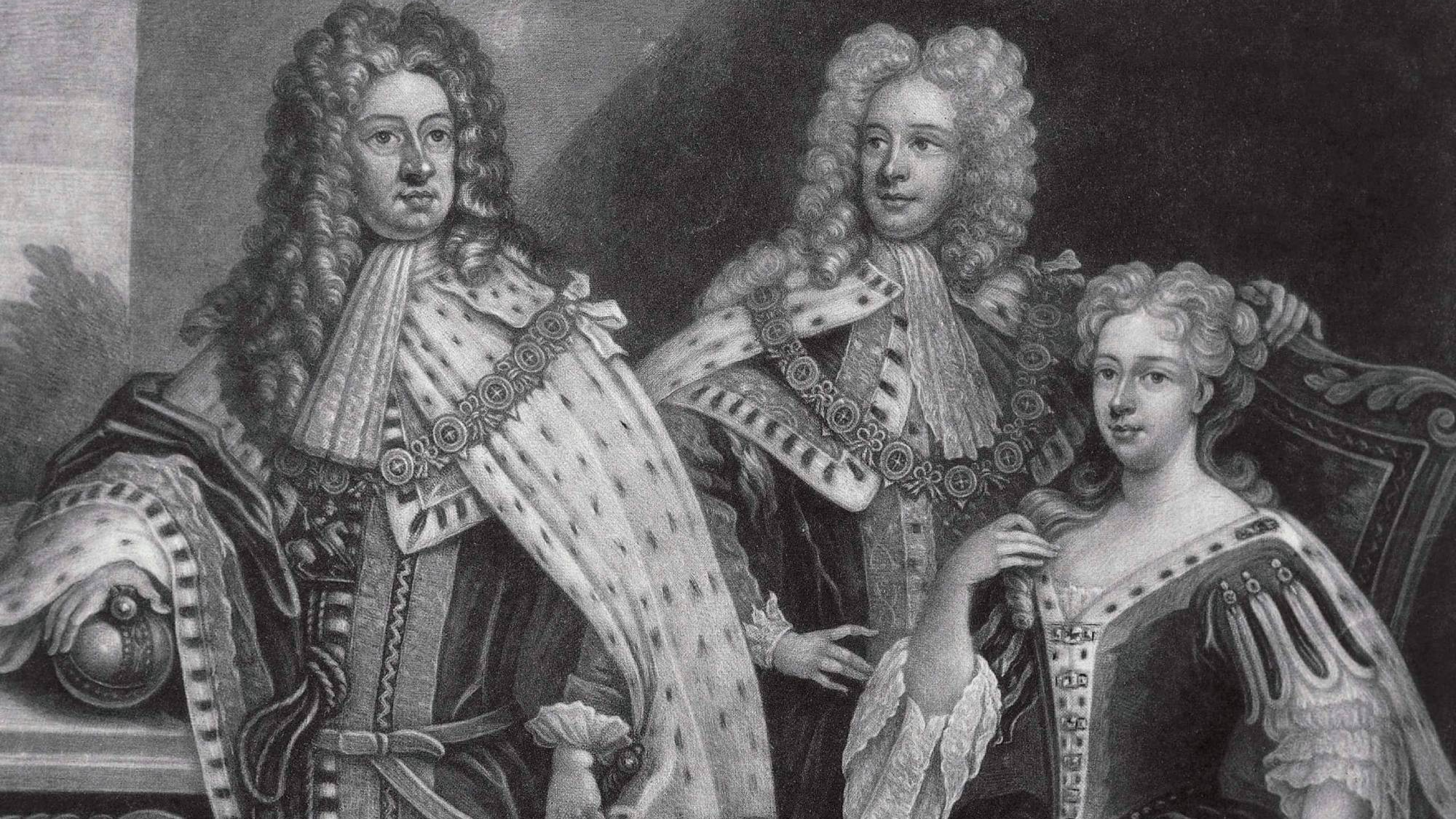
At first, George I shared in his court’s fascination with Peter. In fact, he was so delighted to have the feral child at court, that he extended to him the rare honor of dinner invitation. Unsurprisingly, Peter’s complete lack of formal dining etiquette left George I “horrified”. That didn’t stop others, however, from indulging him.
12. He Was A “Human Pet”
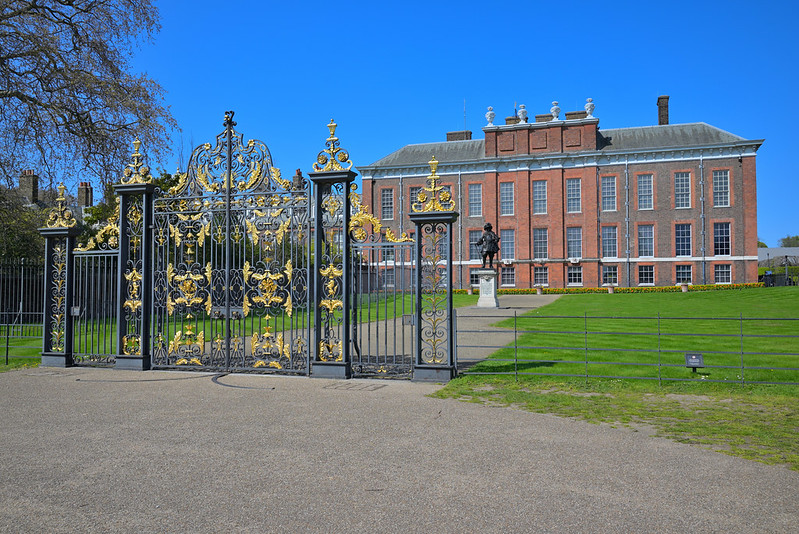
When he first arrived, Peter had free run of Kensington Palace, much to the delight of the King’s courtiers. For weeks and months, they treated Peter like something of a “human pet”—someone to be doted on, indulged, and played with. However, they had to watch their belongings around him.
13. He Was A Pickpocket
Growing up in the forest, Peter had little concept of personal property. So, when he arrived at court, he had a funny habit of pickpocketing from the courtiers. Pocket watches and heirlooms, however, weren’t the only things that he enjoyed “stealing”.
 Walt Disney, The Jungle Book (2016)
14. He Took Kisses From Courtiers
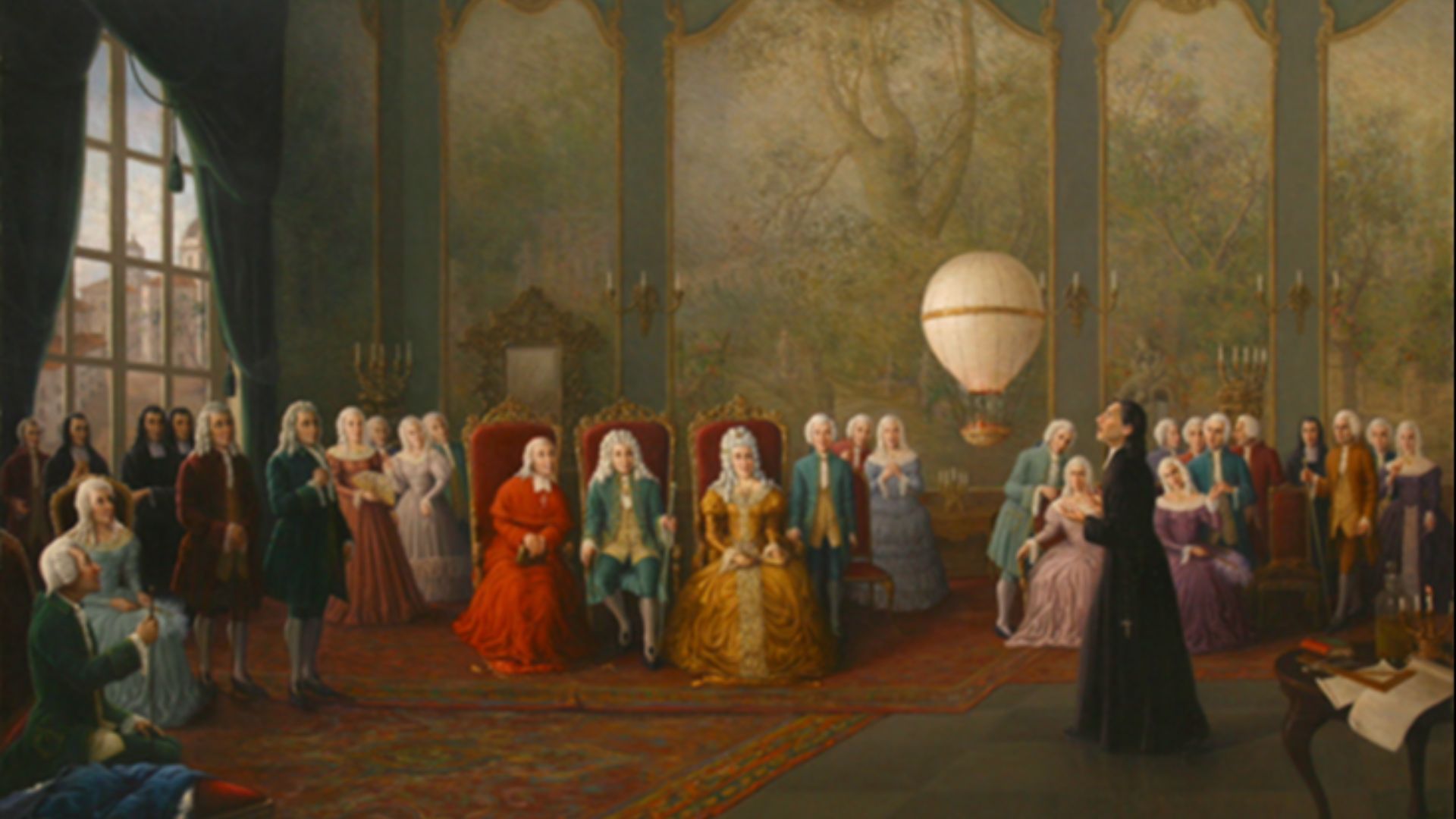
Peter’s breaches of court manners and customs didn’t end with picking pockets and poor dining etiquette. First-hand accounts claim that Peter enjoyed “stealing” the odd kiss or two from unsuspecting courtiers. He must have wanted to be a gentleman—so, he had to look the part.
 Souza Pereira, Wikimedia Commons
15. He Wrestled Every Day
George I and his hunting party had found Peter in the forest in nothing but his birthday suit—and that’s how he liked it. However, each and every day, courtiers “wrestled” with the foundling in an attempt to get him to wear a “green velvet suit”. Suffice to say, they lost this wrestling match more often than they won it.
 Workshop of Godfrey Kneller, Wikimedia Commons
16. He Preferred To Sleep On The Floor
Green velvet suits and table manners weren’t the only aspects of civilization that Peter eschewed. He couldn’t even get accustomed to the creature comforts of civilization. Each night, instead of sleeping in his bed, he preferred to “curl up on the floor in a corner of his room”.
Pretty soon, his behavior gave rise to wild rumors.
17. He Was Wolfish
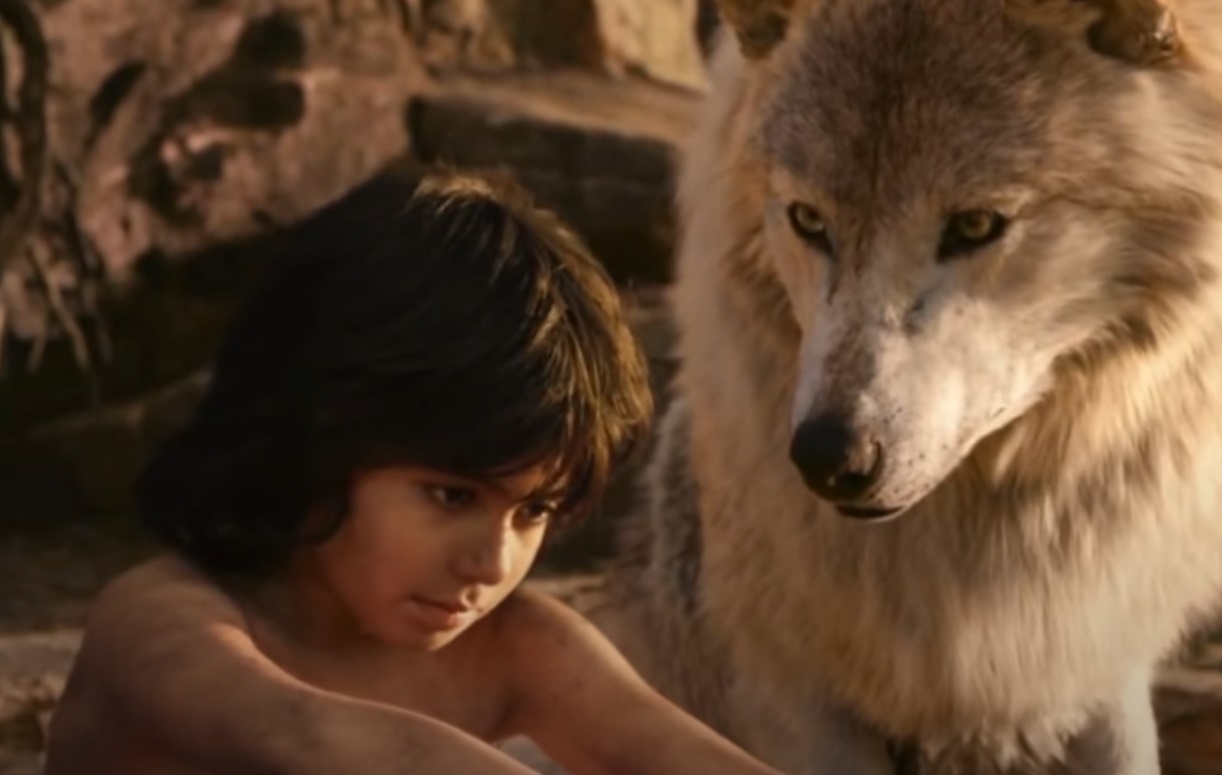
Peter’s outright inability to socialize properly and adapt to court customs led to rumors that he was unlike any other feral child before him. Some speculated that he wasn’t just a foundling, but rather that he had, in fact, been “raised by wolves”. Still, others used even more extreme rumors to explain his behavior.
 Walt Disney, The Jungle Book (2016)
18. His Parents May Have Been Bears
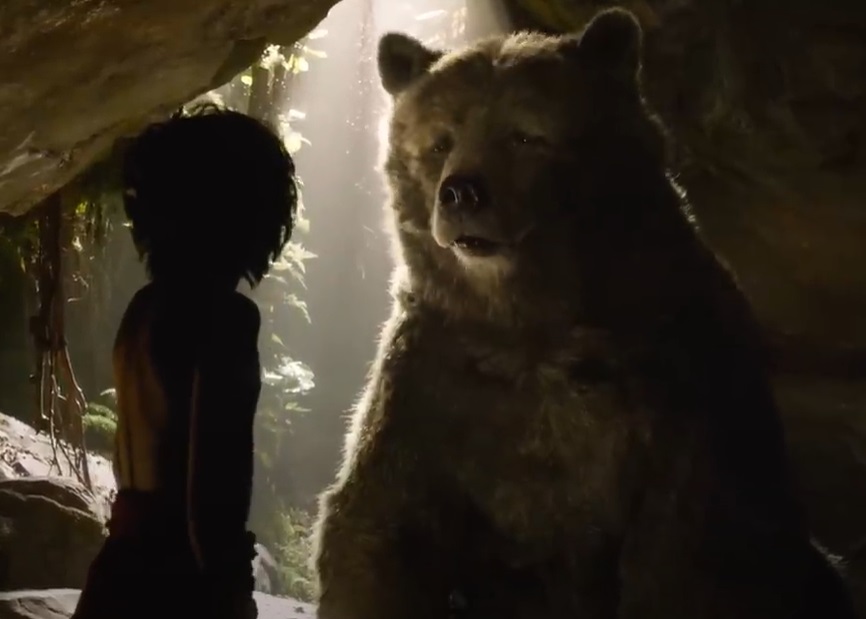
According to some courtiers, wolf parentage wasn’t even wild enough to explain Peter’s feral behavior. After all, wolves had been tamed into dogs. Instead, they speculated that, deep in the Hertswold Forest, Peter had been raised by even more wild beasts: bears! It would actually have explained a lot.
 Walt Disney, The Jungle Book (2016)
19. He Was Part Animal At Heart
Theories about wolves and bears serving as Peter’s parents weren’t just fanciful tales. Despite their best efforts, courtiers had been totally unsuccessful in socializing Peter. He still ate with his hands and tore off his clothes as if they burned his skin. Animal parentage was simply the most plausible theory—and it only made him more intriguing.
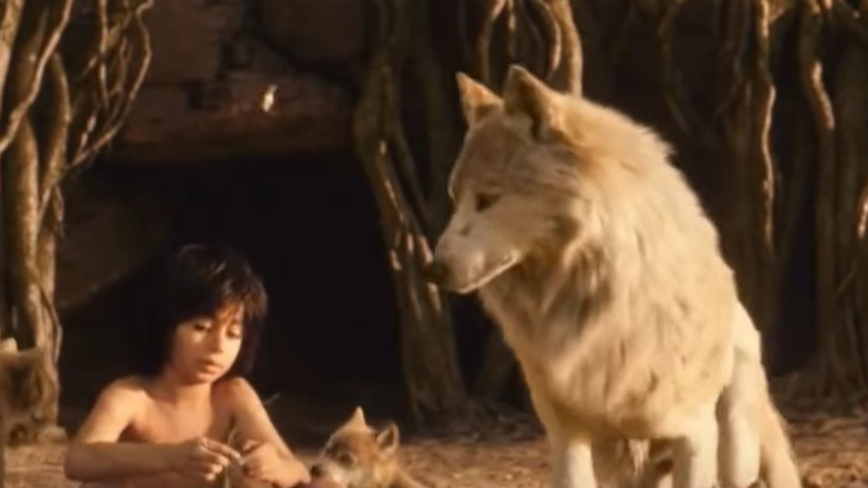 Walt Disney, The Jungle Book (2016)
20. He Inspired A Satire
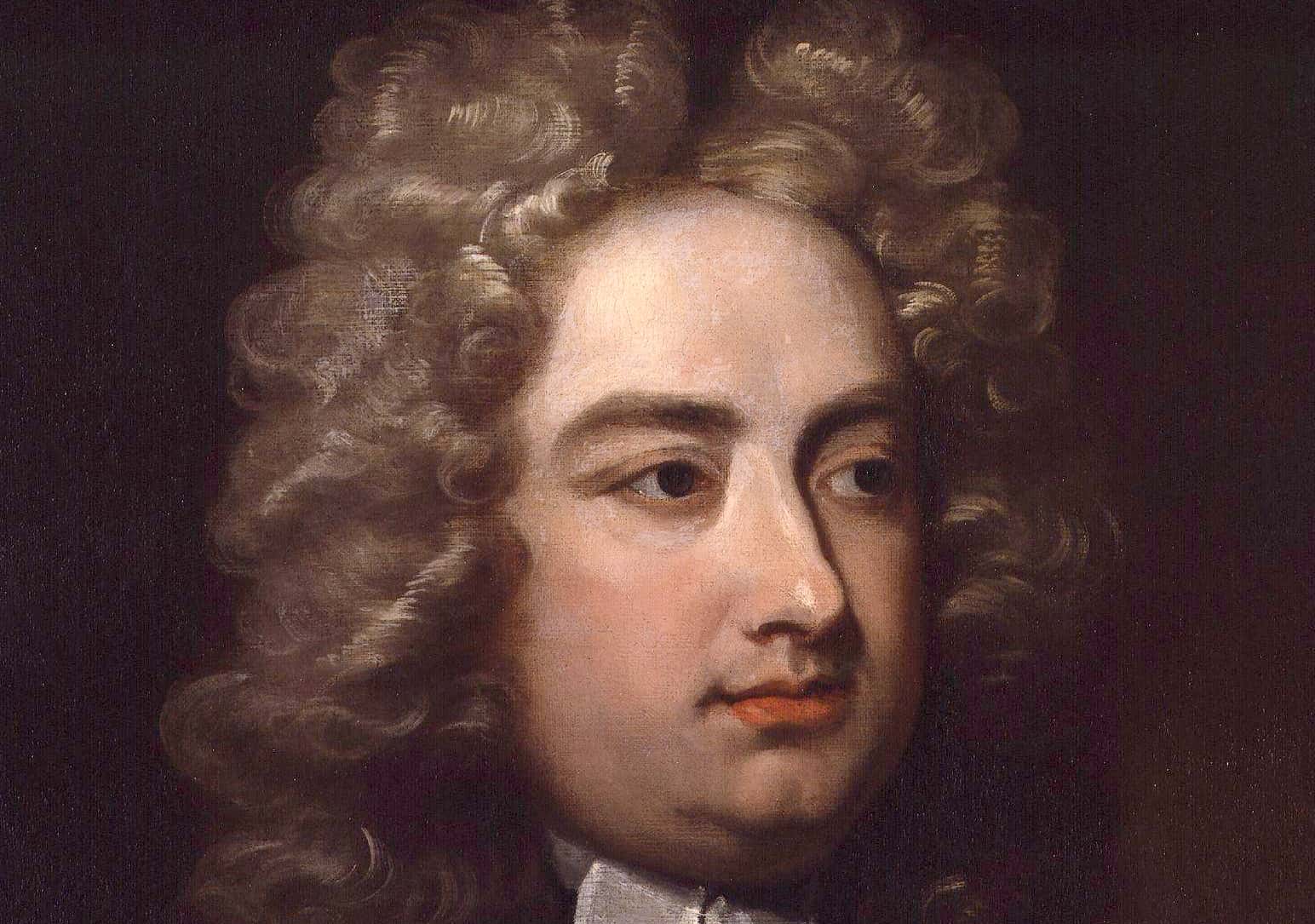
Despite his untamable nature, by late 1726, Peter had become such a sensation at court that he inspired works of art. Jonathan Swift, the writer and essayist, composed a “biting satire” about the foundling. The Most Wonderful Wonder that ever appeared to the Wonder of the British Nation was a rib-busting satire about Peter’s arrival in court.
That wasn’t the only work of satire that Peter inspired.
21. He Inspired Philosophers
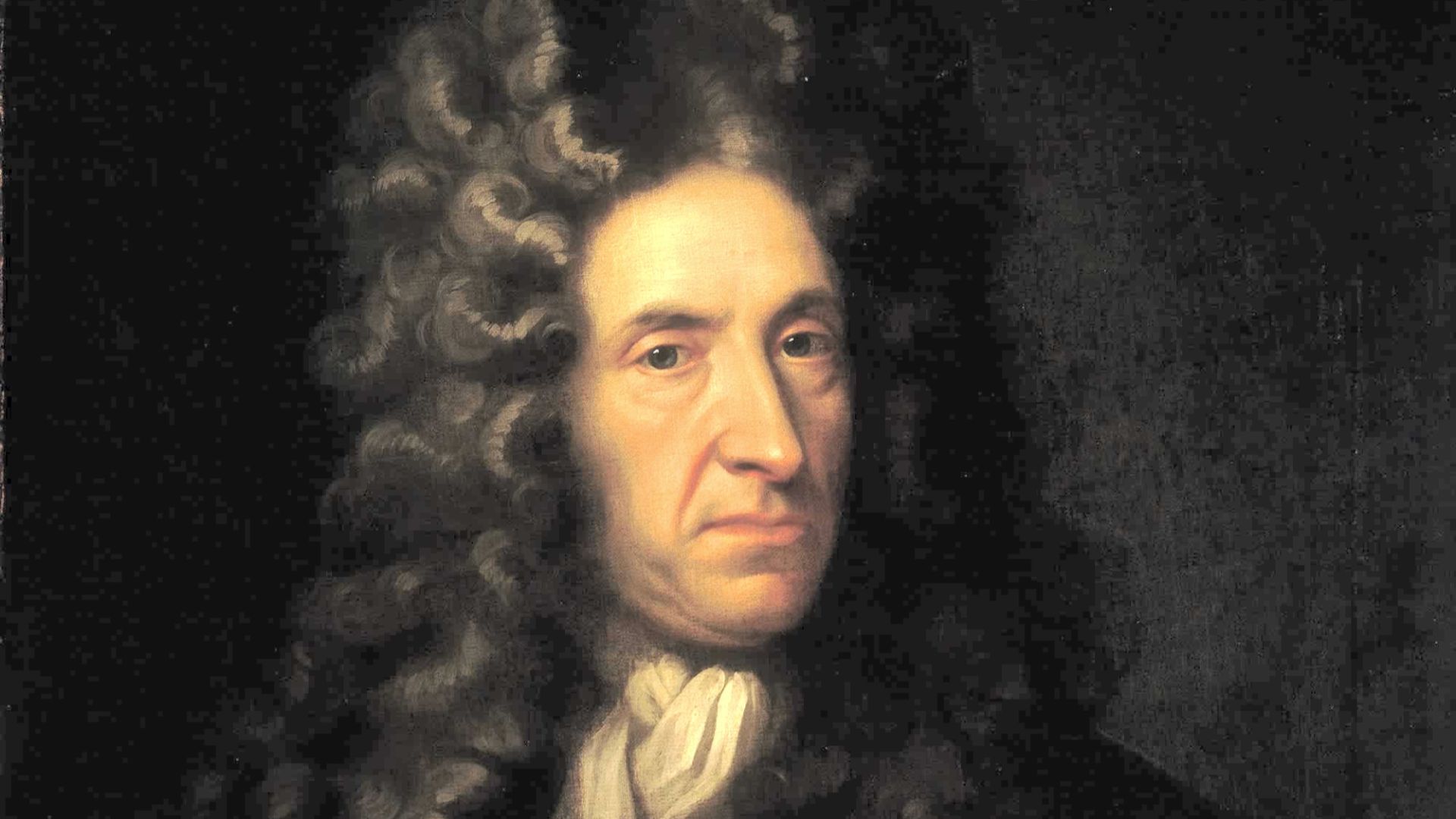
The cultural obsession with Peter continued beyond Swift’s satire. The English merchant and spy, Daniel Dafoe, wrote a pamphlet of his own. Mere Nature Delineated was a satire with a philosophical bent that explored the very nature of humanity, using Peter to explore the complex topic.
He was practically an anthropological field of study all on his own.
 UnknownUnknown , style of Sir Godfrey Kneller, Wikimedia Commons
22. He Was The Missing Link
Following Dafoe’s tongue-in-cheek philosophical pamphlet on Peter, others began to tackle the question of Peter’s humanity more seriously. James Burnett, the Scottish philosopher, even posited that Peter could shed light on the origins and “evolution of the human species”. One thing was certain, though: Peter had earned his place in history.

23. He Took A Picture
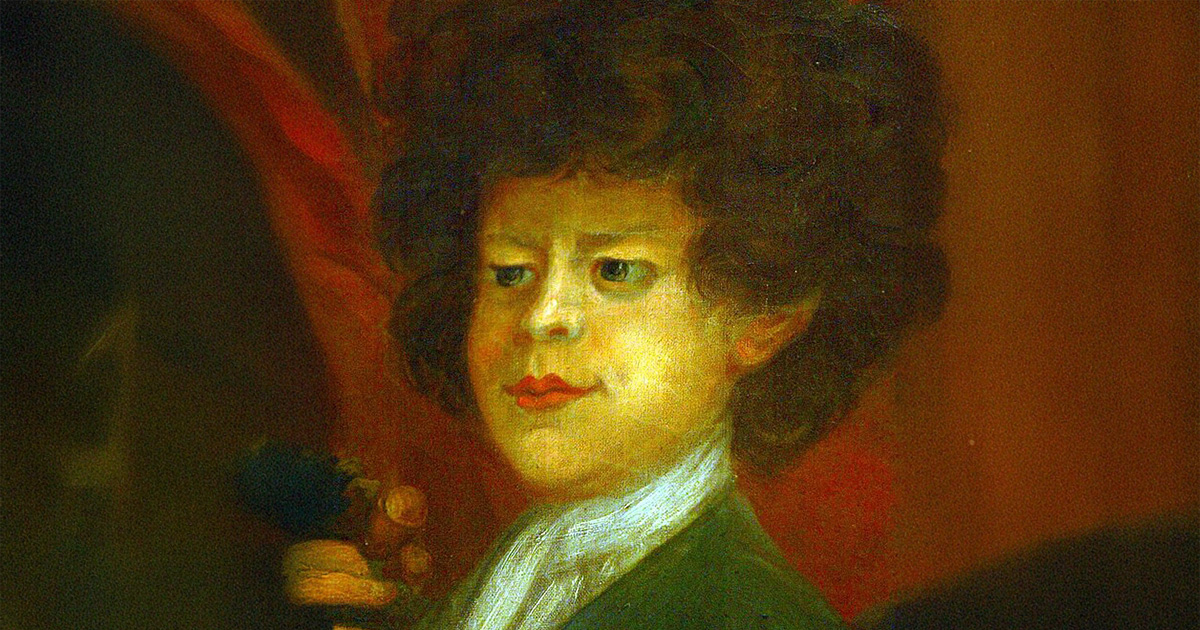
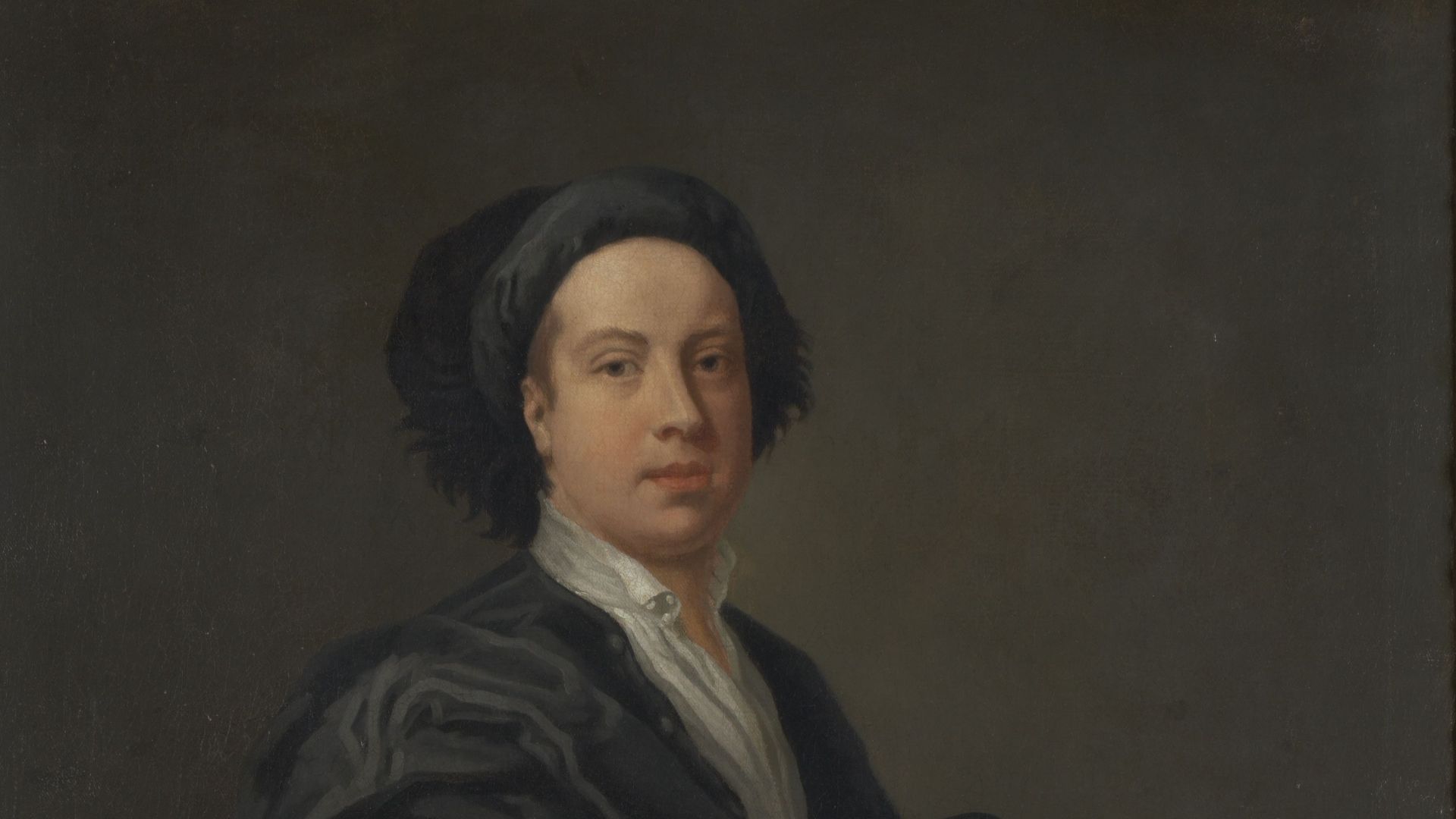
The royal painter and famed interior designer, William Kent, cemented Peter as a member of the court of George I with a rare honor. He painted a large portrait of Peter—a great honor usually reserved for nobility. The portrait would later help contemporary historians in an unexpected way.
 William Aikman, Wikimedia Commons
24. His Fingers Were Stuck Together
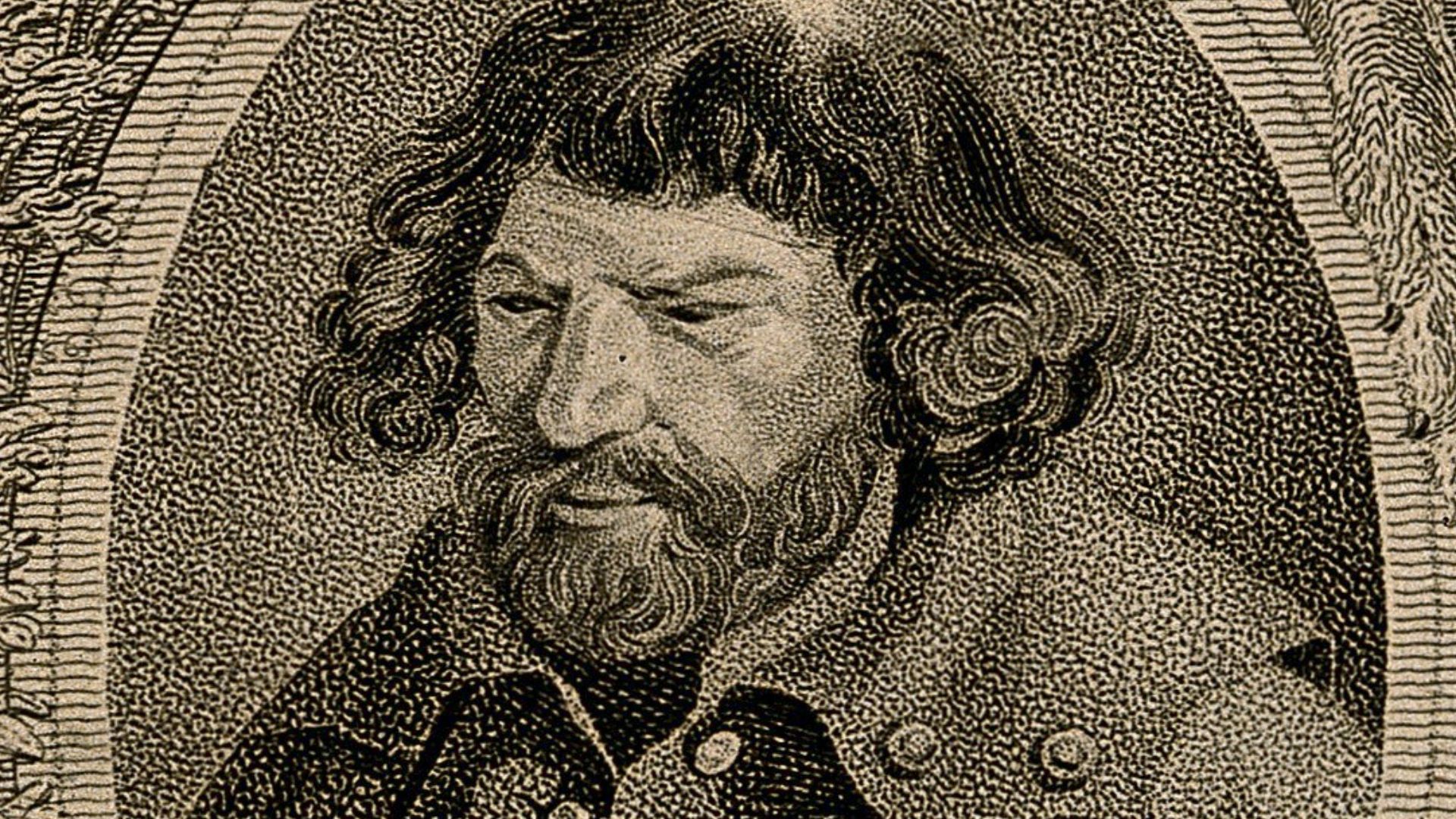
Kent’s portrait of Peter turned out to be more telling than even he knew. In the painting, Peter is dressed (remarkably) in his green velvet suit with “acorns and oak leaves in his right hand” as a reference to his feral nature. Kent even painted Peter’s left hand that had some fingers “fused” together.
More than two centuries later, this would be one of many clues that hinted at Peter’s true nature.
25. He Had Royal Support
For most courtiers and philosophers, Peter was little more than a fascination. However, for Caroline of Ansbach, the Princess of Wales, he was a lot more than that. Caroline took a genuine “interest in Peter’s welfare”—and she was determined to see him socialized. No matter the cost.
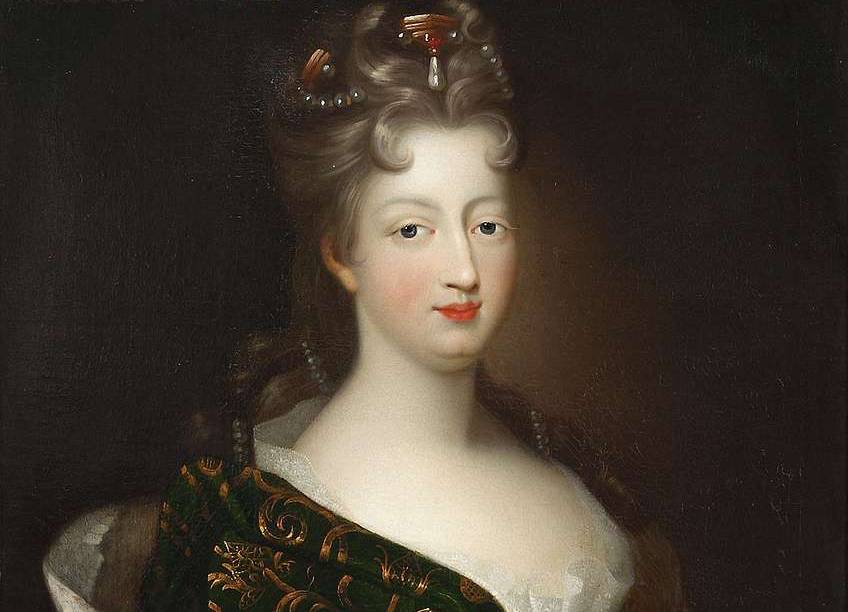
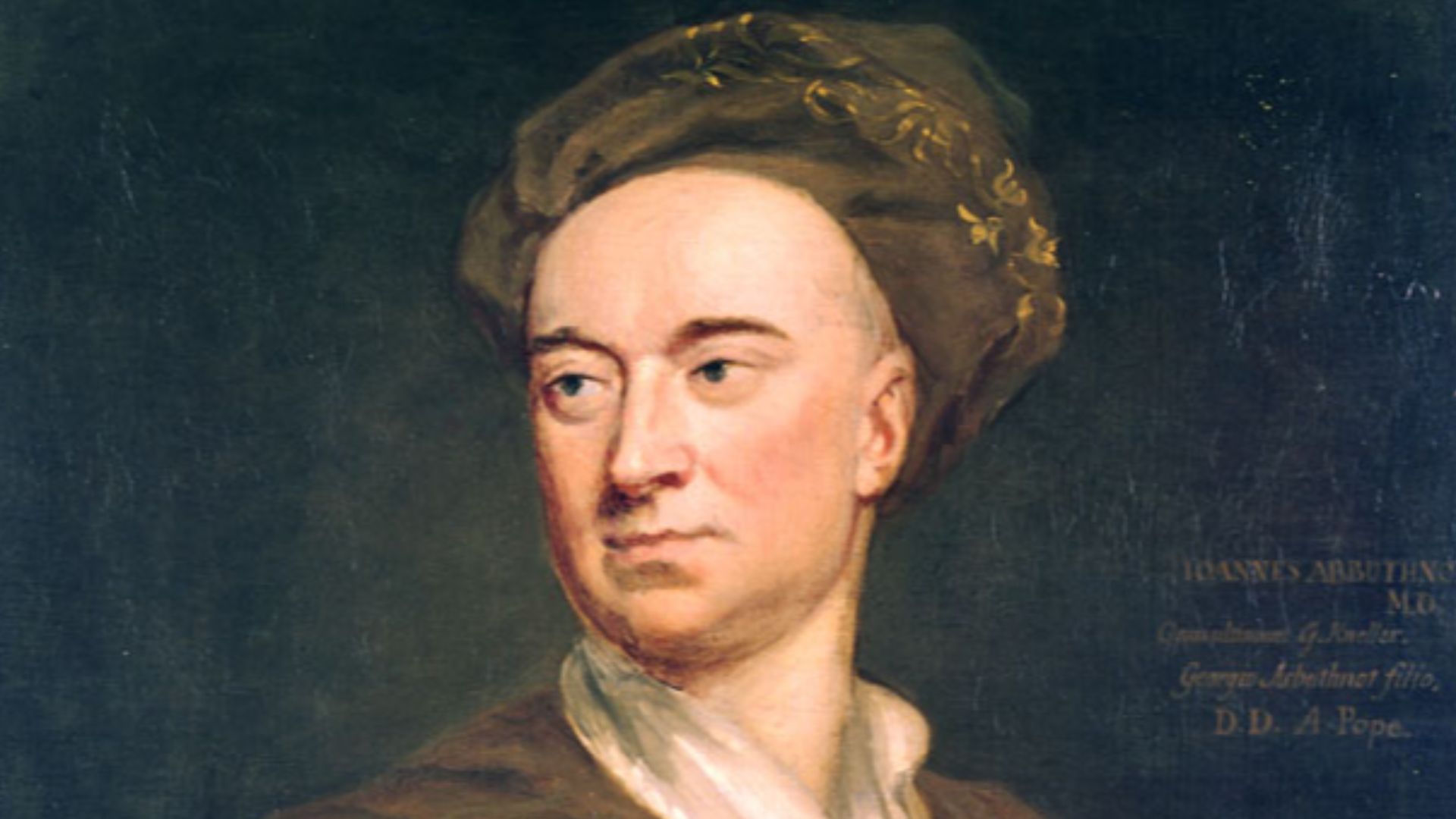
26. He Saw A Physician
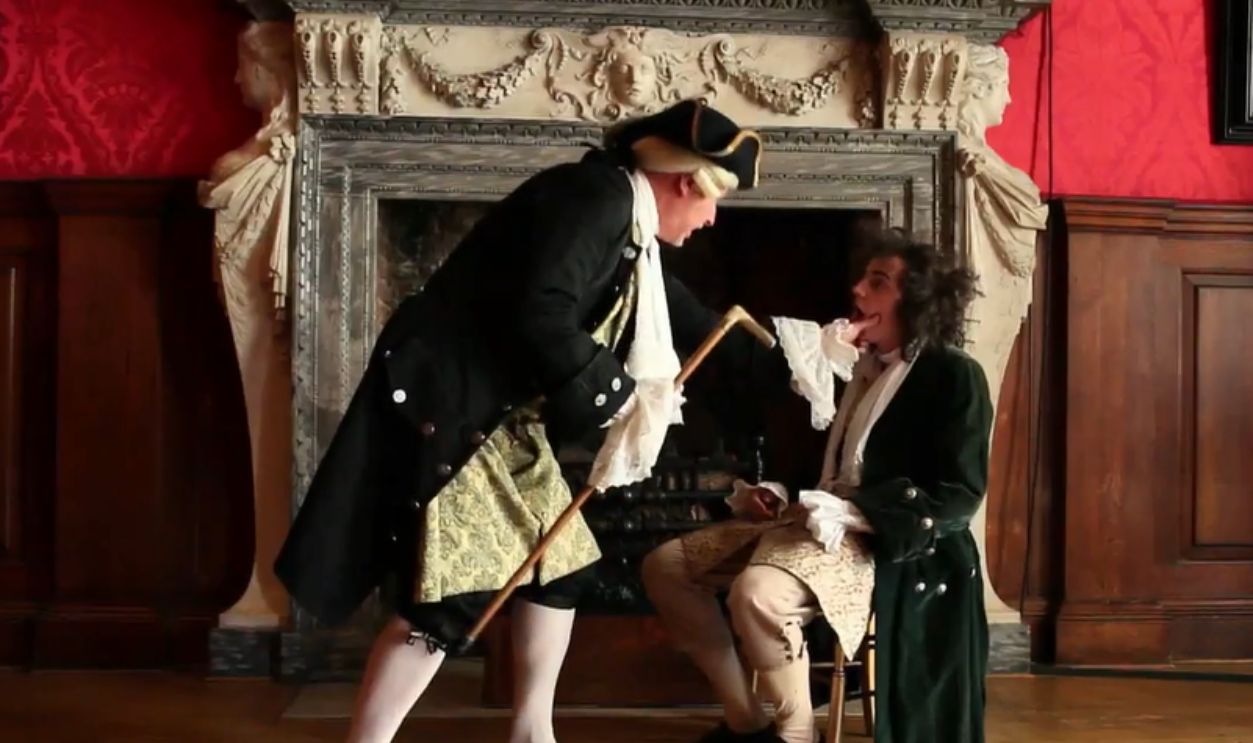
Eventually, as Peter failed to socialize properly, George I’s court all but lost interest in him. Just as they had obsessed over him for the better part of a year, so they forgot all about him. Caroline of Ansbach, however, saw this as an opportunity to truly look after Peter and entrusted his education to Dr Arbuthnot, the court physician.
Her hopes, however, would go in vain.
 Godfrey Kneller, Wikimedia Commons
27. He Was Unteachable
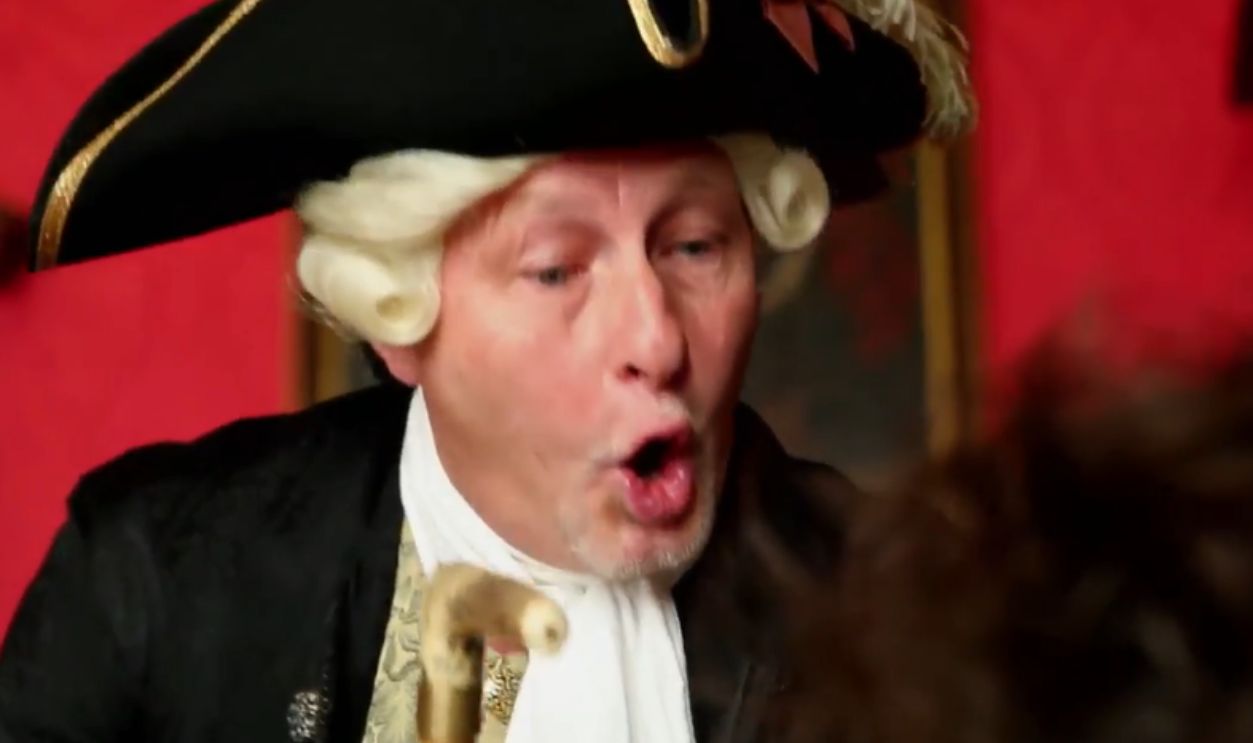
Even with the constant care and education of a physician, Peter proved to be totally untamable. Despite his best efforts, Dr Arbuthnot failed to teach Peter to “speak, read or write”. But, if the good doctor couldn’t teach him, then someone else would. Or so they thought.
 Peter the Wild Boy: National Treasures Live BBC One, Tracy Joss Koifman
28. He Sought A Better Caretaker
Exhausted and exasperated, Dr Arbuthnot threw up his hands in resignation. Peter, he decided, could not be taught anything—at least, not by humans. Instead, Peter passed into the care of one Mrs Titchbourn, a bedchamber woman to the Queen. Still, caring for Peter would prove challenging.
 Peter the Wild Boy: National Treasures Live BBC One, Tracy Joss Koifman
29. He Became A Ward Of The Crown
Mrs Titchbourn accepted the responsibility of caring for Peter. But her motivations, unlike those of Caroline of Ansbach, were not entirely pure. As part of the agreement, Mrs Tithchbourh received a “handsome pension”. She did, however, have an innovative solution for Peter. A wild boy, she figured, deserved a wild home.
30. He Went To A Farm
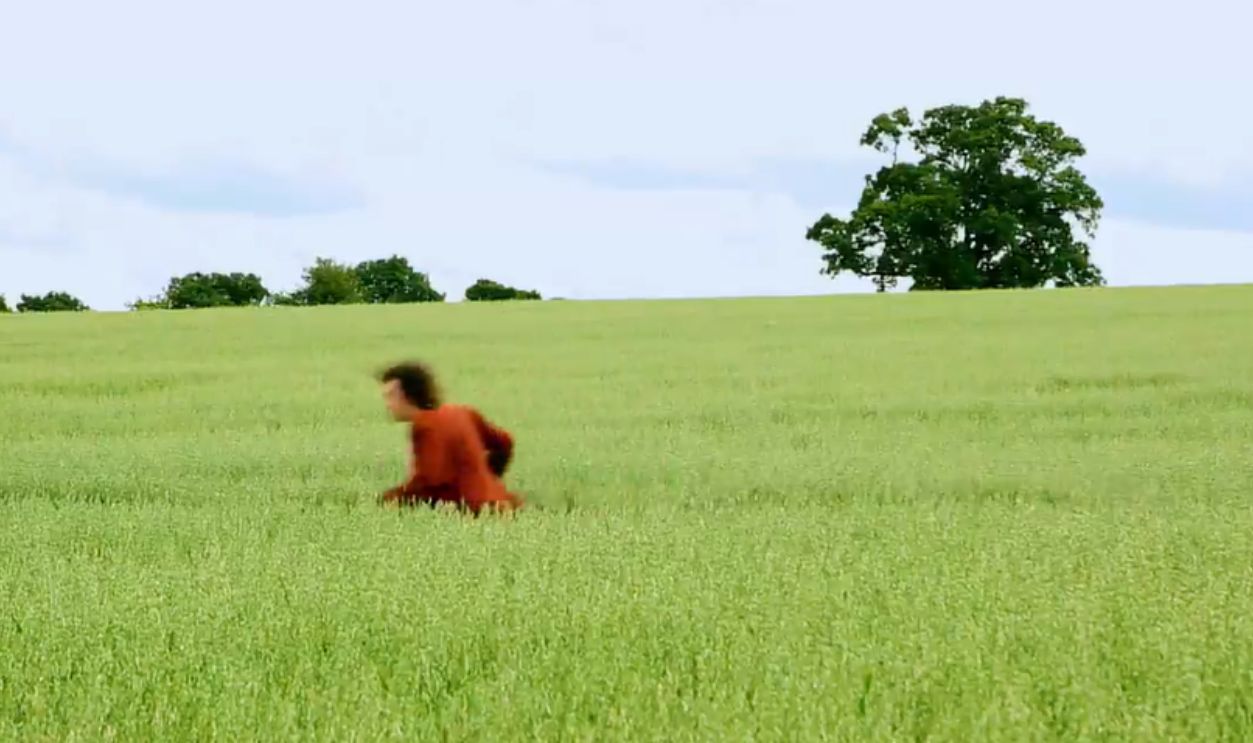
Every summer, Mrs Titchbourn retired for a few weeks to the countryside. In particular, she spent her time with a one Mr James Fenn, a “yeoman farmer” in the remote and wild landscapes of Northchurch, Hertfordshire. It seemed like the perfect place to keep Peter—and it was.
 Peter the Wild Boy: National Treasures Live BBC One, Tracy Joss Koifman
31. He Found A New Home
Instead of attempting to care for Peter herself, Mrs Titchbourn did what no one else had thought to do: she returned Peter to the wild. Kind of. She left Peter at Mr Fenn’s farm and gave him an allowance of £35 per year to care for him. The arrangement was perfect and provided Peter with the home he never had—until even this ended.
 Jim Evans, CC BY-SA 4.0, Wikimedia Commons
32. He Went To Broadway
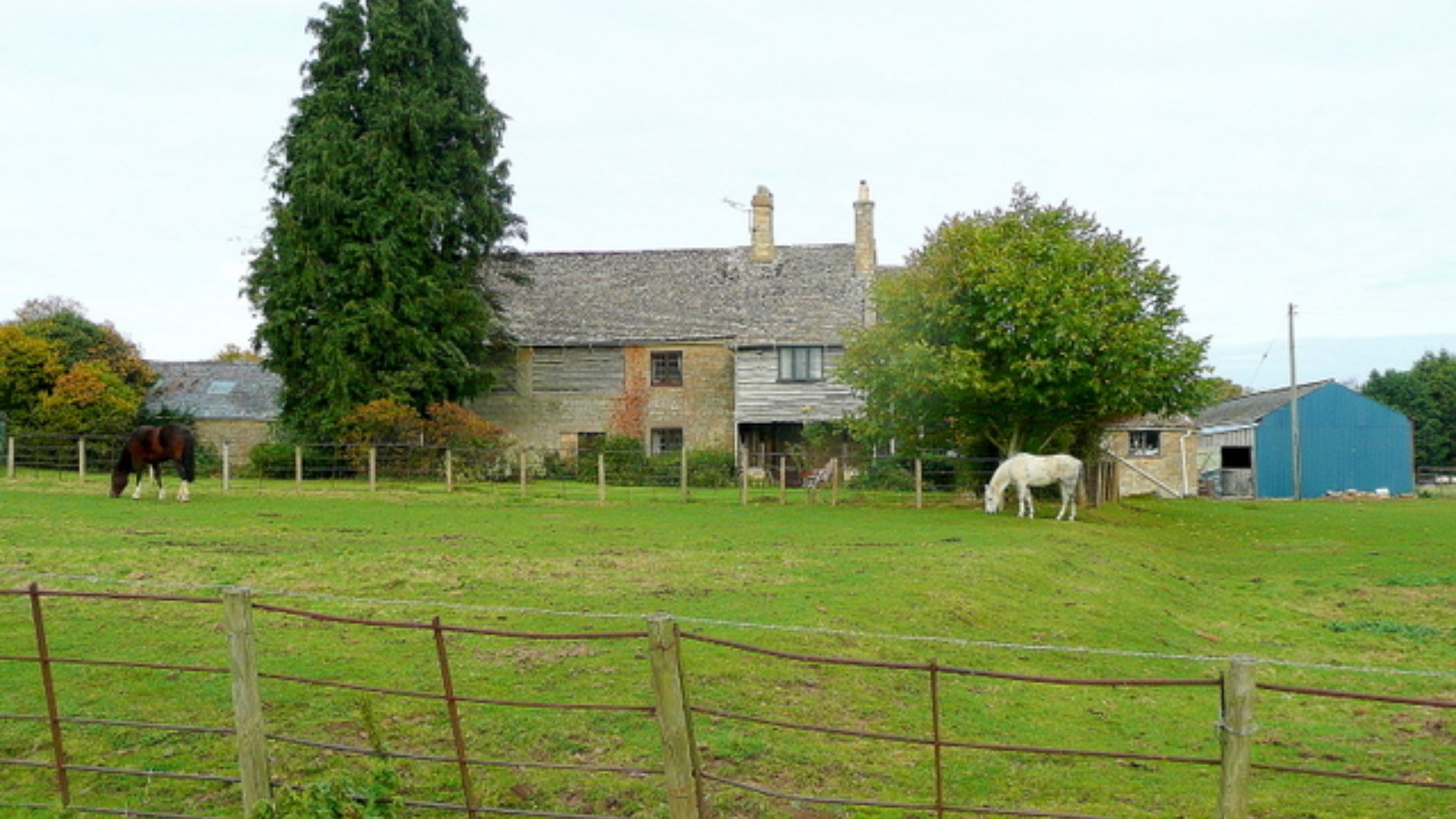
By all accounts, Peter’s years at Mr Fenn’s farm passed happily…until Mr Fenn passed on. After that, Peter was sent to stay at another farm with Mr Fenn’s brother, Thomas. The farm was called Broadway and allowed Peter to continue living the closest thing to a normal life as possible.
 Jonathan Billinger, Wikimedia Commons
33. He Worked The Land
Over the years, Peter practically became a fixture at the Broadway farm. Tenant after tenant passed through, but Peter remained, working successfully as a farmhand. And all the while, the Crown never forgot about him, maintaining his £35/year pension.
Then the unthinkable happened.
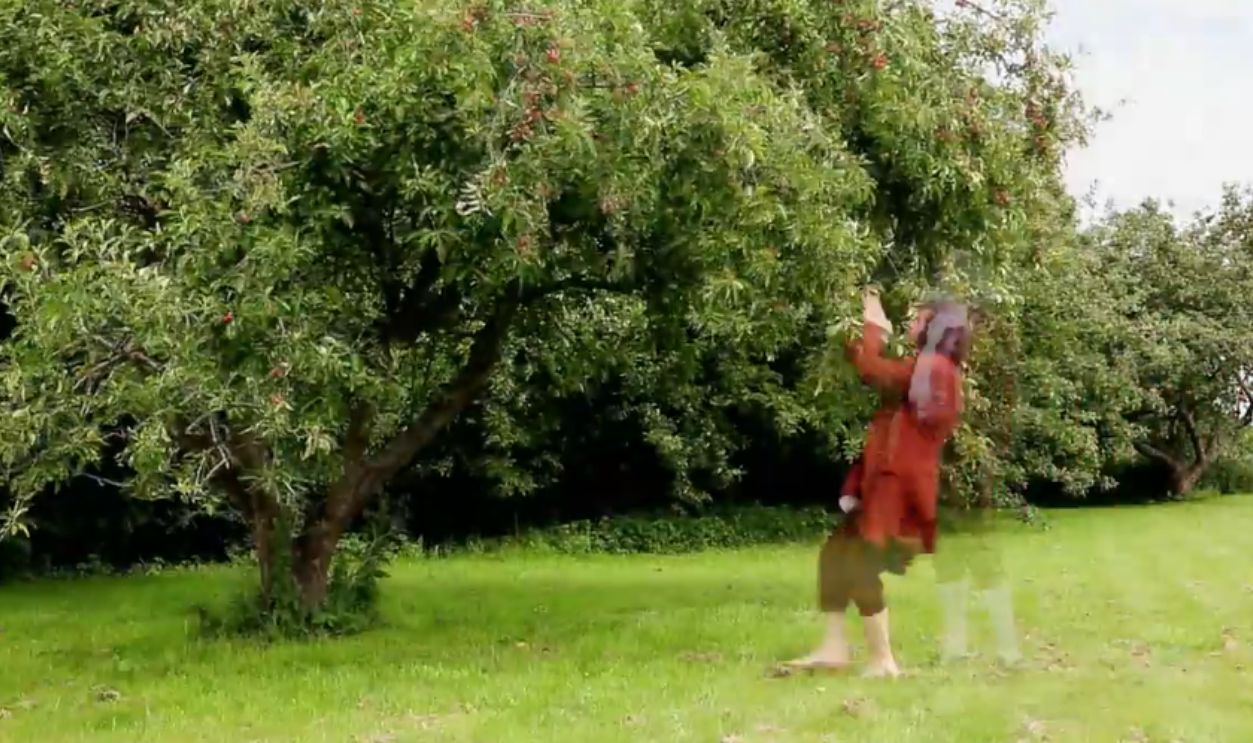
34. He Simply Disappeared
Peter seemed to be happy at the Broadway farm—but he could still hear the true call of the wild. Then, suddenly, in mid-1751, he couldn’t ignore it anymore. Without explanation, Peter simply vanished without a trace, disappearing into the English countryside just as quickly as he had appeared in a German forest decades earlier.
Once again, public interest in Peter the Wild Boy spiked.
 Peter the Wild Boy: National Treasures Live BBC One, Tracy Joss Koifman
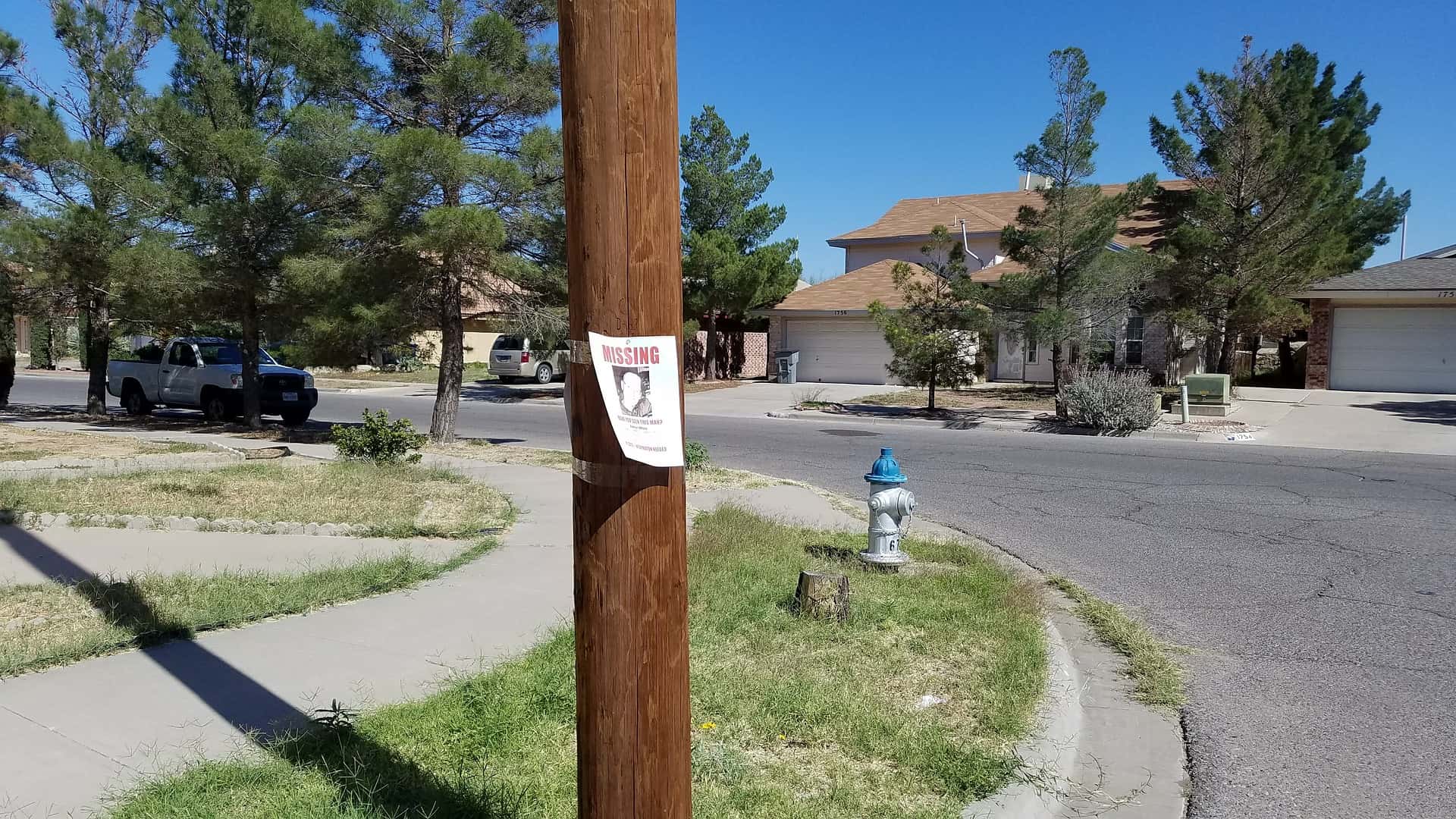
35. He Made The News
In a desperate attempt to find Peter, his caretakers placed advertisements in the newspapers, rekindling public interest in the former feral child. The advertisements promised a handsome reward to anyone who returned him to Broadway safely. Sadly, there was still no sign of him.
He would turn up in the least likely of all places.
36. He Might Have Gone Up In Smoke
By late 1751, hope was fading that Peter would ever resurface. Some speculated that he must have returned to the wild where he truly belonged. Others believed a worse fate might have befallen him. However, when a fire broke out in Norwich, the “local gaol” went up in a blaze—and revealed something shocking.
37. He Sparked Curiosity
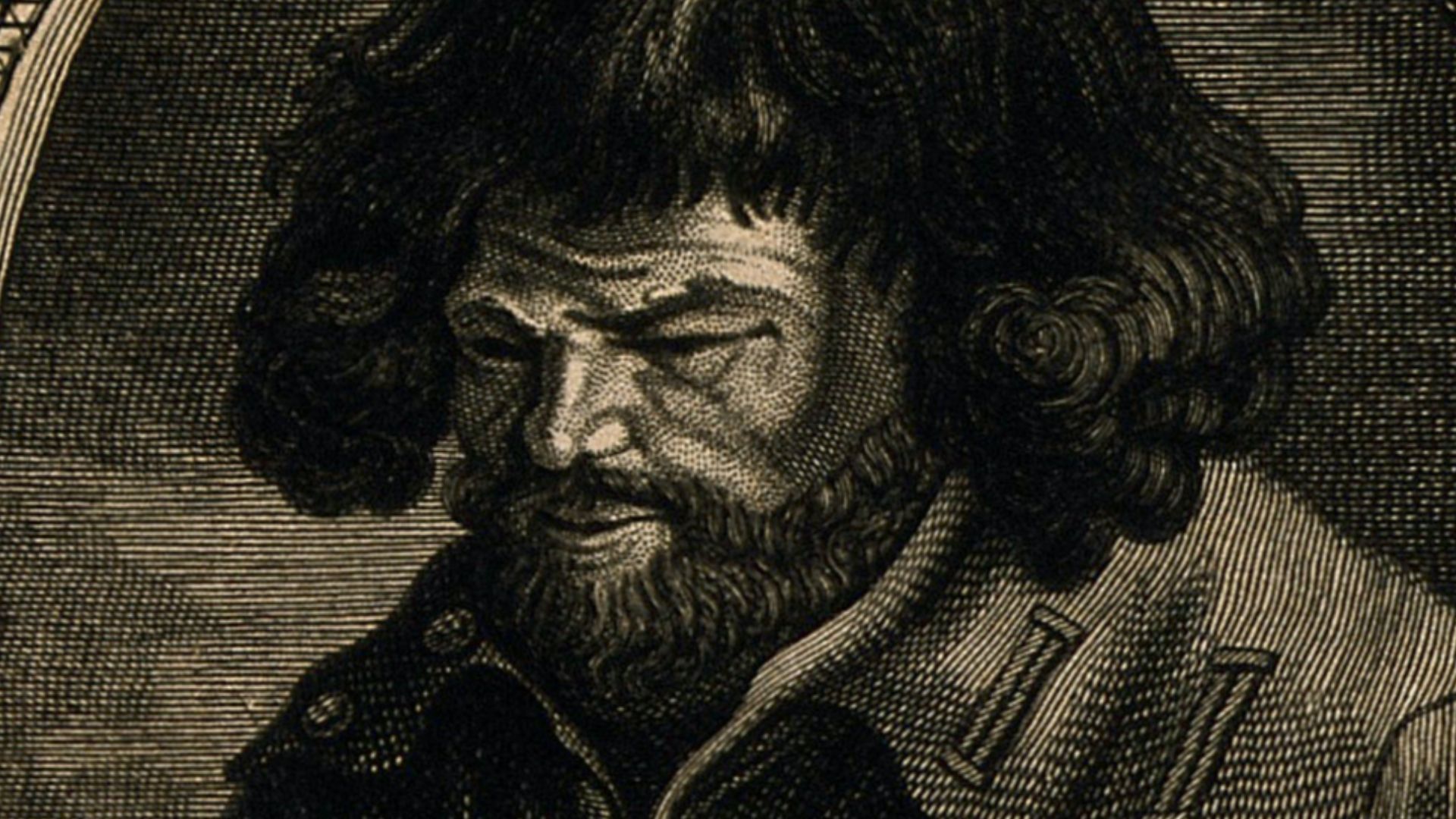
As the gaol burned to the ground, the guards released the “frightened inmates” to save their lives. All sorts of characters emerged from the smoke and flame, but one inmate sparked “considerable curiosity” for his distinct appearance. And he was certainly unlike all of the others.
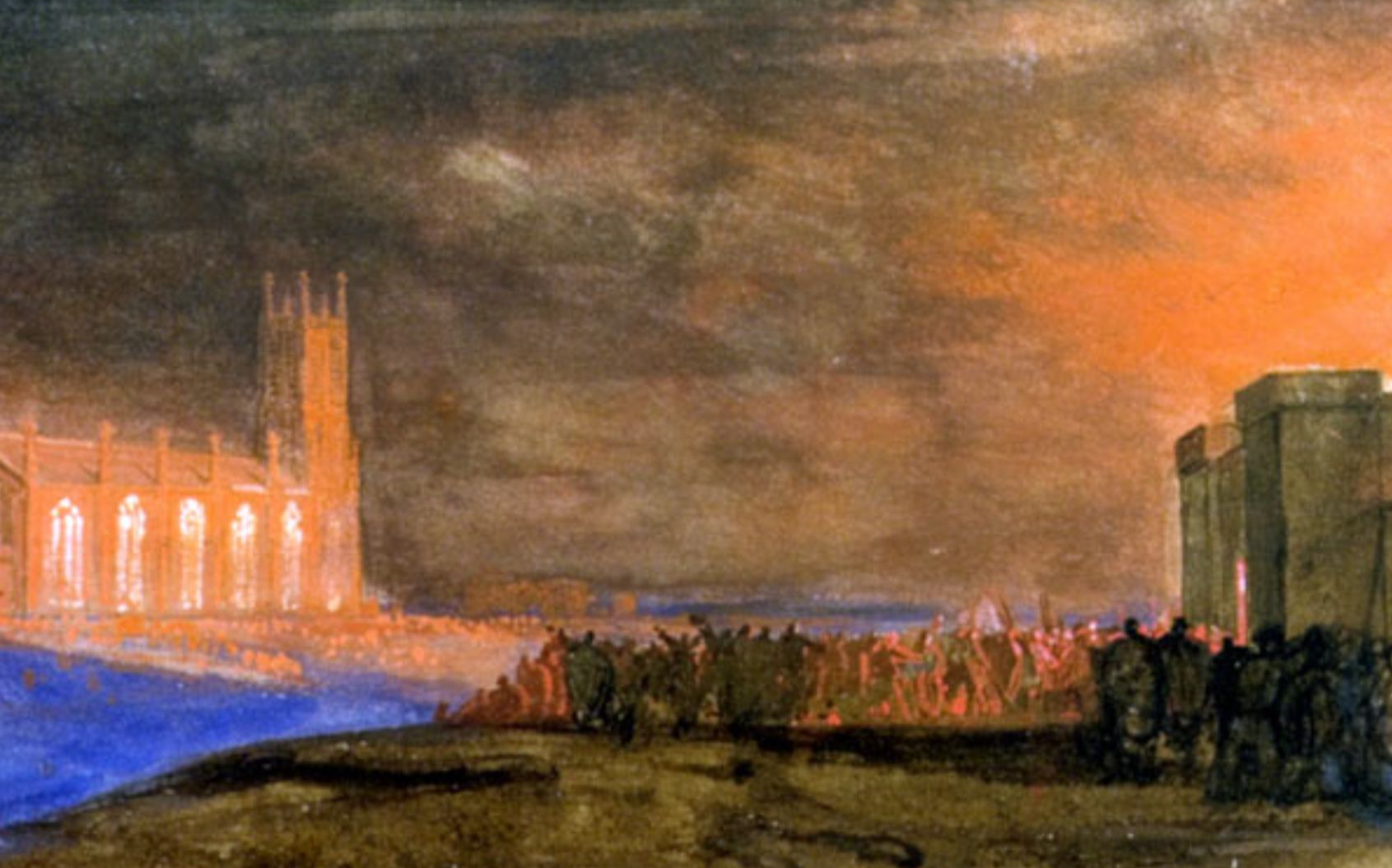 William James Müller (28 June 1812 – 8 September 1845),, Wikimedia Commons
38. He Was “Strong”
Eye witnesses to the inferno engulfing the gaol and the escaping inmates gave a detailed account of the curious character. They said that he was “hirsute and strong” suggesting that he had been some kind of laborer…such as a farmhand. The other details were even more telling.
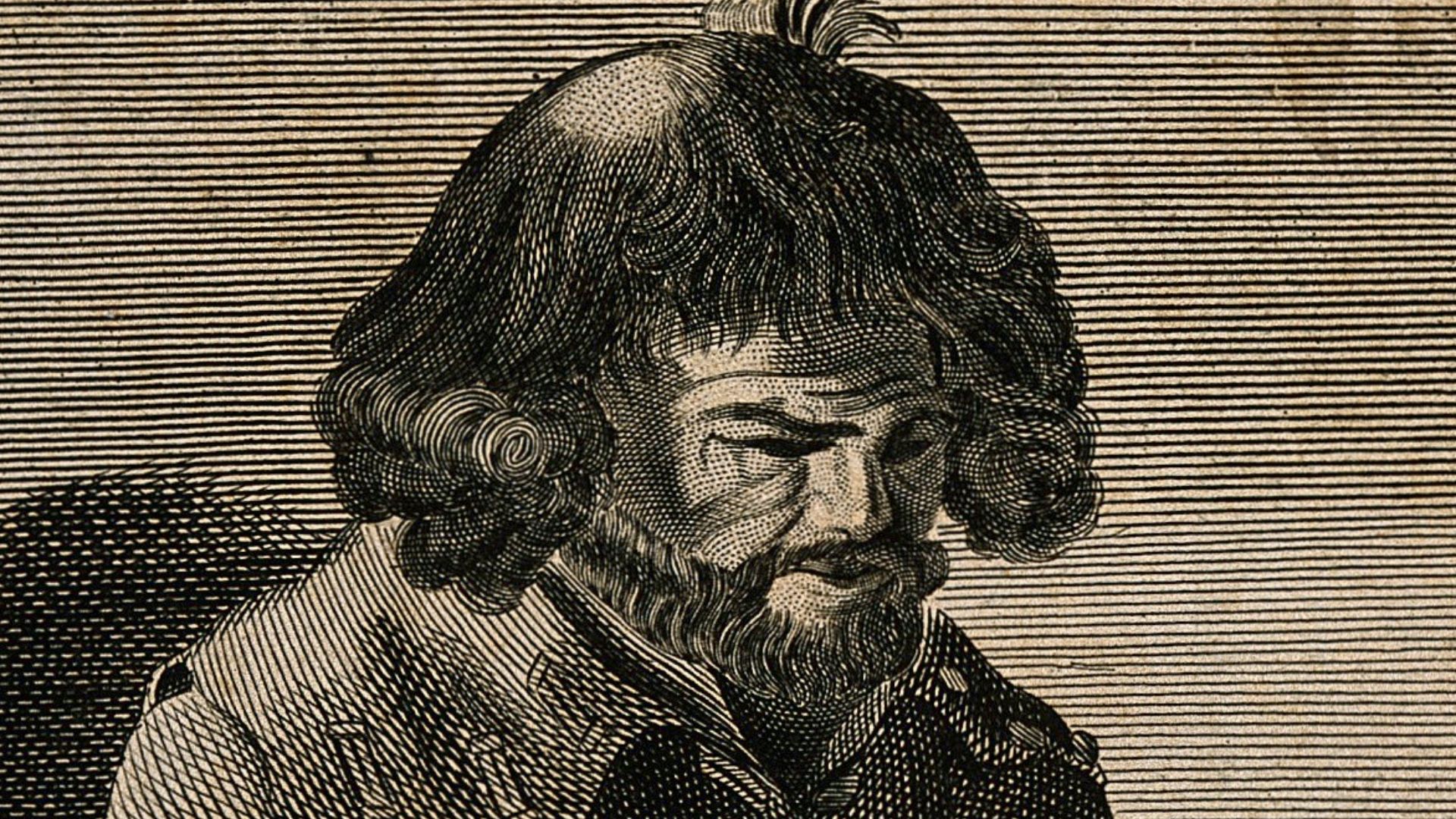
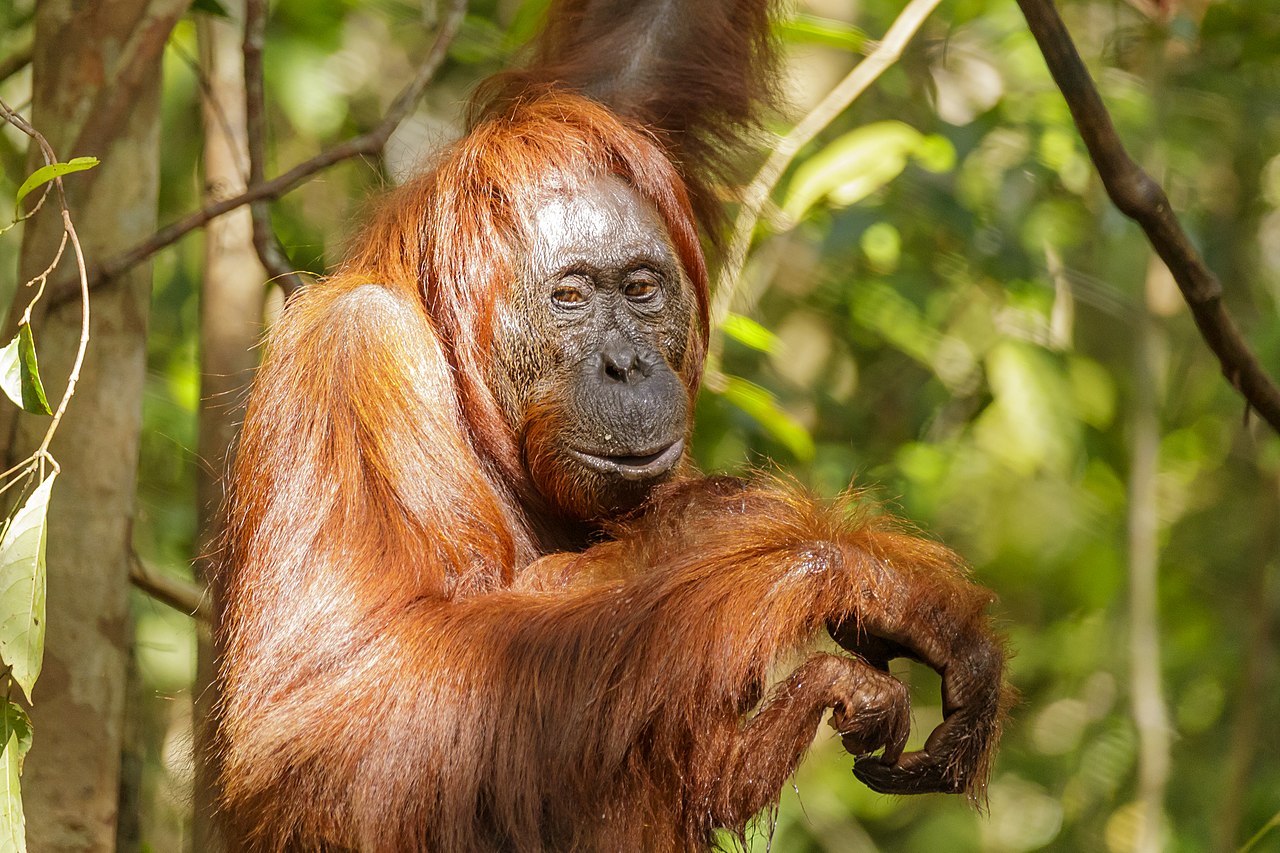
39. He May Have Been An Orangutan
Quite apart from his physical appearance, the eye witnesses described some of this curious inmate’s behavior. They claimed that he didn’t speak and only made distinctive sounds. The sounds were so odd that they believed he might have been an orangutan. There was only one person who fit that description.
 Thomas Fuhrmann, CC BY-SA 4.0, Wikimedia Commons
40. He Was In The Headlines Again
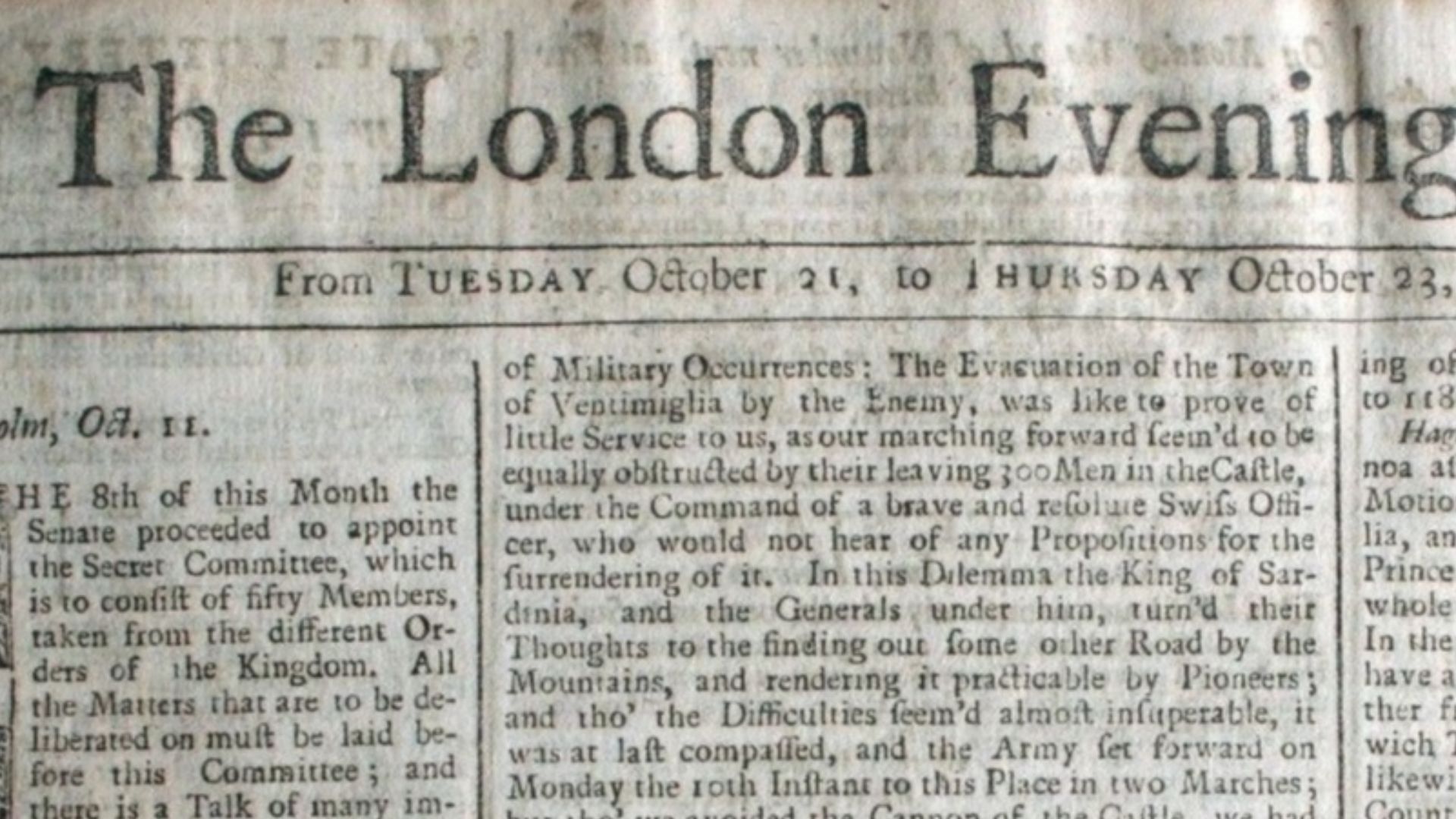
The London Evening Post wrote about the dramatic fire and the even more curious character who had emerged from its smoke. Likely as a result of their article, Peter’s caretakers recognized the curious inmate as their very own runaway foundling. Suffice to say, they were determined to never lose him again.
41. He Made It Home Safely
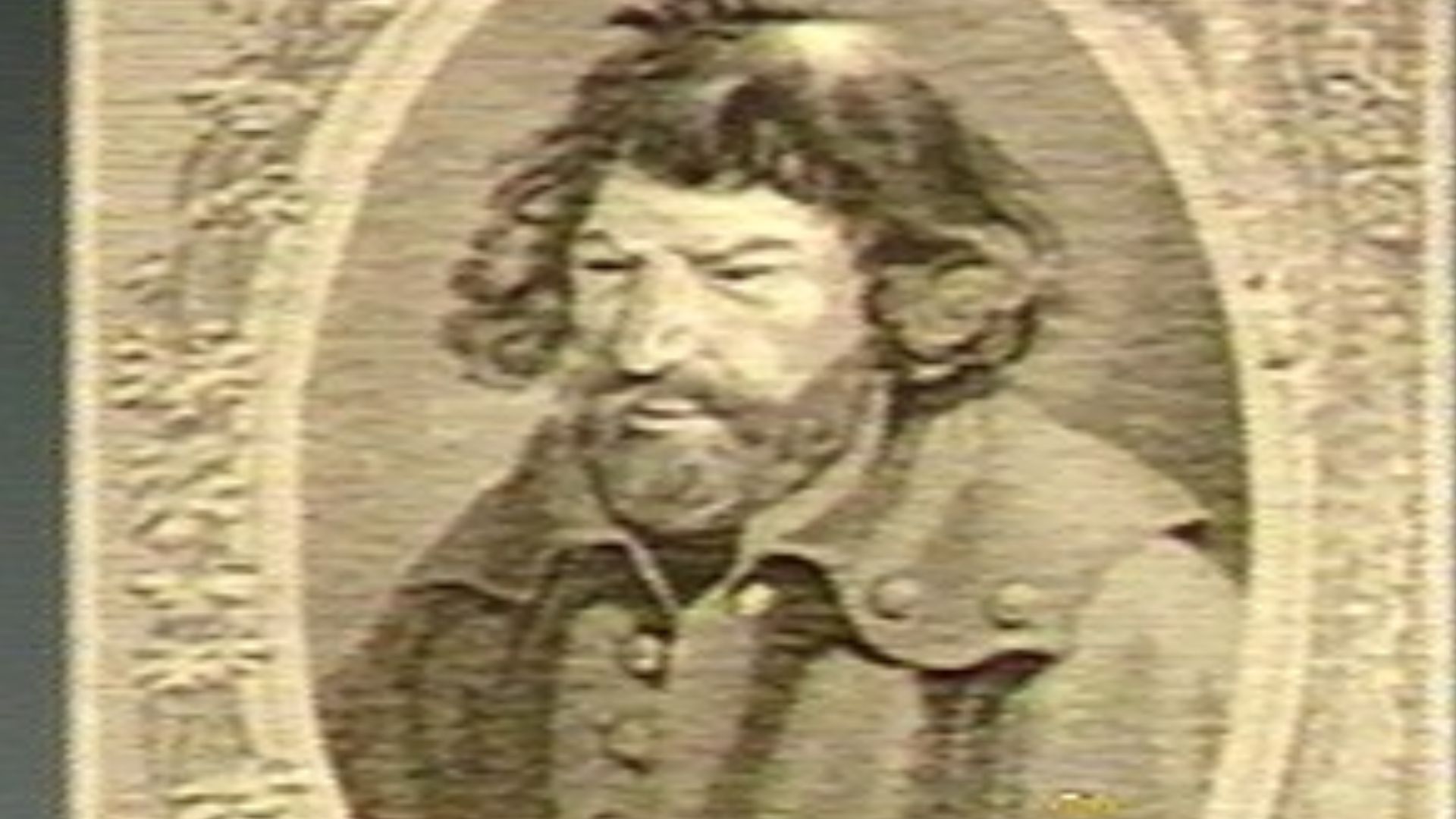
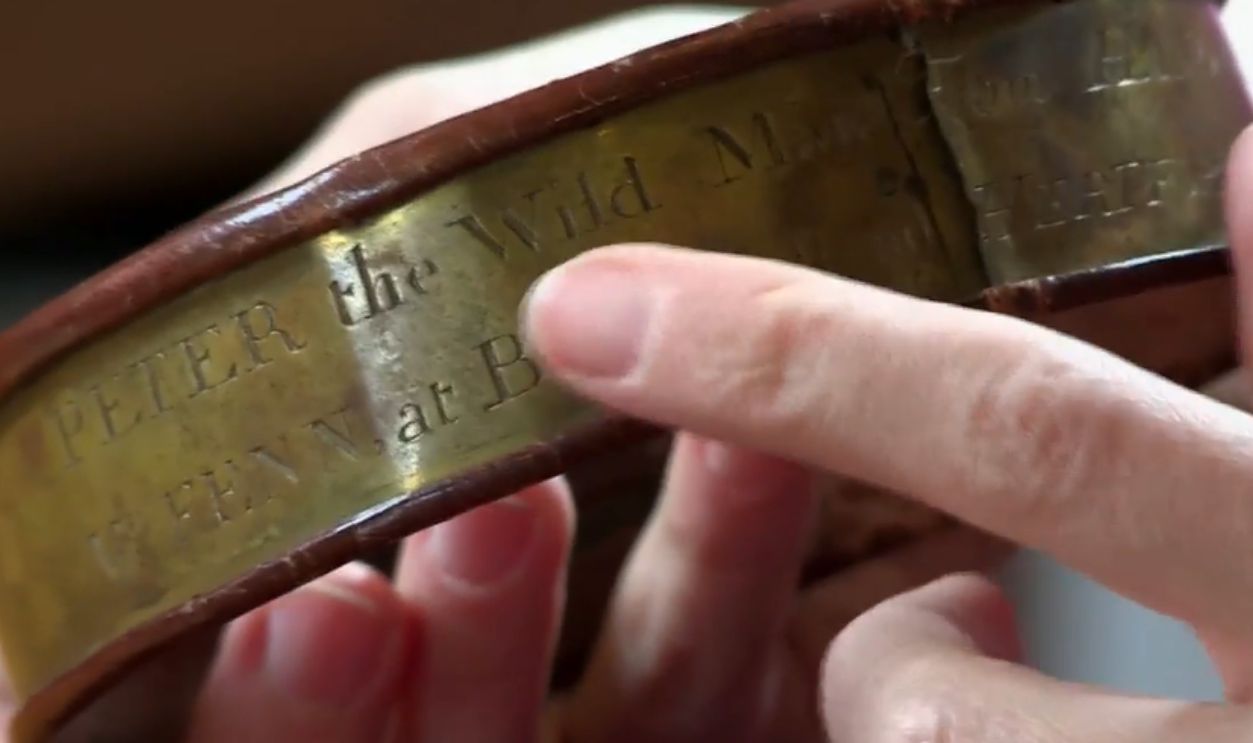
Days after the fire, and months after he had disappeared, Peter returned to Thomas Fenn’s farm. Knowing how close he had come to losing Peter for good to the dangers of civilization, Fenn had a collar made for Peter that had his name and address so that he would always find his way home again.
But that's not all the collar had.
42. He Had A Homing Beacon
Peter’s leather collar wasn’t a form of punishment. It was the only way that Thomas Fenn knew how to properly care for Peter. The message he had inscribed on the collar indicated how much he cared for the foundling: “Peter the Wild Man of Hanover. Whoever will bring him to Mr Fenn at Berkhamsted shall be paid for their trouble”.
It would take centuries to truly understand Peter’s condition.
 Peter the Wild Boy: National Treasures Live BBC One, Tracy Joss Koifman
43. He Was Terribly Misunderstood
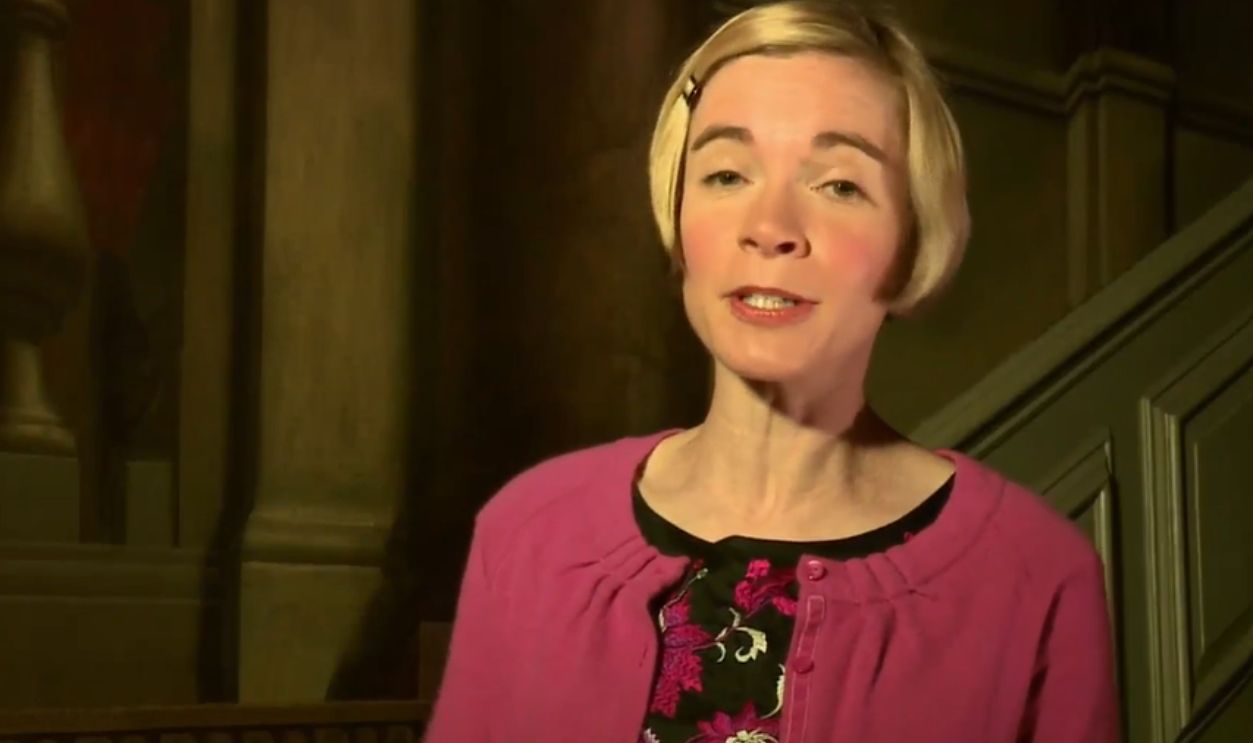
Lucy Worsley, curator of Historic Royal Palaces, dedicated hours of research to learning more about Peter. She confessed that, when George I found him, “people assumed Peter acted the way he did because he was a wild child. They didn't suspect that something else could have been afflicting him”.
But something else was afflicting him.
 Peter the Wild Boy: National Treasures Live BBC One, Tracy Joss Koifman
44. He May Have Had Autism
At first, even Worsley didn’t fully understand Peter’s condition. She assumed, as many contemporary historians, that Peter had a particularly acute case of autism. However, she wasn’t totally satisfied with that explanation—and began digging deeper into his past.
 Peter the Wild Boy: National Treasures Live BBC One, Tracy Joss Koifman
45. His Portrait Was The Key
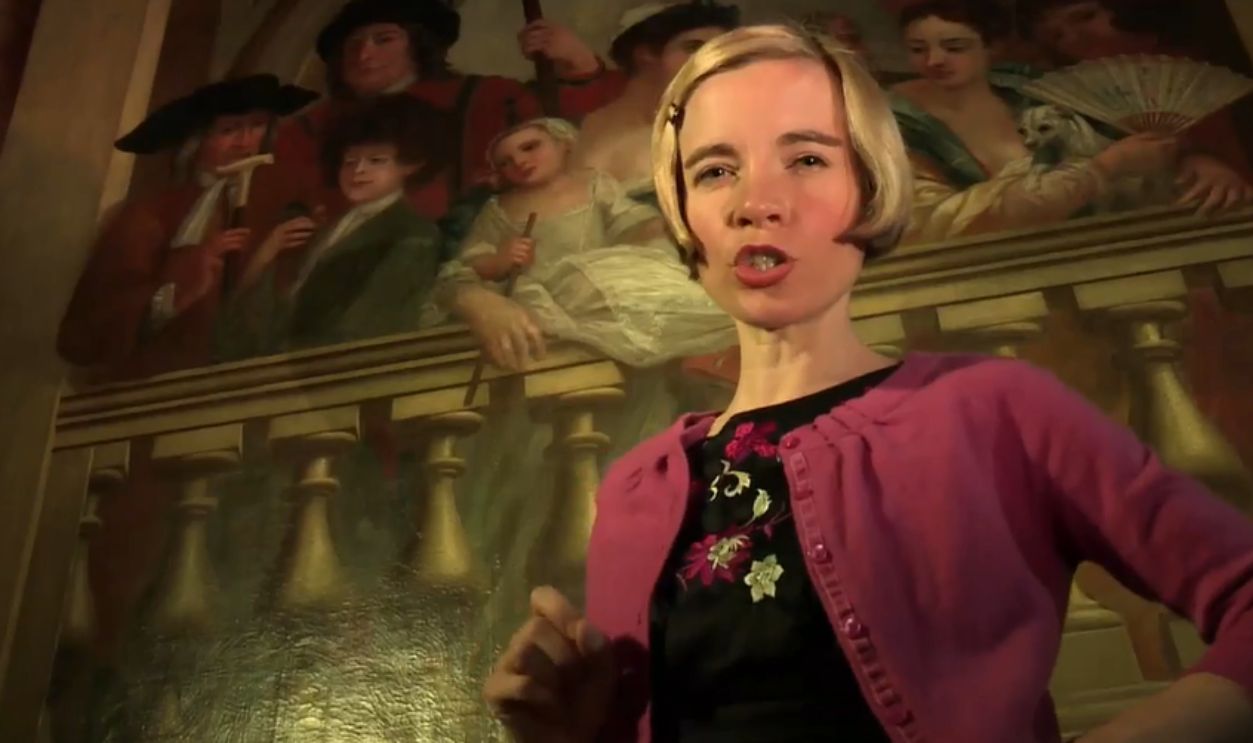
Given that there was effectively no information about Peter’s life before George I and his hunting party found him in the German forest, Worsley had to rely on what they knew about him after that. Fortunately, thanks to William Kent’s portrait, she basically had a photograph of the feral child to study.
And it had more answers than she suspected.
 Peter the Wild Boy: National Treasures Live BBC One, Tracy Joss Koifman
46. His Features Were Telling
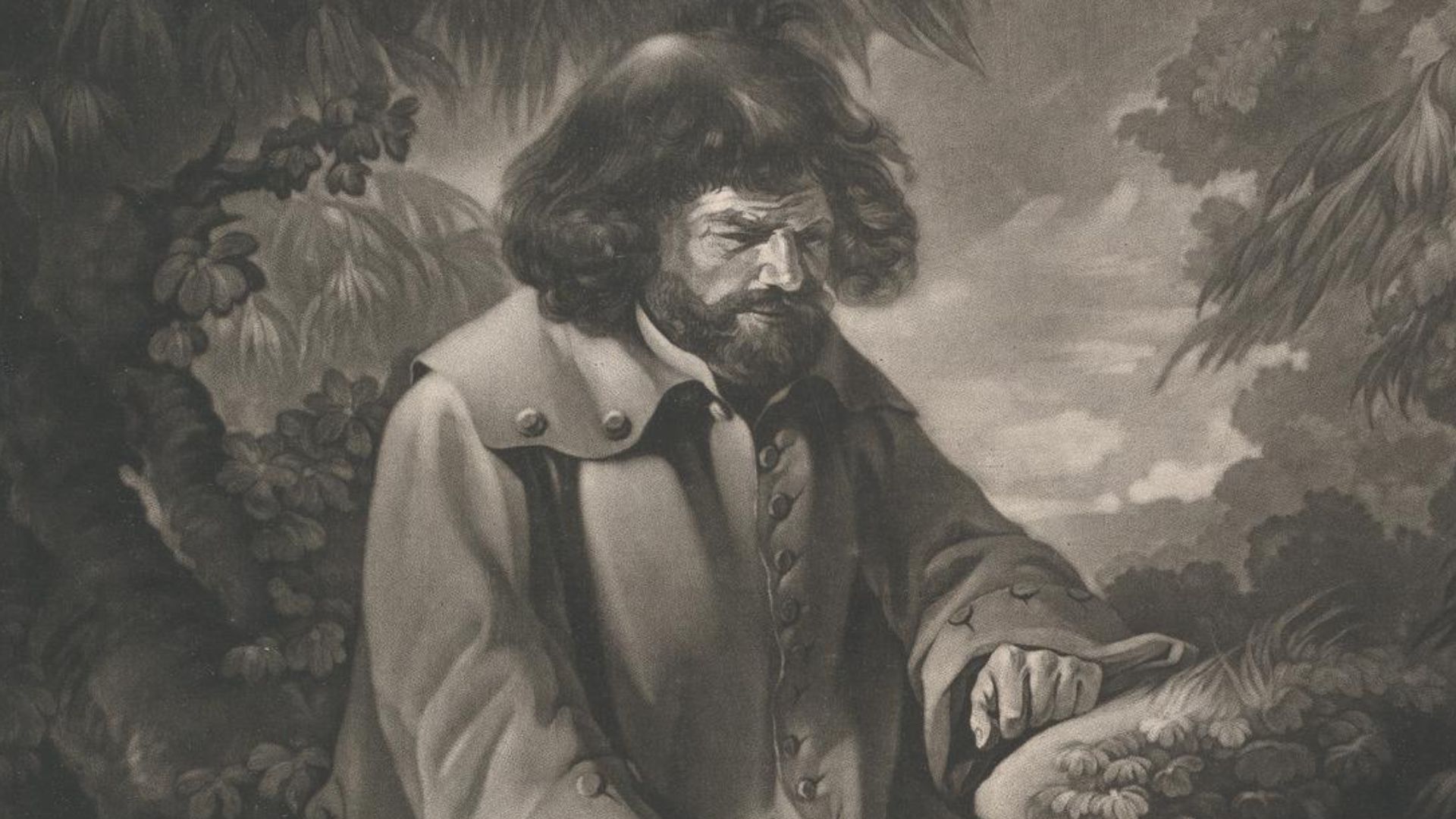
Historians, including Worsley, pored over Peter’s portrait, going over every detail to learn more about him and his curious condition. They noted his “short stature, lustrous mop of thick curly hair, hooded eyelids, [and] Cupid's bow mouth”. It all pointed to one thing.
 Valentine Green, Wikimedia Commons
47. He Had A Rare Condition
Historians learned more about Peter from his portrait than they thought possible. Piecing together his features from the portrait with modern medical knowledge, however, they learned the true nature of Peter’s condition. Far from being an orangutan or a missing link in the evolutionary chain, Peter had a genetic condition: Pitt-Hopkins Syndrome. The condition causes developmental, intellectual and physical changes in children, and many are unable to communicate or develop social skills.
Just like that, the mystery was solved. Or was it?
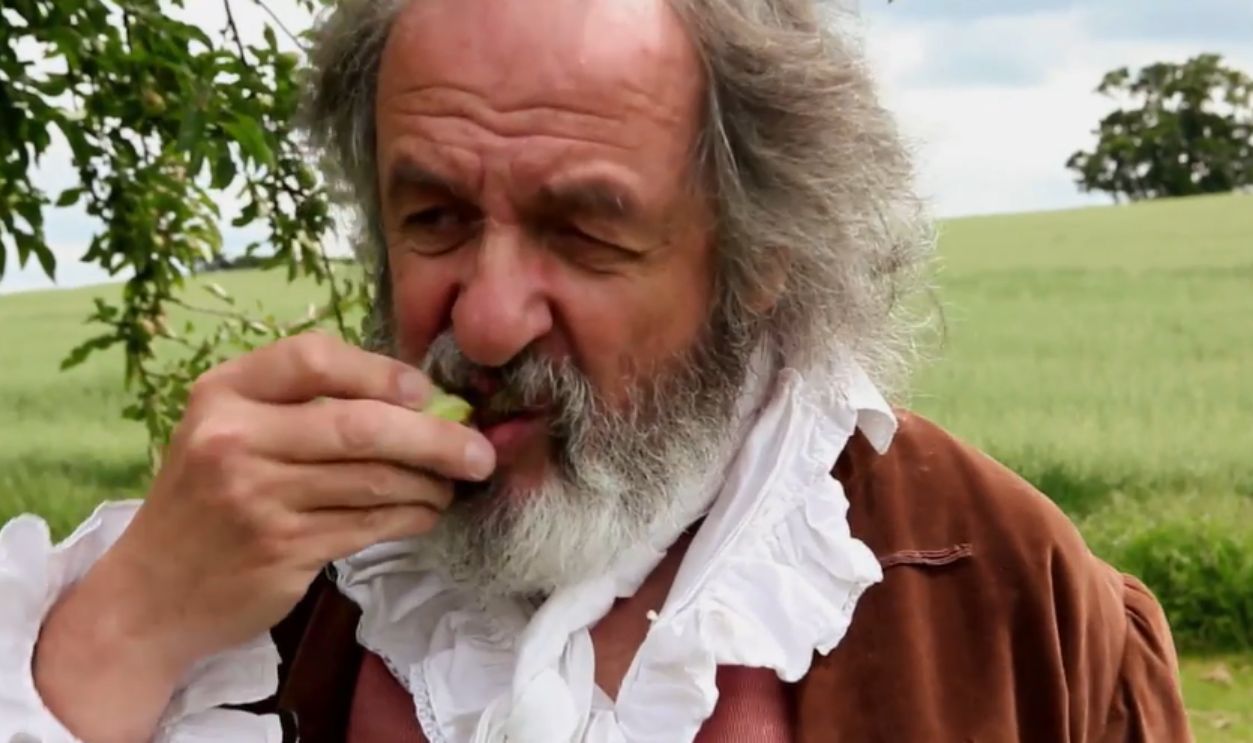 Peter the Wild Boy: National Treasures Live BBC One, Tracy Joss Koifman
48. He Was A Friendly Feral Child
During his life, Peter’s condition made him something of an outcast in society. However, Worsley noted that, despite his lack of social skills, Peter was “a very gentle character” who was, in many ways, “more human than the rest of us”. “His very existence,” she said, “exposed the shallow artifice of Georgian society as a bit of a sham”.
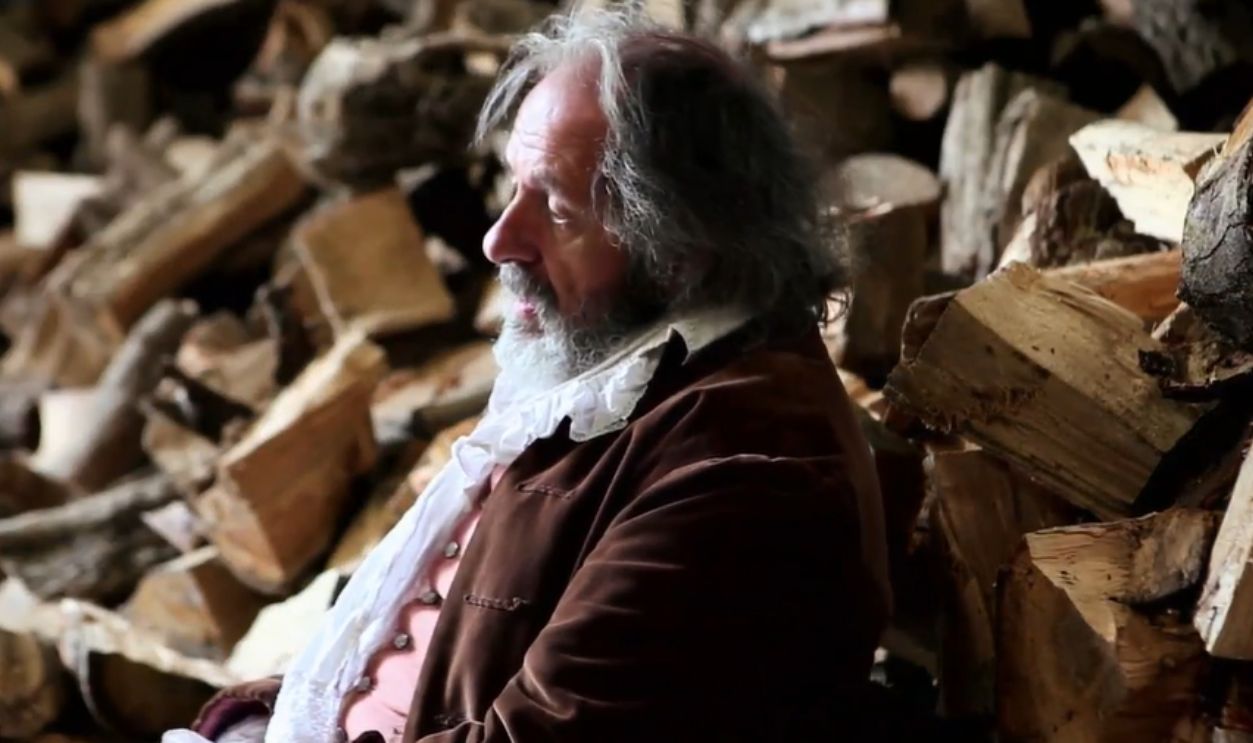 Peter the Wild Boy: National Treasures Live BBC One, Tracy Joss Koifman
49. He Lived A Long Life
After a long and altogether full life, Peter passed on in February of 1785, at the assumed age of 70. He was buried in the only place that, apart from the forests of Germany, had ever felt like home to him: Northchurch. His grave is still there, right outside the doors to St Mary’s Church. His true resting place, however, is among kings.
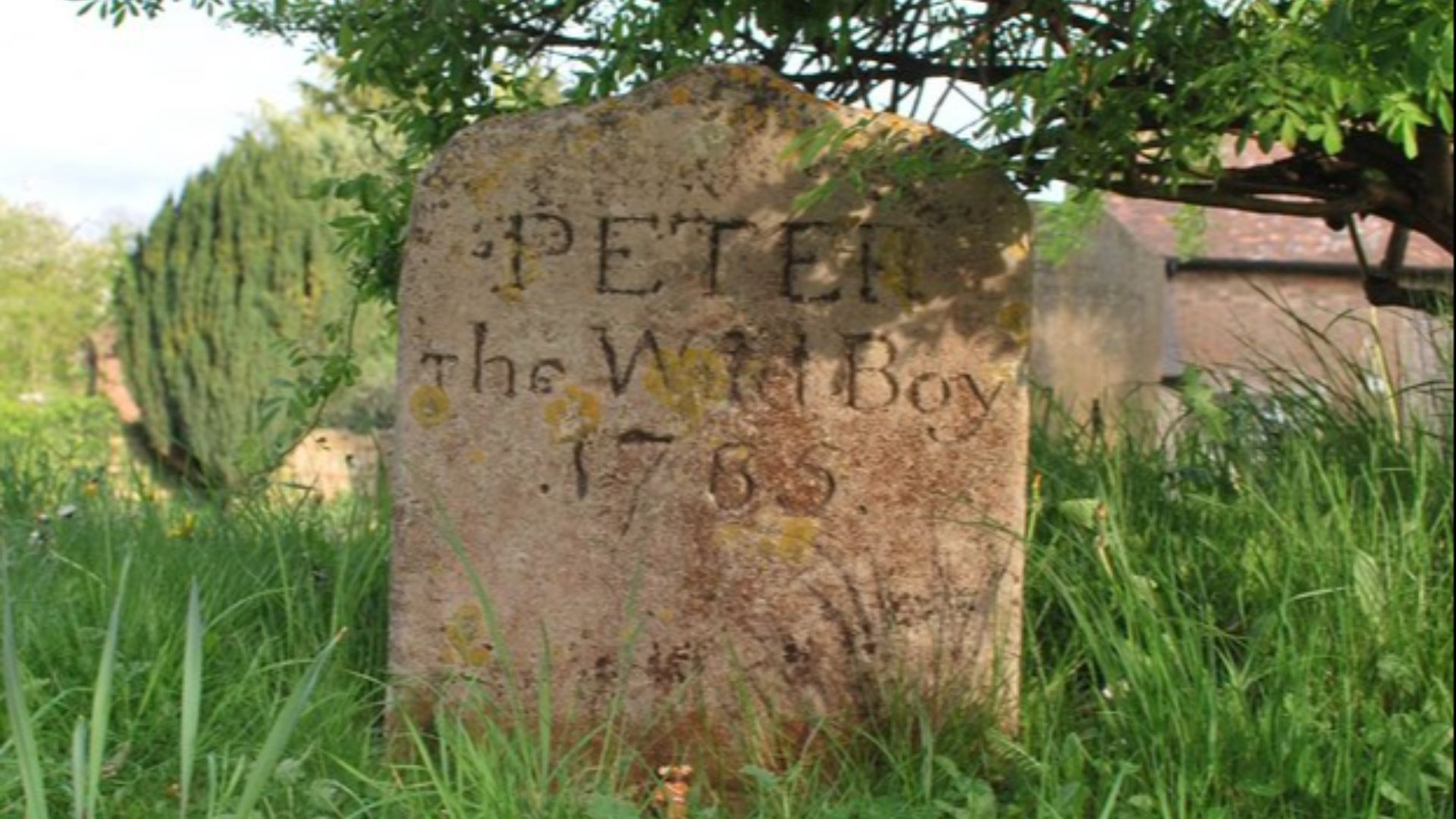
50. He’s Back In Kensington
Today, Peter’s portrait, the same one that historians used to identify his condition, sits in a distinct place of honor. If you ever have the privilege of visiting Kensington Palace in London, look to the east wall of the King’s Staircase—there, you will find the portrait of Peter the Wild Boy, the royal feral child.
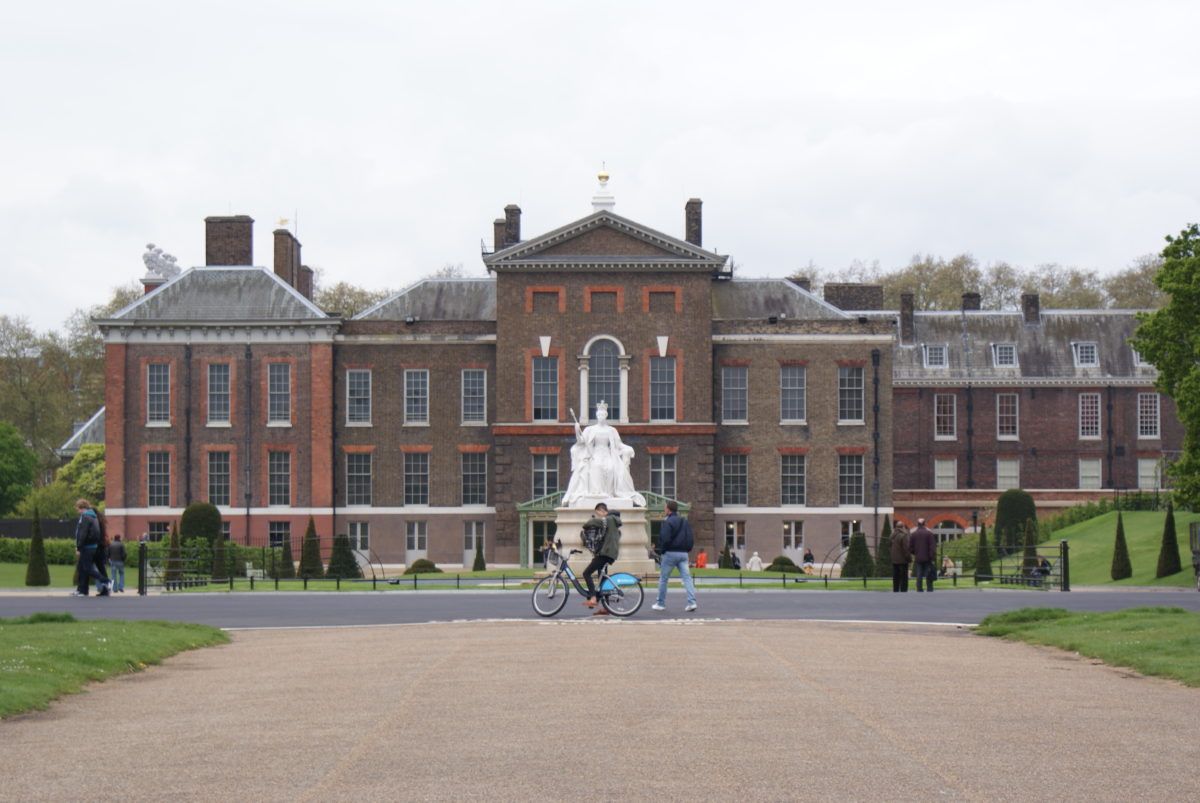 Wikimedia CommonsYou May Also Like:
The True Stories Of History's Feral Children
Remarkable Facts About Feral Children











,_Tanjung_Putting_National_Park_15.jpg)
