The Search For A Lost City
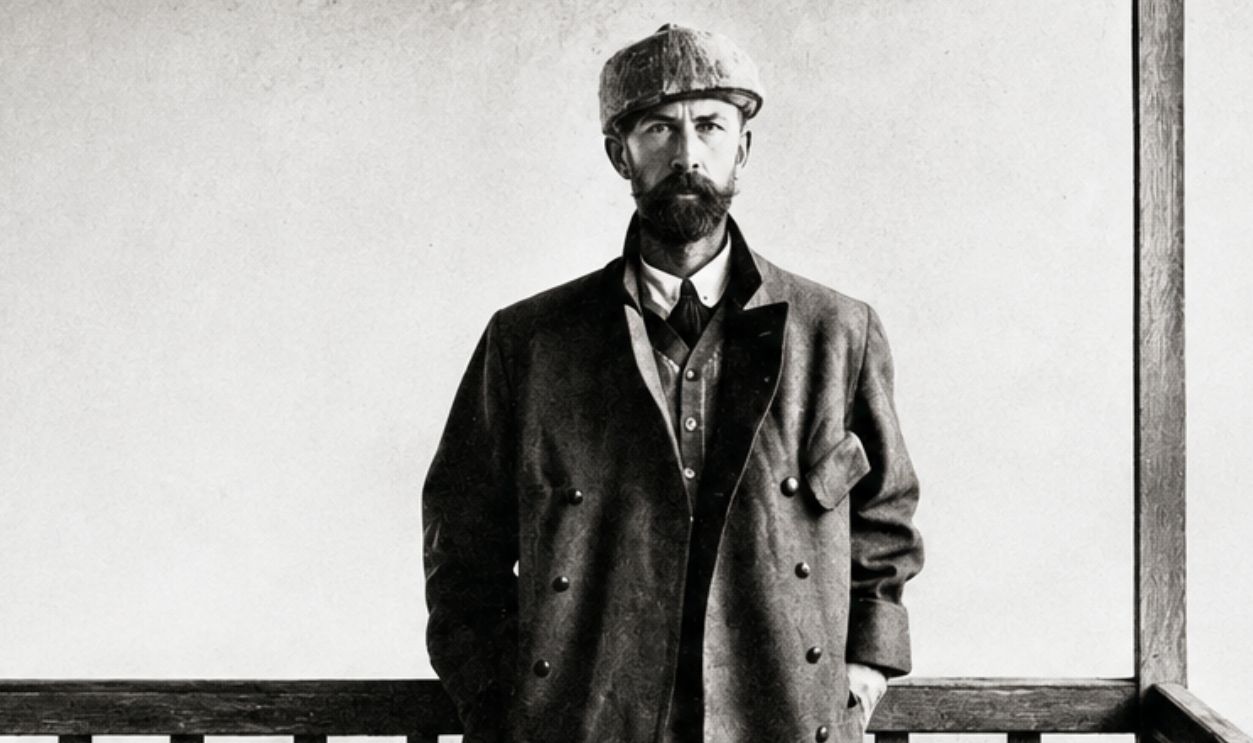
Percy Fawcett was born into a well-to-do British family with an insatiable urge for exploration. Though few frontiers remained untouched by the time he reached his prime, the Amazon rainforest was still largely unexplored, and after hearing legends of a lost city deep therein, finding it became an obsession for Fawcett—one that would ultimately lead to his mysterious disappearance.
1. He Had Privilege
Percy Fawcett was born in Devon, England, on August 18, 1867. The Fawcetts were a very well-off family who traced their roots back to old Yorkshire gentry. They had made their family fortune as shipping magnates in the late-18th and 19th centuries, primarily in the East Indies. This seafaring lifestyle instilled in Fawcett men a deep passion for exploration.
 User Daniel Candido on pt.wikipedia, Wikimedia Commons, Modified
2. His Dad Was A Role Model
Percy’s father was Edward Boyd Fawcett, and he nurtured in his son a fascination with geography that would later morph into Percy’s passion, or, more appropriately, his obsession. Edward had been born in India, where his parents no doubt took part in the colonial occupation of the country, and was a Fellow of the Royal Geographical Society (RGS). It was not just Percy to whom he passed on his enthusiasm.
 Screenshot from The Lost City of Z, Amazon Studios (2016), Enhanced
3. His Brother Was An Oddball
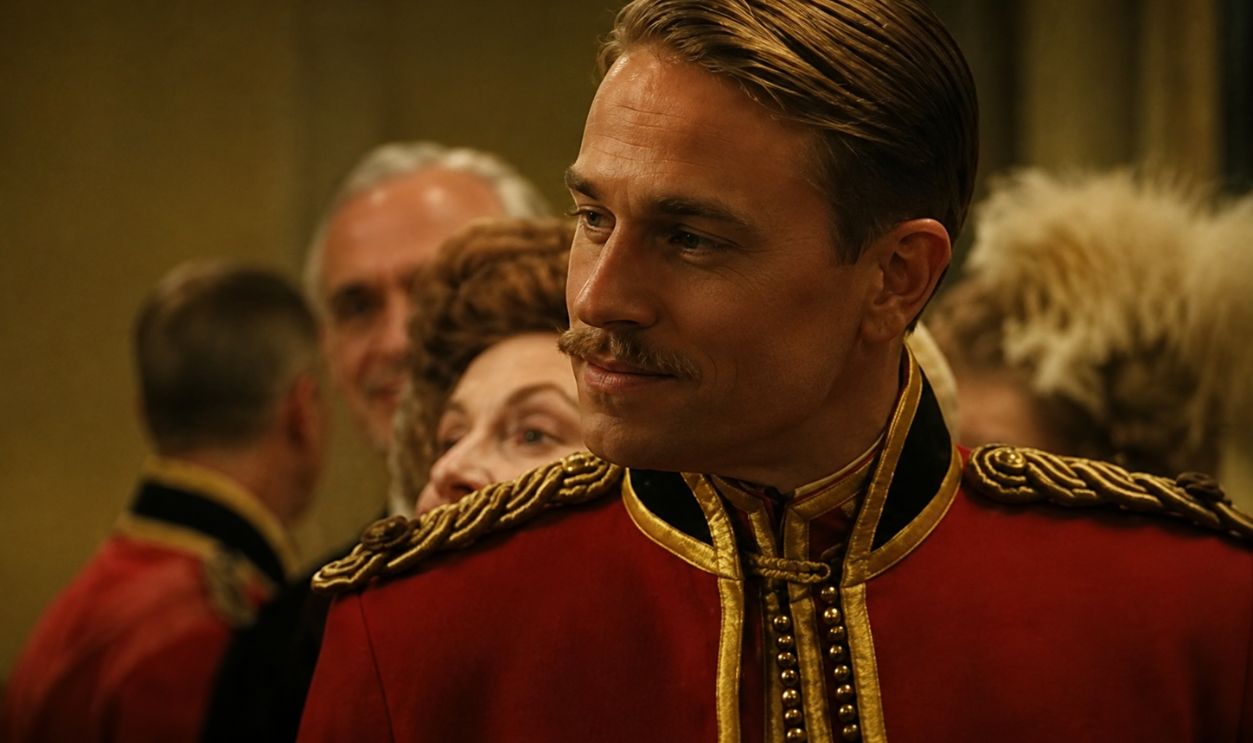
Percy’s older brother, Edward Douglas Fawcett, was a fascinating figure in his own right. He was a passionate mountain climber, which ticked the explorer/naturalist/daredevil boxes of the Fawcett lineage, but Edward Jr had more peculiar interests too.
He became enraptured by Eastern occultism and published several philosophical books on the topic. He also authored several popular adventure novels. Percy, then, had a lot to live up to, but luckily, his privilege afforded him the best education money could buy.
 Screenshot from The Lost City of Z, Amazon Studios (2016), Enhanced

History's most fascinating stories and darkest secrets, delivered to your inbox daily.
4. He Learned With The Best
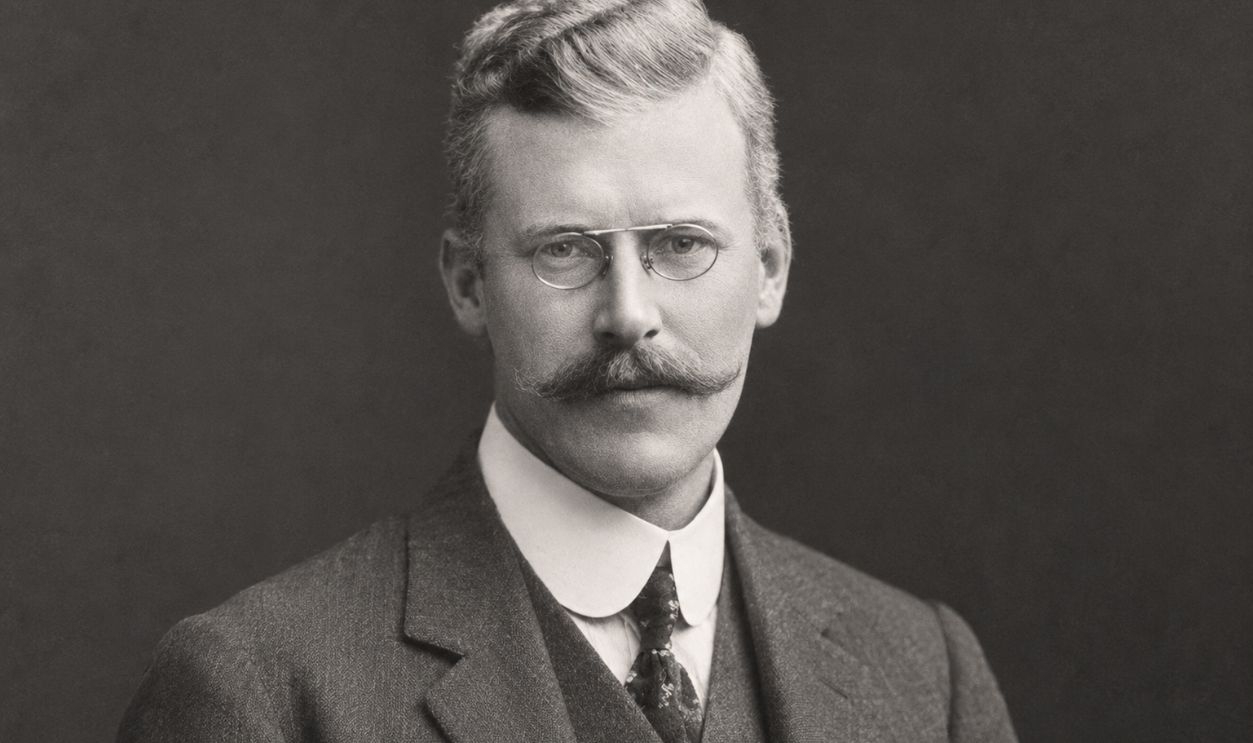
For his teenage years, Percy Fawcett’s parents enrolled him in the prestigious Newton Abbot Proprietary School, where he studied alongside some important figures of the era. One of these was Bertram Fletcher Robinson, who would become an influential sportsman and journalist, and would later be Fawcett’s “in” to the world of literature, to which he was adjacent. Upon graduation, Fawcett did what any good British boy did: he looked to serve his country.
 Lafayette, Wikimedia Commons, Enhanced
5. He Sought Glory
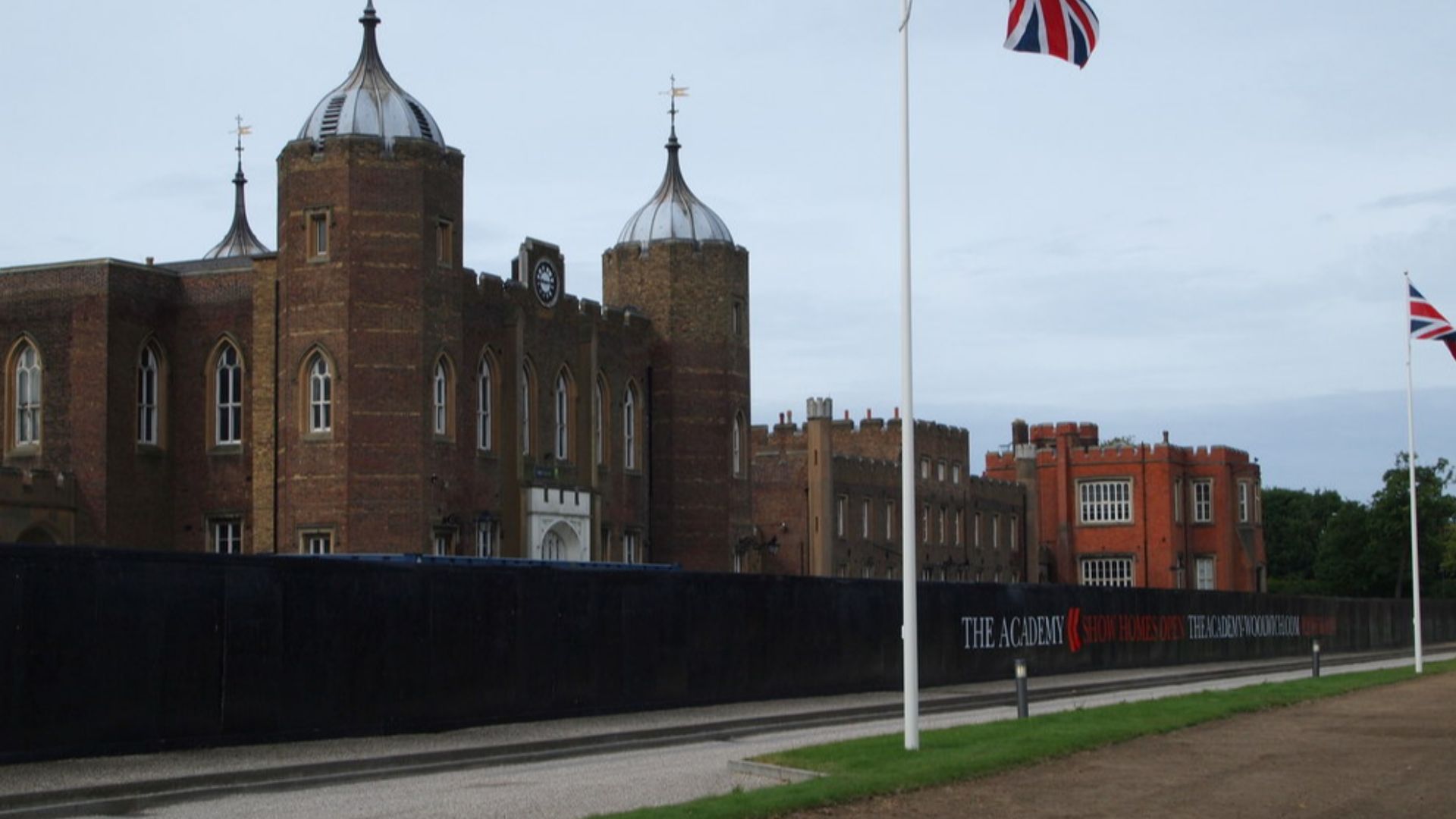
With an adventurous spirit already instilled in him, Fawcett wanted to see the world, and there was one avenue that assured that kind of lifestyle. He enrolled in the Royal Military Academy in Woolwich, hopeful that it would offer him the chance to strike out across the British Empire. He took to it like a duck to water.
 David Hallam-Jones , Wikimedia Commons
6. He Started Well
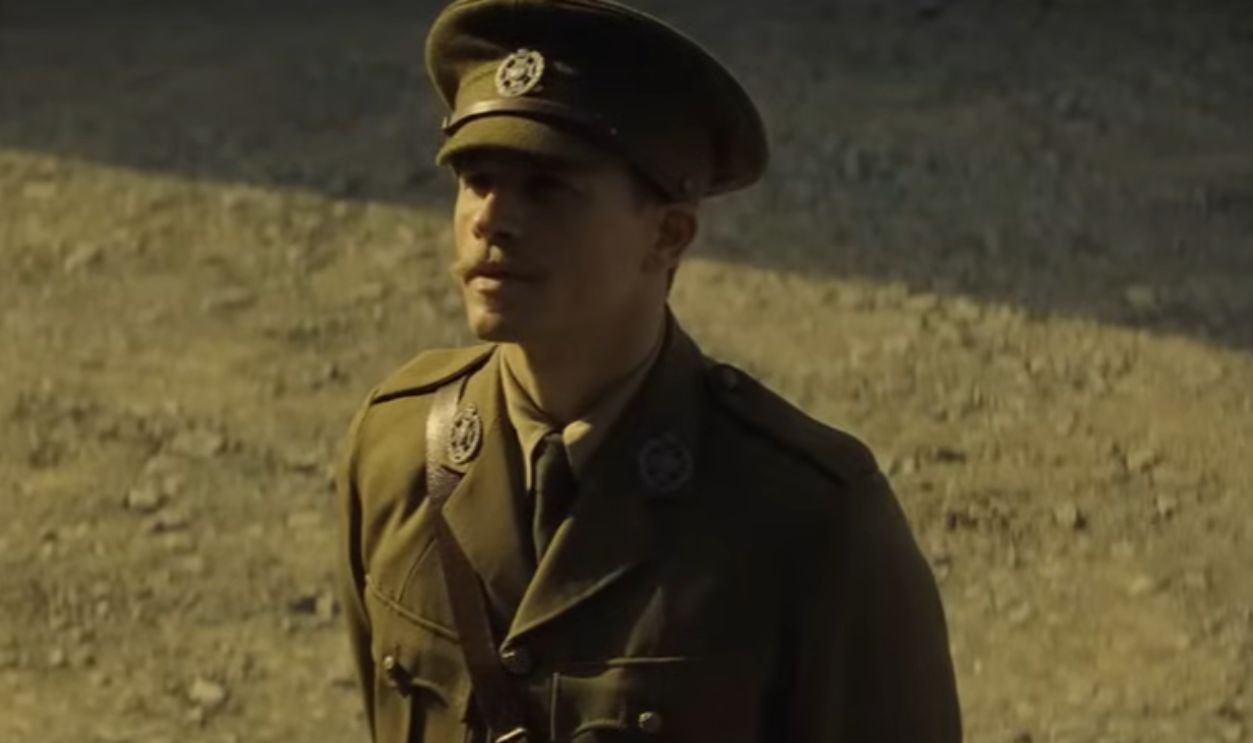
Fawcett’s performance (or maybe it was his family name?) at the Academy was impressive enough that upon graduating on July 24, 1886, he got commissioned as a lieutenant of the Royal Artillery at the age of just 19. It wasn’t all work, no play for the young upstart, of course, and his socializing put him in touch with a striking young woman.
 Screenshot from The Lost City of Z, Amazon Studios (2016)
7. He Met A Girl
With his career firmly established, Fawcett now sought to start a family. The same year he received commission, he met Nina Agnes Paterson, and the two were immediately smitten. They began courting, and as their relationship solidified, so too did Fawcett’s professional success.
 Screenshot from The Lost City of Z, Amazon Studios (2016), Enhanced
8. He Climbed The Ranks
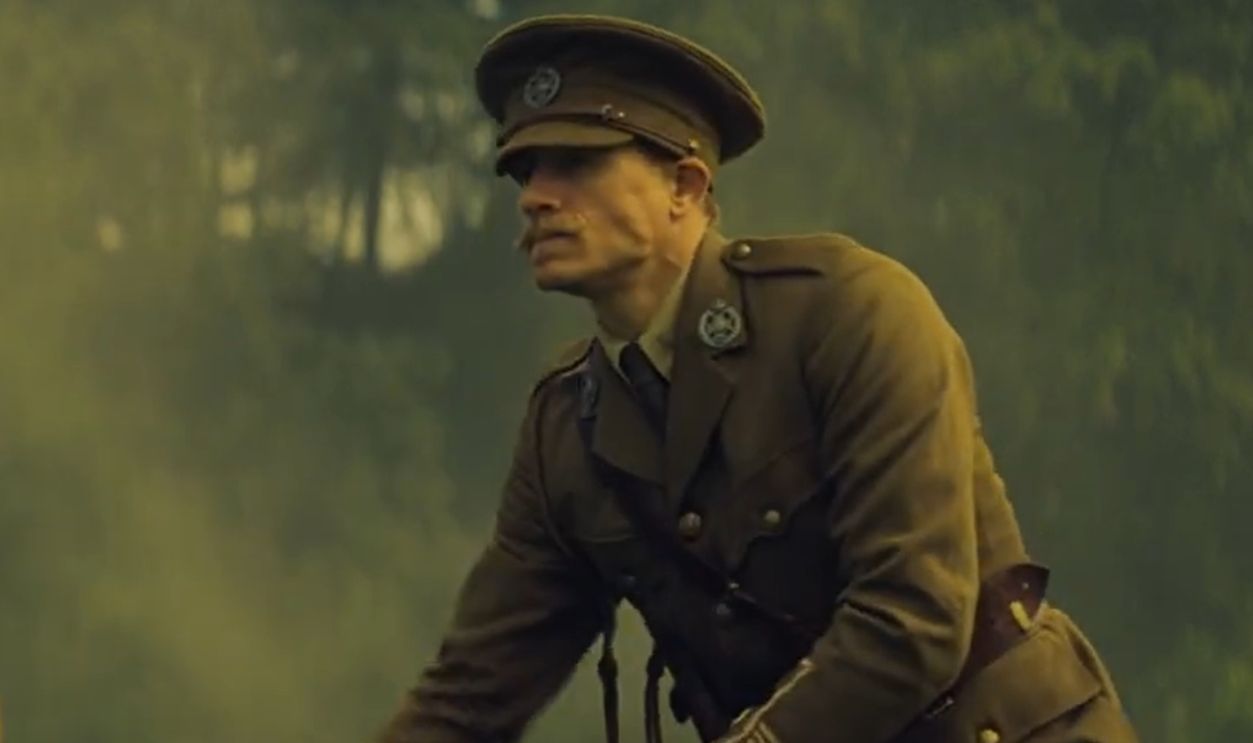
Percy Fawcett continued to excel in his lieutenant position and received a series of successive promotions. In January 1896, army brass appointed him Adjutant of the 1st Duke of Cornwall’s Artillery Volunteers; the following year, in June, he received promotion to captain. This success allowed him to realize his dream of seeing the world, too.
 Screenshot from The Lost City of Z, Amazon Studios (2016), Enhanced
9. He Traveled The Globe
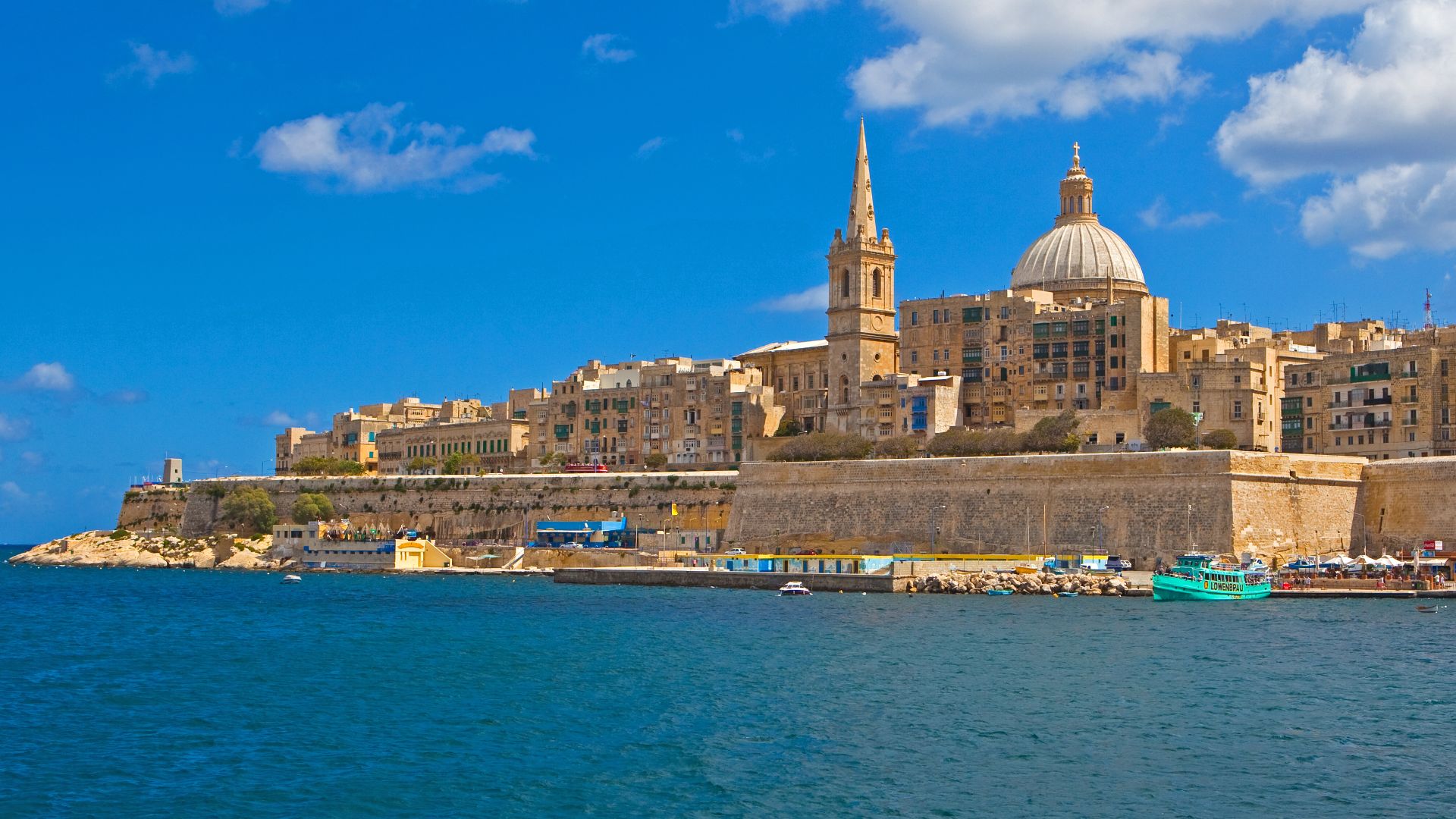
The Brits deployed Fawcett across the Empire to serve his country, and he saw a diverse range of exotic locations. His areas of service included Hong Kong, Malta, and several years in Ceylon, which was the name given to British-occupied Sri Lanka. Upon his return home, he couldn’t keep Nina waiting any longer.
 Bengt Nyman, Wikimedia Commons
History's most fascinating stories and darkest secrets, delivered to your inbox daily.
10. He Tied The Knot
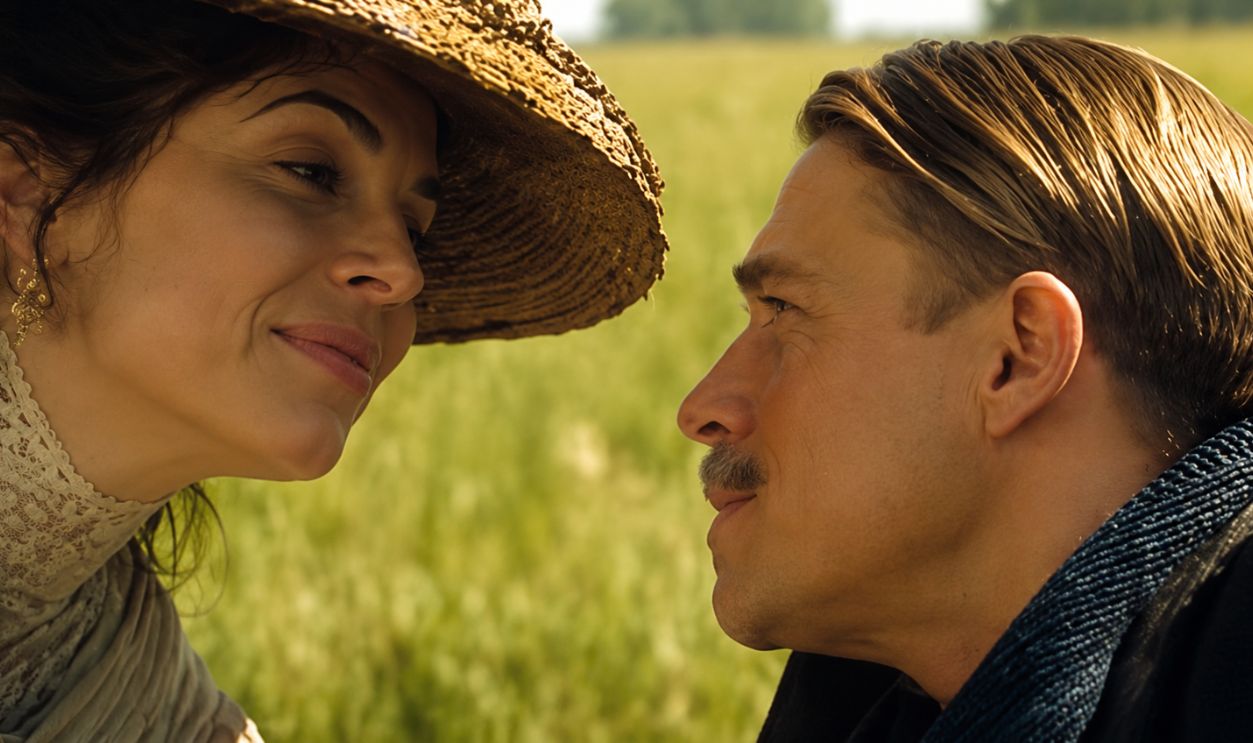
Percy and Nina’s courtship was a long one, largely due to his deployments overseas. Finally, though, in 1901, the two were married. They quickly set to work carrying on the Fawcett family name.
 Screenshot from The Lost City of Z, Amazon Studios (2016), Enhanced
11. He Had A Family
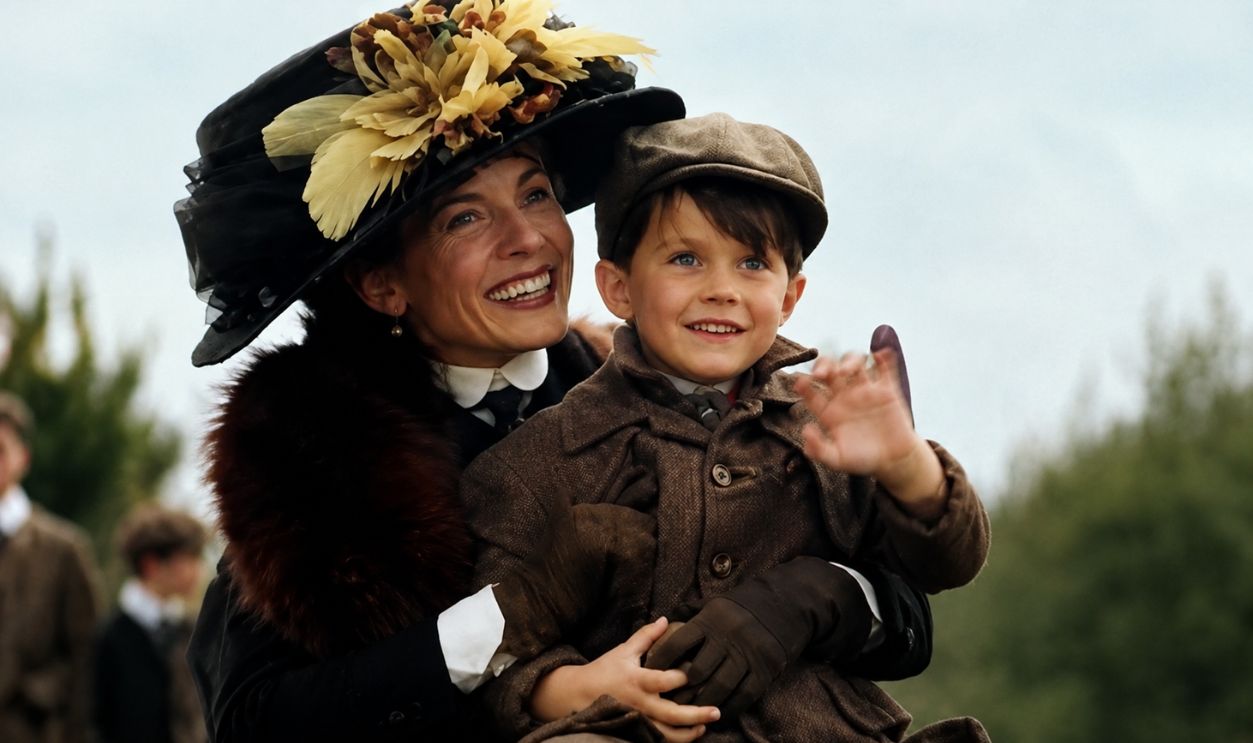
The Fawcett family began to grow a couple of years after Percy and Nina’s marriage, with the arrival of baby Jack in 1903. Another son, Brian, followed in 1906, and finally, a daughter in 1910, Joan. The eldest Fawcett child’s fate got tied to his father’s, but in the familial bliss of his childhood, no one could have known the destiny that awaited him. That all began with Percy following in his own father’s footsteps.
 Screenshot from The Lost City of Z, Amazon Studios (2016), Enhanced
12. He Pursued His Passion
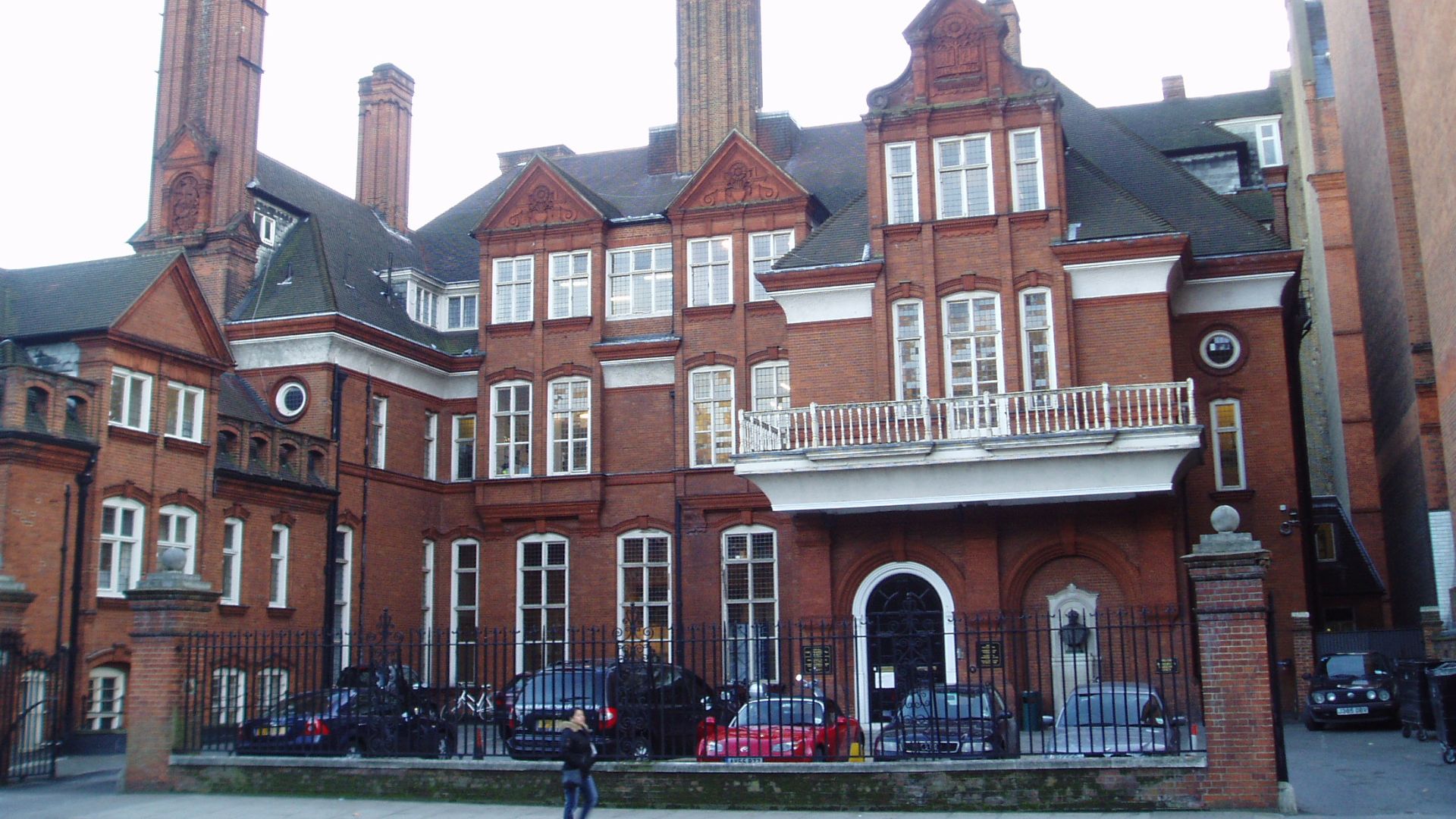
The same year he married Nina, Percy Fawcett joined the organization for which his father had been a Fellow: the Royal Geographical Society. It wasn’t just family ties that attracted Fawcett to the RGS; the organization empowered him to pursue his passion and study surveying and mapmaking. This led to interesting opportunities in exotic lands.
 Steve Cadman, Wikimedia Commons
13. He Was A Spook
In his pursual of the surveyor’s craft, Fawcett spent some time in North Africa. All the while, however, the budding explorer was still an enlisted man in the British armed forces, and so, while there, he undertook clandestine work for the British Secret Service. As he honed his expeditionist skills, Fawcett excelled on two fronts as he continued to climb the ranks.
 Screenshot from The Lost City of Z, Amazon Studios (2016)
14. He Was A Colonial Occupier
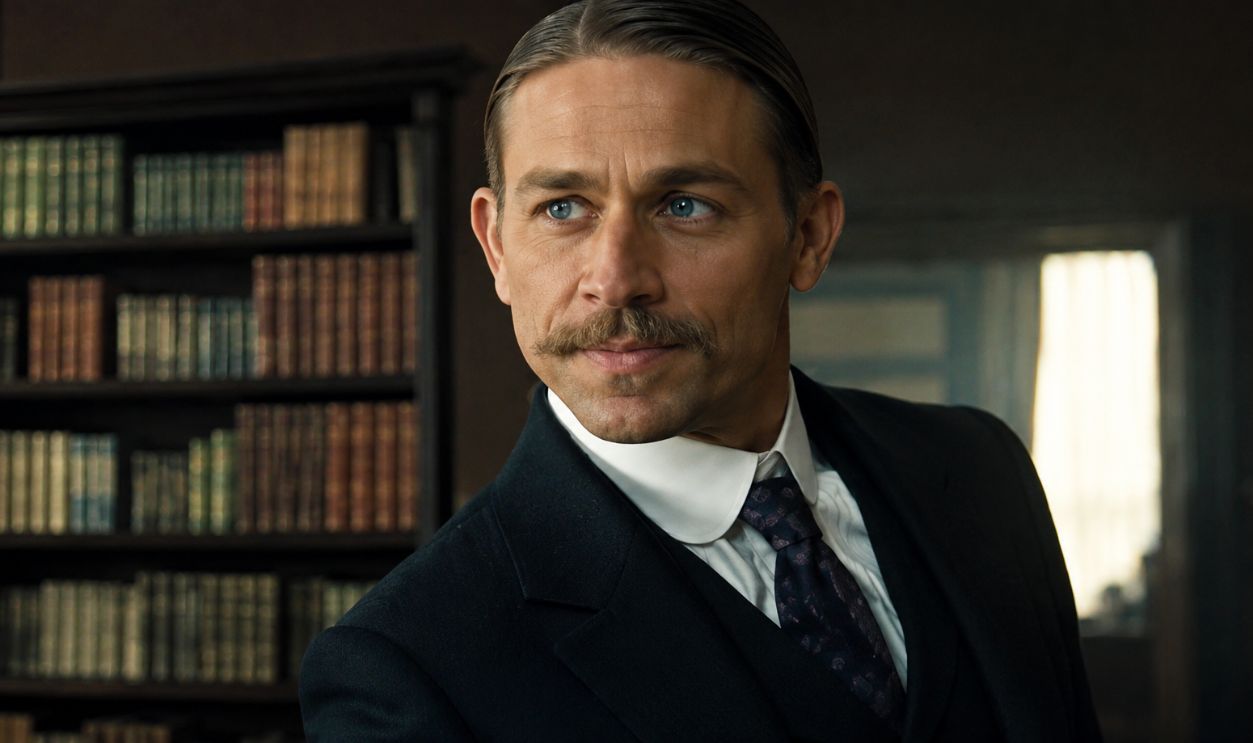
From 1903 to 1906, Fawcett’s work saw him take part in the British occupation of Ireland. They deployed him to Spike Island, off the coast of County Cork, where he served for the British War Office. Fawcett excelled in his colonial duties there and saw promotion to major on January 11, 1905. And with the rank of major came some major contacts.
 Screenshot from The Lost City of Z, Amazon Studios (2016), Enhanced
15. He Met Some Writers
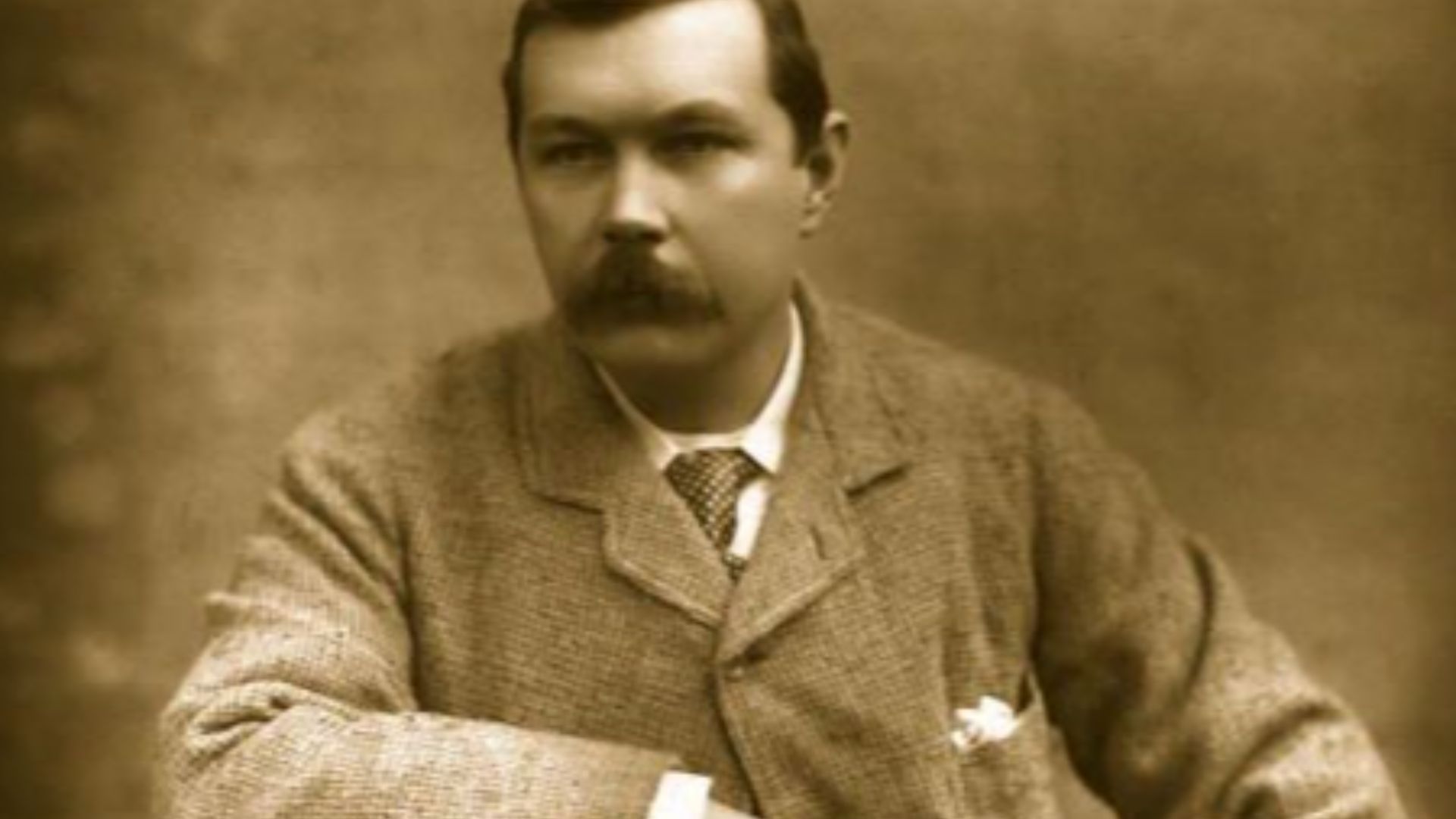
Around this time, Fawcett made a few noteworthy friends, who likely inspired his future exploits as an adventurer. One of these was Sir Henry Rider Haggard, a writer of adventure fiction and pioneer of the lost world literary genre. Another was Sir Arthur Conan Doyle, who famously penned the Sherlock Holmes novels. Doyle’s other works, however, took inspiration from Fawcett himself.
 Herbert Rose Barraud (1845-1896), Wikimedia Commons
History's most fascinating stories and darkest secrets, delivered to your inbox daily.
16. He Inspired A Tale
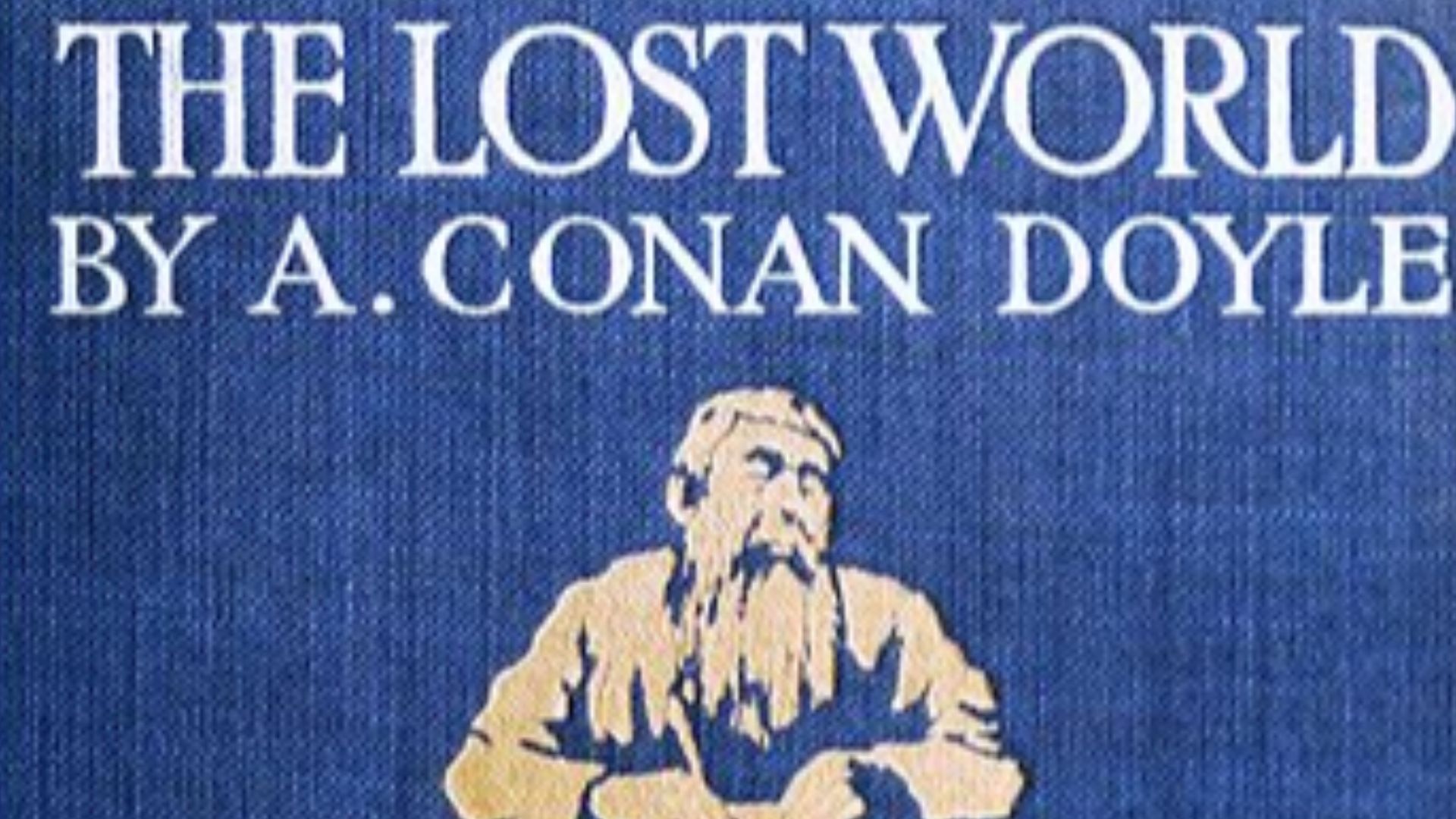
Fawcett’s later exploits in the Amazon jungle, and his field reports that followed, served as direct inspiration for Arthur Conan Doyle’s novel The Lost World. If that pop culture credit wasn’t enough, some have also posited that Fawcett’s character formed the basis for action hero Indiana Jones. And given the details of his expeditions, there was no shortage of inspiration to draw from.
 GrahamHardy, Wikimedia Commons
17. He Set Out To Explore
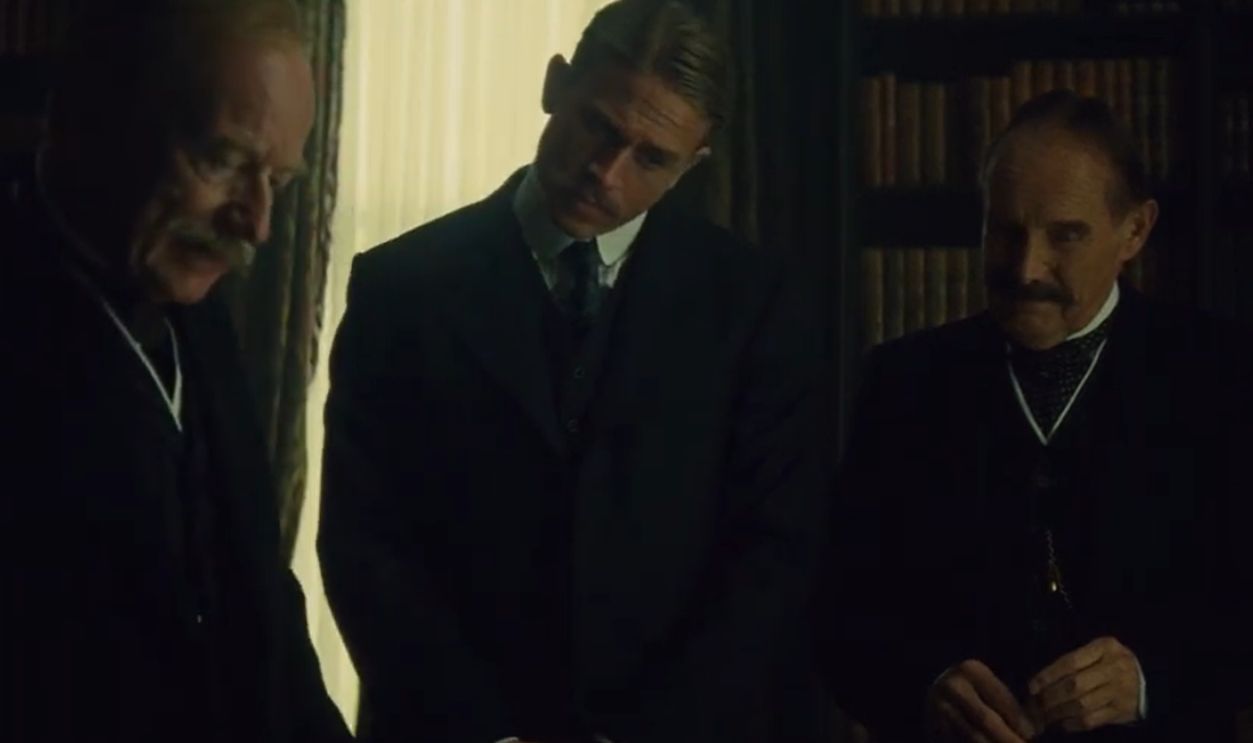
The first of Fawcett’s many expeditions to South America launched in 1906 in Brazil. At the behest of the RGS, Fawcett’s mission was to map an area of the Amazon jungle that encompassed part of the Brazilian-Bolivian border, a job commissioned to the organization for their presumed impartiality to local national interests. Fawcett would return with far more to report than simple cartography.
 Screenshot from The Lost City of Z, Amazon Studios (2016), Enhanced
18. He Saw A Big One
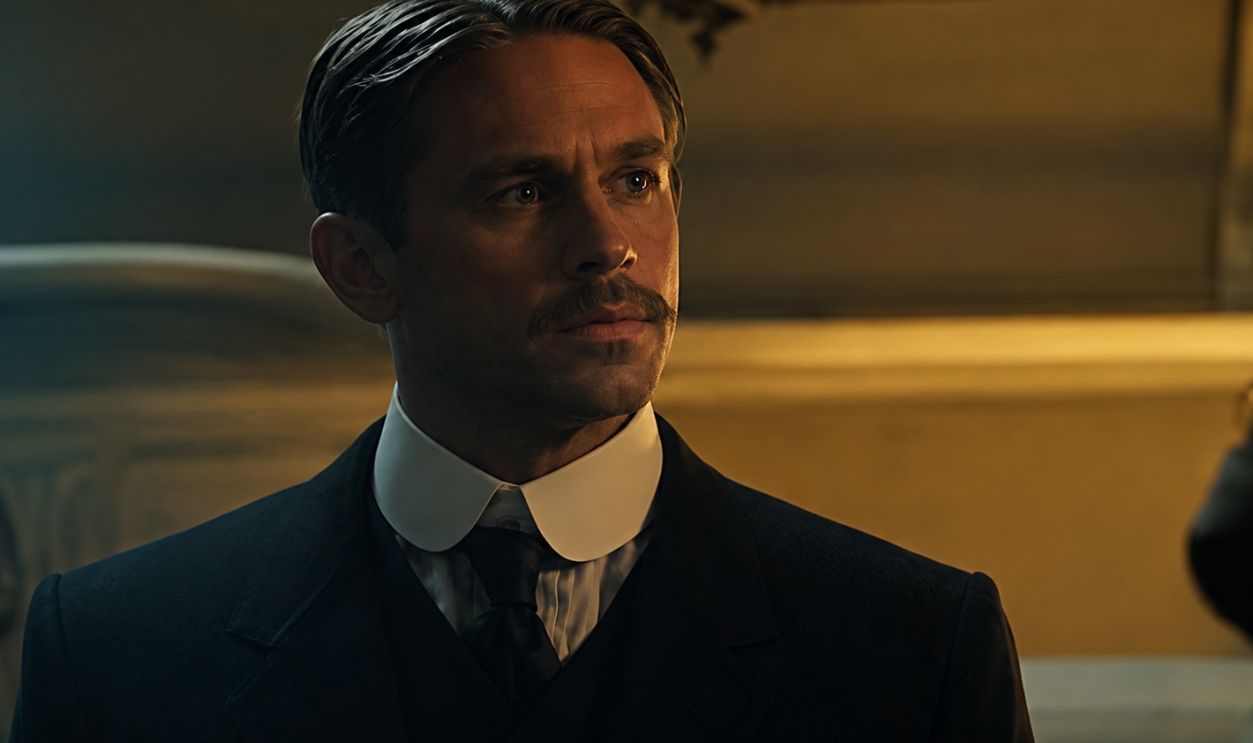
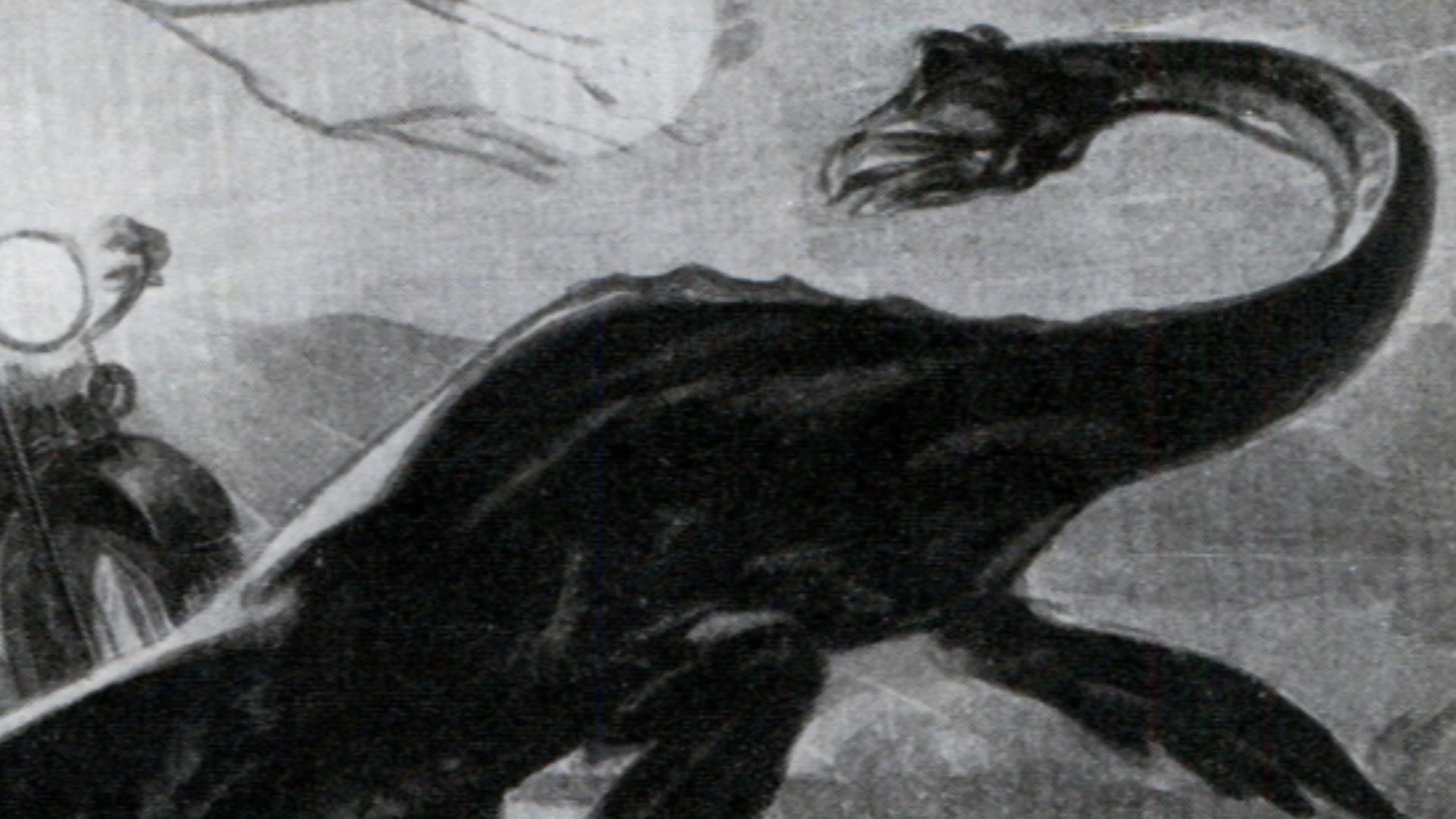
After the expedition, Percy Fawcett wrote at length about the unbelievable and exotic plants and creatures he had encountered in that largely unexplored part of the world. One of his more outlandish claims was that he had a run in with a 62-foot-long anaconda; Fawcett professed he had shot the beast. Reactions to the thrilling story were not what he expected.
 Screenshot from The Lost City of Z, Amazon Studios (2016), Enhanced
19. He Was A Laughingstock
Following his anaconda claim, scientists, who doubted the veracity of his claims and the possibility that such a creature could even exist undiscovered, widely ridiculed Fawcett. And while the claim never got proven, the Giant Anaconda has become something of a legend in the Amazon, akin to the Loch Ness Monster, with a few others claiming to have spotted it too. It wasn’t the only beast that Percy claimed to see.
20. He Saw More Creatures
Fawcett reported run-ins with other animals unknown to zoology on his first expedition, too. These included a small cat-like dog, which he claimed was about the size of a foxhound and allegedly spotted twice, and a giant, poisonous spider known to locals as the Apazauca. Along with all this crazy wildlife, Fawcett encountered some interesting plant life as well.

21. He Found A Snack
Recounting his travels through the Mato Grosso region, Fawcett reported spotting an interesting natural phenomenon: giant peanuts. Scientists believe these big nuts were most like Arachis nambyquarae, a type of legume known to grow up to four inches in length. Following his nutty first trip, Fawcett had well and truly contracted the jungle bug.

History's most fascinating stories and darkest secrets, delivered to your inbox daily.
22. He Was Jungle Crazy
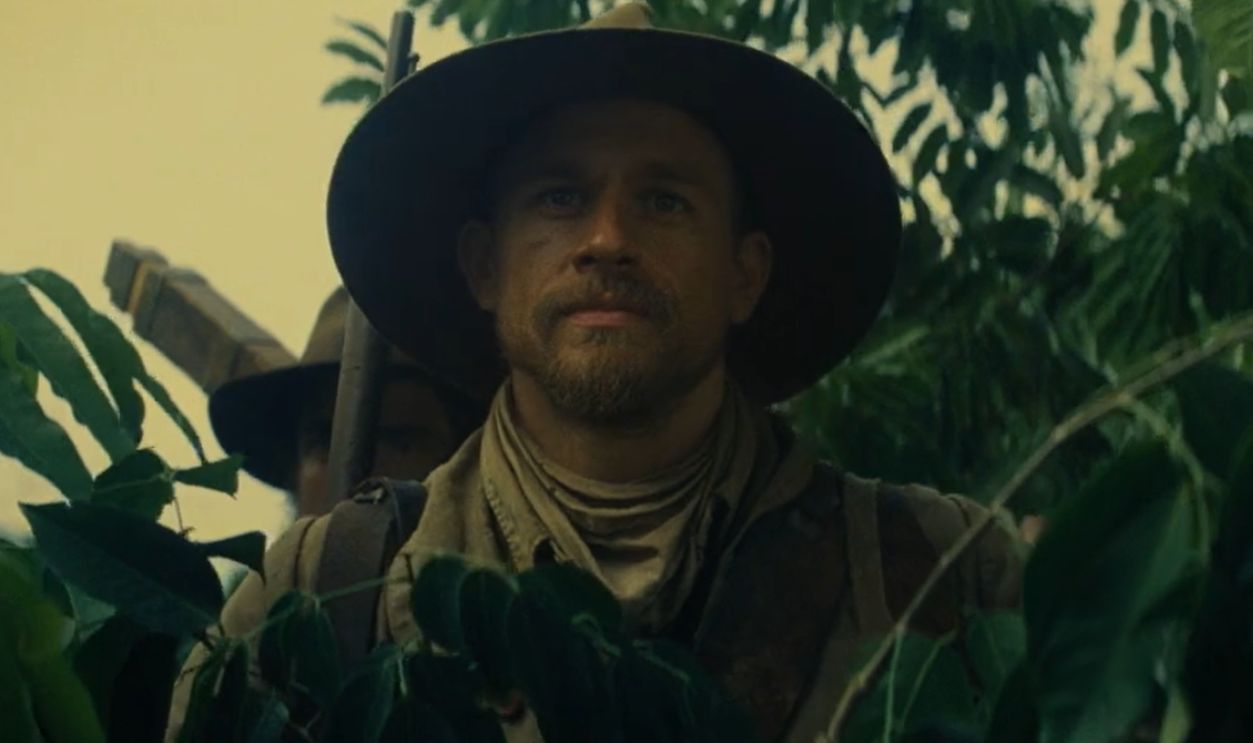
The jungle had absolutely enraptured Percy Fawcett after his first expedition in 1906, and over the next 20 years or so, he jumped at every opportunity to go back. Between the first trip in 1906 and 1924, the explorer made a whopping seven expeditions there. He became something of a recognizable figure to the locals.
 Screenshot from The Lost City of Z, Amazon Studios (2016), Enhanced
23. He Was Respectful
Over his seven expeditions, Fawcett regularly encountered the Indigenous peoples of the Amazon rainforest. To his credit, unlike many of the other brutish Westerners that bumbled through the lands with an entitled lack of concern for their inhabitants, Fawcett was courteous, offering gifts, patiently waiting for permission to pass through their territories, and fostering an amicable relationship with them. But what exactly was Percy up to on these expeditions?
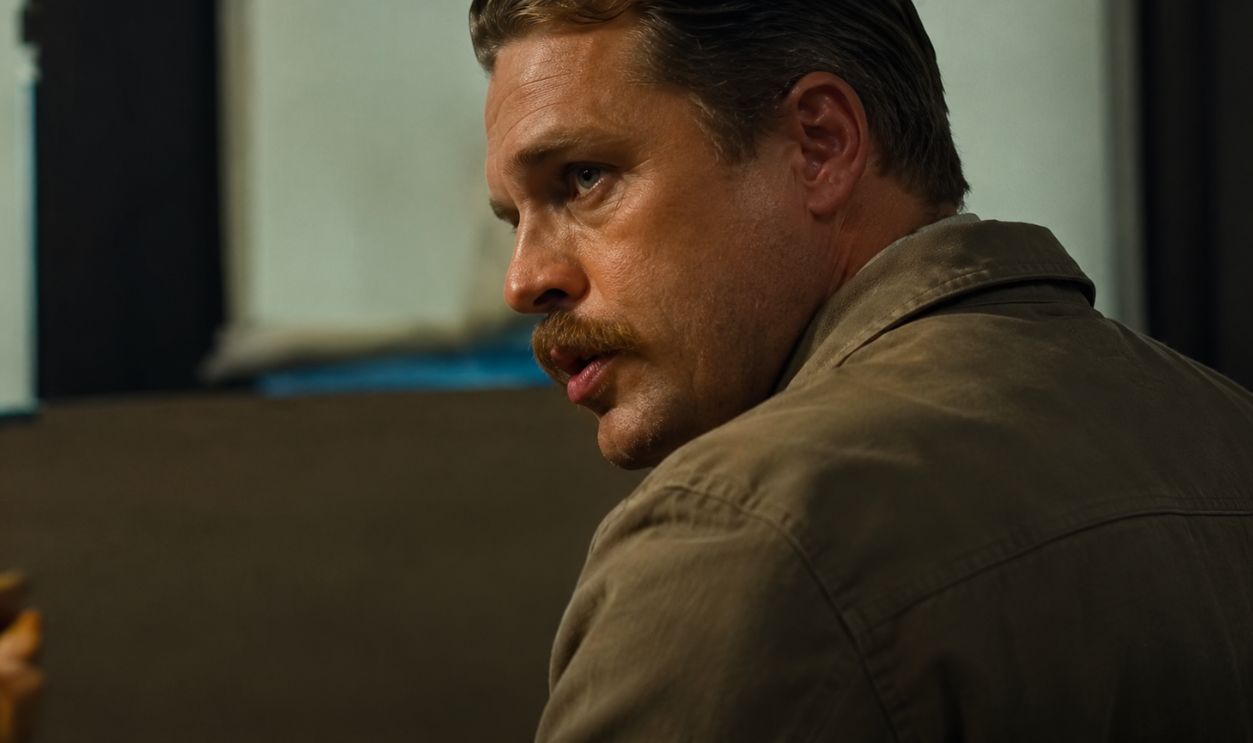 Screenshot from The Lost City of Z, Amazon Studios (2016), Enhanced
24. He Chased Waterfalls (Kind Of)
Fawcett happily undertook more work for the RGS while out on his Amazonian expeditions. In 1908, for example, he traced the source of the Rio Verde River. Two years later, he took a trip to the Bolivian-Peruvian border to source the Heath River. This was difficult work, and Fawcett made sure he had a trusty crew with him at all times.
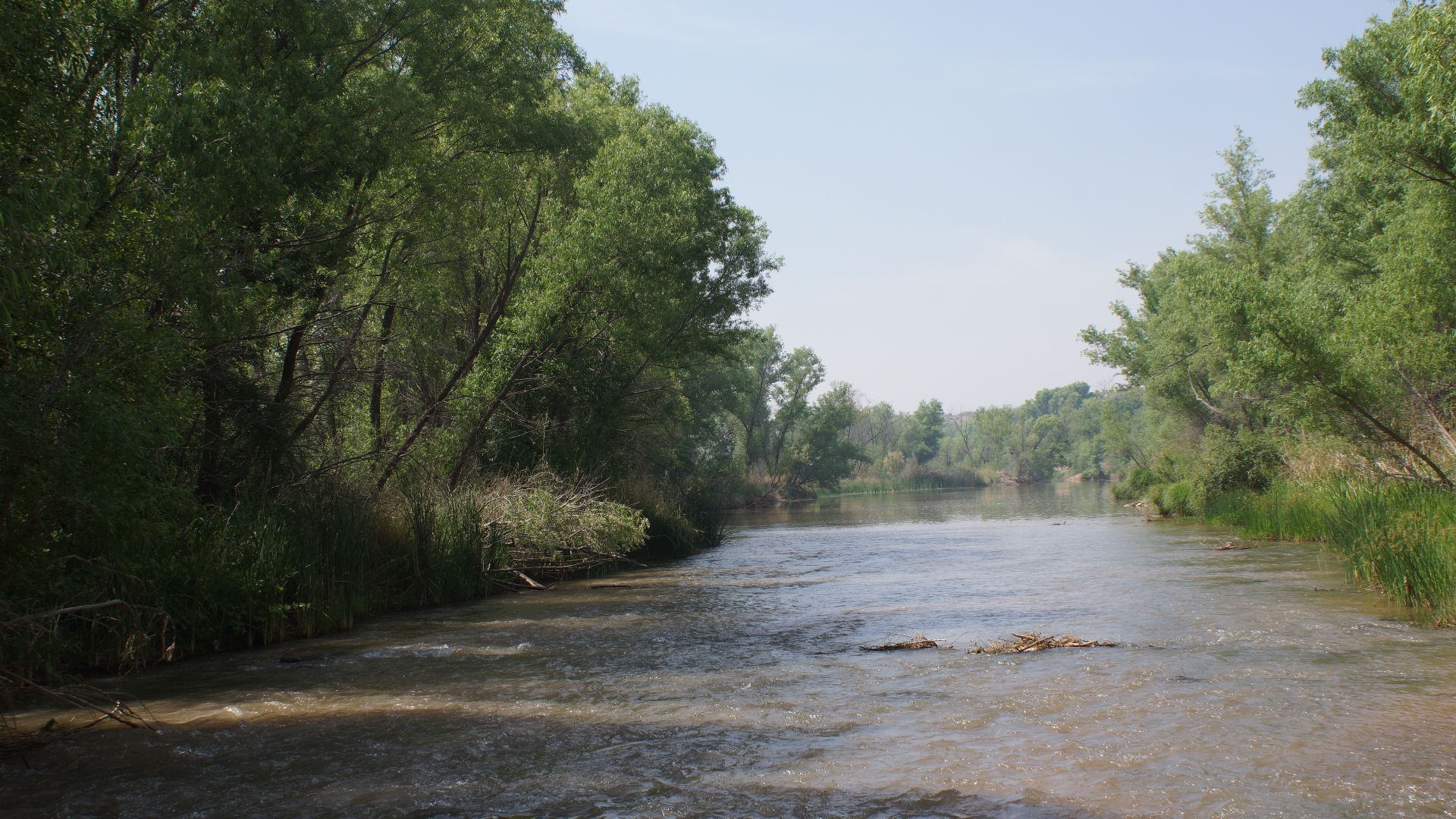 Chris English, Wikimedia Commons
25. He Had Companions
1911 saw Fawcett return to the Amazon once again to chart hundreds of miles of unexplored jungle. Accompanying him on this expedition was biologist and polar explorer James Murray, as well as Fawcett’s longtime, trusted exploring companion and friend, Henry Costin. Across his multiple expeditions, the crazy sightings continued.
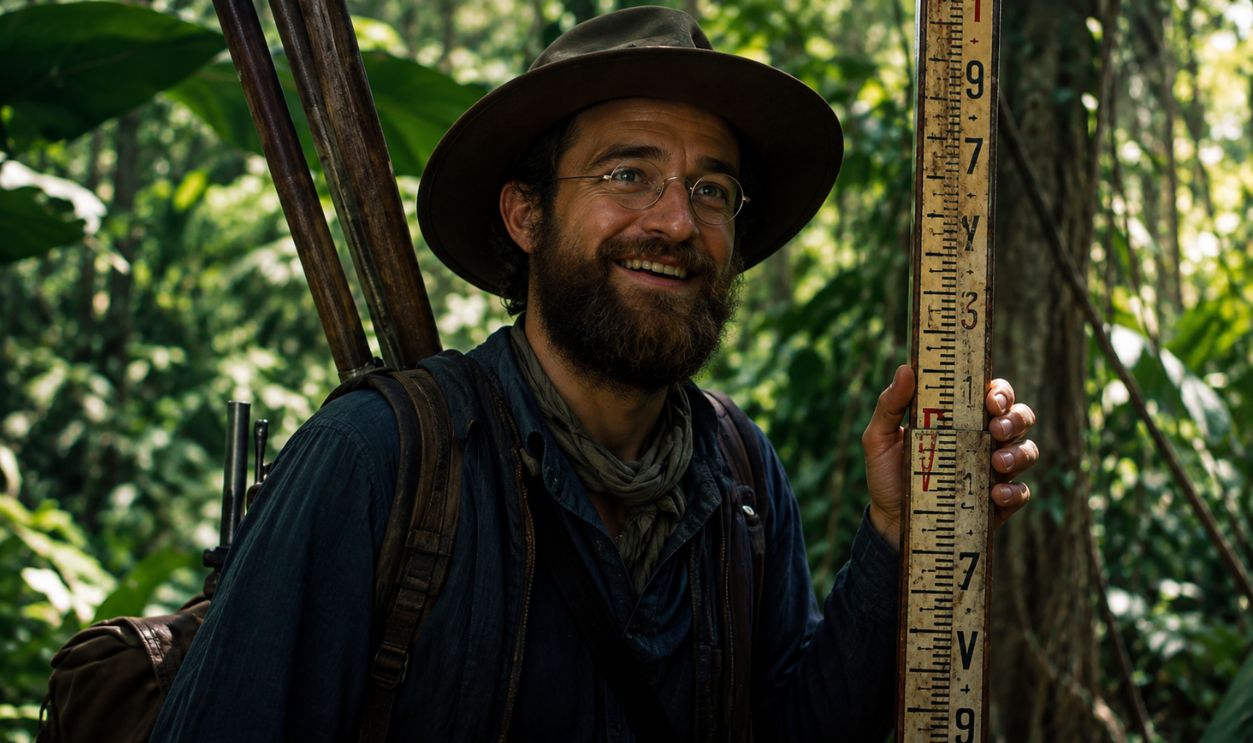 Screenshot from The Lost City of Z, Amazon Studios (2016), Enhanced
26. He Spotted Nosy Creatures
Fawcett’s relentless claims of undiscovered wildlife continued throughout these later expeditions. After a 1913 trip, the explorer claimed to have seen dogs with two noses. This claim is actually less outlandish than the others, and scientists believe these may have been double-nosed Andean tiger hounds. But despite the zoological and geographical wonders of the Amazon, it was one specific goal that took hold of Fawcett’s imagination and never let go.
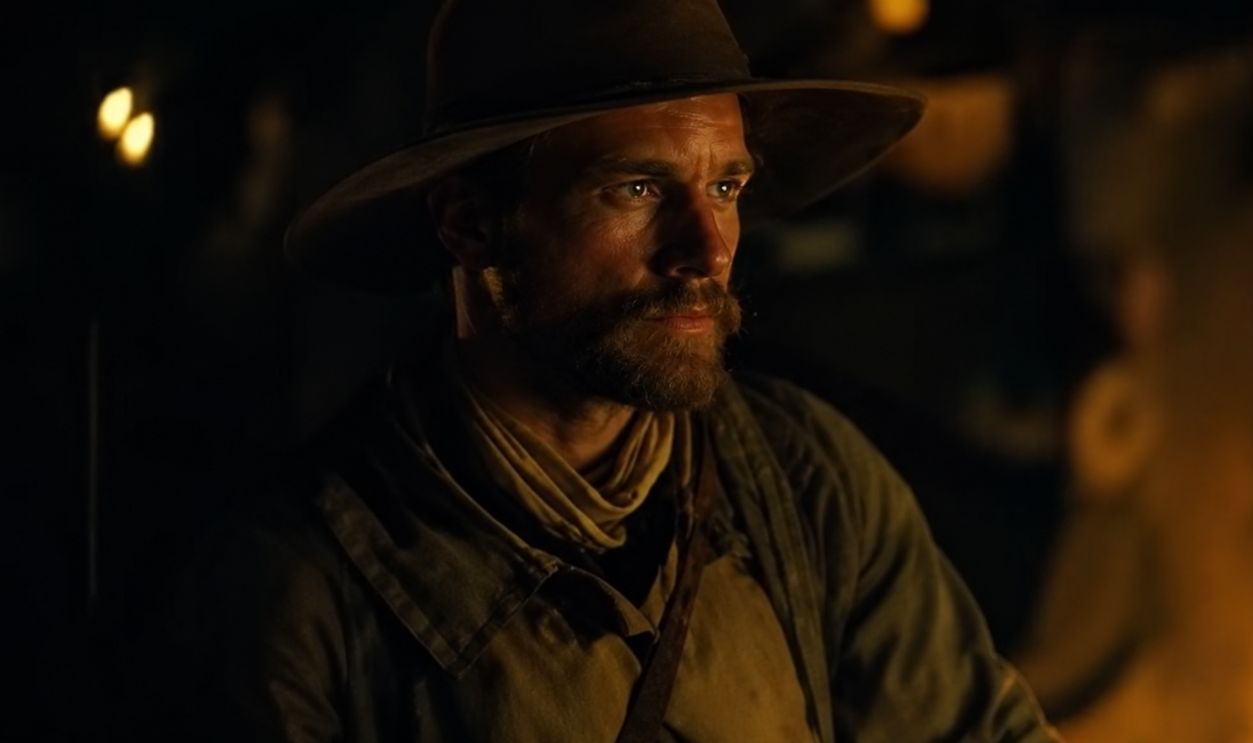 Screenshot from The Lost City of Z, Amazon Studios (2016), Enhanced
27. He Made A Claim
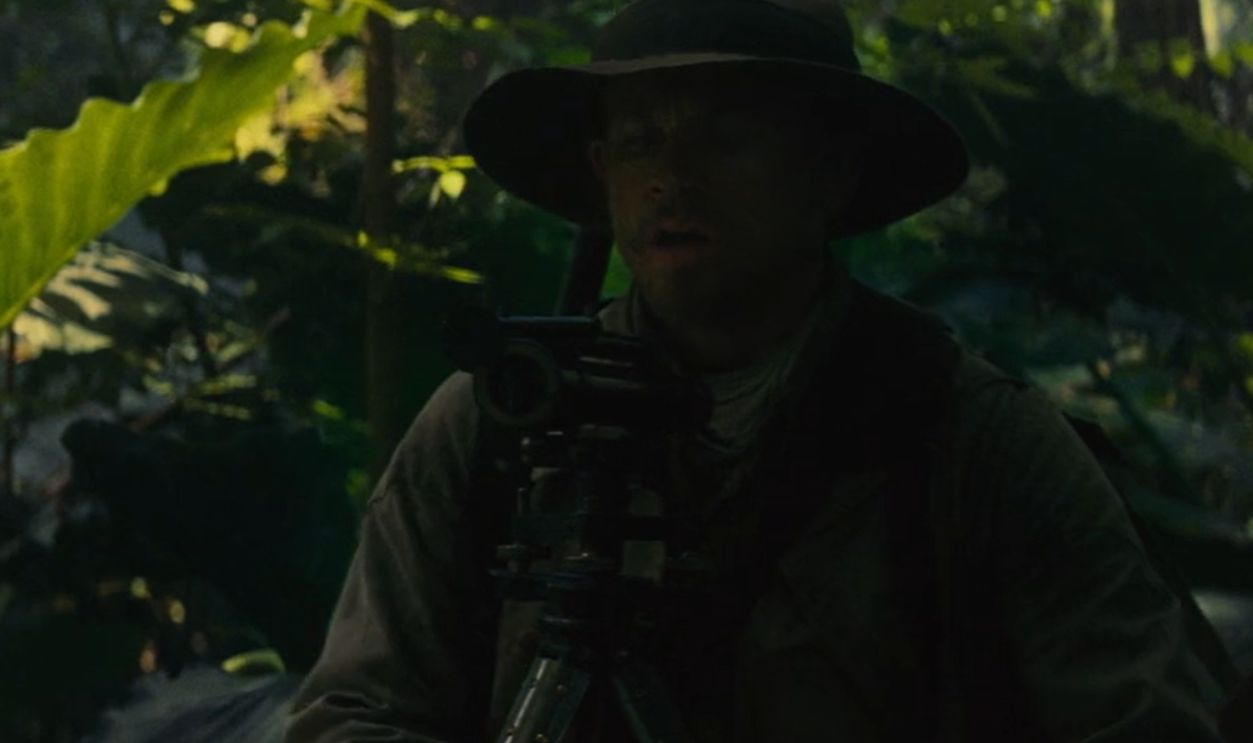
During his expeditions, besides his work for the RGS, Percy Fawcett compiled his own documentary research, and he came to some pretty legendary conclusions. Based on his findings, the brave explorer formulated a theory about a “lost city” somewhere in the Mato Grosso region; he named this city “Z” (pronounced Zed, as is custom in Britain). Percy’s musings painted a magical picture.
 Screenshot from The Lost City of Z, Amazon Studios (2016), Enhanced
History's most fascinating stories and darkest secrets, delivered to your inbox daily.
28. He Fleshed It Out
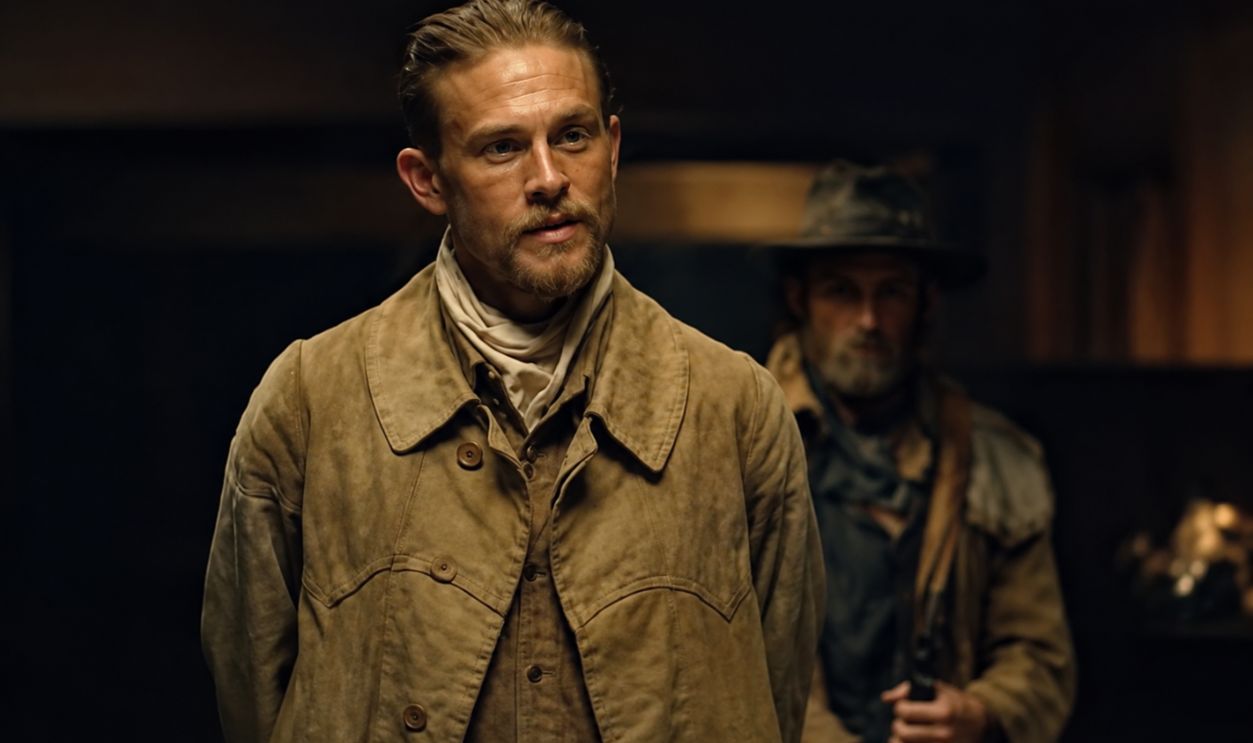
Fawcett’s ideas went further than just the mere existence of the Lost City of Z. He theorized that it had been part of a larger and complex civilization that had once existed in the region and convinced himself that isolated ruins of this city may have survived. Fawcett made it his life’s ambition to find the Lost City of Z. He had a few secondary goals too.
 Screenshot from The Lost City of Z, Amazon Studios (2016), Enhanced
29. He Sought More Cities
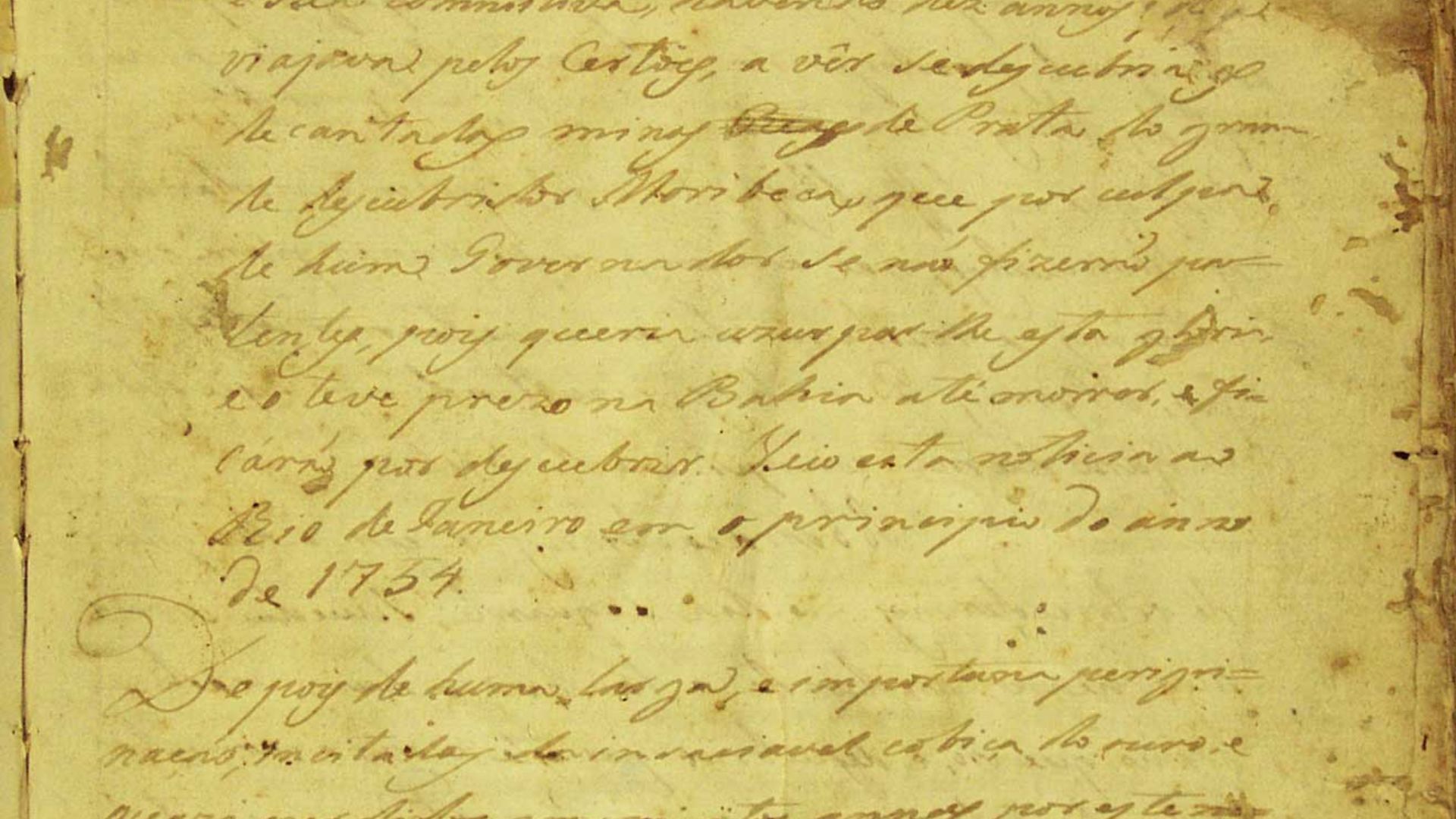
In his research, Fawcett also found a document known as Manuscript 512, which is believed to have been written in 1753 by Portuguese explorer João da Silva Guimarães. In the document, Guimarães claimed he discovered the ruins of an ancient city containing arches, statues, and temples with hieroglyphics.
Guimarães provided a detailed description, but no specific location. For whatever reason, Fawcett decided this city wasn’t his Z but, rather, another lost city, which he made a secondary priority to find. As his obsession with finding his lost city intensified, so too did Fawcett’s magical thinking.
 Unknown authorUnknown author, Wikimedia Commons
30. He Believed In Magic
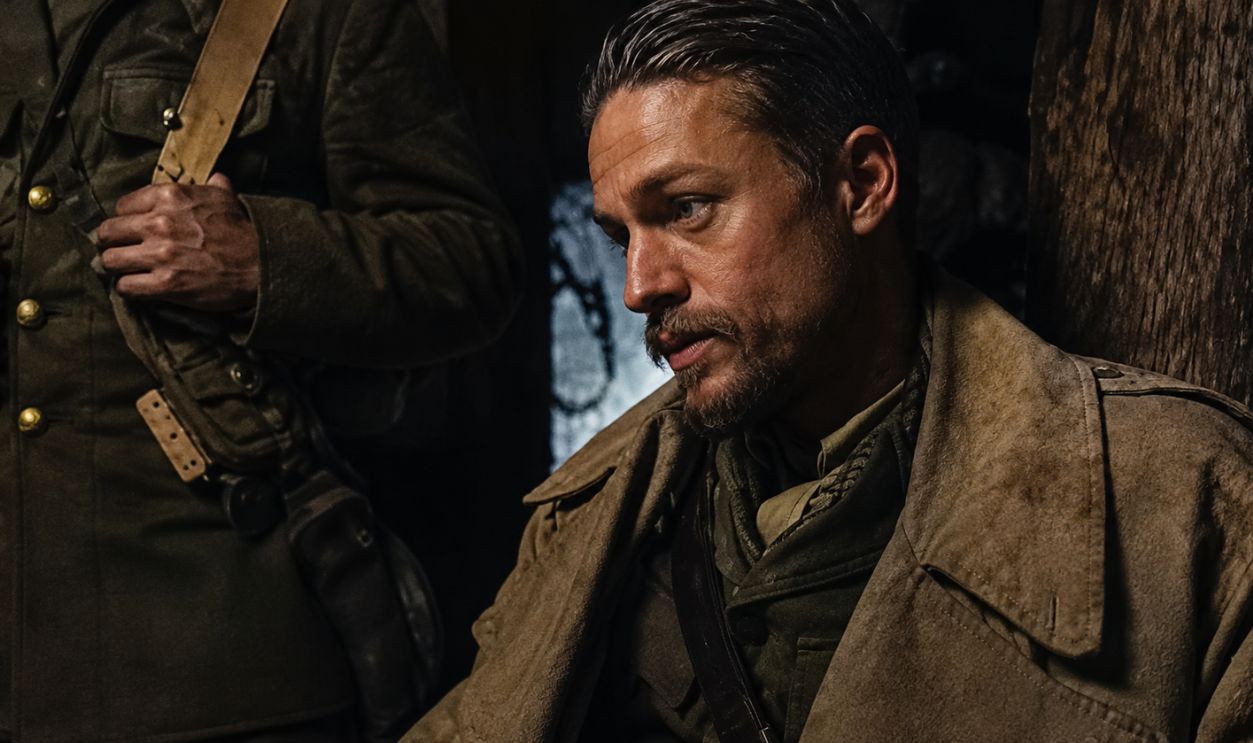
While in Brazil, Percy Fawcett uncovered a jade statue which he brought on every subsequent trip. He believed the statue, which depicted a human figure with inscriptions on the chest and feet, had supernatural powers over the Amazonian tribes, claiming to a Brazilian general that “by showing the statue, he could exercise an irresistible power over the natives”. Fawcett may have been losing his marbles a bit, but world events would soon interrupt the search for his lost city.
 Screenshot from The Lost City of Z, Amazon Studios (2016), Enhanced
31. He Got Back In The Action
Fawcett had retired from the British Army in 1910, but with the outbreak of WWI in 1914, the explorer once again enlisted to serve his country. Returning to Britain, Fawcett signed up as a reserve officer in the Royal Artillery, despite the fact that he was almost 50 years of age. He hadn’t lost a step.
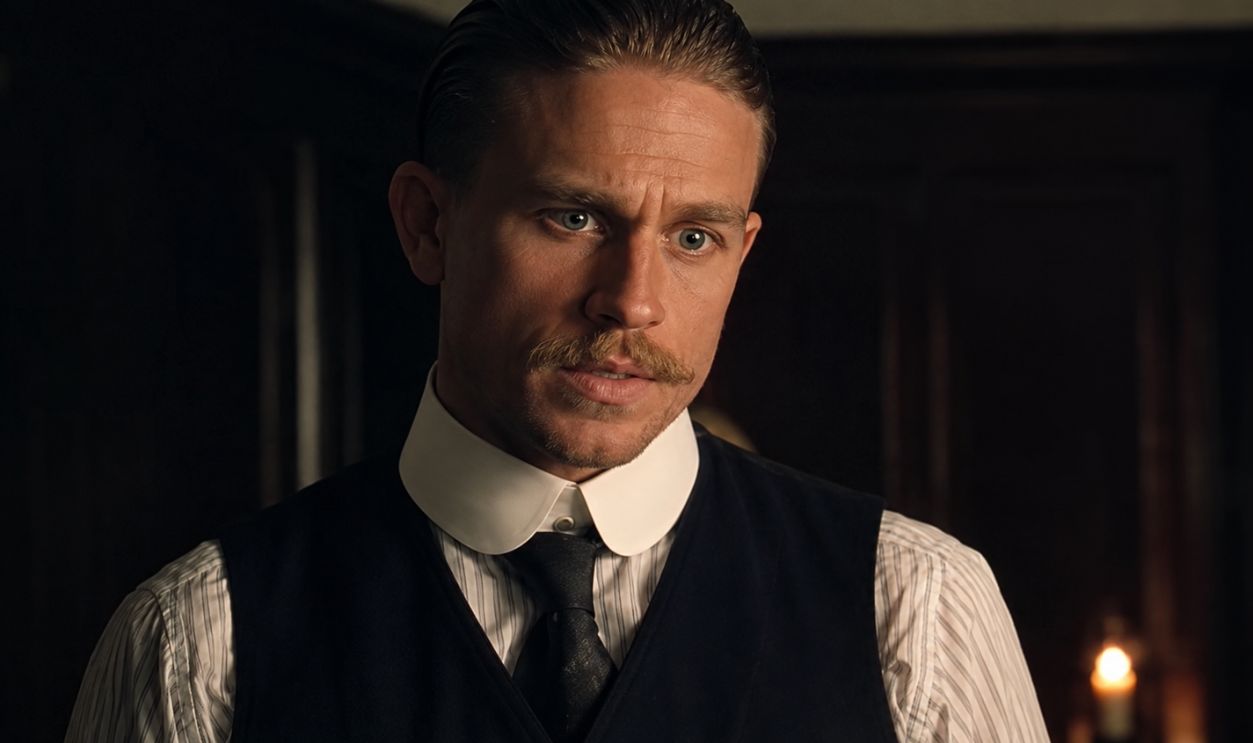 Screenshot from The Lost City of Z, Amazon Studios (2016), Enhanced
32. He Excelled Again
Fawcett had hardly faltered at all during his retirement. Bravely volunteering for duty in Flanders, the ageing expeditionist took command of an artillery brigade. They widely praised his leadership: he received promotion to lieutenant-colonel, got kudos in multiple dispatches from his Field Marshal, and received the Distinguished Service Order in 1917. But all the while, Fawcett itched to return to his life’s work.
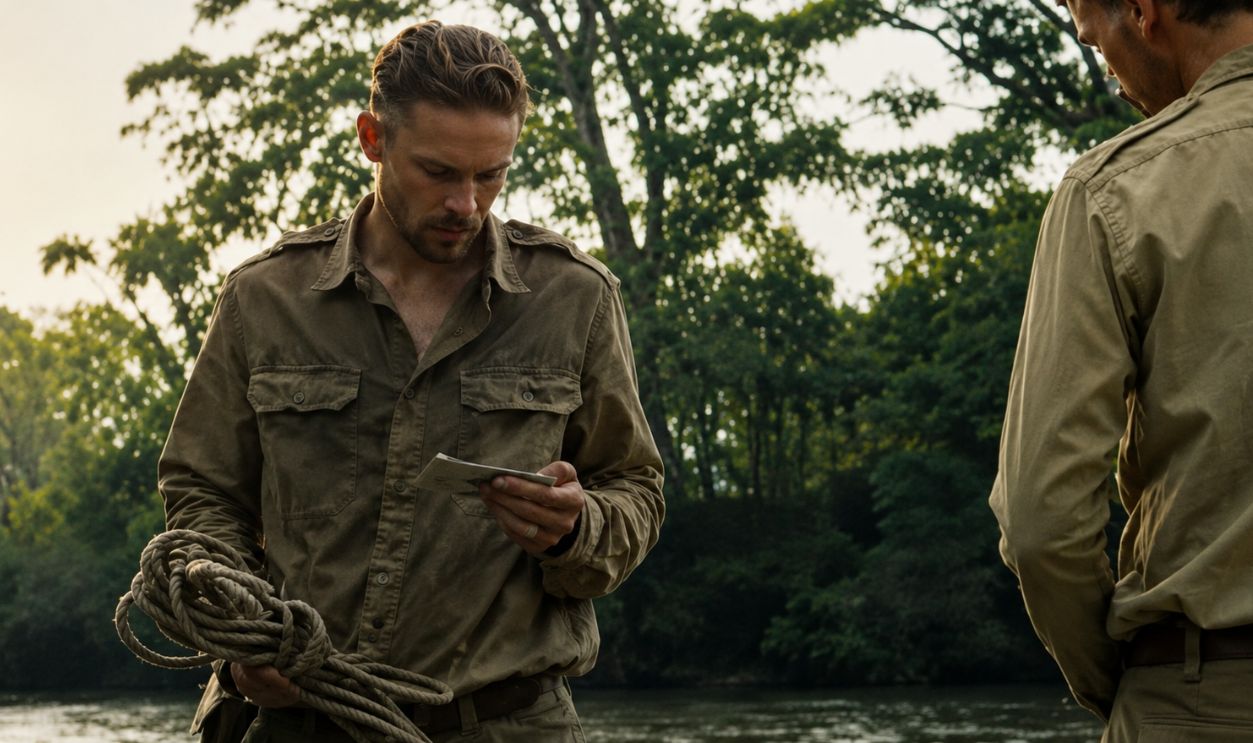 Screenshot from The Lost City of Z, Amazon Studios (2016), Enhanced
33. He Went Back Out
When the conflict had concluded, Fawcett did not waste any time getting back to business. He returned to Brazil, this time to study local wildlife and archaeology. Of course, his ultimate goal remained in the back of his mind, and soon, he could no longer resist its call.
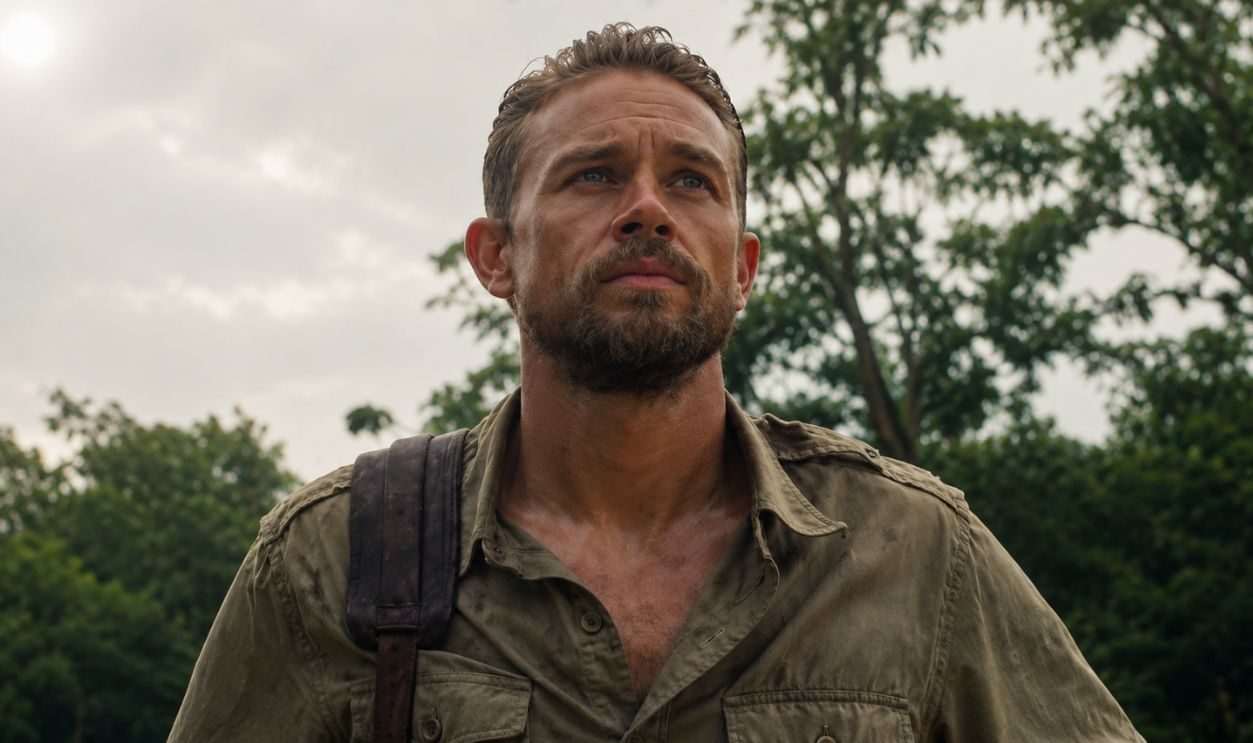 Screenshot from The Lost City of Z, Amazon Studios (2016), Enhanced
History's most fascinating stories and darkest secrets, delivered to your inbox daily.
34. He Sought Z Again
In 1920, Percy Fawcett assembled a crew to once again search for the Lost City of Z. This time, he enlisted the help of ornithologist Ernest G Holt and aspiring explorer Lewis Brown. Percy had not chosen wisely this time, however; they abandoned the expedition to search for Z when his colleagues made it clear that they were not up for the hardships demanded by the Amazon rainforest. His next move was his boldest yet.
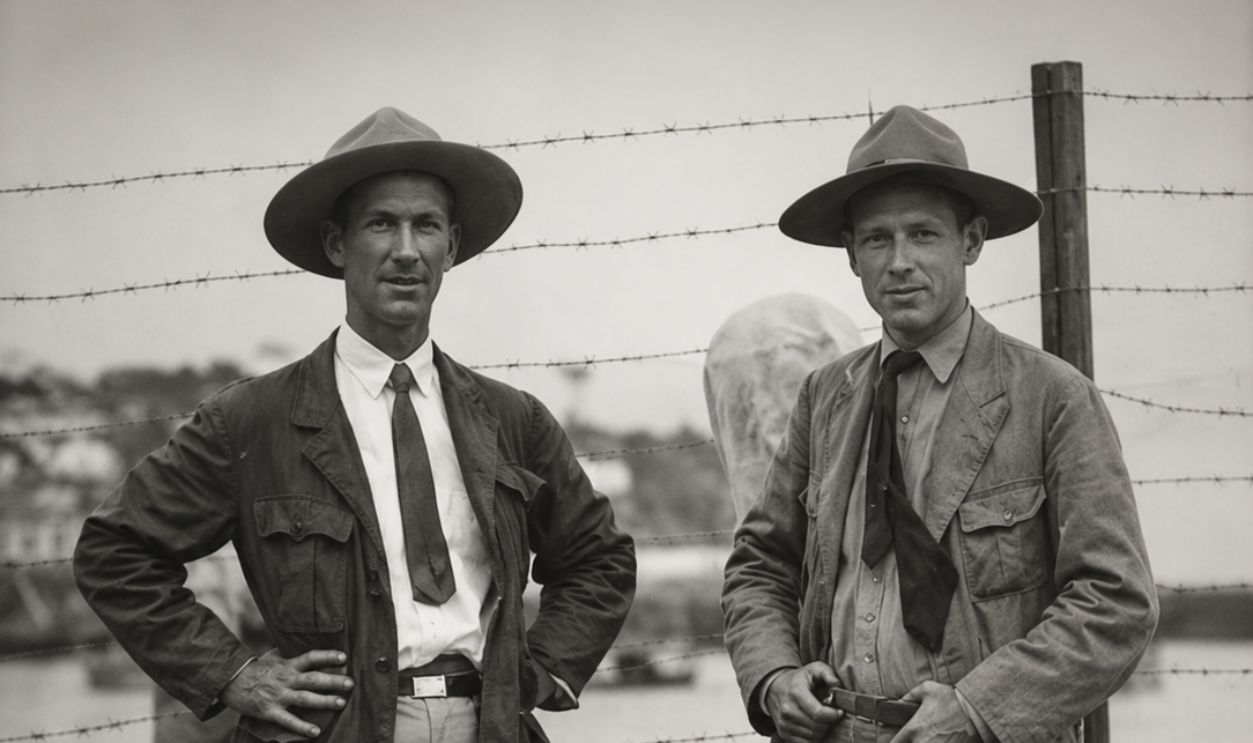
35. He Went Solo
Disappointed with the performance of his last crew, Fawcett next tried his most daring attempt yet: he went in search of Z completely alone. Luck was not in his favor yet again, however, and he eventually had to abort the solo attempt after coming down with a fever and the loss of his pack animal. He couldn’t go it alone, but he needed to find a crew he knew was up to the demanding task.
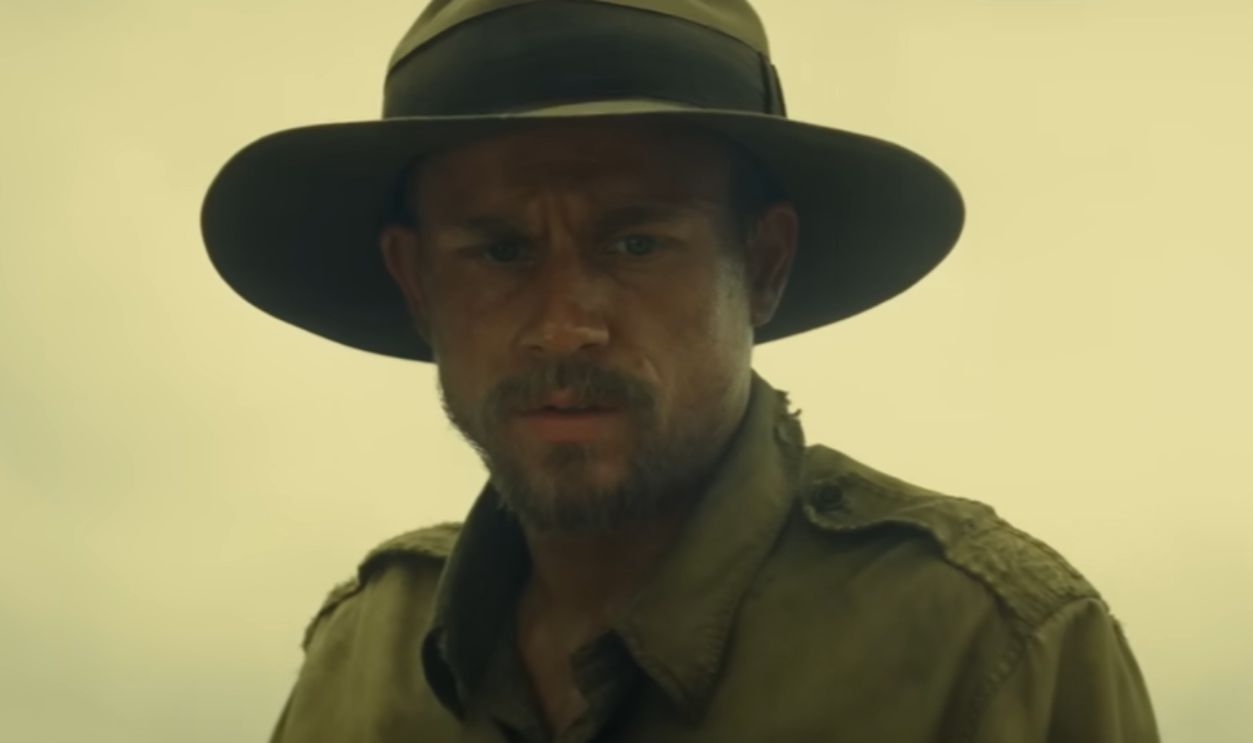 Screenshot from The Lost City of Z, Amazon Studios (2016), Enhanced
36. He Made It A Family Affair
By 1924, Fawcett was aging out of the exploration game, and he knew he had one final chance to achieve his dream. He began plans for one final expedition to find the Lost City of Z, and this time, he enlisted the help of the next generation: his eldest son, Jack, and Jack’s friend, Raleigh Rimmel. Before they left, Fawcett left grim instructions in the event of their failure.
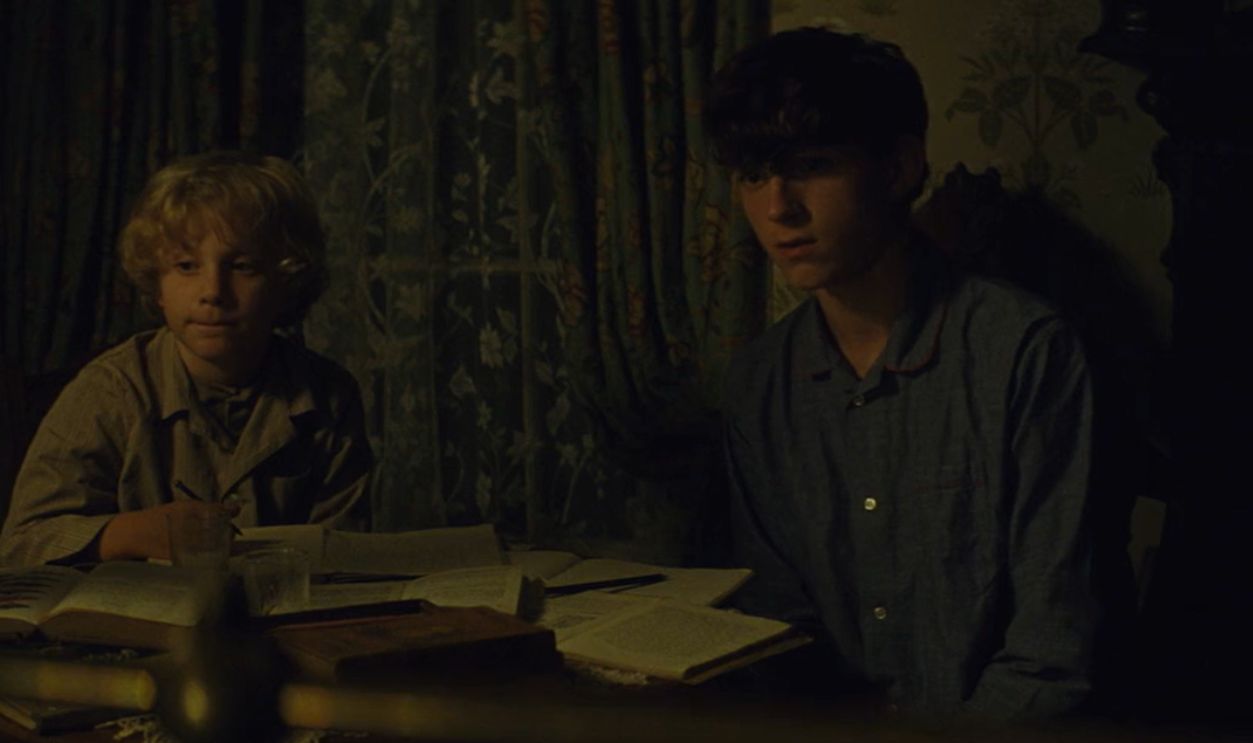 Screenshot from The Lost City of Z, Amazon Studios (2016), Enhanced
37. He Went All In
Such was Fawcett’s determination that he wanted the expedition to be his last, one way or another. Before embarking on the expedition, he left instructions stating that, in the event the crew did not return, no rescue expedition was to be sent after them—he didn’t want rescuers to suffer the same dark fate. This may seem cruel, given the presence of his son. But Percy had every faith in Jack.
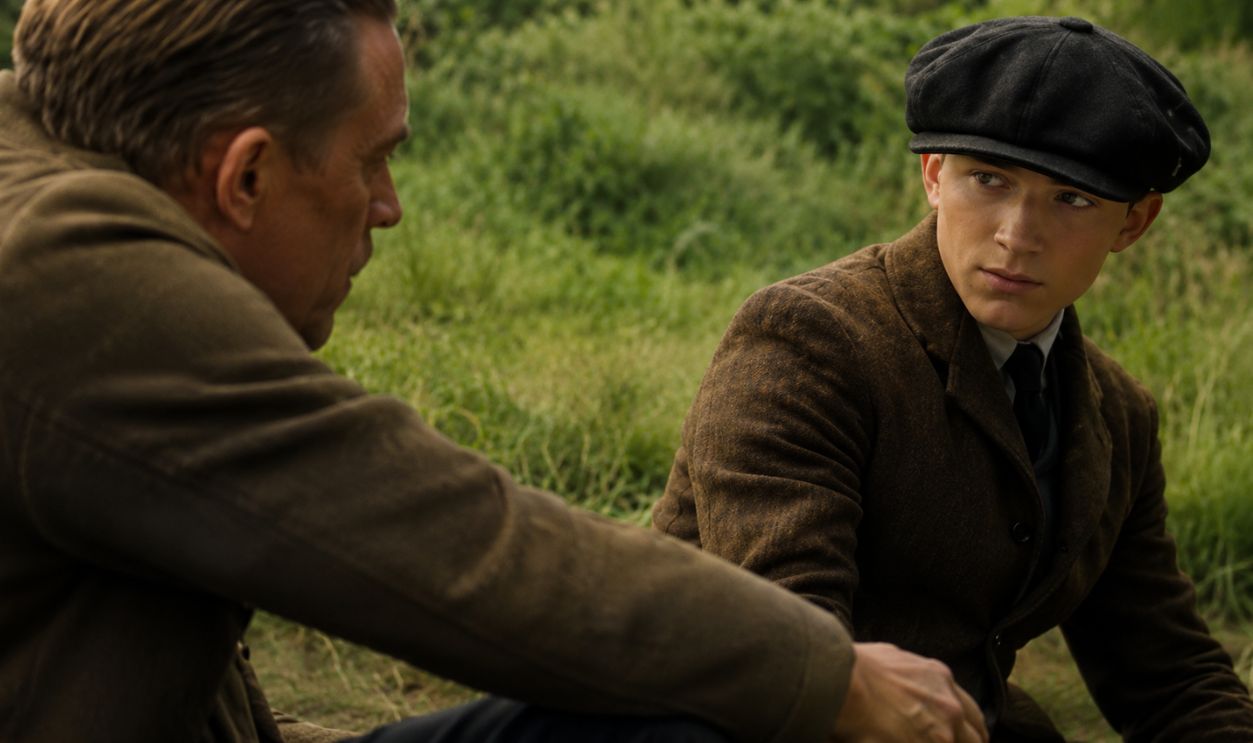 Screenshot from The Lost City of Z, Amazon Studios (2016), Enhanced
38. He Went Prepared
Percy Fawcett had chosen his young travel companions for their ability, robust health, and loyalty to each other, things that had been somewhat lacking in his previous expedition mates. Combined with his own experience and the barebones equipment and provisions the crew packed, Fawcett was confident that this final trip would be successful. We’ll never know if he succeeded, but the trip was certainly his last.
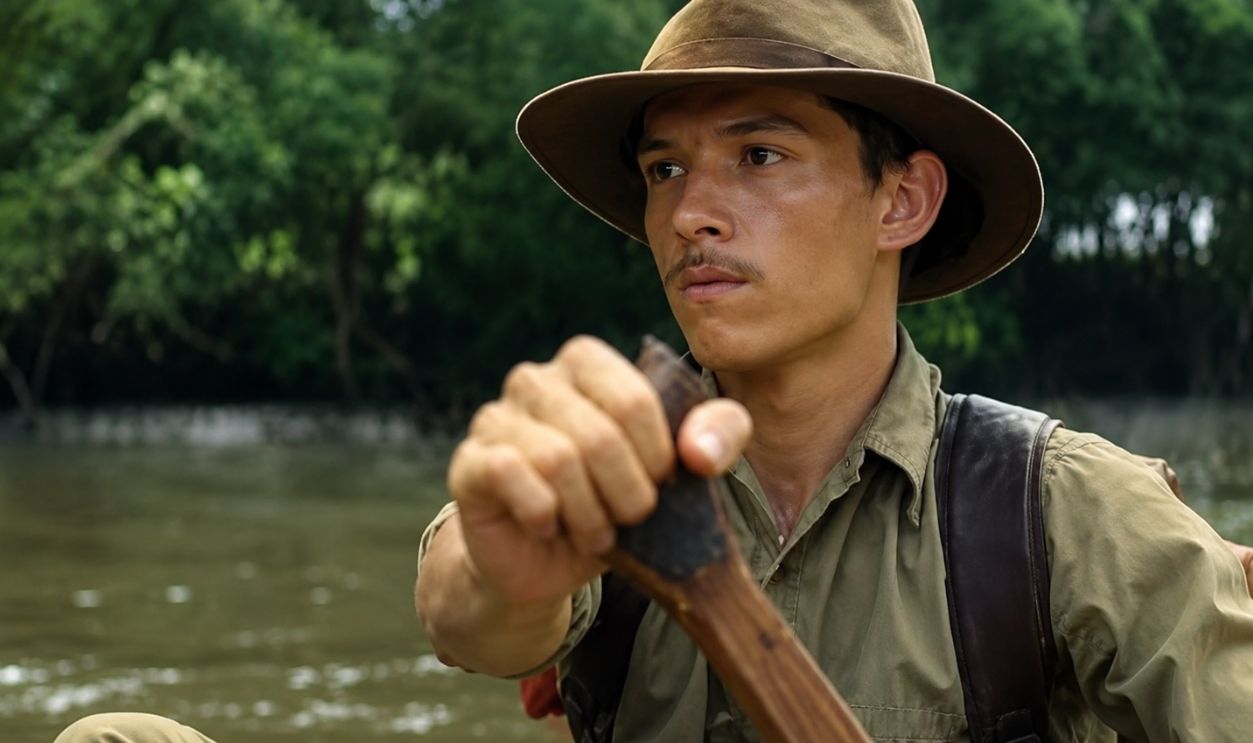 Screenshot from The Lost City of Z, Amazon Studios (2016), Enhanced
39. He Left For Good
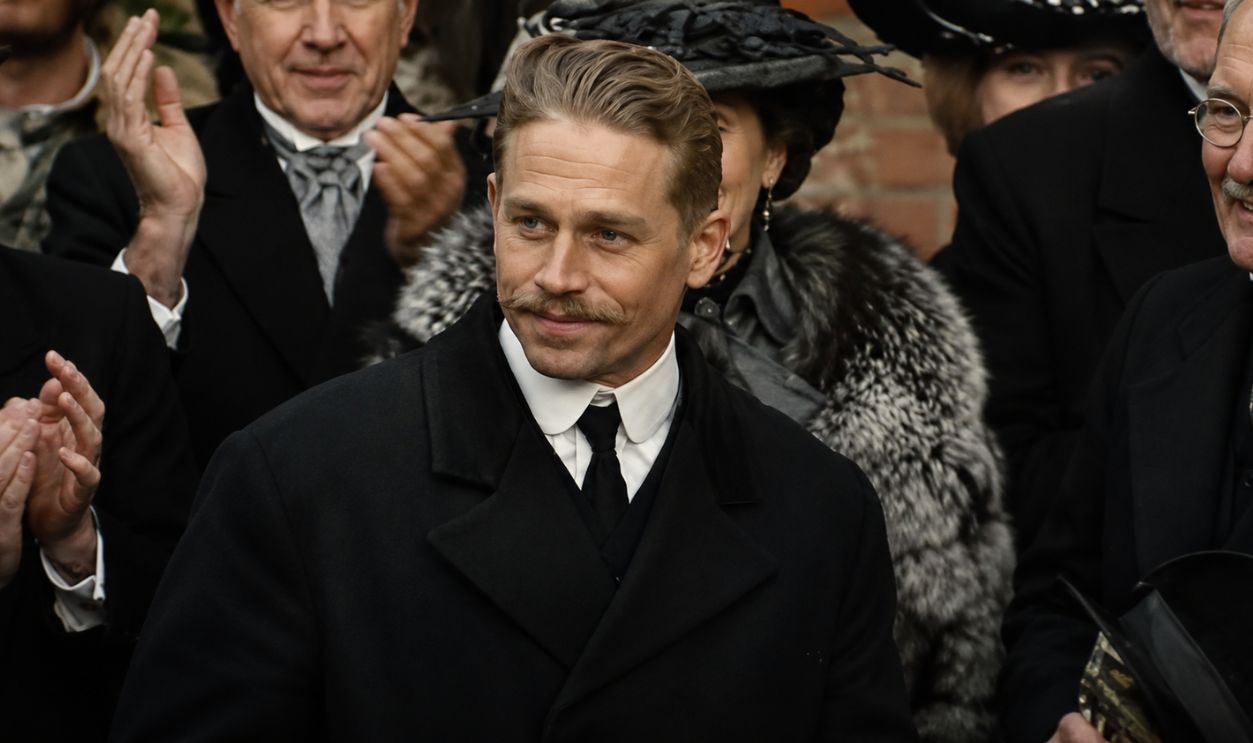
Fawcett departed from Cuiabá on April 20, 1925, alongside his son Jack, Raleigh Rimmel, two Brazilian laborers, two horses, eight mules, and two dogs. The crew would never be seen alive again. We know little about their disappearance, of course, but they certainly left a few breadcrumbs along the way.
 Screenshot from The Lost City of Z, Amazon Studios (2016), Enhanced
History's most fascinating stories and darkest secrets, delivered to your inbox daily.
40. He Had Hope
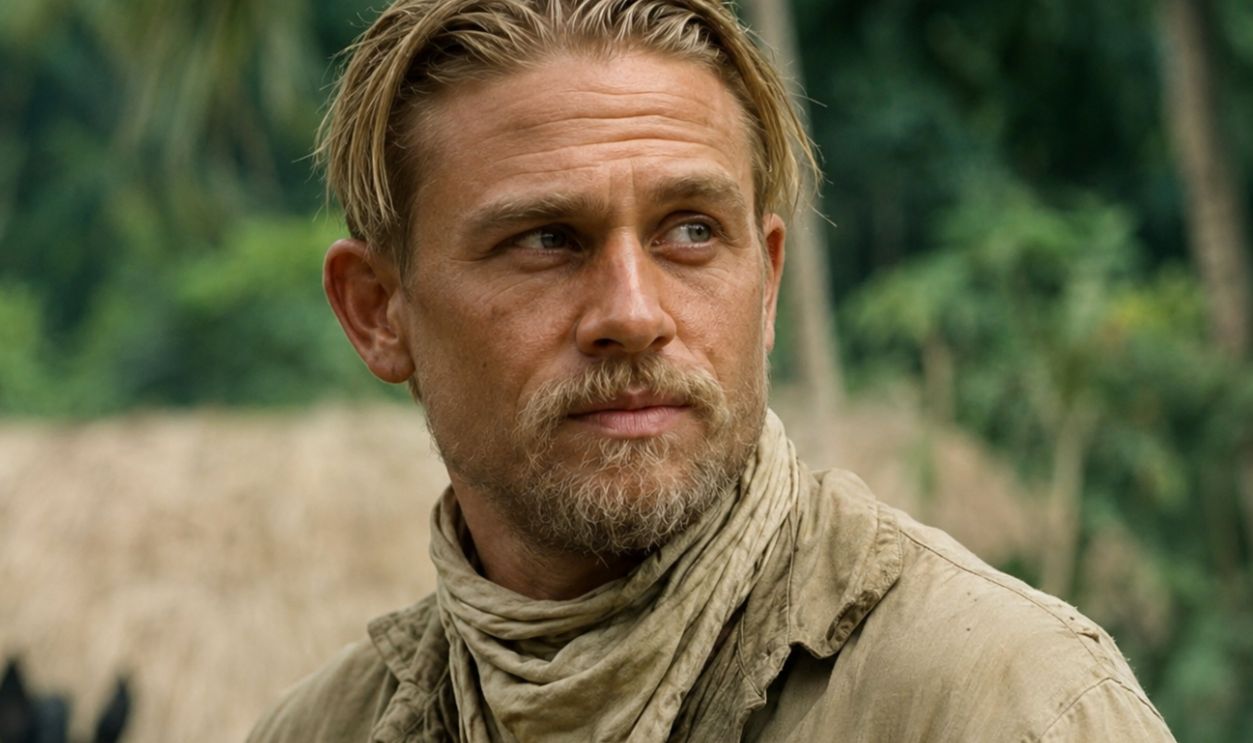
While nobody saw him again, some heard from Fawcett a couple of times via correspondence before disappearing completely. His last communication occurred on May 29, where, in a letter to his wife sent from the Dead Horse Camp, Fawcett expressed optimism as the crew prepared to enter unexplored territory. And while they disclosed their location, the details may have been misleading.
 Screenshot from The Lost City of Z, Amazon Studios (2016), Enhanced
41. He Might Have Lied
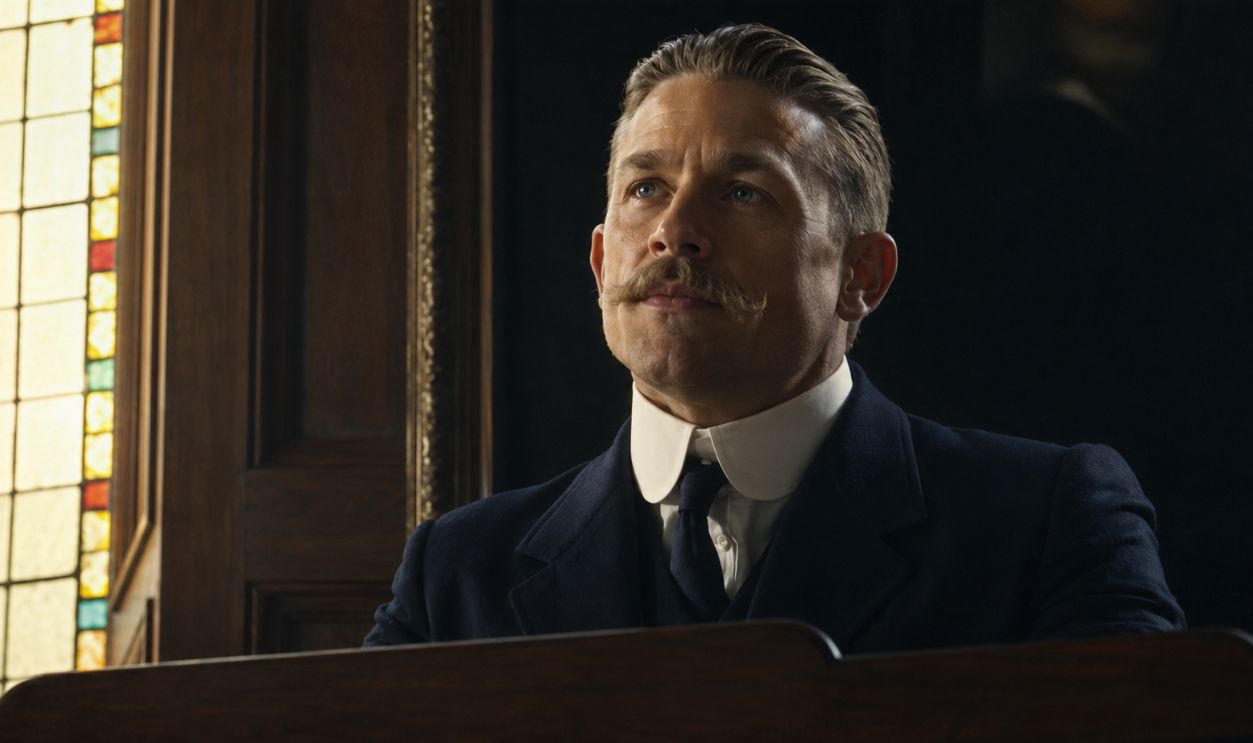
In Fawcett’s final letter to his wife, he gave the coordinates of their location. There was one discrepancy, however: he had sent completely different coordinates about the alleged location of the Camp in a report to the North American Newspaper Alliance.
Though this could have simply been an error, some believe Fawcett was intentionally misleading so as to prevent any rescue attempts, and—quite pettily—so that no one else could use his notes to find the Lost City of Z. And if the city ever did exist, its location perished with Fawcett.
 Screenshot from The Lost City of Z, Amazon Studios (2016), Enhanced
42. His Loss Got Confirmed
Almost two years after Fawcett’s final communication, the RGS finally accepted and declared the expedition officially lost in 1927. Percy Fawcett was gone forever; he had been 57 at the time of his final sighting, and his son Jack, devastatingly, only 18. The RGS’ declaration (and Fawcett’s last wishes) didn’t stop exploration enthusiasts from attempting a rescue, however.
 Screenshot from The Lost City of Z, Amazon Studios (2016), Enhanced
43. He Got Tracked
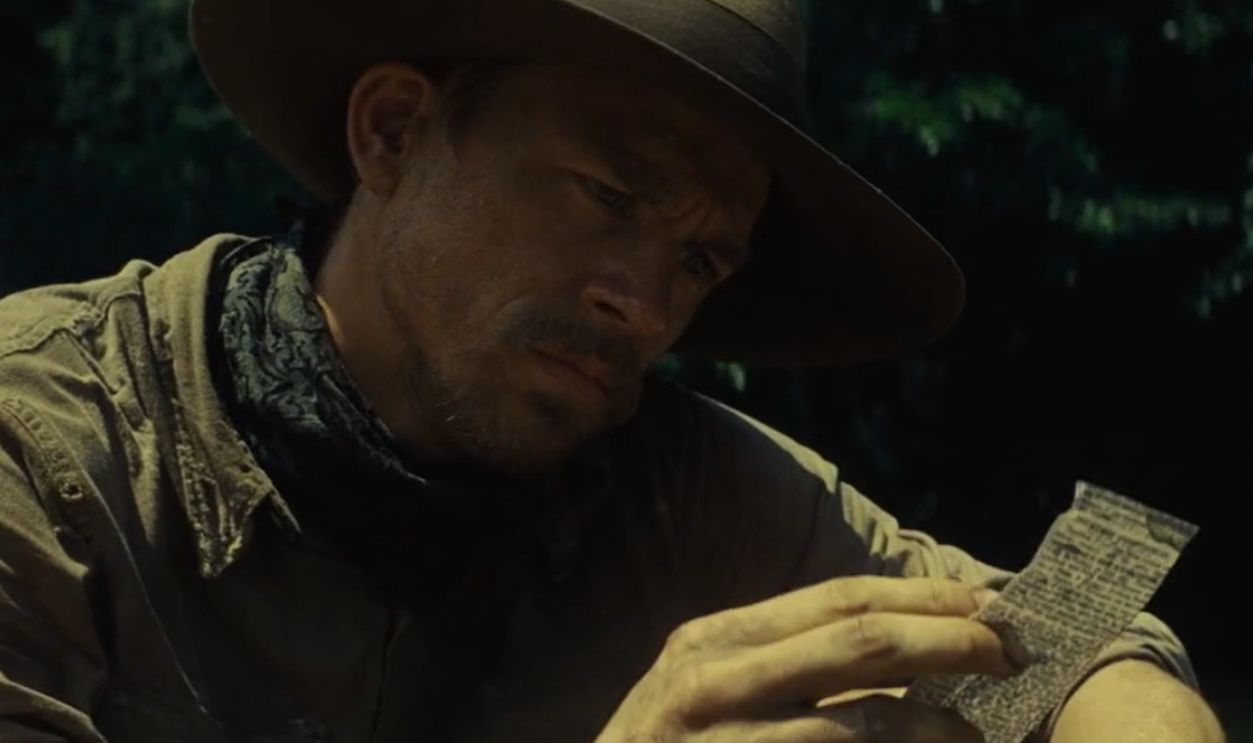
Almost immediately after the declaration by the RGS, many volunteers set out to attempt to find the lost expedition party…or their remains, at least. It became something of an obsession for the community, and many expeditions to find Fawcett failed—one even resulted in the demise of a searcher. The reason for Fawcett’s disappearance, then, may never emerge. But there are some leading theories.
 Screenshot from The Lost City of Z, Amazon Studios (2016), Enhanced
44. He May Have Overstepped
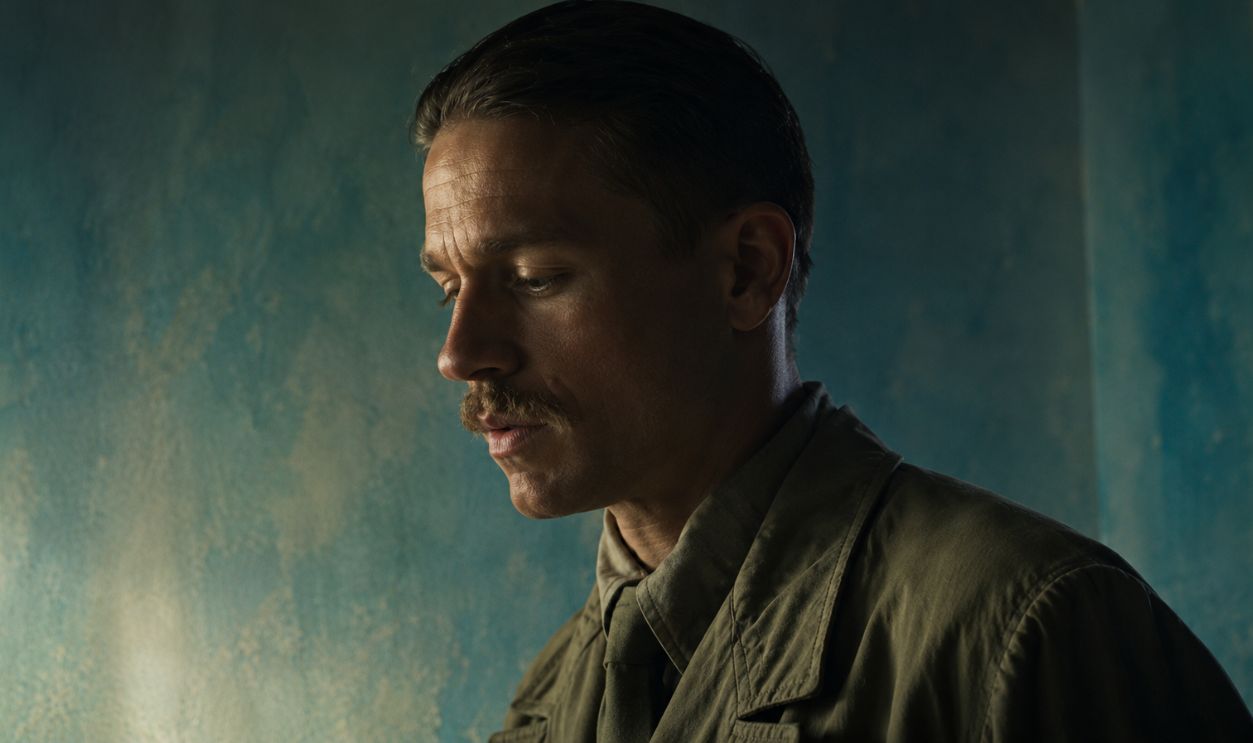
The most common theory on Fawcett’s demise is that his party got slain by Indigenous peoples distressed at the men’s presence on their land. Fawcett had stayed on their good side in the past by bringing gifts, but because of the minimum provisions this final expedition set out with, it’s possible they ran out of gifts too soon. Indeed, one tribe was even happy to take credit for the disappearance.
 Screenshot from The Lost City of Z, Amazon Studios (2016), Enhanced
45. He Became A Lie
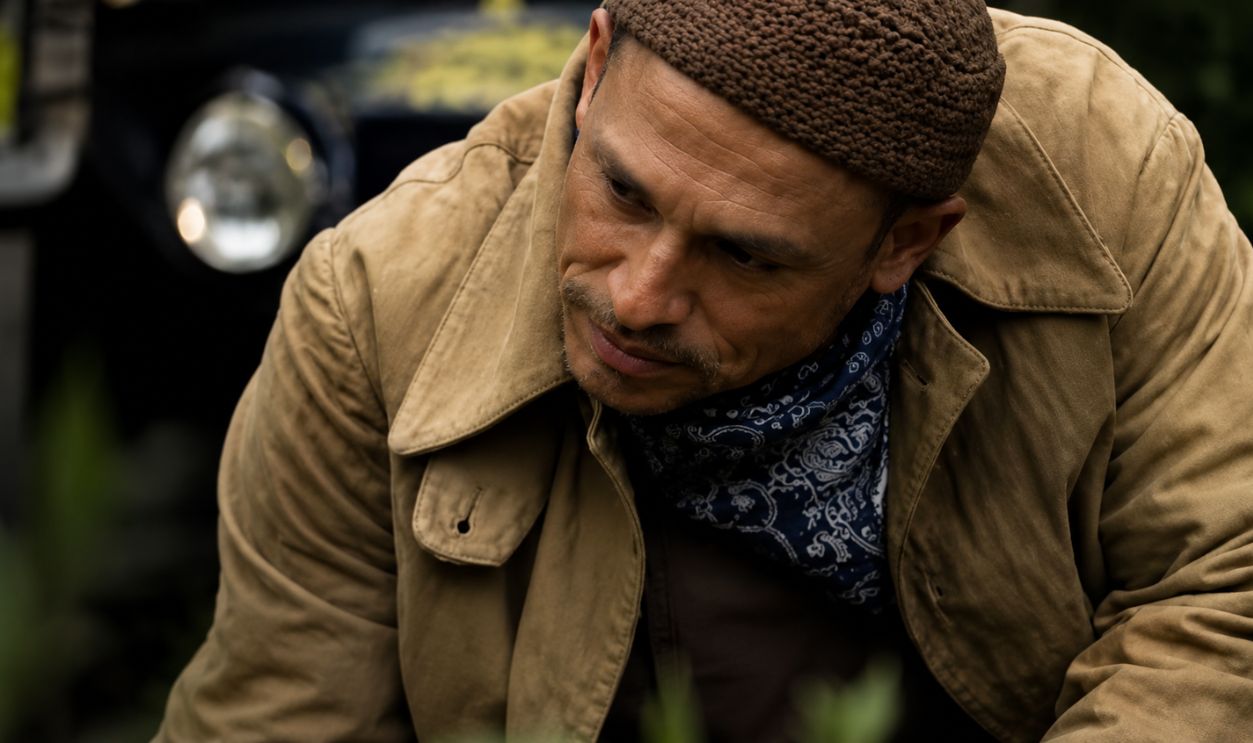
20 years after Fawcett’s disappearance, a chief of the Kalapalo tribe named Comatzi came forward and publicly declared that his tribe had slain the explorers. Comatzi even provided bones to prove his claim; after forensic investigation, however, it turned out the bones were not Fawcett’s, nor anyone from the crew, casting doubt on the chief’s claims. The Kalapalo tribe may still have been involved, however.
 Screenshot from The Lost City of Z, Amazon Studios (2016), Enhanced
History's most fascinating stories and darkest secrets, delivered to your inbox daily.
46. He May Have Antagonized
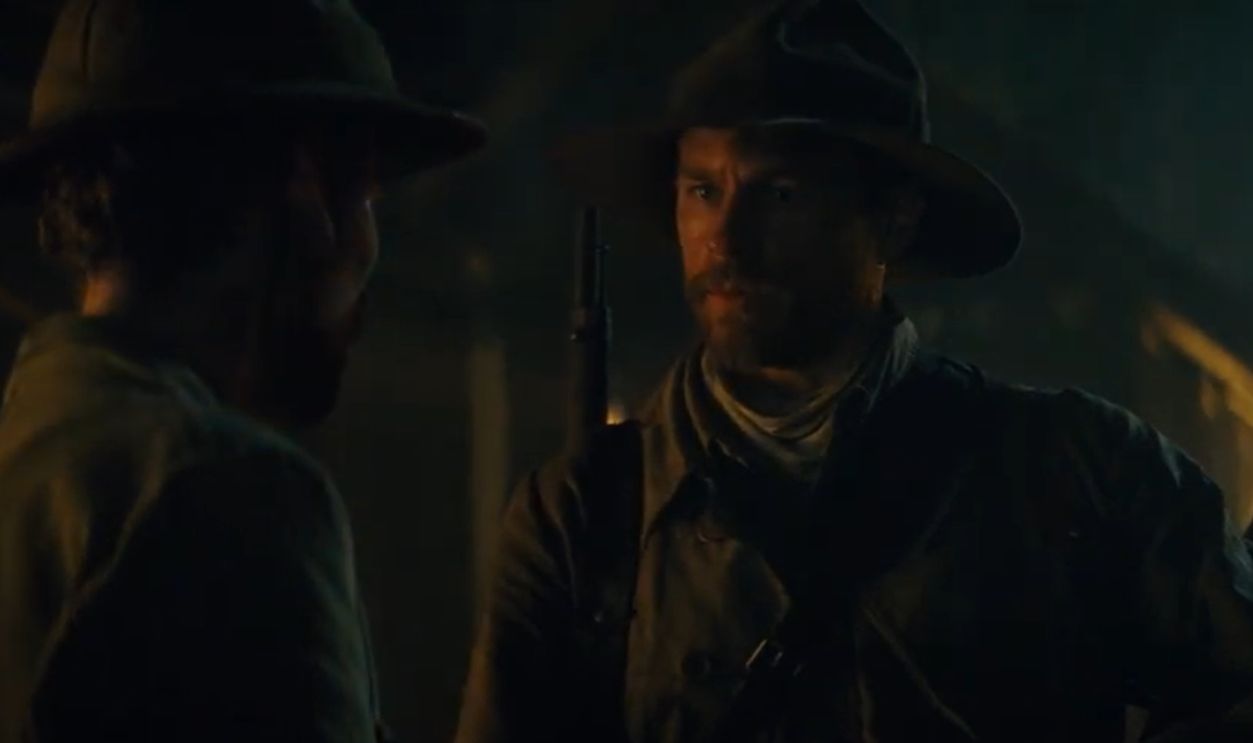
More than one source claims Fawcett had some kind of run-in with the Kalapalo tribe. Comatzi’s predecessor, chief Izarari, claimed he had slain the explorers after they allegedly attacked him and his tribe when the chief refused to provide guides for the expedition.
Another version of the story reports that Jack had consorted with one of Izarari’s wives, and that Fawcett had slapped Izarari in the face when the chief refused to give him more provisions, leading to a grisly end for the lost crew. Still, others claim that the loss of the party may have been from more natural causes.
 Screenshot from The Lost City of Z, Amazon Studios (2016), Enhanced
47. He Might’ve Fallen Ill
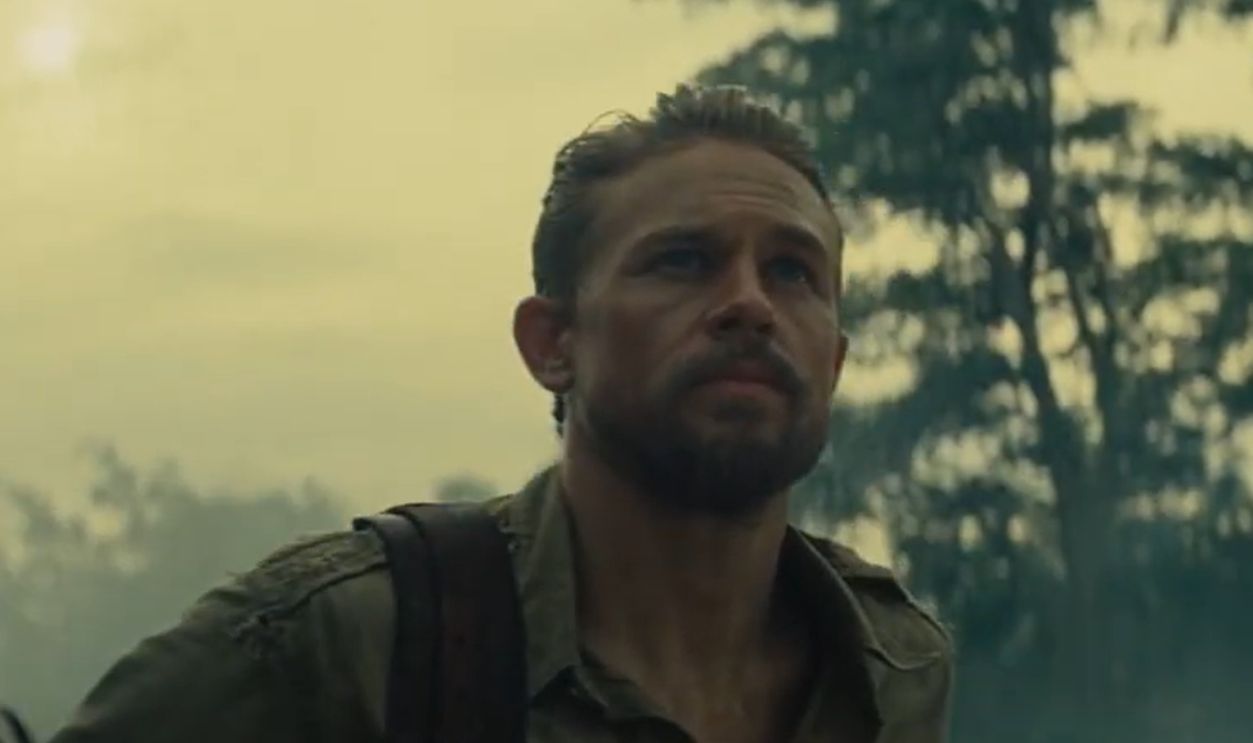
Another school of thought concerning Fawcett’s disappearance, backed up by claims from other tribes who spotted the party, was that the crew succumbed to natural causes—namely illness contracted while traveling through the jungle. Indeed, this was the opinion of one man who knew Percy Fawcett better than most.
 Screenshot from The Lost City of Z, Amazon Studios (2016), Enhanced
48. His Friend Opined
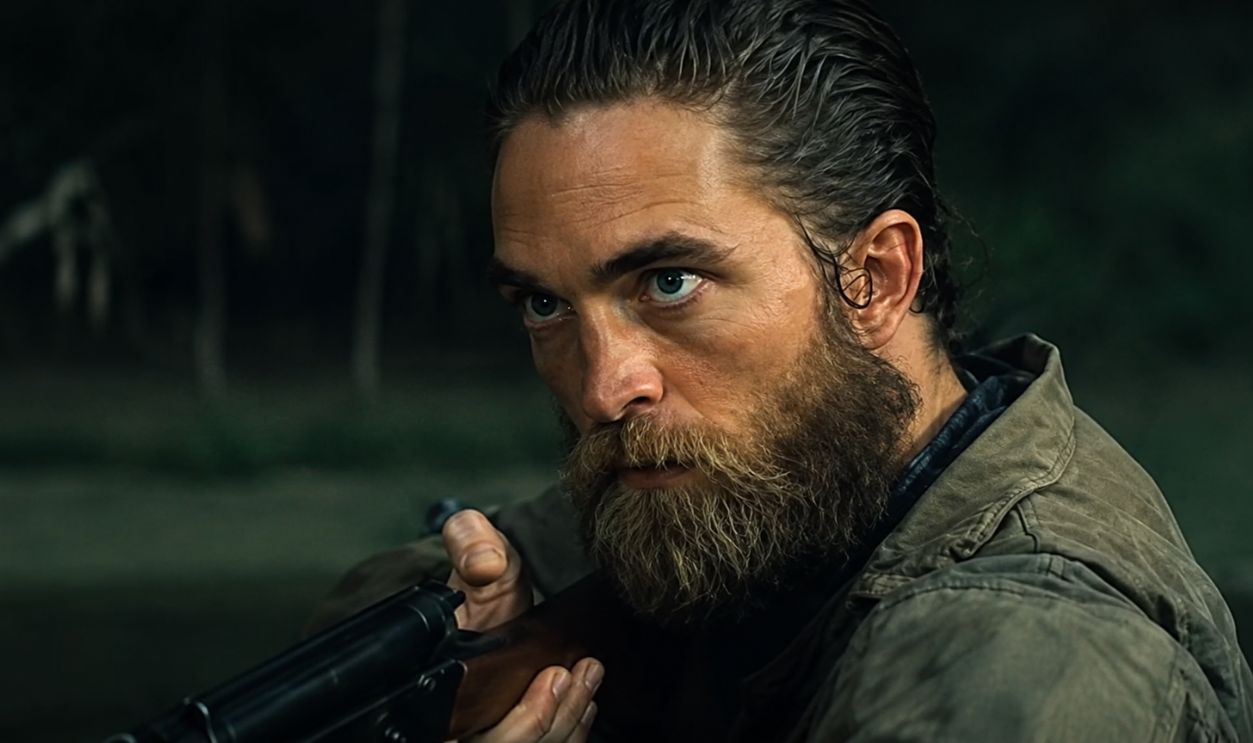
Henry Costin, an explorer who’d accompanied Fawcett on five previous expeditions, did not buy the story that the explorer fell victim to the local Indigenous people, citing Fawcett’s courteous relations with them. He believed that a lack of food or just simple exhaustion had been the cause of Fawcett’s demise. No more clues about the incident would pop up for half a century.
 Screenshot from The Lost City of Z, Amazon Studios (2016), Enhanced
49. He Left Another Clue
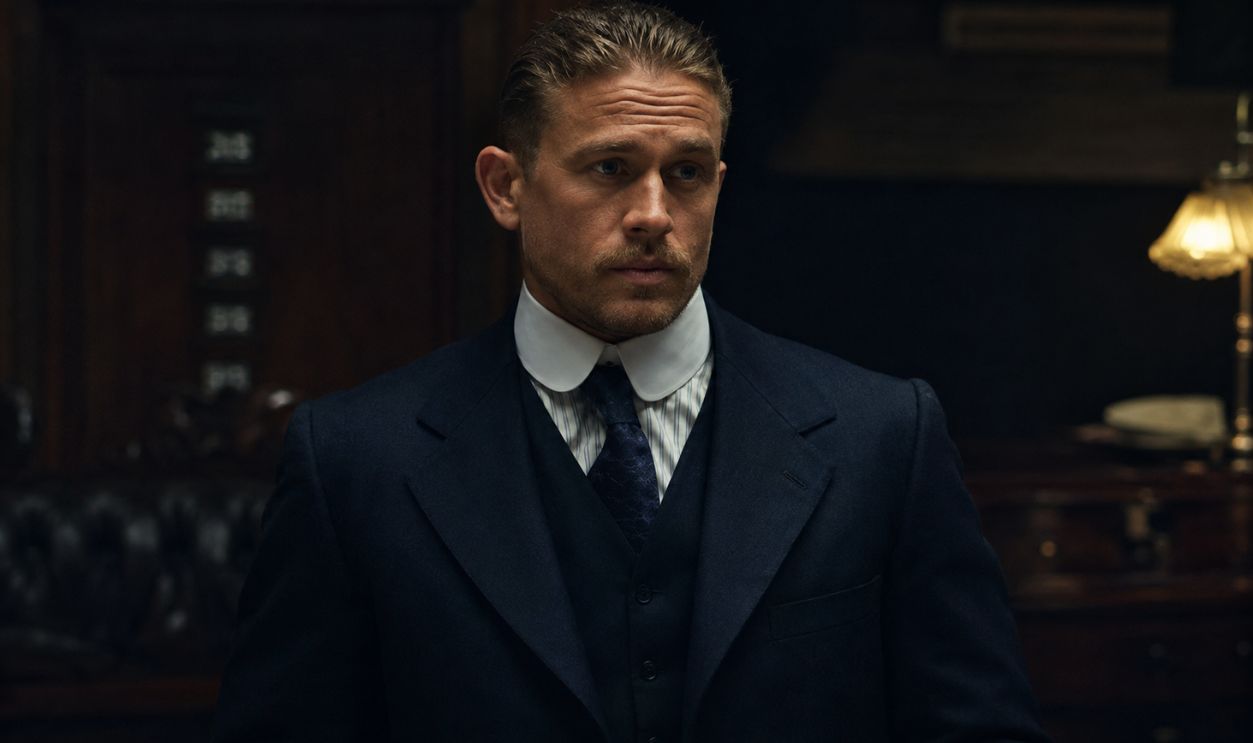
Amazingly, in 1979, more than 50 years after his disappearance, Fawcett’s signet ring turned up in a pawnshop. This gave rise to a brand-new theory: that Percy Fawcett and his companions got ambushed by bandits who slew them, looted their remains, and disposed of them in a river. It remains a grim possibility, but there is one last theory that is much more optimistic.
 Screenshot from The Lost City of Z, Amazon Studios (2016), Enhanced
50. He Might Have Lived
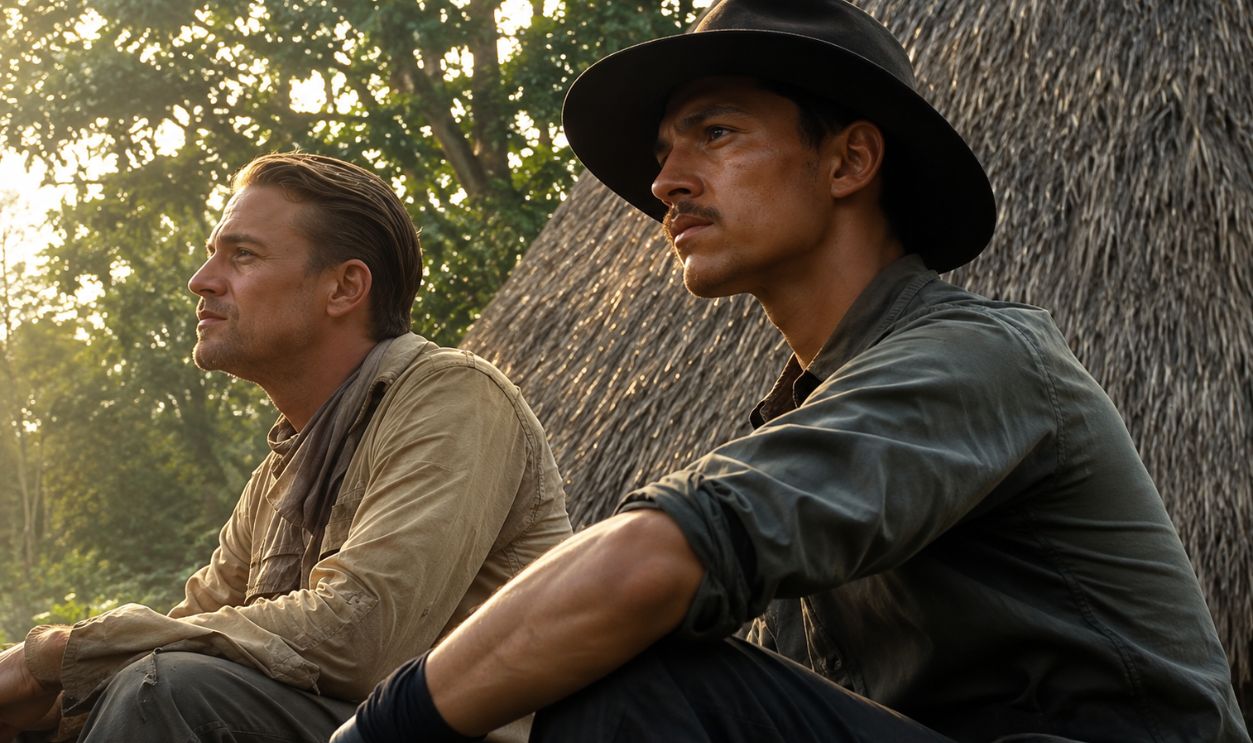
In 2004, television director Misha Williams, after painstakingly studying Fawcett’s private papers, concluded that the explorer had disappeared intentionally. He believed Percy Fawcett had intended to start a commune in the jungle, based on theosophical principles, where—bizarrely—the deity worshipped would be Fawcett’s own son, Jack.
It is an insane theory, but certainly a fun one, and who knows—maybe Fawcett and his crew found the Lost City of Z in the end, where they set up their commune and turned Jack Fawcett into a god.
 Screenshot from The Lost City of Z, Amazon Studios (2016), Enhanced
You May Also Like:
Searching Facts About Mai, The Lost Traveler
Brash Facts About Sir Walter Raleigh, The Troublemaking Explorer
Astounding Facts About Roald Amundsen, The Conqueror Of The Ends The World