
Doctors Thought They Understood Ulcers
Doctors thought they understood ulcers. Then two Australian doctors came along with a very different idea. But when much of the medical world still refused to believe them, one of the doctors stopped arguing and did something much, much harder to ignore.
 WikiEdtingProfile2021, Wikimedia Commons
Meet Barry Marshall
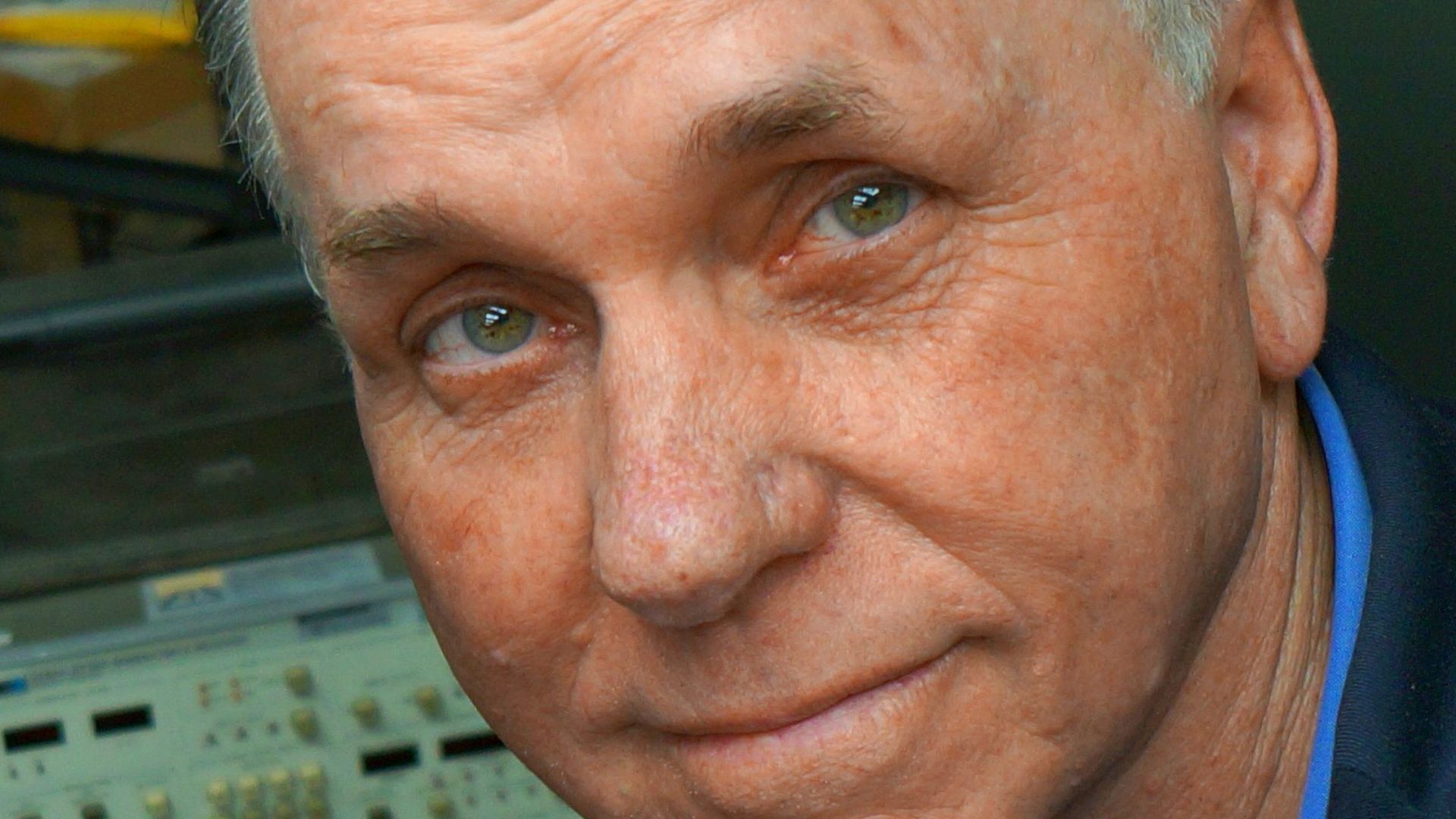
Barry Marshall was a young Australian physician working at Royal Perth Hospital in the early 80s. He wasn’t trying to overturn one of medicine’s accepted ideas when he arrived. Then he met a pathologist named Robin Warren. That changed things rather quickly.
 Binarysequence, Wikimedia Commons
Warren Had Seen Something Strange
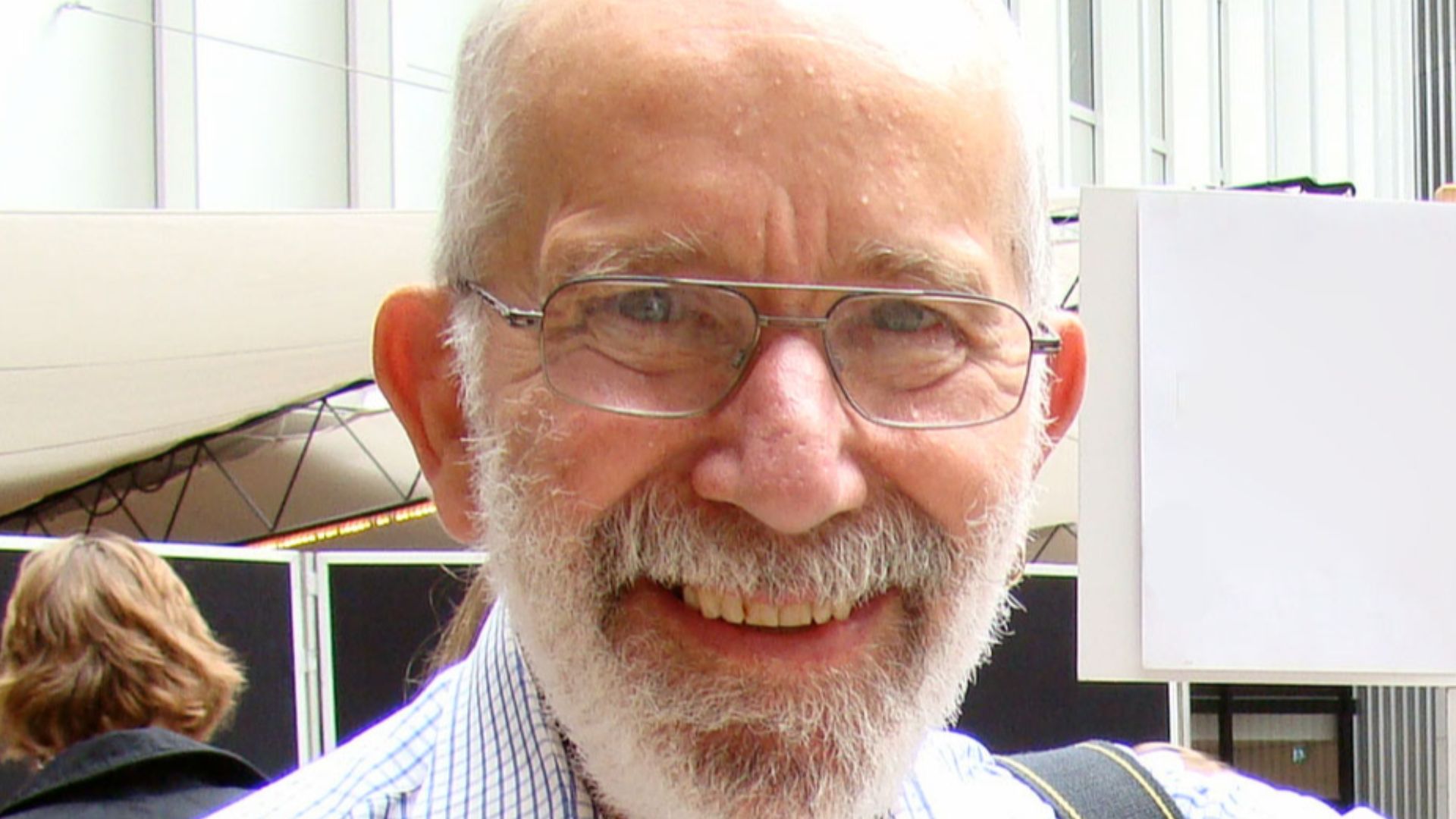
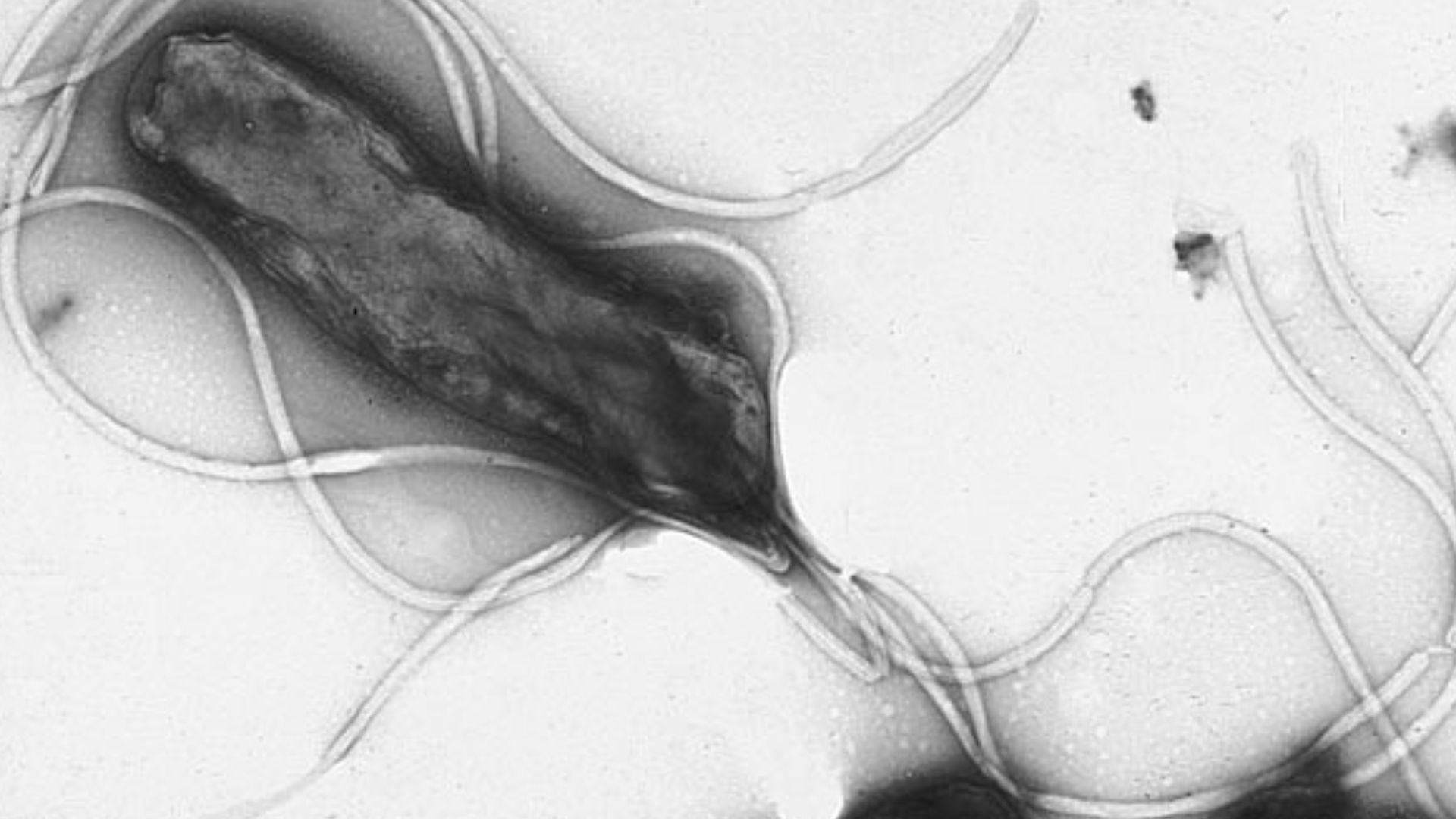
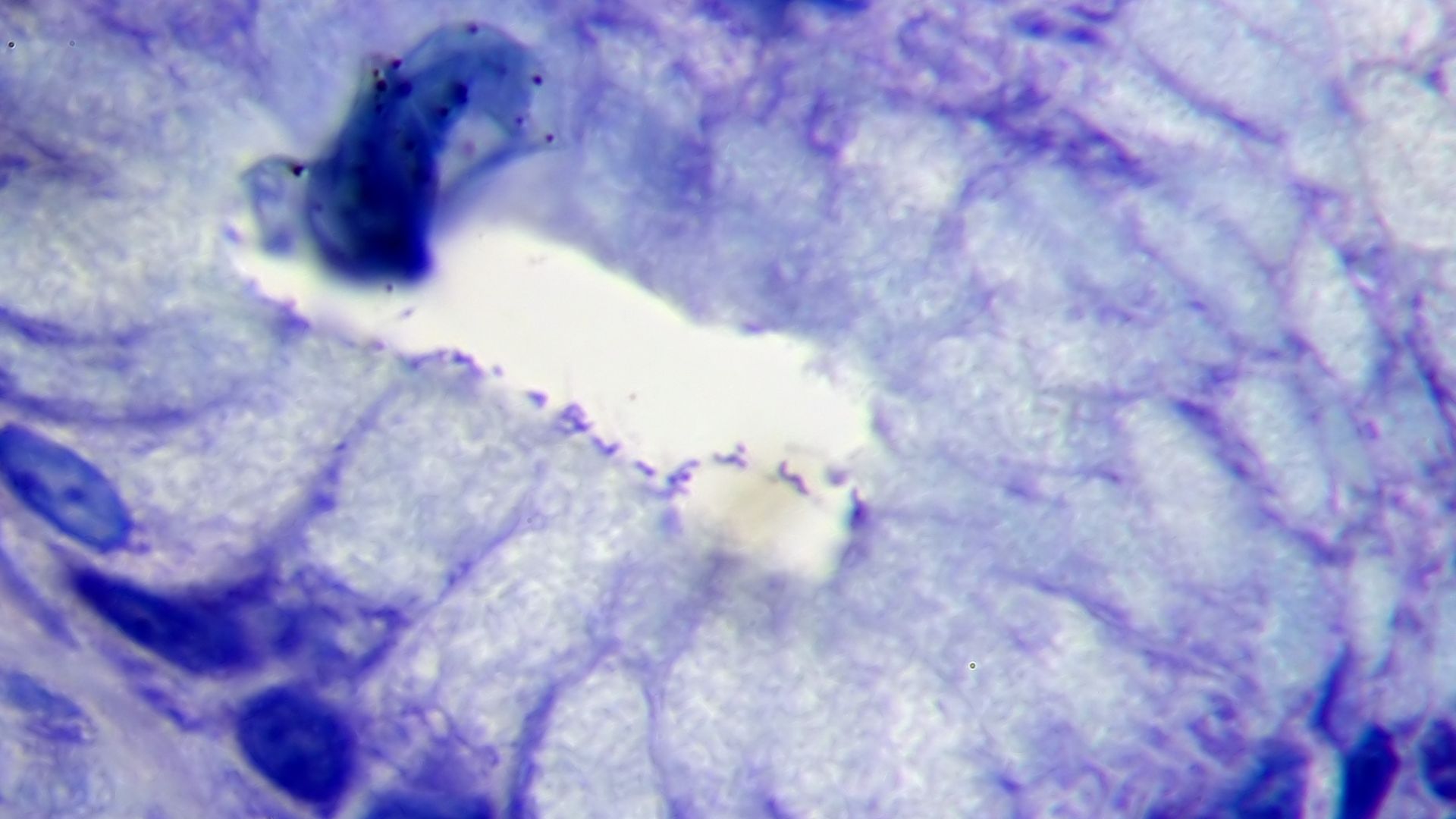
Beginning in 1979, Warren had noticed curved, spiral-shaped bacteria in stomach biopsy samples. Even stranger, those bacteria kept appearing alongside inflammation in the stomach lining. There was just one problem: according to conventional thinking, bacteria weren’t supposed to be happily living there.
 A friend of Akshay Sharma, Wikimedia Commons
The Stomach Was Supposed To Be Too Hostile
The stomach is filled with powerful acid, which made the idea of a long-term bacterial infection seem unlikely to many doctors. Warren kept seeing the organisms anyway. When Marshall became interested, the two started wondering whether those strange little bacteria were more important than anyone realized.
They Started Looking At Patients
Marshall and Warren began studying patients undergoing stomach examinations and taking biopsy samples. A pattern emerged. The mysterious bacteria kept showing up in people with gastritis, and they were remarkably common among patients with peptic ulcers. Interesting? Absolutely. Proof? Not yet.
First They Had To Grow The Thing
If Marshall and Warren wanted anyone else to take the bacteria seriously, they needed to culture it in the lab. They tried. Nothing happened. They tried again. Still nothing. Their supposedly important stomach bacterium had one very inconvenient habit: refusing to grow when asked.

Then Everyone Went Home For Easter
In 1982, some culture plates were accidentally left incubating over the long Easter weekend instead of being discarded after the usual period. When researchers finally checked them, colonies had appeared. The bacteria hadn’t refused to grow after all. They had simply been taking their sweet time. That accident finally gave Marshall and Warren the organism they needed to study.

Ulcers Already Had An Explanation
Medicine had spent decades focusing heavily on stomach acid when treating ulcers, while stress, diet, and lifestyle were also commonly blamed. Marshall and Warren suspected something else: the bacteria weren’t just hanging around damaged stomachs. They might actually be causing the inflammation behind many ulcers. That was a much bigger claim.
Their Idea Was Not Exactly Welcomed
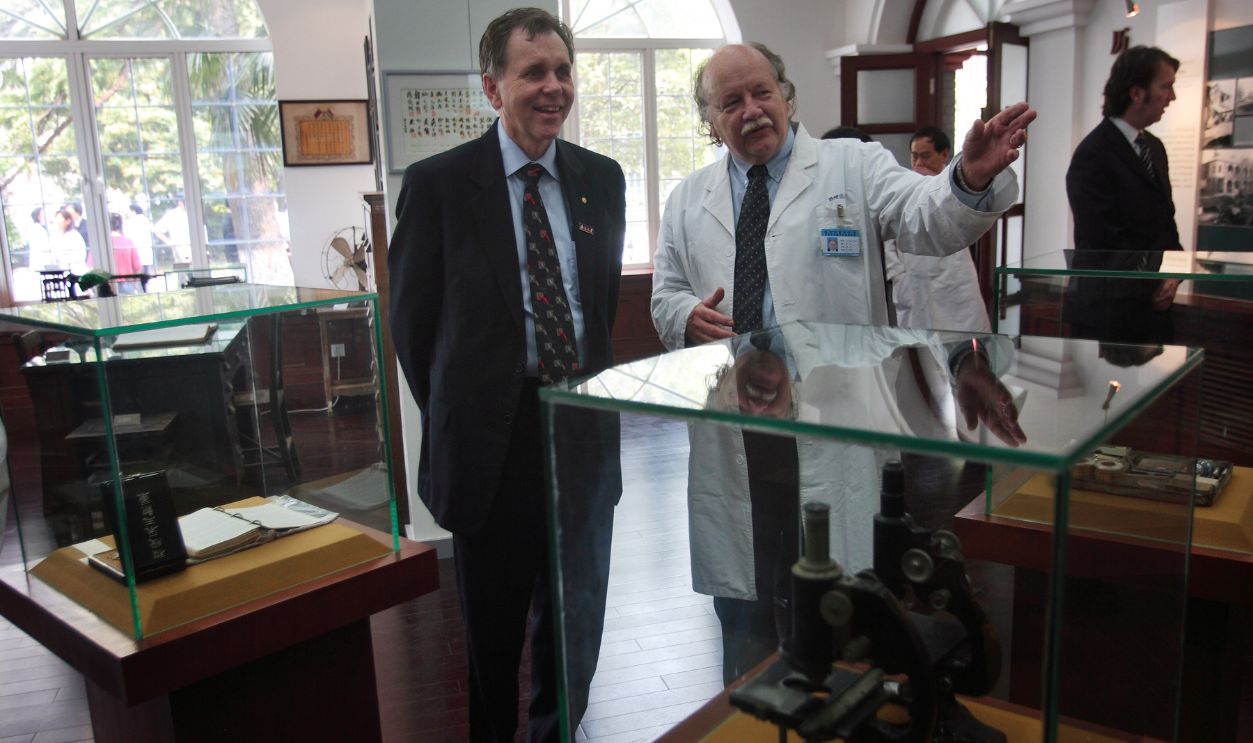
The new theory did not immediately win over the medical world. Marshall later recalled plenty of skepticism, and an abstract presenting their findings was rejected from an Australian gastroenterology meeting in 1983. They had evidence. What they didn’t yet have was enough evidence to make people change their minds.
 picture alliance, Getty Images
Association Wasn’t Enough
Finding bacteria in people with gastritis or ulcers didn’t prove the bacteria caused either condition. Maybe the damage happened first and the organism simply moved in afterward. Marshall needed to show that the infection itself could produce disease. Preferably without involving himself. You can probably guess how that went.
 Pascal Le Segretain, Getty Images
Animal Experiments Weren’t Solving It
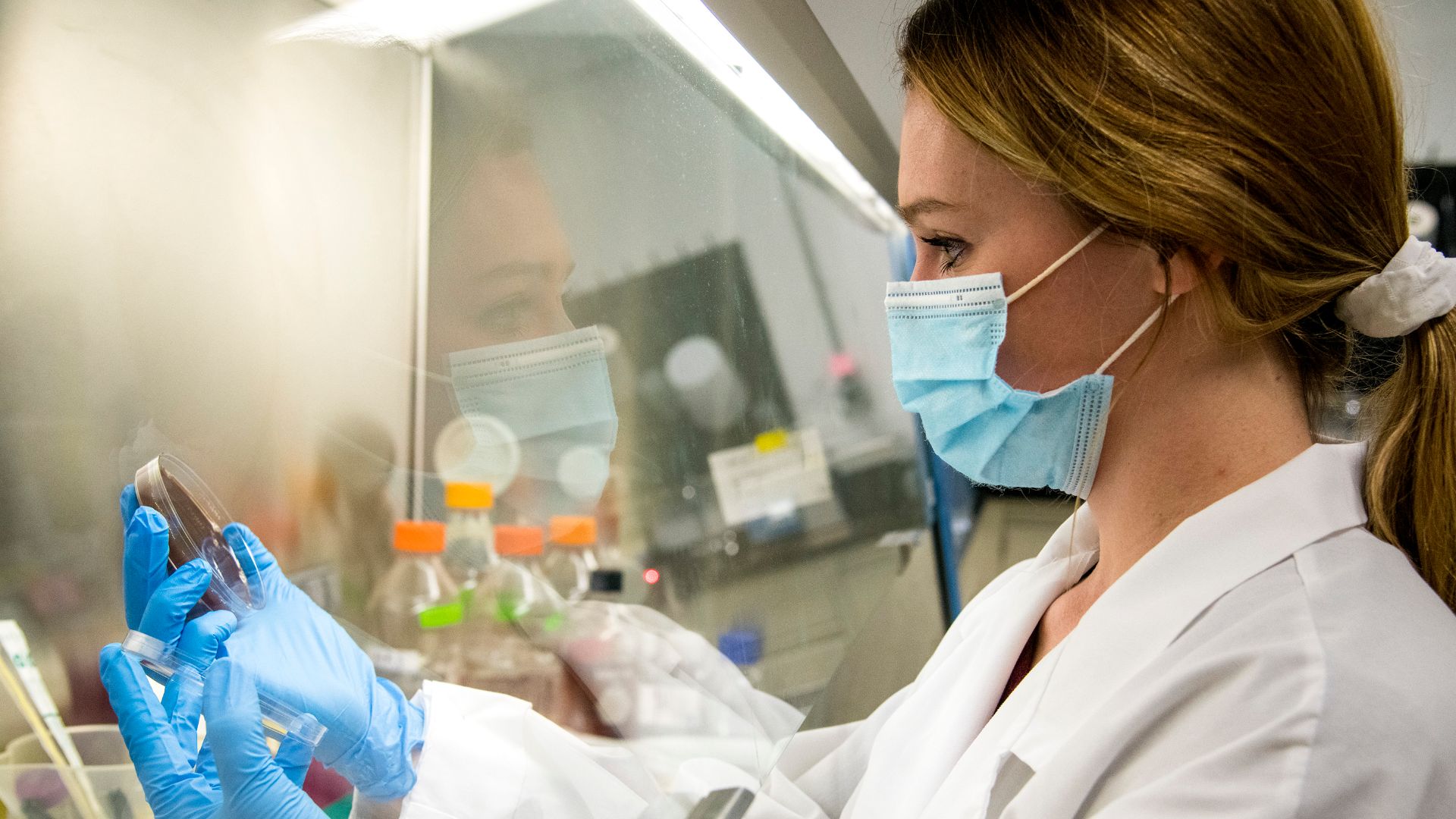
Marshall tried to develop a useful animal model, including experiments with piglets, but he wasn’t getting the proof he wanted. He needed to show that the bacteria could infect a healthy stomach and cause inflammation. Eventually, Marshall found a test subject who was surprisingly easy to recruit: Barry Marshall.
 Ark. Agricultural Experiment Station, Wikimedia Commons
Yes, Himself
In 1984, Marshall decided he would deliberately infect himself with the bacteria. Today, a study built around “scientist drinks potentially disease-causing bacteria and we see what happens” would involve a few conversations. Marshall largely skipped that part. First, however, he needed to prove his stomach was healthy.

Step One: Look Inside
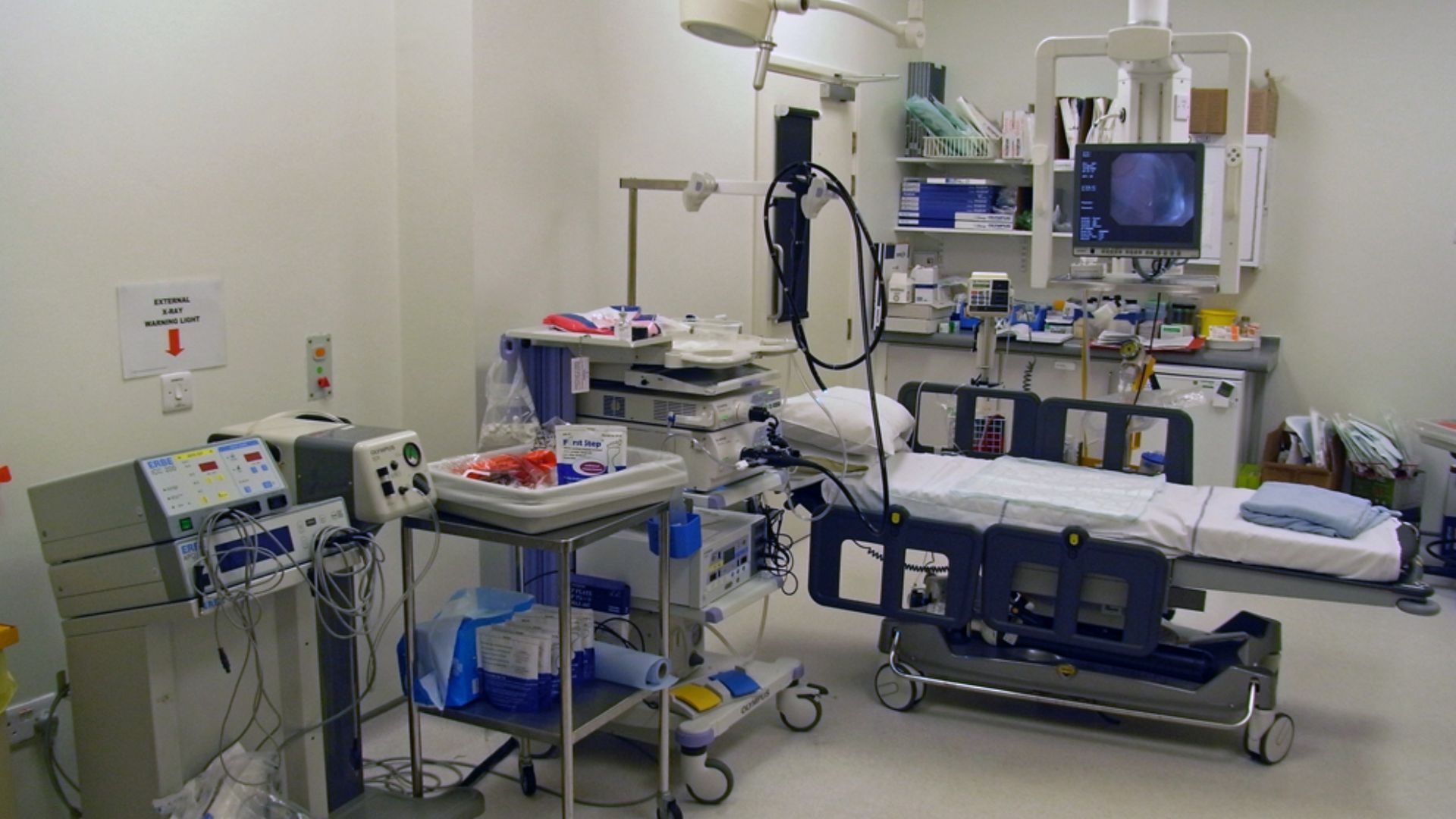
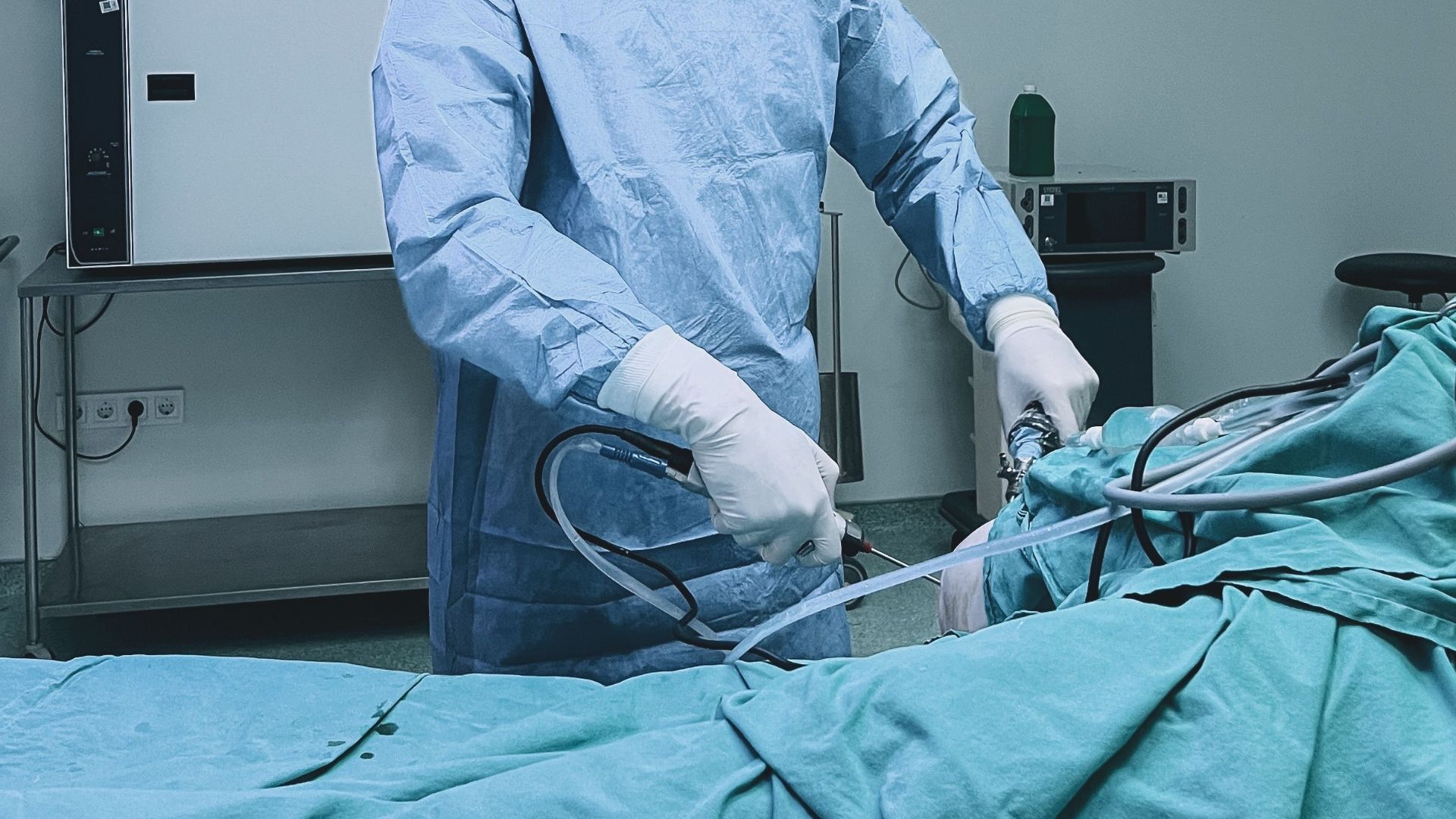
Marshall underwent an endoscopy before the experiment. His stomach lining looked normal, and tests found no evidence that he was already carrying the bacteria. He now had his baseline. All that remained was the part most people would have reconsidered several times.
Then He Drank It
Marshall swallowed a culture containing the bacteria, carried on with his life, and waited to see what happened. He later said he expected he might become infected without getting particularly sick. For the first few days, that assumption looked pretty good. Then his stomach weighed in.
Things Got Gross
Marshall began feeling ill. He developed nausea and started vomiting. Then there was the symptom that probably wasn’t going into any glamorous scientific biography. His breath became terrible. Marshall later recalled that his wife, his mother, and people at work noticed. Some colleagues apparently just started keeping their distance.

Day 10
Ten days after swallowing the culture, Marshall underwent another endoscopy and biopsy. This time, things looked very different. His stomach showed acute gastritis, and the bacteria could be detected. He had started with a healthy stomach, swallowed the organism, and developed the inflammation he and Warren had been studying.
He Had Not Given Himself An Ulcer
This part often gets exaggerated in retellings. Marshall did not drink H. pylori and immediately develop an ulcer. He developed acute gastritis. But that was still huge. It showed that the bacteria could infect a healthy stomach and trigger inflammation. They weren’t necessarily just showing up after the damage had already happened. Marshall had essentially turned himself into the evidence.
The Volunteer Was Mysteriously Unnamed
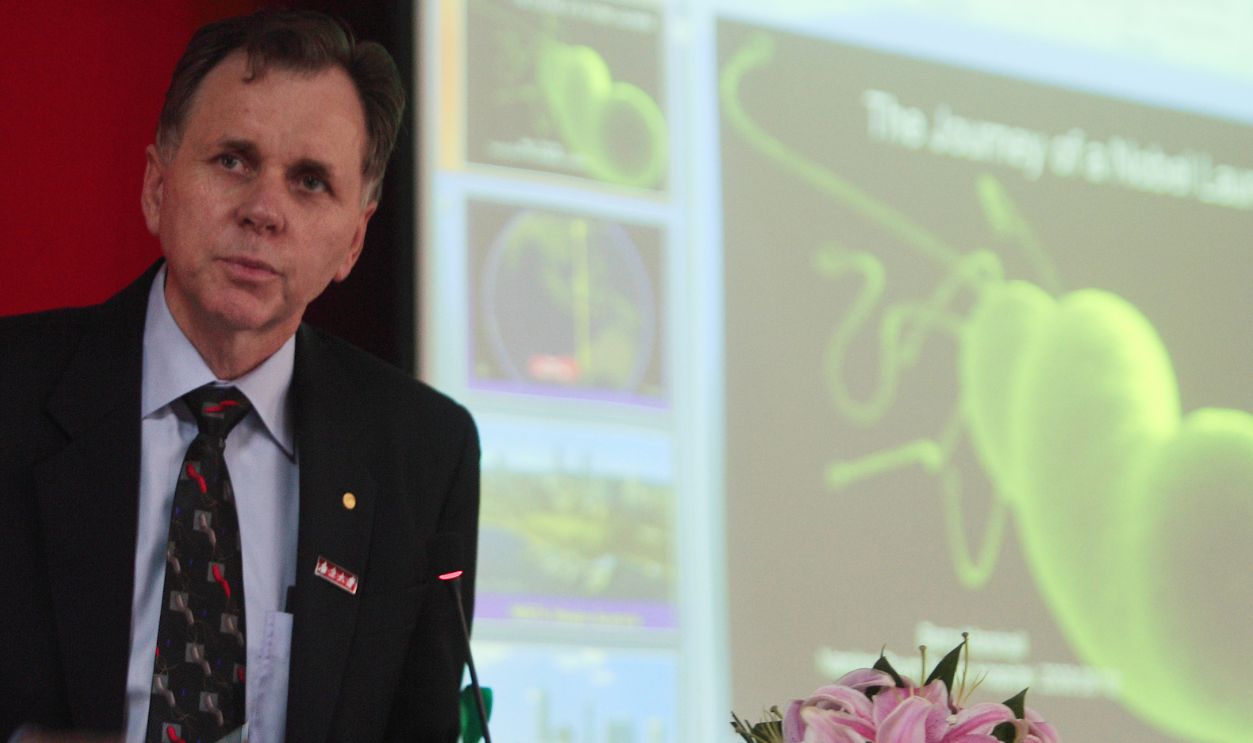
When the self-experiment was published in the Medical Journal of Australia in 1985, the paper referred to what happened to “a volunteer.” Marshall even wrote about himself in the third person. He later said he didn’t publicly reveal for several years that the mystery volunteer was actually him. Subtle.
One Man’s Stomach Wasn’t Enough
As memorable as the experiment was, one doctor making himself sick wasn’t going to rewrite medicine by itself. More studies followed, and the evidence connecting H. pylori to chronic gastritis and peptic ulcer disease kept growing. Then researchers discovered something even harder to dismiss.
Antibiotics Changed Everything
When H. pylori was successfully eradicated in infected ulcer patients, their ulcers were far less likely to return. That was a major clue. Instead of repeatedly controlling stomach acid and waiting for another ulcer to appear, doctors could treat an underlying bacterial infection and break the cycle. The entire way ulcers were treated began changing.
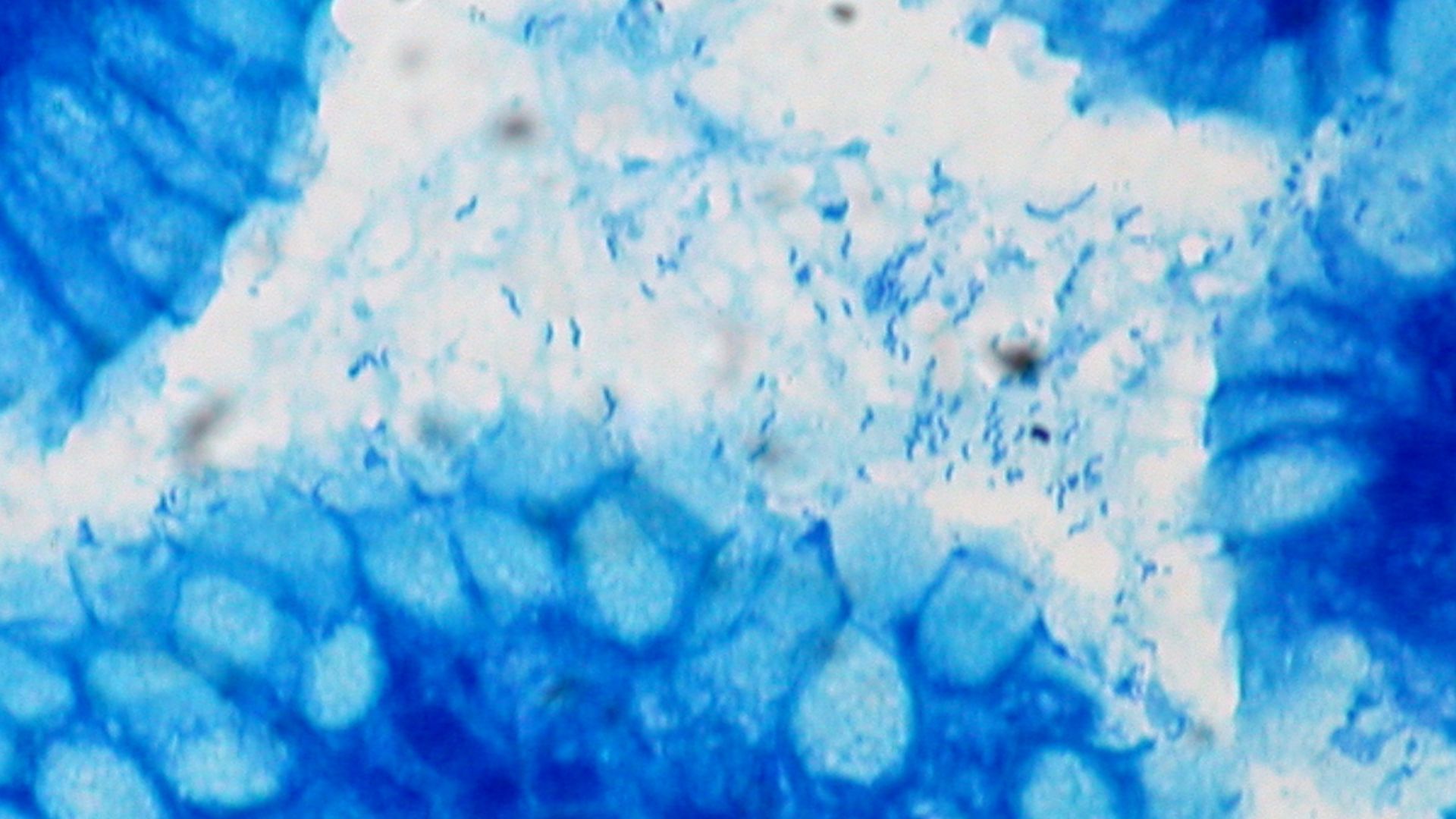 Ed Uthman from Houston, TX, USA, Wikimedia Commons
Medicine Eventually Came Around
H. pylori went from controversial theory to accepted medical fact. Today, H. pylori infection and nonsteroidal anti-inflammatories such as aspirin and ibuprofen are recognized as the two most common causes of peptic ulcers. Not every ulcer is caused by the bacteria. But Marshall and Warren had been right about something enormous.
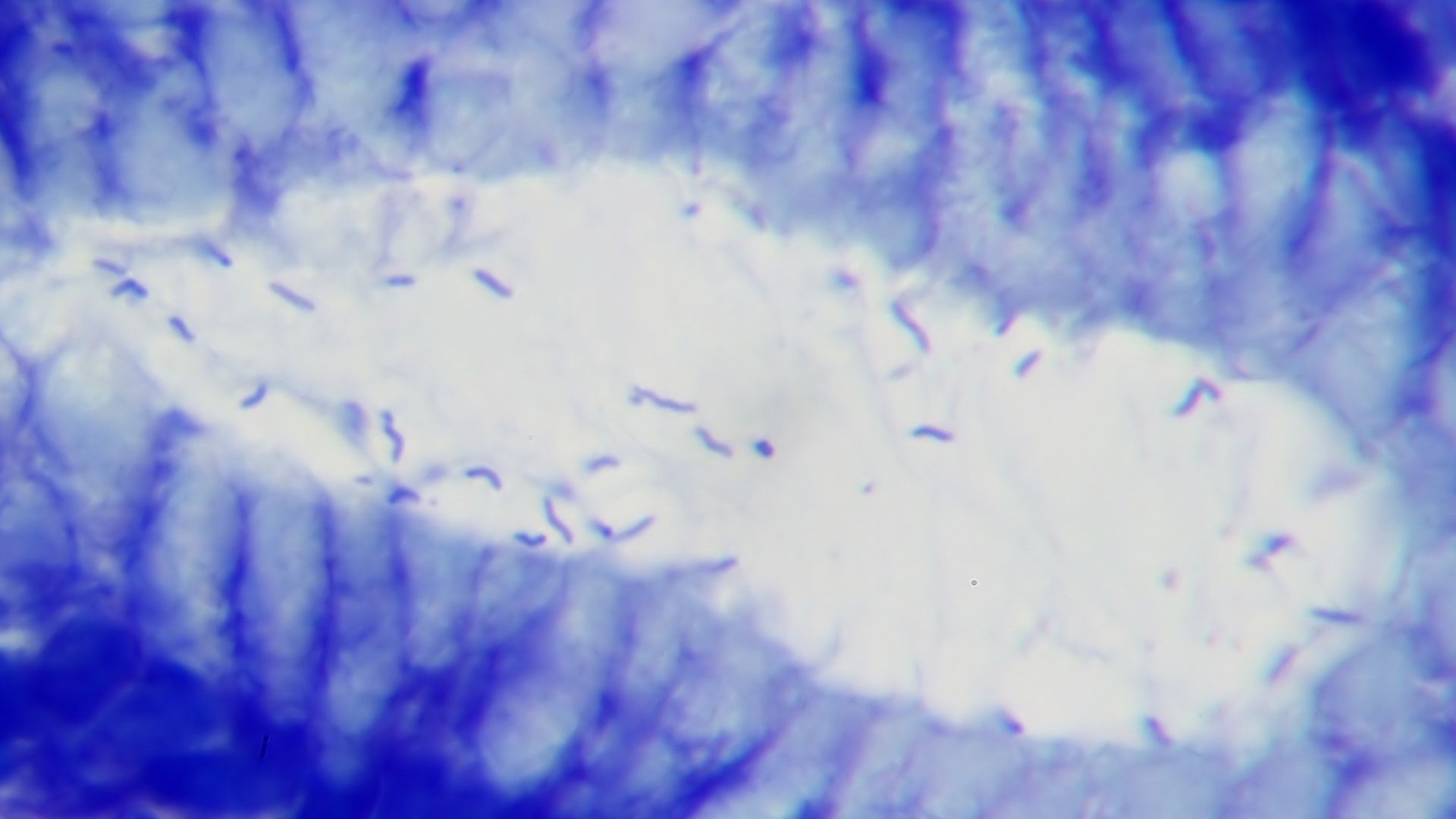
The Discovery Got Even Bigger
Researchers later learned that chronic H. pylori infection was connected to more than gastritis and ulcers. It also raises the risk of certain stomach cancers. That meant the strange bacteria Warren first noticed under a microscope turned out to matter even more than either man originally suspected.
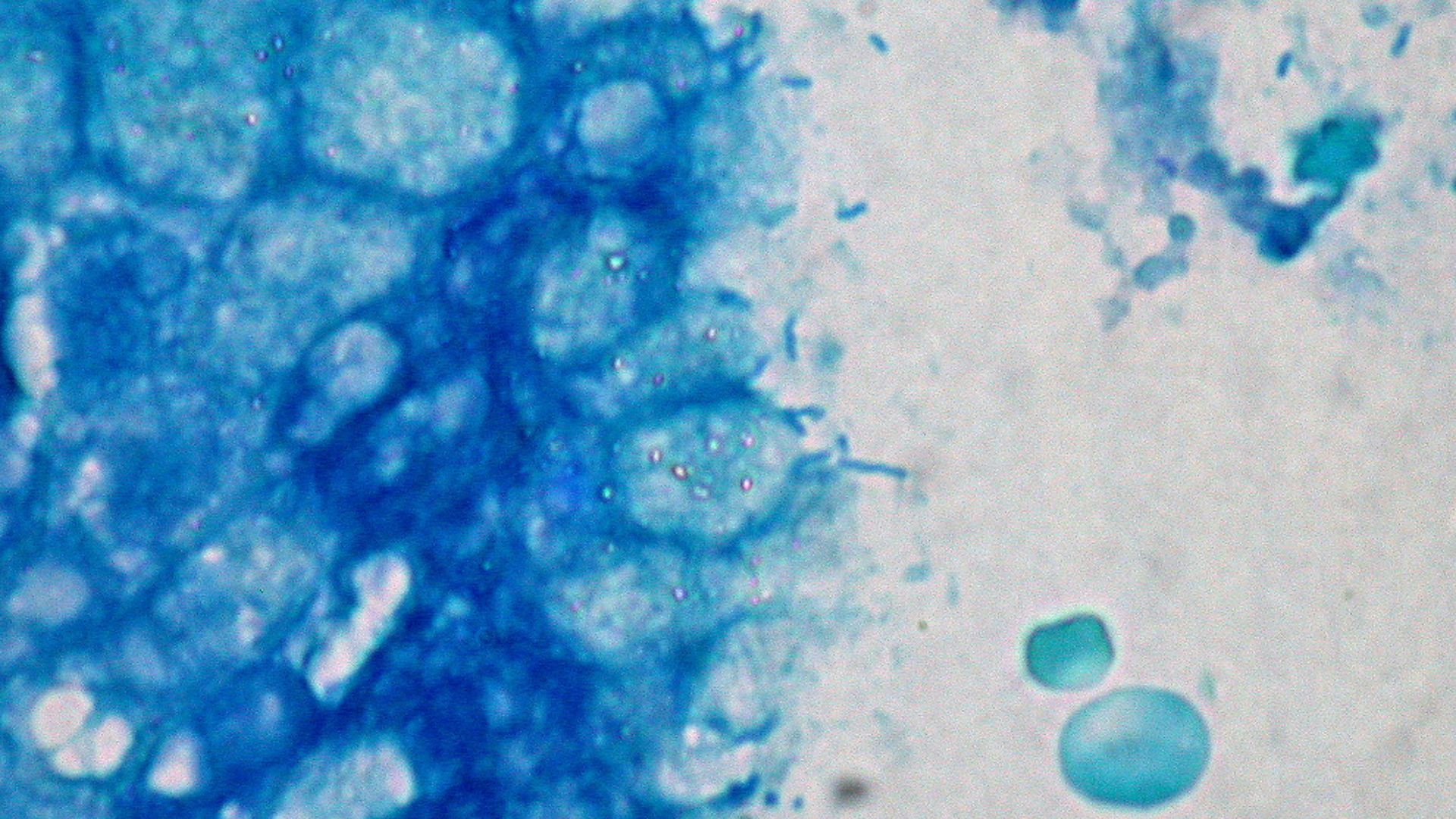 Ed Uthman from Houston, TX, USA, Wikimedia Commons
Warren Deserved Half The Story
The bacteria-drinking stunt naturally makes Marshall the star of most retellings. But Robin Warren was the pathologist who first noticed the unusual organisms in stomach tissue and recognized their relationship with inflammation. Without Warren staring at those biopsy slides in the first place, there might not have been anything for Marshall to drink.
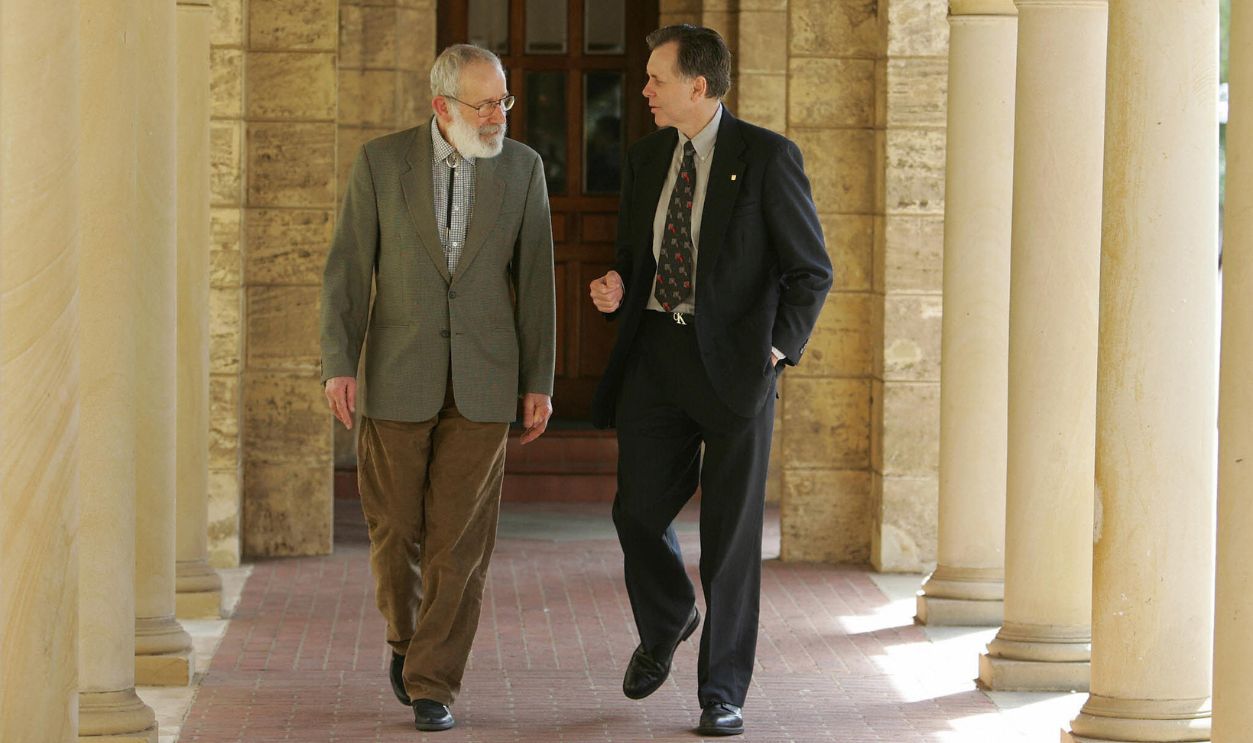
Then Came Stockholm
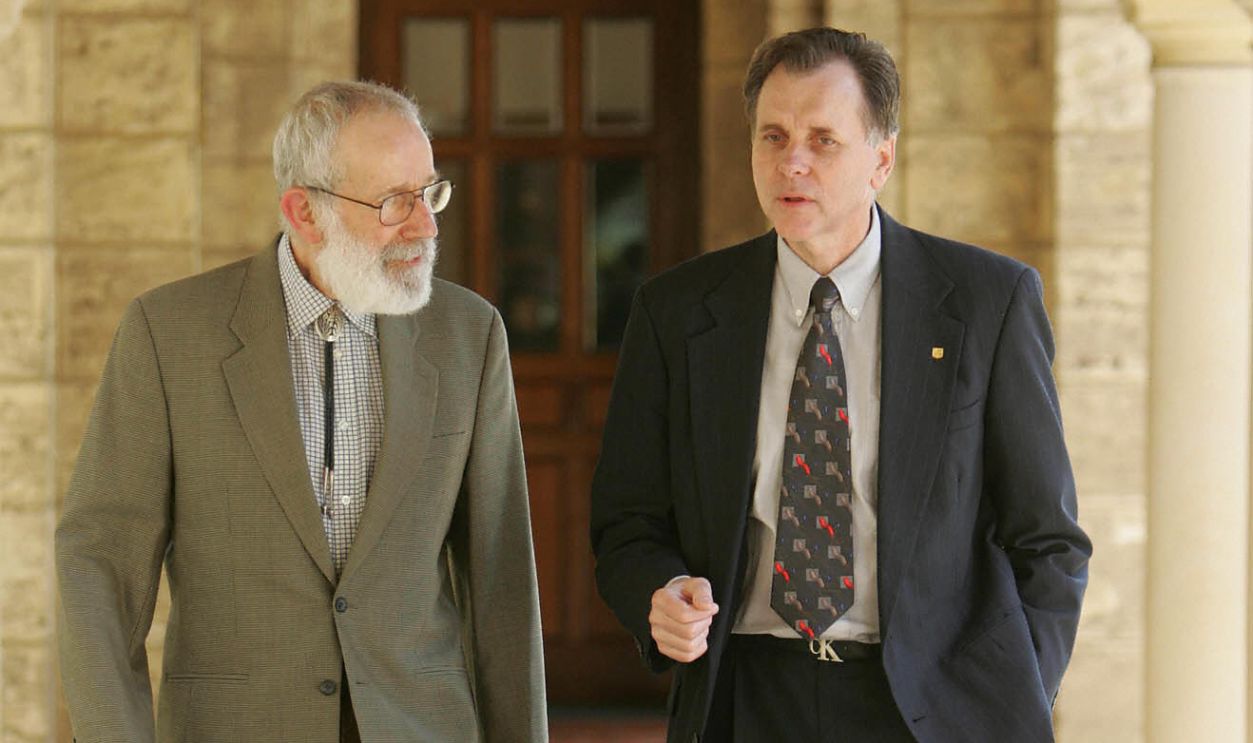
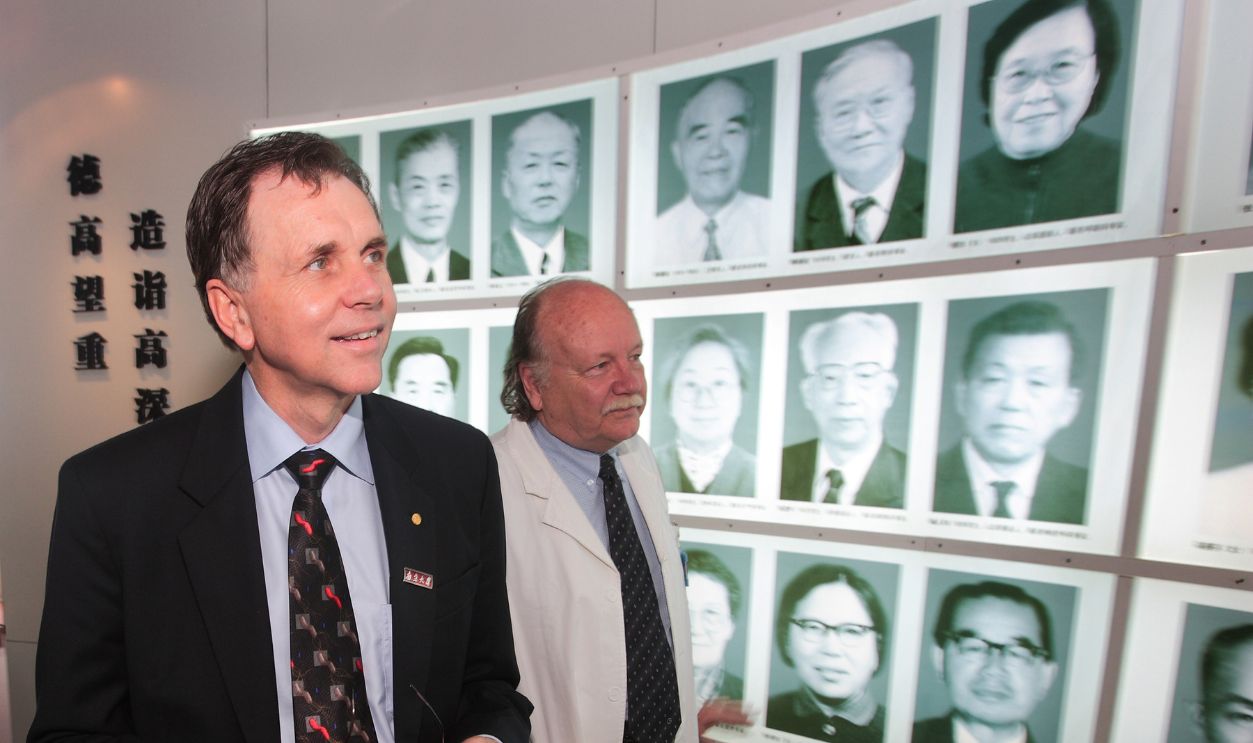
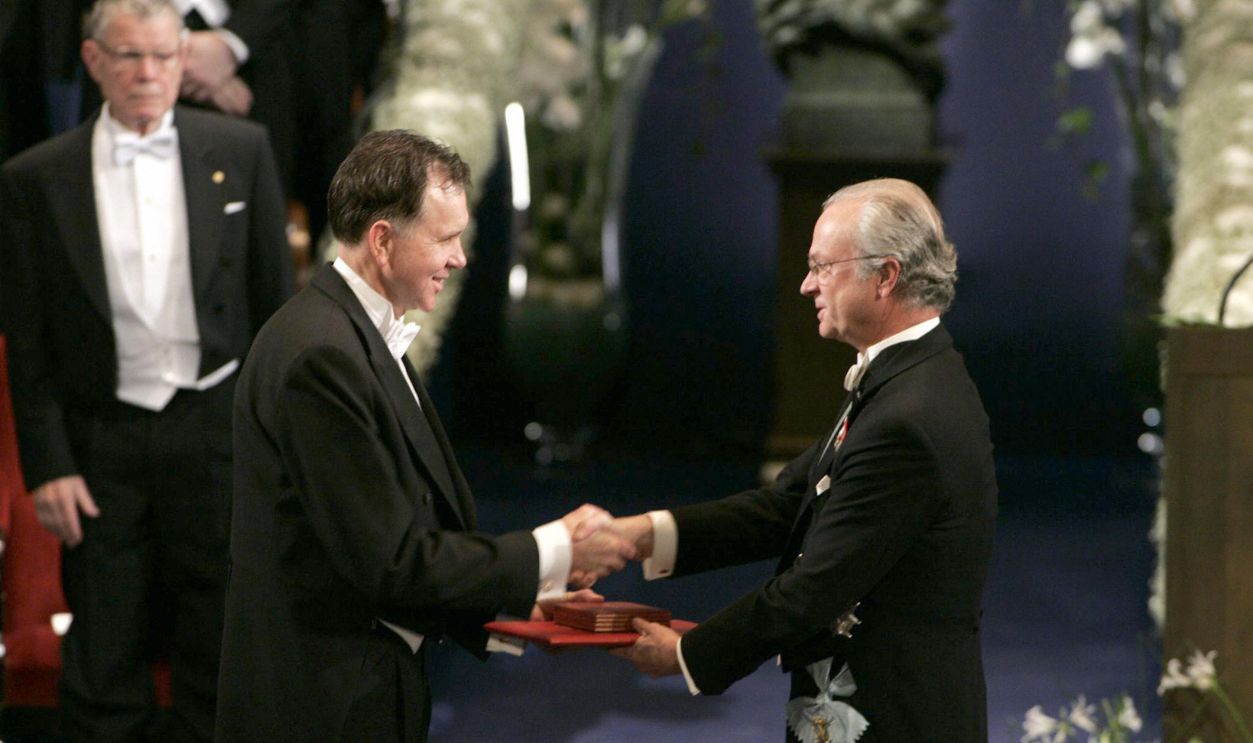
In 2005, Barry Marshall and Robin Warren received the Nobel Prize in Physiology or Medicine for discovering H. pylori and its role in gastritis and peptic ulcer disease. More than two decades had passed since the medical world first greeted their idea with skepticism. That’s a pretty impressive turnaround.
Sometimes The Textbook Is Wrong
Science is supposed to change when better evidence arrives. That sounds simple until decades of accepted thinking are sitting on the other side. Barry Marshall wanted evidence strong enough to make people reconsider what they “knew” about ulcers. So he took matters into his own hands and stomach.

You Might Also Like:
Groundbreaking Facts About The Most Brilliant Women In Science