
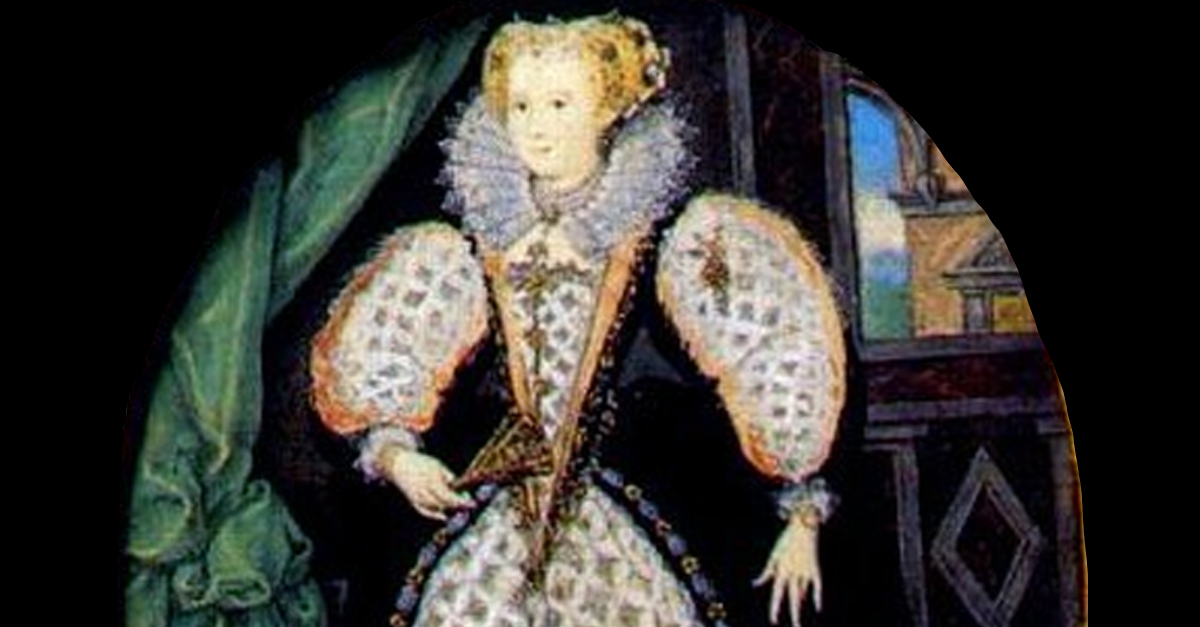
The Sinful Woman Of Devonshire
Despite living in a time of strict social rules and expectations, Penelope Rich was a scandalous rebel in her own right. From her shocking affair to her alleged treachery against the crown, the Countess of Devonshire lived her life on the edge—right to the bitter end.
1. Her Blood Carried Scandal
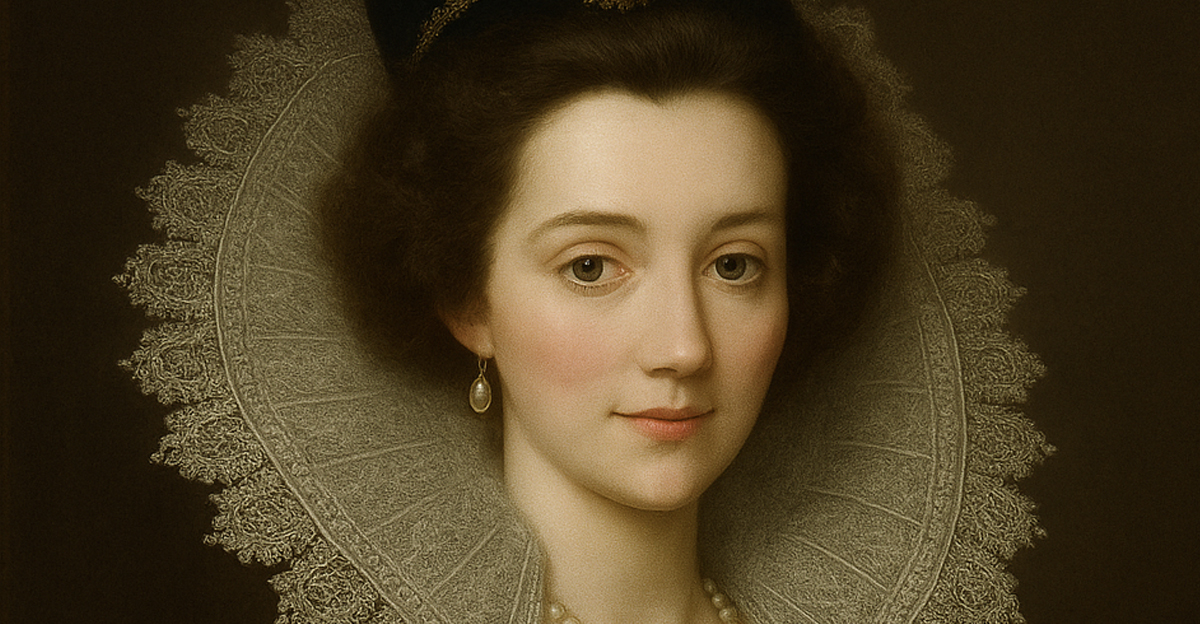
The home that once bore Penelope Rich now lies in ruins in Staffordshire, England. However, in January 1563, Chartley Castle hosted the bustling family of Walter Devereux and his wife, Lettice Knollys. Although Penelope’s birth arrived without controversy, the intrigue carried in her blood marked her for life—and followed her family through the generations.
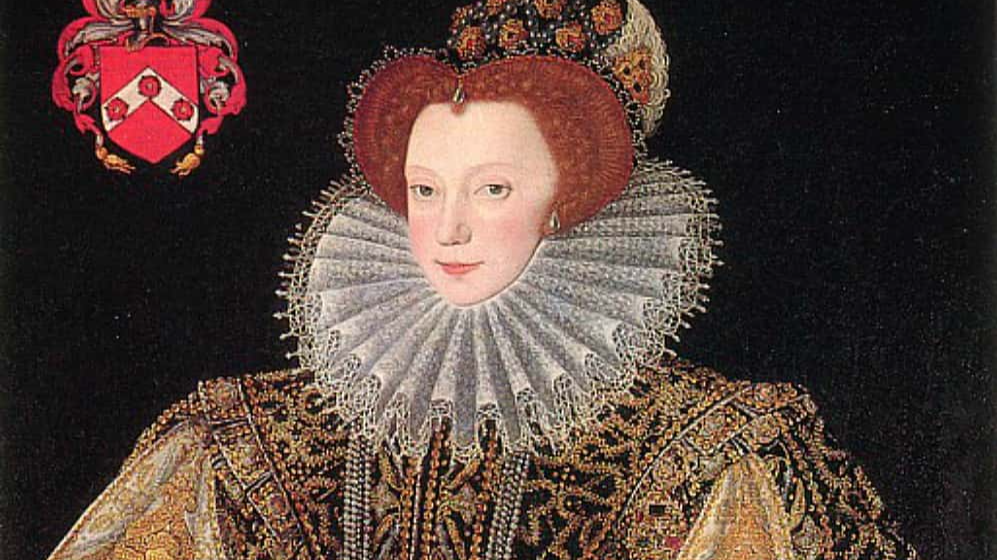
2. Her Family Was Infamous
You see, Penelope's family had a long history of scandal, stretching all the way back to one of England's most infamous kings—King Henry VIII. Penelope's great-grandmother Mary Boleyn was one of Henry's mistresses and sister to the ill-fated Anne Boleyn. But as we'll see, like her relatives before her, Penelope would one day face her own chilling scandal.
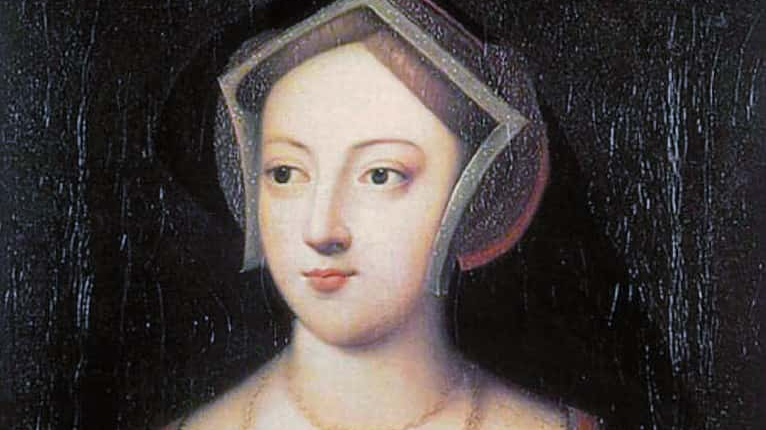 Unknown Author, Wikimedia Commons
3. She Was Well-Connected
As a daughter of the 1st Earl of Essex, Penelope grew up in a well-connected family—so well-connected that when she was just 12 years old, a visit from Queen Elizabeth I heralded a twist of fate. Accompanying the queen was none other than Sir Philip Sidney, a man who would be inextricably linked to Penelope's legacy forever.
4. She Met A Possible Match
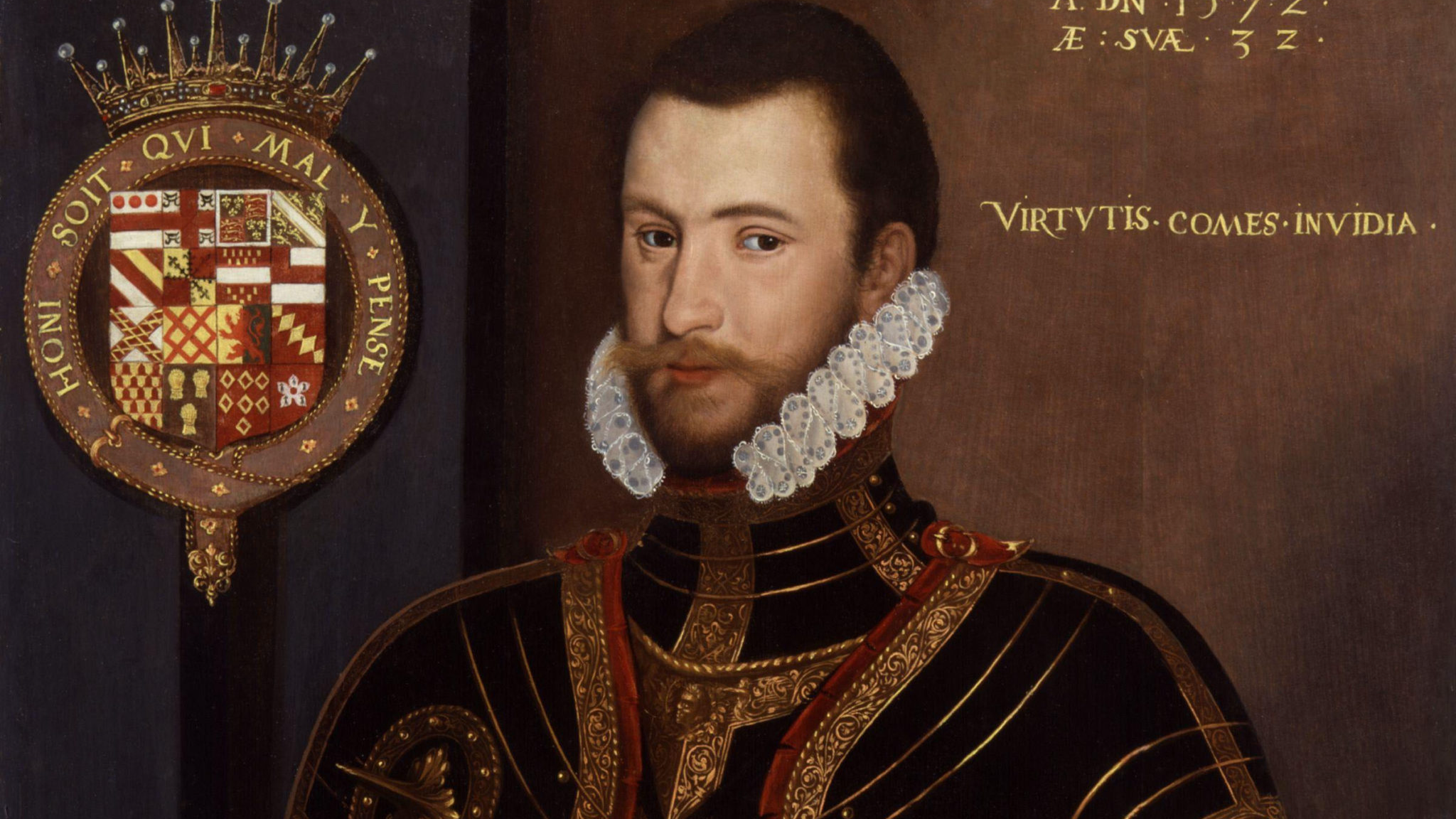
Sir Philip Sidney had many ties to the Devereux family, and sources say that he and Penelope came face to face several times before she'd even had a chance to set foot in court. Even though Sidney had about 10 years on Penelope, her father began eyeing the pair as a future match.
Little did anyone realize—the promising invisible string that hung between Penelope and Sidney was doomed to fray from the beginning.
 After Antonis Mor, Wikimedia Commons
5. Her Father Fell Desperately Ill
In 1576, tragedy struck the Devereux family. Penelope's father fell devastatingly ill, and within weeks, he was on death's doorstep. Even from his sickbed, though, the Earl kept busy. Most notably, he wrote to Philip Sidney, imploring him to marry his daughter, Penelope. And that wasn't all.
 Thomas de Critz / After John de Critz, Wikimedia Commons
6. He Tried To Secure A Marriage For Her
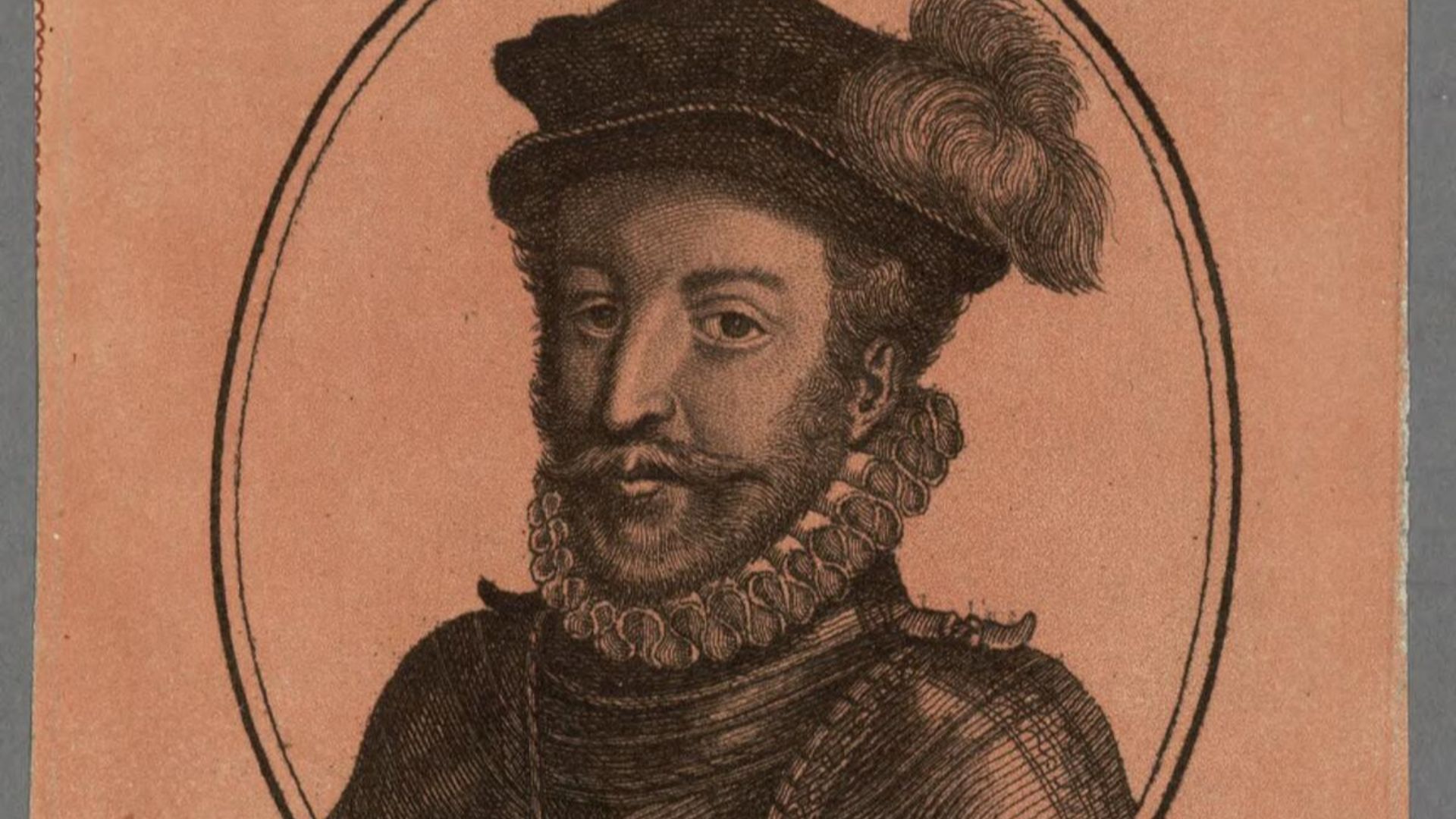
The fading Earl clearly wanted to secure his daughter's future, as his secretary also contacted Sidney's father about the match, indicating that a firm understanding existed between the two patriarchs. However, the marriage never came to be.
Perhaps if Walter Devereux lived longer, it seemed possible that the marriage might have happened. But unfortunately, he passed in 1567. His plan crumbled in response.
 Unknown authorUnknown author, Wikimedia Commons
7. Her Father Couldn’t Finish Them
As a result of her father’s passing, Penelope’s life entered complete upheaval. Her brother, two years her junior, inherited their father’s earldom, while she, her sister, and youngest brother became wards of Henry Hastings. At this point, the possibility of marriage continued to loom over Penelope’s head—that is, until her mother made an unforgettably shocking move of her own.
8. Her Mother Enraged The Queen
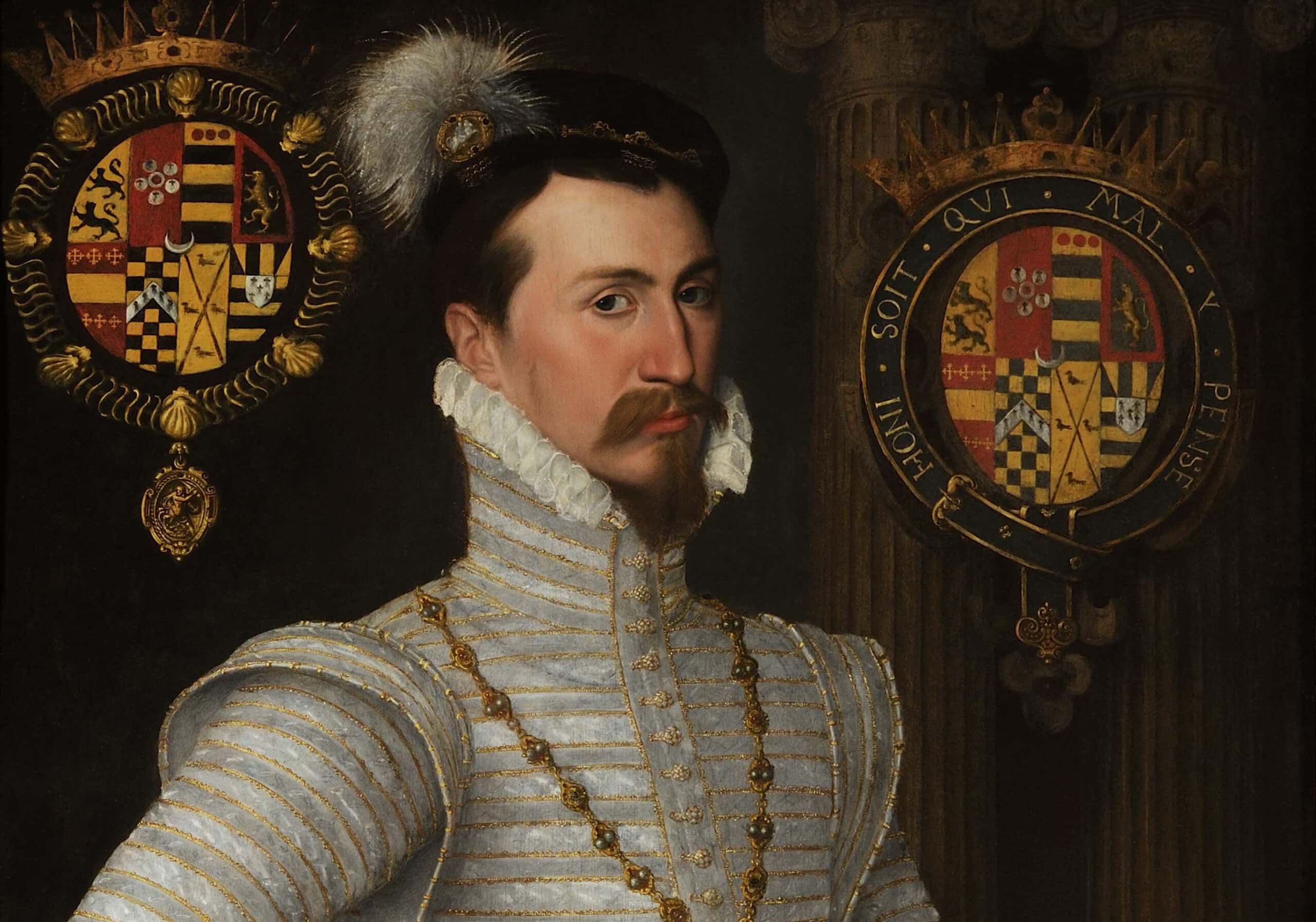
In 1578, Penelope's mother Lettice Knollys got on the bad side of Queen Elizabeth I by marrying her court favorite, Robert Dudley—who, according to some historians, was likely the Queen's one true love. The Queen went so far as to banish the countess from court. But this marriage had even greater consequences—especially for Penelope herself.
 Unknown Author, Wikimedia Commons

History's most fascinating stories and darkest secrets, delivered to your inbox daily.
9. Her Suitor Lost Interest
You see, Philip Sidney was Robert Dudley's nephew and heir. Unfortunately, with Dudley's second marriage to Penelope's mother, there was a renewed chance of legitimate heirs which, should they arrive, removed Sidney from the line of succession. Some historians believe the resulting bitterness ruined the proposed marriage between Penelope and Sidney.
However, as we'll see, this wasn't the end of Penelope and Sidney's story.
10. She Headed To Court
Penelope arrived at court in January 1581 accompanied by her guardian’s wife, Catherine, Countess of Huntington. Catherine was also Robert Dudley’s sister, making her Sidney’s aunt. Sidney and Penelope encountered each other often at court, and most historians agree that, regardless of any wounded pride, Sidney became enchanted with the beauty Penelope had become.
Unfortunately, Penelope’s guardian had other plans for her.
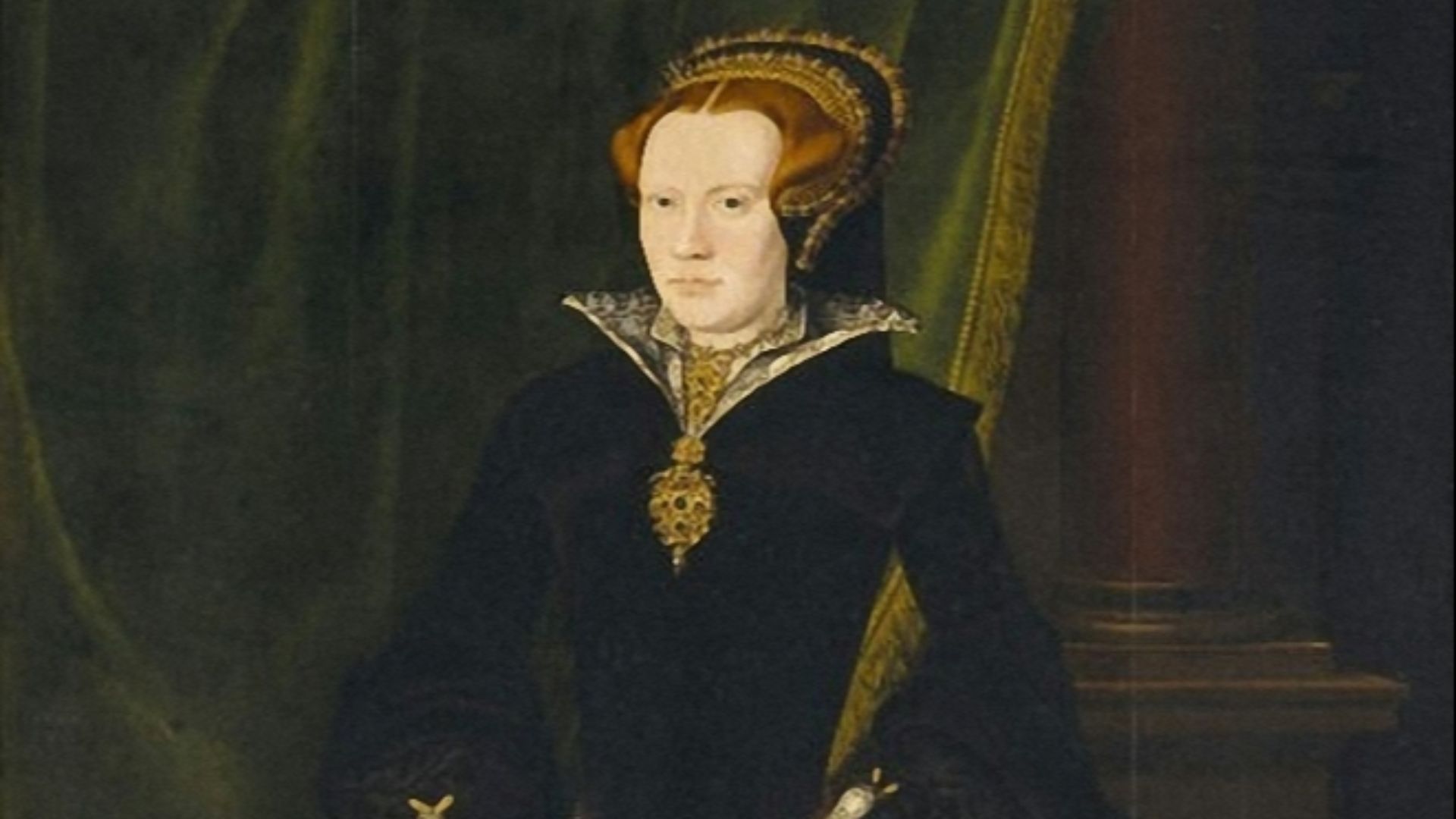 Attributed to Hans Eworth, Wikimedia Commons
11. She Was A Catch
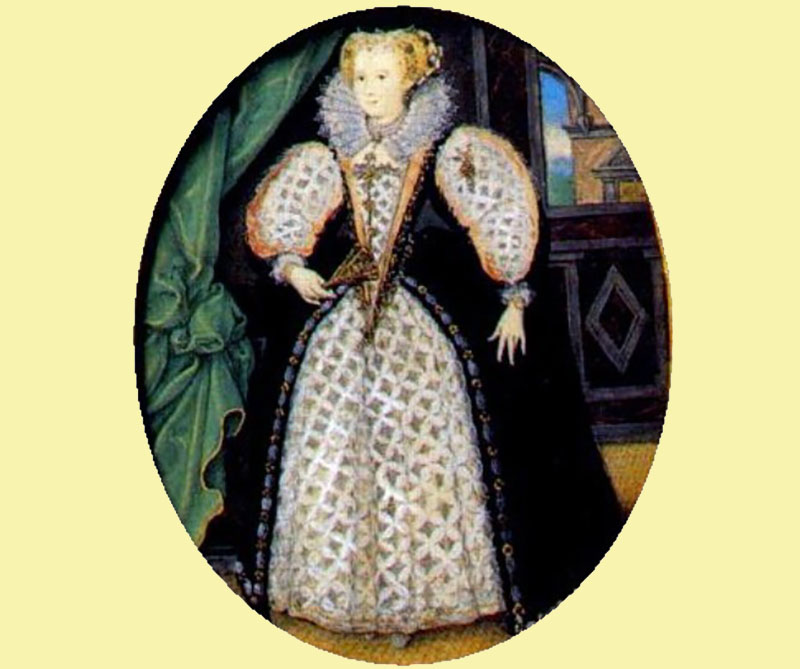
At court, Penelope was a ravishing sight to behold. Her golden hair and dark eyes made her alluring to many men. On top of that, she possessed all of the accomplishments that anyone could want in a young woman. Not only did she have an impressive grasp of three languages, but she was also a songbird who danced gracefully.
"Desirable" did not even begin to describe Penelope at 18. But sadly, her perfect face couldn't save her from her romantic misadventures.
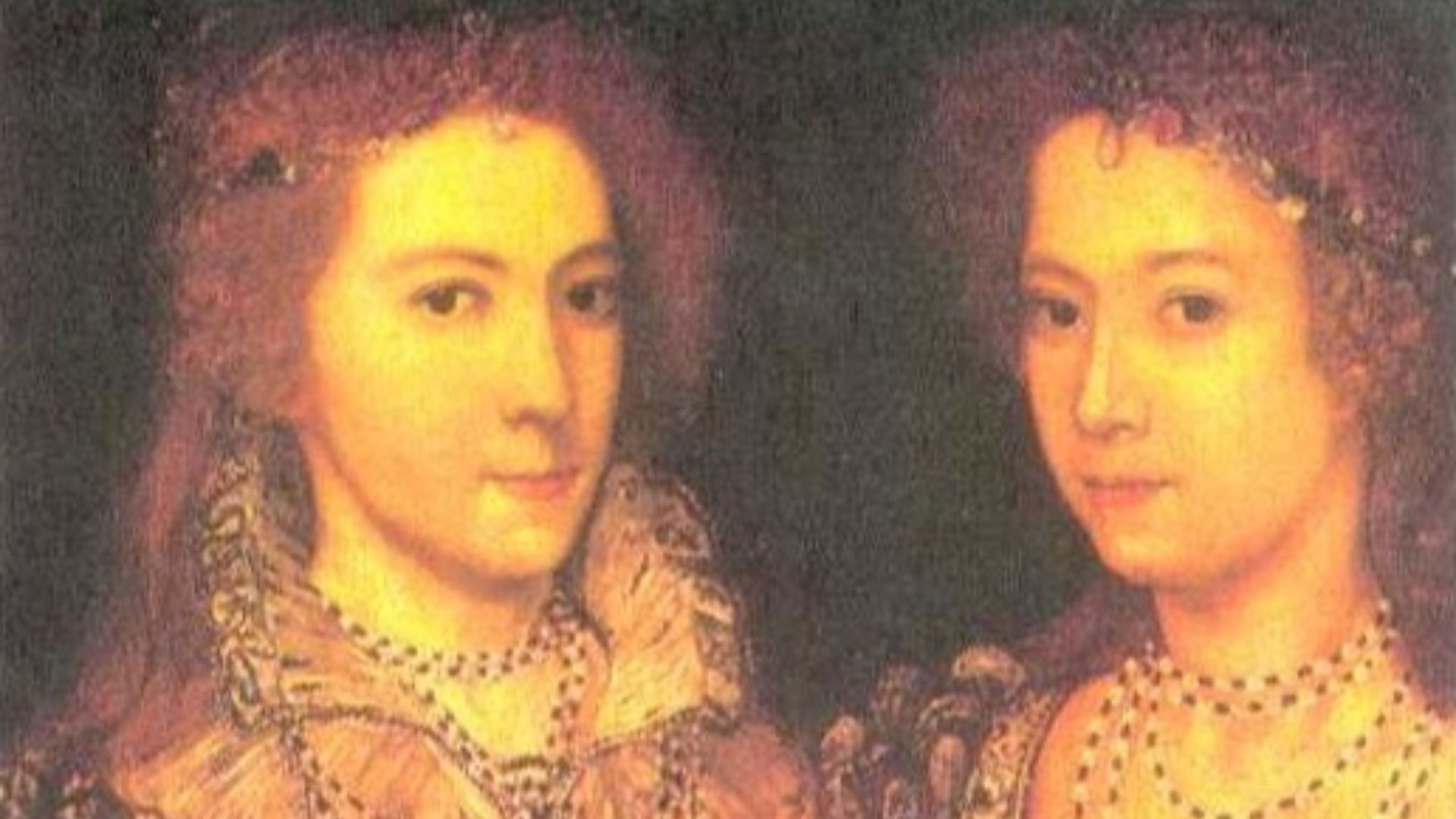 Unknown artistUnknown artist, Wikimedia Commons
12. She Made A Match
Only months after arriving at court, Penelope's chaperone secured a match for her. His name was Robert Rich—3rd Baron Rich. On paper, Rich possessed everything that a young woman could wish for from a marriage. He had wealth. He came from a noble family with good standing. Anyone would think Penelope felt herself lucky—but that couldn't have been further from the truth.
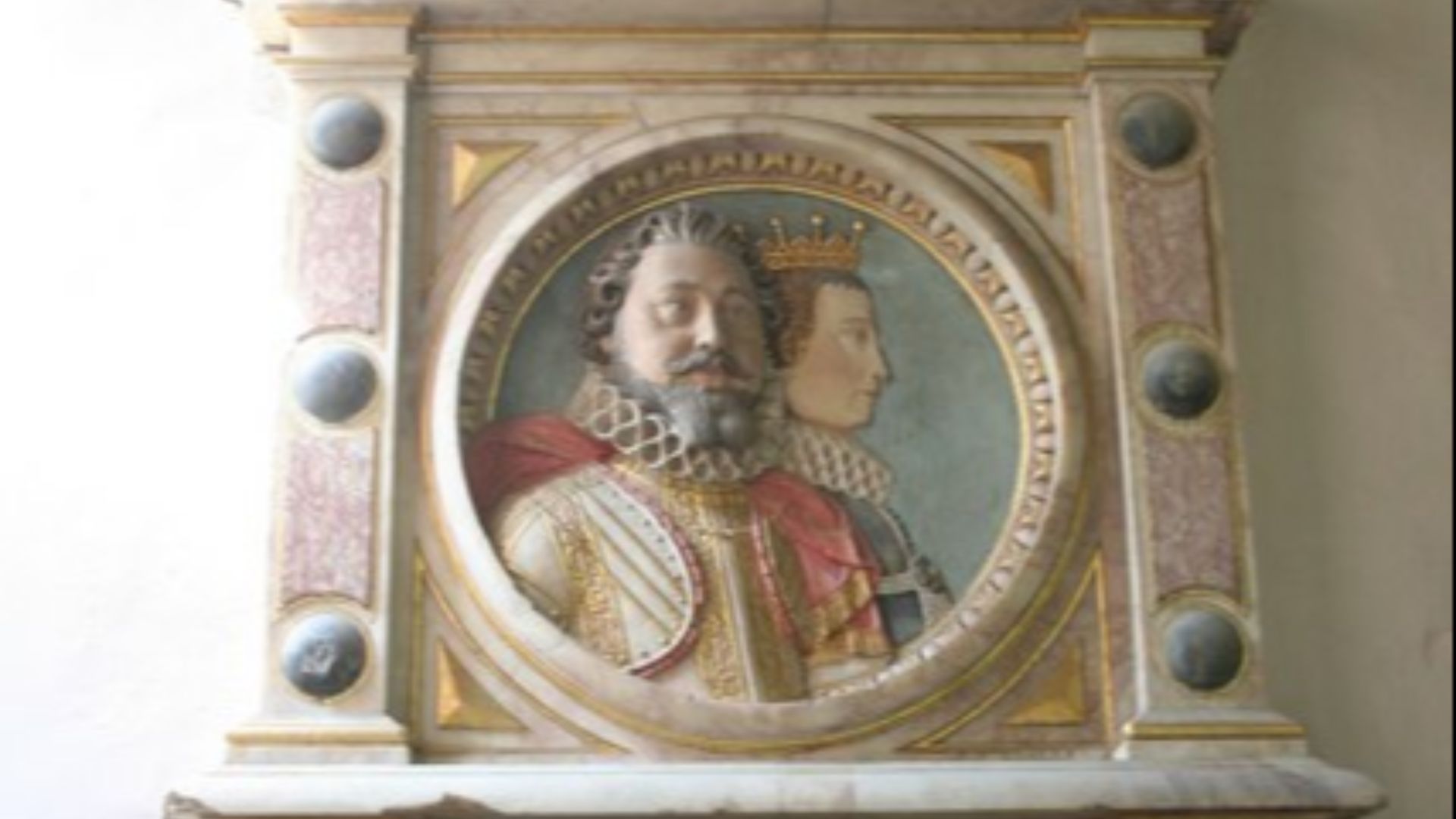 Richard Croft, Wikimedia Commons
13. She Didn’t Want It
Penelope’s family raised her in a strict Puritan household. Her life before the court was a simple one. Robert Rich reportedly lived his life in much the same manner. Penelope should have been able to adjust to her new reality quite easily. However, there was just one glaring problem: Penelope had no desire to marry Robert Rich.
But though she begged for someone to spare her from the alliance, her fate was already sealed.
14. She Lit Up Court
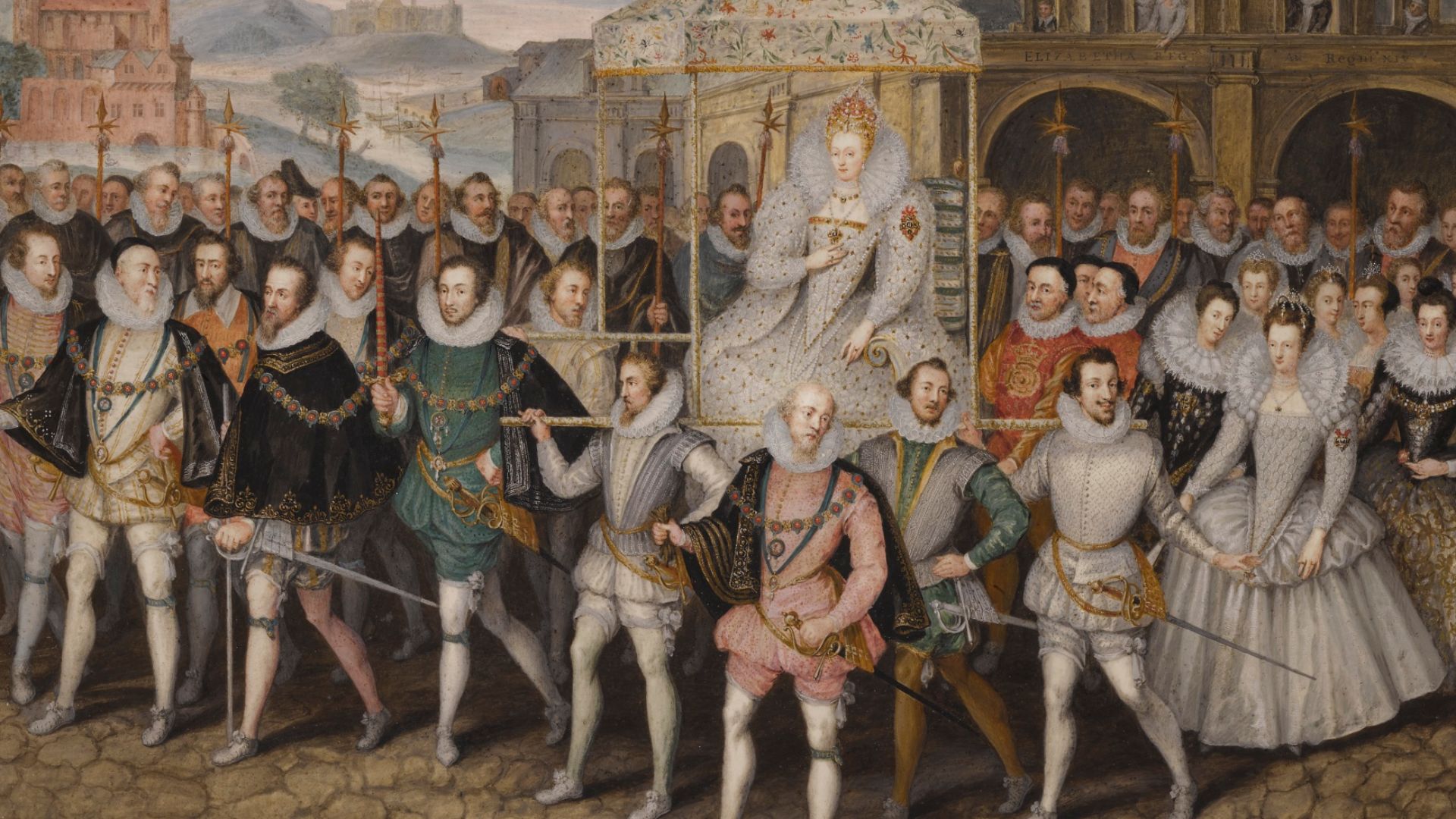
Despite her upbringing and her immediate marriage to Rich, Penelope did not hold herself back in court. Poets, writers, and artists filled the Elizabethan court—and few women captured their attention as much as Penelope did. Although she became a favorite of many members of the court, few loved her nearly as much as her old friend: Philip Sidney.
 George Vertue, Wikimedia Commons
15. She Captured Hearts
Sidney and Penelope could not avoid connection even when both of them were spoken for. Penelope married not long after arriving at court in 1581, and Sidney married a few years later in 1583. However, many historians believe that Sidney remained infatuated with Penelope—a dangerous infatuation to have when the woman in question had such an unhappy marriage.
16. She Inspired Poetry
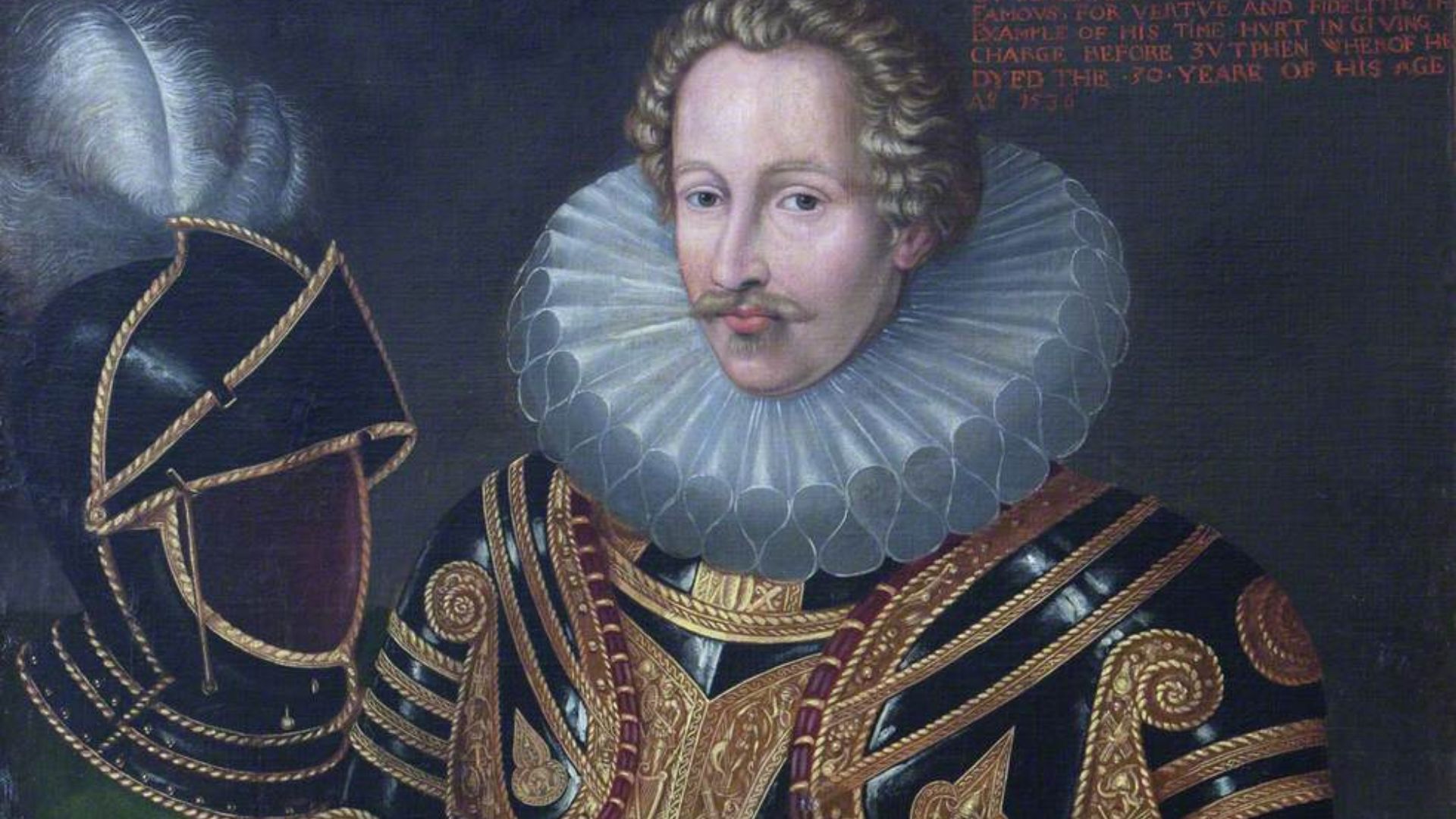
Sometime in the early 1580s, Philip Sidney wrote Astrophel and Stella, a sequence of sonnets that nearly everyone agrees Penelope inspired. The entire work contains 108 sonnets and 11 songs. Nearly all of them revolve around the narrator possessing a deep love for a figure known as “Stella”.
You can take these sonnets figuratively; however, many interpretations are far more literal, making Penelope the star of the show.
 Philip Sidney, Wikimedia Commons
17. She Was A Star
“Astrophel” derives from the words meaning star and lover. Stella means star. Essentially, the work is about the lover of a star. Many people feel that Sidney saw himself as Astrophel and saw Penelope as his star. Penelope was at court constantly in the early 1580s, as was Sidney.
Though we can't confirm whether Penelope and Sidney were truly star-crossed lovers, the end of their story proved to be tragic nonetheless.
 Henry Thew Stephenson, Wikimedia Commons
18. She Lost Her Poet
Who can say what might have happened between Penelope and Sidney if fate had been on their side? Penelope held no love for her husband, and if one believed Sidney's poetry, he held nothing but love for her. Unfortunately, fate cut their time together short, separating the two young (possible) lovers before either of them could ruin their reputations.
 George Knapton, Wikimedia Commons
19. Her Poet Followed Her
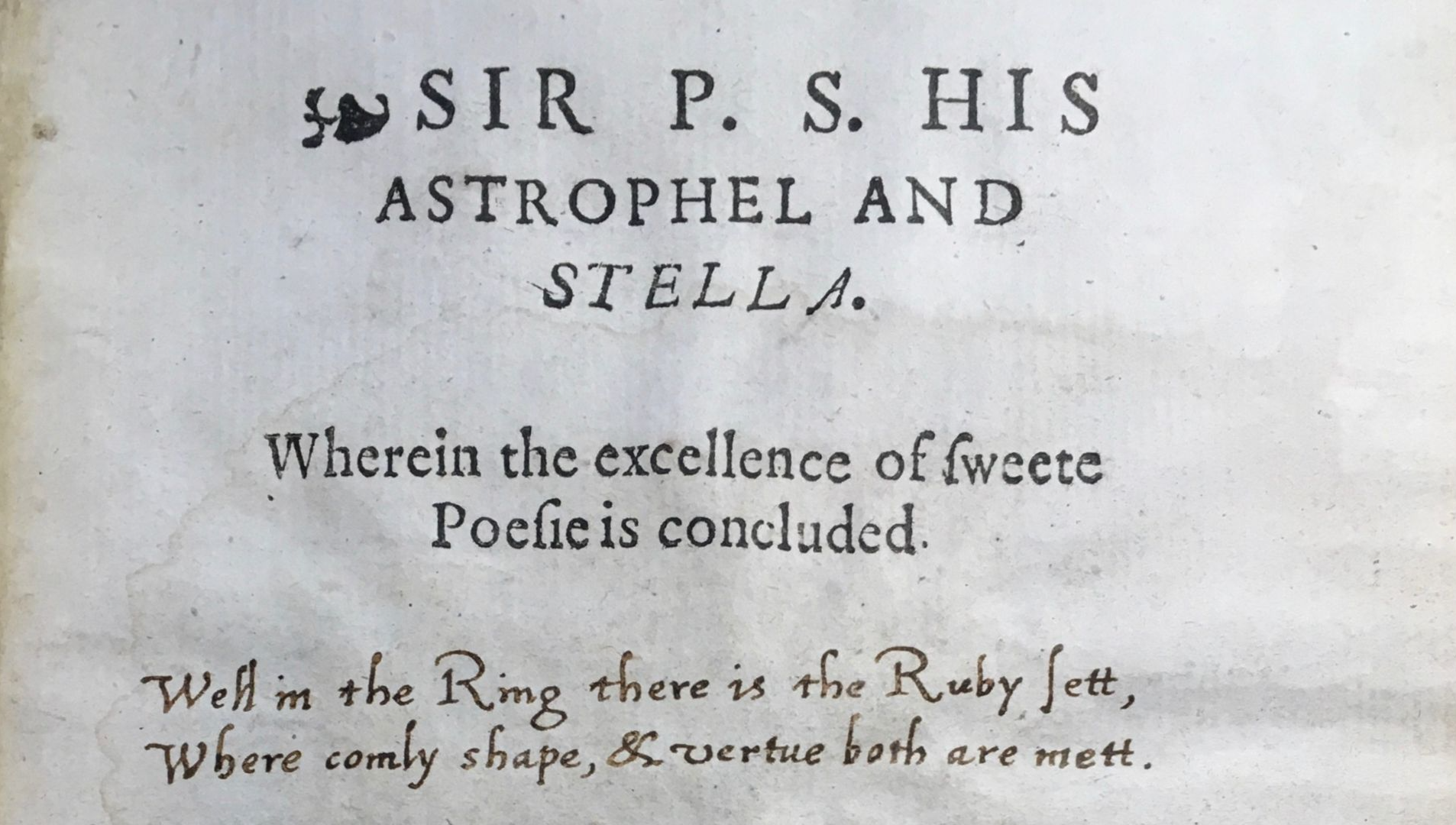
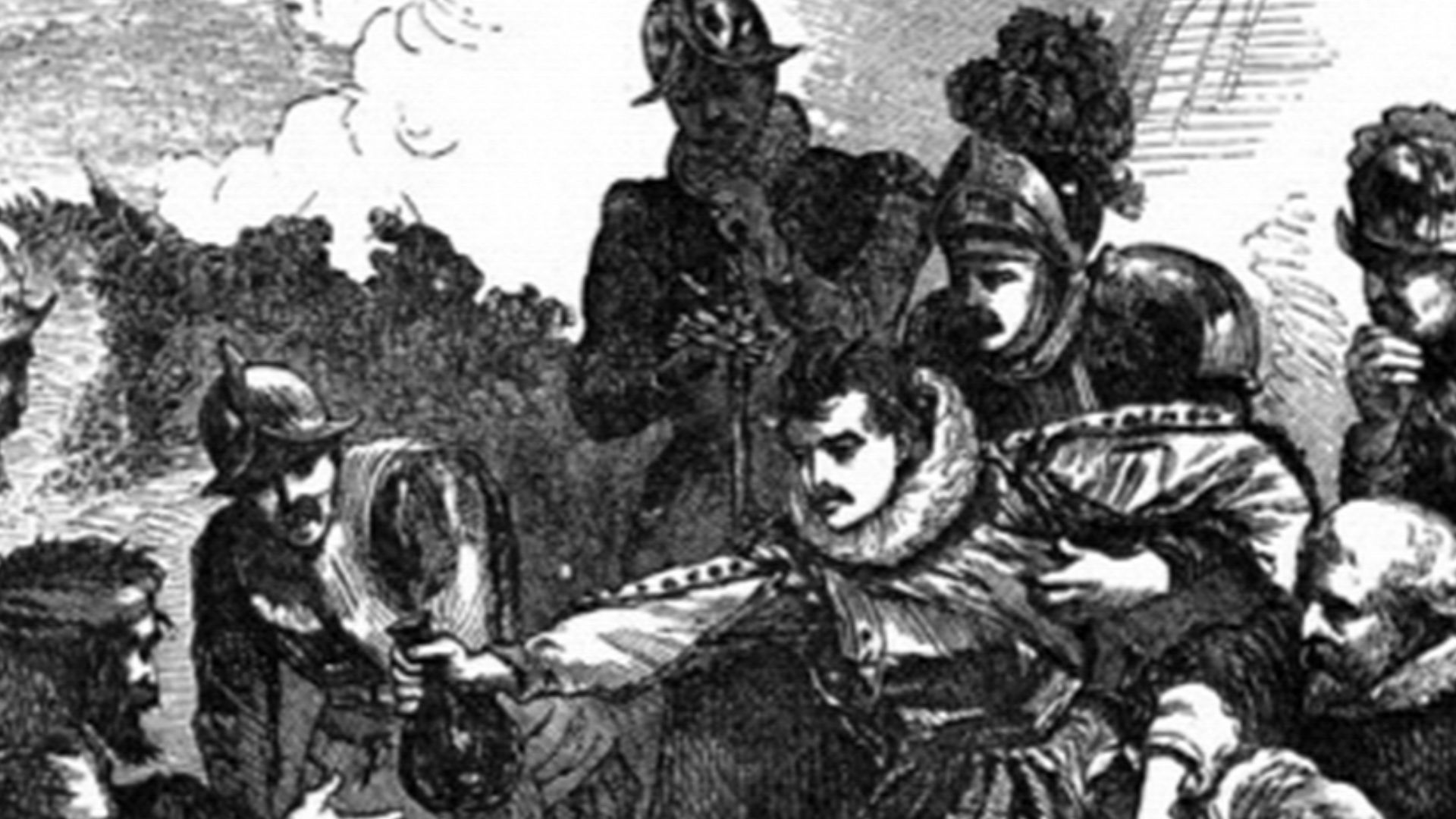
Philip Sidney became wounded in 1586 during the Battle of Zutphen, part of the Eighty Years’ War in the Netherlands. The wounds proved fatal and Sidney succumbed to them at the age of 31, never returning to England or Penelope again. But whether she liked it or not, Penelope couldn’t escape Sidney’s ghost.
 John Cassell, Wikimedia Commons
20. Her Star Rose
Penelope’s brother, now Earl of Essex, married Sidney’s widow, Frances Burke in 1590, officially binding the two women who’d likely danced around each other for years. While the loss of Philip Sidney ended a large chapter of Penelope’s life, it did not end the court’s fascination with her or her beauty.
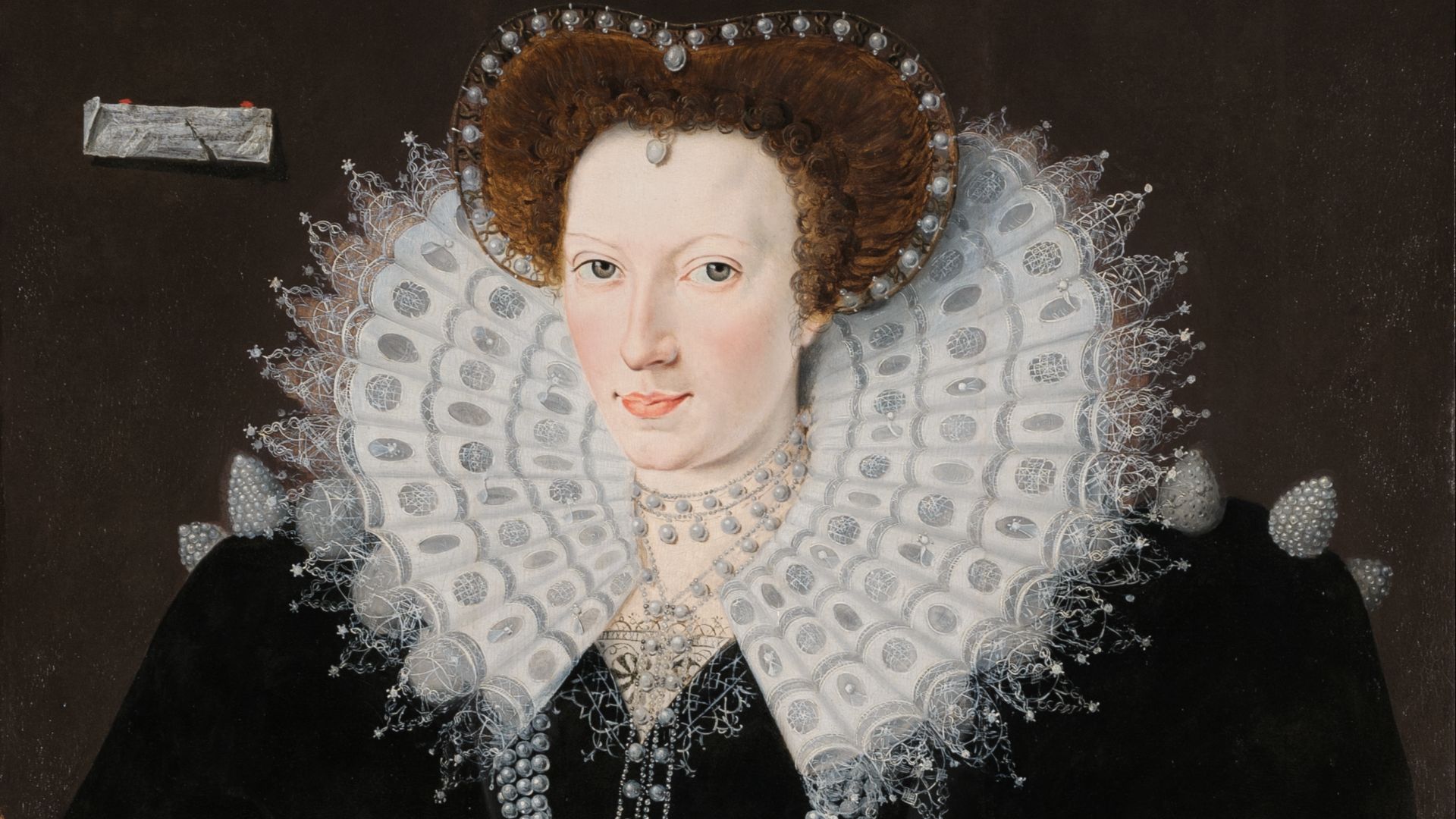 Attributed to Robert Peake the elder, Wikimedia Commons
21. Her Brother Became A Favorite
As the 1580s faded into the 1590s, both Penelope and her brother Robert rose at court. Penelope’s beauty made her the obsession of all artistic types. Alternatively, her brother became a favorite of Queen Elizabeth I, a role that their stepfather, Robert Dudley, had once held before the marriage with their mother disgraced him.
Although Penelope had yet to realize it, the protection her brother’s status provided soon became essential to her survival.

22. Her Brother Found A Rival
During this period, one other figure entered both Penelope's and Robert’s lives. Charles Blount arrived at court around 1583; this timeline was similar to that of Penelope’s brother. Both Robert and Blount had youth, pleasing looks, and valor. The result was that Blount and Robert often found themselves pitted against each other for Elizabeth’s favor. It seemed inevitable that these spats drew Penelope in.
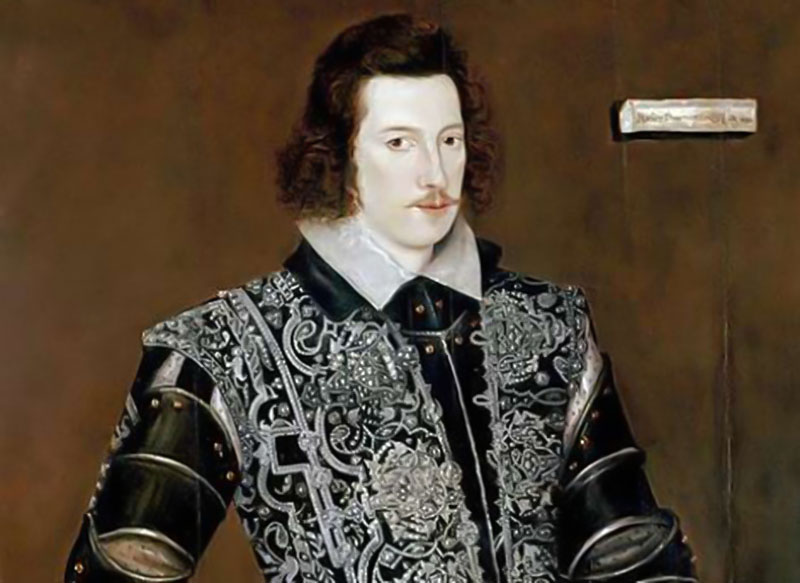
23. She Met The Enemy
The matter between Robert and Blount came to a head when Elizabeth presented Blount with a gift for his skill in a joust-like game. This flared Robert's jealousy, and the pair entered a duel. Blount wounded Robert during the duel; however, in the way of men, this seemed to resolve all issues between the two, resulting in a dear friendship.
Soon, Blount, Robert, and Penelope became a united front.
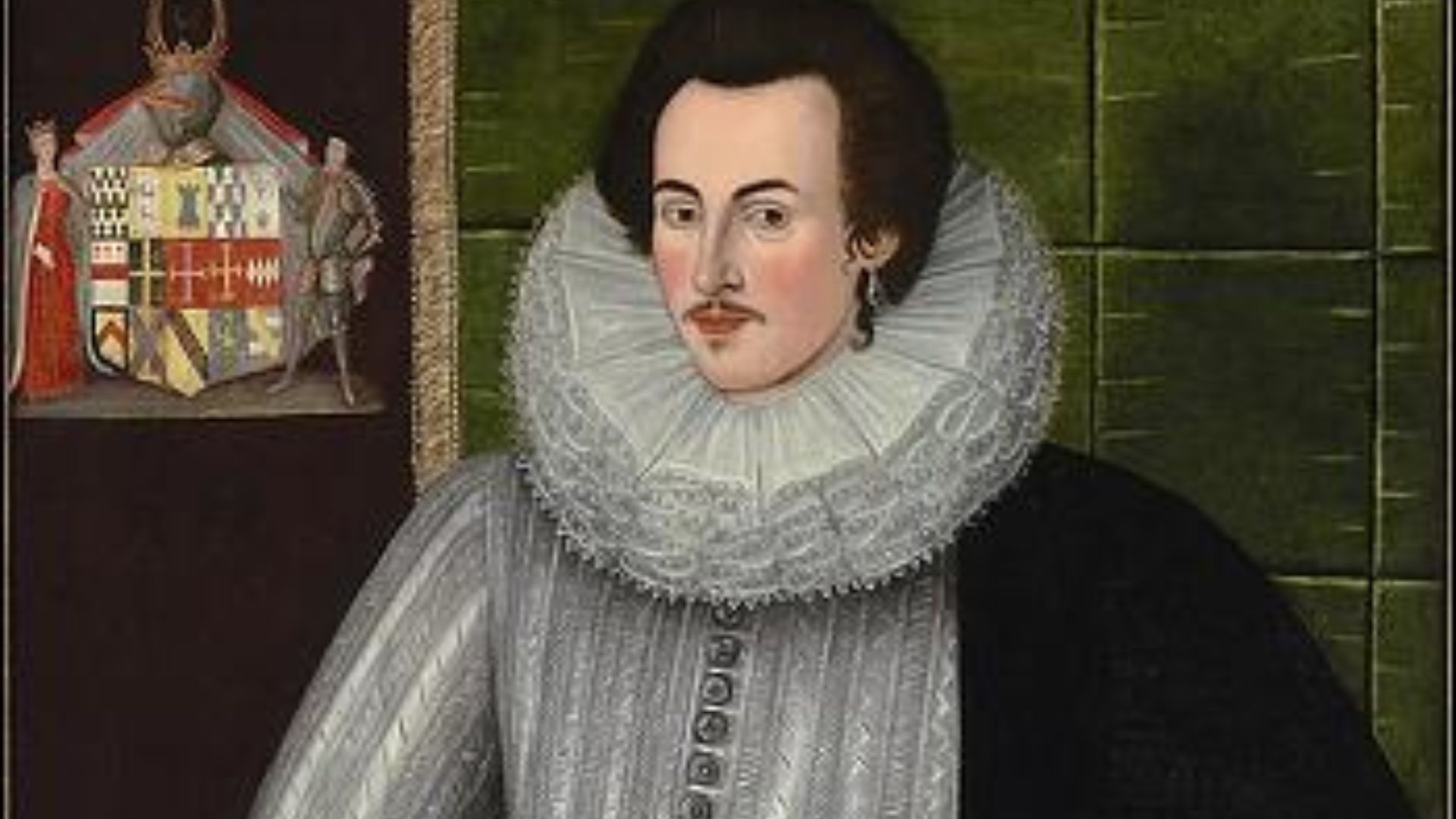 Unknown artist, English school, Wikimedia Commons
24. She Chose For Herself
From the moment that her guardian suggested the arrangement, Penelope loathed the idea of marriage to Robert Rich. 14 years and several children did little to change this fact. Little happiness and no love existed in that marriage. Utterly dissatisfied with the state of her romantic life, Penelope decided to dip her toes into a scandal of her own.
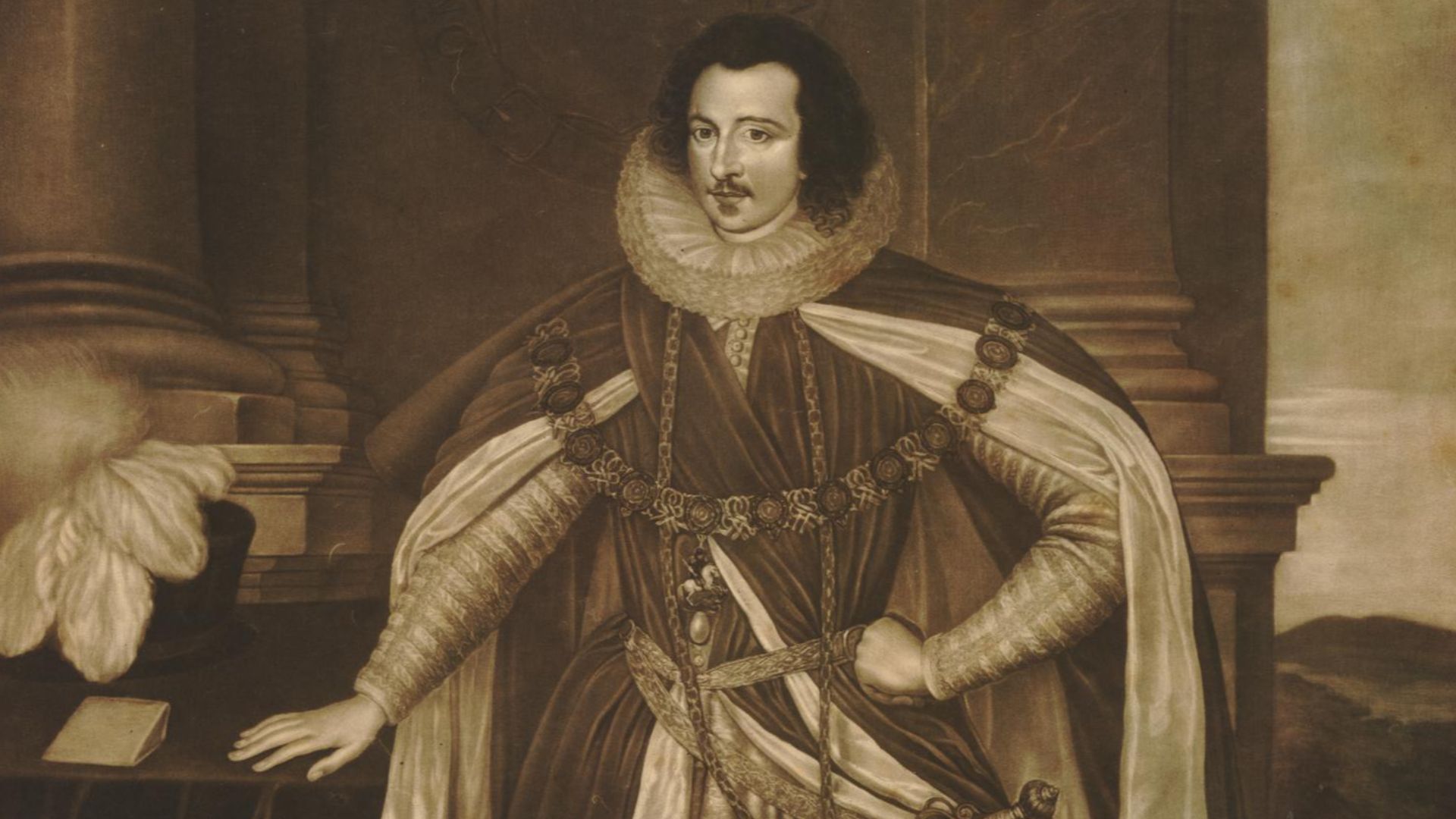 Print made by Valentine Green, after Paul van Somer I, Wikimedia Commons
25. Her Husband Was Powerless
Penelope and Charles Blount struck up an affair somewhere around 1595. Although considered a “secret," Penelope’s husband surely suspected what his wife was up to. Unfortunately, the situation tied Rich’s hands. Not only was Penelope’s brother a favorite of Elizabeth’s, but so was Blount. He needed something to undermine their power. Fortunately for Rich, the tides soon turned—and it spelled disaster for Penelope's happiness.

26. Her Brother Brought Them Down
Penelope's brother brought about his own downfall, tainting the status of his sister and Blount along with it. At the end of the 1590s, Ireland had been in violent rebellion against England for several years. No one could quell the fighting. Robert believed that he had the answer—but his efforts failed in a shocking way.
 William Segar, Wikimedia Commons
27. Her Brother Embarrassed The Family
Robert deeply embarrassed himself in Ireland. Not only did he hand out knighthoods like they were candy, but he also entered into a truce with Ireland rather than defeating their forces as he’d promised. He became the butt of jokes—one being that "he never drew sword but to make knights".
It seemed that Robert had let his head grow bigger than the power he held. The consequences turned Penelope's world upside down.
 The Private Lives of Elizabeth and Essex (1939), Warner Bros.
28. Her Standing Got Dragged Down
Elizabeth forbade Robert from returning from Ireland. Despite this, he sailed home in September 1599; he presented himself in Elizabeth’s room before she’d been properly dressed. Whatever he presumed to achieve with these forward actions never materialized. Instead, Robert became confined to his room as the Privy Council debated what to do with him. Penelope likely suspected her fate was tied to her brother's.
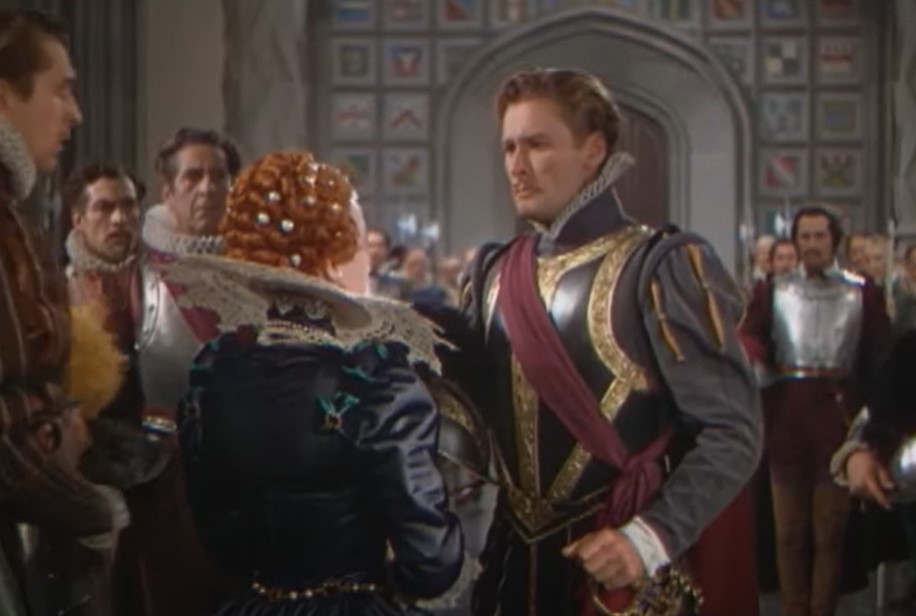 The Private Lives of Elizabeth and Essex (1939), Warner Bros.
29. Her Brother Faced Trial
Robert’s trial resulted in his confinement to York House. But even his eventual freedom was a rotten pill to swallow. For though the Queen offered Robert mercy and allowed him to walk free, she also barred him from returning to court. Whatever favor he had once had with the Queen crumbled and, in his bitterness, he turned to desperate measures.
It wouldn't be long before he dragged his sister Penelope into the eye of the storm with him.
 National Portrait Gallery, Wikimedia Commons
30. He Went Rogue
When Robert's confinement finally ended, he emerged without a source of income and was bitter about his fate. As such, feelings of revenge began to boil over. He hatched a dastardly plan, calling on the help of his devoted followers and strengthening his household. But his traitorous path of rebellion had far-reaching consequences—especially for his sister, Penelope.

31. She Became Linked To A Treacherous Man
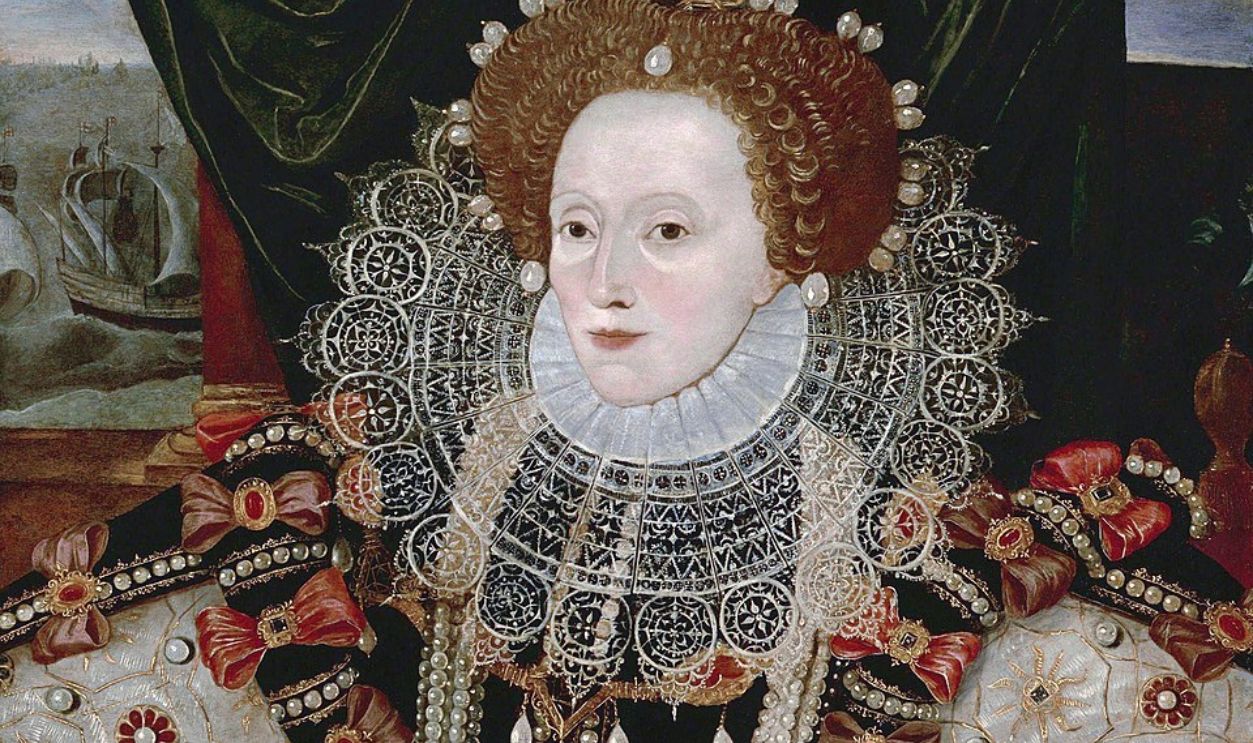
In February 1601, Robert marched upon London, attempting to force the Queen to have council with him. In doing so, he made himself a traitor in the eyes of the crown. However, things didn't quite go as planned. Robert's hasty rebellion crashed and burned—and he was arrested.
Up until this point, Penelope and Blount appeared to have no large involvement in the matter. However, when the trial came around, Robert dealt them a serious betrayal.
32. He Betrayed Her
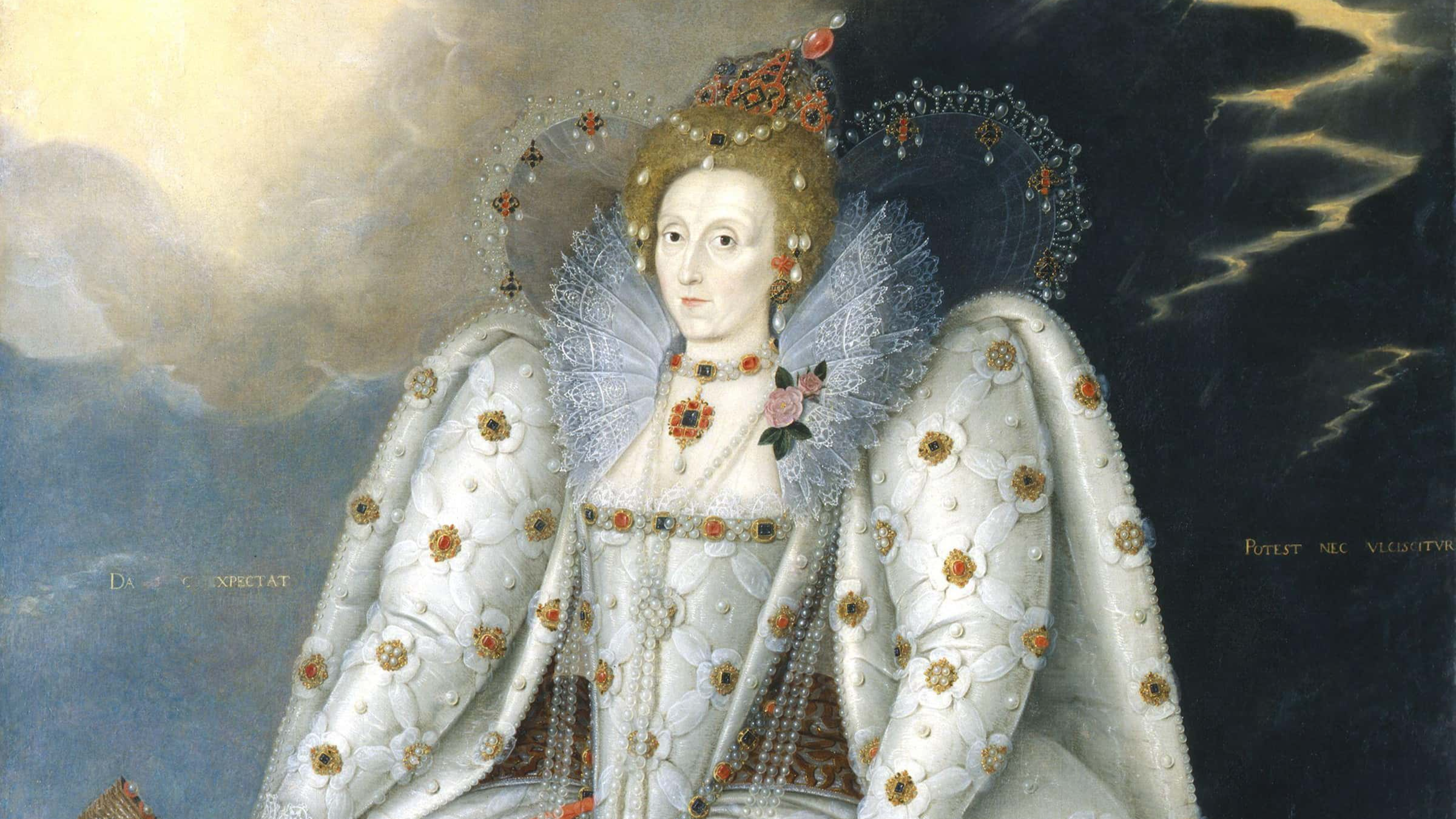
With his life on the line, Robert was no doubt terrified. While standing trial, his loose lips spilled the names of any and all co-conspirators in the hopes that it would grant him some leniency. As a result, he claimed that his sister Penelope involved herself in the plot. But that wasn't even the worst part.

33. He Fate Hung In The Balance
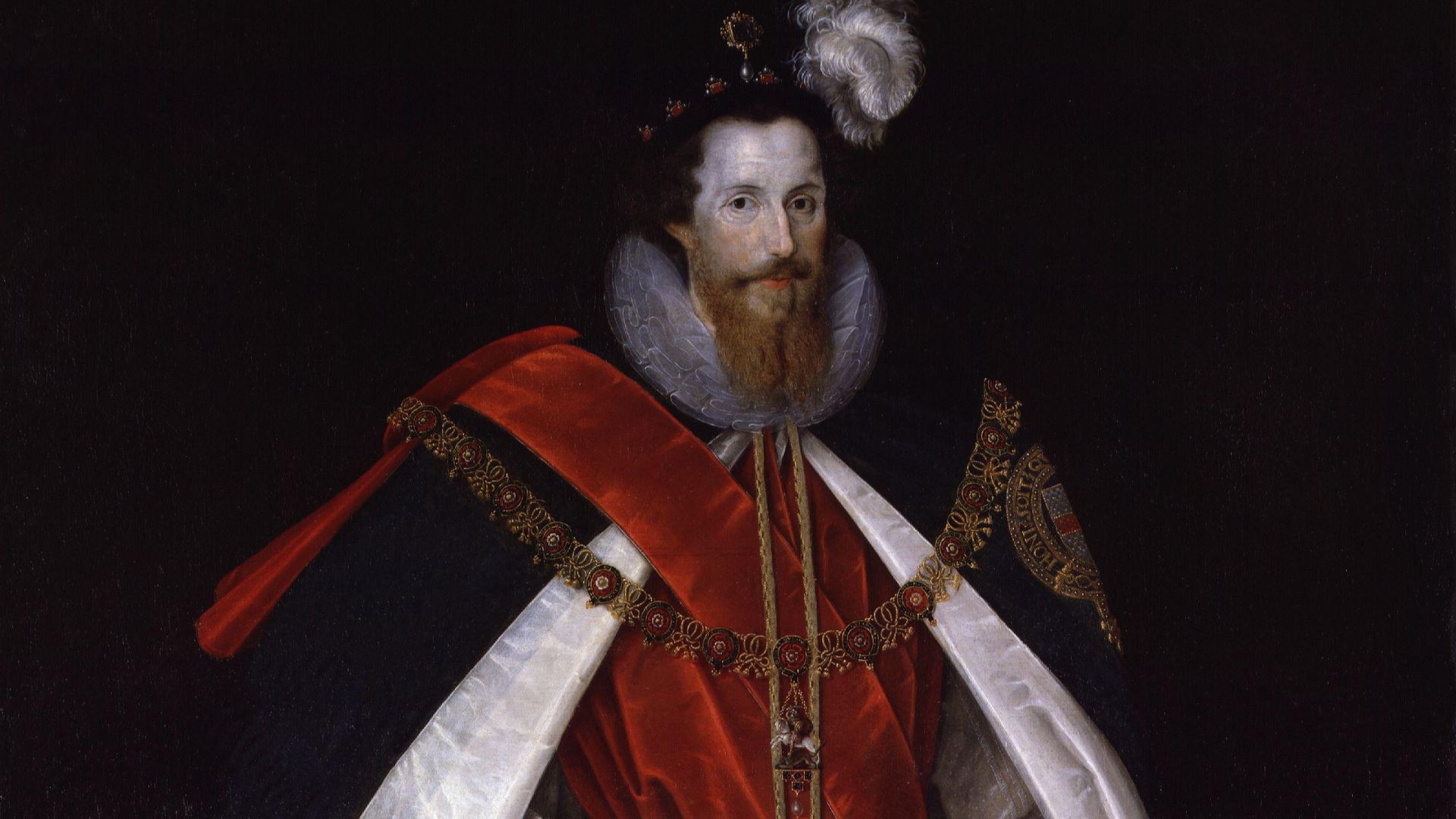
To add insult to injury, some sources state that Robert insisted Penelope initiated the entire affair. According to Robert, she was the guilty party, not him. But as luck would have it, Robert's cowardice wouldn't spare him. The trial found him guilty, and his neck saw the last execution in the Tower of London. However, during this time, Penelope's fate also hung in the balance.
 Marcus Gheeraerts the Younger, Wikimedia Commons
34. She Faced Questioning
There were many accusations thrown at Penelope. Most terrifyingly, Robert had claimed that it was Penelope who'd pushed him to organize an army so that he could overthrow the Queen. But though she faced house arrest and questioning, Penelope had a shocking defense up her sleeve.
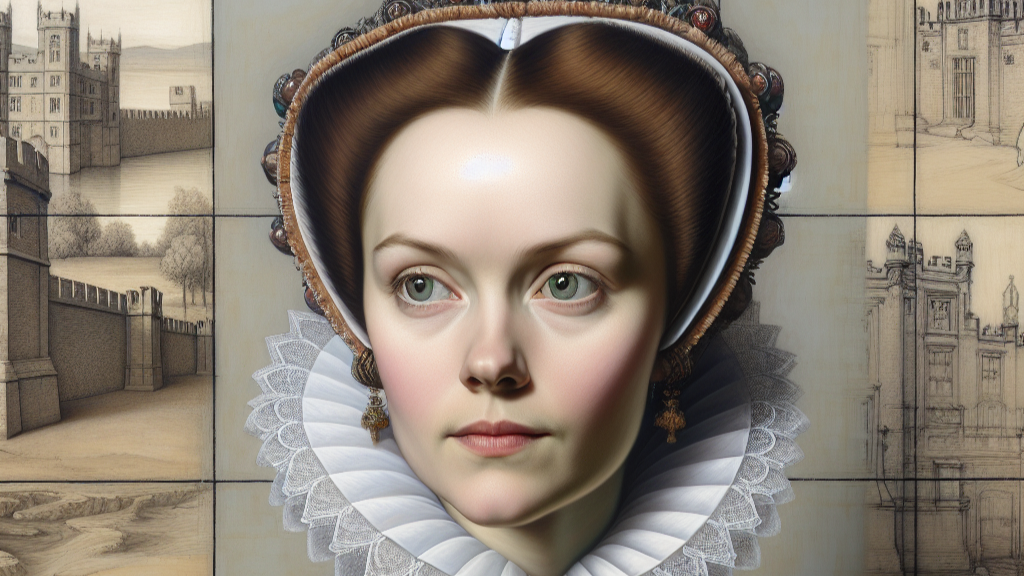
35. She Had A Weak Defense
Though there was an earthquake of uncertainty beneath her feet, Penelope stood her ground. She denied being the architect of the treasonous plot, insisting that any involvement stemmed from her overwhelming love of her brother. As far as defenses go, we think this sounds pretty flimsy—but was it enough to spare her?
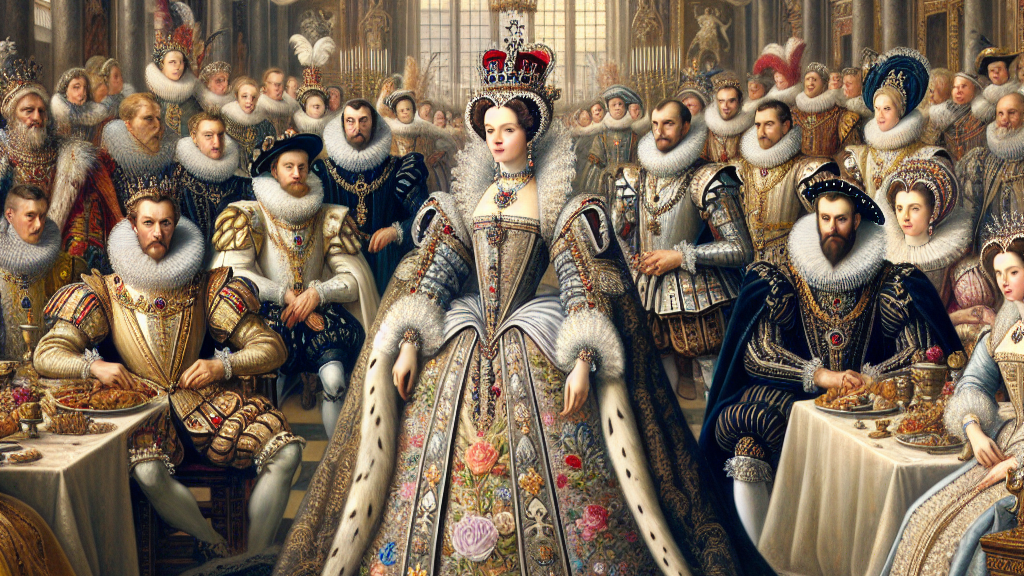
36. She Fell From Grace
Whether it was Penelope's earnest defense or the Queen’s merciful temperament at the time—Penelope didn't face any consequences. However, this entire affair greatly diminished her standing in the world. No longer was she, or anyone she loved, the Queen’s favorite. Instead, Robert had tainted her and her family’s standing with scandal.
Just when things seemed like they couldn't get any worse, her husband stepped from the shadows—and made his chilling move.
 National Library of Wales, Wikimedia Commons
37. Her Husband Had Enough
Up until this point, Penelope remained in her husband’s household. Robert Rich allowed her children born of Blount to live in his house as his own. After the Essex Rebellion, though, Rich no longer had any interest in playing along with his wife’s lack of faith in him. As the man in the relationship, he held all of the power and, without anyone left to protect Penelope, Rich intended to use it.
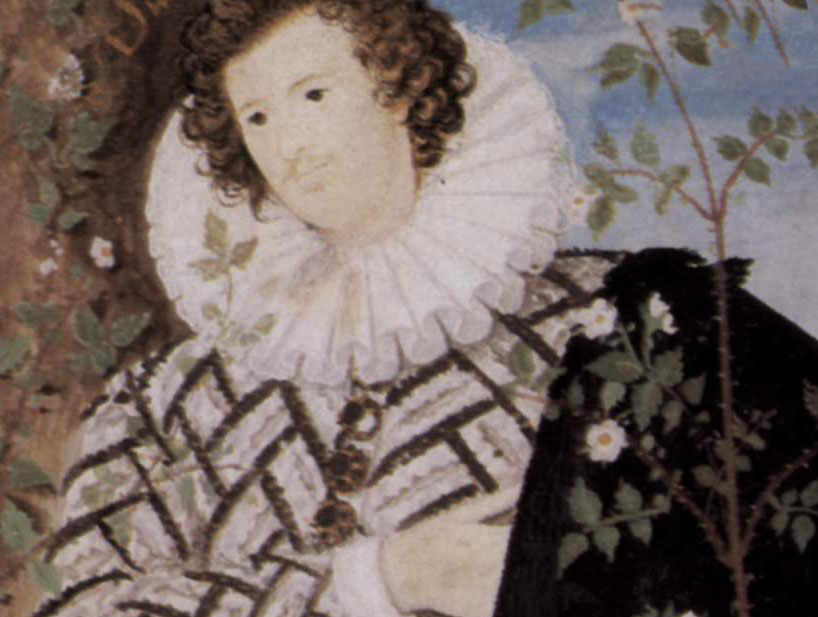
38. She Didn’t Care
Rich cast Penelope and any of her children who shared none of his blood out of his household. Rich may have expected Penelope to take this turn of events in shame. After all, she had cheated on her husband. She had passed off another man’s children as her husband's. Surely, Robert Rich had the right.
However, Penelope showed no interest in playing Rich’s games any longer.
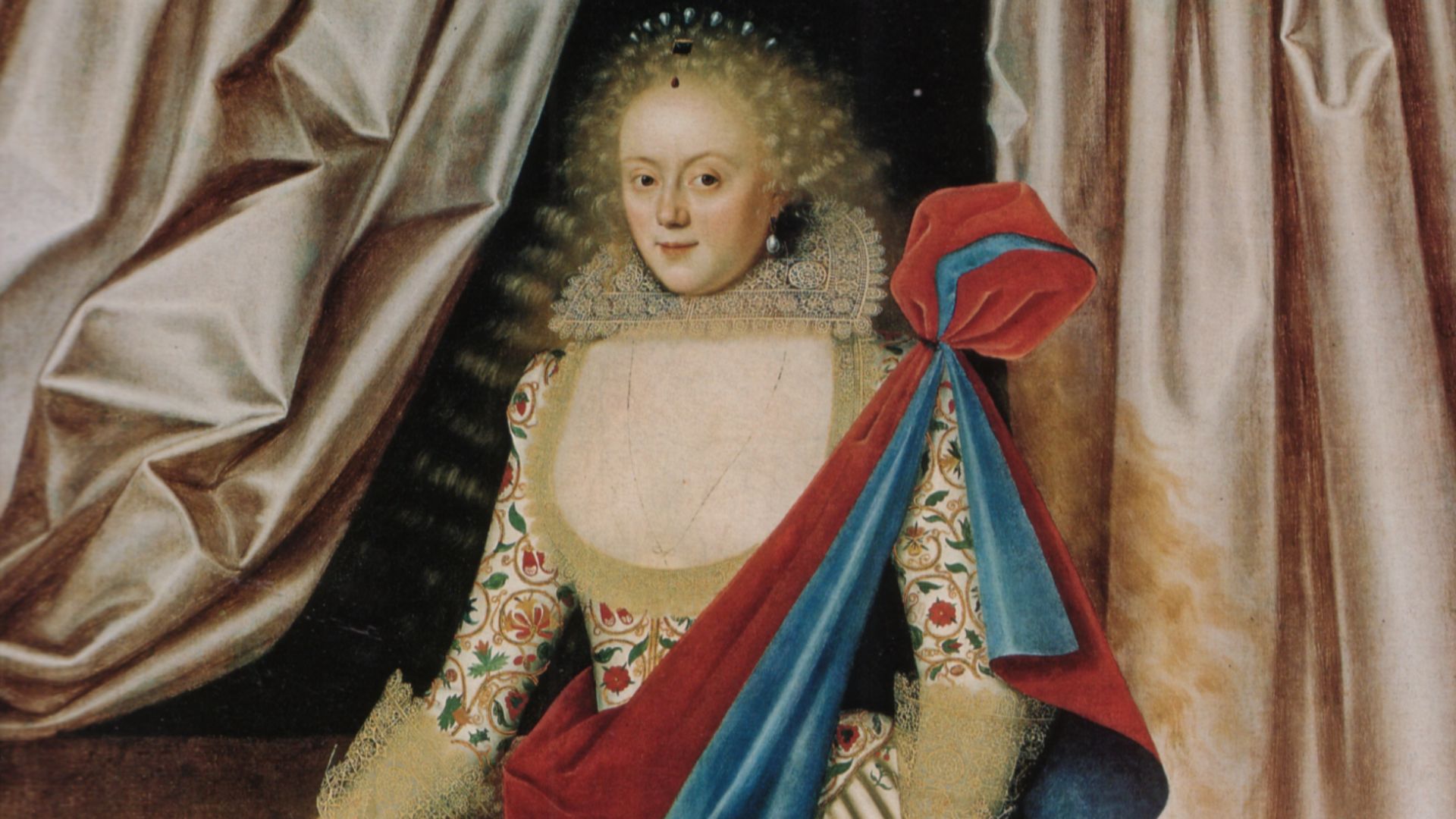 William Larkin, Wikimedia Commons
39. She Made Her Own Life
Rather than hiding in shame, Penelope simply carried on with the life that she had wanted all along. She moved in with Blount and made no effort to hide the relationship that the pair had. If Rich no longer cared to carry on pretenses, then Penelope did not either. Somehow, she managed to have her cake and eat it too...
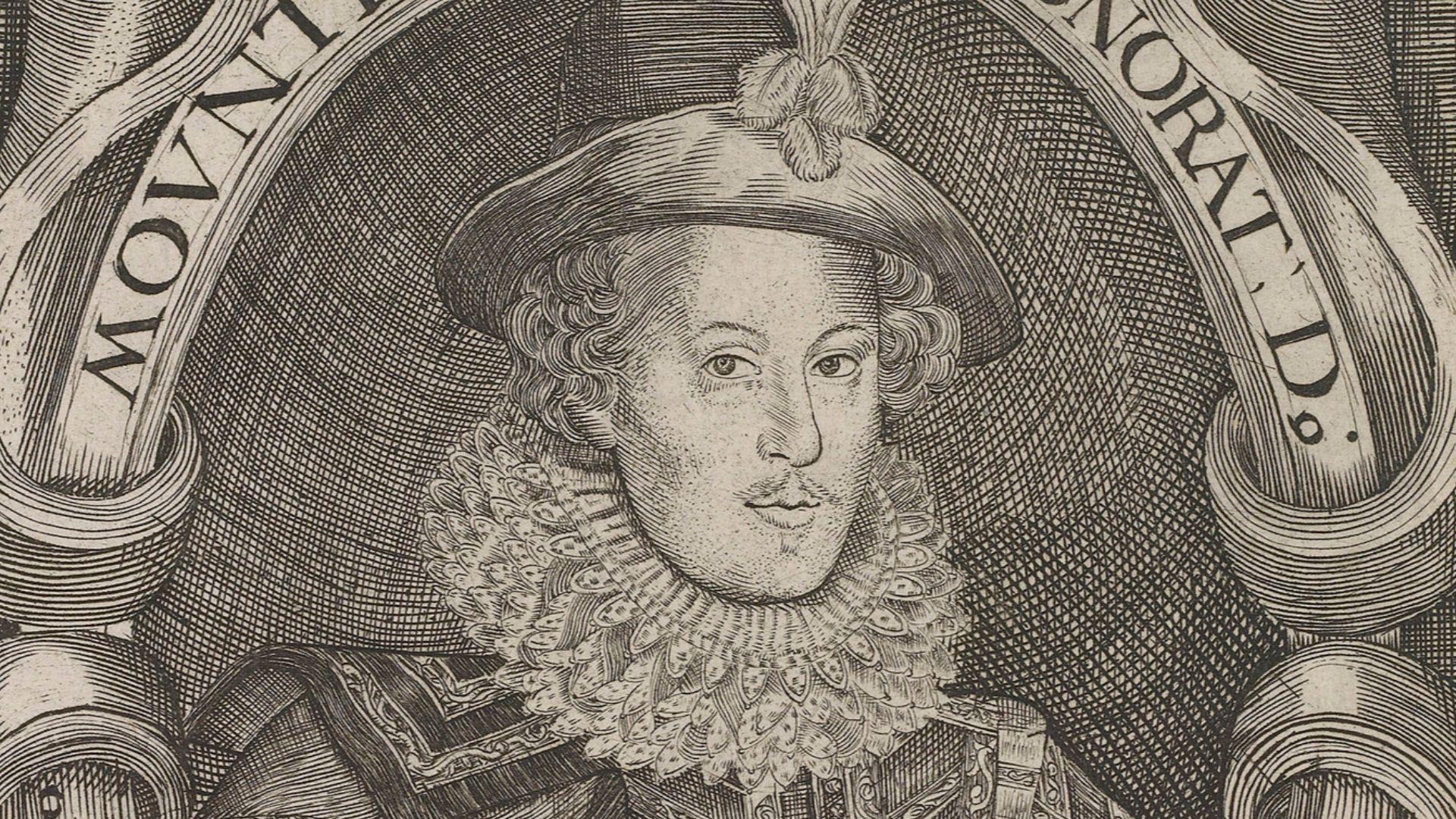 Cassiano dal Pozzo, Wikimedia Commons
40. Her Status Rose Again
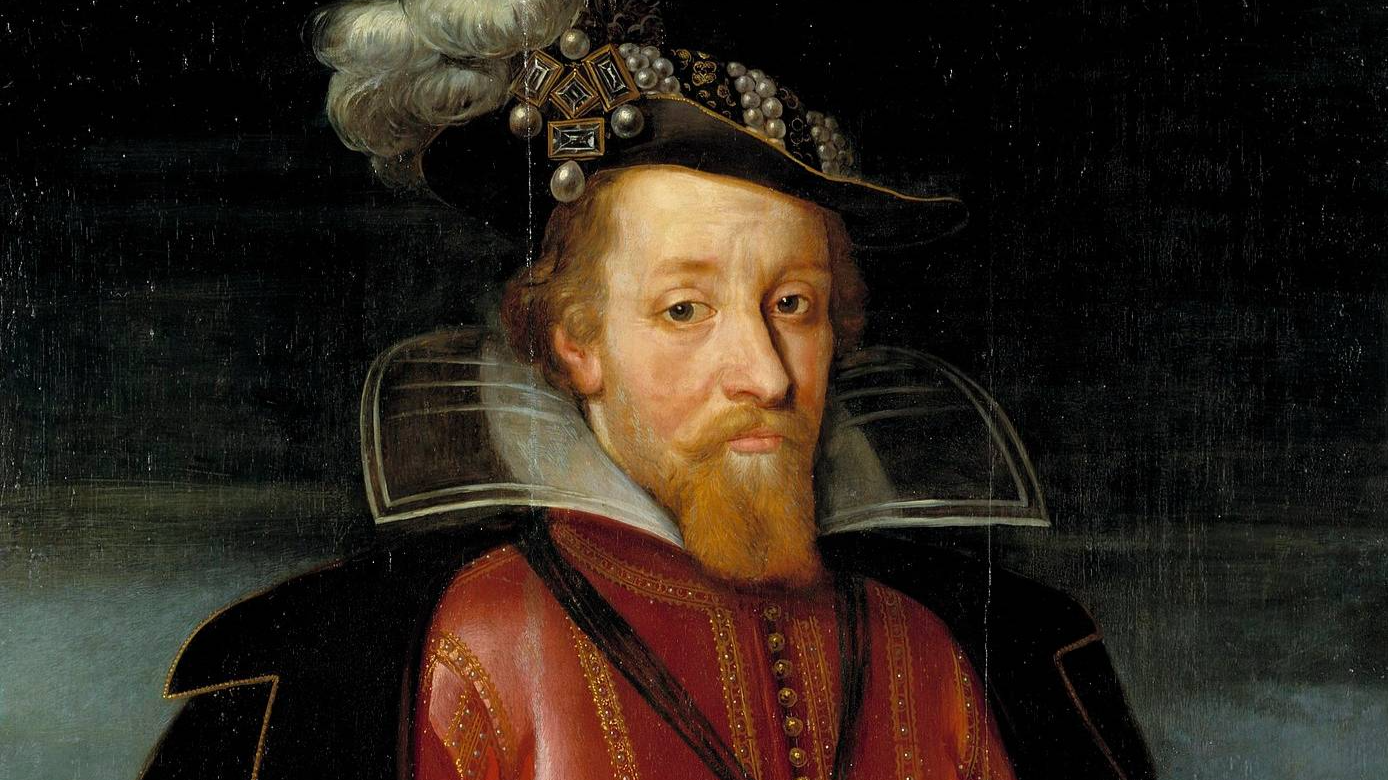
In 1603, Queen Elizabeth I passed, and King James VI of Scotland ascended to the throne as King James I of England. Whether Penelope and Blount participated in treason earlier in their lives or not, James appeared willing to bestow favor upon the couple. Surprisingly, rather than shunning them, James elevated their status in court.
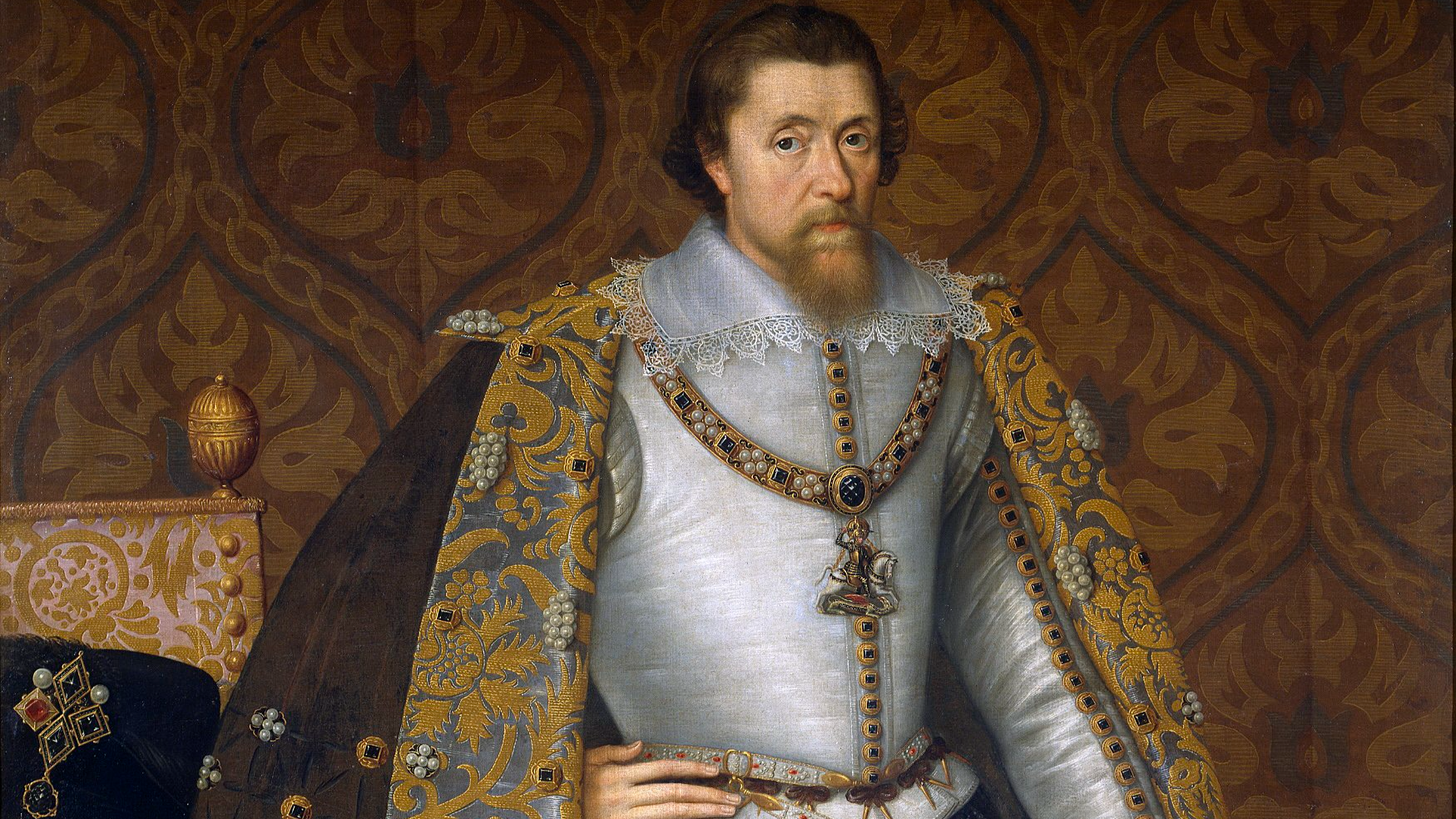 John de Critz, Wikimedia Commons
41. She Held Court
James created the Earl of Devonshire for Blount, and Penelope returned to her favorable place within court. When James’s bride, Anne of Denmark, arrived in May 1603, Penelope found herself among the group to greet her. Much like her brother, she mistakenly took this status as irrefutable proof of her power.
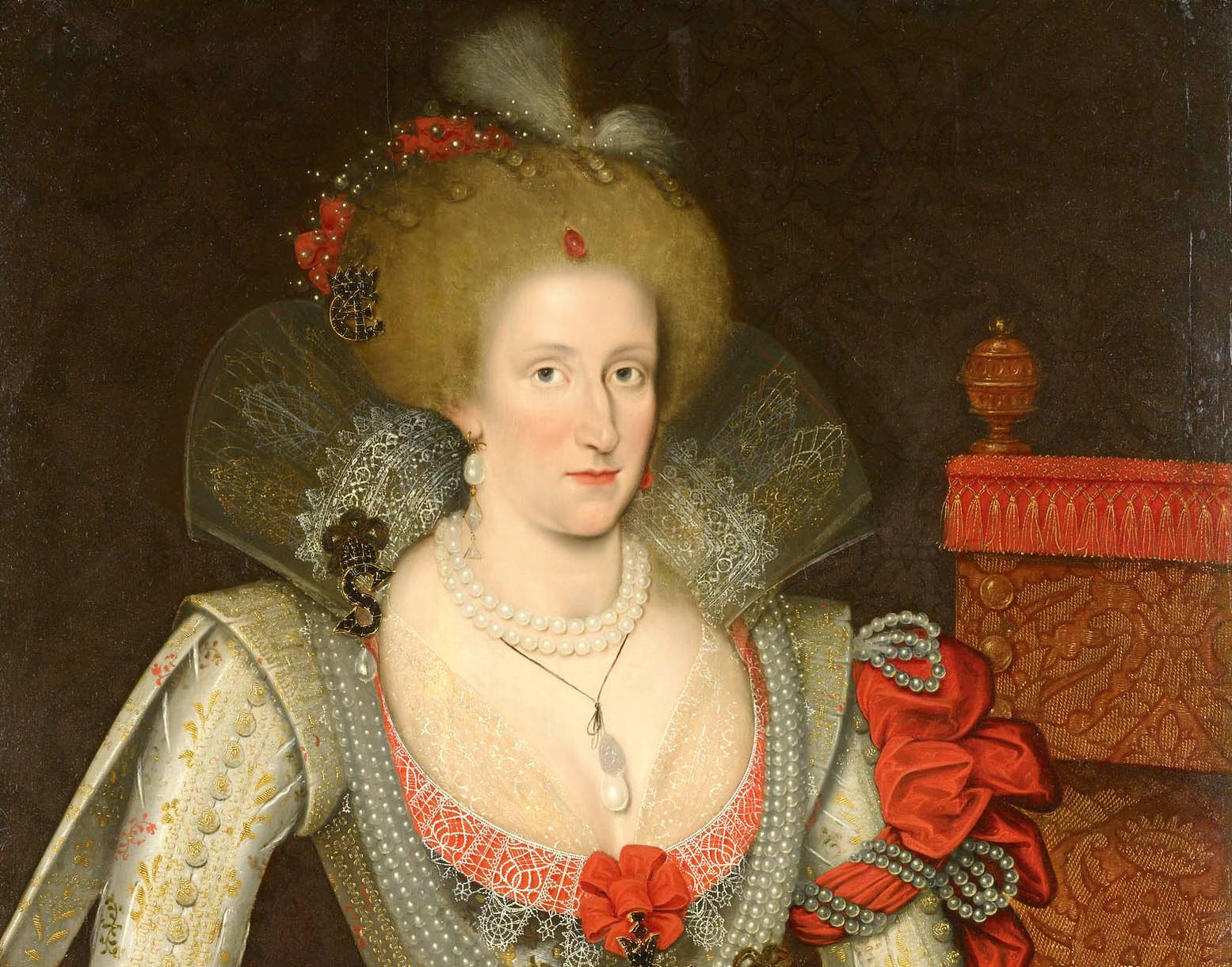 Attributed to Marcus Gheeraerts the Younger, Wikimedia Commons
42. She Faced Divorce
By 1605, Penelope’s husband was tired of his sham of a relationship. He wanted to marry again, gaining a wife who had an actual interest in him. Therefore, he needed to get rid of the wife who still dragged him down. He filed for divorce—not that this bothered Penelope in the slightest.

43. She Wanted Freedom
Penelope never thought much of her relationship with Rich and appeared to have no problem in publicly announcing adultery during the court proceedings to help end her burdensome marriage. But if she dreamed of a romantic new chapter with Blount, she was only imagining a freedom that did not exist for her.
44. She Got Nothing
Penelope wanted a divorce as much as her husband did—but that wasn't all. She also wanted to remarry. If she and Blount tied the knot, then their relationship and their children would finally be legitimized. But though the powers that be granted her husband the divorce and the permission to remarry, they sadly granted Penelope nothing at all.

45. Her Request Was Denied
Despite gracing them both with favor early on in his reign, King James did not grant Penelope and Blount permission to remarry. Perhaps it seemed too great of an insult to give to her former husband. Perhaps he felt they could not ignore the fact that the pair had been carrying on for years with little to no shame. Penelope, however, couldn’t care less what the King had to say.
 Nationalmuseum, Wikimedia Commons
46. She Did What She Wanted
Penelope had spent much of her life doing what others had told her to do. Another woman told her who to marry when she was 18. She’d possibly involved herself in her brother’s scandal at his demand. Other people had ruled over her life for long enough—and Penelope was finally going to do what she wanted.
 Nicholas Hilliard (* um 1547; † 1619), Wikimedia Commons
47. She Married Again
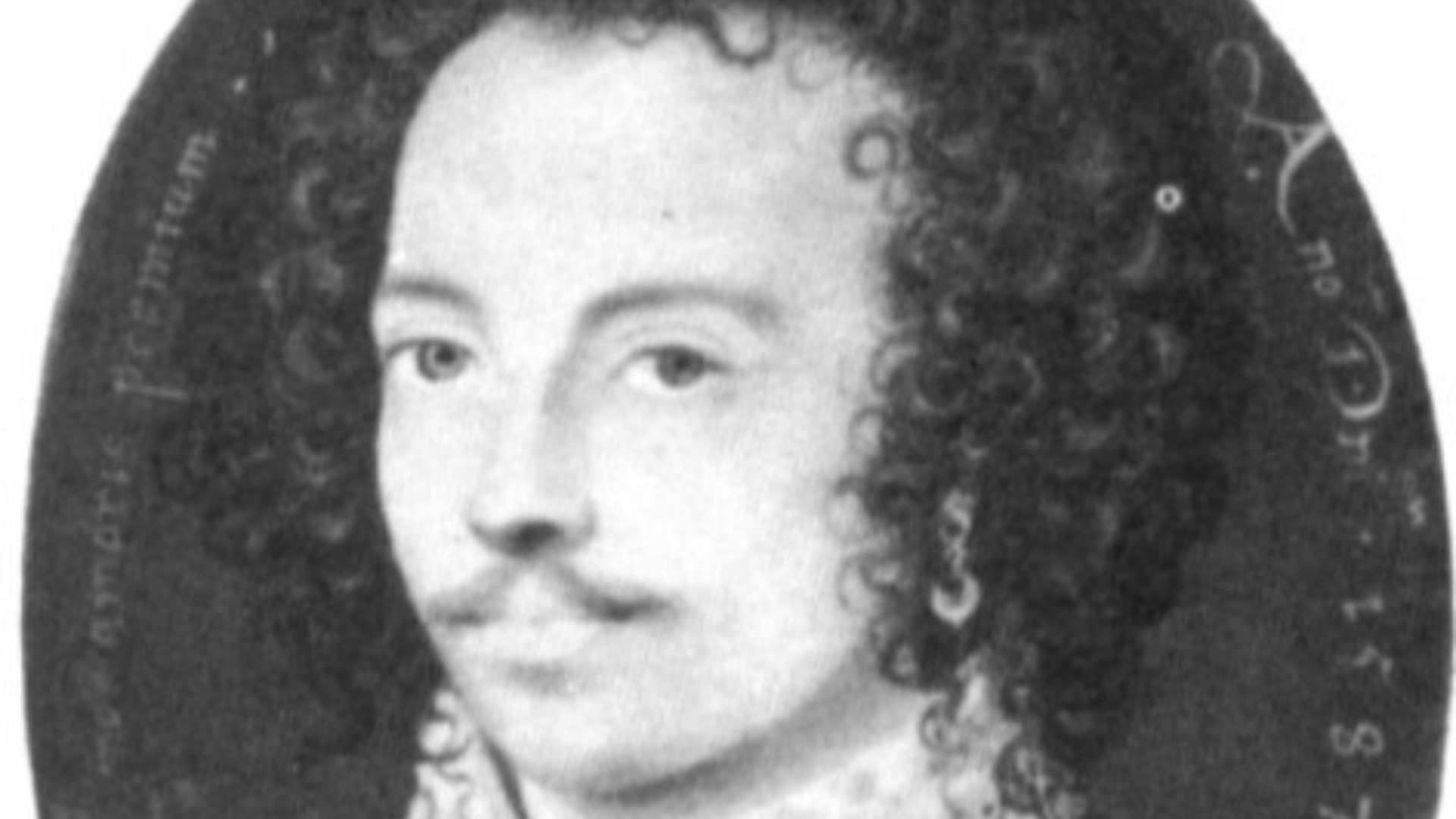
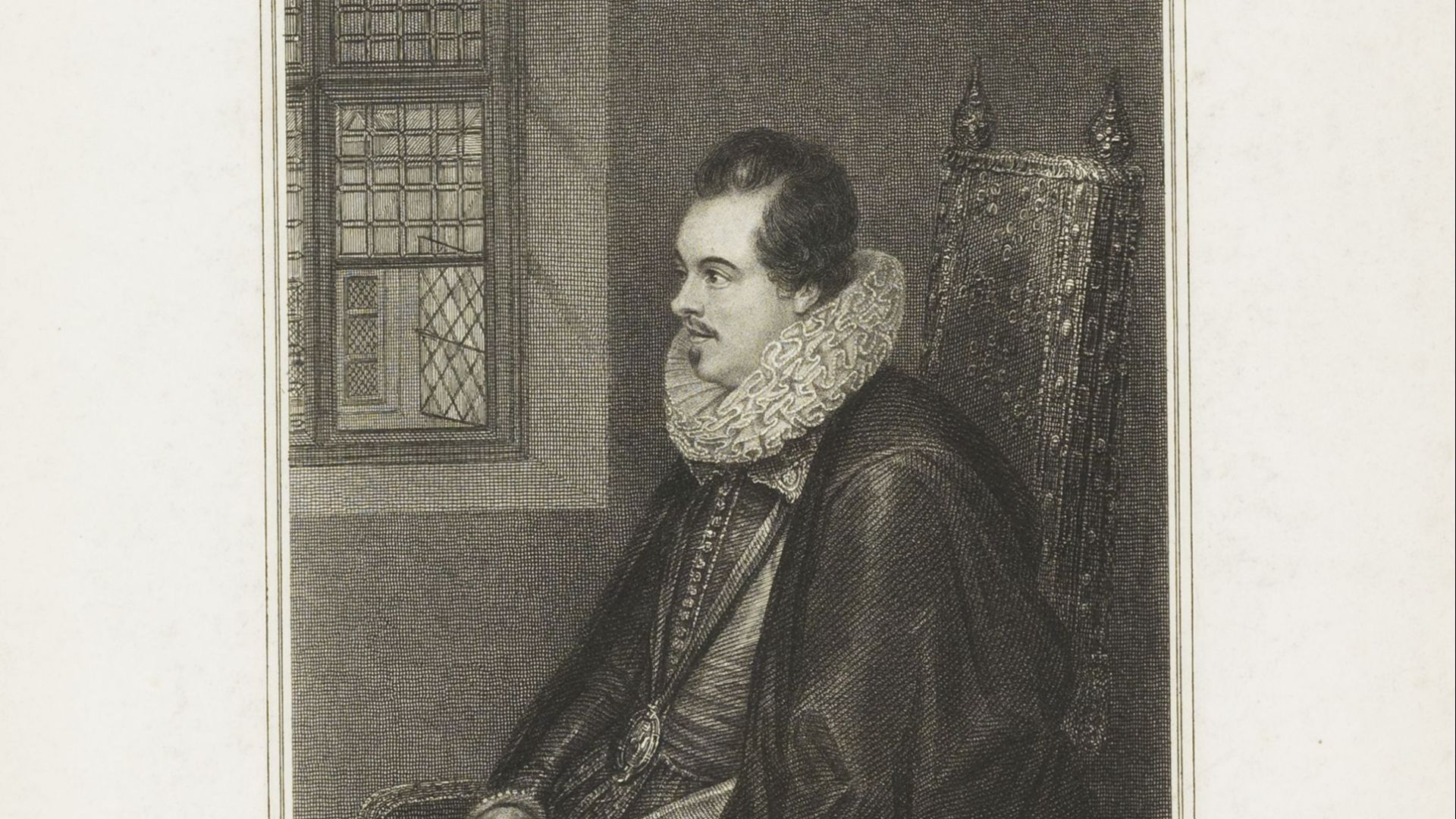
Penelope and Charles Blount married on December 26, 1605. They held a private ceremony conducted by Blount’s chaplain, William Laud. This may have been enough for Penelope and Blount. However, canon law saw the marriage as illegitimate, having defied the order of the powers that be—and King James was finally finished with the troublesome couple.
 Scriven, Edward (British printmaker, 1755-1841) (artist) (graphic artist), Wikimedia Commons
48. She Was Banished
In response to their defiance, King James banished Penelope and Charles from court. None of the existing evidence suggests that the banishment bothered the couple. Instead, they lived together as husband and wife with their children, enjoying finally being free to love each other. Unfortunately, fate had a cruel ending in mind.

49. She Came To Rest
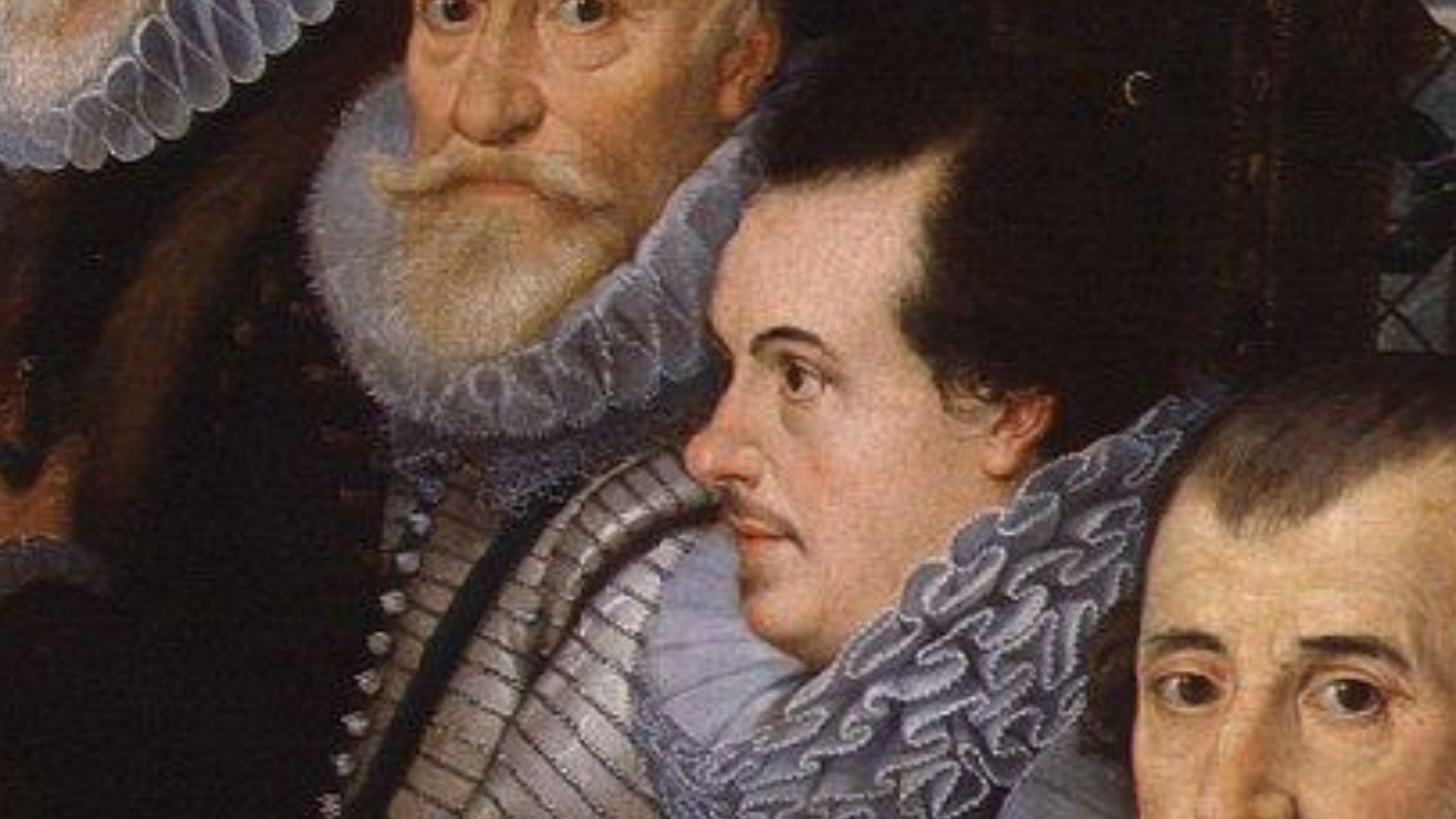
Penelope and Blount only got to enjoy four months together. Blount passed on April 1606. Thanks to their illegitimate marriage, the law barred Penelope and their children from inheriting any of his land, titles, or wealth. All three eventually faded from existence. Penelope, perhaps heartbroken, lived for little more than a year after Blount passed. After a lifetime of fighting, she deserved a long rest.
 Unknown authorUnknown author, Wikimedia Commons
You May Also Like:
King Francis II’s Reign Was Brutal And Short
This Duchess Met The Most Infuriating End











_by_Marcus_Gheeraerts_the_Younger.jpg)

.jpg)


.jpg)