He Blended Music And Misery
Nick Drake was the English singer-songwriter whose stripped down, acoustic musical genius wasn’t appreciated until after his tragic demise. A man of few words, his music spoke for him. But lurking beneath his soft vocals and intimate instrumentation was a mind full of misery.
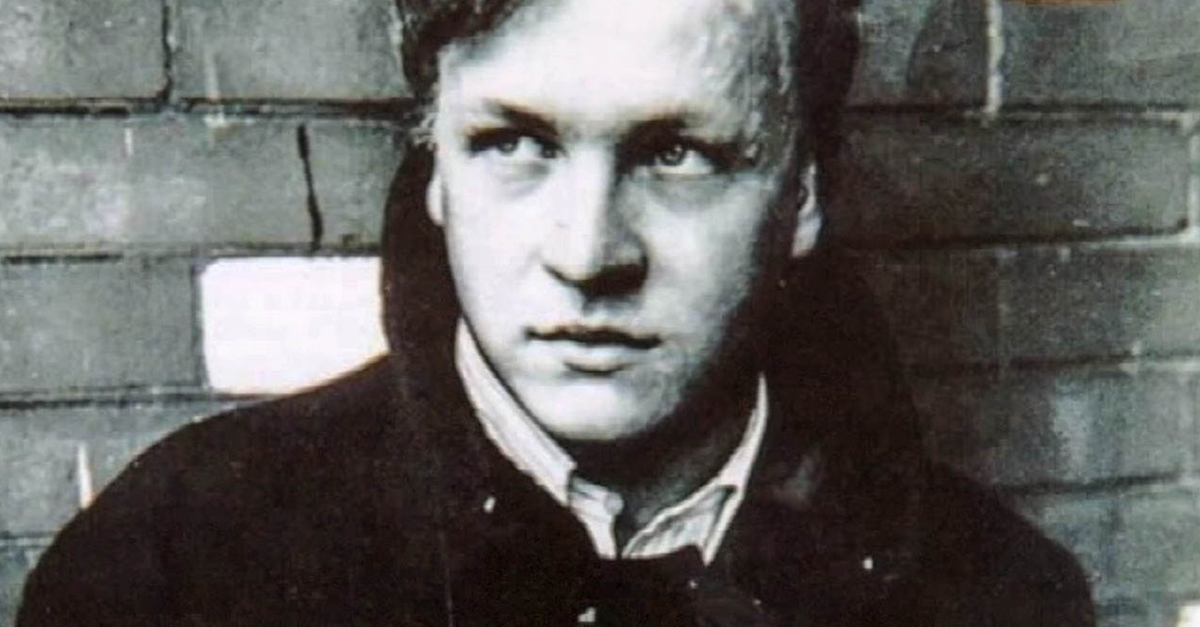
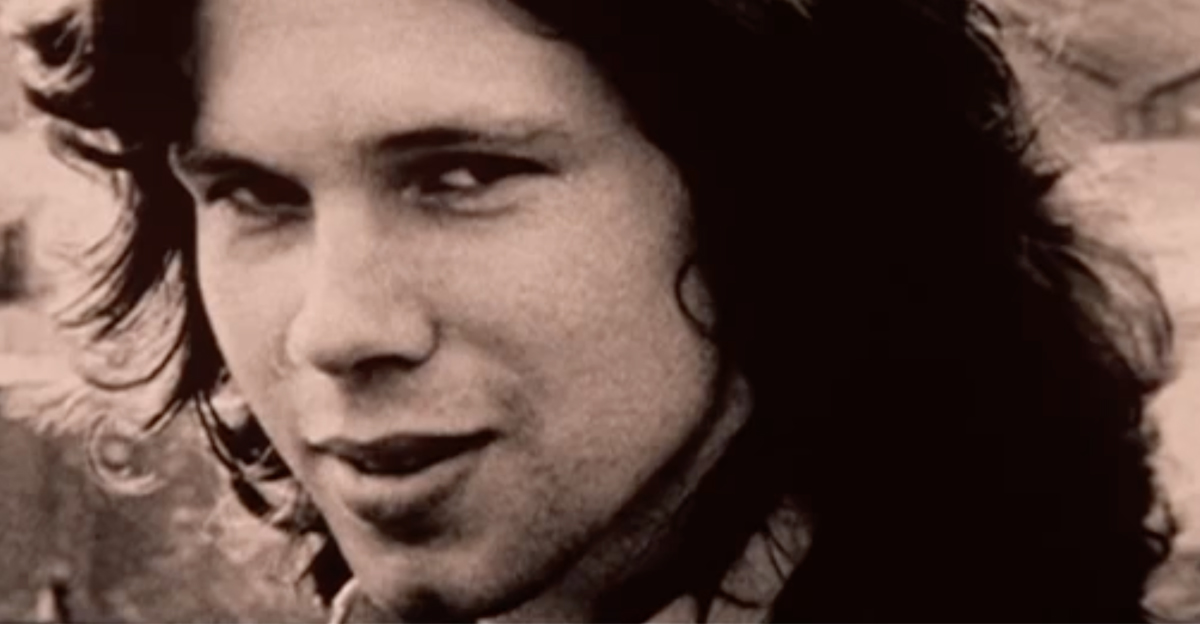 Screenshot from A Skin Too Few: The Days Of Nick Drake, 2002
1. He Was Born In Burma
Nicholas Rodney Drake was an English singer-songwriter—but he wasn't actually born in England. Drake was born on June 19, 1948, in (of all places) Rangoon, Burma. Just a few months prior to his birth, the country had gained its independence from British rule. His father, an engineer, had moved there years earlier for work, but the changing political situation would create early upheaval in Drake’s life.
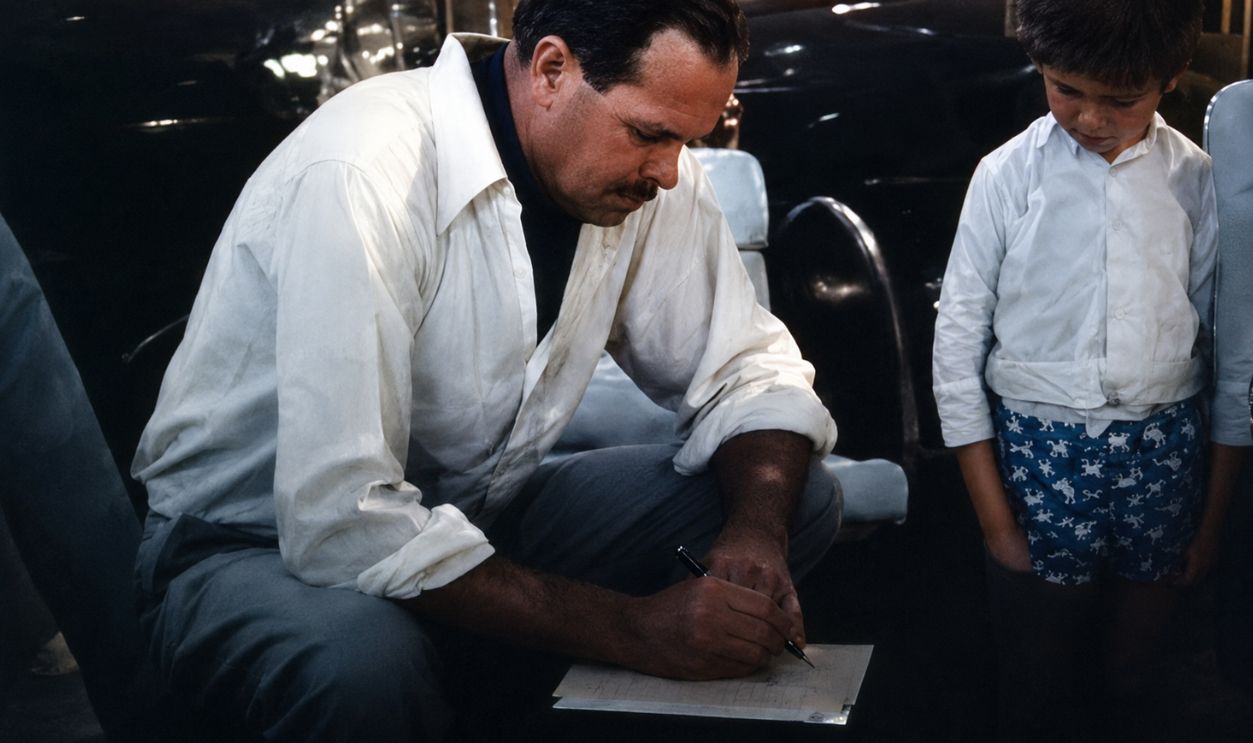 Screenshot from A Skin Too Few: The Days of Nick Drake, Roxie Releasing (2000)
2. He Returned To Quiet England
By 1951, the Drake family had resettled in Warwickshire, living at Far Leys in Tanworth-in-Arden. His father’s career flourished, rising to lead Wolseley Engineering, while his sister, Gabrielle, laid the foundation for a successful career as an actress. It was a quiet and drama-free life, but there was a kind of melancholic soundtrack to his childhood.
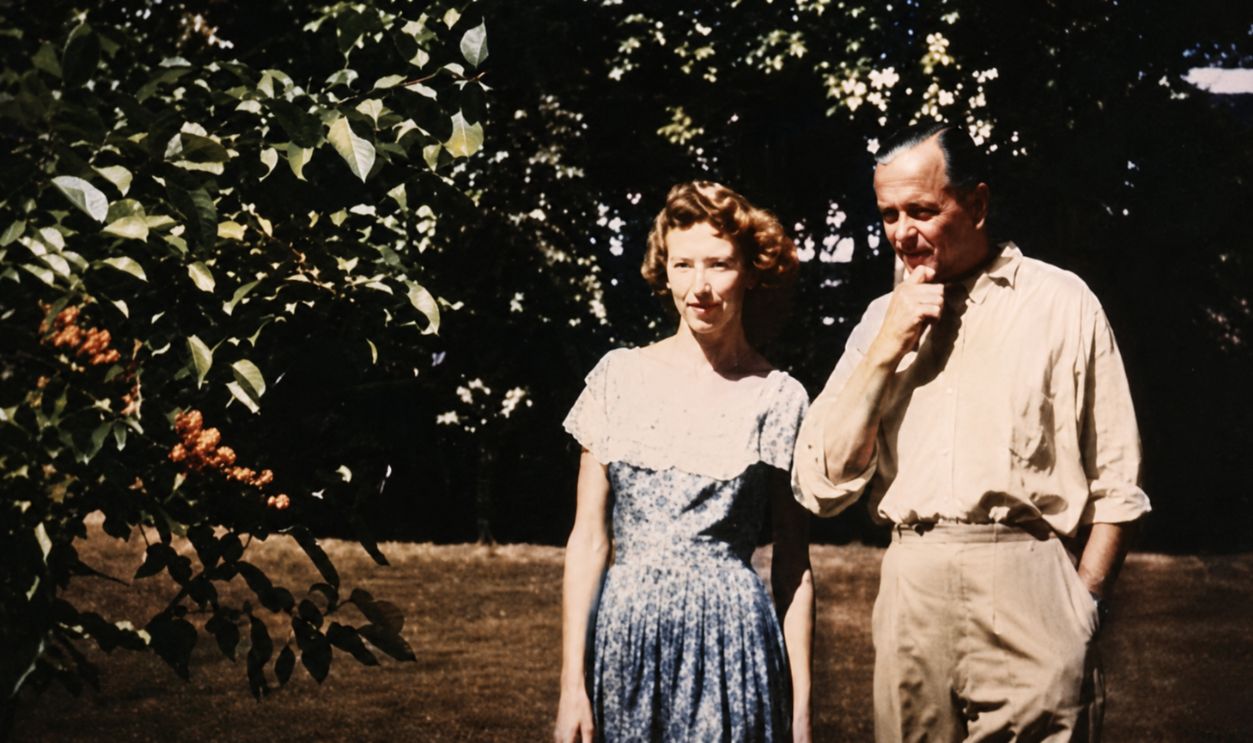 Screenshot from A Skin Too Few: The Days of Nick Drake, Roxie Releasing (2000)
3. He Inherited Musical Fragility
Music was simply in Drake’s DNA. Both of his parents expressed musical talents, but it was his mother who would have the greatest influence on him. Decades later, recordings of Drake’s mother’s own songs surfaced and revealed a dark truth. Her delicate, “fragile vocal delivery” was eerily similar to that of her son’s future work. He did, after all, learning everything he knew from her.
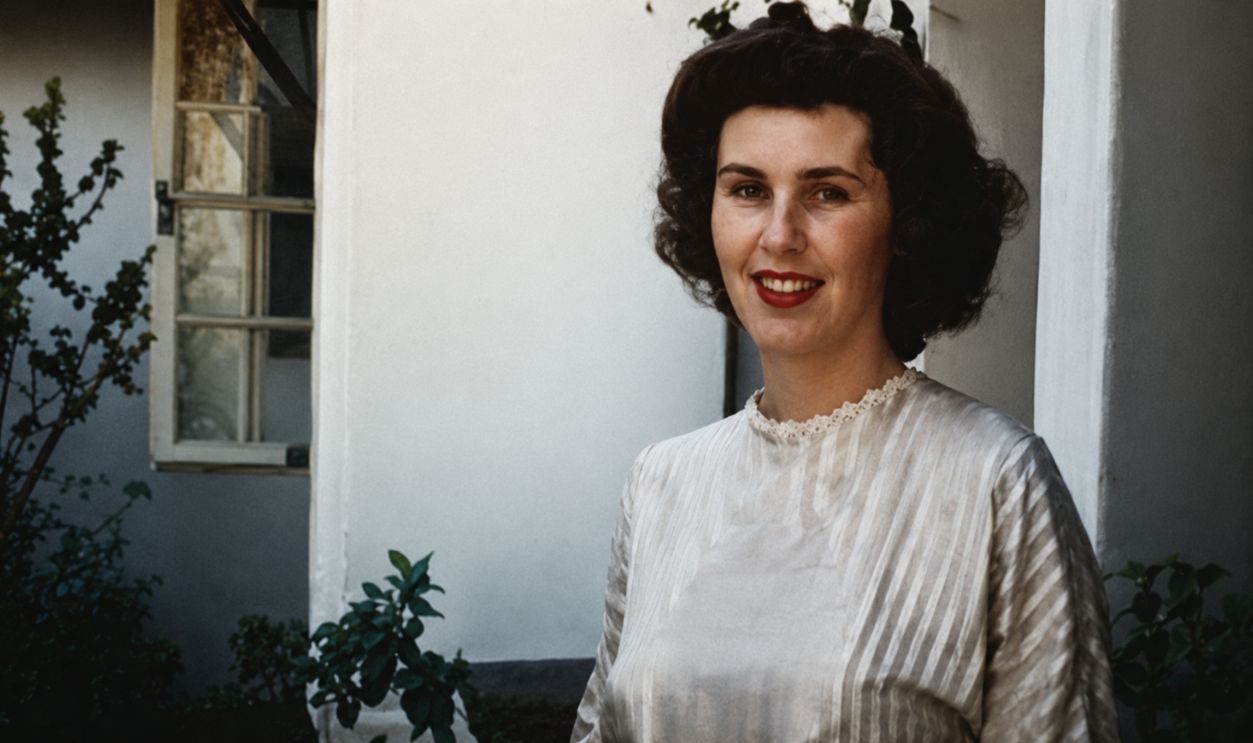 Screenshot from A Skin Too Few: The Days of Nick Drake, Roxie Releasing (2000)

History's most fascinating stories and darkest secrets, delivered to your inbox daily.
4. He Learned At His Mother’s Side
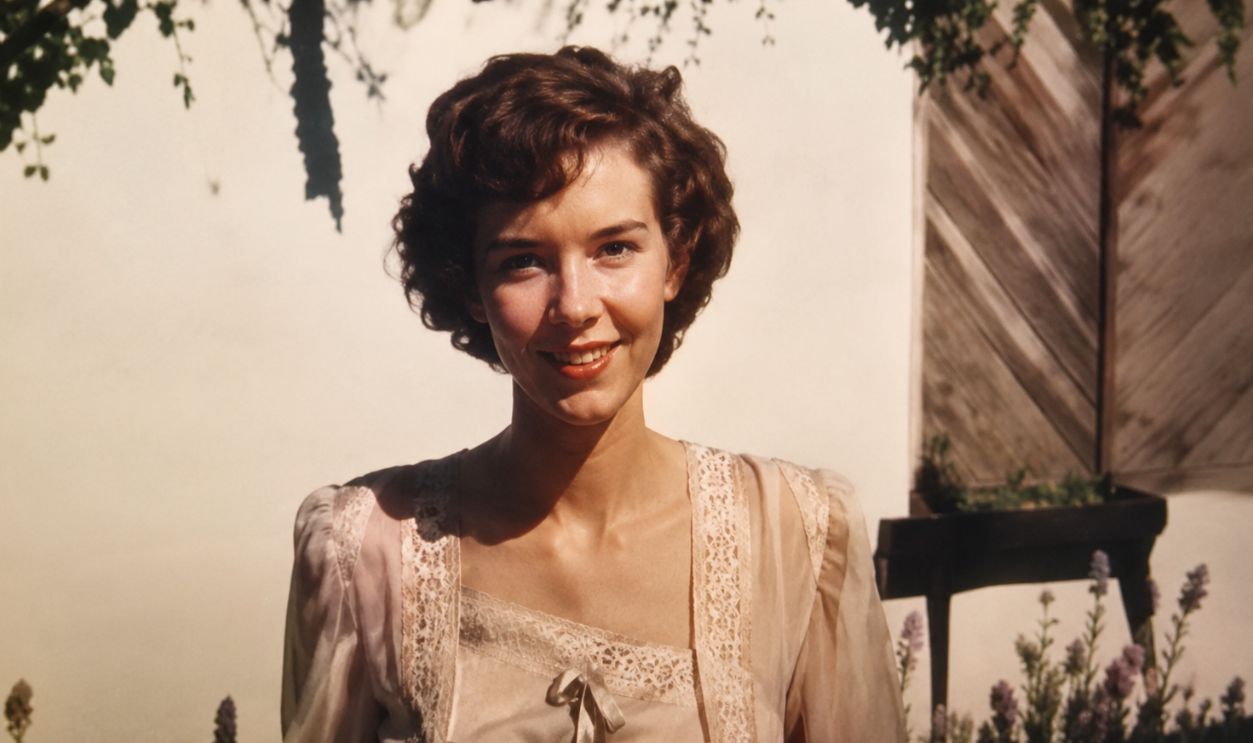
Drake’s mother encouraged his early interest in music. And it was clear that he had a talent for it. With his mother’s insistence, Drake learned to play the piano and even began composing his own songs long before he was old enough to drive. Using a reel-to-reel recorder that his mother kept in the family drawing room, he captured these early home concerts.
But it didn’t seem like music was his destiny.
 Screenshot from A Skin Too Few: The Days of Nick Drake, Roxie Releasing (2000)
5. His Parents Sent Him Away
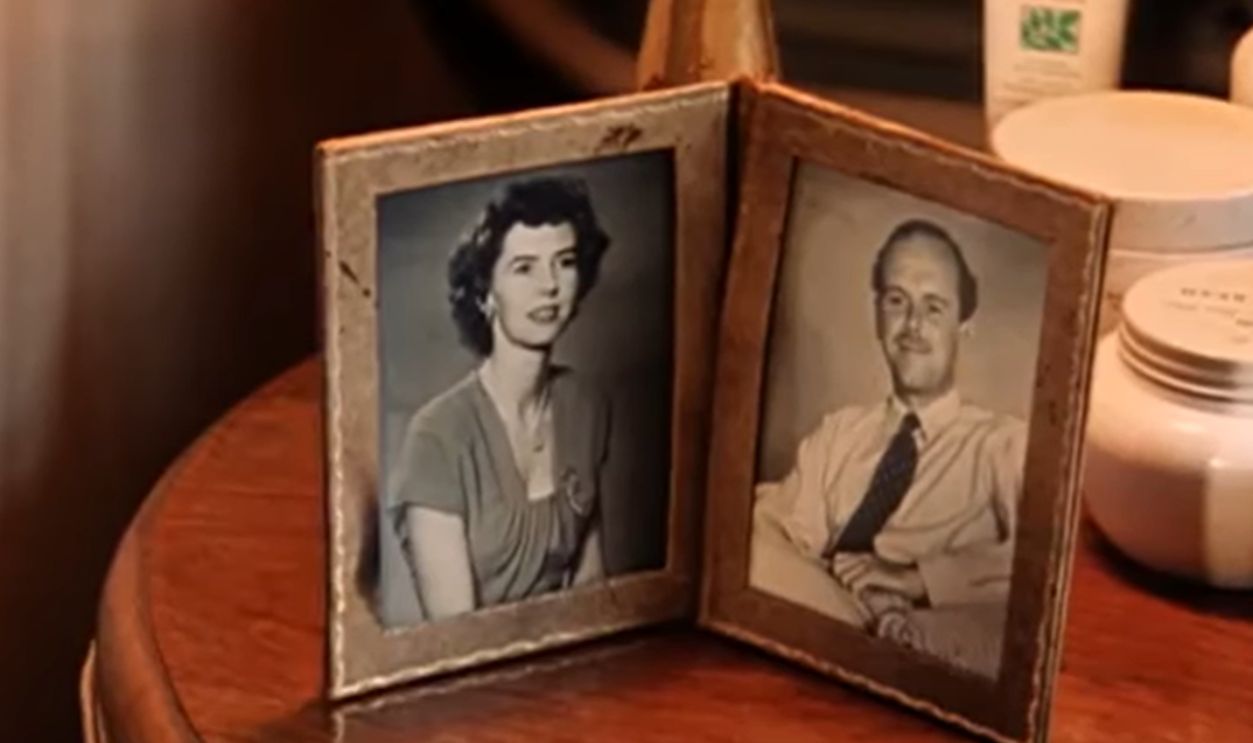
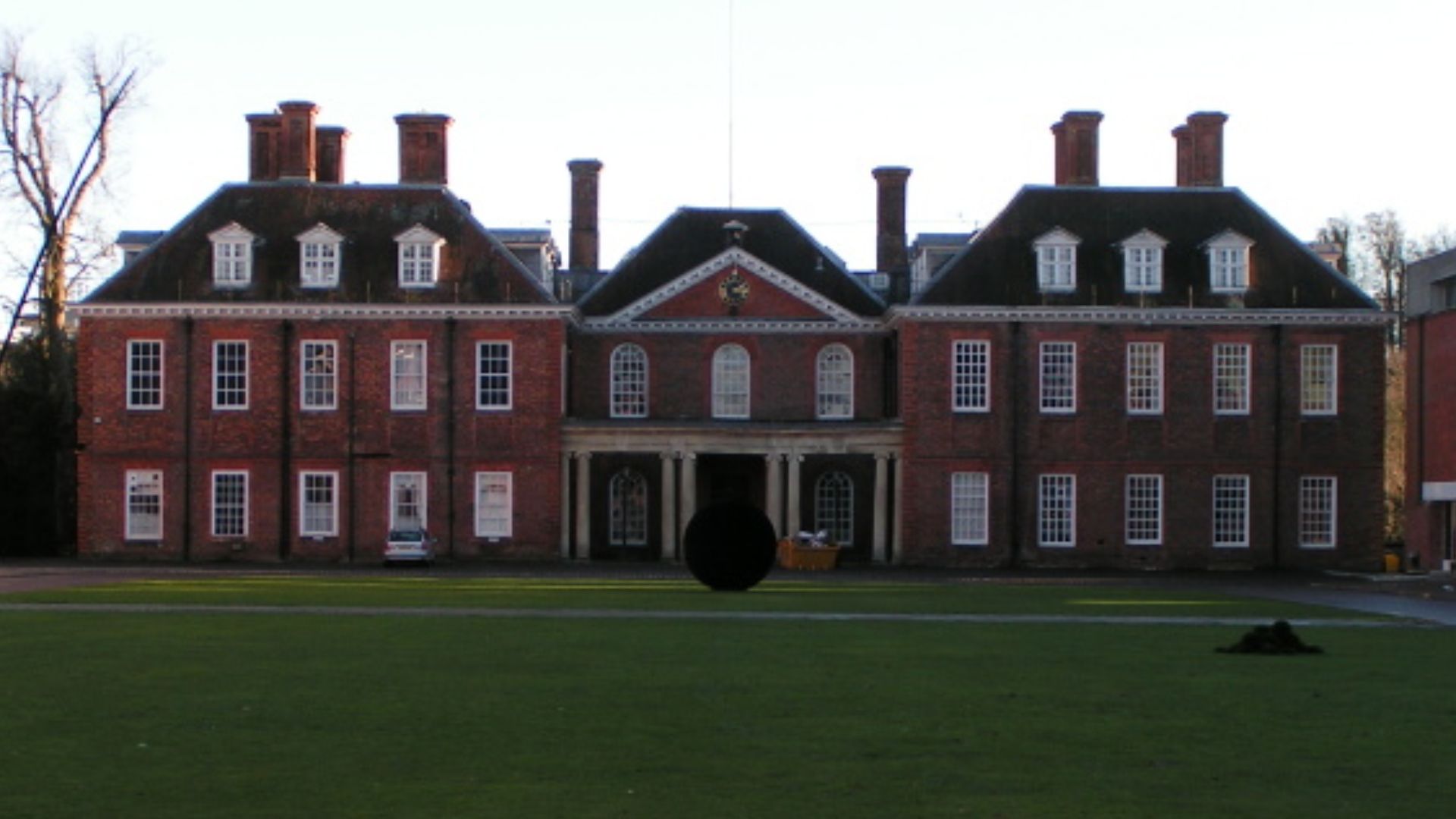
Despite his musical inclination, Drake’s parents seemed to prioritize a traditional education. Starting in 1957, they sent him away to Eagle House School, a preparatory boarding school in Berkshire. Shortly after that, his parents transferred him to a public school, Marlborough College, in keeping with his father’s family’s tradition.
Once there, Drake seemed to head in a non-musical direction.
 Screenshot from A Skin Too Few: The Days of Nick Drake, Roxie Releasing (2000)
6. He Excelled On The Field
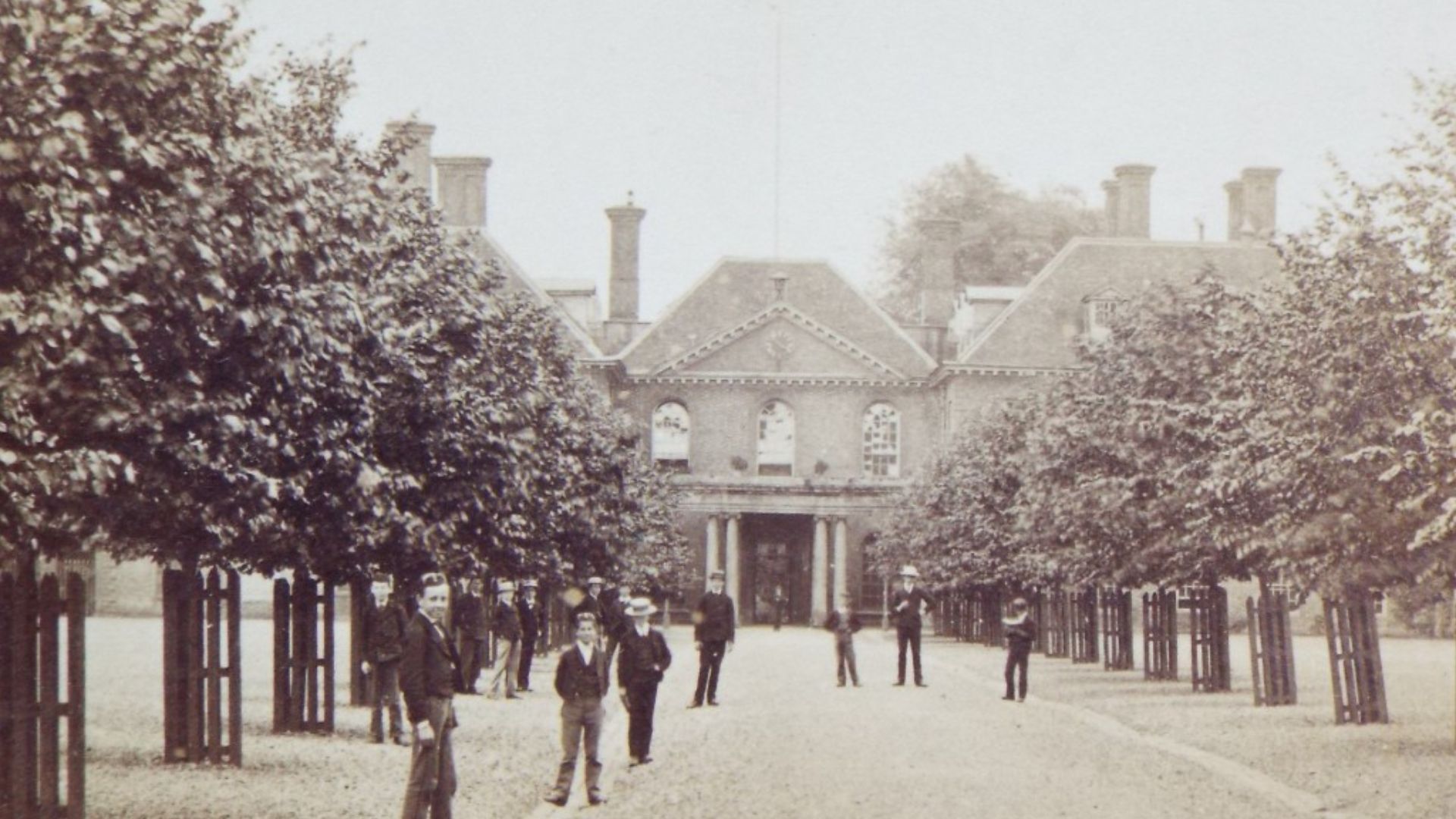
At Marlborough College, Nick Drake excelled outside of the music room—and the classroom. He became active in athletics, competing (and often winning) in the 100 and 200 yard sprints, and playing rugby for his school house team. Classmates remembered Drake as confident yet distant—“quietly authoritative”, as they put it. Not even his teammates quite understood him.
 Alfred Seeley, Richmond, UK, Wikimedia Commons
7. He Remained Unknowable
Drake’s quiet reserve left a lasting impression. His father later recalled a headmaster’s report in which the headmaster wrote that “none of us seemed to know him very well”. Drake’s father even added an ominous line, saying, “All the way through with Nick, people didn’t know him very much”. The comment reflected Drake’s deep reservation and shyness. But, perhaps, music offered one way inside.
8. He Formed His First Band
While still at school, Nick Drake co-founded a group called the Perfumed Gardeners. He played piano, occasionally jammed on the saxophone, and sometimes lent his vocals to the band as they tackled R&B covers and jazz standards. Mostly covering songs by the Yardbirds and Manfred Mann, they weren’t headlining any gigs. Still, Drake maintained a high standard for anyone wanting to jam with him.

9. He Rejected A Future Star
The future pop star, Chris de Burgh, also happened to attend Marlborough College. Just one year below Drake, de Burgh saw an opportunity and asked to join the Perfumed Gardeners. But Drake and his bandmates weren’t having any of it and turned him down, saying that his sound was “too poppy” for their band.
However, it seemed that Drake was spending too much time with his band, and not enough time with his books.
 Stefan Brending (2eight), Wikimedia Commons
History's most fascinating stories and darkest secrets, delivered to your inbox daily.
10. He Fell Short At School
In 1963, Nick Drake completed his formal education, but had still fallen short of his parents’ and teachers’ expectations. Even after earning a respectable seven GCE O-Levels, his teachers said they had expected better, most notably pointing to Drake’s failing grade in “Physics with Chemistry”. It was the first sign that Drake’s mind had already begun to wander.

11. He Bought His First Guitar
In 1965, Drake scraped together £13 (over £300 today) and made his first real commitment to music, purchasing his first acoustic guitar. The brand new Levin quickly became an obsession for Drake and he began testing out new tunings and finger-picking techniques until he had found a sound and style that was all his own. With his new sound, he was ready to go on his first tour.

12. He Went On Tour—Kind Of
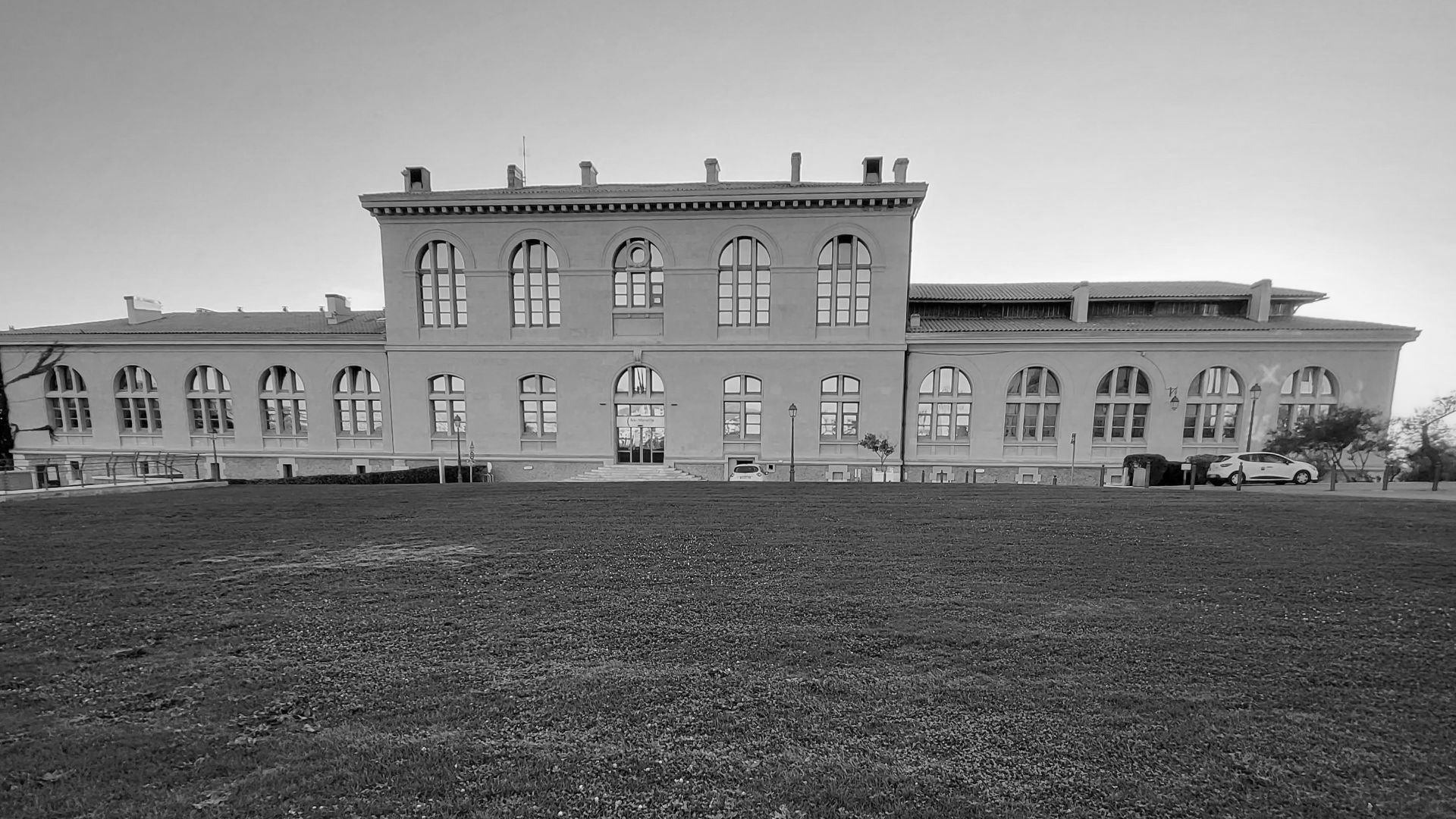
After enrolling at a Birmingham tutorial college in 1966, Drake secured a scholarship to Fitzwilliam College, Cambridge. However, with his place deferred until autumn 1967, Drake decided to fill his time with music. He traveled to France, opting for a six-month stint at the University of Aix-Marseille—time he quietly devoted to sharpening his craft.
He may have gotten his first fans in France.
 Luckibarbie, Wikimedia Commons
13. He Played For Pocket Change
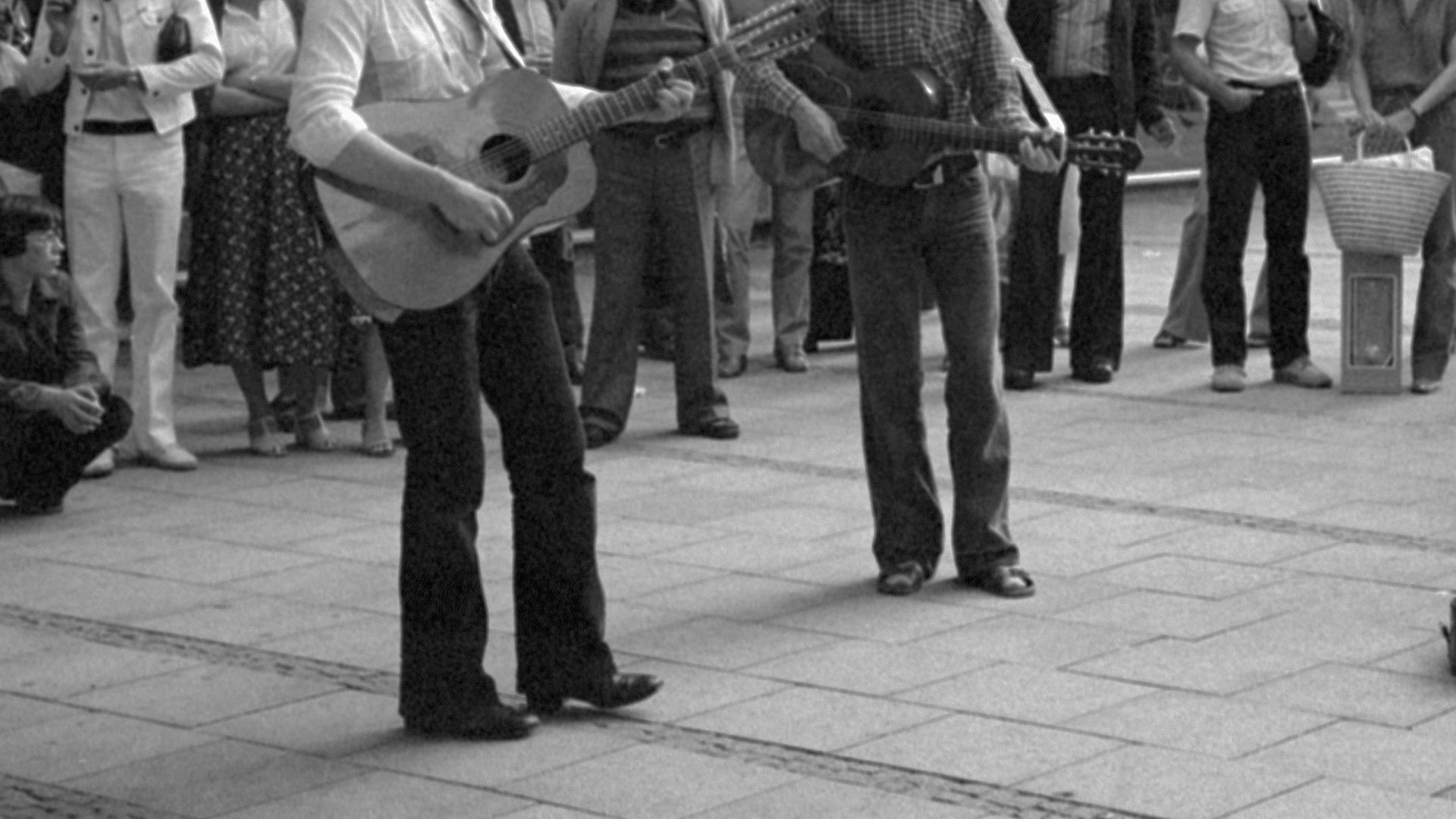
While living in France, Drake broke out of his shell and found a new way to hone his musical talents. Alongside friends, he began playing music in public squares, taking small payments from passersby who fancied his sound. Those informal performances gave him some early confidence and comfort in front of crowds. But, once he came out of his shell, he discovered something destructive.
 Vészi Ágnes, Wikimedia Commons
14. He Drifted Further South
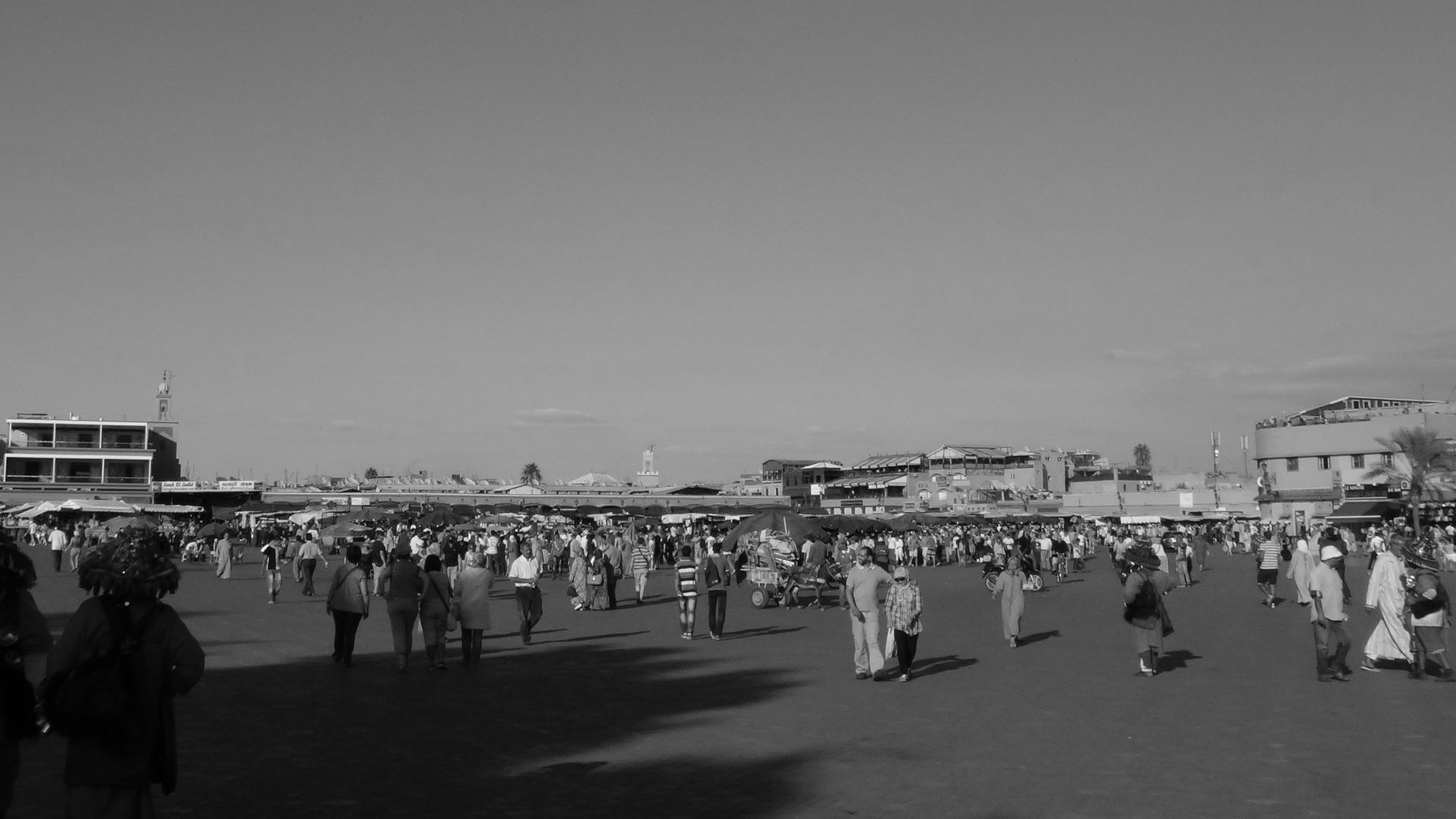
France exposed Nick Drake to more than just busking and live performances—it was also where he discovered pot. Before long, Drake’s weed dependency dictated his life. He traveled on to Morocco with some of his friends from France because, according to his friend Richard Charkin, “that was where you got the best pot”. Eventually, England would pull him back. But it wouldn’t fix his new addiction.
15. He Returned To London Life
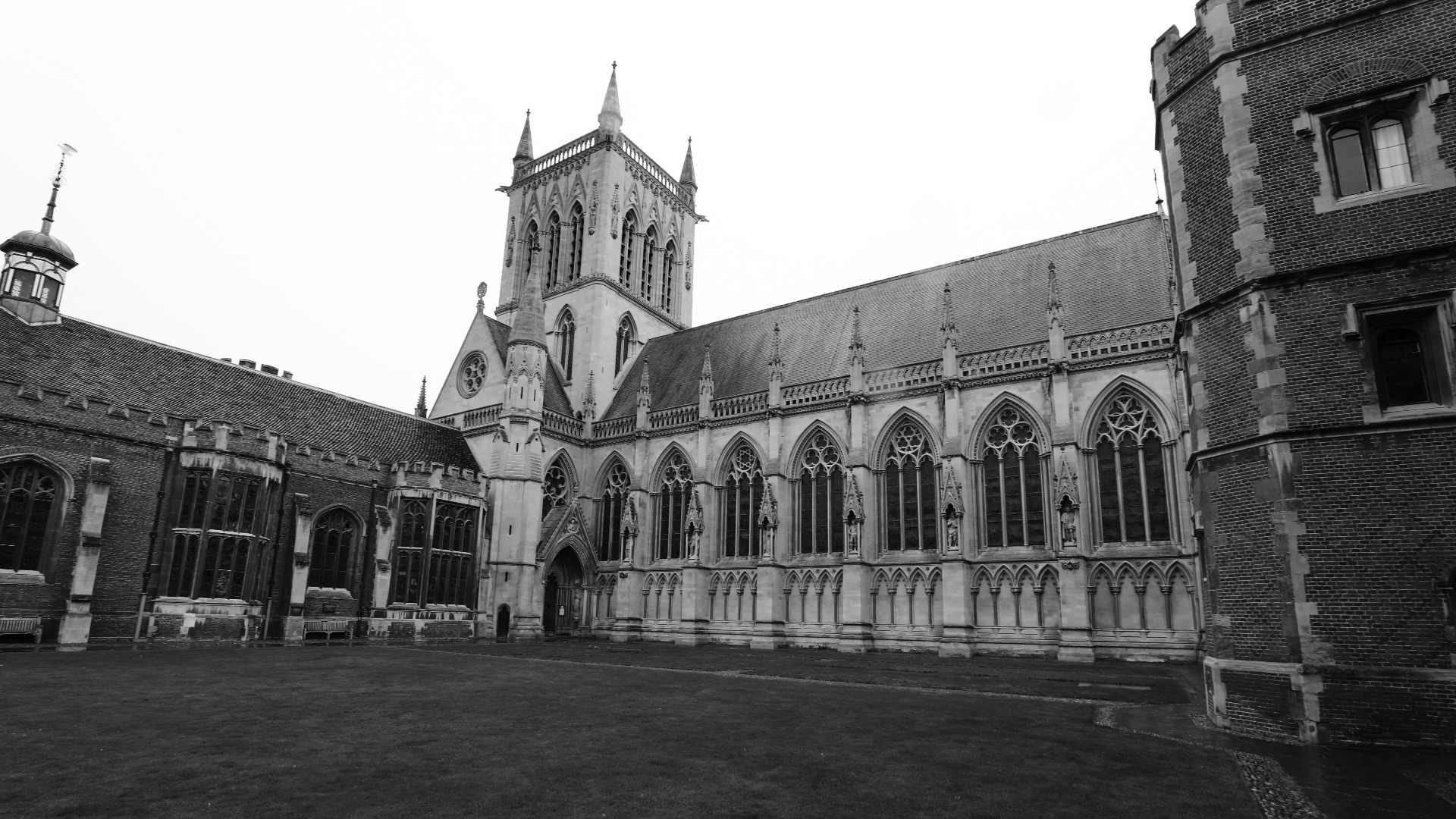
Nick Drake put France and Morocco in his rearview, returning to England in 1967. To help him get back on his feet, his sister let him stay with her in her Hampstead flat while he began his studies at Cambridge as planned. At Cambridge, Drake studied English literature, however, it became obvious early on that academia couldn’t hold his interest—at all.
History's most fascinating stories and darkest secrets, delivered to your inbox daily.
16. He Resisted Academic Expectations
At Cambridge, Drake’s slow decline became more apparent. His instructors recognized his intelligence, but noted his indifference towards anything that wasn’t music—or weed. Photographs from the time show Drake as what many described as a “sullen young man”. Fellow student Brian Wells later explained that Drake had fallen in with “the cool people smoking dope”.
The only time he came alive was when he was playing music.
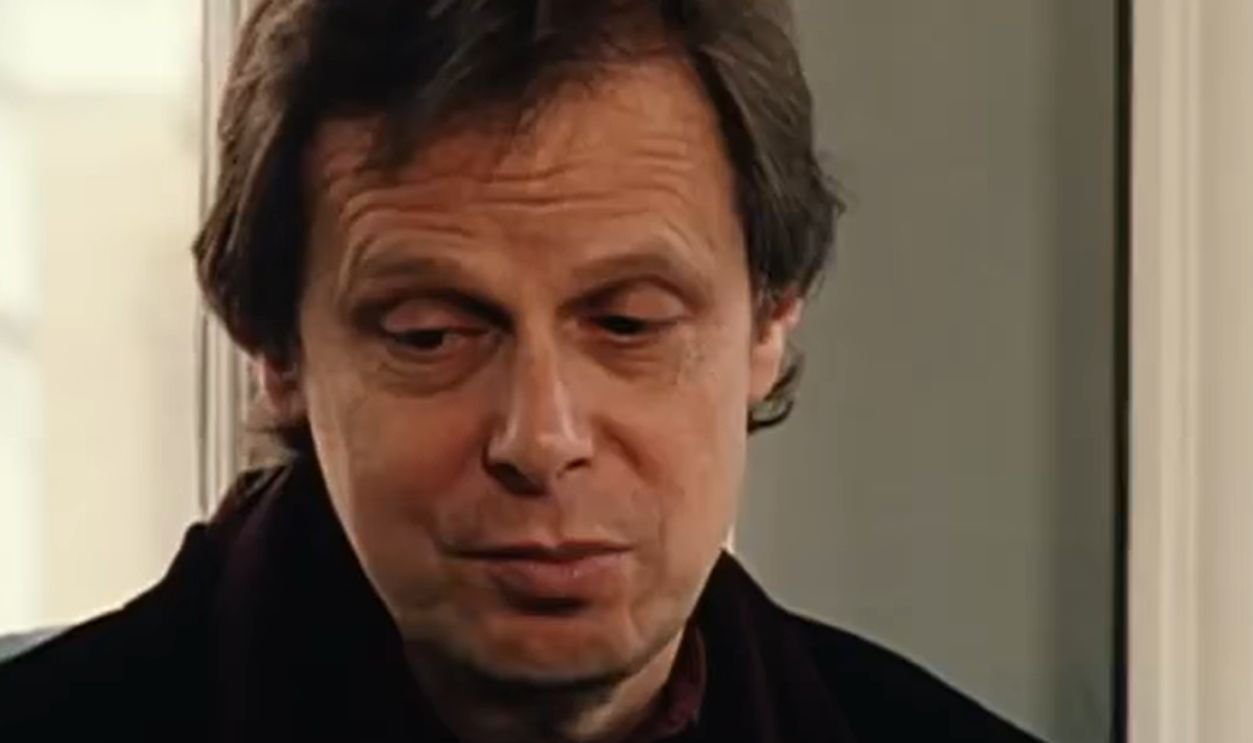 Screenshot from A Stranger Among Us: Searching for Nick Drake, BBC(1999)
17. He Found His Musical Circle
In January 1968, Nick Drake met fellow student Robert Kirby and their friendship would shape Drake’s sound. In the coming years, Kirby would shape the arrangements on Drake’s early albums, helping to define his sound. Also around that time, Drake immersed himself in the emerging folk music scene, listening to the likes of Bob Dylan and Van Morrison.
Drake was, however, a star in his own right.
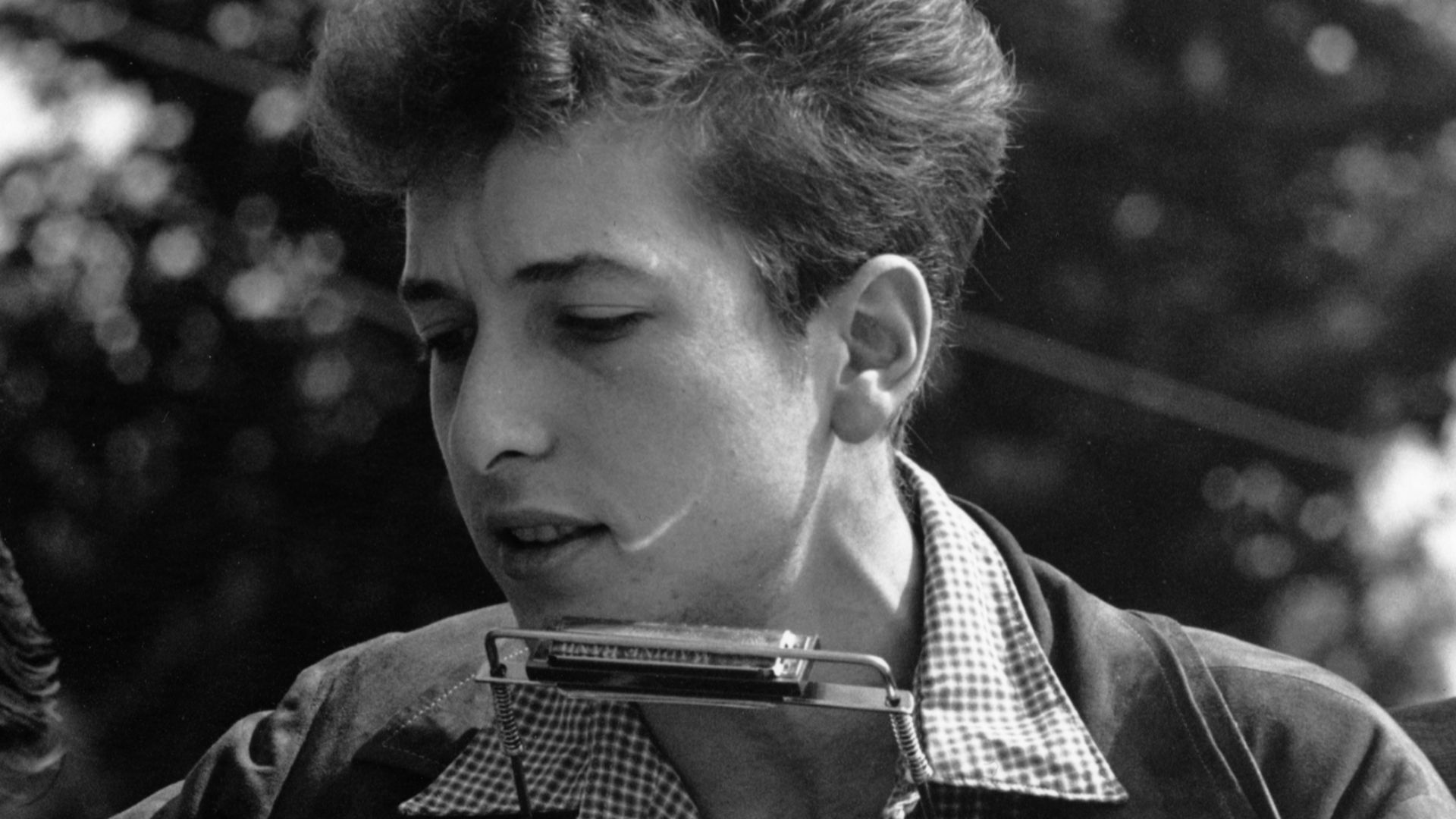 Rowland Scherman, Wikimedia Commons
18. He Looked Like A Star
In late 1967, Drake had a breakout performance entirely by chance. While performing at a multi-day event at the Roundhouse in Camden, he impressed Fairport Convention bassist Ashley Hitchings, who remembered the moment vividly. “He looked like a star,” Hutchings later recalled. “He looked wonderful, he seemed to be 7 ft [tall]”.
Hutchings gave Drake his first real break.
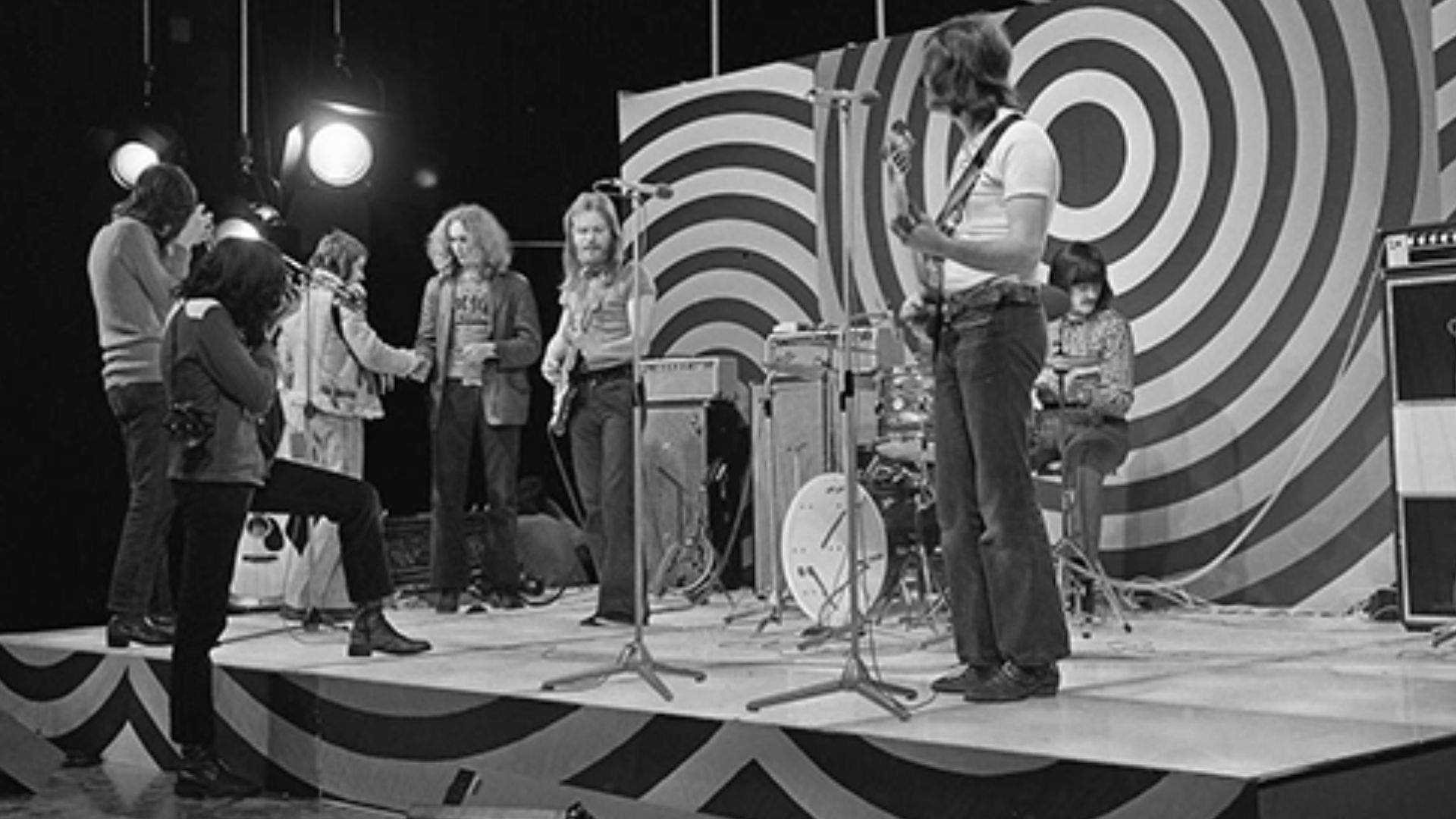
19. He Met His Future Producer
Hutchings had been so impressed with Drake that he introduced him to the American music producer Joe Boyd. At the time, Boyd was head of Witchseason Productions and was plugged into London’s folk underground. With strong industry connections, including to the star-making studio, Island Records, fame appeared to be knocking on Drake’s door.
All it would take was one recording.
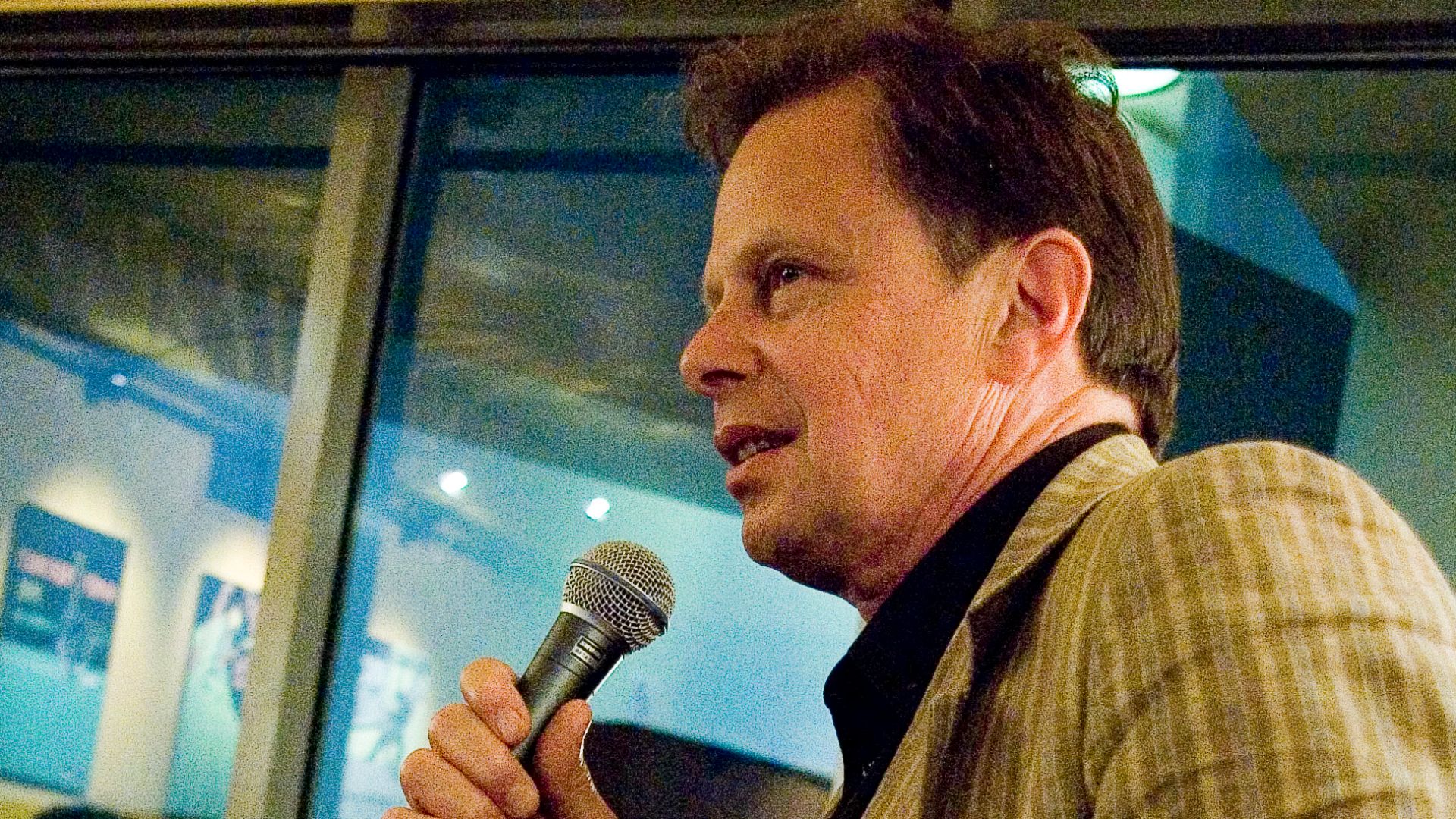 Jellevc at English Wikipedia, Wikimedia Commons
20. He Recorded A Dorm Room Demo
Following their initial introduction in late 1967, Nick Drake gave Boyd a simple four-track demo that he had recorded in his college dorm room. Whatever the demo lacked in production quality, Drake made up for with musical brilliance. The demo was so impressive that Boyd decided to hand Drake a contract. Drake’s reaction was…characteristically Drake.
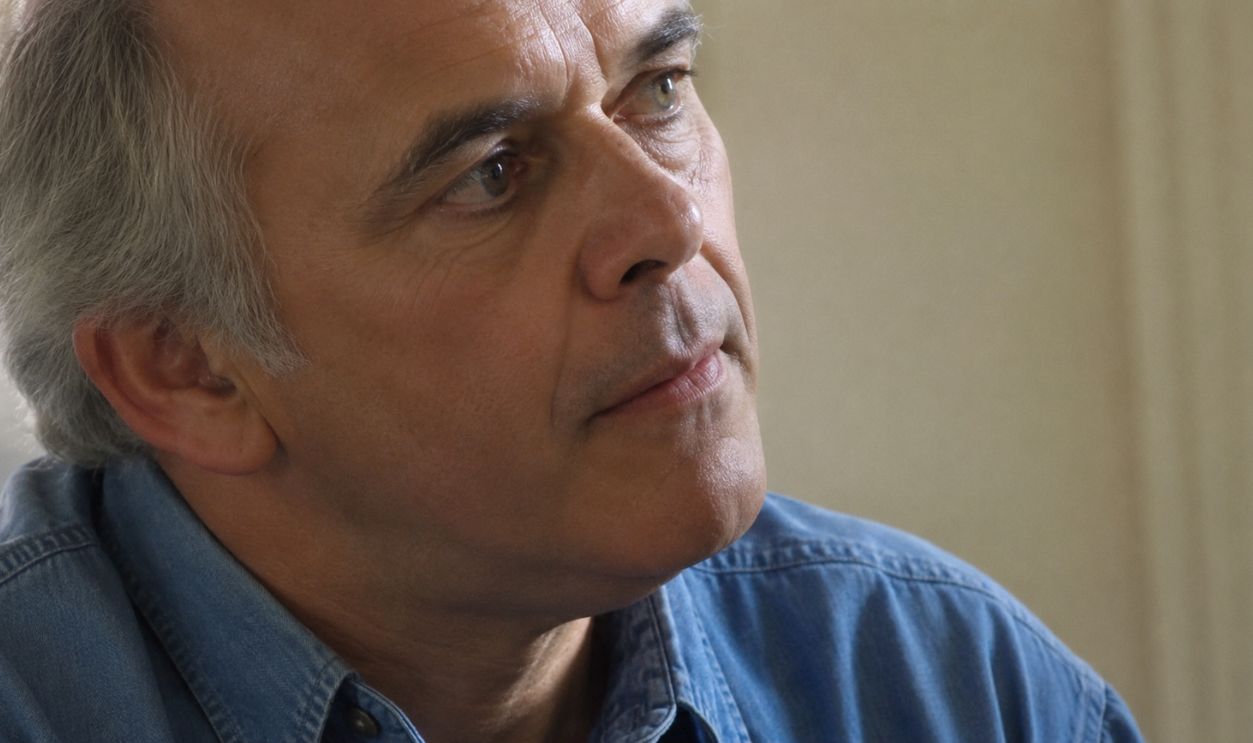 Screenshot from A Stranger Among Us: Searching for Nick Drake, BBC(1999)
21. He Didn’t Seem Excited
Boyd later recalled the moment that he told Drake that he wanted to make him a star. “Halfway through the first song, I felt this was pretty special,” Boyd said of listening to Drake’s demo. “And I called him up, and he came back in, and we talked, and I just said, ‘I’d like to make a record’”. Drake’s response was equally cool and confusing: “Oh, well, yeah. Okay,” Drake said.
Secretly, he seemed very excited.
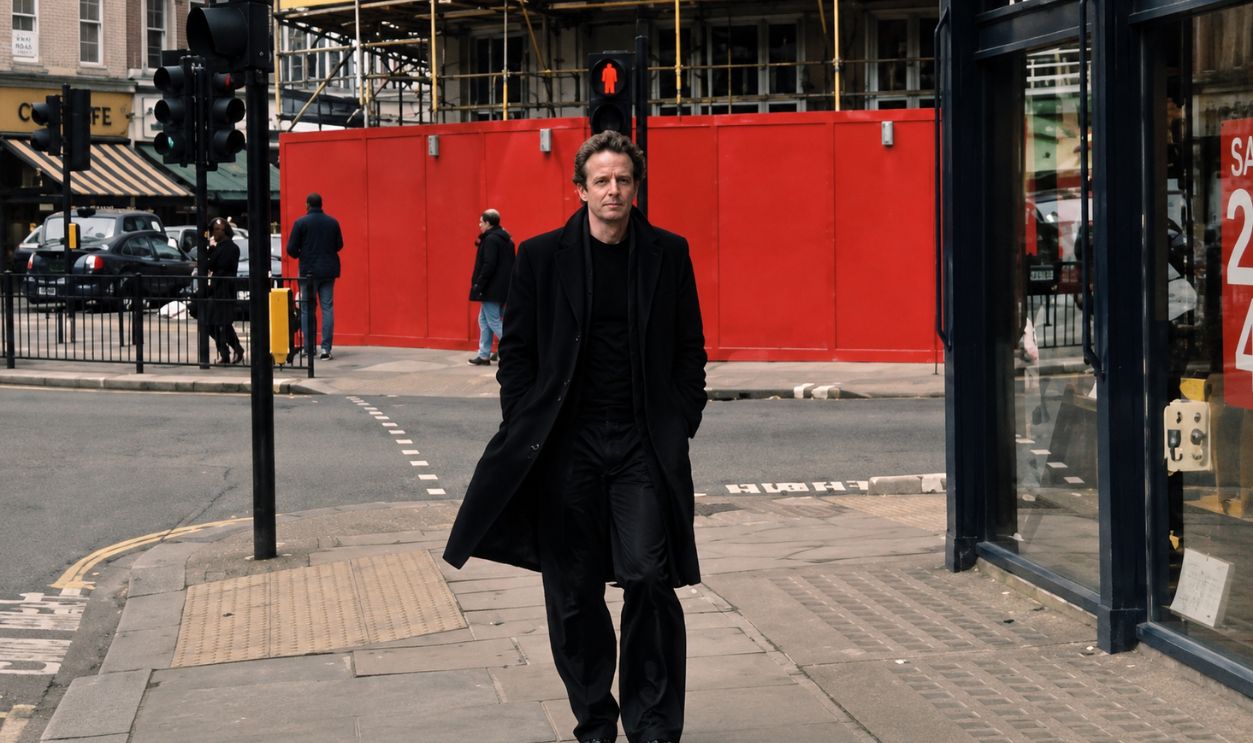 Screenshot from A Skin Too Few: The Days of Nick Drake, Roxie Releasing (2000)
History's most fascinating stories and darkest secrets, delivered to your inbox daily.
22. He Chose Music Over Cambridge
Drake’s friend Paul Wheeler later shed light on Drake’s internal thoughts at the time. As Wheeler explained it, Drake had already decided to drop out of Cambridge before his third year was up when Boyd offered him the deal. Moreover, Wheeler described Drake’s quiet excitement as he skipped classes to travel to the studio to record his first album, Five Leaves Left.
It was not, however, smooth sailing.

23. He Fought For His Sound
Nick Drake quickly became dissatisfied with the arranger that Boyd had given him, Richard Anthony Hewson. Feeling that Hewson’s approach was too polished, Drake pushed for his friend Robert Kirby instead who ended up doing most of the composing. However, Boyd insisted on veteran Harry Robertson for the album’s emotional core, “River Man”.
With the record produced, Drake awaited stardom.
 Screenshot from A Stranger Among Us: Searching for Nick Drake, BBC(1999)
24. He Felt Let Down By Release
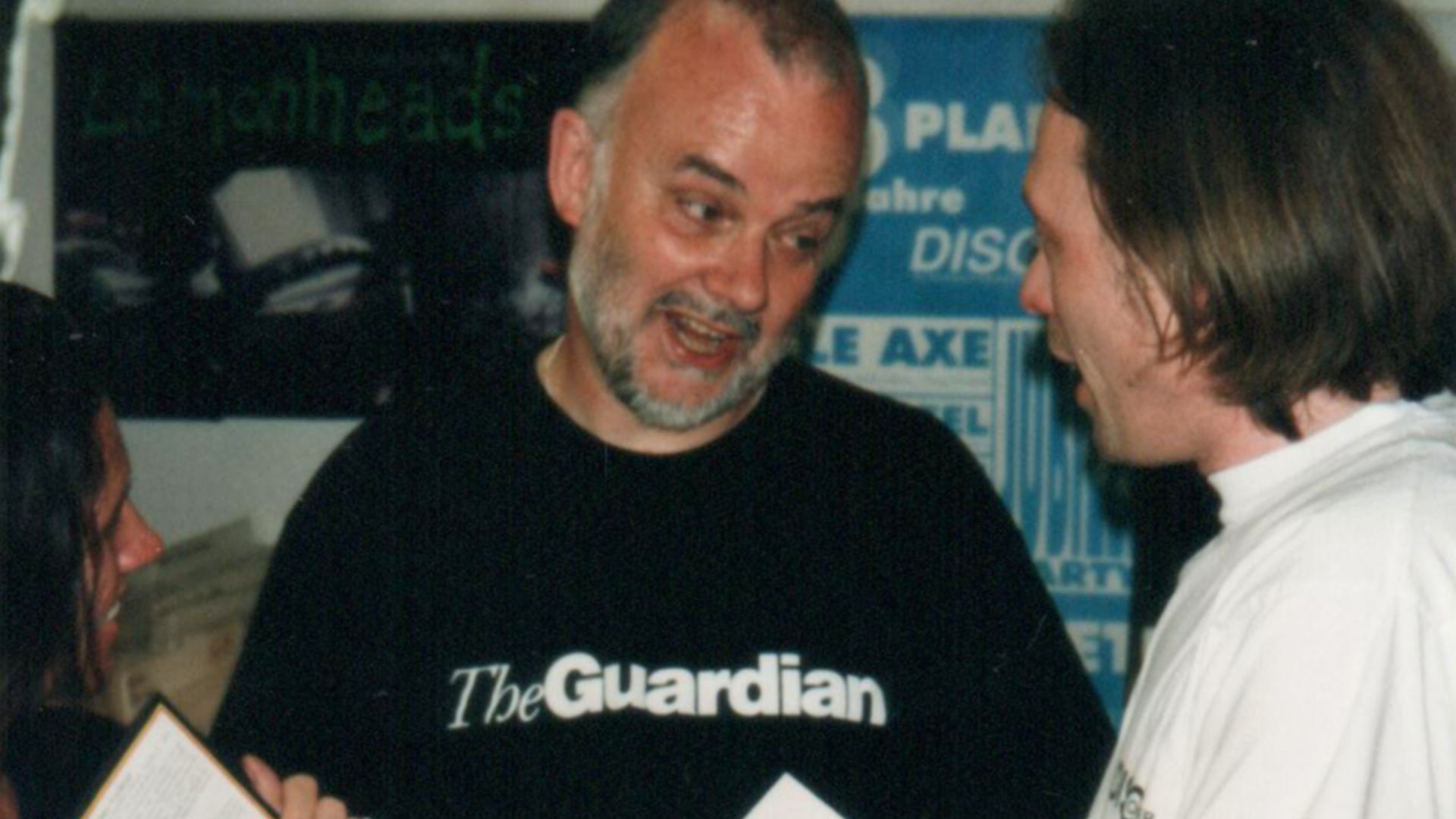
When Five Leaves Left hit the airwaves in 1969, its reception stunned Drake. While his musical talent was undeniable, the album struggled to get airtime beyond some of the more adventurous BBC DJs, like John Peel and Bob Harris. Drake also bristled at the sleeve notes, which he noted were filled with inaccuracies and even lyrics that he had taken out of the final edits.
Suffice to say, he did little to help himself.
25. He Kept It All Private
Nick Drake rarely discussed his work, even at home. His sister Gabrielle later recalled, “He was very secretive. I knew he was making an album but I didn’t know what stage of completion it was at until he walked into my room and said, ‘There you are.’ He threw it onto the bed and walked out”! From the sounds of it, Drake thought his music should speak for him.
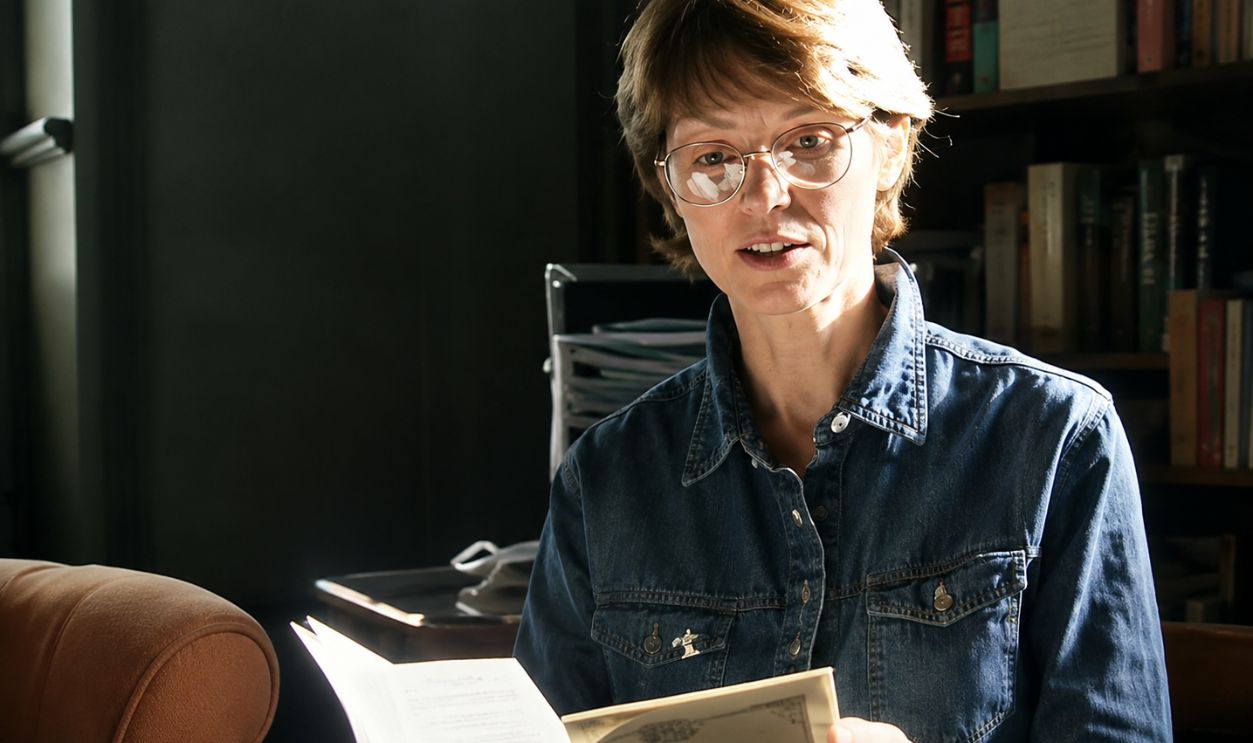 Screenshot from A Stranger Among Us: Searching for Nick Drake, BBC(1999)
26. He Started Playing Radio And Club Gigs
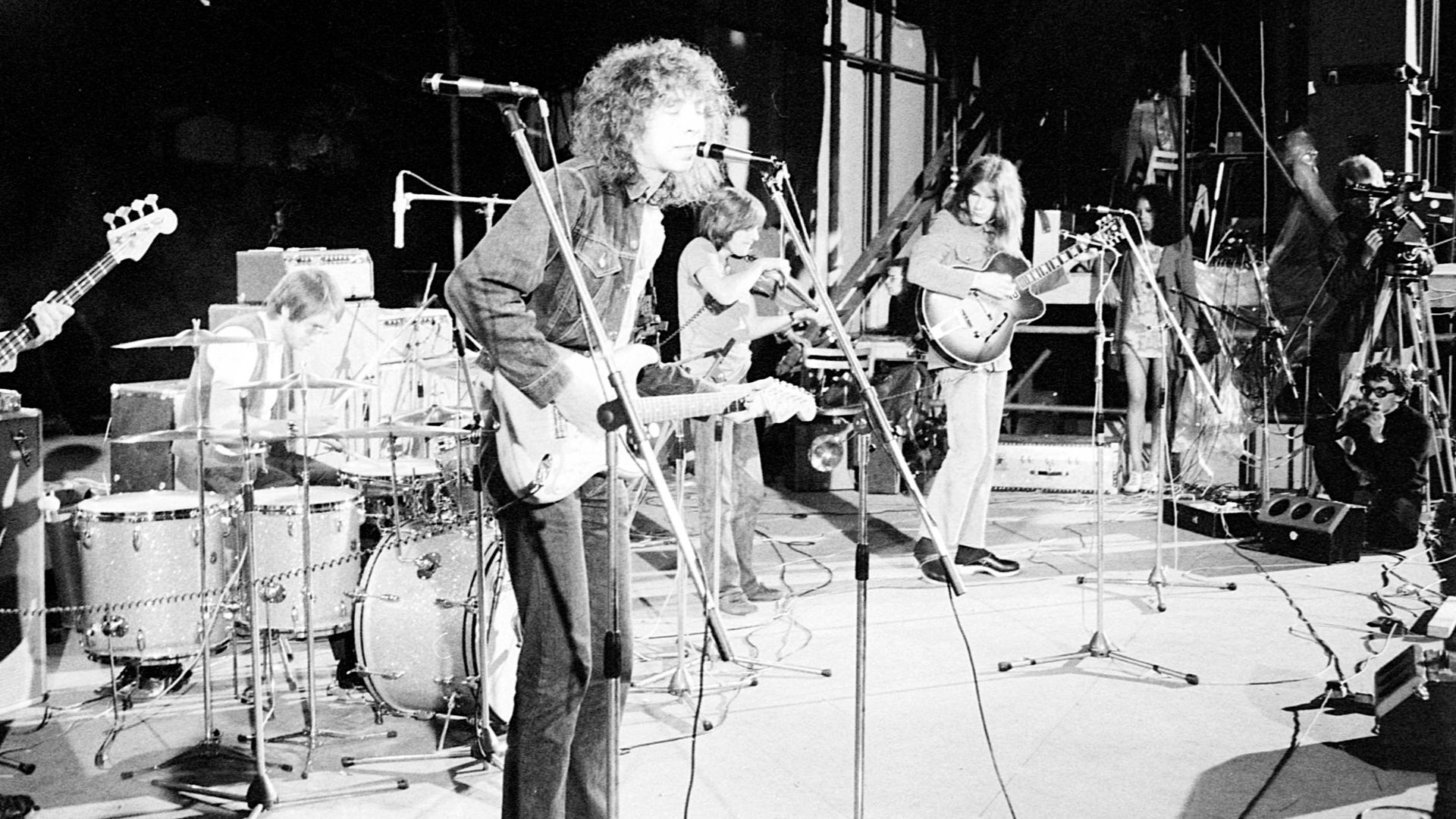
To promote his album, in 1969, Nick Drake recorded four songs for John Peel’s late-night radio program Night Ride which went on the air later that month. In September, as part of the same promotion, Drake opened for Fairport Convention at London’s Royal Festival Hall and began making appearances at folk clubs in towns like Birmingham and Hull.
The crowds, however, were not ready for his sound.
 Fotopersbureau De Boer, Wikimedia Commons
27. He Lost The Room
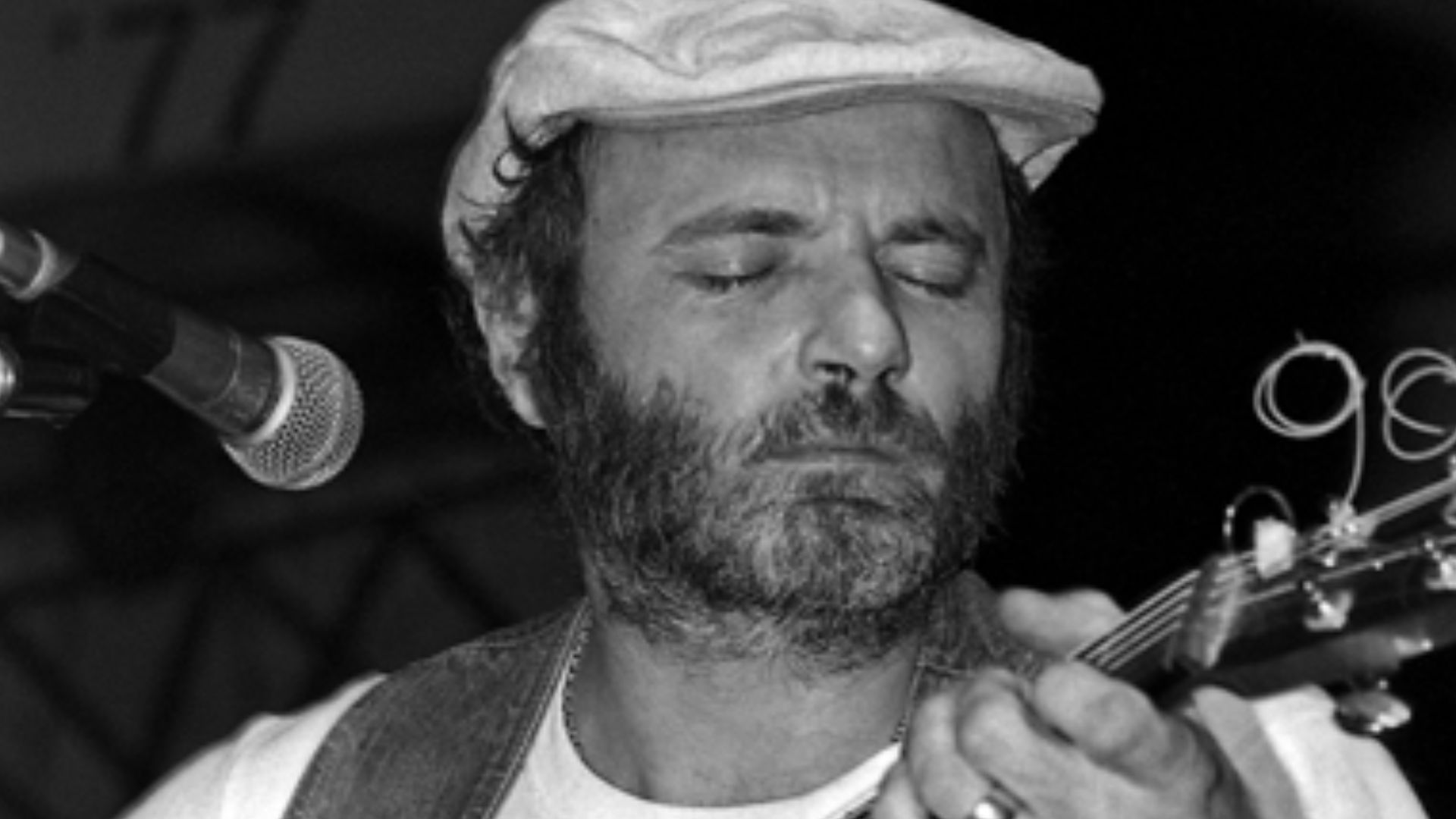
Folk singer Michael Chapman remembered audiences growing restless during Drake’s early sets at Fairport Convention. “They completely missed the point,” Chapman said, explaining that Drake’s lack of banter with the audience rubbed them the wrong way. “I don’t know what the audience expected,” Chapman moaned. “I mean, they must have known they weren’t going to get sea-shanties and sing-alongs at a Nick Drake gig!”
Drake soon retreated from the circuit.
 Zoran Veselinovic, Wikimedia Commons
History's most fascinating stories and darkest secrets, delivered to your inbox daily.
28. He Walked Away From Safety
Just as planned, Nick Drake left Cambridge nine months before graduation and moved to London in late 1969. But his father knew something wasn’t quite right. In long letters, Drake’s father warned him that a college degree would provide him with a safety net in case the music thing fell through. Calmly but defiantly, Drake replied that “a safety net was the one thing he did not want”.
Boyd arranged modest accommodation for Drake until his album sales improved. If they improved.
29. He Brightened His Palette
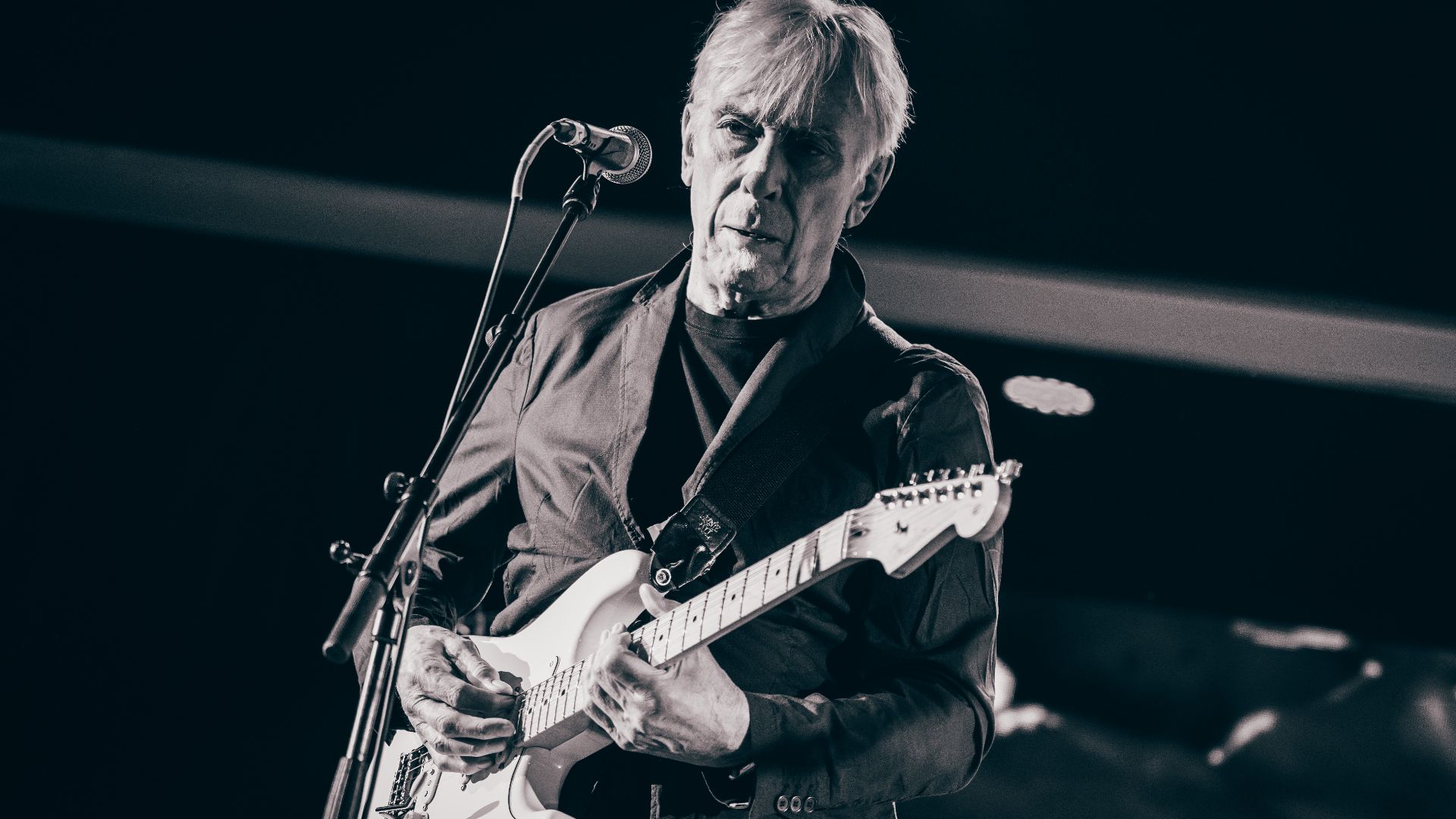
Drake didn’t waste much time getting back to the studio to record his second album, Bryter Layter. However, this time, Boyd exerted more control over Drake’s sound, leading to a “more upbeat, jazzier sound”. However, even with contributions from Fairport Convention musicians and special features from John Cale on “Northern Sky” and “Fly”, the album would have a hard time.
 Paul Hudson from United Kingdom, Wikimedia Commons
30. His Producer Ditched Him
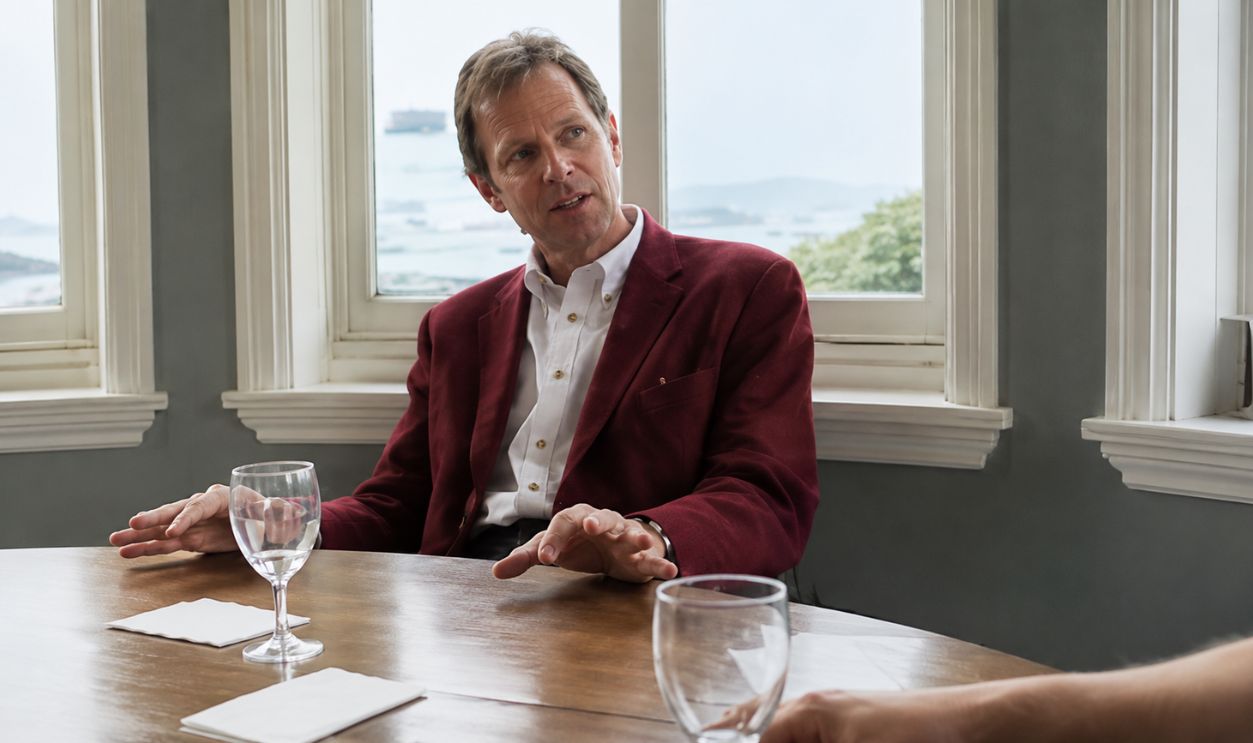
Bryter Layter was not the album that Drake had wanted to produce—and his critics and fans knew it. While some critics praised Drake as a “beautiful guitarist”, others couldn’t help but note the “awkward mix of folk and cocktail jazz”. Unsurprisingly, the album flopped. Then, to make matters worse, Boyd sold Witchseason to Island Records and ditched Drake for Los Angeles to pursue film work.
Isolation was creeping in.
 Screenshot from A Stranger Among Us: Searching for Nick Drake, BBC(1999)
31. He Walked Off Mid-Song
One of Drake’s last public performances came in June 1970 at Ewell Technical College. And it was as sure a sign as any that Drake was not doing well. Ralph McTell recalled the performance, saying, “Nick was monosyllabic. At that particular gig he was very shy. He did the first set and something awful must have happened. He was doing his song ‘Fruit Tree’ and walked off halfway through it”.
After that night, live shows nearly vanished.

32. He Returned To The Studio
After Boyd left, Island Records wasn’t expecting anything else from Drake. However, when Drake reached out to sound engineer and producer John Wood in late 1971, he expressed a desire to record a third album. Over just two nights, the pair hunkered down in the studio and recorded Pink Moon. The entire record ran a brief 28 minutes.
But that was 28 of Drake’s best minutes.

33. He Reduced Music To Essence
Pink Moon was Drake’s most honest and vulnerable album yet. Wood later described Drake’s approach to the project, saying that he wanted something “very stark”. “I think, in some ways,” Wood commented, “Pink Moon is probably more like Nick than the other two records”. You might say that Drake had a “hands-on” approach to the album.
 Island Records, Wikimedia Commons
History's most fascinating stories and darkest secrets, delivered to your inbox daily.
34. He Made Deliveries
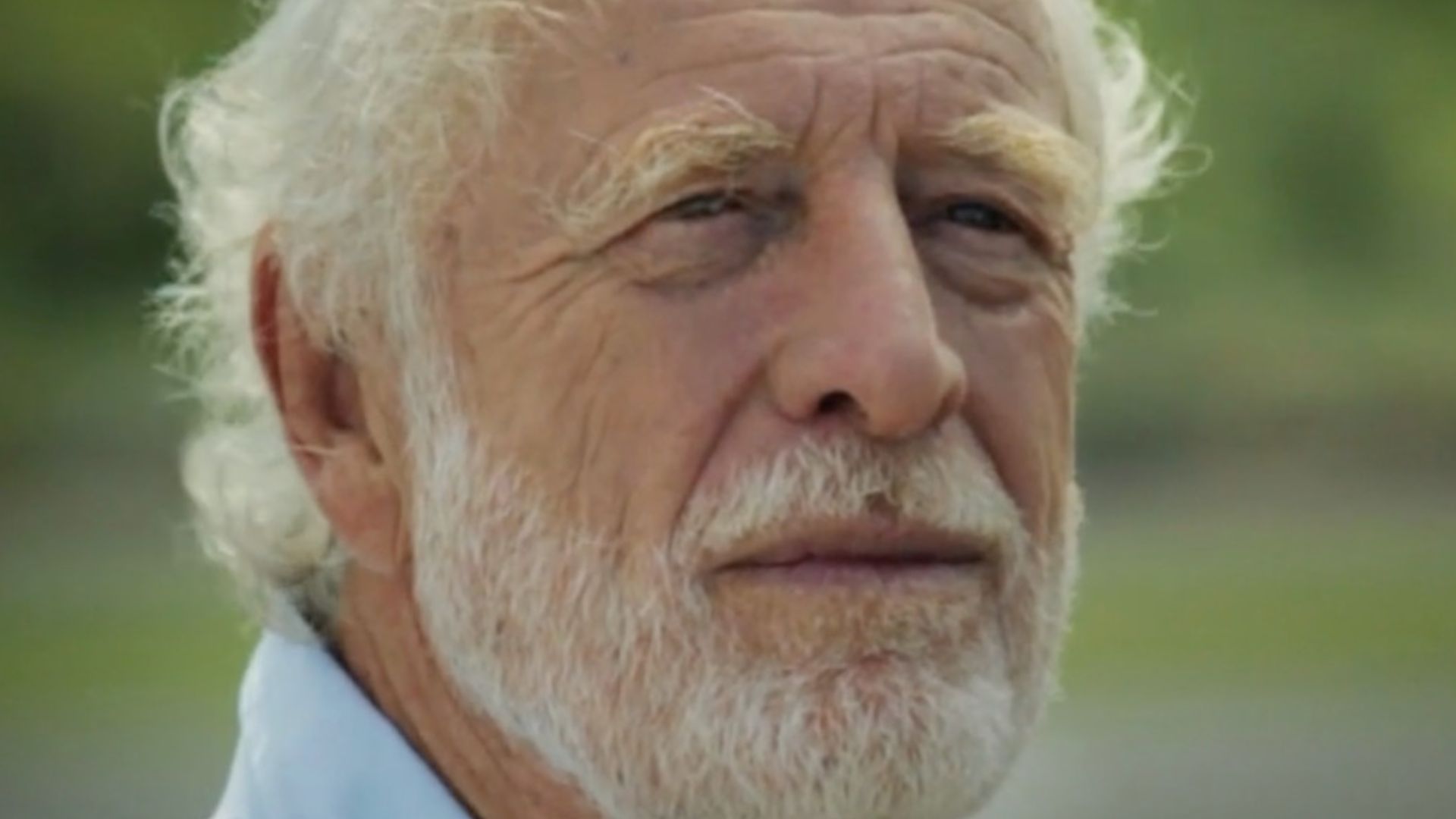
As the years rolled on, mythology around Drake’s Pink Moon replaced the facts. Legend has it that, once he finished recording the album, Drake walked into Island Records and, without a word, dropped it off at reception. In reality, however, Drake delivered the album to Island Records founder Chris Blackwell himself. Whatever the actual events, one thing was clear.
Nick Drake needed help.
 John Moessner, Wikimedia Commons
35. He Sought Medical Help
By 1971, Drake’s behavior had become troubling enough that his family pushed him to seek help. Drake met with a psychiatrist at St Thomas’ Hospital in London and got what he hoped would be a fix for his troubles: antidepressants. However, Drake’s main concern was that his new medication might impact his continued reliance on weed.
Those around him noticed visible changes.

36. He Withdrew From The World
Photographer Keith Morris described Nick Drake in 1971 in truly terrifying terms. Morris commented that Drake was a “hunched, dishevelled figure, staring vacantly” and that he all but ignored “the overtures of a friendly labrador” while “gazing blankly over Hampstead Heath” [sic]. It was the kind of despondency that no one knew how to deal with. Pretty soon, he couldn’t be on his own.
 Screenshot from A Stranger Among Us: Searching for Nick Drake, BBC(1999)
37. He Couldn’t Find Comfort Anywhere
After Pink Moon’s release, Nick Drake retreated even further. He became increasingly “asocial” and eventually returned to his parents’ home in Tanworth-in-Arden, far away from London. Even he admitted that he was beginning to suffer in the emotional isolation, confiding to his mother, “I don't like it at home, but I can't bear it anywhere else”. Not that he could afford anywhere else.
38. He Lived On Very Little
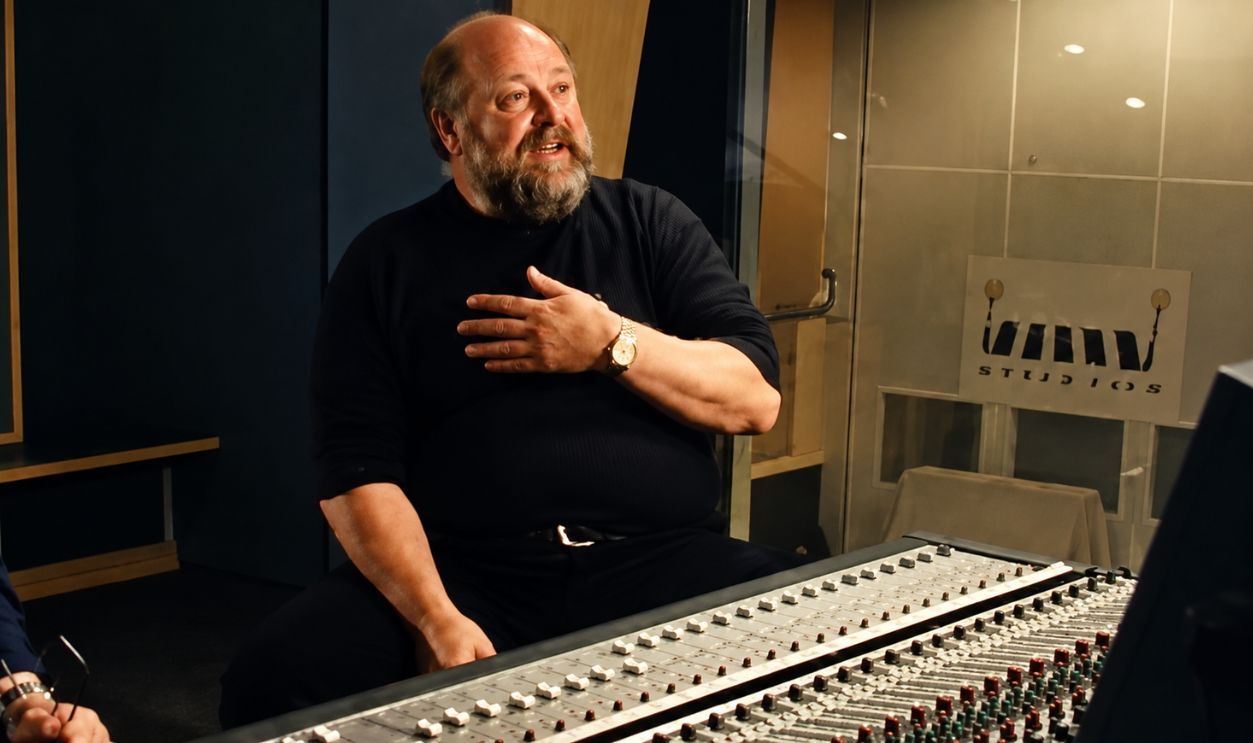
With paltry album sales, Drake was the embodiment of the struggling artist. He survived on a small weekly allowance from Island Records and often lacked the cash for basic necessities such as shoes. Worse yet, Robert Kirby described Drake’s behavior during visits: “He would arrive and not talk, sit down, listen to music, have a smoke, have a drink, sleep there the night, and two or three days later he wasn’t there, he’d be gone”
Drake was reaching a breaking point—and no one knew it.
 Screenshot from A Skin Too Few: The Days of Nick Drake, Roxie Releasing (2000)
39. He Reached A Breaking Point
In 1972, Drake’s mental condition became more than just concerning—it became a full-blown crisis. For reasons that remain unclear, Drake suffered a major nervous breakdown that required him to be hospitalized for five weeks. Initially, doctors believed Drake was suffering from severe depression, but a former therapist strongly suggested schizophrenia as the culprit.
Whatever the diagnosis, he would have to face it alone.

History's most fascinating stories and darkest secrets, delivered to your inbox daily.
40. He Never Found Romance
In 1968, when he was still living in London, Nick Drake met Sophia Ryde. Even after he left London and returned home to Tanworth-in-Arden, Ryde was one of the few people Drake kept in contact with. But the nature of their relationship remains unclear. Drake’s biographers later called Ryde “the nearest thing” he had to a partner in his life, though Ryde herself described the bond as more friendship than anything else.
Whether romantic or friendly, their relationship would have a sour ending.

41. He Faced A Final Goodbye
Reflecting on their last interaction during a 2005 interview, Ryde expressed some regrets about her relationship with Drake ended. About a week before Drake’s passing, she had asked for distance, admitting, “I couldn’t cope with it. I asked him for some time”. She added quietly, “And I never saw him again”. Others were sensing turmoil too.

42. He Harbored Unspoken Anger
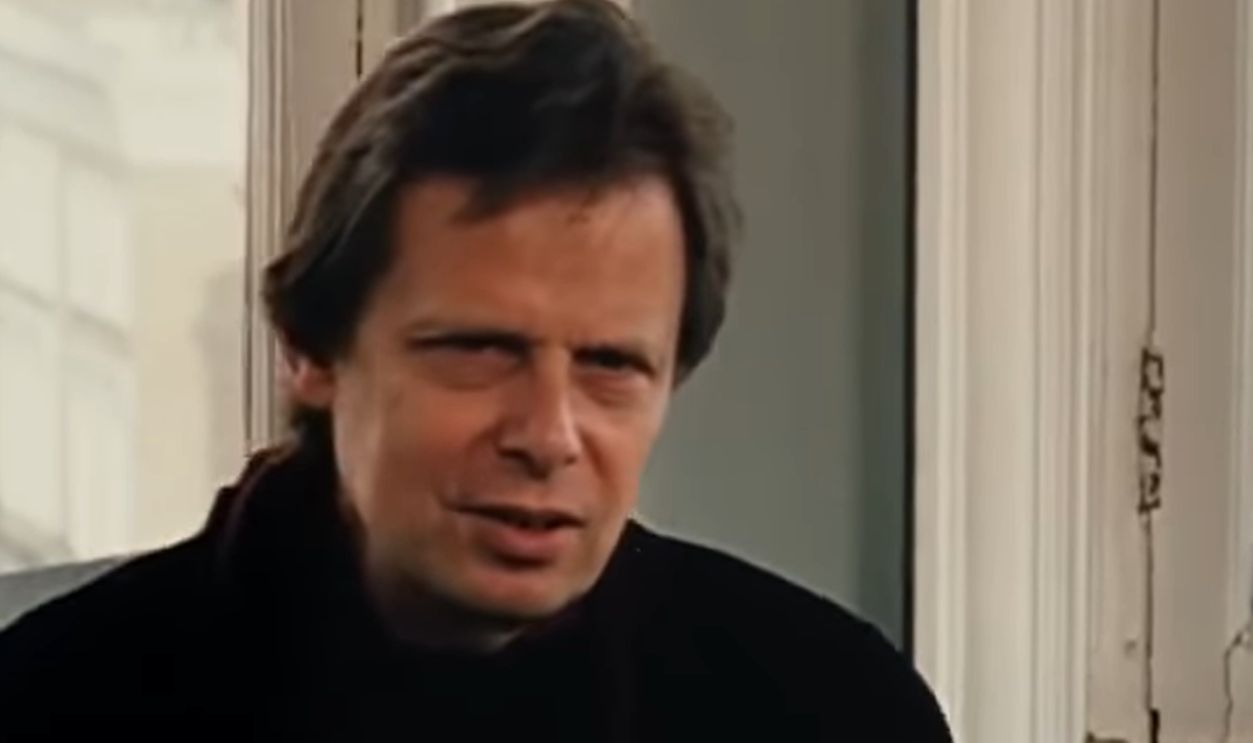
Years later, in his own biography, Boyd revisited his final interactions with Drake in the studio—and what he said shed light on Drake’s darkest secrets. “[He said that] I had told him he was a genius,” Boyd recalled, “and others had concurred. Why wasn’t he famous and rich? This rage must have festered beneath that inexpressive exterior for years”.
Until it ate him up inside.
 Screenshot from A Skin Too Few: The Days of Nick Drake, Roxie Releasing (2000)
43. He Was Found At Home
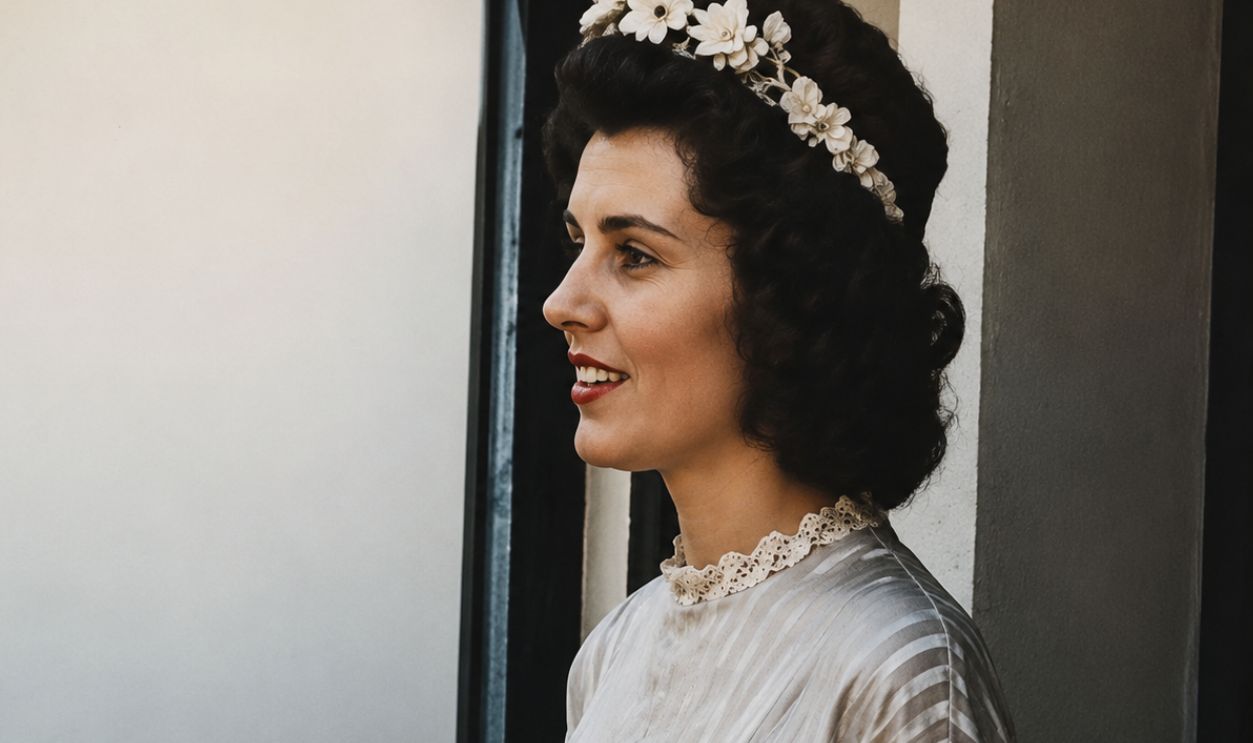
Drake’s mother recalled the dreaded morning of November 25, 1974. She explained that Drake usually stayed up all night and woke up sometime late in the morning. However, that morning was different. “I never used to disturb him at all. But it was about 12 o’clock, and I went in, because really it seemed it was time he got up,” she explained. “And he was lying across the bed. The first thing I saw was his long, long legs”.
Drake, she knew, was gone.
 Screenshot from A Skin Too Few: The Days of Nick Drake, Roxie Releasing (2000)
44. He Left Unanswered Questions
Given Drake’s sudden demise, an inquest looked into the circumstances of his final moments. Then, on December 18, everyone’s worst fears were confirmed. The coroner attributed Drake’s passing to self-administered “amitriptyline poisoning”. In other words, Drake had ended his own life by consuming as many as 50 of his antidepressant pills at once.
He left behind a fractured legacy.

45. He Was Laid To Rest Quietly
Nick Drake went to his final resting place on December 2, 1974. Following a service at the Church of St Mary Magdalene in Tanworth-in-Arden, his family had his remains cremated and placed in an urn underneath an oak tree in the churchyard. It was a fittingly small, private, and intimate farewell service for a musician whose talents hadn’t yet gotten the recognition they deserved.
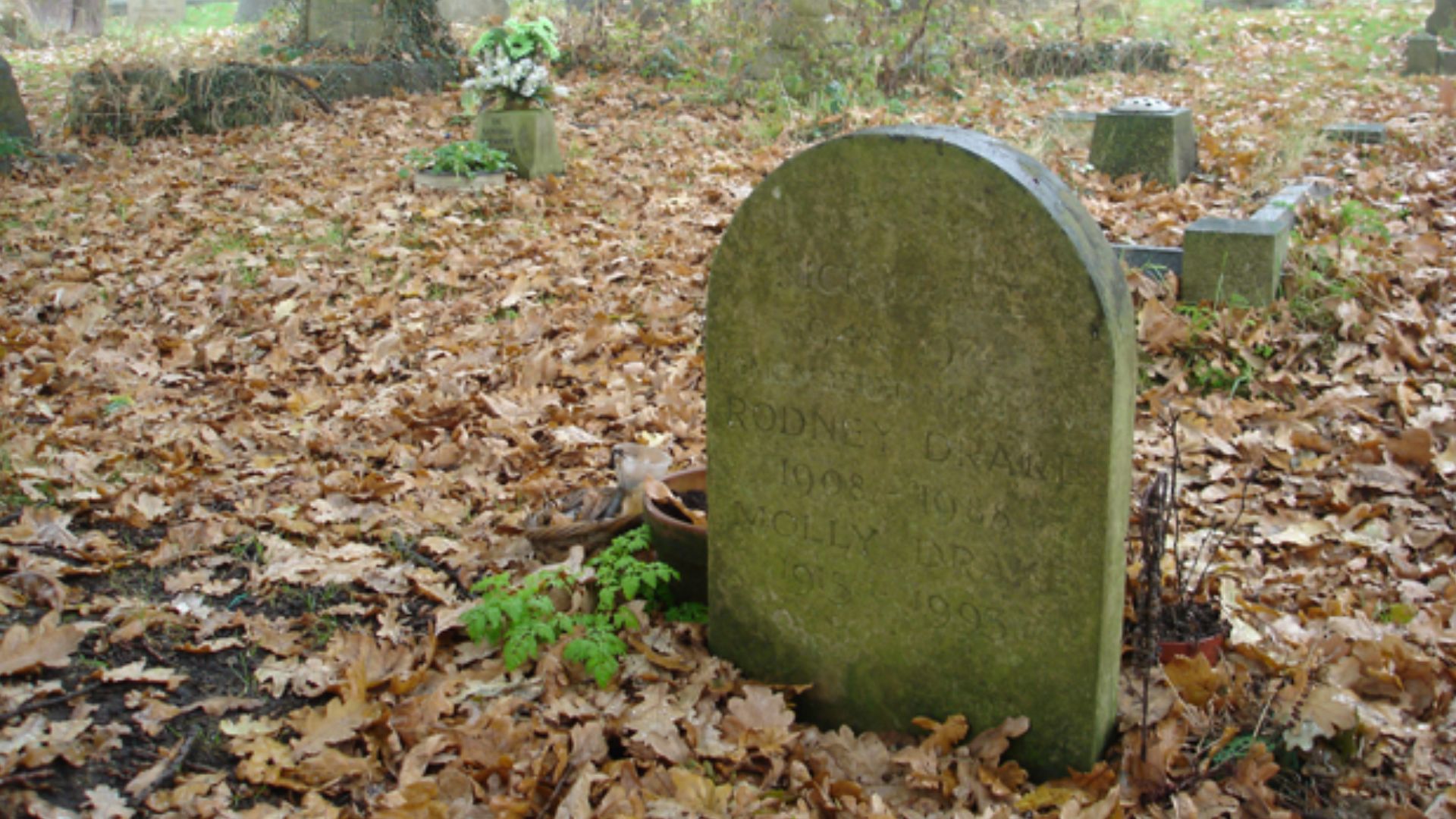 George Littleboy, Wikimedia Commons
History's most fascinating stories and darkest secrets, delivered to your inbox daily.
46. His Mother Didn’t Know His Friends
In all, approximately 50 people attended Drake’s funeral—but few of them knew each other. Drake had a habit of keeping the different elements of his life separated, and his mother later remarked how many unfamiliar faces appeared, saying, “A lot of his young friends came up here. We’d never met many of them”. However, Drake had known and loved all of them—and they had loved him back.
Some would never be the same.

47. He Left Friends With Guilt
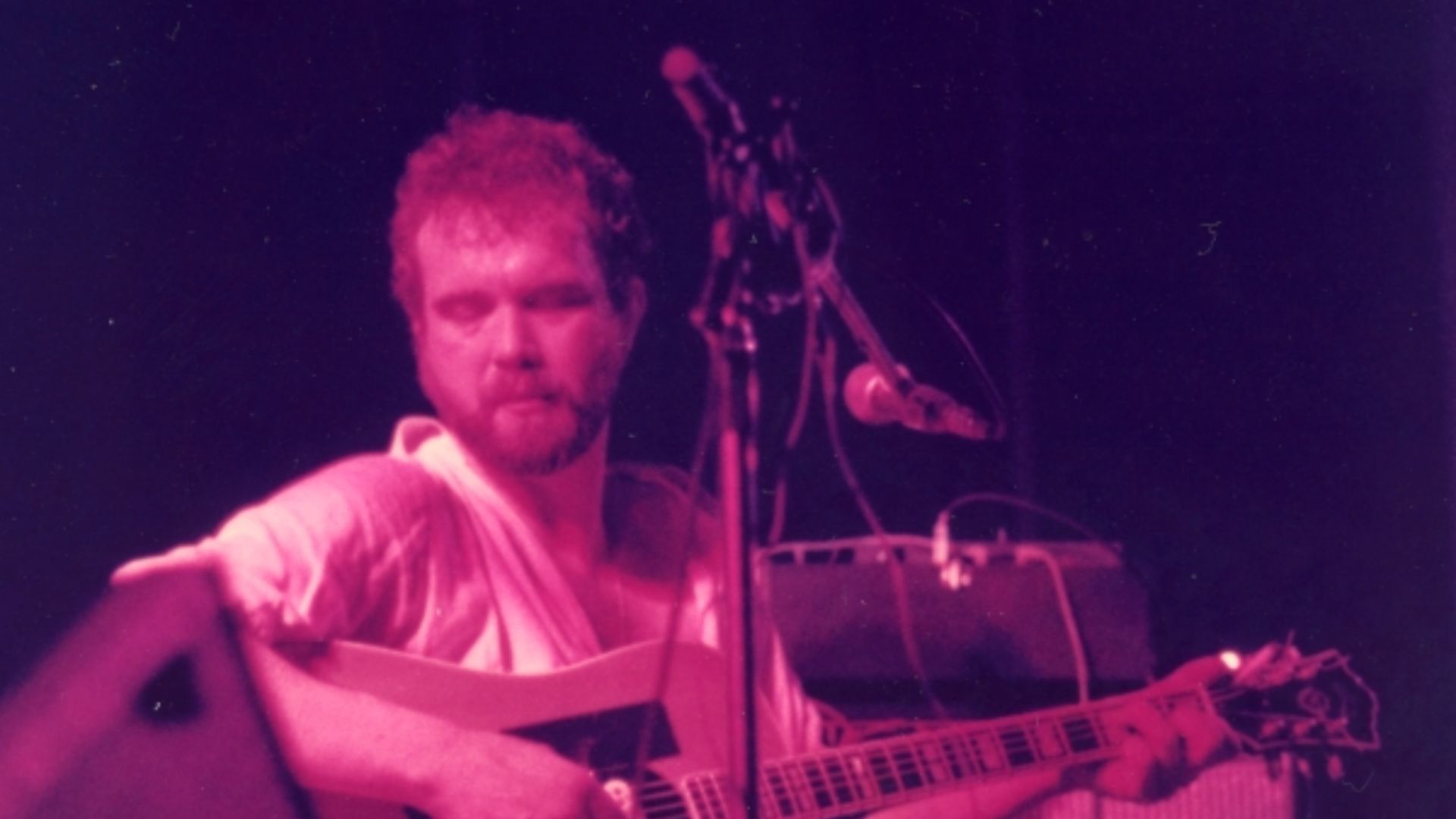
Throughout his short life and career, Nick Drake had shared a deep bond with fellow musicians John and Beverley Martyn. John later wrote “Solid Air” in Drake’s honor, describing the young singer-songwriter as profoundly withdrawn. Sadly, the two had had a heated argument shortly before Drake’s passing and it haunted John to his core, with some later saying that it “destroyed” him.
However, even in the afterlife, Drake left something for his friends.
48. He Barely Sold Any Albums
During his lifetime, Drake’s three albums had all failed to attain commercial success, selling less than 4,000 copies…combined. However, a 1975 NME feature reignited interest in Drake’s music. Sadly, Island Records declined to reissue Drake’s albums. Quietly, however, tucked away in their small folk clubs and dark bedrooms, Drake fans were catching on.

49. He Inspired A Generation
In 1979, Island Records got a new press officer who clearly knew what others did not: Nick Drake’s time had come. The press officer, Rob Partridge, released Fruit Tree, a box set collection of Drake’s three recorded studio albums along with a detailed biography. By the mid-1980s, artists from Kate Bush to Robert Smith were openly citing Drake as an influence, cementing his quiet legacy.
Mainstream attention soon followed.
 Distributed by EMI America, Wikimedia Commons
50. He Found A New Audience
In 1999, a car commercial (of all things) turned Drake into the latest pop music craze. When Volkswagen used Drake’s track “Pink Moon” in one of their commercials, it sparked a surge in Drake’s popularity that he had never seen while alive. Overnight, Drake’s album sales in the US went from 6,000 copies in 1999 to well over 70,000 the very next year.
History would have the final word.

51. He Secured His Legacy
Marking the 50th anniversary of Drake’s untimely and heartbreaking demise, NPR summarized the ill-fated singer’s tragic story: “Nick Drake [passed] on Nov 25, 1974. Since his [demise], the singer-songwriter’s reputation has only grown, securing his place among the most influential figures in folk and indie rock”.
 APK like a lollipop, Wikimedia Commons
You May Also Like:
Mind-Bending Facts About Syd Barrett, The Rock Star Who Lost It
Doomed Facts About Sandy Denny, The Falling Folk Star
Heartbreaking Facts About Richard Manuel, The Band’s Talented Yet Tormented Soul