He Mixed Business With Pleasure
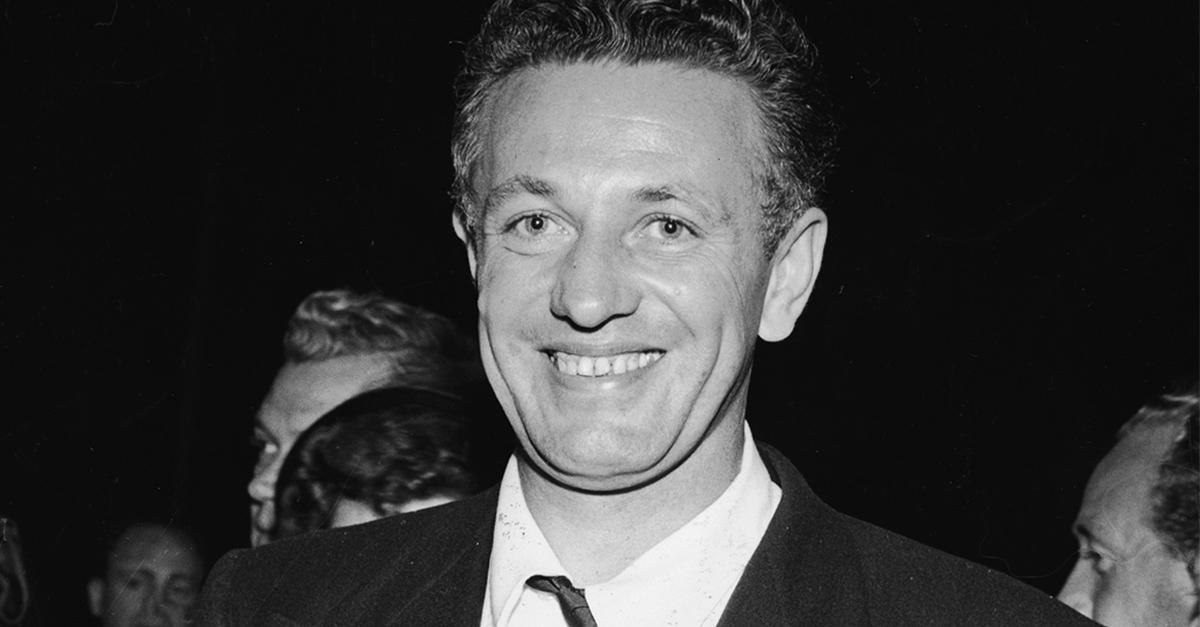
Director Nicholas Ray saw no problem mixing business with pleasure. After all, he had two affairs while making his iconic film Rebel Without a Cause. While James Dean was not one of his conquests, the two did share an intense bond that went beyond an intimate affair. And when Dean tragically lost his life, a wounded Ray descended into a chaotic, debauched lifestyle that seemed to be chasing one thing: the elusive youthful rebel that was James Dean.
1. His Parents Were Total Opposites
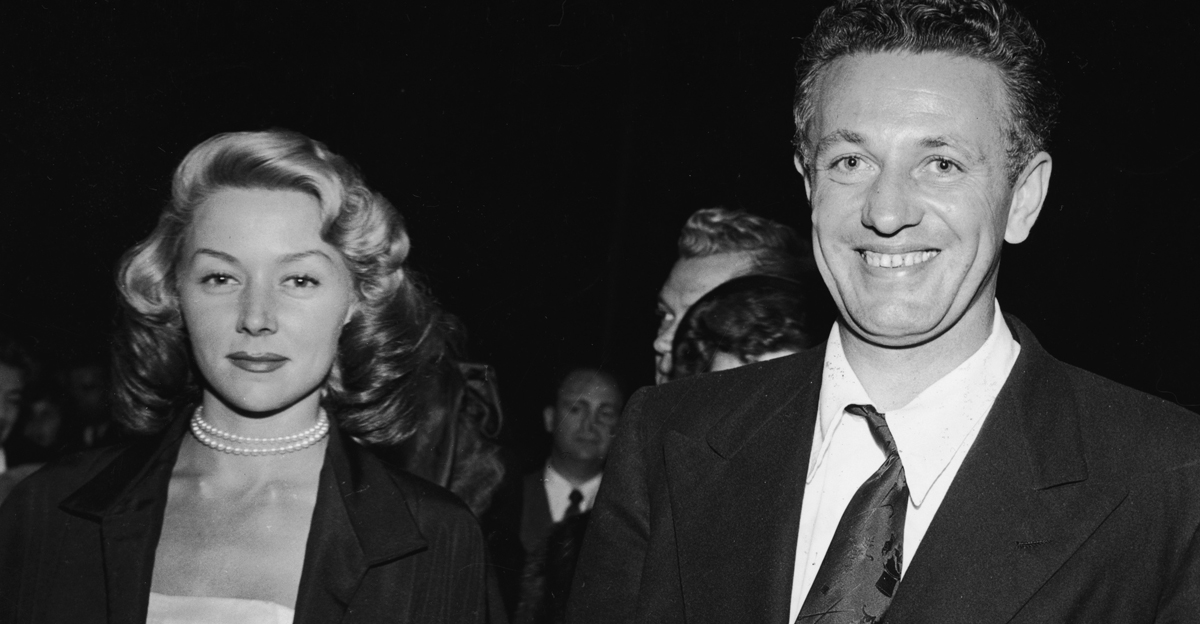
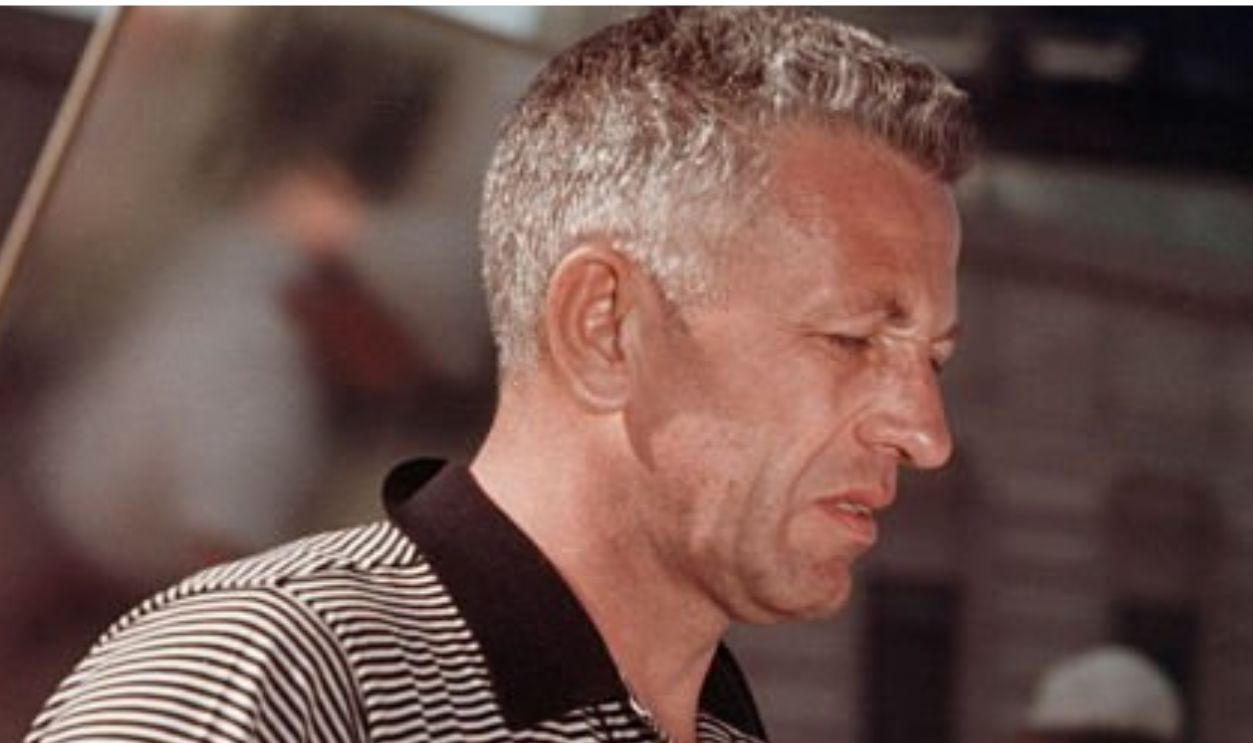
Nicholas Ray was born Raymond Nicholas Kienzie Jr in Galesville, Wisconsin, on August 7, 1911. His father was already close to 50, and his sisters were all significantly older than him. Mom was a teetotaler, and Dad was very much the opposite. He liked to drink, and the result was a deeply dysfunctional household.
2. His Father Was A Terrible Role Model
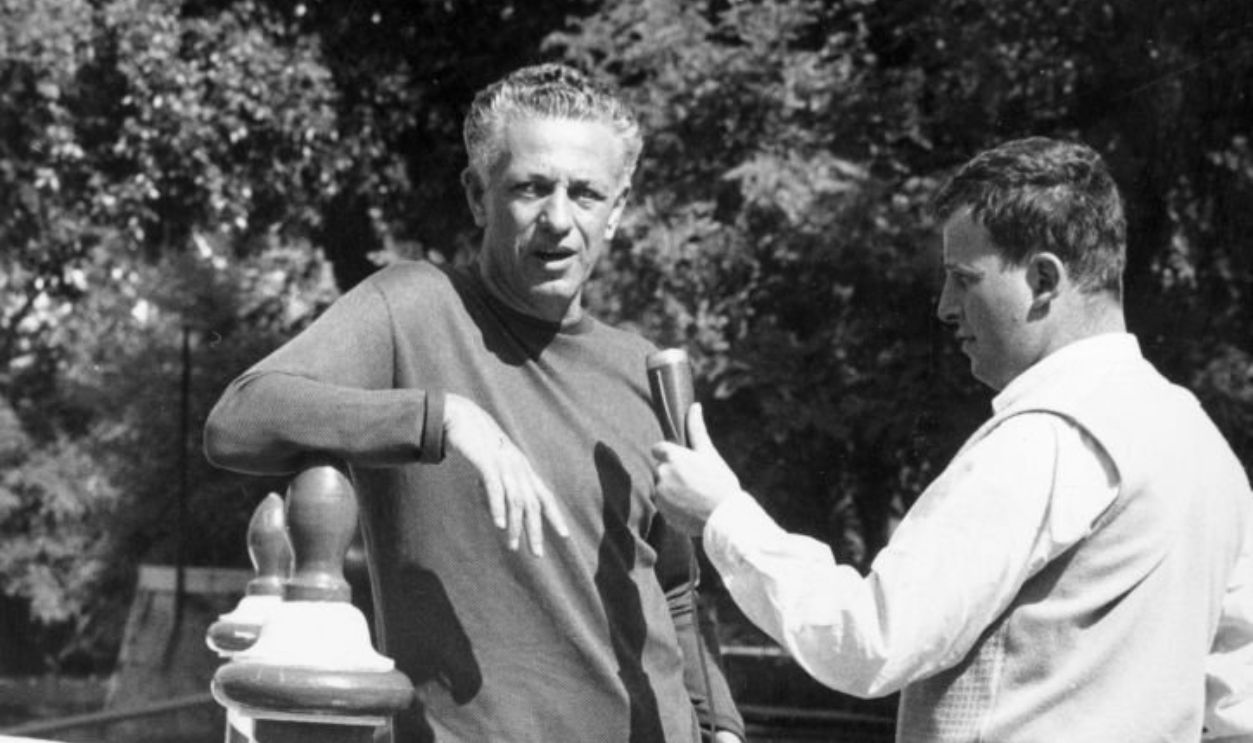
Nicholas Ray started driving at a much younger age than most teenagers. He learned as a 13 year old, but it was for a tragic reason. He had to pick up his inebriated father from his bar-hopping. When he was 14, Ray found out about his father’s mistress, and then at 15, he made a pass at her. Luckily, this was unsuccessful.
But things with his father were about to get much, much worse.
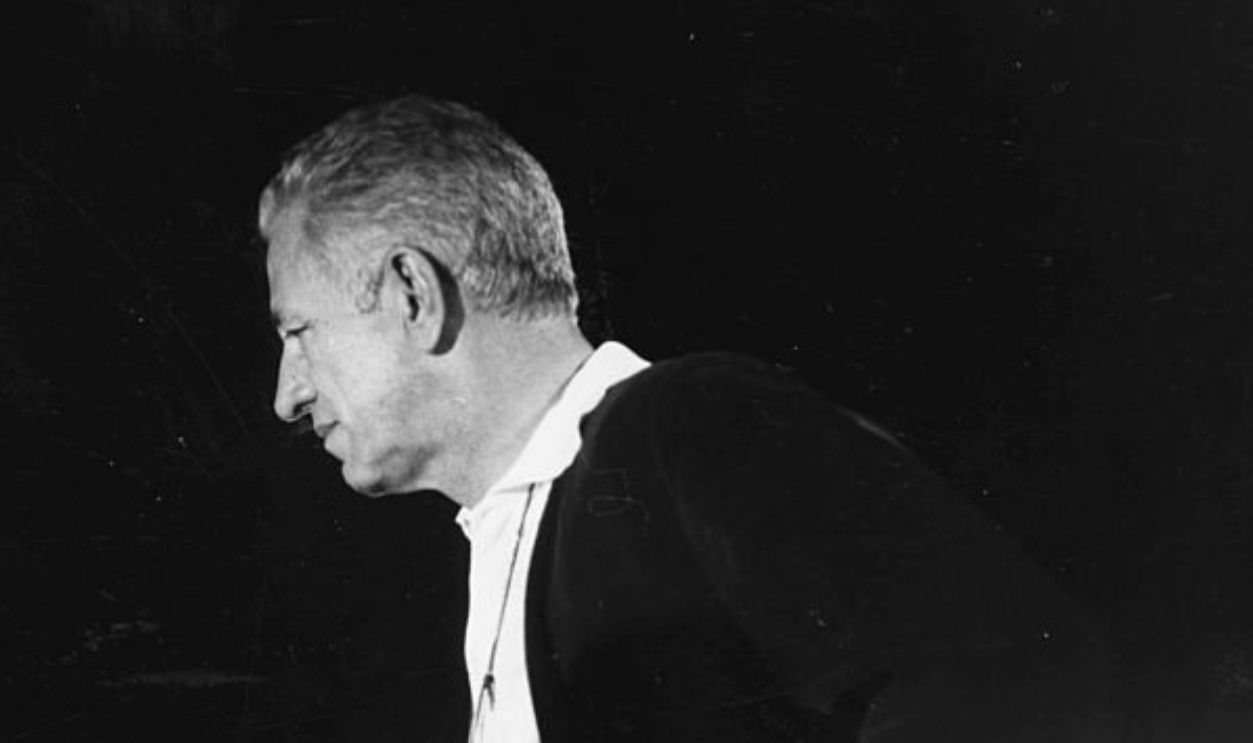 Keystone Features, Getty Images
3. He Faced A Childhood Tragedy
When Ray was still a teenager, his father suddenly went missing. Ray put on his detective’s hat and began a search for Dad. The trail led him to his father’s mistress, but Dad was not there. She took him to a hotel room, where Ray found his father unresponsive. By the next day, Raymond Sr had passed on.
A deeply troubled Ray started to act out.
4. He Became A Handful
After the loss of his father, Nicholas Ray became hard to manage—and he turned to the bottle, much like his father had. Eventually, Mom sent him off to Chicago to live with his big sister Ruth. Something in Chicago worked because when he returned to his hometown for his senior year, Ray was a new man. He was now a skilled narrator and showed enough talent to win a radio station contest.
He’d turned his life around and was heading for higher learning.

5. He Partied His Way Through High School
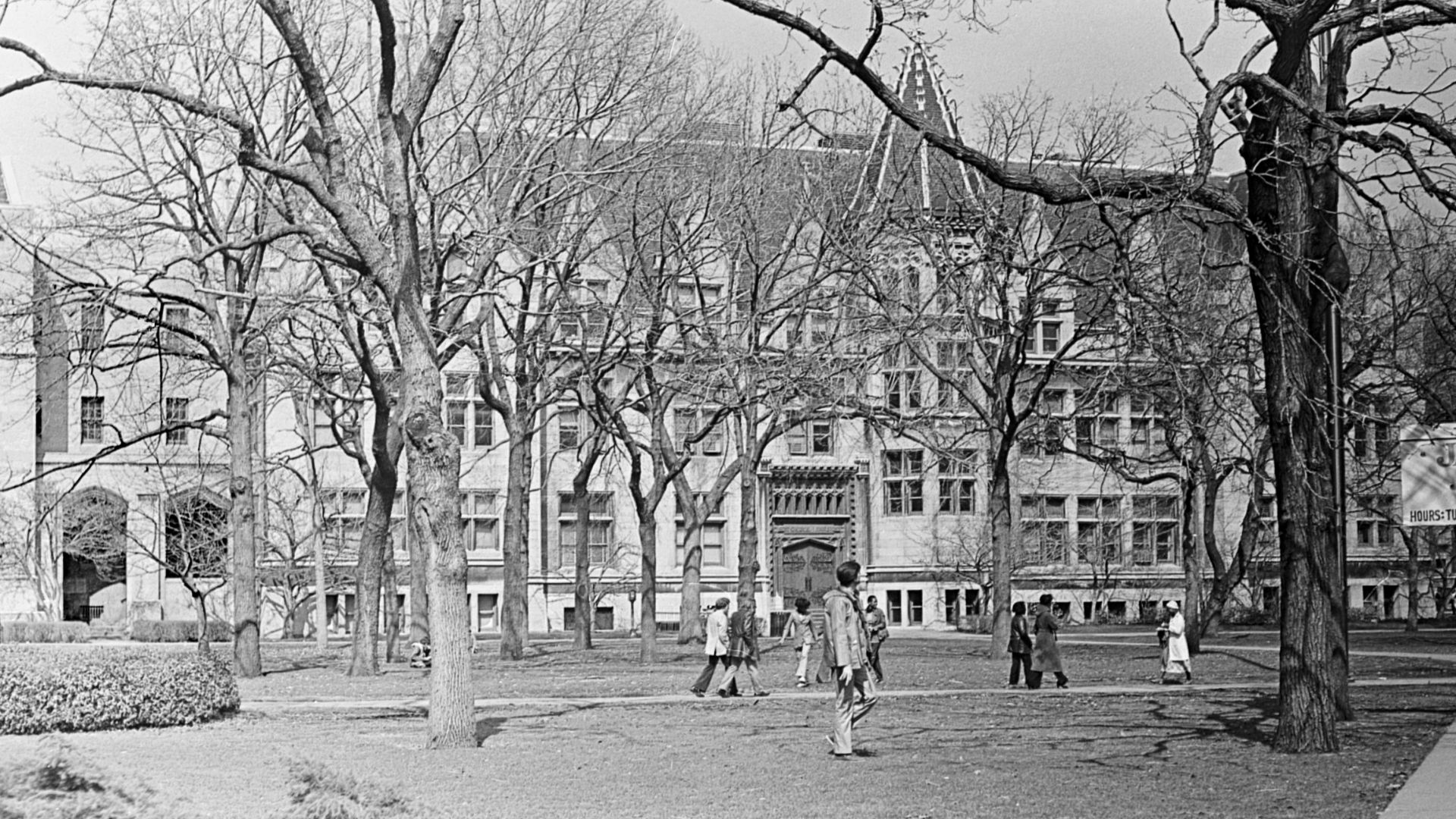
Ray entered the University of Chicago and immediately found his calling—ironically, his calling was drinking and chasing women. After one semester, Ray was back at home and attending La Crosse State Teachers College. But teaching was not in the cards for Ray. He had much loftier ideas.
 Downtowngal, Wikimedia Commons
6. He Got The Boot
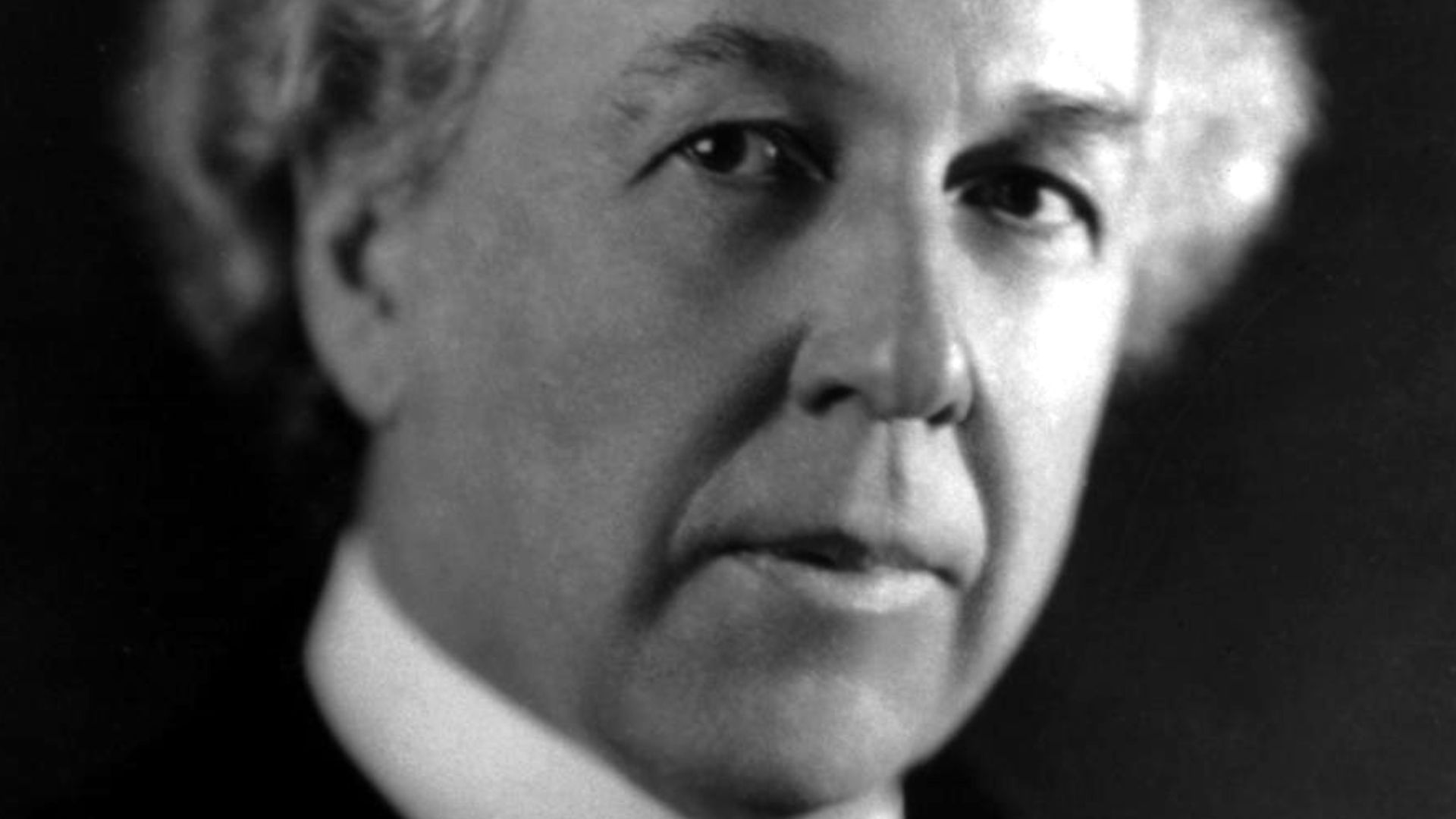
Soon, a change came over Ray. He started using his new name, Nicholas Ray, and he found his way to working with architect Frank Lloyd Wright. Wright was an important friend, and Ray became an apprentice to the iconic architect. But something mysterious happened. Wright unexpectedly asked Ray to exit the facility. No one seems to know why.
With his path in life once again in disarray, Ray had to scramble for somewhere else to go.
 Unknown authorUnknown author, Wikimedia Commons
7. He Found His Rebel Side
Nicholas Ray landed in New York City, where he started to spend time with theater people. The crowd he spent time with had a reputation for being leftist. Here, Ray found a passion for leftist theater, communal living, and fiery politics. He also met Jean Evan, and the two tied the knot in 1936.
But being a good husband was going to be one of Ray’s lifetime struggles.

8. He Followed In His Father’s Footsteps
Ray got a job in Washington, so he and his new bride moved there. In Washington, Evans got pregnant, and they brought Anthony Nicholas into the world in 1937. But it wasn’t to be a happy family. Like his father, Nicholas Ray started drinking, and then having affairs behind his wife’s back. This couple desperately needed a change.


History's most fascinating stories and darkest secrets, delivered to your inbox daily.
9. The Army Didn’t Want Him
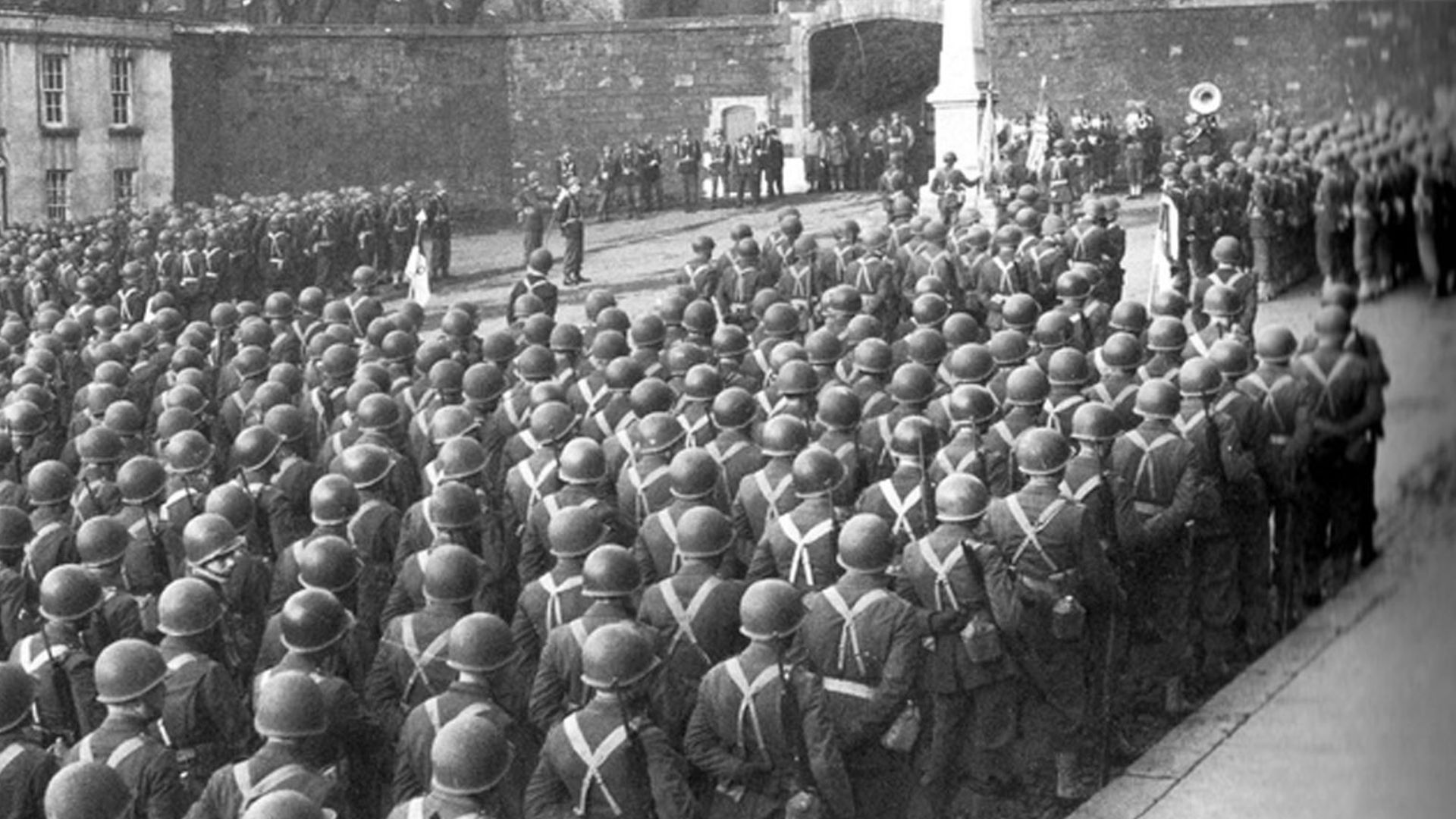
Ray and his wife and son soon moved back to New York City, but they didn't do it together. They lived separately there, and then Evans started the proceedings for a divorce in 1941. Meanwhile, the US army had rejected Ray for medical reasons, but he got a job working for the Office of War Information. While working there, he met Connie Ernst, and they started living together.
But it was becoming clear that maintaining good relationships wasn't in Ray’s wheelhouse.
 Unknown authorUnknown author, Wikimedia Commons
10. His Vices Were Piling Up
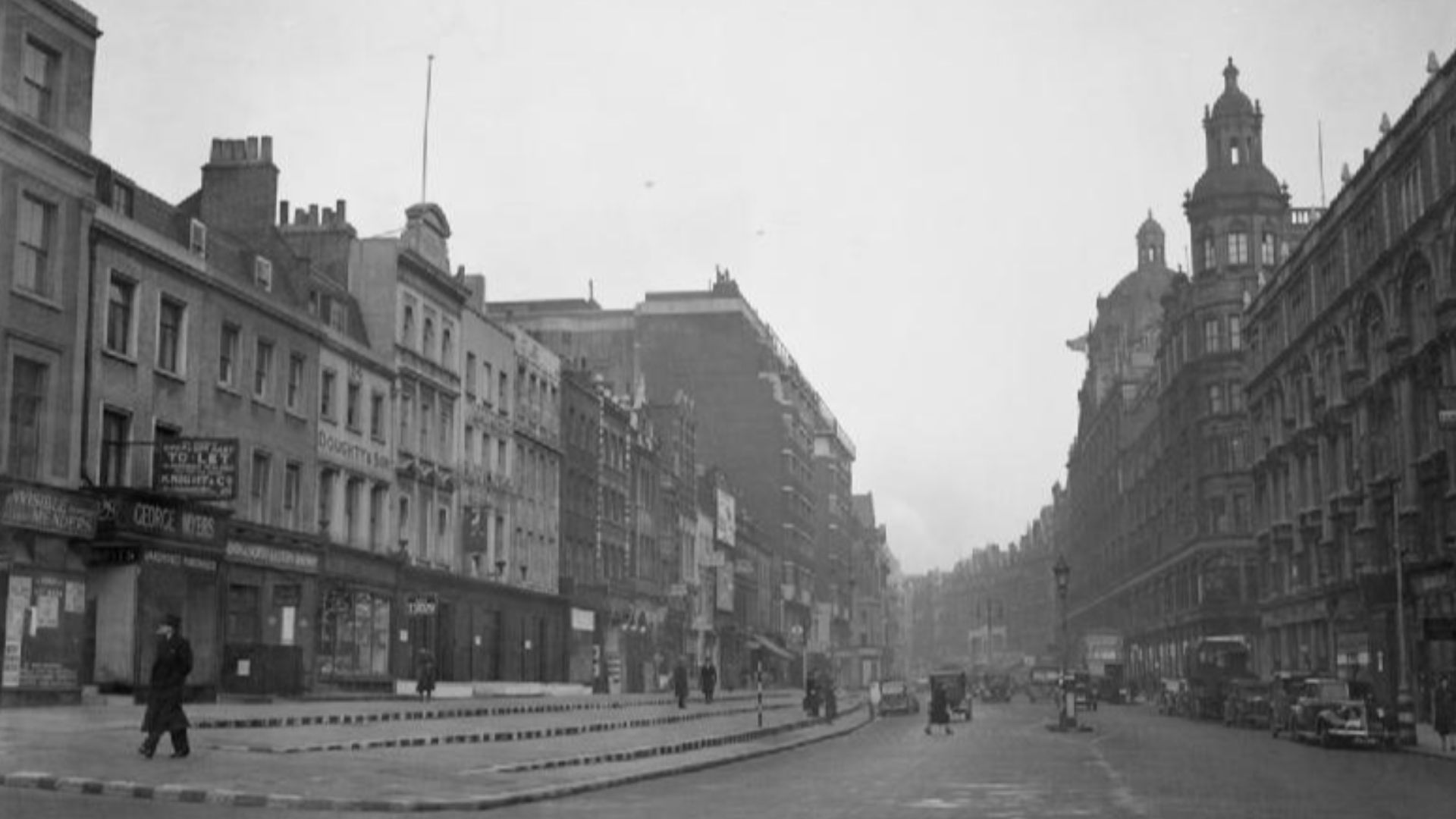
Ray and Ernst were getting close to getting married, but Ernst had second thoughts. She had noticed that Ray was a drinker, and now he was also adding gambling to his list of vices. The OWI sent Ernst to London, and she abruptly ended it with Ray and started dating another co-worker.
Ernst left Ray in a lurch, and he turned to a friend for his next big move.
 Ministry of Information Photo Division Photographer, Wikimedia Commons
11. A Friendship Led Him To Hollywood
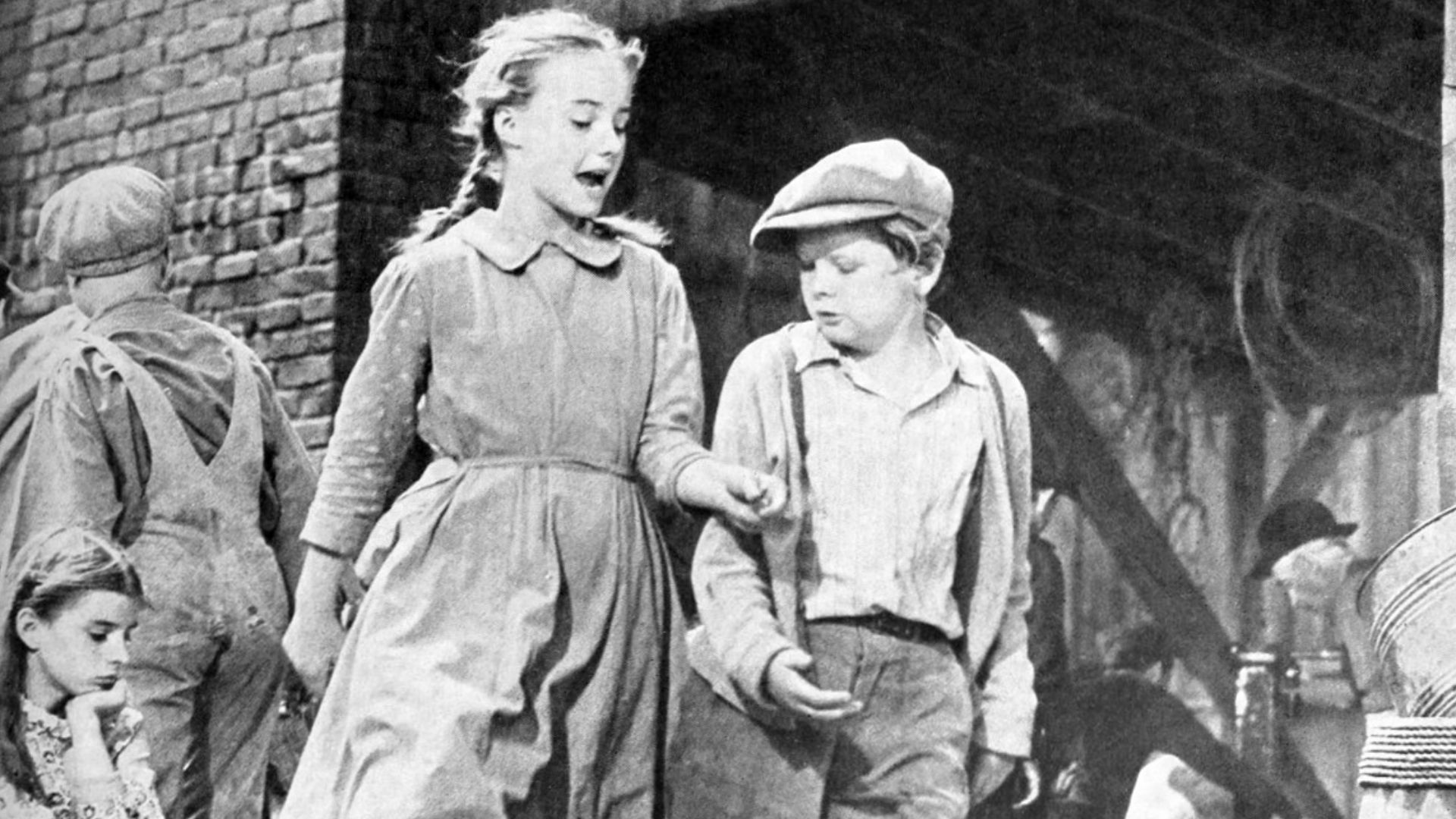
One of Ray’s more influential friends was up-and-coming director Elia Kazan, who was about to direct his first movie. He wanted Ray as his assistant and offered him the job if he came to Hollywood to work on A Tree Grows In Brooklyn. Ray jumped at the chance and then used this connection to get a contract with RKO Pictures.
He was ready to direct his first film.
 National Board of Review; photo by 20th Century Fox, Wikimedia Commons
12. Howard Hughes Took Him Under His Wing
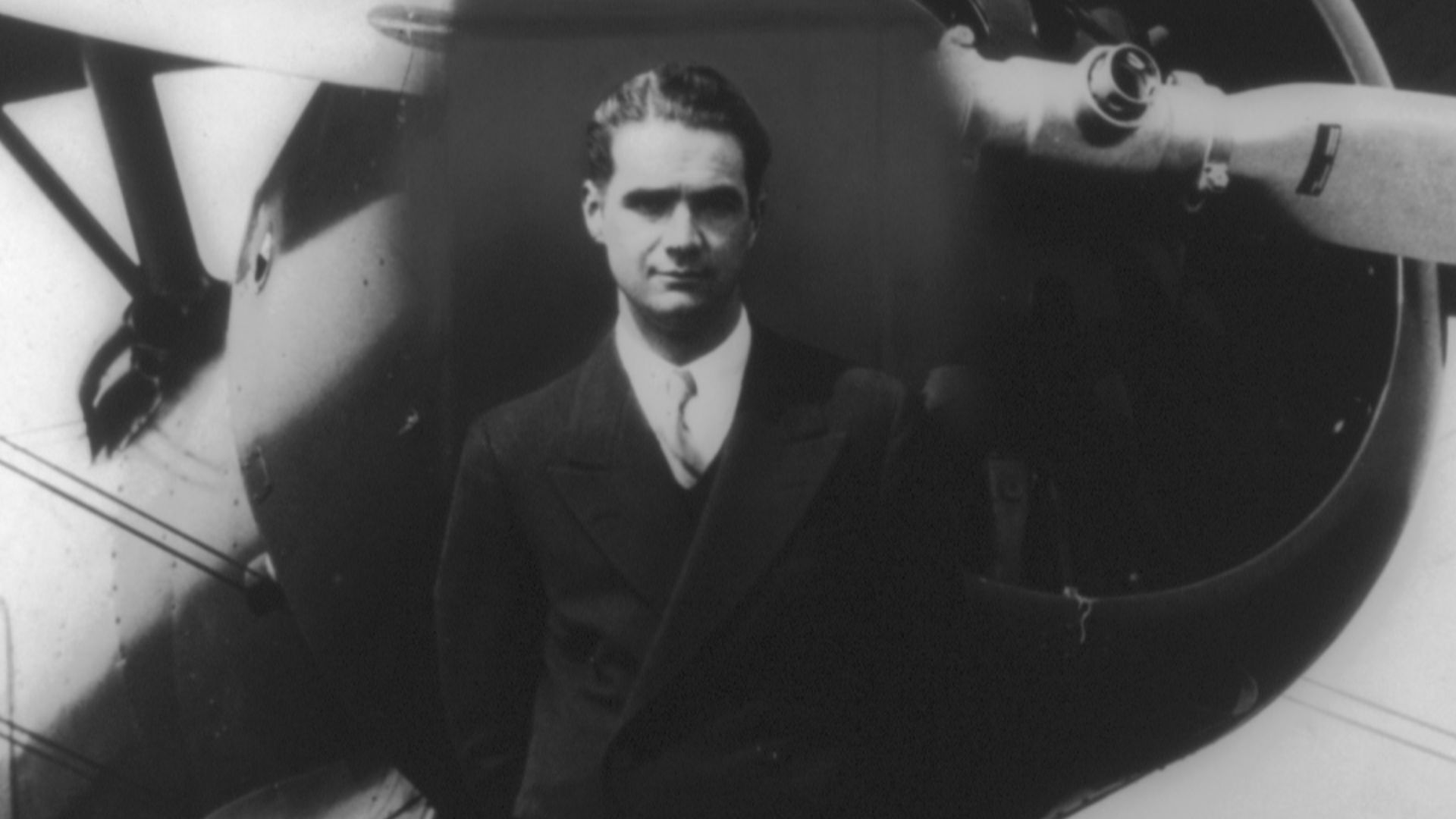
Ray’s directorial debut was They Live by Night starring Farley Granger. Around this time, Howard Hughes was at the helm at RKO, and he was a problematic figure. Luckily, Hughes saw the young Ray as a protege. They Live by Night received a positive response, and RKO had big plans for Ray.
But these big plans would lead Ray down a slippery slope.
13. Hollywood Crushed Him
Ray’s reputation soared, and so did the budget of the films he was making. But with the larger-budget films, Ray felt more and more stress. To deal with the pressure of making movies, Ray turned to drinking and substance use. This unfortunately, yet predictably, had a terrible effect on his ability to work.
It also had a dark effect on his friendships.

14. A Romance Took A Dark Turn
While living in Hollywood, part of Ray’s chosen family were other East Coasters like Gene Kelly and Judy Holliday. Ray and Holliday had a short romance, but it definitely had a dark side. One night, while both were inebriated, they went down to Santa Monica Bay and contemplated taking their own lives. Luckily, they came to their senses and got themselves to safety.
It seemed Ray couldn't stay out of trouble with women.
![Committee for Free Spain. Portrait of M. Woolf and Jack [possibly Captain Jack White] Taken for the Committee. [Includes photo of film star Gene Kelly].: Sep 1946](https://www.factinate.com/storage/app/media/factinate/2026/9/16/1789542132cd319217217aa4729ac25d2ec1473d1397820513.png) Metro-Goldwyn-Mayer, Wikimedia Commons
Metro-Goldwyn-Mayer, Wikimedia Commons
15. He Married A Woman He Didn't Even Like
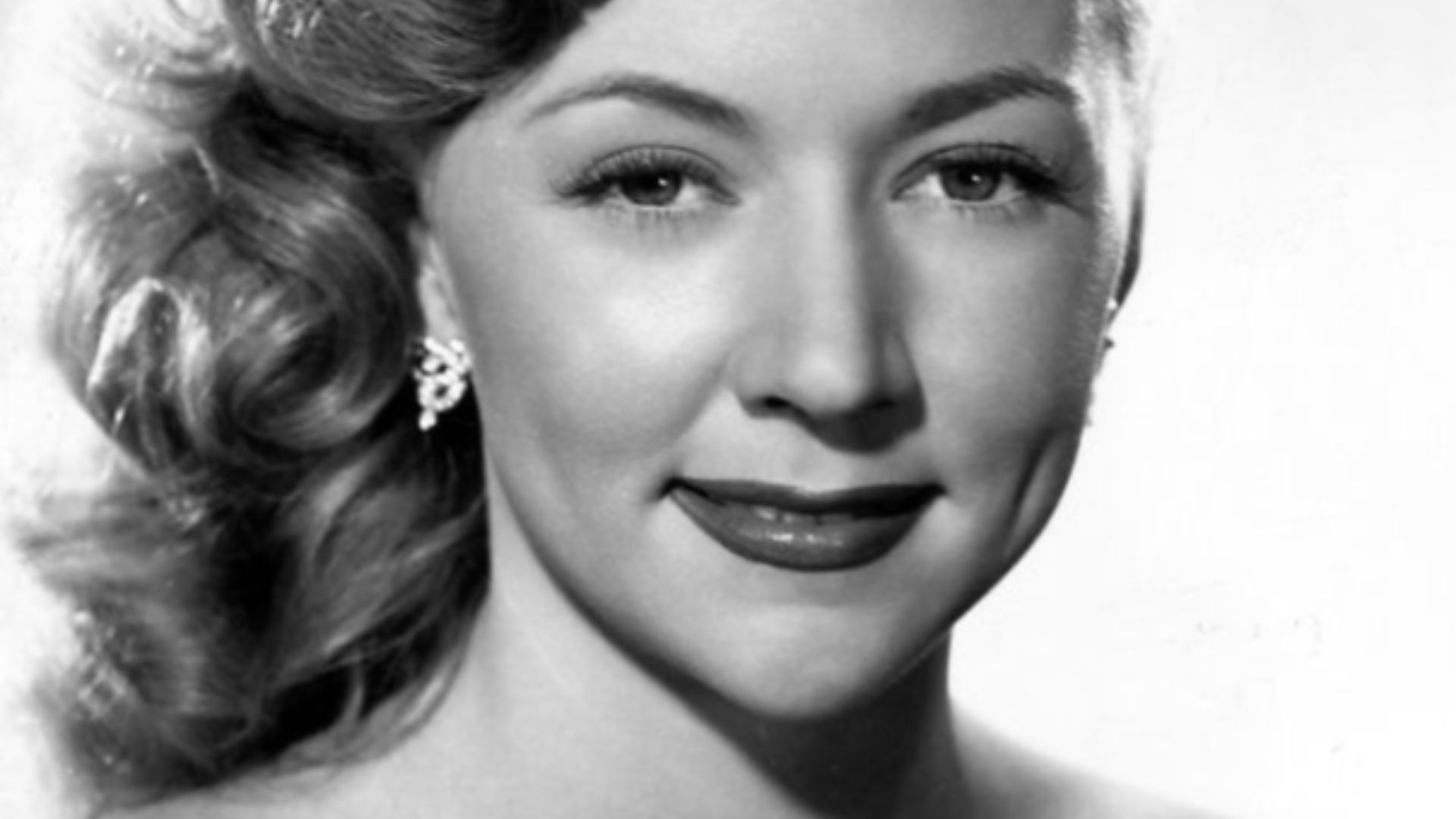
In the late 1940s, Nicholas Ray made A Woman’s Secret, where he met actress Gloria Grahame. Ray’s first impression of Grahame had contrasting sides. He said he was "infatuated with her” but also confessed that he "didn't like her very much”. While this would send most men walking, Ray turned around and asked her to marry him.
Ray would soon live to regret this strange decision.
 Studio Publicity, Wikimedia Commons
16. He Abandoned His Bride On Their Wedding Night
Ray and Grahame got married in Las Vegas in 1948. On their wedding night, Ray left his wife in the hotel room and went down to the casino to gamble. He later said that he wanted to lose all his money because he didn't want his new wife “to have any money at all”.
This certainly seems like a huge red flag for a marriage that was just getting started.
17. His Wife Had To Sign Her Freedom Away
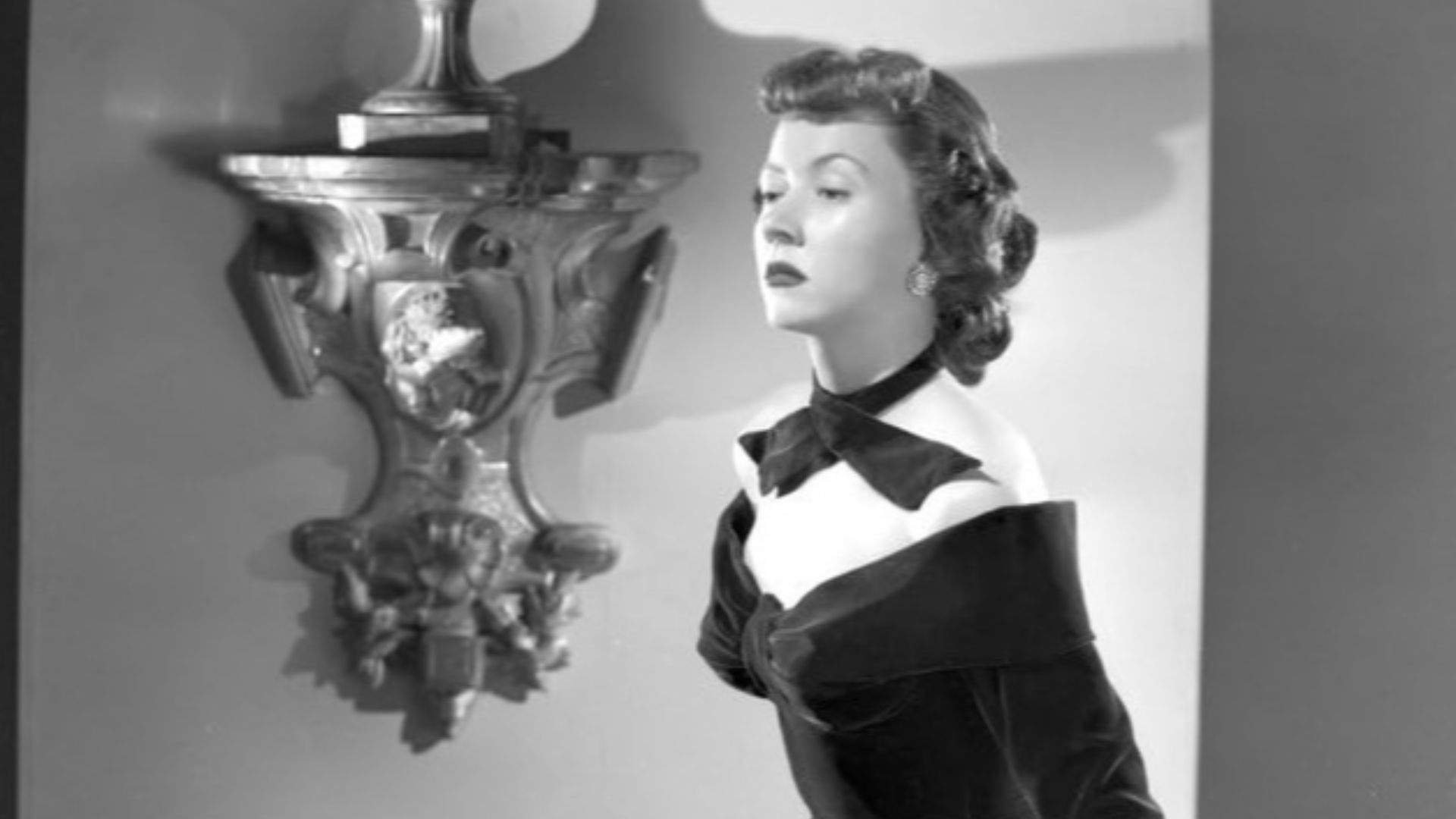
Ray’s marriage to Grahame was almost immediately in trouble. By the time they started filming In A Lonely Place with Humphrey Bogart, working together had become extremely difficult. To make the arrangement work, the studio got Grahame to sign a bizarre contract. In it, she had to promise to let Ray make the decisions for both of them, every day of the week—except Sundays.
Clearly, they could not go on like this.

18. He Hid His Separation From Hollywood
As the stress of working together intensified, Ray and Grahame decided to separate. Divorce was still taboo at this time, so they wanted to keep this a secret. Ray slept in a dressing room and used the excuse of working on the script to explain it. Once the movie was in the can, Ray and Grahame tried to make another go of it.
They ended up divorcing eventually—but as we’ll see, few people knew the real, disturbing reason behind their split.

19. He Got On The Couch
Part of Ray’s divorce from Grahame included some forced sessions of therapy. Ray signed on for appointments with a psychoanalyst. Somehow this wasn’t helping, as Ray didn’t stop his drinking or his chasing after women. In fact, it seemed to get worse.

20. His List Of Lovers Kept Growing
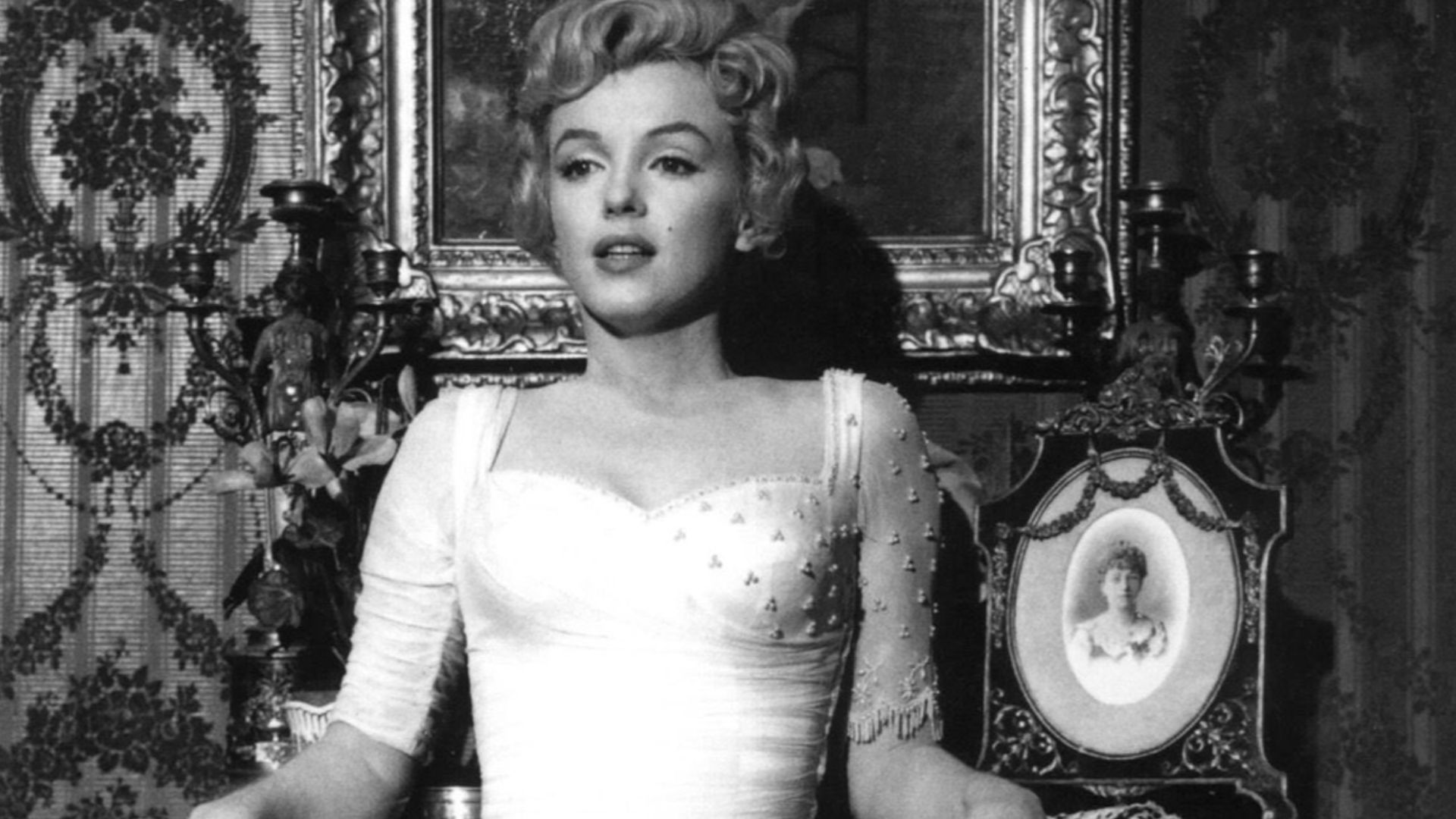
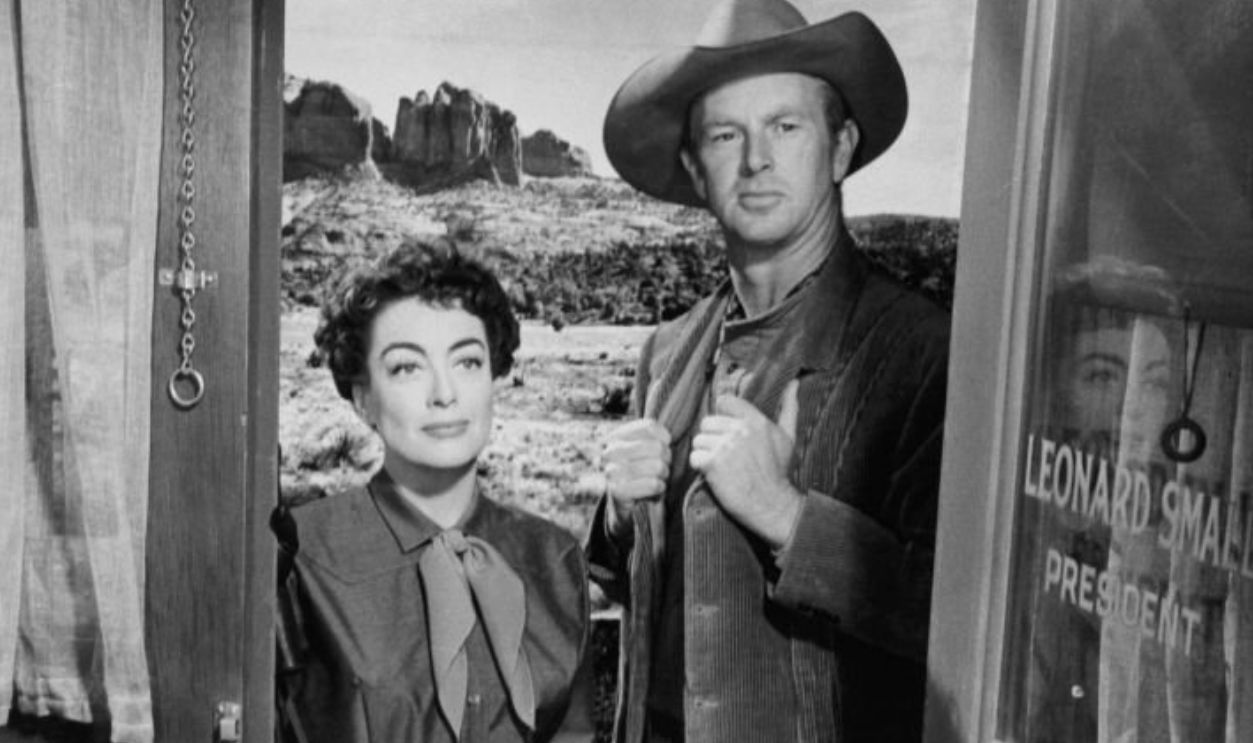
Ray dated the iconic blonde, Marilyn Monroe—and then he moved on to Monroe's roommate, Shelley Winters. You can add Joan Crawford to the list, but this one actually lasted. Well, at least long enough for Ray to get a job directing Crawford in Johnny Guitar. Working with Crawford got so stressful that Ray eventually handed control of the film over to her.
But part of the stress came from Ray’s own outlandish behavior.
 Milton H. Greene, Wikimedia Commons
21. He Left Her Hanging
While working on Johnny Guitar and dating Crawford, Ray also had a relationship with Hanna Axmann, who was an aspiring actress from Germany. Ray really wanted to be with Axmann, so he came up with a plan. She would go back to Germany and wait for him there. Well, Axmann was in for a heartbreaking surprise. Ray never went to Germany. By then, he was too busy with serial bride Zsa Zsa Gabor, who was just finishing with husband number three.
Still, Johnny Guitar was another triumph for Ray, and it would lead him to the most iconic film of his career.
22. He Needed The Right Rebel
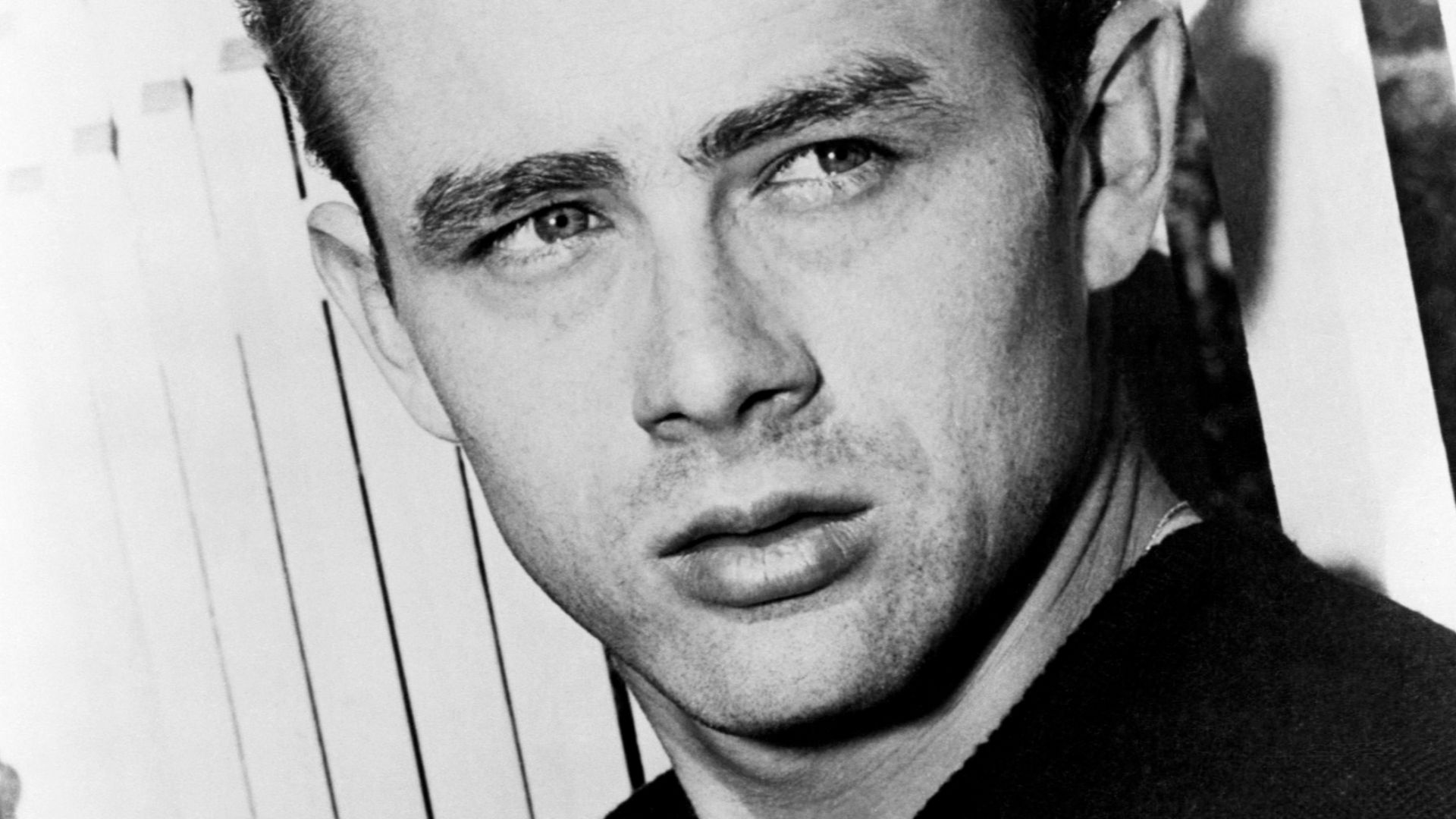
Johnny Guitar got Ray noticed, and Warner Bros wanted him to make a film for them. This was Rebel Without a Cause, and Ray was excited to do it. Of course, the title role needed an actor who could carry the film. Mentor and friend Kazan had a recommendation. His name was James Dean, but he came with a warning.
 e r j k . a m e r j k a, Wikimedia Commons
23. James Dean Was His Kindred Spirit
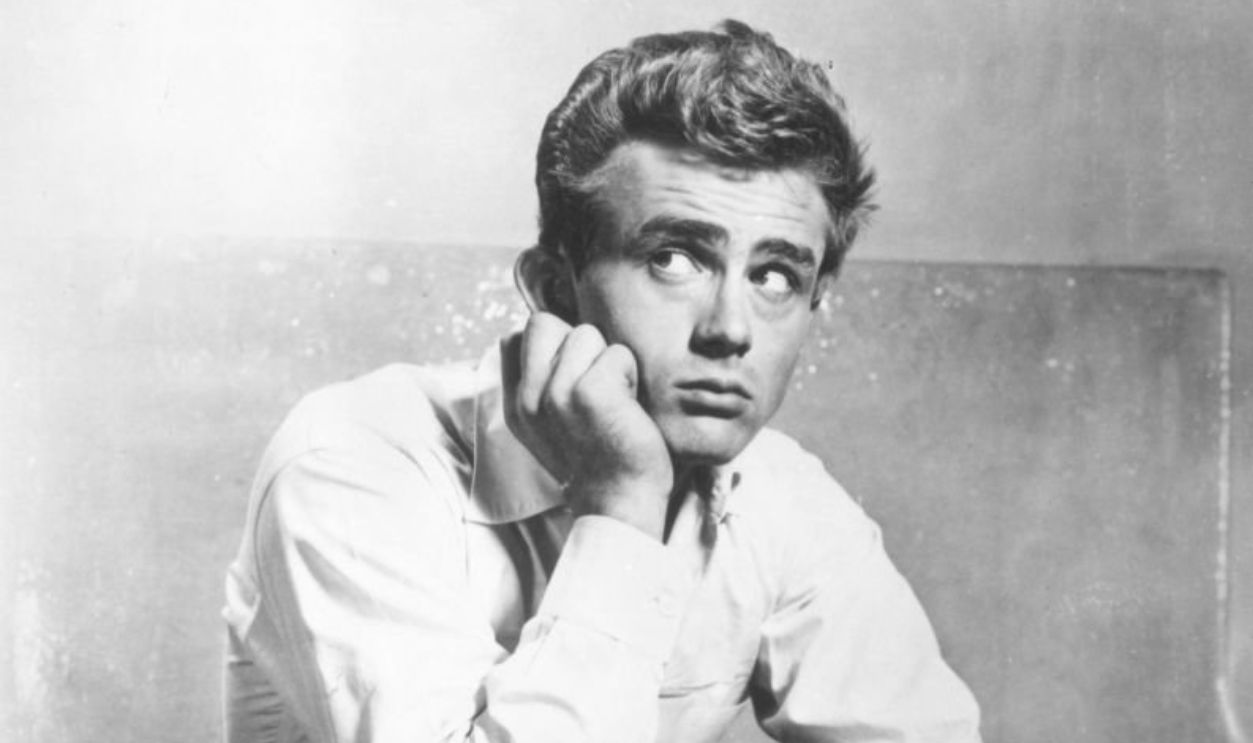
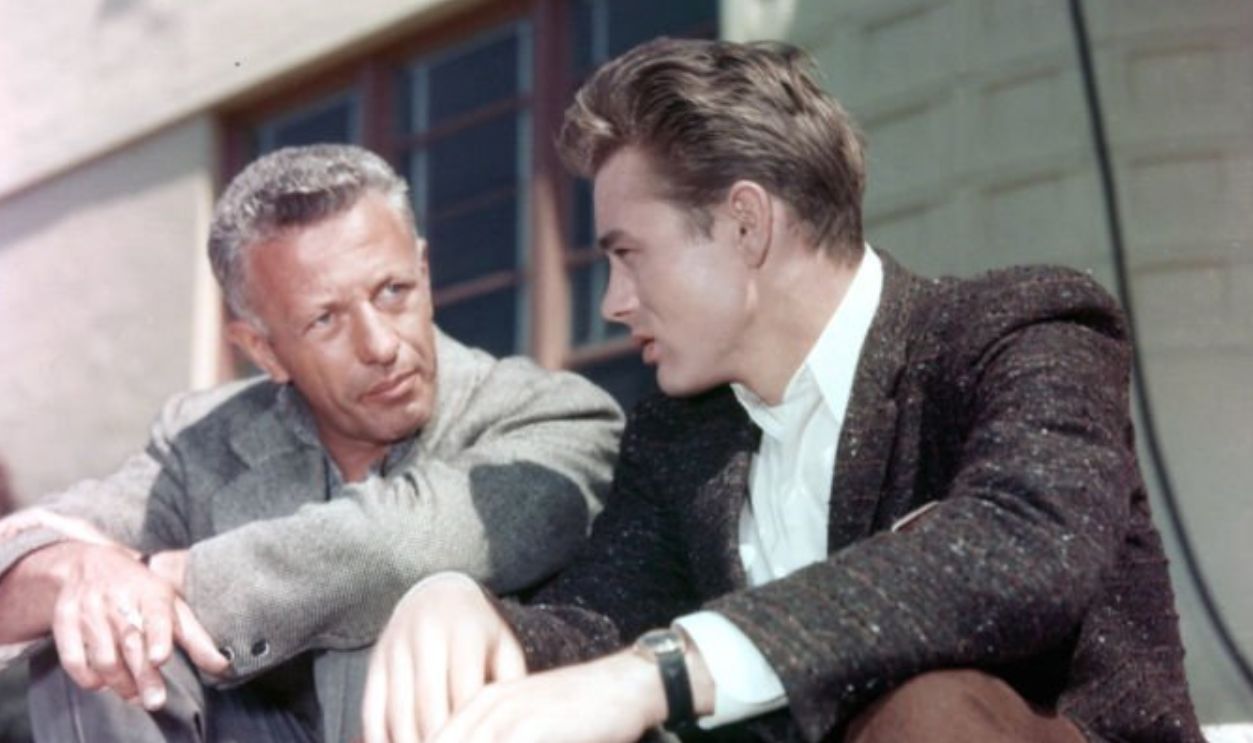
Kazan had directed Dean in East of Eden, and found that Dean had no technique to his acting. But something clicked between Ray and Dean. They both had troubled relationships with their fathers, who they’d both lost at a young age. They had both turned into “deeply introverted loners”. Despite their age difference, the two started bonding.
But Ray had more things going on with this film.
24. He Already Had An Actress In Mind
Once Ray had cast Dean, he needed a female lead as well. The studio had a list of potentials which included Jayne Mansfield, but Ray wanted nothing to do with her. To show his displeasure, when he auditioned Mansfield, Ray didn’t even put film in the camera. He knew who he wanted.
But it wasn’t just Natalie Wood’s superb acting that Ray had an interest in.
 Los Angeles Daily News, Wikimedia Commons
25. He Became Involved With A 16-Year-Old Star
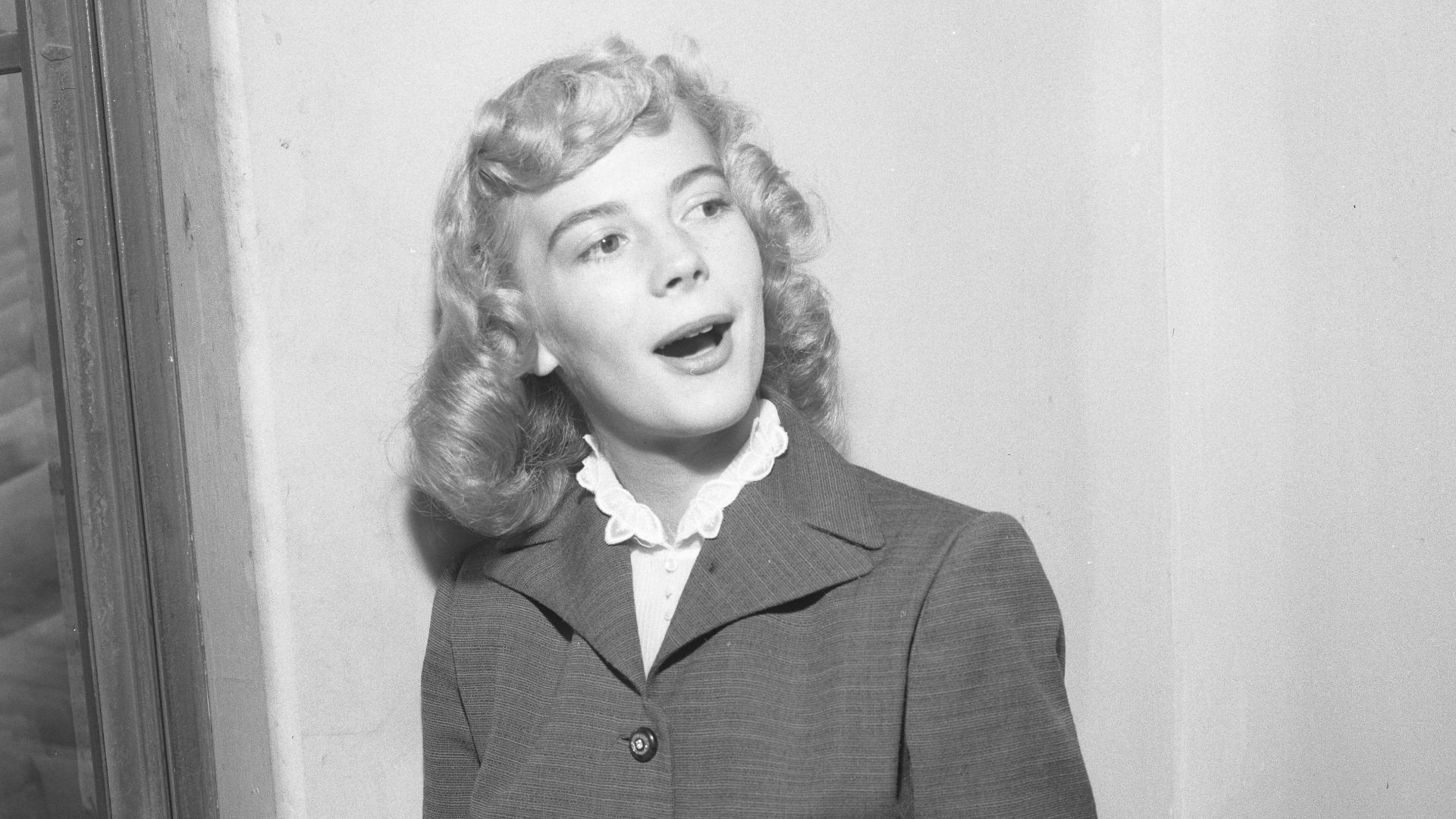
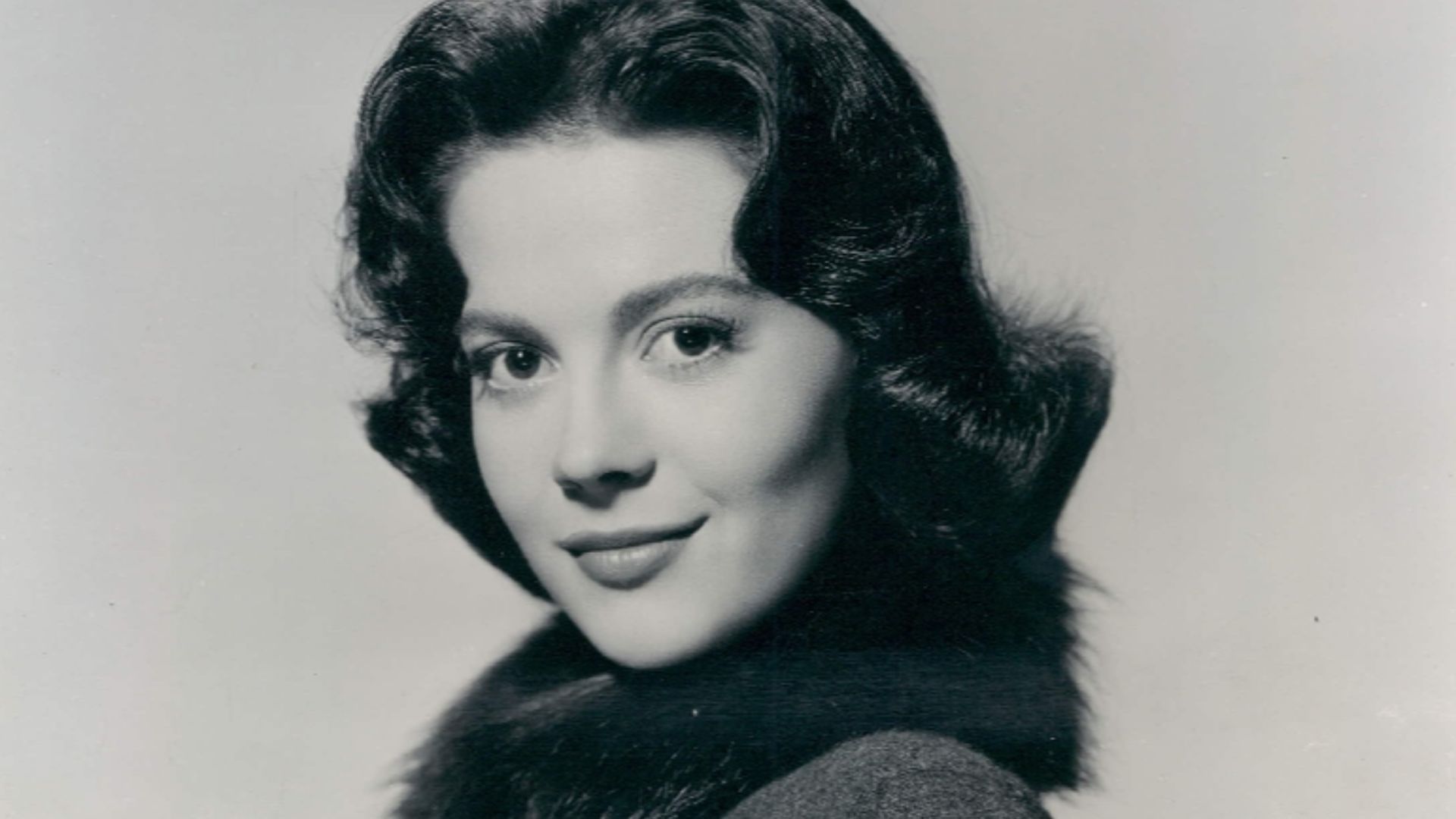
Natalie Wood was much younger than the other actors up for the role of Judy in Rebel Without a Cause. But youth was a draw for Ray. Somewhere between his interview with Wood, and her first screen test, Ray and Wood became lovers. She was 16, and Ray was 43. He was older than her father—and also sleeping with someone else on set (but more on that later).
However, if you think Wood was getting her heart broken, you’d be totally wrong.
 Unknown publicity photographer, Wikimedia Commons
26. He Had Competition
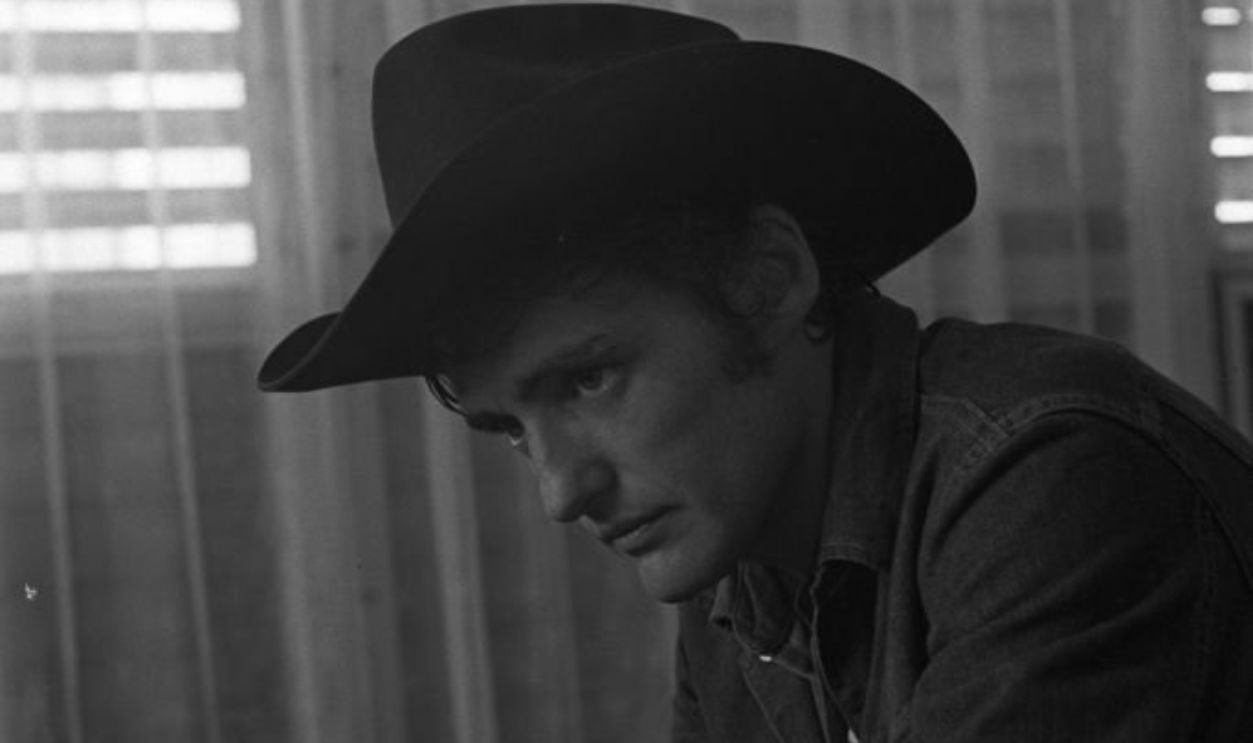
Don't worry too much about Wood. She also had an additional affair while making Rebel Without a Cause. An 18-year-old Dennis Hopper was also in the cast, and Wood caught him off guard with her aggressiveness. It seemed that Wood had learned a few things from Ray. Strangely, the studio came down hard on Hopper about Wood, but Ray walked away unscathed.
While most would find these on-set dramas dysfunctional, others found them familial.
 Fairchild Archive, Getty Images
27. He Created A Surrogate Family
At this time, Nicholas Ray was living in Bungalow 2 at the famous Chateau Marmont, and he threw parties at his large three-bedroom house. Some of the young cast of Rebel Without a Cause had fond memories of Ray creating a strange surrogate family among the young cast. One even referred to Ray as “the father we all needed”.
Soon, this party would come to a shocking and abrupt end.
28. He Lost James Dean
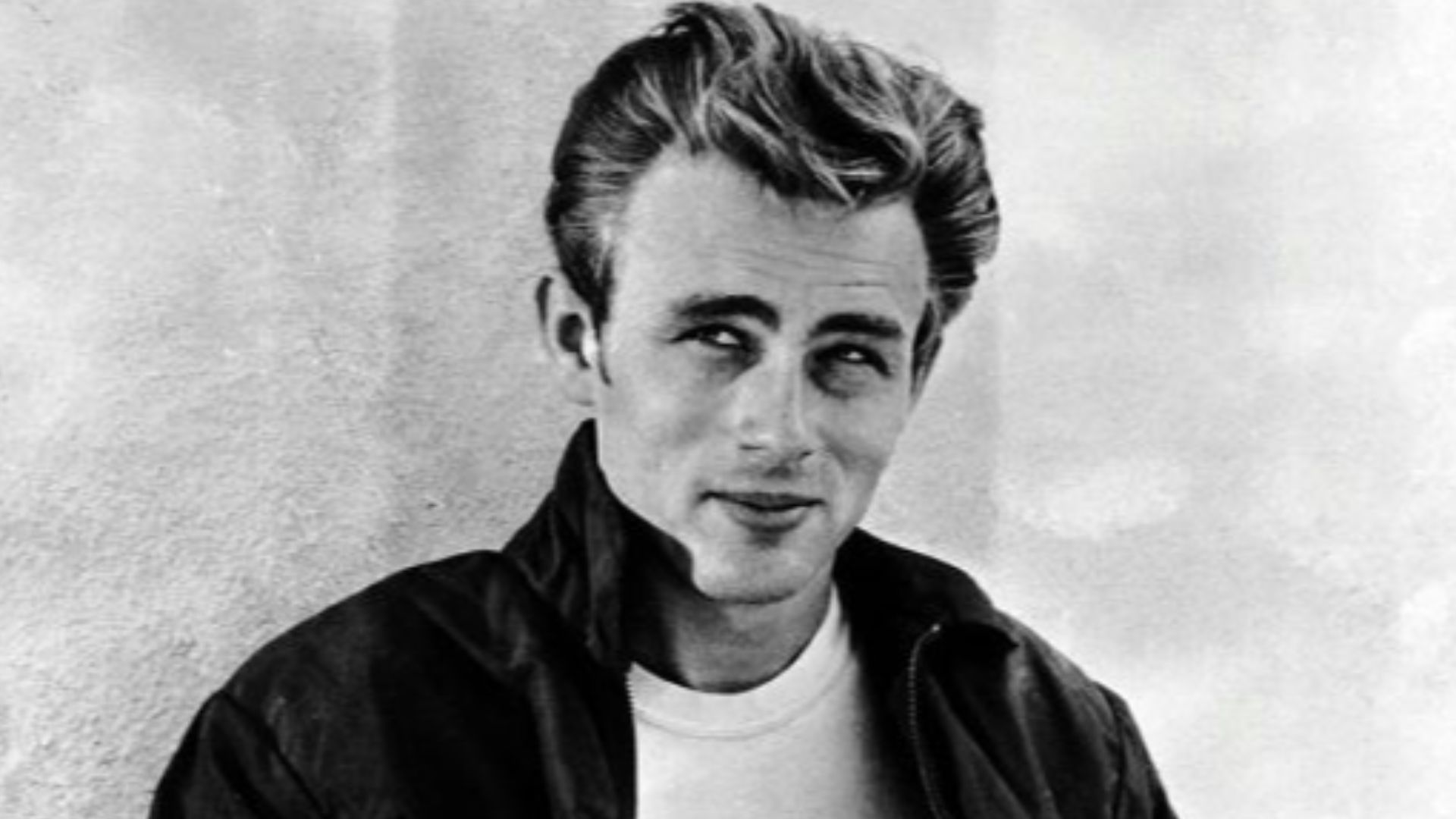
Before Rebel Without a Cause even hit theaters, James Dean lost his life in a shocking car accident. This devastated Ray, as the two had gotten very close. It was a dark period, as Ray dealt with the loss of Dean and also faced huge gambling debts and large payouts for child support.
It looked like Ray would hit rock bottom, but a new relationship came from a surprising source.
 In-house publicity still, Wikimedia Commons
29. He Crossed A Romantic Line
Nicholas Ray had kept in touch with a British writer named Gavin Lambert, who had written a positive review for one of his films. When Ray was in London, he met up with Lambert, and there was an attraction there. Ray was very clear with Lambert that he wasn’t gay, but the two men got into bed together after hitting the bottle. You wouldn’t blame Lambert for getting mixed signals.
What Ray did next was even more confusing.
 Sunset Boulevard, Getty Images
30. He Wanted Him For Longer
Ray had been pretty clear when he told Lambert that being intimate with other men was a rare occasion for him. But the day after they ended up in bed together, Ray did something strange. He begged Lambert to return to the States with him. It’s not clear what Lambert expected, but he said yes.
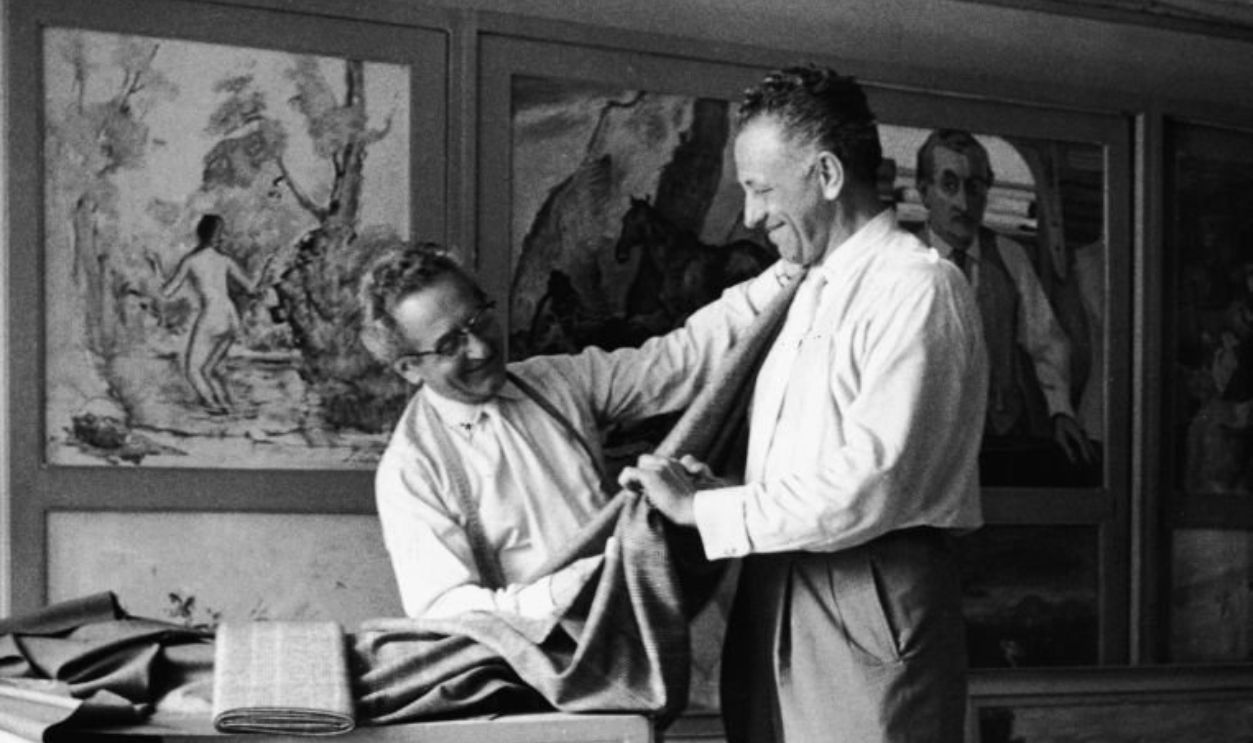
31. He Wasn’t Monogamous
Hopefully, Lambert wasn’t expecting some sort of exclusive relationship with Ray, because that wasn’t what Ray was offering. What Lambert got was a job as Ray’s assistant on his film Bigger Than Life. While working together, the two men continued with a physical relationship. But this didn't stop Ray from pursuing women as well.
Lambert would soon see that Ray was not altogether there.
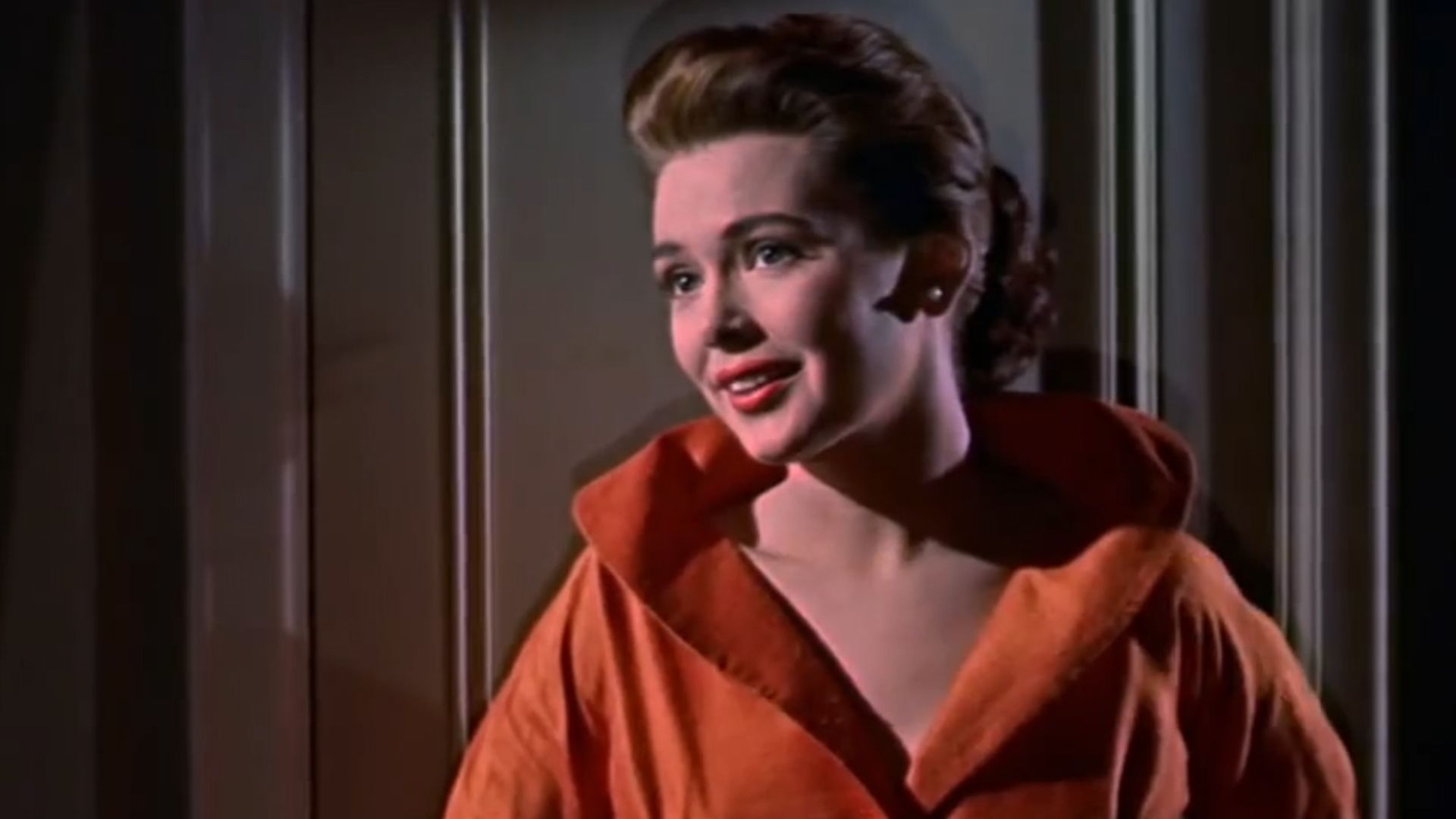 20th Century Fox, Wikimedia Commons
32. He Spent Two Decades In A “Blackout”
The film Ray made with Lambert by his side, Bigger Than Life, was about a school teacher who spirals downward into substance use until he is a broken man. Ray and others couldn't help but notice that the film mirrored Ray’s own spiraling life. He later said that he lived a “blackout” existence for almost 20 years.
Lambert soon departed, and Ray desperately fought to resurrect his career.
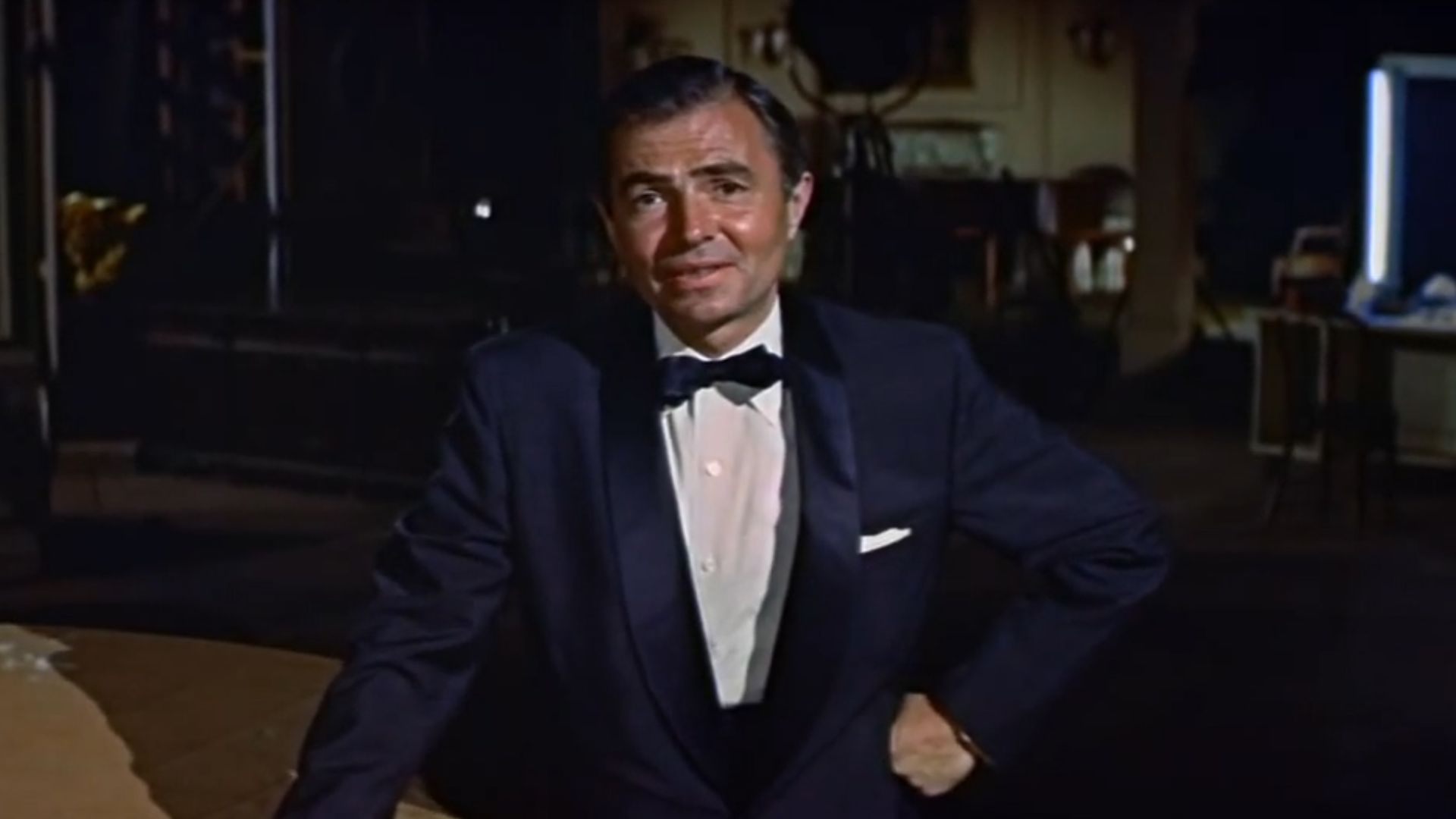 20th Century Fox, Wikimedia Commons
33. His Drinking Got Him Fired
Things looked like they were improving when Nicholas Ray got a job directing the anti-bird poaching film Wind Across the Everglades. Well, the eco-friendly nature of this film did nothing to help Ray. He was hitting the bottle very hard, and it got so bad that the studio fired him from the project.
Out of a job, Ray turned back to his other passion: dating young people.
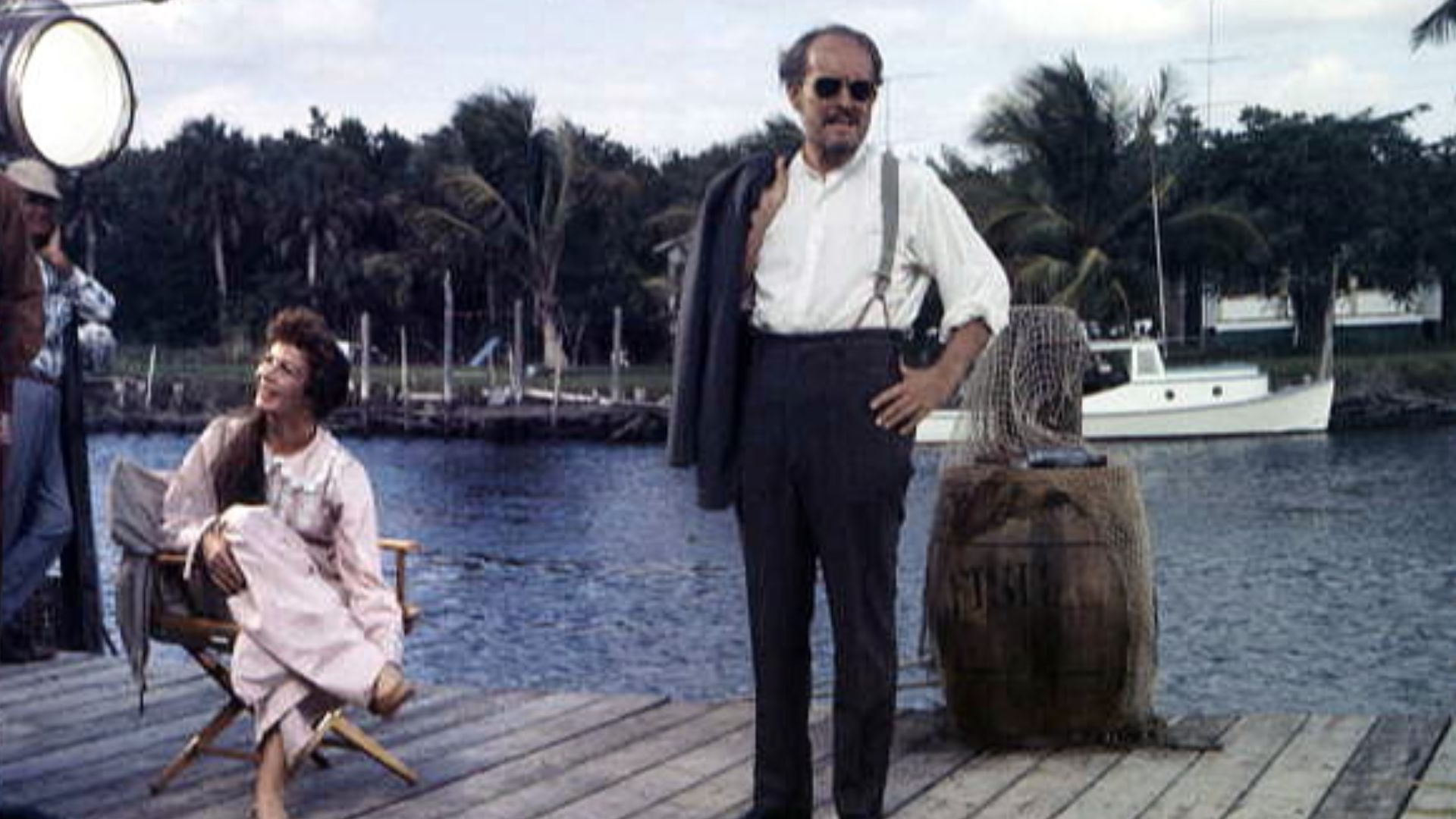 Florida Memory, Wikimedia Commons
34. He Rekindled A Romance With A Teenager
Back in 1951, Ray was filming some scenes for Androcles and the Lion that featured some young women in bikinis. He took one of the women, a 17-year-old Betty Utey, out on a date and then seemed to callously forget about her. Years later, he called Utey again, as he had a small role for her in a film called Party Girl.
Ray had big plans for Utey.
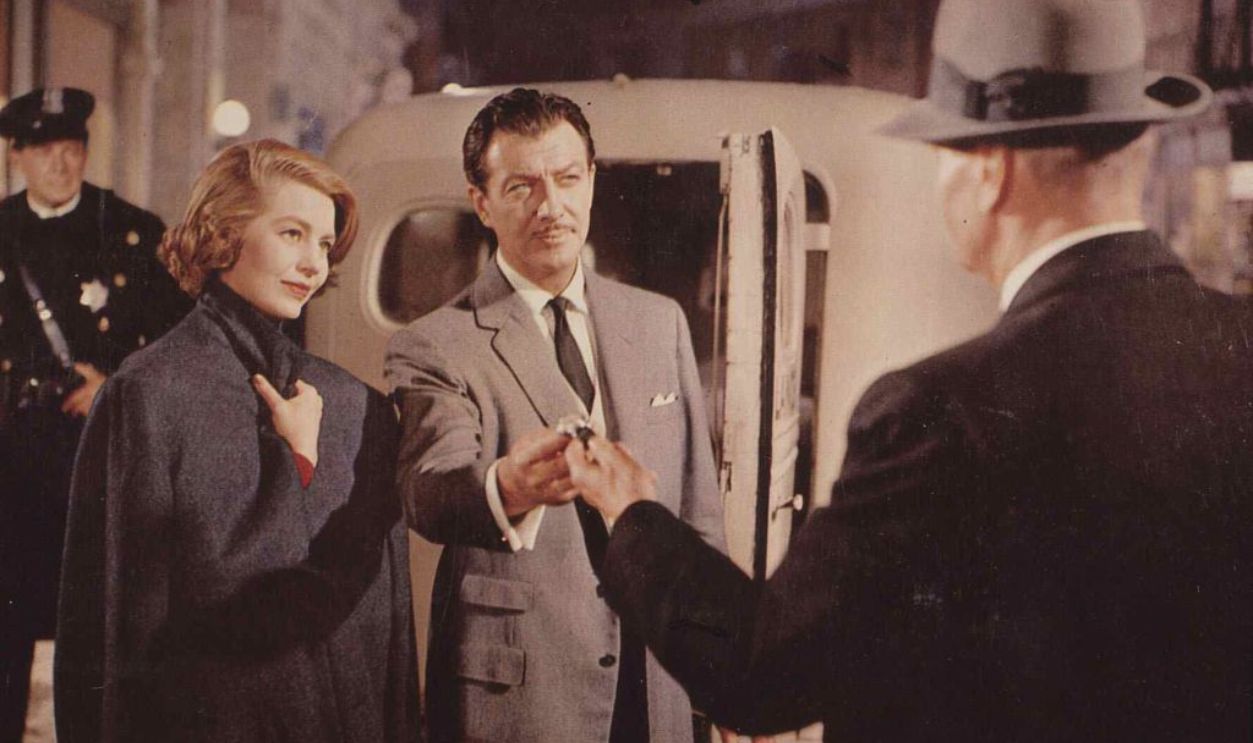
35. His Drinking Nearly Ruined His Wedding
When Ray and Utey, who was now in her early 20s, finished the film, they planned to go to Maine so Ray could give up drinking, and so that they could get married. Sadly, Ray didn’t quite make it. At the Logan Airport in Boston, the delirium tremens from his withdrawal were so bad that he collapsed. He did eventually recover, and he married Utey a few weeks later in Kennebunkport, Maine.
But Maine was not able to contain Ray. He was off on another adventure.
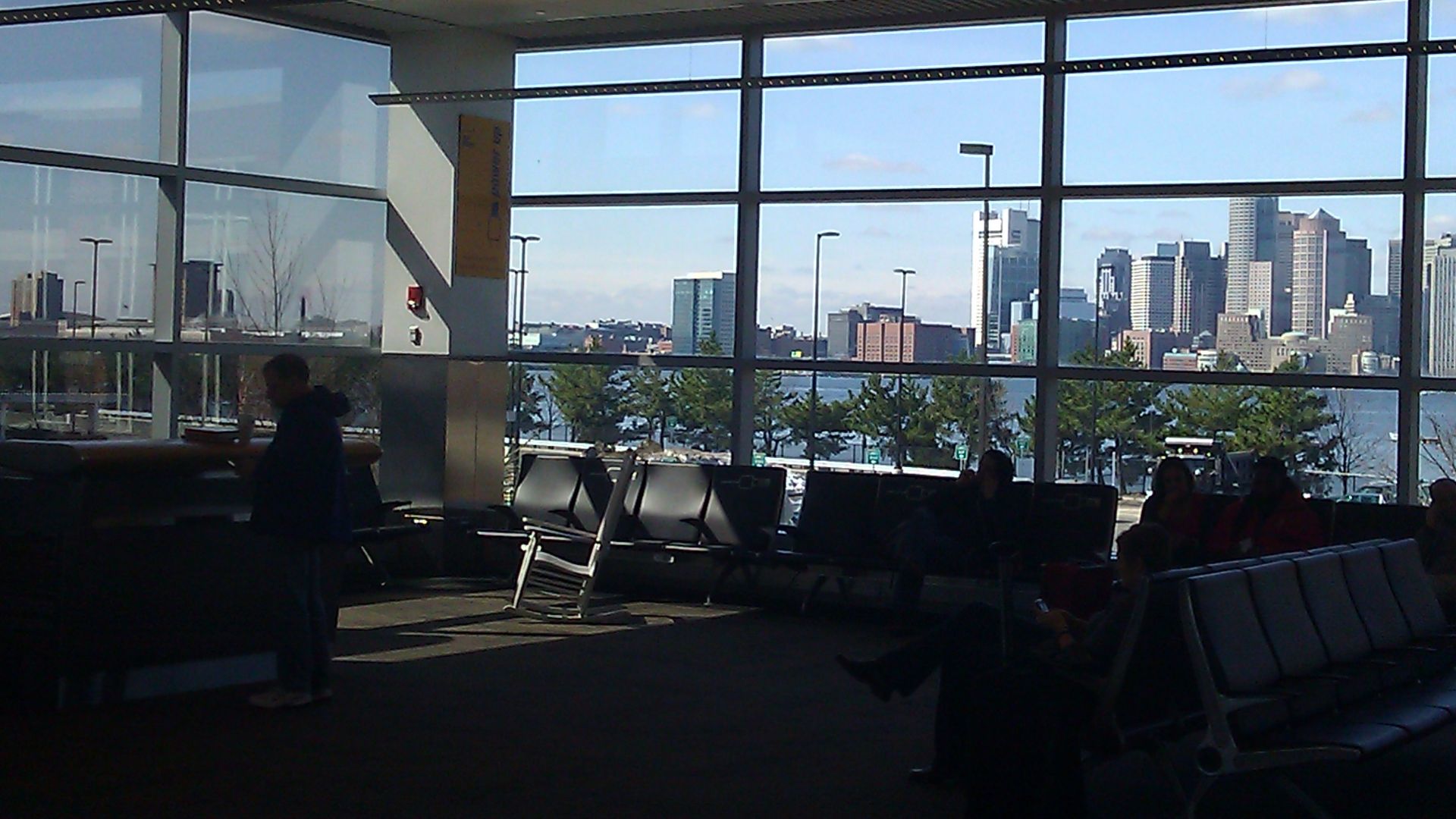 Stephen Pierzchala from Marlborough, MA, USA, Wikimedia Commons
36. He Tried Something Completely Different
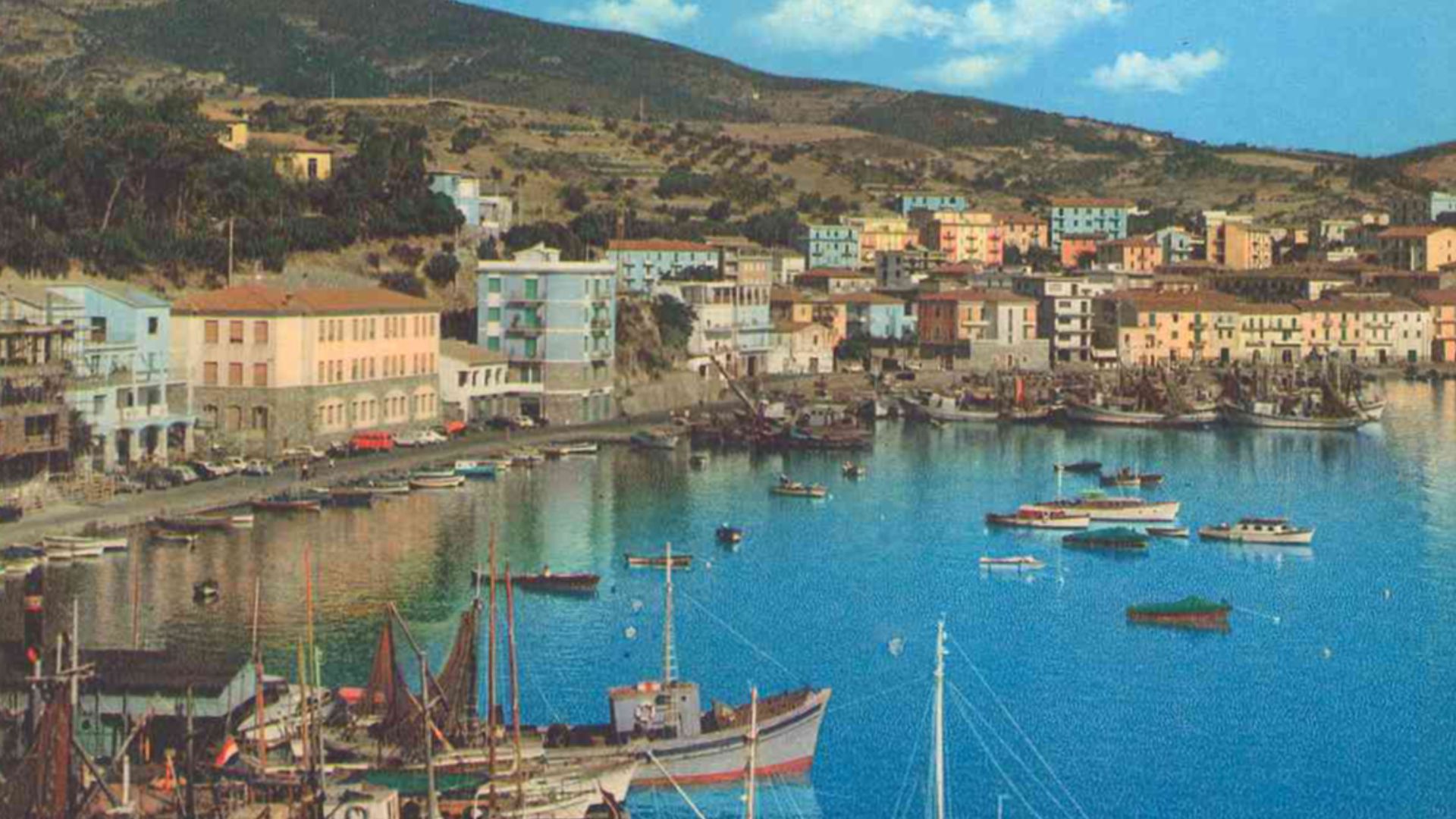
Nicholas Ray and his new bride were soon off to live in Italy, where Ray poured a lot of money into running a restaurant. Being a restaurateur didn’t change Ray much. He was popping pills, drinking, and getting insufficient sleep. He did manage to have two children—daughters Julie Christina and Nicca—with Utey. By 1964, Utey was through with Ray, and she took the kids back to the States.
A wound from Ray’s past was about to get reopened.
 Unknown authorUnknown author, Wikimedia Commons
37. Hollywood's Biggest Films Took Their Toll
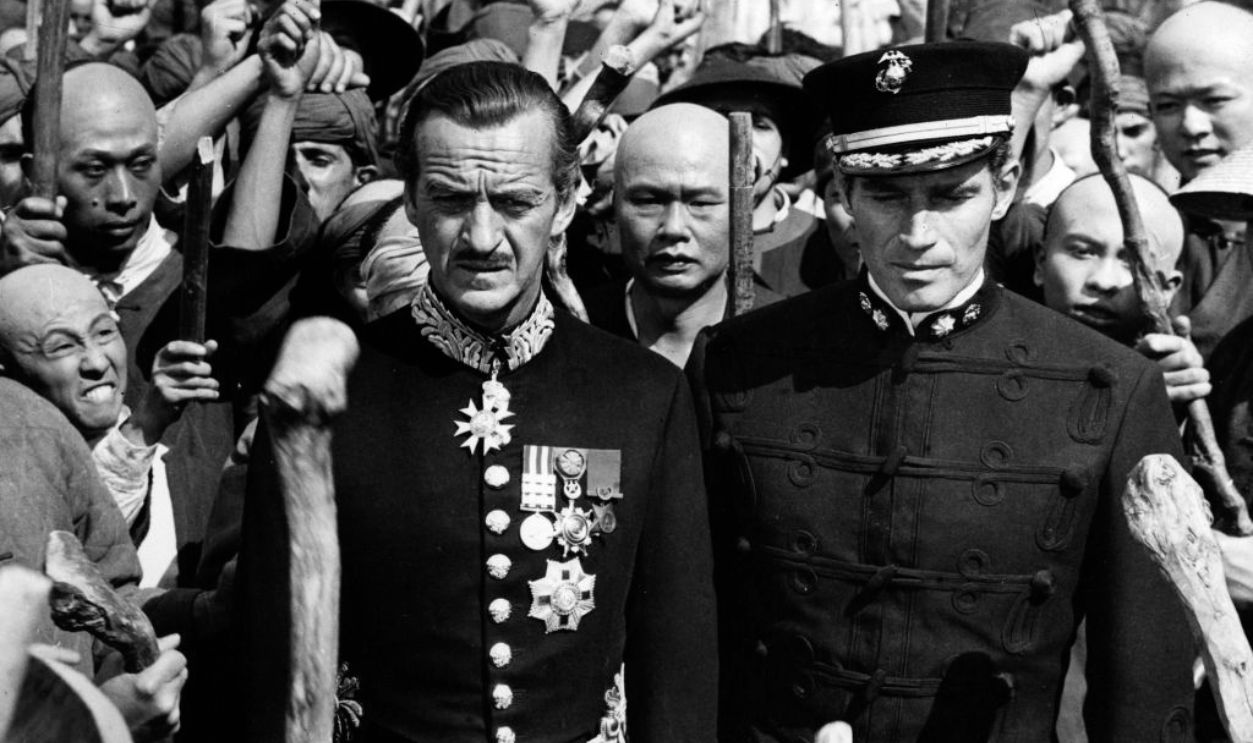
In 1961, Ray made the religious epic, King of Kings, which was obviously a bad fit for the less-than-virtuous Ray. He then made the historical epic 55 Days at Peking starring Charlton Heston. These huge and stressful films were taking a toll on Ray’s health, and his substance use only compounded the damage. The stress and tension finally beat him, and he had a heart attack.
Ray barely survived, but his obsession with youth was still as strong as ever.
38. He Chased Rebels Across The Atlantic
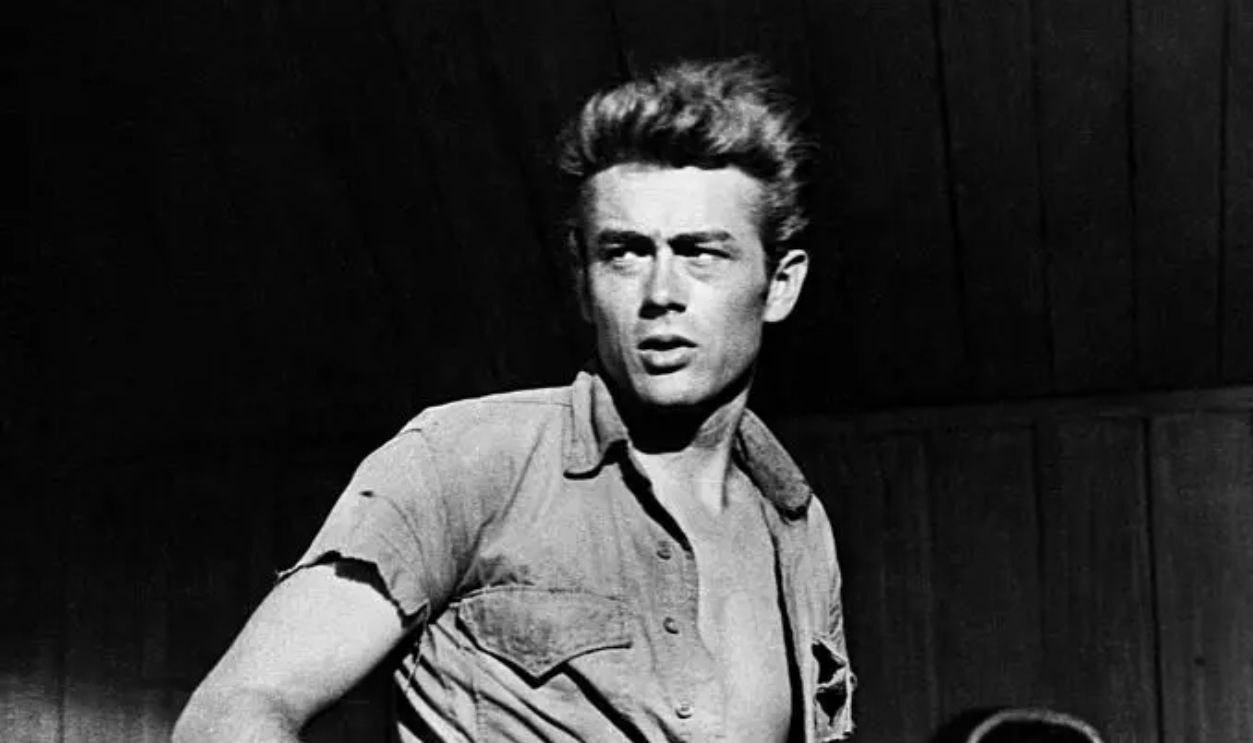
Instead of just recovering from his heart attack, Nicholas Ray joined in the student protests that were happening in Paris in 1968. One story has Ray exploiting his friendships with James Dean just to win the hearts of the youthful rebels. He apparently handed some of the protesters a firearm and said that it had belonged to Dean.
Ray’s thirst for connection with young rebels would take him back to America.
39. He Went Looking For Young Rebels
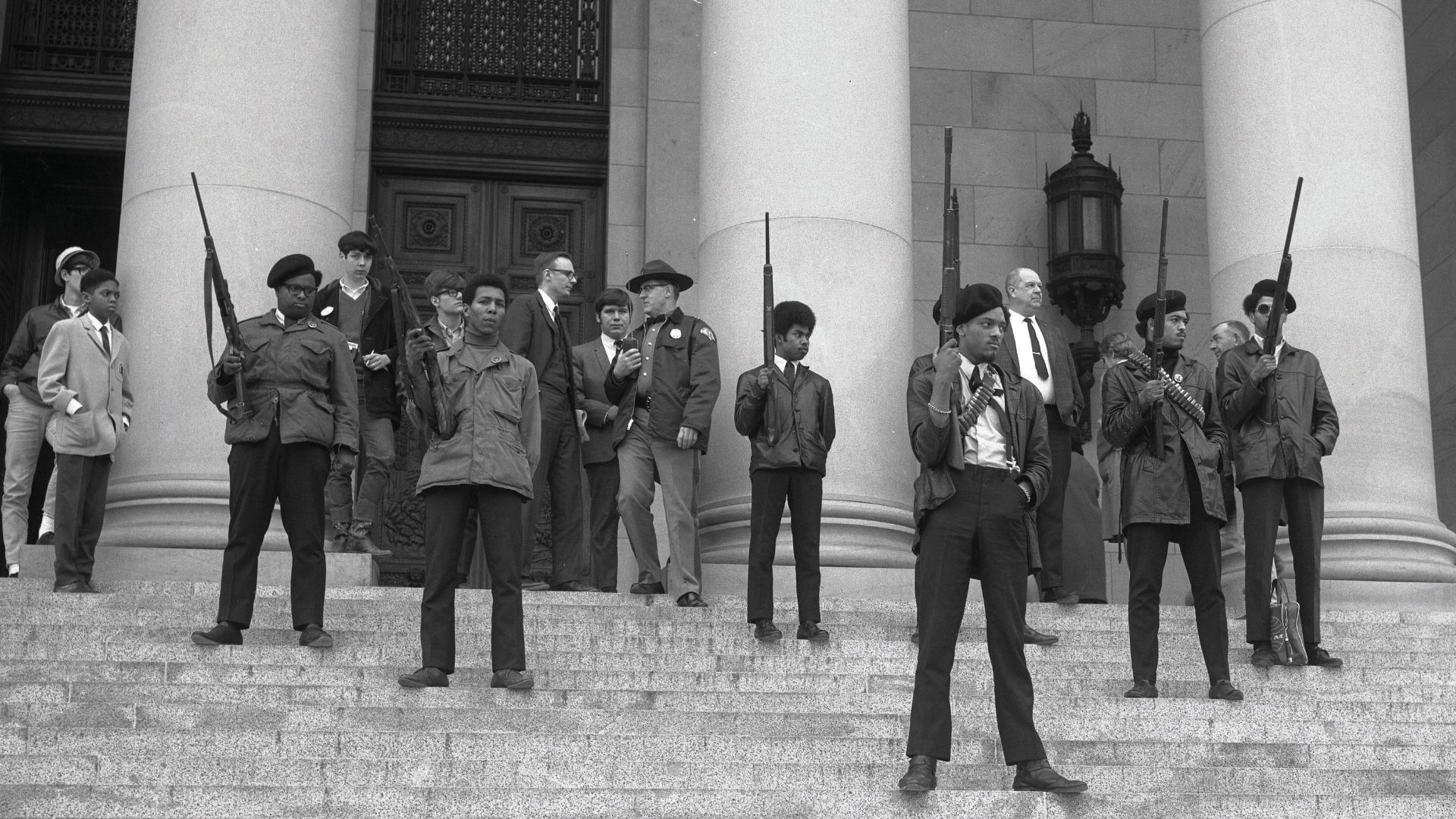
While still in Europe, Ray heard about the legal trouble facing a goup of Black Panther members, which came to be called the Chicago Seven trial. In his effort to connect with rebellious youth, Ray returned to the US. Ray had little trouble inserting himself into the heart of the trial. In a way, it was like he was back with Dean again. One woman in particular couldn't help but notice the passion Ray had for the cause.
She would end up being Ray’s next conquest.
40. He Had An Alternative Lifestyle
While involving himself with the Chicago Seven trial, Ray met 18-year-old Susan Schwartz, who would become his fourth wife. Seeing that he was virtually homeless, it became clear that Ray would live with Schwartz in her New York loft. Schwartz later said that her new husband carried a huge suitcase full of medications, both prescription and recreational.
But Ray wasn’t the only one leading a party-boy lifestyle.

41. Dennis Hopper Took Him In
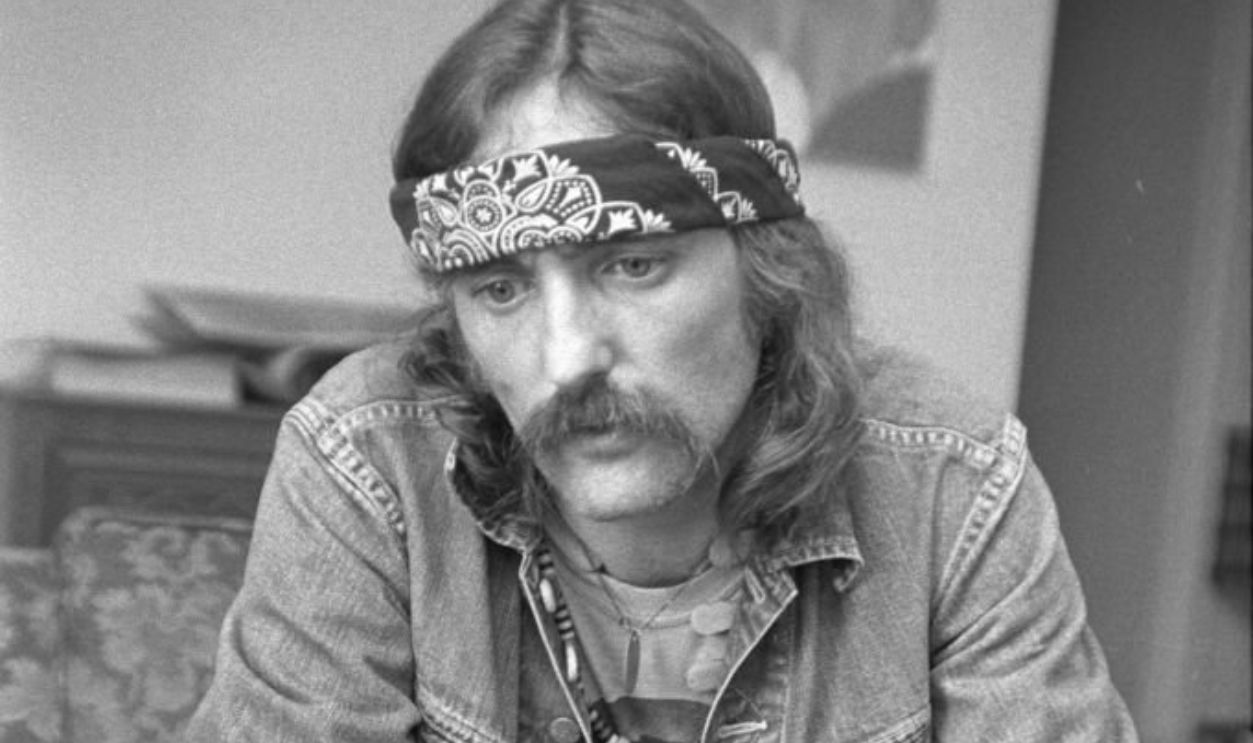
Ray had directed a young Dennis Hopper in Rebel Without a Cause, and they ran into each other again in 1971. Hopper was now a bit of a party animal in his own right and invited Ray to live with him at his home. Soon, Hopper realized that taking care of Ray was a costly business. He kicked Ray out when he received a $30,000 phone bill.
Next, it was Ray’s wife’s turn to show him the door.
 Fairchild Archive, Getty Images
42. His Wife Gave Him An Ultimatum
Nicholas Ray continued to stumble through life. He made efforts to get funding to make films, but mostly his projects fell through. He spent time in hospital twice for hemorrhaging due to his booze addiction. Finally, his wife Susan gave him an ultimatum: get clean, or she would end the marriage.
Ray started attending AA meetings, and his life had a brief turnaround.

43. He Knew The End Was Near
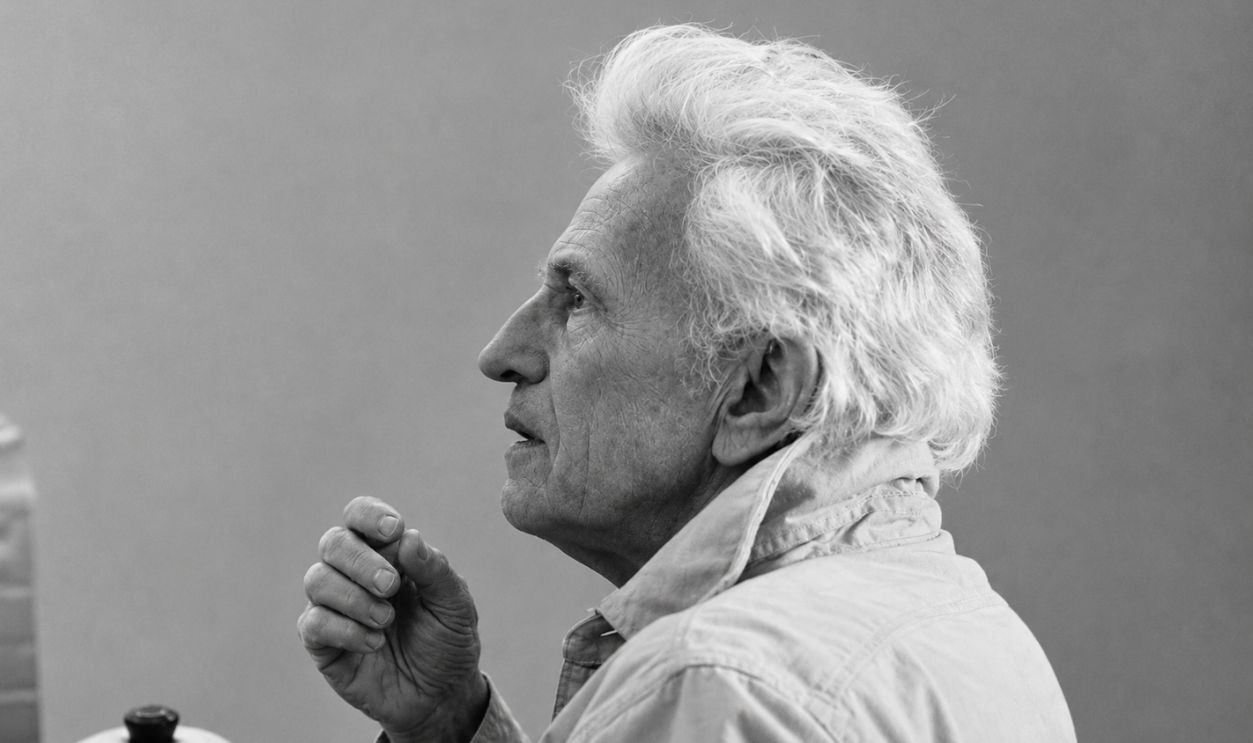
Director Wim Wenders had long been a fan of Ray and in 1977, he cast him in his movie The American Friend. Around the same time, Ray learned that his lifestyle had permanently affected his health. He had lung cancer and had very little time to live, so he turned to Wenders and told him they had to make a movie. It was going to be “part documentary, part fiction, part home movie”.
It was going to be Ray’s swan song.
 Caterine Milinaire, Getty Images
44. He Turned His Final Days Into A Film
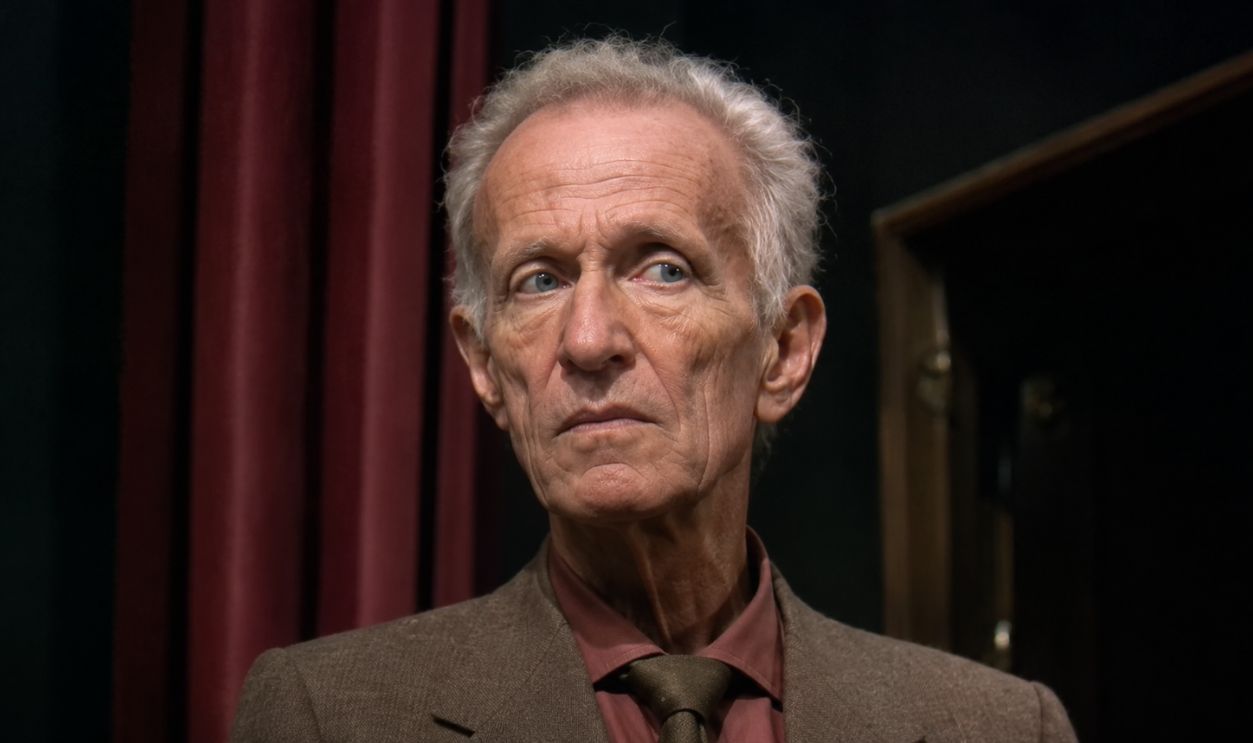
The film Ray would make with Wenders was Lightning Over Water. In the film, Ray’s emaciated body shocked filmgoers, especially those who knew him personally. The final words Ray spoke on film were when his character turned to the director and said “cut”. Like with Dean and Rebel Without a Cause, Ray would not live to see the finished film. He passed in June, 1979, at the age of 67.
Luckily, Ray will continue to live on in the world of cinema.
 Screenshot from Lightning Over Water, Basis-Film Verleih (1980)
45. European Directors Made Him A Legend
It seems that Ray received the most posthumous respect from European directors. François Truffaut said he was “the poet of nightfall”, and Wim Wenders borrowed his film title—Until the End of the World—from a Ray film. French New Wave director Jean-Luc Godard had many references to Ray’s film in his own films. Maybe American director Jim Jarmusch got it best when he called Ray the "outcast Hollywood rebel”.
Ray’s rebellious lifestyle had been no secret during his life—but some of the more disturbing details of what went down behind the scenes eventually spread, despite the Hollywood studios’ best efforts to keep things under wraps.
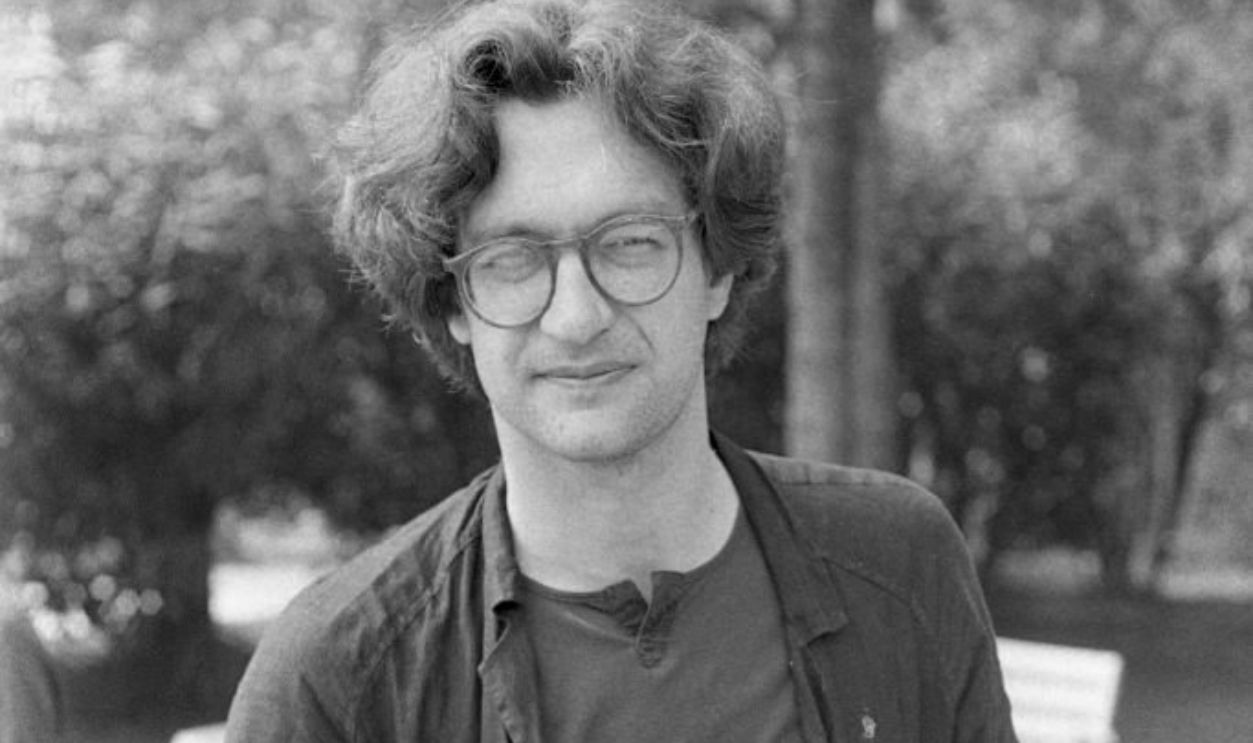 Archivio Cameraphoto Epoche, Getty Images
46. He Got The Shock Of His Life
Remember, Nicholas Ray had a son with his first wife, who was in his pre-teens and teens by the time Ray got together with blonde bombshell Gloria Grahame. Well, Nicholas Ray claims that he walked into one of the bedrooms in the house he shared with Grahame and found his wife in bed with his son when Anthony was just 13. On the list of reasons for divorce, this may well be number one.
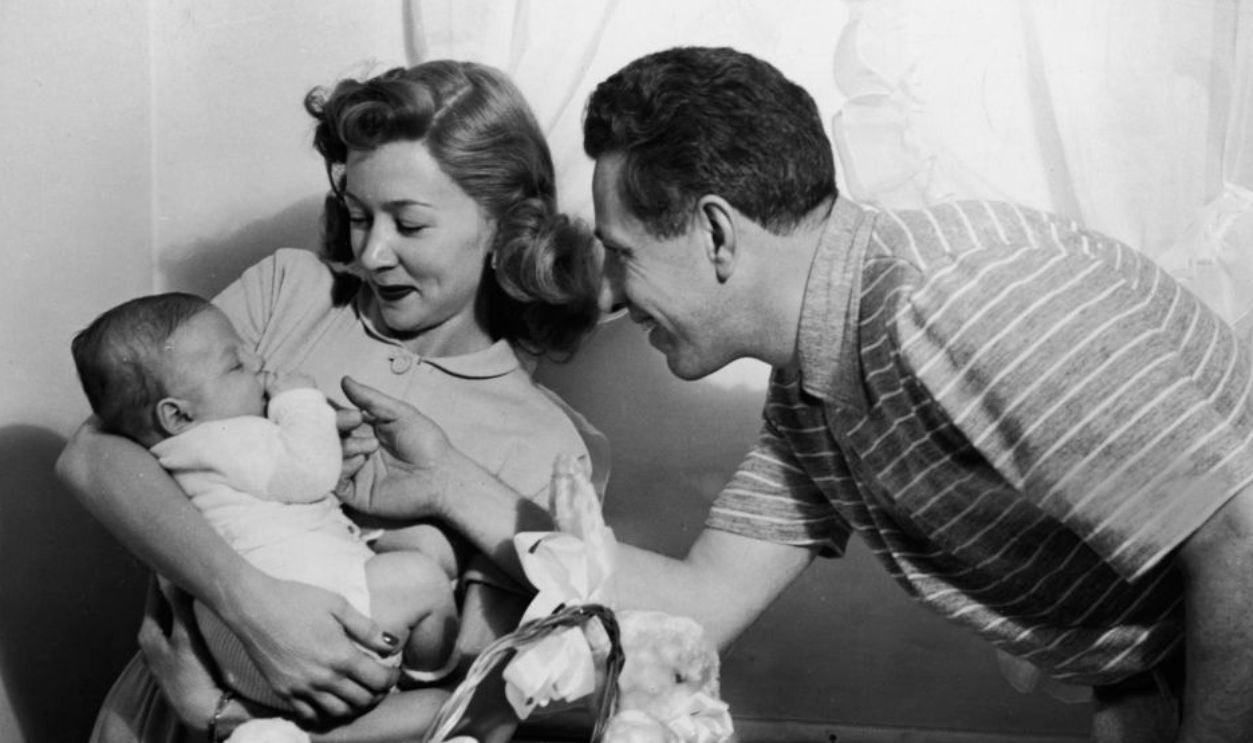 Pictorial Parade, Getty Images
47. Hollywood Helped Bury The Scandal
According to Ray, after he exposed his wife’s affair with her stepson, Grahame continued her relationship with little Anthony. Of course, those involved, including the studio, did everything they could possibly do to keep it away from the media. So, when Grahame filed for divorce, the official reason was that Ray had struck her. But clearly, there were other, more disturbing reasons behind their split.
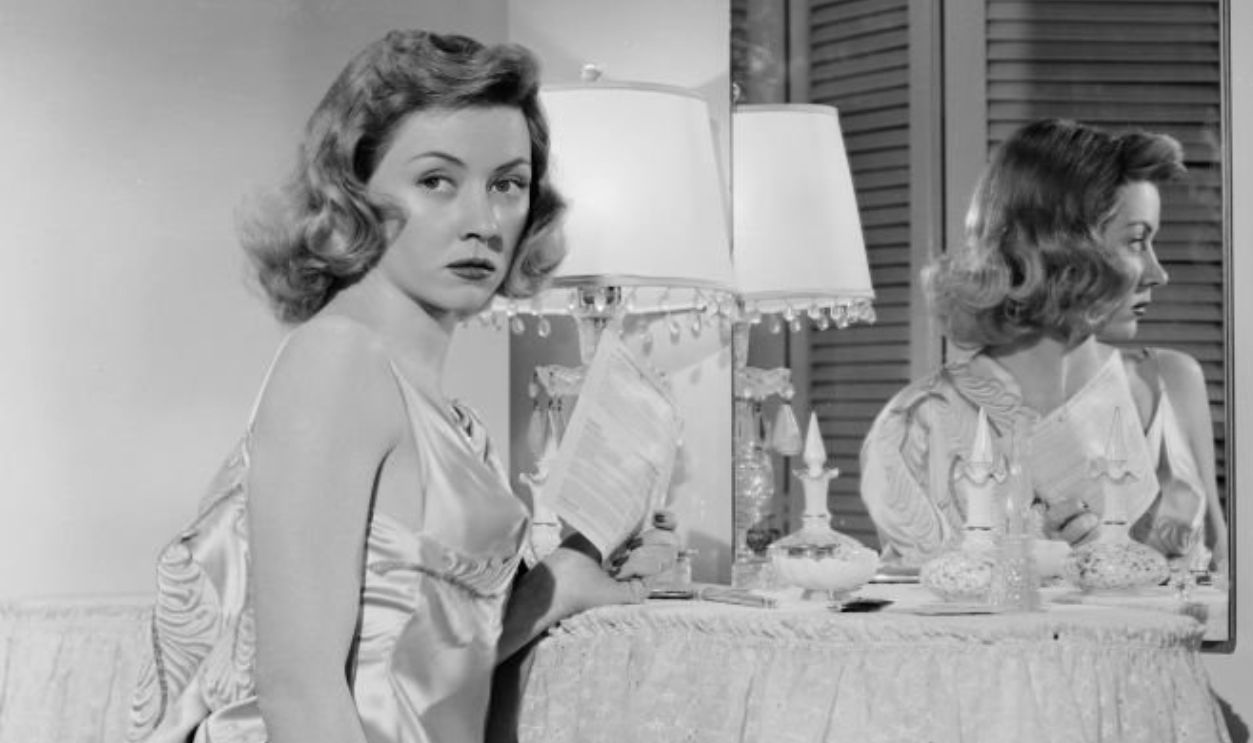 John Kobal Foundation, Getty Images
48. His Family Tree Got Seriously Twisted
By 1960, Anthony was of age, and he married his former stepmom Gloria Grahame in Mexico. Strangely, this made Nicholas Ray his ex-wife’s father-in-law. The situation got even ickier when Grahame had two sons with her new groom. Eventually, Grahame caved under the pressure and had a nervous breakdown, which required electroconvulsive therapy.
If you think Grahame’s relationship with Anthony was disturbing, well—Nicholas Ray clearly had some fraught feelings towards his own soon too.
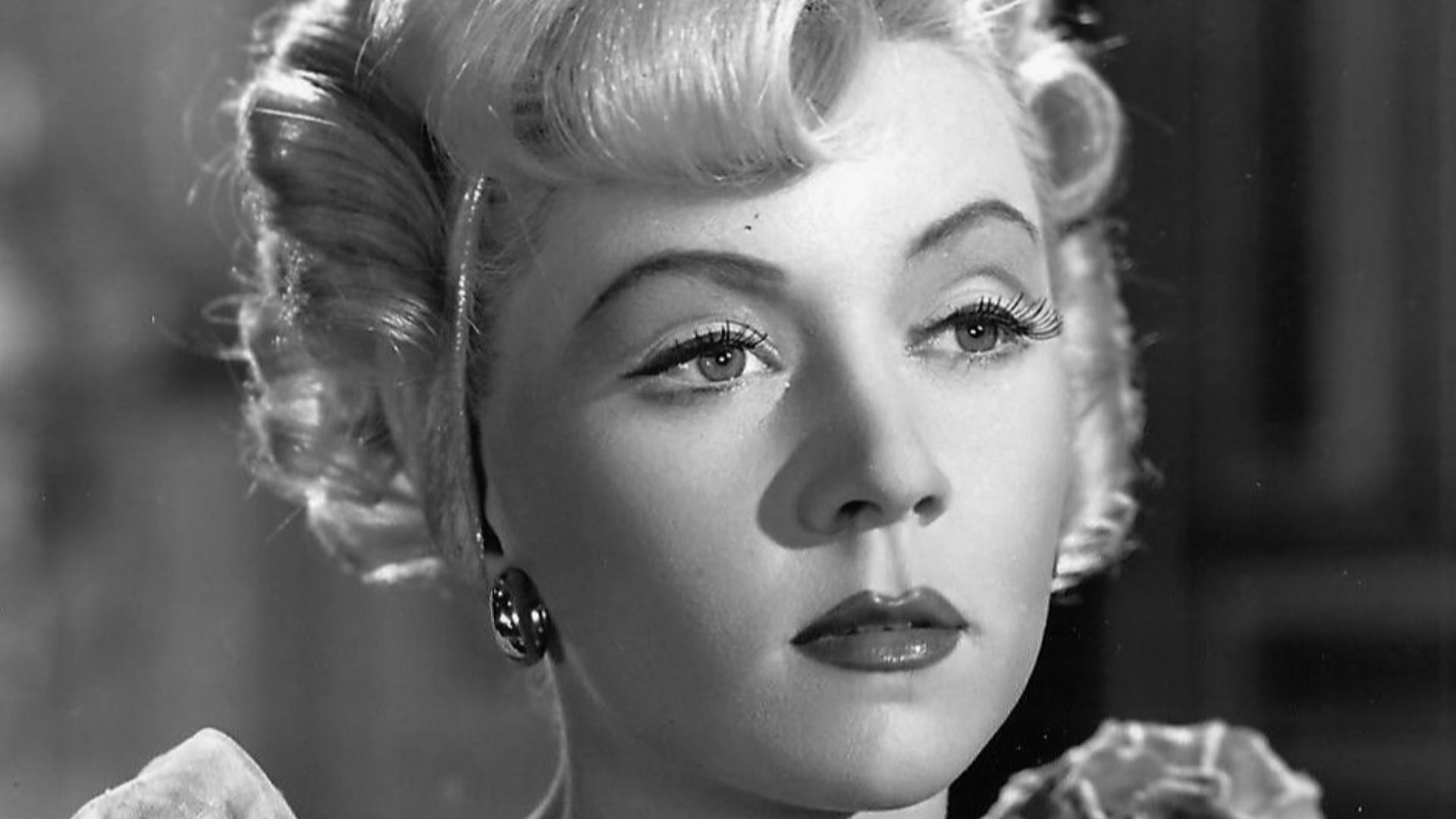 Unknown authorUnknown author, Wikimedia Commons
49. Sal Mineo Reminded Him Of His Son
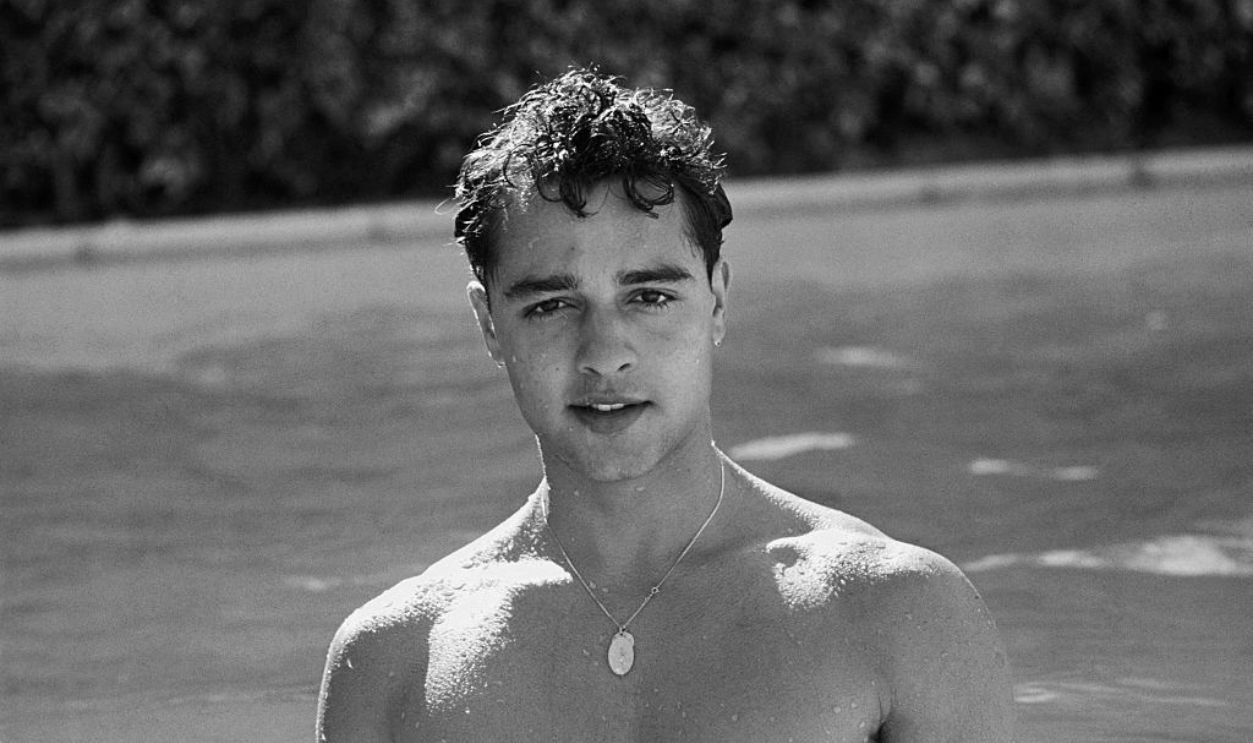
While casting for Rebel Without a Cause, Sal Mineo went up for the part of Plato, and landed the role. Ray liked him because he thought that Mineo was a “prettier” version of his own son Tony. But what was really twisted was that this fact didn’t stop Ray from having an affair with Mineo—while he was still fooling around with 16-year-old Natalie Wood.
50. He Compared It To Potatoes
We know that Ray had had affairs with at least two men: Sal Mineo and Gavin Lambert. But when some biographers suggested that Ray played for both teams, he denied it. But he did say this. He believed that most people imagine going to bed with a person of the same gender. According to Ray, to deny this would be like denying having eaten a bowl of potatoes.
 Screenshot from Lightning Over Water, Basis-Film Verleih (1980)
You May Also Like:
Jaw-Dropping Facts About John Huston, Hollywood's Wildest Director
Cinematic Facts About Martin Scorsese