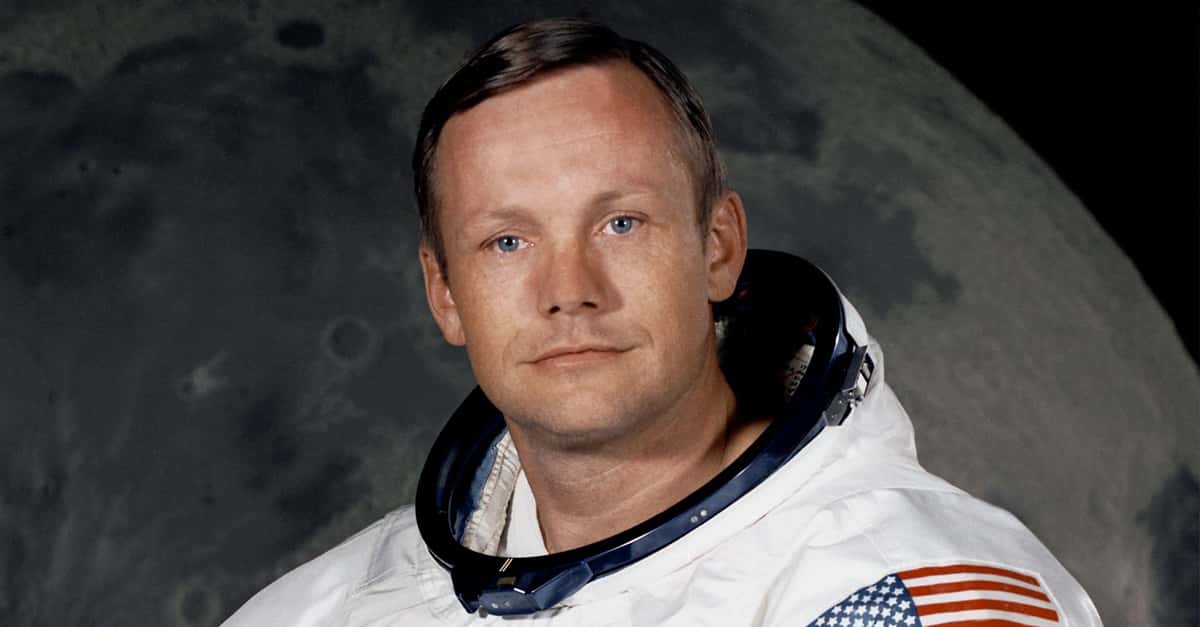
One Small Step
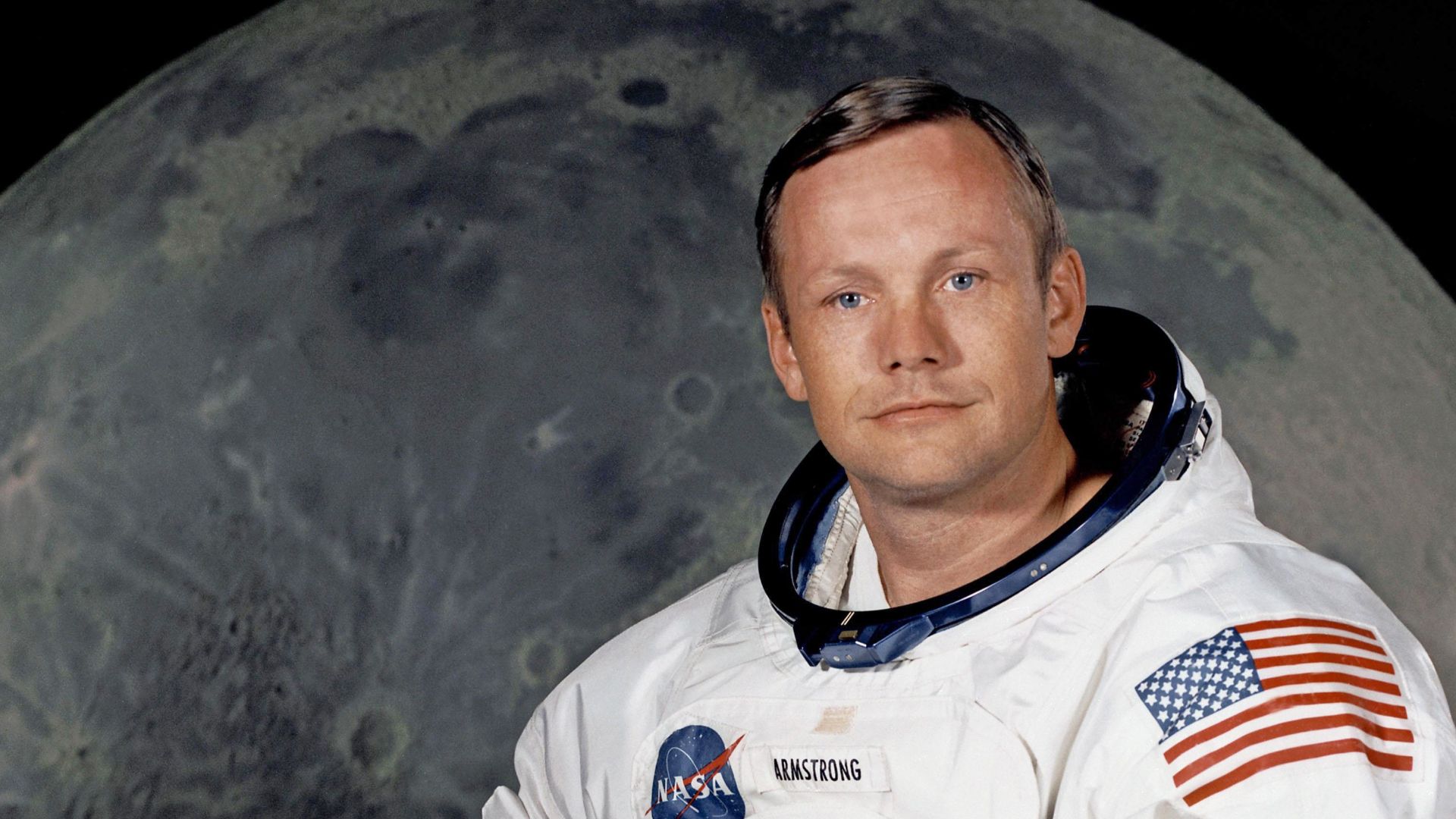
Few accomplishments have reached greater heights than when Apollo 11 dared to land on the Moon, immortalizing the man who took the first lunar walk in history. However, despite the grandeur and spectacle of the landing, Neil Armstrong always maintained a more mild-mannered persona. This wasn’t surprising, as he had never been one to toot his own horn or stand out from his fellow pilots—even after becoming Earth’s greatest hero.
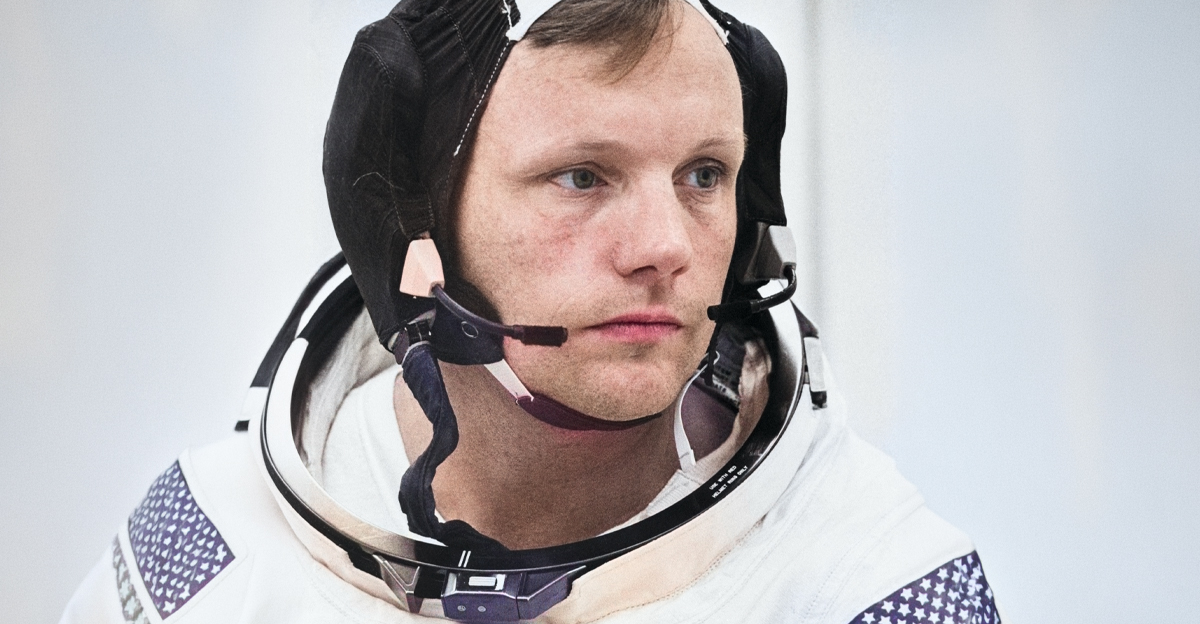 Bettmann / Contributor, Getty Images
1. They Were Always On The Move
Fittingly for someone who would eventually go where no one had gone before, Neil Armstrong spent most of his formative years traveling without ever staying in one place for too long. Born in 1930 to Steven and Viola Armstrong, it seemed like Neil’s family was constantly on the road, starting in Auglaize County, Ohio, and spending the next 14 years living in a total of 16 towns.
As someone who never really put down roots, it was only natural that he was raring to take off.
 Unknown authorUnknown author, Wikimedia Commons
2. He Found His Passion
Neil Armstrong would have likely found it hard to remember a time when he wasn’t obsessed with flying, especially since he became exposed to that world at such an early age. Not only did his father bring him to the Cleveland Air Races when Neil was just two years old, but the two were also lucky enough to take a flight in a Ford Trimotor four years later.
With that, he knew precisely what path to take—and it came with an even more impressive honor.
 United States Navy, Wikimedia Commons
3. He Began His Studies
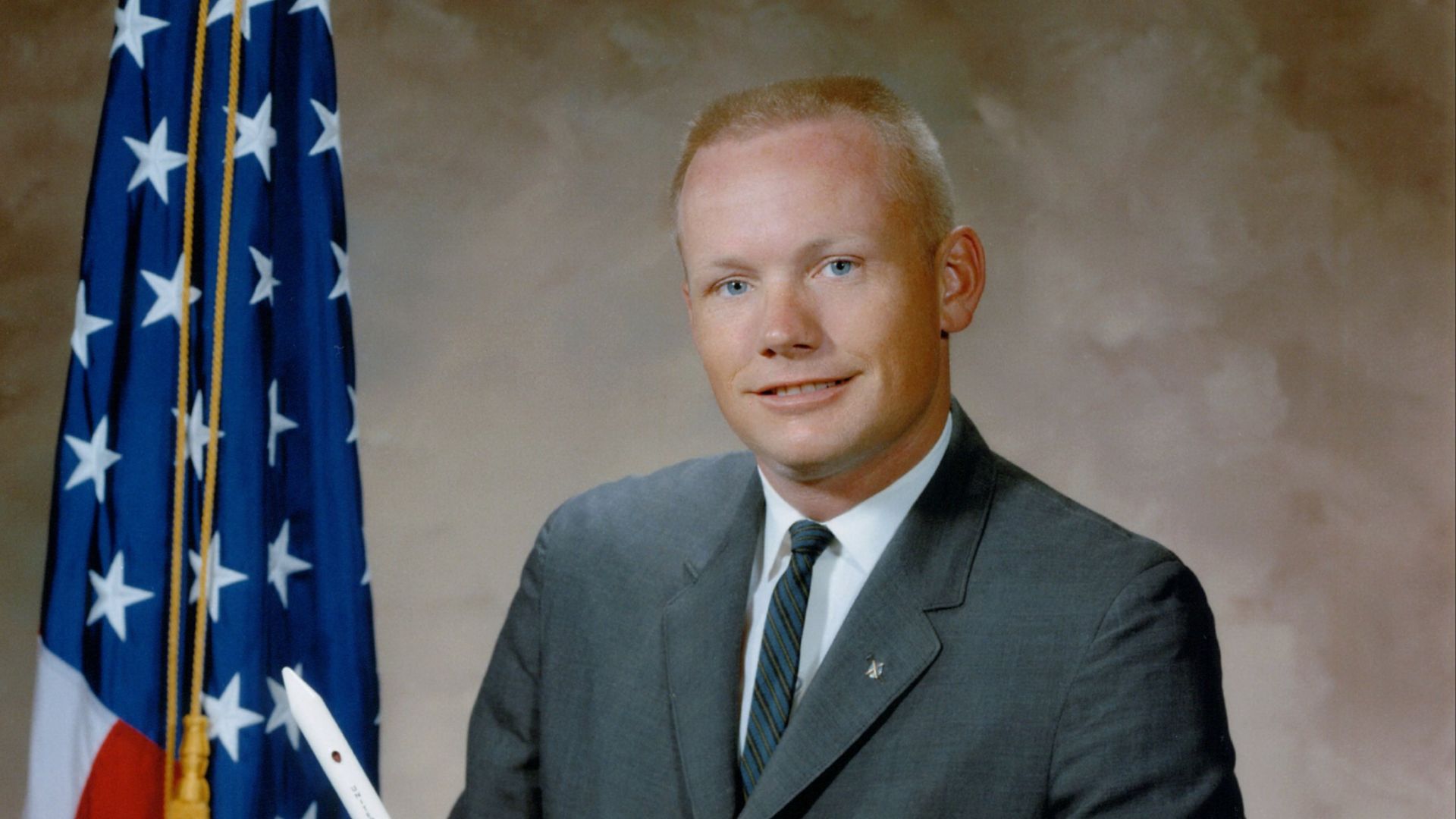
Maintaining his passion for flying well into his teenage years, Neil had his sights on any career where he could work with aircraft, but the first step was getting into college. Becoming the second member of his family to actually pursue a post-secondary education, Neil enrolled at Purdue University, where he majored in aeronautical engineering.
Thankfully, he had some help to chase his dreams—but it came with a catch.

History's most fascinating stories and darkest secrets, delivered to your inbox daily.
4. He Had His Life Planned Out
While his family wasn’t exactly poor, Neil’s parents weren’t flush with cash, so he had to find a way to pay for college. Fortunately, he successfully applied to a Naval scholarship called the Holloway Plan, which would finance his whole tuition—at a strict price. According to the scholarship, Neil had to dedicate himself to four years of education in total, during which he was to complete two years of flight training and serve as a US Navy aviator.
Of course, this meant he would have to put his education on hold—and sooner rather than later.
5. He Got The Call
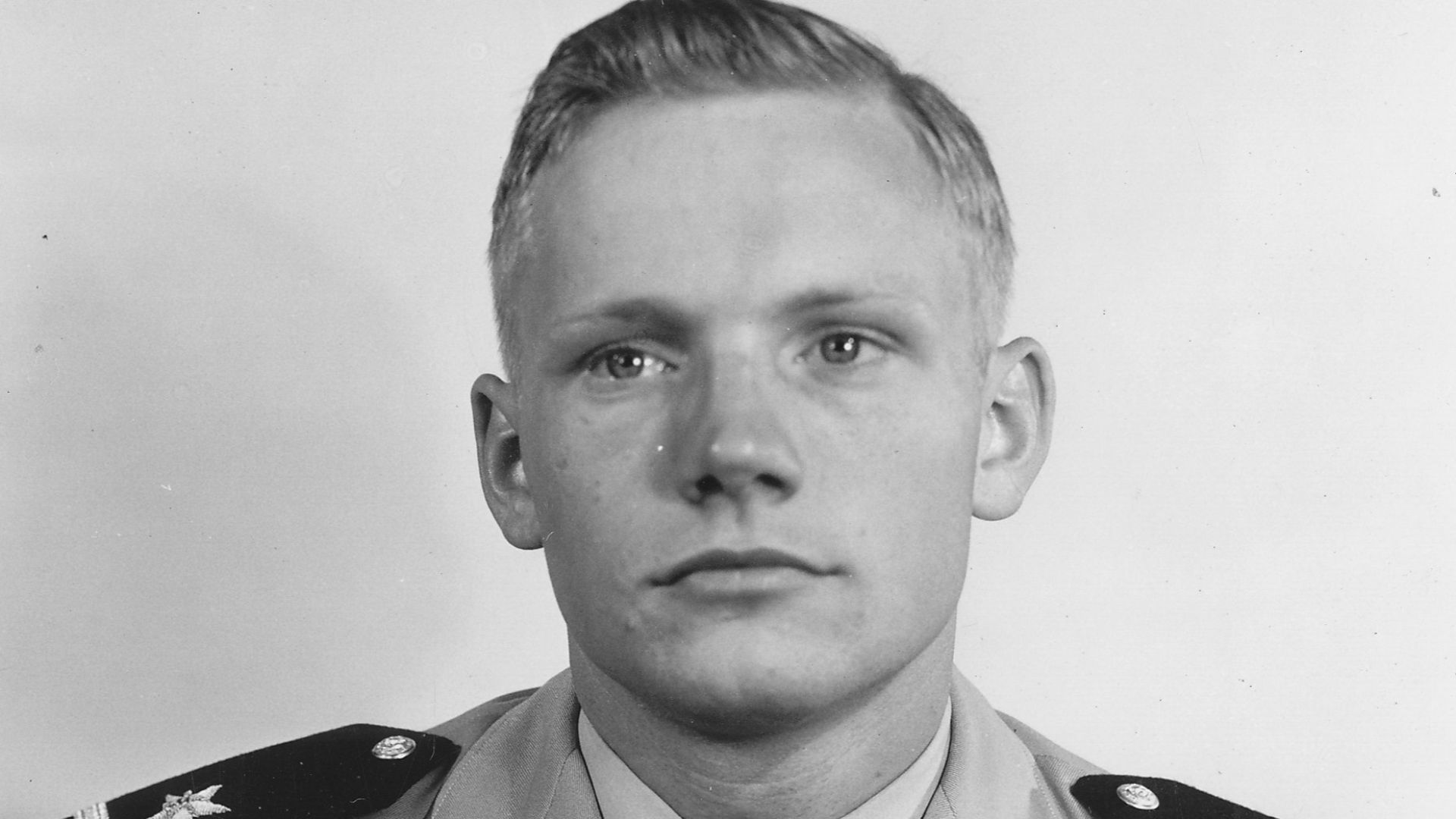
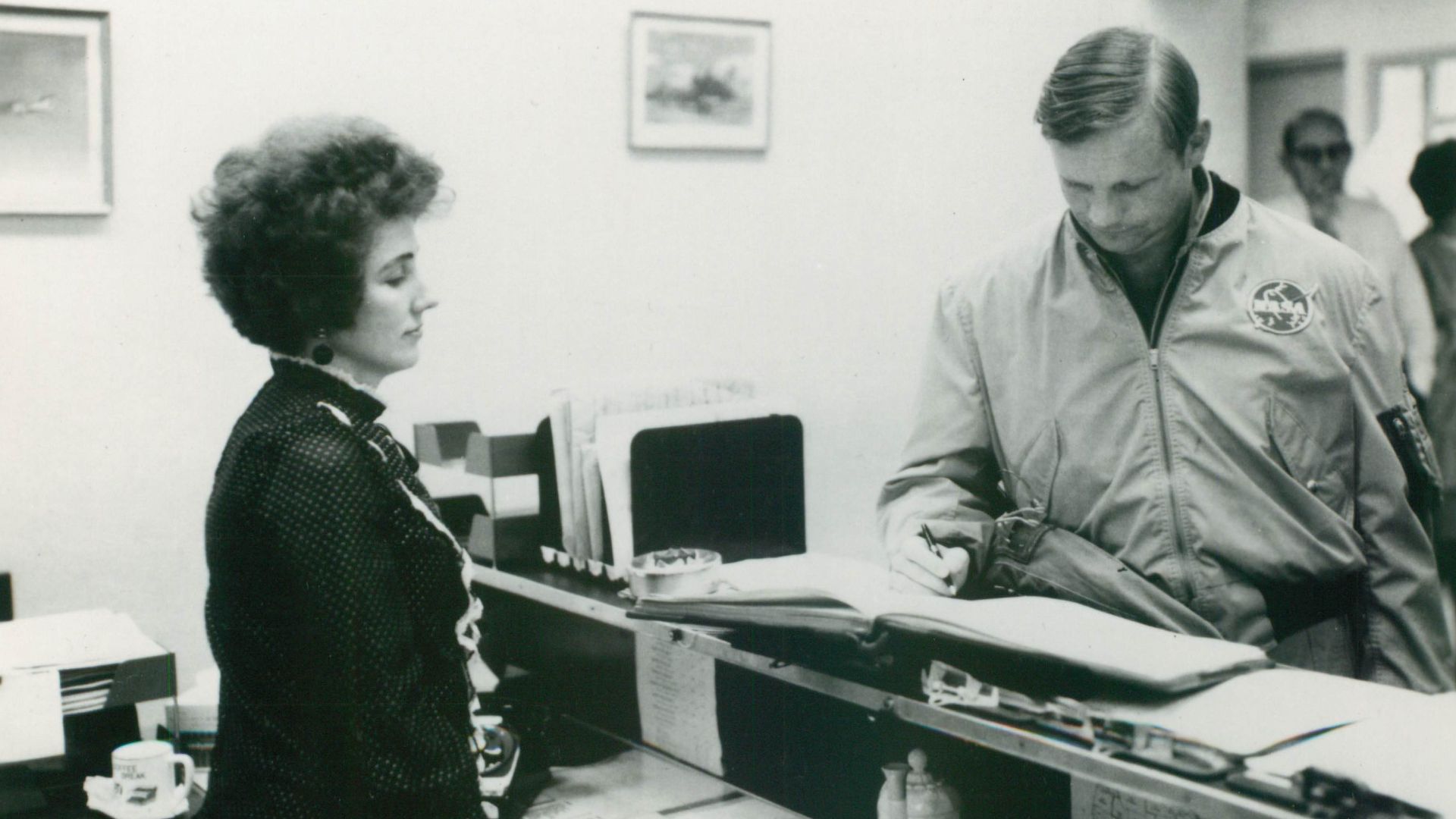
After his first two years of college, Neil Armstrong had to put away his pencils and books as he received a call in 1949, ordering him to leave for Florida and report to Naval Air Station Pensacola. Excited to once again have a shot at getting in the air, Neil eagerly sat through his medical exams—which he passed—and took the rank of midshipman.
While he had been taking regular flying lessons over the years, it was nothing like what he was stepping into now.
 NASA / Lee Jones, Wikimedia Commons
6. He Finally Took Flight
By the time Neil had turned 16, he had already been training as a civilian pilot and even earned a student flight certificate, but the Air Force was a whole new ball game. He spent over a year in intense flight training until finally, in the summer of 1950, he received a letter officially labeling him a qualified naval aviator.
Still, while he felt all the excitement of becoming a pilot—he would soon see how dangerous it was.
7. He Did His Duty
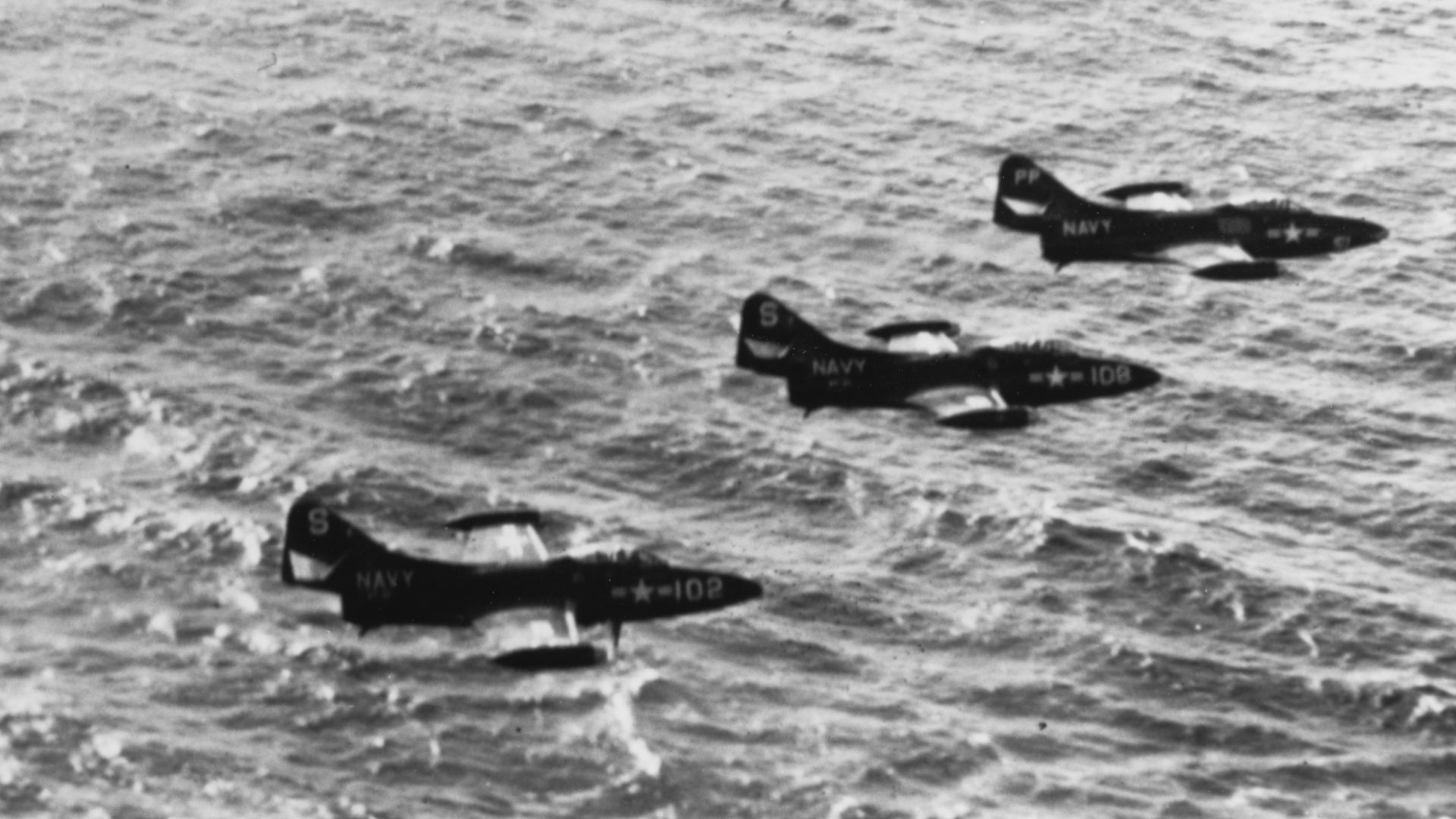
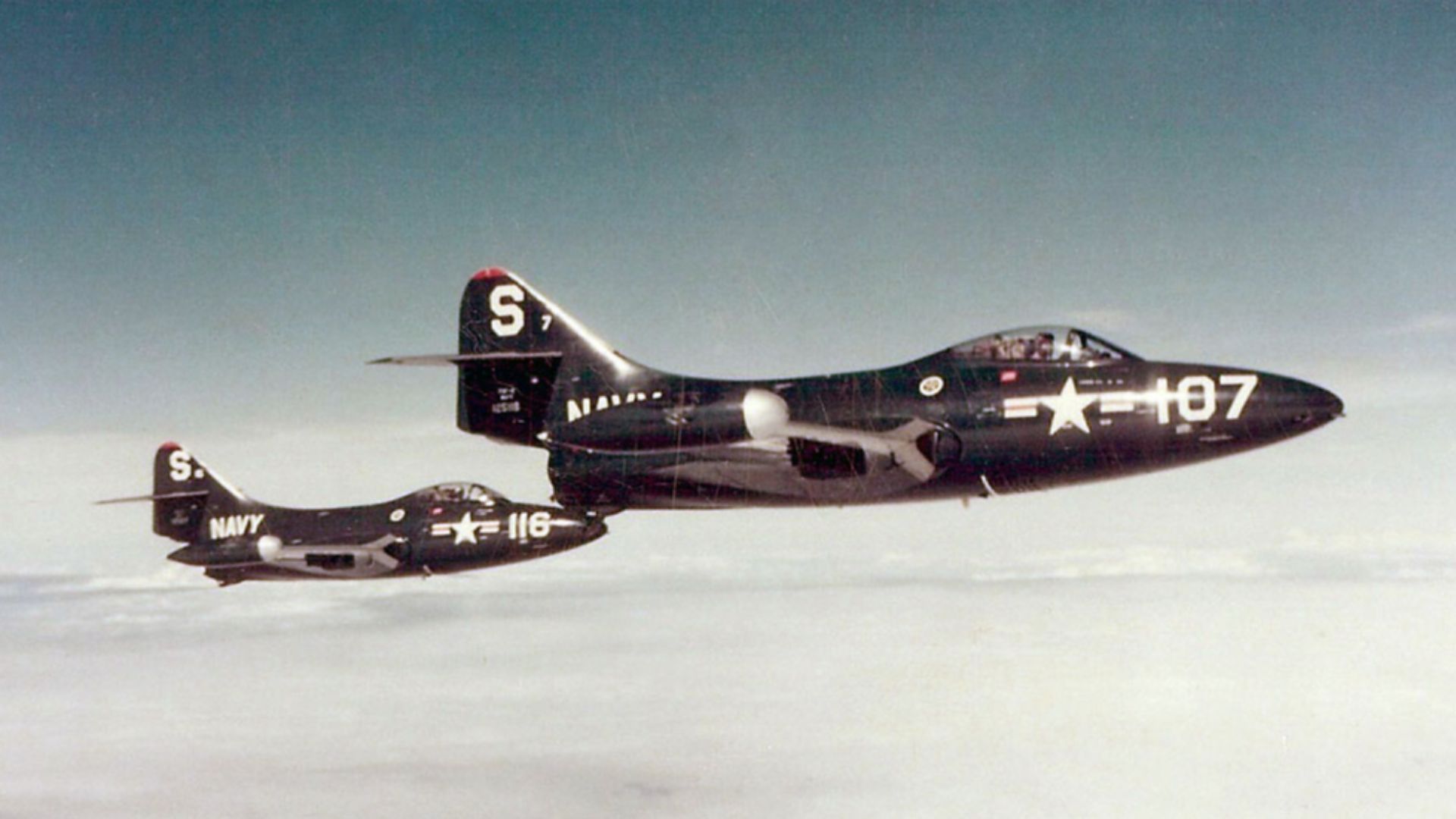
Although WWII had passed him by when he was too young to serve, Neil Armstrong became an aviator just in time for another fight, as the armed conflict in Korea escalated. Having only dealt with training flights up till this point, Neil got his first taste of active duty on August 29, 1951, when he escorted a reconnaissance plane as it gathered photos over the city of Songjin.
It would only be a short time before he finished his time with the army—even if it didn’t feel like it.
 John Moore, USN, Wikimedia Commons
8. He Left It Behind
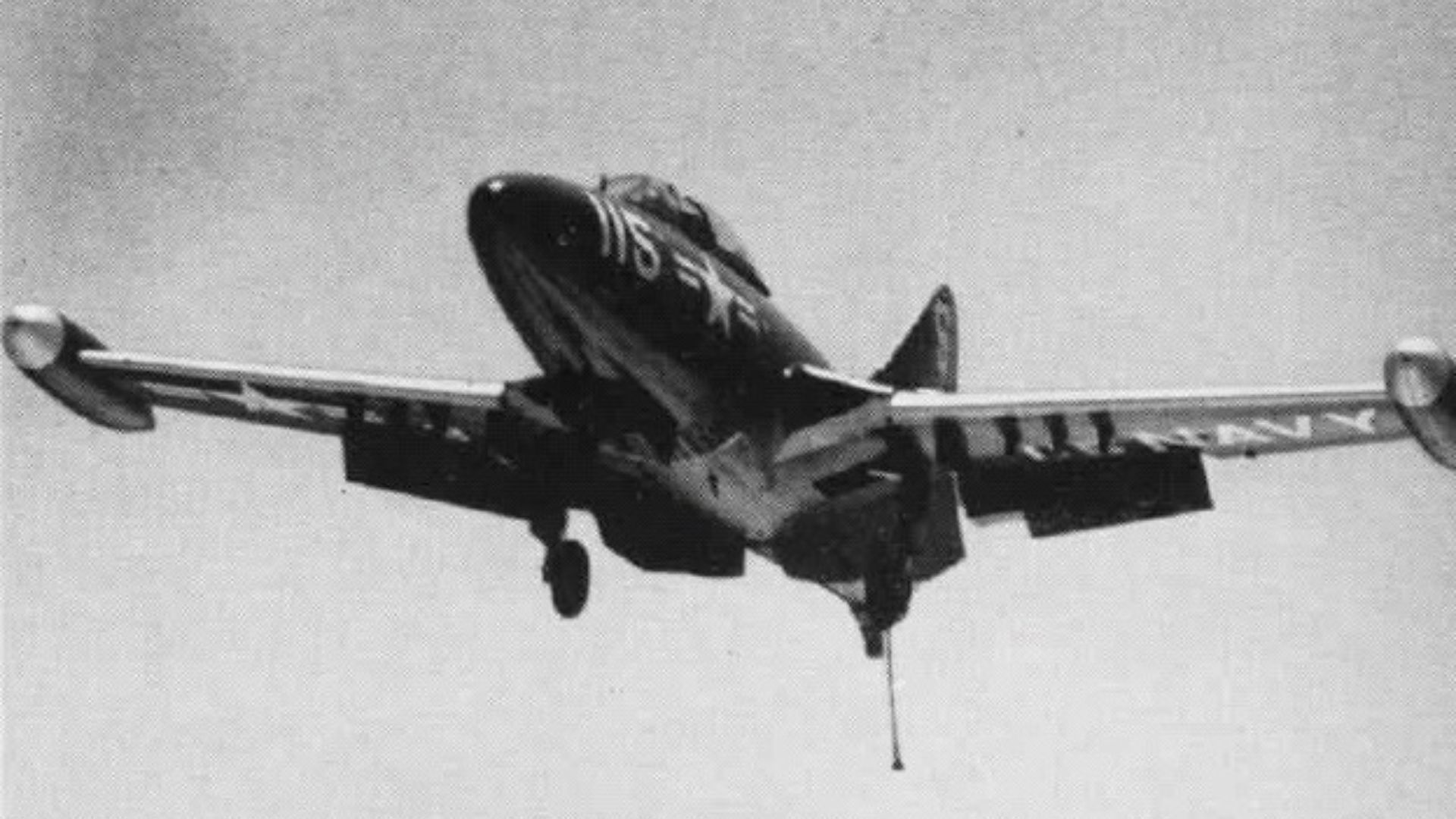
Neil’s mission was just the beginning of an almost year-long stint as an active pilot in Korea, during which he would fly a total of 78 missions. As this completed the necessary service for his scholarship, Neil was free from active duty, and the Navy released him in the summer of 1952. Eager to keep serving his country, he remained in the United States Navy Reserve for another eight years, finally resigning in 1960.
Although he lived and breathed everything related to flying—it wasn’t his only interest.
9. He Was An Artist
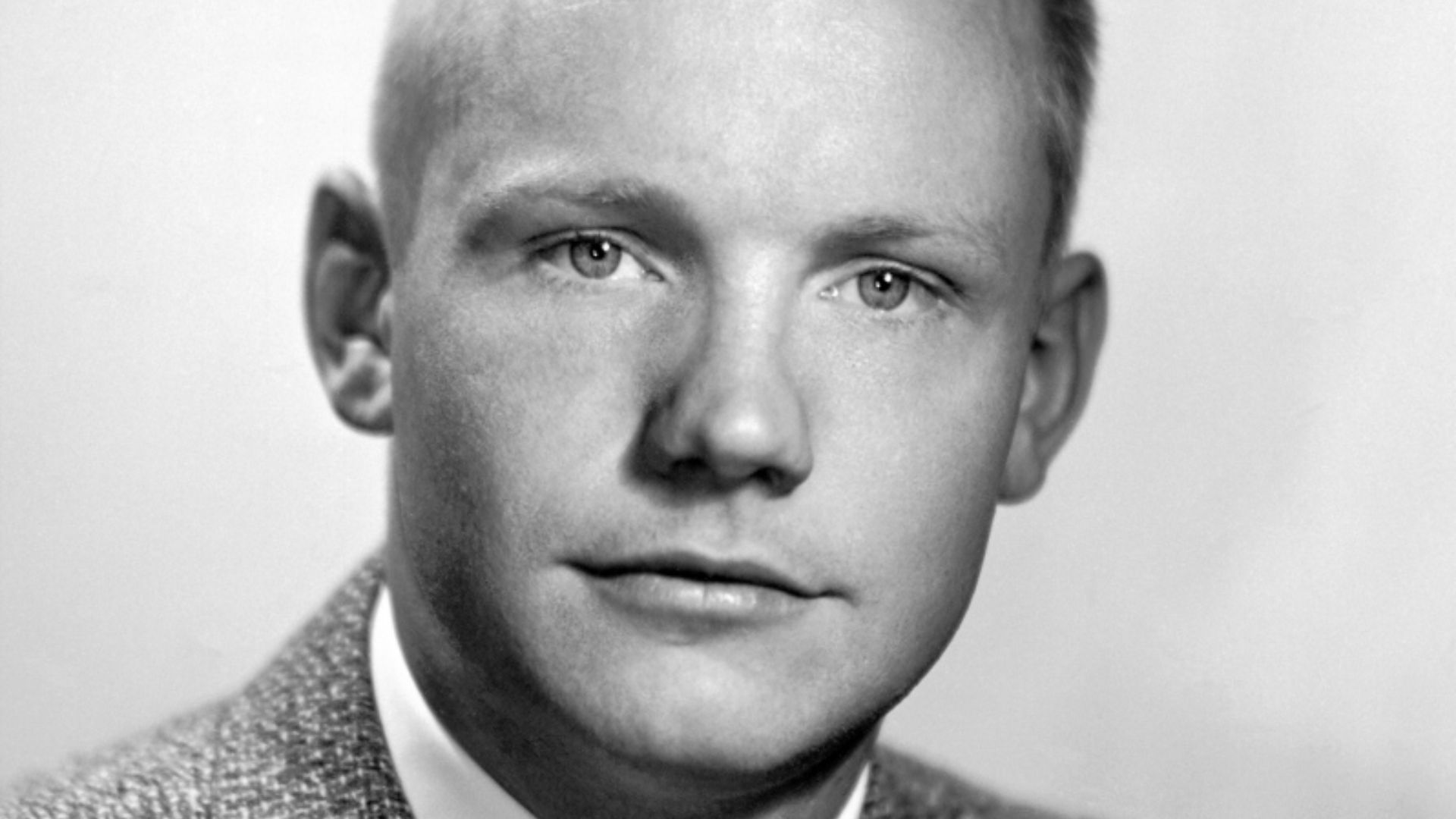
With the Navy behind him, Neil Armstrong switched his focus to the final condition of his scholarship and set his sights on a Bachelor’s degree, but that didn’t mean he never found other ways to express himself. Drawn to the university’s theatre department, Neil really got out of his comfort zone as he wrote and directed two musicals, one of which he filled with revised Gilbert and Sullivan songs and titled The Land of Egelloc.
Meanwhile, the theatre wasn’t all he fell in love with while at college.
History's most fascinating stories and darkest secrets, delivered to your inbox daily.
10. They Couldn’t Remember It
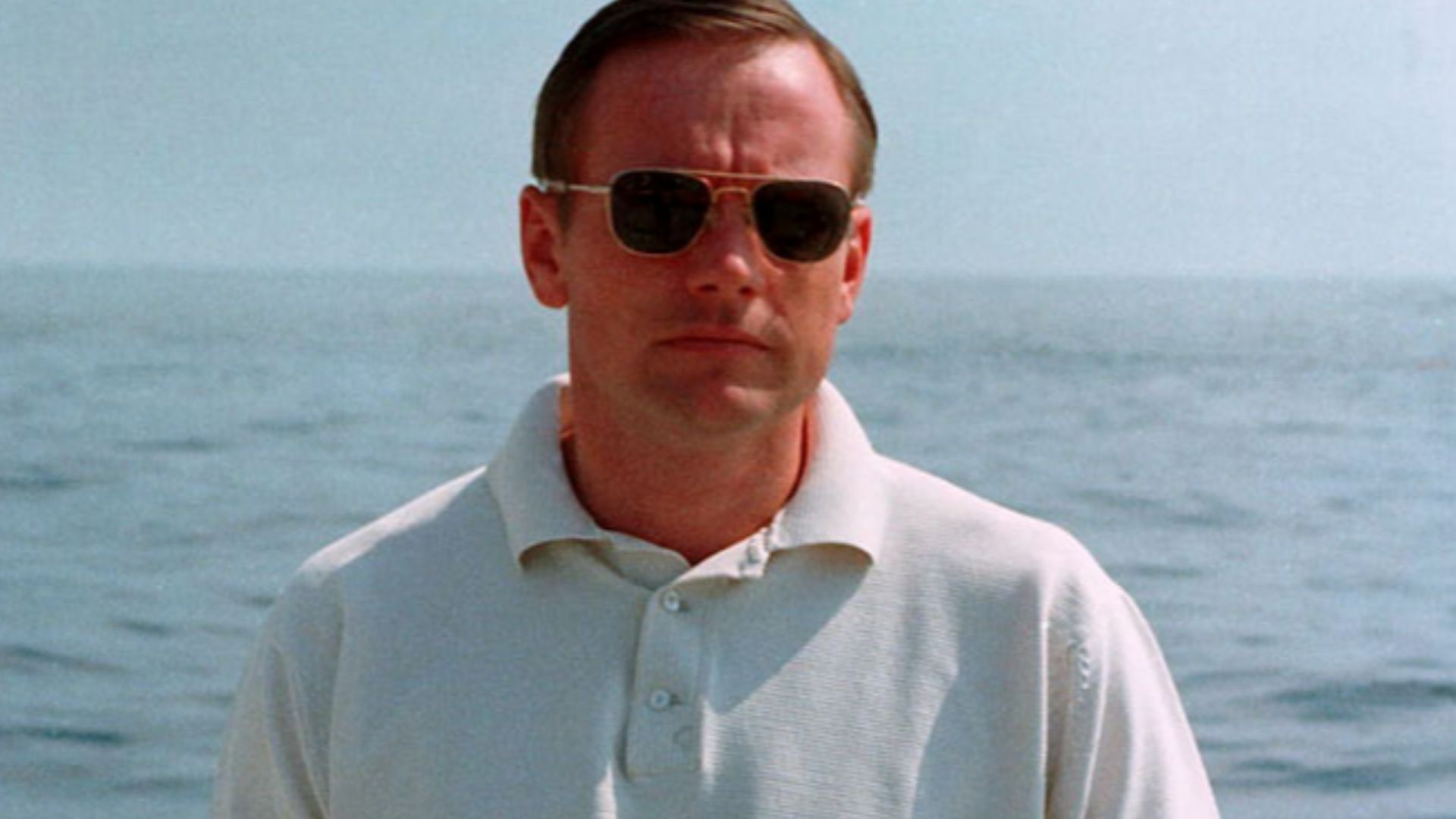
Being only in his 20s, Neil was still figuring out himself and what he wanted the rest of his life to look like, but once he met home economics major Janet Elizabeth Shearon, he knew he wanted her in it. After their first run-in at a college party, the two immediately realized there was a spark between them and began dating. Strangely, while they soon married in 1956, both of them would later claim that they couldn’t remember how they became engaged.
Although certain events had slipped their minds, she would never forget one thing.
11. She Made A Sacrifice
Another memory Neil and Janet would recall was that there had been very little courting before things got serious, and sure enough, the two got a house together after just one semester. Trying to build a life together, Janet chose to abandon her degree and focus on raising what would become their three children. However, she would later admit she wished she had continued pursuing her studies.
Meanwhile, Neil was seemingly living his dream—especially since he found a fancy new gig.
12. He Found A Way To Keep Flying
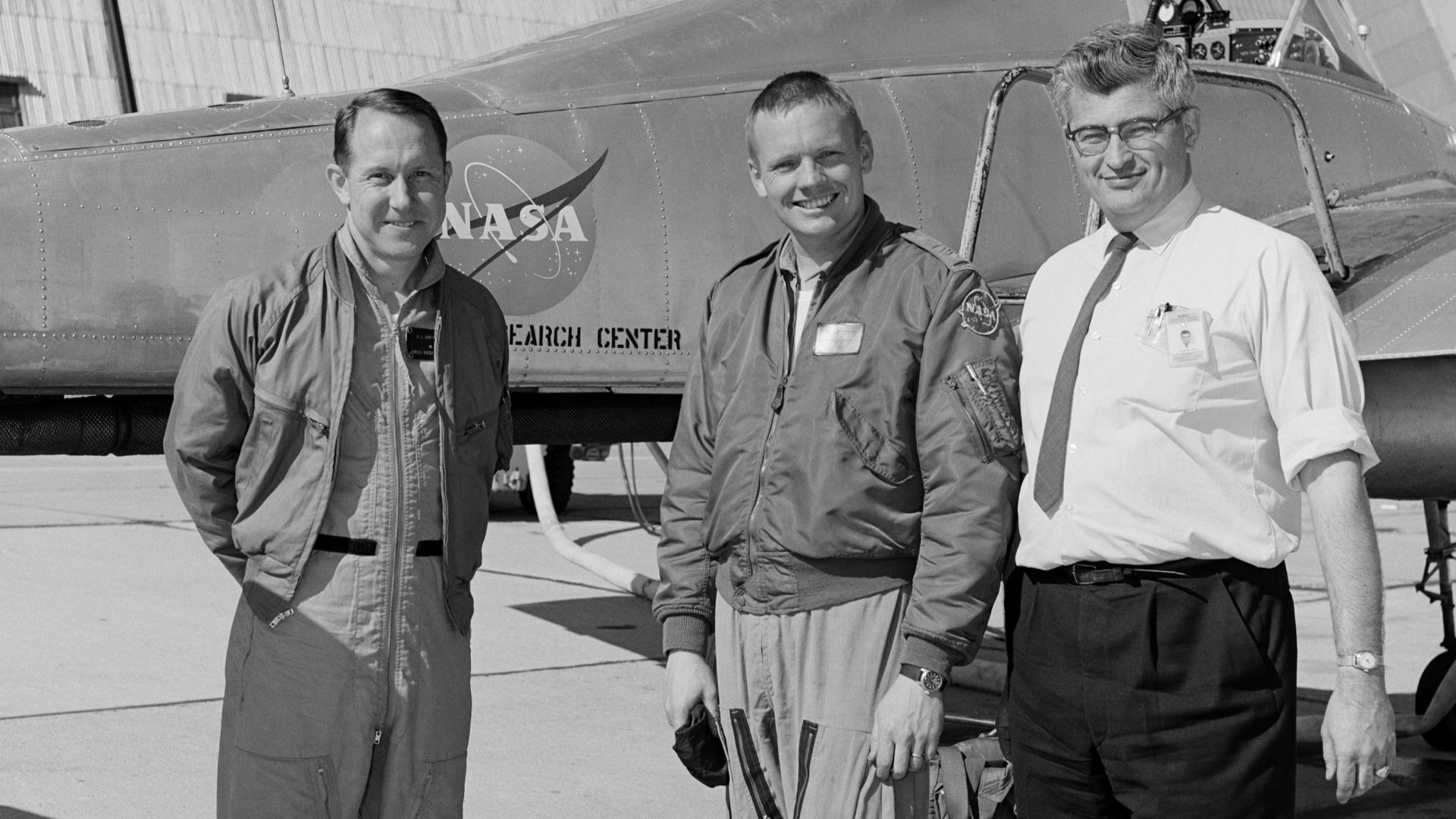
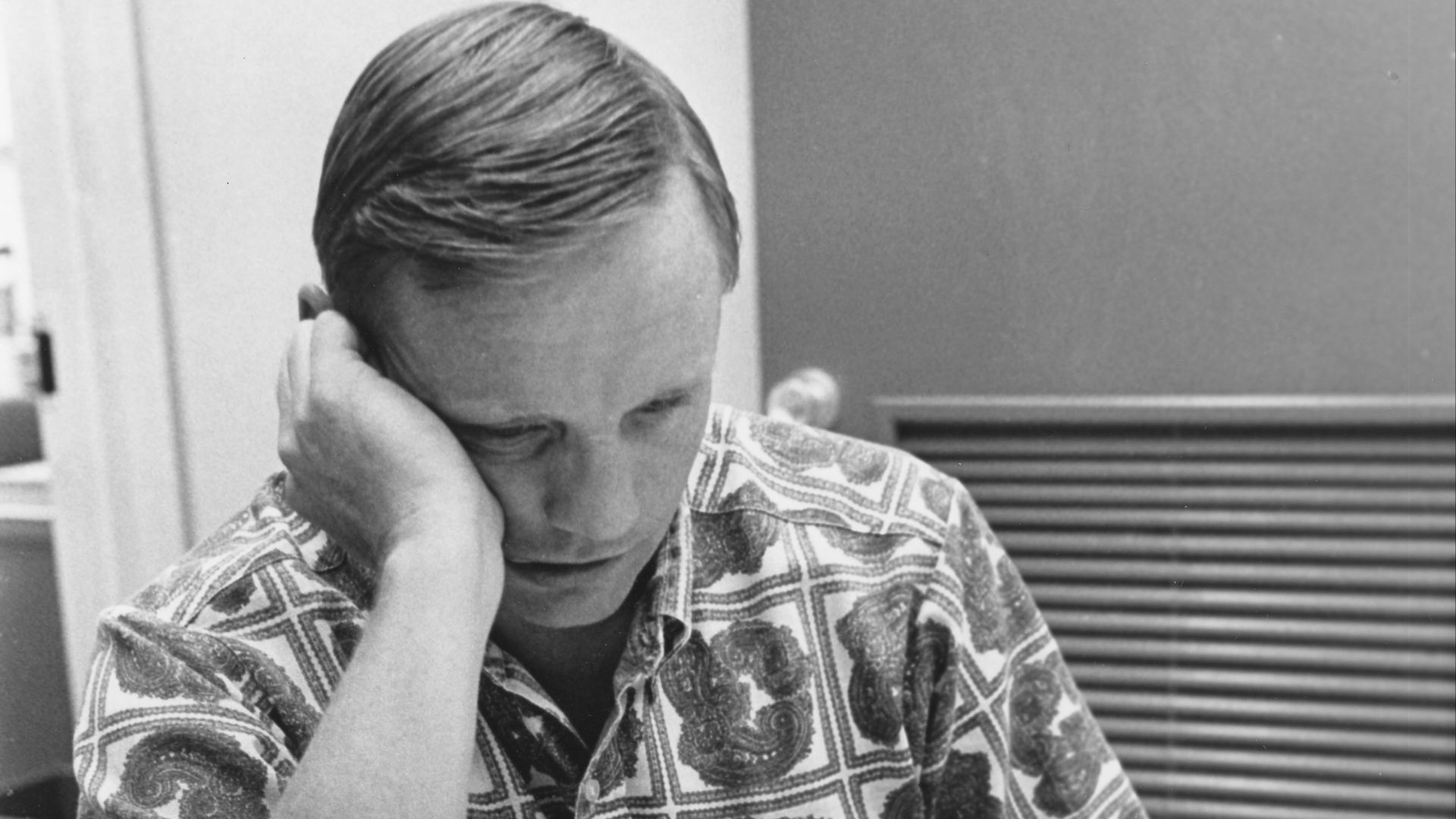
Part of what Neil Armstrong loved about flying was the thrill of it, so as soon as he graduated with a Bachelor of Science degree, he immediately gravitated toward a career as a test pilot for experimental research. Over the next few years, he would work with several research centers and have the pleasure of trying out over 200 aircraft models.
Soon enough, he came across a once-in-a-lifetime opportunity—only to have it come crashing down.
13. They Chose Him
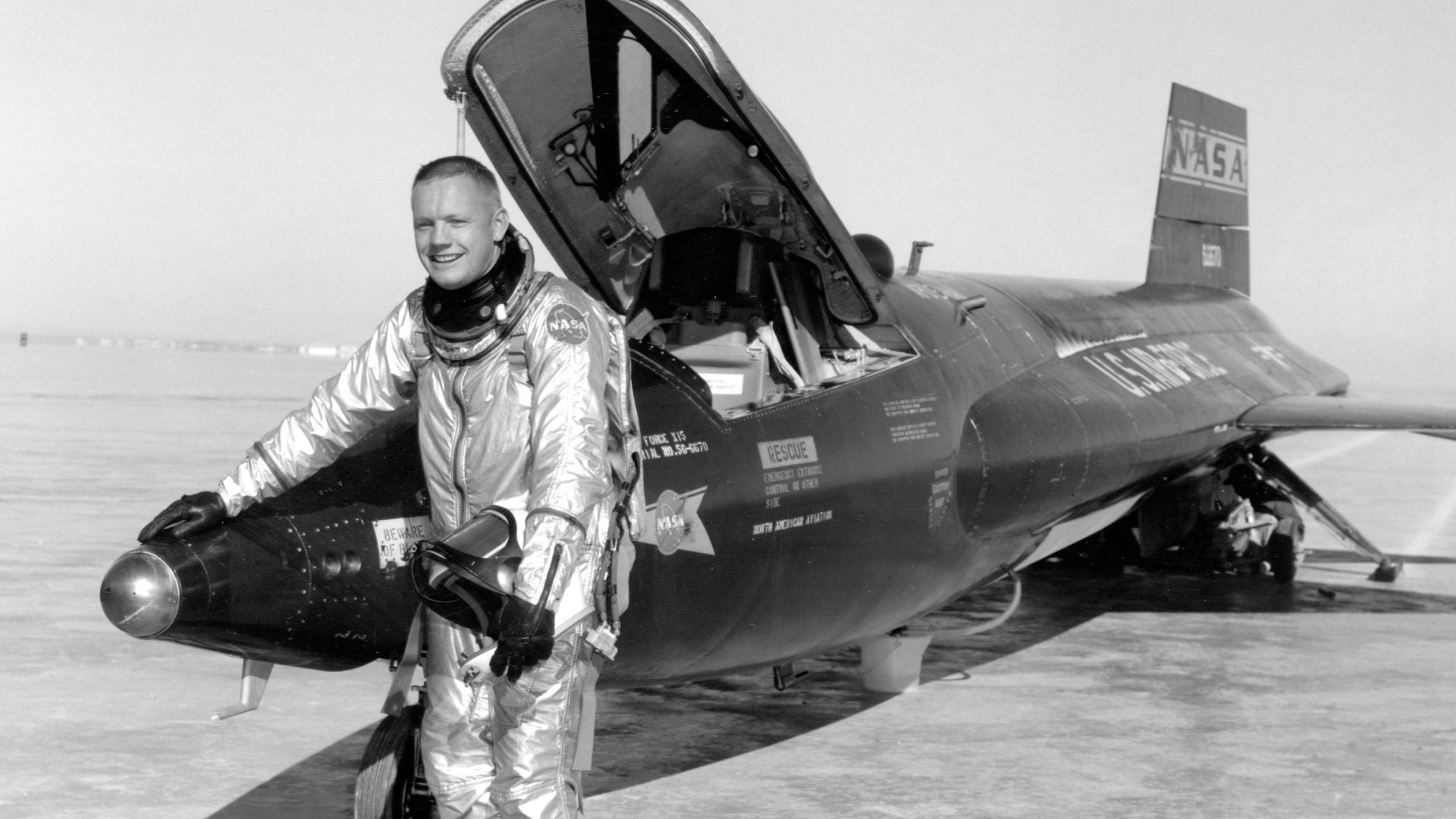
As a major global power, the US had one goal in the late 1950s and 1960s—to put a man on the Moon before the Soviet Union had a chance to. As part of this effort, the Air Force developed the aptly named Man In Space Soonest program, and Neil was the ideal candidate. However, while he was ecstatic to hear they had selected him for the program in 1958, disappointment soon followed as the funding was cut two months later.
Suddenly, he only found wall after wall—all because he had left a part of his life behind.
14. They Wouldn’t Let Him
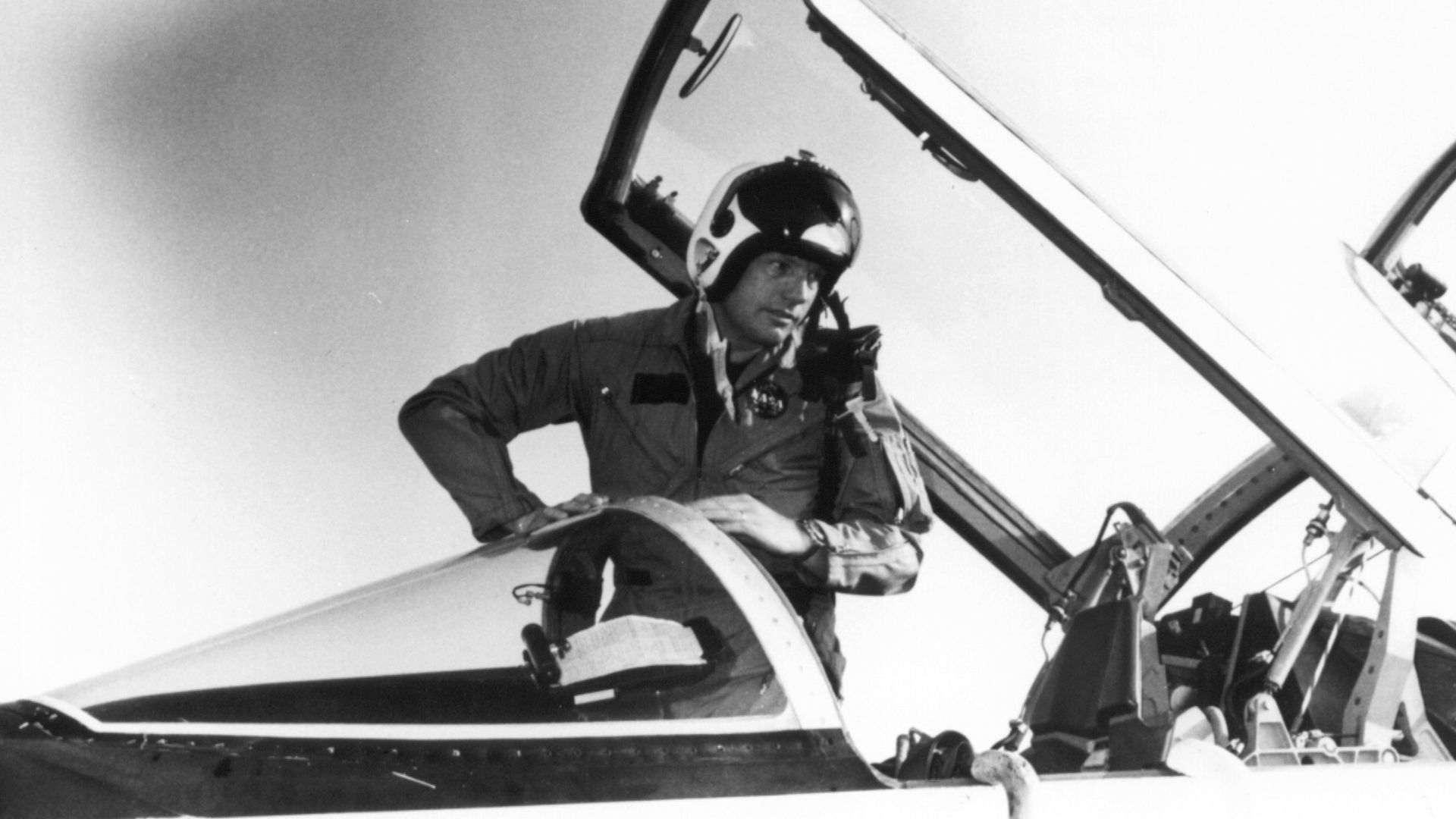
After the US established NASA in 1958, Neil Armstrong found himself under their employment almost by accident, since they absorbed the agency he had previously been working with. Unfortunately, this didn’t mean he would be flying among the stars anytime soon, since only Army test pilots were eligible to become astronauts, and he was just a civilian.
Sadly, a far worse heartache was on the horizon—one he would never truly recover from.
 Unknown authorUnknown author, Wikimedia Commons
15. They Were Devastated
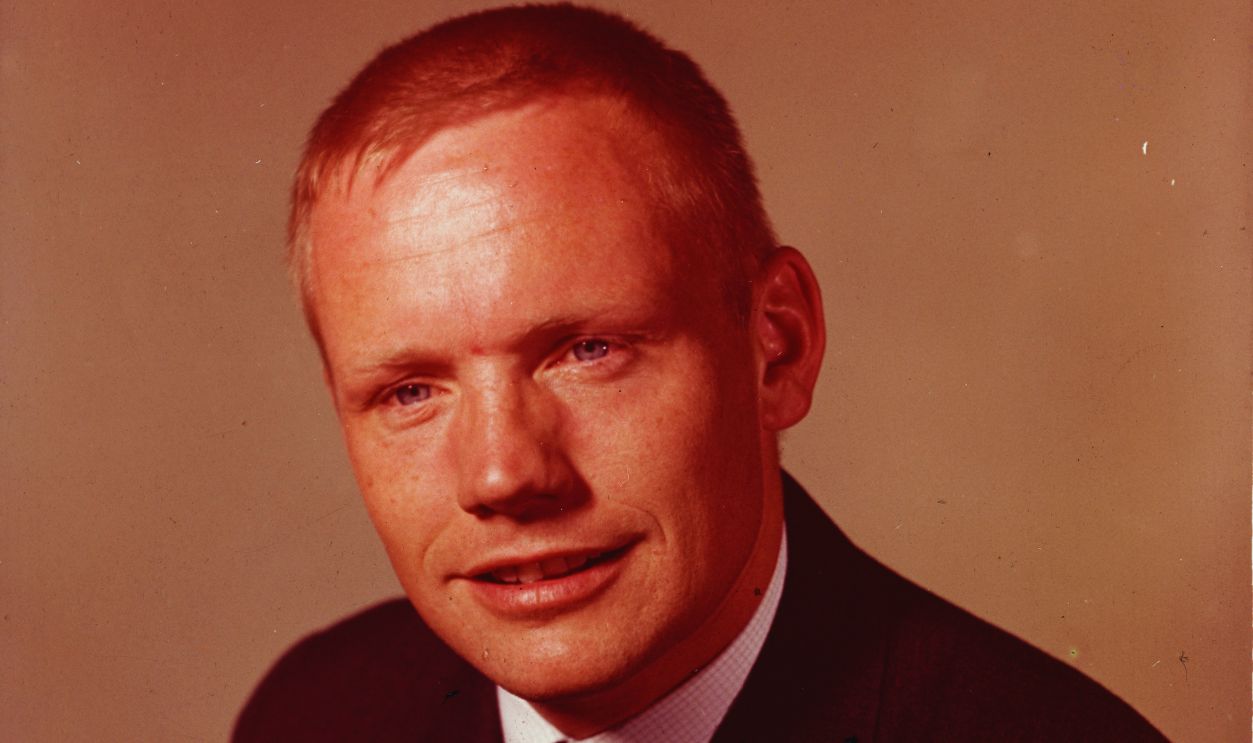
All while Neil was testing experimental aircraft and trying to balance a life at home, he and Janet received the most dreadful news possible—their child was not long for this world. Doctors had found a malignant brain tumor in their two-year-old daughter, Karen, and after several months of suffering, she tragically passed from an additional complication with pneumonia in 1962.
In the wake of this grief, Neil threw himself into his work—but this time, they were ready for him.
History's most fascinating stories and darkest secrets, delivered to your inbox daily.
16. They Changed The Rules
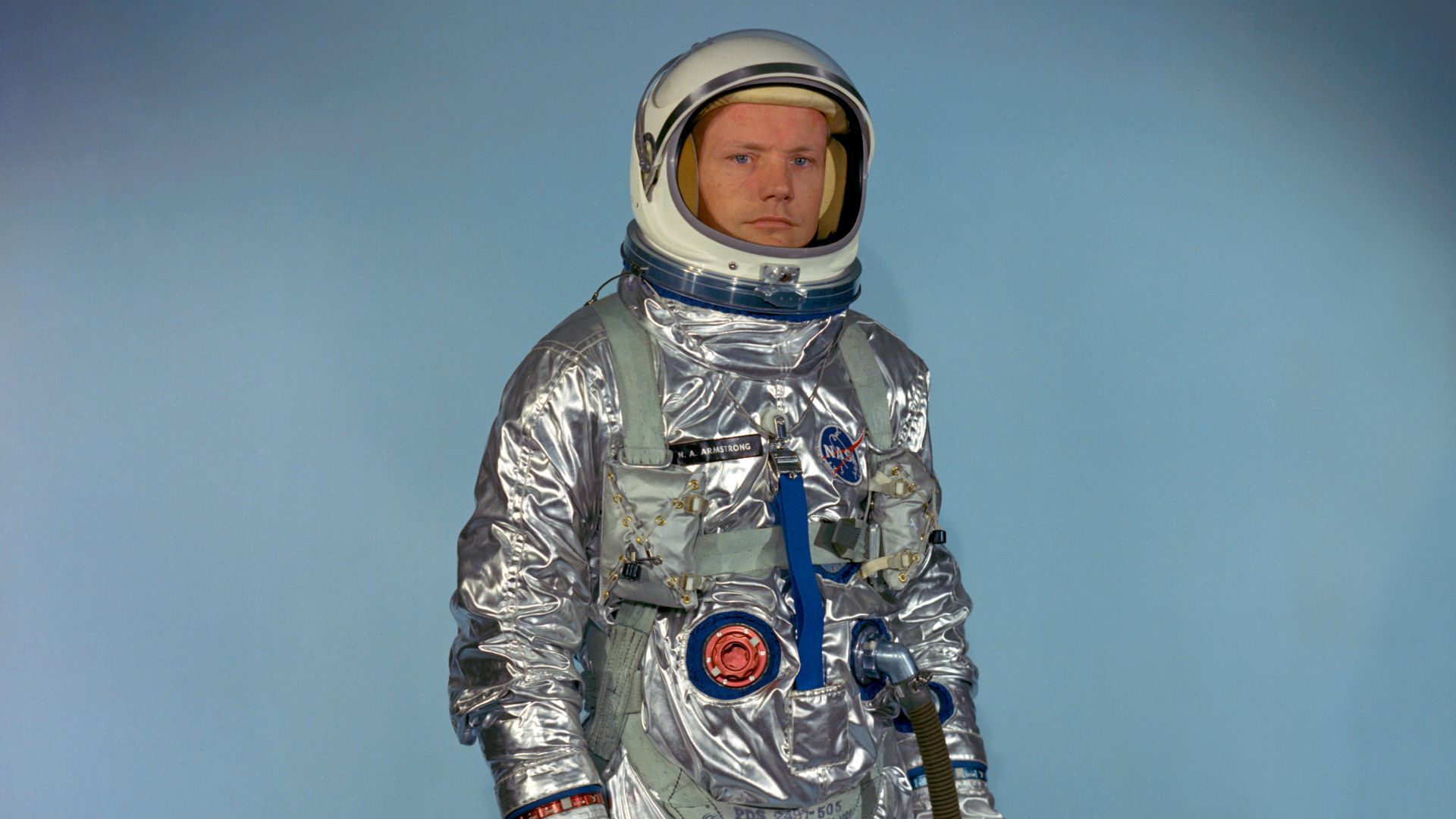
It wouldn’t be long before Neil Armstrong got another chance at traveling the cosmos, since NASA began its second human spaceflight program, Project Gemini. Opening their application process to allow civilian test pilots, NASA had become just a bit more inclusive and created an exciting new opportunity for Neil.
Right around this time, Neil attended an important conference—and it was a match made in heaven.
 Scan by Ed Hengeveld, Wikimedia Commons
17. He Was Inspired
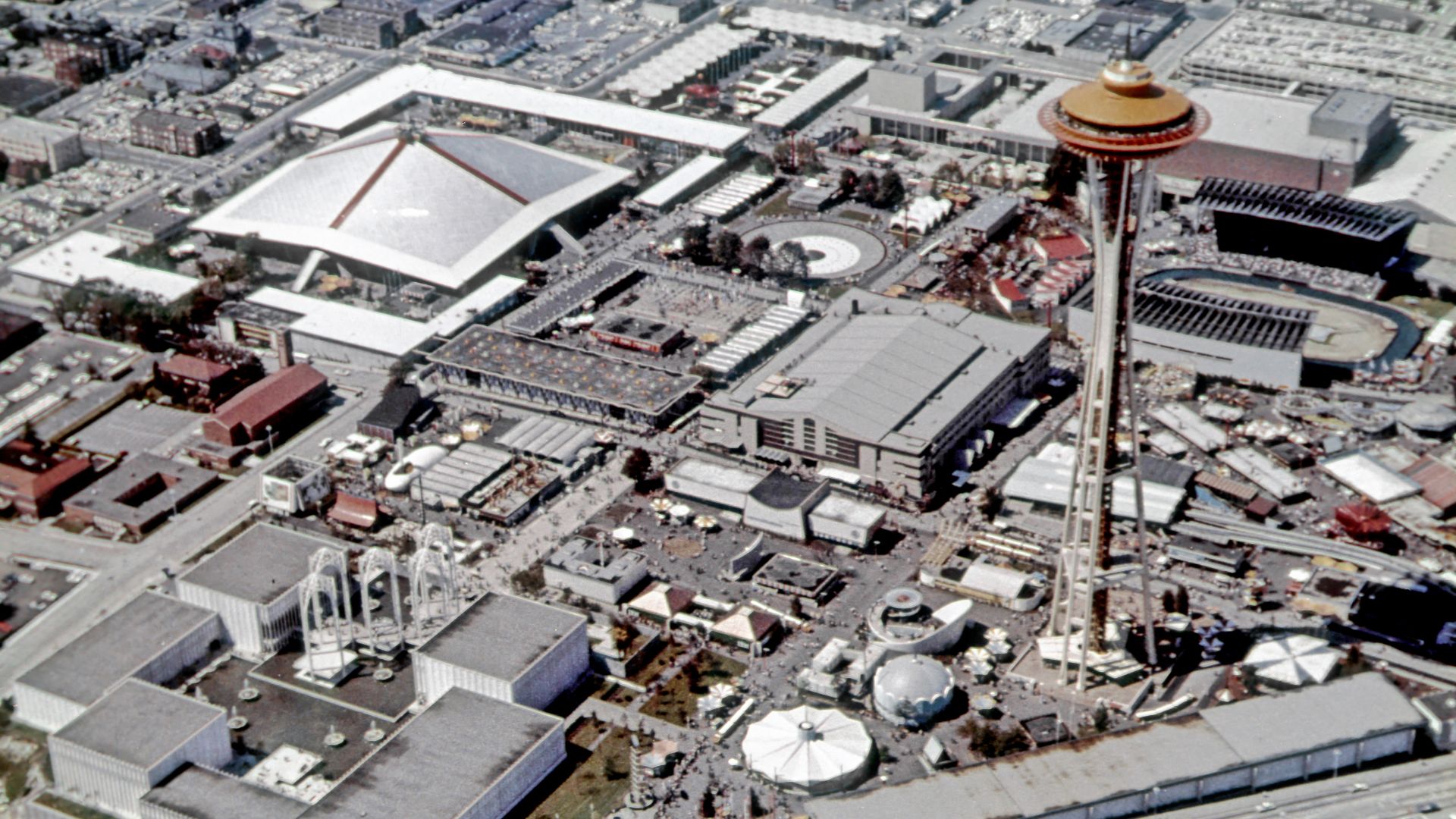
After learning that the previous spaceflight program was only accepting Army test pilots, Neil Armstrong likely accepted that space just wasn’t in his future—at least until one fateful day in 1962. While attending the Seattle World's Fair, he sat in on a space exploration conference and came away with a completely new perspective. Space had hooked him, and he would do anything to reach the stars, so he applied to be an astronaut as soon as he returned home.
Little did he know that his dreams were much closer than he could ever imagine.
 Seattle Municipal Archives from Seattle, WA, Wikimedia Commons
18. They Didn’t Even Have To Ask
NASA considered many candidates for the new Project Gemini, so Neil’s name only came up thanks to a friend on the inside snagging his late application and quietly adding it to the others. Neil would owe everything to that friend, as come September, he received a call from the Director of Flight Crew Operations, asking if he wanted to join the Astronaut Corps. Neil barely even let a second go by before answering with an enthusiastic and relieved yes.
Suddenly, he was on his way to the stars—but he wouldn’t be going alone.
19. He Got His Assignment
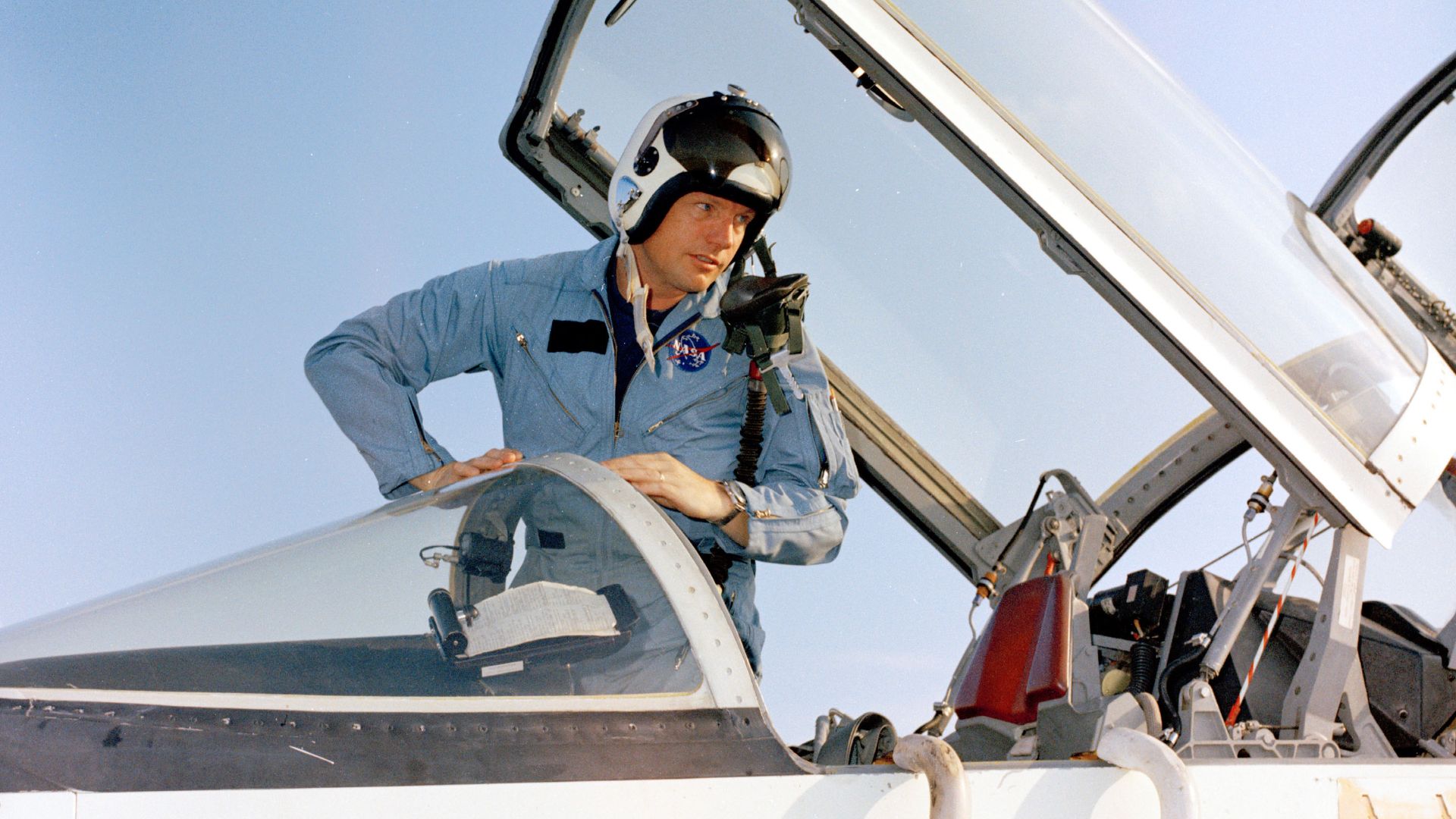
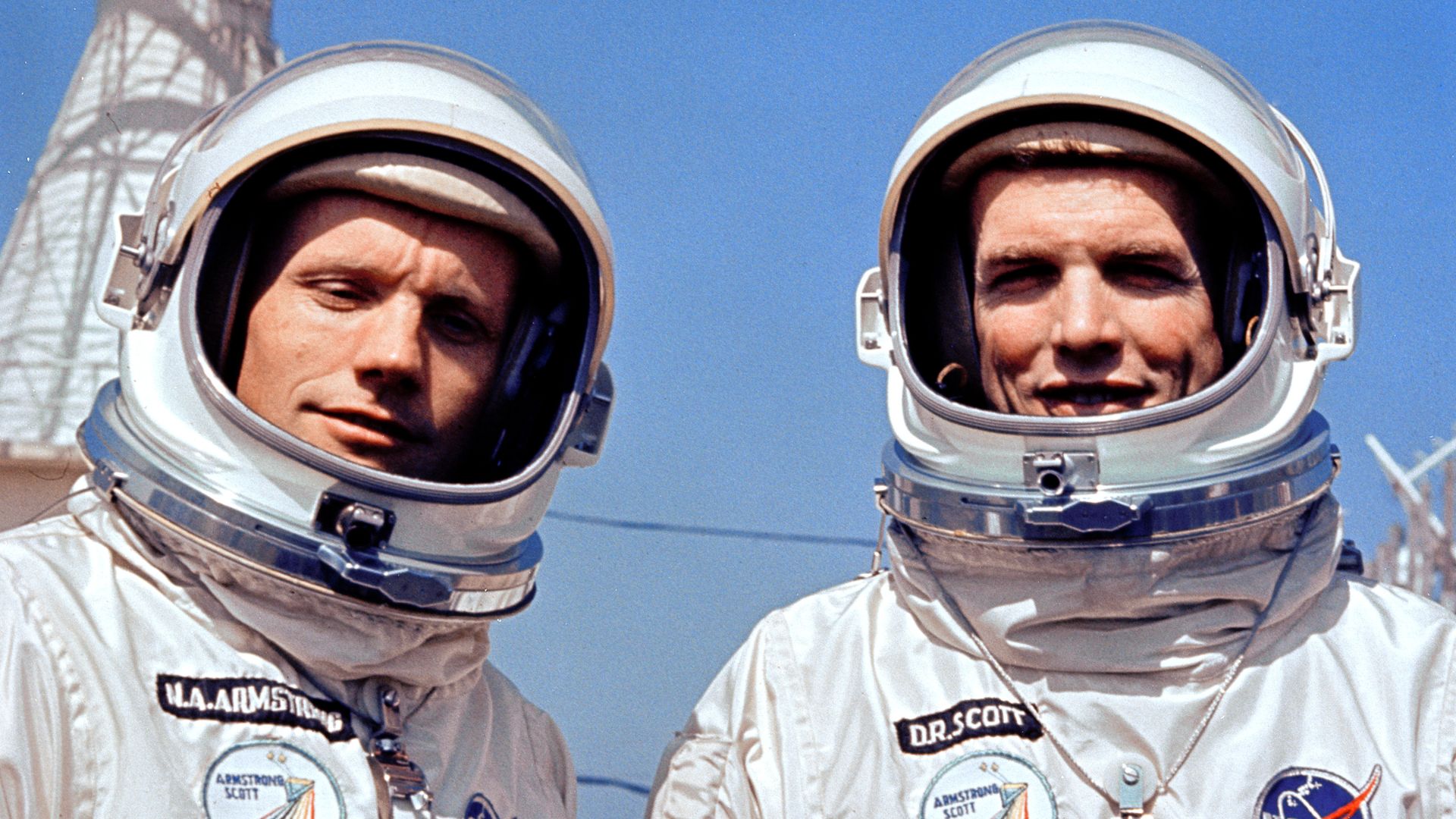
Joining what the media started calling “the New Nine,” Neil Armstrong found himself among the ranks of the prestigious Gemini astronauts, but he was eager to find out when he would actually go into space. Fortunately, on September 20, 1965, he was placed in the crew for Gemini 8, slated to fly into orbit as command pilot alongside David Scott.
With everything in place, Neil was ready to take his first space flight—which also could have been his last.
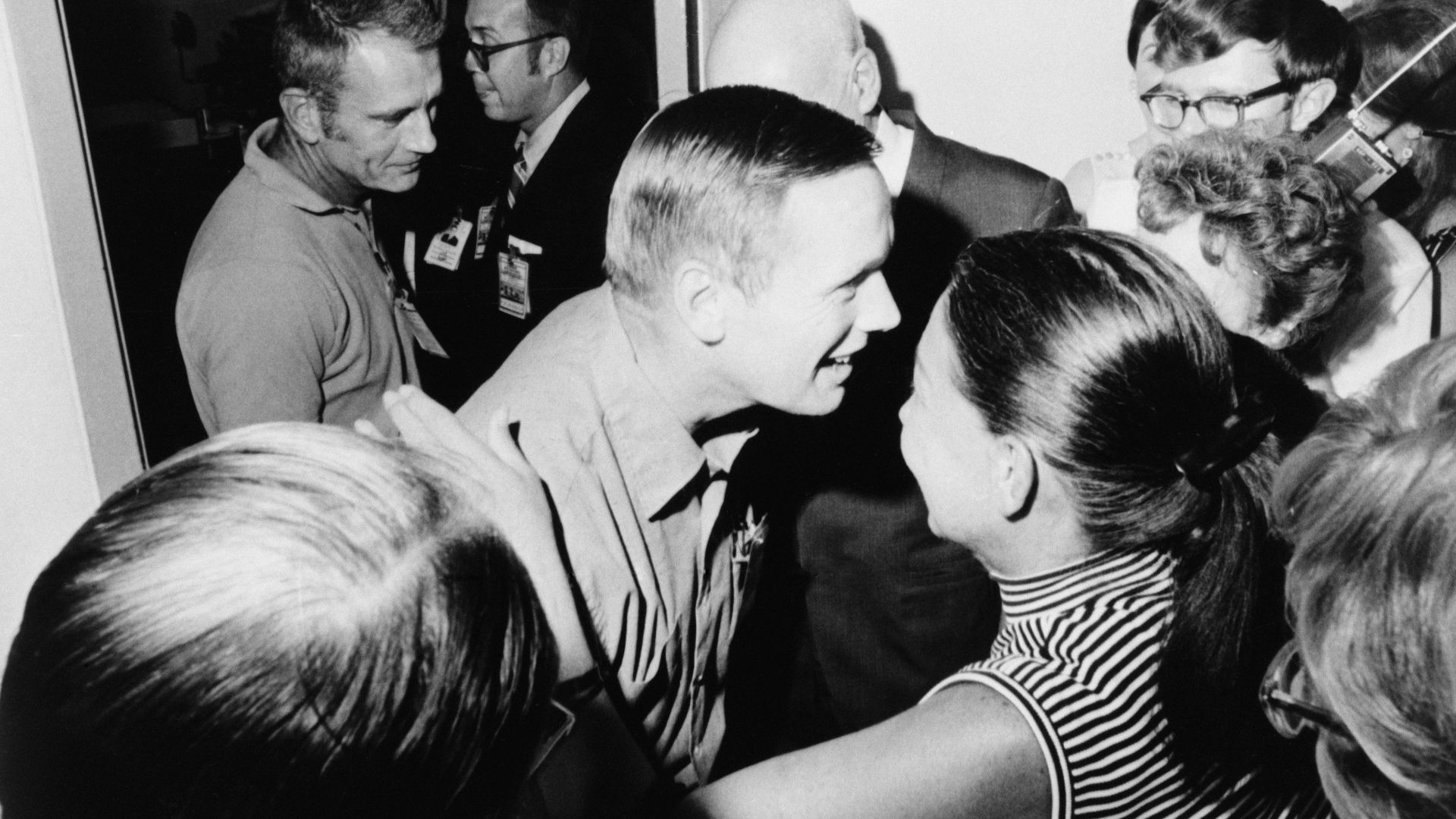 NASA Johnson Space Center, Wikimedia Commons
20. He Had A Lot On His Shoulders
Going into space was already unknown territory for Neil. However, as command pilot for Gemini 8, he had to take the lead on arguably the most challenging mission for any NASA astronaut yet. The goal was to dock two spacecraft in orbit for the first time ever, but on the day of the mission, something went terribly wrong.
Left in the sky without any possible help, Neil tried to take control of the situation.
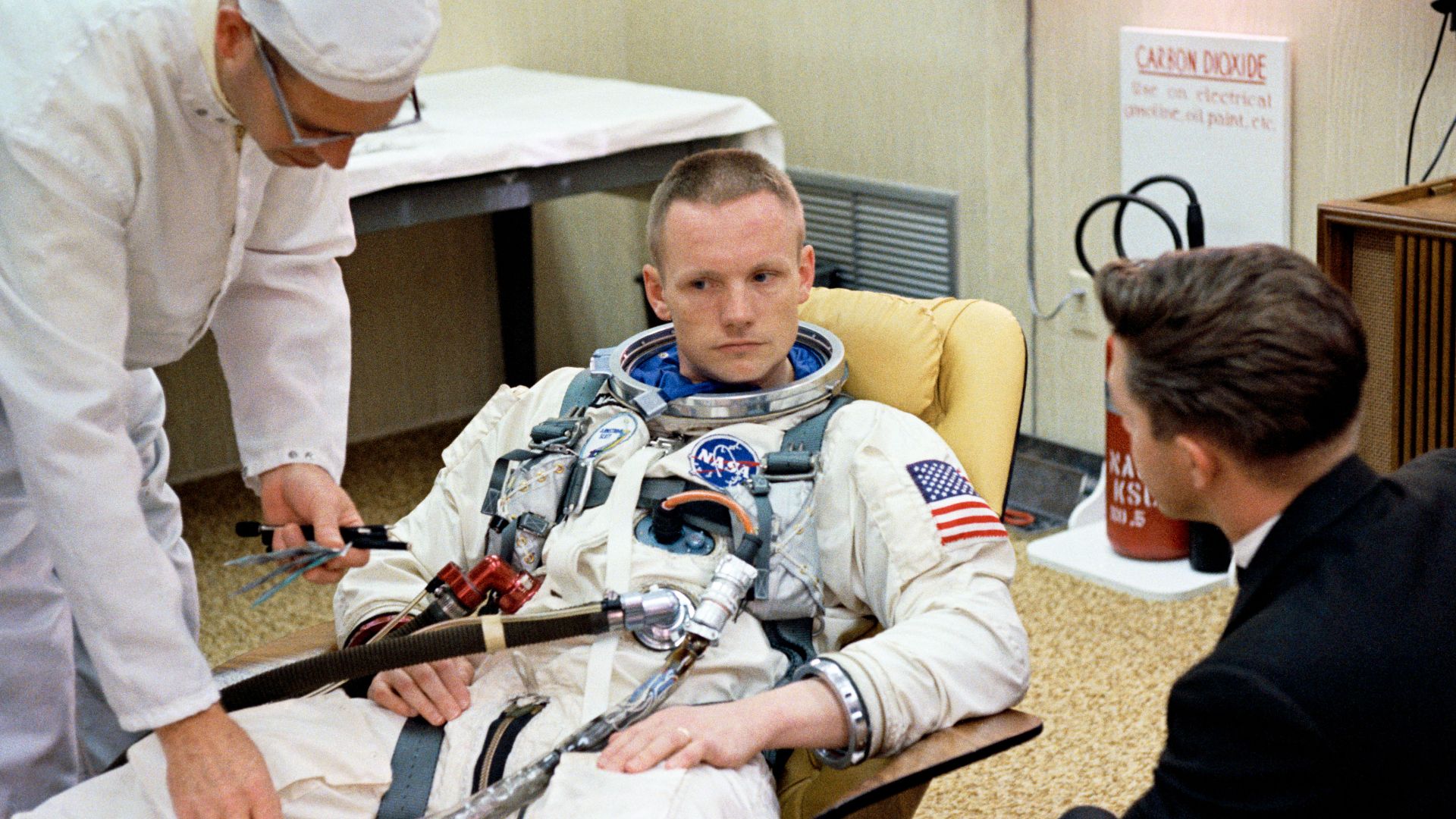 NASA Johnson Space Center, Wikimedia Commons
21. Their Mission Took A Turn
Launching on March 16, 1966, the crew of the Gemini 8 flight experienced another first for the US space program, though this one was far more terrifying. Never before had an American spacecraft had a critical system failure while in space, but after the two vehicles successfully docked, Gemini 8 started to roll.
Neil Armstrong did the best he could with what he had at his disposal—but it wasn’t enough.
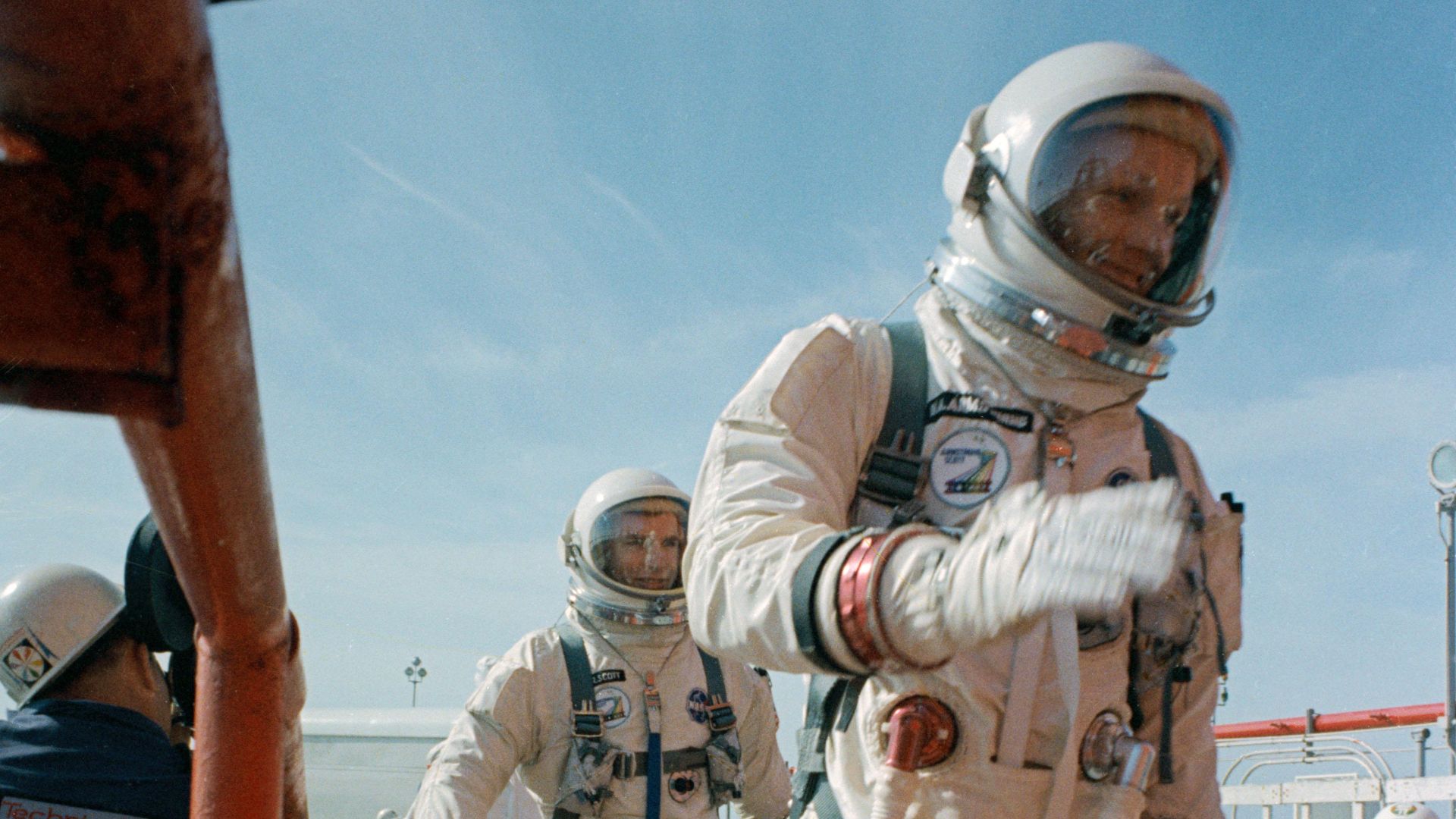 NASA on The Commons, Wikimedia Commons
History's most fascinating stories and darkest secrets, delivered to your inbox daily.
22. They Made It Worse
Making their frightening situation even more disastrous, the crew of Gemini 8 had lost contact with the ground, leaving Neil to rely solely on his training and preparation. After trying to correct the rolling spacecraft, he took charge and undocked, but this only aggravated the situation as they began to roll even faster.
Although they tried everything to fix the issues, it was all for nothing.
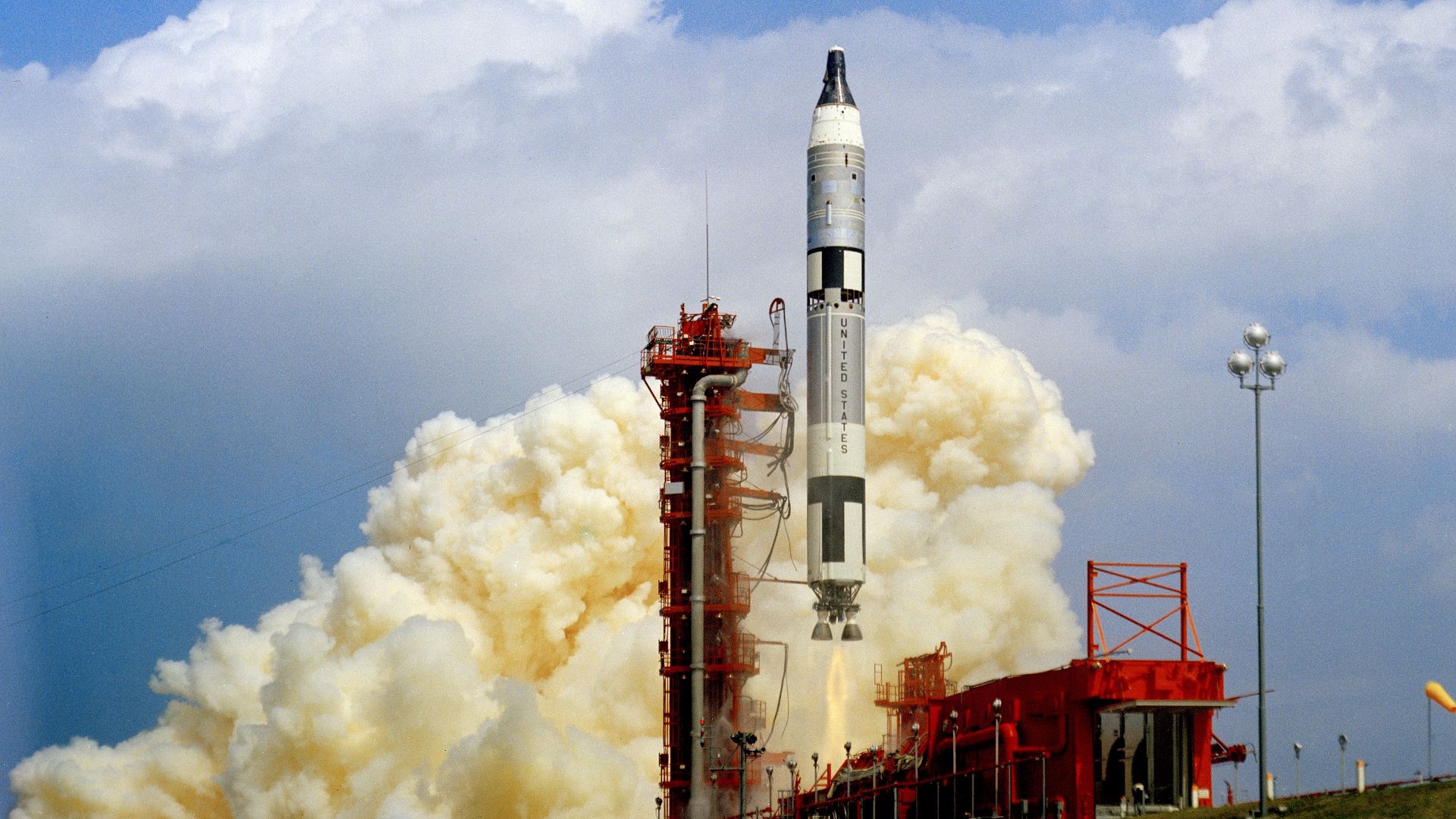
23. They Had To Come Back
With the spacecraft rolling at about one rotation every second, Neil Armstrong didn’t have many options left, but he had to think fast and make a decision anyway. Turning on the Reentry Control System, he succeeded in stopping the roll, but it came at an unfortunate price. According to protocol, activating the RCS meant that the craft had to return to Earth as soon as possible, so Neil and his co-pilot had no choice but to head back down.
Despite them successfully docking the two vehicles, many saw the mission as a failure—including its pilots.
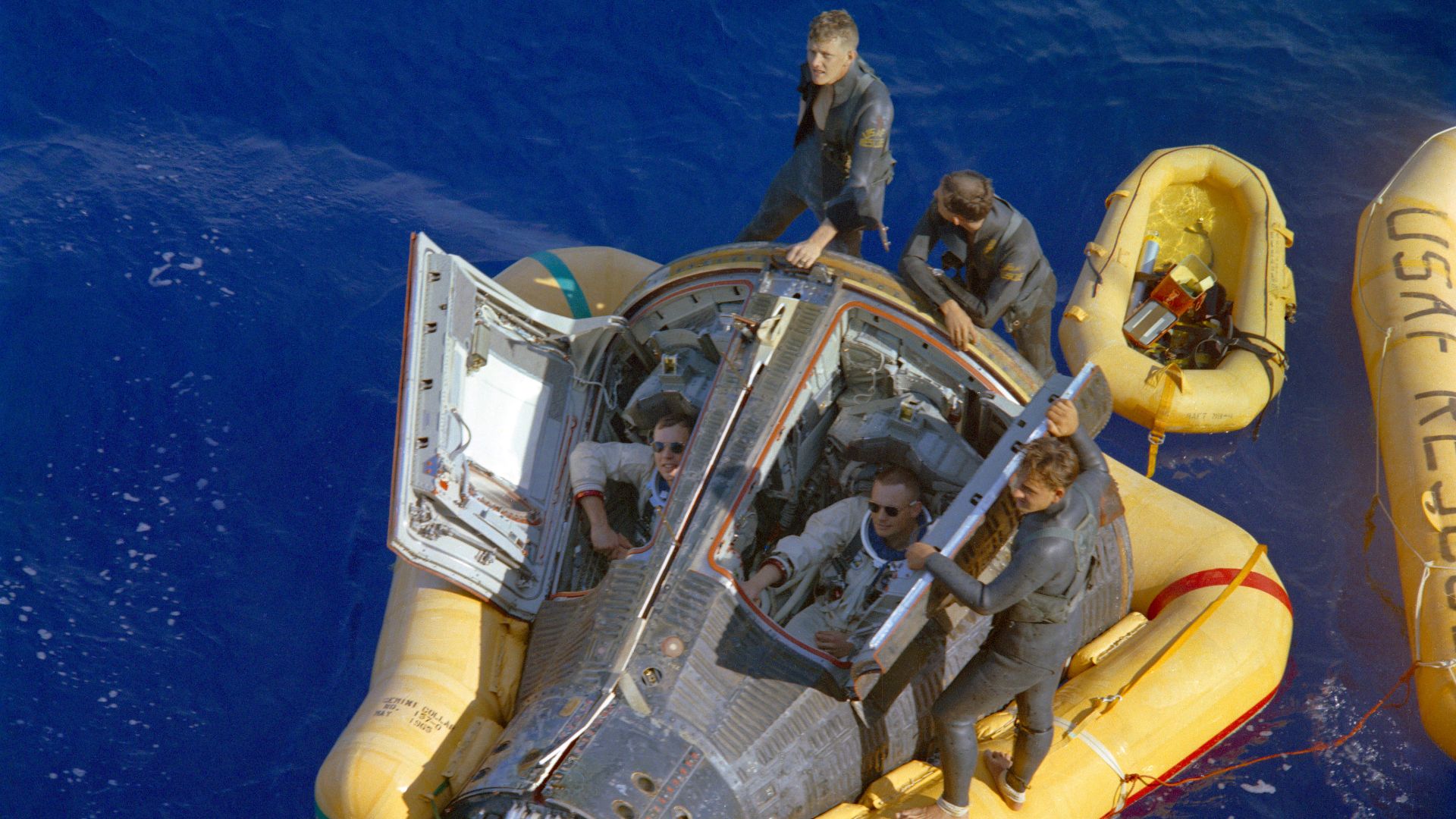
24. He Was Disappointed
In the wake of the Gemini 8 flight, gossip quickly spread that claimed Neil should have done more to keep the mission from stopping short of its completion. While this type of thinking was unfair in this circumstance, it didn’t stop Neil from feeling the same way. Since they had to return to Earth early, many of their other objectives went uncompleted, such as David Scott’s spacewalk—and Neil blamed himself.
Thankfully, he was about to get a second chance, even if he didn’t know it yet.
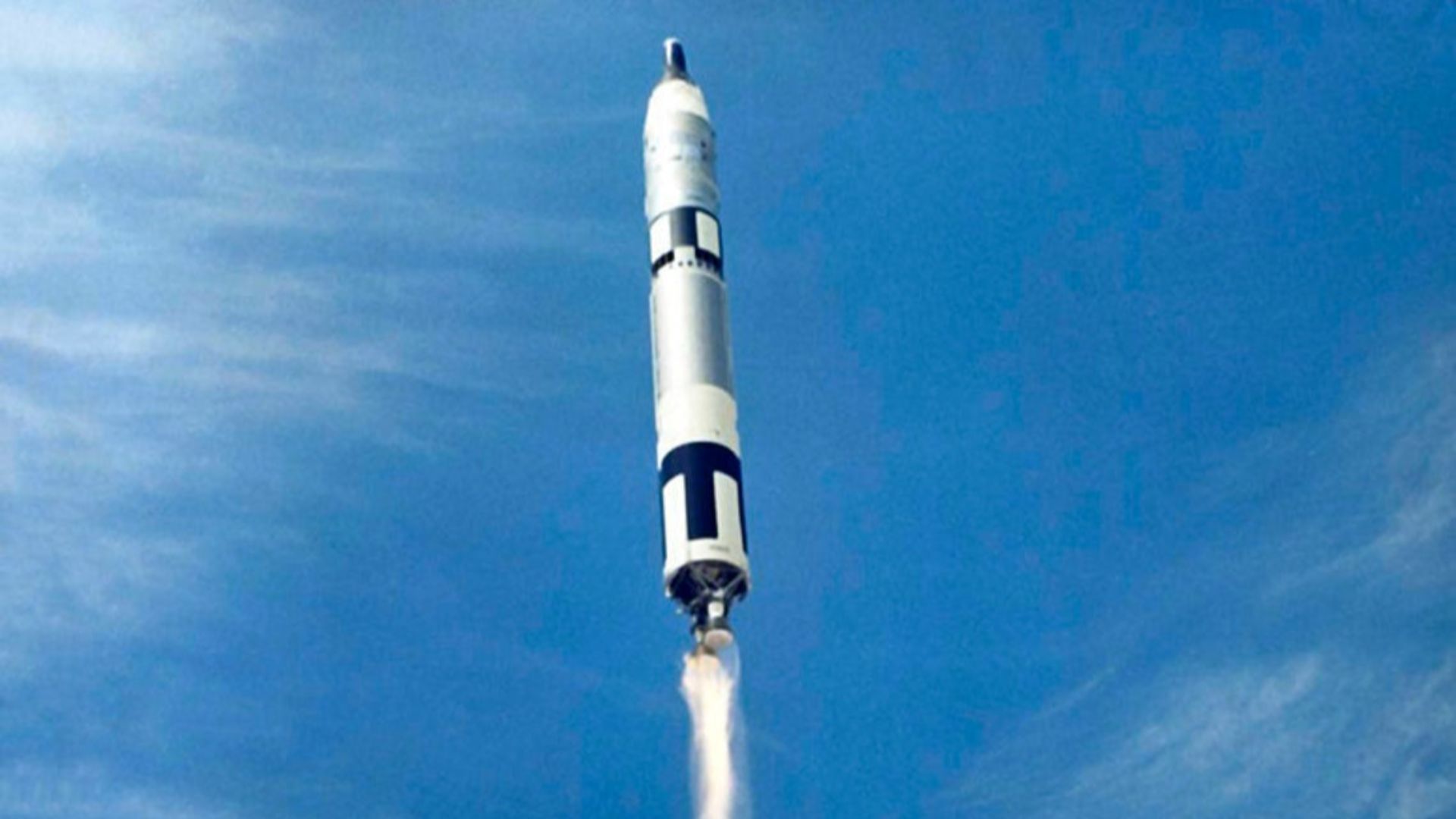
25. He Addressed Them All
Thinking much bigger than trips to Earth’s orbit, NASA began preparations to shoot for the Moon, and they already had an idea of who they wanted up there. Along with a group of 17 other astronauts, Neil Armstrong filed in to meet with the Director of Flight Crew Operations on April 5, 1967, all waiting to hear some big news. Suddenly, the director announced that “The guys who are going to fly the first lunar missions are the guys in this room”.
Once again, Neil received his assignment—but this time, the stakes were much higher.
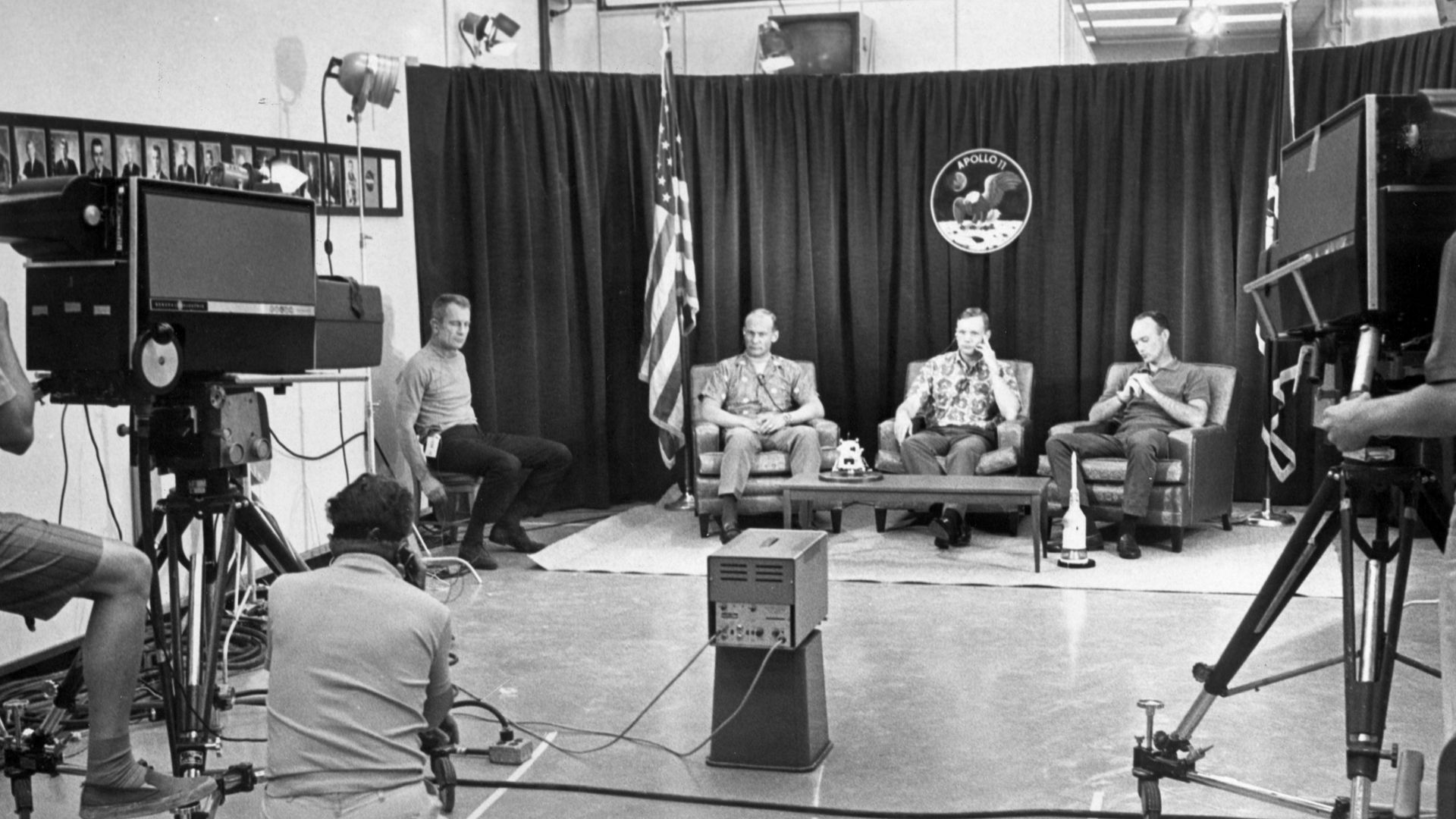
26. He Took His Position
Although the Director outlined the lunar missions that NASA was planning, Neil didn’t leave that meeting knowing he would be the first man to walk on the Moon. Instead, as explained to him, he received an assignment to the Apollo 9 mission as a backup crew member. Even then, Apollo 9 was still only meant as a test for the Lunar Module in medium Earth orbit.
Regardless, they started out in a rough place—with an unfortunately familiar problem.
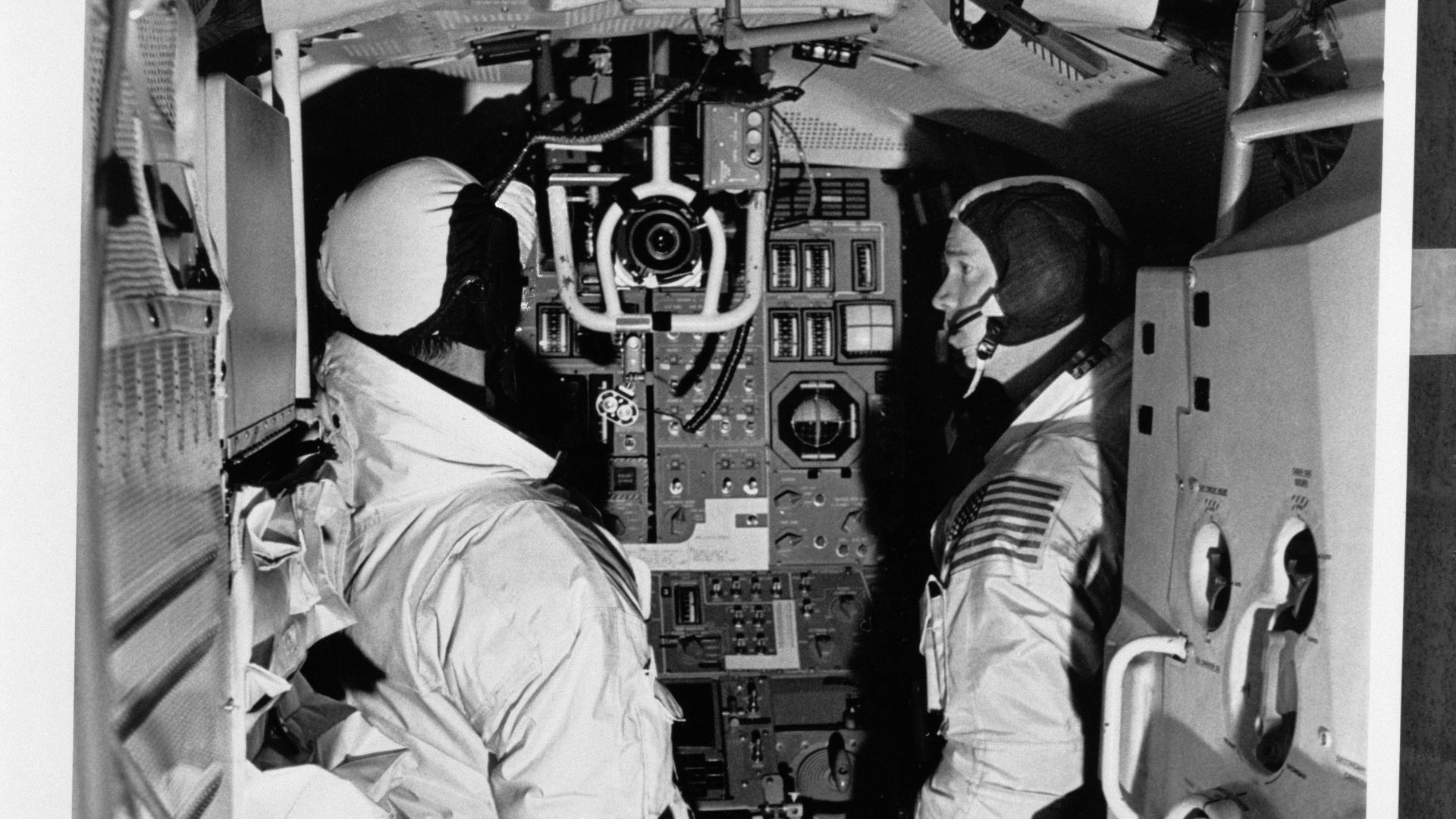 NASA Johnson Space Center, Wikimedia Commons
27. He Noticed Something Was Wrong
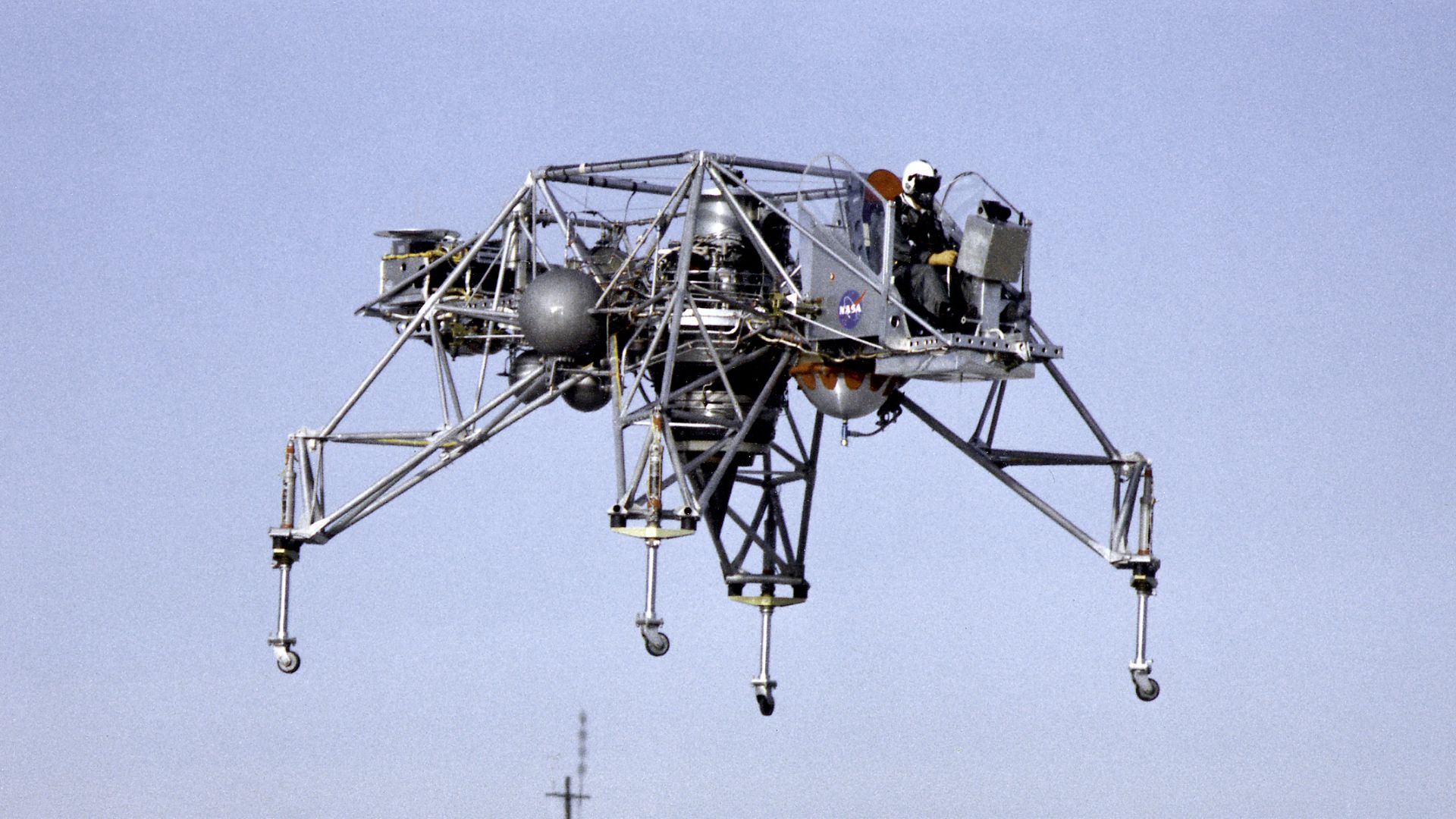
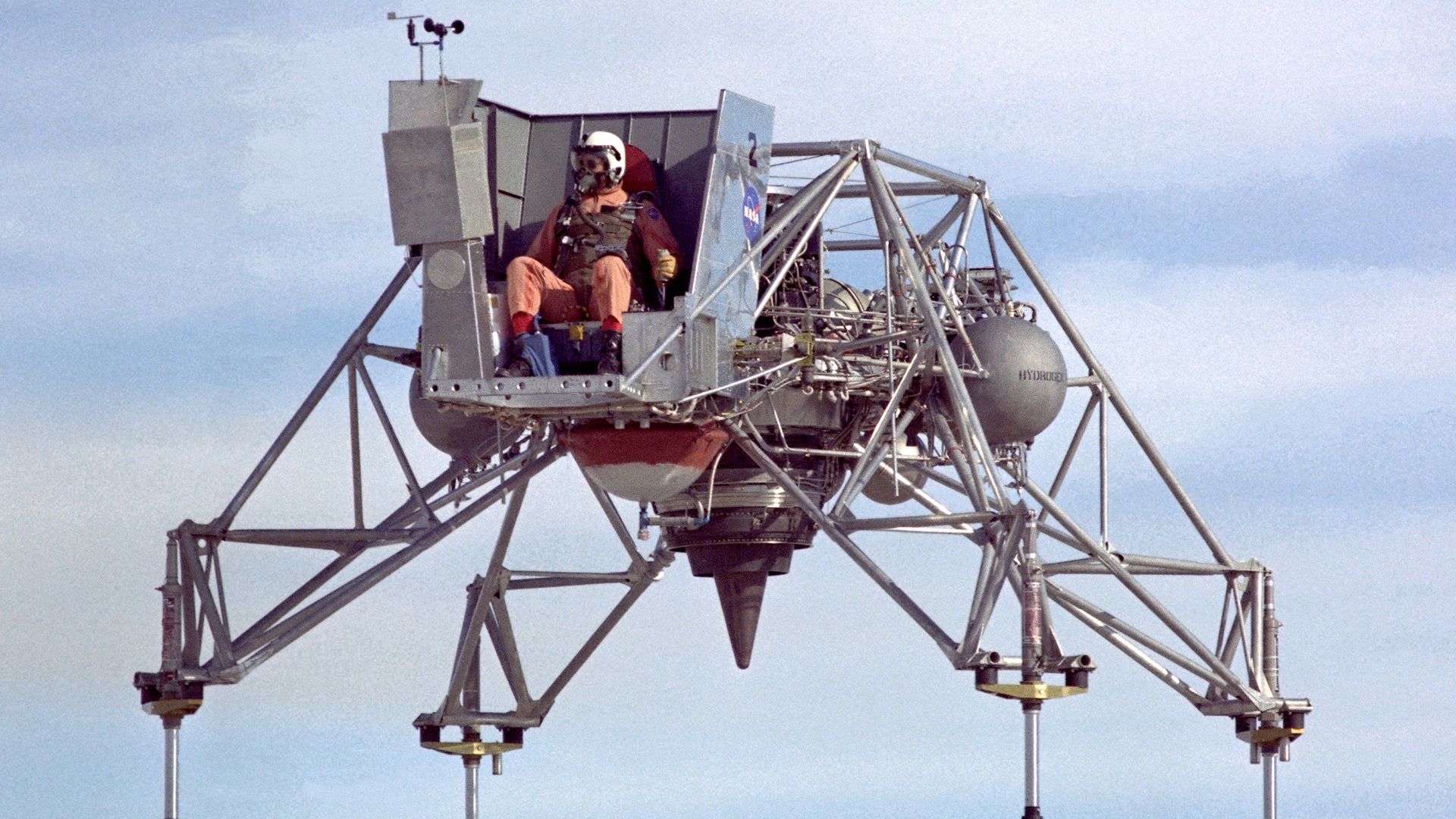
Just as before, Neil Armstrong began his rigorous training to tackle whatever complications might arise during his mission, which involved practicing with a Lunar Landing Research Vehicle while still on Earth. However, the past was about to repeat itself when the vehicle—then suspended 100 feet in the air—started to roll with Neil inside as the controls malfunctioned.
He hadn’t even launched into space for a second time yet—and at this rate, he never would.
History's most fascinating stories and darkest secrets, delivered to your inbox daily.
28. He Was Close To Disaster
With the vehicle about to crash into the ground, Neil once again found himself desperately making a split-second decision as he ejected from the craft. Releasing his parachute, he descended safely to the ground, but not before watching the vehicle explode upon impact. While he walked away relatively unharmed, except for a bitten tongue, he later learned that his parachute would have opened too late if he had waited even half a second longer.
Fortunately, it was all worth it as he finally got the chance to make history.
 NASA on The Commons, Wikimedia Commons
29. He Received An Offer
Although he had only been up in space once so far, Neil Armstrong knew what he was doing, having also served as Apollo 8’s backup commander. Therefore, when choosing who would command the Moon Landing, Neil’s name kept coming up until eventually, the Director could think of no one better. On December 23, 1968, he asked Neil if he might be interested in commanding Apollo 11—to which Neil again said yes without hesitation.
Of course, with such an unprecedented mission, Neil had to think carefully about who went with him.
30. They Gave Him A Chance
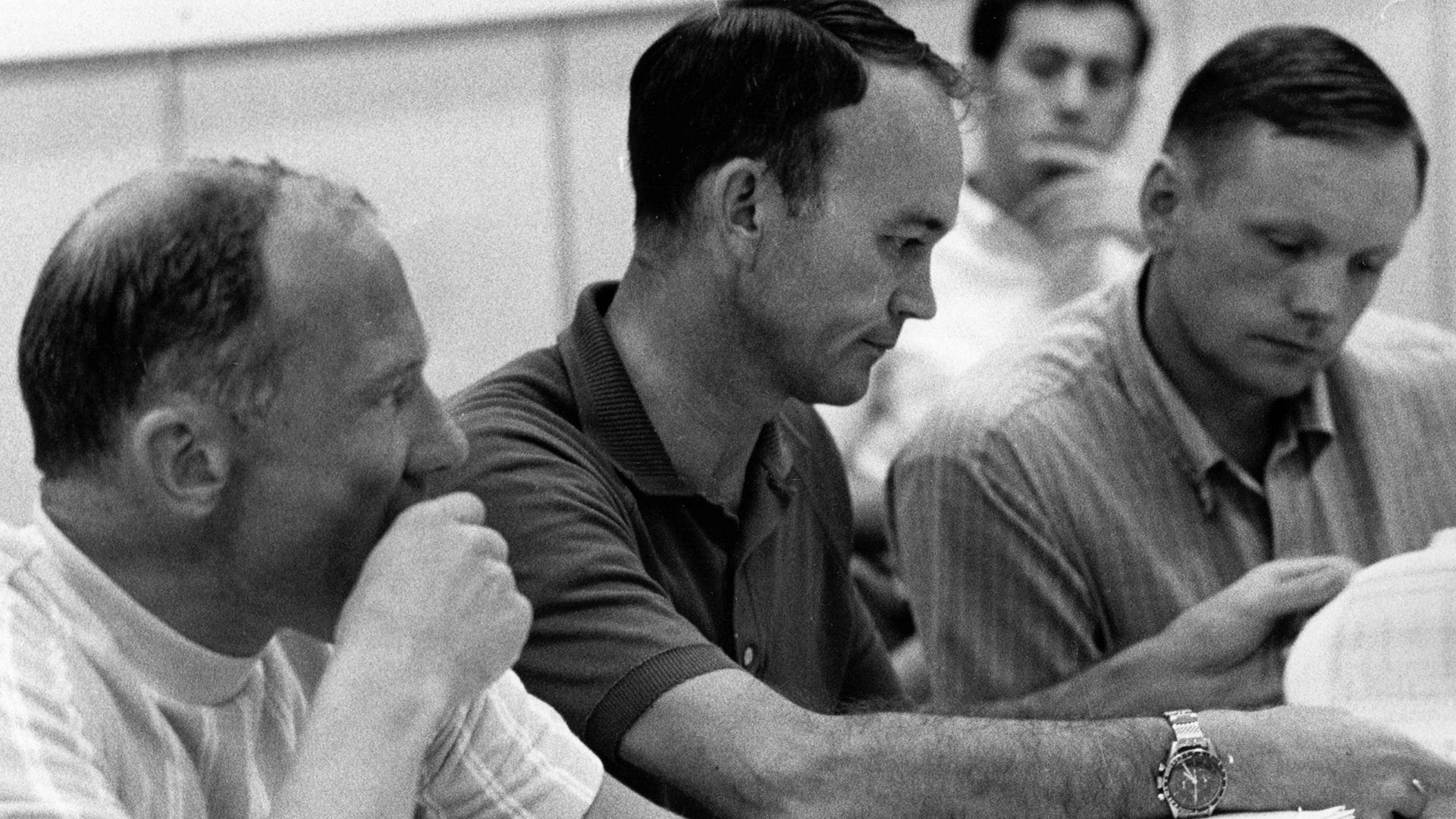
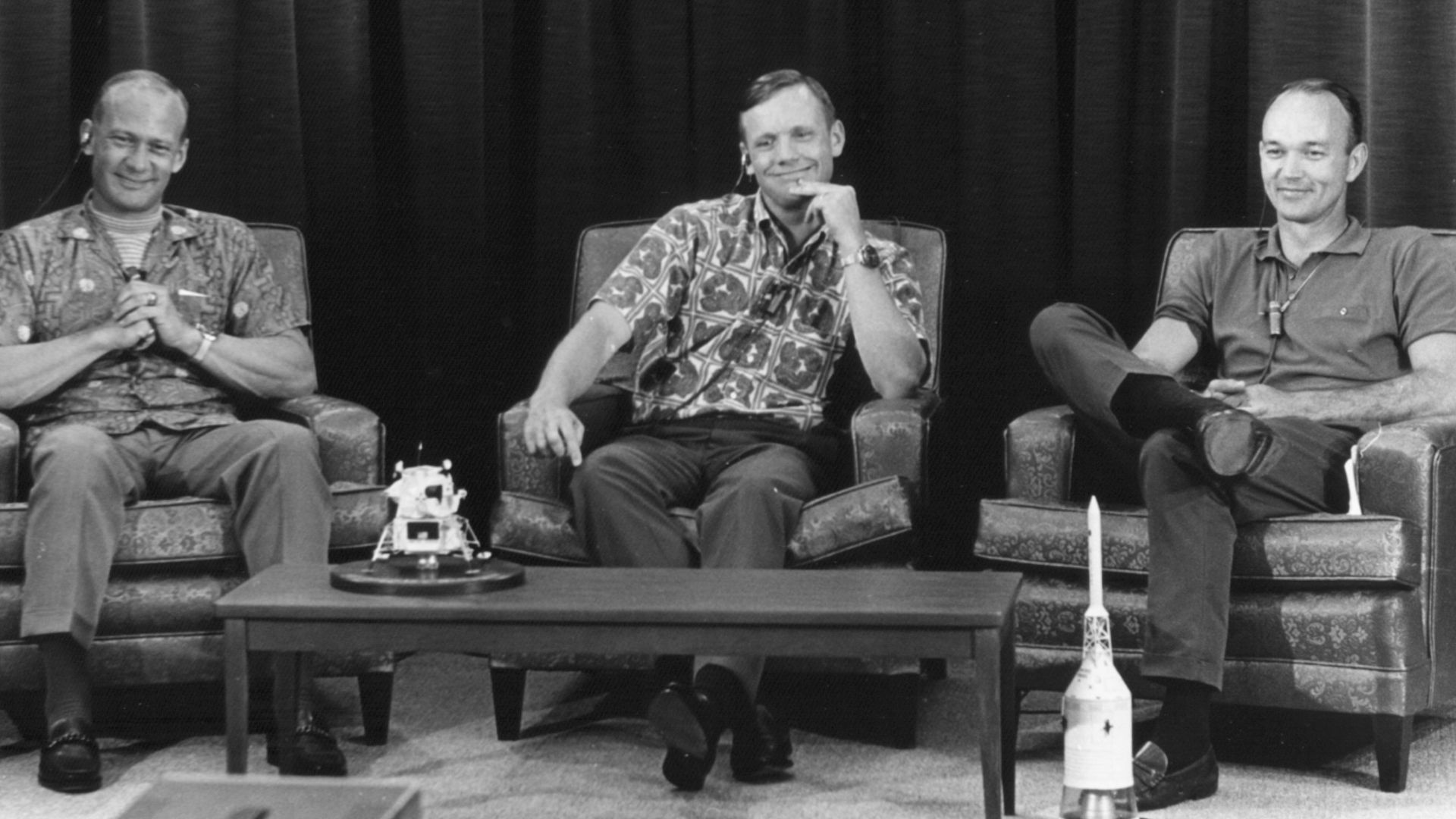
Taking the command of Apollo 11, Neil now had the weight of humanity’s greatest achievement on his shoulders, but he soon had another choice added to his plate. As the mission stood, Apollo 11’s crew consisted of Neil, Michael Collins, and Buzz Aldrin—who, according to office gossip, was difficult to work with. As a result, the Director gave Neil the option of replacing Buzz with astronaut Jim Lovell.
The dilemma wasn’t to be taken lightly, but Neil knew exactly what to do.
31. He Made Up His Mind
Neil Armstrong wasn’t ignorant of Buzz’s alleged reputation, but choosing either option could have serious ramifications, so he took a day to consider every angle. Finally, believing Jim Lovell should have his own command, and taking into account that he had never personally had any issues with Buzz, Neil declined the Director’s offer.
At the same time, some of the most significant decisions were out of his control.
32. They Chose Him For The Job
While NASA had already picked the crew for the first mission to land on the Moon, there was still one major choice to make—who was going to take the first steps? After careful consideration, Neil once again became the clear answer. Not only was he the mission’s commander, but many saw him as almost wholly devoid of ego, which would help in the resulting media frenzy.
Naturally, the whole country would be watching with bated breath—including three very important viewers.
 Project Apollo Archive, Flickr
33. They Supported Him The Whole Time
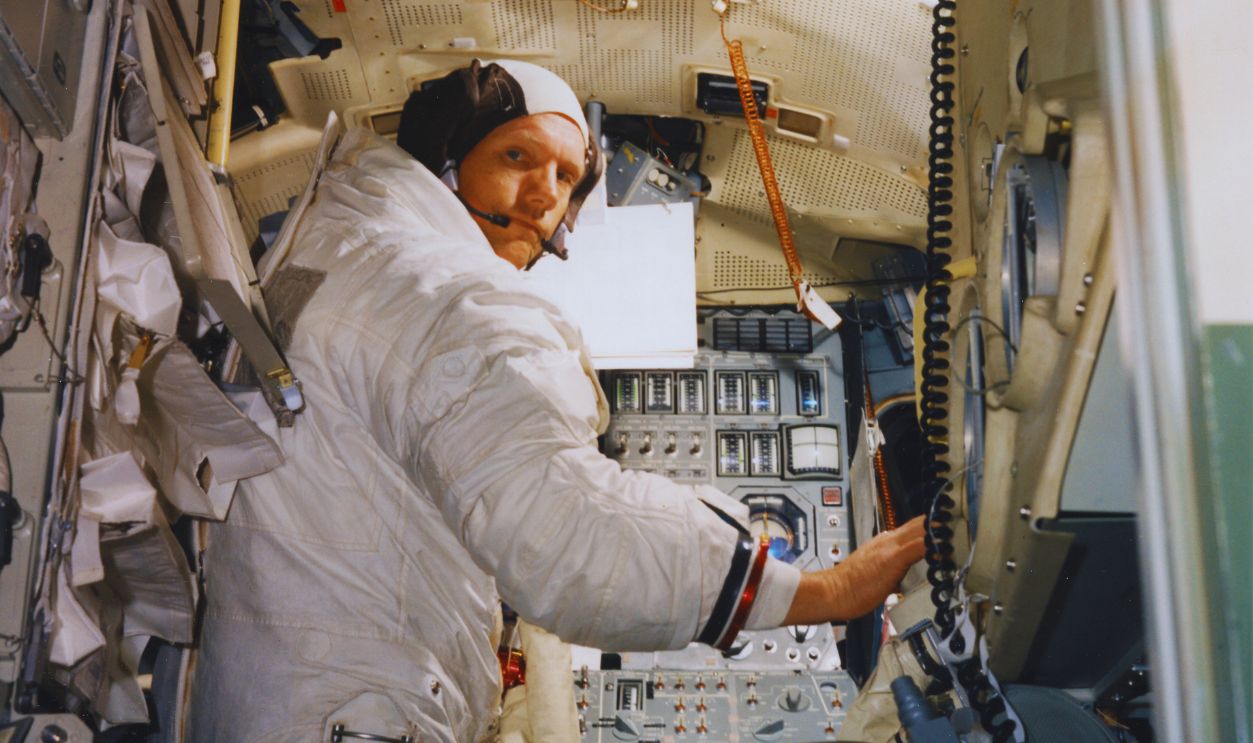
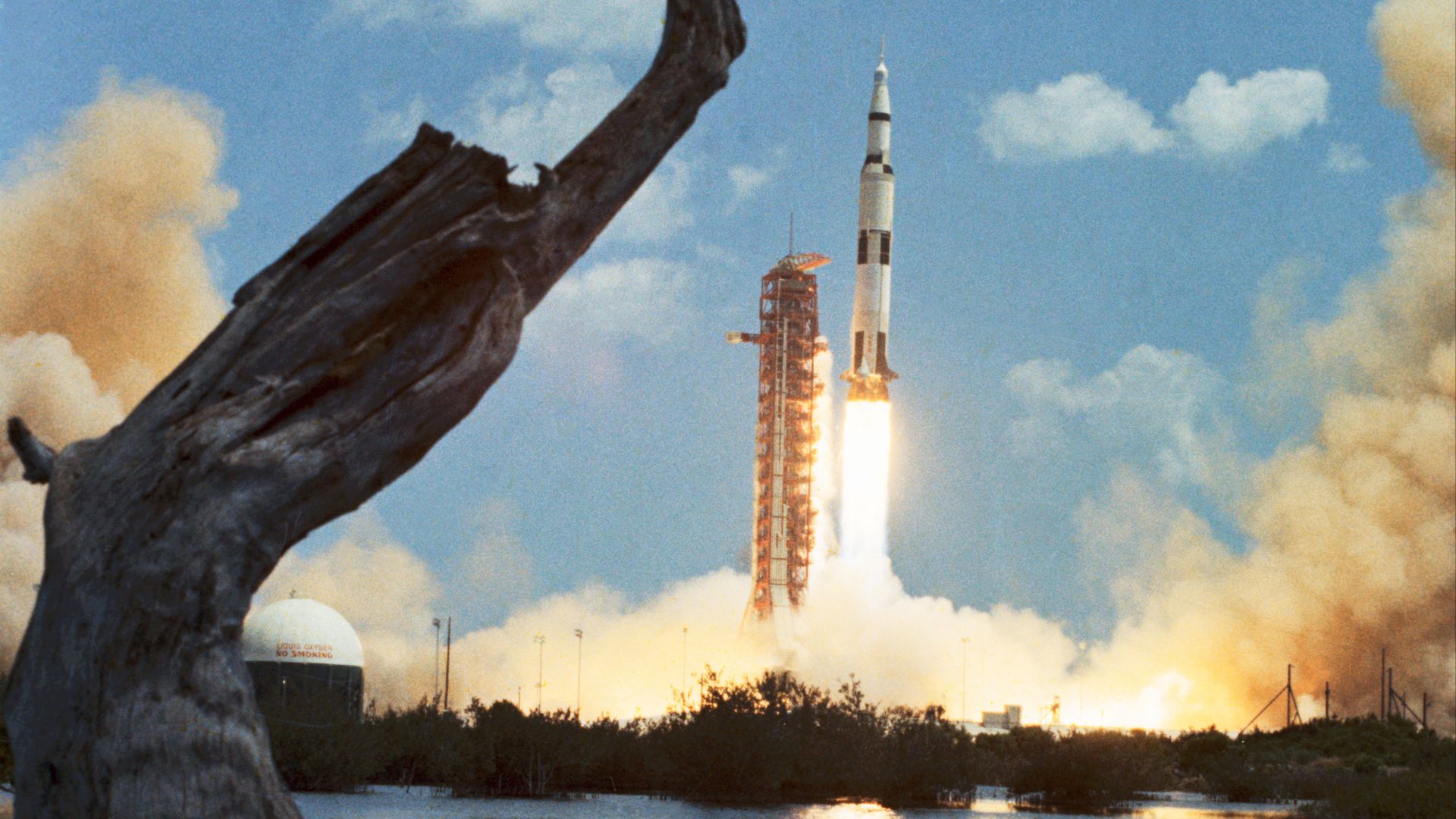
With Apollo 11’s launch date set for July 16, 1969, everyone in America made plans to gather around the TV and watch, although some were lucky enough to see it in person. Watching the whole event from a yacht at a safe distance on the Banana River, Neil’s wife Janet and two children had the privilege of seeing him fly to the Moon first hand.
Once Neil and his crew were up there, however, things didn’t exactly go as planned.
 NASA Johnson Space Center, Wikimedia Commons
History's most fascinating stories and darkest secrets, delivered to your inbox daily.
34. They Were Going Too Fast
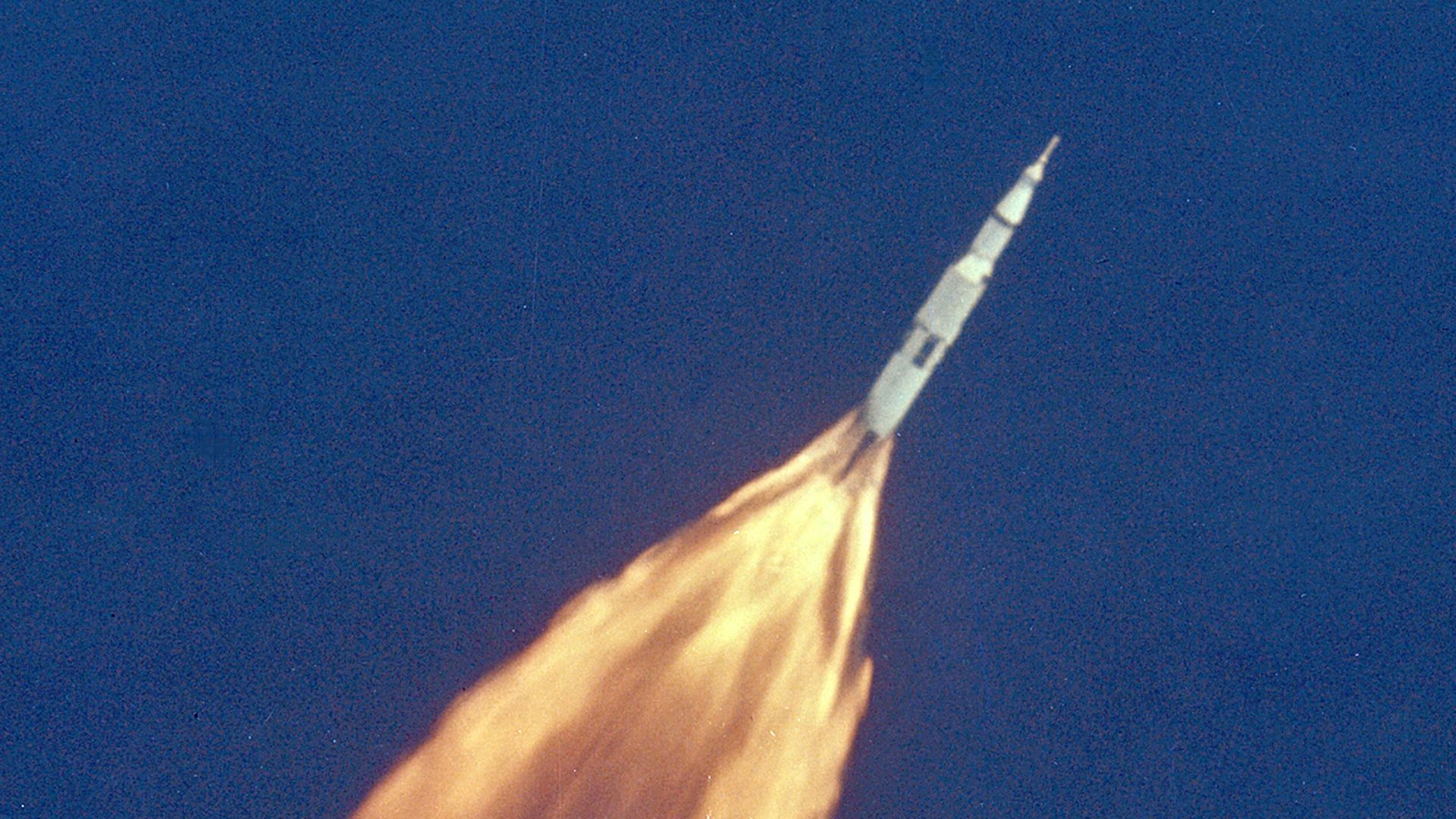
With so much that could go wrong on such a historic mission, NASA thought it would be best to avoid anything fancy, so the goal was simply to get Apollo 11 to the Moon safely. That being said, they still had an idea of where the Lunar Module was to land. However, when Neil Armstrong noticed they were passing the Moon’s craters too early, he realized they would likely land more than a couple of miles off their mark.
Suddenly, he had to make the first drastic choice of the mission—and pray he was right.
35. He Took Over
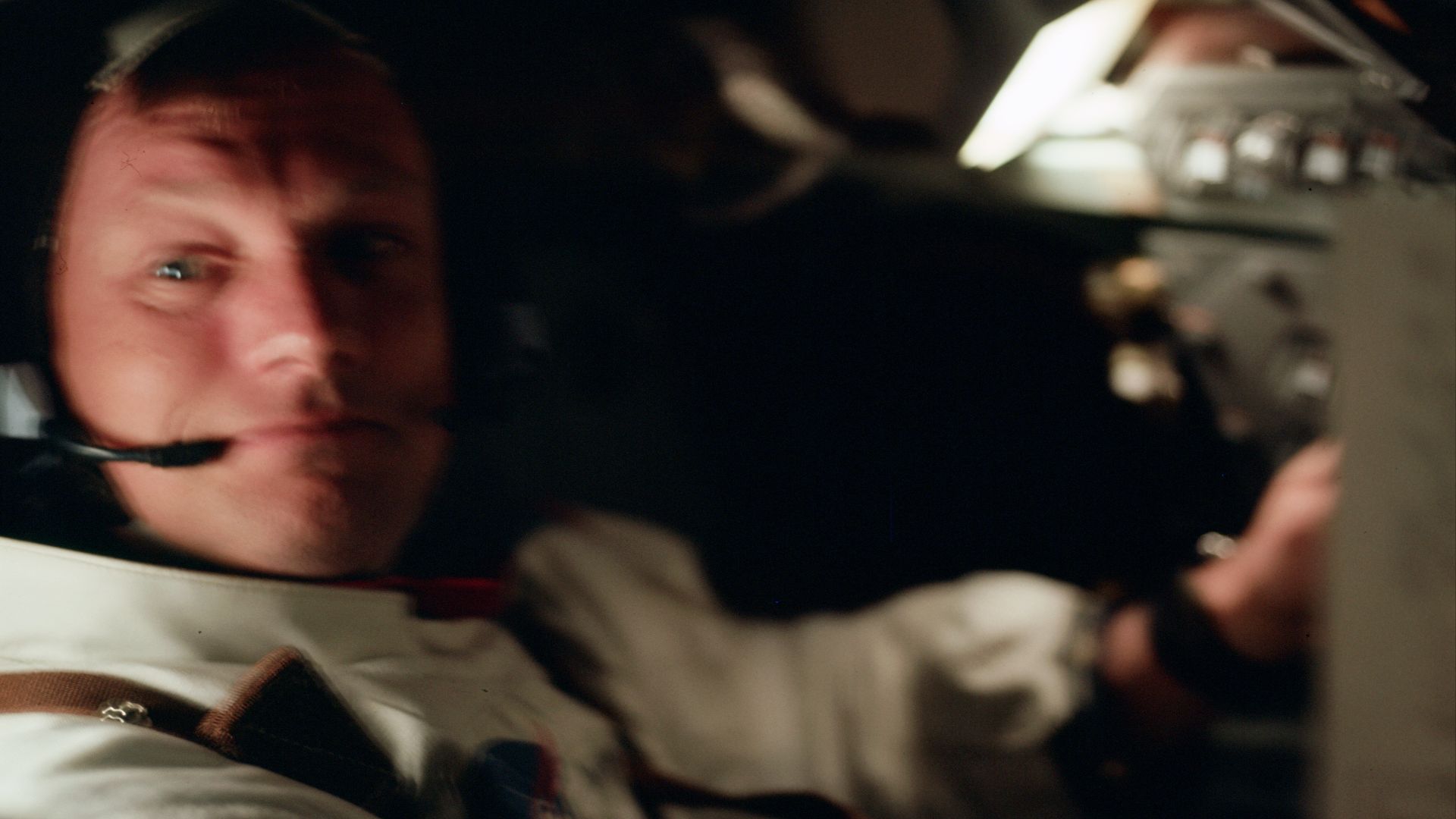
Were they to continue their course, Neil estimated that not only would they be touching down far off from their intended spot, but also that their new landing zone would be unsafe. Neil remained undaunted by their situation, however, and he assumed manual control of the spacecraft to find a new area to land.
While his quick thinking saved the mission, it also put their return in jeopardy.
 Project Apollo Archive, Wikimedia Commons
36. They Touched Down
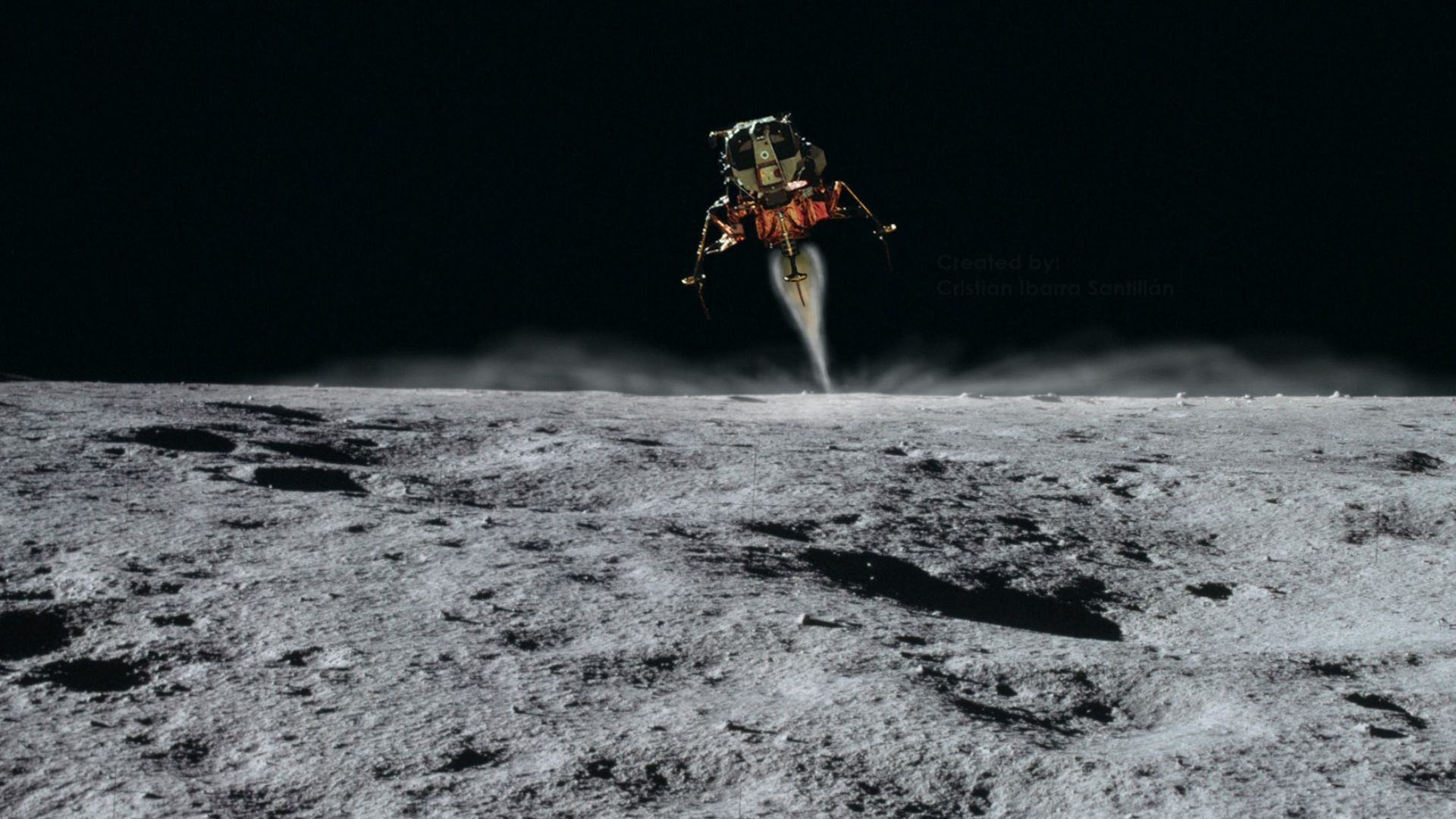
Although finding a better landing zone was necessary, Neil ended up taking far longer than he hoped, which took a sizeable chunk of the Lunar Module’s fuel stores. Nonetheless, on July 20, 1969, Apollo 11 descended to the Moon’s surface, and Neil contacted Mission Control, stating, “The Eagle has landed”.
Now that humanity had finally reached the Moon, there was just one thing to do.
 Cristian Ibarra Santillan, Wikimedia Commons
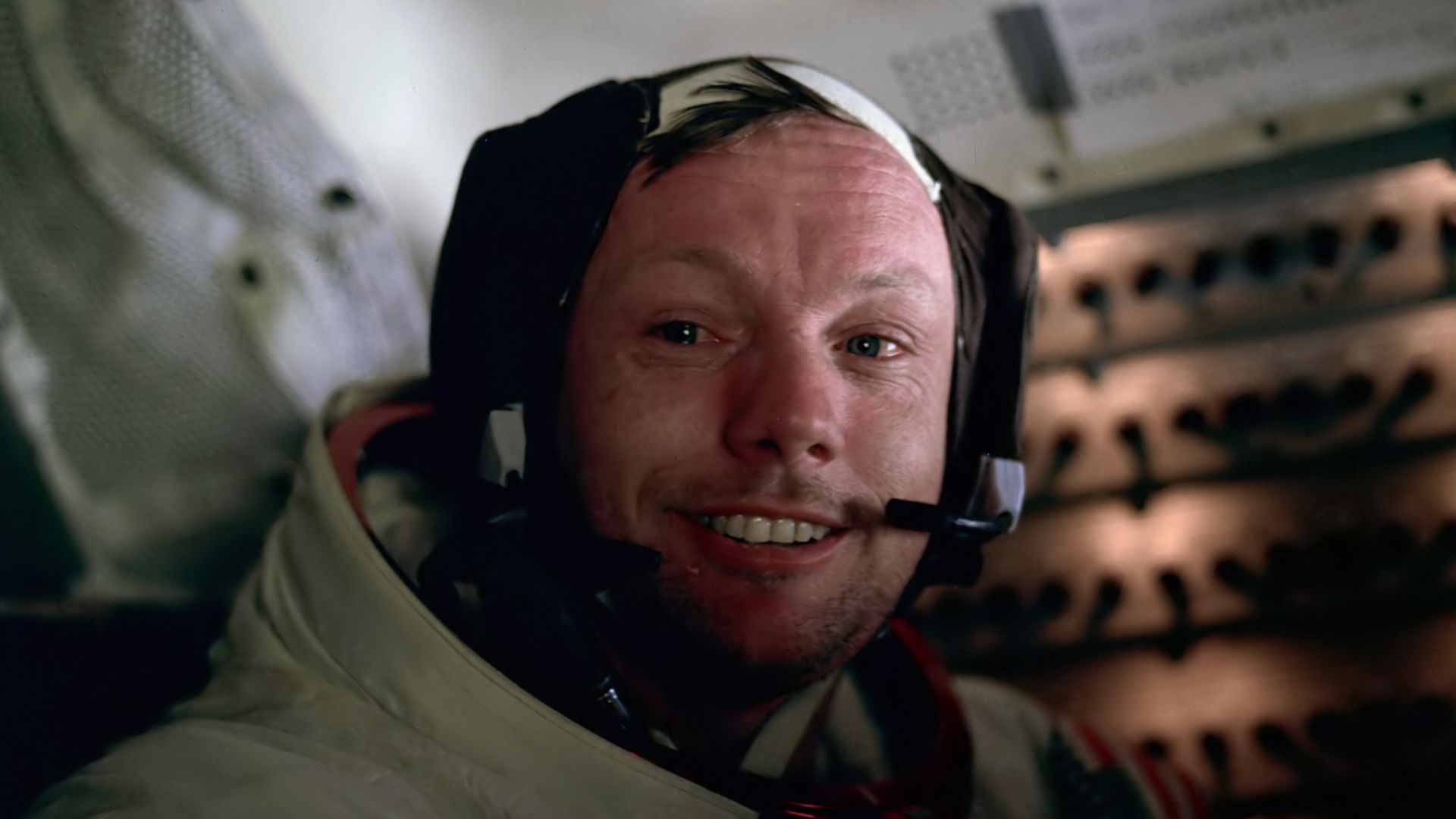
37. He Took A Step Outside
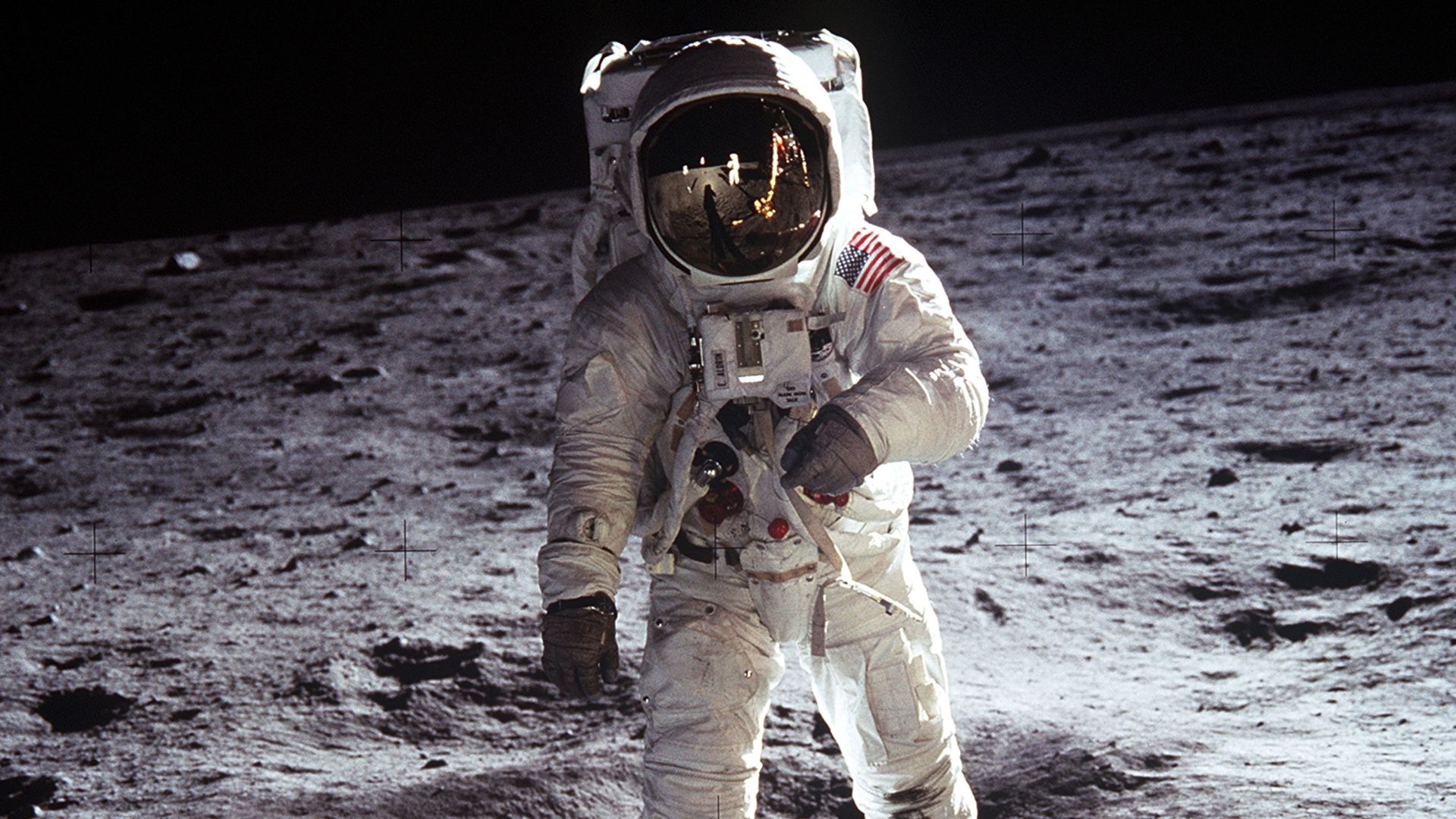
After giving each other a celebratory handshake and pat on the back, Neil and Buzz prepared to exit the Lunar Module and take the first-ever steps on the Moon. As decided, Neil went first, opening the hatch and climbing down to the brand new ground. Leaving the ladder, he proclaimed the iconic words, “That's one small step for man, one giant leap for mankind”.
Neil had been thinking about this moment for a while—even if he acted like he hadn’t.
 Neil A. Armstrong, Wikimedia Commons
38. He Had It Ready
Neil’s famous words when setting foot on the Moon’s surface have lived on as one of the most famous phrases in history, something he knew would likely happen. In later interviews, he would claim he had only thought of what to say just before he stepped out, but he may have been exaggerating. According to his brother, Dean, Neil had been working on those specific words at least a few months earlier.
Unfortunately, this was the point when everything started to go awry.
 Project Apollo Archive, Flickr
39. They Made A Mistake
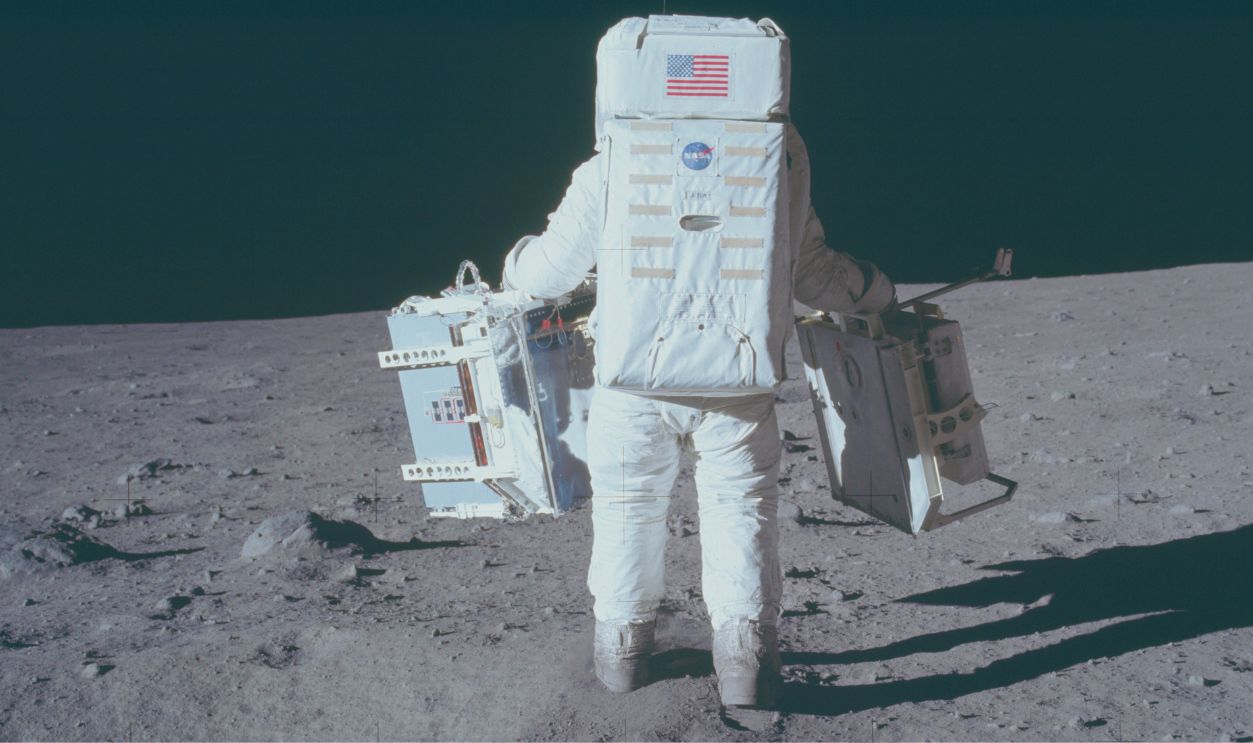
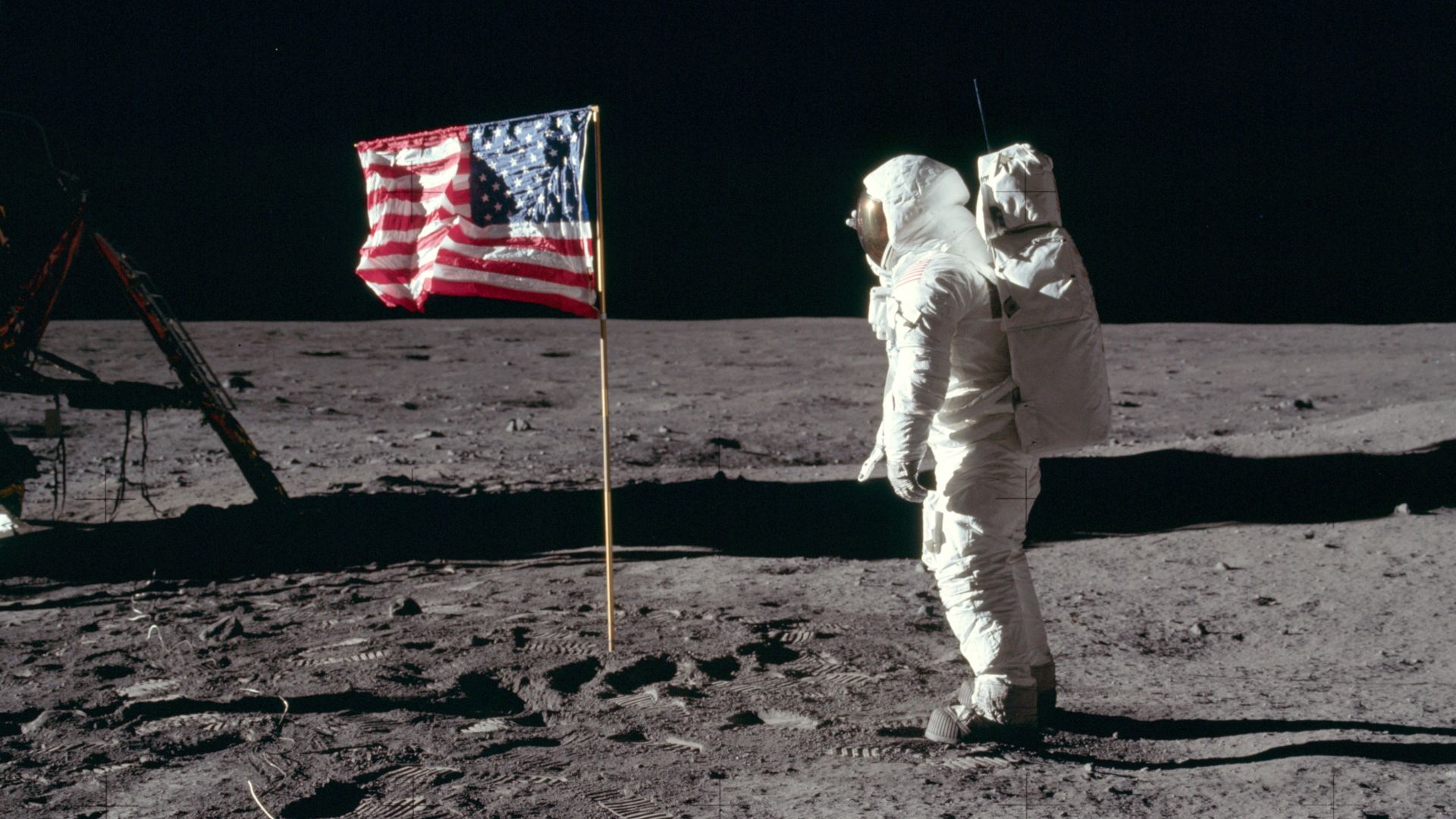
After collecting a few research samples and leaving behind some notable objects, including the American flag, Neil and Buzz returned to the Lunar Module to take off. However, as they reentered the craft in their particularly awkward space suits, they accidentally broke the ascent engine’s ignition switch—and didn’t realize until they were preparing to take off.
The mistake had been hardly noticeable, but it spelled another possible catastrophe.
 NASA / Neil A. Armstrong, Wikimedia Commons
History's most fascinating stories and darkest secrets, delivered to your inbox daily.
40. They Made Their Return
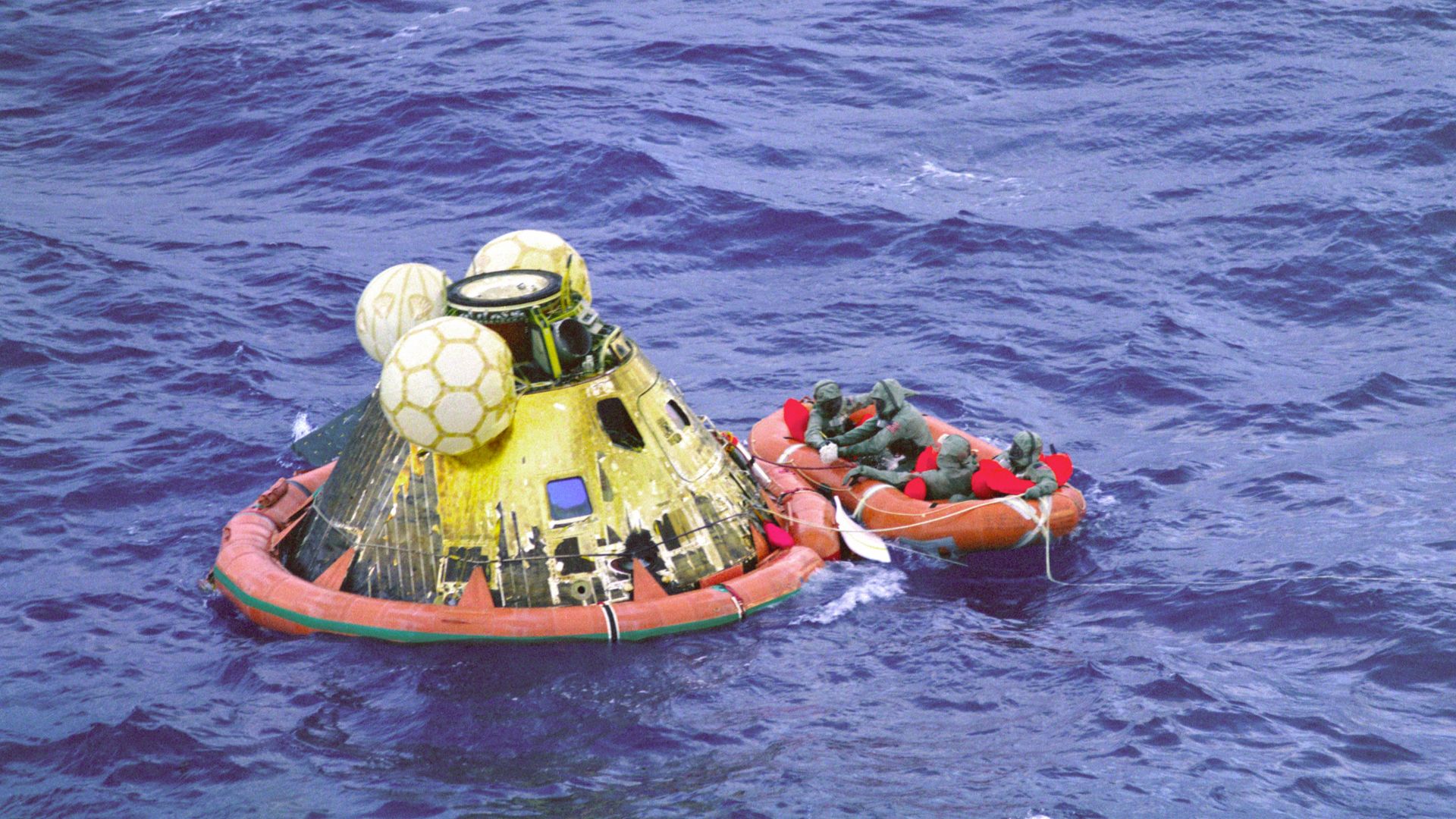
In just one instant, their mission had gone from triumphant to terrifying as the broken ignition switch could have left them stranded on the Moon. Fortunately, thanks to some ingenious thinking and a felt-tip pen, the two of them managed to get the engine started by pushing the circuit breaker in. At last, they lifted off and reconnected with their Command Module before heading back to Earth, landing safely in the Pacific Ocean.
Fame and never-ending admiration lay just outside the module’s door—but it would all have to wait.
41. They Had To Stay Put
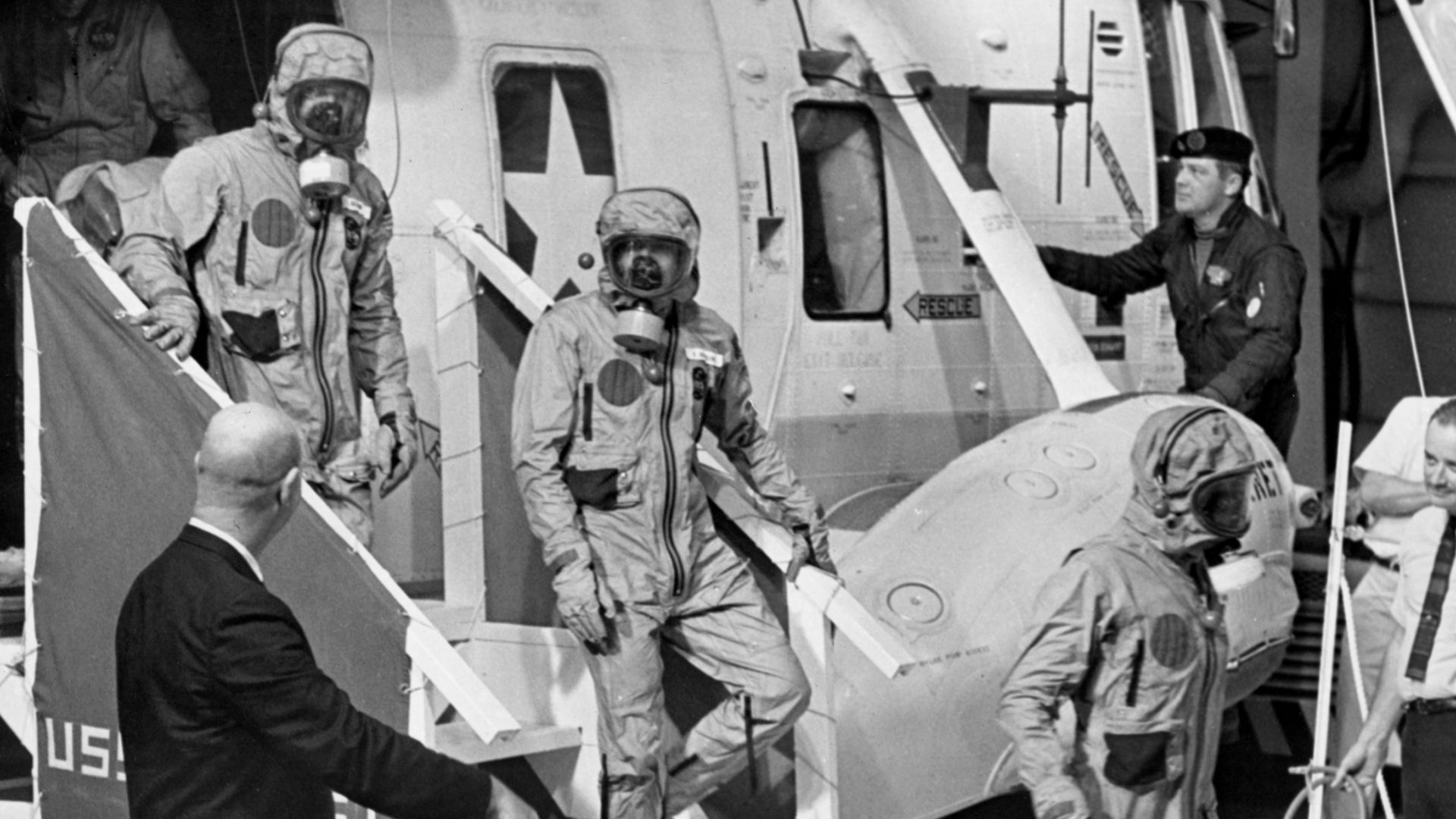
Picked up by the USS Hornet aircraft carrier, Neil and his crewmates were eager to return home, while the press was just as anxious to meet them—but it wasn’t that simple. Due to the risk of unknown diseases from the Moon, the three astronauts had to endure a full 18 days of quarantine before they could leave. However, once they did, the world met them with thunderous applause as they spent a little over a month on a global press tour.
After such an achievement, it would have been easy to become addicted to the thrill—but Neil had other plans in mind.
42. He Wanted To Stay On Earth
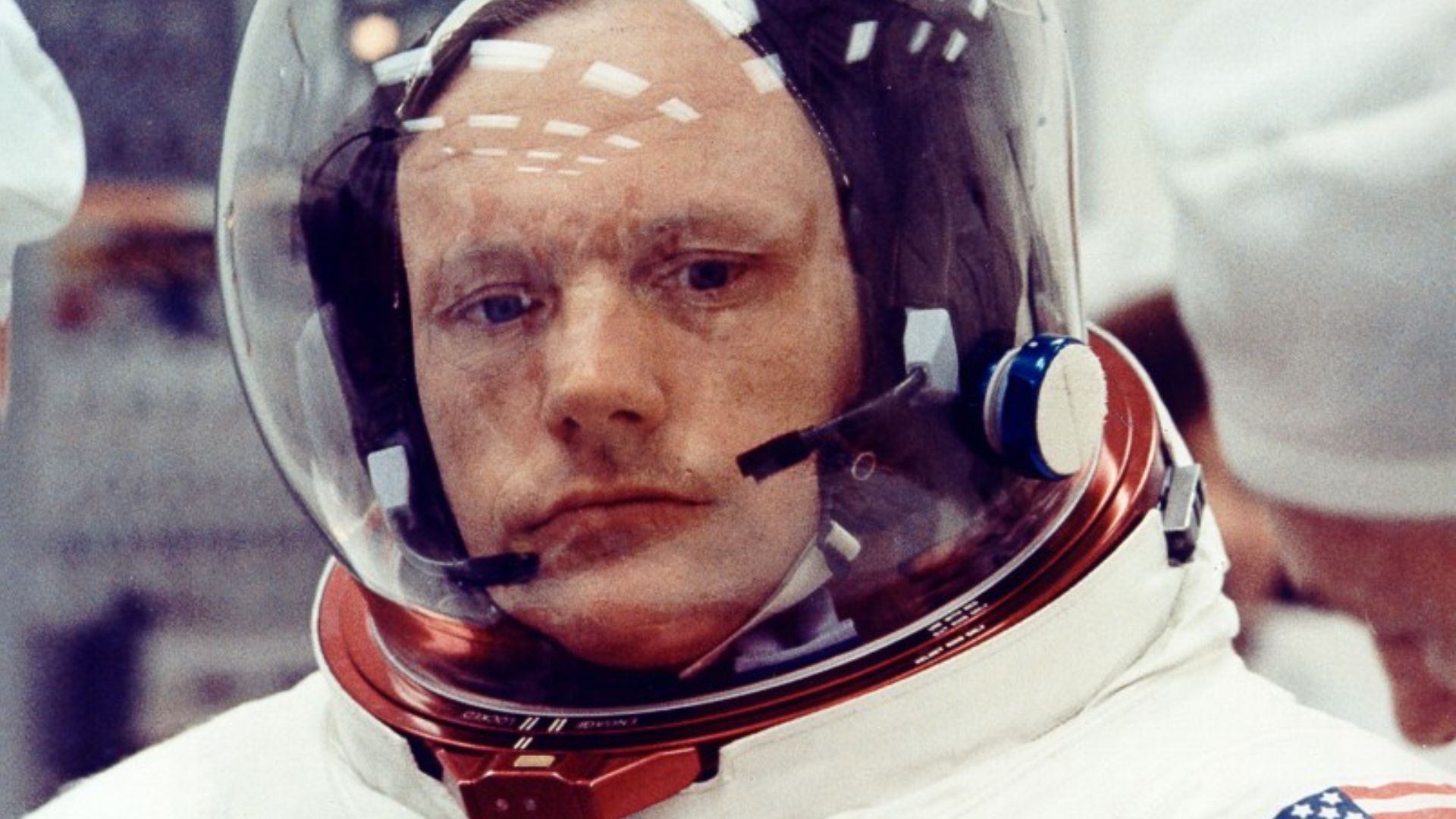
Now that Neil had become the first man on the Moon, the media was in a frenzy, asking what his next great mission would be, the answer to which they might have found a bit disappointing. Satisfied with his momentous accomplishment, Neil revealed that he had no intention of going into space again. Instead, he served in a leadership position at the Advanced Research Projects Agency until he resigned from NASA in 1971.
He still made the odd public appearance—even at the risk of his own life.
43. They Joked With Him
Neil happily participated in the world tour after his return, but in 1972, he took a much more personal trip. Going back to his roots, he visited the ancestral home of Clan Armstrong in Langholm, Scotland, where the citizens decided to have some fun with him. After naming him the first freeman of the burgh, the town’s Justice of the Peace jokingly read out a real law from 400 years prior that demanded the hanging of any Armstrong present in town.
Ultimately, he wasn’t too fond of all the fame—and even came to resent it.
 NASA / Edwin E. Aldrin, Jr., Wikimedia Commons
44. He Wanted Something Smaller
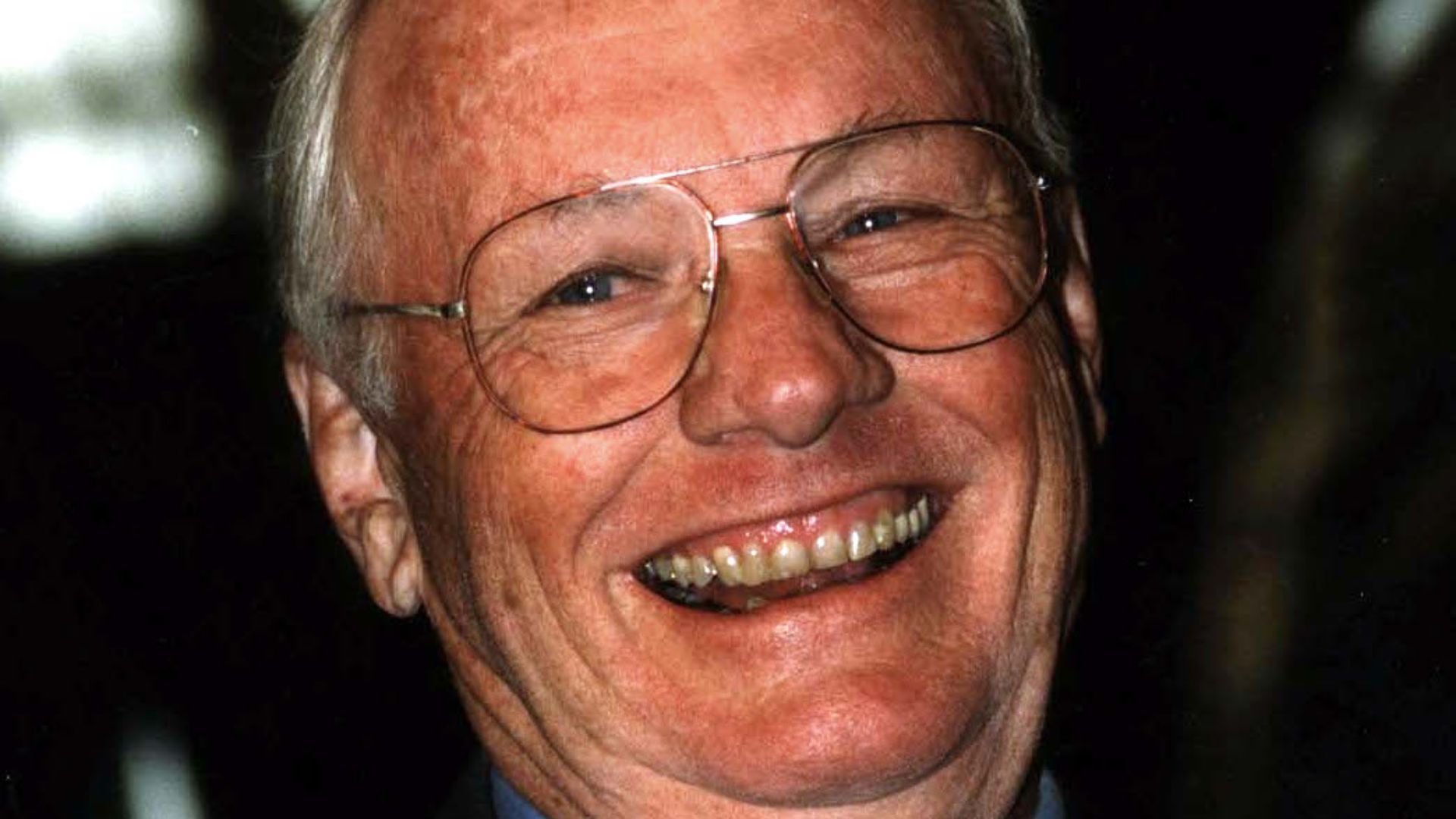
Instead of working with NASA, either in space or not, Neil believed his expertise would be more useful in helping those at the start of their paths, so he became a teacher. However, he realized most universities would likely grant him a professorship on his fame alone, despite his having only a Master’s degree. Wanting to avoid any ire from his colleagues, he chose the relatively smaller aerospace department at the University of Cincinnati.
However, even such a mild-mannered position became too much for him to handle.
 Kingkongphoto & www.celebrity-photos.com from Laurel Maryland, USA, Wikimedia Commons
45. He Got Fed Up
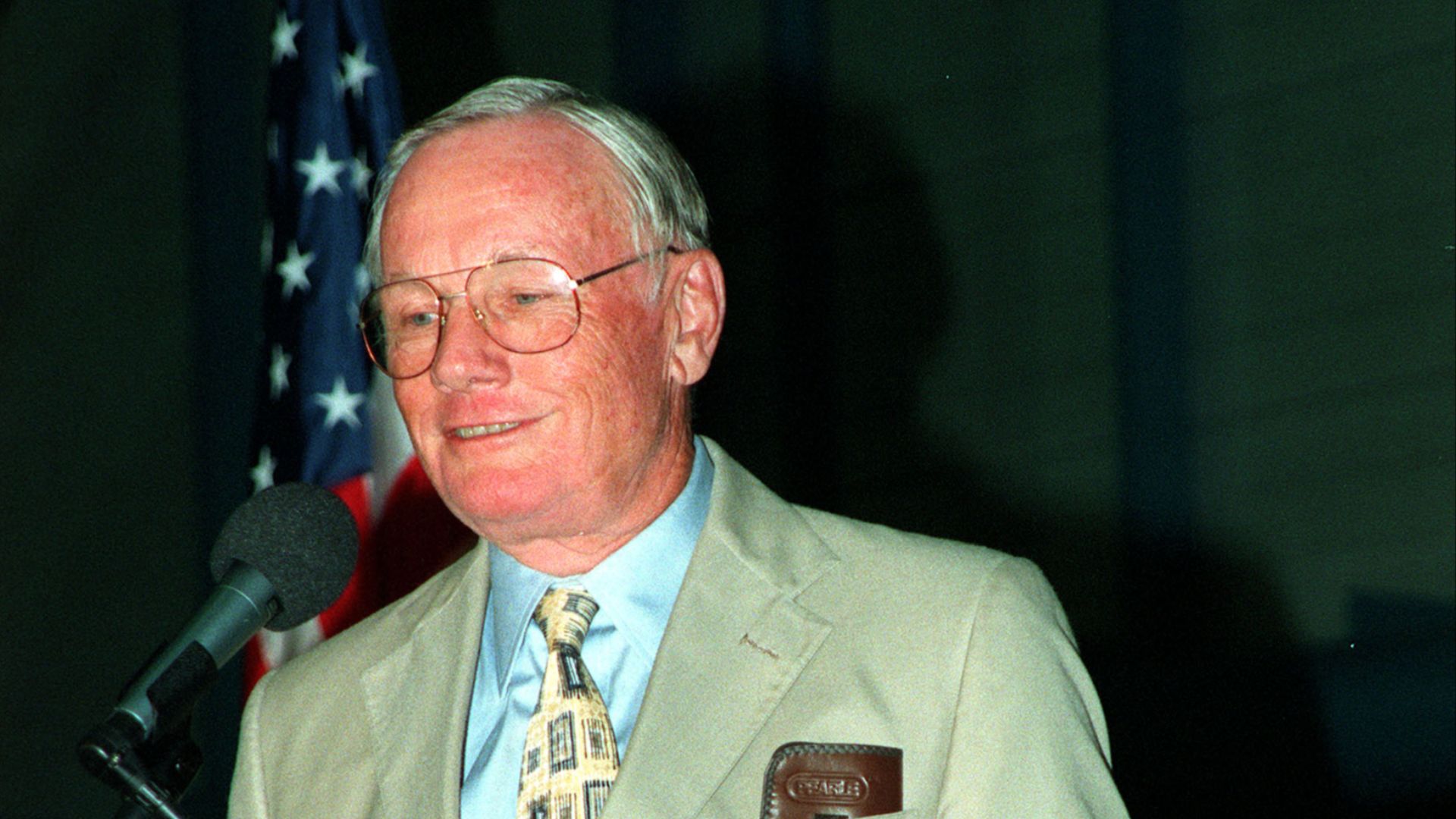
Working as a professor for the better part of a decade, Neil developed a reputation beyond that of the first man on the Moon and found a genuine passion for education. The students and faculty would describe him as an admittedly harsh grader, but an overall good teacher, at least until he couldn’t take it anymore. By the end of the 1970s, the university became a state school, and—exhausted by all the added bureaucracy—he quit in 1980.
Adding insult to injury, his life was becoming just as complicated behind the scenes.
History's most fascinating stories and darkest secrets, delivered to your inbox daily.
46. He Moved On To Someone Else
Throughout Neil’s time as a test pilot and as he led humanity’s greatest achievement, Janet stood by his side and raised their children. However, by the 1990s, their marriage had deteriorated. Finally, they couldn’t see a way forward and filed for divorce in 1994, but Neil didn’t seem too torn up about it. Not only had they separated four years earlier, but he had also met the next love of his life, Carol Knight, whom he married shortly after.
Like with Janet, their meeting was unconventional—but he eventually won her over.
 Staff Sgt. Austin May, Wikimedia Commons
47. He Went To Help Her
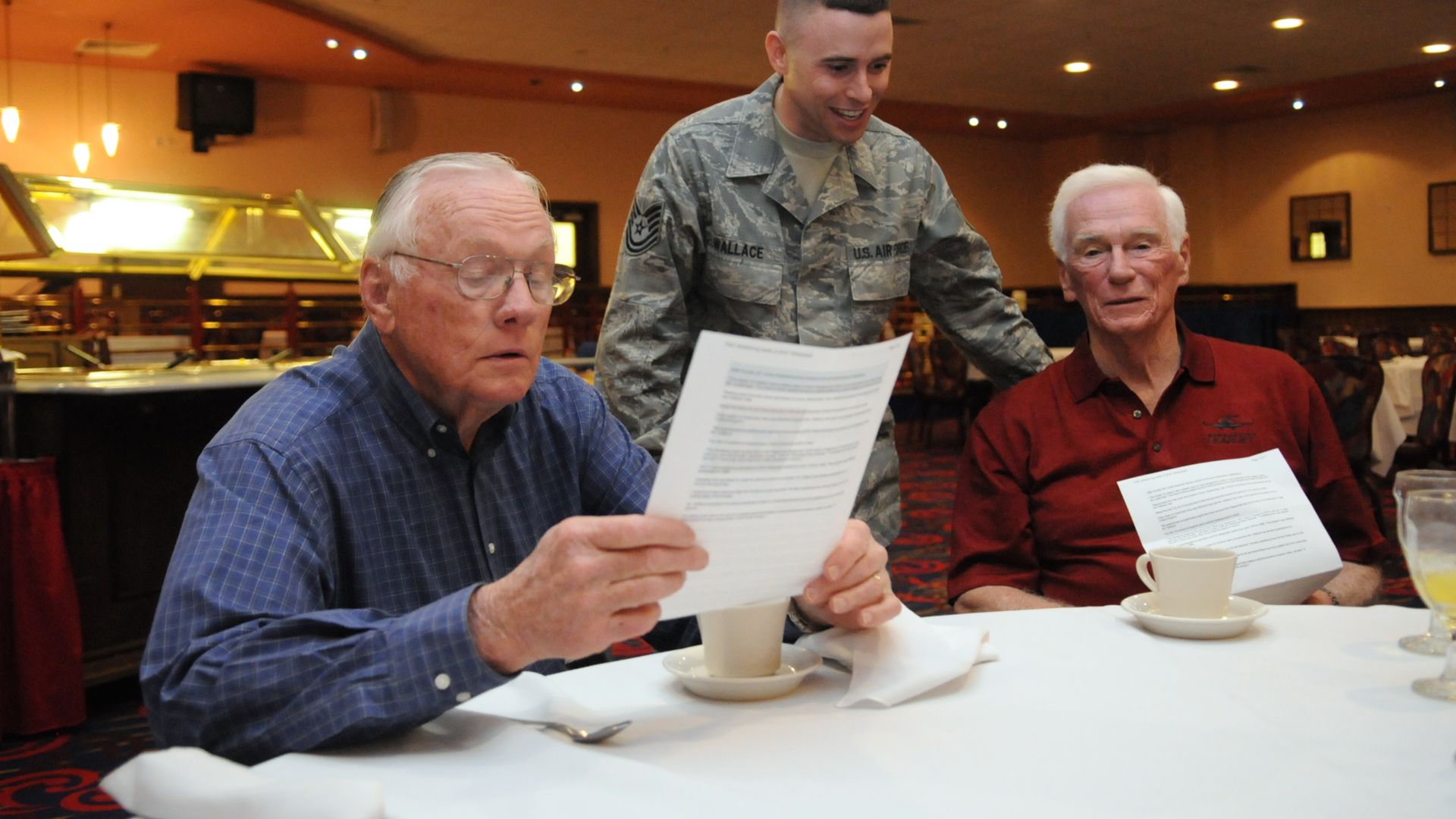
Staying active in his 60s and likely trying to take his mind off his struggling marriage, Neil entered a golf tournament in 1992, where he discovered more than just one distraction. While at breakfast, he found himself seated next to Carol, although she paid him little attention. However, when he called her two weeks later, and heard she was in the middle of cutting down a cherry tree, he zoomed over to help her—and the rest was history.
He would have 18 beautiful years with her—but that’s all he would get.
 Bill Ingalls, Wikimedia Commons
48. He Became Sick
Living long enough to enjoy his 82nd birthday, Neil sadly developed a serious case of coronary artery disease by 2012, and his family admitted him to Mercy Faith–Fairfield Hospital that summer. After undergoing a bypass surgery, his doctors reported that his recovery was going well—at first. Unfortunately, he developed further complications that proved too difficult for his age, and he passed on August 25.
All of America felt his loss, especially one of his oldest friends.
 Bill Ingalls, Wikimedia Commons
49. He Wished He Were There
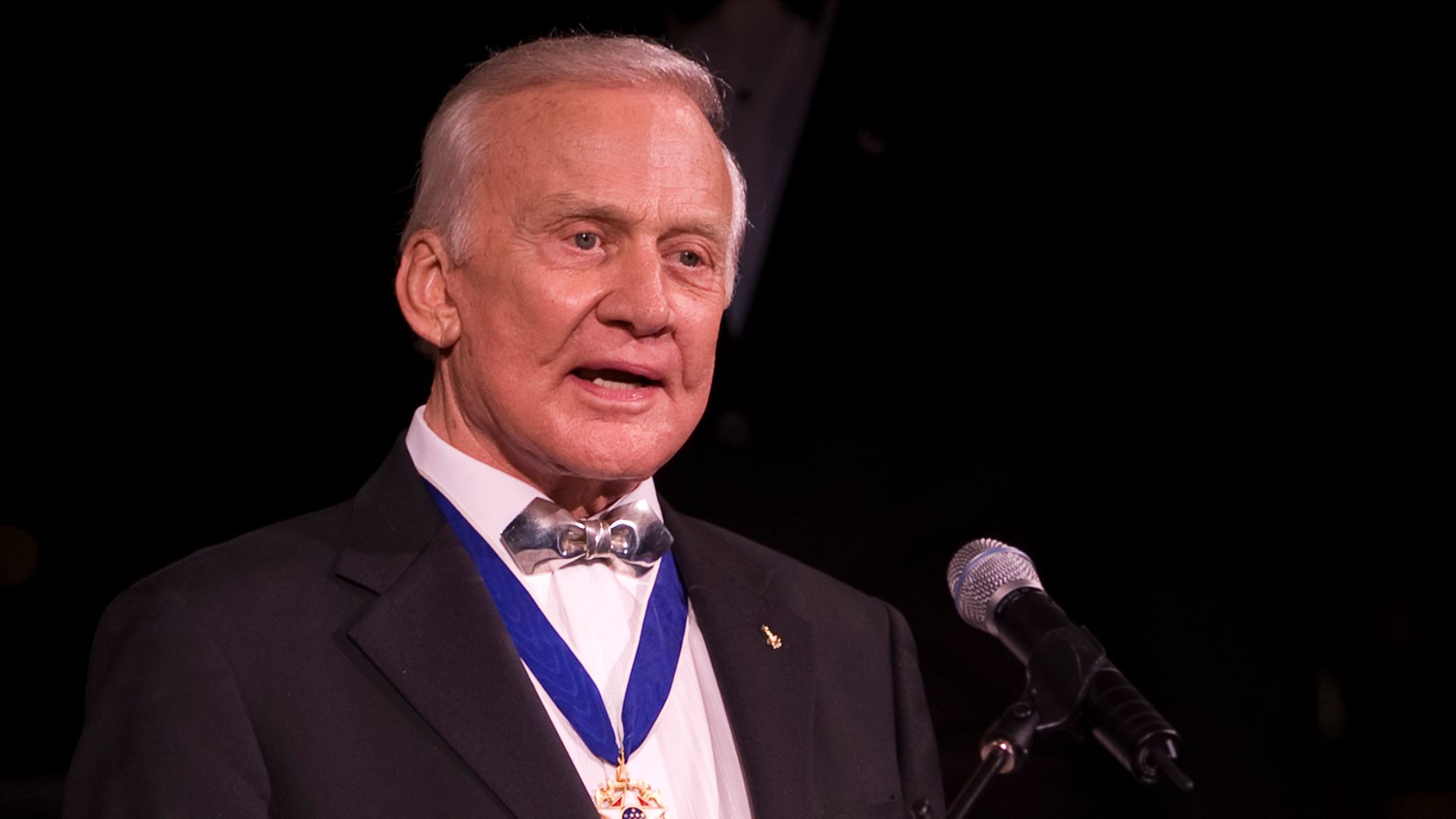
Neil inspired countless people around the world with just his story, but there were only two people who actually shared his experience, and just one who could truly relate to him. As the tributes poured out in the wake of his passing, Buzz Aldrin expressed his sadness that Neil would not be able to celebrate the mission’s 50th anniversary in 2019.
When it came down to it, if Neil only ever wanted one thing, it wasn’t to be a celebrity.
 Bill Ingalls, Wikimedia Commons
50. He Kept Out Of The Spotlight
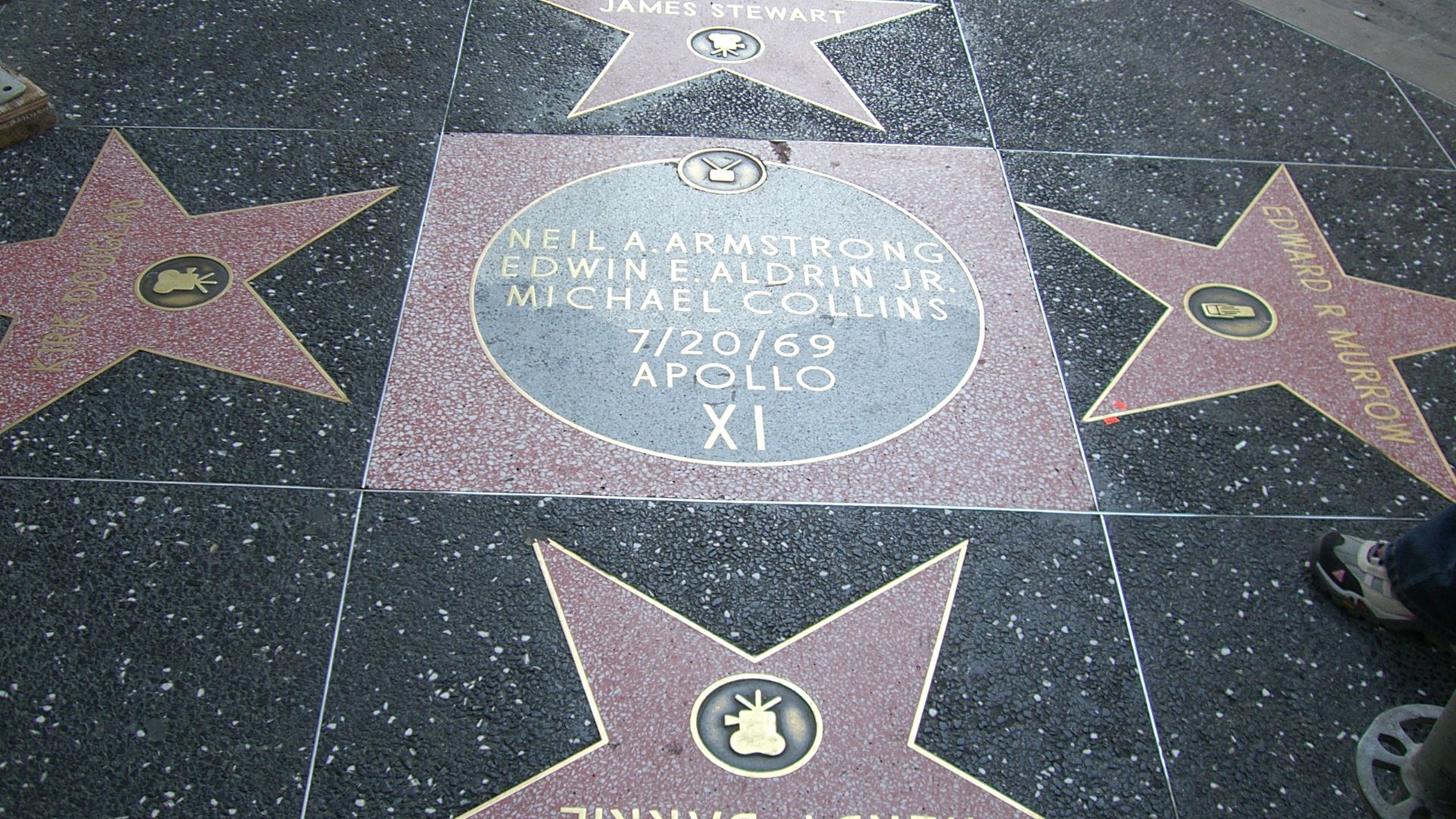
As Neil Armstrong grew older, he began to refuse more and more public appearances, and right up until the day he passed, he insisted that there was nothing special about him. Anytime someone tried to pump his tires, he would always argue it was nothing but pure chance that landed him in command of Apollo 11. Fittingly, when recalling his attitude after returning to Earth, his family later labeled him a “reluctant American hero”.
 Diego Delso, Wikimedia Commons
You May Also Like:
Astro Facts About Buzz Aldrin, The Lunar Sidekick
NASA astronaut Suni Williams sets a new spacewalk record with over 62 hours in the vacuum of space.
Scientists used baby giraffes to help uncover a solution to re-acclimatizing returning astronauts.