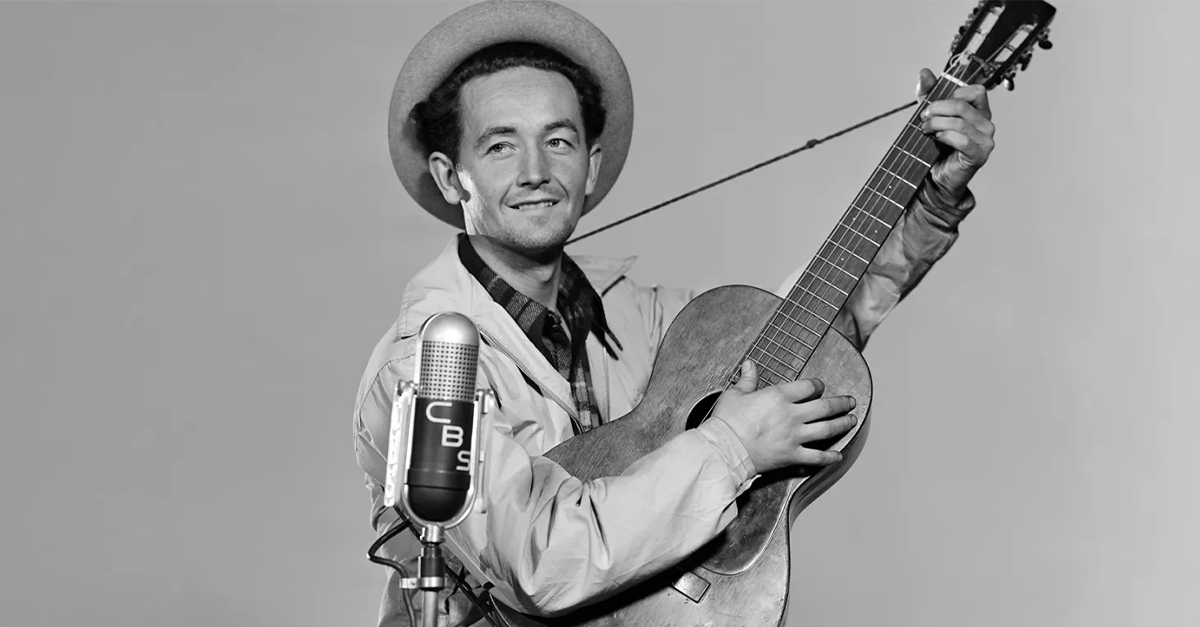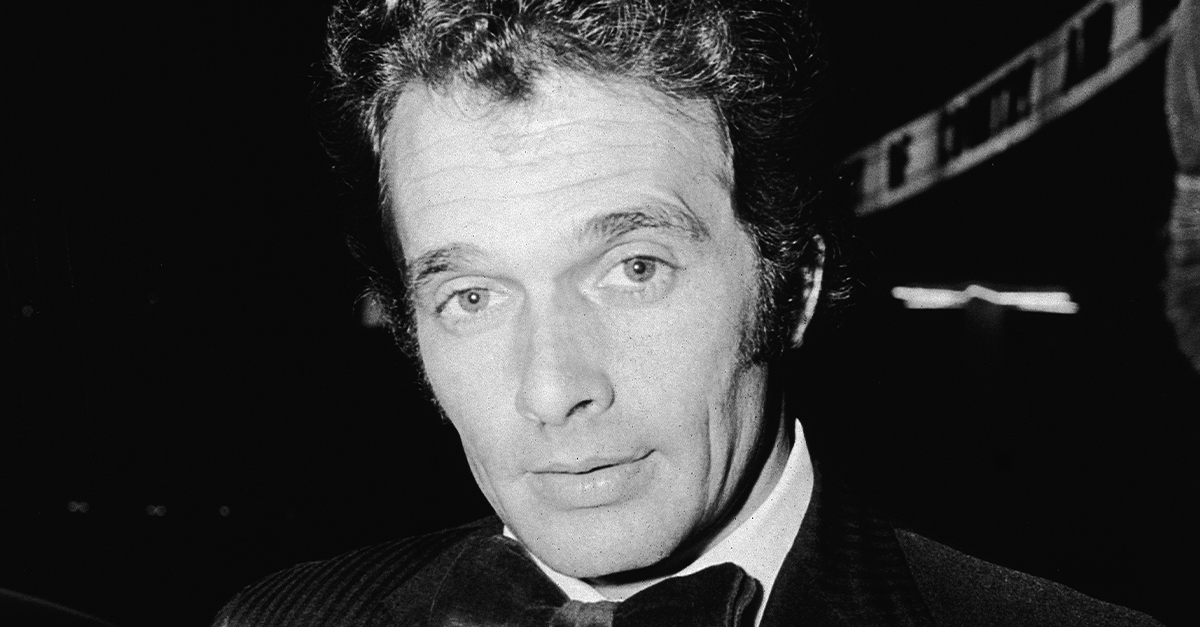
Merle Haggard, Country Icon
Merle Haggard had nothing handed to him on a platter. Instead, he worked his way up to the status of country icon through blood, sweat, and incarceration. The traumas of his life never left him, and the only way he knew how to deal with them was through music. In the end, it could never be enough.
 Fotos International, Getty Images
1. He Was Dirt Poor
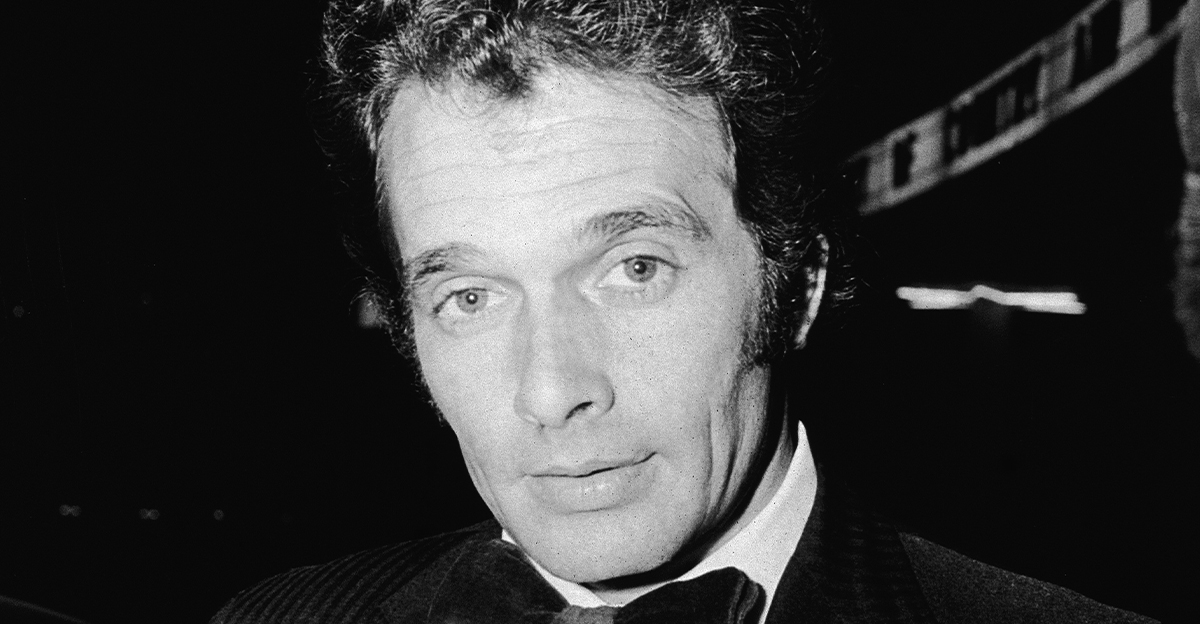
Merle Haggard’s life started with all the tragedy of a country song. Born in California in 1937, his parents had only just moved to the state after their Oklahoma farm burned down; thanks to their scrappy straits, Merle was actually born in a boxcar his father had converted into a house. But the family’s bad luck continued.
 Michael Ochs Archives, Getty Images
2. He Lost His Dad Young
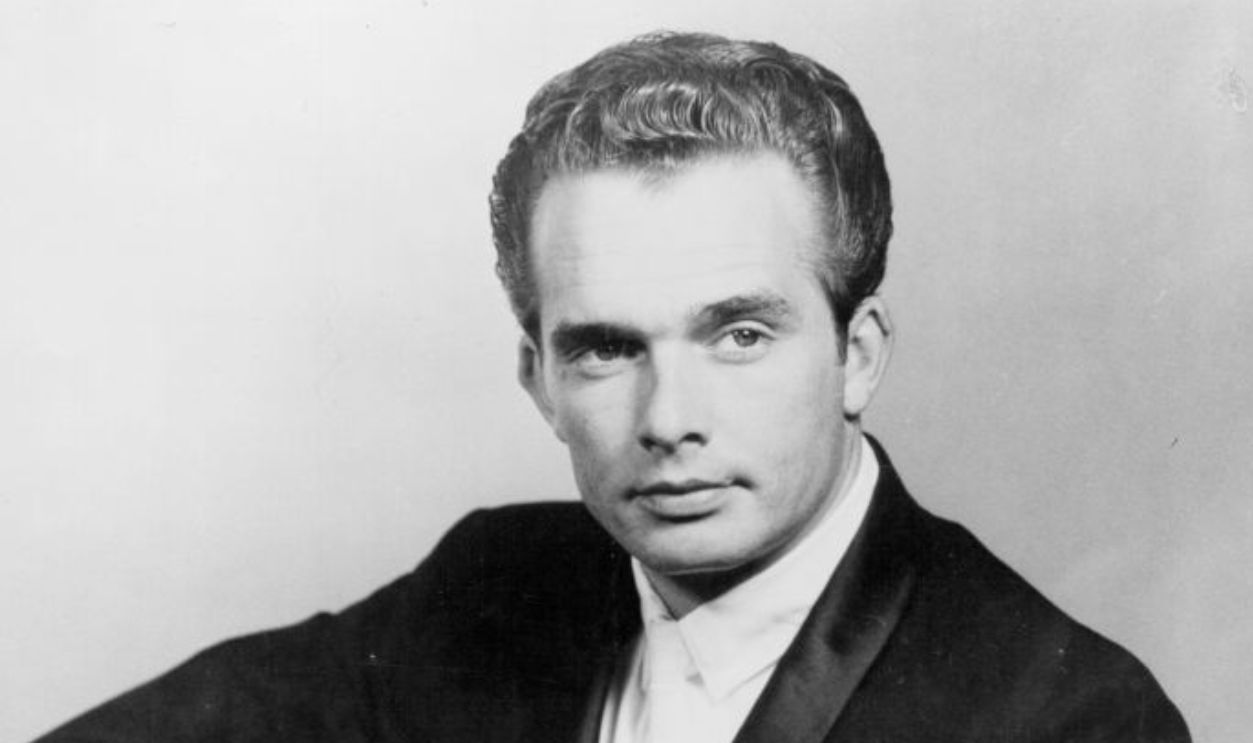
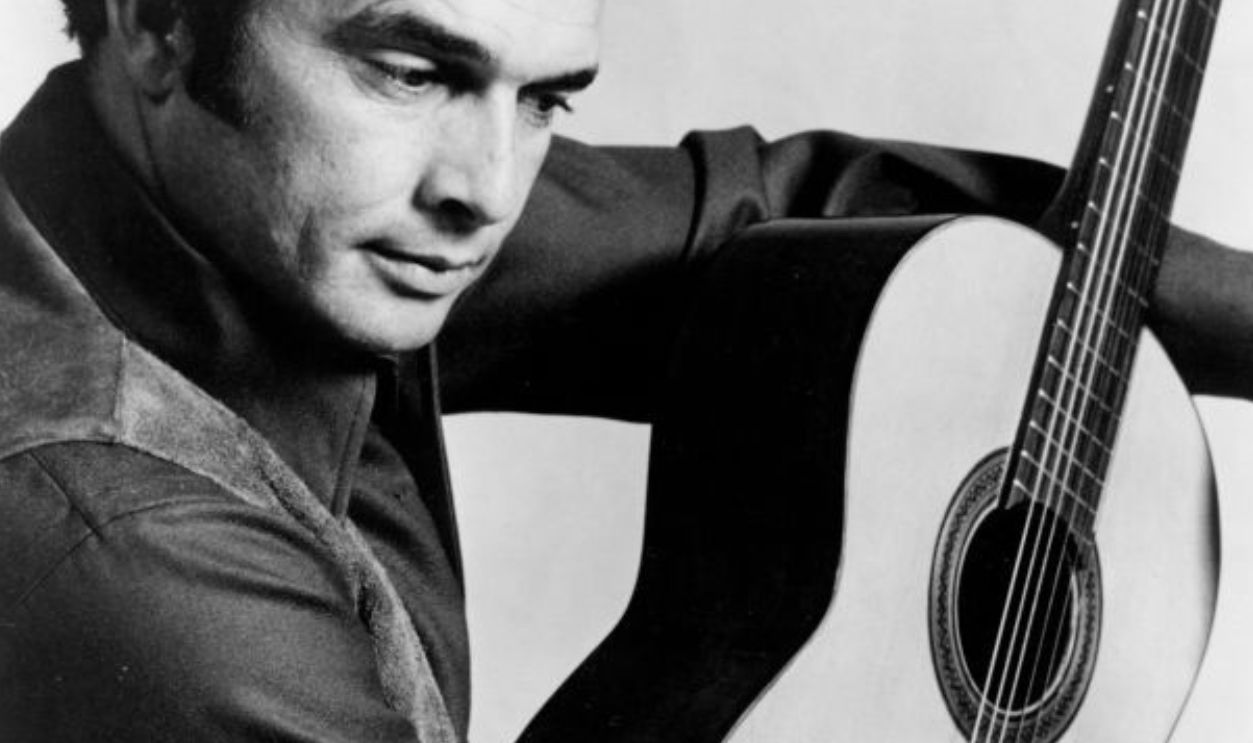
When Merle was just nine years old, his father died of a brain hemorrhage, sending the young boy into a spiral of grief. There was, however, one thing that helped: When he was 12, Merle’s older brother gave him a guitar, and he immediately took to it, teaching himself how to play with the records he already listened to.
Still, music wasn’t enough.
 Michael Ochs Archives, Getty Images
3. He Acted Out
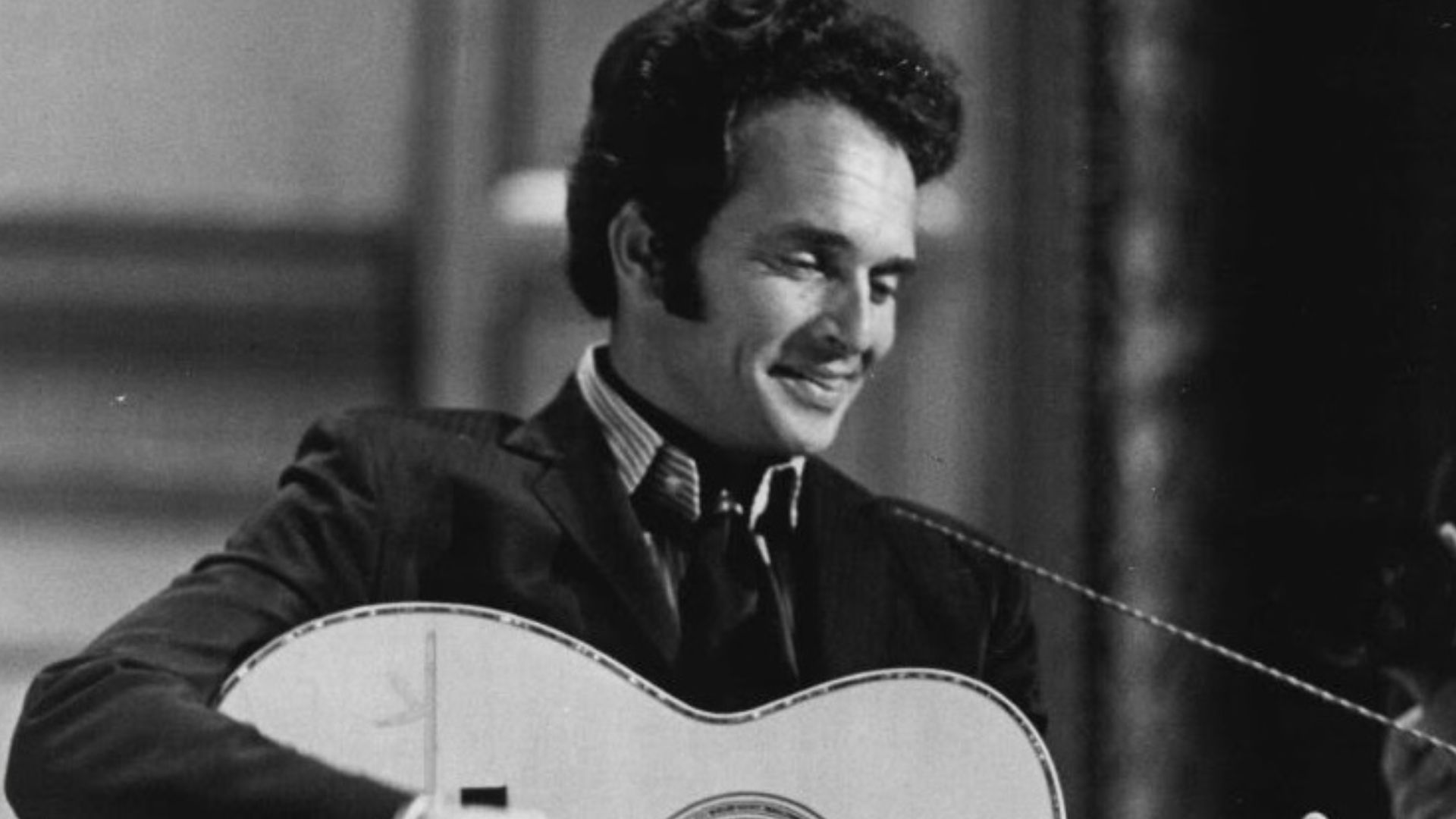
Merle’s family had been barely making ends meet before his father’s passing, and now his mother had to manage it all on her own, taking a job as a bookkeeper and leaving Merle alone much of the time. Still processing his heartbreak, Merle began acting out, leading his mother to send him to a juvenile detention center for a weekend. But it only got worse.
 Country Music Association, Wikimedia Commons
4. He Was A Runaway And A Juvenile Delinquent
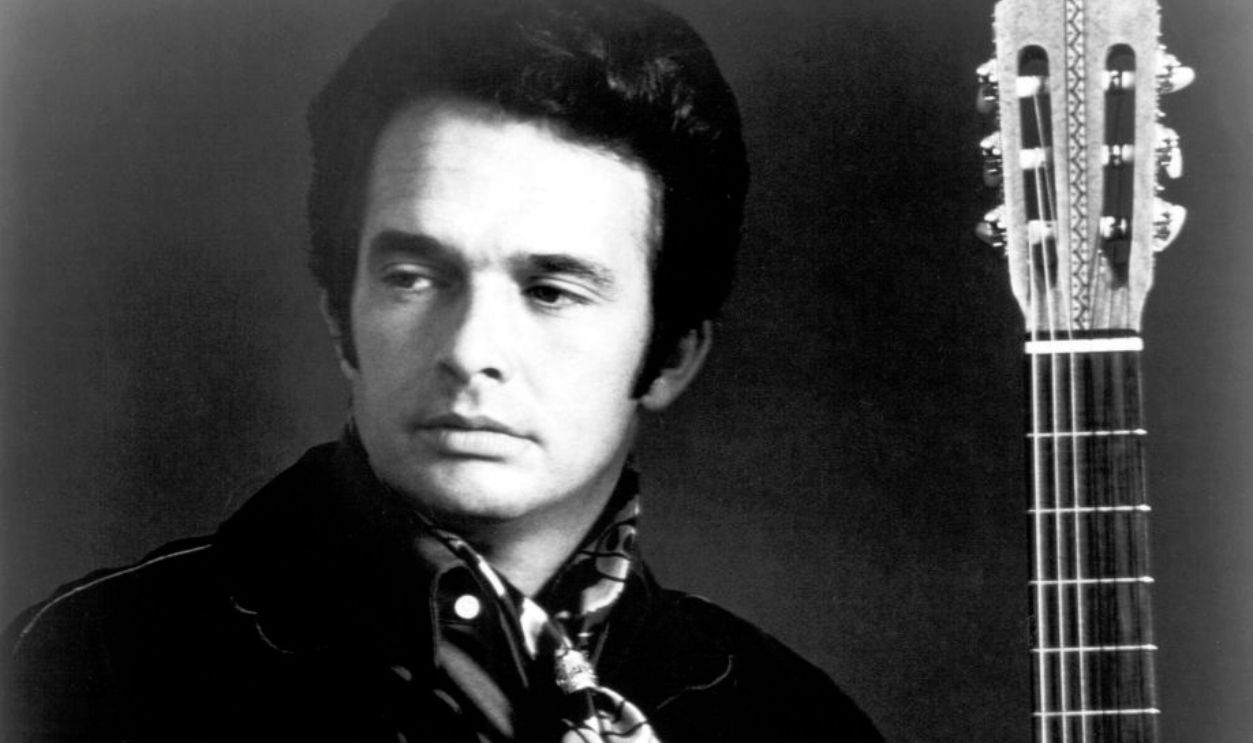
Four years after losing his dad, Merle Haggard began shoplifting and writing bad checks, landing him in a juvenile detention center yet again. It was the beginning of a checkered existence: He became a runaway, went to juvie several times more, and even escaped juvie multiple times. When he wasn’t in active trouble with the law, he performed odd jobs wherever he happened to be living at the moment.
By the early 1950s, the teenaged Haggard had already lived ten lives. Then he got the most miraculous break.
 Michael Ochs Archives, Getty Images
5. He Got Called On Stage
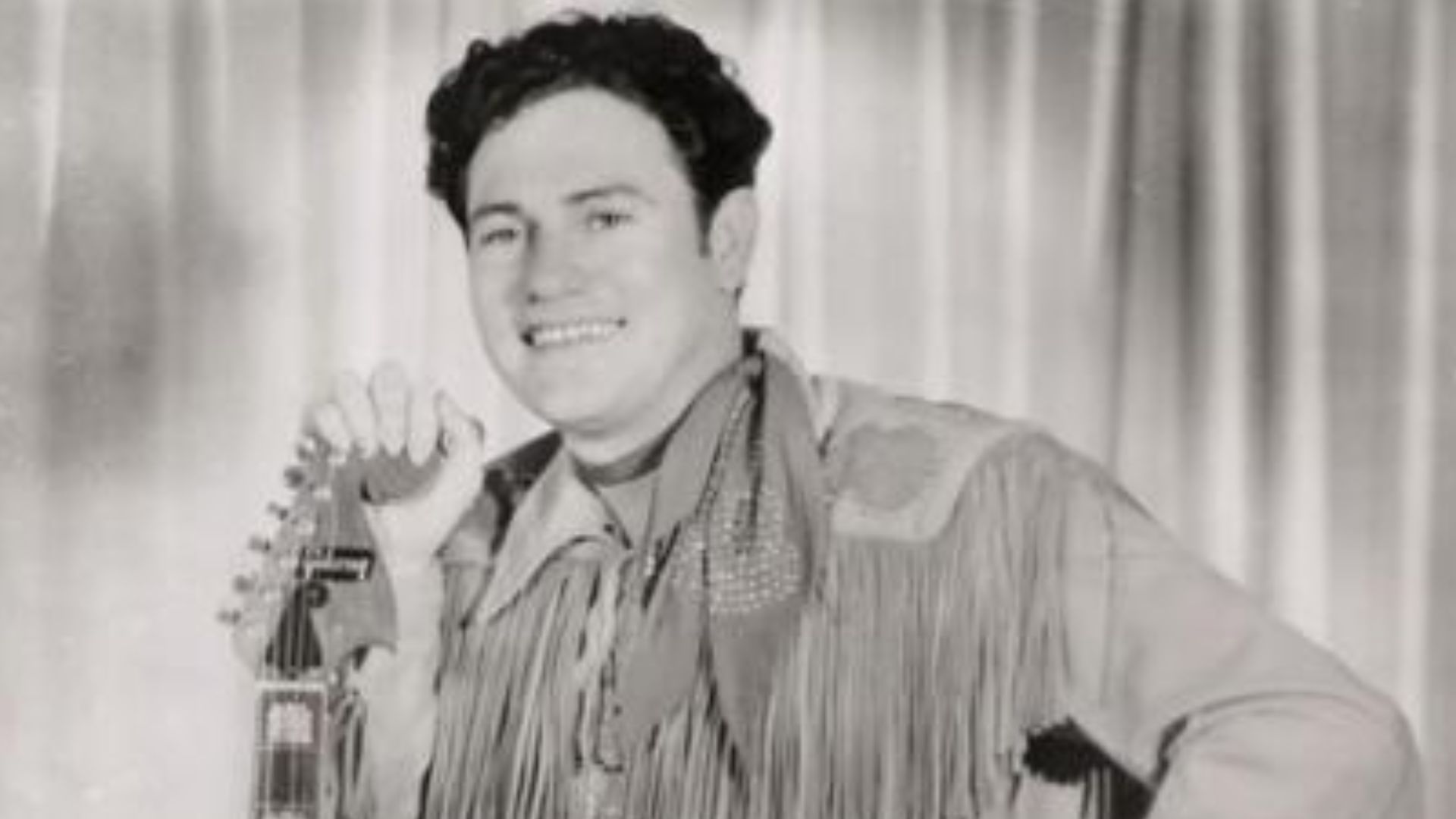
While in and out of juvie, Haggard still kept his interest in music alive. Right after one of his releases, he and a friend went to see an idol of his, Lefty Frizzell, in concert. As the pair of them sat backstage, Haggard began to sing along to the songs, only for Frizzell to overhear his voice and demand he come out and sing. From that moment on, Haggard had a dream.
 Columbia Records, Wikimedia Commons
6. He Found His Calling
That night, the audience cheered Merle Haggard on as he sang, and he realized he didn’t just love music—he loved performing. From then on, he was determined to pursue a music career, and spent much of his time singing and playing in local bars while holding down day jobs in manual labour, toiling as a farmhand or in the oil fields.
But as always with Haggard, it wasn’t enough.
 Michael Ochs Archives, Getty Images
7. He Robbed A Bank
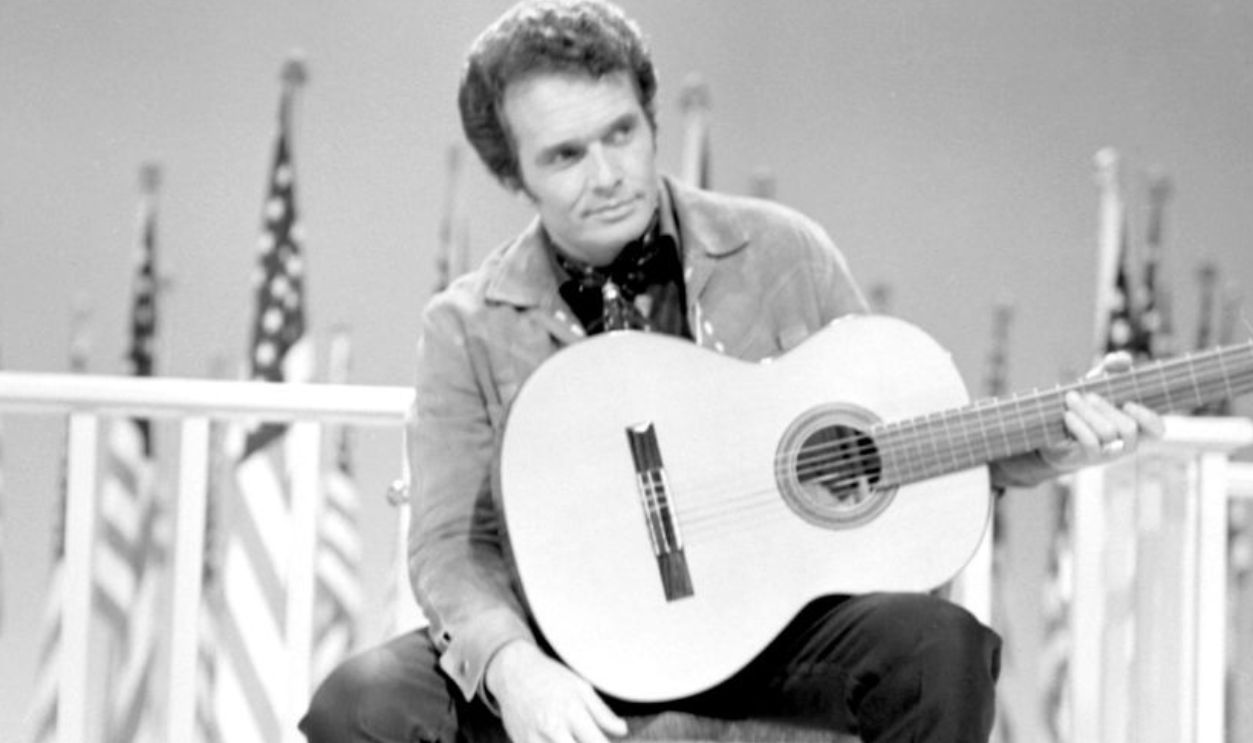
In 1956, the 19-year-old Haggard married Leona Hobbs, but instead of getting him to settle down, his marriage seemed to make him more desperate. In particular, the couple struggled financially, especially as they expected the birth of their first daughter Dana in early 1957.
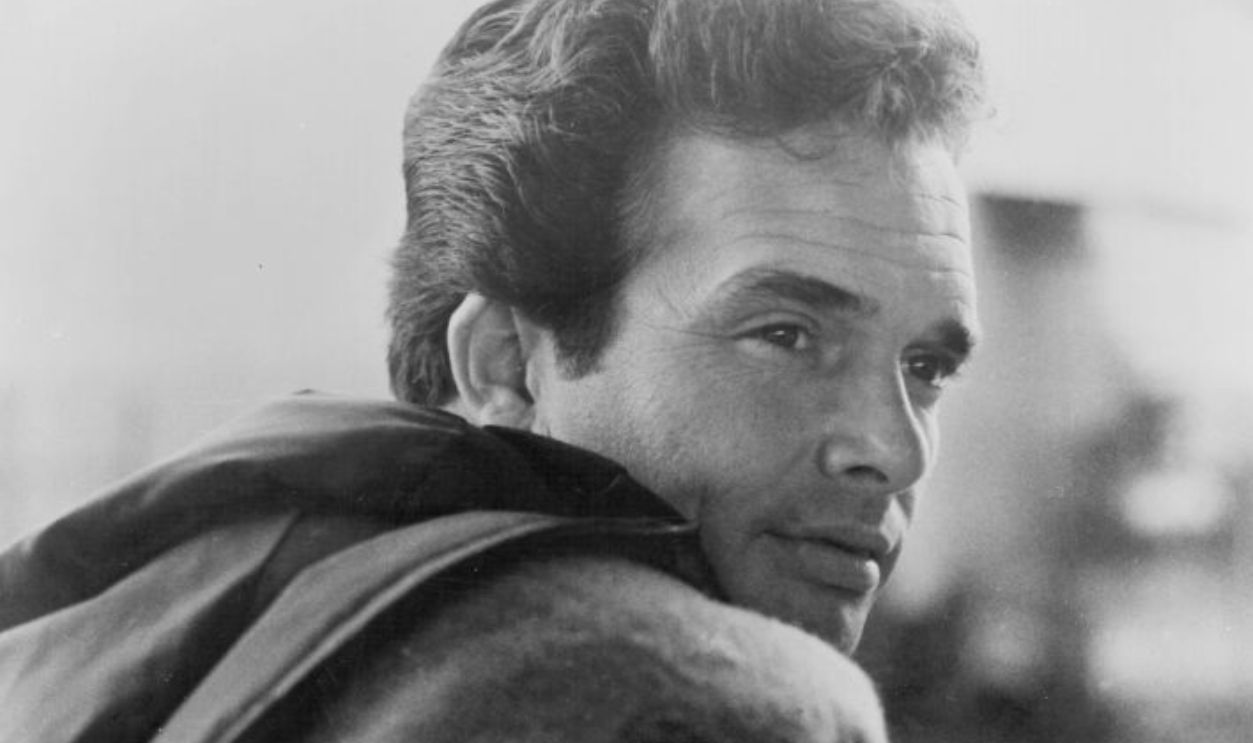
That year, Haggard got pushed back to the brink and tried to rob a roadhouse in Bakersfield, California. It went as badly as it could have.
 Michael Ochs Archives, Getty Images
8. He Got Sent To San Quentin
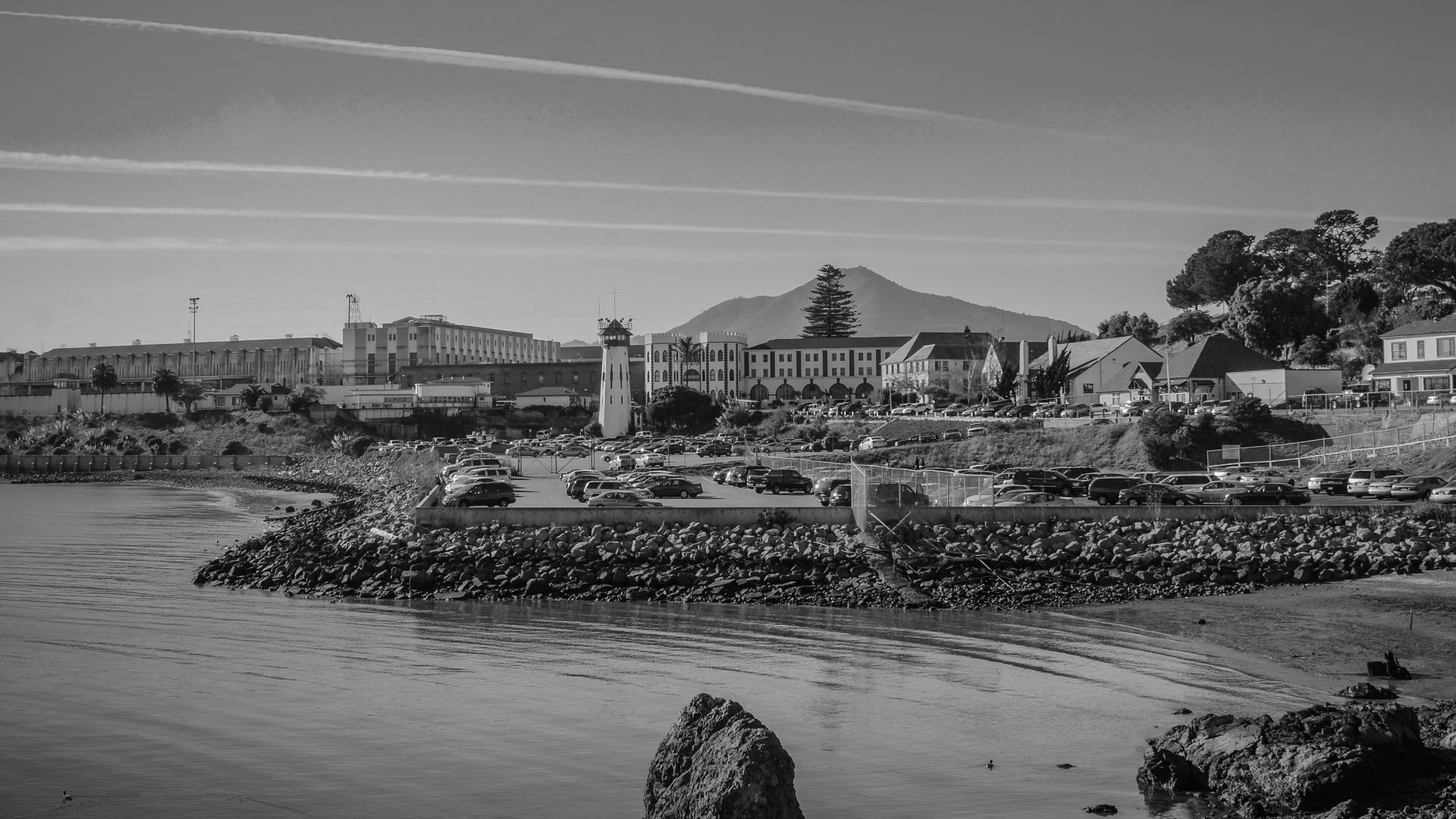
Merle Haggard was immediately caught and, now an adult, he was sent over to Bakersfield Jail. Still, at this point, Haggard wasn’t panicking. He just did what he had many times before, and made an escape attempt. But he was caught then too, and sent over to the more secure (and infamous) San Quentin, becoming prisoner A45200. Now he started panicking.
 Franco Folini from San Francisco, USA, Wikimedia Commons
9. He Lost His Mind
As if things weren’t bad enough, while in San Quentin, Haggard learned that his wife Leona was pregnant. But this wasn't happy news: The child wasn't his. The betrayal pummelled his already frayed mental health, and soon he began acting up even while inside.
He was fired from a number of in-house jobs, started a gambling and brewing conspiracy with his cellmate, and was put in solitary confinement after getting caught drinking. He was even briefly planning yet another escape with a fellow inmate, James “Rabbit” Kendrick, before he got talked out of it. It would haunt him all the same.
 Charlie Gillett Collection, Getty Images
10. His Friends Were Doomed
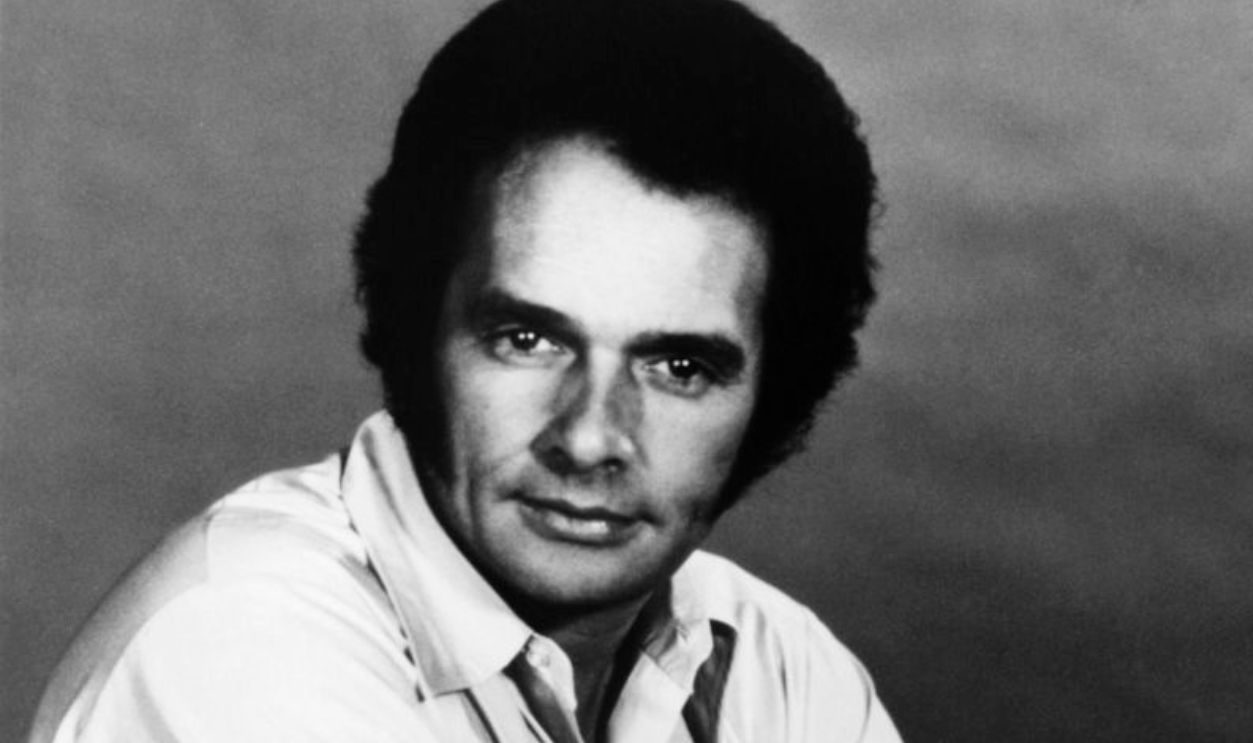
Rabbit did escape, but a short time later, he shot an officer and found himself right back in San Quentin, this time on death row. Around this time, Merle Haggard also became friends with Caryl Chessman, another death row inmate, who had written a memoir of his time inside. Both Rabbit and Chessman eventually faced execution, and Haggard faced another turning point.
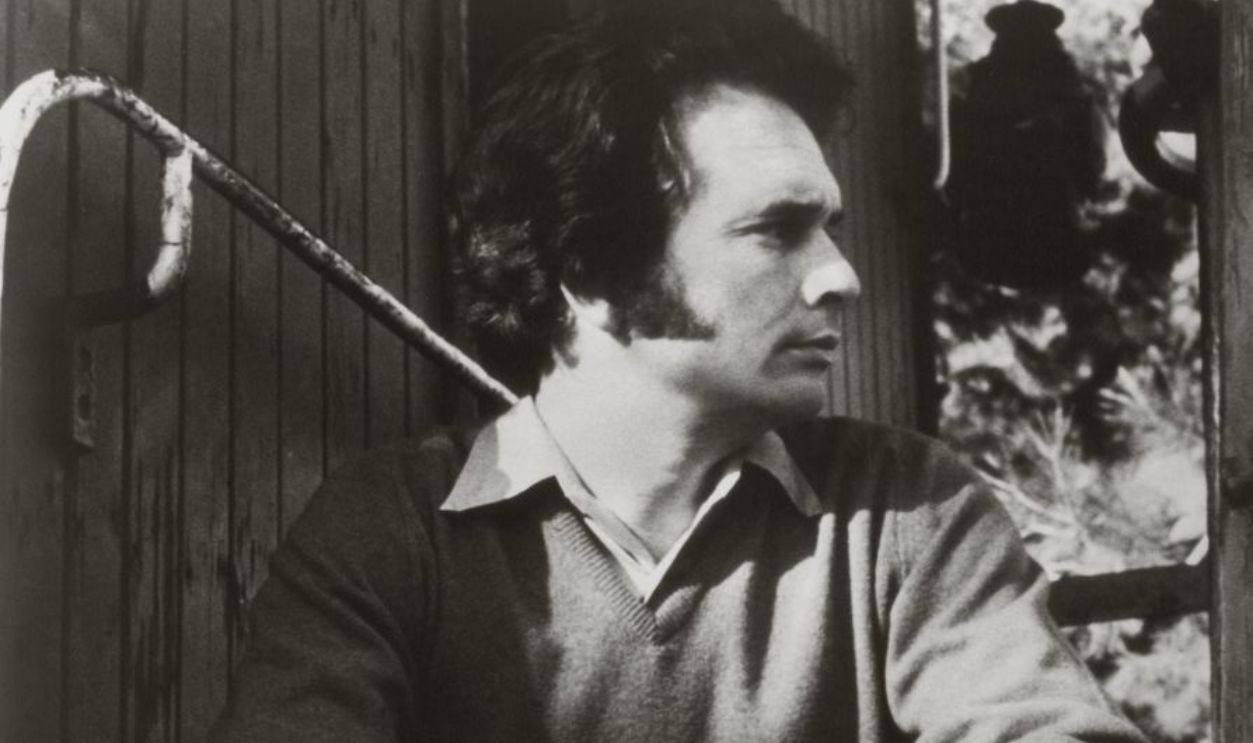 Michael Ochs Archives, Getty Images
11. He Turned Things Around
Watching the way Rabbit and Chessman’s lives had gone wrong, Merle Haggard began truly reforming his life. He earned his high school equivalency diploma and finally held down a job inside, all while playing for the facility’s country music band. Perhaps most fundamental of all was when he attended a Johnny Cash concert at the prison in 1960, where the legend performed “Folsom Prison Blues”.
When Haggard got out a short time later, he knew he had to try to be a performer again. But he had to claw his way from the ground up.
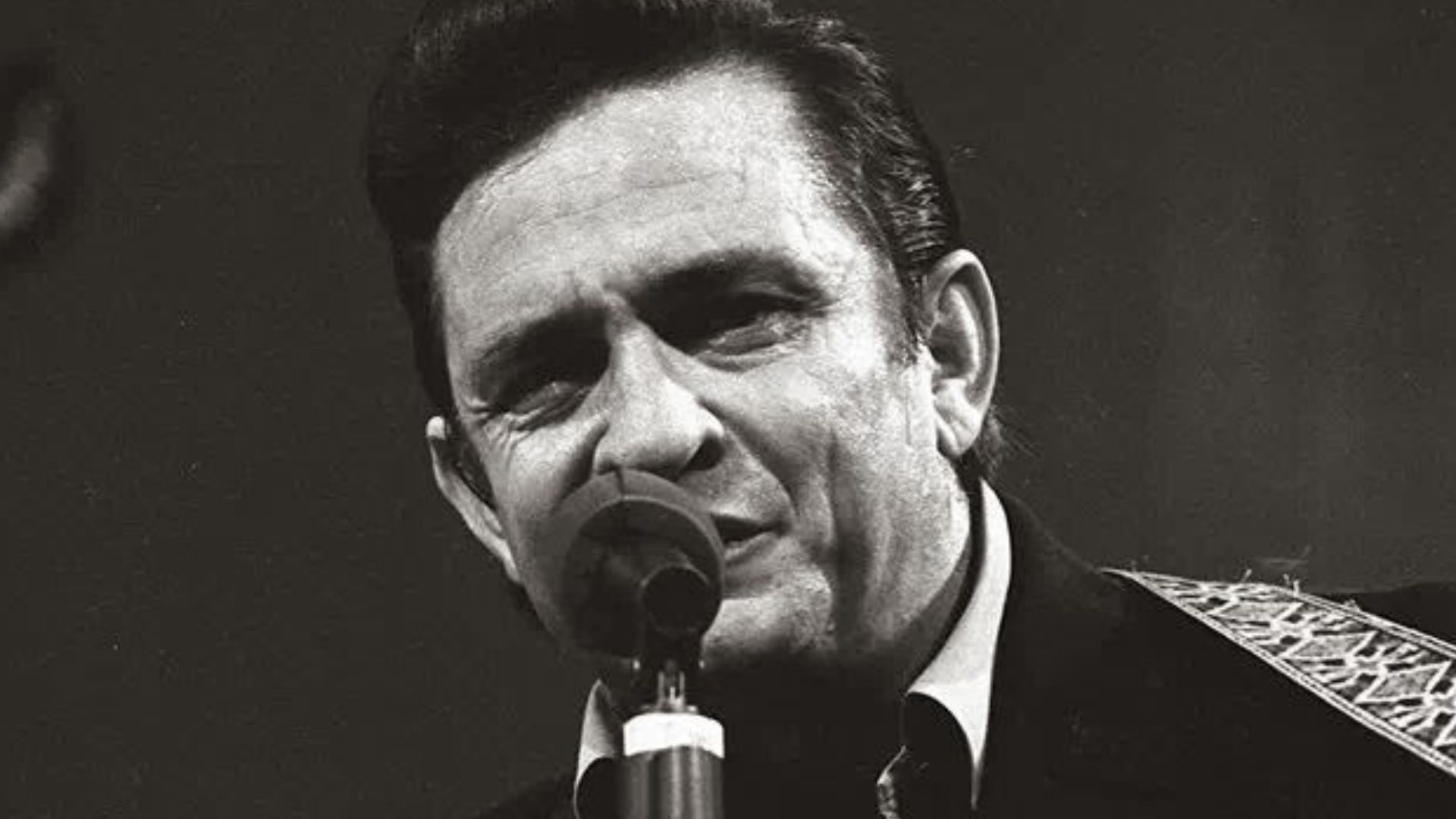 User:Johnnycash1950-2003, Wikimedia Commons
12. He Pursued His Dream
In between digging ditches for an electrical contracting company, Haggard began performing again. Of course, he’d been here before, but he was determined this time to make a proper go of it. During these years, he helped develop the pared-back “Bakersfield sound” in response to the slickly-produced "Nashville sound,” and even when his first recording flopped, pressing only 200 copies, he kept on going.
Other things in his life, though, didn’t.
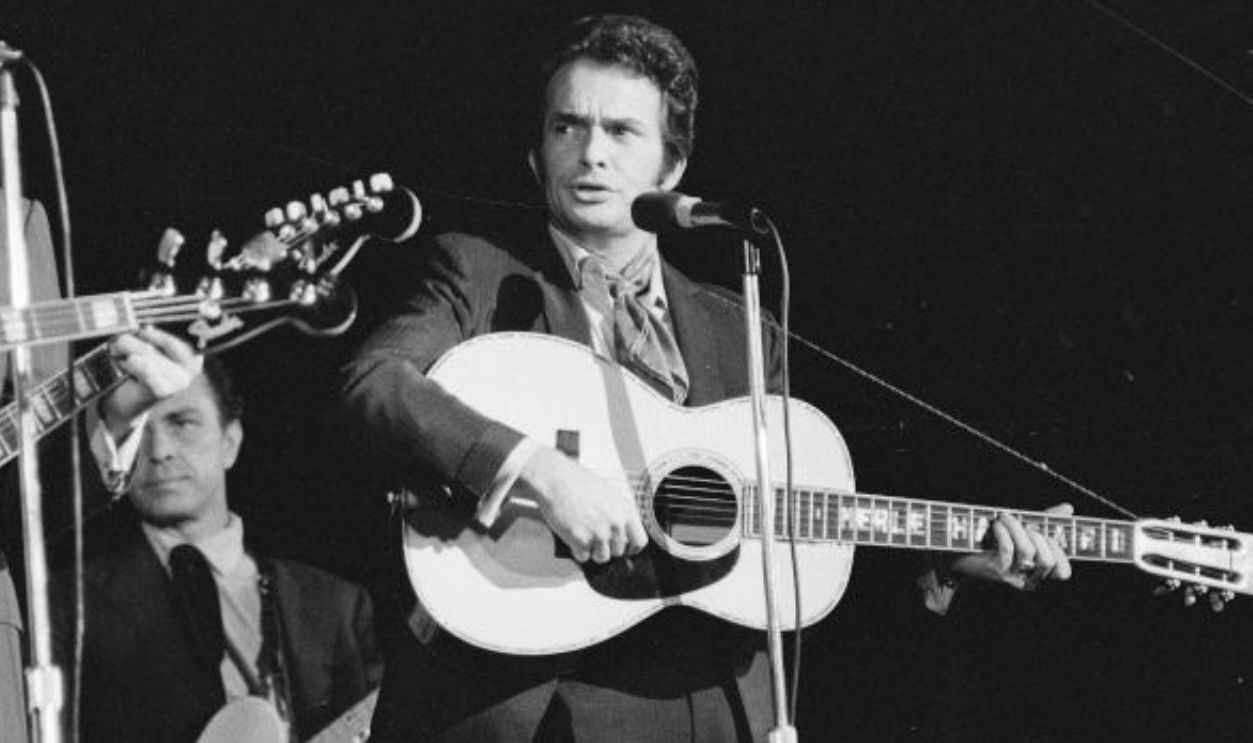
13. His Marriage Fell Apart
Merle Haggard and his wife Leona had been together just shy of a decade when the wheels fell off. Although by now they had four children together, they couldn’t seem to make it work while Haggard was pursuing stardom, and they divorced in 1964, not long after the birth of their youngest son Noel. But Haggard wasn’t alone for long.
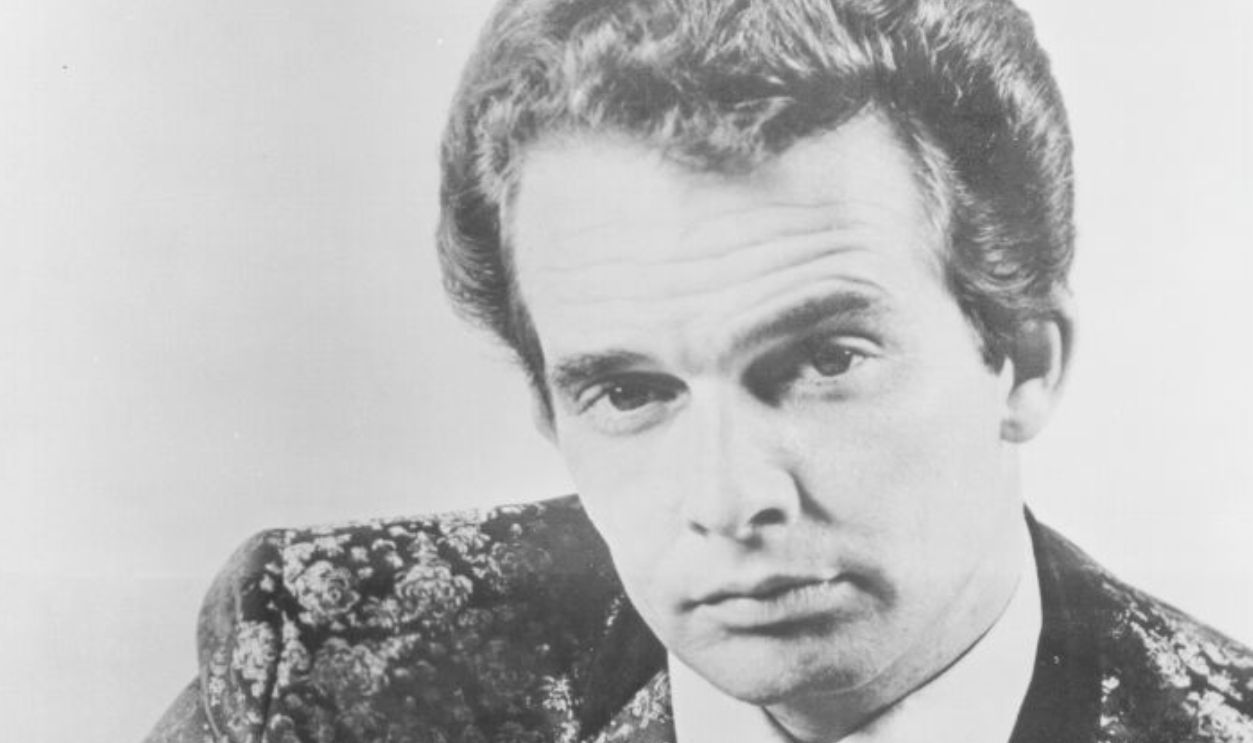 Michael Ochs Archives, Getty Images
14. He Found A New Woman
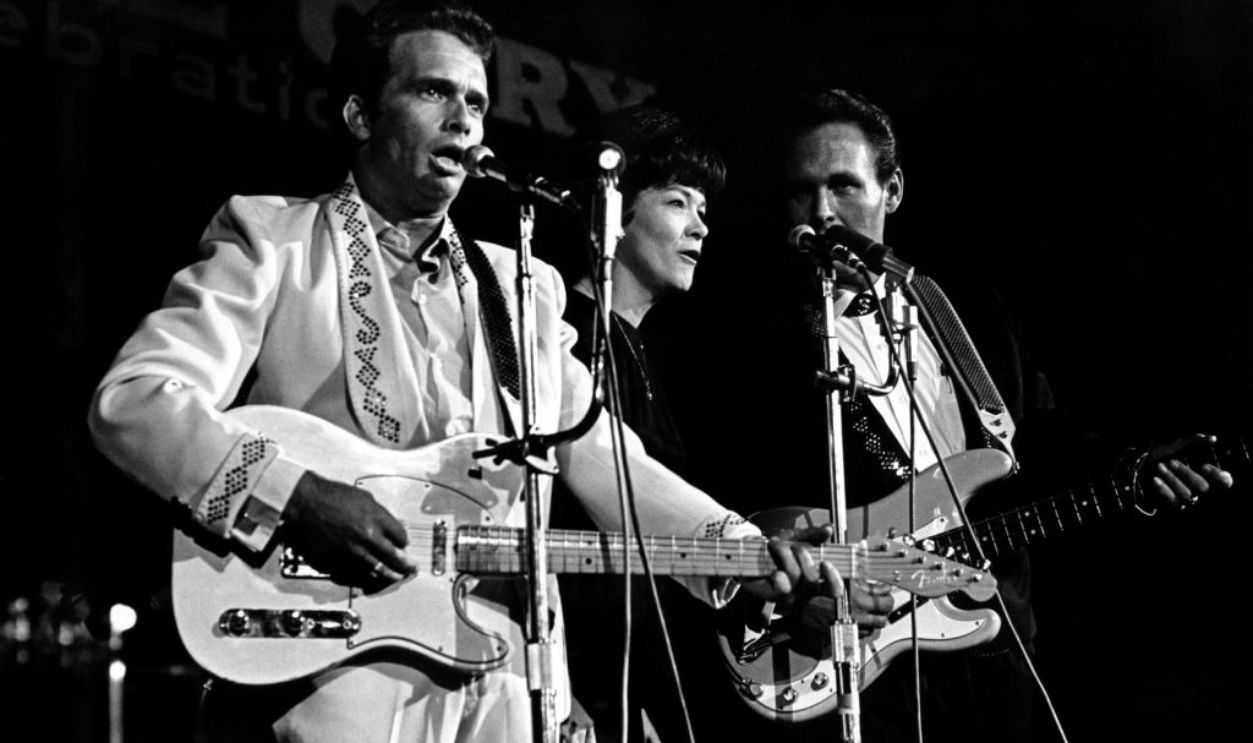
Haggard’s divorce was barely settled before he was head over heels for singer Bonnie Owens, a country star in her own right and the former wife of country singer Buck Owens. After recording the duet “Just Between the Two of Us,” the pair quickly married, with Bonnie happy to help take care of Haggard’s children from his first marriage.
It was a boon for Haggard and his budding career, but Bonnie did more than that for him.
 Michael Ochs Archives, Getty Images
15. She Gave It Up For Him
Owens now sacrificed her solo career to help Merle Haggard, performing backup vocals and traveling around with him to concerts in addition to caring for his children. Haggard seemed equally as enamored with her, and would credit her for starting his career in earnest. It wasn’t the only credit he gave.
 Michael Ochs Archives, Getty Images
16. He Wrote A Song With Her And For Her
Haggard went on to share the writing credit for “Today I Started Loving You Again” with Owens, and admitted multiple times, including in front of an audience, that the song was about the intense love he felt toward her. This would remain the most formative relationship of his life—and Bonnie Owens wasn’t done influencing him.
17. His Wife Had An Idea
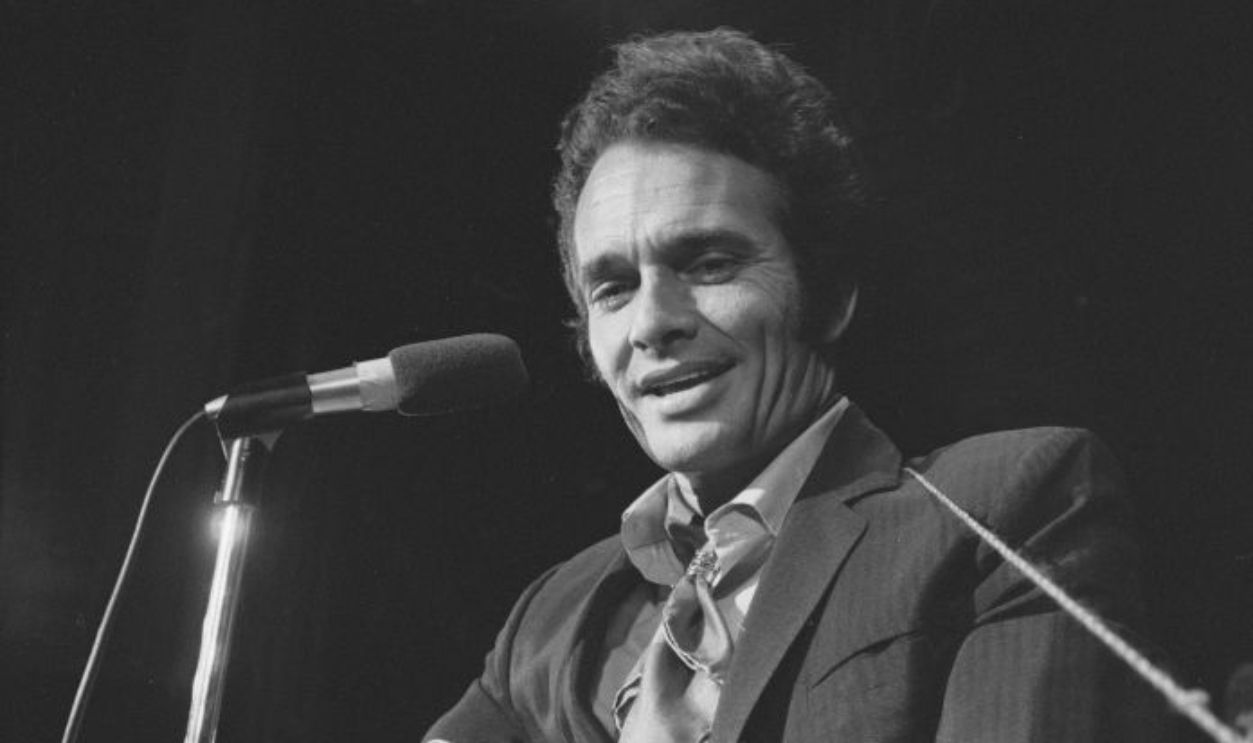
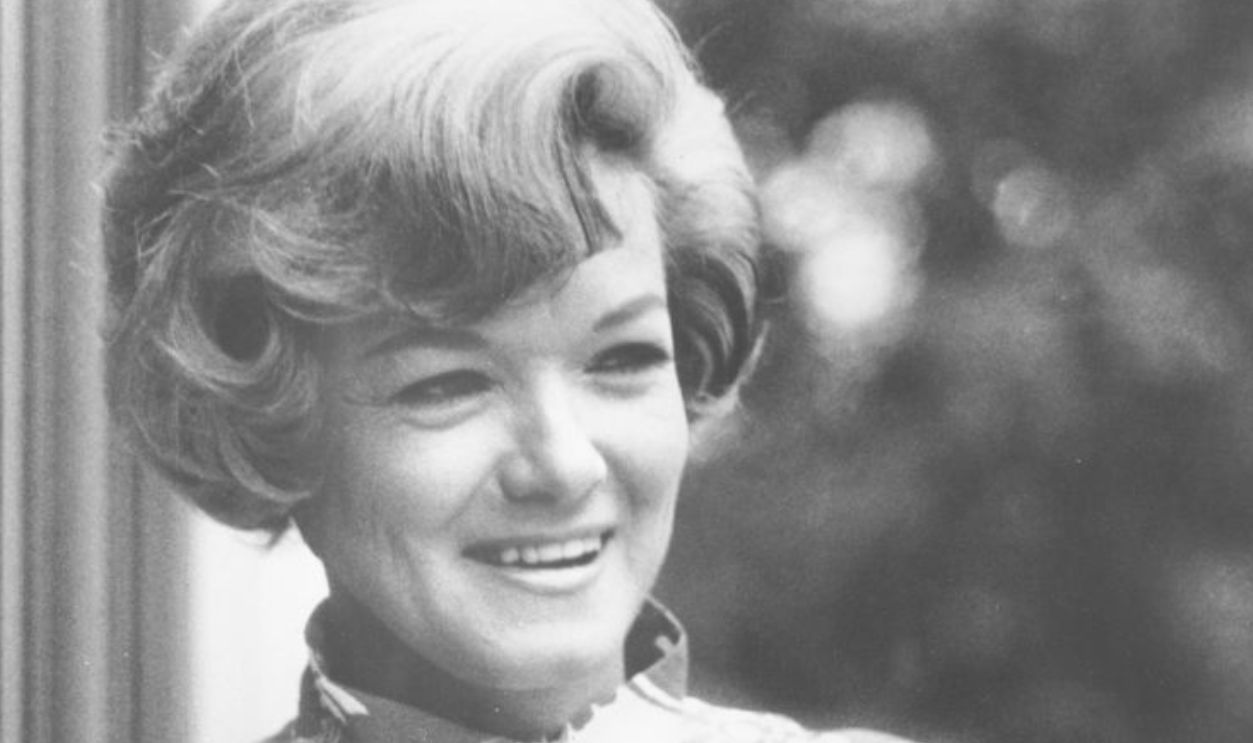
Bonnie had been in the country music scene for a while, and was friends with singer-songwriter Liz Anderson, who had been shopping around some songs to singers. In the mid 1960s, following some modest success with one of his new releases, Owens urged Haggard and Anderson to meet each other in the hopes that he could craft a truly hit song. But there was a problem.
 Michael Ochs Archives, Getty Images
18. He Was Reluctant
Neither Merle Haggard nor Anderson were on board with Owens’ plan; Anderson because she had no idea if her friend’s new beau actually had any talent, and Haggard because, as he later put it, "If there was anything I didn't wanna do, it was sit around some danged woman's house and listen to her cute little songs”. He was in for a surprise.
 Michael Ochs Archives, Getty Images
19. He Got Blown Away
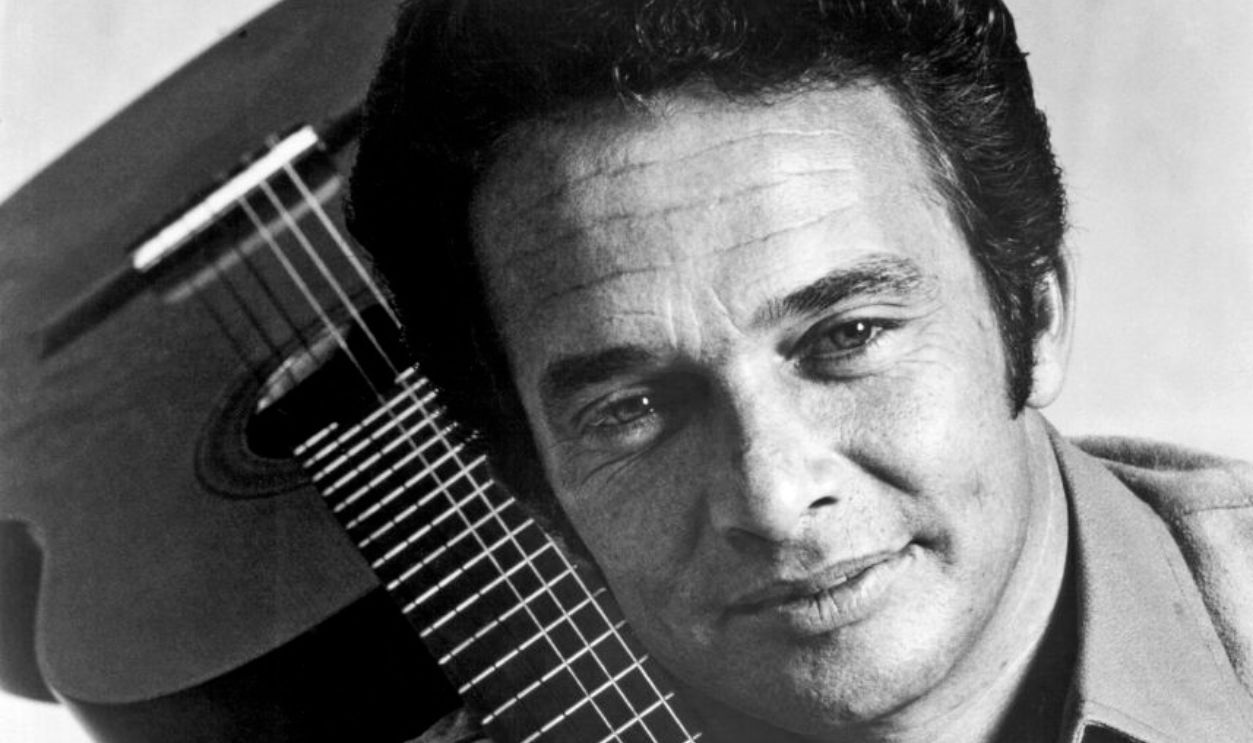
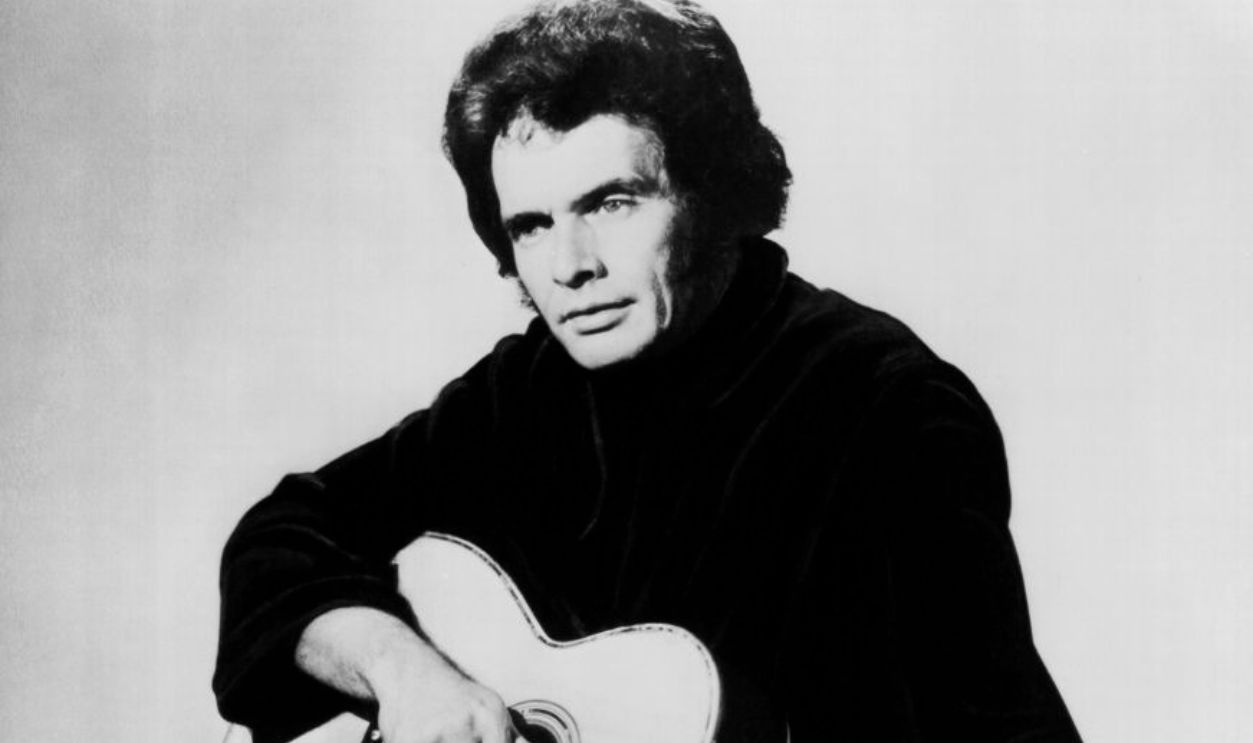
Haggard claims that when he first went over to Anderson’s house, “I was all set to be bored to death,” and this feeling seemed only confirmed when Anderson went over to an old pump organ to play her songs. Then everything changed. “There they were,” Haggard said, “My God, one hit right after another. There must have been four or five number one songs there”.
Haggard and Anderson, as it happened, got along beautifully, and Haggard would go on to record several of the songs he heard that day. There was one in particular that he couldn’t let go of.
 Michael Ochs Archives, Getty Images
20. He Had A Rival
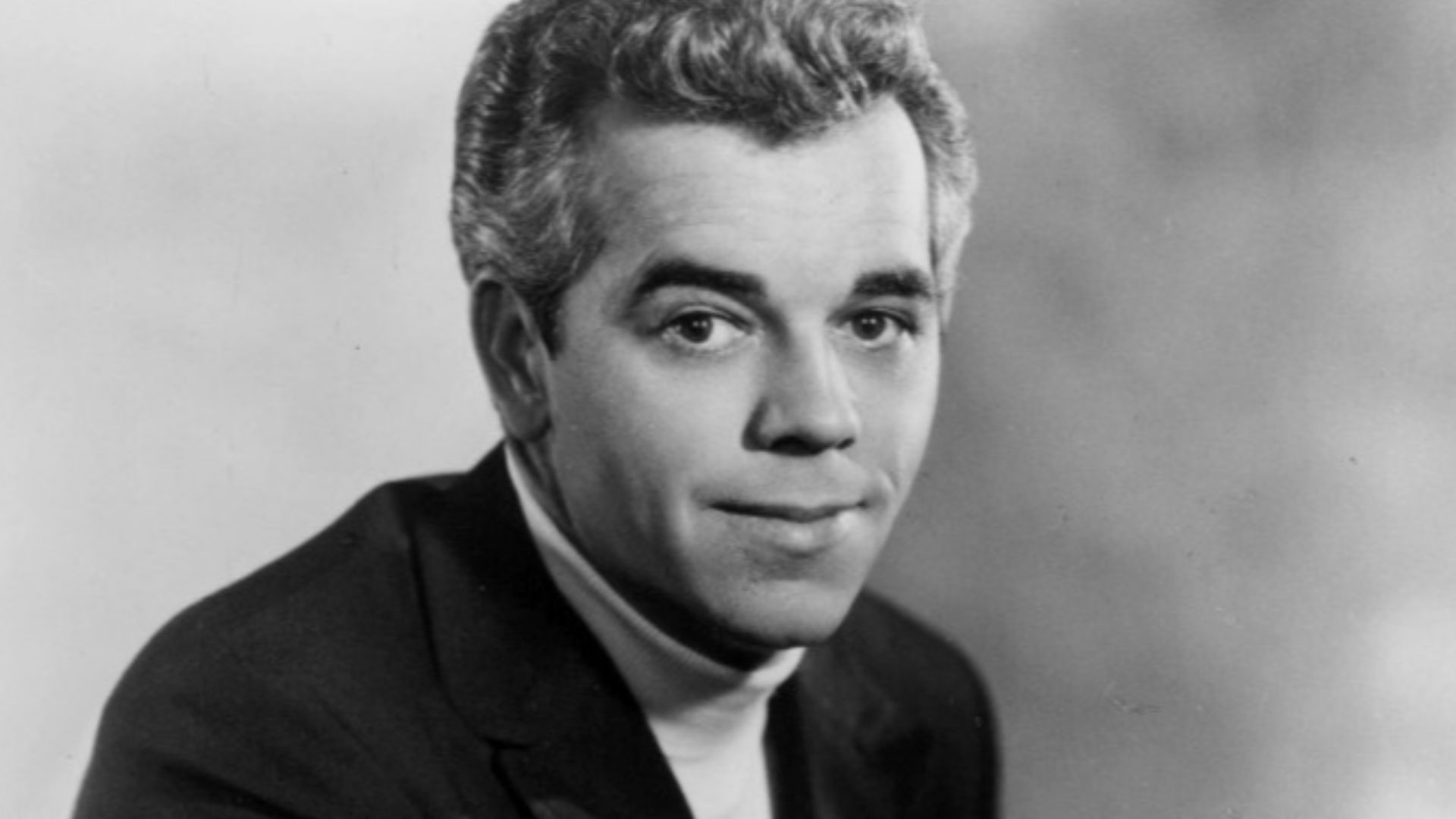
After hearing “(My Friends Are Gonna Be) Strangers,” Merle Haggard practically ran right from Anderson’s house into the studio to record it. So fast, in fact, that it was only after it was cut and printed that he, along with Anderson, learned that singer Roy Drusky had also just recorded it and was about to release it.
It says something about how popular the song became, then, that both versions made it into the Billboard country top 10, and Haggard was rocketed into true stardom. But with fame came fear.
 Hubert Long Talent Agency, Nashville-Mercury Records, Wikimedia Commons
21. His Past Haunted Him
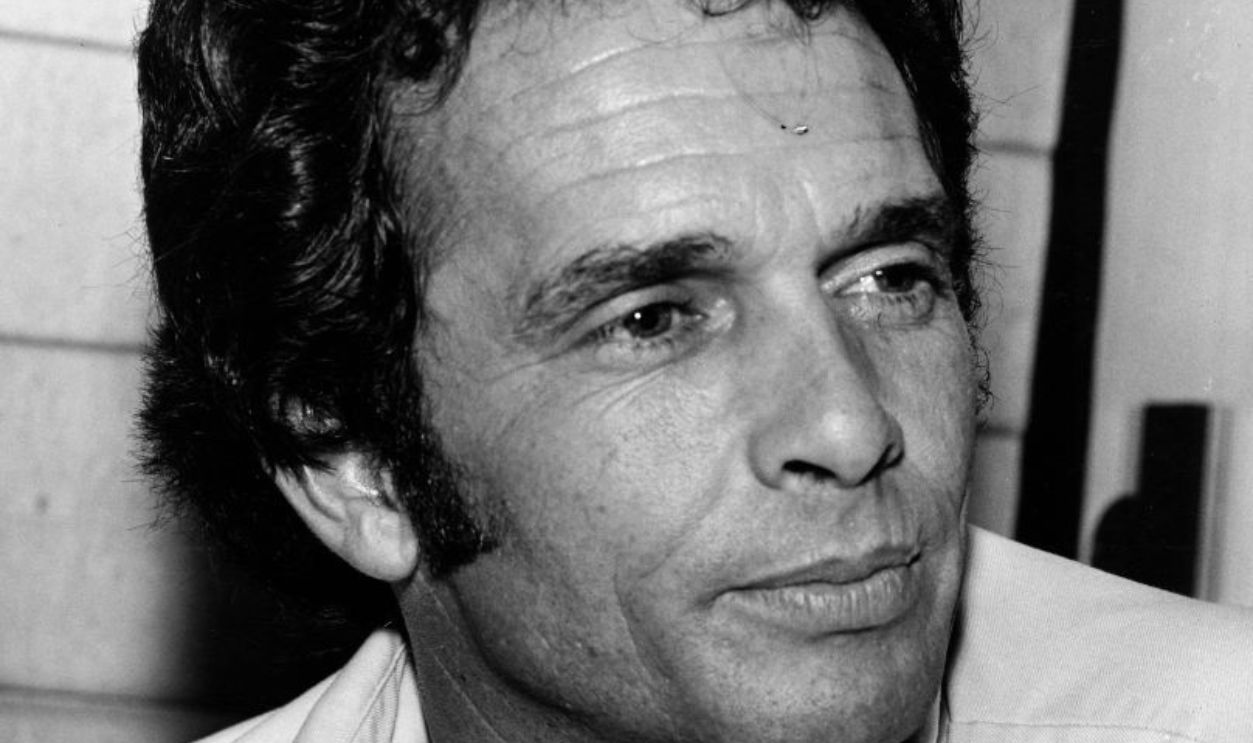
In 1967, Liz Anderson and her husband wrote the song “I’m a Lonesome Fugitive” for Haggard to record. But when the Andersons presented Haggard with the piece, Bonnie Owens recalled how she suddenly saw her husband plummet into a “dark mood”. When she asked him what the matter was, his reply was heartbreaking.
 Michael Ochs Archives, Getty Images
22. He Was Terrified Of One Thing
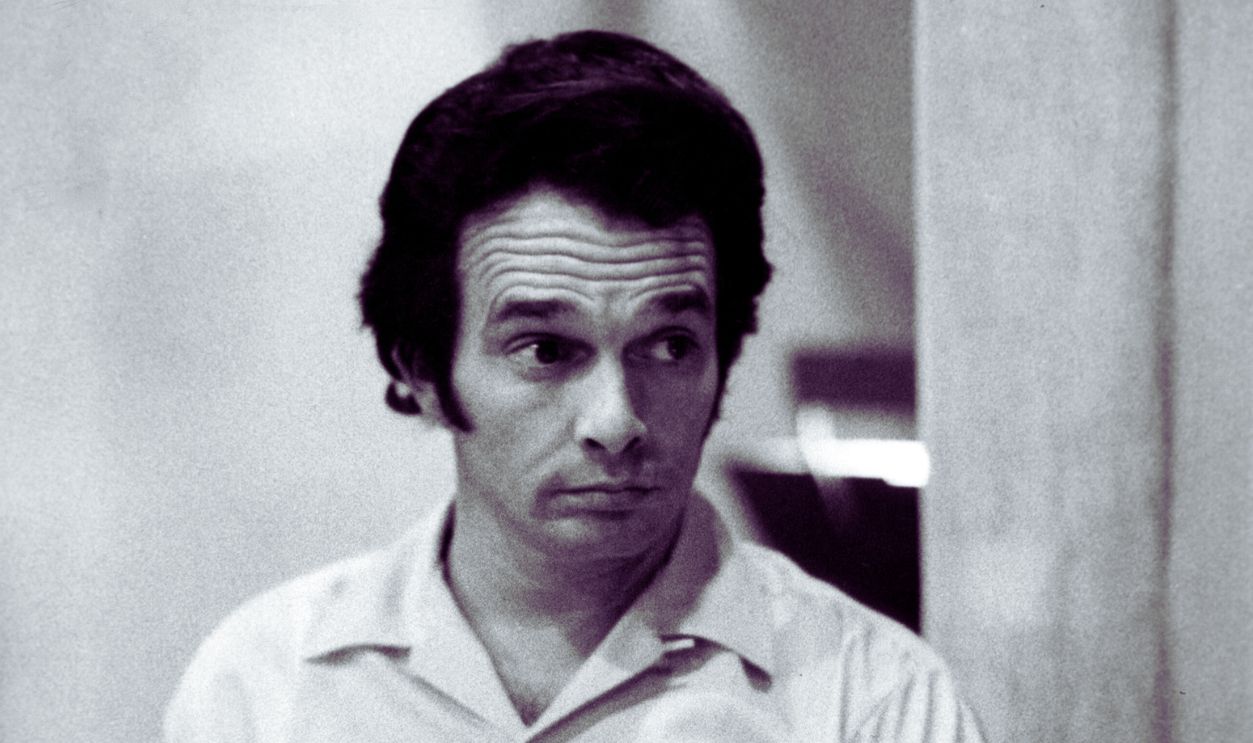
The first thing Merle Haggard said to Owens about “I’m a Lonesome Fugitive” was “I’m really scared”. The Andersons hadn’t known about Haggard’s time behind bars, but it was something he could never forget. “I’m afraid someday I’m gonna be out there,” he continued, “and there’s gonna be … some prisoner … in there the same time I was in, stand up … and say, ‘What do you think you’re doing, 45200?”
Though he almost never talked about it, San Quentin had done a number on Haggard. But life was about to throw him a curveball.
 Michael Ochs Archives, Getty Images
23. The Truth Got Out
We don’t know exactly when the public found out about Haggard’s past. Why? Because it caused so little uproar. At some point in the next months, it became common knowledge, with a 1968 article in Music City News mentioning it only in passing. If anything, Haggard’s past only made the hard-knock life he sang about that much more authentic. It got more personal.
 Richard E. Aaron, Getty Images
24. He Had A Big Hit
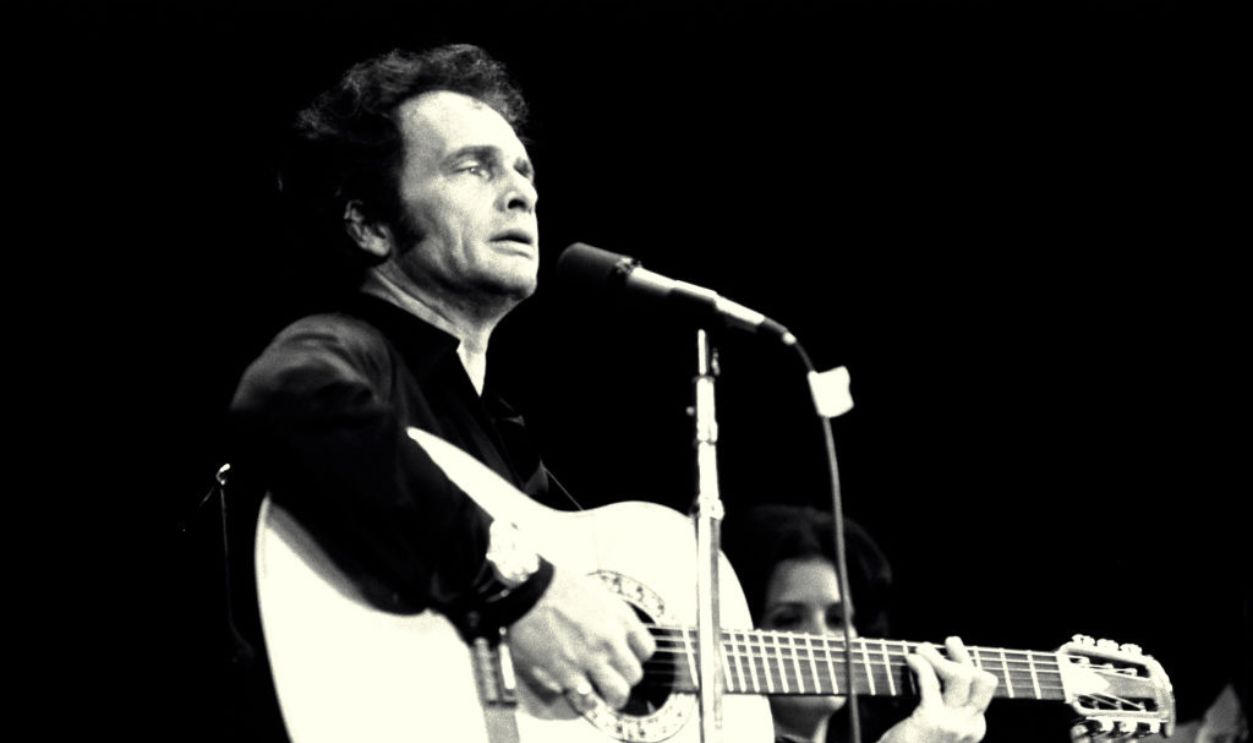
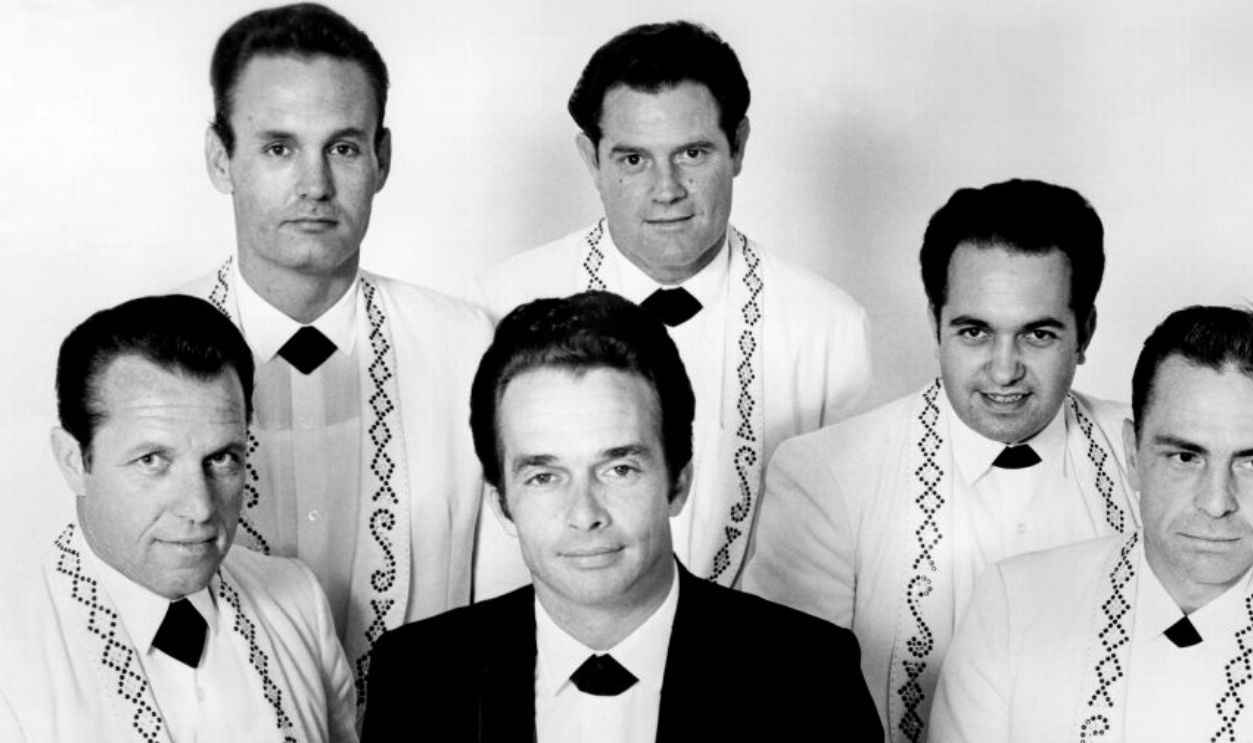
Throughout the rest of the 60s, Merle Haggard released a series of successful albums, including 1967’s Branded Man with his long-term backup band the Strangers, and also began writing many of his songs himself, including “Mama Tried,” where he reflects on the pain he caused his mother growing up.
Then, in 1969, he wrote and released “Okie From Muskogee,” one of the most famous songs in his career. It was also one of the most controversial.
 Michael Ochs Archives, Getty Images
25. He Was Enigmatic
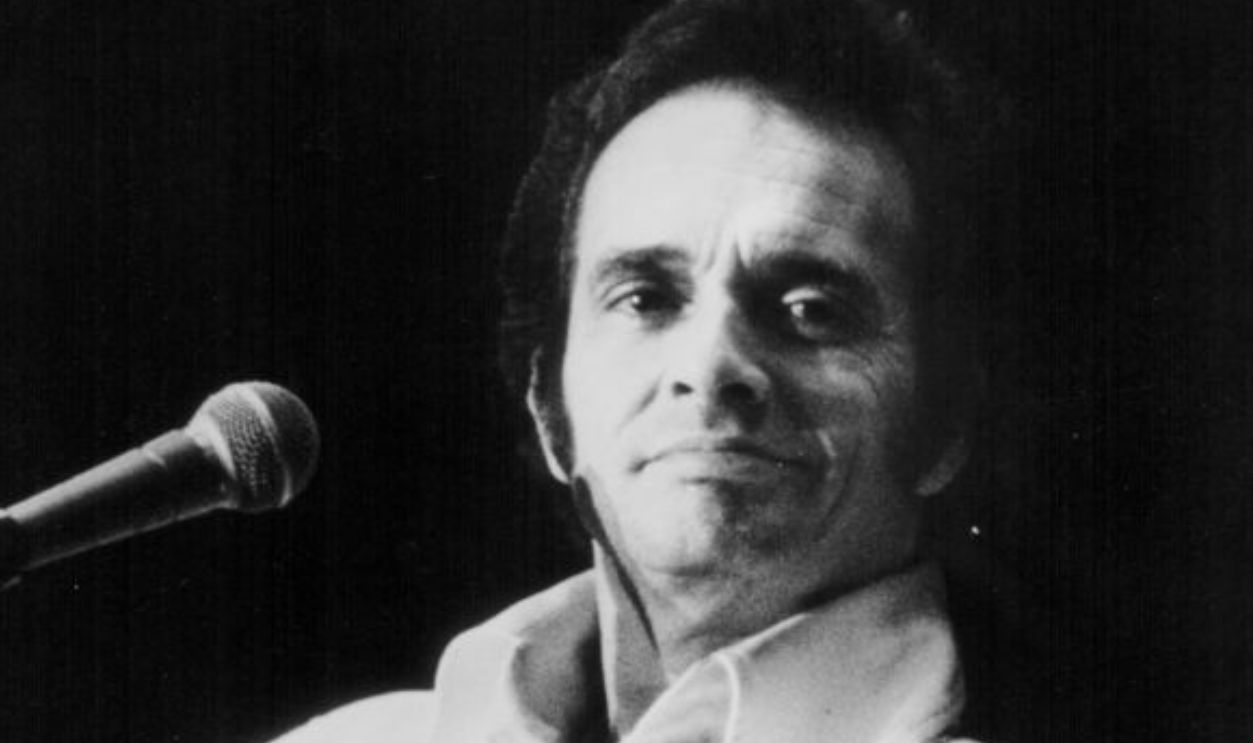
Depending on when you asked Haggard, the meaning behind the lyrics of “Okie From Muskogee” varied wildly. Sometimes they were about his pride for Middle America and frustration with Vietnam War protestors, and sometimes they were humorous satire about the political climate of the late 60s. In the end, Haggard seemed to land on serious pride for the song, once saying, “That's how I got into it with the hippies…I thought they were unqualified to judge America, and I thought they were lookin' down their noses at something that I cherished very much, and it pissed me off”.
But whatever the true meaning, the song took on a life of its own.
26. He Hit A Chord With Audiences
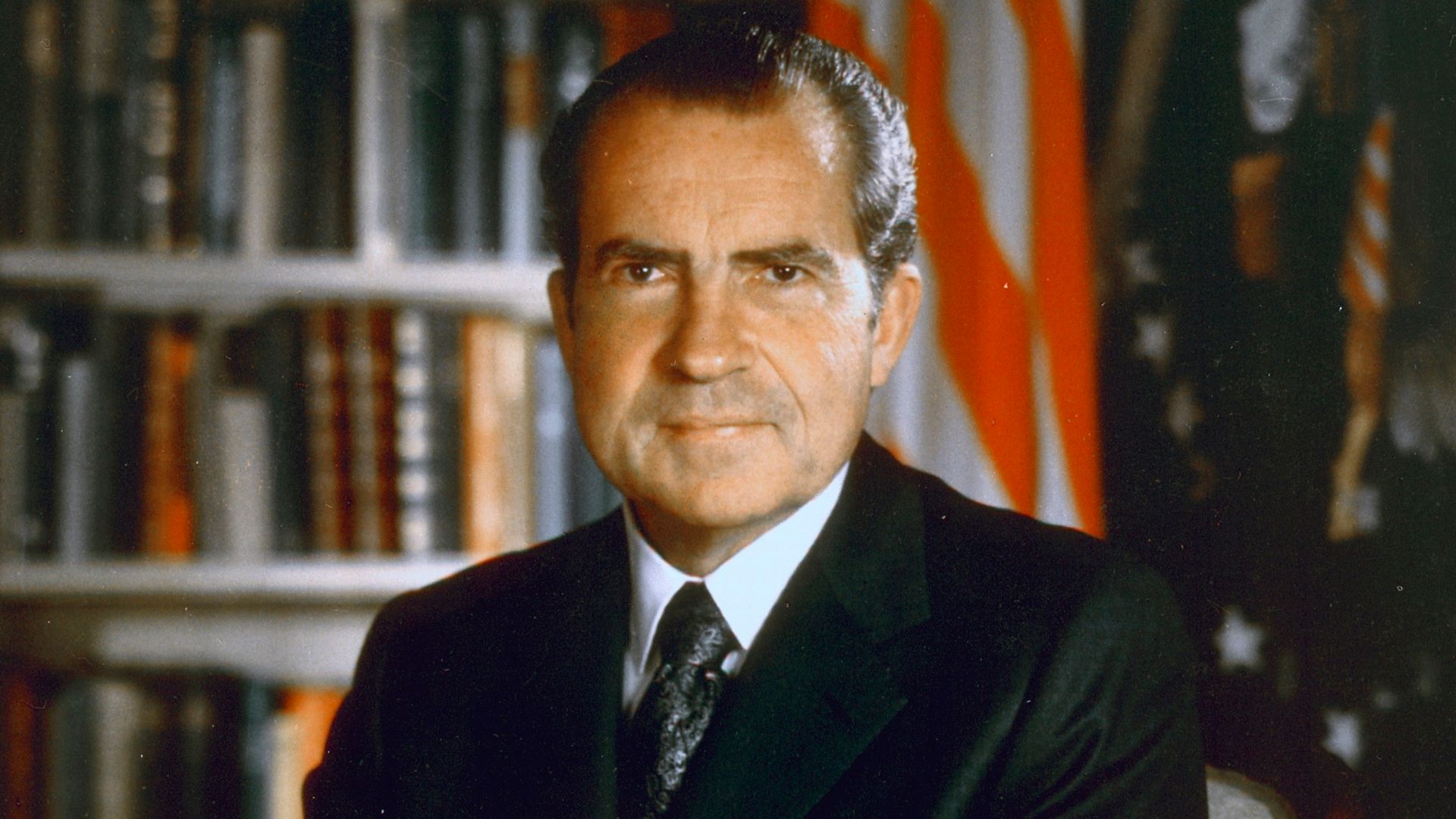
It became clear almost immediately how much “Okie” resonated with Haggard’s audience, and when he performed the song, the crowd now gave him teary standing ovations. The studio version went to number one on the country charts in 1969 for a month, and President Richard Nixon even wrote him a thankful letter about the song, asking him to perform at the White House multiple times.
Haggard now had a signature tune, but he himself was a hard man to pin down.
 Oliver F. Atkins, Wikimedia Commons
27. He Stunned His Producers
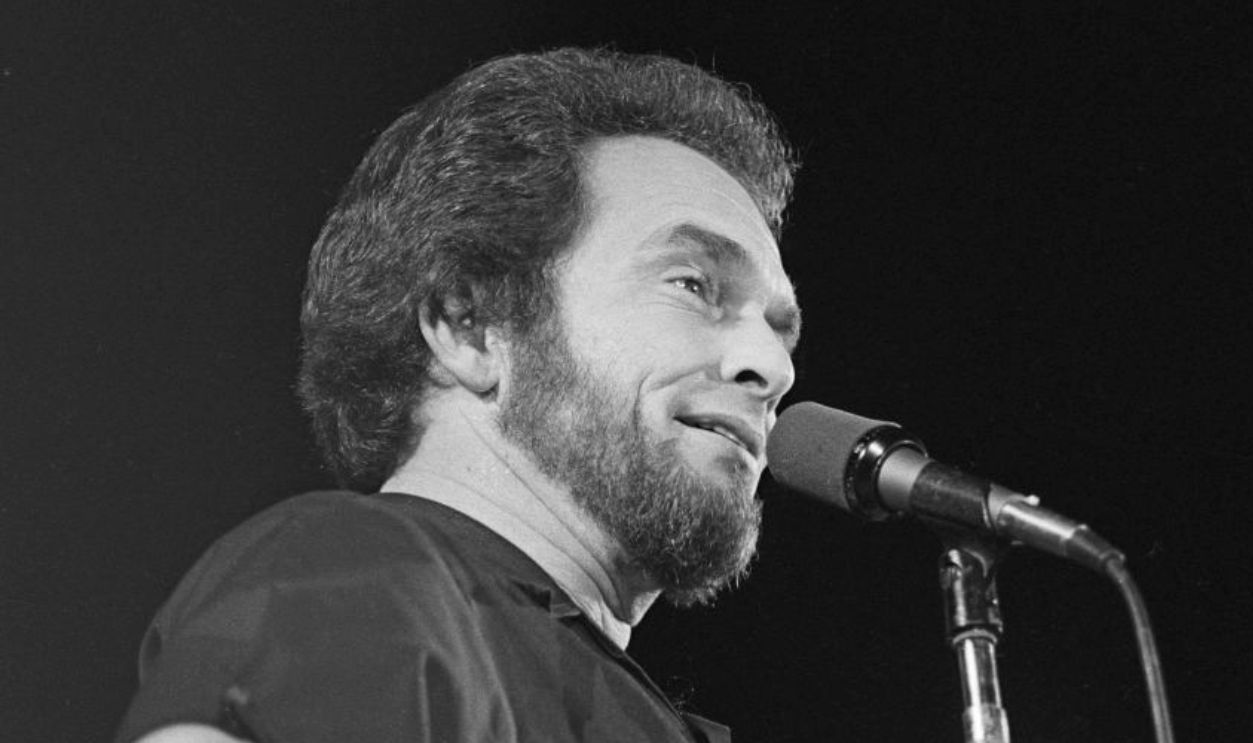
Haggard had always had an awing effect on people; even a producer of his admitted that when Haggard sang, “I would forget what else was going on”. As a result, most people let him do exactly what he wanted, and it was working out for them so far—until the day Haggard followed up “Okie” by bringing in a bombshell song to his label.
 Michael Ochs Archives, Getty Images
28. They Told Him No
Haggard was now set on recording and releasing “Irma Jackson” as a single, a song about an interracial romance. Studio executives were appalled, not just because it was controversial but because it went against the blue-collar image “Okie” had built up for Haggard. Unwilling to display Haggard’s contradictions and confuse his audience, the label told him no. This time, Haggard listened.
29. He Was On Top Of The World
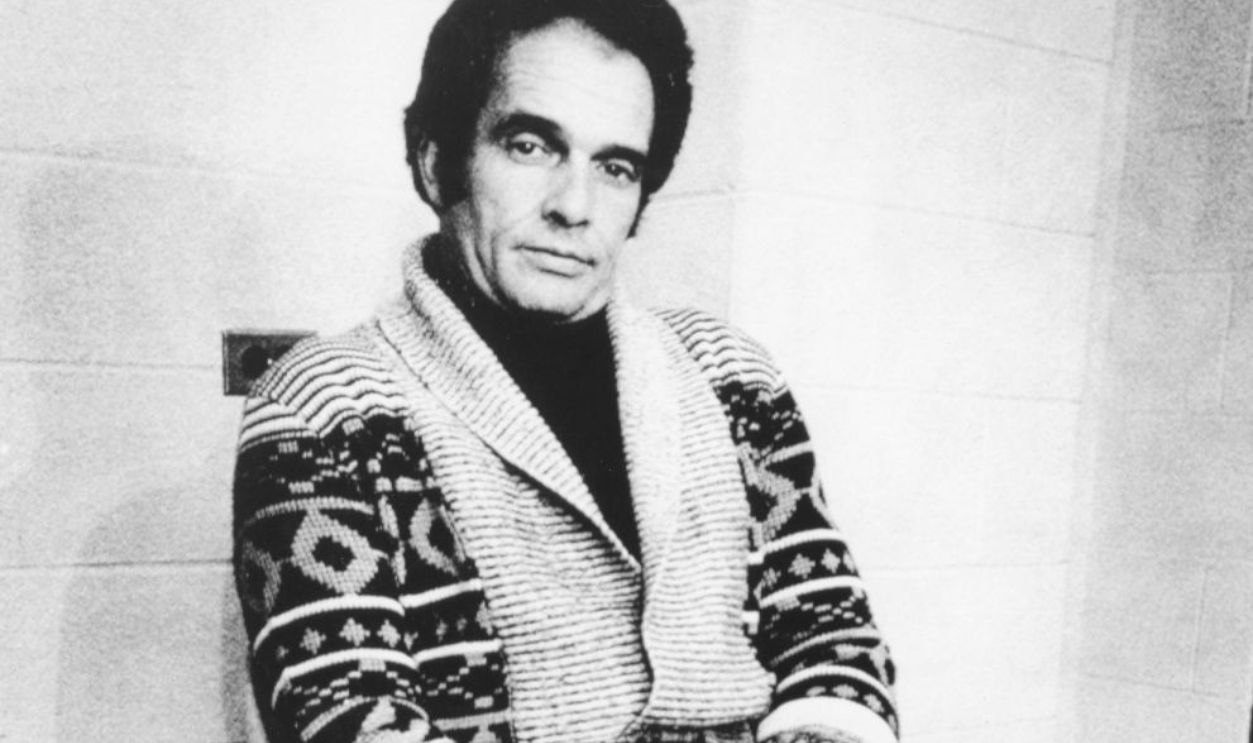
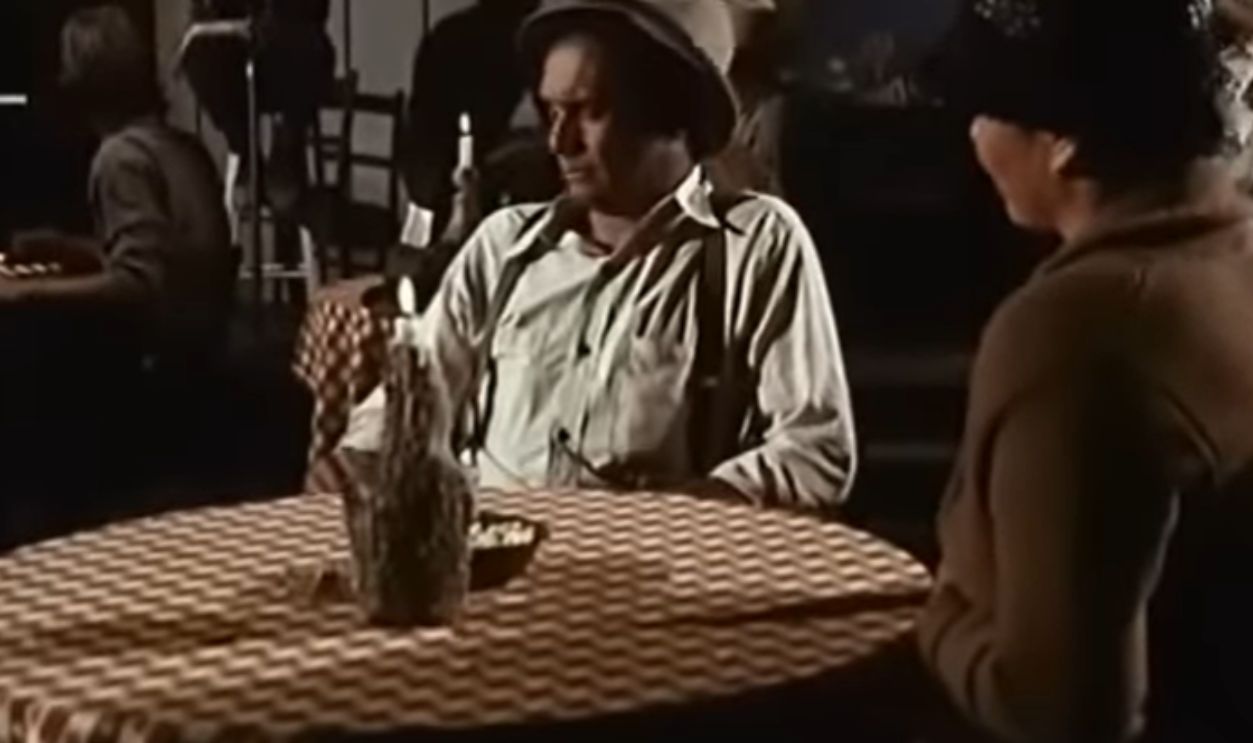
As the 1970s dawned, Haggard proved just how good his instincts were. He was now one of the most famous country singers in the world and had racked up handfuls of number-one country singles. He even made his way into pop culture, starring in the TV special Let Me Tell You About a Song in 1972, hitting the cover of TIME magazine in 1974, and making an appearance in the 1976 episode of The Waltons.
No one could be more on top than Merle Haggard, but it was a long way to fall down.
 Screenshot from The Waltons,Warner Bros.Television (1972-1981)
30. He Took A Turn
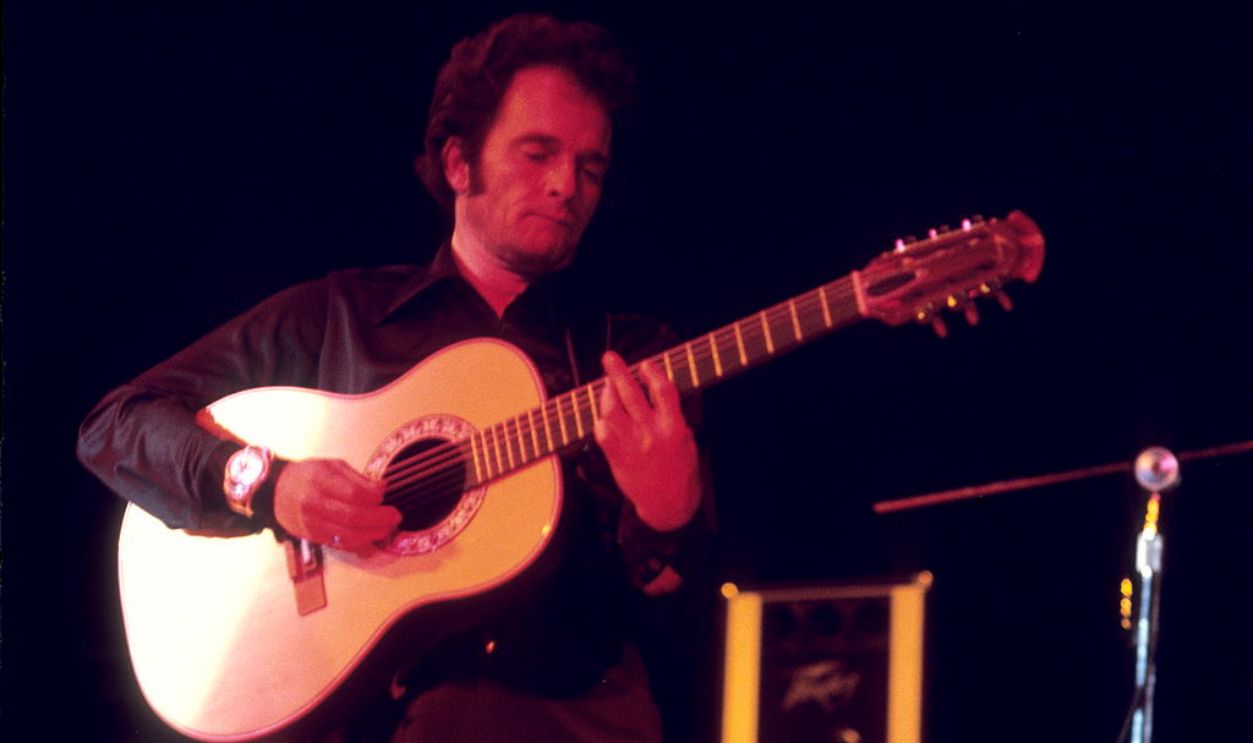
By 1977, Haggard’s music had turned to more somber topics of depression, middle age, and drinking, including his album Serving 190 Proof, released in 1979. In this case, art was imitating life. In 1978, Haggard and Bonnie Owens divorced after a period of estrangement, though they remained good and supportive friends.
Unfortunately, Haggard didn’t take this time to sit back and reassess his life.
 Richard E. Aaron, Getty Images
31. He Rushed Into Marriage
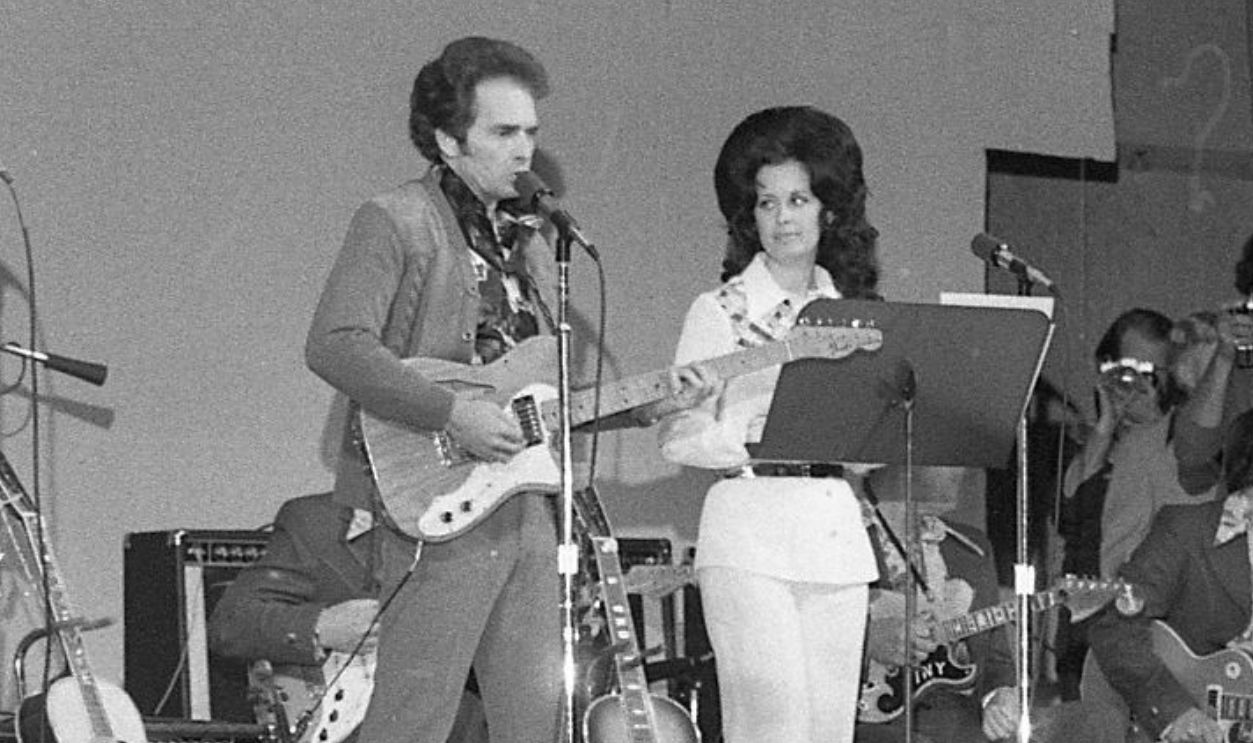
Still running full speed ahead, the same year as his divorce Haggard jumped right back to the altar for a third marriage to country singer Leona Williams. It had all the markers of a mid-life crisis, and it would indeed end up being a stormy and brief union. But there was something remarkable about their wedding day.
 San Francisco Chronicle/Hearst Newspapers, Getty Images
32. His Ex-Wife Forgave Him
Bonnie Owens really was in it for the long haul with Merle Haggard, and, in addition to continuing to tour with him after a short hiatus, she was actually the maid of honor for his third marriage. Sadly, it wouldn’t be a good luck charm: Haggard and Williams divorced in 1983 after five years of marriage. At that point, Haggard came fully unhinged.
33. He Tried Something New
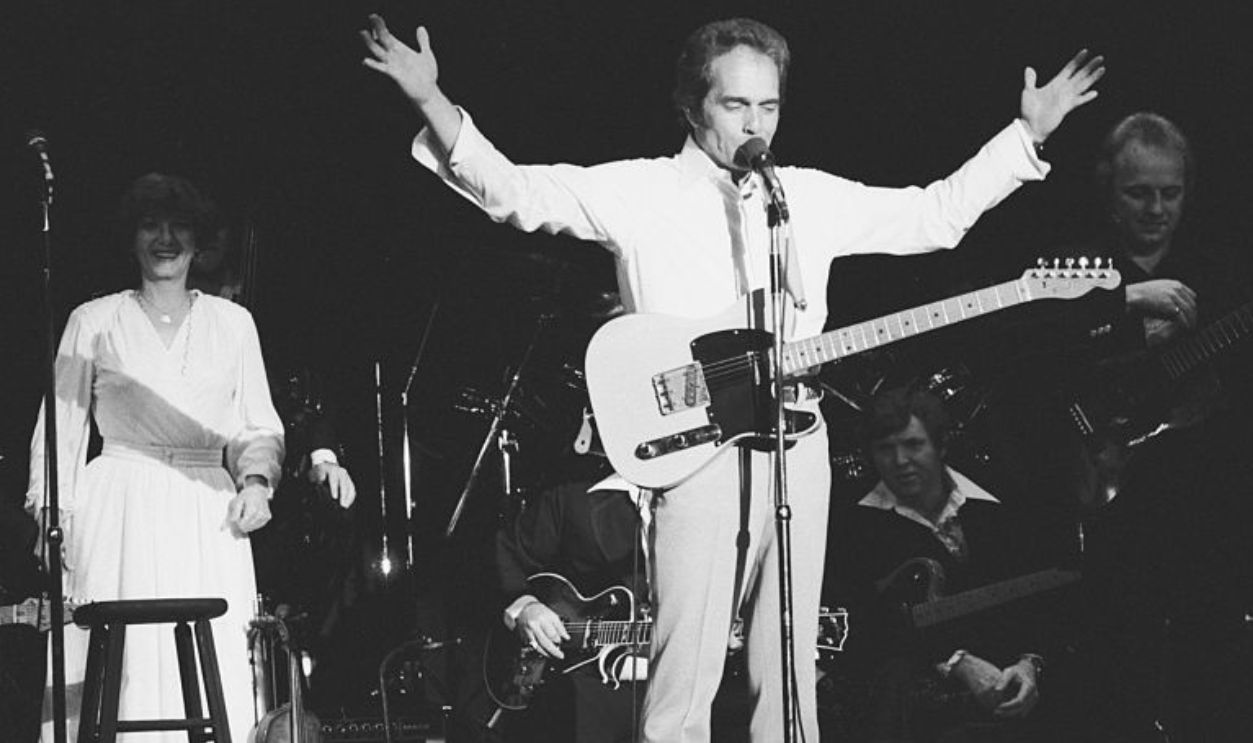
In his early career, Haggard hadn’t engaged in much substance use beyond drinking, but the year of his divorce and third marriage, he tried marijuana for the first time at 41 years old. For Haggard, in the emotional state he was in, it ended up being a slippery slope.
 Michael Ochs Archives, Getty Images
34. He Imploded His Own Life
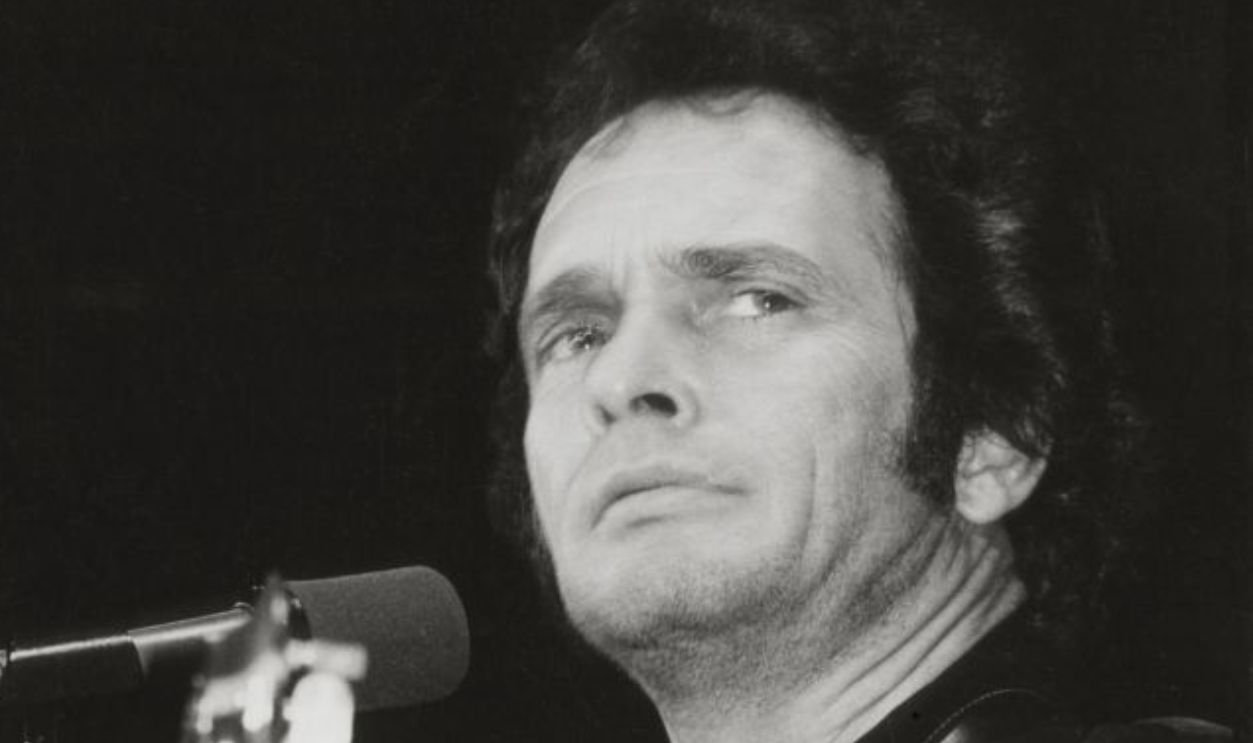
When Haggard went through his third divorce, he turned his small vices into big problems. Single for the first time in decades and deciding this meant life was one big party, he upped his game even more, buying $2,000 worth of white powder and reveling for five months straight. The downward spiral began.
35. He Didn’t Know Who He Was
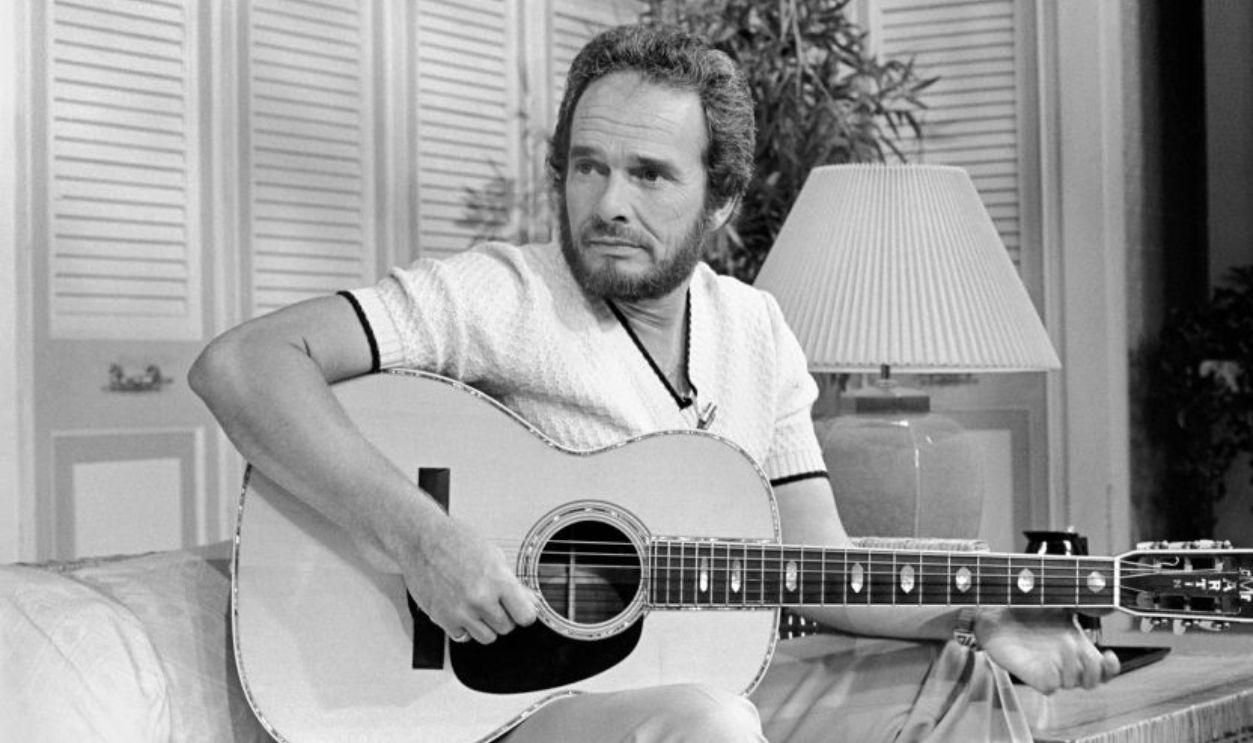
Haggard would later call this period of his life “male menopause,” but he hardly found it a joking matter at the time. By his own admission, he felt completely lost, and said in an interview from the time, "Things that you've enjoyed for years don't seem nearly as important, and you're at war with yourself as to what's happening”. It was a long road back to himself.
 Michael Ochs Archives, Getty Images
36. People Forgot About Him
At first, it looked hard to tell from the outside that Haggard was going through these personal issues, and in 1984, he even won a Grammy for Best Male Country Vocal Performance for his rendition of “That’s the Way Love Goes”. But as the 90s hit, his career suffered too, with artists like George Strait taking up more radio play. It led to dire straits.
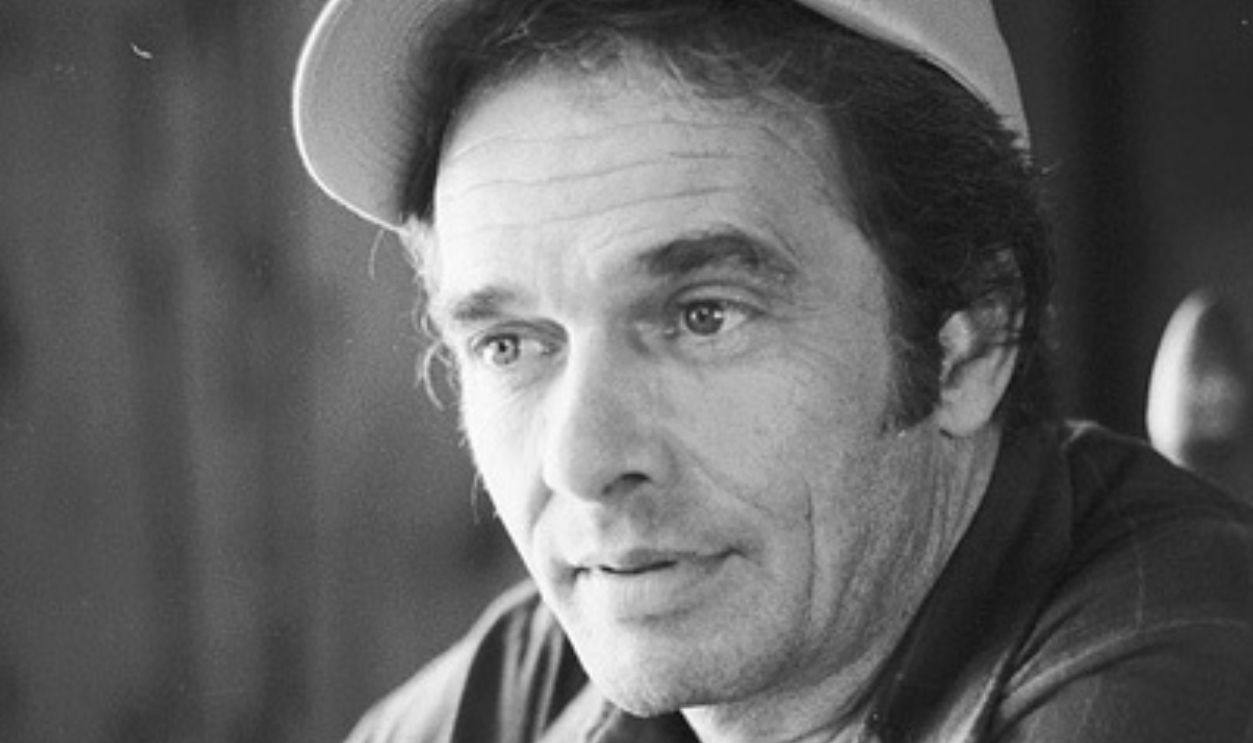
37. He Went Through A Dry Spell
With Haggard’s last number one hit coming in 1988 with “Twinkle, Twinkle Lucky Star,” the 1990s were a financial desert. He struggled through money problems for years, not helped by the fact that the 90s were overall one of the least productive decades in his entire, prolific career. However, there was one bright spot.
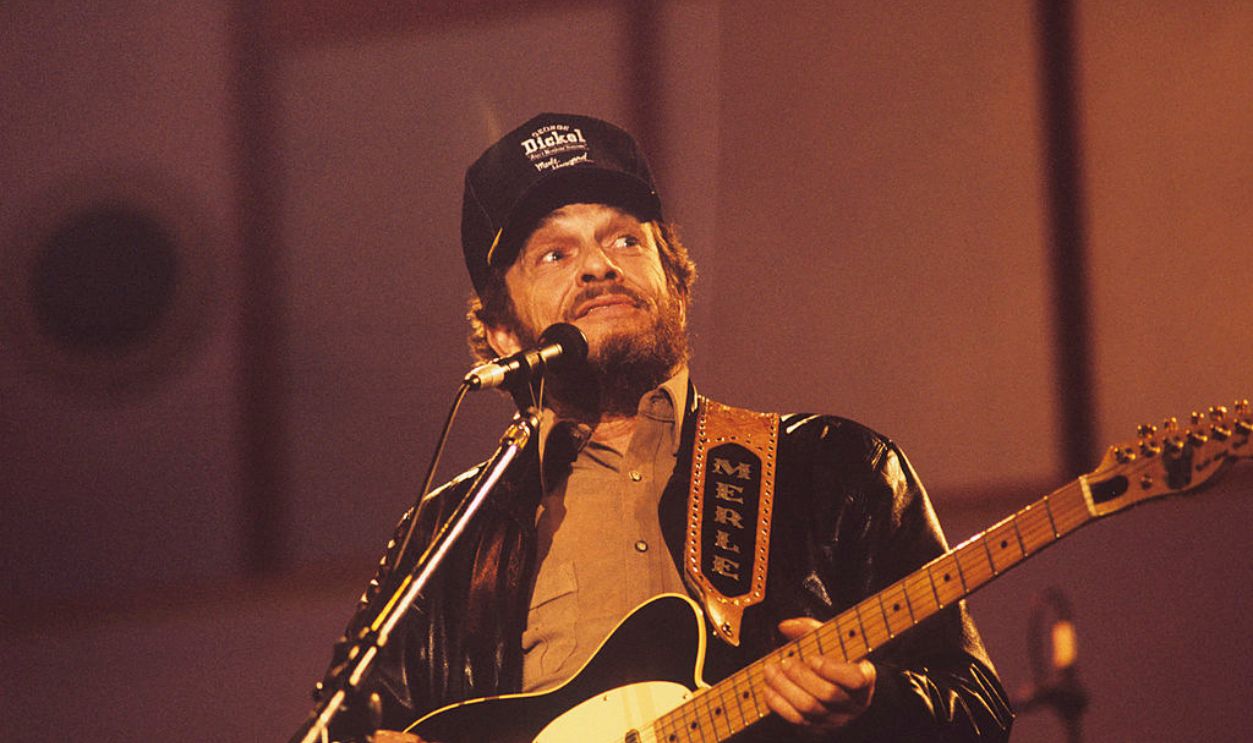
38. He Became A Hall Of Famer
Haggard may not have been topping the charts, but no one forgot his influence on country music. In 1994, he was even inducted into the Country Music Hall of Fame. Never one to pass up the opportunity to make some sly comment or other, during his speech, Haggard unfurled a comically long thank-you list, beginning with his plumber.
Back home, though, there was still little to laugh about.
 Robert Alexander, Getty Images
39. He Finally Found A Keeper
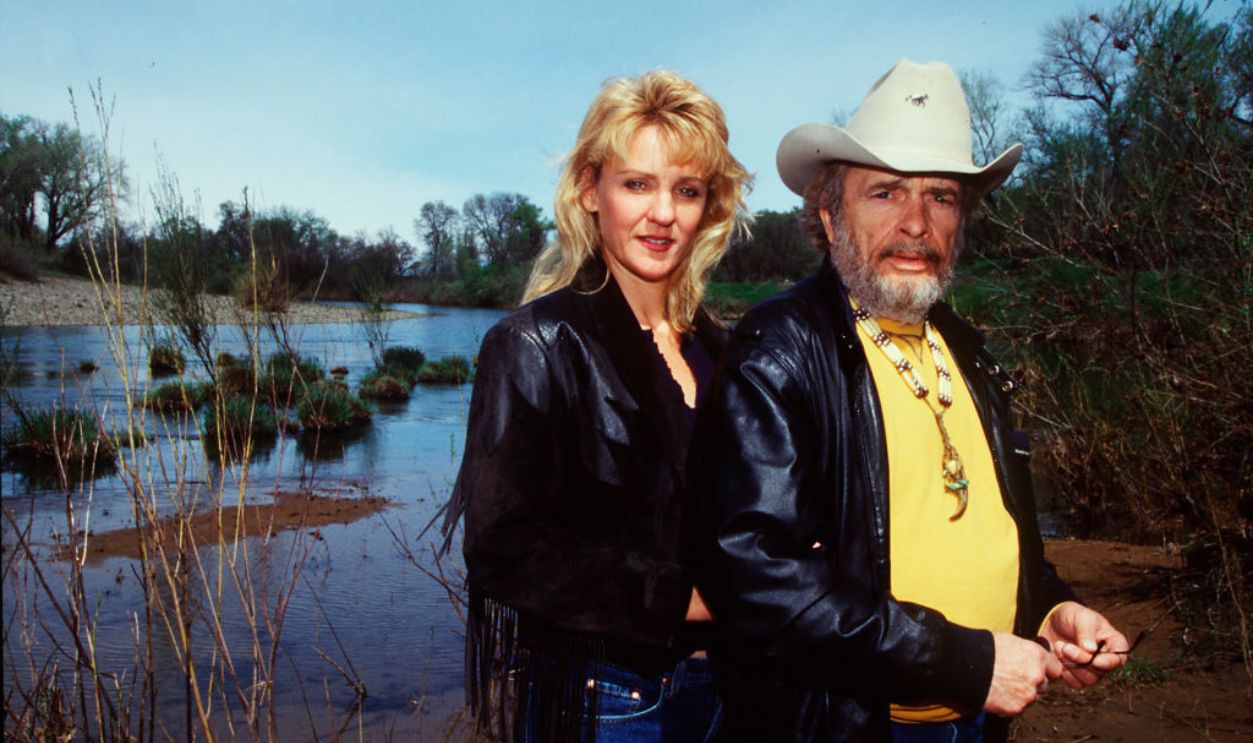
During these years, Haggard had yet another failed marriage, walking down the aisle with his fourth wife Debbie Parret in 1985, before divorcing her just four years later in 1991. Eventually, though, he met and married Theresa Ann Lane, who he would have two children with and go on to spend the rest of his life beside.
Because if there was one thing Haggard knew how to do, it was pick himself up from rock bottom.
 San Francisco Chronicle/Hearst Newspapers, Getty Images
40. He Gave Up His Vices
These years were lean and tough on Haggard, but he was determined to overcome them, and that’s exactly what he did. Soon after his partying powder bender, he quit that stuff for good, and in 1991, he even quit smoking cigarettes. He never did quite quit smoking other substances, but he never got into the same spiral as before, either.
In the end, though, it was the cigarettes that should have worried him.
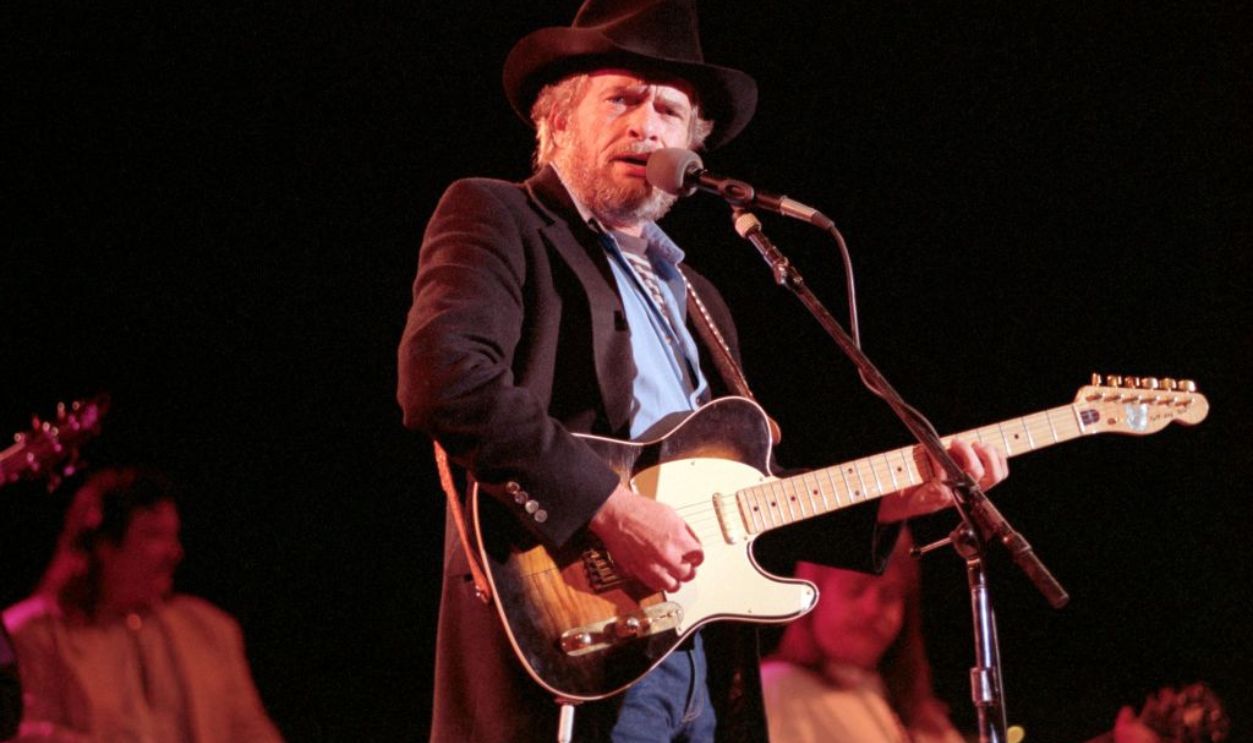
41. He Lost The Love Of His Life
In truth, death seemed to be all around Haggard at this time. Tragically, his ex-wife Bonnie Owens had begun to suffer from Alzheimer’s Disease, and in 2006, at the age of 76, she died in hospice. She had remained one of his backup singers almost right up until the end.
One of Haggard’s north stars was now gone forever, and his own health was little better.
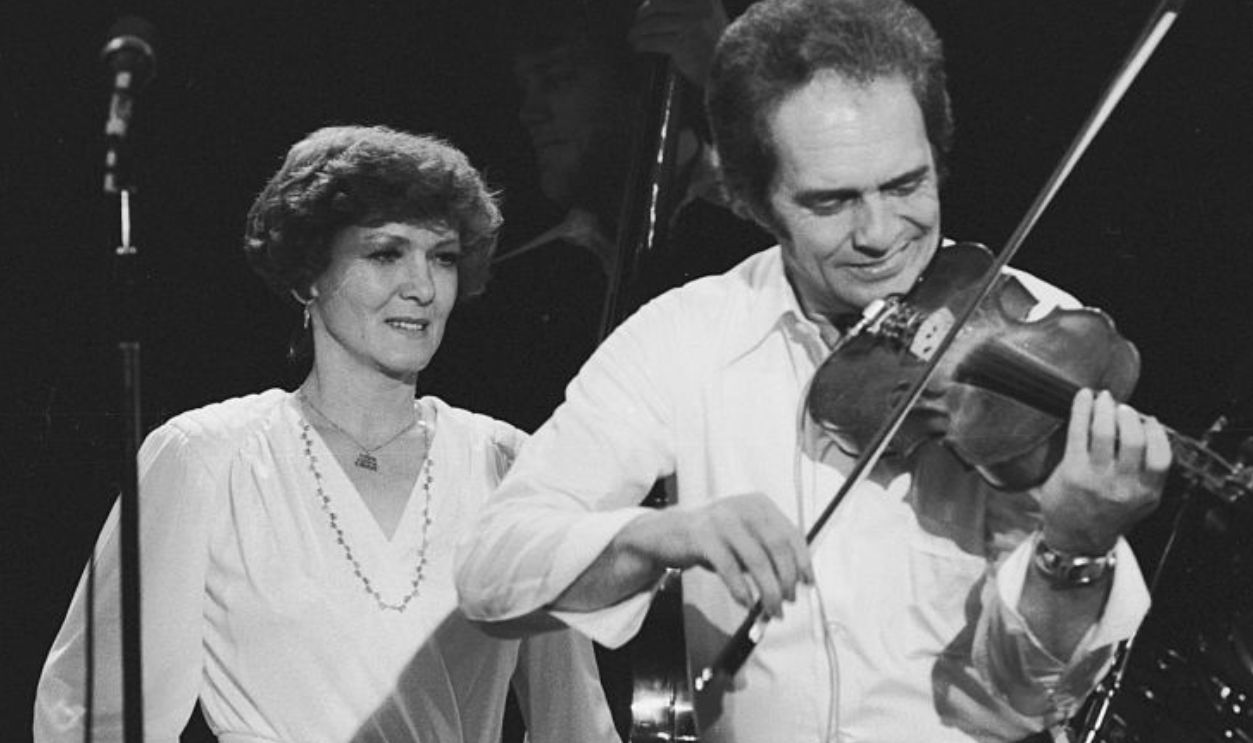
42. He Couldn’t Slow Down
By the mid 90s, Haggard’s hard-living body was aging fast, and he had an angioplasty in 1995 to treat his clogged arteries. Far from taking this as a sign to slow down, Haggard only sped things up, continuing to release albums—even in the low ebb of the 90s, he put out four. Then, as the new millennium dawned, he kicked it into high gear.
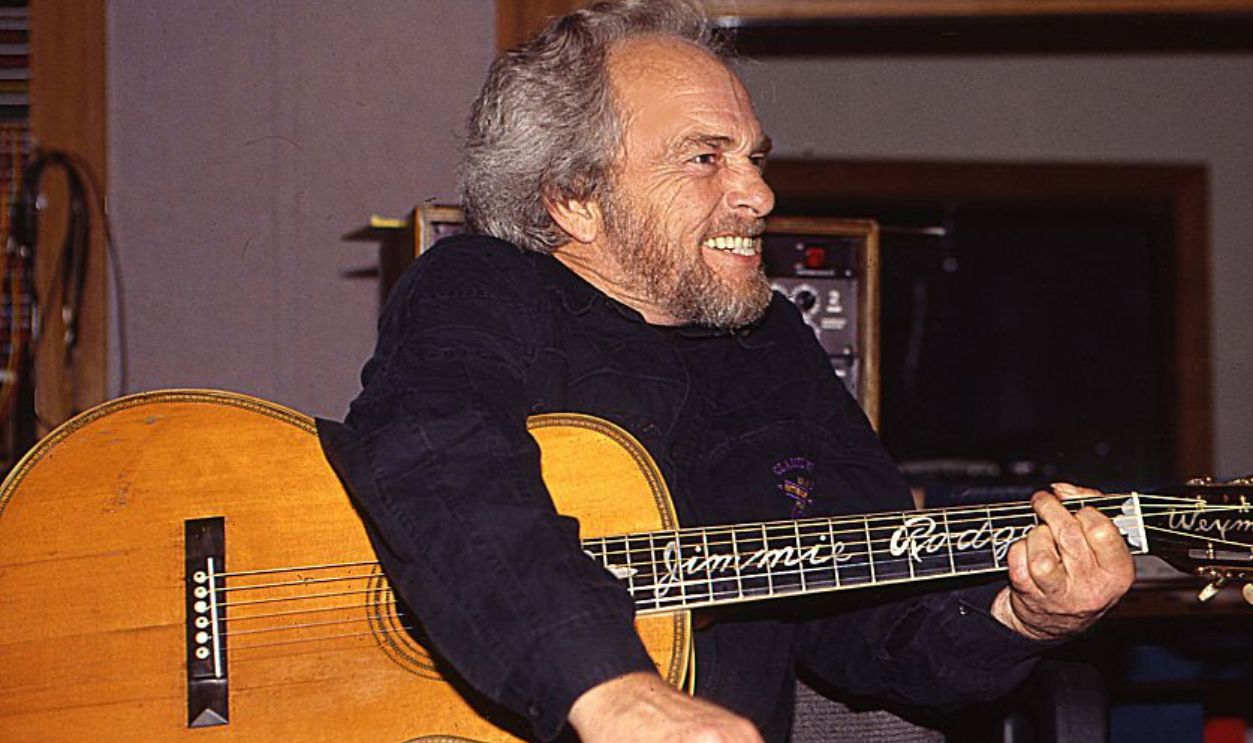
43. He Made A Comeback With His Idols
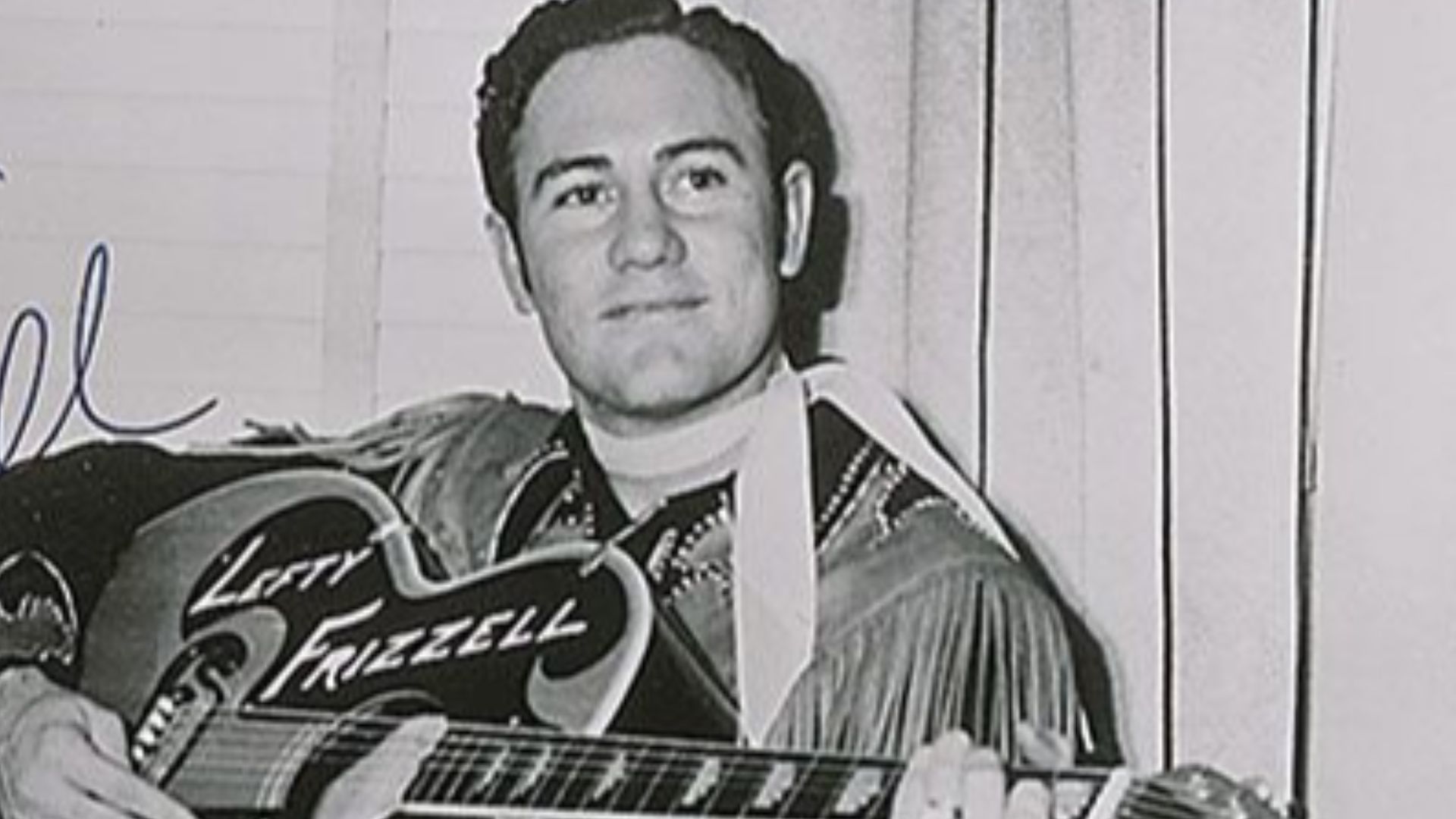
In 2000, Haggard re-wired his whole career, signing with the independent record label Anti, publicity that he backed up with the well received If I Could Only Fly. Still, he didn’t forget where he came from, and the very next year he put out Roots, vol 1, which showcased him with a collection of his heroes, including Lefty Frizzell, the entertainer who had started it all for him.
Haggard simply couldn’t stop, even when he should have.
 Starnes management, Wikimedia Commons
44. He Got A Scary Diagnosis
Some time around 2008, Haggard began experiencing worrying symptoms, and that November his team finally released the truth: He had gotten a lung cancer diagnosis that May, and had just undergone surgery to remove part of his lungs. Despite quitting cigarettes nearly two decades before, they had gotten to him anyway, but Haggard was never ready to give up.
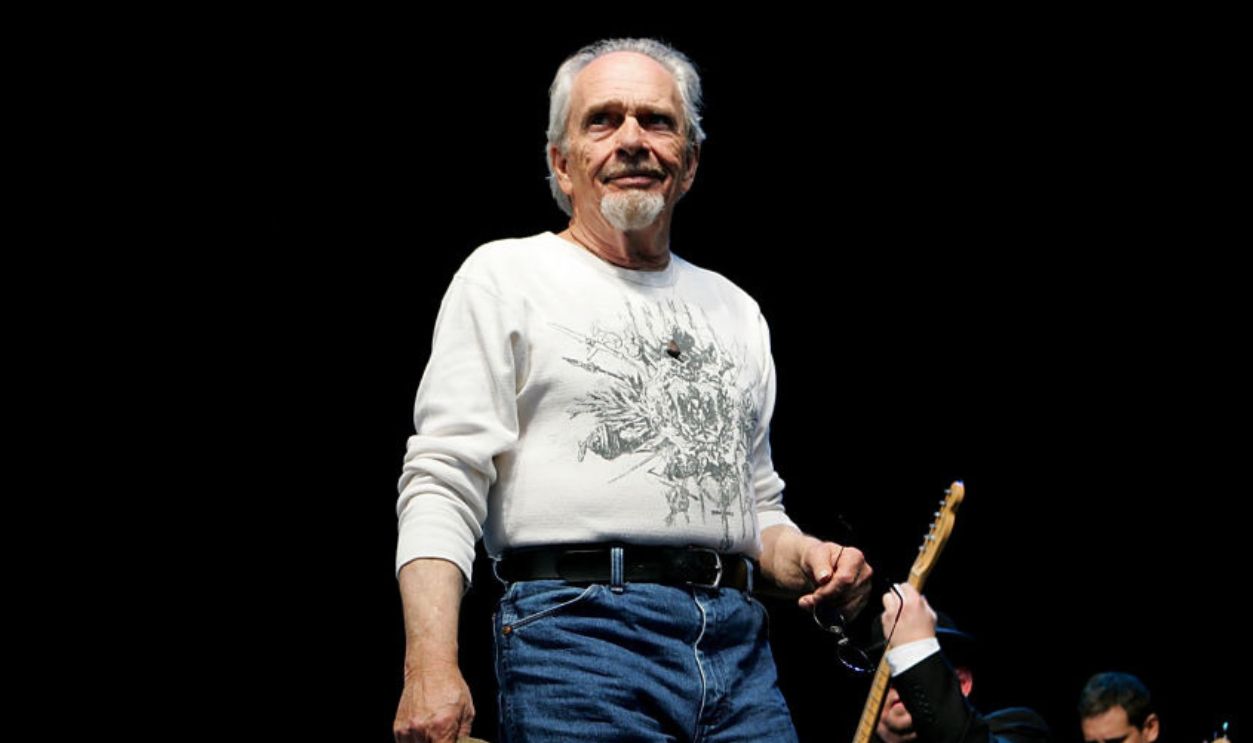
45. He Kept On Going
Haggard had fought hard to be up on the stage before, and he fought hard again, returning to play two shows in January of 2009, just two months after his cancer surgery. Even more touching, he played them in his hometown of Bakersfield in Buck Owens Crystal Palace, named for the ex-husband of his own ex-wife, Bonnie Owens.
Even as he grew older, Haggard didn’t grow stagnant.
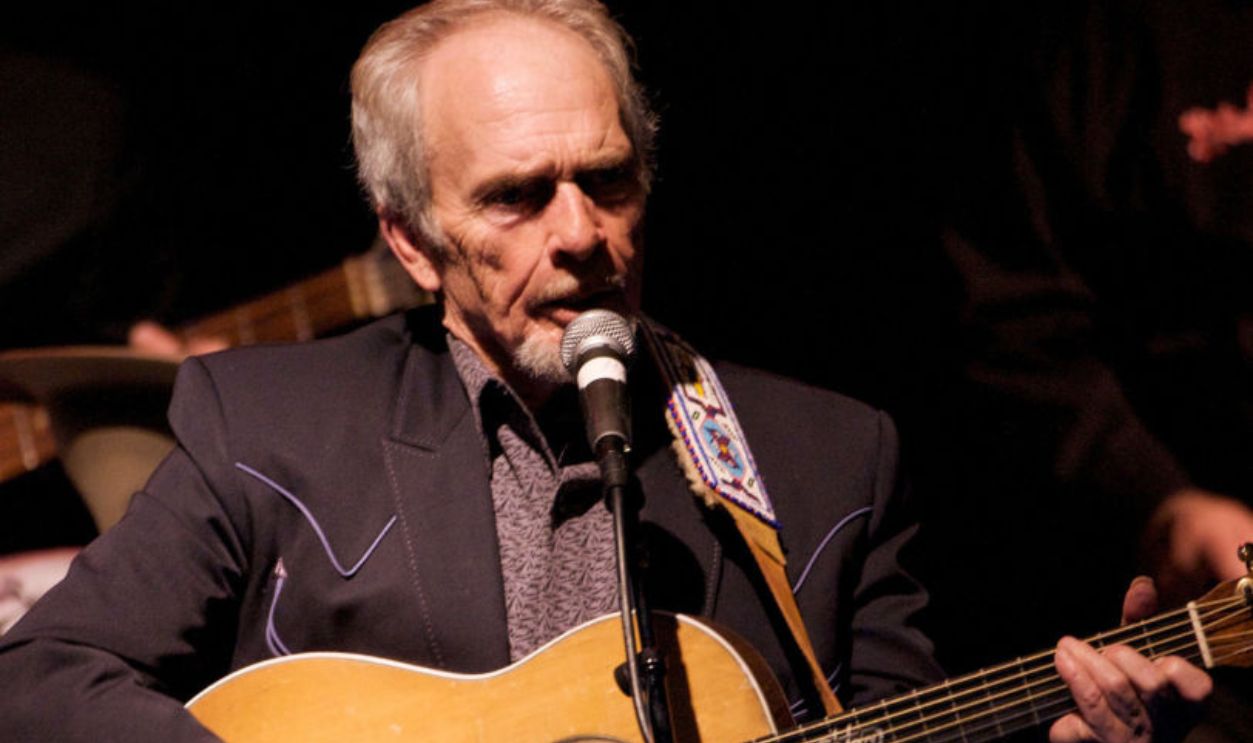
46. He Wrote A Furious Song
Haggard had always had a complex, contrary streak to him, and in 1989, he put it on full display. That year, in response to the Supreme Court upholding flag burning as free speech, an angry Haggard recorded “Me and Crippled Soldiers Give a Damn” in criticism of the decision. But, in a move he was familiar with, executives at his label CBS Records Nashville refused to release it, fearing the controversy.
This time, Haggard didn’t roll over.
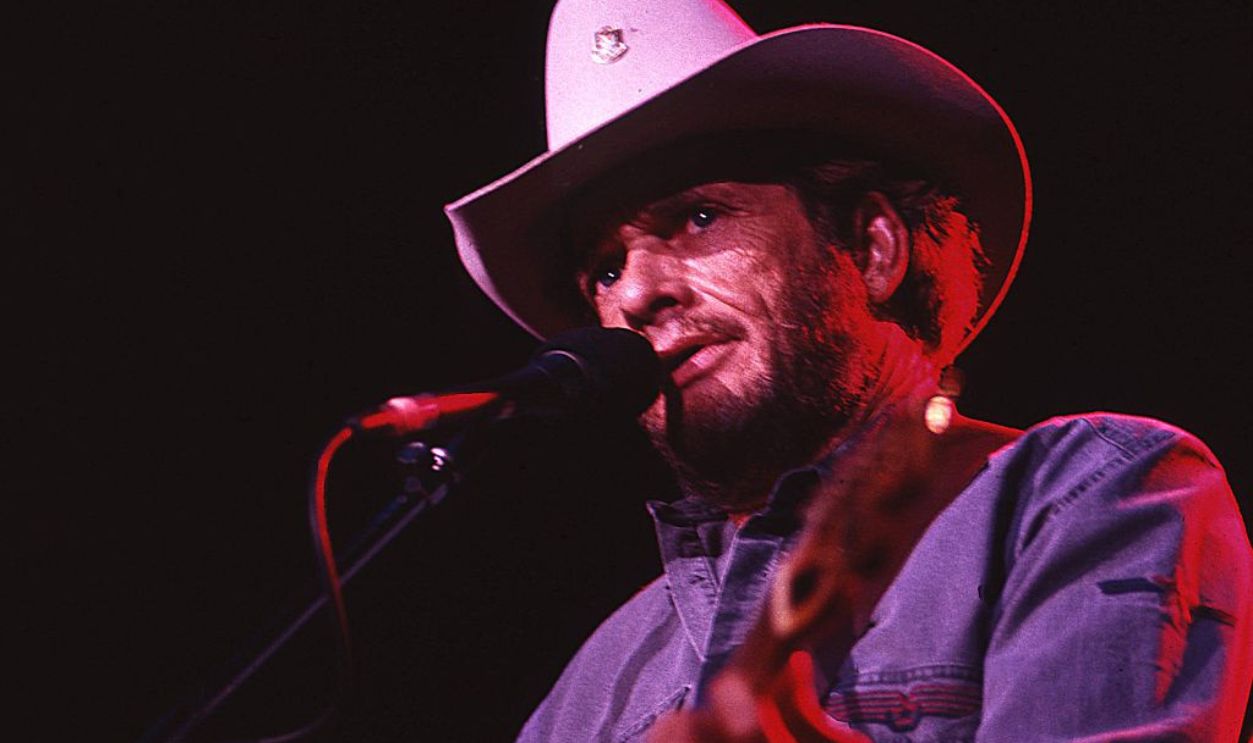
47. He Fought His Record Label
Instead of sitting on the song, Haggard fully bought out his contract with CBS and instead signed with a new label, Curb Records, that would release the song. As he said about the move, "I've never been a guy that can do what people told me...It's always been my nature to fight the system”. But the fights he picked weren’t easy to predict.
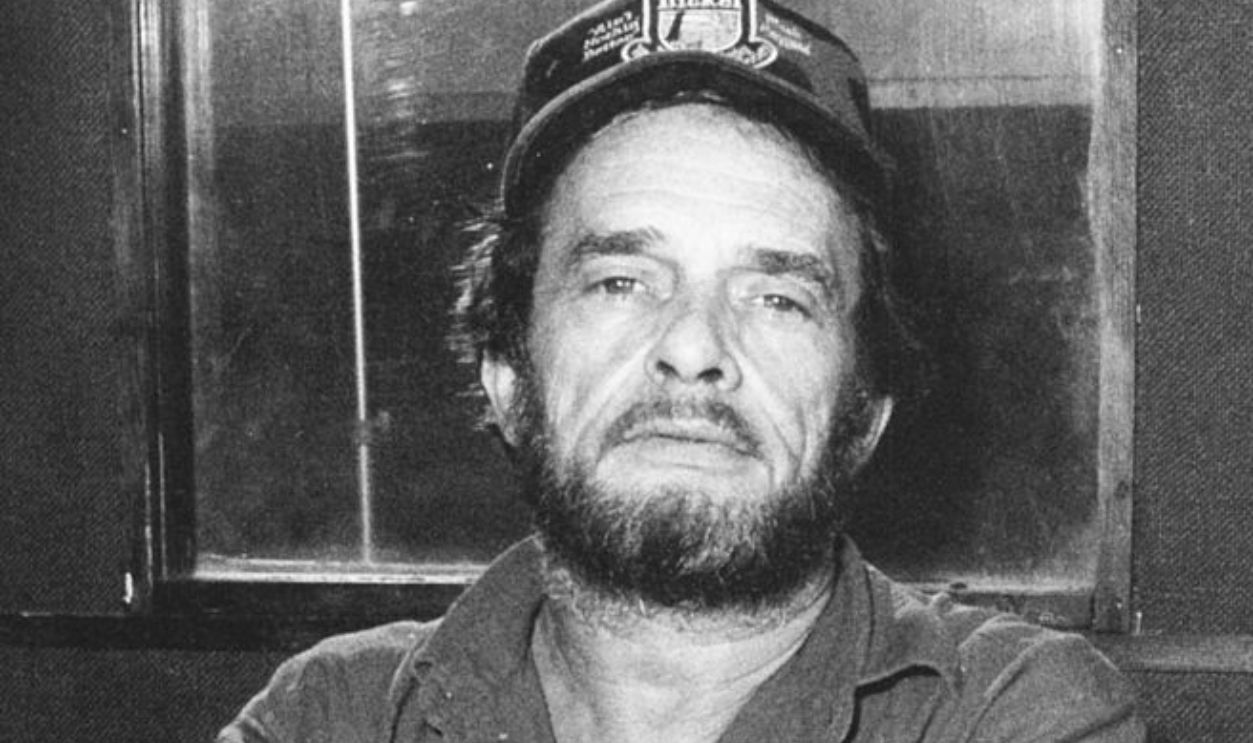
48. He Was Unpredictable
Haggard had certainly displayed conservative values throughout his life, but he was ultimately loyal to only one belief system: His own. In 2003, when The Chicks faced backlash for criticizing George W Bush and the invasion of Iraq, Haggard, perhaps surprisingly, was on the band’s side.
As he commented, “I find it an insult for all the men and women who fought and died in past wars when almost the majority of America jumped down their throats for voicing an opinion”.
49. He Died On His Birthday
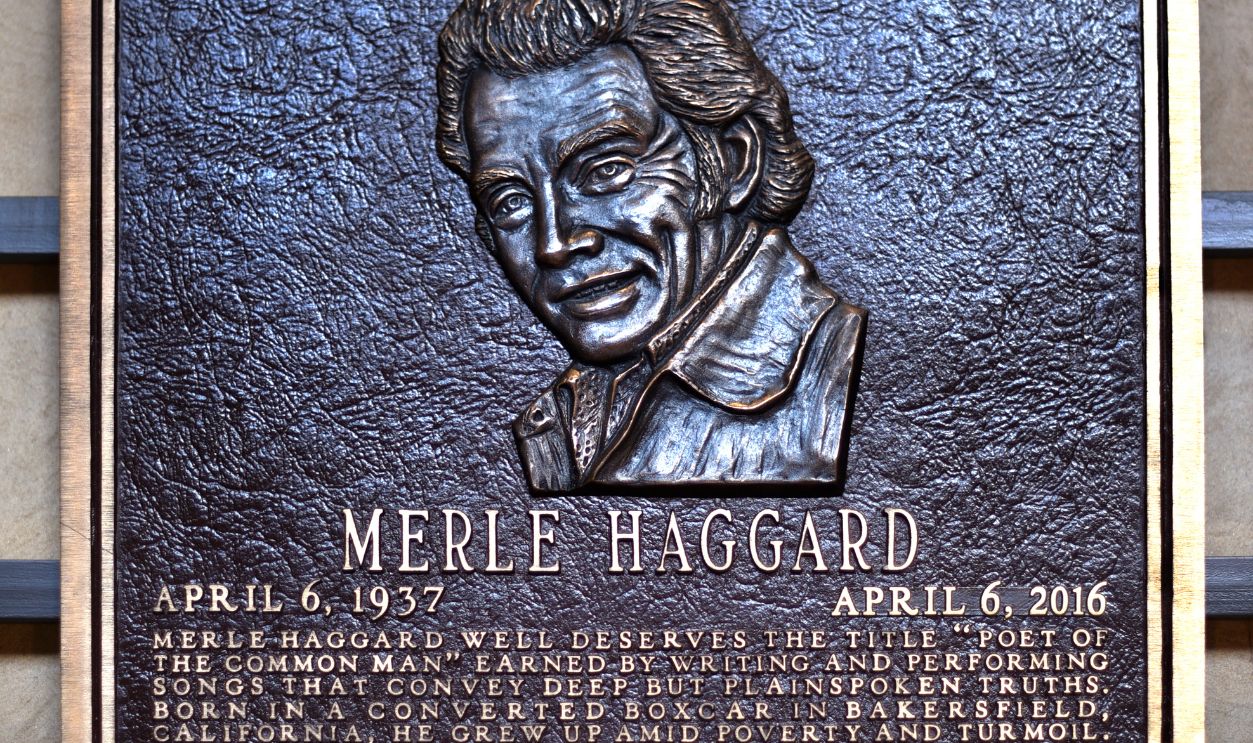
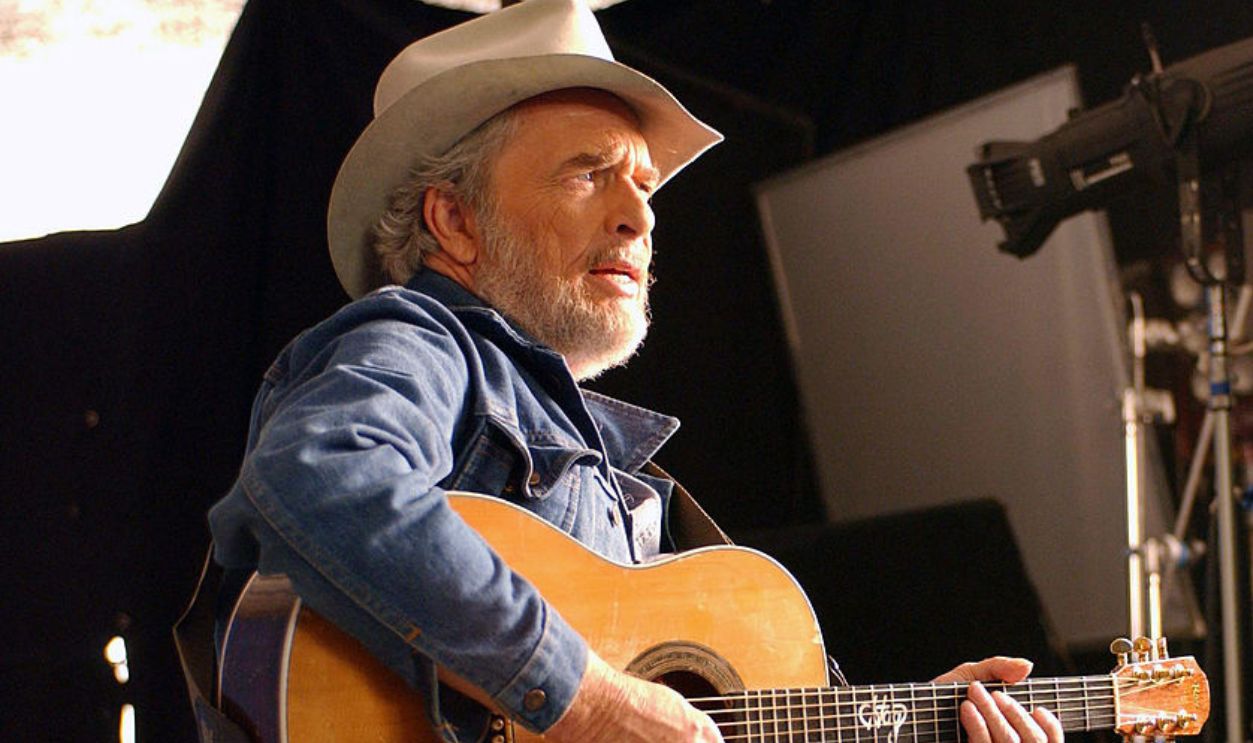
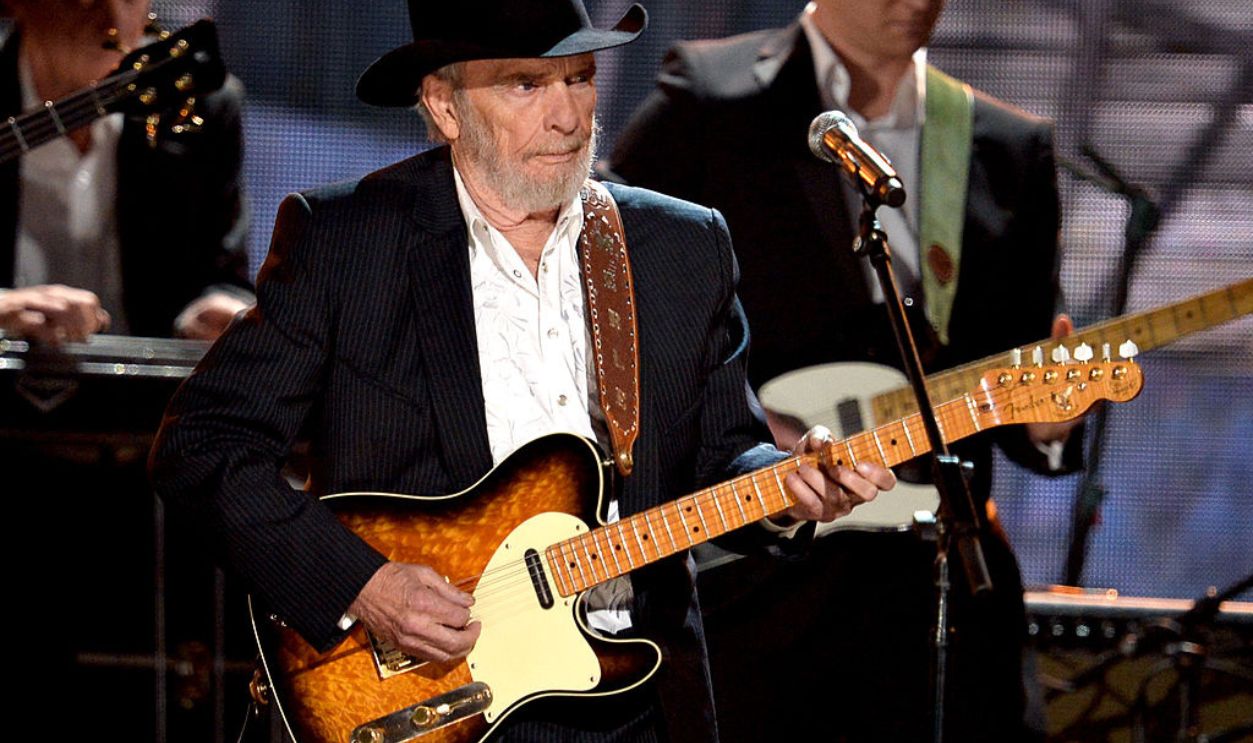
Whatever battles he chose, Haggard was scrappy until the very end, continuing to record and tour well into his 70s. In late 2015, he even had to postpone concerts due to pneumonia, but kept on going after he got out of the hospital. Unfortunately, he had little time left: On April 6, 2016, after continued pneumonia, Haggard passed on the day of his 79th birthday.
50. He Had One Big Fear
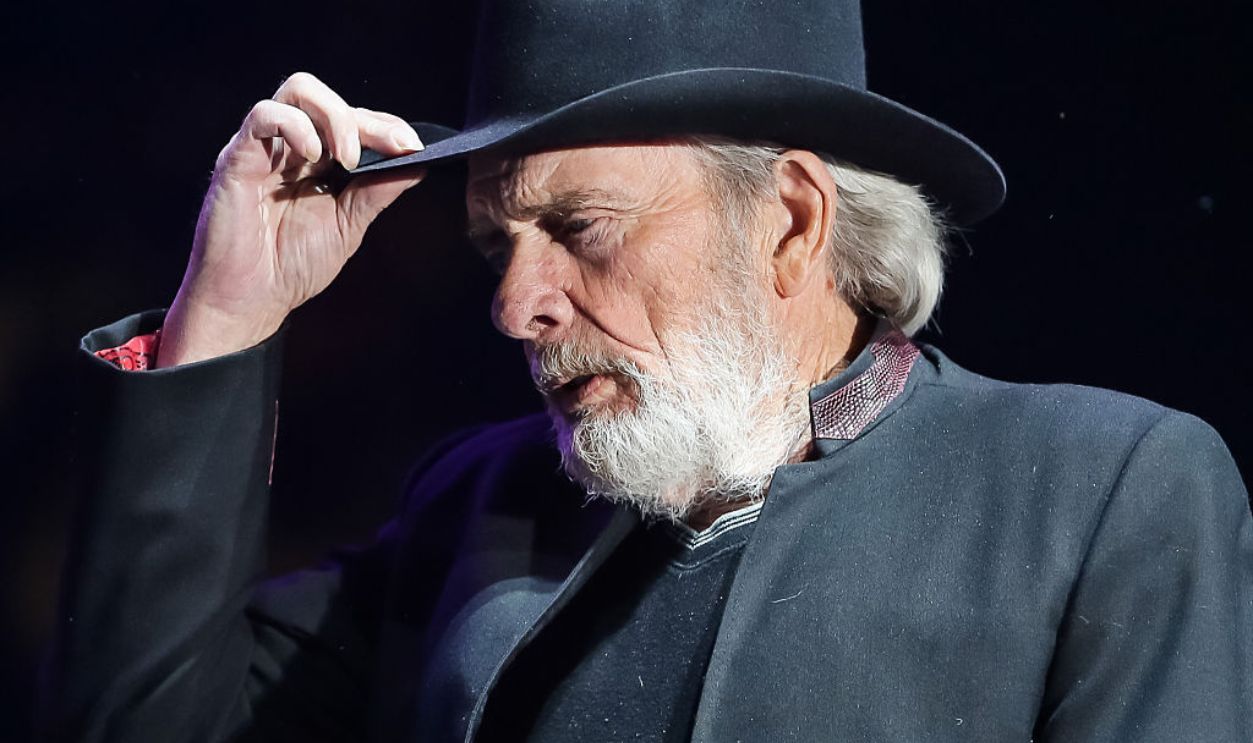
Merle Haggard was nearly fearless in his pursuit of country stardom, but there was always one thing that stayed with him, terrifying him until the end of his life. In 2004, while in his late 60s, Haggard went on Larry King Live and admitted that his incarceration decades before was “hell” and remained “the scariest experience of my life”.
You May Also Like:
Glen Campbell Couldn’t Outrun His Demons
Jane Fonda Is The Toughest Woman In Hollywood