
Dreaming Of What Could Have Been
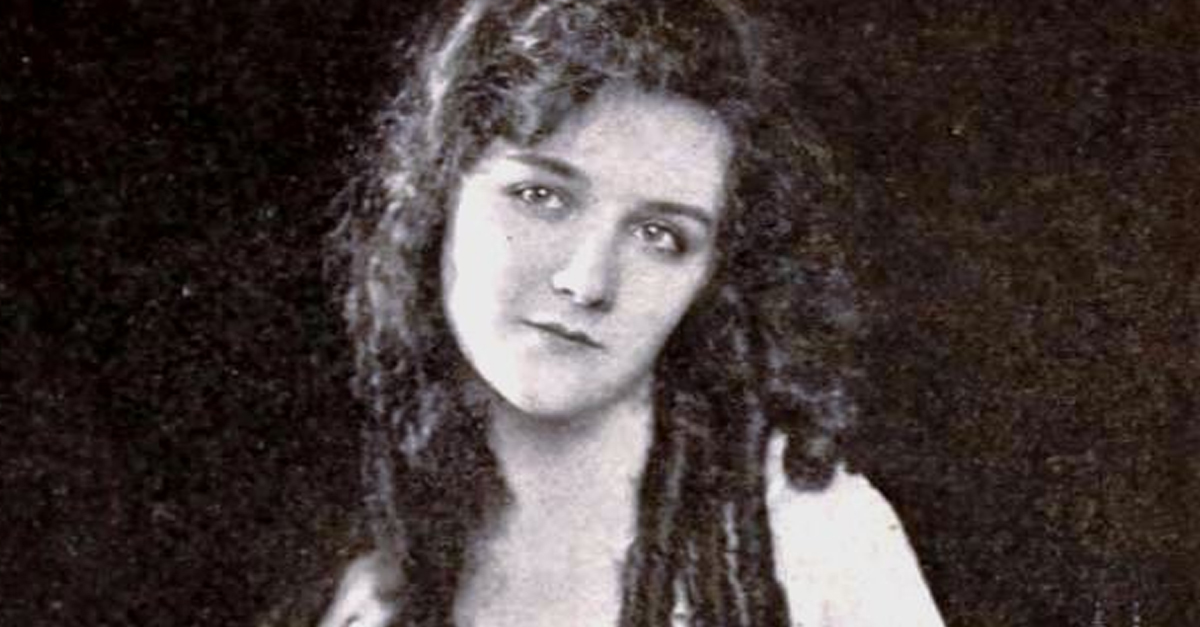
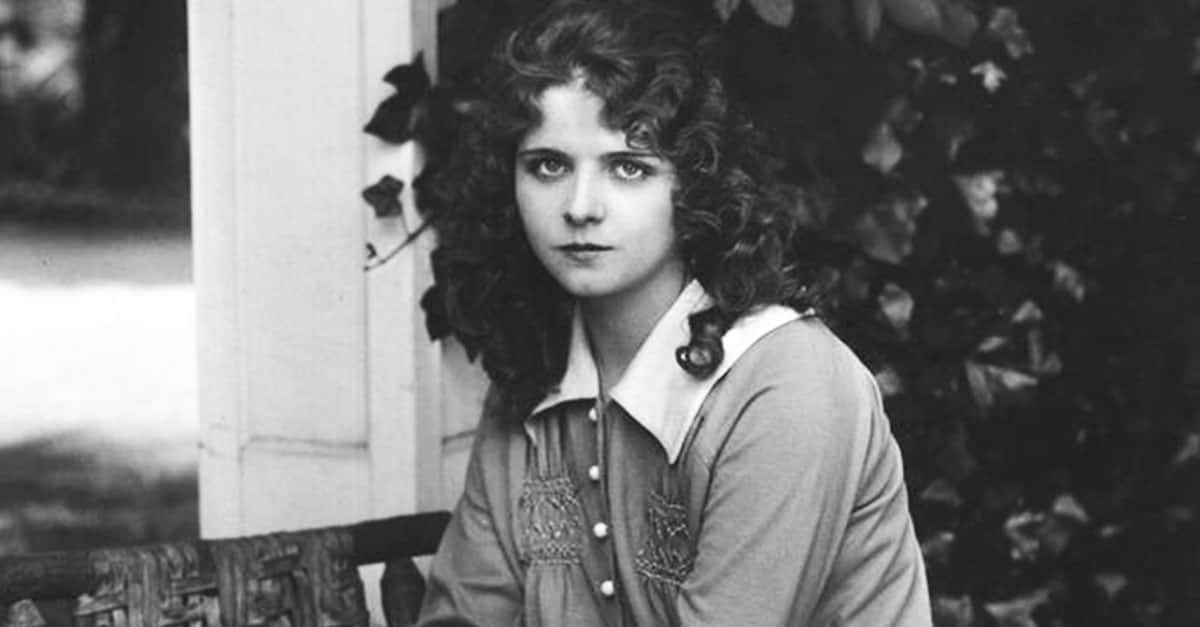
Praised for her delicate beauty and ethereal mannerisms, Mary Philbin’s career should have been long and fruitful. Appearing suddenly on the scene in the early 1920s, Hollywood embraced her with open arms. However, the odds were not in her favor. In the end, Mary’s own family dealt her a blow she couldn’t recover from.
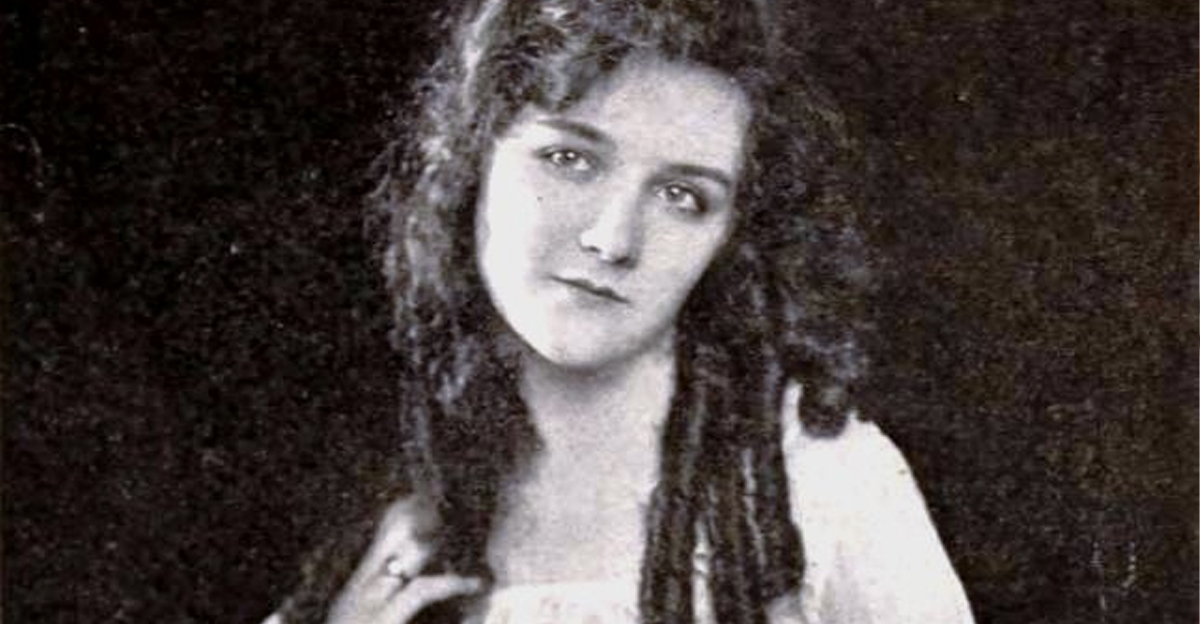 Universal Film Manufacturing Company / Jack Freulich (1880–1936) (photographer), Wikimedia Commons
1. She Had Good Connections
Born in 1902, Mary Philbin lived an average life with her middle-class family. Through her father, she fell in love with acting, and through her close family friend, Rebecca Laemmle (a member of the founding family of Universal Studios), Mary fell in love with the movies. Rebecca gave Mary an in, but it wasn’t enough. Mary dreamed of working with one man in particular.
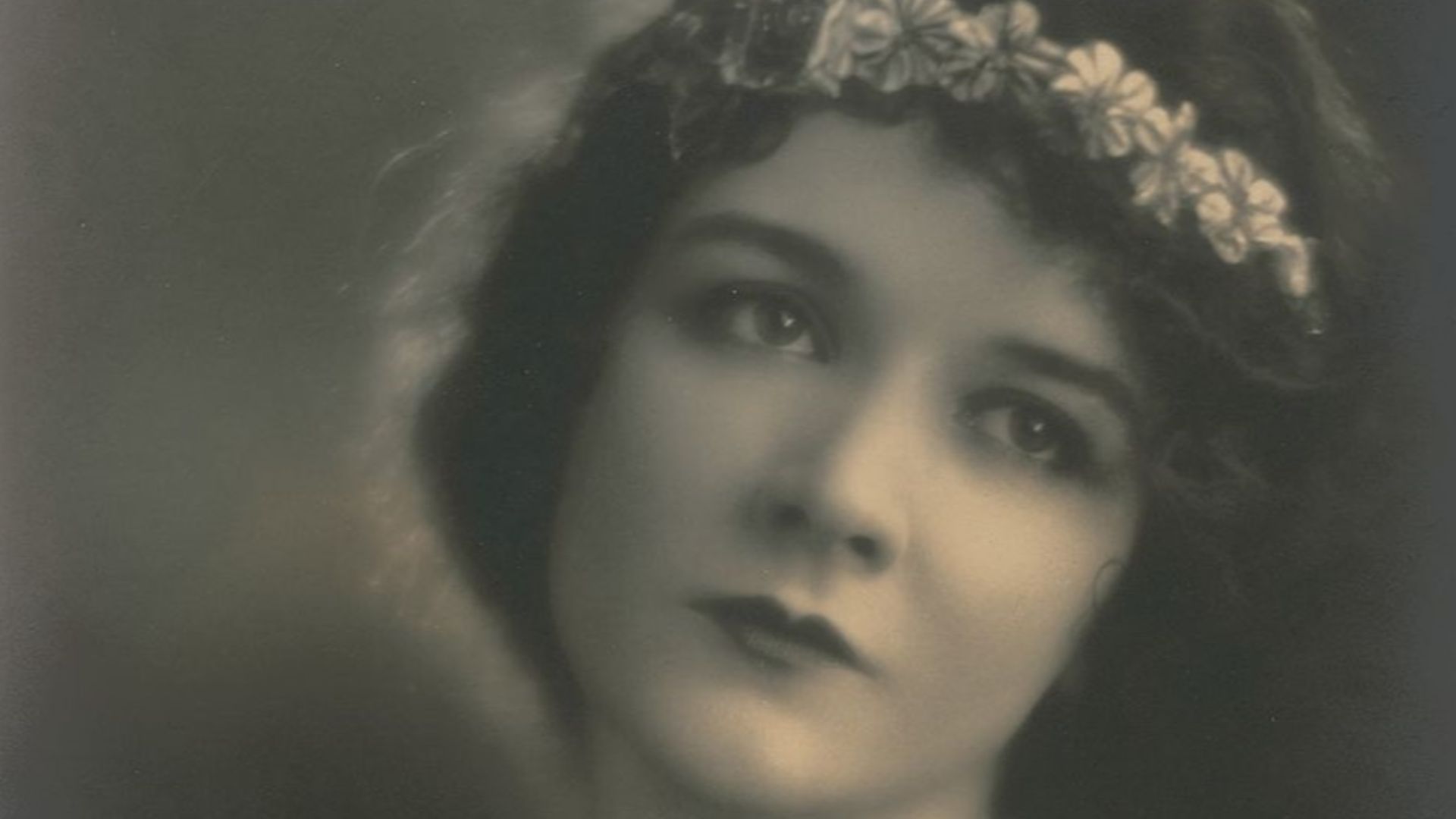 Hartsook Photo, Wikimedia Commons
2. Her Hero Came To Town
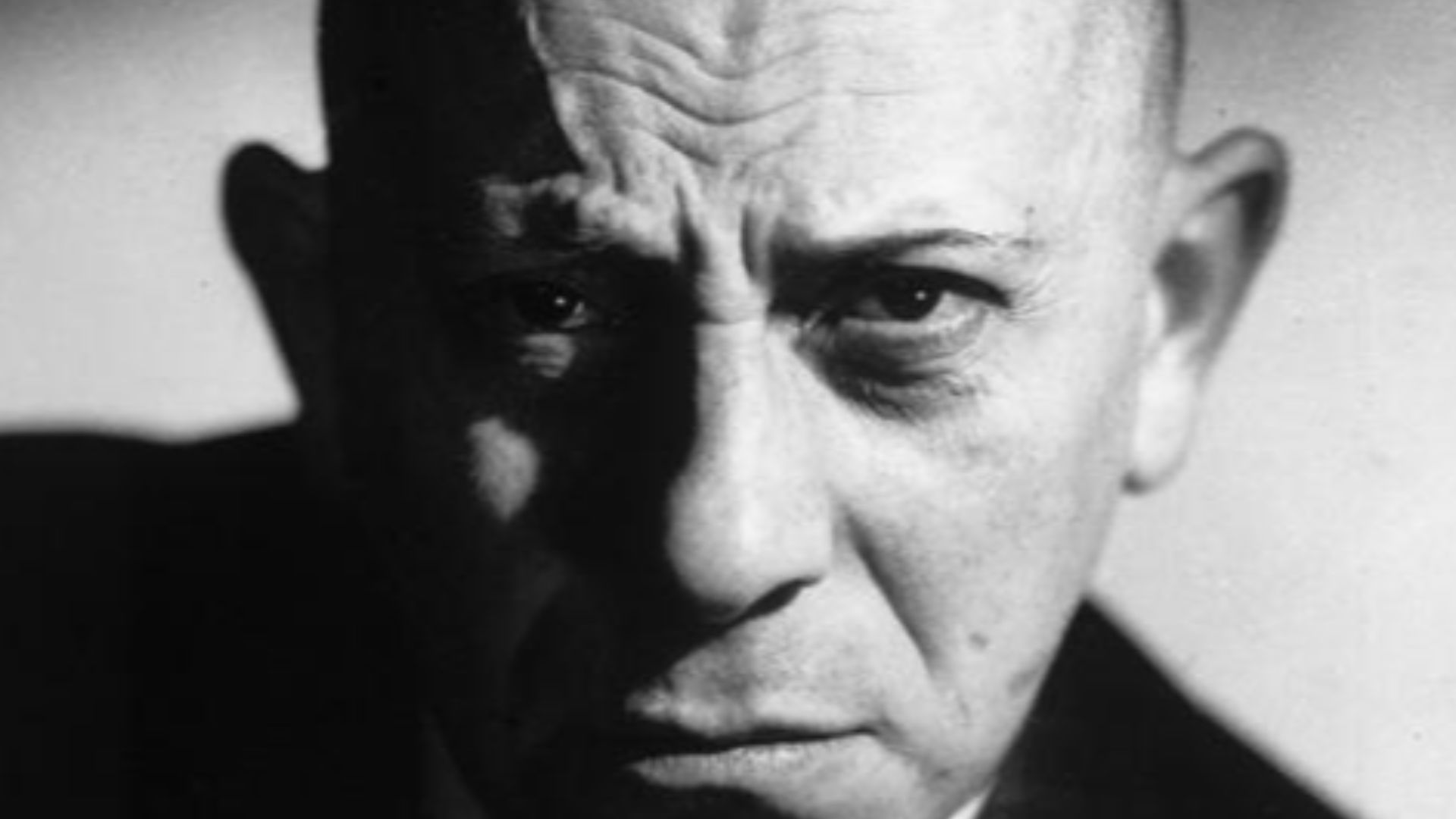
Erich von Stromheim was Mary’s personal hero. She didn’t just dream of working in the pictures; she dreamed of working with Von Stromheim. As chance would have it, in 1918, Mary got her dream opportunity. Von Stroheim was making a new film, Blind Husbands, and he needed talent for his film. Moreover, he was looking for talent in the very place Mary lived, sponsored by her own church. This was her big chance, but Mary had a problem.
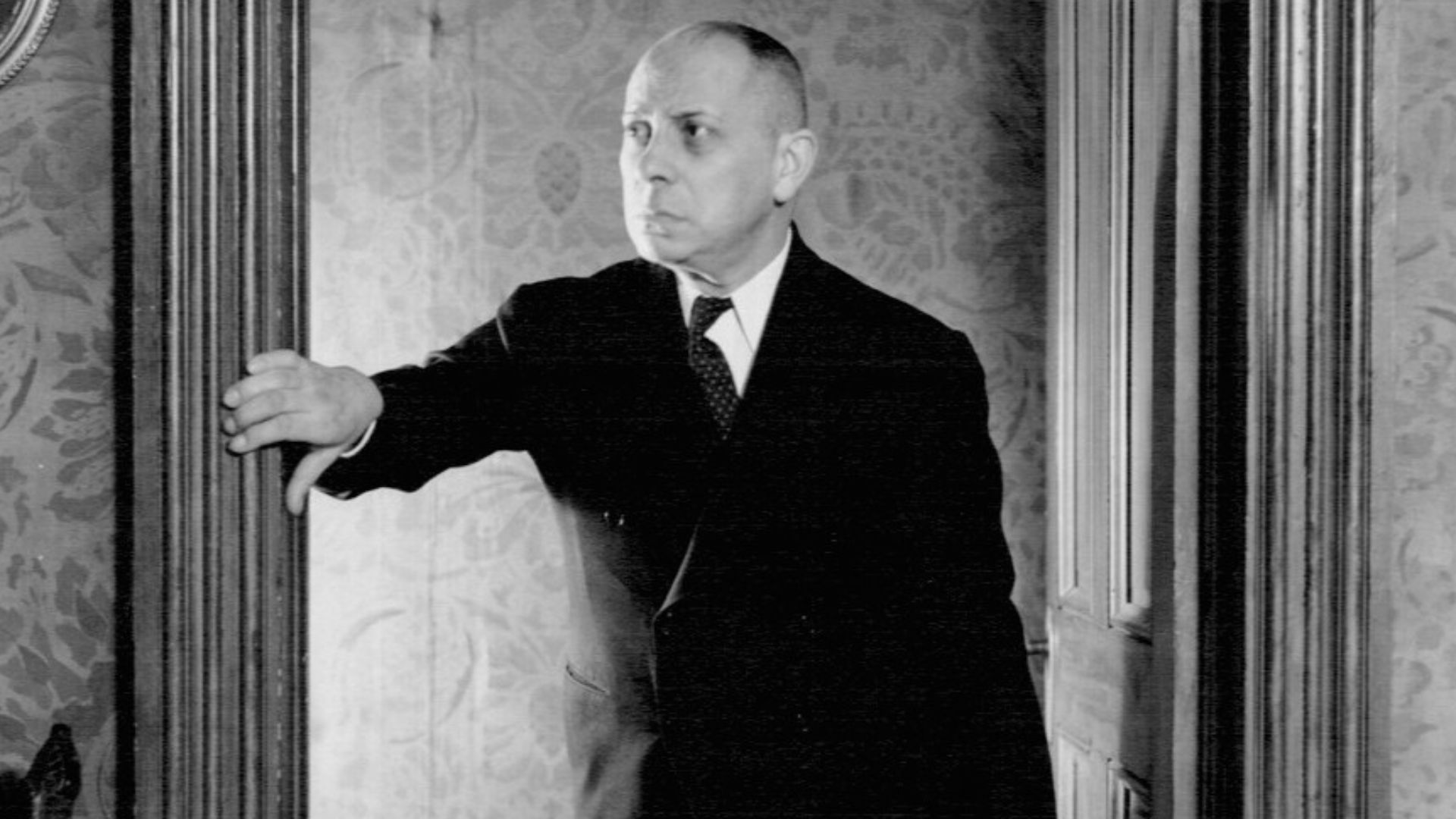 Photo by Vandamm, New York, Wikimedia Commons
3. Her Mother Swooped in
Mary Philbin couldn’t settle on a photograph to submit for the competition. She needed this to be perfect, but none of her pictures fit the bill. Mary may have given up on her dreams then and there if it weren’t for her mother. Mary’s mother submitted a photo on her daughter’s behalf, saving the day. Von Stroheim became completely smitten. He wanted Mary. Unfortunately, Mary’s dreams were further out of reach than she imagined.
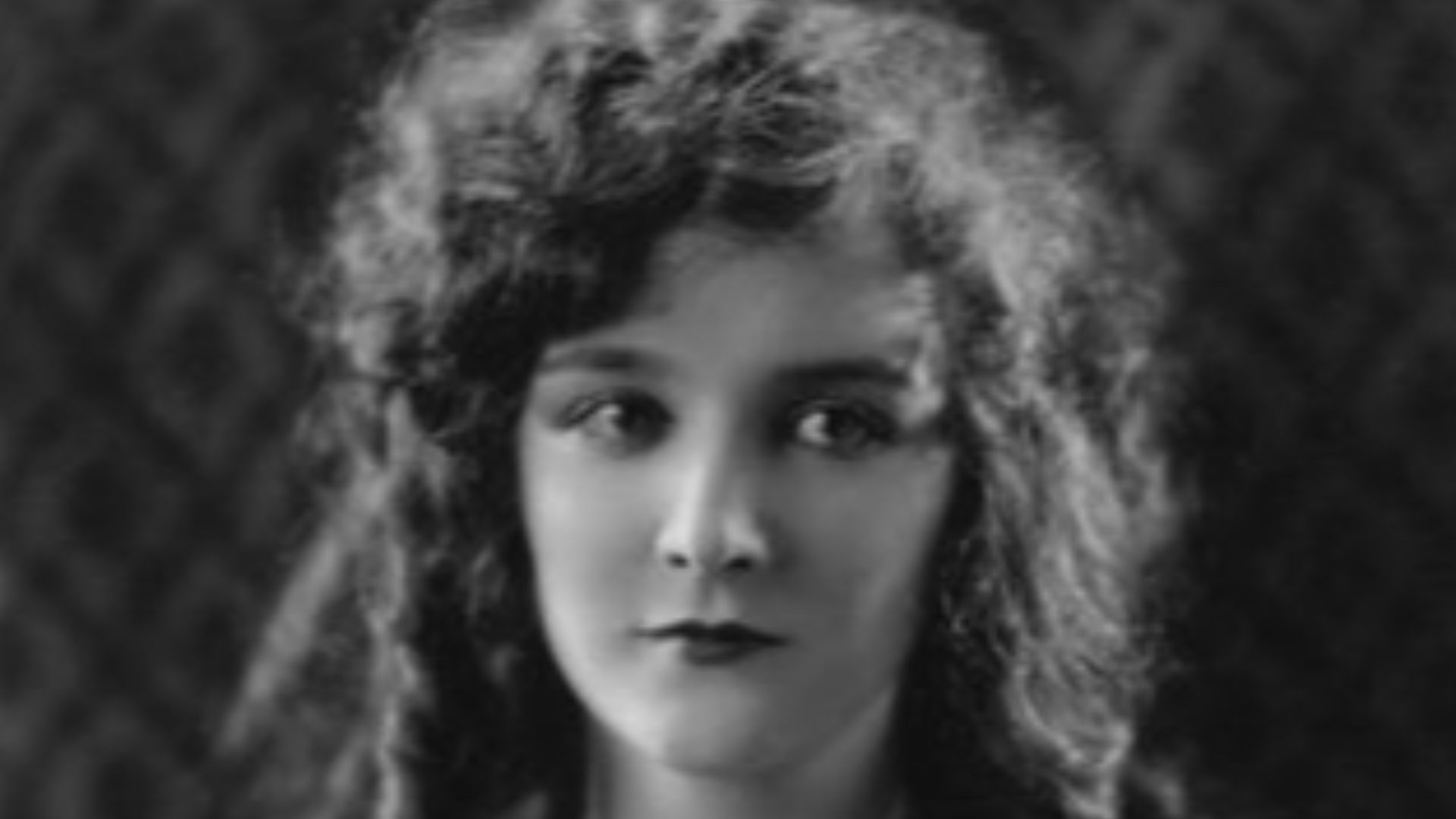 Jack Freulich (1880–1936), photographer, Wikimedia Commons
4. Her Dreams Came With A Catch
Following the competition, Von Stromheim gave Mary the offer everyone coveted. He offered Mary the leading role in one of his upcoming films. Yet, it came with a catch, and everything for Mary hinged on that catch. Mary would have to move to Los Angeles to film. Timid and always conscious of doing what was "right," Mary had her hesitations. She needed advice, and in doing so, Mary made her first mistake.
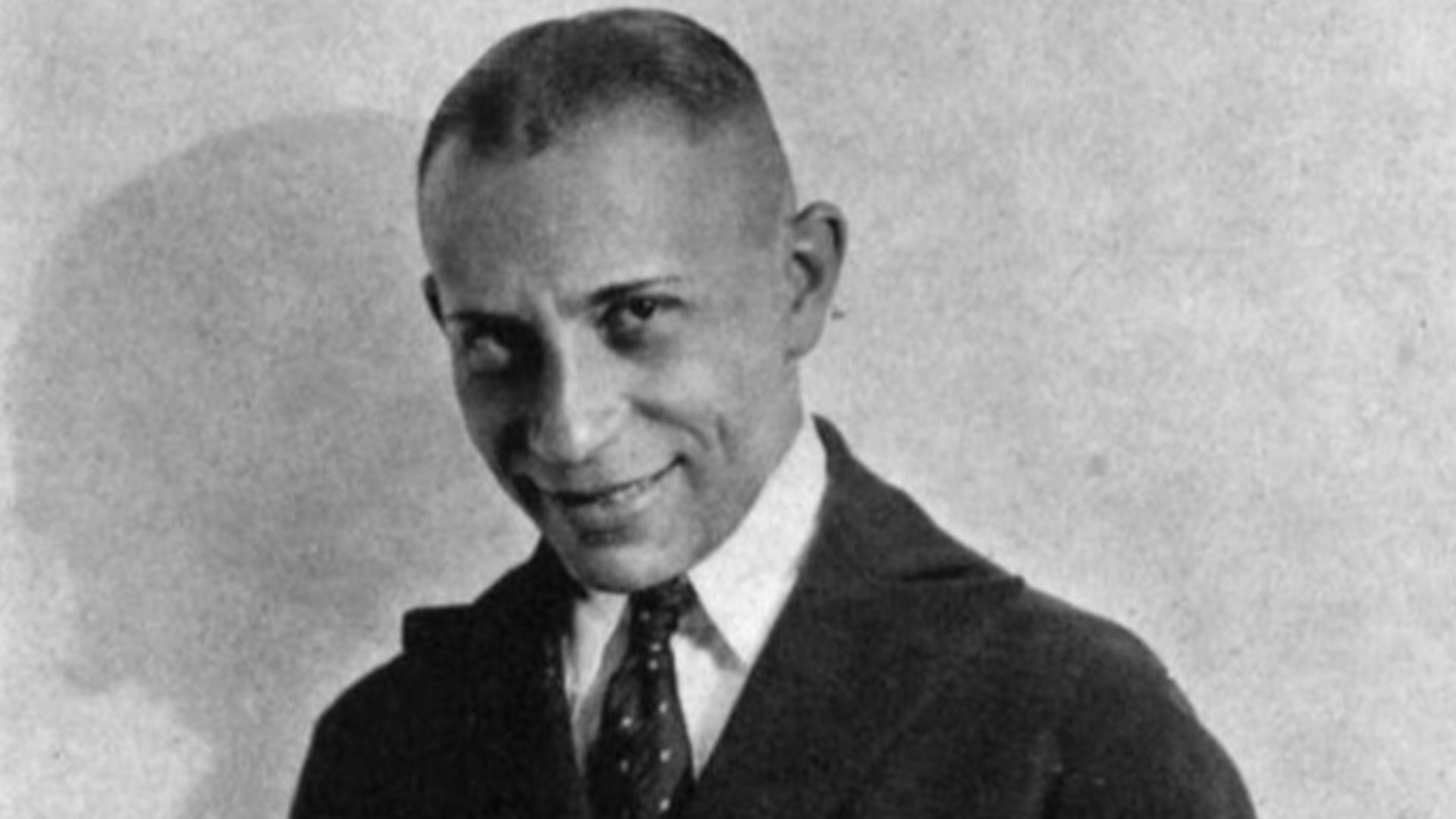 Uncredited., Wikimedia Commons
5. She Didn’t Know What To Do
Not certain if moving to Los Angeles was the best thing to do, Mary Philbin turned to her parents. However, if Mary doubted the “rightness” of Los Angeles, her parents outright refused to accept it as a possibility. They did not want their darling daughter in that city. If her parents had their way, they’d sink Mary’s career before it even started.
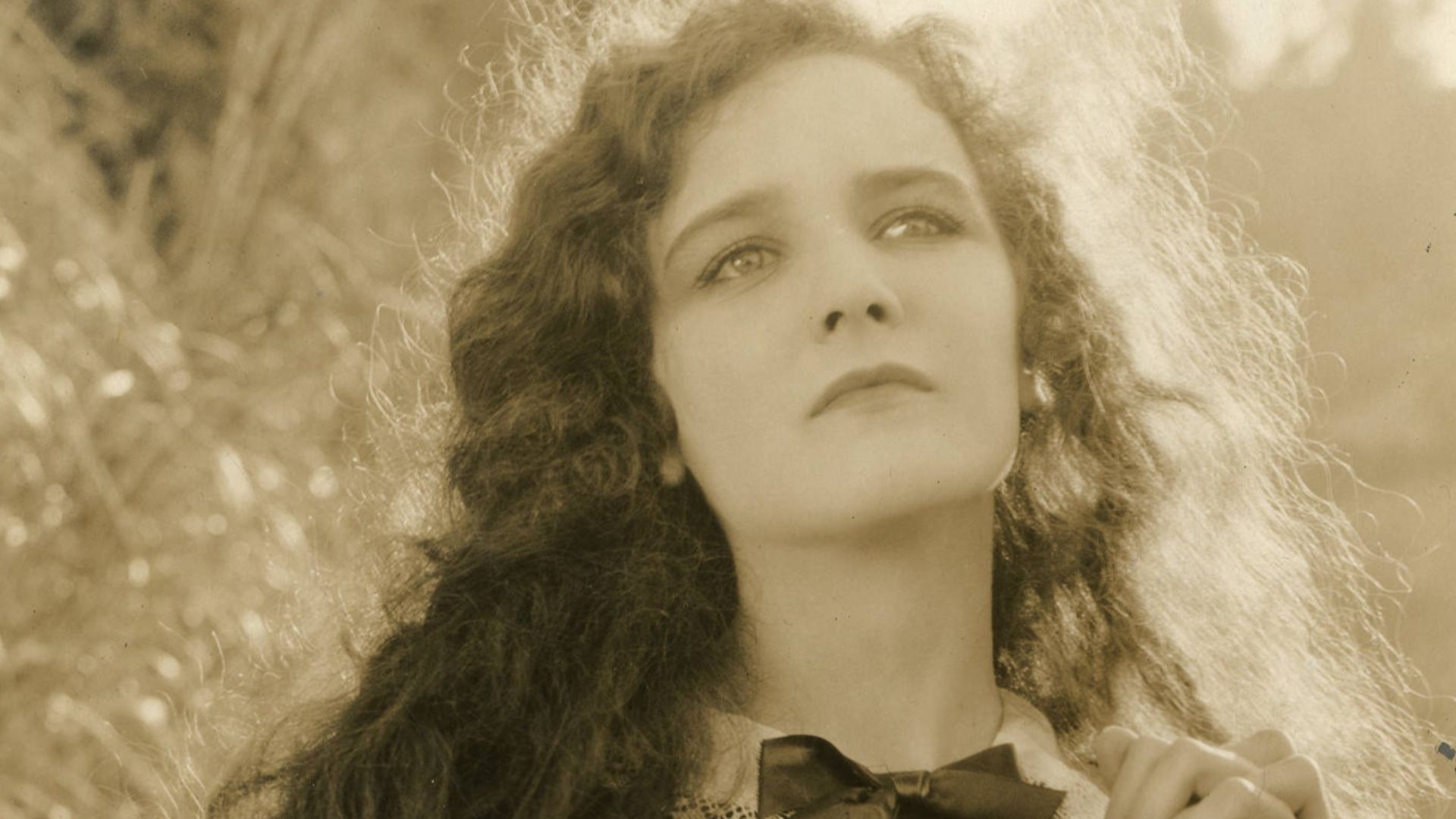 Unknown authorUnknown author, Wikimedia Commons
6. She Had The Right Friends
Enter Mary’s oldest friend: Rebecca Laemmle. Los Angeles was the place to be, and the Laemmles knew it. That’s why Rebecca and her family were moving to Los Angeles as well to further their filmmaking business. Suddenly, the Philbins saw Los Angeles in a slightly different light. However, they still had one condition.
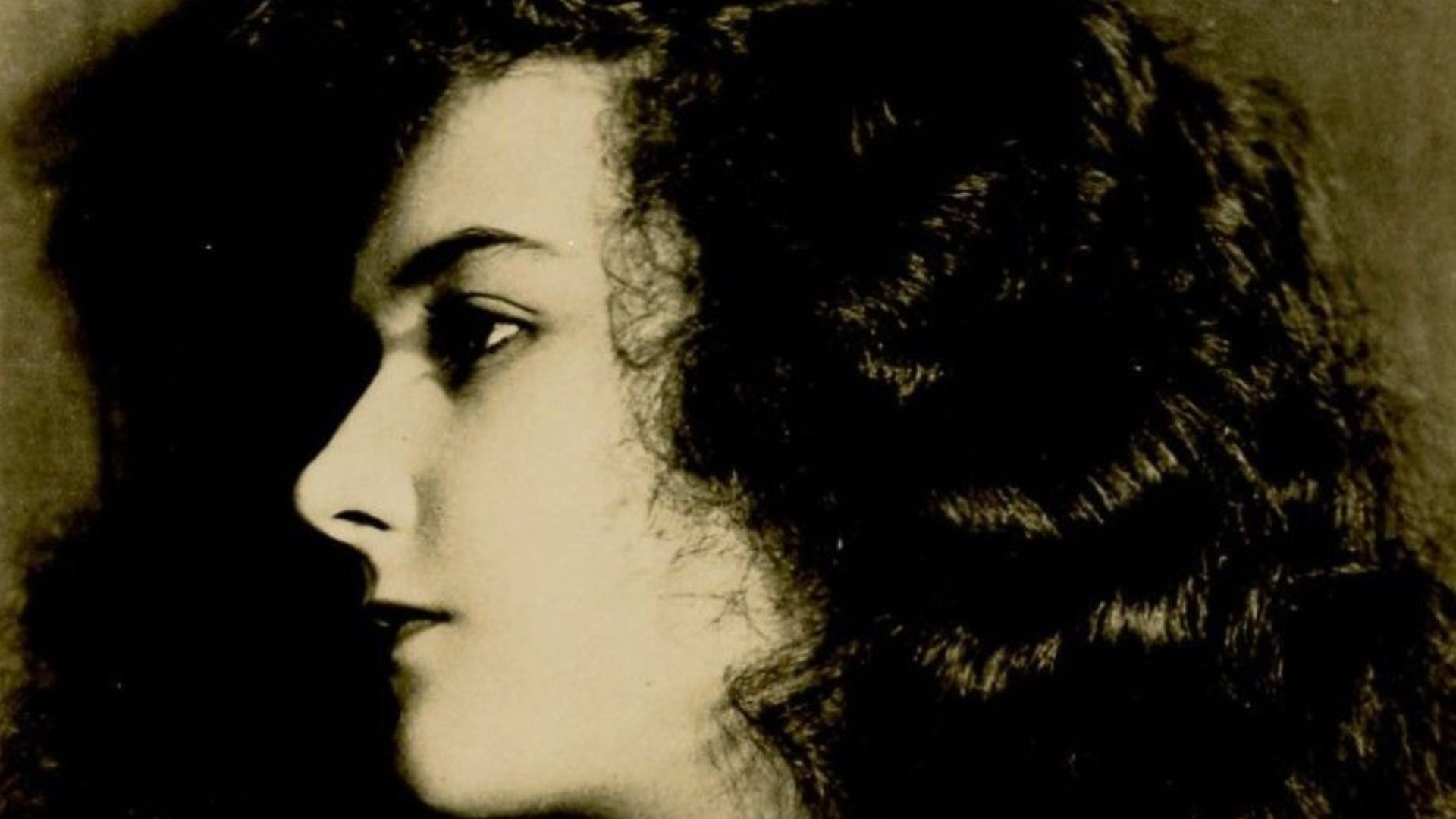 Unknown authorUnknown author, Wikimedia Commons
7. She Had To Take Precautions
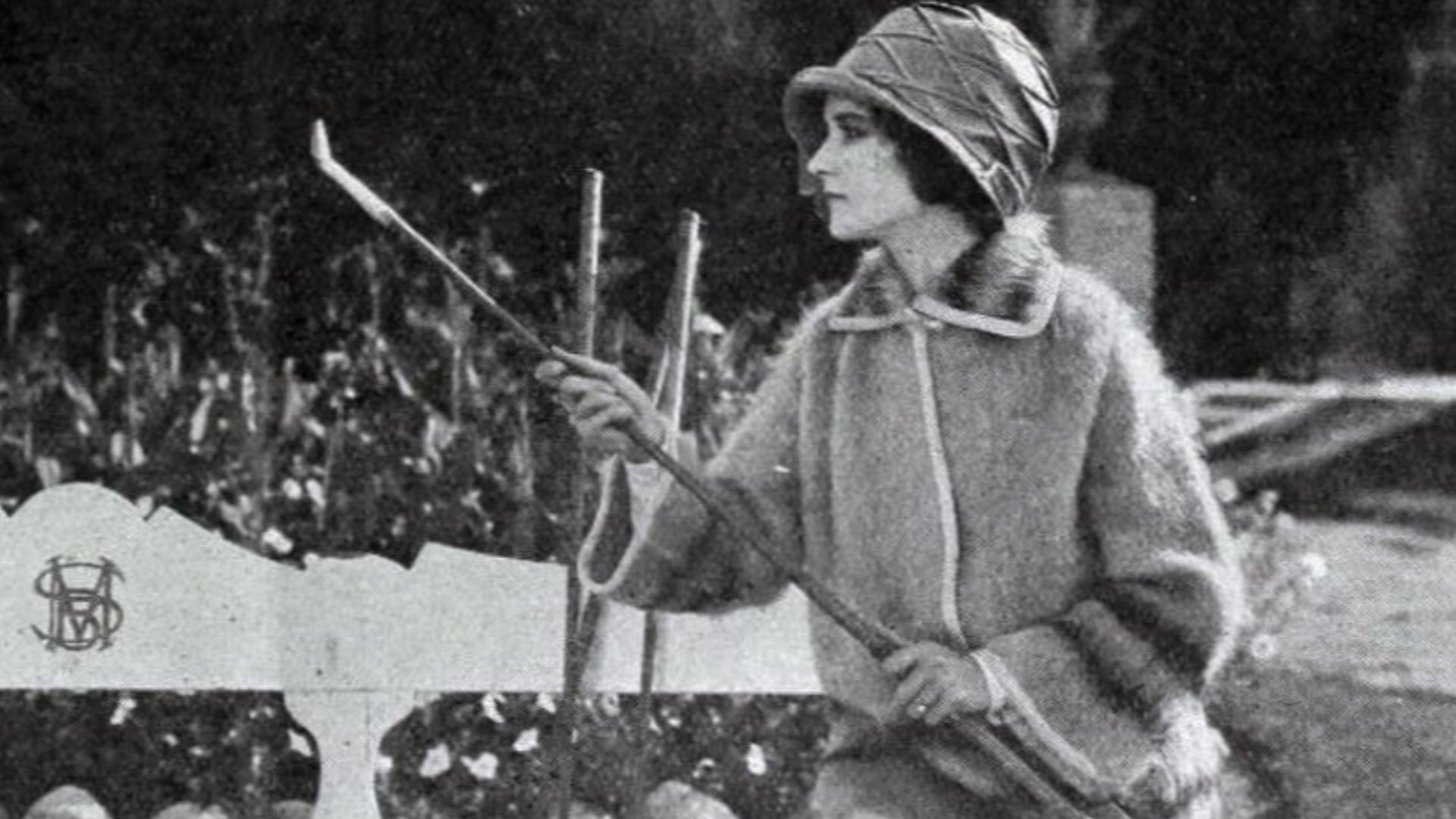
Mary’s parents conceded. Mary could go to Los Angeles and work on the film. However, they had one caveat that they expected Mary to follow. Her parents needed to go with her, not just to Los Angeles but to the set. Fearful that the “sheiks” of Los Angeles could lead their daughter down a dark path, her parents would follow Mary closely to ensure that they kept her in line. Yet, in the end, Mary wasn’t the one they needed to worry about.
 Universal Pictures, Wikimedia Commons
8. She Learned The Hazards Quickly
Being trapped by her parents hardly seemed like a productive way to start Mary’s career. Yet, it provided her with what she needed. It put her foot in the door. Or did it? Packing up their things, Mary and her parents moved to Los Angeles, ready to begin the next part of her adventure. Unfortunately, no sooner did Mary arrive in Los Angeles than she found her first disappointment.
 Unknown photographer, Wikimedia Commons

History's most fascinating stories and darkest secrets, delivered to your inbox daily.
9. She Had It Taken From Her
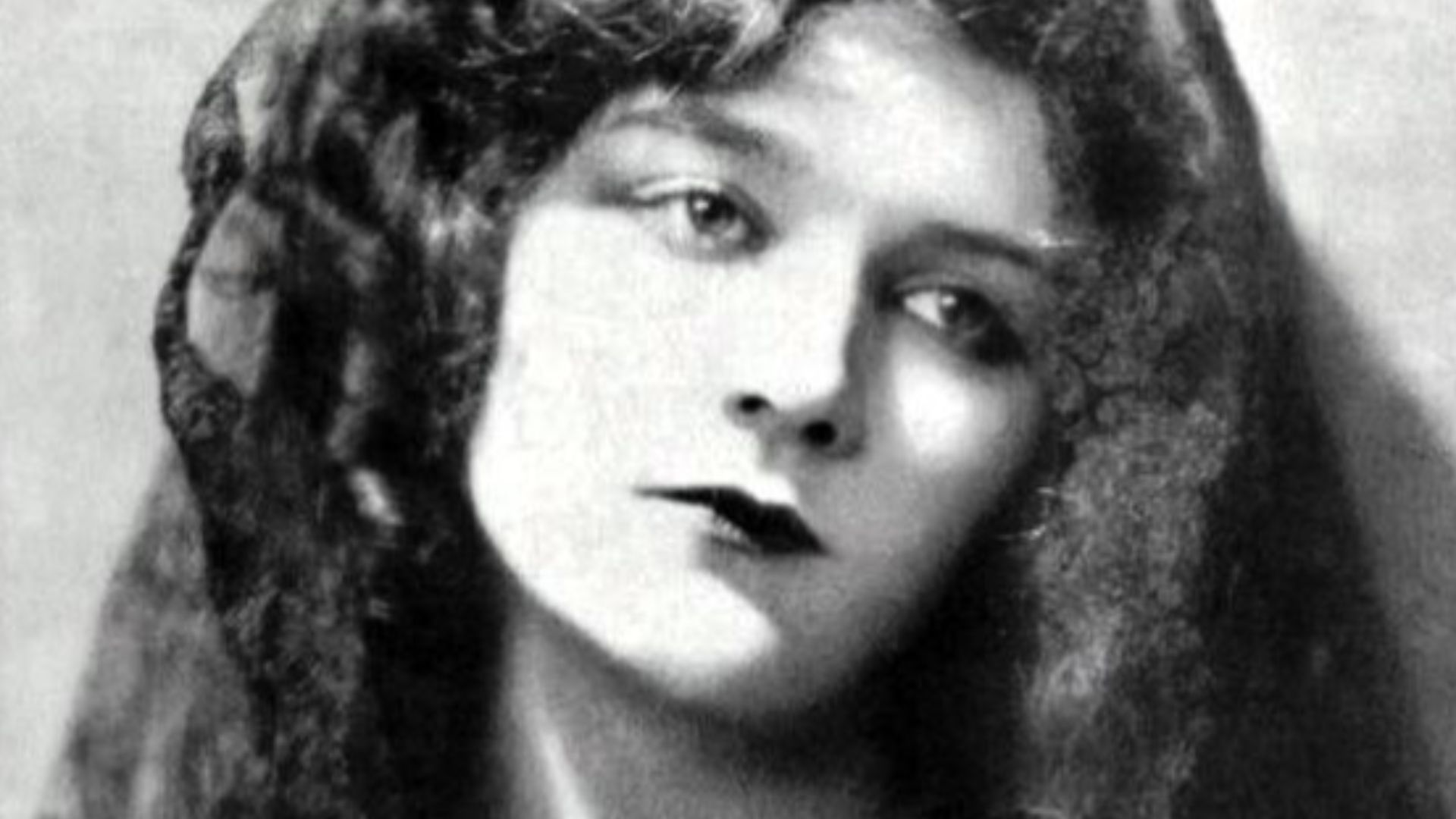
Hollywood is now famous for its fickle nature. Poor Mary Philbin, with her sweet disposition and big dreams, learned the true nature of Hollywood the hard way. She arrived in Los Angeles expecting Von Stromheim to follow through on his promise. She expected to lead in his upcoming film, Blind Husbands. Too bad Mary’s expectations went unmet. When Mary finally arrived in Los Angeles, she found that she’d been replaced—after all that, Mary didn’t even have a job!
 Universal Pictures, Wikimedia Commons
10. She Wanted To Give Up
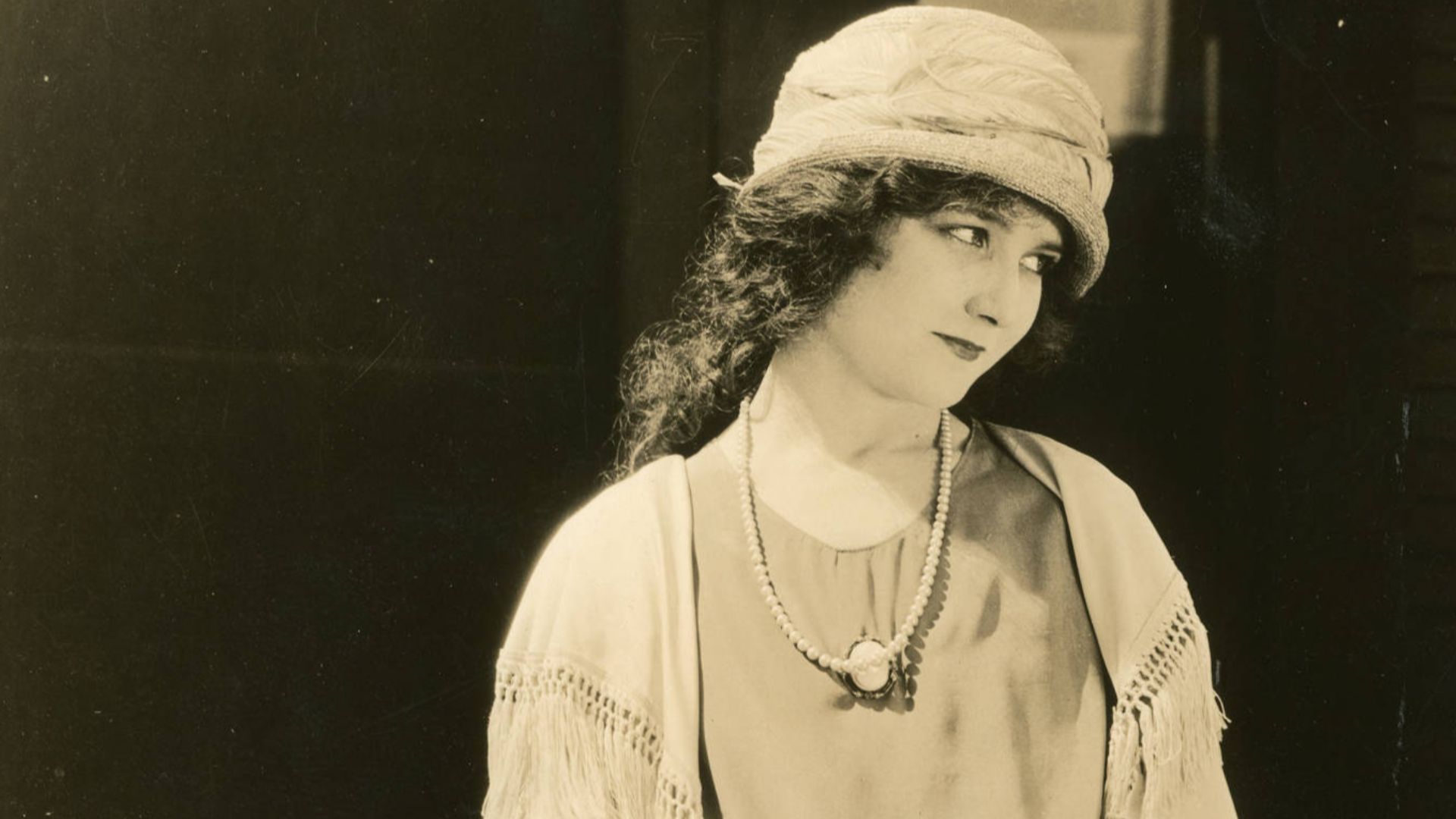
Understandably, Mary felt hurt by this turn of events. She felt the industry had cheated her out of the role that should have rightfully been hers. Faced with this obvious setback, Mary began to question whether Hollywood really was the place for her. It seemed to Mary that it might just be better to go home and forget about this entire thing. If it weren’t for an old friend, she would’ve done just that.
 Unknown authorUnknown author, Wikimedia Commons
11. She Needed Support
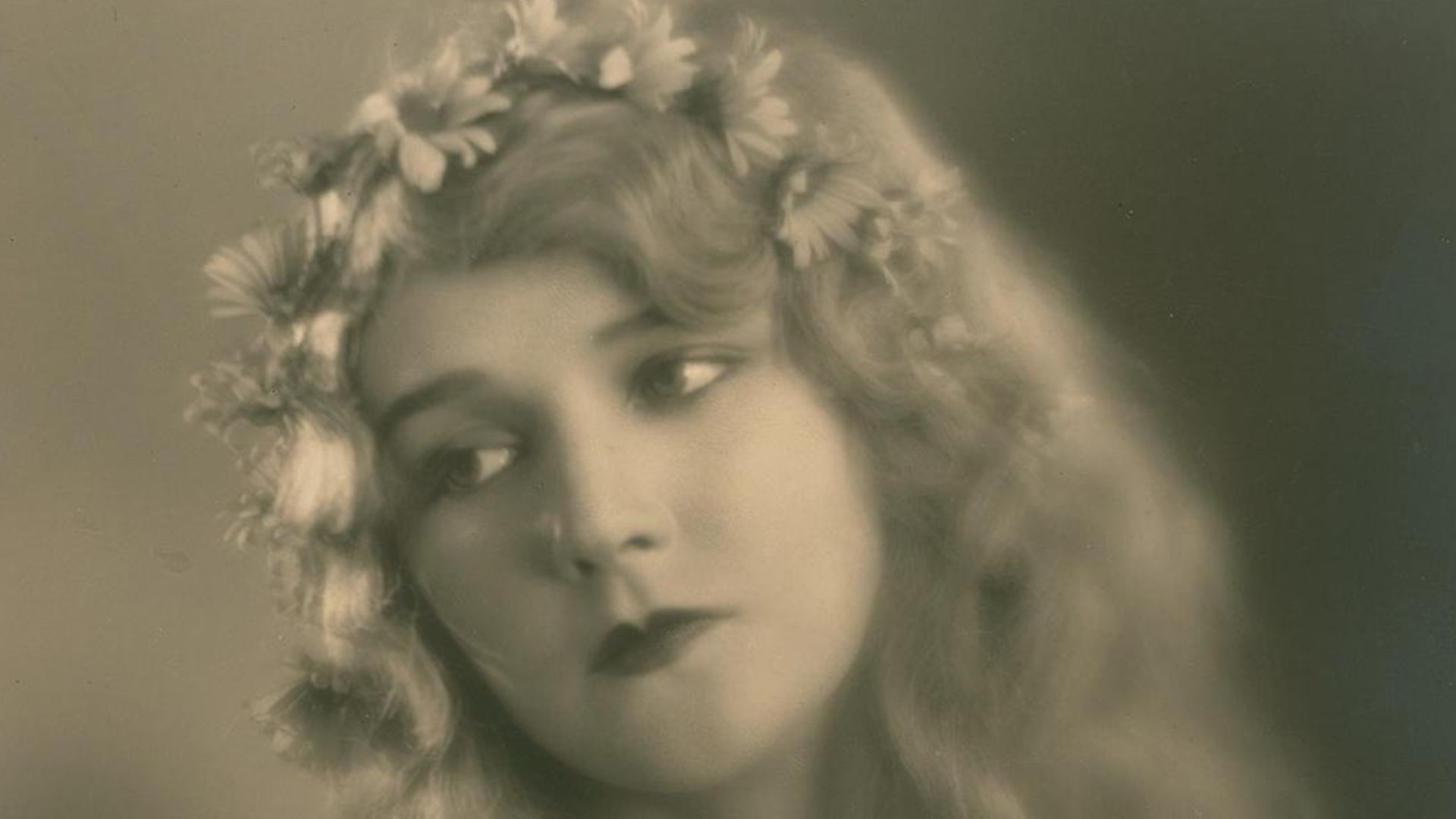
Mary Philbin wanted to go home. The industry that she’d dreamt about had shown her its sinister side, and Mary no longer desired to be a part of it the way that she had before. Her excitement had vanished in the true face of “show business”. Thankfully, her old friend Rebecca (now going by Carla) had another plan for Mary’s life and wouldn’t let Mary take no for an answer.
 Hartsook Photo, Wikimedia Commons
12. She Could Always Count On Her Friends
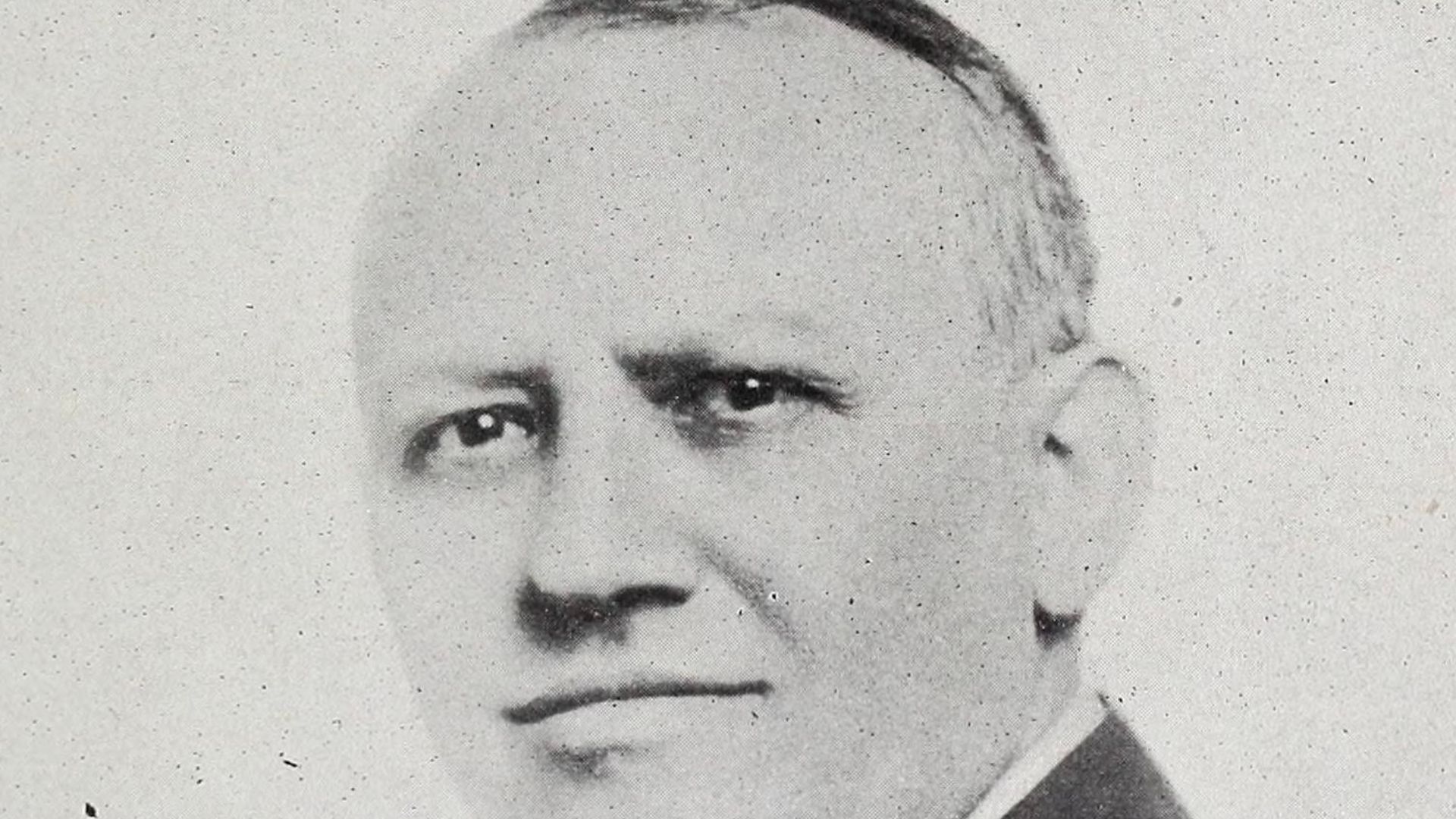
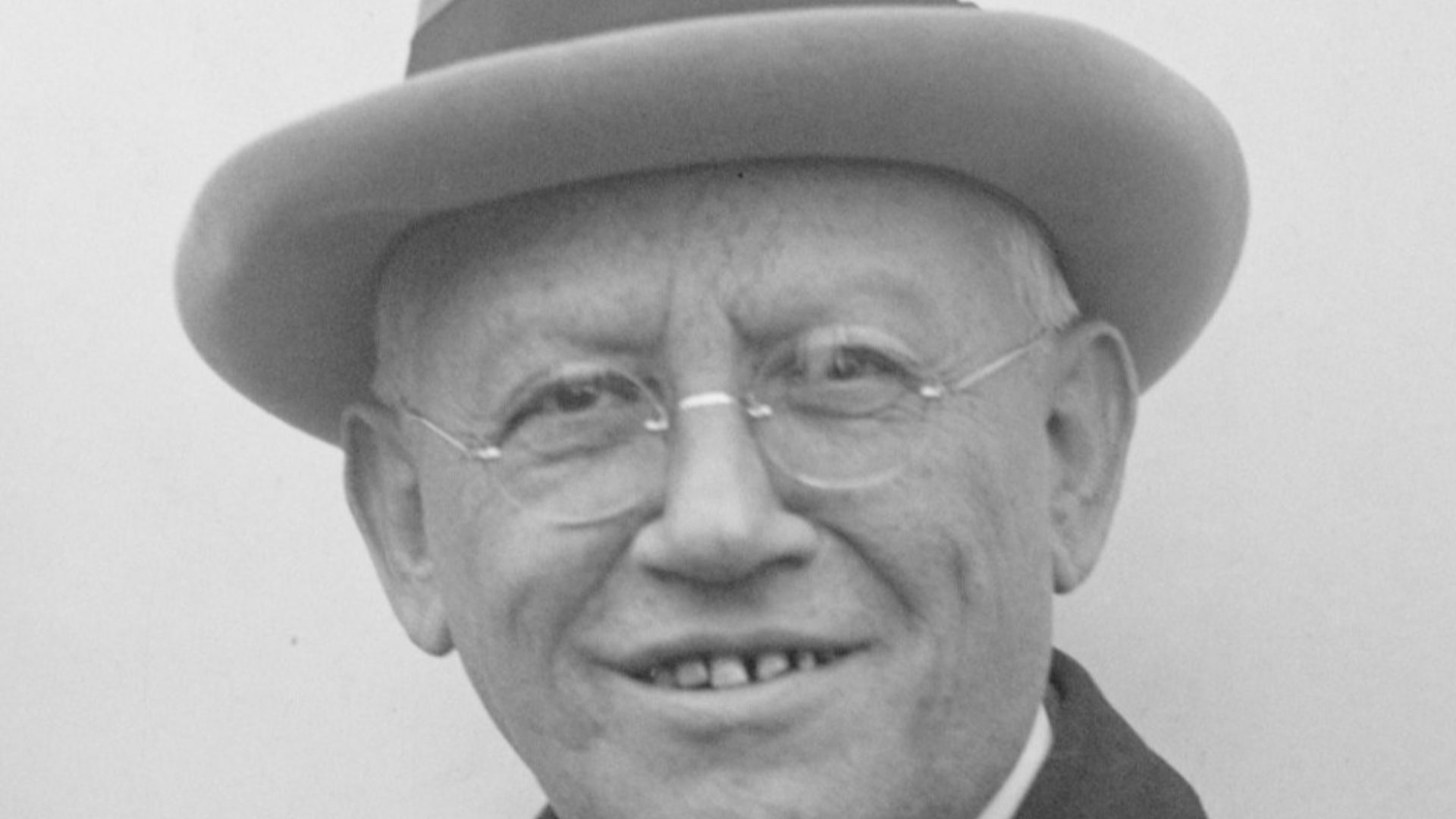
Hollywood may have let Mary down, but Rebecca never seemed to have done that. In fact, Rebecca seemed to be Mary’s one true supporter. She seemed to truly believe in her friend and wanted to see her excel. When her Von Stromheim role fell through, Rebecca encouraged Mary to pursue work with Rebecca’s uncle, Carl Laemmle.
Rebecca may have believed in Mary, but her uncle proved to be another matter entirely.
13. She Still Wasn’t The Right Fit
Rebecca’s plan should’ve been a good one. Given the history between the two families, Laemmle knew Mary Philbin already. He even liked Mary, seeing her as an “angelic, sweet, quiet” young lady. It made perfect sense that Rebecca thought her uncle could step up and save Mary. Unfortunately, while he liked Mary’s disposition as an acquaintance, it seemed Laemmle didn’t want an “angelic, sweet, quiet” leading lady.
 Bain News Service, publisher, Wikimedia Commons
14. She Couldn’t Catch A Break
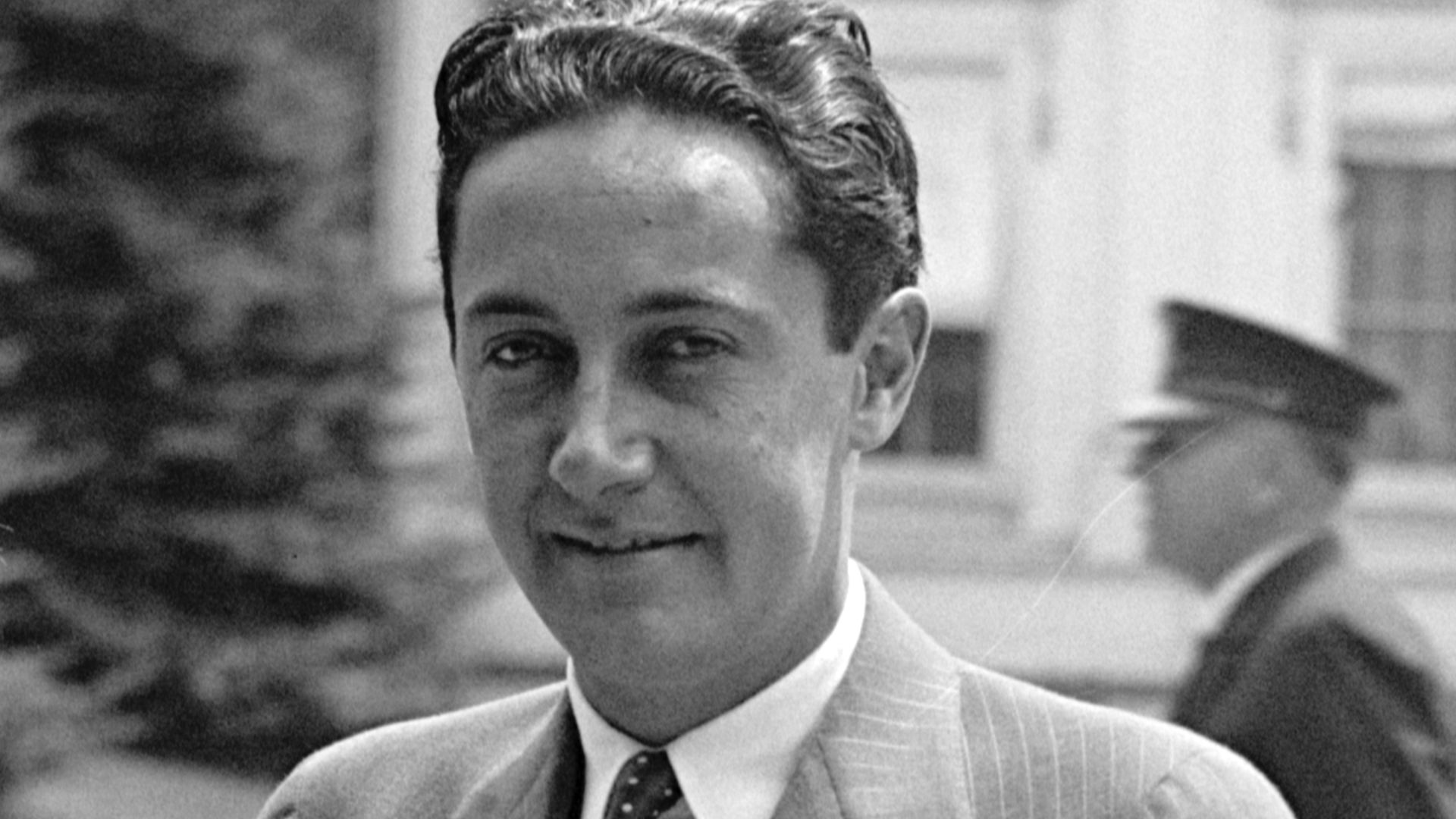
It seemed that the quiet personality that had served Mary so well up until this point doomed her in the eyes of Hollywood. Both Laemmle and the head of production at Universal, Irving Thalberg, believed that Mary’s reserved nature and staunch commitment to her morals made her a bad match for a leading lady. If Mary couldn’t get an offer from friends, then what hope did she have in Hollywood at all?
 National Photo Company, Wikimedia Commons
15. She Was Finally Seen
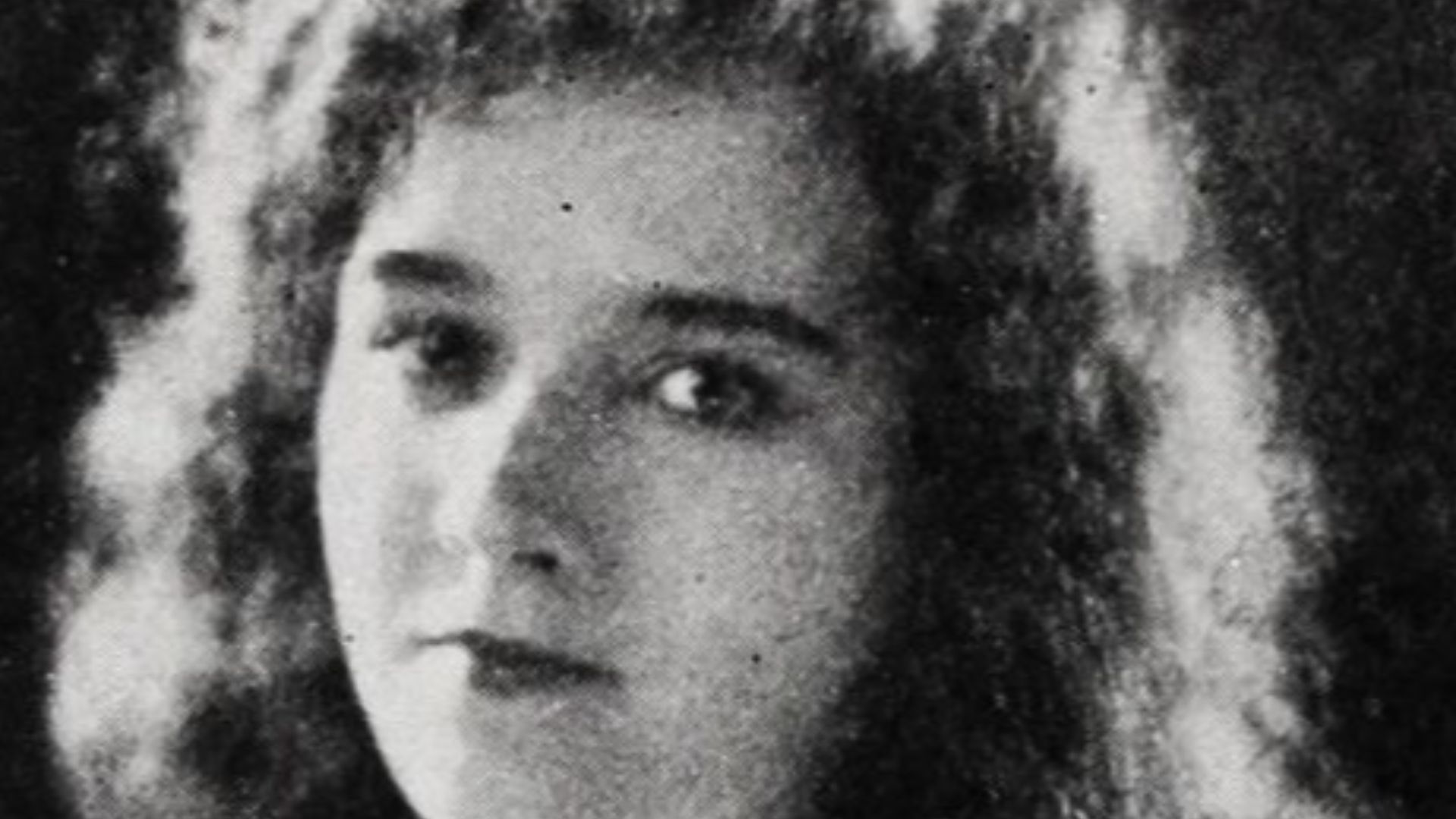
Given how many times she’d been disappointed up until this point, no one would blame Mary Philbin if she chose to leave Hollywood behind. It seemed that the glittering city didn’t want her. However, Mary’s earlier defeatist attitude had vanished. With the support of her family and Rebecca, Mary continued to fight for what she wanted, and that persistence eventually won out.
 Universal Pictures, Wikimedia Commons
16. She Made A Splash
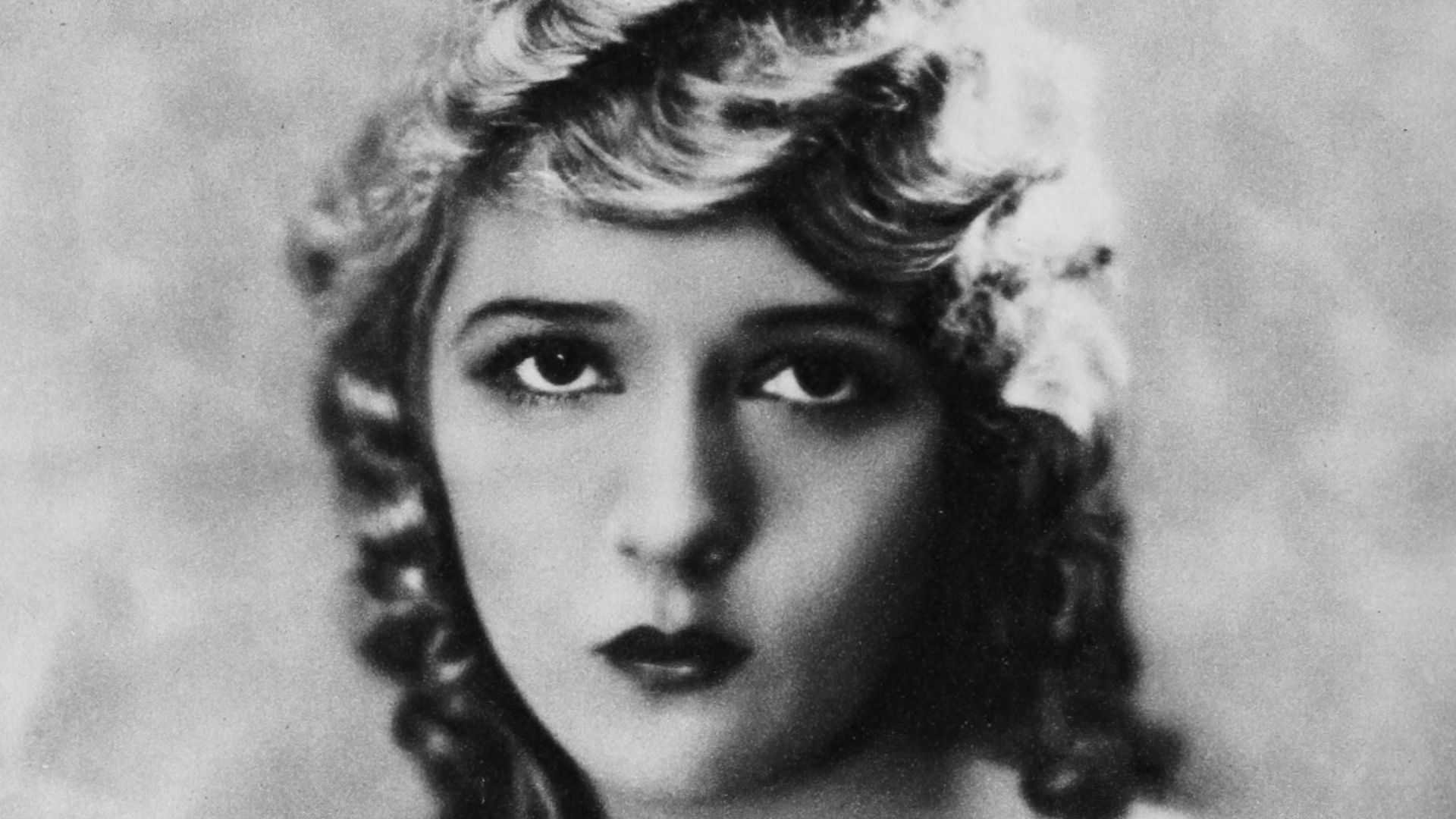
Finally, thanks to their persistence, Laemmle agreed to give Mary her first big role in 1921, letting her star as “Talitby Millicuddy” in The Blazing Trail. Despite having to fight hard for her chance to be a leading lady, Mary was an instant hit. The public loved her and began to whisper her name in the same circles as the greats of her time, Mary Pickford, Florence Lawrence, and Mae Marsh.
Mary’s star began to rise so quickly that someone significant decided to take notice.
 Nelson Evans, Wikimedia Commons
17. She Was Singled Out
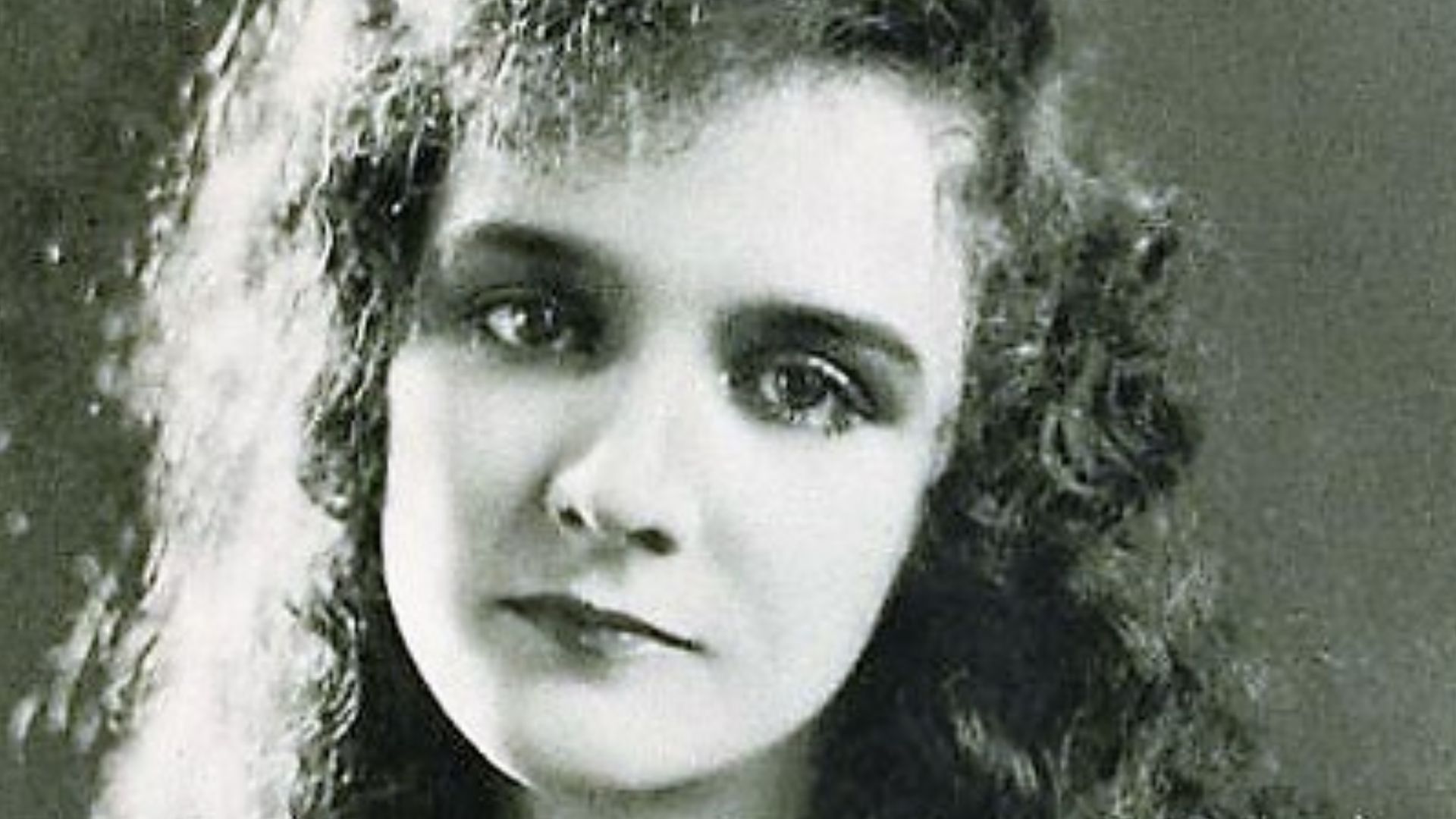
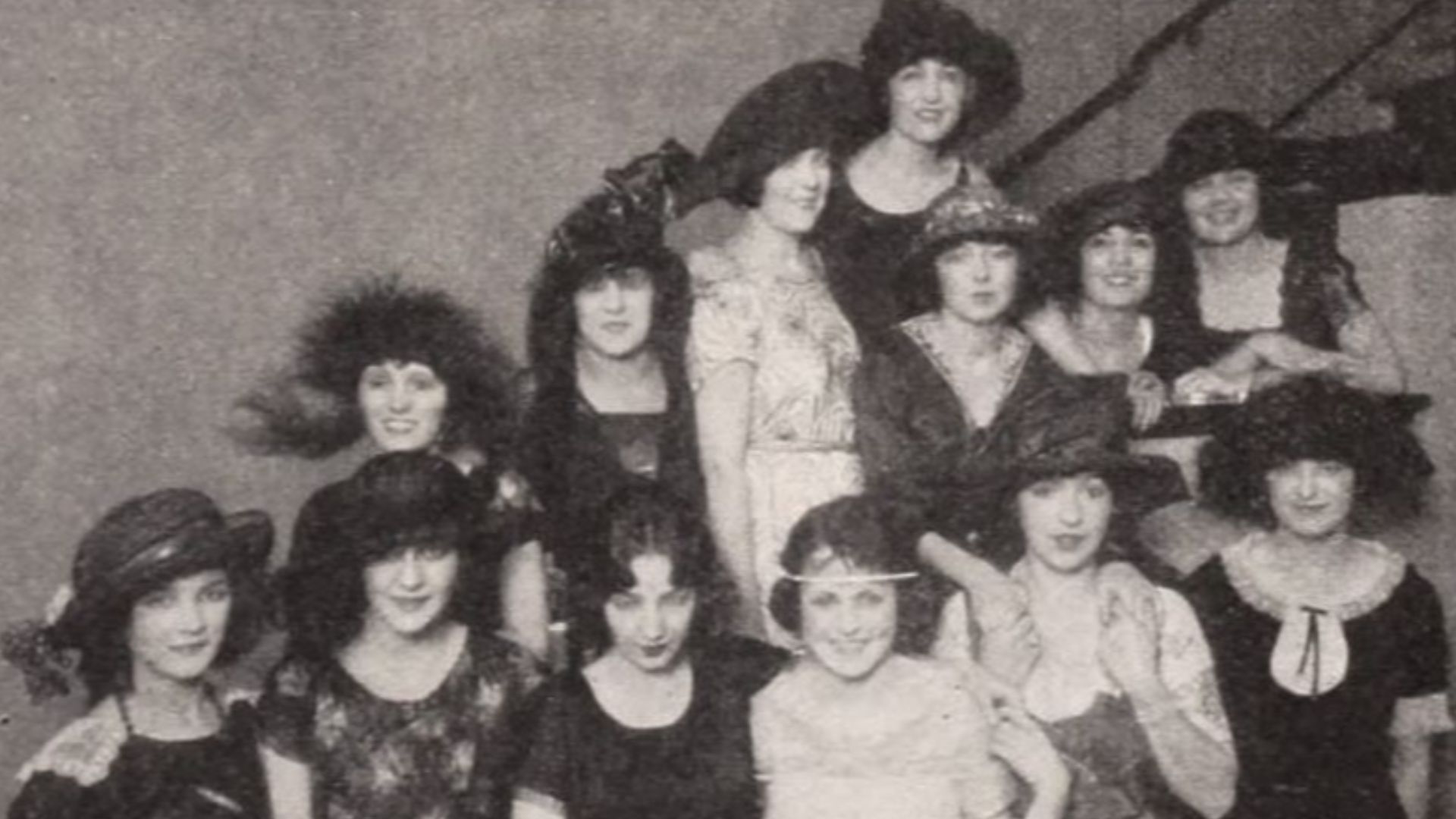
In 1922, the Western Association of Motion Picture Advertisers decided that they wanted to do something to boost the young woman gracing the silver screen. That year, they ran their very first WAMPAS Baby Stars, a list of 13 young women destined to do great things—I’ll give you one guess whose name appeared on the list.
 Stars of the Photoplay, Wikimedia Commons
18. Her Future Seemed Bright
The WAMPAS Baby Stars ran for roughly 10 years from 1922 to 1934. Mary Philbin found herself among the names honored that very first year. The public believed that Mary’s destiny contained good things. Unfortunately, in the history of the WAMPAS, very few names ever went very far. So, what of Mary’s future?
 Unknown photographer, Wikimedia Commons
19. She Ran Hot
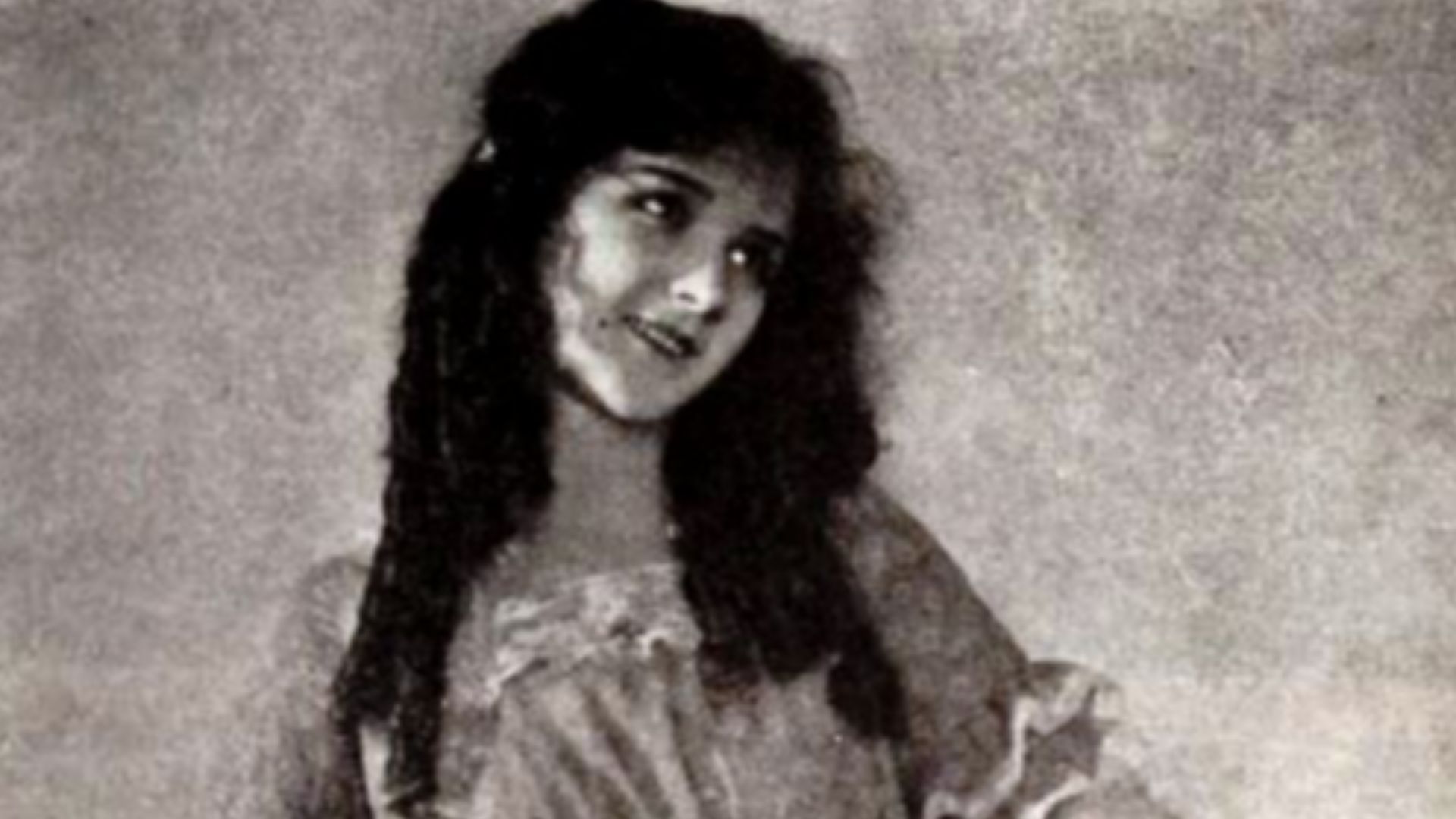
Following that first film, Mary’s career appeared to be on a hot streak. She featured in six films in 1921, though several consisted of extra parts or small one-reel films. However, for all that success, Mary never got to fulfill the dream that she had come to Hollywood for. She still hadn’t scored a role with her personal hero.
 Unknown photographer, Wikimedia Commons
20. She Got A Second Chance
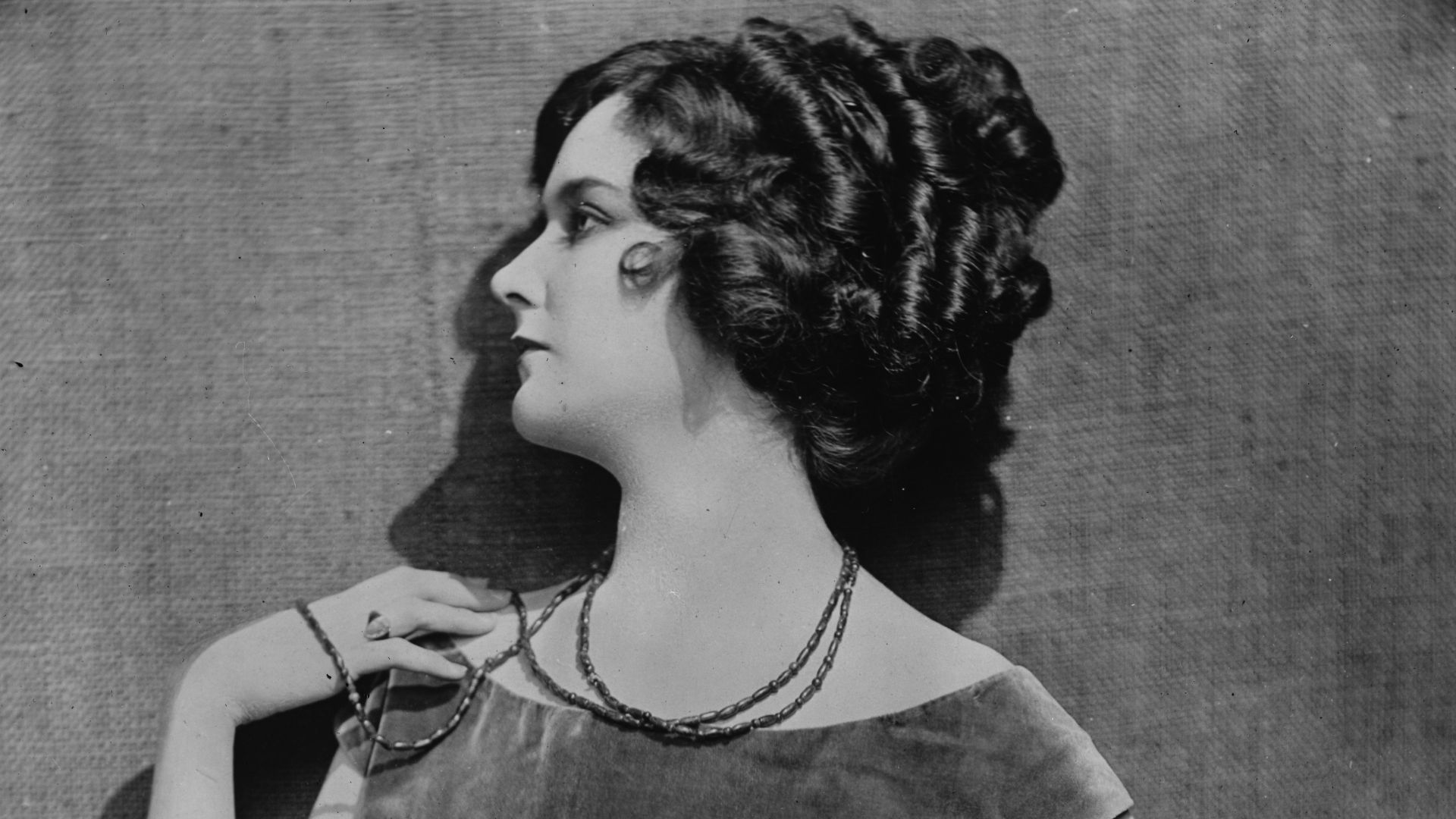
When he’d first seen her, Erich von Stromheim had adored Mary Philbin. However, he’d given away her starring role before she was able to arrive in Hollywood. Yet, as Mary’s star began to rise, Von Stromheim began to regret his earlier haste in recasting Mary. After watching two of her 1921 films, Von Stromheim approached Mary with an offer, and despite her earlier disappointment with him, it proved an offer Mary couldn’t refuse.
 Bain News Service, publisher, Wikimedia Commons
21. She Was Part Of A Big Film
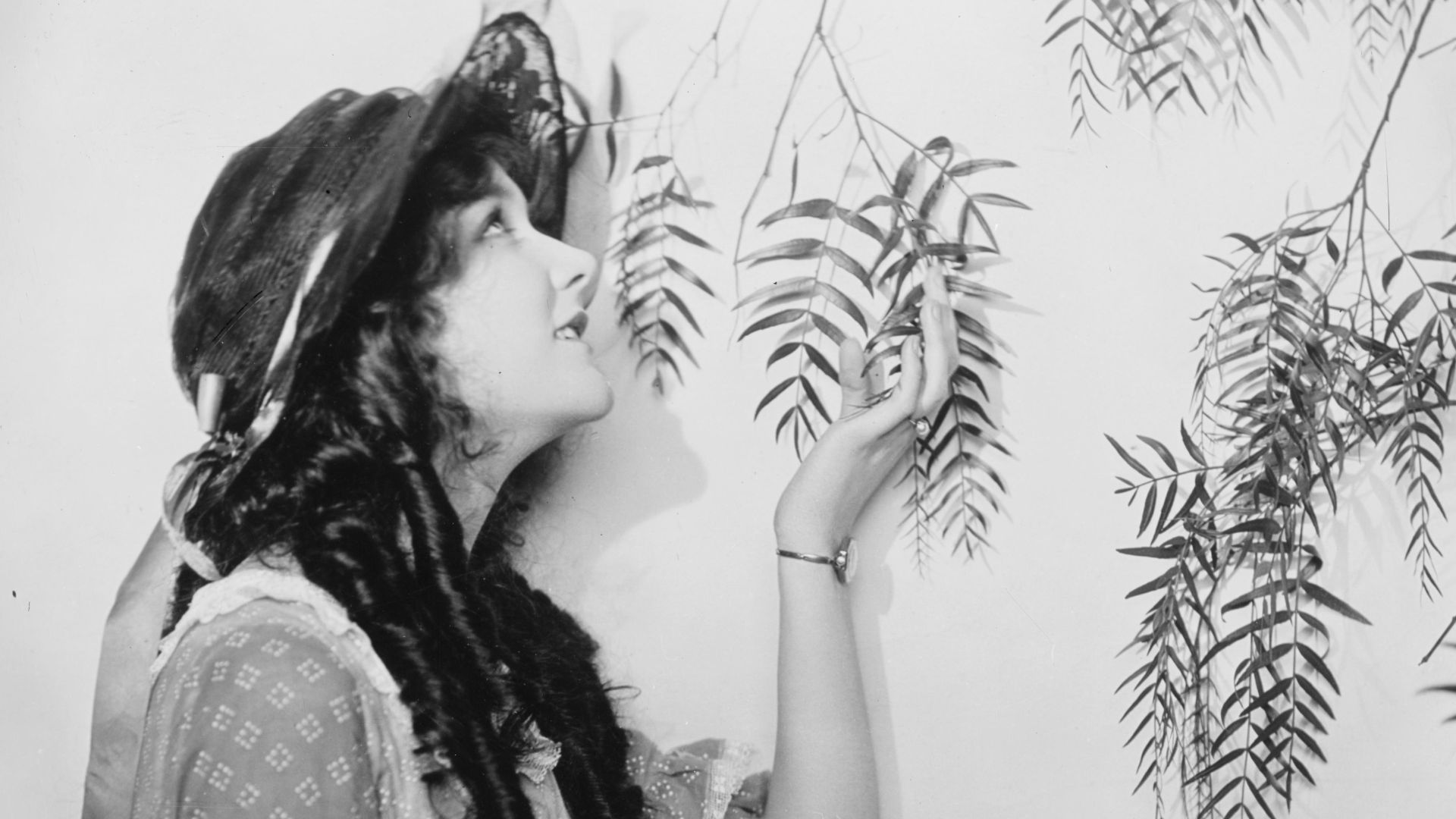
Mary finally got the opportunity to work with her personal hero. Von Stromheim cast Mary in his film Foolish Wives. More than that, she got an opportunity to work on a big-budget film, as Foolish Wives quickly became Universal's most expensive film (at the time), with the budget skyrocketing to a million dollars. However, not everything in Hollywood is always as it seems. Technically, Mary appeared in Foolish Wives, but blink, and you might just miss her.
 Bain News Sevice, Wikimedia Commons
22. She Was Hardly There
Von Stromheim cast Mary Philbin as “the crippled girl," an extra part. Mary appears on film as a little girl on crutches, with her back turned to the camera. If you did not know what you were looking for, you might miss the shockingly brief flash of Mary’s face through her ringlets. It hardly seemed worth it. Had Mary been disappointed by her personal hero yet again?
 Unknown photographer, Wikimedia Commons
23. She Met Her Hero
They say that you should never meet your heroes. First, Von Stromheim disappointed Mary, recasting her before she arrived in Los Angeles. Then, when he did give her an opportunity, it barely made an impact. It seemed Von Stromheim proved the rule, and yet Mary had a very different opinion of Von Stromheim.
Under Von Stromheim’s guidance, Mary felt she’d learned about “true” acting, and she certainly began to shine. He certainly gave her the respectability she’d been looking for.
 Studio Harcourt, Wikimedia Commons
24. Her Professional Life Soared
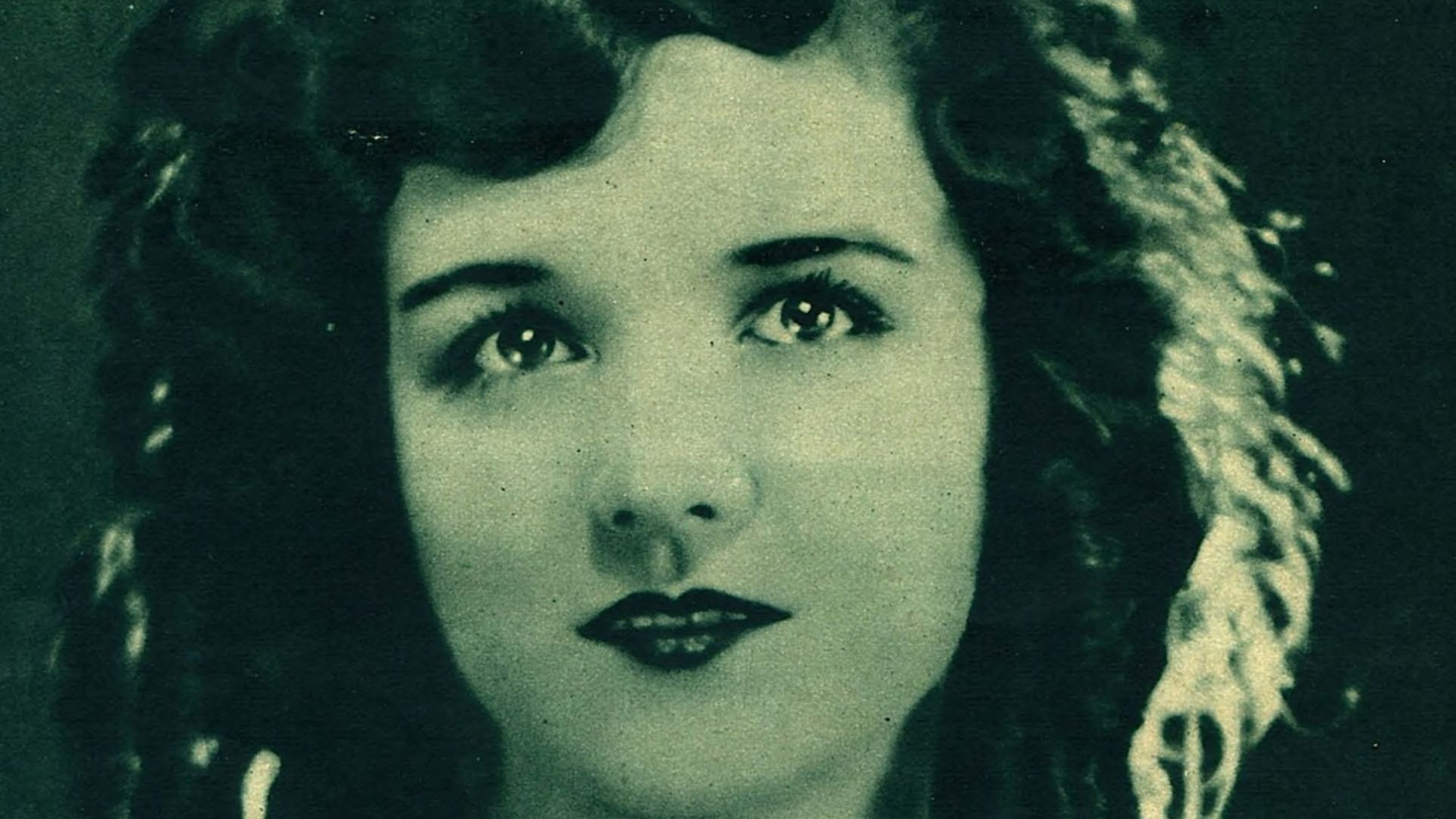
Following Foolish Wives, Mary’s professional career began to take off. Not only did Mary adore working with Von Stromheim, but he admired Mary. With the endorsement of Von Stromheim, producers began to take her more seriously, allowing more roles to open up for her. Of course, it is always at your highest moments that everything begins to fall apart.
 Edwin Bower Hesser, Wikimedia Commons
25. Her Personal Life Crumbled
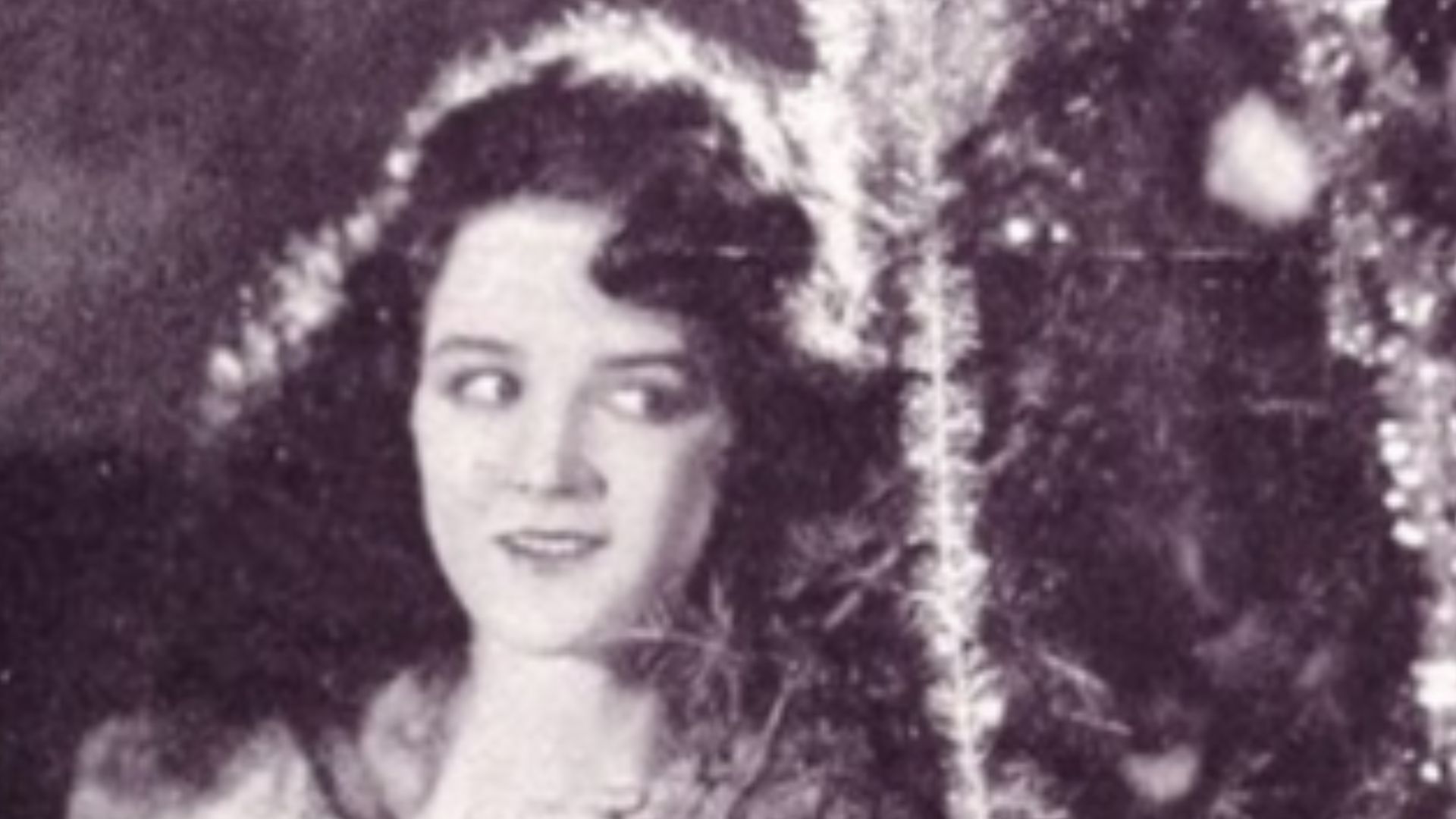
Mary’s mother and father were two very different people. Tensions persisted throughout Mary’s childhood, and at this point in Mary’s life, her father finally had enough. He divorced her mother. This devastated Mary, who adored her father and had a staunch sense of principles. To make matters worse, her father had another surprise waiting for her.
 Unknown photographer, Wikimedia Commons
26. She Turned To Her Mother
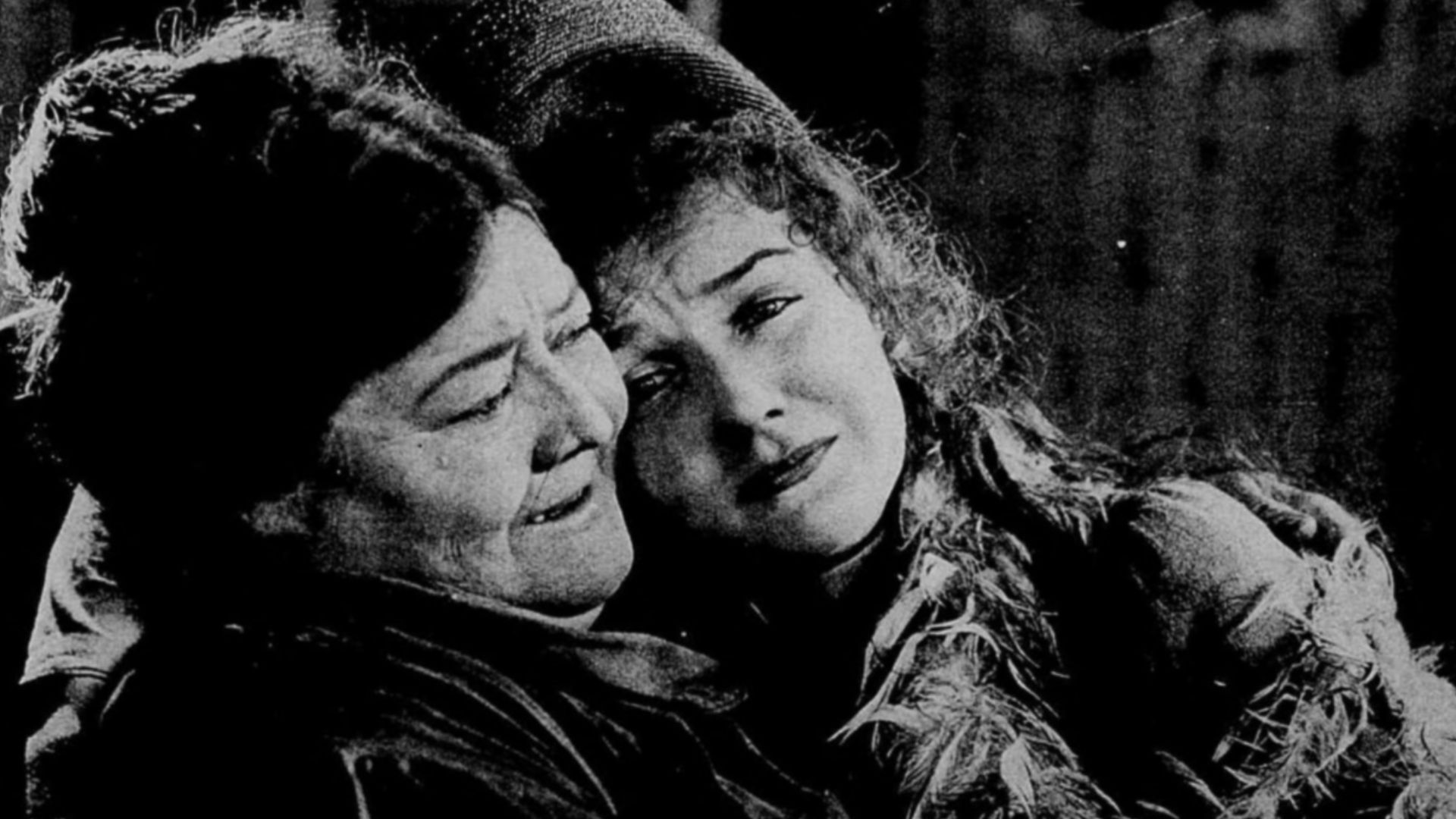
Not only did Mary’s father divorce her mother, but he also married another woman. Mary’s father remarried to Alice Mead. Although Mary continued to have warm feelings toward her father and even developed a good relationship with her stepmother, this development hurt her deeply. It also had the unfortunate effect of driving her right into her controlling mother’s arms.
 Universal Pictures, Wikimedia Commons
27. She Was The New It Girl
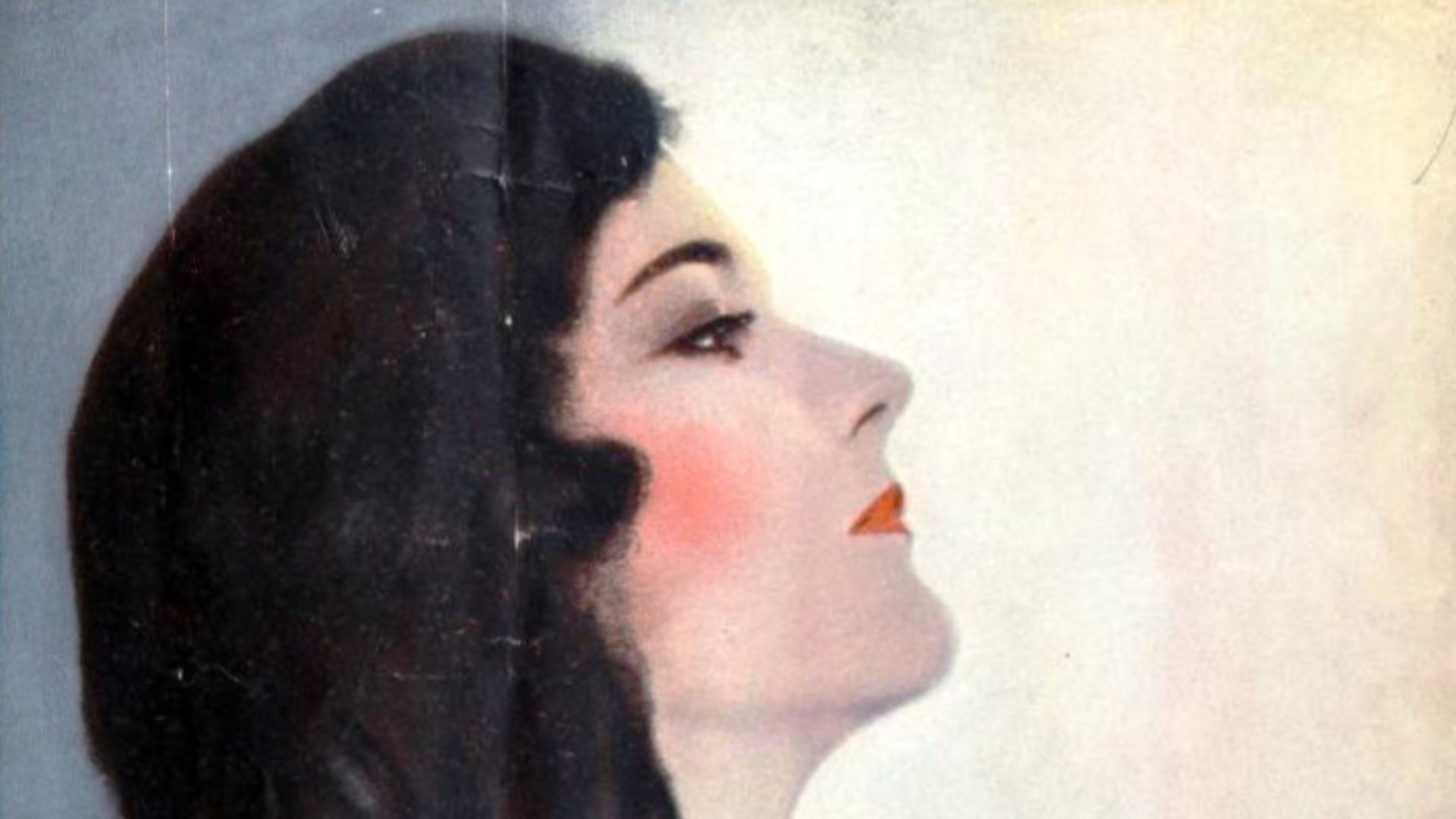
While this occurred in the background, Mary’s fame continued to grow. Her face graced the cover of many movie magazines, and more than just the audience began to take note of Mary’s quiet grace. More and more directors began to offer her roles as the leading lady. As she took on more roles, she began to interact with another unexpected group: dashing young men.
 Universal Pictures, Wikimedia Commons
28. She Got The Role
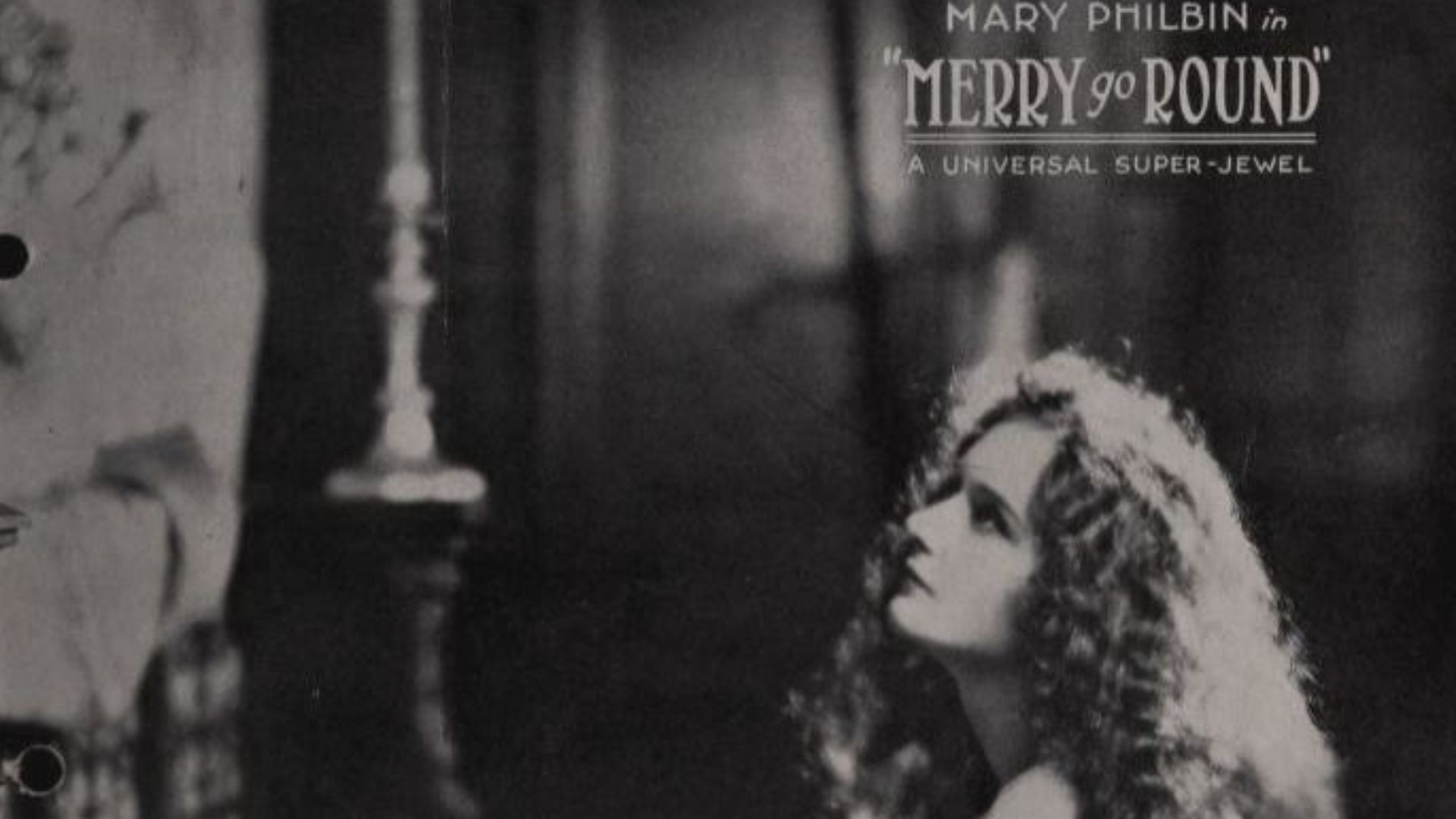
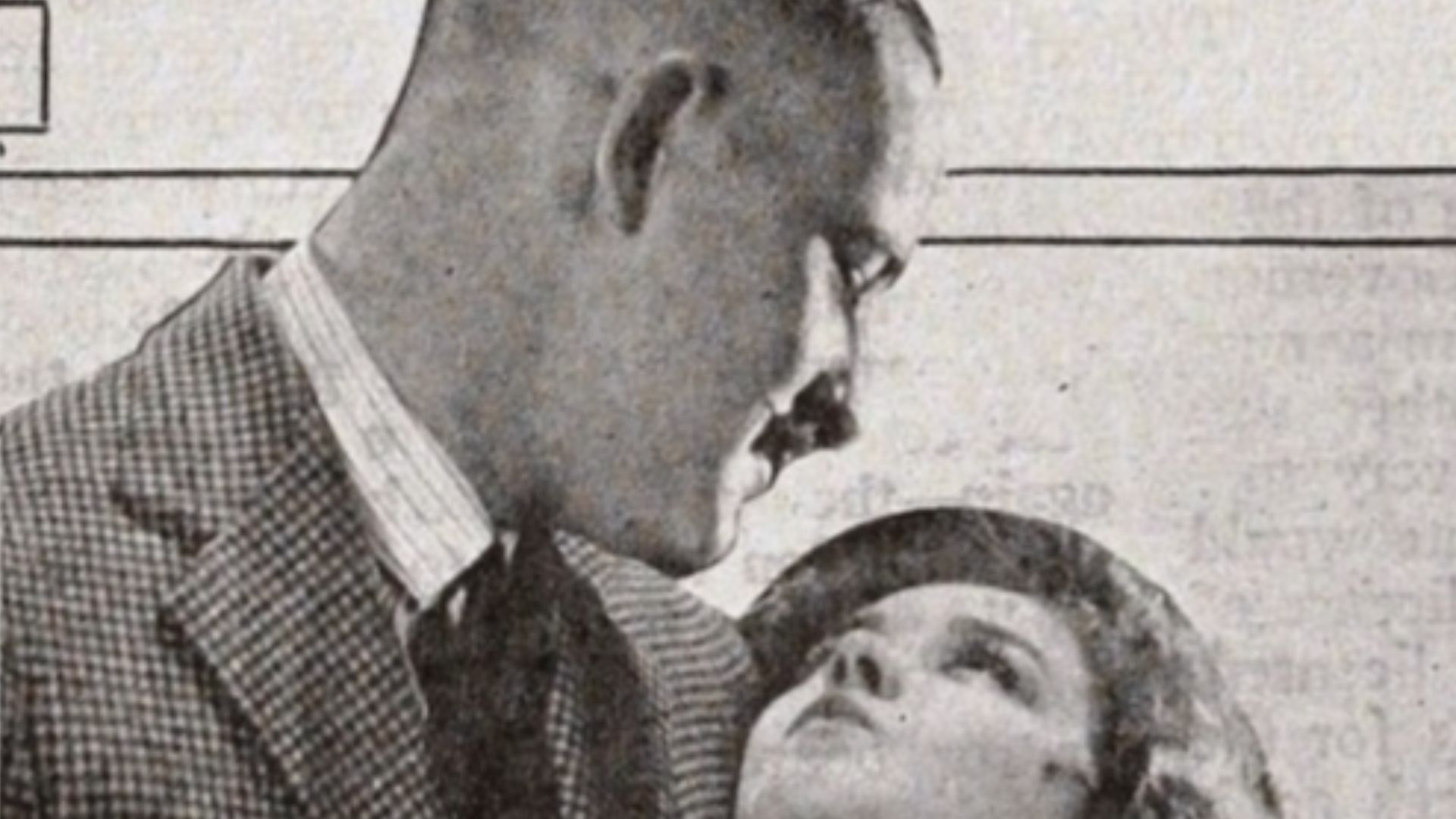
Yet again, Von Stroheim proved to be Mary’s champion when he cast her in his 1923 film The Merry-Go-Round. This time, Mary clinched the leading role, starring opposite the ever-so-handsome and charming Norman Kerry. At this point, many people had begun to notice Mary’s modest charm—including Kerry.
 Universal Pictures, Wikimedia Commons
29. She Charmed Her Leading Man
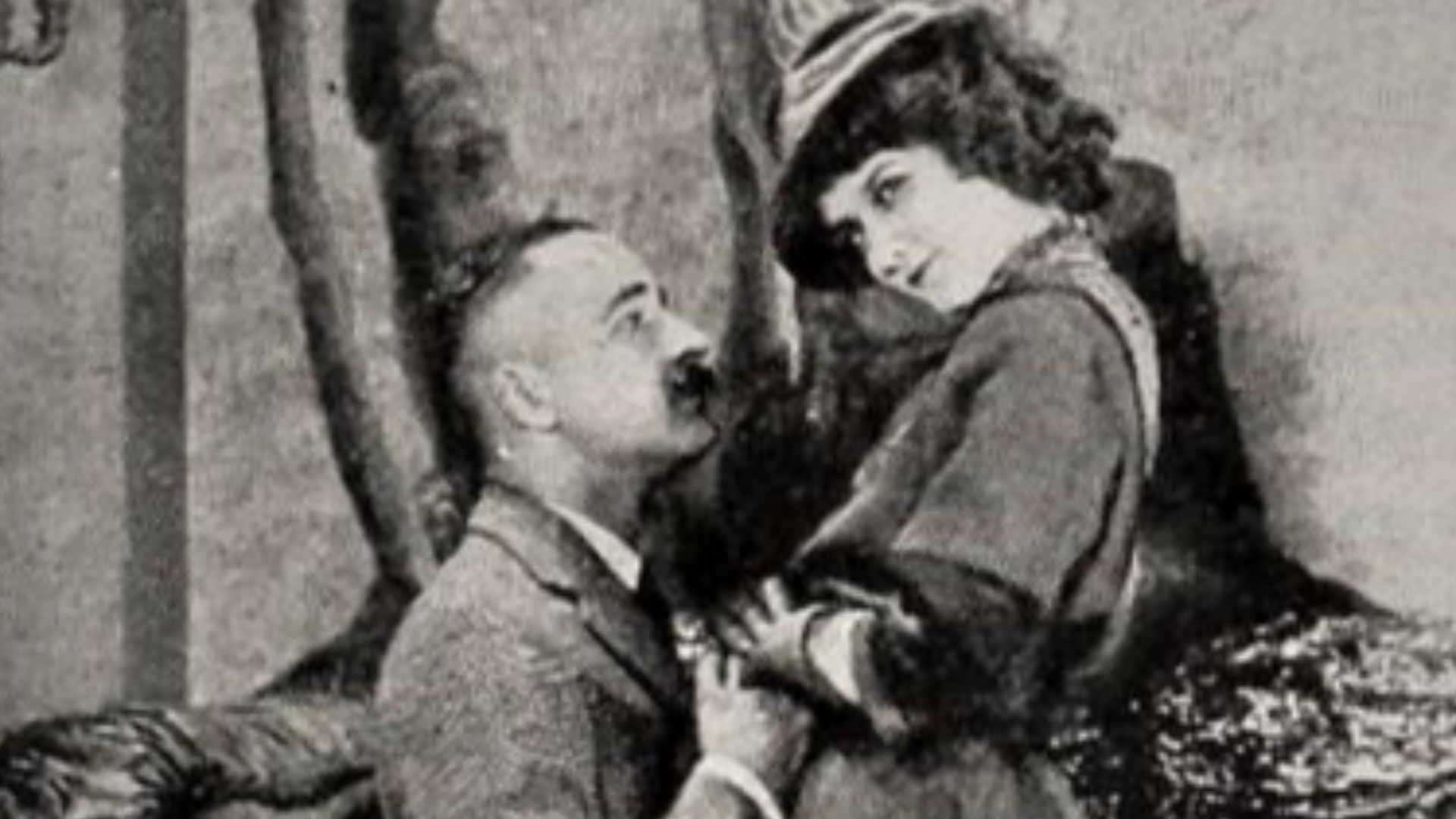
Despite an age difference of eight years, Kerry found Mary Philbin completely charming. He also had no qualms about showing it. Kerry spent many hours flirting with Mary on the set. However, if he harbored any dreams of anything coming of his flirtations, then he greatly underestimated Mary’s entourage.
 Universal Pictures, Wikimedia Commons
30. Her Parents Were Never Far
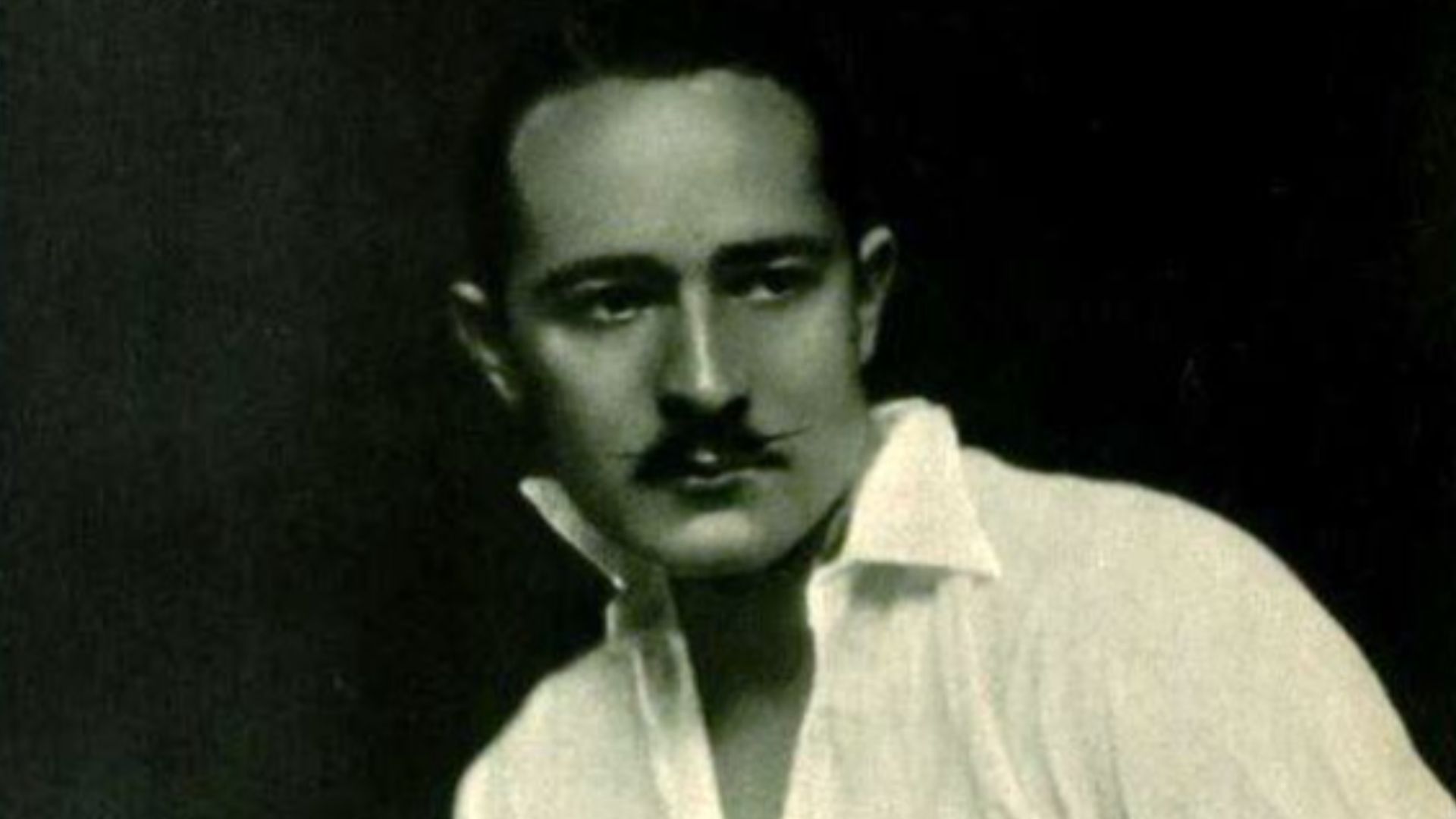
Mary never found herself alone when she was on set. Their divorce hadn’t changed the fact that Mary’s parents continued to accompany her on set. Kerry could hardly get too carried away with Mary’s mother or father, only a handful of feet away. Even without her parents, Mary seemed reserved, hesitant to accept Kerry’s attentions. If only Kerry knew the truth.
 Alfred Cheney Johnston, Wikimedia Commons
31. She Hid Her True Feelings
Mary’s reserved and quiet nature hid a whole life behind it. She may not have shown it, but she felt things as keenly as some of her louder and flashier peers. In later years, Mary confessed to having something of a crush on Norman Kerry herself. She went so far as to think of him as “a very handsome, dashing man”.
Who knows what might’ve happened if Mary’s parents had given Mary more freedom? However, it wasn’t Kerry that Mary’s parents had to concern themselves with. No, their greatest disappointment came in the form of another man entirely.
 Universal Pictures, Wikimedia Commons
32. She Met Someone Important
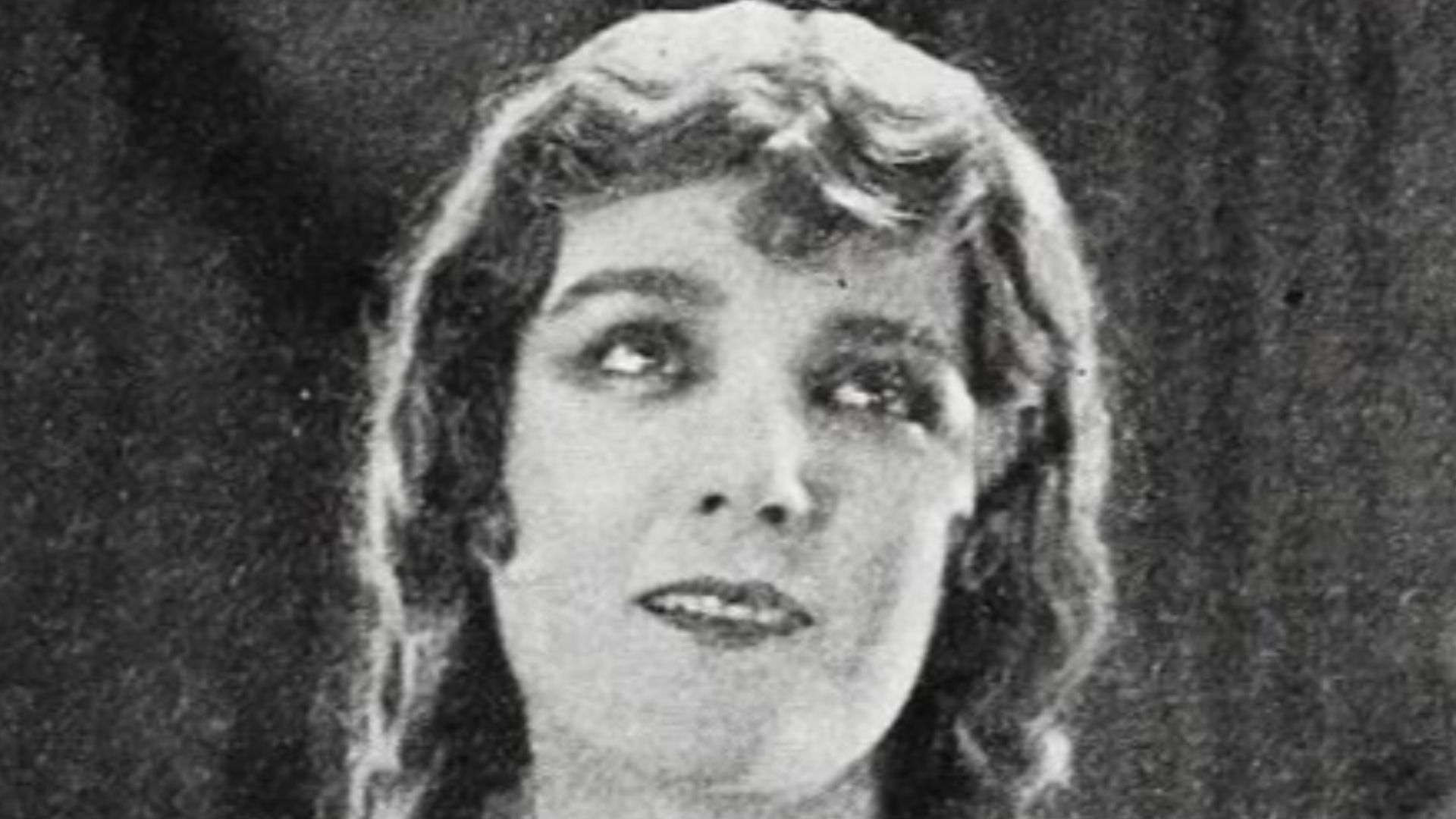
As Mary’s fame rose and her career began to grow, she had greater opportunities to meet more people within the film-making industry. Paul Kohner, a young executive/producer with Universal, found himself among these people, and the young couple immediately became smitten. Too bad they had a problem.
 Universal Pictures, Wikimedia Commons
33. She Met The Wrong Man
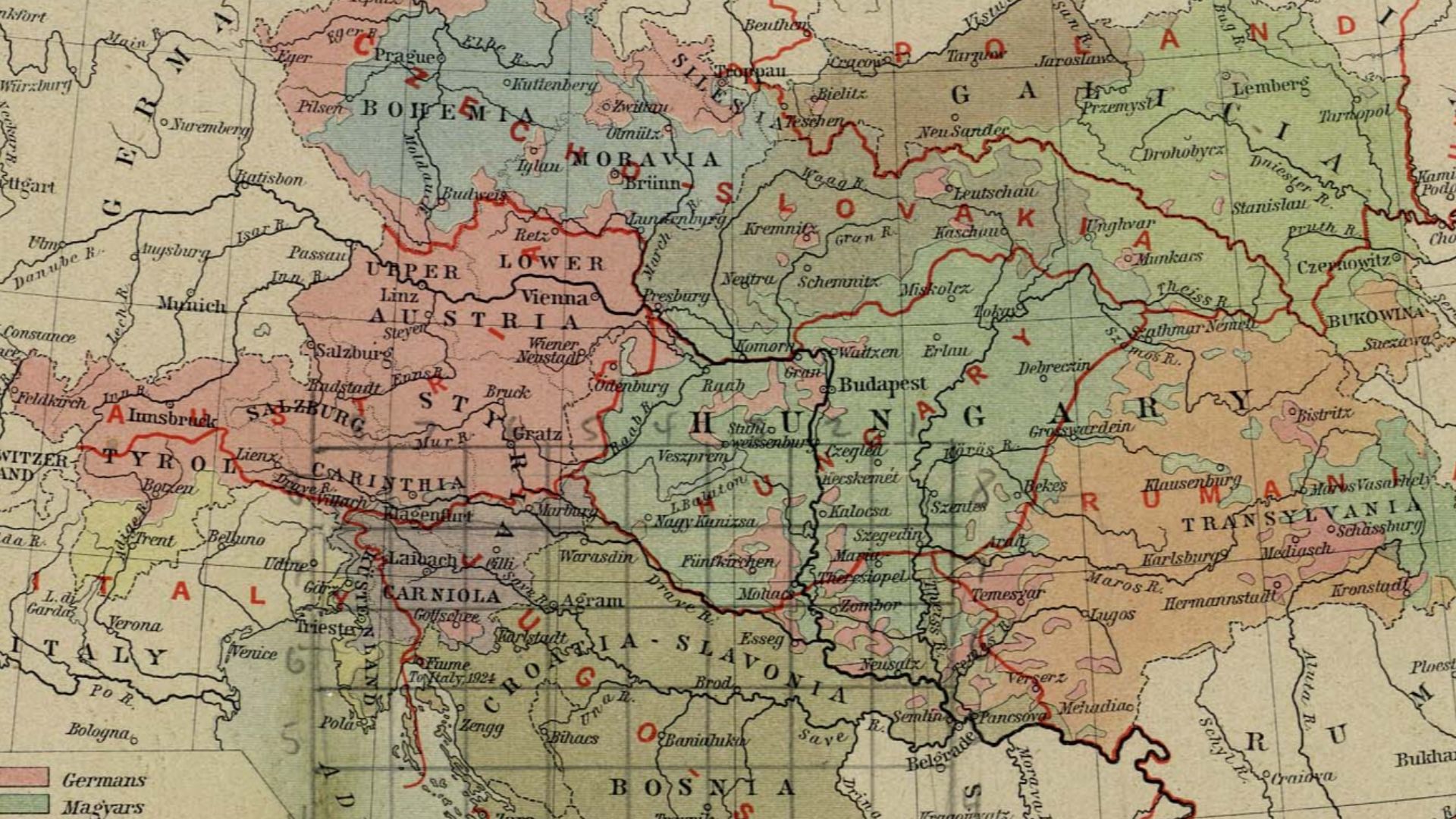
Mary’s parents were staunch and faithful Roman Catholics. Kohner, who’d immigrated from Austria-Hungary (in an area now part of the Czech Republic), followed the Jewish religion. Mary saw no issue with their different faiths. However, she knew that her parents would be another matter entirely.
 William Robert Shepherd, Wikimedia Commons
34. She Had A Secret
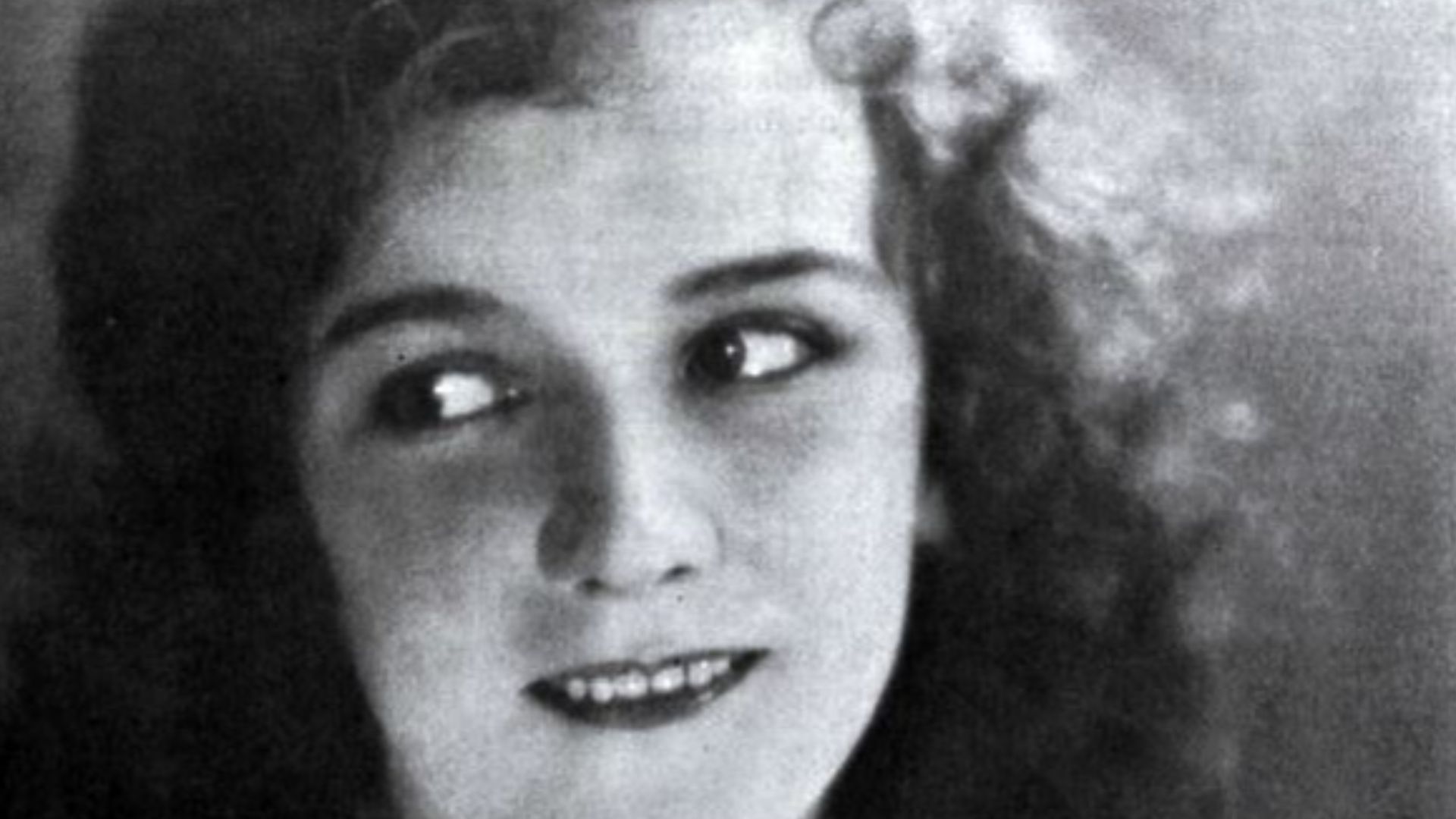
To preserve their budding romance, Mary Philbin did something that she might never have done in her life: She deceived her overbearing (if well-meaning) parents. She and Paul kept their romance a secret, sharing their love through letters and stolen moments, particularly when they were both able to work on the same film.
 Universal Pictures, Wikimedia Commons
35. She Got The Role Of A Lifetime
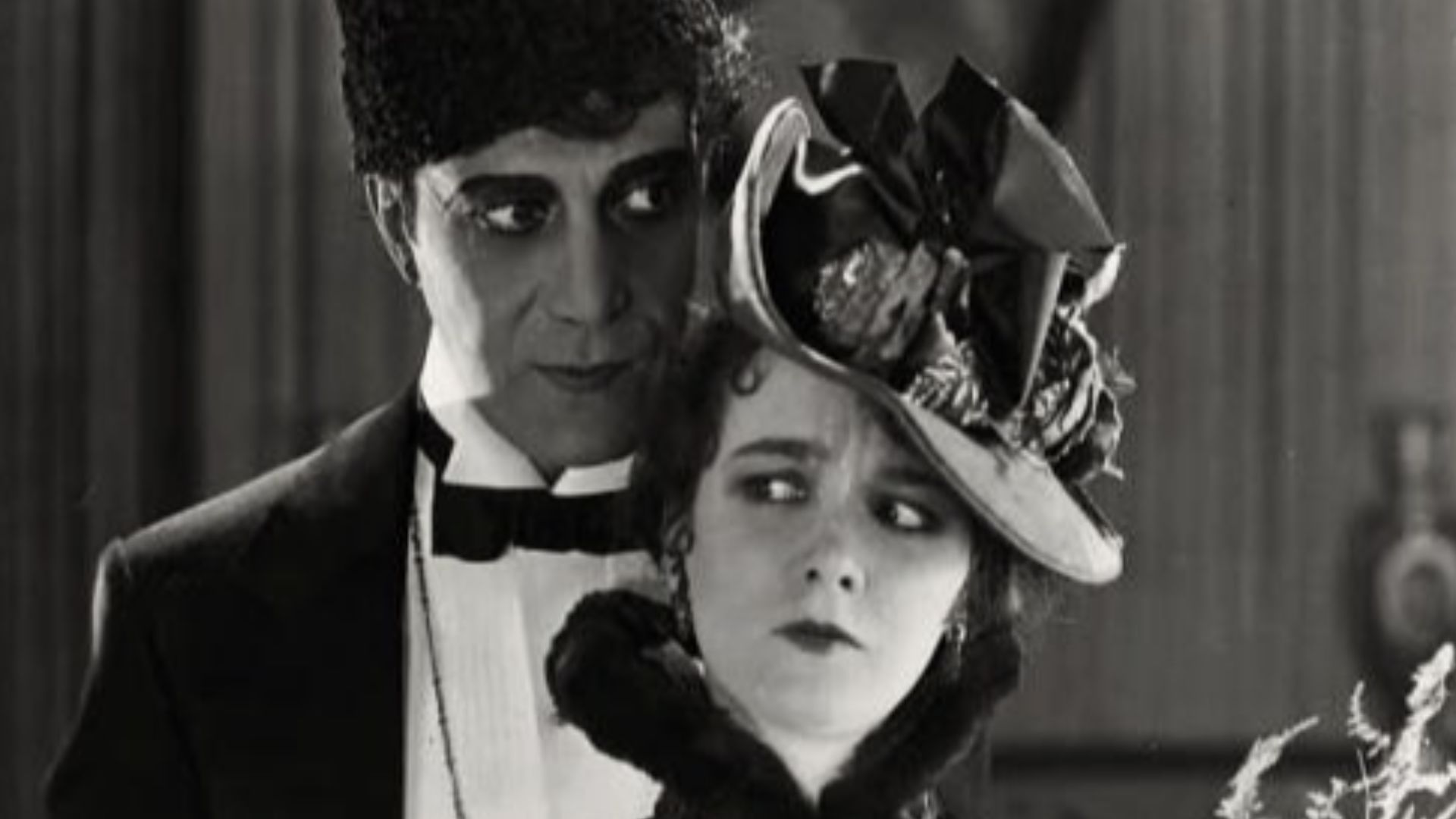
With her secret tucked away, Mary continued to work, relishing in the trajectory of not just her love life but also her career. Her biggest opportunity came in 1924 when Laemmle cast her in the leading role of his next big thing: The Phantom of the Opera. To date, The Phantom of the Opera is Mary’s best-known film. However, it didn’t come without its consequences.
 unknown (Universal Pictures), Wikimedia Commons
36. She Was Wary Of Her Co-Stars
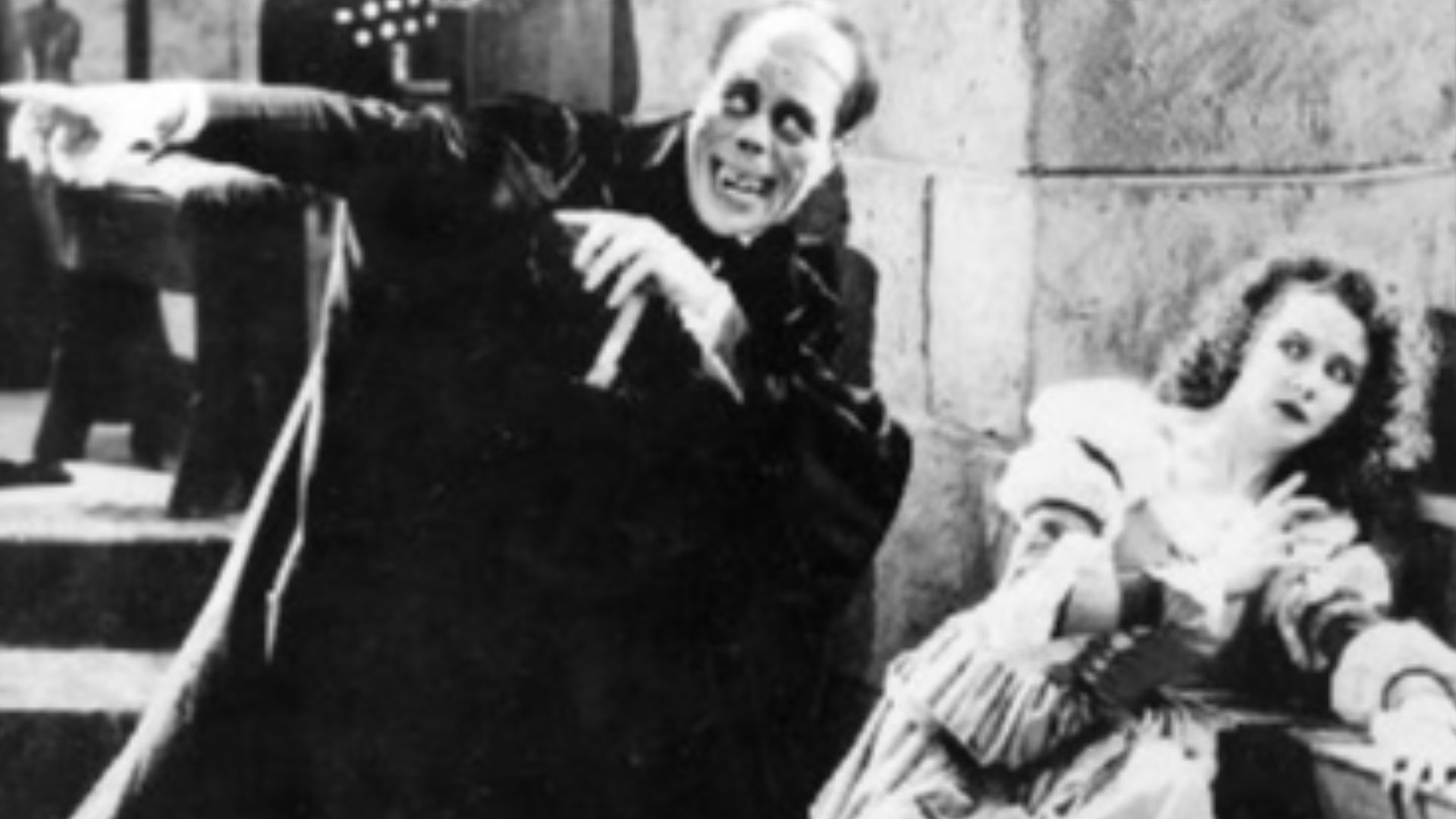
Rupert Julian directed The Phantom of the Opera. Mary Philbin had worked with him previously, though she did not seem overly fond of him. Lon Chaney stared opposite her as the titular Phantom. To Mary, Chaney was an unknown, and he didn’t make a great first impression.
 File Upload Bot (Magnus Manske), Wikimedia Commons
37. She Was Caught In The Middle
Chaney and Julian couldn’t get on to save their lives. They were at each other’s necks constantly, leading to Chaney often directing himself (and any other actors present) during his own scenes as he couldn’t be in the same room as Julian. Mary ended up caught in the middle of this feud and paid the consequences for it.
 Universal Pictures, Wikimedia Commons
38. She Couldn’t Get It Right
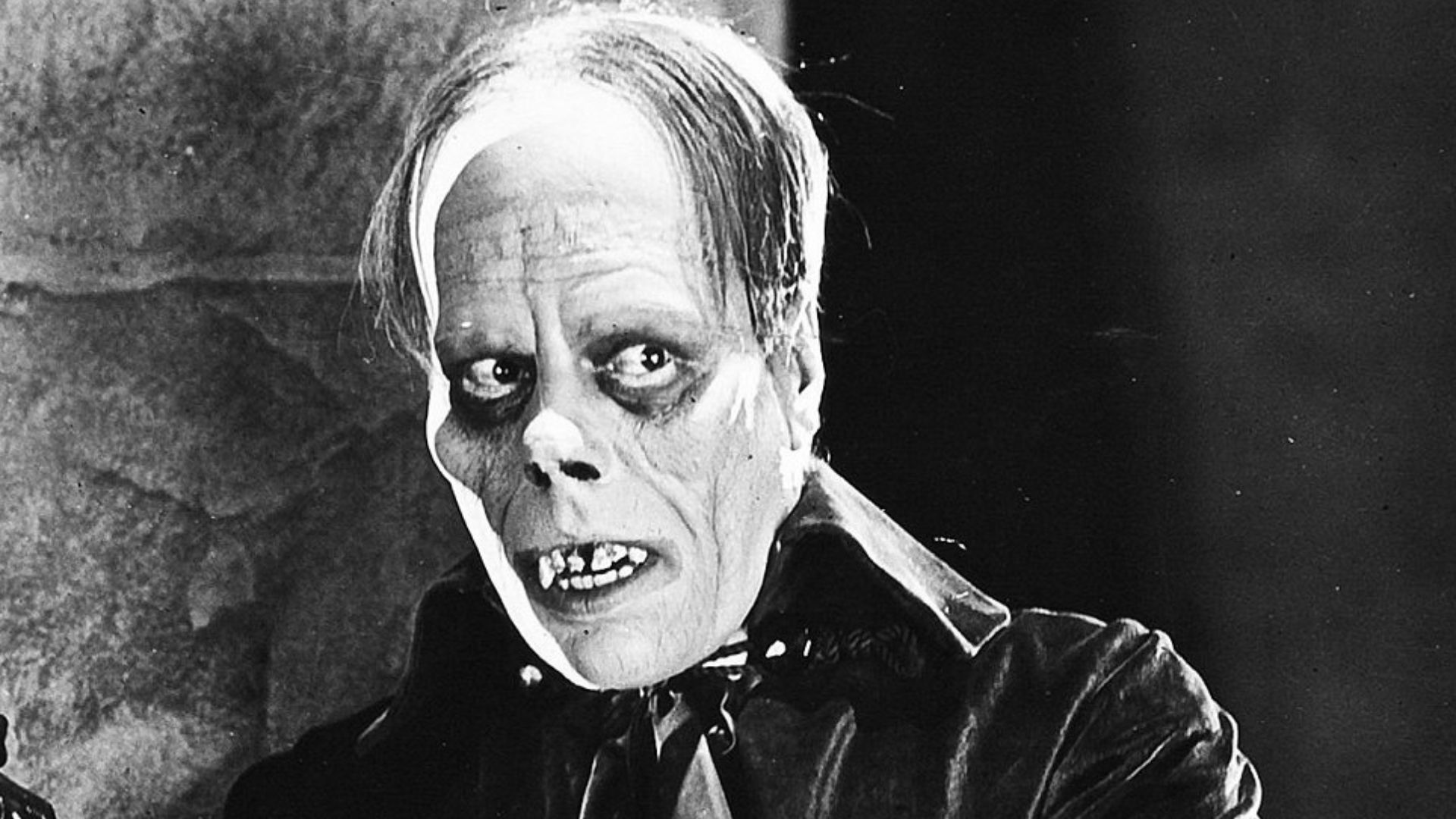
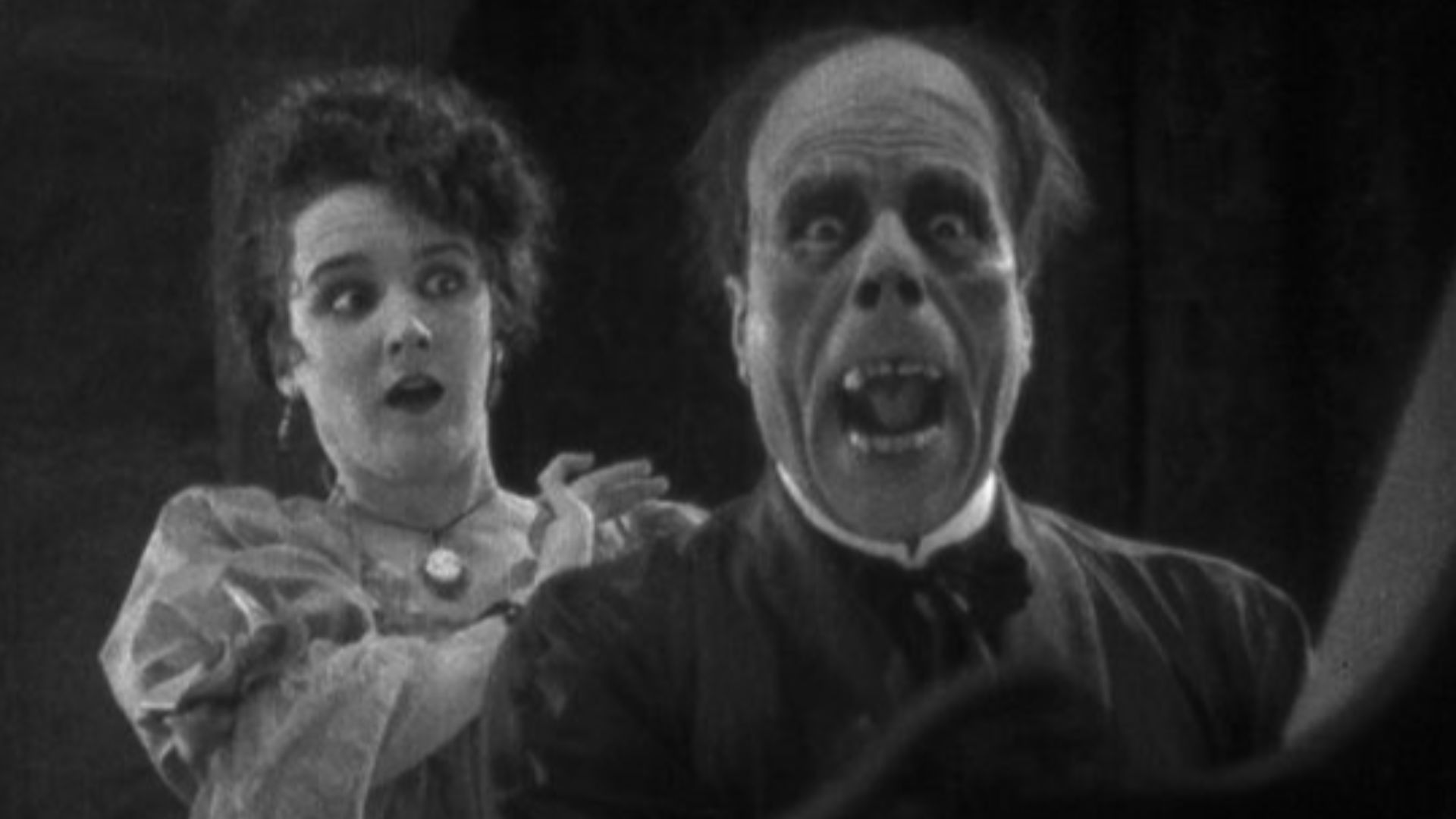
During the portion of the film when the Phantom unmasked himself, Julian disliked Mary’s reactions; he refused to be satisfied with a single take. Once Julian had stormed off, Chaney persuaded Mary to try the scene again. After already suffering Julian's abrasiveness directly, Chaney only added more suffering to Mary’s plate.
 Universal Pictures, Wikimedia Commons
39. Her Co-Star Attacked Her
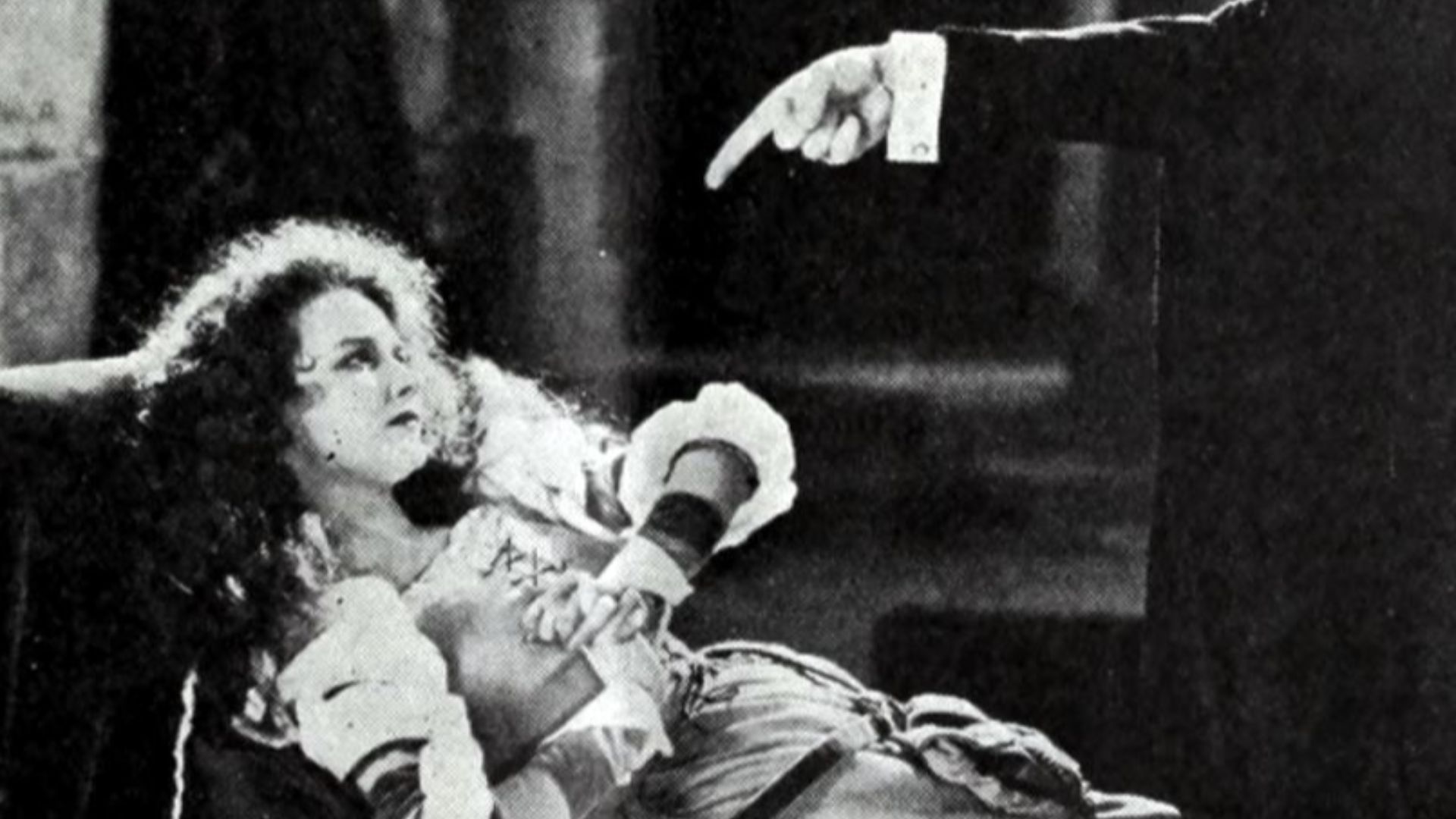
No sooner had Mary Philbin agreed to give the scene a go and let the camera roll than did Chaney begin to hurl a slew of vicious insults Mary's way. Mary’s pride wouldn’t let her break into tears, no matter how offended this made her. So, Chaney decided that he needed to apply a little bit more force.
 Universal Pictures (Q168383), Wikimedia Commons
40. She Was Pushed To The Edge
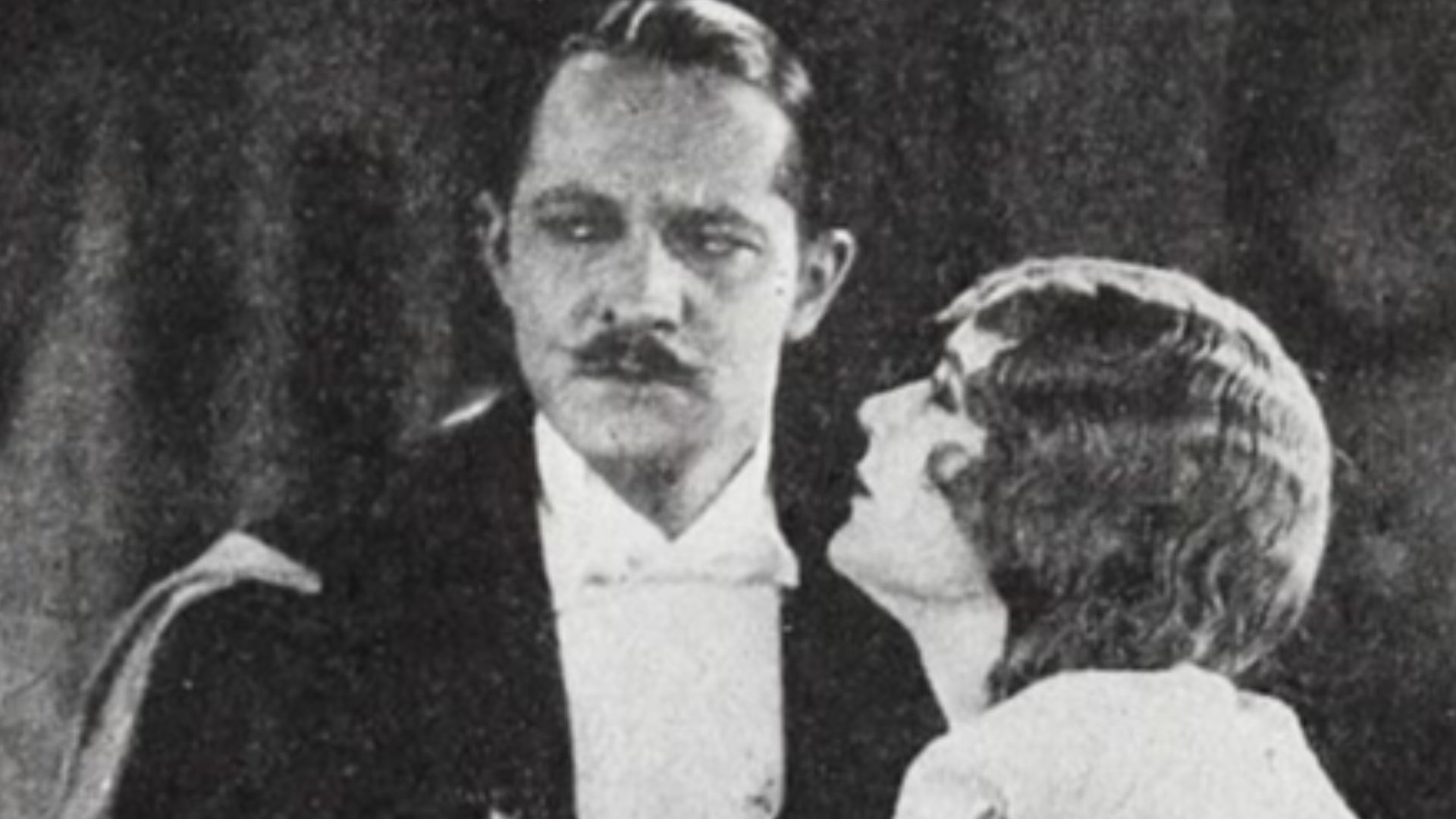
When it seemed as if insults were not enough, Chaney drew back his arm as if to hit Mary, which prompted her to fall back, screaming in terror. That is the reaction that exists forever on screen. It should’ve been enough to turn Mary off of Chaney. Yet, it had the opposite effect.
 Universal Pictures, Wikimedia Commons
41. She Found A New Hero
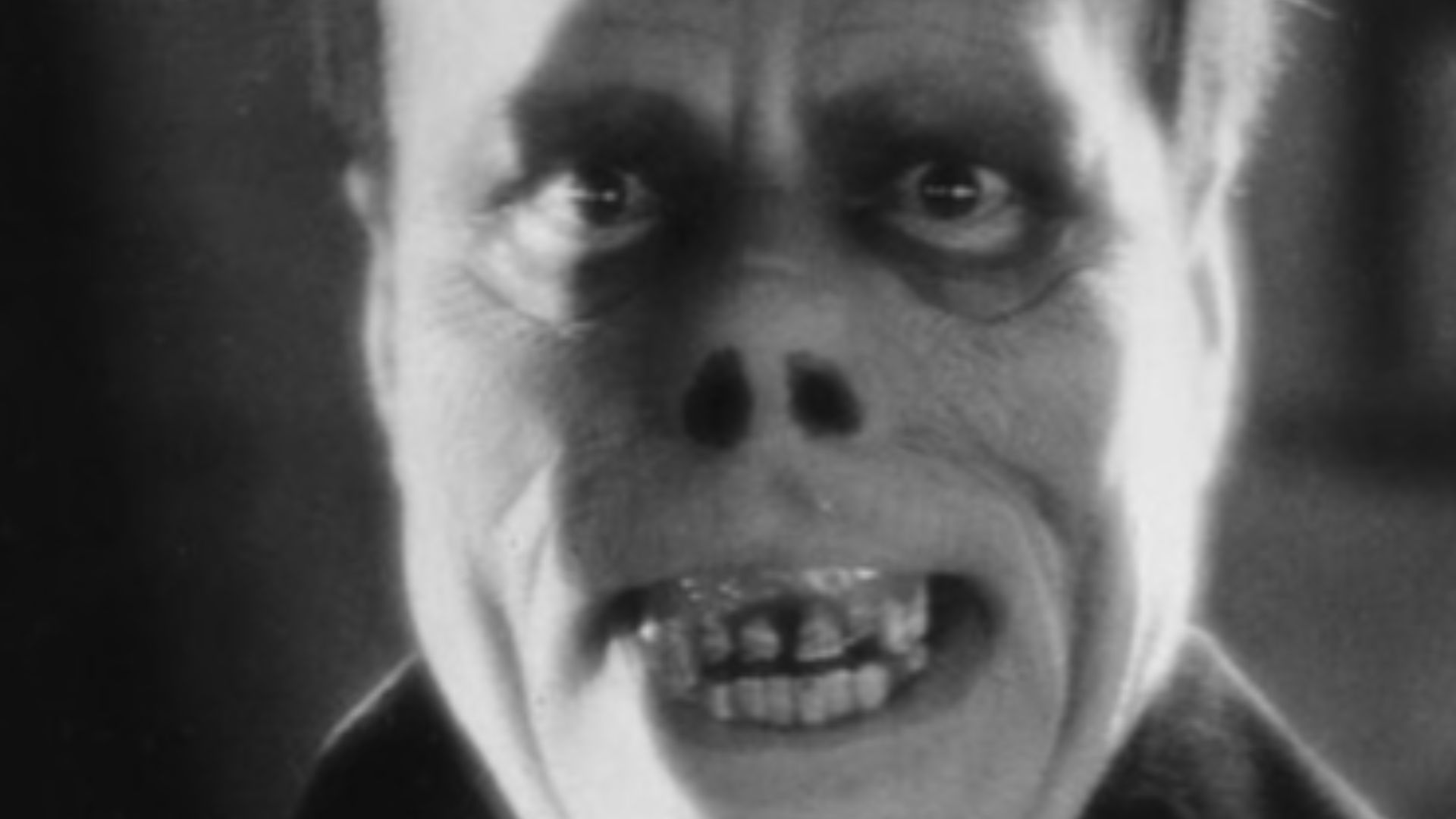
Once he’d captured the reaction that he wanted, Chaney completely transformed. He apologized for his behavior and explained he only wished to capture a genuine reaction from her. From that point on, Mary Philbin adored Chaney, idolizing him much in the same way that she did Von Stroheim. Right or wrong, Chaney’s methods appeared worth it. Mary finally had her biggest win of all.
 Unknown authorUnknown author, Wikimedia Commons
42. She Was At The Height Of Her Career
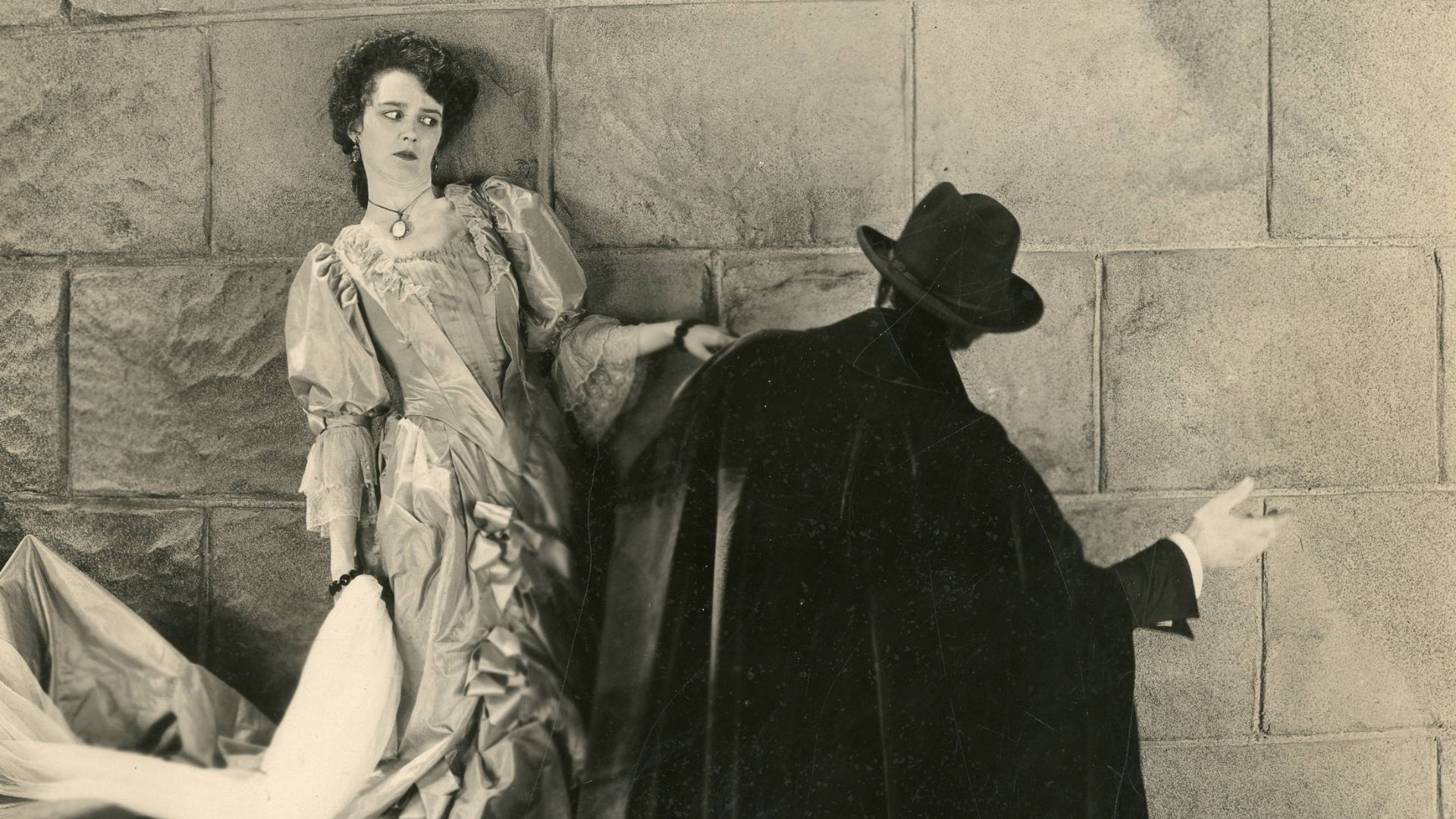
The Phantom of the Opera became a huge success. While this remained the height of Mary’s career, her personal life still held hope for her. During this entire time, Mary and Paul’s relationship continued to grow. In May 1926, Paul asked Mary the biggest question of all, but it wasn’t Mary’s approval Paul needed to worry about.
 Unknown authorUnknown author, Wikimedia Commons
43. She Wanted What She Couldn’t Have
Mary accepted Paul’s proposal immediately. However, they had the problem of Mary’s parents, who still did not know that Paul existed at all. Mary chose to announce her engagement following the success of another film, only to be met by her parents’ fury. Still, Mary had hope that she could turn the matter around.
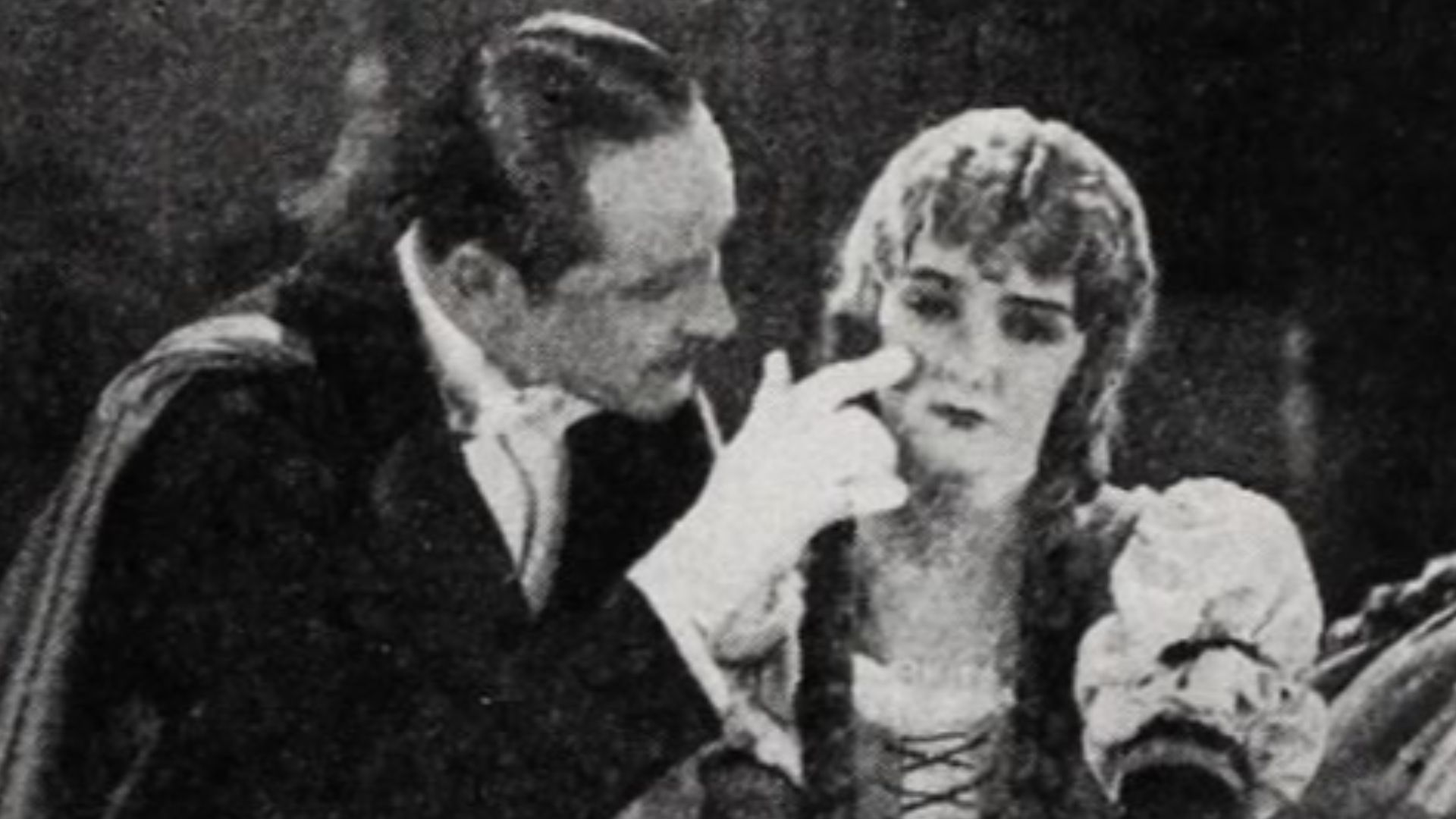 Universal Pictures, Wikimedia Commons
44. She Faced Her Parents
Mary scheduled a meeting to introduce Paul to her parents. She felt certain that seeing him in person, they would see him the way that she did: the man she loved, rather than expressing concern for his religion. Perhaps, if it had merely been her father and stepmother, Mary’s story would’ve ended much differently.
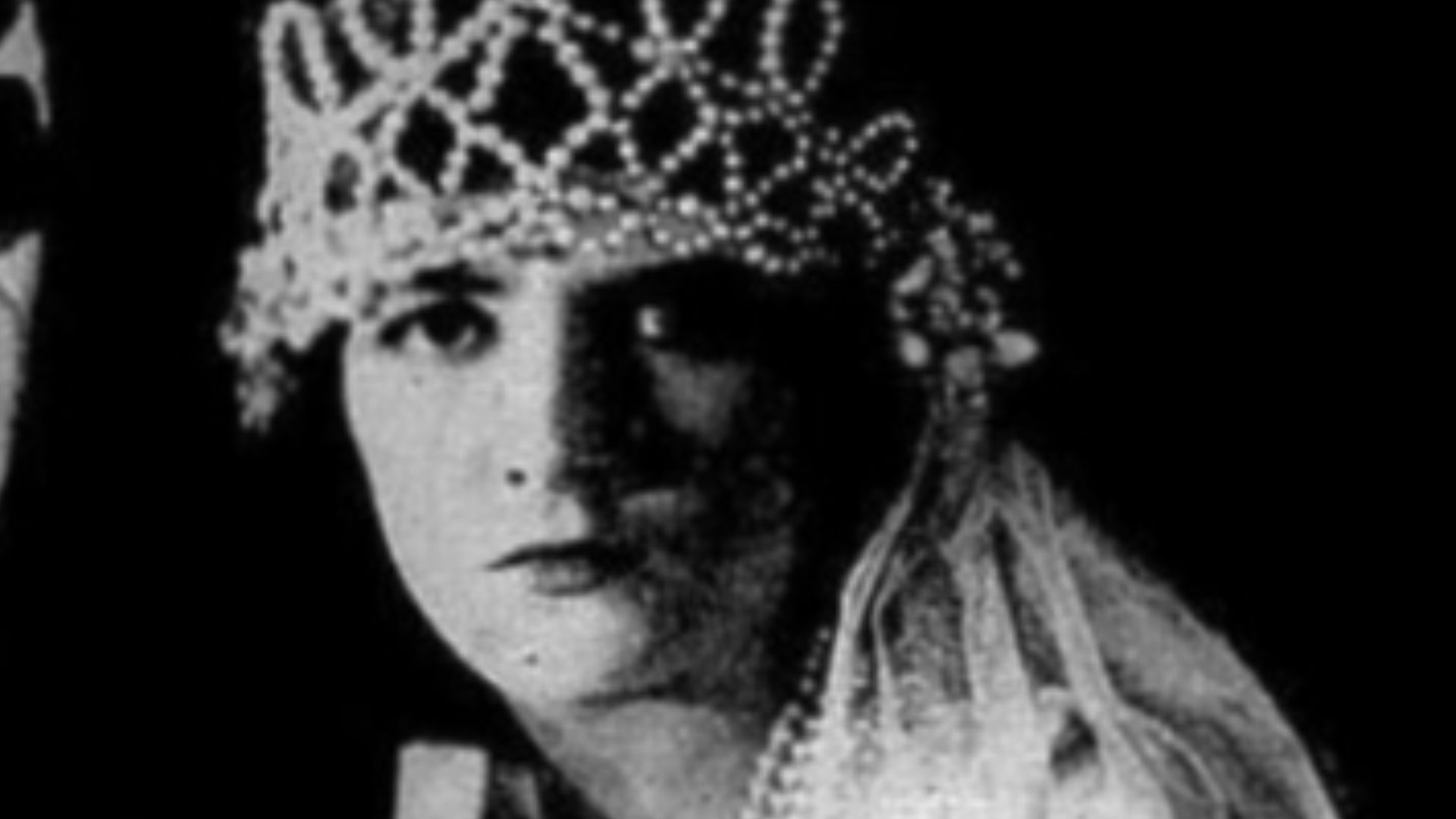 Universal Pictures, Wikimedia Commons
45. Her Mother Caused A Problem
Mary’s stepmother, Alice, approved of Paul, and while her father wasn't opposed to him, he just couldn't get past the sticky matter of his religion. Convinced that Paul would force Mary to convert to Judaism (something he’d never do), Mary’s mother stoked the flames until only chaos remained.
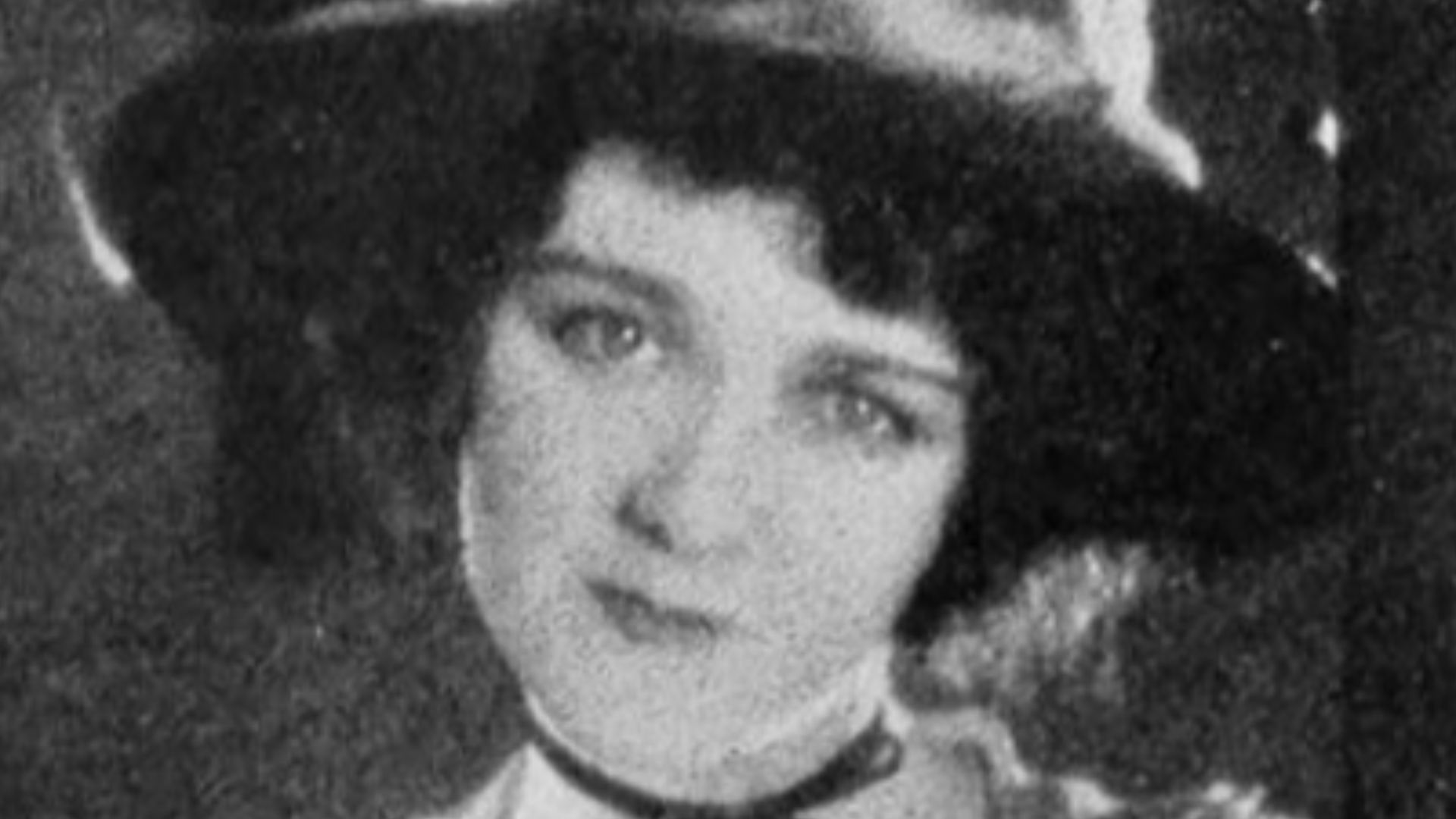 Universal Pictures, Wikimedia Commons
46. She Considered Defying Her Family
Unable to see Paul for who he was, Mary’s family, fueled primarily by her mother, put their foot down. Mary could have her family, or she could have Paul. She could not have both. For the first time in her life, Mary seriously considered doing something she hadn’t done before: She considered defying her parents.
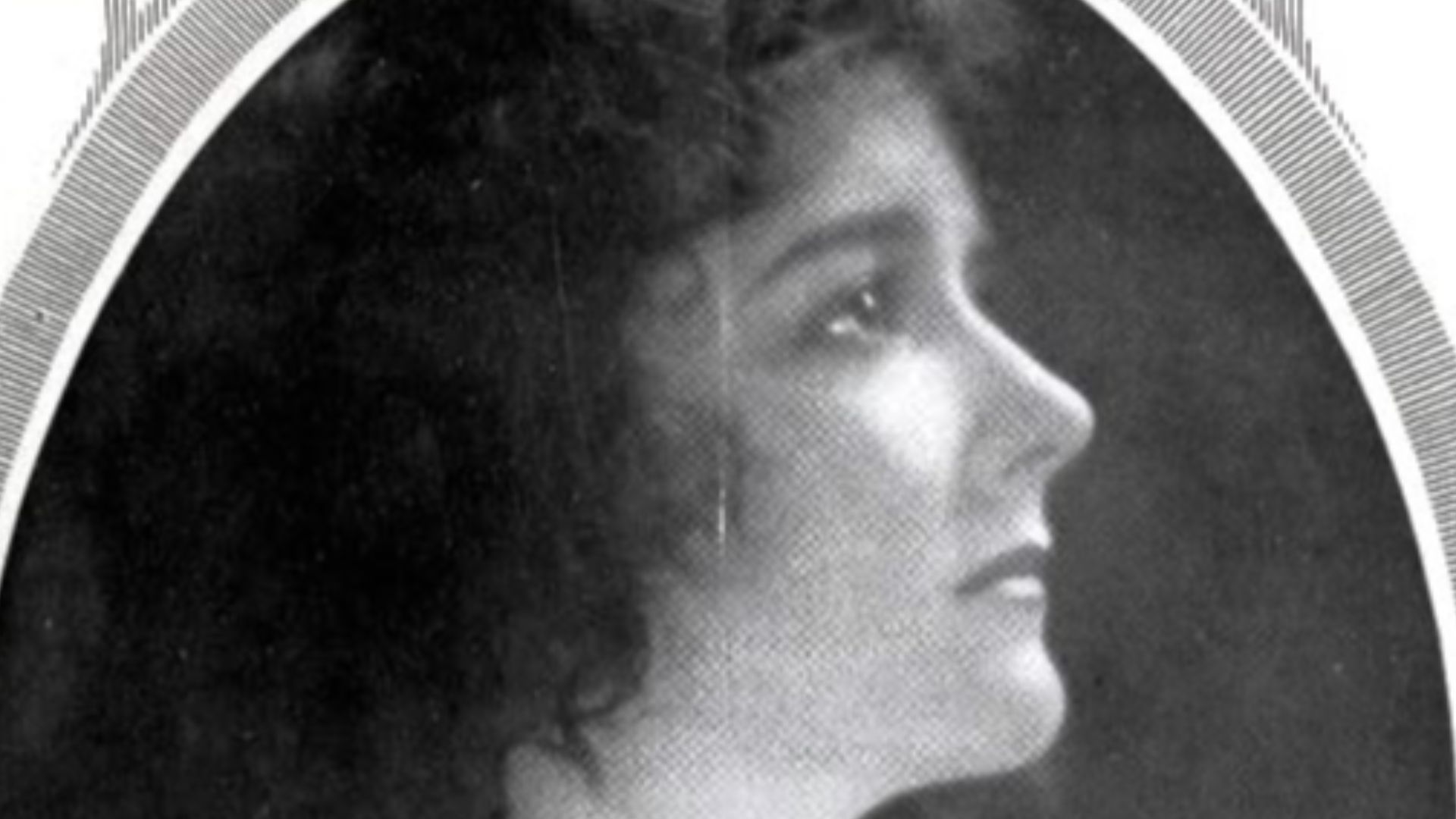 Universal Pictures, Wikimedia Commons
47. She Couldn’t Have It All
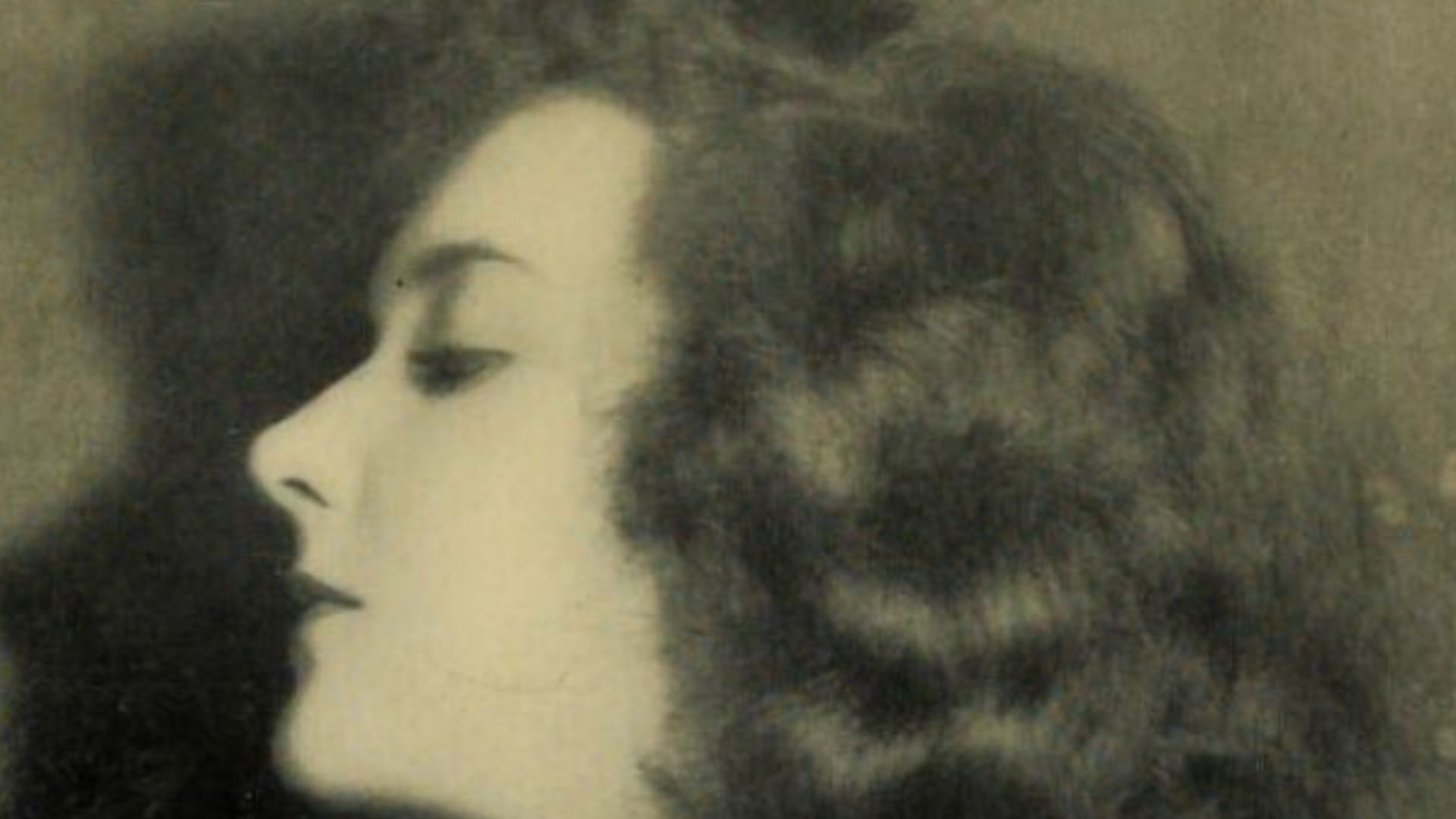
Mary genuinely considered choosing Paul over her family. However, in the end, she could not do it. She ultimately returned her engagement ring to Paul, explaining she could not marry him, and breaking her own heart in the process. This proved to be the beginning of the end for Mary.
 Universal Pictures, Wikimedia Commons
48. Her Career Floundered
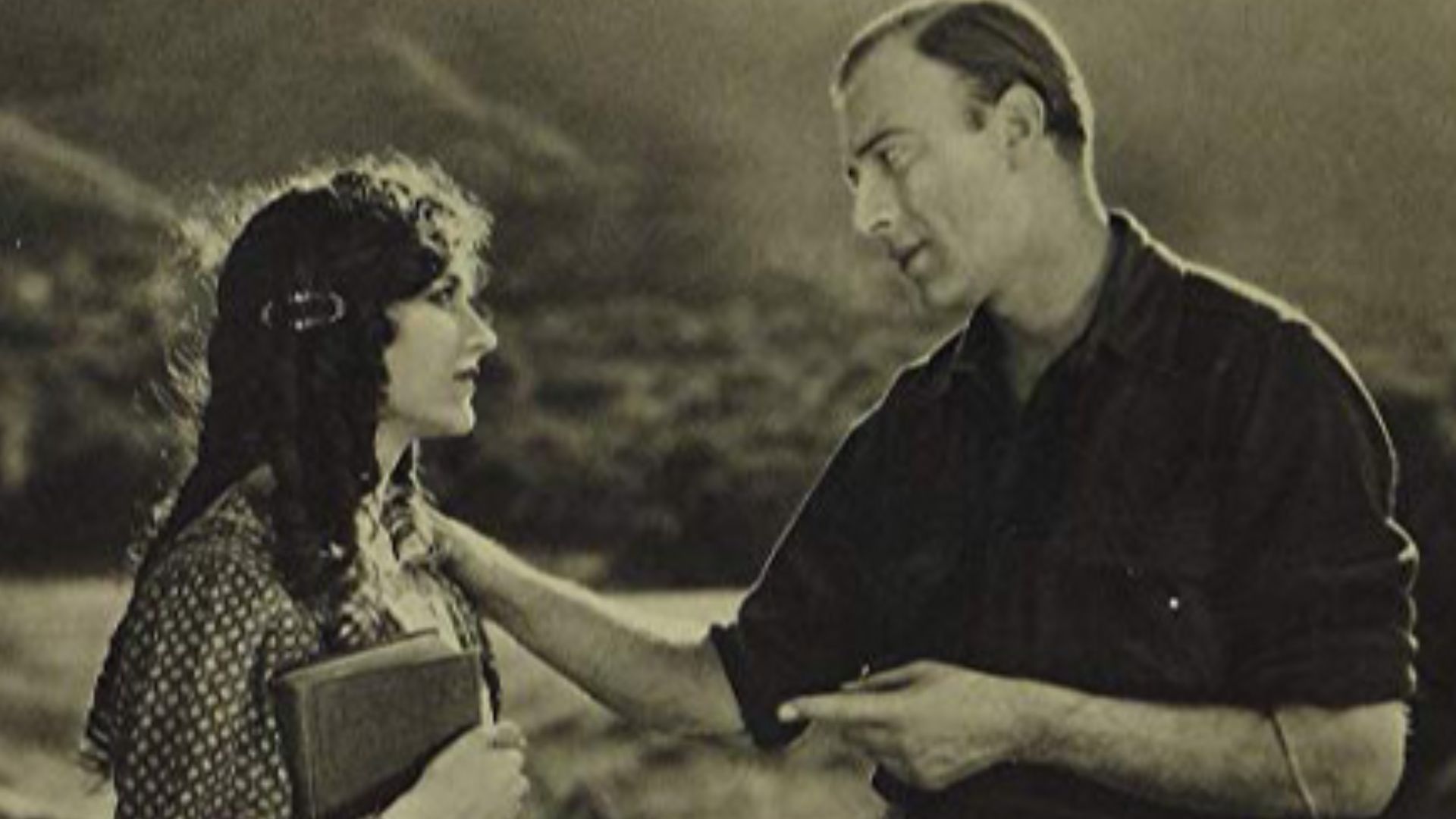
A few years after her tragedy with Paul, movies took a significant turn: the talkies came out. With the talkies came the end of Mary’s career. Her voice, which many considered beautiful in person, sounded high and grating on the rudimentary recording devices. This, combined with her lack of acting training, put the final nail in the coffin of Mary’s career.
 Universal Pictures, Wikimedia Commons
49. She Hid Away
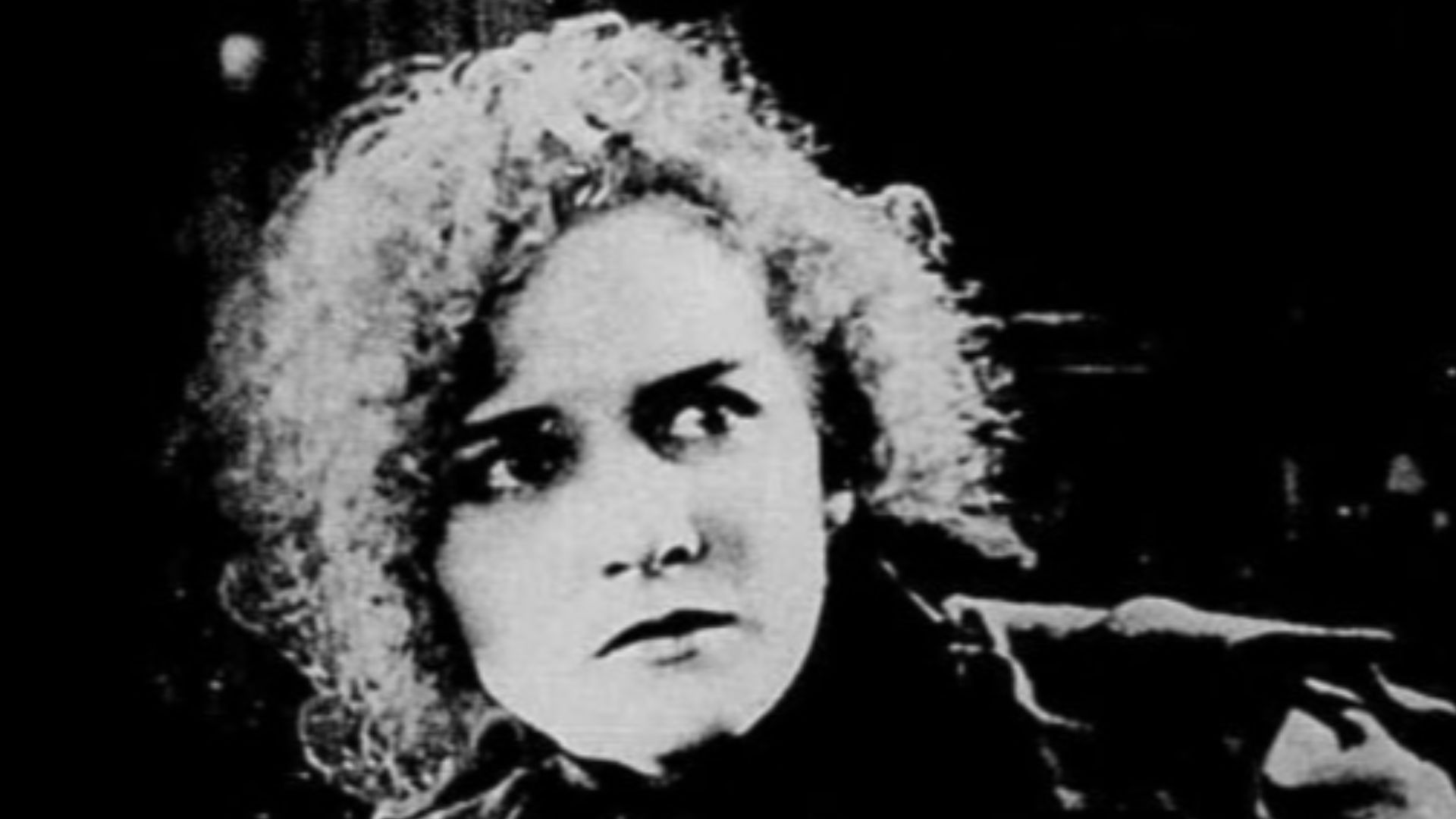
Heartbroken and failing at the only career that she ever wanted, Mary didn’t have the gumption to keep on fighting. By 1930, she abandoned her film career, retiring to her parents’ household and essentially vanishing from public light, appearing only twice more in the public sphere. She was only 28 years old. However, life had one more surprise for her.
 Universal Pictures, Wikimedia Commons
50. Her Heart Remained Broken
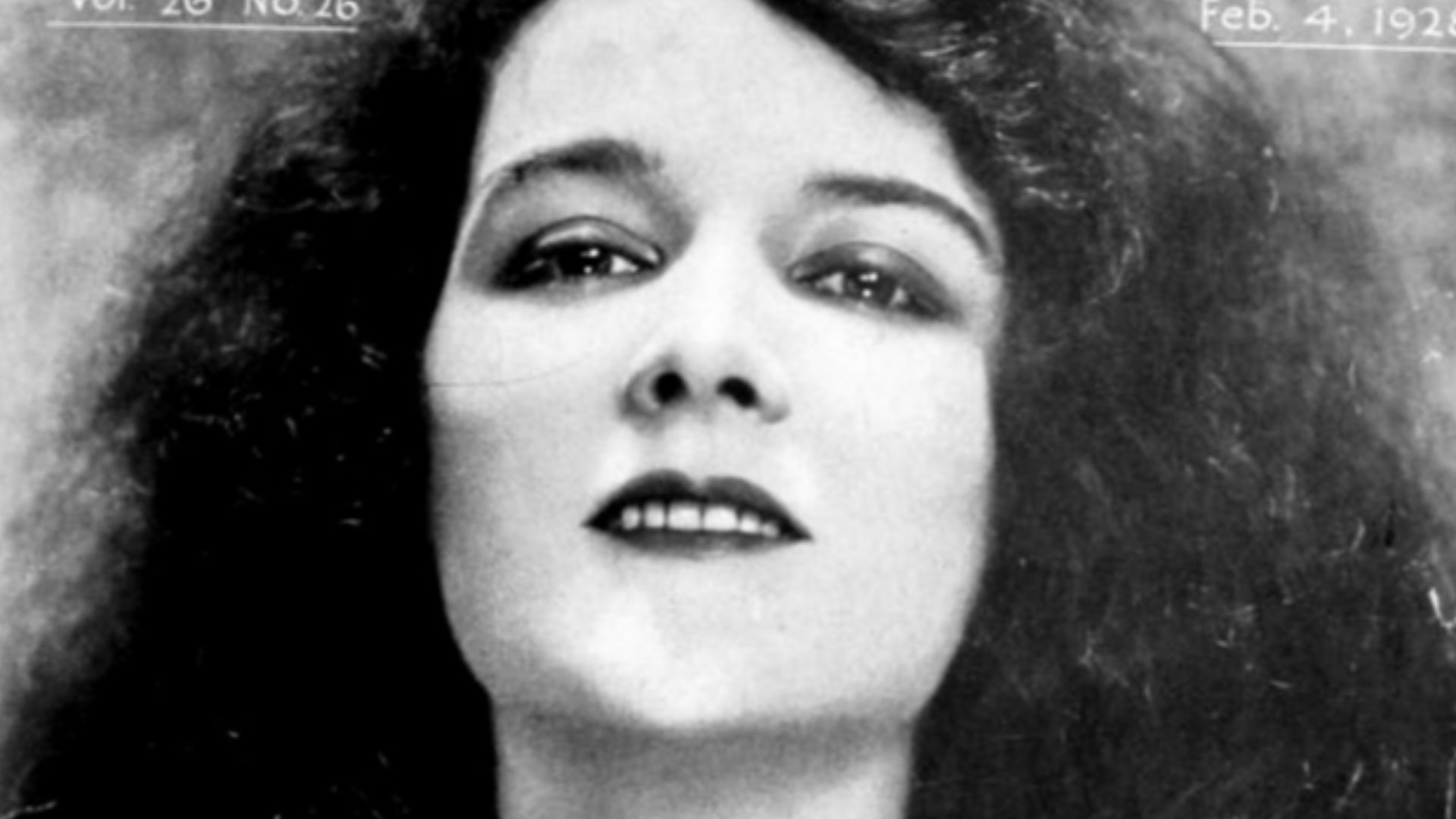
Mary never remarried. Having shattered her heart, no one could compare to Paul. Paul, however, did remarry. After he passed, they discovered the letters that she had sent to him carefully tucked away in a locked desk drawer, a secret preserved for the rest of his life. When Mary discovered that he held a candle for her until the very end, she broke down in tears. After all, Mary had also kept Paul's letters.
In the end, Mary passed quietly at the age of 90, forgotten by many, her heartbreaks the only thing left to keep her company.
 Universal Pictures, Wikimedia Commons
You May Also Like:
Lionel Barrymore Never Wanted To Be An Actor
The Exiled Member Of The Rat Pack








_-_3.jpg)