The Real Last Queen Of France
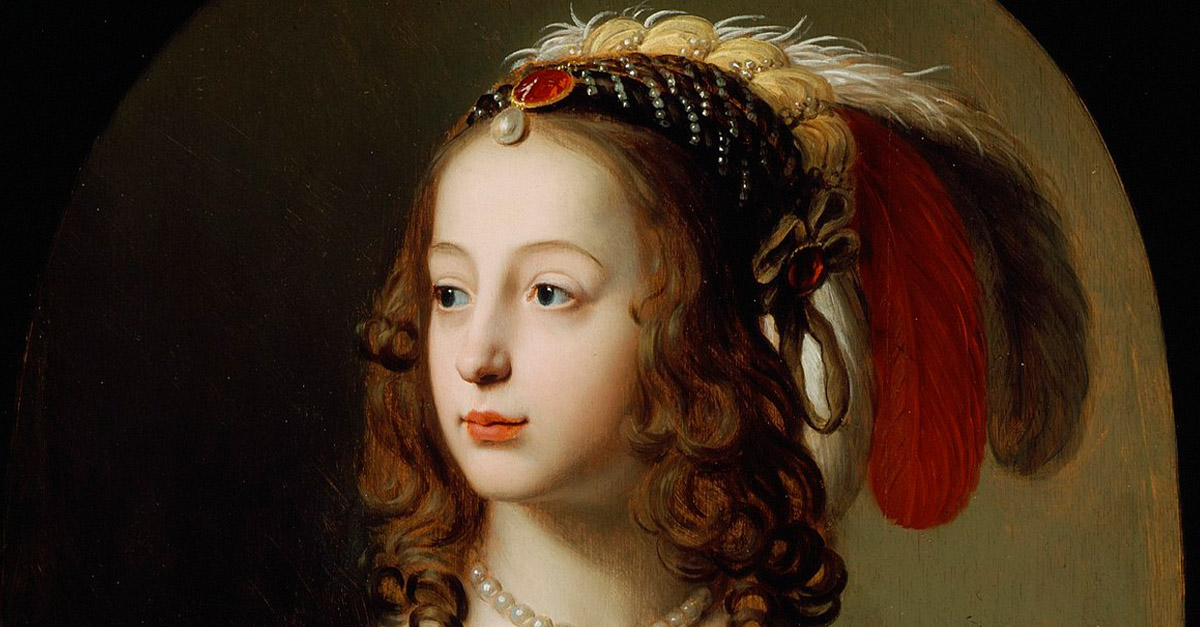
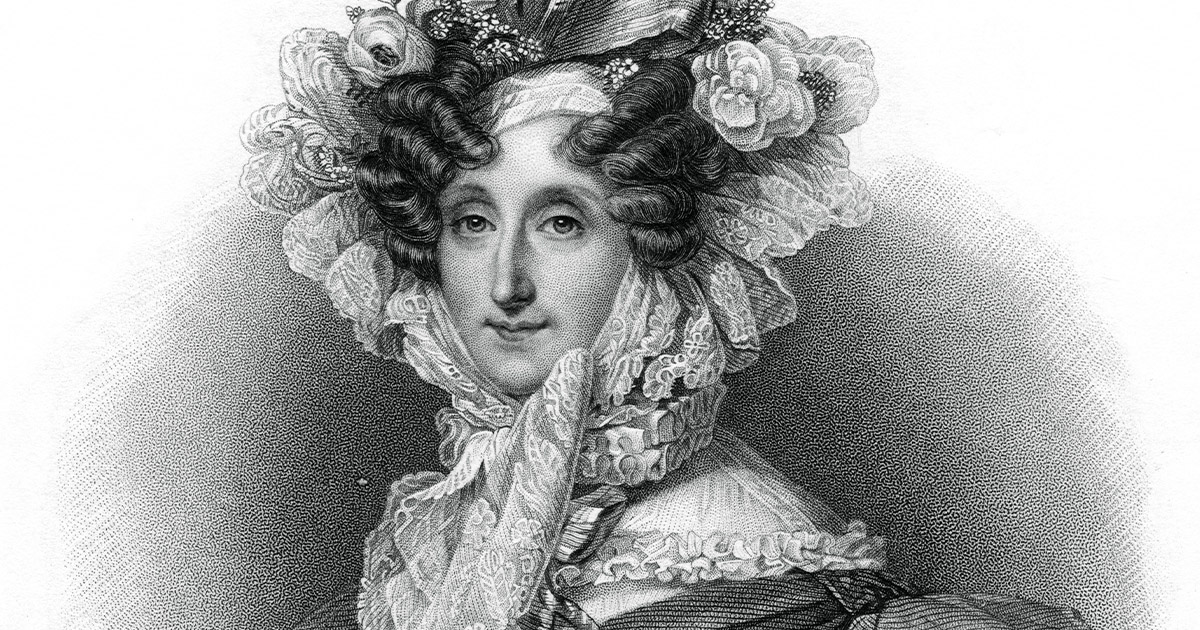
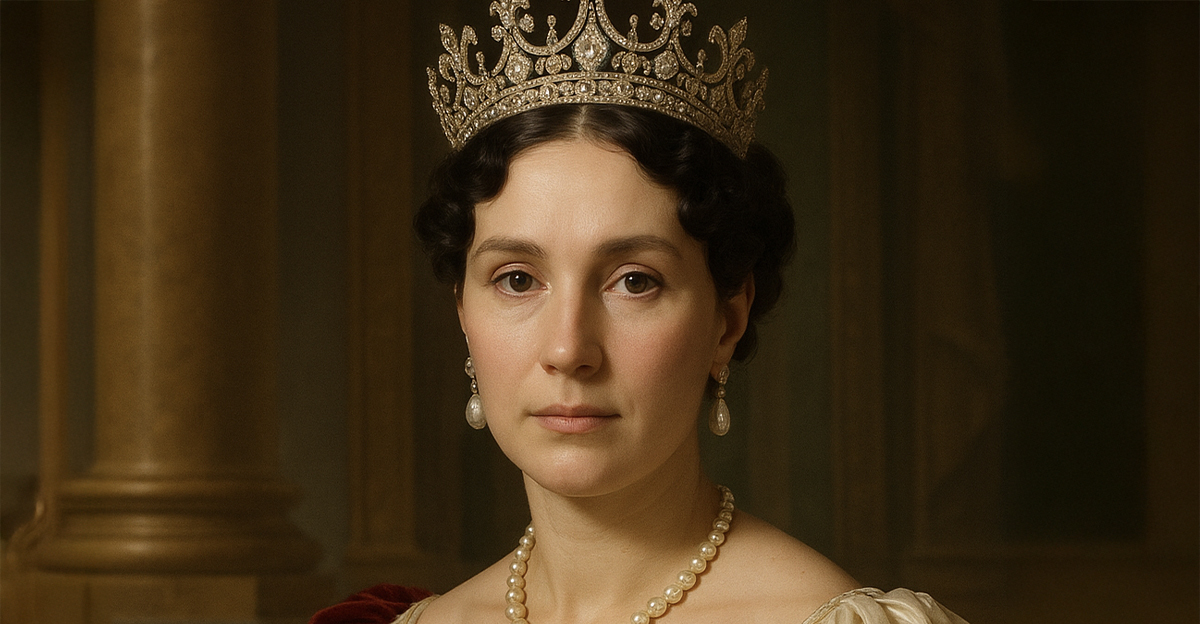
While most people think Marie Antoinette was the last Queen of France, they’re wrong: That dubious and tragic honor goes to her niece Maria Amalia. It was Maria Amalia, then, who not only witnessed her aunt’s infamous execution, but also had to navigate the dangerous death rattle of France’s royal line. She barely came out alive.
1. She Came From A Huge Family
Although her destiny lay in France, Maria Amalia was born just outside Naples in 1782 in Caserta Palace. Her family life was eye-popping. Her parents, Maria Carolina of Austria and Ferdinand I of the Two Sicilies, had 18 children total—although only seven lived to adulthood—and Maria Amalia was their tenth. But she was no needle in a haystack.
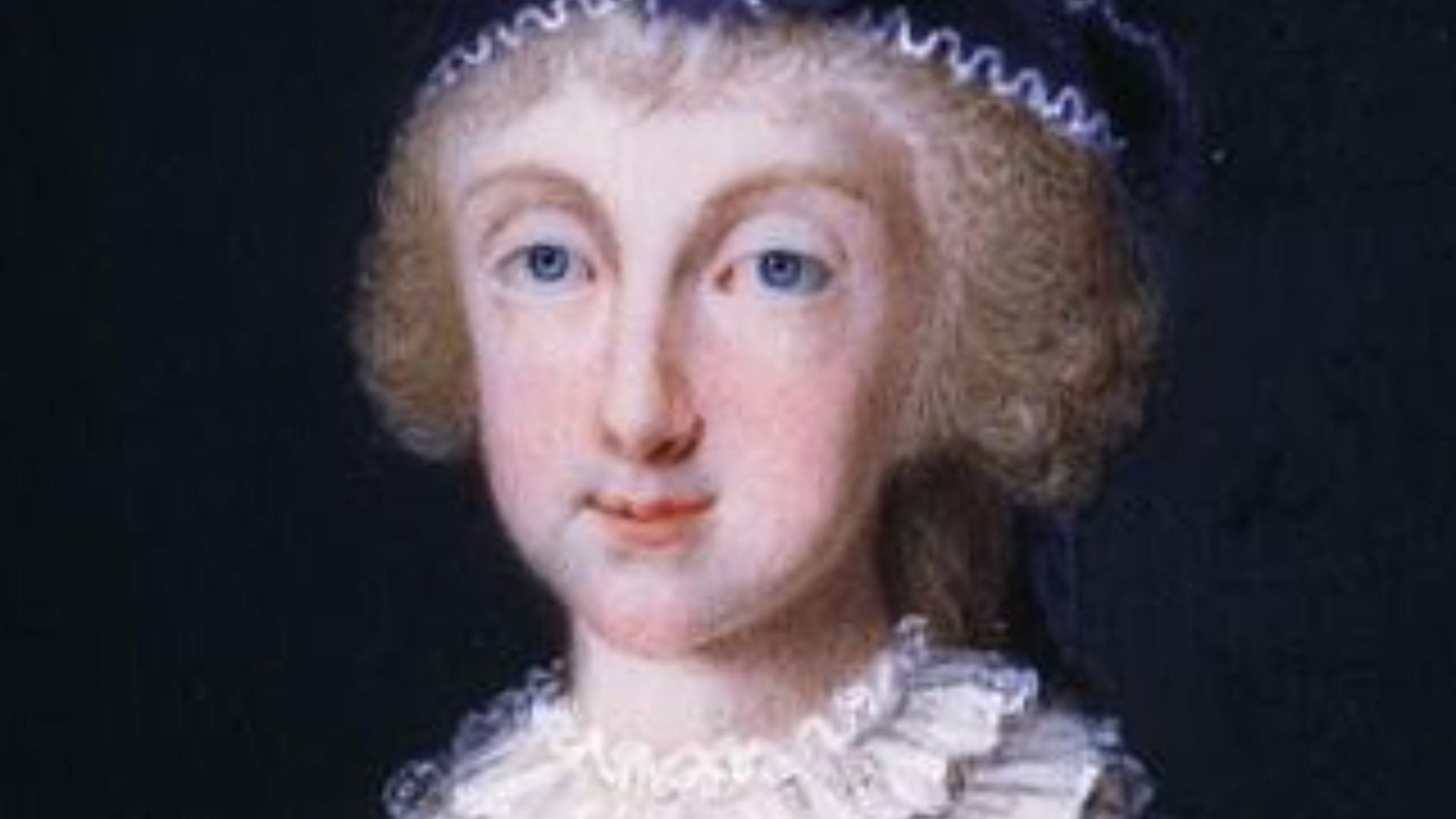 Unidentified painter, Wikimedia Commons
2. She Had A Powerful Pedigree
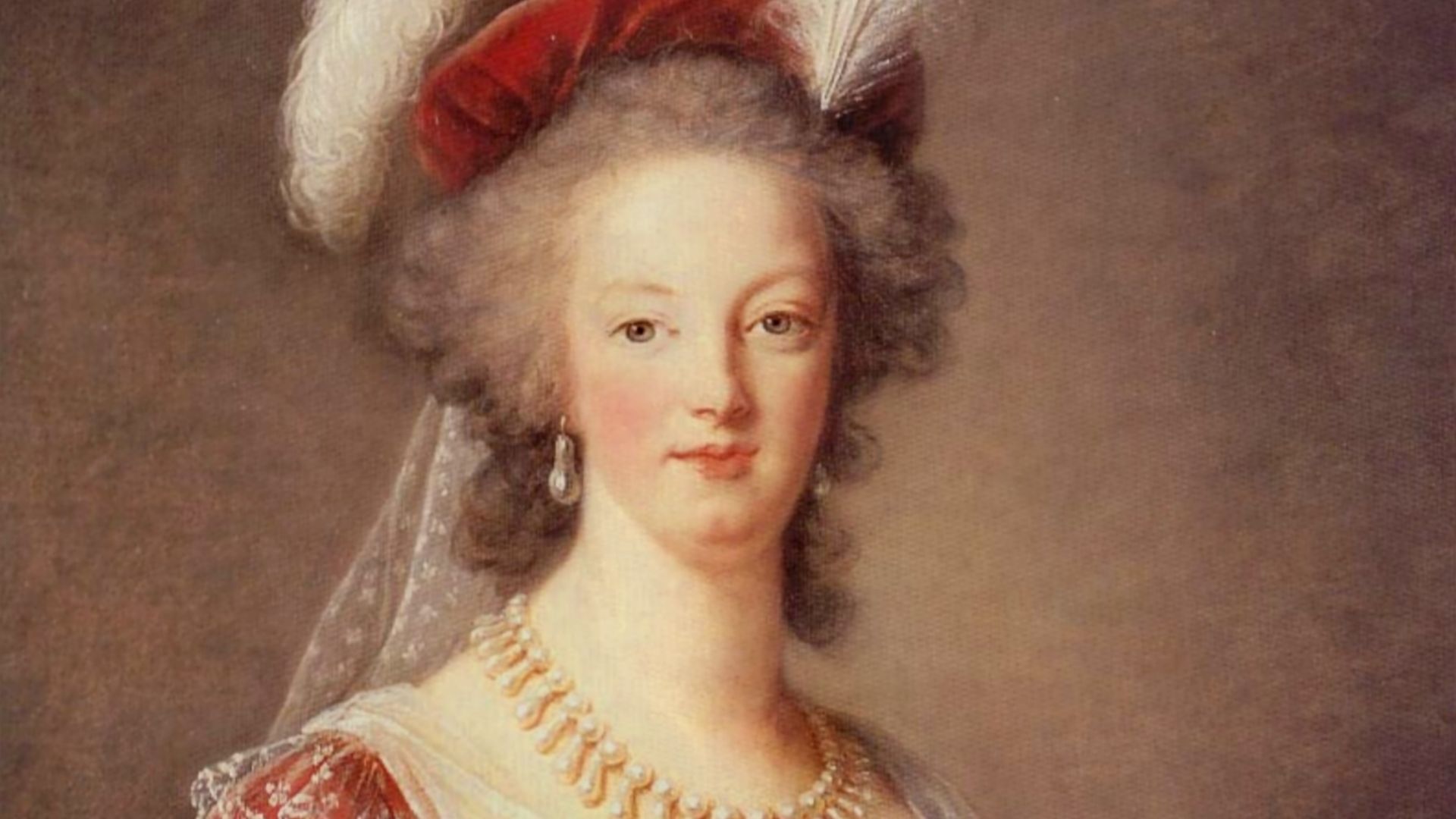
Maria Amalia’s maternal grandmother, Maria Theresa, had been one of the most powerful women in Europe, and the ruler of the Habsburg Empire. Accordingly, Maria Amalia was related to some very important aristocrats, including her aunt Marie Antoinette, the current Queen of France, whom her mother was close with.
The two sisters came up with an ultimately tragic plan for the girl.
 Élisabeth Louise Vigée Le Brun, Wikimedia Commons
3. She Was A Political Pawn
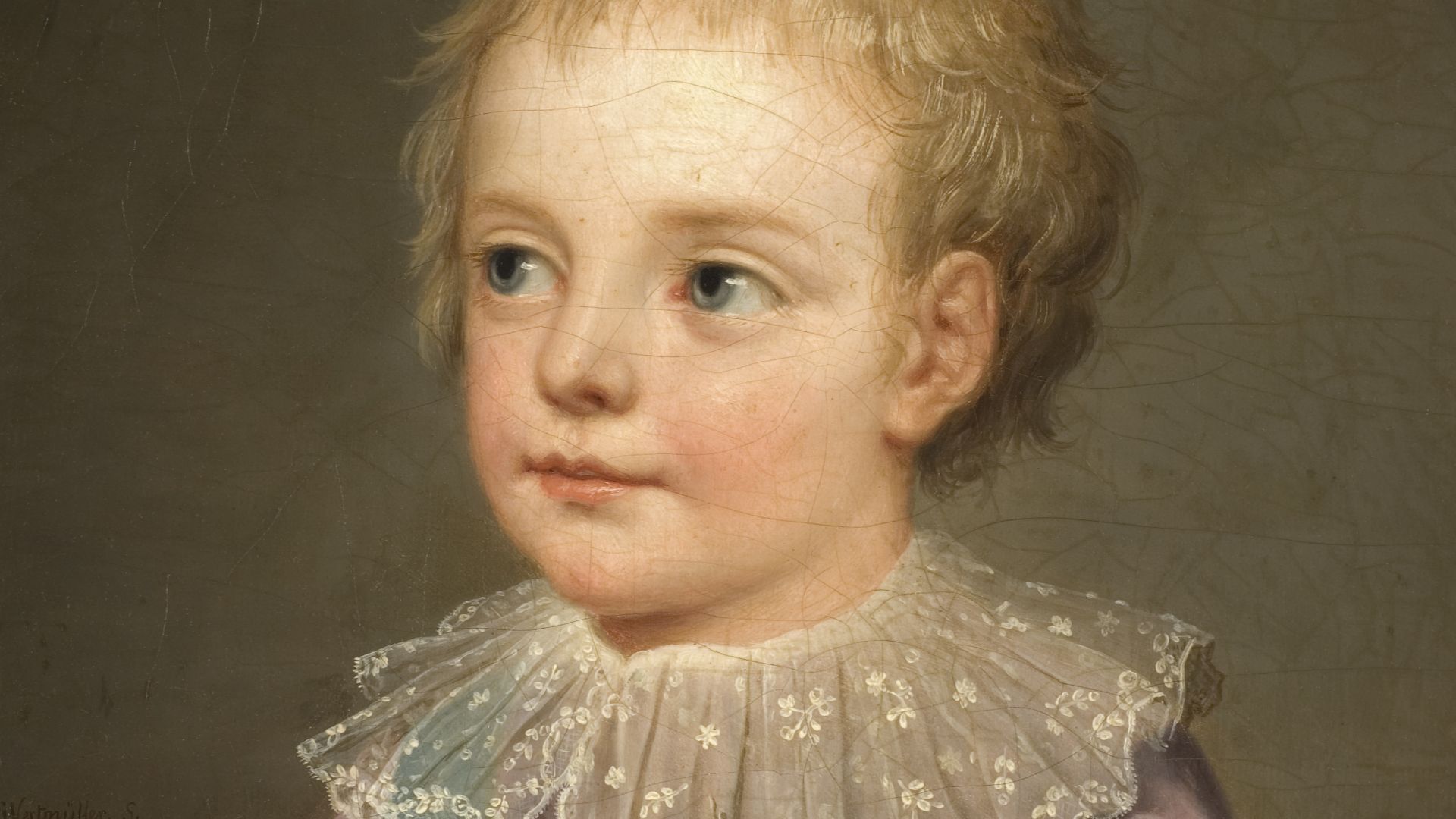
Maria Amalia’s mother and her aunt betrothed her to her cousin, Marie Antoinette’s son Louis Joseph, when she was still just a child. This was a huge compliment. Louis Joseph was only Marie Antoinette’s second child and her first son, making him the Dauphin of France and the engagement a very powerful alliance.
But within a few years, everything came tumbling down.
 Adolf Ulrik Wertmüller, Wikimedia Commons
4. Her Fiancé Perished
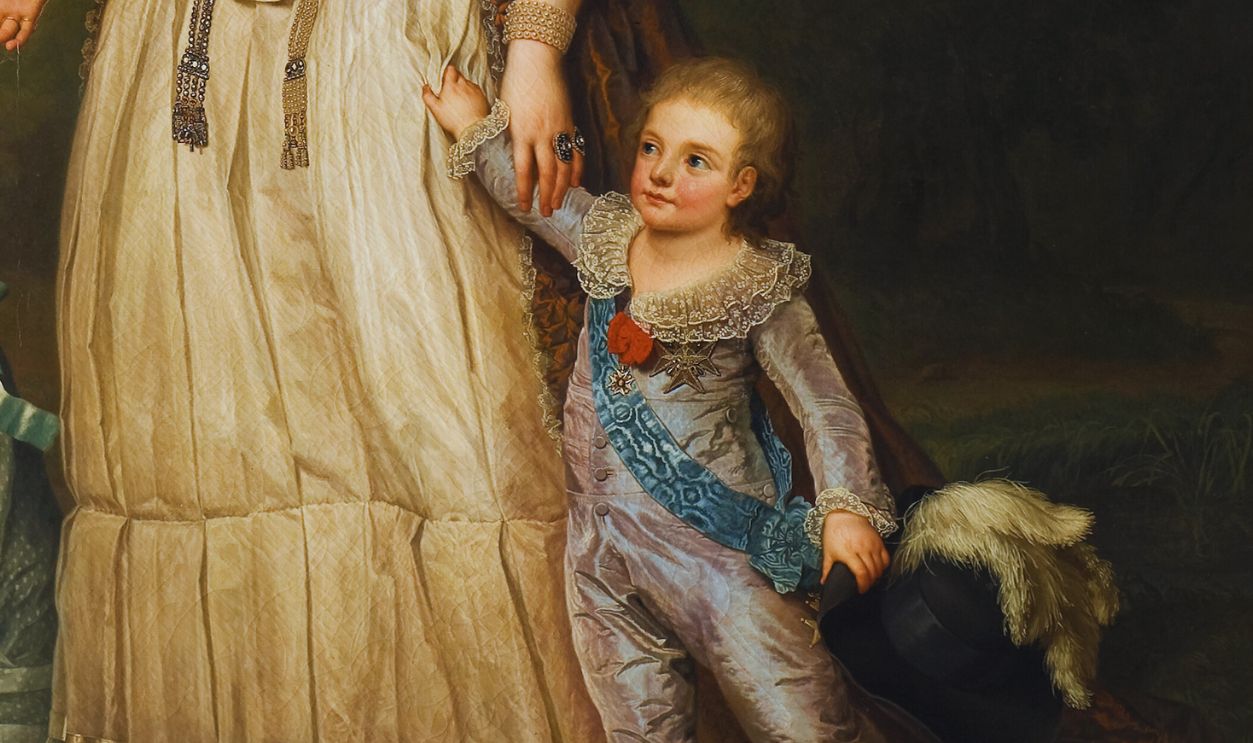
In 1789, Maria Amalia was only seven years old, but old enough to understand catastrophe when she saw it. That summer, Louis Joseph—just a few months older than Maria Amalia herself—perished from tuberculosis. Maria Amalia no longer had a fiancé…yet that was the least of the royal family’s worries.
 Adolf Ulrik Wertmüller, Wikimedia Commons
5. Her Mother Was Enlightened
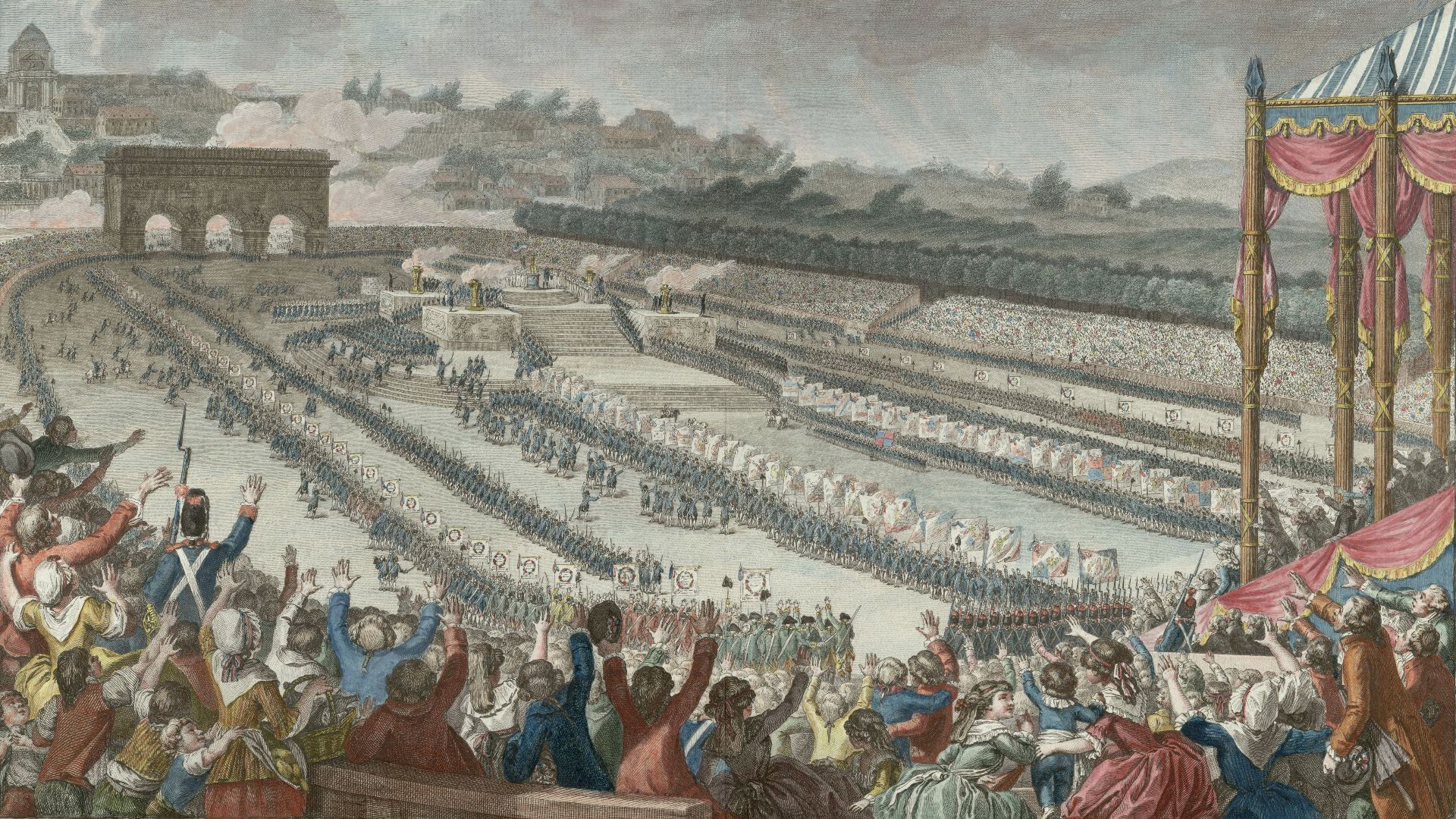
In 1789, terror came to Maria Amalia’s family. The French Revolution broke out, rendering her aunt Marie Antoinette’s position very precarious. But her court had a surprising reaction. Her mother Maria Carolina was a huge proponent of “enlightened absolutism,” something she believed was forward thinking, and wasn’t immediately against the idea of reform. She would soon regret it.
 Isidore Stanislas Helman / After Charles Monnet, Wikimedia Commons
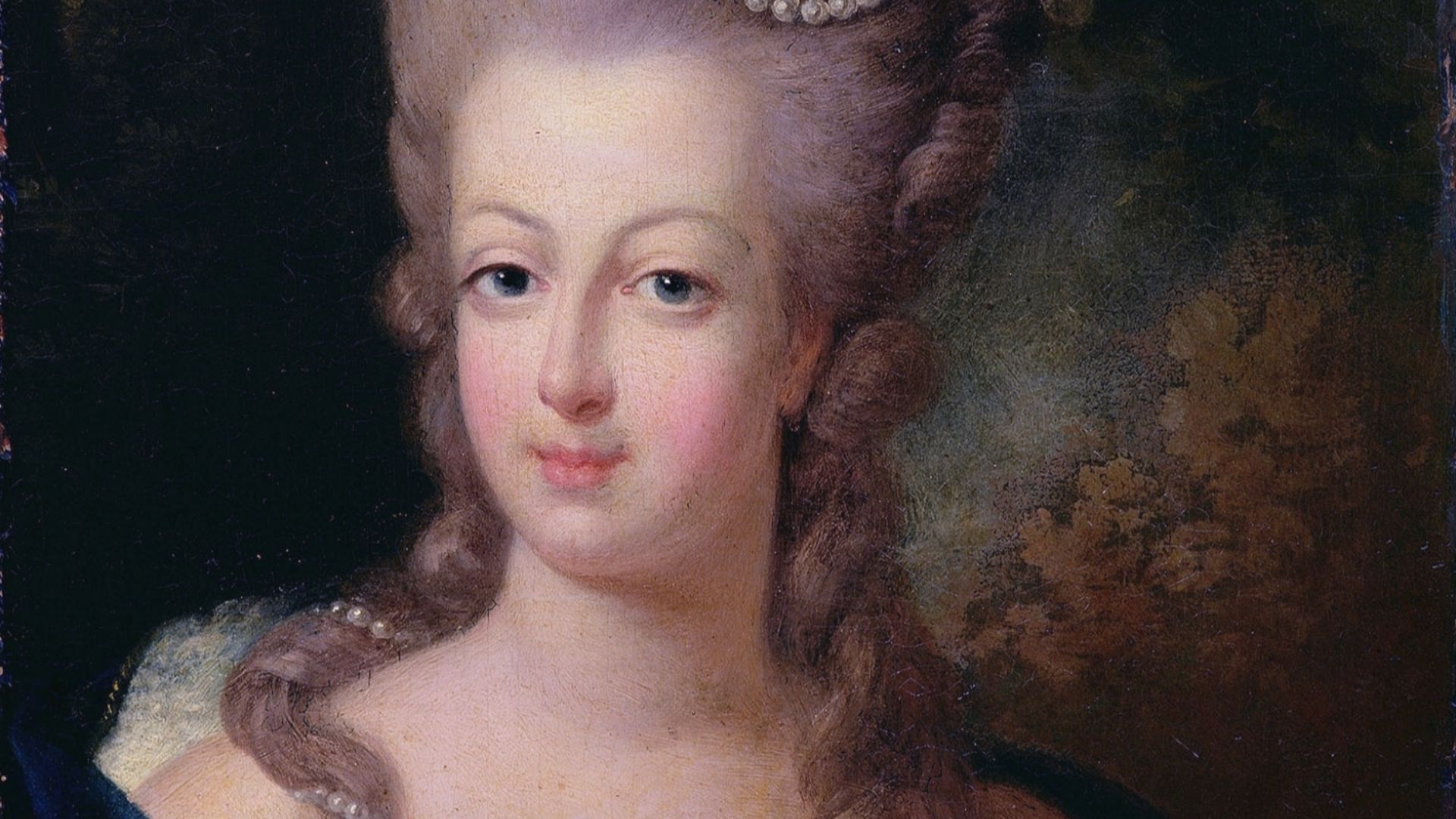
6. Her Aunt Met A Brutal End
Within a few years, the Revolution took on new life, new goals, and new violence, until Maria Amalia’s family was watching in horror as Marie Antoinette and her husband were executed and the French monarchy (purportedly) abolished in 1793. Heartbroken at the fate of her sister and terrified at the threat to her own power, Maria Amalia’s mother immediately joined a coalition against France that same year.
It wasn’t the only thing that shifted in Maria Amalia’s young life.
 After Jean-Baptiste André Gautier-Dagoty, Wikimedia Commons
7. Her Family Broke
Now 11 years old, Maria Amalia witnessed a horrific transformation. Her mother, determined not to have Naples fall into the same fate as France, turned the kingdom into a police state, complete with distinct wards, a secret force, and a whisper network she used to keep tabs on her now-plummeting popularity among all her subjects.
It ended in disaster for Maria Amalia.
 Antonio Joli, Wikimedia Commons
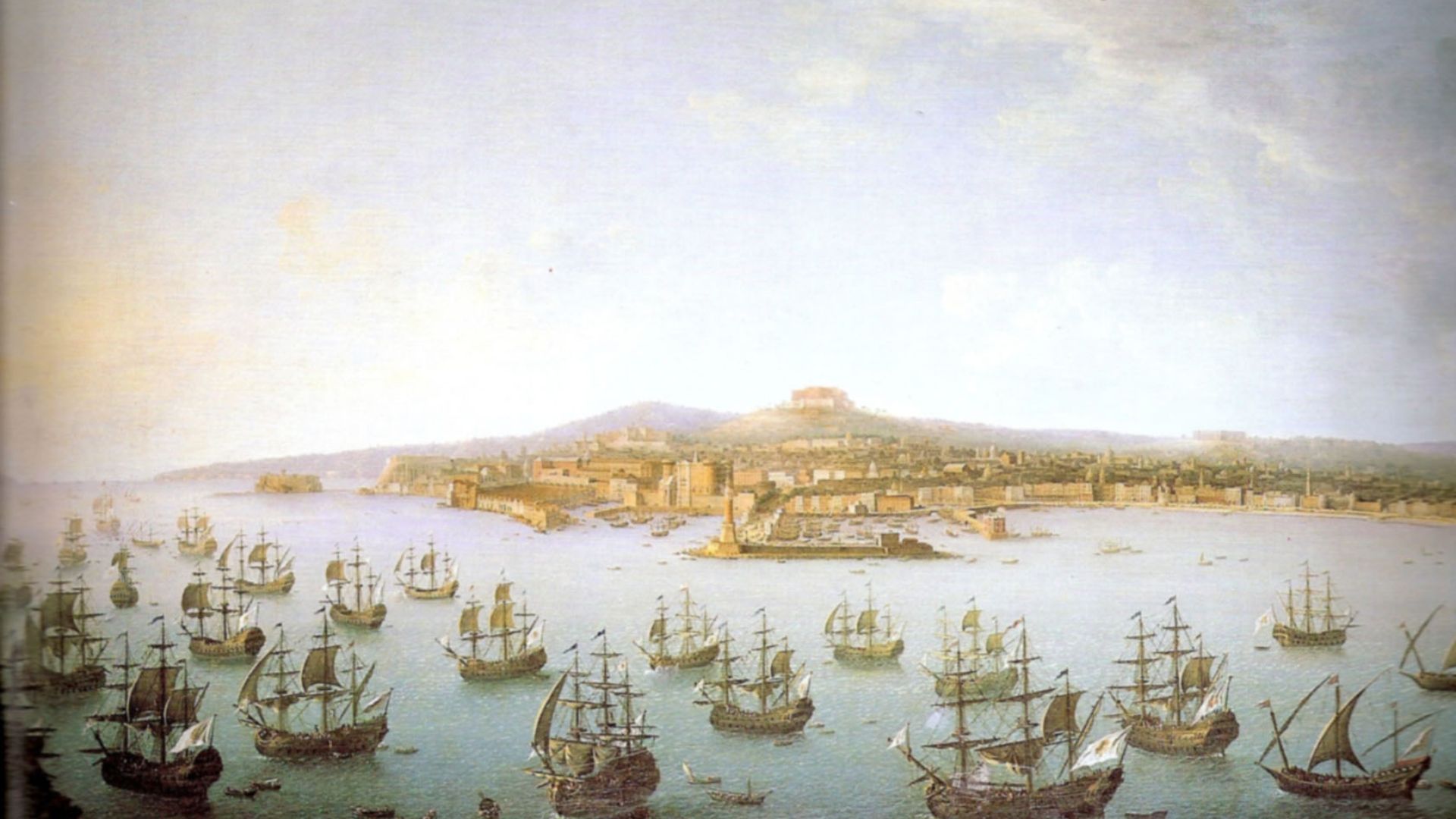
8. She Fled In Terror
Over the coming years, France grimaced and yelped through the growing pains of revolution, sometimes making peace with its former ally Naples, sometimes clashing in paroxysms of aggression against the nation. But in 1798, the threat became too much.
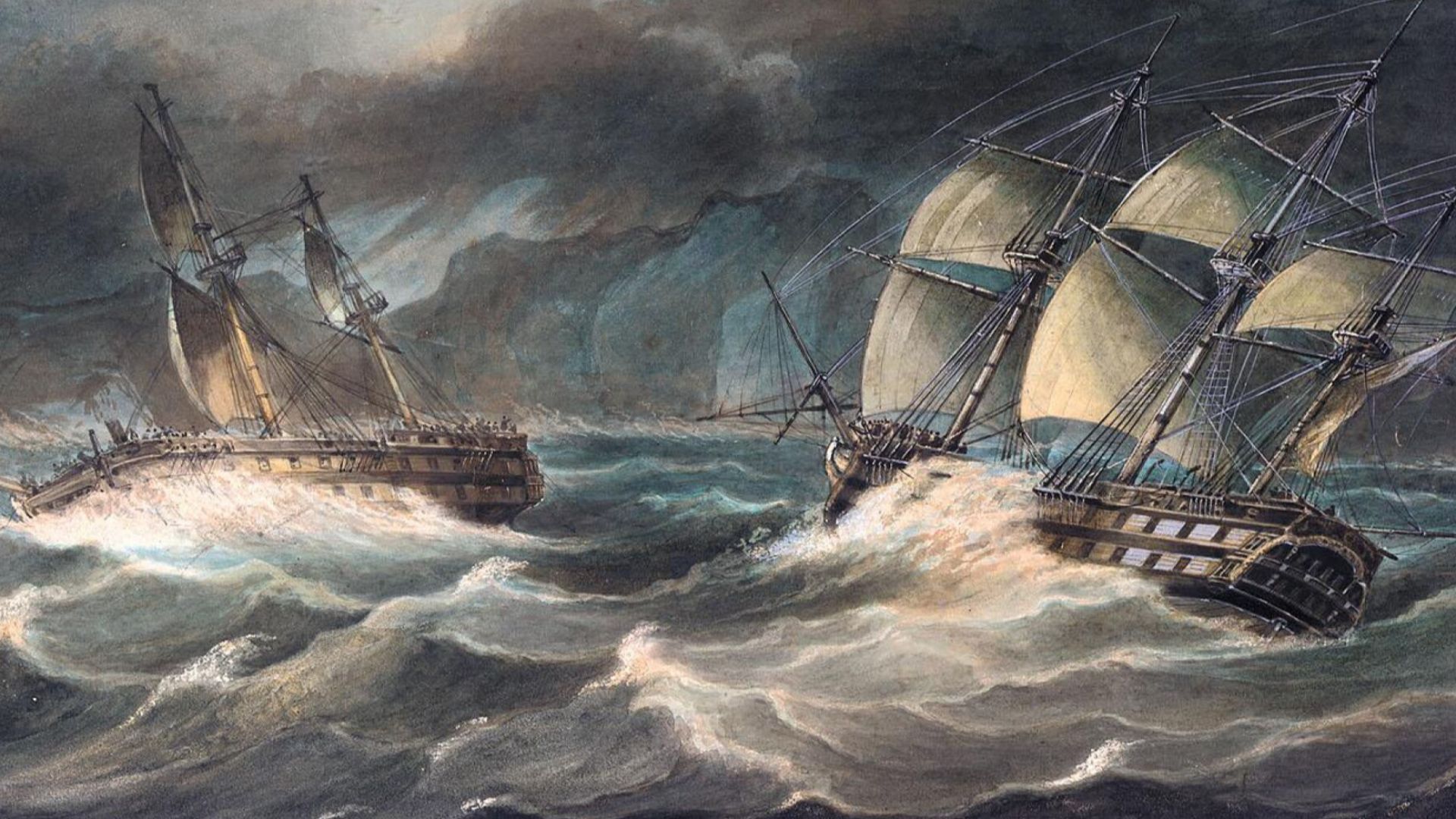
That December, Maria Amalia and her family fled toward Sicily on the HMS Vanguard. But they weren’t safe from tragedy.
 Nicholas Pocock, Wikimedia Commons

History's most fascinating stories and darkest secrets, delivered to your inbox daily.
9. She Lost Her Brother
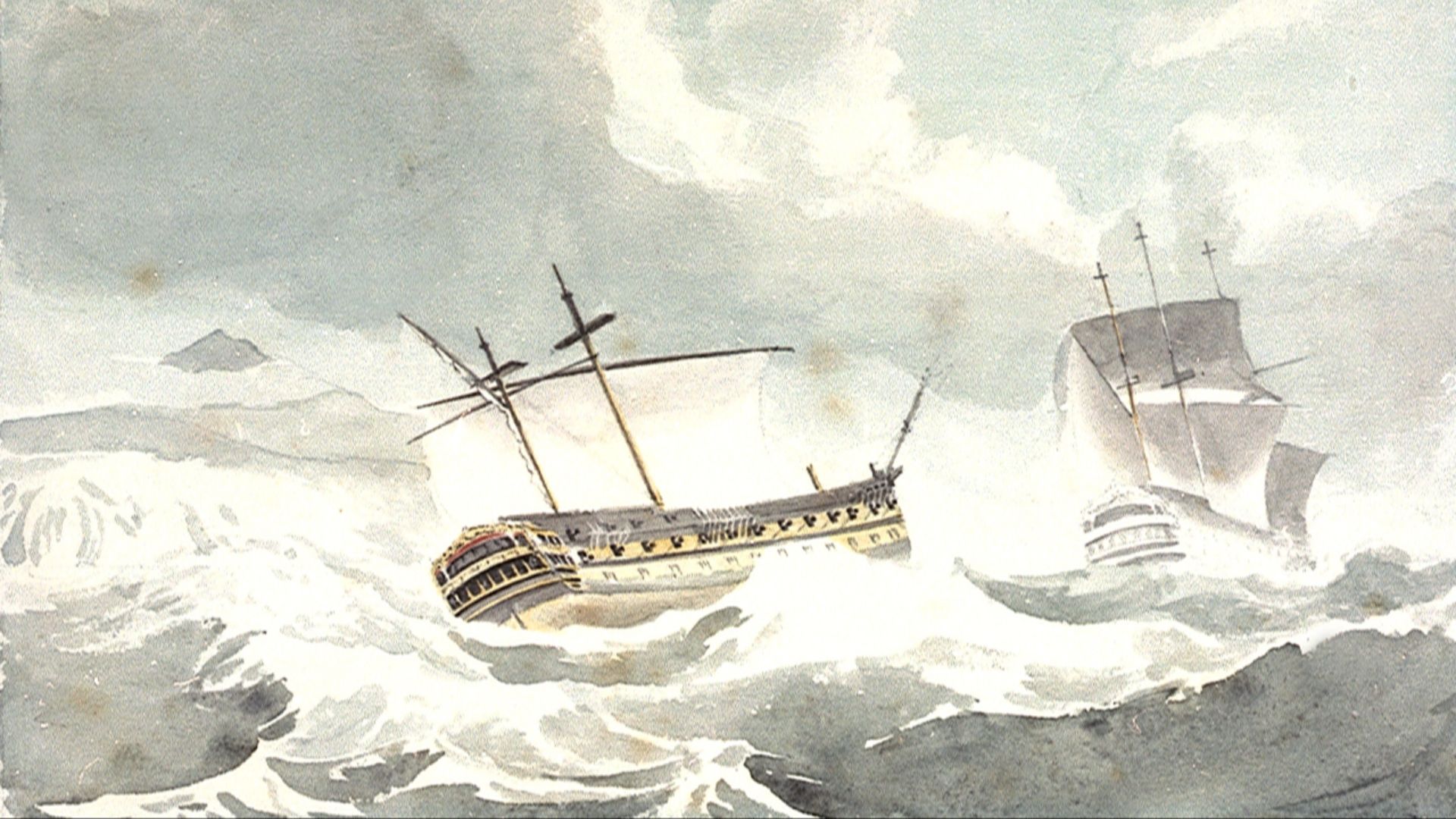
The voyage on the Vanguard was tense and emotional, with the Neapolitan aristocrats employing two other warships to flank them as they went. It proved too much for Maria Amalia’s younger brother Prince Alberto, who perished from exhaustion aboard the ship, five months shy of his seventh birthday.
It was just the beginning.
 Николас Покок, Wikimedia Commons
10. She Lost Her Country
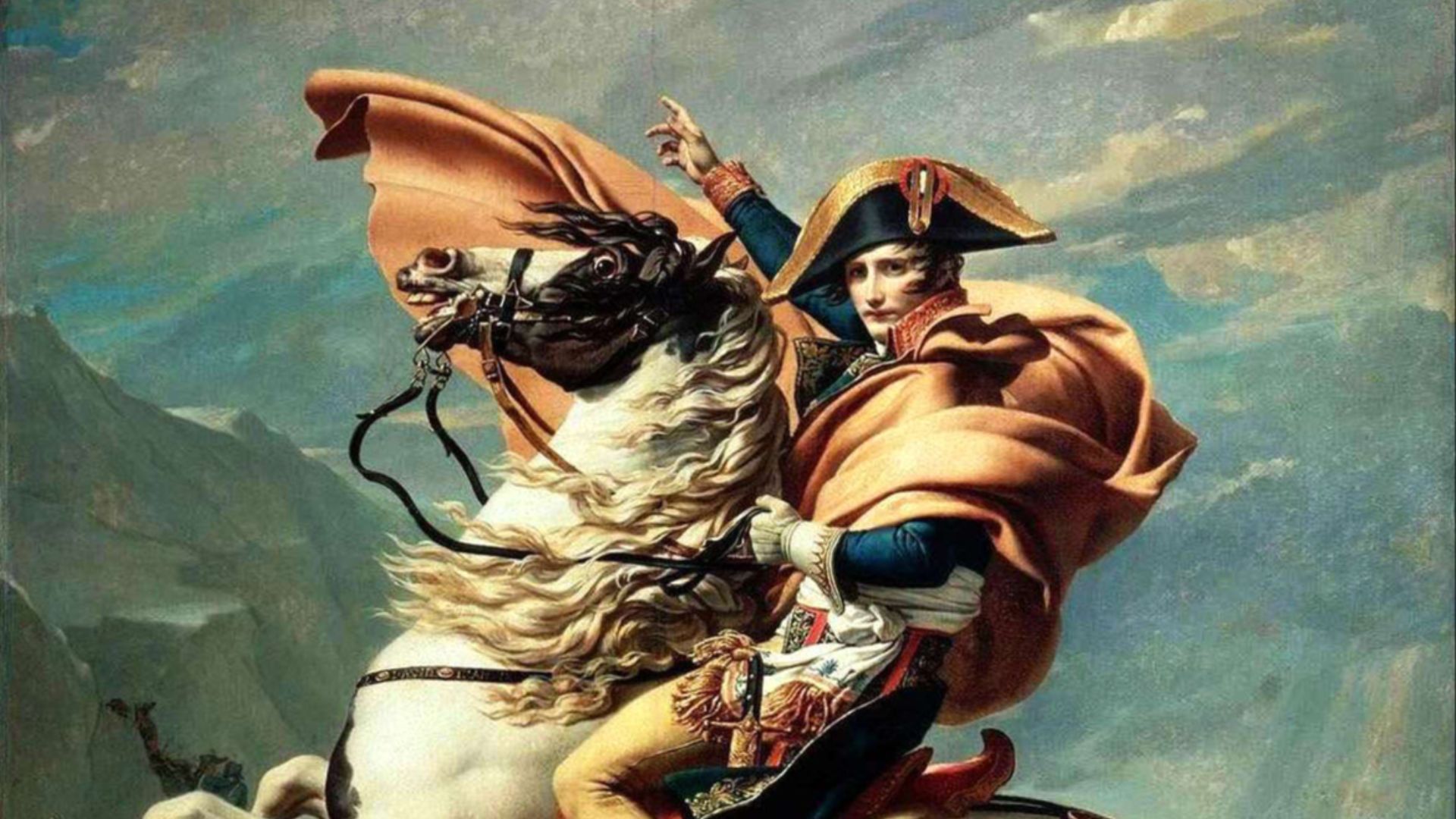
Although Maria Amalia and her family were desperate to return to Naples as soon as they could, they only got glimpses of the home over the next decade. Maria Amalia returned in 1802, only to have to flee again in 1806 when Napoleon Bonaparte—now ascendant after the French Revolution—invaded it.
Defeated, Maria Amalia went once again to Sicily, settling in Palermo. It was there she met her destiny.
 Jacques-Louis David, Wikimedia Commons
11. She Bonded With A Fellow Exile
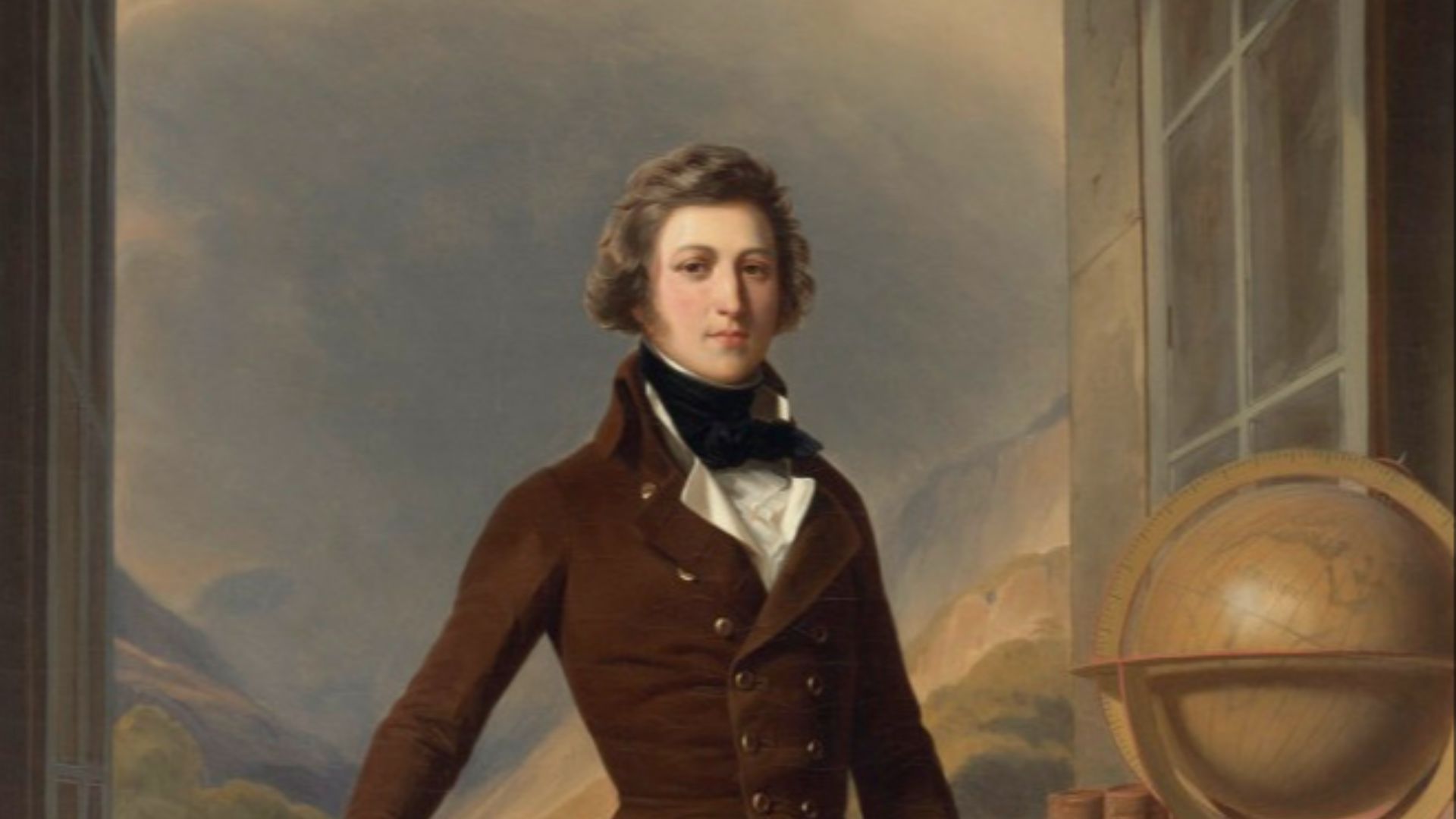
Just after landing again in Sicily, Maria Amalia met French aristocrat Louis Philippe. They shared a tragic bond. Like Maria Amalia, Louis Philippe was recently exiled from his home, and like her he had ties to the old French monarchy. They must have recognized their melancholic affinity and yearning, and they were married soon after.
Yet their connection had an even darker side.
 Franz Xaver Winterhalter / After Auguste Couder, Wikimedia Commons
12. Her Husband Had A Dark Past
Some who attended Maria Amalia and Louis Philippe’s wedding in 1809 must have been wondering the same thing: How could her family have allowed it? After all, Louis Philippe’s father had been an early proponent of the French Revolution, and although he was eventually guillotined himself, many believed he’d had a direct hand in executing Maria Amalia’s aunt Marie Antoinette.
But the onlookers didn’t realize one thing.
 Franz Xaver Winterhalter, Wikimedia Commons
13. He Made A Promise
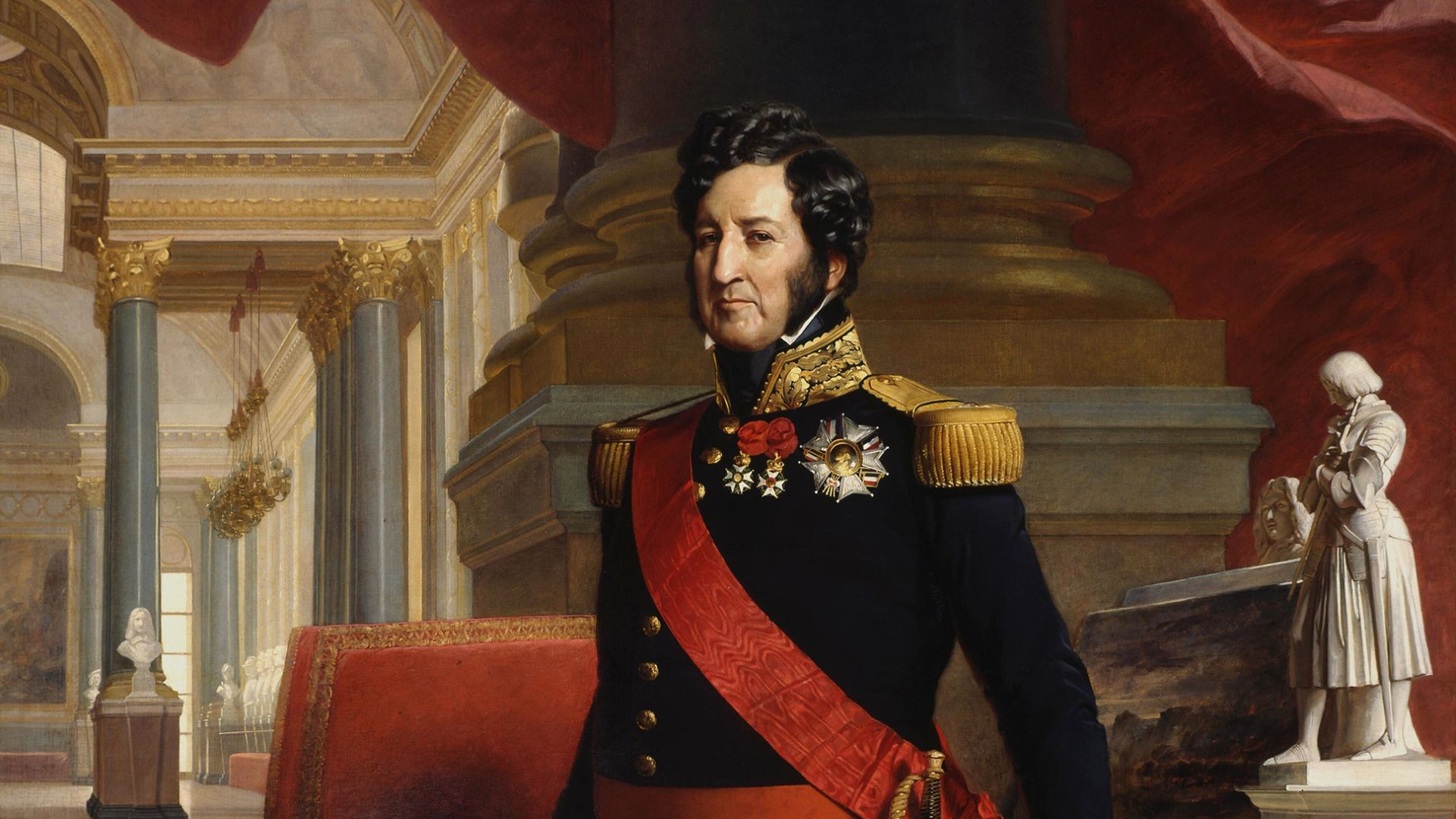
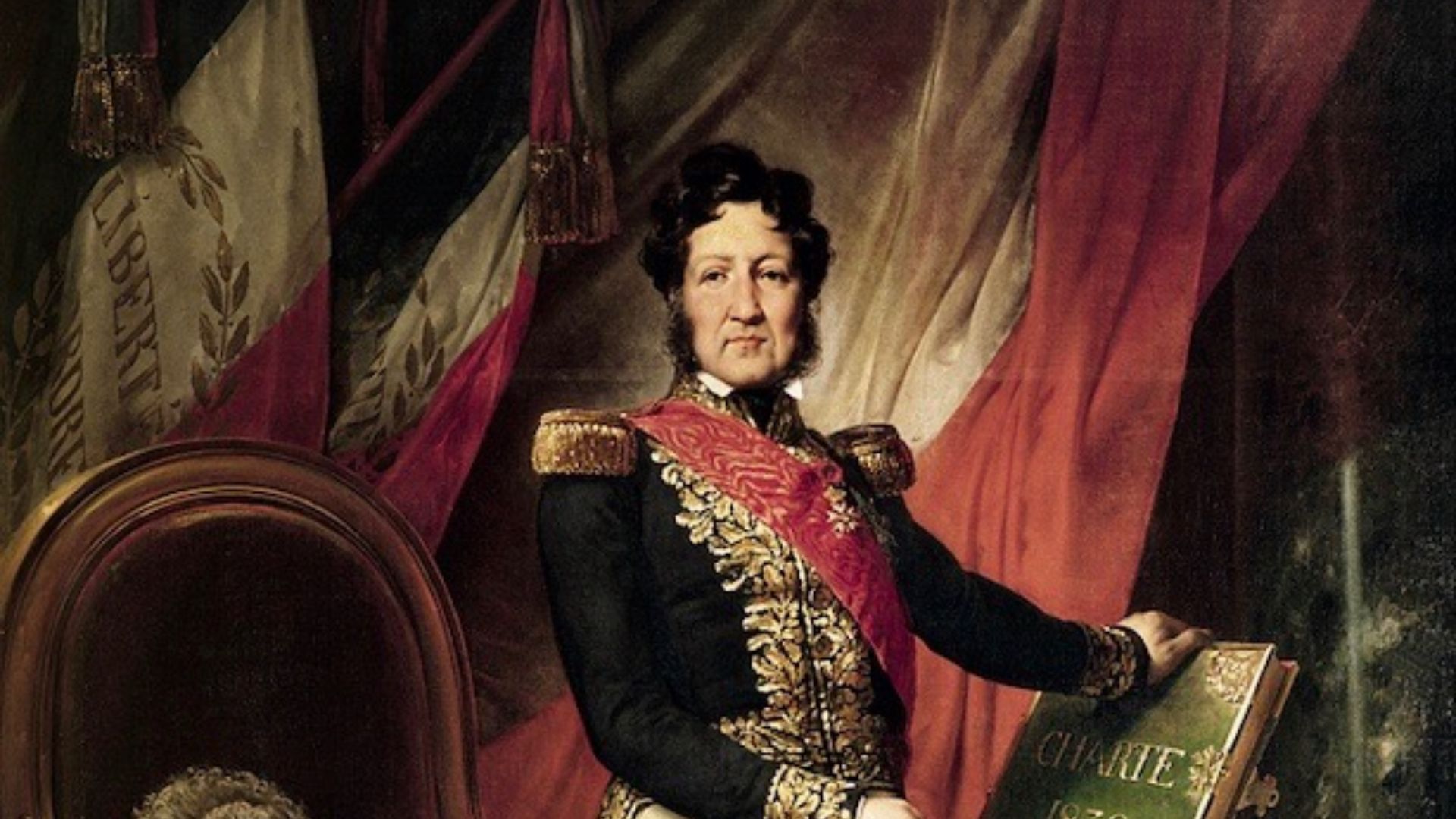
Louis Philippe was aware of the scandal attached to his name, but he desperately wanted Maria Amalia anyway. In fact, he reportedly prostrated himself in front of Maria Amalia’s mother and swore to her that he was determined to make up for the sins of his father. Although the matriarch had likely been the most suspicious of all, she finally relented.
As we’ll see, Louis Philippe did make good on his word—he wasn’t like his father at all.
 Horace Vernet, Wikimedia Commons
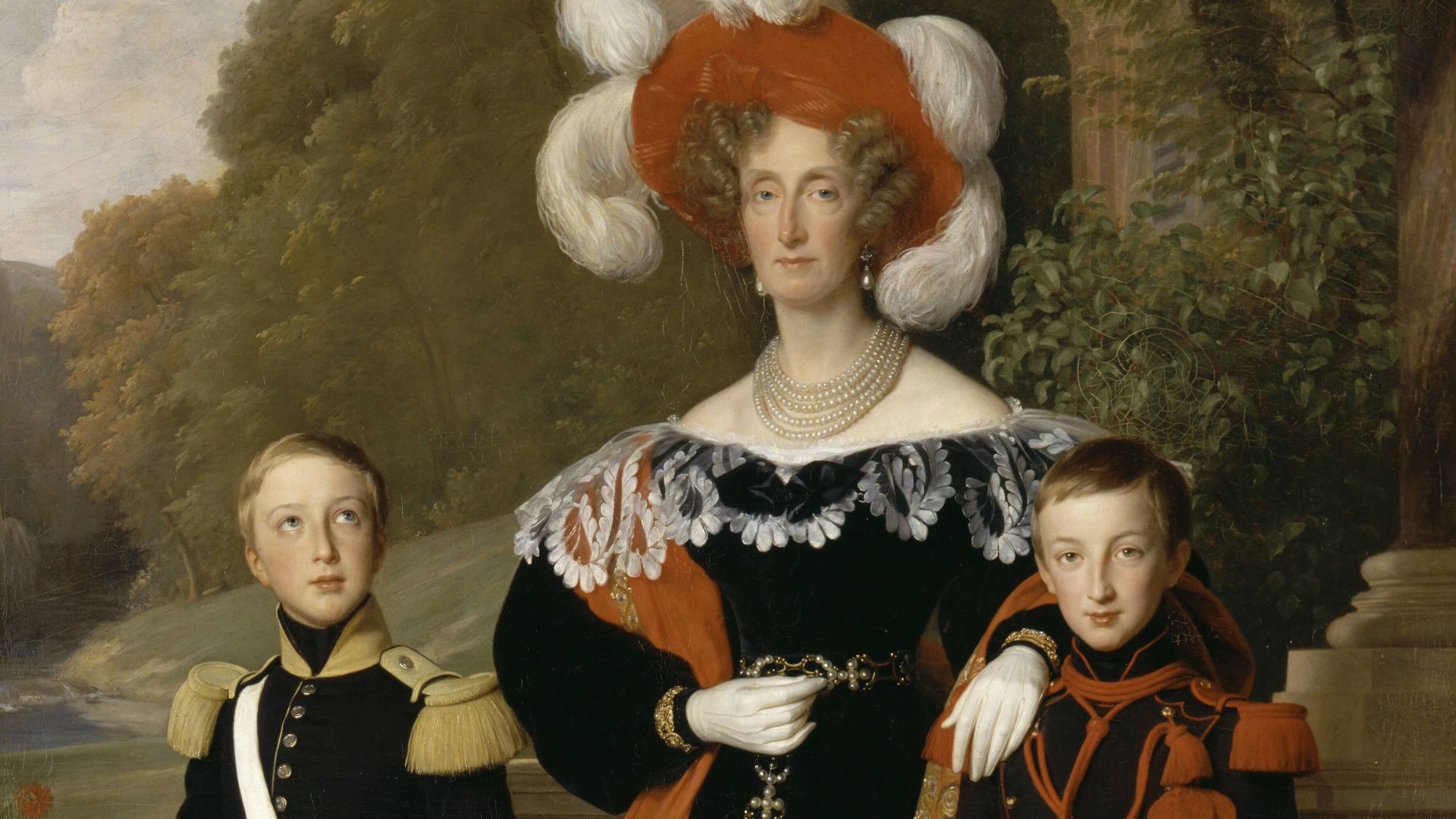
14. She Built A Family
After marrying Louis Philippe, Maria Amalia took on the title “Duchess of Orleans,” and the pair lived comfortably in the Palazzo Orlean, a structure her father gifted them. The very next year, Maria Amalia gave birth to her first child, Ferdinand, Duke of Orleans, and then had three more children by 1814.
Yet if there was one constant in Maria Amalia’s life, it was inconstancy: everything was about to change again.
 Louis Hersent, Wikimedia Commons
15. Her Husband Yearned For France
Louis Philippe was desperate to return home to France, and in 1814 he and Maria Amalia made the move over with their growing family. It was too much, too soon. Napoleon’s chaos still hadn’t calmed down in the country, and they had to flee once more shortly after.
When they did return to France for good in 1817, it was only for a brief period of peace and respite.
 Édouard Detaille, Wikimedia Commons
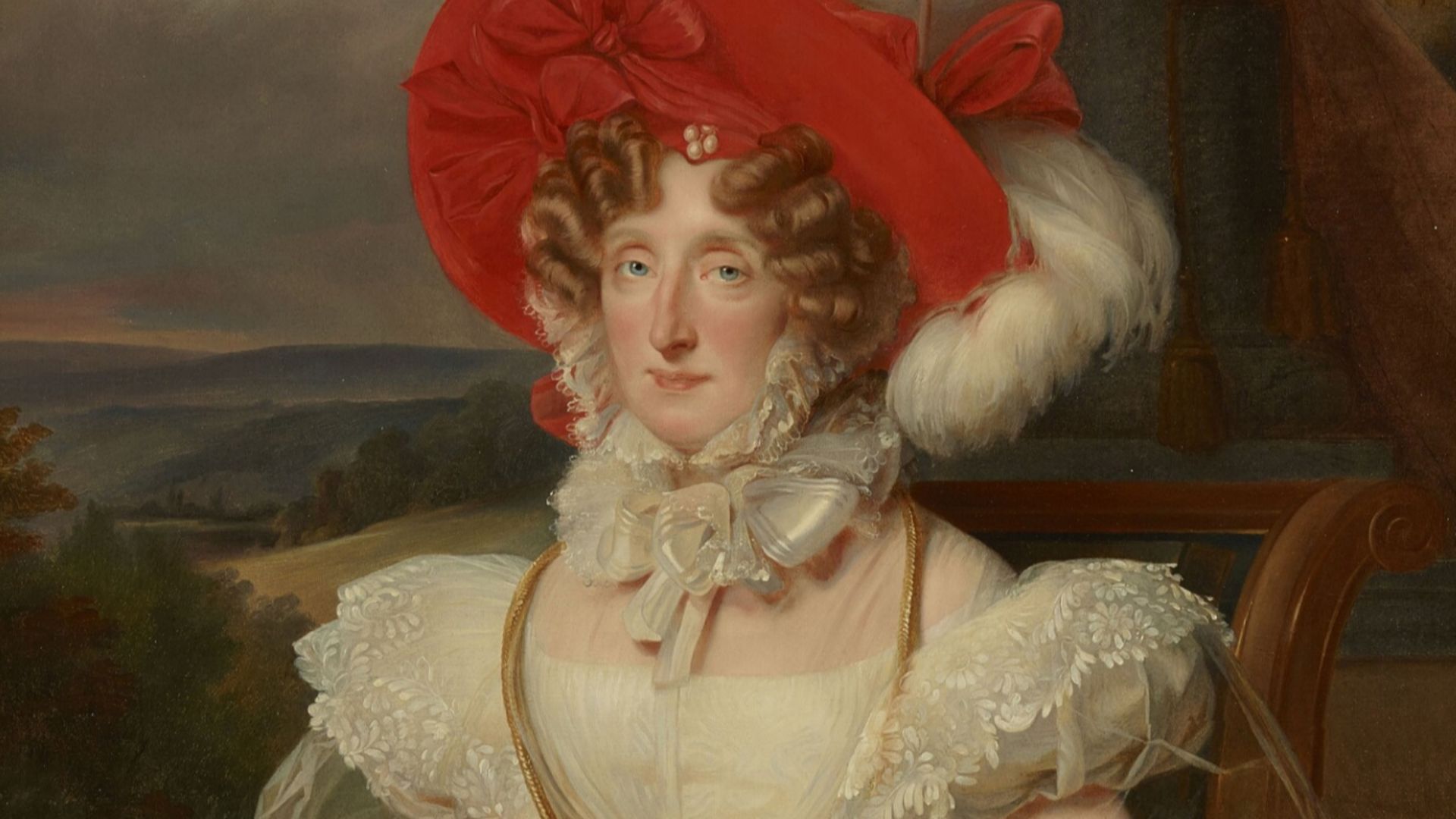
16. She Buried A Baby
The first years Maria Amalia spent in France were marked with tragedy. In 1818, her fifth child Princess Francoise perished at the age of two. More than this, all this happened while Maria Amalia tried to look after her newborn sixth child, Princess Clementine, and was pregnant with her seventh, Prince Francois.
She would go on to have three more children, for a total of ten. These weren’t the only additions to her family, though.
 Louis-Édouard Rioult / After Louis Hersent, Wikimedia Commons
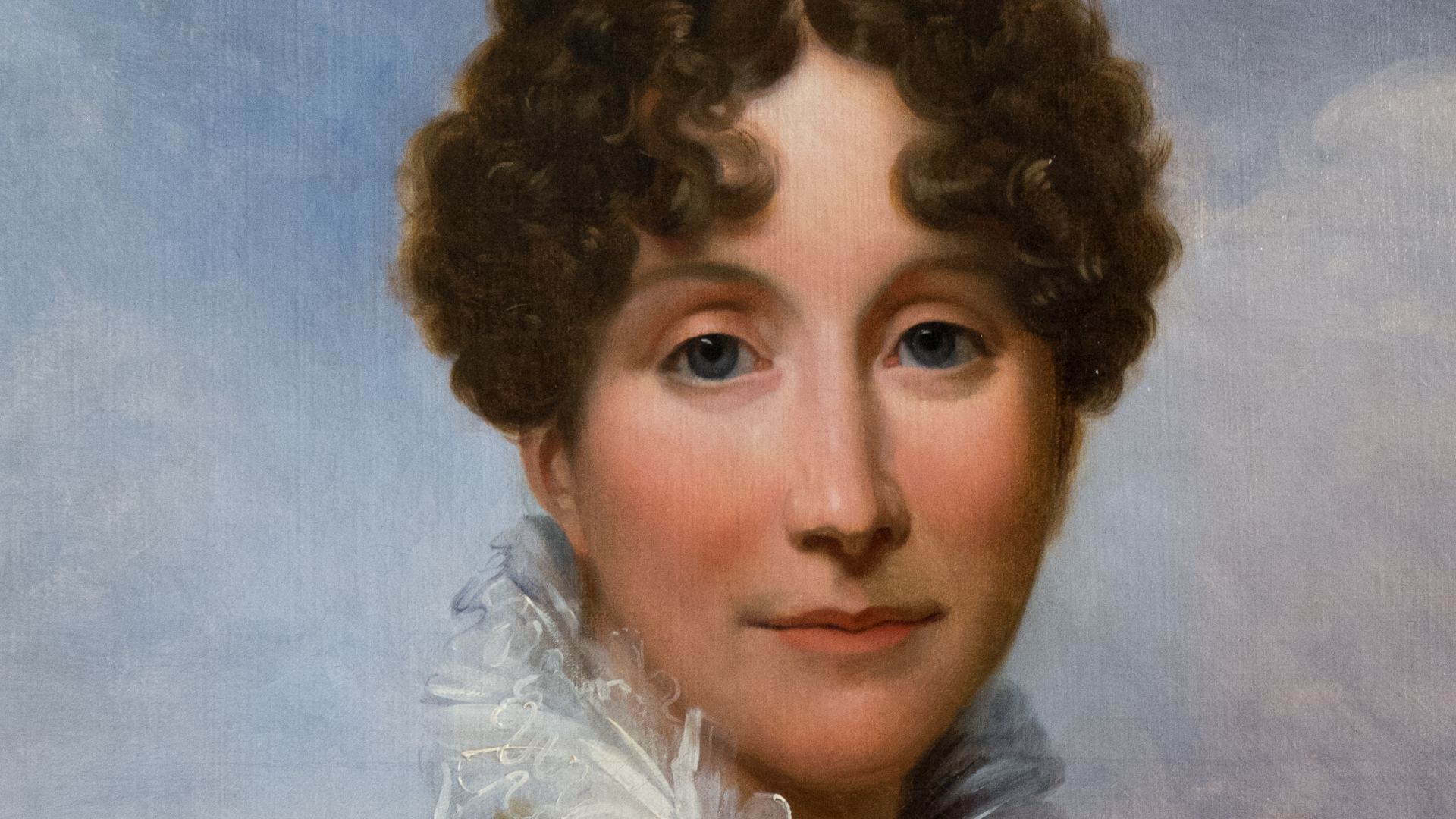
17. She Had A Spitfire Sister-In-Law
Maria Amalia’s sister-in-law Madame Adelaide was an enormous part of her life, and had lived with the couple since just after their marriage. Staunchly loyal to Louis Philippe, Adelaide was likewise staunch in everything she did, and took on the role of official hostess for the family, since Maria Amalia was more reserved.
Adelaide soon became a “second mother” to Maria Amalia’s children—but they were about to have an enormous difference of opinion.
18. She Was A Traditionalist
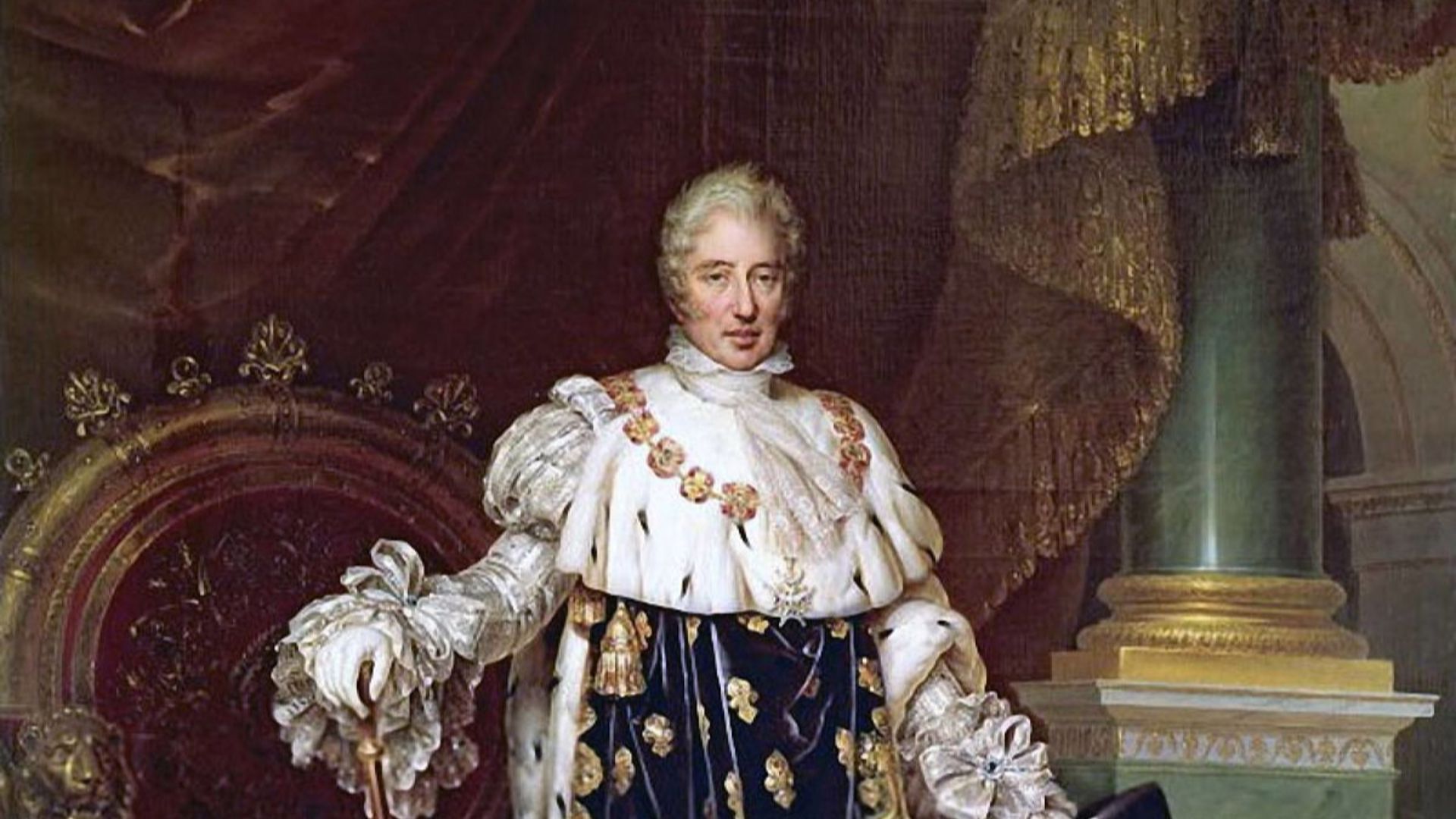
Maria Amalia’s sister-in-law Adelaide despised the current French monarchy, which had been reinstated and was now under King Charles X, for being too absolutist in an era that needed a constitutional monarchy. The conservative Maria Amalia, on the other hand, was loyal to the old regime, and in any case tended to stay out of politics in order to focus on her family life.
Unfortunately, that family life was about to become the biggest political topic in France.
 Jean-Baptiste Paulin Guérin, Wikimedia Commons
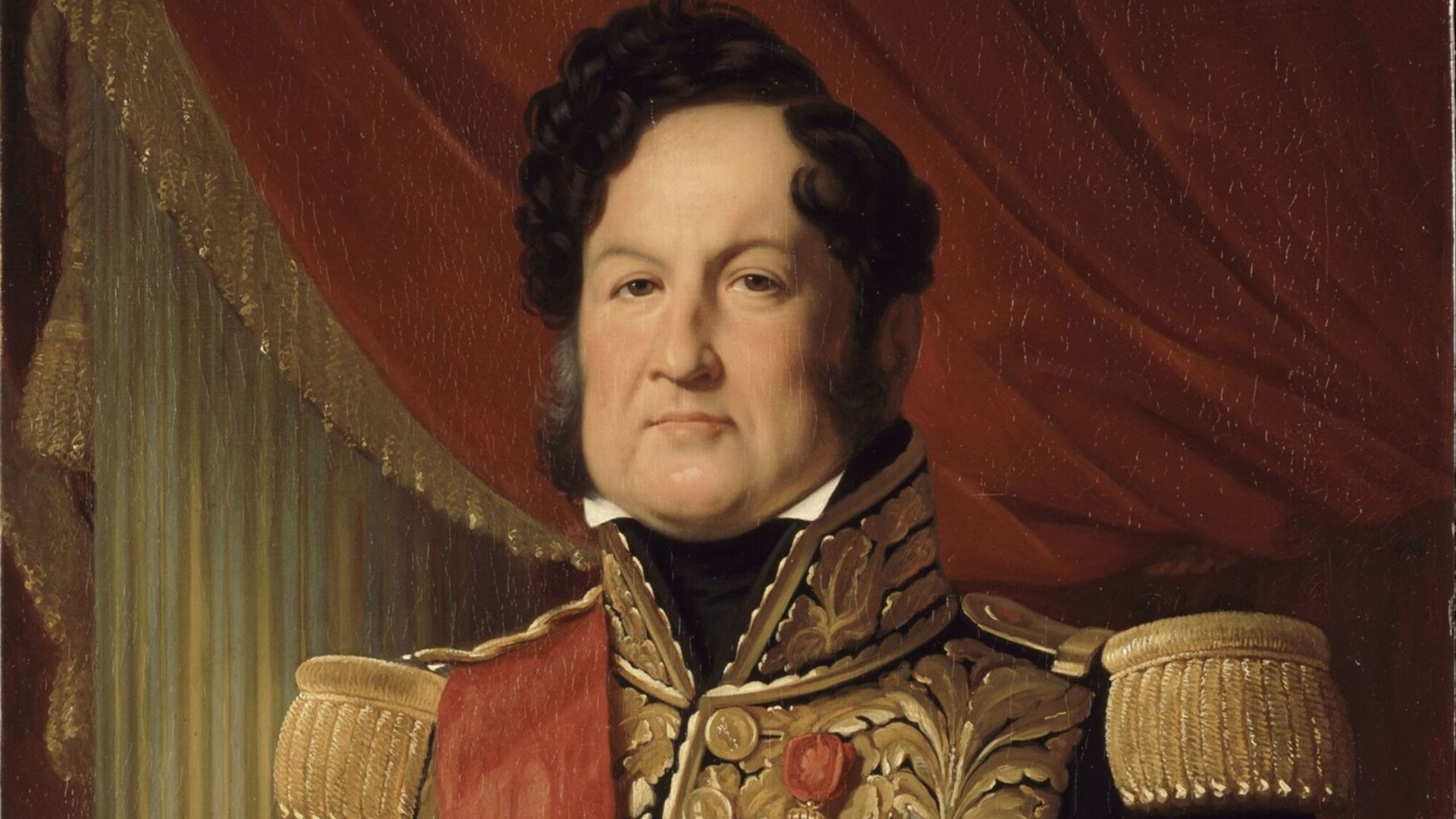
19. Her Monarchy Crumbled
In 1830, revolution hit Paris again. It spelled massive change for Maria Amalia. Suddenly, Charles X’s reign was as stable as a house of cards, and it took no time at all for her sister-in-law Adelaide to convince Louis Philippe that he must try to take the throne in the name of a constitutional monarchy.
Maria Amalia, however, took a much different tack.
 Louise Adélaïde Desnos, Wikimedia Commons
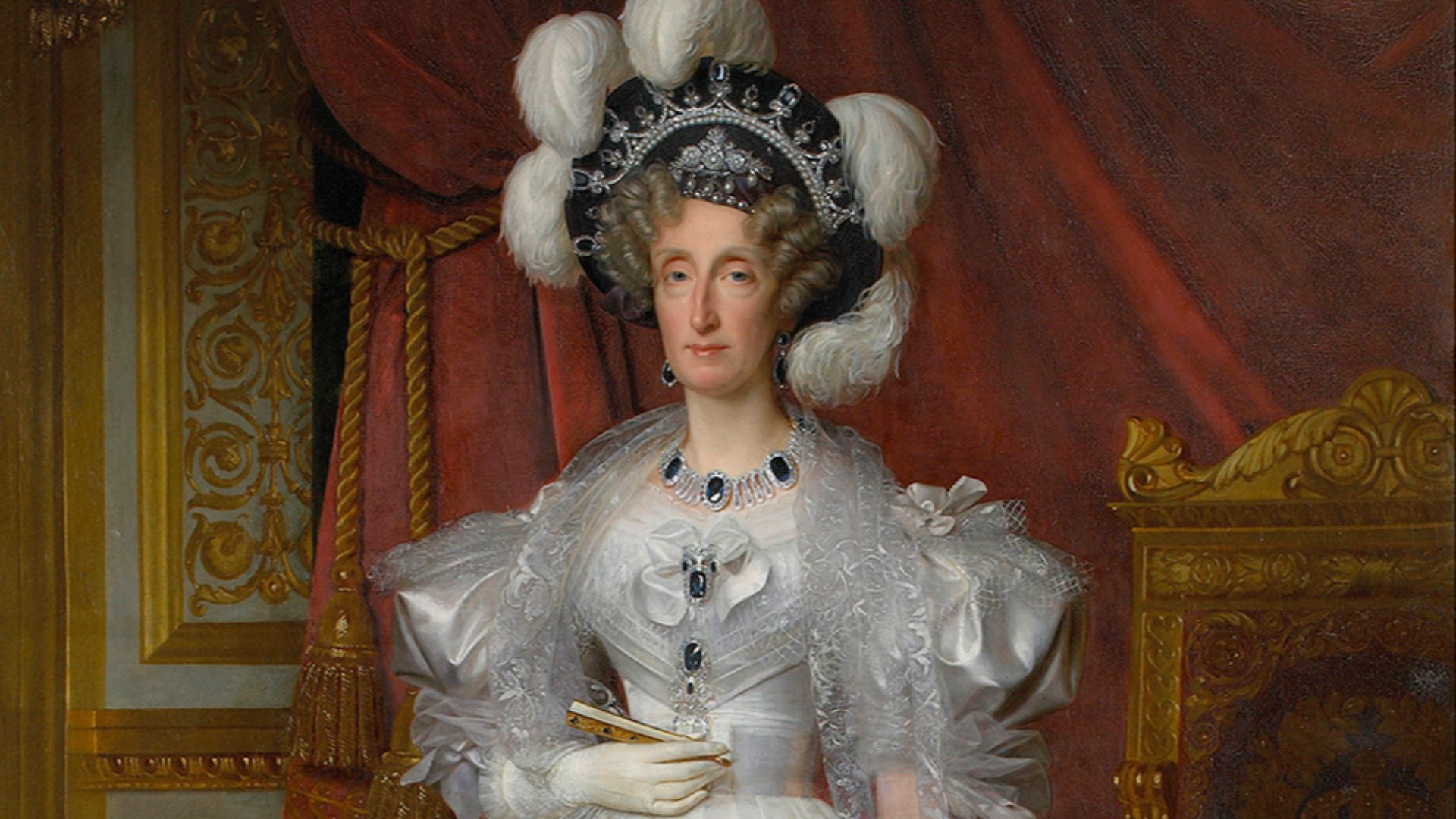
20. She Tried To Avoid Her Fate
Maria Amalia had been fed and weaned on the vagaries of power, and she only sensed danger and heartache in the opportunity—not to mention betrayal of the reigning French royal family. Alarmed, she countered Adelaide’s arguments and urged her husband not to try for the crown.
But before these discussions could end, their enemies began to gather.
 Louis Hersent, Wikimedia Commons
21. She Didn’t Back Down
Soon, rumors began to circulate that the royalists allied with the old regime were coming to arrest Louis Philippe. Maria Amalia’s reaction showed her mettle. Although her husband evacuated himself and the children, Maria Amalia and her sister-in-law stayed where they were as a show of strength and bravery.
It also meant she was able to assert her will one more time.
 Frédéric Millet, Wikimedia Commons
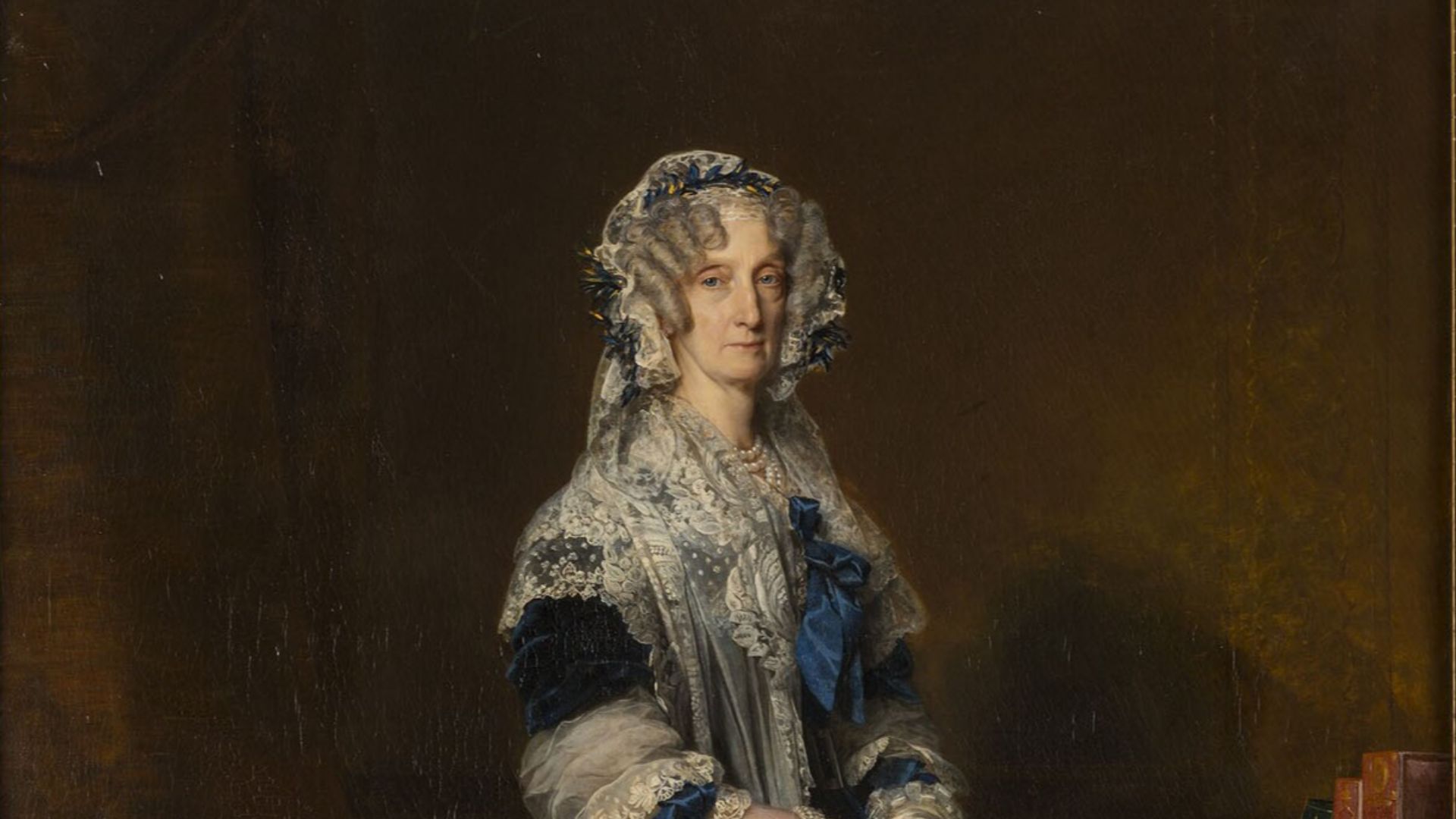
22. She Was Insulted
While Louis Philippe and her children were still away, a delegation arrived at Maria Amalia’s house and offered her husband the crown. Maria Amalia was deeply insulted that they would even ask, and refused the proposal without hesitation before scolding them for coming.
There was nothing Maria Amalia wanted less than to be queen. But there were other voices around her.
 Franz Xaver Winterhalter, Wikimedia Commons
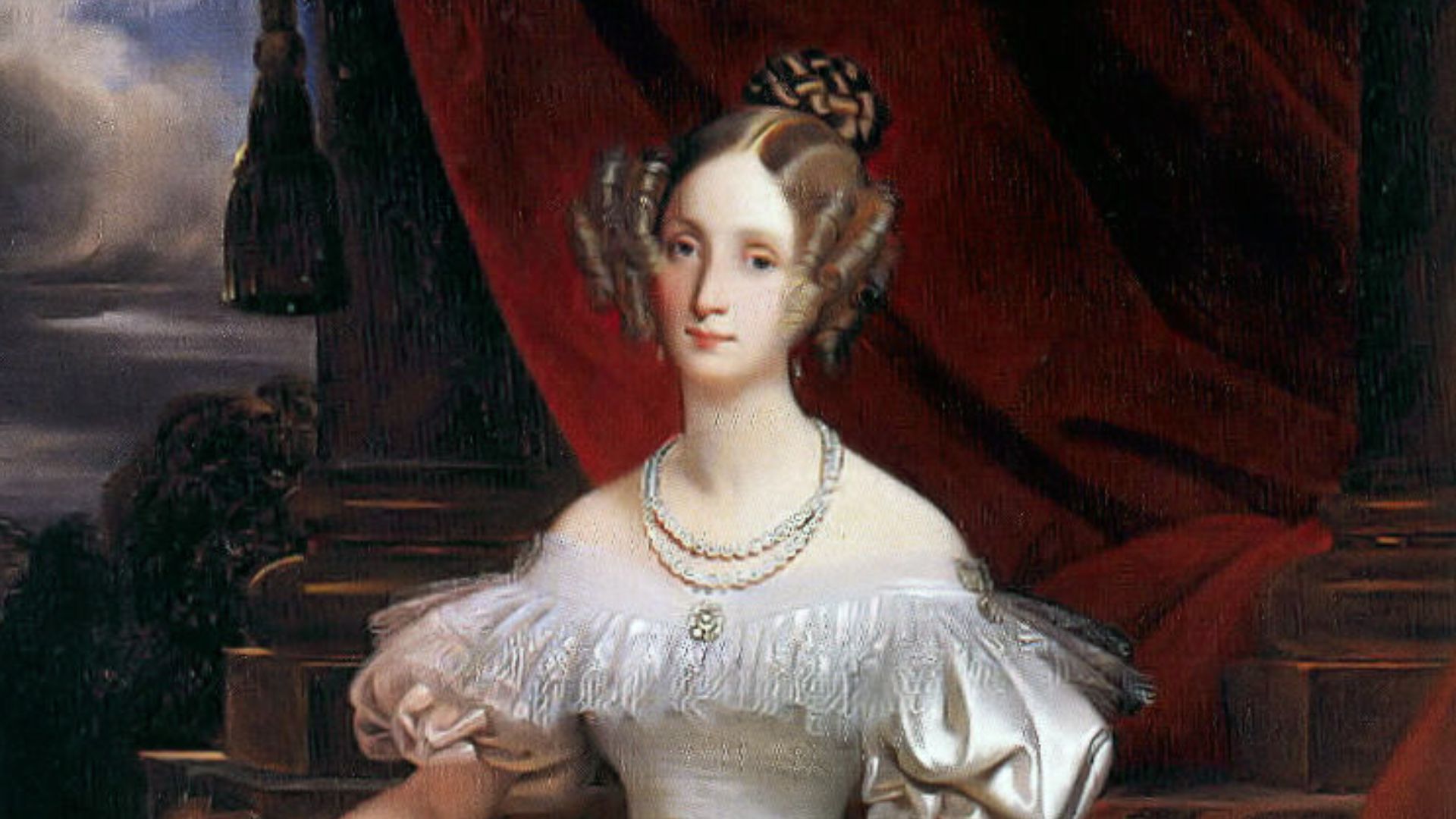
23. Her Sister-In-Law Made A Power Grab
In the midst of these proposals, Maria Amalia’s own family betrayed her. Adelaide, having been privy to these talks as well, happily accepted the offer for her brother, saying that she knew Louis Philippe would lay down his life to protect his country and keep its government stable. To her, taking up the post was the only thing to be done.
Eventually, it all came down to Louis Philippe.
 Claude-Marie Dubufe, Wikimedia Commons
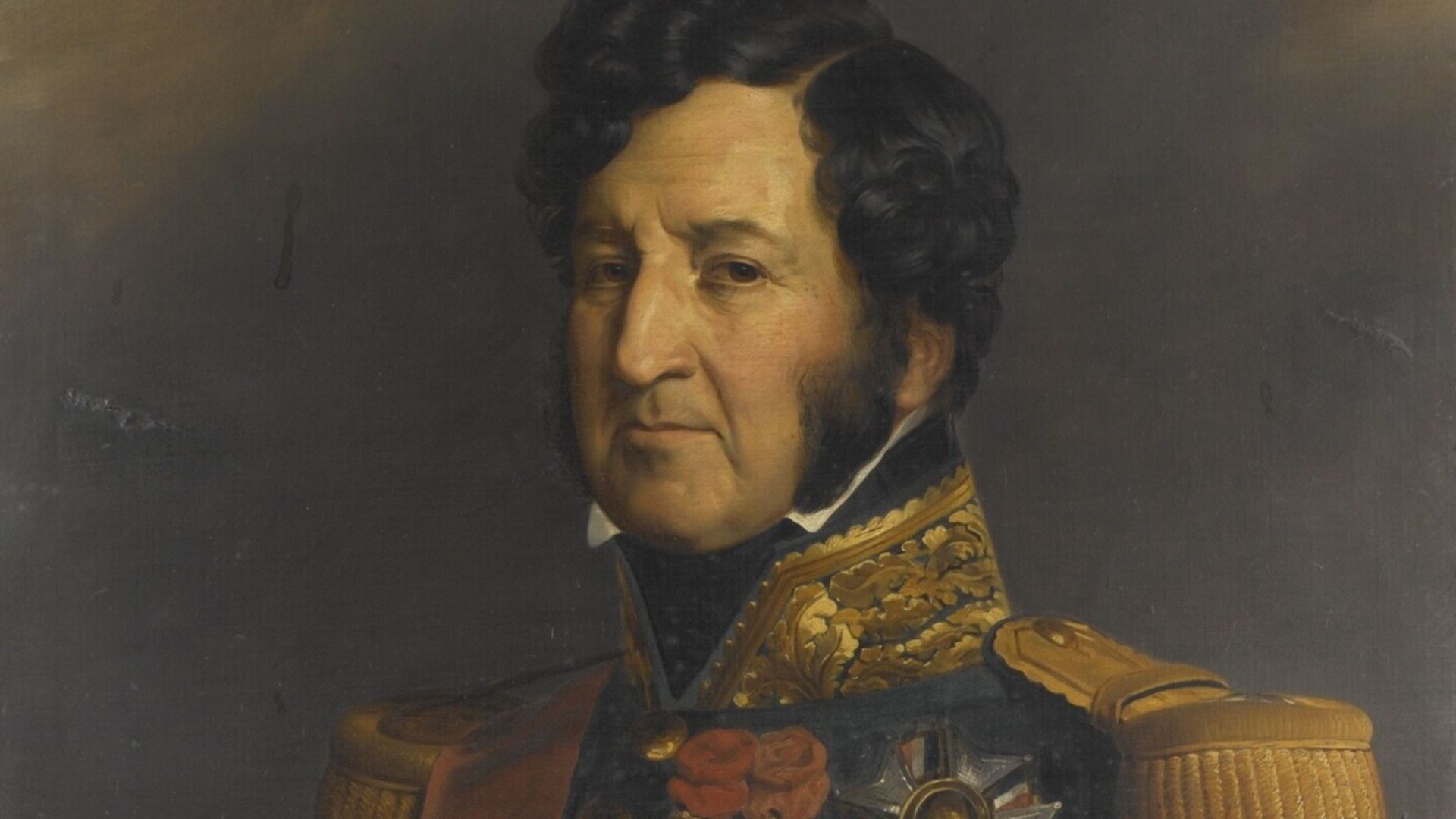
24. Her Husband Ignored Her Pleas
This push and pull went on for several more tense visits, but when Louis Philippe finally did make his decision, it broke Maria Amalia’s heart. Moved more by his sister’s arguments than his wife’s—and no doubt intrigued by ruling France—Louis Philippe accepted the crown once and for all in August of 1830, just a month after the unrest began.
Maria Amalia could hardly stand it.
 François-Xavier Dupré, Wikimedia Commons
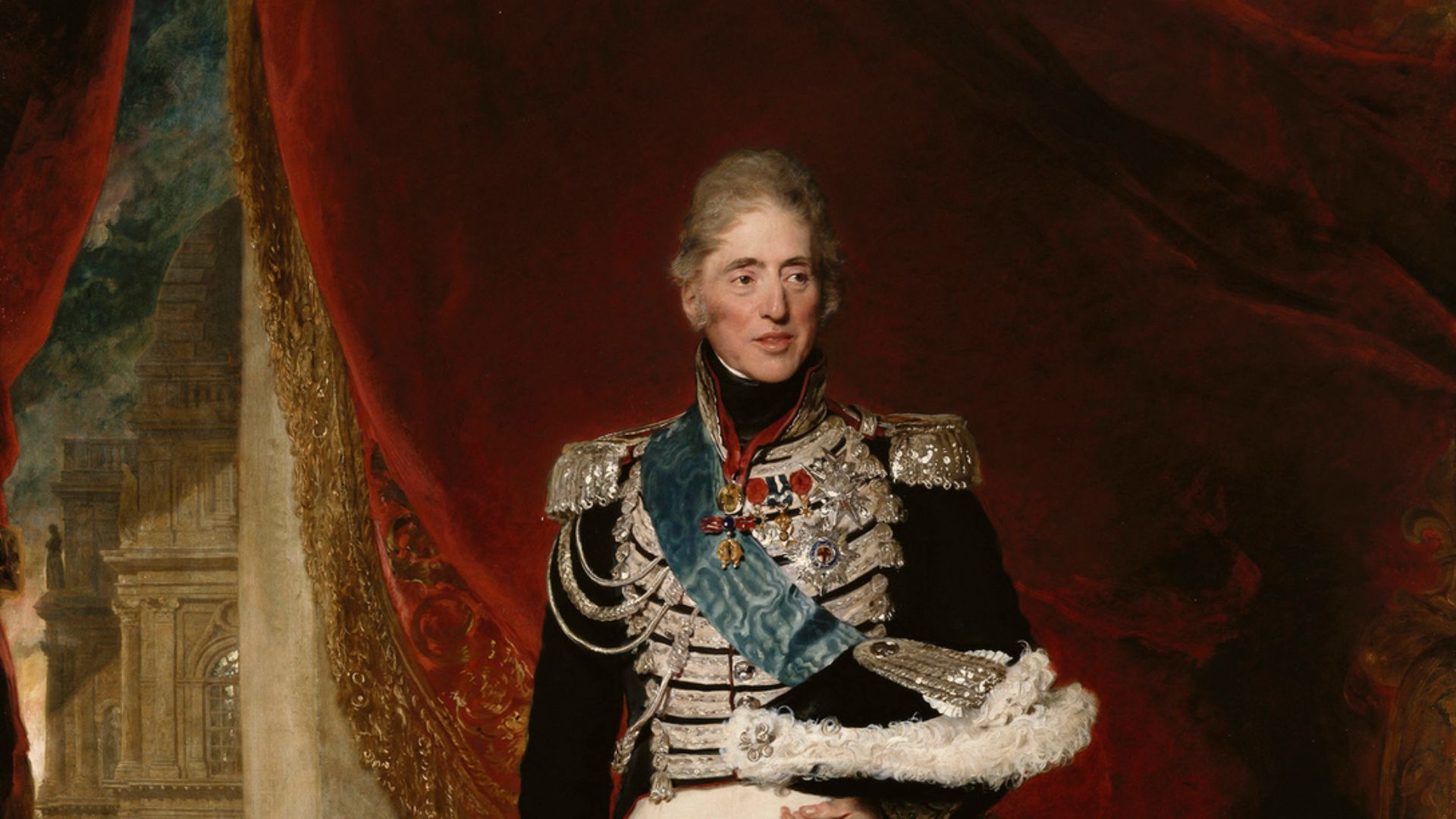
25. She Predicted Doom
In the end, King Charles X hadn’t gone gently, and had never made Louis Philippe his successor. So when Maria Amalia heard the “good” news, her reaction was bone-chilling. She reportedly cried out, weeping, “What a catastrophe! They will call my husband a usurper!”
Her next actions only underlined her shame.
 Thomas Lawrence, Wikimedia Commons
26. She Couldn’t Show Her Face In Paris
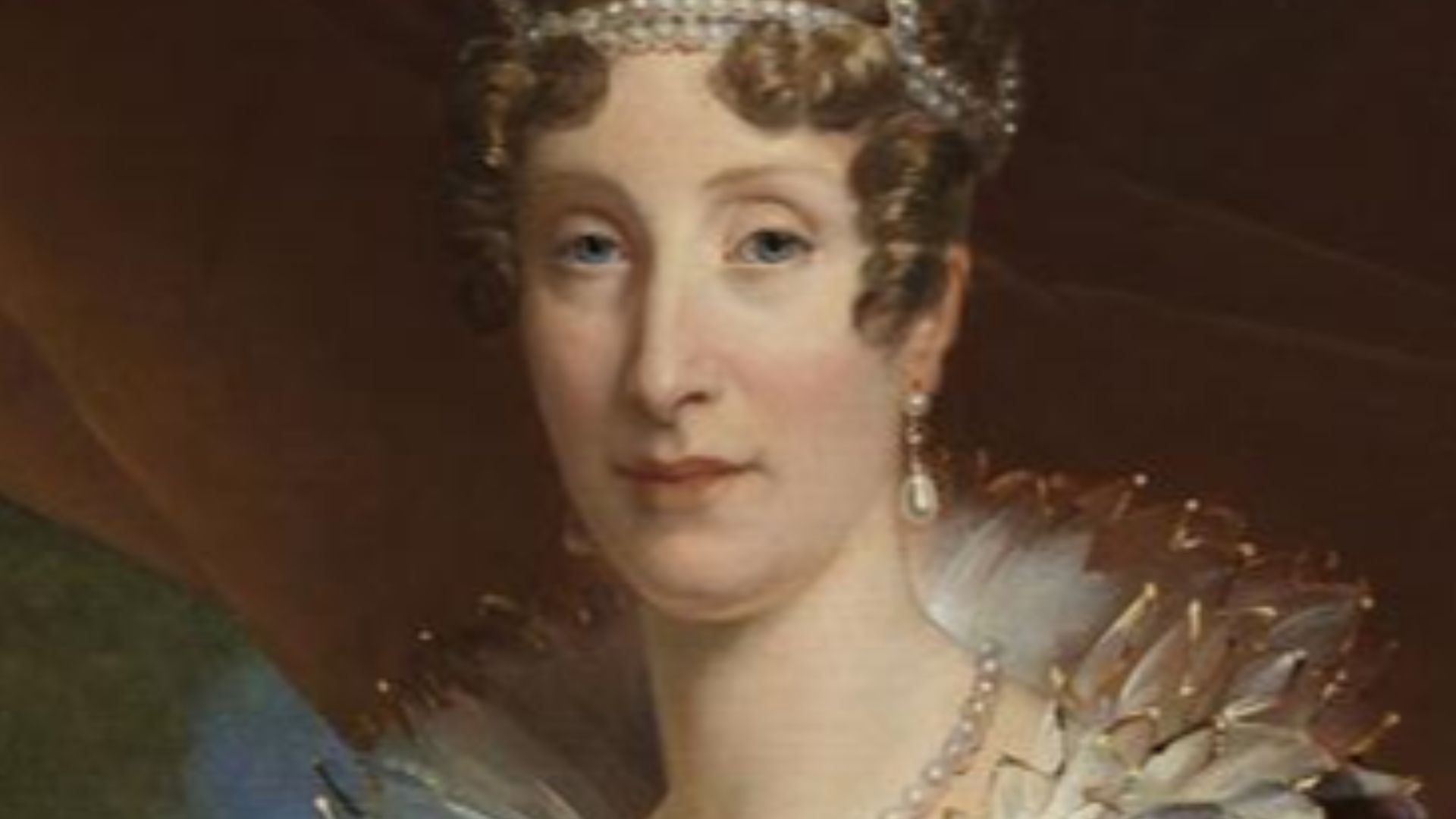
When the time came to enter Paris and the Palais Royale with her children, Maria Amalia couldn’t stand the thought of showing up as if it were a triumphal homecoming. She refused to travel in an open, extravagant state carriage. Instead, she arrived modestly, quietly, and with none of her family on view. That wasn’t all.
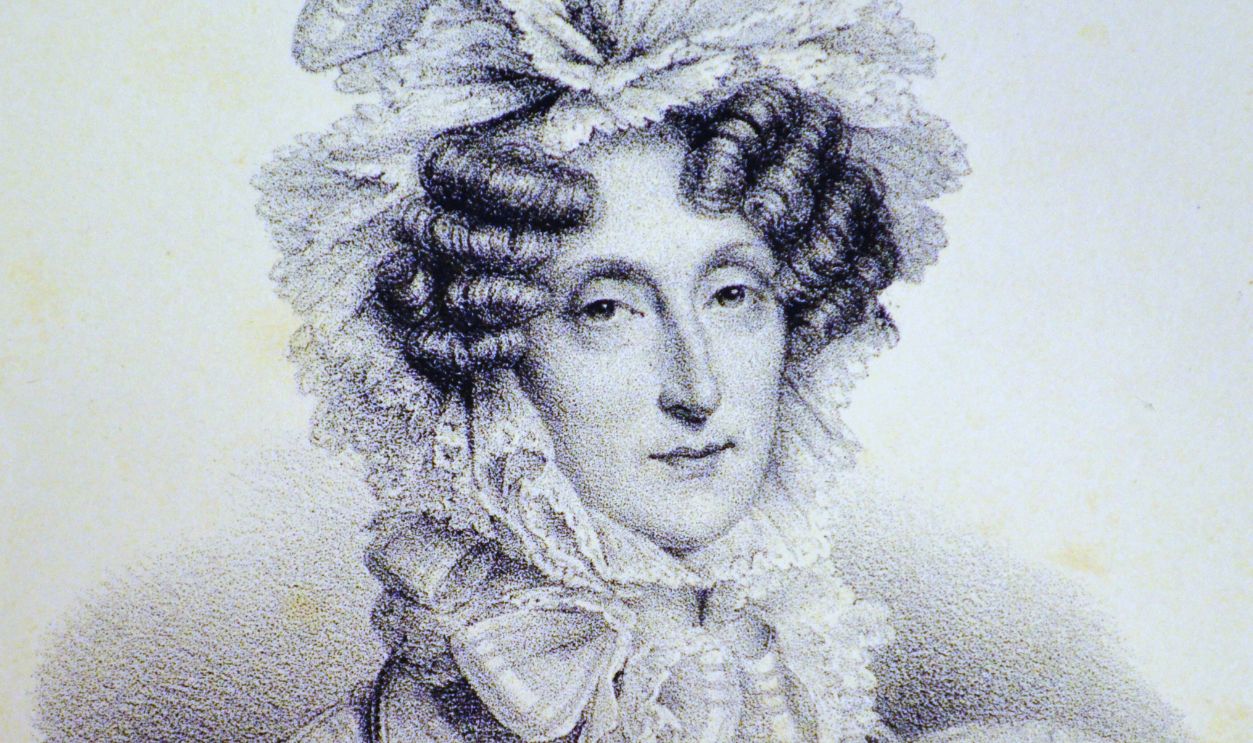
27. She Wouldn’t Stop Crying
Maria Amalia’s hopes of flying under the radar dissipated the moment they entered the Palais Royal, which was completely open to the crowd now gathering to see their new queen. What they saw unsettled them. Reports from the time indicate that Maria Amalia must have spent her entire journey crying, and her face was red and swollen.
Yet for all that, Maria Amalia was never one to wallow in self pity.
 François Gérard, Wikimedia Commons
28. She Viewed The Throne As A Burden
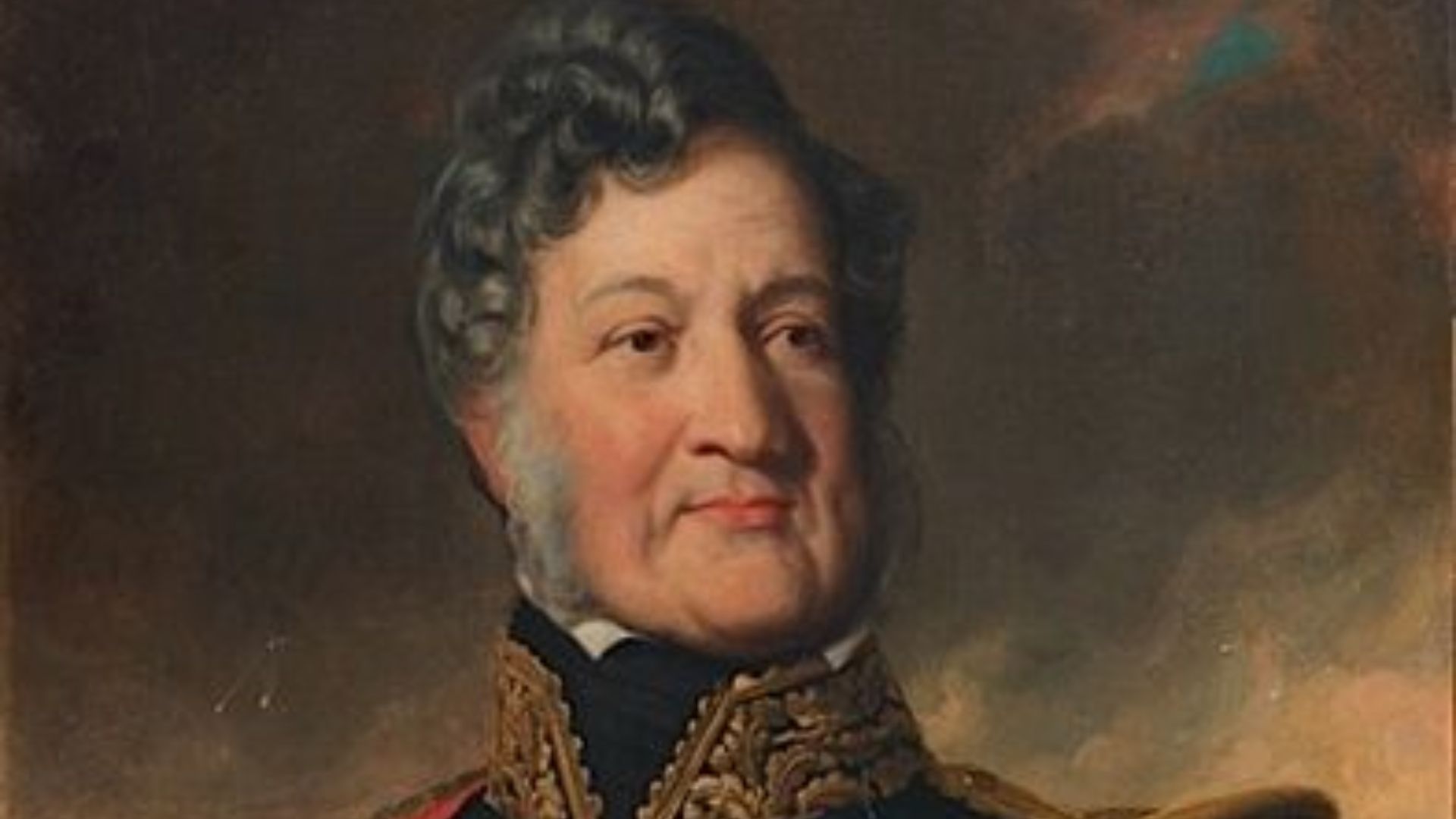
Although incensed at the fate that had fallen into her lap, once Louis Philippe actually took the crown, Maria Amalia accepted it as much as she could. She could only conclude that, "Since by God's will this Crown of Thorns has been placed upon our heads, we must accept it and the duties it entails".
But those duties looked different than most of the French Queens before her.
 George Peter Alexander Healy, Wikimedia Commons
29. She Got A New Title
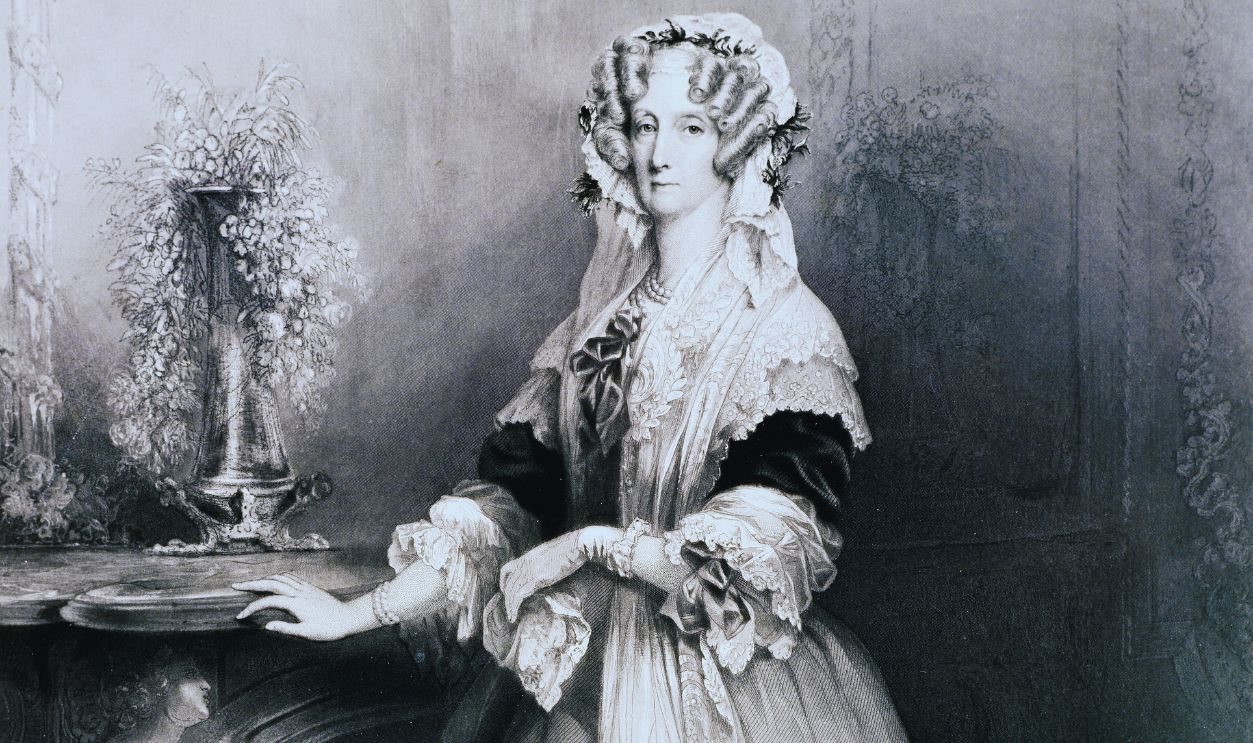
As a newly-minted constitutional monarchy, France no longer called its rulers “King of France”. Instead, Louis Philippe took on the title “King of the French,” while Maria Amalia was the “Queen of the French”. They were far more honorary titles than the old monarchs, and Maria Amalia never had any official ceremony recognizing her as queen.
As time went on, that was just how Maria Amalia wanted it.
 DEA / G. DAGLI ORTI, Getty Images
30. She Withdrew Herself
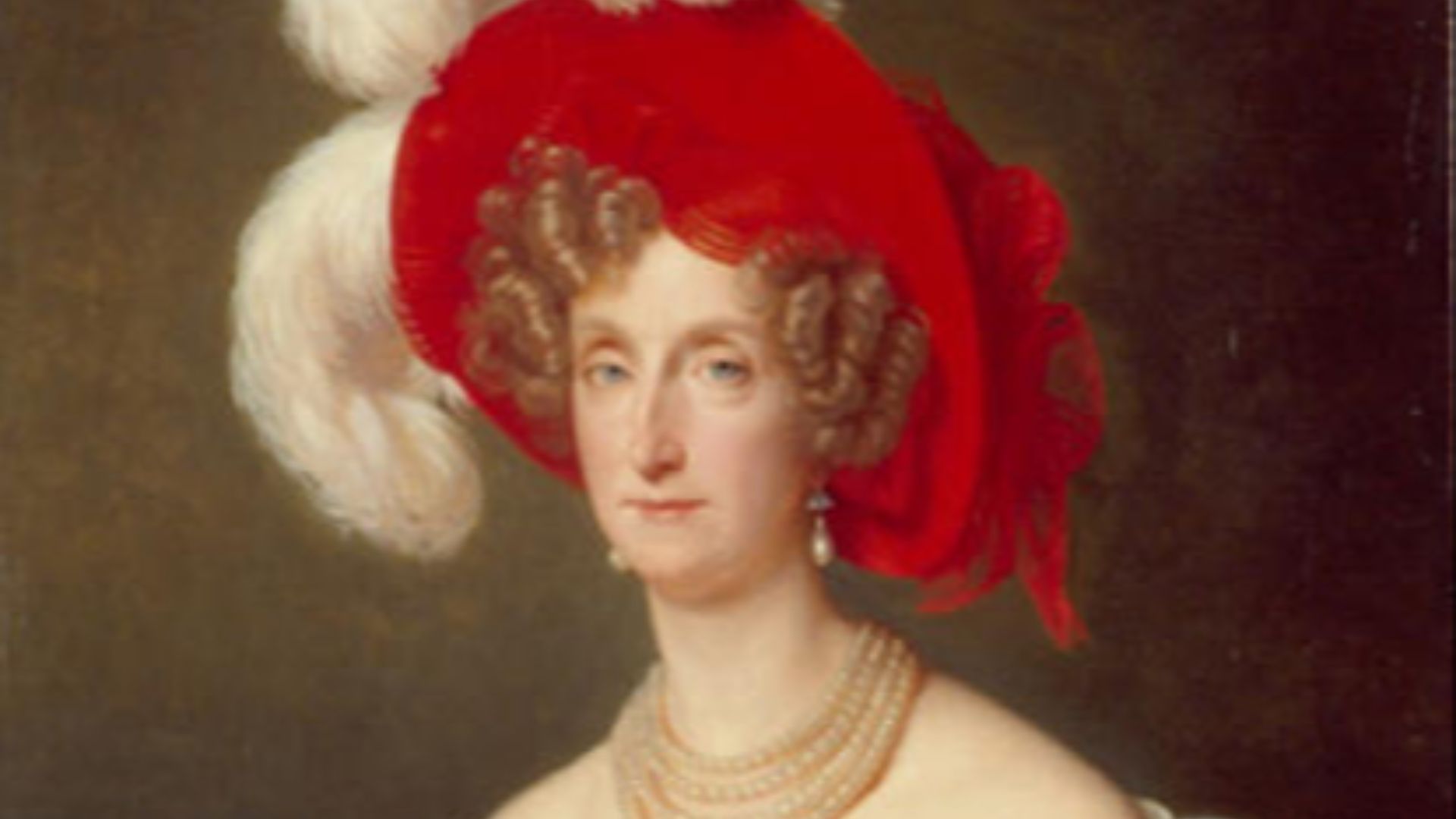
As far as Maria Amalia was concerned, she was Queen of the French only because God had a cruel sense of humor. Her bitterness and fear began to show. She stayed completely out of court politics on purpose, pushing her sister-in-law Adelaide as her husband’s advisor inside the family. After all, it was Adelaide who had gotten them here in the first place.
But Maria Amalia still knew how to defend her family.
 Louise Adélaïde Desnos / After Louis Hersent, Wikimedia Commons
31. Her Enemies Came Out Of The Woodwork
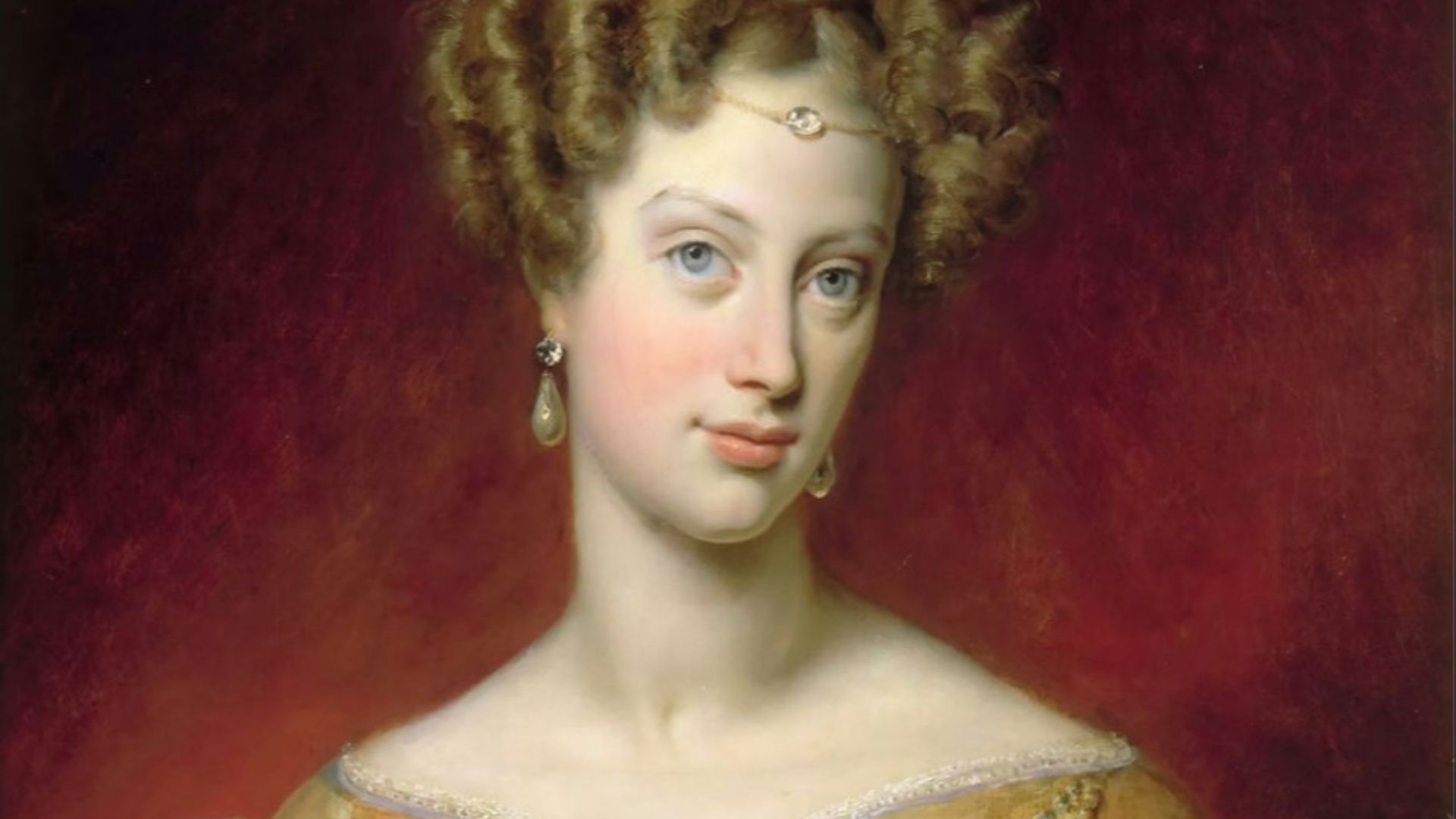
In 1832, when Maria Amalia had been Queen of the French for two years, her acquaintance Marie-Caroline, Duchess of Berry, began campaigning to depose Louis Philippe and put her own son on the throne. The plot failed, and the Duchess was soon imprisoned—but Maria Amalia didn’t take this opportunity for mercy.
 Jean-Baptiste Paulin Guérin, Wikimedia Commons
32. She Received An Agonizing Message
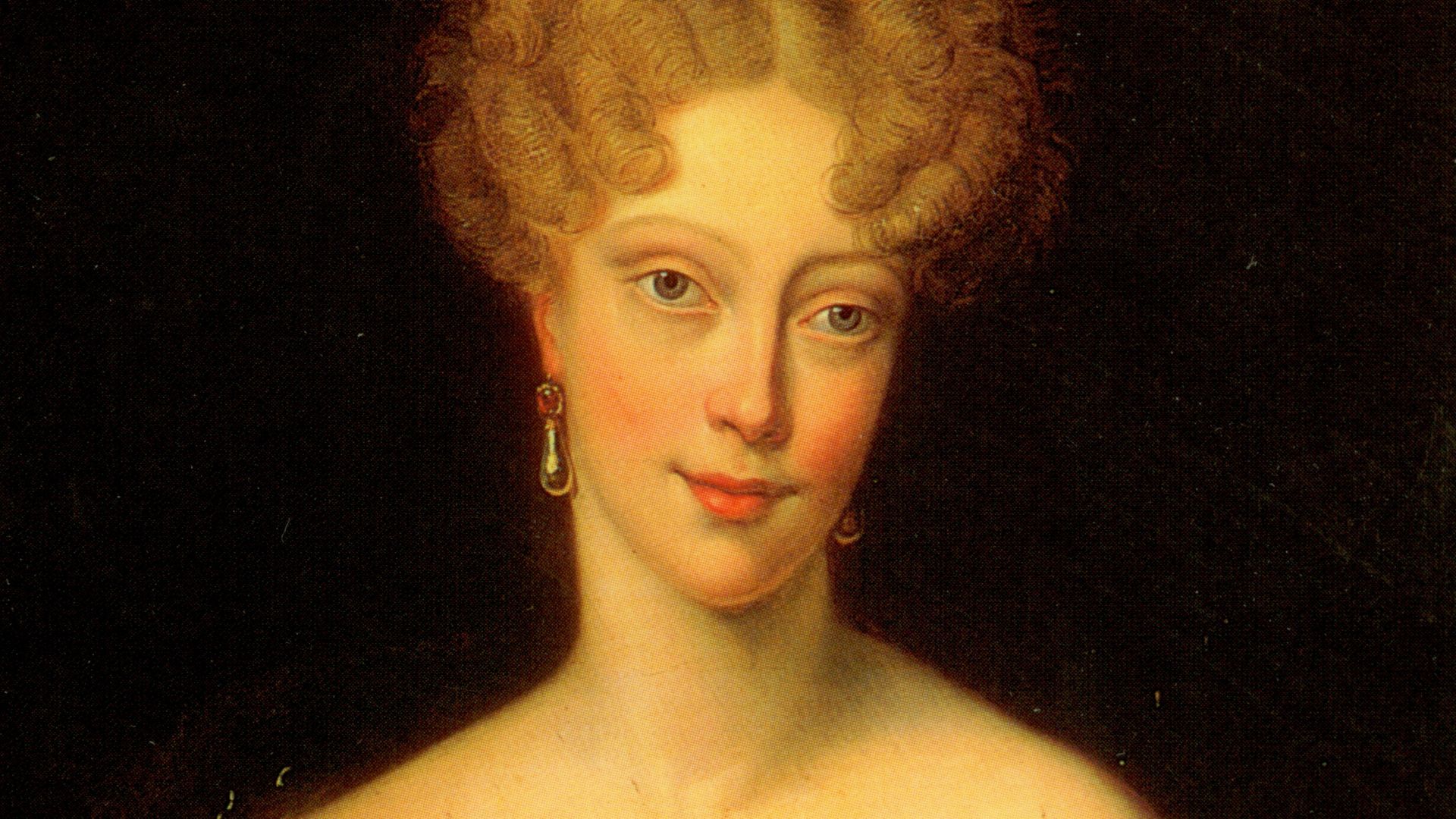
Before this, Maria Amalia actually had a warm relationship with the Duchess of Berry, but she now went cold to the touch. Soon, the rebellious duchess contacted the queen from behind bars, begging Maria Amalia to help her out in the name of their mutual regard. Maria Amalia’s response was ice cold.
 Charles Rauch, Wikimedia Commons
33. She Iced Out Her Frenemy
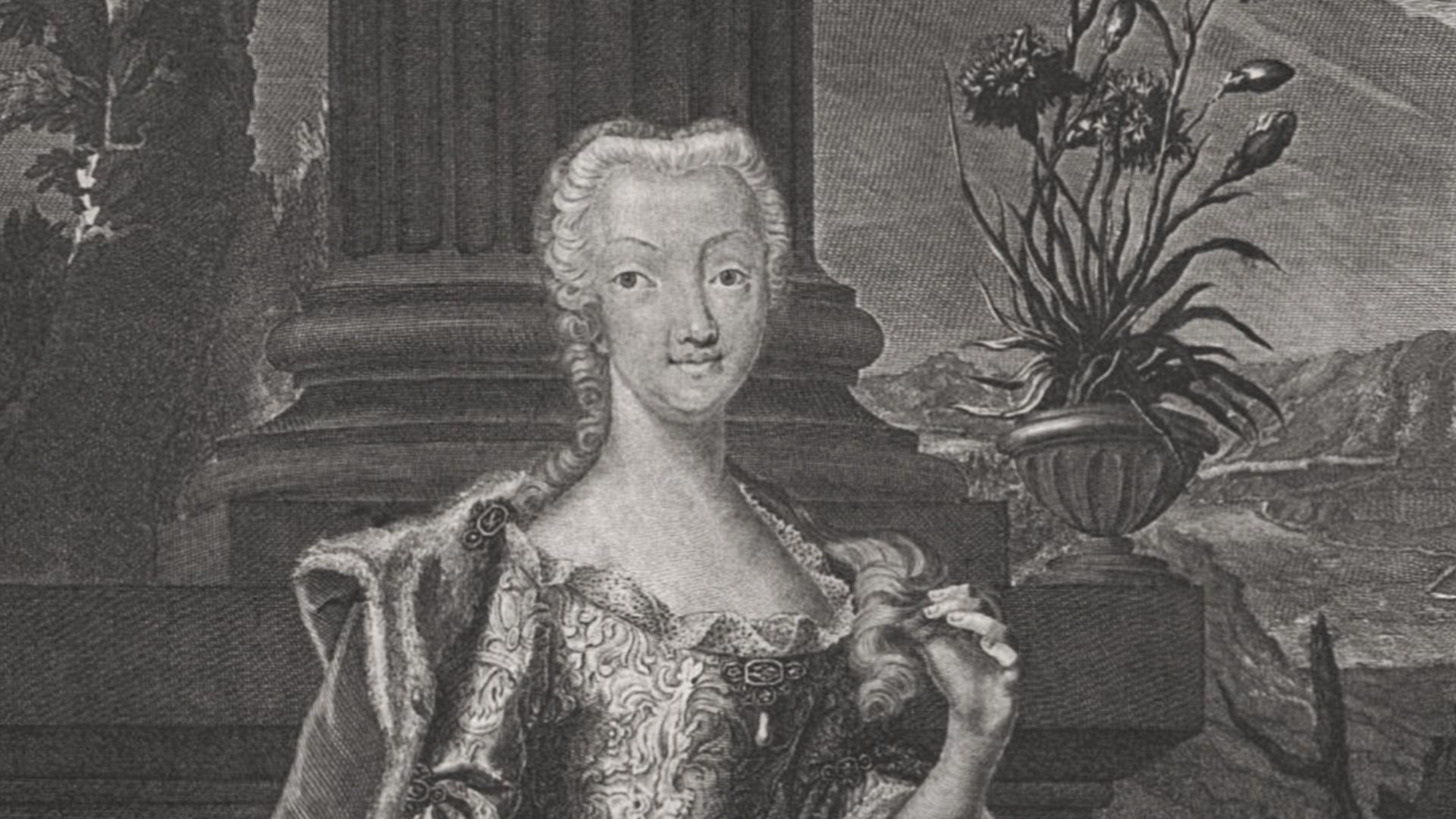
Upon hearing about the Duchess of Berry’s petition to her, Maria Amalia refused to even look at the missive. Then, when one of the Duchess’s more loyal friends sent another appeal, Maria Amalia replied only that she could promise nothing for the woman. The Duchess of Berry was eventually released, but with almost no thanks to Maria Amalia herself.
It wouldn’t be the last time Maria Amalia used her remoteness to keep control.
 Johann Martin Bernigeroth, Wikimedia Commons
34. She Kept It Simple
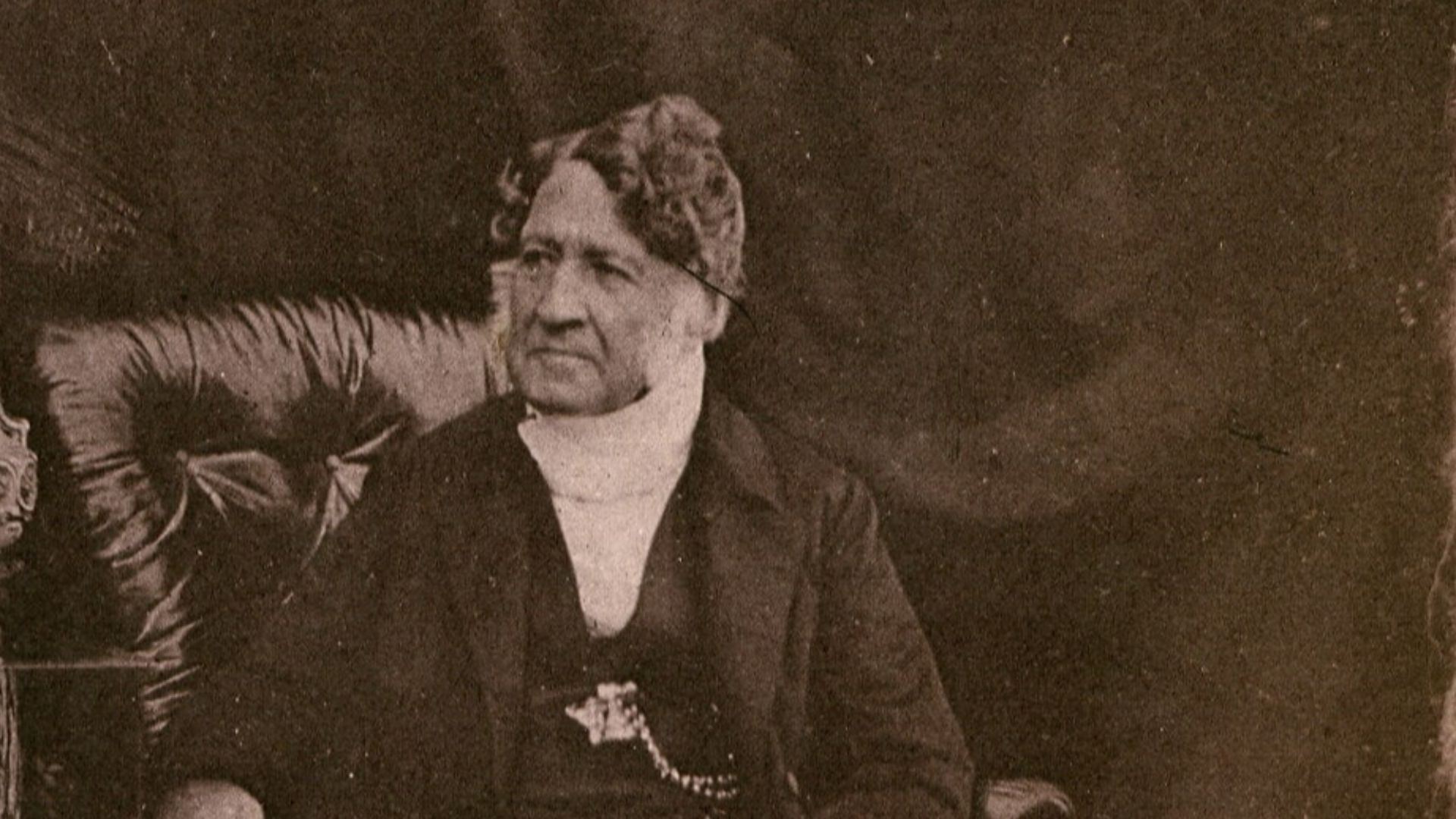
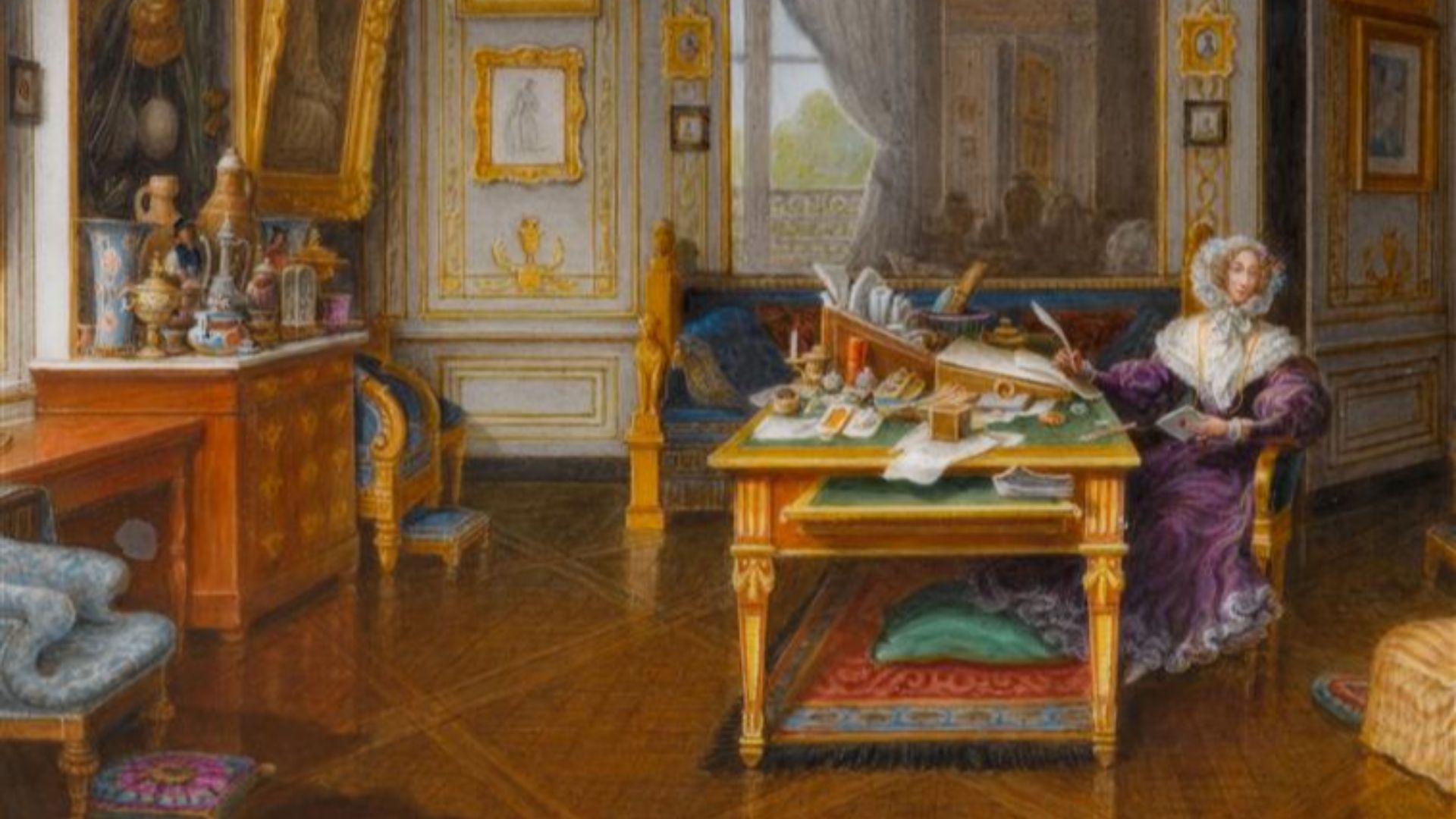
Rising as they did during the last gasps of the French monarchy, Maria Amalia and Louis Philippe understood their court could have none of the pomp and circumstance that previous French kings, like Louis XIV, had reveled in. Instead, Maria Amalia kept the furnishings of her lodgings eminently simple, imitating the wealthy but relatively modest burgher class.
Then she made sure everyone followed suit.
 Unidentified photographer, Wikimedia Commons
35. She Controlled Her Family
Maria Amalia was determined to keep any criticism from her children and relations. She kept a hawk eye on her daughters at all times, making sure they only took part in a prescribed number and genre of events, which mostly included sewing in the drawing room. When her sons married, she did the same for her daughters-in-law.
But no amount of modest perfection could save Maria Amalia and her family for what was to come—and when modesty failed her, Maria Amalia turned monstrous.
 Jean-Charles Develly, Wikimedia Commons
36. Conflict Broke Out Again
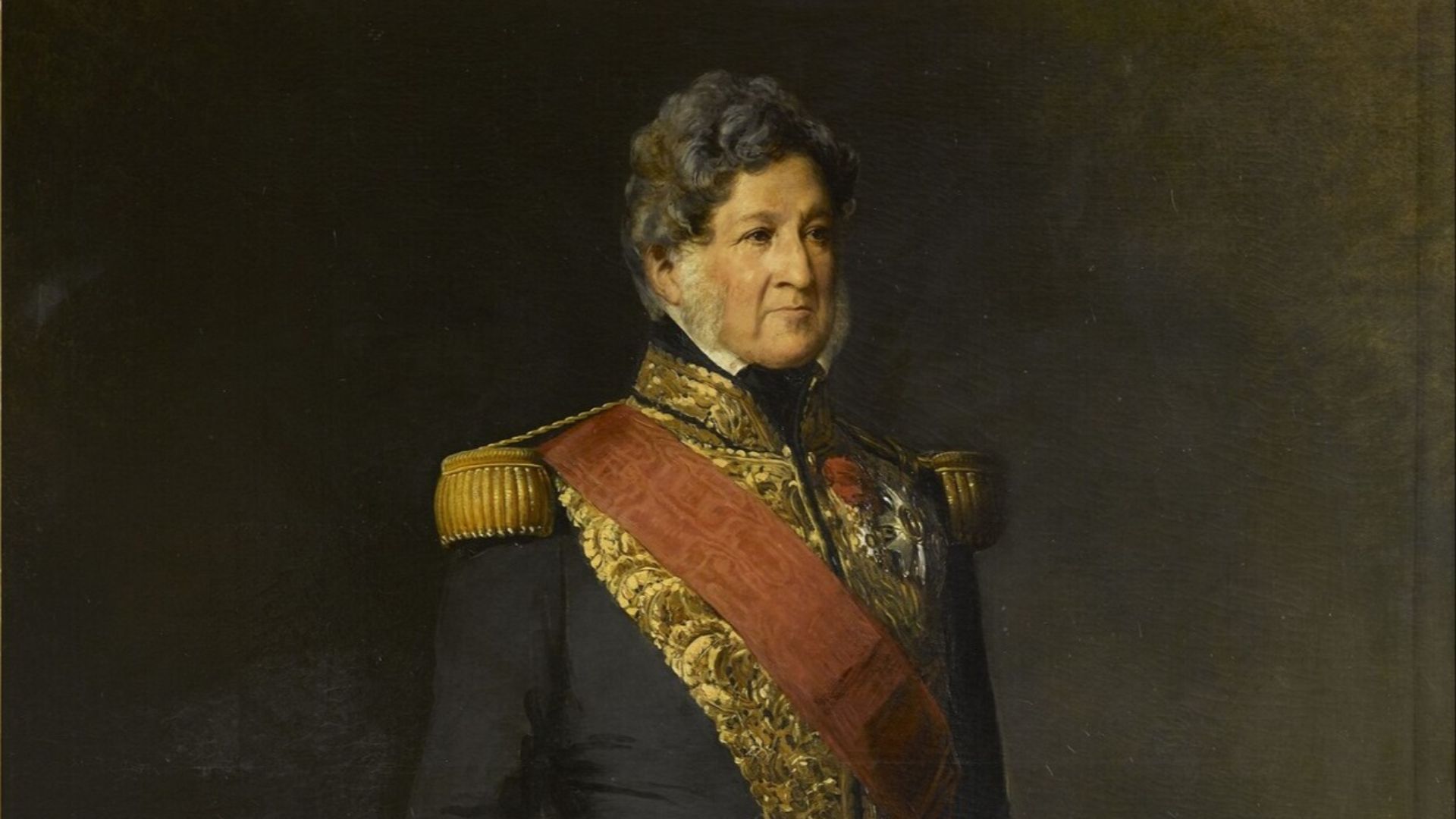
As it turned out, Duchess of Berry’s foray into rebellion was only the beginning of the turmoil during Louis Philippe’s reign. Unrest was still rampant in France, and over the years, Maria Amalia had to watch as several attempts were made on Louis Philippe’s life. They caused untold damage: one particularly brutal try with a home-made “super gun” took the lives of 18 people who got in the way.
Still, Maria Amalia had seen nothing yet.
 Franz Xaver Winterhalter, Wikimedia Commons
37. Her Kingdom Was In Tatters
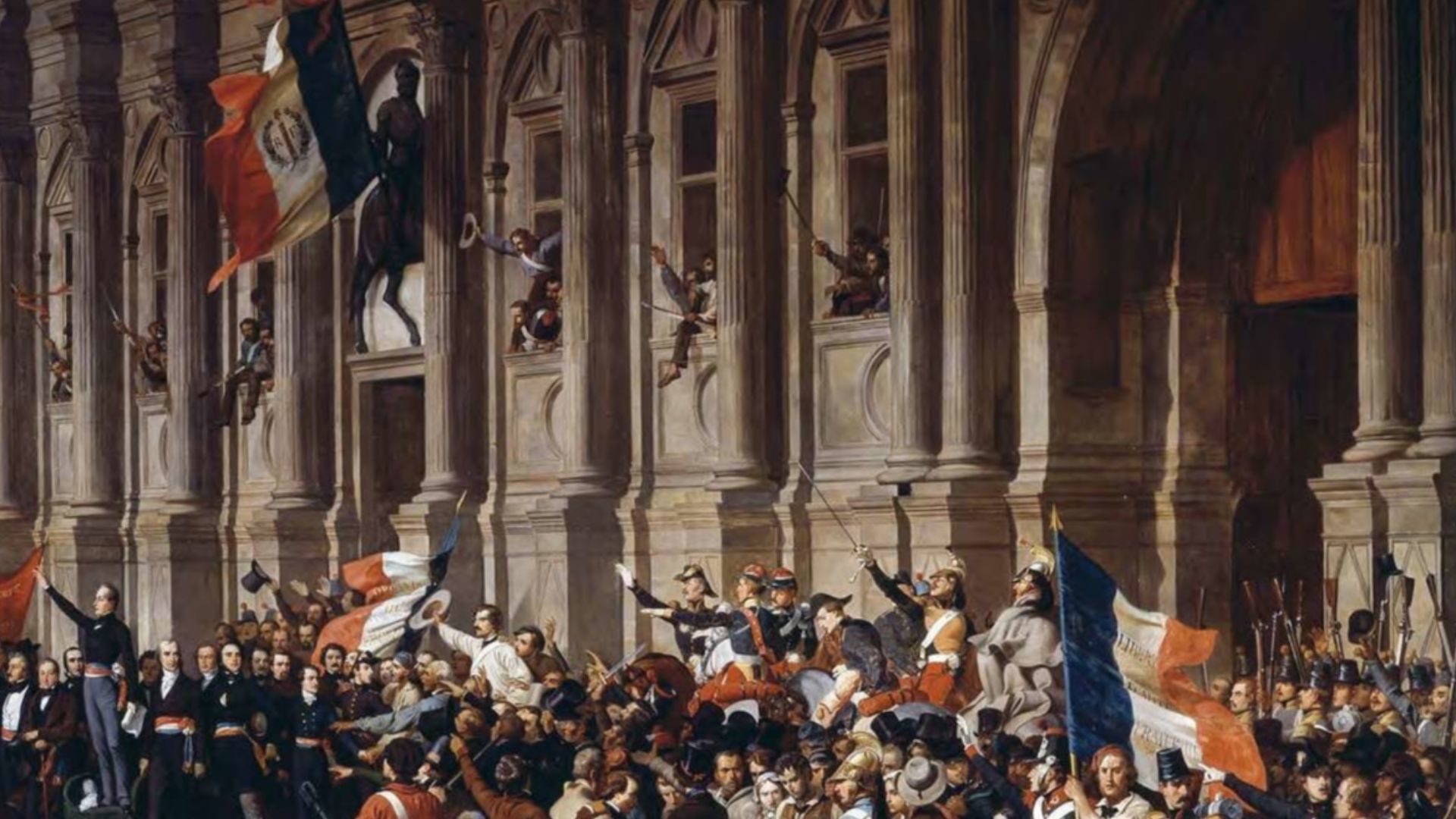
In 1832, a cholera epidemic chafed the public’s opinion of Louis Philippe, and then in 1846 an industrial and agricultural depression whipped them into a frenzy. By 1848, the French Revolution roared back to life again, and with a vengeance. Soon, riots erupted on the streets, and people began calling for Louis Philippe to give up his crown.
Once more, Maria Amalia’s reaction wasn’t what you’d expect.
 Henri Félix Emmanuel Philippoteaux, Wikimedia Commons
38. She Could Be Vicious
Perhaps reading the writing on the wall, Maria Amalia made a bloodthirsty suggestion to her husband. Breaking a years-long commitment to keeping out of royal business, she urged Louis Phillipe to unleash martial law on France, deploying the National Guard to brutally put down the rioters.
It was a page right out of her mother’s playbook, and it was also a mark of her worsening desperation.
39. The Crowd Came For Her
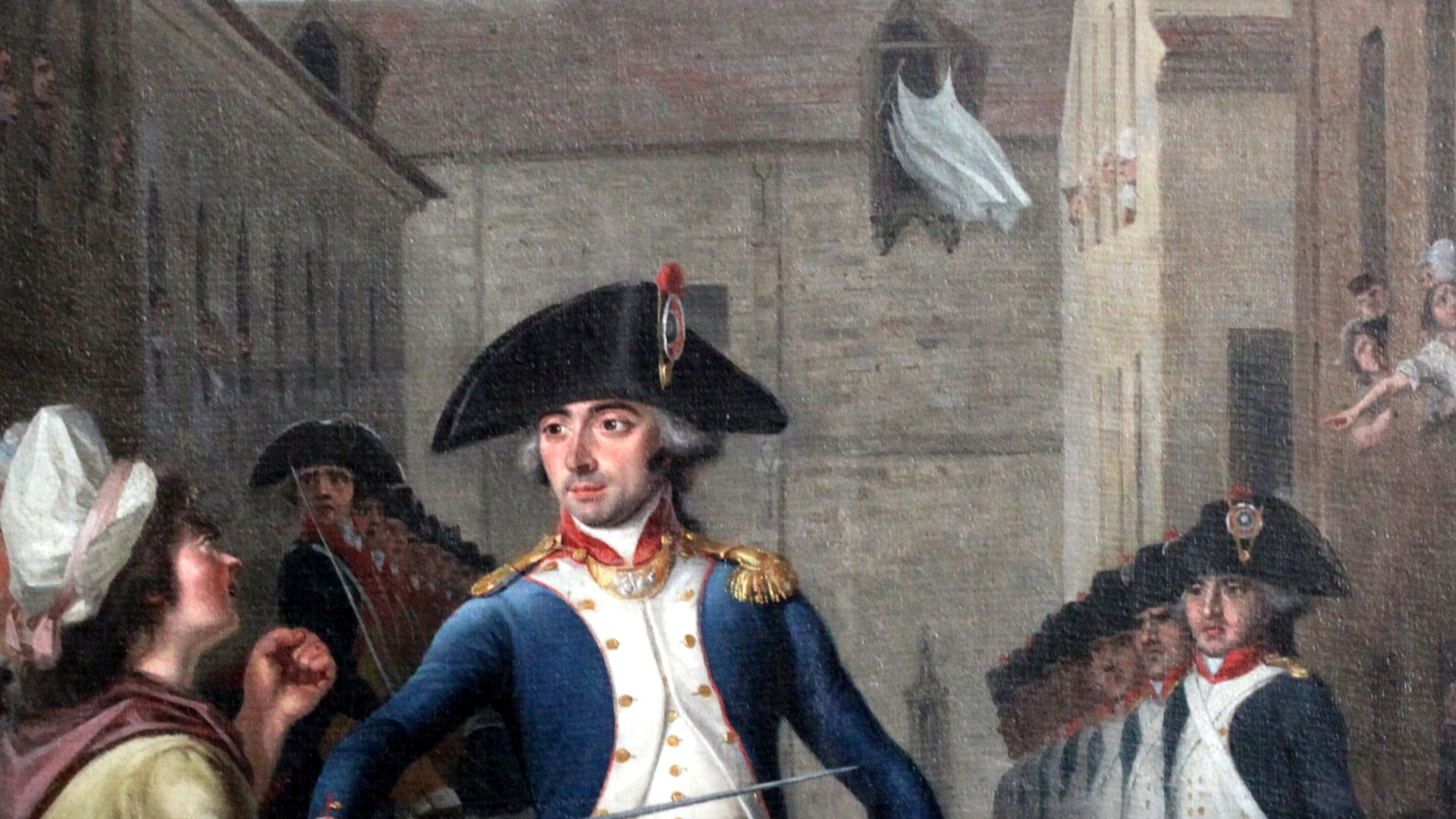
In the end, Louis Philippe didn't take on Maria Amalia’s advice. Instead, he insisted that she trust his decisions. So Maria Amalia’s heart must have sunk when, in almost no time at all, a mob began marching toward their palace in the Tuileries. She also must have known it was the beginning of the end.
 Gustave Le Gray, Wikimedia Commons
40. She Walked A Knife’s Edge
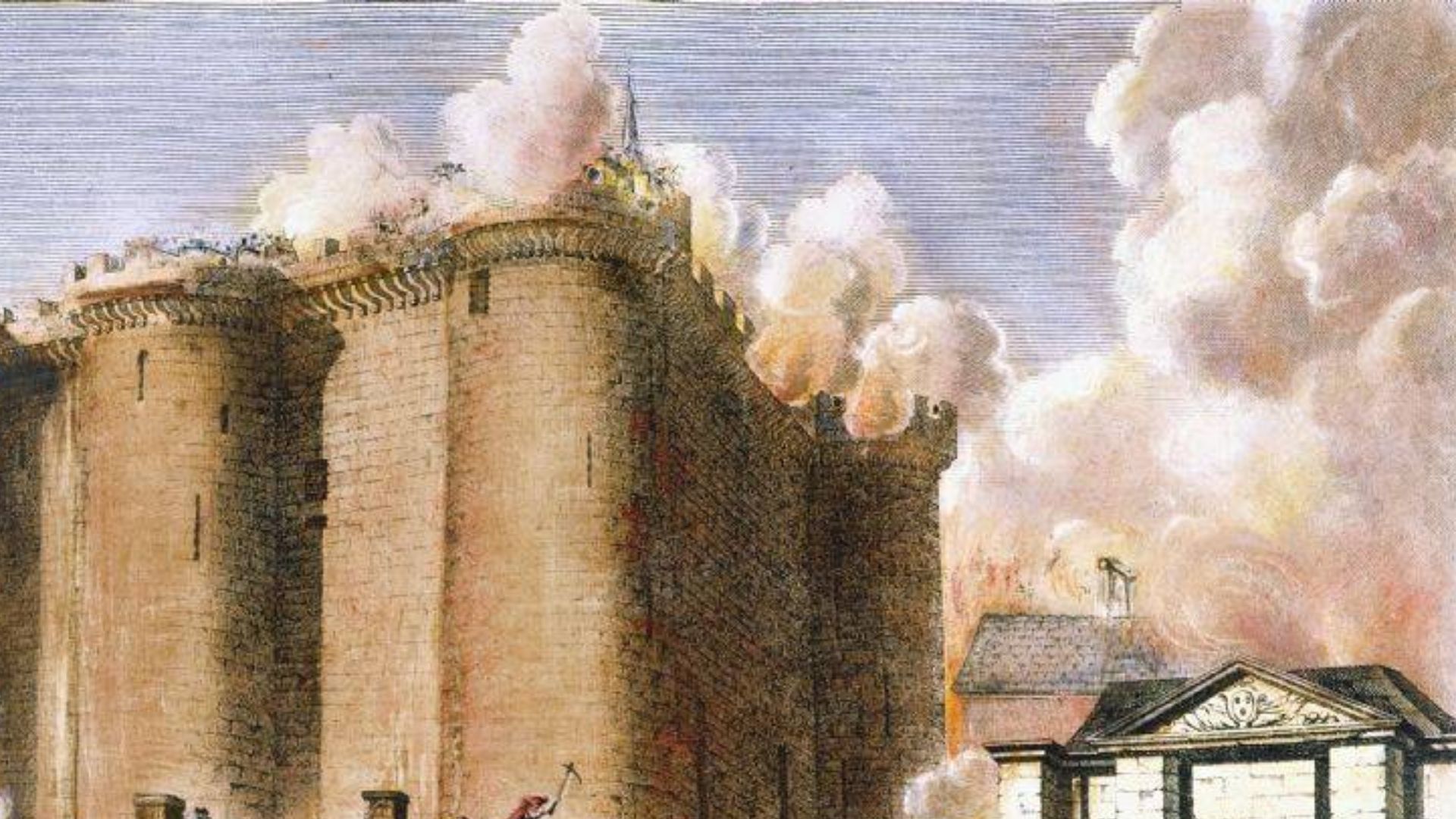
With an angry mob quite literally at the door of the King and Queen of the French, the 1789 French Revolution had truly been resuscitated. More than that, Maria Amalia and Louis Philippe had intimate, first-hand knowledge of the blood shed in those years, and they must have known how close they were to the guillotine if they made one wrong move.
Yet where Louis Philippe went one way, Maria Amalia went the other.
 Unknown authorUnknown author, Wikimedia Commons
41. Her Husband Ran From Her
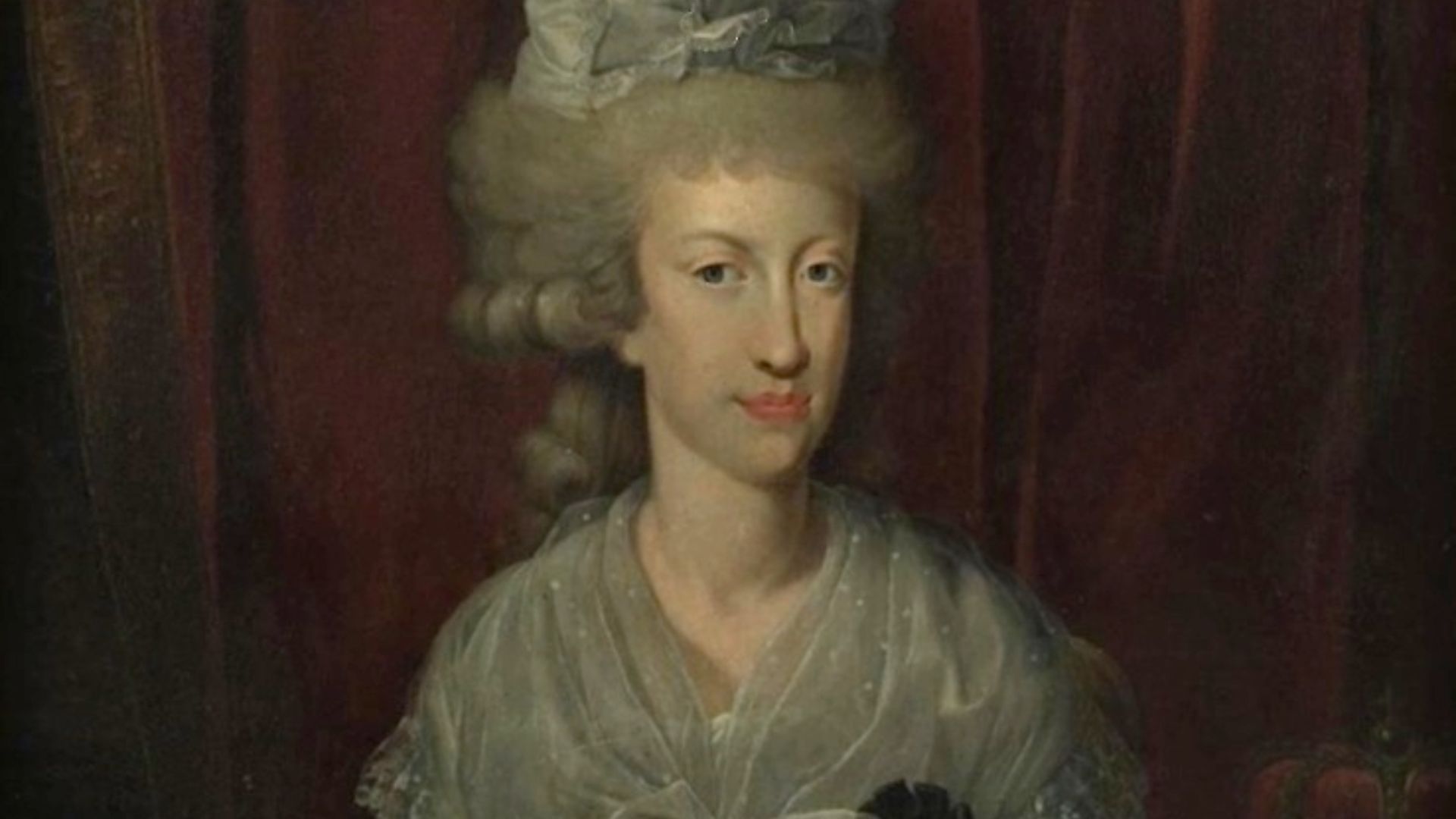
In the face of this threat, Louis Philippe heeded the advice of his ministers (and his own pounding heart) and officially abdicated the throne to his nine-year-old grandson, Philippe. But there was a twist. He made this plan without the consent of his wife, Maria Amalia, who still wanted him to stick it out and fight. Instead, she found herself planning their escape to safety in England.
She hadn’t wanted the crown, but she wanted even less to let it go. In the end, her emotions got the better of her.
 Filippo Lucci, Wikimedia Commons
42. She Couldn’t Take It
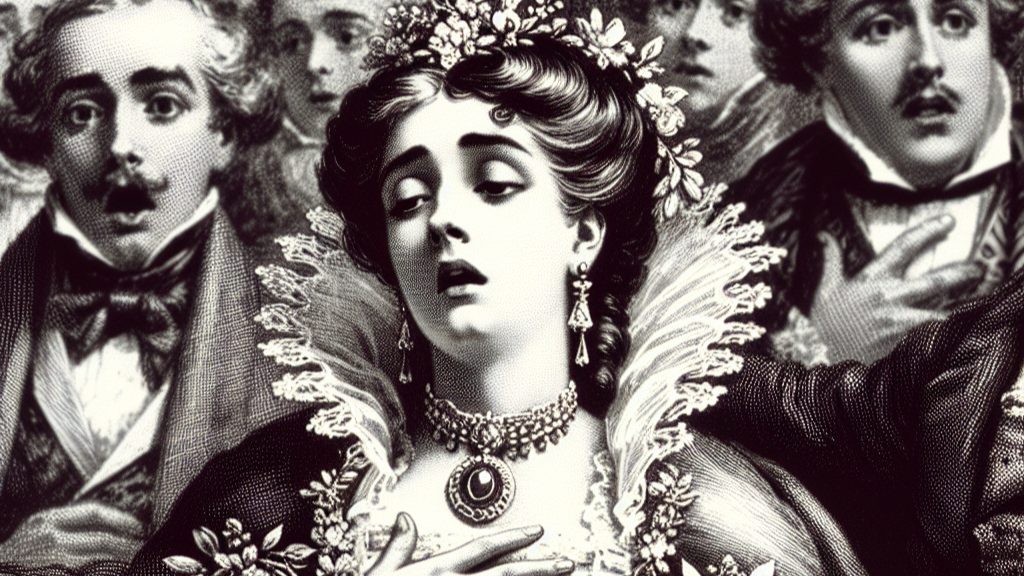
When it was finally decided that Louis Philippe would abdicate, chaos broke loose. According to reports, Maria Amalia was so distressed that she fainted, and had to be carried into the carriage that was to take the former King and Queen of the French away and eventually on to England. It was not a smooth ride.
43. They Traveled Incognito
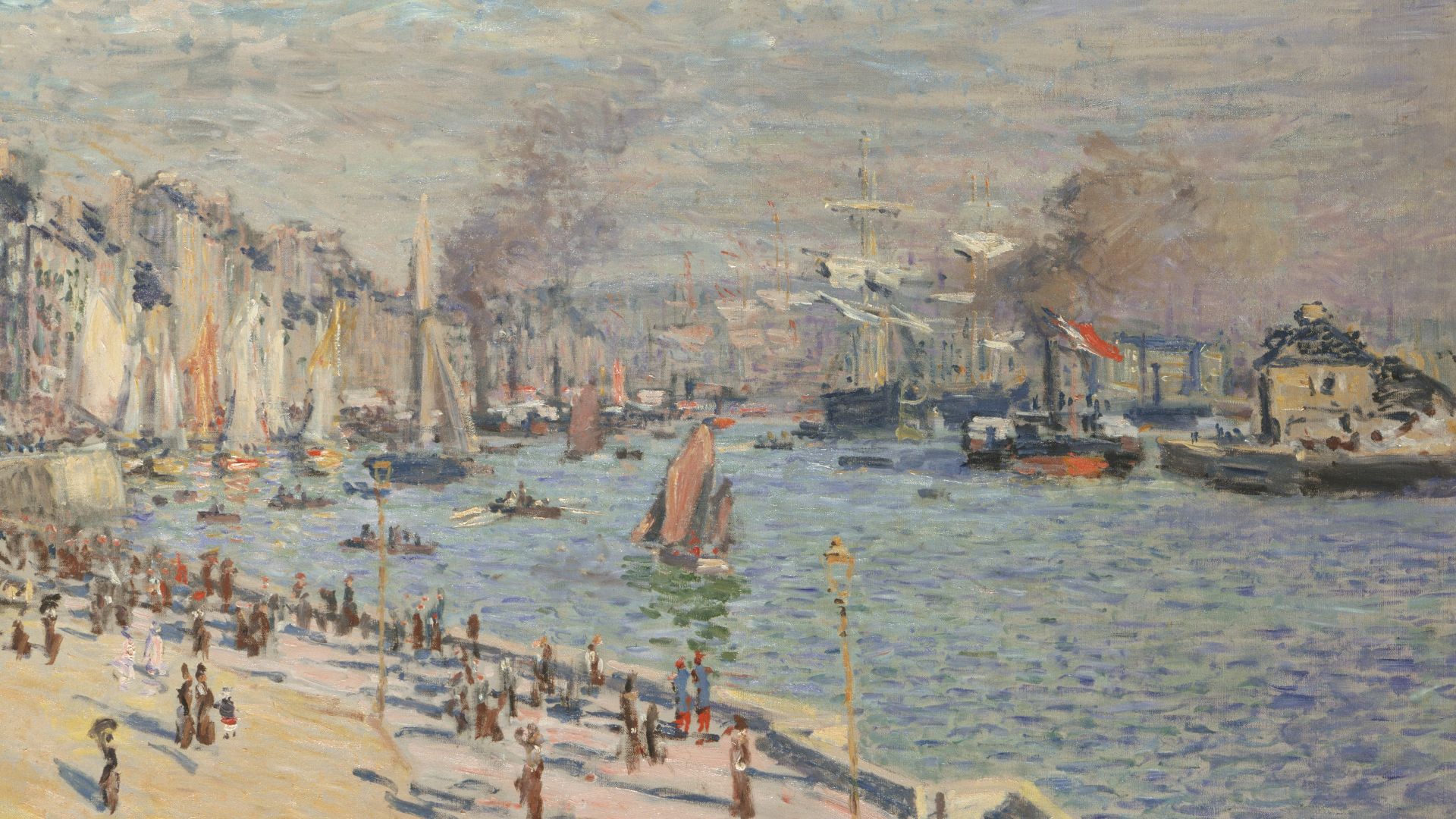
Taking every precaution in these violent times, Louis Philippe left Paris in disguise, riding out in an unremarkable carriage using the name "Mr Smith". He and Maria Amalia then traveled to Le Havre and went on board a humble packet boat. Even so, Maria Amalia did manage to get in a parting blow.
 Claude Monet, Wikimedia Commons
44. She Scorned Them
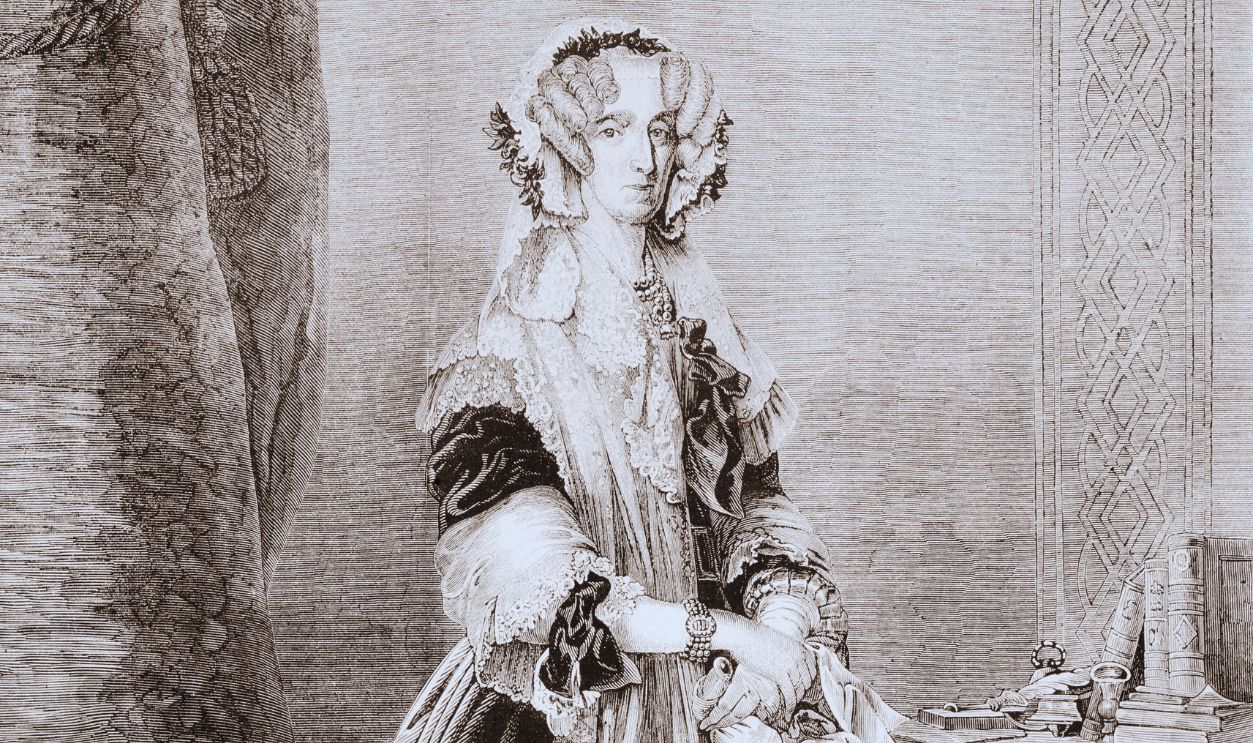
Maria Amalia had spent her tenure as queen staying out of the limelight, but that didn’t mean she had no opinions. Just before leaving France forever, and in between her fainting fits, she snapped at one of Louis Philippe’s ministers, "Ah Monsieur, you were not worthy of such a good king!"
Her loyalty to her husband was in sharp contrast to how much the people now hated him.
 Universal History Archive, Getty Images
45. The French Took Her Throne
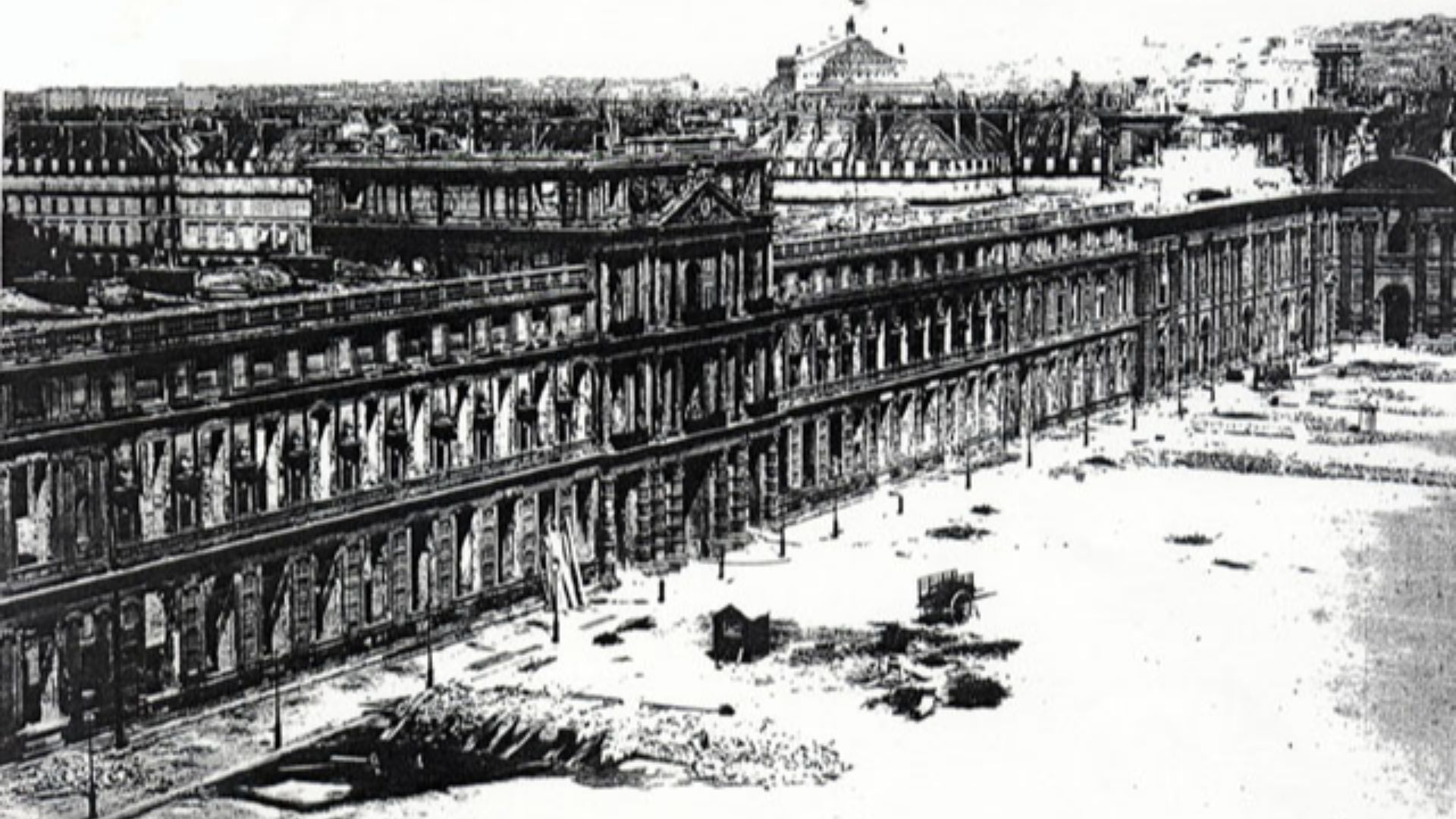
Almost immediately after their hasty departure, Paris rejected their monarchs once and for all. Rebels now took and sacked the empty Tuileries Palace, and they left a disturbing message for the royals. On February 24, 1848, they burned the king’s throne at Place de la Bastille, but not before writing "The People of Paris to All Europe: Liberty, Equality, Fraternity" on it.
Worse was still to come.
46. It Was All For Nothing
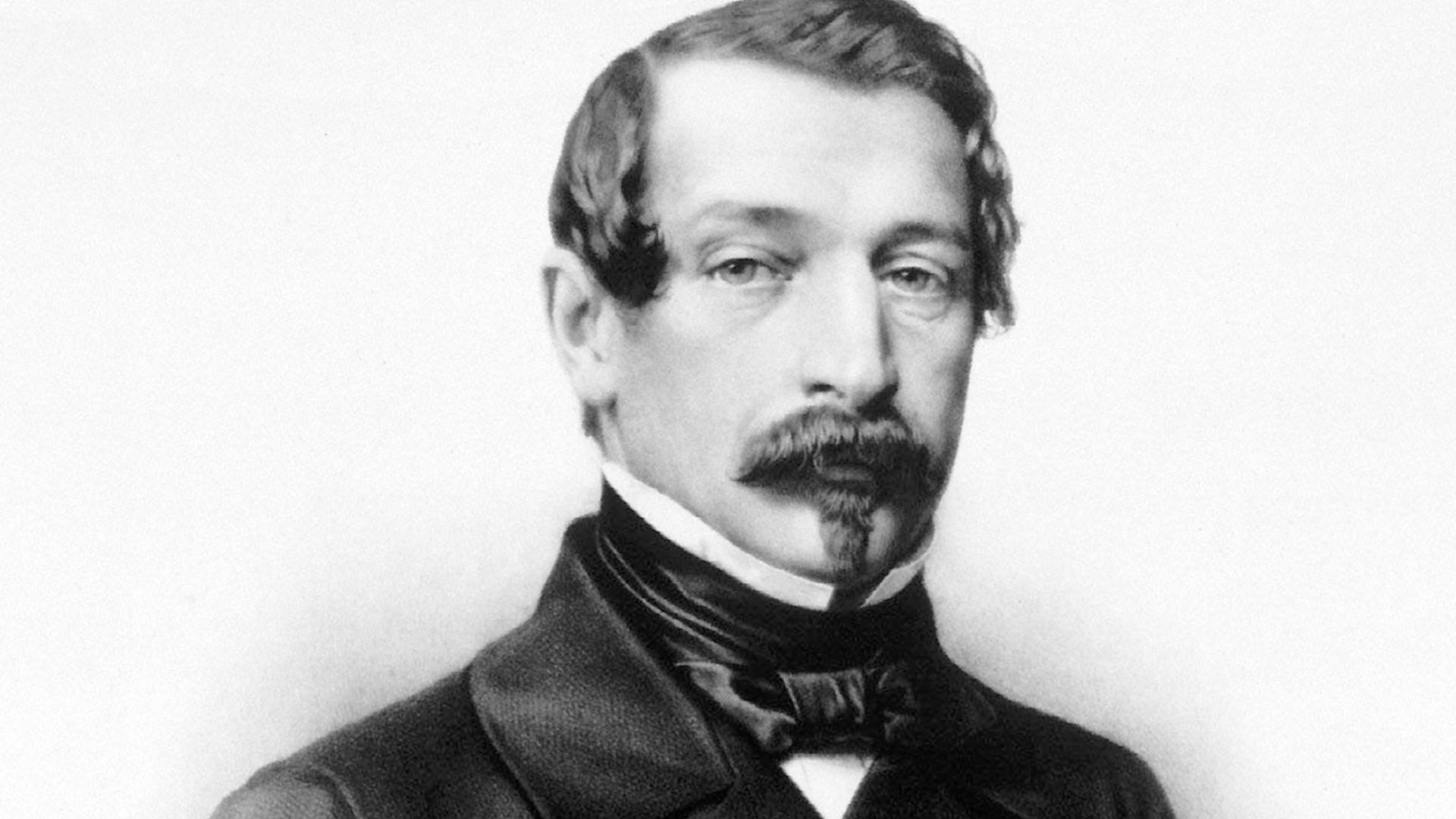
Although it looked for a time like Maria Amalia’s grandson Philippe would be accepted as the new king, this fell apart in a matter of days. Soon enough, Napoleon Bonaparte’s descendants were controlling France instead, with Louis Napoleon Bonaparte being elected president in December, 1848.
Of course, this upheaval only echoed what had happened before—but this time it really was different.
 Unknown authorUnknown author, Wikimedia Commons
47. She Was The Last Queen Of France
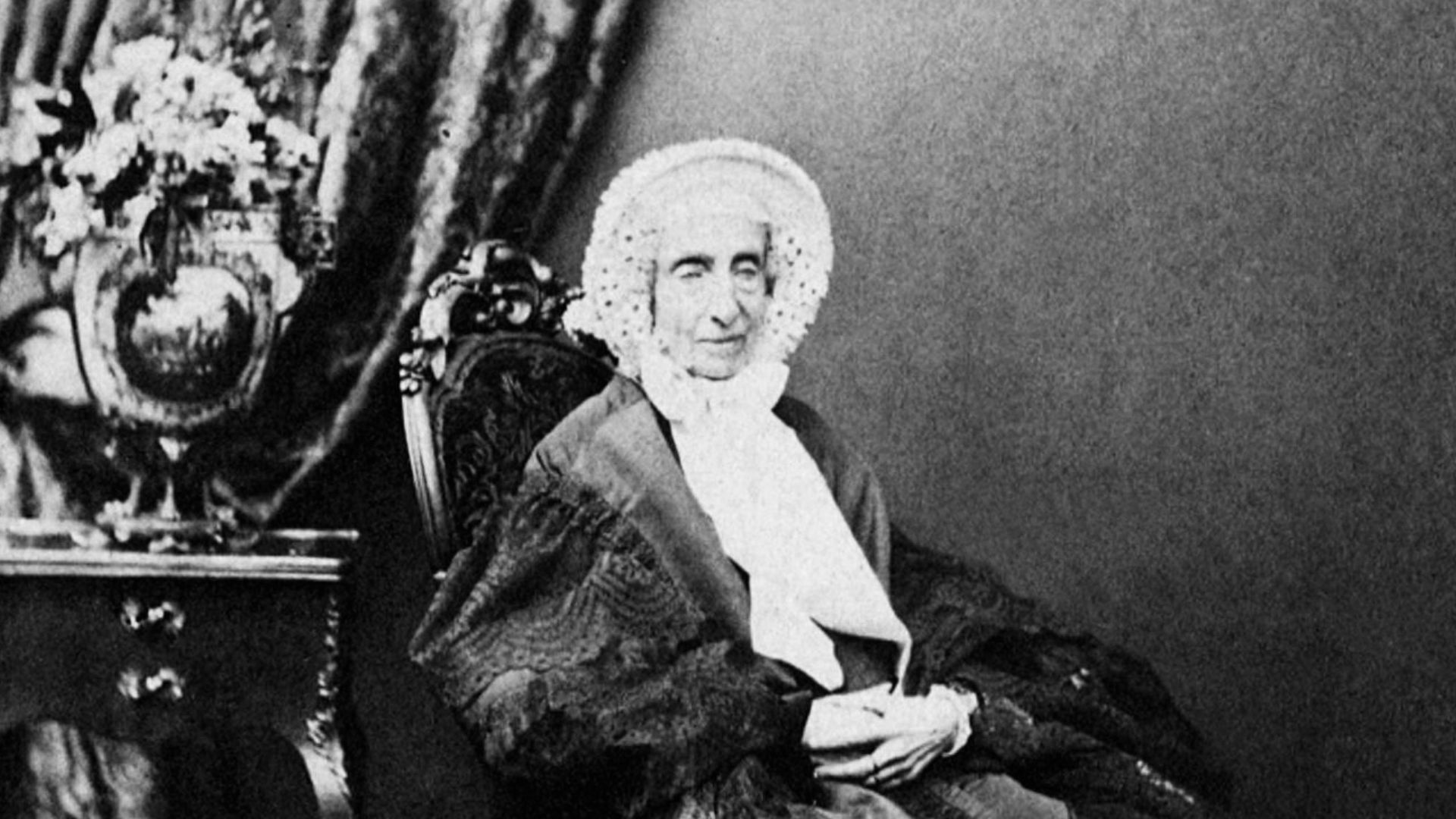
For years now, the monarchy had always seemed to bounce back in France. This time, it didn’t: Although they kept their heads, Louis Philippe and Maria Amalia became the very last monarchs France ever had. Thus, she was technically the last Queen of France, even if she didn’t use that title. But this isn’t quite the end of Maria Amalia’s story.
 Antoine Claudet, Wikimedia Commons
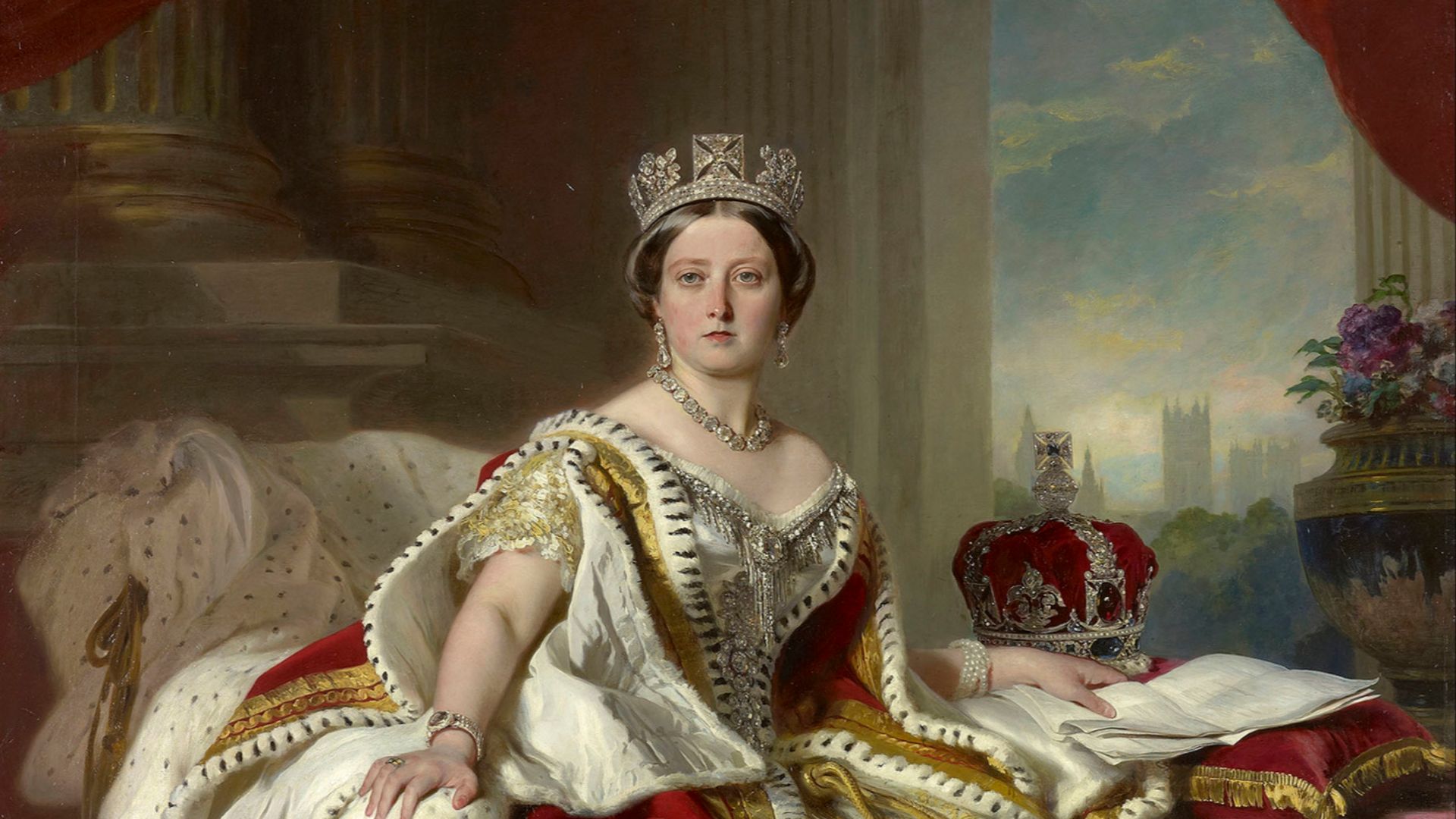
48. She Ran To England
In taking safe haven in England, Maria Amalia and her brood were depending on the charity of none other than Queen Victoria. The Queen of England let the erstwhile French monarchs stay at Claremont House in Surrey for the rest of their lives, should they wish it.
It should have been a new beginning, but it only brought more endings.
 Franz Xaver Winterhalter, Wikimedia Commons
49. Her Husband Couldn’t Survive It
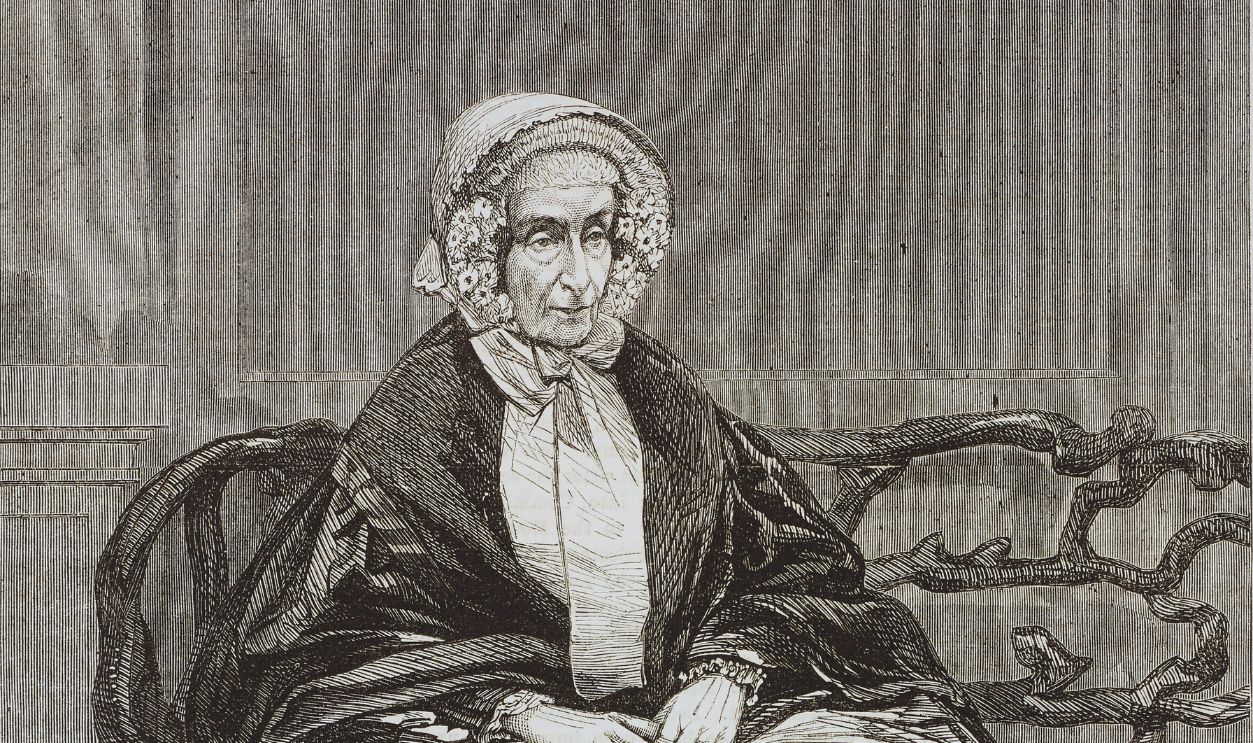
For two years, Maria Amalia and Louis Philippe stayed at Claremont House, spending little money but nonetheless living comfortably. It was still too much to take. Just two years after yet another exile, Louis Philippe perished, leaving Maria Amalia all alone in a foreign country to fend for herself and her family.
Though she managed it, it took its toll.
 DEA / BIBLIOTECA AMBROSIANA, Getty Images
50. She Ended Her Days In Exile
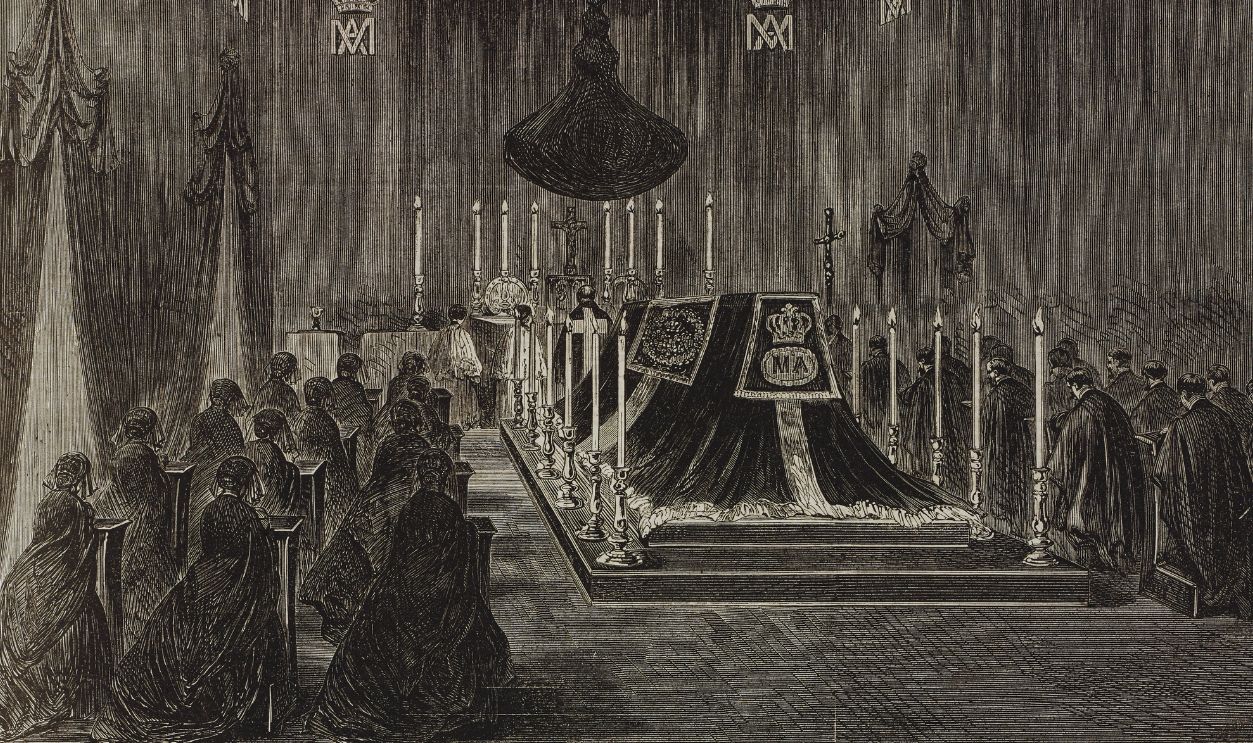
Maria Amalia lived another 16 years, and by the time she passed (still at Claremont House in England) she knew exactly what her last wishes were. It just so happened they were heartbreaking: She insisted that her gravestone stay "Duchess of Orleans" rather than "Queen of the French", and asked that they bury her in a dress she had kept since 1848—the year she left France.
 DEA / BIBLIOTECA AMBROSIANA, Getty Images
You May Also Like:
Fragile Facts About King Francis II, France’s Doomed Boy King
Saintly Facts About Elisabeth of Austria, A Queen Too Good Too Last
Revolutionary Facts About Marie Antoinette, The Last Queen Of France