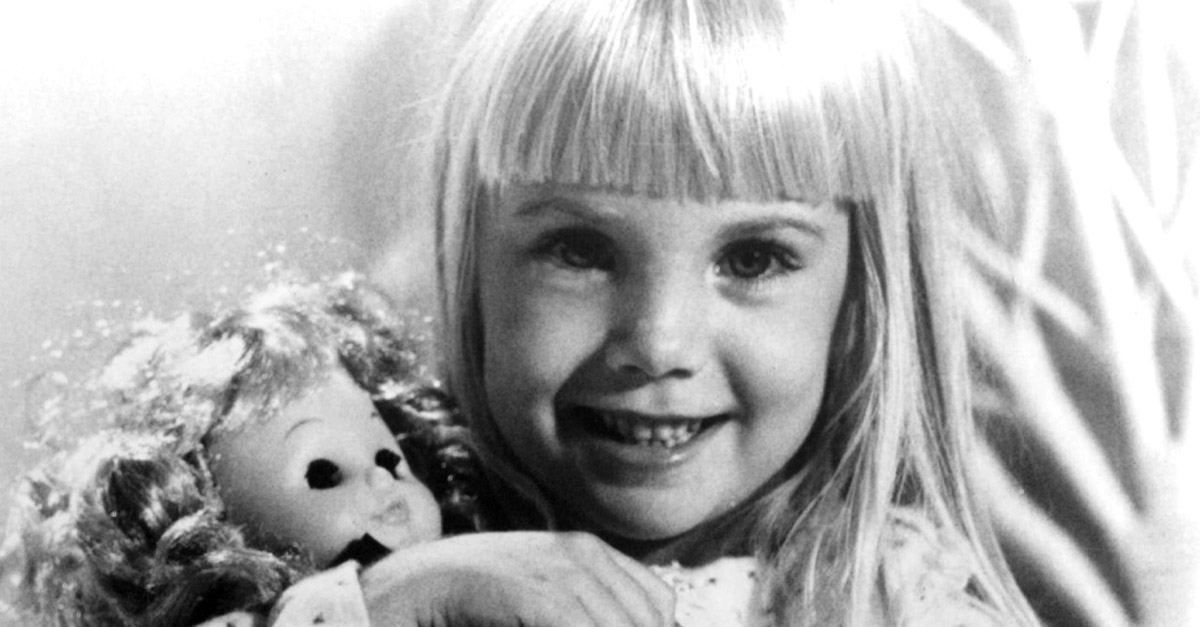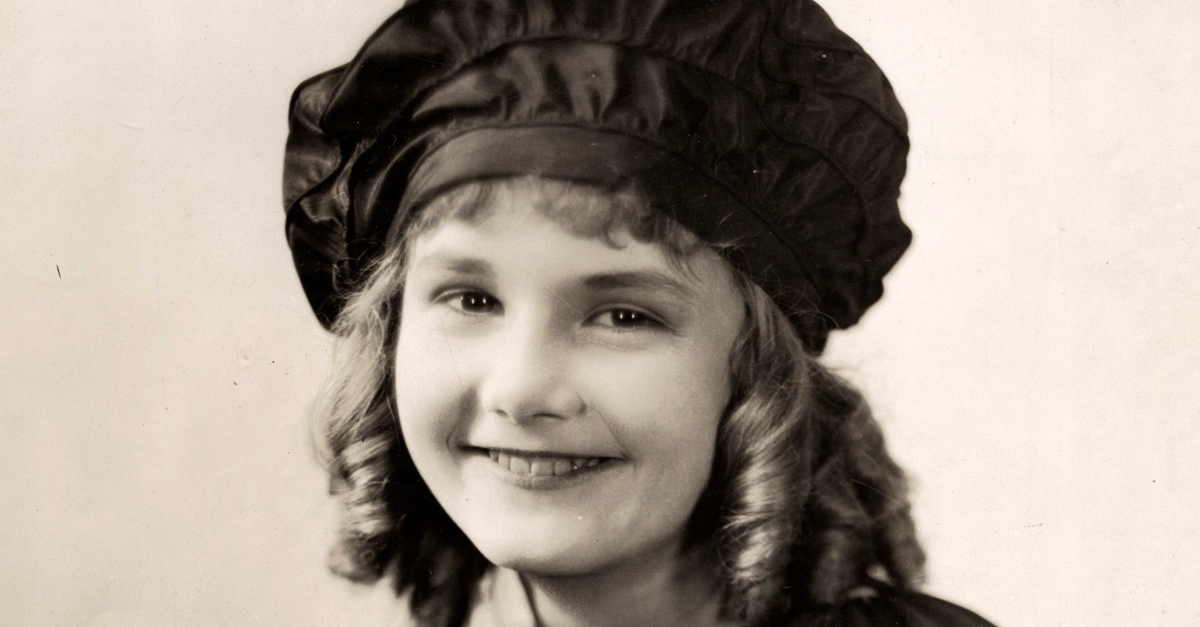
A Child Playing Dress Up
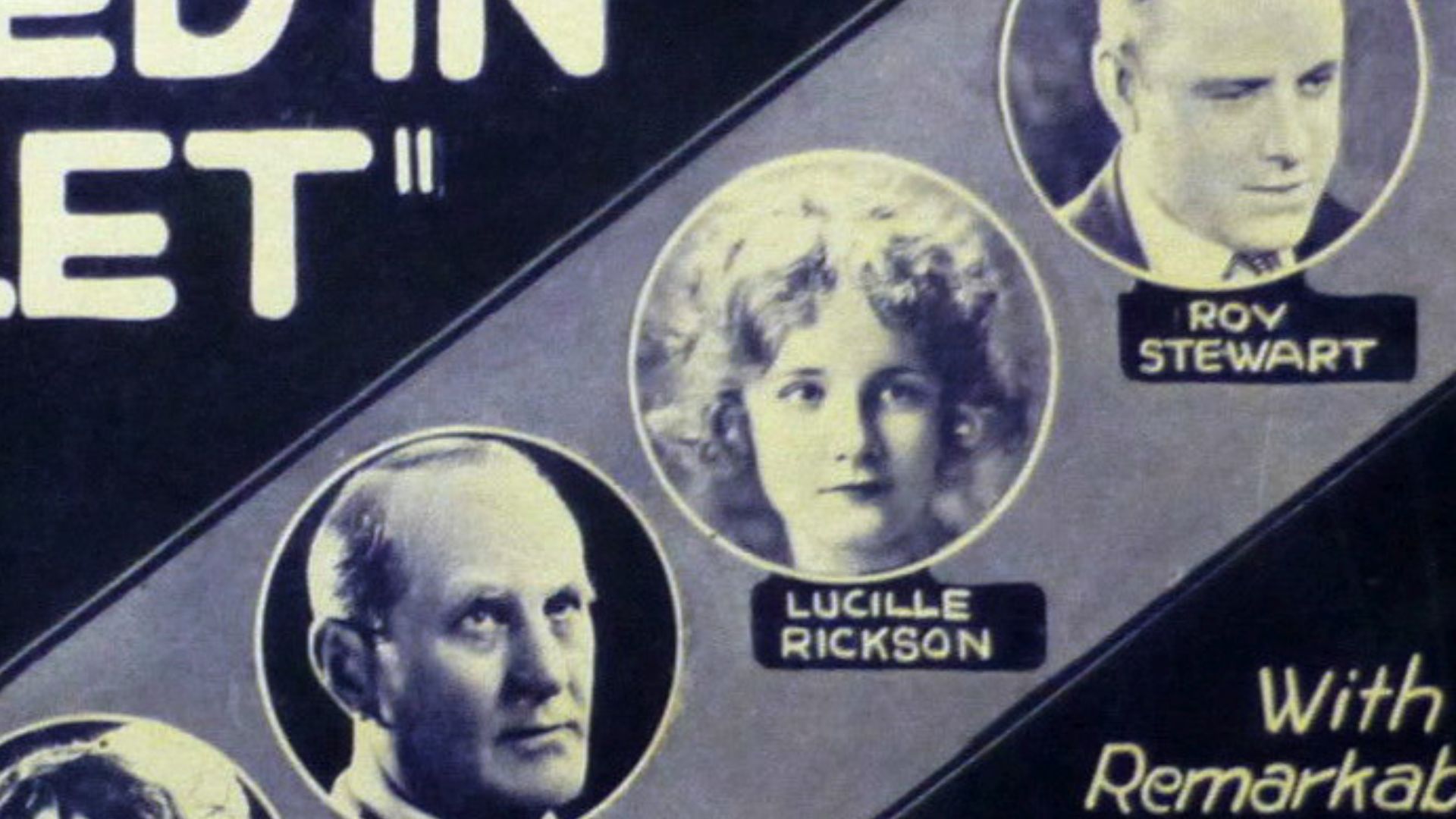
Today, the name Lucille Ricksen is largely unknown to most people. However, in the early 1920s, her face appeared everywhere. Hollywood touted her as the newest rising star, and maybe she would have been, if the very industry that let her shine hadn’t worked her to the point where she couldn’t go on, snuffing out her light far too soon.
1. She Didn’t Exist
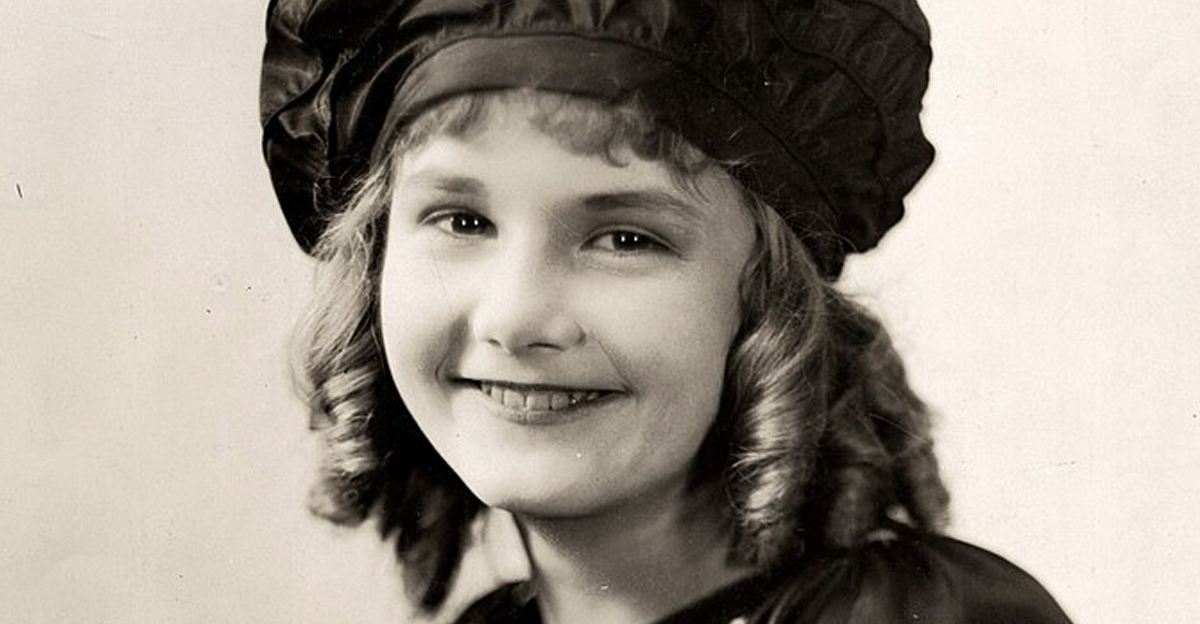
In 1910, Lucille Ricksen did not exist. Instead, Dutch immigrants Samuel and Ingeborg Nielsen Ericksen welcomed their second child into the world, naming her Ingeborg Myrtle Elisabeth Ericksen. Few know much about Ricksen’s background or her parents. However, they must’ve been suffering when their children provided them with the perfect escape.
 Picture-Play Magazine, Wikimedia Commons
2. Her Parents Needed Her
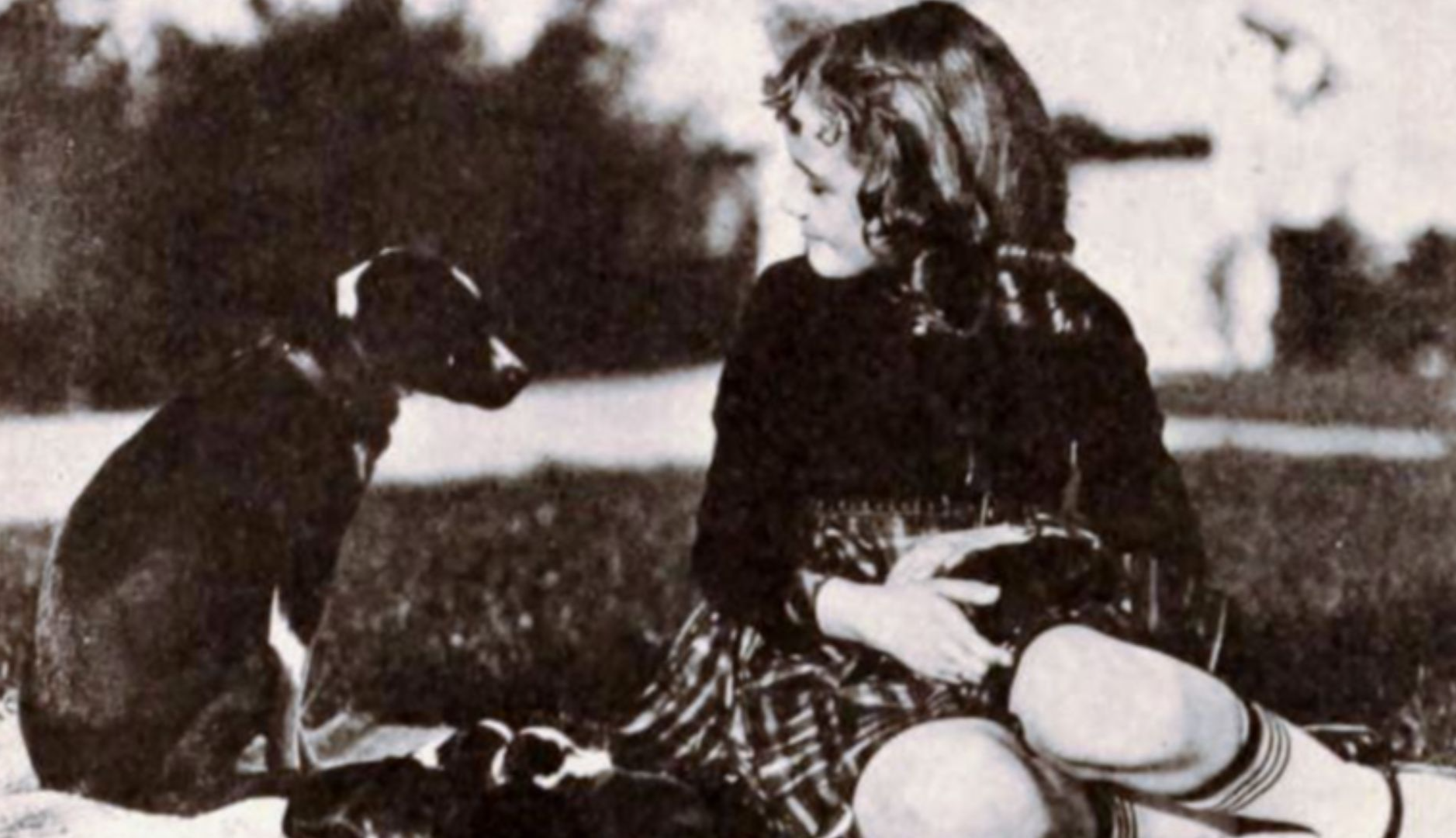
Immigrants struggling to rebuild in a new land fill history. Perhaps in this desperation, her parents saw an opportunity to use what they’d been given. Ricksen started her career before she could understand it, working as an underpaid “baby model”. Her elder brother, Marshall, had a similar start. However, Marshall did not see the success that Ricksen did. He was lucky.
 Unknown photographer, Wikimedia Commons
3. She Was Forced Onto A Path
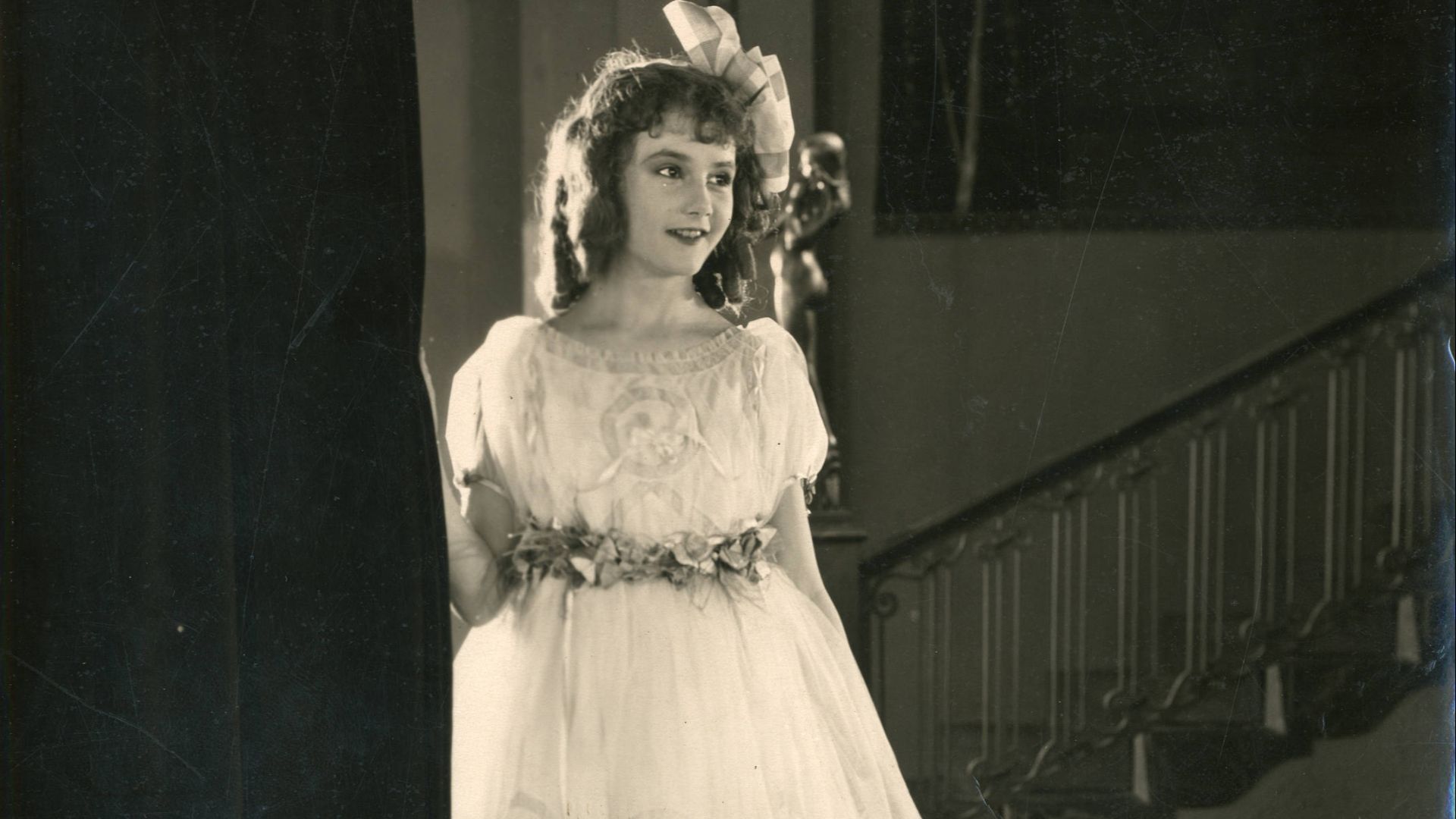
While Lucille Ricksen may not have opposed the path that her life took initially, she never made the choice to step onto that road. Only through her parents' urging did Ricksen carry on her career to the next level, moving from underpaid baby model to a bona fide professional, all while she was barely out of diapers.
 Unknown authorUnknown author, Wikimedia Commons
4. She Transformed Too Young
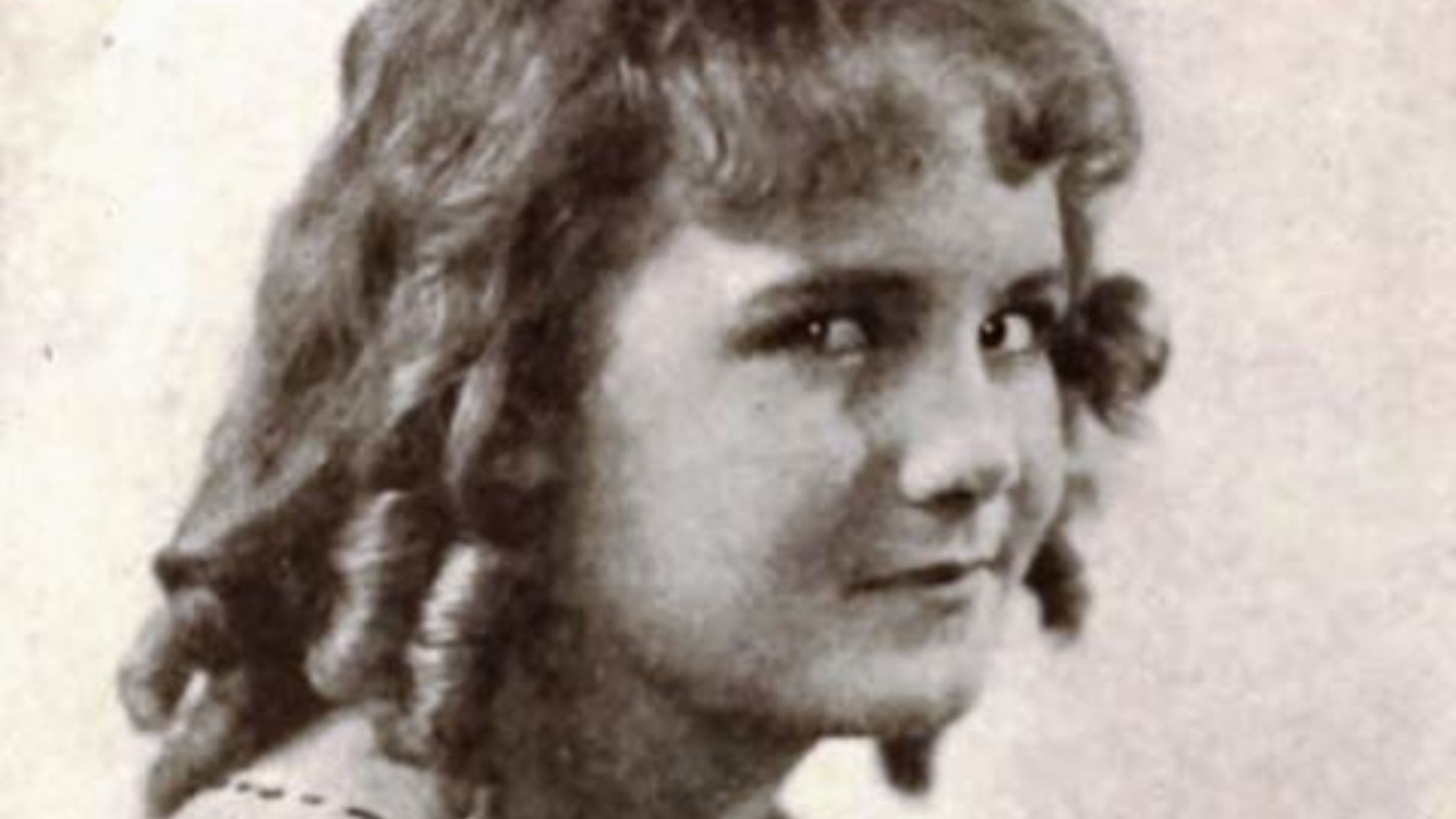
In 1910, Ingeborg Myrtle Elisabeth Erickson entered the world. Around 1914, Lucille Ricksen, a professional model and actress, replaced her. Only four years old, Ricksen began to rise in fame, providing her possibly impoverished parents with a steady revenue stream. The draw of money is understandably addictive, but what cost can a parent ask a child to pay?
 Goldwyn Pictures Corporation, Wikimedia Commons
5. She Tore Her Family Apart
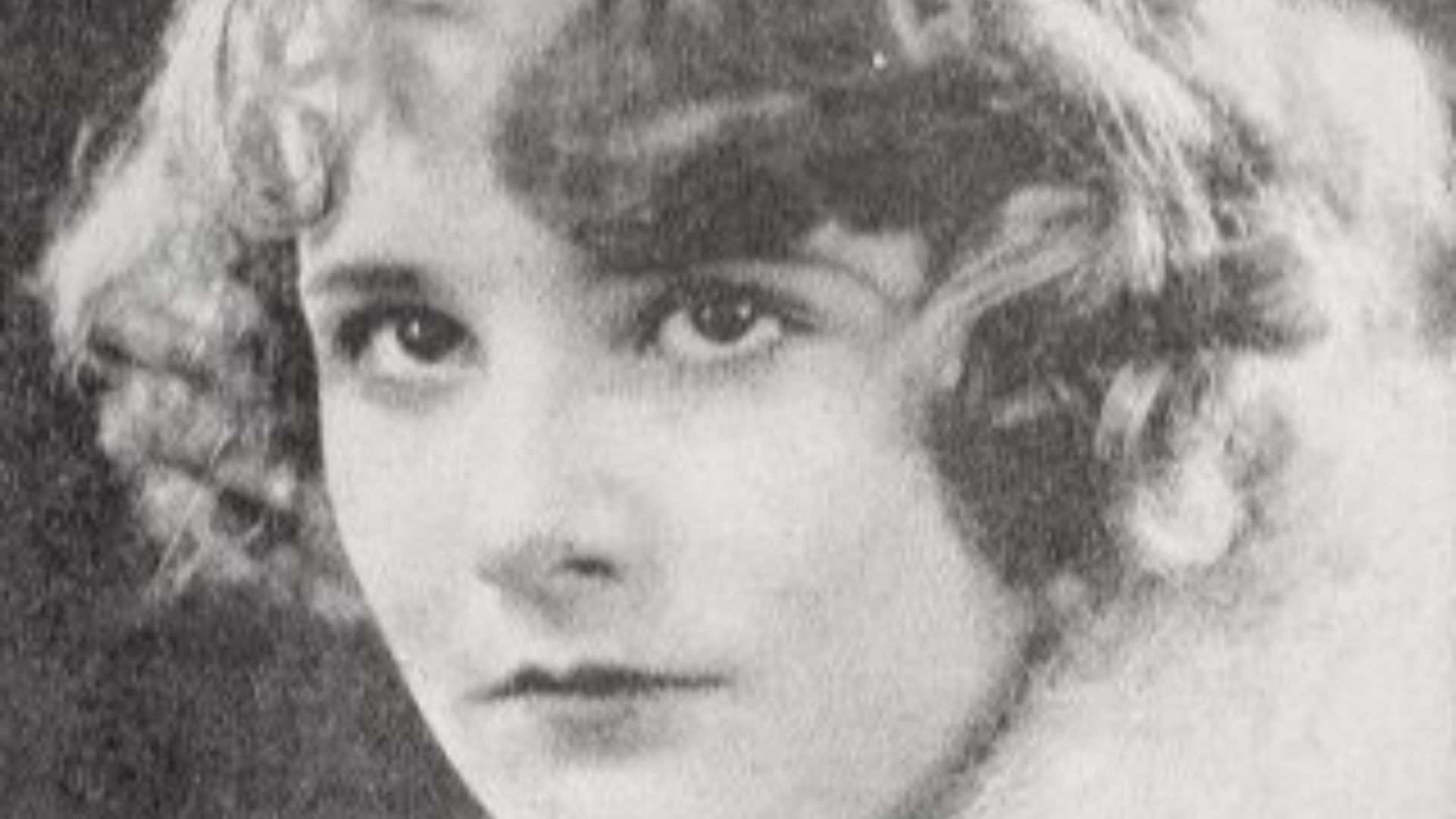
The unorthodox lifestyle that the Ericksons lived could not survive. By the time Lucille Ricksen turned 8, her parents had separated. Some sources suggest that Ricksen’s growing career had soured her parents’ relationships, some theorizing that Samuel may have even feared for his daughter’s future. Even if true, the divorce did little to help Ricksen.
 Picture-Play Magazine, Wikimedia Commons
6. She Was Left In Her Mother’s Hands
Following the divorce, their mother, Ingeborg, appeared to gain custody of Ricksen and her brother, an unsurprising turn of events in an era when they saw “childrearing” as a woman’s duty, not a man's. However, perhaps Ricksen and Marshall might’ve fared better under their father than they did under Ingeborg’s care.
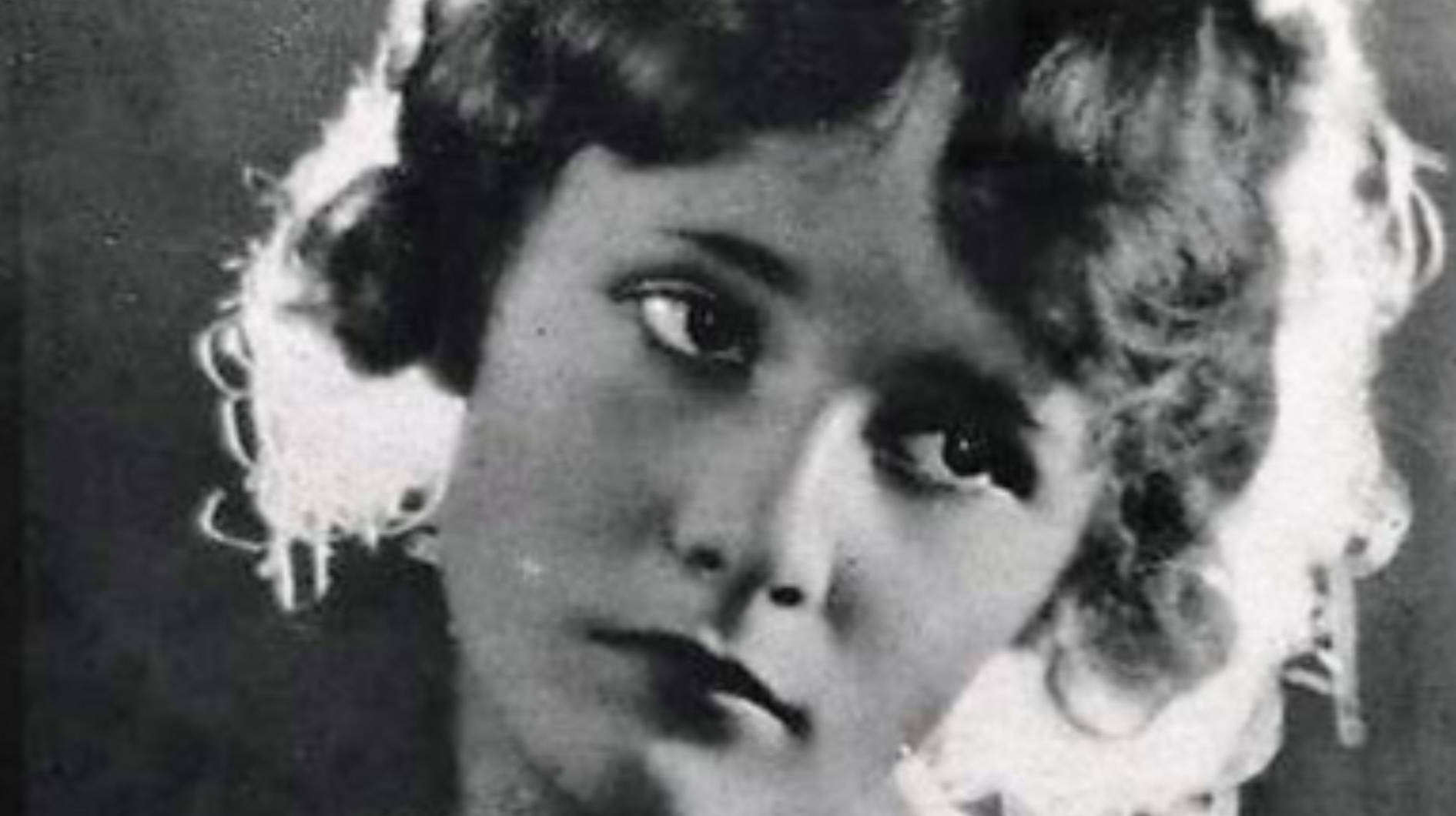 Picture Play Magazine, Wikimedia Commons
7. She Became The Breadwinner
Before the divorce, both Lucille Ricksen and her brother appeared in several modeling and movie roles, providing a revenue source for their parents. Following the divorce, reports suggest that Ingeborg began to view her daughter, the more successful of the two, as the primary source of family income.
As soon as she saw an opportunity to capitalize on this, she took it, regardless of what it meant for her young daughter.
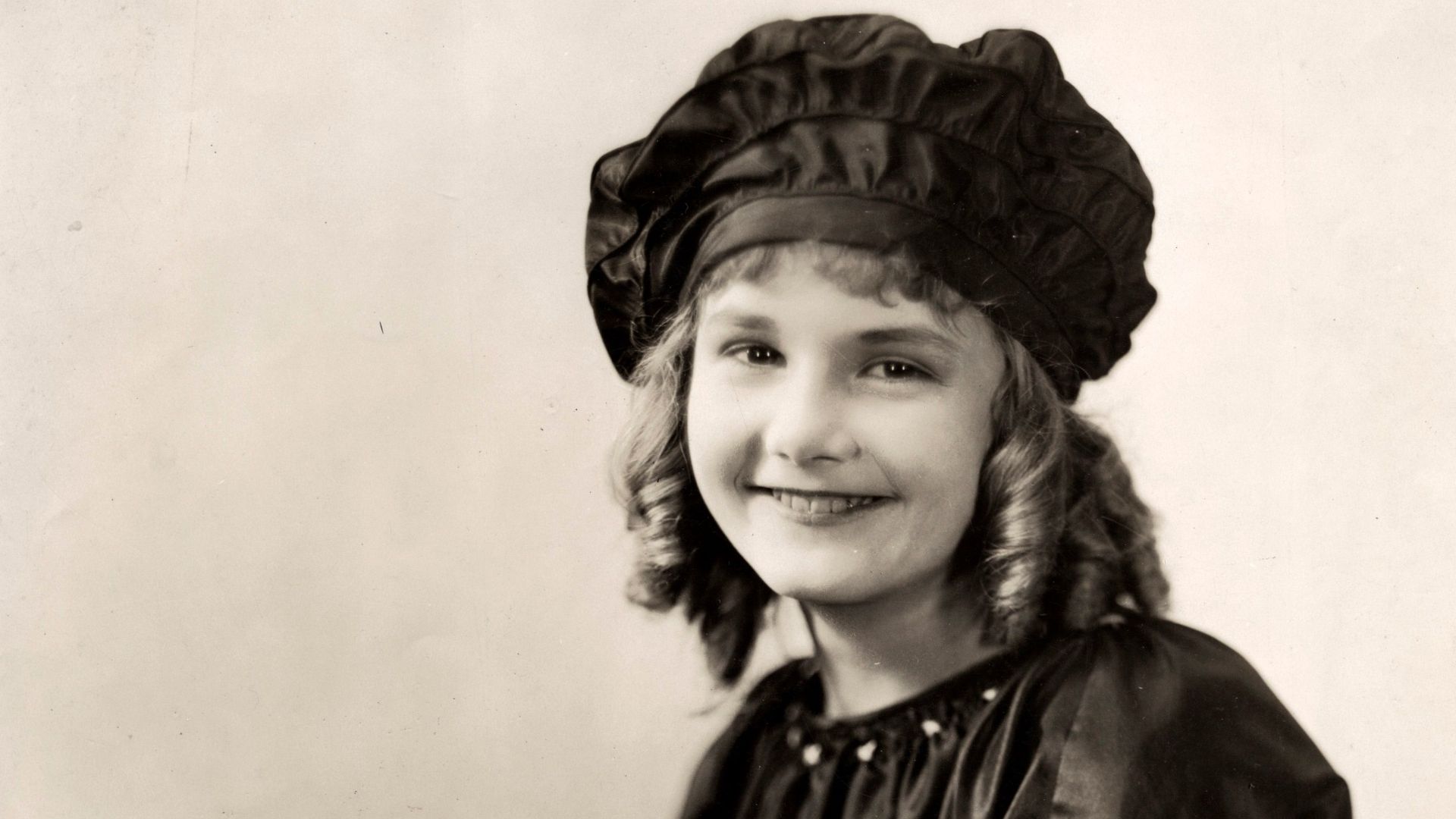 Unknown authorUnknown author, Wikimedia Commons
8. She Made A Career Move
Ricksen appeared in her first film, The Millionaire Baby, at the age of five. Perhaps this drew the attention of Hollywood producer Samuel Goldwyn. Ingeborg relocated her young family to Hollywood at Goldwyn’s suggestion, likely knowing he already had an opportunity for Ricksen in mind.
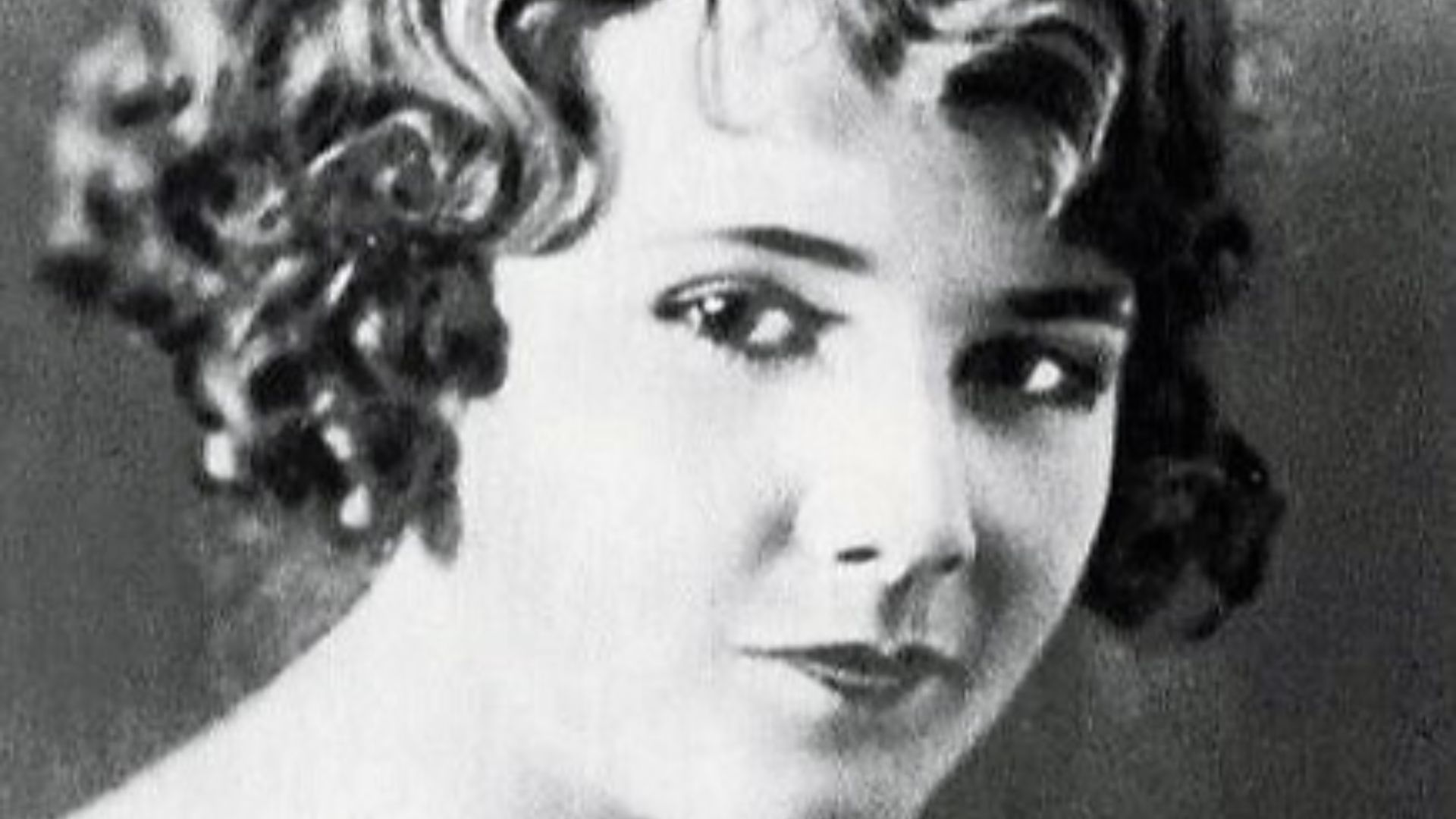 Stars of the Photoplay, Wikimedia Commons

History's most fascinating stories and darkest secrets, delivered to your inbox daily.
9. She Was Cast Immediately
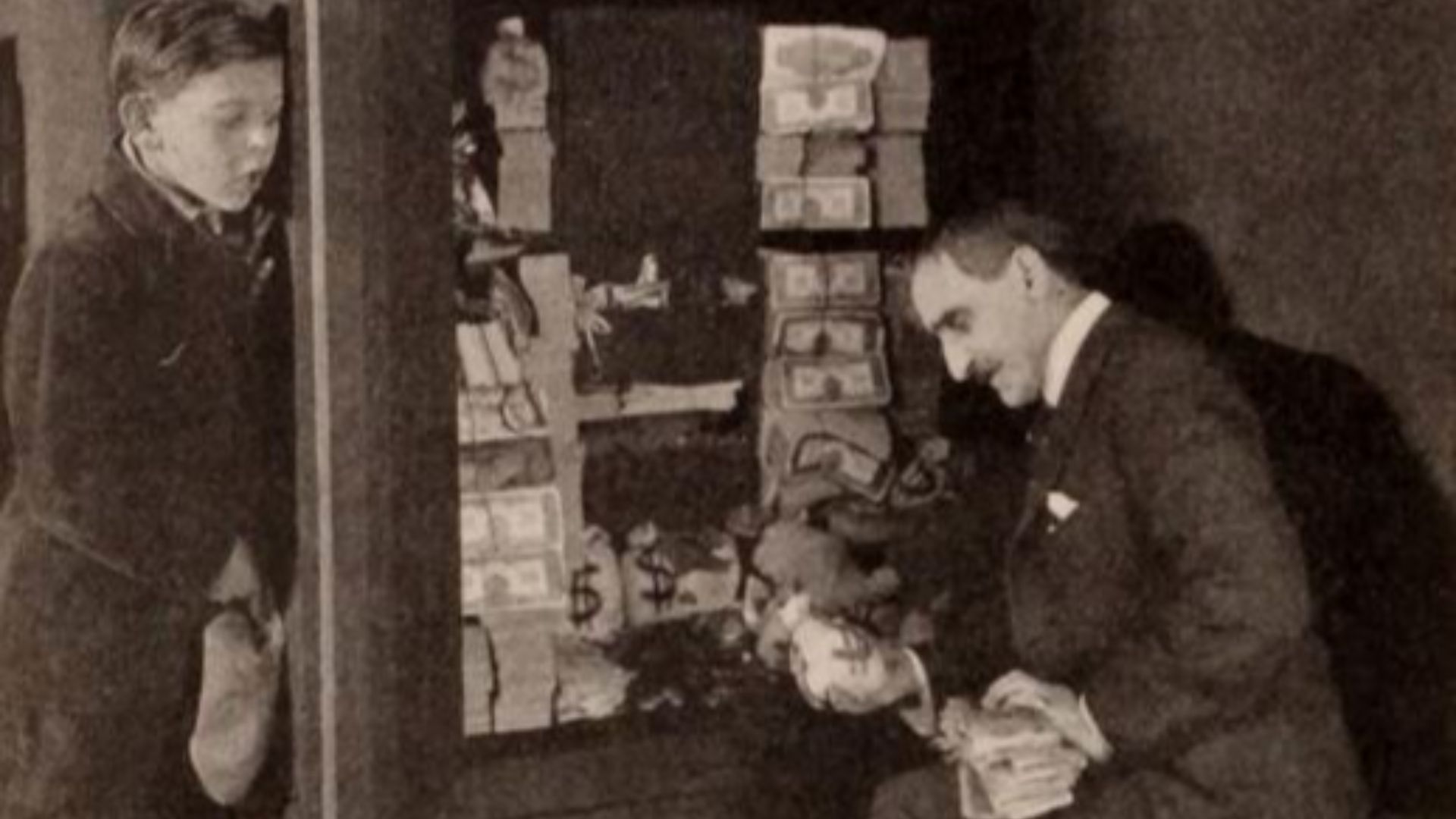
Lucille Ricksen, along with her mother and brother, arrived in Hollywood in 1920, and she appeared in her first Hollywood film that same year. Now roughly 10 or 11 years old, Goldwyn signed Ricksen to star opposite fellow child star Edward Peil Jr in a series of short silent films.
With this role, Ricksen cemented her future—for better or worse.
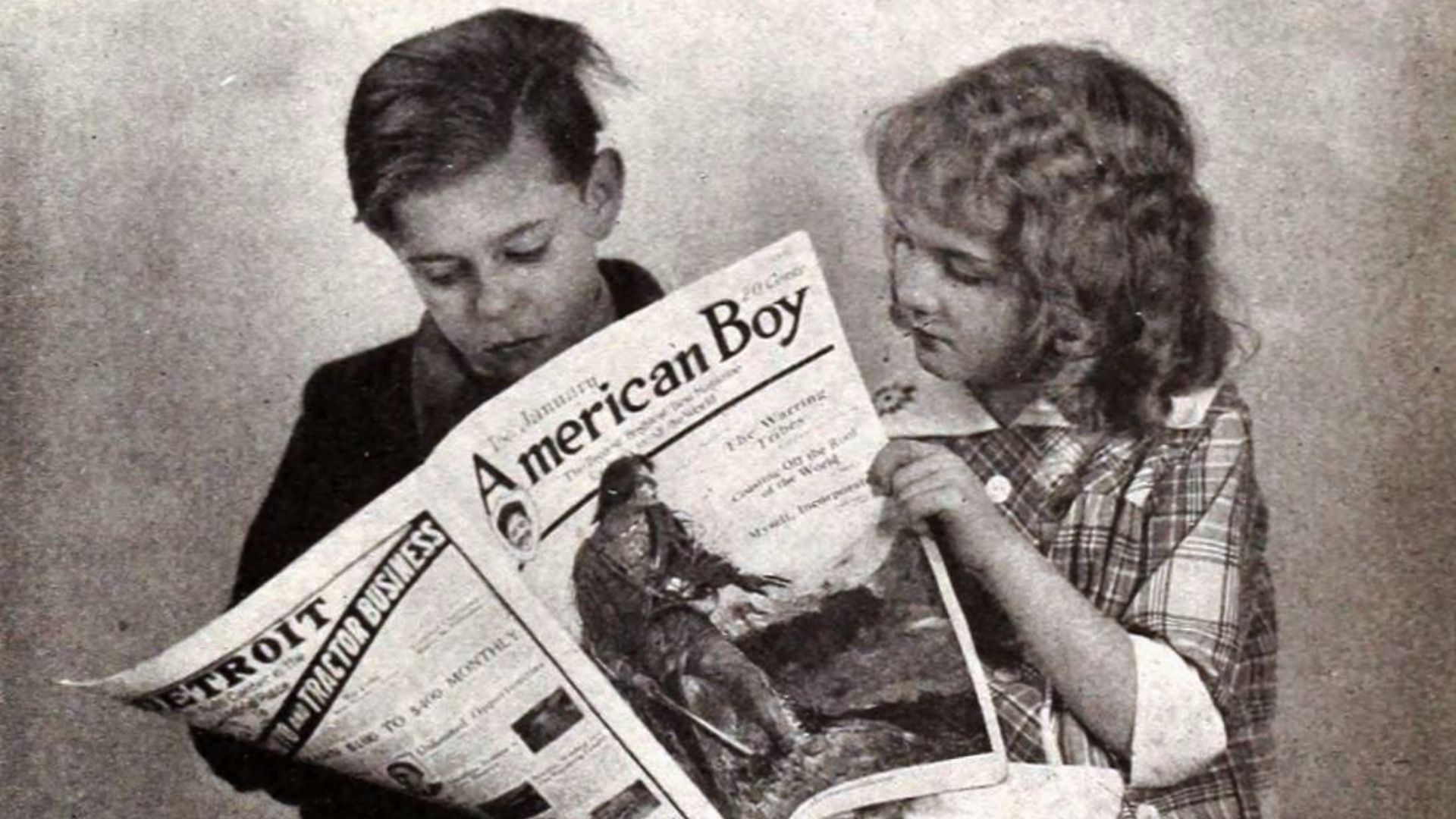 Goldwyn Pictures Corporation, Wikimedia Commons
10. She Left Her Childhood Behind
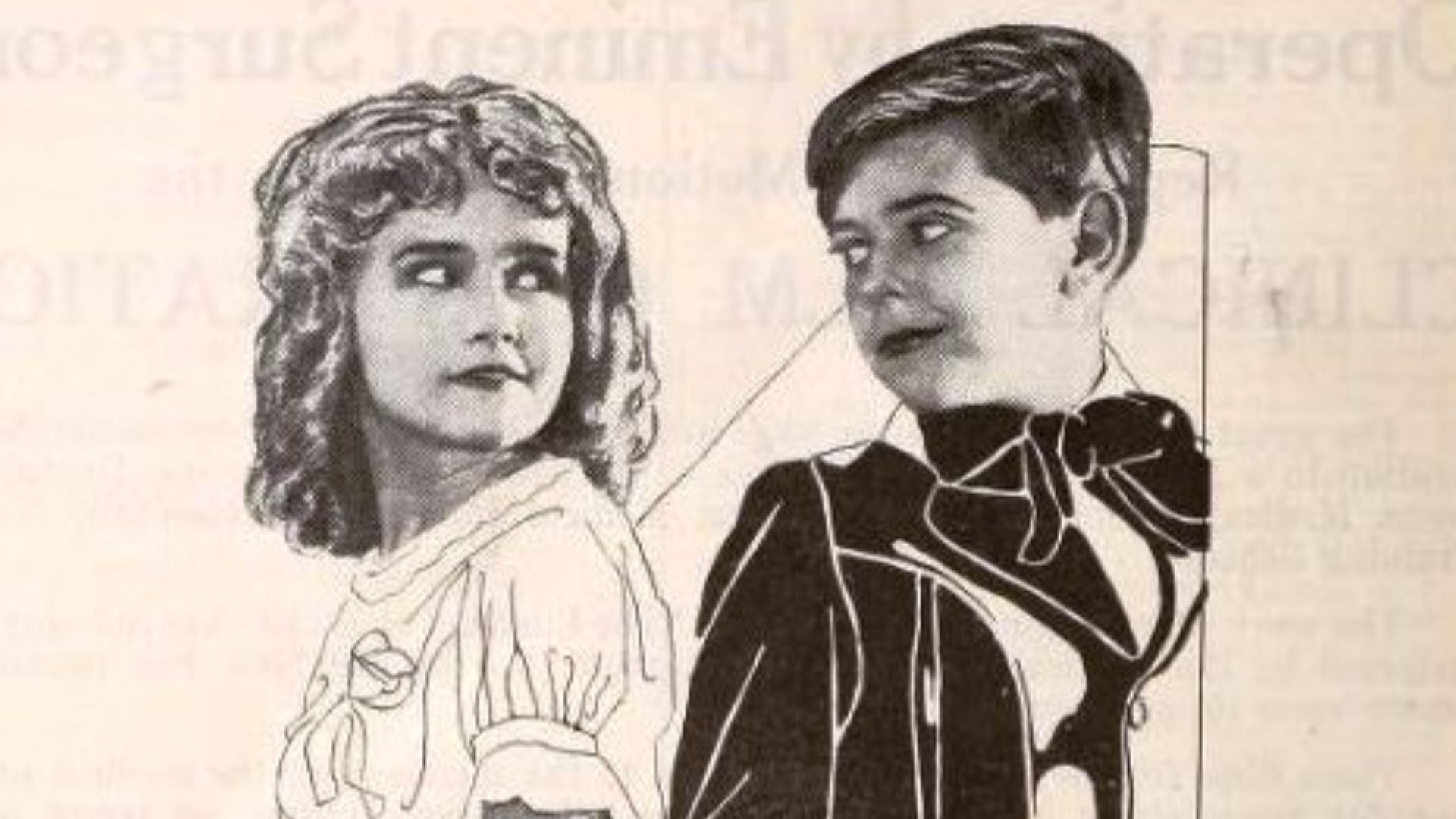
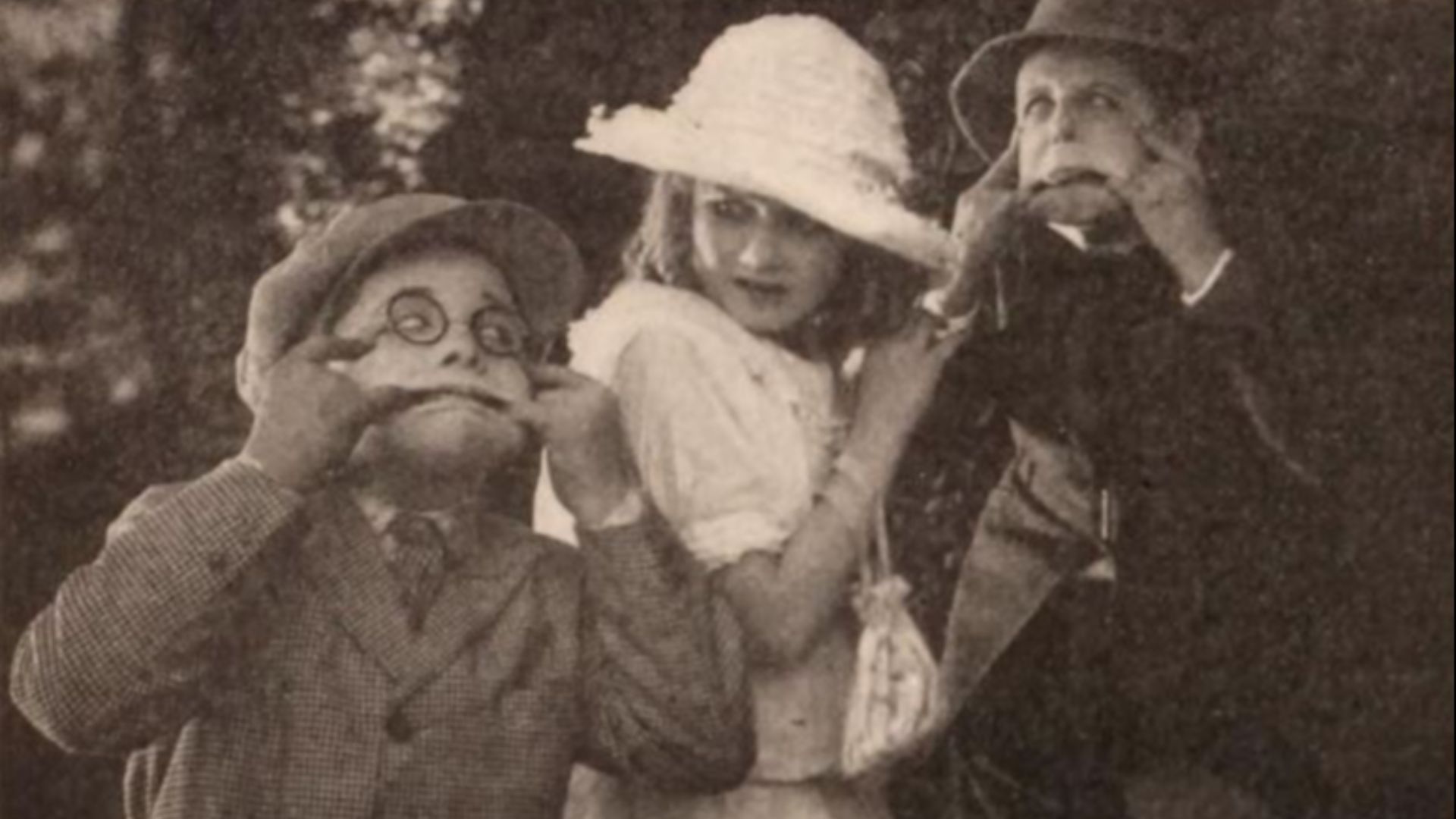
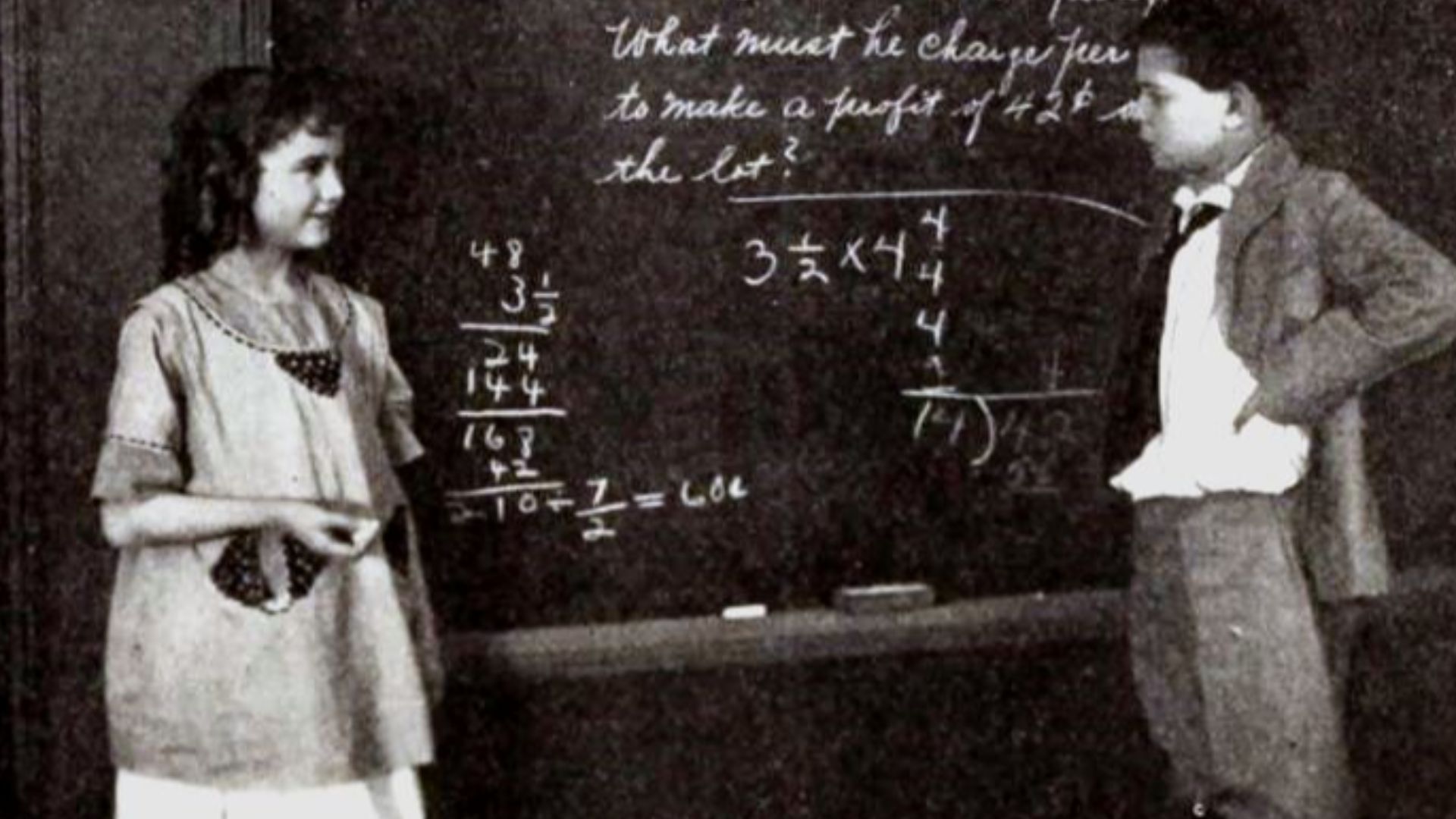
In total, Ricksen appeared in 11 short films as part of The Adventures of Edgar Pomeroy, the majority of which hit theatres in 1920, with four carrying over into 1921. The moment that Ricksen stepped into her role as female lead in the series, she left her childhood behind, also stepping firmly into the role of “actress” and “breadwinner”. However, initially, Ricksen loved it.
 Goldwyn Pictures Corporation, Wikimedia Commons
11. She Kept Careful Records
Most of what is known about Lucille Ricksen survives through scrapbooks that Ricksen herself kept during the early days of her career. The excitement the young girl felt when she arrived in Hollywood can be seen in the meticulously kept photos and cuttings, all marked with playful and creative comments. Ricksen was too young to realize how she needed to cherish this small freedom.
 Goldwyn Pictures Corporation, Wikimedia Commons
12. She Didn’t Realize What She Had
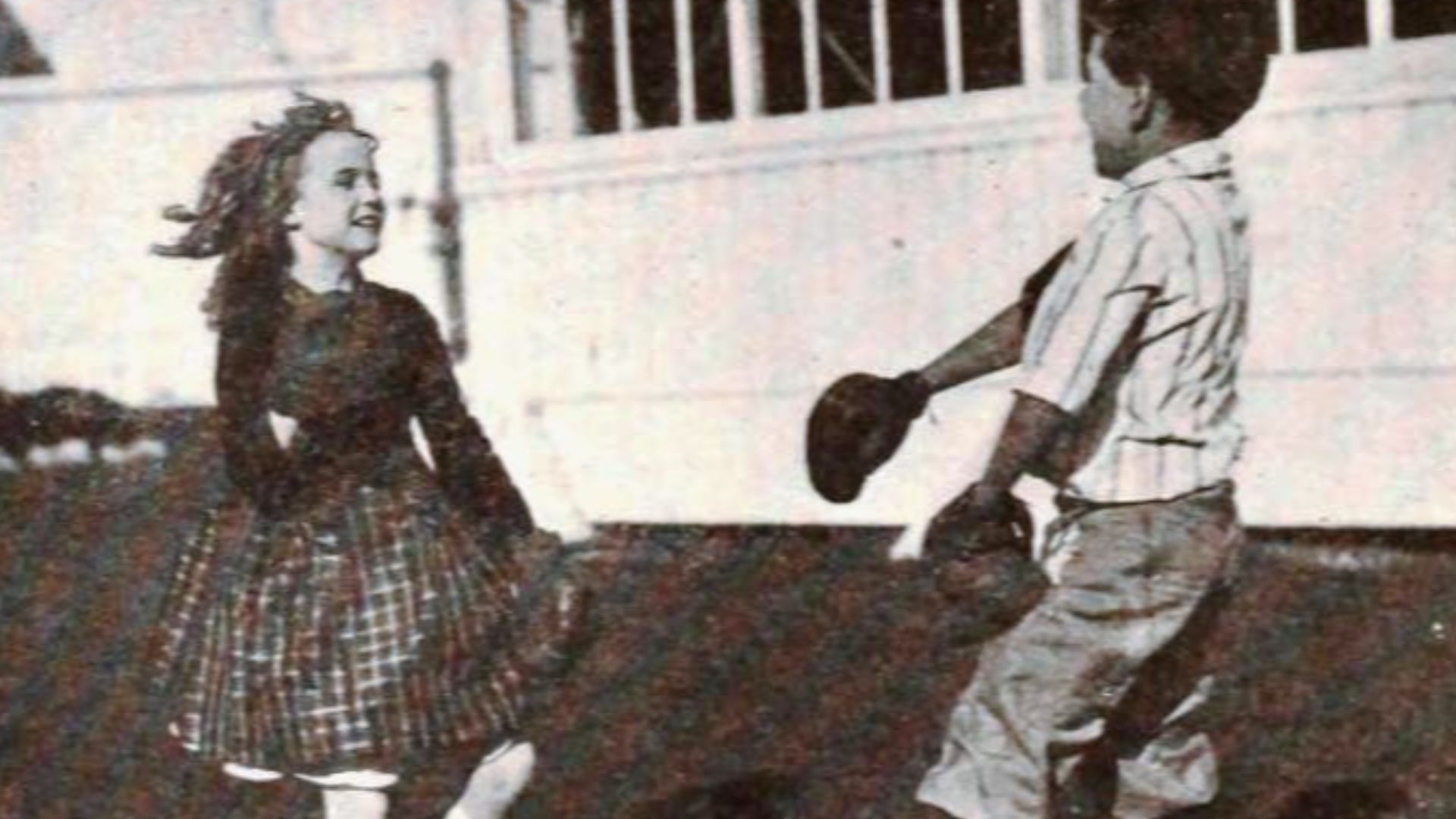
Given her life up until this moment, one could argue that Lucille Ricksen never understood what it meant to be a child. However, Edgar Pomeroy gave her a small outlet for her childish creativity. At least while filming Pomeroy, Ricksen was surrounded by other children, playing as children often do. This brief period of childish freedom was short-lived.
 Goldwyn Pictures Corporation, Wikimedia Commons
13. Her Career Took Off
The Adventures of Edgar Pomeroy launched Ricksen into public view. On top of filming, the show required Ricksen to make even more public appearances, touring the country to appear in various theatres and celebrity events. Hollywood was taking notice of Ricksen, but this came with a dire cost.
 Goldwyn Pictures Corporation, Wikimedia Commons
14. She Was The Youngest In The Room
Despite being no older than 11 while filming, Lucille Ricksen began making connections with the who’s who of Hollywood, from fellow actors to directors, all adults twice her age. One review of her Pomeroy performance declared her “one of the most promising Hollywood actresses”. However, at some point, “actress” began to replace a far more important descriptor for Ricksen.
 Goldwyn Pictures Corporation, Wikimedia Commons
15. She Underwent A Transformation
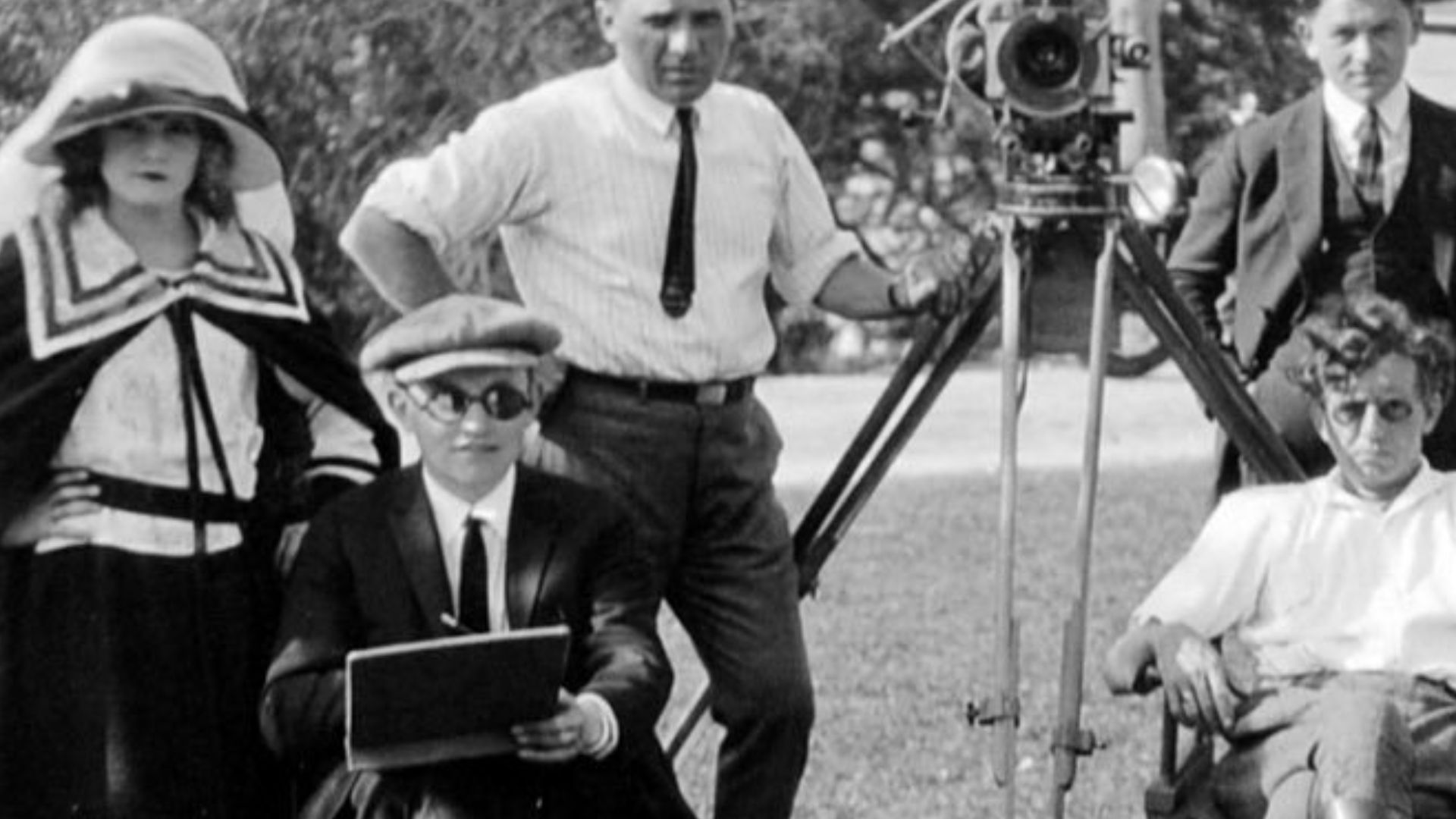
Based on surviving records, Ricksen appeared in one other film in 1921, once she’d finished her Edgar commitments. Here she again played a child with her role being titled “Kate at 9”. Yet, her next role in The Married Flapper saw Ricksen undergo a sudden and concerning transformation.
 Universal Film Manufacturing Company, Wikimedia Commons
16. She’d Grown Up Overnight
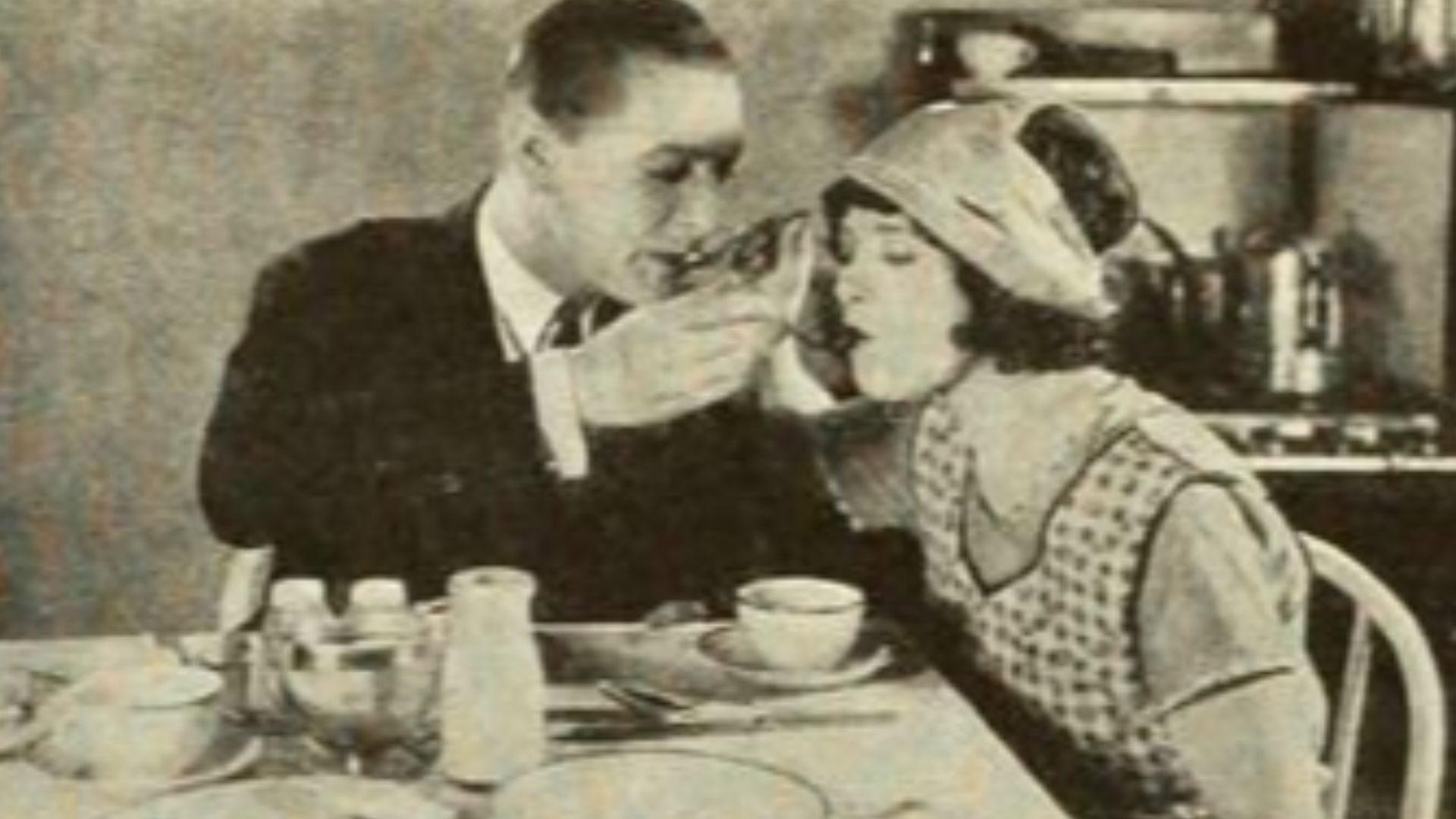
The Married Flapper hit theaters in 1922. Depending on when filming occurred, Ricksen was likely 11 or 12. Despite being undeniably a child, the Lucile Ricksen that appears on film resembles a woman twice her age, dressed in the clothes and makeup of a grown woman. At some point between 1921 and 1922, the child disappeared and the “leading lady” took her place.
 Universal Film Manufacturing Company, Wikimedia Commons
17. She Was Playing Dressup
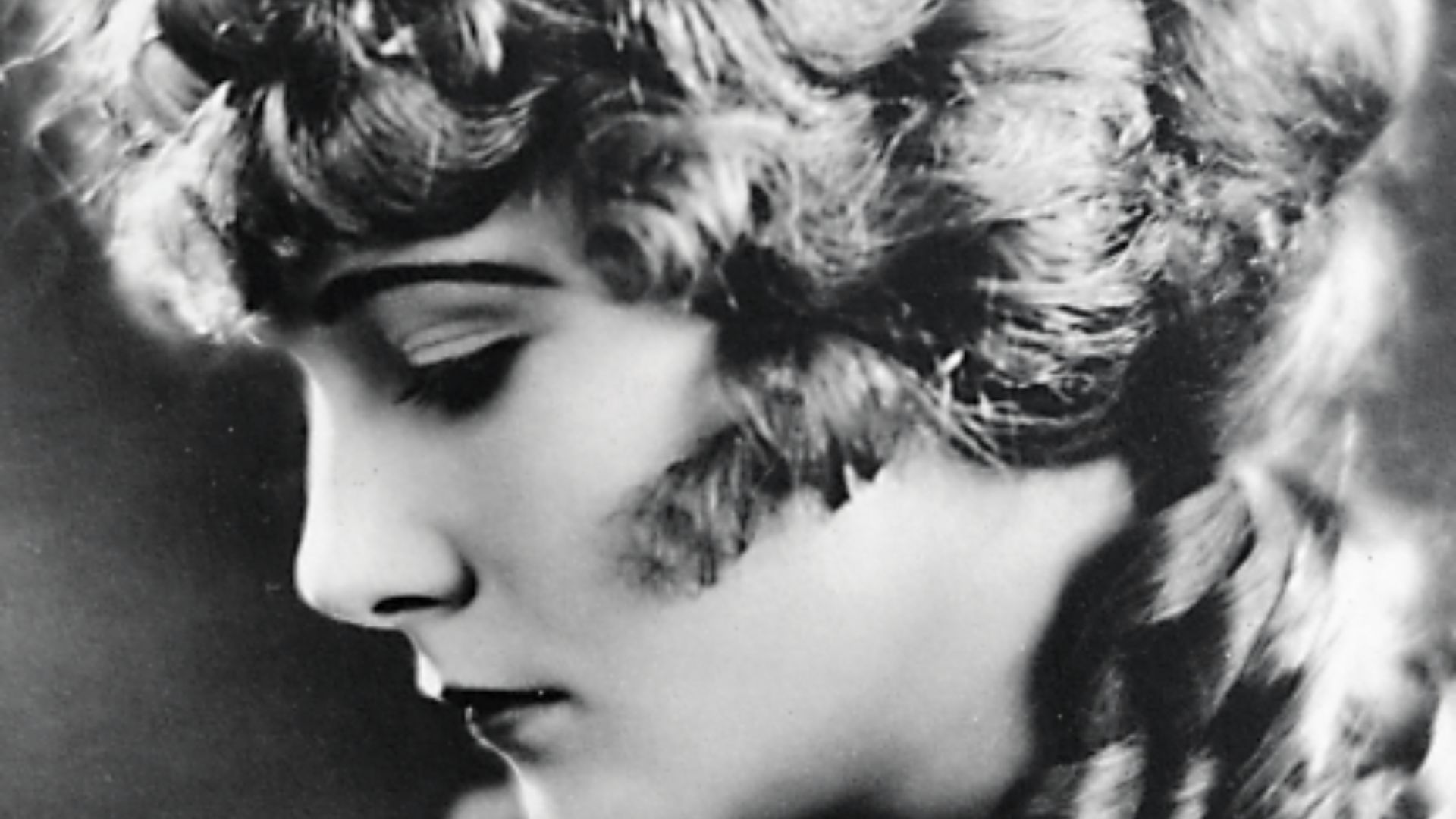
Following the success of The Married Flapper, Ricksen’s career began to take off. Opportunity after opportunity began to roll in, and each offer seemed to forget one convenient fact: despite her beauty and talent, Ricksen remained a child. It seemed that if you dressed her in enough makeup and clothes, the world never needed to know the truth.
 Evans Studio, LA, Wikimedia Commons
18. She Became A Leading Lady
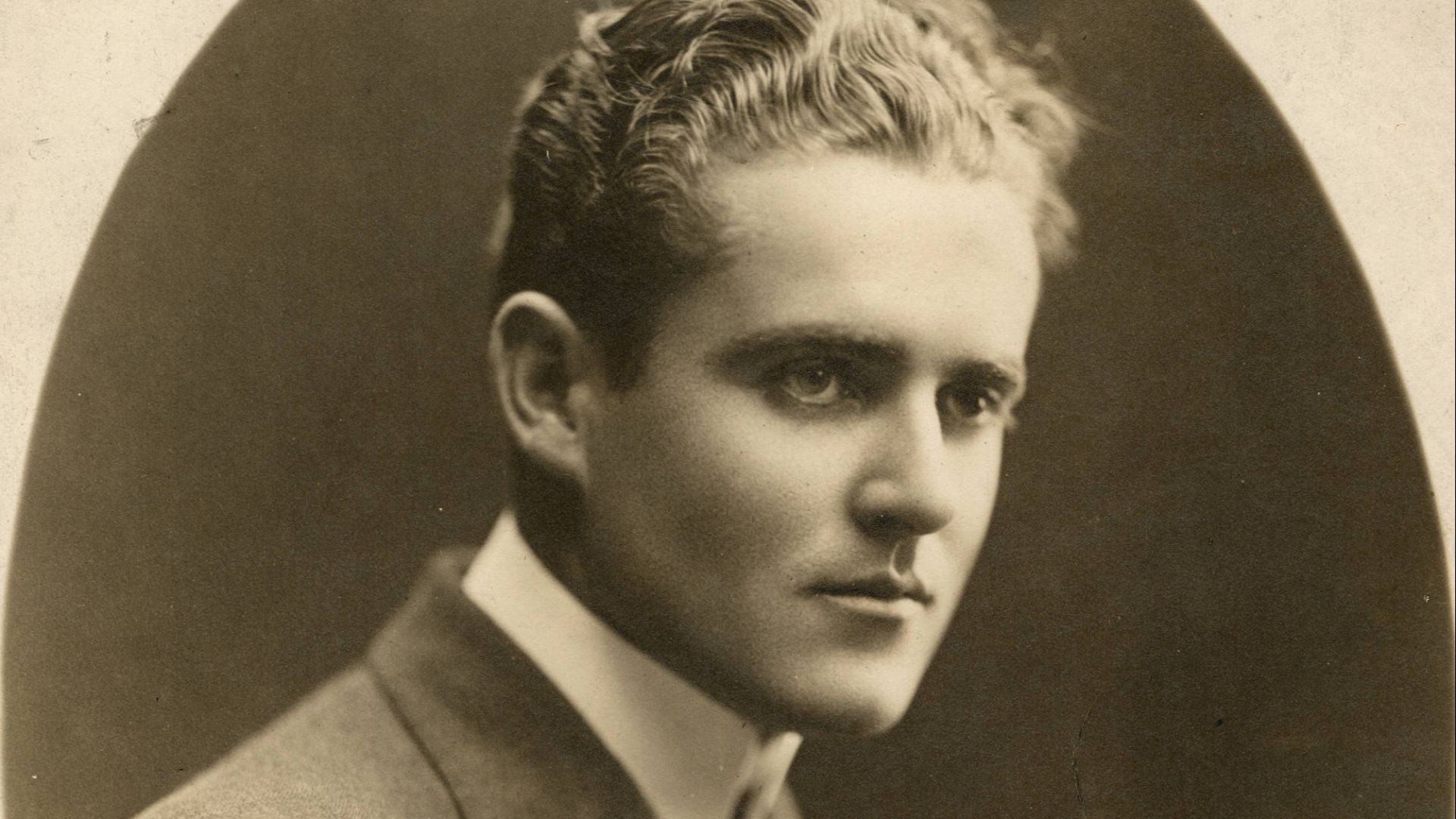
In 1923, Lucille Ricksen finally made it. Director Marshall Neilan selected Ricksen out of numerous girls to play the leading lady in his upcoming film The Rendezvous. Finally, Ricksen took her step out of the sidelines and onto center stage. However, whether the role was suitable for Ricksen proved highly questionable.
 Unknown authorUnknown author, Wikimedia Commons
19. Her Role Wasn’t Written For Her
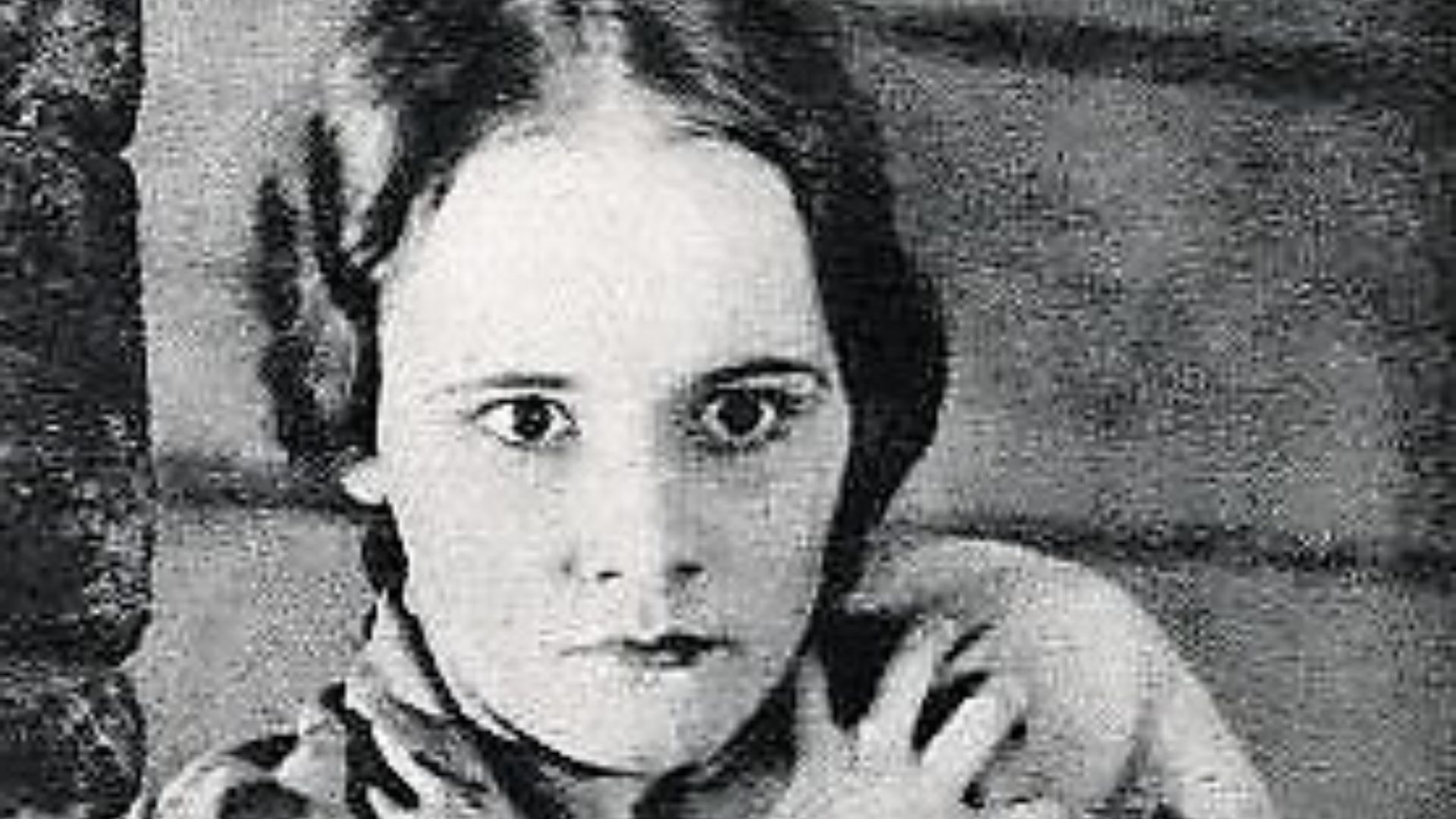
Neilan cast Ricksen to play Vera, a traumatized Russian girl who’d spent her life in Siberia, where her family, former royal, had been exiled by the Tsar. Through the course of the movie, Vera marries twice, first to a horrid Cossack chief, and then, of course, to the hero. It’s a simple story and a good role—written for someone twice Ricksen’s age.
 Goldwyn Pictures, Wikimedia Commons
20. Her Coworkers Were Twice Her Age
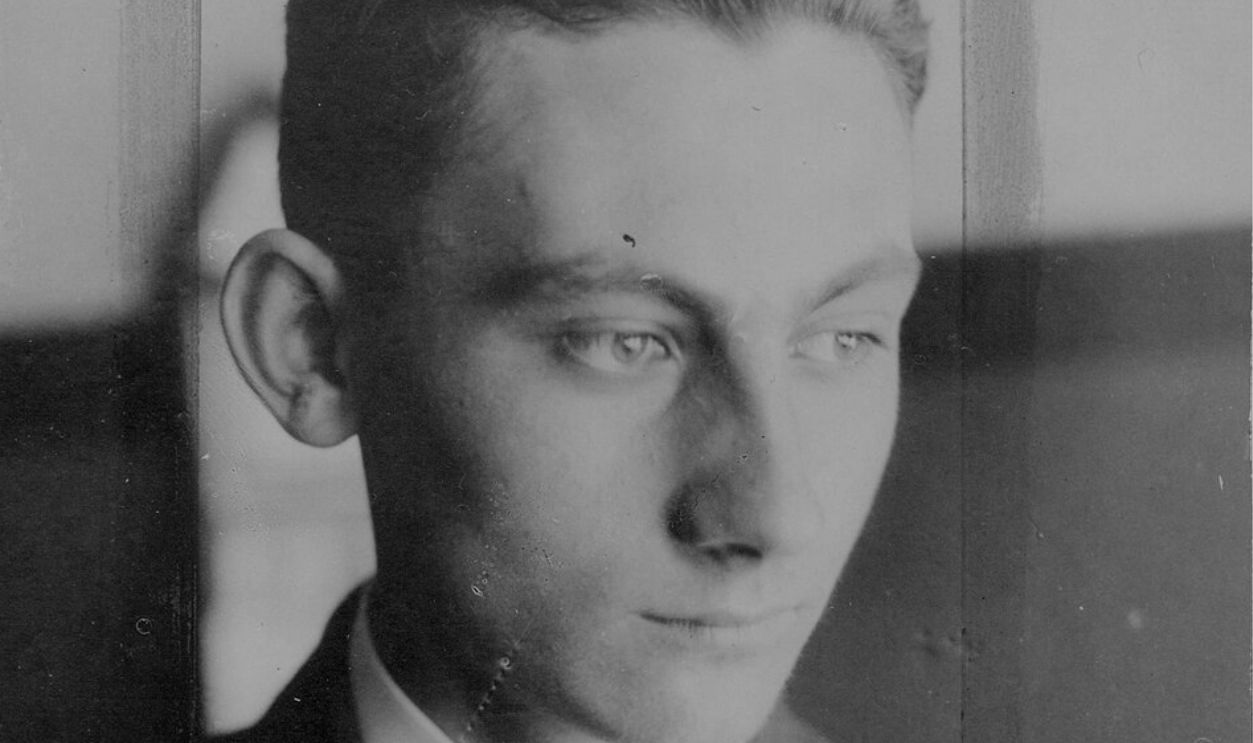
Vera is roughly 18 years old during the course of the movie. Her co-stars and movie husbands, John Nagel and Syd Chaplin (of that Chaplin family), were 26 and 38, respectively. As for Ricksen? She was 12 or 13, depending on the time of the filming. The oddity did not go without notice, even at the time.
 Hennepin County Library, Wikimedia Commons
21. She Was Obviously Too Young
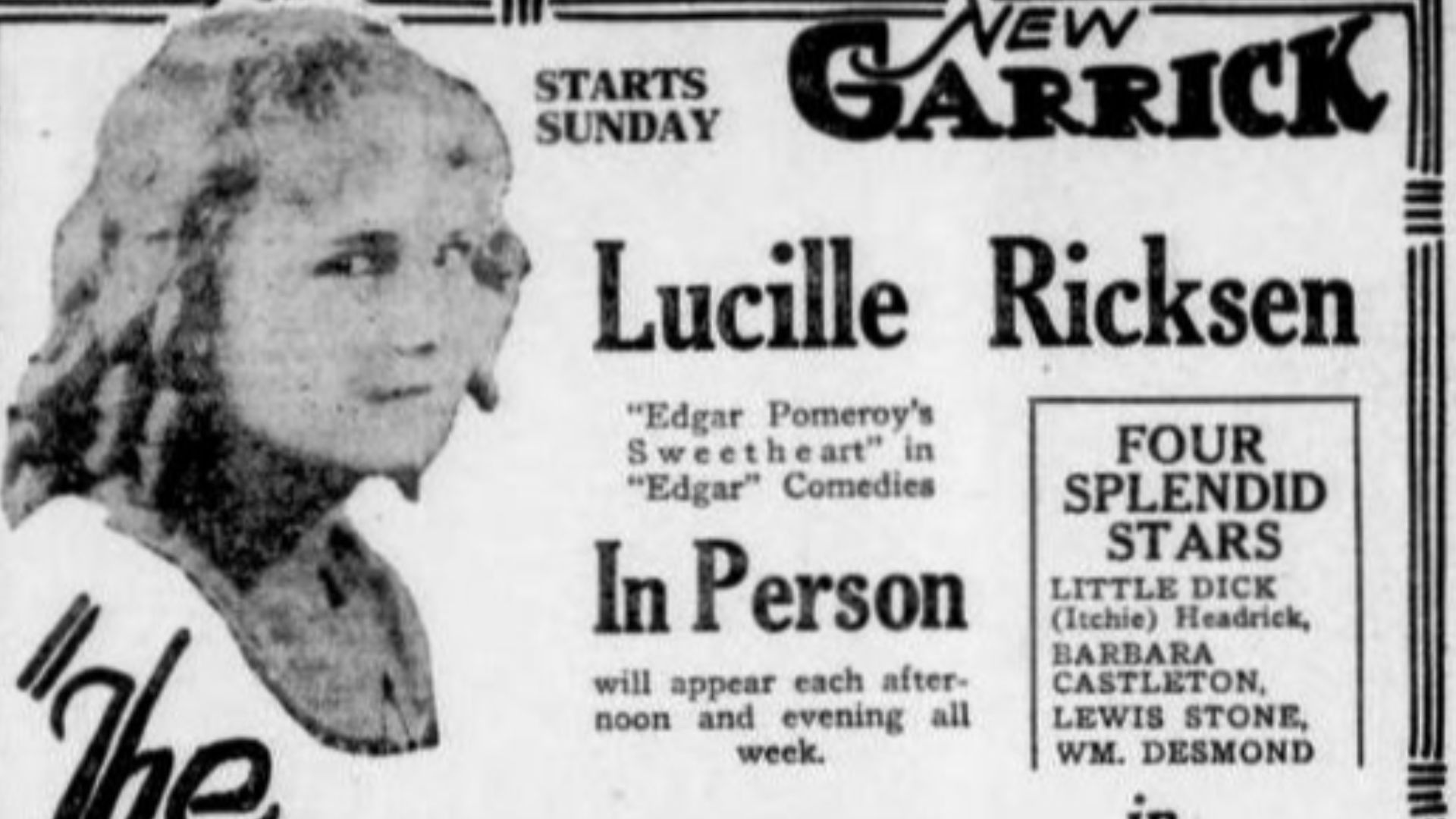
Lucille Ricksen may have been a talented actress with perfect blonde curls and a captivating face. However, she was also a child, and no amount of makeup could truly hide that fact. One reporter, upon visiting the set of The Rendezvous, couldn’t help but remark upon this fact, his words leaving a haunting impression of Ricksen’s life.
 Fred Hartsook (1876-1930), Wikimedia Commons
22. Her Childhood Was On Screen
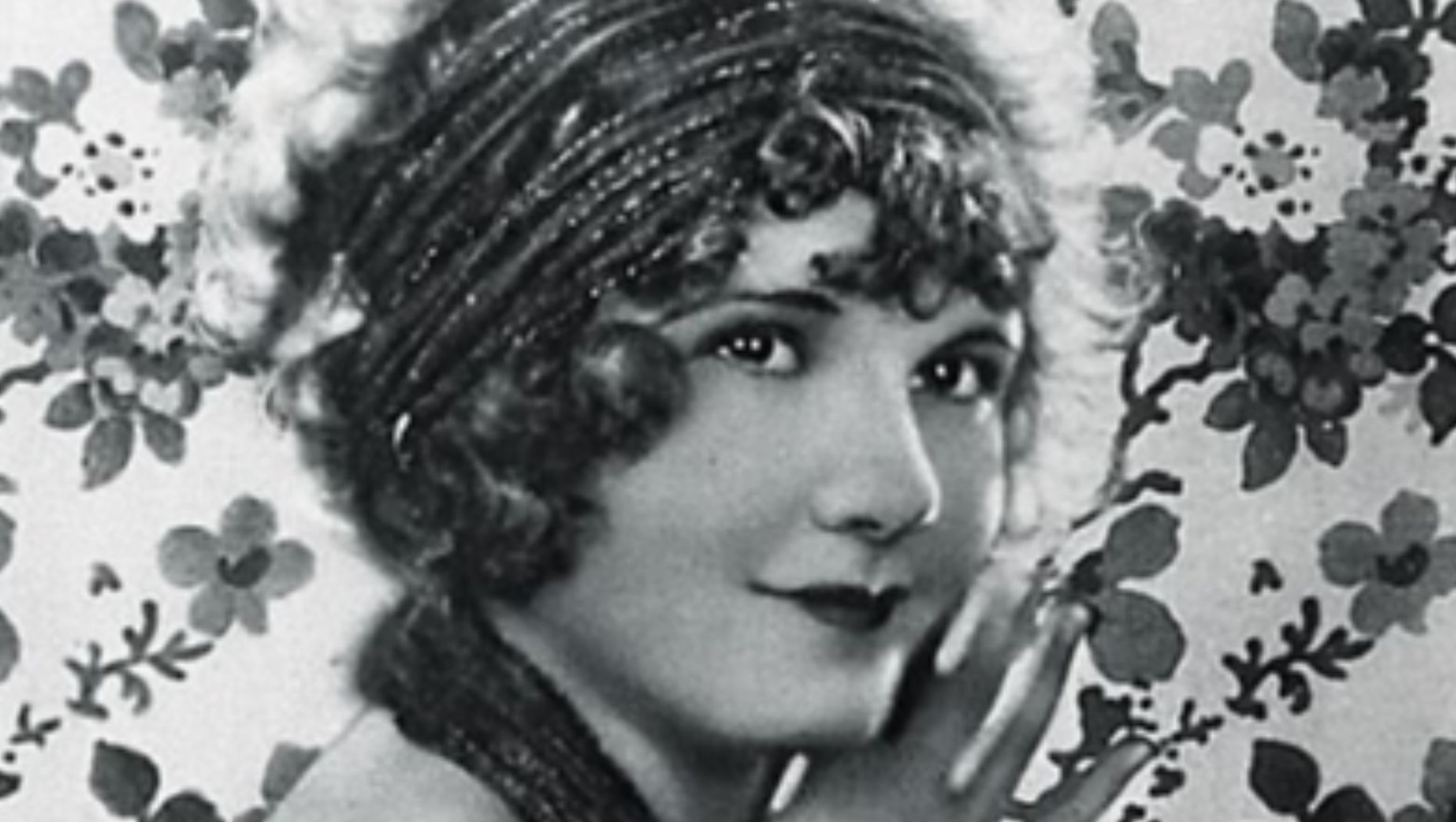
The reporter saw the absurdity of the situation Hollywood had placed Ricksen in. He wrote, “Those Edgar Comedies were Lucille’s only childhood—the only chance to play with children her own age. That is what makes her different. It is almost uncanny how different she is”.
It was uncanny and also more than a little disturbing. In hindsight, it also proves a tragic foreshadowing of what was to come.
 John M. Stahl Productions, Wikimedia Commons
23. She Left An Ache In Your Heart
That reporter went on to say, “It makes you sorry and it makes you glad. You long to see those pigtails flying in the wind and the cheeks snapping with bright color, instead of the all-day session playing the abused wife of a 'horrid’ Russian…”. You may have longed to see Ricksen as the child she was, but those days were already gone.
 Photoplay Magazine, Wikimedia Commons
24. Her Fame Grew At An Alarming Rate
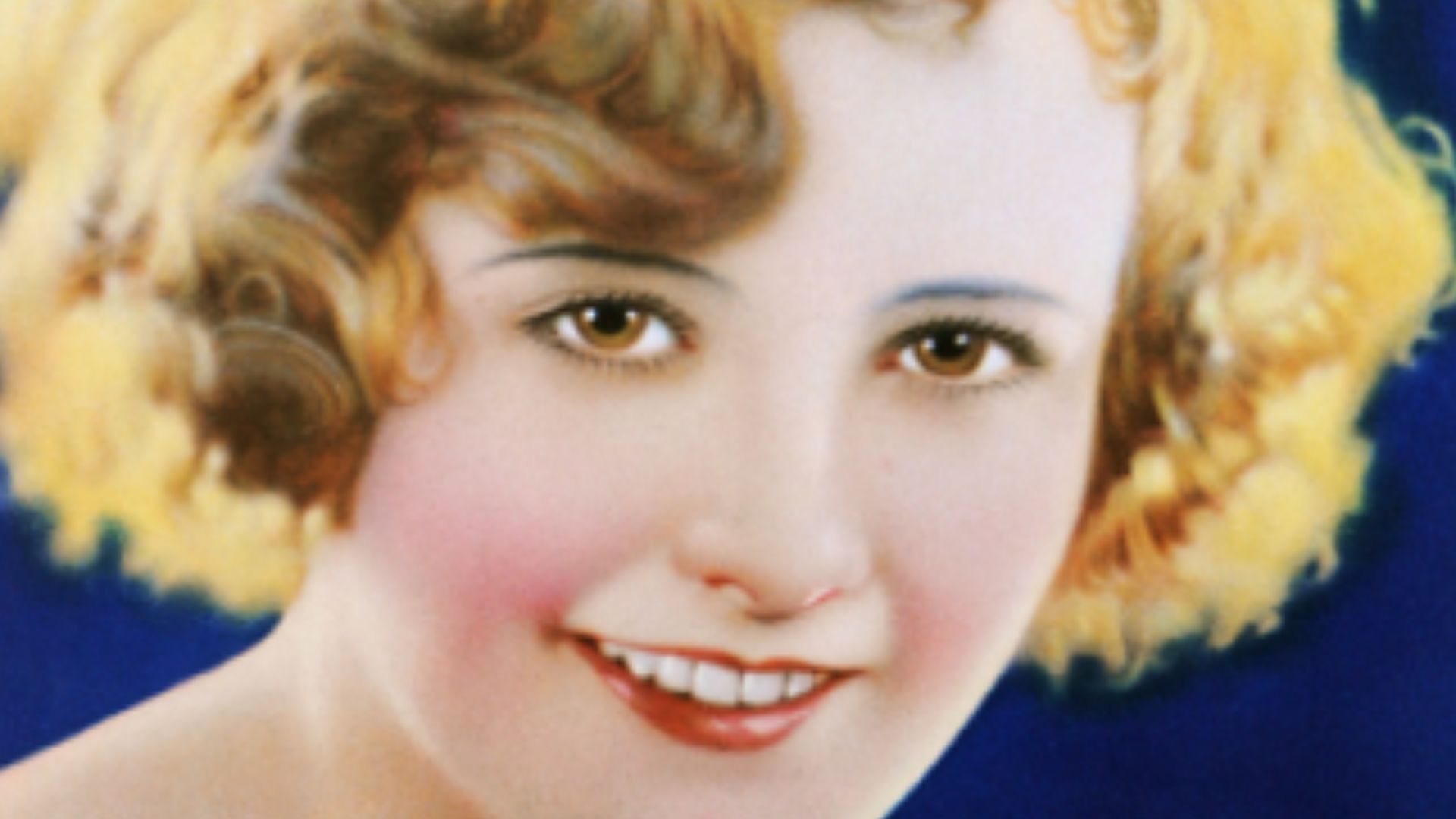
By the time The Rendezvous graced the screens, the world already saw Lucille Ricksen as their newest rising star. Ricksen starred in five films in 1922. In 1923 and 1924, that number jumped to nearly 10 in each year. Ricksen starred in so many films that she didn’t even have time to complete them all.
 Picture-Play Magazine, Wikimedia Commons
25. She’d Spent Her Whole Life Working
Ricksen had been working basically her entire life. That is all that she knew. By the early 1920s, that job had expanded to the point that it was nearly all that she did. Ricksen began “lapping” her filming, meaning that she’d begin filming one movie before she finished the first. It was an impossible pace for anyone, let alone a child.
 True Story Magazine, Wikimedia Commons
26. She Pushed Herself To Her Limits
In only seven months, Lucille Ricksen filmed 10 different features. If the working pace hadn’t been exhausting enough, Ricksen had surrounded herself with people double her age. Playing complex adult roles as a child had to have been taxing enough even before you factored in navigating real adult relationships as well.
 Picture-Play Magazine, Wikimedia Commons
27. She Had Questionable Friends
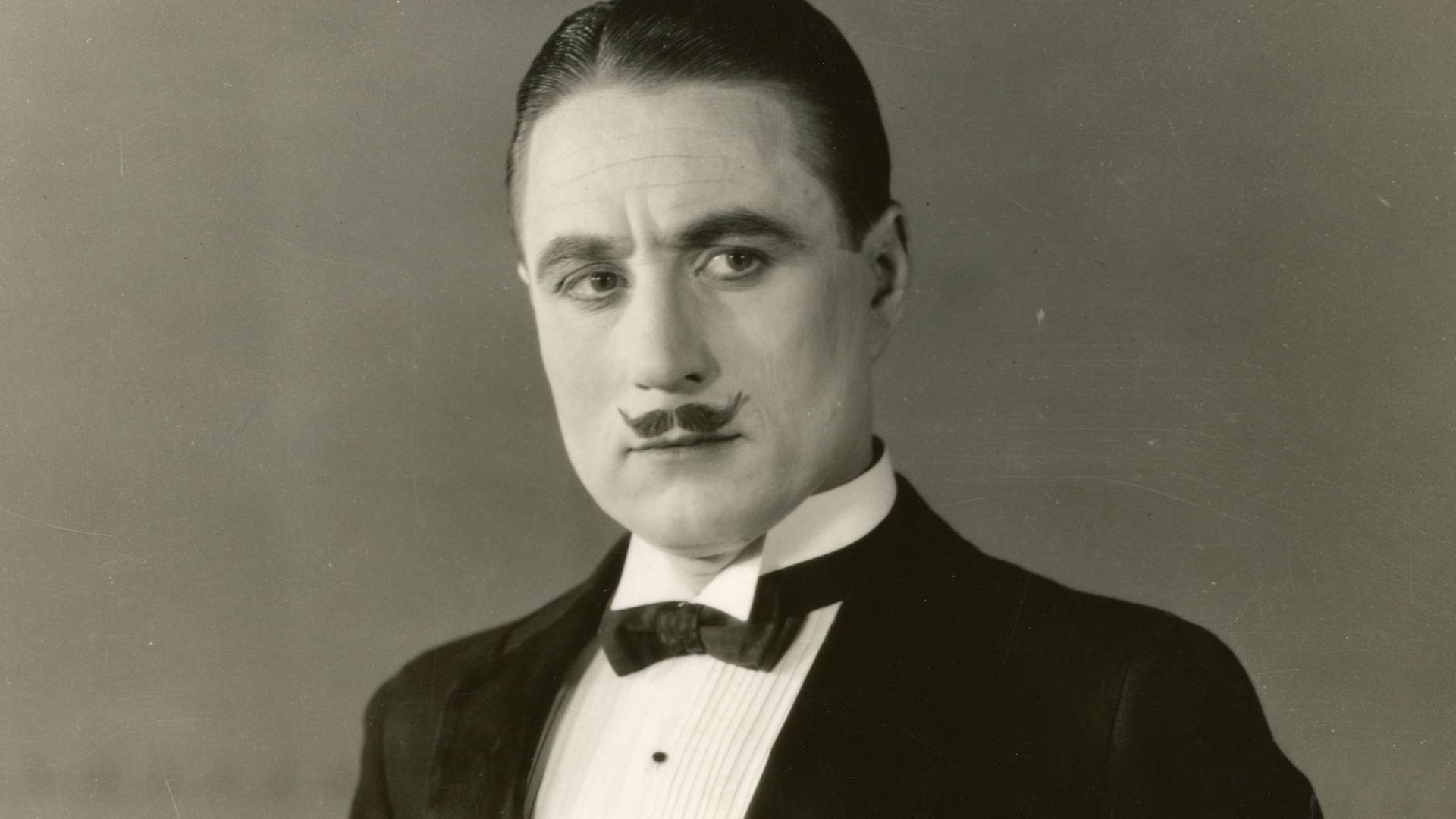
In 1924, at the peak of her career, Ricksen was 13. At the same time, she was calling men in their 30s or close to it her best friends. Her Rendezvous crew, in particular, Syd Chaplin and Marshall Neilan, had notorious playboy reputations. Anyone should see the trouble with Ricksen associating with such men, yet the media only encouraged these connections.
 Unknown authorUnknown author, Wikimedia Commons
28. She Got Recognition
Lucille Ricksen appeared everywhere you looked, and Hollywood took notice. Each year, the Western Association of Motion Picture Advertisers announced 13 young actresses that they believed were on the cusp of fame. It was a prestigious honor, and many future superstars earned the title.
However, for Lucille, the title “WAMPAS Baby Stars” was a little too on the nose.

29. She Was A Baby Star
Lucille Ricksen appeared in the 1924 “Baby Stars” along with 13 other actresses, all blooming young women of the silver screen—and except one, all nearly a decade older than young Ricksen. If the public truly knew how old Ricksen was, they might have had questions. Fortunately, Hollywood had a nifty solution to their problem.
 Screenland Magazine, Wikimedia Commons
30. Her Age Is Questionable
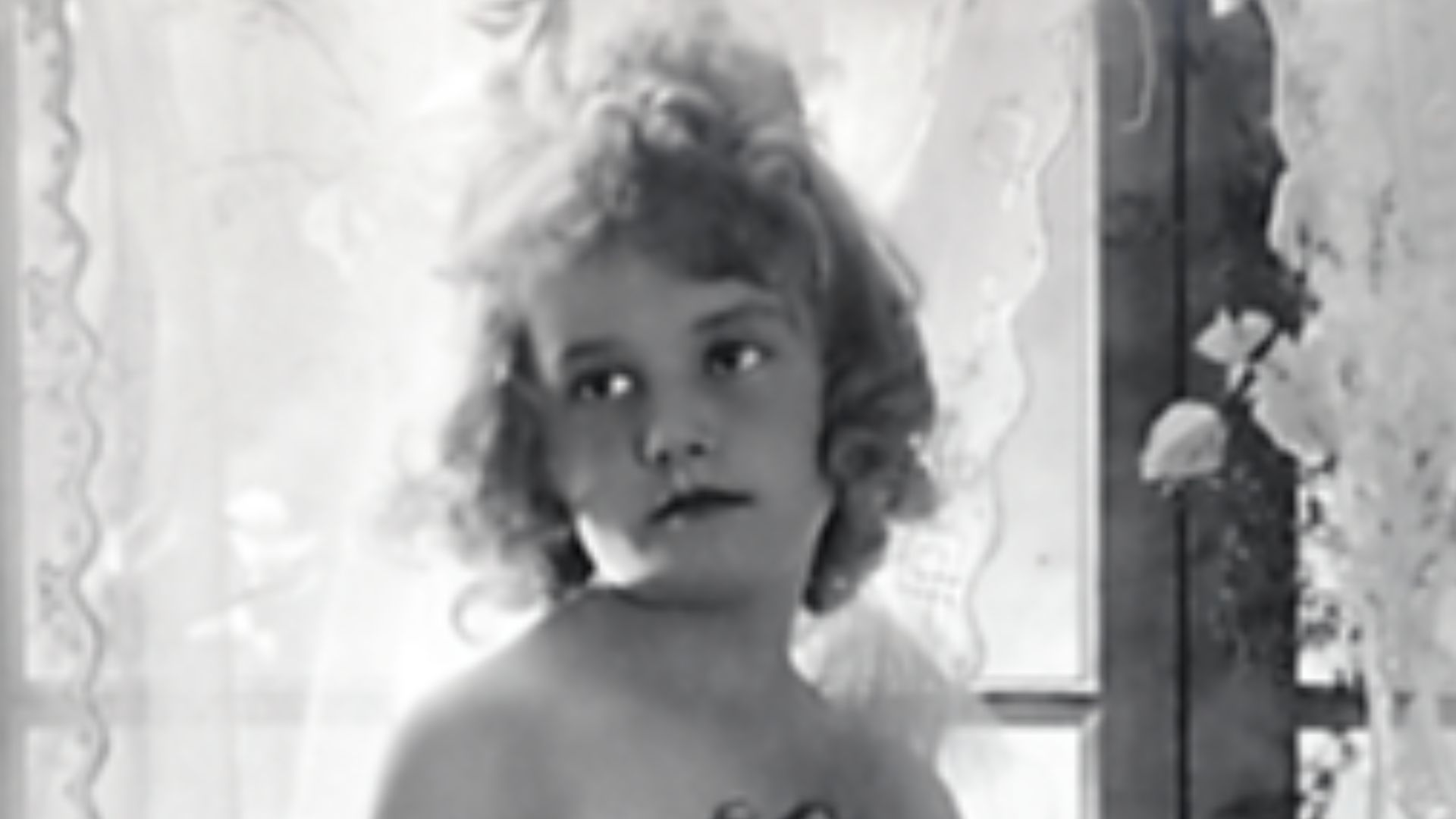
Ricksen’s birth certificate states her birth year as 1910. However, without that official document, asserting Ricksen’s exact age and date of birth becomes complicated. Around the time of her meteoric rise to the top, Hollywood started bumping up Ricksen’s age. How many sins was Hollywood trying to hide with this “little white lie”?
 Nelson Evans, Wikimedia Commons
31. She Aged Overnight
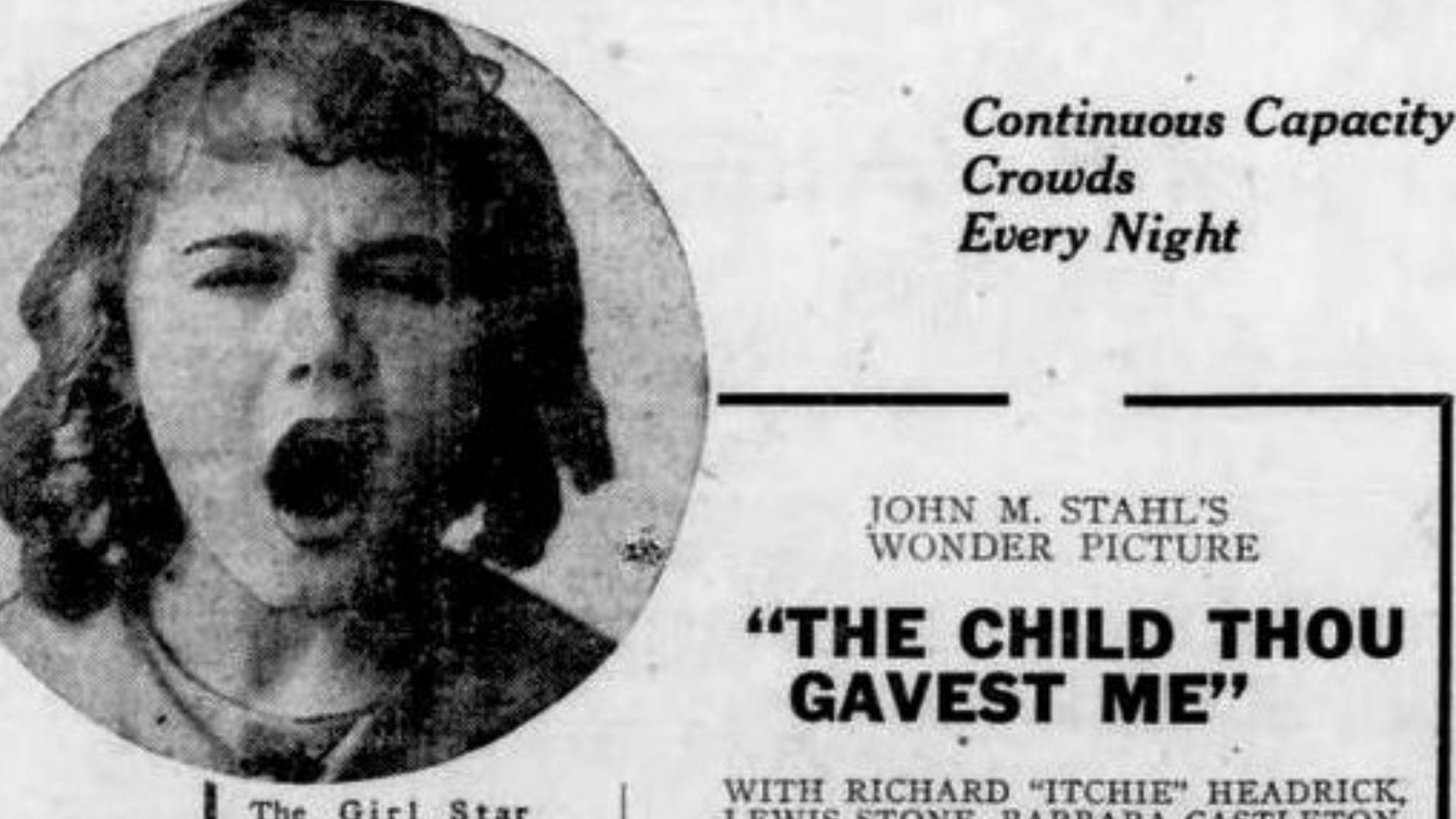
Suddenly, Lucille Ricksen became 16 or 17 when only a week, month, or year ago she was 12 or 13. She started as “The youngest leading lady on screen”, a moniker worth bragging about, and then suddenly, Hollywood felt some shame about how they were treating this child. Yet, somehow, her age stopped being the strangest part of her headlines.
 Unknown photographer, Wikimedia Commons
32. She Had A Strange Announcement
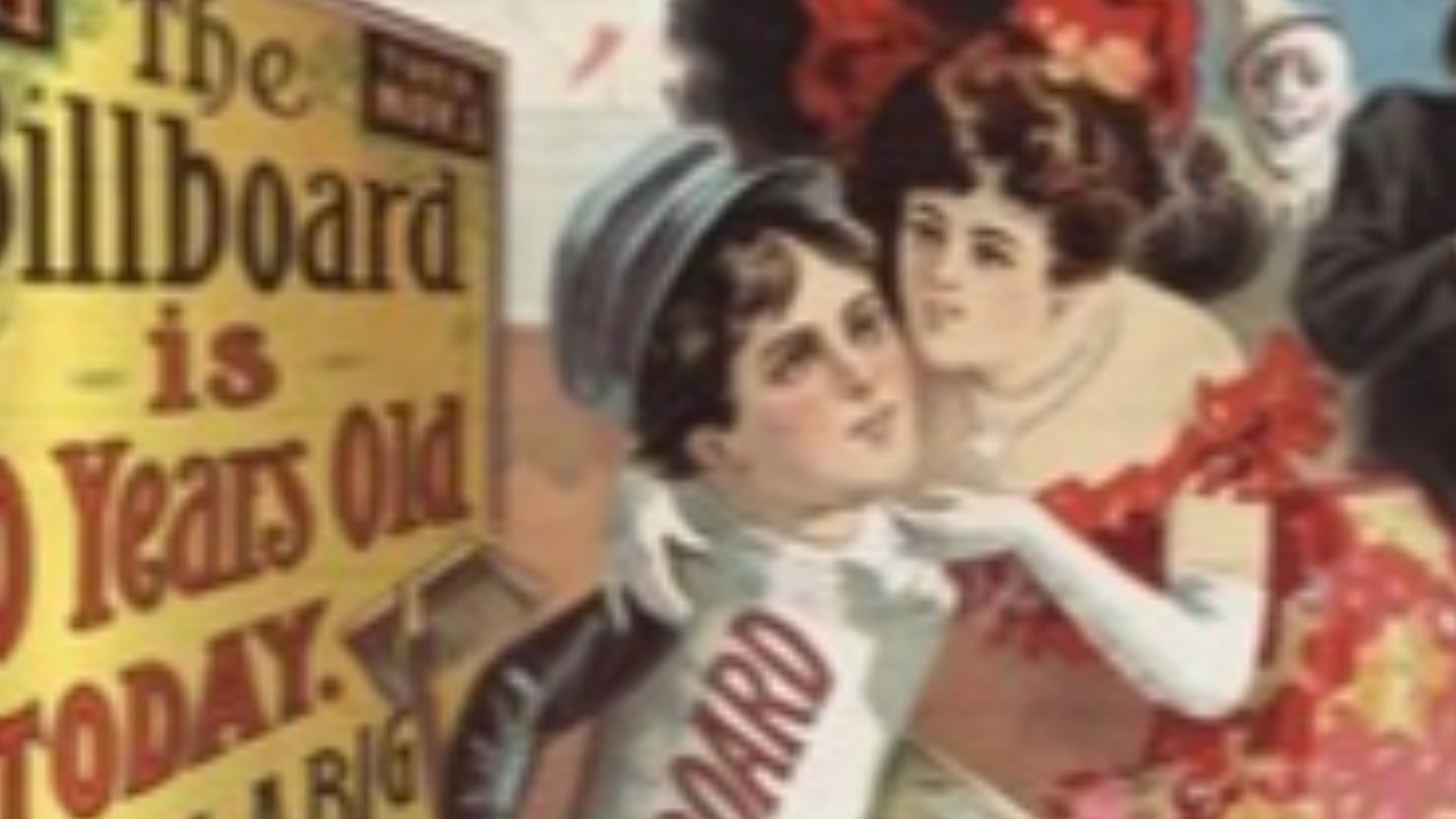
Ricksen made a shocking and confusing headline that had nothing to do with her age. Headline may be a stretch, as The Billboard actually buried the “announcement” in the middle of the paper under “Marriages In the Profession”. In December 1923, a report appeared in The Billboard so absurd that it’s been forgotten by most of history.
 Billboard Magazine, Wikimedia Commons
33. She May Have Gotten Married
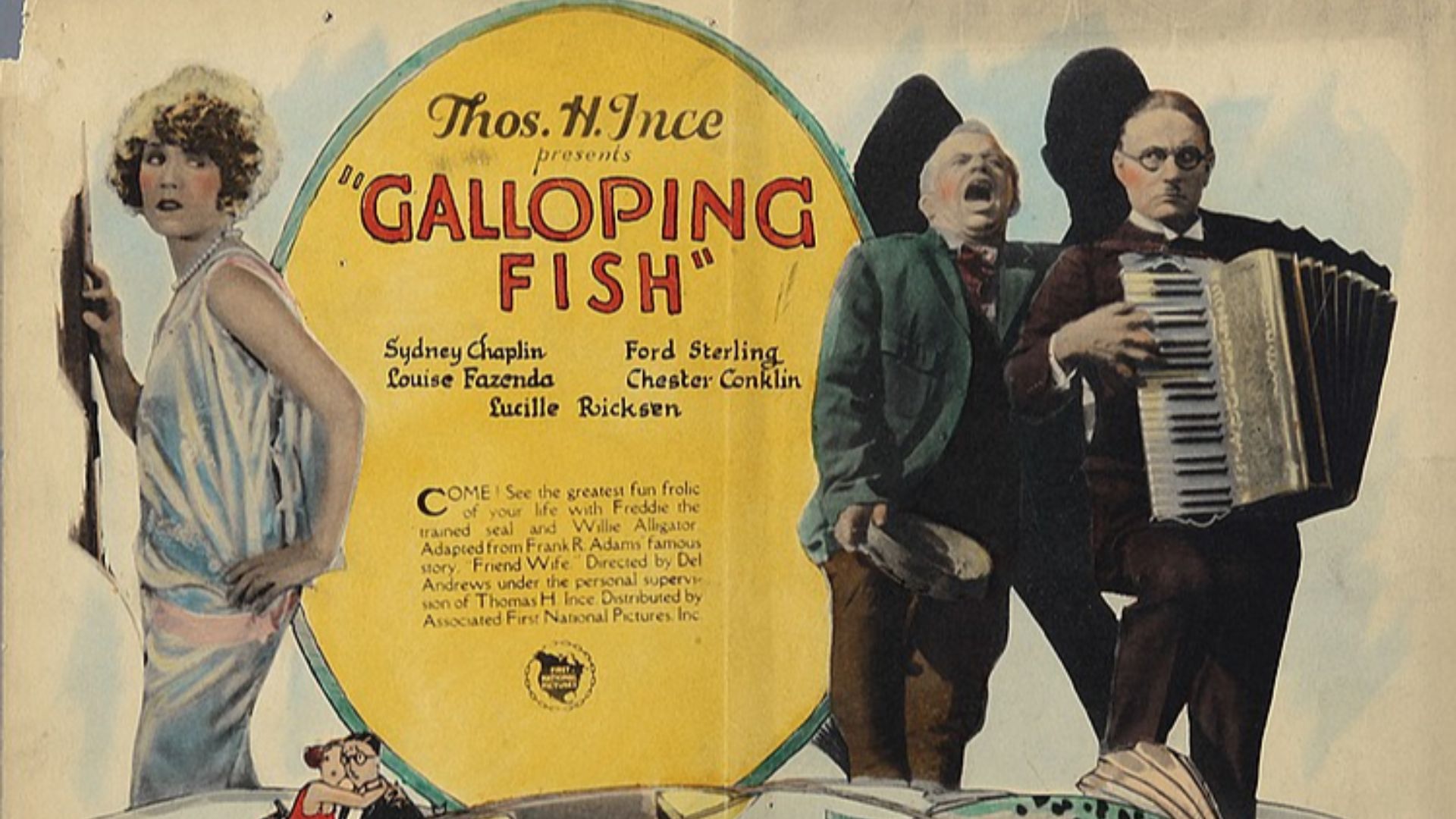
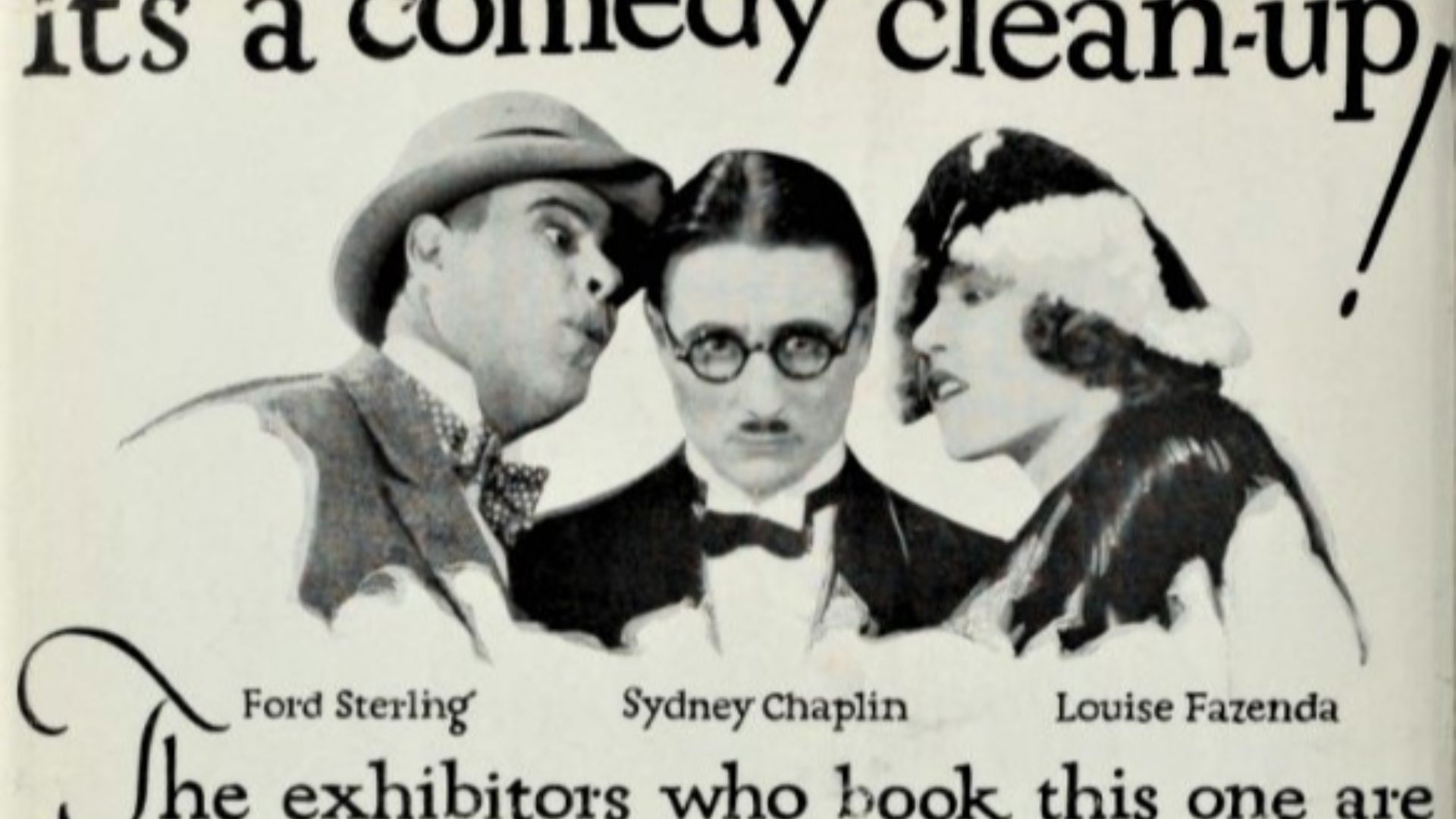
The Billboard announced that Ricksen, only 13 at the time, had married her previous co-star, 35-year-old Sydney Chaplin. Ricksen and Chaplin had filmed another film together, Galloping Fish, set to be released later in 1924. Did this announcement signify the press getting reality and fiction mixed up, or had something more sinister happened?
 Thomas H. Ince Corporation / First National Pictures, Wikimedia Commons
34. She Enticed Gossip
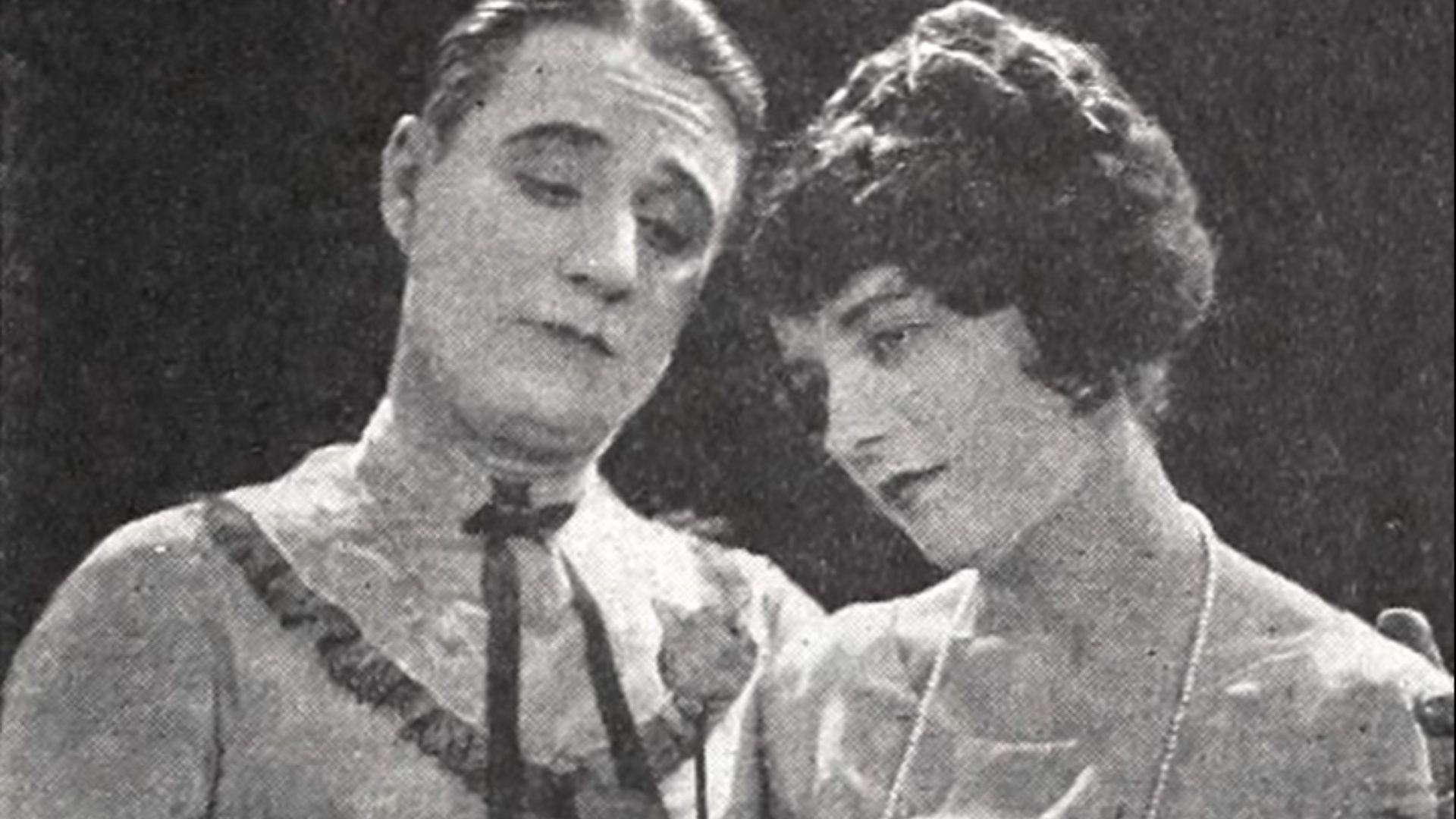
No marriage certificate exists for this marriage, likely because Chaplin was already married and had been for nearly 20 years. The reporting of their “marriage” surely was a misprint born out of gossip at the time. Yet, that gossip pulling this child closer to a grown man hid an even darker truth from the public.
 Warner Bros., Wikimedia Commons
35. She Couldn’t Keep Going
Galloping Fish held a dark significance in Ricksen’s life that had nothing to do with Sydney Chaplin, or so most assume. During Galloping Fish, Ricksen began to show signs of illness. Unsurprisingly, as she had just finished her stint of 10 films in seven months. The young girl was simply tired. She just needed rest, and she’d be good as new, right?
 Thomas H. Ince Corporation / First National Pictures, Wikimedia Commons
36. Her Mother Finally Stepped In
Finally, Ricksen’s mother stepped up and did something good for her daughter—though whether it was for the benefit of her daughter or her primary source of income is impossible to say. As 1924 came to an end, Ingeborg finally cut Hollywood off from her daughter. A little rest was all that Ricksen needed to recover… probably.
 Universal Pictures, Wikimedia Commons
37. She Couldn’t Hide The Truth
As much as Ingeborg wished to keep Hollywood out of her daughter’s life during this portion of her tale, it proved a beast Ingeborg couldn’t control. Hollywood continued to offer her roles, but Ingeborg had to deny them, insisting that it was a “Nervous breakdown—that’s all”.
However, in Hollywood, rumors began to fly.
 Unknown authorUnknown author, Wikimedia Commons
38. She Might’ve Gotten In Trouble
Most agree that Galloping Fish was the film in which Ricksen’s illness first originated. The filming of this occurred around the same time that the strange rumors about Syd Chaplin arose. Gossip mongers will always put two and two together and come to the most scandalous of solutions; in this case, they pointed the finger right at Chaplin.
 Thomas H. Ince Corporation / First National Pictures, Wikimedia Commons
39. Her Illness Inspired Gossip
Some sources suggest that the gossipers at the time were whispering that Ricksen’s illness started because of an abortion that Chaplin had insisted on, which led to an infection, which led to Ricksen’s state at the end of 1924. This, while dramatic, is not nearly as heartbreaking as the truth.
 Motion Picture News, Inc., Wikimedia Commons
40. She Couldn’t Recover
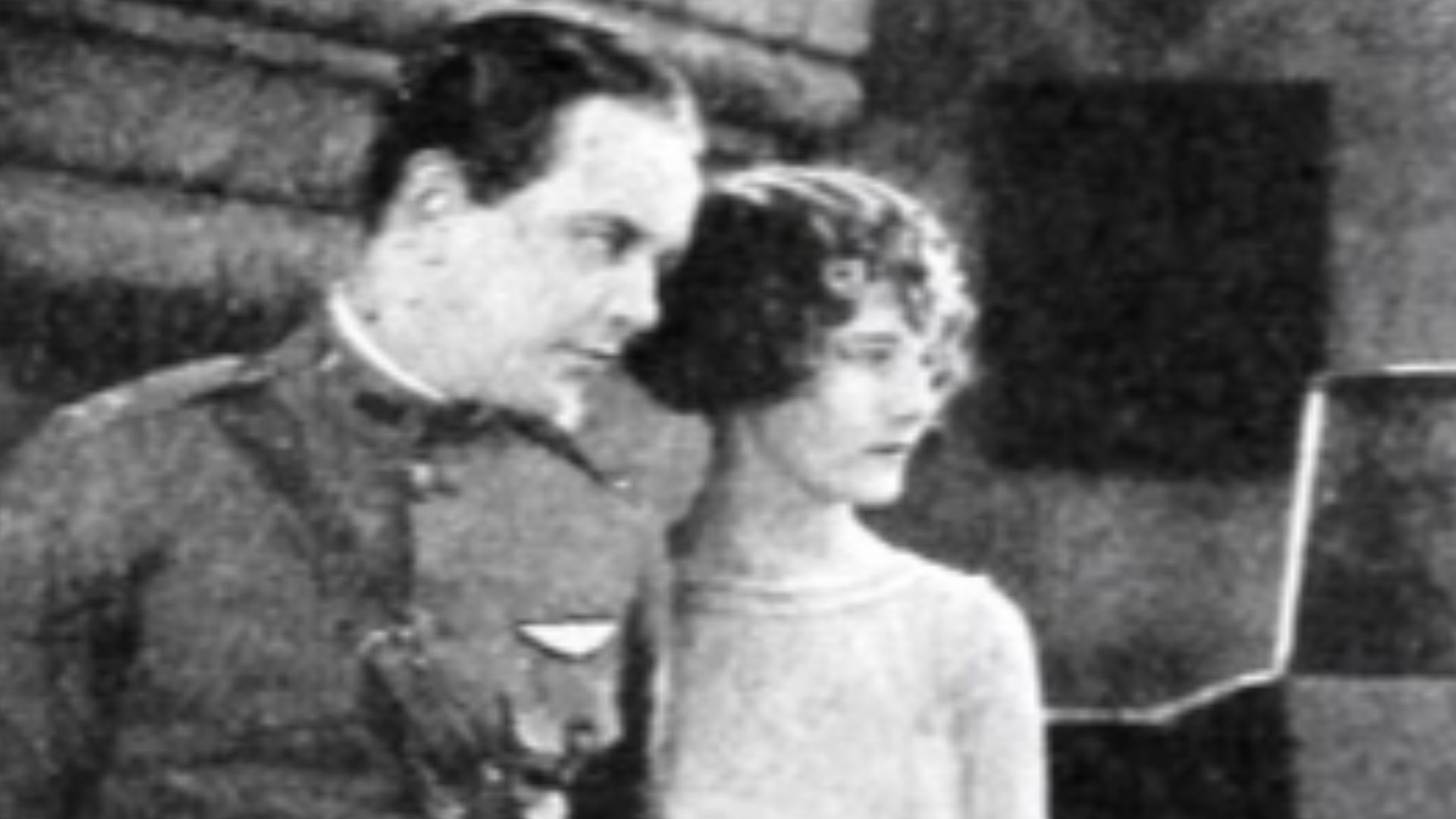
By early 1925, Ricksen had not recovered from her illness. If anything, she was now worse. Always slight and petite, Ricksen now appeared tragically underweight. Only 14 years of age, the adults in her life had overworked Ricksen, and her body had finally told her that enough was enough. She couldn’t go on any more.
 Metro-Goldwyn-Mayer, Wikimedia Commons
41. Her Prognosis Was Grim
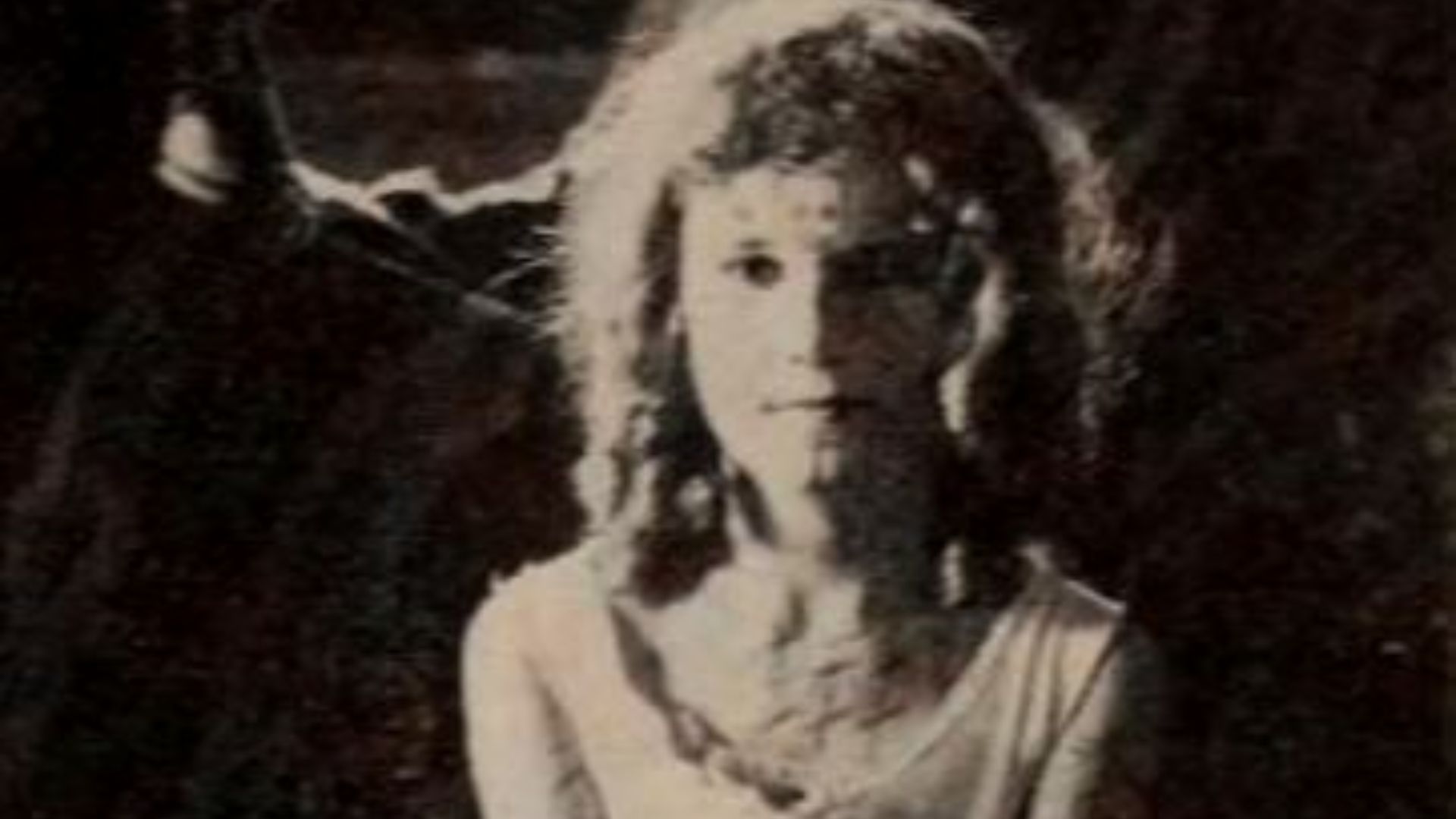
Doctors diagnosed Ricksen with tuberculosis in early 1925. In the opinion of their family doctor, “She crowded too much work into too short a time, and overtaxed her capacities. Other youthful stars have done the same thing”. While other young stars may have done the same, they didn’t suffer in the same way Ricksen did.
 Goldwyn Pictures Corporation, Wikimedia Commons
42. She Didn’t Rally
Despite being confined to a bed and forced into seclusion from the end of 1914, Lucille Ricksen did not get better. Again, her doctor blamed her relentless work schedule, “The result is that she has had a complete physical and nervous collapse ...so complete that she has not rallied from it as she should”. Despite this, Ricksen apparently put on a brave face.
 Unknown photographer, Wikimedia Commons
43. She Kept On A Brave Face
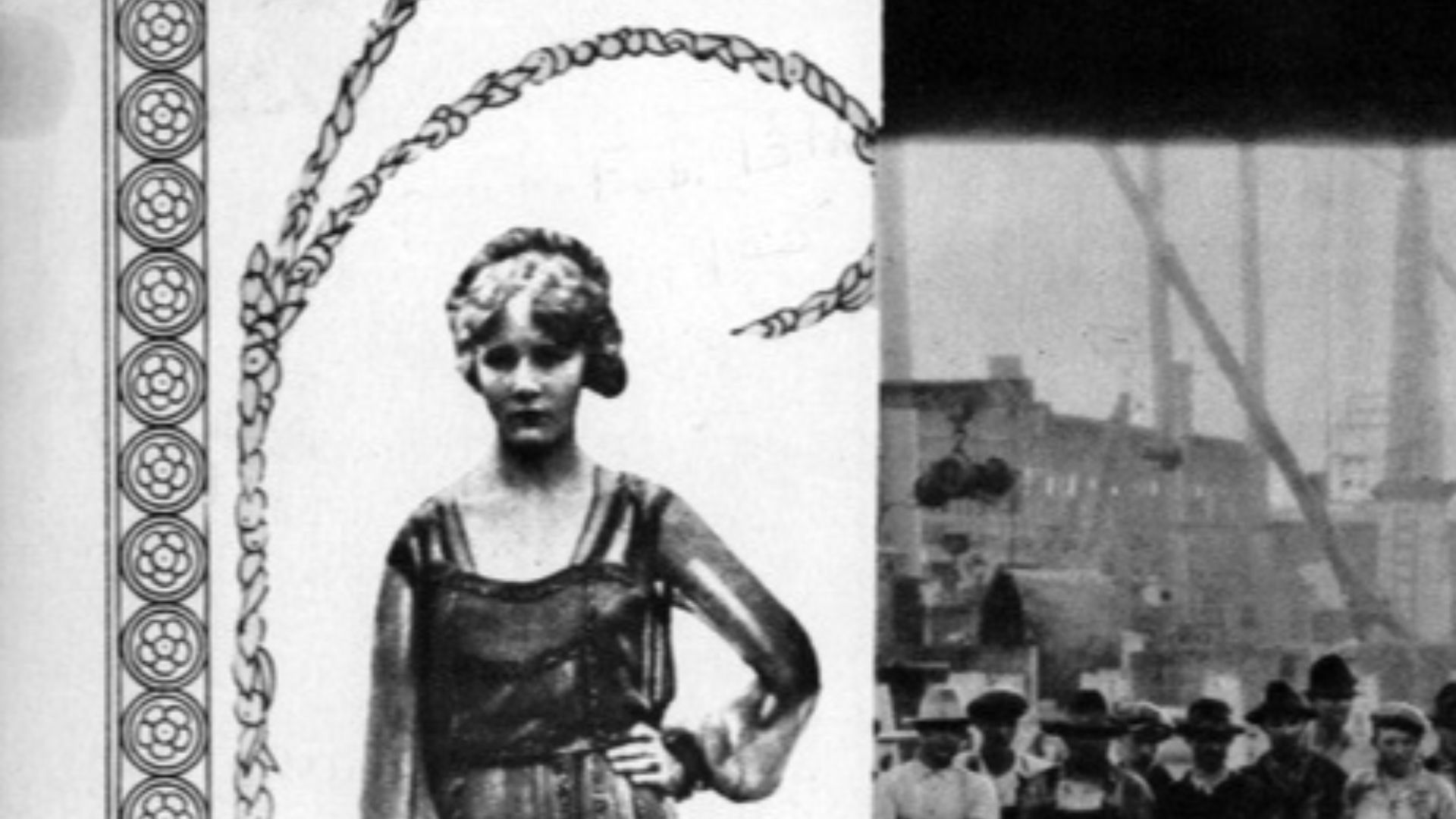
Ingeborg finally stepped up in a way that she hadn’t previously. She did her best to keep Hollywood at bay while her daughter suffered. However, Ricksen, perhaps, made a few genuine friends who wished to see her. She told one of these friends, “to be happy, she was on the mend”. Perhaps Ricksen believed that, but it couldn’t be further from the truth.
 Goldwyn Pictures, Wikimedia Commons
44. She Left Her Family High And Dry
Without Ricksen’s income coming in, the family began to struggle. Her elder brother, Marshall, left school in order to get a job to support his family through this time, and some sources suggest that the family had to downsize in order to continue to afford their lodgings. Through it all, they’d yet to realize the real tragedy had yet to come.
 Schmidt Rex Gary, U.S. Fish and Wildlife Service, Wikimedia Commons
45. Her Mother Pushed Too Far
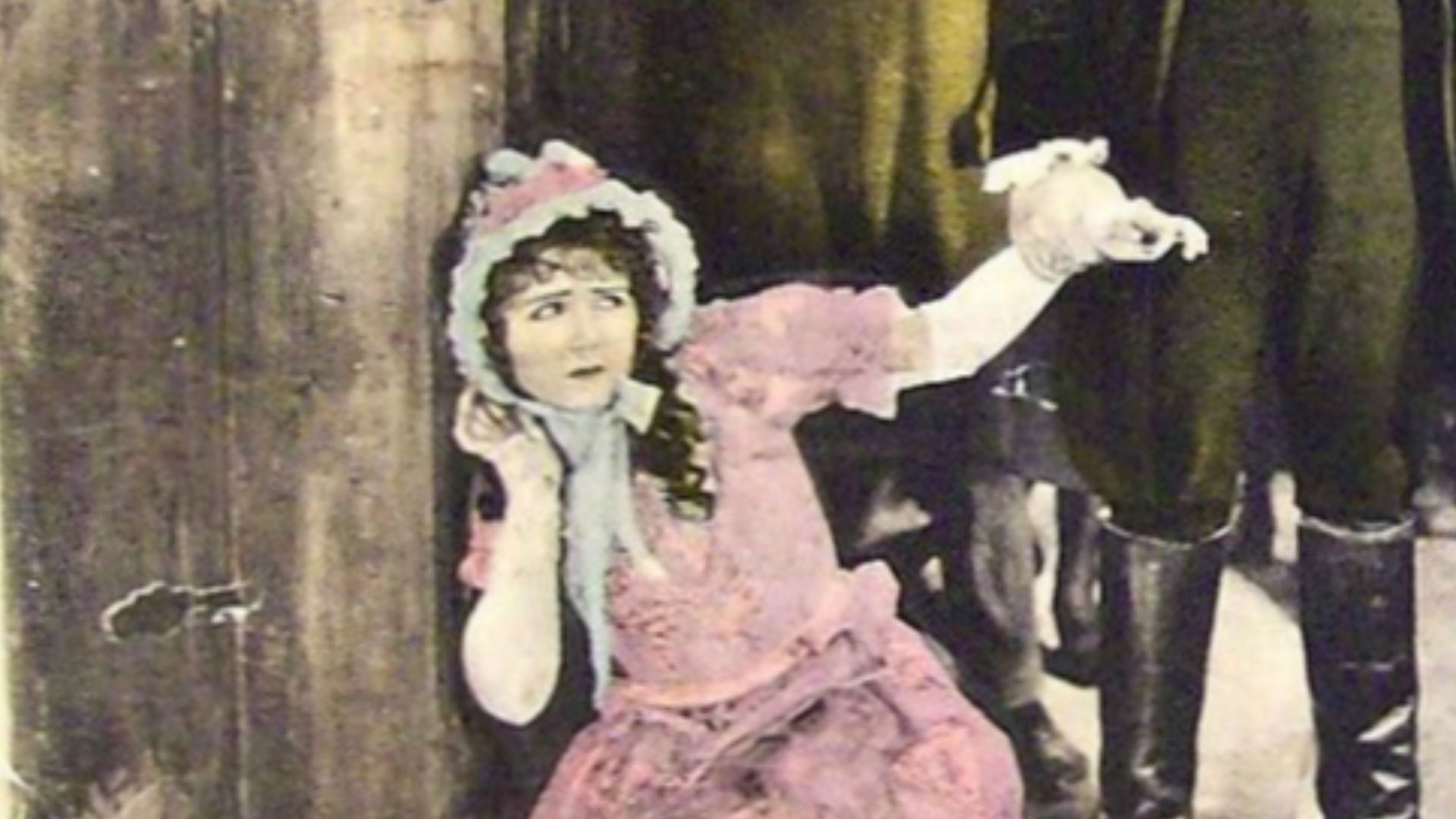
Most sources seem to suggest that Ricksen’s father vanished during her illness, despite possibly living nearby. However, Ingeborg remained at her daughter’s side, desperate for her recovery. One evening, Ingeborg rushed to Ricksen’s side, thinking she heard her daughter cry out. It turned out Ingeborg, not Ricksen, needed the help.
 Universal Pictures, Wikimedia Commons
46. She Had A Nasty Shock
His sister’s screams woke Marshall that evening. When he rushed to her room, he found a sorry sight: his mother, collapsed across the bed, atop of his sister, who was already wasting away. Although Marshall pulled his mother off of Ricksen, it was too late.

47. She Lost Too Much
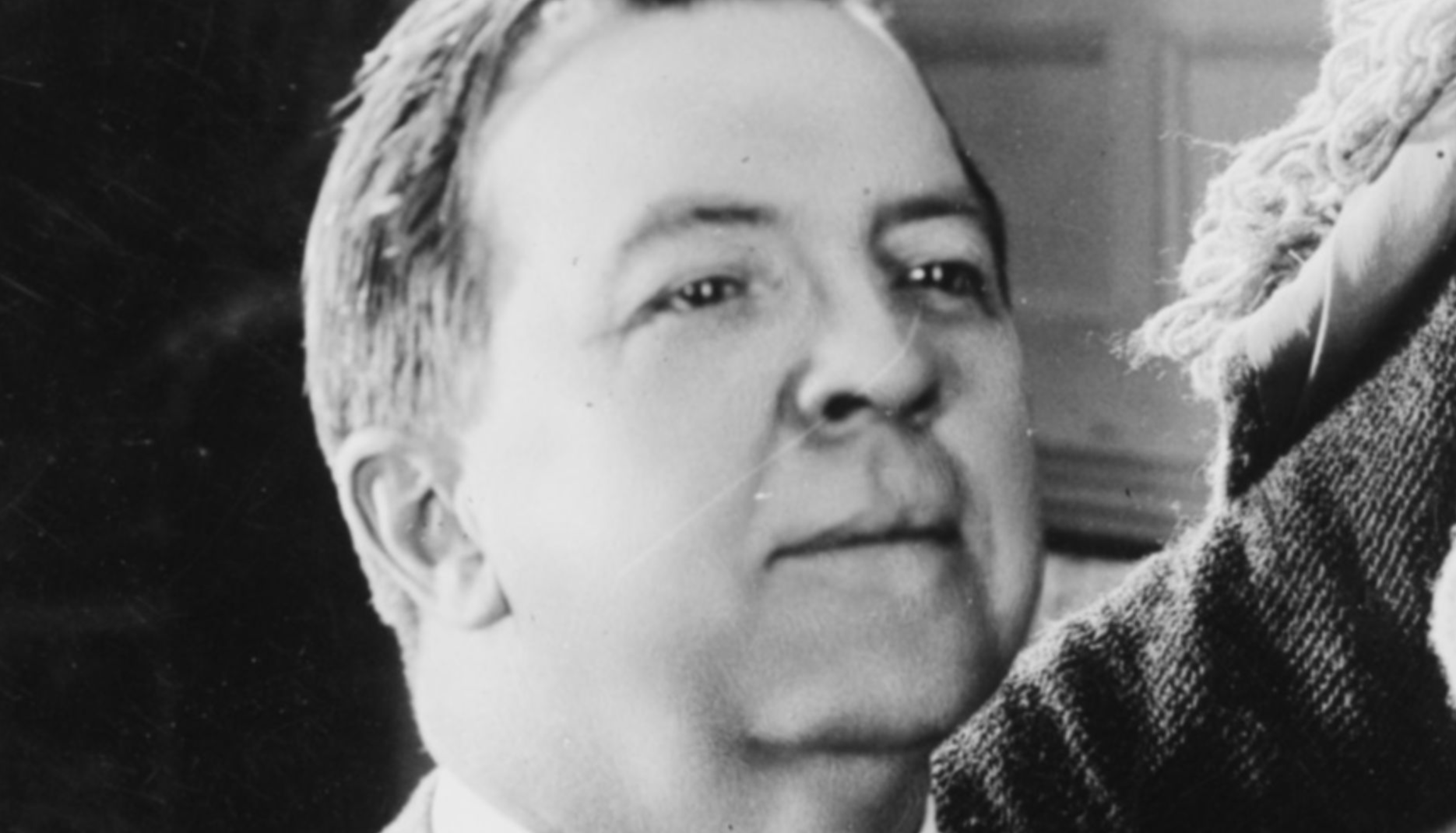
Ingeborg suffered a severe heart attack that night, and passed on. Although their father supposedly returned to offer support, Lucille Ricksen and her brother turned to the Hollywood community for support, asking Rupert Hughes and Conrad Nagel to become their guardians. It was a task they took on for only a short time.
 Bain News Service, Wikimedia Commons
48. She Couldn’t Keep Fighting
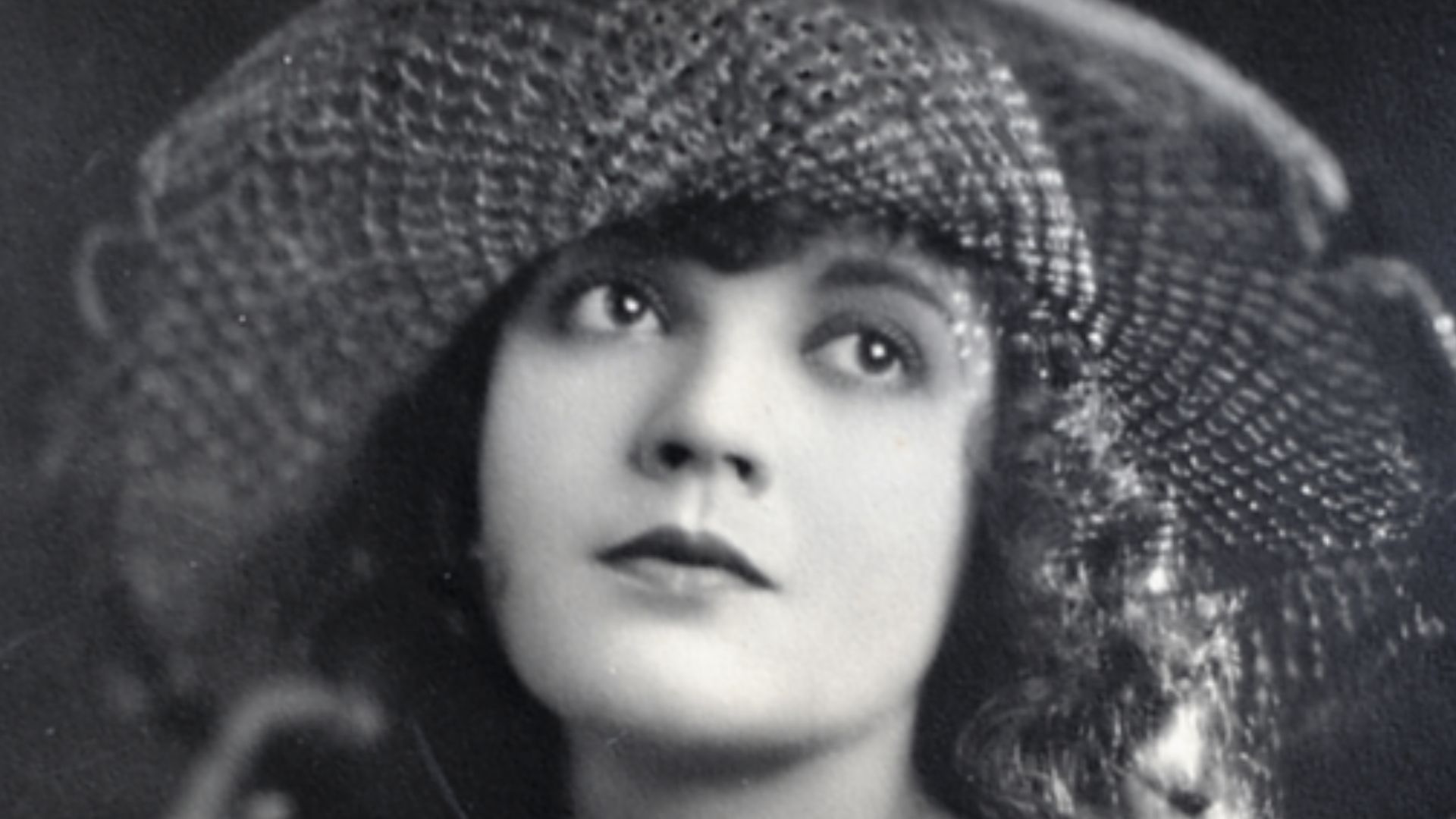
Exhaustion, illness, and now grief proved too much for young Lucille Ricksen to handle. Ricksen survived her mother by only two weeks. Surrounded by her brother and fellow actress Lois Wilson, Ricksen succumbed to her illness, leaving behind a brief legacy that is as tragic as it has become forgotten.
 Albert Witzel, Wikimedia Commons
49. She Didn’t Get To Live
Lucille Ricksen lived for approximately 14 and a half years. She spent 12 of those 14 years working from morning to night. She may have enjoyed some of these experiences, but an adult would’ve faulted under these conditions, let alone a child. It was no way to live, and, for a brief time, the media realized it.
 Arthur Dark, Wikimedia Commons
50. She Broke Hearts
Briefly following her passing, the media made its rounds, reporting on the cause of Ricksen’s fatal illness. She had been exhausted and undernourished. Those meant to protect her prioritized what she could bring them (money) over the fact that she was a child. However, as the years have gone on, the world has forgotten Lucille Ricksen and the story that breaks every heart who hears it.
 Universal Pictures, Wikimedia Commons
You May Also Like:
Disturbing Facts About Shirley Temple, Hollywood's Biggest Child Star
The Story Of Disney’s Forgotten Child Star