
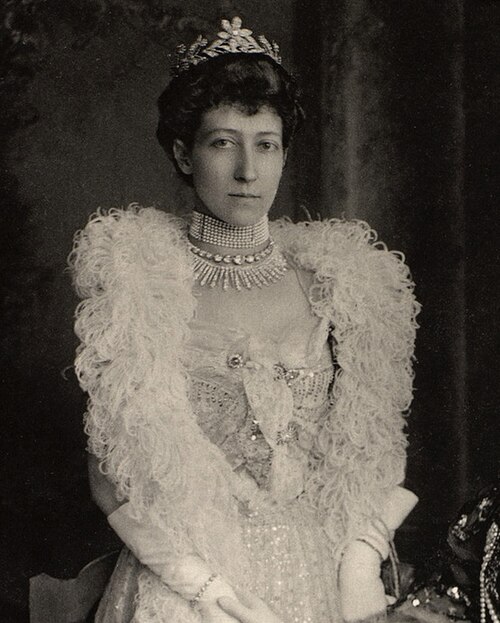
The Princess Who Didn’t Want To Be A Princess
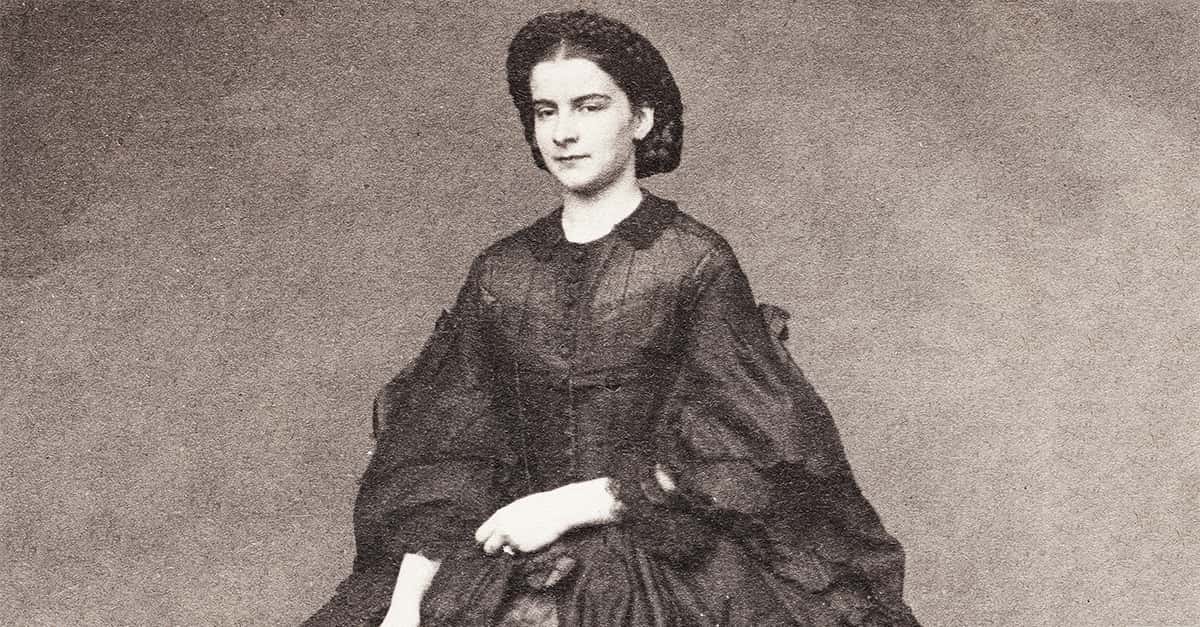
Thanks to Disney, most girls dream of being a princess; they want the ballgowns, the glamour, and the romance. However, sometimes fantasy isn’t the same as reality. Louise, Princess Royal, had everything a girl could dream of, yet she struggled to make her life her own. Tragically, she lost as much as she gained, and her life ended the same way it started: in pain and suffering.
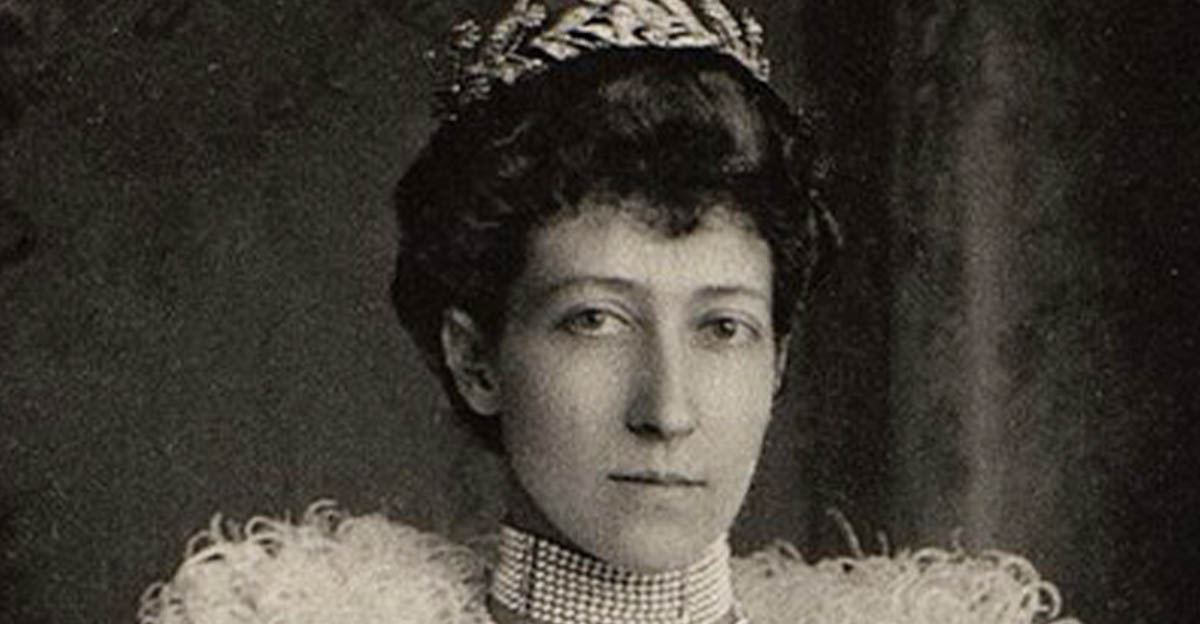 National Portrait Gallery, Wikimedia Commons
1. She Belonged To The Most Important Family
The third child and eldest daughter of King Edward VII and Queen Alexandra, Louise entered into a world of luxury the moment that she took her first breath. Her father was the eldest son of Queen Victoria, making him the Prince of Wales and heir apparent at the time of Louise’s birth. She had the situation that everyone dreamed of. However, some things even luxury cannot touch, and for Louise, that almost cost her the most important thing of all.
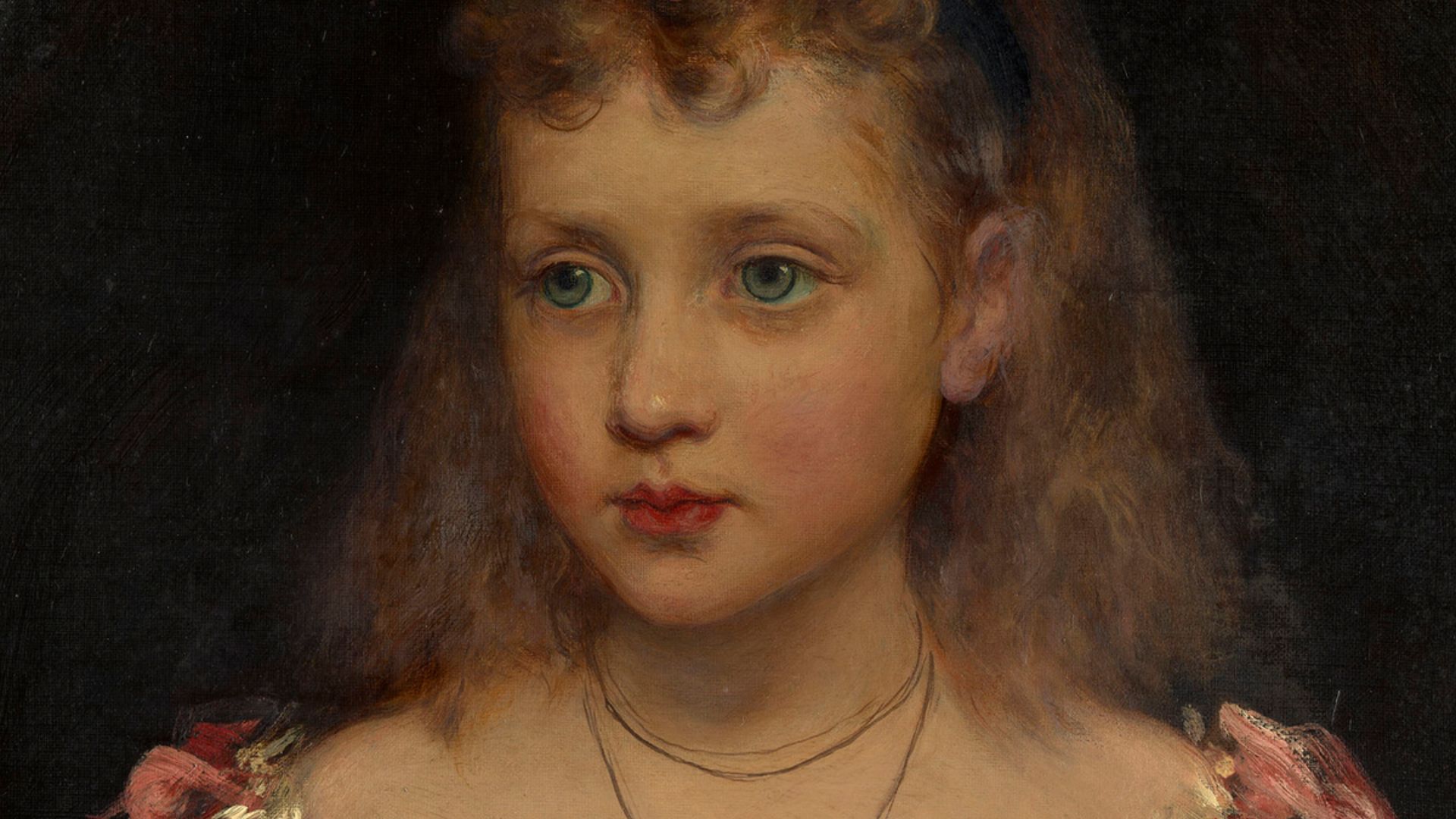
2. She Almost Didn’t Make It
Louise, Princess Royal almost lost her life before it started. Shortly before Louise’s birth, her mother, Alexandra, contracted rheumatic fever, which left her particularly weak in the final months of her pregnancy. Although Alexandra had access to the best doctors of the time, the severity of the disease limited what they were able to do. As Alexandra descended into labor, they feared not just for the Princess of Wales but for Louise as well.
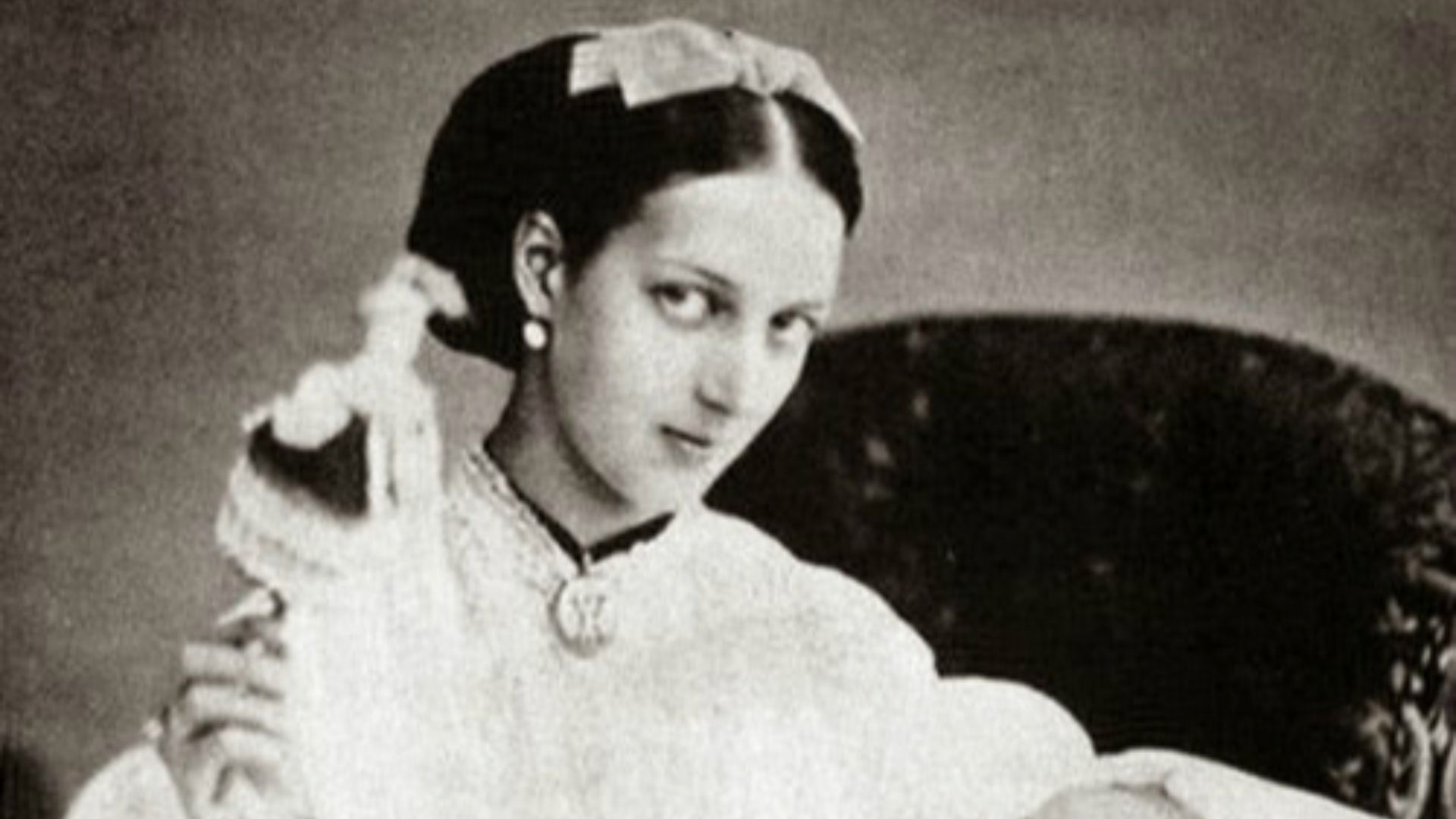 Unknown authorUnknown author, Wikimedia Commons
3. Her Mother Struggled To Birth Her
History describes Louise’s birth as difficult. Her mother, weakened by illness, struggled to bring her into the world, and those in charge of the process feared for both mother and baby. However, Alexandra managed to overcome those difficulties, and she gave birth to Louise in the comfort of their primary residence, Marlborough House. However, Alexandra’s struggles left a permanent mark on both mother and child.
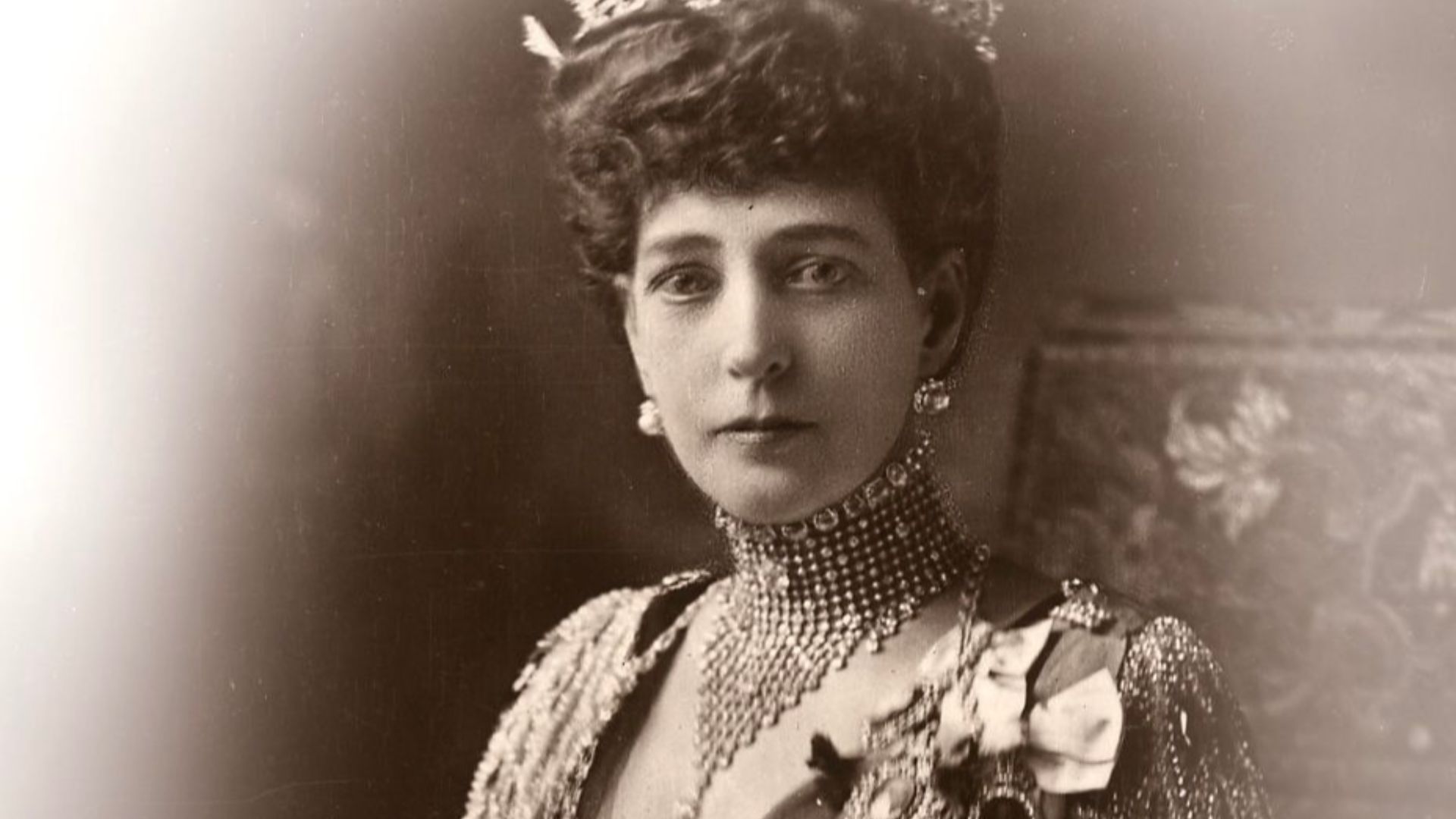 W. & D. Downey, Wikimedia Commons

History's most fascinating stories and darkest secrets, delivered to your inbox daily.
4. She Left Her Mother Permanently Disabled
Alexandra came out of Louise’s birth with a permanent limp. For Louise, the effects of her difficult birth were more subtle. Sources describe her as a delicate child, quiet in temperament and frequently unwell. When in the comfort of her family, surrounded by her two younger sisters, she could be lively and joyful. However, when forced to be around the public, she tended towards withdrawing, a trait that followed her throughout her life.
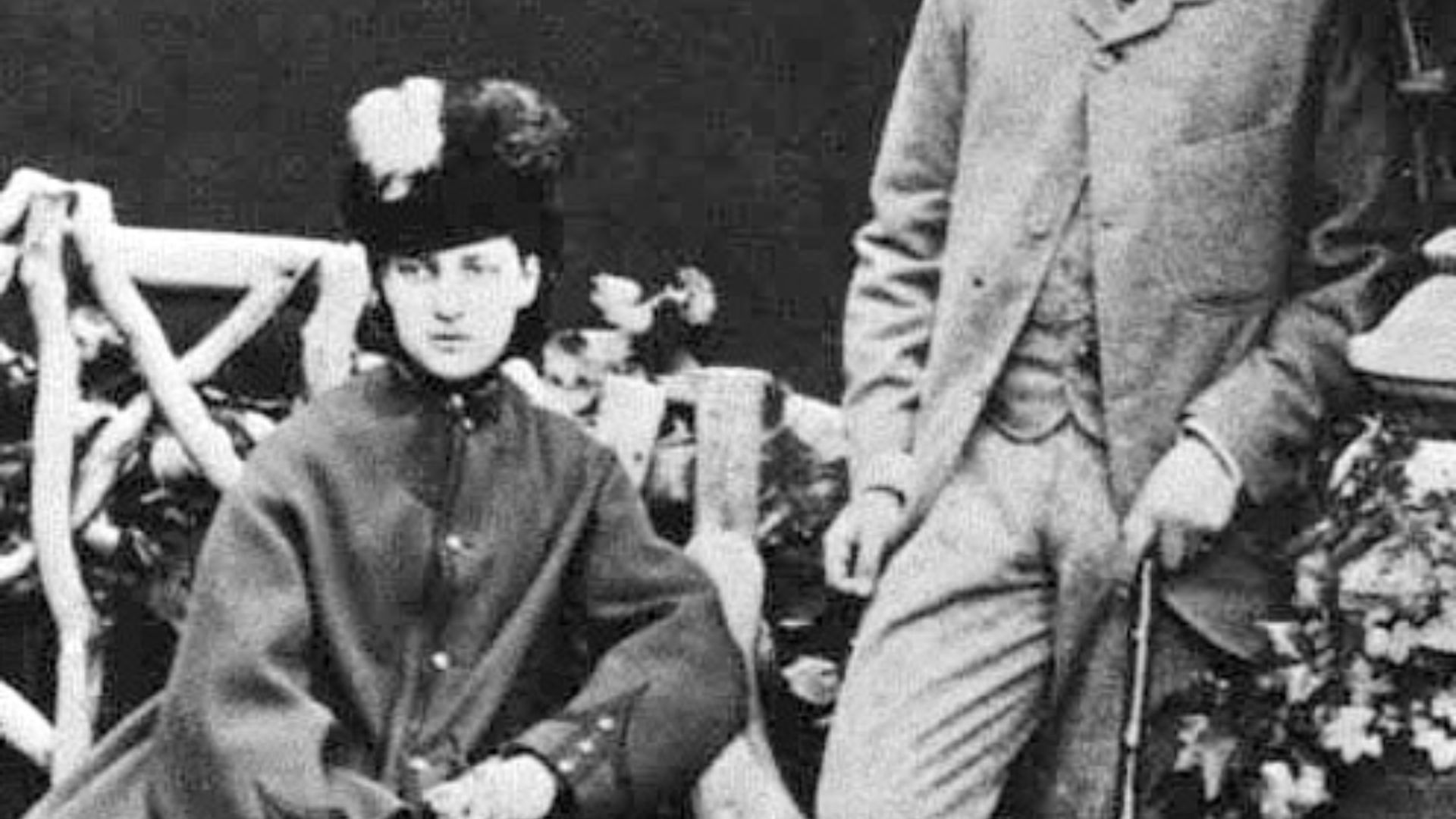 London Stereoscopic & Photographic Company, Wikimedia Commons
5. She Had Everything But It Wasn’t Enough
On the surface, Louise had the sort of life that everyone dreamt of. Her parents raised her primarily within Marlborough House and Sandringham, massive royal residences that provided both luxury and privacy for the family. She had wealth and education. She likely rarely heard the word “no”, at least as far as material things went. However, all of that luxury came with consequences.
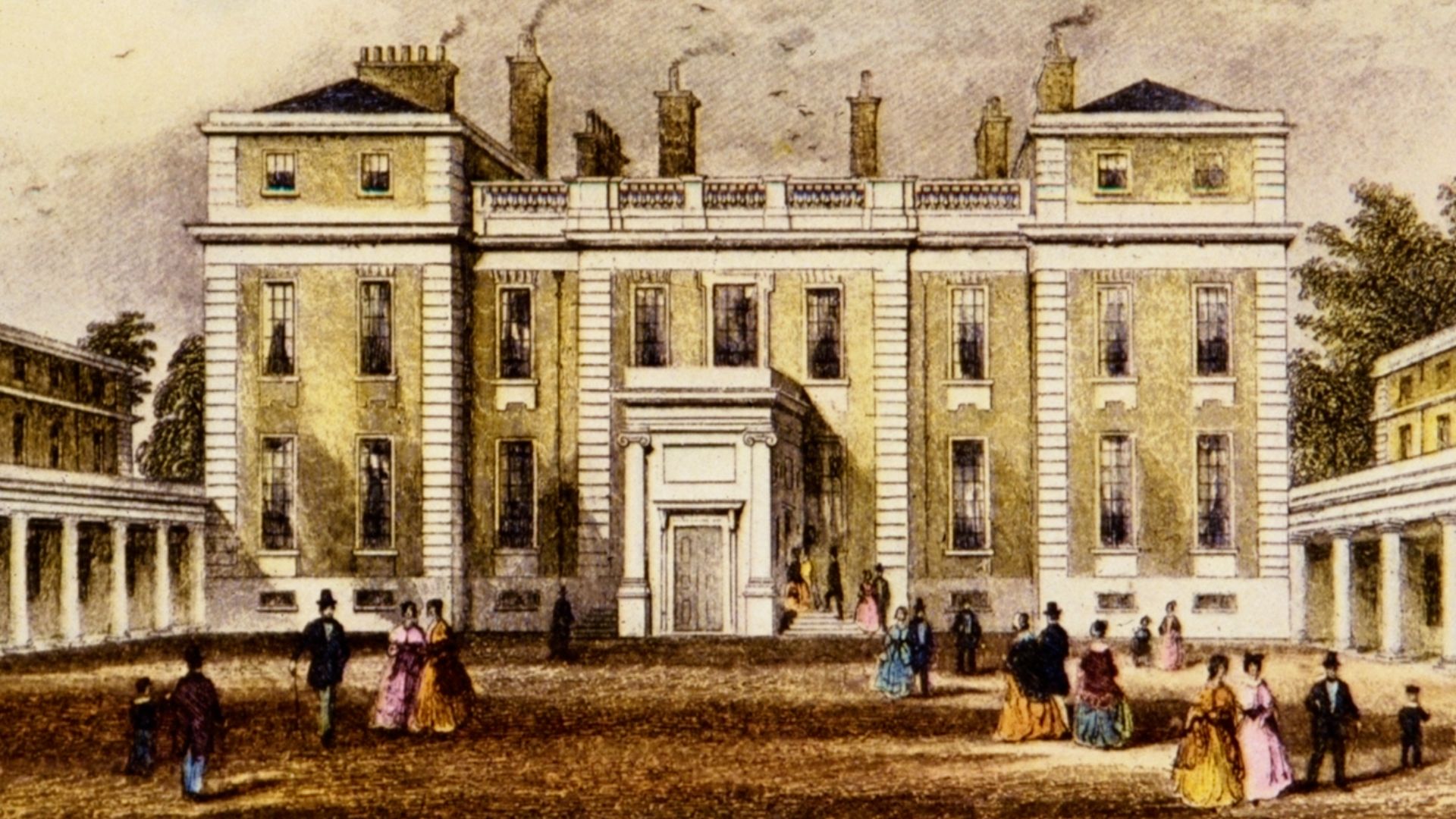 Thomas Hosmer Shepherd, Wikimedia Commons
6. She Had An Attentive Mother
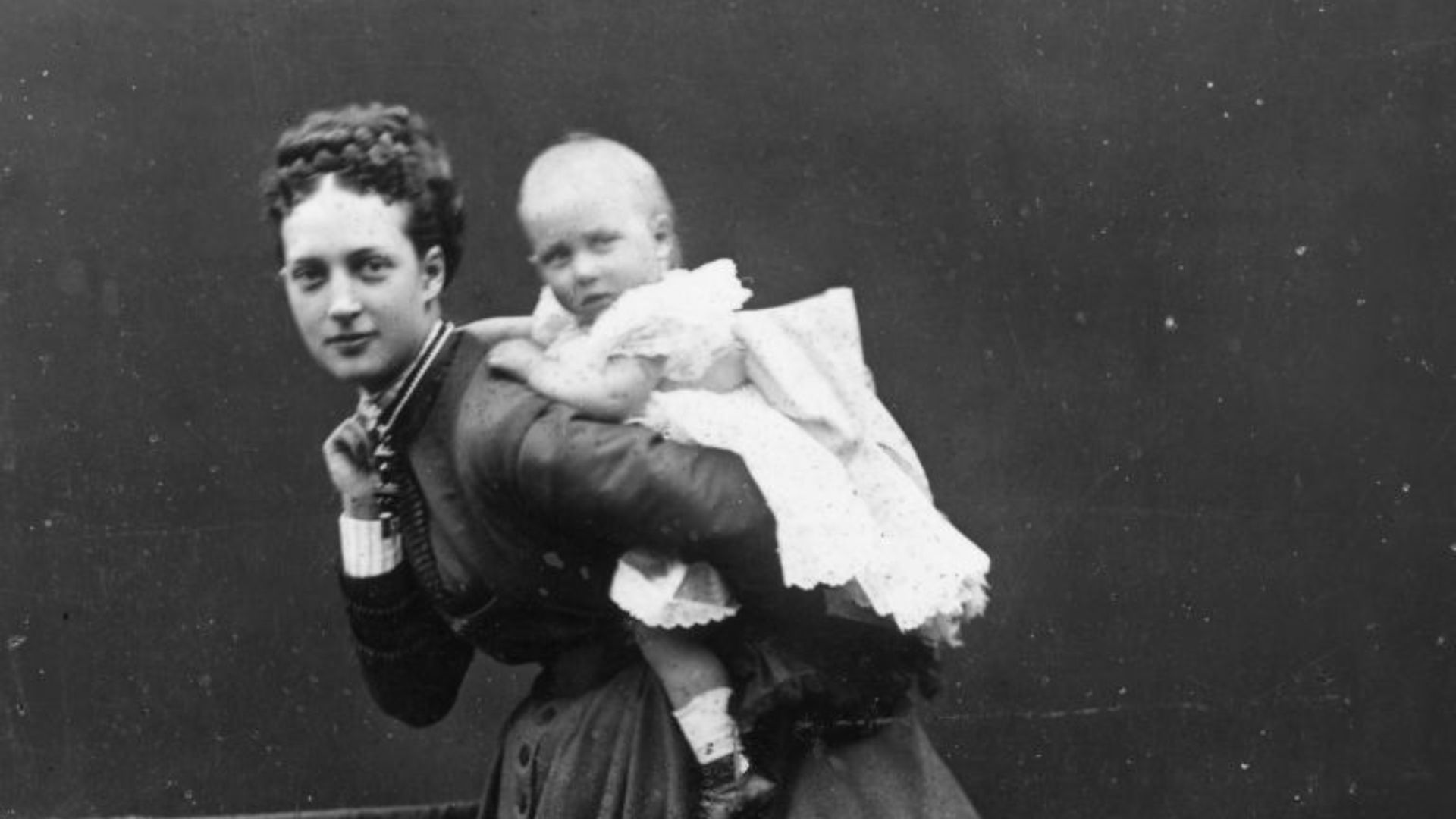
History tells tales of royal mothers who have little interest in their children, letting nannies raise them instead. Alexandra, however, took great pride in her duties as a mother; few things seemed to give her as much joy as caring for her babies in their nursery. This meant that Alexandra remained a frequent figure throughout Louise’s life—and that became a problem.
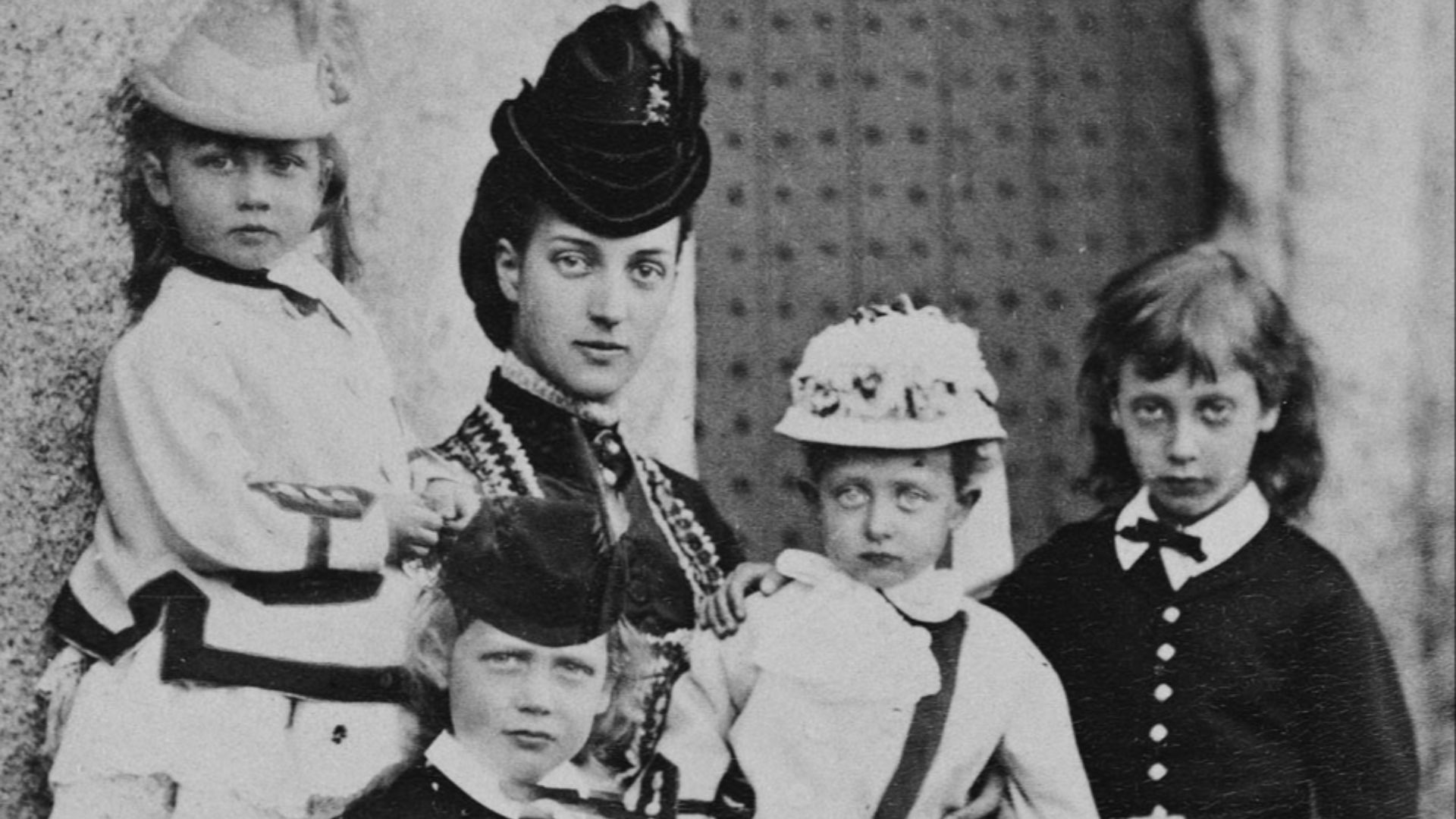 William & Daniel Downey, Wikimedia Commons
7. Her Mother Caused Problems
Sources suggest that Alexandra’s affections tended towards overbearing. She did not let her daughters stray far from her watchful eye, and some sources imply that if Alexandra had her way, none of her girls would marry and she would keep them by her side forever. Louise, Princess Royal, however, had no intention of living out her life as an old maid, supporting her mother. She just needed an opportunity to get what she wanted.
 W. & D. Downey, Wikimedia Commons
8. She Should’ve Had A Good Match
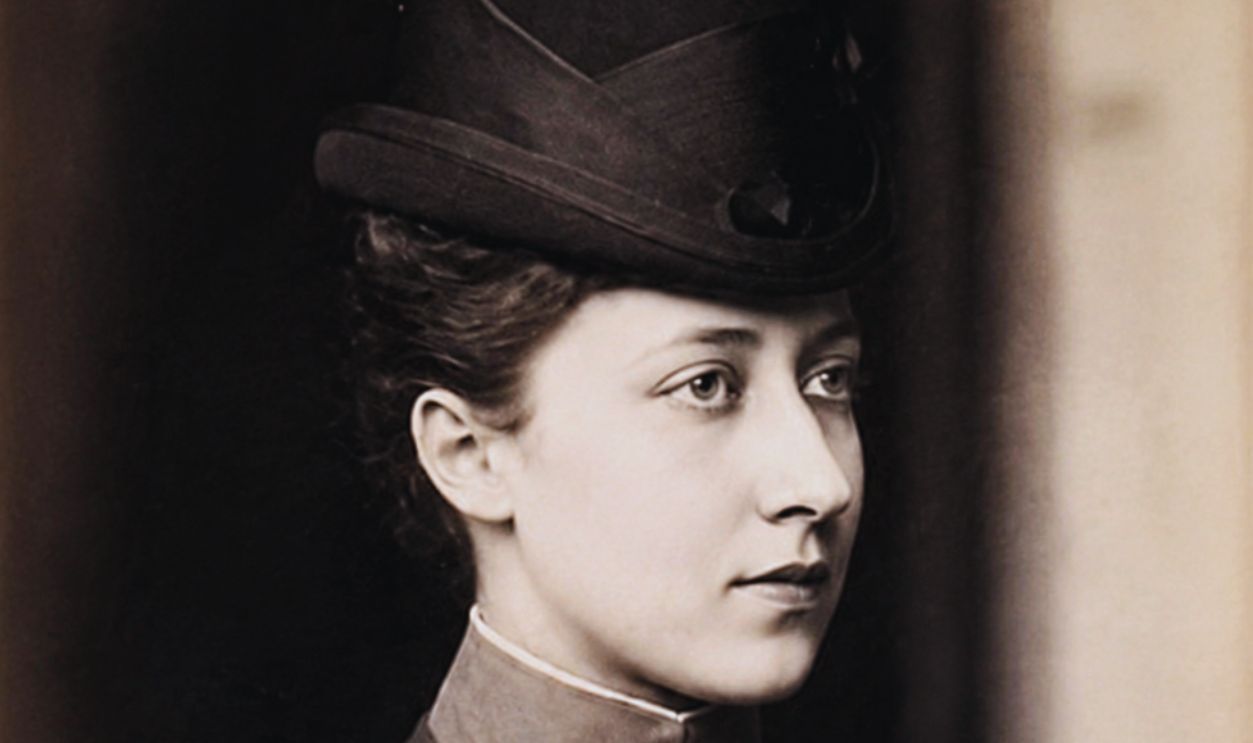
As the granddaughter of the current queen and the daughter of the future king, society considered Louise, Princess Royal (along with her sisters) something of a catch. She would have had ample opportunities for a “good match” if it weren’t for her mother. Instead, Louise had to go looking for opportunities on her own. Thankfully, Louise had an extensive family (her father had eight siblings), and that finally gave her the opportunity that she needed.
 não informado, Wikimedia Commons
9. She Took Advantage Of Her Family
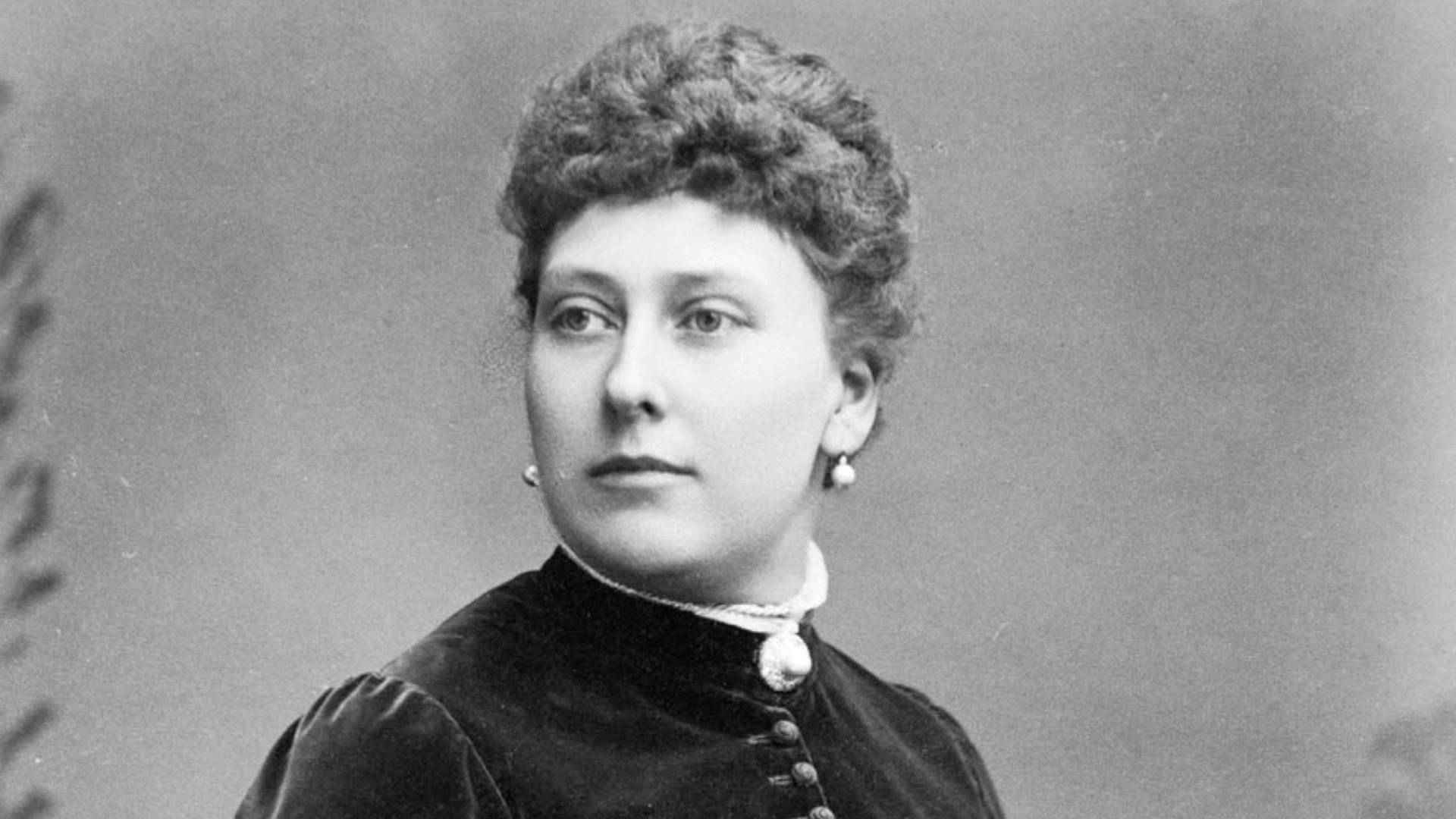
Queen Victoria successfully married off most of her children to strong matches. In 1885, her daughter and Louise’s aunt, Princess Beatrice, married Prince Henry of Battenberg. Royal weddings tended to be elaborate productions, and royal brides required a retinue of proper bridesmaids. Princess Beatrice included her nieces, Louise, and her sisters in her marriage, which opened an unsuspecting door for Louise.
 Walery, London (fl. 1864-90), Wikimedia Commons
History's most fascinating stories and darkest secrets, delivered to your inbox daily.
10. She Was On The Look Out For A Man
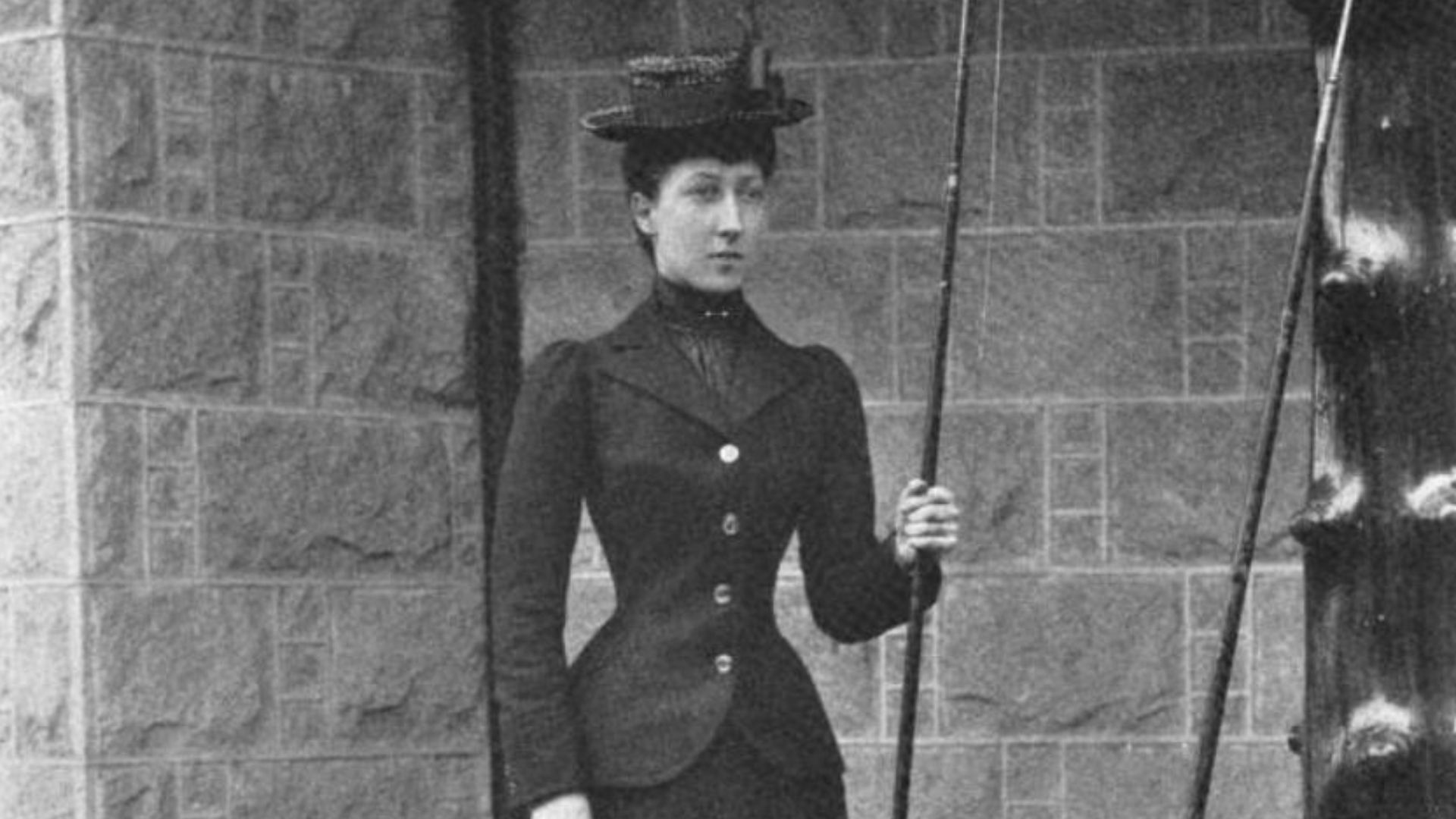
Fresh off her 18th birthday in the summer of 1885, Louise, Princess Royal found herself in the perfect position to start thinking about her future. Surely, anyone who had warranted an invitation to the wedding of her aunt held enough respect in society to be a suitable companion for her as well. Yet, in a room full of presumably eligible young men, only one seemed to catch Louise’s eye.
 W. & D. Downey (no individual credited), Wikimedia Commons
11. She Made An Unexpected Acquaintance
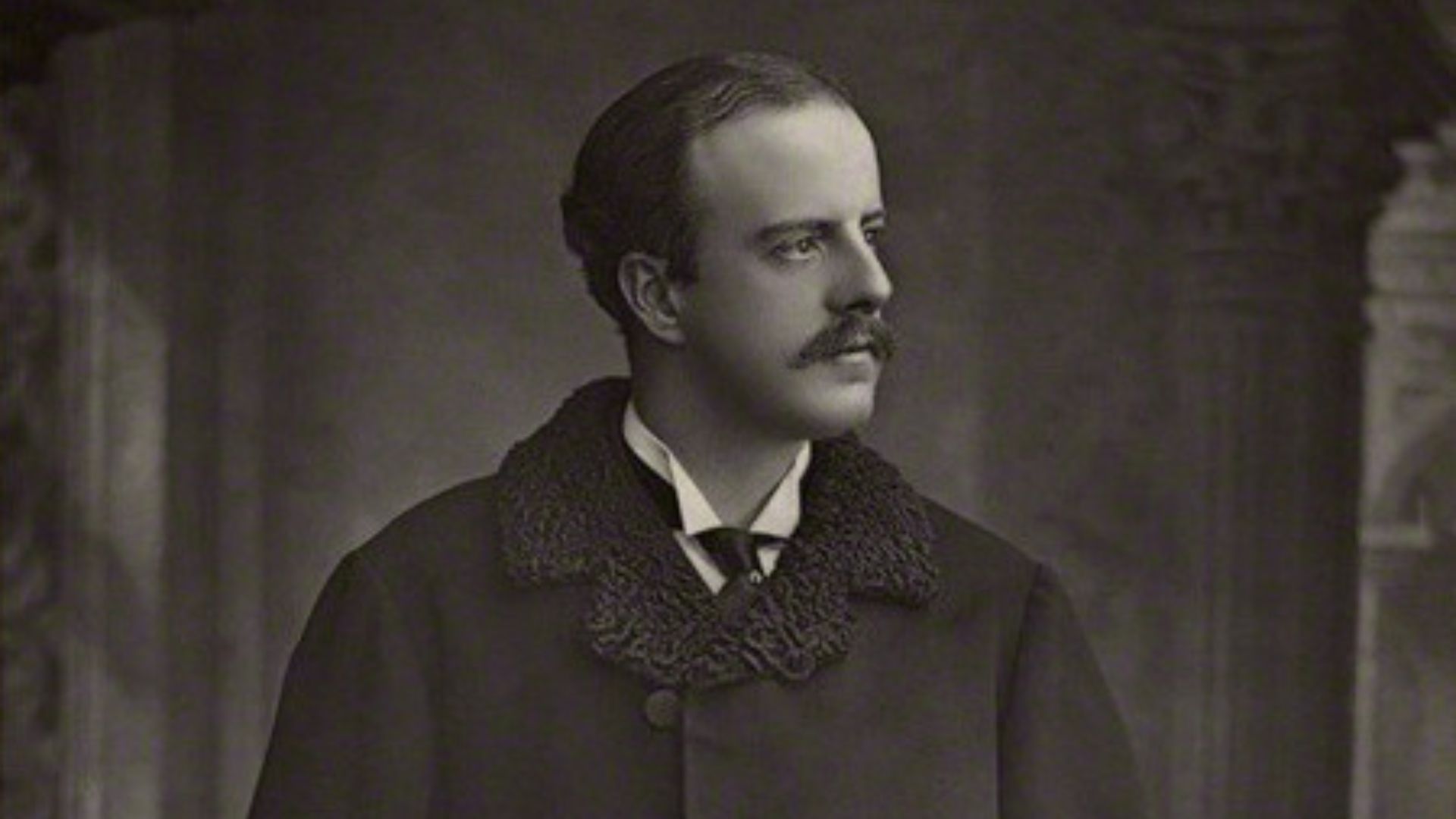
During that wedding, Louise met Alexander Duff, 6th Earl of Fife. While sources do not state who introduced Louise and Alexander, her father seemed like the likely culprit as the two men were already friends. After all, at almost 36 years old, Alexander surely had more in common with nearly 44-year-old Edward than 18-year-old Louise. However, the heart wants what the heart wants, and for Louise, her heart only wanted one man.
 Walery = Stanislaw Julian Ostrorog (1830-1890), Wikimedia Commons
12. Her Mother Posed A Problem
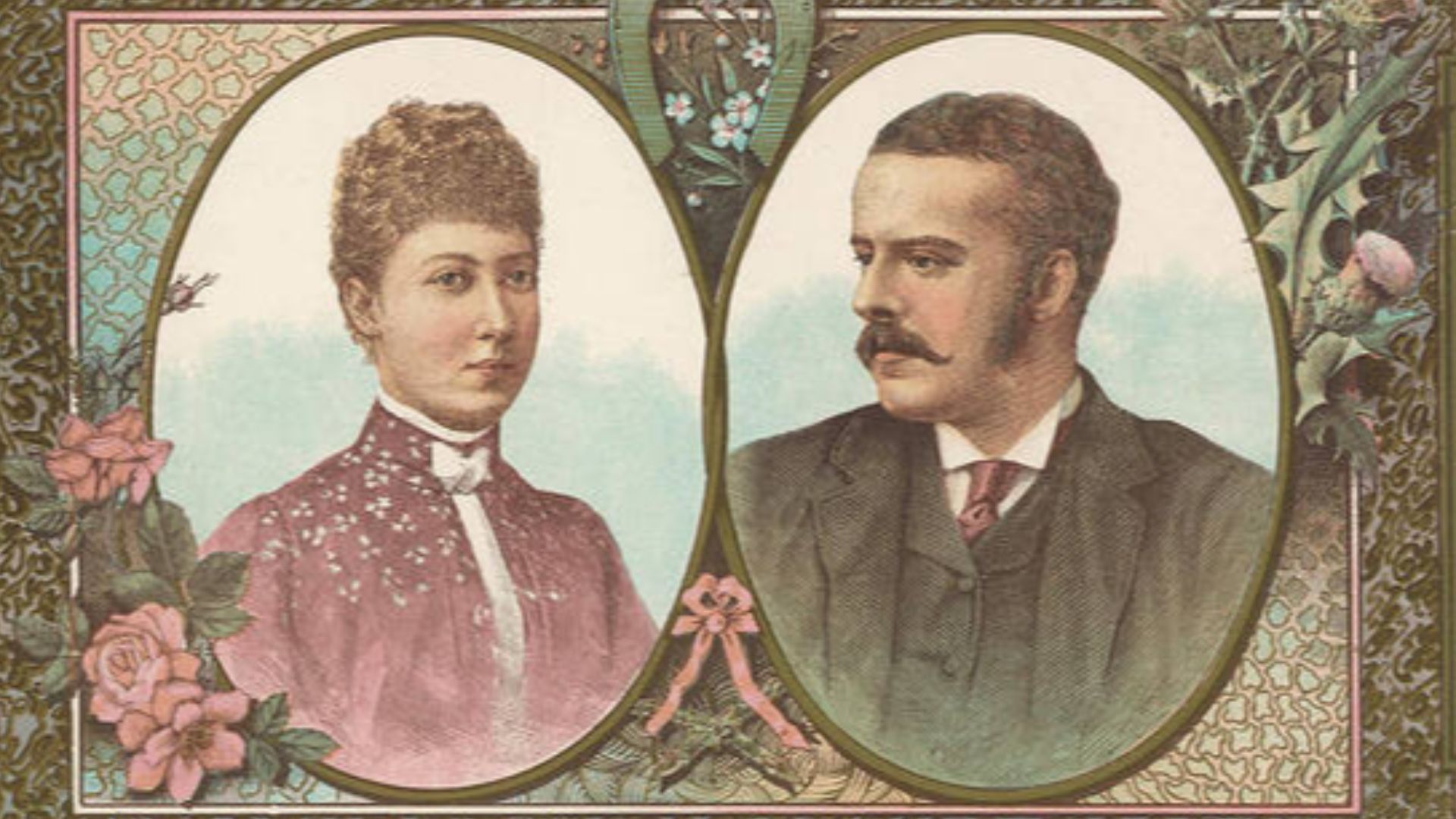
Despite the 18-year age difference, Louise, Princess Royal and Alexander connected, growing closer over the next few years. By the time four years had passed, they knew what they wanted: they wanted to be together. However, they had several problems. The first, of course, was Louise’s mother, who opposed her daughter’s union to any man, but she wasn’t the only problem they faced.
13. She Needed To Marry A Prince
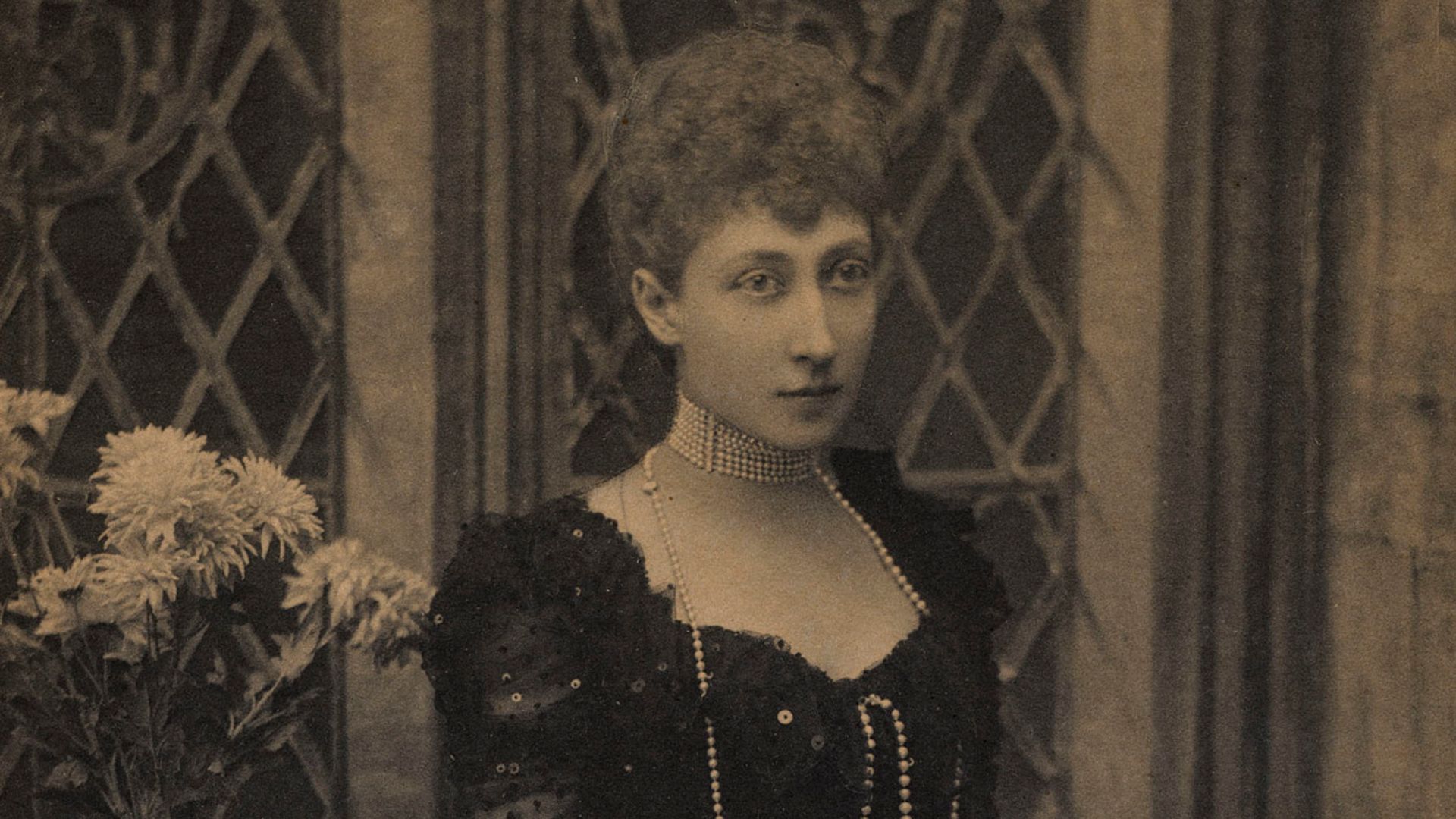
During this period, a member of the royal family had to marry another royal. That was the expectation. It was what Louise’s parents had done, as had nearly all of her paternal aunts and uncles. However, Louise did not want a grand marriage to another monarch. She wanted to marry Alexander, a respectable man, and a member of the peerage—but not royal.
 Alice Hughes, Wikimedia Commons
14. She Looked To Her Aunt
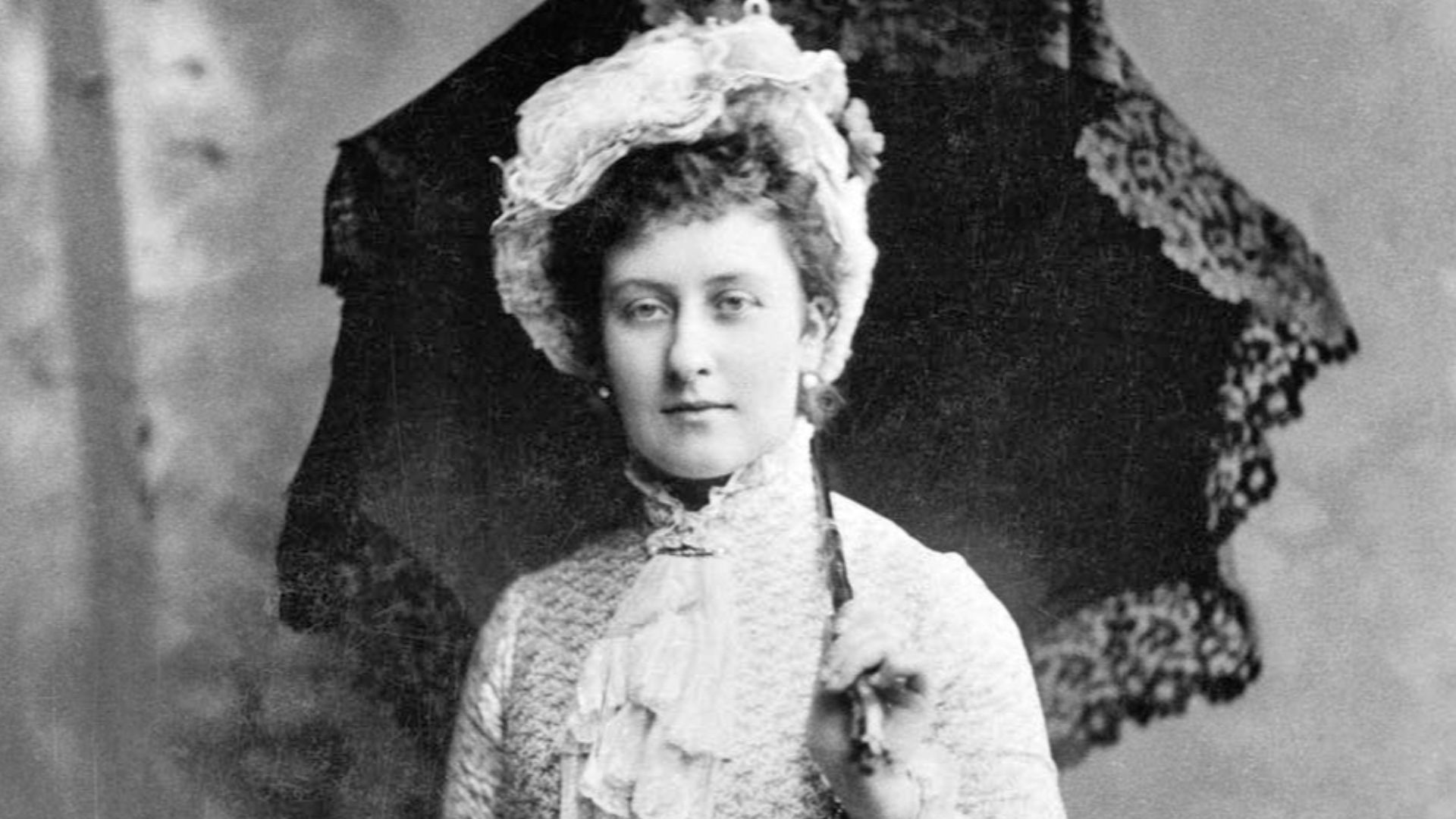
While most of Louise’s aunts and uncles (the children of Queen Victoria and Prince Albert) followed tradition and married a fellow royal, not all of them did. One of Louise’s aunts, also named Louise, abhorred the idea of marrying a prince. Instead, she wished to marry John Campbell, Marquess of Lorne and heir to the dukedom of Argyll. Not since the marriage of Henry VIII’s sister, more than 350 years prior, had a British monarch married a British subject. Most of the country would not hear of it—particularly the princess’ father.
 Carl Backofen, Wikimedia Commons
15. Her Father Stood In The Way
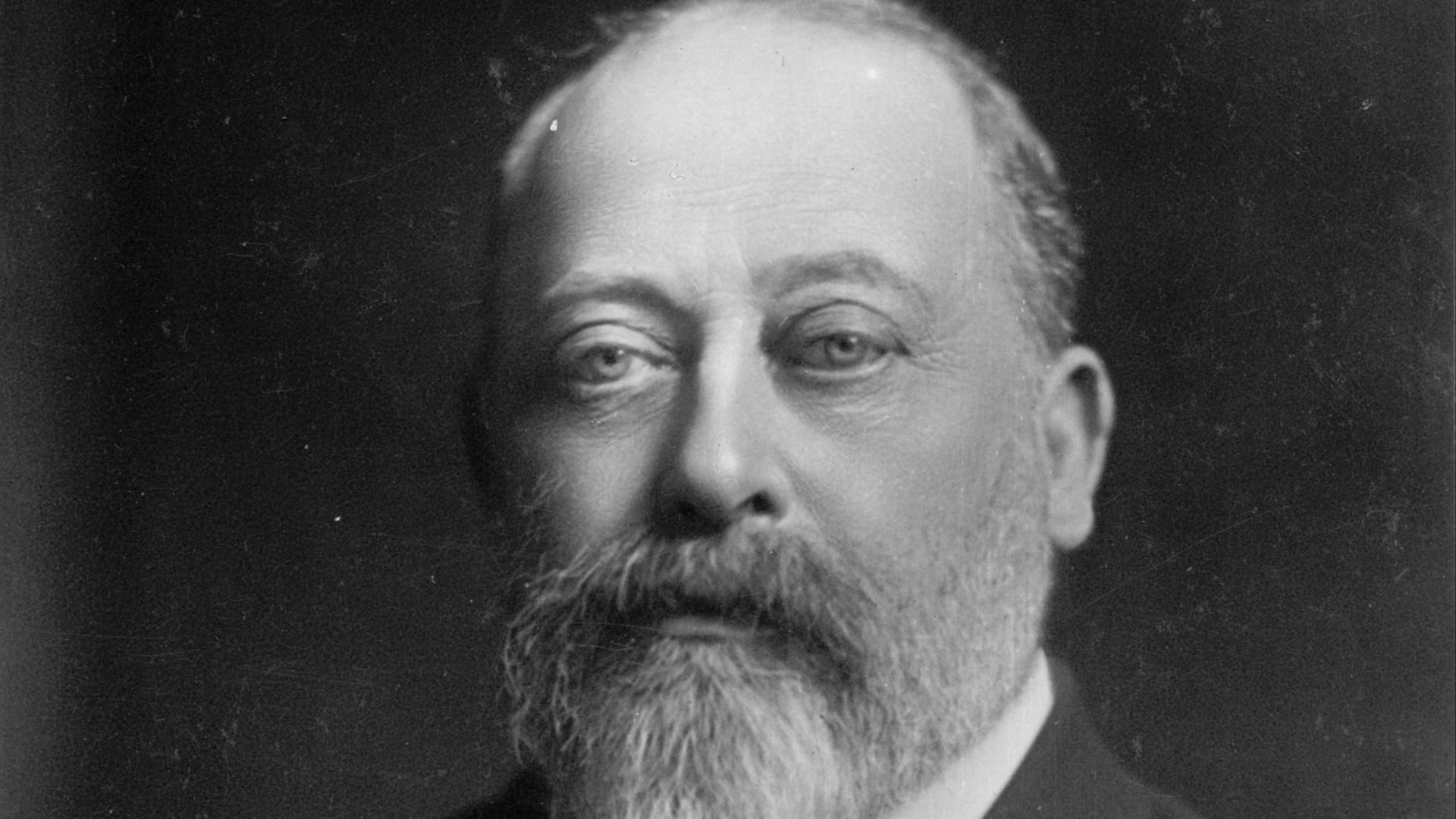
By 1869, when this scandal broke, Prince Albert had been gone for roughly eight years, making Edward VII the eldest male in the family. The Prince of Wales strongly opposed his sister’s marriage. However, Edward may have been the eldest male in the family, but a Queen ruled them all. Victoria viewed the marriage of her daughter to Campbell as a promising opportunity to get “new blood” into the family. She granted her daughter, Princess Louise, permission to marry Campbell and, in doing so, paved the way for our Louise to make a similar request roughly 20 years later.
 W. & D. Downey, Wikimedia Commons
History's most fascinating stories and darkest secrets, delivered to your inbox daily.
16. Her Parents Stood Against Her
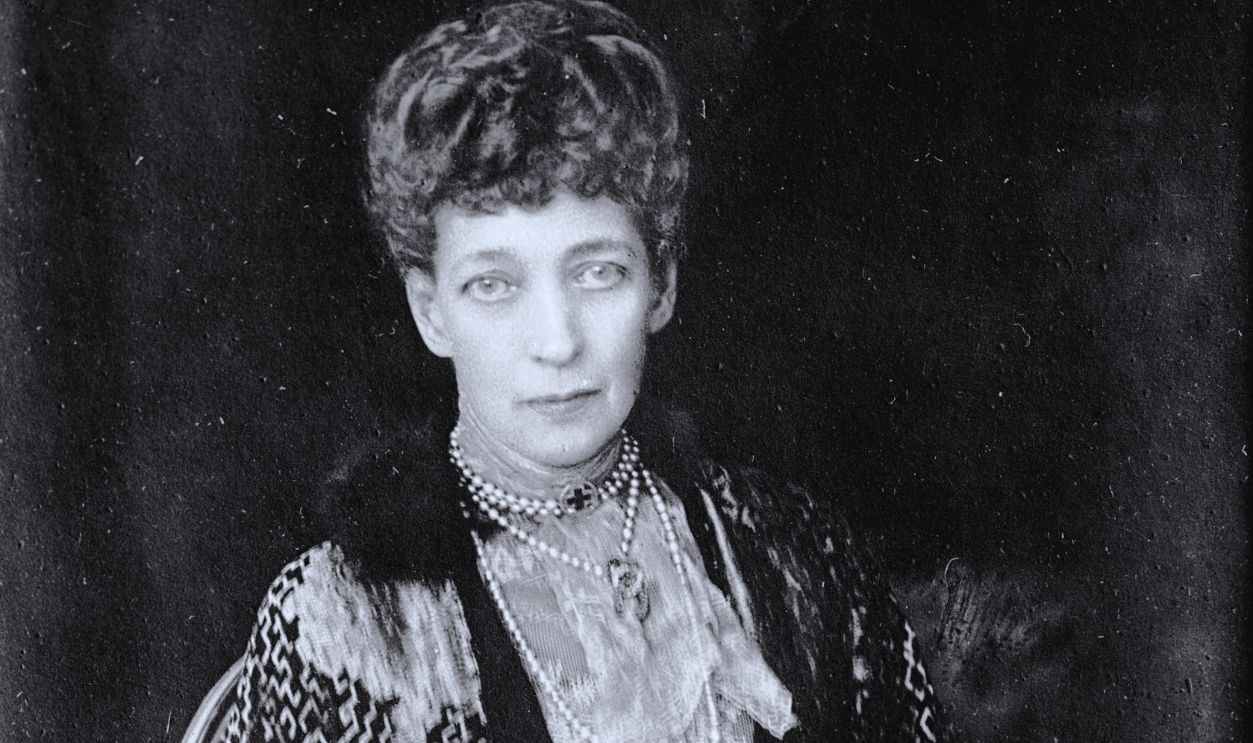
Our Louise knew her mother did not wish for any of her daughters to marry. She also knew that Alexander, while respected, had no royal blood. However, Louise also knew that someone very important could override her mother’s doubts and the customs of the land, so long as she gave her approval. So, four years after meeting Alexander Duff, Louise petitioned the Queen for the right to marry the man she loved.
 Bain News Service, Wikimedia Commons
17. She Went To The One Person Her Parents Couldn’t Refuse
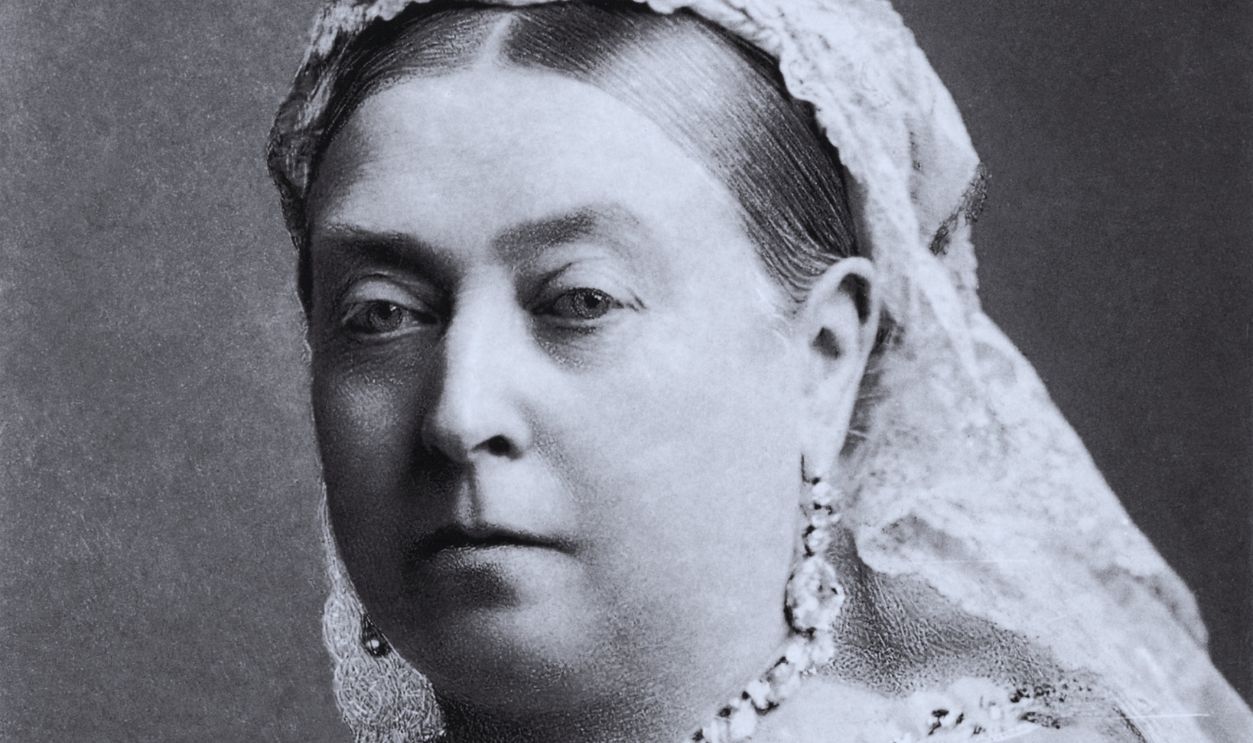
Louise, Princess Royal skipped asking her parents' permission and instead went right to her grandmother. She told Queen Victoria that she believed if Victoria were to deny her permission to marry Alexander, she would perish “an old maid”. Whether this was because she believed her mother would not allow her to marry another or because Louise’s heart wouldn’t, it is unclear.
Either way, she put her heart in the hands of her grandmother, knowing all her happiness depended on Victoria’s response.
 Alexander Bassano, Wikimedia Commons
18. Her Grandmother Held Her Fate In Her Hands
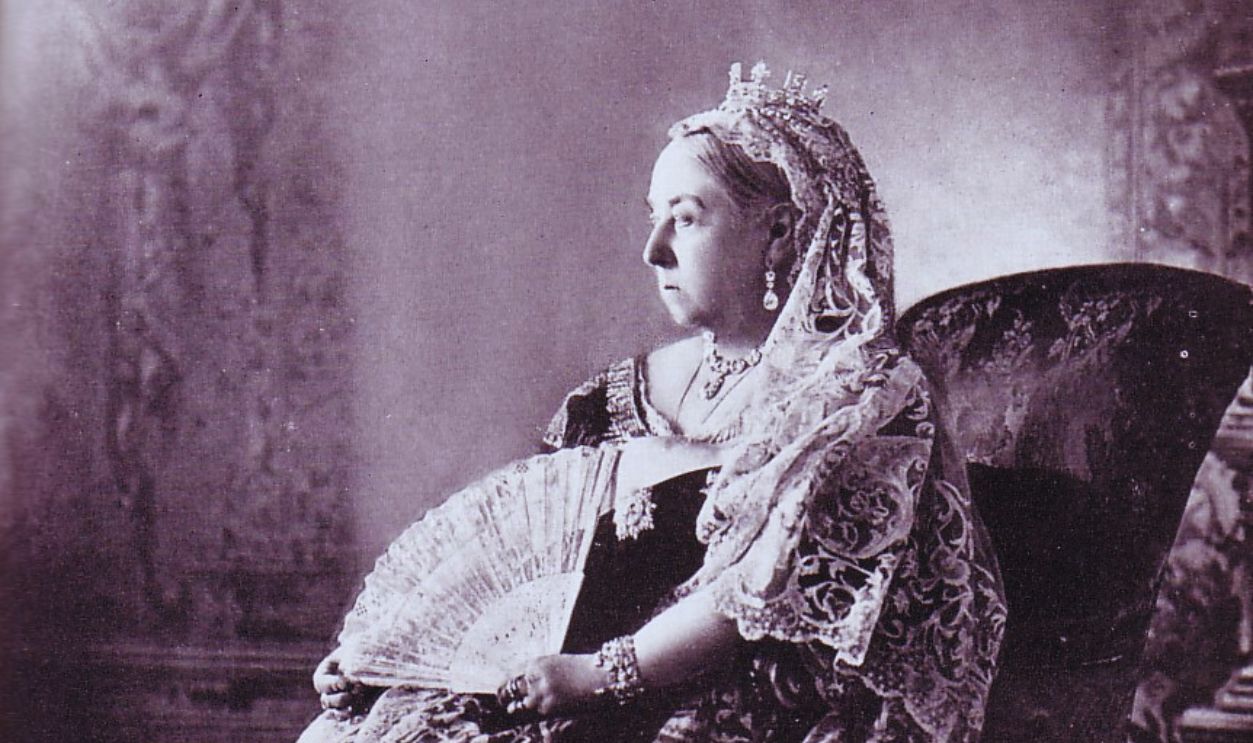
As Queen Victoria had the right to do whatever she pleased. Her granddaughter’s happiness wouldn’t matter if Victoria possessed the whim to oppose the union. Thankfully for Louise, Victoria saw potential in the match, just as she’d seen potential in her daughter’s match with a “subject”. According to Victoria’s journal, she was “quite pleased” and “wished her all possible happiness”. However, not everyone did.
 W. & D. Downey, Wikimedia Commons
19. She Courted Scandal
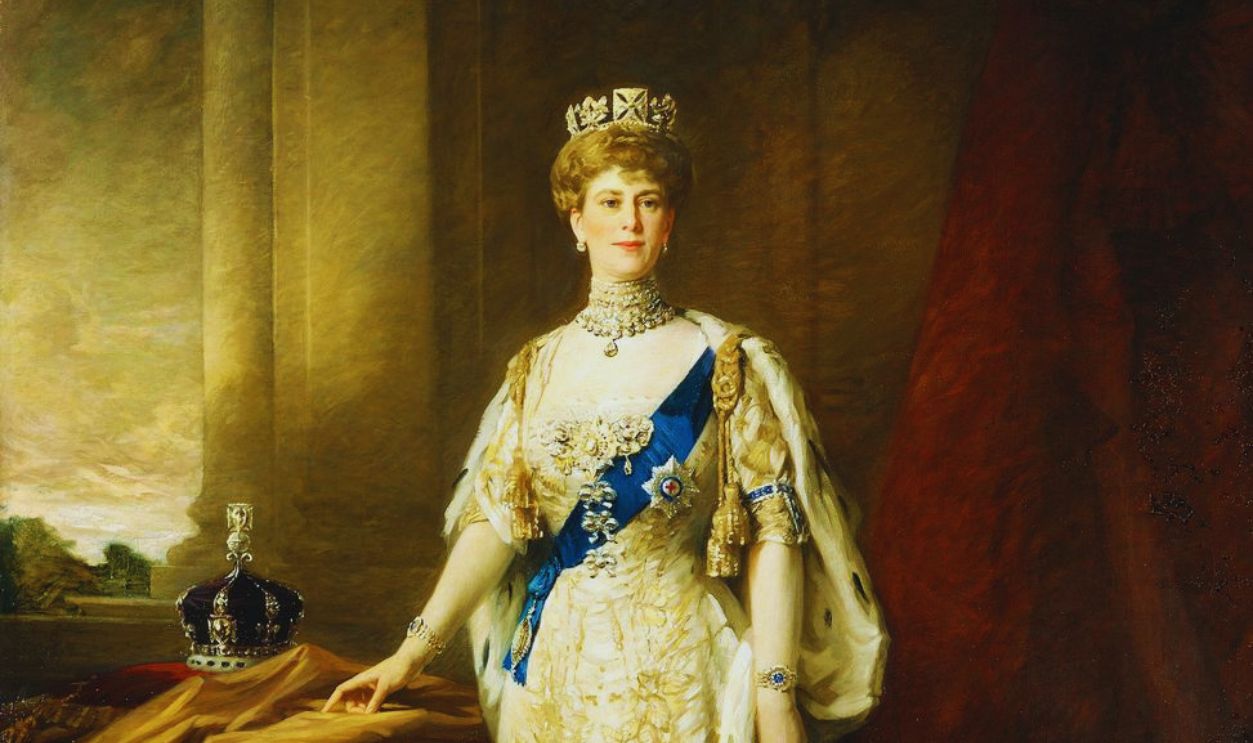
With Queen Victoria’s blessing, the family announced Louise’s engagement and began making plans for the wedding. However, not everyone saw joy in this union of the heart. Princess Victoria Mary of Teck, a distant cousin related through King George III (and who’d one day become her sister-in-law), remarked to her aunt that finding a “future Princess Royal to marry a subject seems rather strange”. However, the opinion of the peerage and other royals had little bearing on Louise’s happiness.
 William Llewellyn, Wikimedia Commons
20. Her Love Changed Minds
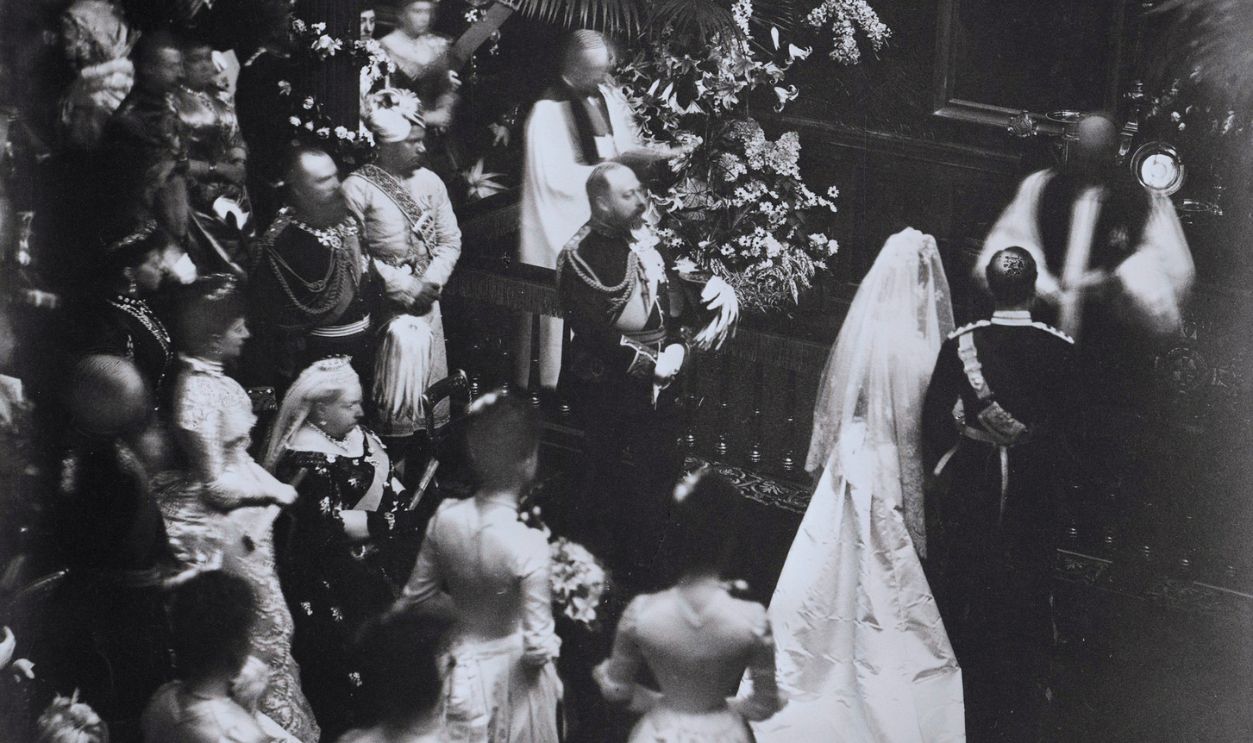
Louise, Princess Royal and Alexander married on July 27, 1889. By all accounts, they had a lovely ceremony, with the Duchess of Teck remarking, “They both seem so thoroughly happy and contented that it does one’s heart good to see them”. The couple proved that age truly is a number, and love can conquer all, though having the Queen of England as your grandmother certainly helps the matter.
 Byrne & Co : Hill Street, Richmond (photographer), Wikimedia Commons
21. Her Husband Needed More Social Clout
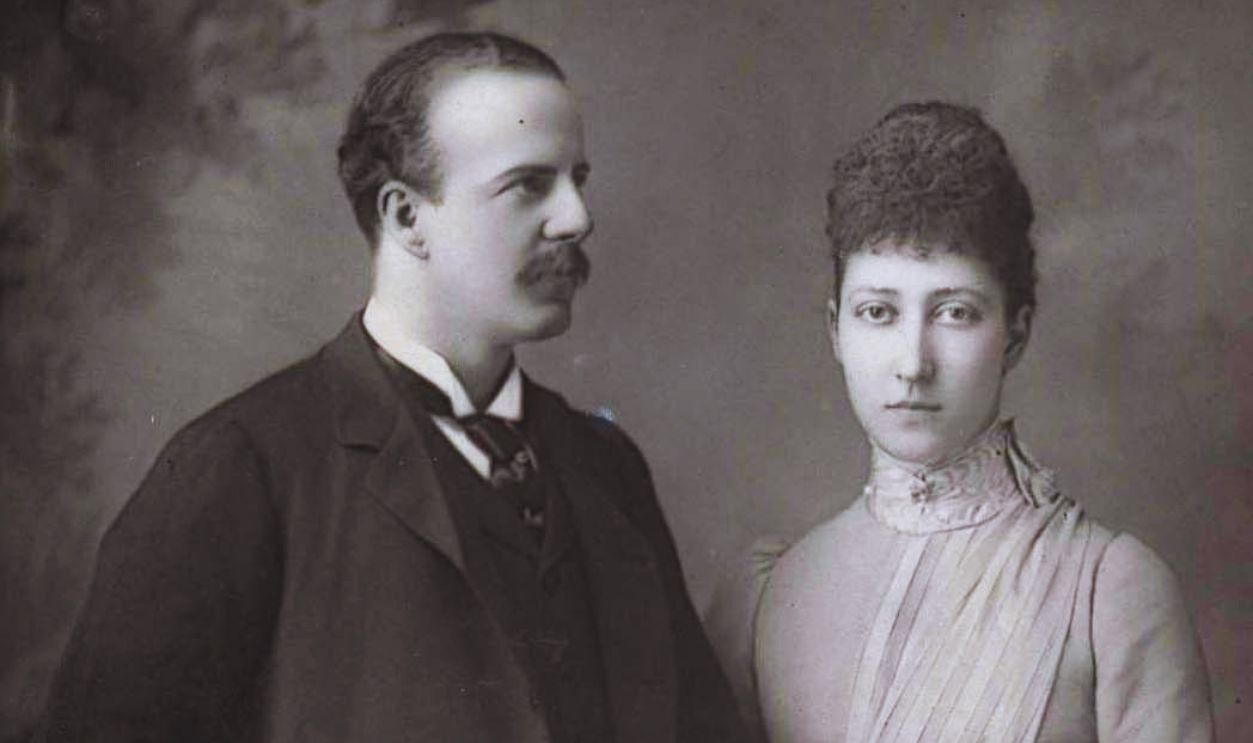
Two days after their marriage, Queen Victoria granted Alexander the title of Duke of Fife and Marquess of Macduff. Initially, she set this lineage to pass down through the male lines (meaning only Louise and Alexander’s sons could inherit) as was the custom of the time. However, money, wealth, and power can fix a lot of things--but they cannot change what biology refuses to give.
 WILLIAM & DANIEL DOWNEY (ACTIVE 1860-EARLY 1900S), Wikimedia Commons
History's most fascinating stories and darkest secrets, delivered to your inbox daily.
22. She Lost What She Wanted
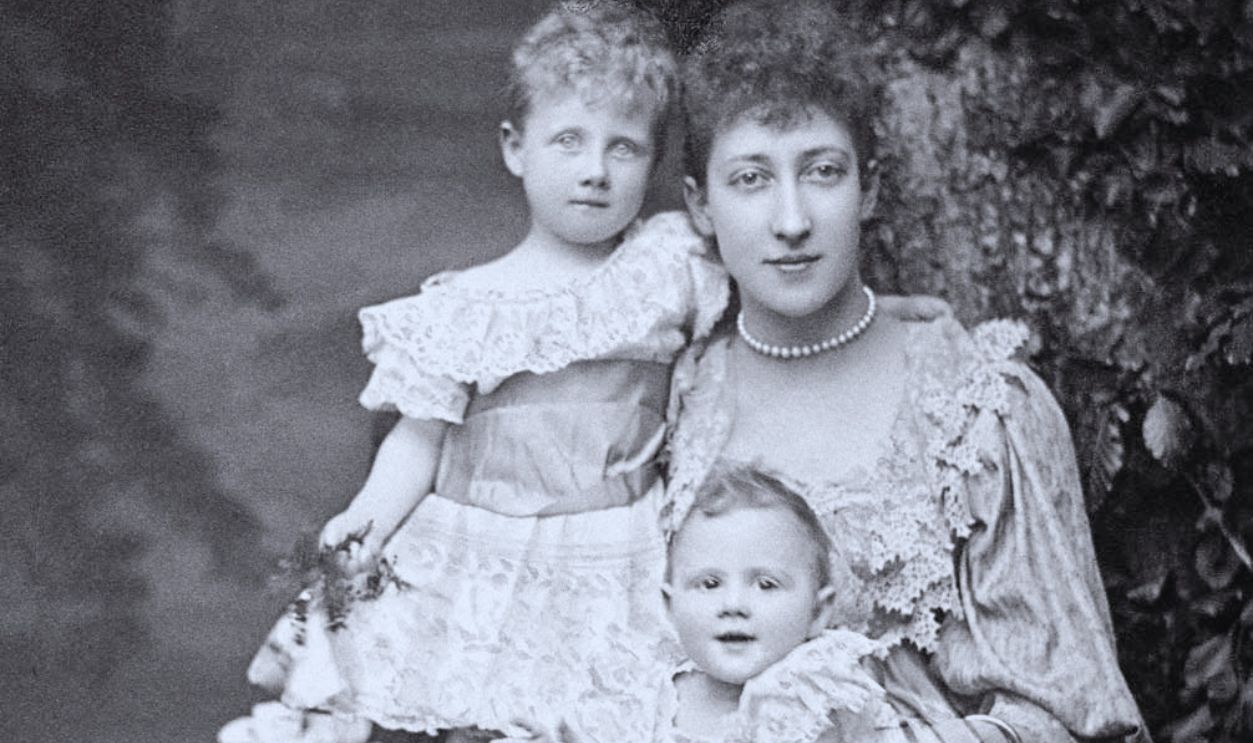
Roughly a year after their marriage, Louise, Princess Royal gave birth to their first child, Alastair Duff, a stillborn son. A year after that, she gave birth to her first daughter, Alexandra, and two years after that, their daughter Maud followed. Louise appeared to take great pride in her family and her happy marriage. However, no more children, male or female, followed Maud, and it seemed like the newly created Duke of Fife would peter out before it even started.
 Royal Collection, Wikimedia Commons
23. Her Line Almost Disappeared
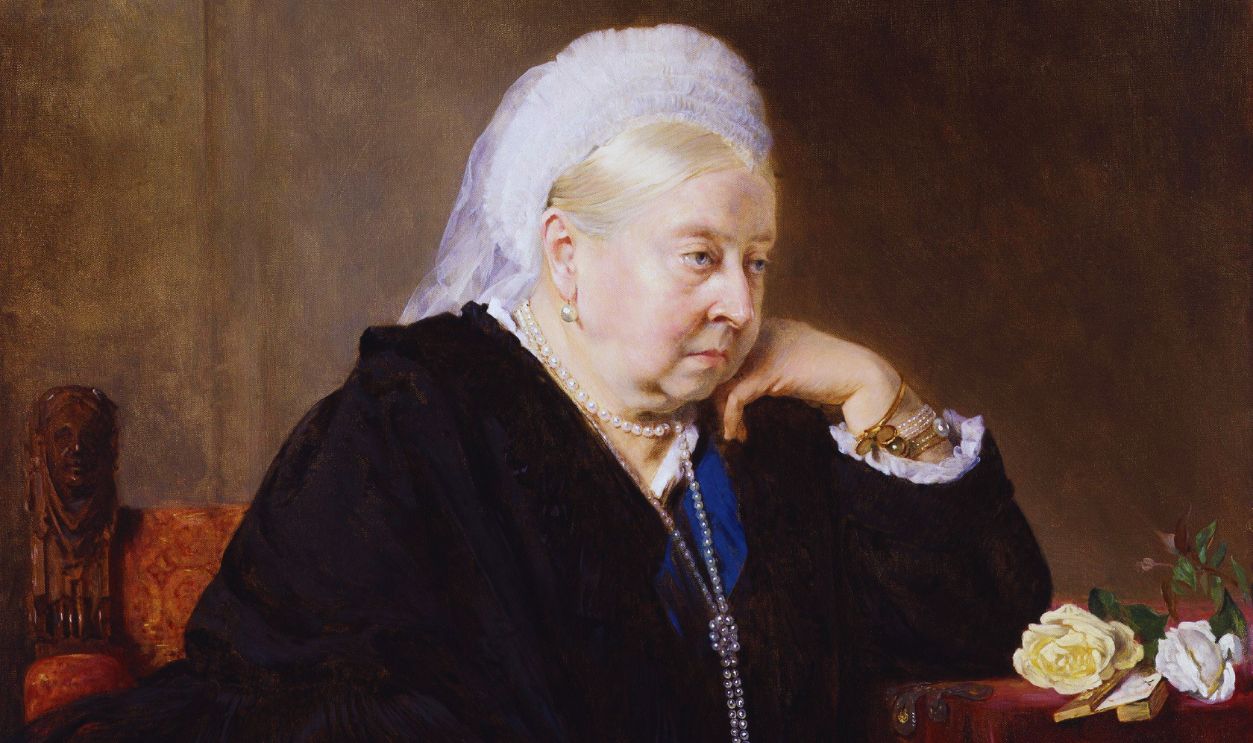
Queen Victoria was not a woman who missed opportunities. She created the Duke of Fife to grant her granddaughter and her descendants the honors they deserved. Therefore, when it became clear that Louise would bear no sons, Queen Victoria created a second Dukedom of Fife, this time with the amendment that should there be no male heirs at the time of Alexander’s passing, it could pass to their eldest daughter and then descend through male lineage. It was a set of events that would happen sooner than they all may have thought.
 Bertha Müller, Wikimedia Commons
24. She Secluded Herself In A Bubble
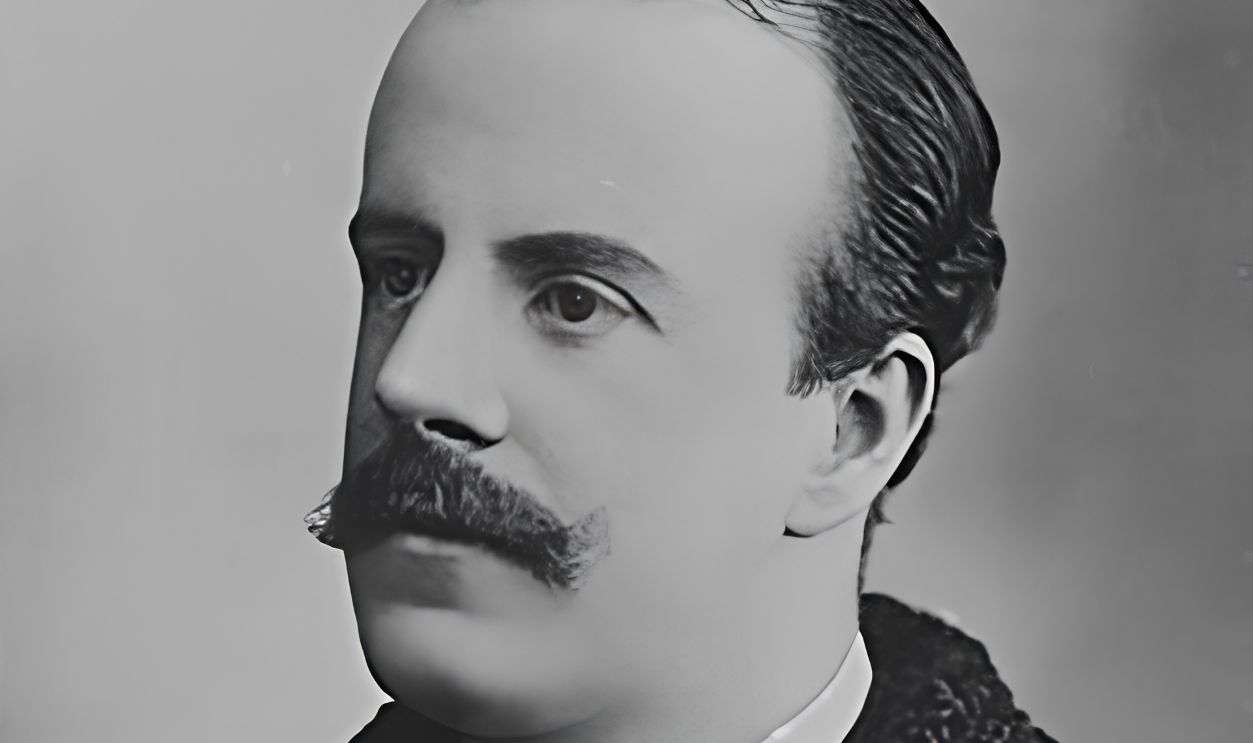
By all accounts, Louise and Alexander lived a happy life together. Their marriage appeared to be strong, and they were content with their family. They spent their time between their country home in Scotland and their London townhouse. They existed in a perfect bubble, close enough to the monarchy to reap the rewards yet far enough away that their duty remained minimal—then Victoria shuffled off her mortal coil.
 Walery = Stanislaw Julian Ostrorog (1830-1890), Wikimedia Commons
25. Her Father Took To The Throne
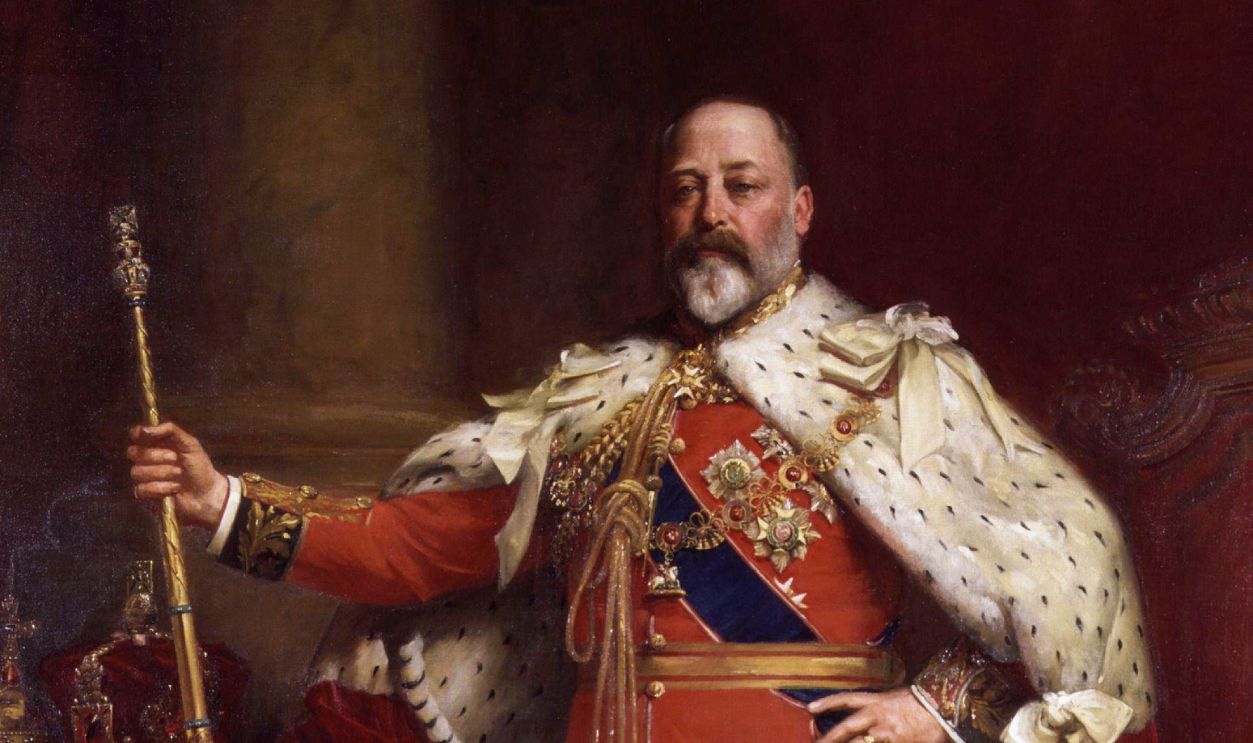
Queen Victoria followed her beloved Albert into the afterlife in January 1901. Louise’s father, Edward, immediately succeeded his mother, becoming King of the United Kingdom along with other titles tied to the throne. His coronation followed a little over a year later, in August 1902. This elevation of status enabled Edward to begin changing things to suit his view, including Louise.
 Luke Fildes, Wikimedia Commons
26. Her Father Changed Everything
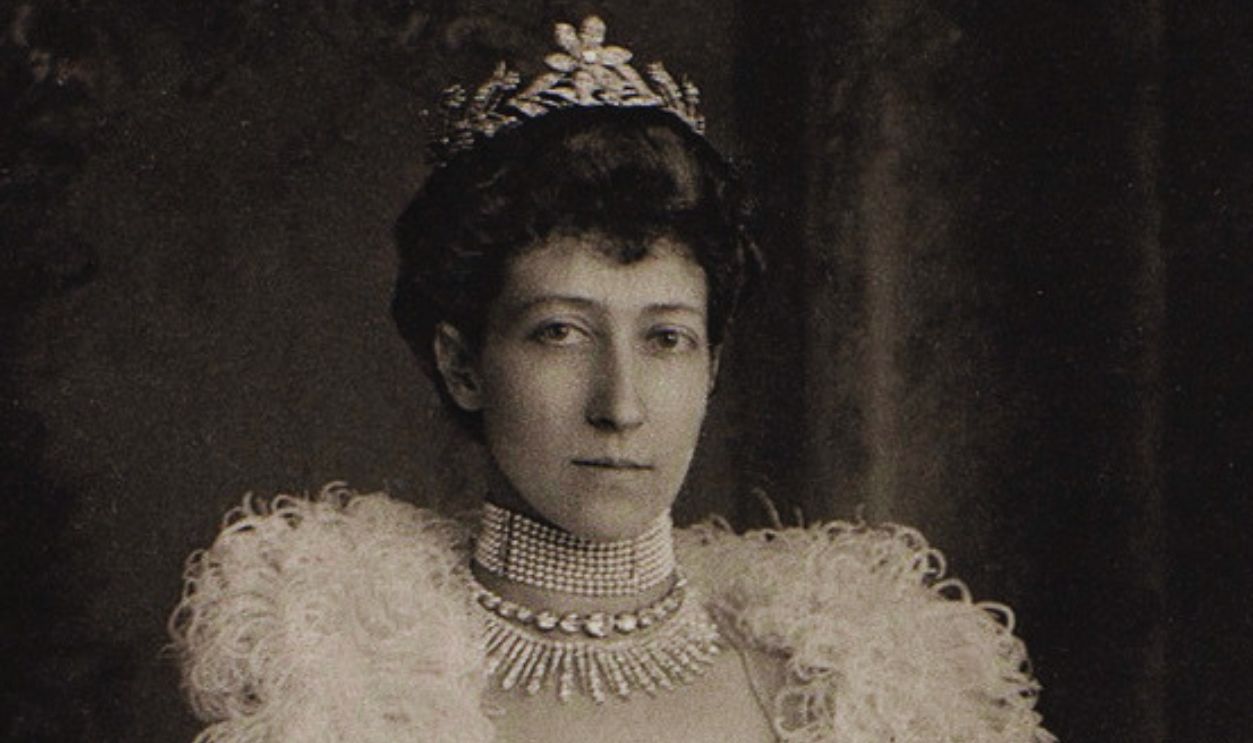
Since the mid-1600s, a ruling monarch could name his eldest daughter “Princess Royal” at his discretion. Although the title is merely ceremonial, it is considered the highest honor and rank that a female member of the royal family can achieve. Therefore, Edward gave Louise, Princess Royal a great gift when he named her Princess Royal in 1905. However, he didn’t stop there.
 W. & D. Downey, Wikimedia Commons
27. Her Children Received Surprising News
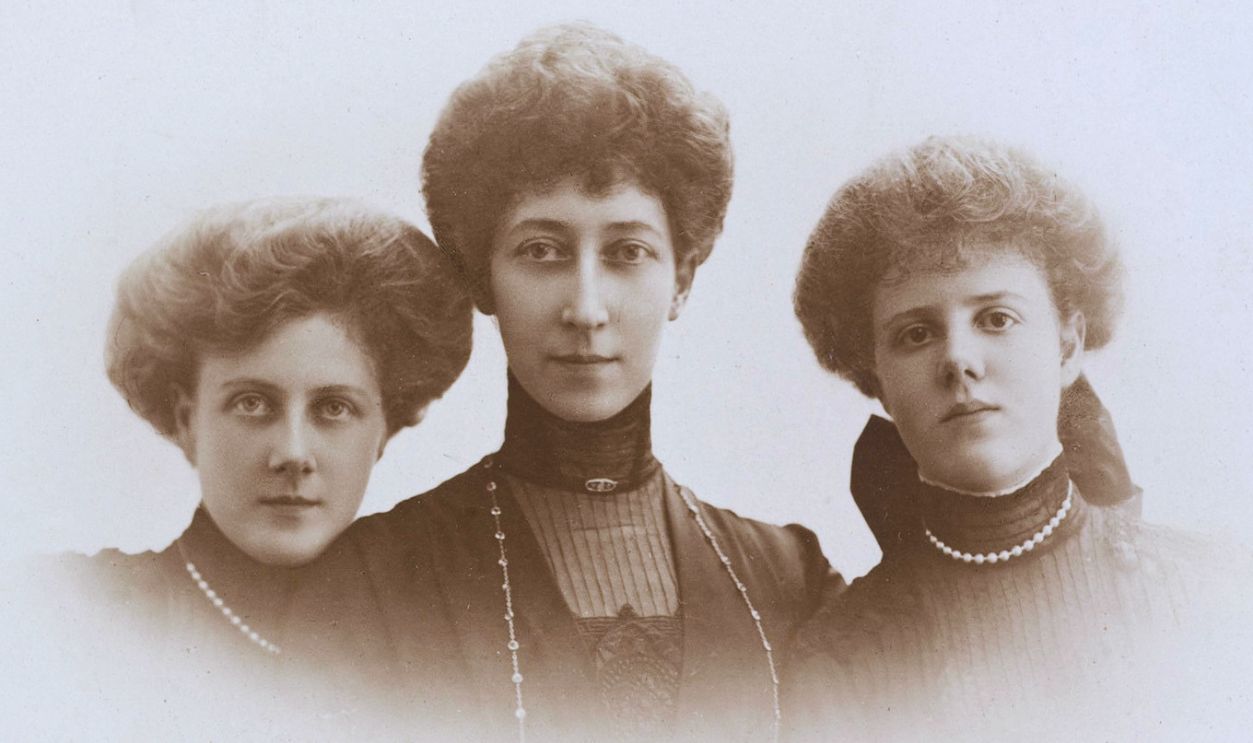
Edward decided that naming his daughter Princess Royal wasn't enough. He wanted to grant Louise and her family even more prestige. Since their father was a duke, at birth, Louise’s two daughters possessed the titles of "Lady". However, after their mother became Princess Royal, their grandfather elevated both of them to the status of “Princess”, thereafter entitling them to the honor of being referred to as “Highness” and ranking them immediately after all members of the royal family bearing the title “Royal Highness”. It elevated both girls in society—and that may have created a problem.
 Lallie Charles, Wikimedia Commons
History's most fascinating stories and darkest secrets, delivered to your inbox daily.
28. She Hosted A Troublesome Guest
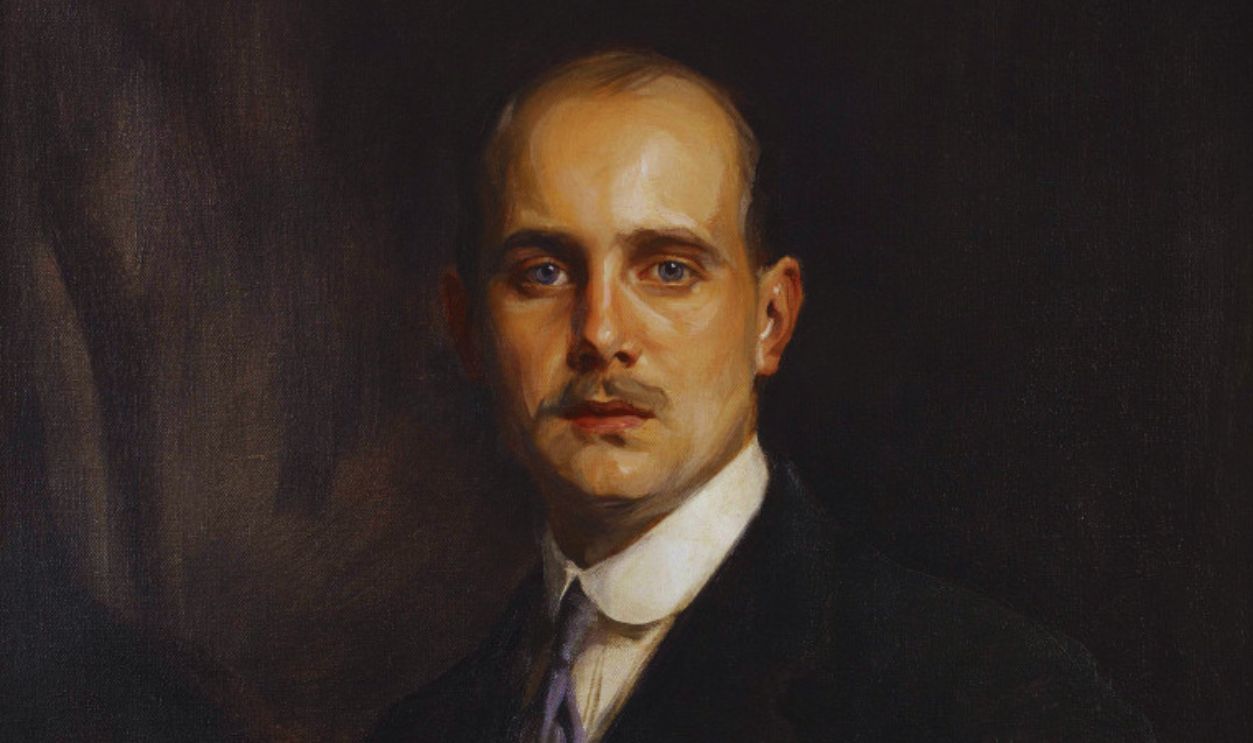
In the fall of 1910, Louise, Princess Royal and her husband hosted a young guest at their home in Mar Lodge, Louise’s cousin, Prince Christopher of Greece and Denmark. Louise’s mother, Alexandra, and Christopher’s father, King George I of Greece, were siblings. This likely prompted the invitation to their home. However, Louise and Alexander soon came to regret letting this young prince into their lives.
 Philip de László, Wikimedia Commons
29. Her Daughter Caught The Wrong Eye
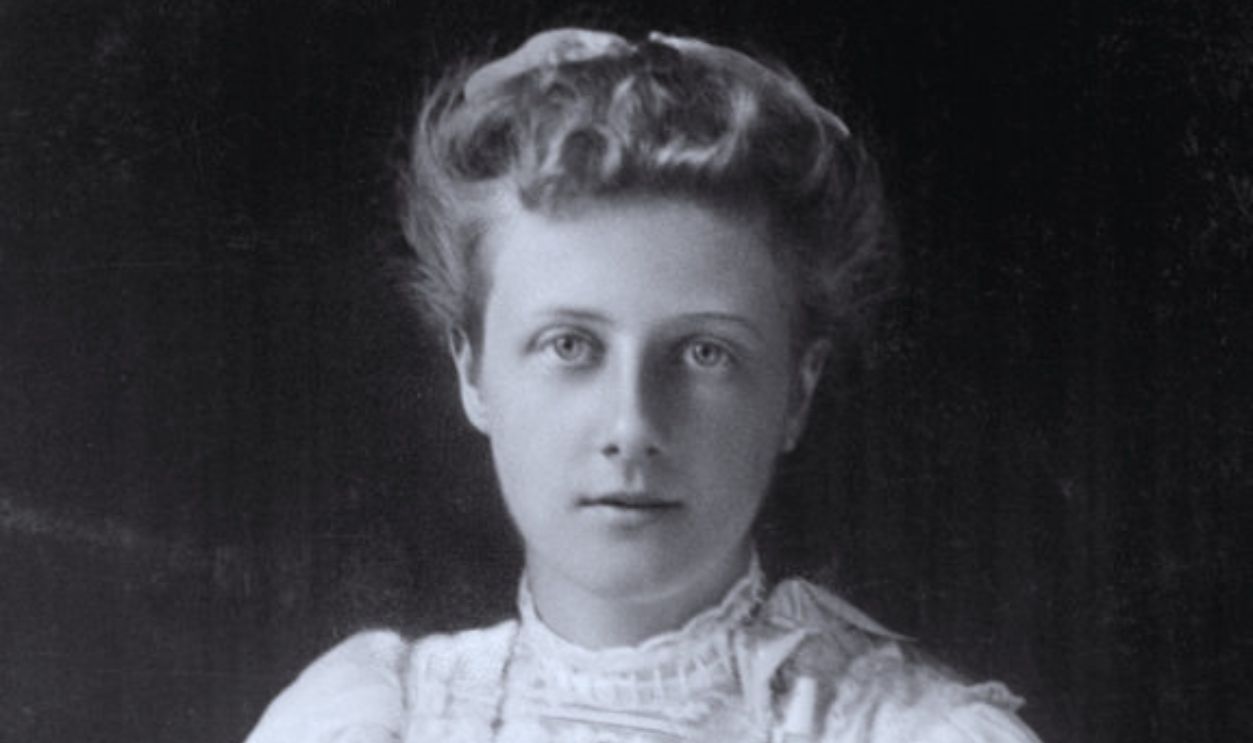
Christopher spent several weeks in the family home, and during that time, he quickly formed an attachment to Louise’s eldest daughter, Princess Alexandra of Fife. Alexandra was 19, and Christopher was 22, the perfect ages for passion to bloom unexpectedly. The two lovebirds supposedly bonded over literature and authors. Their romance bloomed right underneath Louise’s nose, and she seemed to know nothing about it.
 Royal Photographers W. & D. Downey, Wikimedia Commons
30. Her Daughter Decided To Break Tradition
The exact order of events that occurred between Alexandra and Christopher is difficult to determine as the sources are scarce on facts. However, it seems conclusive that at some point during this visit, the pair became engaged, intent on spending the rest of their lives together. Unfortunately for Alexandra, her parents had something to say about their young love.
 Unknown Author, Wikimedia Commons
31. Her Family Splintered
One might think, given her own plight to marry the man that she loved, that Louise and Alexander may have had more sympathy for their daughter and the passions of her heart. Unfortunately, reality turned out to be quite different. When Alexander heard of the engagement, he expressly forbade it. His daughter would not marry Christopher, and what Alexander decreed, he would get.
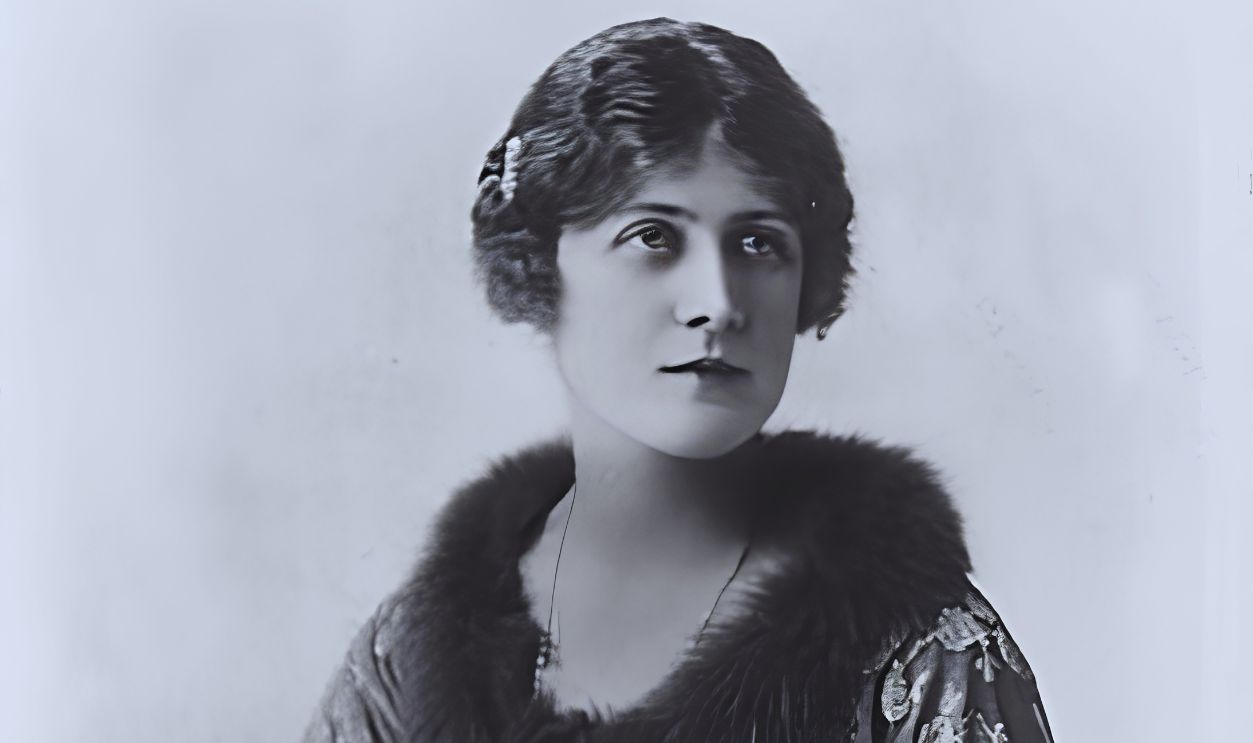 Alexander Corbett, Wikimedia Commons
32. Her Happy Bubble Popped
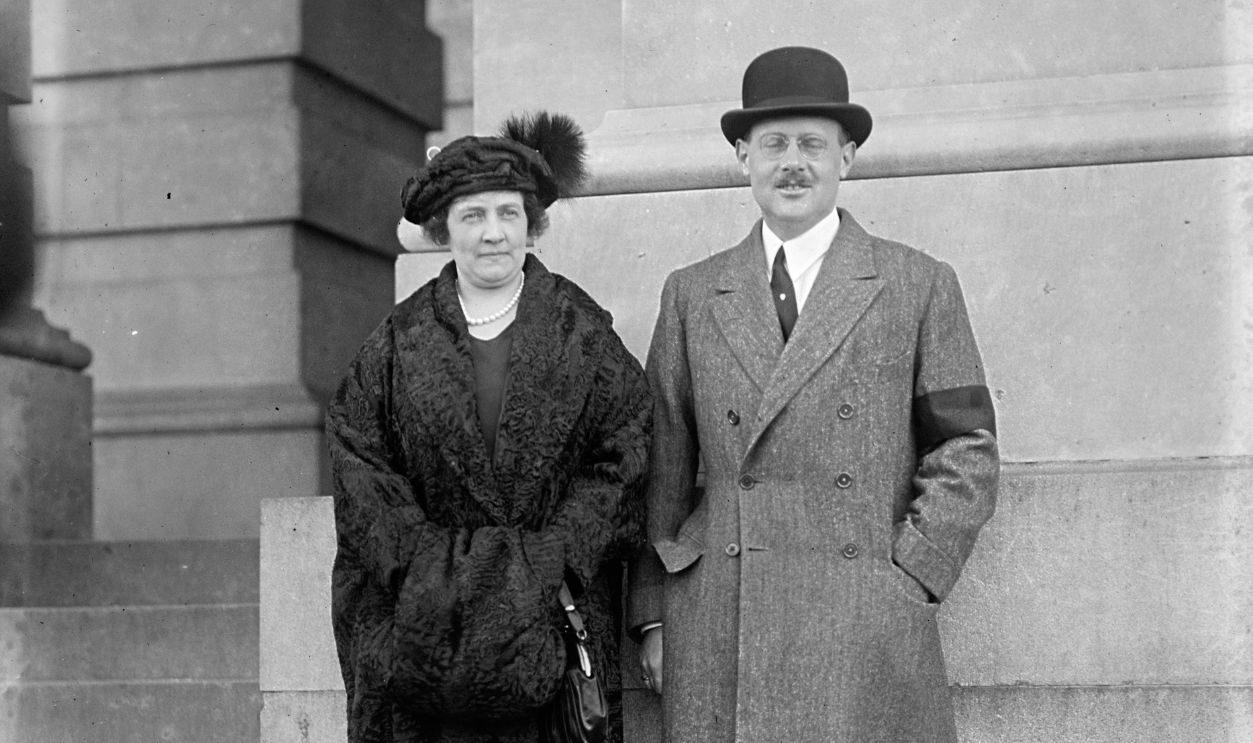
How Alexandra felt about her squandered love is difficult to say. There are no reports of her broken heart. Instead, all that the sources say is that Alexandra gave up Christopher and her dreams of marrying him. Instead, Alexandra married her mother’s first cousin through her father’s side, Prince Arthur of Connaught, three years later. Perhaps the tragedy that occurred in between these engagements softened her heart.
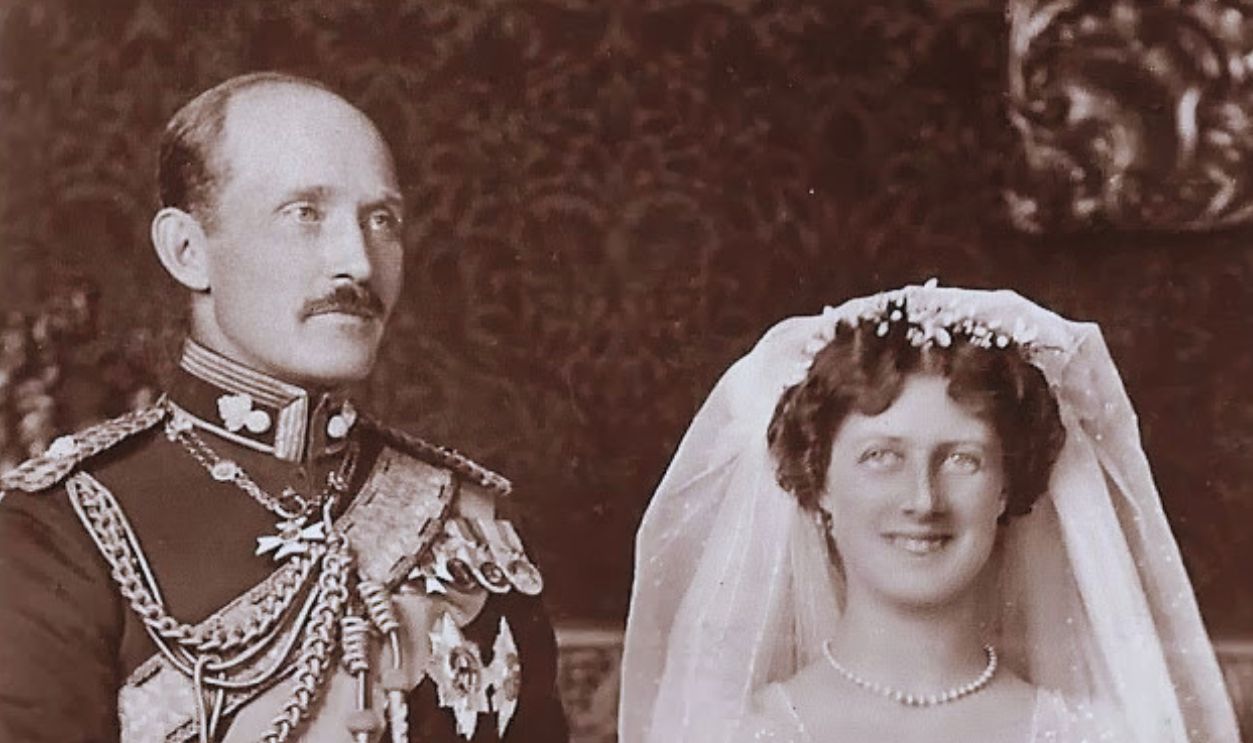 Hans van Marwijk, Wikimedia Commons
33. She Couldn’t Have Everything
For the most part, Louise, Princess Royal lived a charmed life. She escaped her overbearing mother through marriage to a man who, by all accounts, treated her well. She raised two daughters who eventually went on to create families of their own, and she had access to more wealth than most people could imagine. However, no life is perfect, and the one blight on Louise’s otherwise easy existence came in 1911.
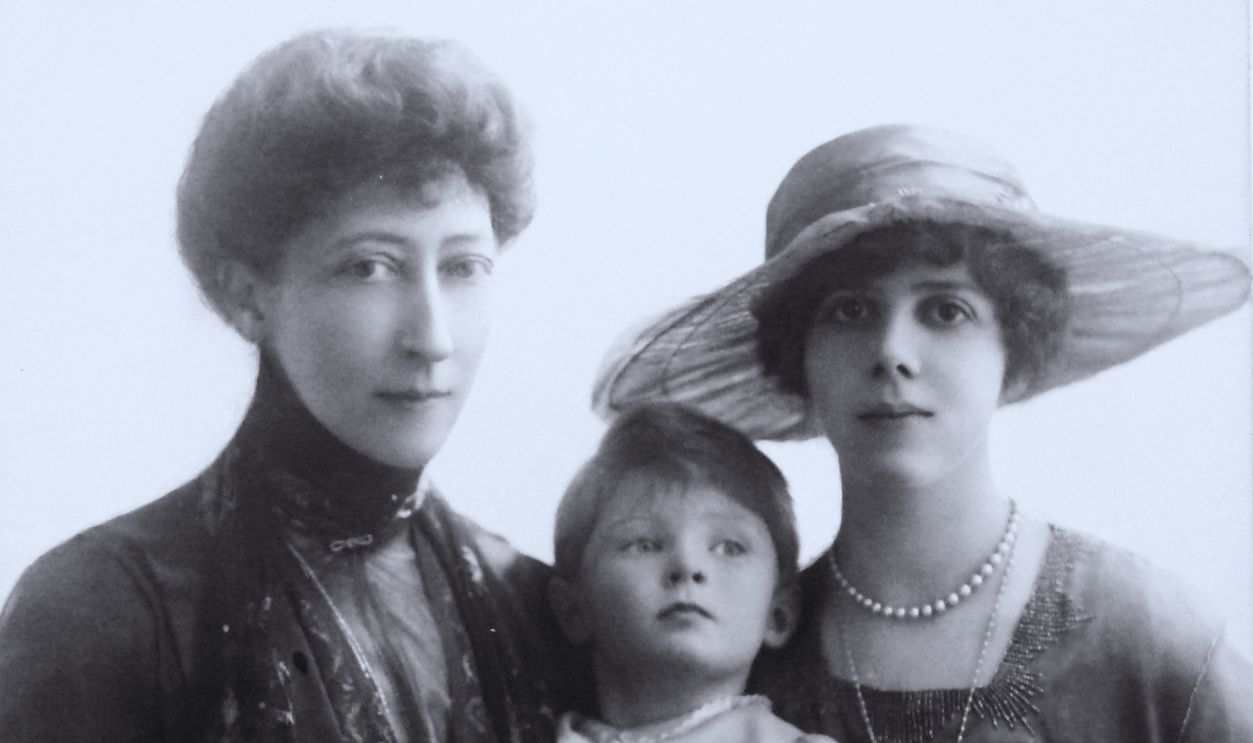 Lallie Charles, Wikimedia Commons
History's most fascinating stories and darkest secrets, delivered to your inbox daily.
34. She Suffered From A Delicate Condition
As you may recall, from the moment that she entered the world, people called Louise and her constitution “delicate”. This condition did not get better with age. Therefore, she and Alexander frequently escaped England during the winter months, seeking out a warmer climate that was friendlier to Louise’s delicate state as well as for the benefit of their family. In December 1911, the family boarded the SS Delhi with the intent of spending several months in Egypt. They got more than they bargained for.
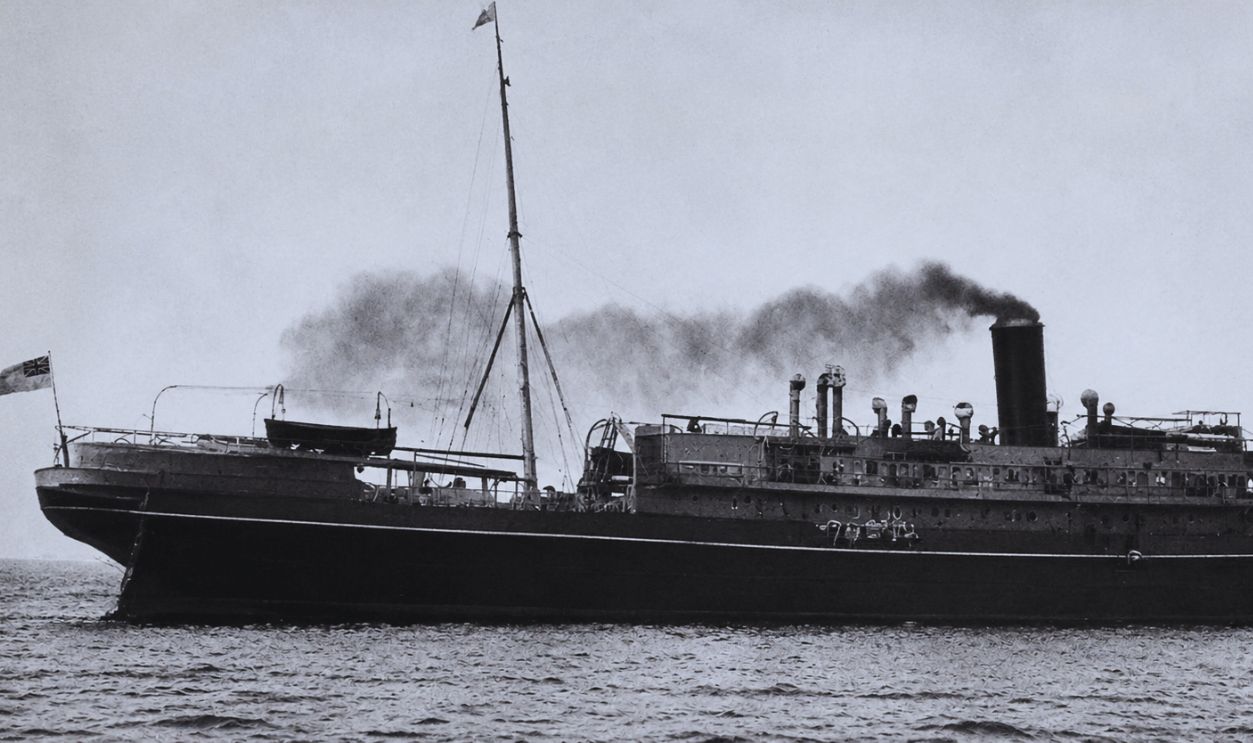 Unknown author, Wikimedia Commons
35. The Set Sail For Egypt—And Tragedy
The Fifes boarded the SS Delhi in December. Initially, everything was, quite literally, smooth sailing. Unfortunately, on December 13, the weather turned. Around one in the morning, the steamer sailed into choppy waters. To make matters worse, heavy fog enveloped the ship. According to news reports at the time, “The night was black and stormy with strong westerly winds and torrential rains”. Anyone could see that it spelled a recipe for disaster.
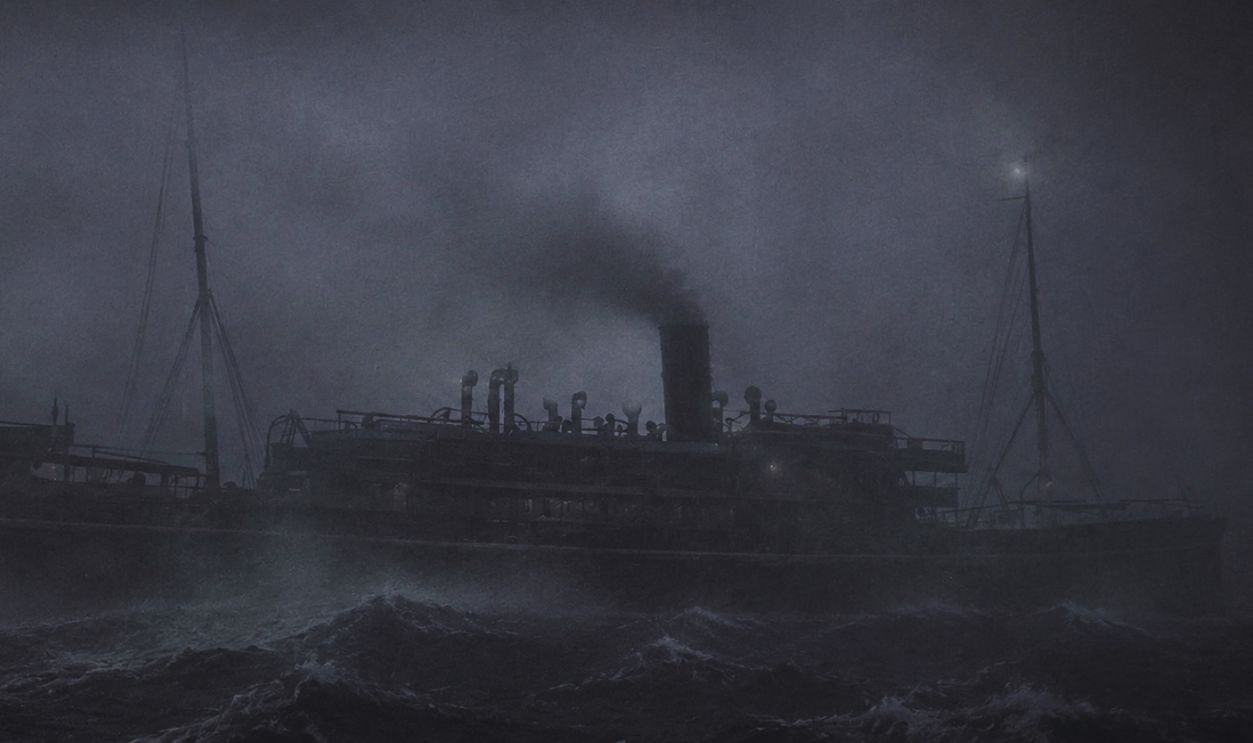
36. She Had A Rude Awakening
During this turbulence, the royal party likely remained in their cabins, possibly sleeping though more likely awoken by the rocking of the ship. Anyone who had been able to sleep through the storm didn’t remain in blissful slumber long. Above the howling wind, a dreadful call went out: “All on deck”! In the midst of a frightful storm, the SS Delhi ran aground with Louise and her family still on board.
 Chester Harding, Wikimedia Commons
37. She Was Trapped On Deck
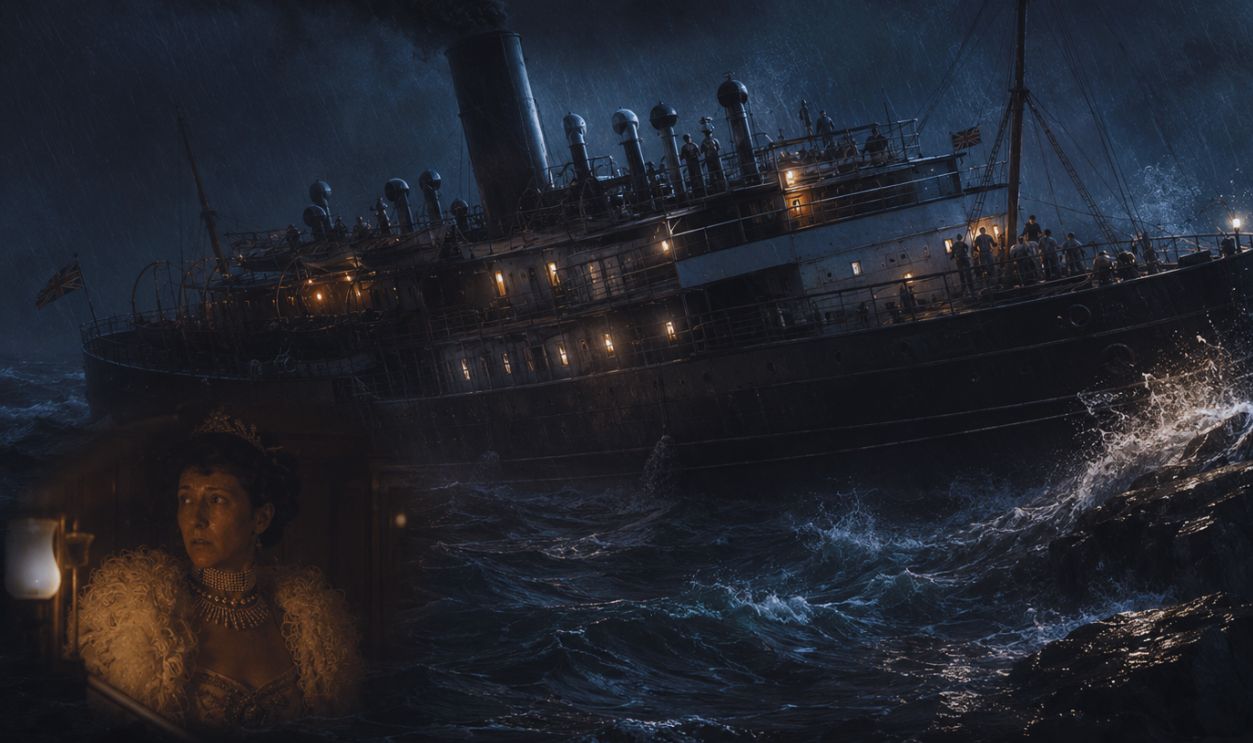
The SS Delhi struck the Moroccan coast near Cape Spartel. Water began to rush into the lower decks, leaving the ship on a dramatic tilt. The waters remained rough, and mounting waves began to break high over the now leaning deck where they had gathered all of the passengers, including Louise, Princess Royal and her family. Many described feeling as if the waves were dragging the ship closer and closer to the rocky shore. In moments like this, no one is royal or common—Louise and her family became like everyone else, just hoping to survive.
38. She Couldn’t Reach The Rescue Boats
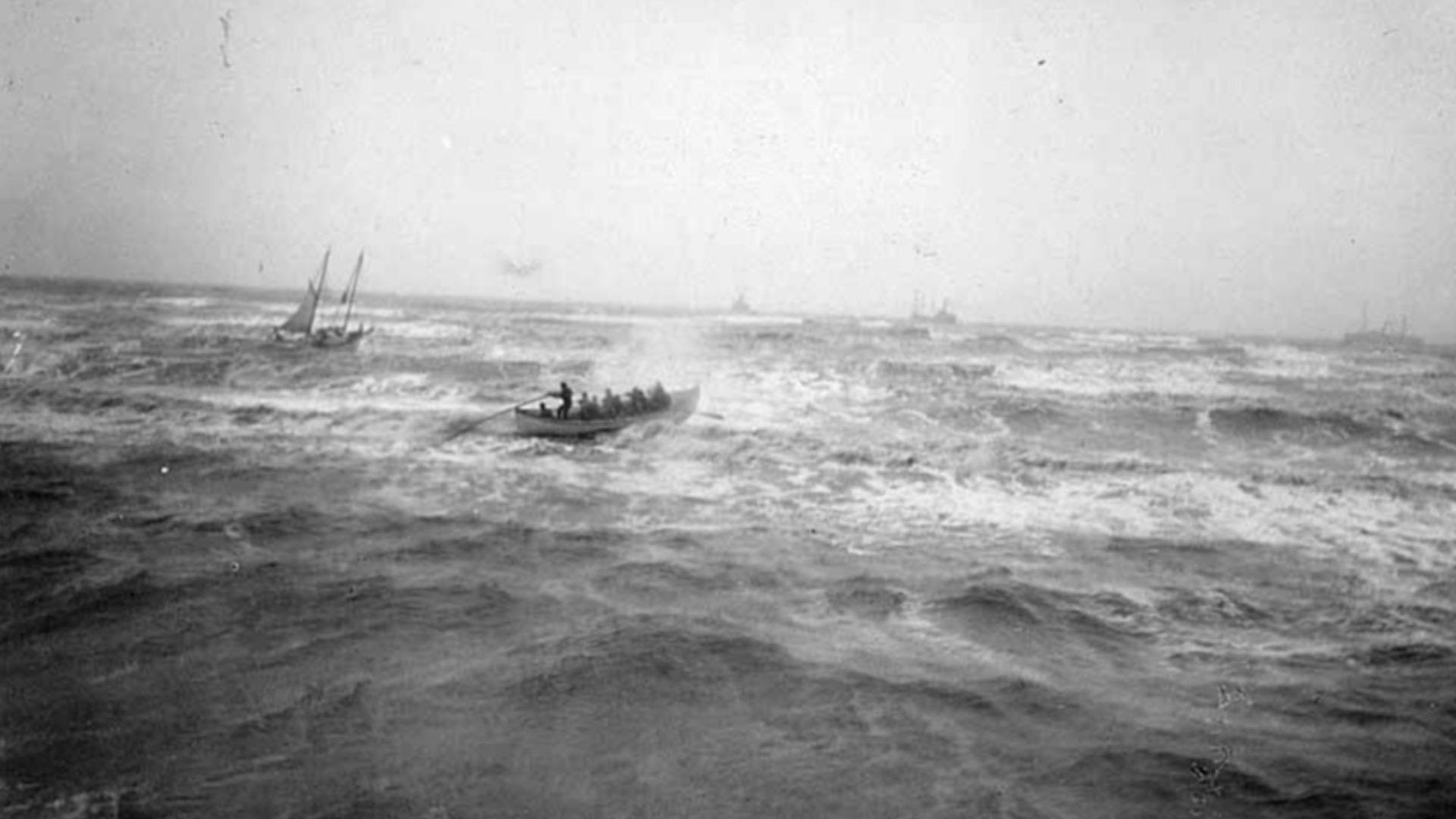
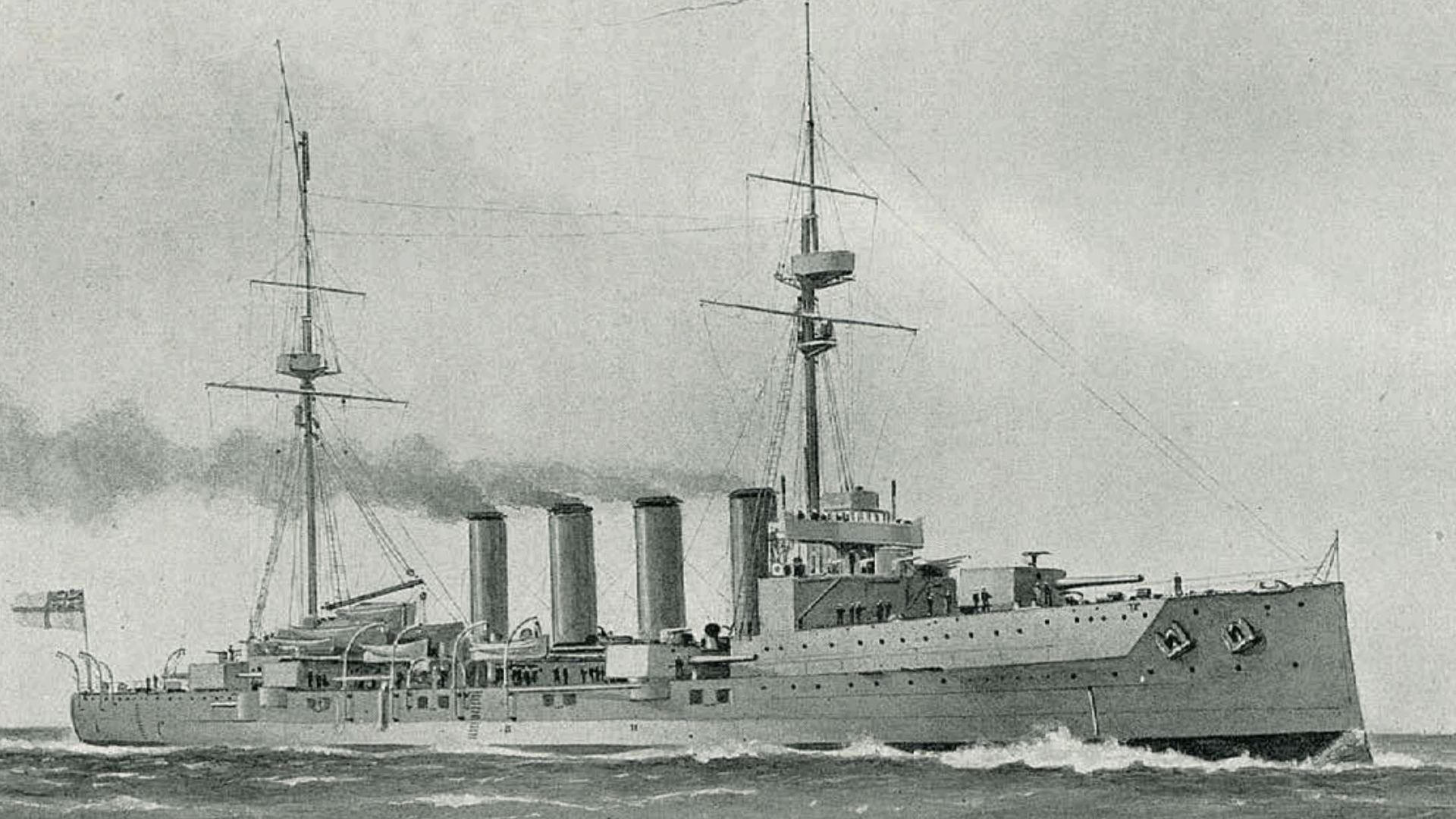
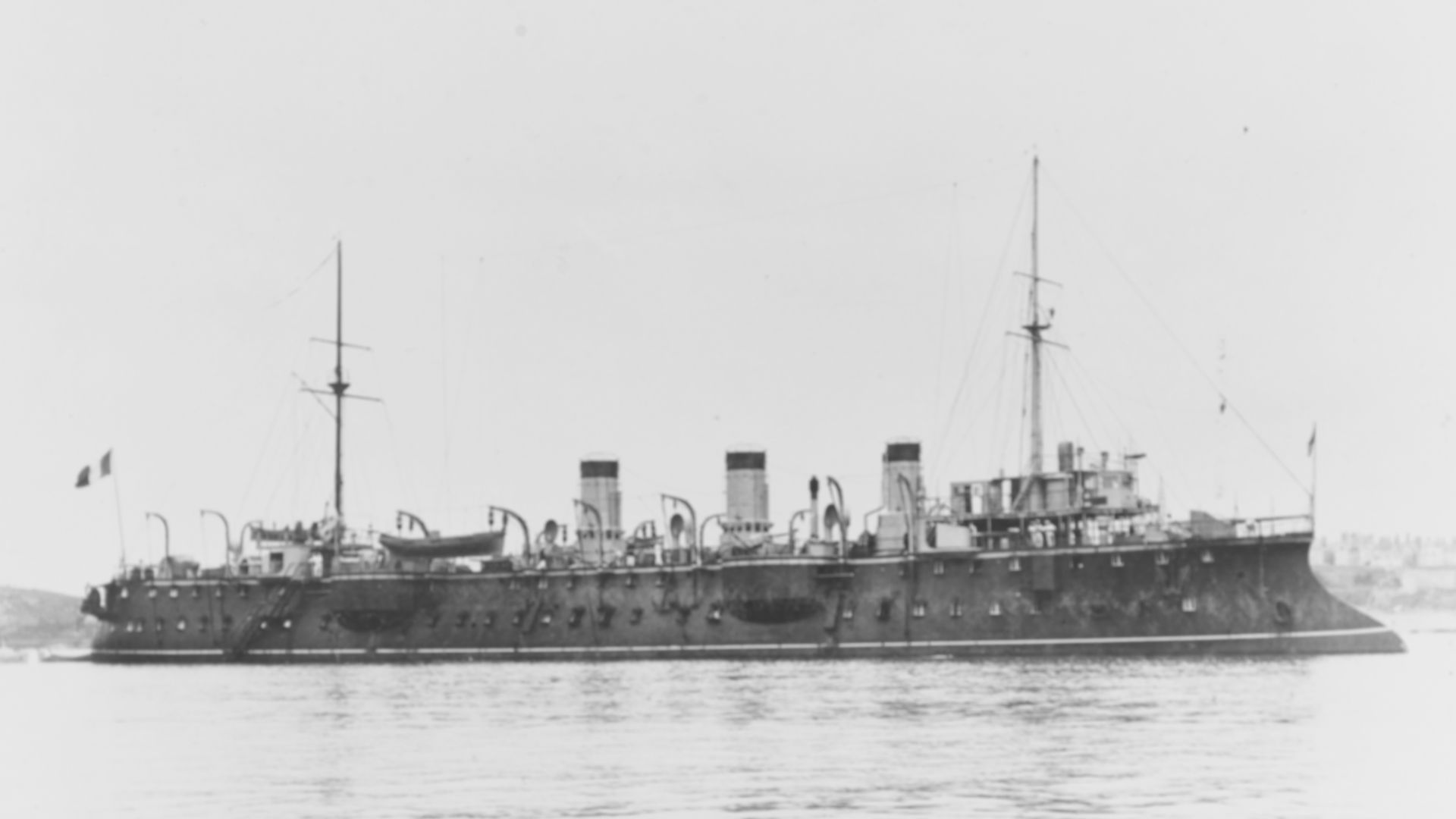
The crew of the Delhi put out distress calls, but the storm continued to be a problem. Although a trio of naval ships from Britain and France was sent out from nearby Gibraltar and Tangiers, the choppy water made attempting a rescue precarious. When the storm entered a brief lull, the nearby ships saw an opportunity to begin to stage a rescue.
 Beverly Bennett Dobbs, Wikimedia Commons
39. She Insisted They Help Others First
The Friant, a French ship, sent a launch out into the waters, intent on collecting the women and children to transfer them from the sinking Delhi to a British ship, the HMS Duke of Edinburgh. Given their elevated status, the rescuers surely offered Louise and her family a place upon the first transfer. However, they refused. Instead, the royal family remained on board the Delhi, insisting that they remove the women and children before them. Thus, they stayed on deck, likely having a perfect view of what came next.
 William Frederick Mitchell, Wikimedia Commons
History's most fascinating stories and darkest secrets, delivered to your inbox daily.
40. She Believed The Boats Would Be Back
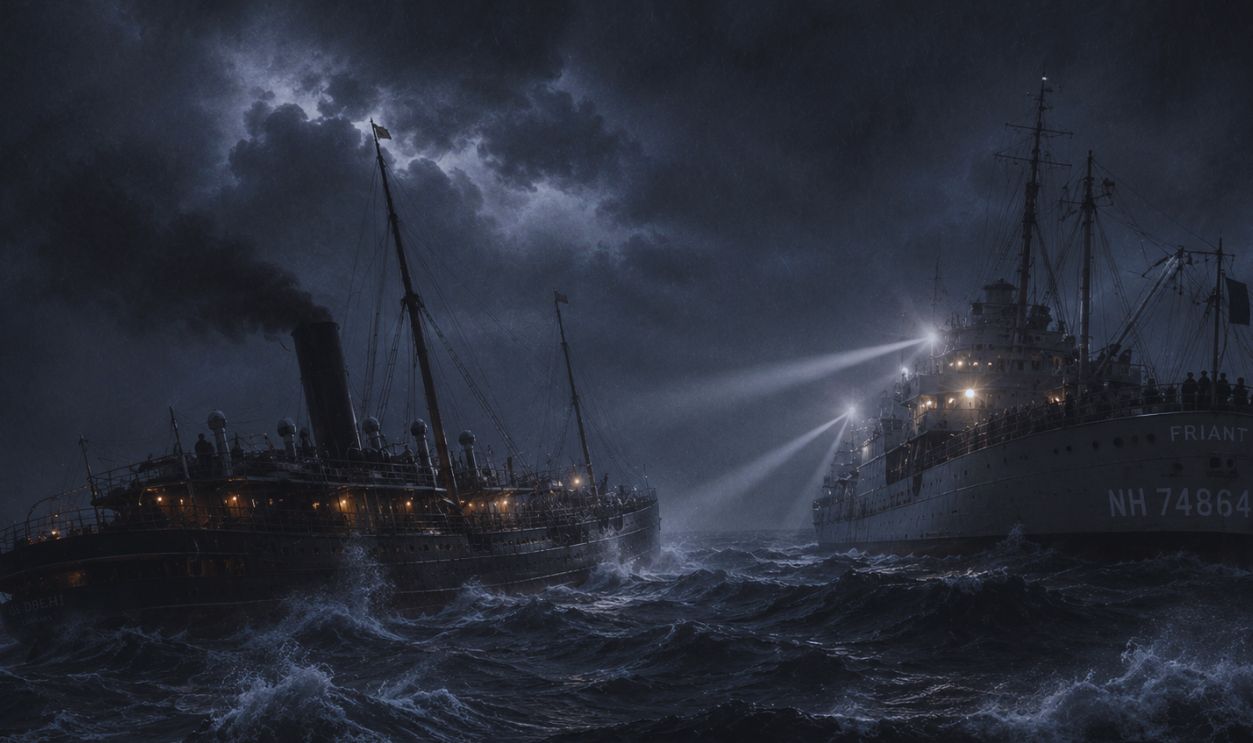
The first boat sent to take passengers to the Duke of Edinburgh successfully transferred the women and children safely onto the ship. However, by the time they’d completed the transfer, the lull ended, and the seas returned to their dangerous waters. The crew of the Friant hesitated, uncertain of what to do next—and that brief hesitation may have cost them everything.
41. She Watched As The Worst Happened
The waters returned to their original state, making a rescue attempt far more dangerous than it had been moments before. Yet, they’d left behind people on the Delhi, including members of the British royal family. A second rescue attempt needed to be tried. So, the Friant sent another launch out into the raging seas. Standing on deck with her family, Louise may have seen the large wave that took out the small boat, sending the crew upon it into the water below, where three never returned.
42. She Left The Boat And Fell Into More Danger
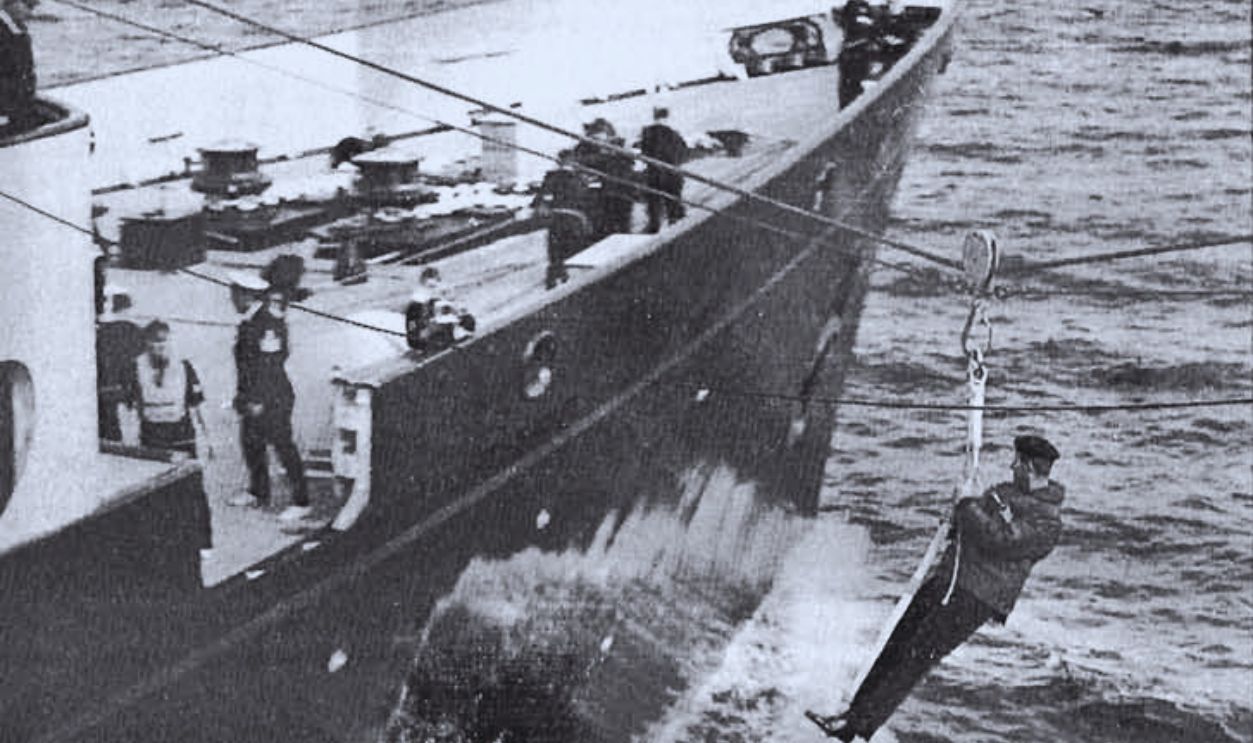
The incident made it clear to the crew of the Delhi that waiting for the nearby ships to rescue the royal family was too dangerous. Instead of sending Louise and her family through the deep waters towards the other ships, they decided to ferry them away from the water towards land. So, after nine hours of huddling upon the windy, rain-soaked deck, the crew lowered Louise, her husband, her daughters, and their various entourage into a launch from The Duke of Edinburgh, where their journey truly began.
 Royal Canadian Navy, Wikimedia Commons
43. She Surely Thought This Would Be The End
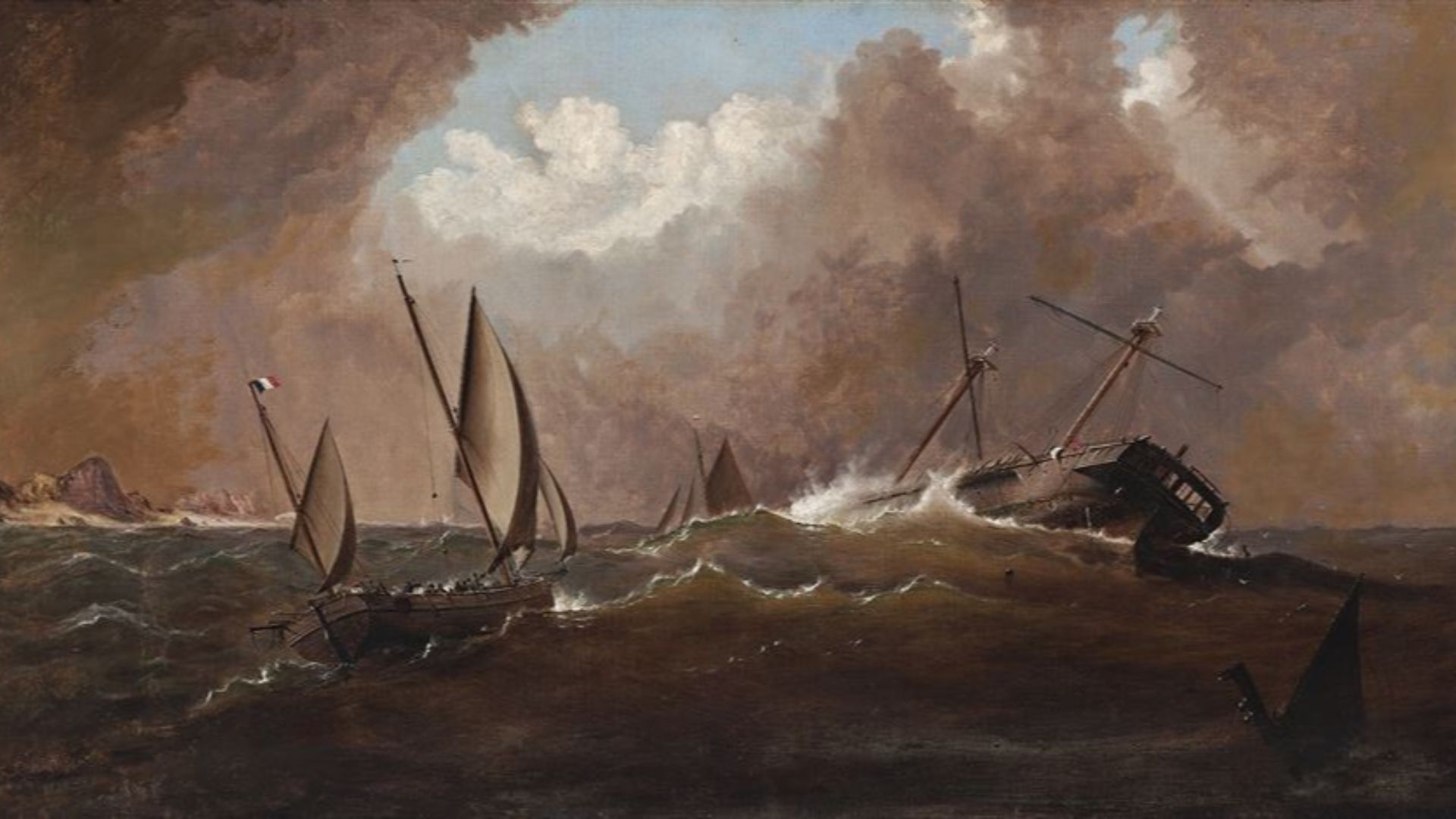
Although the Delhi lay to the side, slowly sinking into the seas they’d been crossing, it remained a large ship. It likely offered the royal family some protection from the crashing waves below. Now, however, they sat in a small boat, clad in their coats, pajamas, and life jackets, huddled in a small boat, cutting through choppy waters as wave after wave crashed over them. Louise surely feared that this water would be her end.
 Haughton Forrest (1826-1925), Wikimedia Commons
44. The Waves Became Too Much
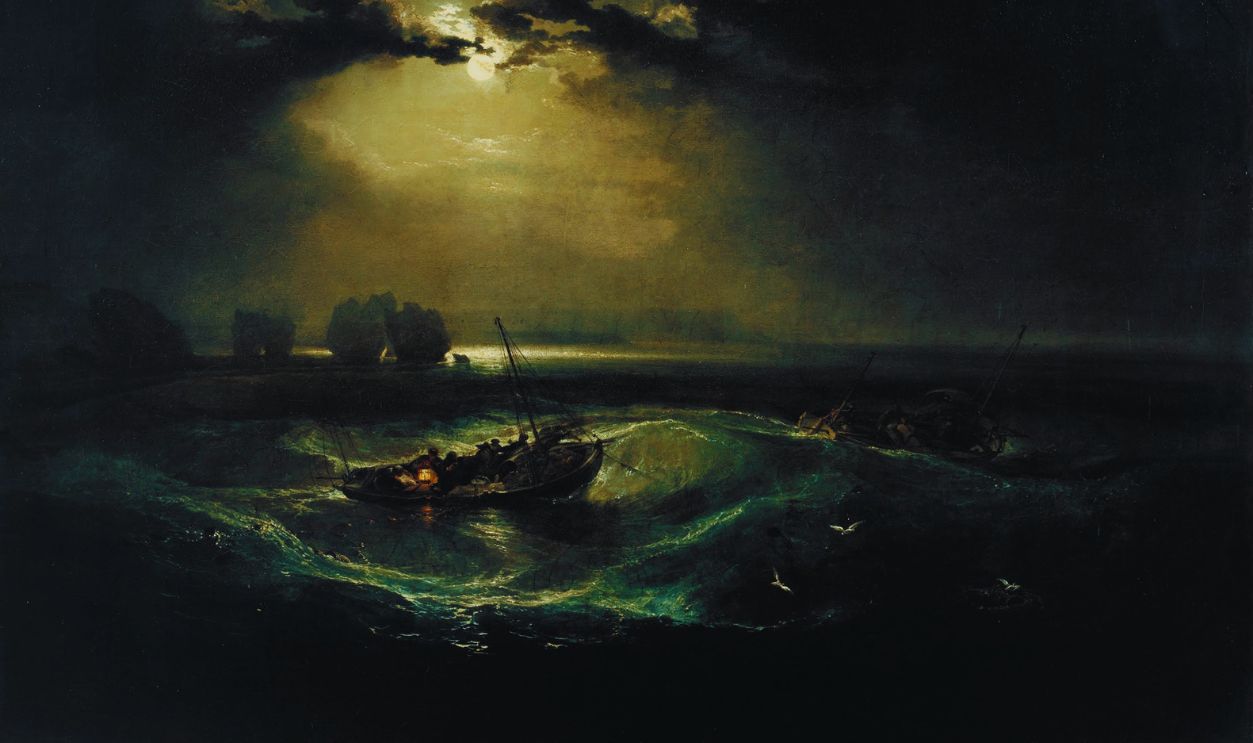
As more and more waves crashed over the side of their small lifeboat, the bottom began to fill up with water. Alexander, along with the other men, began to bail out the water, but they couldn’t keep up. The waves filled the boat faster than they could remove them. Eventually, the weight became too much, and the waves pushed the boat and all of its passengers into the water, where Louise had one last horror to witness.
 J. M. W. Turner, Wikimedia Commons
45. She Lost Her Daughter
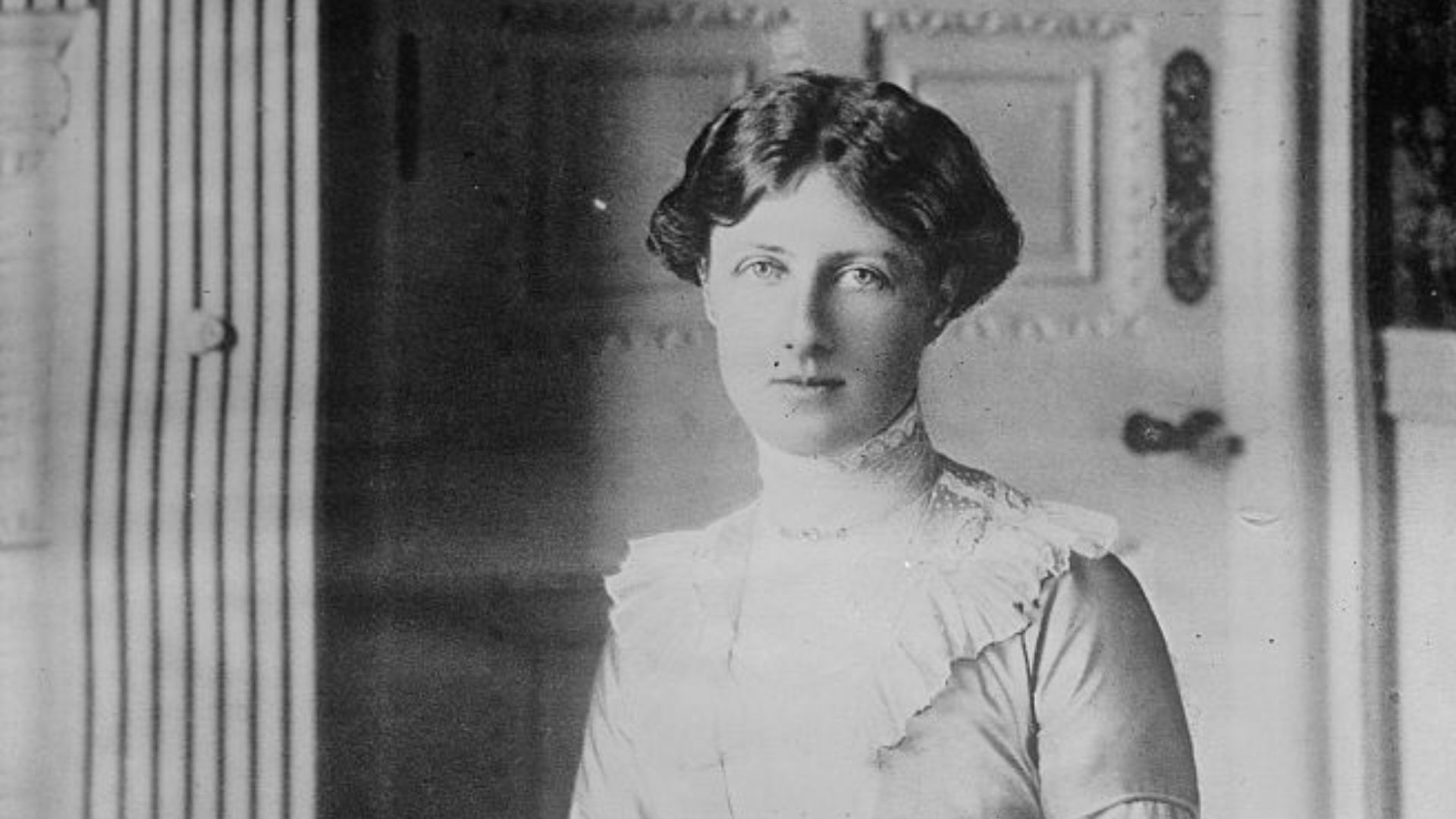
Alexandra sank under the waves along with the boat. Louise remained helpless as her beloved daughter disappeared from her sight, sinking to a depth that Louise could not reach. Thankfully, one of the sailors, as well as another passenger, jumped into action, chasing after Alexandra and pulling her back up into the air. Soaked to the bone and freezing, Louise, Alexandra, and the rest of her family trudged barefoot onto the coast, freed from the water, but far from finished with their trials.
 Bain News Service, Wikimedia Commons
History's most fascinating stories and darkest secrets, delivered to your inbox daily.
46. She Still Had a Long Journey Ahead
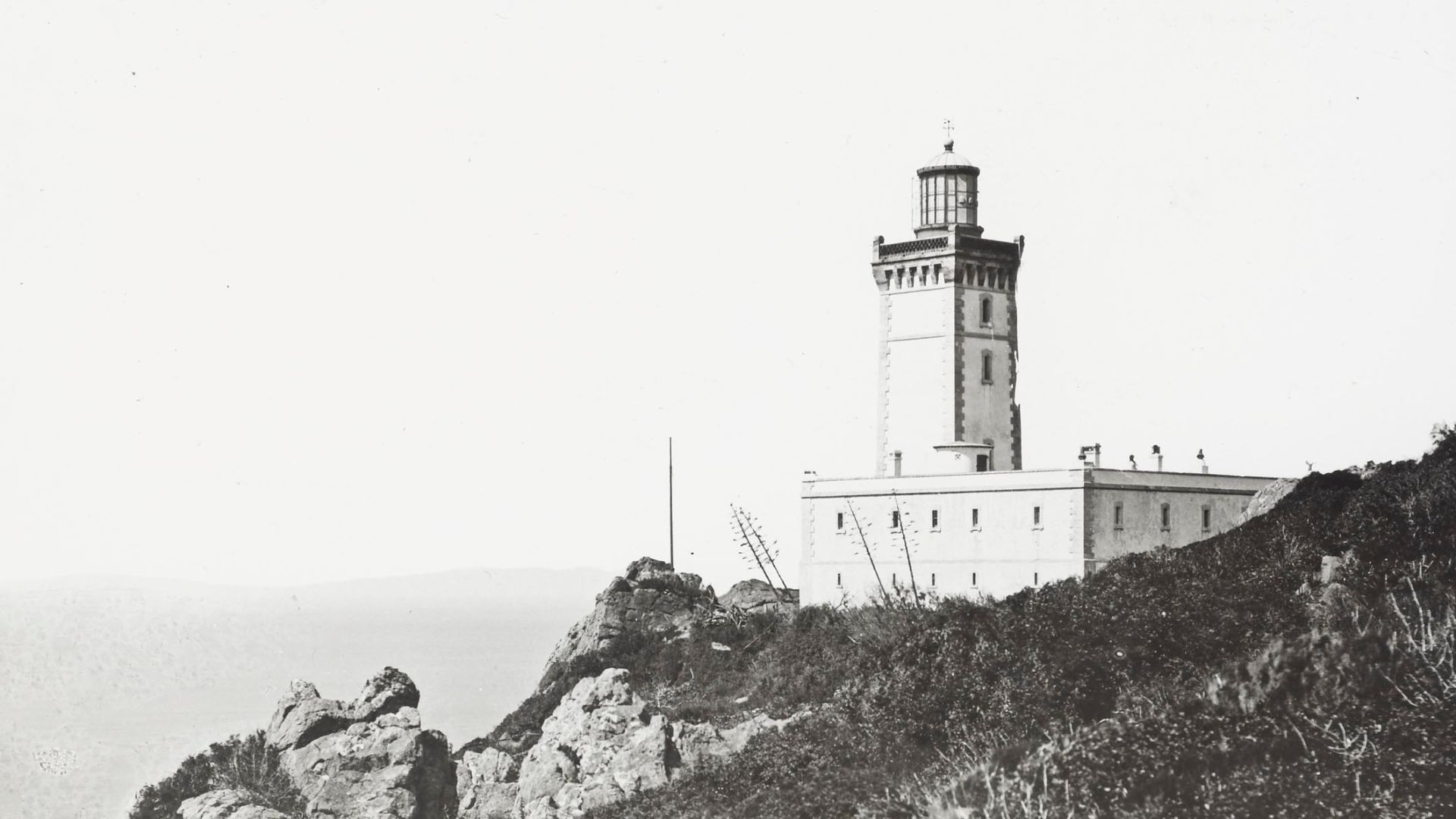
The family walked to a lighthouse at Cape Spartel, where they found a change of clothes borrowed from whatever they were able to get from the lighthouse keeper. From there, they travelled across the land on the back of mules to the diplomatic legation at Tangiers, some miles away. There, Louise felt more confident about their prospects, and sent her mother a quick telegram declaring them “all safe”. They were unaware that one of them carried an invisible suffering from their ordeal that none of them could see—yet.
 George Washington Wilson, Wikimedia Commons
47. She Couldn’t Shake That Night
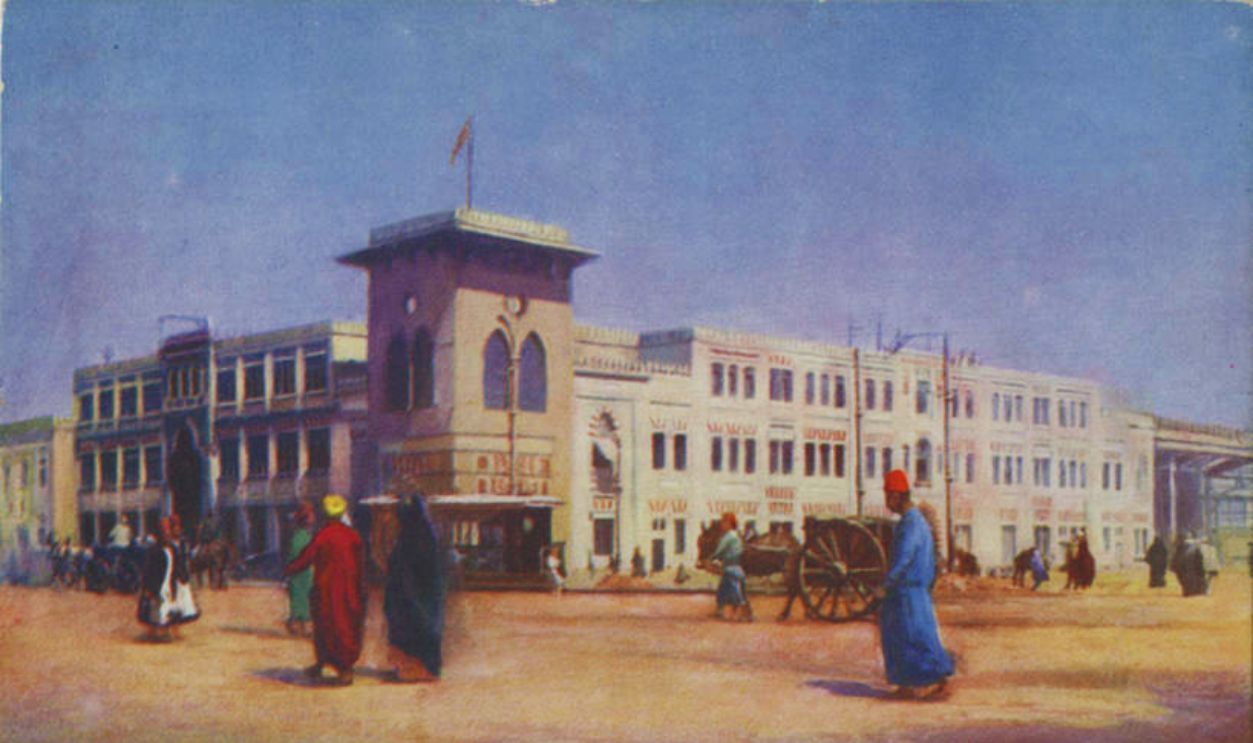
Louise was 44 when she boarded the SS Delhi. Her husband, Alexander, was 62. Although they boarded another ship and arrived safely in Cairo as planned, Louise and her husband both felt lingering effects of their night upon that rain-soaked deck. Louise’s slight “chill” healed quickly enough on its own. Alexander, however, struggled to recover his full health.
 Unknown author, Wikimedia Commons
48. She Lost The Thing That Mattered Most
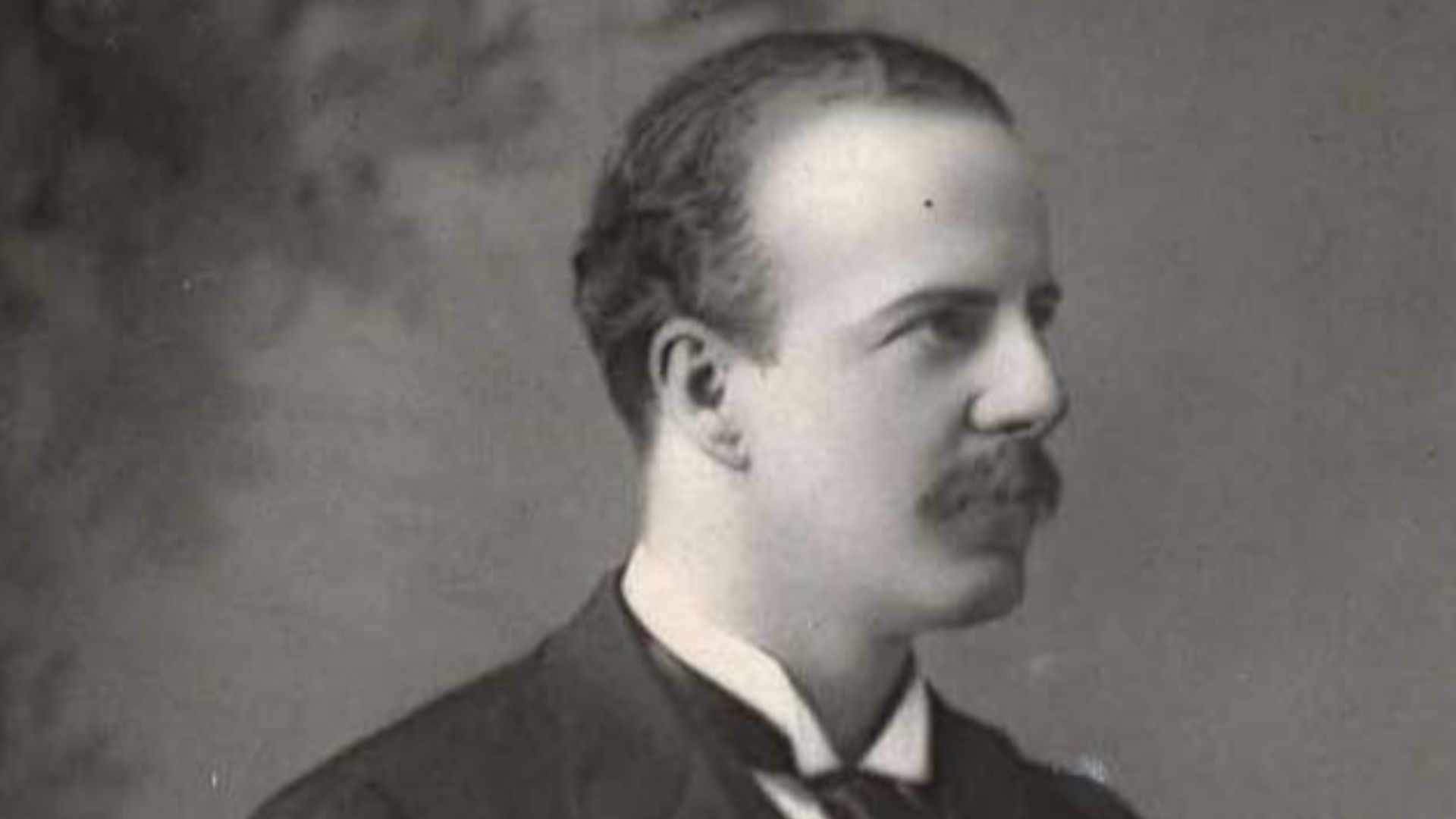
The SS Delhi sank in the wee hours of December 13. On December 27, the family boarded another ship and made their way to Cairo. By January 23, Alexander’s illness had become so grave that it forced the family to cancel planned engagements. Feverish and suffering from a pain in his side, the doctors gave him a grave prognosis.
 WILLIAM & DANIEL DOWNEY (ACTIVE 1860-EARLY 1900S), Wikimedia Commons
49. She Disappeared
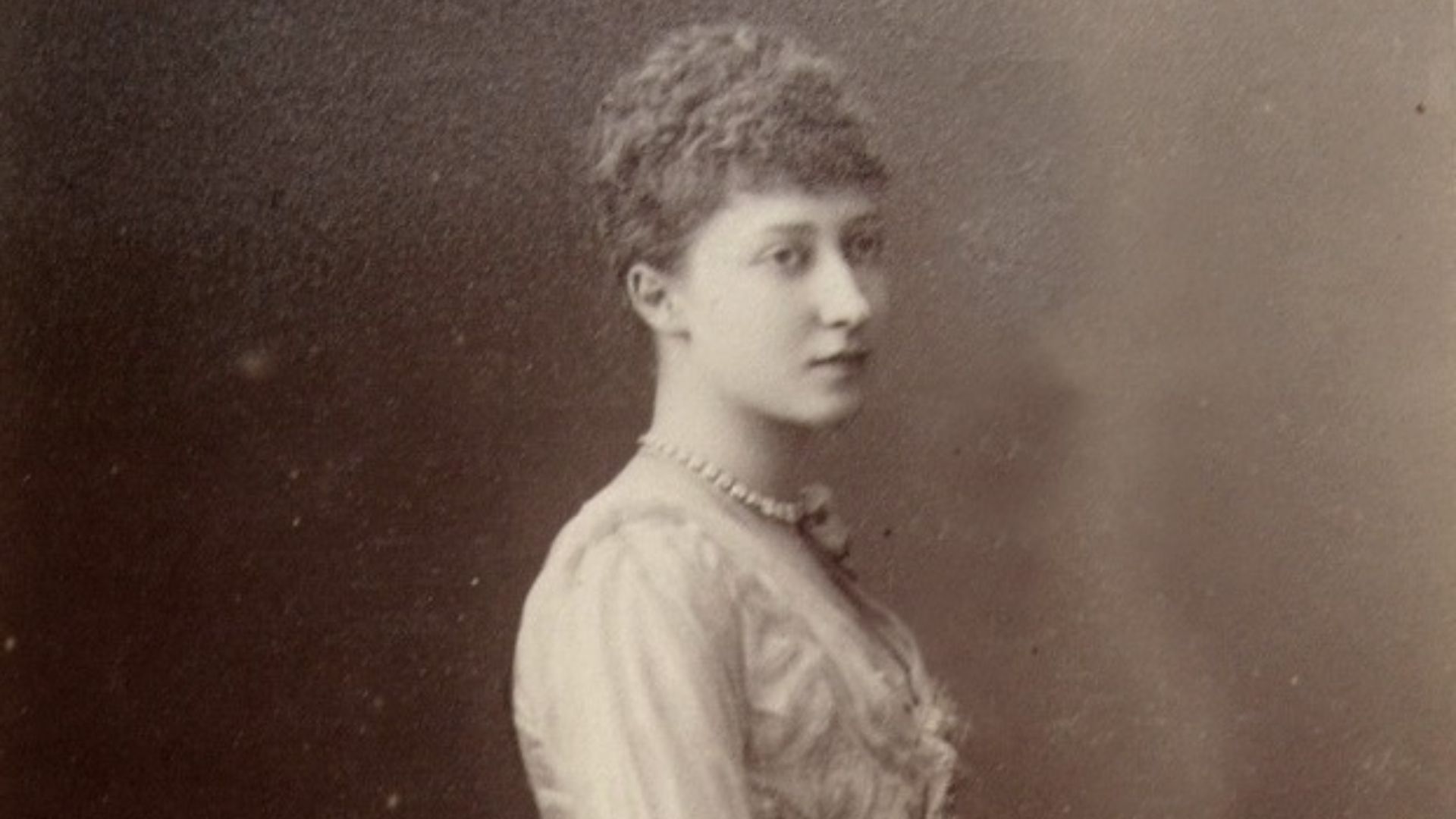
Alexander, Duke of Fife, passed on January 29, 1912. Suddenly alone in the world, Louise retreated further into her privacy, performing her duties as a royal when necessary and keeping to herself whenever she could. Louise outlived her husband by nearly 20 years, but the final chapter of her life was far from peaceful.
 Unknown authorUnknown author, Wikimedia Commons
50. She Suffered Terribly In The End
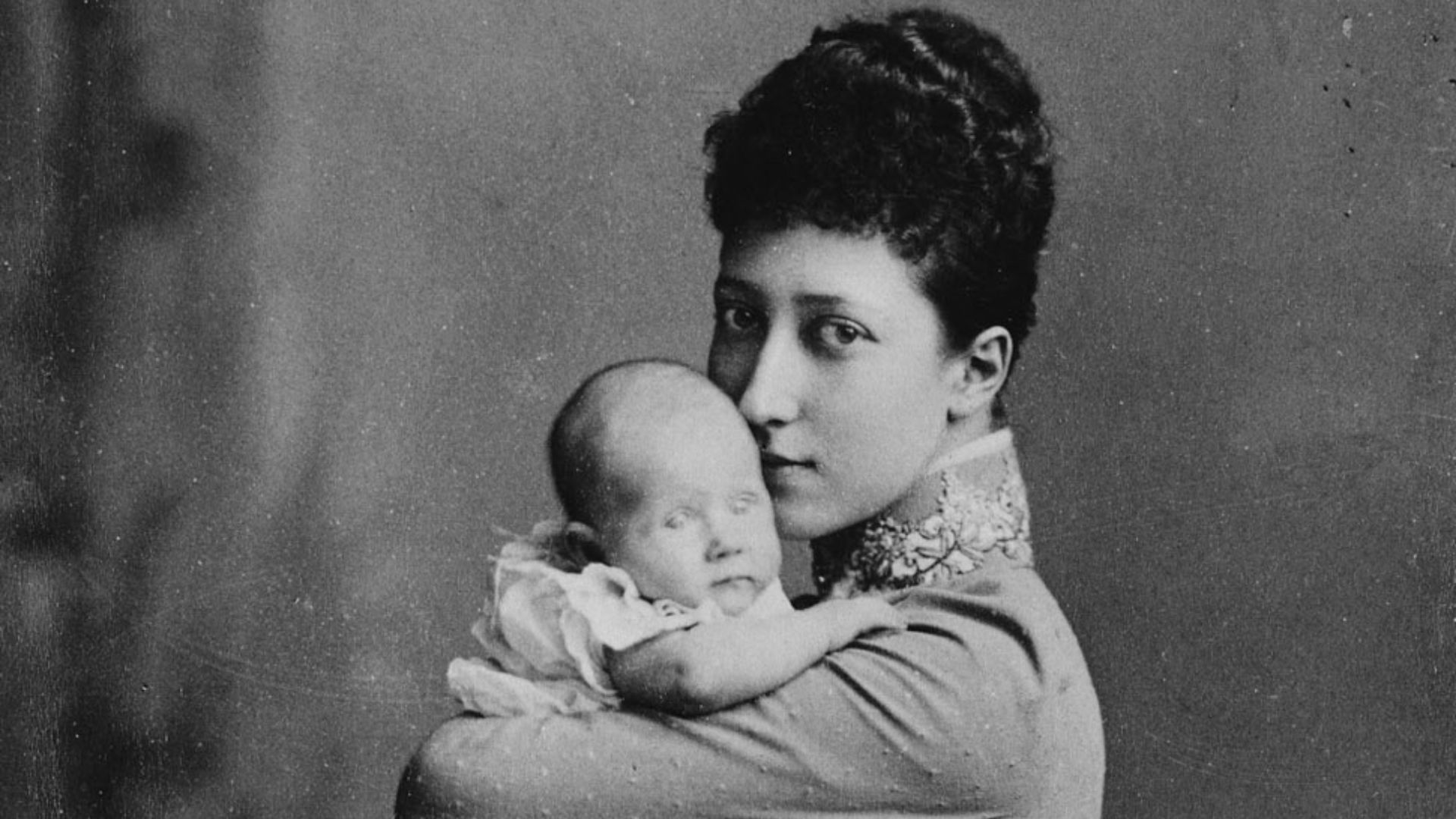
Around 1925, Louise started suffering from recurring, and painful, gastrointestinal bleeding. Her health issues progressed to the point that for the last couple years of her life, she was bedridden. She followed Alexander into the afterlife on January 4, 1931, with her daughters at her side. Her sister Victoria said it best when telling their sister Maud, “Louise suffered so terribly these last few months that one can but thank God. She is at peace with her dear ones”.
 William & Daniel Downey, Wikimedia Commons
You May Also Like:
Tragic Facts About Princess Alice Of Battenberg, The Hidden Royal
Unbuttoned Facts About Prince Albert, Queen Victoria's Royal Consort











.jpg%20)


