
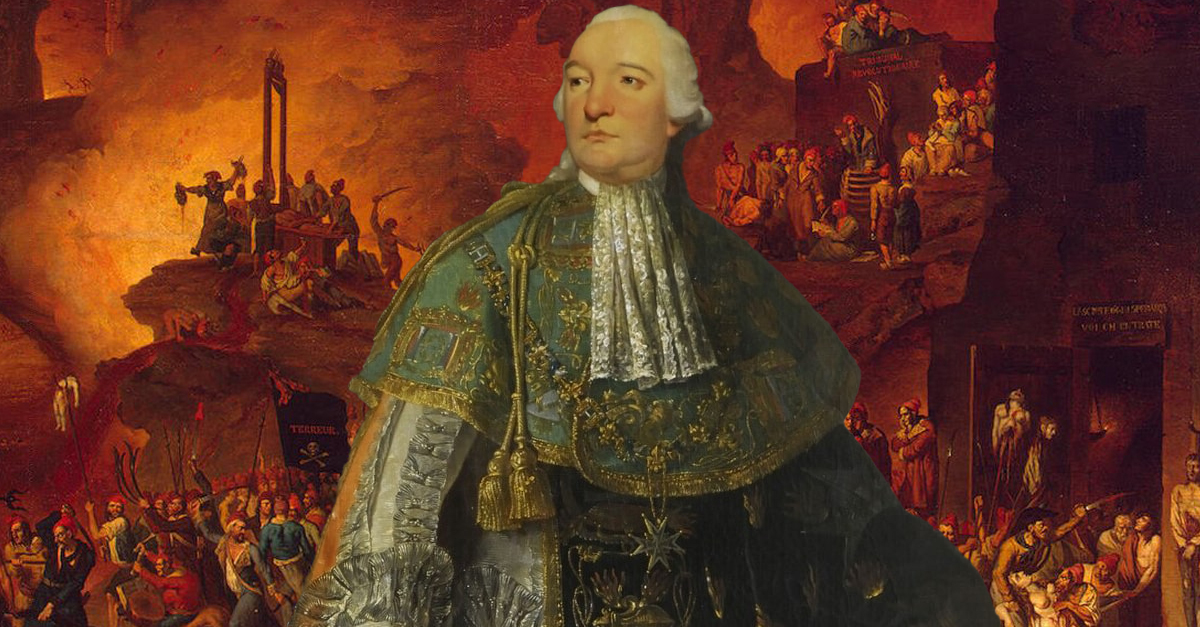
The French Royal Who Tried To Join The Revolution
Louis Philippe II was a member of the French nobility at a time of seismic shifts. The French Revolution, which the Duke of Orléans supported, threw his loyalties into question, and even led him to take sides in hugely consequential ways. But his liberal views could not outrun his royal associations…
1. He Was A Duke At Birth
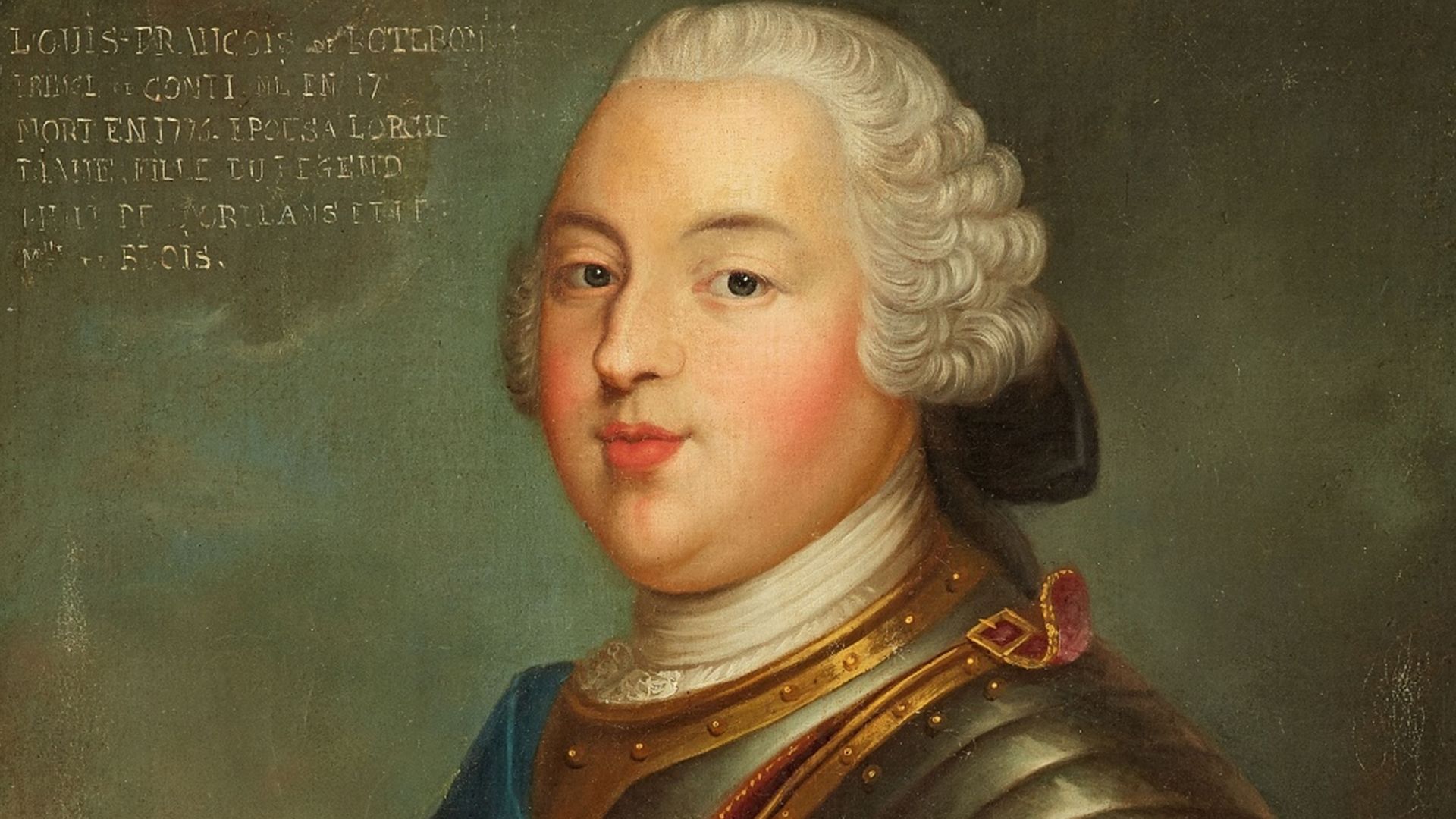
Louis Philippe Joseph d'Orléans was born in France on April 13, 1747, the son of Louis Philippe d'Orléans, Duke of Chartres, and Louise Henriette de Bourbon-Conti. The infant had a noble title from birth: due to his ancestry, he was officially the Duke of Montpensier. This privileged position allowed baby Louis some early access.
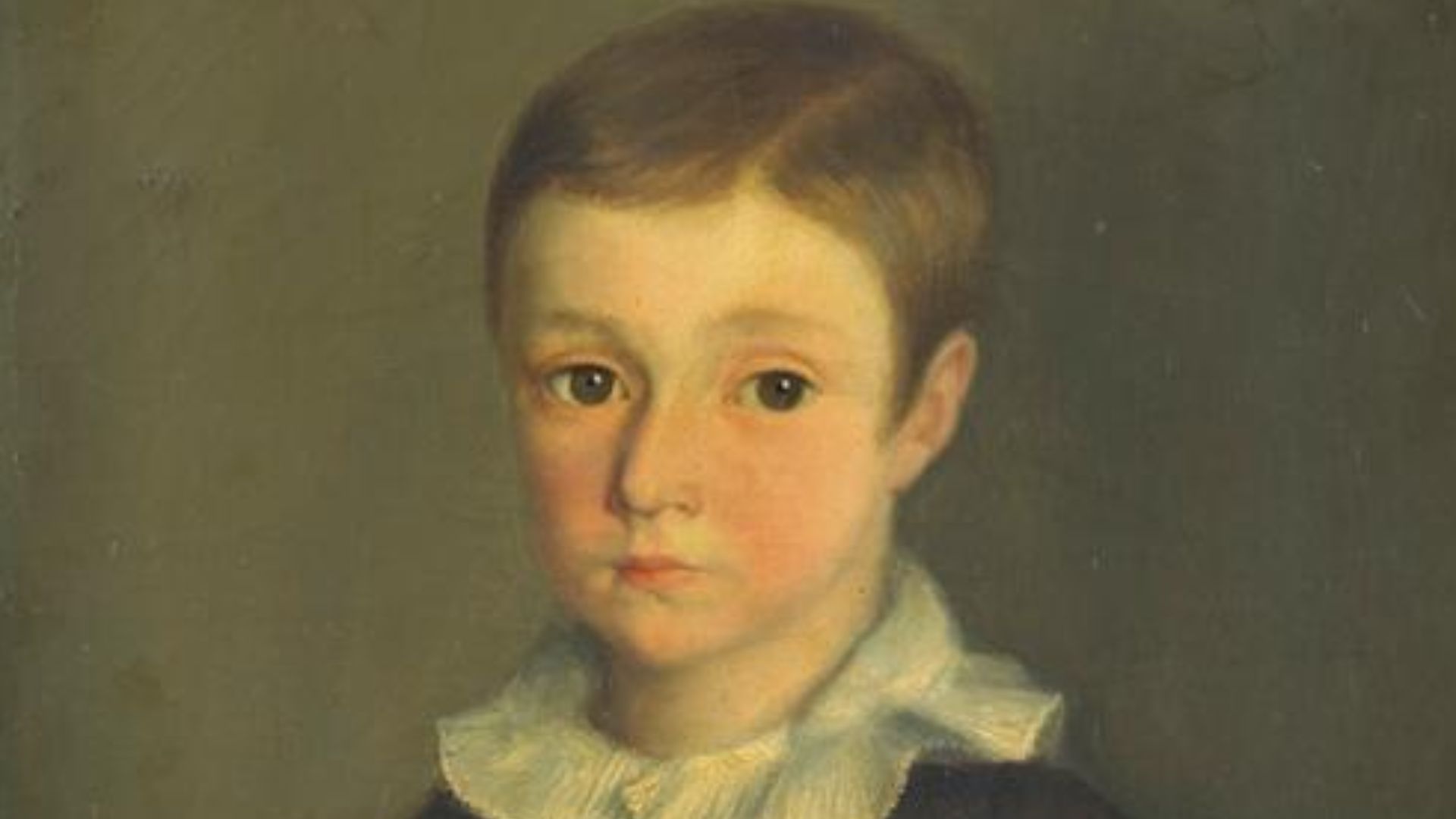 Victor-Marie Roussin, Wikimedia Commons
2. He Was A Medical First
Louis Philippe II was born on the eve of revolution, and France was a rapidly changing place—including technology. The young Duke, along with his siblings, was one of the first people in the country inoculated against smallpox, a brand-new procedure, at the behest of his father. Not everyone was immediately trusting of the approach, with one very notable objector to it…
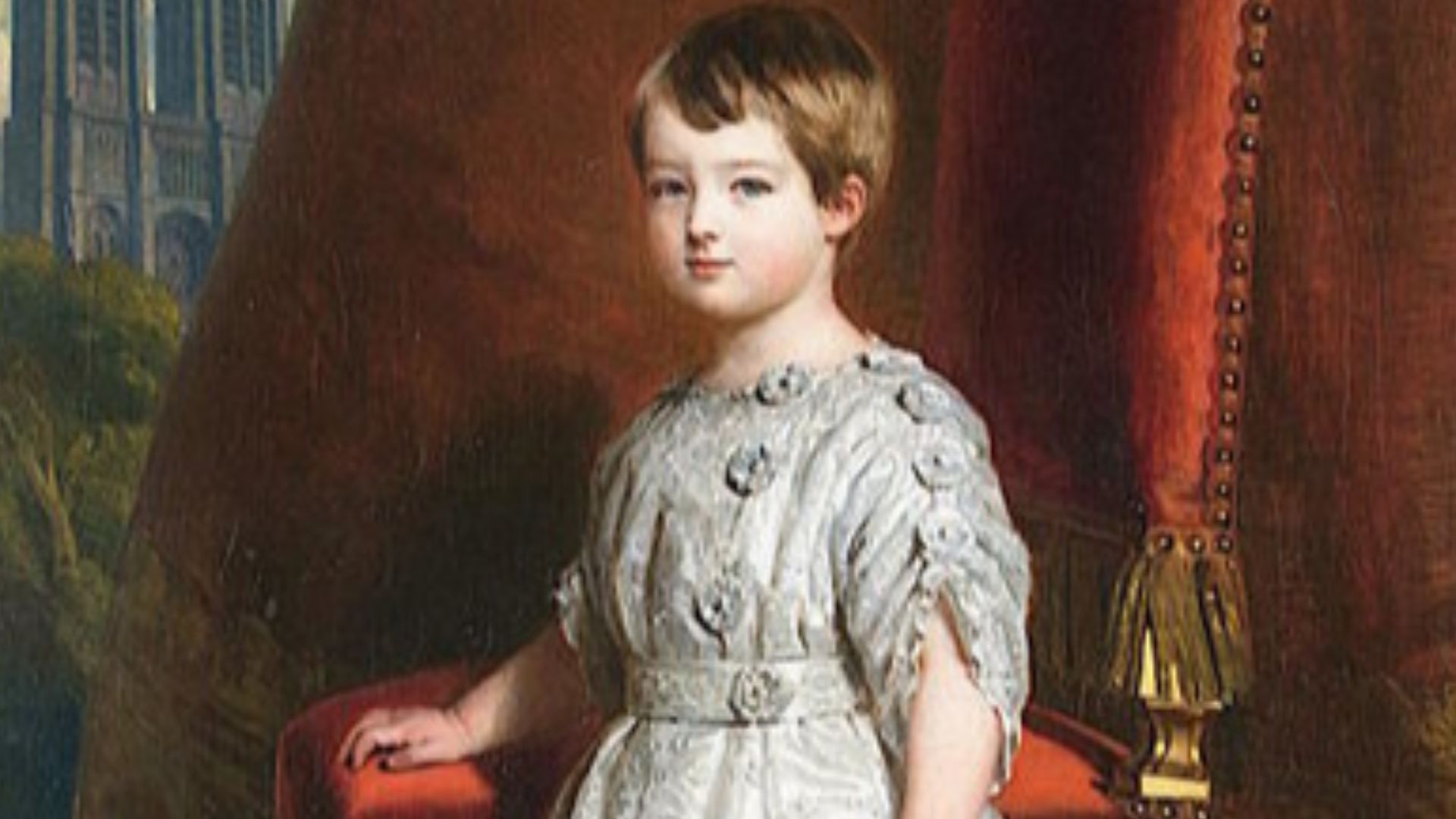 Franz Xaver Winterhalter, Wikimedia Commons
3. He Had A Powerful Cousin
Many objected to Louis’ father’s decision to inoculate his children, including their mother, the Church, and Louis’ cousin, the most powerful man in the land: King Louis XV (this family had a lot of Louis’). The King was skeptical of such new-fangled methods—a notable difference in attitude to that of his younger cousin. Despite the perceived dangers, the young Duke continued to rise.
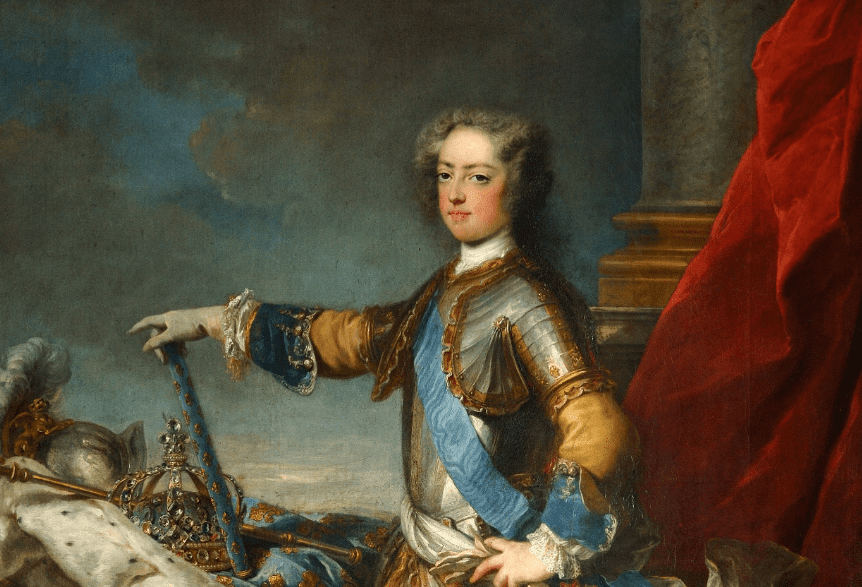
4. He “Climbed” The Ranks
At the time in France, titles passed on in order of succession. In 1752, Louis’ grandfather met his demise; Louis, therefore, received a “promotion” in rank. The five-year-old had now inherited the title of Duke of Chartres. He also found himself in the running for a much more impressive title.
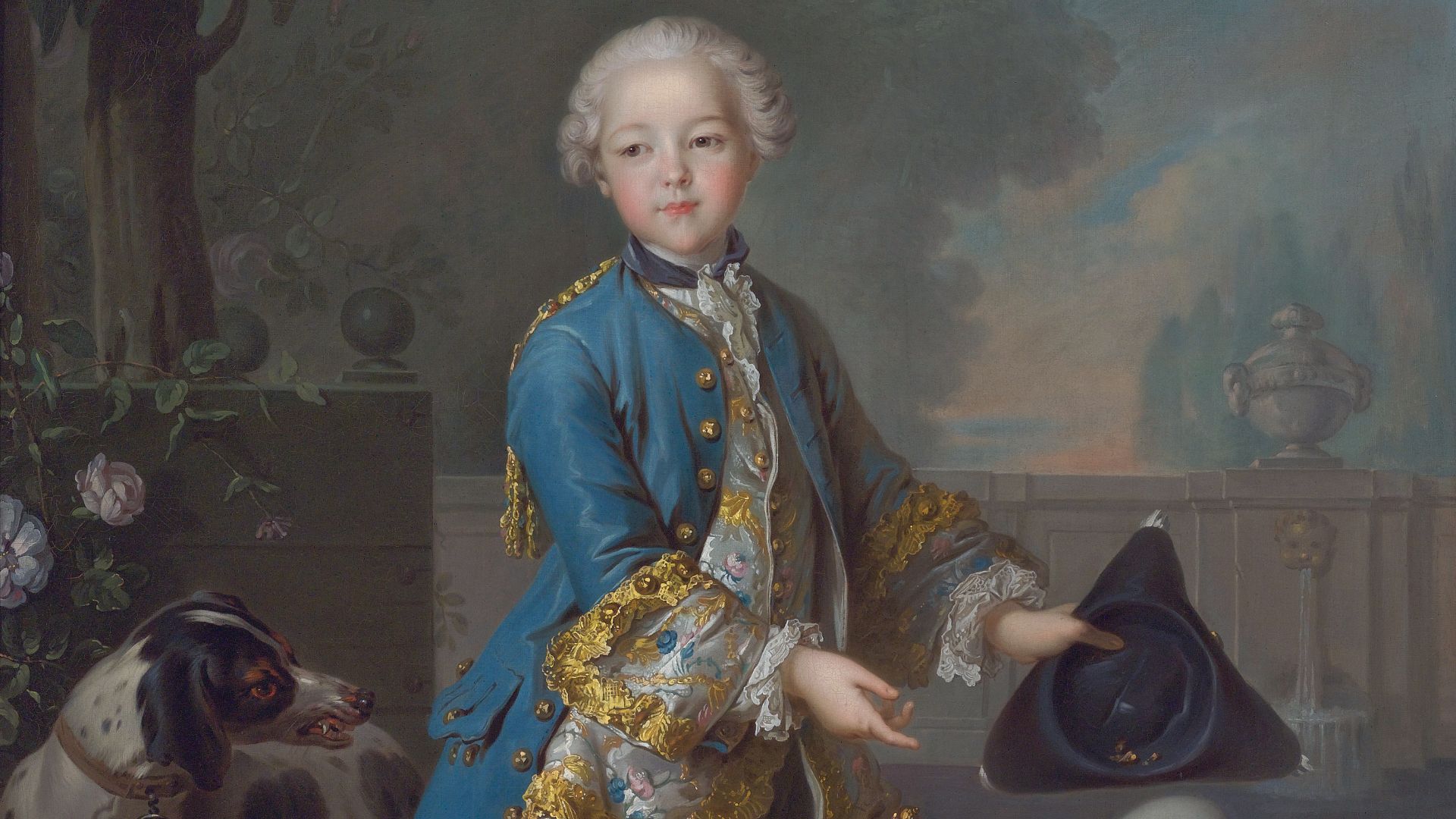 Louis Tocque, Wikimedia Commons
5. He Was In Line To Rule
The House of Orléans were the most important bigwigs in the Kingdom of France after the king’s immediate family, with the Duke of Orléans holding the title of First Prince of the Blood. This meant that Louis, should certain circumstances play out, was in line for the throne of the King of France. And he needed a partner befitting of that stature.
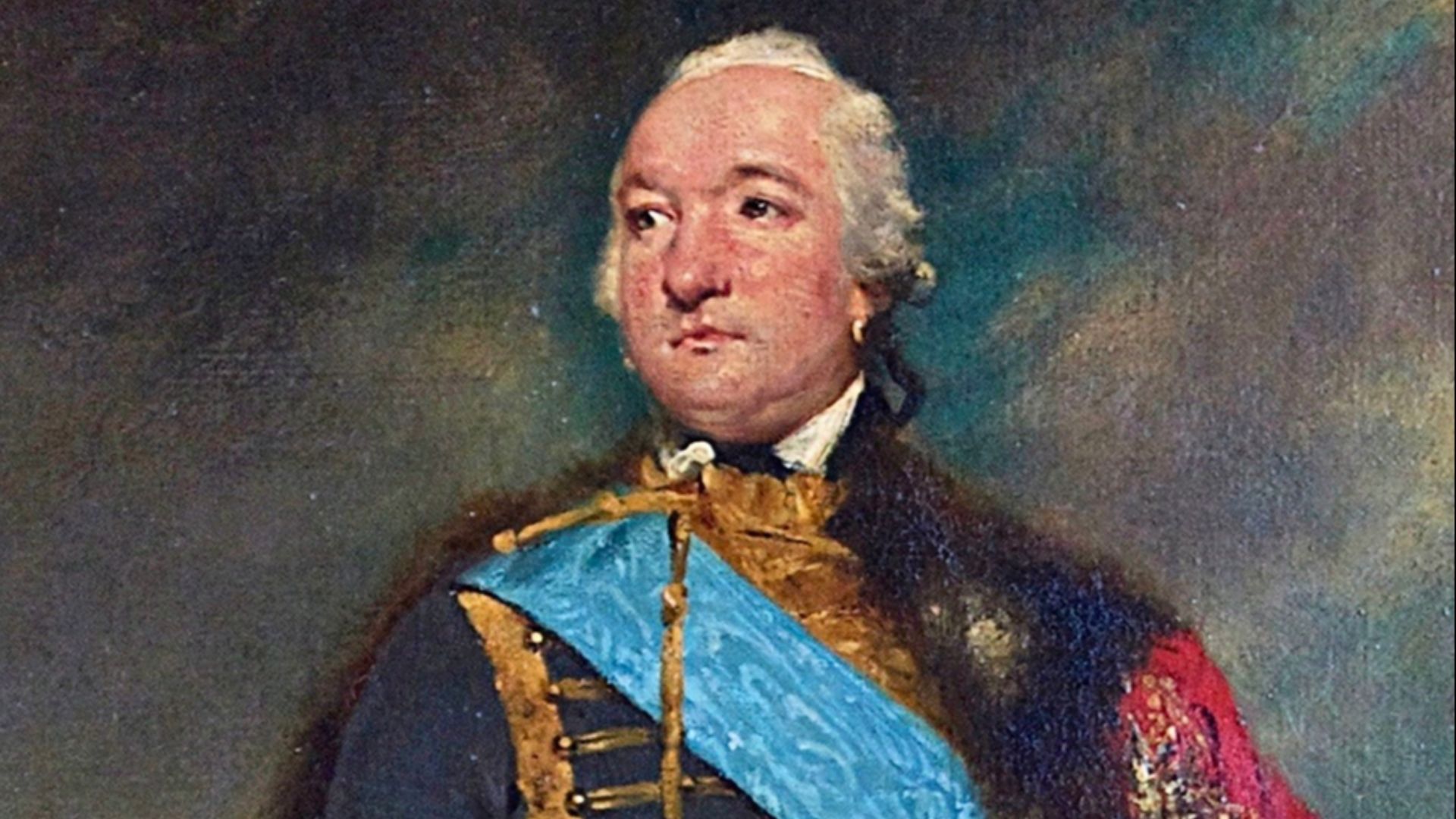 After Joshua Reynolds, Wikimedia Commons
6. He Got Married In Style
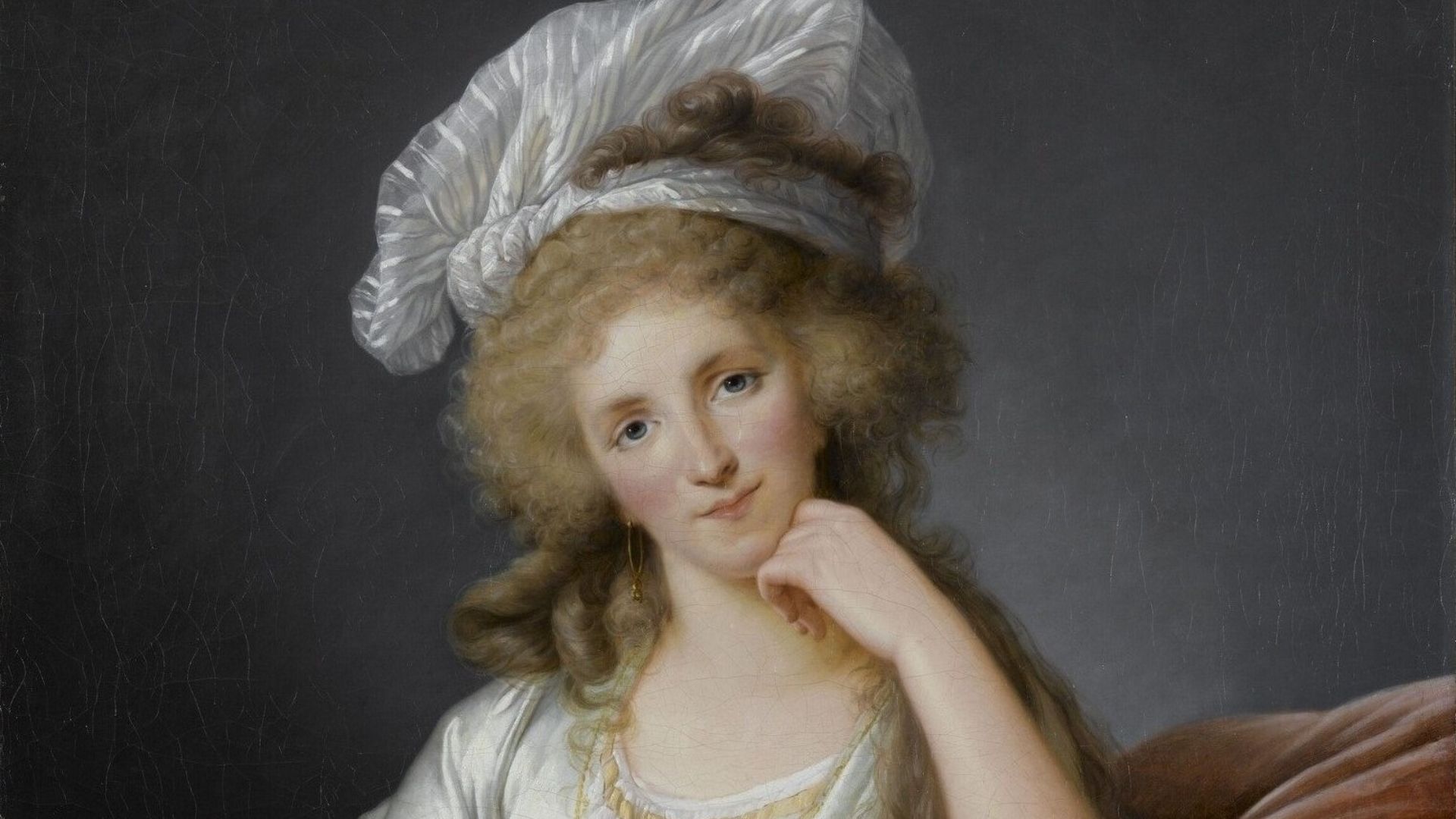
On June 6, 1769, the Duke married Louise Marie Adélaïde de Bourbon (seriously, so many people in this era have names with some variant of Louis) in an ornate ceremony. The wedding took place in the chapel of the Palace of Versailles. However, some of the details of the union seem a little odd in hindsight.
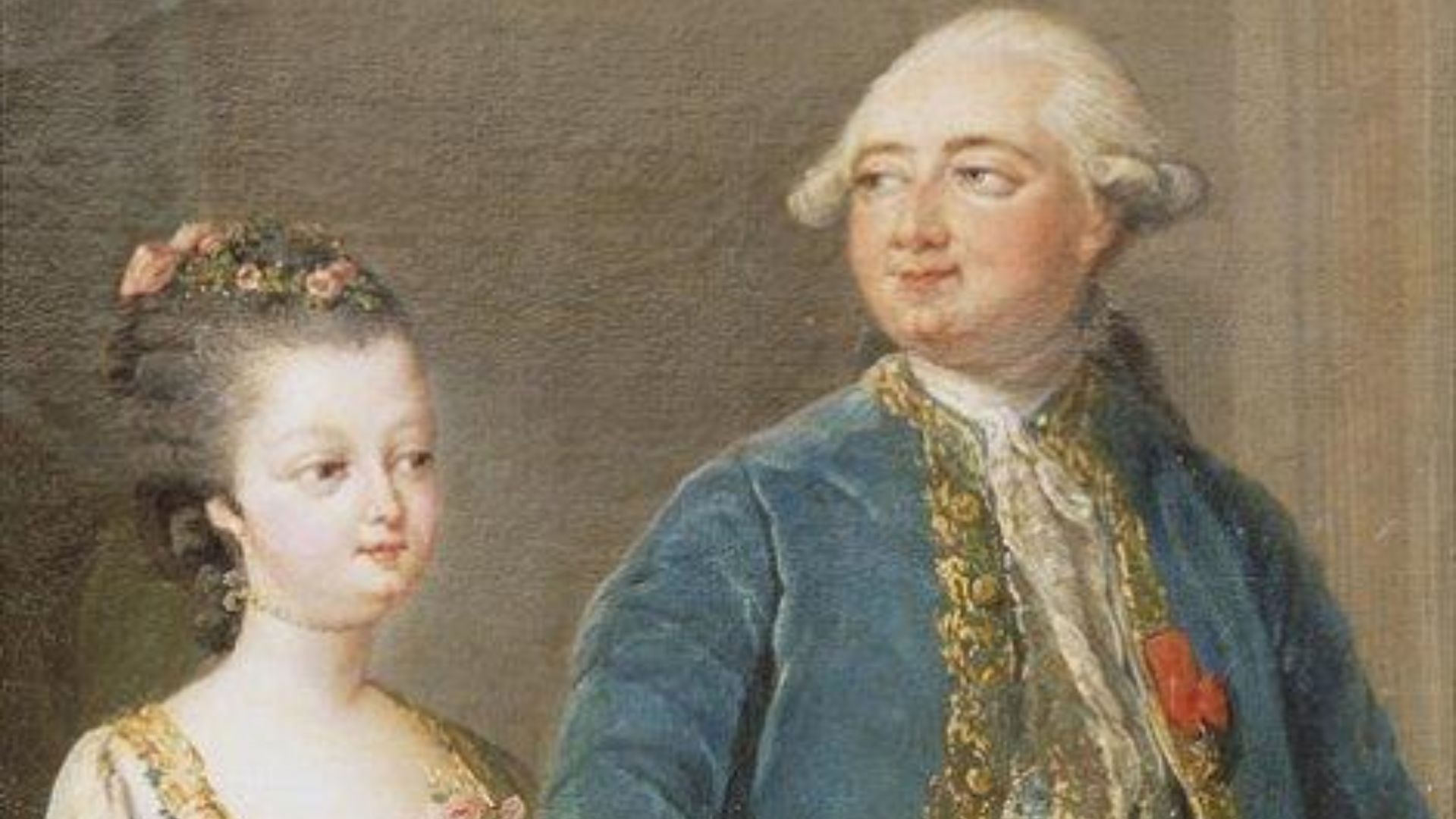 Jean-Baptiste Andre Gautier-Dagoty, Wikimedia Commons
7. His Wife Was Family
With the caveat that these practices were not uncommon with royals of the era, there were two details about Louis’ wife that would make modern society squeamish. The first is that she was his cousin’s daughter, meaning they were related by blood. The second is that Louise was only 16 when she wed the 22-year-old Louis Philippe II. Nevertheless, the couple didn’t hesitate to get busy.
 Élisabeth Louise Vigee Le Brun, Wikimedia Commons
8. He Had A Mess Of Kids
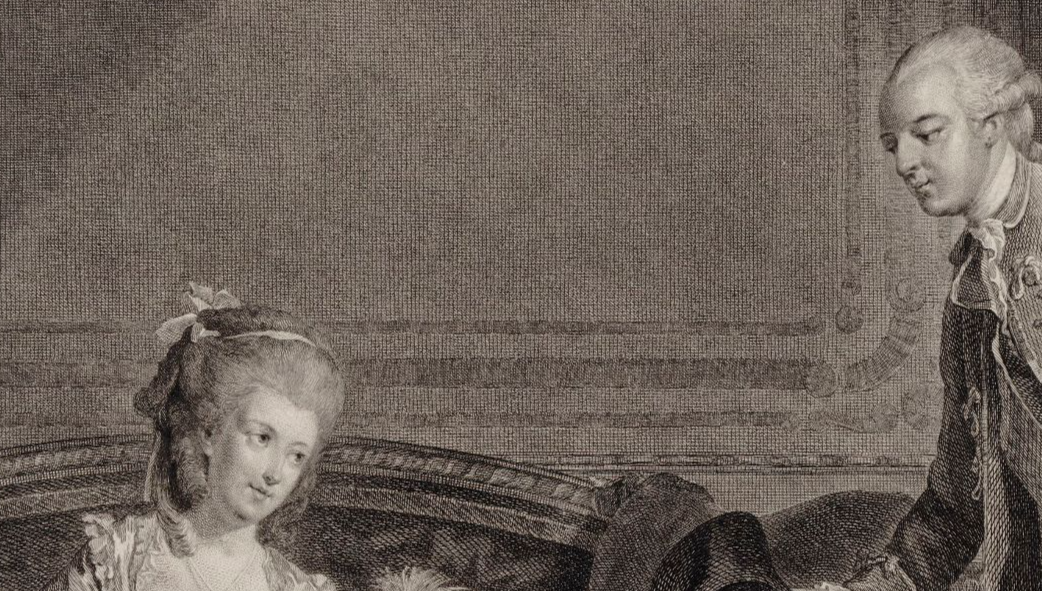
In the space of nine years, Louis and his wife had six legally recognized children. The first, a daughter, tragically did not survive birth, but his remaining five children went on to live relatively long, healthy lives. Healthier, certainly, than their parents’ marriage.

History's most fascinating stories and darkest secrets, delivered to your inbox daily.
9. He Slipped Into Old Habits
The first few months of Louis’ marriage had only with love and devotion. A known libertine before his wedding, it appeared Louis had changed his ways. But old habits die hard, and the duke quickly found that he had no desire to be a one-woman man…
 French School / Unidentified painter, Wikimedia Commons
10. He Got Around
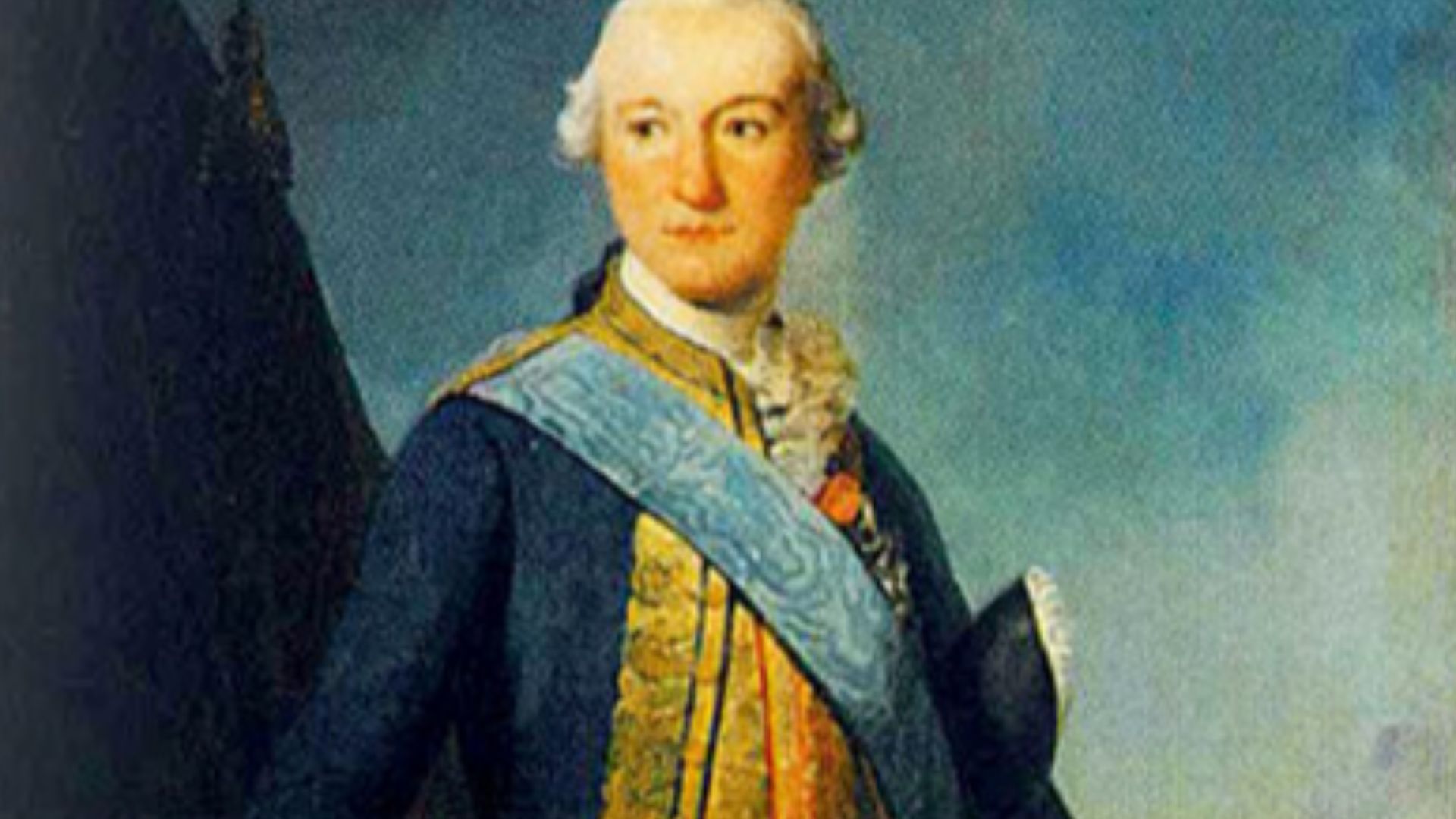
Before and, unfortunately for his wife, during his marriage, Louis gained a reputation as a prolific womanizer. Indeed, he engaged in many high-profile affairs, many of which resulted in illegitimate children. Some of these affairs did not occur far from home.
 Charles-Philippe Lariviere, Wikimedia Commons
11. He Kept His Affairs Close To Home
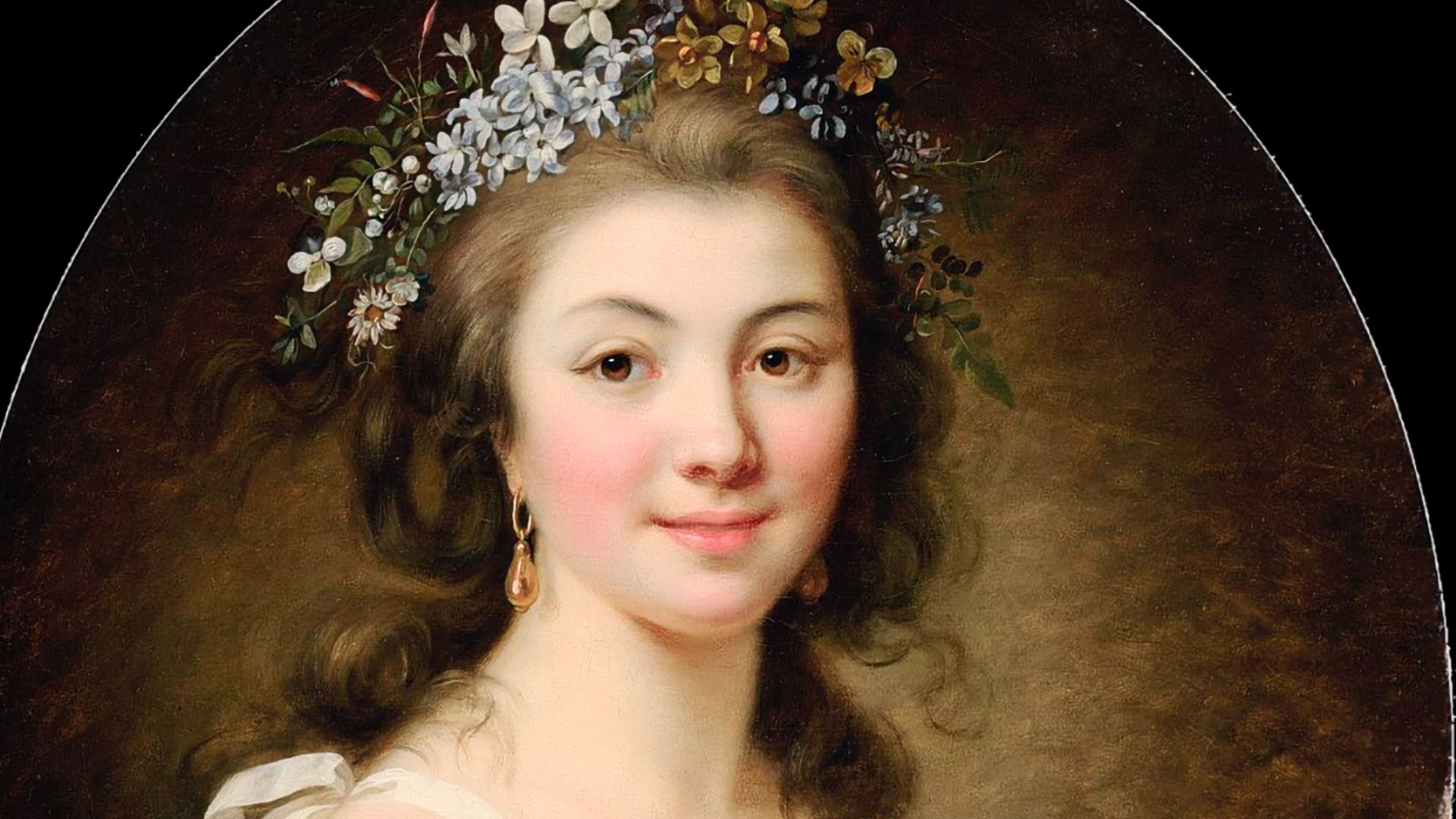
In the summer of 1772, Louis Philippe II began a secret affair with one of his wife’s ladies-in-waiting. His liaison with Stéphanie Félicité began passionately, but the spark reportedly faded by the following spring. Remarkably, Félicité remained in service to the Duke and Duchess, becoming a trusted friend to both and governess to their twin daughters.
And Louis’ wife provided him with more than just side pieces.
 William C. Minor, Wikimedia Commons
12. He Had A Rich Wife
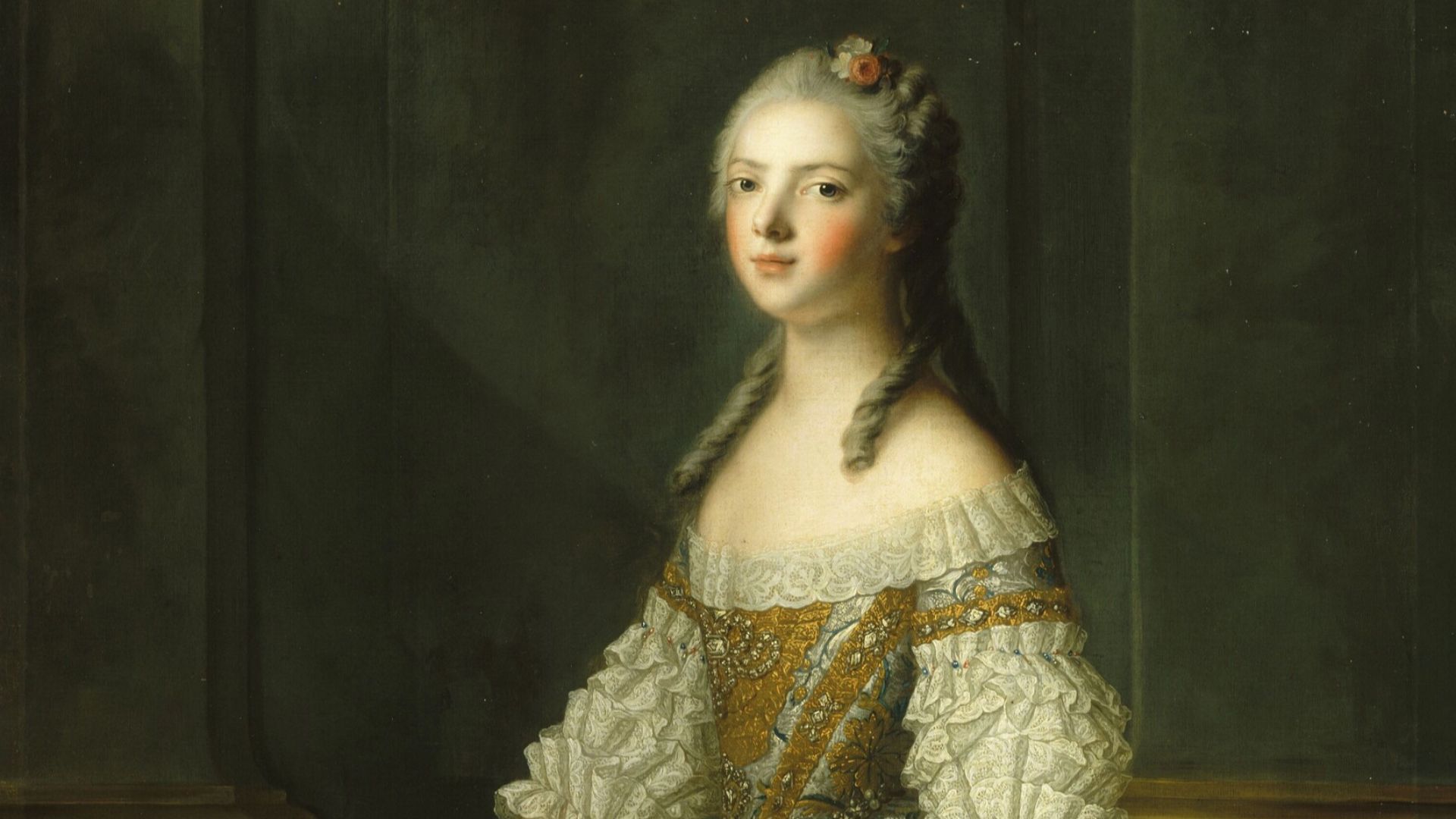
As mentioned, Louise was the daughter of one of Louis’ cousins, the Duke of Penthièvre, who happened to be one of the richest men in France. With the union of the younger Duke and Duchess, Louis Philippe II gained significantly more political power at court due to the assumption of his wife’s vast inheritance. And it wasn’t just power that he acquired.
 After Jean-Marc Nattier, Wikimedia Commons
13. He Gained A Fortune Overnight
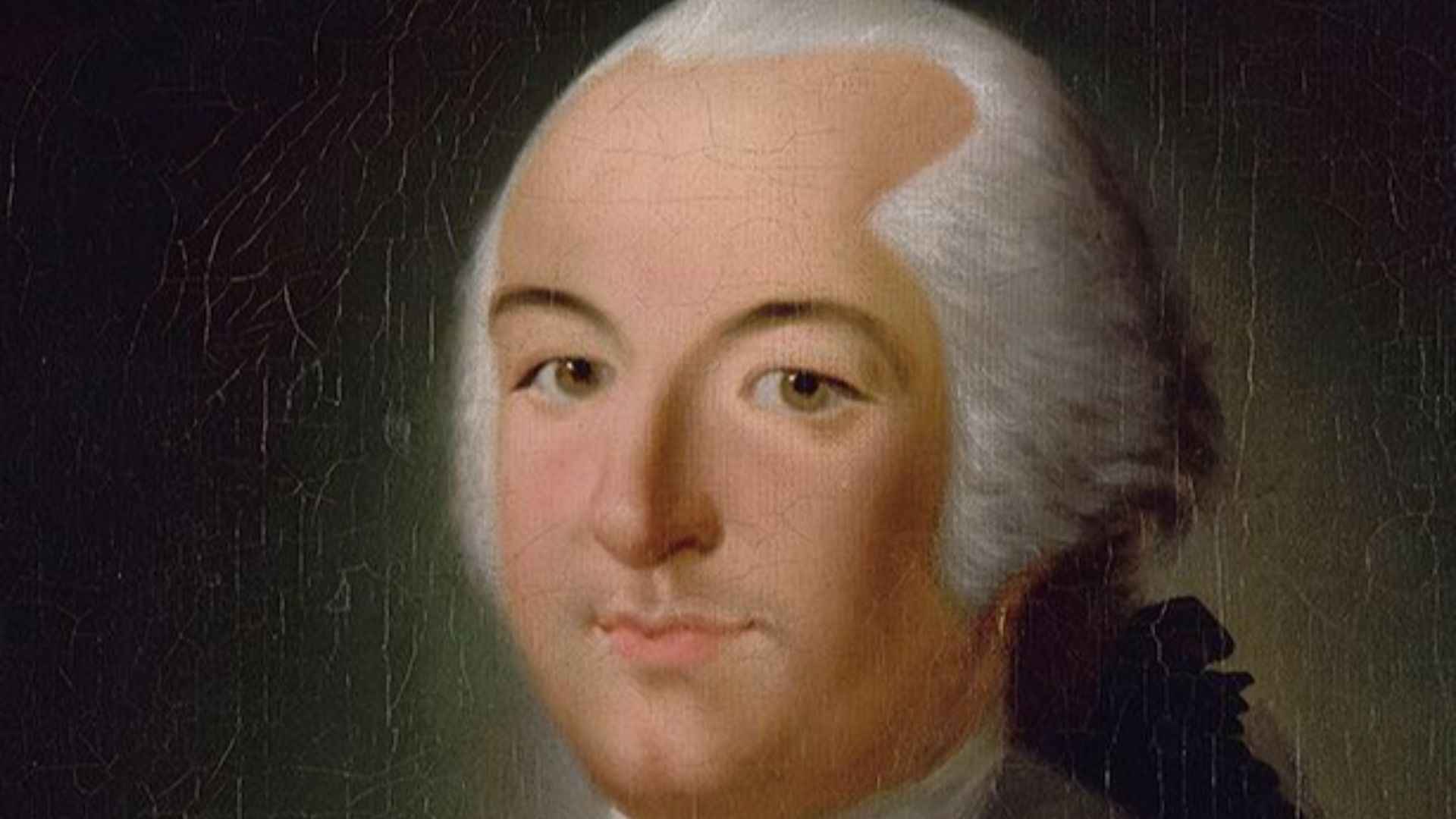
The House of Orléans was already unimaginably wealthy, but Louis’ union with Louise sent their net worth into the stratosphere. Along with a considerable dowry of six million livres, Louise brought with her an annual income of 240,000 livres (which only increased as time went on), more land, noble titles, impressive residencies, and ornate furniture.
Louis Philippe II also found himself with another new, informal title.
 Michel Garnier, Wikimedia Commons
14. He Was The Top Dog
Following his marriage, Louis Philippe II now found himself in a similar position to his father-in-law: he was one of the wealthiest men in France. If he wanted to, he would never have had to work another day in his life. But the Duke was not one for idling.
15. He Pursued His Interests
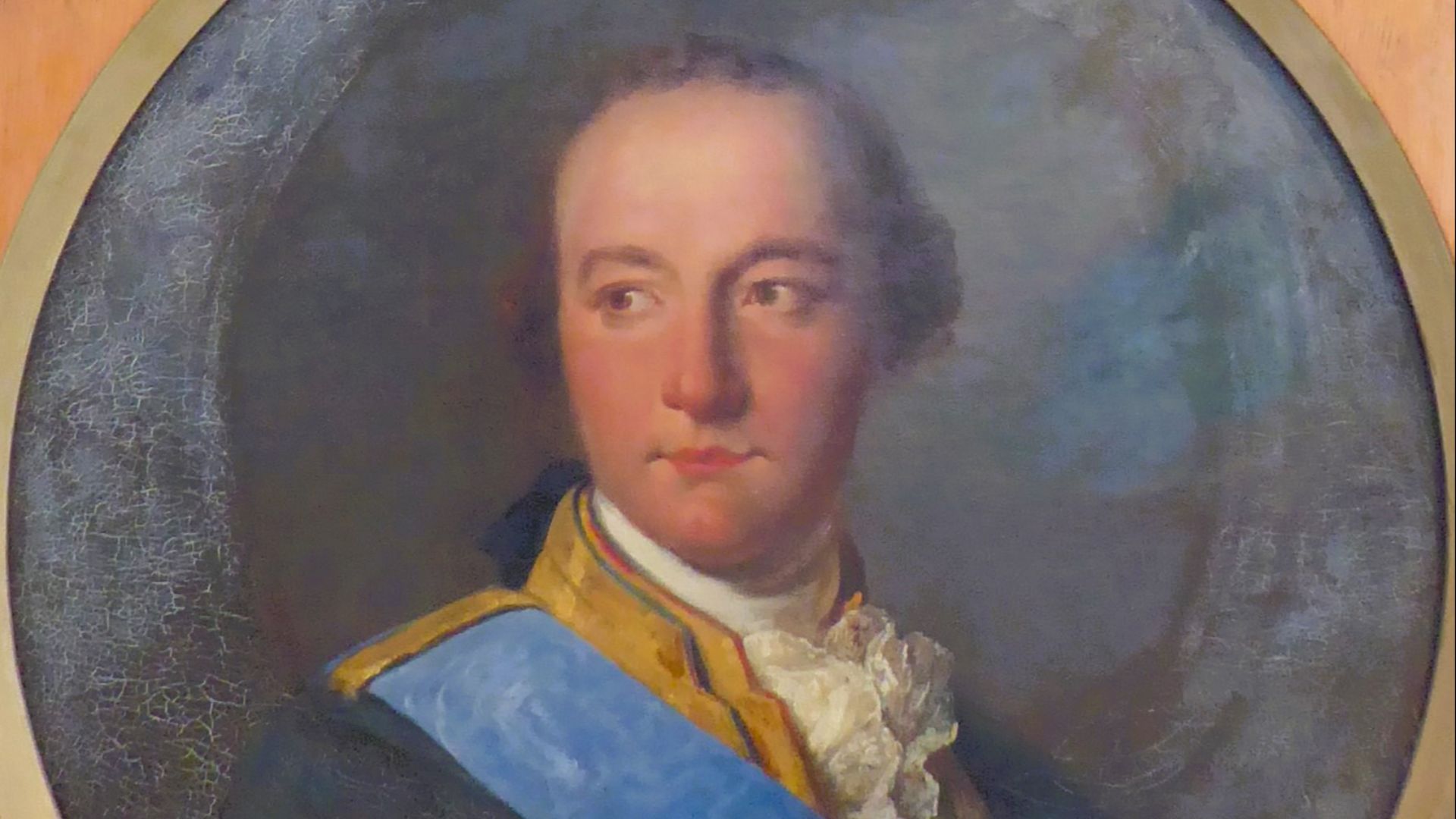
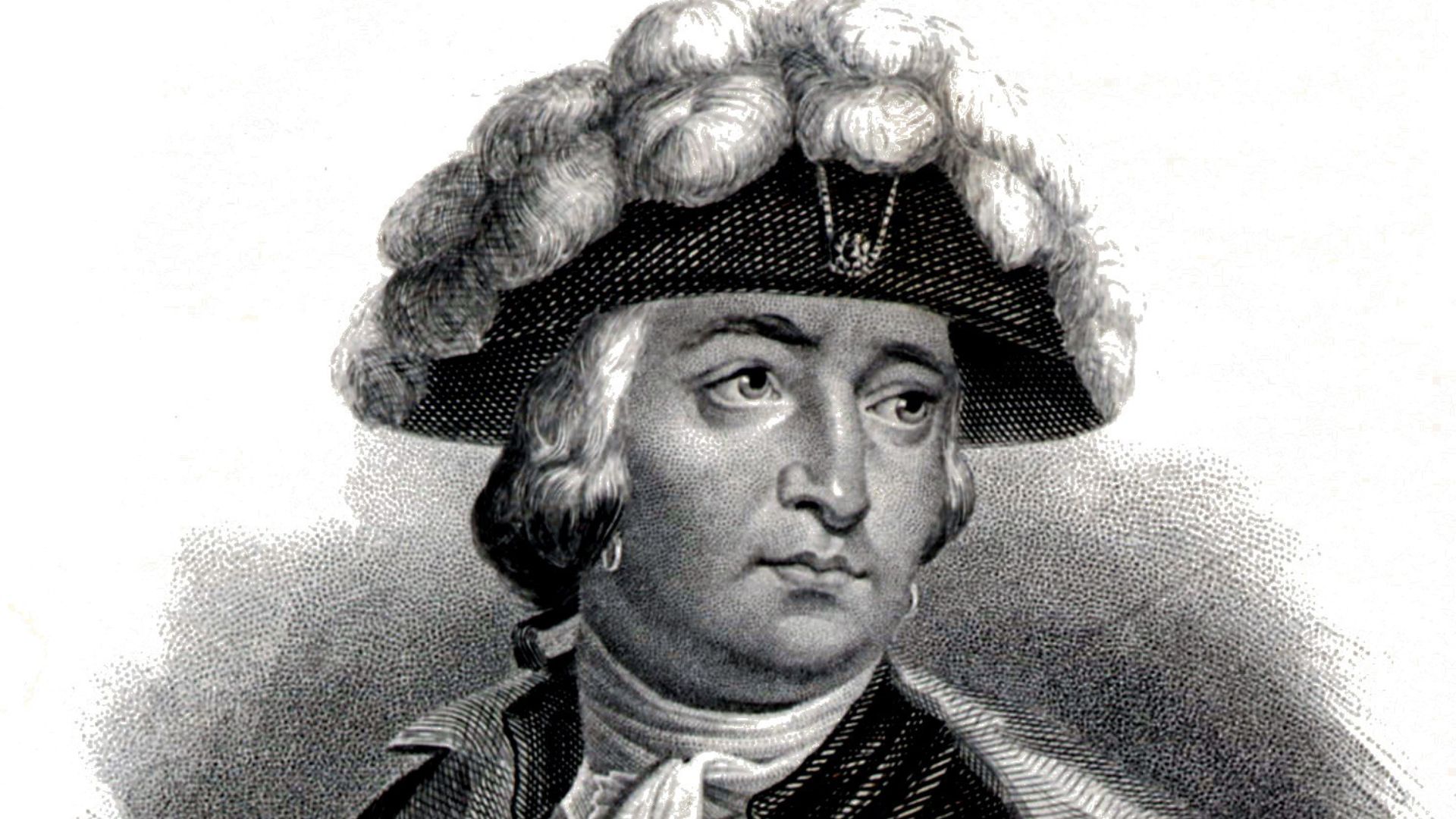
Louis Philippe II showed an interest in naval matters from a very young age. It was quite common for royal princes in 18th century France to receive high-ranking positions in the armed forces, and the duke was no different. He pursued three years of naval training and attained the rank of Chef d'Escadre, given command of a gunship. He even saw action.
 Charles-Michel Geoffroy, Wikimedia Commons
16. He Served In Conflict
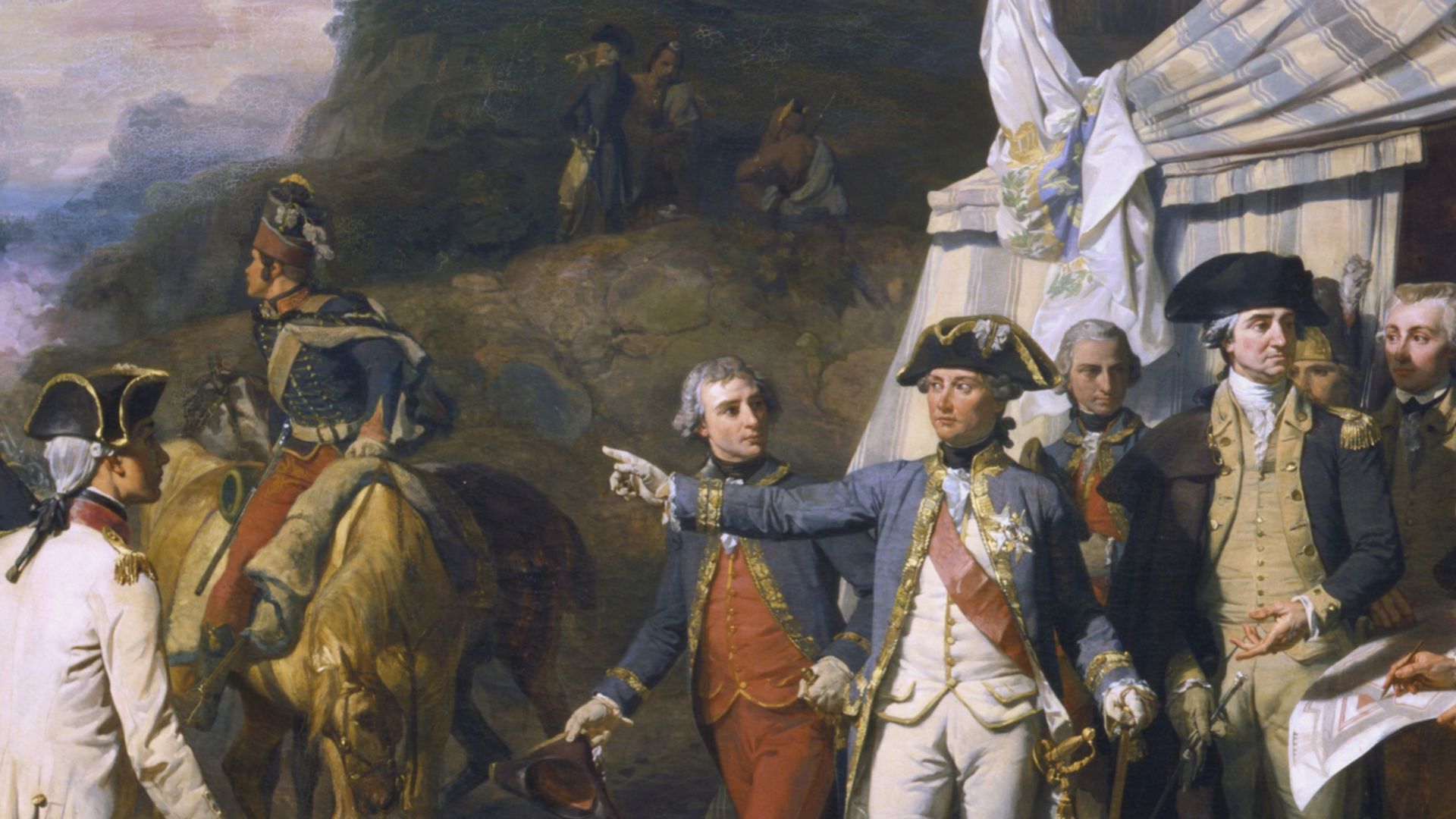
The duke soon found himself involved in a number of naval skirmishes. He commanded an entire squadron during the Anglo-French conflict of 1778, and even saw action in the American Revolution, where France allied with the American rebels. He didn’t exactly distinguish himself.
 Auguste Couder, Wikimedia Commons
17. He Got A Tie
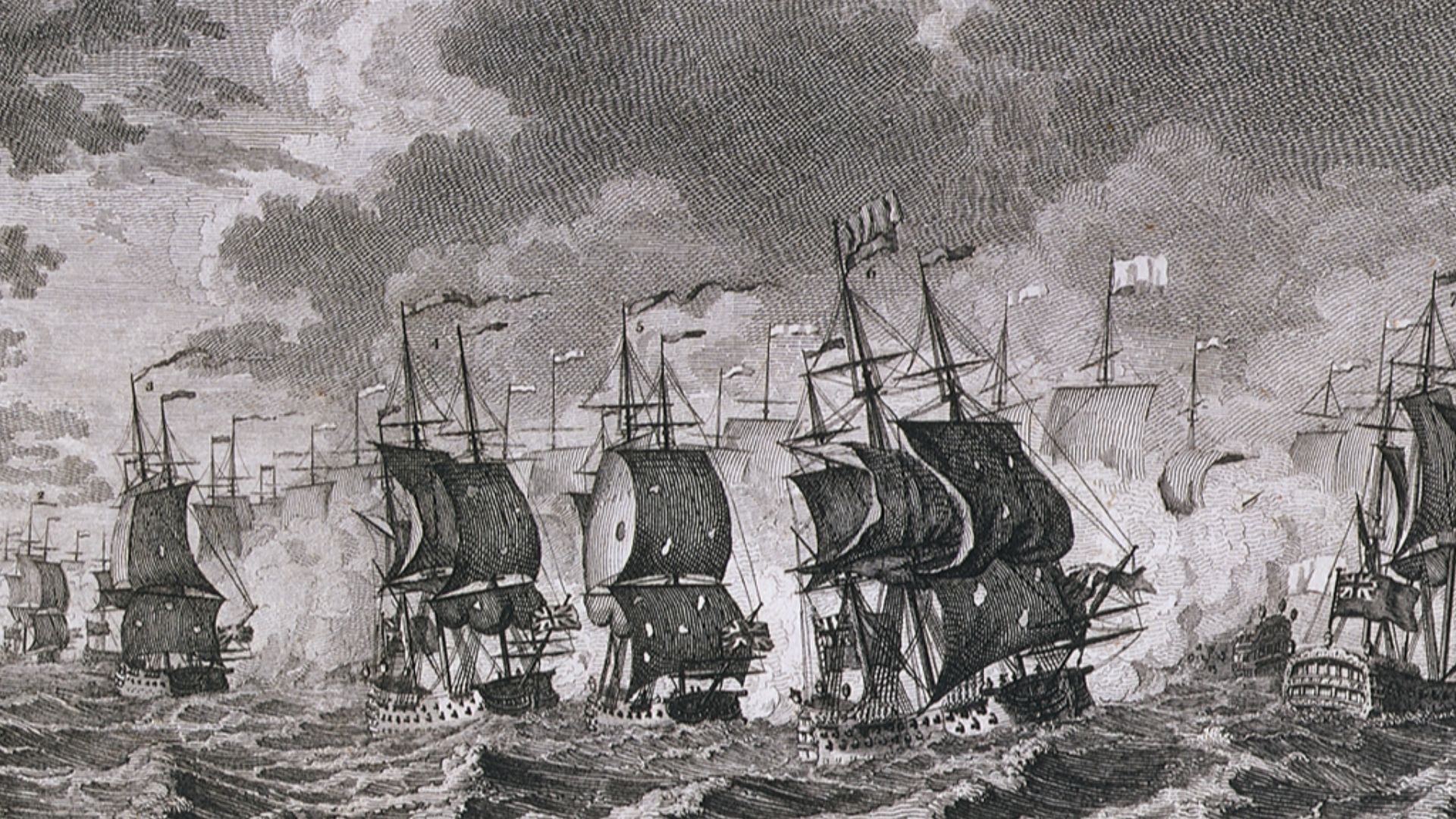
On July 27, 1778, Louis Philippe II commanded a squadron of ships in the Battle of Ushant, the first naval conflict between British and French forces in the American Revolution. However, at a decisive moment in the skirmish, the duke failed to take advantage of a gap in enemy lines which allowed the Brits to escape. The battle proved indecisive, resulting in a draw. But that wasn’t how Louis saw it.
 Joseph Collyer, Wikimedia Commons
18. He Built Himself Up
Louis Philippe II returned to France on August 2, where he regaled anyone who would listen with stories of the “great French victory” that he played a key part in. This delighted his cousin, the King, who made sure Louis received a hero’s welcome in Paris. But the truth was soon revealed…
19. His Reputation Took A Hit
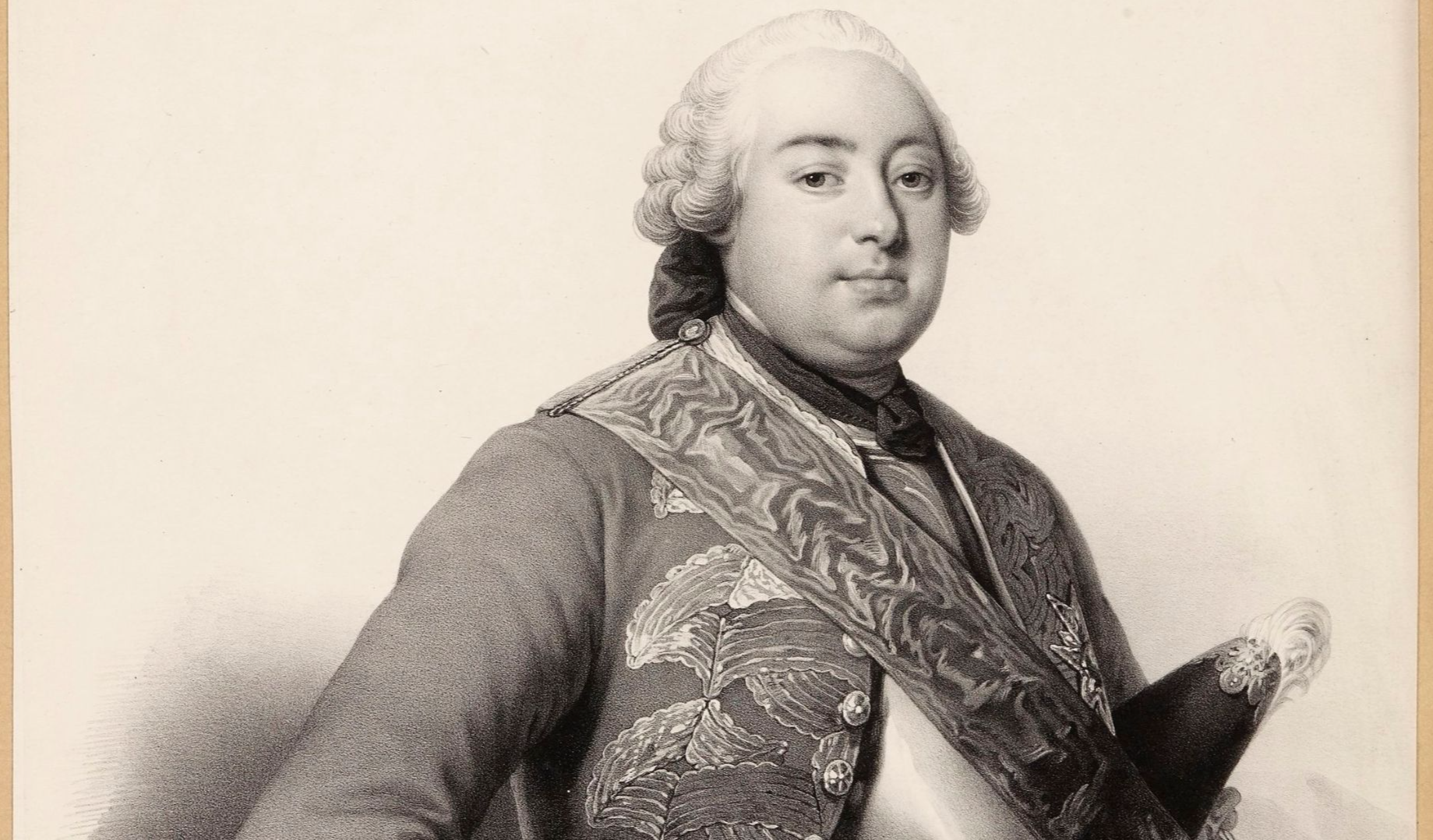
Stories of what had actually happened during the battle soon made their way back to France, and it was clear to everyone that Louis had completely overstated the result and his role in it. The duke received merciless ridicule for his perceived cowardice and incompetence, and his reputation took a serious hit.
He was even refused a position in the army after that. And people weren’t afraid to barb him.
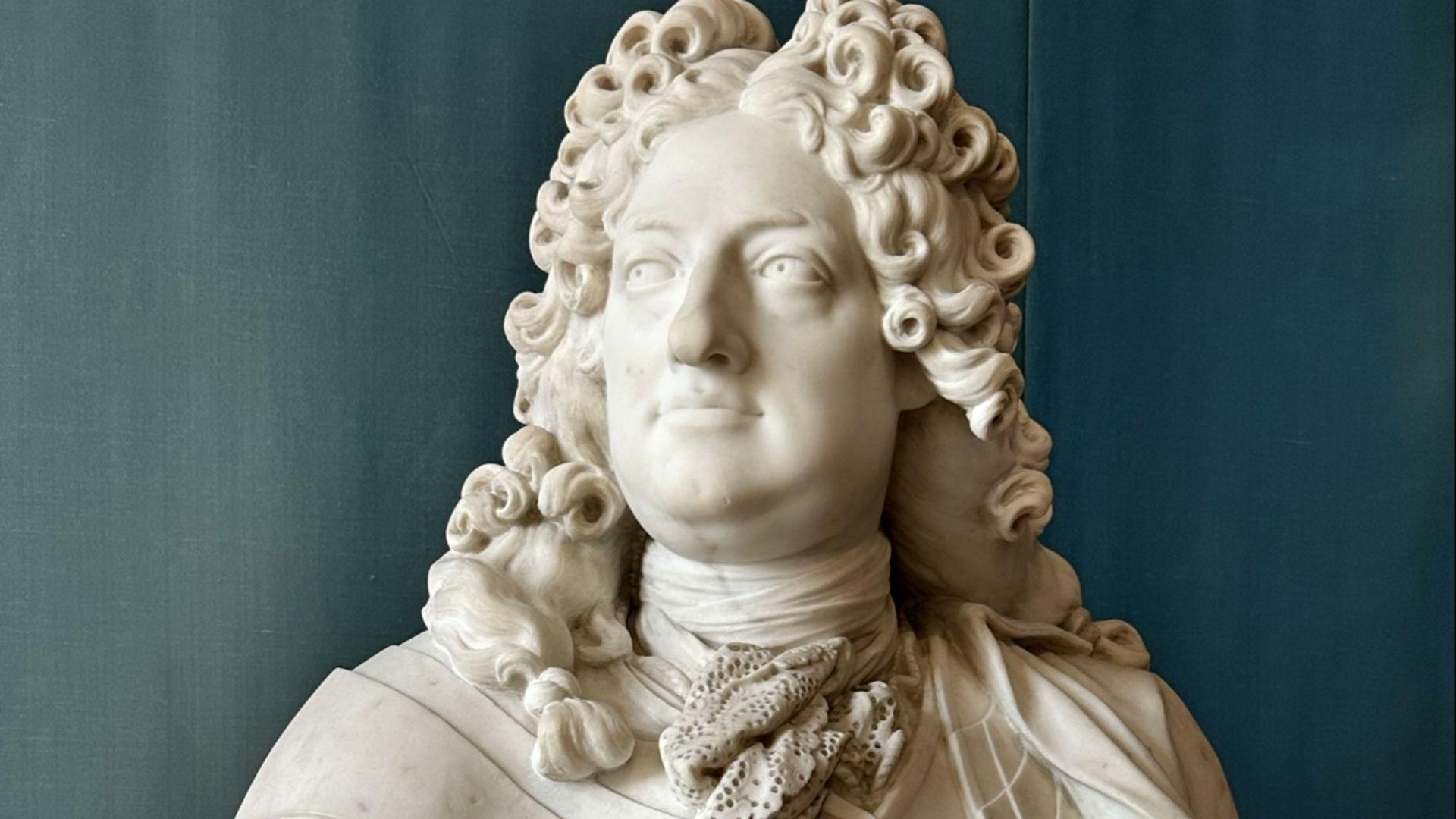
20. He Got Burned
Louis Philippe II found his injured reputation hard to shake, and people didn’t let him forget. At a ball shortly after his return, he snidely commented on the appearance of one lady as “faded”. The woman reportedly overheard him, turned around, and bit back, retorting “like your reputation, Monseigneur!” The duke must have delighted when a new title came along to distract from the controversy.
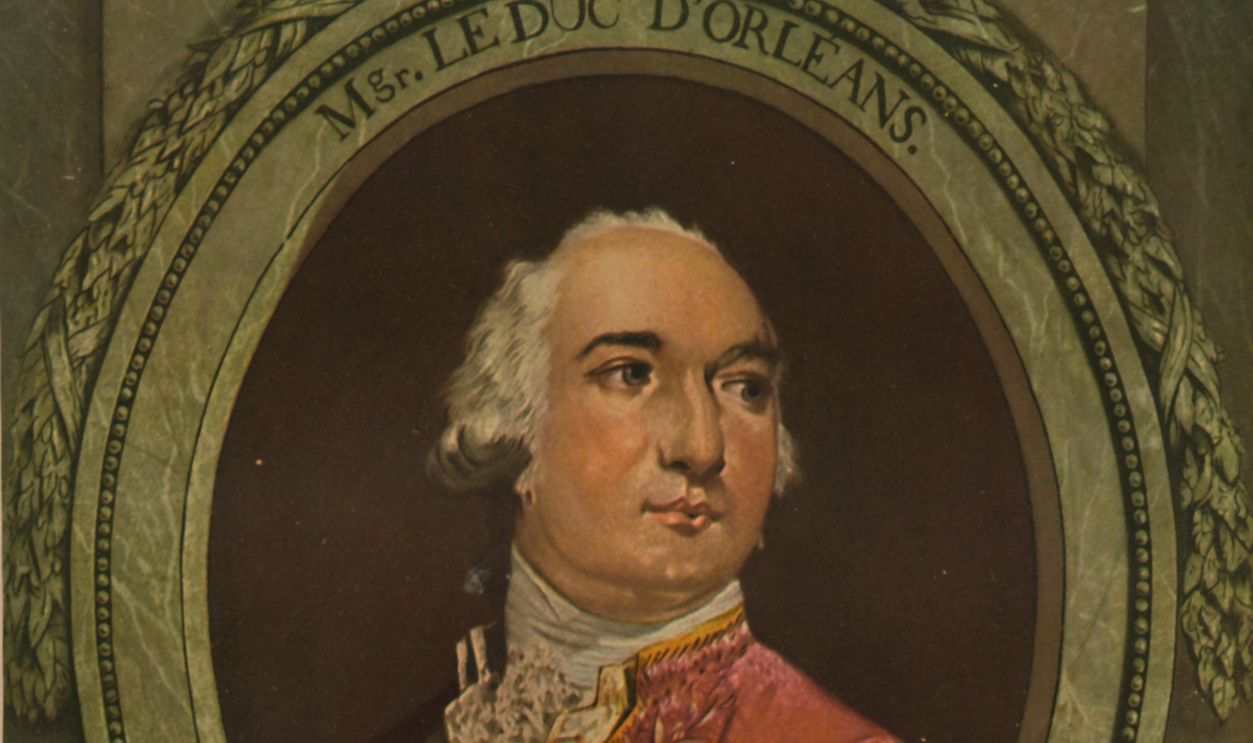
21. He Took Over His Father’s Position
In November of 1785, Louis Philippe II’s father passed. Though the young duke, though saddened, now found his position strengthened considerably with his new titles: the Duke of Orléans and First Prince of the Blood. And though he was now a not-unlikely candidate for the throne, Louis’ values were shifting away from those of the rest of the monarchy…
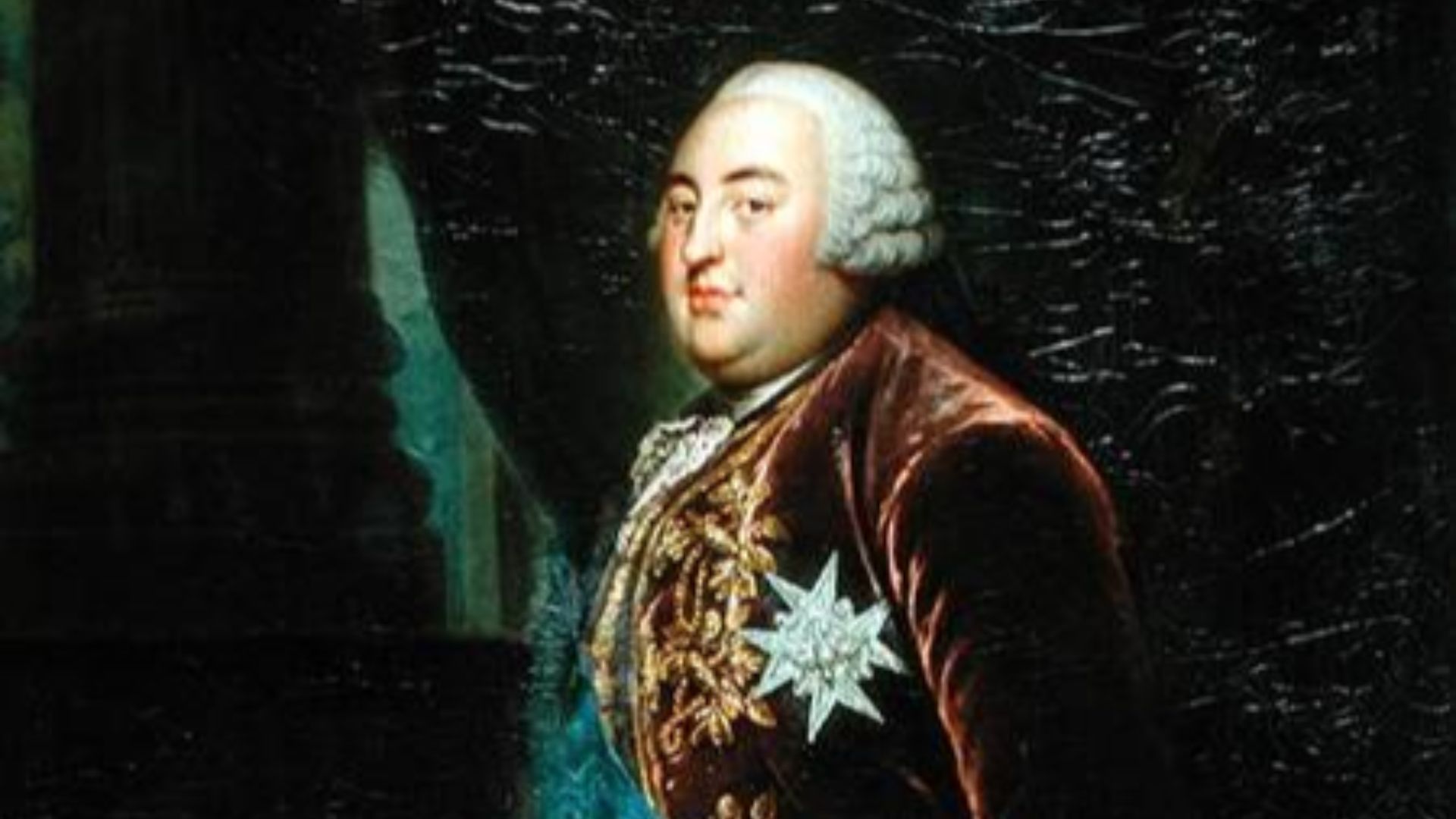 French School / Unidentified painter, Wikimedia Commons
22. He Joined A Club
Two years into his stint as Duke of Orléans, Louis proposed, along with his secretary, a series of measures to improve France’s financial situation. The move reflected a broader change in the duke’s values: he had recently joined the Society of the Friends of the Constitution, a group that espoused liberal values. His political shift had begun.
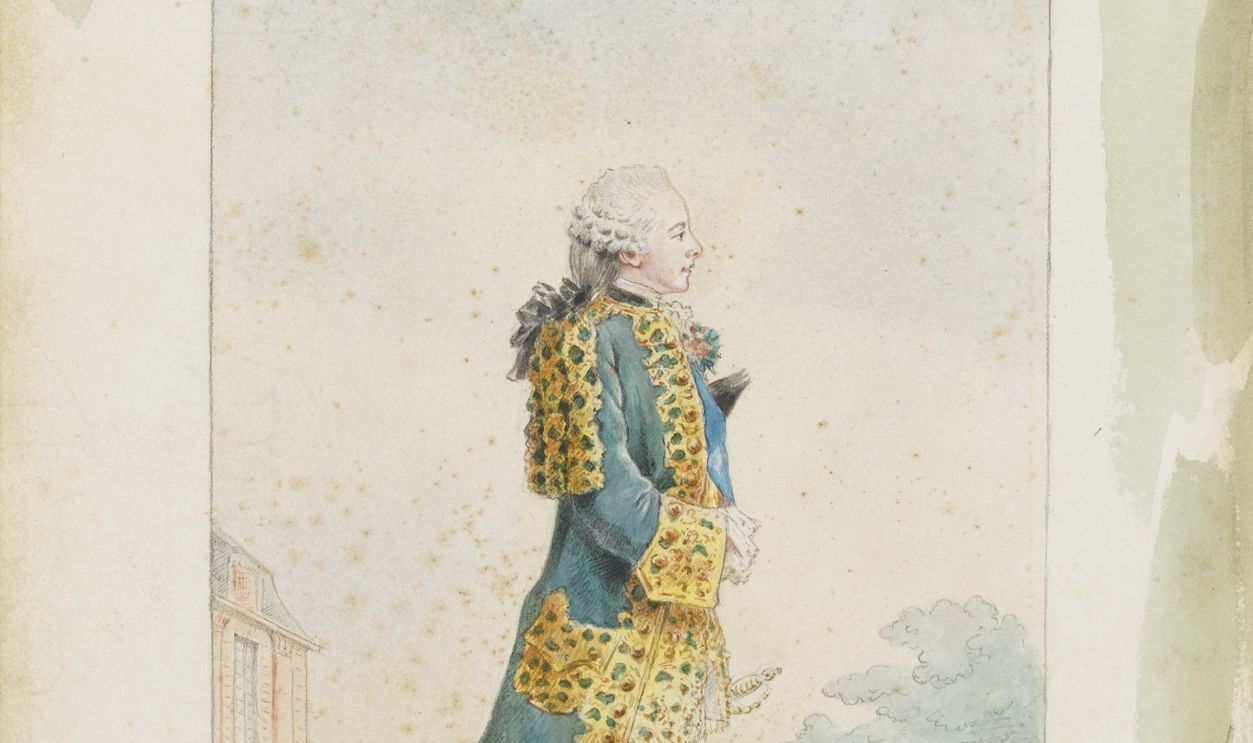
23. He Began To Push For Change
The Society of the Friends of the Constitution would eventually become known as the Jacobins, and Louis Philippe II became outspoken on their views. He began to heavily promote Enlightenment ideas, advocating for more moral and democratic government, separation of church and state, limitations to the monarchy, and opposing feudalism and slavery. He even put his money where his mouth was.
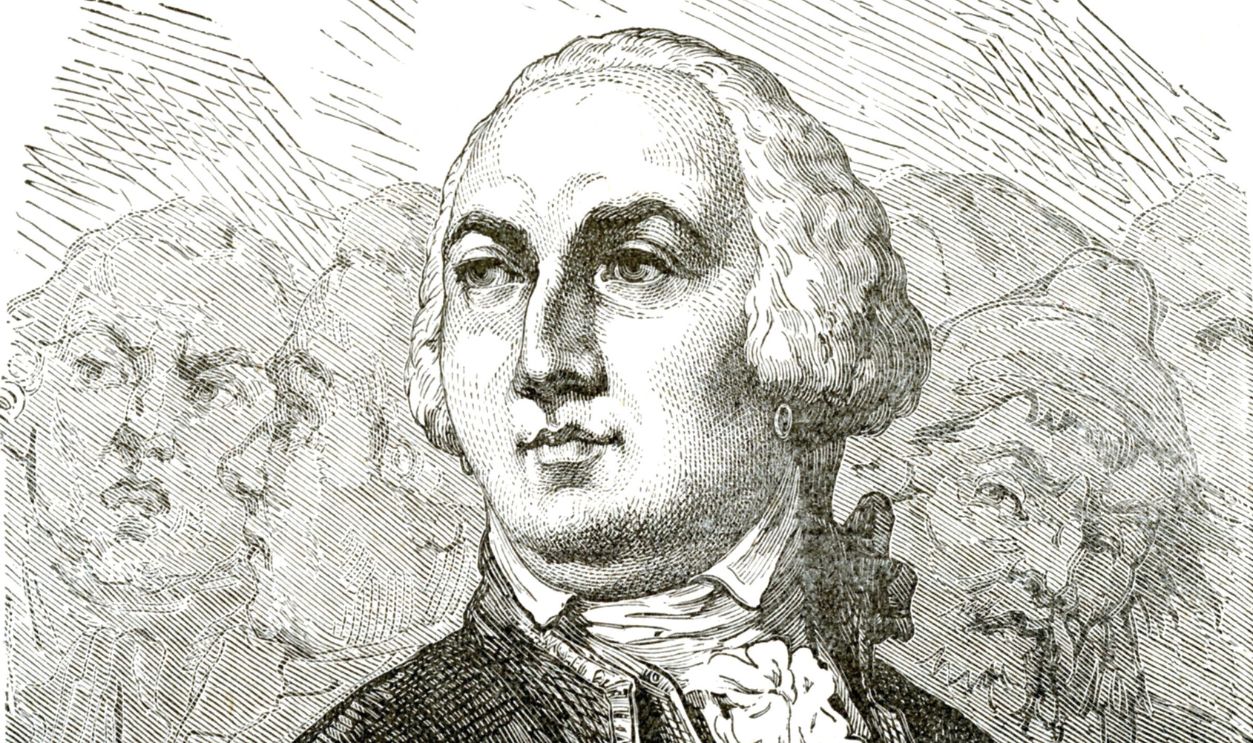
24. He Opened His Doors
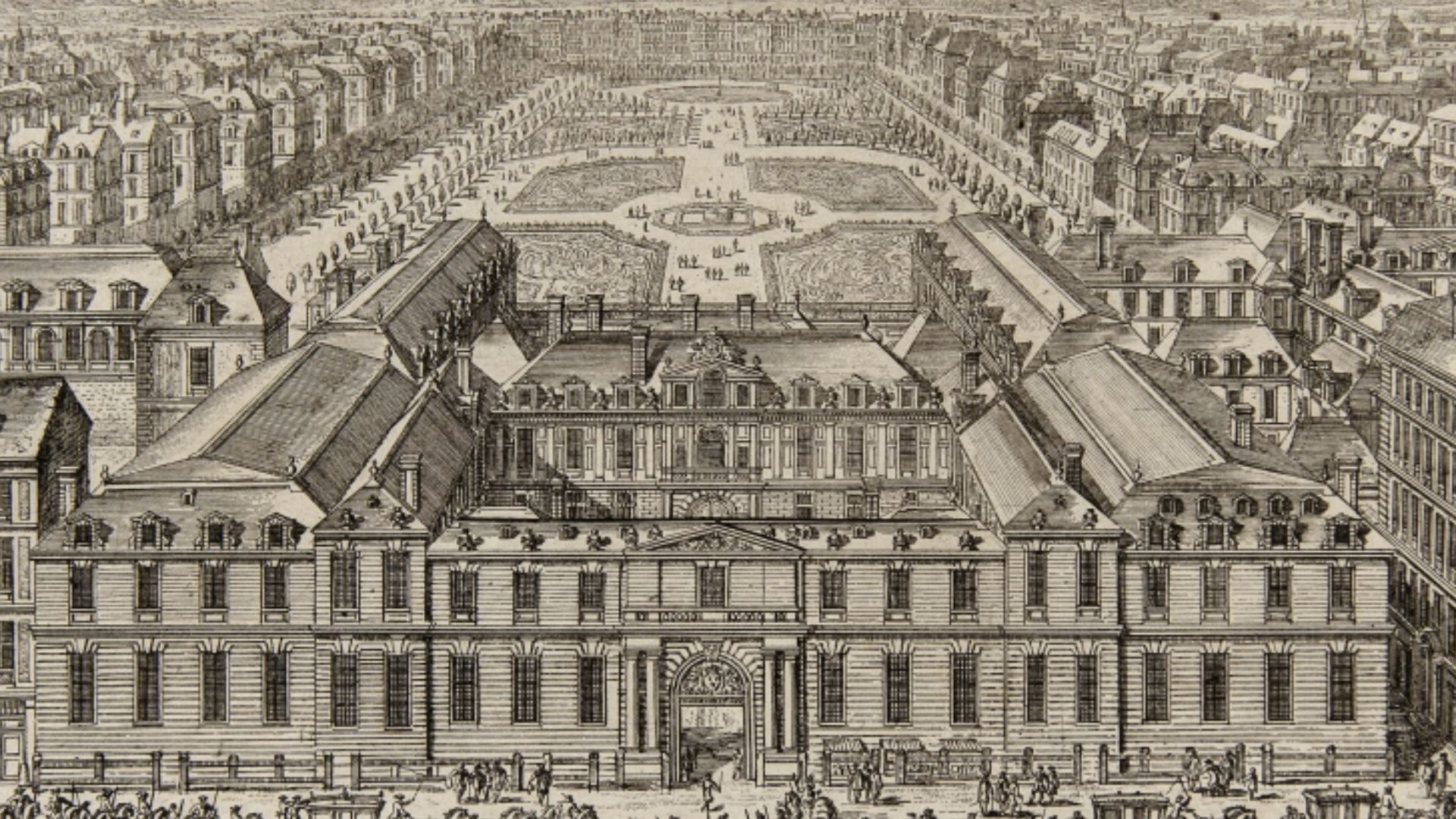
Upon taking the title of Duke of Orléans, Louis inherited the Palais-Royal, a vast estate in Paris. In 1792, the property became known as the Palais-Égalité because of the duke’s decision to open its doors to all members of the public, regardless of class. It wasn’t long before the place was hopping.
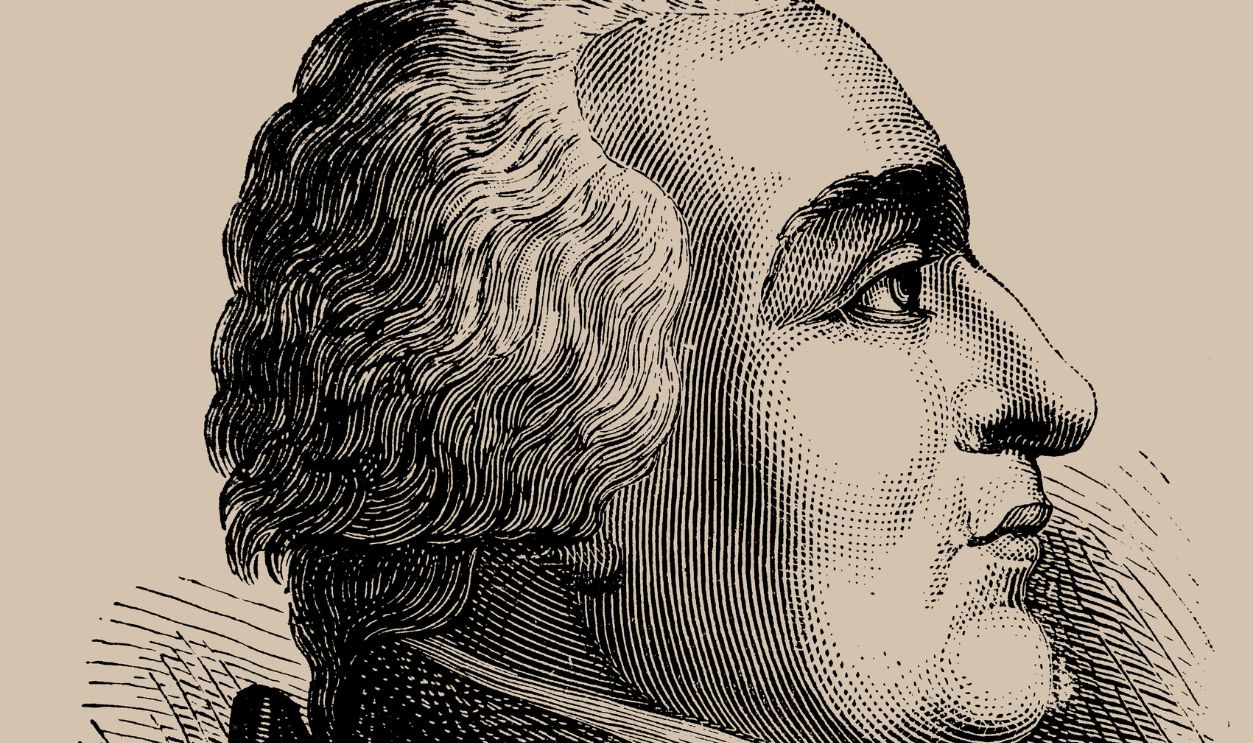
25. He Had France’s Hottest Spot
Louis Philippe II had one goal in mind when he opened the doors of the Palais that reflected his evolving values. He argued that a crucial part of democracy was a place where people could meet to openly discuss ideas. The Palais became a social hub for Paris, with many shops and cafes where citizens could interact. The duke didn’t stop there in his pursuit of public support.
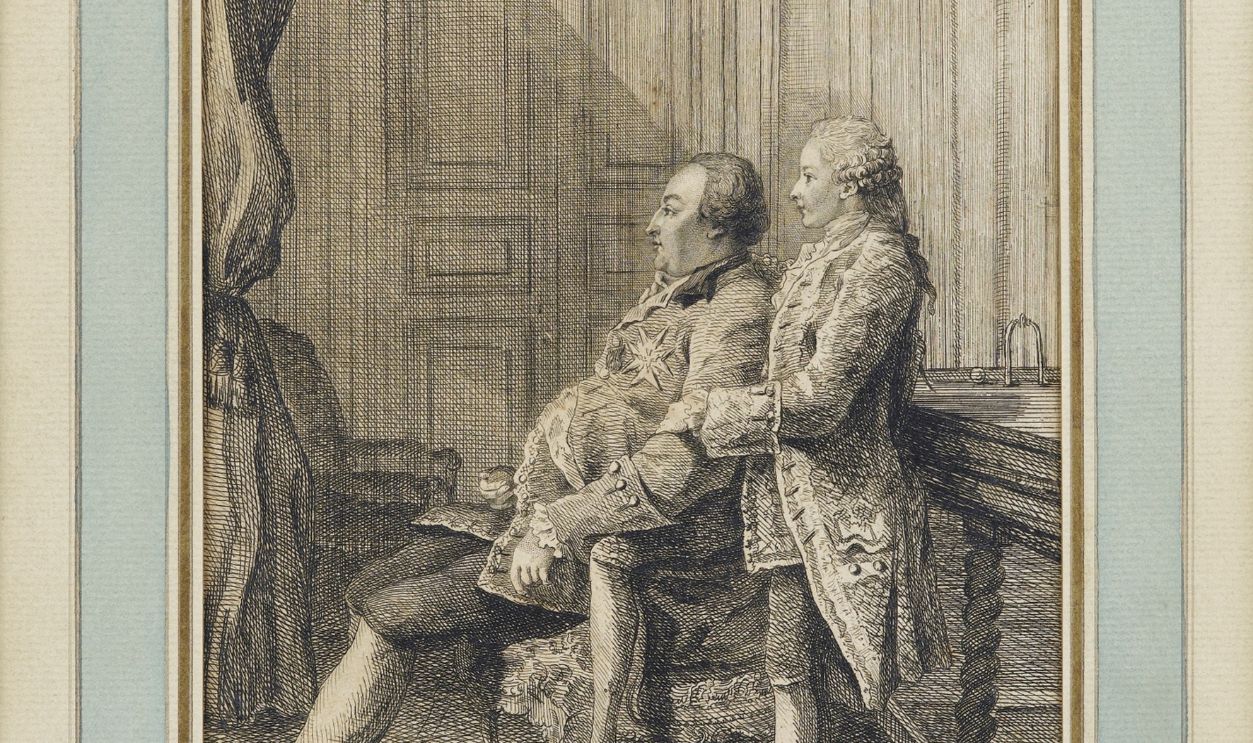
26. He Repaired His Reputation
The Duke of Orléans became immensely popular among the people of France after opening the Palais, and he continued to cultivate that goodwill. Other actions he took to increase his standing included endorsing the setting up of local assemblies which would empower the people to have more say in governance, and the sale of artworks to raise funds for poor relief. And at times, his actions took on cartoonish levels of charity.
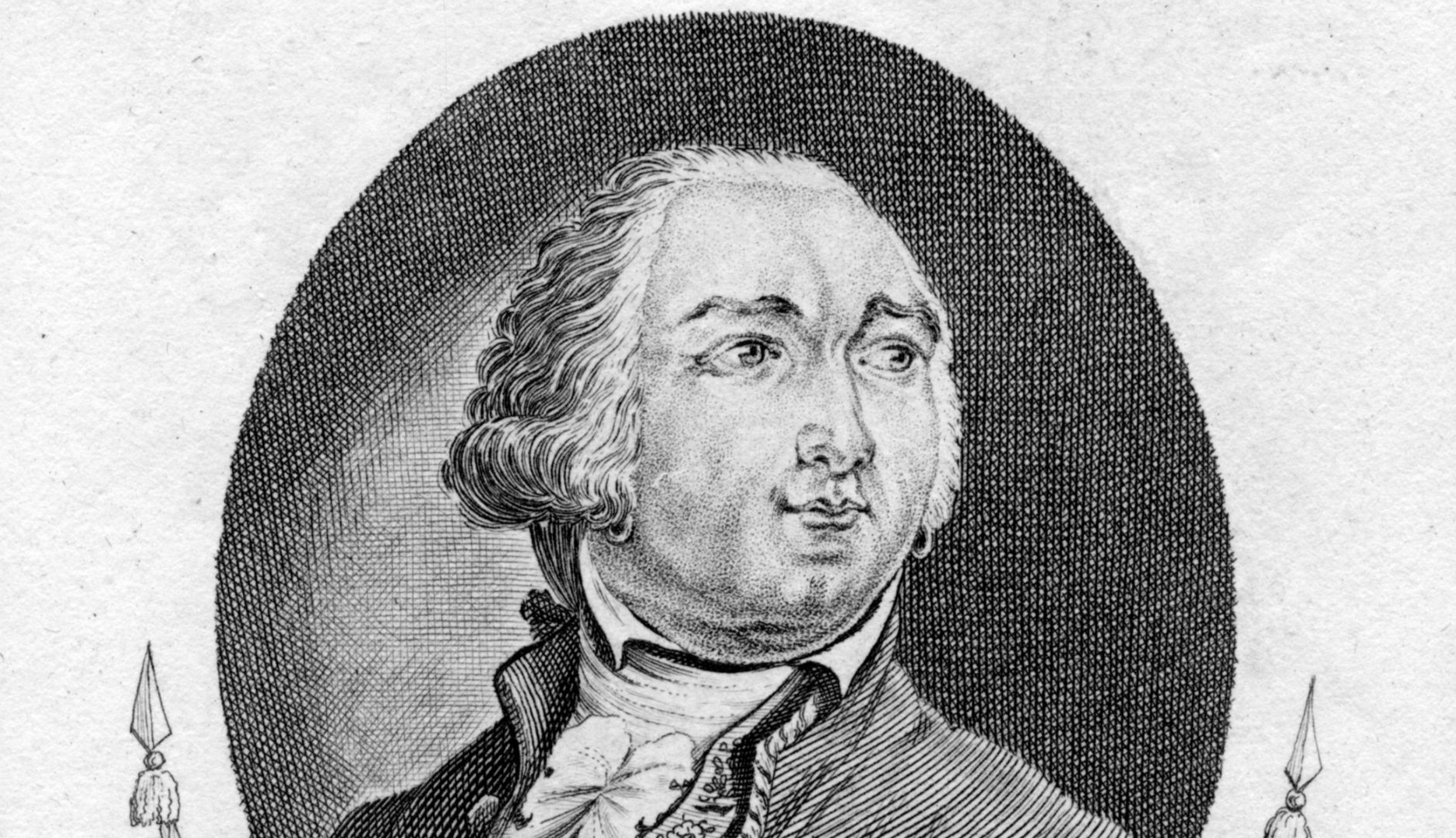
27. He Blessed The People
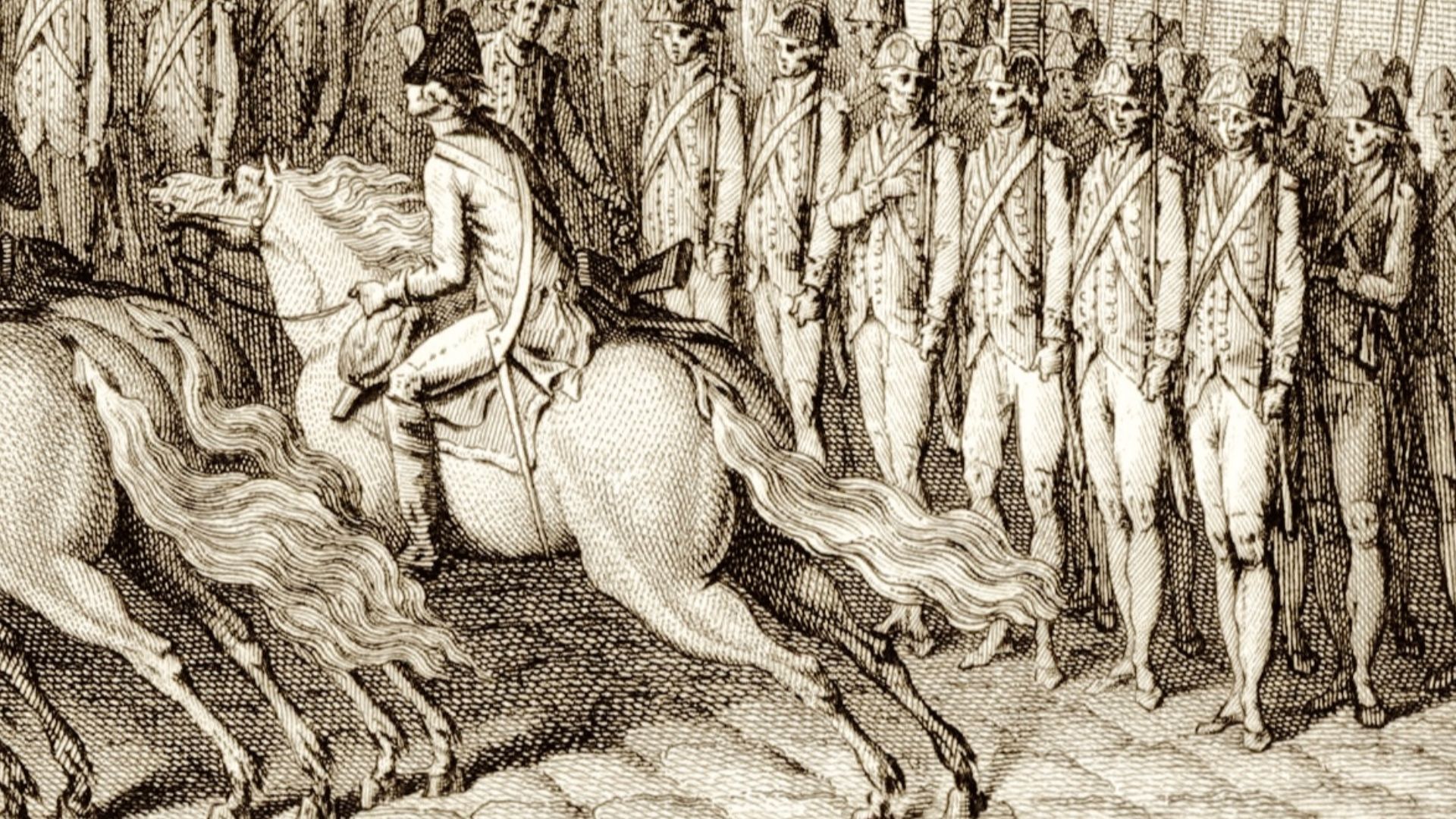
Tensions between the nobles and the normals were rising in France, and the Duke of Orléans made sure he acted accordingly. During the Réveillon riots of April 1789, the duke’s carriage halted among crowds of rioters. Thinking on his feet, Louis Philippe II emerged from his transport and, rather than fleeing, waved to the crowd, tossing them bags of money. His reputation as a charitable noble grew, alongside revolutionary fervor.
 Abraham Girardet / Claude Niquet, Wikimedia Commons
28. He Enabled Shady Deals
Despite the public presence there, the Parisian police had no authority to enter Louis’ Palais-Royal, as it was technically private property of the nobility. As a result, it became a hub for illegal activity. It was home to many shady deals and trade in stolen goods. But it also became a breeding ground for revolutionary ideas, and a venue for Jacobin meetings which the duke himself attended. The grounds gained a historic name.
 Adam Perelle, Wikimedia Commons
29. He Stirred Great Change
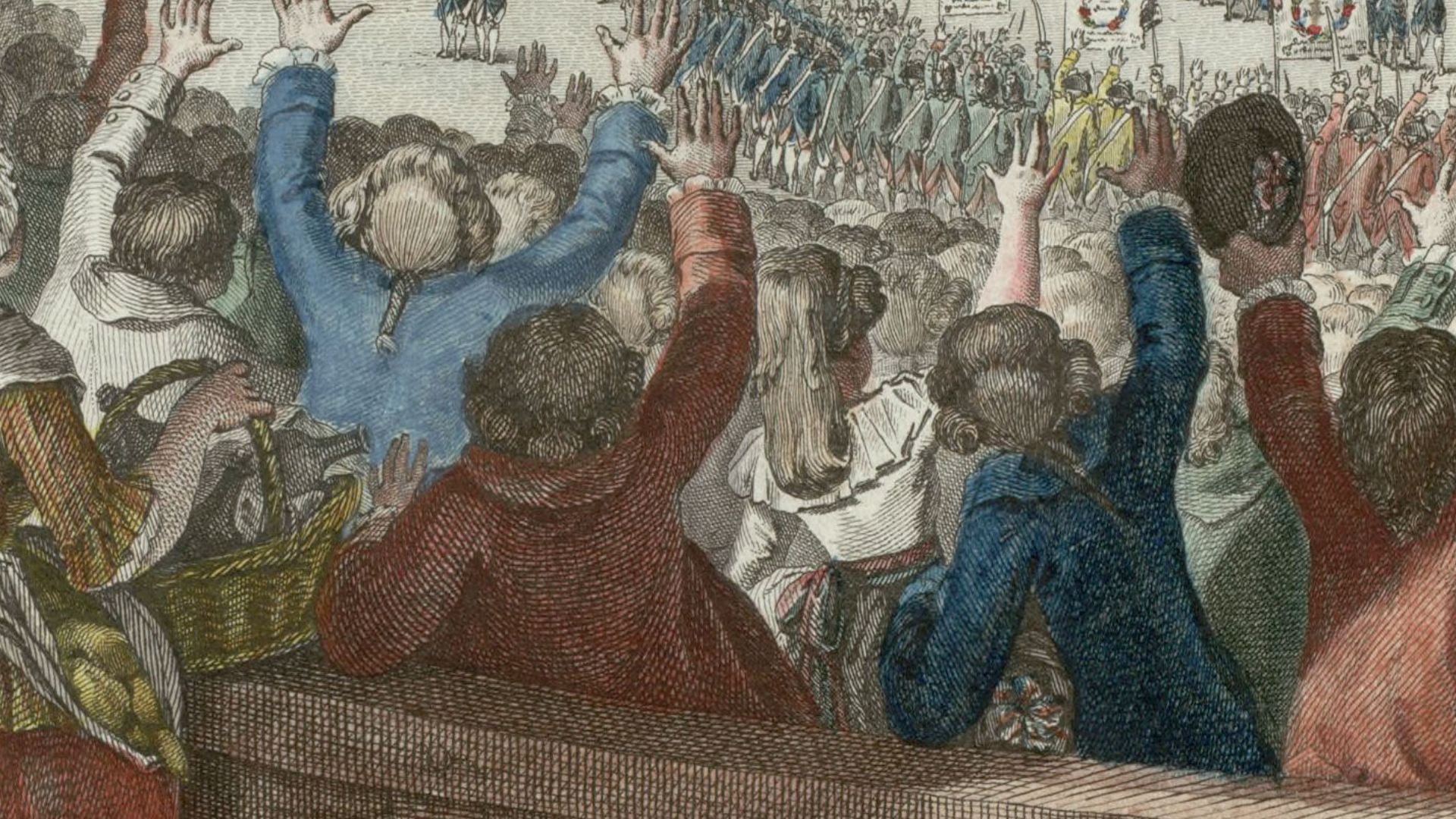
Many members of the later-established National Assembly would call Louis’ Palais-Royal the “birthplace of the Revolution”, due to the ideas that spread there. Indeed, when the French Revolution begun in 1789, the Duke of Orléans became an outspoken supporter of the movement. This did not sit well with those closest to him.
 Isidore Stanislas Helman / After Charles Monnet, Wikimedia Commons
30. His Wife Was Peeved
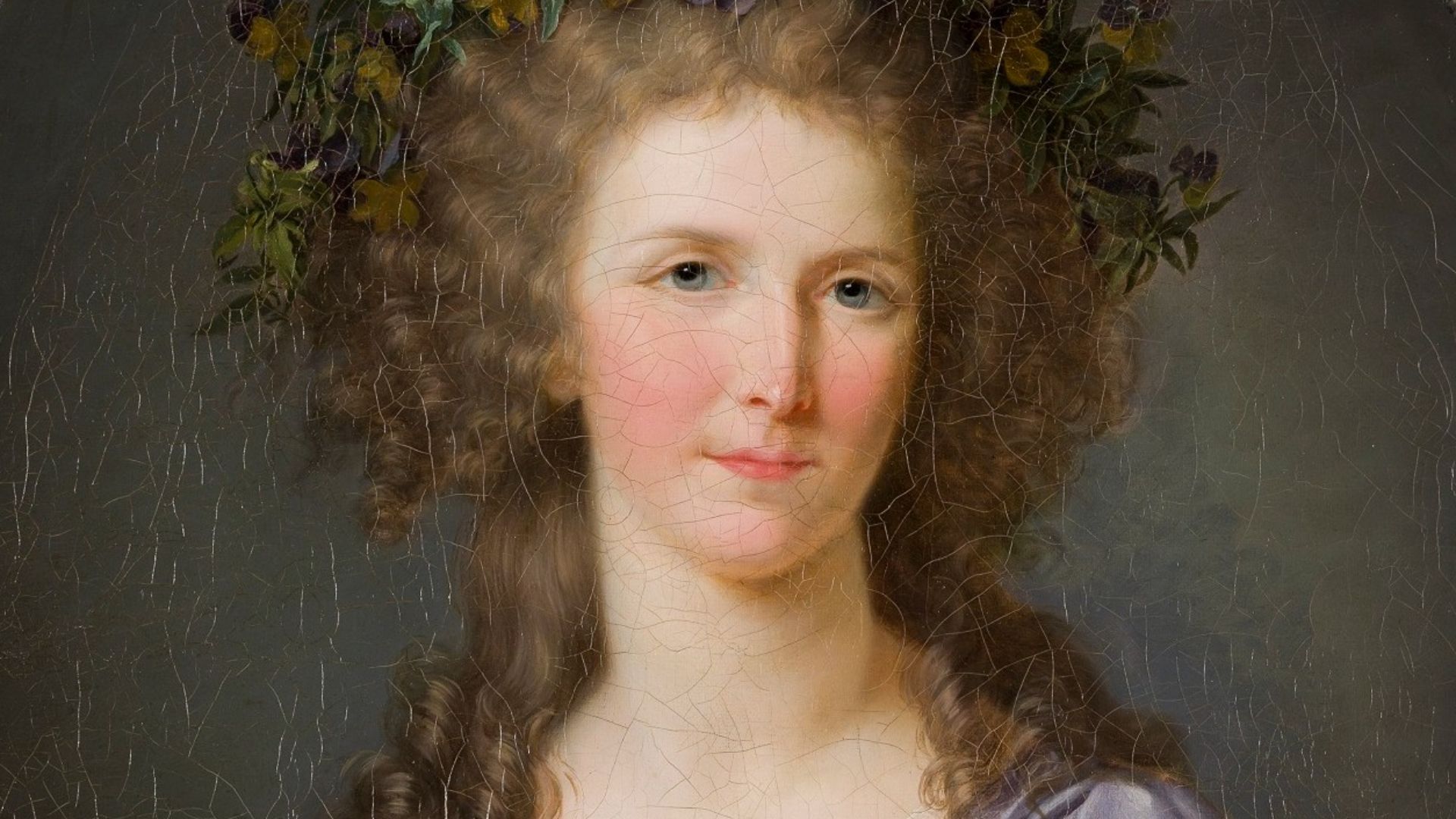
The Duchess of Orléans, in contrast to her husband, was a devout Catholic and passionate supporter of monarchical power. She did not support the Revolution in the slightest, which caused a major rift between the couple. It was understandable, considering the views Louis was espousing.
 Marie-Victoire Lemoine, Wikimedia Commons
31. He Admired The Enemy
The Duke of Orléans’ evolving views meant he now advocated limiting the powers of the very monarchy he counted himself a member of. Perhaps even more blasphemous was his admiration for the system of France’s centuries-old rival, the British: Louis Philippe II saw the merits of their limited, constitutional monarchy, over France’s absolute one. Such was his passion that he gave the movement their name.
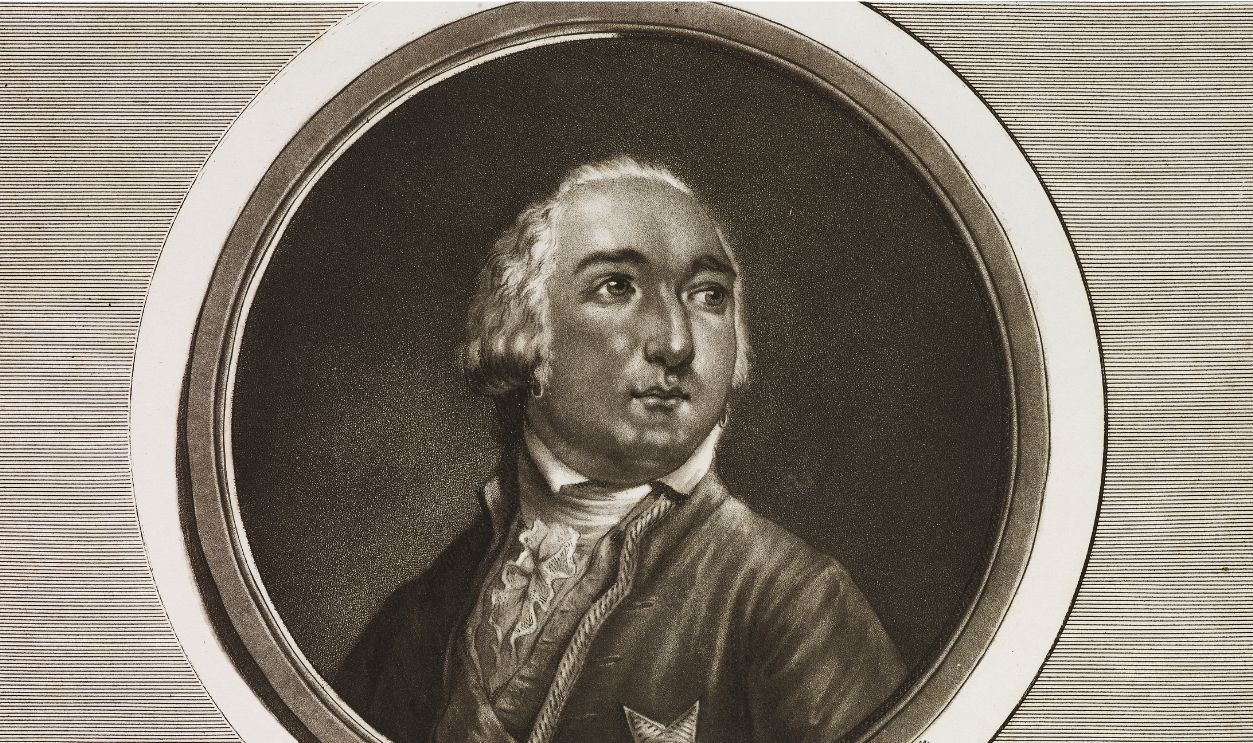
32. He Became A Namesake
The movement supporting a constitutional monarchy in France gained increasing fervor, and Louis was at the forefront. Supporters of this form of government became known as Orléanists, after its most vocal proponent. As revolutionary events unfolded in France, Louis’ name began to come up more and more.
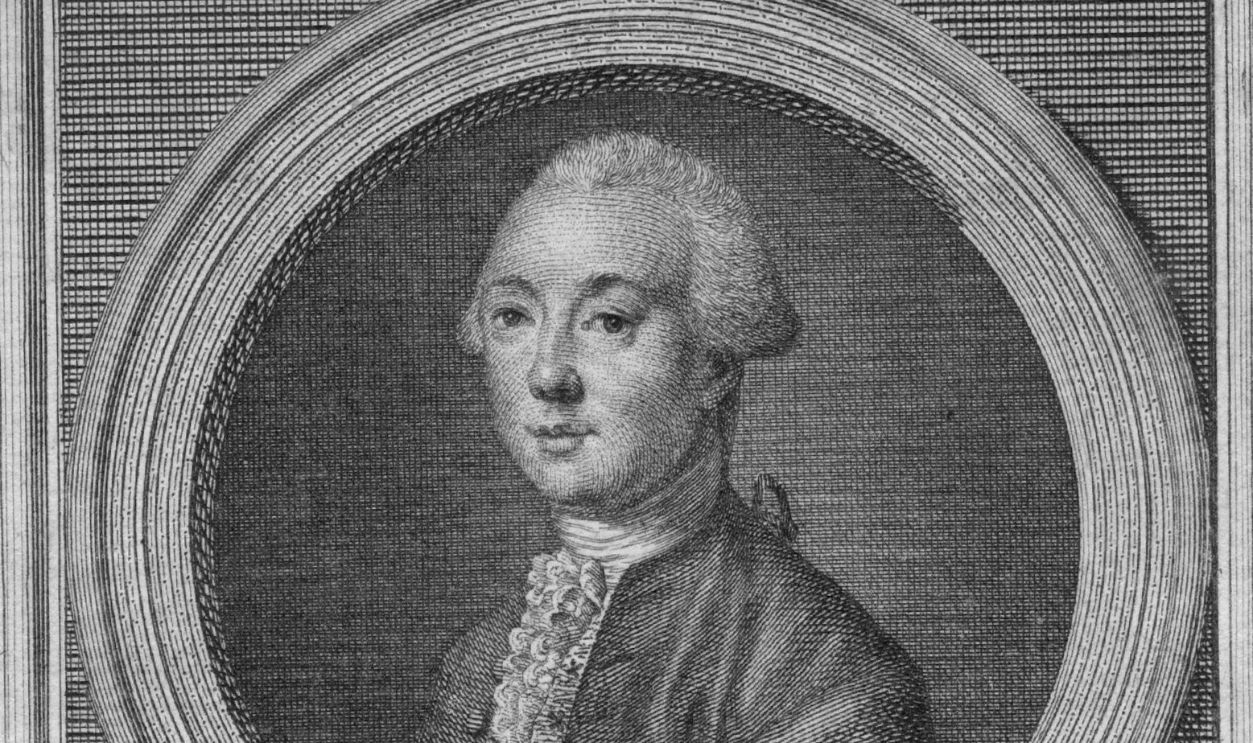
33. He Got Accused
On October 5, 1789, thousands of women flooded the royal palace in a protest known as the Women’s March on Versailles. The Duke of Orléans faced accusations from the powers that be of funding and initiating the riots in order to gain popularity and overthrow his cousin, the King.
While there is no evidence of this, the suspicions were not unfounded as the crowd reportedly chanted "Vive Orléans" and "Long live our father, long live King d'Orléans!" Whether true or not, things got dicey for the duke.
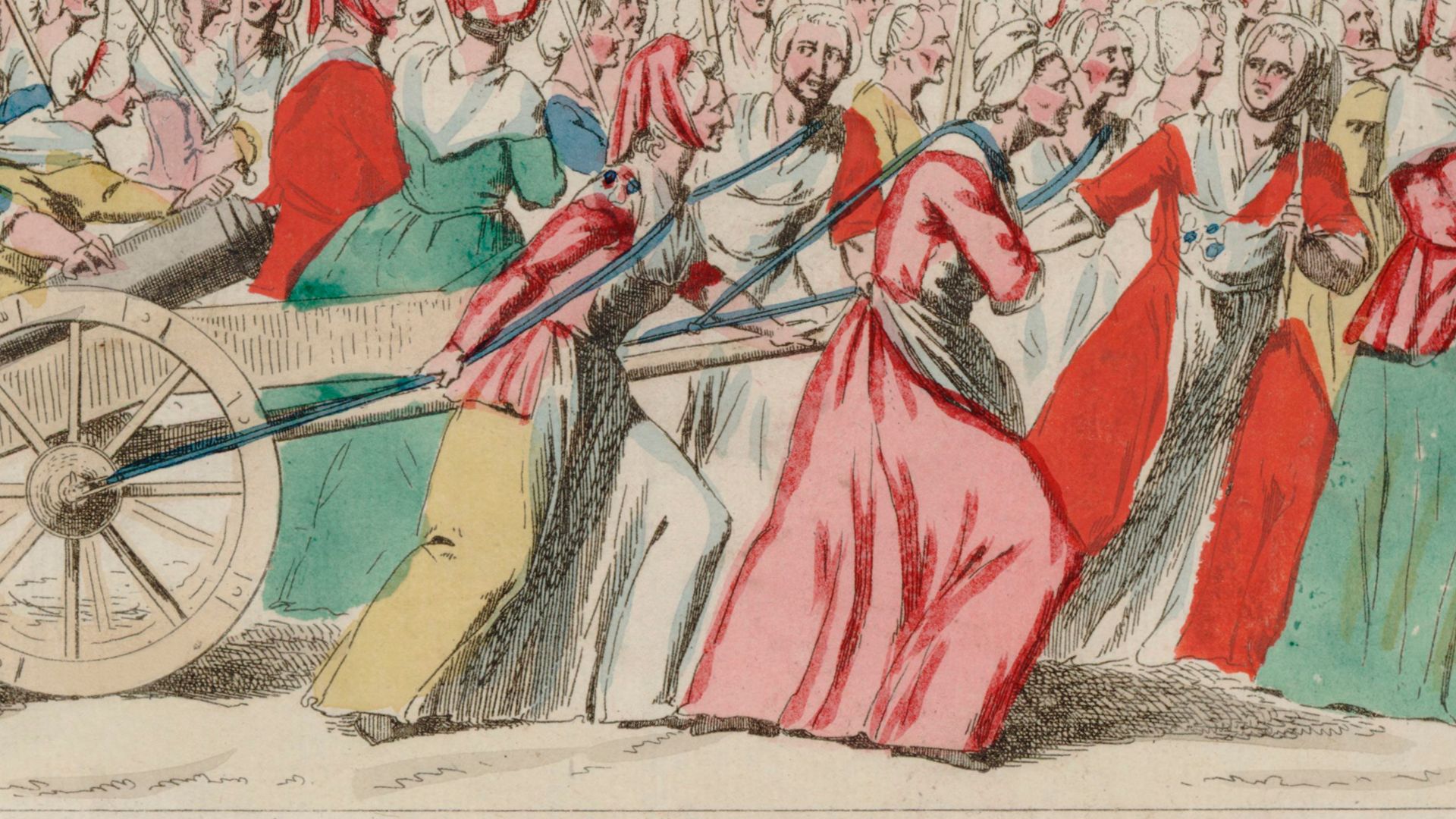 Unknown authorUnknown author, Wikimedia Commons
34. He Fled The Country
The monarchy was not happy with how often the duke’s name came up around discussions of overthrow. Tensions were high, and Louis’ supposed “friend”, the Marquis de Lafayette, convinced him to flee to Britain until things cooled down. The duke was reluctant but eventually agreed, leaving France for several weeks.
Lafayette had ulterior motives, however, viewing Louis as a threat to his control of revolutionary politics and wanting him out of the way. His cunning plan proved successful as, upon Louis’ return, he never again enjoyed influence like that he commanded before his exile. But that didn’t stop him from trying to regain it.
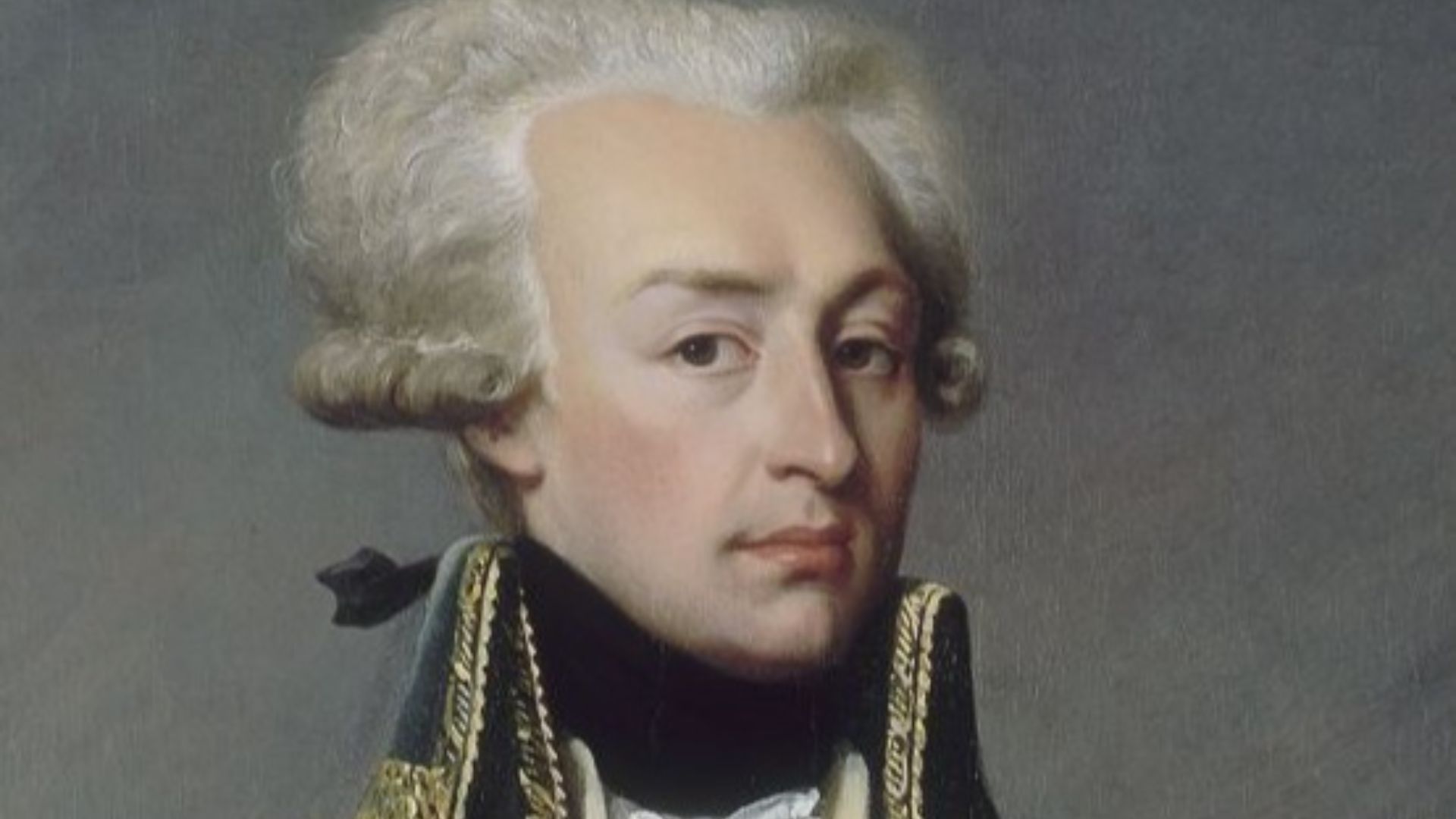 Joseph-Desire Court, Wikimedia Commons
35. He Gave Up His Name…
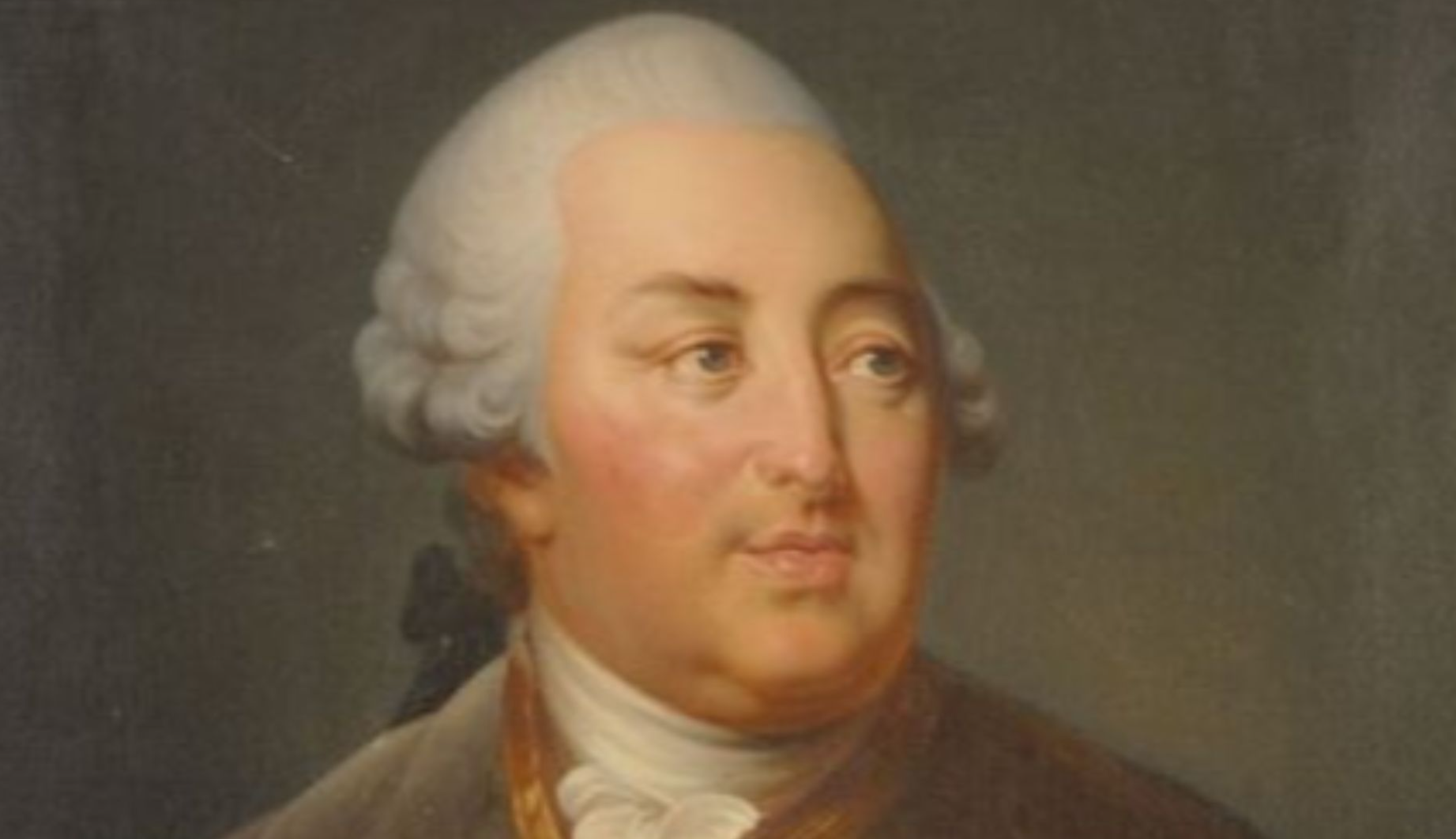
Louis grew increasingly uncomfortable with his royal name, particularly given his ideology and opposition to monarchy. He appealed to the all-too-short-lived Paris Commune to allow him to relinquish his noble titles, which they permitted. But he needed something to replace them.
 After Elisabeth Louise Vigee Le Brun / Francois-Xavier Dupre, Wikimedia Commons
36. …And He Chose A Revolutionary New One
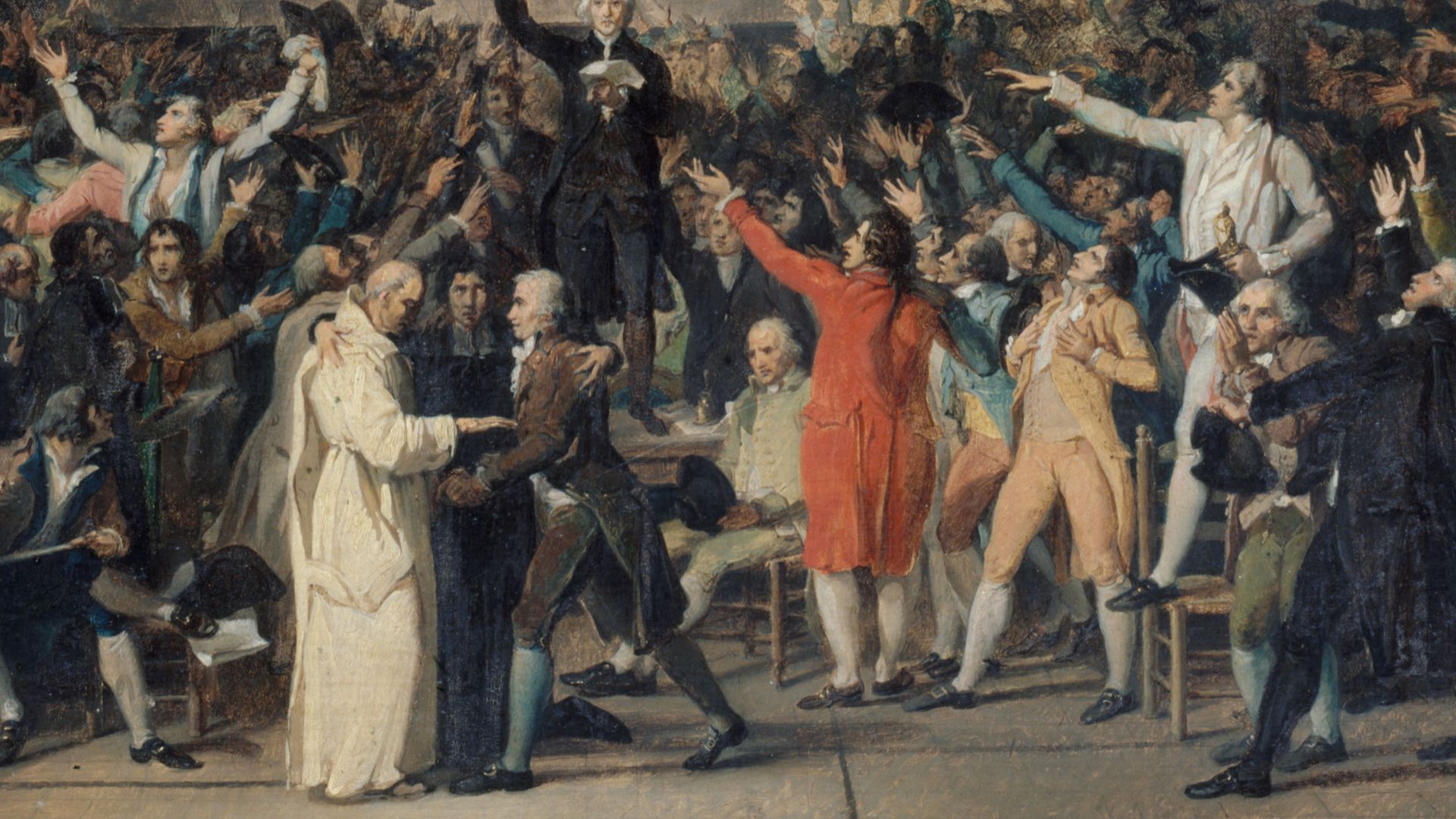
Finding himself now without a title, Louis felt he needed a name that reflected what he and the French people were fighting for. Drawing on the famous motto of the Revolution, Liberté, Égalité, Fraternité (Liberty, Equality, Fraternity), the duke chose Égalité as his new surname. For the people, it represented his generosity to the poor, and for him, it was the final sever of his relationship with the monarchy.
 Jacques-Louis David, Wikimedia Commons
37. He Hated His Cousin
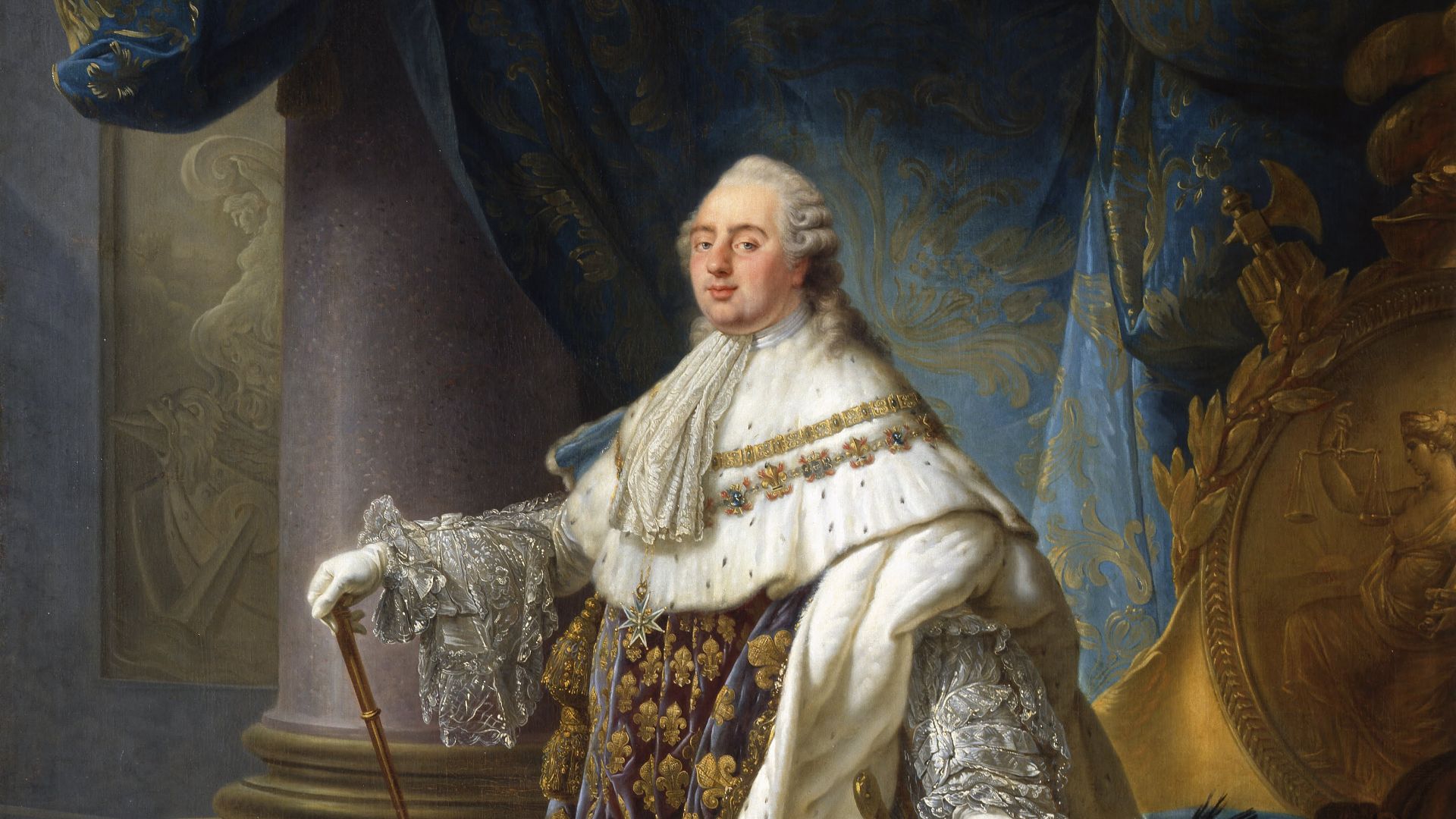
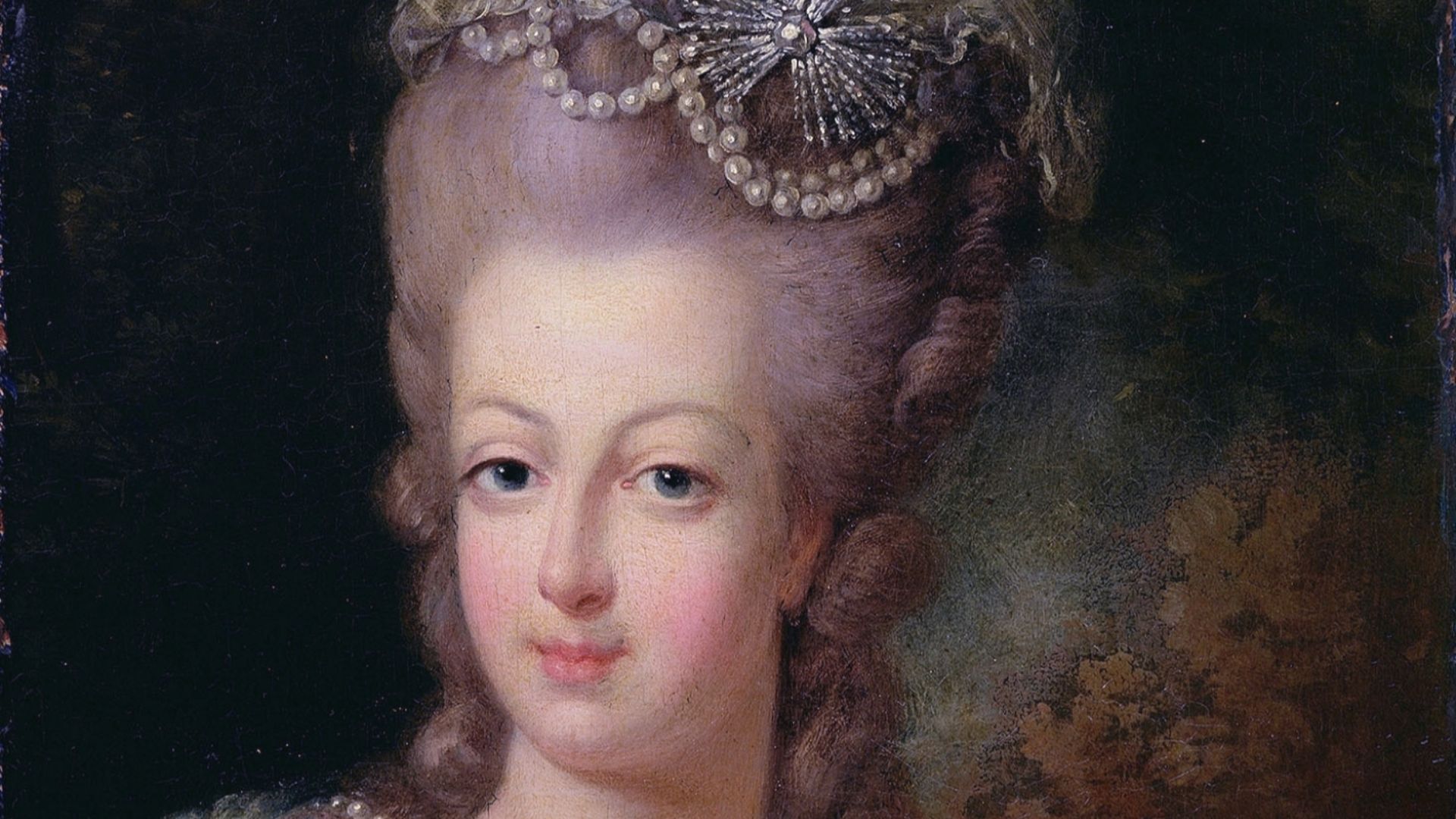
Louis’ relationship with his cousin, the King of France, had never been good. The duke was next in line for the throne if the King’s family line should end, and the King always felt threatened by his cousin as a result. Furthermore, the King’s wife, Marie Antoinette, detested the duke, and the feeling was mutual.
She felt he was treacherous, hypocritical, and selfish; he viewed her as frivolous. The two traded passive aggressive barbs over the years.
 Antoine-François Callet, Wikimedia Commons
38. He Insulted A Royal Birth
Marie Antoinette and King Louis gave birth to their first child, a girl, in 1778. As their Bourbon line needed male heirs to prevent the Duke of Orléans from taking the throne, this was already a tense moment for the two men. To add insult to injury, the duke opted to forgo the traditional celebratory measures following the birth of a royal and only modestly decorated the Palais-Royal.
Louis Philippe II’s snub may have reflected a deeper desire.
 After Jean-Baptiste Andre Gautier-Dagoty, Wikimedia Commons
39. He Lusted For Power
Some alleged that the Duke of Orléans, despite his seemingly anti-monarchy views, greatly desired the throne of France. It has even been suggested that this lust for the highest power in the land motivated his support of the French Revolution; perhaps he saw his heading a constitutional monarchy as his most likely path to domination. It would be consistent with some other contradictory views he held.
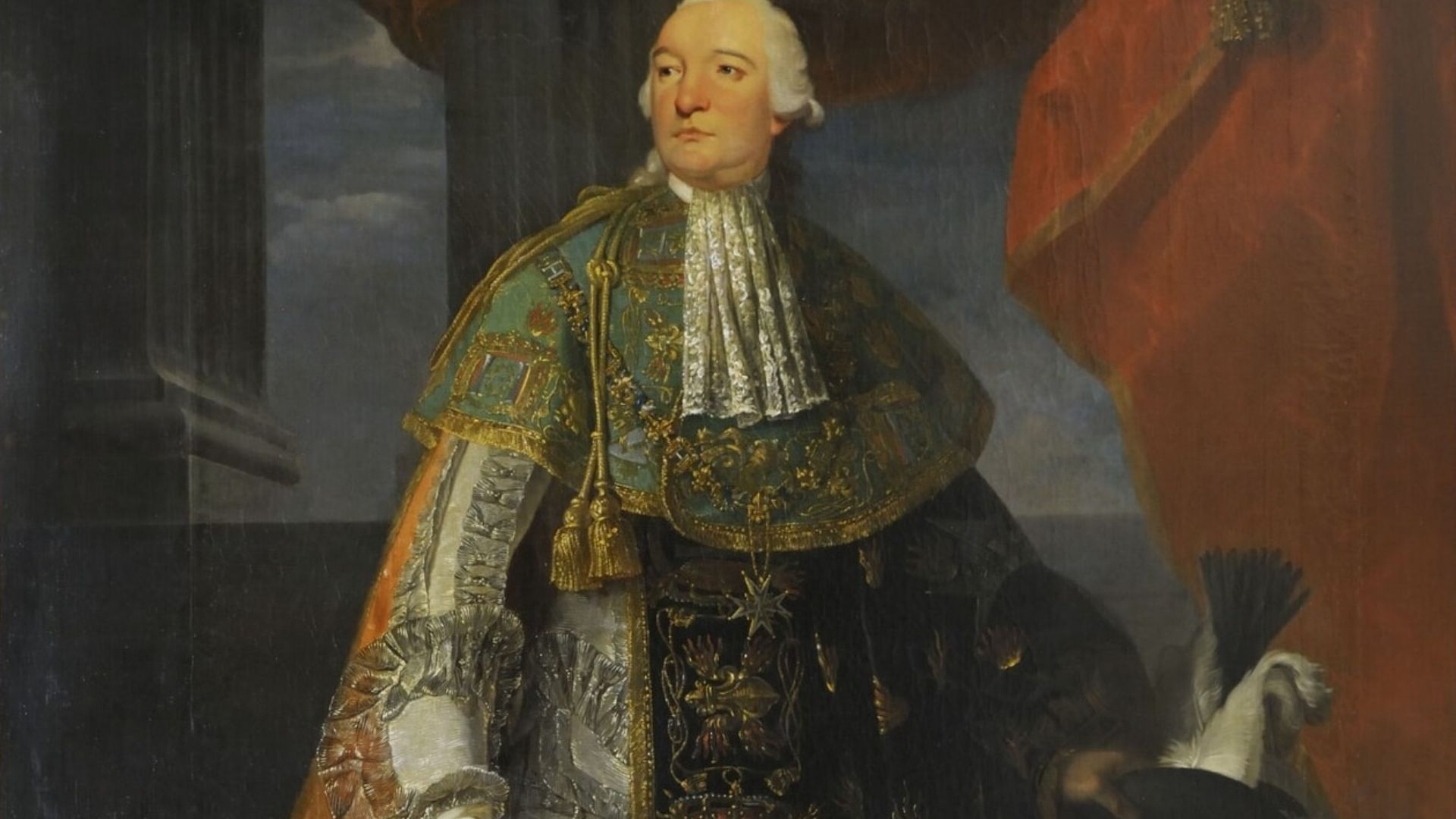 Antoine-François Callet, Wikimedia Commons
40. He Was A Hypocrite
Louis Philippe II took any opportunity that presented itself to snipe at the royal family, even if the same criticism applied to him. For example, during the infamous Affair of the Diamond Necklace, where Marie Antoinette was infamously scrutinized for her reckless spending, the duke happily chimed in with the chorus of detractors—despite the fact that he himself was a wasteful spender rivaling the queen’s habits. He did not hesitate to take aim at her husband either.
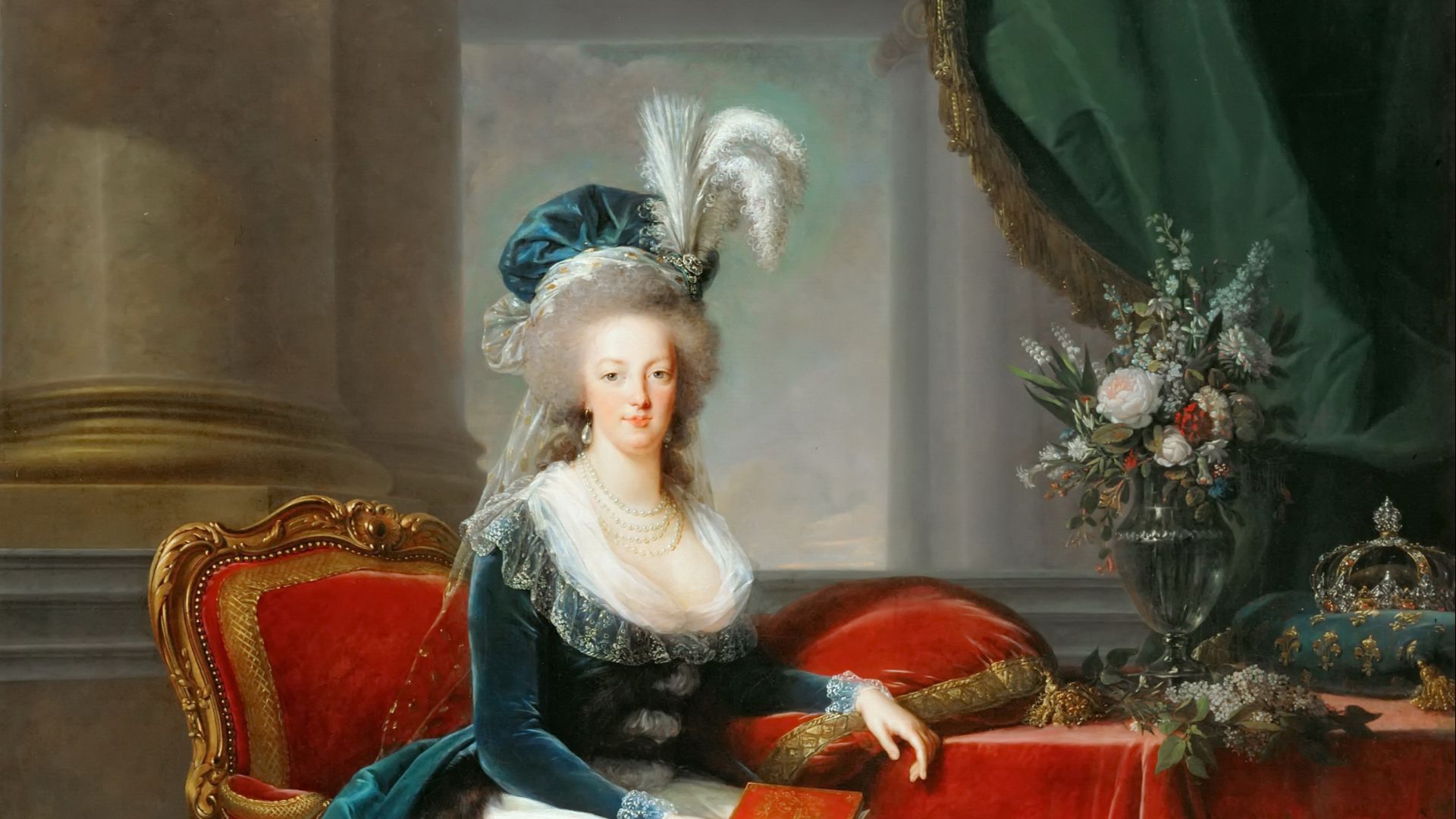 Elisabeth Louise Vigee Le Brun, Wikimedia Commons
41. He Obstructed Royalty
The Duke and King Louis often found themselves at loggerheads on matters of state. At one meeting of parliament, for example, on November 19, 1787, the King ordered the registration of some substantial loans requested by the Archbishop Brienne.
The duke, horrified at this, made his feelings clear, calling the King’s action illegal. The King coolly replied that it was legal because he wished it so, and the very next day, Louis Phillipe found himself exiled to the countryside. But he would have the last laugh.
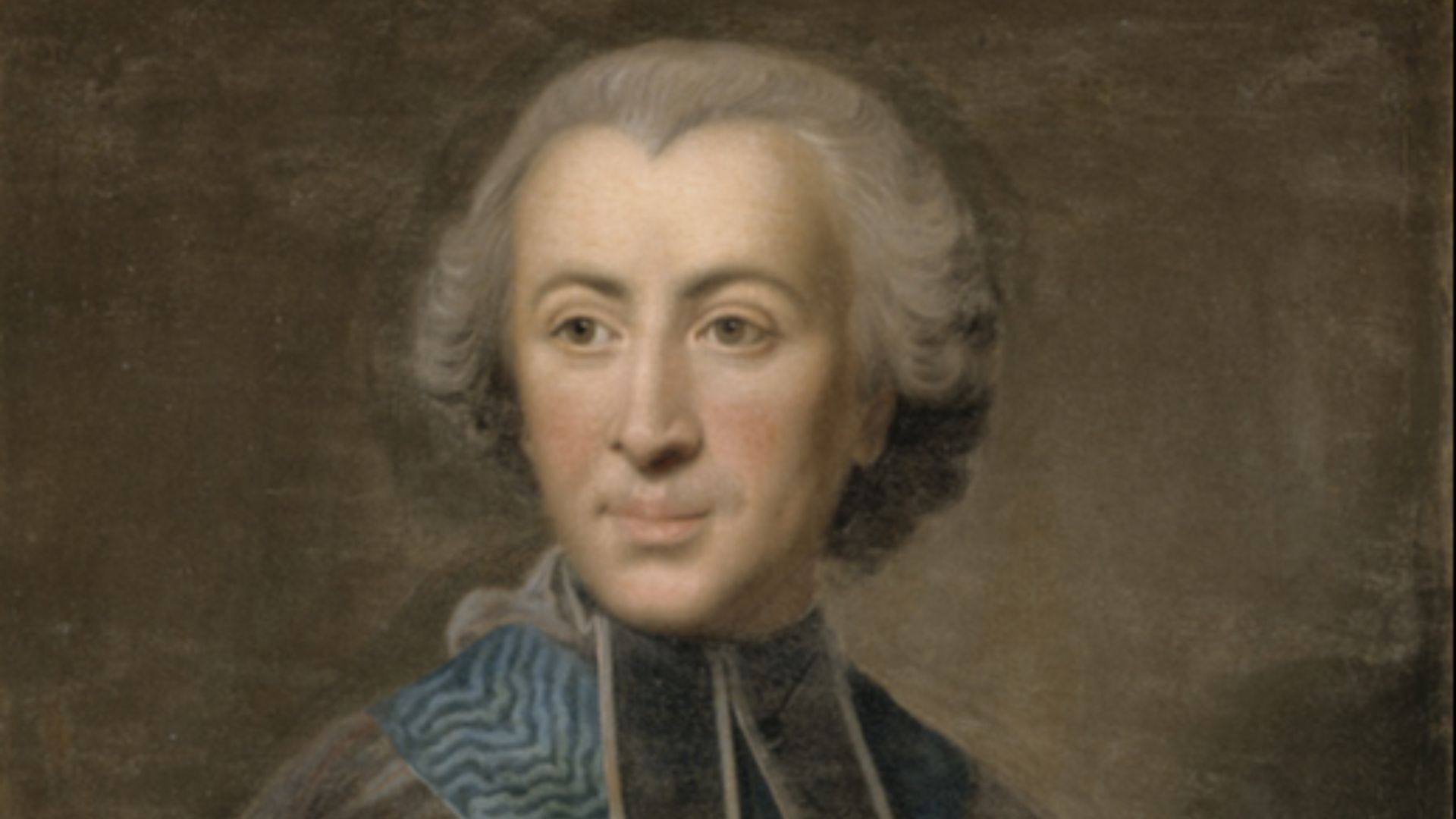 After Jean-Baptiste Despax, Wikimedia Commons
42. He Betrayed His Kin
While the King always knew his cousin disliked him, he could not have predicted the duke’s final act towards him. At a Revolutionary trial in January of 1793, Louis Phillipe was among 394 constituents at the National Convention to vote for King Louis XVI’s execution.
Everyone present was shocked at the duke’s decision, none more so than the King, who stated: “It really pains me to see that Monsieur d'Orléans, my kinsman, voted for my death”. It turned out worse than expected for the duke.
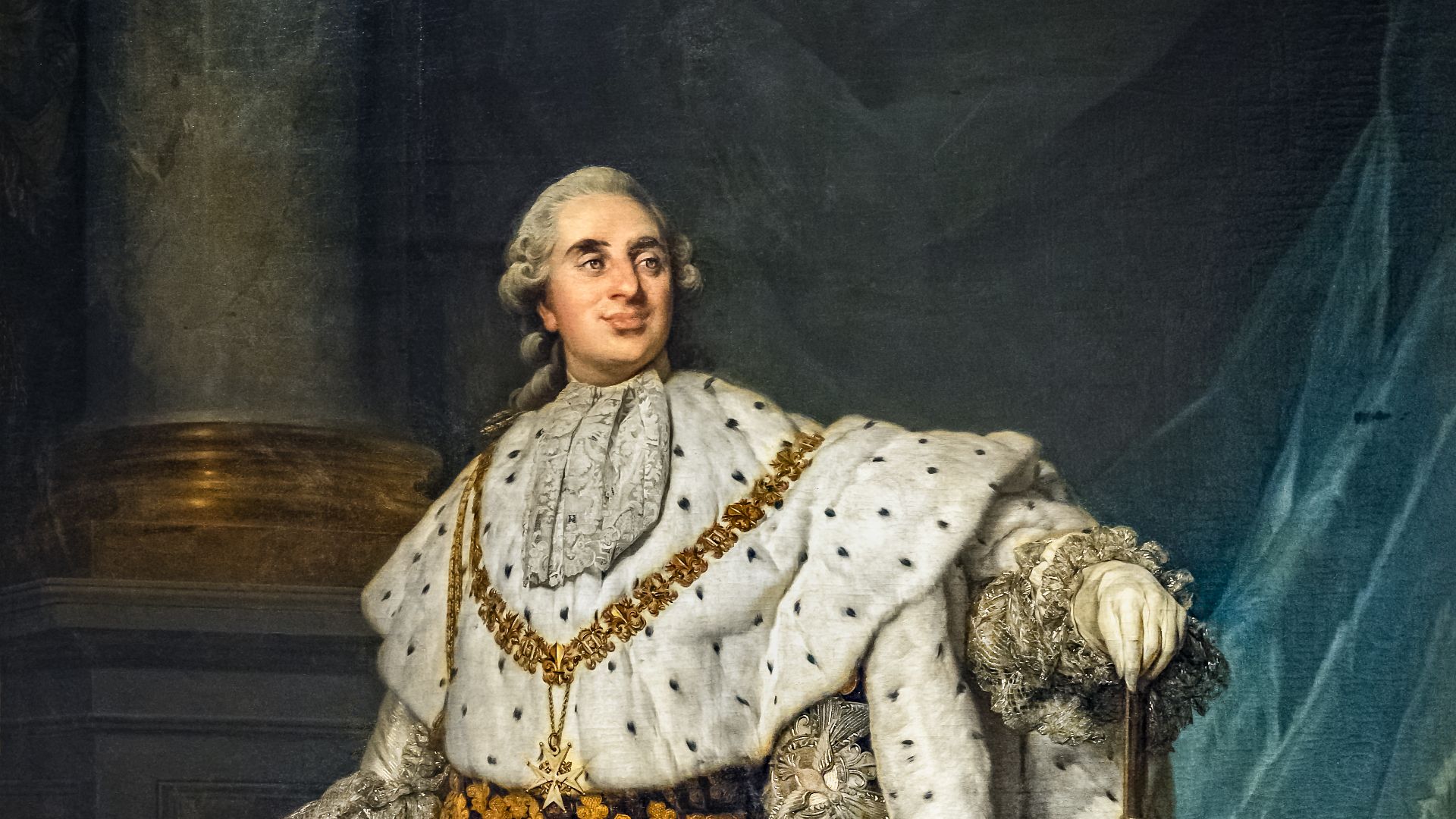 Didier Descouens, Wikimedia Commons
43. His Plan Backfired
Louis Philippe II had clearly voted in favor of ending his royal cousin’s life in an attempt to gain further popularity with the masses. But despite the ubiquity of ill feeling towards the King, the duke’s plan did not pan out as expected: many reacted to his betrayal with scorn, viewing him as dishonorable and opportunistic. It was the beginning of the end for the would-be revolutionary.
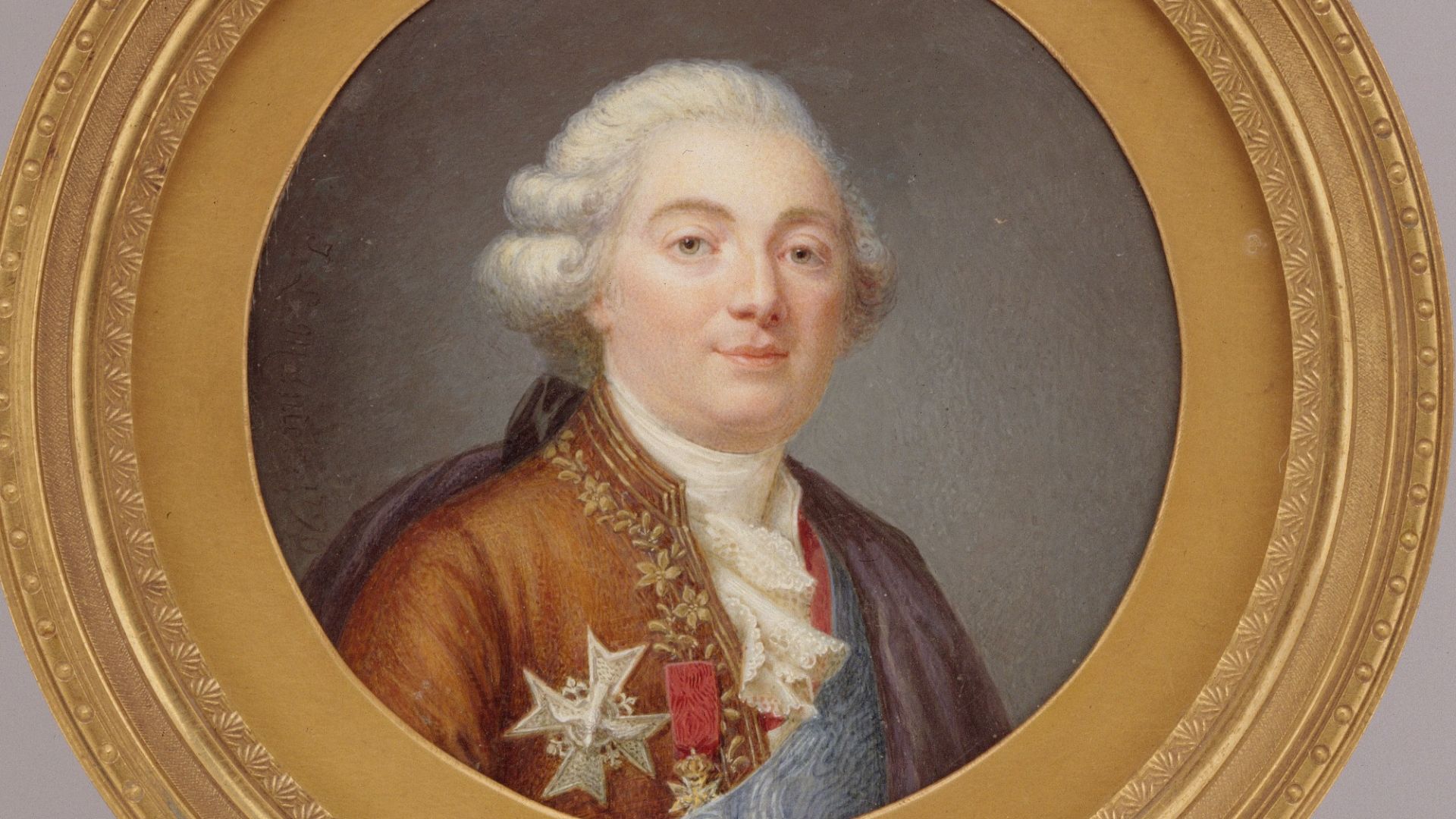 Jean-Laurent Mosnier, Wikimedia Commons
44. He Got Ahead Of Himself
Louis’ work in the National Convention continued, and he desperately tried to prove his revolutionary bona fides. On April 1, 1793, a decree came to a vote that condemned those in France with “strong presumptions of complicity with the enemies of Liberty”. The decree passed with Louis’ vote. It would backfire spectacularly.
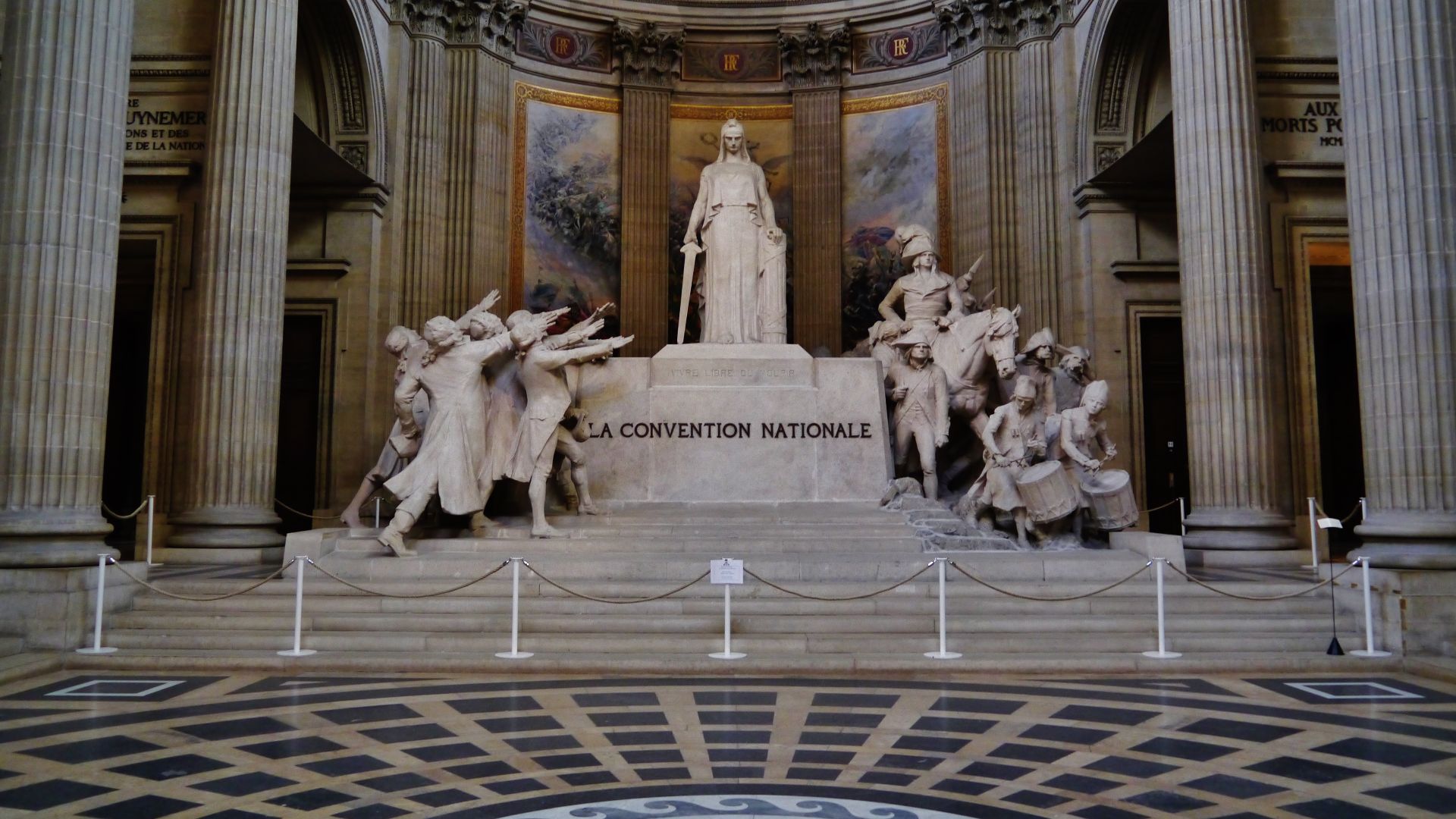
45. His Son Plotted
At the same time the decree was passing, Louis’ son, confusingly also named Louis Phillipe, a general in the French Army, absconded on a visit to Austria alongside General Charles François Dumouriez. The Austrians were an enemy of France and, though Louis Sr. did not engage in treasonous behavior, his association with his son was enough to have him arrested. It was a stunning turn of events.
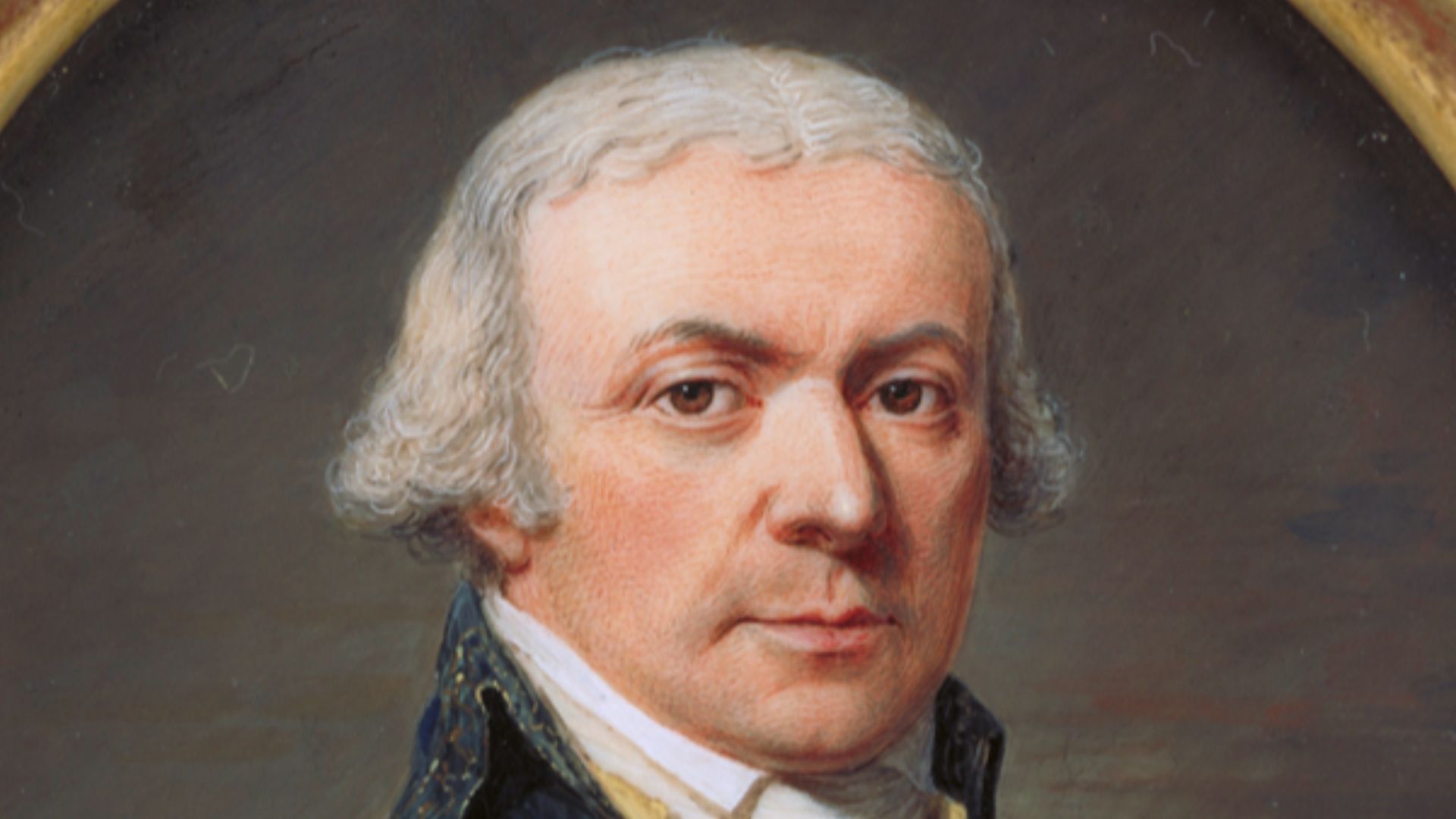 Template:Pierre-Louis Bouvier, Wikimedia Commons
46. He Got Locked Up
Along with other members of the Bourbon family that remained in France, Louis Philippe II was incarcerated for his “treason” on April 4, 1793. He spent several months locked in Fort Saint-Jean in Marseille before being transferred back to Paris, where he was imprisoned at the Conciergerie on November 2. It was here where he awaited his grim fate…
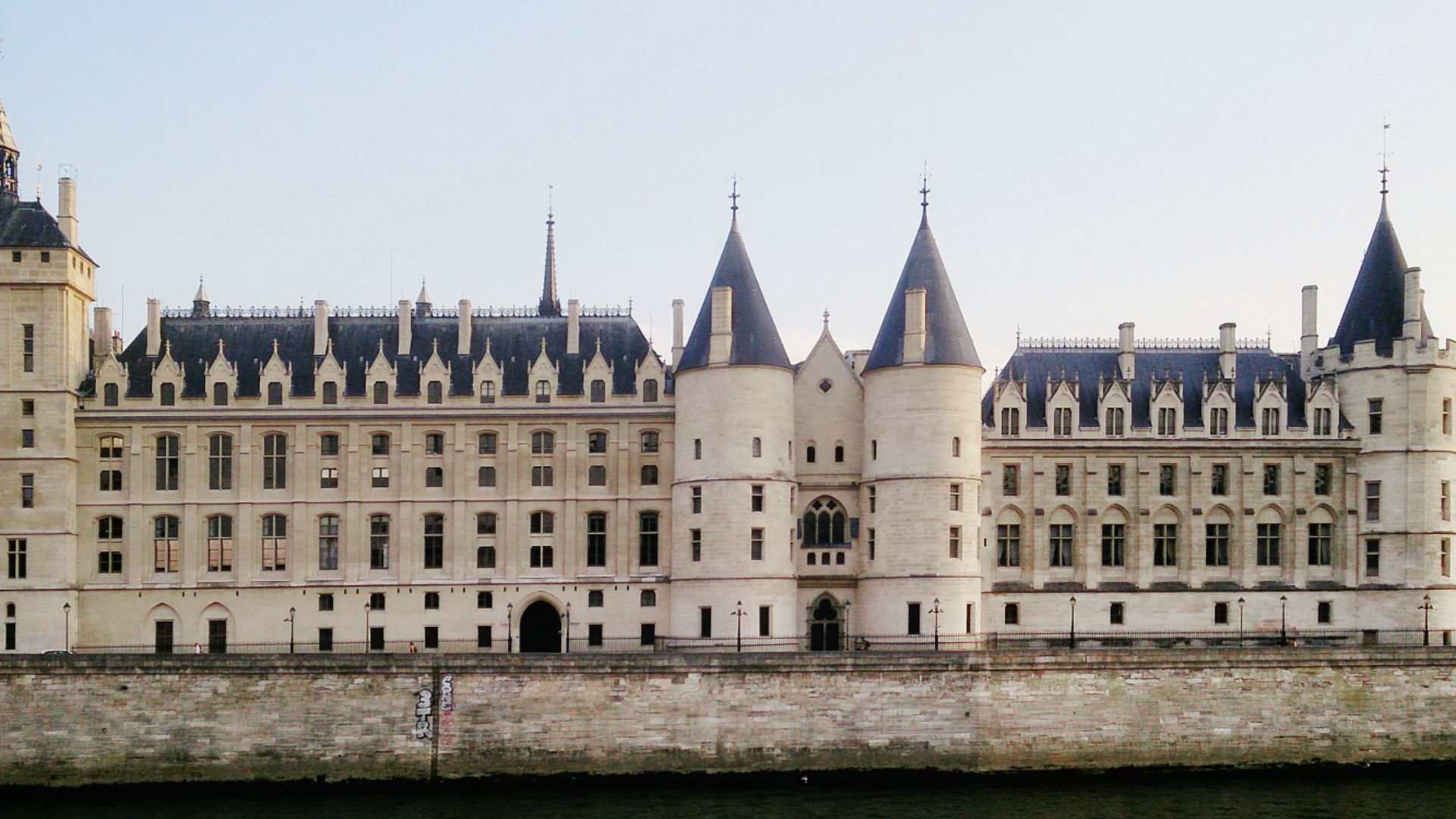
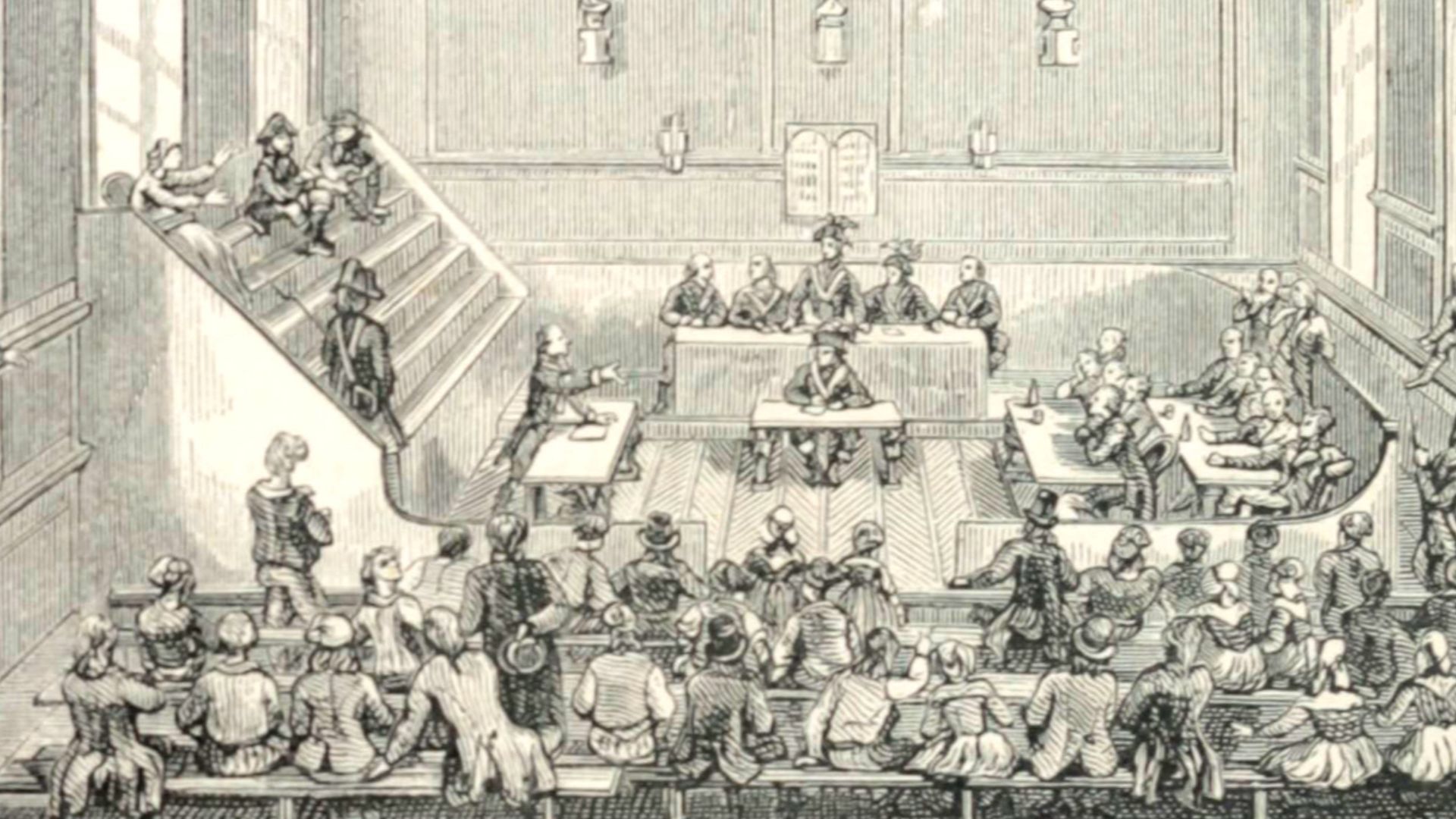
47. He Got Sentenced
On November 6, Louis was marched in chains before the Revolutionary Tribunal. It was a head spinning change of fortune for the once-influential duke. Calling him a traitor in no uncertain terms, the Tribunal sentenced him to have his life taken that very day.
 Unknown authorUnknown author, Wikimedia Commons
48. He Got The Chop
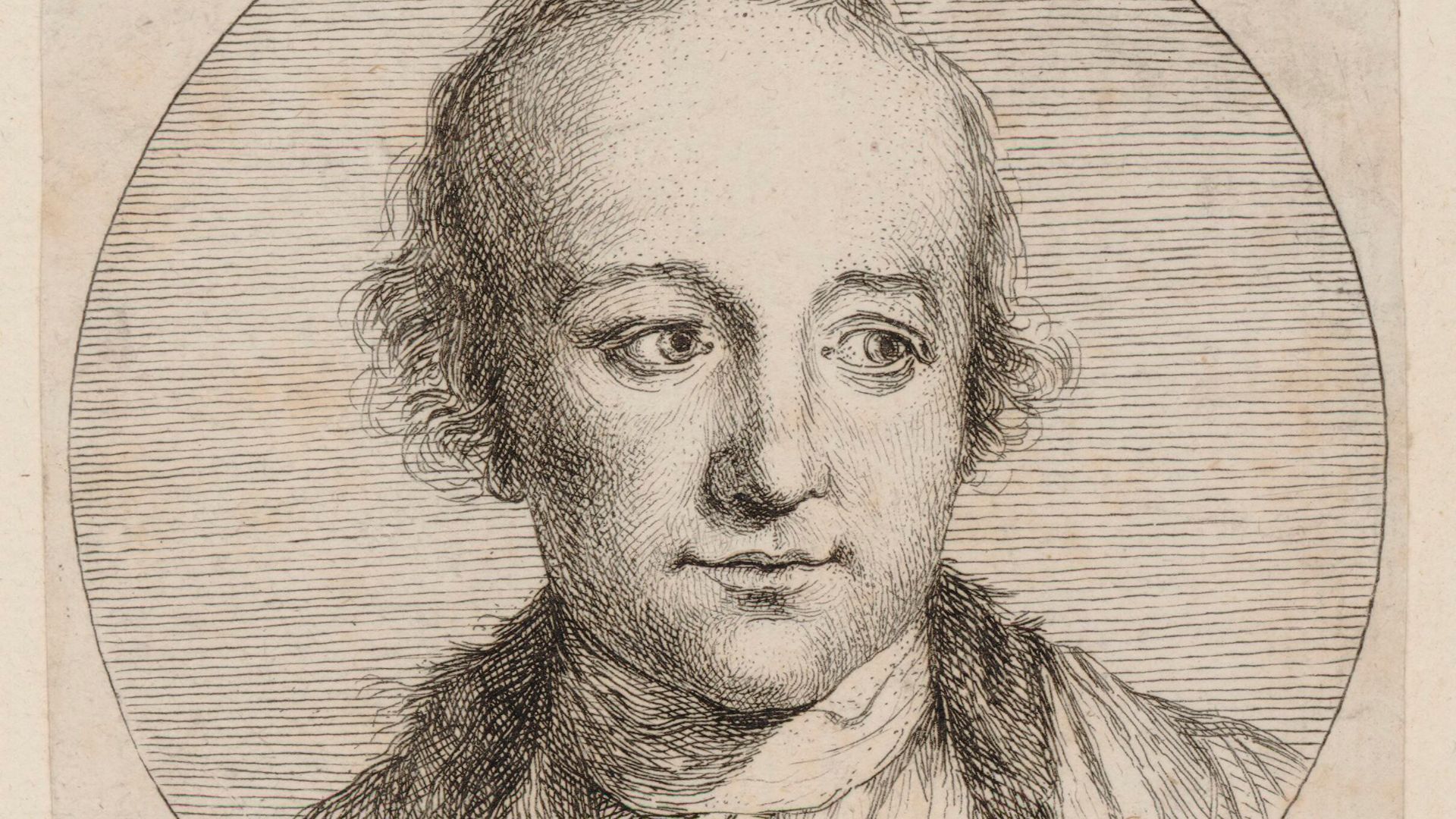
Louis’ execution was one of many noble slayings that took place around this time, an era that became known as the Reign of Terror. Most of the sentences, including Louis’, were carried out using that timeless symbol of the French Revolution: the guillotine.
It was a grim ending for a man, just 46 years old, who considered himself a leader of the very Revolution that toppled him.
49. His Burial Was Unceremonious
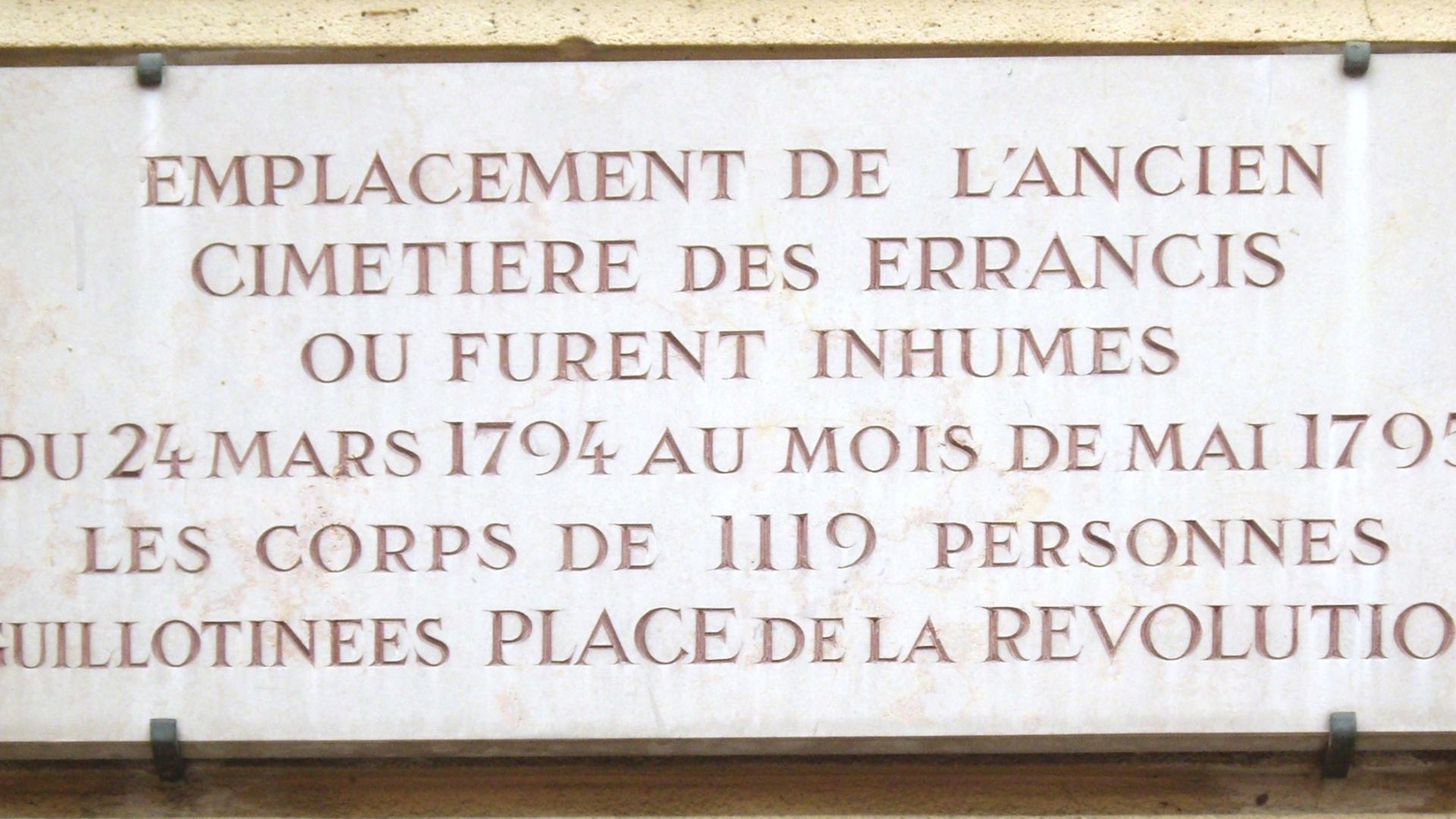
To add insult to injury, the revolutionaries took no special measures when it came time to dispose of the duke’s body. He was unceremoniously buried in Errancis Cemetery, which was effectively a mass grave in which to dispose of guillotine victims. And after all of Louis’ support of anti-monarchist movements, there was one final irony.
50. His Son Got The Top Spot
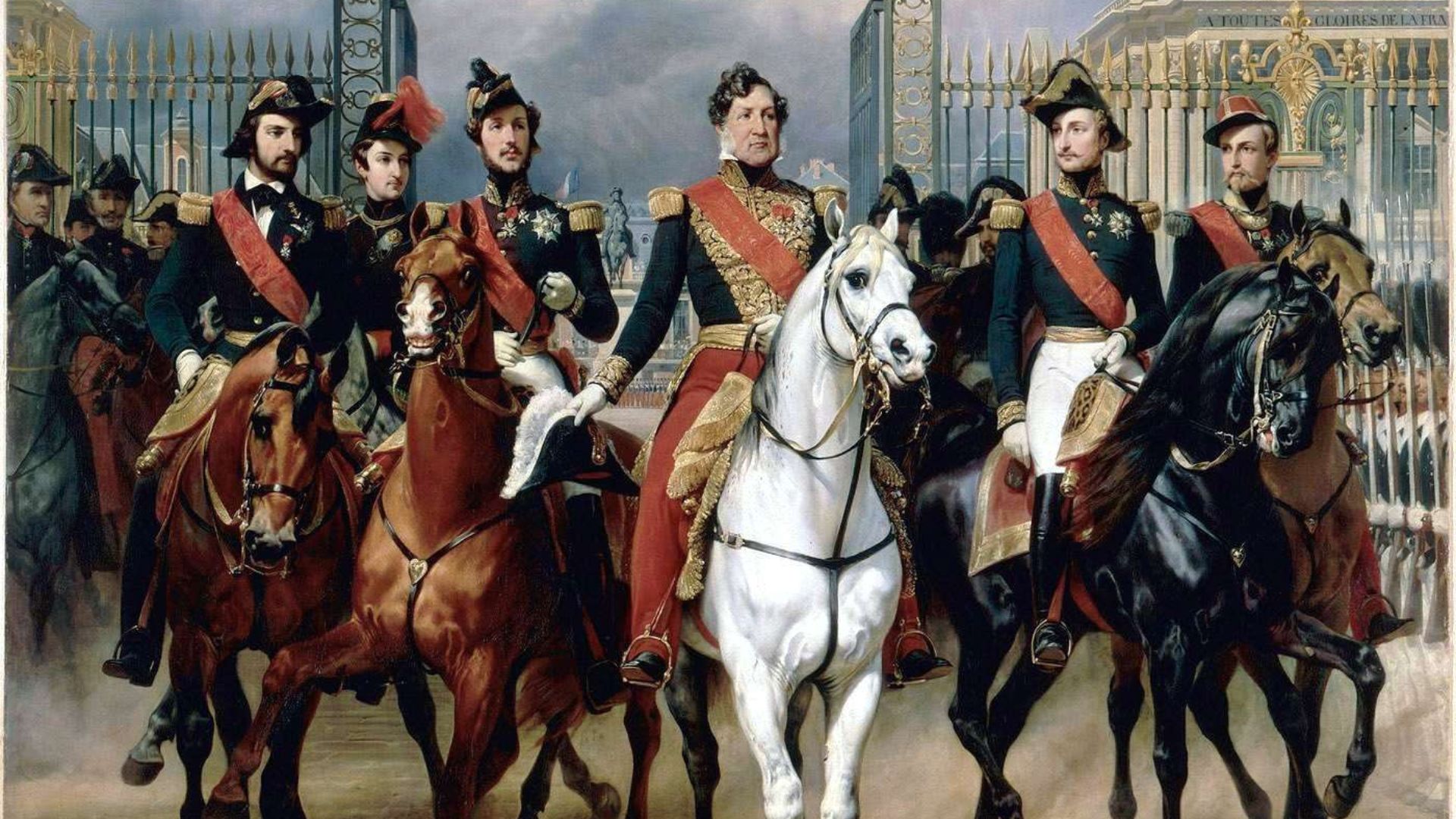
Paradoxically, Louis’ son, the younger Louis Phillipe, rose to become the King of the French during the July Revolution of 1830. The institution was not long for this world, however; King Louis Phillipe I would be France’s last reigning King (and penultimate overall monarch). So, in a darkly comic way, the Duke of Orléans’ son finished what his father had started.
 Horace Vernet, Wikimedia Commons
You May Also Like:
Thérésa Tallien Nearly Brought Down An Empire
Unruly Facts About The French Revolution
Grim Facts About Maximilien Robespierre, The Reaper Of Revolution









_-_Google_Art_Project.jpg)