They Broke All The Rules
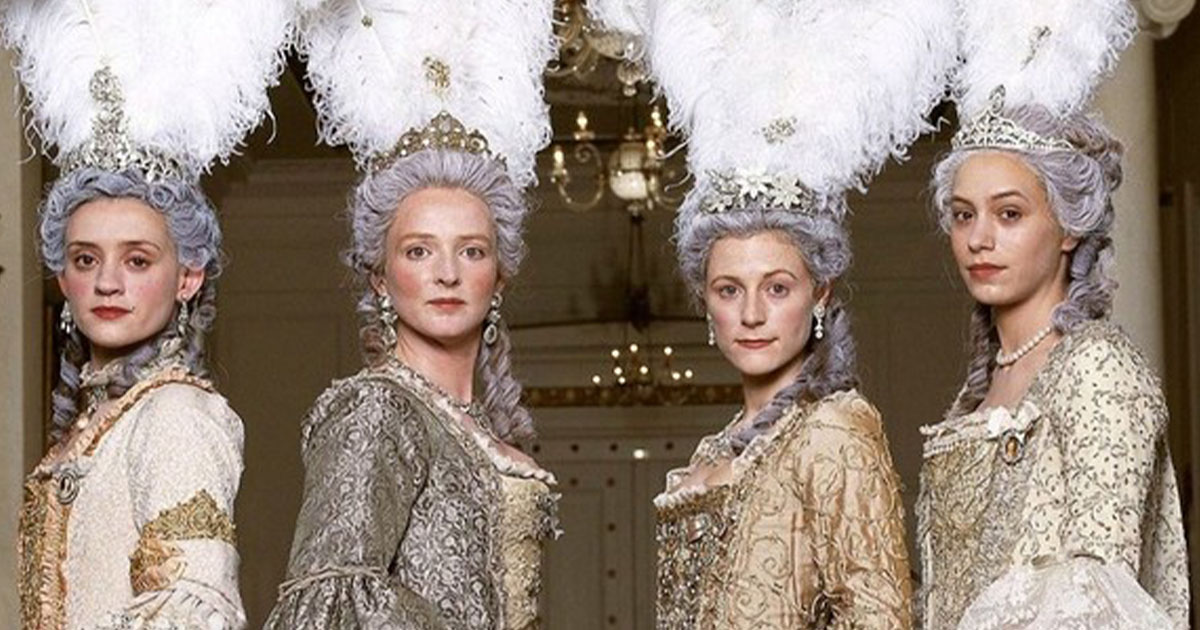
The Lennox sisters—Caroline, Emily, Louisa, and Sarah—had a king for a great-grandfather, palaces for playgrounds, and more money than they could ever spend. Yet none of that could keep them out of trouble. Secret elopement, a near-miss with the throne of England, and affairs that scandalized two kingdoms, the Lennox sisters had everything…until it all fell apart.
1. They Were Eight, Not Four
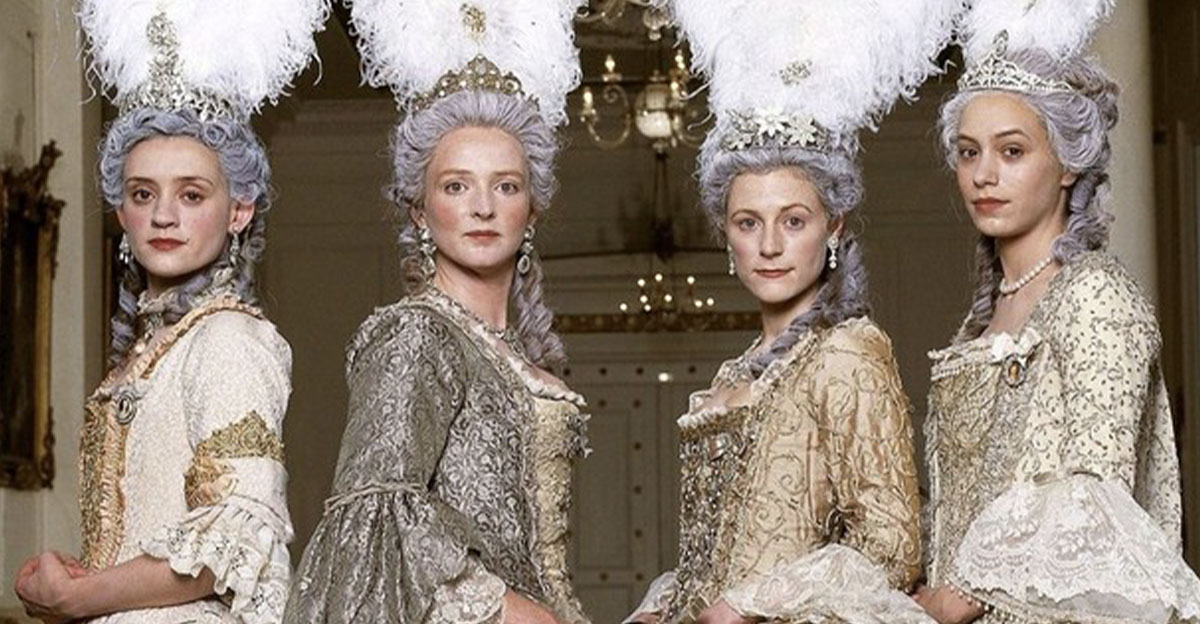
Georgian England never knew what hit it. Caroline, Emily, Louisa, and Sarah Lennox were the daughters of Charles Lennox, 2nd Duke of Richmond, and Sarah Cadogan. Those four aristocratic girls would keep the scandal sheets busy for half a century—and that wasn’t even all of the Lennox sisters. A fifth sister, Cecilia, was gone by 19, and three more girls never made it out of the nursery.
Four Lennox sisters were all England could bear anyway.
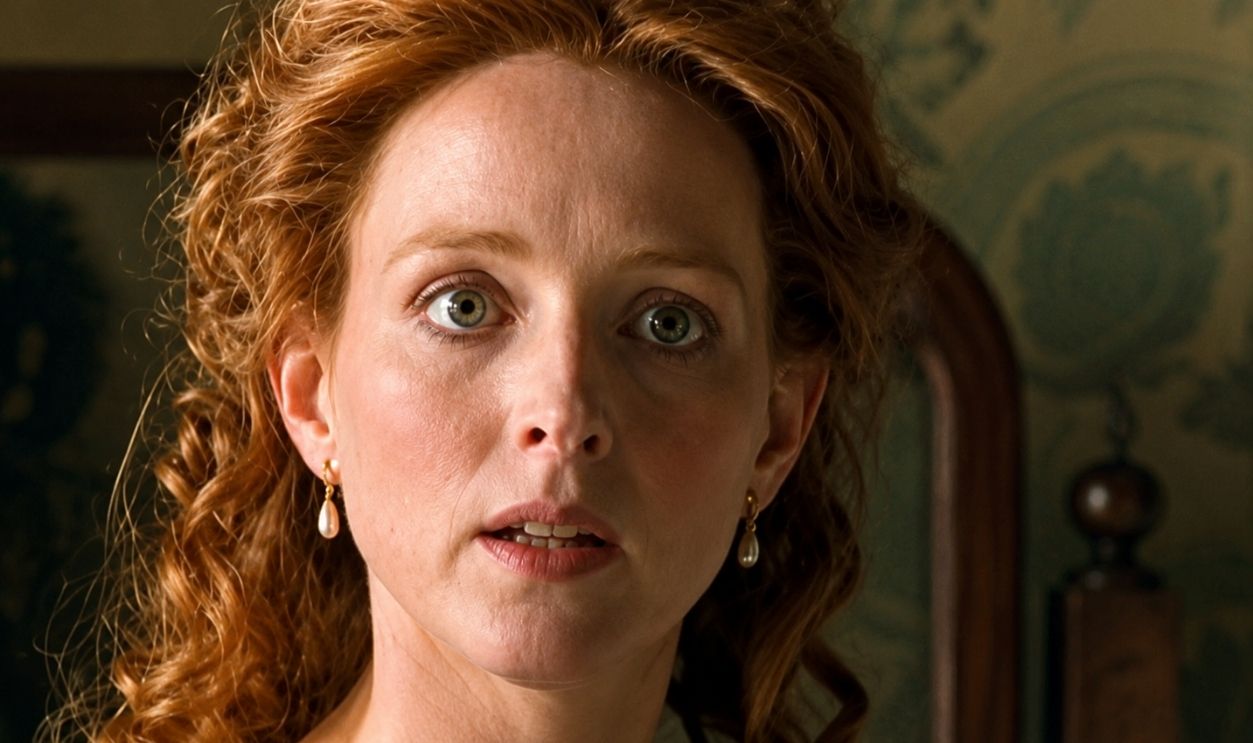 Screenshot from Aristocrats, BBC (1999)
2. They Descended From A King
The Lennox sisters had royal pedigree. Their grandfather, the 1st Duke of Richmond, was King Charles II’s son by way of his French mistress, Louise de Kérouaille. Illegitimacy, it turns out, paid handsomely: the king set his boy up with titles in England, Scotland, and France, a hefty annuity, and a cut of Britain’s coal dues that would keep the Lennox sisters living in luxury generations later.
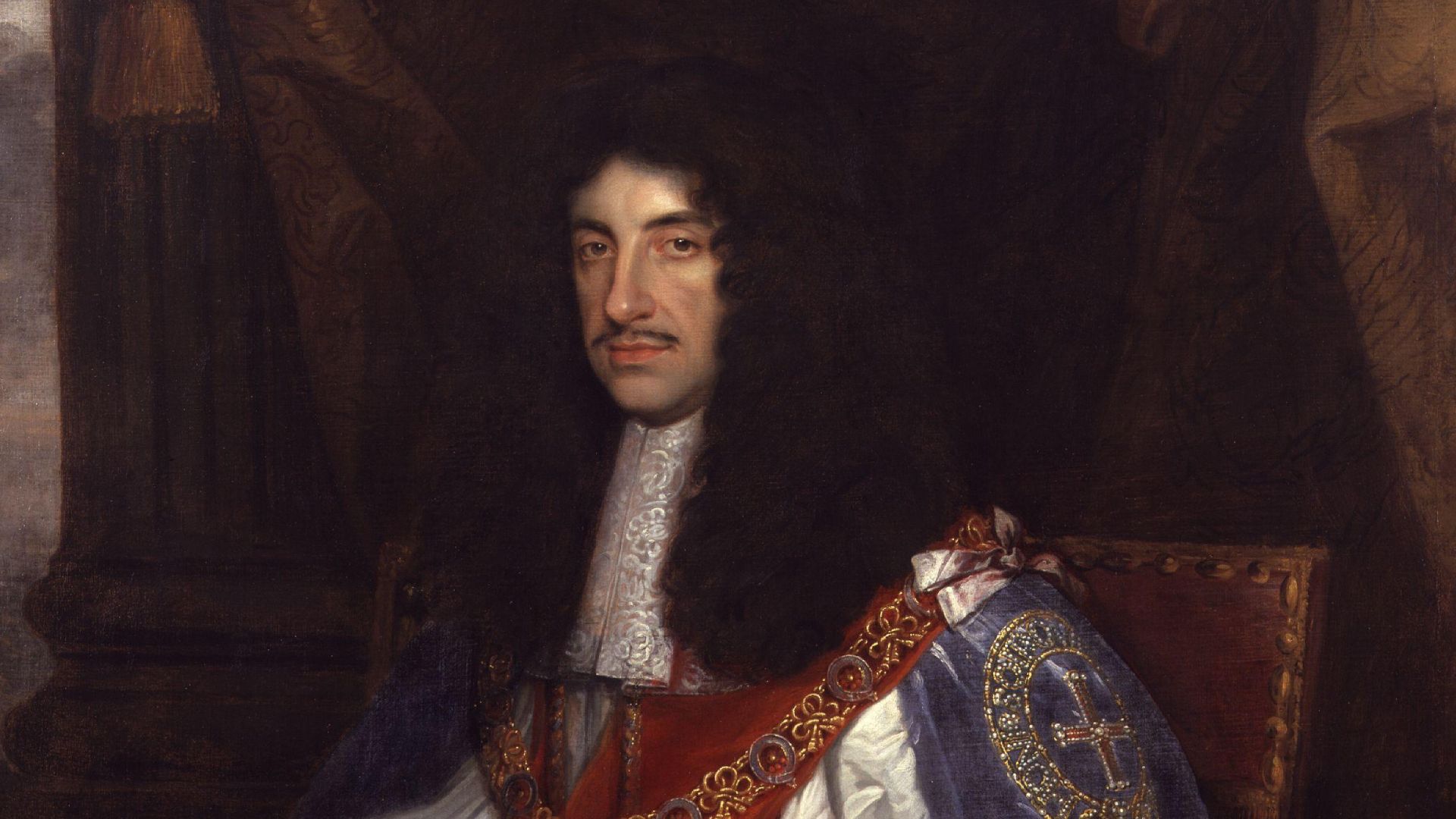 John Michael Wright, Wikimedia Commons
3. They Had A Strange Hobby
What did the Lennox sisters do with all that cash? Beg for seashells. Through the 1730s and 1740s, the Lennox sisters, encouraged by their mother, collected shells off navy captains docking at Portsmouth. But they had a purpose for it. The young sisters arranged the shells into intricate designs in the grotto at the family’s estate in Sussex, the fabled Goodwood House.
Goodwood, mind you, was only one of their addresses.
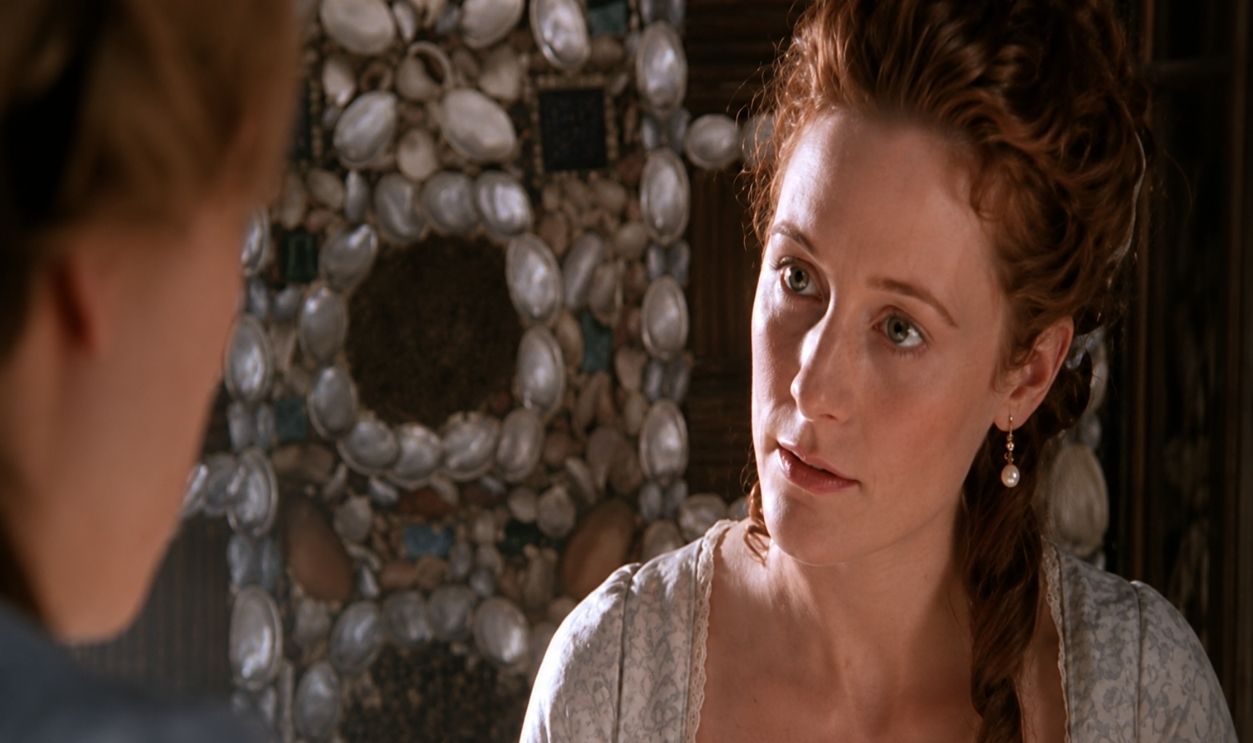 Screenshot from Aristocrats, BBC (1999)

History's most fascinating stories and darkest secrets, delivered to your inbox daily.
4. They Charmed The King
Home, for the Lennox sisters, was wherever the king happened to be. With their father serving as Lord of the Bedchamber to King George II, the girls split their childhood between Goodwood House, Richmond House in London, and the royal palaces themselves. That proximity to the King would lead to one of the biggest scandals of Georgian England with a Lennox sister square in the middle of it.
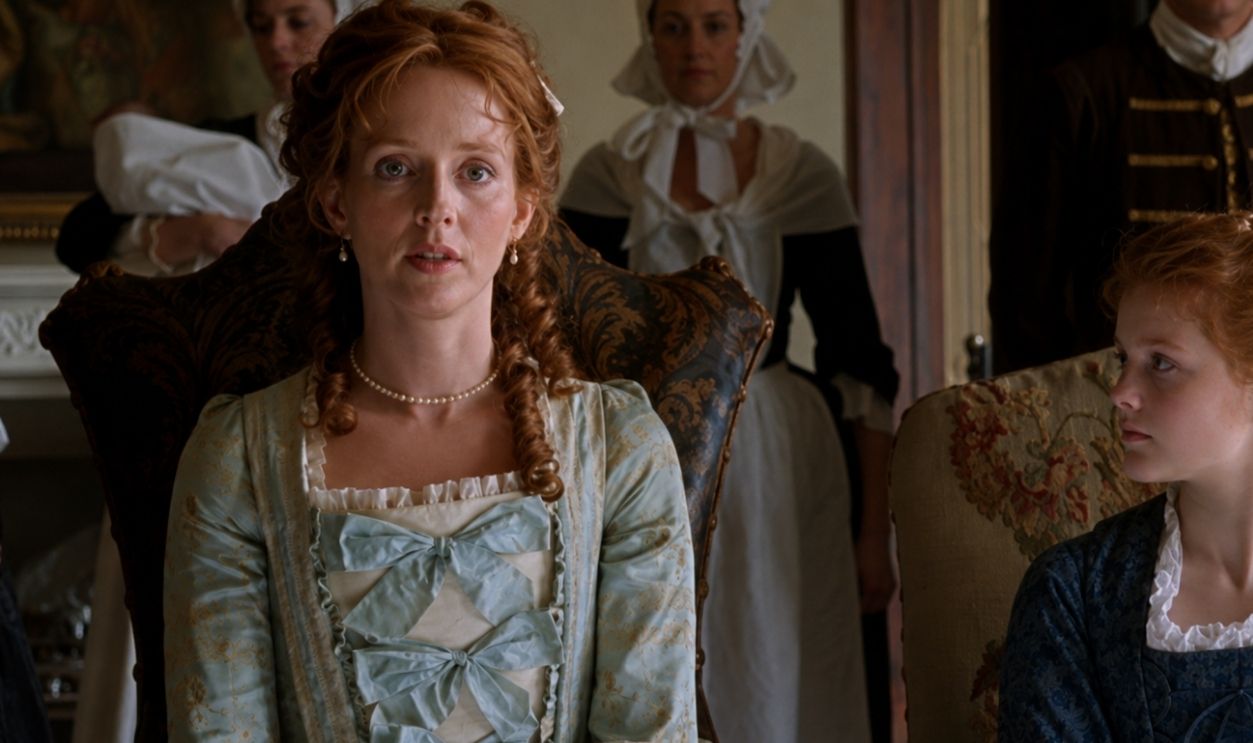 Screenshot from Aristocrats, BBC (1999)
5. They Taught Themselves
Nobody expected the Lennox sisters to be scholars. Their formal schooling stopped at the usual ladylike checklist—reading, writing, music, embroidery, and a dose of religion. So the girls filled the gaps on their own, devouring French literature, with Voltaire the runaway favorite. In fact, the girls read so much French that it became almost as natural as English.
The eldest, Caroline, would be the first Lennox sister to turn heads and raise eyebrows on her own.
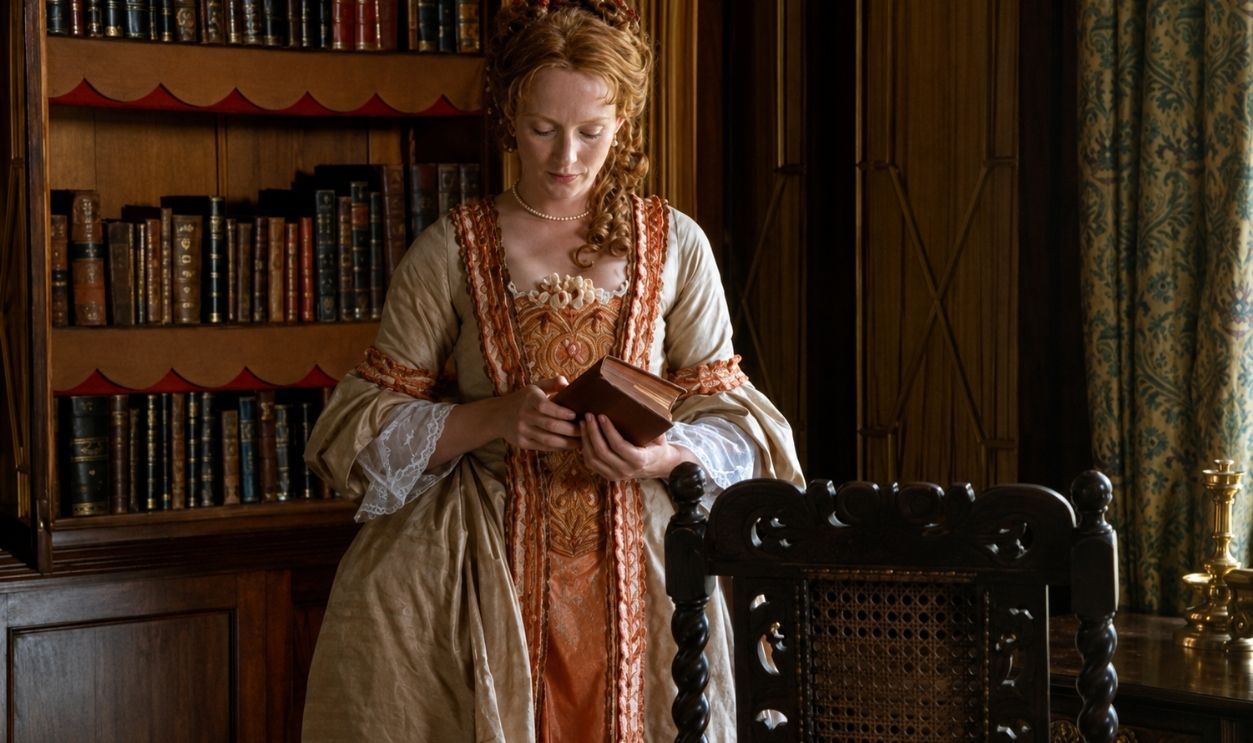 Screenshot from Aristocrats, BBC (1999)
6. Caroline Performed For Royalty
As the eldest, Caroline was the first Lennox sister to make a name for herself at court. Born Lady Georgiana Carolina Lennox on March 27, 1723, at Richmond House, she got her first taste of the spotlight at 9. The endearing little Caroline took to the stage in the drama The Indian Emperour in front of the reigning King and Queen.
That was about all the attention she could get.
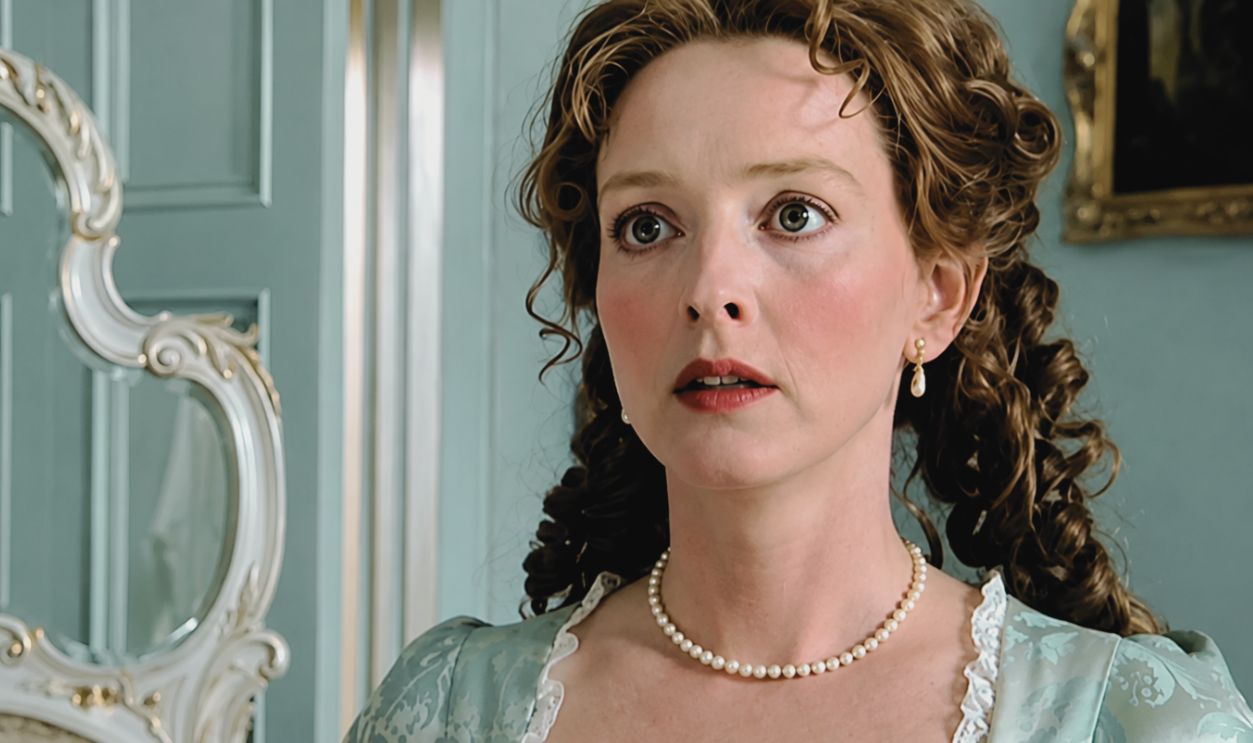 Screenshot from Aristocrats, BBC (1999)
7. Caroline Fell For The Wrong Man
Caroline’s parents, concerned with their duties at court, were around so rarely that a French-speaking governess practically raised her. The Duke and Duchess would often be away for days at a time, leaving Caroline to her own devices. That might explain why, at age 19, she fell head over heels for Henry Fox—a Member of Parliament nearly two decades older than her.
Her parents liked Fox just fine. But as a son-in-law? Not a chance.
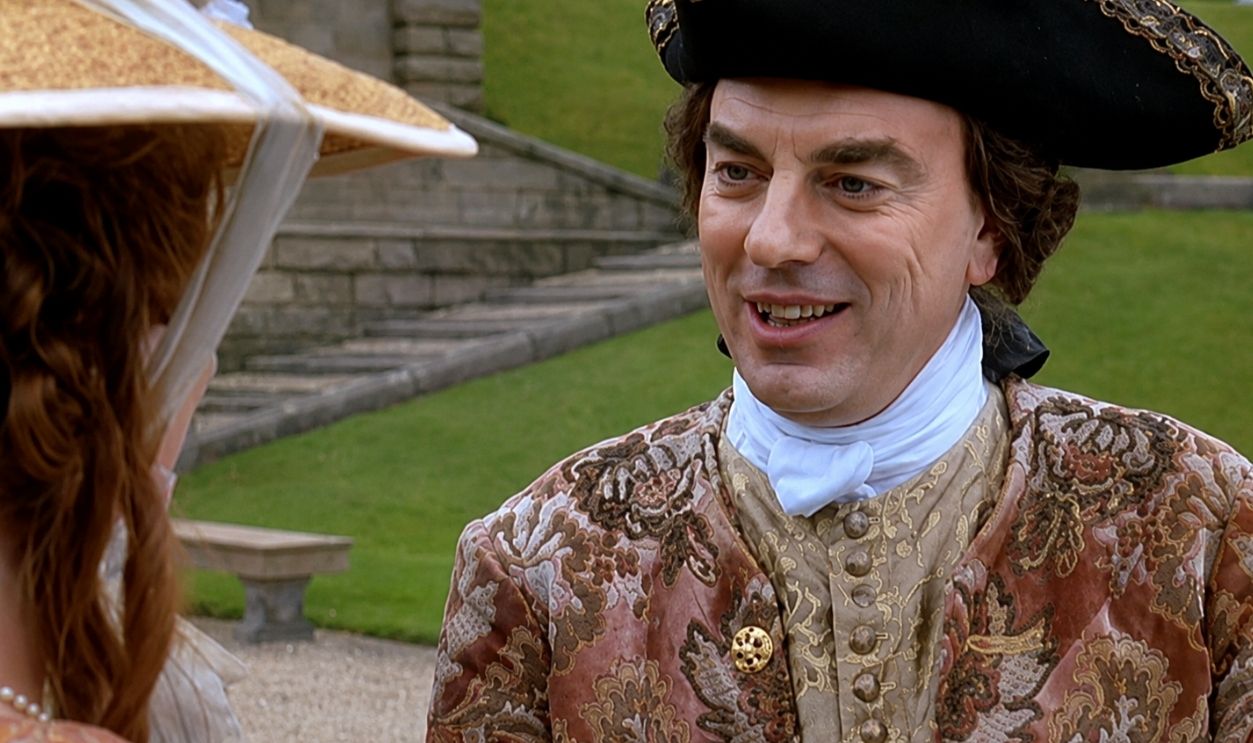 Screenshot from Aristocrats, BBC (1999)
8. Caroline’s Suitor Was Trouble
On paper, Henry Fox was nobody’s dream son-in-law. He gambled recklessly and chased women with abandon. The unforgivable part, however, was that he was a commoner. The Richmonds happily kept Fox as a friend, but marrying a duke’s daughter was another matter entirely. When Fox finally worked up the nerve to ask for Caroline’s hand, her father didn’t just say no. He raged.
Fox heard the no. He simply ignored it.
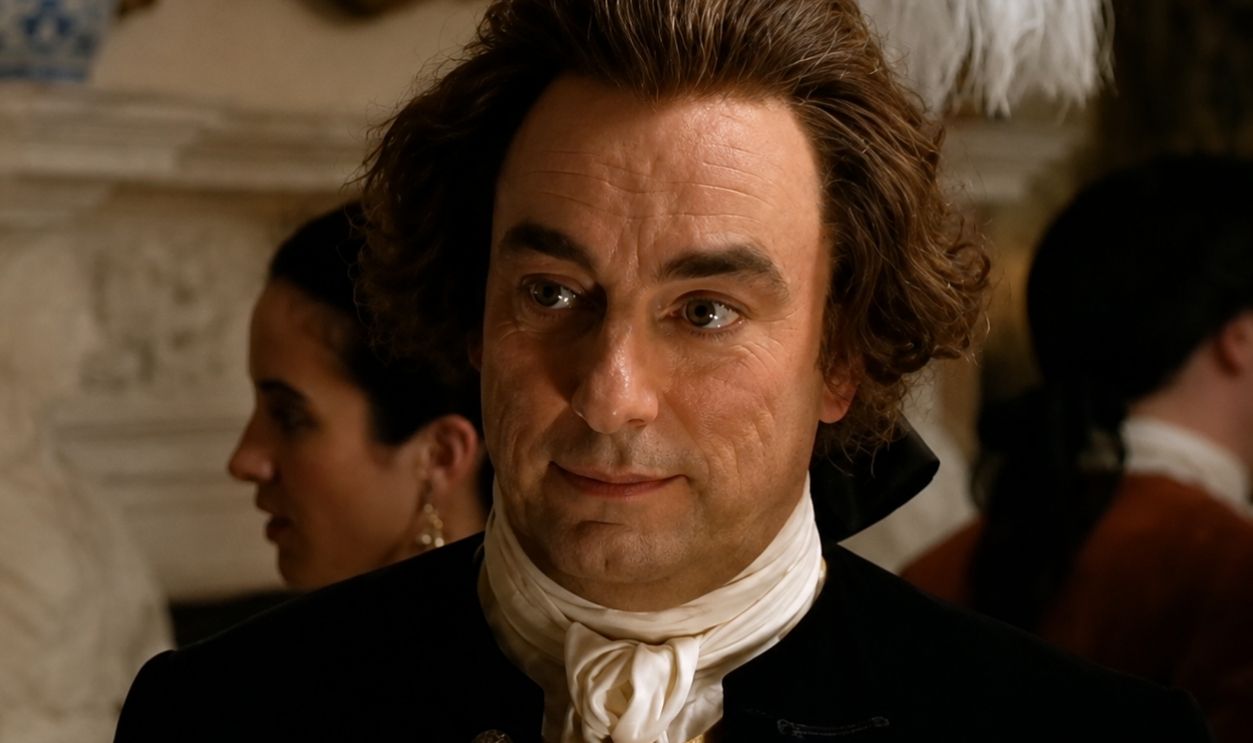 Screenshot from Aristocrats, BBC (1999)
9. Caroline Faced An Impossible Choice
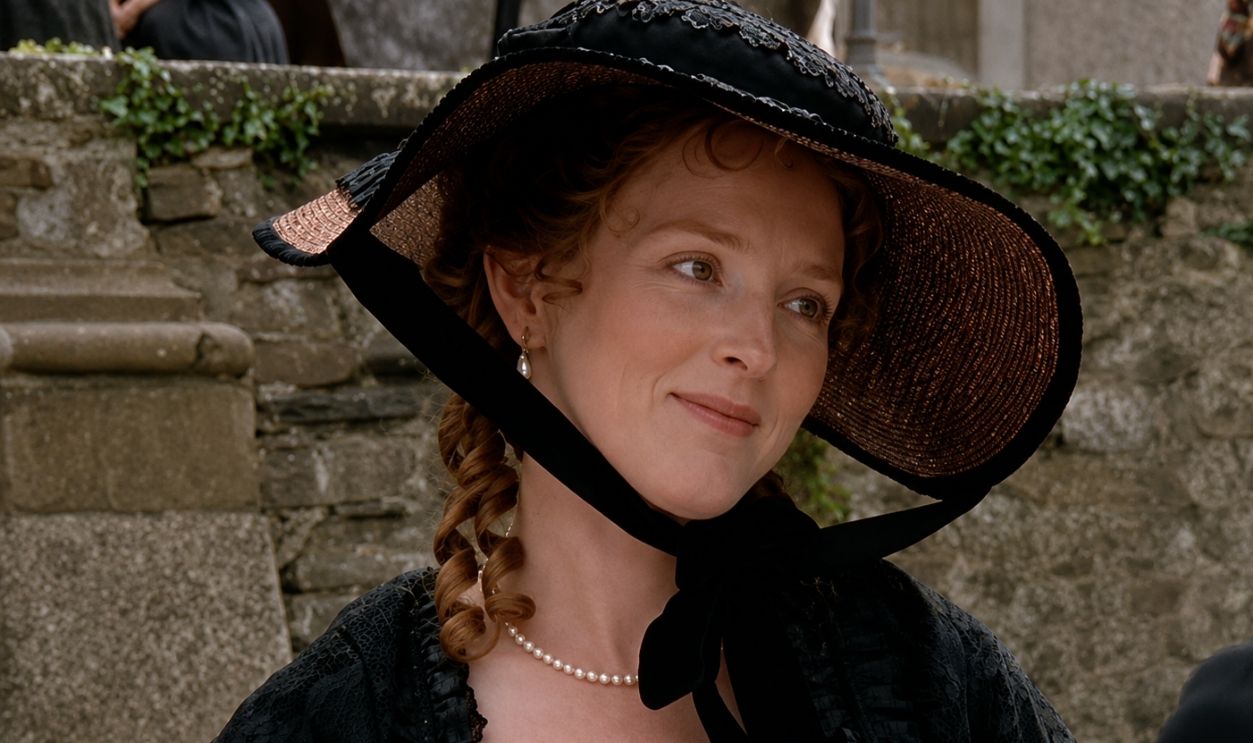
Fox knew his window was closing—Caroline was about to leave London with her family. So he forced Caroline to choose: her parents, or him. Her emotional response to Fox, preserved in a letter that still survives to this day, read: “I am vastly frightened to think of what I am going to do. I fear they will never forgive me”.
Caroline was about to cause the first Lennox sister scandal.
 Screenshot from Aristocrats, BBC (1999)
History's most fascinating stories and darkest secrets, delivered to your inbox daily.
10. Caroline Ran Away To Elope
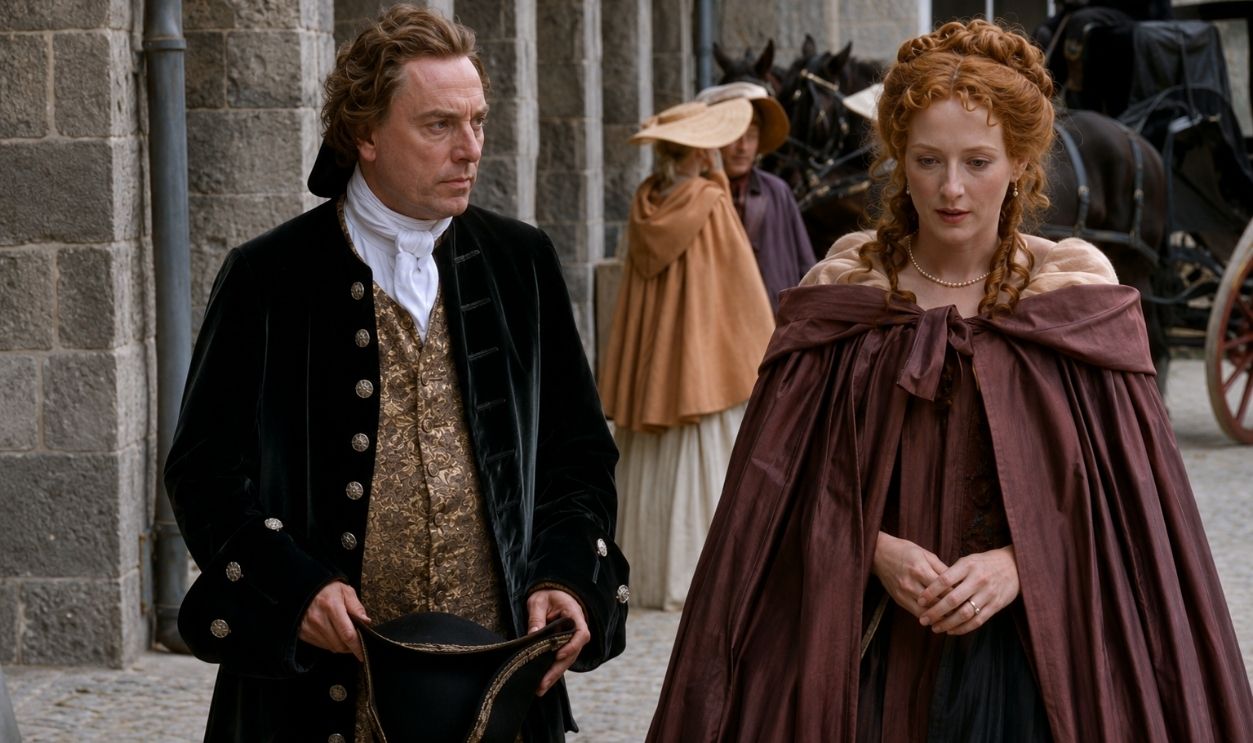
Caroline made her choice. On May 2, 1744, she quietly slipped away and wed Fox at the house of a friend to avoid raising an alarm. When she informed her parents what she had done, their response was volcanic. The Duke and Duchess barred Caroline from the family home, cut her off from her brothers and sisters, and refused to speak to her.
The fallout had only just begun.
 Screenshot from Aristocrats, BBC (1999)
11. Caroline Broke Her Father’s Heart
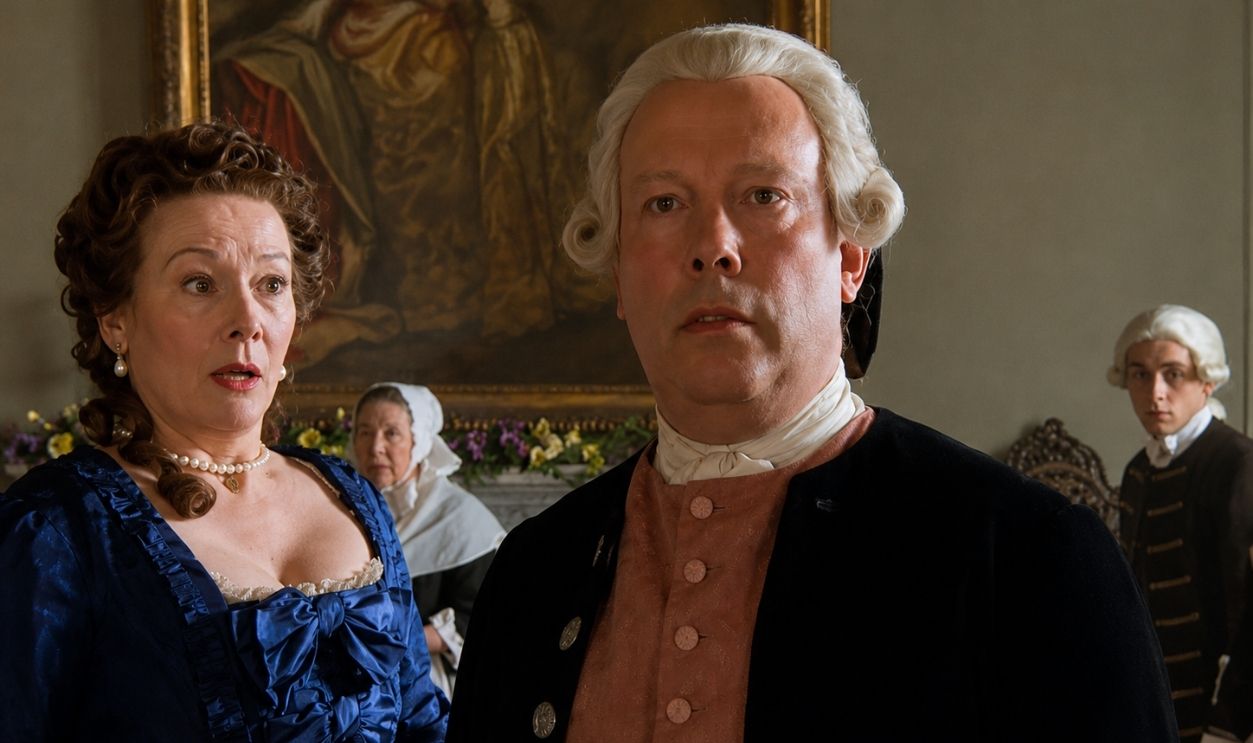
After the near-excommunication between Caroline and her family, she had to cancel a large society ball that she had planned to host at Richmond House the week after her secret wedding. But a cancelled ball was the least of the damage. Historian Tim Clarke recorded that the Duke never really recovered from his daughter’s betrayal, calling it “perhaps the only great sorrow of [the Duke’s] full and successful life”.
The freeze between Caroline and her parents lasted four long years—but the thaw wasn’t much better.
 Screenshot from Aristocrats, BBC (1999)
12. Caroline Won Them Back
It wasn’t until Caroline delivered her first son in 1748 that her parents finally defrosted the cold shoulder they had given her. Fox seized the opportunity to make nice with his in-laws, commissioning a beautiful portrait of his wife as a peace offering. And it worked. Caroline and Fox went on to have four sons, including Charles James Fox, the future giant of Whig politics.
A growing family needed a proper home.
 Screenshot from Aristocrats, BBC (1999)
13. Caroline Got A Fixer-Upper
To accommodate their growing family, in 1746, Caroline and Fox moved into a crumbling Jacobean pile on the edge of London: Holland House. The place came with 64 acres…and a to-do list. But, within a decade, the couple had turned the wreck into one of London’s great social and political salons, and filled its walls with portraits by masters like Joshua Reynolds.
Renovations on that scale don’t come cheap.
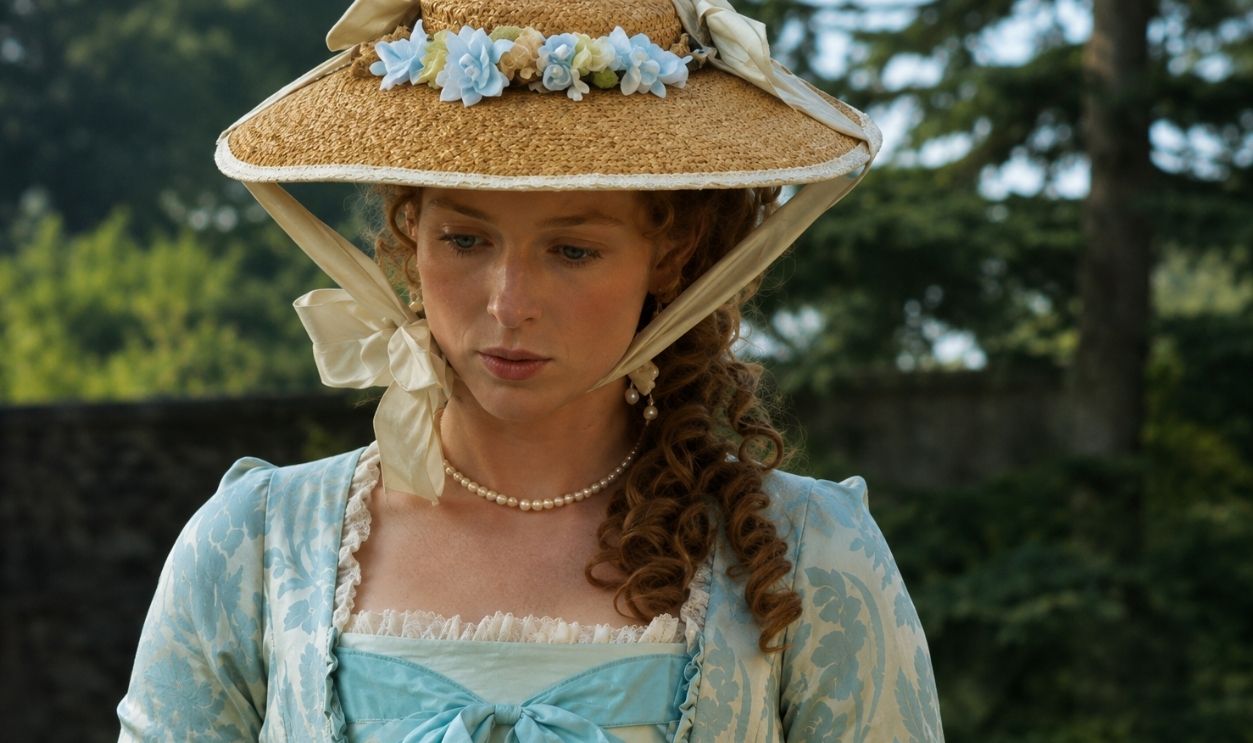 Screenshot from Aristocrats, BBC (1999)
14. Caroline’s Husband Struck Gold
Henry Fox had a talent for finding money—though maybe not always legally. His rise through the government was rapid, eventually occupying the position of Paymaster of the Forces. His alleged, though never proven, corruption led to the press calling him “public defaulter of unaccounted millions”. It’s not like Caroline had any money of her own…
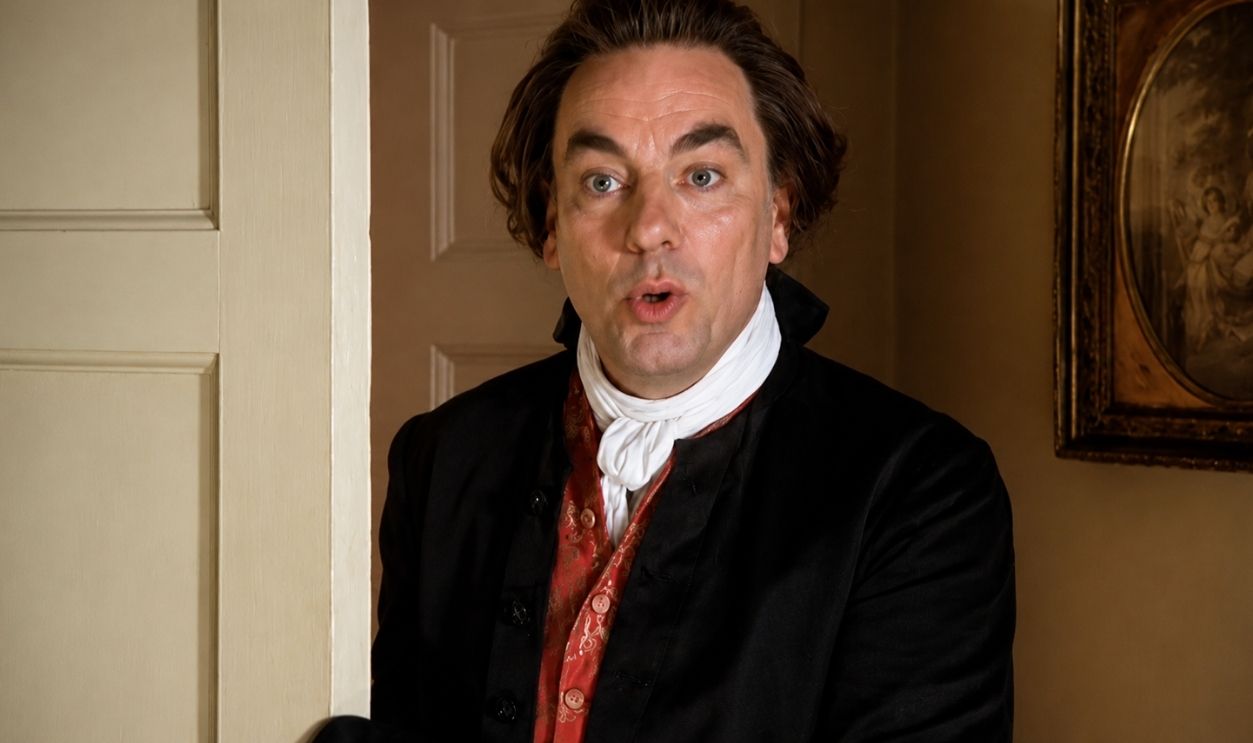 Screenshot from Aristocrats, BBC (1999)
15. Caroline Inherited Nothing
Despite their apparent reconciliation, Caroline’s parents took their grudge to the grave. The Duke passed on in 1750, the Duchess a year later—and their will pointedly skipped Caroline as payback for the elopement. Guardianship of the three youngest Lennox sisters—Louisa, Sarah, and Cecilia—went to Emily and her husband in Ireland instead.
Caroline seethed, but spotted a path back to respectability: she would launch her little sisters into society herself, and see them brilliantly married.
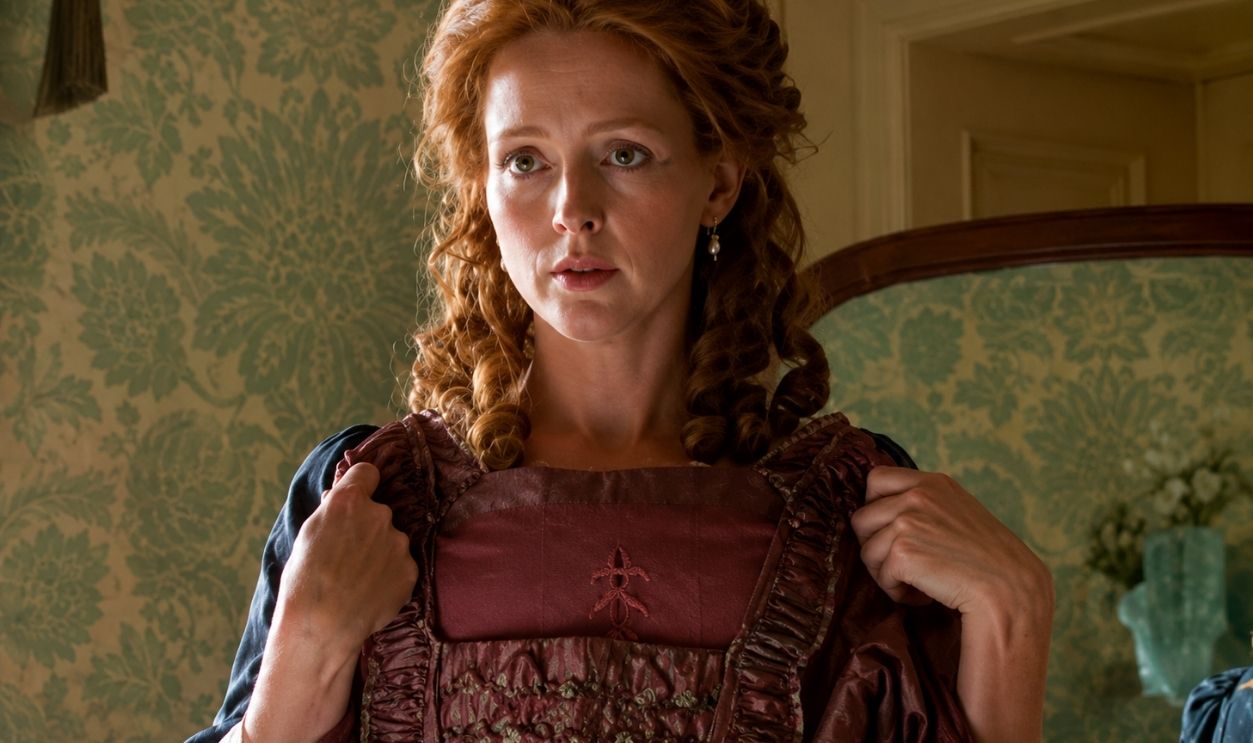 Screenshot from Aristocrats, BBC (1999)
History's most fascinating stories and darkest secrets, delivered to your inbox daily.
16. Emily Was The Smart One
Every family has a smart one. Among the Lennox sisters, that was Emily. Born Lady Emilia Mary Lennox on October 6, 1731, she read everything she could get her hands on—politics, philosophy, theology. At 15, she married James FitzGerald, the Earl of Kildare, trading London for a pair of grand Irish addresses: Leinster House, then Carton House in County Kildare.
Emily had big ideas.
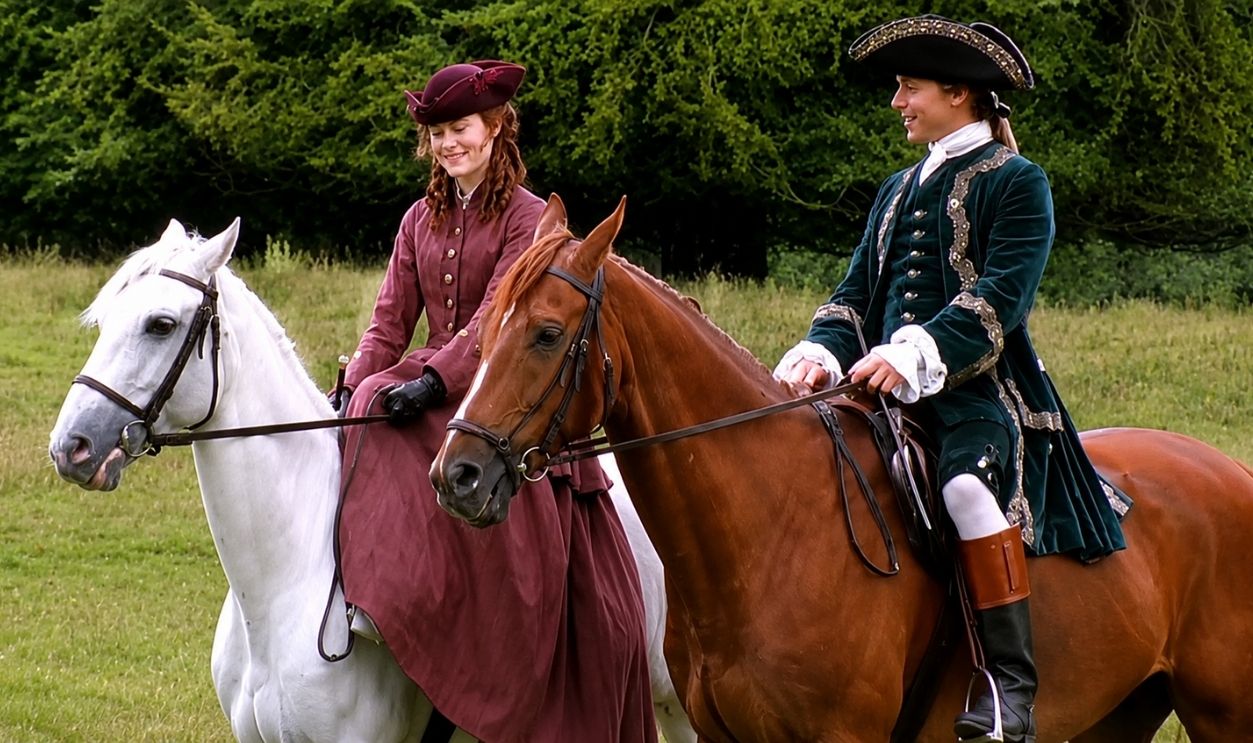 Screenshot from Aristocrats, BBC (1999)
17. Emily Had Radical Ideas
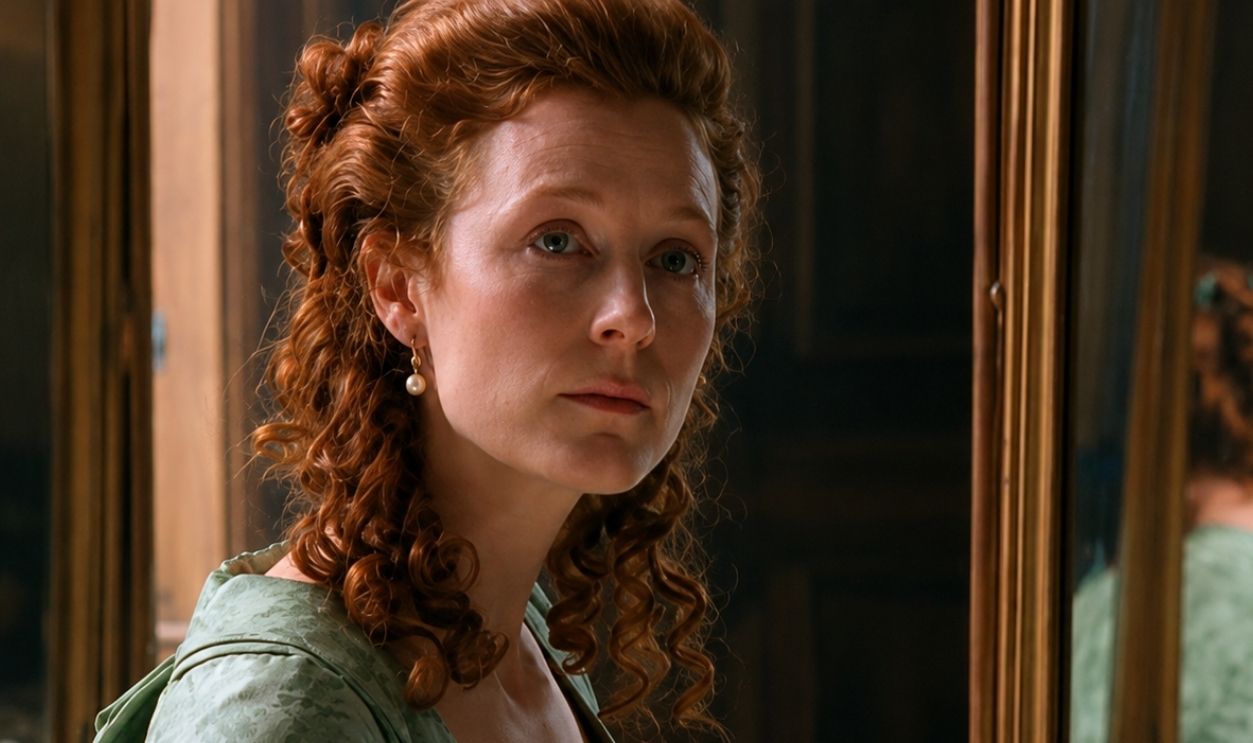
Of the Lennox sisters, Emily turned heads for the radical way in which she raised her children. She was devoted to the Enlightenment ideas of Jean-Jacques Rousseau—so devoted that she reportedly invited the philosopher himself to come teach her brood, but he declined the offer. Undeterred, Emily ran the program on her own.
Breaking with tradition, she skipped out on the wet nurse and nursed her babies herself. She also stressed the importance of physical, outdoor exercise in her children’s upbringing. She would need every ounce of motherly devotion.
 Screenshot from Aristocrats, BBC (1999)
18. Emily Never Left Their Side
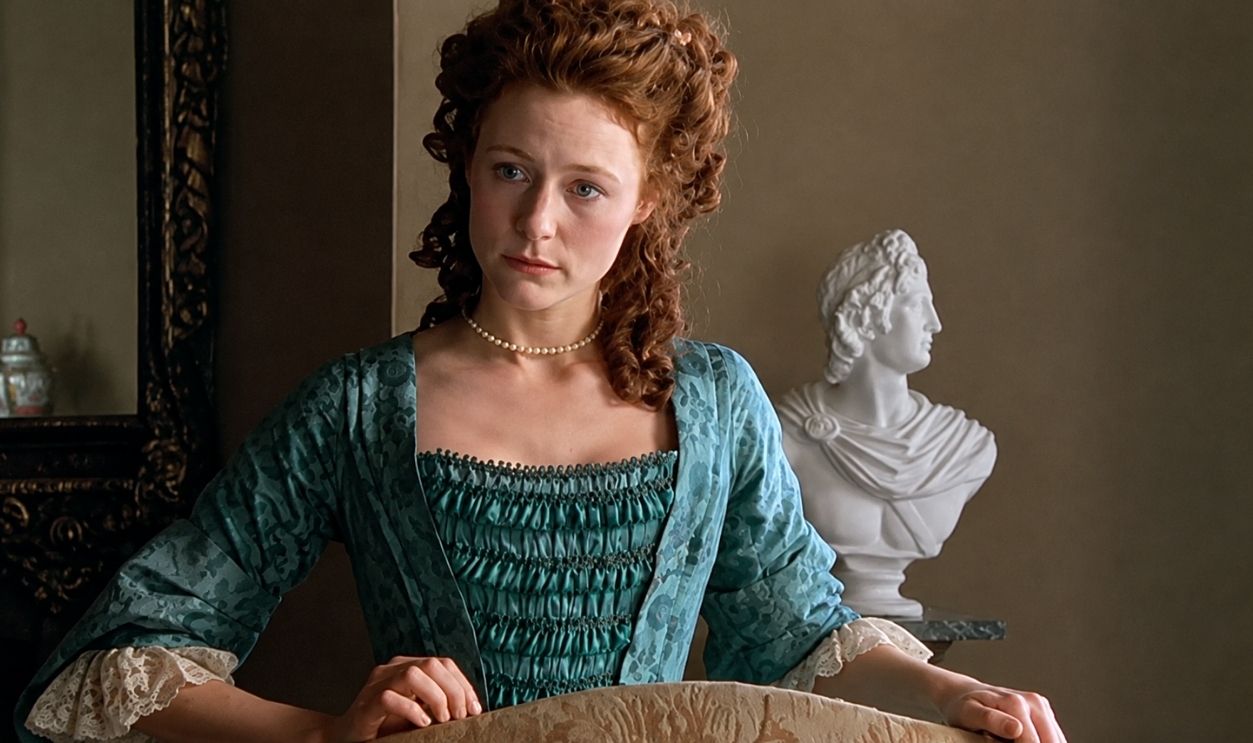
Emily’s nursery never stopped growing—and neither did her heartbreak. Across 25 years of marriage with Kildare, Emily brought 19 children into the world…but only 10 of them reached adulthood. Emily grieved each loss like it was the first, staying at every sickbed to the very end, and stepping out only when the grief physically overcame her.
Her husband, meanwhile, kept busy in his own way.
 Screenshot from Aristocrats, BBC (1999)
19. Emily Became A Duchess
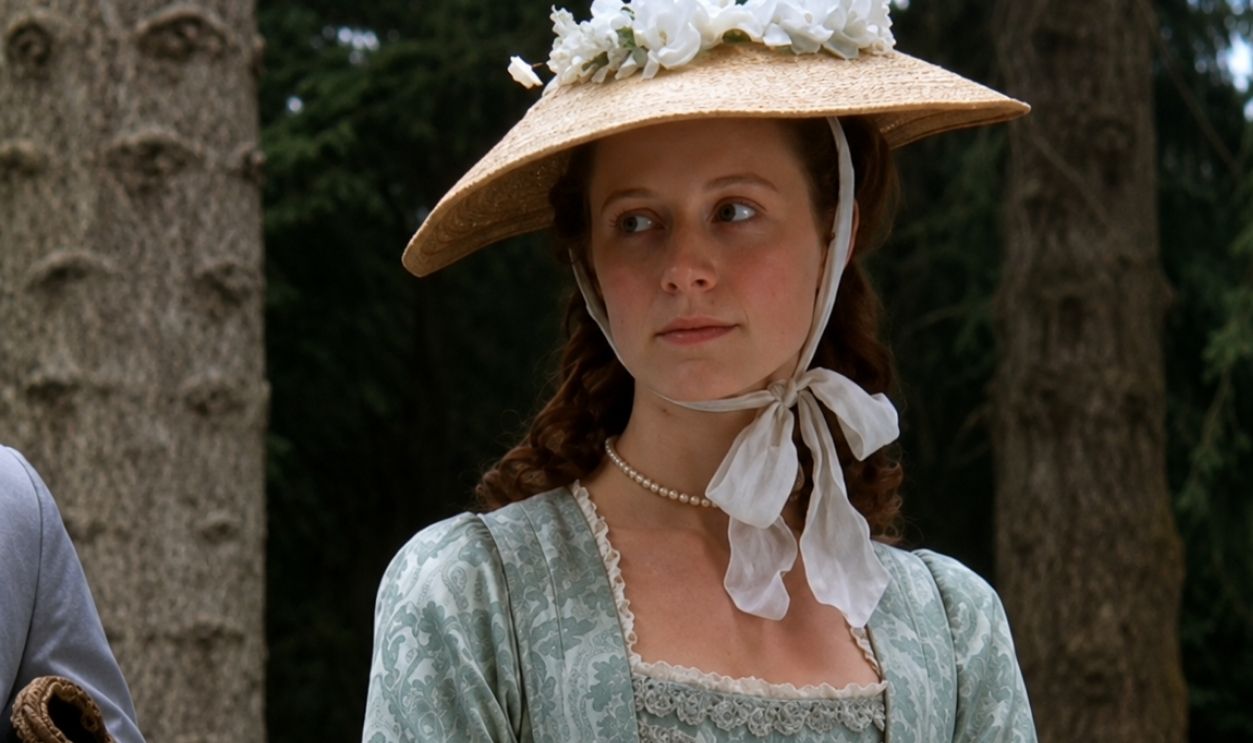
By most accounts, despite their mounting personal losses, Emily’s marriage to Kildare was a happy one. Emily’s husband was a rising star in Ireland, collecting titles—Marquess of Kildare, then 1st Duke of Leinster—to improve the family name. It was all, however, a veneer. Kildare’s affairs were an open secret—one Emily knowingly chose to live with.
Two, she figured, could play at that game.
 Screenshot from Aristocrats, BBC (1999)
20. Emily Fell For The Tutor
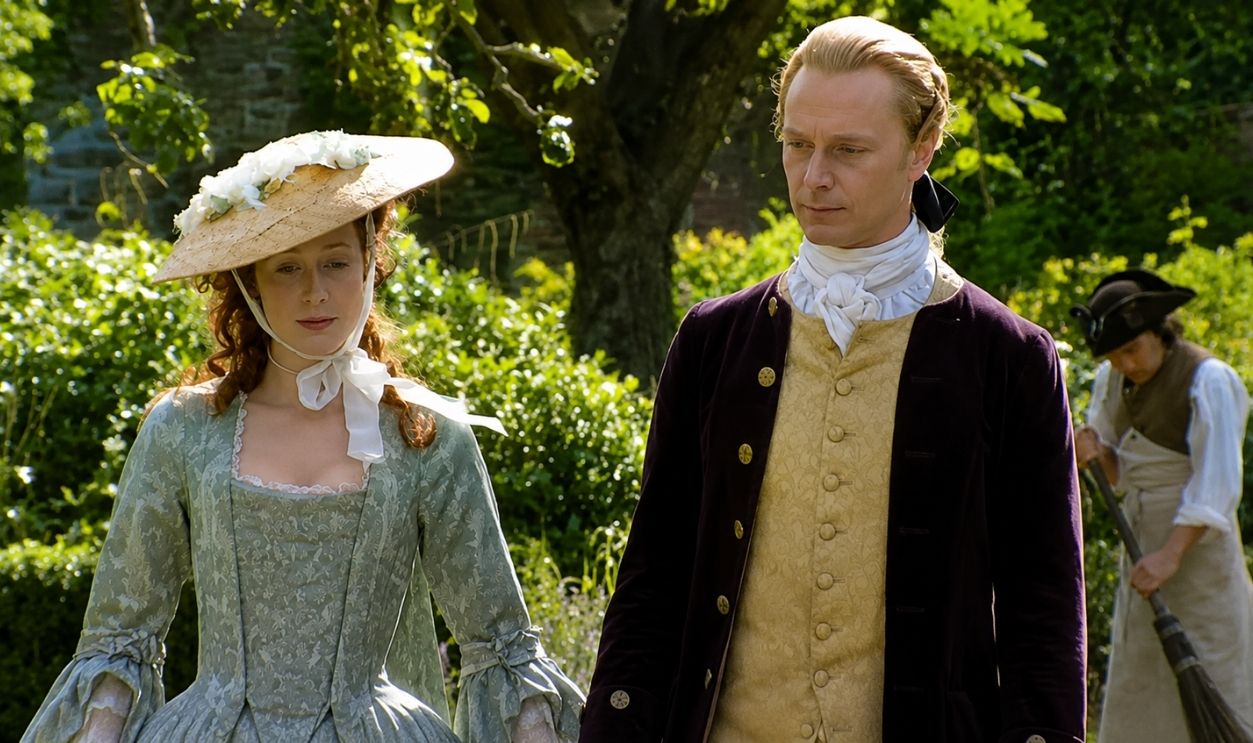
Emily didn’t spend much time crying over her husband’s infidelity—she just had an affair of her own. William Ogilvie was the tutor she hired for her enormous brood—but, in the romantic setting of her seaside resort, Ogilvie became a lot more than that. Then, in April of 1773, Emily gave birth to a son the world knew as Kildare’s…but he was Ogilvie’s.
Kildare passed on that November, never learning the truth. It was Emily’s shortened mourning period that raised some eyebrows.
 Screenshot from Aristocrats, BBC (1999)
21. Emily Scandalized Dublin
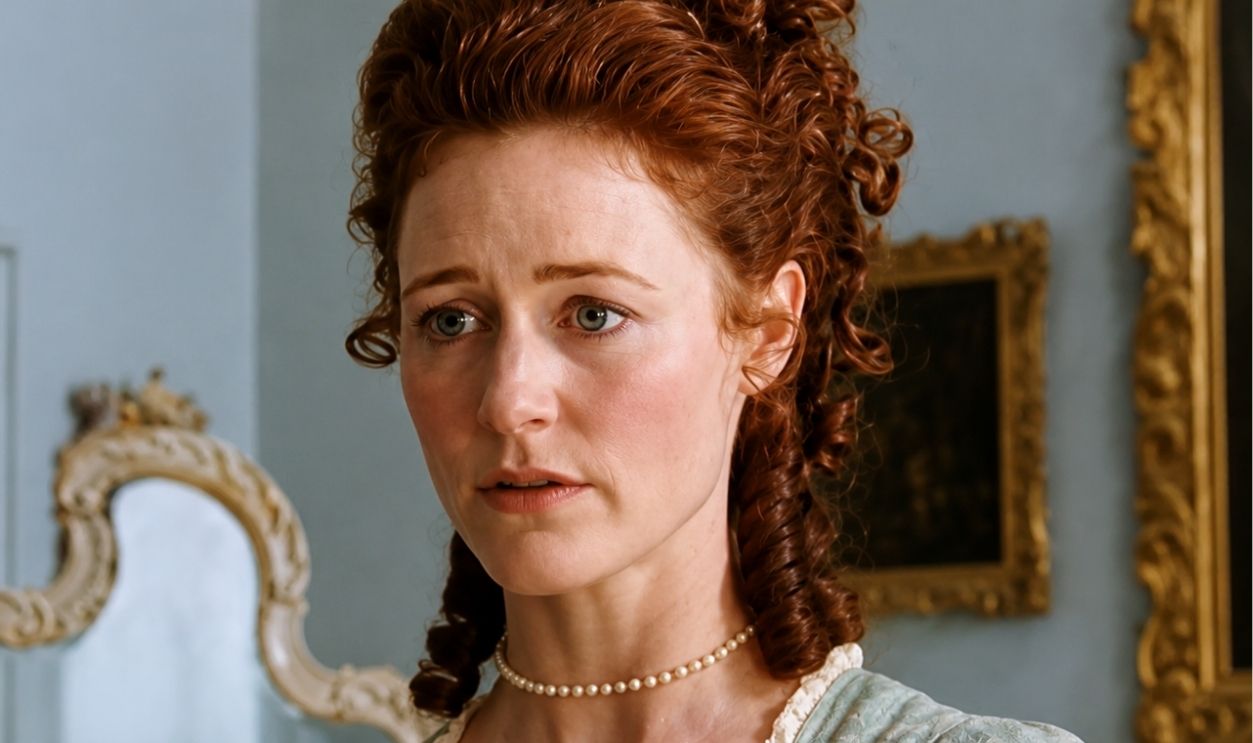
Emily barely waited for her husband’s corpse to go cold before she married Ogilvie in France. It was scandalous enough that she had remarried so soon, but marrying a tutor, nine years her junior, and nowhere near her rank was what shocked Ireland’s high society. For her part, Emily didn’t seem to care, accepting the title of Dowager Duchess of Leinster while having three more children with her new husband.
And she kept the money, too.
 Screenshot from Aristocrats, BBC (1999)
History's most fascinating stories and darkest secrets, delivered to your inbox daily.
22. Emily Got A Sweet Deal
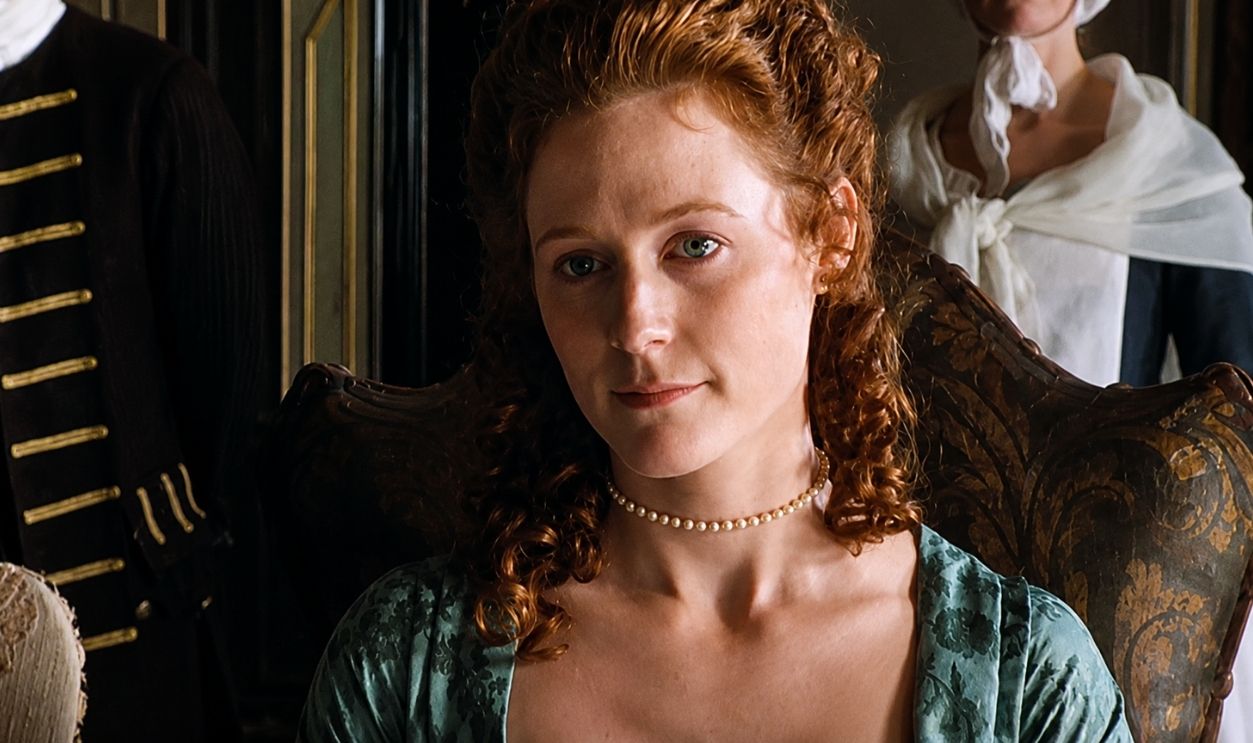
Despite their respective infidelities, Kildare left Emily very well looked after. His will handed her £4,000 a year—more than the marriage contract ever promised—plus lifetime use of Leinster House and Carton, and an allowance for every child. The terms were so generous that they left little to her own son and hobbled him for decades after.
While Emily built her new life with her husband’s old money, another Lennox sister blazed a trail of her own.
 Screenshot from Aristocrats, BBC (1999)
23. Louisa Lost Her Parents Young
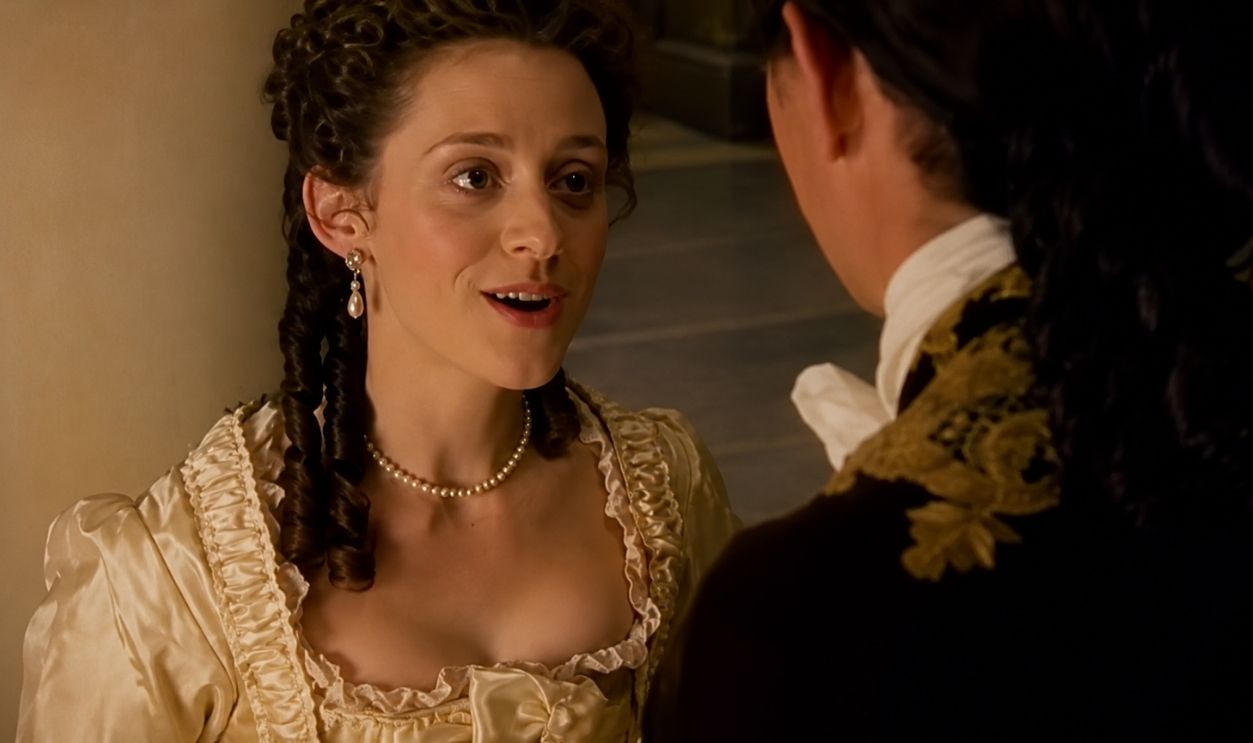
Louisa barely got to know her mother and father. Born Lady Louisa Augusta Lennox on December 5, 1743, in London, the third surviving Lennox sister wasn’t yet 8 when her parents passed within a year of each other. Thankfully, she had siblings—lots of them—so off she went to Ireland, where big sister Emily raised her, just as her father had ordered.
 Screenshot from Aristocrats, BBC (1999)
24. Louisa Married At 15
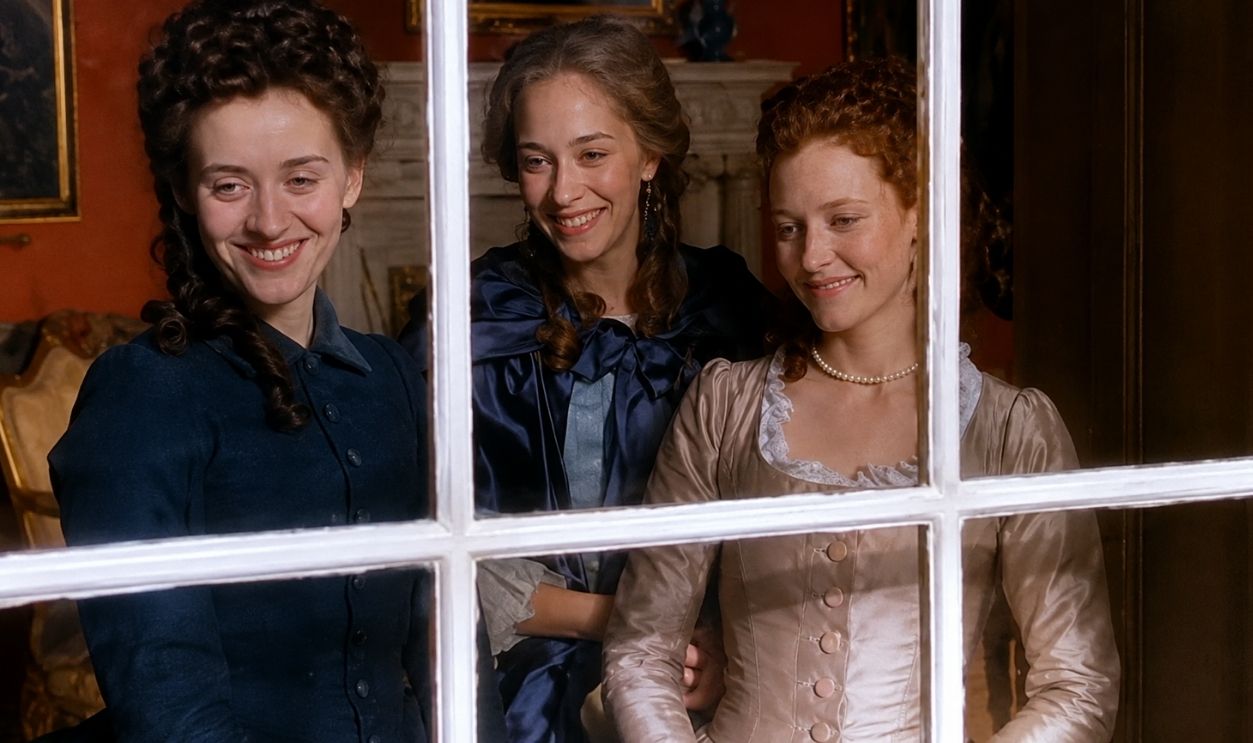
Emily took her matronly responsibilities over her sister seriously and saw to it that Louisa found a good match. In 1758, the 15-year-old Louisa wed Thomas Conolly, one of the wealthiest landowners in Ireland and grand-nephew of a former Speaker of the Irish House of Commons. The marriage made Louisa rich. It also made her the family’s odd one out.
 Screenshot from Aristocrats, BBC (1999)
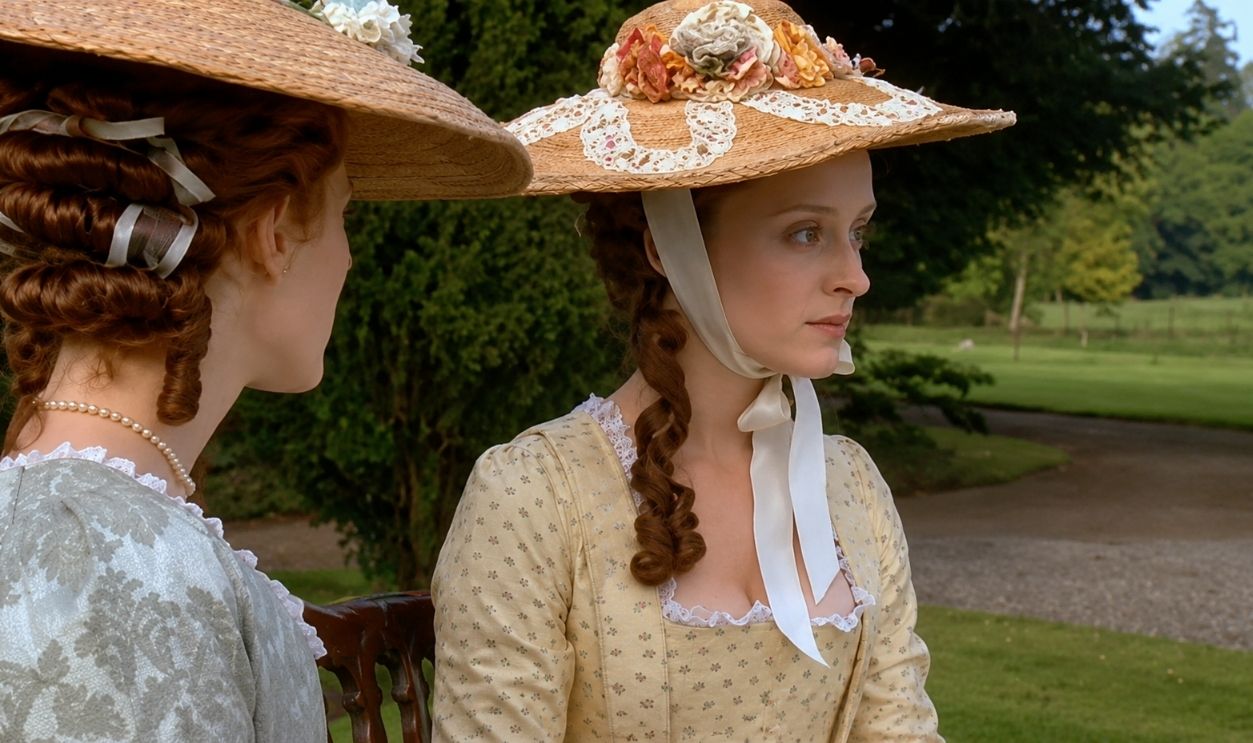
25. Louisa Was The Good One
By the 1750s, the Lennox sisters were almost synonymous with scandal—except for Louisa. One contemporary account called her “notable among [her sisters] for leading a wholly uncontroversial life filled with good works”. Good works that earned their own headlines alongside her sisters’ scandals. When John Bush published his 1769 travelogue Hibernia Curiosa, he dedicated the book to her.
Louisa’s good works were no accident. They filled a painful hole in her heart.
 Screenshot from Aristocrats, BBC (1999)
26. Louisa Never Had Children
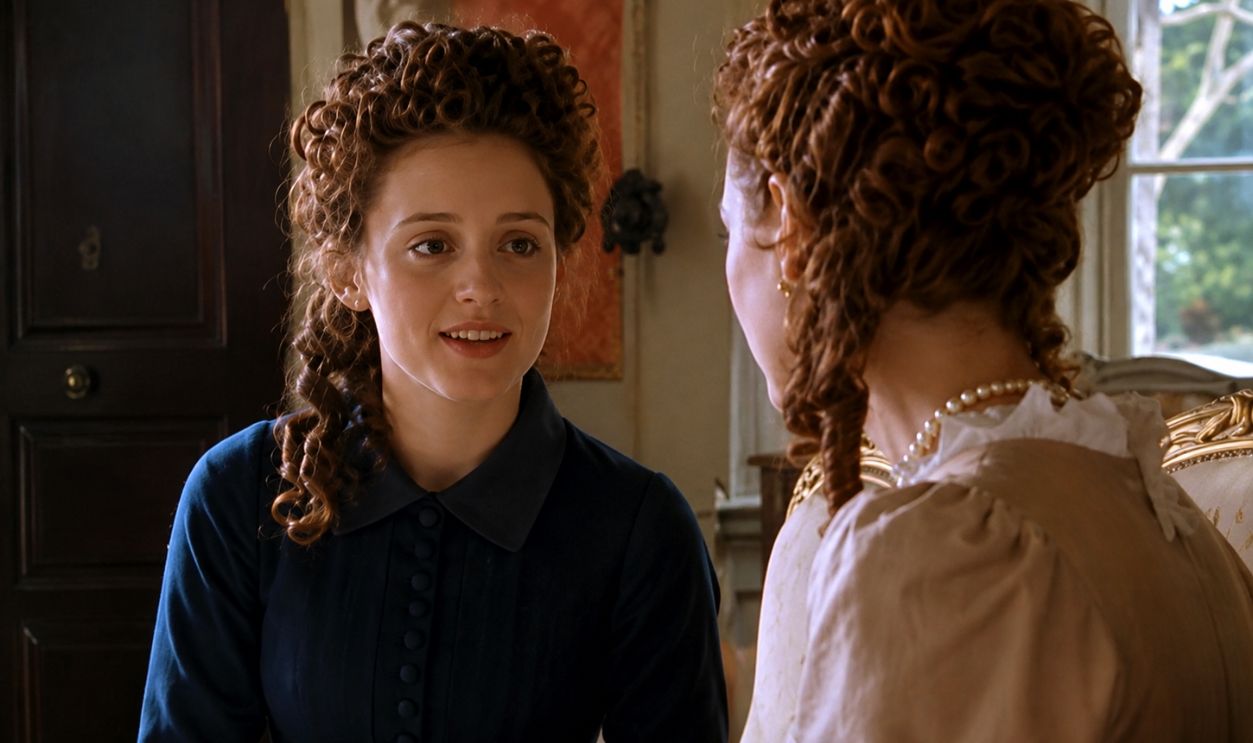
If Emily had too many little Lennoxes, then Louisa had too few—none to be exact. Their inability to conceive led Louisa and Conolly to throw themselves into caring for everyone else’s children. The couple opened a school of their own—one of Ireland’s earliest Industrial Schools—and filled it with local boys learning to earn a living. Louisa even mentored the students herself.
What little time she had for herself, she dedicated to improving Castletown House, their grand Palladian mansion. Eventually, Louisa found a child to love as her own.
 Screenshot from Aristocrats, BBC (1999)
27. Louisa Found A Daughter
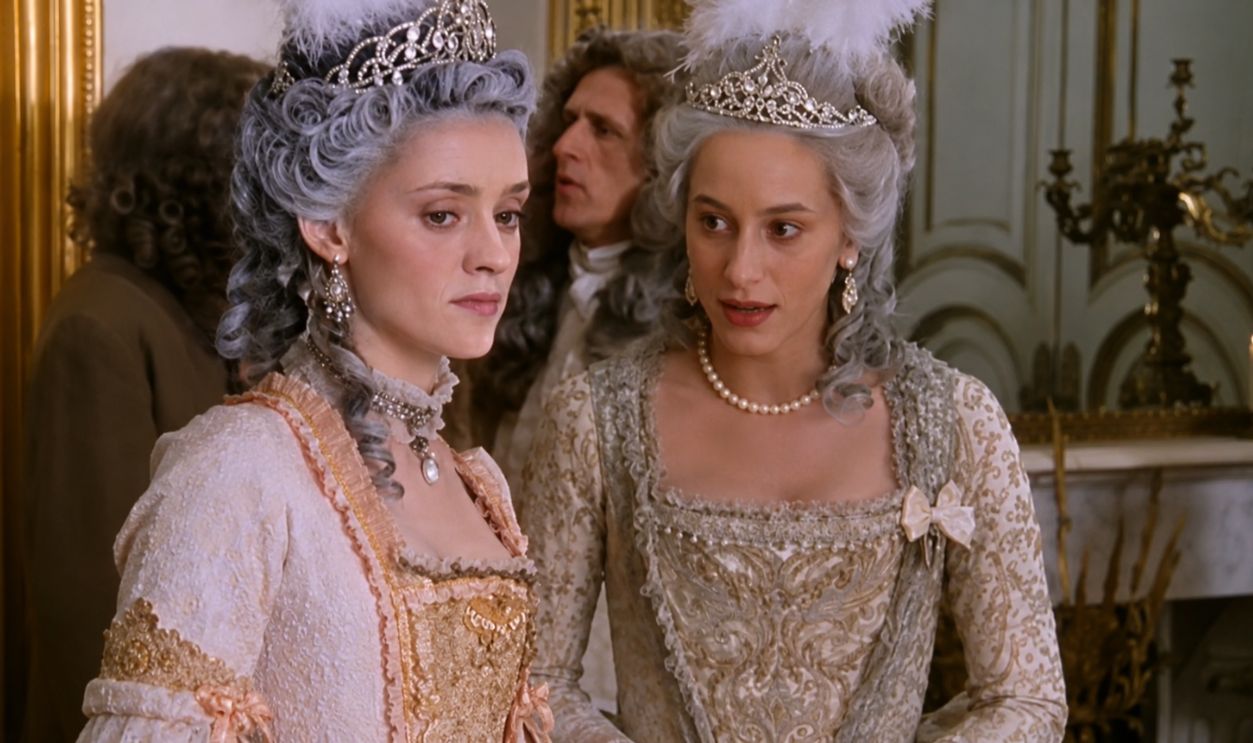
In middle age, Louisa got her child after all. Her little sister Sarah had a daughter, Emily Louisa Napier, and Louisa all but adopted the girl, keeping her for long stretches at her home in Kildare. The bond held for life—even after the girl married a baronet and moved to Suffolk, she stayed devoted to her aunt. Louisa’s devotion extended to her husband, too—right up until she lost him.
 Screenshot from Aristocrats, BBC (1999)
History's most fascinating stories and darkest secrets, delivered to your inbox daily.
28. Louisa Lost Her Husband
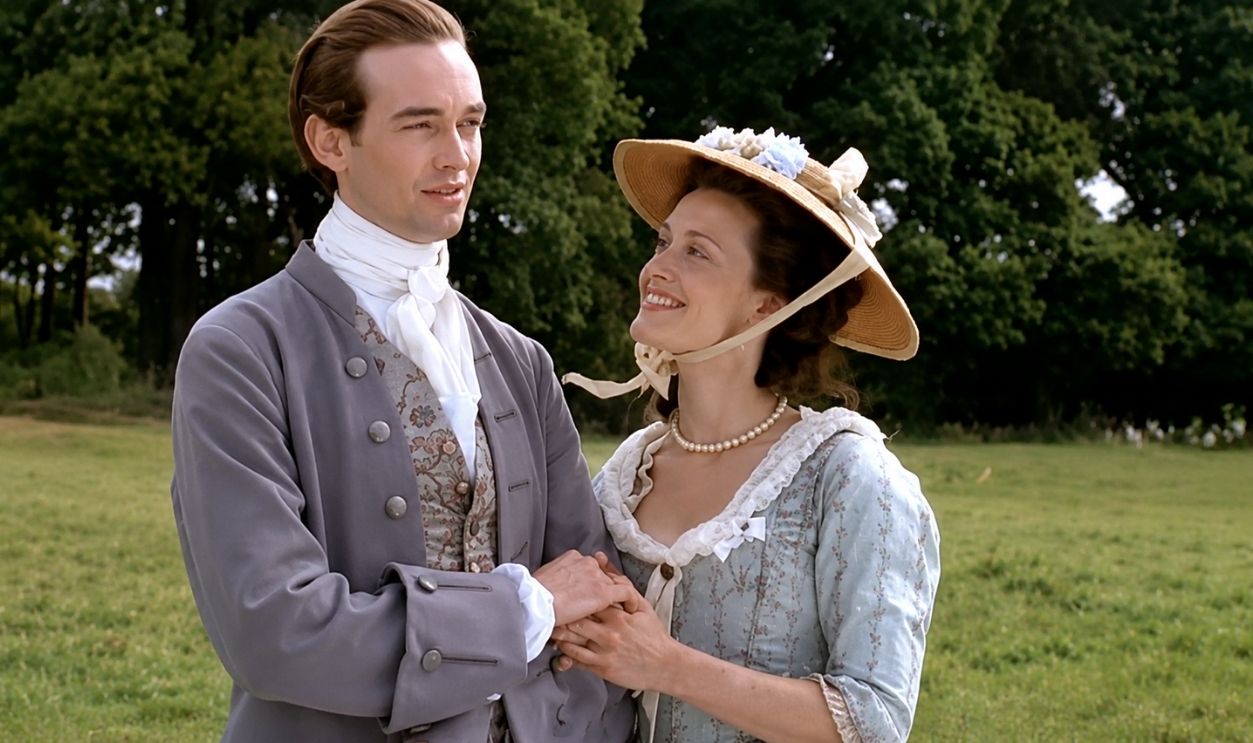
In 1803, after 45 years of marriage, Conolly passed on. Most of his sprawling estates went to a distant relative—but Louisa kept what mattered. Castletown House stayed hers, along with investments and city properties that kept her flush with cash to continue funding her charities to the very end. If Louisa was the saintly sister, the next one was the sinner.
 Screenshot from Aristocrats, BBC (1999)
29. Sarah Would Be The Scandalous Sister
Caroline, Emily, Louisa—and then there was Sarah. Born Lady Sarah Lennox on Valentine’s Day in 1745 at Richmond House, the youngest of the four famous Lennox sisters would also be the family’s most scandalous. Before she could read, she had already become George II’s favorite of the Lennox sisters; he found that her energy and cheek provided levity in his dull court.
She was certainly entertaining.
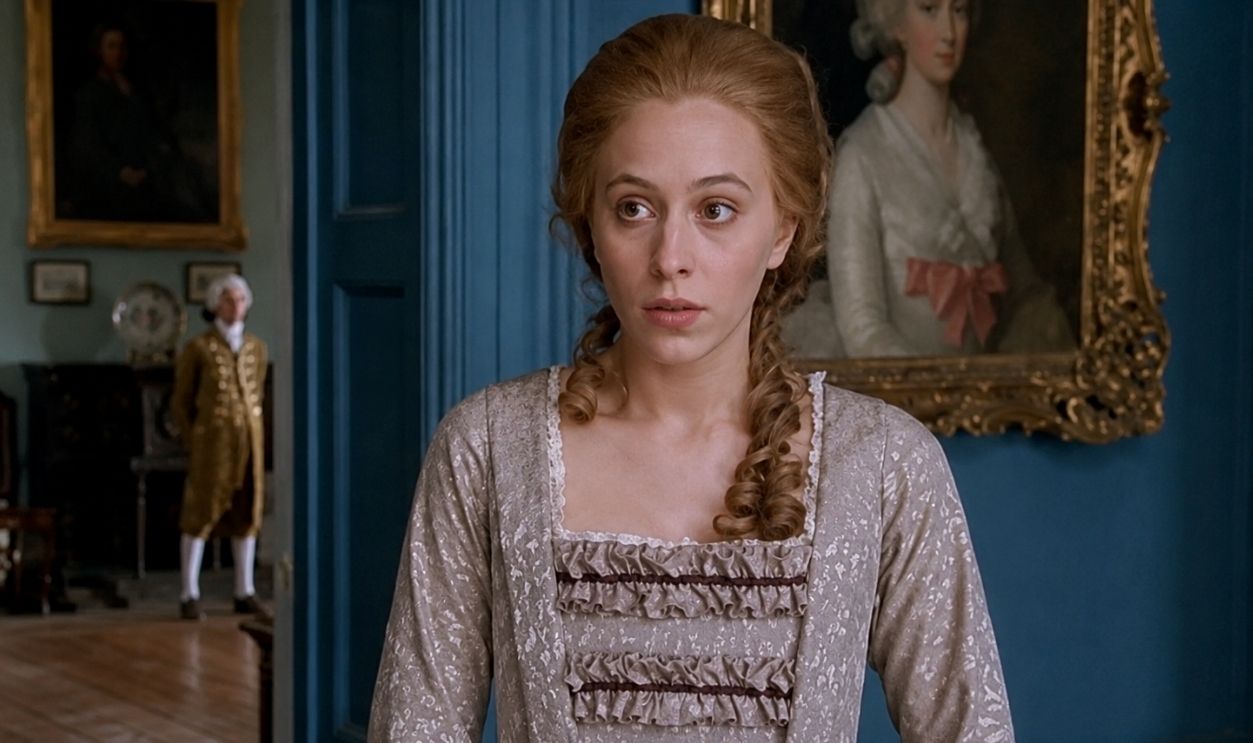 Screenshot from Aristocrats, BBC (1999)
30. Sarah Sang For Her Freedom
George II’s sense of humor ran close to being cruel. On one visit in the late 1740s, he scooped up tiny Sarah and dropped her into a giant Chinese jar. Most children would have screamed until the jar cracked and shattered. Not Sarah. From inside the porcelain came a little voice, cheerfully singing a French folk tune until the delighted king let her out.
The king was no match for Sarah.
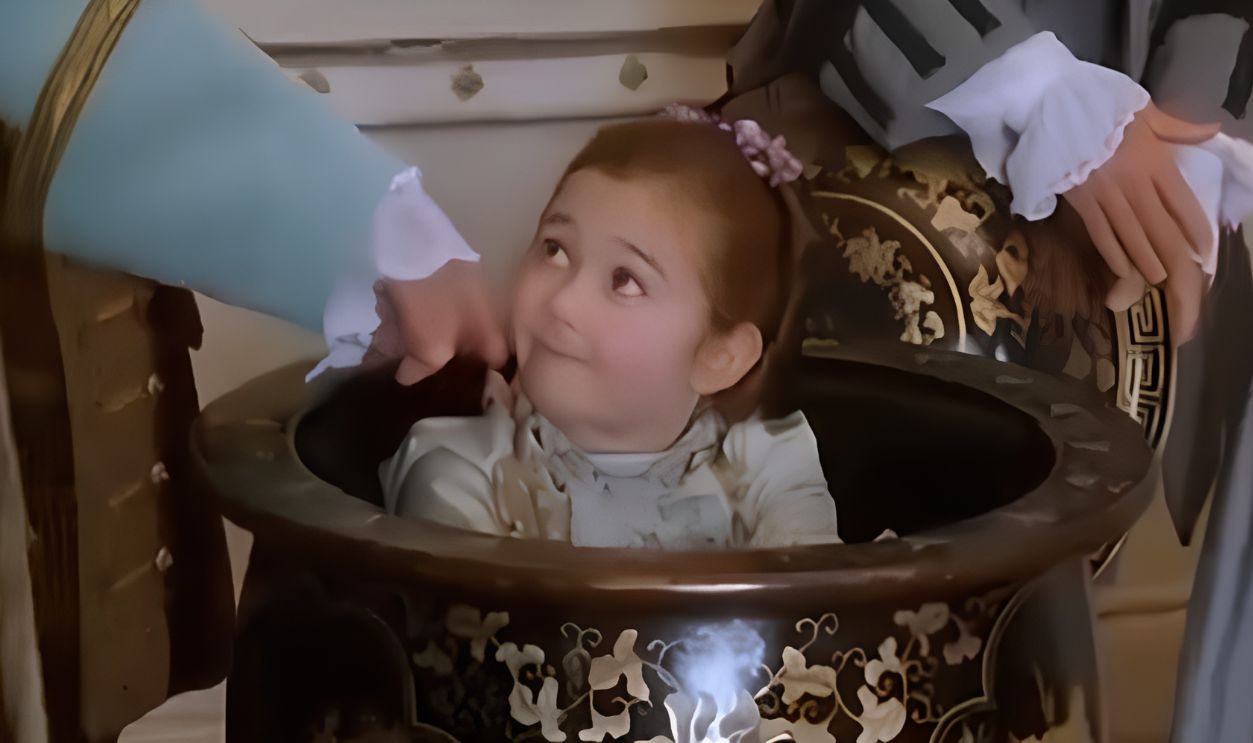 Screenshot from Aristocrats, BBC (1999)
31. Sarah Ambushed The King
Sarah was causing scandals before her fifth birthday. The littlest Lennox sister managed to give her governess the slip and strolled straight up to the most powerful man in Britain. Greeting him in French, she impertinently said, “How are you doing, Mr King? You have a large and beautiful house here, don’t you?” The King’s heart melted.
Then she was gone before he knew it.
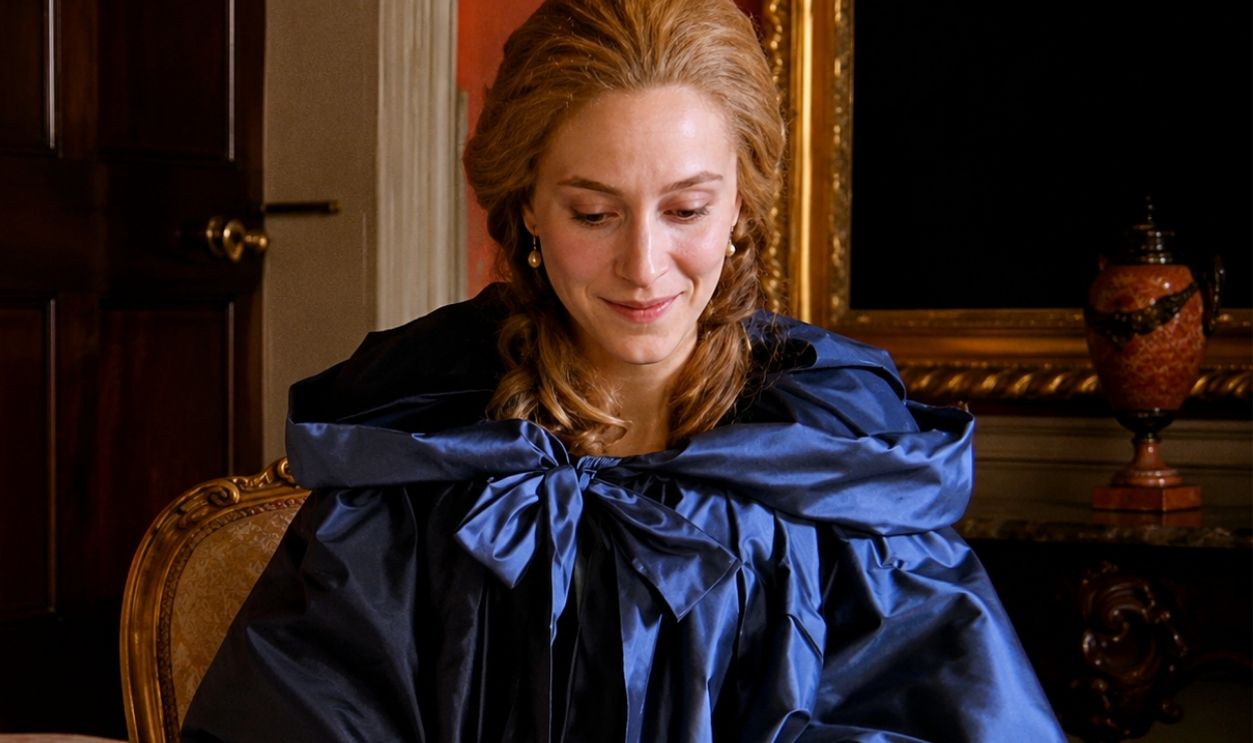 Screenshot from Aristocrats, BBC (1999)
32. Sarah Went To Ireland
When her parents passed, Sarah went to live with her older sister, Emily, in Ireland. But the Duke of Richmond kept directing his daughters’ lives from beyond the grave. Under the terms of his will, Sarah had to return to London once she was of marrying age. So in 1759, the 14-year-old said her goodbyes and moved into Holland House, where Caroline and Fox took charge of her future.
Her new guardians could hardly believe their luck.
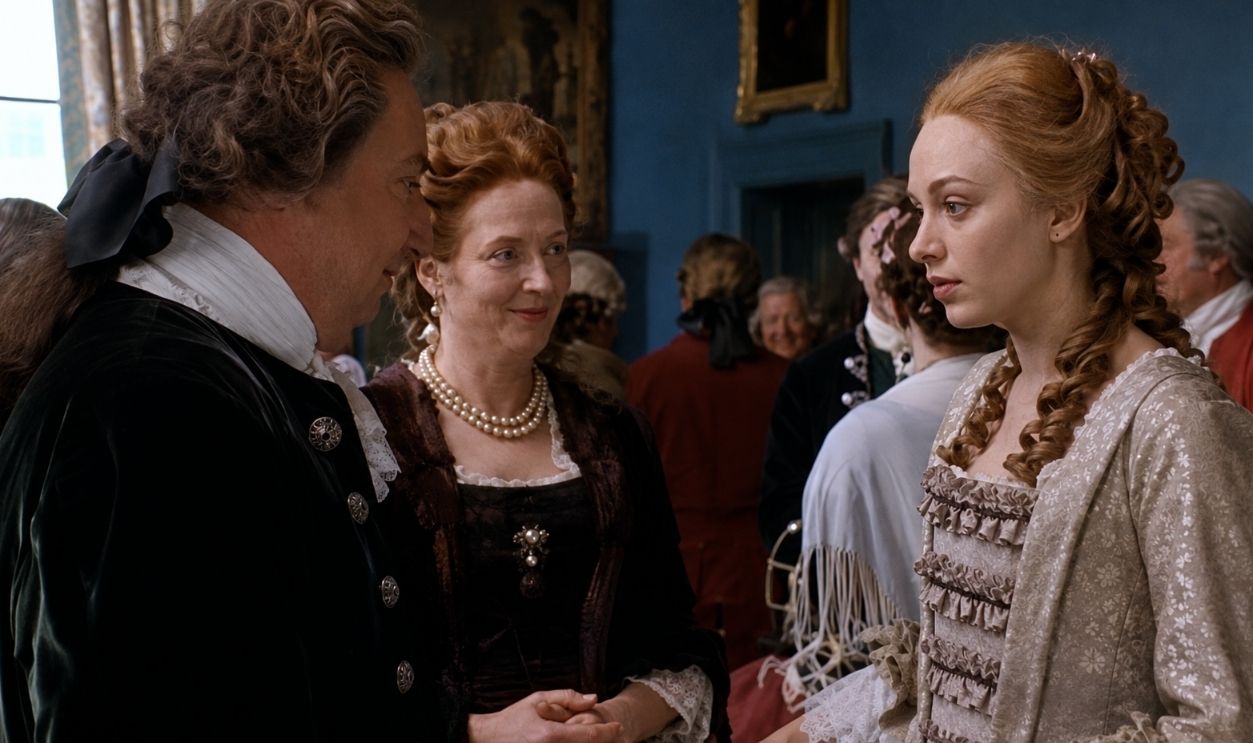 Screenshot from Aristocrats, BBC (1999)
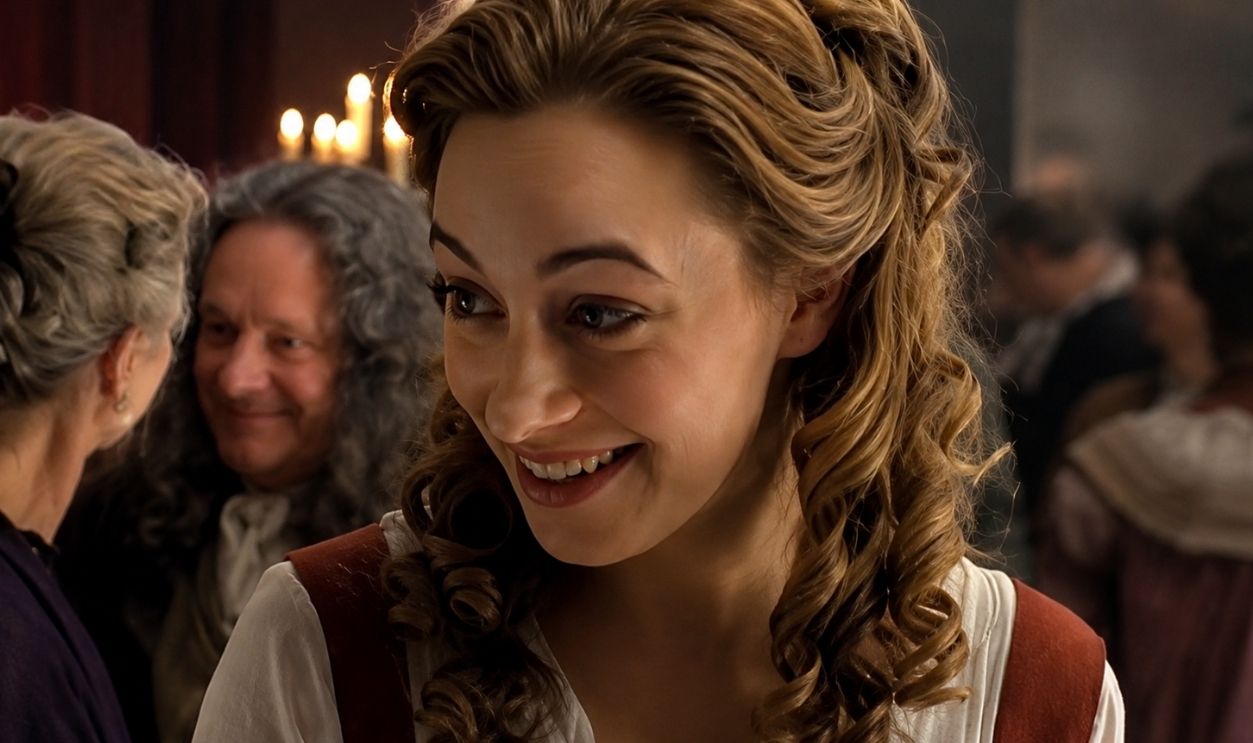
33. Sarah Dazzled Holland House
“Different from & prettyer than any other girl [he] ever saw”—that was Henry Fox’s assessment of the teenage Sarah when she arrived at Holland House in London. And he wasn’t exaggerating, noting she had “the finest complexion, most beautiful hair…a pretty mouth, remarkably fine teeth & excess of bloom in her cheeks”.
Fox saw dollar signs.
 Screenshot from Aristocrats, BBC (1999)
History's most fascinating stories and darkest secrets, delivered to your inbox daily.
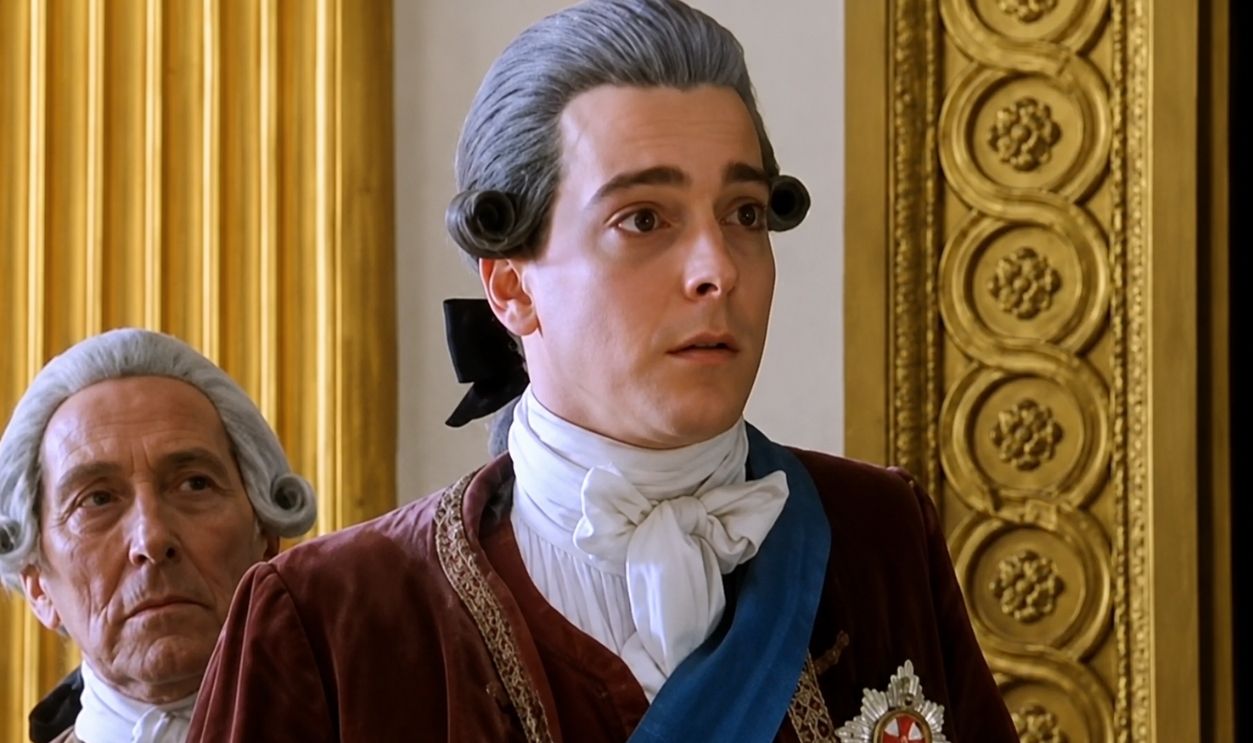
34. Sarah Caught A Prince’s Eye
Sarah’s debut at court in 1759 filled Fox’s imagination with riches. George, the 21-year-old Prince of Wales and heir to the throne, couldn’t take his eyes off the newest Lennox sister. Over the next two years, the Prince of Wales fell madly in love, gushing, “She is everything I can form to myself lovely”. A Lennox sister on the throne of England?
One man wanted it even more than the prince did.
 Screenshot from Aristocrats, BBC (1999)
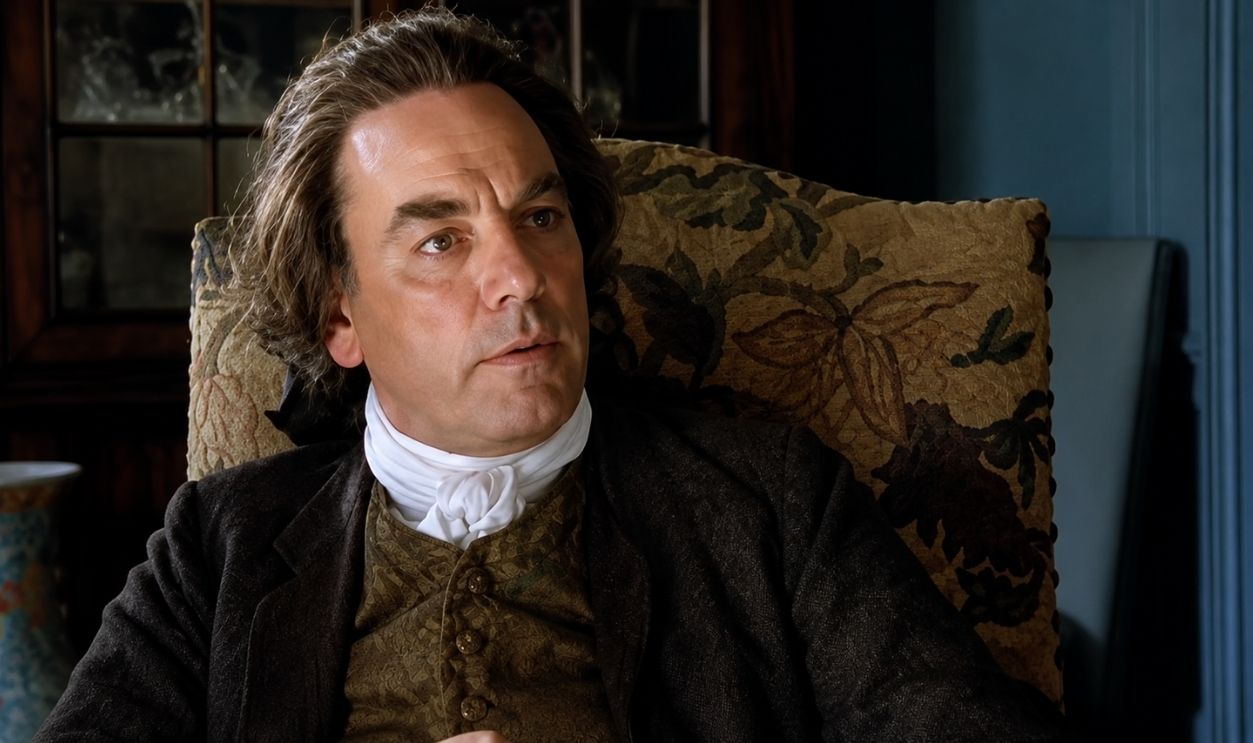
35. Sarah Was Her Brother-In-Law’s Cash Cow
Fox—along with the rest of the English court—noticed the Prince of Wales’ infatuation with Sarah and decided to cash in. As her guardian, he engineered as many court appearances for Sarah as he could, betting a royal marriage would carry him to an earldom. The prince’s adviser, Lord Bute, ran the same calculation but reached the opposite conclusion: the last thing Britain needed was a more powerful Henry Fox.
Sarah’s love story was now a game of politics—and she wasn’t the one moving the pieces.
 Screenshot from Aristocrats, BBC (1999)
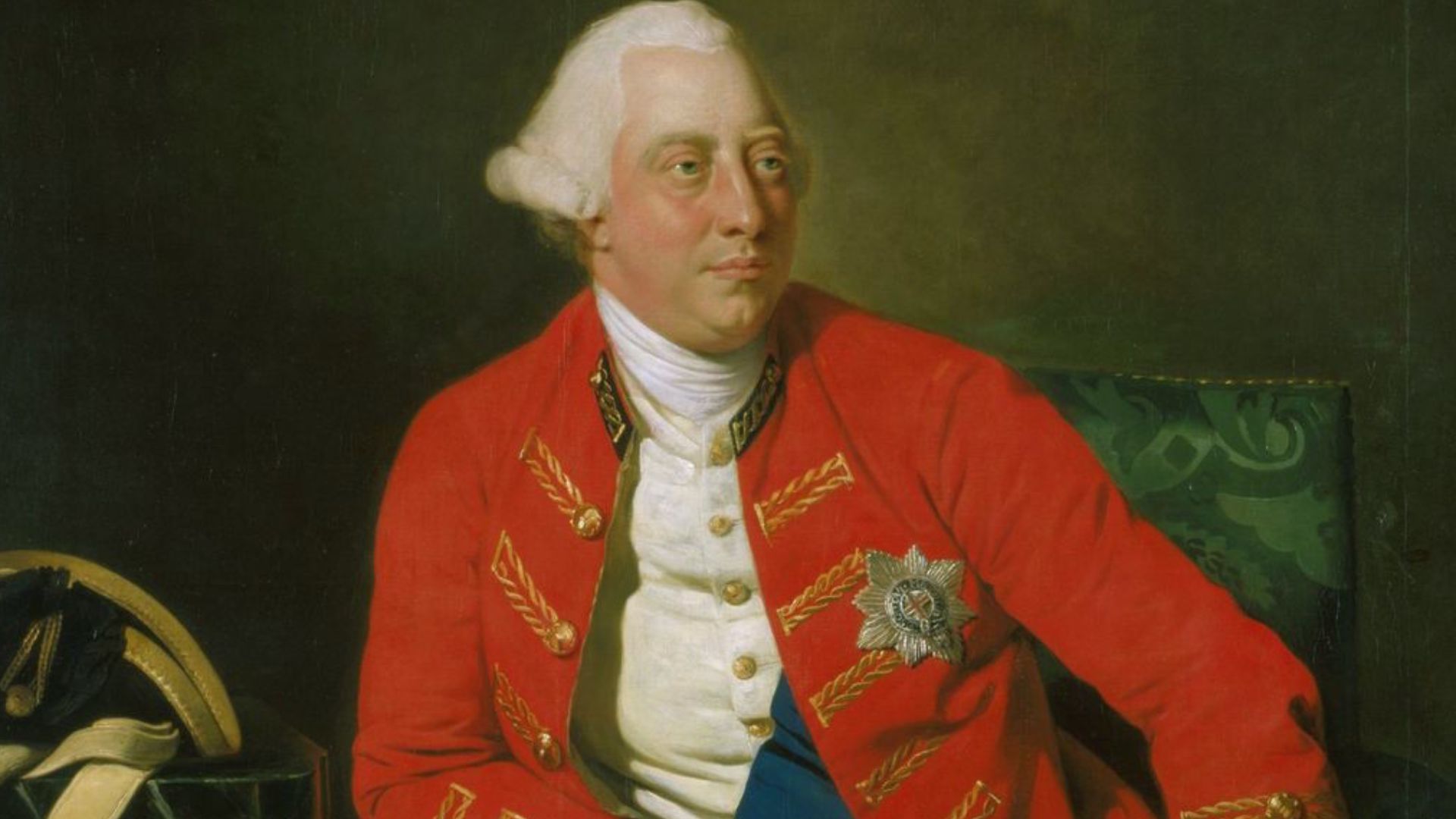
36. Sarah’s Suitor Became King
In October 1760, George II passed on—and just like that, the Prince of Wales became King George III. Heavy as the crown was, it didn’t change his feelings for Sarah. The new king reportedly dropped a hint to Sarah’s close friend Susan Fox-Strangways: England, he mused, deserved an English queen. Sarah was one bended knee away from the throne.
 Johann Zoffany, Wikimedia Commons
37. Sarah Lost The Crown
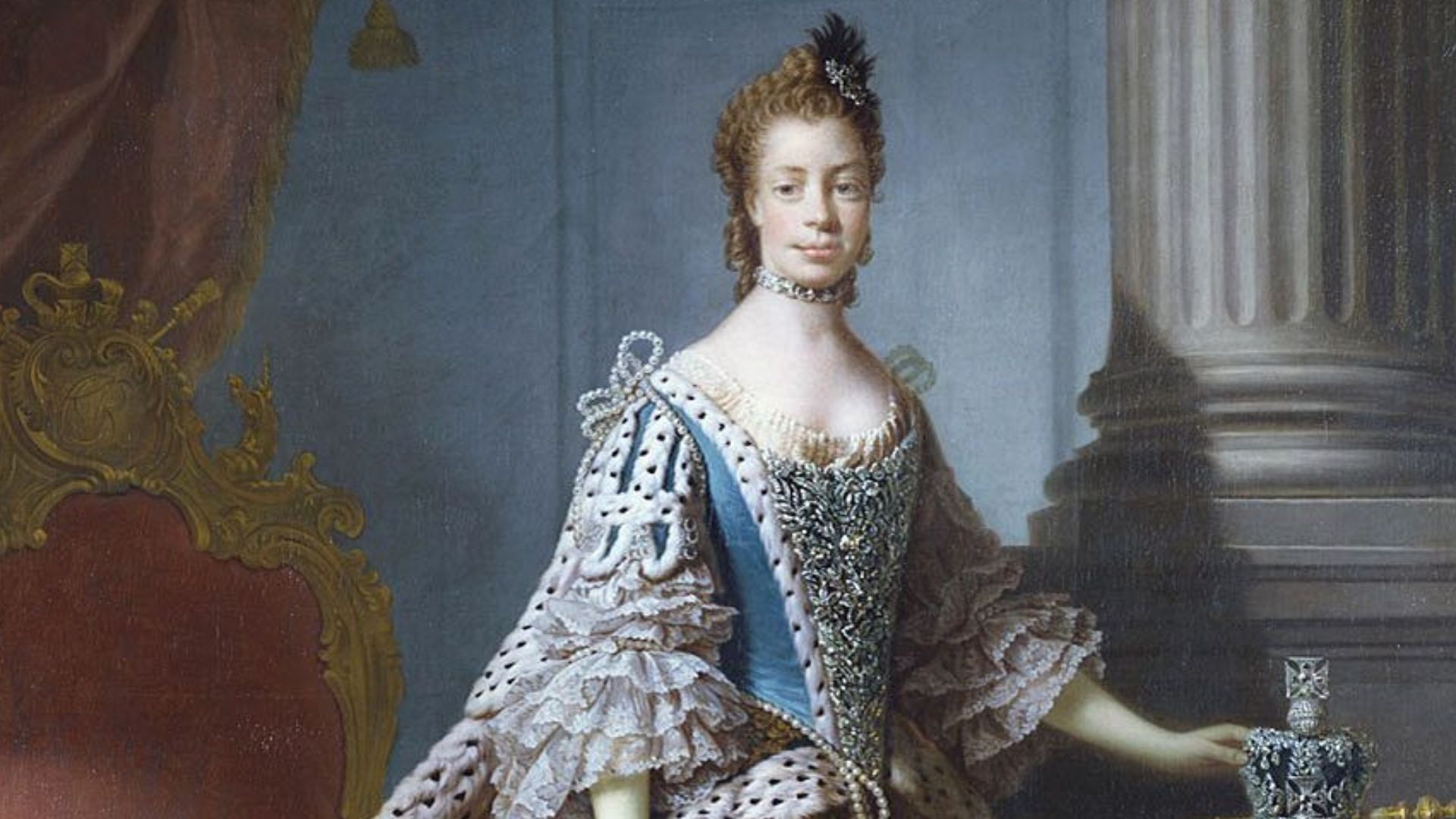
The proposal never came—and neither did the crown. In 1761, the palace announced King George III’s engagement…to Charlotte of Mecklenburg-Strelitz, a German princess from half a continent away. But it’s not like George III ever stopped loving Sarah. “The interest of my country shall ever be my first care,” he confided to the pages of his diary, “my own inclinations shall ever submit to it”.
Sarah wouldn’t make George III’s decision any easier.
 Workshop of Allan Ramsay, Wikimedia Commons
38. Sarah Carried Her Rival’s Train
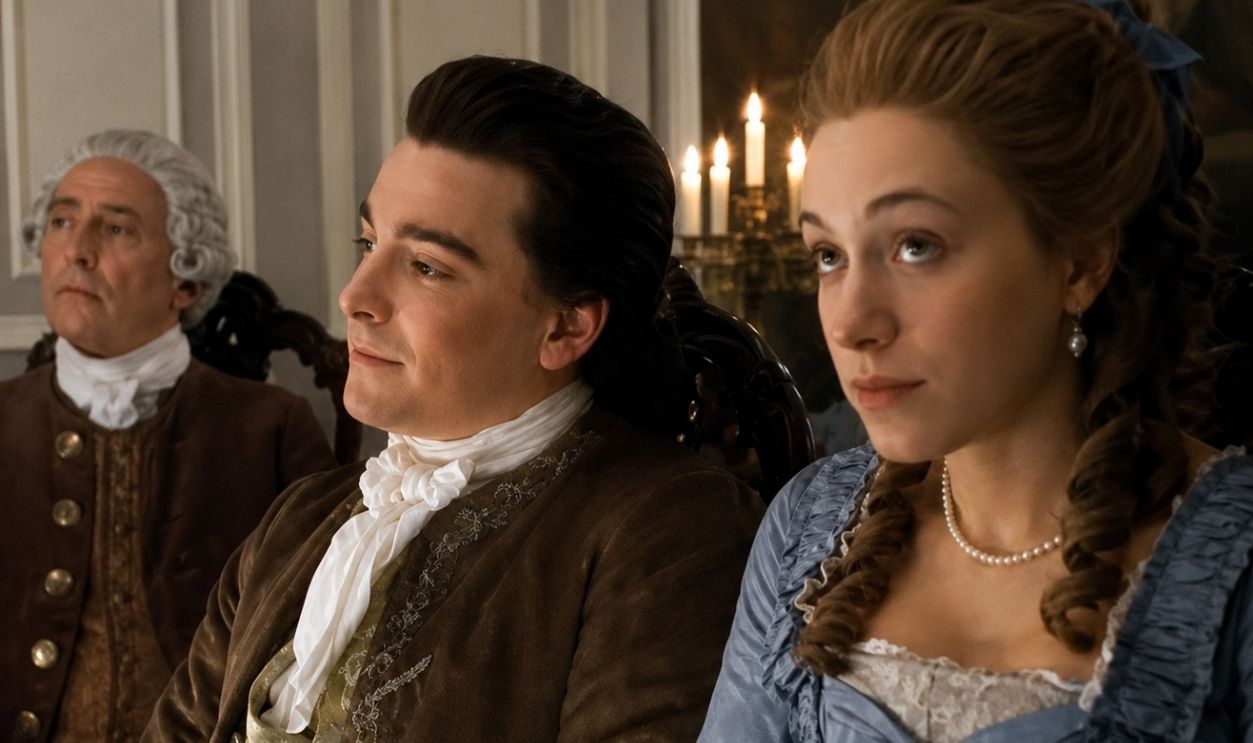
While England rejoiced at the engagement announcement, Fox fumed. He persuaded Sarah to stand as a bridesmaid at the royal wedding, convinced the king would “behold your pretty face and repent”. And so Sarah spent the ceremony as chief bridesmaid—carrying the train of the German princess who had taken her place. Sarah, for one, could not have been happier to move on.
 Screenshot from Aristocrats, BBC (1999)
39. Sarah Had No Regrets
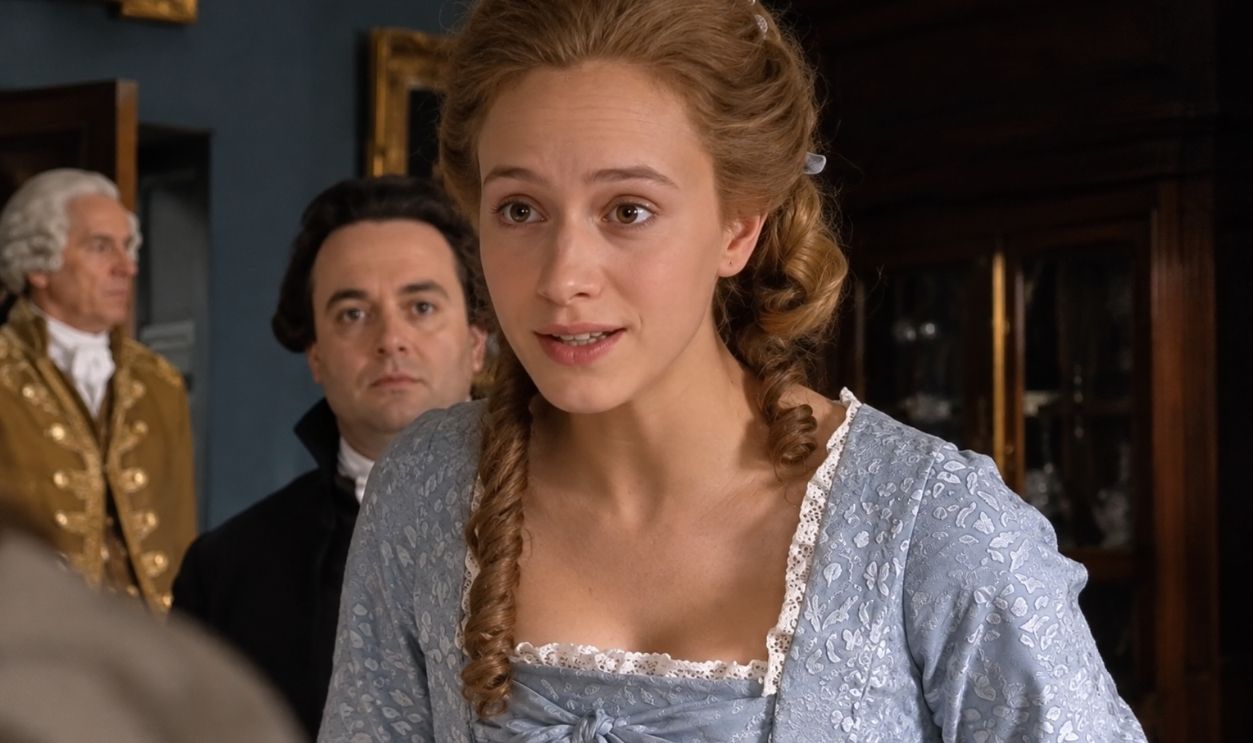
If losing a king broke Sarah’s heart, she hid it well. Years later, she admitted to feeling relieved that the crown had passed her by—and the historian John Brooke sided with her, writing the whole thing off as puppy love. George III also moved on, declaring, “before God that I have never had any improper thought with regard to her [Sarah]”.
If Sarah couldn’t be a queen, she would at least be a baronetess—an unhappy one.
 Screenshot from Aristocrats, BBC (1999)
History's most fascinating stories and darkest secrets, delivered to your inbox daily.
40. Sarah Married Her Storybook Man
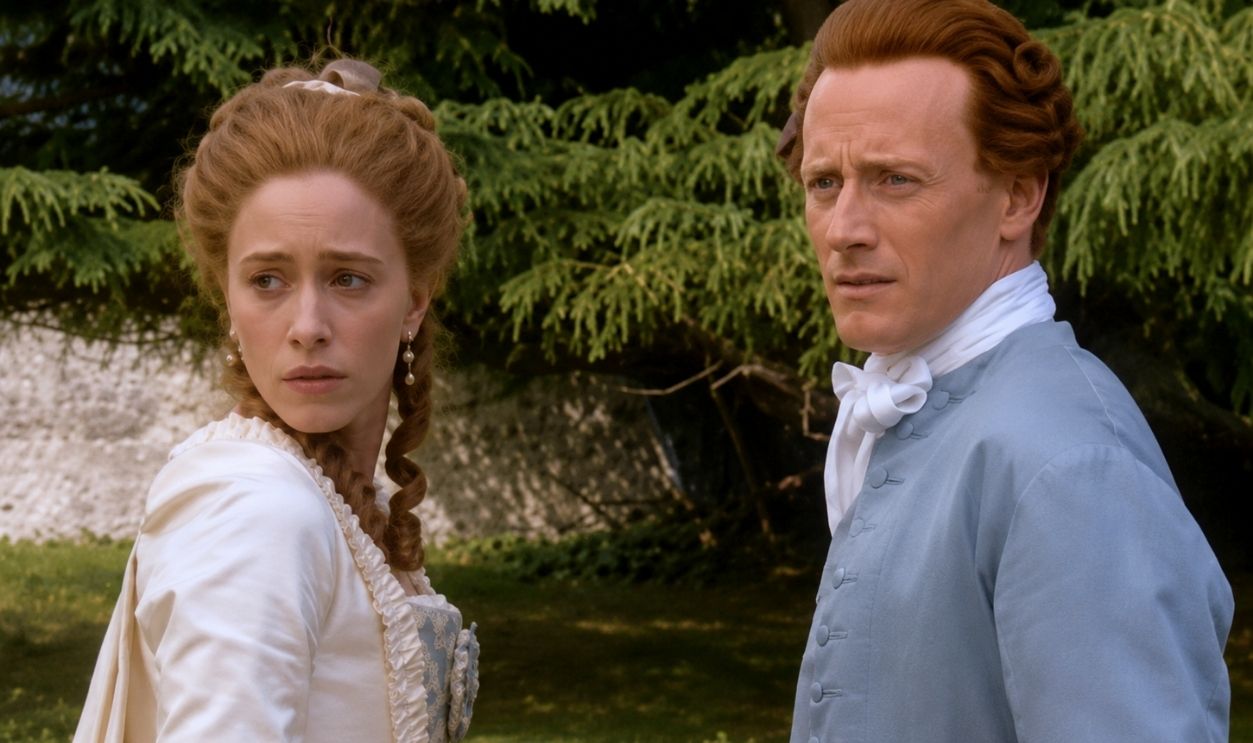
After her thwarted royal marriage, Sarah married Sir Charles Bunbury—young, handsome, witty, and a Member of Parliament to boot. In fact, Sarah considered him an upgrade from the Prince of Wales, swooning that he was like “a Marquis in a French story book”. The couple made it official in June of 1762, exchanging vows in the chapel at Holland House.
Sarah’s fairytale, however, ended at the altar.
 Screenshot from Aristocrats, BBC (1999)
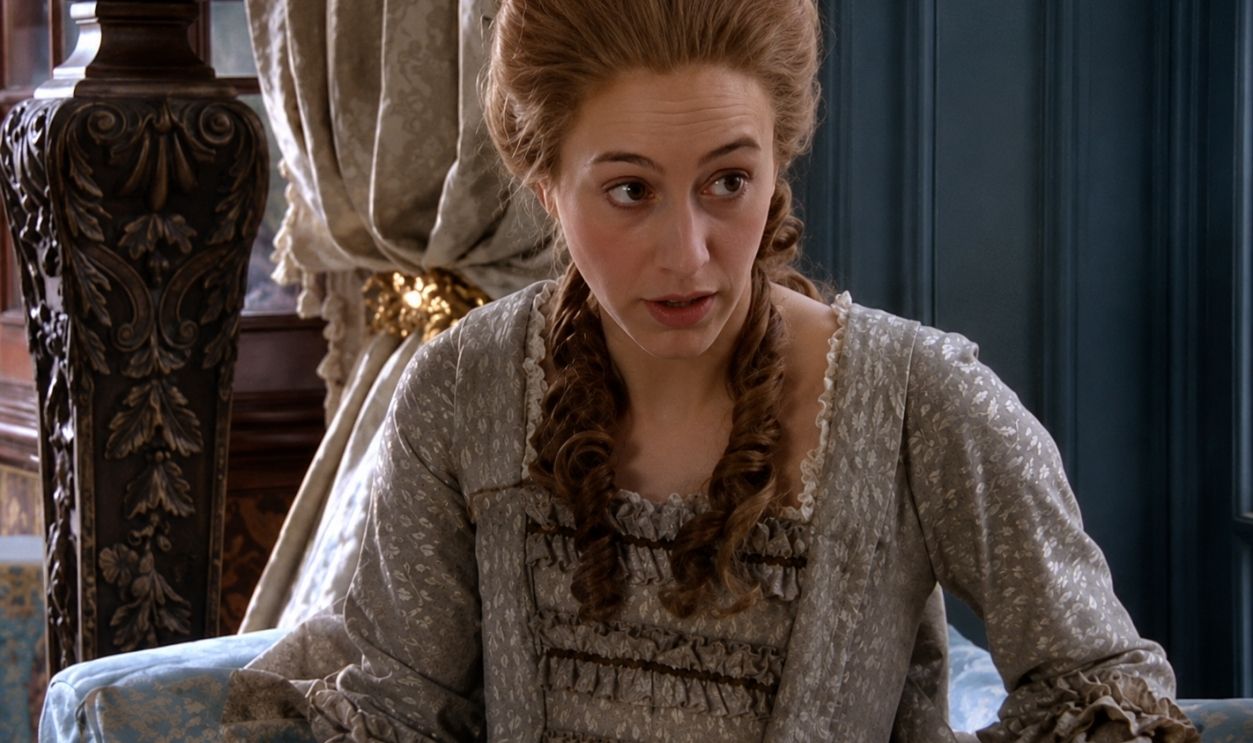
41. Sarah Was Bored
Married life took Sarah to Barton Hall, Bunbury’s estate deep in the Suffolk countryside. There she discovered her husband’s true love: horse racing. Bunbury followed the turf all over England while his young wife sat home, bored out of her mind and utterly alone. Boredom, for a Lennox sister, was a dangerous condition.
 Screenshot from Aristocrats, BBC (1999)
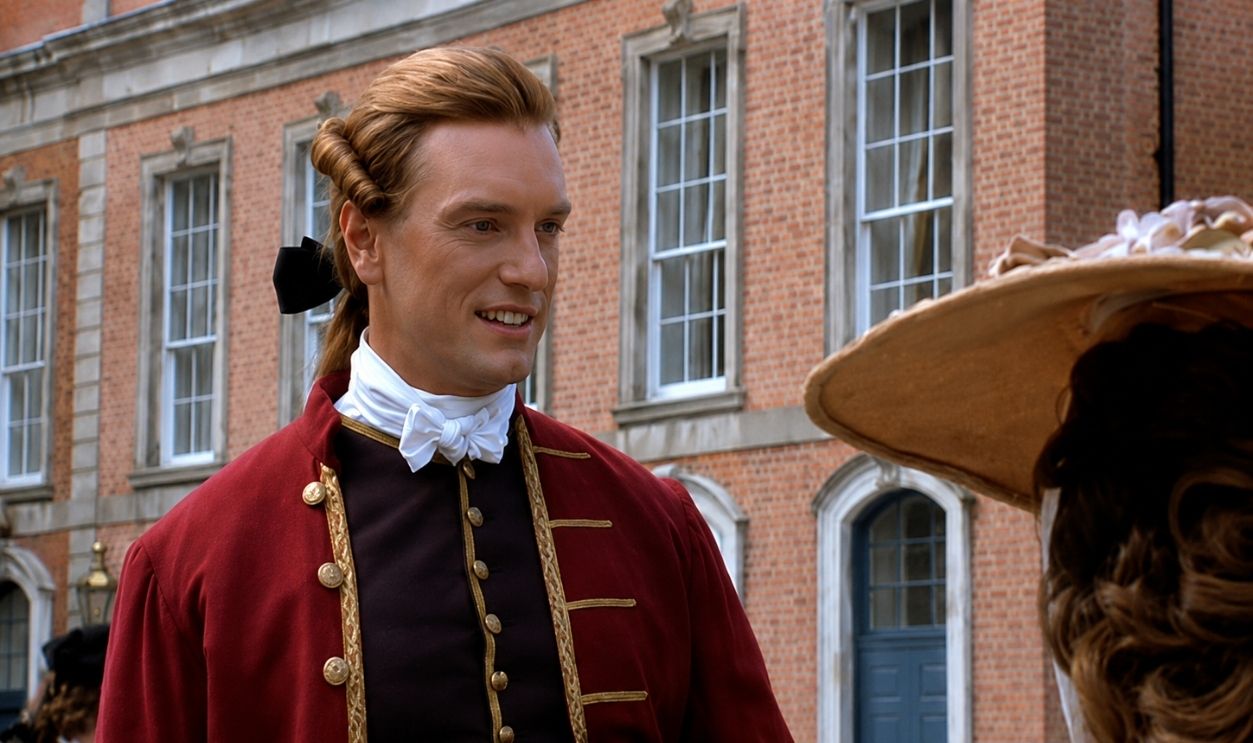
42. Sarah Found Comfort Elsewhere
Scandal found Sarah in the form of Lord William Gordon—a dashing young army officer and a duke’s son. A friendship quickly deepened into an affair. An affair that would have devastating consequences when, just days before Christmas in 1768, Sarah gave birth to a baby girl. Fueled by guilt, Sarah had to confess the truth to her husband: the baby wasn’t Bunbury’s.
Bunbury’s response was surprising.
 Screenshot from Aristocrats, BBC (1999)
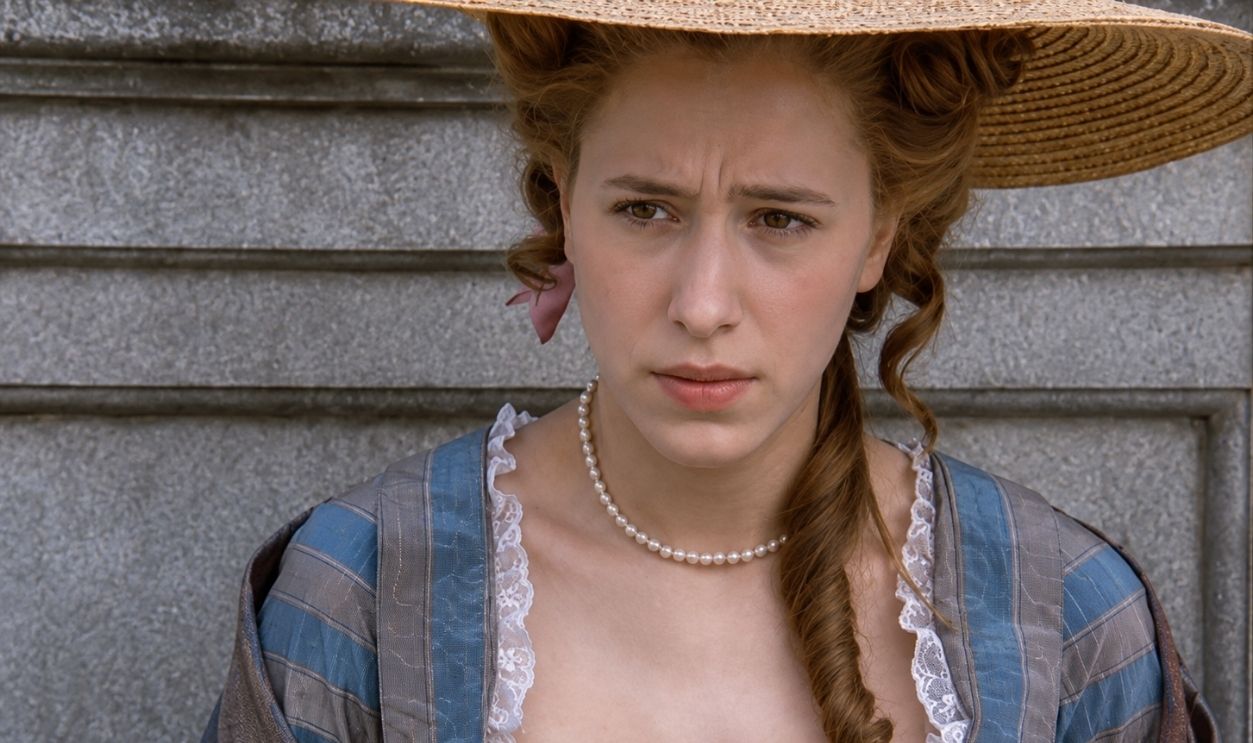
43. Sarah Burned Every Bridge
To Sarah’s surprise, Bunbury was willing to raise another man’s daughter as his own; all Sarah had to do was give up Gordon. That, however, was too much to ask. Within weeks, Sarah and her lover ran off together to a friend’s country estate—and this time, there was no coming back. Bunbury shut the door for good, and Sarah landed at her brother’s house, baby in tow.
The romance with Gordon fizzled. The consequences had just begun.
 Screenshot from Aristocrats, BBC (1999)
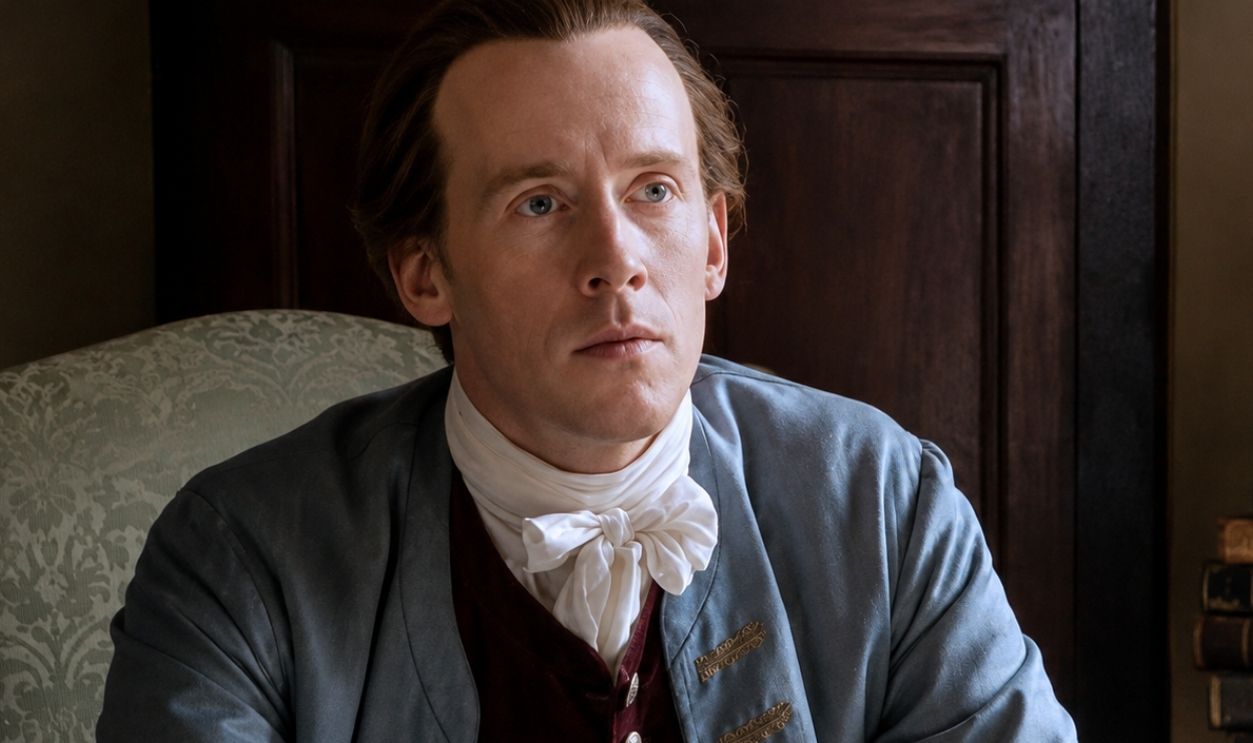
44. Sarah Got Dragged Through Court
Bunbury’s patience with Sarah had run out by April of 1769—and then he did something almost unheard of. Seeking romance justice, Bunbury petitioned for a formal separation with a scathing condemnation of his wife: “Lady Sarah Bunbury, being of loose and abandoned disposition, and, being wholly unmindful of her conjugal vow”. Even then, the marriage took ages to dissolve, finally reaching an end in 1776.
By then, all of England knew Sarah’s business.
 Screenshot from Aristocrats, BBC (1999)
45. Sarah Made All The Papers
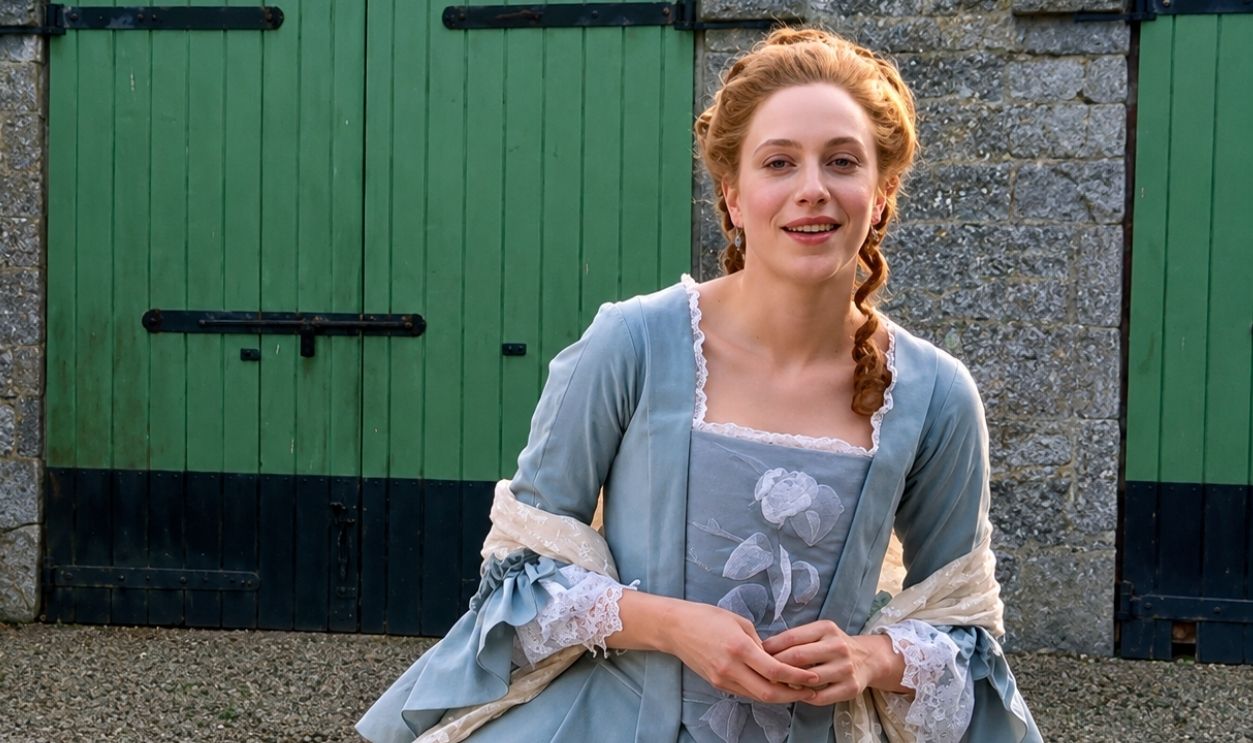
Georgian tabloids feasted on every detail of Sarah’s divorce proceedings. Town and Country was among the first to run the lurid story, writing in April of 1769 as the scandal was breaking that “rank and beauty have been her [Sarah’s] ruin”. The Morning Post, however, was among the most ruthless in its gossip, causing Sarah to remark that it was “full of lies and no news”.
Her past romances only made the coverage juicier.
 Screenshot from Aristocrats, BBC (1999)
History's most fascinating stories and darkest secrets, delivered to your inbox daily.
46. Sarah Haunted The King
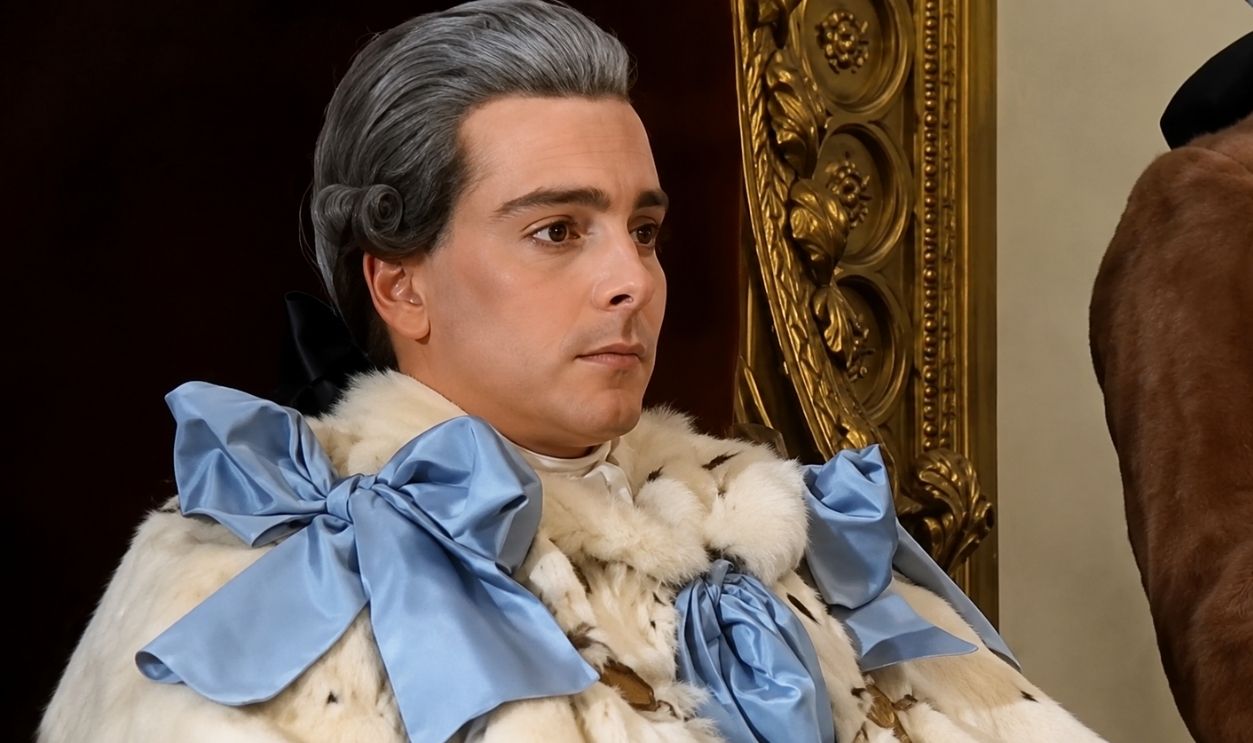
England never forgot that Sarah had once been the object of King George III’s affections and had nearly worn the crown as a result. King George III himself also hadn’t forgotten. During the king’s infamous 1788 breakdown, Sarah’s name came rushing off his tongue—feeding whispers that the famously proper king had been repressing his feelings all along.
Not even a king could protect Sarah from the social stain of her actions…
 Screenshot from Aristocrats, BBC (1999)
47. Sarah Became An Outcast
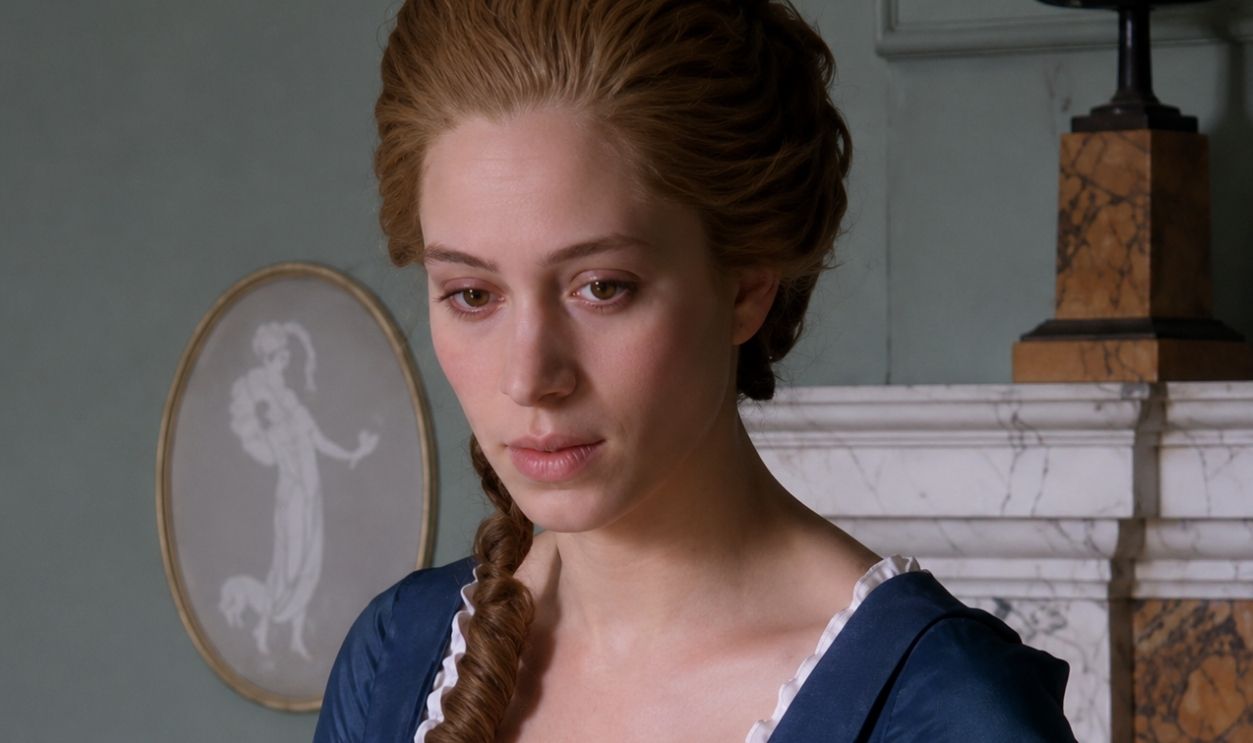
The high-profile divorce made Sarah untouchable. For 12 years, she lived what even she had to call a “solitary life”. Her social isolation was so severe that she could spend time with her family…and almost no one else. In fact, Sarah had become such a pariah that her brother, the 3rd Duke, ordered her to stay out of sight when guests visited the Lennox estate.
She might have gone mad if it hadn’t been for one thing.
 Screenshot from Aristocrats, BBC (1999)
48. Sarah Found A New Purpose
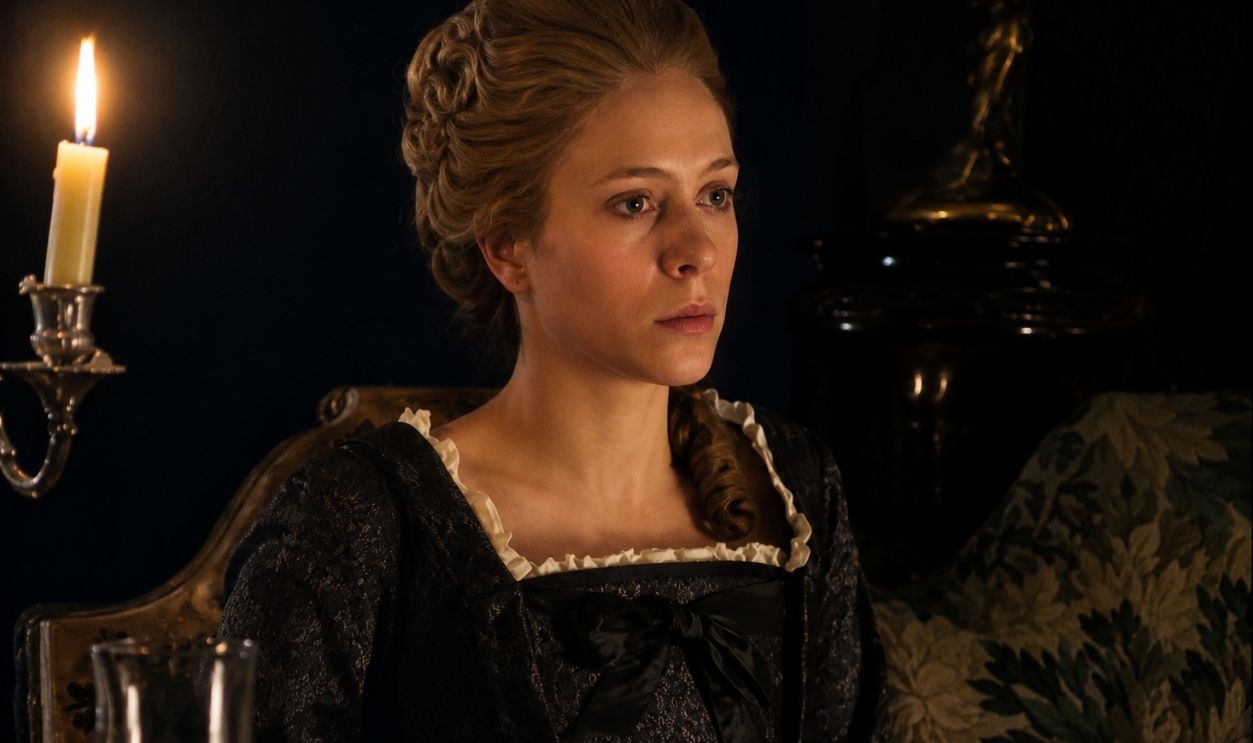
To help keep her busy, Sarah’s brother let her build a house of her own on the family estate. Without a single date on her social calendar, Sarah threw herself into every detail of the design. The result was Molecomb House. One historian wrote that the project “provided her with a sense of purpose and usefulness during the long years of social obscurity”.
What Sarah really needed, though, was a reason to rejoin the world. In 1776, one came calling.
 Screenshot from Aristocrats, BBC (1999)
49. Sarah Met Her Match
George Napier. That was the man who, in 1776, breathed new life into the youngest of the Lennox sisters. Napier was an army officer, a Scottish lord’s younger son, and…flat broke! Nevertheless, Sarah’s brother made the introduction and a deep friendship, free of social expectations and financial concerns, took root.
There was just one problem: Napier already had a wife—and the Lennoxes couldn’t afford another scandal.
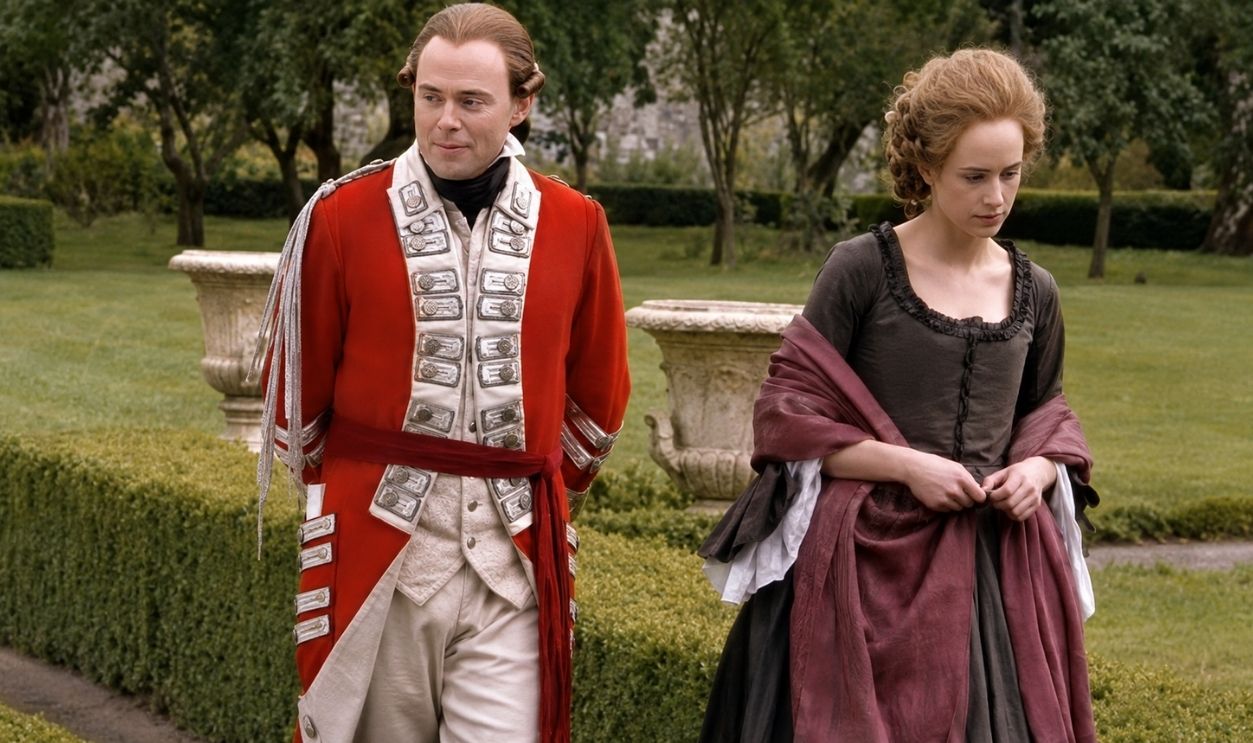 Screenshot from Aristocrats, BBC (1999)
50. Sarah Behaved Herself
For once in her life, Sarah—or any Lennox sister apart from Louisa, for that matter—played it safe. No elopement this time. To help prevent a scandal, higher-ups in the British army nudged Napier into a different posting, shipping him off to America. But when his wife passed, there was nothing holding Sarah back.
The two were wed in August of 1781, at Goodwood House. This time, the fairytale would be real.
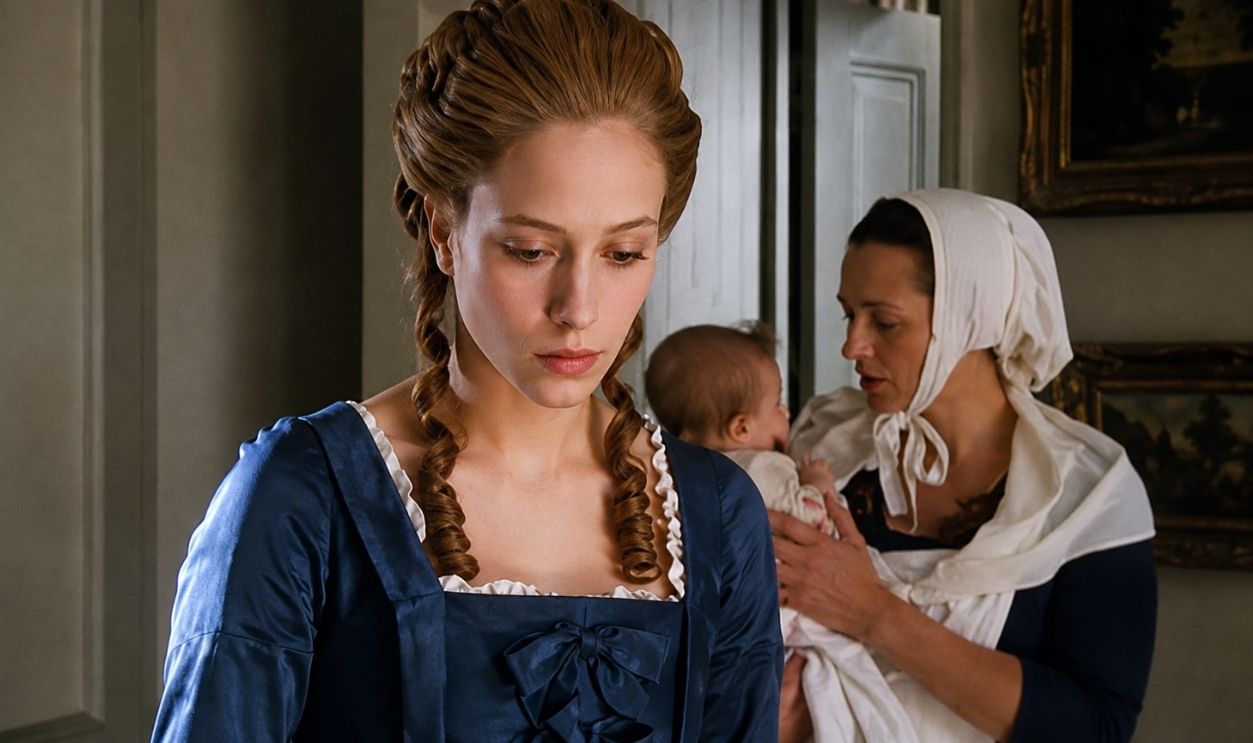 Screenshot from Aristocrats, BBC (1999)
51. Sarah Raised National Heroes
Sarah’s second marriage was everything her first was not—happy, devoted, and dirt poor. Her divorce settlement paid a measly £500 a year, but the couple made it work while raising a growing brood of eight children. Four of her boys went on to celebrated careers in the army and navy, and their exploits against Napoleon earned Sarah letters of praise from Lord Wellington himself.
Motherhood, however, came with heartaches as well.
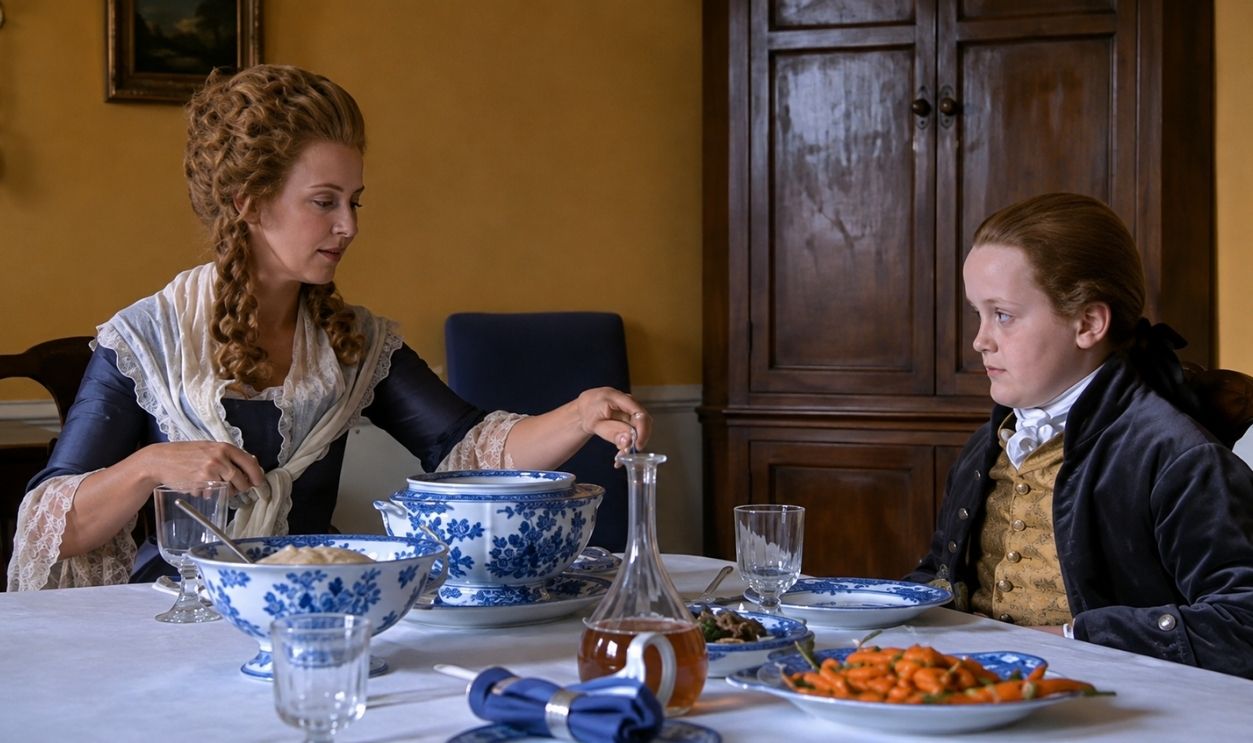 Screenshot from Aristocrats, BBC (1999)
History's most fascinating stories and darkest secrets, delivered to your inbox daily.
52. Sarah Lost Her Firstborn
Little Louisa Bunbury—the daughter born of Sarah’s great scandal—never got the chance to add to the Lennox legacy. Consumption claimed the girl at just 17, and years later Sarah would still fondly remember her daughter’s “angellick [sic] disposition”, writing that her passing “carried up my thoughts to that Heaven where I know she is”.
It wouldn’t be the last time Sarah’s world fell apart.
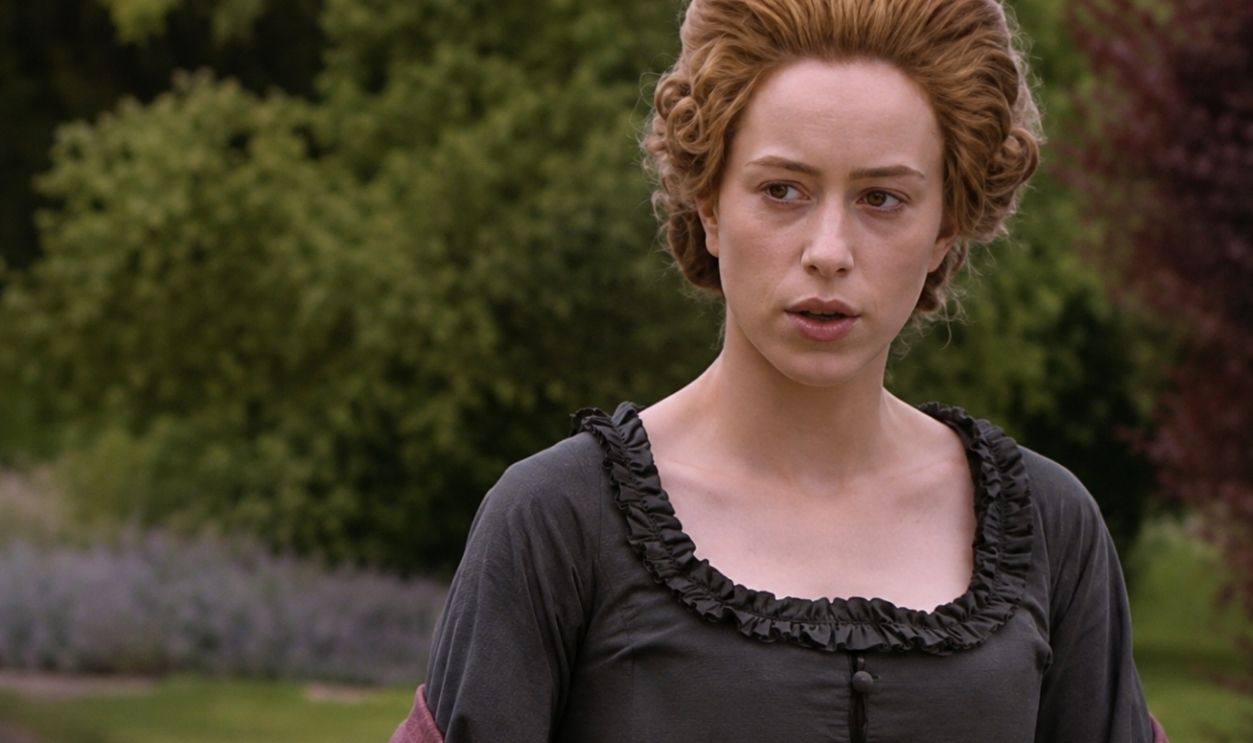 Screenshot from Aristocrats, BBC (1999)
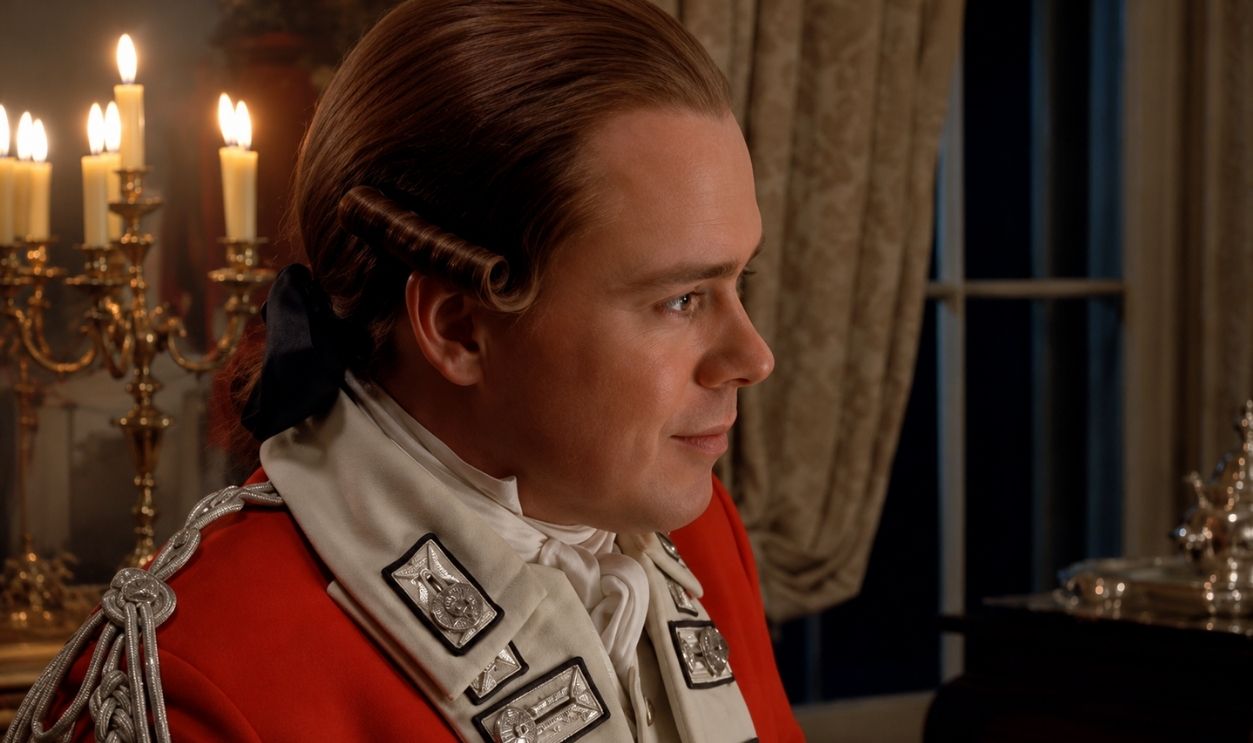
53. Sarah Lost Her True Love
In October of 1804, after 23 years of marriage, Napier passed on—and Sarah’s world just about stopped. Her surviving letters paint a picture of her grief: “I have lost him who made me like this world. It is now a dreary expanse…while he lived, I saw all objects through the medium of my own happiness”. In her grief, Sarah turned to the unlikeliest source of comfort.
 Screenshot from Aristocrats, BBC (1999)
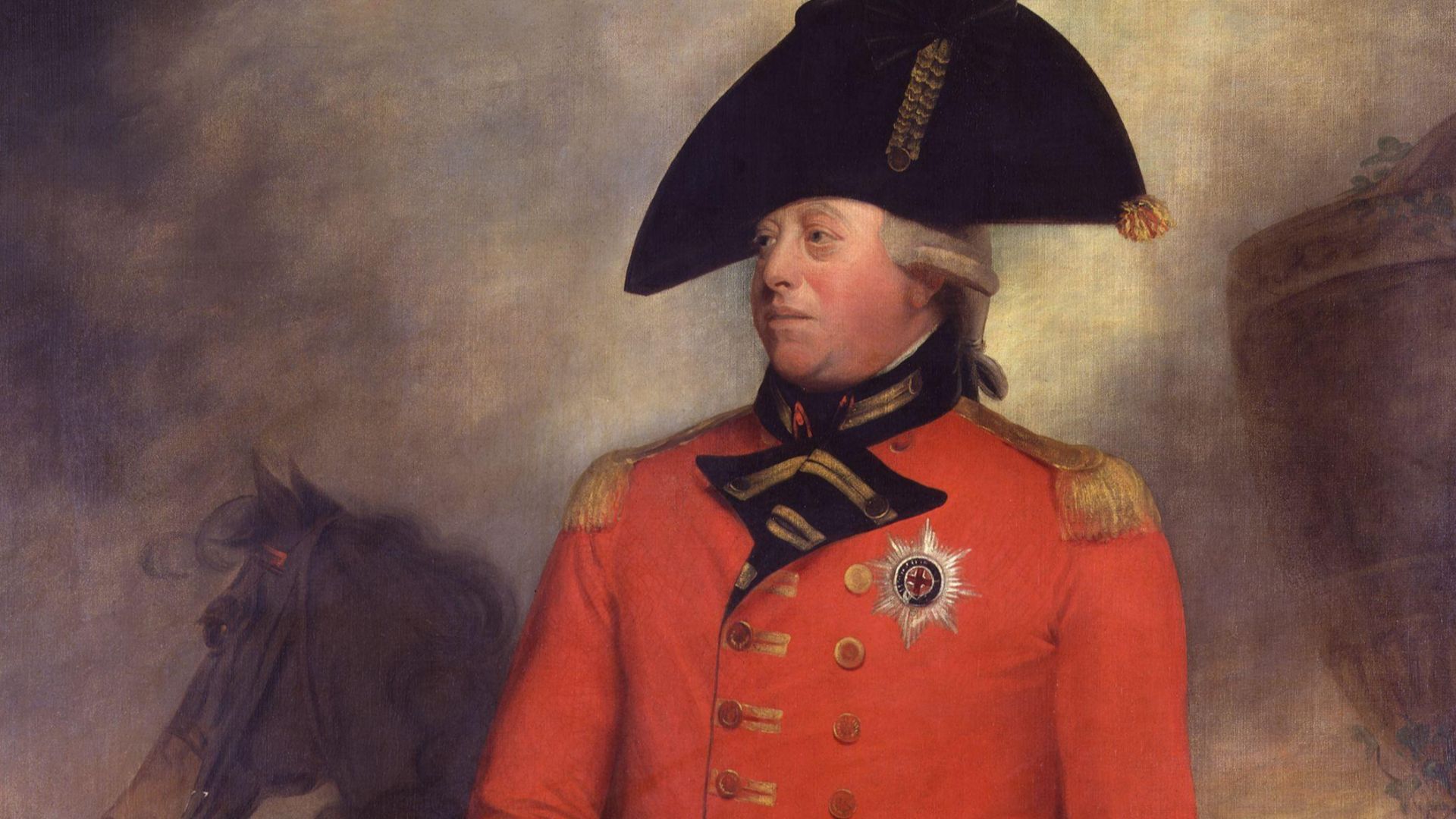
54. Sarah Got A Royal Apology
Napier’s passing left Sarah with little income—so she turned to an old flame. Invoking her late husband’s years of loyal service, Sarah wrote to the crown—to her first romance, King George III—asking for a pension. At first: silence. Then, perhaps feeling guilty over the humiliation Sarah suffered at the end of their teenage fling, the king came through with £800 a year.
Sarah’s story was nearly complete. But one Lennox sister never got to write hers.
 Workshop of William Beechey, Wikimedia Commons
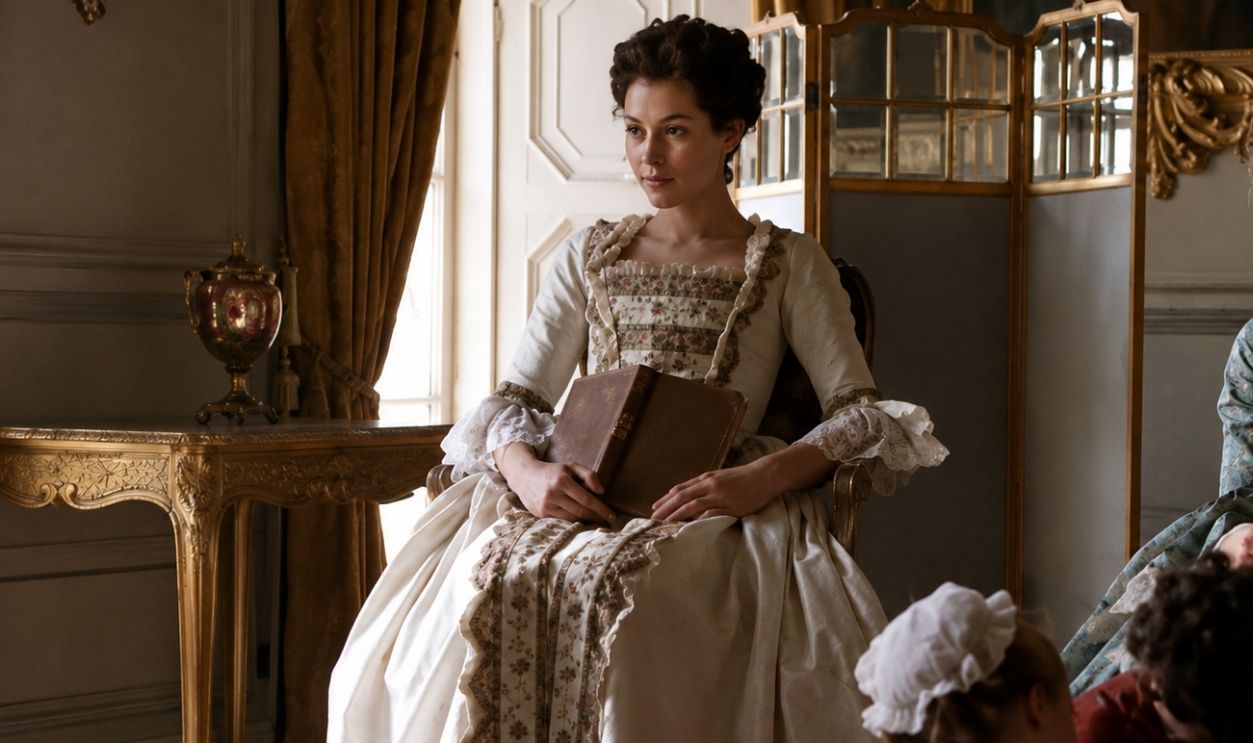
55. Cecilia Never Got Her Story
There was a fifth Lennox sister who might have electrified Georgian England. Cecilia arrived on February 28, 1750. Her father was gone before that summer ended, her mother soon after, making her the only Lennox sister who never really knew her parents at all. Like Louisa and Sarah before her, the baby of the family went to Ireland, where Emily raised her.
Unlike her sisters, Cecilia would never get the chance to make headlines or history.
 Screenshot from Aristocrats, BBC (1999)
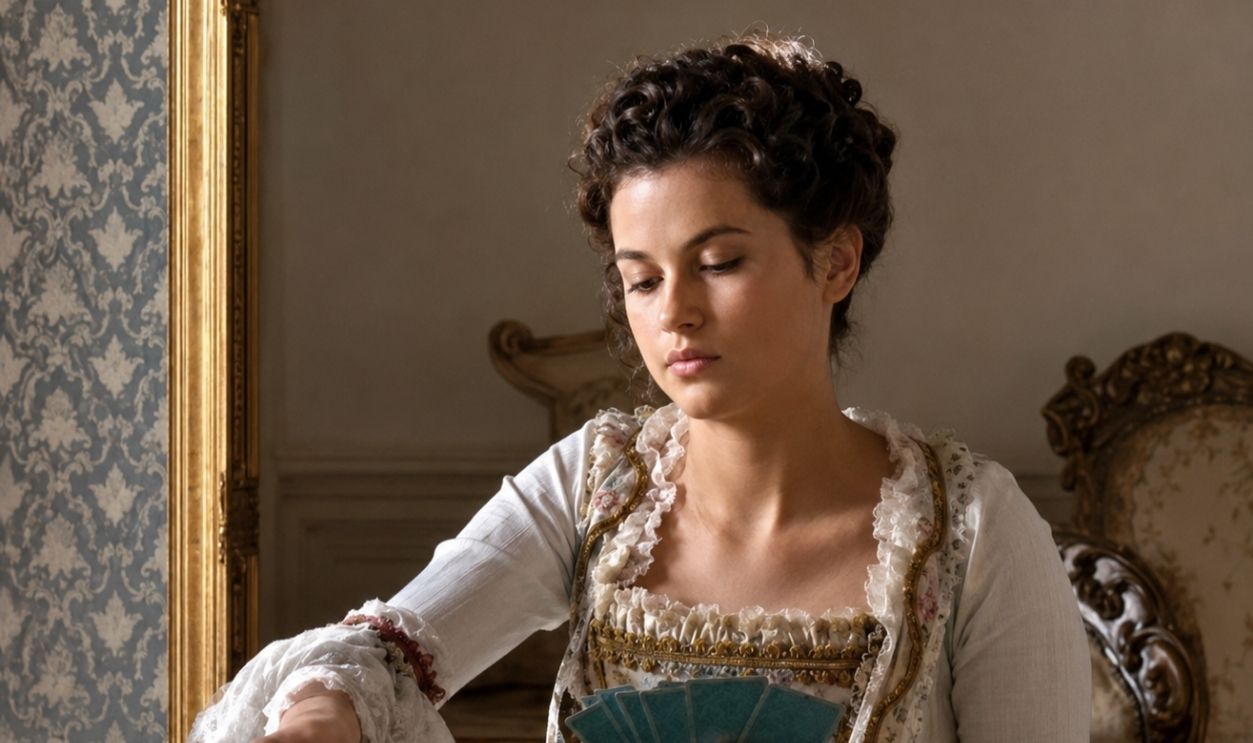
56. Cecilia Faded Away
As Cecilia grew into a young woman, her health deteriorated instead of improving. Afflicted with a wasting illness—likely tuberculosis—the other Lennox sisters tried everything. Seeking better climates and treatments, they sent her off to Lyons Gate and even France where, tragically, she would spend her last days. When she passed in Paris in November of 1769 she was just 19 years old.
The remaining Lennox sisters held each other all the tighter.
 Screenshot from Aristocrats, BBC (1999)
57. They Ended Up Together
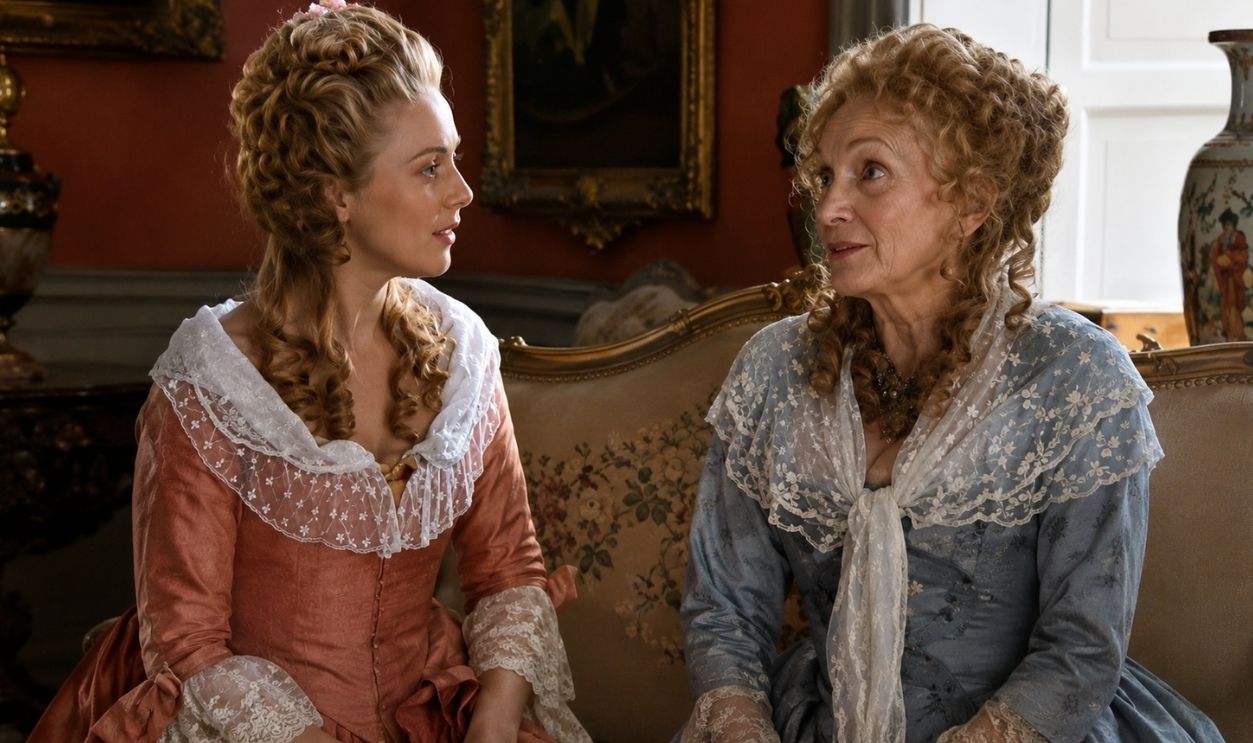
The Lennox sisters’ story ends where it began: with each other. Widowhood brought Louisa and Sarah under one roof in London, while the aging Emily settled nearby at Grosvenor Place. Together again, they gardened, wrote letters to distant friends and relations, and settled into a leisurely life. But age was taking the toll that their respective scandals had not, and they all grew old together.
Then they left, one by one.
 Screenshot from Aristocrats, BBC (1999)
History's most fascinating stories and darkest secrets, delivered to your inbox daily.
58. Sarah Outlived Them All
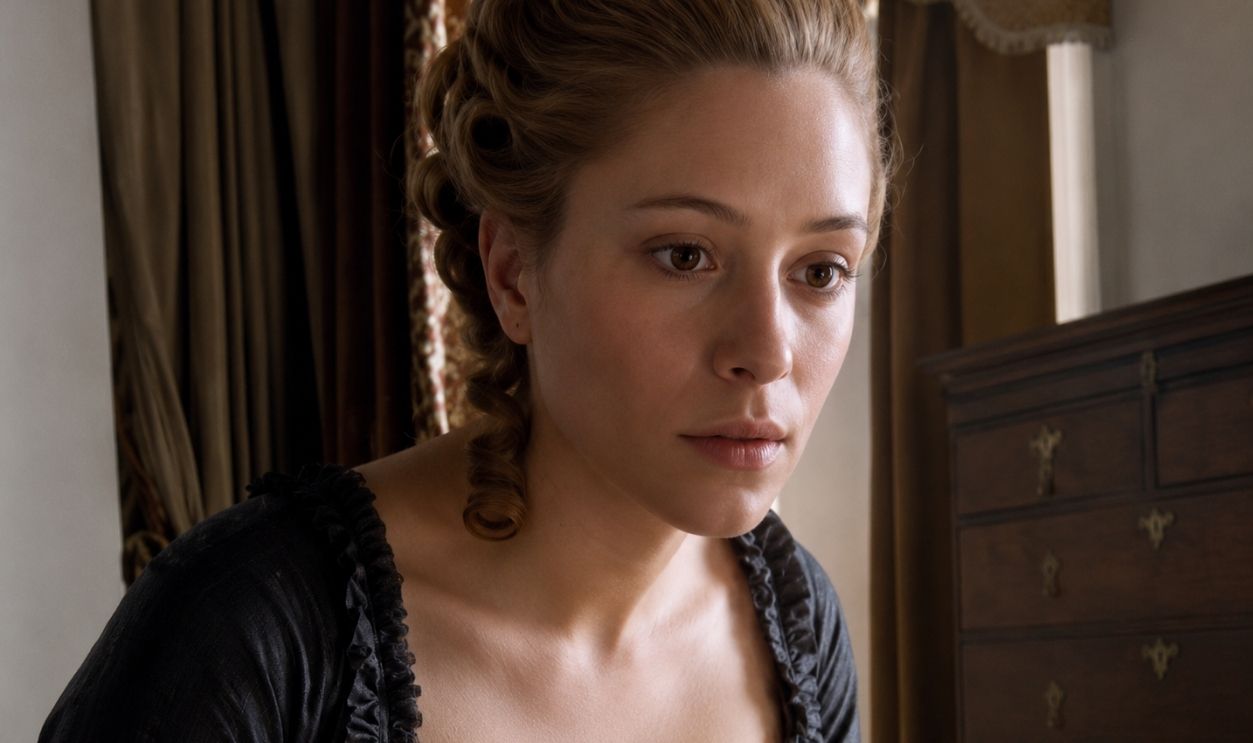
Emily went first, in 1814, at the age of 82. Then a quieter seven years passed until Louisa followed in 1821. That left Sarah—the baby of the family, the almost-queen—as the last Lennox sister standing. She held on until August 26, 1826, passing at 81 at her home in Cadogan Place, London. The Lennox sisters were gone. Their voices weren’t.
 Screenshot from Aristocrats, BBC (1999)
59. They Left Their Voices Behind
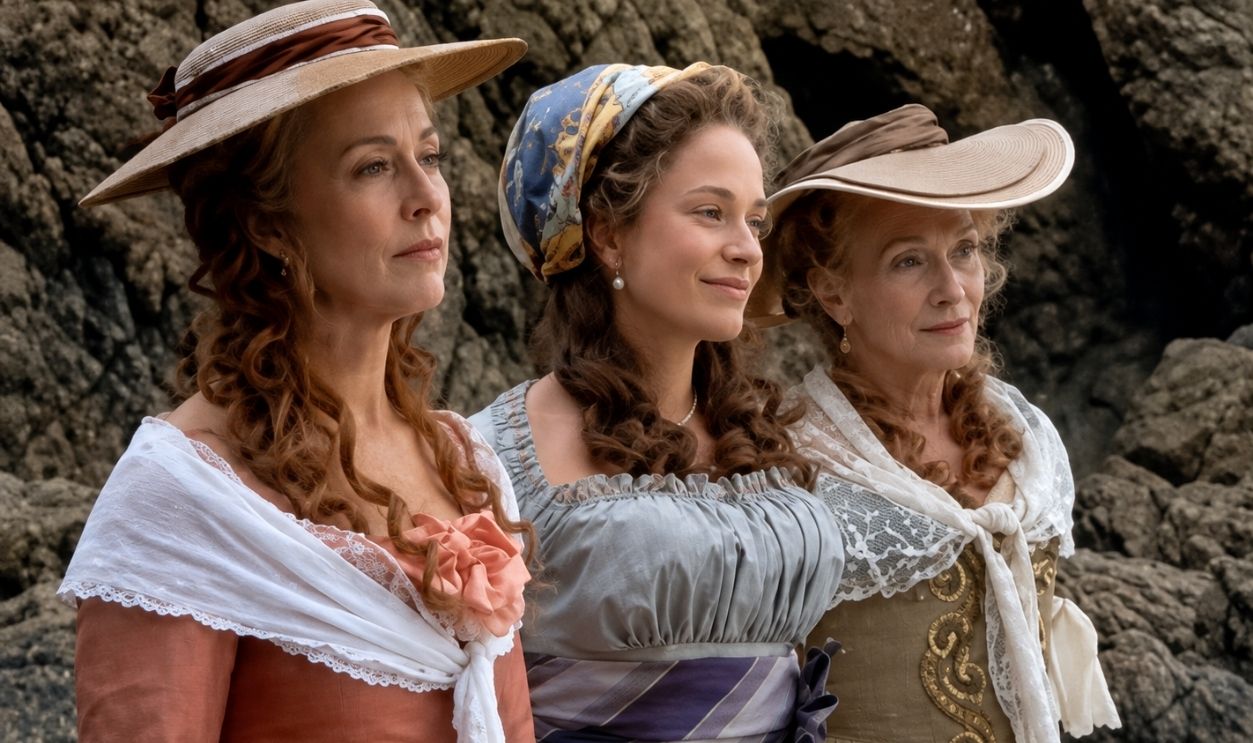
The Lennox sisters wrote to each other constantly, across decades and distances—and the letters contained secrets. The historian Stella Tillyard calls the collection “nearly a century’s worth of letters…written in voices that we have scarcely ever heard, from eighteenth-century women” whose “circumstances were extraordinary”.
 Screenshot from Aristocrats, BBC (1999)
You May Also Like:
Disgraced Fact About Ann Woodward, The Lost Swan Of New York
Sorrowful Facts About Princess Natasha Paley, The Haunted Beauty
Devastating Facts About Starr Faithfull, The Doomed Socialite