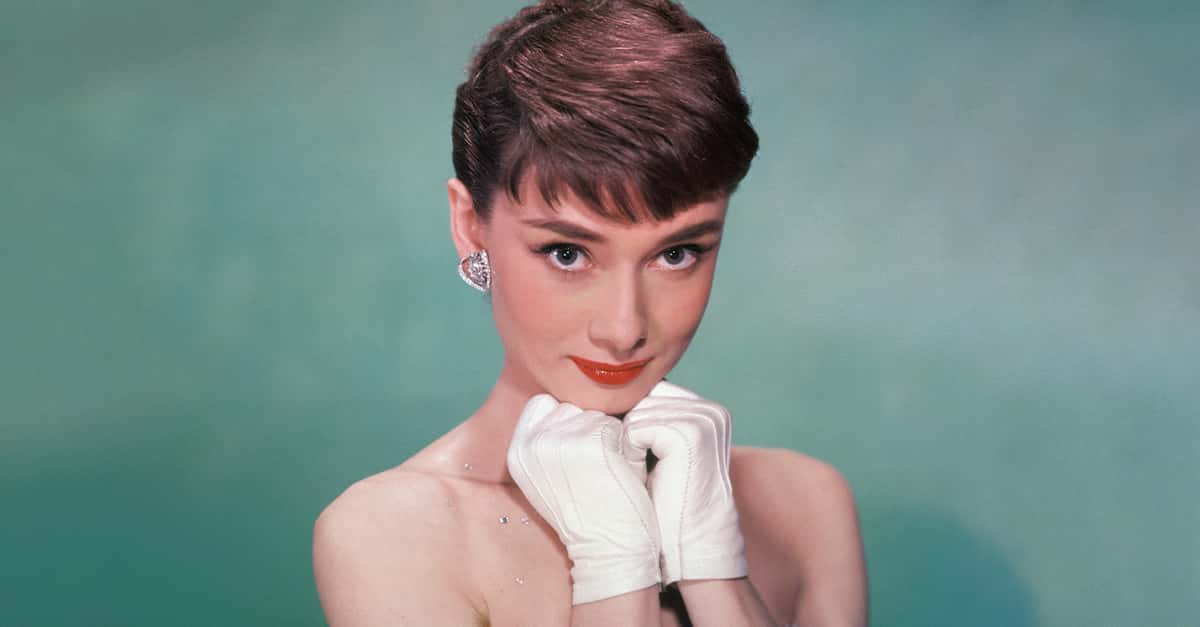
40. She Embarked On A Torrid Affair
Josephine Baker was both a lover and a fighter, and she seemed to have endless energy on both fronts. Amid all her flirtations with women and marriages to men, Baker still found time to strike up a passionate affair with her manager, Giuseppe Pepito Abatino. He passed himself off as a noble count but in reality, he was just a former stonemason who had the hots for his client. Abatino was so infatuated with Baker that he proposed marriage. While they never made it down the aisle, Baker and Abatino had a long, passionate affair.
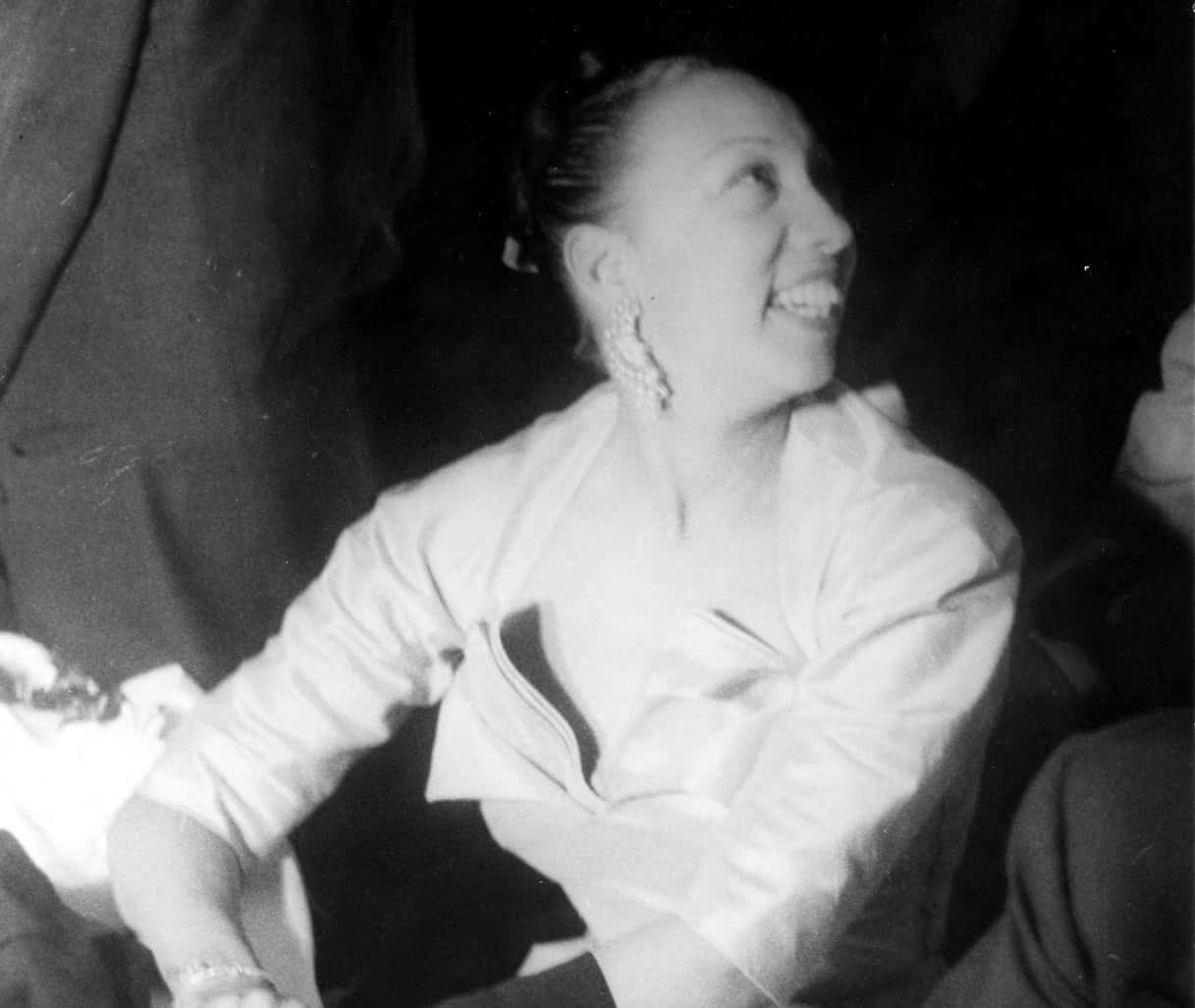 Carl Van Vechten, Wikimedia Commons
41. America Hated Her
Under Abatino’s management (among other things), Baker’s career and public image took off in Europe. The duo even opened a popular nightclub in Josephine's named, Chez Josephine. In her home country of America, however, people were less receptive and even threatened by her challenging act. Time magazine outright called her insulting names while other publications said her voice was “too-thin” to fill real venues like the Winter Garden Theater.
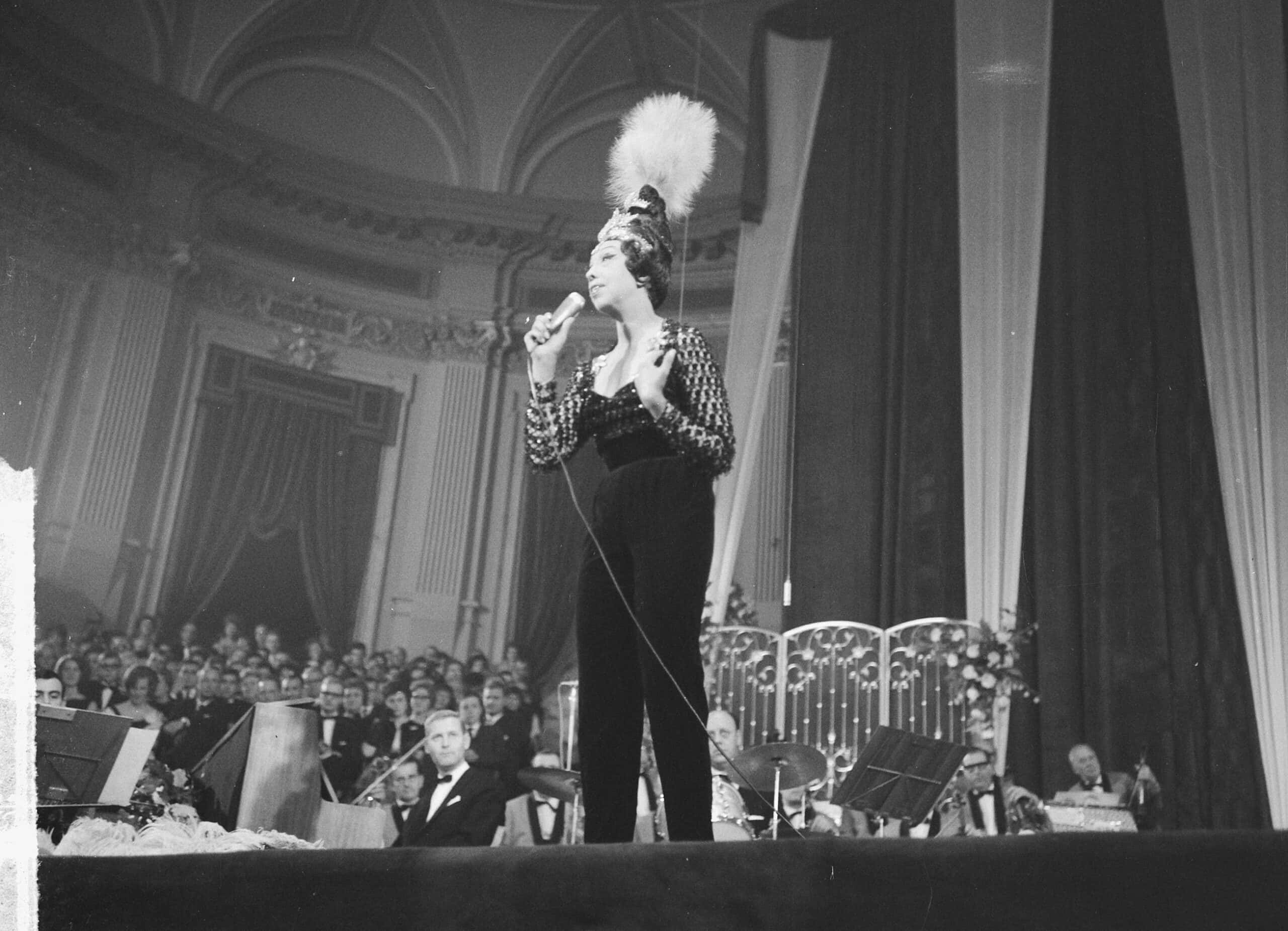 Jack de Nijs/ Anefo, CC0, Wikimedia Commons
42. Discrimination Reared Its Ugly Head
Despite Baker's haters, Europe's preeminent burlesque star returned to the USA in 1936 to become the first Black woman to lead the famous Ziegfeld Follies. Baker's historic performance should have been a highlight in her career, but discriminatory reviewers felt differently. They ran Baker's name into the mud, calling her "bucktooth," among other cruel names that we won't repeat. Sadly, that was nothing compared to Baker's next tragedy.
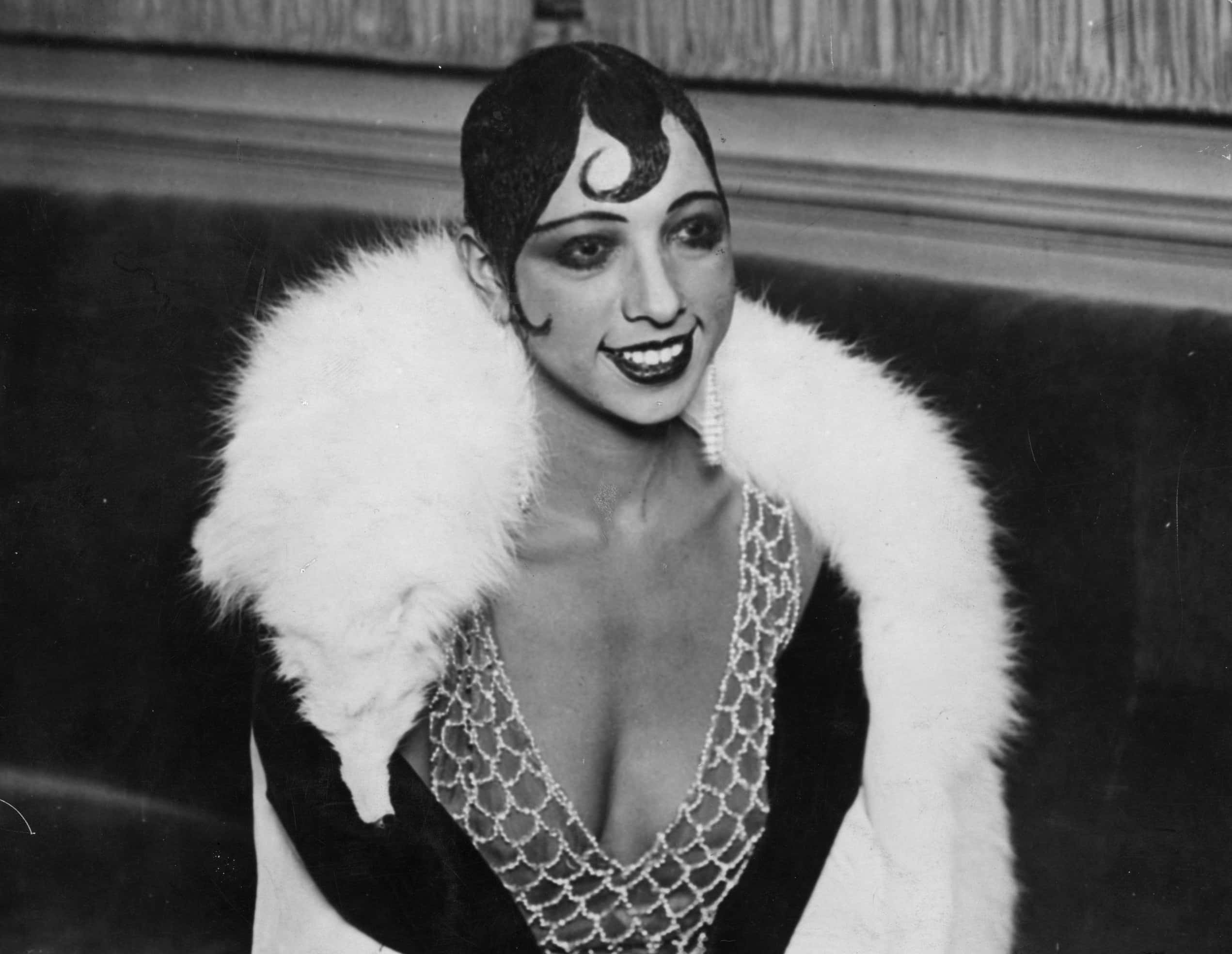 General Photographic Agency ,Getty Images
43. She Endured A Tremendous Loss
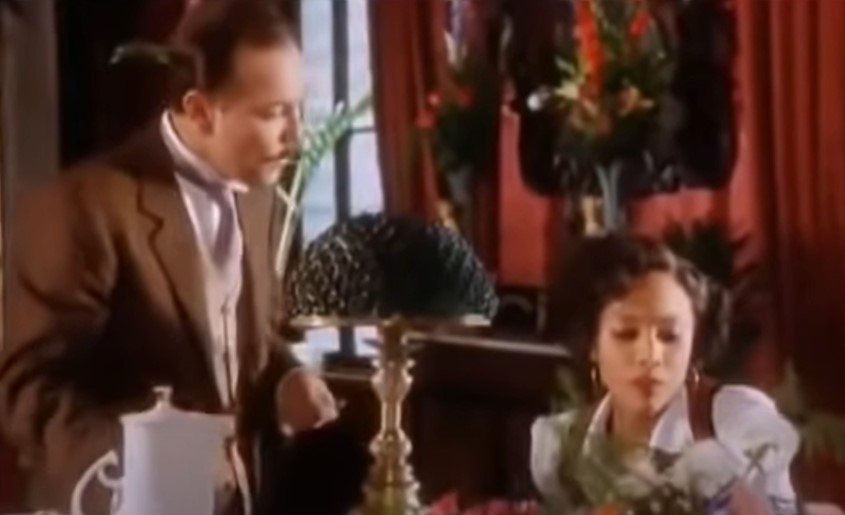
After Baker's brutal reception in the USA, she returned to France, only to find even worse news awaiting her arrival. Her lover and manager Abatino had passed. Wanting his beloved Baker to enjoy her time in America, Abatino didn't tell her that he was battling cancer. Unfortunately, by the time she got back to France, the disease had ended Abatino's life.
 HBO, The Josephine Baker Story (1991)
44. Grief Made Her A Dare Devil
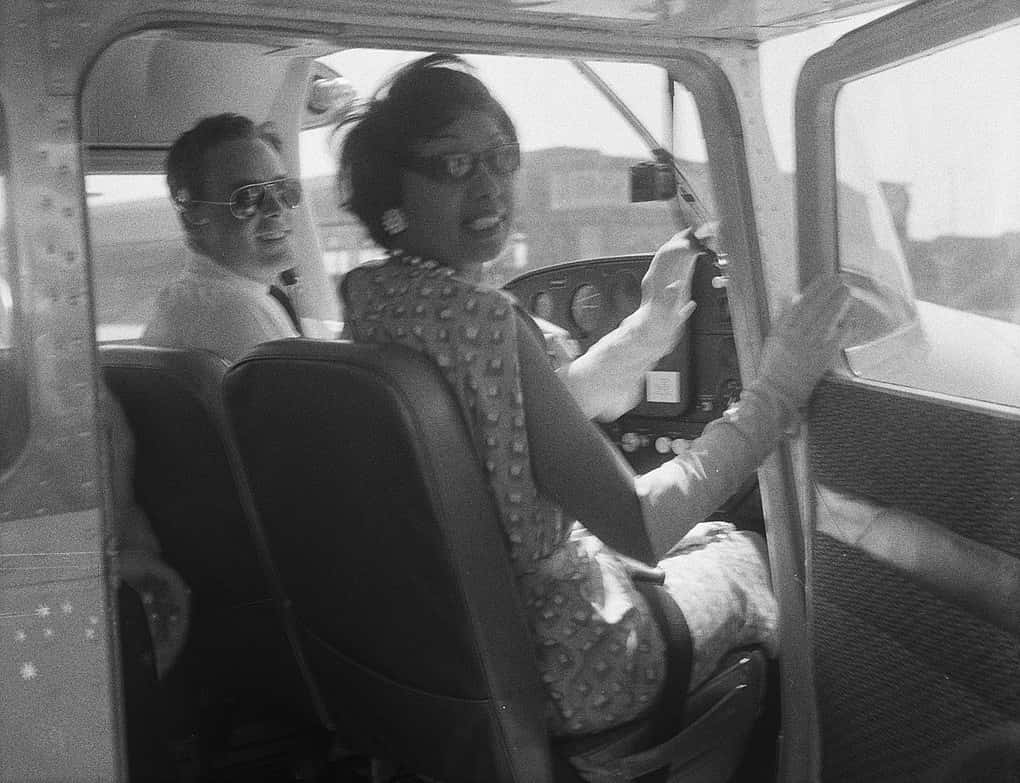
Devastated by the loss of Abatino, Baker sought comfort in the arms of another lover. She married the wealthy Frenchman Jean Lion in 1937 and quickly took up several daredevil hobbies as ways to cope with her grief. Baker learned to drive a car, ride a horse, and even fly her new beau's plane.
 Jack de Nijs , Anefo, CC0, Wikimedia Commons
45. She Kept Wild Company
During Baker's time in Paris, she cultivated more than a few strange interests, but her most notorious was her collection of exotic and eccentric pets. A goat named Toutoute lived right above the dressing room of her nightclub while Albert, Baker’s beloved pet pig, ate scraps from her nightclub’s kitchen. It turned out to be such a robust diet that the kitchen door had to be broken down in order to let the singer’s prized pig roam freely. Sadly, Josephine's sweet gestures had dark roots.
 HBO, The Josephine Baker Story (1991)
46. Her Kindness Had Tragic Roots
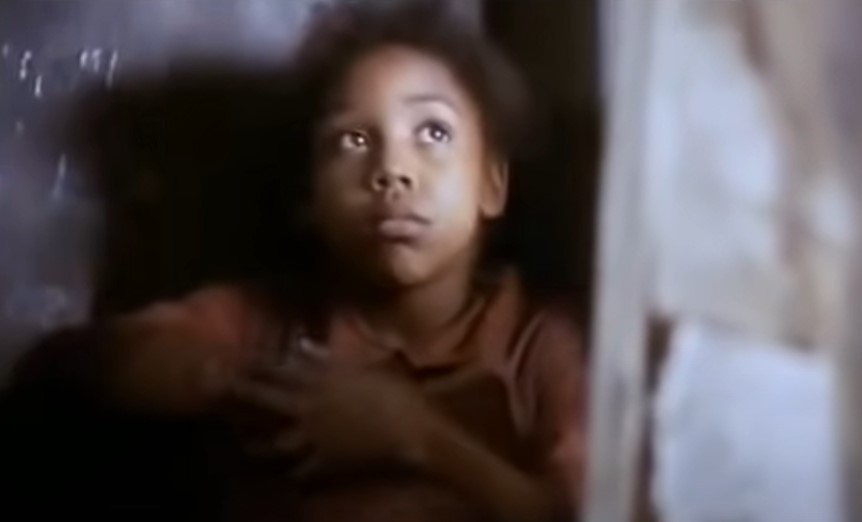
When Josephine was a young girl, she worked for some cruel people. One of her bosses, a white woman, even burned Baker's hands when she made innocent mistakes. Because of this, Baker began to distrust people and instead spend her time with animals, especially injured creatures. Since she wasn't allowed to befriend her boss' children, young Baker would eat lunch with a disabled dog named Three Legs.
 HBO, The Josephine Baker Story (1991)
47. Her Show Must Go On
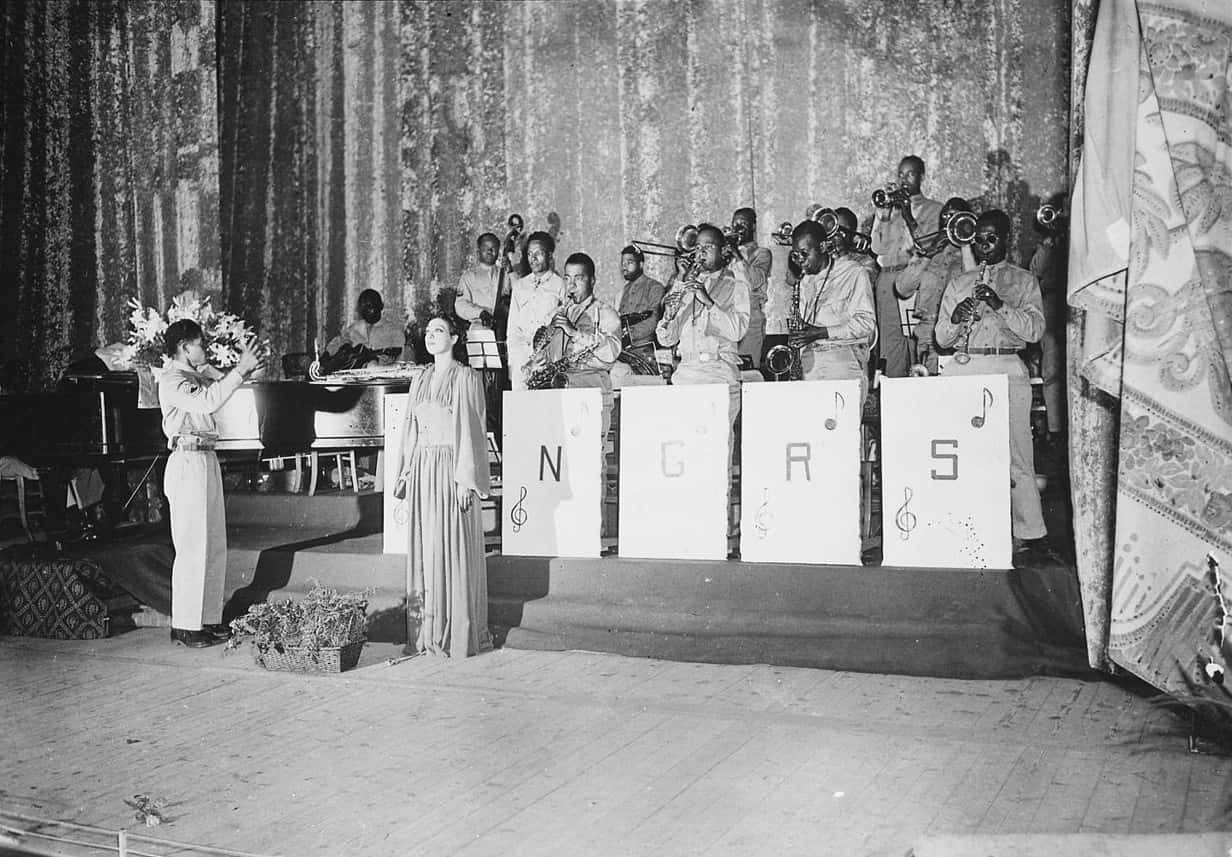
In 1941, Baker suffered a horrific miscarriage that ended in a complete hysterectomy and treatment for dangerous infections like peritonitis and septicemia. At the time, Baker's fans worried that the chanteuse might die, but Baker was a fighter. Rising above her brutalized health, the singer managed to pull herself together to tour across North Africa—and of course, to covertly continue her espionage work.
 National Archives , Wikimedia Commons
48. She Endured Prejudice
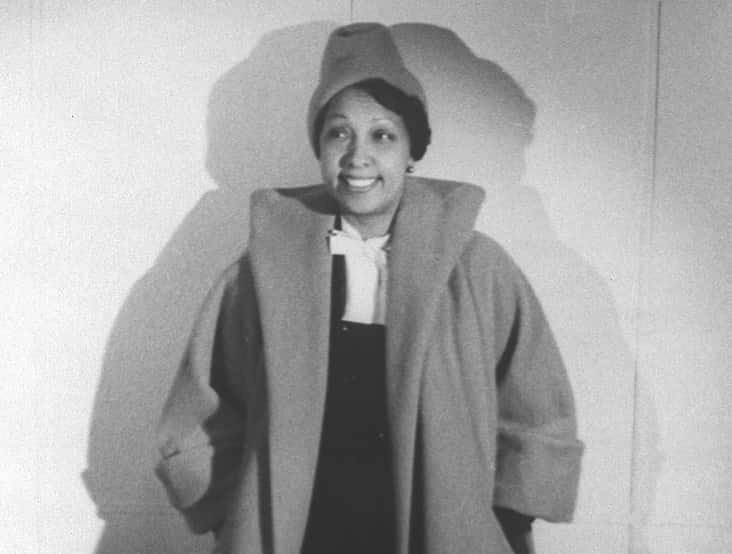
When Baker returned to America in the 1950s, she remembered why she'd left. As though the discrimination in France wasn't bad enough, Baker faced an even harsher society back in the United States. In a particularly humiliating example of the kind of cruel treatment Baker faced, a whopping 36 hotels refused to accommodate Baker due to discrimination.
 Carl van Vechten, Wikimedia Commons

History's most fascinating stories and darkest secrets, delivered to your inbox daily.
49. Men Were Intimidated By Her Power
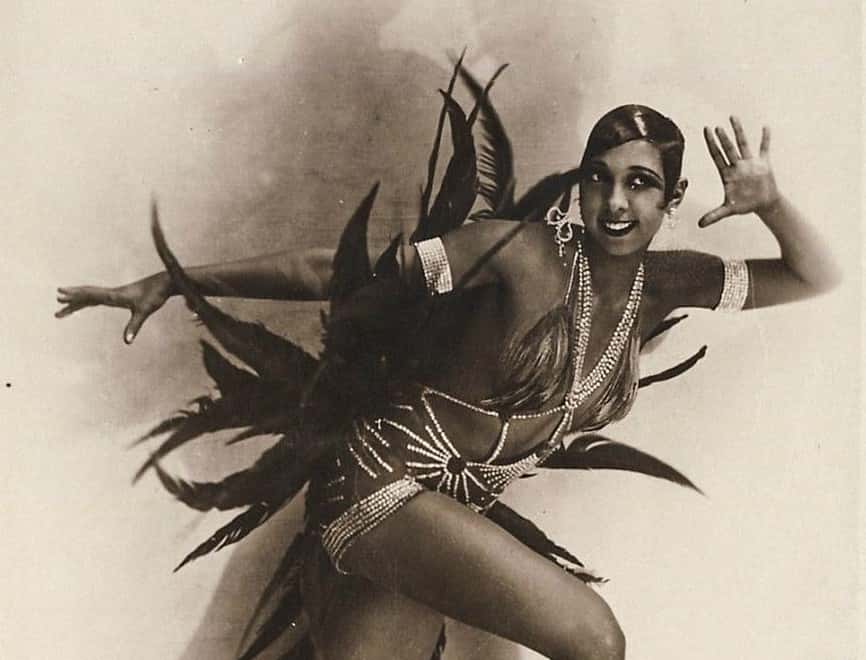
When it came to Baker's romantic life, she had a full schedule, but not everyone could handle a woman like "The Black Pearl Of Paris". For example, in 1925, she and the Belgian writer Georges Simenon were the hot new pair. But things ended when Simenon began to feel insecure about Baker's wealth and fame. Even though she was "tantalizing," Simenon didn't want to be "Mr. Baker" Okay dude, your loss!
50. She Had A Famous BFF
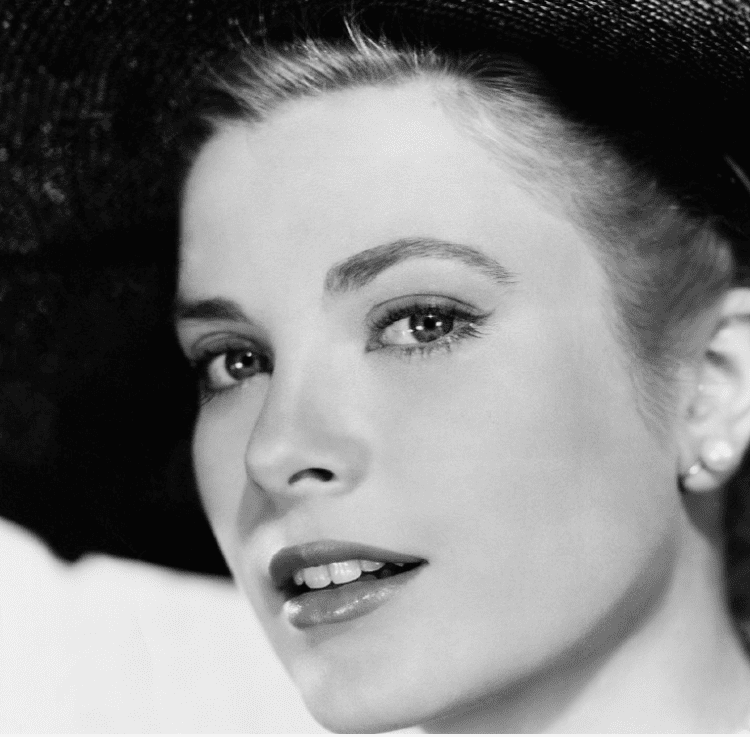
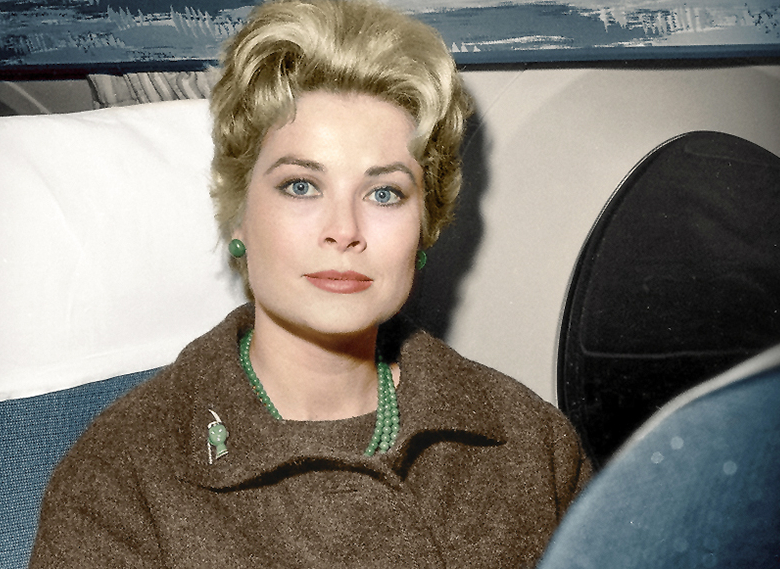
Grace Kelly and Josephine Baker were close buddies. Together since 1951, the friendship began after Kelly defended Baker from racist servers at the famous Stork Club, who had refused to serve the black entertainer. The white actress angrily stormed out of the club in a show of solidarity for Baker. Kelly vowed to never patronize the Stork Club again.
51. She Made A Stand
Baker didn't find discrimination just at hotels and restaurants: It was right there in front of her at her own segregated cabaret shows. White men and women paid handsome sums to see the beautiful, exotic Baker on stage—but only if her Black brothers and sisters were separated from them. In response, Baker refused to perform for segregated audiences, and forced many clubs to change their implicit or explicit policies.
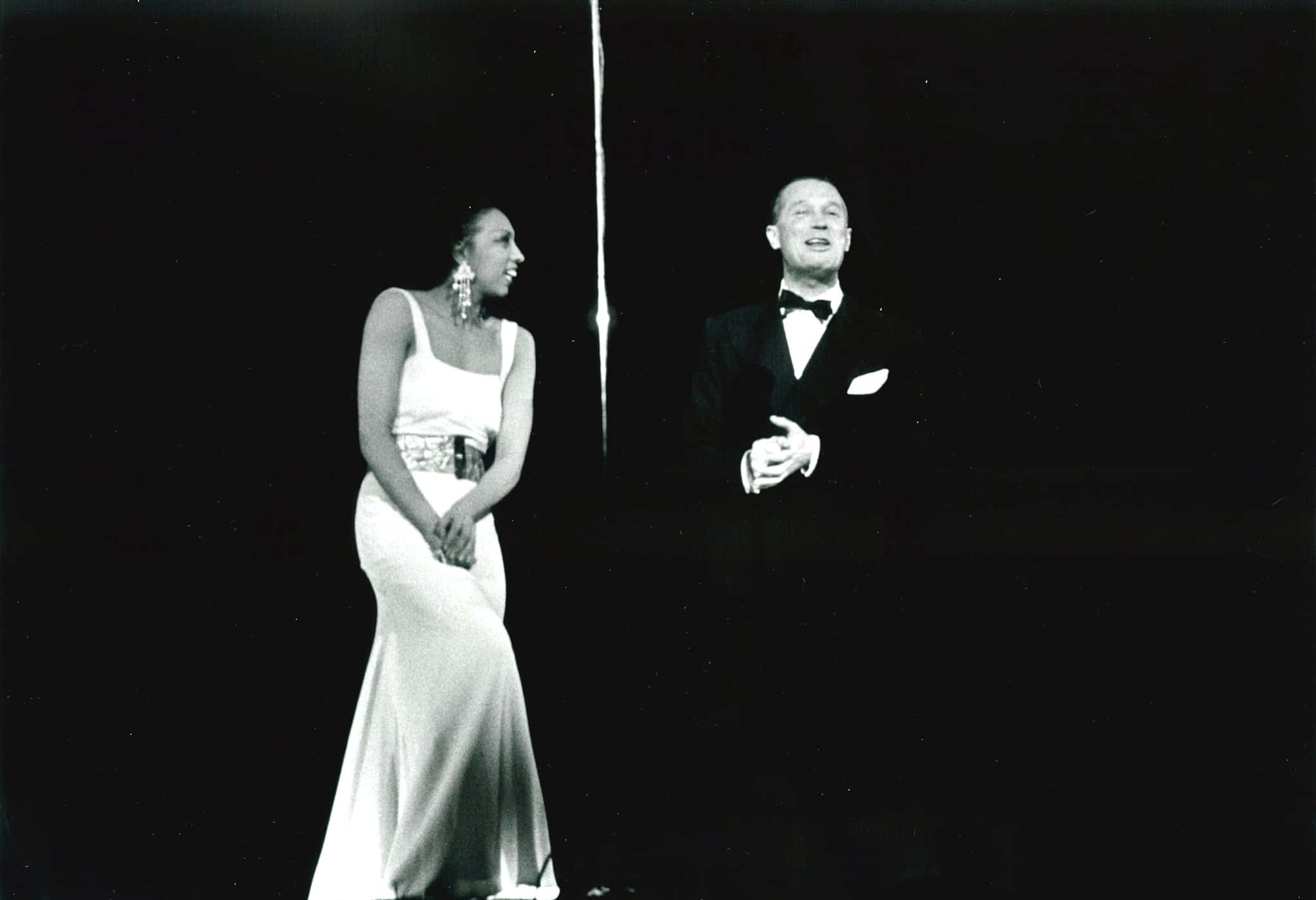
52. She Was A Knock-Out
In her prime, Josephine Baker gave superstars like Mary Pickford and Gloria Swanson a run for their money. The three performers were the most photographed women in the entire world.
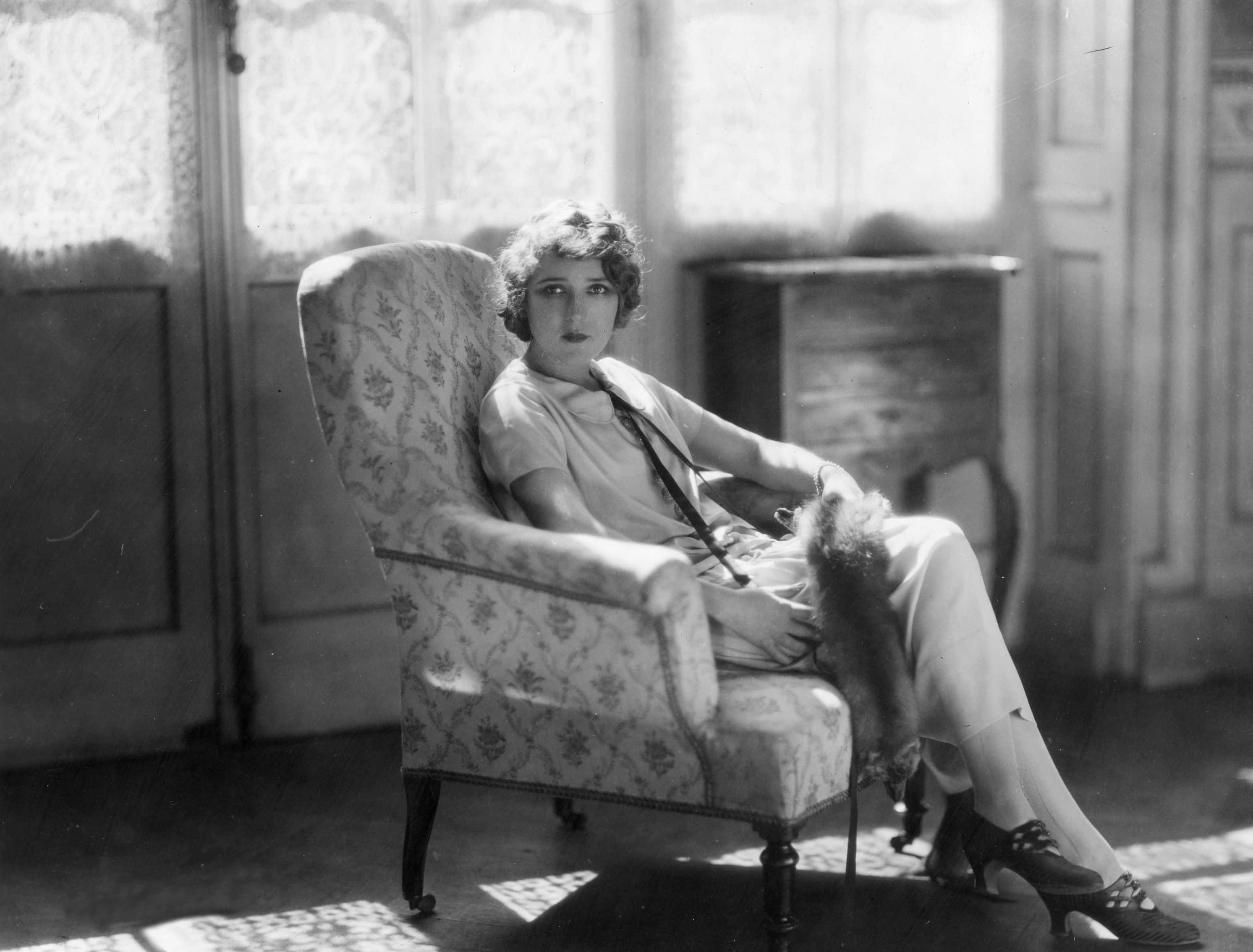
53. She Had A Way With Words
Baker often spoke eloquently about discrimination, but one of her quotes is especially prescient. The rebellious performer once said, "Surely the day will come when colour means nothing more than the skin tone, when religion is seen uniquely as a way to speak one’s soul; when birth places have the weight of a throw of the dice and all men are born free, when understanding breeds love and brotherhood".
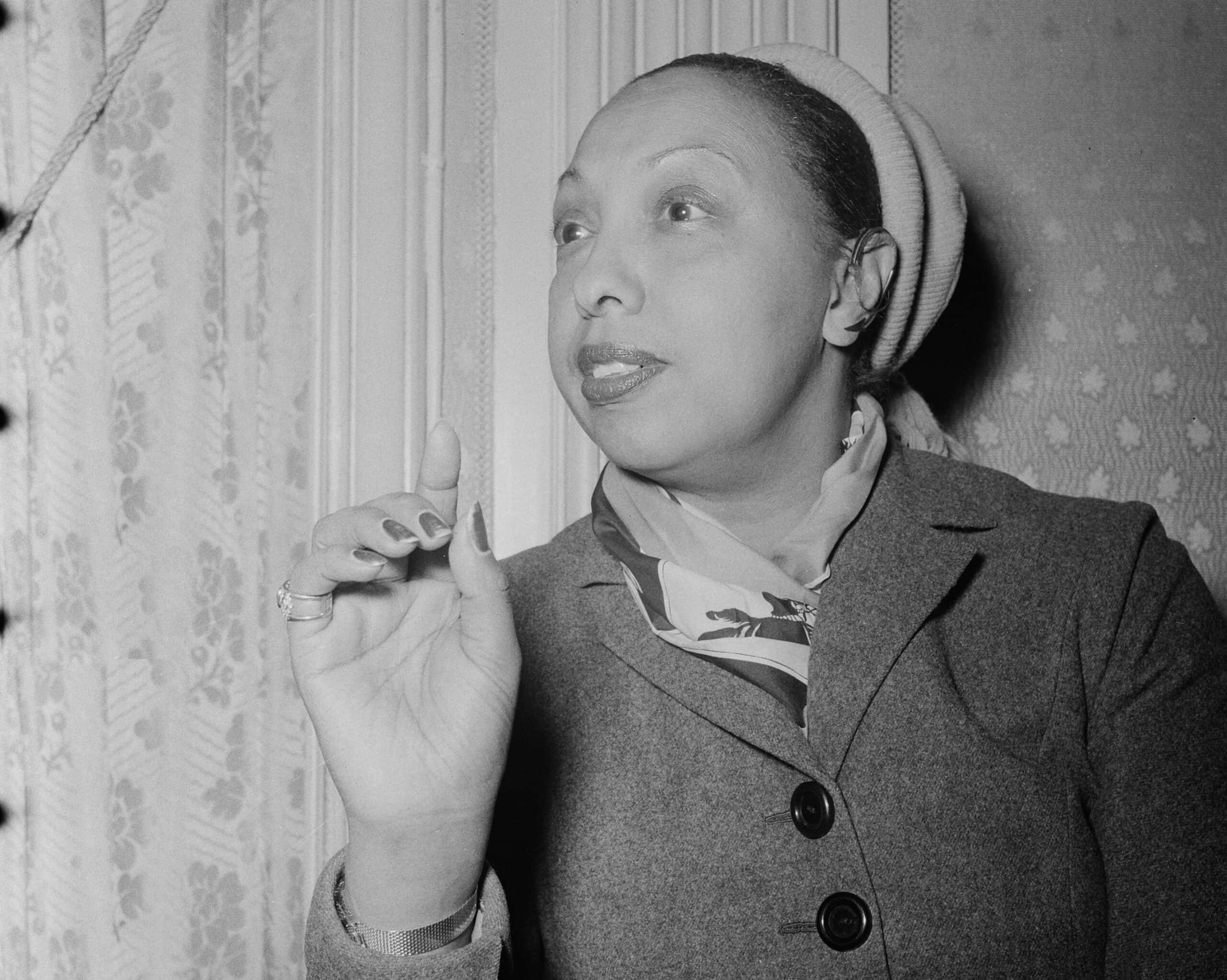 Daan Noske, CC0, Wikimedia Commons
54. She Refused To Compromise
Baker famously refused to perform in segregated venues in the US, even turning down $10,000 from The Stork Club, a Miami venue that asked her to make an exception. After Baker's firm denial, the club eventually bent down to her demands and hosted their first desegregated show. The entire city of Las Vegas began to integrate its audiences at her request.
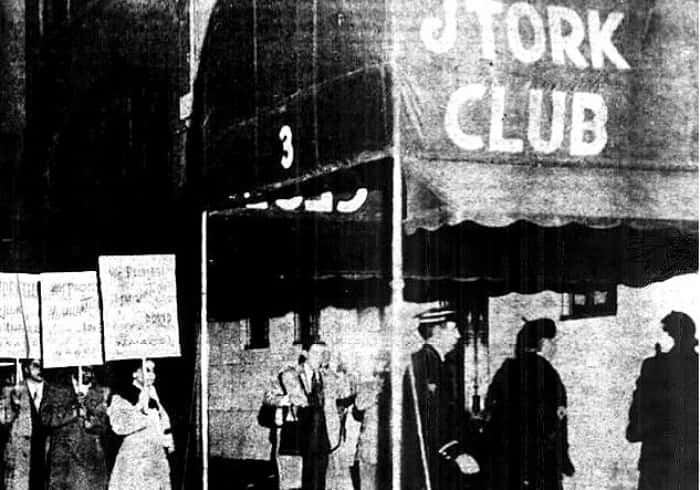 The New York Age, Wikimedia Commons
55. Everyone Wanted To Be Her Man
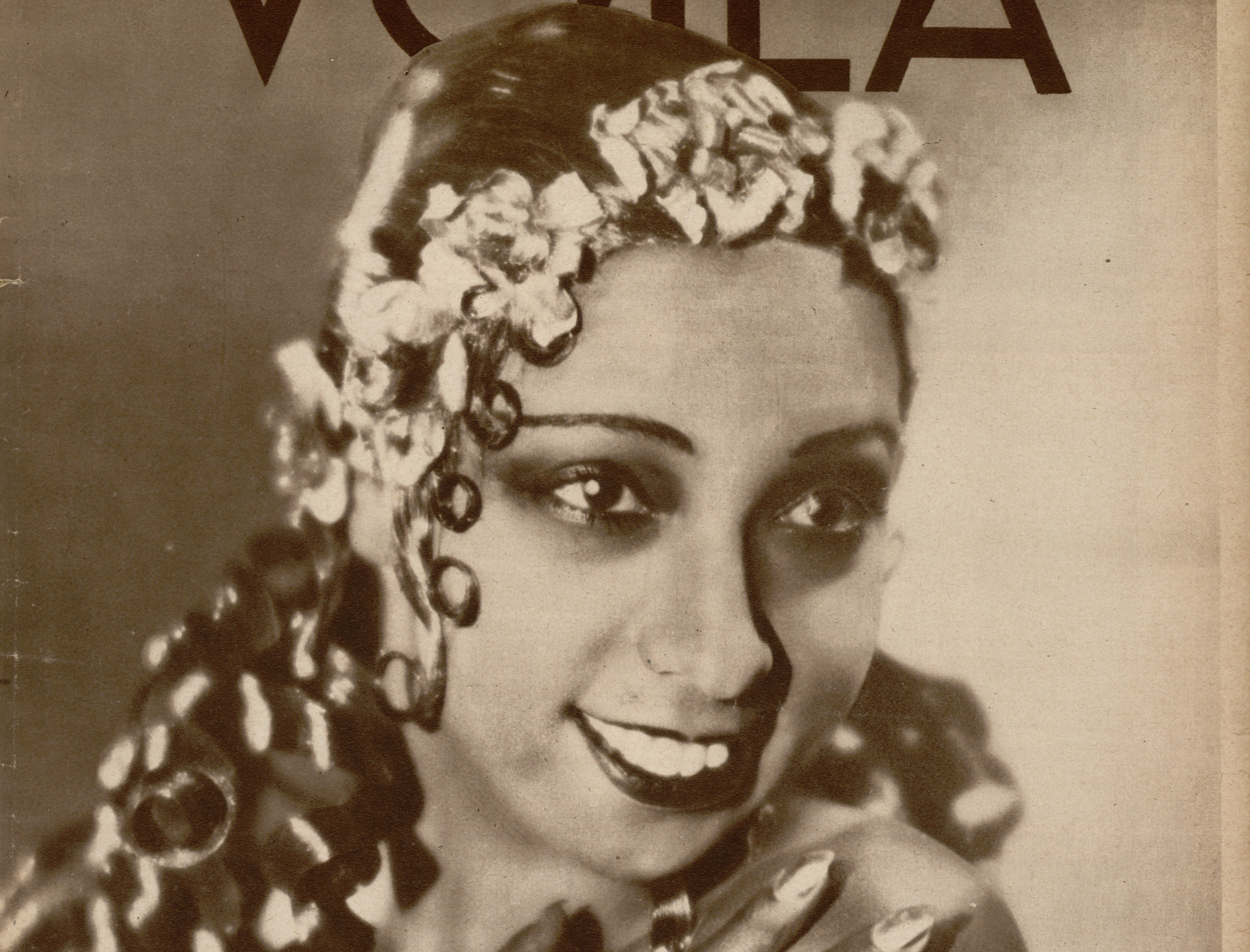
It’s said that Josephine Baker received more than 1,500 proposals from men over the course of her life. That makes it all the more impressive that she got married only four times.
 Le Salon de la Mappemonde, Flickr
56. She Wasn't Perfect
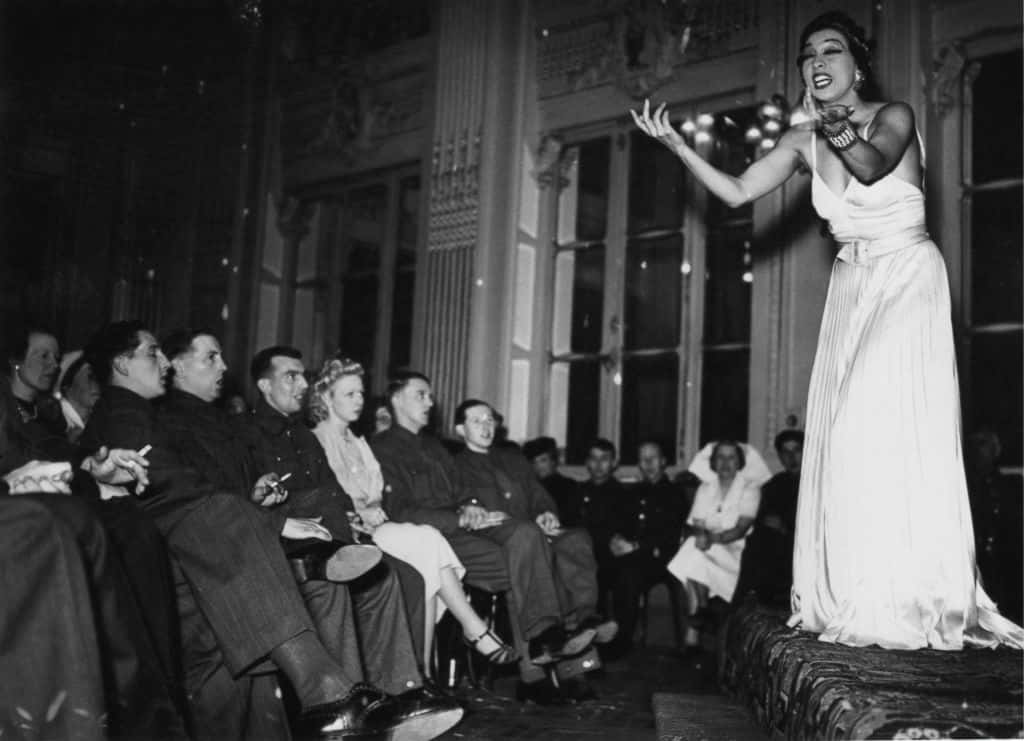
No one's perfect, including Josephine Baker. Despite her strong track record of being compassionate to people excluded from mainstream society, she had a big blind spot. Baker went on the record saying that she was terrified of maimed men. Justifiably, the French French Association of Mutilated Veterans wasn't pleased about her insensitive remarks and even filed a suit against her.
57. Harlem Welcomed Her Back
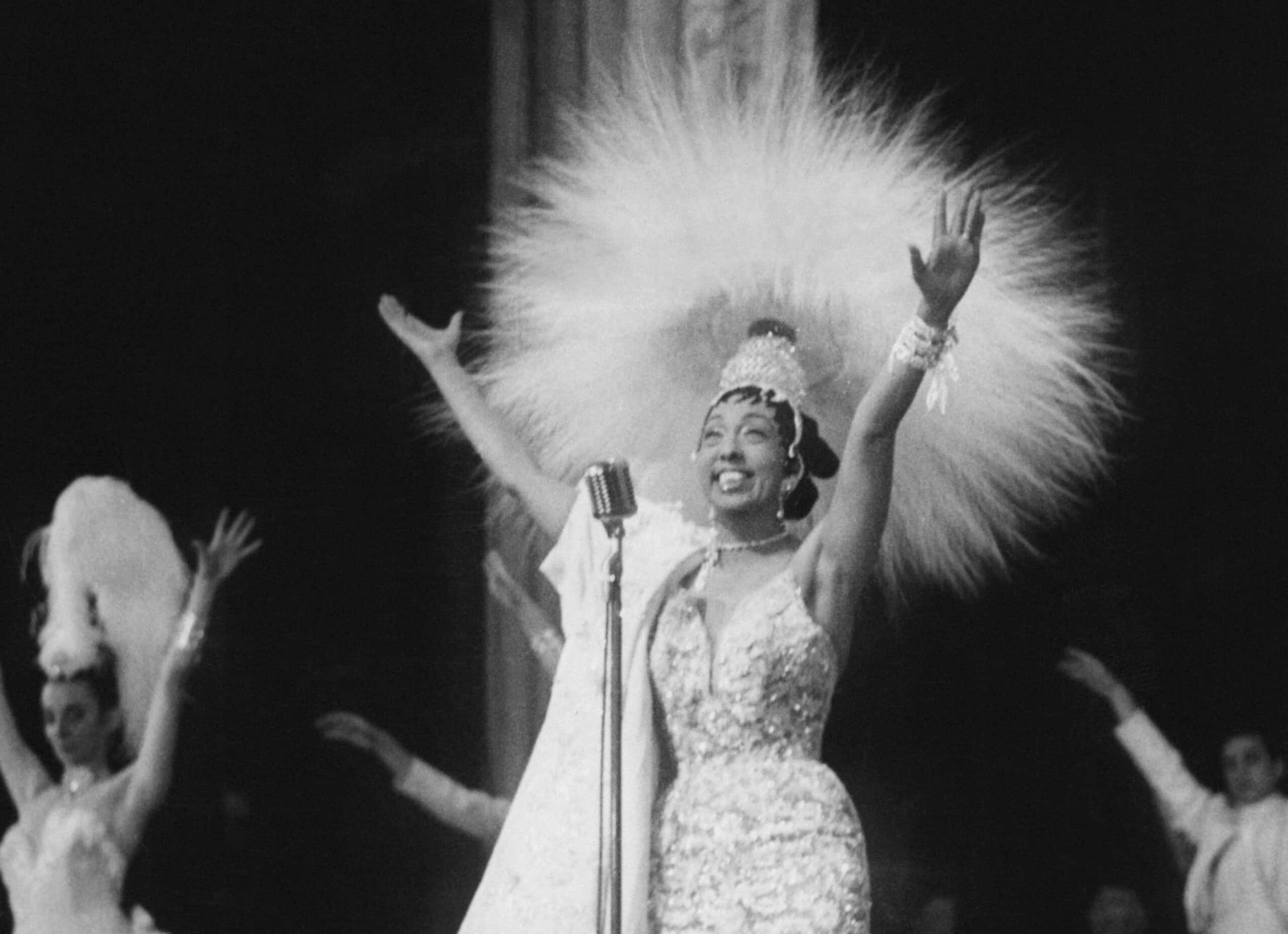
Baker’s 1951 homecoming to Harlem was the biggest event of the decade. Her show was sold-out and got rave reviews, reaching its apex with a parade in her honor that was attended by 100,000 people. To no one’s surprise, she won that year’s NAACP “Woman of the Year” award.
58. But She Had Enemies
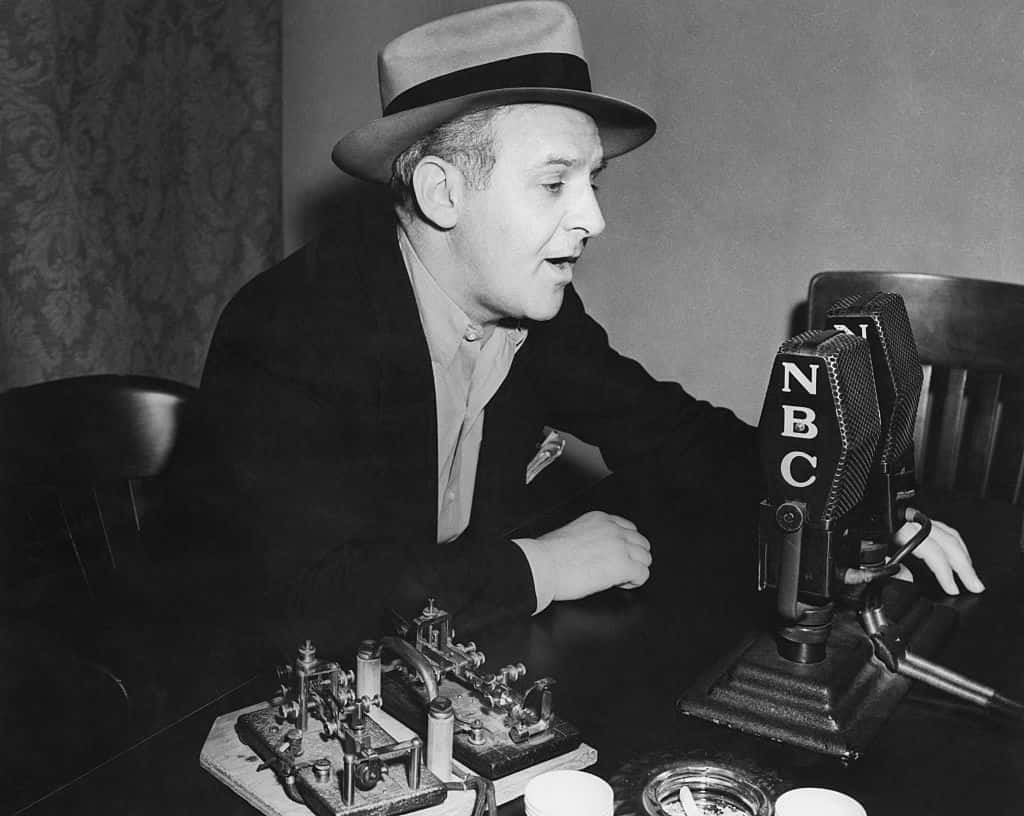
The singer’s return to the US was cut short due to a mix of discrimination, anti-Communism, and bad hospitality. Baker publicly denounced the conservative journalist Walter Winchell, who staunchly supported segregation. In return, Winchell did the worst thing possible, considering the sympathies of the time. He accused Baker of being a Communist sympathizer. The consequences of his words were equal parts swift and brutal.
59. She Was Sent Packing
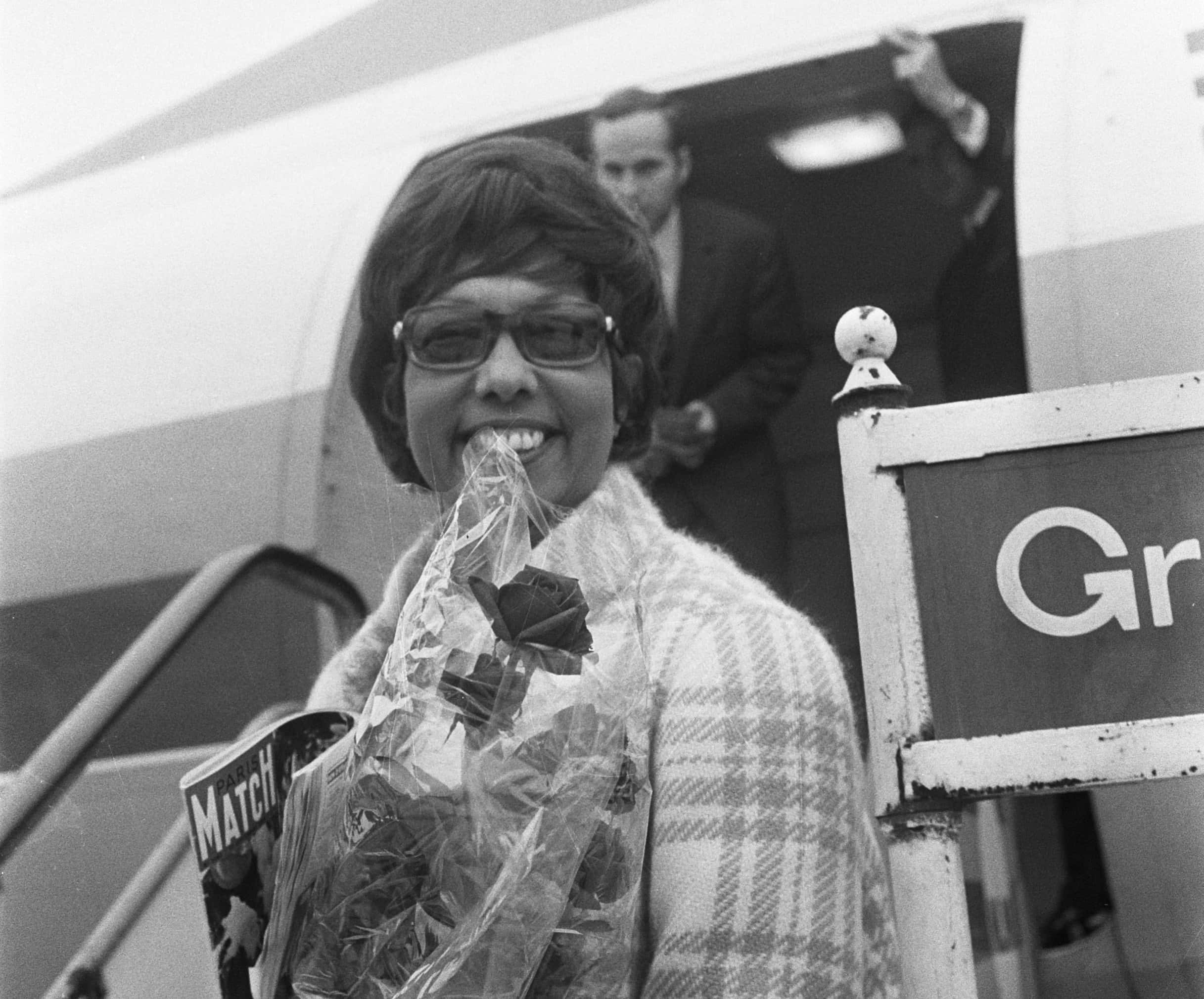
Winchell's accusation was an incredibly serious charge during the paranoid "Red Scare" era. The American people were so perturbed that they hit Baker where it hurt. They revoked Baker's work visa and forced her to return to France. Rubbing salt in the wound, the USA barred Baker from re-entering the country for nearly a decade after Winchell pointed the finger.
 Eric Koch , CC0, Wikimedia Commons
60. She Went Too Far
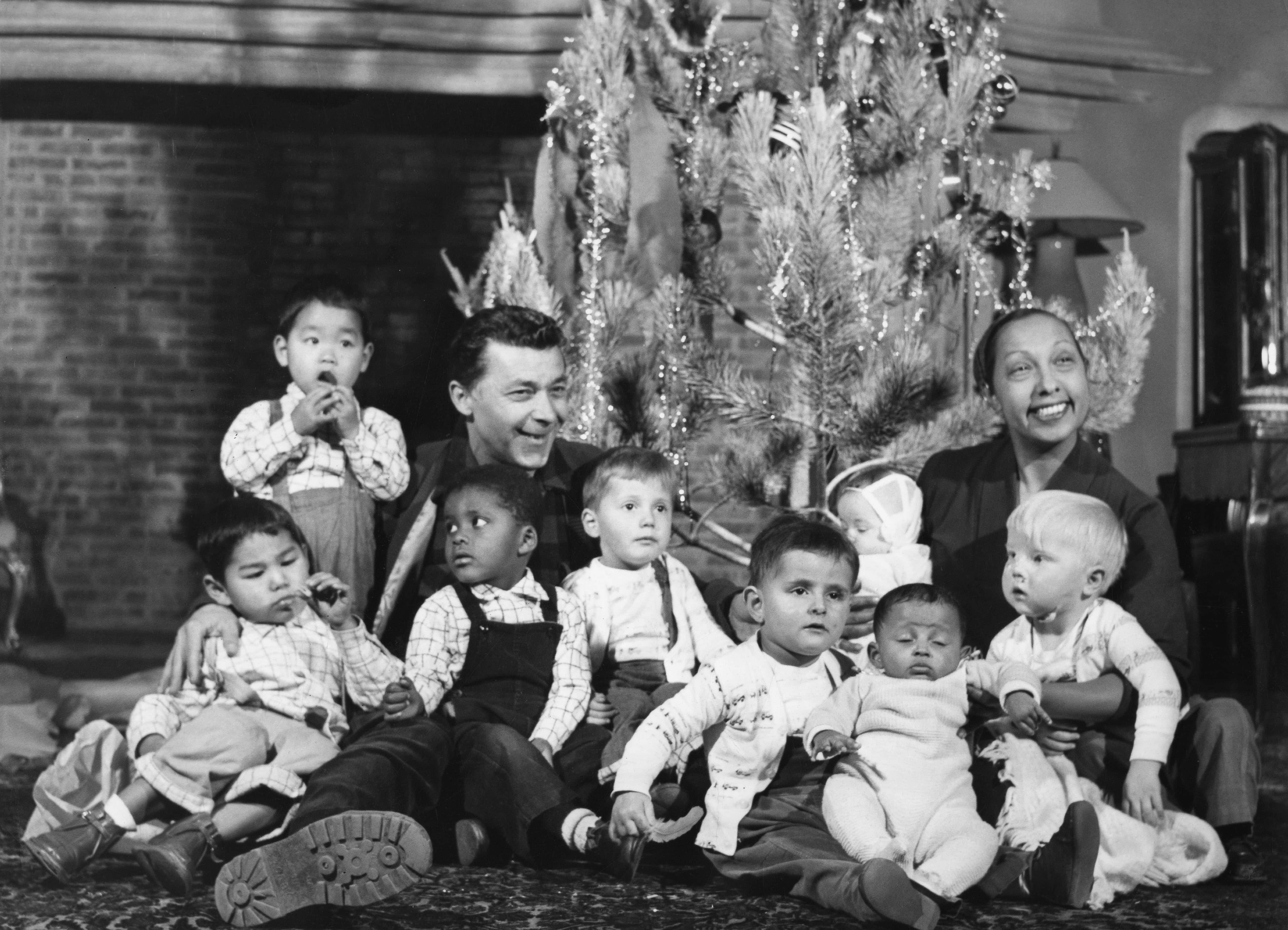
On June 3, 1947, Baker walked down the aisle for the fourth and final time when she wed a French composer and orchestra leader named Jo Bouillion. But before you go getting weepy, this wasn't Baker's last set of "I do"s before she found her one true love. Sadly, she and Bouillon divorced after 17 years of marriage in 1961, shortly after Baker adopted her 12th child.
 ullstein bild Dtl., Getty Images
61. She Finally Found Love
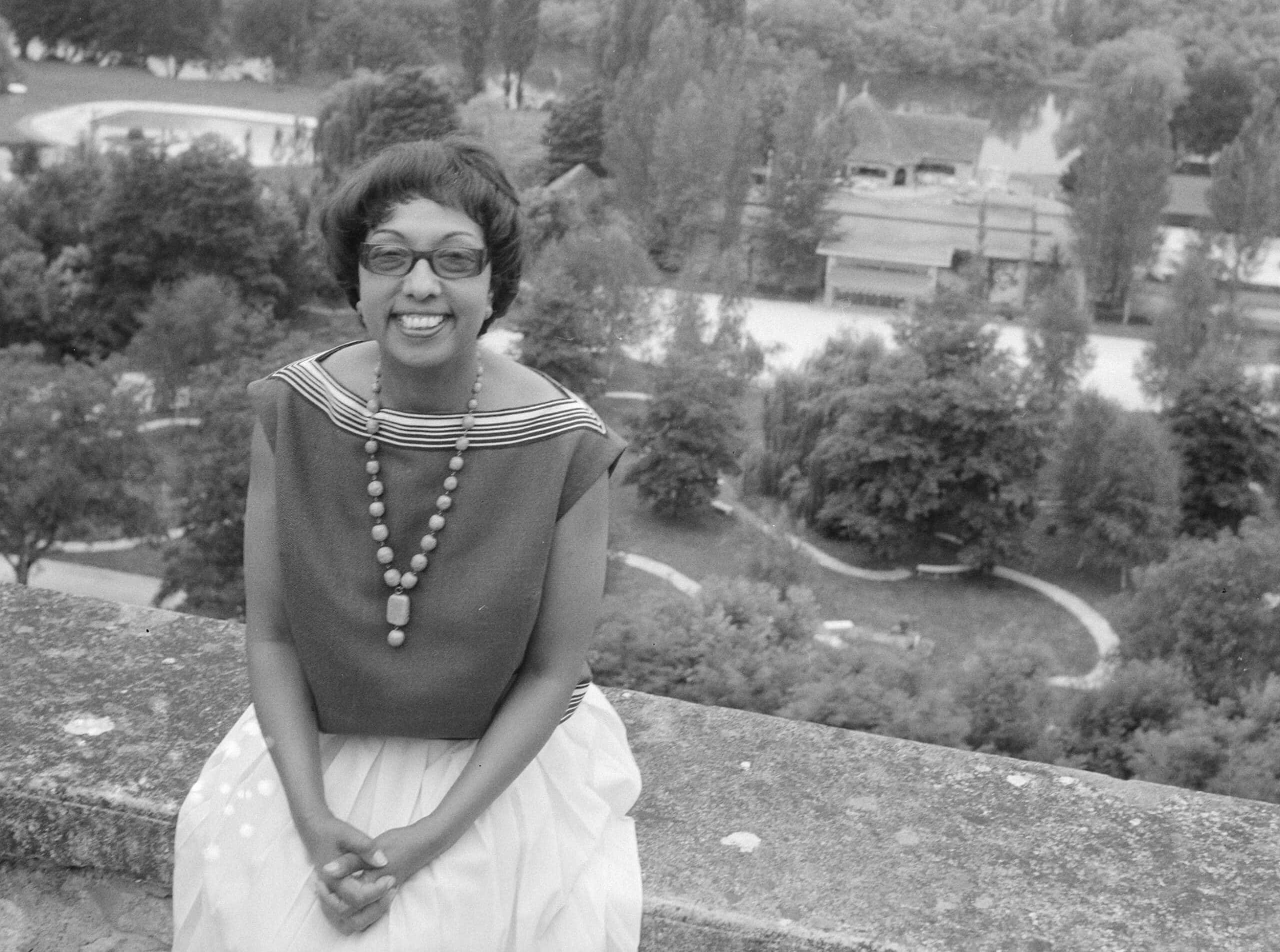
When Baker was finally allowed back into the USA, the country made up for its prior sins. It was in America that Baker struck up a relationship with an artist named Robert Brady. In her 70s, Baker finally found her one true love. She and Brady never officially got married, but they did privately exchange vows in a Mexican church.
 Jack de Nijs, CC0, Wikimedia Commons
62. She Hid Her Beau
But why didn't Baker, never averse to a trip down the aisle, wed Brady in public? The answer is a little sad: She knew that her track record with relationships wasn't the best and worried that the press would make fun of her new flame. Just this once, Baker wanted to keep her private life to herself.
63. She Gave Angelina Jolie A Run For Her Money
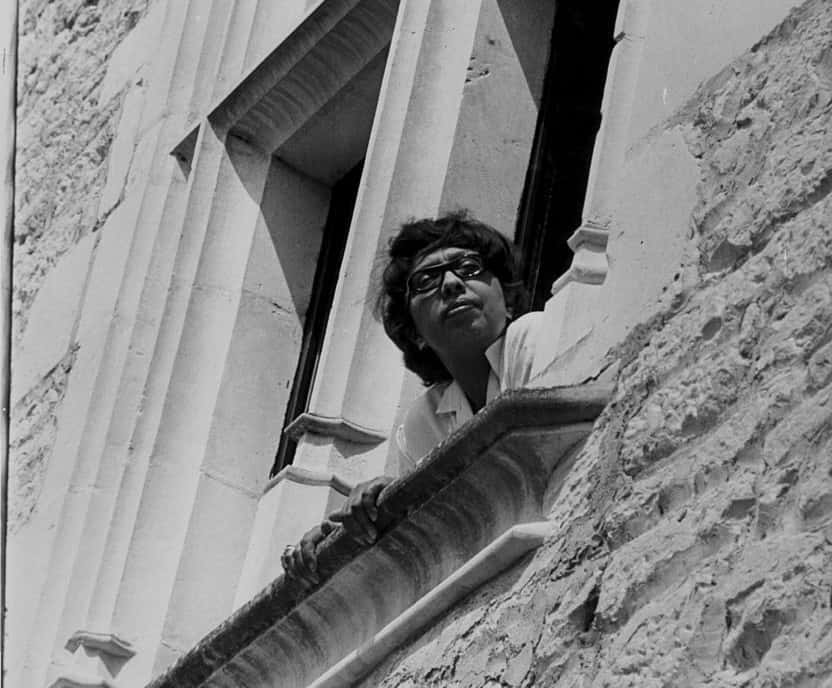
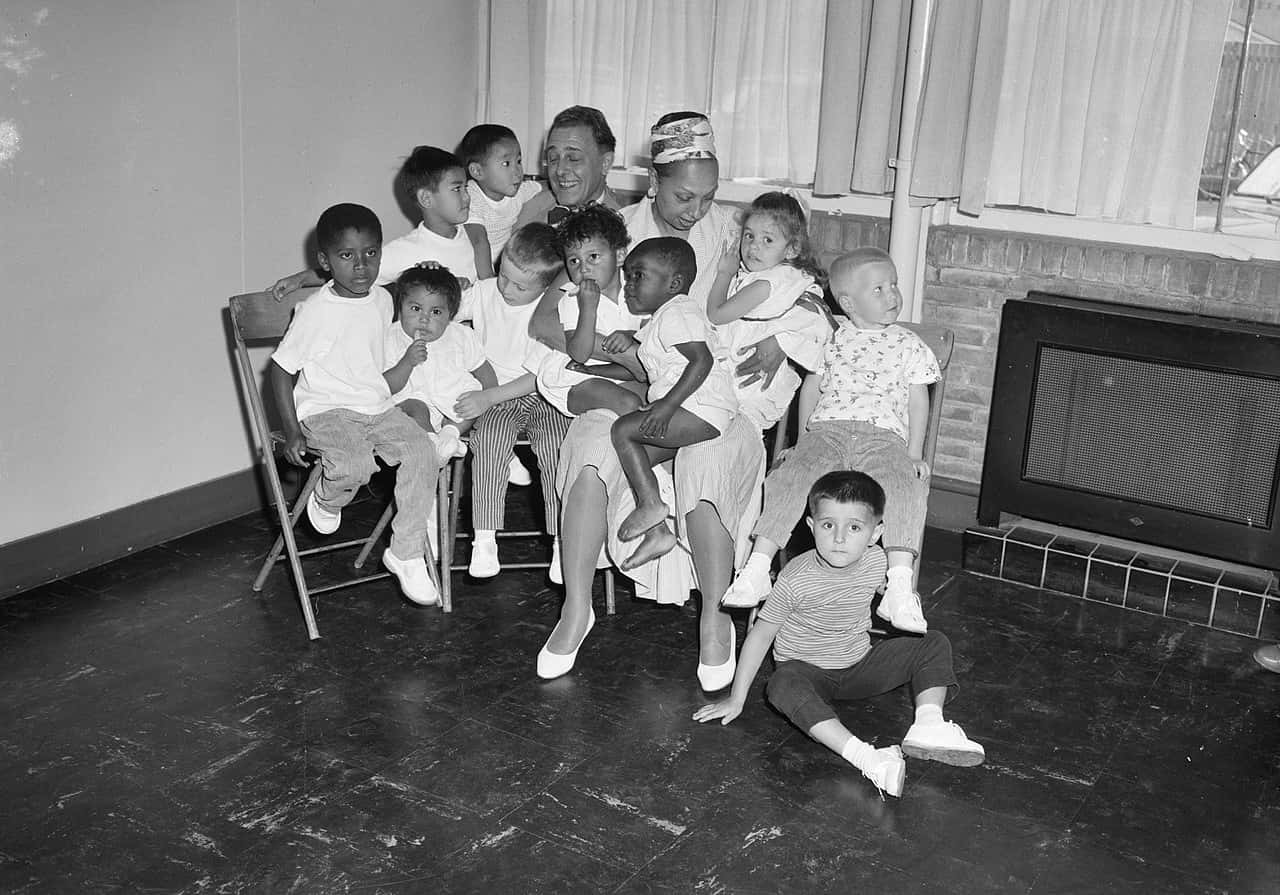
Beating the likes of Brangelina by decades, Baker spent her 40s adopting 12 foster kids of many ethnicities and nationalities. She called her diverse family “The Rainbow Tribe" and for years, the multi-cultural kids lived in southern France alongside Baker's trademark exotic pets including cheetahs and monkeys. On the surface, the Rainbow Tribe seemed like an idyllic brood but after the children grew up, they told a different story.
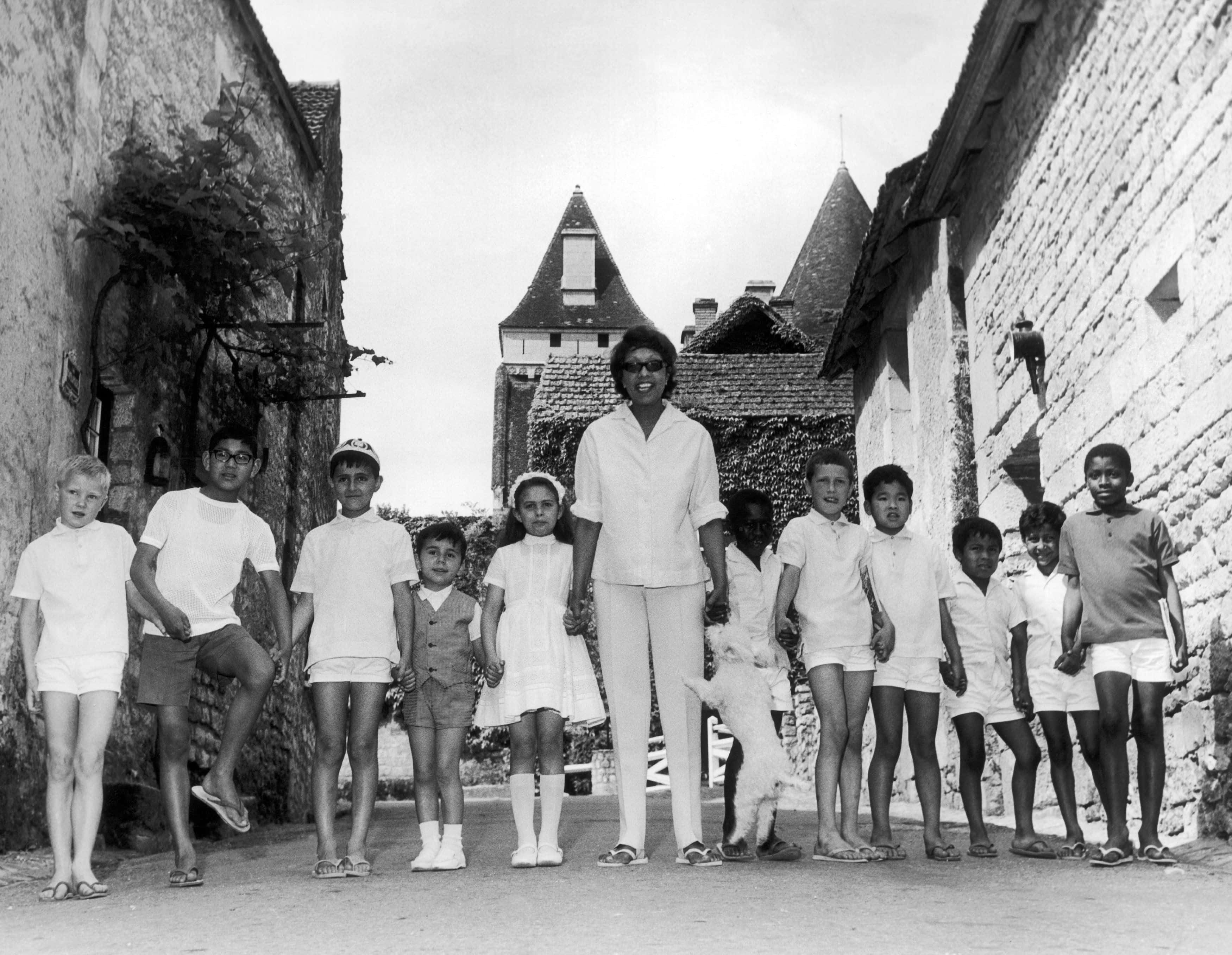 Keystone-France , Getty Images
64. Her Family Proved A Point
Why did Baker adopt so many kids? She was out to prove that “children of different ethnicities and religions could still be brothers". The Rainbow Tribe lived on her estate of hotels, farms, and rides. Baker would charge admission to visitors who wanted to come in and watch her children play and sing. But her son Jean-Claude Baker believed there was a darker, more cynical reason for her generosity.
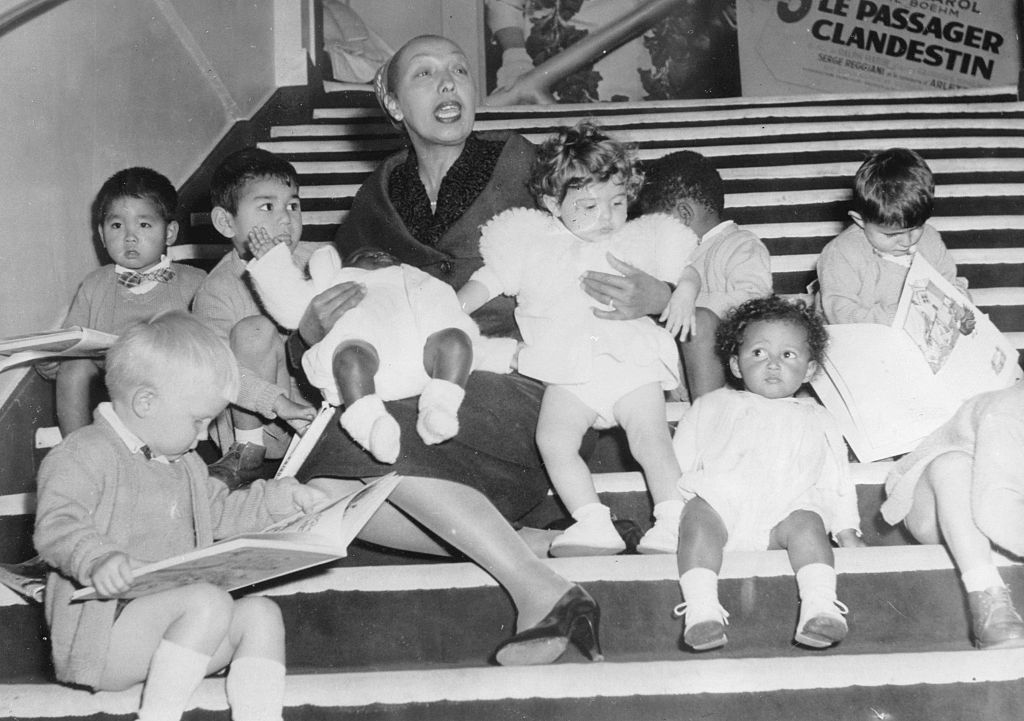 ullstein bild Dtl., Getty Images
65. But Her Children Weren't Always Happy
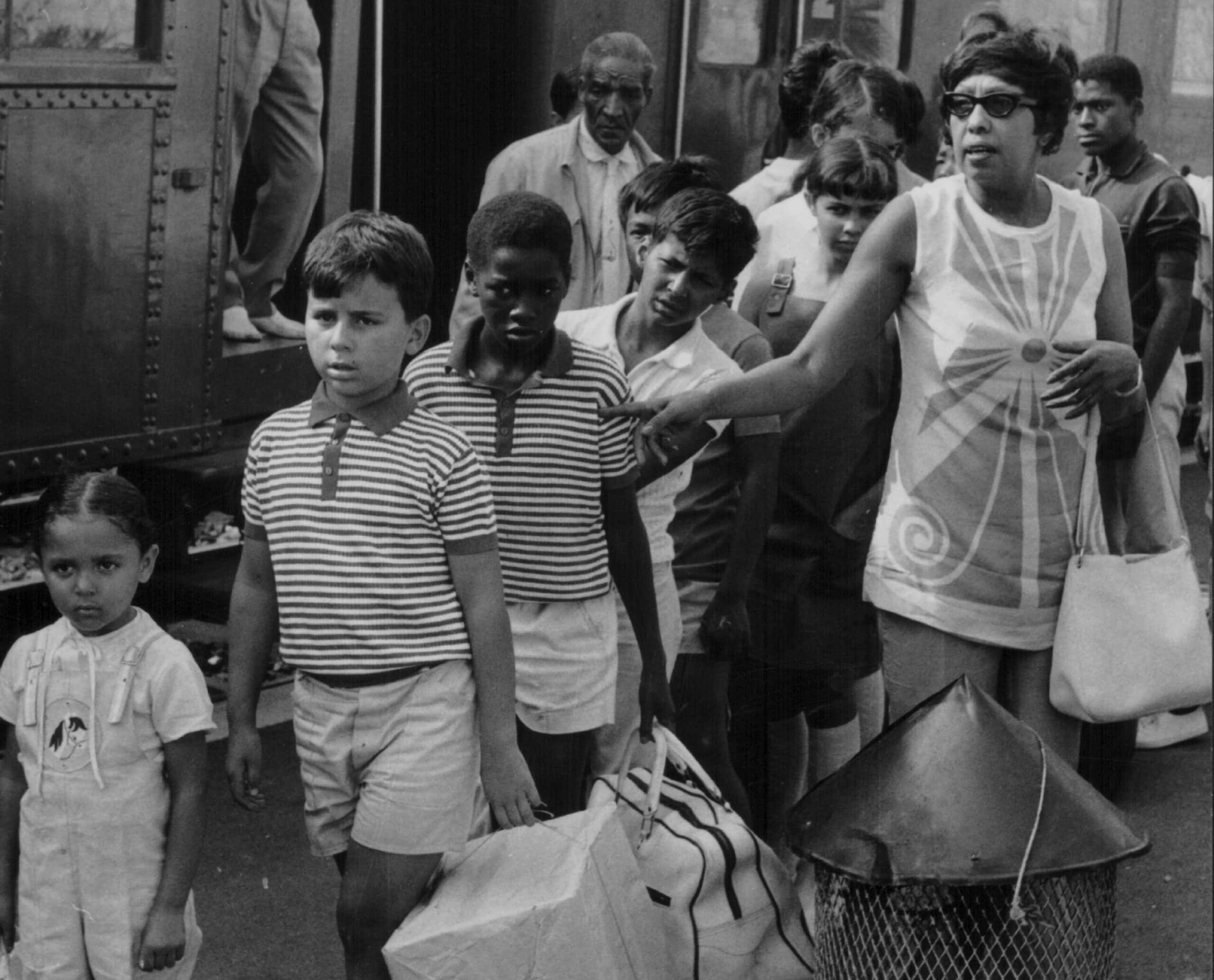
In Jean-Claude Baker's skeptical words, Baker didn't want a child, what she really wanted was "a doll". However, a softer take on the Rainbow Tribe's “quirky” upbringing comes from Baker's Japanese son, Akio. He gently described Baker as “a great artist, and she was our mother. Mothers make mistakes. Nobody’s perfect".
66. Her Son Spilled The Tea
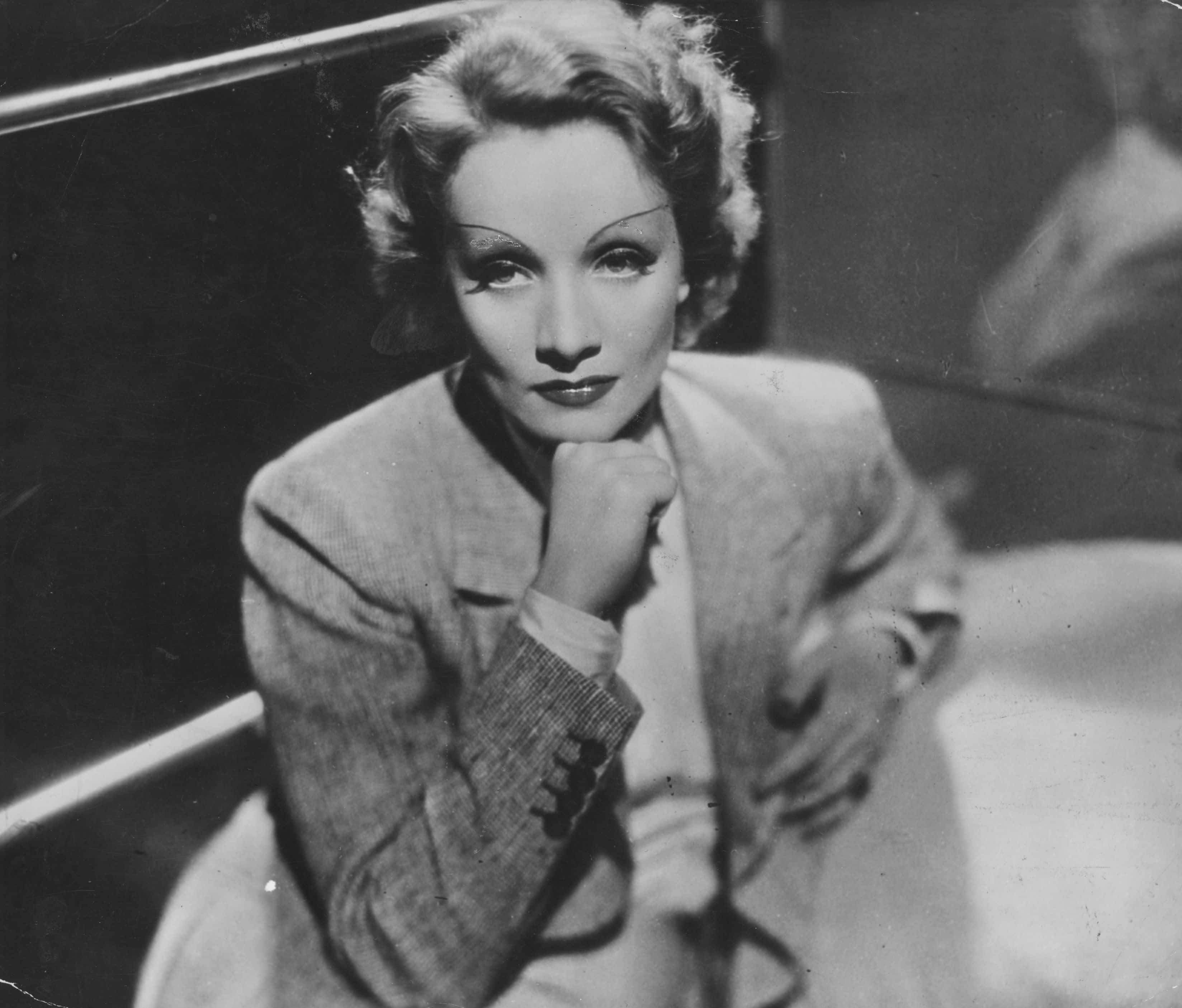
Ah, Jean-Claude. Everyone in the world might have loved his mom, but he didn't quite see the appeal. As an adult, he published a jaw-dropping exposé of Josephine Baker and in it, he did not hold back about Mommie Dearest. According to Jean-Claude, Baker would open the door without any clothes and disliked her rival icon Marlene Dietrich, who she called a "German cow". But Jean-Claude's most troubling revelation is this: In his eyes, Baker would step on anyone "to get where she wanted to get". Yikes.
67. She Defied Convention
Despite her many marriages and her numerous children, Baker never mixed up the two. She had no biological children from any of her four husbands. Because of Baker's hysterectomy, all of her children were adopted.
 Herbert Behrens, CC0, Wikimedia Commons
68. She Hit Hard Times
Despite all Baker's success, she and her Rainbow Tribe fell on such hard financial times that in 1969, Baker had to give her precious home up to her creditors. This is where the dark side of fame becomes hard to ignore: When anyone else hits rock bottom, it's usually a fairly private moment, but not for Josephine Baker. When she lost her home, photographers captured a heartbreaking photo of Baker locked outside in the rain, staring forlornly into her bleak future.
 Bert Verhoeff , CC0, Wikimedia Commons
69. She Had Friends In High Places
When Baker's dear friend Grace Kelly heard that Baker was in trouble, she immediately stepped in to help. The Princess of Monaco did her best to smooth things over with the creditors, but to no avail. Baker ended up losing her beloved château, but even then, Kelly refused to let her dear friend starve. Princess Grace took care of Baker, arranging for her to have a villa right in Kelly’s adopted country.
70. She Had A Deranged Suitor
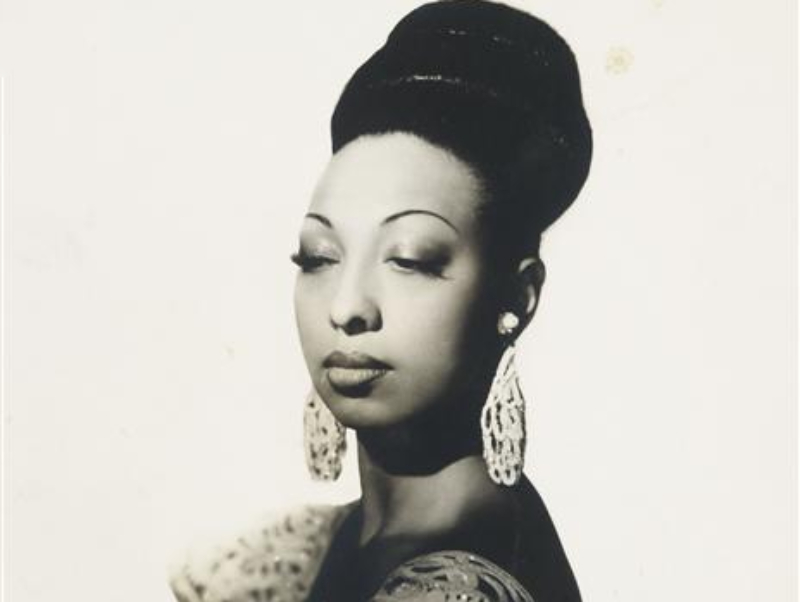
According to legend, when Baker was in her prime, a would-be suitor asked her to go steady with him. When Baker declined, he killed himself at her feet.
 Studio Harcourt, Wikimedia Commons
71. She Made A Triumphant Comeback
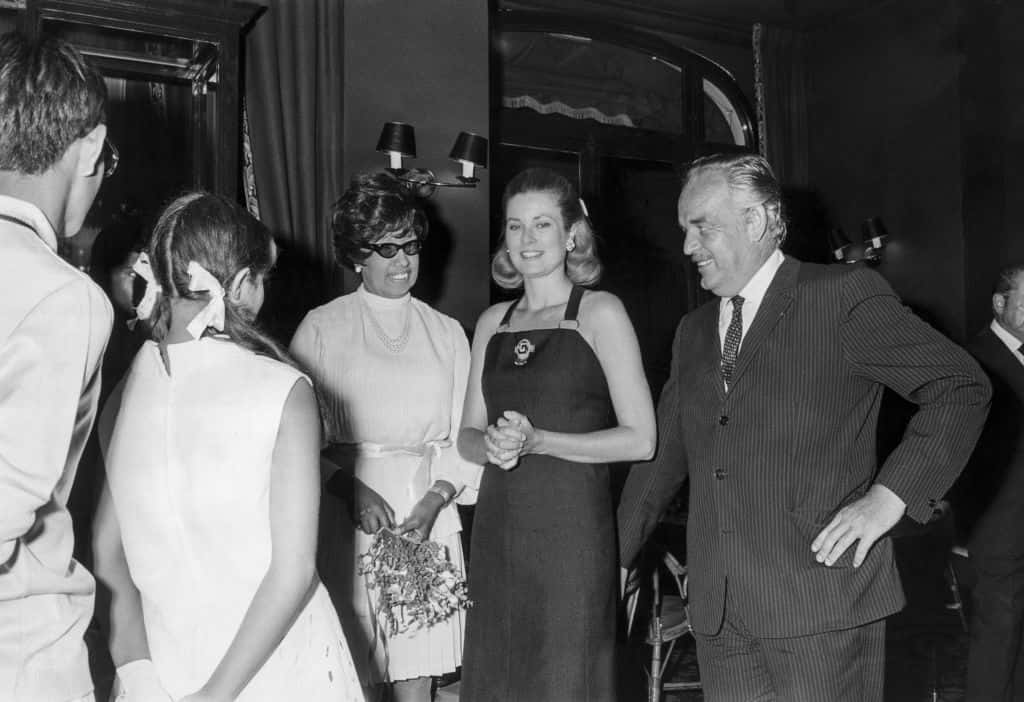
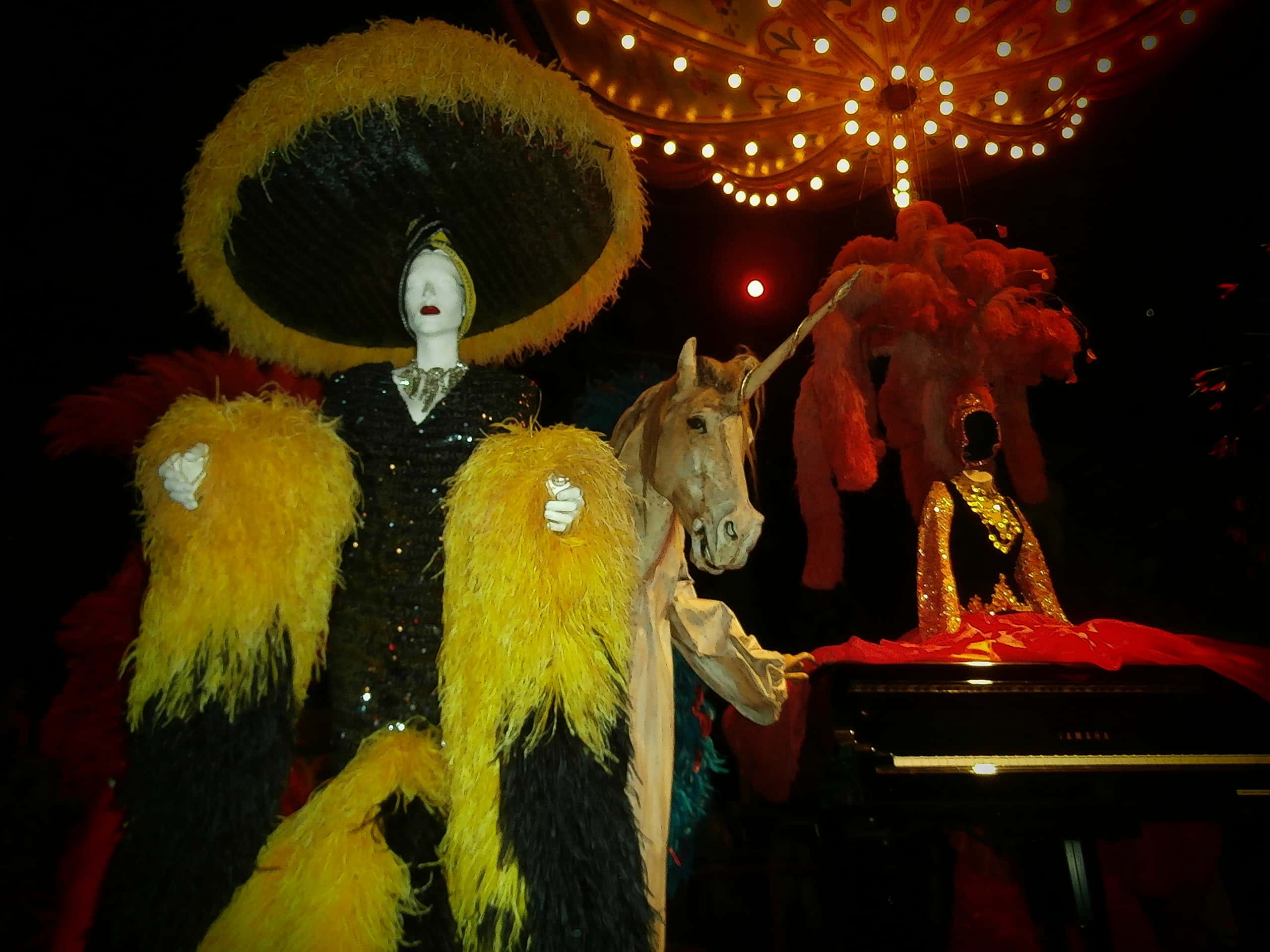
In April 1975, Baker returned to the stage for Josephine a Bobino 1975 to celebrate her 50 years in the spotlight. Her old friend Princess Grace Kelly financed the revue, along with Kelly’s husband Prince Rainier and Jacqueline Kennedy Onassis. Its opening night was an unbridled success. The theater was filled to burst with celebrities like Sophia Loren and Mick Jagger, and when Baker got on stage, the audience greeted her with a standing ovation. Their support moved Baker so much that she began to cry.
72. She Went Out With A Bang
Just four days after performing in Josephine a Bobino 1975, Baker tragically suffered a cerebral hemorrhage in her hotel. When she passed, the legendary performer was surrounded by rave reviews of her final iconic show, with many of her friends saying that Baker passed "of joy".
 Medelie Vendetta, CC BY 2.0 ,Wikimedia Commons
73. The World Grieved Her Loss
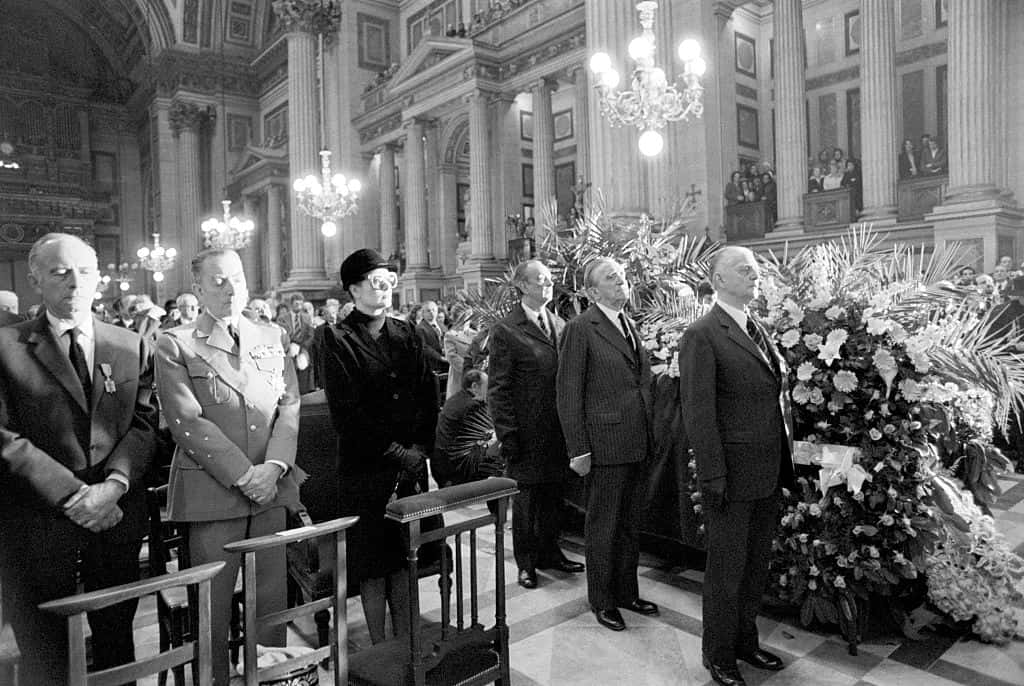
Towards the end of her life, Baker converted to Roman Catholicism. Accordingly, she was given a full Catholic funeral service at the L'Eglise de la Madeleine, complete with a 21 gun salute that honored her heroism during WWII. 20,000 of Baker's fans attended the lavish French funeral, however, when the time came for Baker to be buried, she did not stay in her beloved Paris. Instead, she was interred nearby in her BFF Grace Kelly’s adopted home of Monaco.
74. Her Legacy Lives On
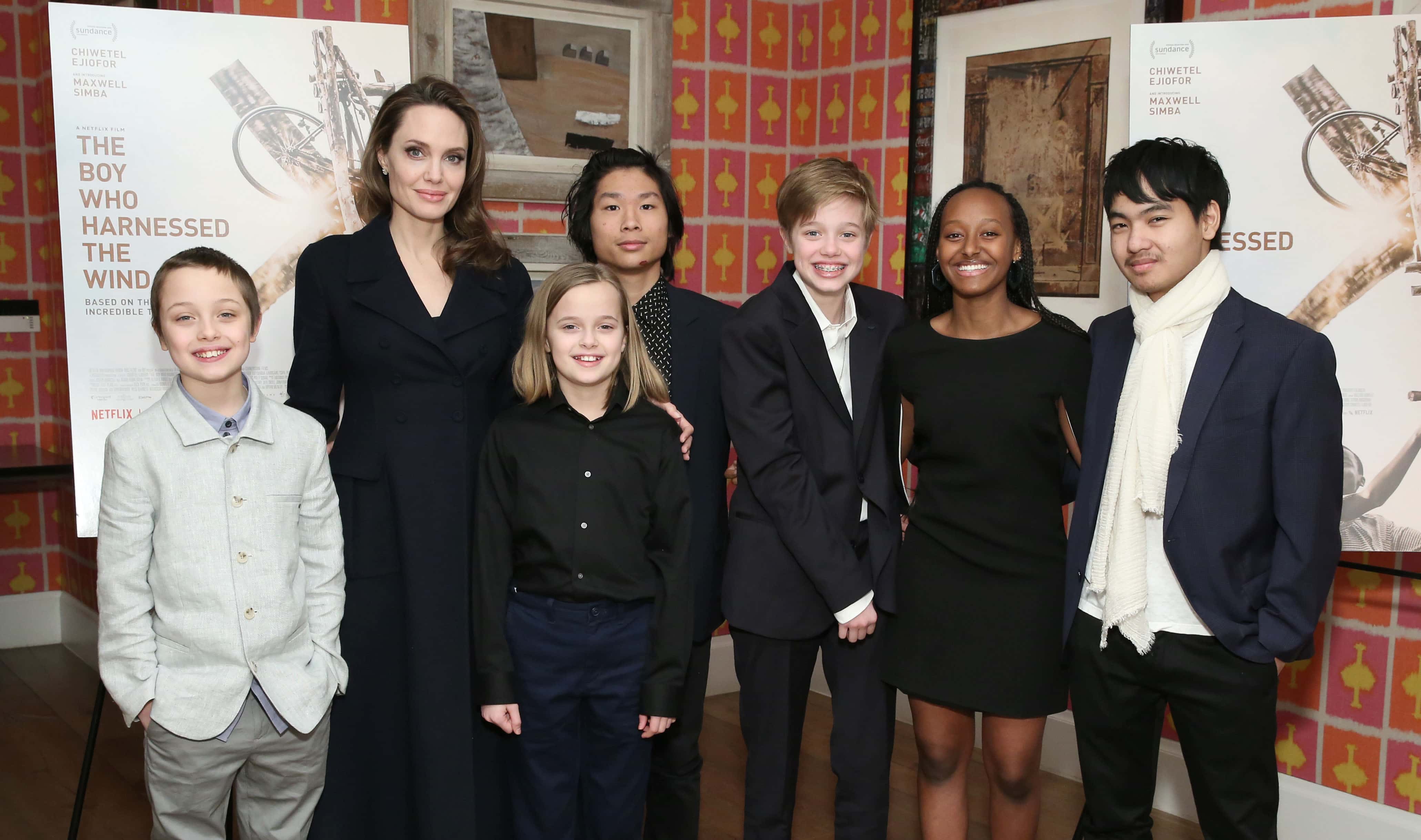
Baker's legacy lives on even to this day. Performers like Beyoncé Knowles, Laverne Cox, and Diana Ross have paid homage to Baker through their own banana skirts. Plus, in 2003, actress Angelina Jolie admitted that she modelled her own diverse family on Josephine Baker’s. In her words, Baker was “a model for the multiracial, multi-national family she was beginning to create through adoption". Now that’s a committed fan.
75. Her Message Still Resonates
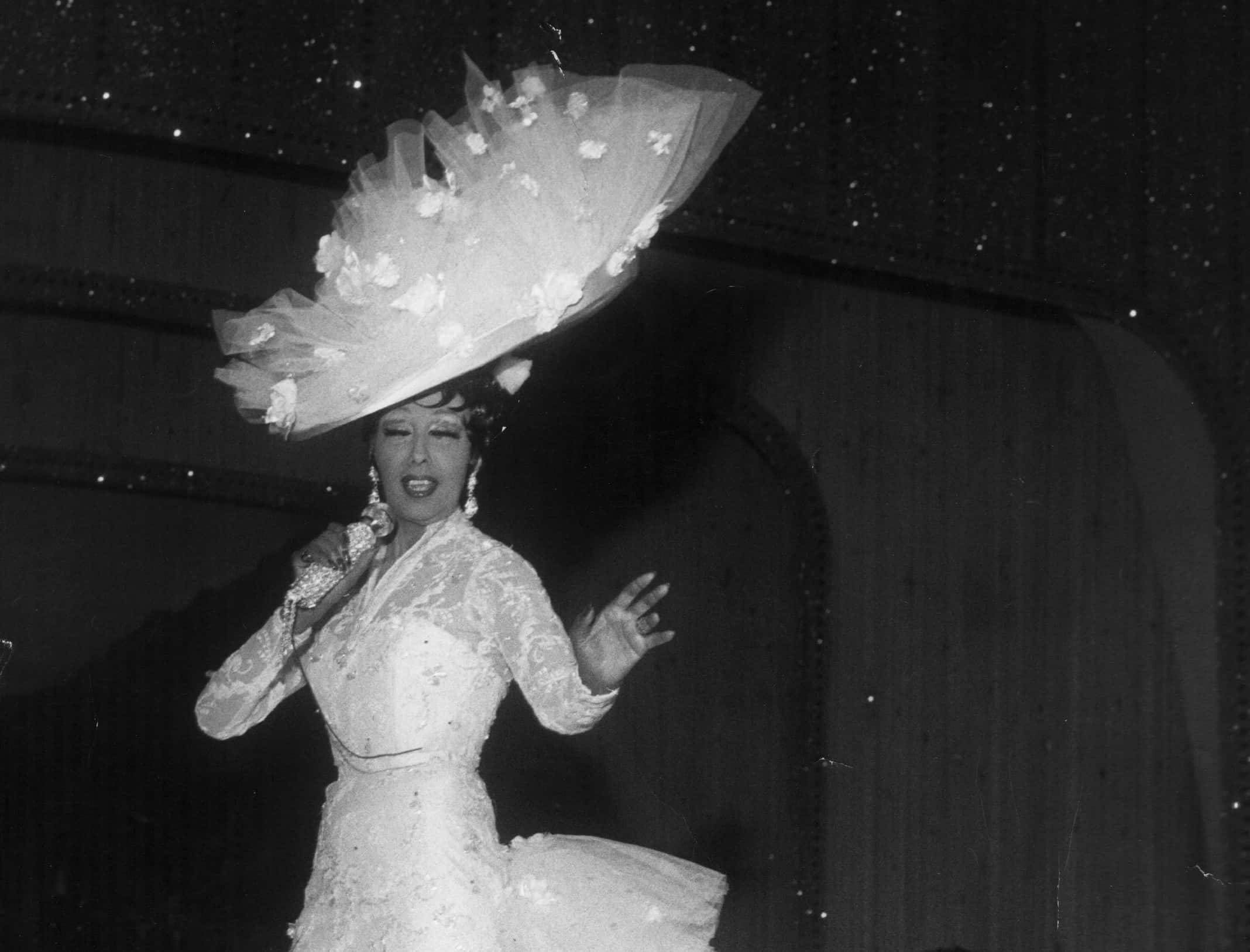
But the biggest way that Baker lives on is through her support of justice. It seems fitting to end this article with one of her trademark quotes: “You know, friends, that I do not lie to you when I tell you I have walked into the palaces of kings and queens and into the houses of presidents. And much more. But I could not walk into a hotel in America and get a cup of coffee, and that made me mad. And when I get mad, you know that I open my big mouth. And then look out, ‘cause when Josephine opens her mouth, they hear it all over the world". They certainly did. Rest in peace to an absolute icon.
Sources: 1, 2, 3, 4, 5, 6, 7, 8, 9, 10, 11, 12, 13, 14, 15, 16, 17, 18, 19, 20, 21, 22