She Ruled Her Own Way
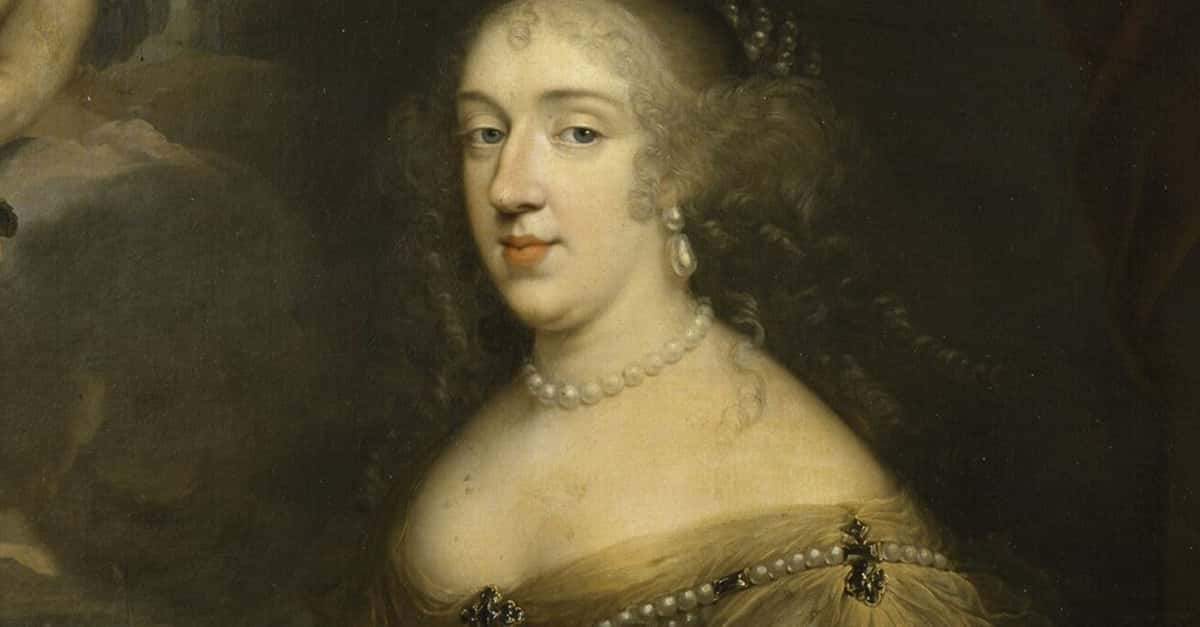
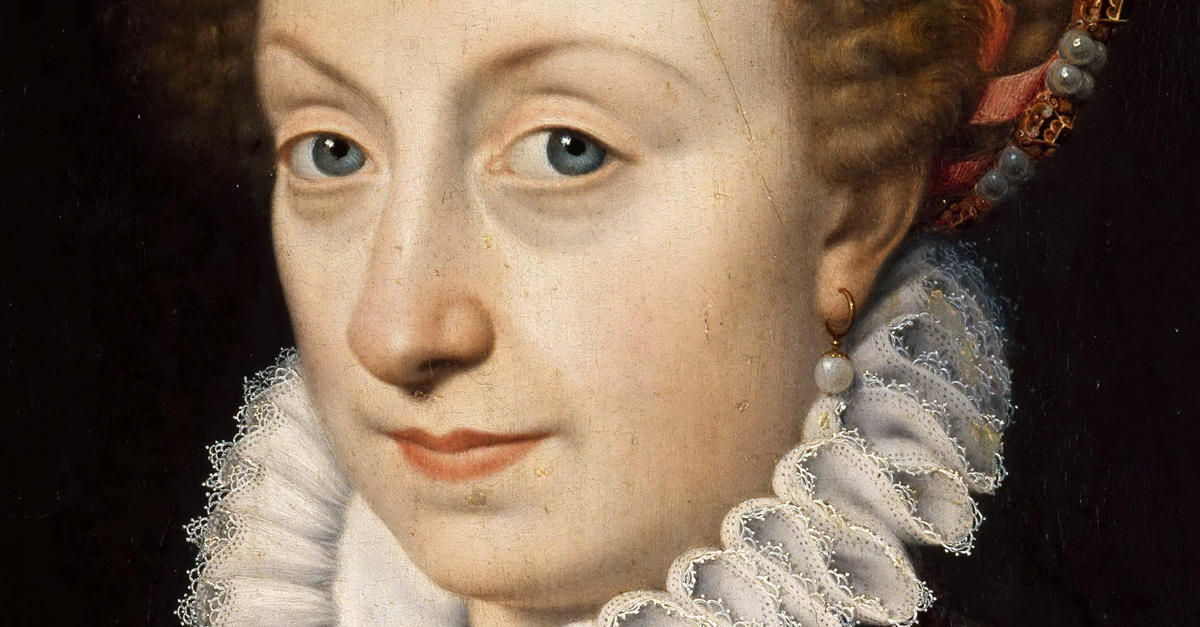
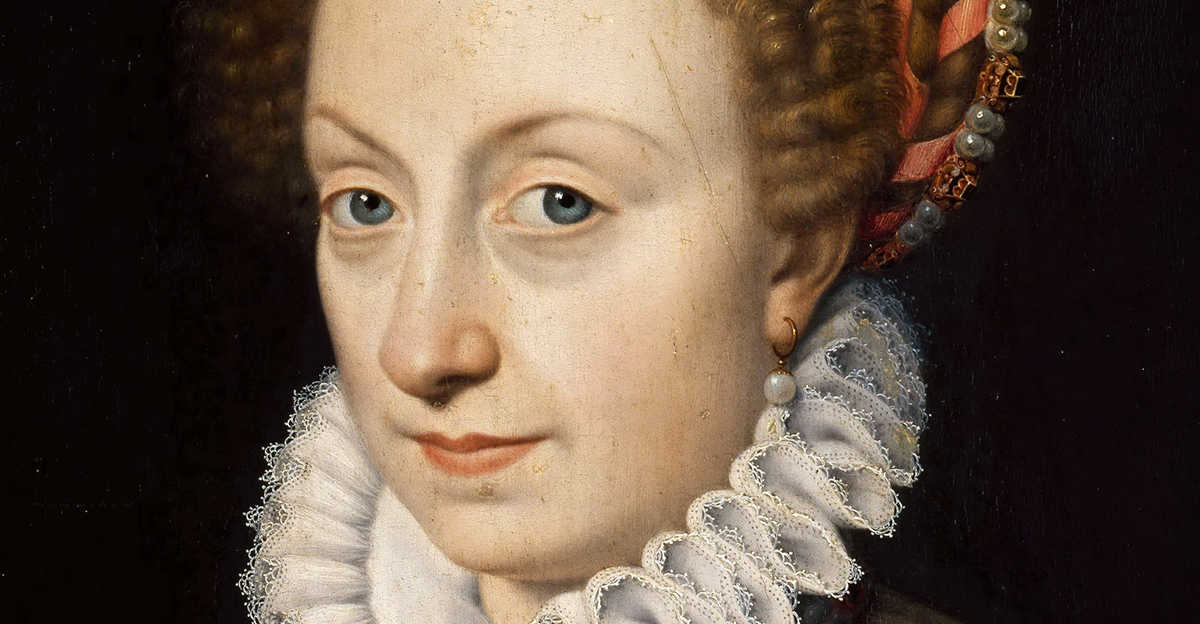
Jeanne d’Albret was Queen of Navarre from 1555 to 1572. At first, she ruled alongside her husband, Antoine of Bourbon—but she always made her own decisions. From protesting her first marriage, to defying the pope himself, these are the defiant facts about Jeanne d’Albret, Navarre’s last queen.
 Fine Art Images/Heritage Images via Getty Images
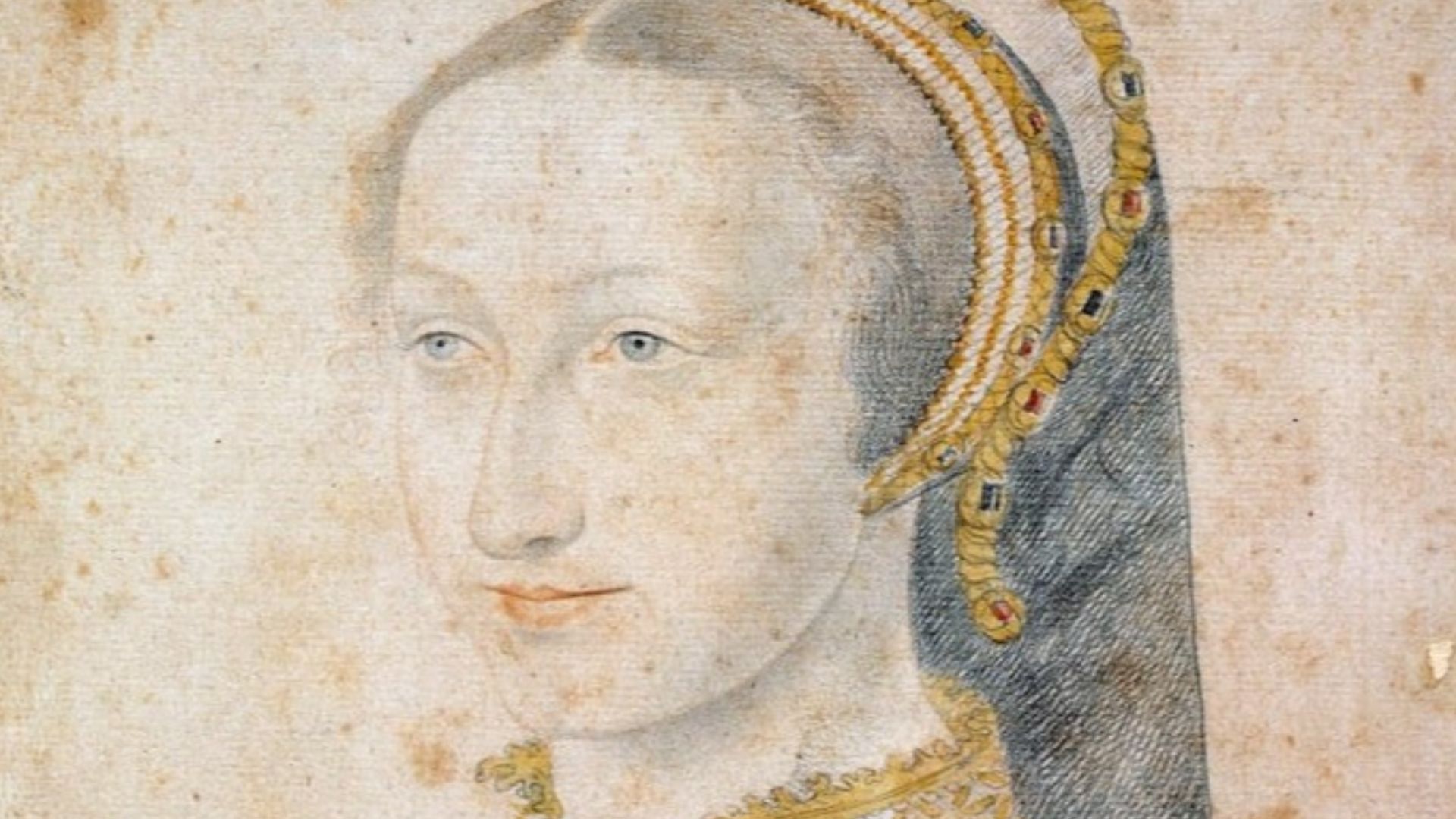
1. She Was Born Into Royalty
On November 16, 1528, at five o’clock in the evening (and not a moment before or after, apparently), the royal palace of Saint-Germain-en-Laye welcomed a new arrival: Jeanne d’Albret. She was the only daughter born to Henry II, King of Navarre, and Marguerite of Angoulême. While her father gave her regal blood, her mother gave her something even more important.
 School of François Clouet, Wikimedia Commons
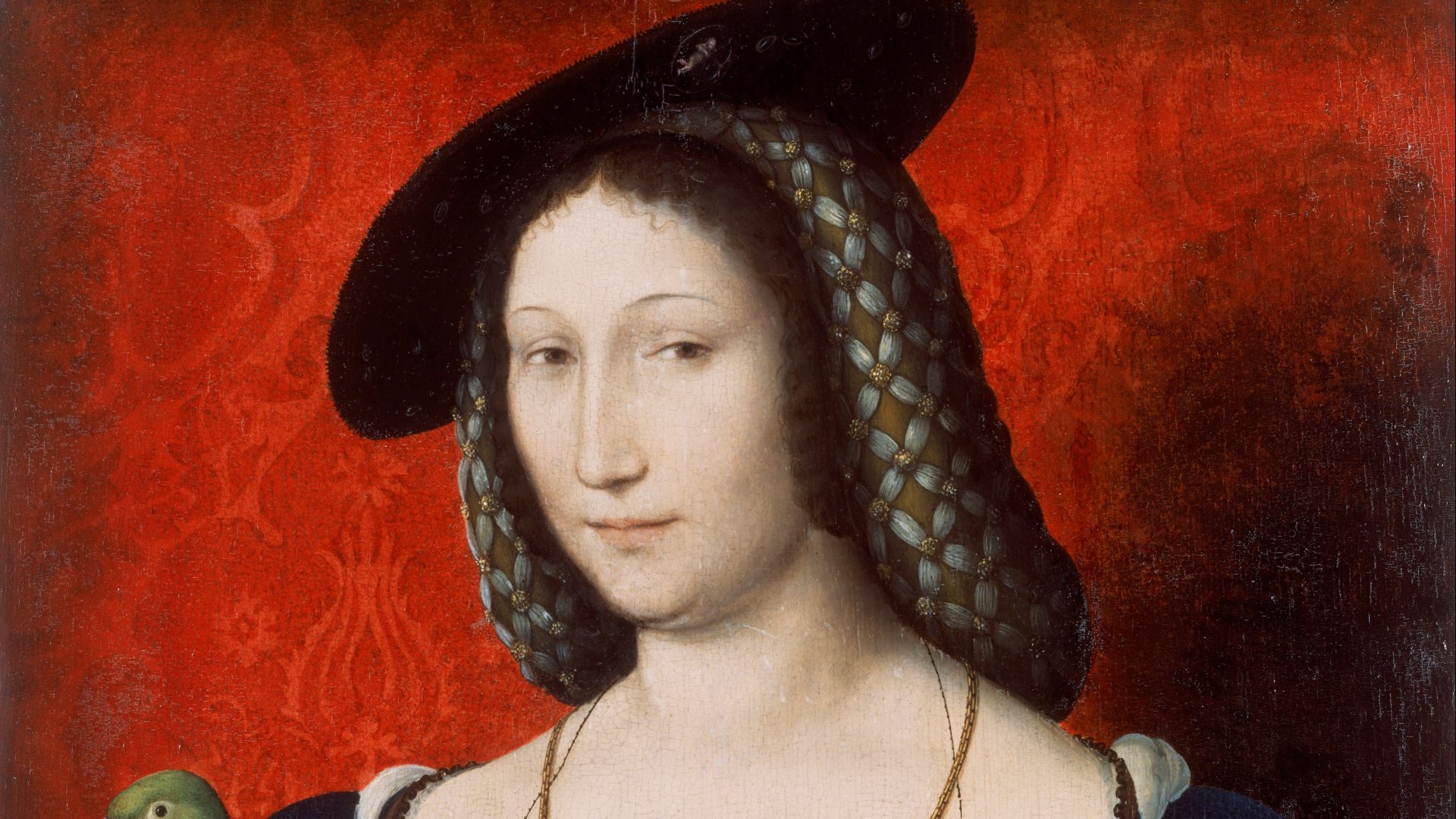
2. Her Mother Was No Ordinary Woman
D’Albret’s mother, Marguerite of Angoulême, was a force unto herself. Sister to King Francis I of France, she had previously been married to Charles IV, Duke of Alençon. However, most of her contemporaries knew Marguerite as a writer of considerable talent and extraordinary intellect and ambition. Jeanne d’Albret inherited every drop of it.
 Jean Clouet, Wikimedia Commons
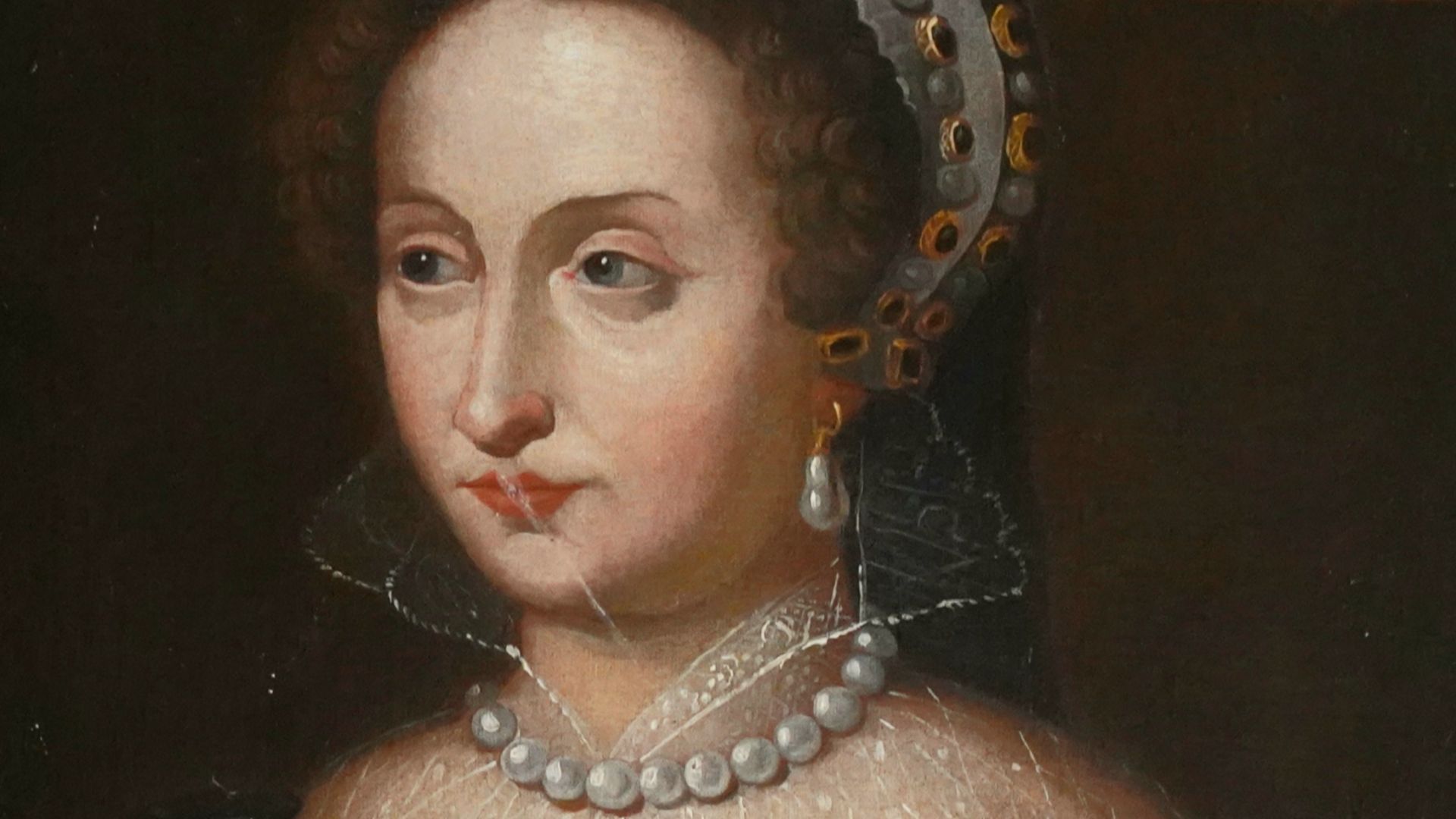
3. Her Birthday Confused An Entire Kingdom
From his throne in France, Francis I exercised outsized influence over the Kingdom of Navarre—and, as a result, his little niece, Jeanne d’Albret. It was his decision to only announce d’Albret’s birth to the realm in early January of 1529, some months after her actual birth. The delay was so significant that historians still occasionally cite the wrong date.
Francis I’s influence over d’Albret extended far beyond her cradle.
 Unknown authorUnknown author (French art), Wikimedia Commons
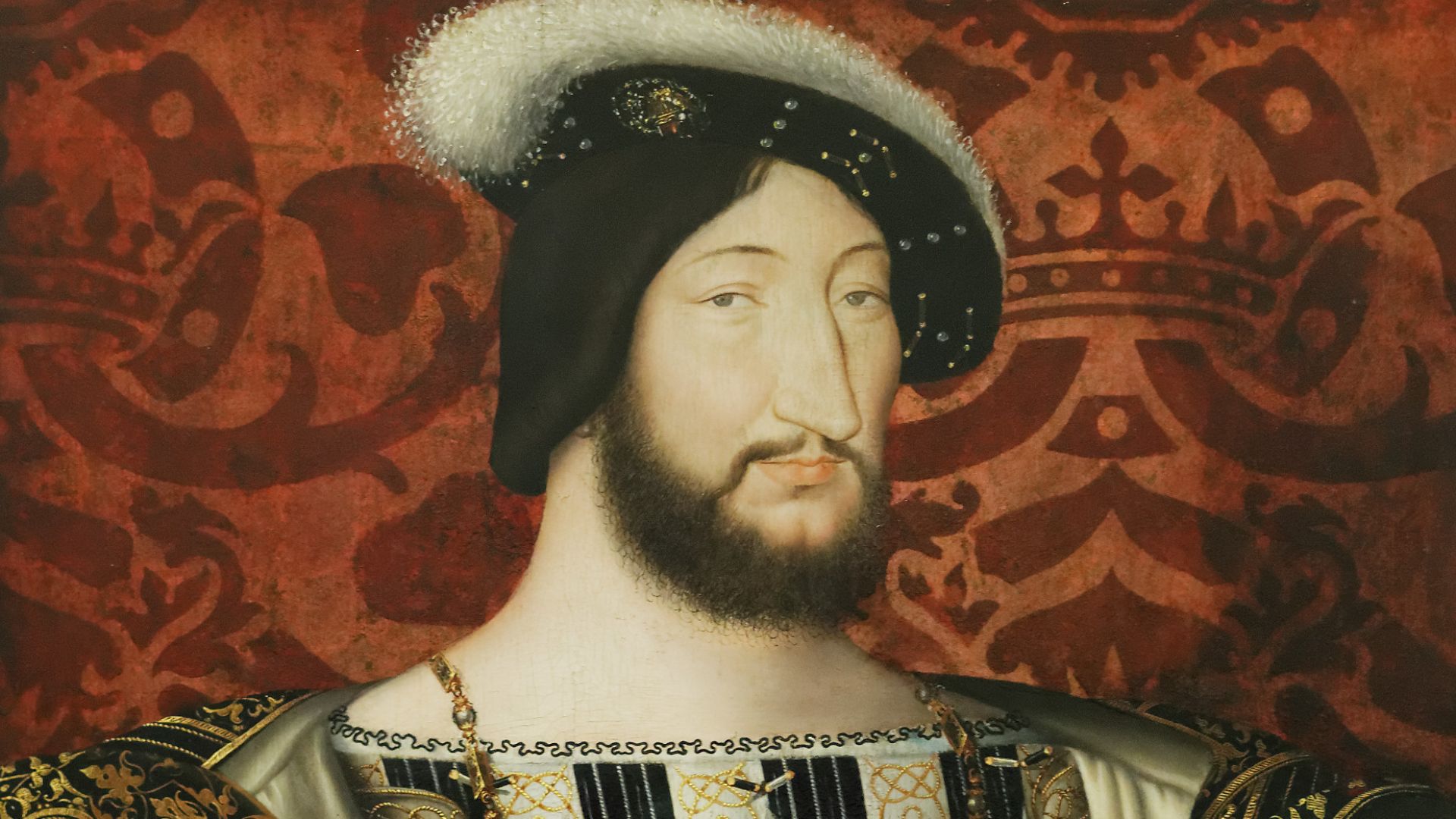
4. Her Uncle Seized Control Of Her Life
From the age of two, King Francis I took charge of d’Albret’s upbringing. He installed her at the Château de Plessis-lèz-Tours in the Loire Valley, effectively separating her from both of her parents. Her mother’s close friend, Aymée de Lafayette, stepped in as her governess from 1532 onward but that was about as close as she got to her own parents.
 Jean Clouet, Wikimedia Commons
5. Her Childhood Was A Lonely One
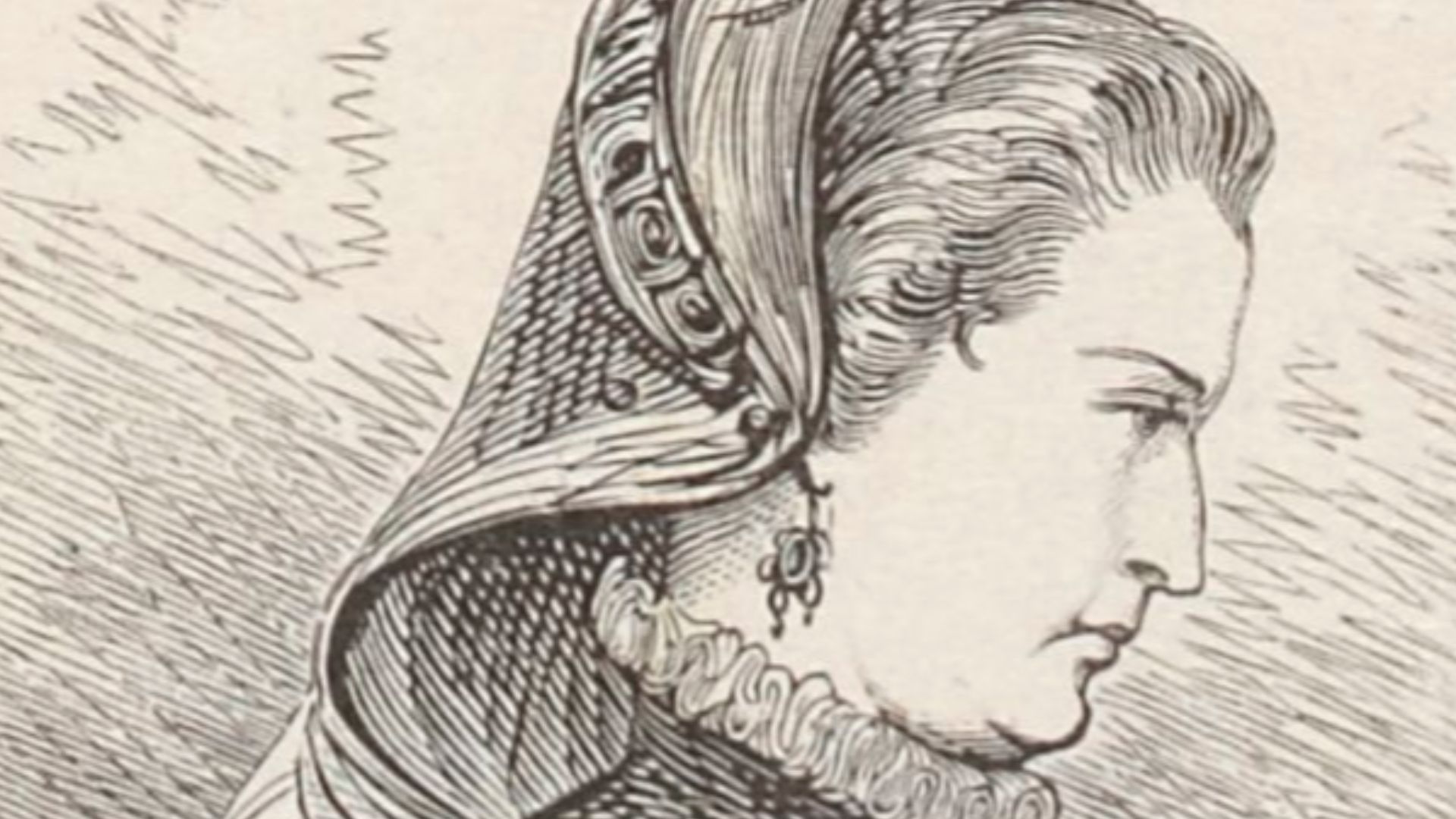
D’Albret’s father was a distant figure in her childhood. Historical records indicate that he only visited her household twice during her entire upbringing, fostering in her a strong sense of independence. However, even if she had wealth and comfort, she lacked companions her own age and solitude was her only friend.
Her lonely childhood forged a personality that was tougher, and far more self-reliant, than anyone around her anticipated.
 Gustave Doré, Wikimedia Commons
6. Her Education Left Nothing To Be Desired
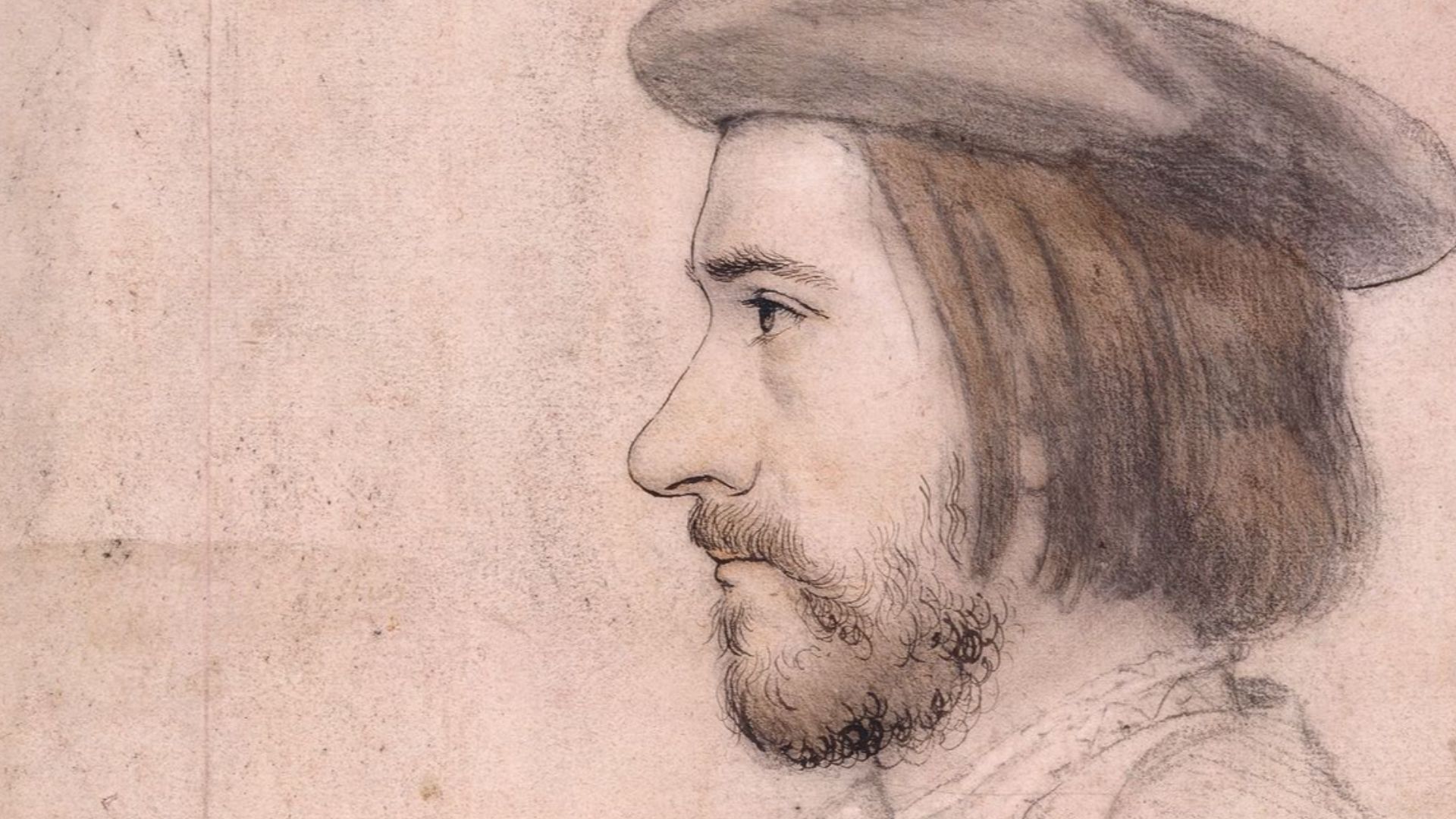
Even if she was alone and isolated from her family, Jeanne d’Albret received only the best education—and benefits. She studied under the humanist poet Nicolas Bourbon the Elder, and the arrangement was nothing short of lavish. Scholar Kirsi Stjerna noted she had “her own tutor[…]attendees for all her needs—including a pastry maker—exotic pets, and first-class entertainment”.
Hers was a gilded cage, but a cage all the same.
 Hans Holbein the Younger, Wikimedia Commons
7. She Was Stubborn From The Start
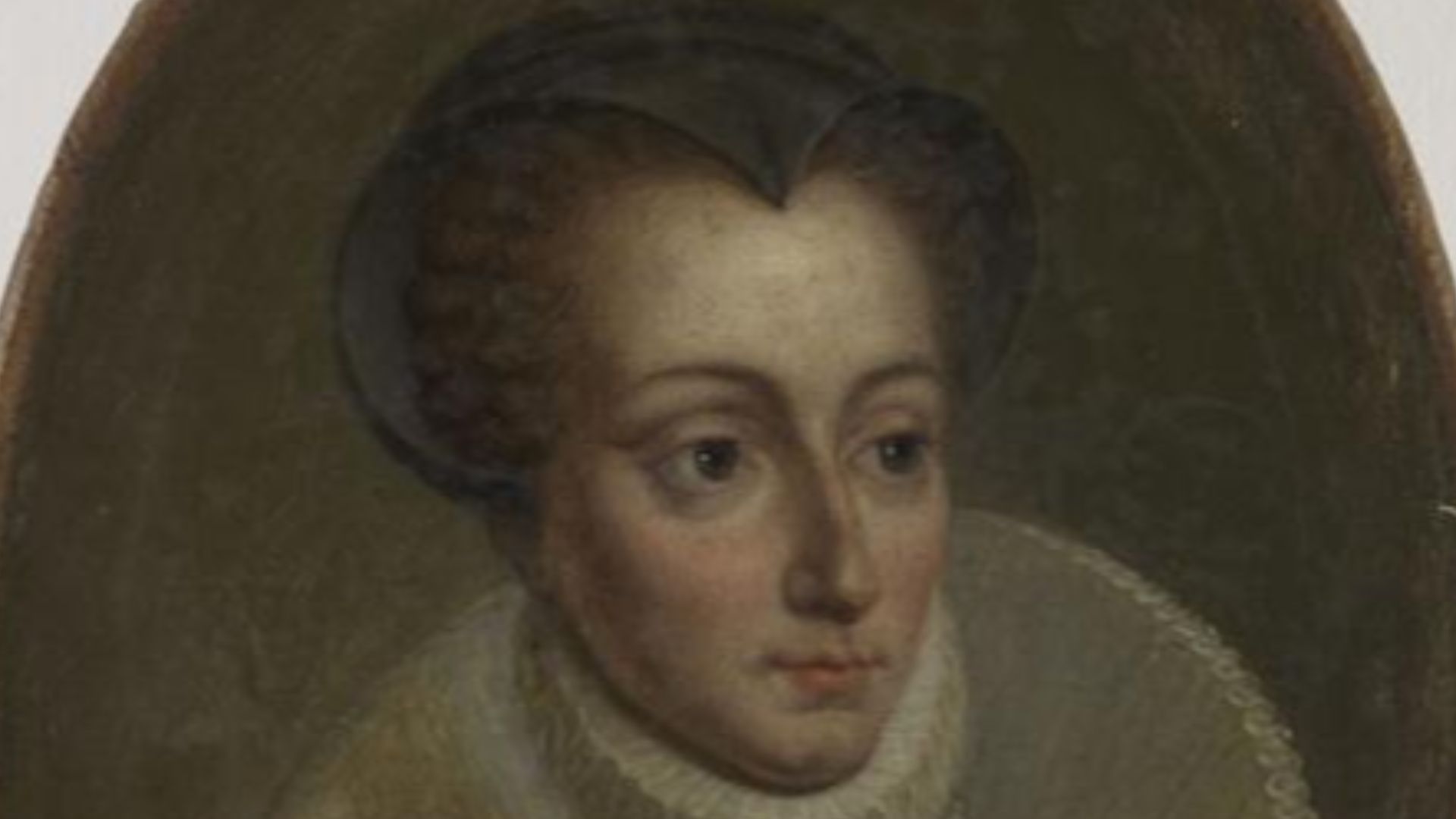
D’Albret’s contemporaries noted her strong will from an early age, remarking that she was a “frivolous and high-spirited princess”. That description, however, undersold her considerably. Both her tutor, Nicolas Bourbon, and her governess noted her fierce, unyielding willfulness in their letters—a quality they found challenging at the time, and one that would one day reshape a nation.
 Jean-Marie Ribou, Wikimedia Commons
8. Her Uncle Had His Own Agenda
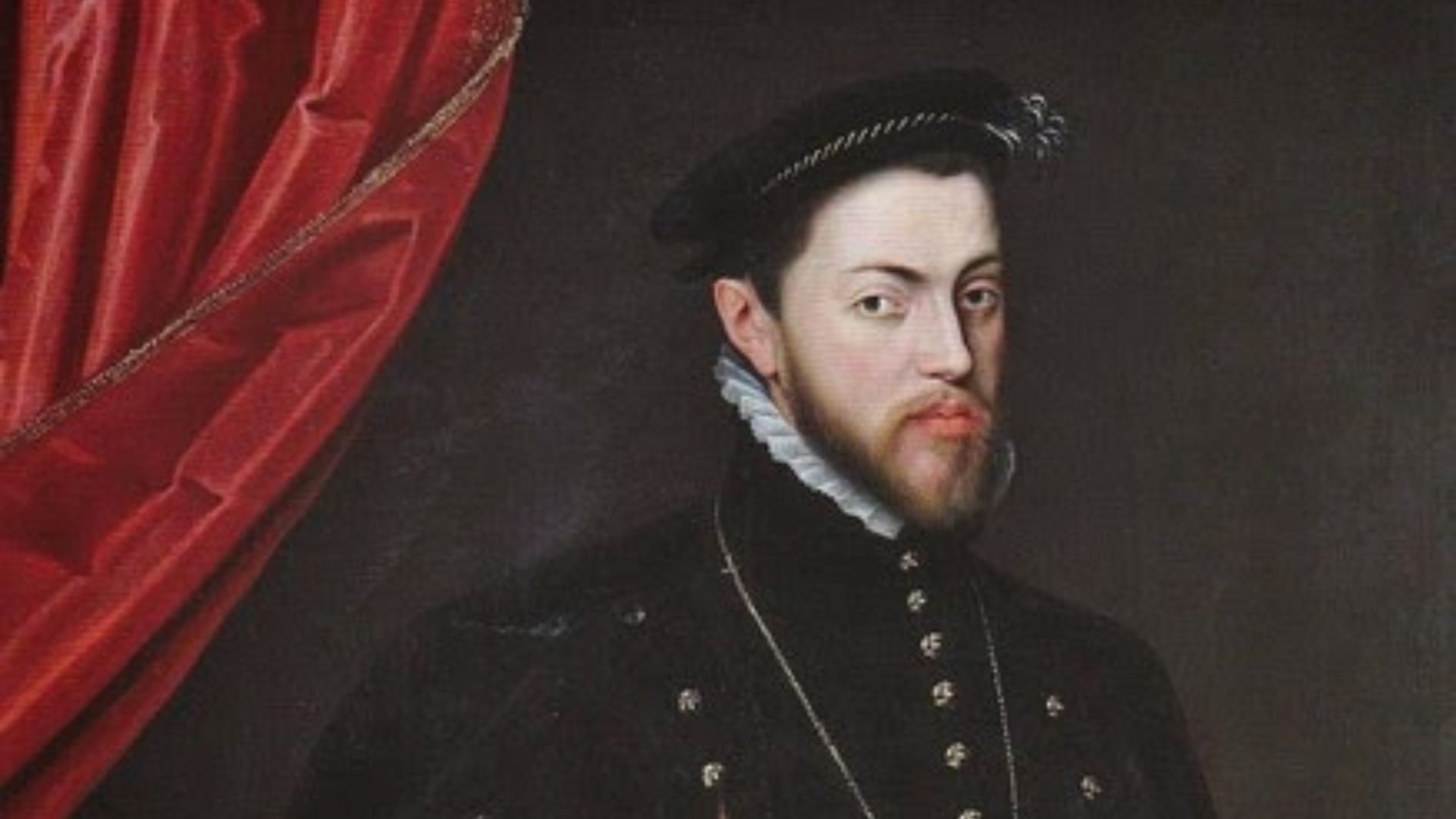
In 1537, d’Albret’s uncle, King Francis I, once again reasserted his authority over her when he relocated her entire household closer to the French court. But it wasn’t out of familial warmth—it was pure strategy. Her father had been quietly arranging her marriage to the future Philip II of Spain, a union that would have handed all d’Albret lands directly to the Spanish crown.
Francis I moved swiftly to ensure that would never happen.
 Jooris van der Straeten, Wikimedia Commons

History's most fascinating stories and darkest secrets, delivered to your inbox daily.
9. Her First Marriage Was Not Her Choice
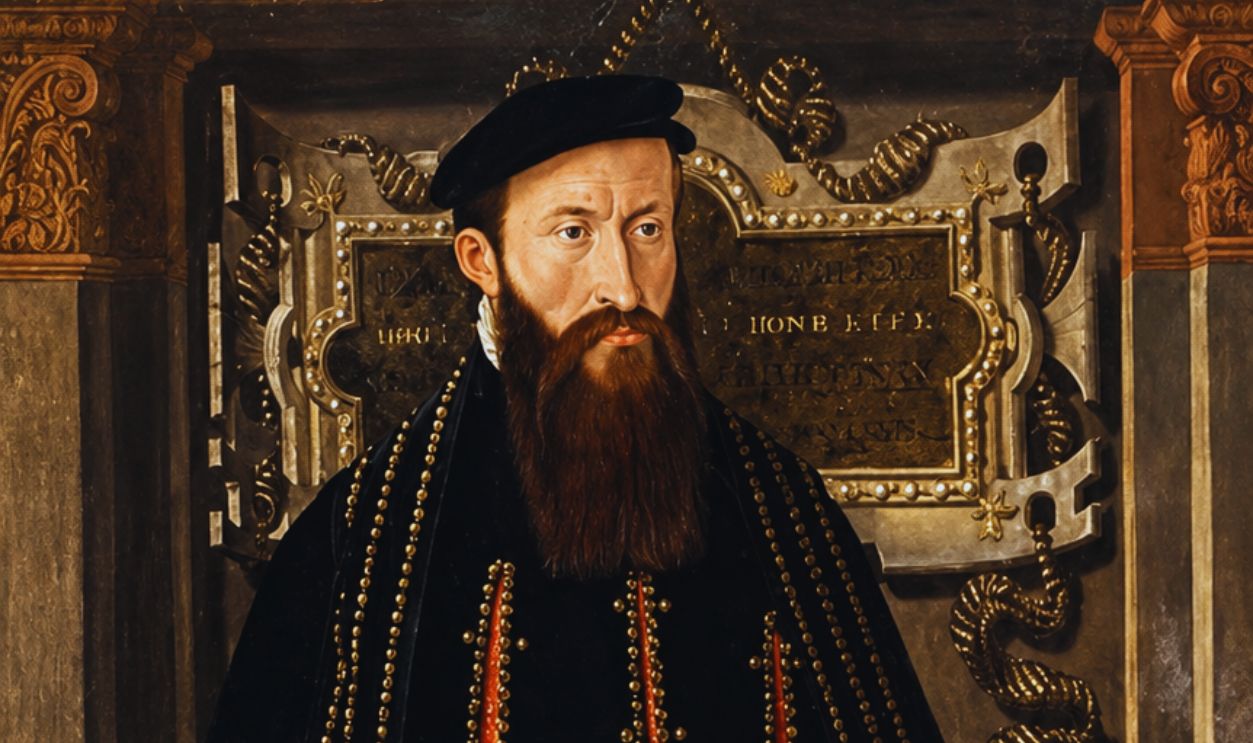
On June 13, 1541, Francis I forced the 12-year-old Jeanne d’Albret into a union with William “the Rich” Duke of Jülich-Cleves-Berg. The arrangement was a purely political one, aimed at blocking her father’s machinations. Her own feelings played no part in the matter. But if d’Albret was hoping for her parents’ intervention, she would be sorely disappointed.
 Unidentified painter, Wikimedia Commons
10. Her Parents Were Furious—And Powerless
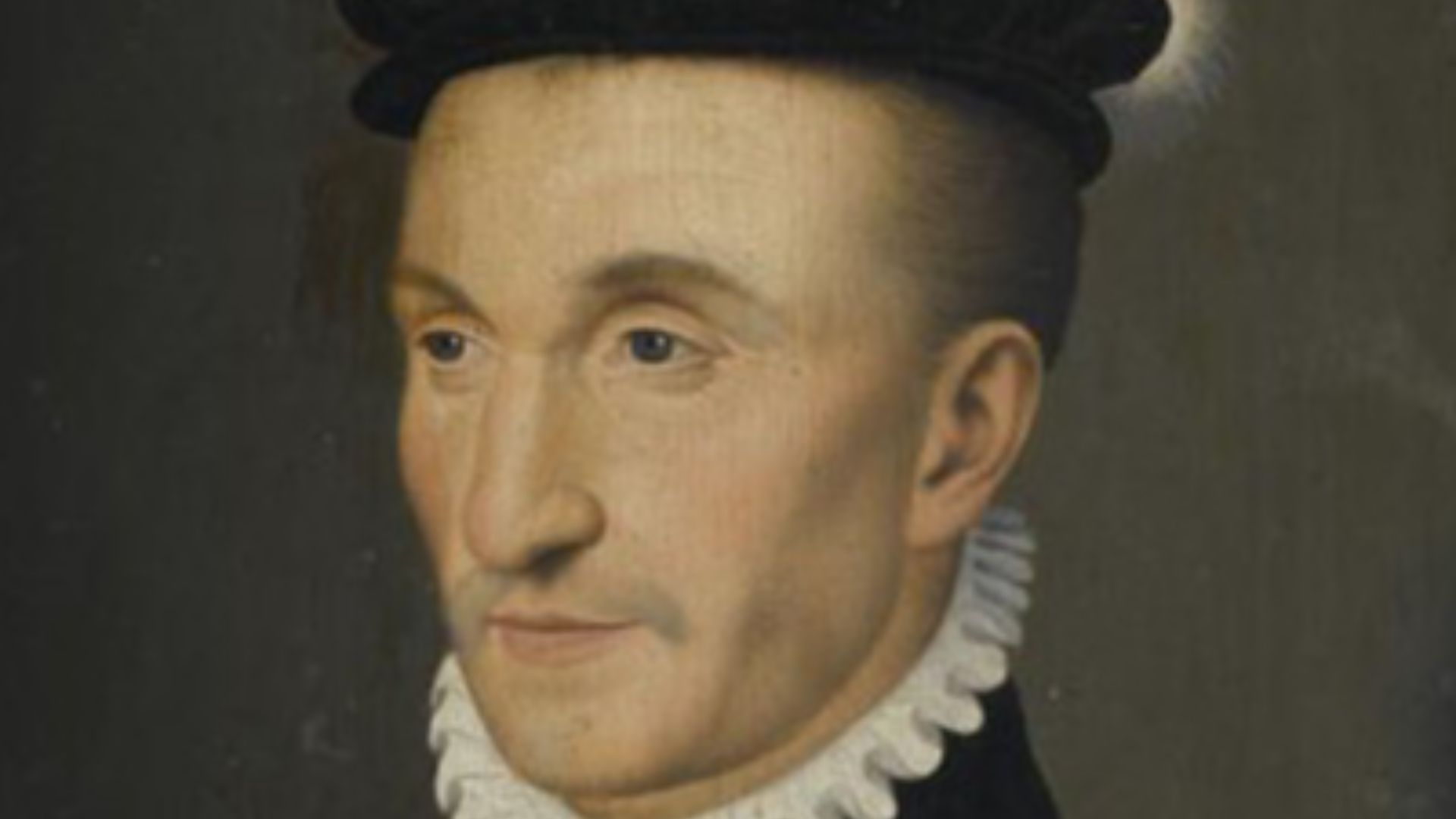
D’Albret’s mother and father never accepted the arrangement to have their daughter married off for political purposes. Sources record that they were “stunned and hurt by the arbitrary decision of the king who, disregarding their…wishes, had imposed his choice of a husband for their daughter”. Their outrage, however, counted for nothing.
And neither would d’Albret’s.
 After François Clouet, Wikimedia Commons
11. She Protested Before Her Own Marriage
Before the wedding, Jeanne d’Albret signed two documents—but they weren’t marriage papers. In front of witnesses, the strong-willed 12-year-old signed a protest document, declaring: “I, Jeanne de Navarre…do hereby again affirm and protest[…]that the marriage[…]between the duke of Cleves and myself, is against my will; that I have never consented to it, nor will consent”.
That was pretty unambiguous. But her uncle didn’t care.
12. She Had To Be Carried To The Altar
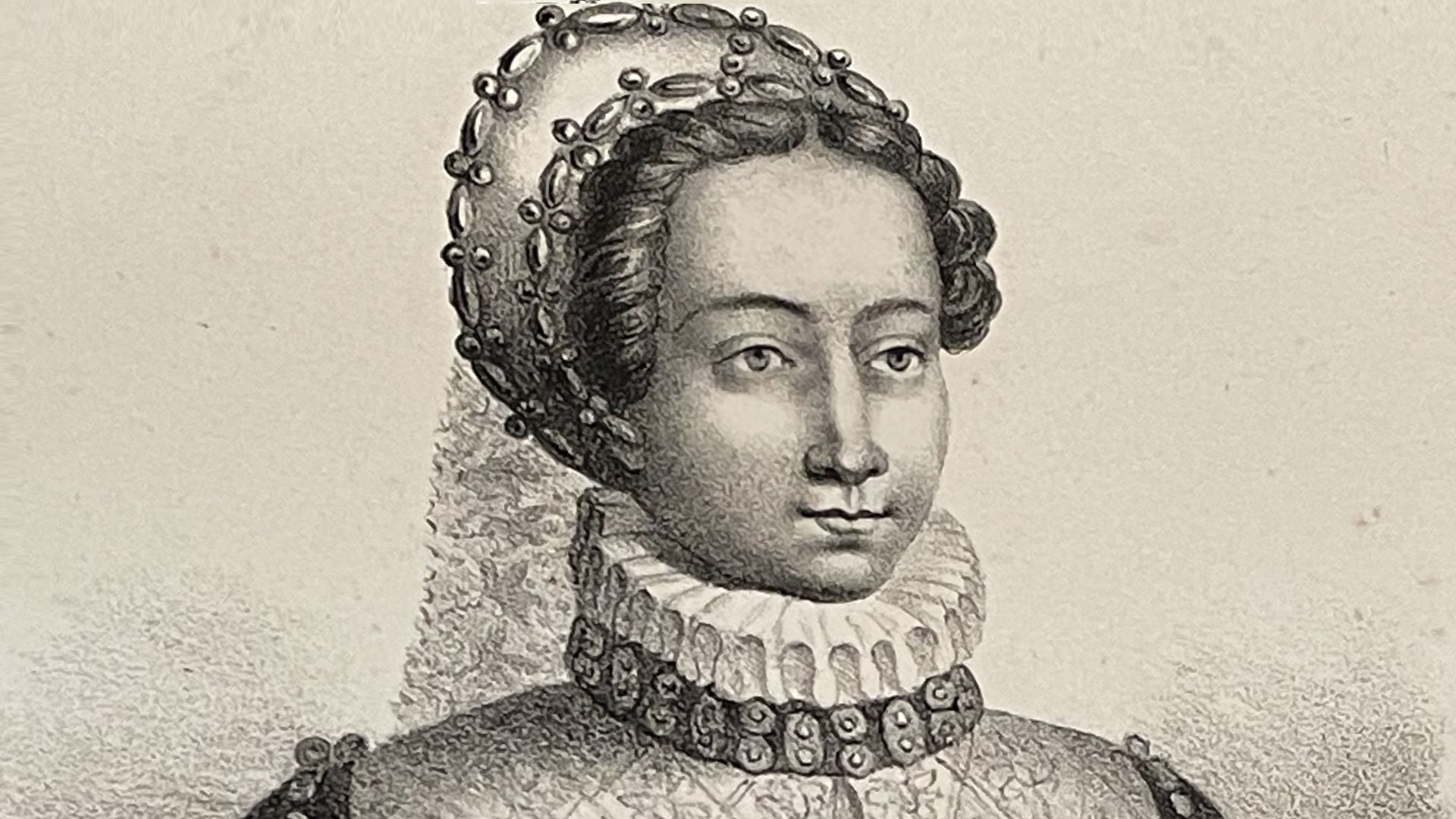
D’Albret’s opposition to the union was so intense that she had to be “whipped into obedience”. However, even then, her will wasn’t broken. She deliberately weighted her gown to slow her own procession, leaving Francis I so flustered that he ordered the Constable of France to physically seize and carry her to the altar. One observer called it “a shameful service”.
But hey, at least she looked like a bride.
 School of François Clouet, Wikimedia Commons
13. Her Wedding Attire Was Fit For A Queen
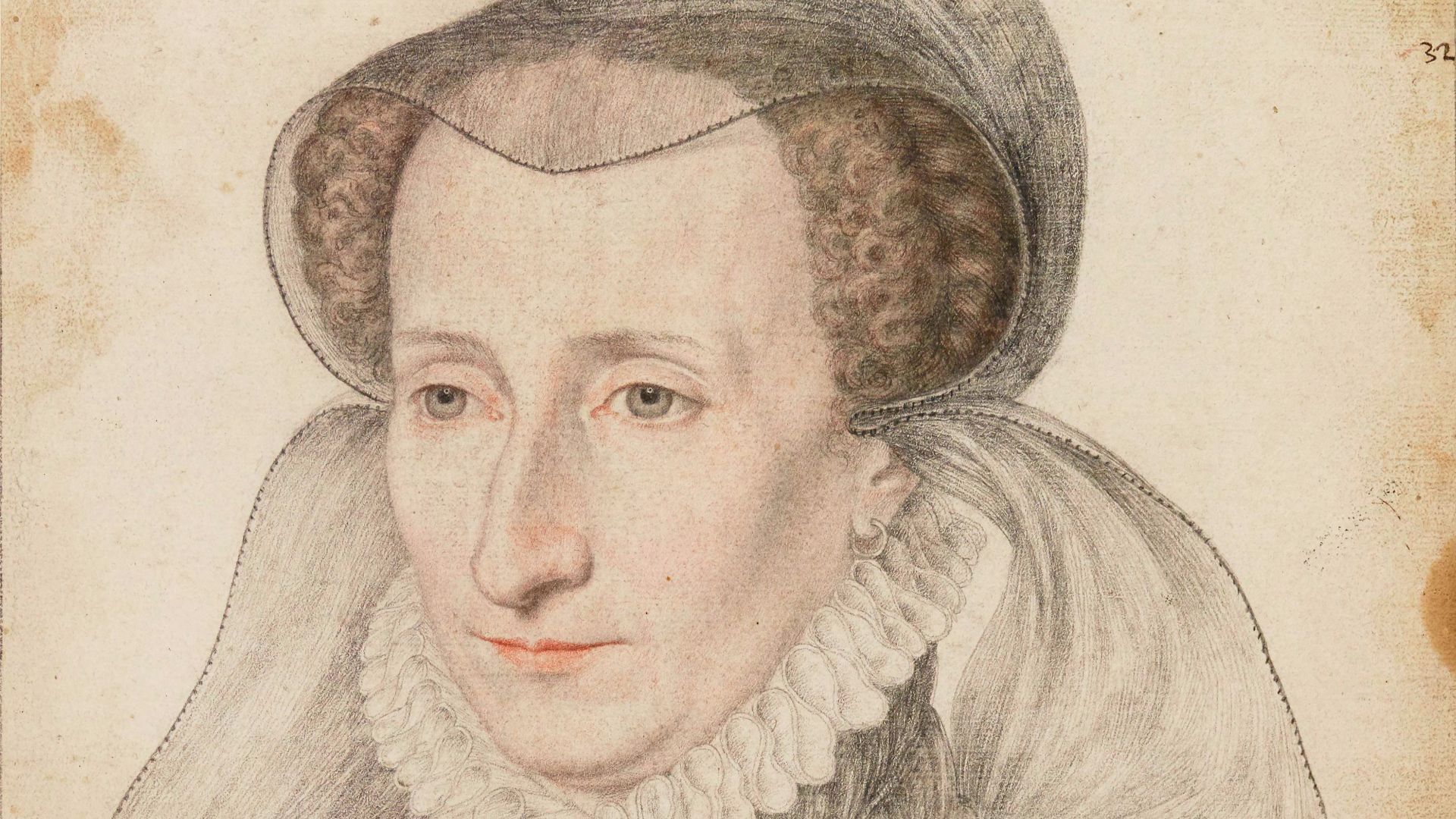
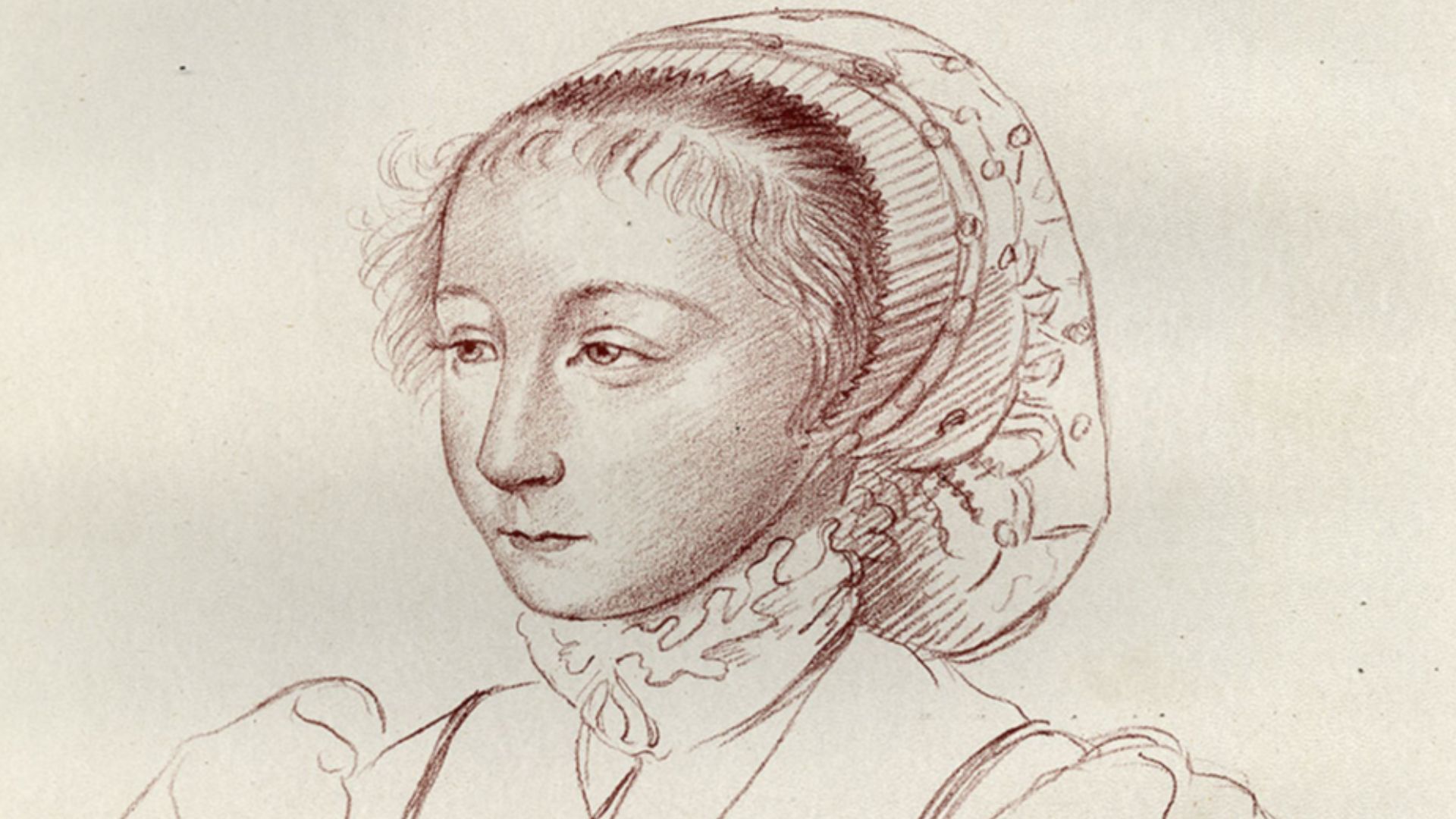
King Francis I may have had his niece dragged to the altar against her will, but she arrived in style. Contemporary accounts describe her as “sumptuously attired, wearing a golden crown, a silver and gold skirt encrusted with precious stones, and a crimson satin cloak richly trimmed with ermine”. She looked irresistible.
And she was absolutely untouchable.
 Lord Ronald Gower (1845-1916) d'après Clouet, Wikimedia Commons
14. She Refused To Consummate Her Marriage
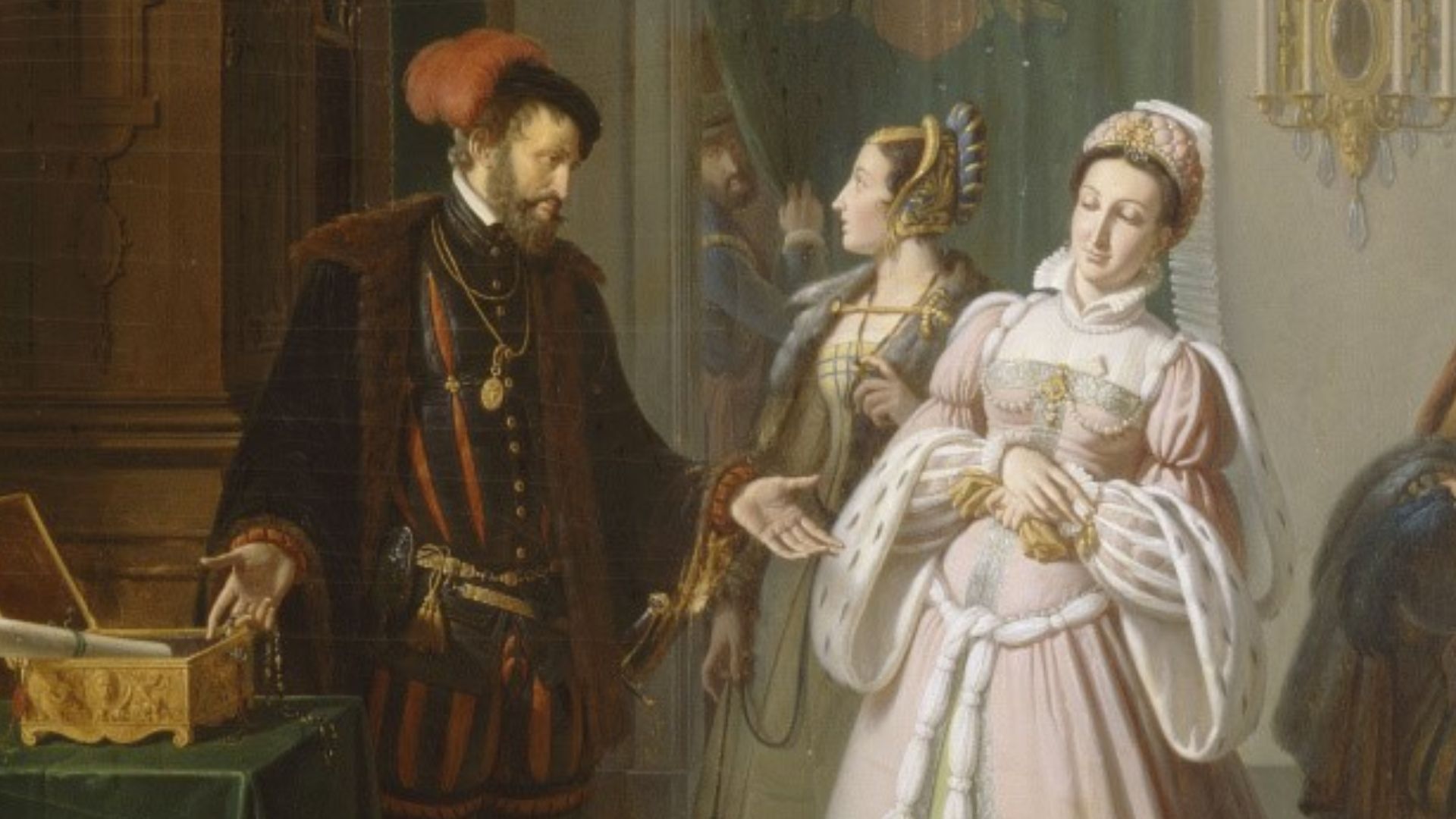
While her uncle might have forced her down the aisle, he couldn’t force Jeanne d’Albret to bed her new husband. Right from the start, she began assembling evidence that the marriage had been forced upon her and found every reason to delay its consummation. Her mother, Marguerite, played her part too, “exhausting all excuses to postpone her departure” to Germany, on the basis that d’Albret was still a child.
Fortunately, she didn’t have to suffer the forced marriage for long.
 Pierre-Henri Révoil, Wikimedia Commons
15. Her Marriage Collapsed Along With A Treaty
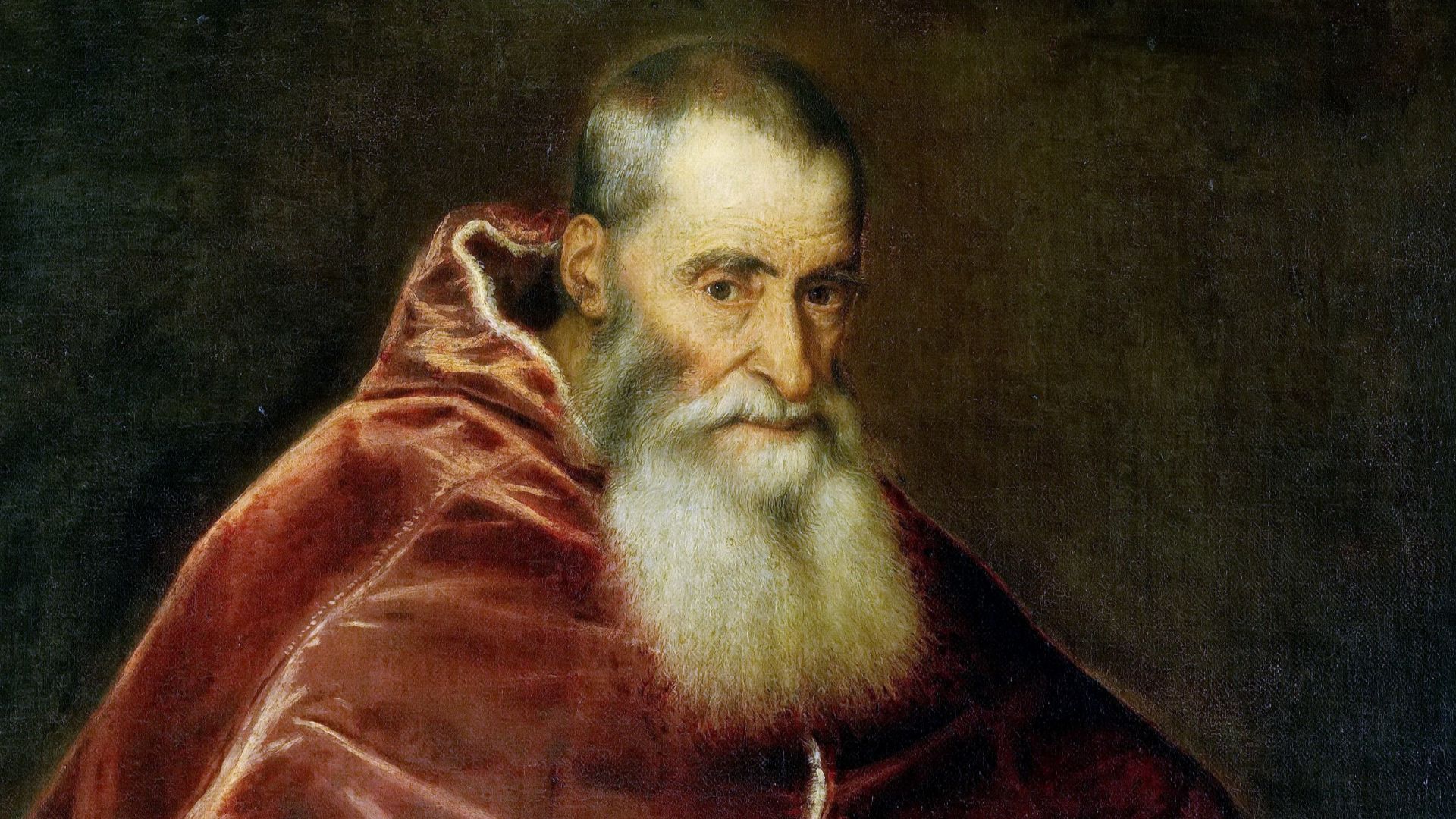
In 1543, William signed the Treaty of Venlo, surrendering the territory of Guelders to the Habsburgs and severing his alliance with France. With the political purpose of d’Albret’s union to William gone, so too was any reason to preserve it. Mercifully, Pope Paul III agreed to annul the marriage in October of 1545 on the grounds that d’Albret had been forced into it and that the marriage had never been consummated.
Her true liberation was yet to come.
16. Her Uncle’s Demise Set Her Free
When d’Albret’s uncle, King Francis I, passed in 1547 and his son Henry II took the throne, d’Albret was finally free. She spent the next few years at her mother’s court which had become a gathering place for the finest intellectuals, poets, artists, and reformed theologians of the age. The exposure to the liberal arts deepened her sympathy toward the growing Protestant Reformation.
The seeds of a quiet revolution had been planted deep in her mind and soul.
 Screenshot from The Serpent Queen, 3 Arts Entertainment / Lionsgate Television (2022–2024)
17. Her Cousin Arranged Her Second Marriage
D’Albret’s uncle had been a terrible matchmaker. But her cousin, King Henry II of France, was a regular Cupid. Henry II paired her with Antoine de Bourbon, Duke of Vendôme and “first prince of the blood”. While he had arranged the marriage to consolidate French territorial control over the south and tighten his grip on Navarre, he wouldn’t have to drag her down the aisle.
Even over her mother’s fierce objection, Jeanne d’Albret happily said her vows on October 20, 1548.
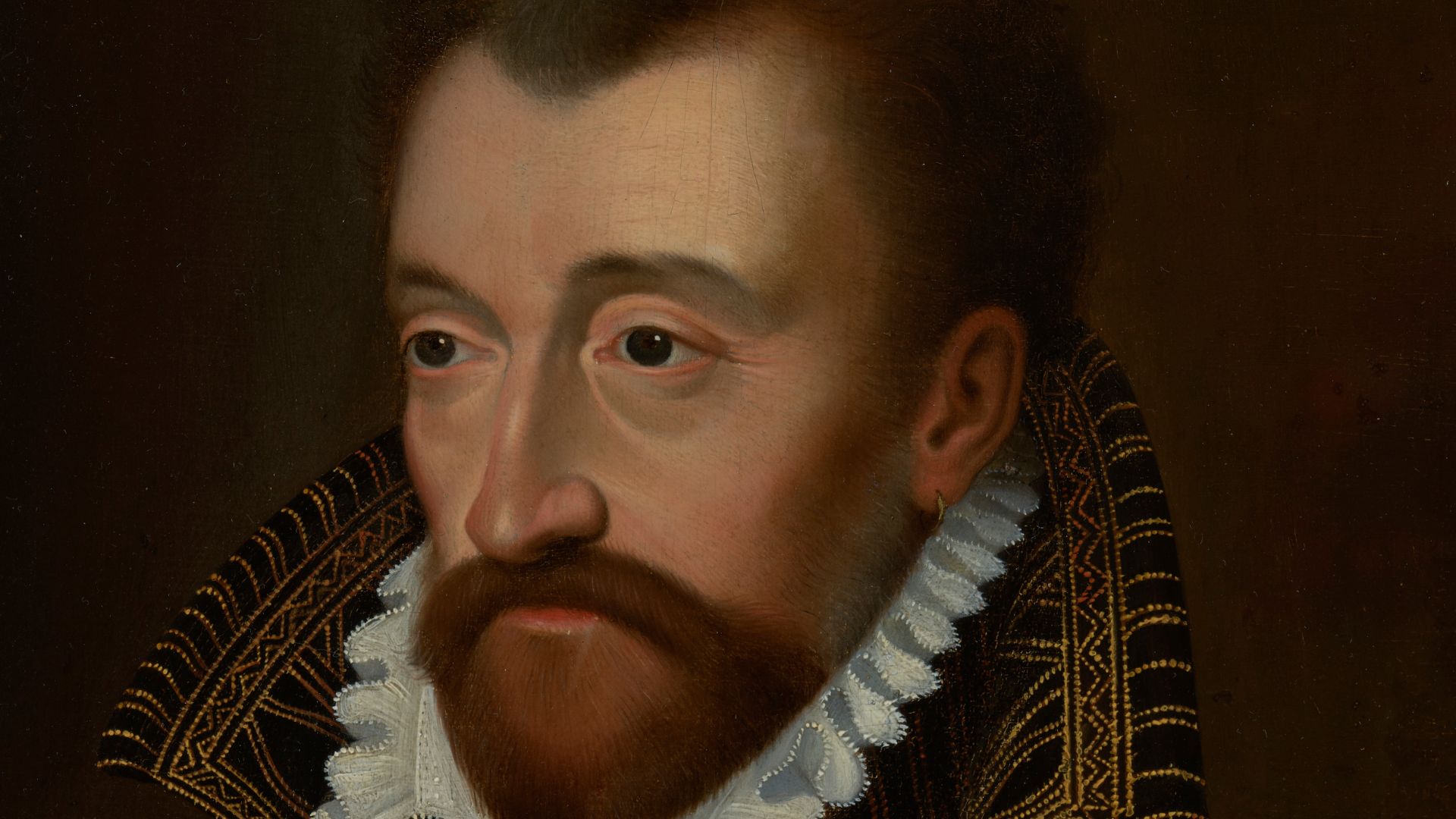
18. Her Second Marriage Was Different
Unlike her first marriage, d’Albret’s union with Antoine blossomed into what author Mark Strage called a “romantic match”. No signed protests. No forced marches down the aisle. d’Albret was so in love, in fact, that one contemporary observed that she had “no pleasure or occupation except in talking about or writing to [her husband]…the waters cannot quench the flame of her love”.
It was, for a time, everything her first marriage was not.
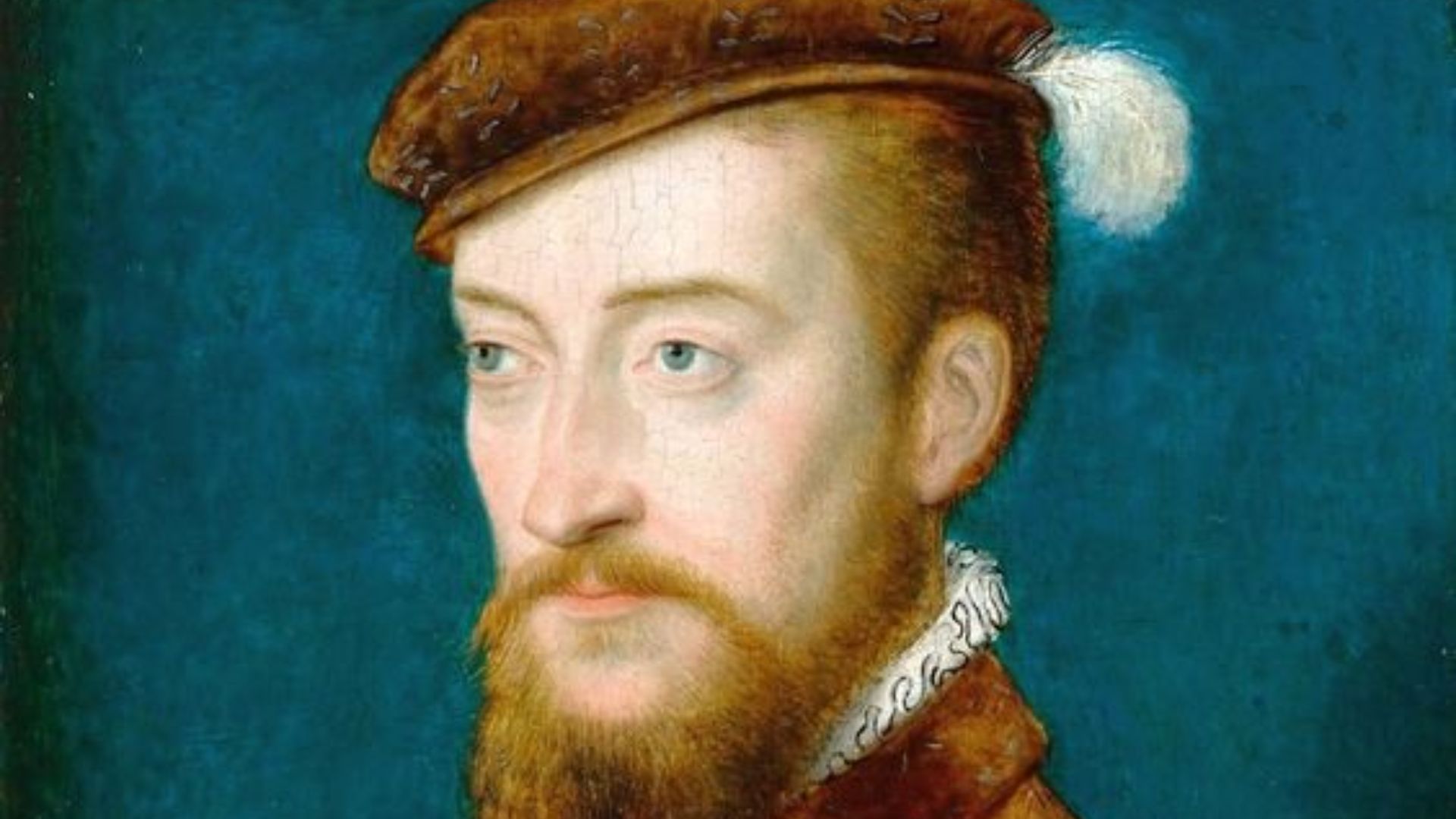 Corneille de Lyon, Wikimedia Commons
19. She Lost Child After Child, After Child
Jeanne d’Albret had no trouble consummating her marriage with Antoine. However, a family proved elusive. Together, the couple had five children—but only two survived to adulthood; Henri, born December 13, 1553, who would become Henry IV of France, and Catherine de Bourbon, born February 7, 1559. Their other three children— Henri, Louis Charles, and Madeleine—all perished before their second birthdays.
The losses were pure tragedies.
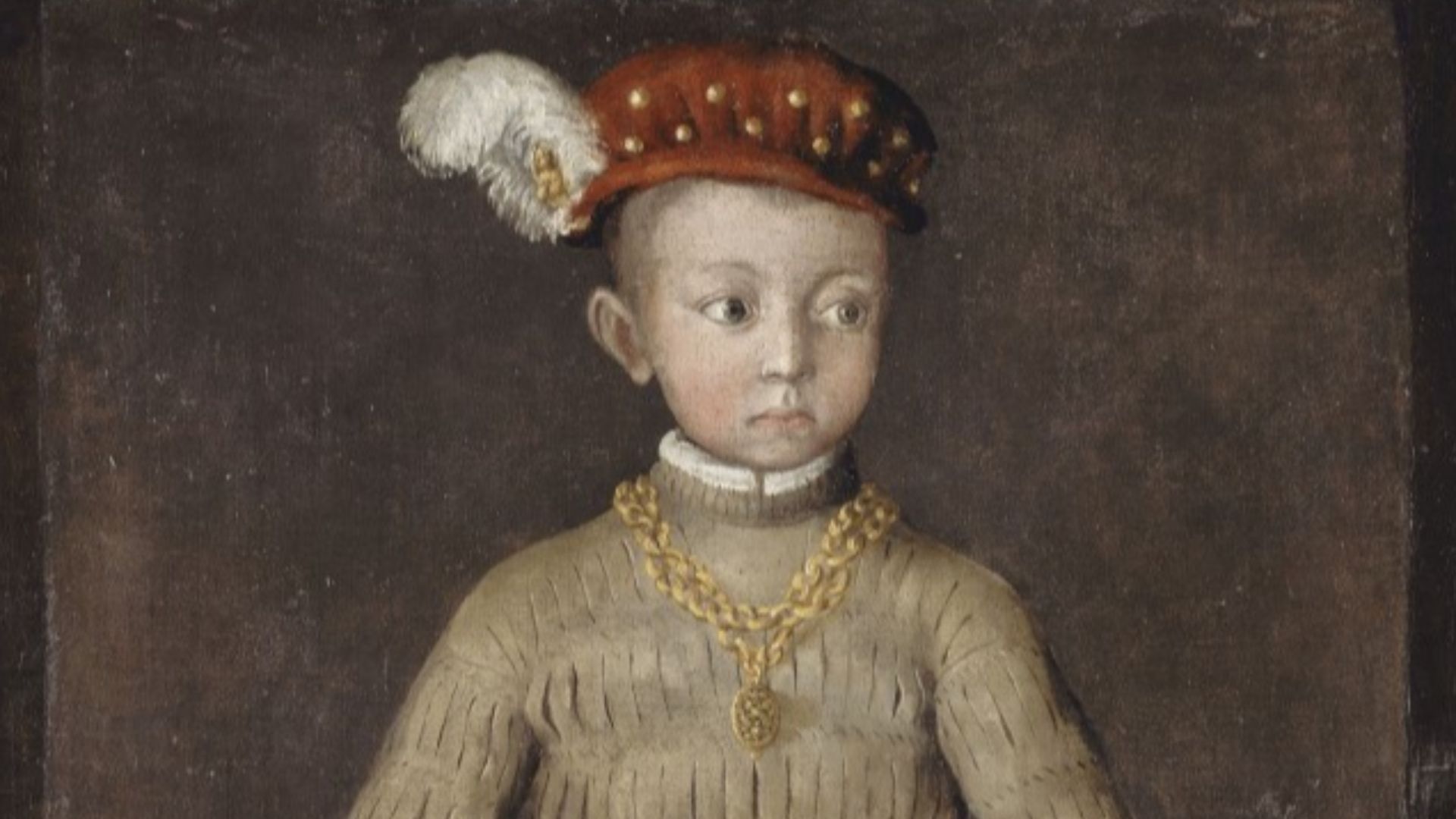 Anonyme français, Wikimedia Commons
20. Her Governess Smothered Her Child
The passing of d’Albret's first son, Henri, born in 1551, may have been entirely preventable. Historical records suggest that governess Aymée de Lafayette “kept him [Henri] swaddled in an airless room to ward off disease”. It was a misguided precaution that may well have smothered the life out of the young royal.
Suffice to say, d’Albret dismissed Aymée from her service shortly thereafter.
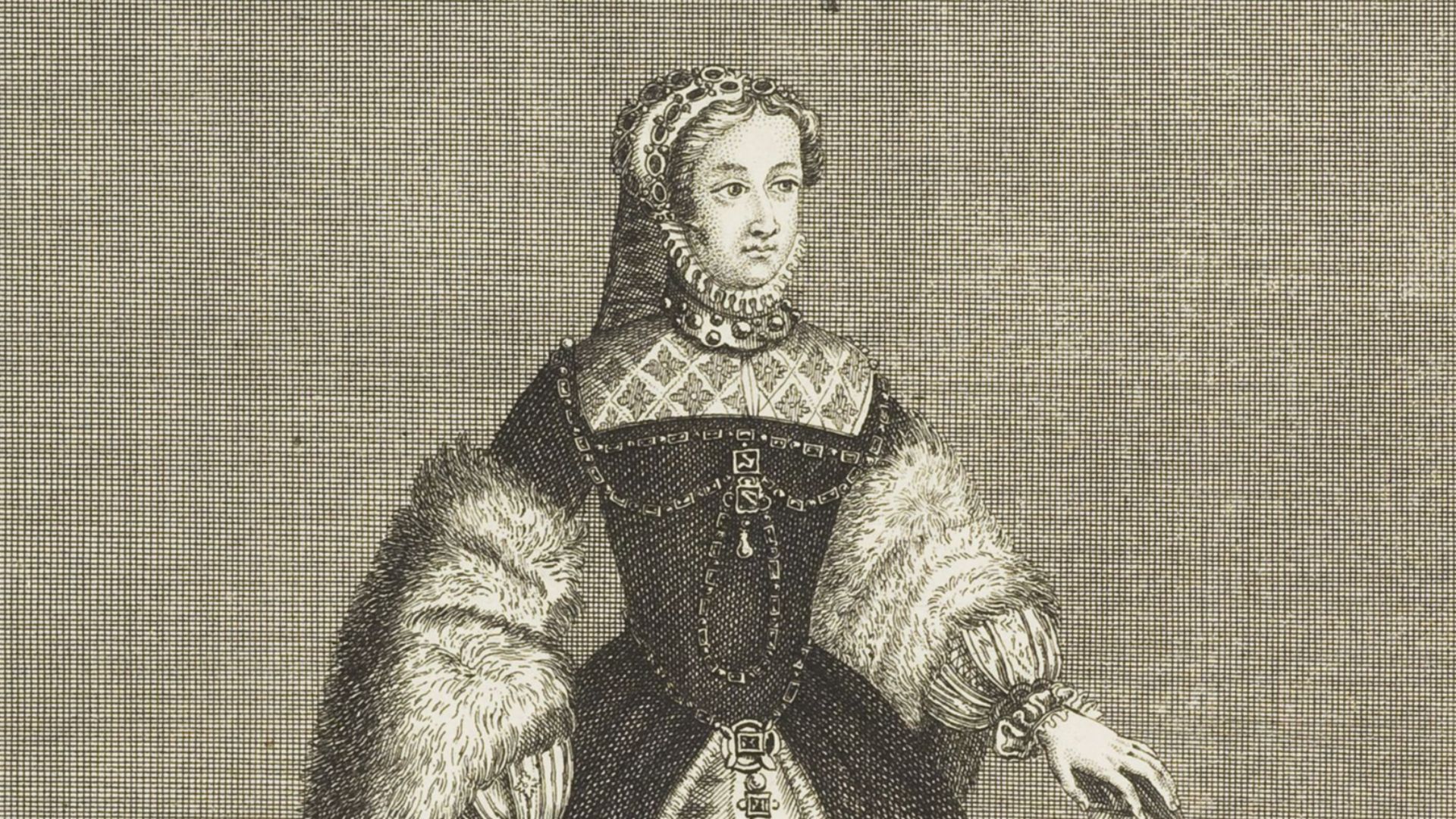 d'Albret, Jeanne (1528-1572) (depicted), Wikimedia Commons
21. Her Husband’s Betrayal Cut Deep
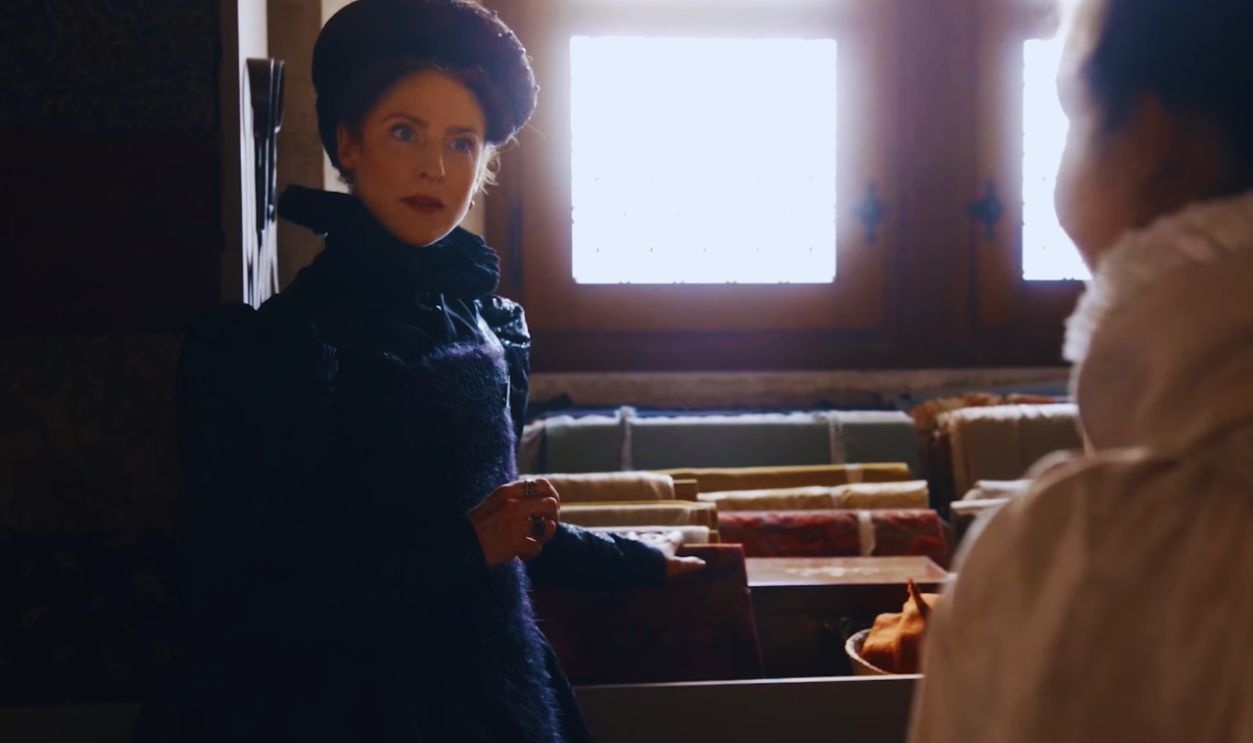
Despite the three lost children, d’Albret’s “romantic match” was going well…right up until 1554. That’s when Antoine, the love of her life, fathered an illegitimate son, Charles, with a celebrated court beauty known as “La belle Rouet”. The discovery of her husband’s infidelity (and illegitimate child) opened a rift between the royal couple that would only grow wider—and more problematic.
The stakes were only getting bigger.
 Screenshot from The Serpent Queen, 3 Arts Entertainment / Lionsgate Television (2022–2024)
22. She Became Queen Of Navarre
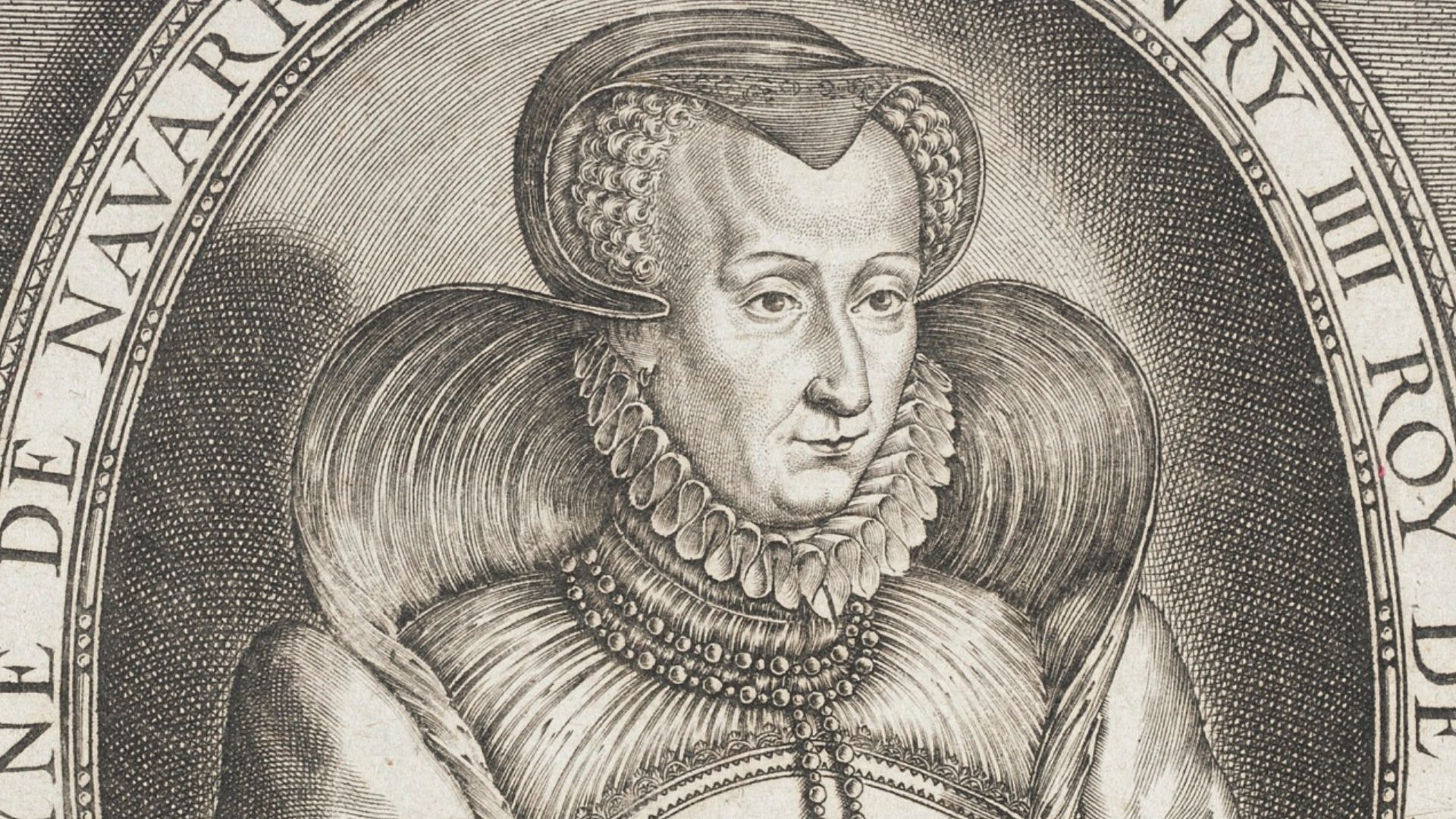
Henry II of Navarre passed at the most inopportune time as d’Albret and Antoine’s marriage was on the rocks. Nevertheless, the couple fulfilled their royal duties, stepping up to take joint rule over their little kingdom. Their coronation at Pau that August was commemorated with a coin with a Latin inscription that read, “Antoine and Jeanne, by the grace of God, monarchs of Navarre and lords of Béarn”.
The question, however, was the grace of whose God?
 Léonard Gaultier (France, Paris, 1561-circa 1635), Wikimedia Commons
23. She Was Iron-Fisted
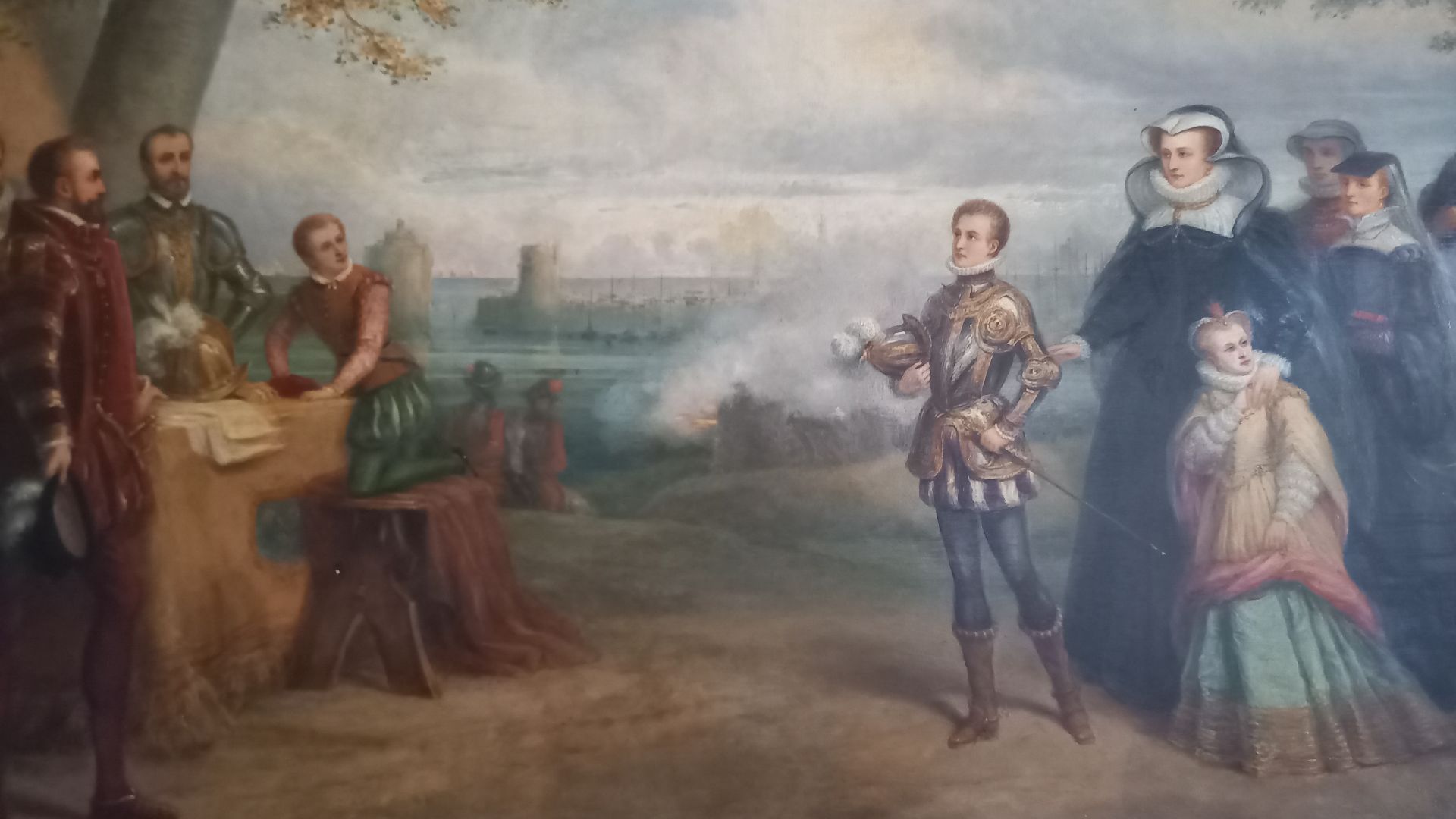
Even though they were co-rulers, Antoine spent most of his time away, leaving Jeanne d’Albret alone in Béarn to rule singlehandedly. And rule she did. d’Albret famously governed “with a firm and resolute hand”, even attempting—albeit to no avail—to reclaim lost Navarrese lands to the south through tough diplomacy. But if there was one thing she would reclaim, it would be her soul.
 Pierre-Antoine Labouchère, Wikimedia Commons
24. She Left Catholicism On Christmas Day
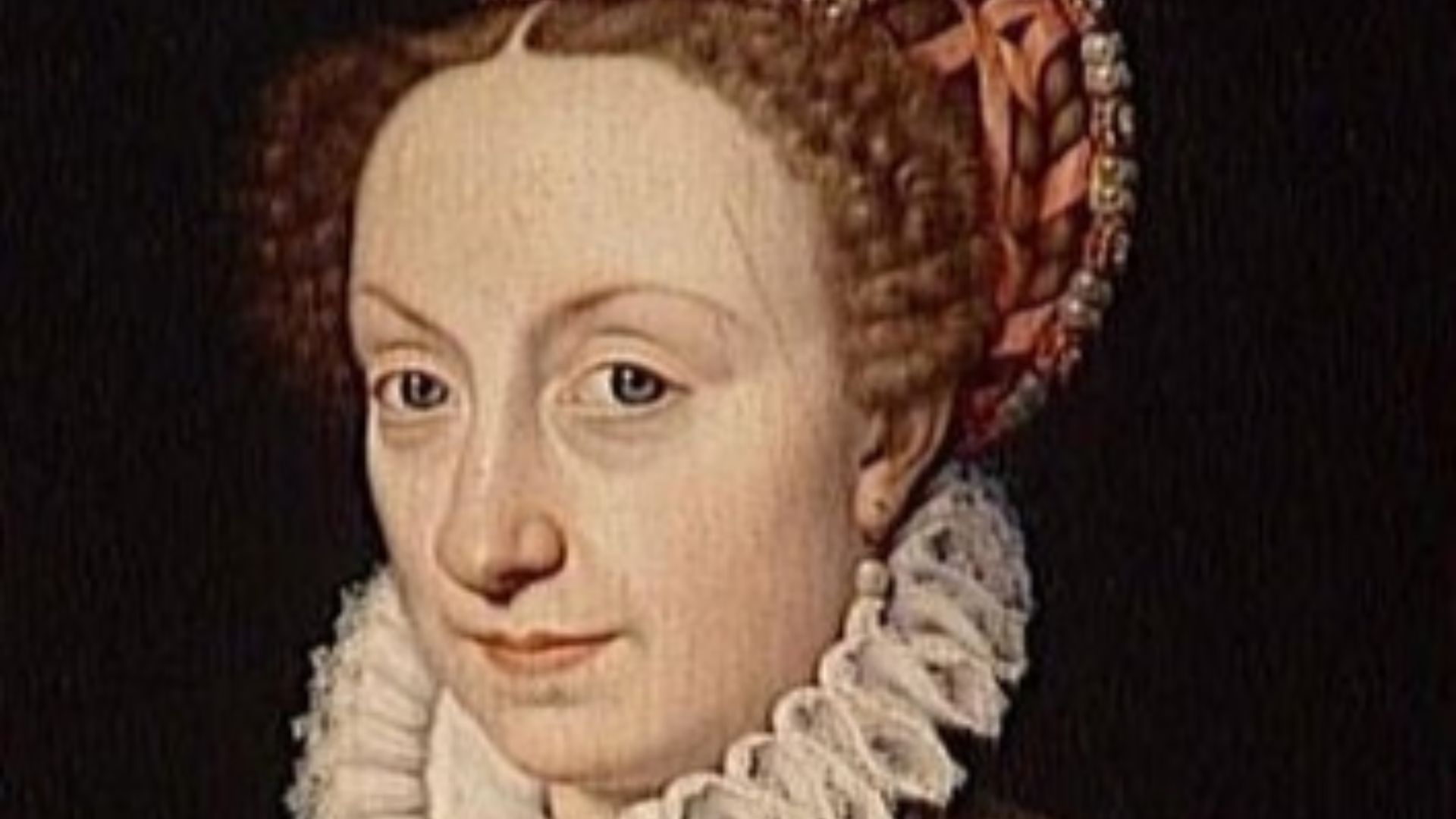
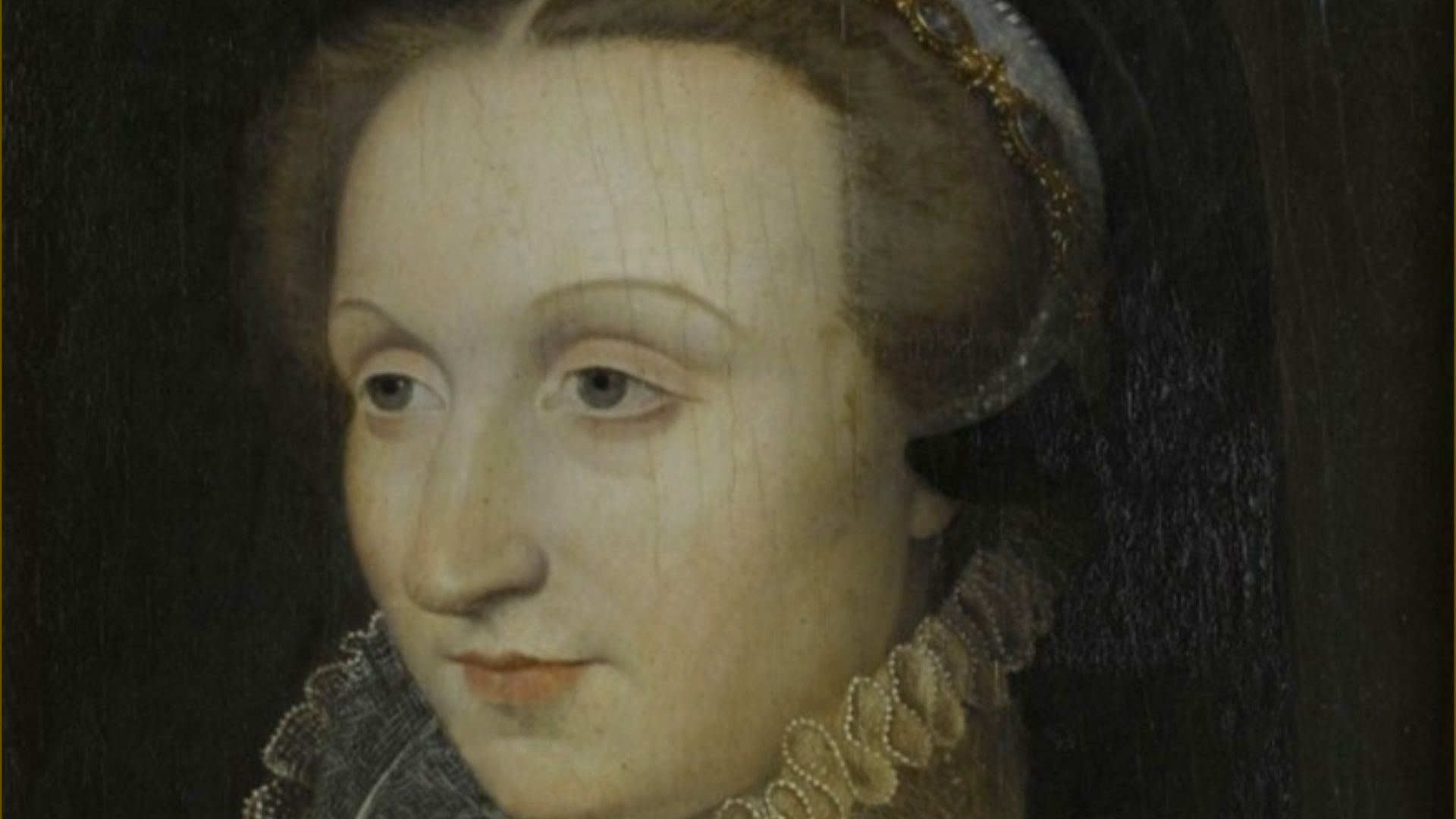
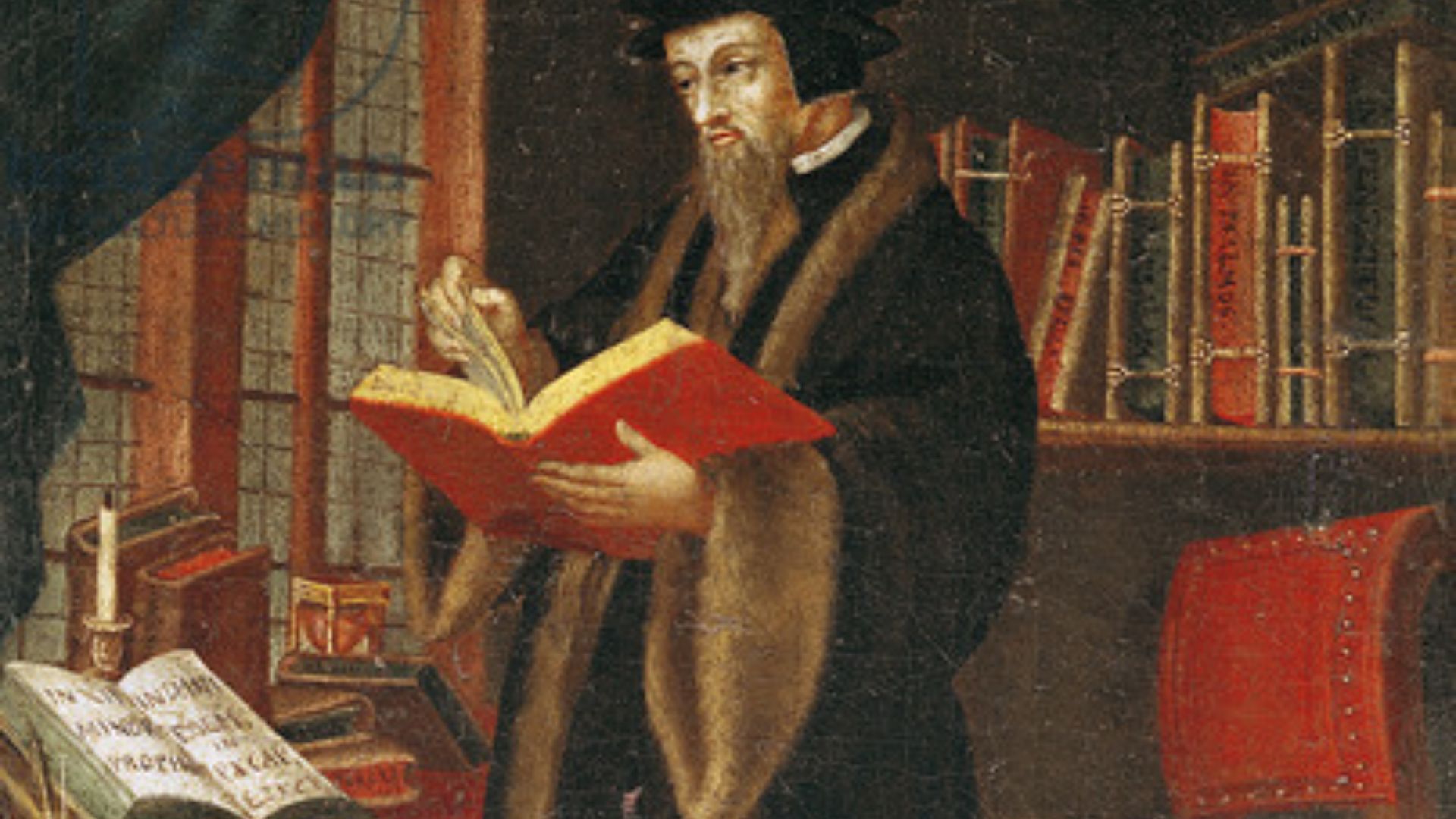
Late in the summer of 1560, Jeanne d’Albret made one of the most consequential decisions of her life: she left Catholicism and converted to Calvinism. For months, she kept the controversial decision private. But then, on Christmas Day, she made her shocking change of faith official, publicly declaring her allegiance to the teachings of John Calvin.
The move made her the highest-ranking Protestant in all of France—and the number one enemy of the Catholic Counter-Reformation.
 François Clouet, Wikimedia Commons
25. Her Faith Divided Her Marriage Further
D’Albret’s conversion to Calvinism deepened the gulf between her and her once-beloved husband, Antoine. While she grew fonder of Protestant teachings, Antoine had grown increasingly comfortable at the Catholic French court. Even more so, allegedly, because of a mistress, secretly planted in his bed by none other than Catherine de’ Medici, the French queen mother—and the true power behind the throne.
D’Albret, however, was not shaken in her faith. Quite the opposite.
 After François Clouet, Wikimedia Commons
26. She Transformed Her Kingdom’s Religion
Jeanne d’Albret doubled-down on her Protestant conversion when, in July of 1561, she “formally authorized” Calvinism in Navarre. She immediately commissioned New Testament translations into Basque and Béarnese and promoted literacy so that her subjects could read the Bible. Then she went too far—banning Catholicism outright, expelling the clergy, pulling down Catholic churches, and prohibiting Catholic ritual.
A showdown was inevitable.
 French School / Unidentified painter, Wikimedia Commons
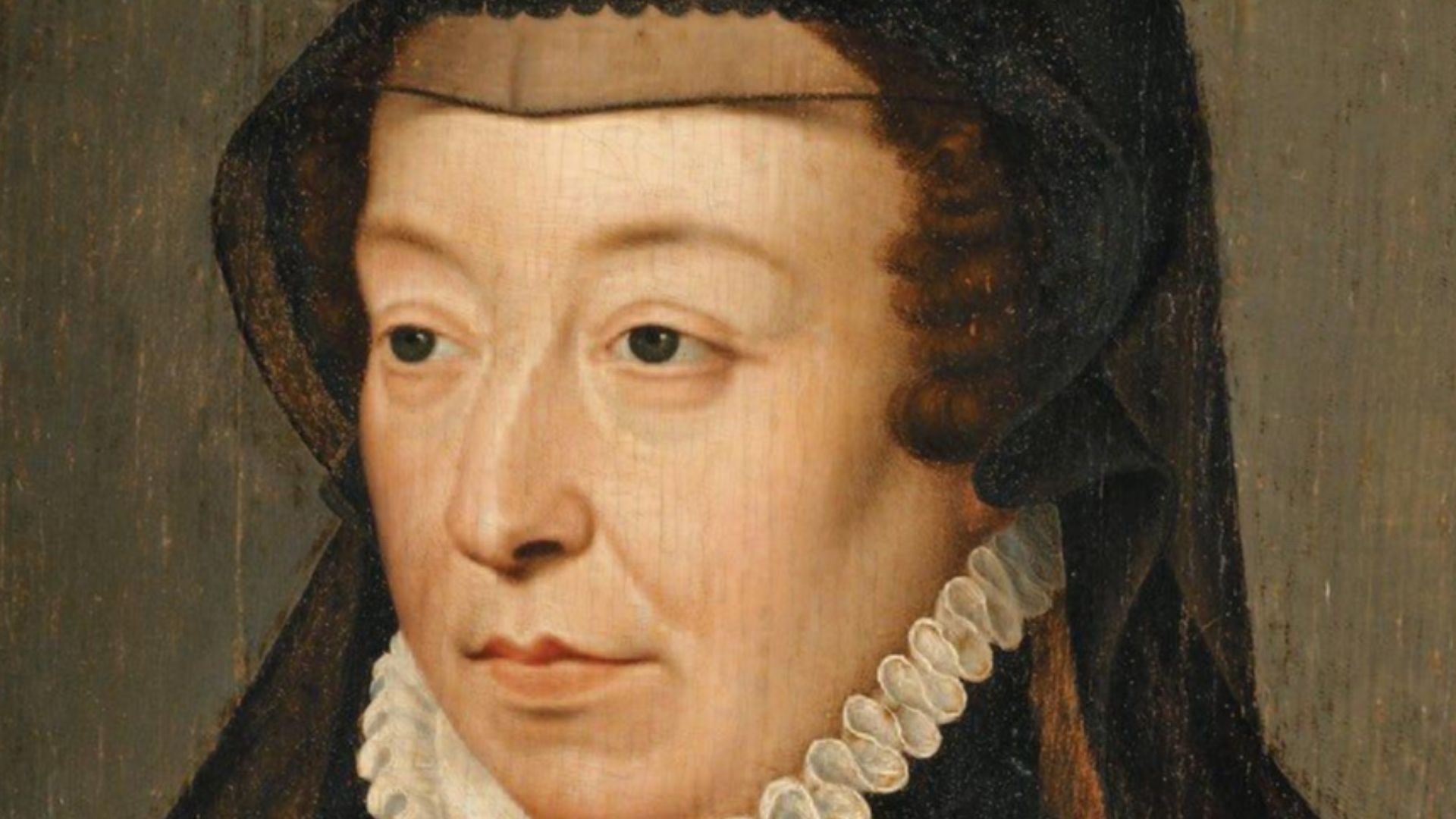
27. She Had A Special Name For Her Rival
Catherine de’ Medici, a staunch Catholic, responded to d’Albret’s Calvinic conversion with the nuclear option. Acting as regent for her son, Charles IX, she made Antoine the Lieutenant General of France. The move put Antoine and d’Albret squarely in opposition to each other—and the fight was on. d’Albret openly and harshly criticized de’ Medici, dismissing the powerful regent with a single withering epithet: the “Florentine grocer's daughter”.
 Workshop of François Clouet, Wikimedia Commons
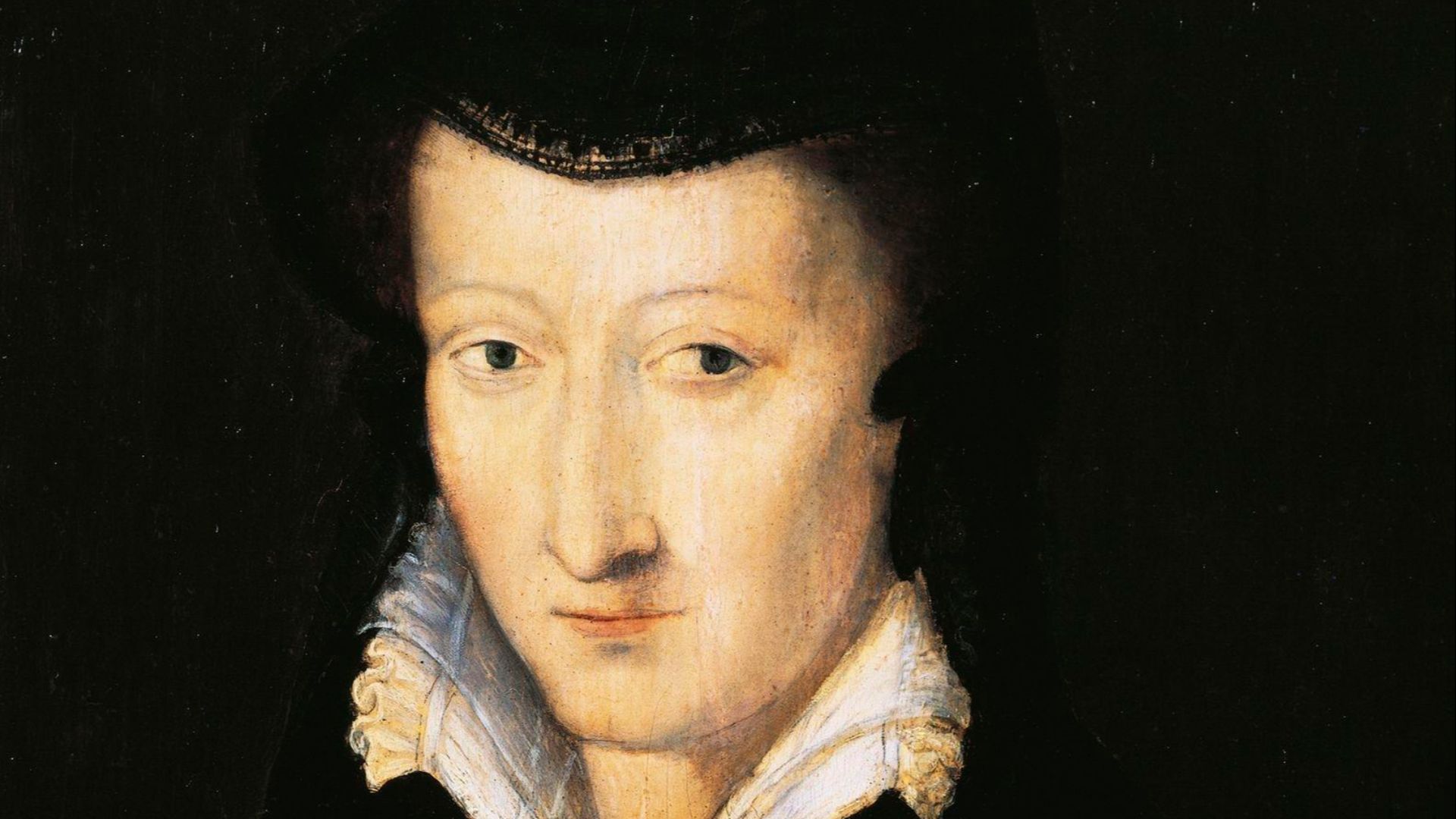
28. Her Looks Were Deceptive
Jeanne d’Albret had picked a fight with one of the most powerful people in Europe—and she was far from intimidating, herself. Depictions and descriptions of d’Albret paint a picture of a woman who was “small of stature, frail but erect, with a narrow face, cold light eyes, and thin lips”. However, observers noted she was “highly intelligent, but austere and self-righteous”.
Nothing about her physical appearance suggested a woman capable of going toe-to-toe with de’ Medici. Which was, of course, precisely what she was about to do.
 Unknown authorUnknown author, Wikimedia Commons
29. She Earned Extraordinary Praise
Huguenot chronicler Agrippa d’Aubigné described d’Albret as possessing “a mind powerful enough to guide the highest affairs”. He went further still, writing that she had “no woman but her [gender]”, adding that she possessed “a manly mind, an elevated capacity, a magnanimity and fortitude of soul, proof against all the storms of adversity”.
Catherine de’ Medici had better be afraid.
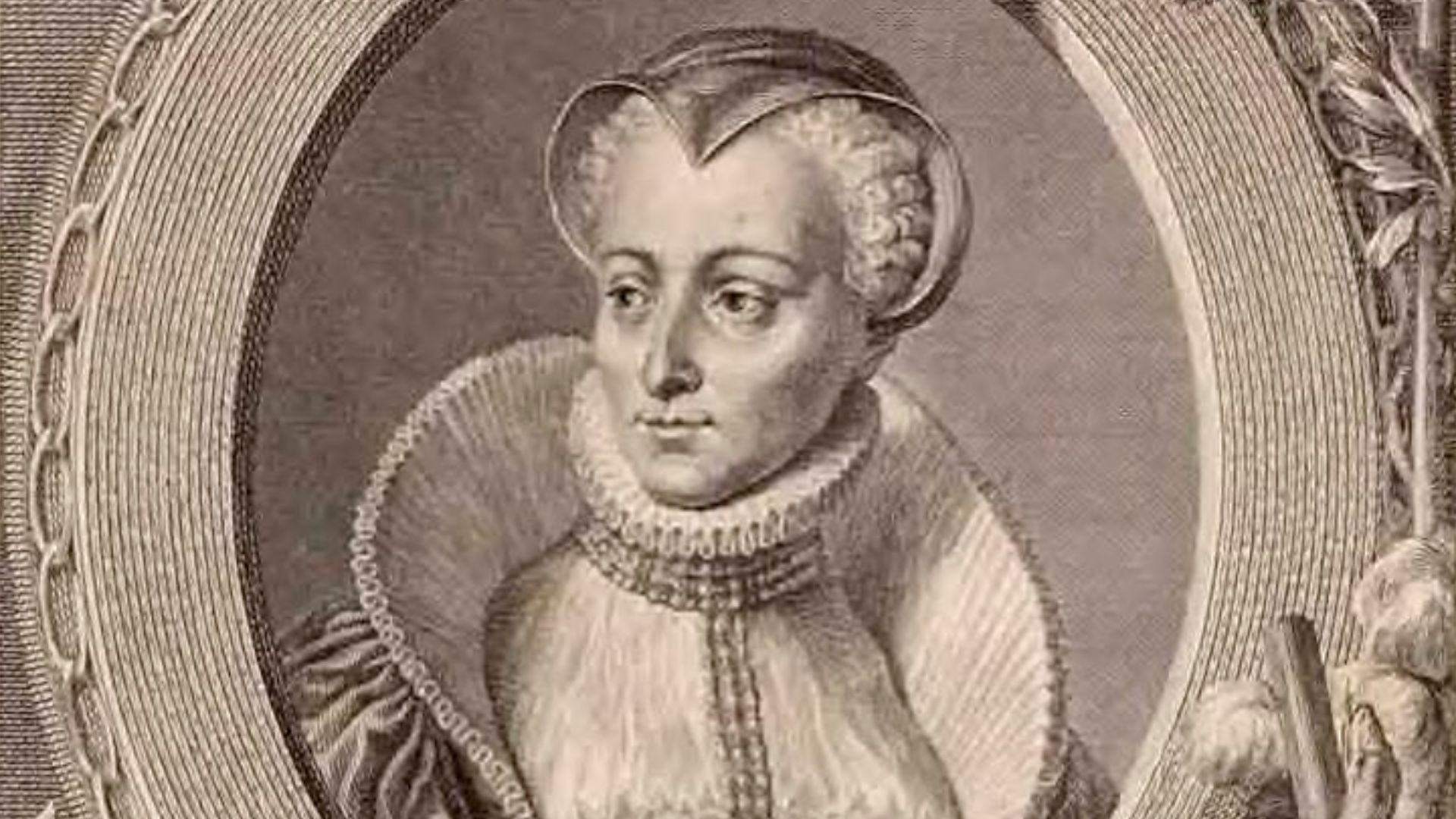
30. She Defied Her Own Husband
When conflict between Catholics and Protestants erupted in France in 1562, d’Albret’s marriage became a flashpoint. Antoine threw his support behind the Catholic House of Guise and pressured his wife to attend Mass. Catherine de’ Medici even stepped in, beseeching d’Albret to obey her husband. However, d’Albret “staunchly refused to abandon the Calvinist religion”.
Her marriage would not outlast her convictions.
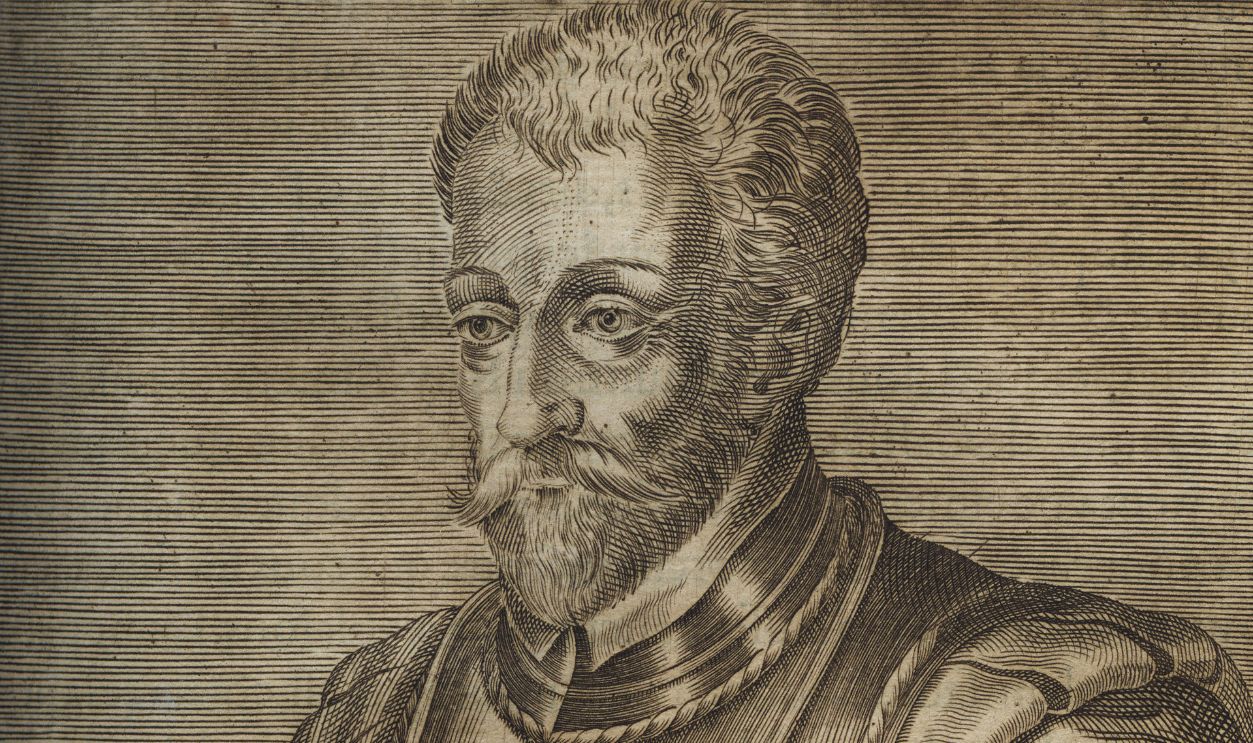
31. She Fled Paris In Fear
With tensions boiling over inside her household, Jeanne d’Albret slipped out of Paris in March 1562, seeking refuge in Béarn. On May 14, she stopped in Vendôme—just in time to watch a 400-strong Huguenot force “rob and sack all the churches”. They even pillaged her husband’s ancestral chapel, further inflaming her already combustible marriage.
Her husband’s next move, however, was worse than divorce.
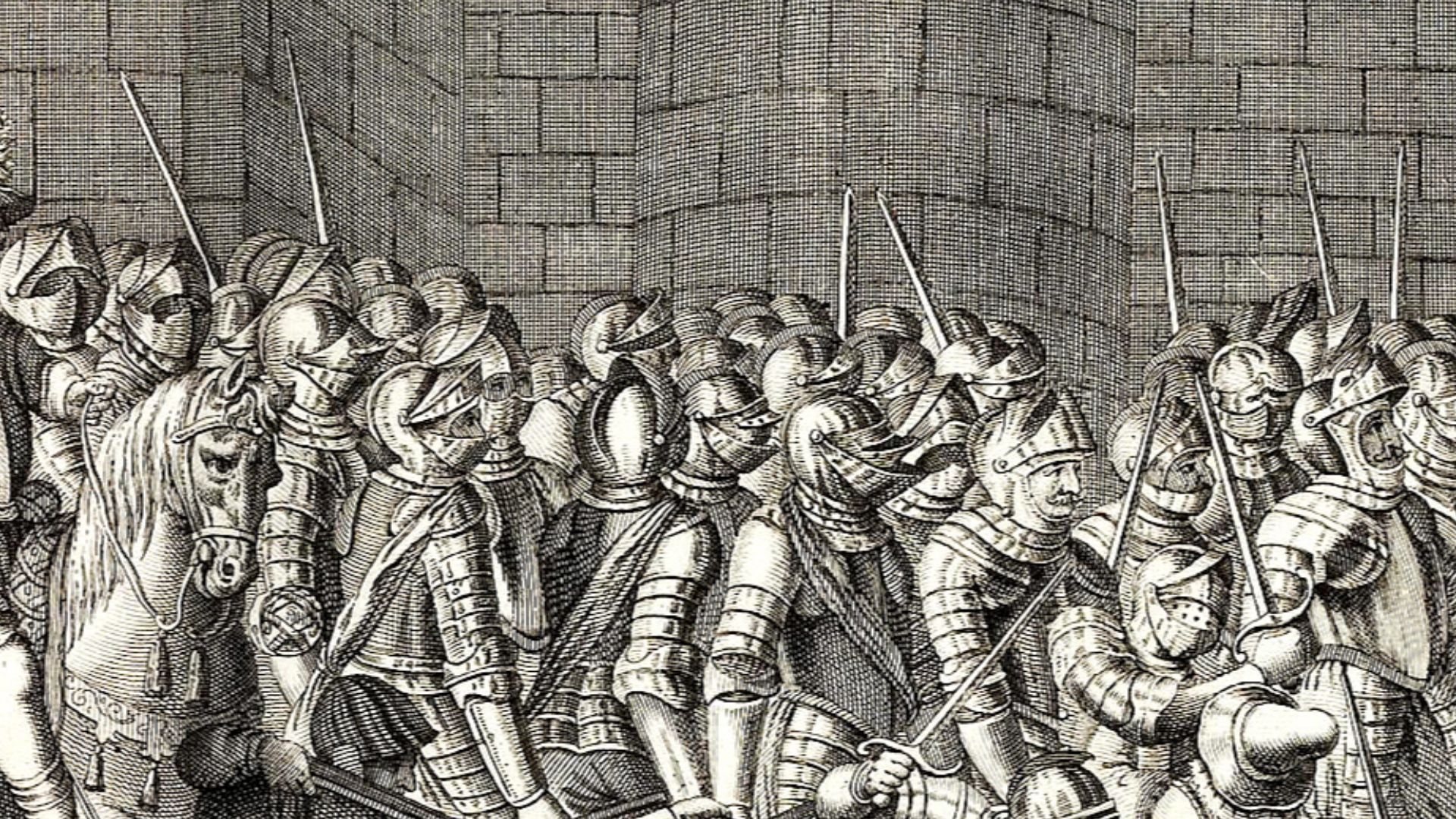 Bernard de Montfaucon / Léonard Gaultier, Wikimedia Commons
32. She Narrowly Escaped
Antoine—understandably furious that d’Albret hadn’t stopped the Huguenots in Vendôme—answered the turmoil with a shocking move. He ordered Blaise de Montluc to bring d’Albret into custody and haul her back to Paris for confinement in a Catholic convent. Jeanne d’Albret might have been in chains had she not narrowly slipped past her pursuers, crossing safely into Béarn.
It would have been the couple’s last chance at a fond farewell.
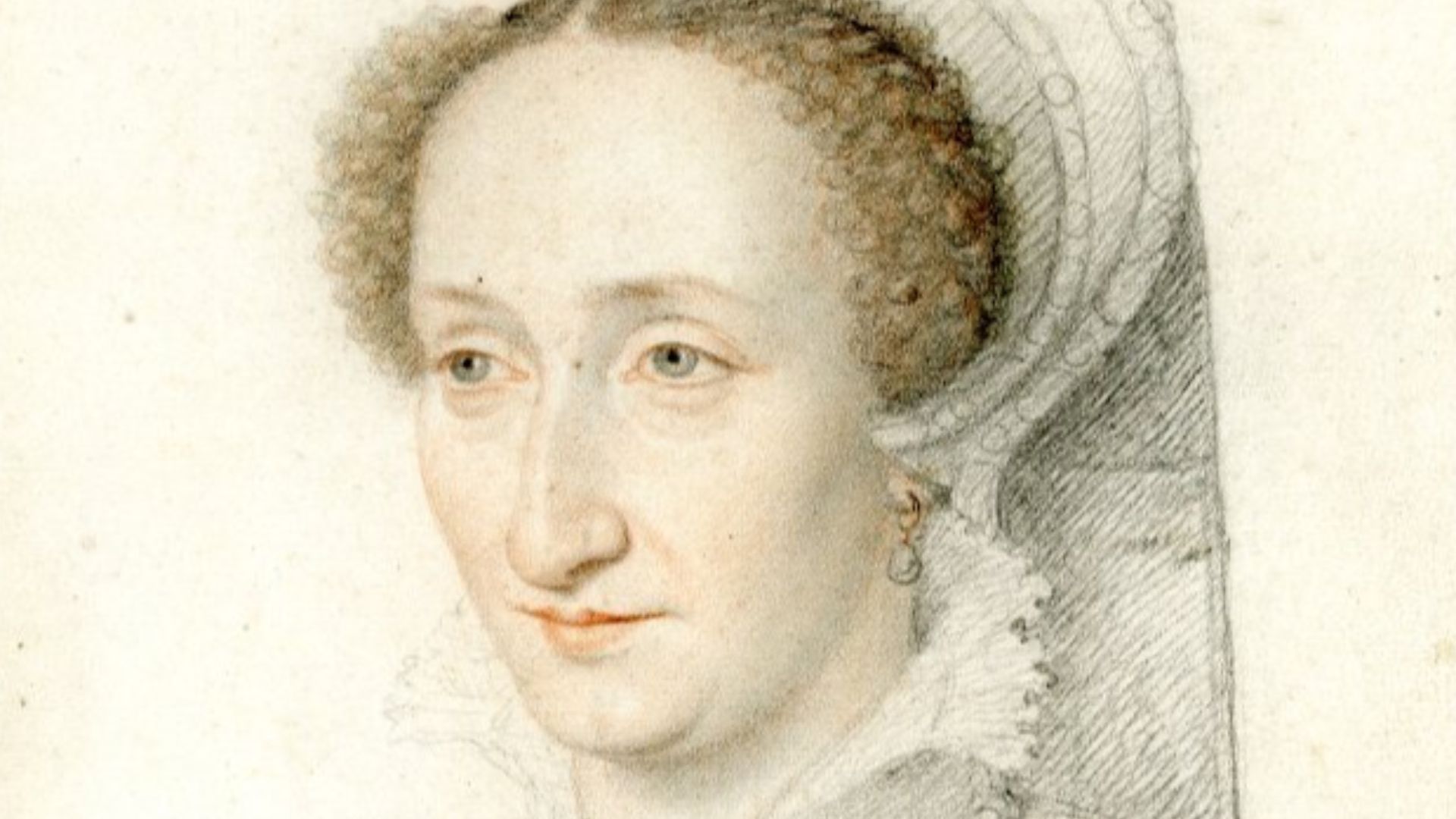
33. She Lost Her Husband From Afar
When Antoine suffered a mortal wound at Rouen in November 1562, d’Albret was still hunkered down in Béarn, unable to move, with enemies blocking her path. Instead—much to d’Albret’s consternation—Antonie’s mistress was with him during his final hours. d’Albret now was the sole ruler of the Kingdom of Navarre.
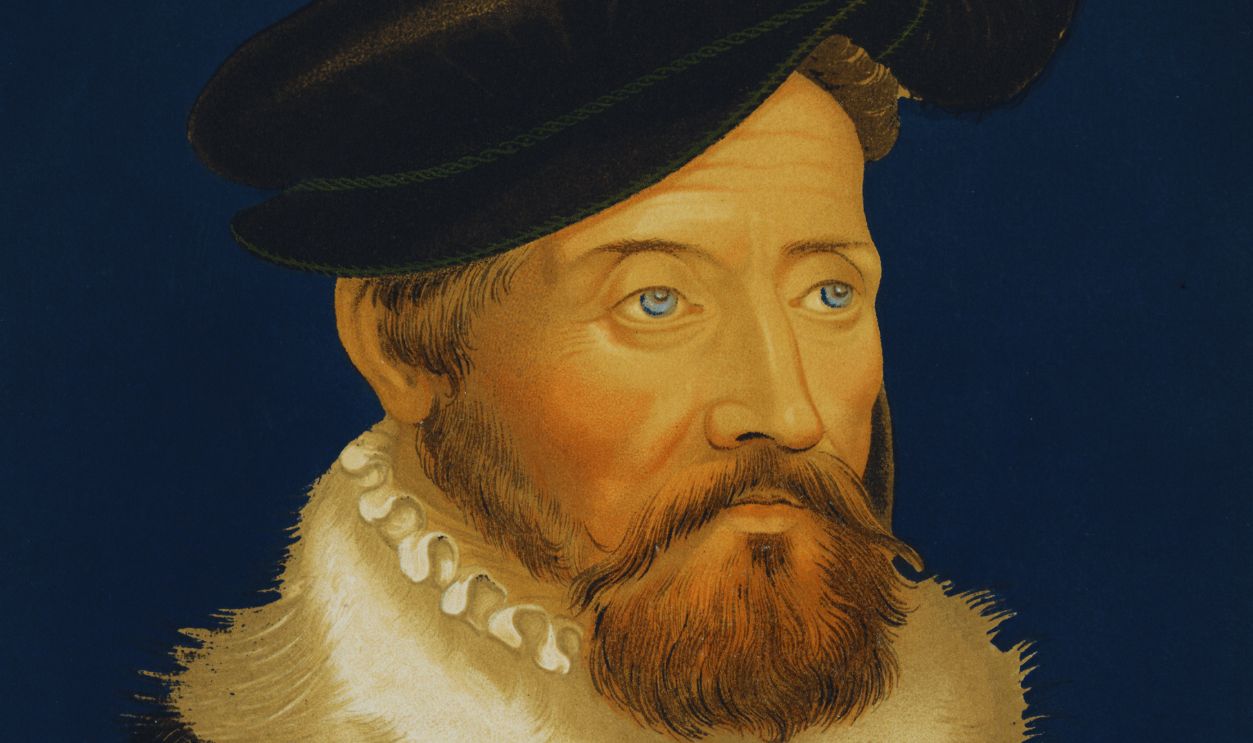
34. She Ruled Without Apology
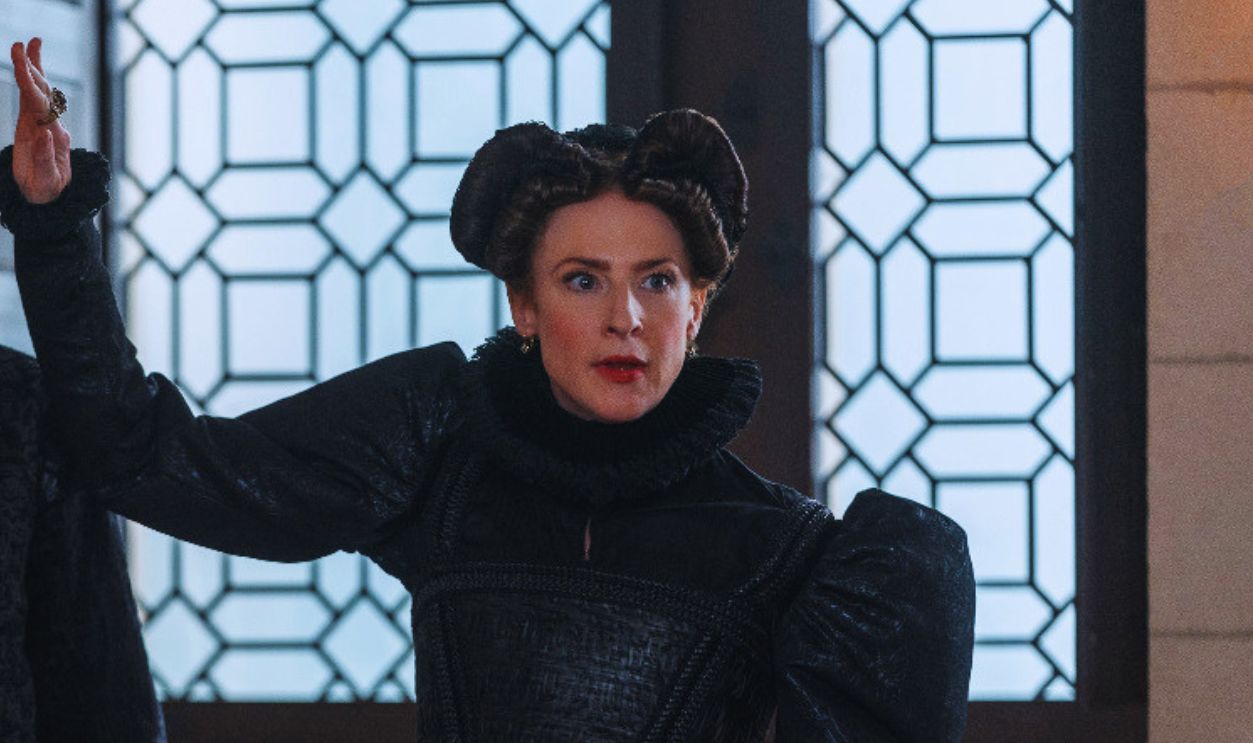
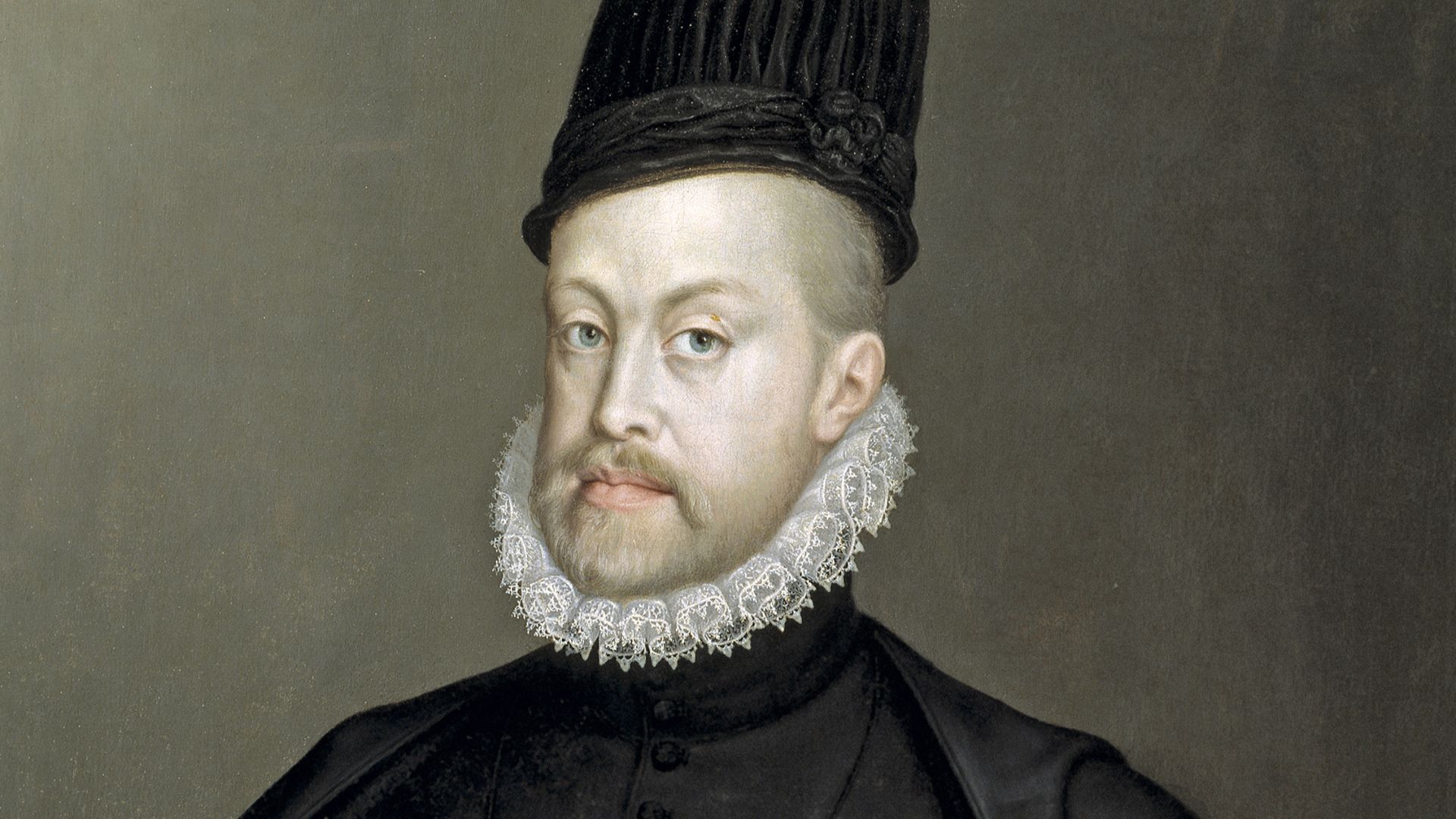
Widowed, Jeanne d’Albret governed Navarre as sole queen regnant. Owing to her political prowess and intellect, contemporary sources note that “her [gender]” was “no impediment to her sovereignty”. Even so, the pressure was on for her to marry and convert. Two things she refused to do when Philip II of Spain dangled a marriage proposal in her face…if only she returned to Catholicism.
No king could get her to change her mind. Not even the pope.
 Screenshot from The Serpent Queen, 3 Arts Entertainment / Lionsgate Television (2022–2024)
35. She Rebuffed The Pope
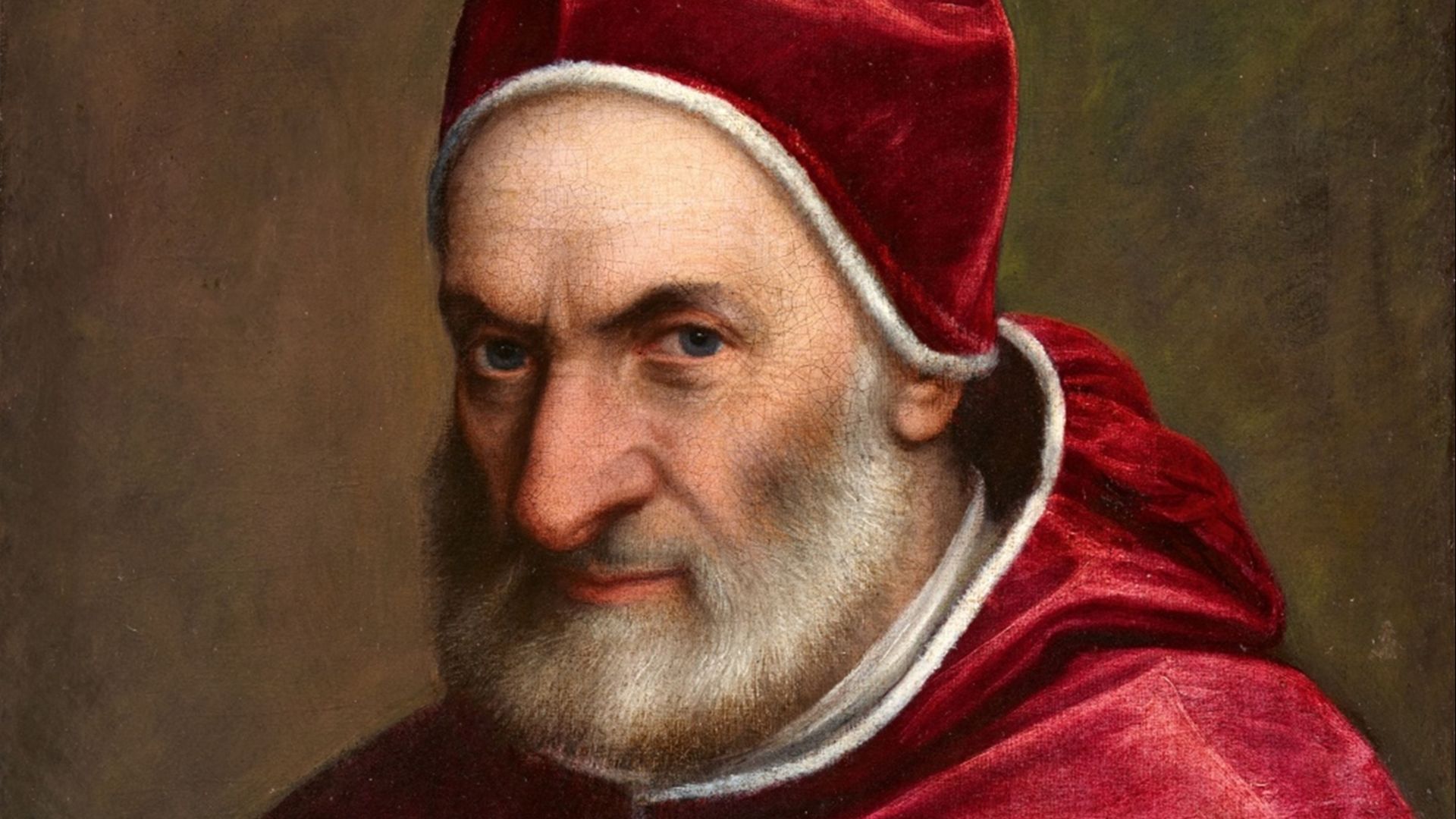
Sensing her precarious situation, envoys from the Vatican arrived at her doorstep, demanding her return to Rome’s authority. True to form, Jeanne d’Albret answered coolly: “the authority of the Pope’s legate is not recognised in Béarn”. Desperate, Pope Pius IV summoned her to Rome under threat of excommunication, saying that any major power would be allowed to invade her kingdom.
D’Albret didn’t even flinch.
 Workshop of Italian art schools of the Renaissance, Wikimedia Commons
36. She Survived A Plot
Philip II—probably angry at d’Albret’s refusal to remarry—allegedly backed a scheme so bold that it defied belief. The plot was to have d’Albret taken hostage and handed over to the Spanish Inquisition. France and Spain would then divide Navarre. The plot was so scandalous that even d’Albret’s enemies (the pope and Catherine de’ Medici) balked at the mere idea of it.
 Sofonisba Anguissola, Wikimedia Commons
37. She Legislated A Moral Code
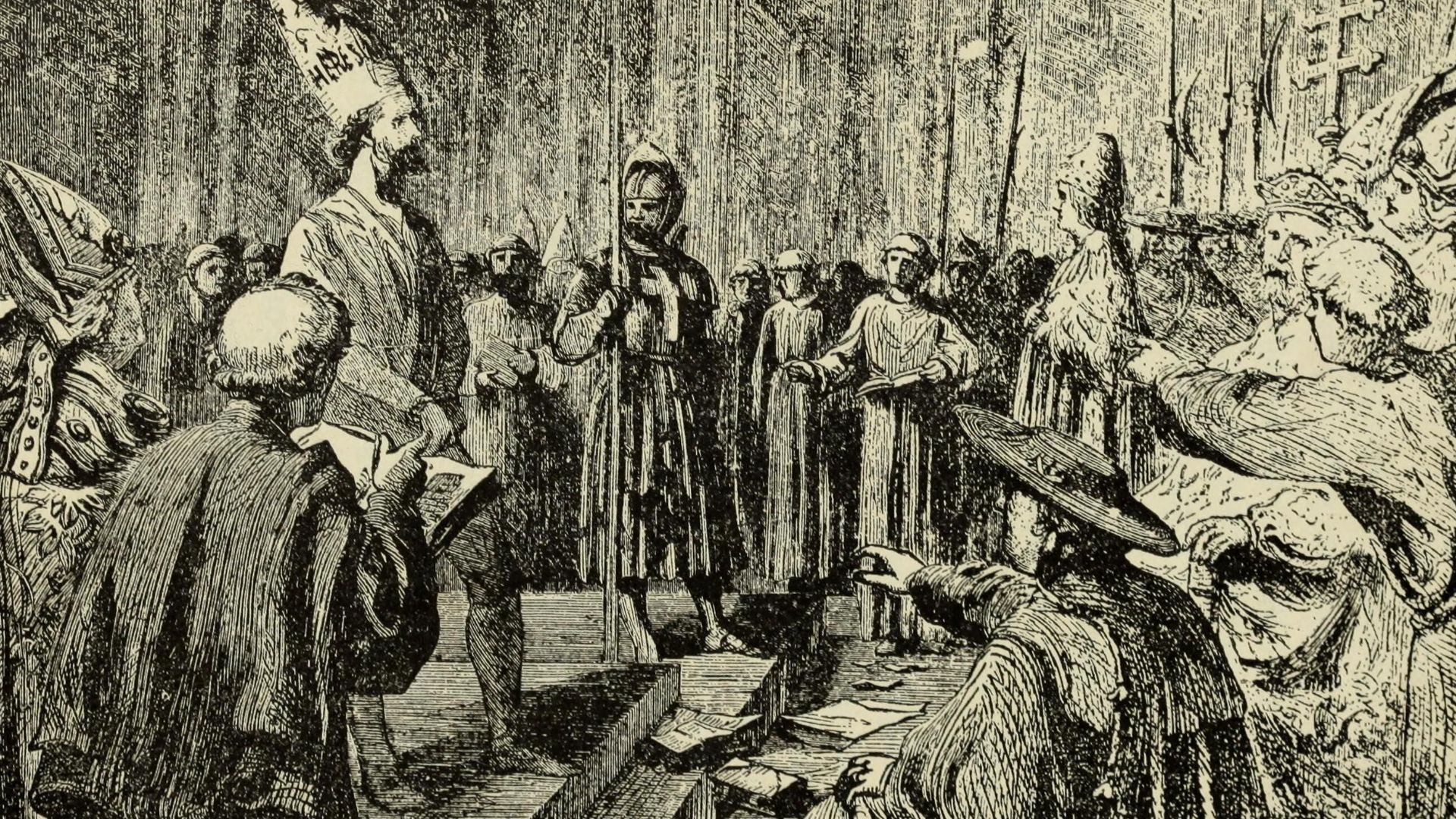
The growing pressure on d’Albret did nothing to stop her anti-Catholic policies. In 1566, she doubled-down, signing the Ordinances of July. The laws “renewed and extended the prohibitions against Catholic ceremonies” and imposed strict moral laws that presaged the Puritanical movement. When Catholic rebellions erupted, she answered first with force, then with pardons and compromise.
The damage, however, was done.
 Internet Archive Book Images, Wikimedia Commons
38. She Fled The Advancing Forces
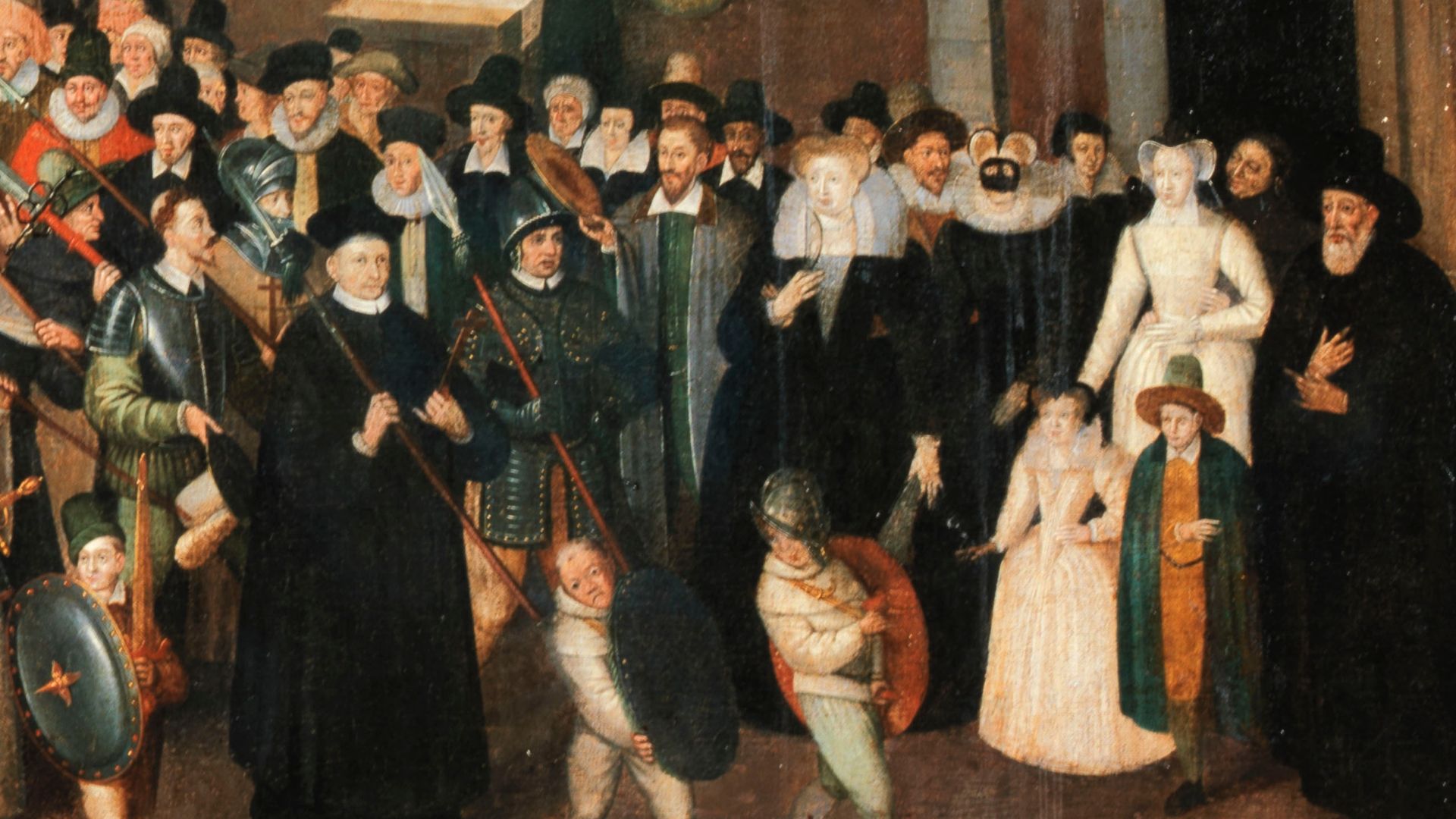
By 1568, Catholics and Huguenots were fighting pitched battles against one another. Unsurprisingly, Jeanne d’Albret sided with Huguenot cause. However, she quickly found herself outnumbered and overpowered. With Catholic and Spanish troops advancing on her position, d’Albret and her son Henry fled to La Rochelle, a Protestant stronghold. From there, she fought back—with words.
39. She Ran The Entire Show
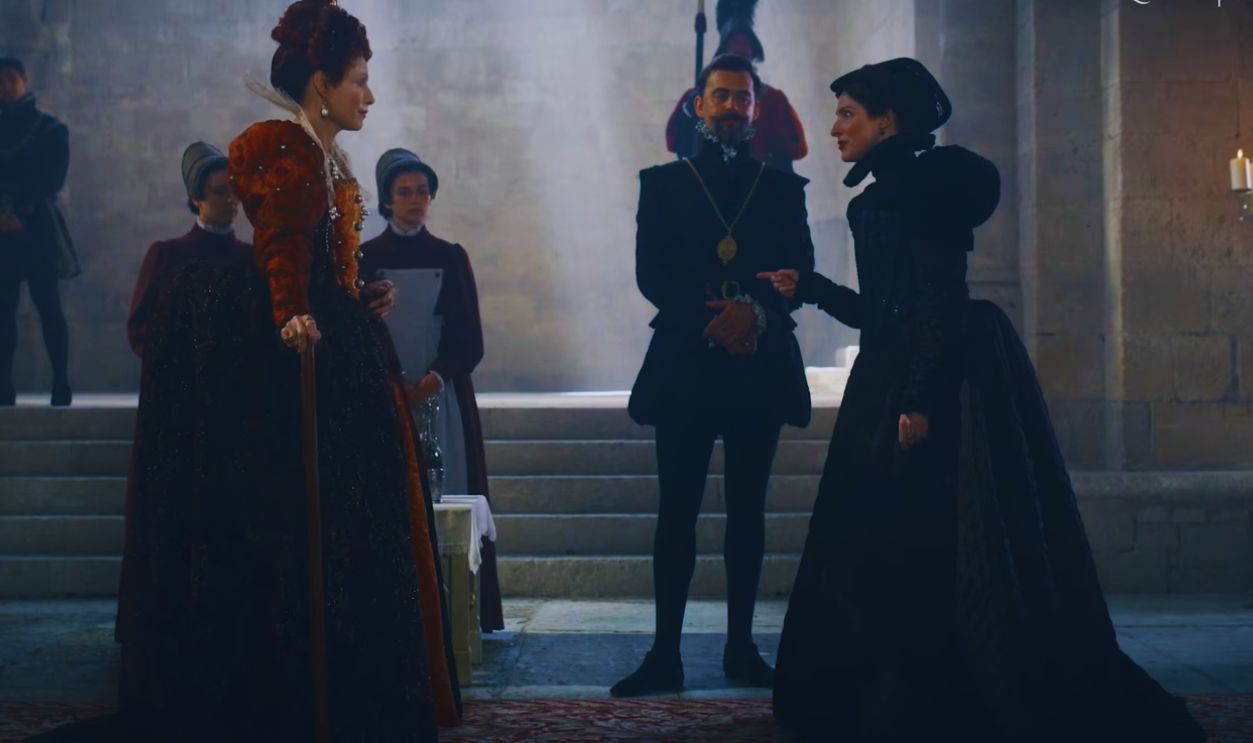
La Rochelle was a fortification for some—but it was a writer’s retreat for d’Albret. From there, she became the “Minister of Propaganda” for the Huguenots. And that wasn’t all. She controlled the fortifications, managed the finances, ran the intelligence networks, and kept order among the civilian population. When funds ran dry, she even pawned her own jewelry to secure a loan from England’s Elizabeth I.
She also put her money where mouth was.
 Screenshot from The Serpent Queen, 3 Arts Entertainment / Lionsgate Television (2022–2024)
40. She Went Straight To The Front
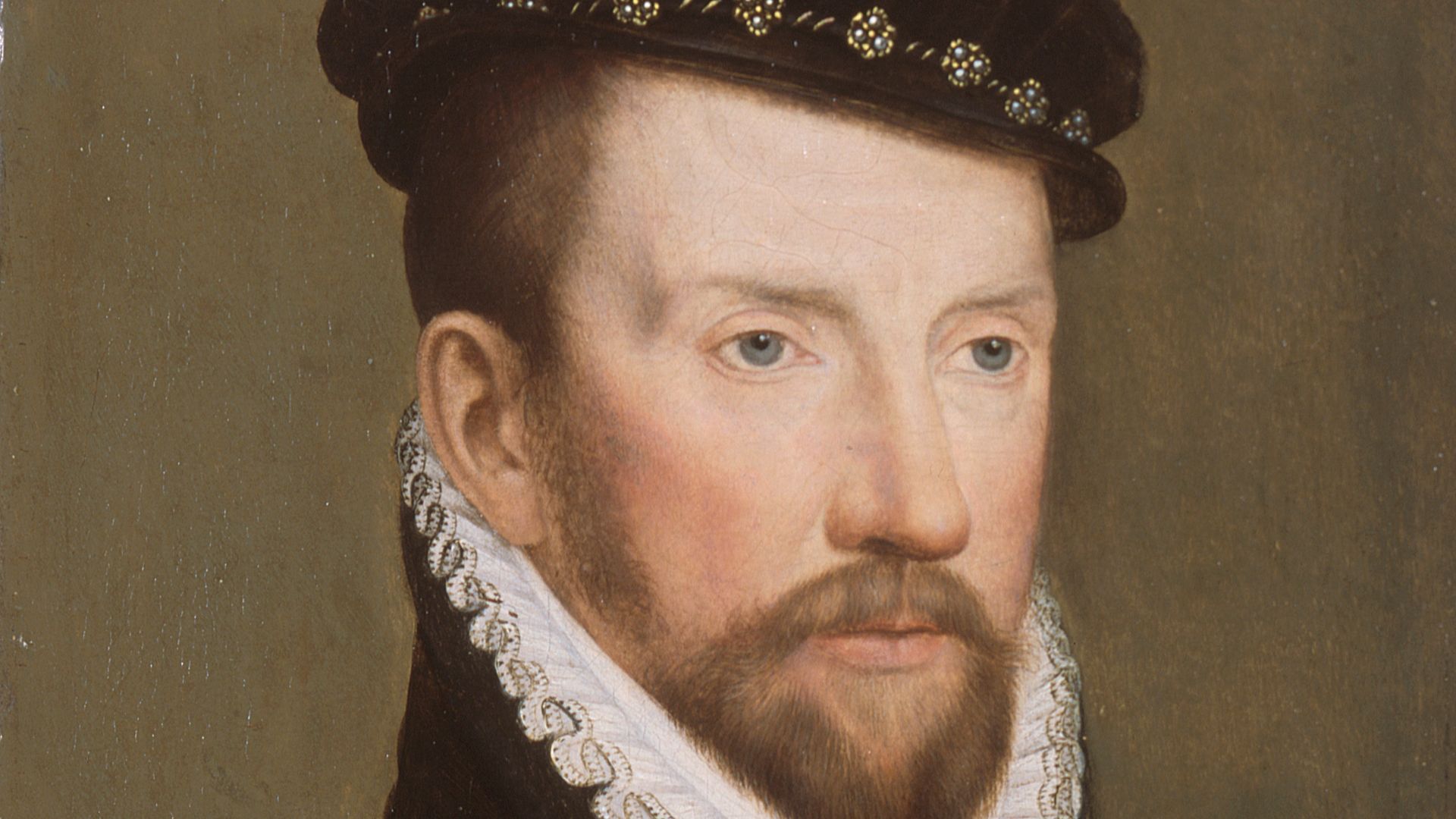
Jeanne d’Albret wasn’t content directing the fight from a safe distance. She regularly rode out alongside Admiral Gaspard de Coligny to wherever the fighting was fiercest, inspecting the defenses and rallying the troops herself. Back in La Rochelle, she founded a religious seminary that drew, in her own words, “the most learned Huguenot men in France within its walls”.
But it all came at a tremendous cost.
 François Clouet, Wikimedia Commons
41. She Paid A Heavy Personal Price
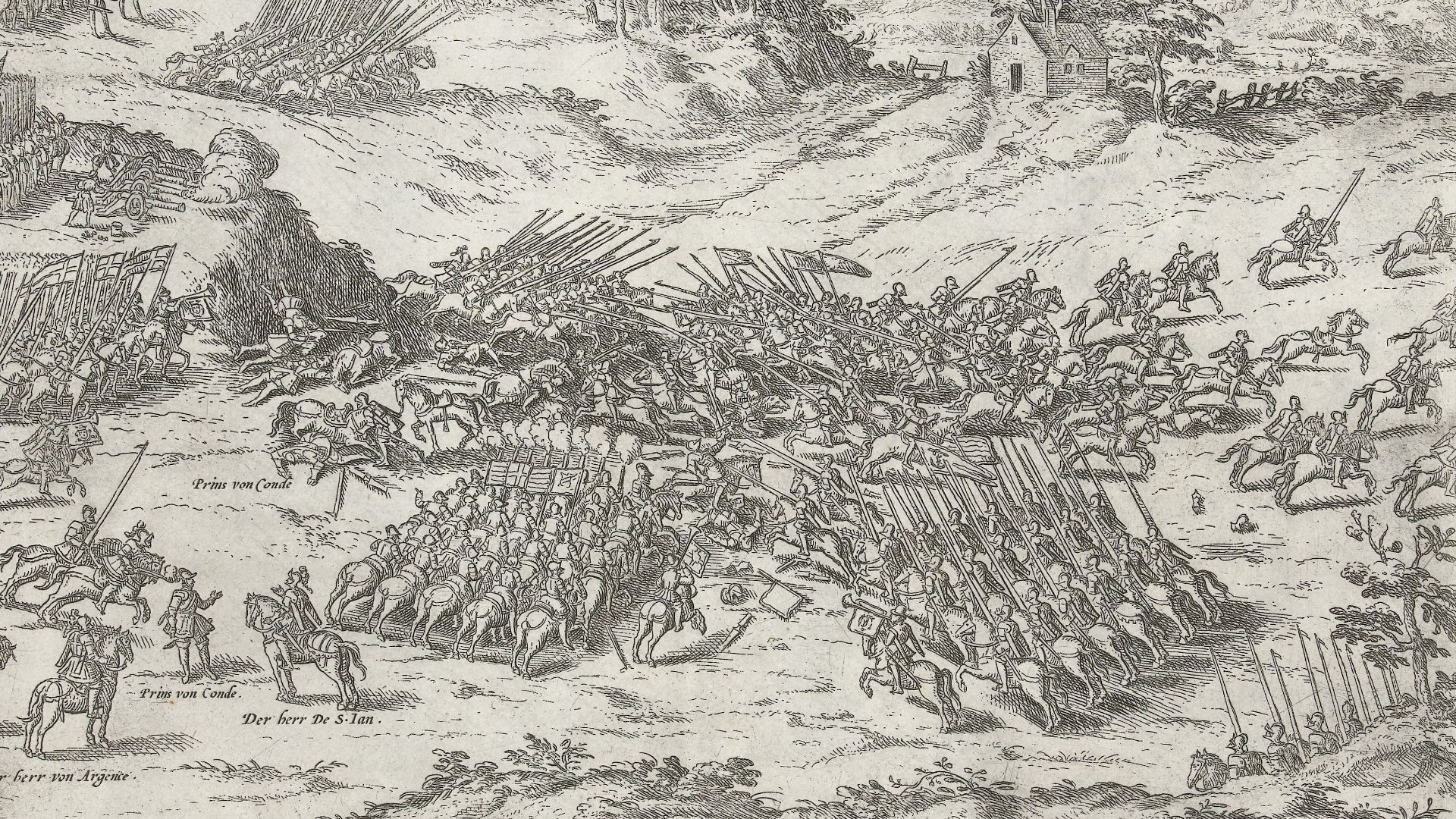
The Battle of Jarnac in March 1569 was a disaster for the Huguenots—and a personal blow to d’Albret. Her brother-in-law, Louis de Bourbon, Prince of Condé, was captured on the battlefield and executed shortly thereafter. With the Huguenot cause reeling, d’Albret reached into her jewelry box once more to secure funds from England and keep the movement alive.
Her final gambit paid off.
 Rijksmuseum, Wikimedia Commons
42. She Negotiated Peace On Her Own Terms
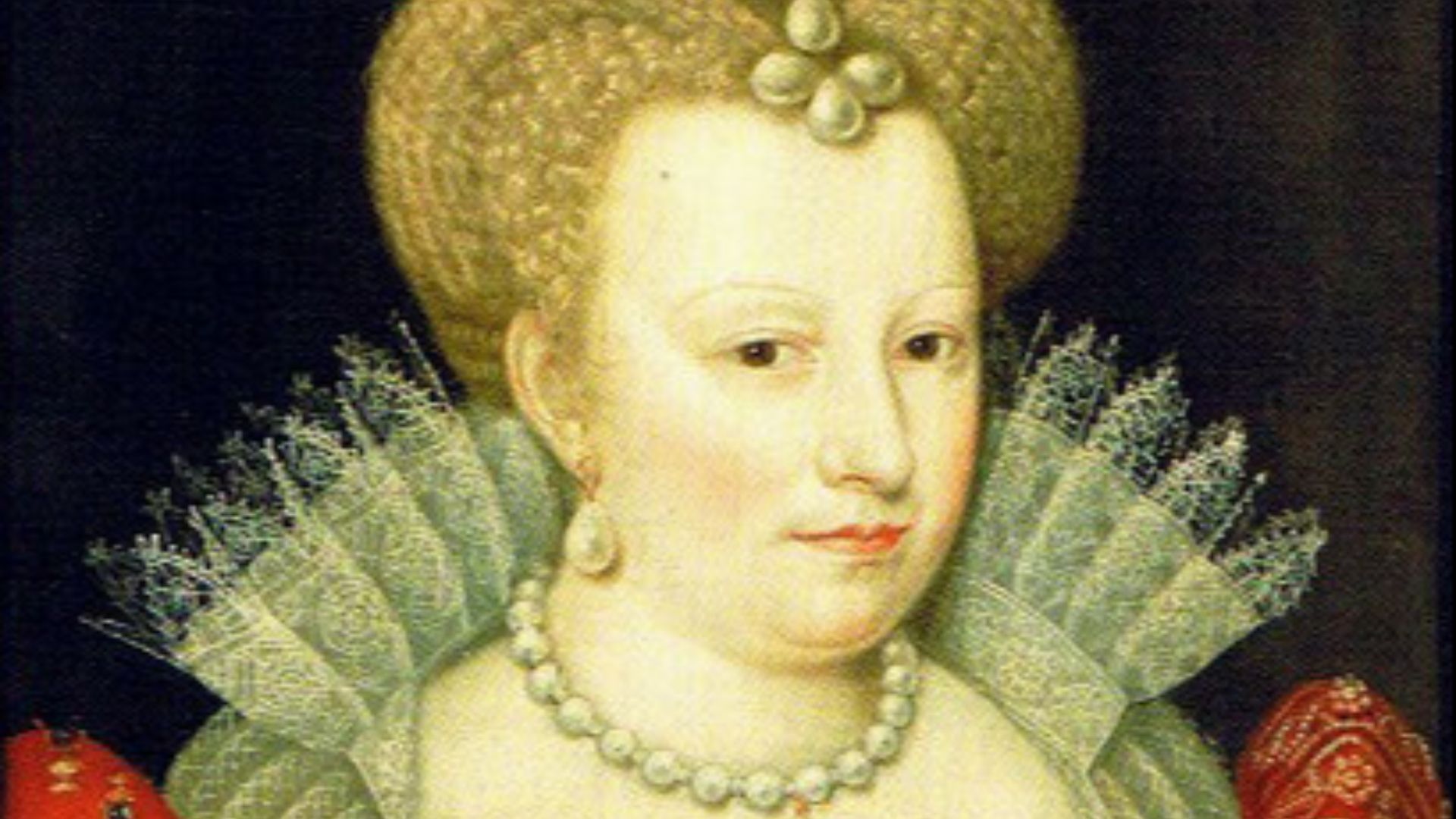
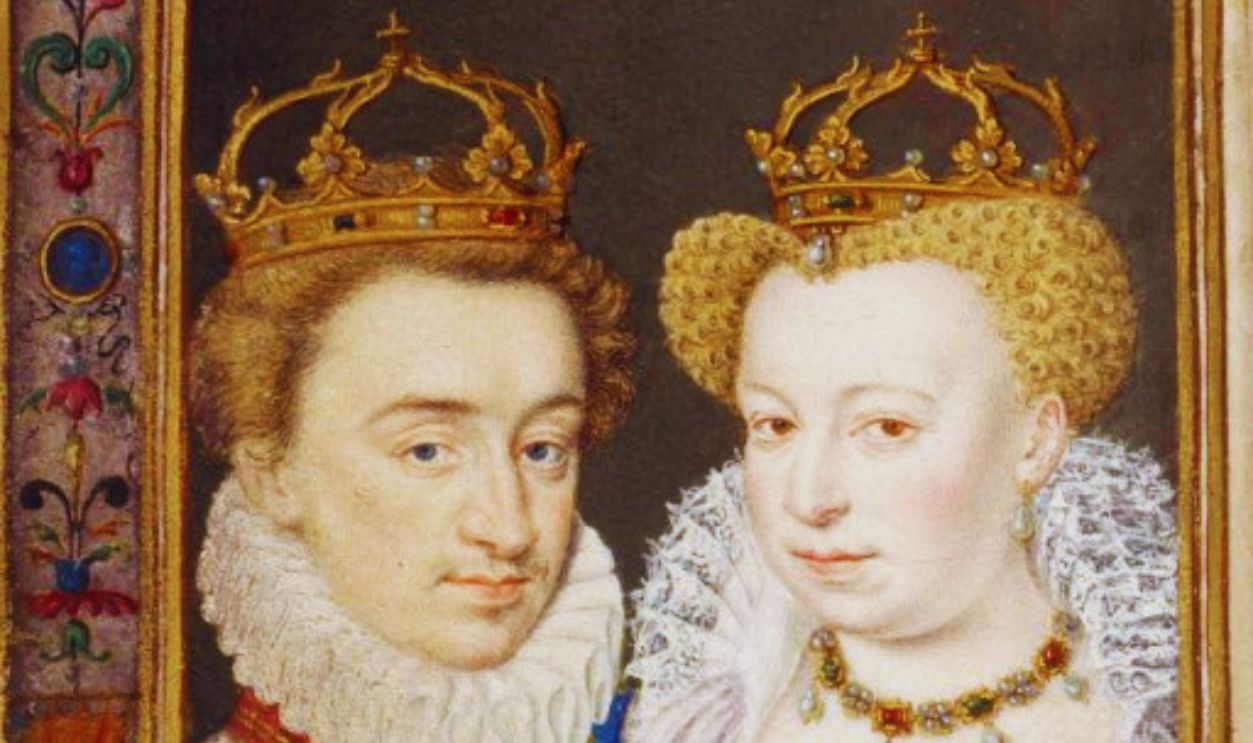
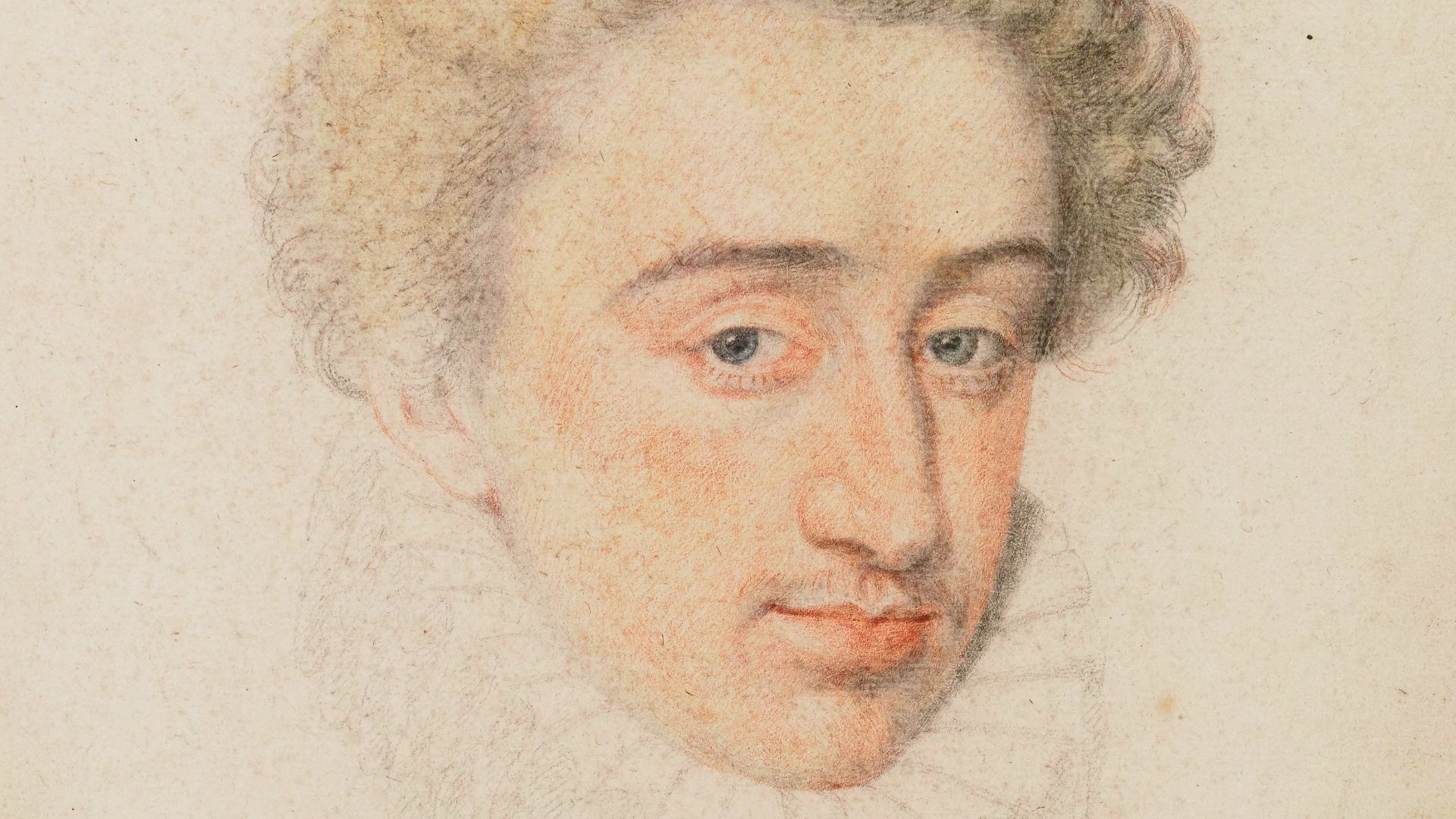
The Catholic forces must not have had as much jewelry as Jeanne d’Albret, because they soon ran out of funds. With the fighting grinding to a halt in 1570, it was d’Albret with the upper hand in the negotiations, producing the Peace of Saint-Germain-en-Laye. The deal she struck was remarkable: in exchange for her son Henry’s hand in marriage to Charles IX’s sister, Margaret of Valois, Huguenots finally won the right to hold public office in France.
She did, however, have to make some concessions of her own.
 Unidentified painter, Wikimedia Commons
43. She Swallowed A Bitter Pill
The marriage negotiations that began in November 1571 came with one non-negotiable condition: Margaret of Valois would remain Catholic, full stop. Jeanne d’Albret, herself desperate for peace, had no choice but to accept it. With the wedding date fixed for August 18, 1572, she threw herself into preparations.
 Bibliothèque nationale de France, Wikimedia Commons
44. She Hated The French Court
When d’Albret arrived at Chenonceaux with her daughter to hammer out the final marriage terms with Catherine de’ Medici, she was mortified. She dashed off a letter to her son warning him to stay well clear: “Not for anything on earth would I have you come to live here…it is the women who make advances to the men, rather than the other way around. If you were here you would never escape without special intervention from God”.
The negotiations didn’t go so well, either.
 Pierre Dumonstier, Wikimedia Commons
45. Her Rival Made Every Meeting Miserable
The negotiations themselves were an ordeal. D’Albret wrote to Henry on March 8, complaining that Catherine de’ Medici had spent weeks belittling and mocking her at every turn. “She treats me so shamefully,” she confided, “that you might say that the patience I manage to maintain surpasses that of Griselda herself”.
At least she found a way to blow off some steam.
 Attributed to Germain Le Mannier, Wikimedia Commons
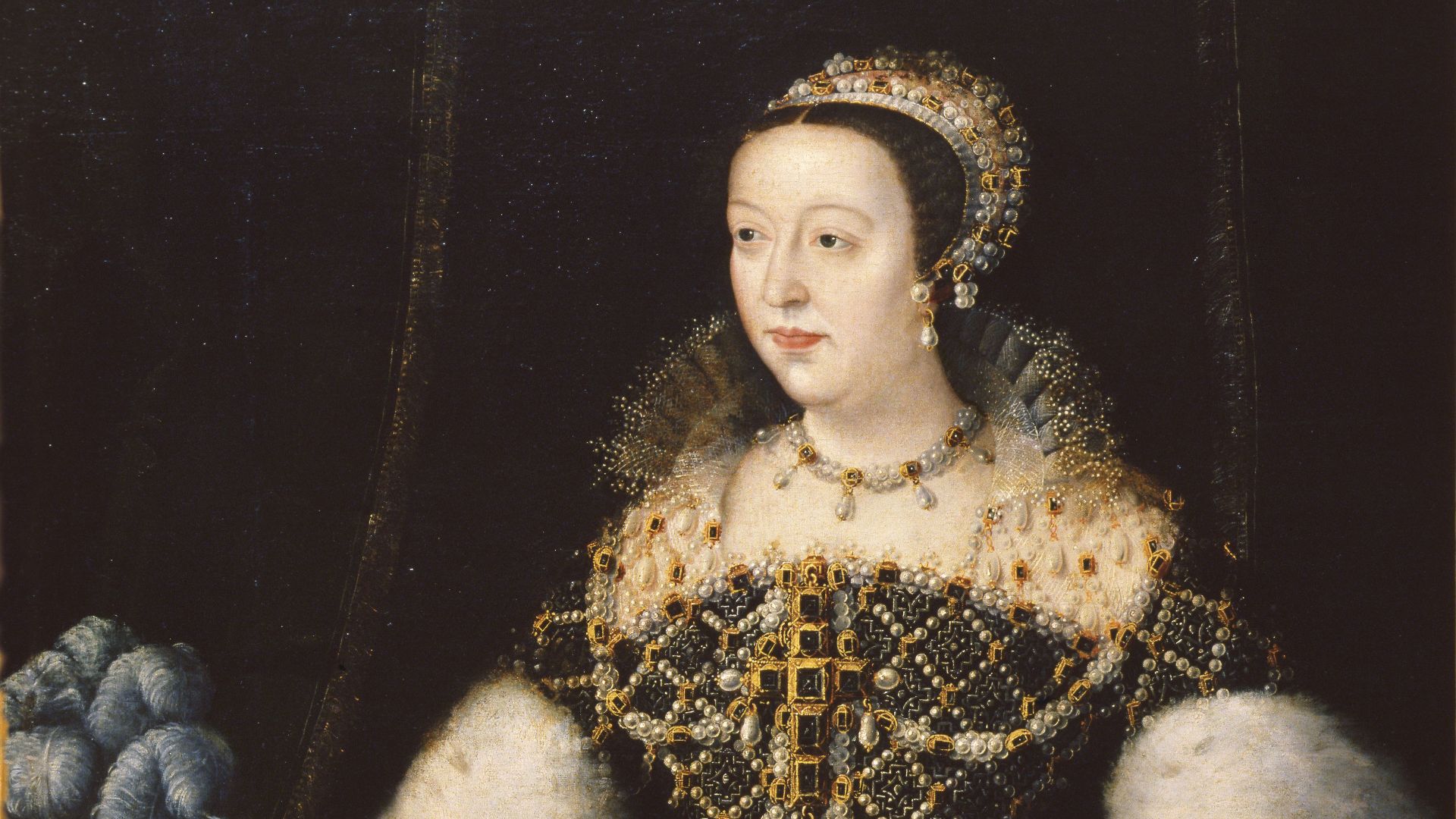
46. She Shopped, And Shopped
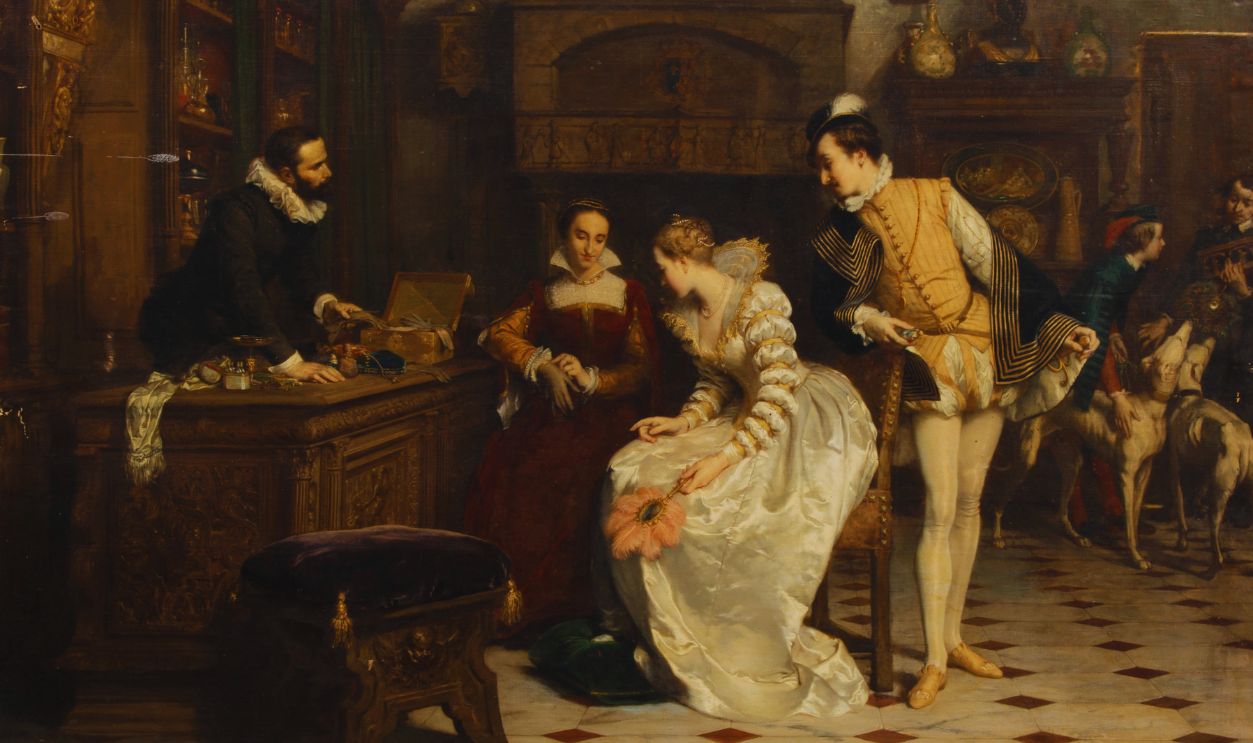
With the marriage contract finally signed, Jeanne d’Albret settled into Paris and buried herself in preparations. Day after day, she hit the shops, gathering everything the wedding would need. A friend, Anna d’Este, wrote about her in a letter around this time, saying, “The Queen of Navarre is here, not in very good health but very courageous. She is wearing more pearls than ever”.
You might say that she shopped until she dropped.
47. She Never Made It To The Wedding
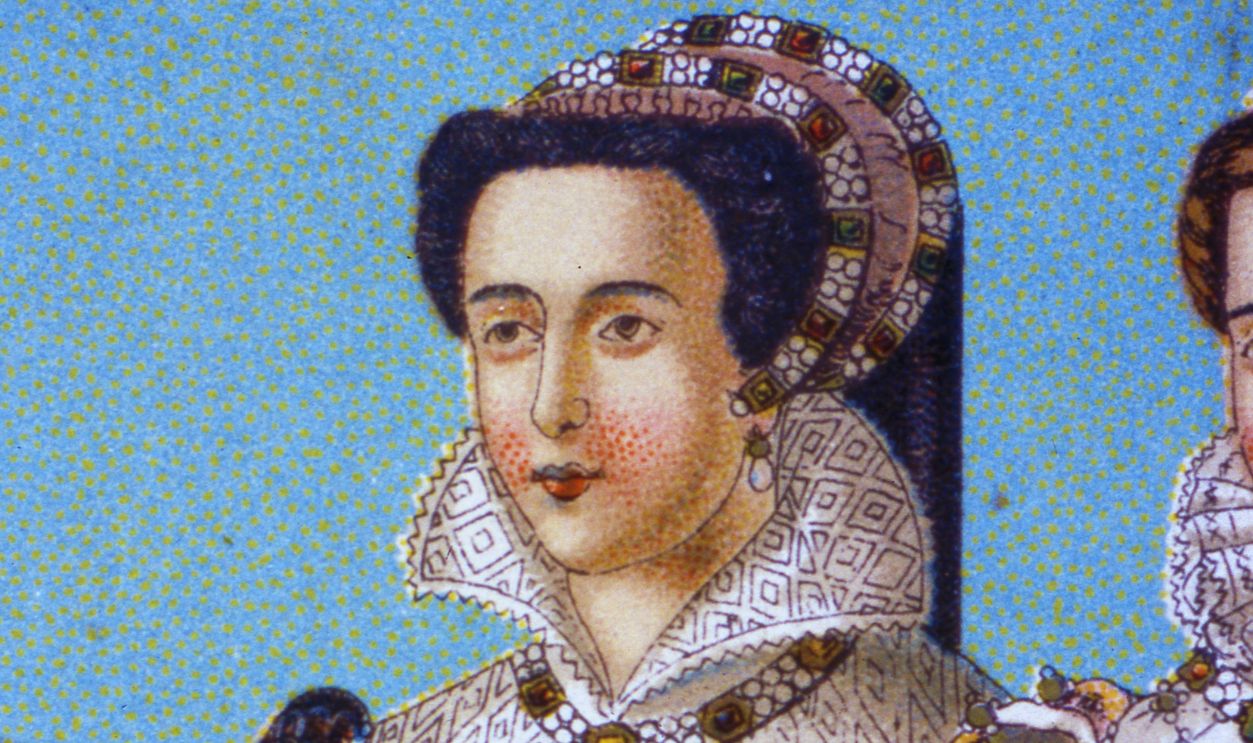
On June 4, d’Albret came home from another shopping trip “feeling ill”. By morning she had a fever and a sharp pain along her right side. Sadly, she would not recover. Five days later, on June 9, 1572—with her son’s wedding still ten weeks away—Jeanne d’Albret slipped into slumber and was gone. Her sudden demise had everyone raising an eyebrow.
48. Her Rival Was The Prime Suspect
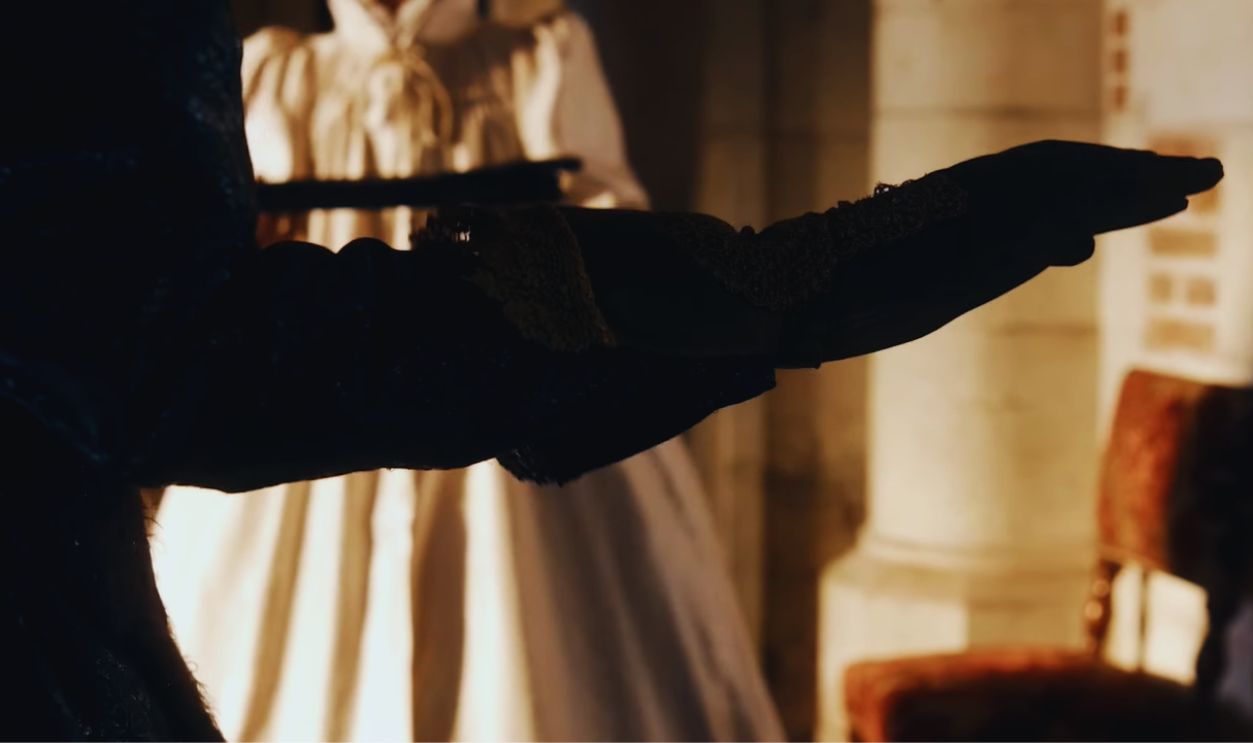
It didn’t take long for rumors to take hold. The whisper— quickly rising to a roar—was that Catherine de’ Medici was to blame. Many speculated that de’ Medici had conspired with her Florentine perfumer, René Bianchi, to slip d’Albret a pair of perfumed gloves laced with a fatal substance. The theory was so popular that it wound up in Alexandre Dumas’ La Reine Margot, Christopher Marlowe’s The Massacre at Paris, and Michel Zevaco’s Pardaillan novels.
The truth, however, was more complicated.
 Screenshot from The Serpent Queen, 3 Arts Entertainment / Lionsgate Television (2022–2024)
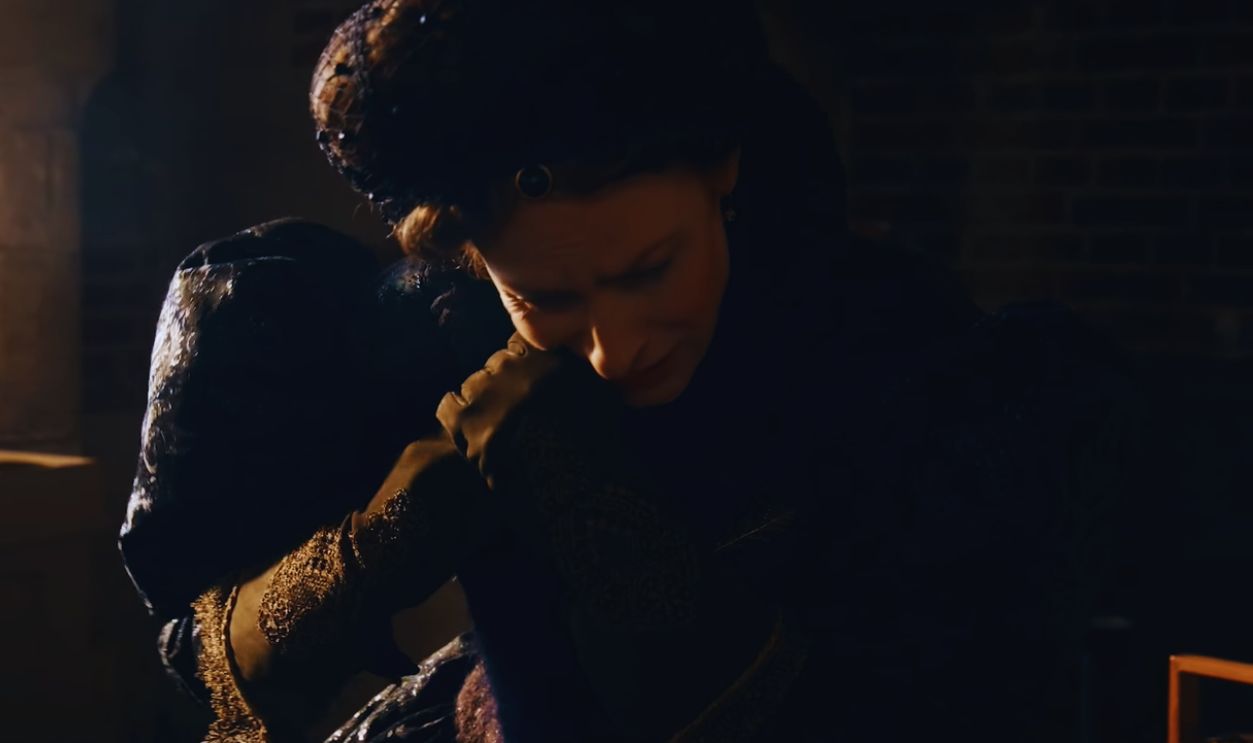
49. Her Autopsy Told A Different Story
An autopsy revealed the real cause of d’Albret’s demise—and it wasn’t poisoned gloves. To everyone’s surprise, the findings pointed to natural causes, most likely tuberculosis. Turns out, the condition had shadowed d’Albret’s family for generations and had even dogged her own health repeatedly throughout her life.
 Screenshot from The Serpent Queen, 3 Arts Entertainment / Lionsgate Television (2022–2024)
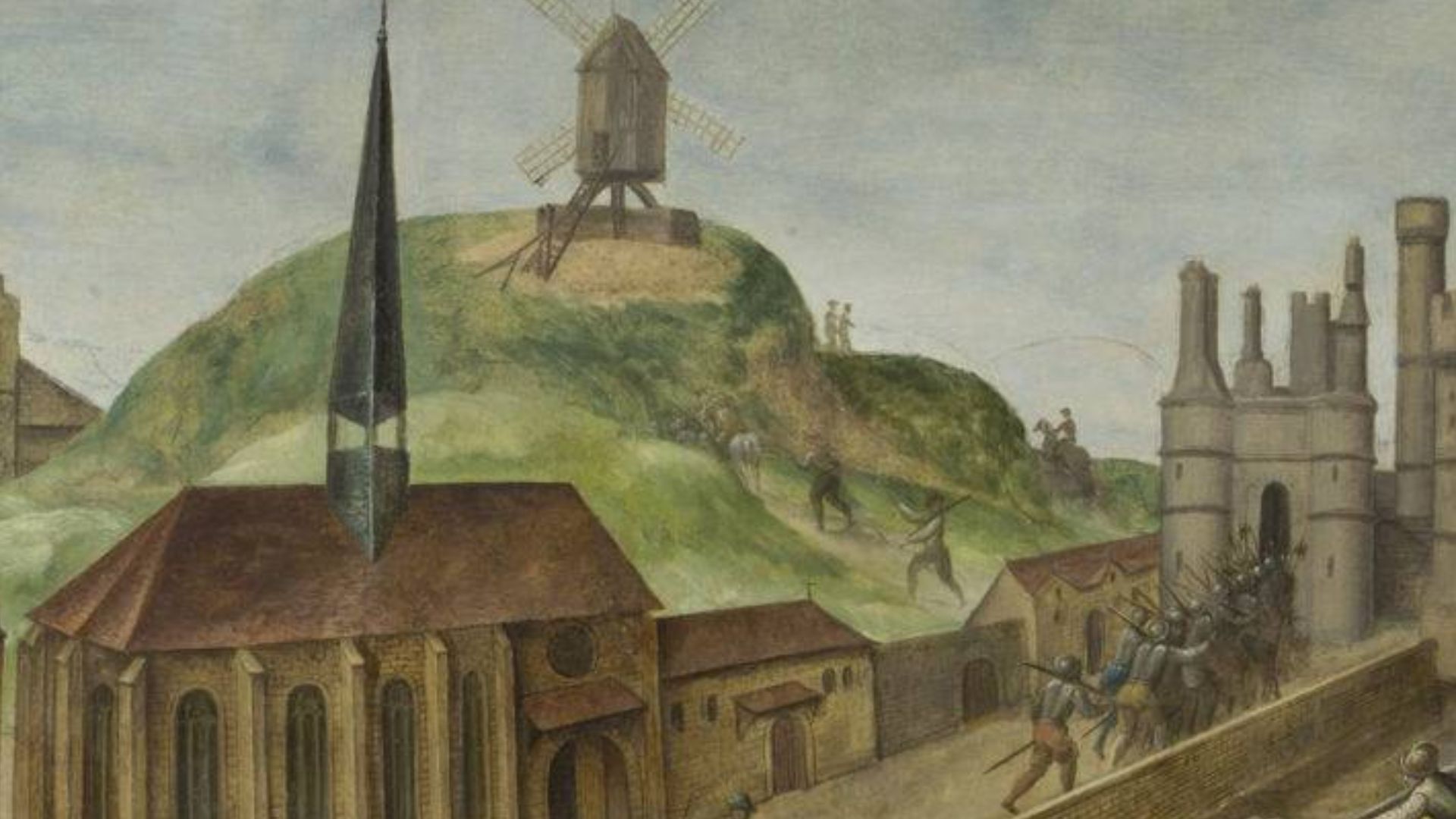
50. Her Absence Led To A Massacre
Jeanne d’Albret’s sudden passing couldn’t have come at a worse moment. With the Huguenot movement already reeling from her loss, her son’s wedding on August 18 brought thousands of Protestant leaders to Paris—and into a trap. Just days later, on the night of August 23rd, Catholics slaughtered Huguenots across France in what history would remember as the St Bartholomew’s Day Massacre.
 François Dubois 1529-1584, Wikimedia Commons
51. She Didn’t Get Her Final Wish
Prior to her downfall, d’Albret had asked for one last thing: a quiet burial alongside her father. No pomp, no ceremony. But even that was too much to ask. Instead, she was laid to rest next to Antoine—her cheating husband—at the collégiale Saint-Georges in Vendôme, far from the Navarrese crypt where her own dynasty rested.
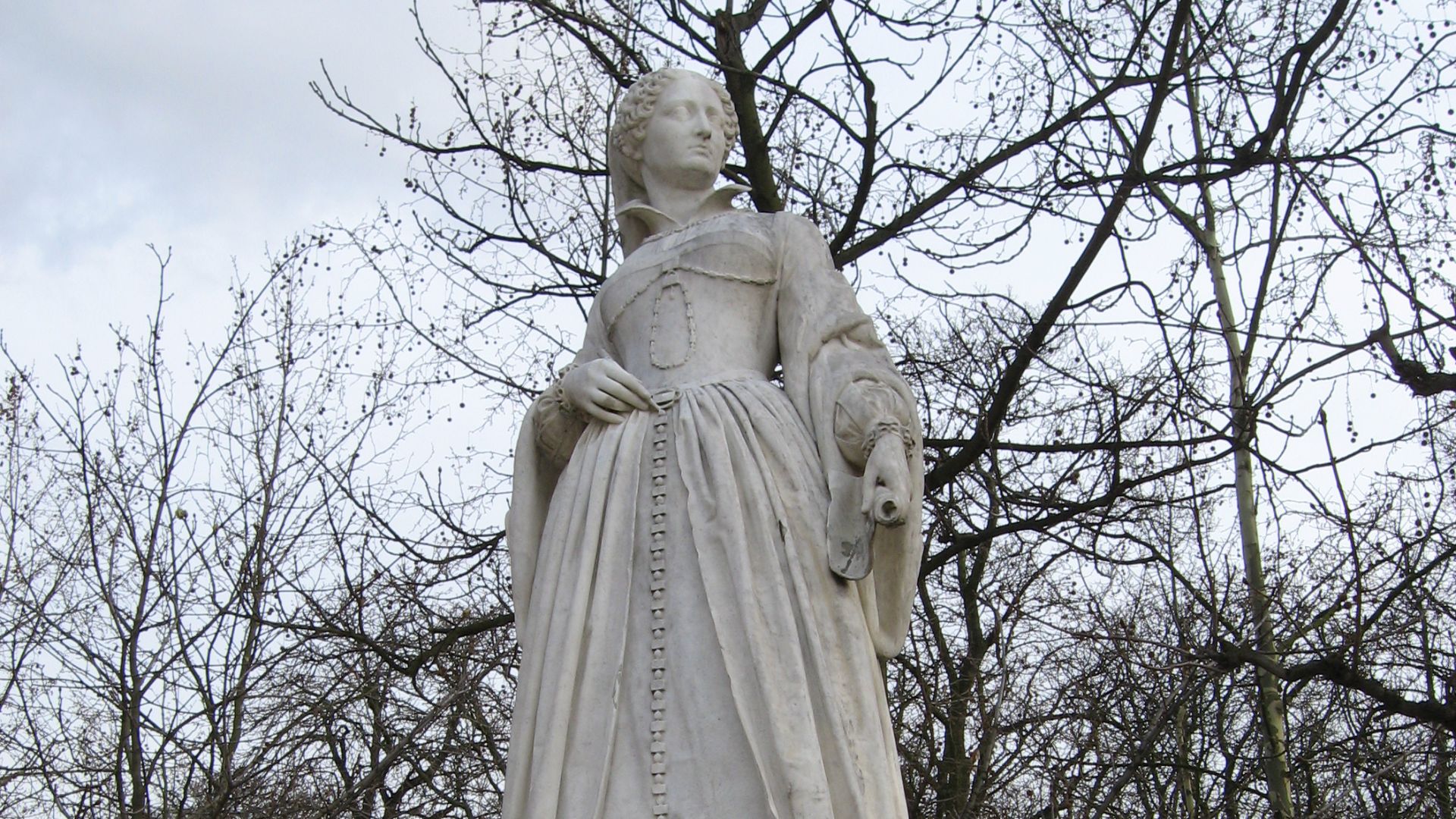
52. History Erased Her Resting Place
Even in a grave she hadn’t asked for, Jeanne d’Albret could not rest in peace. When mobs during the French Revolution sacked the collégiale Saint-Georges in 1793, they tore through the tombs inside, including d’Albret’s. The woman who had outlasted kings, popes, and plots ended up with no grave at all.
 Unknown authorUnknown author, Wikimedia Commons
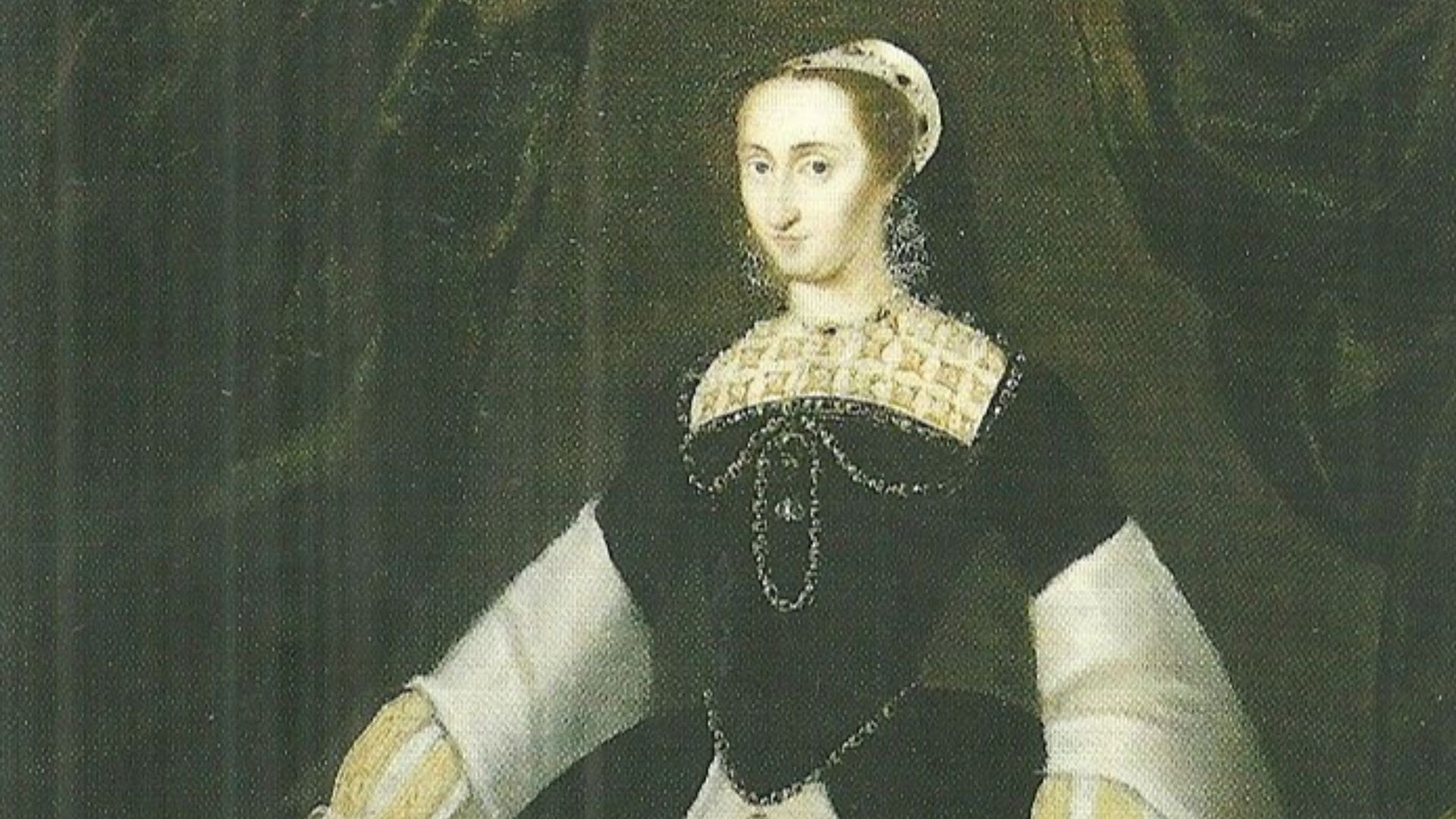
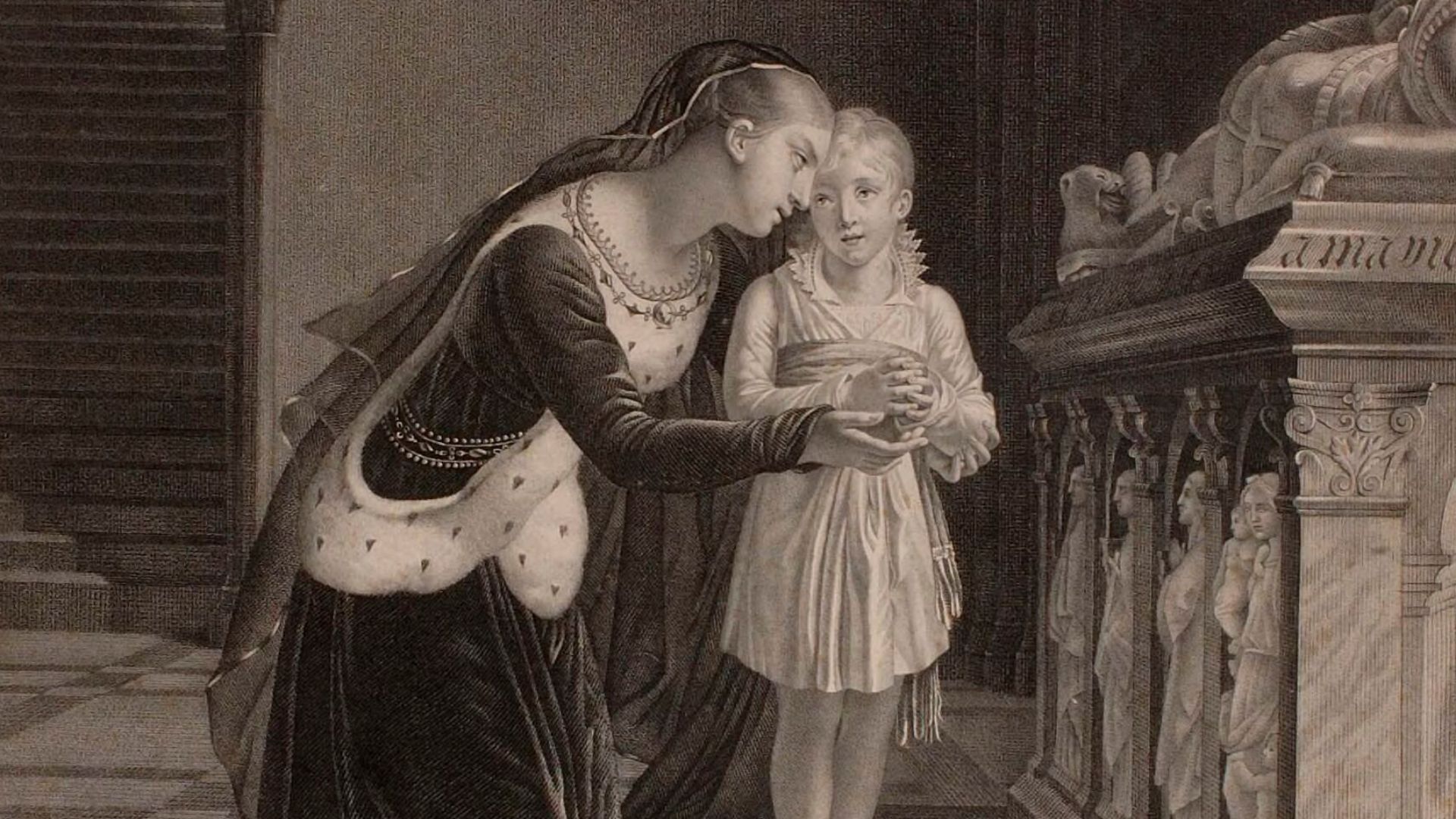
53. She Was A Writer As Well As A Fighter
For all that she had accomplished and endured, d’Albret still had one last legacy to leave. Much like her mother, d’Albret had a way with words. A skilled poet, memoirist, and letter writer, she used the page to defend her decisions and chronicle her battles with the same force she brought to everything else.
Remarkably, even her enemies conceded that her published prose and verse were something worth admiring.
 Lorimier, Henriette. Fonction indéterminée Gudin, Jean-Marie. Graveur, Wikimedia Commons
54. Her Son Finished What She Started
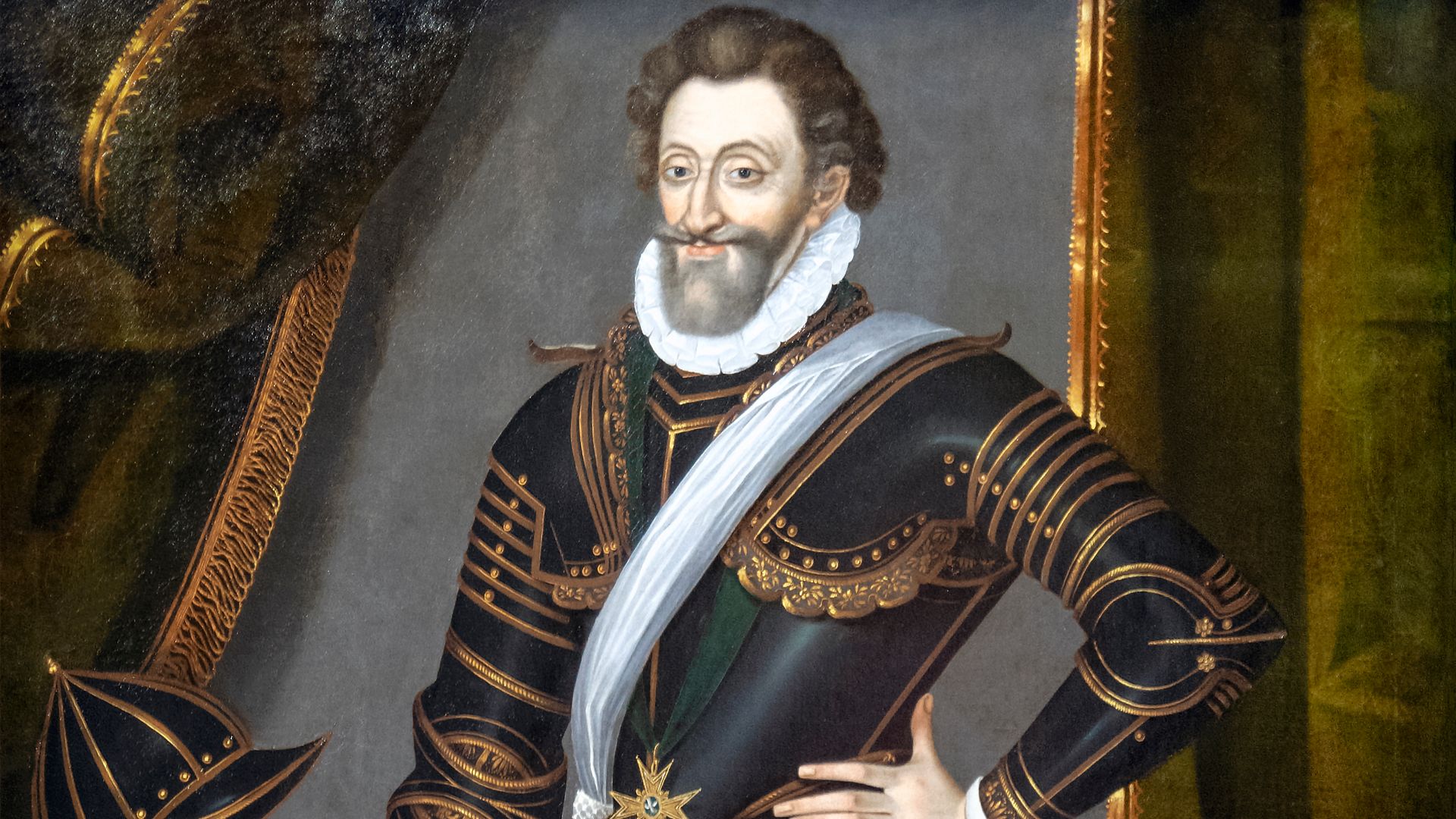
Jeanne d’Albret never lived to see what her defiance ultimately built. Her son Henry succeeded her as King of Navarre, then in 1589, he claimed the French throne as Henry IV—founding the Bourbon dynasty that would rule France for two centuries.
Jeanne d’Albret was gone. But her line had only just begun.
 Didier Descouens, Wikimedia Commons
You May Also Like
Tragic Facts About Catherine of Valois, The First Tudor Queen Of England
Fierce Facts About Marie-Caroline, The Unshakable Duchess of Berry
Tragic Facts About Queen Marie Thérèse of France, The 20-Minute Queen