Great Potential Marred By Tragedy
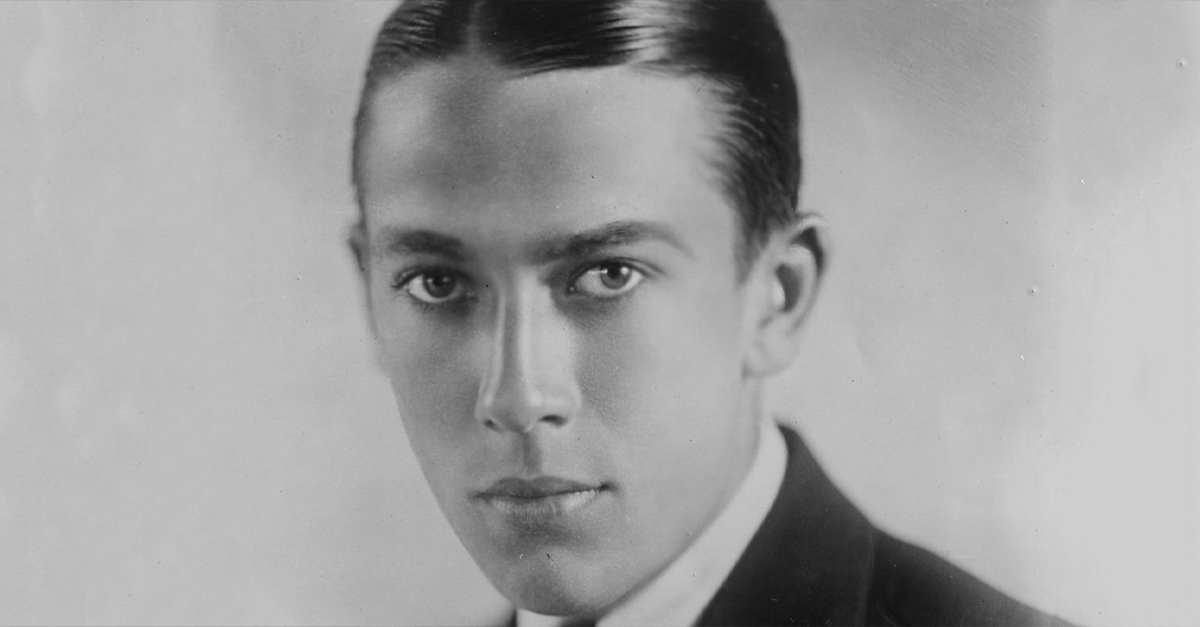
At the height of silent films, everyone knew the name Mary Pickford. Today, many are still familiar with her legacy. However, few realize that behind Mary lurked another Pickford that the world forgot about. Jack Pickford followed his sister to Hollywood, dreaming of a world of fortune. Instead, he found failure, heartbreak, and scandal. 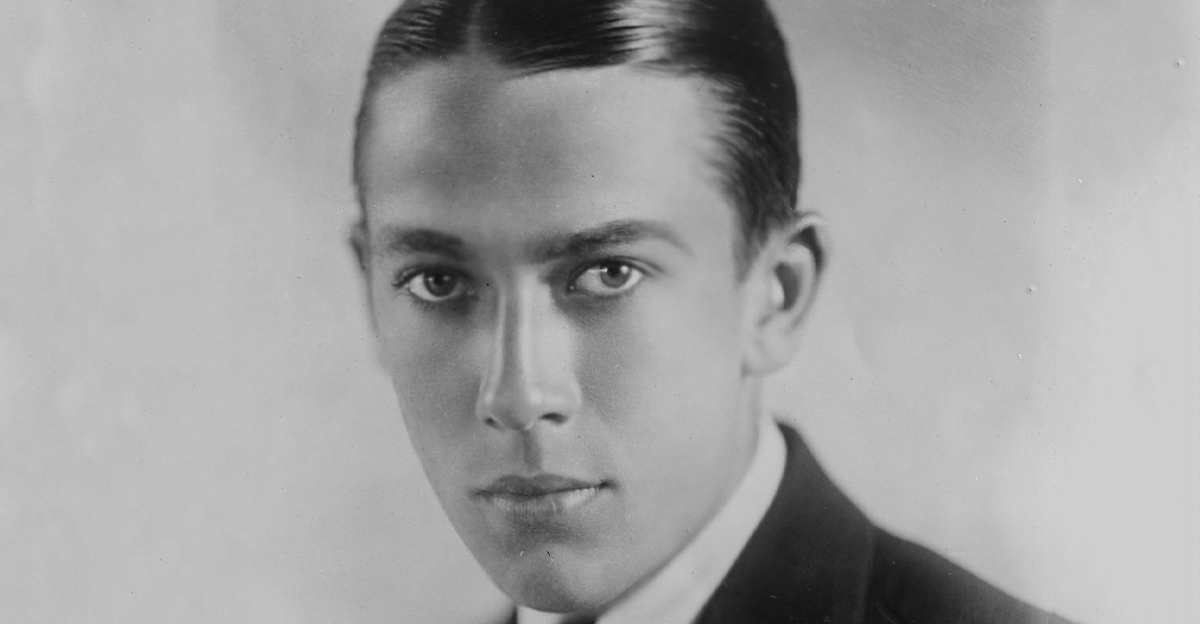 Bain News Sevice, Wikimedia Commons
1. He Was Born In Squaller
John Charles Smith entered the world in poverty. The third child of John and Charlotte Smith, Jack, as he eventually came to be known, spent his early years struggling in the poor districts of Toronto, Ontario, Canada. His already struggling family barely had time to adjust to Jack’s addition to their world before they fell apart even further.
 Screenshot from Tom Sawyer, Paramount Pictures (1917), Enhanced
2. His Family Was Torn Apart
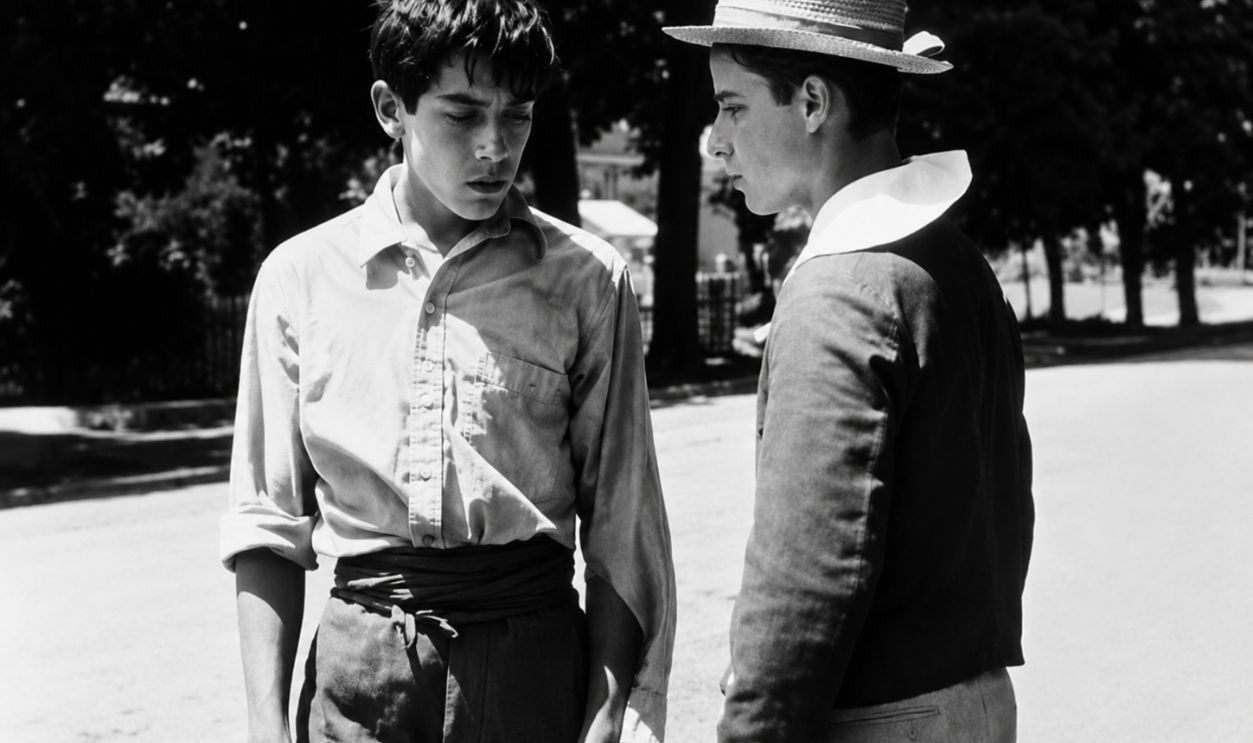
Jack’s father passed when he was just two years old. Unable to cope with the loss, his mother split Jack and his two sisters apart, sending them to separate households to be raised. His life may have looked very different if they’d remained separated. However, Jack himself changed everything by bringing the Smiths back together.
 Screenshot from Tom Sawyer, Paramount Pictures (1917), Enhanced
3. He Became Ill
Jack Pickford fell ill; the severity of his illness proved enough to draw his mother out of her funk and brought all three of the Smiths back together. Now in charge of her three children once more, Charlotte began accepting boarders in their home to try to help make ends meet. One of these boarders changed everything for the “Smiths”.
 Screenshot from Tom Sawyer, Paramount Pictures (1917), Enhanced

History's most fascinating stories and darkest secrets, delivered to your inbox daily.
4. He Met A Man Who Changed Everything
A Mr Murphy stayed with the Smiths for an unknown period of time, but during this time, he managed to make a huge impact. Mr Murphy was a stage director, and he managed to convince Charlotte to allow her two older children, Gladys and Lottie, to star in one of the local productions. This unlocked a whole new revenue stream for Charlotte, and she transformed their family life to fit it.
 Screenshot from Tom Sawyer, Paramount Pictures (1917), Enhanced
5. He Joined The Family Business
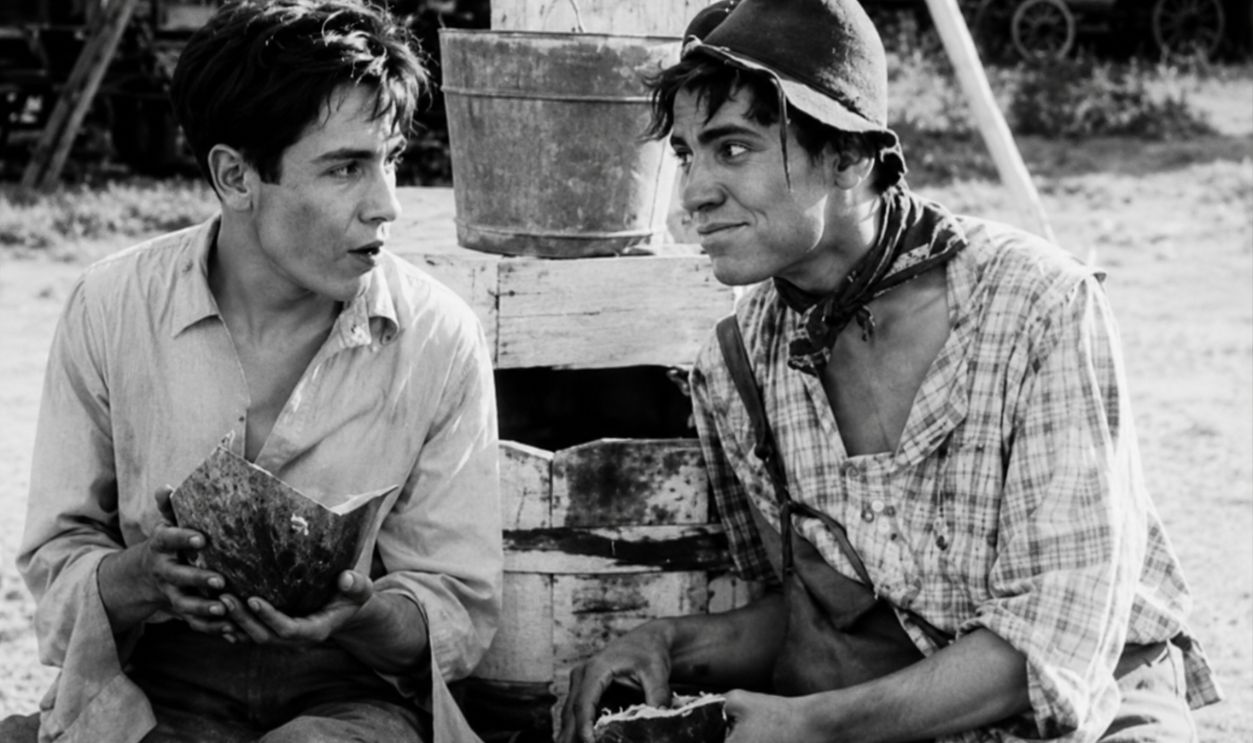
Jack Pickford joined his sisters on the stage once he was old enough. They soon moved to New York in an attempt to get more acting roles, and they would often travel around the country with minor theatre companies to make the most of their budding careers. It was an exhausting way to live, surely, and it didn’t even give them much money.
Though the future was uncertain, it held more for Jack than he realized at the time.
 Screenshot from Tom Sawyer, Paramount Pictures (1917), Enhanced
6. His Sister Was The Star
Although all three children acted, the eldest daughter, Gladys, proved to be the true star. This, perhaps, contributed to Jack becoming closer to their remaining sister, Lottie. However, without Gladys, it’s possible that Jack never would have gotten anywhere. She changed their entire family—literally.
 Rufus Porter Moody, Wikimedia Commons
7. He Changed Who He Was
It quickly became clear that Gladys was the star. She brought her siblings along with her. In 1905, she secured a role in a Broadway production, and that’s when everything changed, quite literally. Under the guidance of her director at the time, Gladys changed her name. Gladys Smith became Mary Pickford—and it wasn’t long before the rest of the family members changed their names too.
 Bain News Service, publisher, Wikimedia Commons
8. He Chased After His Sister
John Charles Smith became Jack Pickford and never looked back. When his sister Mary started getting film roles, Jack followed along, even when Mary didn’t want him to. In January 1910, Mary went to California. Jack begged to come along, but Mary didn’t want him. However, Charlotte tossed him on the train at the last minute, despite Mary’s protests. He needed Mary.
 Screenshot from Tom Sawyer, Paramount Pictures (1917), Enhanced
9. He Needed Someone To Recognize Him
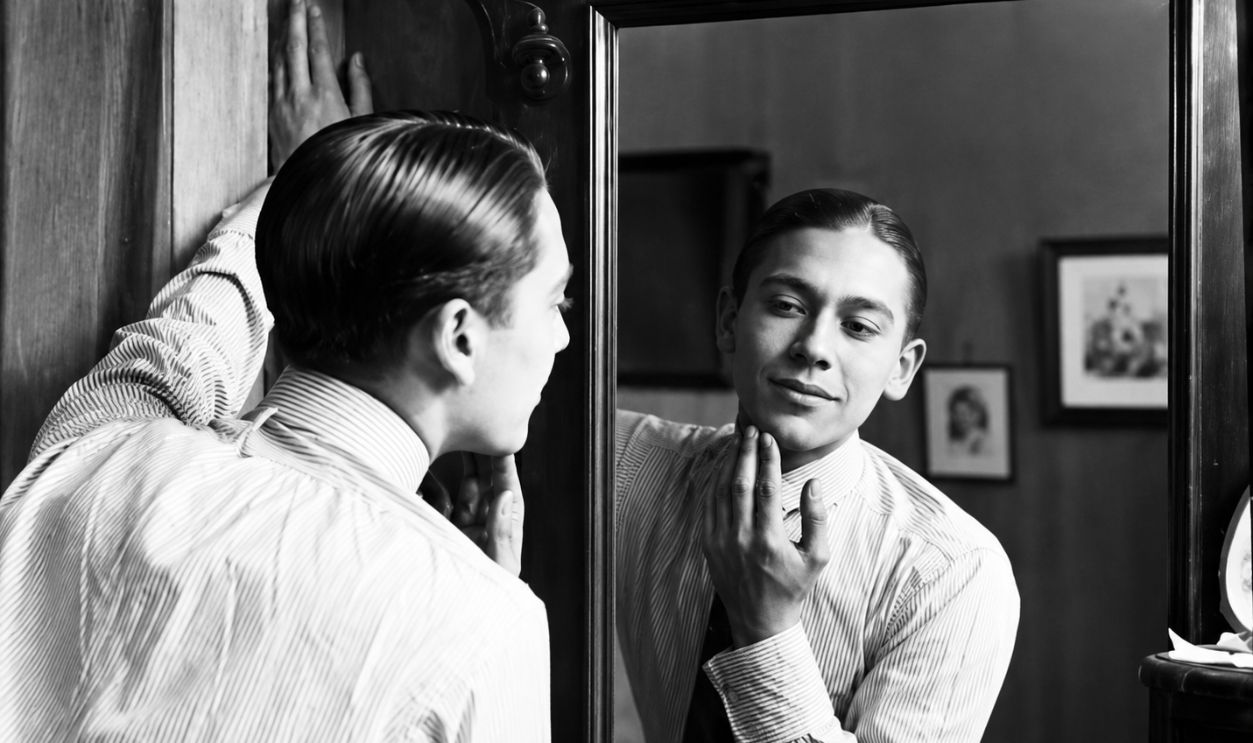
Much of the Pickford family’s fame seemed to depend on Mary. As Mary’s star rose, Jack took on small bit roles, appearing in many films by the end of 1912. However, he failed to “breakout” in the way his sister had. That was until 1916, when he got his first leading role in a film called Seventeen. Now about 20, people began to give Jack recognition in his own right.
His sister Mary was the “American Sweetheart," but Jack began earning respect in his own right, the “All American Boy Next Door” to perfectly match his sister.
 Famous Players/Paramount, Wikimedia Commons, Enhanced
History's most fascinating stories and darkest secrets, delivered to your inbox daily.
10. He Made An Important Connection
Around this time, another aspect of Jack’s life took a significant change for the better. While visiting Café Nat Goodwin on the Santa Monica Pier, Jack came across someone who instantly captured his attention—and his heart. Olive Thomas started her career as a model in New York City. From there, she became a performer as one of the famed Ziegfeld Follies; she possessed a special sort of beauty that seemed to capture the imagination of most men she met, including Jack.
However, as beautiful as Olive was, her fate—intertwined with Jack's—would prove to be downright disturbing.
 Albert Witzel, Wikimedia Commons
11. He Met The Most Beautiful Woman
In 1916, Olive made another move in her career, signing with the International Film Company and debuting on the silver screen in Beatrice Fairfax. Beatrice Fairfax filmed in New York, but this burgeoning career likely took her to LA and the Santa Monica pier to make a fateful meeting with another up-and-coming film star.
Jack Pickford, it seems, became enamoured with Olive instantly, as most men did. However, Jack had an advantage over other men.
![Bain News Service,, publisher.
Olive Thomas
[between ca. 1915 and ca. 1920]
1 negative : glass ; 5 x 7 in. or smaller.
Notes:
Title from unverified data provided by the Bain News Service on the negatives or caption cards.
Forms part of: George Grantham B](https://www.factinate.com/storage/app/media/factinate/2026/7/15/17840958961ea1e5e1c055a61018478fa67e761b51059f9103.jpg) The Library of Congress, Wikimedia Commons
The Library of Congress, Wikimedia Commons
12. He Wanted What Everyone Else Did
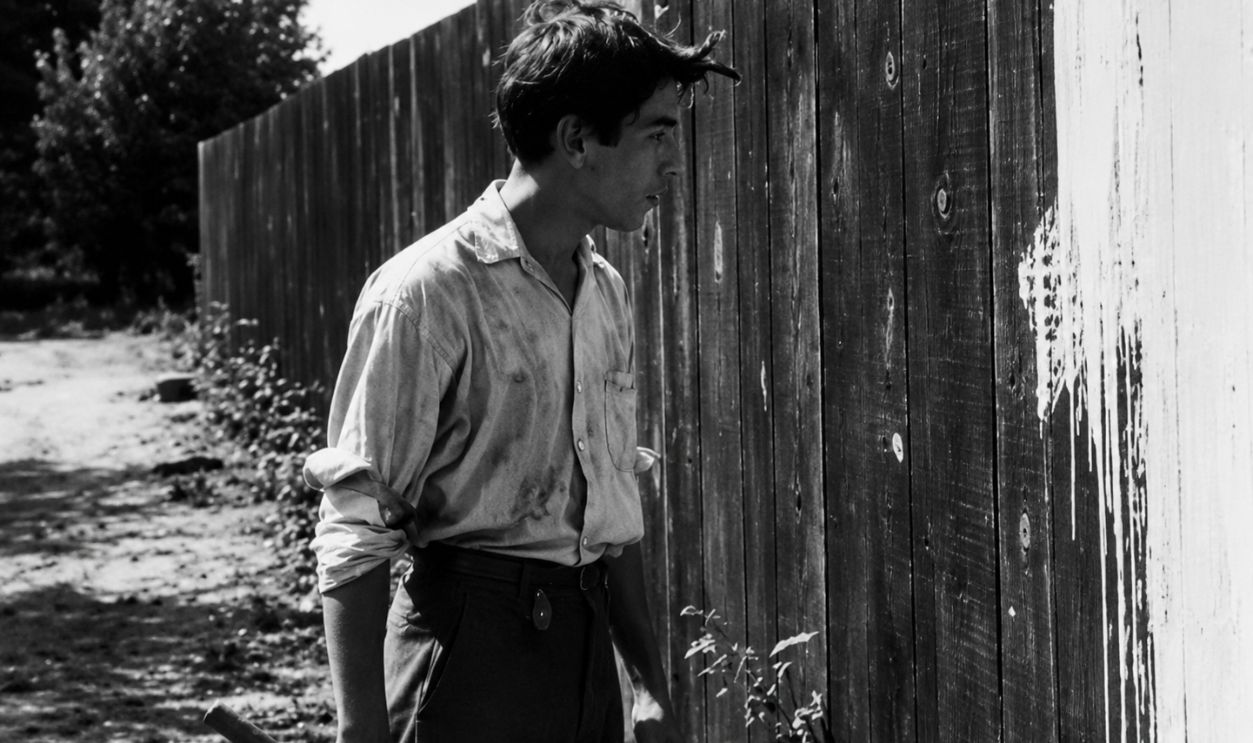
Olive’s beauty was world-renowned. Even today, when people speak of Olive Thomas, they speak of the beauty she possessed. Men likely fell at her feet her entire life. However, Jack had an advantage over the others who wanted Olive Thomas. Olive Thomas wanted Jack Pickford as well.
Young and in love, the couple plunged headfirst into their romance in a way that only children who fancy themselves older can do.
 Screenshot from Tom Sawyer, Paramount Pictures (1917), Enhanced
13. He Fell Headlong Into Passion
In 1916, Jac Pickfordk was 20. Olive had a few years ahead of him at 22. They were so young. However, they were youths who knew what they wanted. They wanted each other forever. In October 1916, presumably mere months after they’d first met, Jack and Olive eloped. They kept their elopement a secret, as Olive wanted to avoid rumors that her success only came due to a connection to the now-famous Pickford family. However, that didn’t excuse how they decided to handle their elopement.
 Screenshot from Tom Sawyer, Paramount Pictures (1917), Enhanced
14. He Didn’t Tell Anyone About His Plans
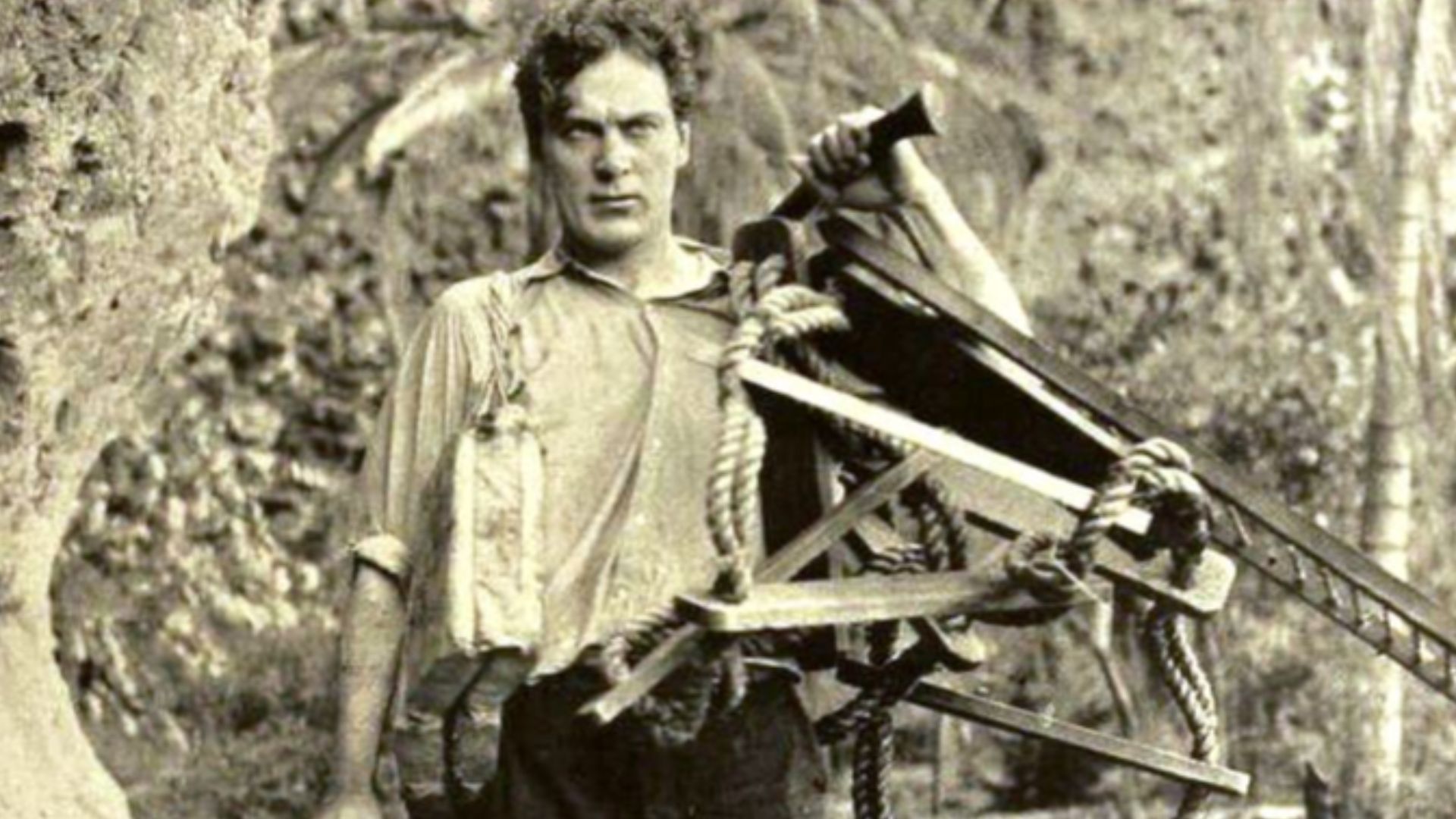
Not even Jack or Olive’s family knew about their decision to elope. They only had one witness for their elopement, fellow actor Thomas Meighan, who seemed to always be where the drama, action, and scandal were. Jack and Olive developed a reputation for impulsive decisions; both partiers, they loved life in the fast lane. According to director Frances Marion, they were "Two innocent-looking children, they were the gayest, wildest brats who ever stirred the stardust on Broadway".
This might suggest how they ended up in a secret elopement. However, Jack’s family’s reaction upon learning of the relationship might suggest another reason.
 Paramount Pictures, Wikimedia Commons
15. His Family Didn’t Approve
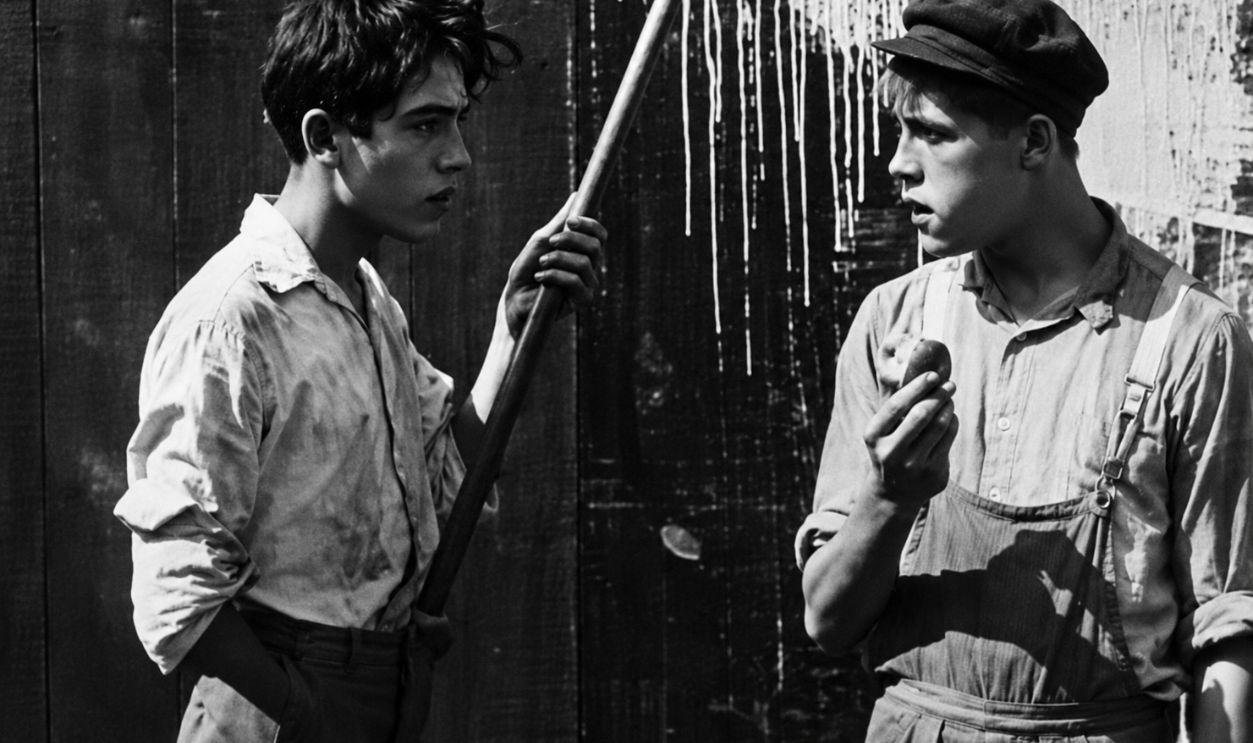
Years later, when reflecting on her brother’s relationship with Olive in her autobiography, Mary admitted with regret that none of Jack’s family approved of his marriage. Their mother, supposedly, thought Jack too young to marry, and Mary and their sister Lottie just didn’t know what to make of Olive. She seemed alien and foreign to him. As Mary put it, “[Olive] and Jack were madly in love with one another, but I always thought of them as a couple of children playing together”.
And as children were wont to do, they often found themselves in trouble.
 Screenshot from Tom Sawyer, Paramount Pictures (1917), Enhanced
History's most fascinating stories and darkest secrets, delivered to your inbox daily.
16. He Cared More About Fun
Perhaps Jack’s mother had a point. Jack and Olive might have been too young to get married. They certainly weren’t interested in building a life together, not really. Frances Marion observed, "Both were talented, but they were much more interested in playing the roulette of life than in concentrating on their careers”.
No one could expect two wild kids to contain their passions, both the good and the bad.
 Screenshot from Tom Sawyer, Paramount Pictures (1917), Enhanced
17. He Couldn’t Keep Control
Every account of their relationship asserts that their love was true. No one seemed to doubt that Jack Pickford and Olive loved each other. However, that passion seemed to be a volatile and dangerous thing. Neither of them could contain or mask their feelings, leading to an explosive relationship filled with passionate conflict, and equally passionate making up through the form of extravagant gifts.
Circumstances only made this precarious situation all the more fragile.
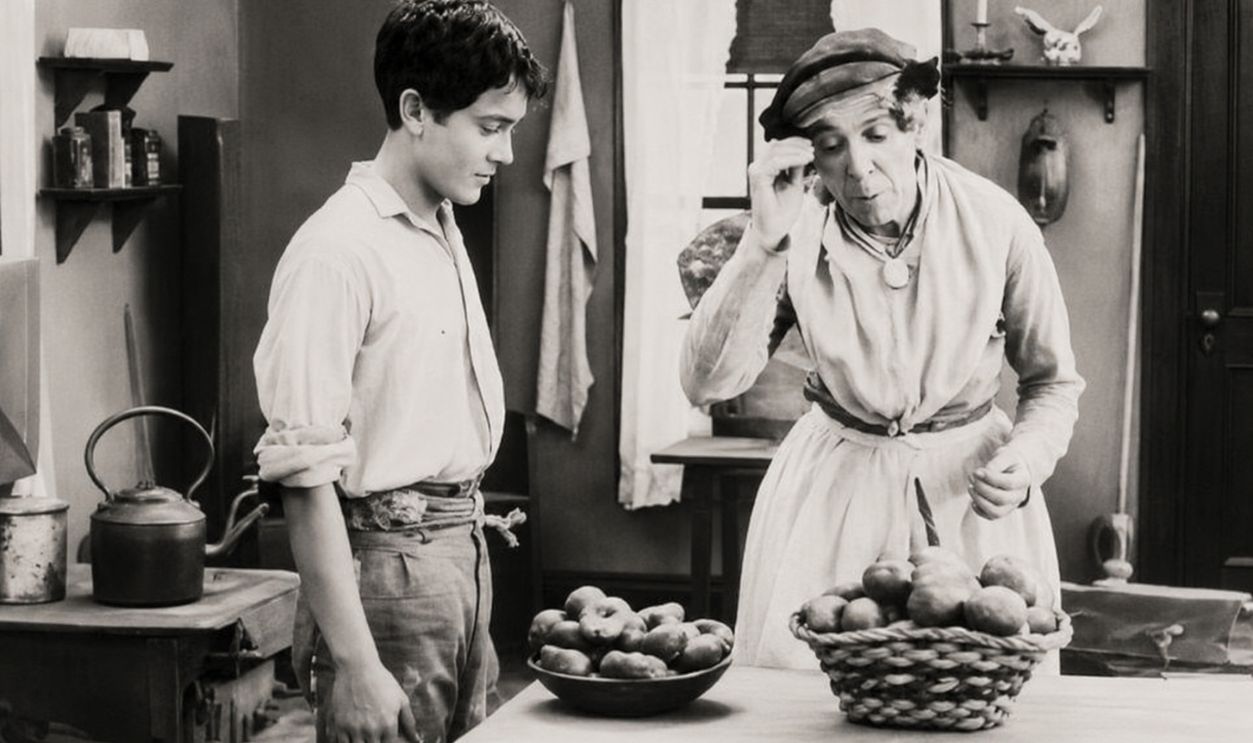 Screenshot from Tom Sawyer, Paramount Pictures (1917), Enhanced
18. He Was Pulled Away From His Life
Due to their careers, Jack and Olive spent little time together during the course of their marriage. They were often being pulled to one location or another due to their filming contracts. Making matters worse, they lived in a world at conflict. In 1918, two years after their elopement, America joined WWI, and Pickford willingly signed up for his duty to his country. He joined the US Navy, stationed in Manhattan. However, a uniform didn’t curb his impulsive, troublesome ways.
 Screenshot from Tom Sawyer, Paramount Pictures (1917), Enhanced
19. He Did Something He Shouldn’t Have
The exact details of Jack Pickford’s time with the Navy are difficult to determine. Likely due to a successful cover-up, most of the details that are still known today come down to rumors and heresy. However, no one can deny that something happened while Jack was serving in the Navy, and that something almost upended everything for Jack.
 Screenshot from Tom Sawyer, Paramount Pictures (1917), Enhanced
20. His Famous Name Got Him In Trouble
No one has ever confirmed the exact details of Jack’s trouble with the Navy. However, most sources agree that Jack found himself participating in a scam in which rich men were able to pay in order to avoid being forced into joining the conflict. Some believe Jack’s name got him involved in this, as someone wanted to take advantage of their “famous” crewman. However, fame proved to be a double-edged sword as it was a lot harder to hide as “Jack Pickford”.
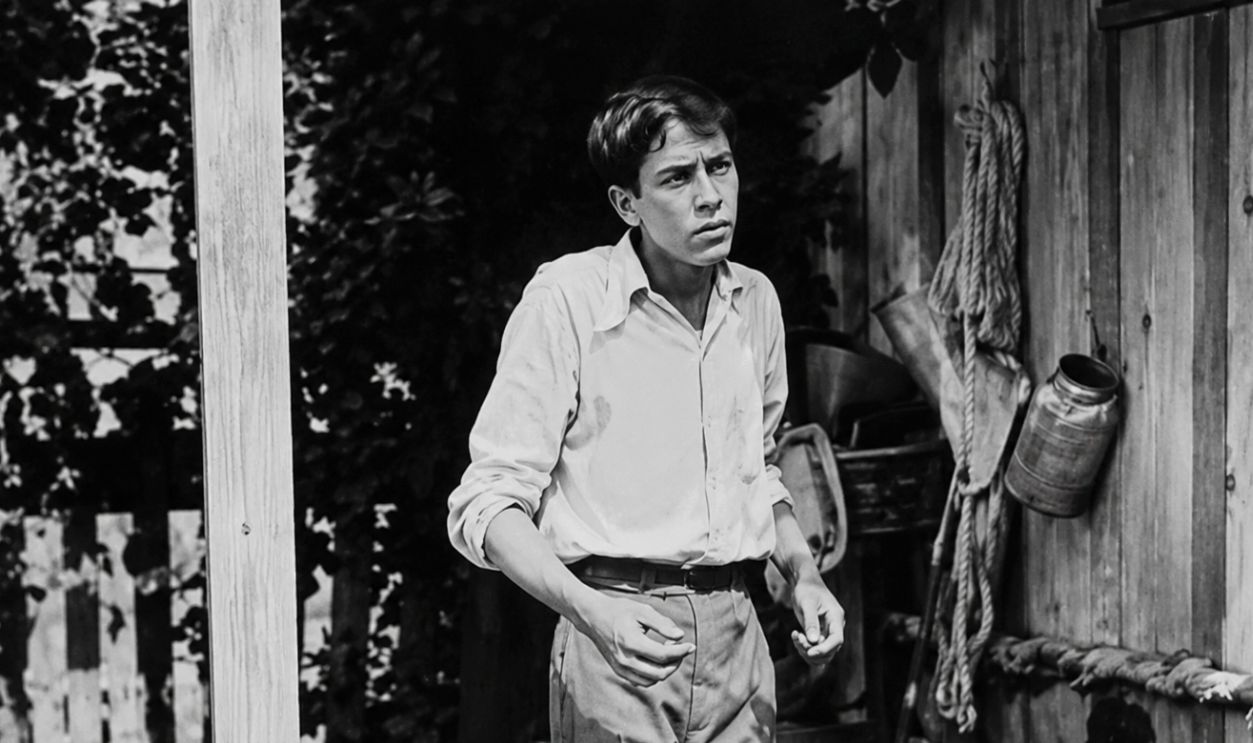 Screenshot from Tom Sawyer, Paramount Pictures (1917), Enhanced
21. He Had To Account For His Actions
Eventually, Jack Pickford got caught, and they brought him before a tribunal. He should have received a dishonorable discharge for his actions. However, that never happened. Instead, the army discharged Jack honorably, and no one ever spoke about the incident again. Some sources say this is because Jack gave testimony on the matter in return for leniency. Other sources suggest Mary got involved to save her brother from himself. Either way, Jack returned to civilian life and, perhaps more importantly to him, his wife.
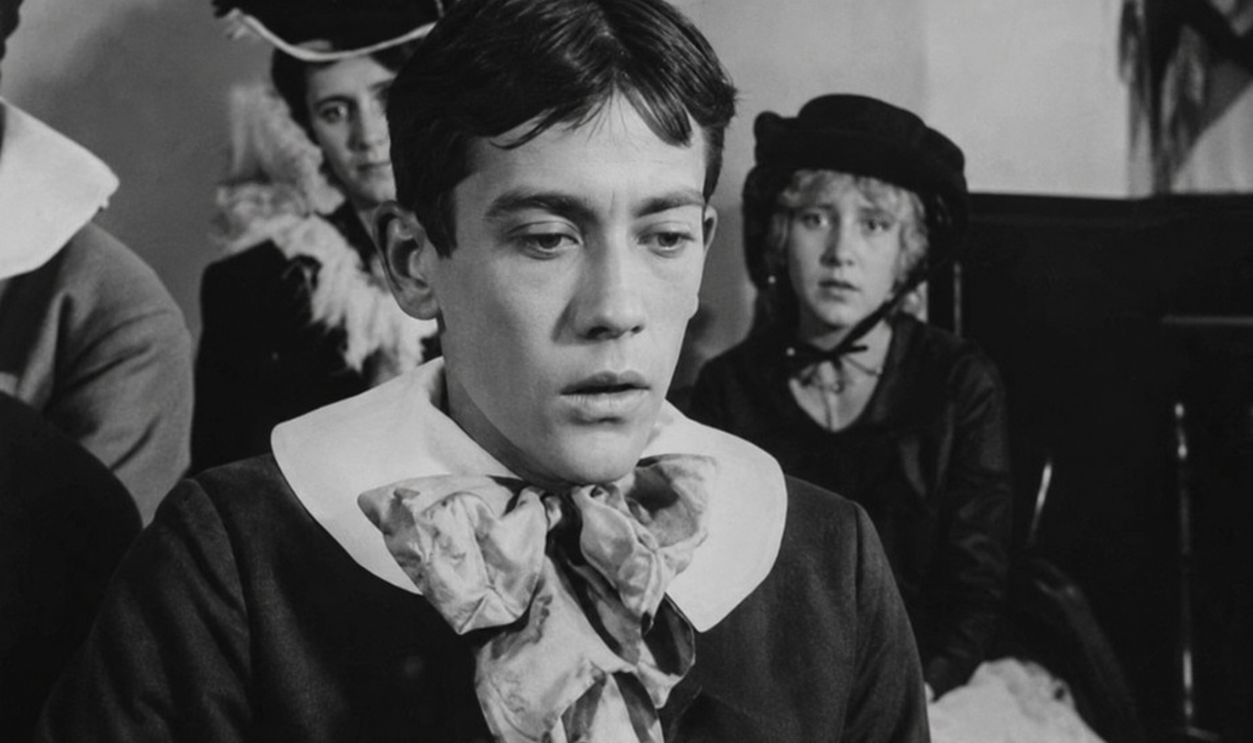 Screenshot from Tom Sawyer, Paramount Pictures (1917), Enhanced
History's most fascinating stories and darkest secrets, delivered to your inbox daily.
22. He Started A Family
Jack and Olive never had any children. However, in early 1920, Olive’s sister passed suddenly, leaving her then six-year-old nephew without a home. By this point, Olive and Jack were roughly 24 and 26, respectively. It’s unclear if they were looking to start a family or simply couldn’t ignore their duty to family, but following the passing, they took in the boy, adopting him into their family. However, their act of kindness only brought more tragedy into the young boy’s life.
 Screenshot from Tom Sawyer, Paramount Pictures (1917), Enhanced
23. He Wanted To Salvage His Marriage
Later that same year, Jack Pickford and Olive decided to take a trip. They’d been struggling with their marriage for years, having spent so little time together and suffering from their constant, volatile nature. Supposedly, they’d been hoping to take a vacation together for quite a while, finding time to really reconnect and reignite their spark.
In August 1920, they set off for Paris, dreaming of finding a way back to each other, never realizing how drastically things could go wrong.
 Screenshot from Tom Sawyer, Paramount Pictures (1917), Enhanced
24. He Didn’t Know What Was Coming
It appeared that, initially, their trip worked. It’s unclear when, exactly, they arrived in Paris; however, on September 5, they were still in Paris, seemingly content to enjoy each other’s company. That evening, they went out to the bistros in Paris’s Montparnasse Quarter, enjoying life with the same vigor they’d done back in America. They didn’t return home until 3 am, and that’s when the trouble started.
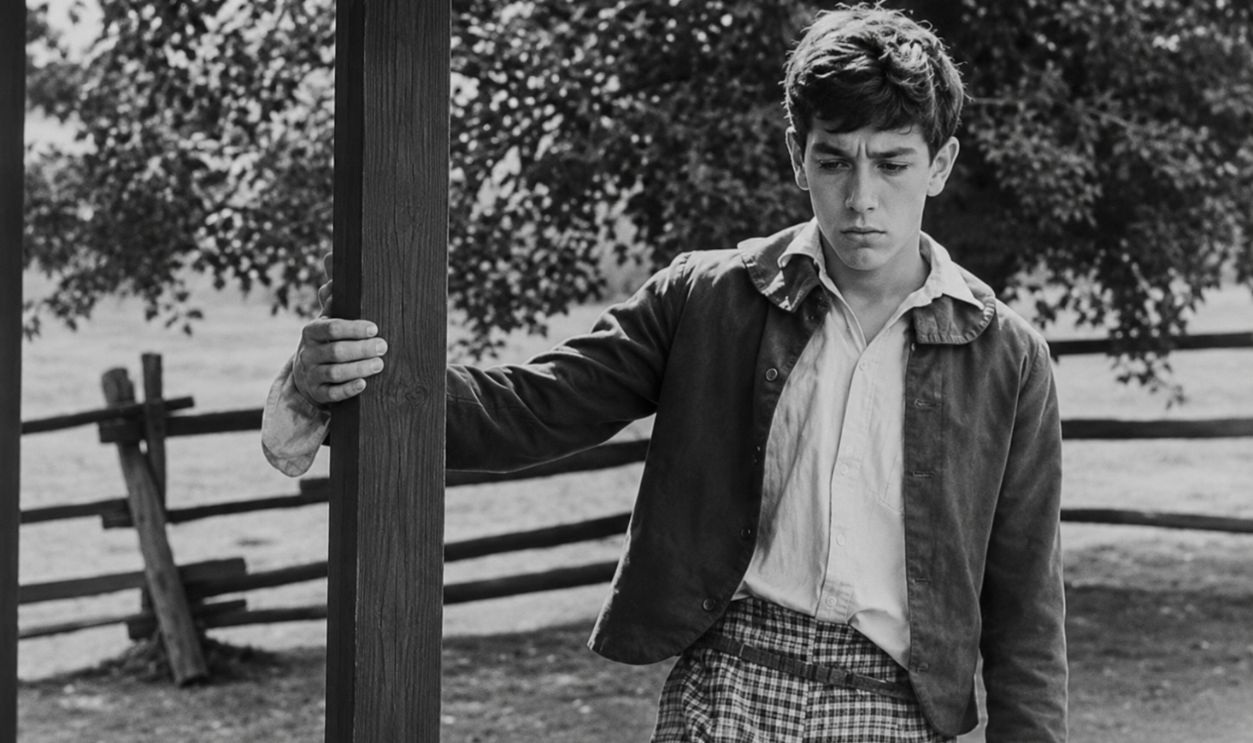 Screenshot from Tom Sawyer, Paramount Pictures (1917), Enhanced
25. He Went To Bed—His Wife Didn’t
According to Jack Pickford, they returned to the Ritz hotel, where they were staying, around 3 am, exhausted from a night of partying and drinking. Jack claimed to have already booked plane tickets to London for the next morning, so he went to bed immediately. They’d yet to pack, but he insisted that could be dealt with in the morning. What transpired next was a real-life horror story.
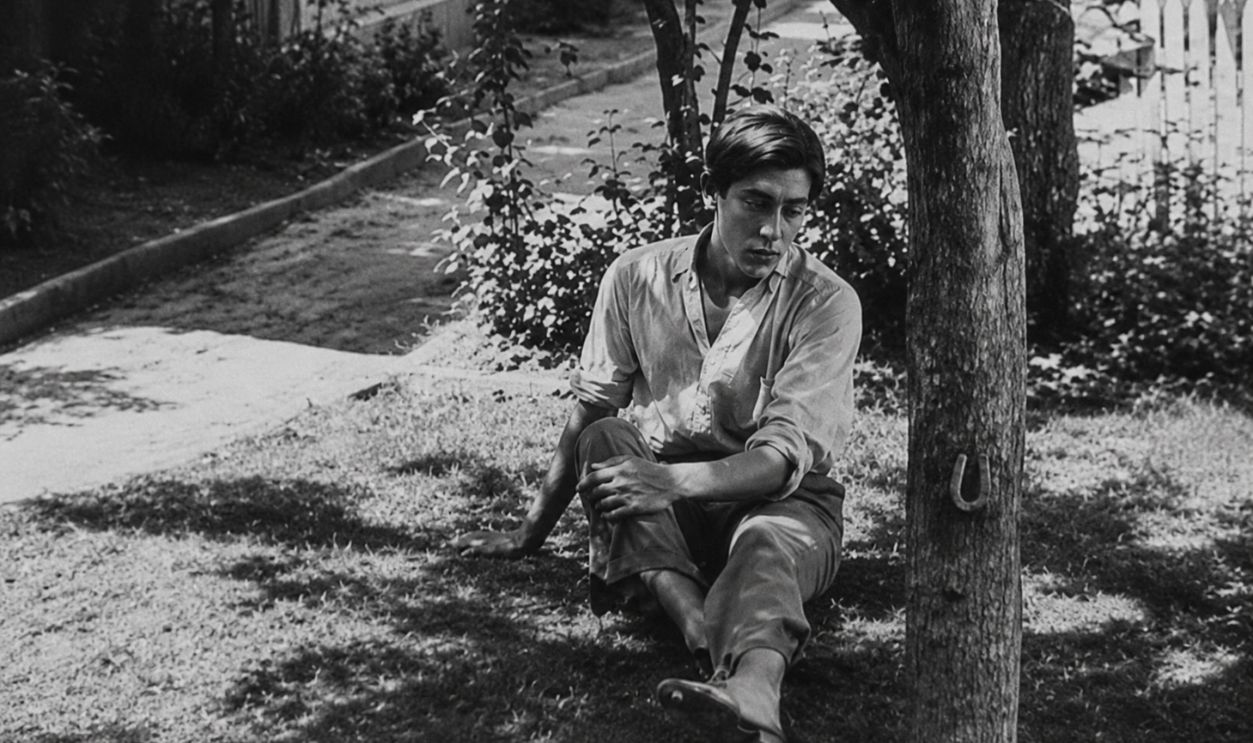 Screenshot from Tom Sawyer, Paramount Pictures (1917), Enhanced
26. His Wife Fussed Around
Instead of heading to bed as Jack did, Olive “fussed around," reportedly writing a note to her mother, before heading into the bathroom. This is where things become murky. In the days following the incident, the newspapers rushed to be the first to report the news, and as such, they all placed the key players in different places, many of them suggesting Olive and Jack were sleeping in different beds.
However, Jack tells the tale differently.
 Ira L. Hill, Wikimedia Commons
27. He Was Awoken By A Call
Jack Pickford insists that he was in bed, and that Olive had gone into the bathroom. No one knows for certain what happened next. According to Jack, suddenly Olive cried out, “My God," awakening Jack, who rushed to his wife’s side, pulling her into his arms as she cried for him to find out what was in the bottle she had just drunk from.
Jack’s heart surely dropped the moment that he read the words on the bottle.
 Screenshot from Tom Sawyer, Paramount Pictures (1917), Enhanced
History's most fascinating stories and darkest secrets, delivered to your inbox daily.
28. He Realized What She’d Done
"Poison," or so the bottle read. The label had been in French, presumably confusing Olive. Jack called for a doctor immediately before forcing Olive to drink water and egg whites, all rudimentary attempts at getting Olive to clear the poison out of her system. When the doctor arrived, he pumped her stomach three times before they rushed her to the hospital.
Only once they were there did they realize the true severity of what had occurred.
 Screenshot from The Man Who Had Everything, Goldwyn Distributing Company (1920), Enhanced
29. His Wife Had Made A Huge Mistake
It was only once they arrived at the hospital that they’d realized exactly what Olive had consumed, or so Jack Pickford claimed. Olive took a mouthful of mercury bichloride in an alcoholic solution. According to Jack, the doctors told him then that this solution was ten times worse than if taken in tablet form. However, the question became: where had the solution come from in the first place? After all, mercury bichloride was used to treat one thing in particular.
 Campbell Studios [2], Wikimedia Commons
30. He May Have Been To Blame
Mercury bichloride wasn’t intended to be consumed. Instead, it was a solution that was meant to be used topically to cure sores. Sores from a decidedly unsavory condition: syphilis. Most sources assert that the concoction belonged to Jack Pickford; however, some others claim there’s no record of Jack ever contracting the infection or purchasing the medicine. In the days that followed, so many stories appeared that even today, no one is quite sure what happened that night.
 Screenshot from Tom Sawyer, Paramount Pictures (1917), Enhanced
31. He Became The Center Of A Scandal
Many consider Olive Thomas’s tragedy the first Hollywood scandal that resulted in a chaotic media storm. News outlets rushed to be the first to gush about the heartbreak of a member of the famous Pickford family. The French label likely confused Olive, and she took the substance entirely by accident, but reports ran rampant of their failed marriage and separate bedrooms, implying that a heartbroken Olive slugged back that toxic mix on purpose.
These tales swirled even as she lay, wasting away with her husband at her side.
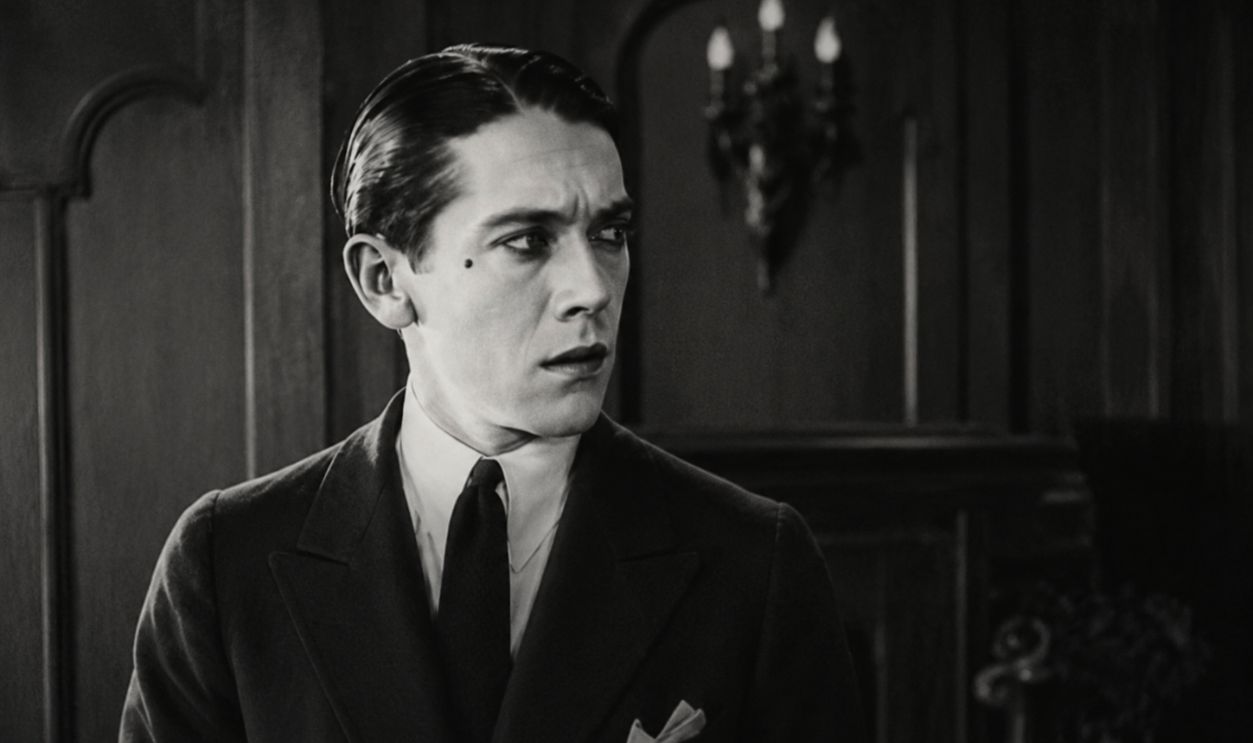 Screenshot from The Man Who Had Everything, Goldwyn Distributing Company (1920), Enhanced
32. He Stayed By Her Side
Jack took Olive to an American hospital in Paris, where she stayed for five days. He insisted that he spend those five days by her side, hoping, along with her and the doctors, that they’d gotten her to help in time. According to Jack, she began making plans for her future, inquiring about bringing a nurse home with them to help her during her recovery.
For a while, the doctors remained as optimistic as possible—but it wasn't long before their hopes were
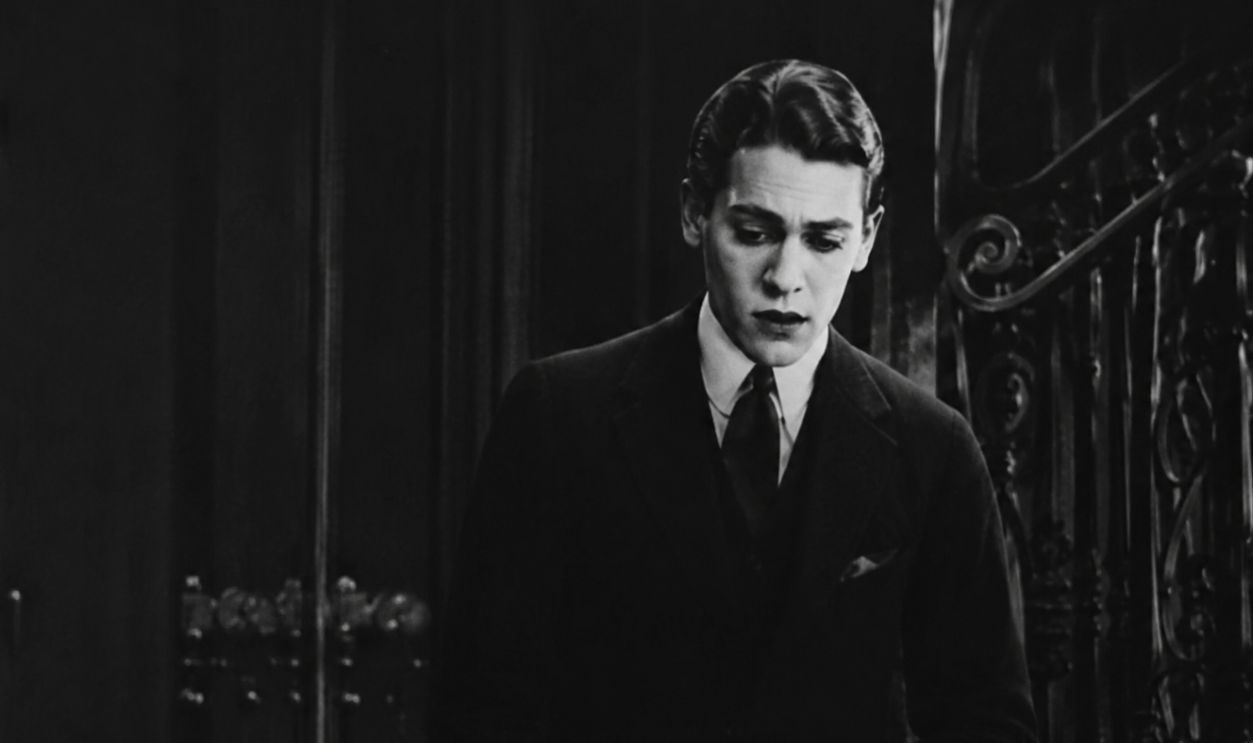 Screenshot from The Man Who Had Everything, Goldwyn Distributing Company (1920)
33. He Hoped For A Miracle
Jack Pickford claimed the doctors held out hope for Olive’s recovery… right up until they discovered the damage the toxin had done to her kidneys. That couldn’t be overcome. While the newspapers speculated about whether he’d driven Olive to this low (or even planned it all), Jack sat beside his wife’s side as she faded away.
Even in her final moments, according to Jack, she held out hope. When Jack asked how she was feeling, she replied: “pretty weak, but I’ll be all right in a while, don’t worry, darling”. Olive never spoke another word again.
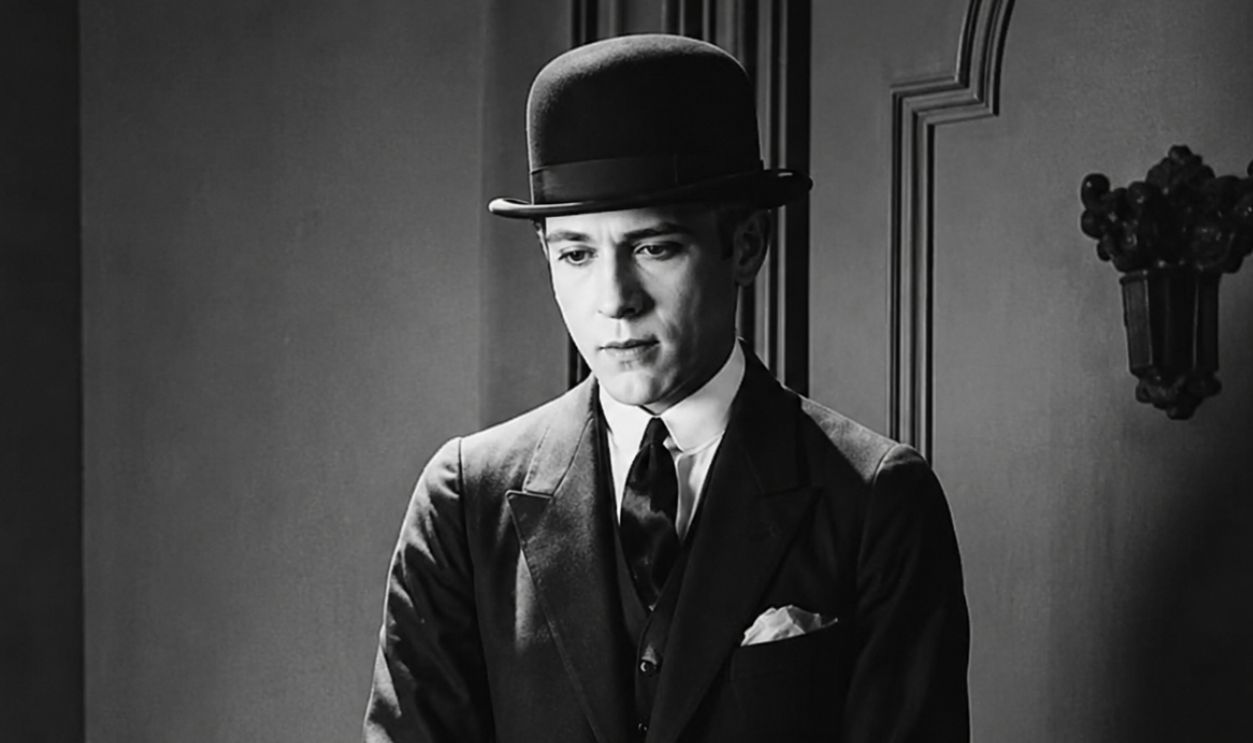 Screenshot from The Man Who Had Everything, Goldwyn Distributing Company (1920), Enhanced
History's most fascinating stories and darkest secrets, delivered to your inbox daily.
34. He Held Her At The End
Jack Pickford held his wife in his arms as she left this world. After a brief investigation, the authorities ruled the entire thing a terrible accident and allowed Jack to take his wife home to be put to rest. However, by many accounts, that long boat ride back to America with his dear Olive’s body almost proved to be too much for Jack to handle.
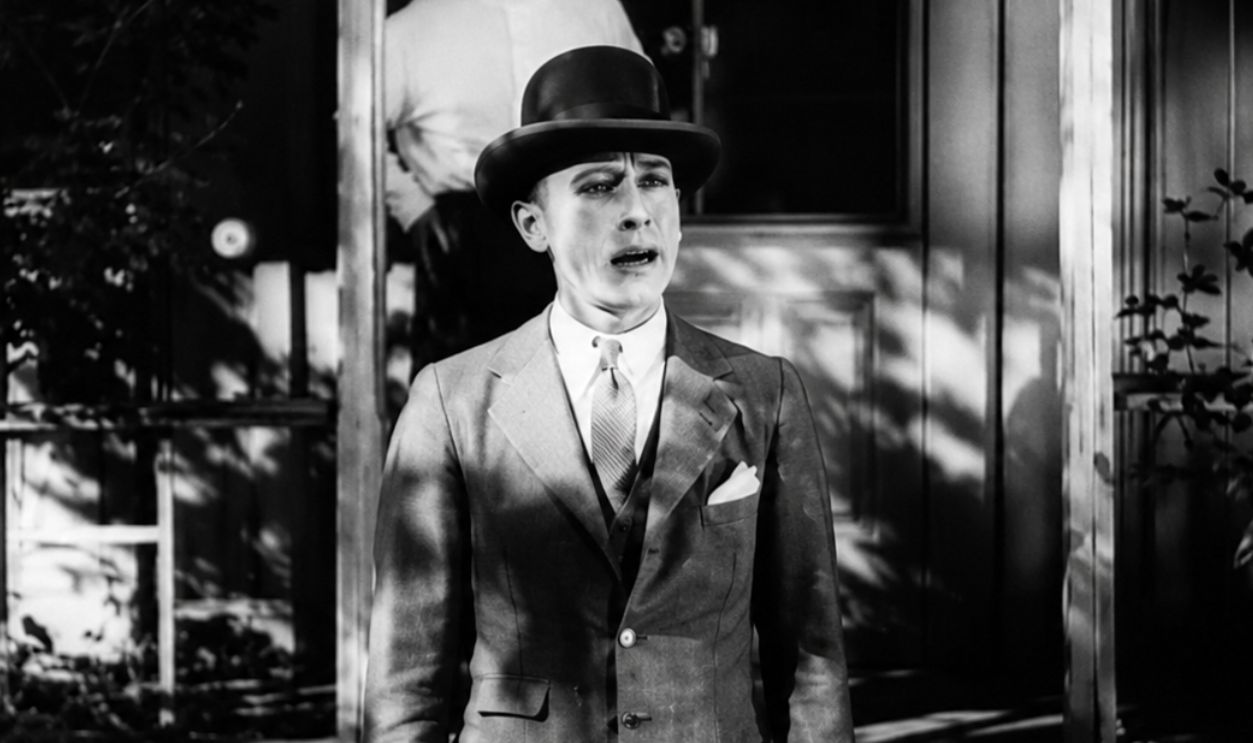 Screenshot from The Man Who Had Everything, Goldwyn Distributing Company (1920), Enhanced
35. He Had To Bring Her Home
Again, it is through his sister Mary that this story arises once more. In her autobiography, Mary recalls Jack telling their mother, several years after they’d laid Olive to rest, that he almost took his own life on that crossing. One evening, he had gone out on deck with only a jacket over his pajamas and began to climb over the railing.
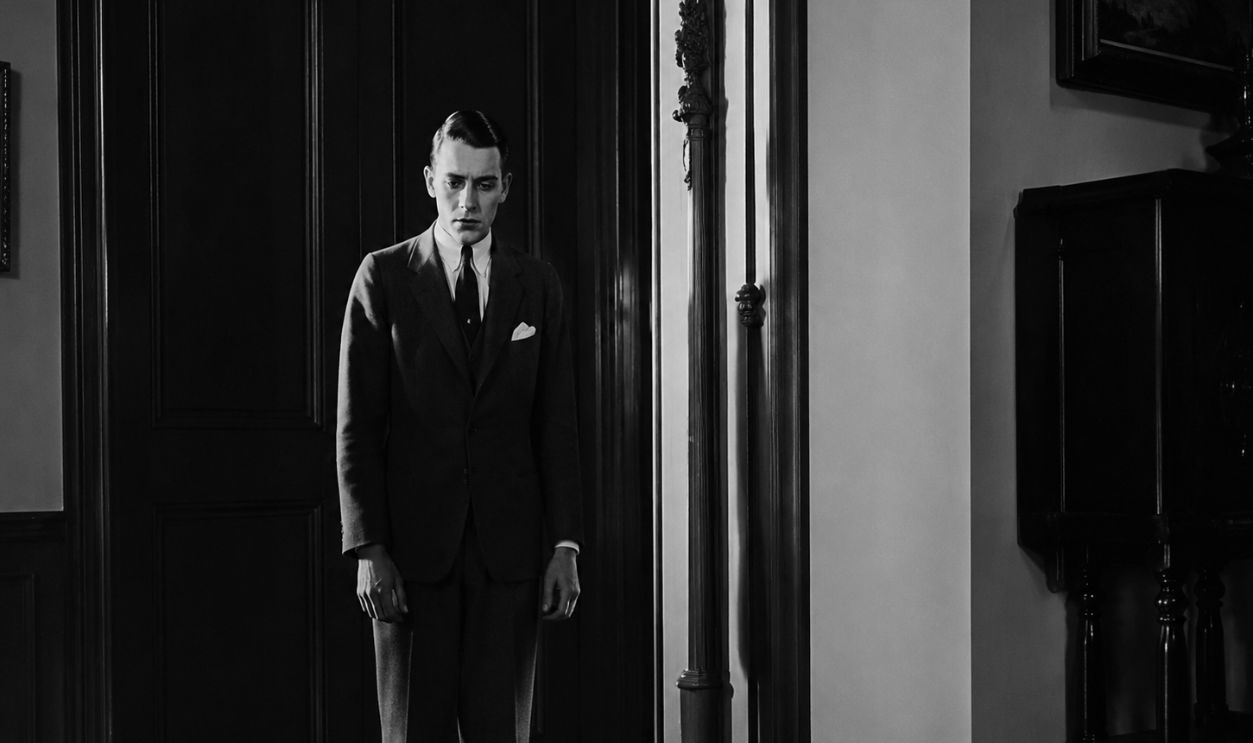 Screenshot from The Man Who Had Everything, Goldwyn Distributing Company (1920), Enhanced
36. He Couldn’t Take It Anymore
Jack had every intention to jump that night, or so the story goes. However, at the last moment, something held him back. He claimed, when telling the story to his mother, that a small voice inside of him spoke up, telling him, “You can’t do this to your mother and sisters. It would be a cowardly act. You must live and face the future”. Which is what Jack did, at least for as long as he could bear it.
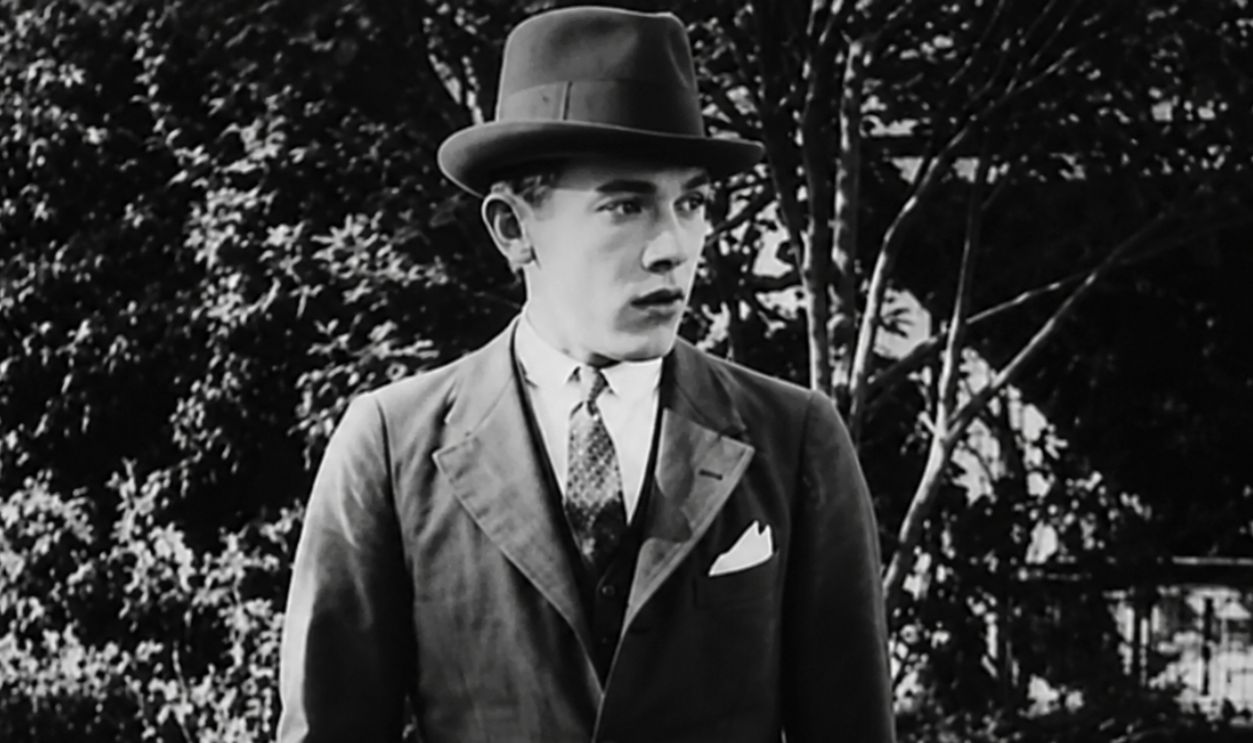 Screenshot from The Man Who Had Everything, Goldwyn Distributing Company (1920), Enhanced
37. He Tried To Return To Life
It’s difficult to access what happened to Olive’s nephew after her passing. He’s never mentioned again in most records of Jack’s life. Instead, Jack returned to America and struggled to break out of the depression that Olive’s loss had thrown him into. As had happened many times before, the responsibility of pulling Jack back into himself fell onto his sister.
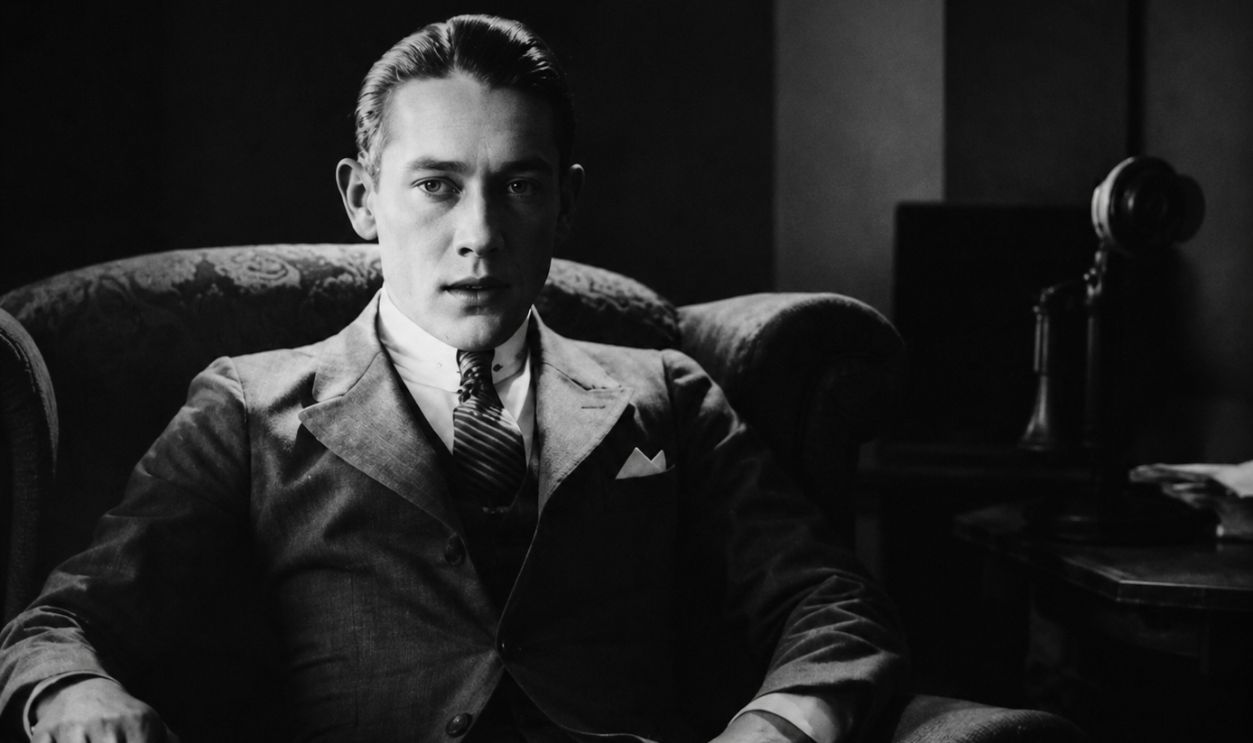 Screenshot from The Man Who Had Everything, Goldwyn Distributing Company (1920), Enhanced
38. He Couldn’t Make A Comeback
Jack’s career never fully recovered from the loss of Olive. Whether it was the rumors that he may have been involved that may have still followed him, or his own depression, it appeared he couldn’t be that playful “all American” boy that he’d been before. Instead, with the help of Mary, he took his career in a different direction.
 Screenshot from Burglar by Proxy, First National Exhibitors Circuit (1919), Enhanced
39. His Sister Tried To Pull Him Back
Jack began directing and co-directed his first pictures, Little Lord Faunteroy and Through the Back Door, with Alfred E Green. Mary stared in both of these pictures, leading many to believe that Mary had a lot of influence in getting Jack the position. After a few years focusing on directing, Jack returned to acting, but with less success than previously.
His on-screen appearances shrank from several a year to one. However, critics agree that Olive’s loss changed something in Jack.
 Screenshot from Little Lord Fauntleroy, United Artists (1921), Enhanced
History's most fascinating stories and darkest secrets, delivered to your inbox daily.
40. He Matured But Was Damaged
Nearly everyone agrees that Jack’s work following the loss of Olive shows a deeper growth and maturity than his earlier work. Unfortunately, that appeared to be the only positive change that Olive’s loss had on his life. The young partying boy that Olive had fallen in love with appeared to be replaced by a broken man consumed by drink, and his volatile temper suddenly didn’t appear as charming as it had been before.
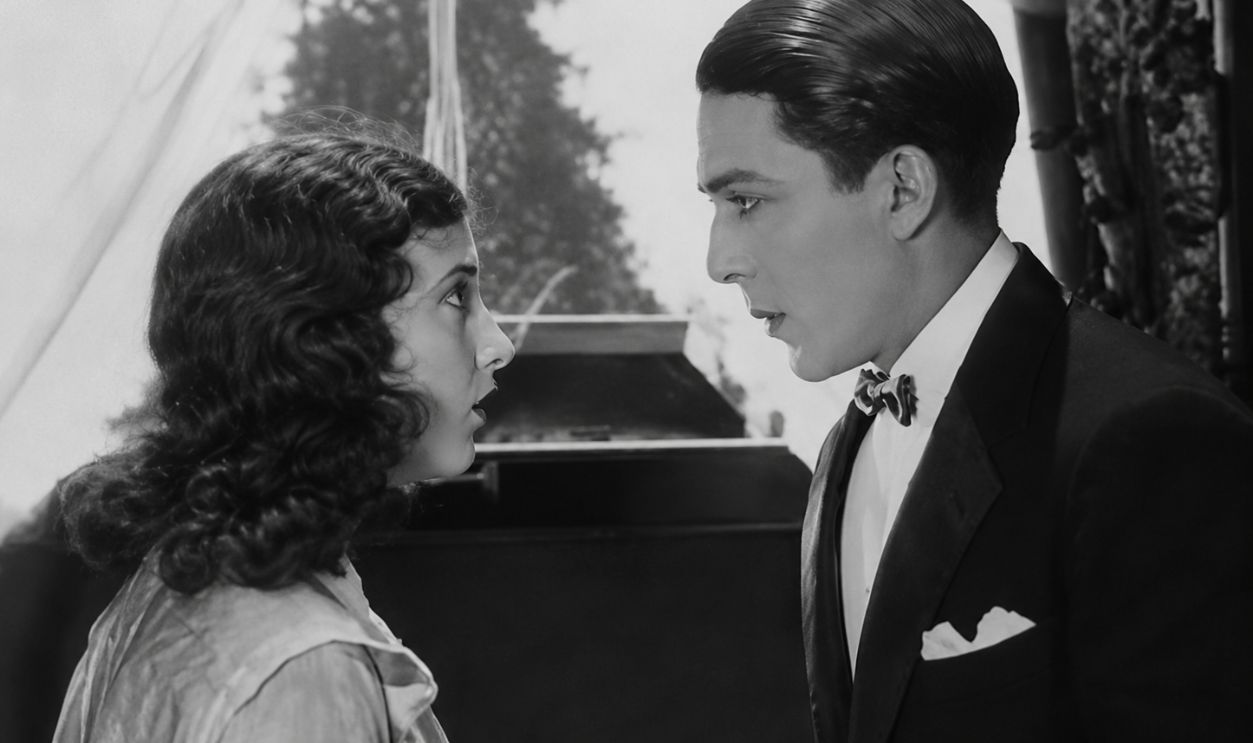 Screenshot from Burglar by Proxy, First National Exhibitors Circuit (1919), Enhanced
41. He Couldn’t Make Another Relationship Work
Jack married twice after Olive. Both women were former Ziegfeld dancers, just as Olive had once been. This was likely a coincidence, but it’s also possible that Jack saw something of his lost love in these other women. However, neither marriage could live up to the expectations put upon them, or handle Jack’s growingly distressing disposition.
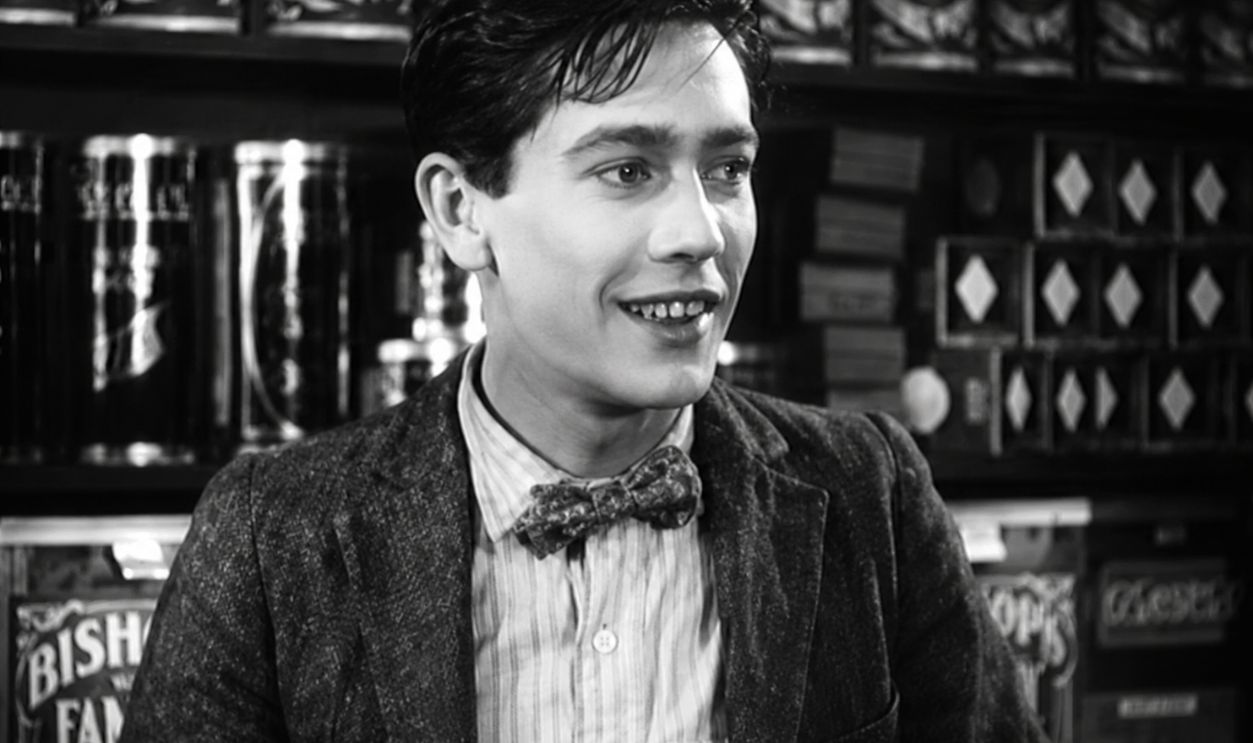 Screenshot from In Wrong, First National Exhibitors Circuit (1919), Enhanced
42. He Became A Bad Husband
Jack married Marilyn Miller two years after Olive’s loss, in 1922. The marriage lasted for four years before Miller finally tired of dealing with Jack’s degrading condition. Nearly all accounts insist that Jack had turned to substances, likely to curb his pain over Olive’s loss, and this had turned him into an abusive partner. Miller sought to get out of the marriage; however, she got into a little bit of trouble.
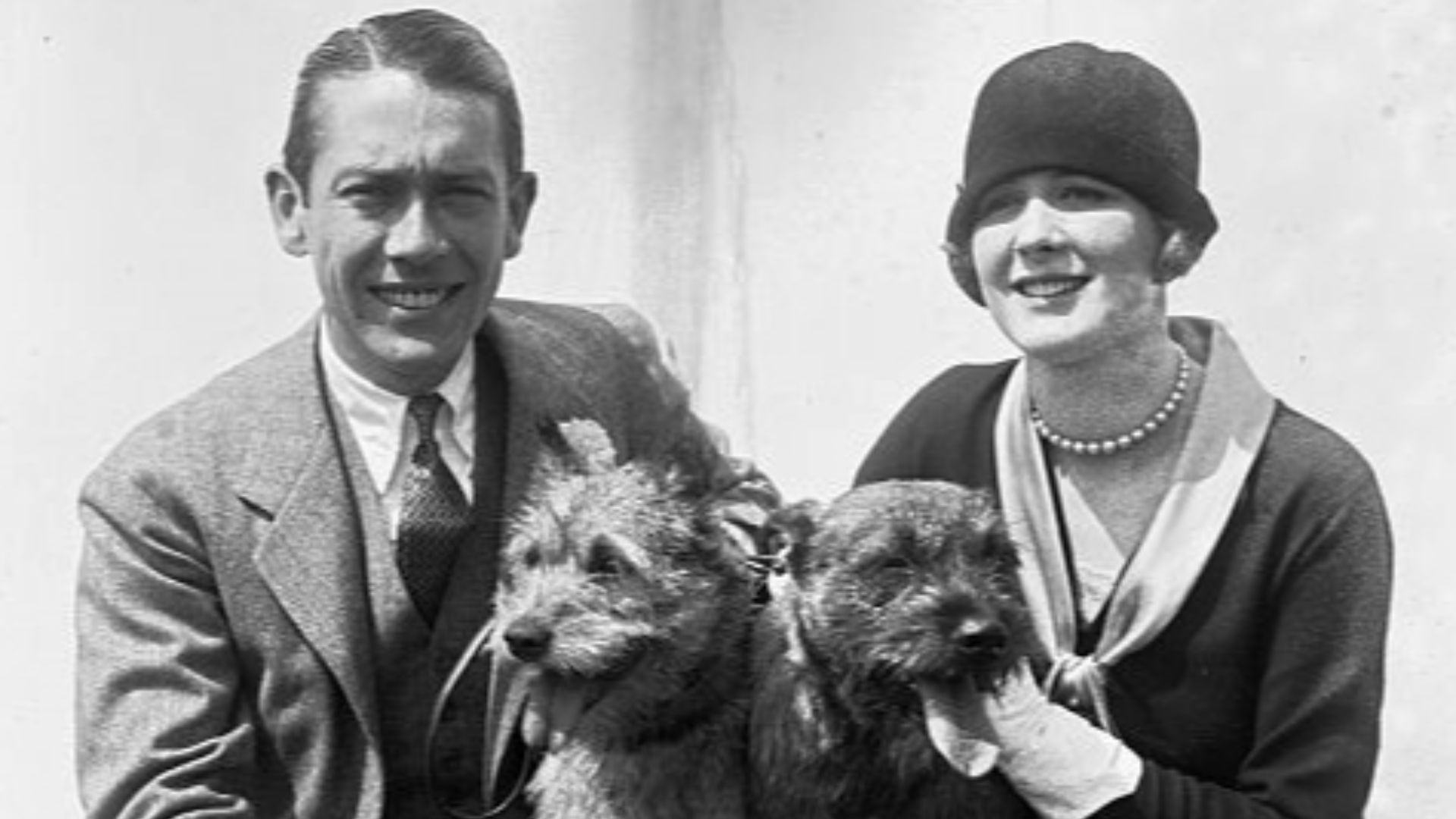 George Grantham Bain Collection (Library of Congress), Wikimedia Commons
43. His New Wife Bragged About Leaving Him
Miller first attempted to get approval for her divorce in Paris. However, she made the mistake of publicly bragging that it would be no problem at all to get the divorce she wanted. This prompted the Paris tribunal to put their backs up, likely rejecting her just to make a point. As a result, she had to try again in Versailles, earning her divorce and leaving Jack available to become another woman’s problem.
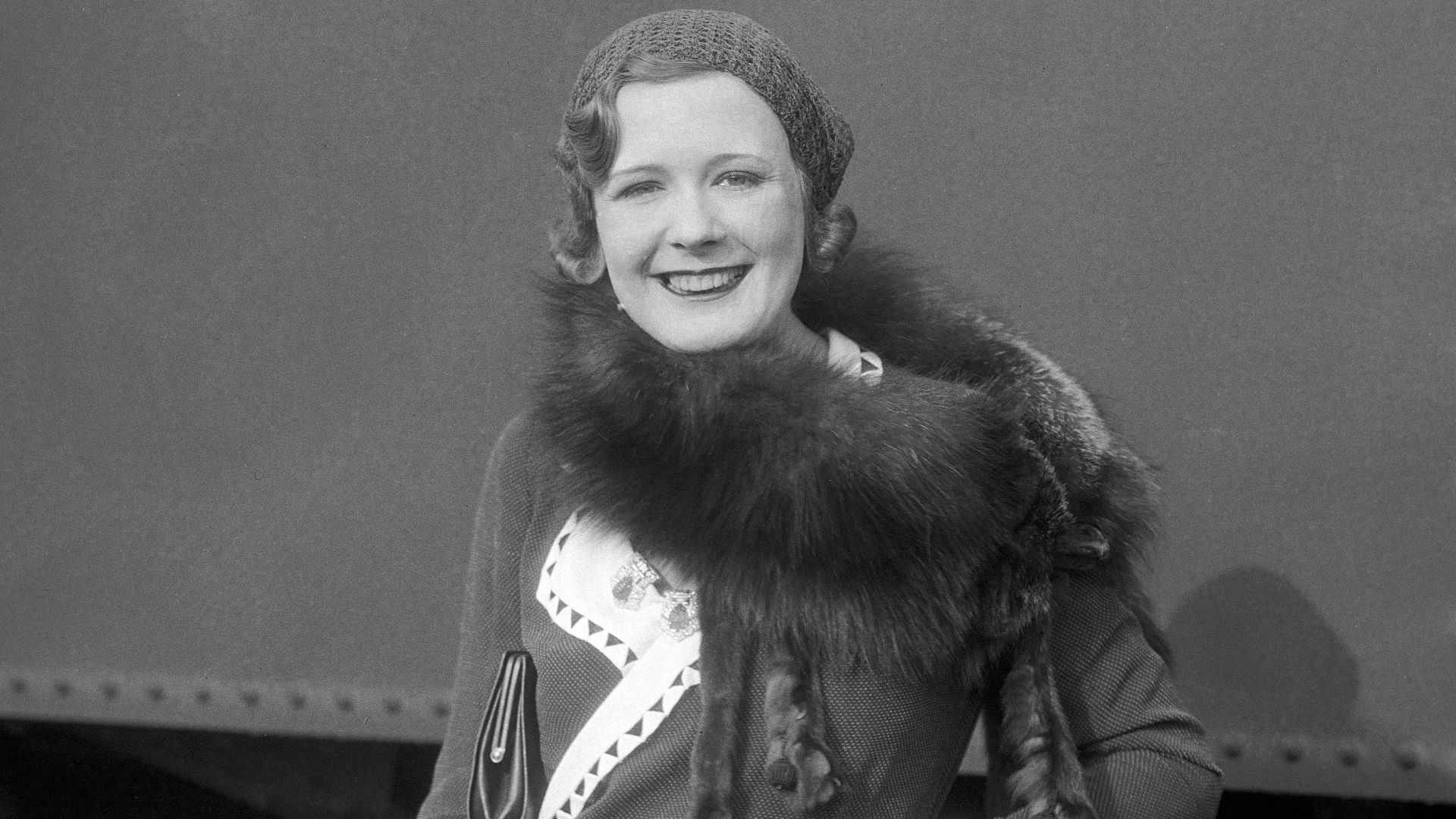 Los Angeles Daily News, Wikimedia Commons
44. He Tried For A Third Time
In 1930, 10 years after he’d lost Olive (and four years after divorcing Miller), Jack married Mary Mulhern, yet another Ziegfeld. Mulhern was 22 years old, while Jack was 34. The marriage may have started pleasantly enough. However, by the time three months had passed, Jack became more and more volatile.
Only two years later, Mulhern left Jack, claiming mistreatment. In February 1932, the courts granted her a temporary divorce while the details were finalized. However, in the end, tragedy swooped in and ended their marriage first.

45. His Sister Saw The Future
Around the same time that Mulhern left him, Jack went to visit his sister at her home. Her brother’s state struck Mary. His clothes hung off him. His skin was pale. He clearly was not well. As he left the house, Mary started to walk him to his car when Jack called back, “Don’t come down with me, Mary dear, I can go alone,” and Mary was struck with a cold certainty that this would be the last time she saw her brother.
 Bain News Service, publisher, Wikimedia Commons
History's most fascinating stories and darkest secrets, delivered to your inbox daily.
46. He Tried To Rid Himself Of His Demons
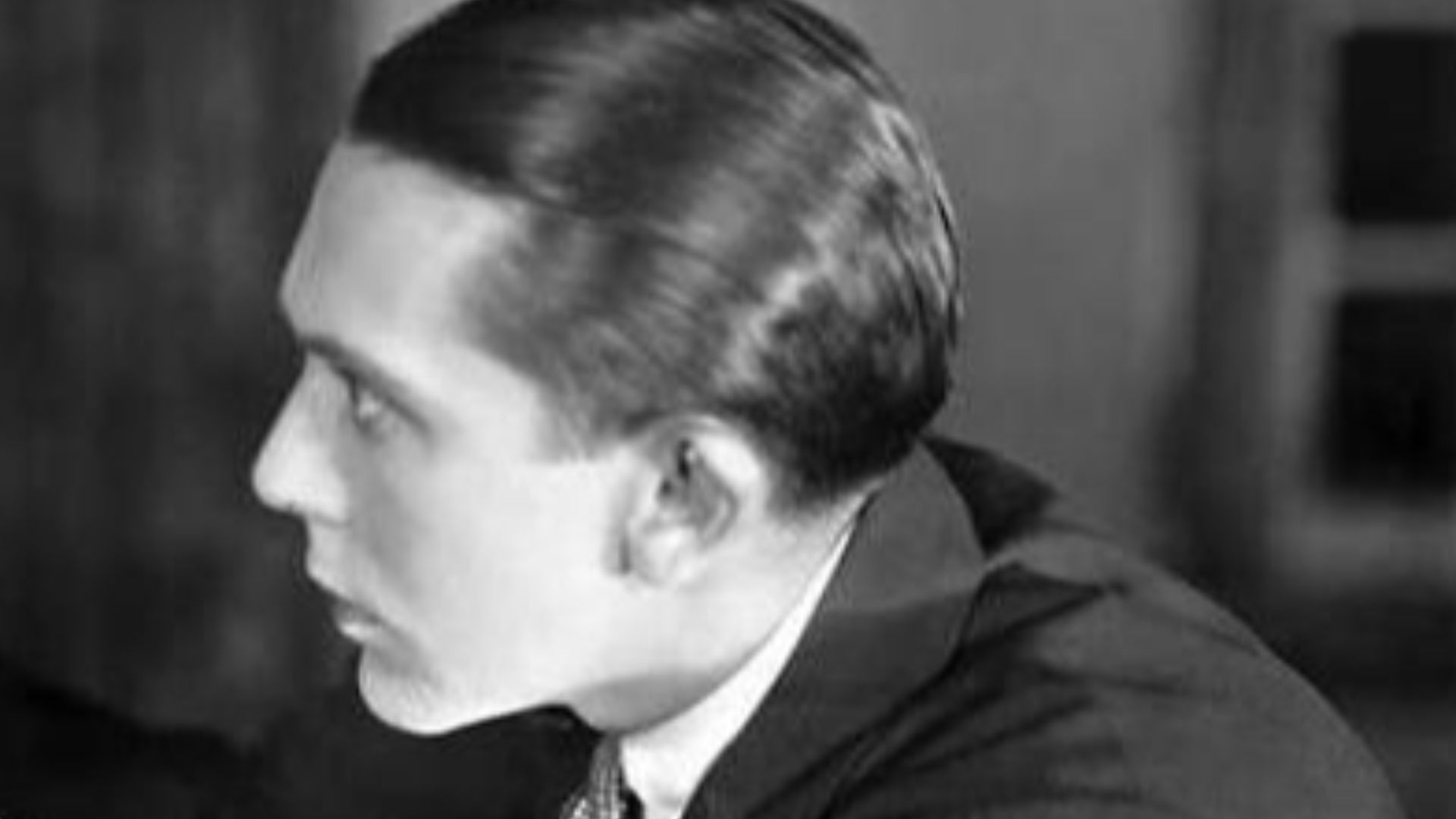
In 1932, Jack set sail for a trip. He’d intended to cruise around the world, thinking that it would give him the time needed to focus on his health. However, Jack had underestimated just how unwell he’d been. He didn’t make it any further than Paris before illness struck. He became so poorly on the ship that when they docked in Paris, he’d been rushed off to hospital—one he knew quite intimately.
 Clarence Brown / Universal Pictures, Wikimedia Commons
47. He Ended Up Back Where He Started
Roughly 12 years later, Jack found himself back in the very same hospital that took Olive away from him. However, this time he was the patient. He arrived in the American hospital in Paris in October 1932, where he remained for several months. During that time, he appeared to be slowly recovering, giving his family the impression that they did not need to worry. Yet, he was so, so wrong.
 Screenshot from The Man Who Had Everything, Goldwyn Distributing Company (1920), Enhanced
48. He Begged For His Wife
During this time, Jack asked for his second wife, Marilyn Miller. Despite how the relationship ended, there must have been some fondness between the two of them, because reports state that Miller attempted to get to him. She reportedly stowed away on a boat, getting herself to England, but she could get no further; Miller couldn’t get into France, and she’d never see Jack again.
 Bain News Service, publisher, Wikimedia Commons
49. He Was Tired Of Fighting
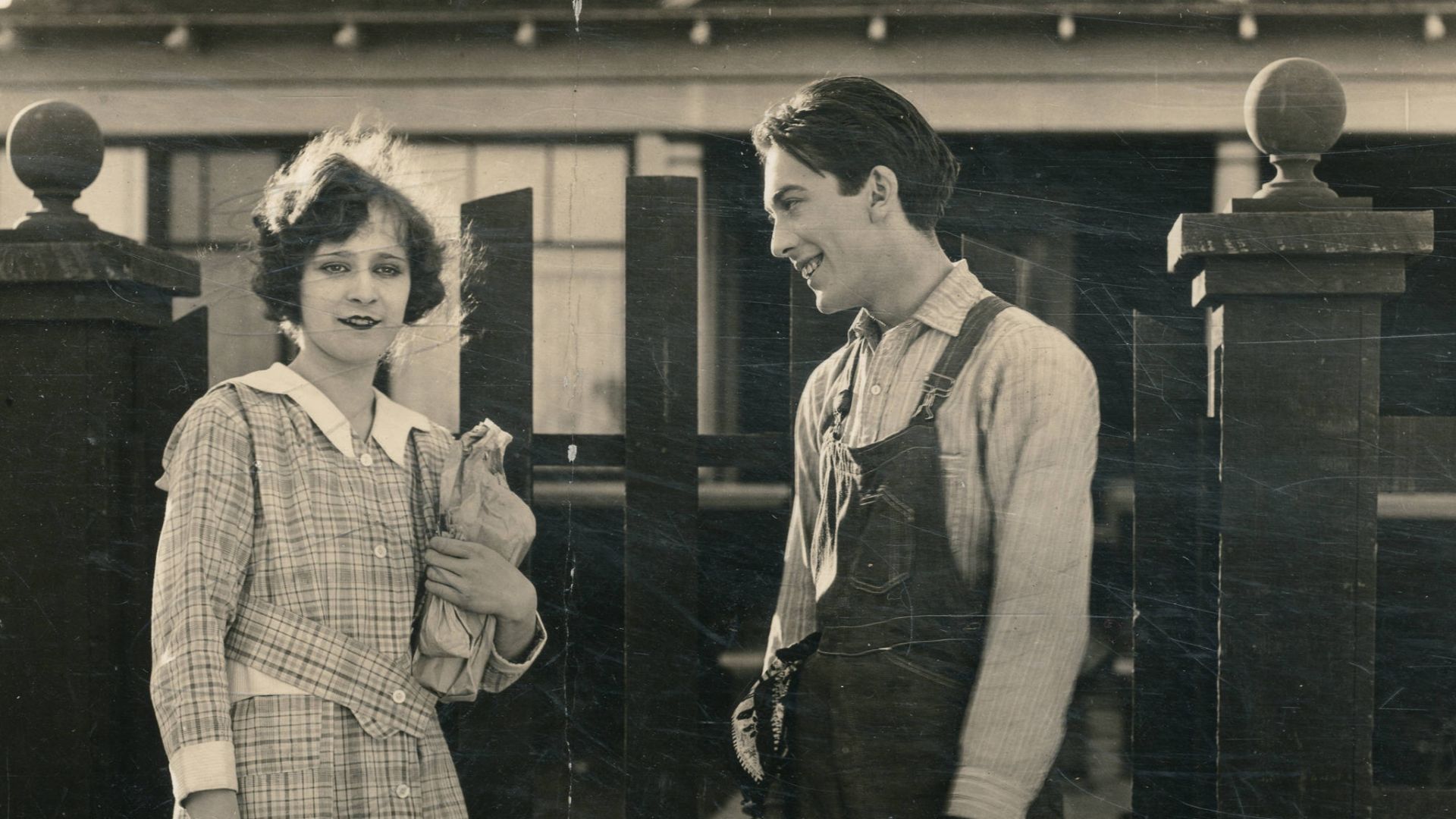
In January 1933, after months in a Paris hospital, Jack passed, succumbing to complications that most presume were from his excessive drinking and substance consumption. Jack was only 36 years old. Yet, it appeared that he felt the weight of every single one of those years; he left the world with these tragic, parting words, “I have lived more than most men, and I am tired—so tired!”
 Unknown authorUnknown author, Wikimedia Commons
50. He Should’ve Had More Time
Jack Pickford certainly had lived more than most men. From extremely humble beginnings, he and his family managed to pull themselves up into a world that most only dream about. For a brief shining moment, he was a star, and for an even smaller moment, he, presumably, was in love. Yet, tragedy hung around him like a dark cloud, and in the end, he couldn’t escape.
 Screenshot from In Wrong, First National Exhibitors Circuit (1919), Enhanced
You May Also Like:
The Femme Fatale At The Heart Of History’s Most Scandalous Murder Mystery
Karen Black’s Hollywood Double Life