He Raised The Flag But Tragically Fell
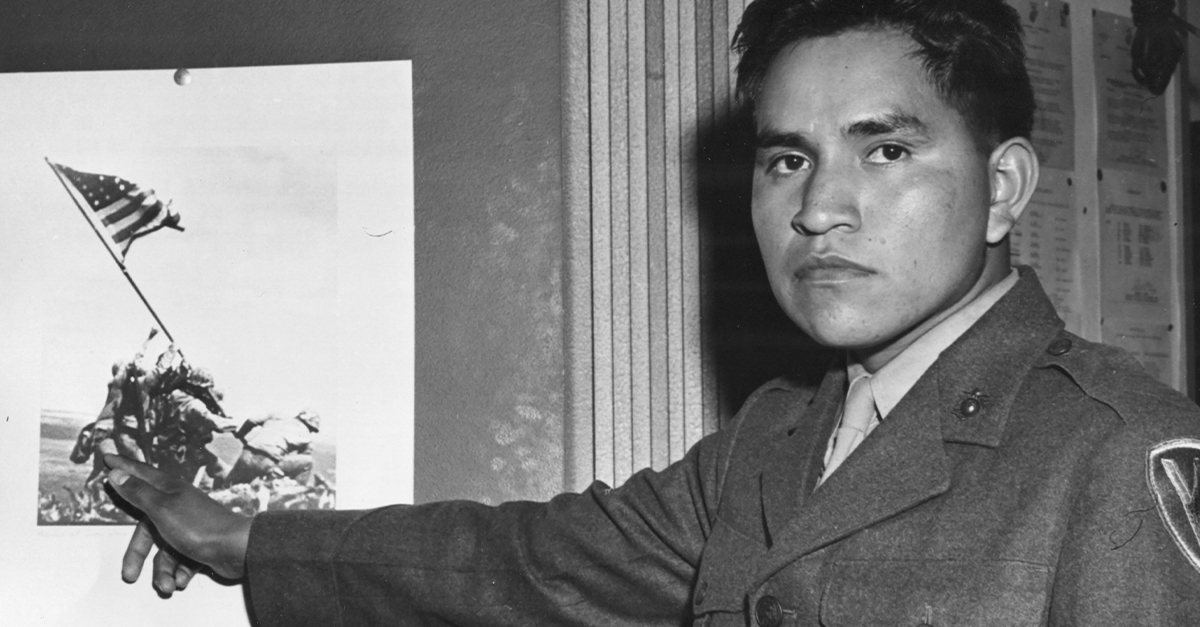
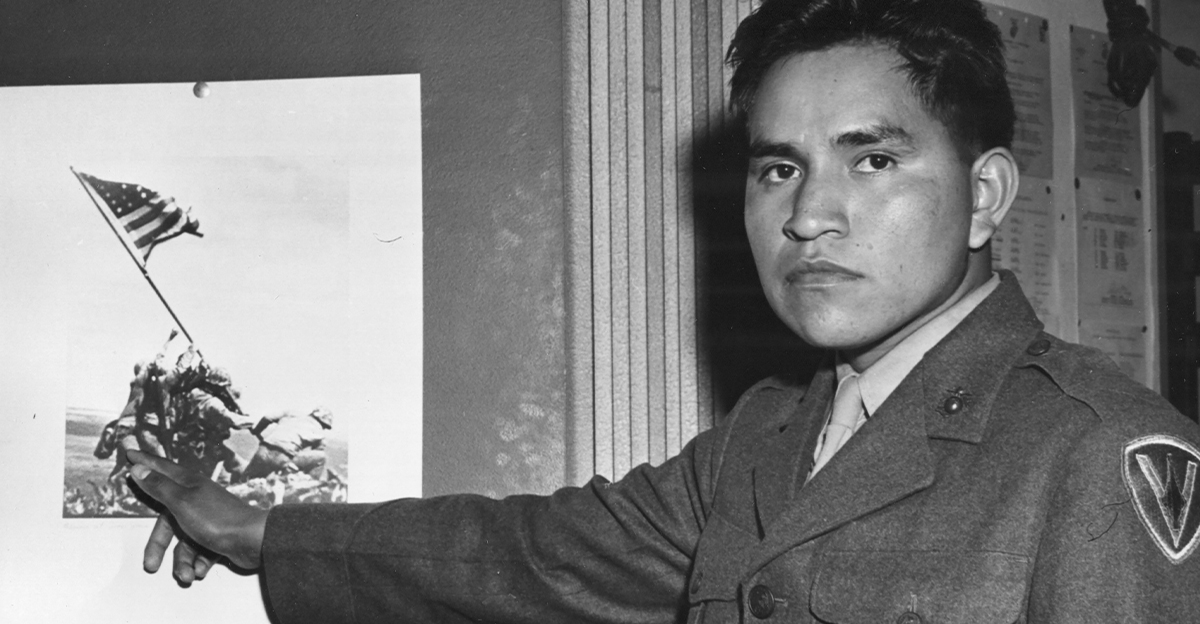
Ira Hayes (aka “Chief Falling Cloud”) was one of the six men famously captured in the photograph Raising the Flag on Iwo Jima. His stoic patriotism as an American and Pima Indian made him a hero at home—but he couldn’t escape the ghosts of the men who fell at his side an ocean away.
1. He Came From Sacred Land
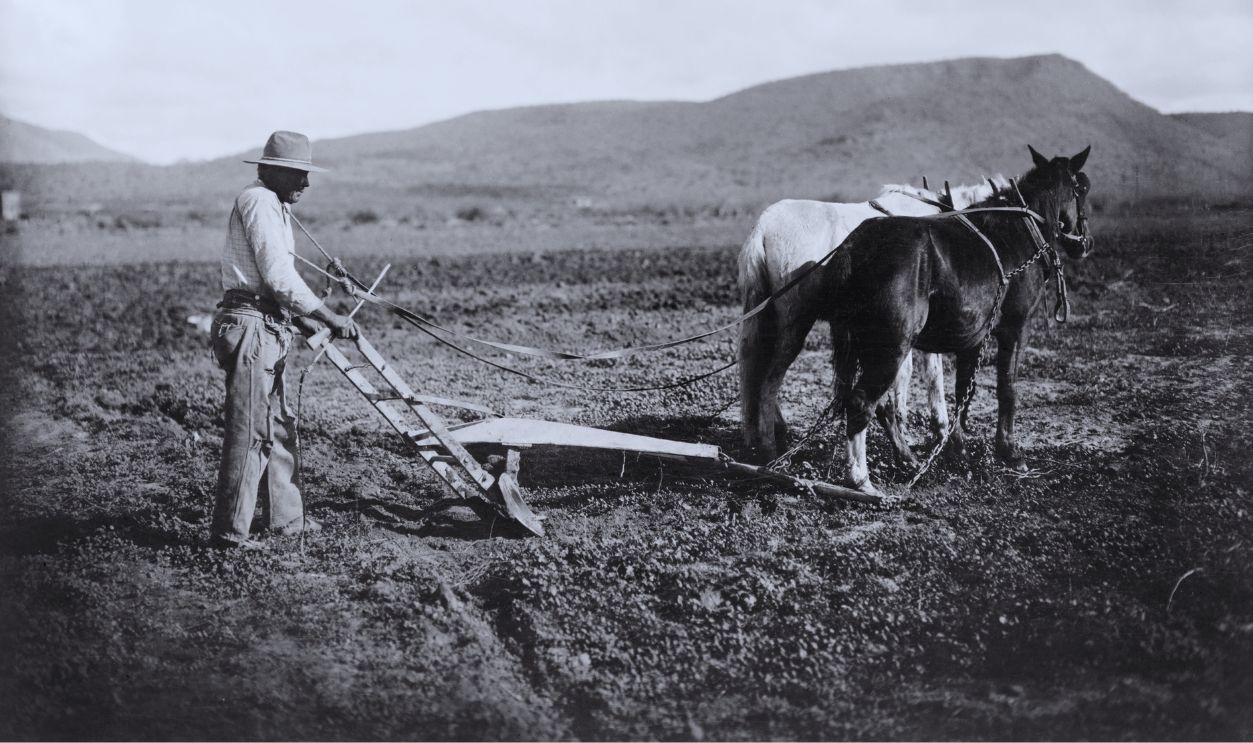
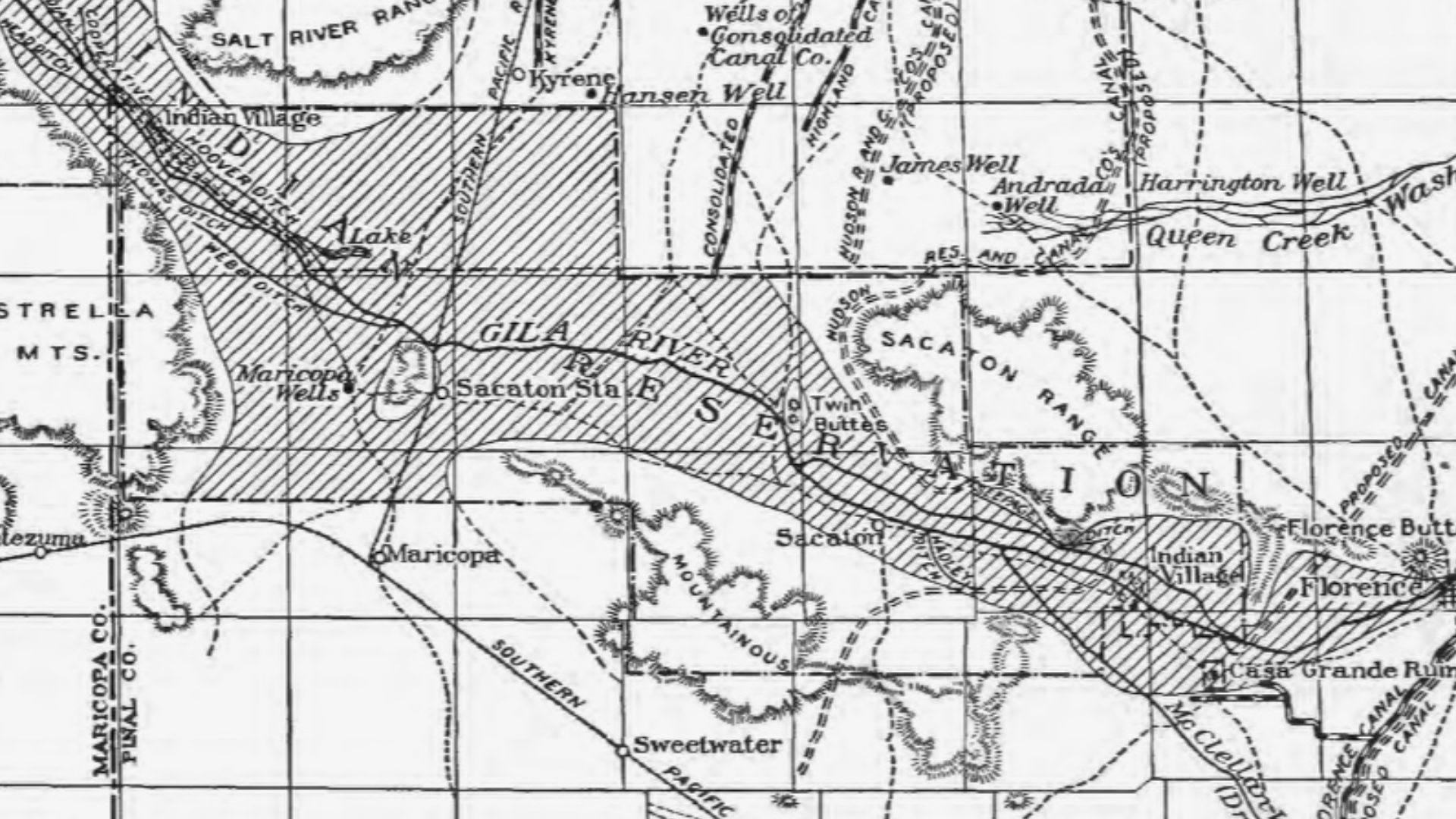
Ira Hamilton Hayes was born on January 12, 1923, in Sacaton, Arizona—a dusty town in the heart of the Gila River Indian Community. The land that birthed him would shape his identity and his destiny in ways no one could imagine.
 Universal History Archive, Getty Images
2. He Was A Pima American
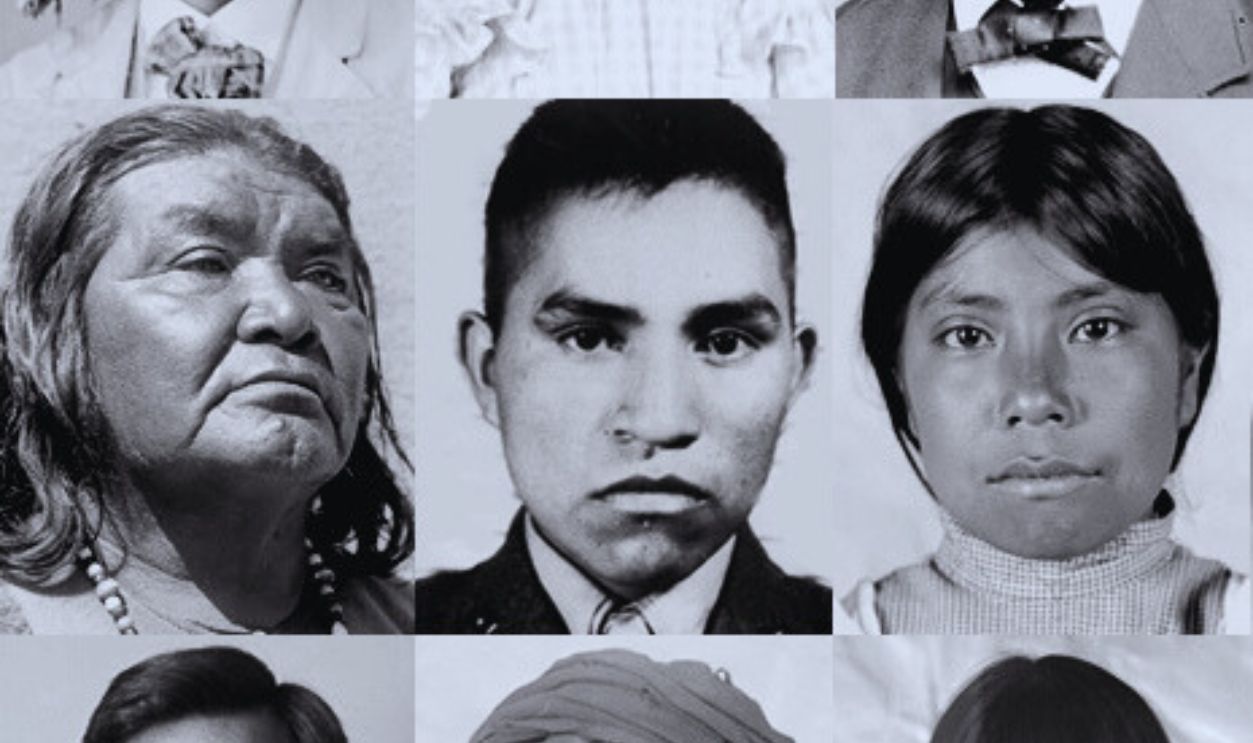
Ira Hayes wasn’t just an American—he was a proud member of the Pima people, aka Akimel O’odham, with roots that stretched deep into Arizona’s Gila River Indian Community. His enrollment in the tribe connected him to centuries of warriors who defended their homeland. But Hayes was destined to fight on distant shores.
 Robfergusonjr, Wikimedia Commons
3. He Led Six Siblings
As the firstborn of Nancy and Joseph Hayes, Ira carried the weight of being the eldest among six children. His parents welcomed him into their growing family in 1923, unaware their quiet son would become America’s most reluctant hero. Their parenting prepared him for a life on the frontlines.
4. His Parents Shaped Warriors
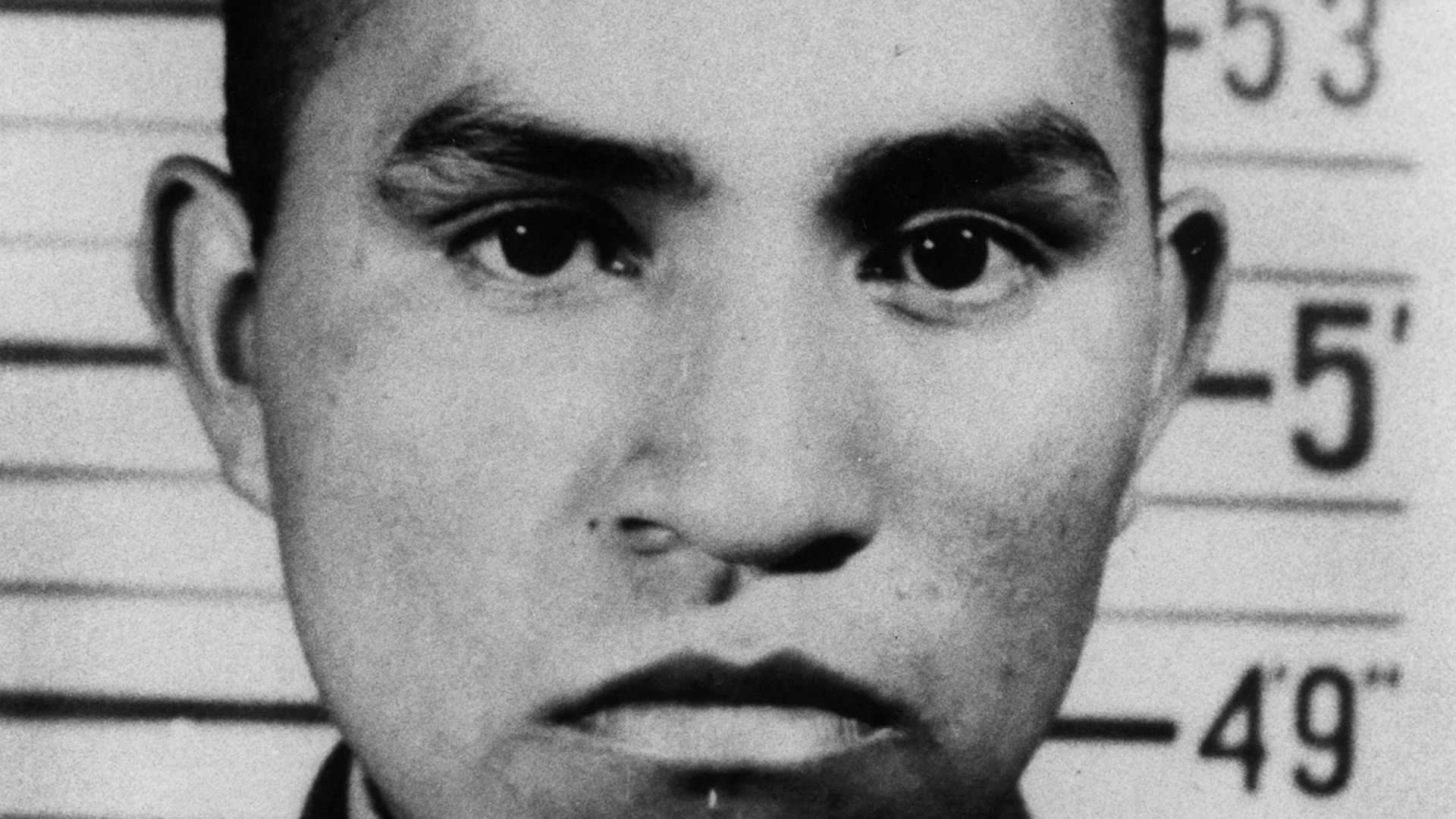
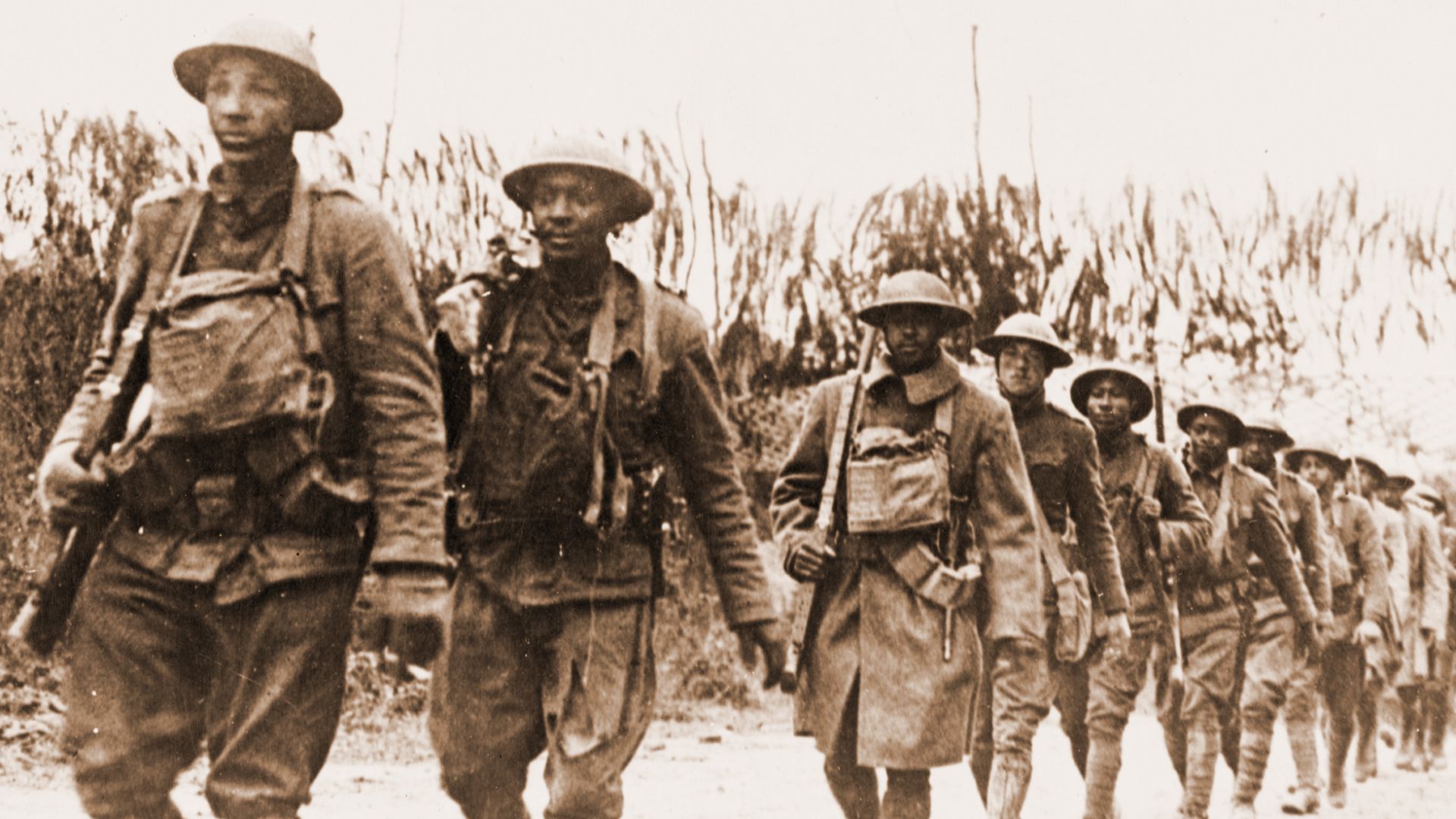
Hayes’s mother, Nancy, taught Sunday school at the Assemblies of God church while his father, Joseph, harvested cotton to feed his family. Most importantly, however, Joseph was a WWI veteran—a legacy that Hayes couldn’t deny. Their devotion to faith and country flowed through his veins.
 U.S. Army Signal Corps, Wikimedia Commons
5. He Fought Famine First
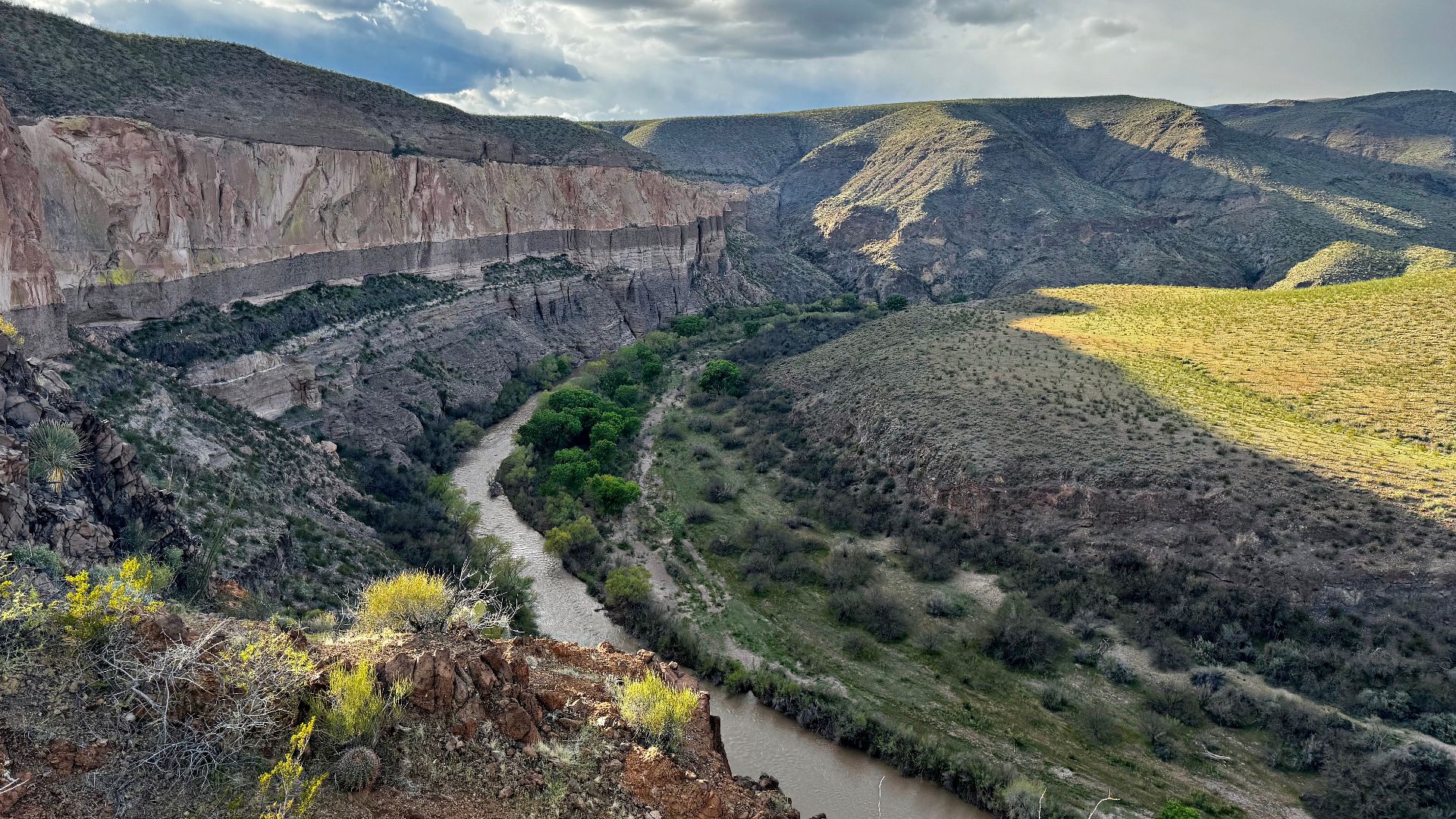
Ira Hayes arrived just one generation after a devastating famine struck the Akimel O’odham people. Settlers further upstream had diverted the Gila River’s precious water, leaving his ancestors starving on their own land. The memory of that suffering seemed to linger deep within Hayes himself.
 benmacaskill, Wikimedia Commons
6. His Family Sought Better Ground
When Hayes turned nine in 1932, his parents packed up their lives and moved to Bapchule, 12 miles northwest of Sacaton. The new town promised a break from the memories of famine and fresh opportunities. Still, Hayes seemed to carry a burden with him.
 Williams Thomas Lee, Wikimedia Commons
7. He Spoke Through Silence
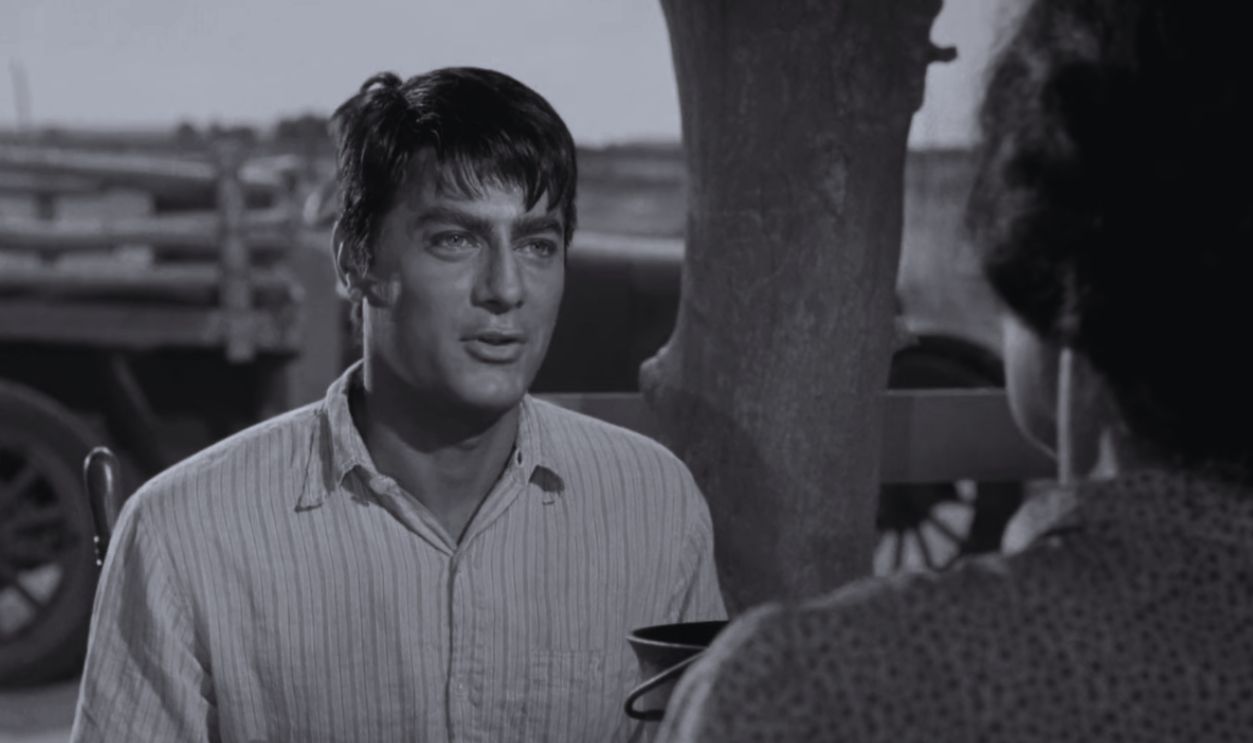
Family and friends remembered Ira Hayes as painfully shy—a sensitive soul who could go entire days without uttering a single word. His quietness wrapped around him like armor, protecting something deep inside that others couldn’t quite reach. But they understood him better than they knew.
 Screenshot from The Outsider, Universal-International Pictures (1961)
8. His Niece Understood Him
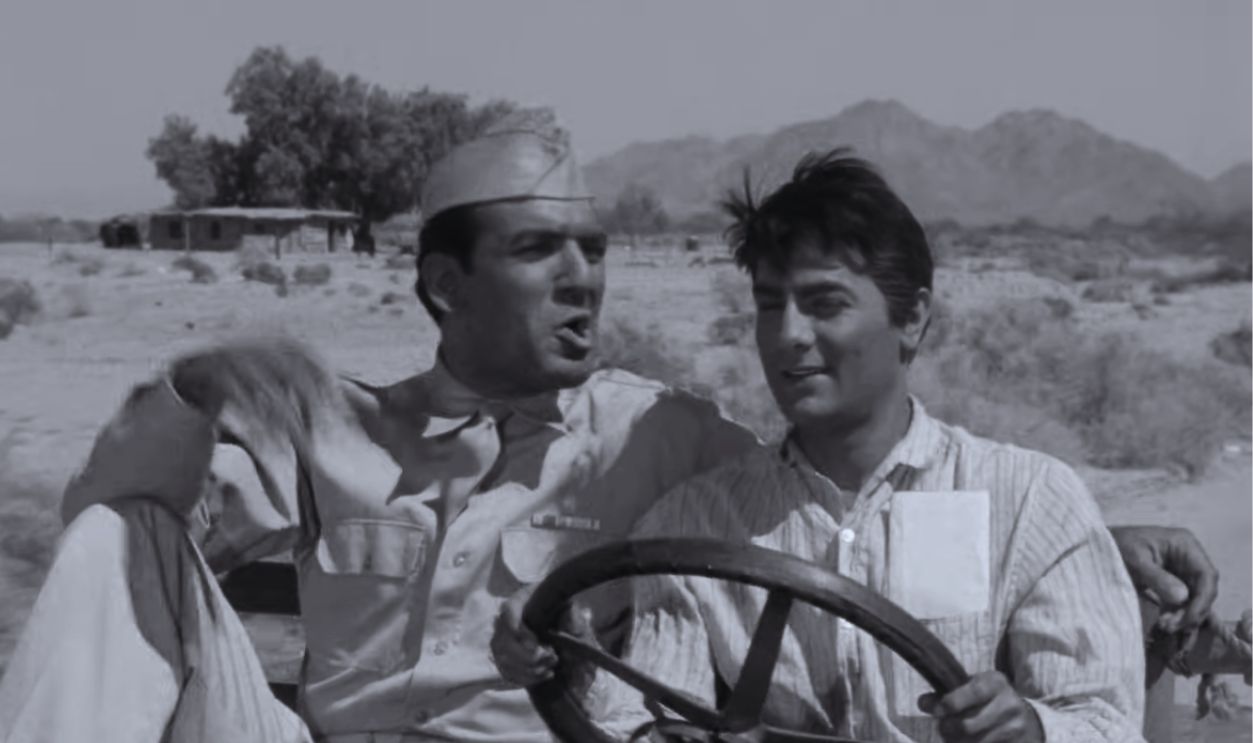
“He was just like his father,” Sara Bernal, Hayes’s niece, recalled about her uncle. While siblings played and teased, Hayes remained distant, speaking only when spoken to first. However, his silence wasn’t coldness—it was something else entirely. Something impenetrable.
 Screenshot from The Outsider, Universal-International Pictures (1961)

History's most fascinating stories and darkest secrets, delivered to your inbox daily.
9. His Skin Was Impenetrable
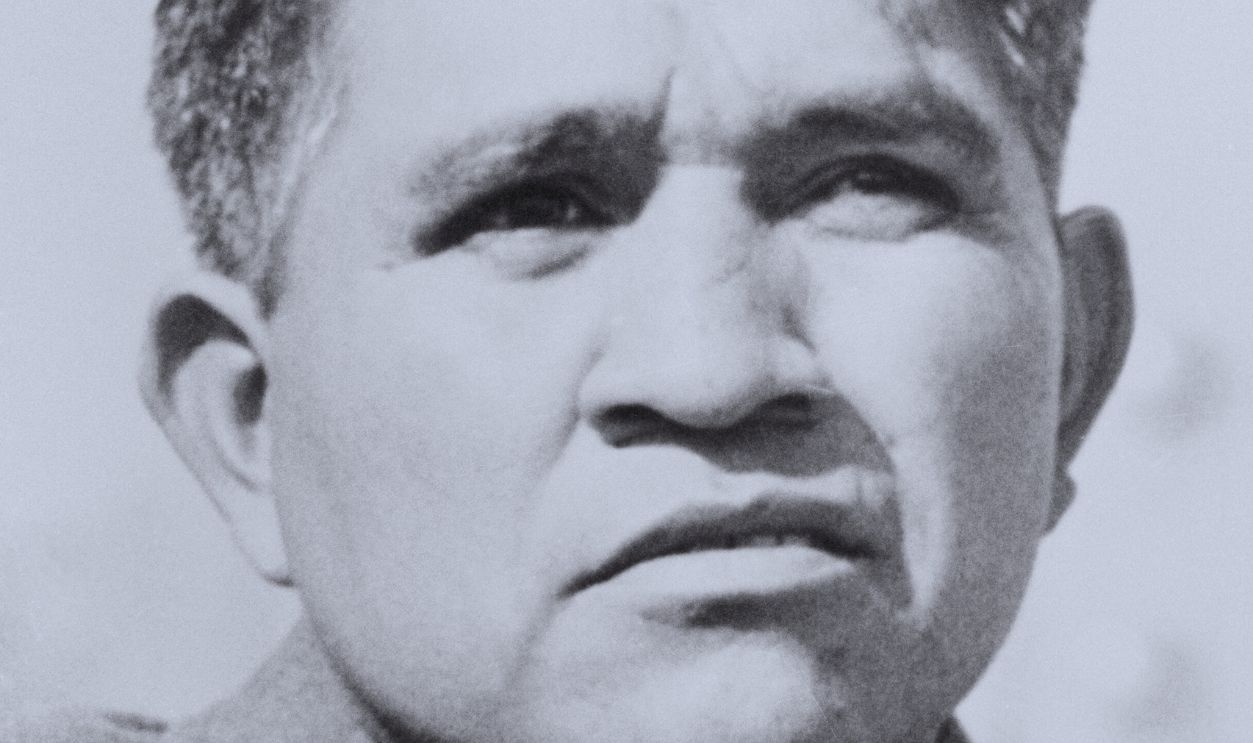
Dana Norris, who grew up alongside Ira Hayes, admitted that she barely felt like she knew him at all. “Even though I’m from the same culture,” Norris said, “I could never get under his skin”. The Pima people weren’t prone to boasting, but Hayes took their cultural reserve to extraordinary depths.
10. He Devoured Words Hungrily
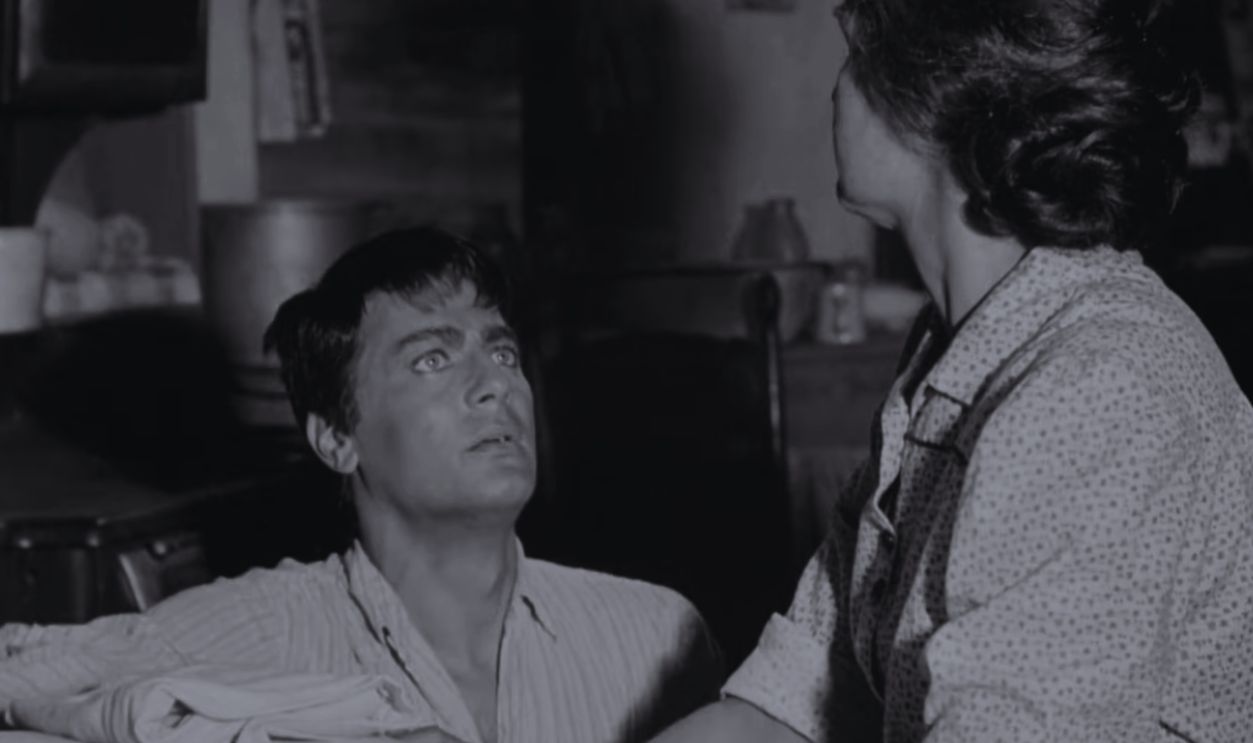
Beneath Hayes’s impenetrable silence lurked a brilliant mind. By age four, he could do something that most other Pima people couldn’t: He could read and write in English with startling proficiency. He consumed books with the hunger of someone searching for answers. Answers that he would only find an ocean away.
 Screenshot from The Outsider, Universal-International Pictures (1961)
11. He Went To Boarding School
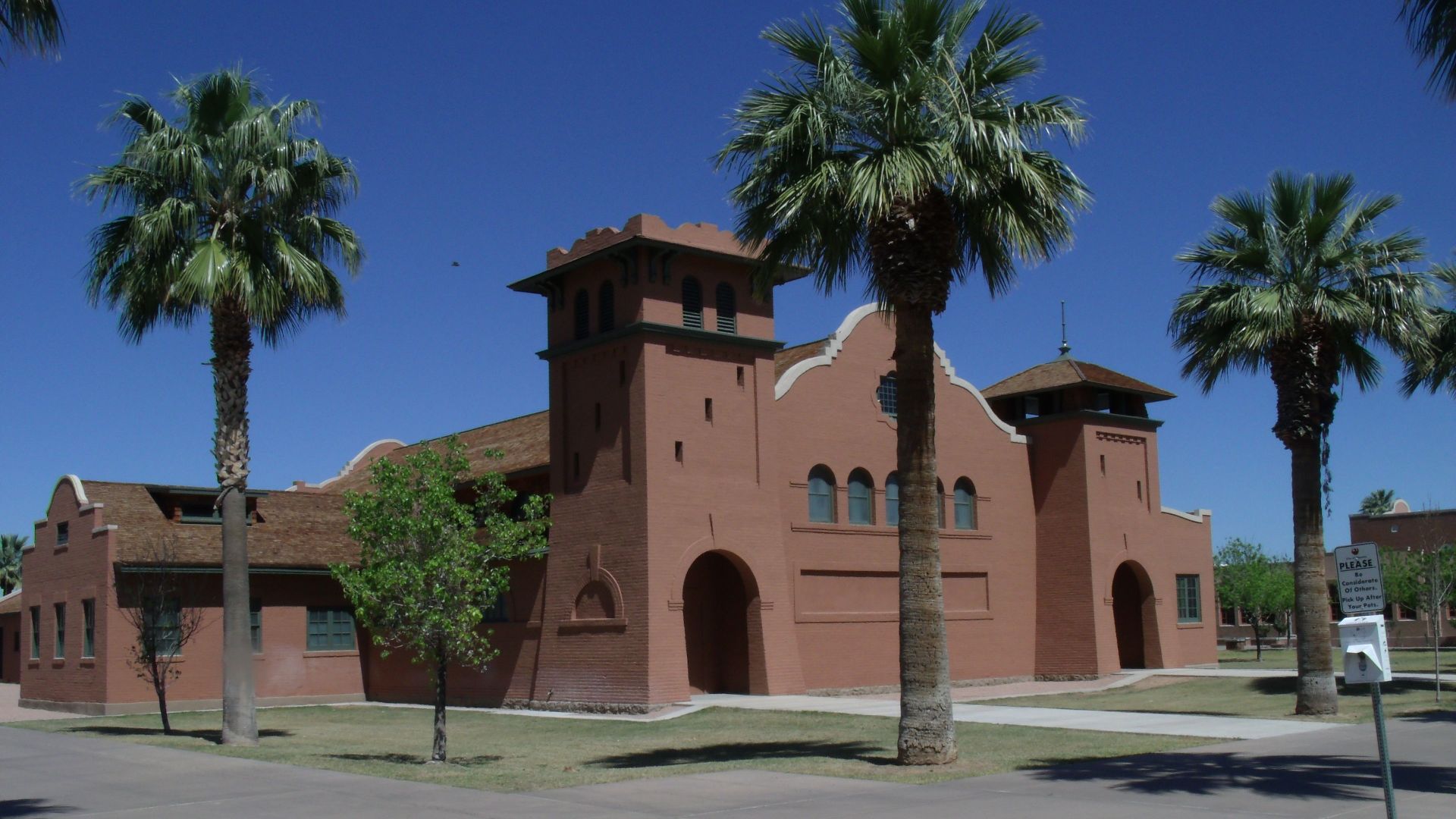
Ira Hayes didn’t spend long at home. Along with his siblings, he left Sacaton to attend the Phoenix Indian School, a Native American boarding school. It’s difficult to find records of his time there, but given what happened next, he either excelled quickly or quickly found an exit.
 Tony the Marine (talk), Wikimedia Commons
12. He Helped Build America
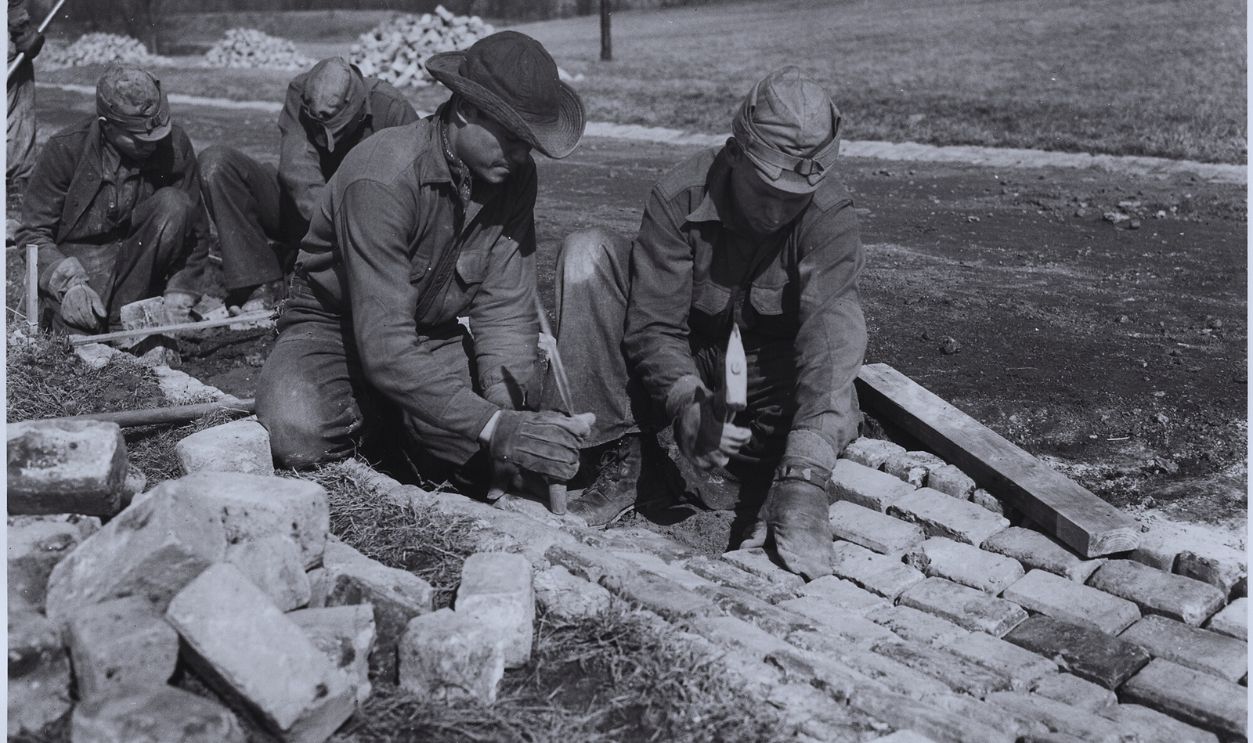
Hayes abandoned high school after just two years, joining the Civilian Conservation Corps in May 1942. Shortly after that, he found work as a carpenter. But a life of woodworking and calloused hands wasn’t exactly what he had in mind. He knew he had a different calling.
 National Archives and Records Administration, Wikimedia Commons
13. He Wanted To Serve His Country
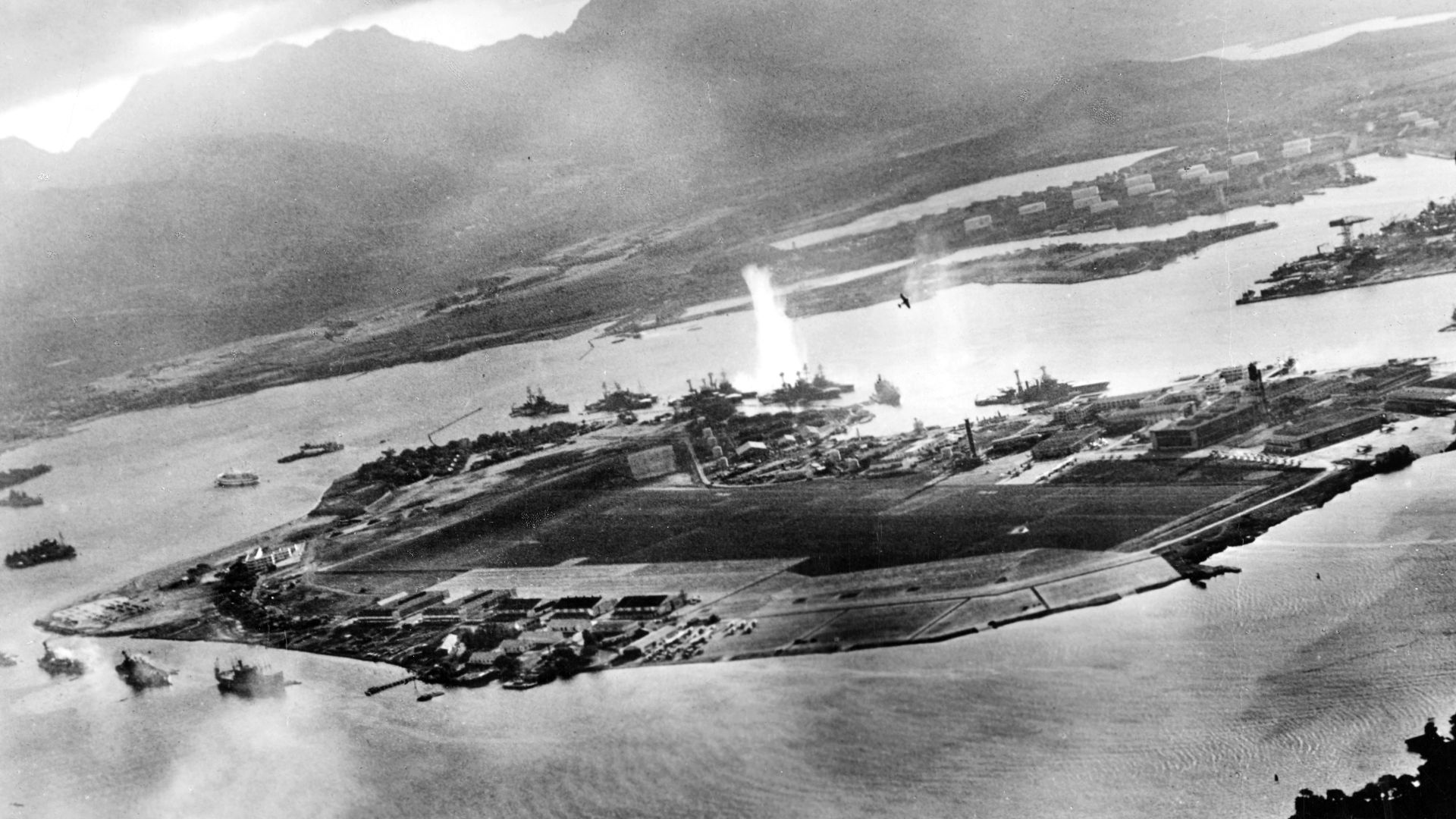
When the “Zero” fighters of Imperial Japan attacked Pearl Harbor one bright Sunday morning, Ira Hayes knew what he had to do. He confessed to a classmate, Eleanor Pasquale, his burning determination to join the Marines. The quiet Pima boy was about to become one of America’s finest warriors.
 Imperial Japanese Navy, Wikimedia Commons
14. He Signed His Life Away
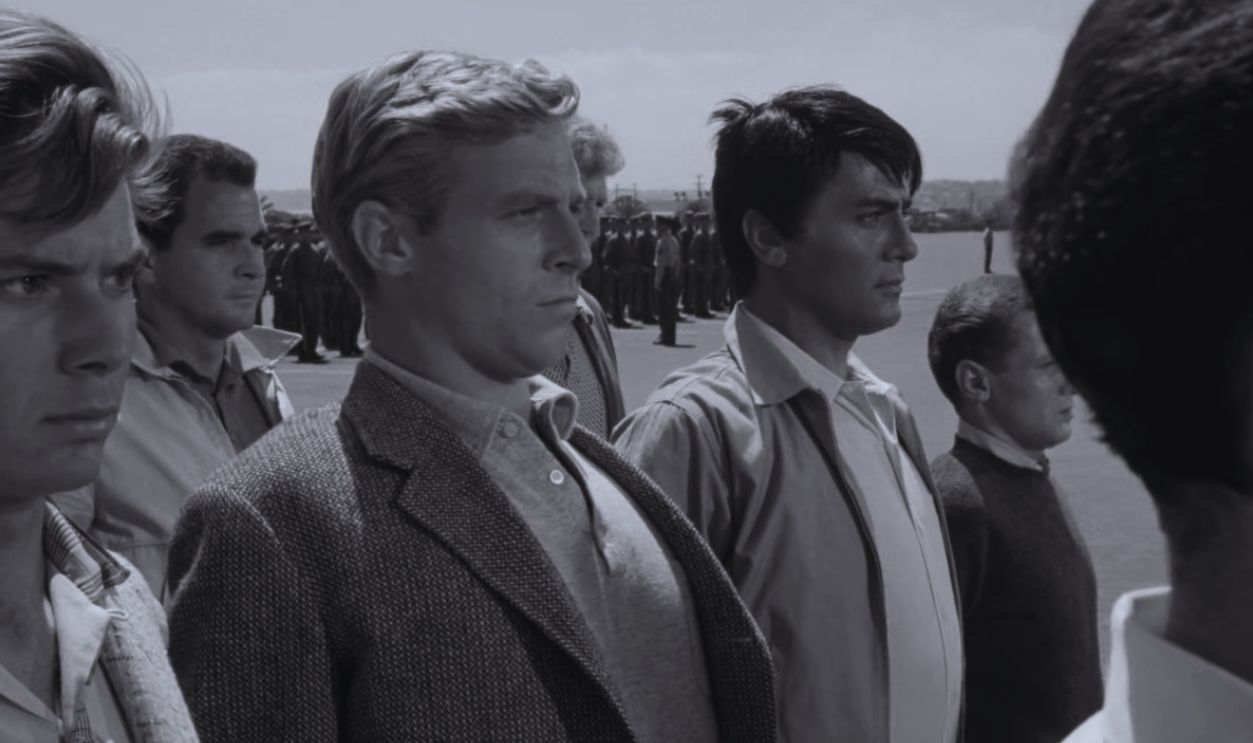
On August 26, 1942, Hayes walked into a Phoenix recruiting station and made a decision that would shape, not just his future, but the future of the country. Without a moment’s hesitation, he enlisted in the Marine Corps Reserve. Platoon 701 at San Diego’s Marine Corps Base would transform the soft-spoken carpenter into an American icon.
 Screenshot from The Outsider, Universal-International Pictures (1961)
15. He Earned His Wings
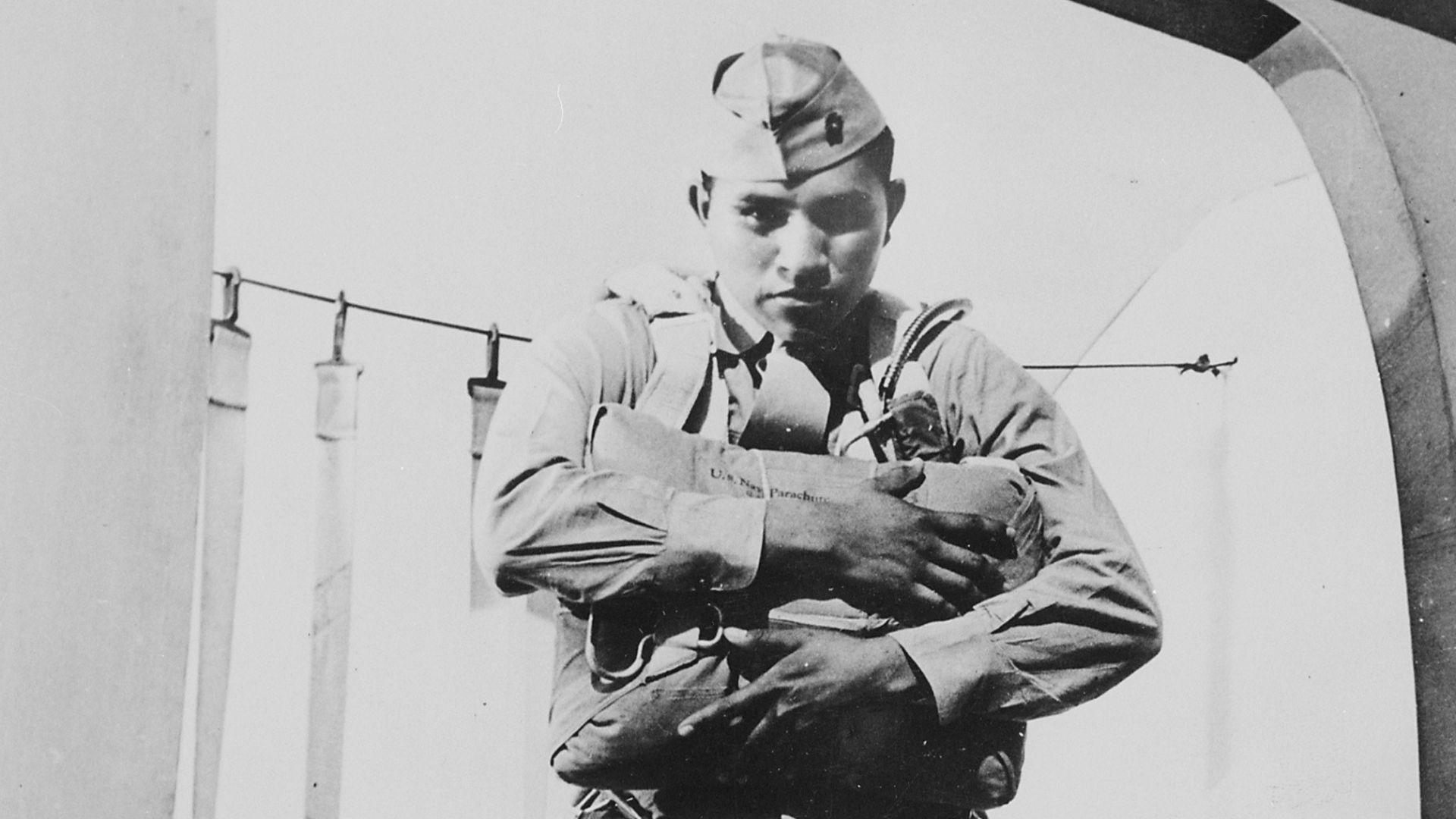
Even though he was shy and reserved, Hayes’s fearlessness stood out—and it made him the perfect candidate for a job that few others could do. He volunteered for Paramarine training at Camp Gillespie in October 1942, jumping from perfectly good airplanes when most men wouldn’t dare. One month later, he pinned silver wings to his chest.
It was more than just a proud moment for him.
 Unknown authorUnknown author or not provided, Wikimedia Commons
16. His Tribe Made History
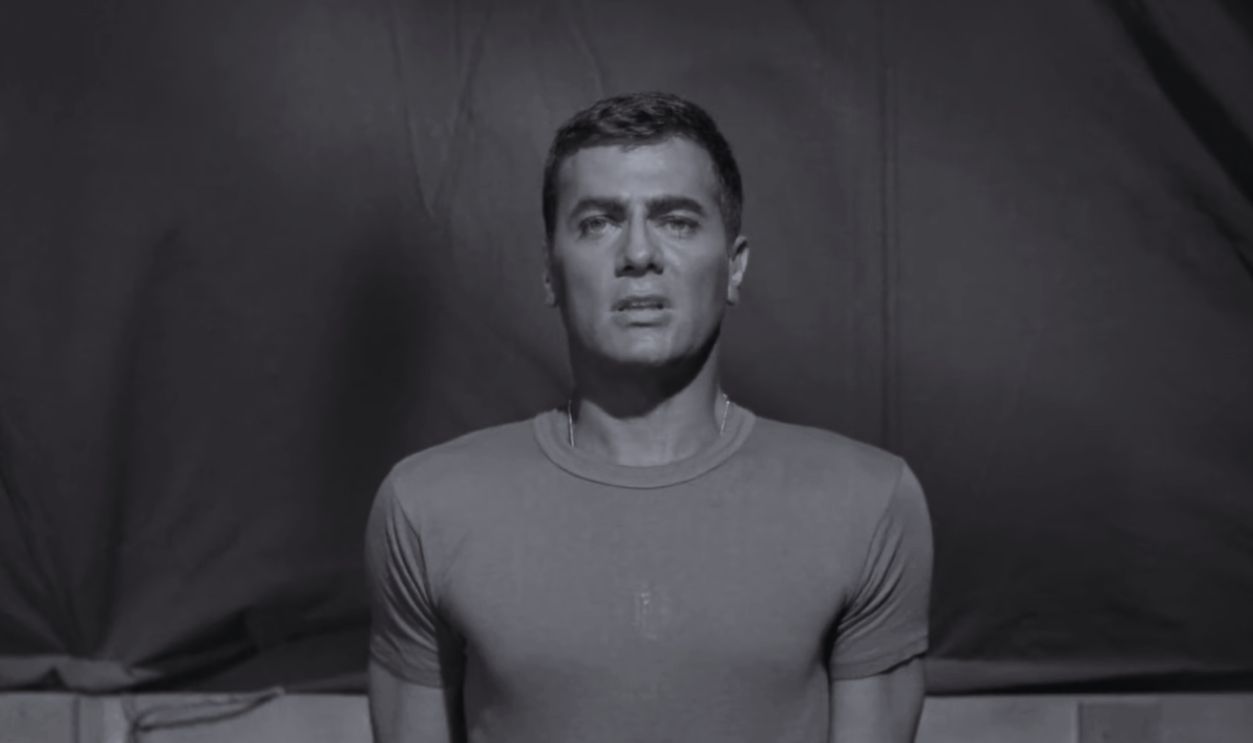
By pinning those silver wings to his chest, Ira Hayes became the first Pima person in history to earn paratrooper wings. In recognition of his groundbreaking achievement, Hayes earned the codename “Chief Falling Cloud”, honoring both his Pima and American heritages.
His name would strike fear into his enemies on the other side of the world.
 Screenshot from The Outsider, Universal-International Pictures (1961)
17. He Rose Through Ranks
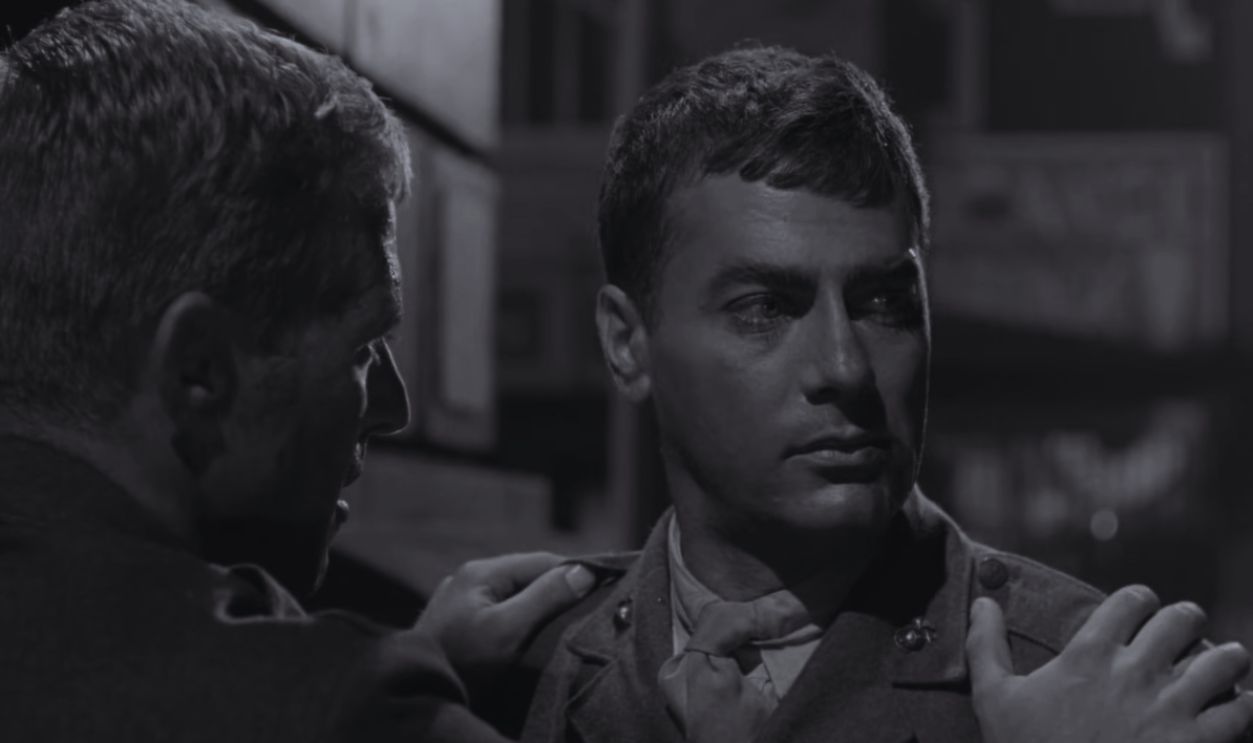
December 1, 1942, brought Hayes his first promotion to private first class. The next day, he joined Company B, 3rd Parachute Battalion at Camp Elliott, California. With each step up the ladder, he was getting closer and closer to his place in history—he just didn’t know it yet.
 Screenshot from The Outsider, Universal-International Pictures (1961)
18. He Sailed Toward Destiny
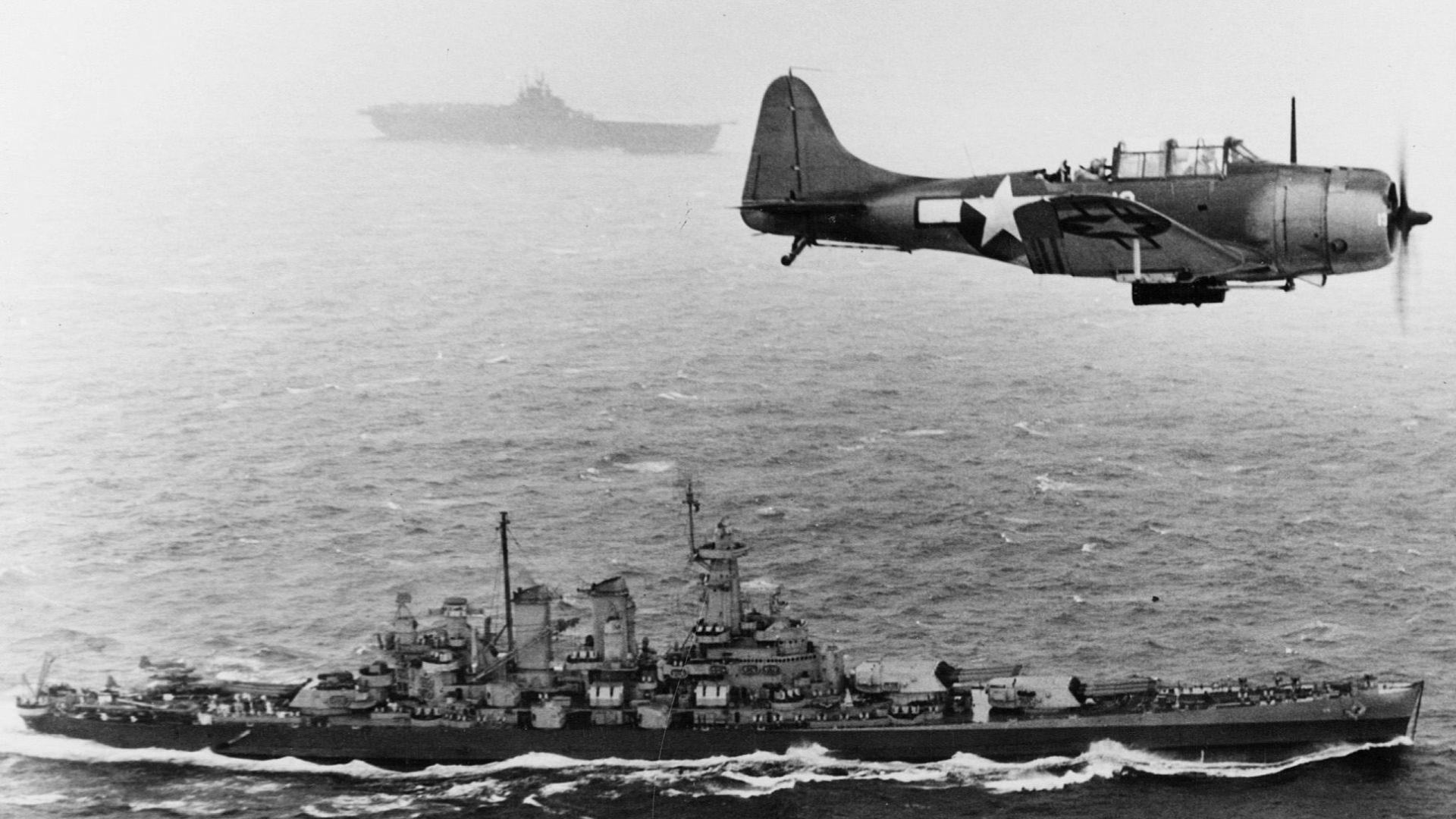
Finally, on March 14, 1943, Hayes’s destiny called him out. Along with the rest of the 3rd Parachute Battalion, Hayes shipped out for New Caledonia. After a quick redesignation, he was sailing the Pacific Ocean, headed to the most brutal battles of WWII. The question at that time wasn’t whether he would make history—but whether he would become history.
 U.S. Navy photo 80-G-204897, Wikimedia Commons
19. He Touched Legendary Ground
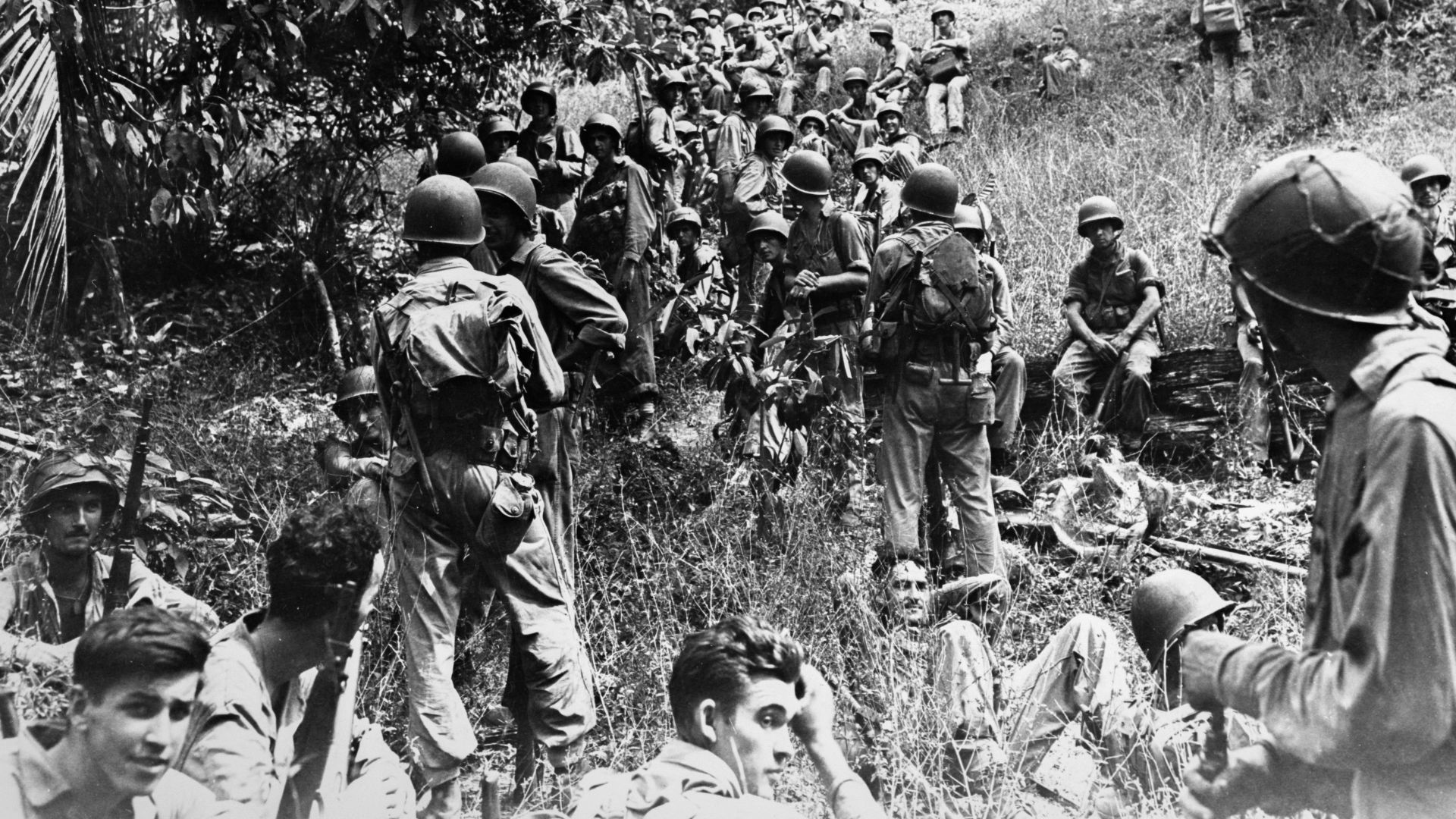
The 3rd Parachute Battalion reached Guadalcanal, the blood-soaked island where Marines had proven their mettle months before. From there, Ira Hayes moved with his Battalion to Vella Lavella on October 14, 1943, occupying territory won with American lives. His first taste of battle was almost his last.
20. He Was A BAR Man
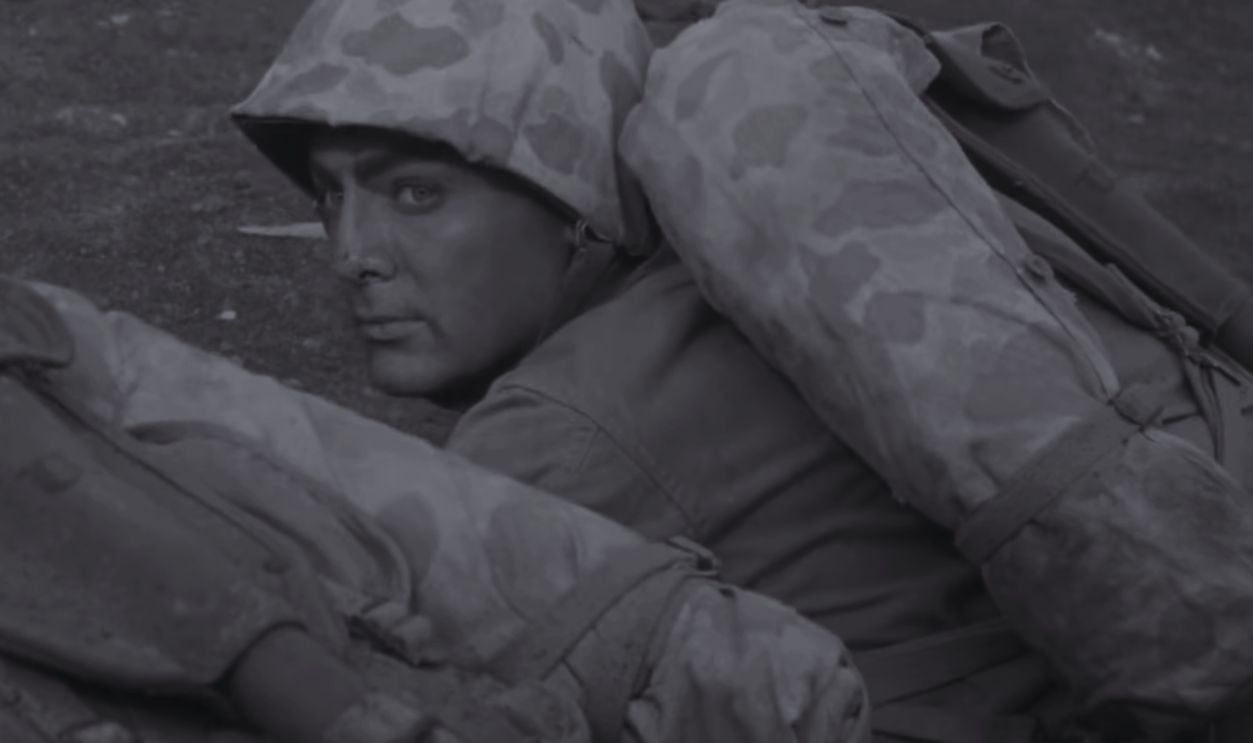
On December 4, 1943, Hayes hit Bougainville’s beaches armed with a Browning Automatic (BAR), his platoon’s heaviest firepower. Company K battled to gain every inch, relying heavily on Hayes to unleash the thunder and push their position forward against the unrelenting Imperial Japanese fighters.
WWII raged on—and Hayes’s fight had only just begun.
 Screenshot from The Outsider, Universal-International Pictures (1961)
21. His Unit Dissolved Into History
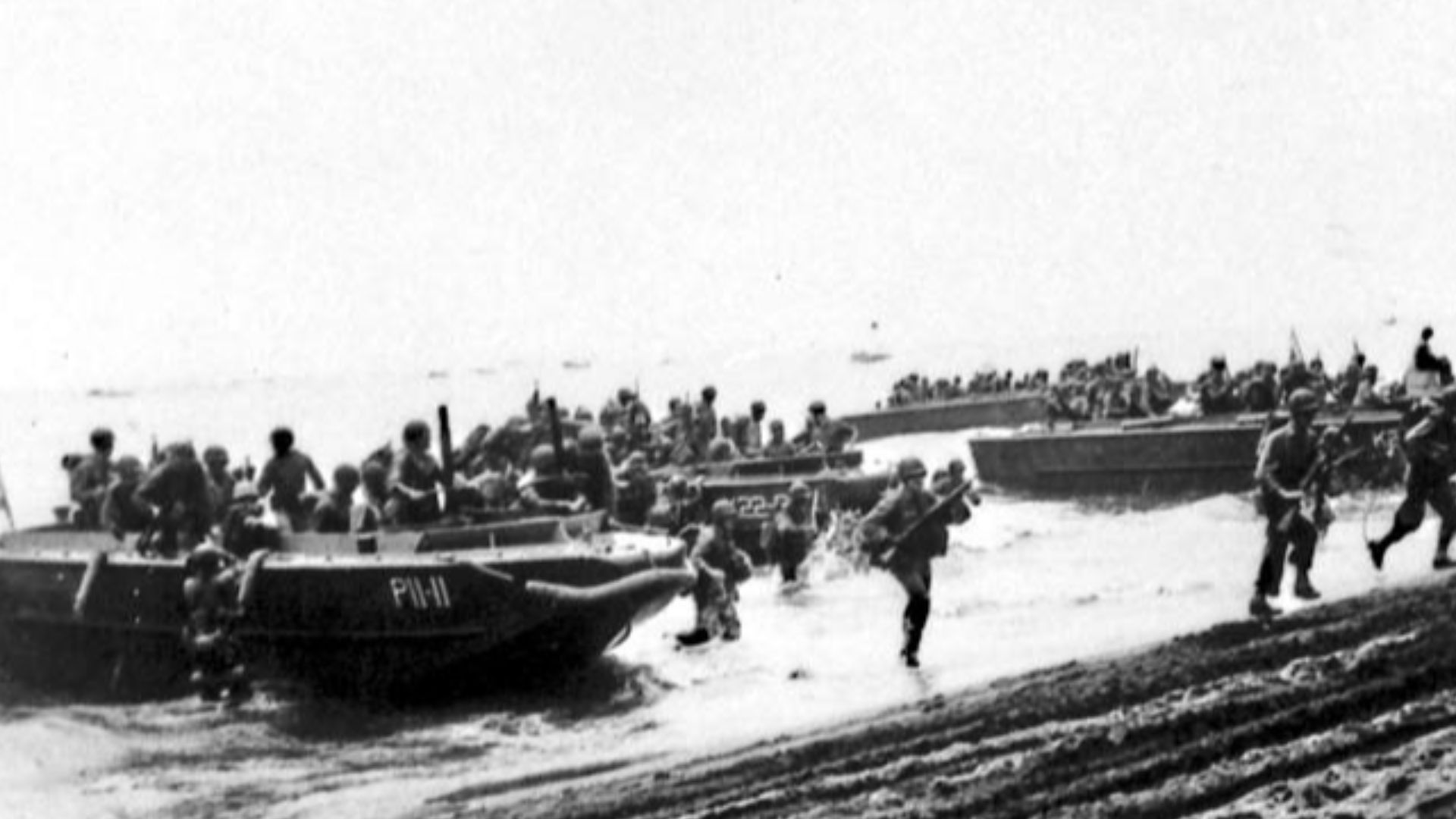
Despite their gains on the battlefield, Hayes’s 3rd Parachute Battalion shipped back to Guadalcanal in early 1944. Then, in February, the Navy brass officially disbanded the 1st Parachute Regiment at Camp Pendleton, scattering Hayes and his brothers-in-arms into new units. Something bigger awaited.
 U.S. Marine Corps, Wikimedia Commons
22. He Joined Easy Company
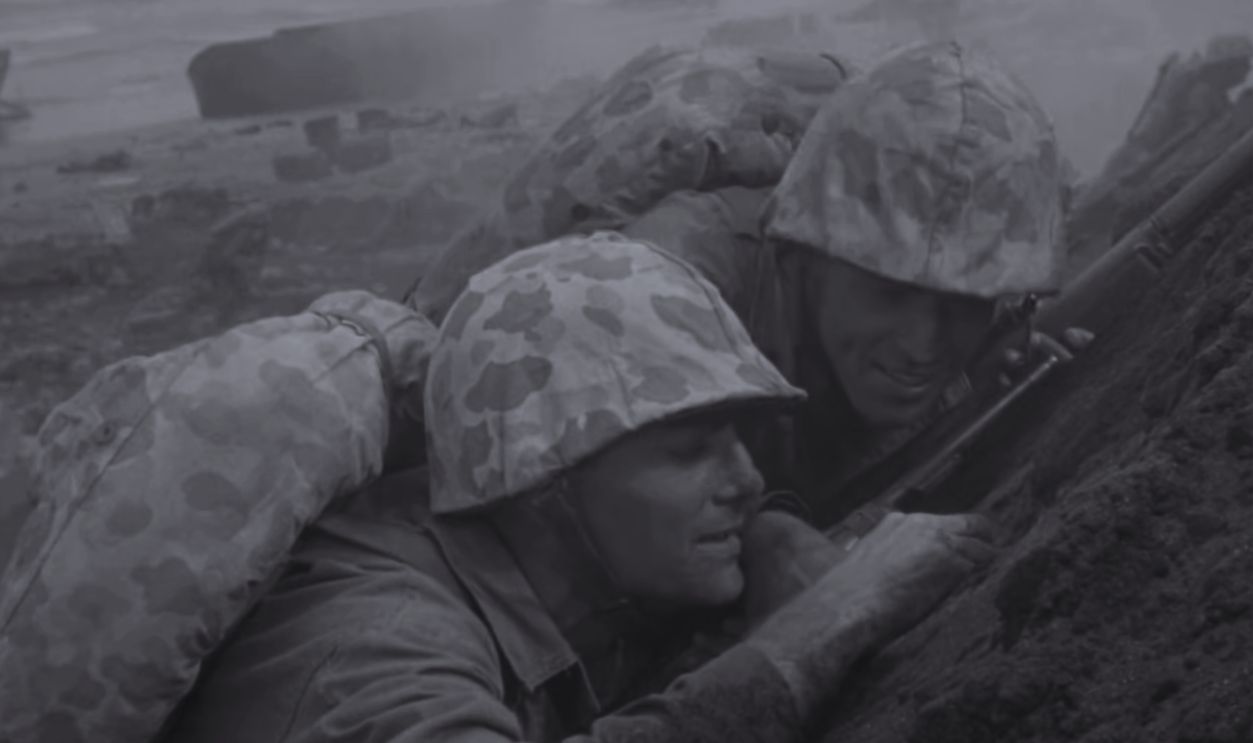
Ira Hayes soon found himself assigned to Company E, 2nd Battalion, 28th Marine Regiment—part of the newly formed 5th Marine Division at Camp Pendleton. By late 1944, he sailed to Hawaii’s Camp Tarawa, where he and other Marines prepared for an assault on a volcanic island that none of them had ever heard of.
A place called Iwo Jima.
 Screenshot from The Outsider, Universal-International Pictures (1961)
23. He Hit Iwo’s Black Sand
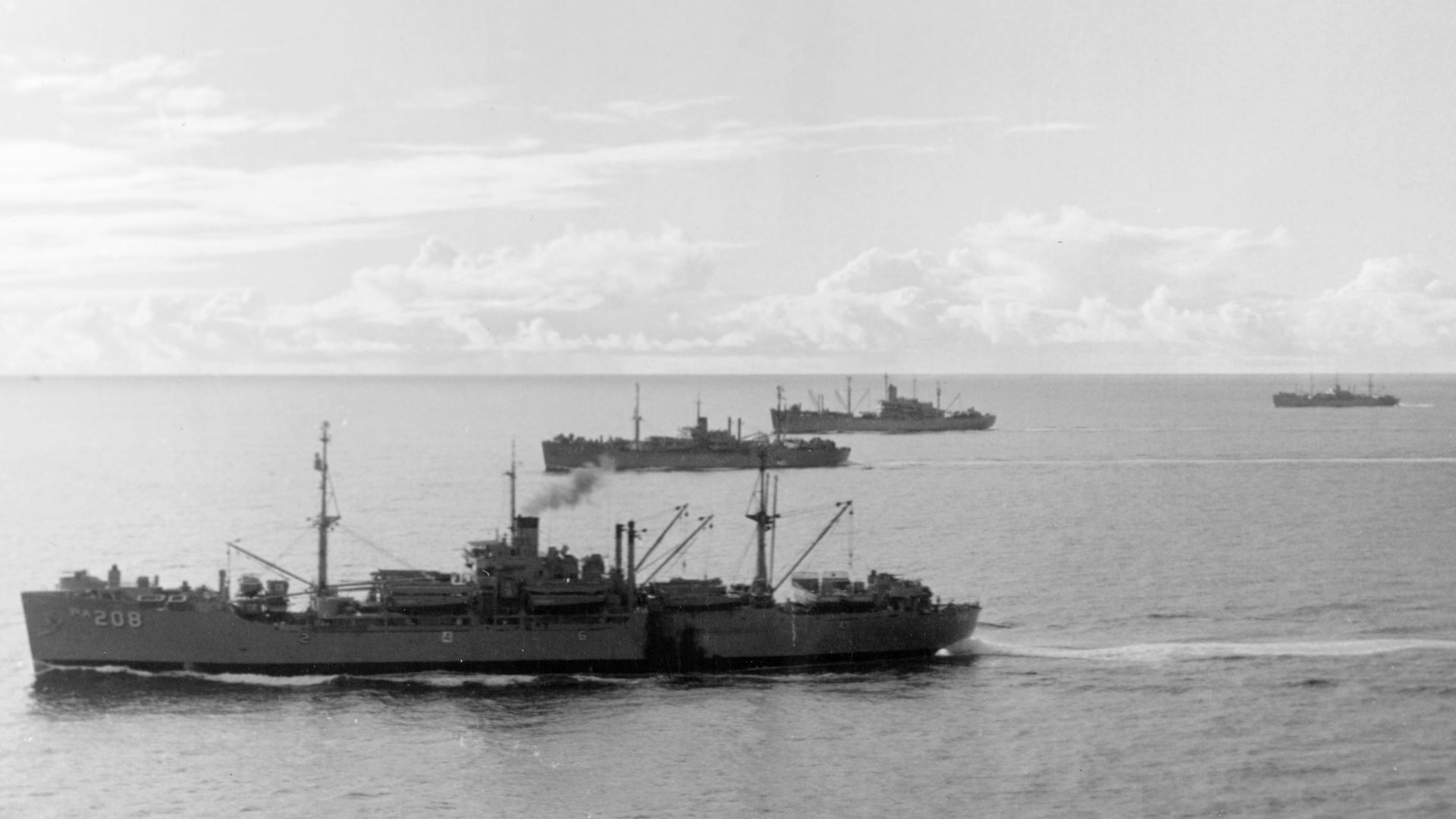
On February 19, 1945, Hayes and Easy Company transferred from USS Missoula to USS Talladega, then plunged into landing craft bound for Iwo Jima’s southern beach. Mount Suribachi loomed above them like a sleeping giant, its volcanic slopes hiding thousands of enemies, carefully watching their approach.
24. He Faced Impossible Odds
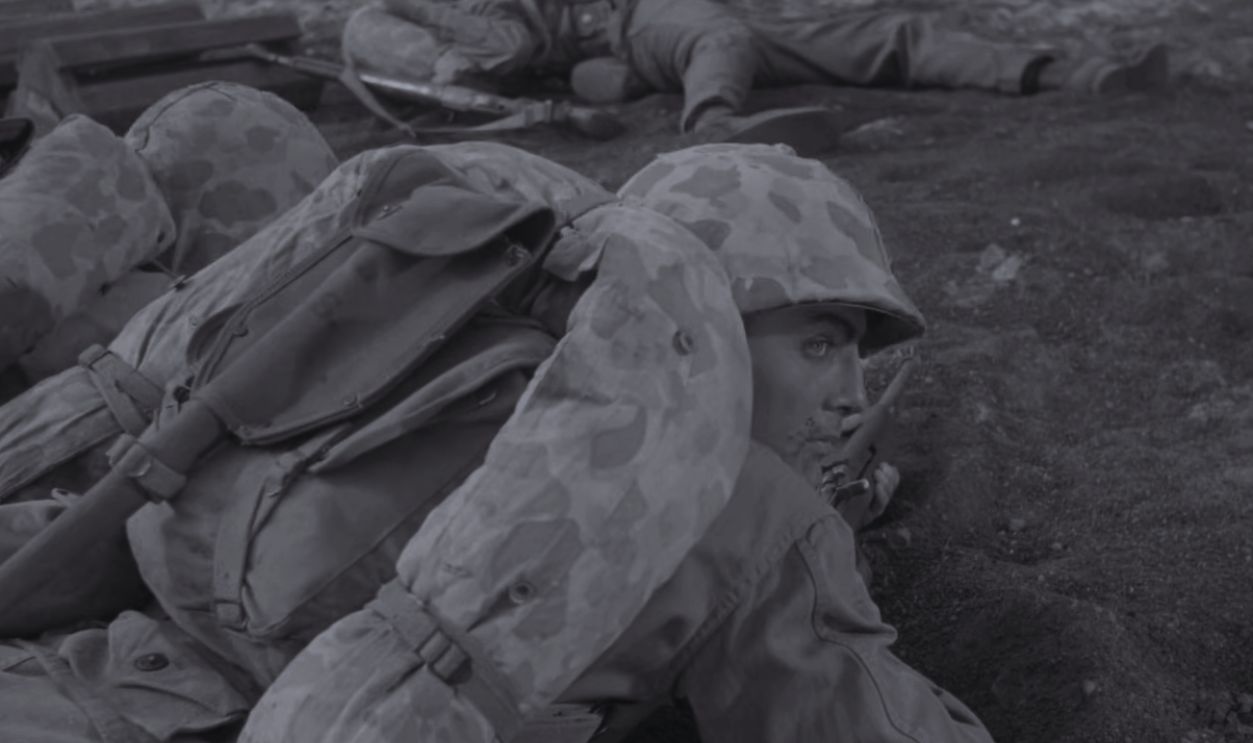
Over 20,000 Imperial Japanese soldiers awaited Ira Hayes and his brothers-in-arms. They had meticulously transformed Iwo Jima into a fortress of tunnels and bunkers, sworn to fight until their last breath. But they didn’t know the strength of Hayes and the Americans like him—only 216 Imperial Japanese fighters would survive the brutal fight.
After four days of fighting, Lieutenant Colonel Chandler Johnson ordered a patrol to claim Suribachi’s summit. What ensued would become a moment in American history like none other.
 Screenshot from The Outsider, Universal-International Pictures (1961)
25. His Brothers Planted Glory First
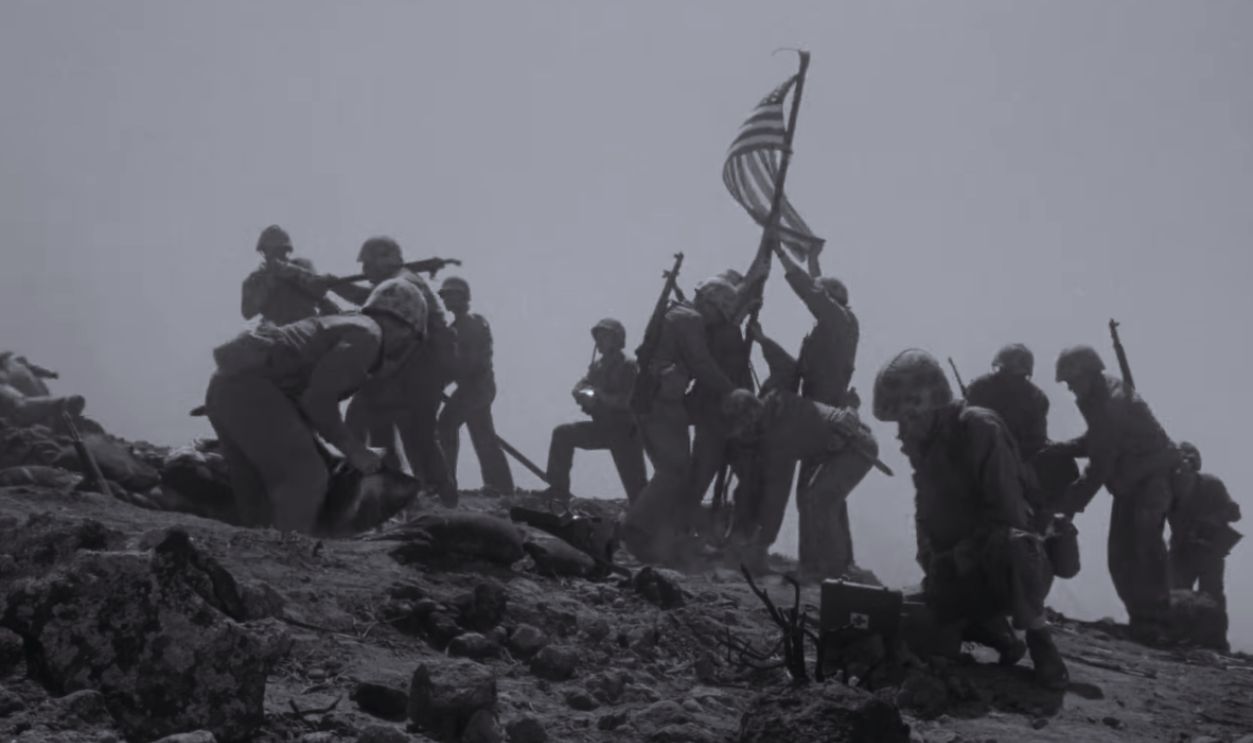
At 10:30 am on February 23, 1945, Lieutenant Schrier’s patrol reached Suribachi’s peak with Platoon Sergeant Ernest Thomas, Sergeant Henry Hansen, and Corporal Charles Lindberg. Once there, they raised a small American flag over the mountain, claiming victory. But the momentous achievement required something bigger.
 Screenshot from The Outsider, Universal-International Pictures (1961)
26. He Got Called For Duty
The first flag fluttering atop Suribachi was barely visible to Marines fighting below. Lieutenant Colonel Johnson demanded something bigger, something that would inspire the thousands still bleeding for every yard. Captain Severance tapped Sergeant Michael Strank to lead a detail up the mountain. A detail that would include the unassuming Pima fighter.
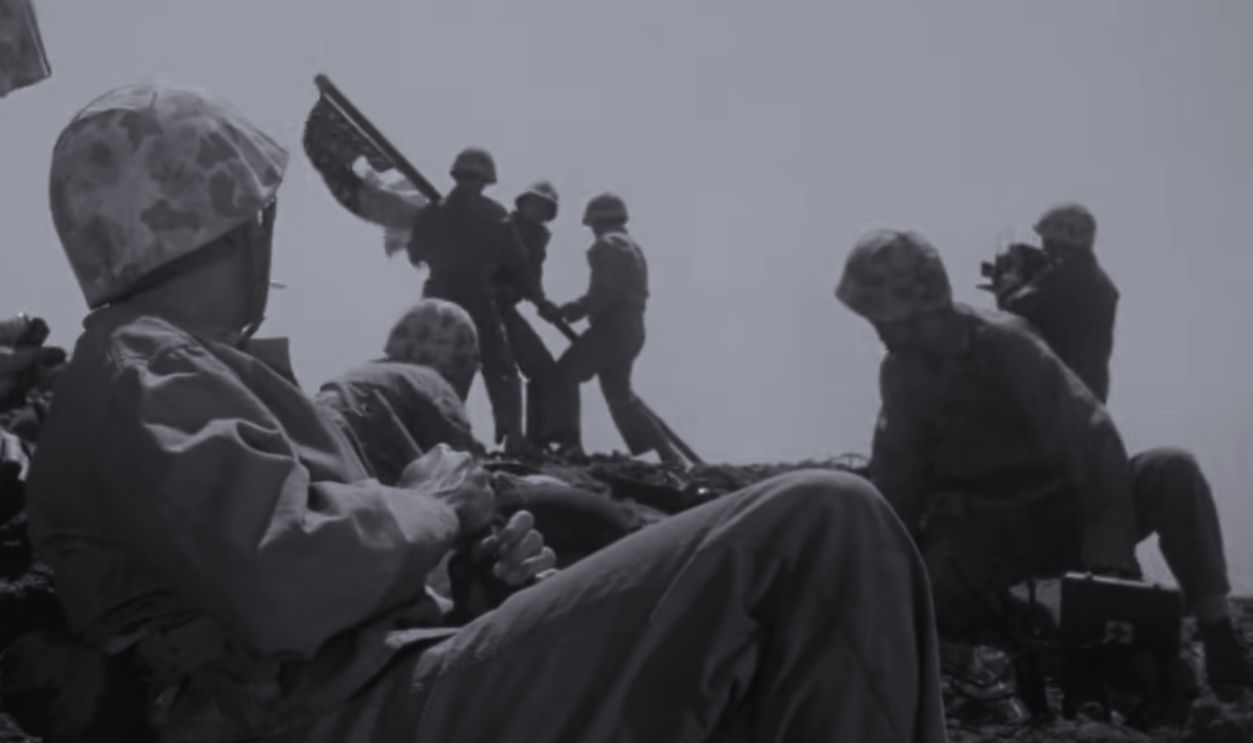 Screenshot from The Outsider, Universal-International Pictures (1961)
27. He Climbed To The Top
Sergeant Strank chose his men carefully: Corporal Harlon Block, Private First Class Franklin Sousley, and Hayes himself. They grabbed supplies and began their ascent, unaware that photographer Joe Rosenthal was also climbing toward the summit armed with something more powerful than any artillery: a camera.
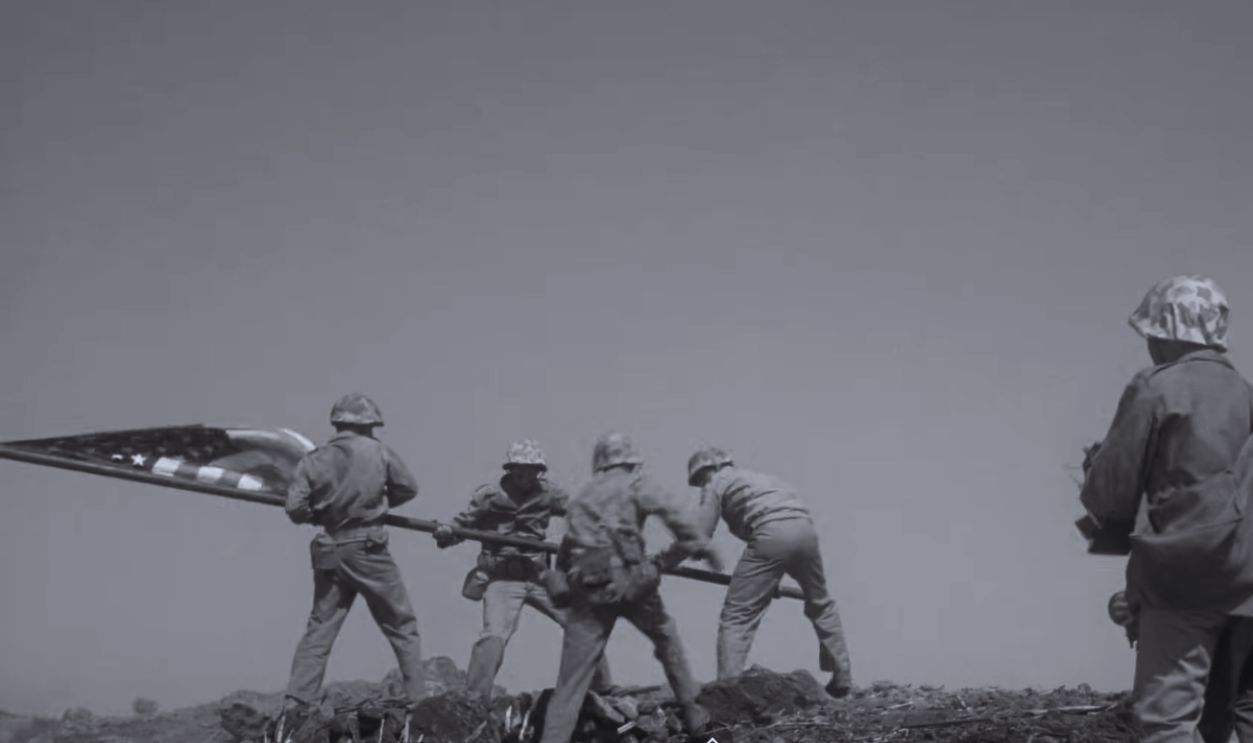 Screenshot from The Outsider, Universal-International Pictures (1961)
28. He Found The Perfect Pole
Hayes and Sousley discovered a Japanese steel pipe among the wreckage atop Suribachi. Together, they hauled the heavy pipe to where Strank and Block waited near the first flag. This simple piece of enemy material would become the most famous flagpole in American history.
29. He Raised Immortality
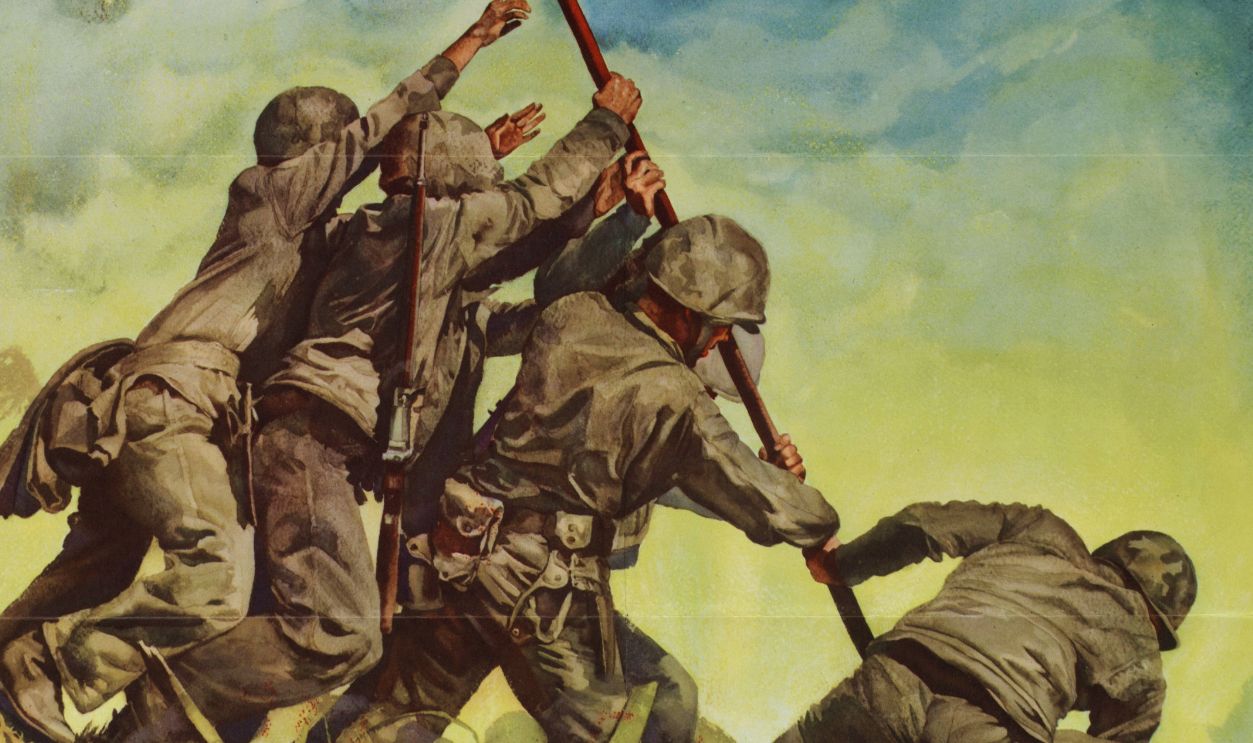
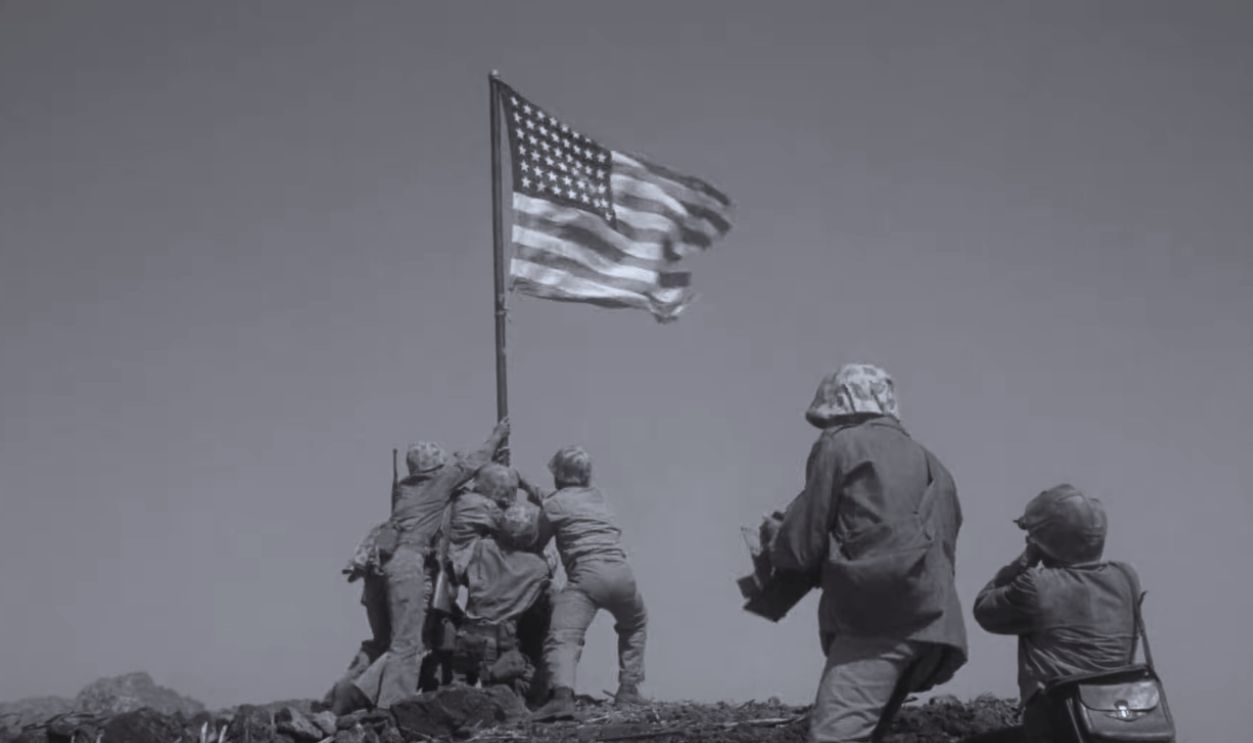
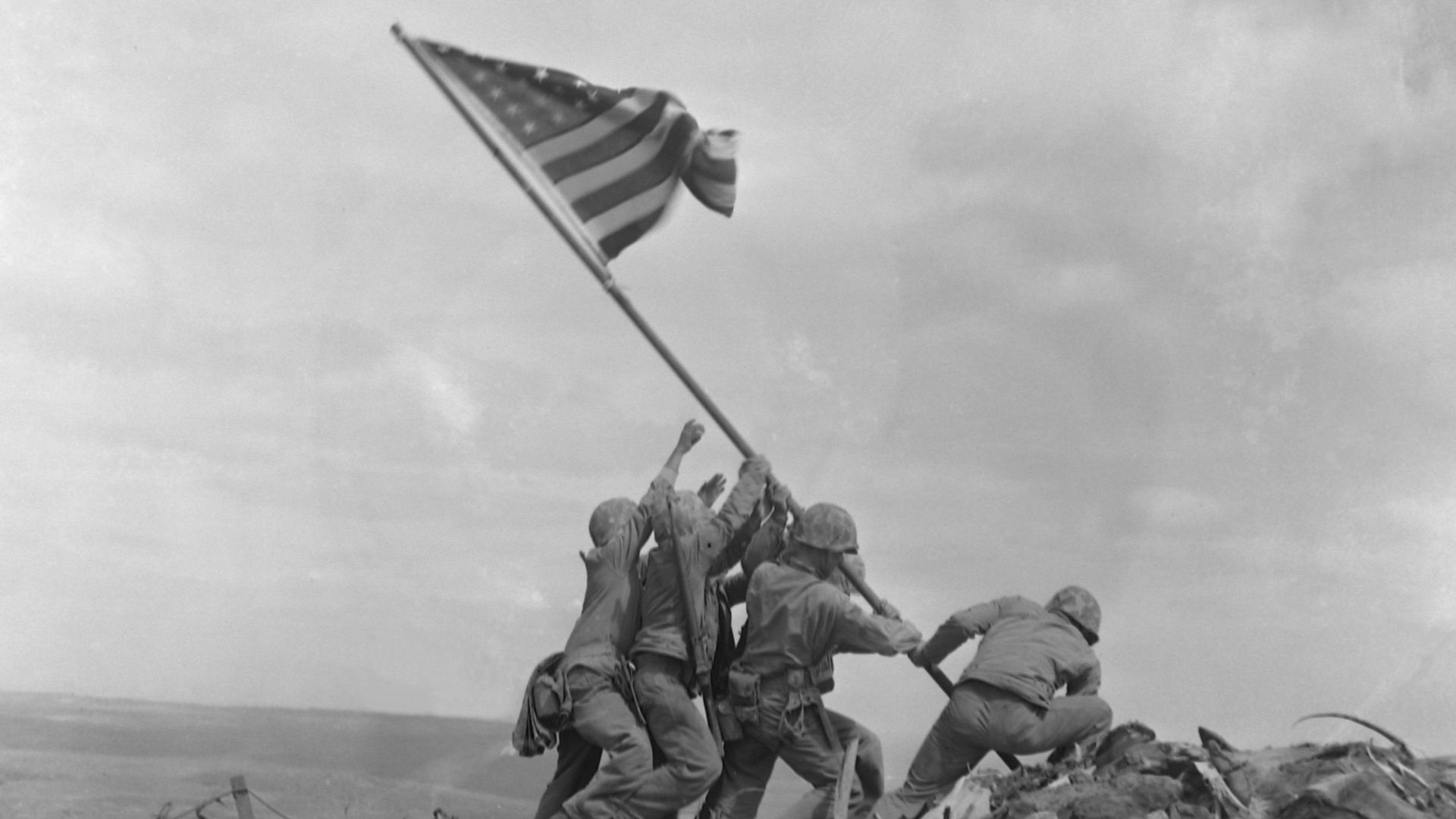
At 1 pm on February 23, 1945, Hayes joined Strank, Block, Sousley, Harold Schultz, and Harold Keller in raising the second flag in a moment that would change history. Six Marines straining against gravity, pushing the Stars and Stripes toward the sky. Thankfully, someone was there to capture the moment.
 Screenshot from The Outsider, Universal-International Pictures (1961)
30. His Image Conquered America
Joe Rosenthal’s camera clicked at the perfect instant, capturing Ira Hayes and his brothers mid-struggle as they hoisted Old Glory to her full height atop the mount. Rosenthal’s photograph captured the struggle, the patriotism, the fight, and the hope of WWII that propelled the Allies to victory on the Eastern Front, snagging him a Pulitzer Prize in the process.
Hayes had done his duty for his country—but it would cost him dearly.
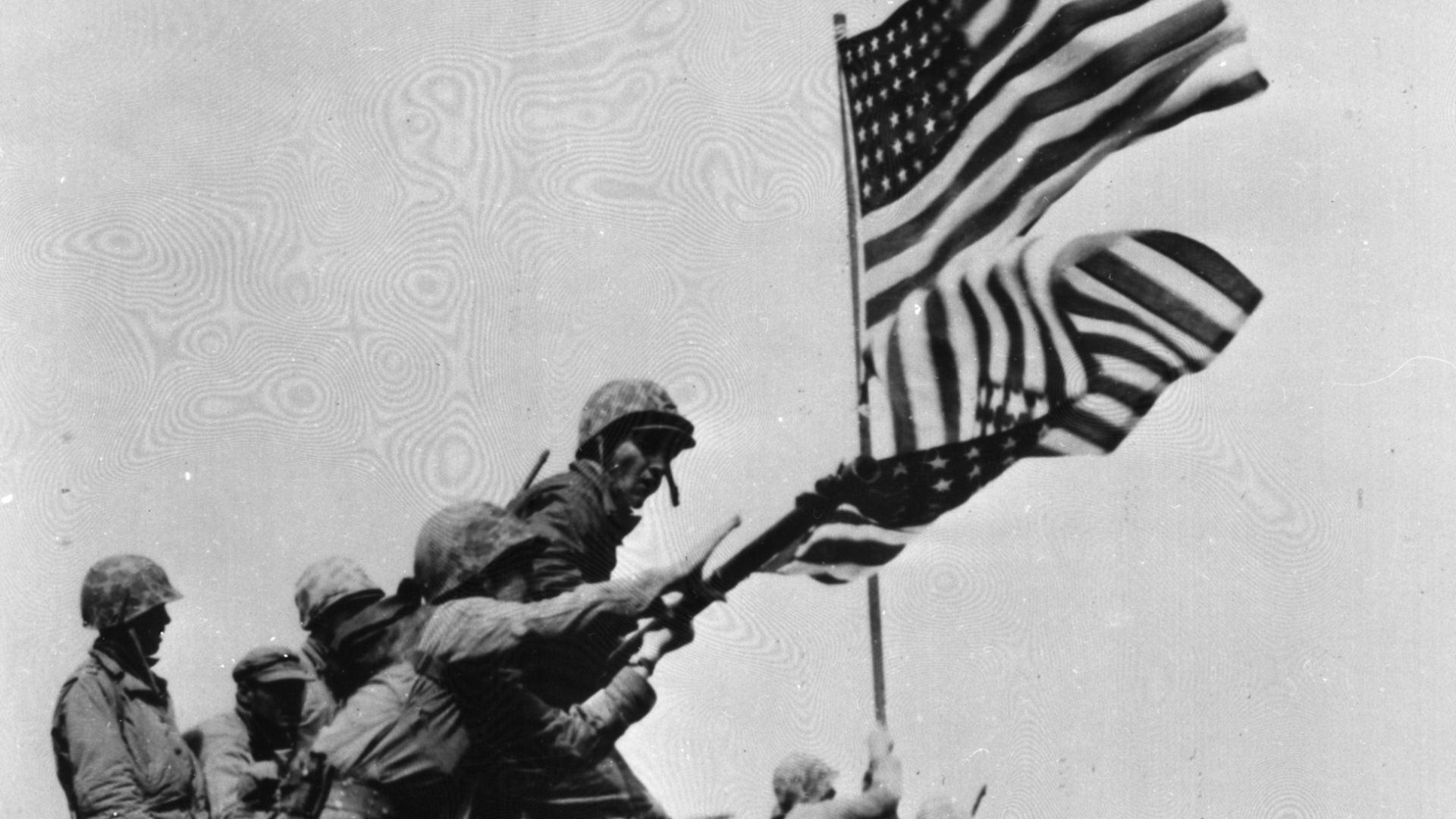
31. He Witnessed Iwo Jima’s True Cost
Ira Hayes fought through Iwo Jima’s volcanic hell until March 26, 1945, when the island finally fell silent. That same day, he stood among the survivors at the 5th Marine Division Cemetery, watching his fallen brothers receive their final honors beneath foreign soil.
He would never truly be the same after the horrors he had witnessed.
 Joe Rosenthal, Wikimedia Commons
32. His Platoon Nearly Vanished
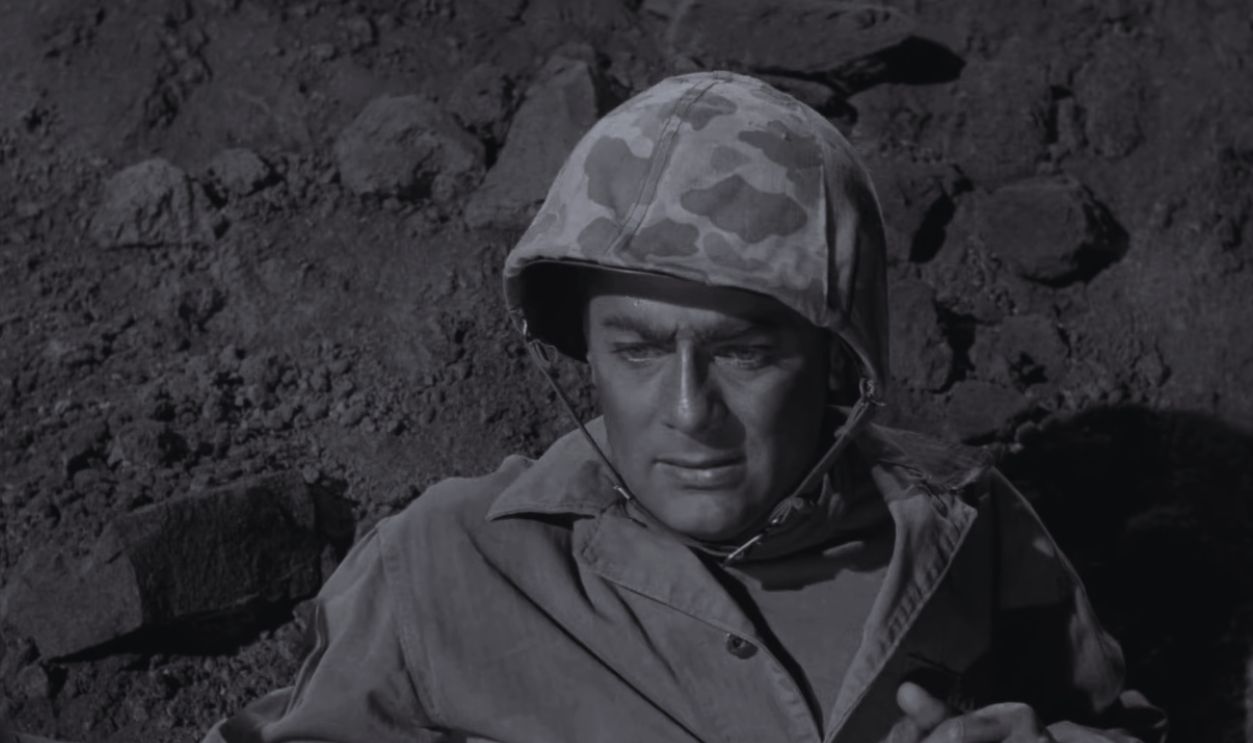
Of the 45 Marines and corpsmen who started with Hayes in Easy Company’s platoon, only five walked off Iwo Jima alive. Sergeant Strank and Corporal Block—his flag-raising brothers—fell on March 1. Private First Class Sousley followed them on March 21, leaving Hayes haunted by the memory of his fallen brothers-in-arms.
 Screenshot from The Outsider, Universal-International Pictures (1961)
33. He Sailed Away Alone
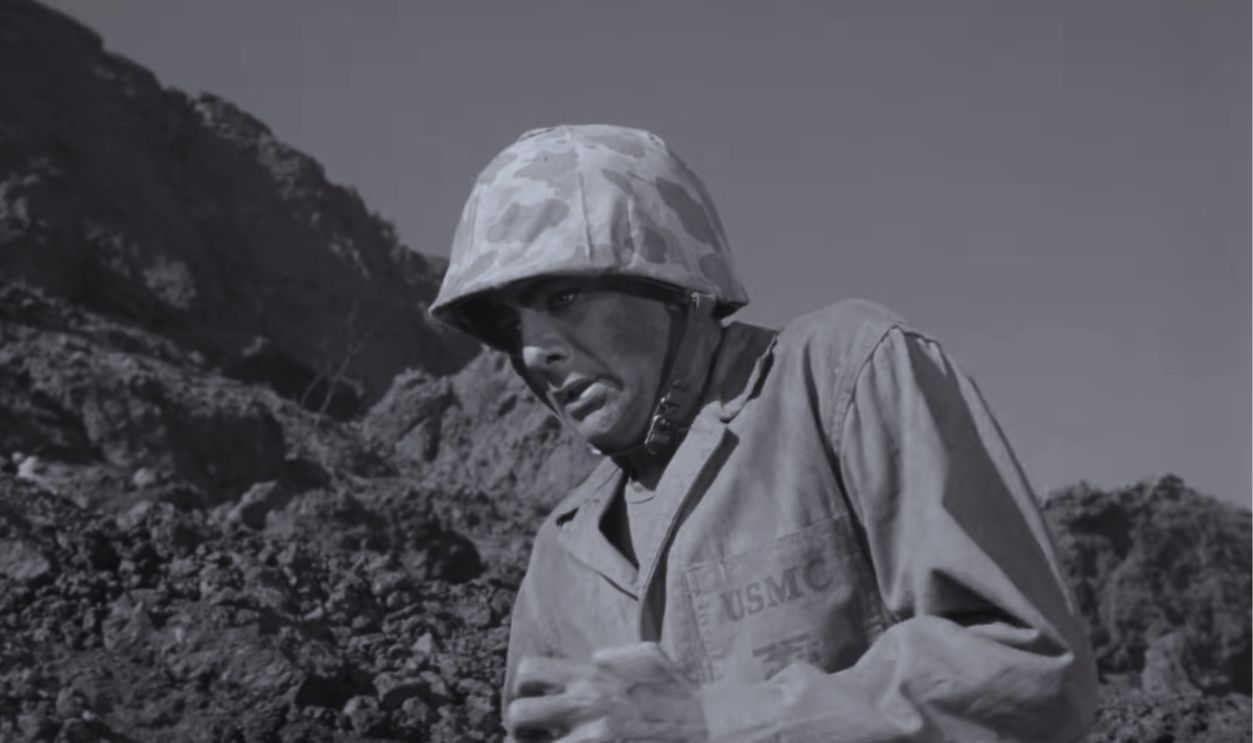
On March 27, 1945, Hayes boarded the USS Winged Arrow, leaving Iwo Jima’s black sand beaches behind forever. The volcanic island had taken his brothers but left him breathing—a burden heavier than any flag he’d ever raised. But, back at home, there were only celebrations.
 Screenshot from The Outsider, Universal-International Pictures (1961)
34. His Image Called Him Home
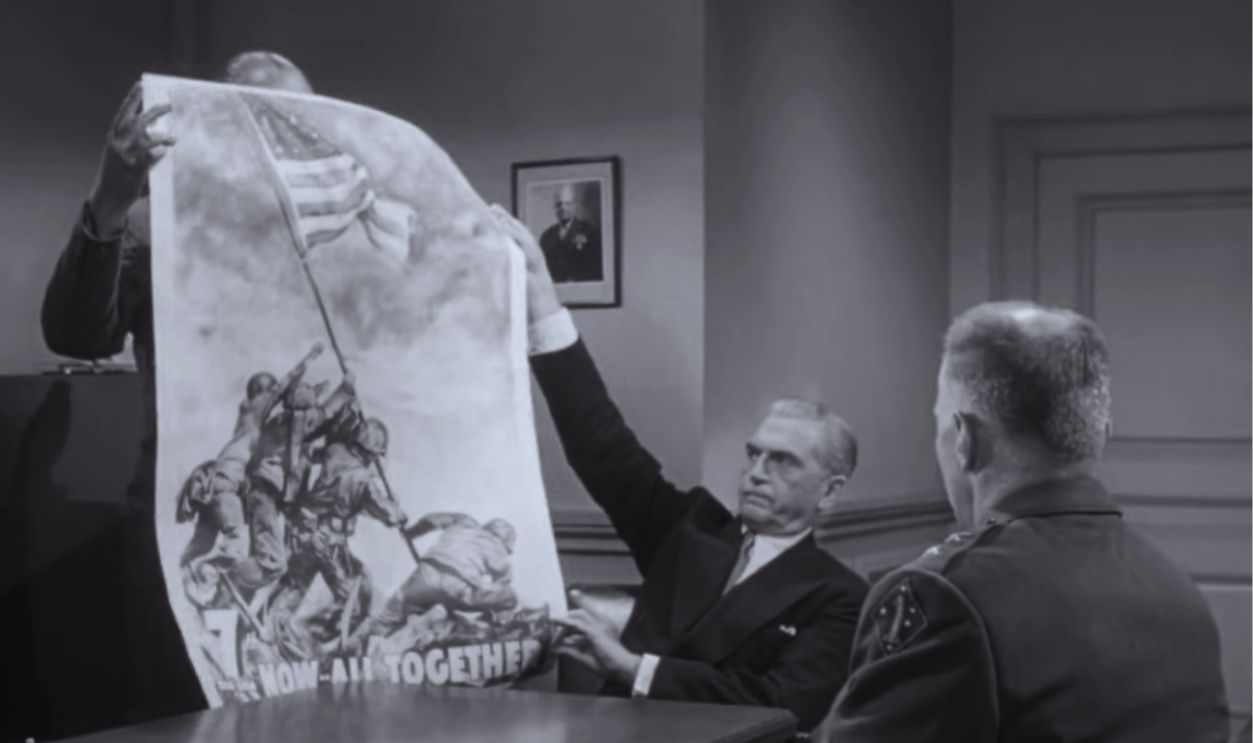
President Roosevelt ordered the flag raisers from Rosenthal’s photograph brought to Washington immediately after the battle. Hayes left Hawaii on April 15, 1945, landing in the capital four days later. C Company, 1st Headquarters Battalion became his new assignment—and his personal nightmare began.
 Screenshot from The Outsider, Universal-International Pictures (1961)
35. He Met A New President
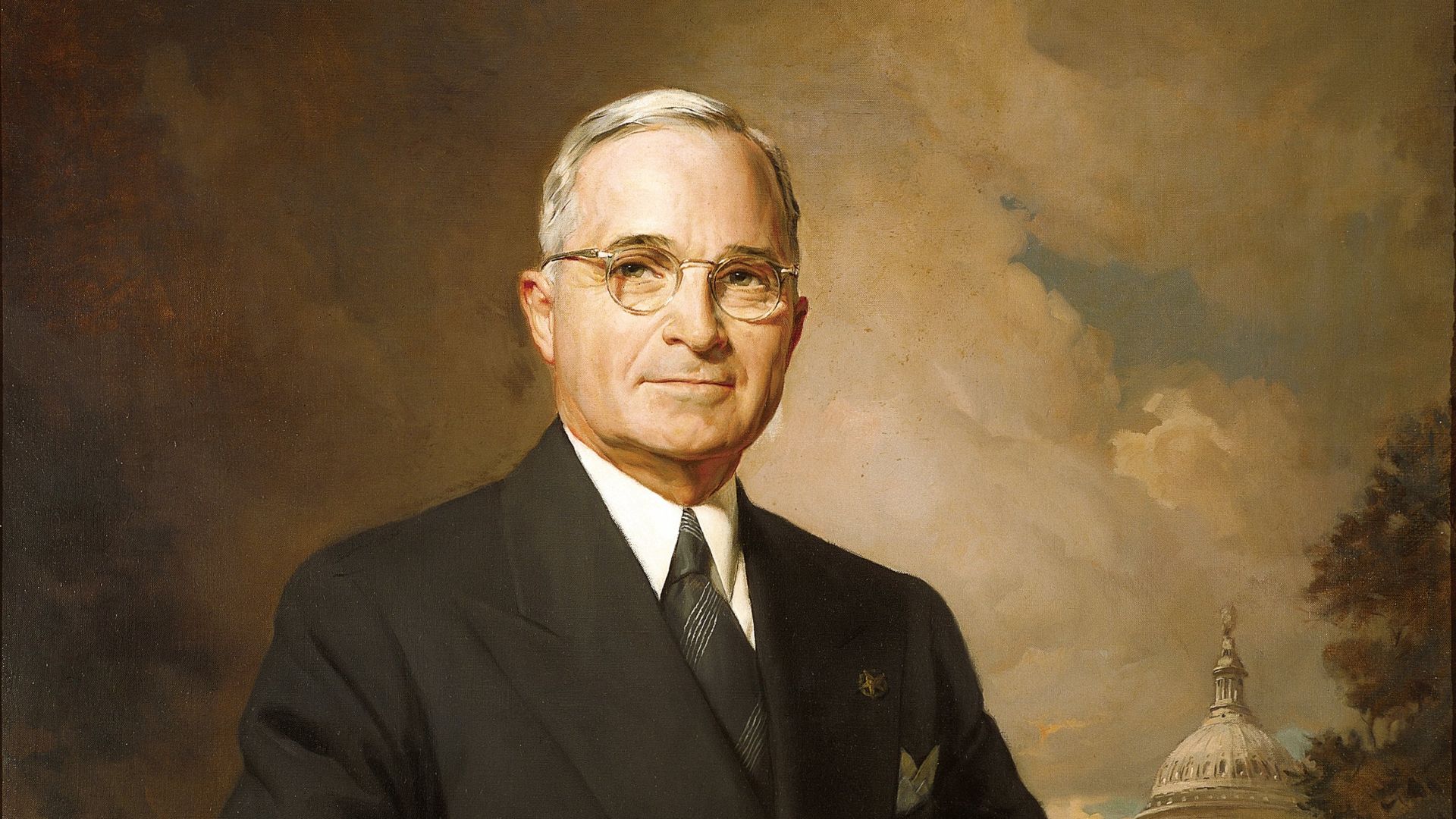
On April 20, 1945, Hayes joined Private First Class Gagnon and Navy corpsman Bradley at the White House. President Harry Truman—Roosevelt’s successor—wanted each man to point out his position in the famous photograph to claim their place in history. Hayes obliged, though he’d rather have been anywhere else.
The spotlight, it turns, was even more dangerous than the shores of Iwo Jima.
 Greta Kempton, Wikimedia Commons
36. He Raised Glory Again
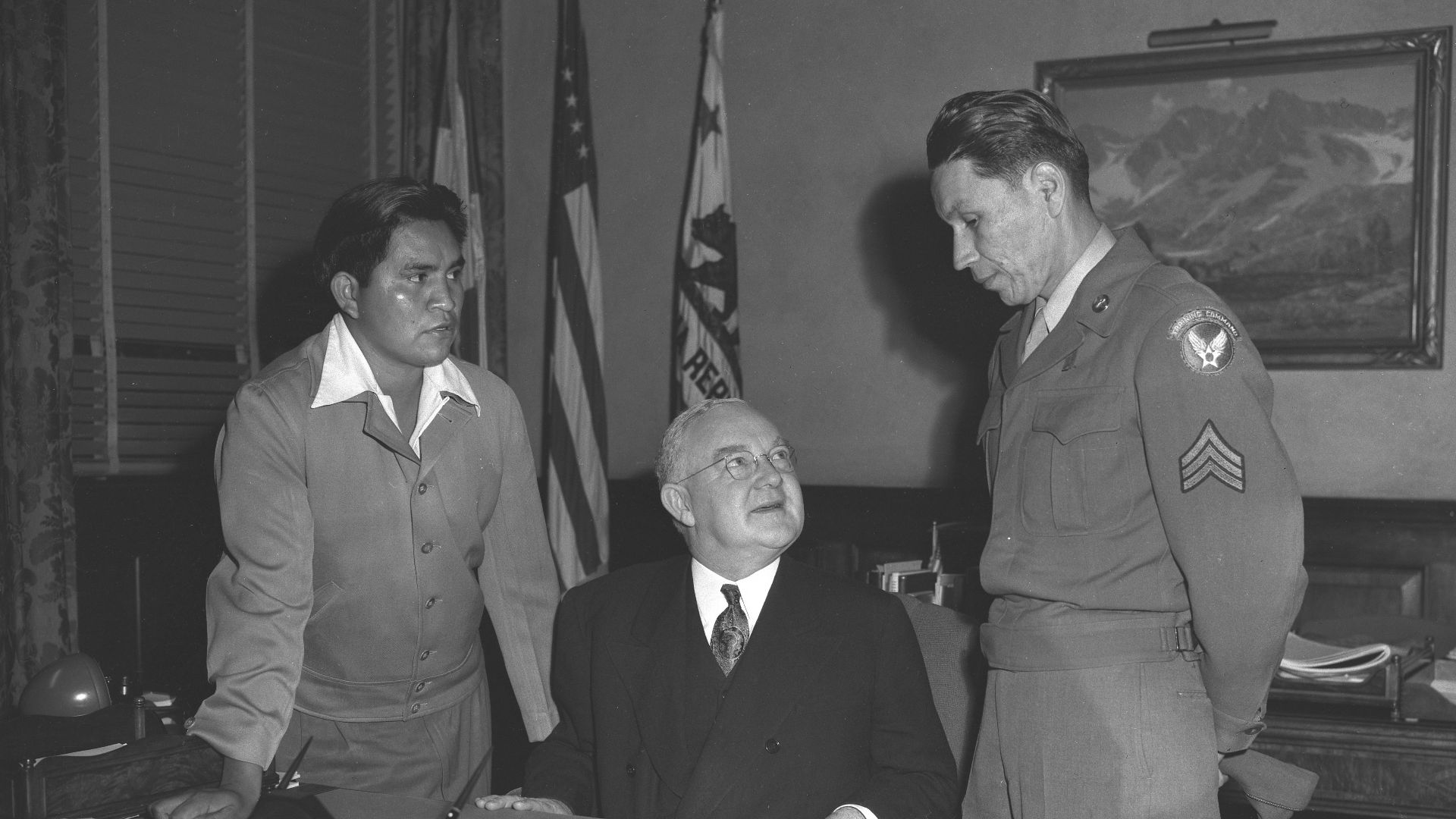
May 9, 1945, brought Hayes back to flag-raising duty, this time in Washington. Alongside Gagnon and Bradley, he hoisted the same Stars and Stripes that had crowned Suribachi, kicking off a tour of the country to sell bonds to raise funds for the effort. Whether he wanted fame or not, he would get it.
 Los Angeles Times, Wikimedia Commons
37. His Tour Began Immediately
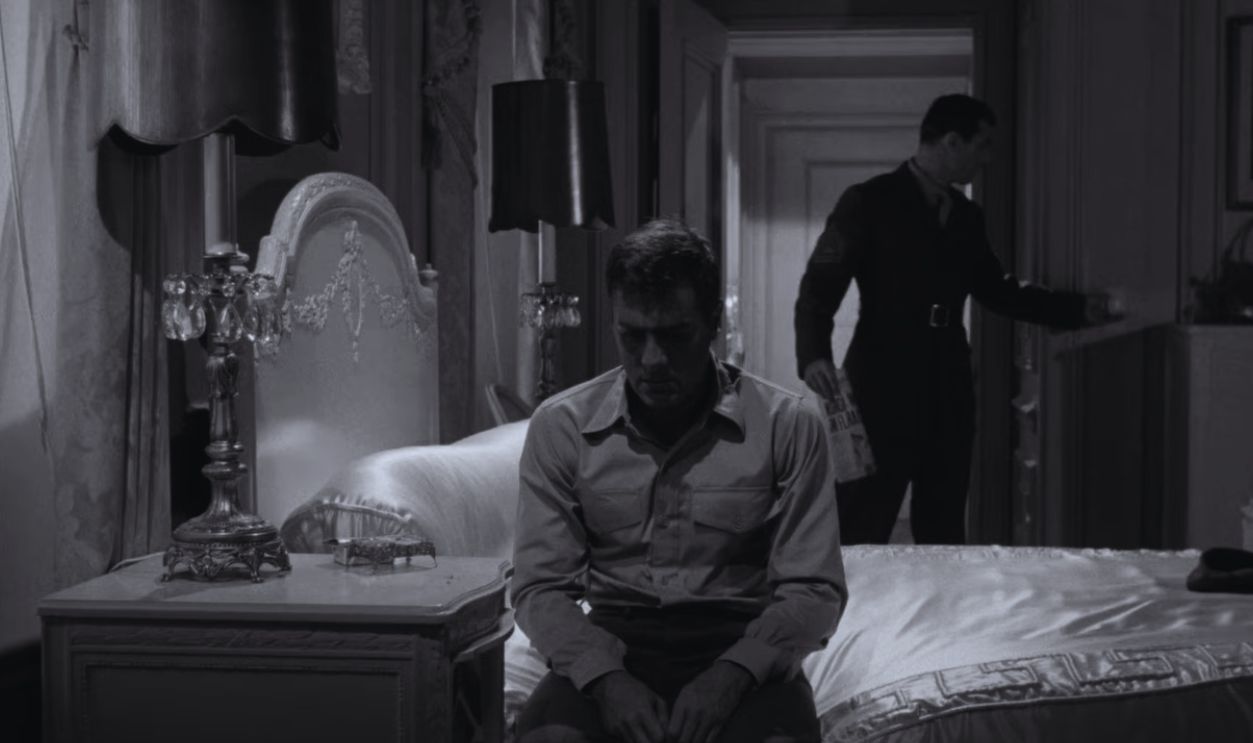
The bond tour launched on May 11, 1945, in New York City’s concrete canyons. Hayes endured the crowds and cameras for over two weeks when, finally, he got orders that freed him from the cameras and stages and microphones. Before long, he was back in Hawaii. His efforts to raise funds were nothing short of staggering.
 Screenshot from The Outsider, Universal-International Pictures (1961)
38. He Raised Flags And Funds
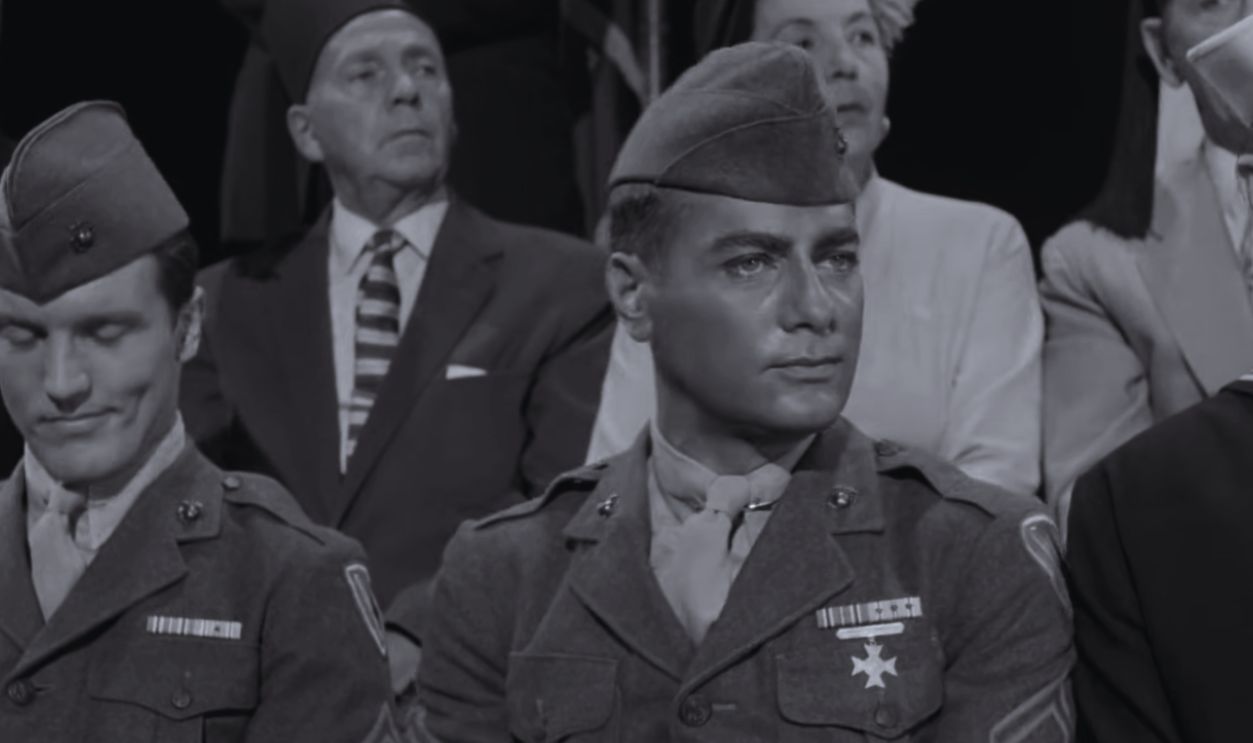
In all, Hayes and his surviving flag-raising brothers toured 33 American cities. Their mere presence inspired their countrymen to open their wallets—big time. By the end of the tour, Hayes and his brothers-in-arms had raised over $26 billion—money that fueled America’s final push toward victory.
But the cost to Hayes was mounting daily.
 Screenshot from The Outsider, Universal-International Pictures (1961)
39. His Discomfort Showed Through
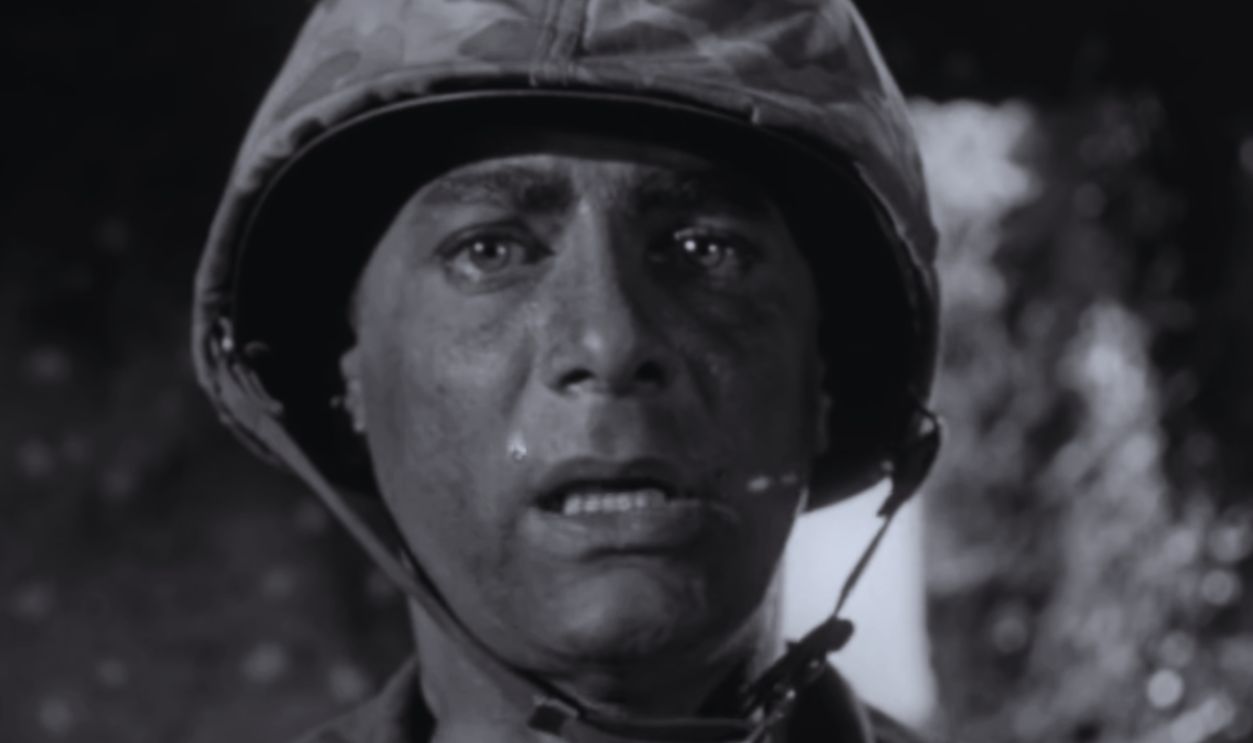
Try as he might, Hayes couldn’t escape the fame that came along with being one of the men in the famous photograph. When a journalist asked him if he enjoyed “all the pomp and circumstance” of the bond tour, the quiet Pima warrior gave an answer that revealed everything. “I don't,” he said simply.
Fame was a battle he was not equipped to fight.
 Screenshot from The Outsider, Universal-International Pictures (1961)
40. He Earned Another Stripe
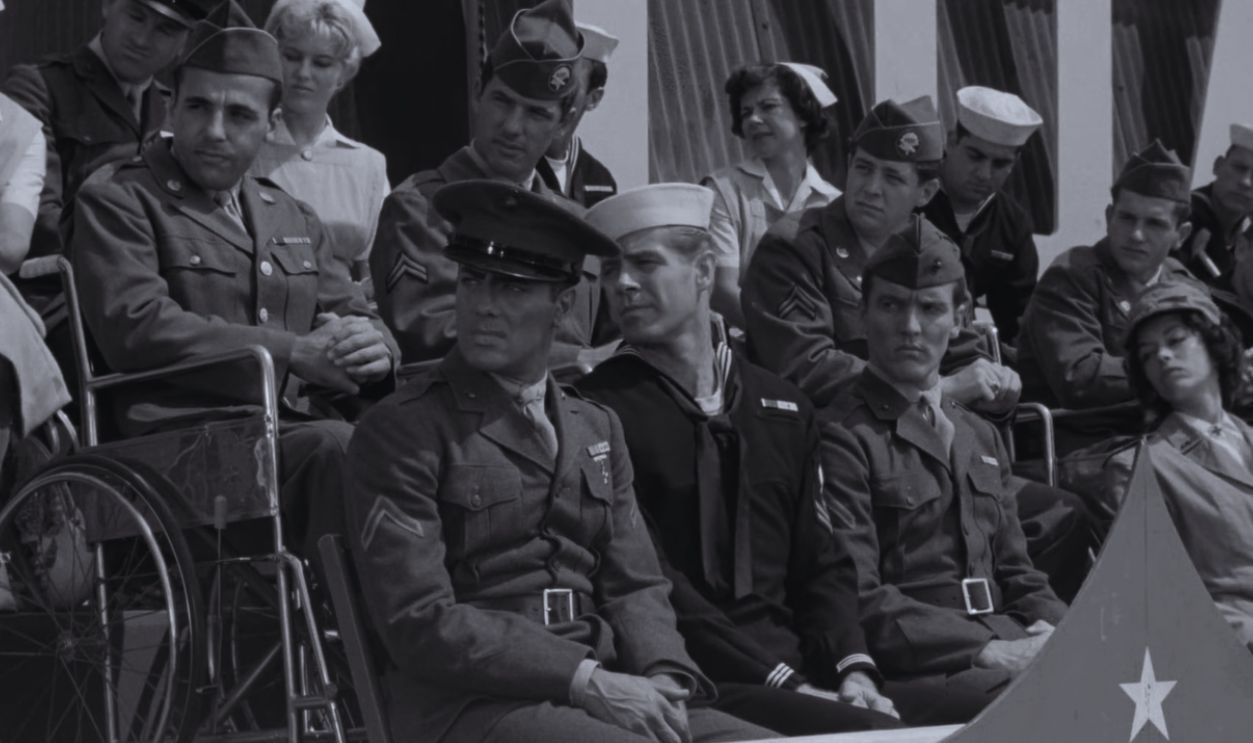
On June 19, 1945, the Marines promoted Hayes to corporal in recognition of his service beyond that famous photograph. From September to October, he served occupation duty in Japan with E Company, watching his former enemies rebuild. Soon he’d head home to face his own reconstruction.
 Screenshot from The Outsider, Universal-International Pictures (1961)
41. He Finally Went Home
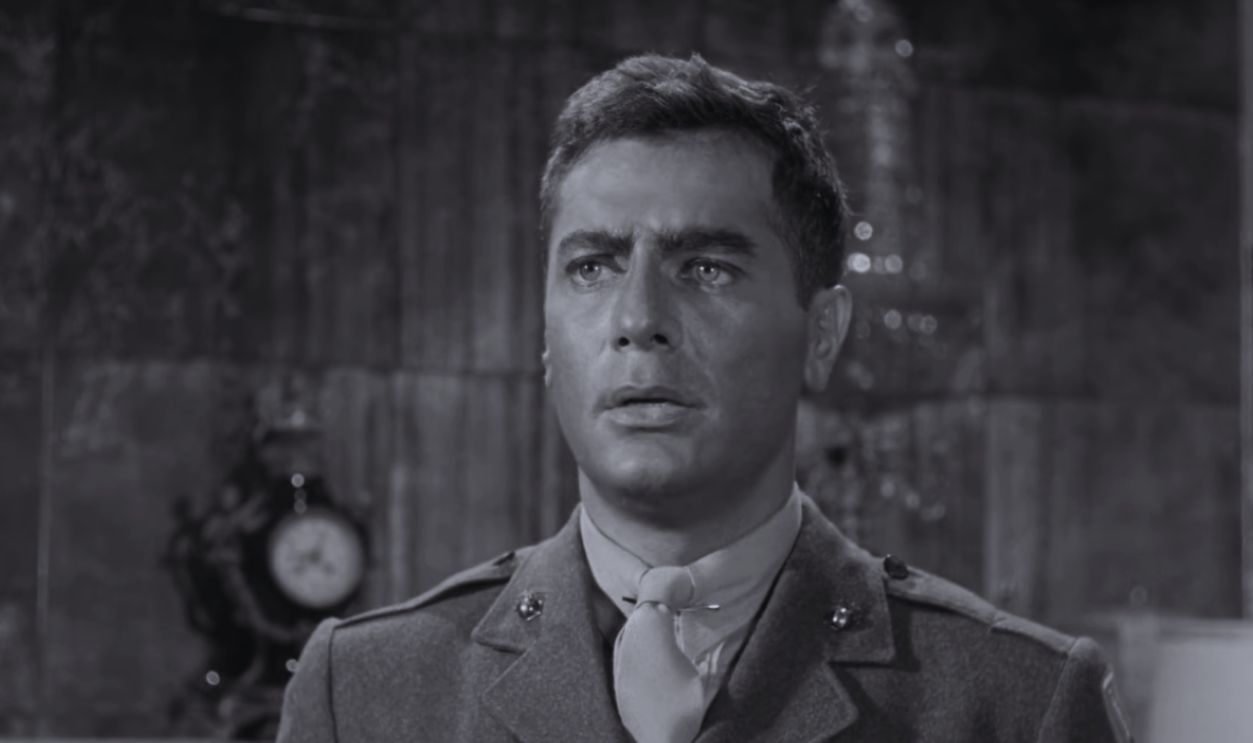
After years of fighting and serving his country, on December 1, 1945, Hayes finally received an honorable discharge. Two months later, the Marine Corps pinned a Navy Commendation on his uniform for “meritorious service in combat”. But, for Hayes, it wasn’t an honor he cared for—it was a reminder of the brothers who didn’t get to come home.
 Screenshot from The Outsider, Universal-International Pictures (1961)
42. He Had To Tell The Truth
In May 1946, Hayes set off on a 1,300-mile trek from Arizona to Texas—mostly on foot—to right a terrible wrong. Public reports had misidentified one of the flag-raisers in Rosenthal’s photo, and Hayes couldn’t live with the lie. He showed up at the Block family farm to tell Harlon Block’s parents that their son—not “Hank” Hansen—was the true Marine in the frame.
Sadly, he couldn’t walk off the memories.
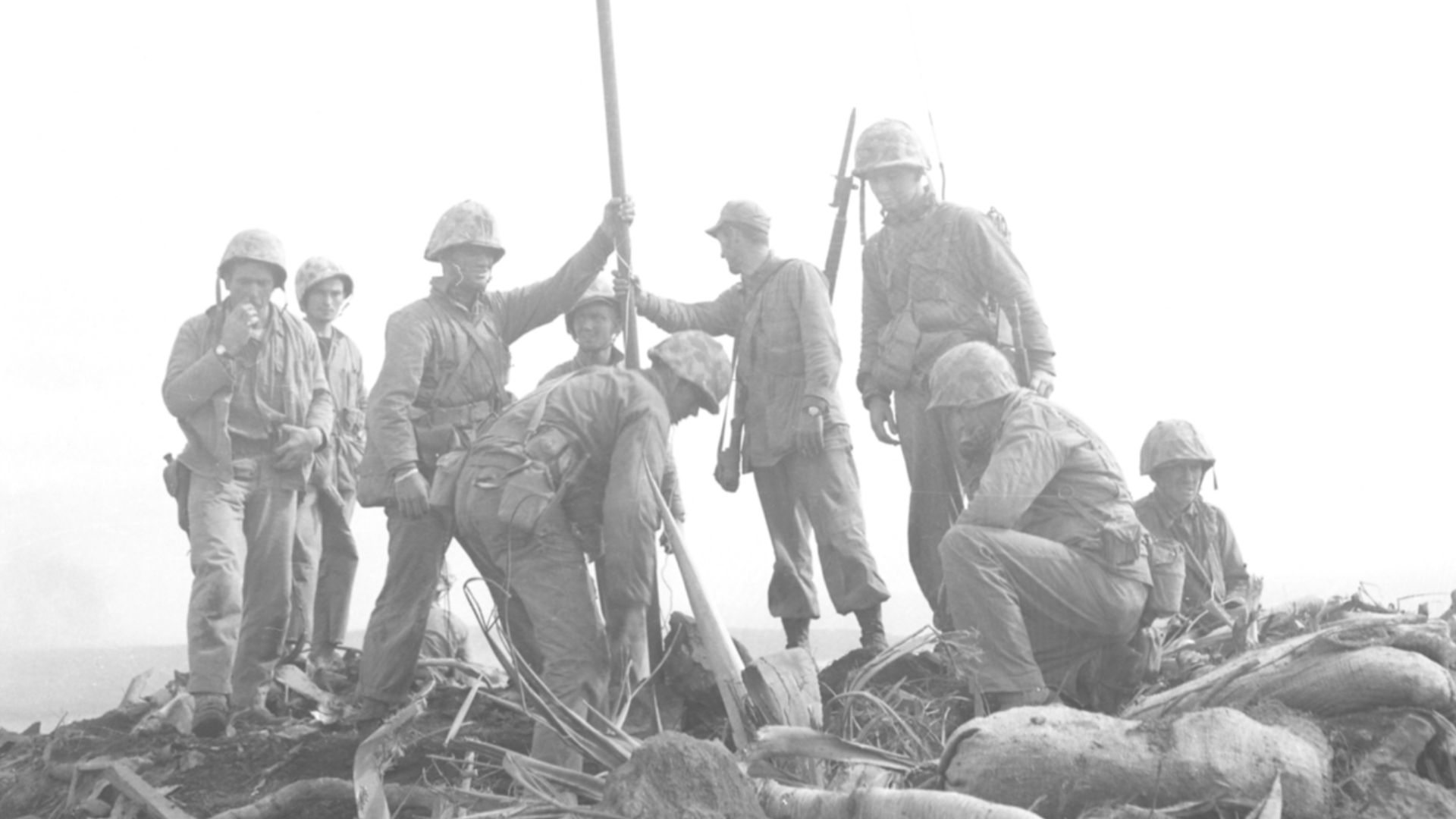 USMC Archives from Quantico, USA, Wikimedia Commons
43. He Had Terrible PTSD
Peace came to America, but it didn’t come for Hayes. What doctors would later call PTSD tormented him daily: the memory of his fallen brothers, the haunting sounds and sights of their final moments. While others celebrated in parades, Hayes wrestled with the guilt of surviving Iwo Jima when so many of his friends did not.
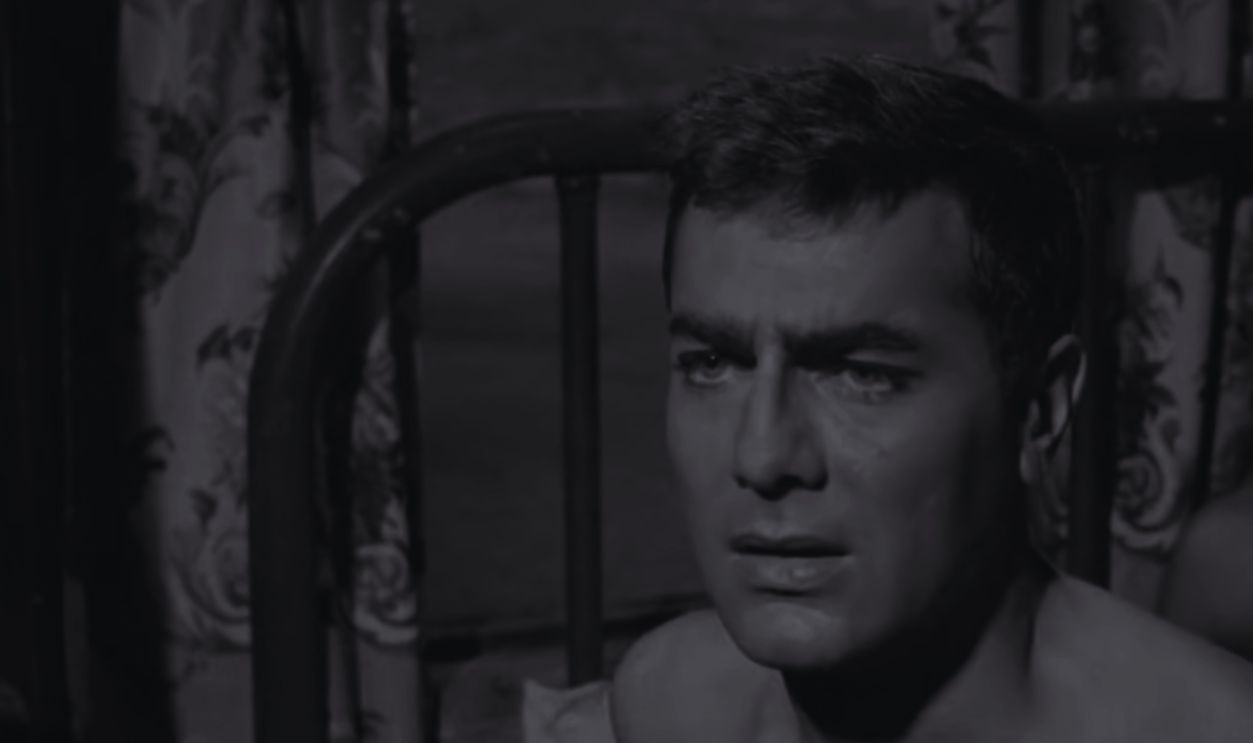 Screenshot from The Outsider, Universal-International Pictures (1961)
44. He Replayed His Own Legend
Hollywood came calling in 1949 with Sands of Iwo Jima. The film was a major production, starring none other than John Wayne. Hayes appeared in the film as himself, recreating the flag-raising moment that had made him famous. Audiences cheered—but for Hayes, each retake reopened an old wound.
The camera’s flash could never outshine the memories burned into his mind.
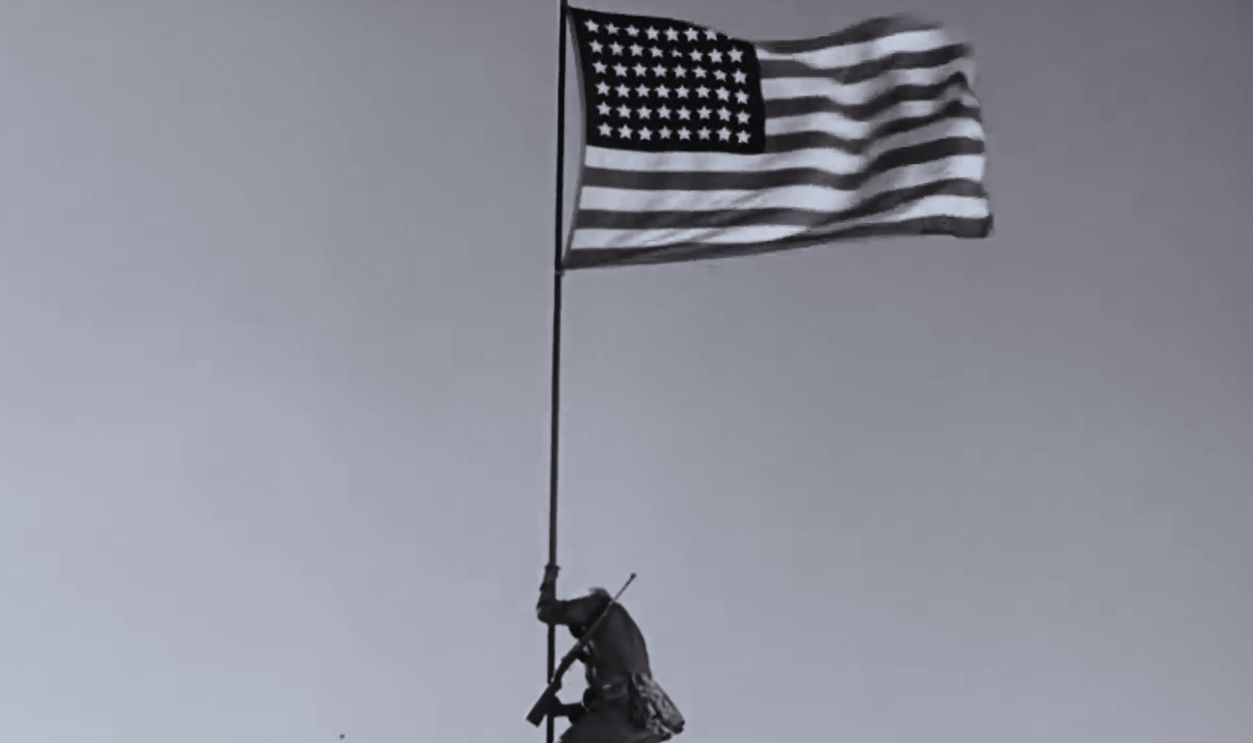 Screenshot from Sands of Iwo Jima, Republic Pictures (1949)
45. He Couldn’t Settle Down
Back in Arizona, Hayes tried to live the civilian dream—but the world of plows and paychecks had no place for heroes. He struggled to keep a job and even chauffeured Dean Martin’s wife around Beverly Hills. However, to erase the memories that haunted him, he turned to the bottle, losing each job because of his growing addiction.
Soon, his addiction became even more famous than him.
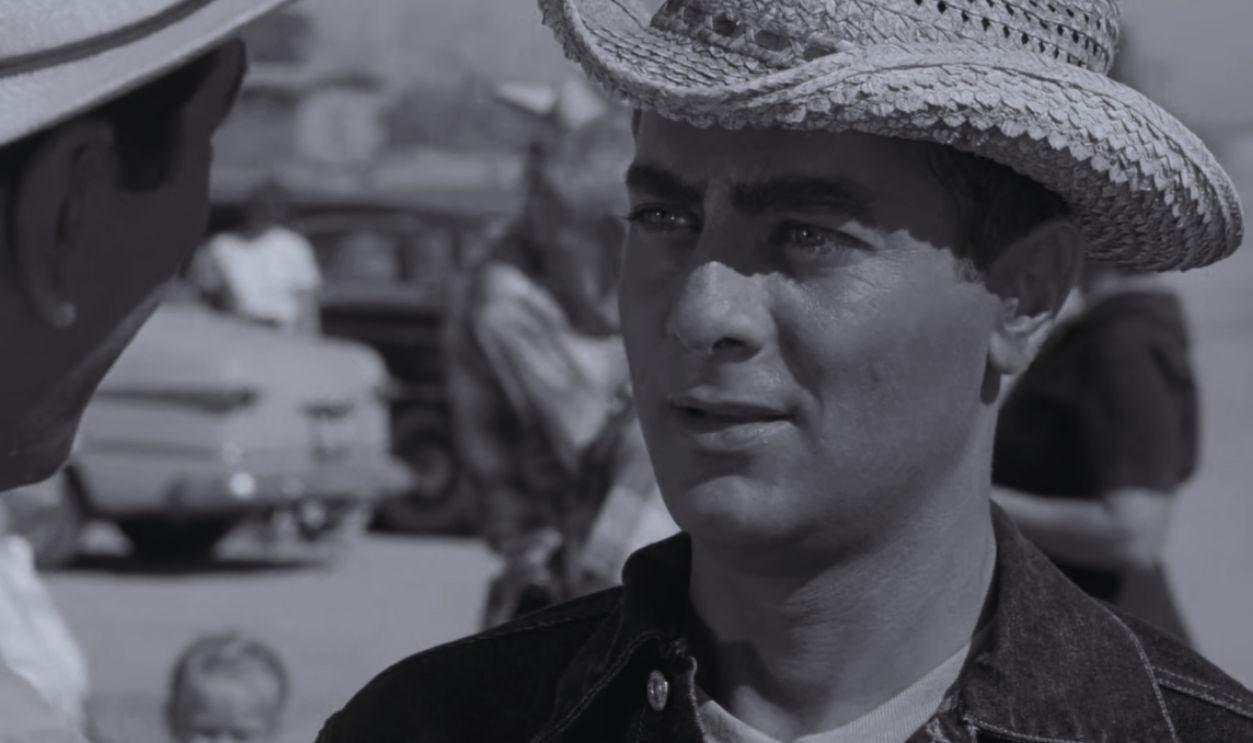 Screenshot from The Outsider, Universal-International Pictures (1961)
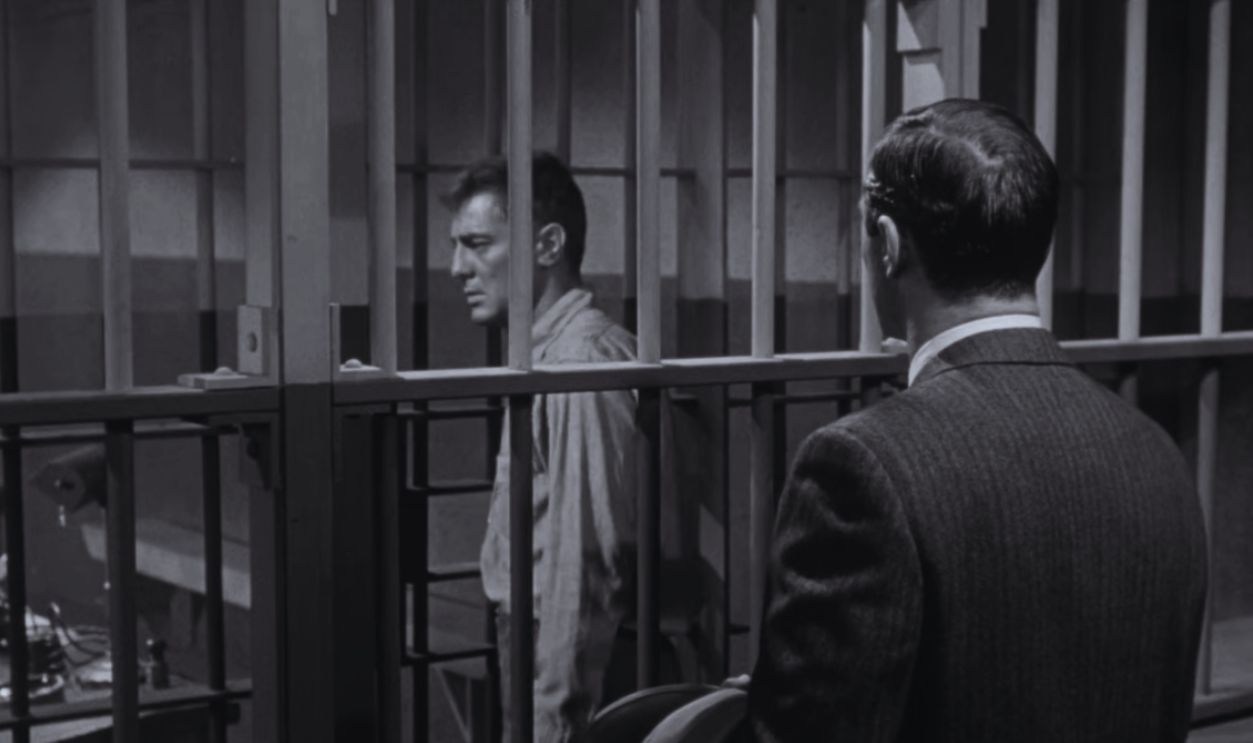
46. He Was Always In The Papers—And The Prisons
Between 1945 and 1955, Hayes’s name appeared in local papers 52 times—but not for his distinguished service to his country. The papers reported, in horror, each time that Hayes landed himself in cuffs or behind bars for his crippling addiction. It got so bad that authorities across Arizona knew him on sight, not as a dangerous man, but as a haunted one.
He had left Iwo Jima behind—but it hadn’t left him.
 Screenshot from The Outsider, Universal-International Pictures (1961)
47. He Stood Before His Own Memorial
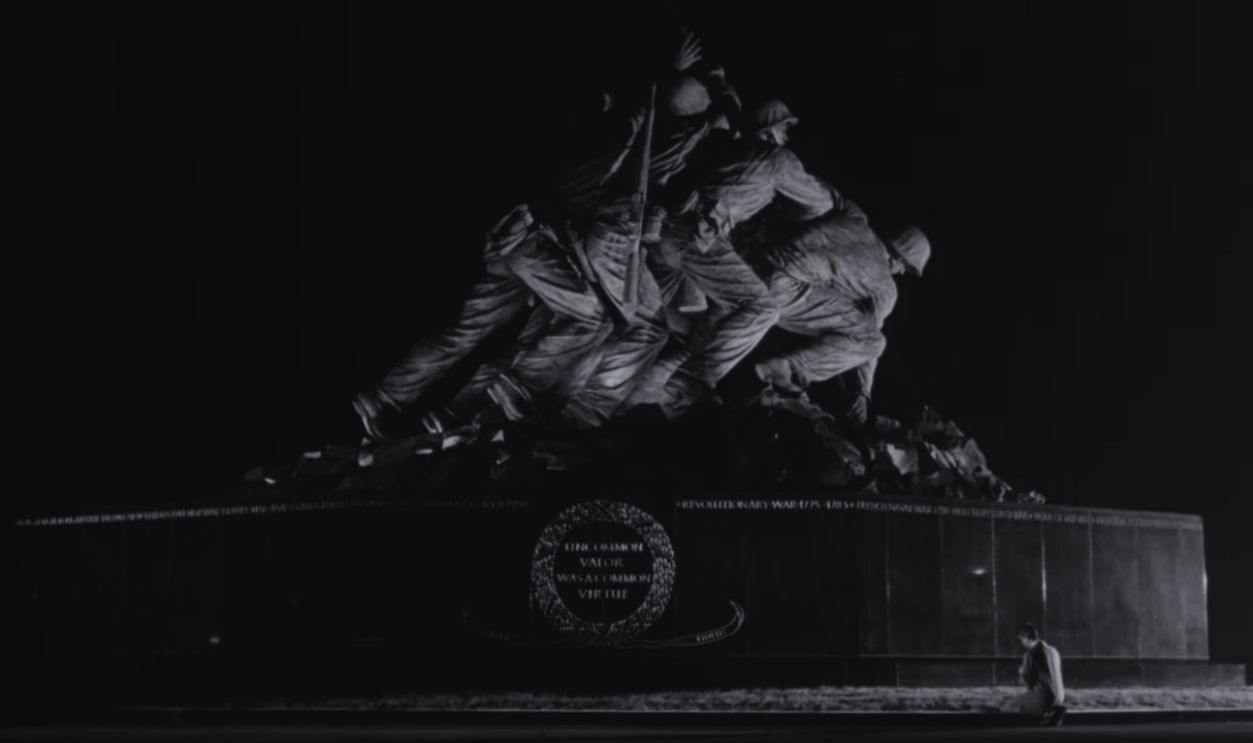
On November 10, 1954, Hayes traveled to Arlington County, Virginia, for the dedication of the Marine Corps War Memorial—the giant bronze sculpture inspired by the photo that had made him immortal. As the flag rose once more, Hayes stood quietly among the crowd, staring at the frozen version of himself cast in metal.
Even after he was gone, his accomplishment would stand.
 Screenshot from The Outsider, Universal-International Pictures (1961)
48. He Vanished Into The Cold
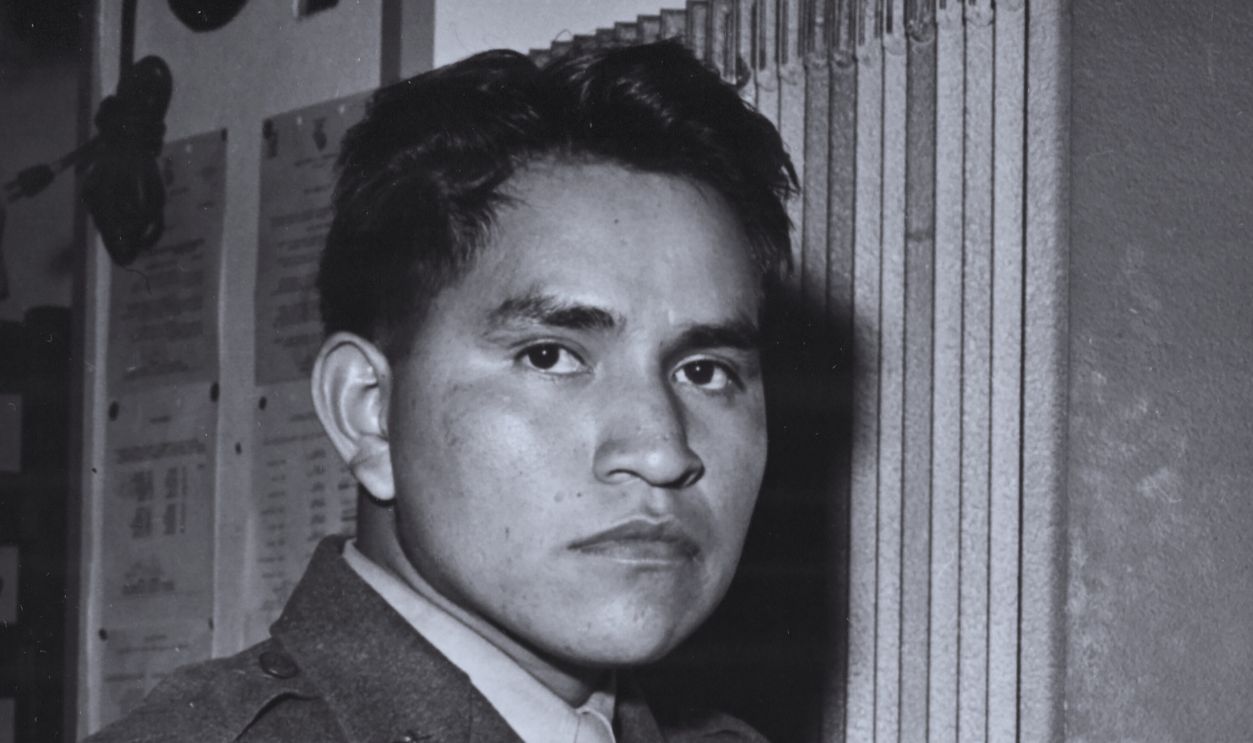
Just months after watching the unveiling of the memorial built in his and his brothers’ honor, on a frigid January night in 1955, Hayes met his end. After a night of heavy drinking, he wandered into the desert outside Bapchule, Arizona. By morning, the hero of Iwo Jima was gone—found lifeless near an abandoned adobe hut. He was only 32 years old.
The land that birthed him had finally taken him back.
49. His Passing Sparked Questions
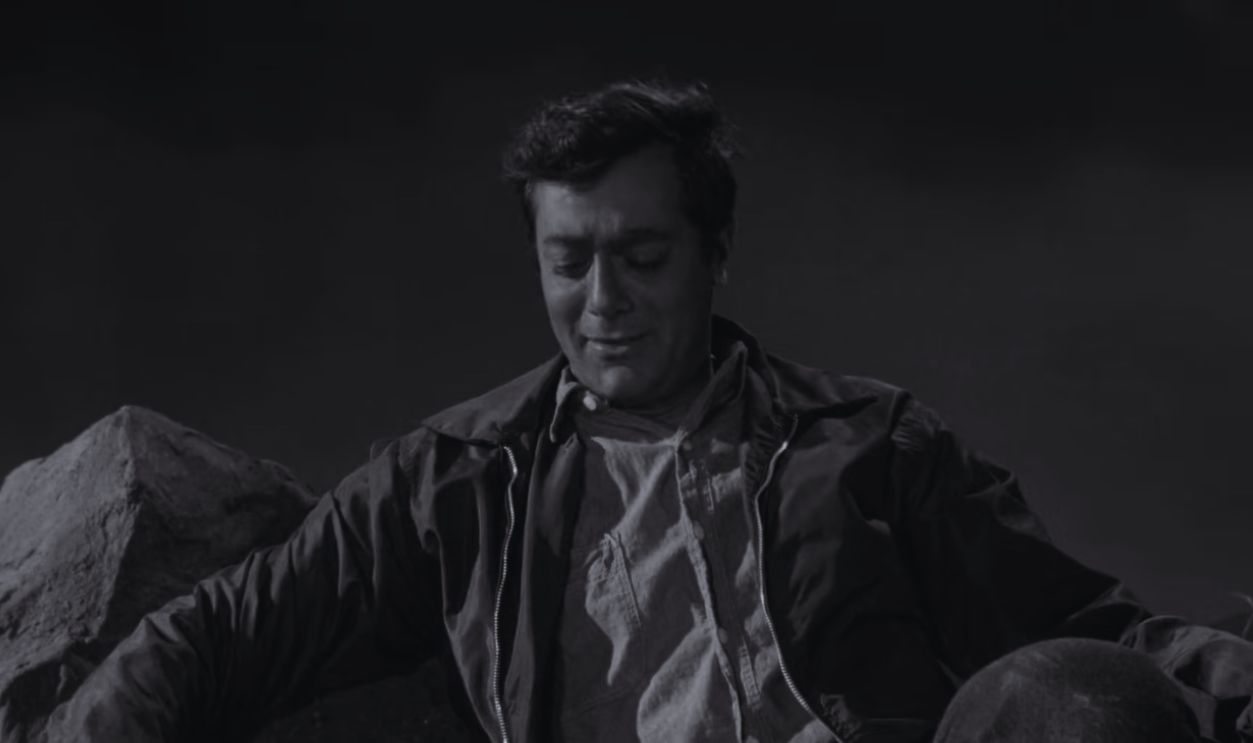
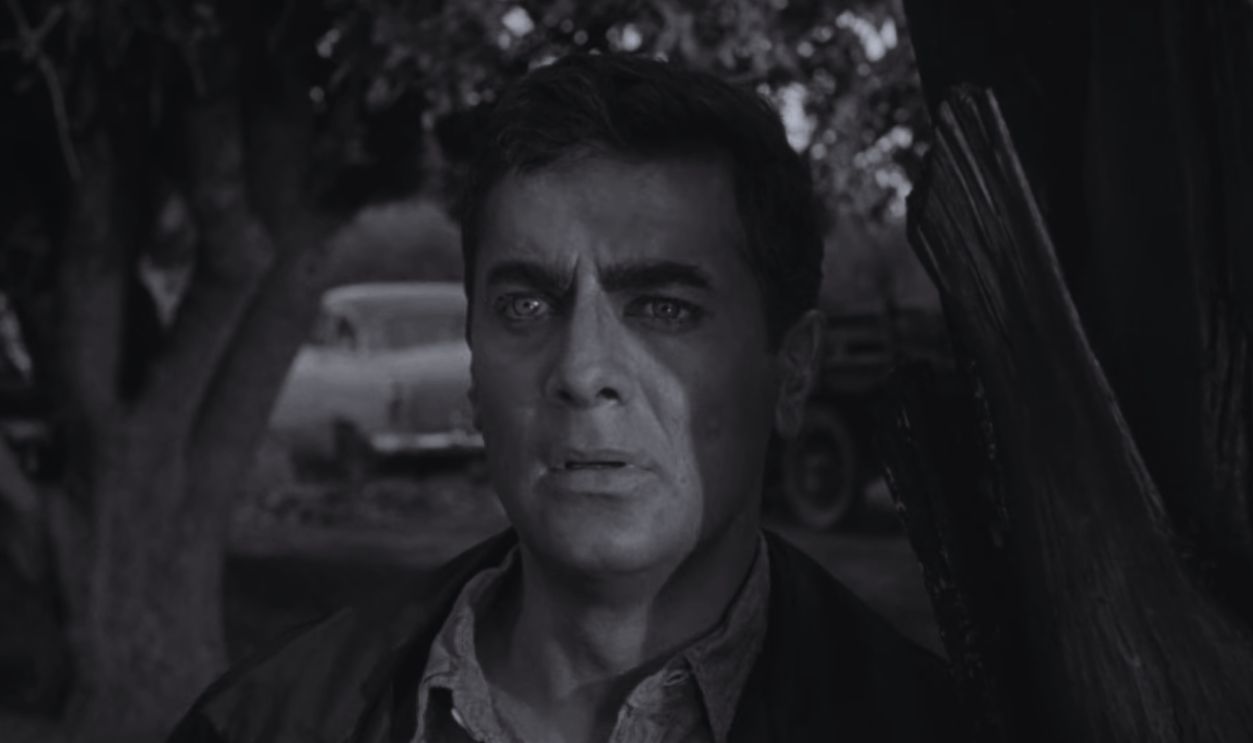
Officials ruled Hayes’s demise accidental—exposure to cold and poisoning from his addiction. But whispers spread through the Gila River community that something darker had happened. Family members weren’t convinced the story added up. And they had a suspect in mind.
 Screenshot from The Outsider, Universal-International Pictures (1961)
50. His People Suspected Foul Play
Rumors soon pointed fingers at another Pima man, Henry Setoyant, as the one responsible for Hayes’s demise. They alleged that a dispute between Setoyant and Hayes turned to blows, leaving Hayes with fatal injuries. Yet tribal authorities refused to pursue the case, and no autopsy followed.
For a man who had faced Japanese bullets and Hollywood flashbulbs, it was a strangely silent ending.
 Screenshot from The Outsider, Universal-International Pictures (1961)
51. He Definitely Raised The Flag
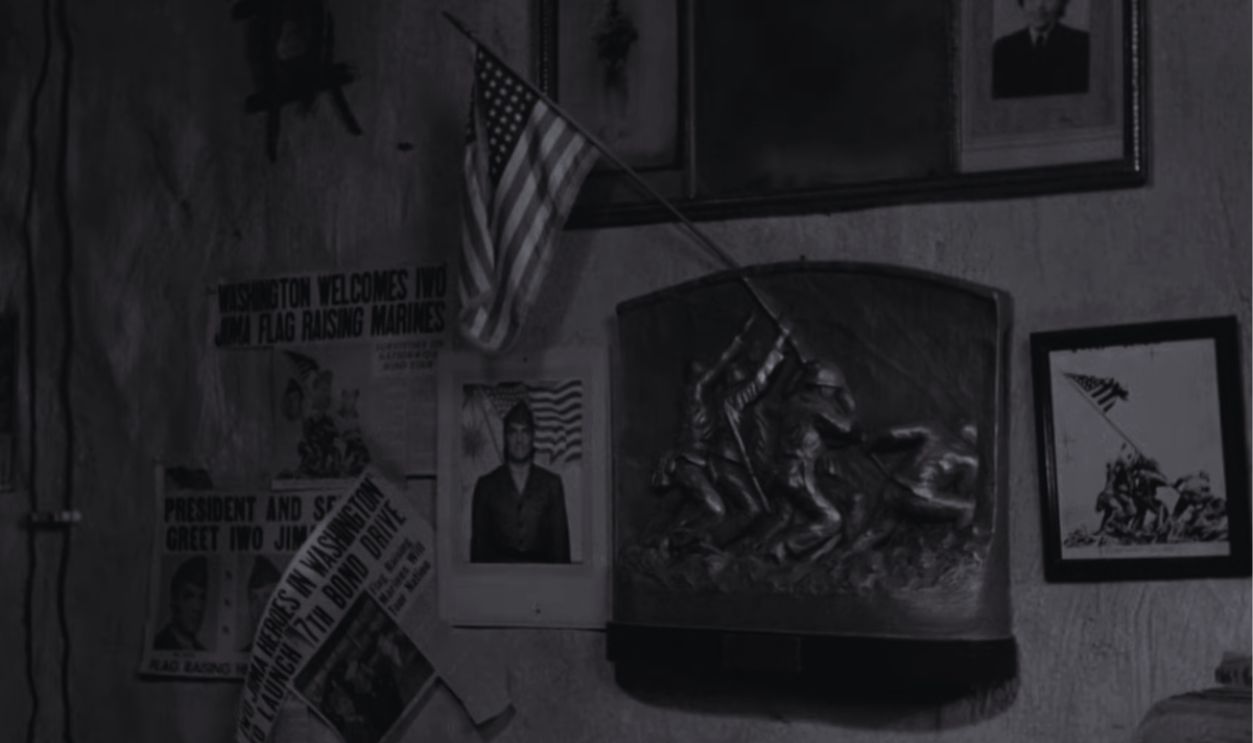
Decades later, photo analysts discovered that two men once credited as flag-raisers—Rene Gagnon and John Bradley—weren’t actually in the iconic shot. History had finally caught up to the truth Hayes had walked 1,300 miles to defend.
 Screenshot from The Outsider, Universal-International Pictures (1961)
52. His Story Lives On In Song
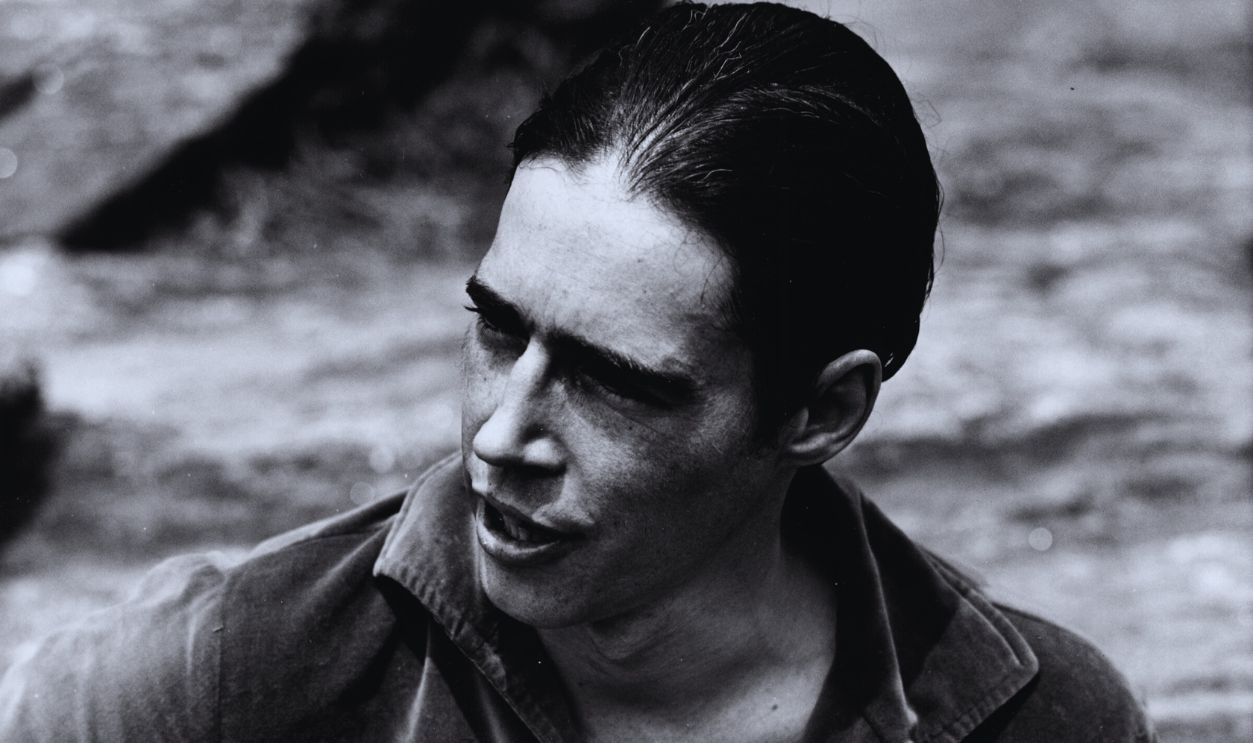
Folk singer Peter LaFarge turned Hayes’s life into legend with “The Ballad of Ira Hayes”. When Johnny Cash recorded it in 1964, the song spread across America like a mournful prayer. It told of a man who could raise a nation’s flag—but not his own spirits.
Still, Hayes’s truest legacy was one that lifted millions to their rightful place.
 Michael Ochs Archives, Getty Images
53. He Was Laid To Rest Among Heroes
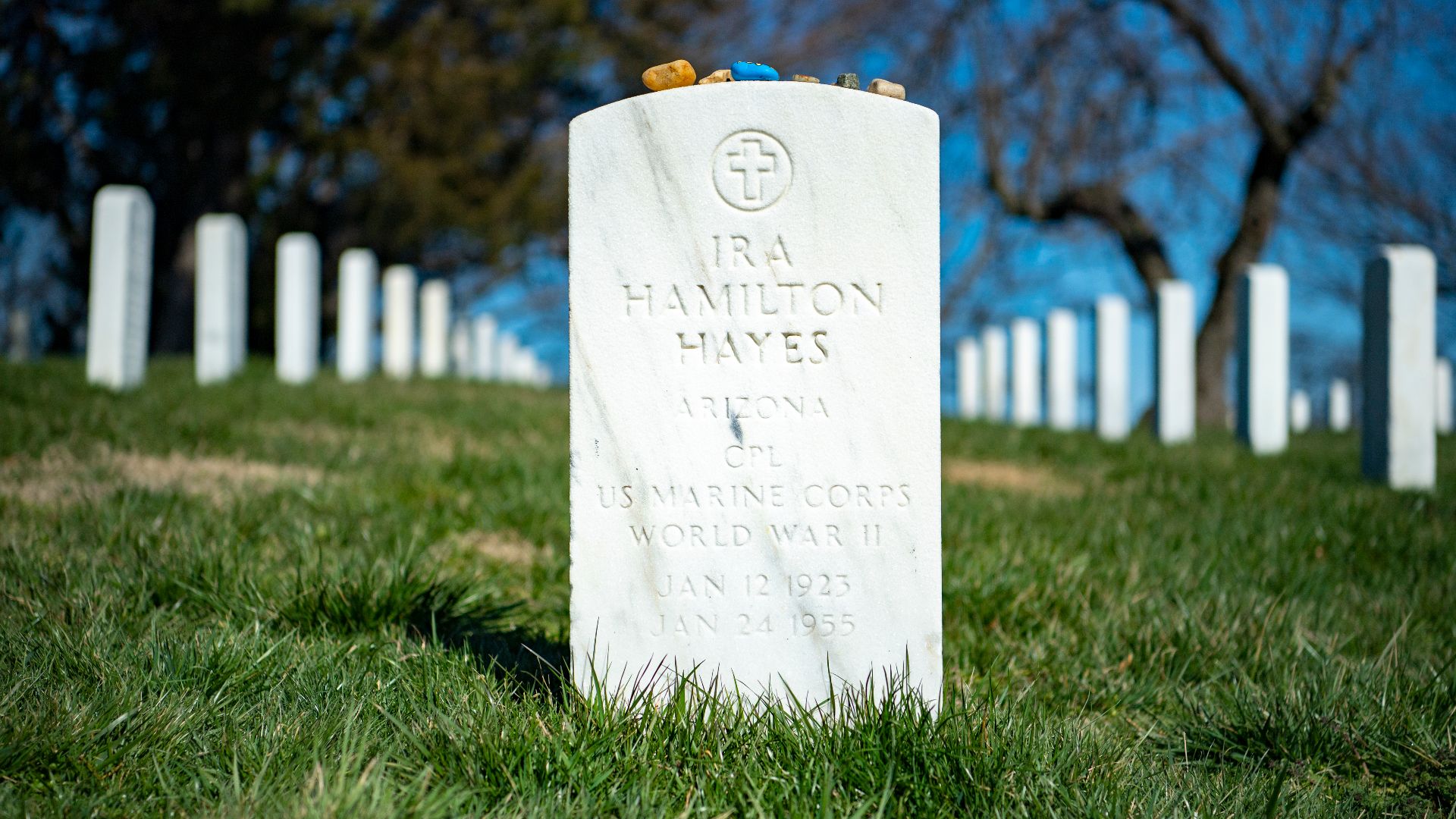
On February 2, 1955, the Marines buried Ira Hayes with full honors at Arlington National Cemetery, Section 34, Grave 479A. At the service, one of Hayes’s brothers-in-arms summed up his heartbreak and hope: “Let’s say he had a little dream in his heart that someday the Indian would be like the white man—be able to walk all over the United States”.
 Arlington National Cemetery, Wikimedia Commons
You May Also Like:
What Really Happened To Jimmy Hoffa?
America’s Angriest Writer Vanished Without A Trace