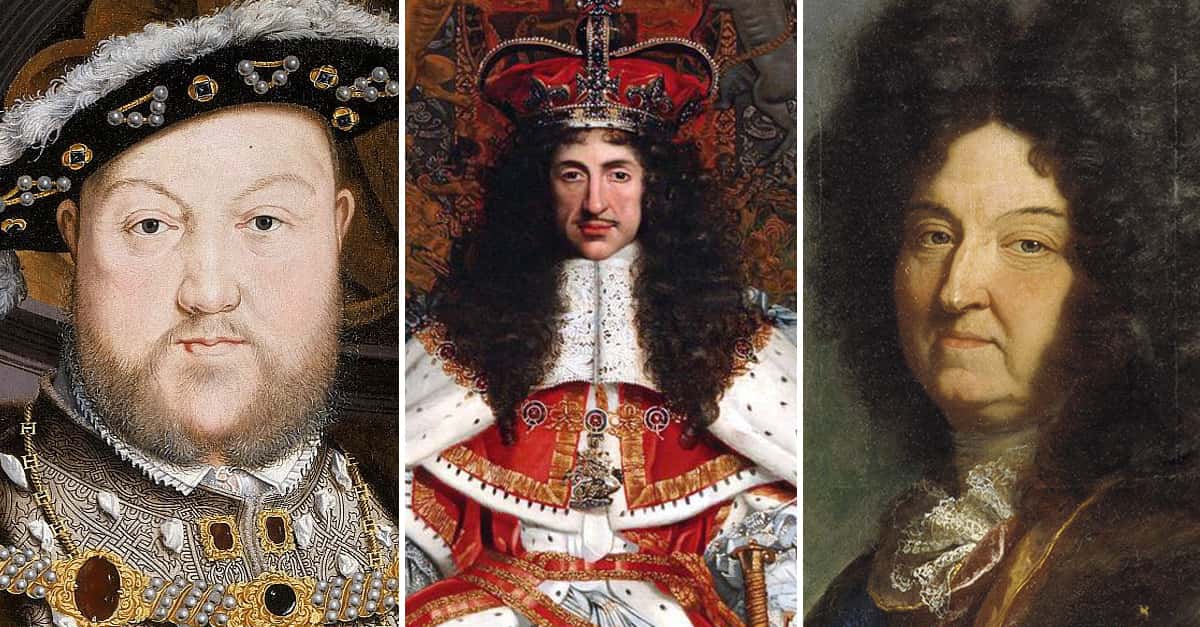
He Almost Became Henry IX
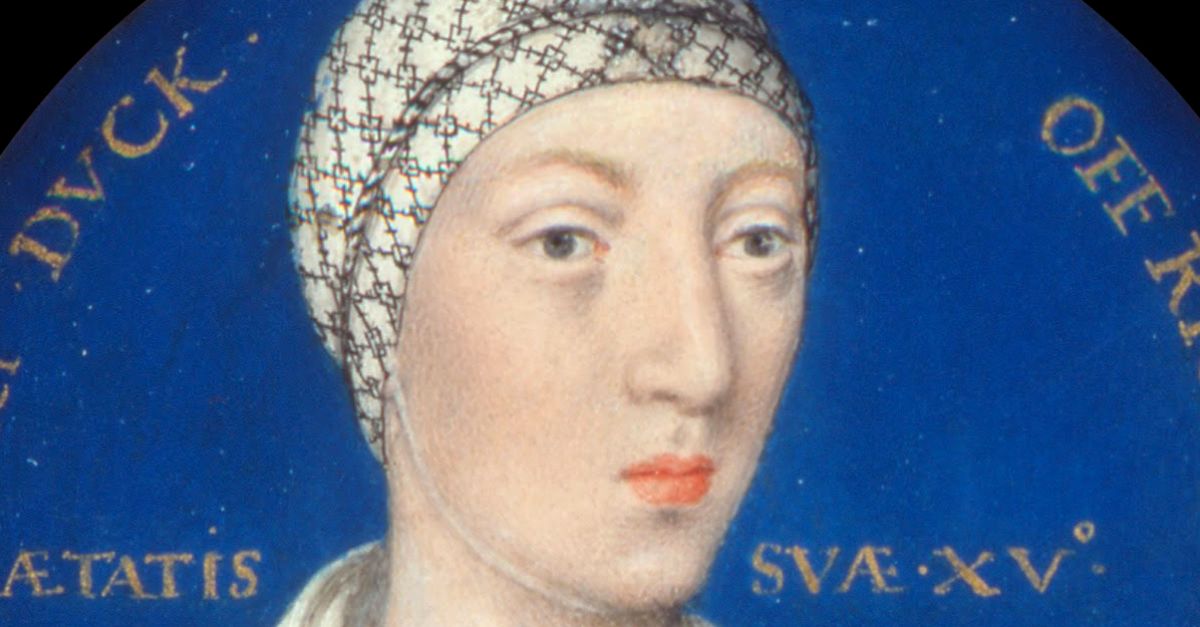
Henry FitzRoy was the only son Henry VIII ever truly loved—and the one he could never crown. Illegitimate, his father nevertheless showered him with titles and groomed him for greatness. He seemed destined to wear at least one crown until fate snatched it away.
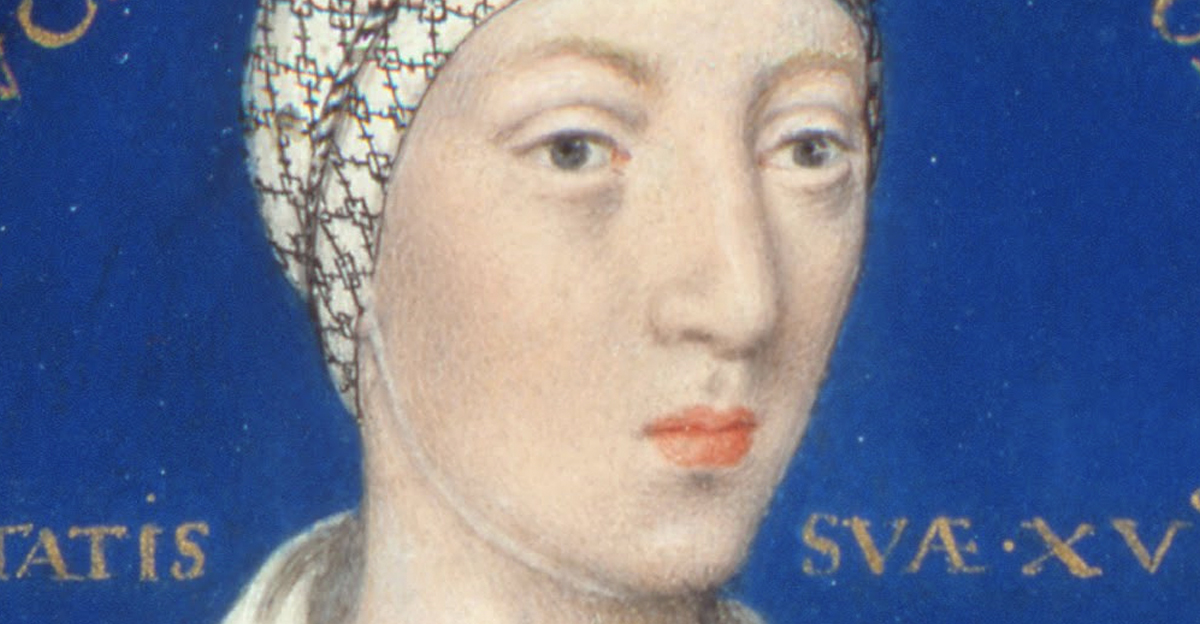 Lucas Horenbout, Wikimedia Commons
1. He Was The Only One Who Got Recognition
Henry FitzRoy’s father, King Henry VIII of England, had a habit of producing children out of wedlock. However, when this Henry was born (sometime in June of 1519), he would become the only of Henry VIII’s illegitimate children to get official recognition. At first, however, things were much more murky. His mother, Bessie Blount, was Henry VIII’s mistress—and she had to conceal his birth.
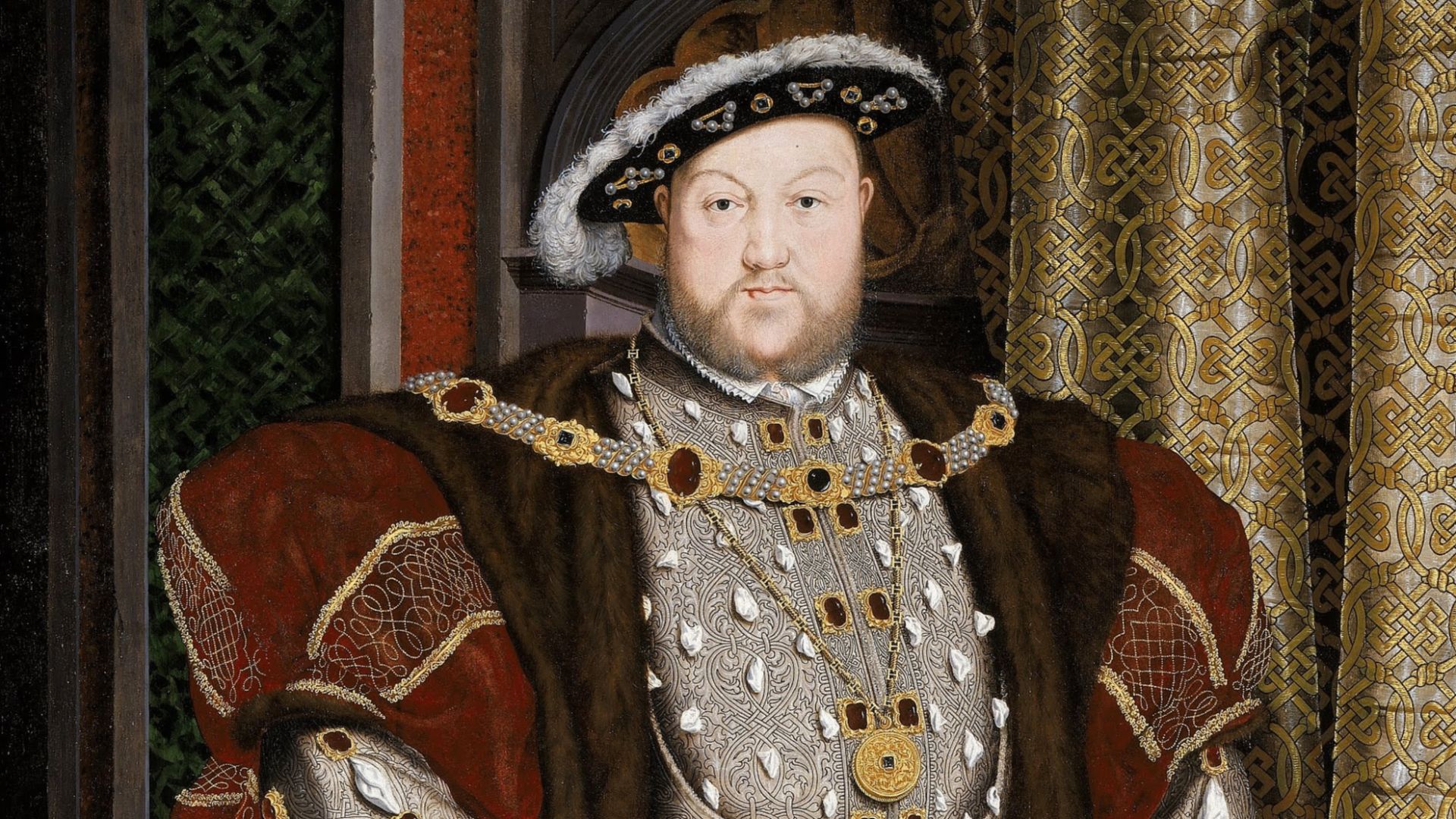 After Hans Holbein the Younger, Wikimedia Commons
2. He Arrived Under A Veil Of Secrecy
A mistress in a 16th century English royal court was no surprise—but poor Bessie Blount had some bad timing. When she got pregnant with FitzRoy, Henry VIII’s wife Queen Catherine of Aragon just so happened to be approaching her own due date. However, the Queen’s pregnancy would end with a stillborn daughter in November 1518.
To avoid a scandal—and the Queen’s jealousy—Blount quietly left the court and went to the Augustinian Priory of St Laurence at Blackmore in Essex. There, FitzRoy would make a quiet debut.
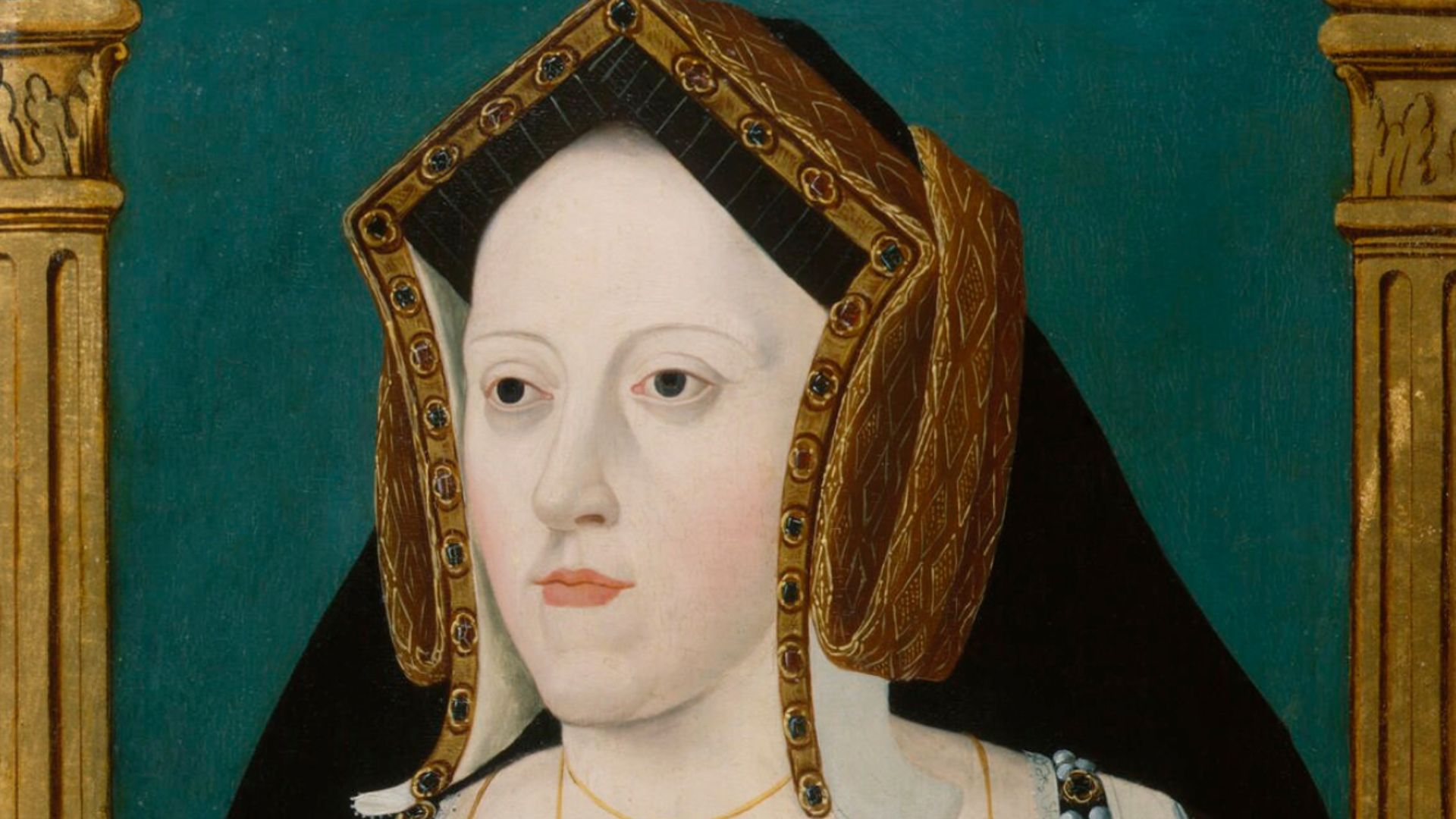
3. He Didn’t Leave A Trace
Blount’s move away from court helped to conceal FitzRoy’s birth—although, perhaps too well. The careful discretion surrounding the pregnancy and the remote priory setting ensured that FitzRoy’s arrival barely registered, even in the historical record. While that kept him safe, it also made him something of an unknown entity.
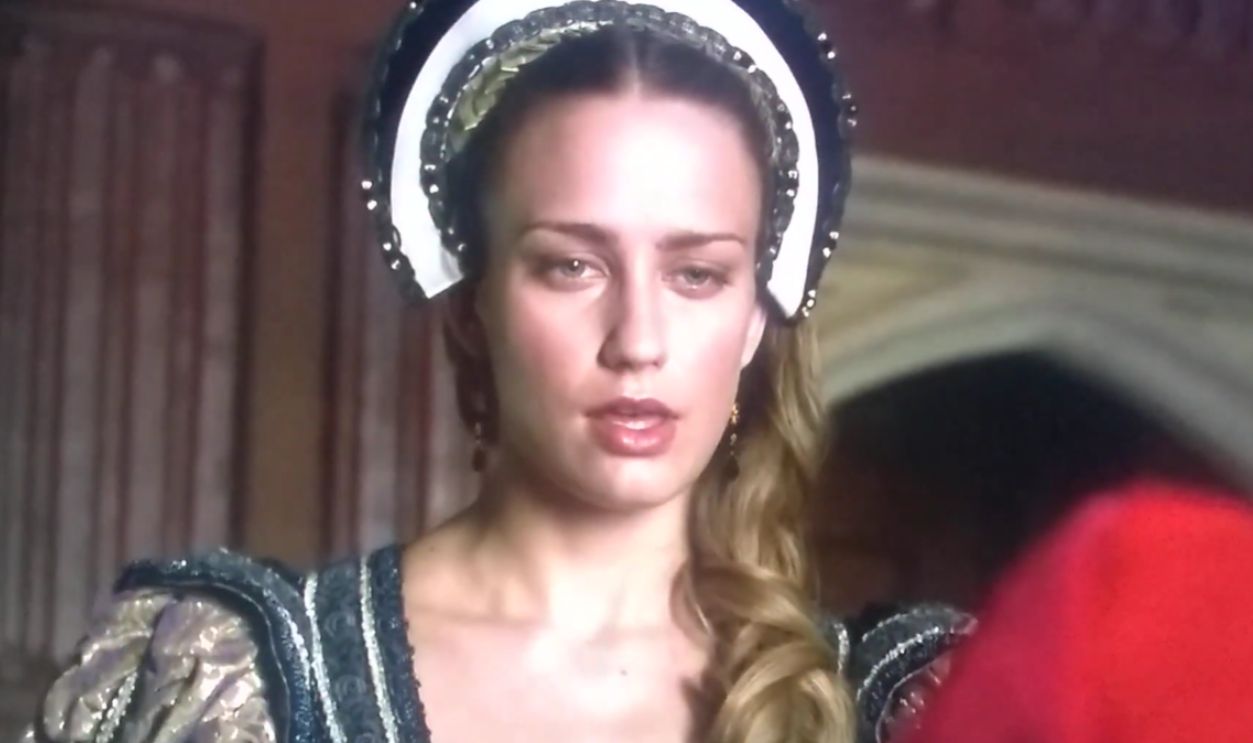 Screenshot from The Tudors, Sony Pictures Television (2007–2010)

History's most fascinating stories and darkest secrets, delivered to your inbox daily.
4. He Made A Cardinal Disappear From Court
Given the need for secrecy, the exact date of FitzRoy’s birth escaped the historical record. Most historians agree that it would have been around June 15, 1519, but nobody knows for certain. The best clue comes from Cardinal Thomas Wolsey, who vanished, inexplicably, from court that month and reappeared on June 29, suggesting the cardinal had slipped away to attend a clandestine christening.
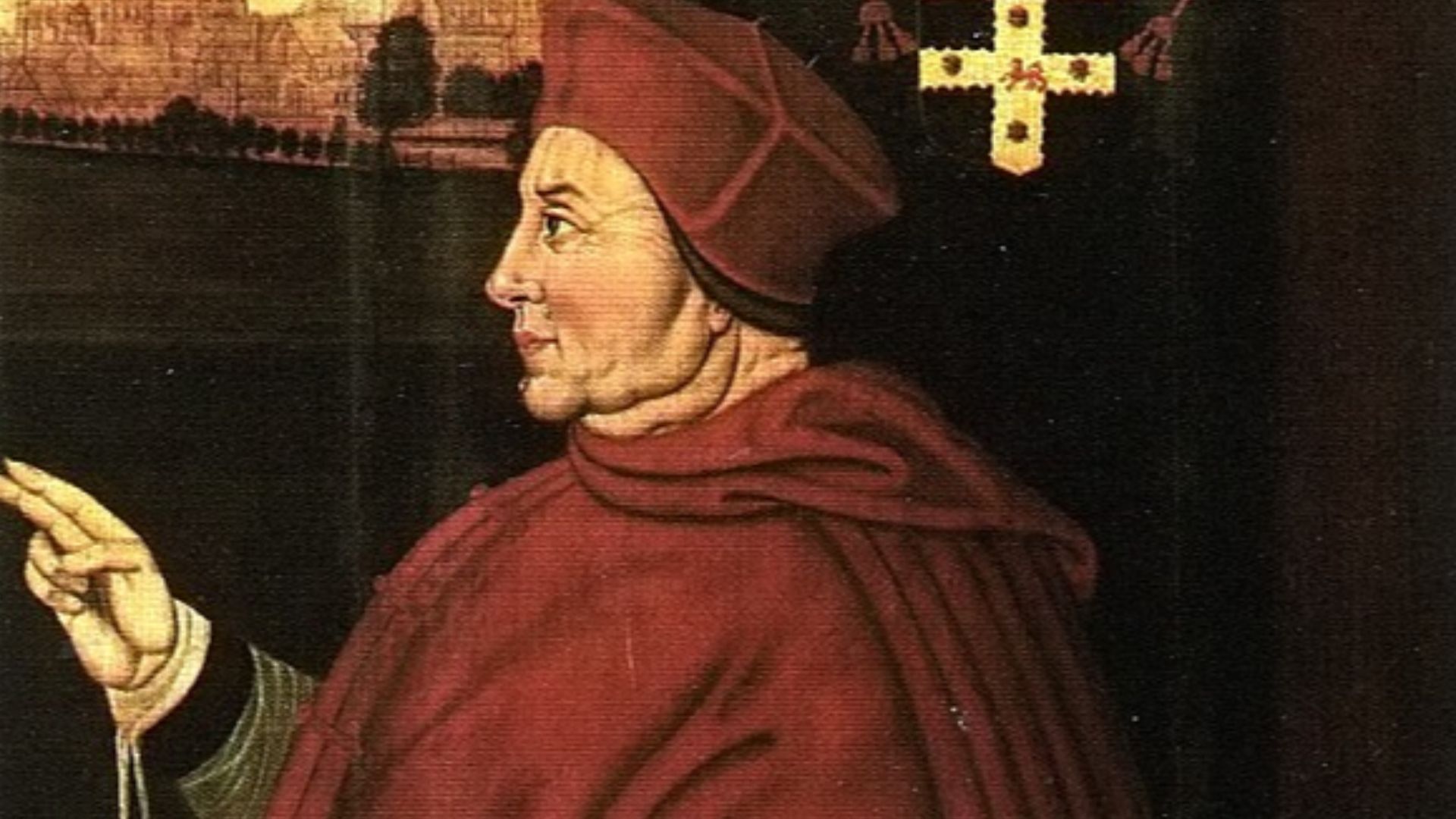 Sampson Strong, Wikimedia Commons
5. His Godfather Is A Mystery
Henry FitzRoy would have had two godfathers at his christening. One, presumably, was Cardinal Wolsey himself. But the other one? Nobody knows. Over the centuries, historians have suggested several high-ranking men, including King Henry VIII himself even though custom would have forbidden it. Not that custom mattered much in FitzRoy’s family.
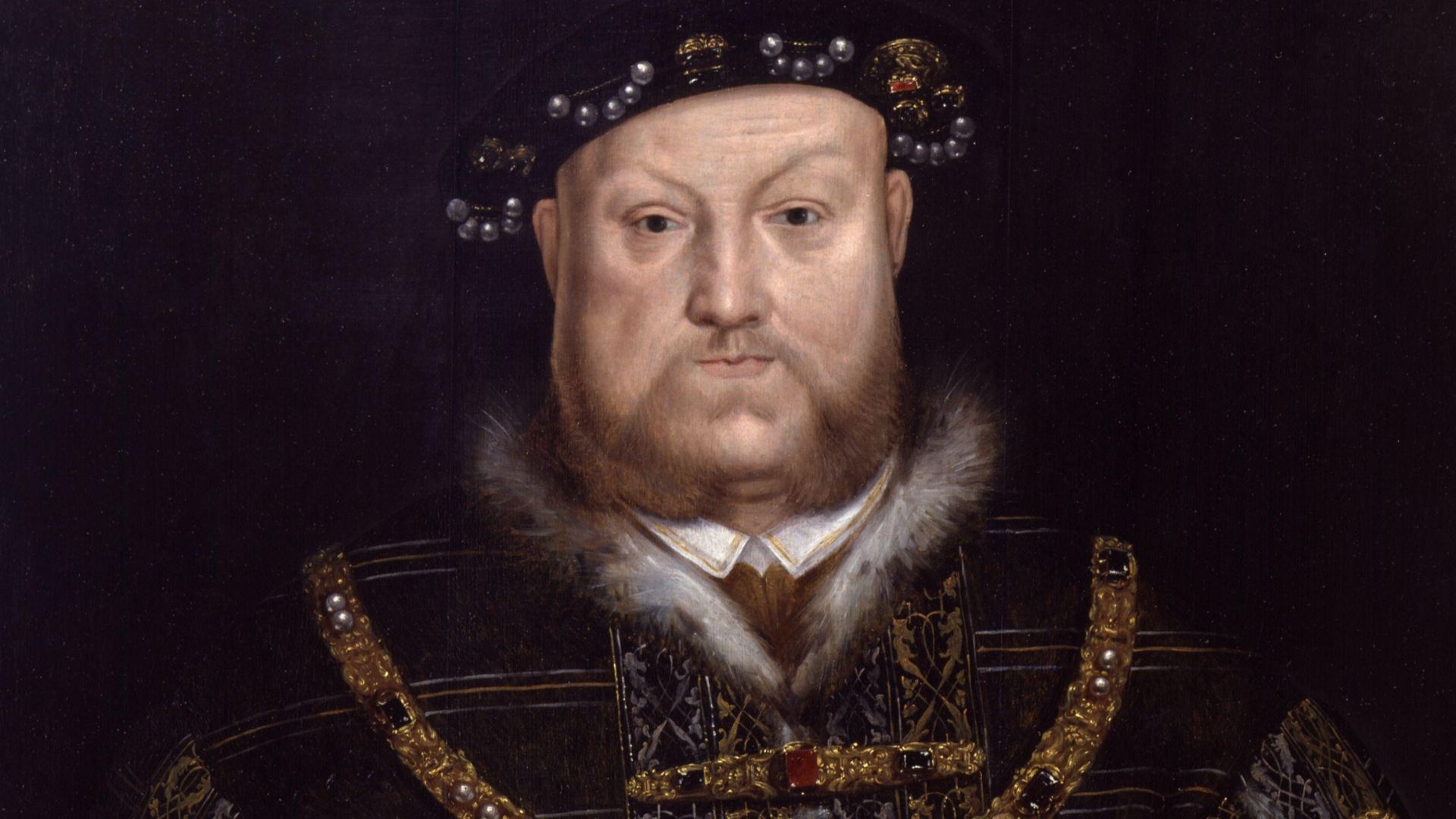
6. He Had Royal Siblings On Every Side
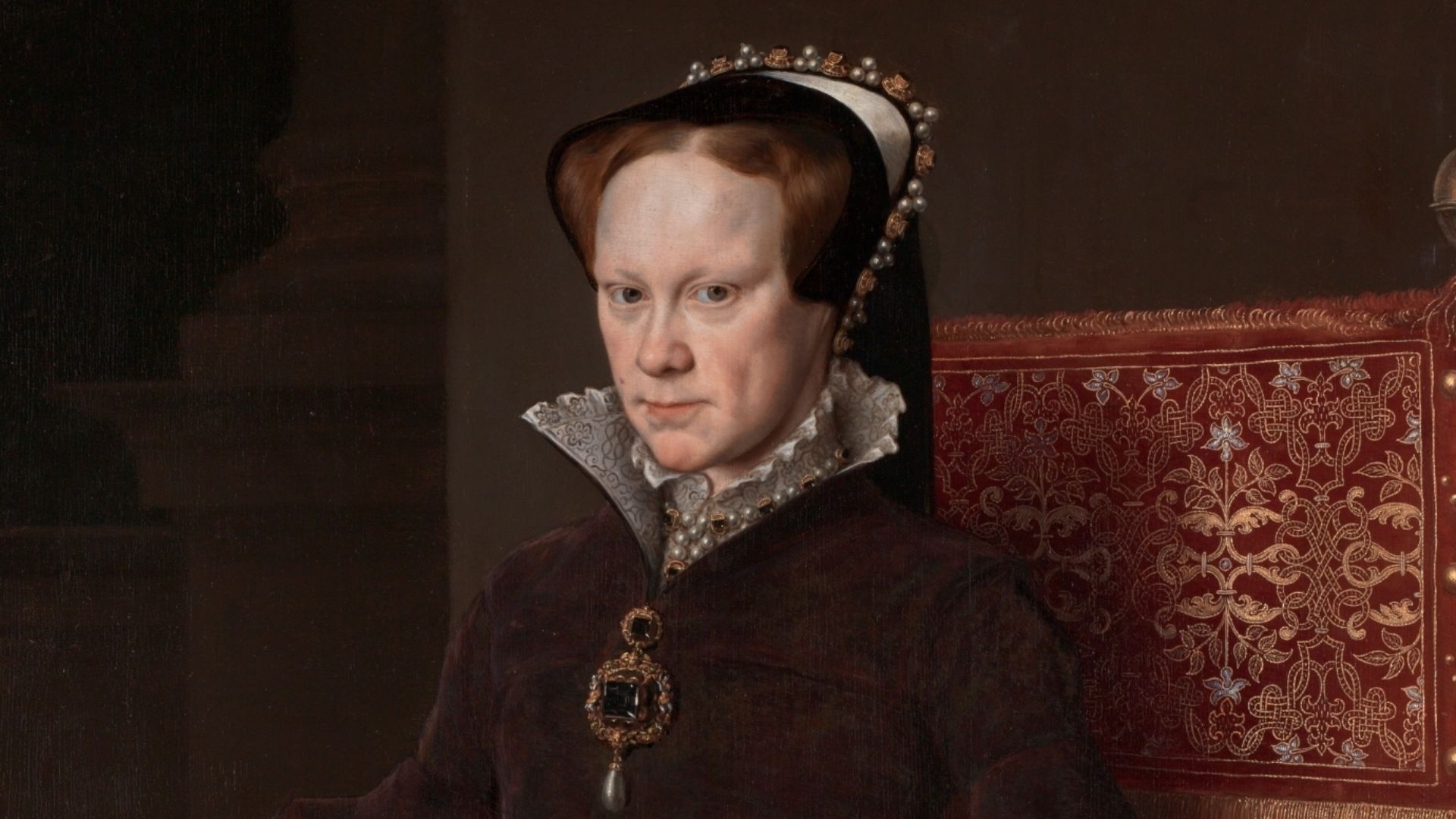
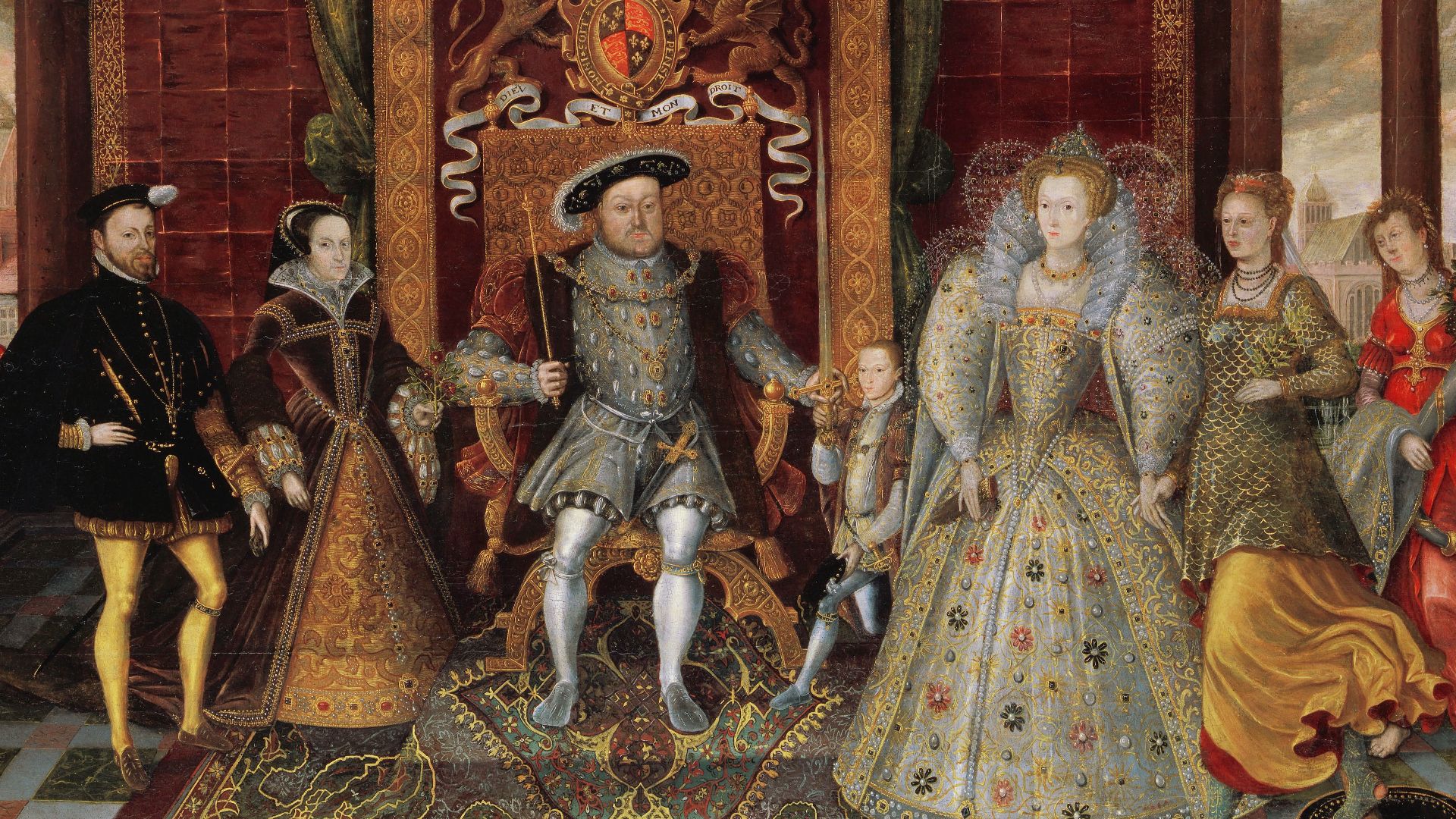
FitzRoy occupied a branch of the Tudor family tree all on his own. Through his father, he was the younger half-brother of Mary I and the older half-brother of both Elizabeth I and Edward VI. Through his mother’s later marriage, he also became the elder half-brother of Elizabeth, George, and Robert Tailboys. He was, however, the only to bear his name.
And his name said it all.
 Antonis Mor, Wikimedia Commons
7. His Name Said It All
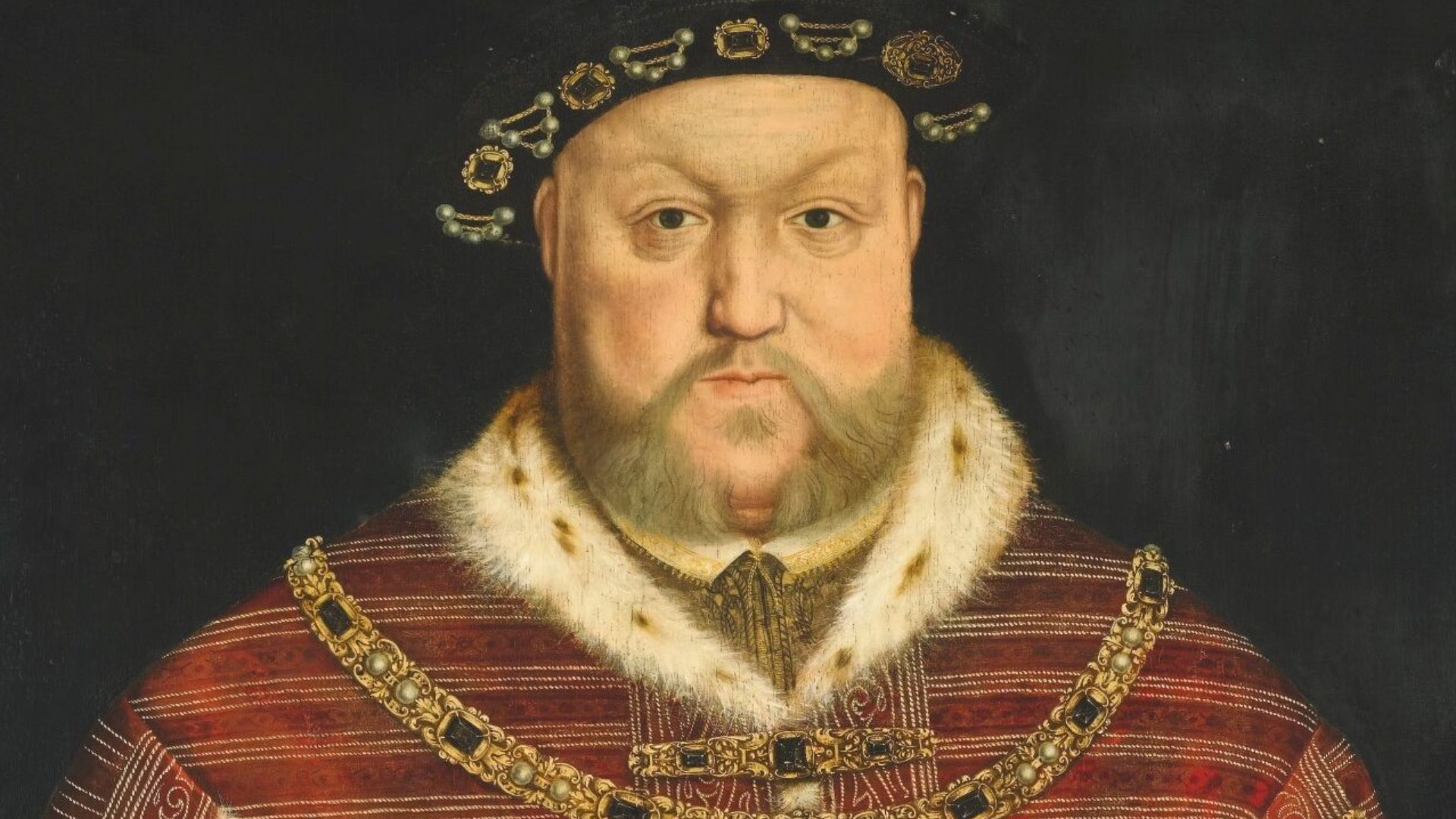
Most royal surnames are regal through heritage. FitzRoy’s was regal by definition. Derived from Norman French, “FitzRoy” translates directly to “son of the king”. It was less a name than a label, but it left zero ambiguity about his parentage. To drive the point home, Henry VIII also named the boy “Henry”, after himself. Illegitimate or not, his name proved he was his father’s son.
And Henry VIII wanted the world to know it.
 Workshop of Hans Holbein the Younger, Wikimedia Commons
8. He Grew Up Around Royalty
Despite his unofficial status and concealed birth, FitzRoy had all the trappings of a royal baby. A letter from a royal nurse suggests that the boy spent time in the royal nursery itself, and after 1530 he appeared at court regularly. Whatever the king’s public stance on his son’s legitimacy, behind palace walls, FitzRoy was family.
 Screenshot from The Tudors, Sony Pictures Television (2007–2010)
9. His Half-Sister’s Loss Was His Gain
In 1519, the only living legitimate child of Henry VIII was three-year-old Princess Mary. That year, the record shows that Mary’s household was reorganized. Some historians believe the reshuffling—in the year of FitzRoy’s birth—was no coincidence, suggesting some of her servants became FitzRoy’s servants. Though, not the best ones, it would seem.
 Screenshot from The Spanish Princess, Lionsgate (2019-2020)
History's most fascinating stories and darkest secrets, delivered to your inbox daily.
10. His Tutor Called His Education “Barbarous”
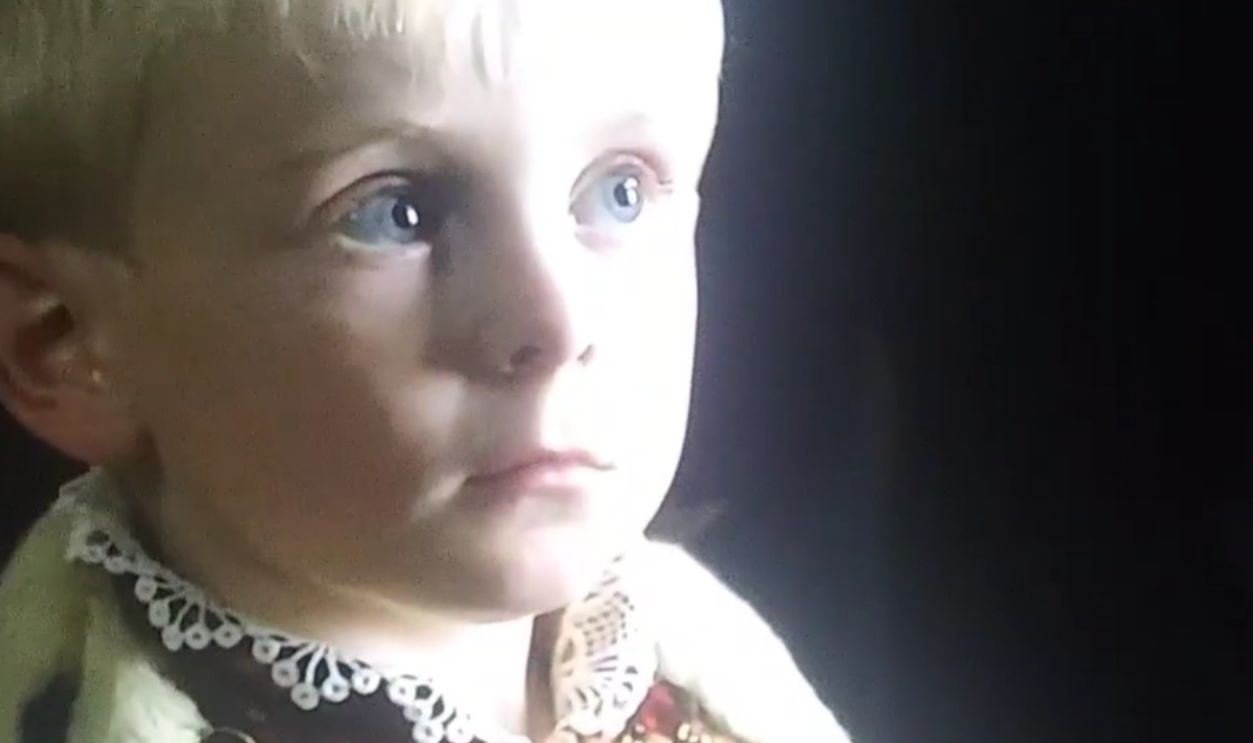
FitzRoy’s early schooling left something to be desired. When John Palsgrave arrived as his new tutor, he was horrified to discover that the boy had learned his prayers with what Palsgrave called a “barbarous Latin accent”. He dismissed FitzRoy’s previous instructor as unserious and got to work properly educating the king’s son.
But the king had bigger plans for his son than Latin drills.
 Screenshot from The Tudors, Sony Pictures Television (2007–2010)
11. He Had Regal Robes
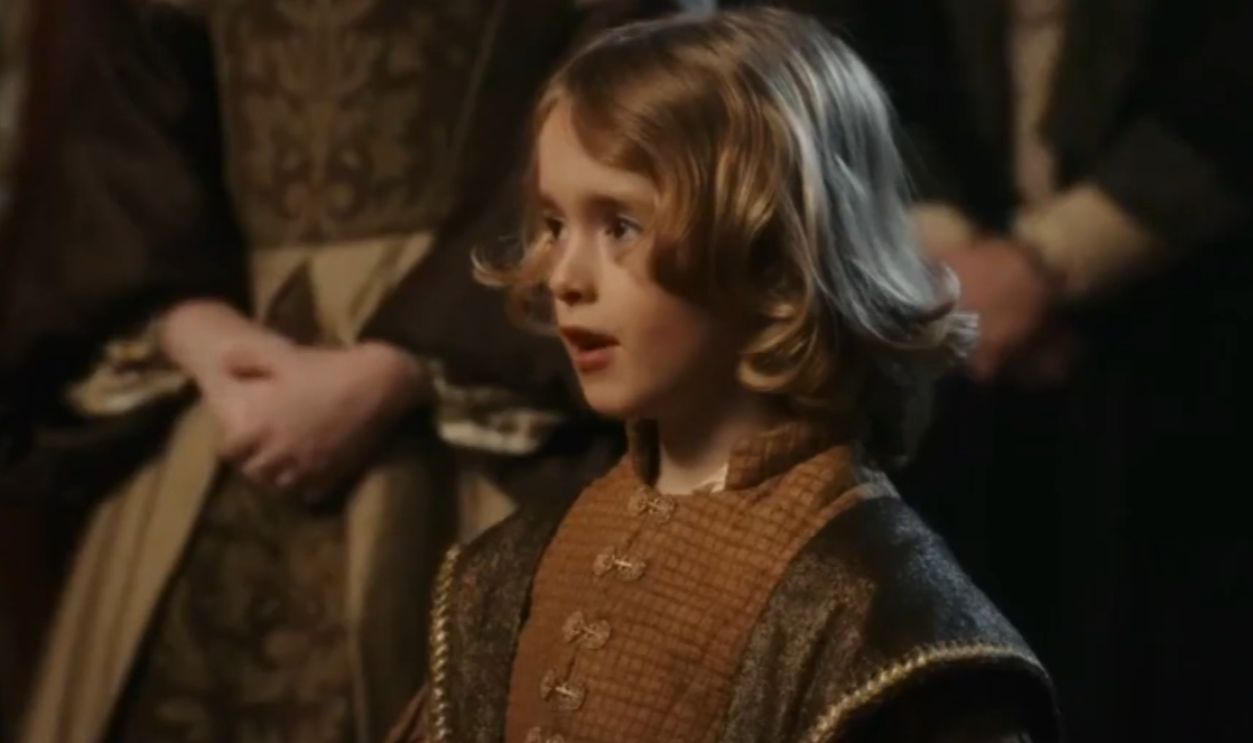
A surviving inventory headed “Wardrobe stuff appointed for my lord Henry” reveals that someone called “My Lord Henry” received clothing and provisions from the royal wardrobe. The use of that title, “My Lord,” among the king’s inner circle suggests that, whatever the public silence, the people closest to Henry VIII knew exactly who FitzRoy was.
But then again—it’s possible others had no clue they were attending to the King’s only son.
 Screenshot from The Spanish Princess, Lionsgate (2019-2020)
12. He May Have Had Two Childhoods
Where Henry FitzRoy actually spent his early years is still an open question. There is some evidence to suggest that he bounced between the royal court and a northern household belonging to his mother and her husband, Gilbert Tailboys, 1st Baron Tailboys of Kyme. If true, the young FitzRoy grew up straddling two worlds: one royal, one rural.
 Screenshot from The Tudors, Sony Pictures Television (2007–2010)
13. He Was The King’s Only Hope
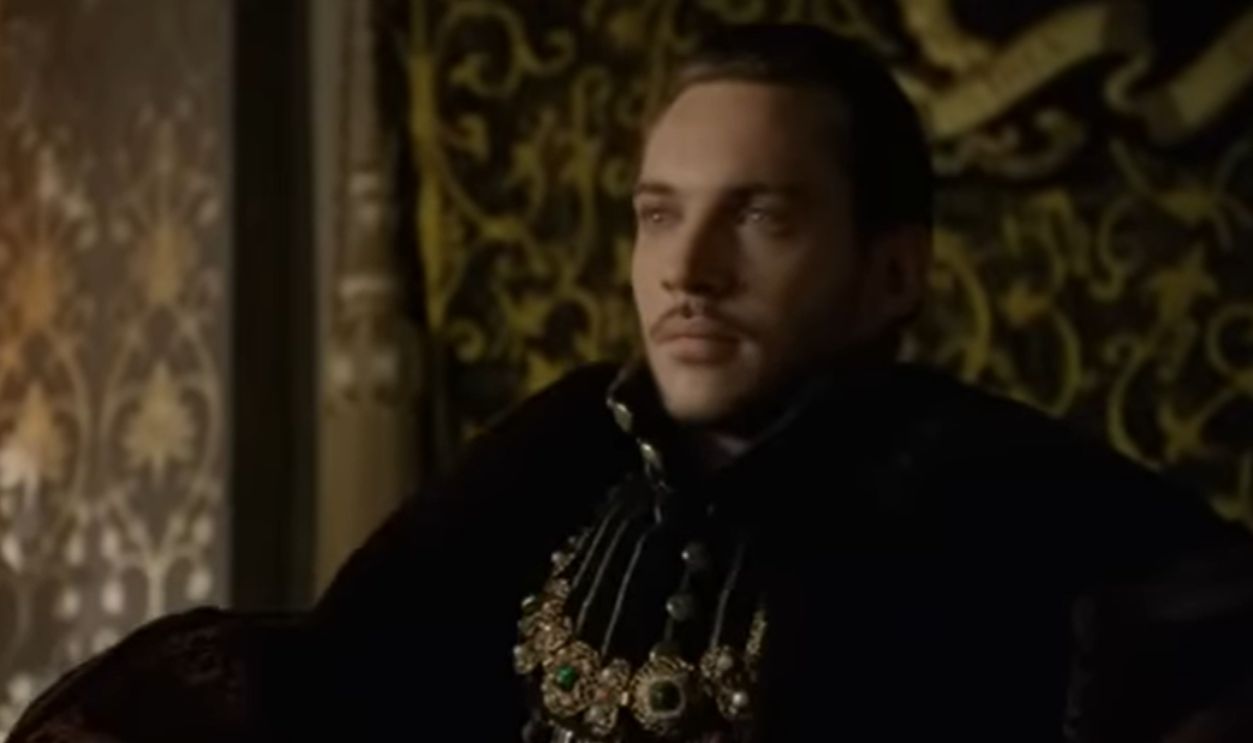
By 1525, the Tudor dynasty was running out of time. Henry VIII was 34 years old. Catherine of Aragon was approaching 40. And their only surviving legitimate child was nine-year-old Princess Mary. But for FitzRoy, Henry VIII seemed incapable of producing a male heir. Except one, that is: FitzRoy. Of course, he had been born on the wrong of the sheets, as it were.
That was nothing a king couldn’t change.
 Screenshot from The Tudors, Sony Pictures Television (2007–2010)
14. He Had A Powerful Champion
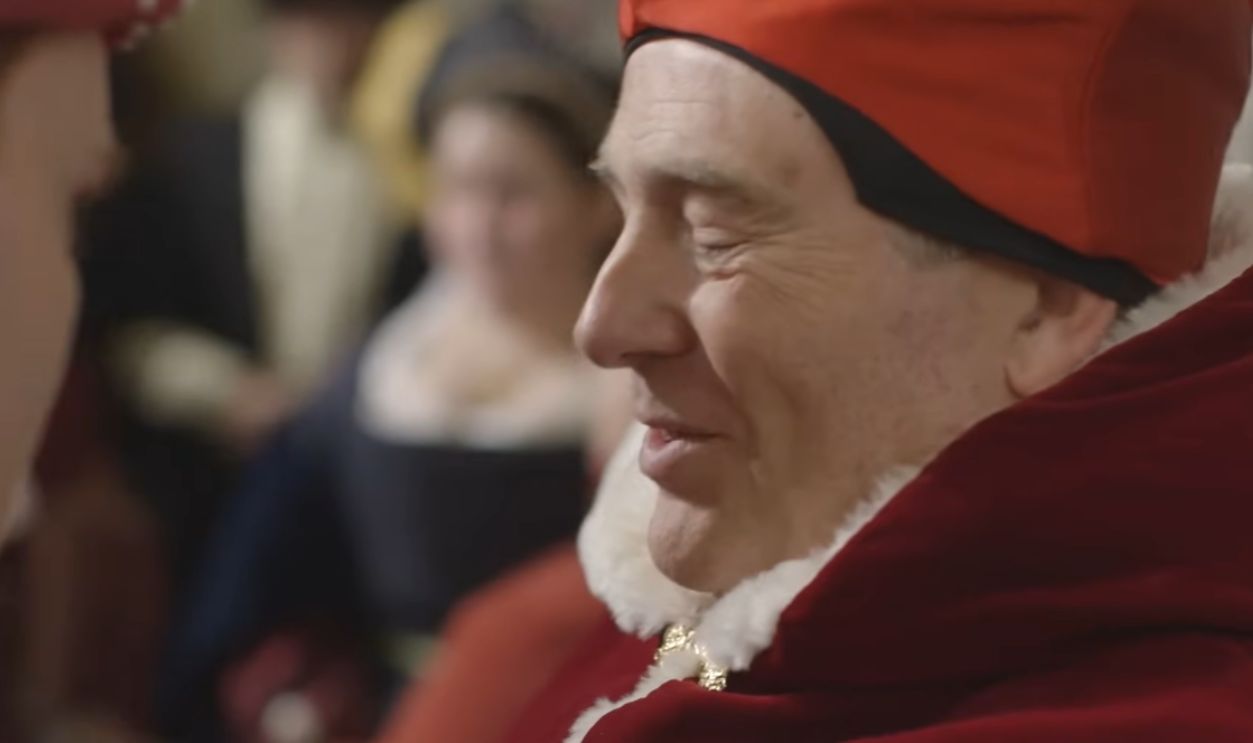
Cardinal Wolsey had kept a close eye on Henry FitzRoy long after his christening. In a letter dated to June of 1525, Wolsey addressed the child to Henry VIII as “Your entirely beloved sonne, the Lord Henry FitzRoy”. The phrasing was uncharacteristically warm and possessive in referring to an illegitimate child, suggesting he wouldn’t be illegitimate for long.
 Screenshot from Henry VIII: The Tyrant King, Tudor Productions (2023)
15. His Father Nearly Perished—Twice
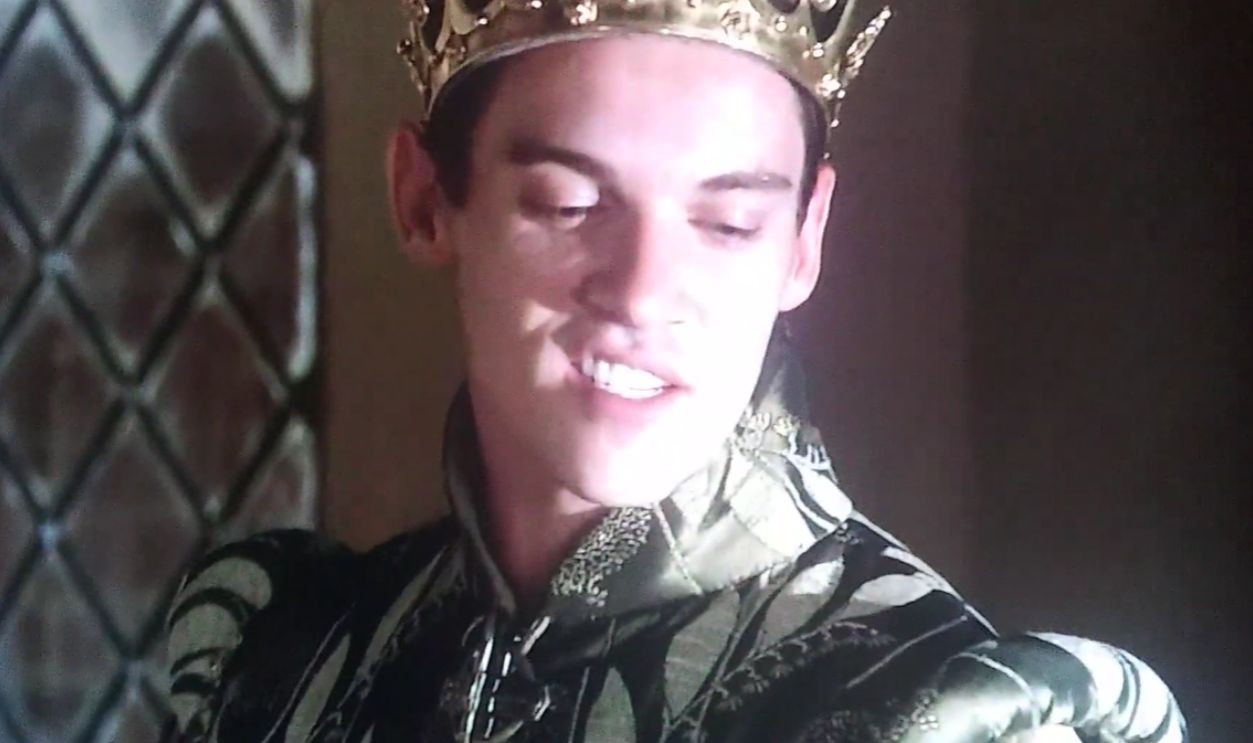
Around the time of FitzRoy’s fifth and sixth birthdays, Henry VIII had two close calls that brought the matter of succession to the fore. First, a jousting mishap nearly ended him. Then, in a moment of spectacular Tudor hubris, the king attempted to pole-vault over a ditch and landed headfirst in the mud. He was stuck until his attendants dragged him free.
Henry VIII needed an heir—and he had one already in the wings.
 Screenshot from The Tudors, Sony Pictures Television (2007–2010)
History's most fascinating stories and darkest secrets, delivered to your inbox daily.
16. He Lived Like A Prince
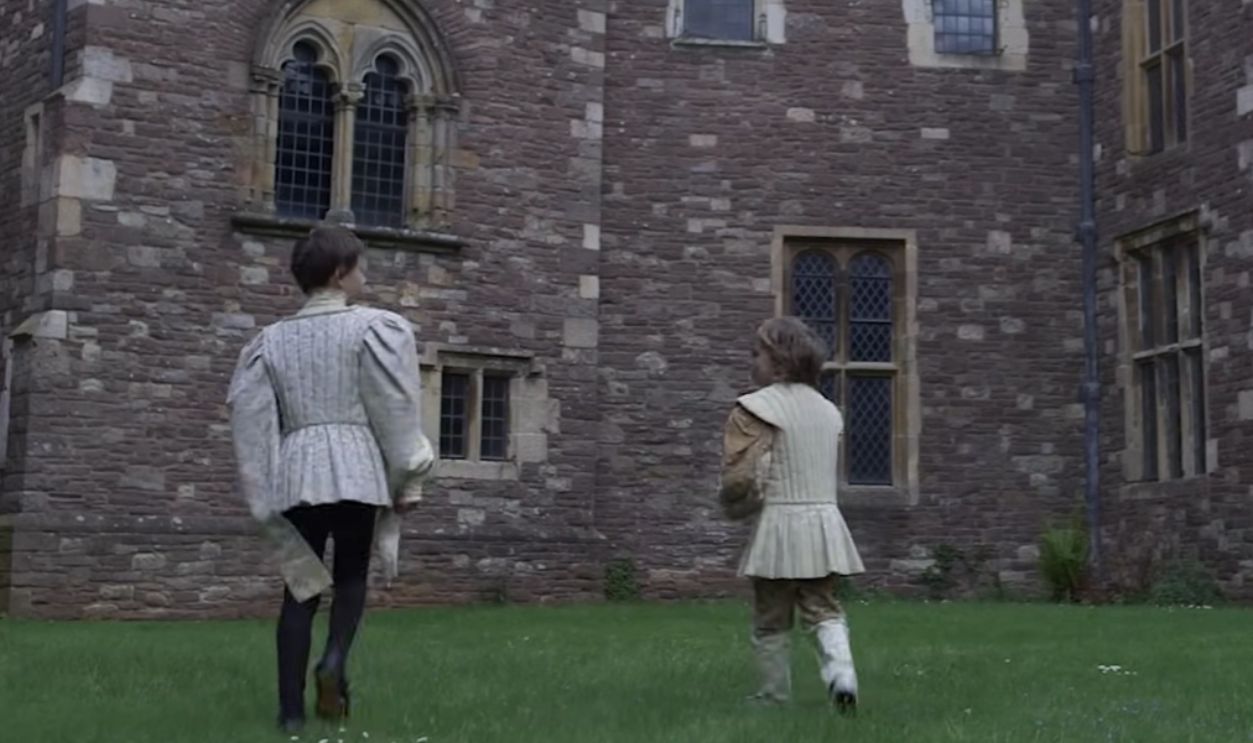
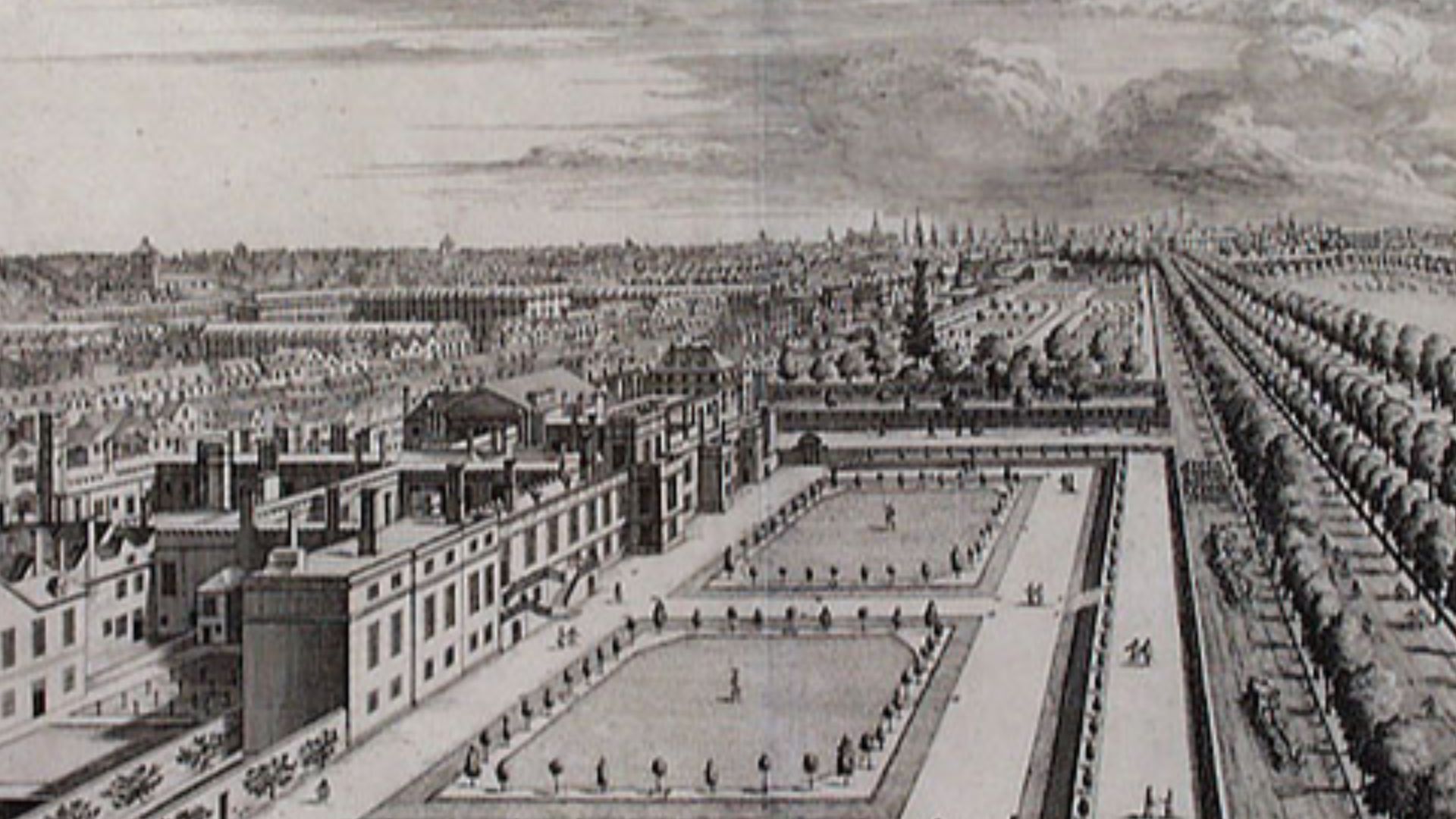
In 1525, at just six years old, Henry FitzRoy received his own London residence: Durham House on the Strand. For an illegitimate son, he lived a comfortable lifestyle, replete with lavish quarters, a growing retinue, and every comfort a young nobleman could want. For all intents and purposes, the king was raising him as a prince of the blood.
 Screenshot from Henry VIII: The Tyrant King, Tudor Productions (2023)
17. He Became A Knight At Six
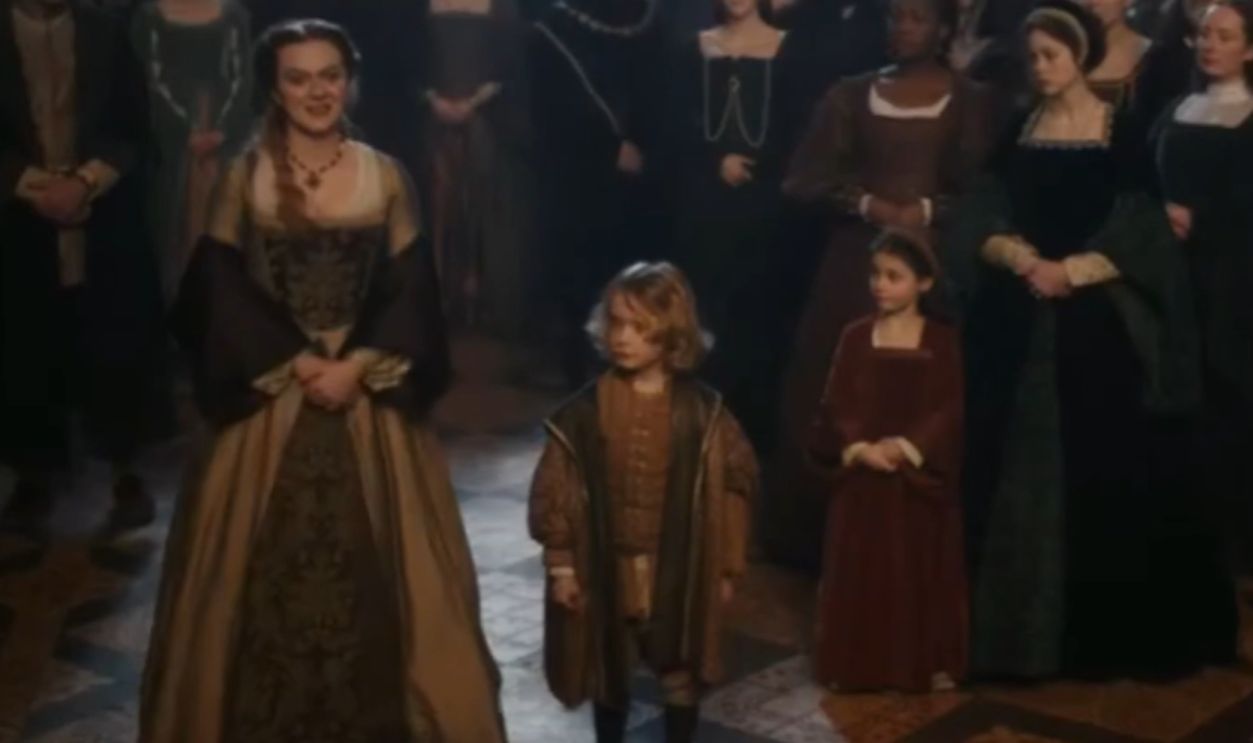
FitzRoy’s elevation began in earnest in June of 1525. On the seventh of that month, the six-year-old was elected Knight of the Garter—one of England’s most prestigious orders of chivalry—and formally installed on June 25th. Then, 11 days later, he traveled to Bridewell Palace, where even grander honors awaited him.
 Screenshot from The Spanish Princess, Lionsgate (2019-2020)
18. He Arrived By Royal Barge
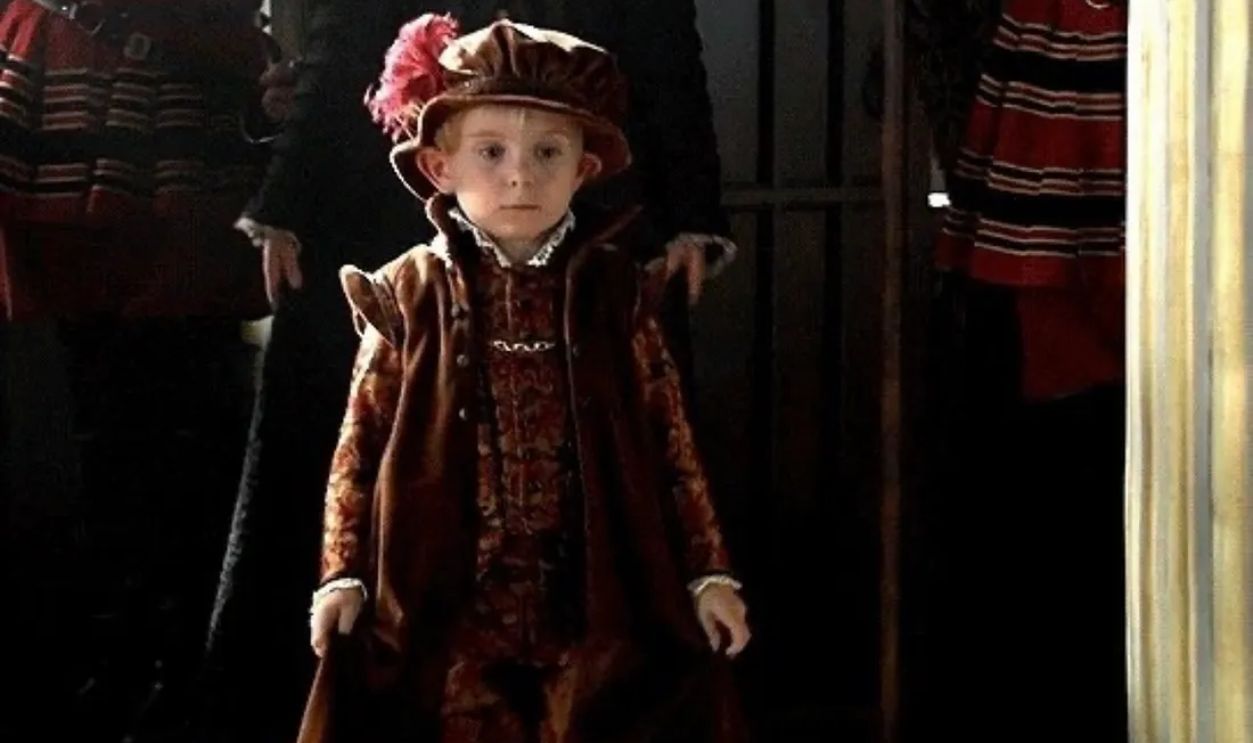
On June 18, 1525, Henry FitzRoy traveled by barge from Wolsey’s Durham Place near Charing Cross down the Thames to Bridewell Palace. It was quite an entrance—but what followed was even more notable. At Bridewell Palace, before the entire court, Henry VIII named his son Earl of Nottingham and then bestowed on him a double dukedom: Richmond and Somerset.
At just six years old, FitzRoy had become the highest-ranking nobleman in England.
 Screenshot from The Tudors, Sony Pictures Television (2007–2010)
19. His Ceremony Was A Spectacle
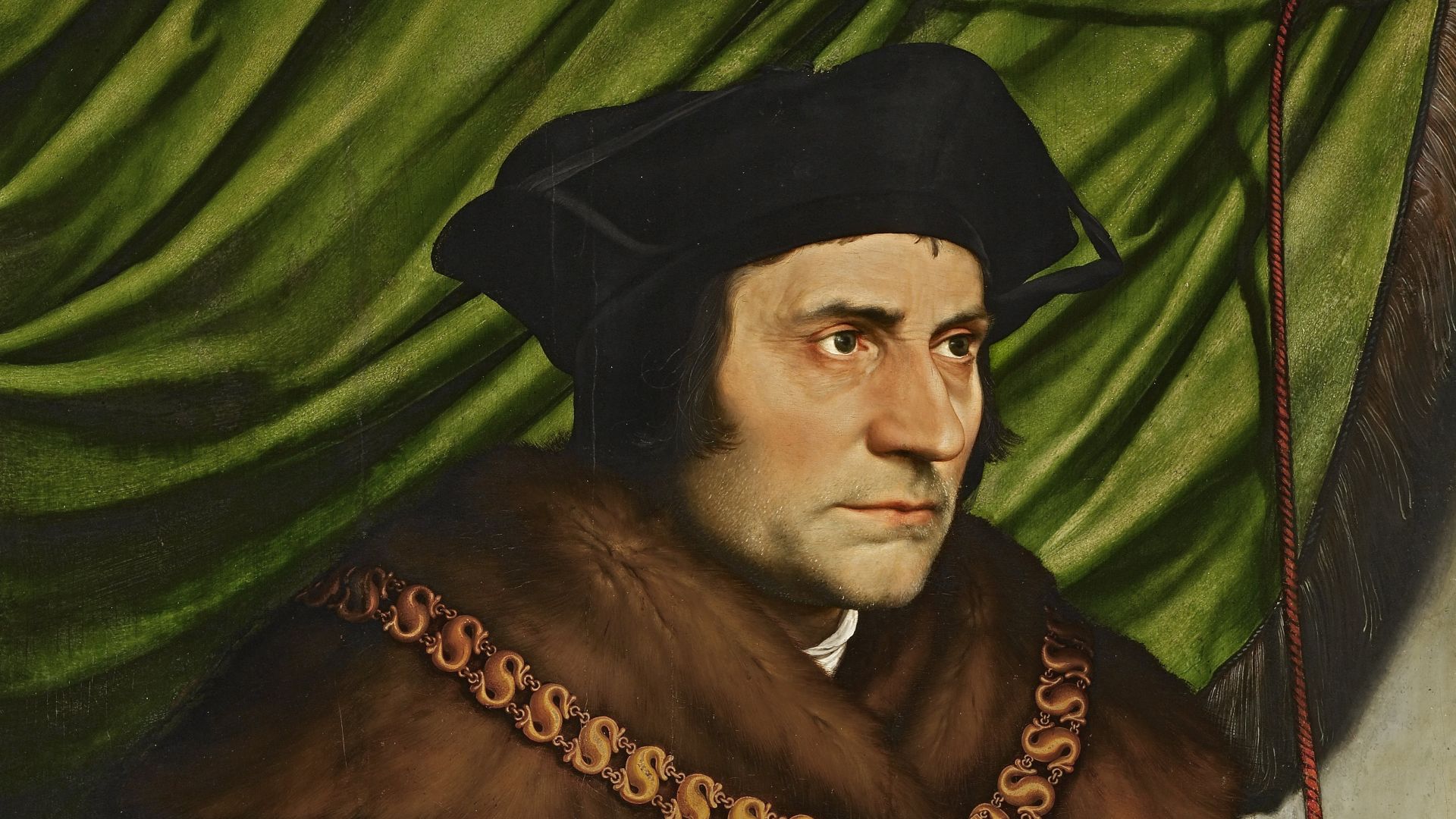
FitzRoy’s arrival at court had all of the other noblemen at his service. For the earldom, Henry Percy, 5th Earl of Northumberland, carried the sword of state. The 14th Earl of Oxford and the 18th Earl of Arundel stood in attendance. And Sir Thomas More read out his new patents of nobility. But the ceremony wasn’t over.
 Hans Holbein the Younger, Wikimedia Commons
20. He He Ducal Robes
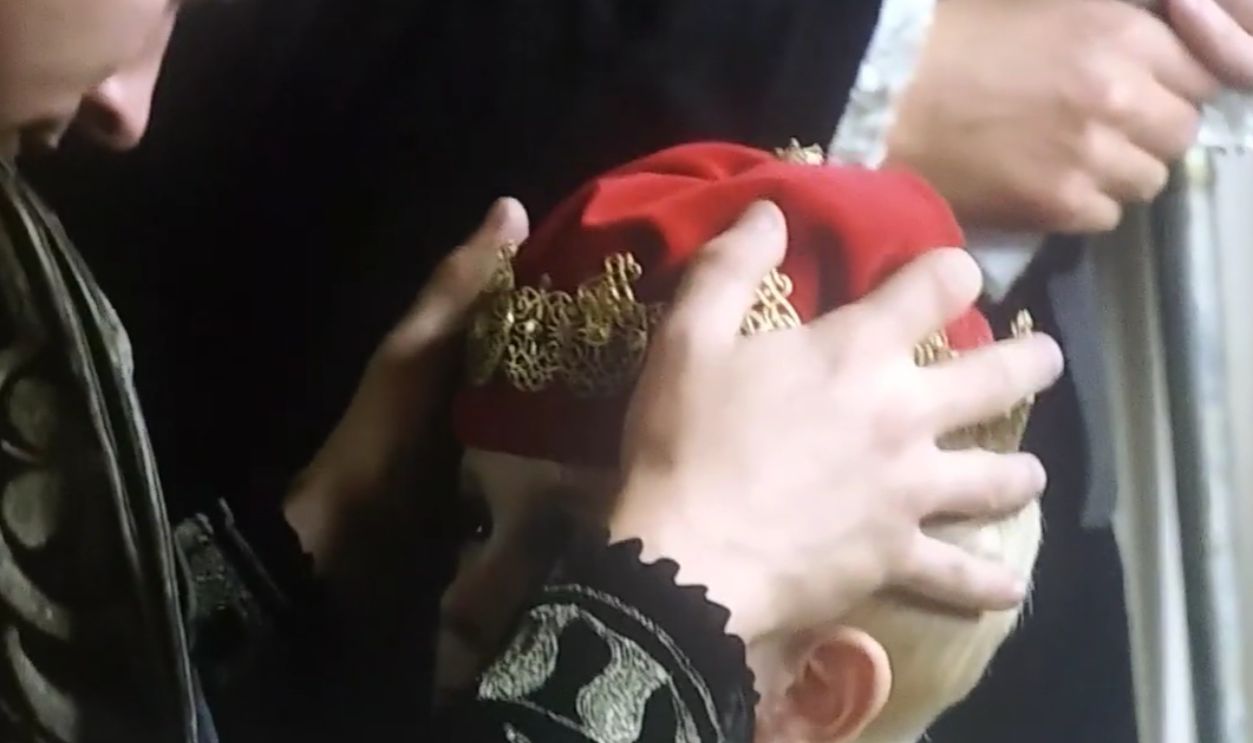
FitzRoy’s ducal ceremony had the entire court scurrying around him. Northumberland carried his robes. The Marquess of Dorset bore the sword. The Earl of Arundel held the cap of estate with its circlet, while the Earl of Oxford carried a rod of gold. Once the patent was read, FitzRoy was invested with all the regalia of a duke.
A particularly special duke.
 Screenshot from The Tudors, Sony Pictures Television (2007–2010)
21. He Made History
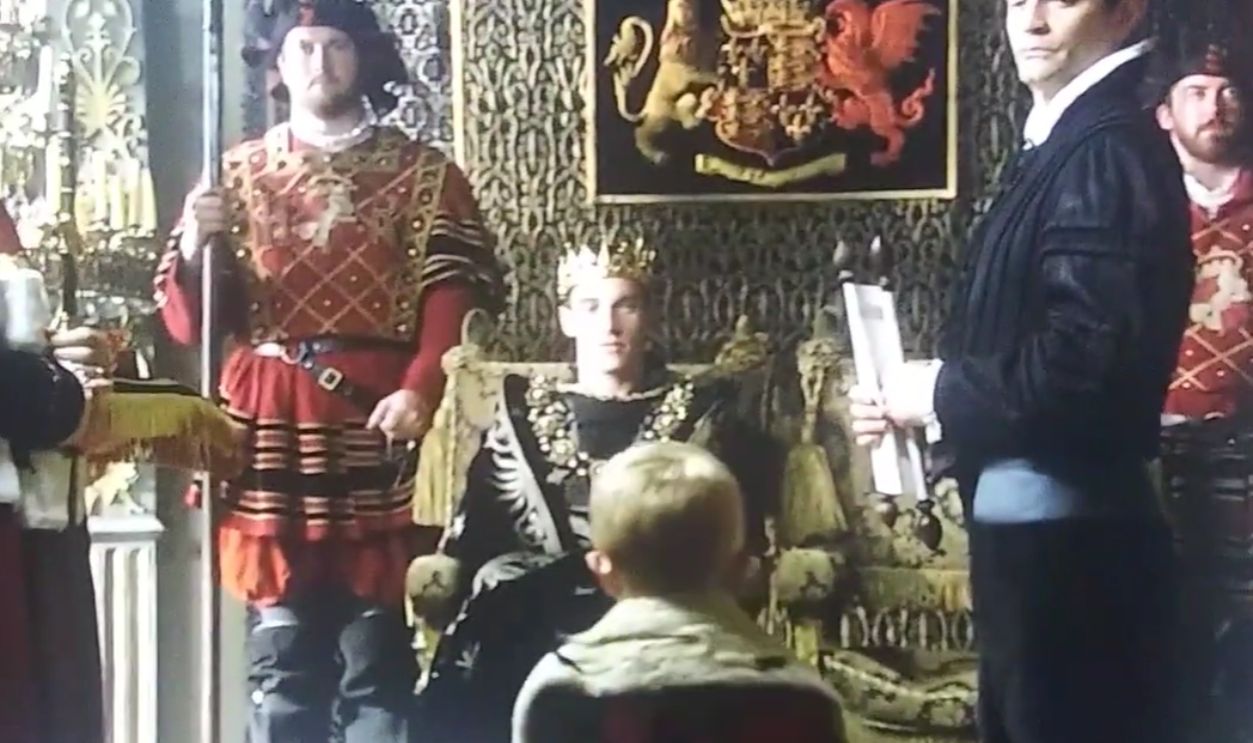
FitzRoy’s new titles had no precedent in living memory. No other illegitimate son had been raised to the English peerage since the 12th century, when Henry II named his own illegitimate son, William, Earl of Salisbury. FitzRoy didn’t just match that honor, he surpassed it. Henry VIII gave him a double dukedom, something no illegitimate son, except for him, could ever say.
 Screenshot from The Tudors, Sony Pictures Television (2007–2010)
History's most fascinating stories and darkest secrets, delivered to your inbox daily.
22. His Titles Carried A Hidden Message
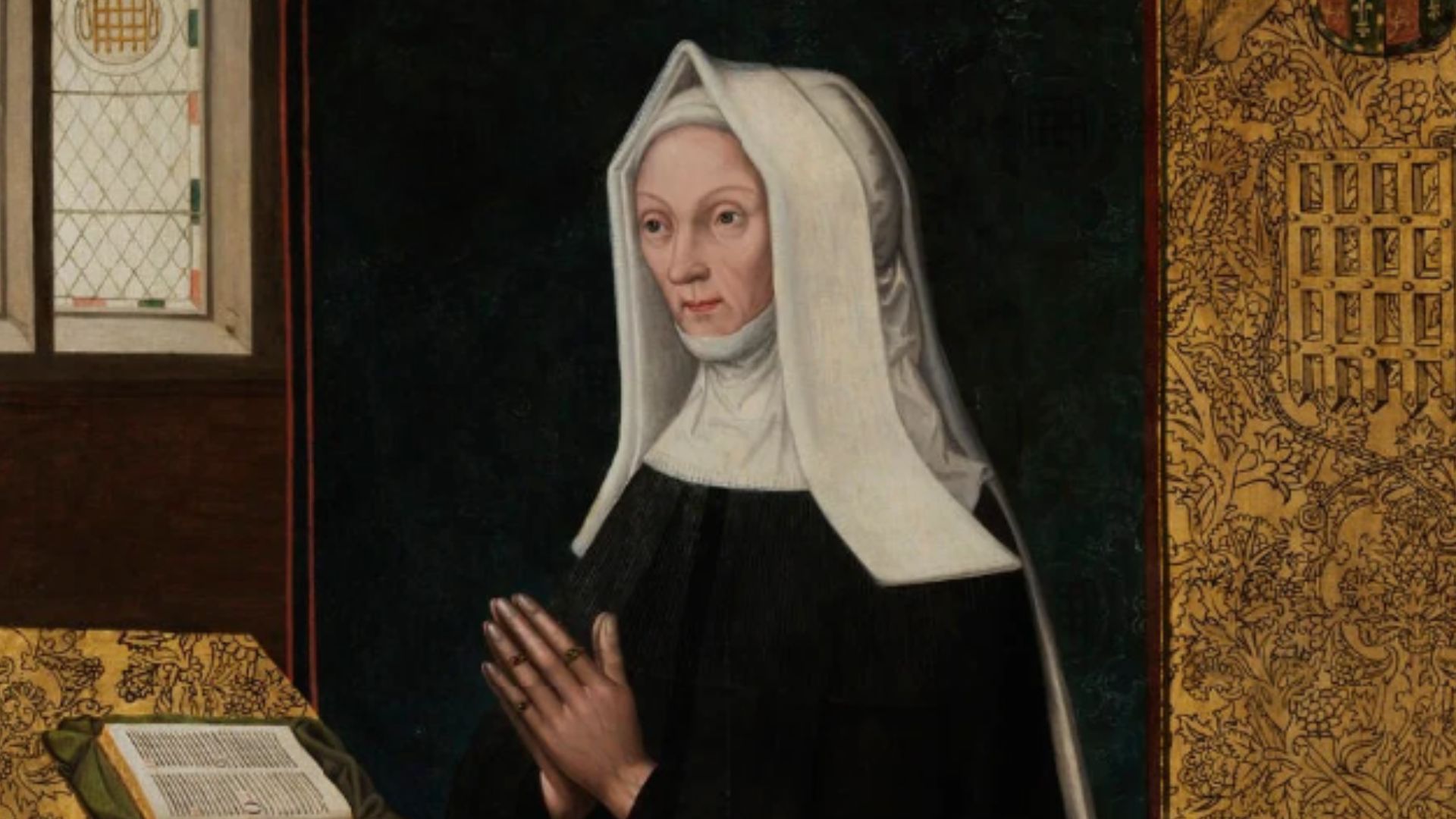
The double dukedom wasn’t just ceremonial—it was a genealogical statement. “Richmond” had belonged to Henry VII. “Somerset” had belonged to John Beaufort, the 1st Duke of Somerset and father of Margaret Beaufort, the Tudor matriarch. By combining both titles, Henry VIII tied FitzRoy directly to the Tudor and Beaufort bloodlines.
The message was unmistakable.
 Meynart Weywyck, Wikimedia Commons
22. He Was “Right High”
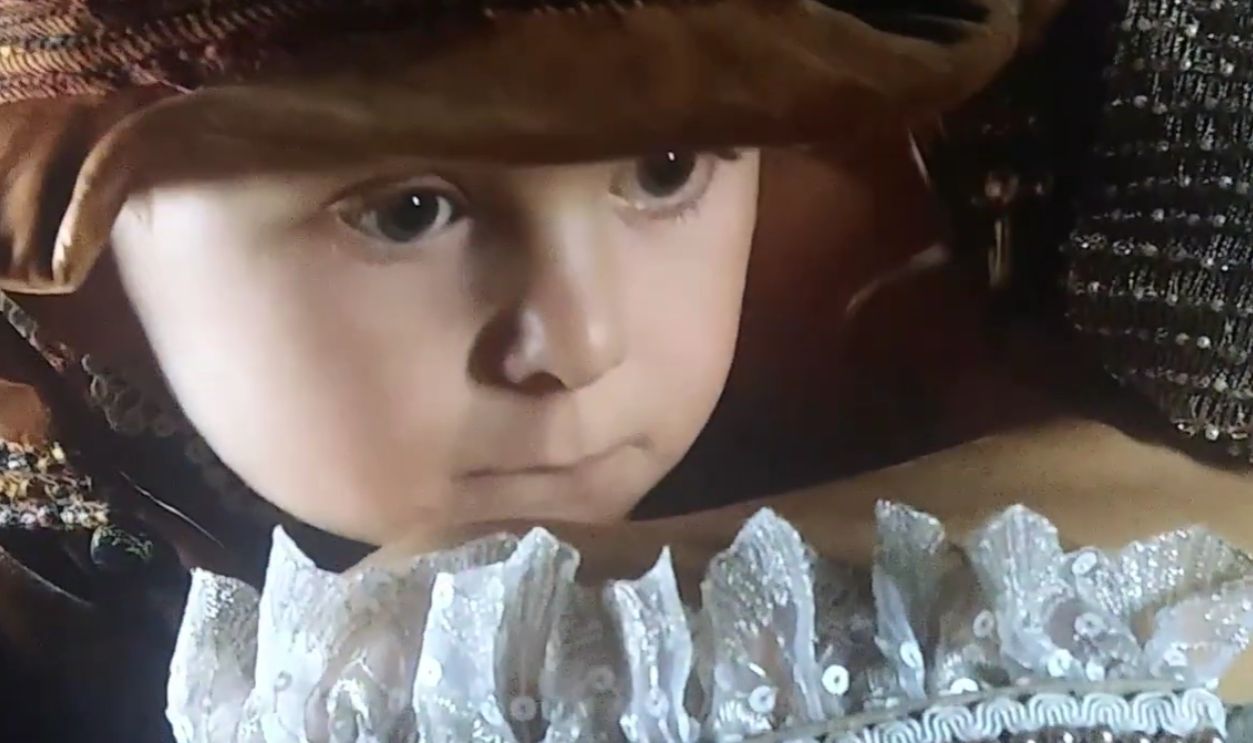
After his elevation, FitzRoy’s official correspondence carried a new title: “the right high and noble Prince Henry, Duke of Richmond and Somerset”. The language was no accident. Henry VIII wanted the world to know that, legitimate or not, FitzRoy was his son—and, quite possibly, the future king. He just needed some land to go along with those titles.
 Screenshot from The Tudors, Sony Pictures Television (2007–2010)
24. He Inherited His Grandmother’s Lands
To back up the titles with real wealth and influence, Henry VIII granted Henry FitzRoy much of Margaret Beaufort’s estate. The lands included the rightful inheritance of Henry VII as Earl of Richmond and the holdings of John Beaufort, Duke of Somerset. FitzRoy, at six years old, was now one of the wealthiest men in England.
25. His Titles Hinted At Legitimacy
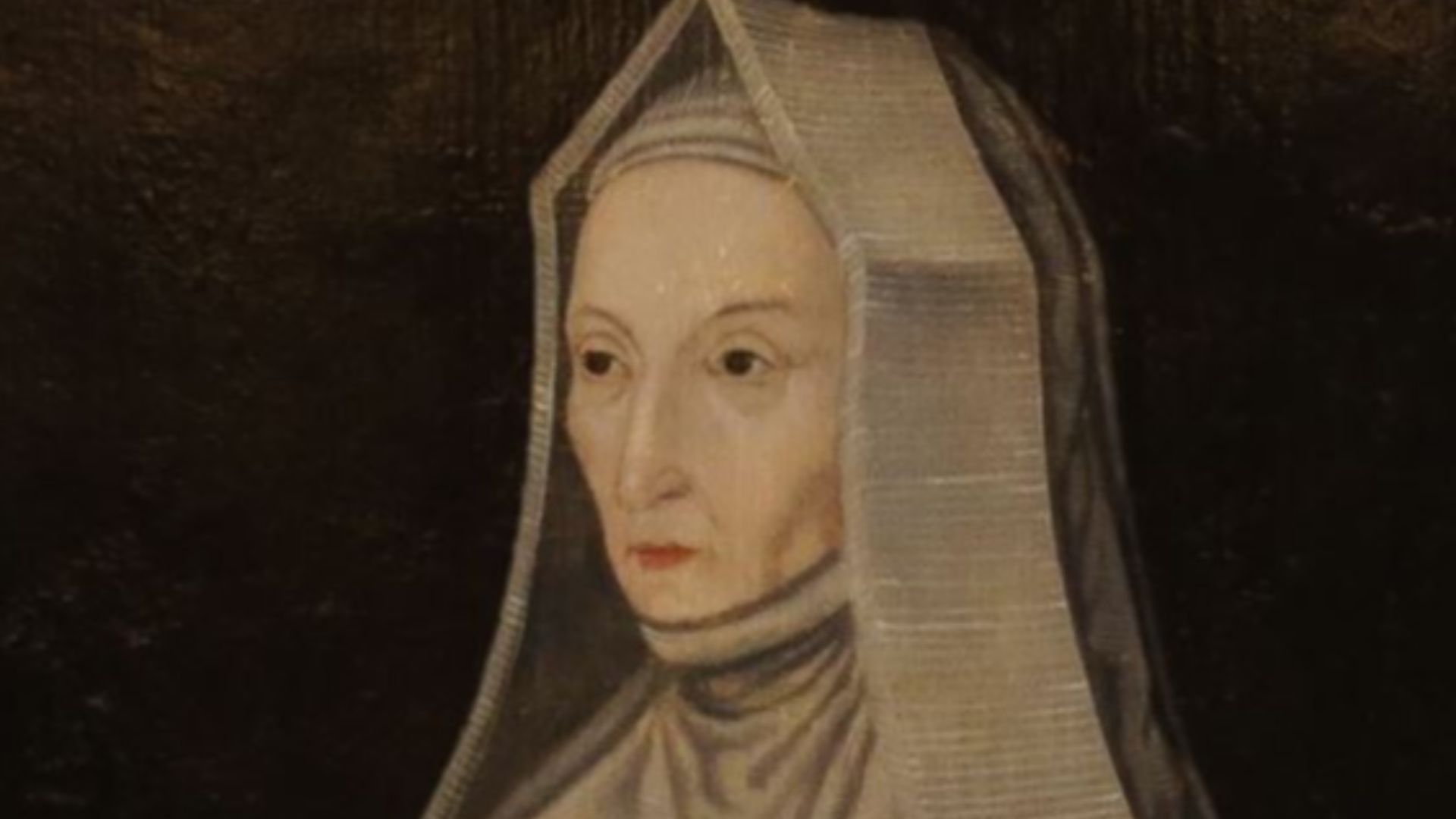
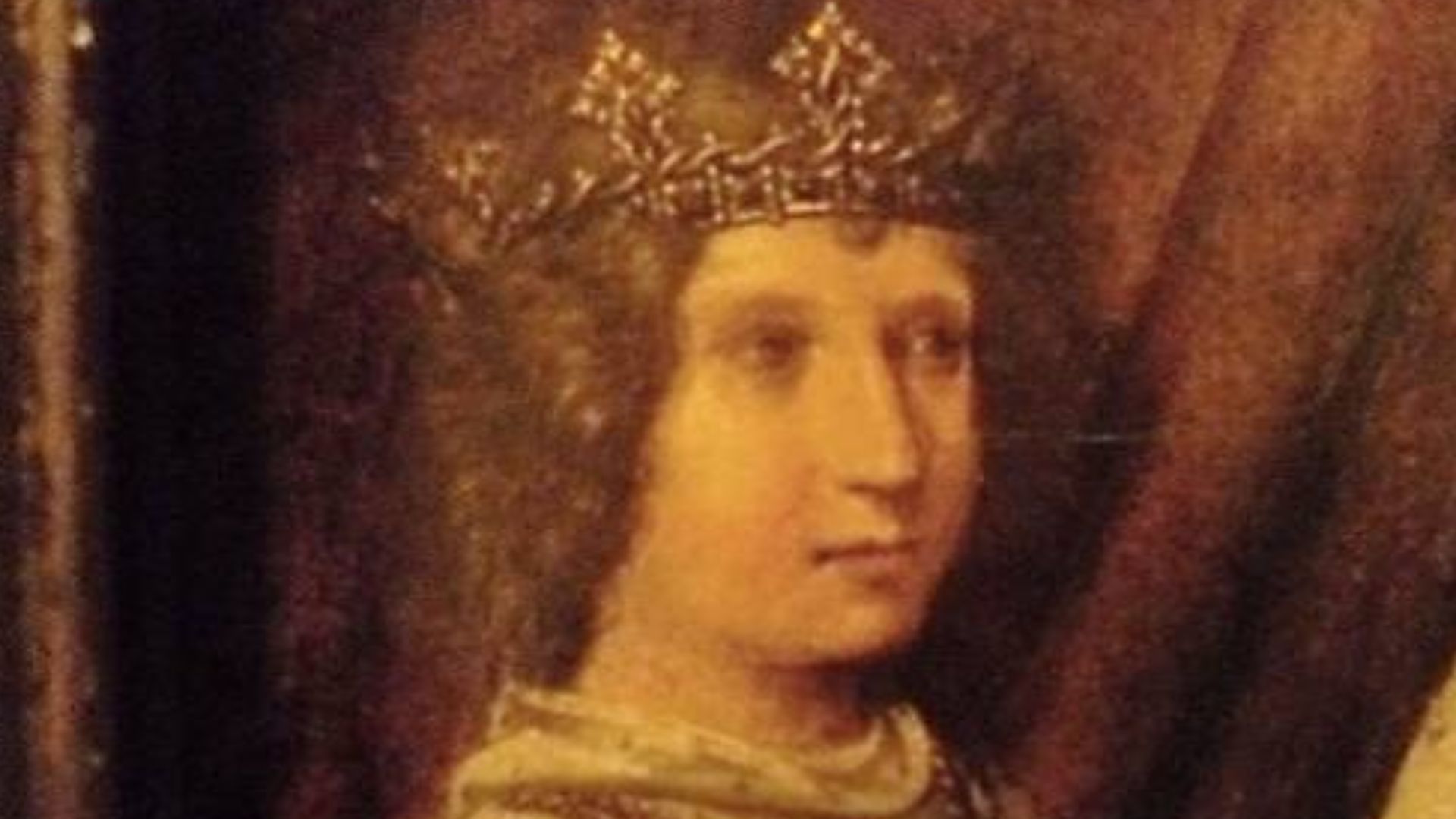
The Richmond title carried a deeper significance that few could miss. Both Henry VII and Edmund Tudor had previously held the title of Richmond. The Beaufort connection was a strategic move on Henry VIII’s part to show that an illegitimate branch of the royal family could, in time, be made legitimate. FitzRoy’s titles practically spelled out a roadmap to the throne.
 Unknown authorUnknown author, Wikimedia Commons
26. His Father Threw Him A Party
As titles and land weren’t enough, Henry VIII gave Henry FitzRoy another big gift: a staggering royal salary of £4,845 per year. After the ceremony, the king threw lavish feasts complete with “disguises” (the Tudor term for costumed entertainments). For one day at least, the six-year-old duke was the center of the English universe.
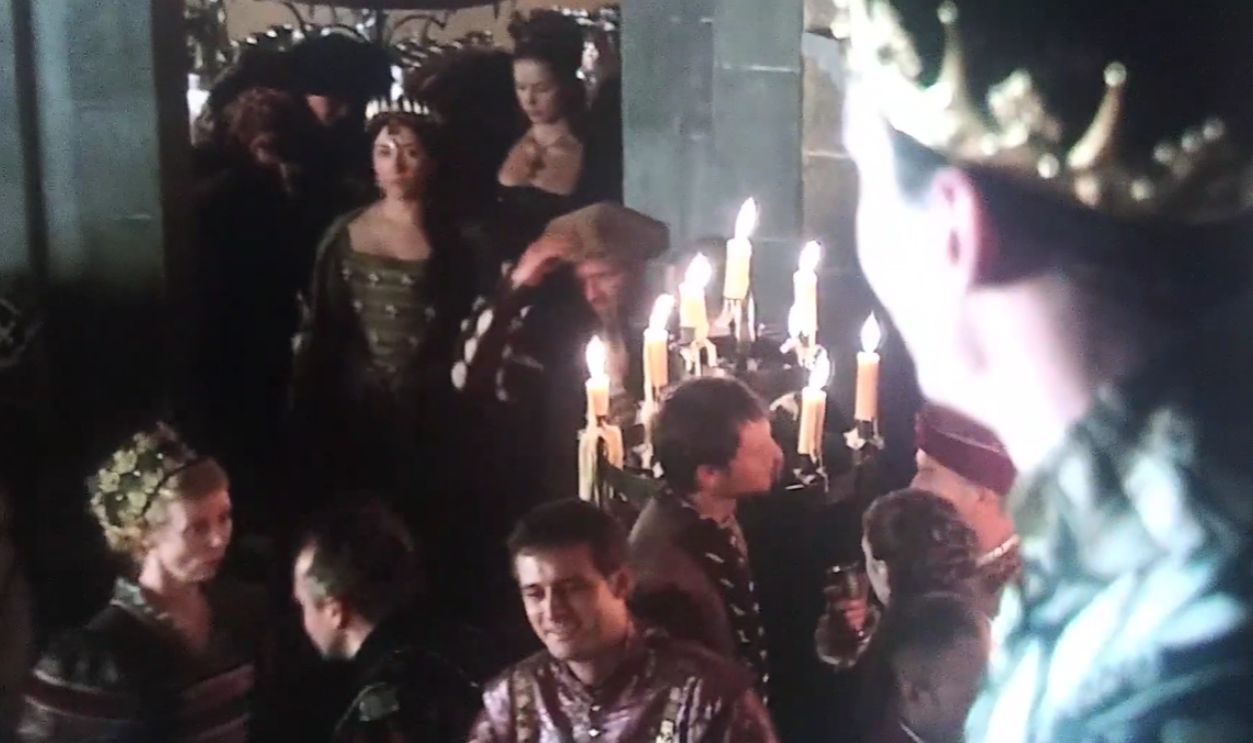 Screenshot from The Tudors, Sony Pictures Television (2007–2010)
27. He Held Titles He Couldn’t Use
FitzRoy’s new titles, lands, and salary came with some responsibilities—none of which he was even old enough to pronounce. His new offices included Lord High Admiral of England, Lord President of the Council of the North, Warden of the Marches towards Scotland, Governor of Carlisle. The offices effectively gave FitzRoy control over northern England.
In practice, FitzRoy held them in name only. He was, after all, still six.
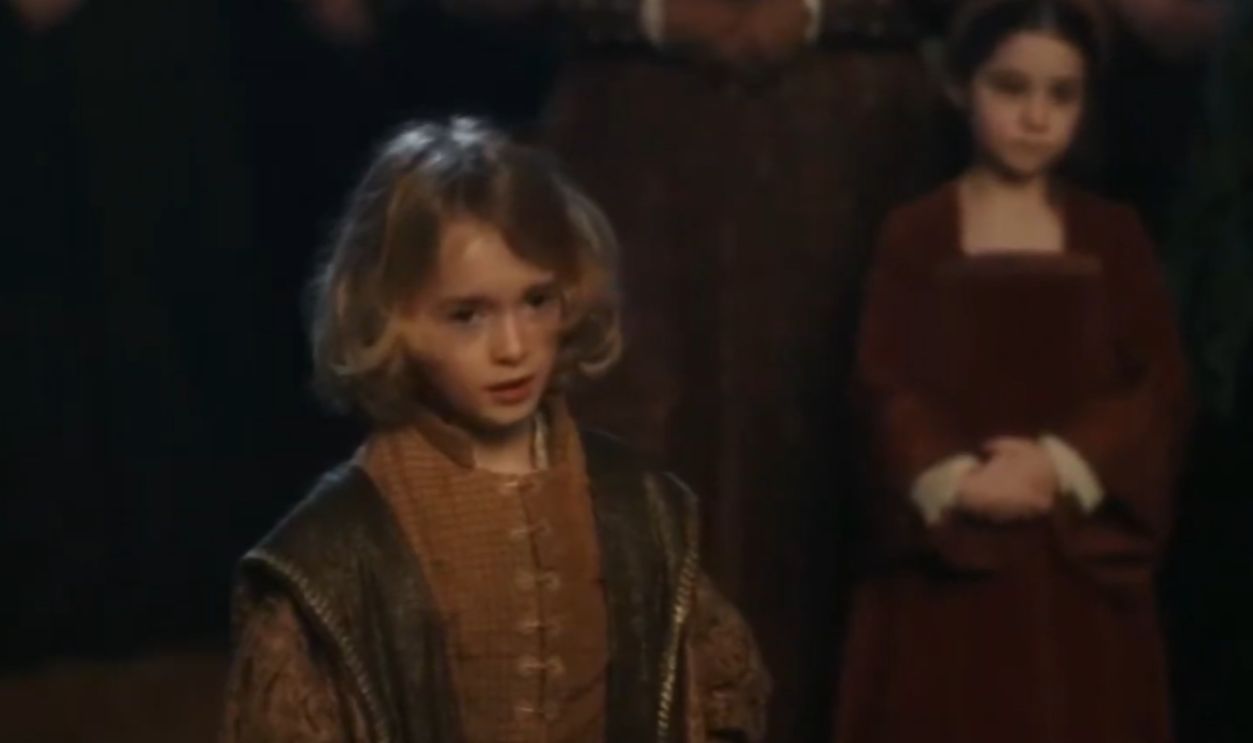 Screenshot from The Spanish Princess, Lionsgate (2019-2020)
History's most fascinating stories and darkest secrets, delivered to your inbox daily.
28. He Was Raised Like A Prince In The North
After his big promotions, FitzRoy went to Sheriff Hutton Castle in Yorkshire. There, he continued living like a prince with a full household and even a comptroller, Sir Thomas Tempest, overseeing his affairs. While it might have looked like an exile from court to some, it was, in fact, a carefully constructed princely court of his own.
And FitzRoy knew how to use it.
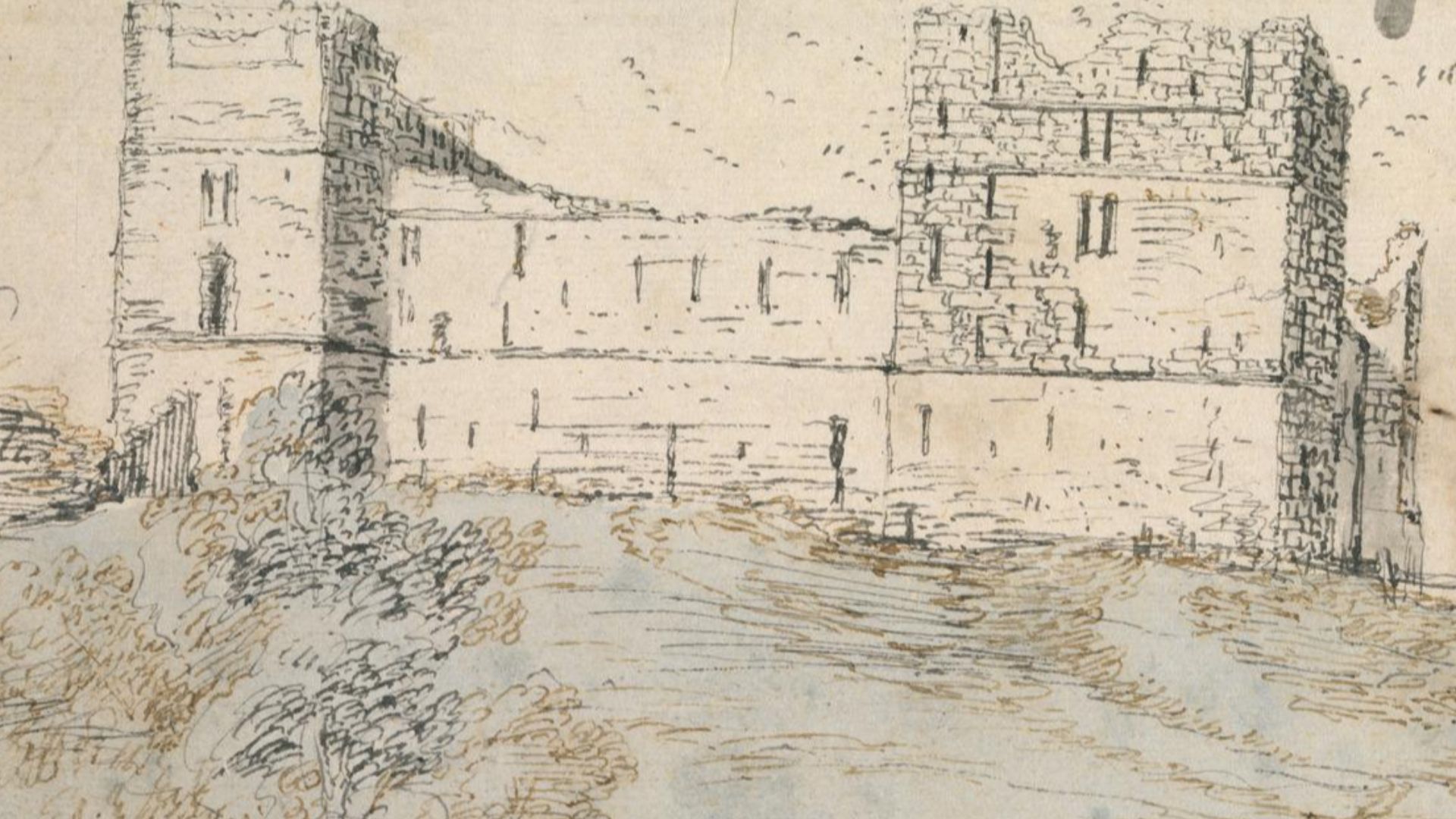 Francis Place, Wikimedia Commons
29. He Charmed A King With Hounds
Even as a child, Henry FitzRoy had a gift for diplomacy. In February 1527, he learned through Thomas Magnus that his first cousin, King James V of Scotland, wanted hunting dogs. FitzRoy, seeing an opportunity to make allies, obliged. He sent 20 hounds and a huntsman across the border, gaining favor with a foreign monarch. He clearly had a skill.
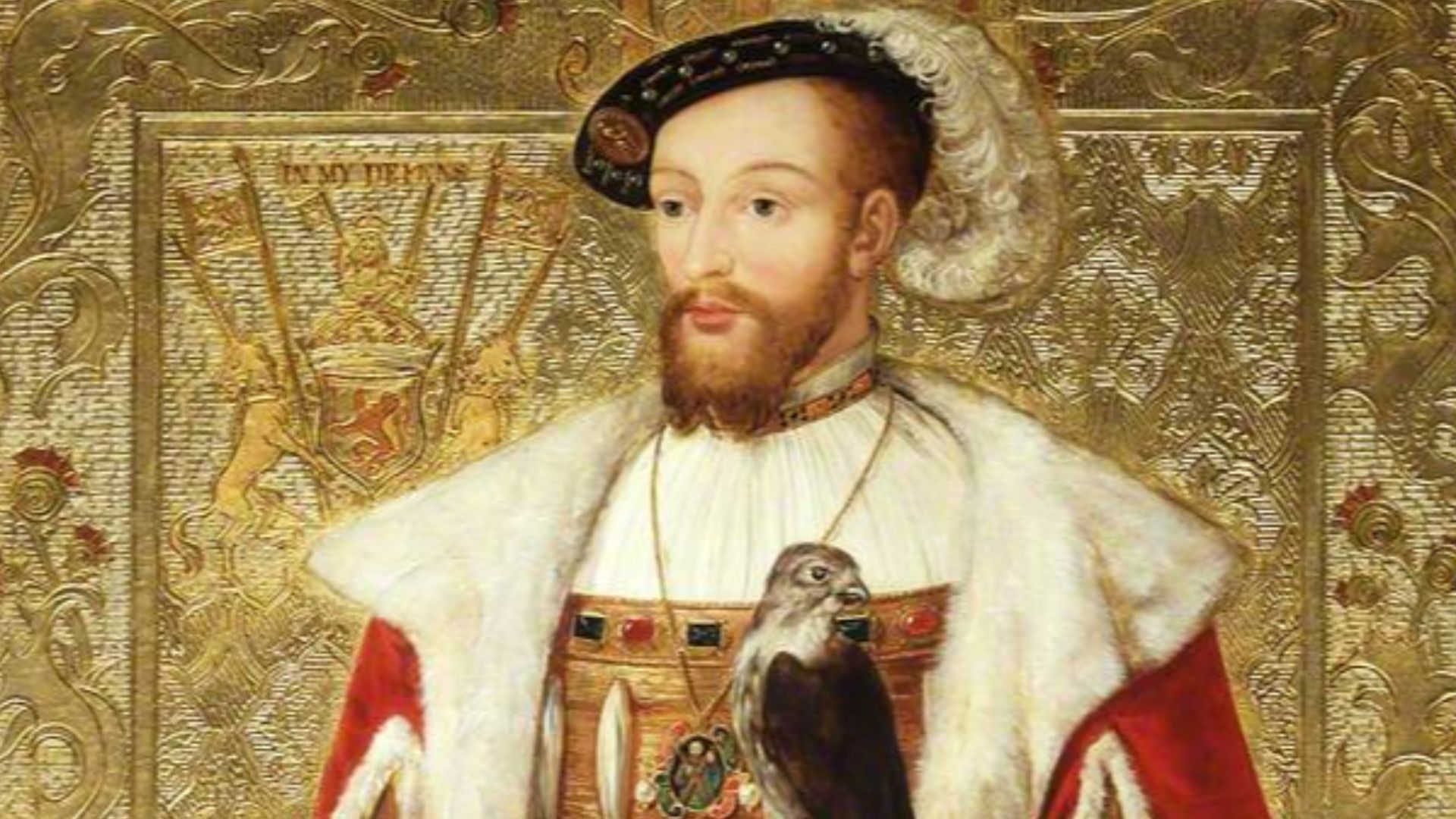 Richard Burchett, Wikimedia Commons
30. He Was Nearly Crowned King Of Ireland
In June of 1529, FitzRoy got another appointment to go along with all of his others: Lord-Lieutenant of Ireland. And that’s not where it ended. Behind closed doors, there were serious discussions about outright making FitzRoy the King of Ireland. It seemed like a perfect plan that would have cemented his rise, though some believed it was elevating him too high.
With dangerous consequences.
 Screenshot from The Spanish Princess, Lionsgate (2019-2020)
31. His Kingdom Would Have Been Too Dangerous
The reason the Irish crown never landed on FitzRoy’s head was strategic, not personal. The king’s counsellors worried that a separate Irish kingdom, ruled by anyone other than the English monarch, could become a rival power, the same way Scotland already was. Their caution eventually led to the Crown of Ireland Act of 1542, which bound the English and Irish crowns together permanently.
 Screenshot from The Tudors, Sony Pictures Television (2007–2010)
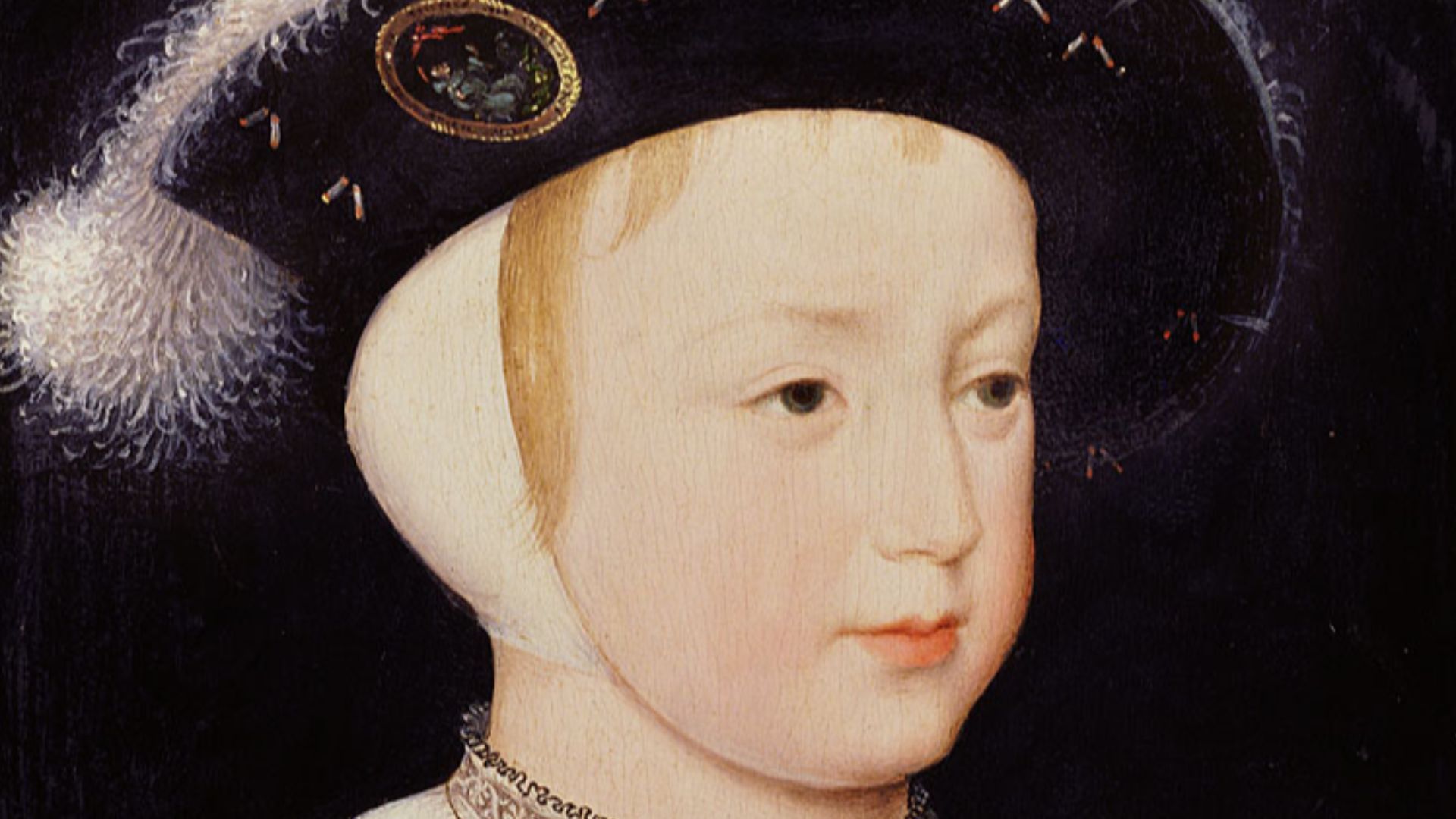
32. He Lived With The French Princes
In October of 1532, Henry VIII crossed the Channel to meet King Francis I of France and he brought FitzRoy along with him. As part of the diplomatic negotiations, FitzRoy joined the French court for a time, living alongside Dauphin Francis and his younger brother, the future Henry II. Even if only for a handful months, FitzRoy lived like a French prince.
 Jean Clouet, Wikimedia Commons
33. He Almost Married His Own Sister
Despite FitzRoy’s elevation, Henry VIII’s succession crisis continued. When the king sought to annul his union with Catherine of Aragon, someone proposed that FitzRoy should marry his own half-sister, Princess Mary, to strengthen his claim to the throne. The pope, reportedly, was even willing to grant an exception for the match but the plan fell flat.
 Screenshot from The Spanish Princess, Lionsgate (2019-2020)
History's most fascinating stories and darkest secrets, delivered to your inbox daily.
34. His Never Consummated His Marriage
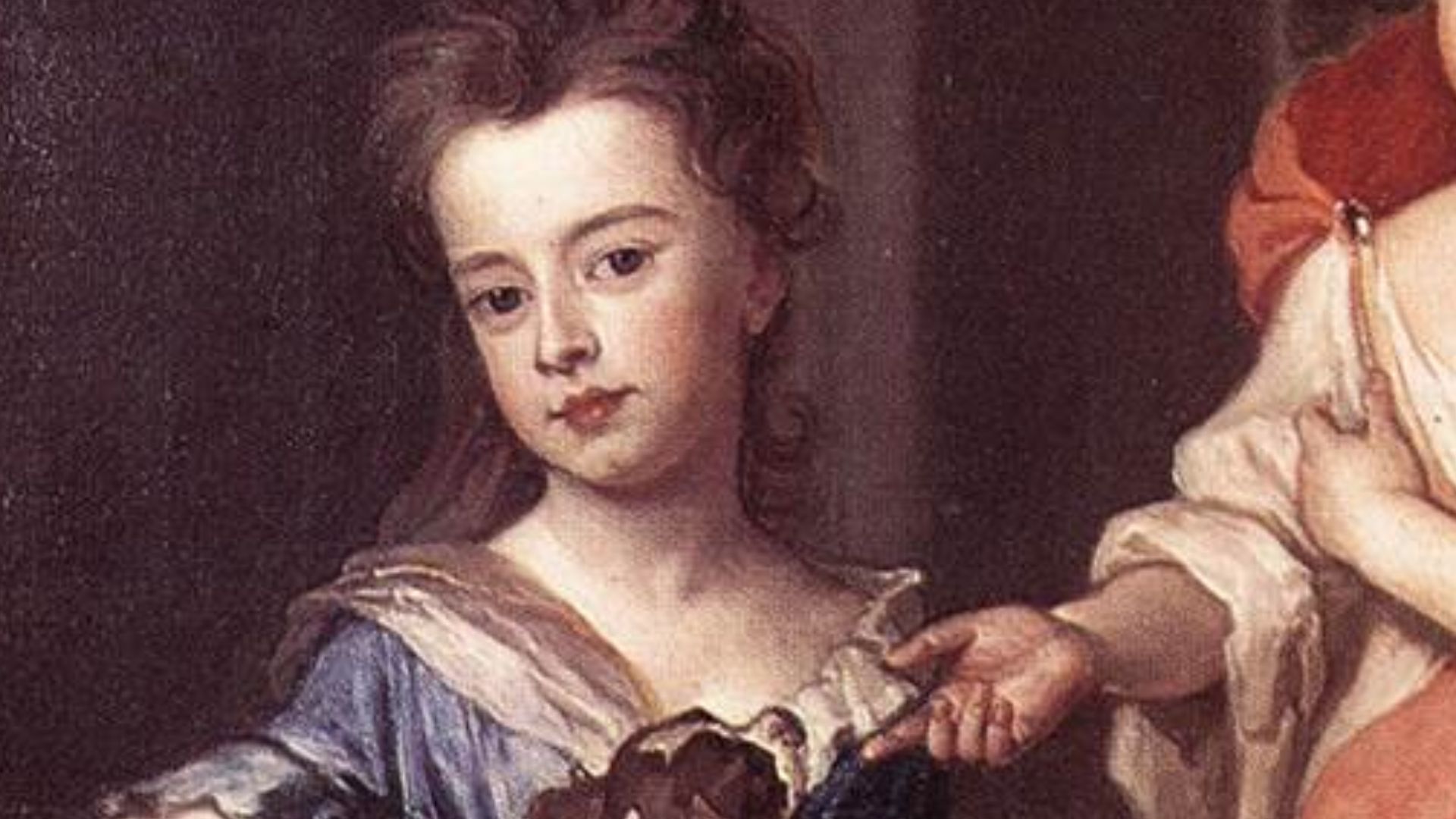
Instead of his half-sister, Henry FitzRoy married Lady Mary Howard on November 28, 1533 when he was 14. She was the only daughter of Thomas Howard, 3rd Duke of Norfolk, and FitzRoy got along famously with his new brother-in-law, the poet Henry Howard, Earl of Surrey. But the marriage, for reasons never fully explained, was never consummated.
 Godfrey Kneller, Wikimedia Commons
35. He Was One Law Away From The Throne
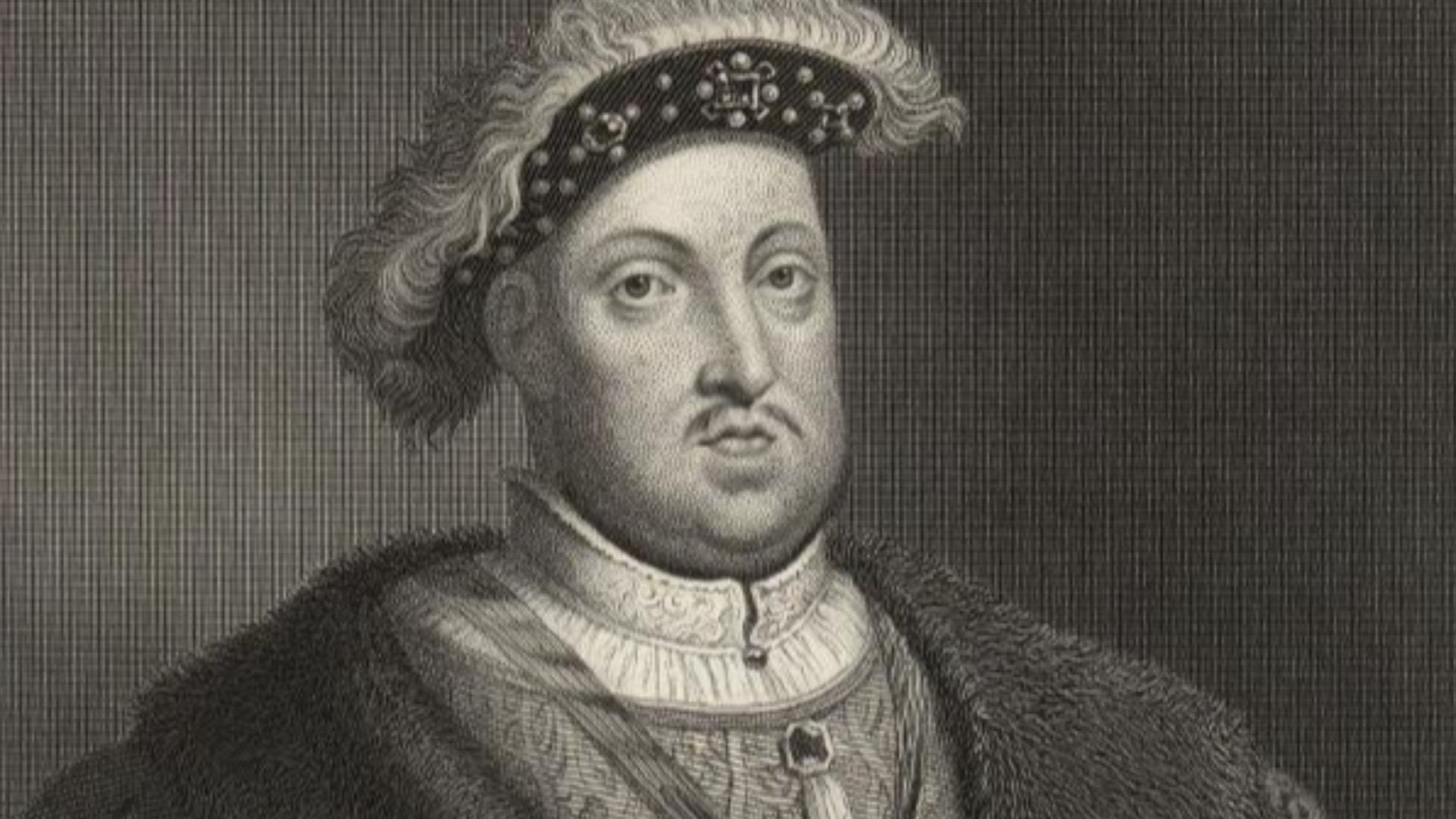
As FitzRoy’s prominence and power rose, Parliament was drafting the Second Succession Act. The statute would have allowed Henry VIII to disinherit Elizabeth and, crucially, give him the power to name his successor regardless of legitimacy. Parliament was still working out the details when FitzRoy upended the succession plan all on his own.
 William Holl, Wikimedia Commons
36. He May Never Have Been Named Heir
The Second Succession Act would have allowed FitzRoy to ascend to the throne. That much was clear. However, no concrete evidence survives that clearly shows that Henry VIII ever intended to declare FitzRoy his heir. Whether he was waiting for the right moment or never planned to at all, nobody knows. And it wouldn’t matter anyway.
 Screenshot from The Tudors, Sony Pictures Television (2007–2010)
37. His Own Doctors Gave Up On Him
On July 8, 1536, the Imperial ambassador Eustace Chapuys sent a chilling report. He confirmed that Henry VIII had passed a statute allowing him to choose his successor, but added that FitzRoy would never benefit from it. The reason? FitzRoy, Chapuys claimed, was consumptive, and his physicians considered him beyond saving.
 Screenshot from The Spanish Princess, Lionsgate (2019-2020)
38. His Decline Was Sudden
The speed of FitzRoy’s deterioration caught everyone off guard. Chronicler Charles Wriothesley noted that the duke had grown sickly by July 1536. But biographer Beverley A Murphy points out that records show FitzRoy active and apparently well as late as April and May of that year, with no one remarking on his health at all.
Whatever happened, happened fast.
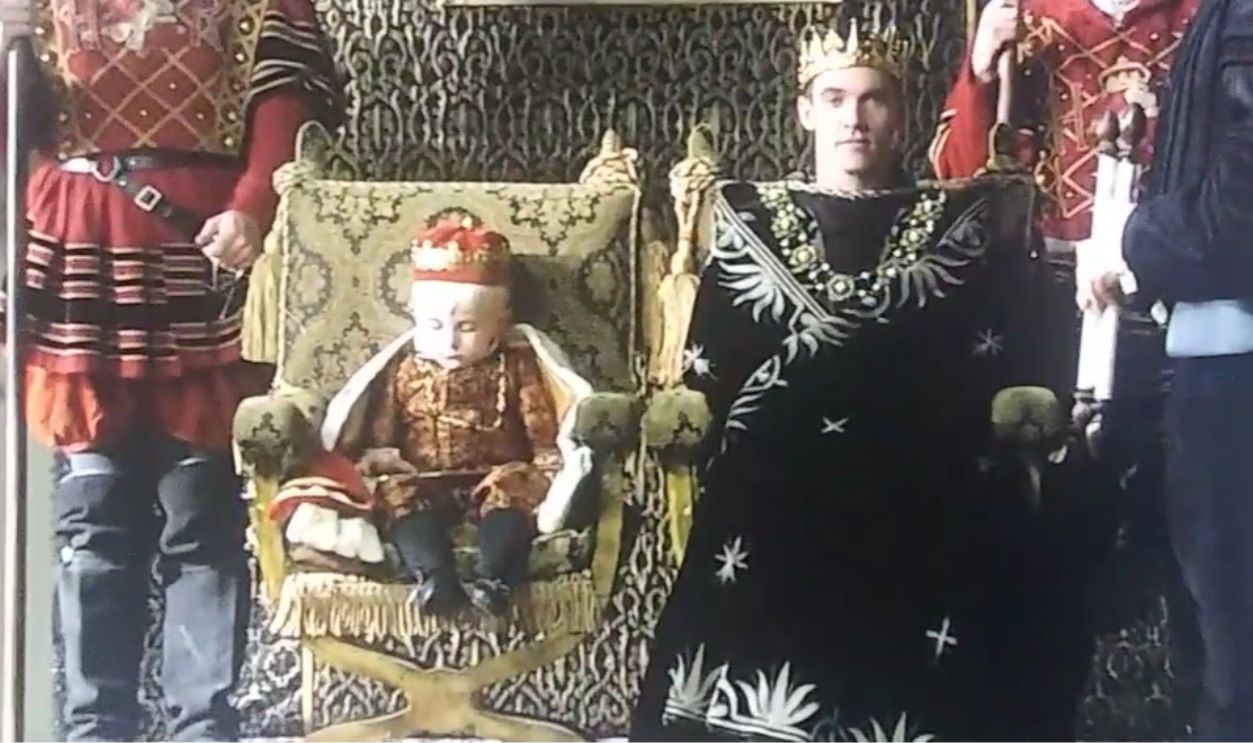 Screenshot from The Tudors, Sony Pictures Television (2007–2010)
39. He Met His End At Seventeen
Despite the conflicting reports, by July of 1536, the record shows that Henry FitzRoy was certainly suffering from “consumption”—the catch-all term for tuberculosis or any other severe lung ailment. Whatever his illness, he only lasted weeks. On July 23, 1536, at St James’ Palace, Henry VIII’s only acknowledged son breathed his last.
He was roughly 17 years old.
History's most fascinating stories and darkest secrets, delivered to your inbox daily.
40. His Cause Of Passing Remains Unclear
Even five centuries later, nobody can say with certainty what claimed FitzRoy’s life and deprived him of a likely crown. The records describe his condition as “consumption,” but the precise diagnosis is lost to time. Despite the suddenness of his passing and severity of his illness, no records exist to suggest that there was foul play.
 Screenshot from The Spanish Princess, Lionsgate (2019-2020)
41. His Illness Has Baffled Historians
Over the centuries, scholars have proposed every explanation imaginable for FitzRoy’s demise. Some pointed to a genetic disorder inherited from the Tudor line. A few have even floated the possibility of the plague. But most settled on the simplest explanation: tuberculosis. His funeral, however, suggested that it may have been something serious.
42. His Funeral Was Small And Hasty
FitzRoy’s father-in-law, Thomas Howard, ordered the body wrapped in lead and transported in a sealed cart for a discreet burial. His servants, however, had other ideas. They loaded FitzRoy’s remains onto a straw-filled wagon instead, and only two attendants trailed behind at a distance. Whether because of his illegitimacy or fear of contagion from his corpse, it was not a funeral fit for a duke.
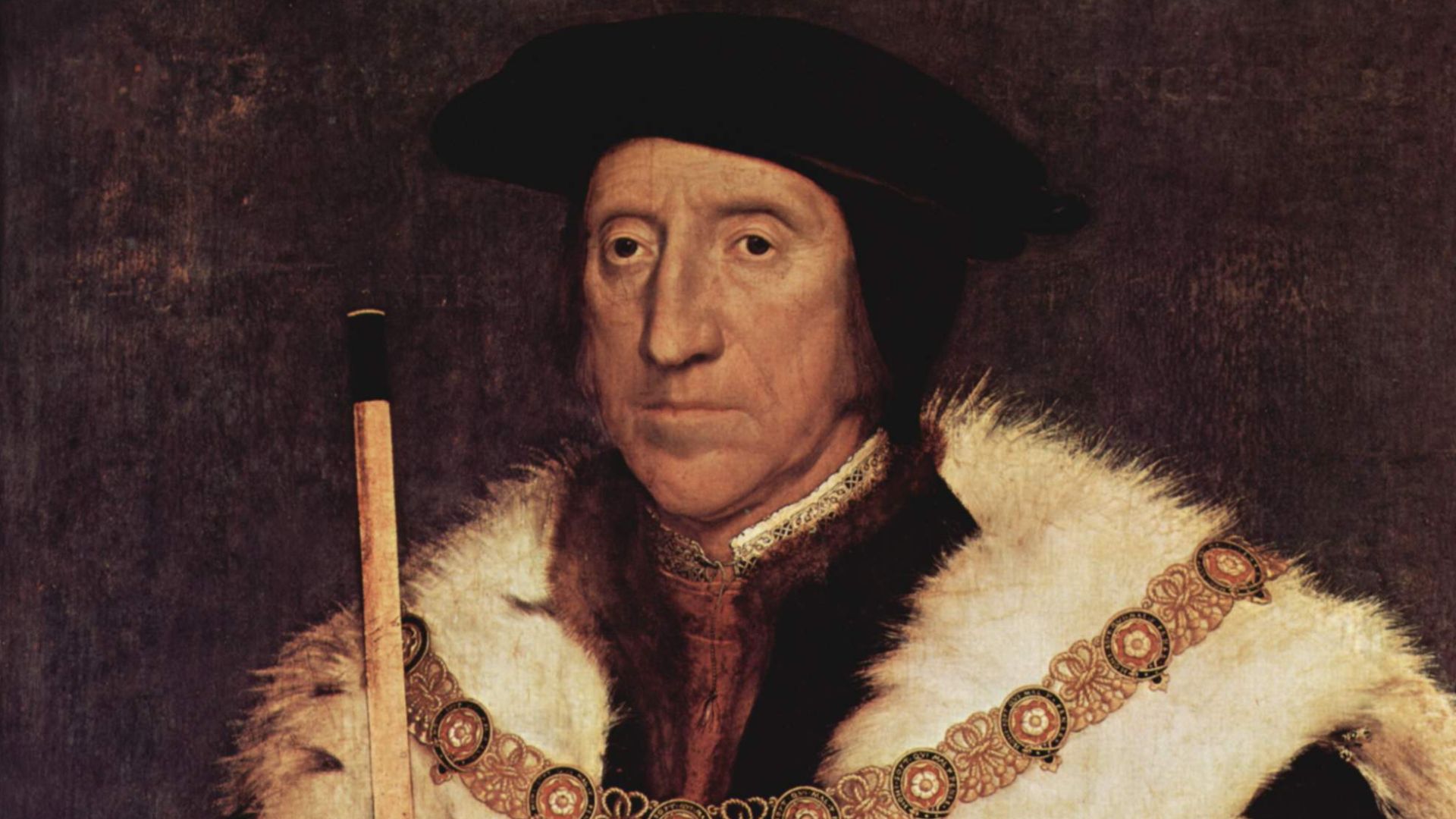 Hans Holbein the Younger, Wikimedia Commons
43. He Was Buried With His Wife’s Family
Despite all of his titles and acquired nobility, FitzRoy’s first resting place wasn’t next to his father’s ancestors, amongst kings and queens. Instead, he was buried at Thetford Priory in Norfolk, the mausoleum of the Howard family. He may well have rested there peacefully, but his quiet tomb was about to get disrupted.
![Thetford (Norfolk), ruins of 12th-century medieval Priory [not train station]](https://www.factinate.com/storage/app/media/factinate/2026/4/28/1777362773624.png)
44. His Grave Was Nearly Destroyed
In February of 1540, Henry VIII set out on a campaign against monasteries. As a result, his son’s resting place, Thetford Priory, was going to be demolished. Thomas Howard petitioned the king directly, begging him not to close the priory church where FitzRoy and Howard’s first wife, Anne of York, were interred. The plea failed. The king did, however, pause the dissolutions to allow families to relocate their relatives’ remains.
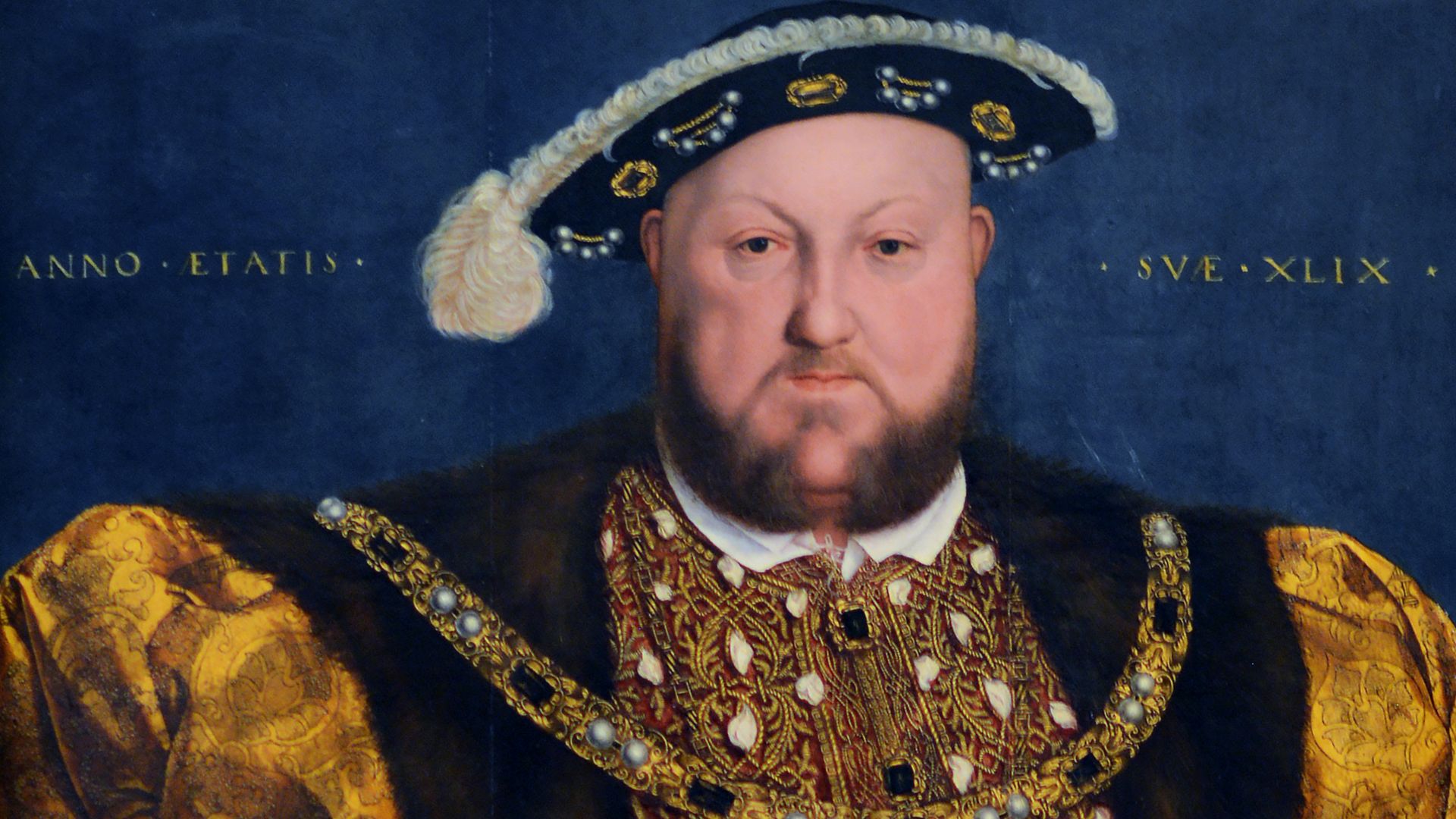 Hans Holbein the Younger, Wikimedia Commons
45. He Found A Home At Framlingham
After Henry VIII’s pause, Howard acted quickly. Before the king’s men gutted the priory, he transferred FitzRoy’s remains to the Church of St Michael the Archangel at Framlingham in Suffolk. It was a quieter, humbler resting place, even further removed from his regal lineage on his father’s side. It was, at least, a place where he could find peace.
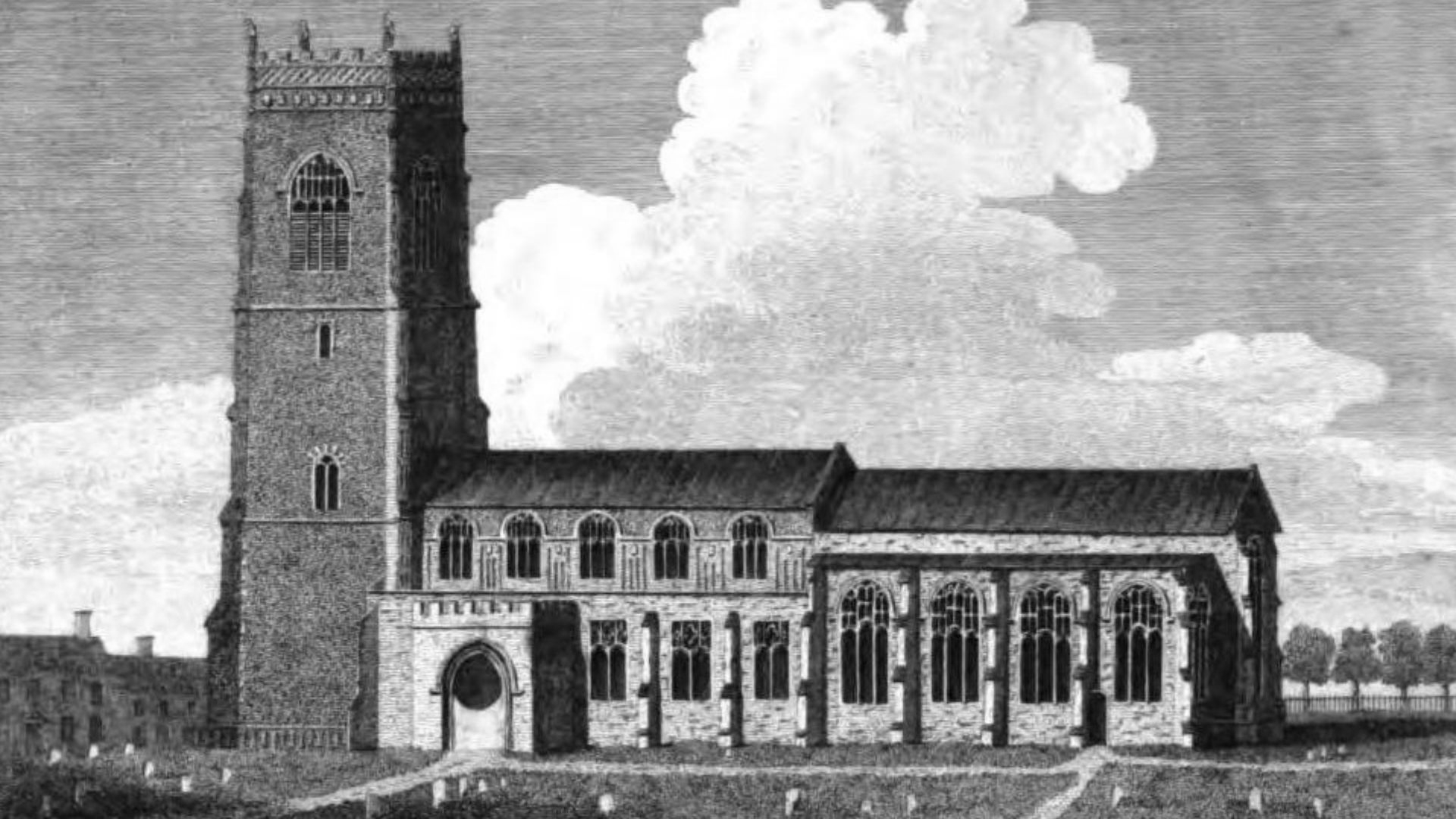 Robert Hawes, Robert Loder, Wikimedia Commons
History's most fascinating stories and darkest secrets, delivered to your inbox daily.
46. His Wife Joined Him In The End
Henry FitzRoy wasn’t alone in his grave forever. When Mary Howard passed on in December in 1557, she was laid to rest beside him at Framlingham. After more than two decades apart, husband and wife shared a tomb at last. The greatest irony, however, is that they had never consummated the marriage and so were likely laying next to each other for the first time…six feet under.
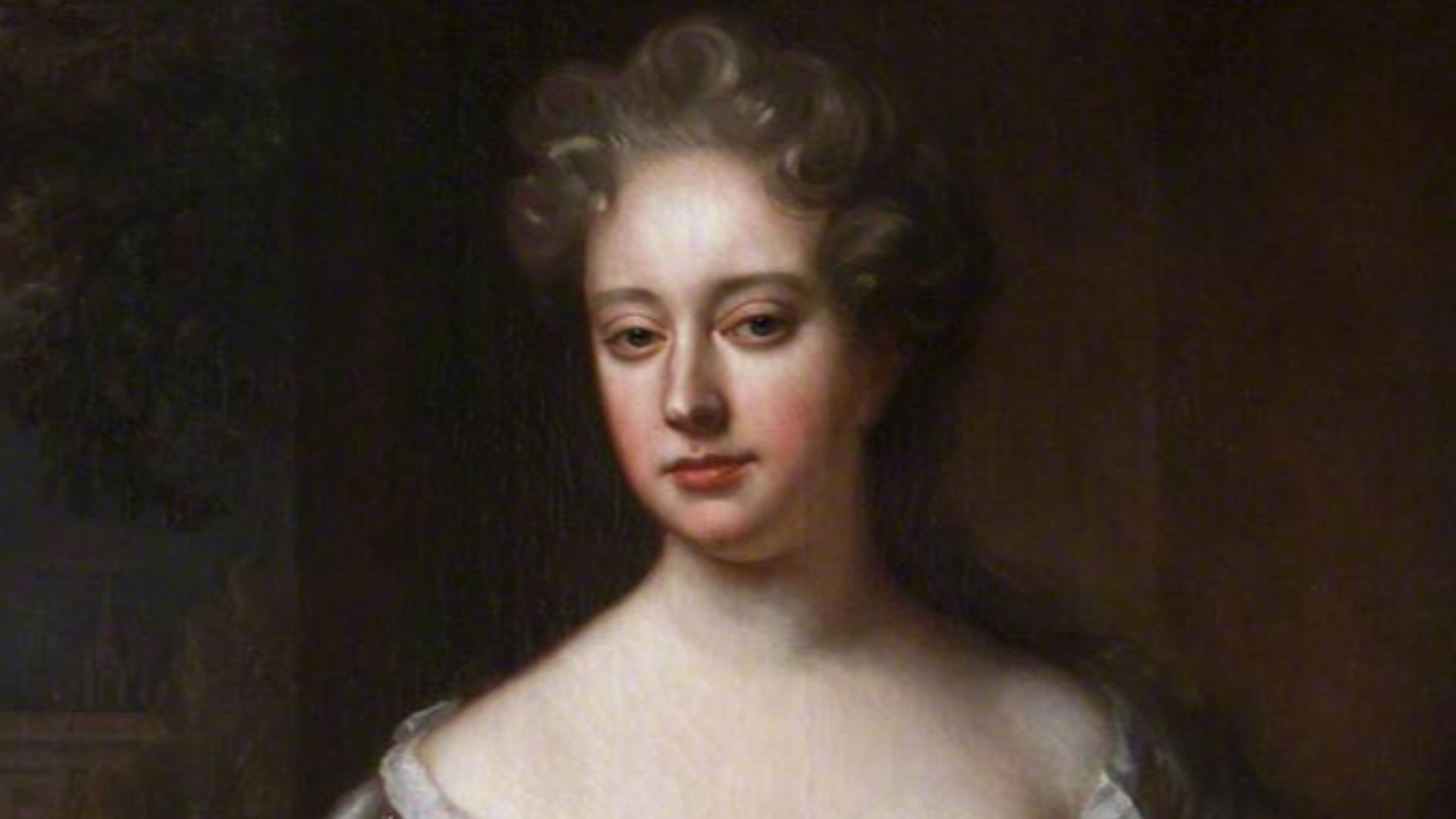
47. His Tomb Tells Two Stories
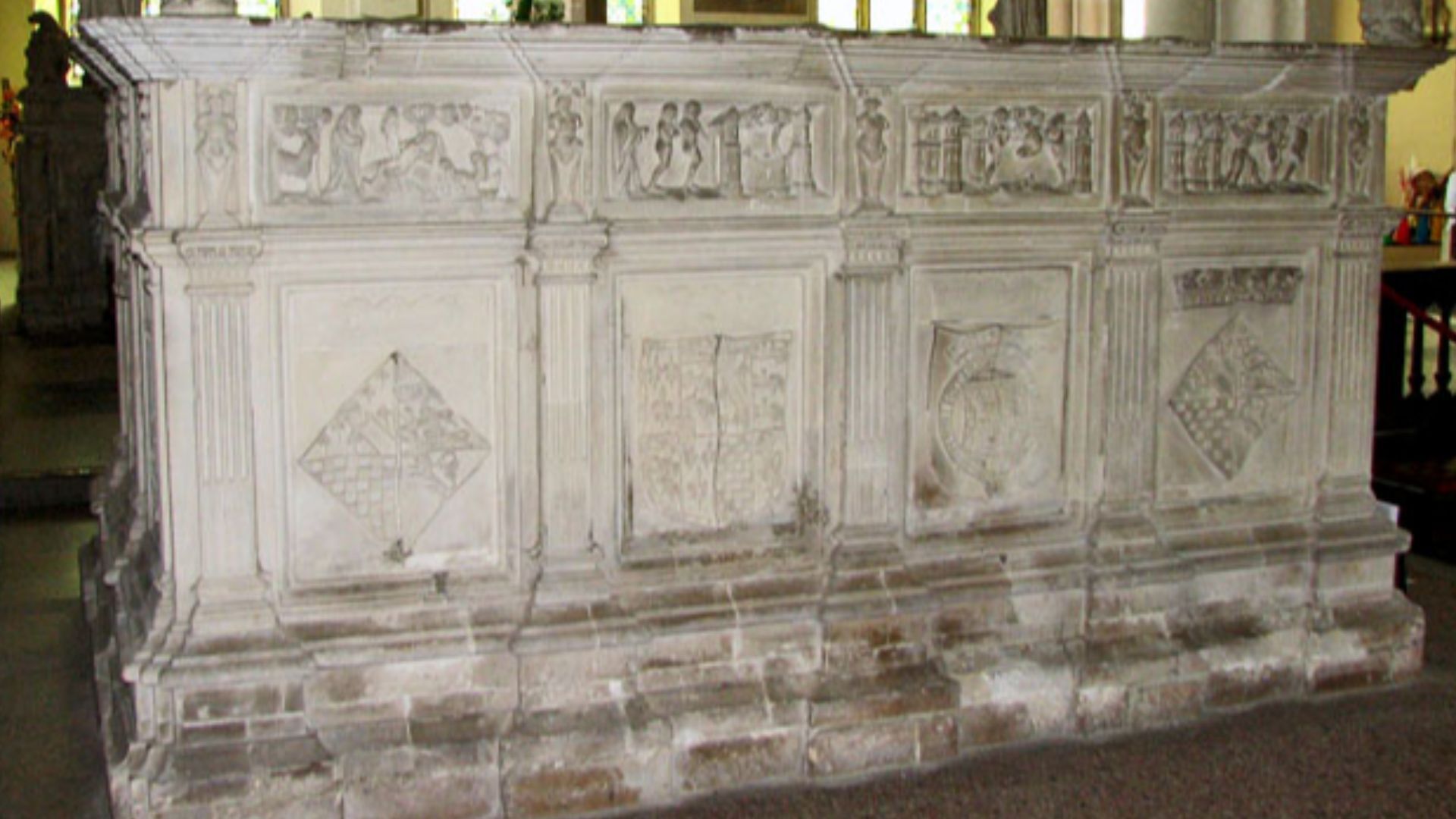
FitzRoy’s tomb at Framlingham is a monument to dual identity. His personal coat of arms sits encircled by the collar of the Order of the Garter and its noble motto, “Honi soit qui mal y pense” (“Evil be to him who thinks of evil”). Alongside the royal insignia, the tomb also bears the Howard family arms, a reminder that FitzRoy belonged to two great houses, yet was never fully part of either.
 Evelyn Simak, Wikimedia Commons
48. His Father Finally Got An Heir
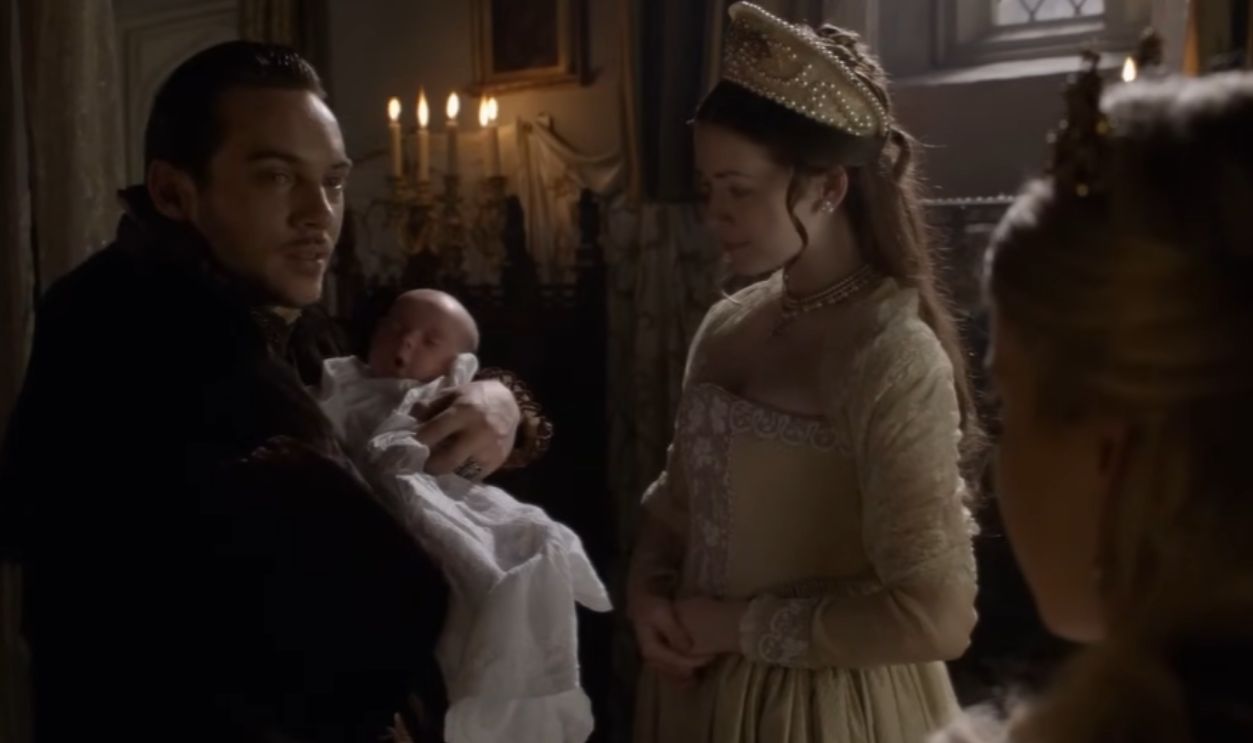
In 1537, barely a year after FitzRoy’s passing, Jane Seymour gave Henry VIII what he had always wanted—what he had tried to make out of FitzRoy: a legitimate son. Edward VI would inherit Henry VIII’s throne in 1547 after the late king passed on. The rest has become history, but, if FitzRoy had lived, it would have looked very different.
 Screenshot from The Tudors, Sony Pictures Television (2007–2010)
49. He Could Have Been Henry IX
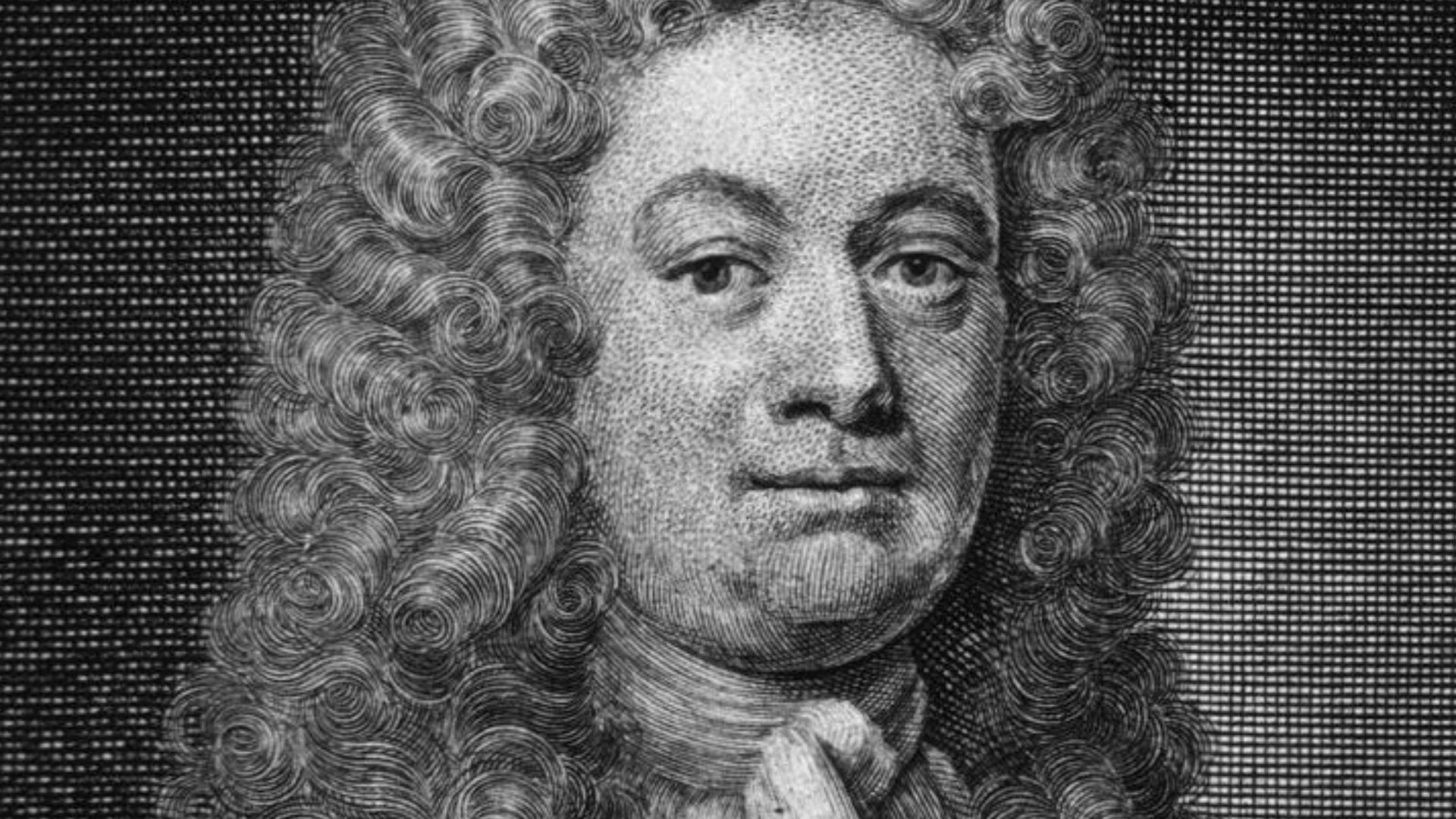
The 17th-century writer Thomas Fuller once mused that if Henry FitzRoy had outlived Edward VI, “we might presently have heard of a King Henry the Ninth.” It was more than idle speculation. Henry VIII had the affection and, thanks to the Second Succession Act, the legal power to make it happen. FitzRoy had the titles and the power and, for a brief moment, the momentum.
But history, as it so often does, had other plans.
 J. Tymewell, Wikimedia Commons
You May Also Like
Treasonous Facts About Perkin Warbeck, The Preposterous Pretender
Decadent Facts About The Tudors, History's Most Scandalous Dynasty