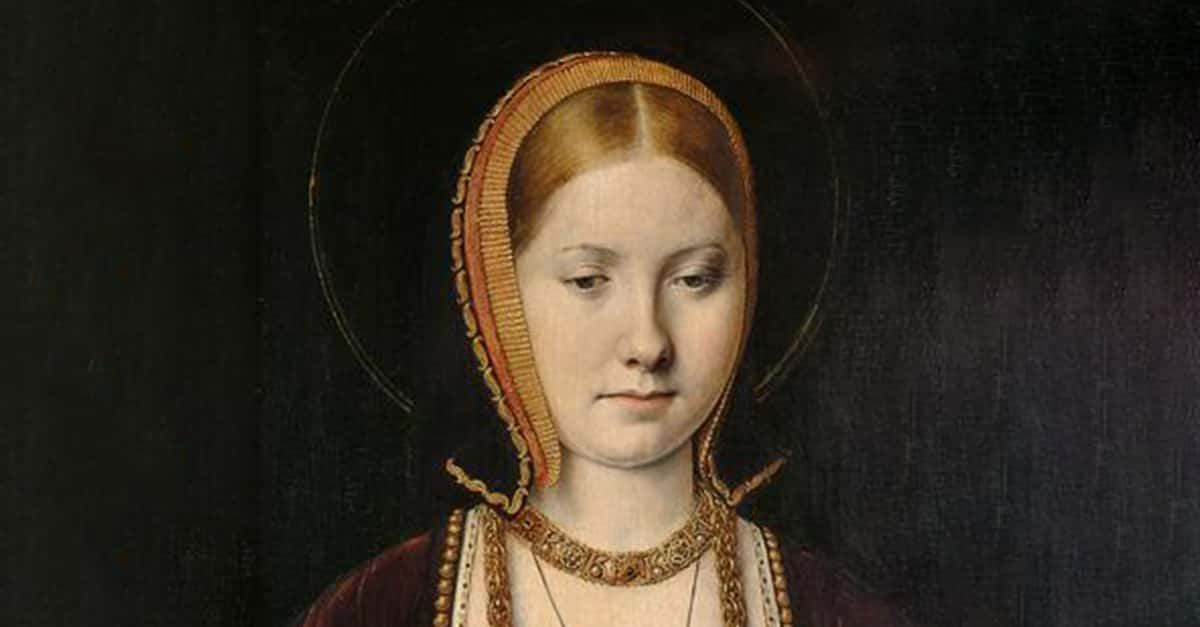
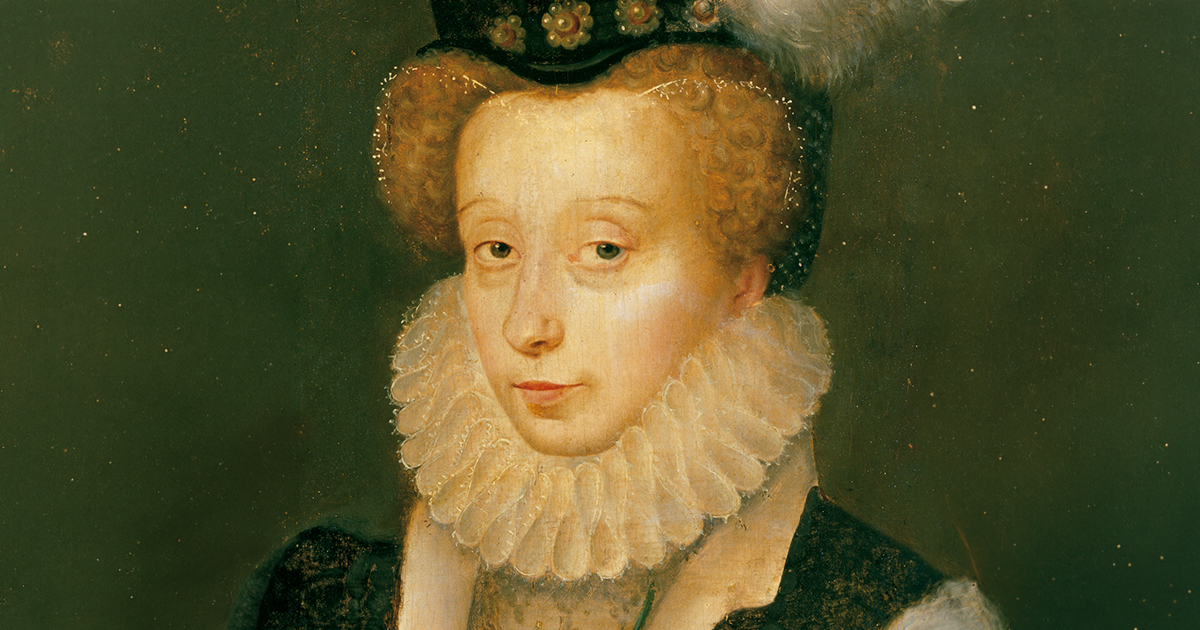
Henriette of Cleves: Woman On Top
Born into a world where men expected her to be obedient, quiet, and deferential, Henriette of Cleves did nothing of the sort. In fact, where her male counterparts (and family members) floundered and frittered away their money and power, Henriette slowly proved that she was more capable than all of them combined. It just took some very bloody maneuvering to get there.
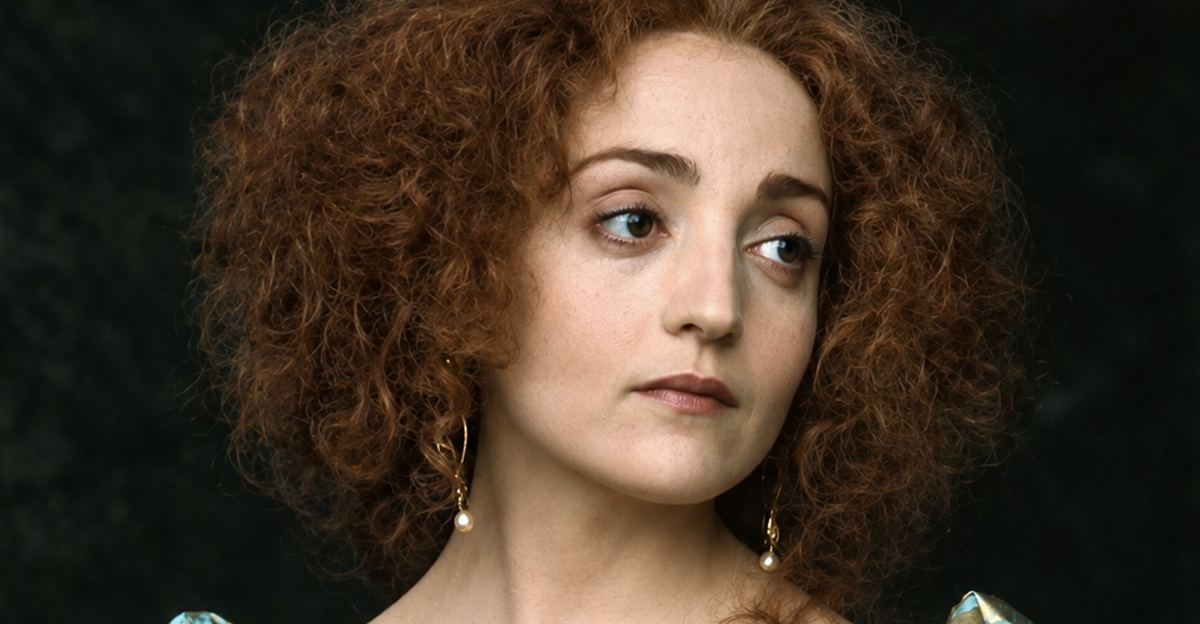 Prime Video, La Reine Margot (1994)
1. She Was Born To Rule
Women in the 16th century drew a tough lot, and it took a lot of influence and even more money for them to be in any position of power. Luckily, Henriette of Cleves had both in abundance. Her father was Francois I of Cleves, the first Duke of Nevers, who, thanks in part to his military career, had elevated his county to a duchy just before Henriette was born. It wasn’t the only boost Henriette got in life.
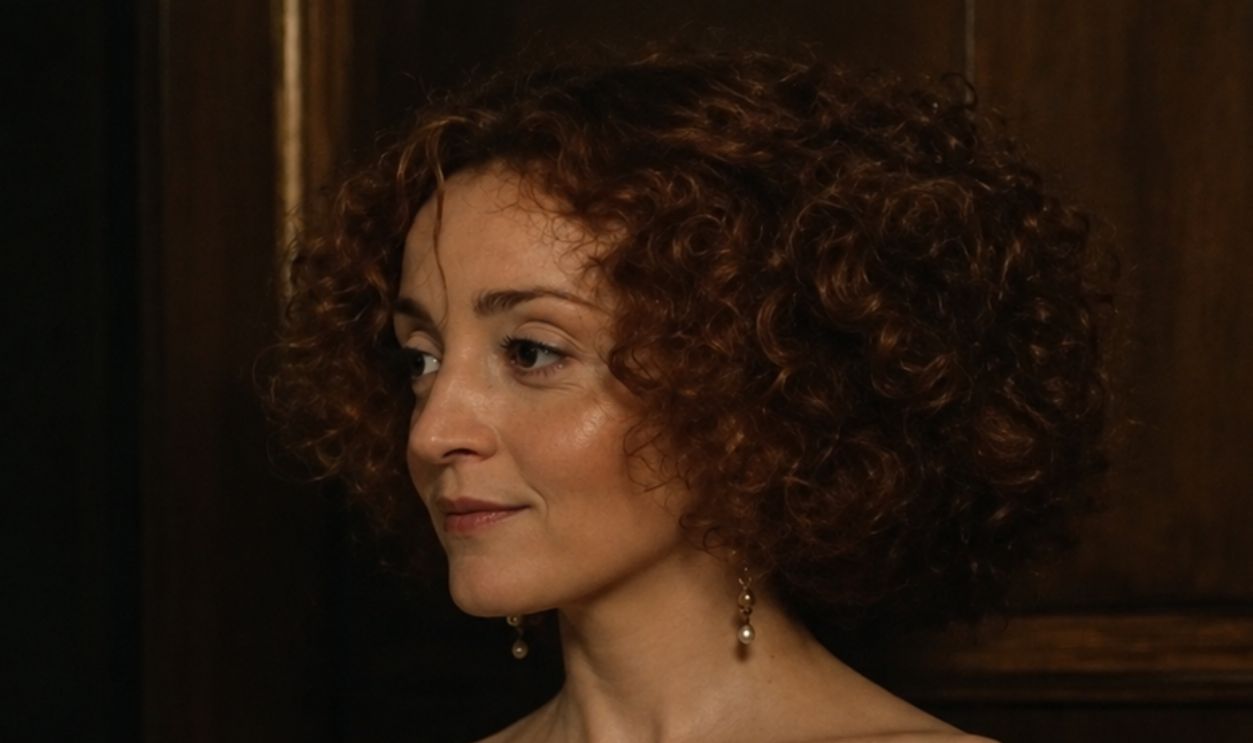 Screenshot from La Reine Margot, Miramax (1994)
2. Her Mother Was Better Than Her Father
Henriette was born in October 1542 to Marguerite of Bourbon, who was herself a daughter of a Duke. Though this would have put her on equal footing with her husband, Marguerite did Francois one better: the House of Bourbon was far older than the duchy of Nevers, and had produced a lineage of kings.
With the old and the new colliding in Henriette, she seemed sure to take on the world. Her baptism proved it.
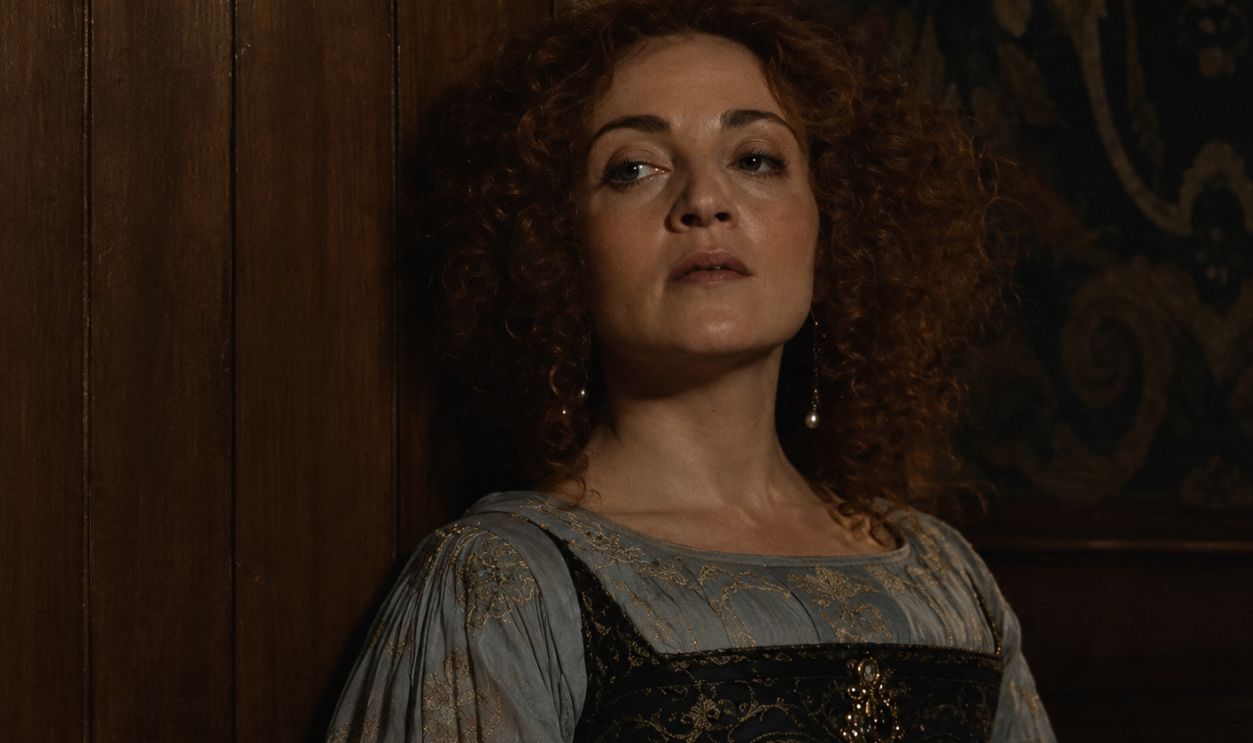 Screenshot from La Reine Margot, Miramax (1994)
3. She Had A Powerful Guest At Her Baptism
Henriette’s father had close ties to the then-Dauphin of France, the future King Henri II. As such, the royal even presided over Henriette’s baptism, anointing her as the eldest daughter of the clan. All in all, it was quite the gilded introduction to the world for a girl who couldn’t yet speak, but Henriette still had to grab onto the power held out to her with both hands.
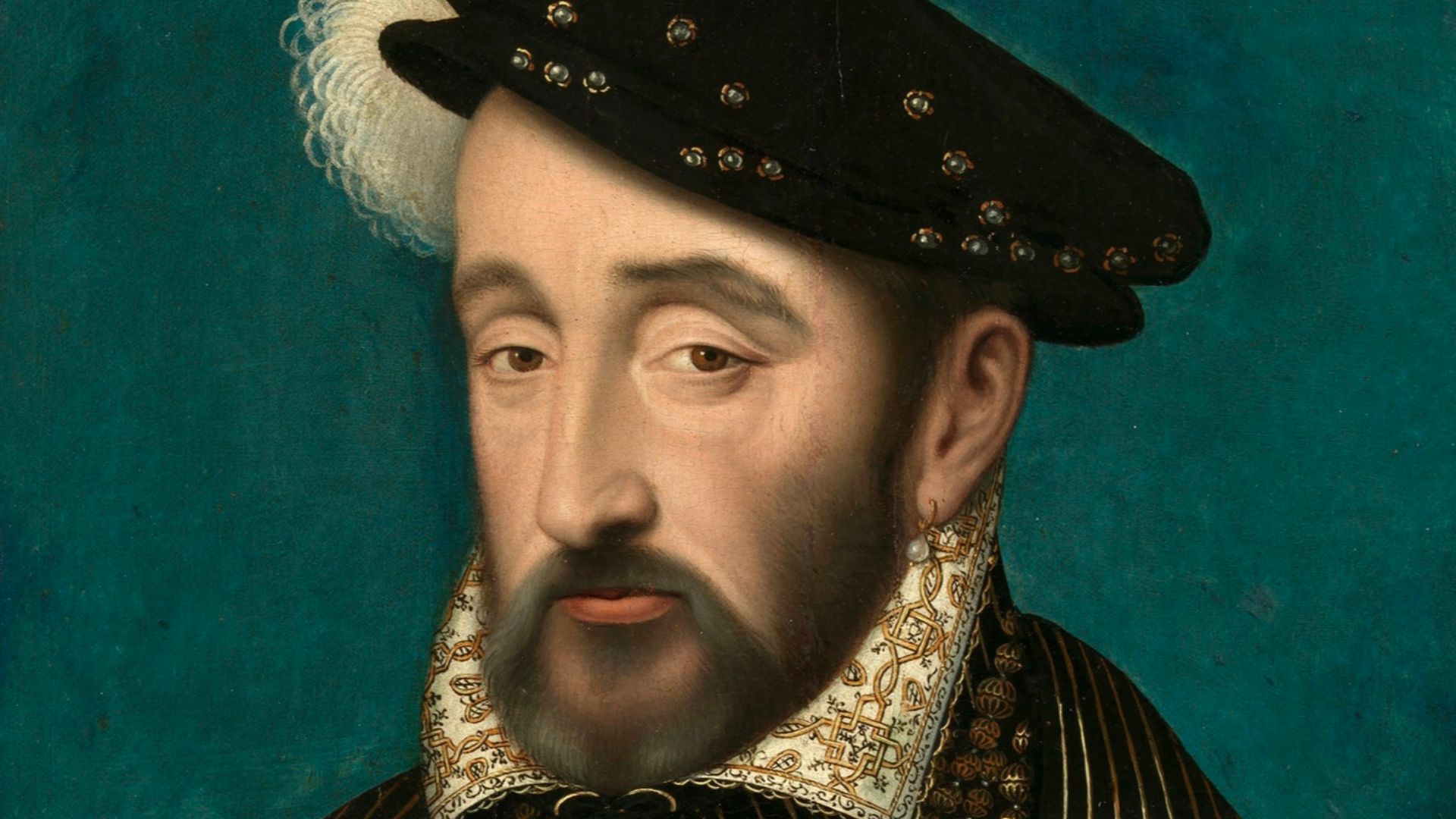 Workshop of François Clouet, Wikimedia Commons
4. She Came From A Big Family
Henriette of Cleves came from a large family that, unusually for the time period, were spared the usual onslaught of infant deaths. Although her brother Henri perished young, she grew up alongside her brothers Francois and Jacques as well as her sisters Catherine and Marie. Each child had heavy expectations, but it didn’t take long for Henriette to distinguish herself.
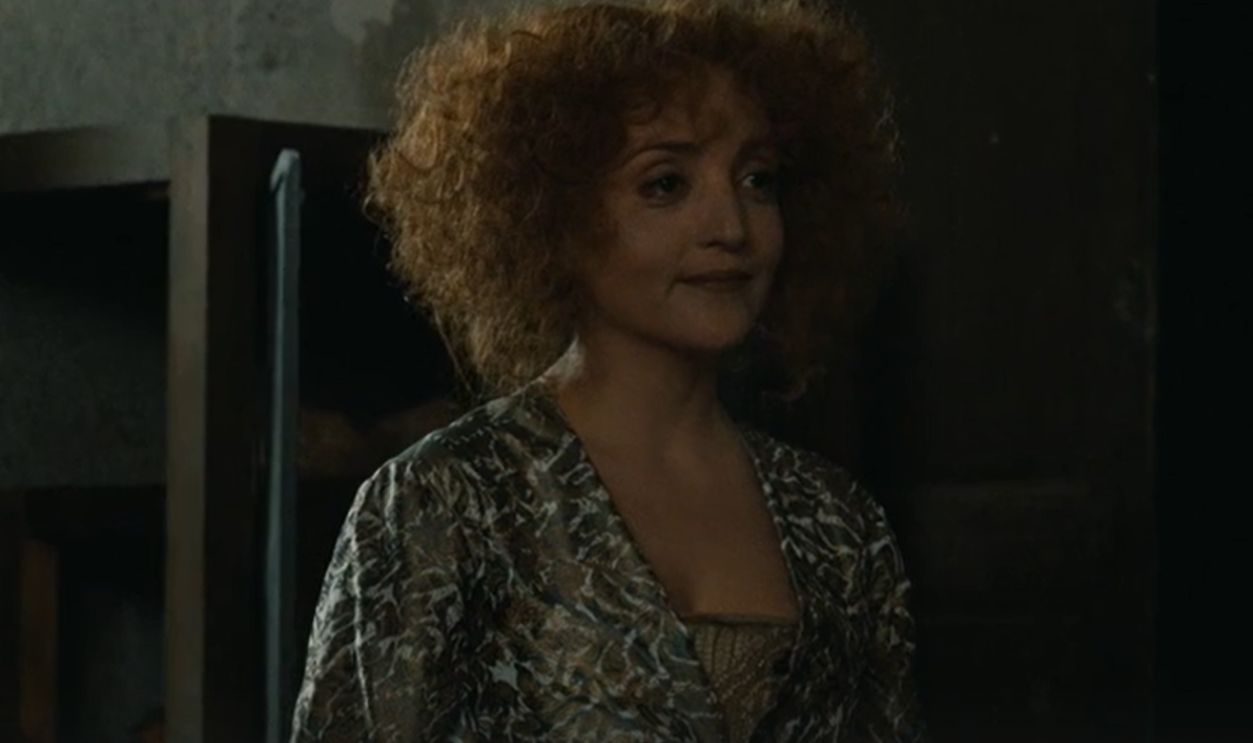 Screenshot from La Reine Margot, Miramax (1994)
5. She Served A Queen
A young Henriette got a place in the royal court, serving as the lady-in-waiting for the formidable Queen Catherine de’ Medici. This was as much as her pedigree dictated, but it was Henriette who pushed herself further into the door, impressing Catherine enough to have the queen later keep her in mind at the marriage market. But it was Catherine’s daughter who really launched her into infamy.
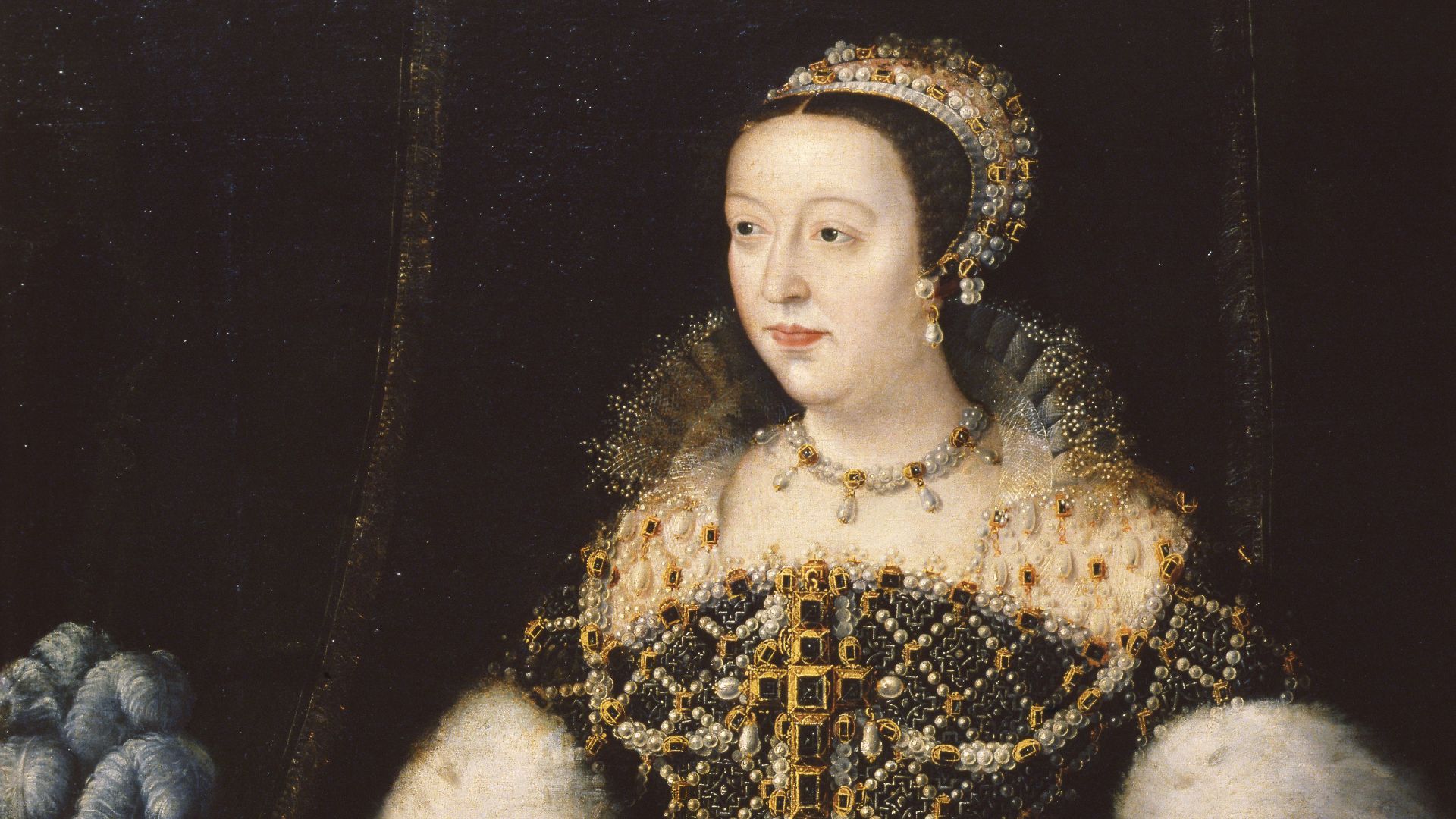 Attributed to Germain Le Mannier, Wikimedia Commons
6. She Became Friends With A Princess
Henriette of Cleves became fast friends with Catherine’s daughter Princess Margaret of Valois, a beautiful and whip-smart girl who would make her own infamous mark on history. The beautiful, glamorous young women reveled in salons and soirees, becoming known as the Muses of Paris. Only, Henriette’s glory years were already coming to an end.
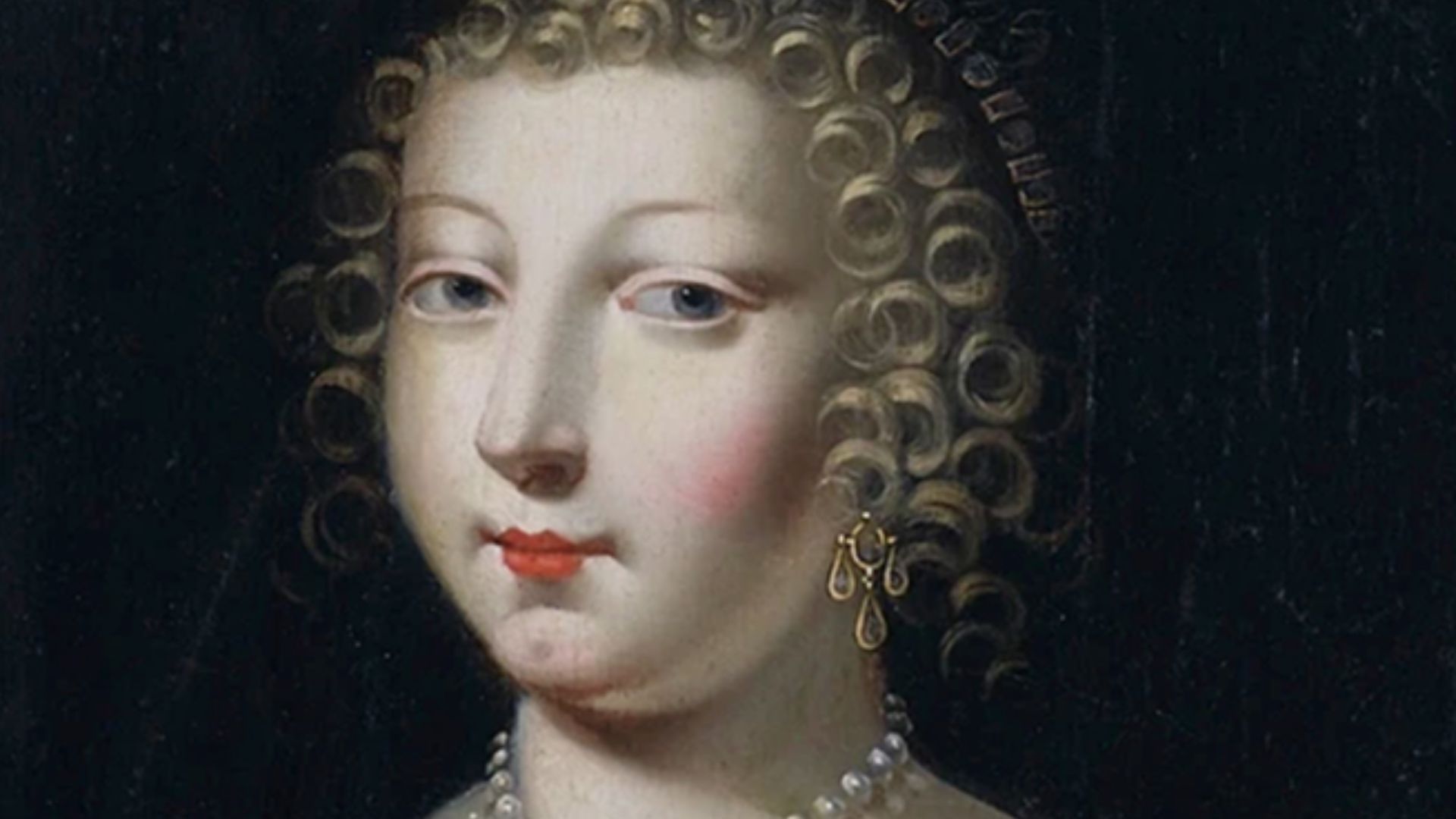 Circle of François Clouet, Wikimedia Commons
7. She Lost Her Father
Beginning in 1561, the charmed life of the Cleves family turned into a hex. That year, Henriette’s father passed at the age of 44, after having served under no fewer than four Kings of France. It was a somewhat premature end, though nothing that raised eyebrows in the 16th century. However, the next events did.
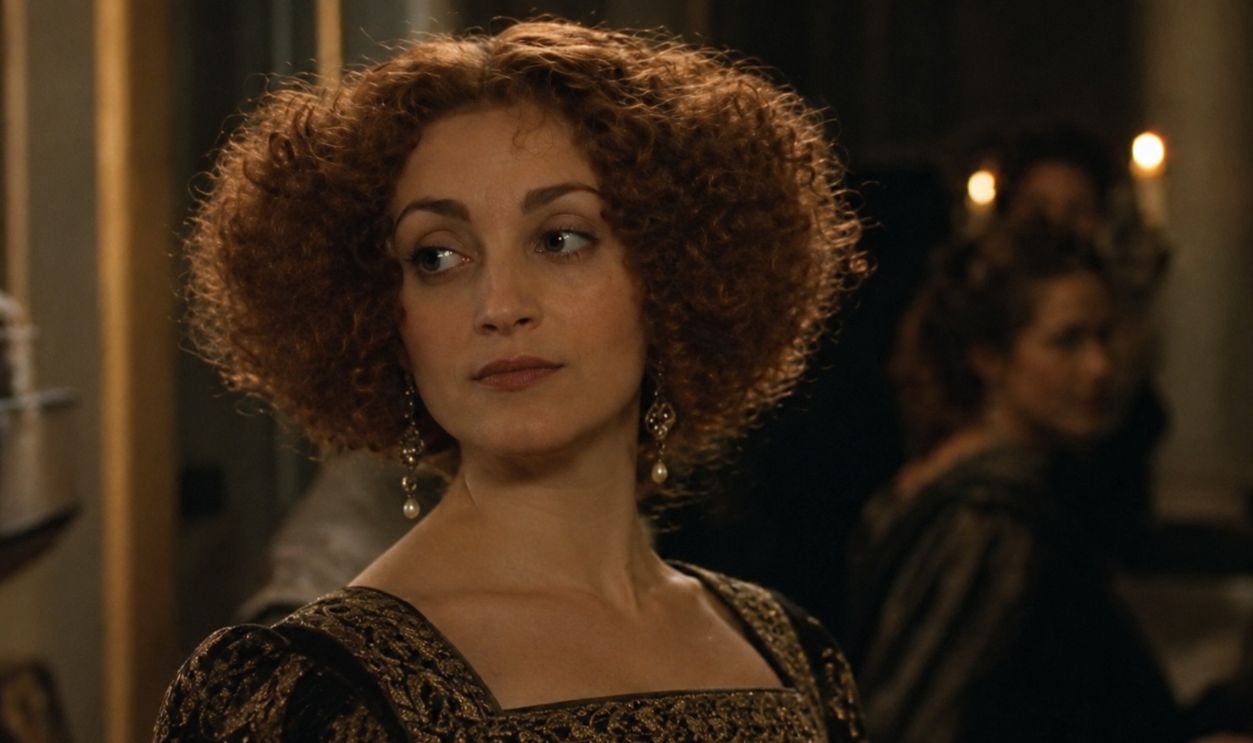 Screenshot from La Reine Margot, Miramax (1994)
8. They Made A Dark Discovery
After Francois I’s death, Henriette’s brother became Duke Francois II. But what should have been an ascension to power turned into a needle scratch in record time. Upon assuming his father’s titles, the eldest Cleves son also realized that the old Duke had been racking up enormous bills from military campaigns for years—so much so that the new Duke, having inherited the debts, had to declare bankruptcy.
But the bad luck was just beginning.
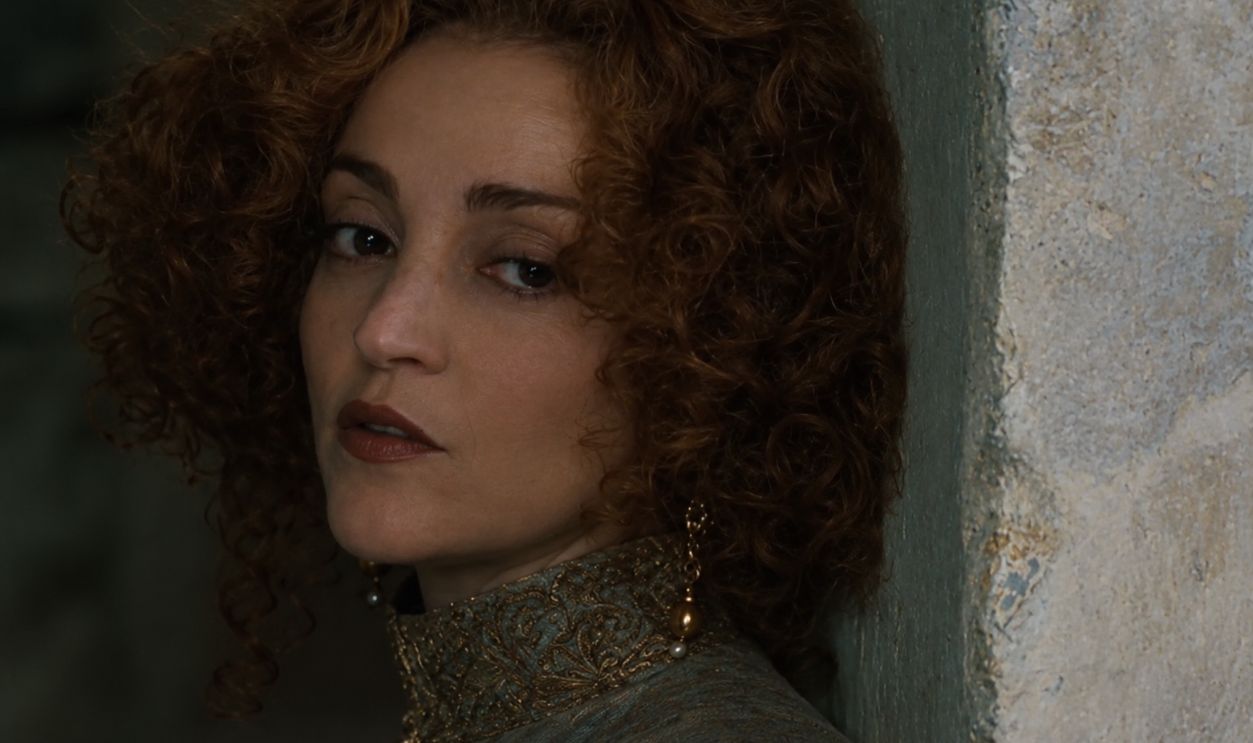 Screenshot from La Reine Margot, Miramax (1994)
9. She Mourned Her Brother
Almost immediately after becoming (an impoverished) Duke, Henriette’s brother got caught up in France’s burgeoning wars of religion between the Protestants and the Catholics. In January of 1563, not even two years after succeeding his father, Francois II was slain on the battlefield. Though Henriette’s next-eldest brother Jacques took over, he too was doomed, and in more ways than one.
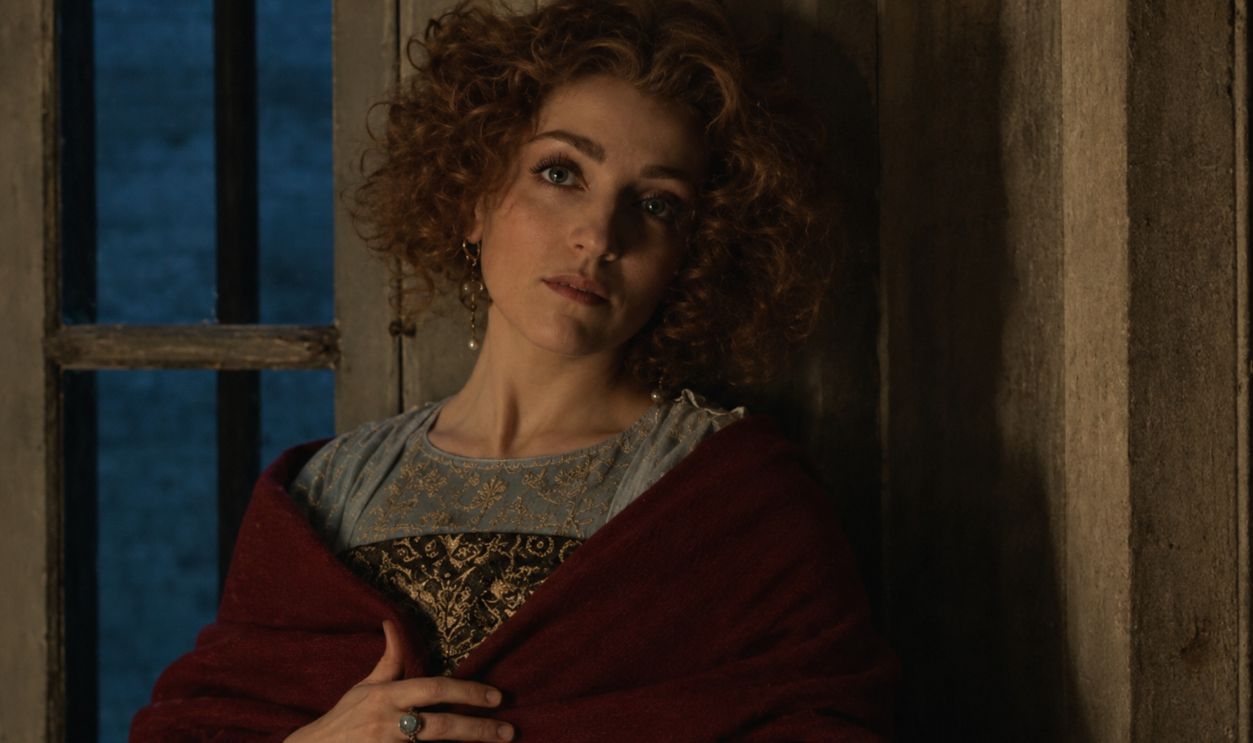 Screenshot from La Reine Margot, Miramax (1994)
10. The Queen Had To Bail Her Out
Along with the title of Duke, Jacques inherited the still-rising debts of the family from his brother. In fact, these bills were so overwhelming that the royal family, led by Henriette’s friend Catherine de Medici, interceded on their behalf, fearful that their financial situation would create an even bigger crisis within the French nobility. Not that Jacques had long to enjoy the rescue.
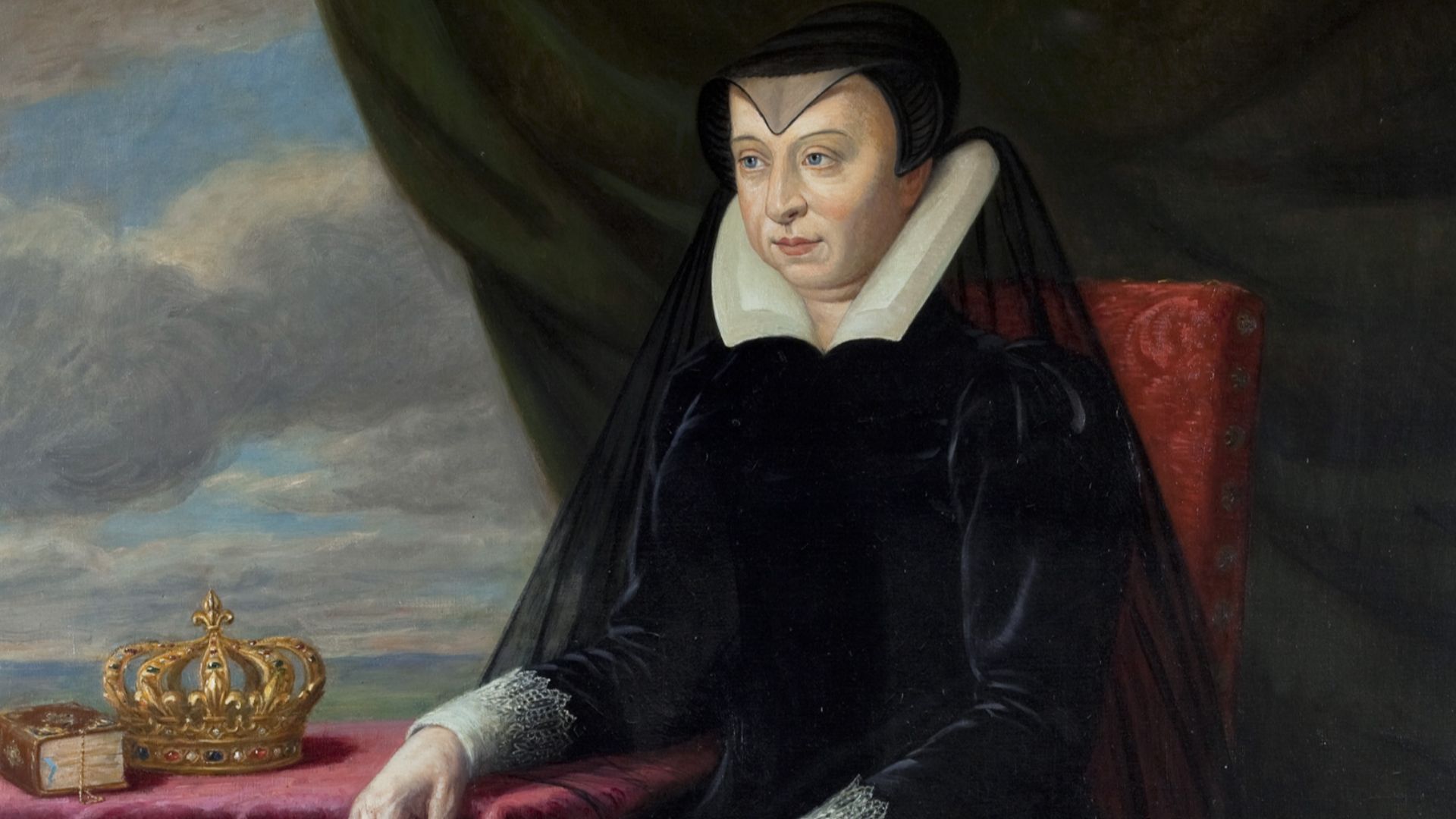 Henri Sauvage, Wikimedia Commons
11. All The Men In Her Line Disappeared
Jacques wasn’t even 20 years old when he inherited the duchy of Nevers, but this youth did him no good at all. In 1564, just about a year after his brother’s bloody end, Jacques himself passed, and, young as he was, he did so without any heirs.
With him went the last of the male line of the House of Cleves—and Henriette of Cleves stepped into its void.
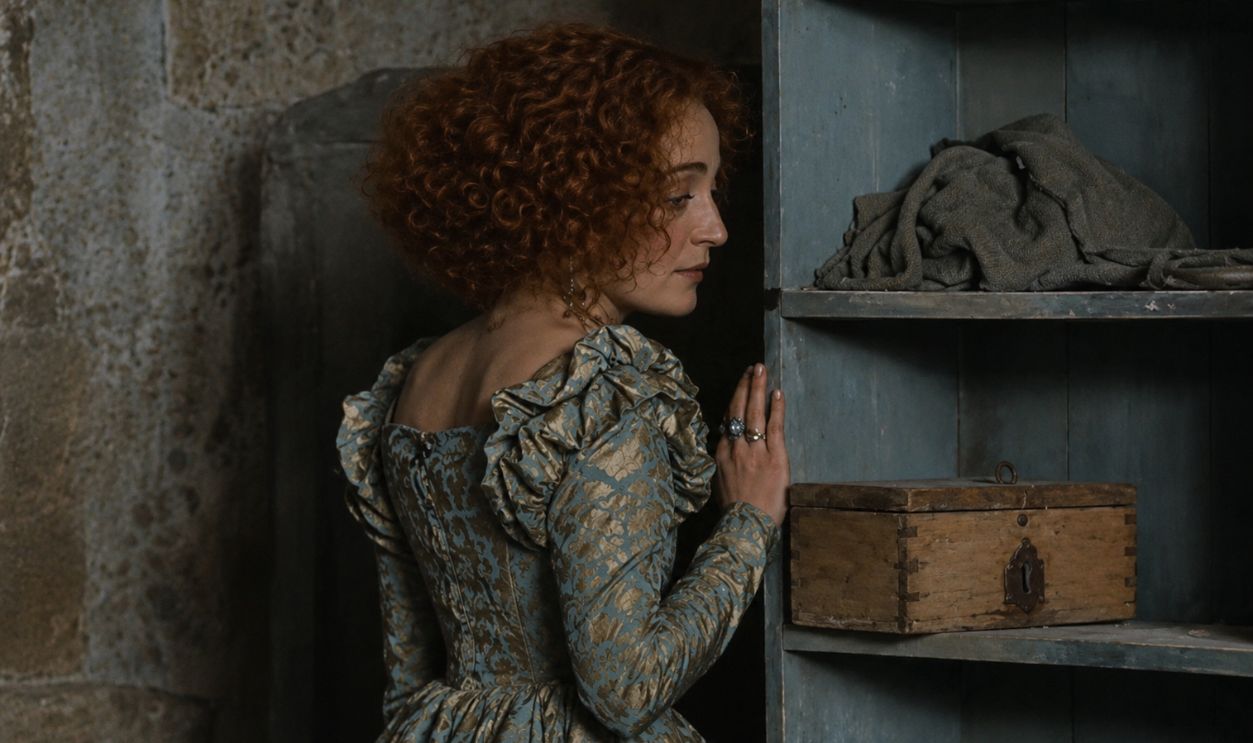 Screenshot from La Reine Margot, Miramax (1994)
12. She Ruled In Her Own Right
In the span of three years, the men of the House of Cleves had been demolished, and all this meant that Henriette now took over all the power—and the burden—of her family’s duchy. As the newly minted Duchess of Nevers in her own right, she had no marriage ties weakening her influence, even if she did have sole responsibility for those persistent and mounting debts.
Of course, this all made her a very valuable bride.
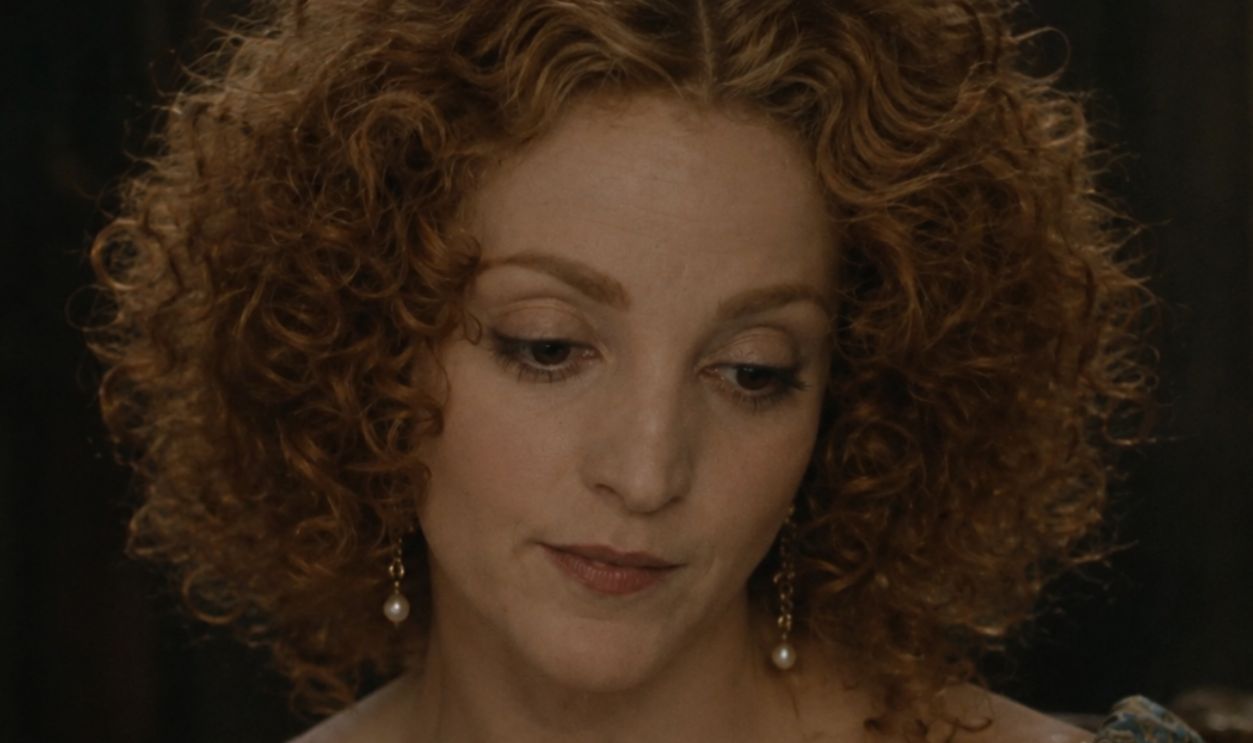 Screenshot from La Reine Margot, Miramax (1994)
13. She Went On The Marriage Market
Henriette of Cleves had always been in a prime position at Catherine de Medici’s court, but now the Queen of France was determined to marry her off to the most advantageous match she could find. Of course, Catherine also wanted that match to benefit her, and when she landed on Louis de Gonzague, she thought she had the perfect plan.
 Screenshot from La Reine Margot, Miramax (1994)
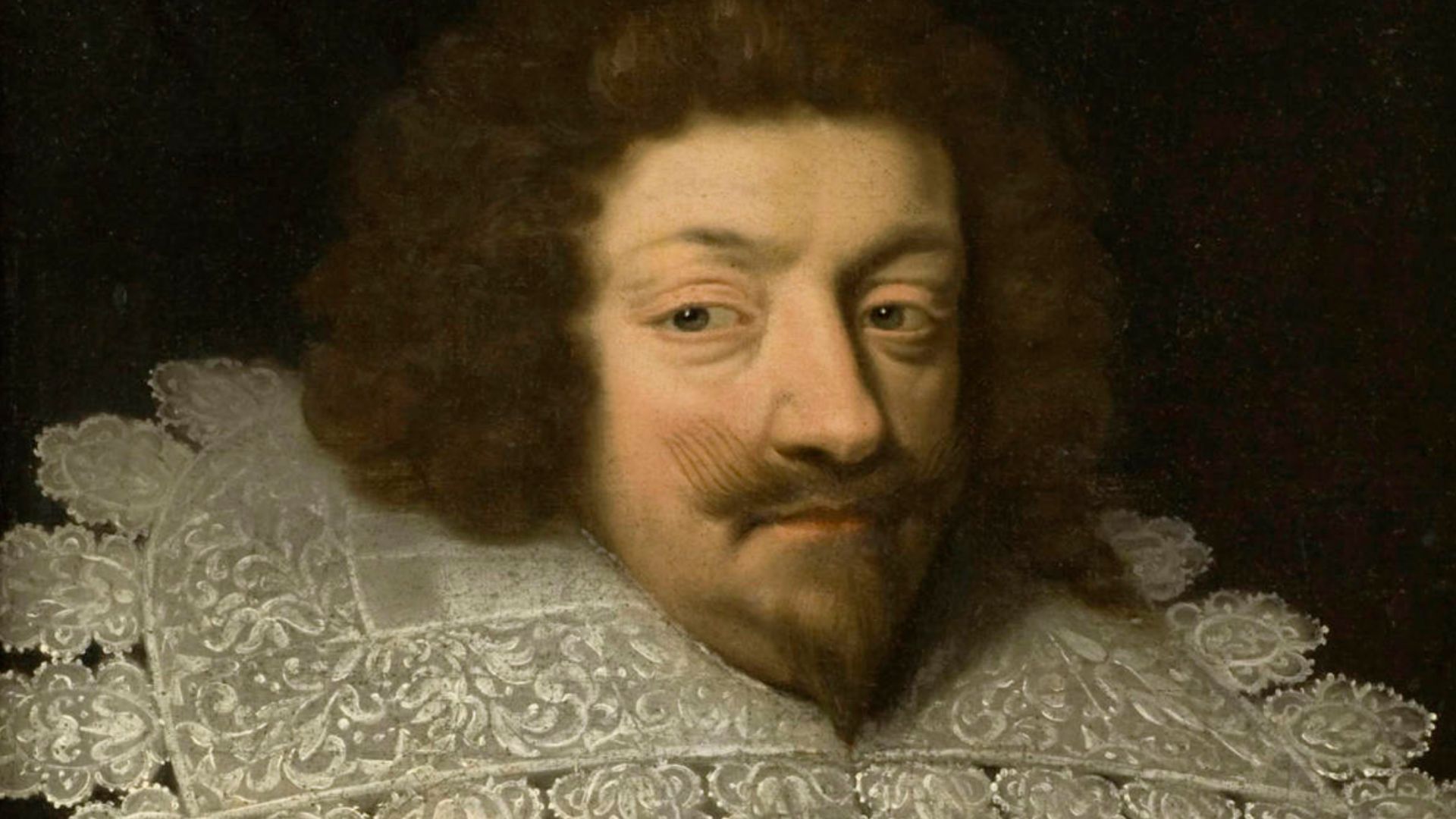
14. She Married Another Favorite
Although Henriette stood high in Catherine’s esteem, the handsome and well-bred Louis de Gonzague was the queen’s particular favorite at court. Louis descended from the line of the Dukes of Mantua in Italy, and was thus an important diplomatic entity in France—not to mention a countryman of Catherine herself. So, Catherine offered him Henriette on a platter.
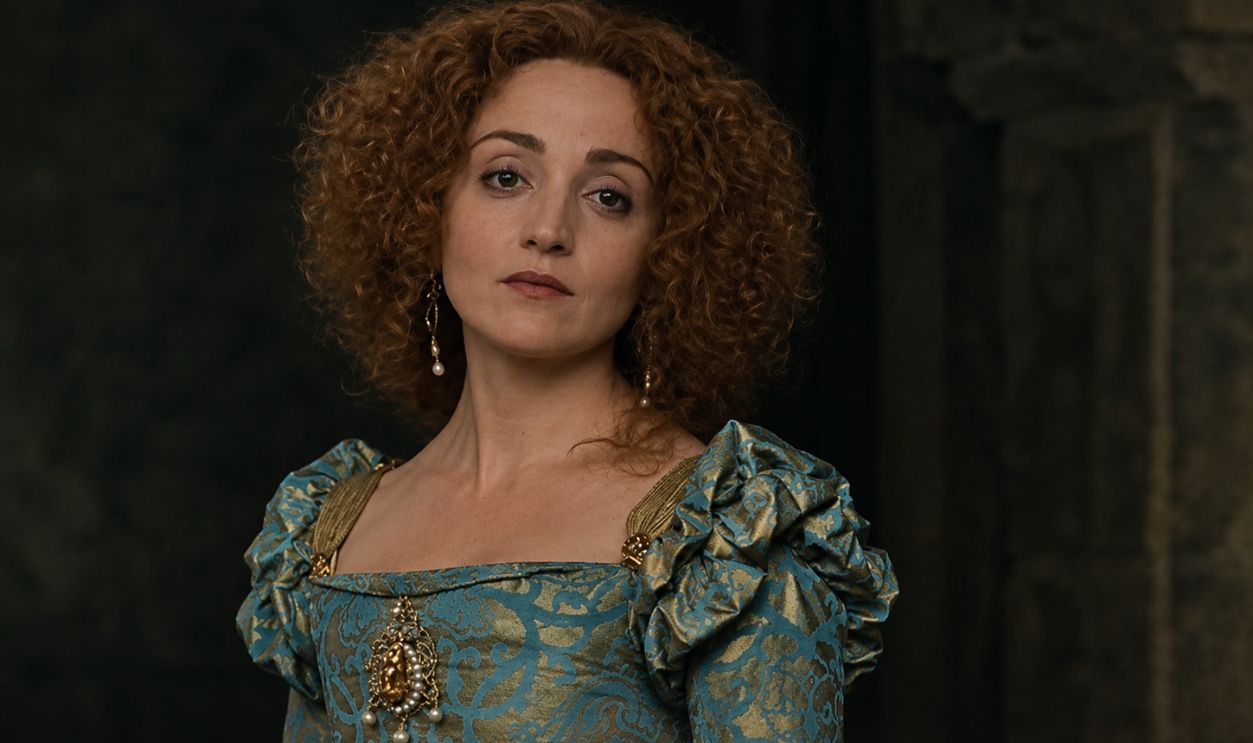 Screenshot from La Reine Margot, Miramax (1994)
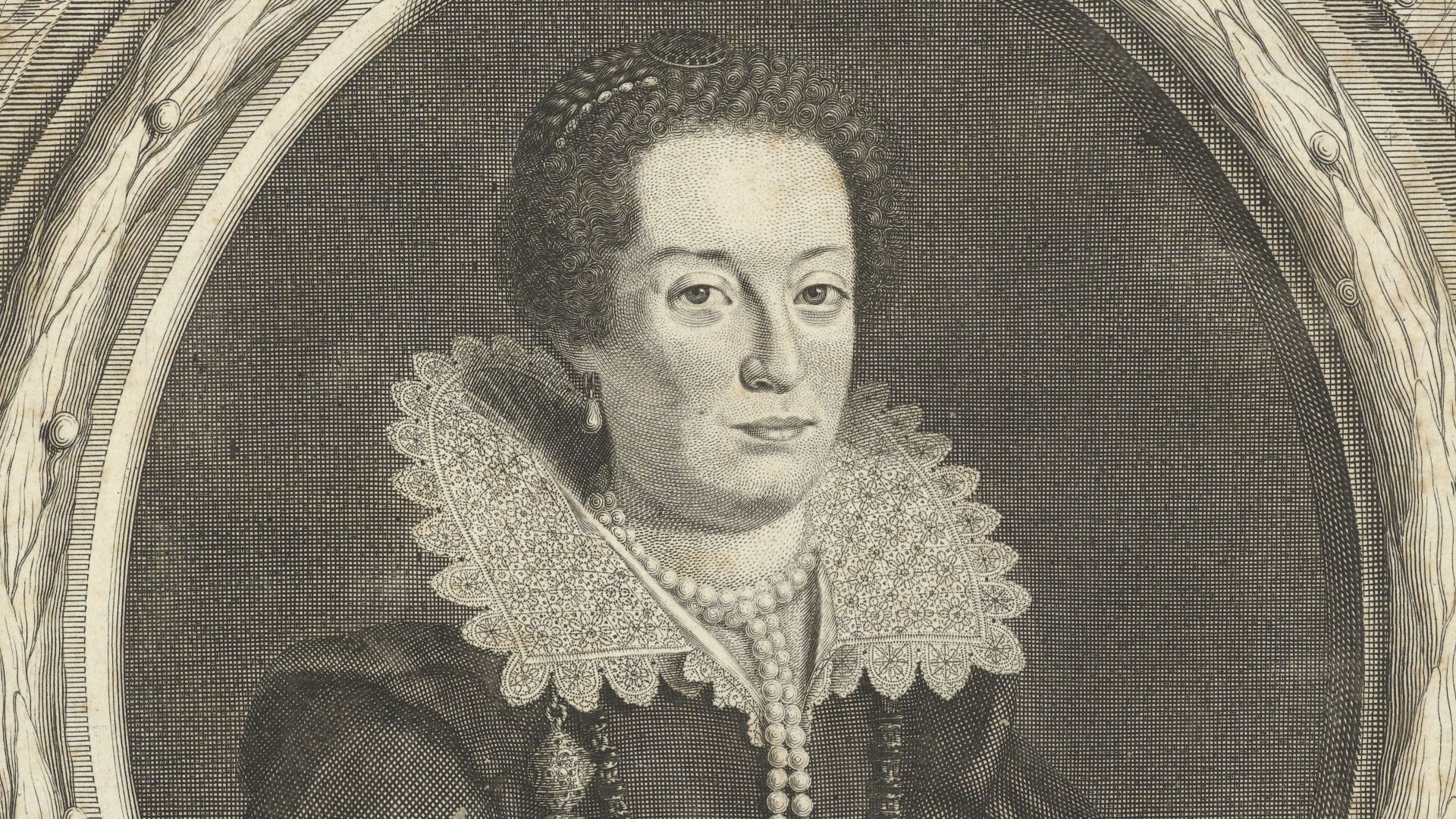
15. She Had A Highly Anticipated Wedding
In the end, Henriette of Cleves didn’t have long to enjoy being the sole owner of the lands of the Dukes of Nevers. Catherine de Medici worked quickly to broker a union, and on March 4, 1565, the 22-year-old Catherine married Louis, elevating him to the position of Duke of Nevers and the Count of Rethel. Nonetheless, Henriette found a way to shine in the marriage.
 Adriaen Haelwegh, Wikimedia Commons
16. Her Husband Came Second
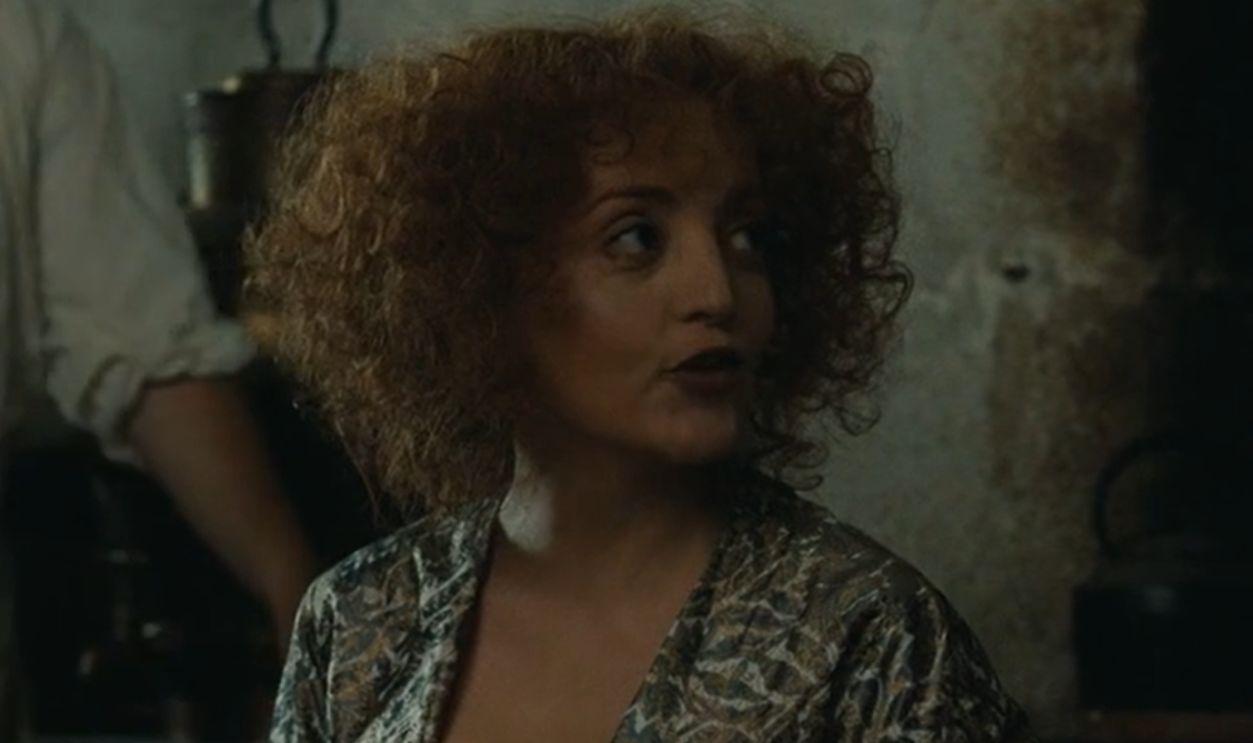
When Louis married Henriette and became the Duke of Nevers, he didn’t get her power. He only had his title jure uxoris, or “by right of wife”. As a result, Henriette was in a position most men were in when they married, while her husband was, legally speaking, more like the women of the time. She didn’t waste the opportunity.
 Screenshot from La Reine Margot, Miramax (1994)
17. She Was Better Than Her Brothers
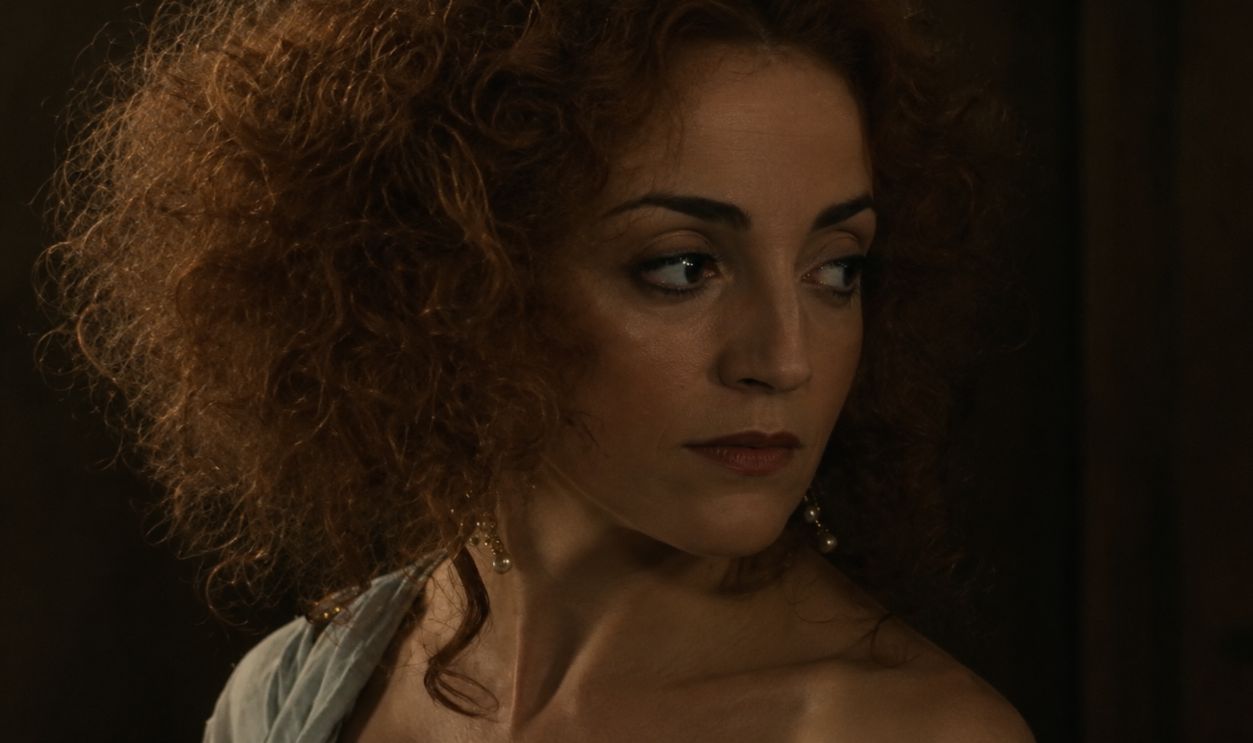
Although the male members of her family had been dismal with money, it turned out that Henriette of Cleves was just what Nevers needed. Over the next years, she managed her lands and finances with a deft hand, dragging the family at last back from the brink of ruin. In fact, as we’ll see, she did a lot more than just that.
 Screenshot from La Reine Margot, Miramax (1994)
18. She Paid Homage To The Queen
Henriette also accomplished her fiscal feats through a near constant stream of pregnancies, beginning with her daughter Catherine de Nevers. In a nod to her power and influence over their union, Catherine de Medici was both the baby Catherine’s namesake as well as her godmother. For the rest of Henriette’s children, though, it wasn’t always such smooth sailing.

19. She Had A Disappointing Birth
Henriette of Cleves and Louis would go on to have five children, but the next one after Catherine was yet another girl, Maria Henrietta—not welcome news for a line whose male members had already died out in quick succession. Even so, Henriette was still young, and the couple kept trying. In one way, it worked. In another, it led to tragedy.

20. She Got A Boy At Last—And Lost Him
After Maria Henrietta, Henriette at long last produced a boy, Frederick, who came into the world on March 11, 1573, just days after Henriette and Louis’ eighth wedding anniversary. Unfortunately, while his older sisters would both live to adulthood, Frederick wasn’t so lucky, and he perished in the spring of 1574 right after turning a year old. It wouldn’t be the last blow.

21. She Suffered A Double Tragedy
Shortly after losing her only son, Henriette of Cleves was pregnant again. She was likely delighted when she gave birth to another boy, Francois, and even more delighted when he lived past his second birthday. Tragically, though, he wouldn’t make it much further than that: He was taken on June 13, 1580, before he had turned four years old.

22. She Had One Last Chance
When Francois perished, Henriette was already heavily pregnant with her next child, and the loss couldn’t have helped her delicate state. More than that, she was nearly 38 years old at the time, and not as hale as she might have once been.
If this baby didn’t provide a healthy male heir for the family, she might be out of chances. Thankfully, some mercy was on its way.

23. She Finally Had A Healthy Son
In May, 1580, all of Henriette’s prayers were answered, and she gave birth to her fifth child and third son, Charles. Then, in another seeming miracle, Charles did survive the treacherous 16th century infancy that had plagued his brothers, growing into adulthood and eventually taking on his mother’s hard-won titles.
All the same, Henriette wasn’t one to fade into the background, and the end of her childbearing years was just the beginning of her story.
 School of Daniel Dumonstier, Wikimedia Commons
24. She Lived In Turmoil
While Henriette of Cleves was growing into a woman and losing her father and brothers hand over fist, France was still embroiled in the wars of religions, and the battle lines had crystallized and hardened. The Catholic faction was represented by Catherine de Medici and her royal sons, while the Huguenots—French Protestants—were led most famously by Louis I, Prince of Conde.
And while Henriette’s marriage took place during a lull in the conflict, all that soon changed.
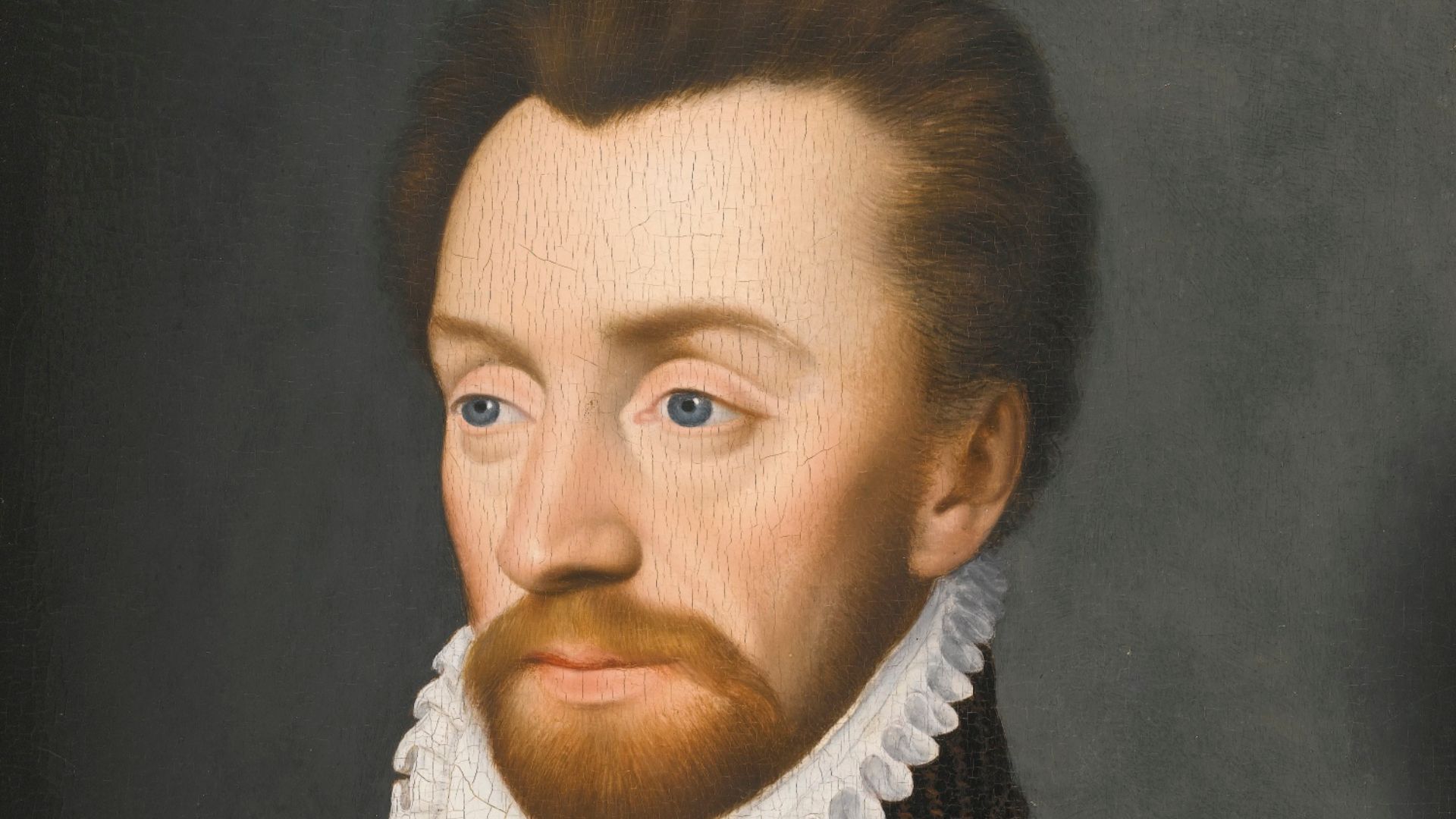 Workshop of François Clouet, Wikimedia Commons
25. Her Husband Went To Battle
As an Italian, Henriette’s husband’s loyalty lay firmly with the Catholic church and Catherine de Medici. So when the Prince of Conde rebelled against the French crown (not for the first time) in the late 1560s and insisted on the removal of all (mostly Catholic) “Italians” from court, his eye was landing firmly on the Duke of Nevers.
Like a good foot soldier, Louis de Gonzague leapt into battle in response, and Henriette was right with him.
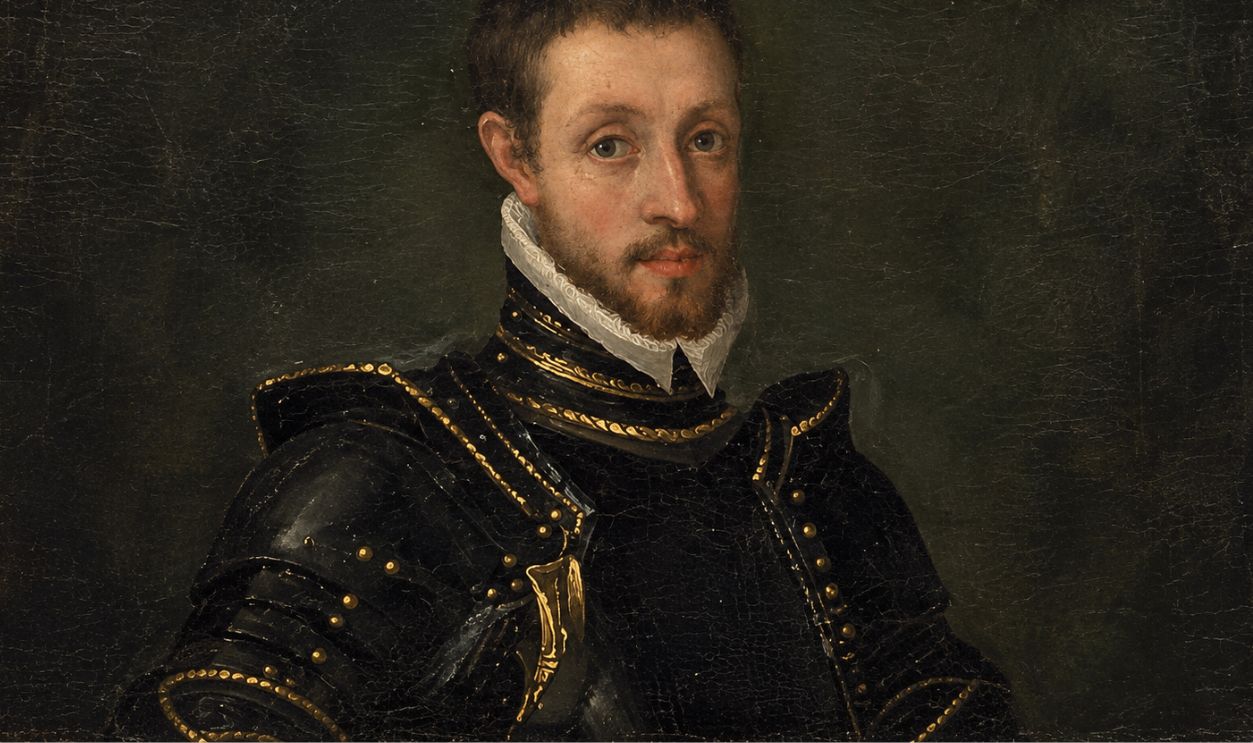 Kunsthistorisches Museum, Wikimedia Commons
26. She’d Do Anything For Her God
Henriette of Cleves didn’t stay in the background in these tense political moments for France. Instead, she was open about her own militantly Catholic views, and used her growing influence to help her husband and Catherine de Medici any way she could to bolster her religion and root out as many Protestants as possible. But it came with a heavy cost.
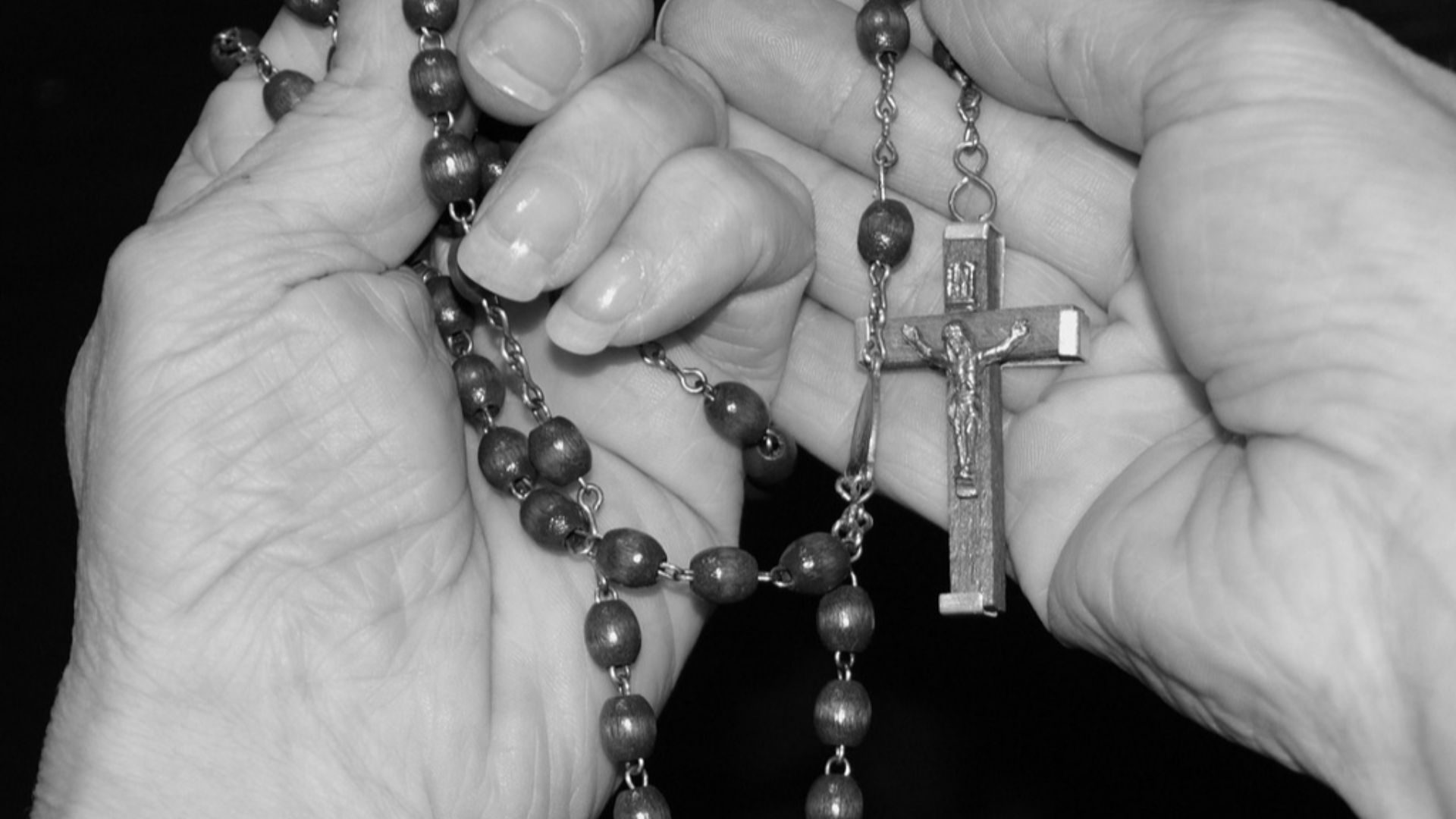
27. Her Husband Was Maimed
Louis de Gonzague fought fiercely for the crown through the ups and downs of the wars of religion, even becoming close with Catherine de Medici’s son Henry, the future Henri III. But in 1568, Henriette received horrible news: Her husband had suffered a leg injury that was bad enough to keep him from participating in military life ever again (with one vicious exception).
Still, he and Henriette did get one bloody consolation prize.
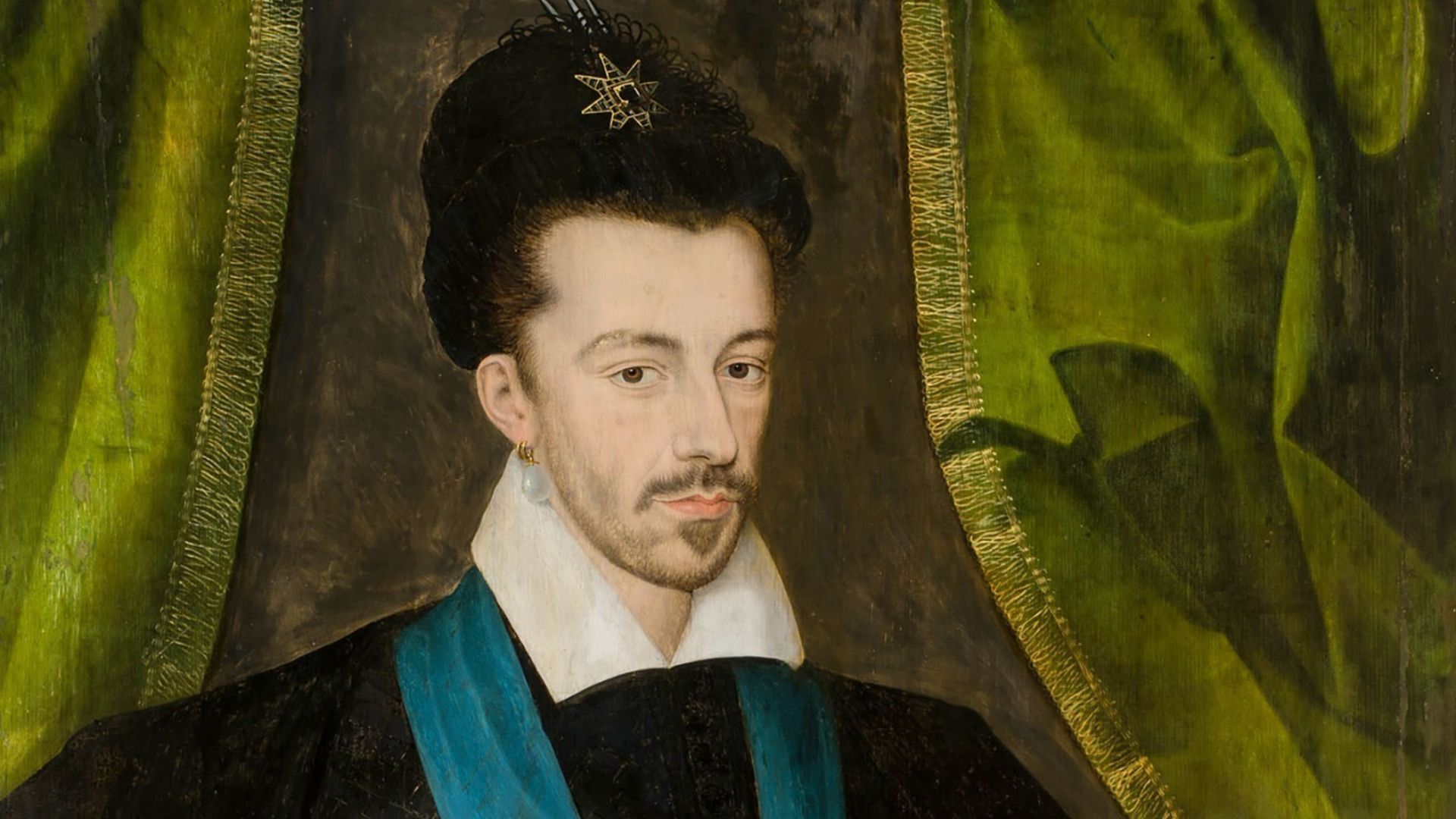 Attributed to Étienne Dumonstier, Wikimedia Commons
28. Her Enemy Went Down
Louis I, Prince of Conde remained a thorn in Catholic France’s side for years, always seeming to be front and center whenever the fragile peace between the crown and the Huguenots broke down. In 1569, however, just a year after Louis suffered his leg injury, Conde got unhorsed during battle while unarmed. As Henriette would approve of, his enemies showed no mercy.
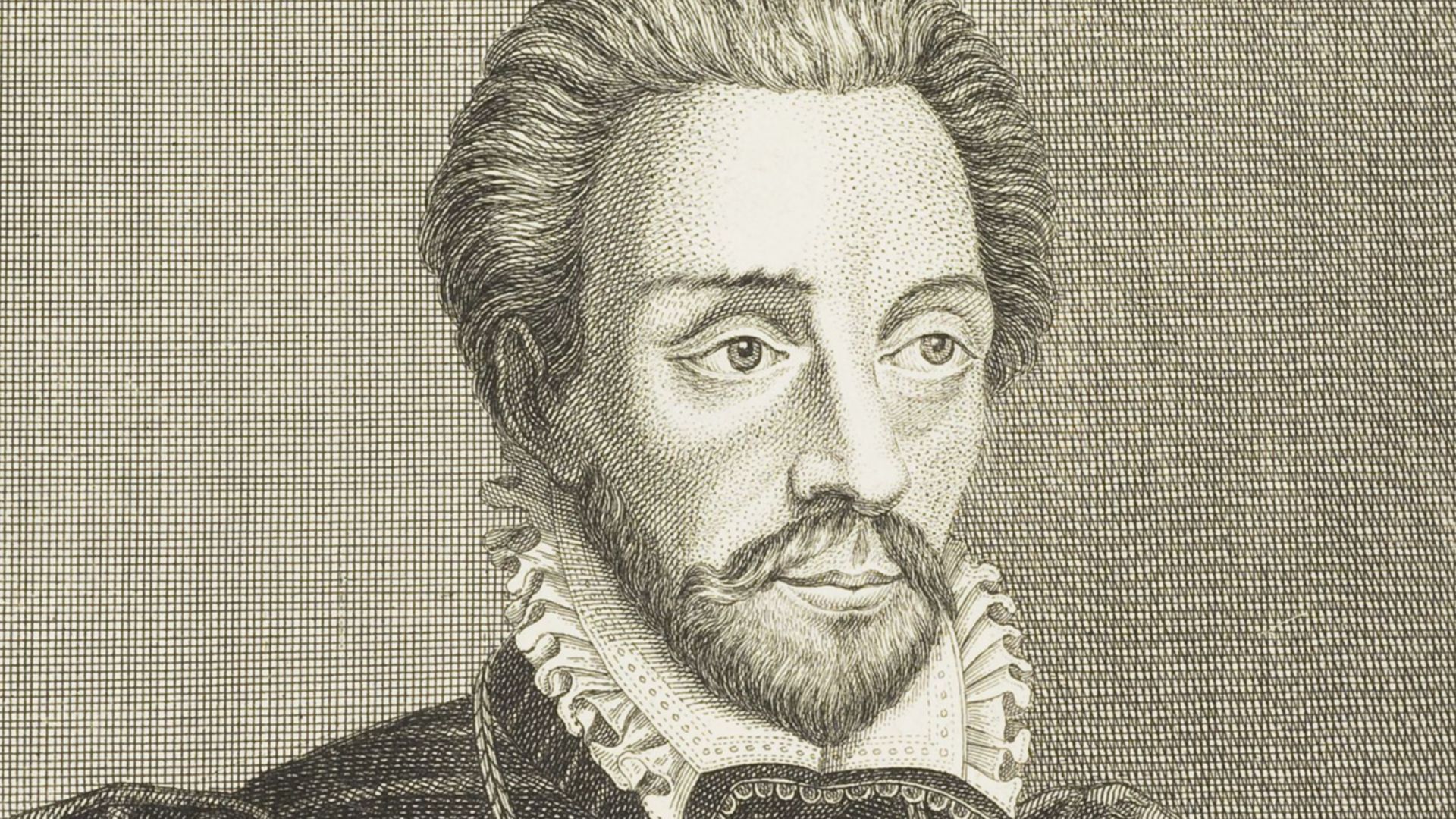 Louis I, prince de Condé (1530-1569) (depicted), Wikimedia Commons
29. She Rejoiced In His End
At this time, it was customary to take high-profile enemy combatants under custody, but the Prince of Conde received no such concession. As a symbol of the Protestant rebellion, the Catholic faction wanted to send a stark lesson to his acolytes, and after killing him, they paraded his corpse in the streets, on a donkey.
Henriette of Cleves and her husband must have crowed this day, but it wasn’t long before a new enemy came to the fore—and this time, it was inside their own circle.
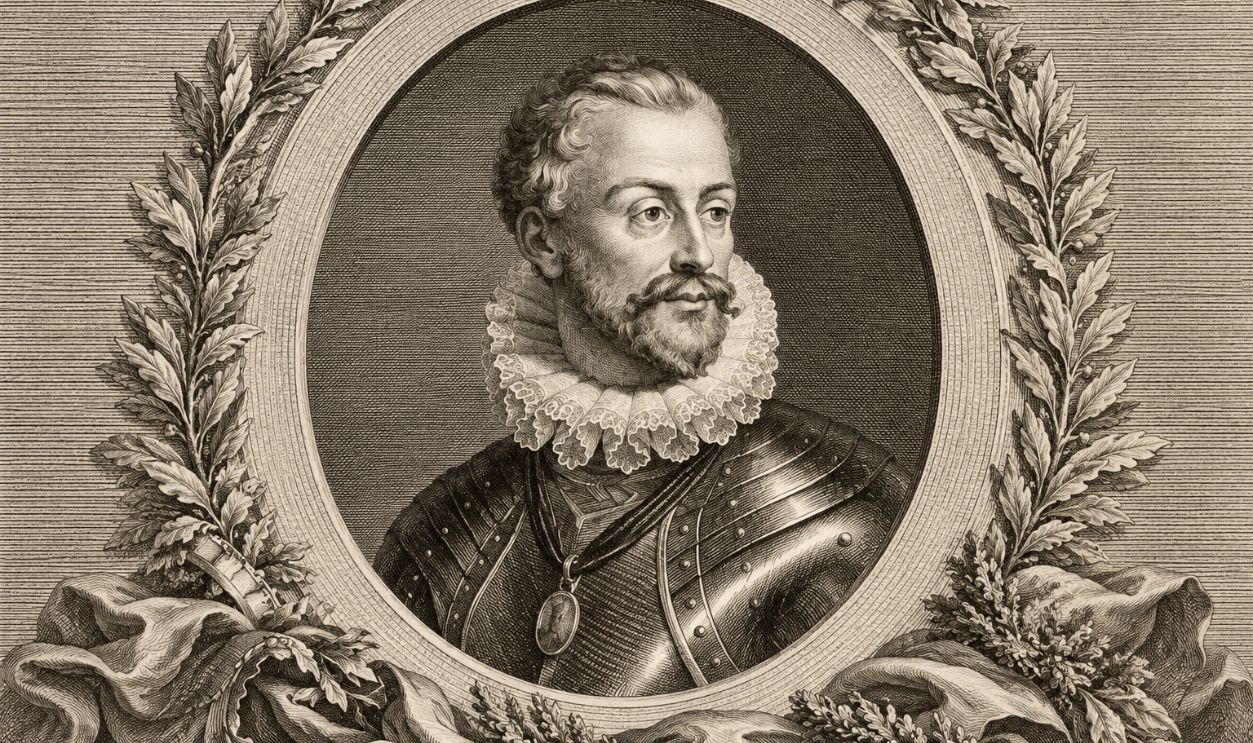 Simon-Charles Miger, Wikimedia Commons, Enhanced
30. Her Sister Entered The Game
While the men in the Cleves family fell like flies, its women kept on flourishing, and Henriette’s sister Catherine grew into an important chess piece in the court game. Catherine, who was married off at 12, eventually found herself a widow at only 19 years old, right around when the Prince of Conde perished.
With most of her precious childbearing years ahead of her and France finally rid of one of its most relentless enemies, it was time to make her an advantageous match. It just wasn’t one that benefitted Henriette.
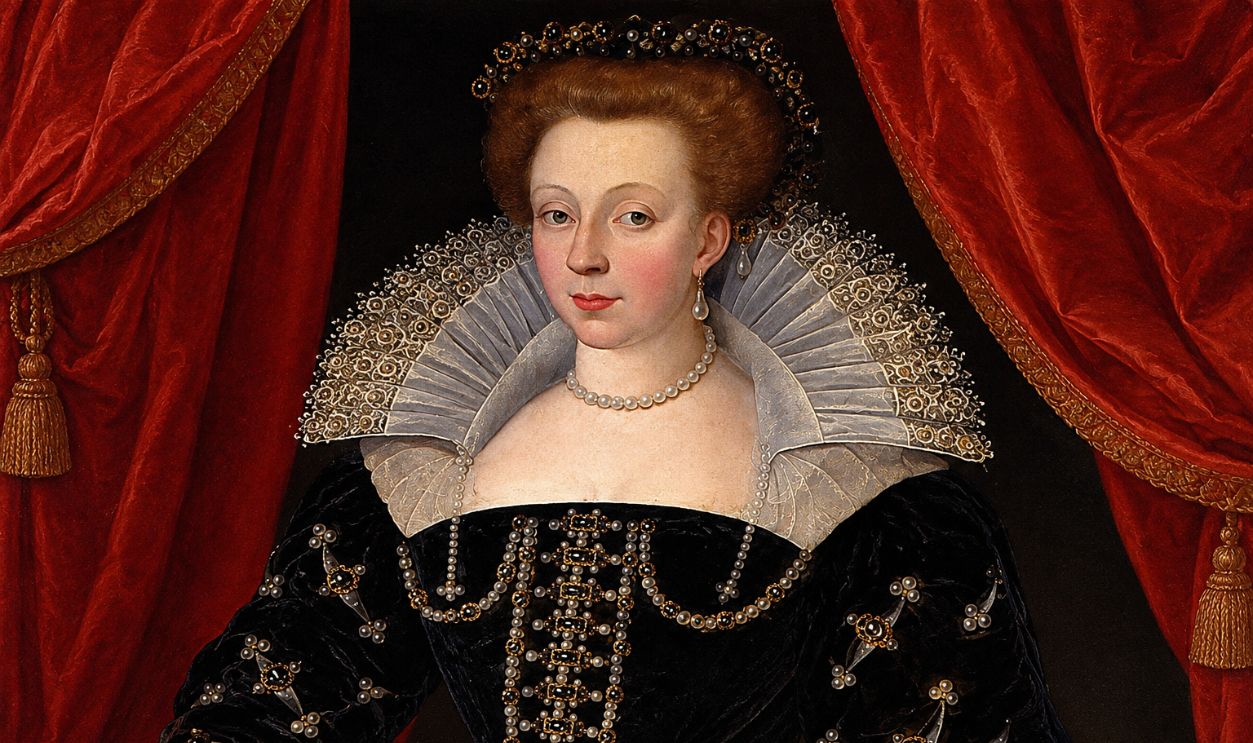 Unidentified painter, Wikimedia Commons, Enhanced
31. She Had A Scandalous Brother-In-Law
In October of 1570, Henriette’s sister married Henri I, the Duke of Guise. While Guise had the title to match the Cleves’ prestige and was a staunch Catholic like Henriette, he did not have a spotless reputation. In fact, at the time they married, Guise had only recently caused a stir by having an affair with Henriette’s old friend, Princess Margaret of Valois, and had narrowly avoided assassination and been banished from court. But there was more bad blood in the union than this.
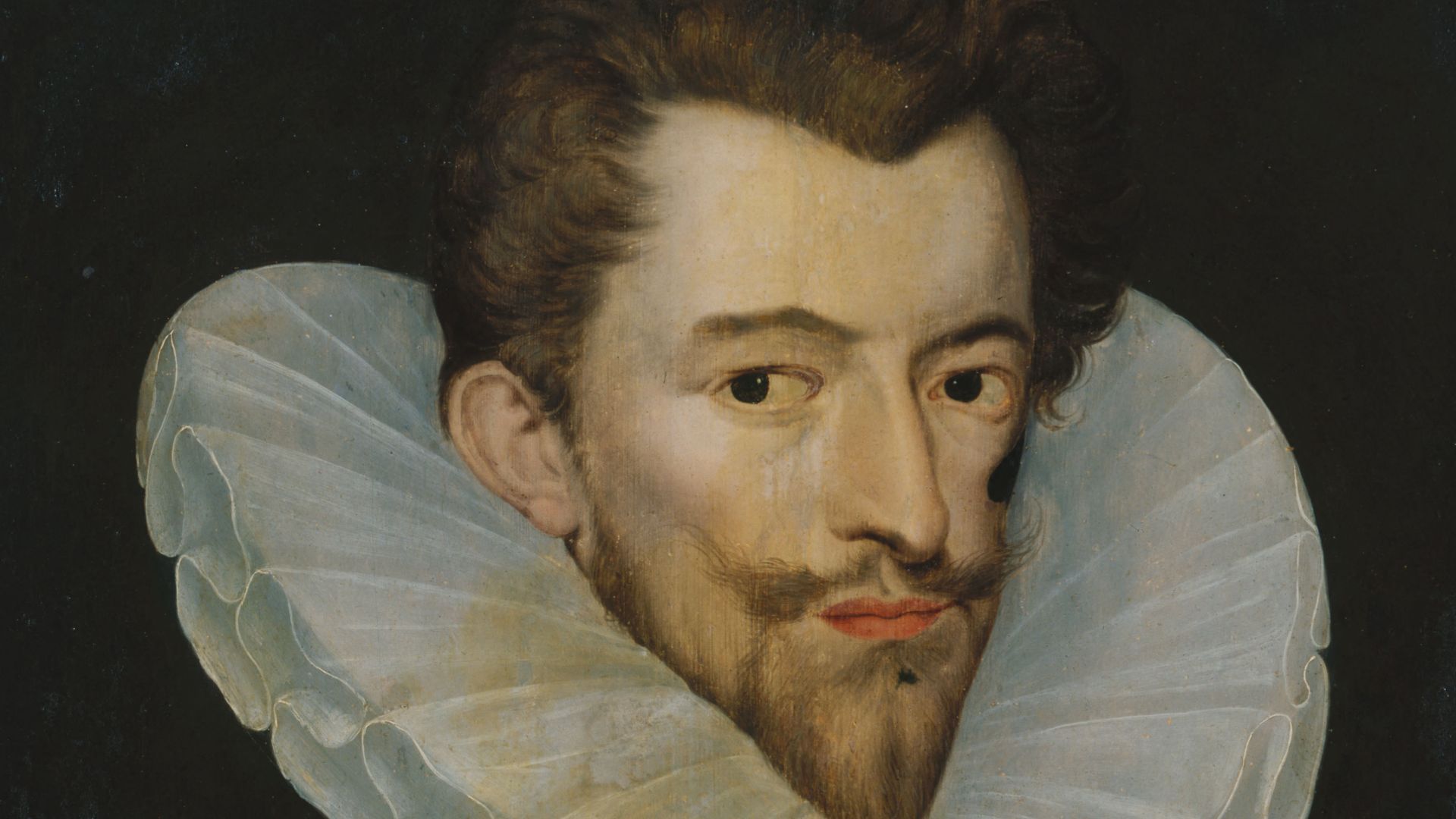
32. She Had A Catholic Rival
Before finding himself ousted from court, the Duke of Guise had been the personal enemy of Henriette’s husband. Louis de Gonzague, who resented the entire Guise family’s influence over the crown, had spent years bending the future King Henri III away from Guise and toward himself…only to have the man show up as a bridegroom to his sister-in-law.
Guise couldn’t have been the husband Henriette hoped for for her little sister, but this marriage was far better than the next.
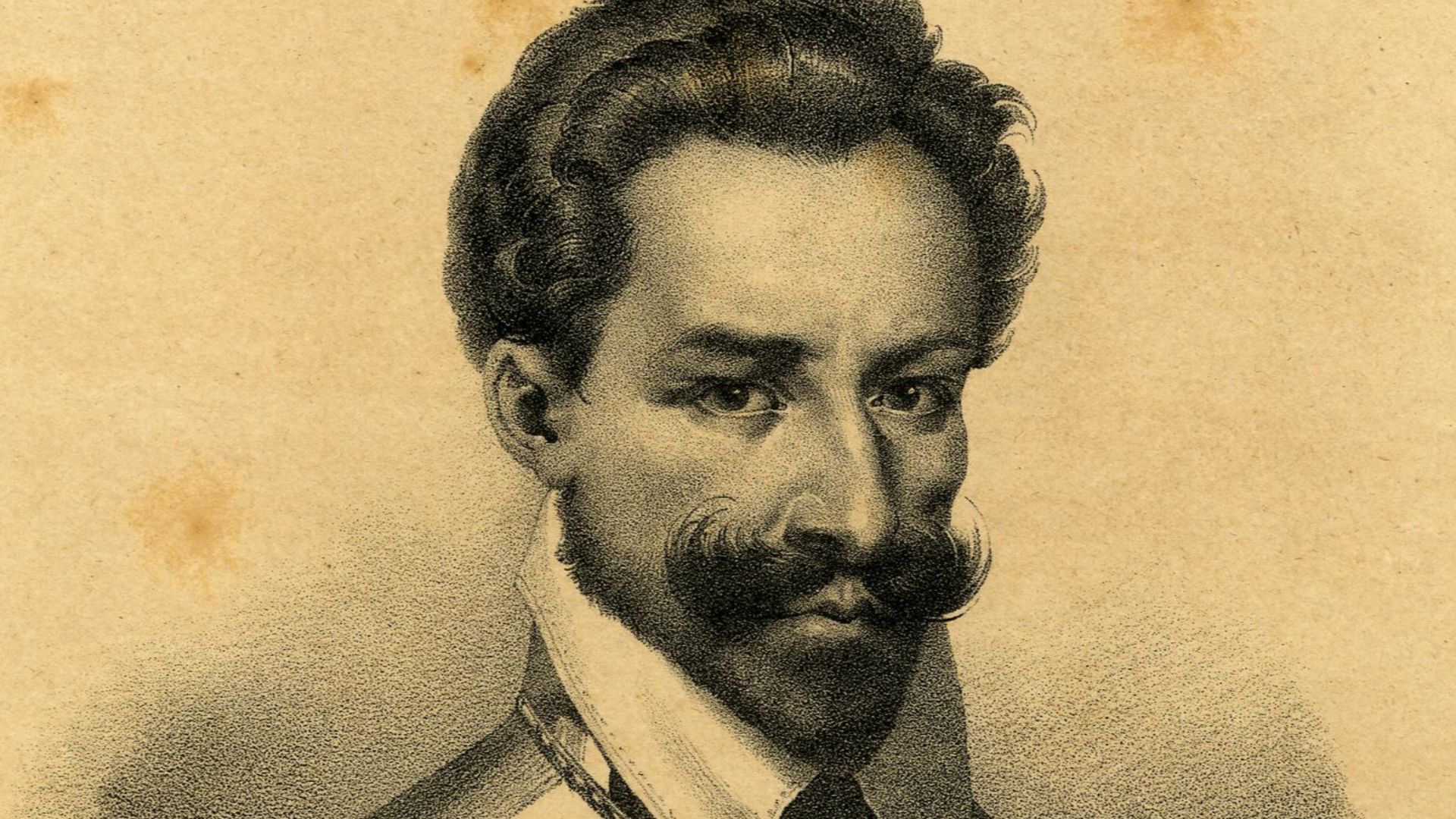 Print made by: Jean Baptiste Mauzaisse Printed by: Delpech, Wikimedia Commons
33. Her Youngest Sister Went Rogue
Whereas Catherine of Cleves married a rival Catholic, Henriette’s youngest sister Marie of Cleves outright slept with the enemy. Being just a child when the Cleves patriarch died, Marie was raised by her aunt, Queen Jeanne III of Navarre, in the Protestant faith, Calvinism in particular. Indeed, Marie would go to great lengths to keep her religion even in these dangerous times, and it brought another headache to Henriette’s door.
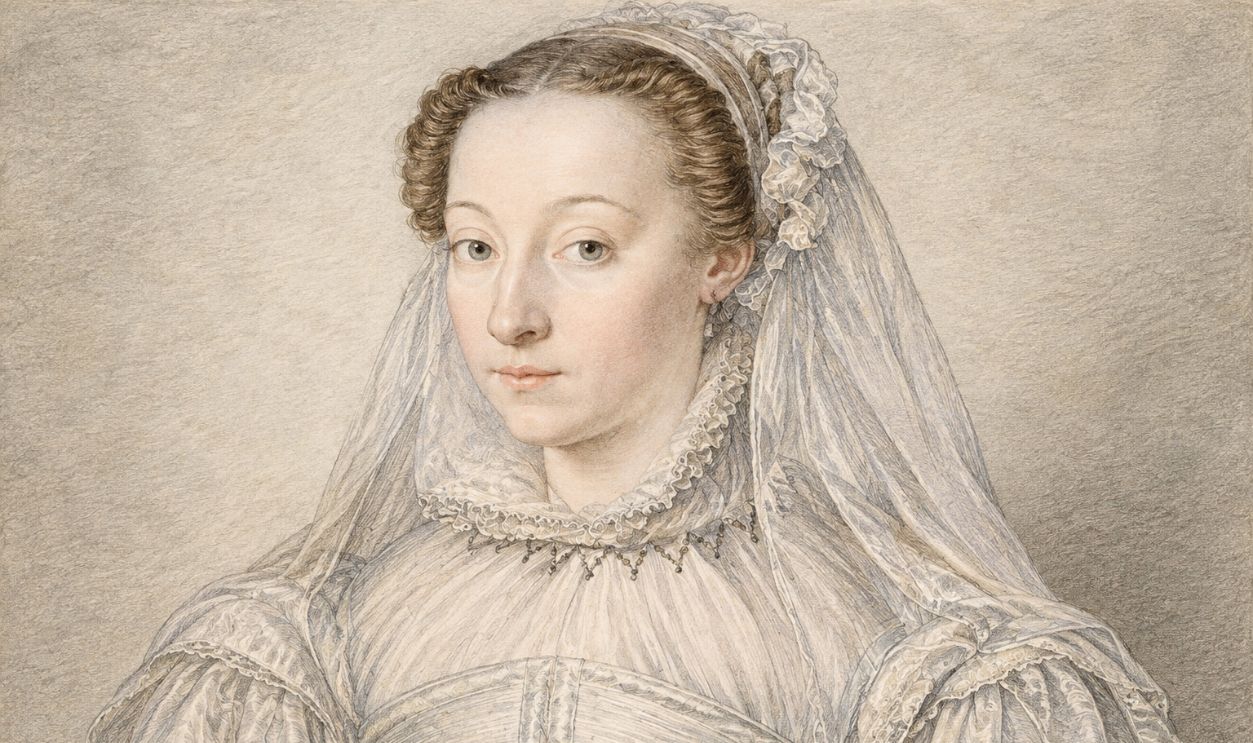 François Clouet, Wikimedia Commons, Enhanced
34. Her Enemies Kept Coming Back
In 1572, Marie of Cleves was set to marry a Protestant, and not just any Protestant. Her union was to Henri I de Bourbon, the son of the slain-and-put-on-a-donkey Louis I and the new Prince of Conde in his own right. However, Marie and Henri were first cousins, and needed papal dispensation to wed—a Catholic document that they were sure to not get.
When King Charles IX intervened and said he would allow it, chaos reigned.
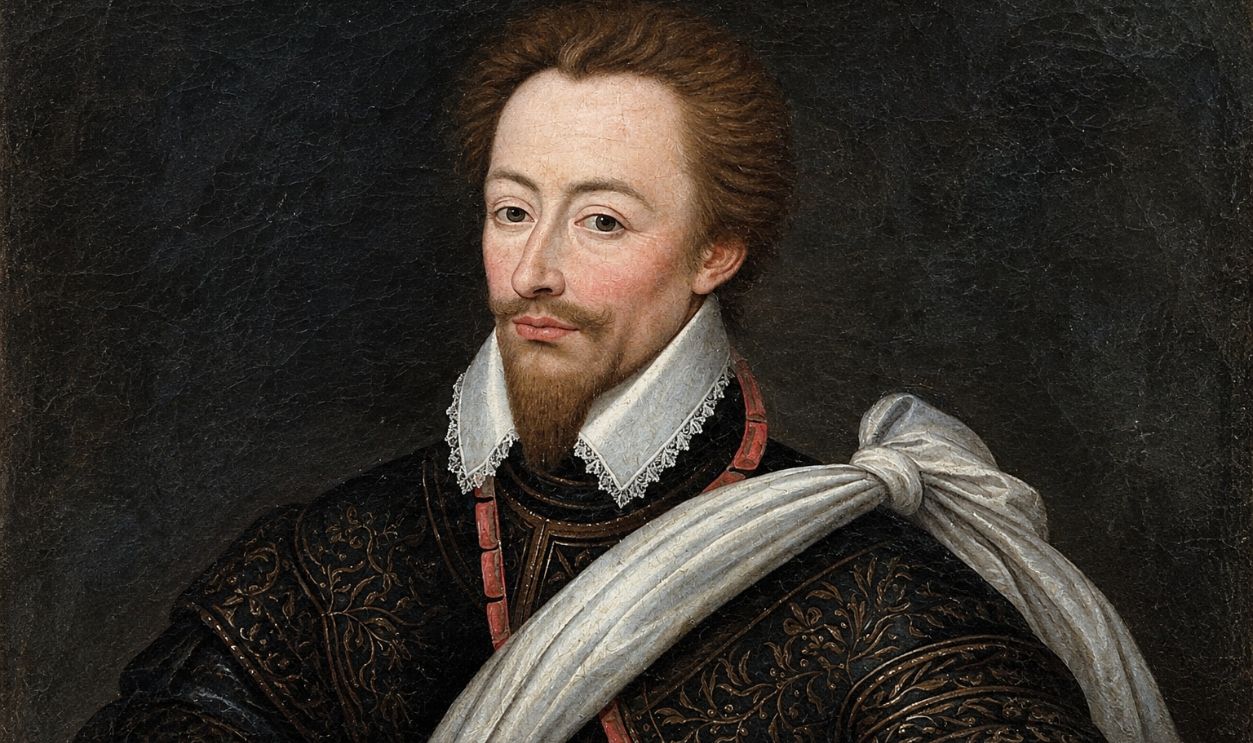 École française du XVIIe siècle, Wikimedia Commons
35. She Backed An Uproar
The leading Catholics of the day–Henriette of Cleves included—were incensed that the king would allow this high profile Protestant union to go through, especially after all the blood that had been shed in recent years to keep the Catholics in firm control of France. Many of them hurled angry words at the king, and Henriette’s husband joined them in publicly storming out of his rooms to make their point.
Although the wedding went through, a line was now drawn in the sand, with the Duchess of Nevers on one side and her baby sister on the other. It didn’t end well.
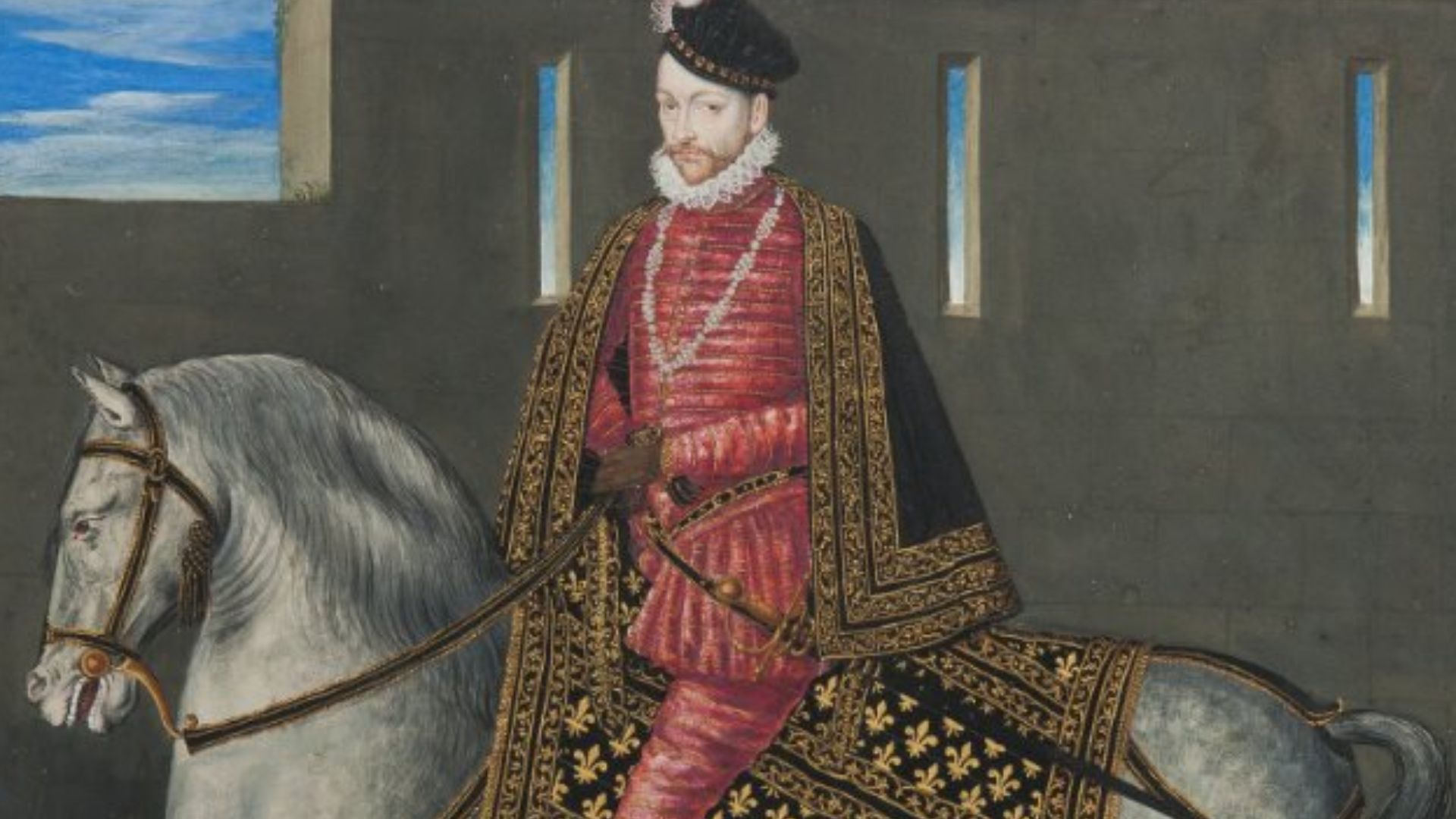
36. Peace Was On The Horizon
Despite this uproar, the Catholic crown seemed determined to make nice with the Protestants. On August 18, 1572, just months after Henriette’s sister married the new Prince of Conde, Princess Margaret of Valois married another high-ranking Huguenot, Henry III of Navarre. It was a lockjawed ceremony, with the Pope refusing again to have anything to do with the wedding, but it did happen. It just triggered one of the worst tragedies in French history.
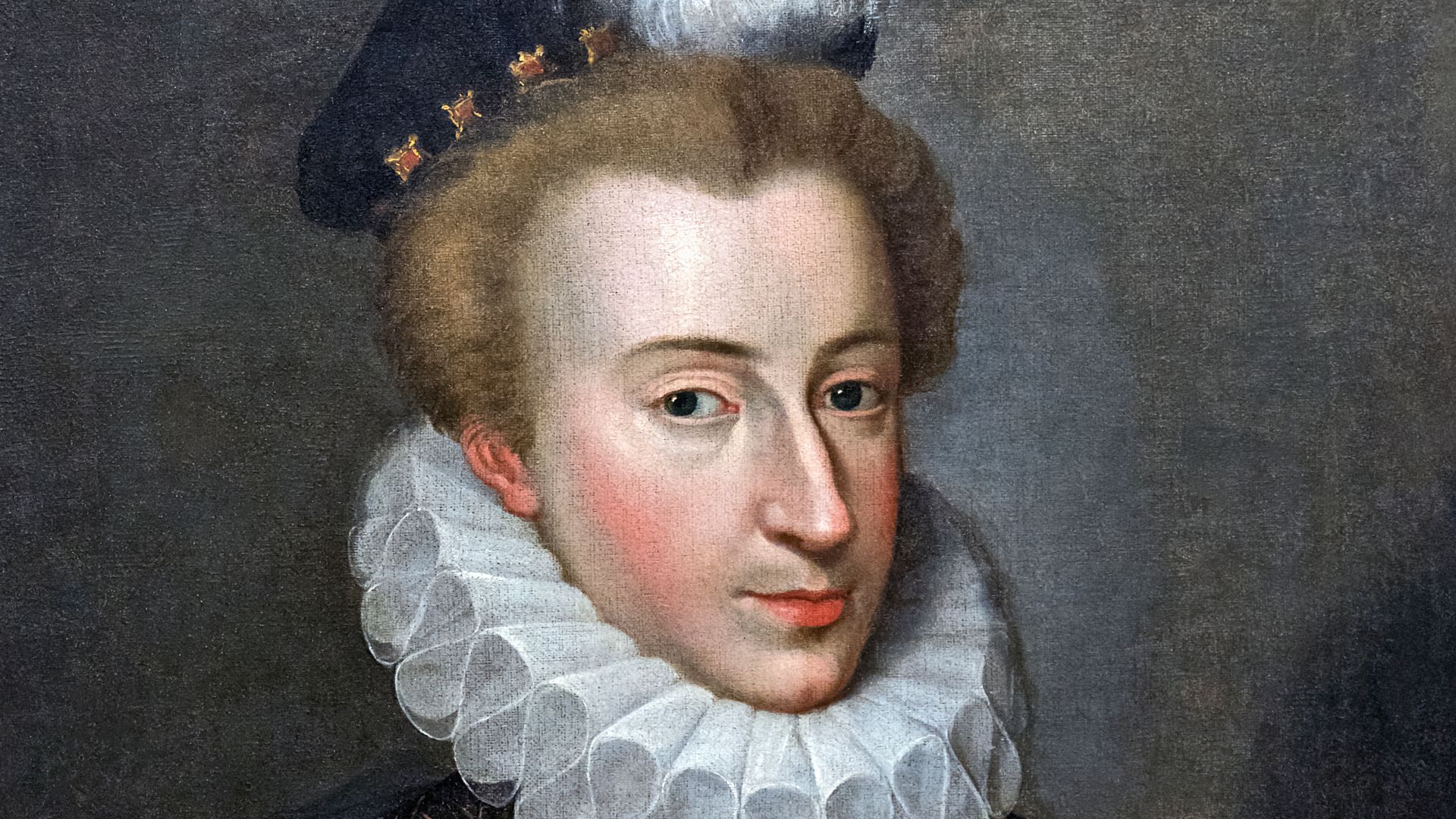 Didier Descouens, Wikimedia Commons
37. An Important Man Came To Town
In the days leading up to and following the royal wedding, Paris was full to the brim with Catholics and Protestants alike, celebrating the union of their religions. Even the leader of the Huguenots, Gaspard II de Coligny, was reluctantly in town to give his implicit approval of the marriage and hopefully promote a steady peace at last.
What happened was quite the opposite, and Henriette of Cleves was right in the middle.
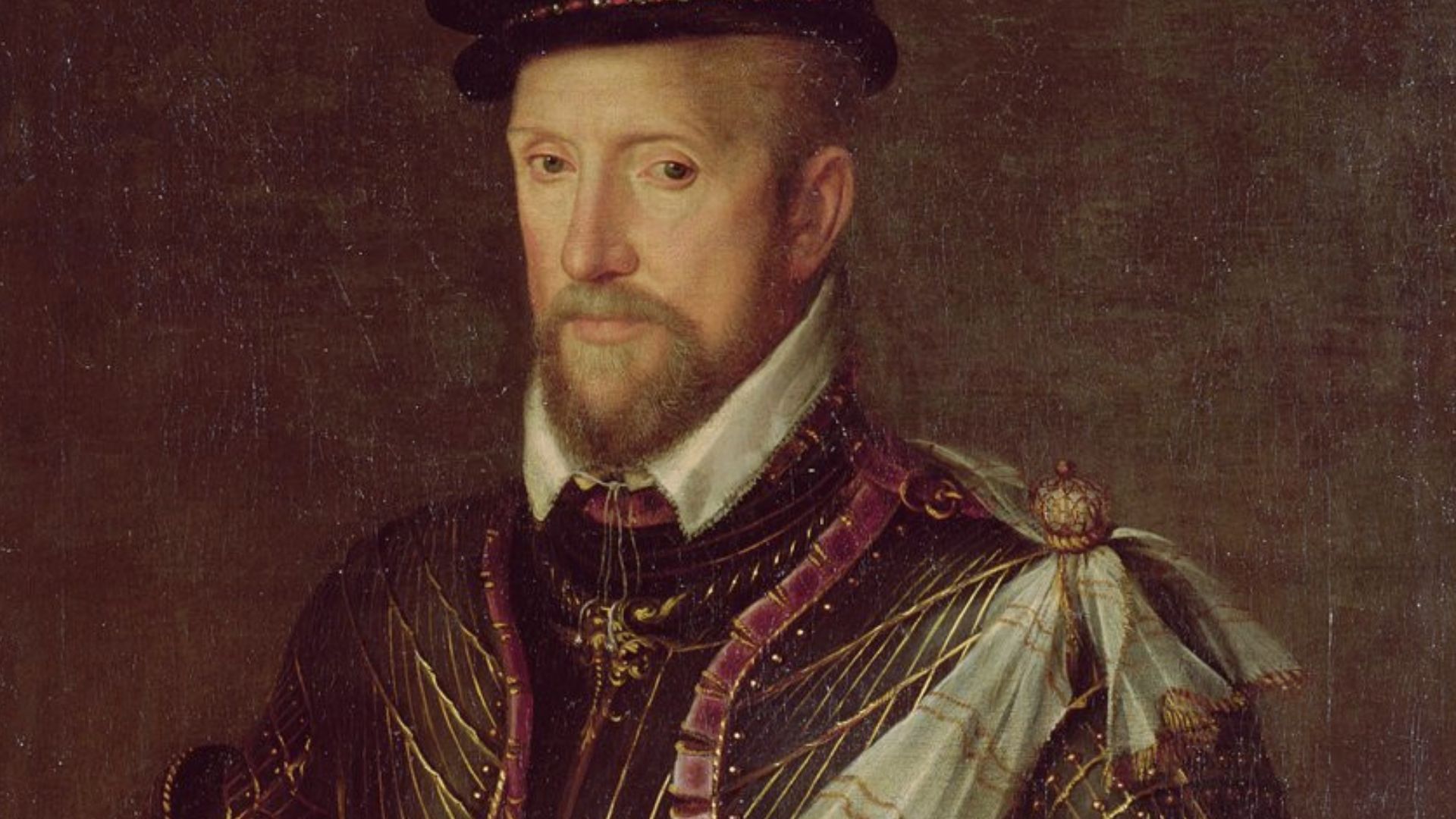
38. Bullets Flew In Paris
On the 22 of August 1572, with celebrations still ongoing, Coligny was shot in the street by someone camping out on the top floor of a house. Luckily—for now—Coligny had bent down to tie his shoe at just the right moment, saving his life while nonetheless tearing a finger from his right hand and shattering his other elbow.
When it came time to find the culprit, many looked no further than the Duchess and Duke of Nevers.
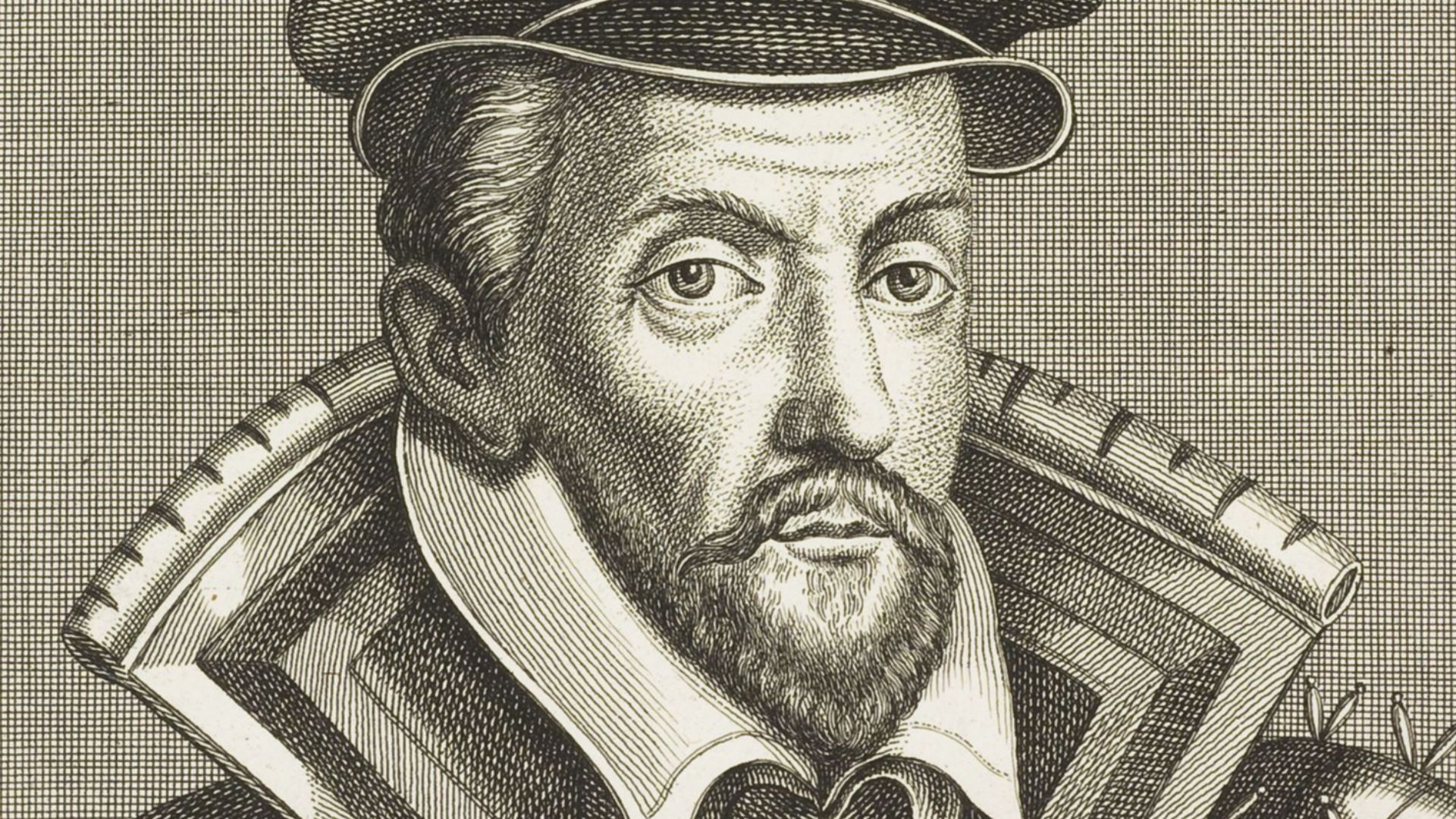 de Coligny, Gaspard II, duke of Châtillon (1519-1572) (depicted), Wikimedia Commons
39. Her Husband Was Blamed
After the ignominious marriage of Henriette’s sister, the Duchess of Nevers and her husband had proven just how radical their Catholicism was, and many thought that the Duke of Nevers must have had something to do with the attempt on the Protestant Coligny’s life. Though this is unlikely—historians’ consensus is that it was a noble named Charles de Louviers, perhaps backed by the Duke of Guise—his next move certainly didn’t help.
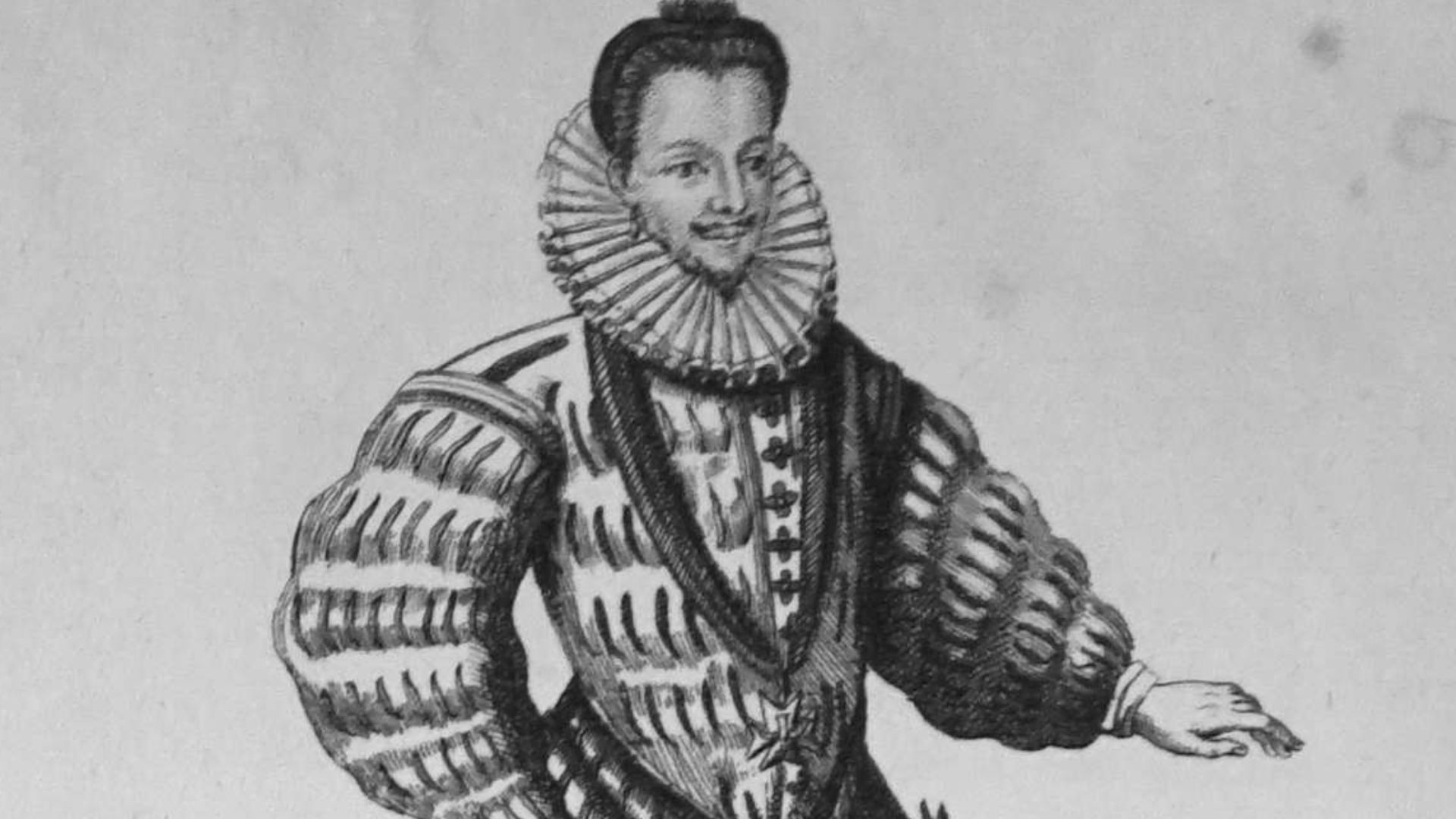
40. Her Family May Have Been The Next Target
The atmosphere in Henriette’s household, as it was in all of Paris, must have been unpleasantly electric in the next days. Everyone wondered what the assassination attempt meant for the bitter peace France had managed to scrape together between the religions, and everyone feared a Huguenot retaliation, with Henriette’s own husband considered one of the most likely targets for vengeance.
With this in mind, the Duke of Nevers was called to a series of meetings of Catherine de Medici’s inner circle. What they discussed that day would live in infamy.
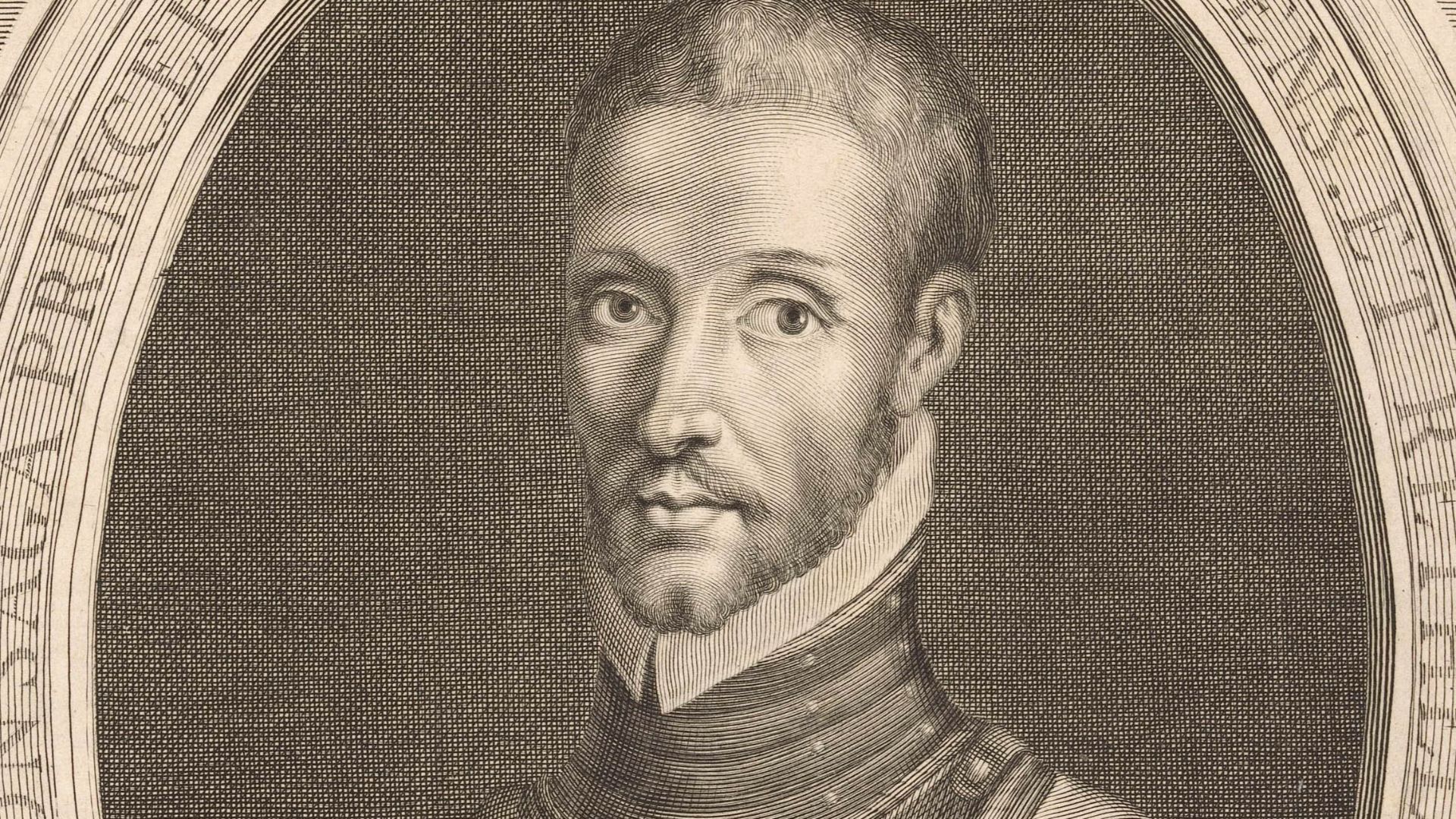 Guillaume Vallet, Wikimedia Commons
41. They Hatched A Disturbing Plot
When the Duke got home from his tete-a-tetes with Catherine de Medici, he had quite the bloody tale to tell Henriette of Cleves. In the meeting, Catherine and her acolytes determined that to avoid a crisis and protect Catholics like the Duke of Nevers, they needed to strike all Protestant leadership as fast and as brutally as possible, and they needed to do it right now. They certainly accomplished their goals.
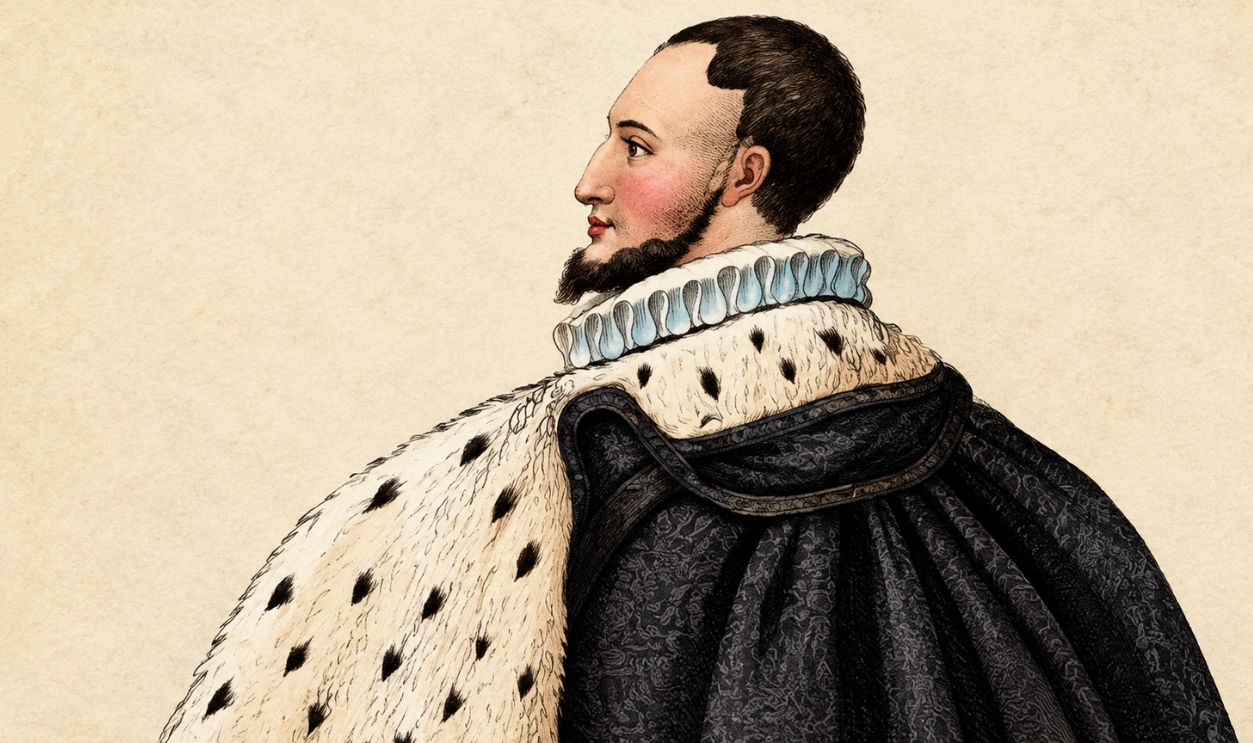
42. They Moved Quickly
The next events moved with vicious, efficient speed. The crown ordered the municipal authorities of Paris to shut the city gates and arm citizens. Then the king's Swiss mercenaries were given a list of the leading Protestant targets and ordered to slay them. Complying, they dragged Protestant nobles from Louvre Castle and killed them in the streets; Gaspard II de Coligny was also slain in this initial fray.
It was almost surgical in its precision. Then it exploded out of control.
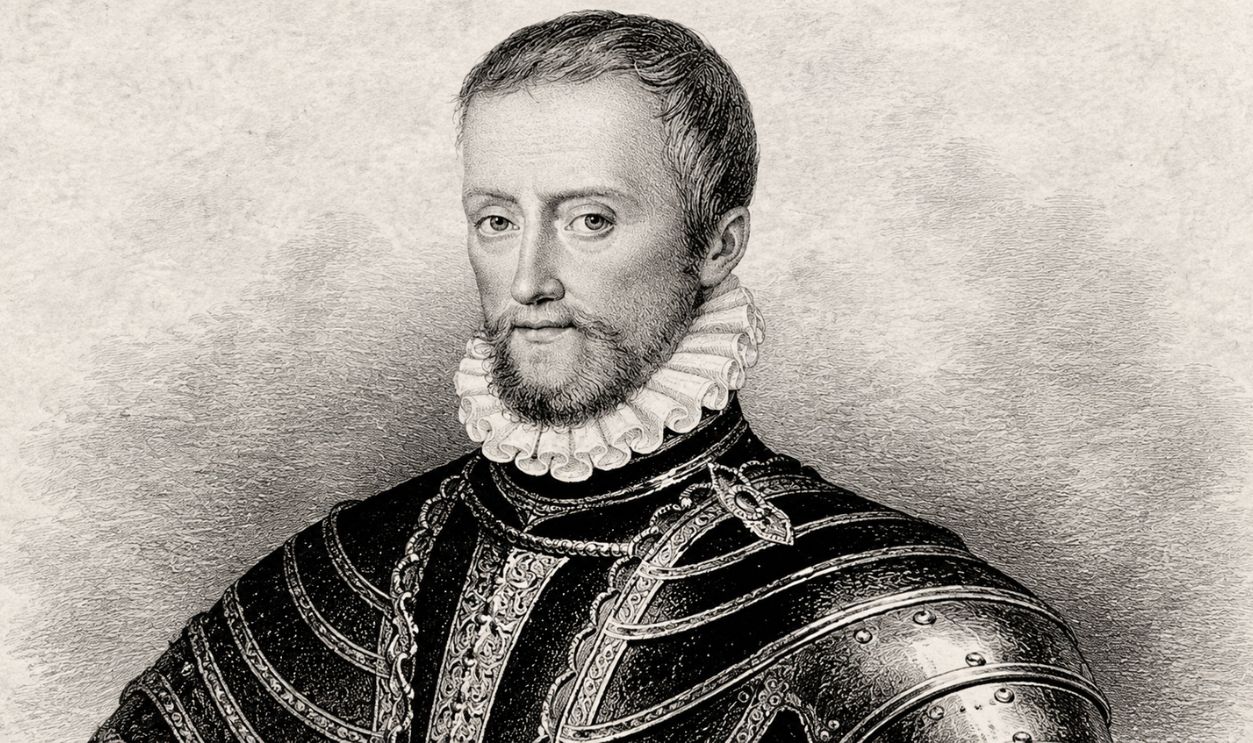 François-Séraphin Delpech, Wikimedia Commons, Enhanced
43. Her City Erupted In Violence
Inspired by this aristocratic violence, the common people now began hunting Protestants in Paris streets, including women and children. The chain reaction continued, with fighting then breaking out outside of the city in multiple areas. When all was said and done, thousands of Protestants—some estimates put it at as much as 50,000—were slain in what became the Saint Bartholomew’s Day Massacre.
But to look at the Nevers family, you might never have known something so grim was taking place.
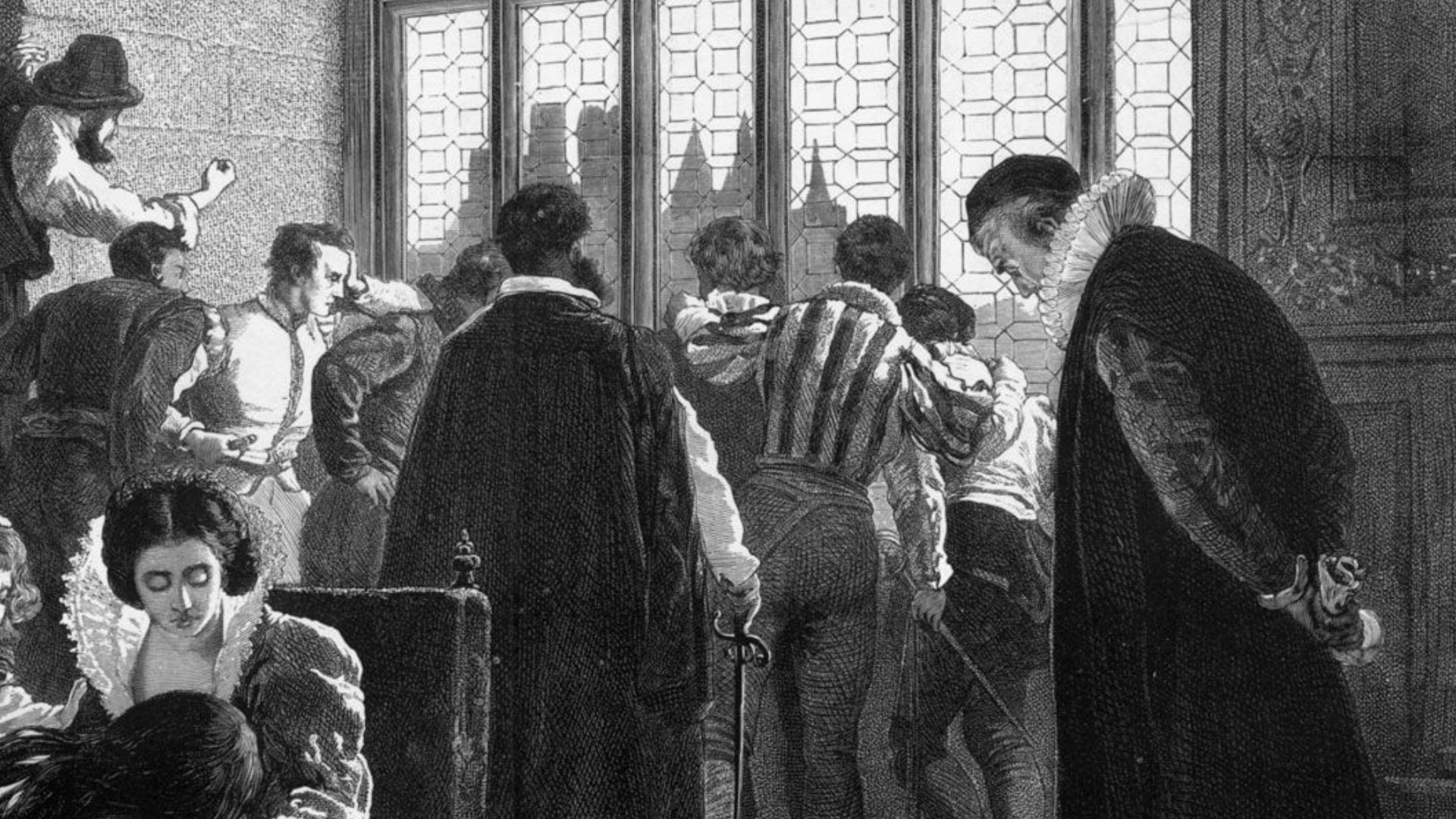 William Biscombe Gardner / After Philip Hermogenes Calderon, Wikimedia Commons
44. Her Husband Went Bloodthirsty
During the fighting, Henriette’s husband gloried in the chaos and gore, seeming to interpret it as God’s will and positioning himself as the hand of God to “cleanse” France of the Protestants. In fact, he claimed the violence brought him closer to his Creator, and was so untethered that the king himself had to issue him a direct order to stand down.
Closer to home, Henriette had a more personal win.
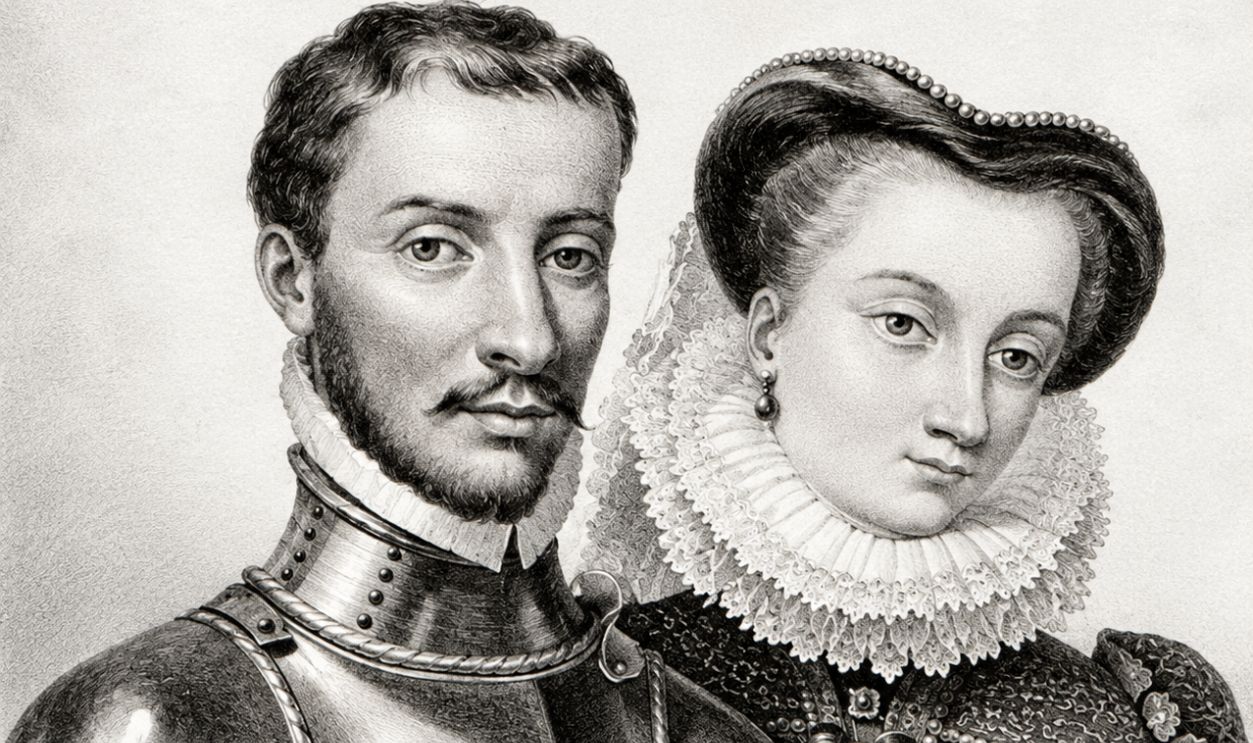 AnonymousUnknown author, Wikimedia Commons, Enhanced
45. Her Sister Was Forced To Convert
In the weeks following the terror, Henriette’s sister Marie’s life changed drastically, and in just the way Henriette would have wanted it. Marie and her new husband were forced to convert from Protestantism to Catholicism after all, and were remarried according to these rights, forcibly putting them back in the family faith. That wasn’t the only piece of good news for Henriette of Cleves.
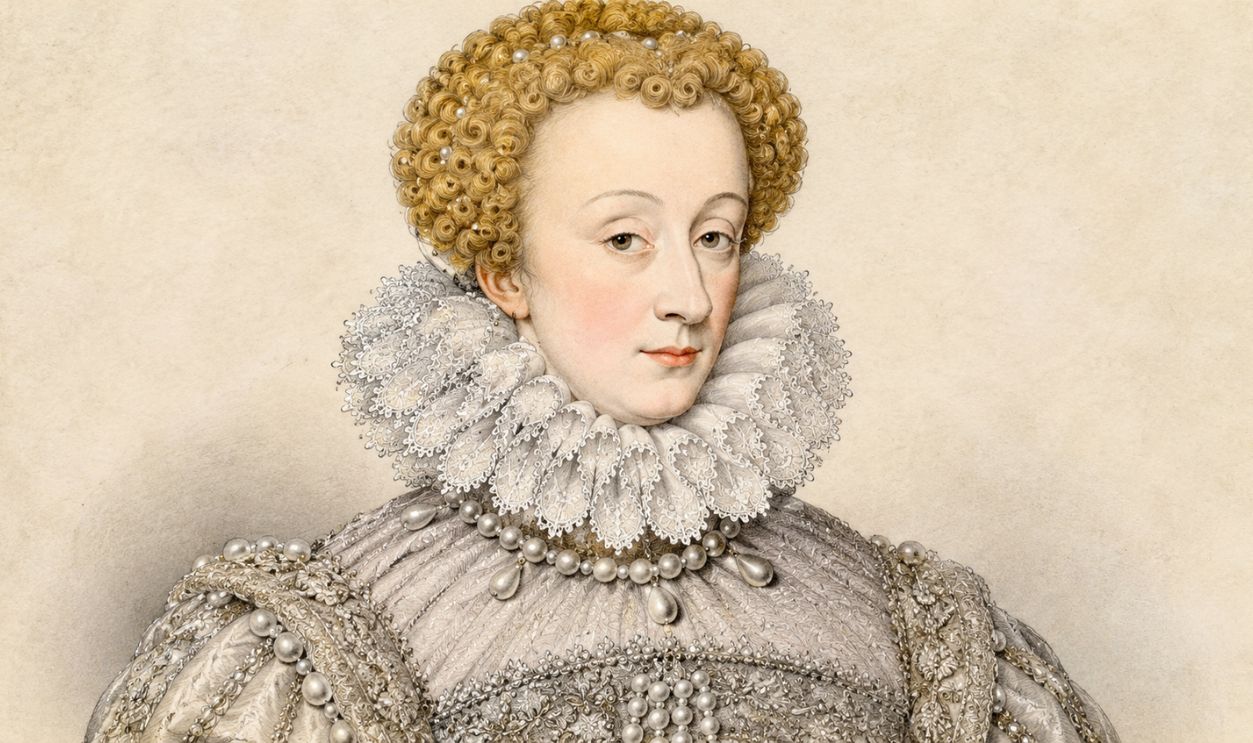 François Clouet, Wikimedia Commons
46. She Was Extremely Rich
Henriette of Cleves had begun her time as Duchess proving that she was a capable landowner and good with her finances. But she did more than break even—she made huge profits. Her skills eventually turned her into one of the wealthiest French nobles of her generation, and during the unstable period of the wars, she became one of the chief creditors of the country, all too happy to lend money to keep the conflict going and the Catholic side winning.
Yet all this money couldn’t stop the whispering.
 Michael Sander, Wikimedia Commons
47. She May Have Taken A Lover
Rumors from around the time of the Saint Bartholomew’s Day Massacre suggested that while her husband was out fighting Protestants, Henriette of Cleves was inviting another man into her bed. These whispers claimed that she had taken up with the Piedmontese adventurer Annibal de Coconas—but if the rumors were true, Henriette was about to get shocking news.

48. There Was A Bloody Execution
In 1547, de Coconas and Joseph Boniface de La Mole—himself a lover of Henriette’s friend Margaret de Valois—were detained for participating in a conspiracy against the King of France. After brutal questioning, the men were beheaded, then drawn and quartered at the Place de Greve in Paris. But, if you believe the tales, Henriette and Margaret weren’t done with them.
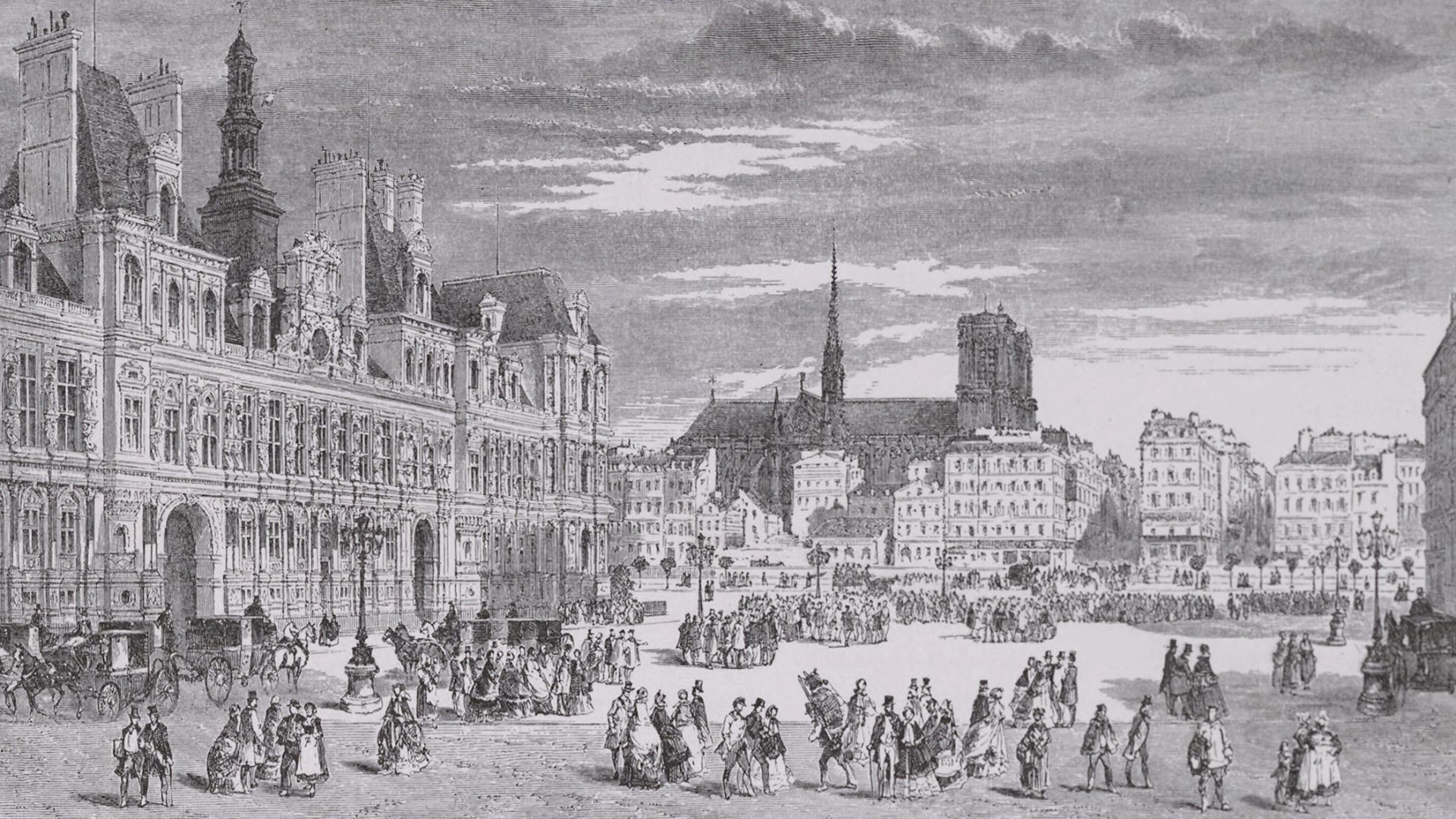 Theodor Josef Hubert Hoffbauer, Wikimedia Commons
49. She May Have Stolen A Corpse
Following this public humiliation of their remains, de Coconas and de La Mole’s heads were put on display as a warning to any others who wanted to cross the ruler. According to yet another rumor, Henriette of Cleves and Margaret then stole out of their beds one night to spirit the heads away, embalm them, and bury their lovers properly.
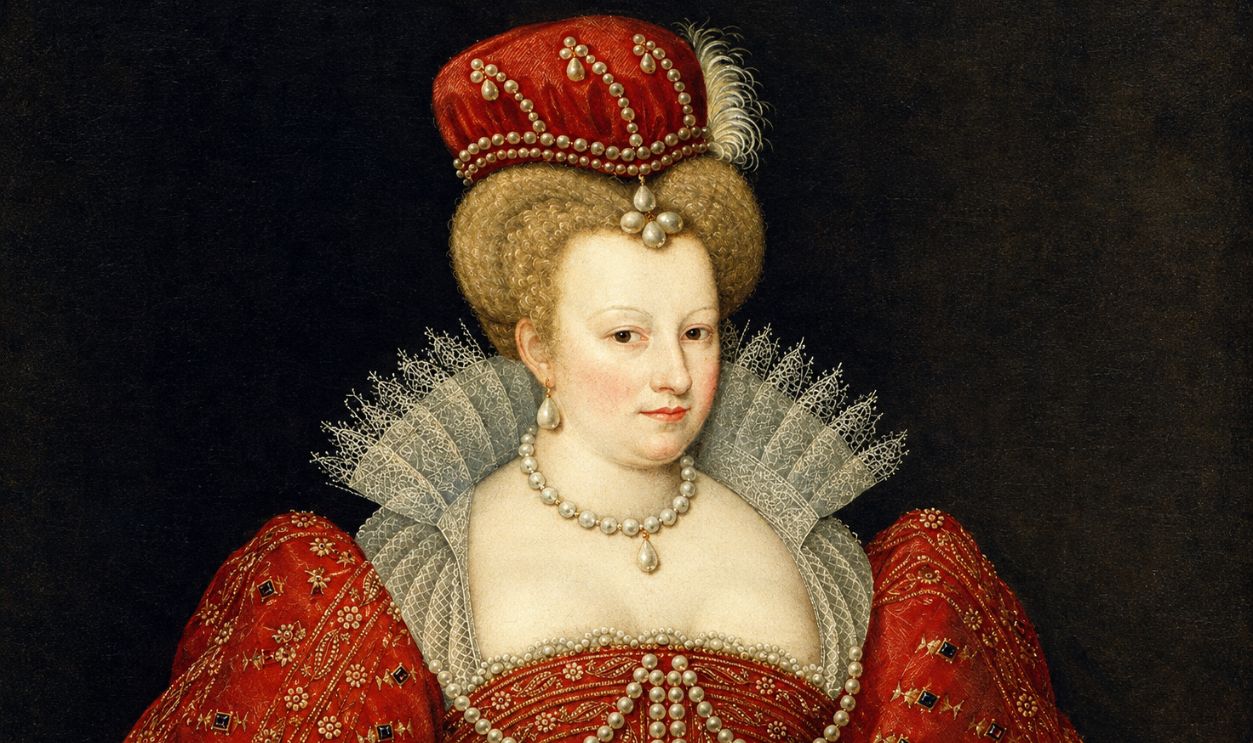 Unidentified painter, Wikimedia Commons, Enhanced
50. She Conquered Her Age
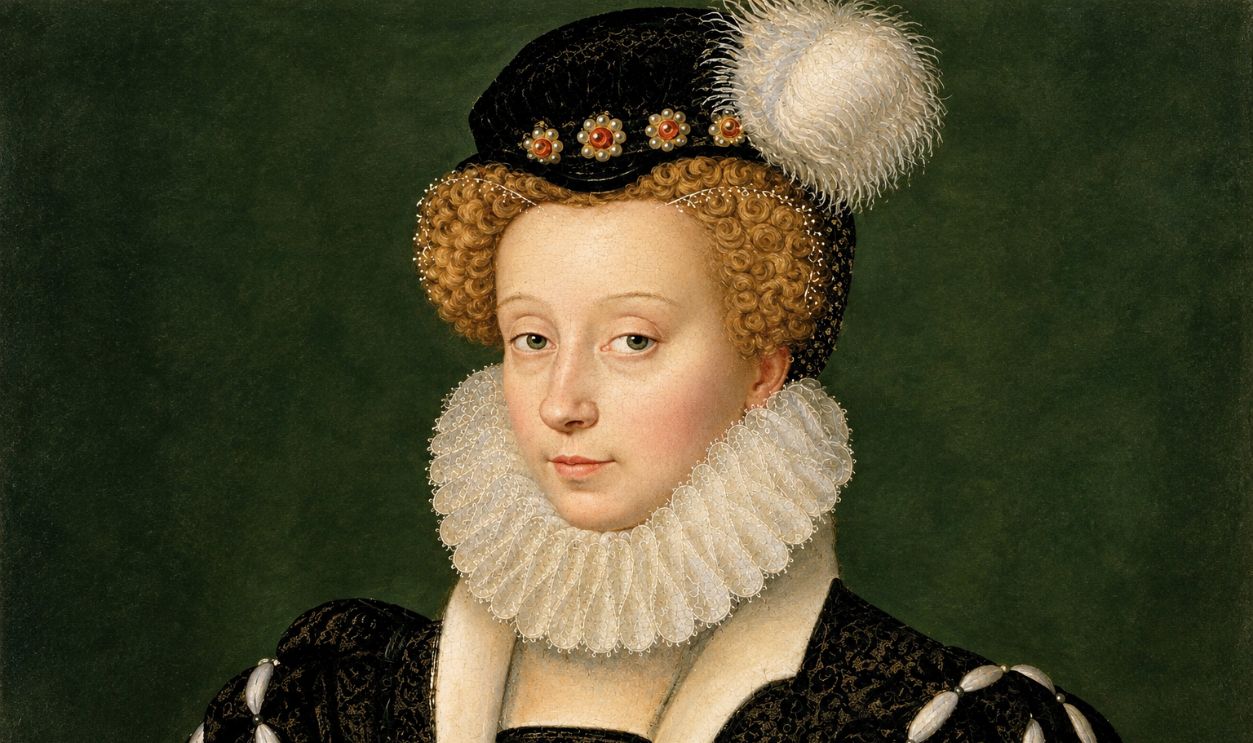
Henriette of Cleves lived through a time of great upheaval: the endless wars of religion, an endless stream of kings, and the near-downfall of her own family. Even so, she kept managing to come out on top. She even outlived her bloodthirsty husband, who passed in 1595, managing to survive another six years before passing in 1601 at the age of 58.
 François Clouet, Wikimedia Commons, Enhanced
You May Also Like:
Scandalous Facts About Catherine de Medici, The Deadly Queen Mother Of France
Vengeful Facts About Alessandro De Medici, The Tyrant Of Florence
Unveiled Facts About Anne Of Cleves, Henry VIII's Mysterious Wife
Sources: 1, 2, 3, 4, 5, 6, 7, 8, 9, 10, 11, 12, 13, 14, 15, 16, 17, 18