He Rivaled The Royals
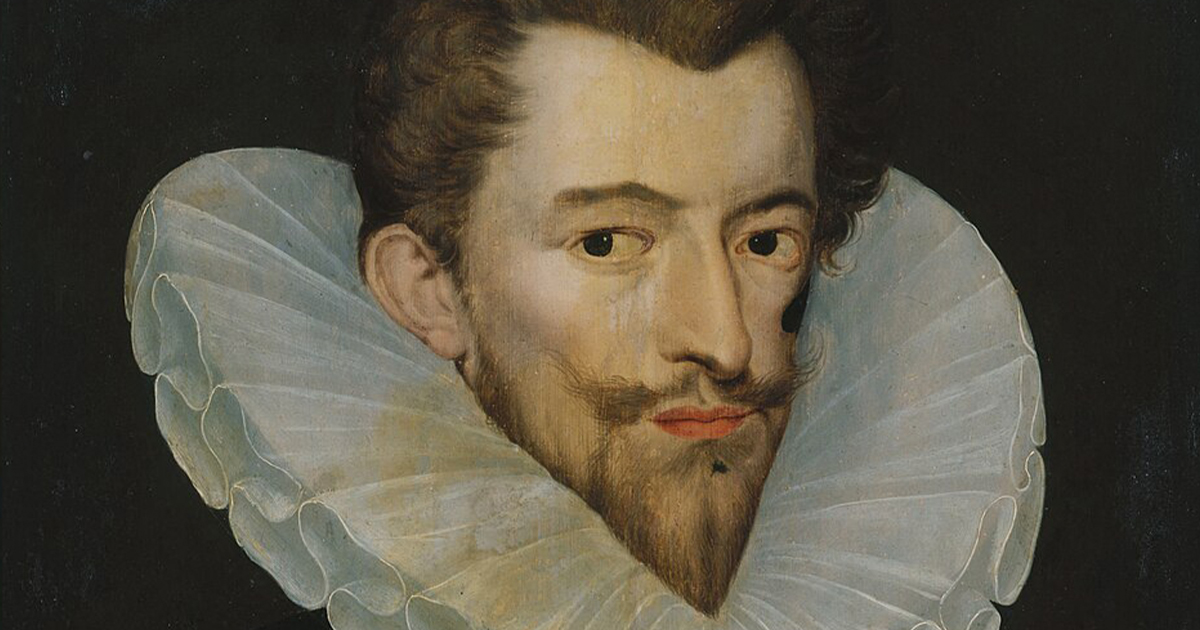
Henri I, Duke of Guise, practically ruled France in the time of King Henry III. But his lifelong pursuit of vengeance against his father’s assassin and his rivalry with the French royals ultimately led to his downfall. Though, not before he earned the terrifying nickname Le Balafré (AKA “Scarface”).
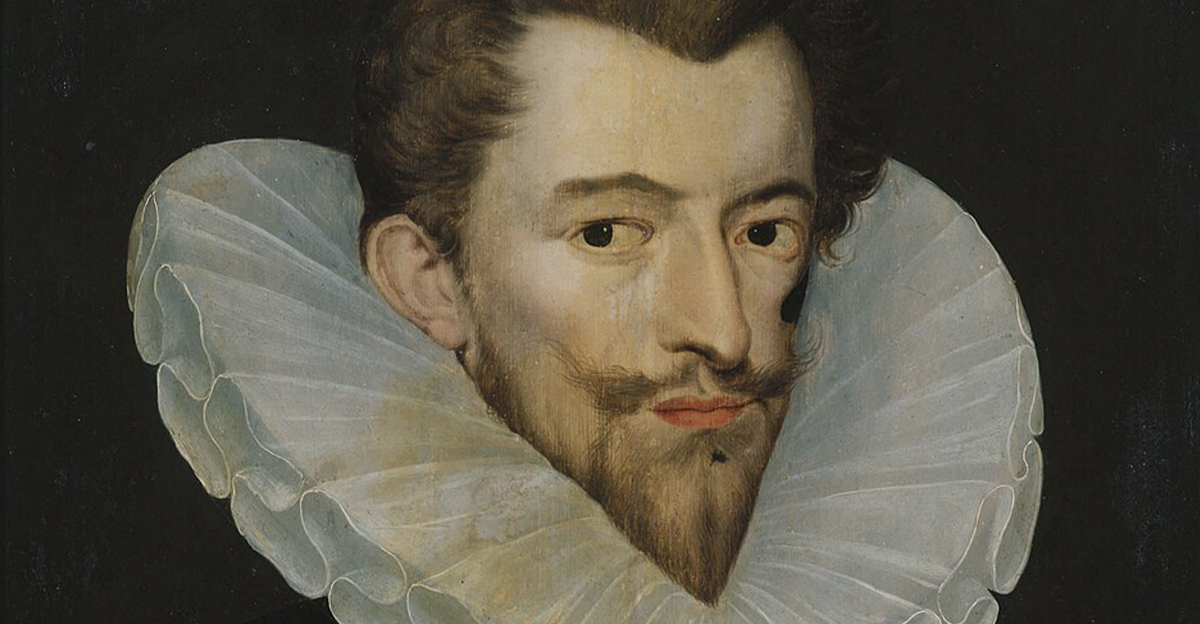 Musée Carnavalet, Wikimedia Commons
1. He Was Descended From A Pope
Henri I de Lorraine came as a New Year’s Eve gift to his father and mother, François de Lorraine, 3rd Duke of Guise, and Anna d’Este. He wasn’t a member of France’s royal family, but his pedigree was no less impressive. Through his mother, he was a descendant of the powerful Borgia family and even claimed a direct line to Pope Alexander VI.
He was basically royal by proxy.
2. He Tried To Run Away With The Prince
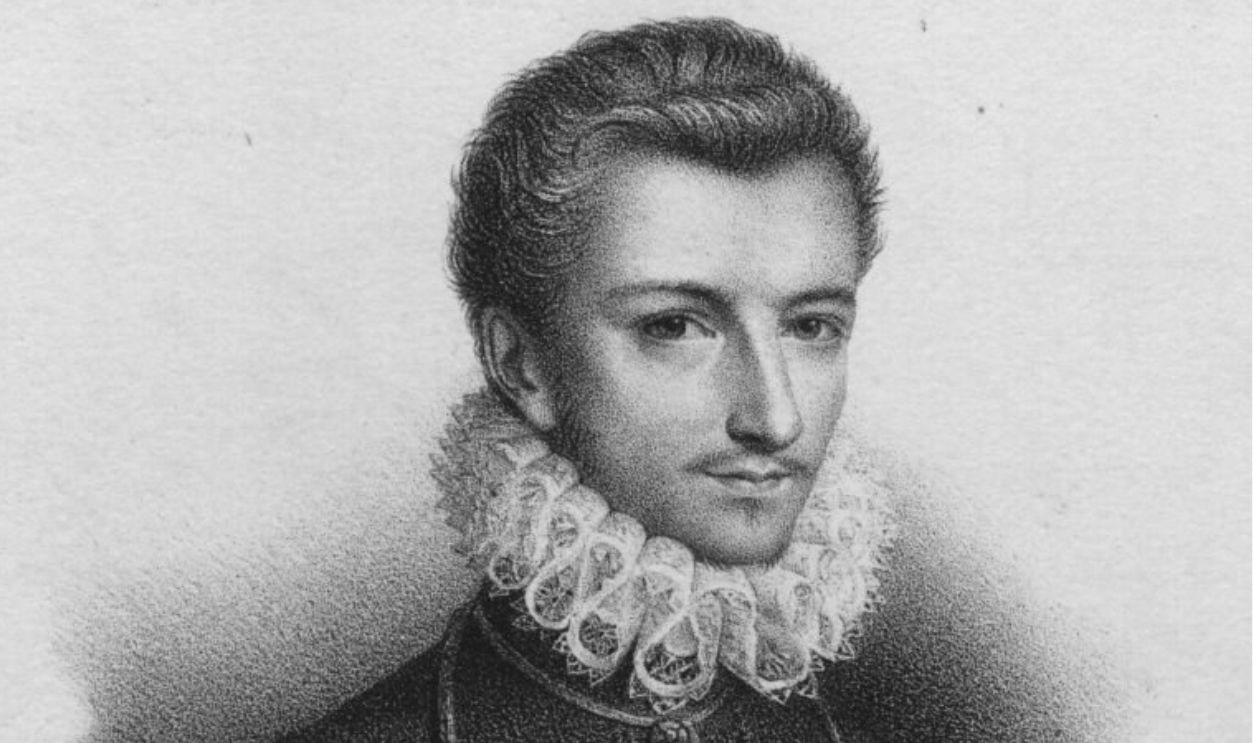
Henri grew up in close proximity to the French royal family. In fact, throughout his childhood he was friends with Prince Henry, the future King Henry III. Their friendship was so close that Henri even tried to convince Prince Henry to run away with him and “join the arch-Catholic faction”. Once Henri’s father and uncle found out, they squashed the idea.
Plus, Henri’s life was about to change—and not for the better.
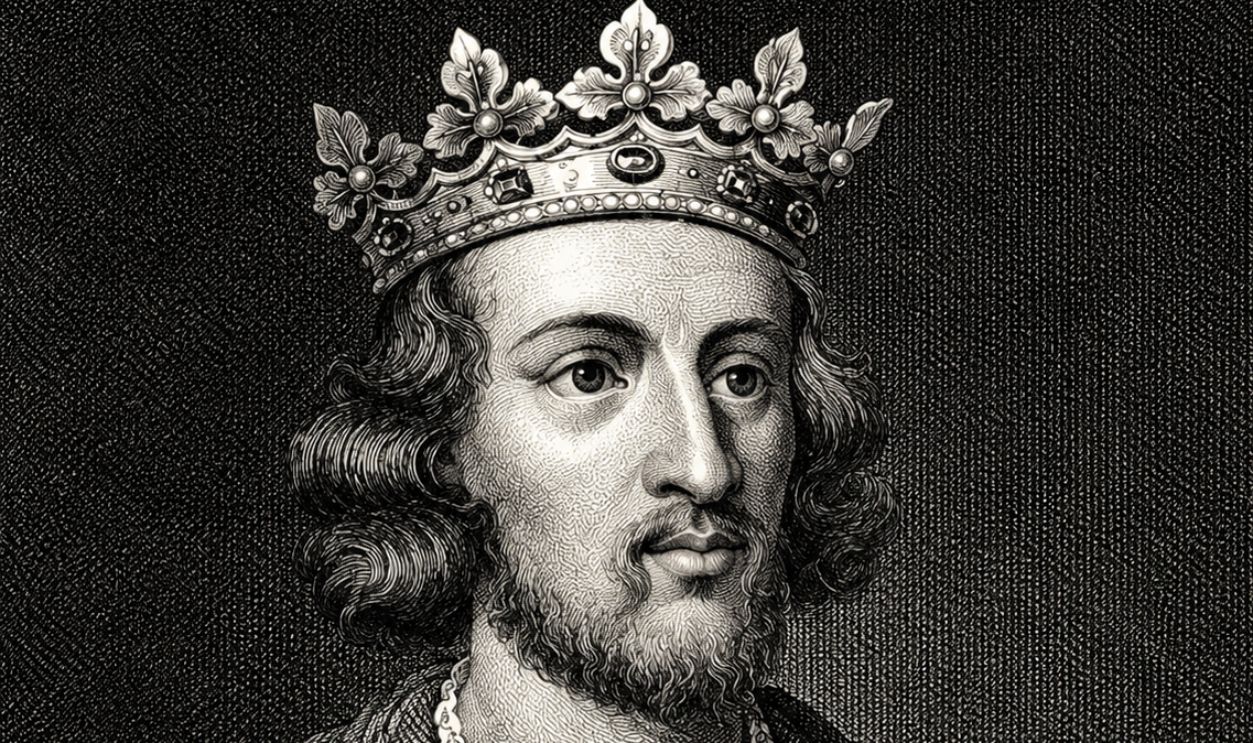 David Cole, Wikimedia Commons, Enhanced
3. He Inherited His Father’s Burden
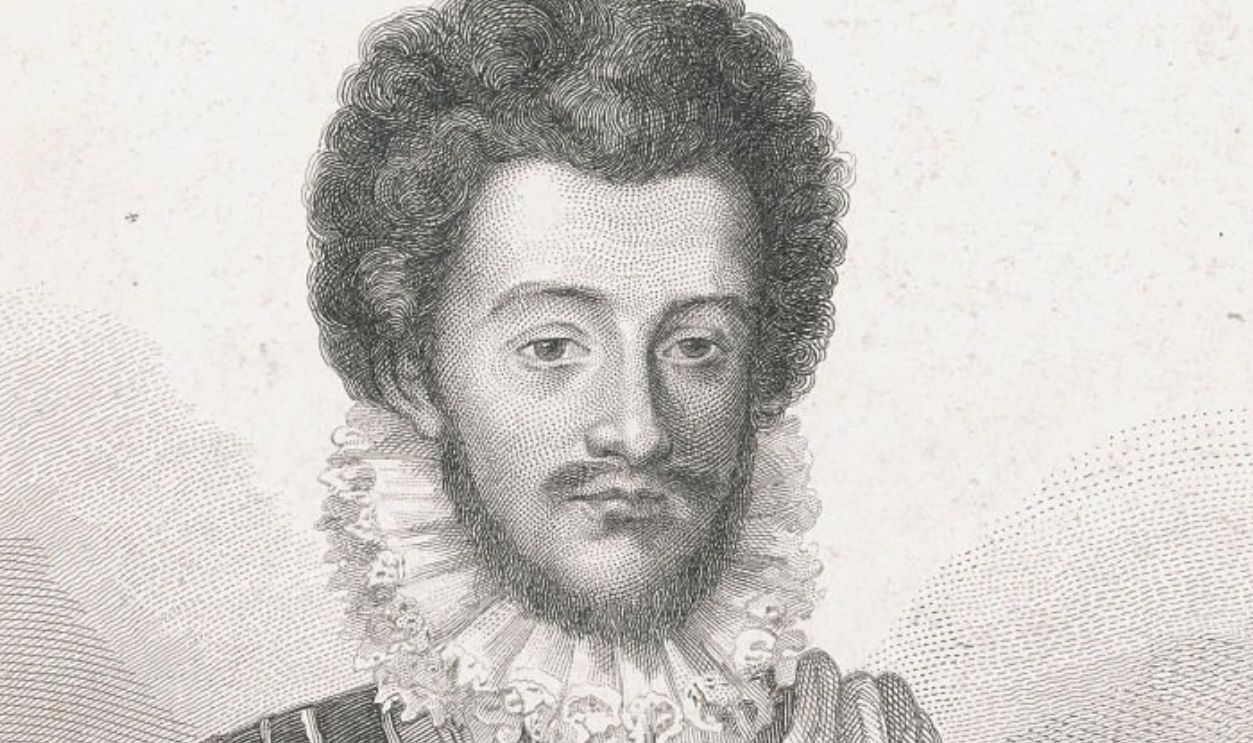
Between the ages of 12 and 13, fate drastically changed the course of Henri’s life. Sometime in 1563, an assassin took out his father, leaving the young Catholic nobleman to inherit his father’s duchy—along with his father’s responsibilities. That included the high-powered office of Grand Master of France along with control over Champagne.
Henri swore an oath then that would shape his life forever.

History's most fascinating stories and darkest secrets, delivered to your inbox daily.
4. He Swore Vengeance
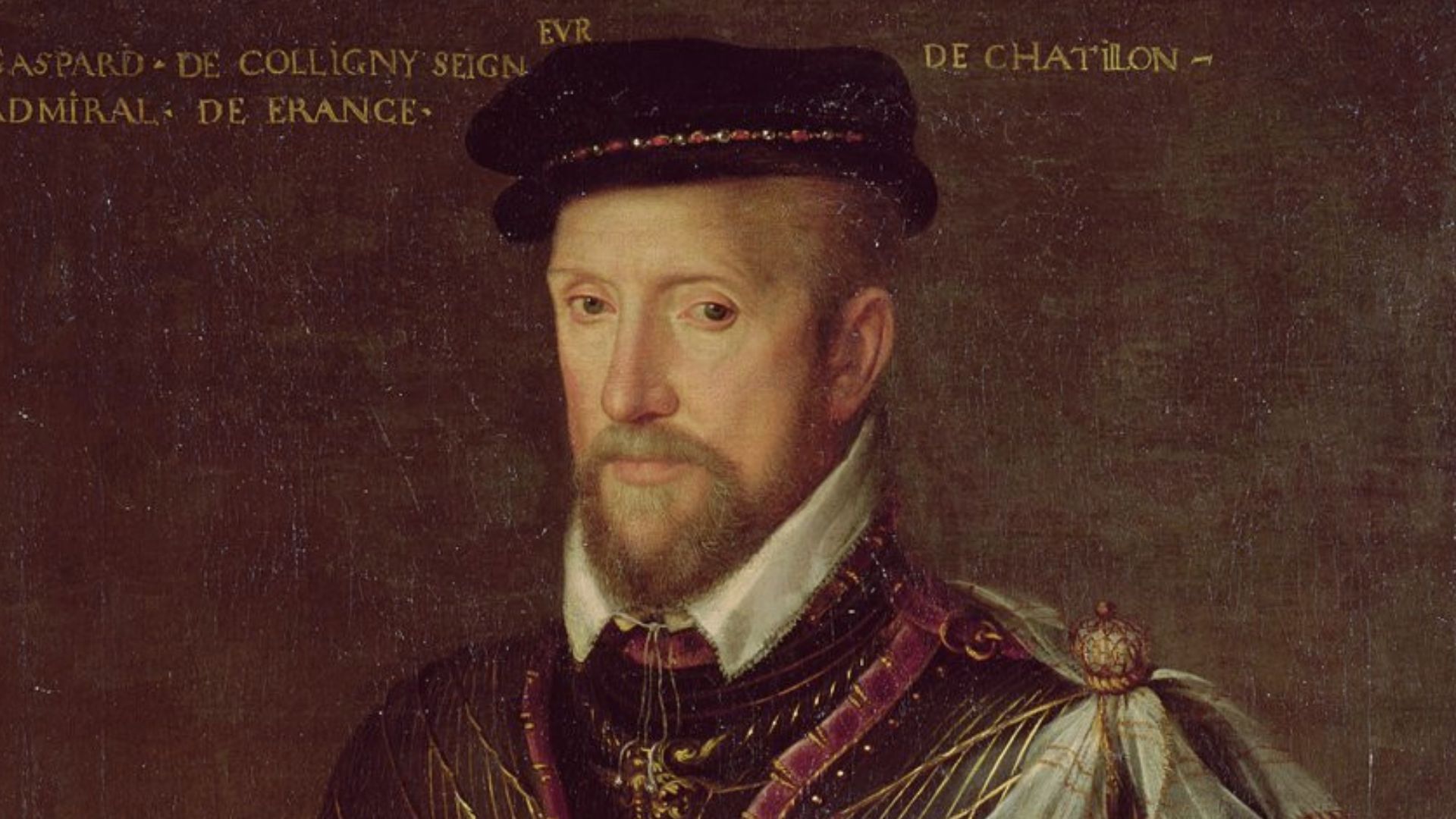
Instead of shrinking away in fear, Henri resolved that he would avenge his father’s untimely and unjust demise. And he thought he knew exactly where to direct that red-hot vengeance: at the Huguenot admiral Gaspard II de Coligny. What ensued would be a lifelong blood feud with the potential to rip the kingdom of France apart.
And he wasn’t wasting time.
5. He Attacked Paris
In his first attempt to avenge his father’s unsanctioned execution, Henri stormed into Paris alongside his uncle, Charles, Cardinal of Lorraine. It’s not clear how many men entered the city of Paris under their banners, but it clearly wasn’t enough. Parisian forces responded, holding Henri up in his residence until he agreed to stop the attack.
His desire for vengeance, however, still burned hot.
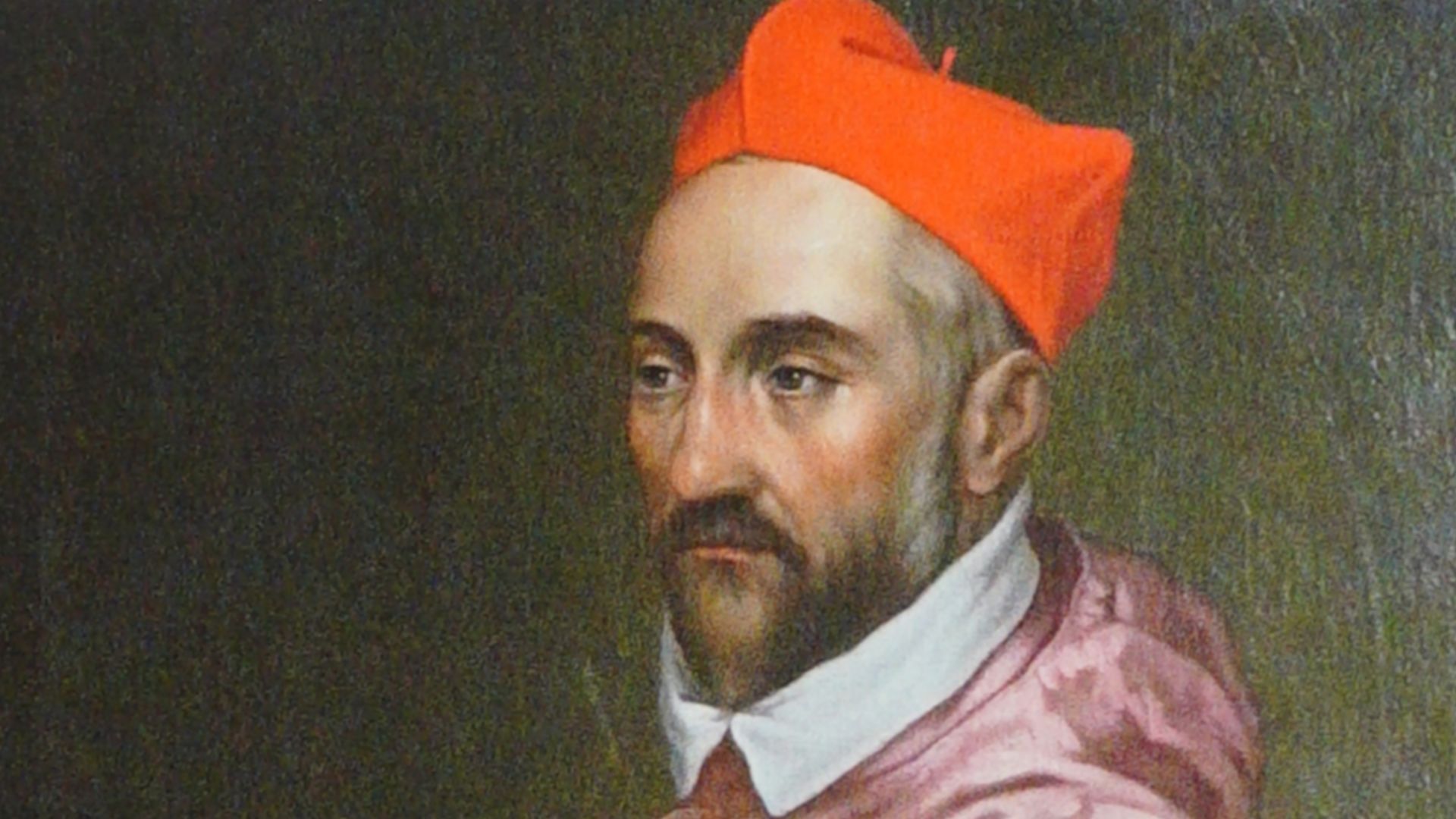 inconnu. Versement et modifications ː G.Garitan, Wikimedia Commons
6. He Wouldn’t Kiss And Make Up
In an effort to ease the tensions, King Charles IX ordered Henri and his uncle to “make the kiss of peace” with their enemy Coligny and end their destructive feud. Henri’s uncle acquiesced to Charles IX’s demands, but Henri himself flatly declined and instead countered by challenging Coligny to a duel. Coligny refused—but the feud was still on.
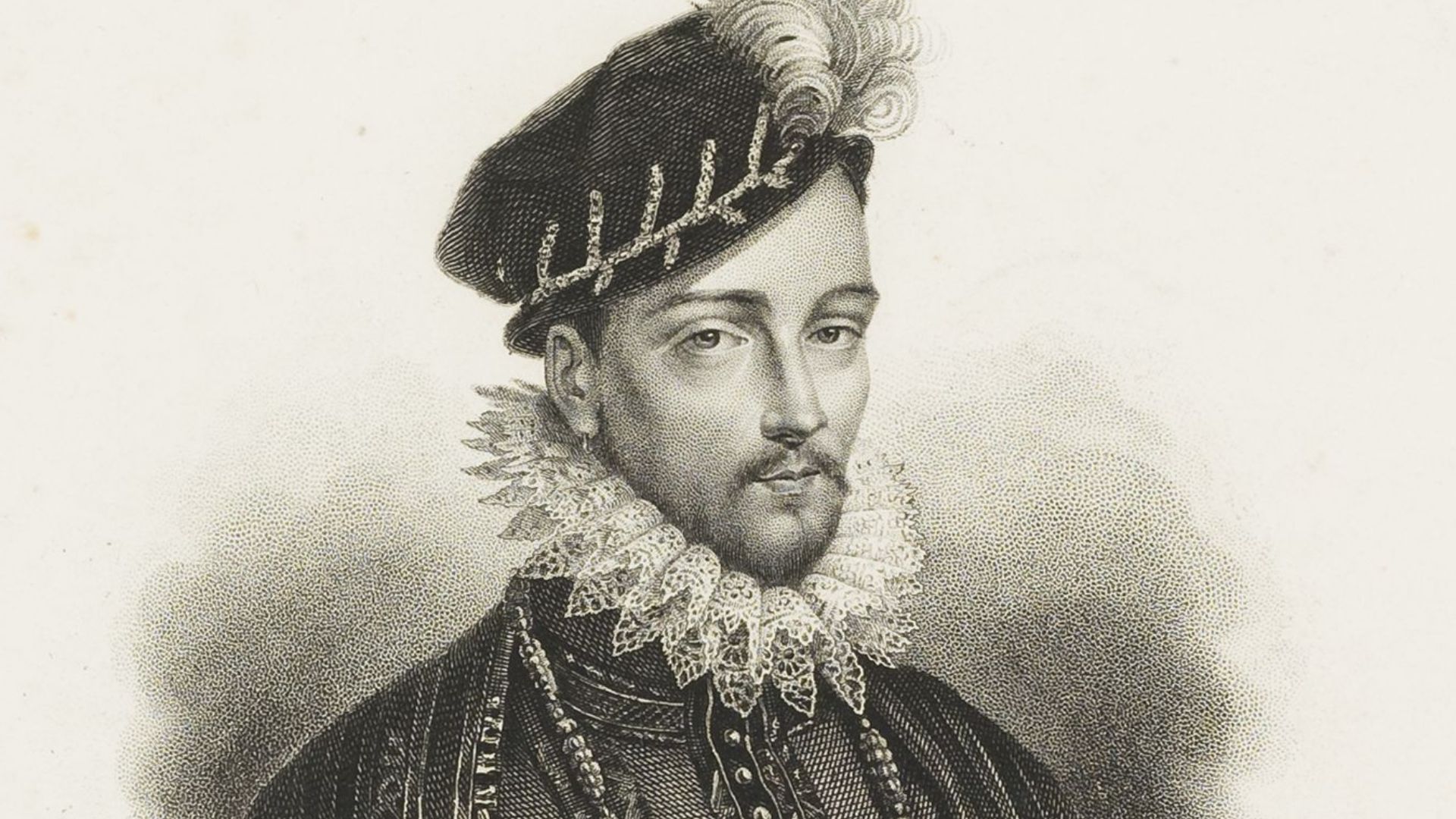
7. He Rode Off To Fight The Ottomans
If Henri couldn’t fight Coligny, he would fight someone else instead. Ostracized from the French court for his belligerence, Henri departed for the Ottoman Empire alongside his brother, Charles, Duke of Mayenne, along with 350 men. However, by the time he got to Vienna, the fight between the European powers and the Ottomans had ended.
He was spoiling for a fight anyway.
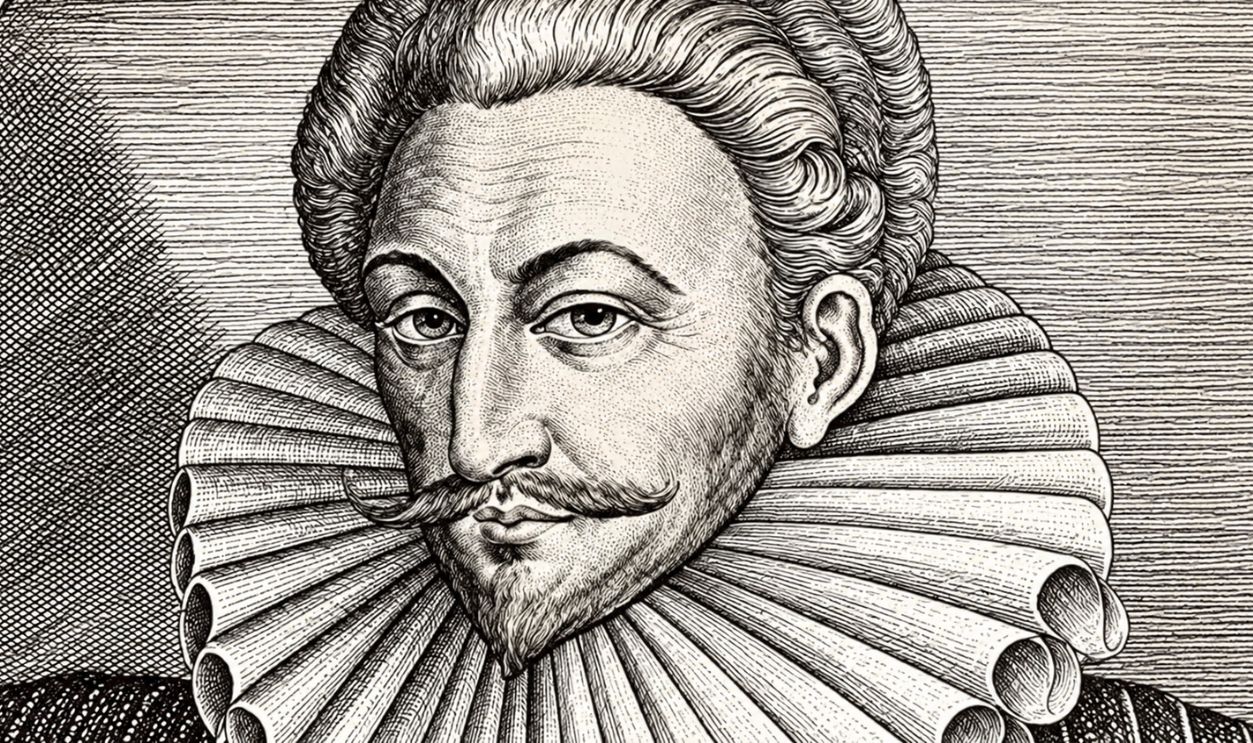 Bibliothèque nationale de France, Wikimedia Commons, Enhanced
8. He Finally Got A Taste Of Blood
When the French weren’t fighting the Ottomans, they were fighting each other—and Henri saw his way back into royal favor. As the fighting between Protestant Huguenots and royal-backed Catholic factions raged on, Henri got his next taste of blood at the Battle of Saint-Denis. His efforts in the battle were largely unremarkable, but he staged a daring comeback anyway.
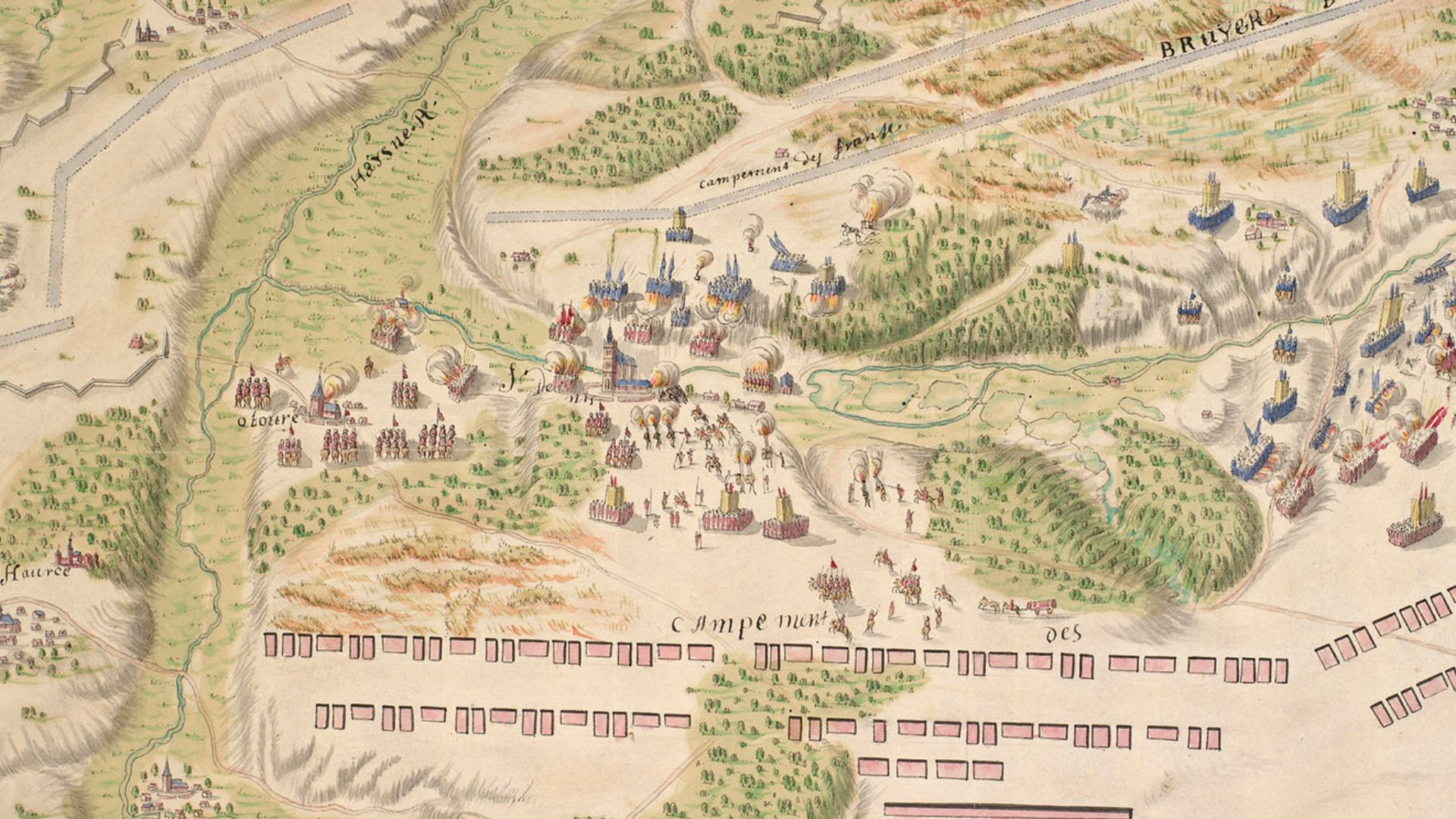 Anonymous (cartographer), Wikimedia Commons
9. His Family Was Restored To Power
The following year, in September of 1568, Henri’s fortunes turned around once again. While he had been away fighting, his uncle had managed to smooth things over with the French Crown, rejoining the royal council. With his family’s power largely restored, Henri seized an opportunity to settle an old score with his sworn enemy: Coligny.
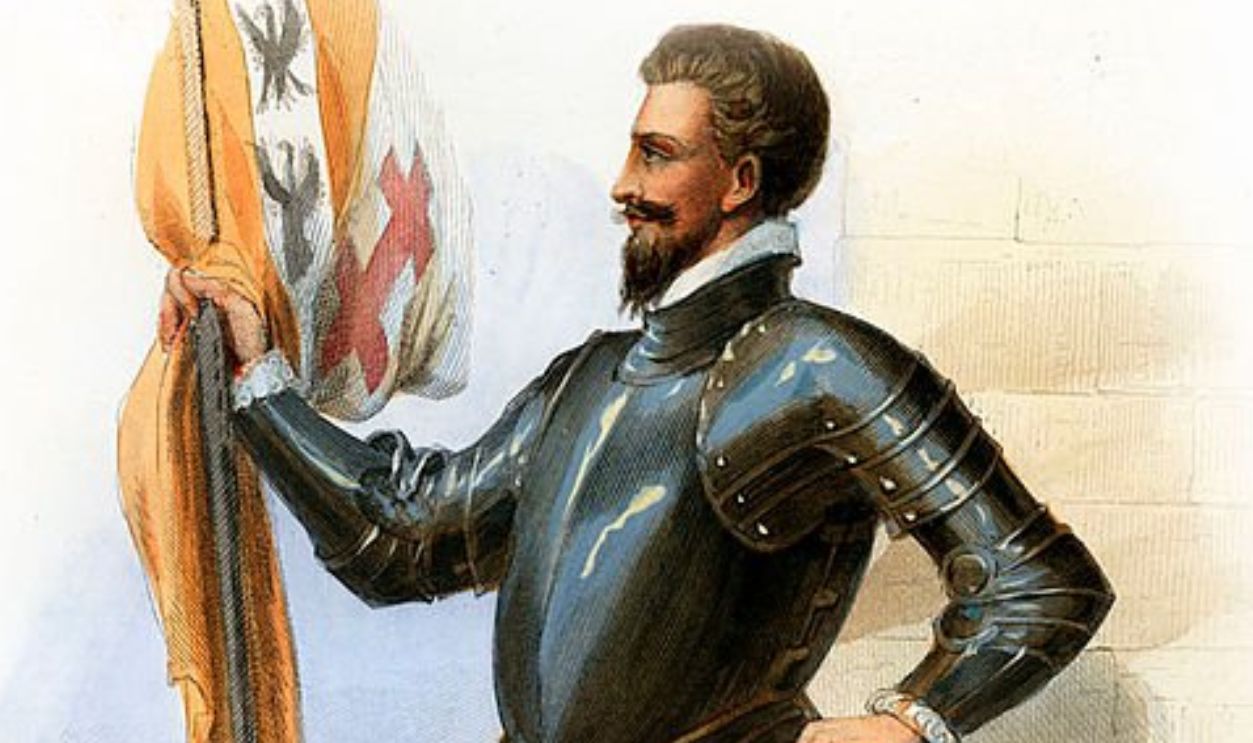
History's most fascinating stories and darkest secrets, delivered to your inbox daily.
10. He Fought Off His Enemy’s Siege
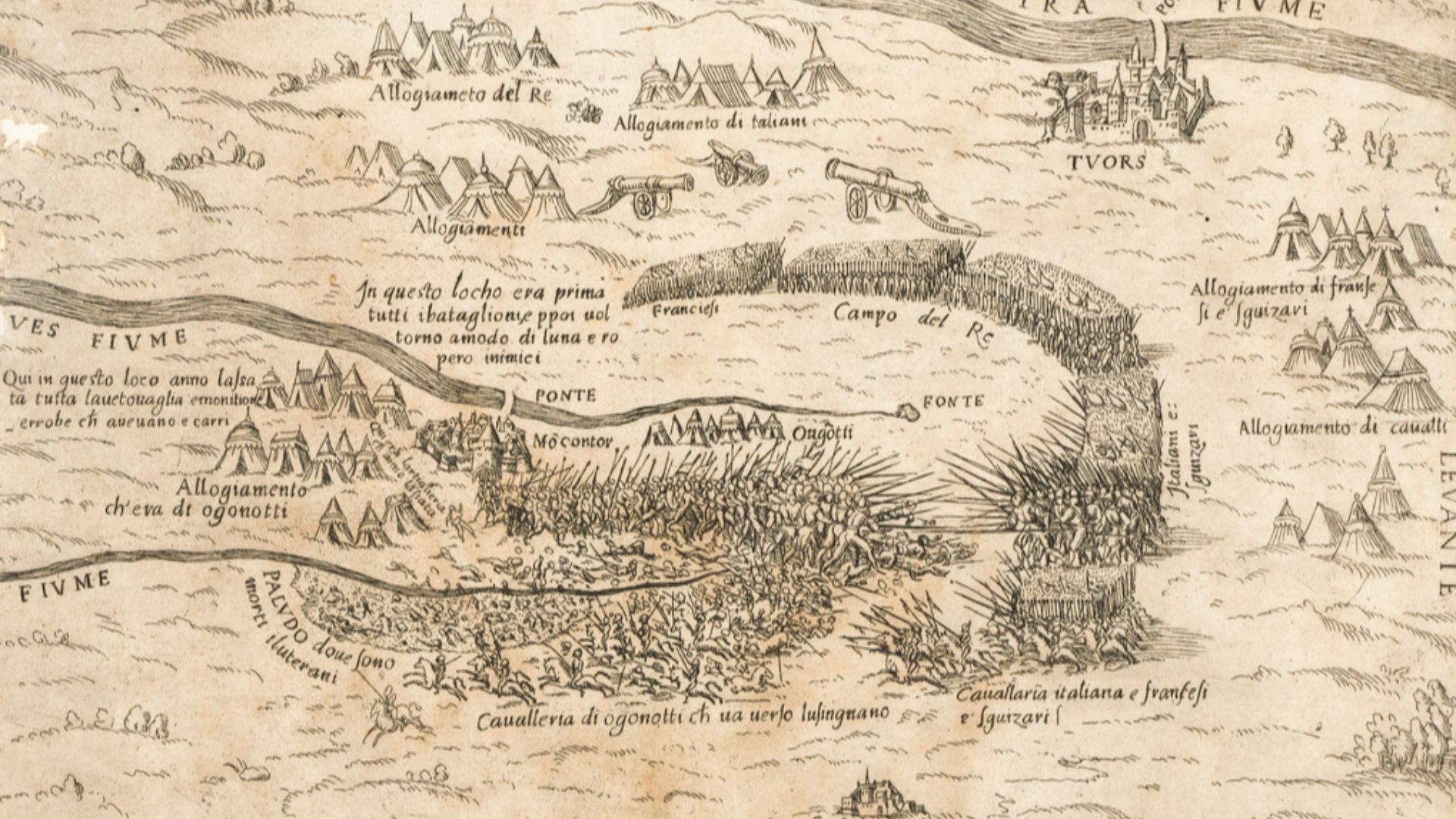
The constant fighting between Huguenot and Catholic factions within France provided Henri with the excuse he needed to settle his own scores. When Admiral Coligny besieged Poitiers in 1569, Henri rode righteously and triumphantly (if vengefully) to the city’s defense. But his gallantry would cost him. Later that year, he sustained a wound at the Battle of Moncontour.
His battle would be in the bedroom.
 Anonymous (cartographer), Wikimedia Commons
11. He Was The Problem With Peace
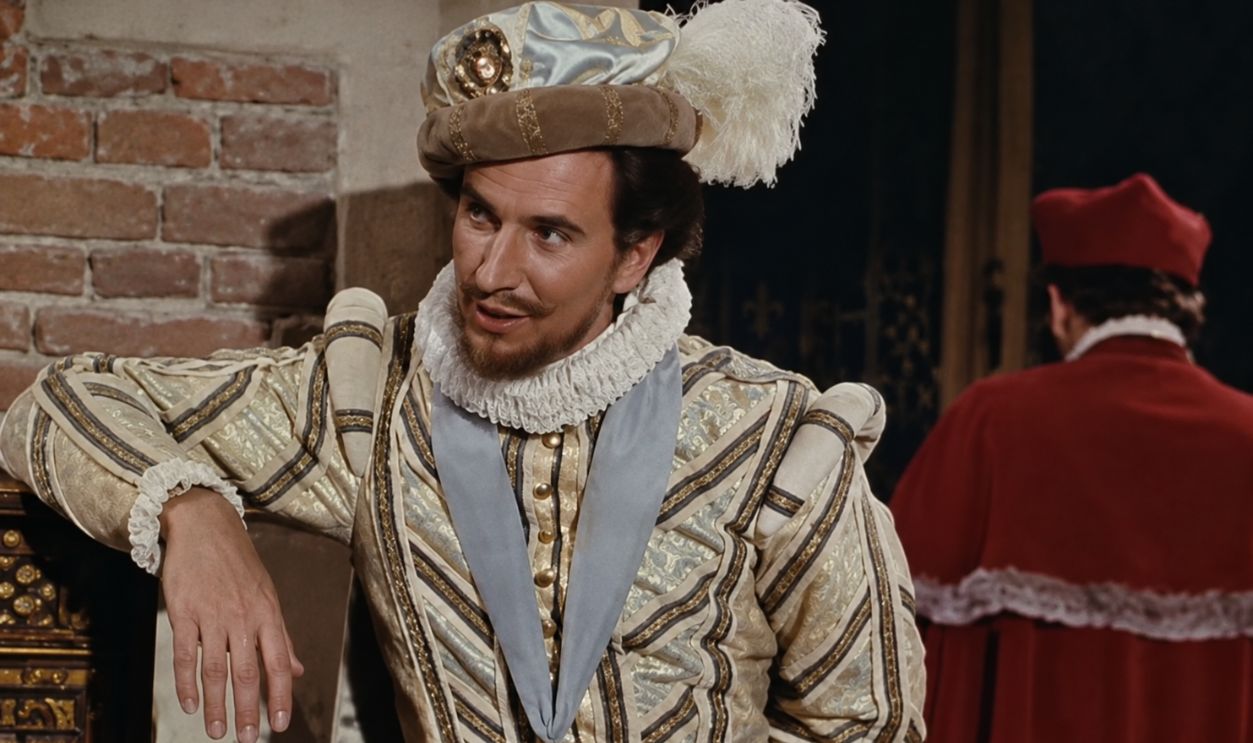
When King Charles IX signed the Peace of Saint-Germain-en-Laye in 1570, it put an end—even if only temporarily—to the fighting between the Huguenots and the Catholics. As part of the efforts at reconciliation, Charles IX agreed to have his Catholic sister marry the Protestant Henry of Navarre. There was just one problem: Henri.
 Screenshot from La Guerre des trois Henri (1978), Enhanced
12. He Bedded The King’s Sister
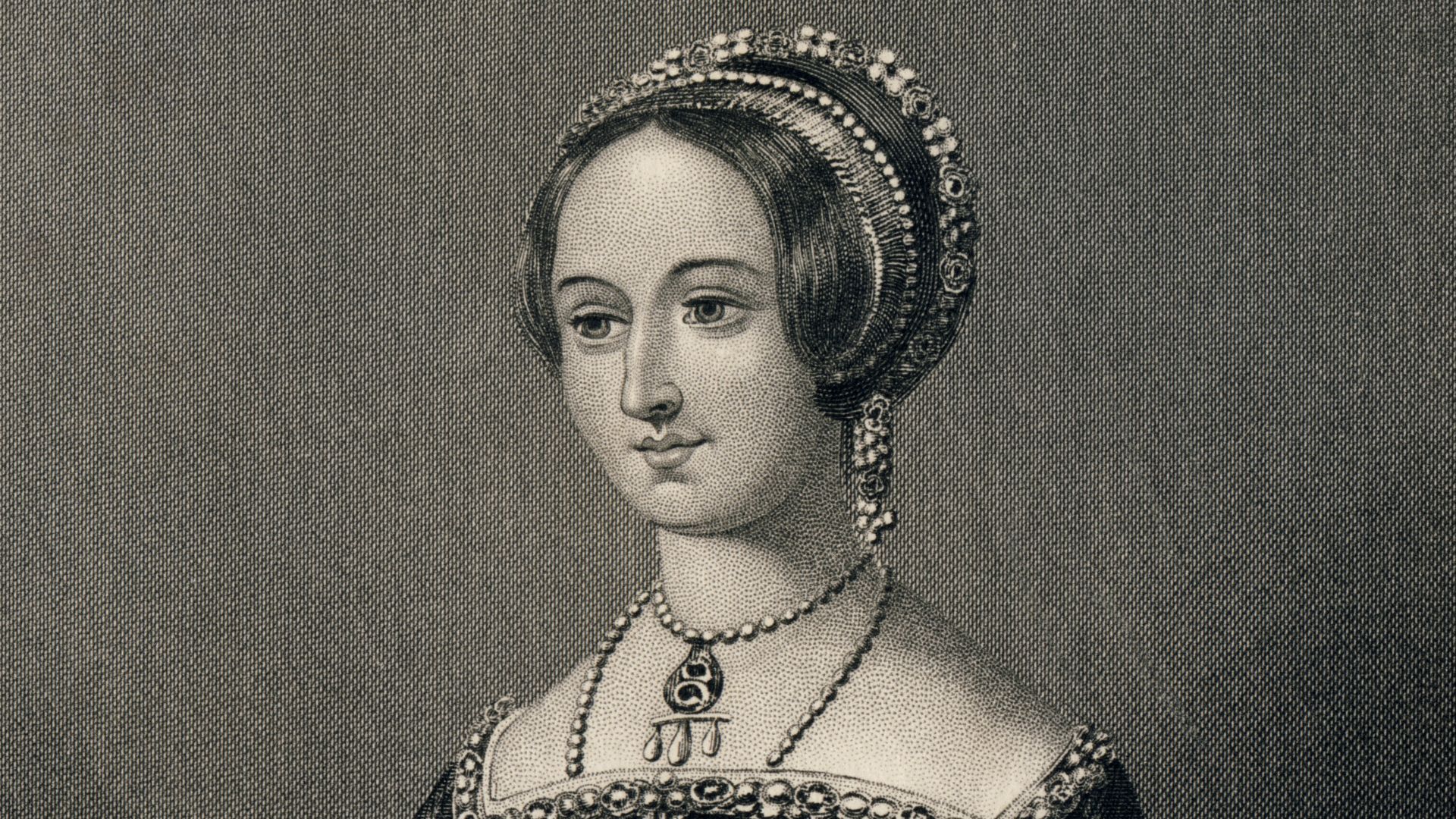
Peace between the Huguenots (such as Coligny) and the Catholics was not something that Henri cared for. So, after Charles IX signed a peace deal, Henri moved the battle from the field to the boudoir. Despite her promise of marriage to Henry of Navarre, Henri began a romance with the King’s sister, Margaret of Valois. Apparently, he even hoped to marry her.
But the royal family had something to say about that.
 John James Hinchliff, Wikimedia Commons
13. He Barely Got To Keep His Head
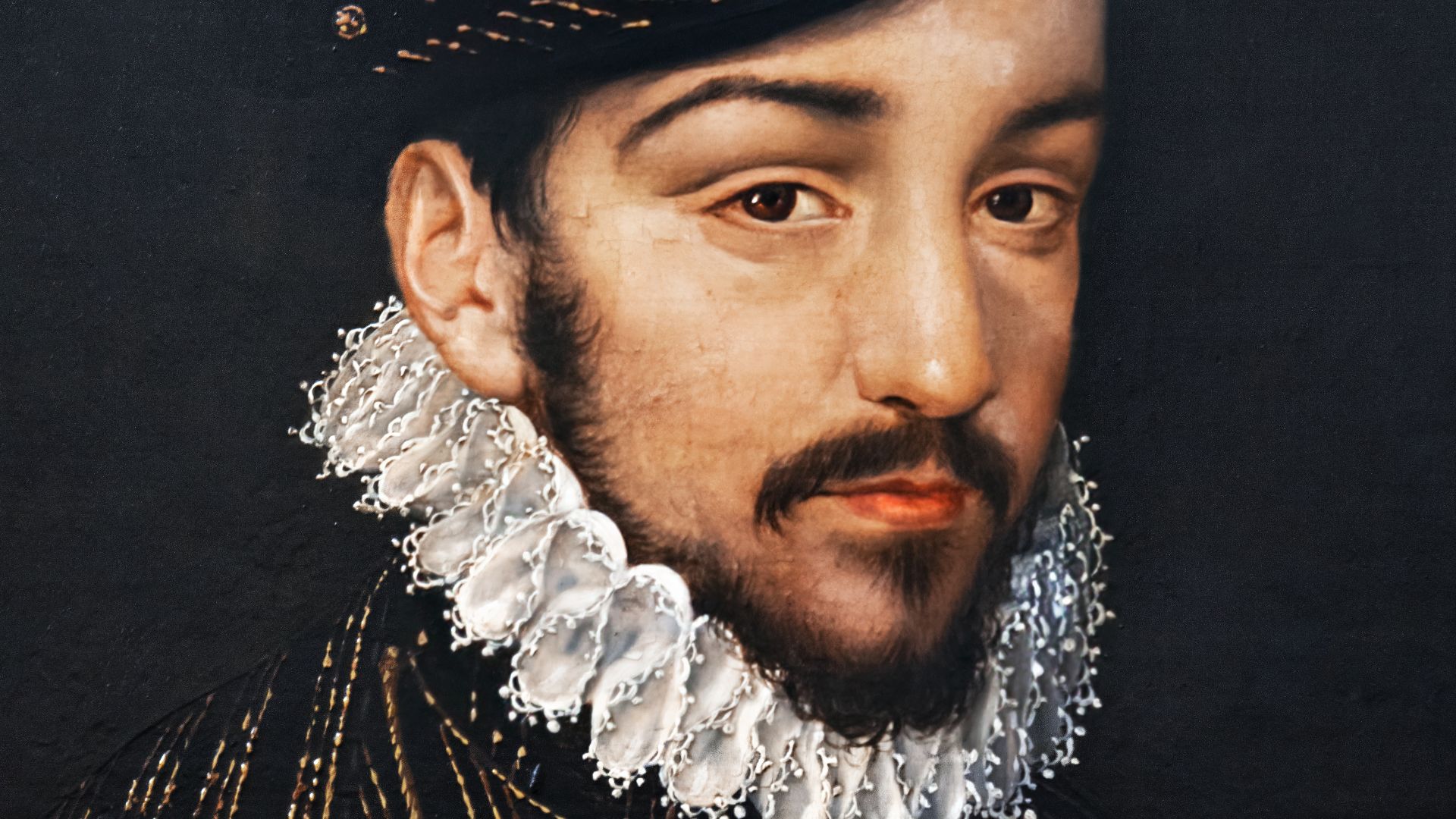
Henri’s affair with Margaret of Valois did not remain quiet for long. When news of the controversial romance reached the ears of the King and Margaret’s other brother, the Duke of Anjou, some at court called for Henri’s head. Instead, Charles IX attacked his sister and banished Henri from court. It’s not like Henri stayed single for long.
 Didier Descouens, Wikimedia Commons
14. He Got Married—And Got Busy
Just a few months after ending his affair with Margaret of Valois, Henri moved on. He married Catherine of Cleves, Countess of Eu, snapping up her titles and inheritance. And the two got busy. Between 1571 and 1589, the couple had a total of 14 children. Sadly, only half of them would survive into adulthood. Those that did survive, however, would leave an impression.
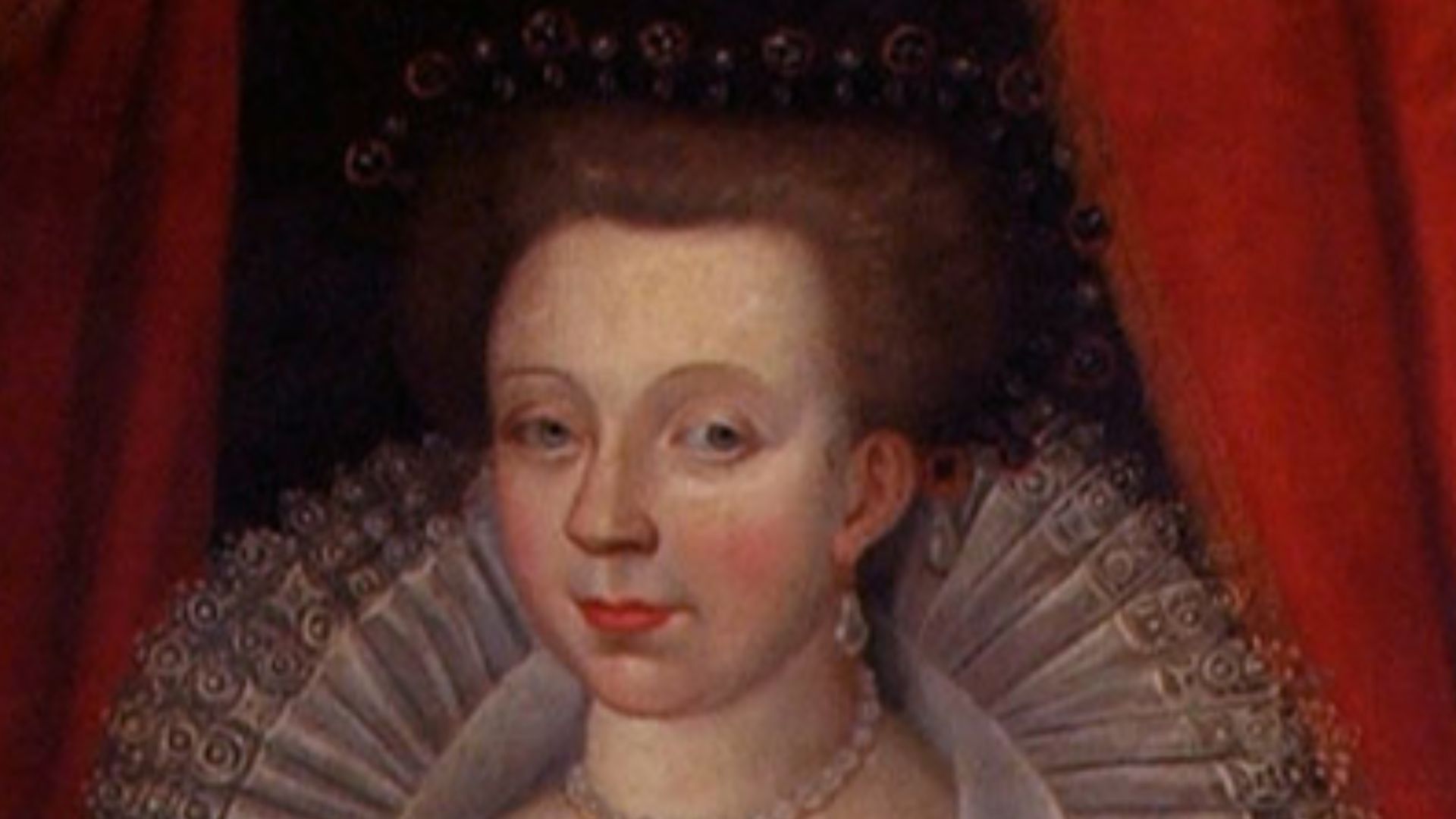 Unidentified painter, Wikimedia Commons
15. His Children Surpassed Him
After Henri’s untimely demise (more on that later), his children more than filled his shoes. His son Charles succeeded him as Duke of Guise and led the Catholic League, scoring a major financial settlement from the Crown. Meanwhile, his daughter, Louise Marguerite, married into royalty and became a trailblazing—and controversial—author of court exposés.
Henri, however, would exact his own revenge.
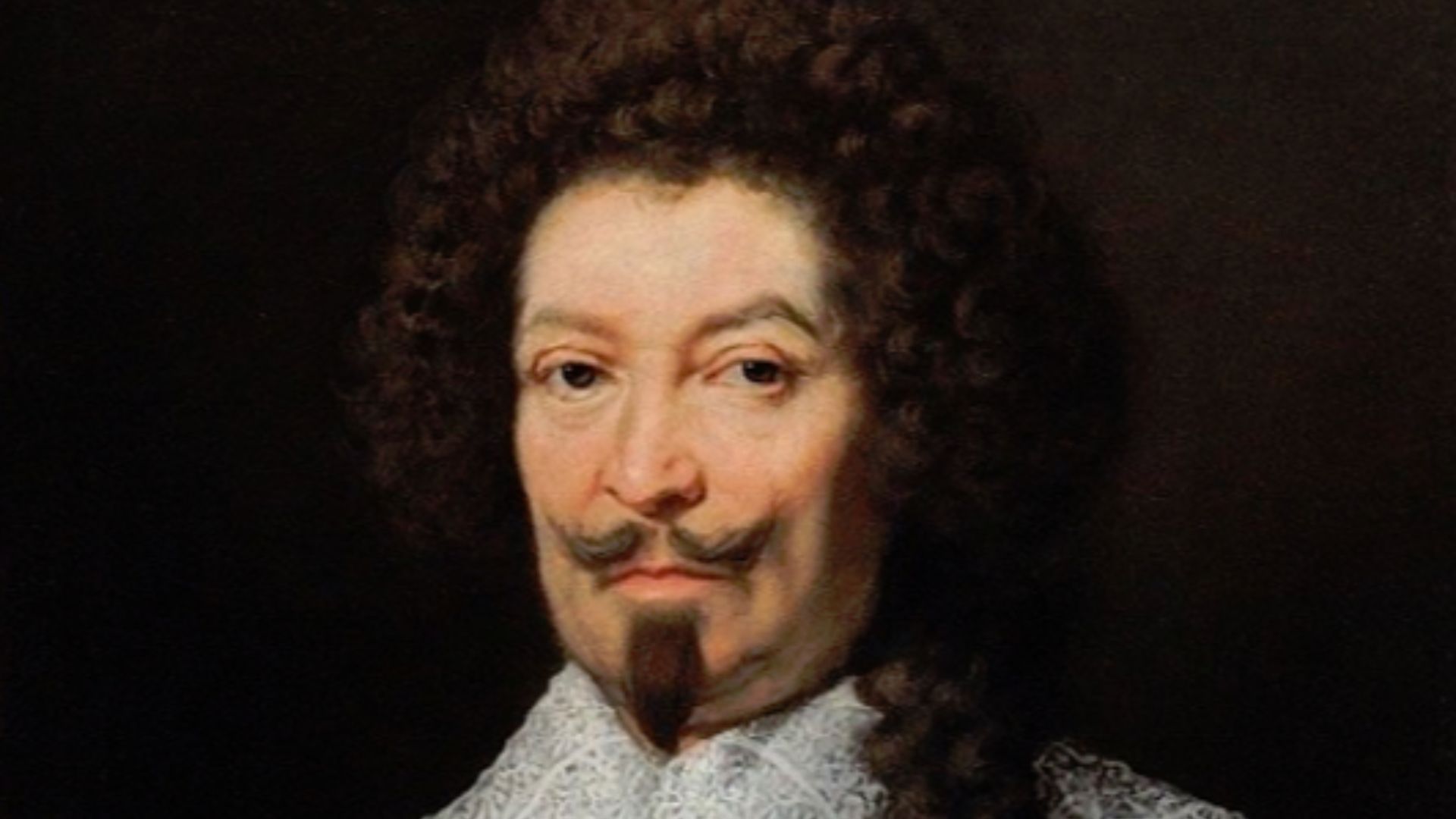 Justus Sustermans, Wikimedia Commons
History's most fascinating stories and darkest secrets, delivered to your inbox daily.
16. His Archnemesis Returned
When Margaret of Valois finally married Henry of Navarre in 1572, notable Huguenot leaders descended on Paris. Including—most importantly for Henri—Coligny. Coincidentally, during the occasion, someone took a shot at Coligny, wounding him in the shoulder but failing to take him out. Everyone pointed the finger at Henri.
But Coligny had other enemies.
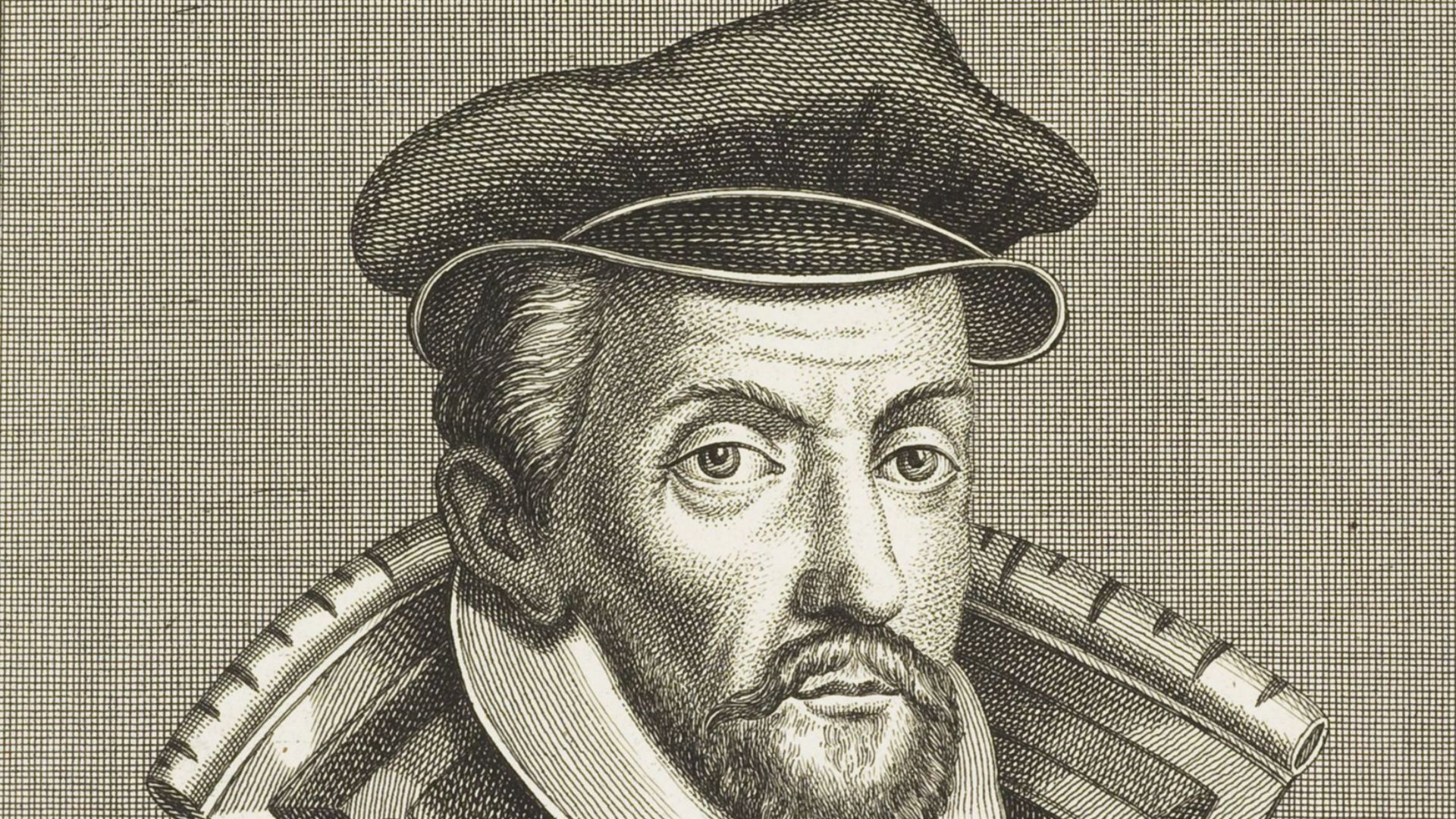 de Coligny, Gaspard II, duke of Châtillon (1519-1572) (depicted), Wikimedia Commons
17. He Attended A Clandestine Meeting
At least one source places Henri at a clandestine meeting of Coligny’s enemies on August 23, 1572. According to that source, despite their bitter differences, Catherine de’ Medici, the queen mother, sought out Henri’s help along with the rest of the Guise clan in dispatching their shared enemy, Coligny. What they allegedly planned that day would make the streets of Paris run red.
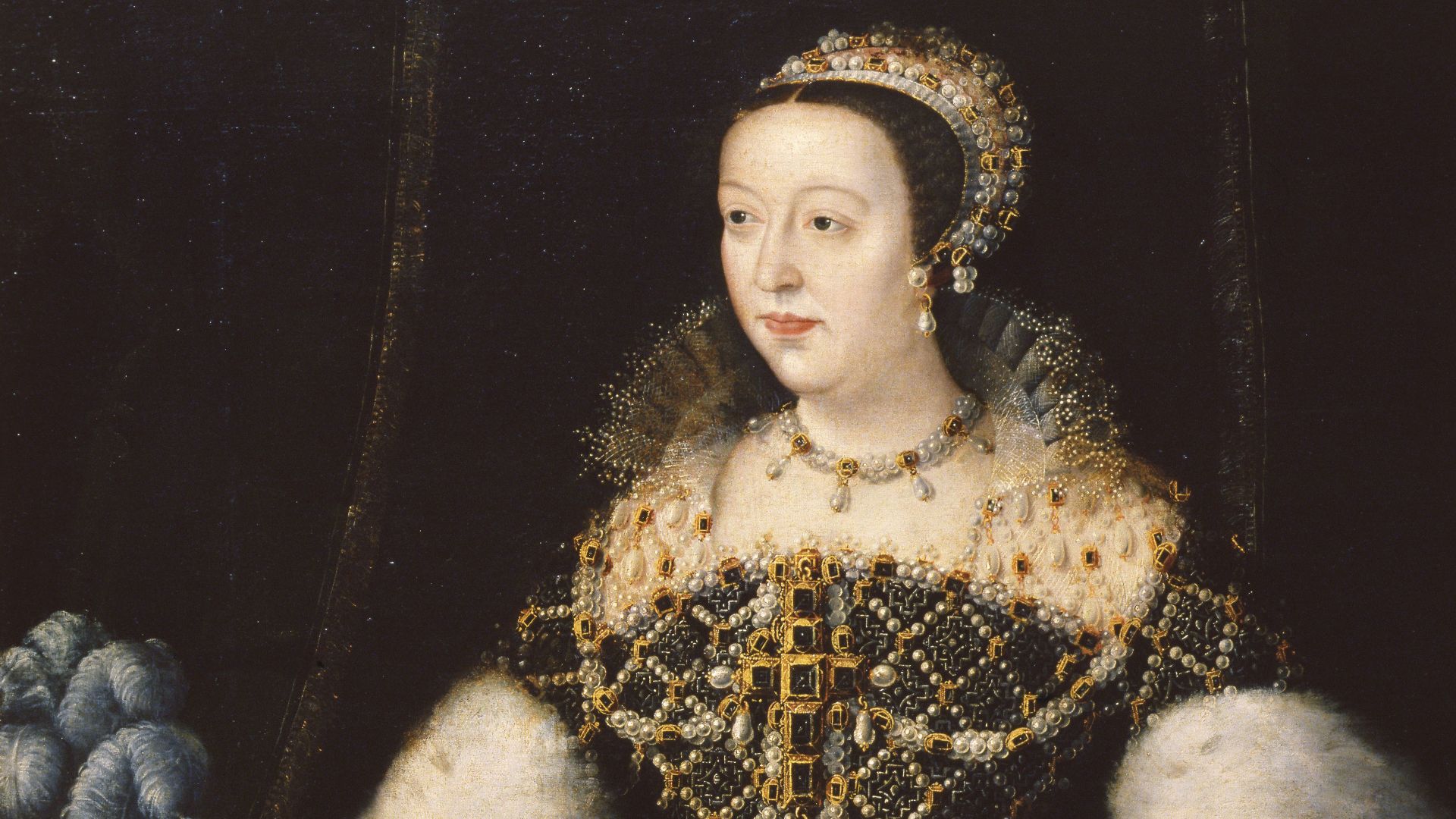 Attributed to Germain Le Mannier, Wikimedia Commons
18. He Finally Got His Revenge
The very next day, Henri and his co-conspirators set their plan into motion. Accompanied by dozens of men, Henri descended on Coligny’s residence in Paris and attacked in the opening salvo of what later became known as the St Bartholomew’s Day Massacre. Finally, vengeance was his—and, according to the most detailed accounts, his revenge was brutal.
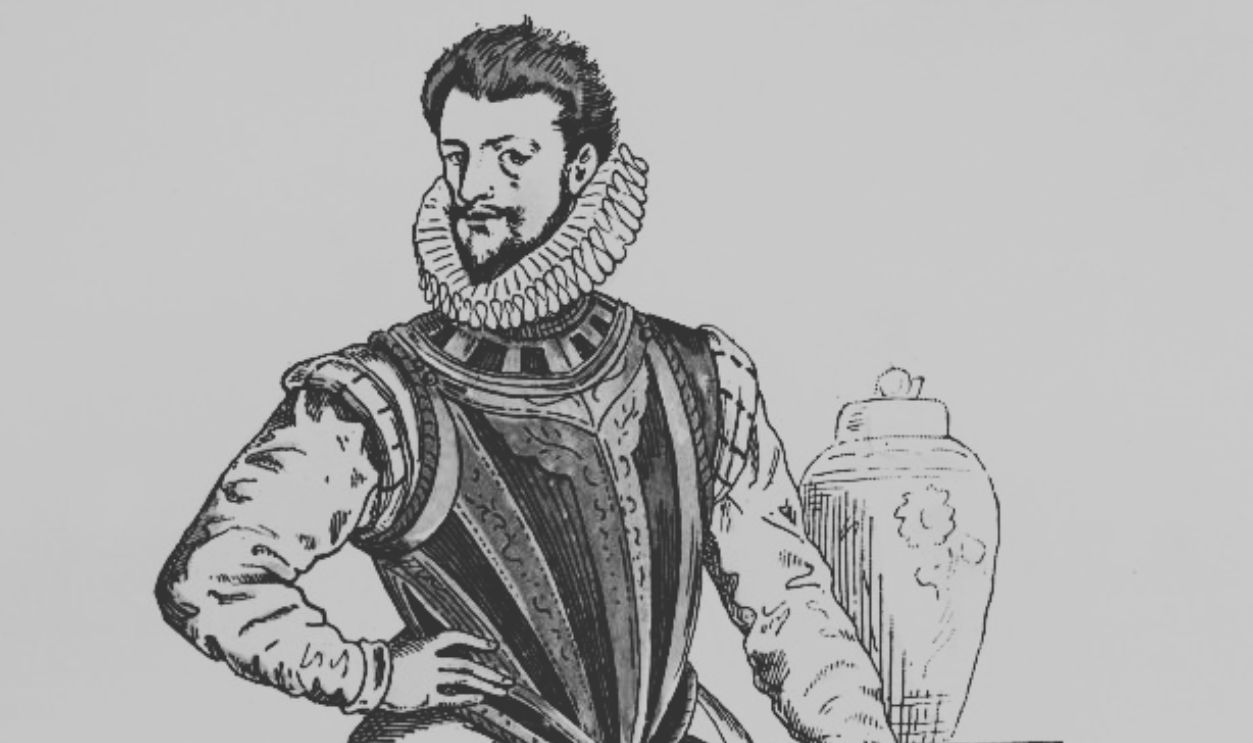
19. He Claimed His Enemy’s Head
The St Bartholomew’s Day Massacre was primarily about the conflict between Protestants and Catholics—but for Henri, it was personal. After a fighter pushed Coligny from the window of his bedroom to the pavement below, Henri reportedly leapt down off his horse, “pushed his boot” into Coligny’s head, then had it severed and taken to Catherine as proof of the deed.
Then he lost his appetite for blood.
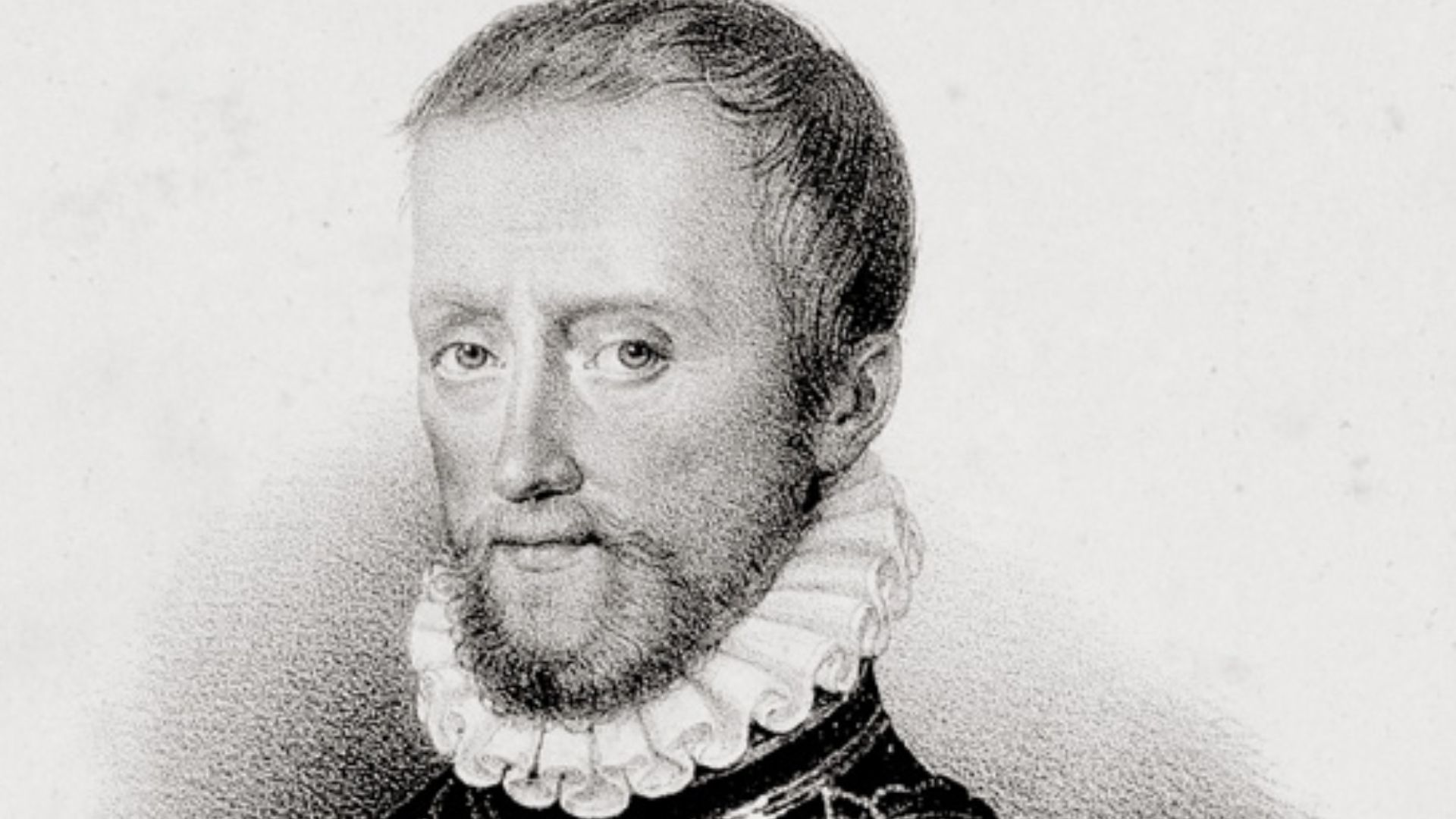 François-Séraphin Delpech, Wikimedia Commons
20. He Didn’t Partake In The Massacre
Henri’s thirst for vengeance began and ended with Coligny. When he saw what was happening in Paris—a wholesale massacre of prominent Protestant figures—he had a sudden change of heart. Instead of joining in the bloodletting, Henri saved terrified Huguenots by sheltering them in his personal residence. That day, he saved as many as 100.
His actions spoke volumes.
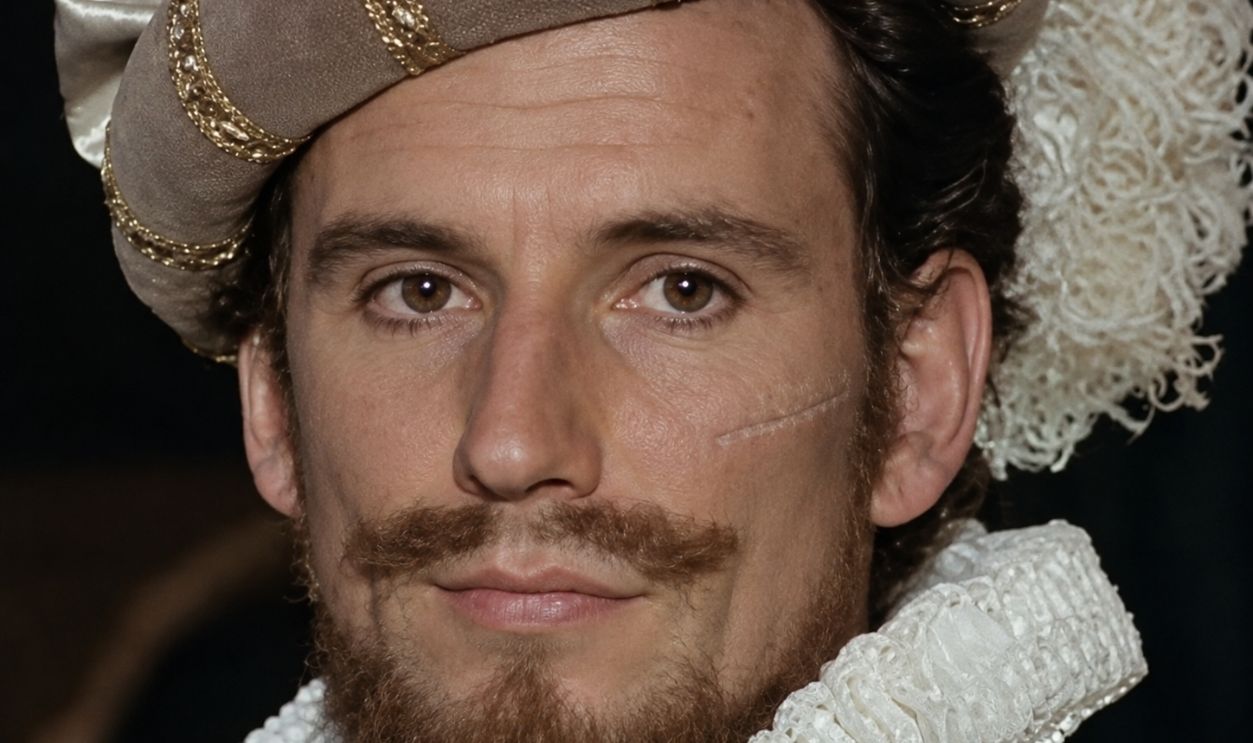 Screenshot from La Guerre des trois Henri (1978), Enhanced
21. He Protected The Queen Mother
The St Bartholomew’s Day Massacre had terrible implications for those involved. However, given his conduct, Henri emerged as the leading Catholic figure in France. By 1573, his influence had grown so strong that even the queen mother had to seek his protection against the likes of François, Duke of Alençon, and Henry of Navarre.
Then an old friend reappeared.
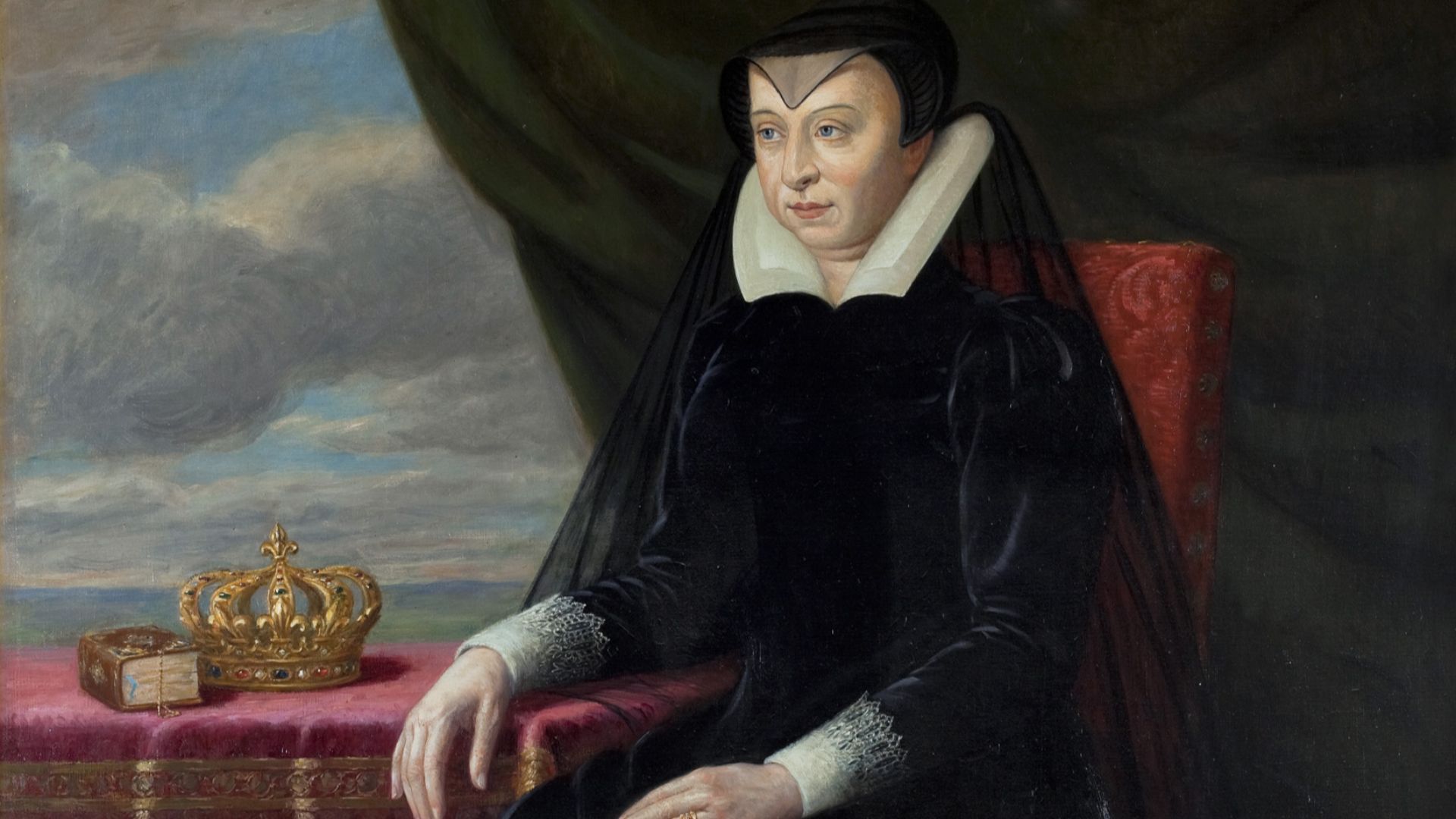 Henri Sauvage, Wikimedia Commons
History's most fascinating stories and darkest secrets, delivered to your inbox daily.
22. His Old Friend Became King
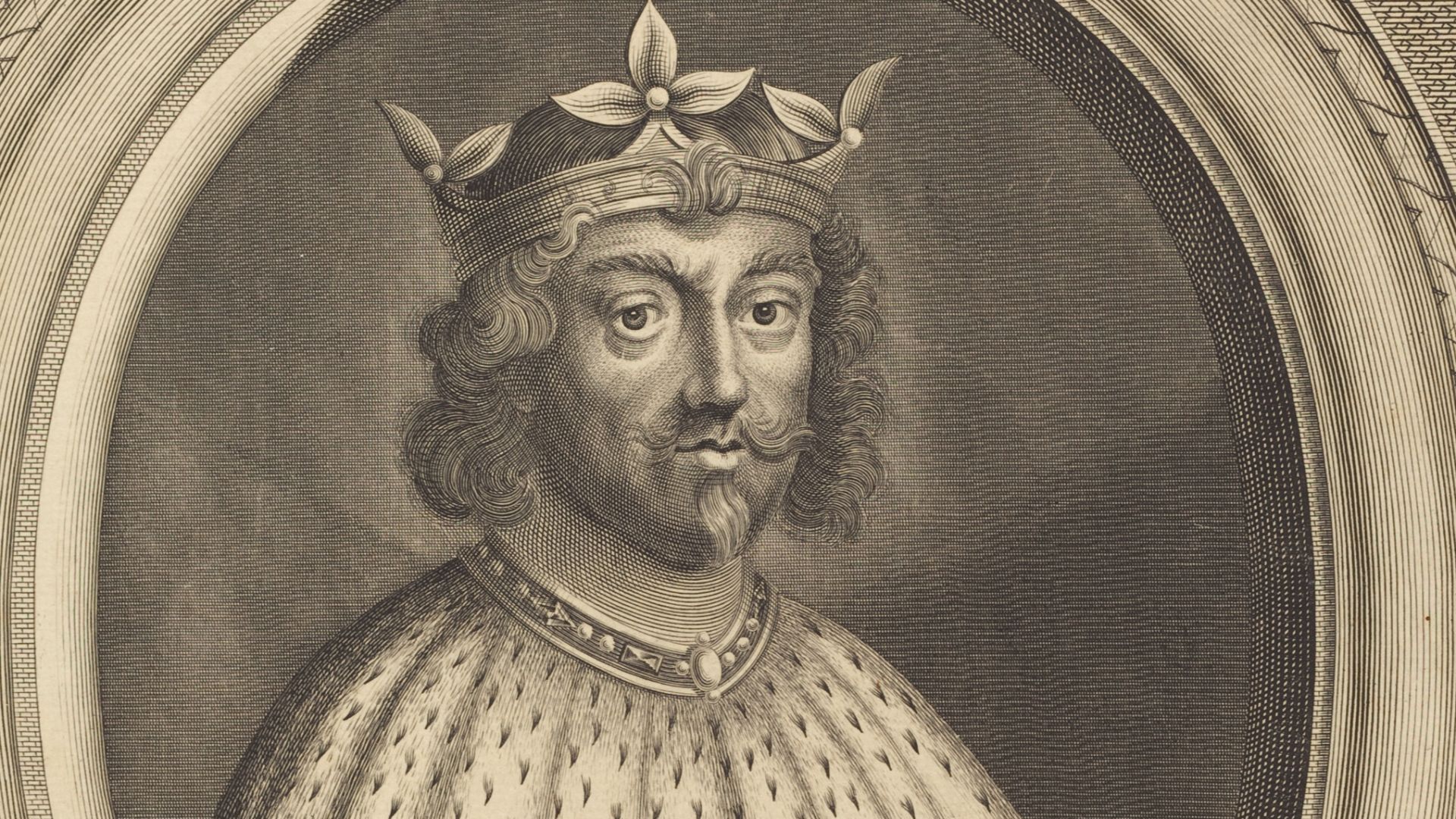
In May of 1574, one of Henri’s childhood friends reappeared on the scene: Prince Henry. But he wasn’t “Prince” anymore. His ascension as King Henry III gave Henri an elevated standing in the French court. Moreover, his popularity with the people of Paris was growing rapidly and fervently. Perhaps a little too rapidly for the new king’s liking.
 Henry Roberts, Wikimedia Commons
23. He Became “Scarface”
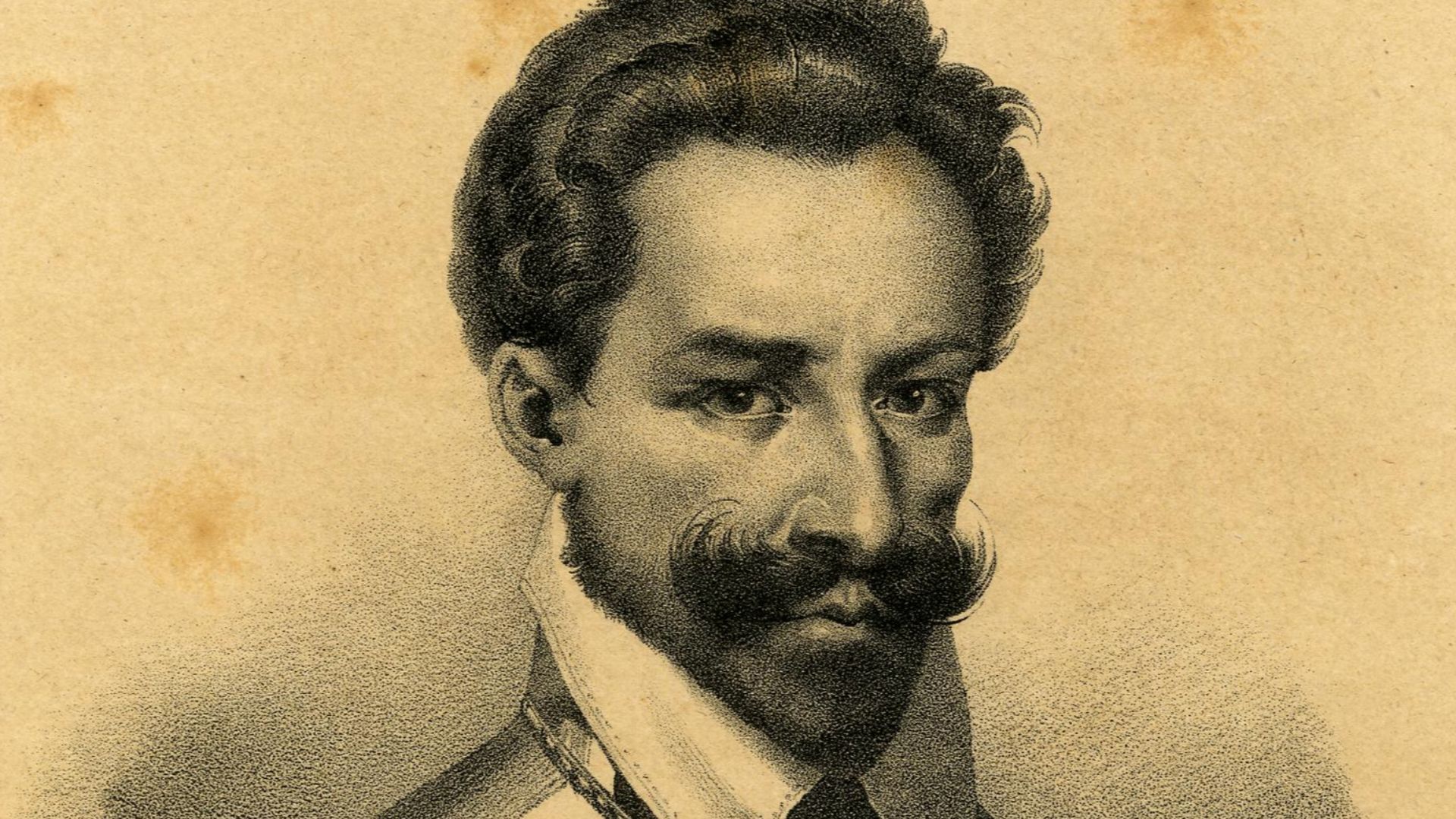
When Henri smashed Huguenot-German forces at the Battle of Dormans in October of 1575, he earned his legendary status amongst French Catholics. He also earned his terrifying nickname. After sustaining an injury, presumably to the face, he became known as Le Balafré, or “the Scarred”, AKA “Scarface”. Ironically, it was a name that his father also had.
 Print made by: Jean Baptiste Mauzaisse
Printed by: Delpech, Wikimedia Commons
24. His Best Friend Betrayed Him
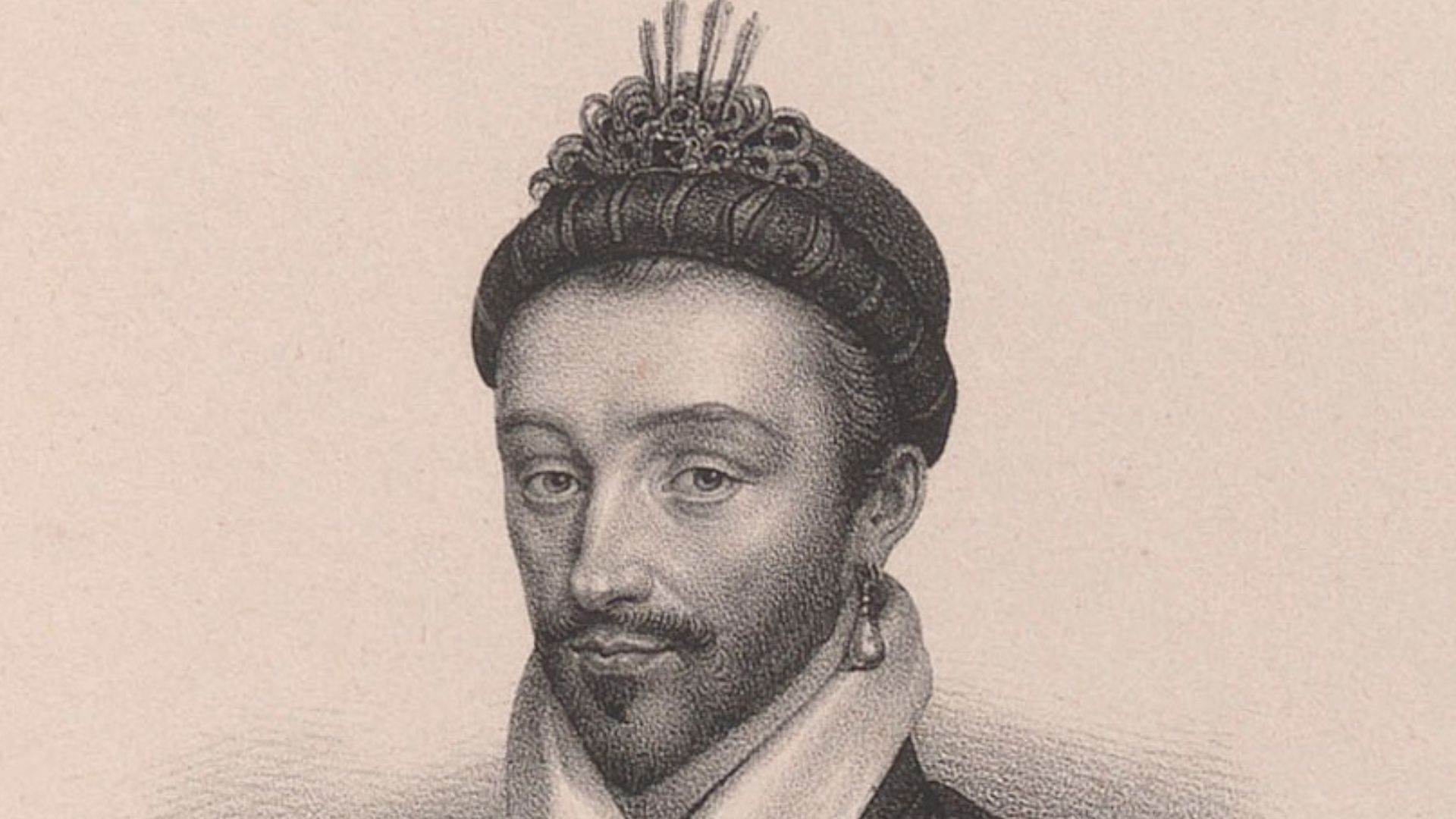
Henri based his reputation on his opposition to the Huguenots. So, when his good friend King Henry III signed a peace deal with the Protestants in May of 1576, Henri took it as a personal betrayal. In response, he formed the Catholic League, assembling forces of France’s considerably Catholic nobility in direct opposition to his old friend.
Another blood feud was inevitable.
 François-Séraphin Delpech, Wikimedia Commons
25. His Friend Tried To Take Over His Club
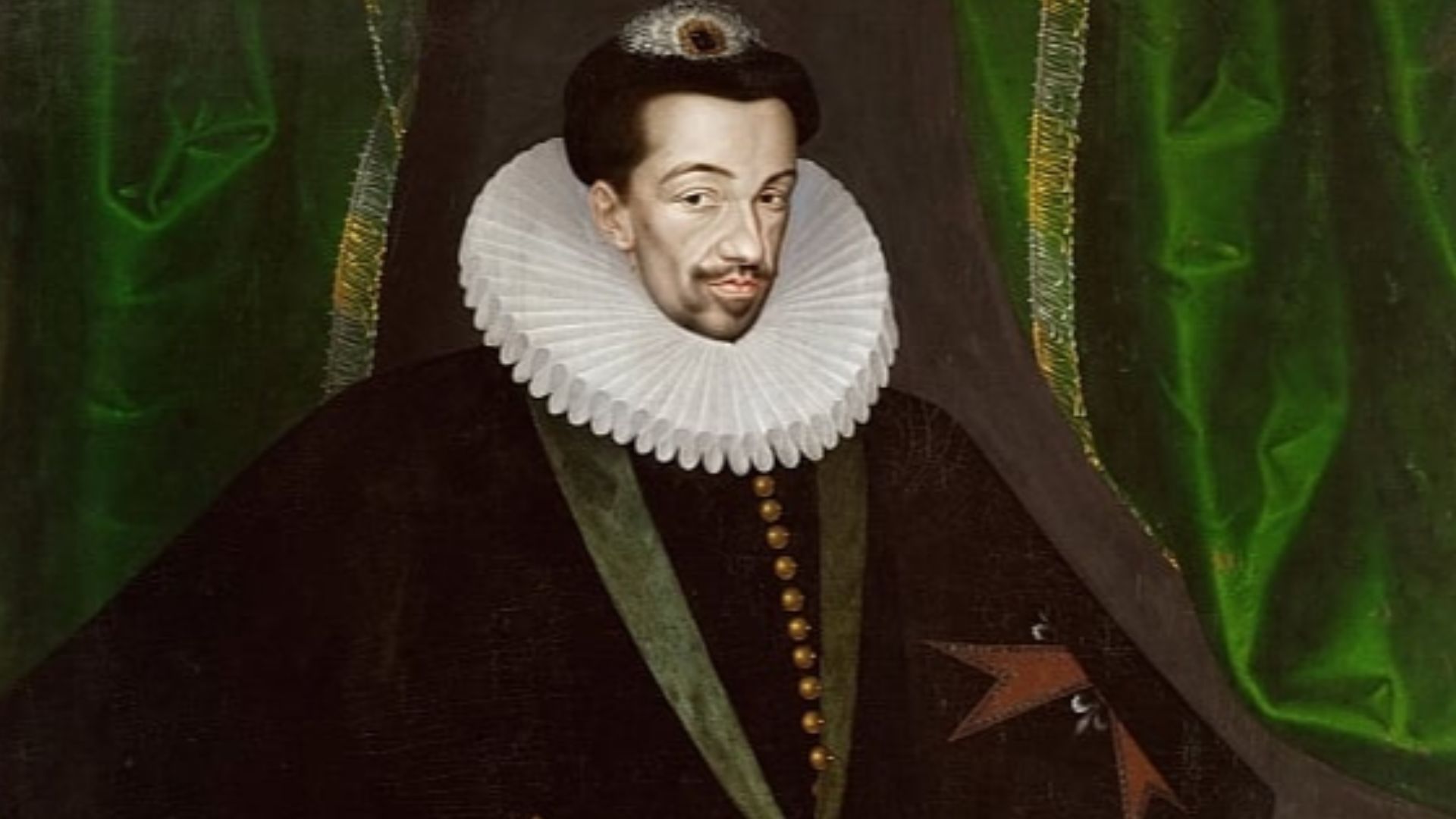
With his stellar reputation in battle, leading Catholics to victory, Henri’s popularity and influence grew. But King Henry III couldn’t allow it. So, he tried to make himself the leader of Henri’s new Catholic League. Despite their childhood friendship, however, tensions between the two only worsened. Then the tensions boiled over.
 François Quesnel, Wikimedia Commons
26. His Rival Became The Heir
When Francis, Duke of Anjou, passed in June of 1584, it made Henri’s old rival Henry of Navarre the heir to the French throne. Needless to say, Henri couldn’t stand for it. He resurrected the Catholic League and began championing Cardinal Charles de Bourbon as the proper successor. The fallout would make Henri and King Henry III enemies for real.
 Frans Pourbus the Younger, Wikimedia Commons
27. He Entered A Loathe-Triangle
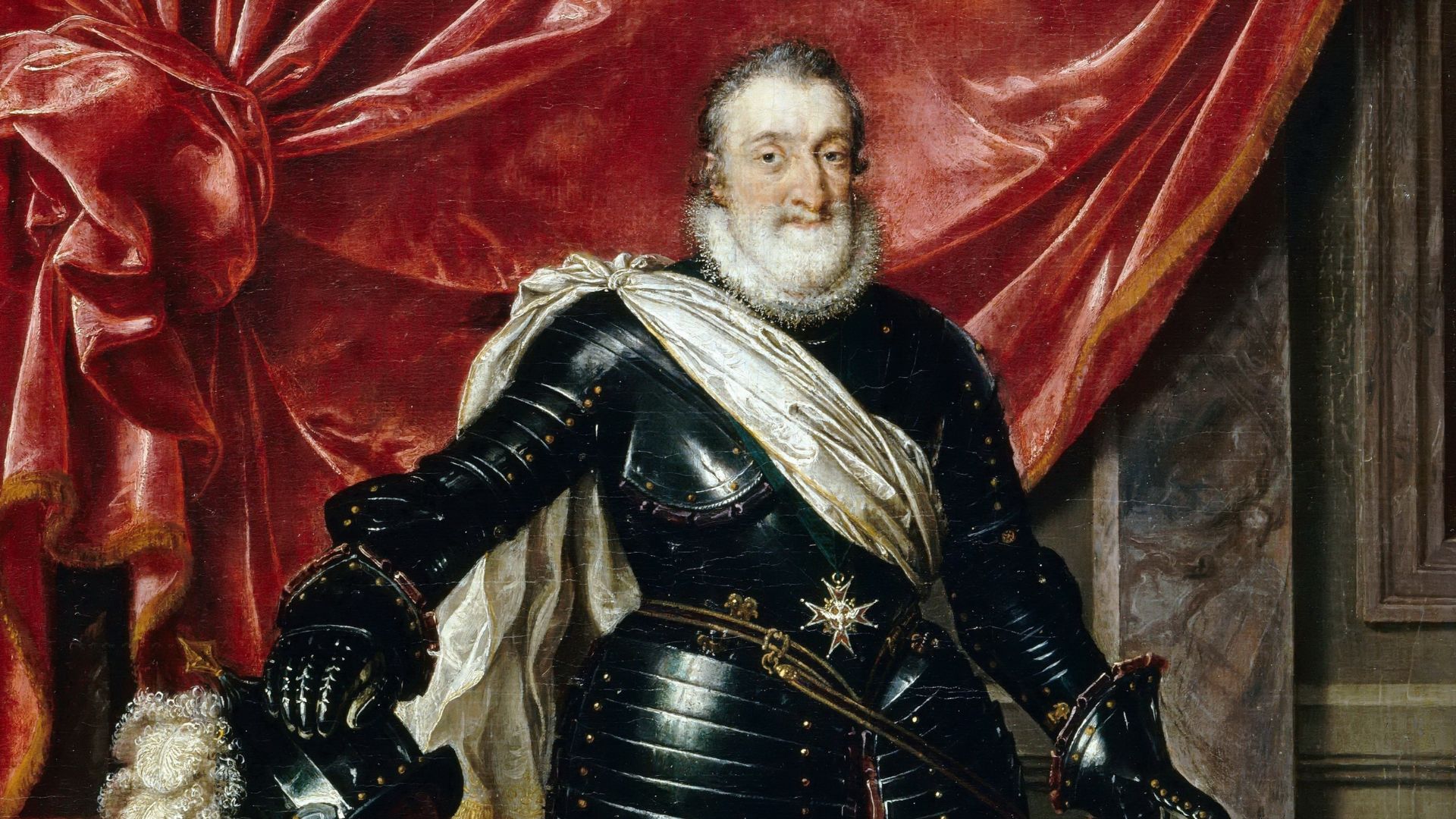
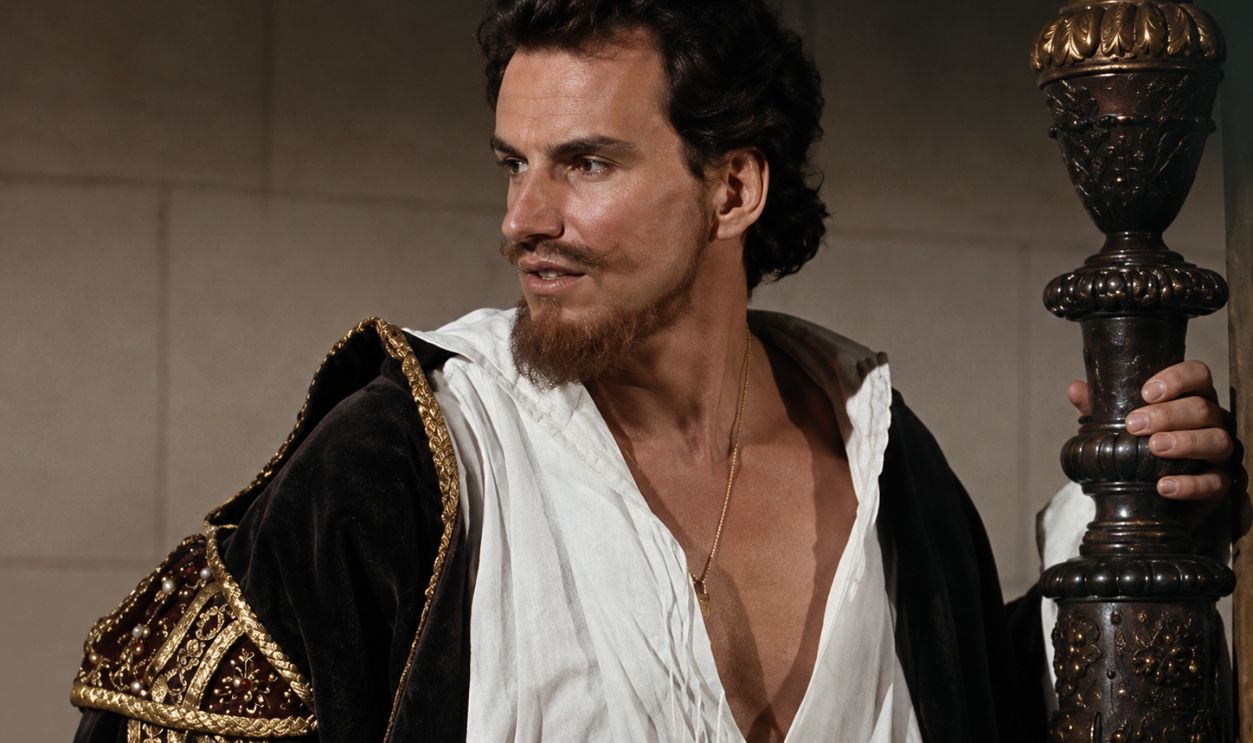
The succession crisis resulted in what became known as the [Conflict] of the Three Henrys. On one side, Henry of Navarre and his Huguenot supporters with aid from England and Germany. On another side, King Henry III and his political allies and royalists. And opposing them both: Henri and his formidable Catholic League.
There would be blood.
 Screenshot from La Guerre des trois Henri (1978), Enhanced
History's most fascinating stories and darkest secrets, delivered to your inbox daily.
28. He Teamed Up With Henry III
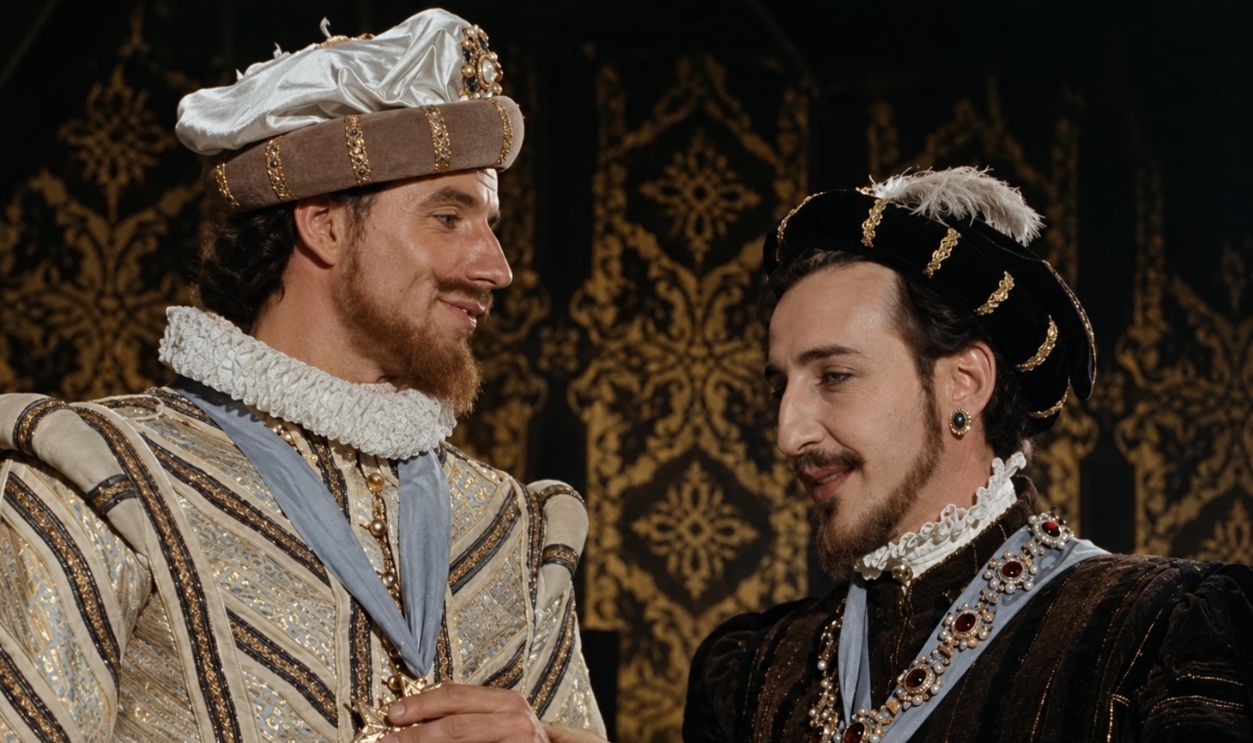
In the early stages of the fighting, Henri and King Henry III placed their differences (somewhat) aside. Given Henry of Navarre’s support from abroad, they teamed up to fight the Huguenots. However, Henri was clearly the more powerful partner in their uneasy alliance and King Henry III felt his crown slipping off of his head.
He had to defend himself.
 Screenshot from La Guerre des trois Henri (1978), Enhanced
29. He Scoffed At His Enemy’s Army
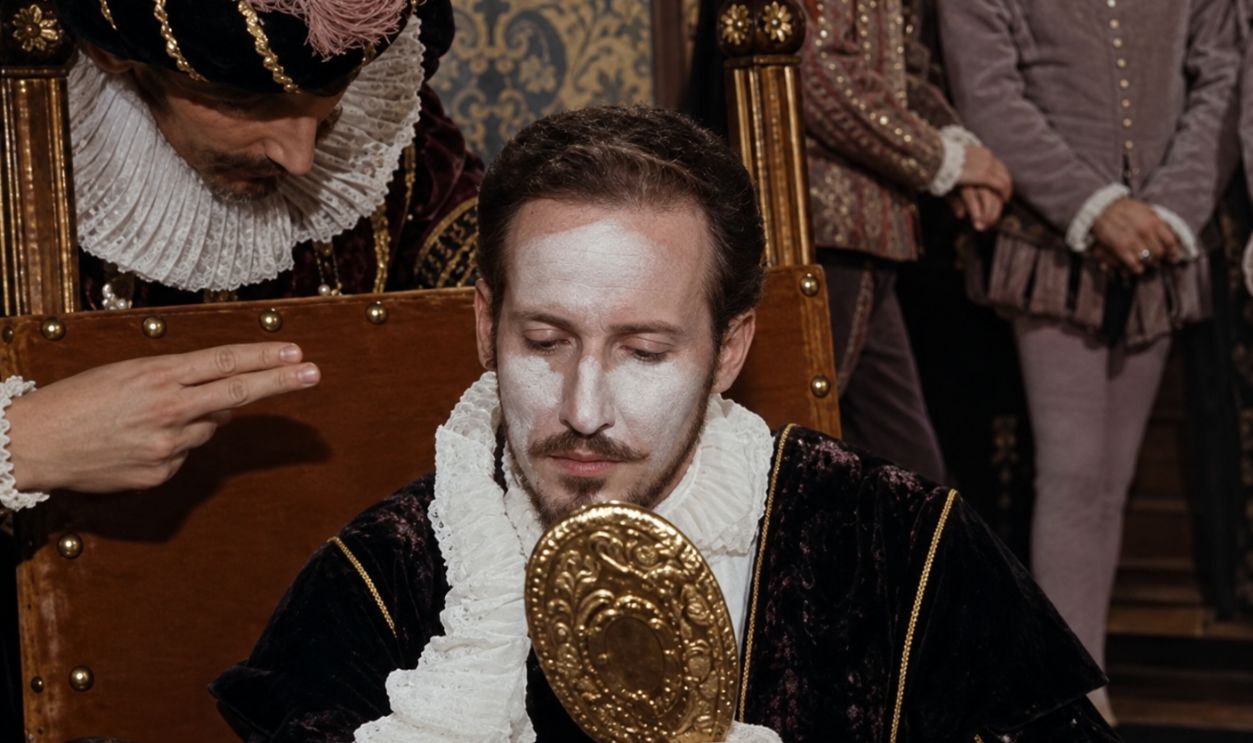
King Henry III knew that he couldn’t openly oppose Henri—at least, not yet. But he also couldn’t sit by as Henri’s popularity and power grew past his own. So, the beleaguered king formed the Quarante Cinq (the “Forty-Five”)—a personal bodyguard drawn from his most loyal supporters and skilled fighters. Henri and his League scoffed, dismissing the guards as Gascons.
He had every right to be boastful.
 Screenshot from La Guerre des trois Henri (1978), Enhanced
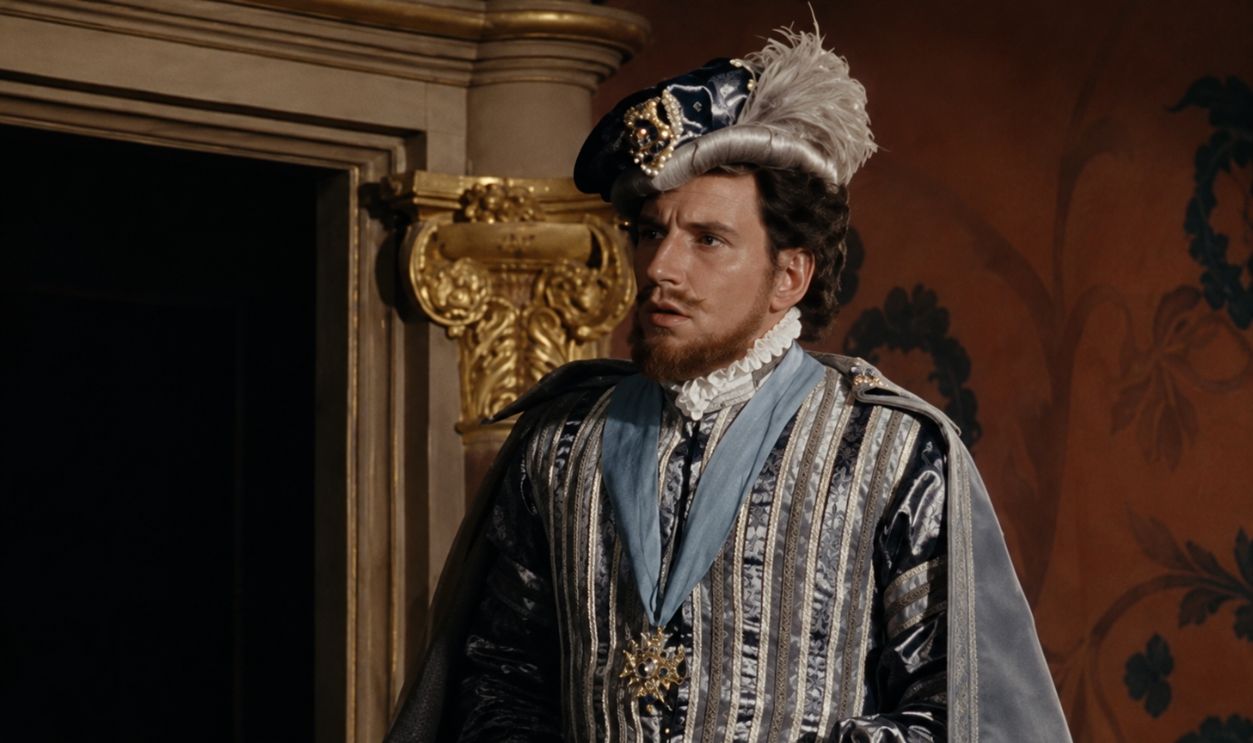
30. He Saved France
Henry of Navarre’s German and Swiss supporters broke through French defenses in 1587. They might have marched all the way to Paris and claimed King Henry III’s head if Henri hadn’t acted. In a stunning display of tactical brilliance, he surprised and routed the invaders. He returned to the capital as a hero—with a target on his back.
 Screenshot from La Guerre des trois Henri (1978), Enhanced
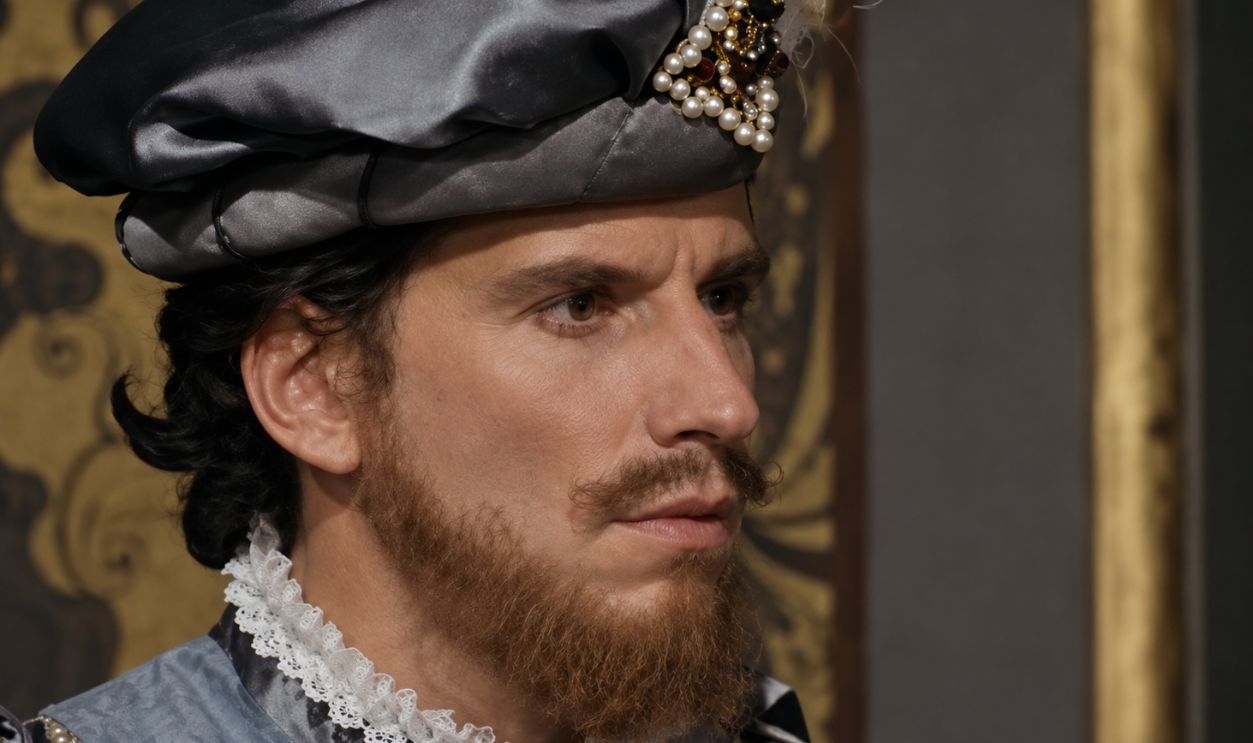
31. He Was The “King Of Paris”
The people of Paris gave all of the credit for the victory over the Germans and Swiss to Henri. Meanwhile, they viewed King Henry III as totally inept. By the time Henri strode back into the capital, he was welcomed as the “King of Paris”. Of course, the actual king was not entertained. And he was about to let Henri know it.
 Screenshot from La Guerre des trois Henri (1978), Enhanced
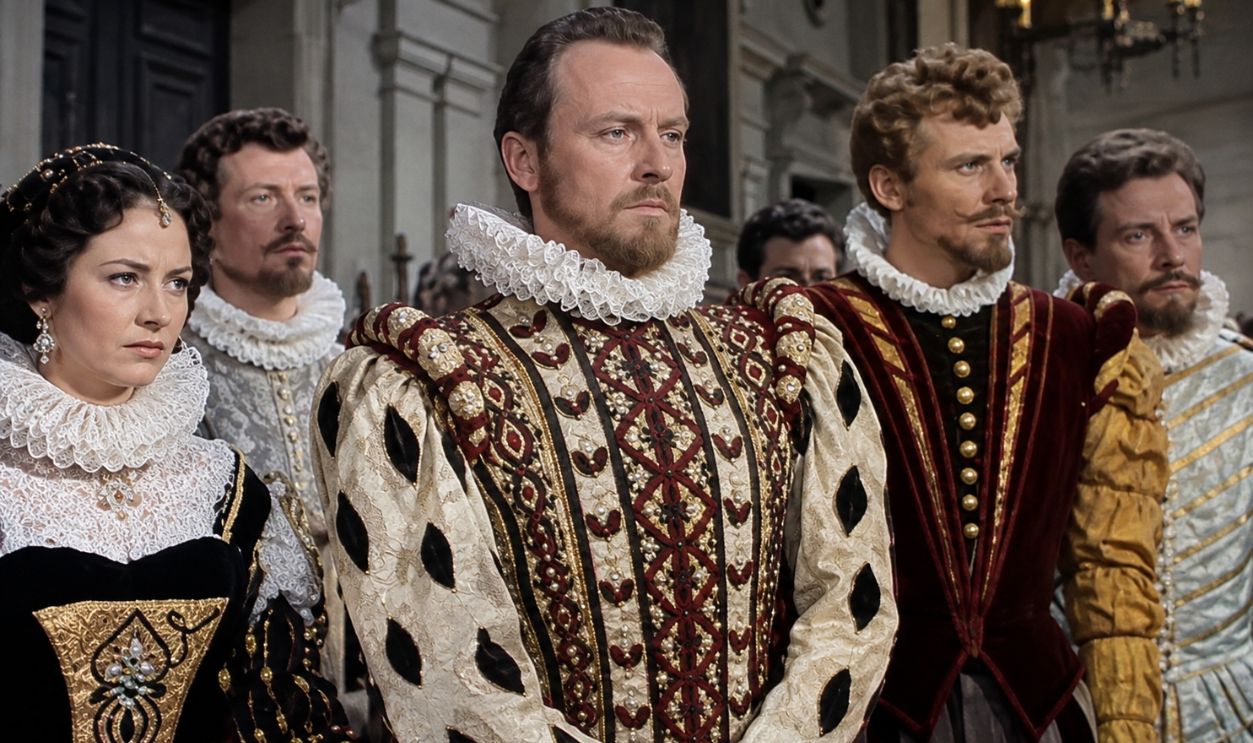
32. He Wanted More
When lordship over Normandy and Picardy came up for grabs, Henri decided to trade in some of his popularity and power. He approached King Henry III, demanding Normandy for himself and Picardy for his relatives. But he overplayed his hand. Henry III flatly refused Henri’s demands. In response, Henri, backed by the Catholic League, took up arms against Henry III’s appointees.
 Screenshot from La Reine Margot, Lux Film (1954)
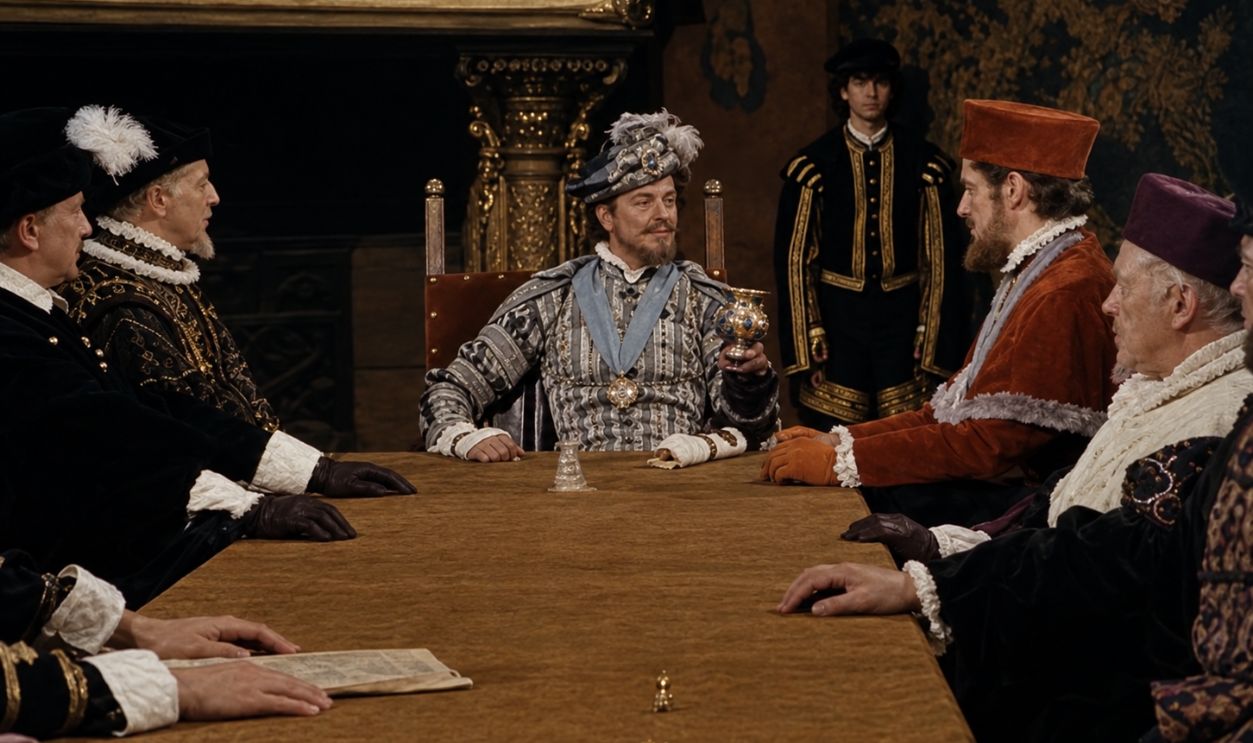
33. He Defied The King’s Orders
When King Henry III saw what Henri was up to, he issued a royal decree for Henri to stay put in his native Champagne. However, by that time, Henri was done pretending that he answered to the weakened king. In direct defiance of the king’s orders, Henri stormed into Paris on May 9, 1588. It looked to all of France as if he was going to seize the throne.
 Screenshot from La Guerre des trois Henri (1978), Enhanced
History's most fascinating stories and darkest secrets, delivered to your inbox daily.
34. He Could Have Taken The Crown
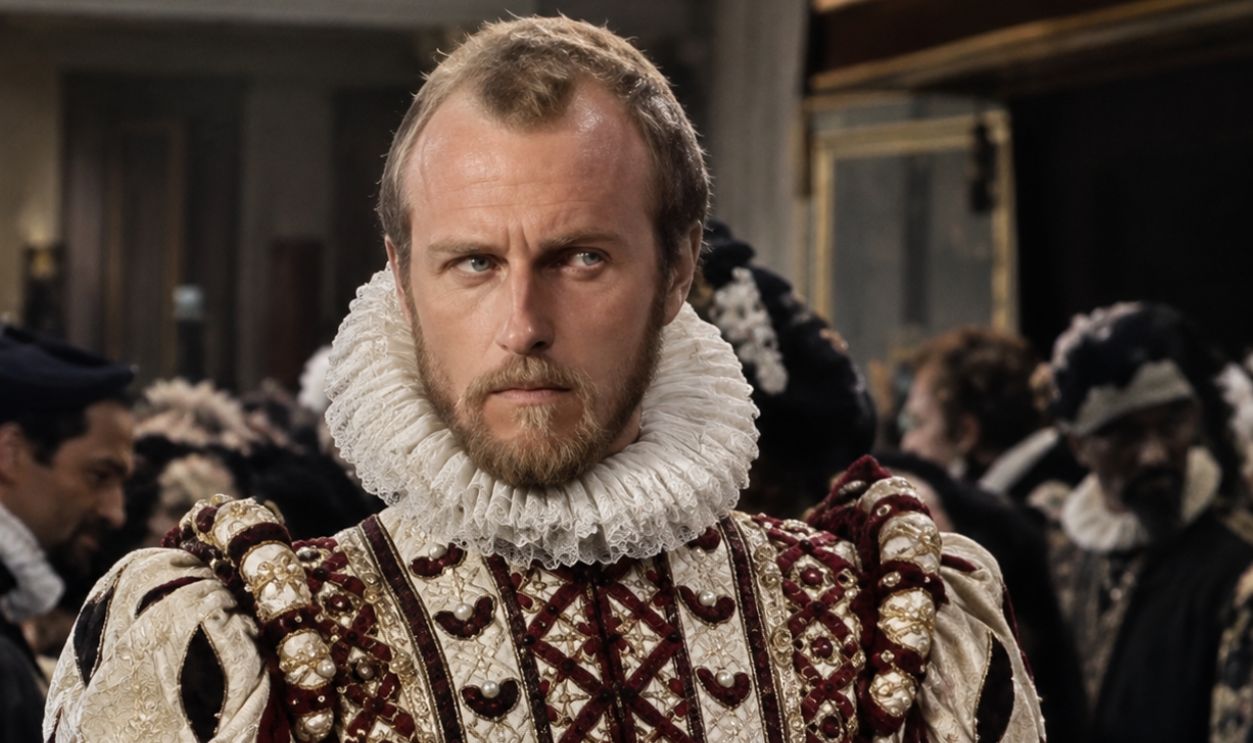
Fighting and uncertainty ensued for three days. Then, on May 12, the Day of the Barricades, the tide turned in Henri’s favor. The people of Paris themselves rose up against their king and openly backed Henri. However, to everyone’s shock, Henri brought the mob under control long enough for King Henry III to escape unscathed.
He truly was “King of Paris”.
 Screenshot from La Reine Margot, Lux Film (1954)
35. He Banned Protestantism
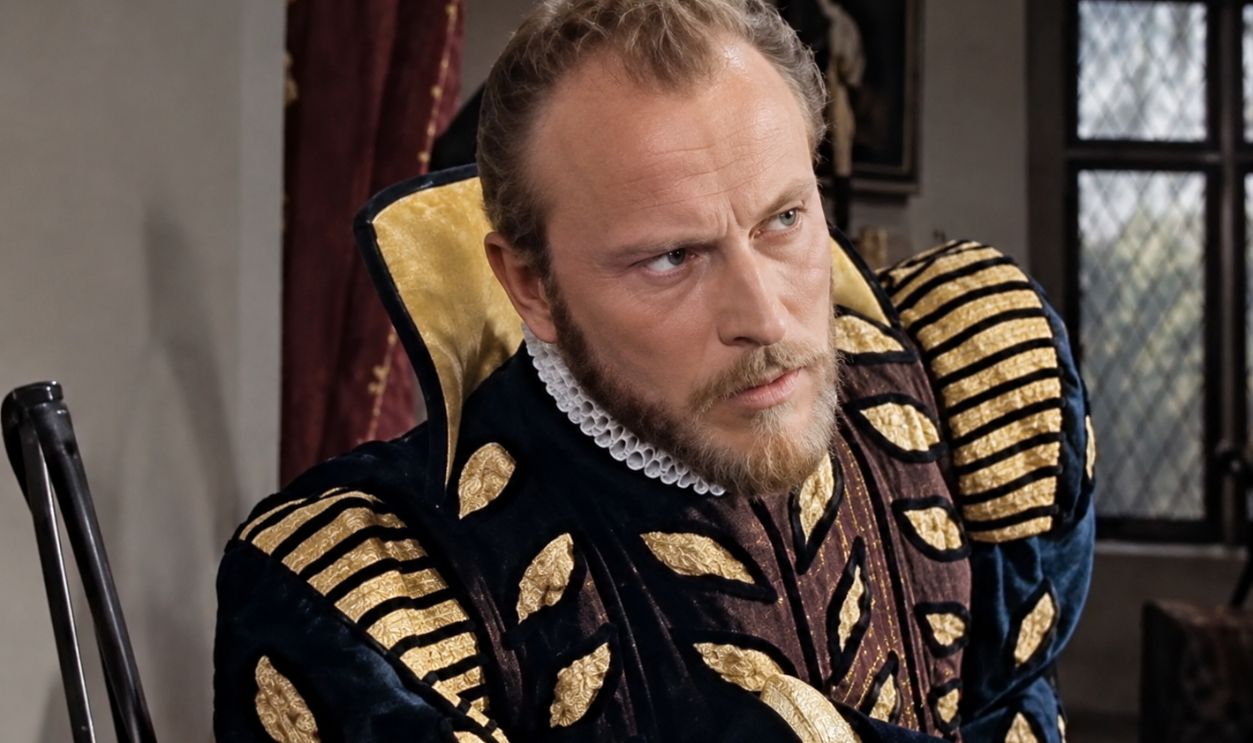
With King Henry III far removed in Chartres, Henri was effectively the king. But even he had to appease the mob. To keep the Catholic League on his side, he agreed to outlaw Protestantism and explicitly excluded Henry of Navarre from the line of succession. Still, the matter of what to do about the errant King Henry III remained.
 Screenshot from La Reine Margot, Lux Film (1954)
36. He Knelt Before The King
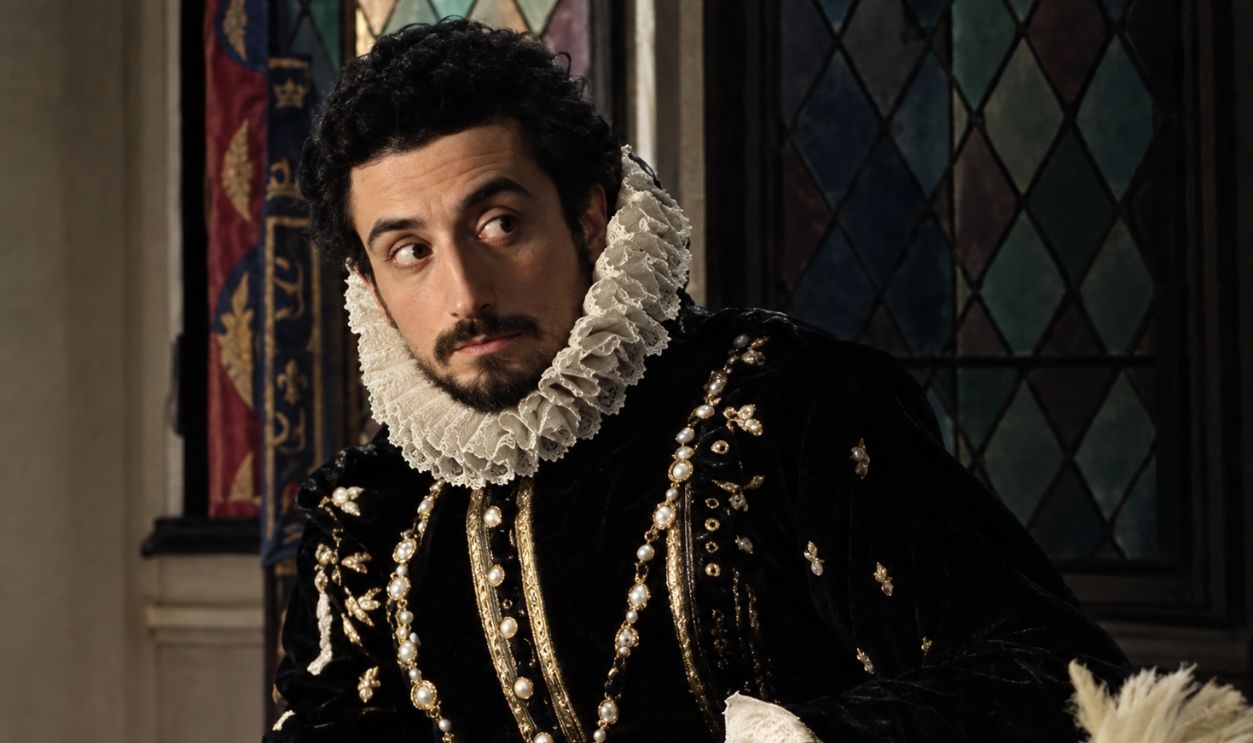
At the beginning of August, Henri marched out to Chartres at the head of 800 cavalry to confront King Henry III. But he wasn’t looking for a fight. As the townspeople praised Henri as their “savior from Protestantism”, he got down on his knees before Henry III. Instead of taking his head off, Henry III raised his old friend and blessed him with a kiss.
It was all for show.
 Screenshot from La Reine Margot, Lux Film (1954)
37. He Raised A Troubling Toast
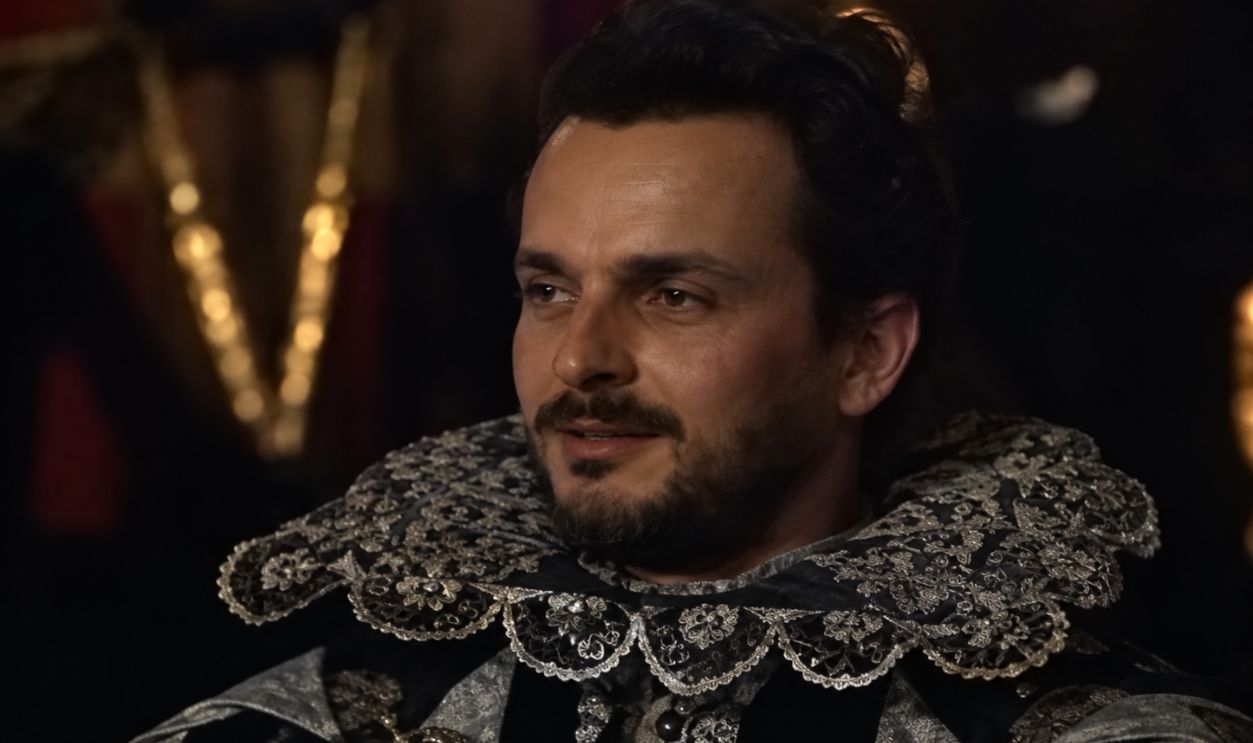
Dinner that night in Chartres took an interesting turn. Henri raised his glass in preparation for a toast. But, when he asked the table to whom they should toast that night, King Henry III quipped, “The Protestants”. Despite the obvious tensions and warnings from his friends that the king had “wicked designs”, Henri trusted that reconciliation was the way forward.
Reconciliation, however, is a two-way street.
 Screenshot from La Reine Margot, Miramax (1994)
38. He Almost Became A Traitor
With his power restored, King Henry III wasted no time protecting it. He immediately declared that leagues—such as the Catholic League—were banned. Moreover, he threatened that establishing any such league in the future would be considered treason. Even though the Catholic League managed to get Henry III to walk it back, Henri turned white as a ghost.
Now he was the target of someone else’s vengeance.
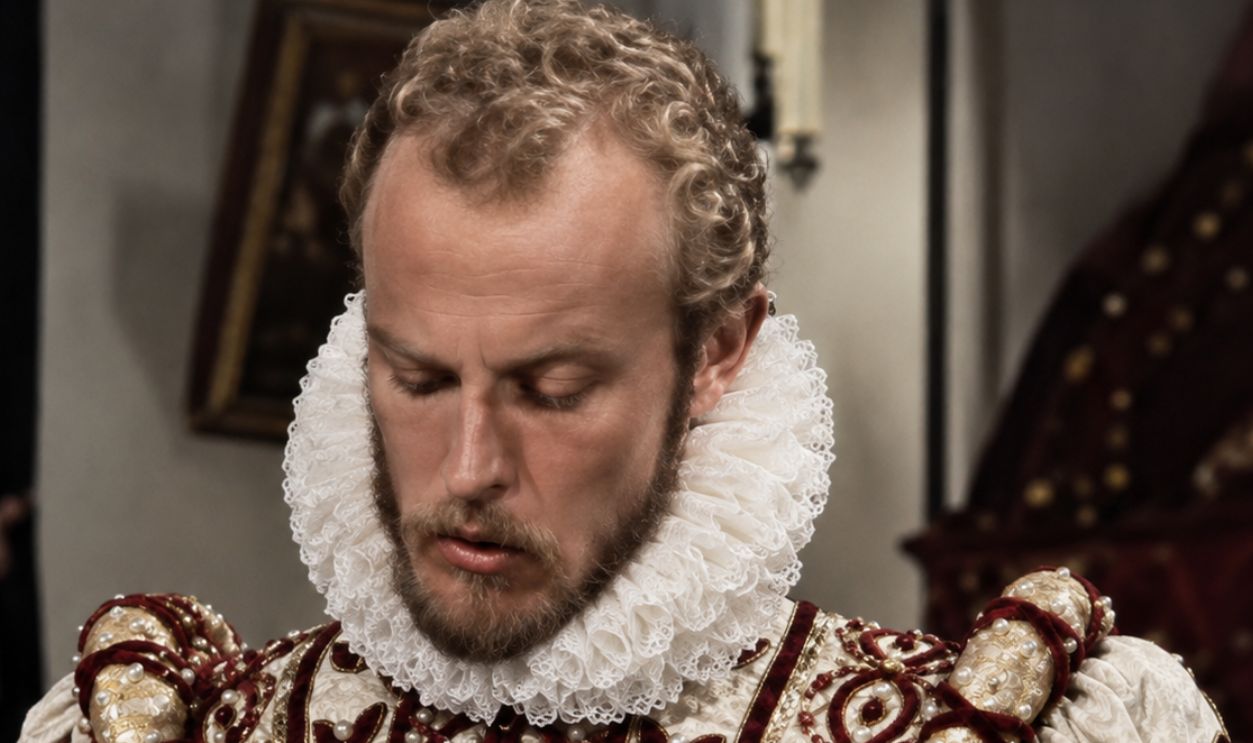 Screenshot from La Reine Margot, Lux Film (1954)
39. His Friends Urged Him To Flee
When the Catholic League met on December 9, 1588, their major concern was one thing: save Henri. The other leaders of the League pleaded with Henri to flee and seek safety in Orléans. However, Henri remained resolute that he couldn’t show weakness. If anything, he wanted more power than the lieutenant-generalship that Henry III had granted him could offer.
Then the conversations turned dangerous.
 Screenshot from La Reine Margot, Miramax (1994)
History's most fascinating stories and darkest secrets, delivered to your inbox daily.
40. His Family Made Treasonous Toasts
When the Guise clan gathered for dinner on December 17, 1588, they uttered dangerous words. Cardinal Guise lifted his glass and toasted Henri as “the king”. To make matters worse, his sister quipped that she would use “her scissors”—a veiled reference to what once happened to deposed Merovingian rulers. Their treasonous comments didn’t stay at the table.
The actor Venetianelli reported the remarks to Henry III.
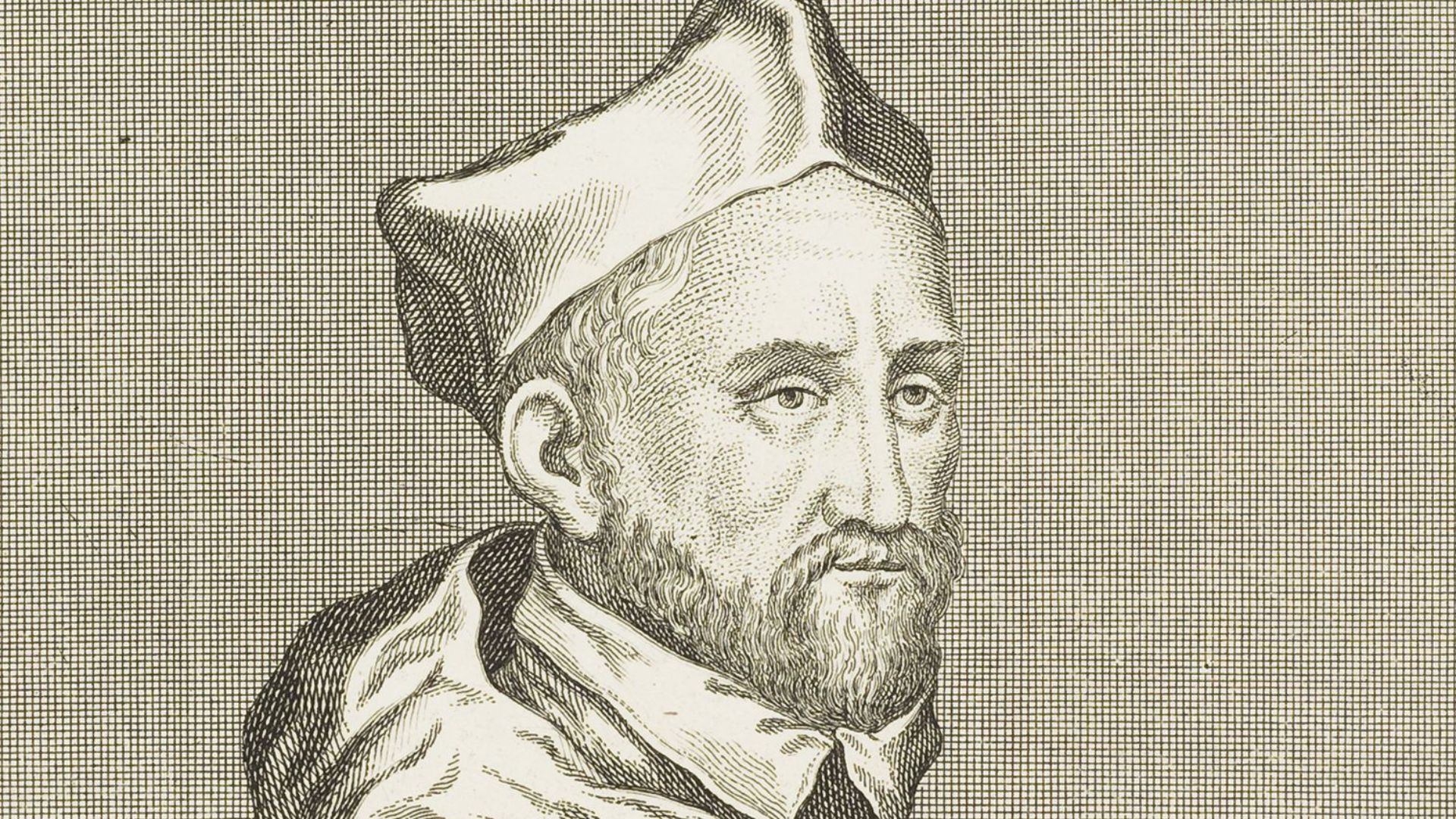 de Guise, Charles, cardinal de Lorraine (1524-1574) (depicted), Wikimedia Commons
41. His Old Friend Plotted His Demise
Just two days later, King Henry III convened a clandestine meeting with Marshal Aumont, the Marquis de Rambouillet, the Seigneur de Maintenon, and Marshal Ornano. The topic of conversation? The fate of Henri I, Duke of Guise. By the time their meeting ended, Henry III had decided what should become of his old friend: execution.
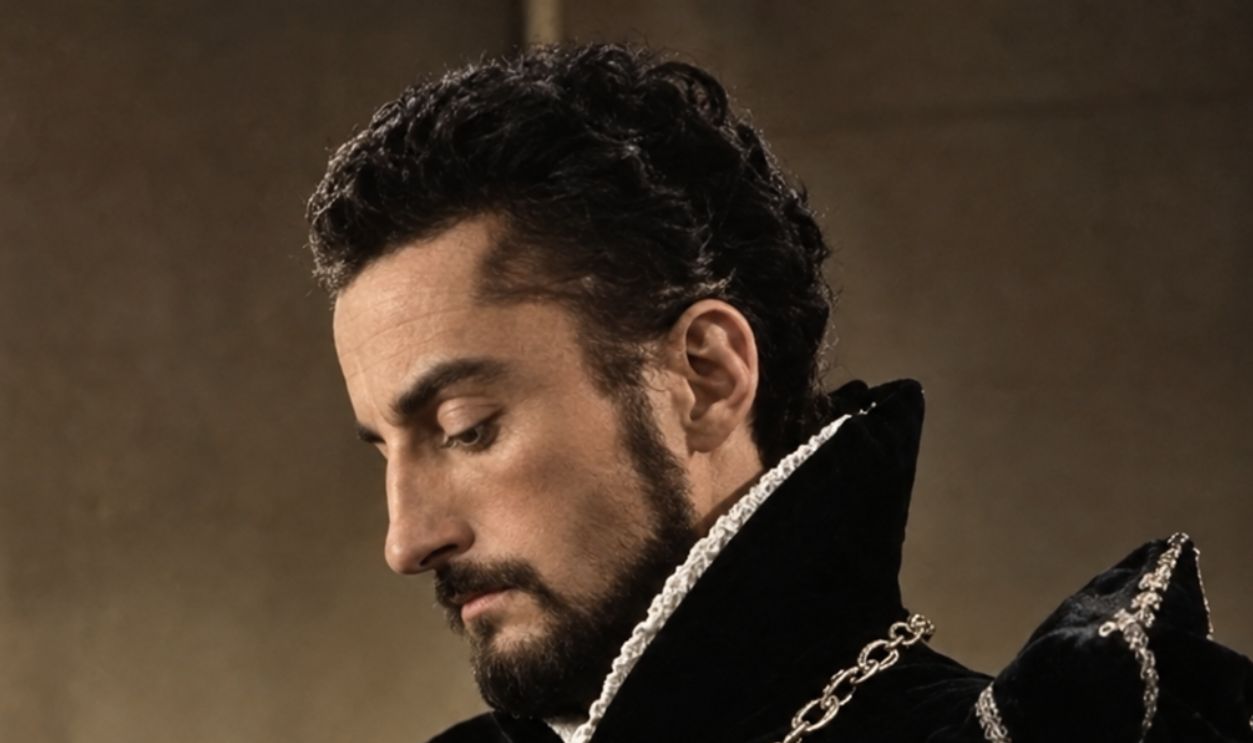 Screenshot from La Reine Margot, Lux Film (1954)
42. He Handed Over The Keys
The very next day, on December 20, Henry III and his co-conspirators set their plan into motion. First, Henry III informed his dreaded Quarante Cinq that they would be the ones to deal the final blows after he managed to get Henri alone. Next, Henry III made an announcement that he would be leaving Paris, forcing Henri to hand him the keys.
Henri had no idea that the trap had been set.
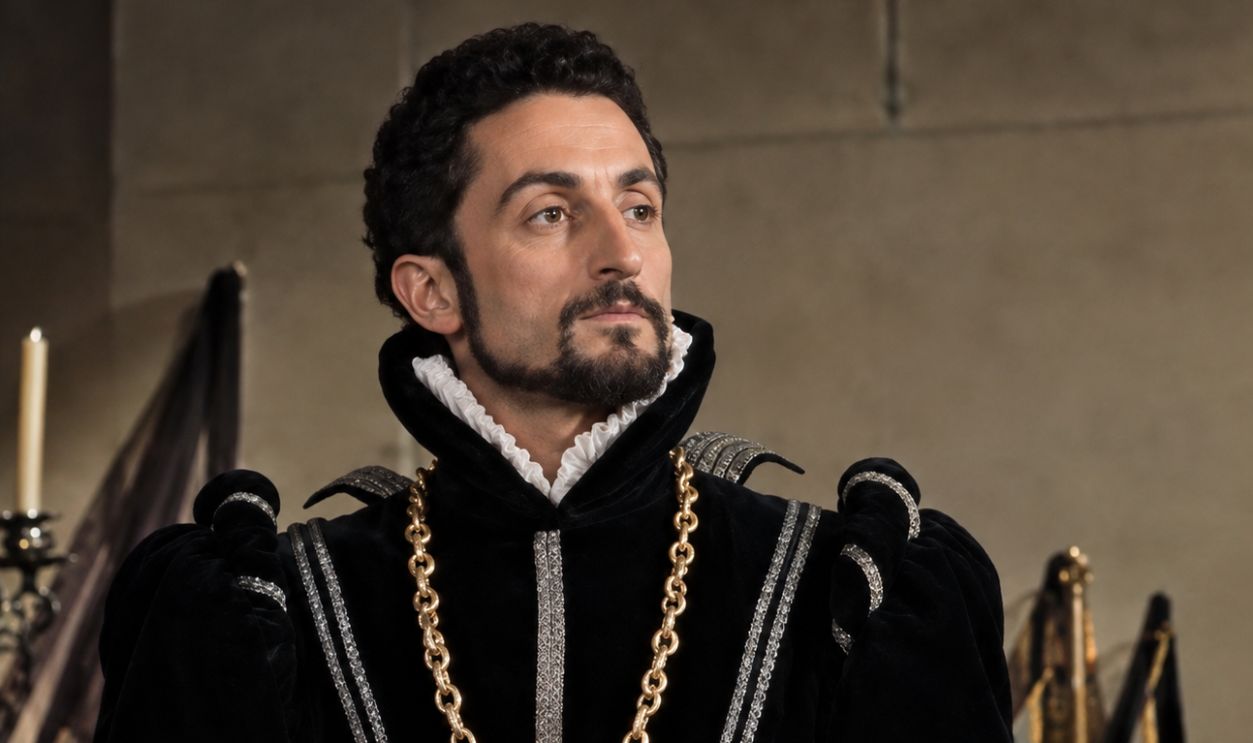 Screenshot from La Reine Margot, Lux Film (1954)
43. His Family Warned Him
Henri could have saved himself. As early as December 21, he received formal warning from his friends and family—including from his own mother—that King Henry III was plotting against him. Stubbornly, however, Henri refused to believe it. “I would never get anything done if I listened to all these warnings”. It would be too late when he finally did listen.
 Screenshot from La Reine Margot, Miramax (1994)
44. He Pleaded His Case
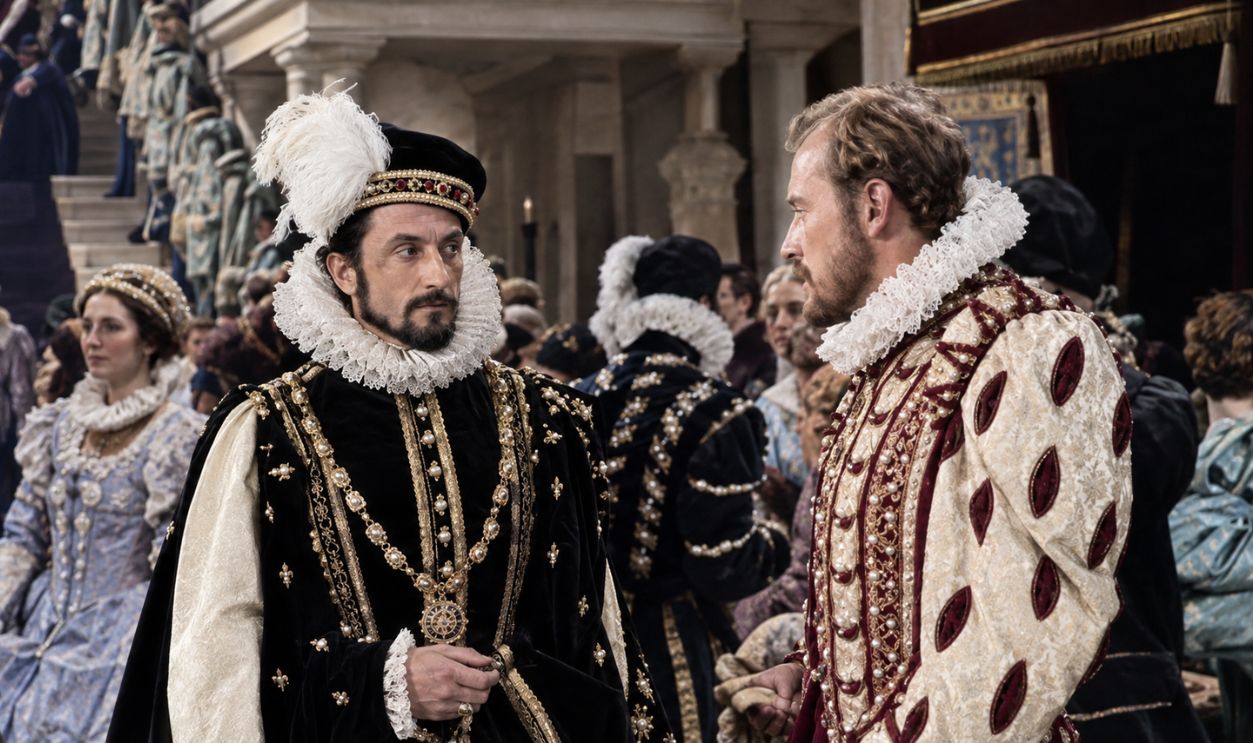
Henri still believed that he could reconcile with King Henry III. In fact, he believed it so strongly that he met with Henry III in the gardens for hours and argued his case. He told Henry III that his actions had been misunderstood and even offered to step down as lieutenant general. When Henry III told Henri to meet him at the council the next morning, Henri must have believed that he had pleaded his case successfully.
But he was wrong.
 Screenshot from La Reine Margot, Lux Film (1954)
45. He Arose With Purpose
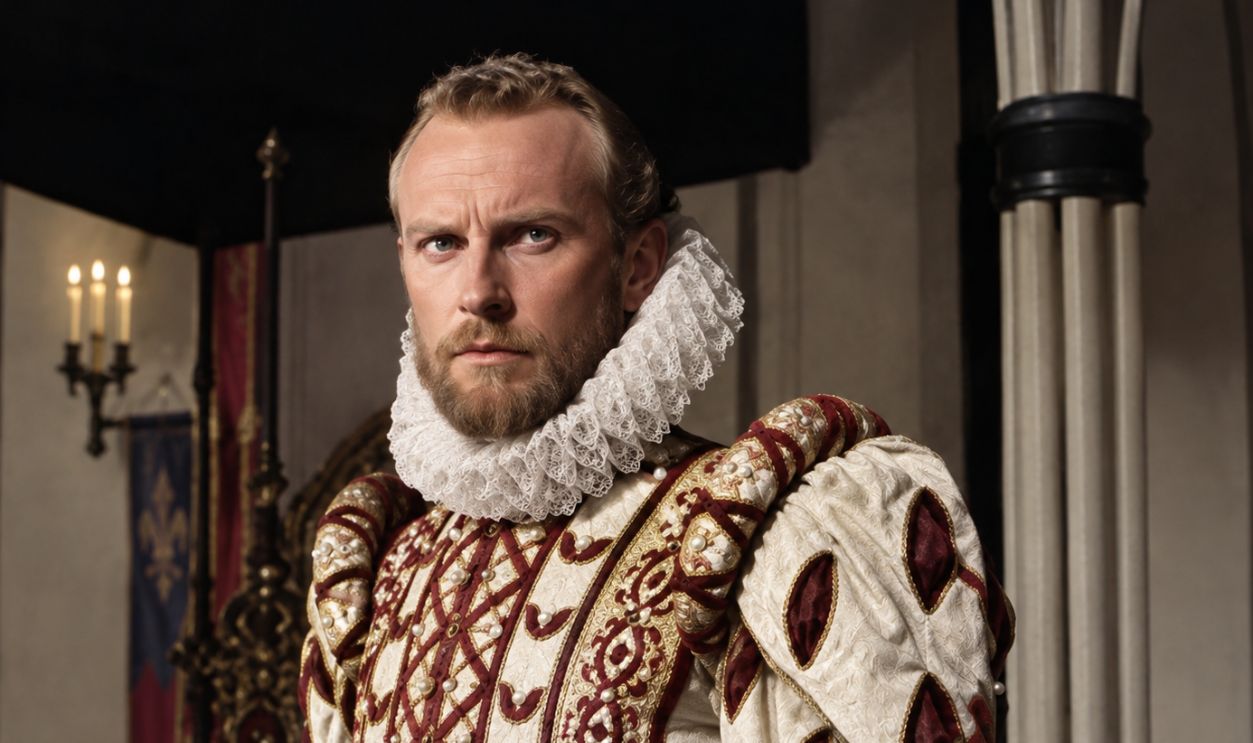
The morning of December 23, 1588, bristled with tension. Ignoring even more warnings from his allies, Henri arose early in the morning and prepared for the council meeting. He even skipped his breakfast—not that he would need it. Unbeknownst to Henri, the king had already placed eight guards in the royal chambers. And they only had one mission.
 Screenshot from La Reine Margot, Lux Film (1954)
History's most fascinating stories and darkest secrets, delivered to your inbox daily.
46. He Walked Right Into The Trap
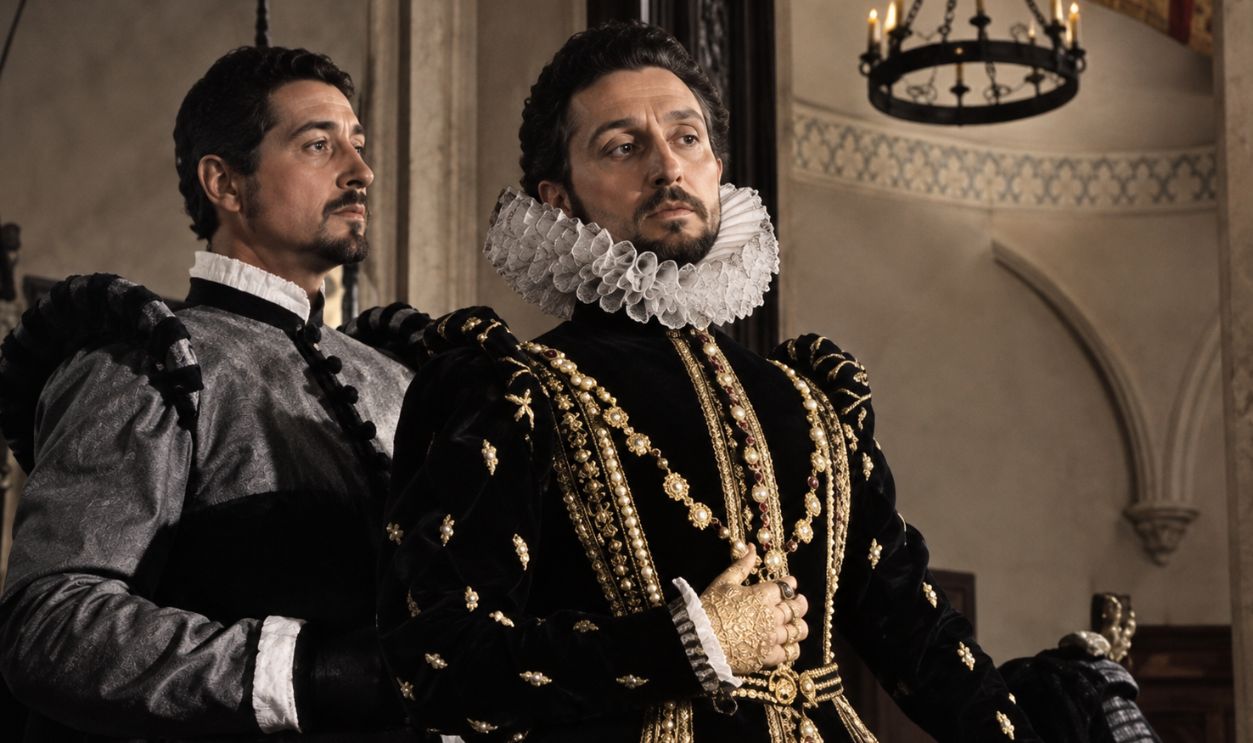
Just as planned, Henry III summoned Henri from the council to his chambers. It was then, surrounded by the Quarante Cinq, that the bloody plot unfolded. One of the guards plunged his dagger into Henri’s chest, shouting, “Traitor!” Another held his legs while one hacked at his throat, one went for his kidney, and still another plunged his blade into Henri’s back.
It was a pitiable scene.
 Screenshot from La Reine Margot, Lux Film (1954)
47. He Cried Out For Pity
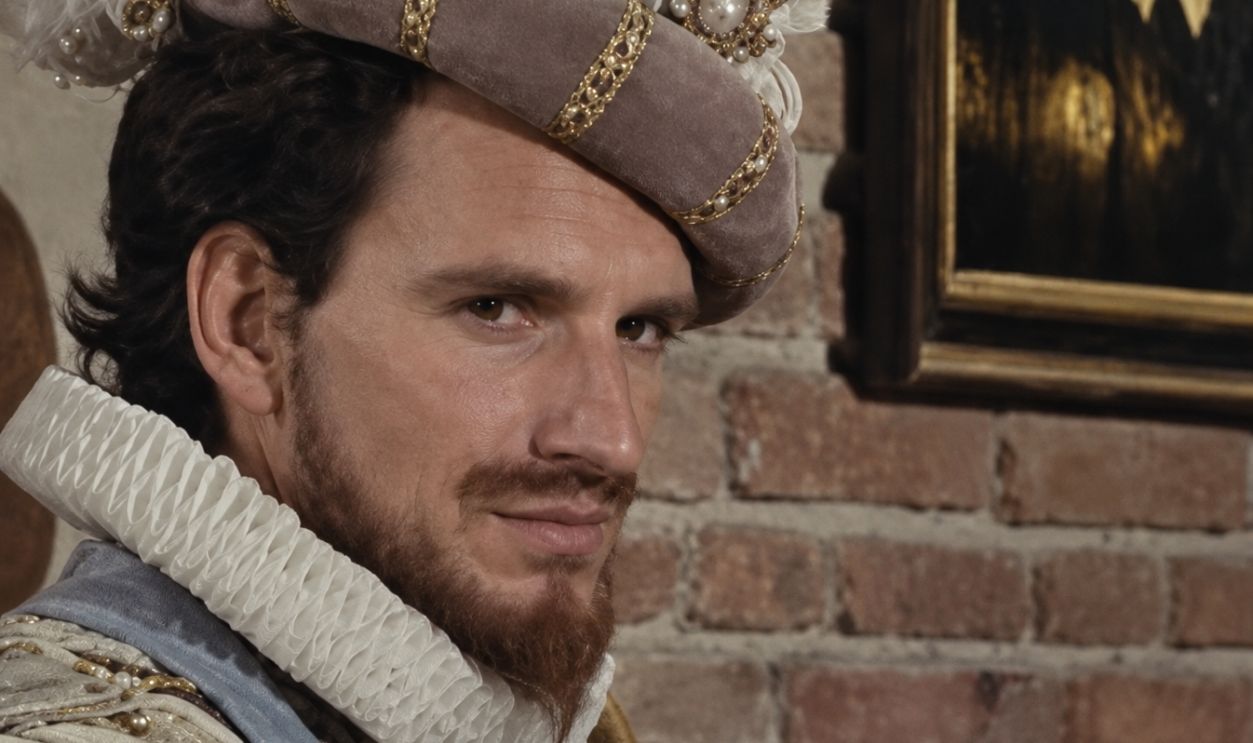
Bloodied and battered, Henri staggered and stumbled forward. Desperately, he tried to reach King Henry III’s bed, but his fate was already sealed. “Oh! What treachery!” he cried out as the life bled out of him. Then, finally, his final words: “My God! Have pity!” Sad as it was, Henri was lucky that he did not live to see what happened next.
 Screenshot from La Guerre des trois Henri (1978), Enhanced
48. His Ashes Floated Down The River
The Château de Blois became Henri’s tomb on December 23, 1588. He was just 37 years old at the time. The rest of his family would barely survive him. The very next day, Henry III had Henri’s brother, Louis II, Cardinal of Guise, captured and executed. Henri didn’t even get a final resting place. Most sources agree that Henry III had Henri’s body and that of his brother burned and their ashes tossed into the river.
Henri, however, would get his revenge.
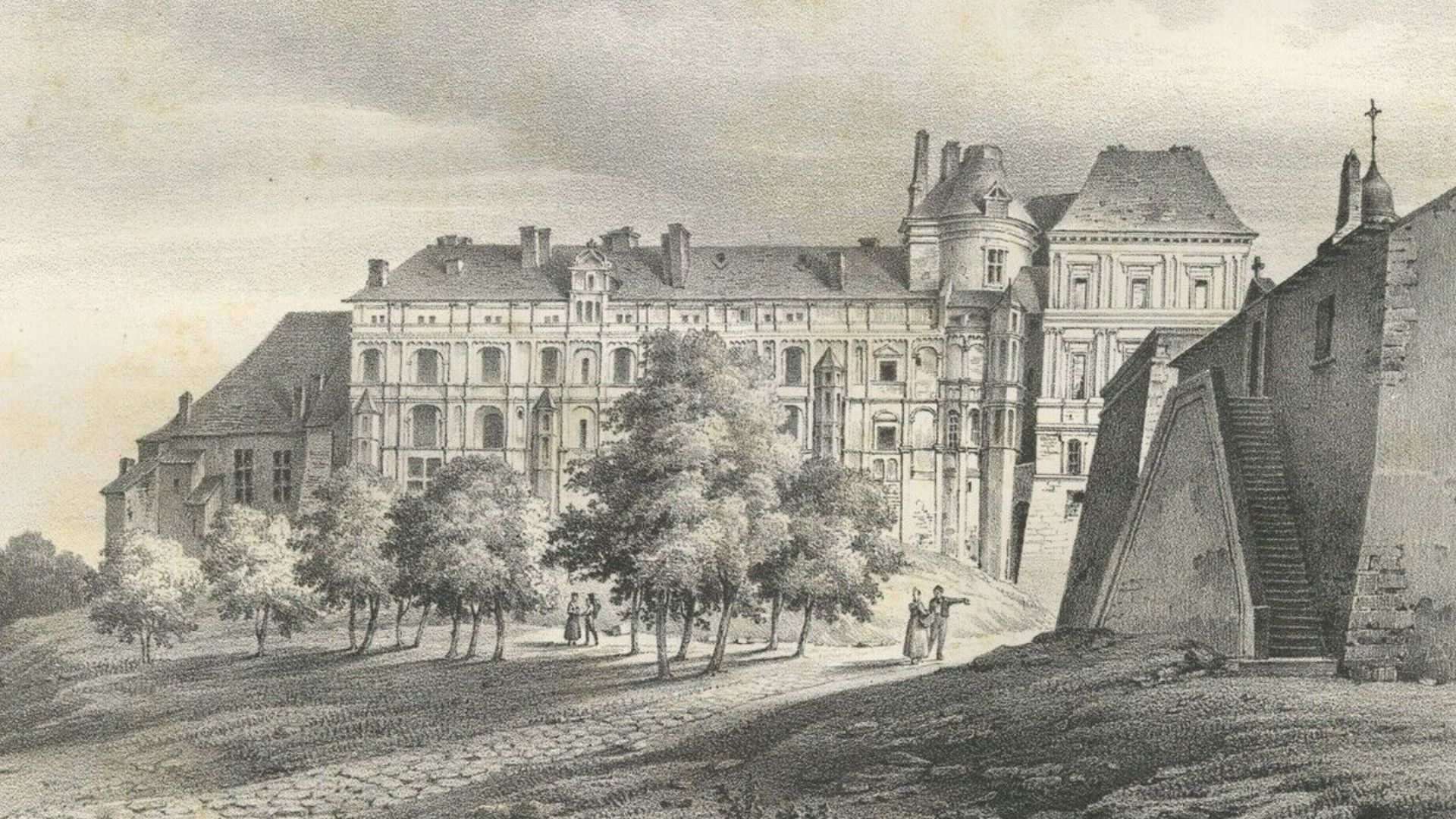 Charles-Caïus Renoux, Wikimedia Commons
49. He Always Got His Revenge
Henry III’s gamble blew up in his face. Following his demise, Henri’s brother, the Duke of Mayenne, took charge of the Catholic League, and the Sorbonne announced that the French people no longer had to obey their king. Over half of France’s 50 biggest cities switched sides and joined the League. Even from the grave, Scarface always got his revenge.
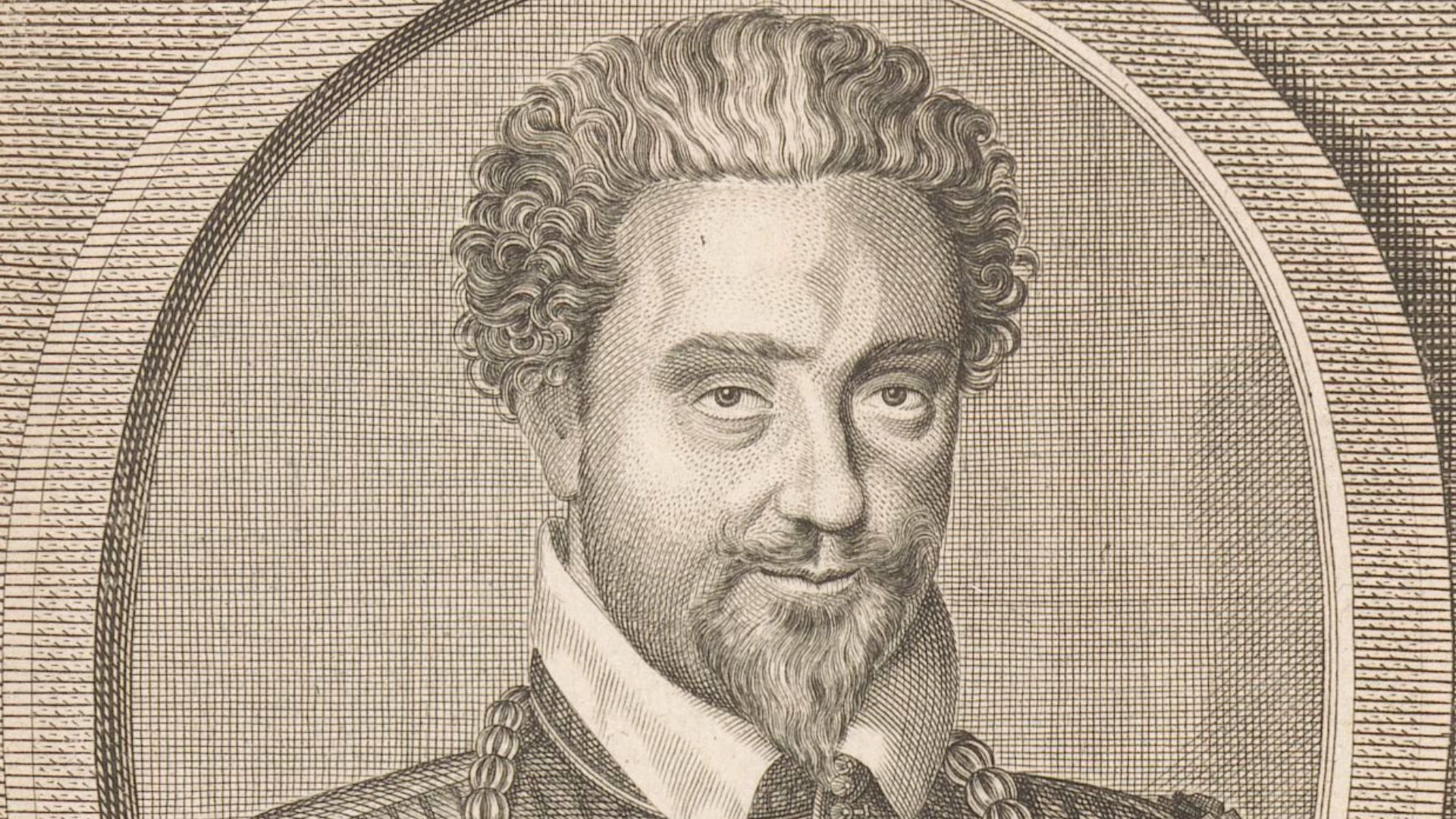 Michel Aubert, Wikimedia Commons
You May Also Like:
Ruinous Facts About King Henry III Of France, The Hated King
Cursed Facts About Charles IX, The Boy King Of France